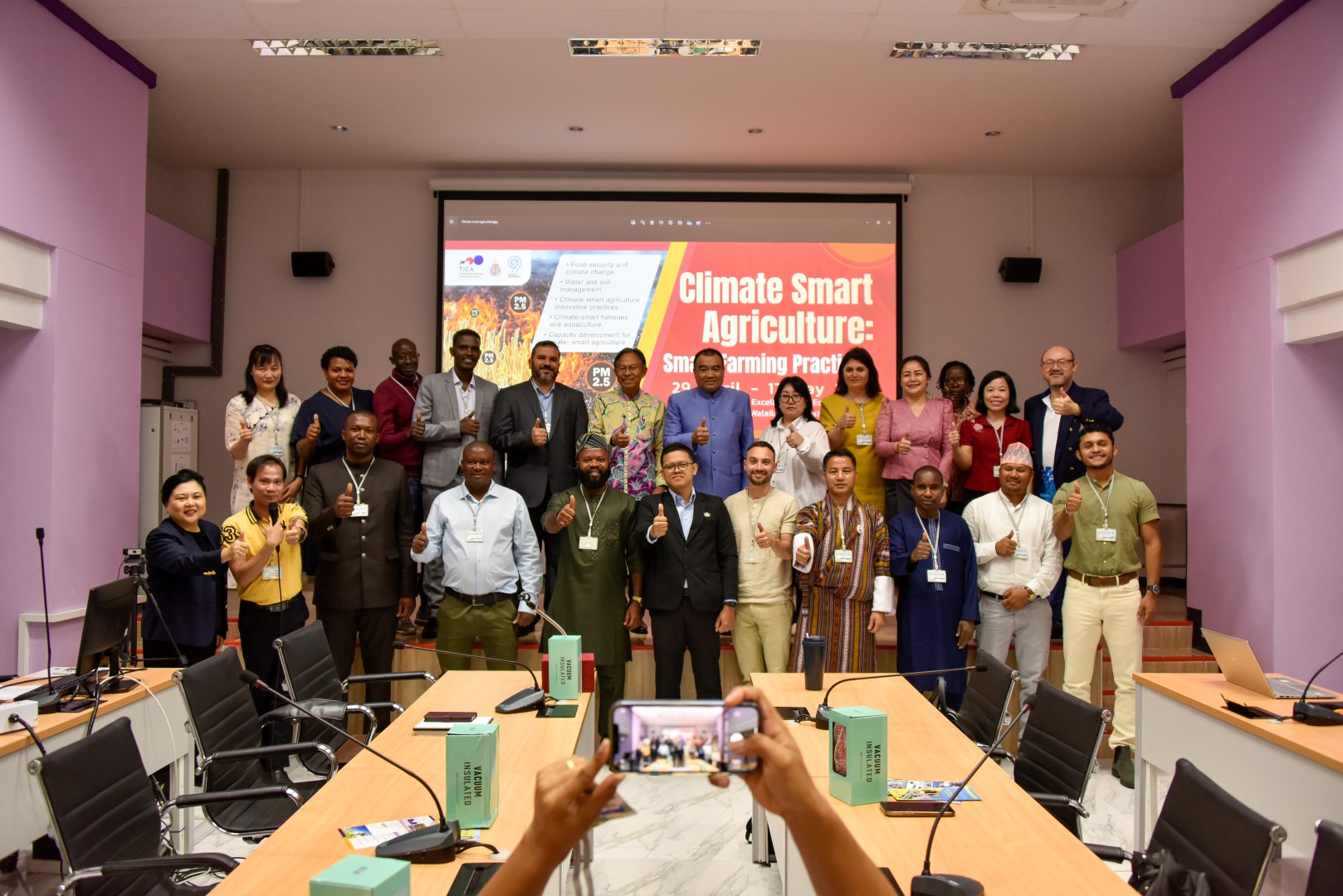
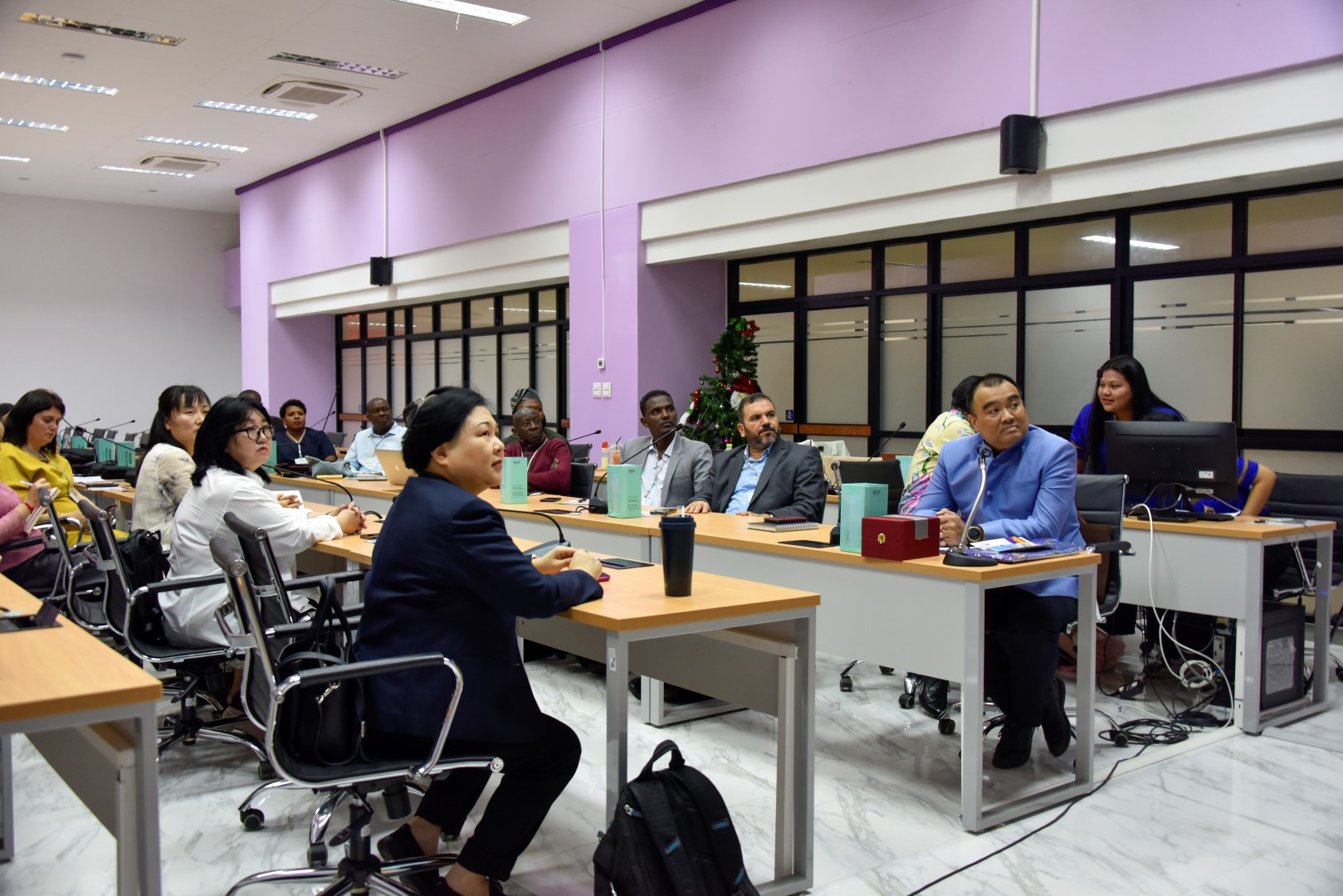
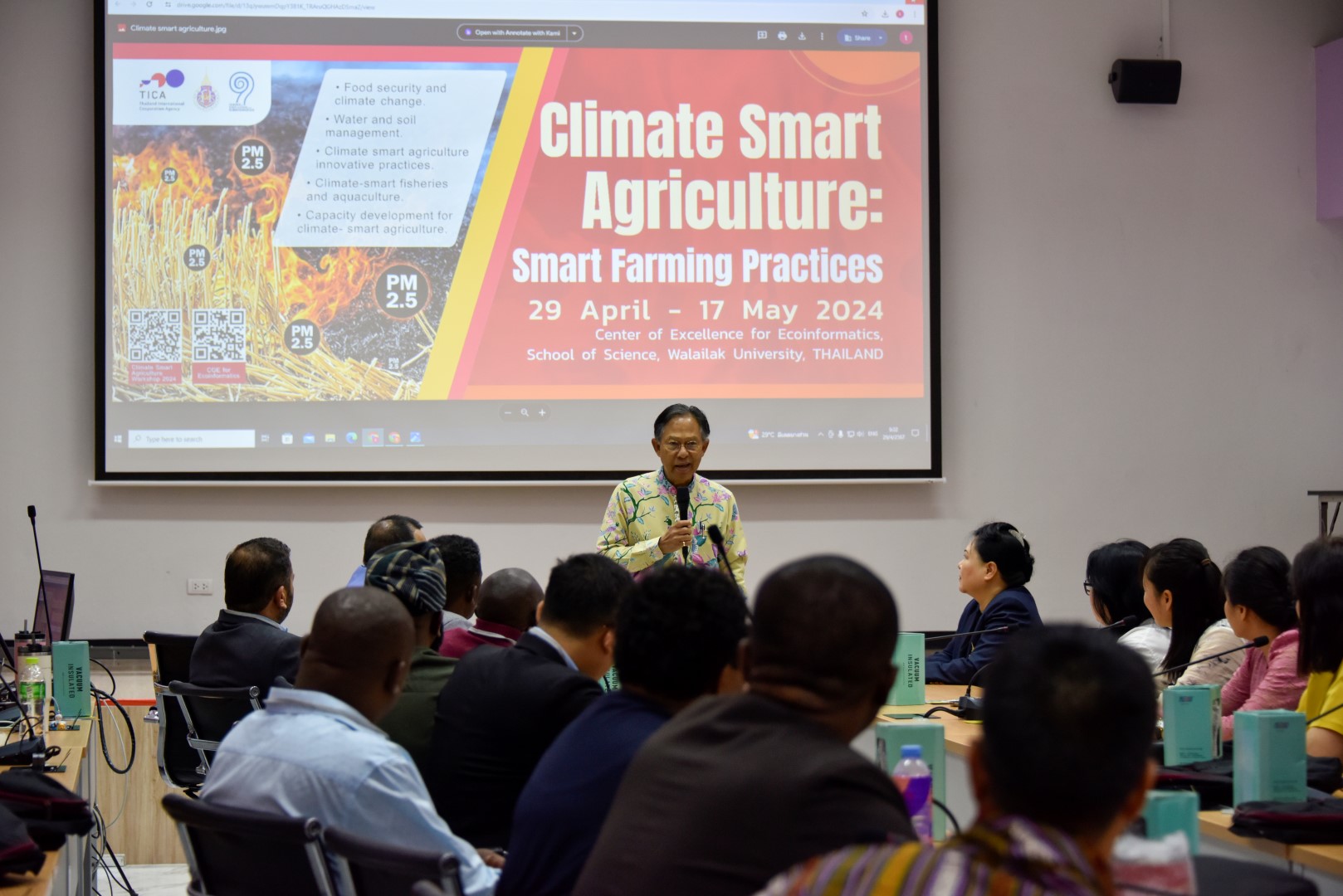
Walailak University, in collaboration with the Thailand International Cooperation Agency (TICA), Ministry of Foreign Affairs, hosted the Annual International Training Course (AITC) 2024 on Climate-Smart Agriculture, focusing on sustainable farming practices that address climate change, reduce greenhouse gas emissions, and enhance livelihoods and ecosystems.
The AITC program, established in 1991 under TICA, promotes international cooperation through training and knowledge exchange in six key areas: Sufficiency Economy Philosophy (SEP), Public Health, Climate Change and Environmental Issues, Agriculture and Food Security, Bio-Circular-Green Economy (BCG) Model, and Sustainable Development Goals (SDGs).
This year’s training at Walailak University emphasized Climate-Smart Agriculture, offering comprehensive sessions on climate change adaptation, smart agricultural practices, water management for climate change mitigation, drone mapping for monitoring crops and soil fertility, and cultural exchange activities in Nakhon Si Thammarat.
Associate Professor Dr. Surin Maisrikrod, Vice President of Walailak University, highlighted the university’s pride in contributing to global climate change mitigation efforts that address impacts on humans, plants, and animals. He reaffirmed WU’s commitment to supporting TICA’s mission and advancing collective global action toward climate resilience.
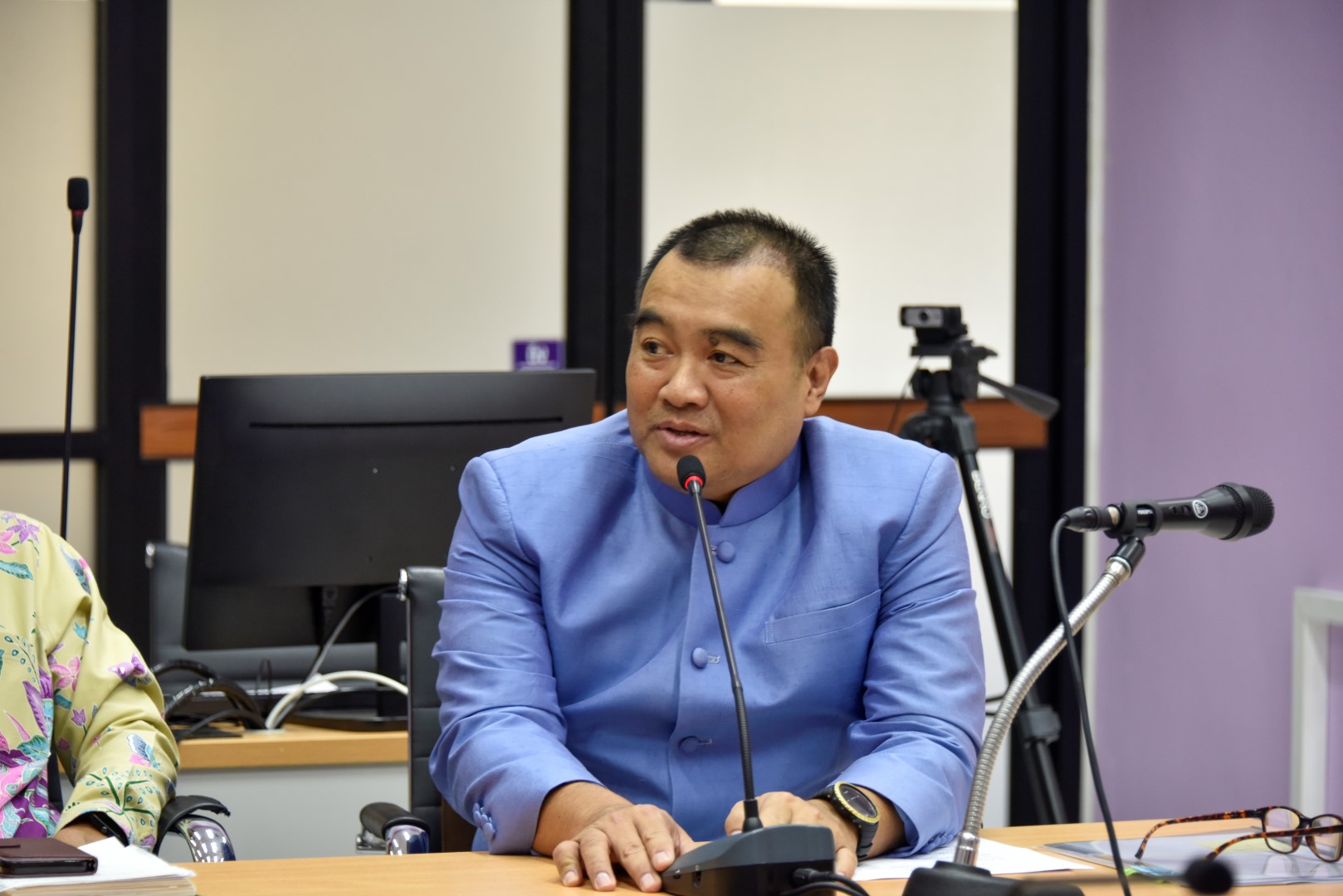
During the opening ceremony, Lt. Sorawud Preededilok, Minister attached to TICA, praised the collaboration and underscored the urgent need to address the effects of climate change on food security and living conditions. He also commended the program’s focus on leveraging technology in agriculture to enhance productivity, improve livelihoods, strengthen ecosystem resilience, and promote sustainable national food systems.
Also attending the ceremony were Associate Professor Dr. Mullica Jaroensutasinee, Dean of the School of Science, and Associate Professor Dr. Krisanadej Jaroensutasinee, Director of the Center of Excellence for Ecoinformatics, who led the first week of training.
A total of 20 participants from 20 countries—including Argentina, Azerbaijan, Bhutan, China, Fiji, Indonesia, Laos, Mongolia, Nepal, Niger, Nigeria, Serbia, Uganda, Kenya, Ethiopia, Vietnam, Zambia, Zimbabwe, Panama, and Qatar—joined the program, reflecting a strong international commitment to advancing sustainable and climate-resilient agriculture.
This activity forms part of Walailak University’s initiative to promote participation in international collaboration on gathering or measuring data for the SDGs, particularly SDG 17: Partnerships for the Goals.