
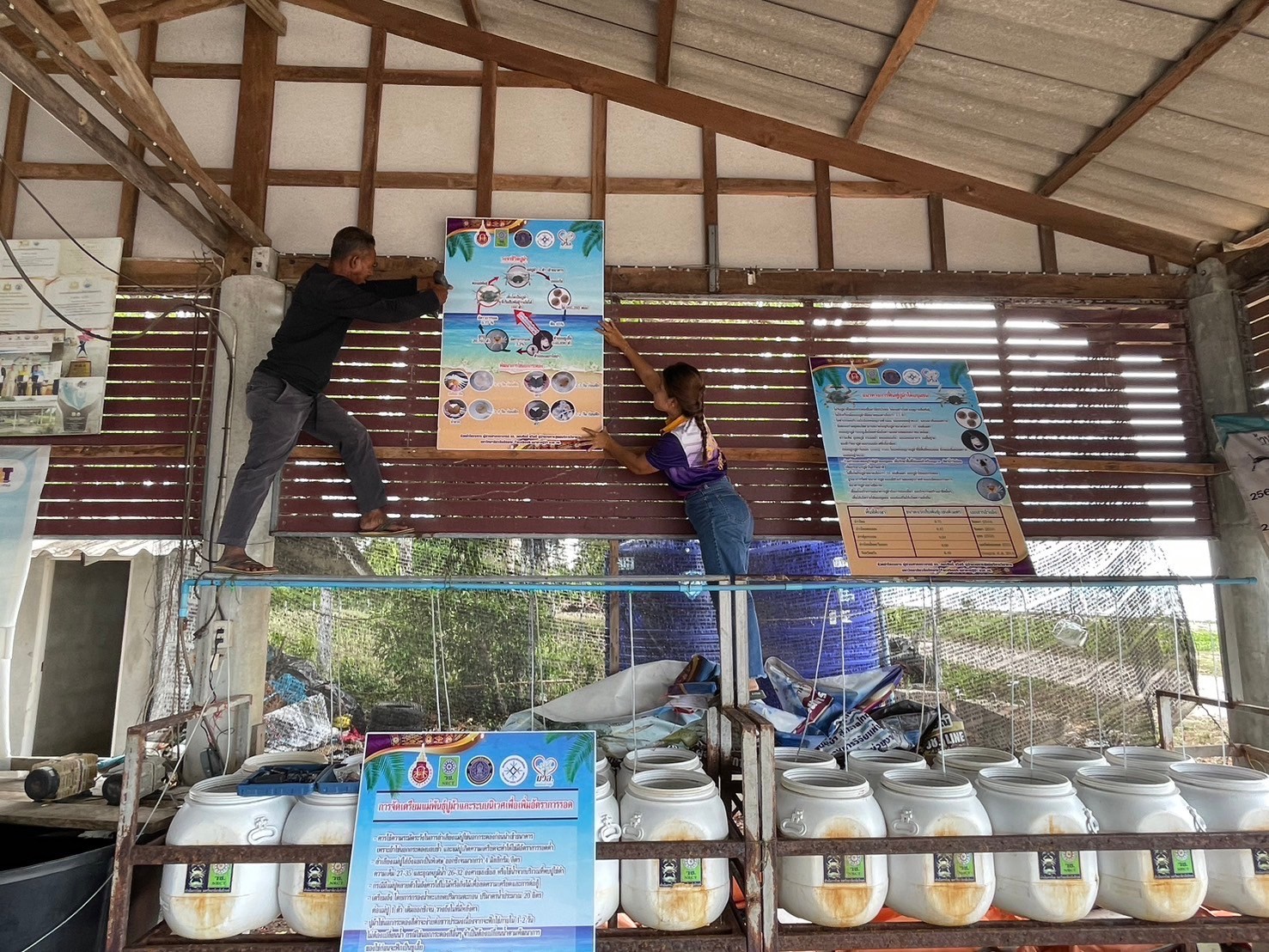
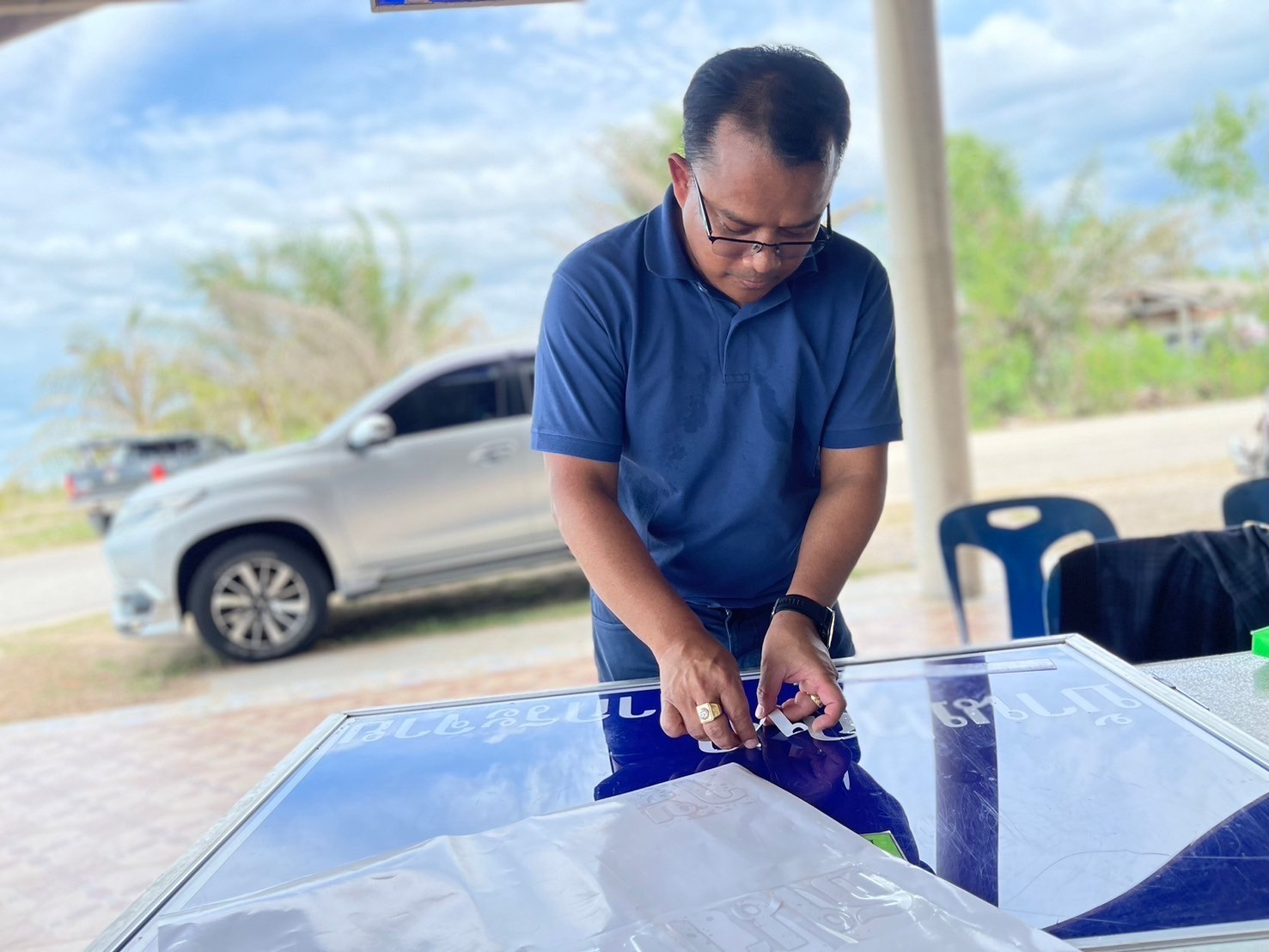
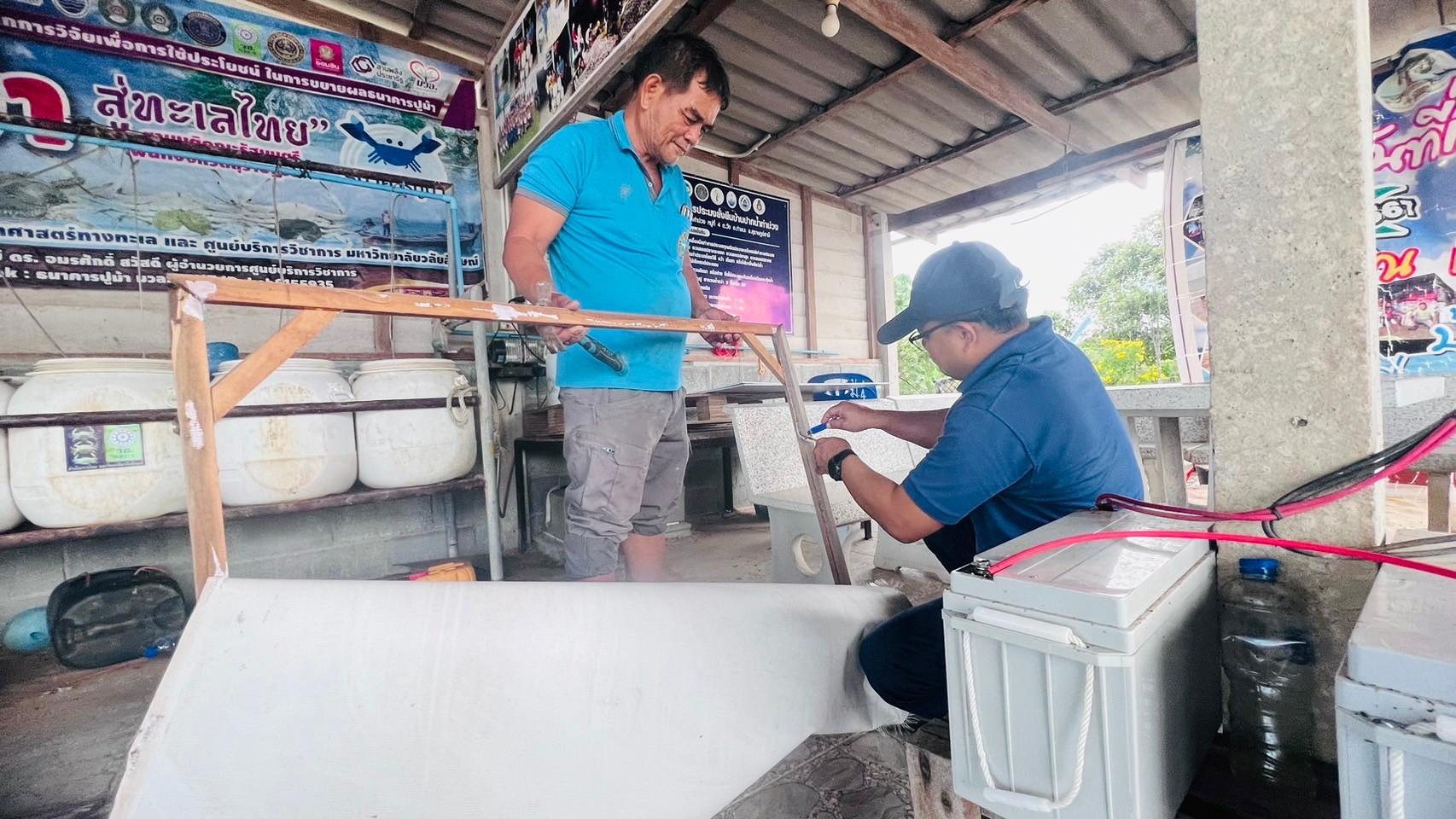
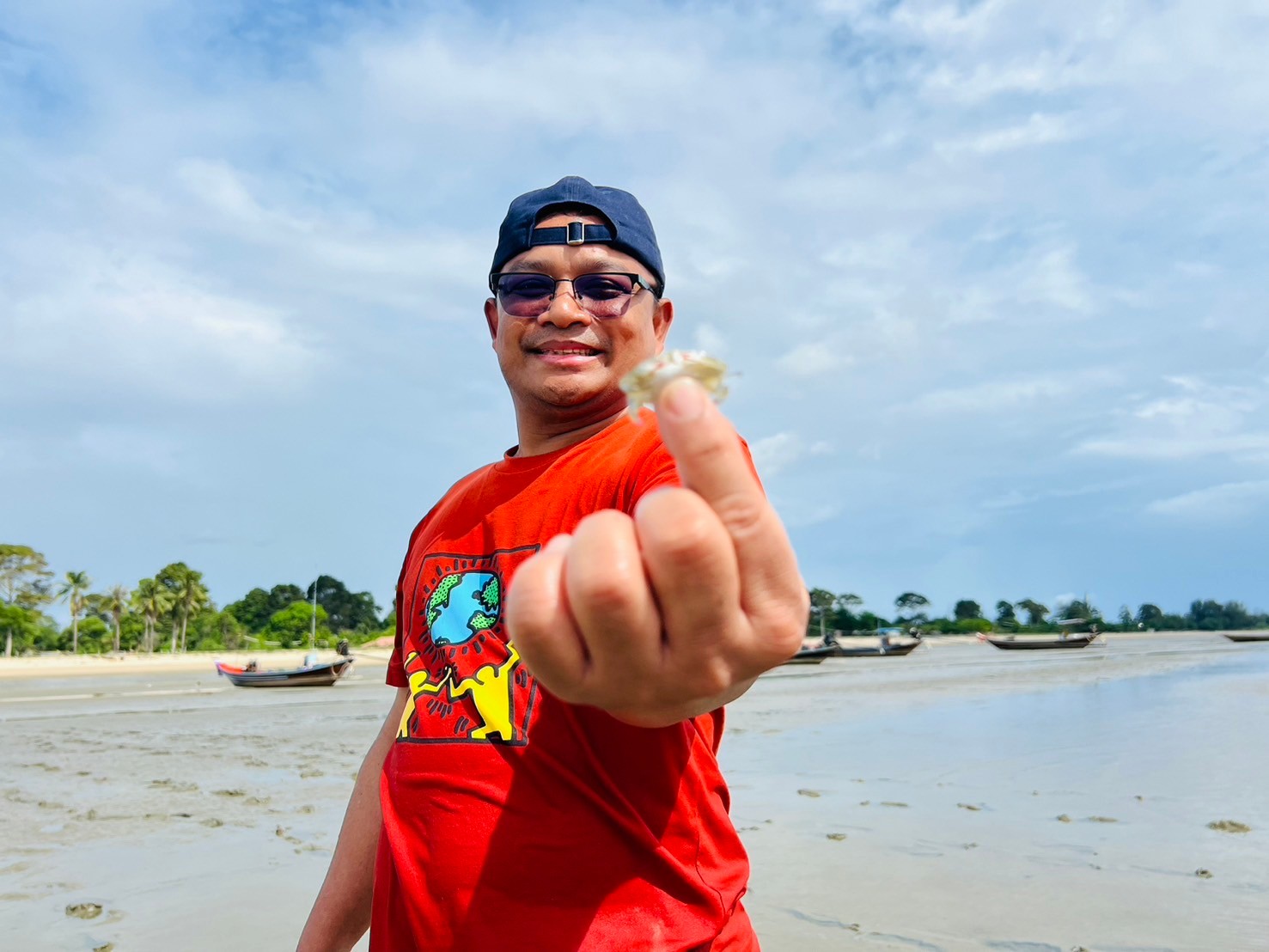
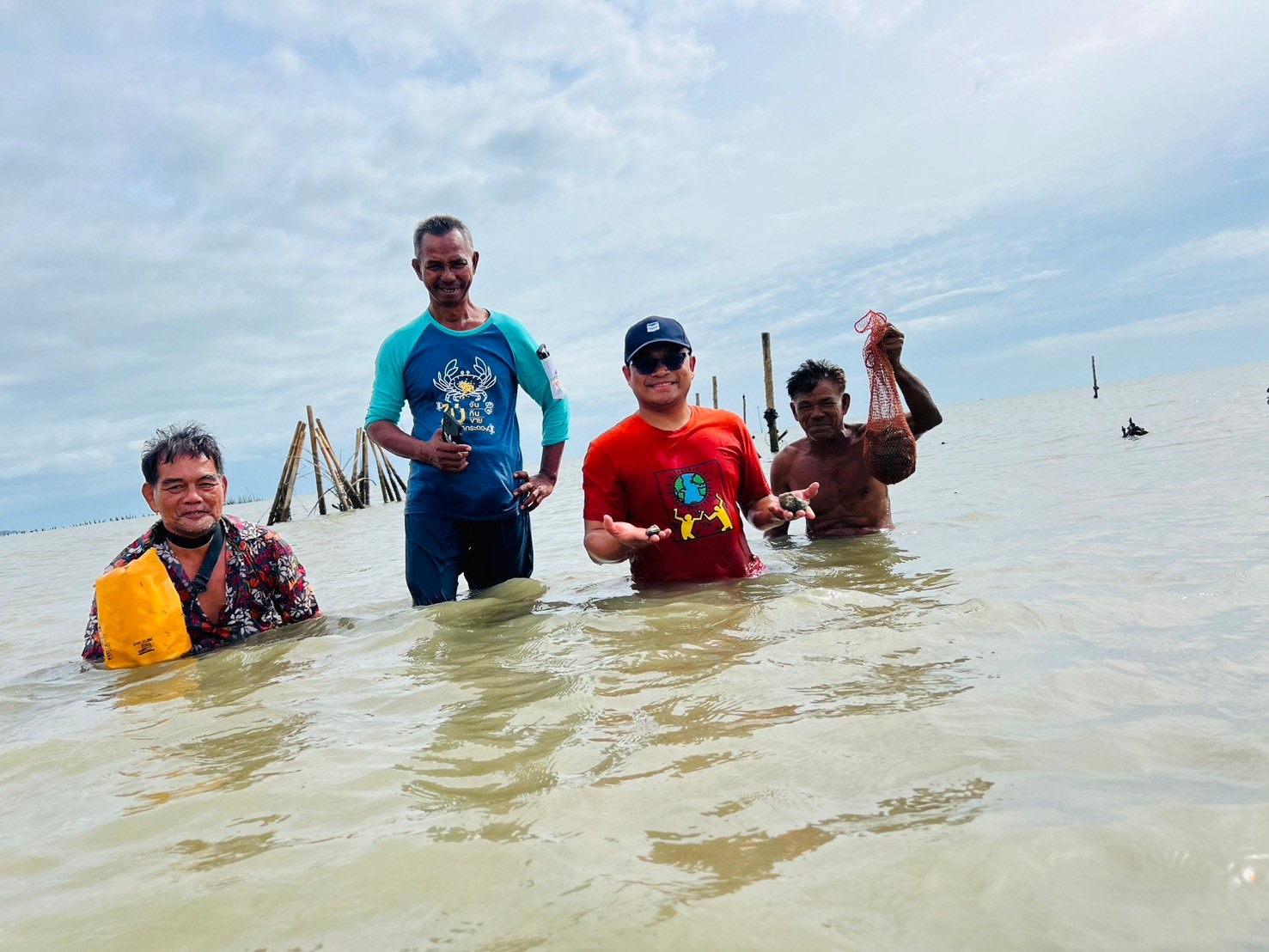
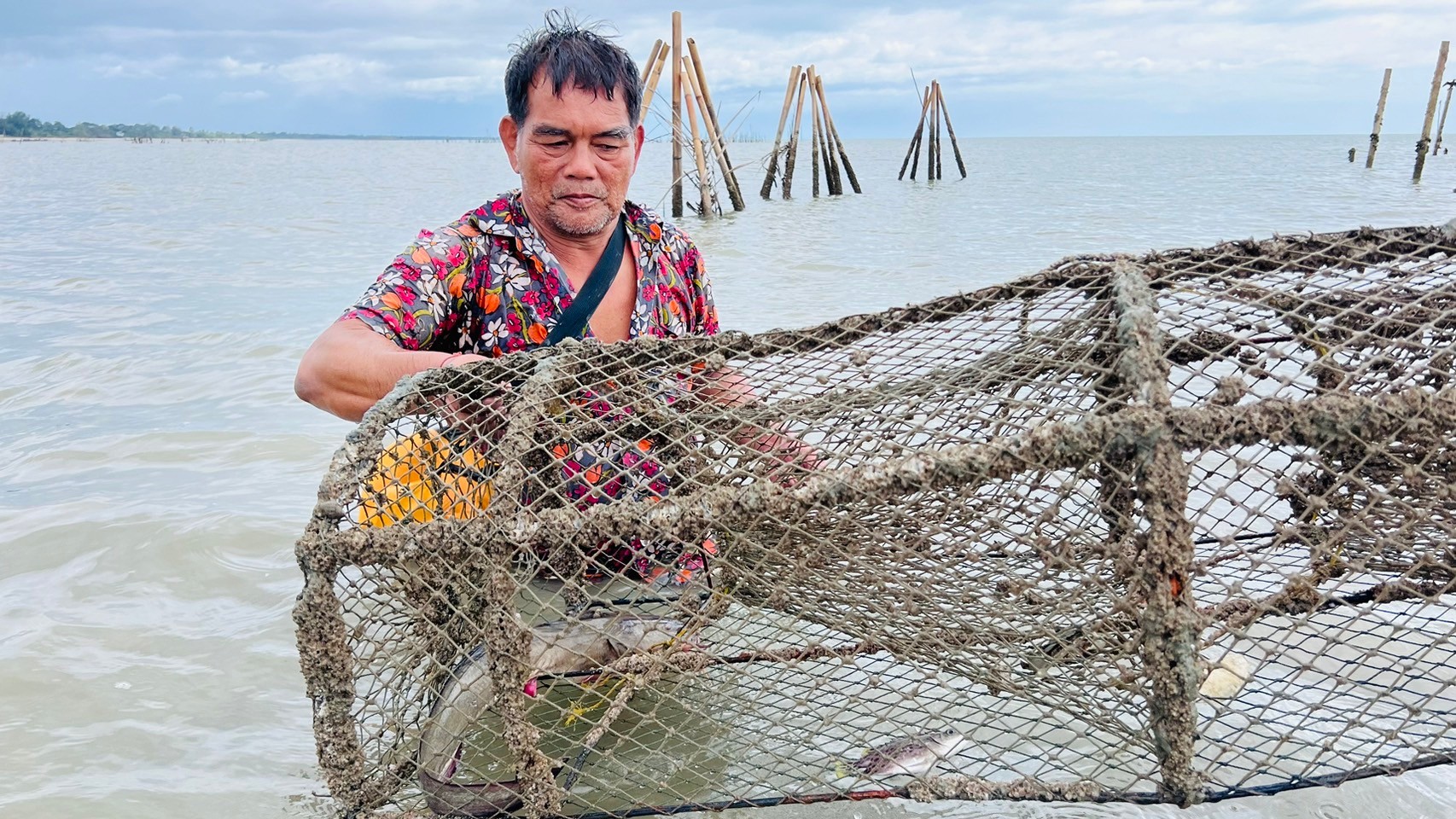
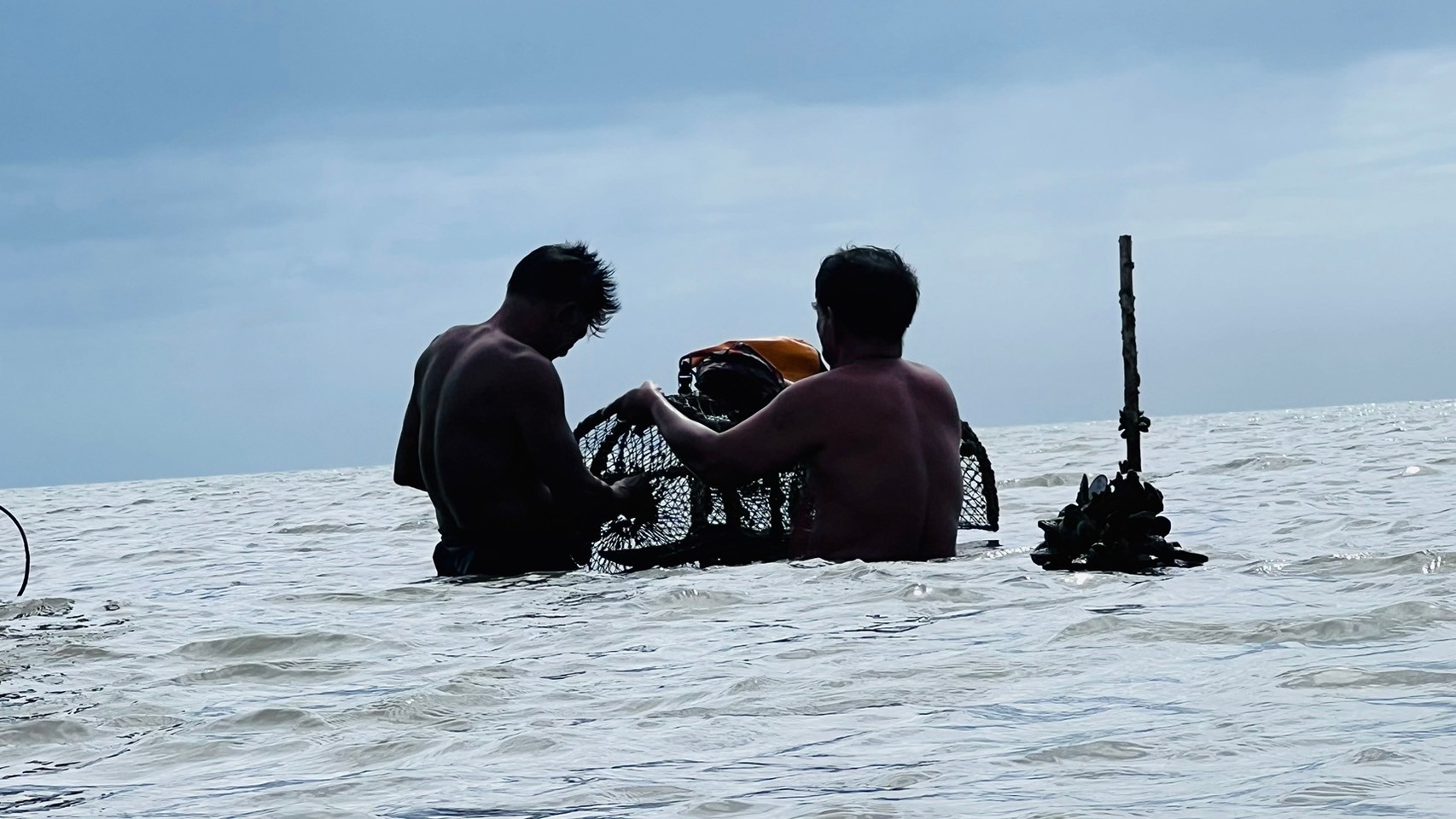
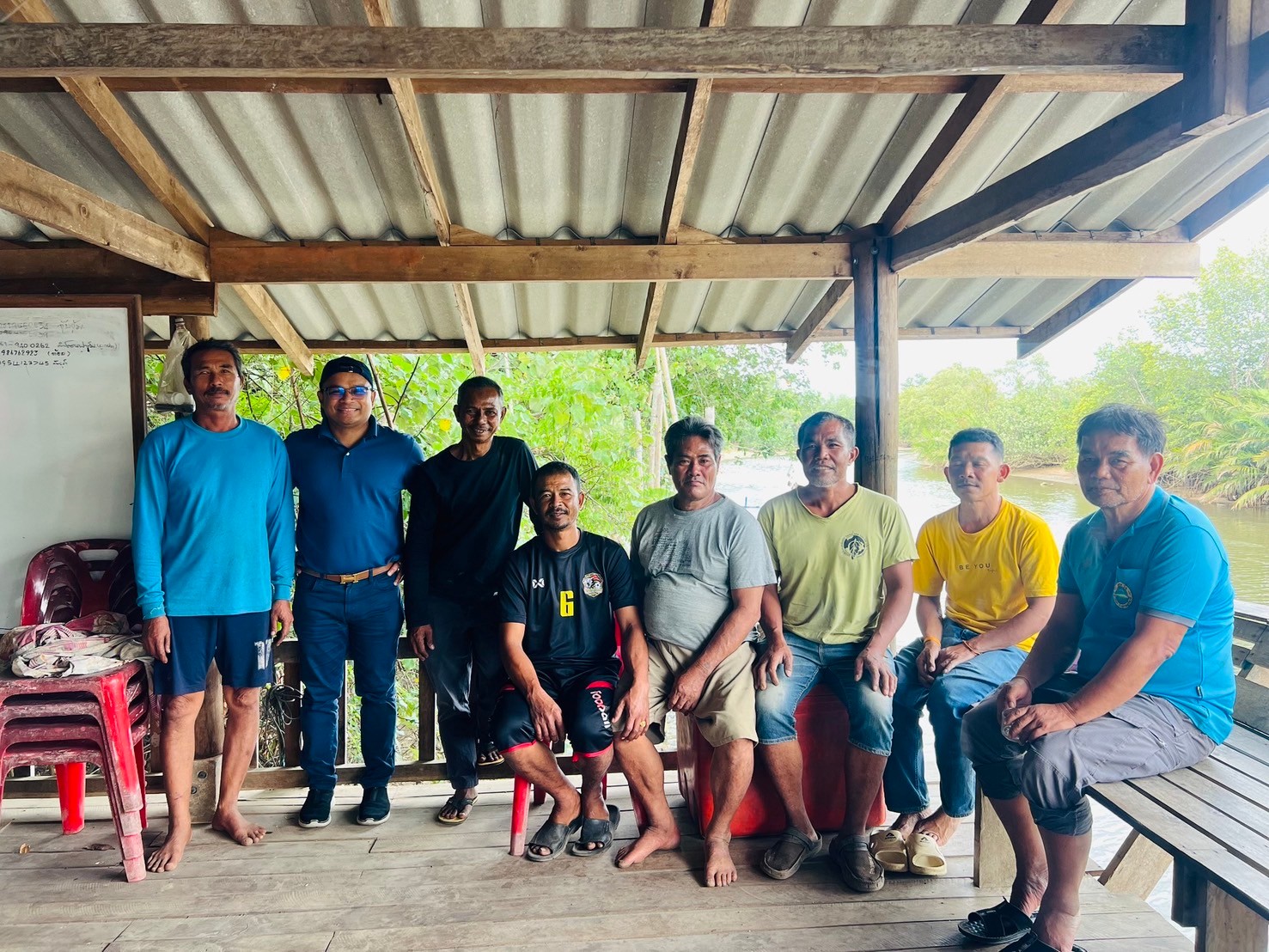
THA CHANA, SURAT THANI, 21 June 2024 – The Center for Academic Services (CAS), represented by Asst. Prof. Dr. Amonsak Sawusdee, Director of the Center for Academic Services, along with the fishermen network in Surat Thani, visited the Ban Haadsomboon Blue Swimming Crab Bank in Surat Thani to implement outreach programs in line with SDG 14: Life Below Water. The activities included monitoring the blue swimming crab bank’s progress, repairing the bank, and providing and installing informational signs related to blue swimming crabs.
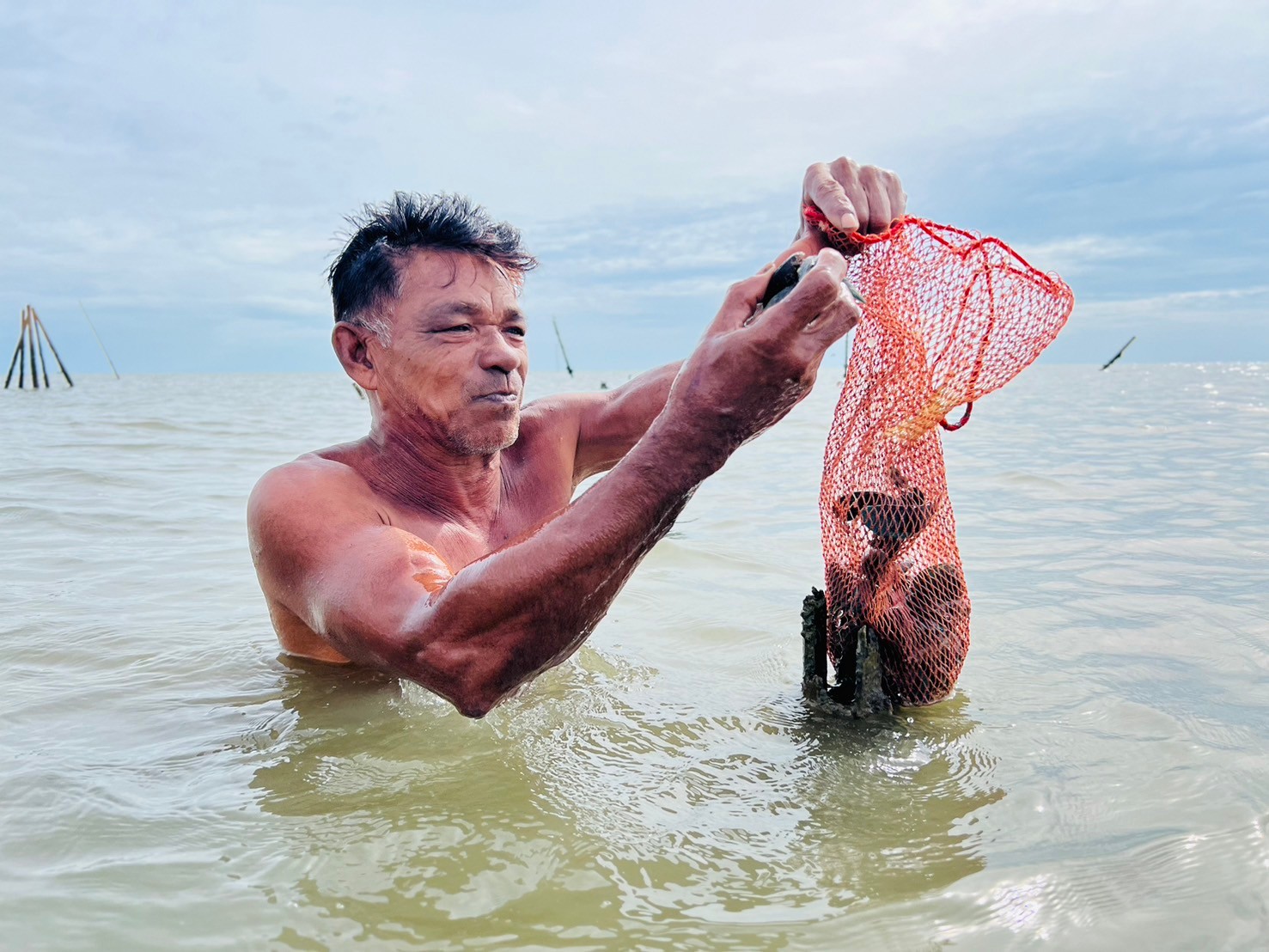
Additionally, Director Amonsak and the network jointly assessed the health of marine species around artificial fish habitats, evaluated the potential of the bank as a pilot model for marine resource conservation, and developed strategies for identifying conservation and rehabilitation zones for clams and Dog Conch. These activities are part of the project “Blue Swimming Crab Banks: The Key Factors in Inclusive Marine Coastal Resource Management for Sustainable Utilization,” funded by the National Research Council of Thailand (NRCT).
Since its inception in 2018, the project has led to the establishment of 62 blue swimming crab banks across Nakhon Si Thammarat and Surat Thani. To date, over 50,000 berried female blue swimming crabs have been deposited in these banks, with ongoing efforts to release juvenile crabs. Furthermore, fishermen’s networks in both provinces have agreed to designate 500-meter non-fishing zones to serve as nurseries for juvenile marine species, which will form the basis for developing sustainable fishing policies. The outcomes of this project will serve as foundational data for the Department of Fisheries in formulating relevant policies to ensure sustainable marine resource management.
This project was specifically developed to enhance the management of marine and coastal resources for sustainable consumption and to restore the diversity of marine ecosystems in alignment with the United Nations Sustainable Development Goals, particularly SDG 2: Zero Hunger and SDG 14: Life Below Water. It also contributes to the enhancement of the local blue economy and promotes low-carbon tourism in coastal areas.
Thai Version: https://cas.wu.ac.th/archives/28010