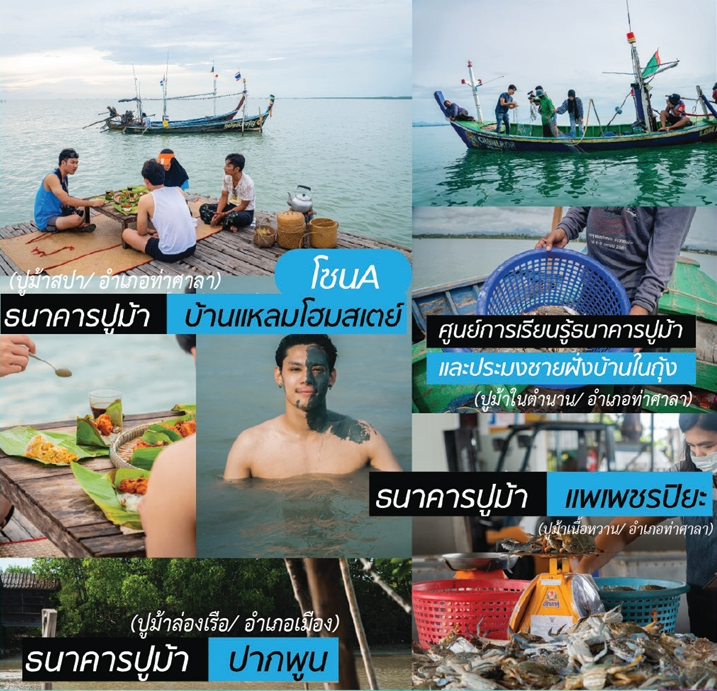
Walailak University continues to translate its long-term community engagement and marine conservation efforts into innovative research and creative outcomes. One remarkable initiative is the development of recipes from blue swimming crabs of the Gulf of Thailand, which serves as an extension of the Blue Swimming Crab Bank Project—a project that has been continuously implemented since 2018 under the leadership of Asst. Prof. Dr. Amonsak Sawusdee, Director of the Center for Academic Services, and his research team. The project has received continuous funding support from the National Research Council of Thailand (NRCT).
The Blue Swimming Crab Bank Project aims to restore marine biodiversity and promote sustainable livelihoods for coastal fishing communities. Over the years, the project has successfully encouraged local fishers to release berried female crabs back into the sea, helping replenish natural populations and contributing to a healthier marine ecosystem. Building on this success, Walailak University has taken a step further by transforming academic research into creative value-added innovations.
The research titled “Development of Local Blue Swimming Crab Recipes to Upgrade Original Areas in Nakhon Si Thammarat Province and Extend to Koh Samui and Koh Phangan” showcases how scientific knowledge and local wisdom can merge to enhance the value of marine resources. Conducted by Asst. Prof. Dr. Amornsak Sawatdee and Mr. Pawit Tansakul, Chair of the Professional Culinary Arts (Pro Chef) Program, School of Management, the project combines research, culinary creativity, and community participation.
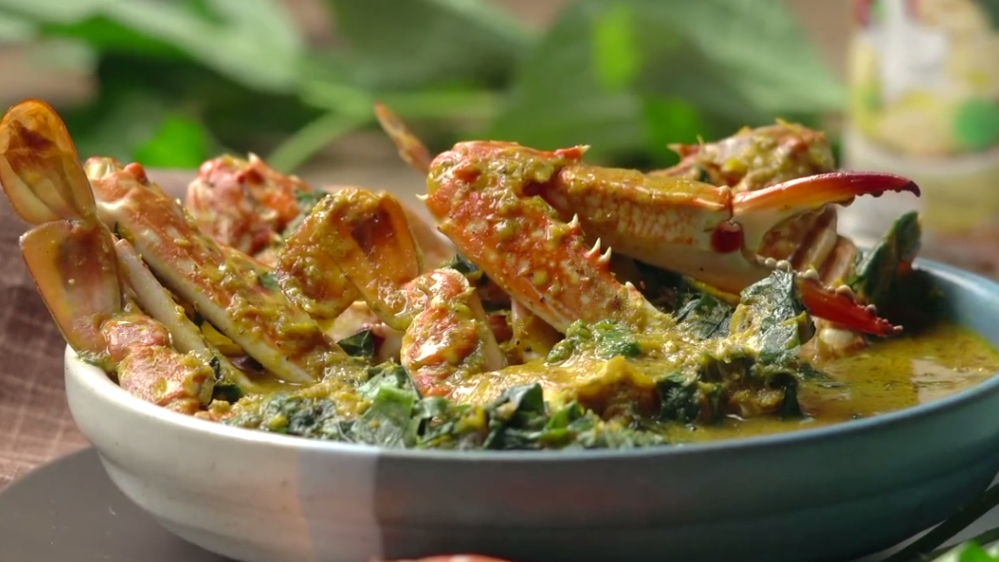
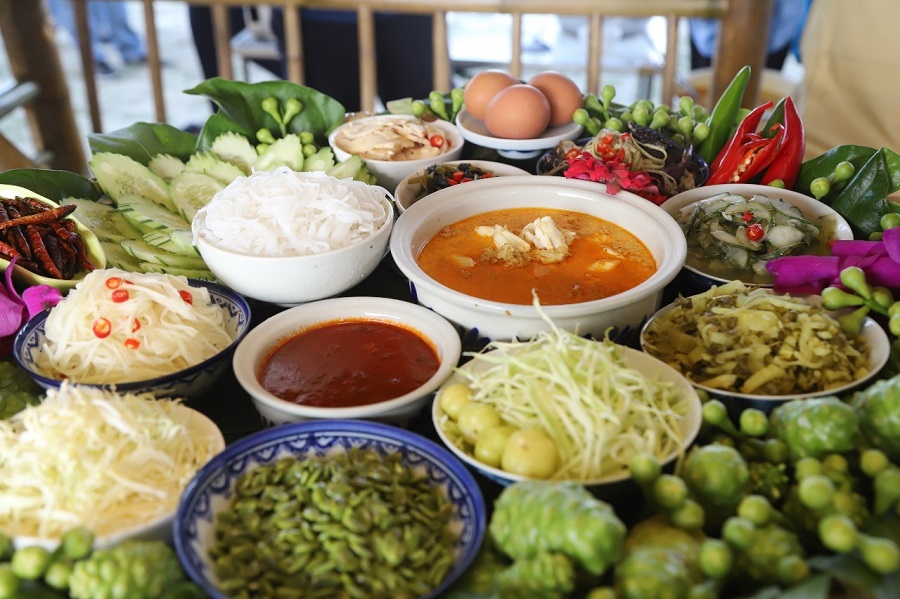
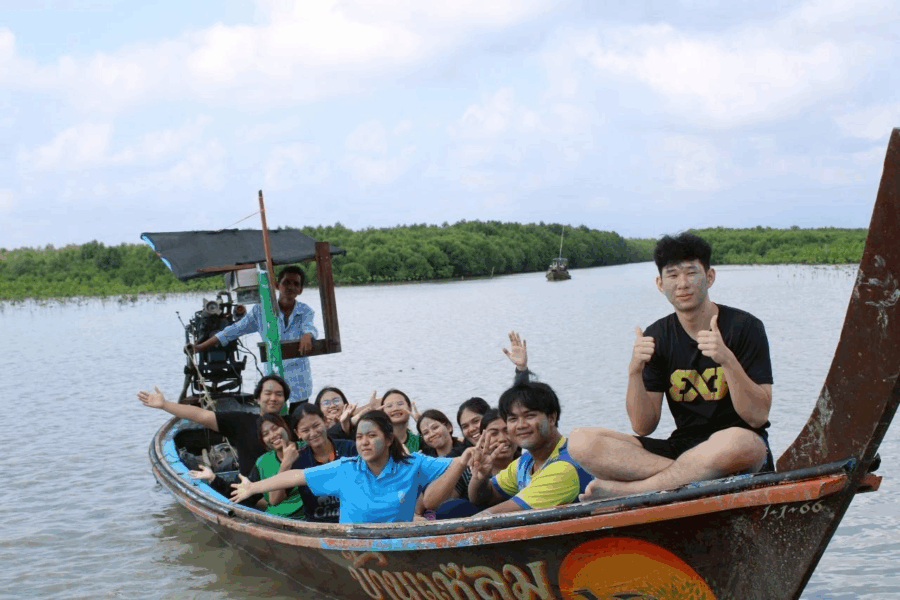
Through collaboration with local communities, chefs, and food entrepreneurs, the research team has developed a series of authentic blue swimming crab recipes that reflect the identity and richness of southern Thai cuisine. These recipes not only highlight the unique flavors of locally sourced ingredients but also serve as a new model for linking marine resource conservation, culinary innovation, and sustainable tourism.
Objectives:
- To enhance and sustain the value of blue swimming crabs under the “Return Blue Swimming Crabs to the Thai Sea” initiative.
- To create, select, and adapt distinctive local recipes that combine traditional techniques with modern culinary standards.
- To produce standardized blue swimming crab recipes with excellent taste, presentation, and food safety standards.
- To promote local cuisine as a symbol of community identity, strengthening the image of southern Thai food for tourism and cultural promotion.
- To inspire new research directions that connect marine resource conservation with food innovation and community development.
This initiative reflects Walailak University’s commitment on offering educational programmes or outreach for local or national communities on sustainable management of fisheries, aquaculture and tourism.