Walailak University Monitors the Health of Marine Animal Populations in Ban Don Bay
22 June 2024, Nakhon Si Thammarat — Walailak University (WU) has announced promising results from its 2024 study on marine animal populations in Ban Don Bay, highlighting improvements in the overall health and biodiversity of the ecosystem. The research employed GIS technology and focused on monitoring key species that indicate ecosystem health.
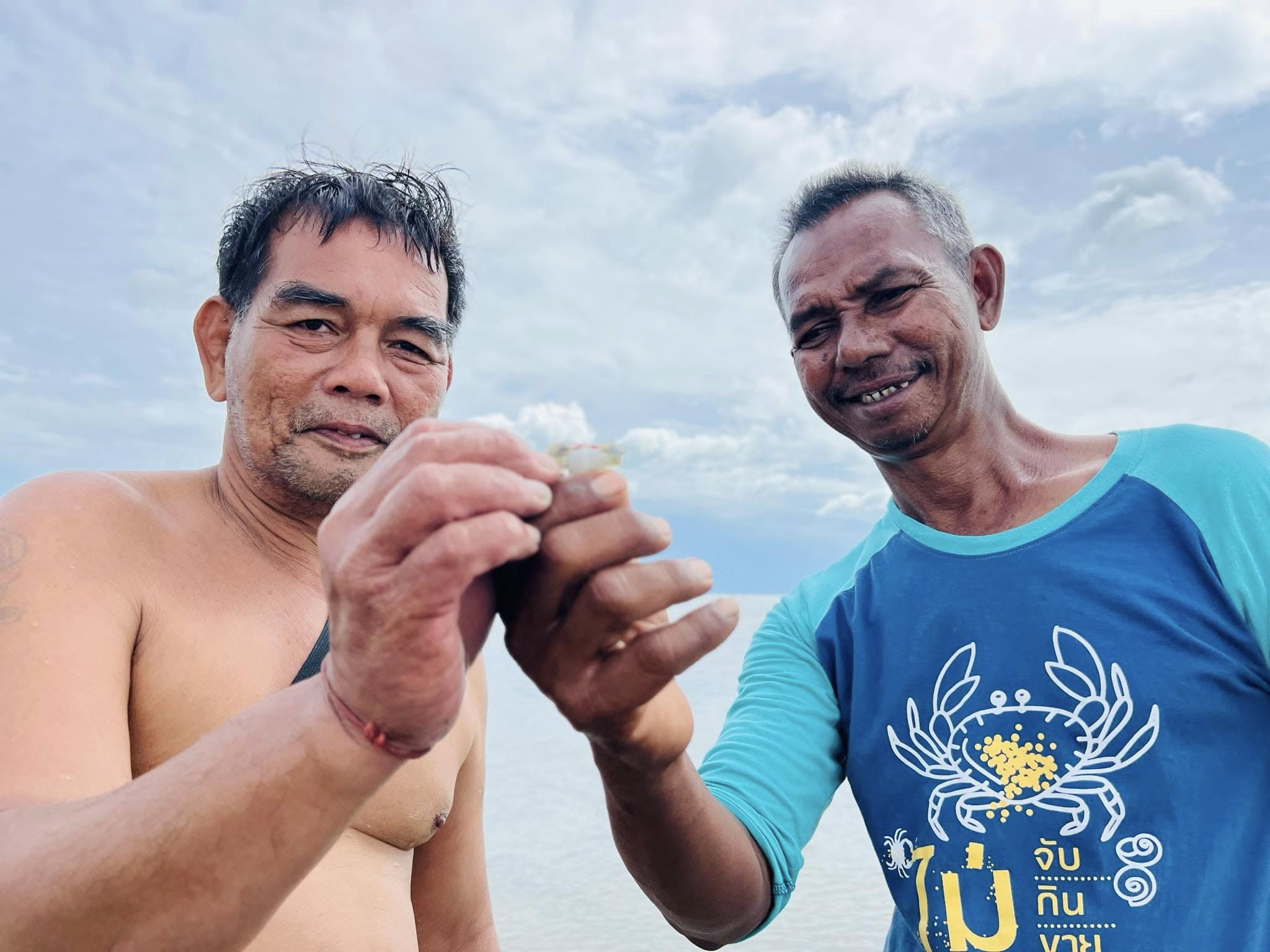
The study found a significant increase in blue swimming crab populations during the megalopa stage, reflecting the success of WU’s conservation initiatives, which include blue swimming crab banks, the release of juvenile crabs, and the reintroduction of berried female crabs into the bay.
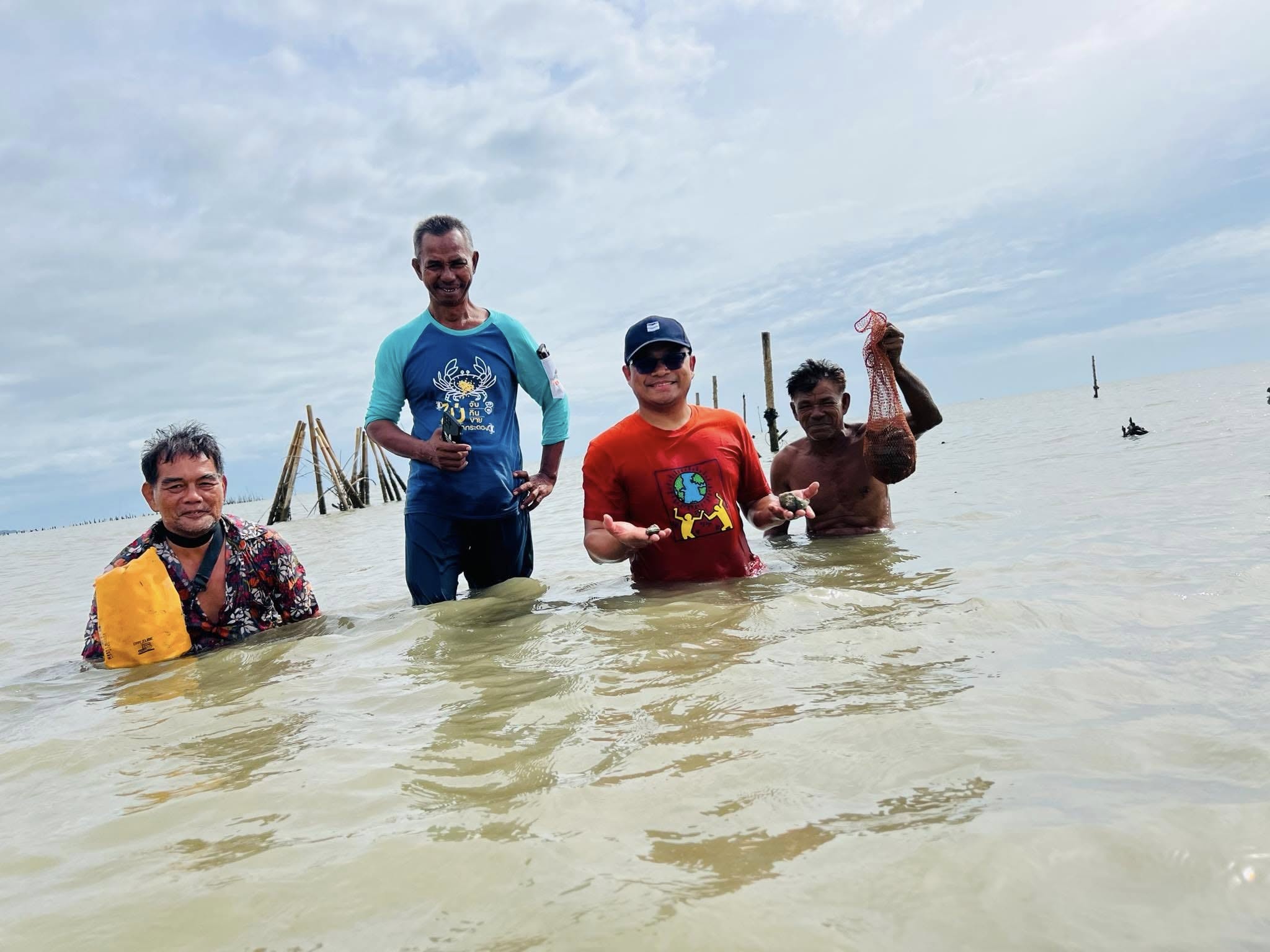
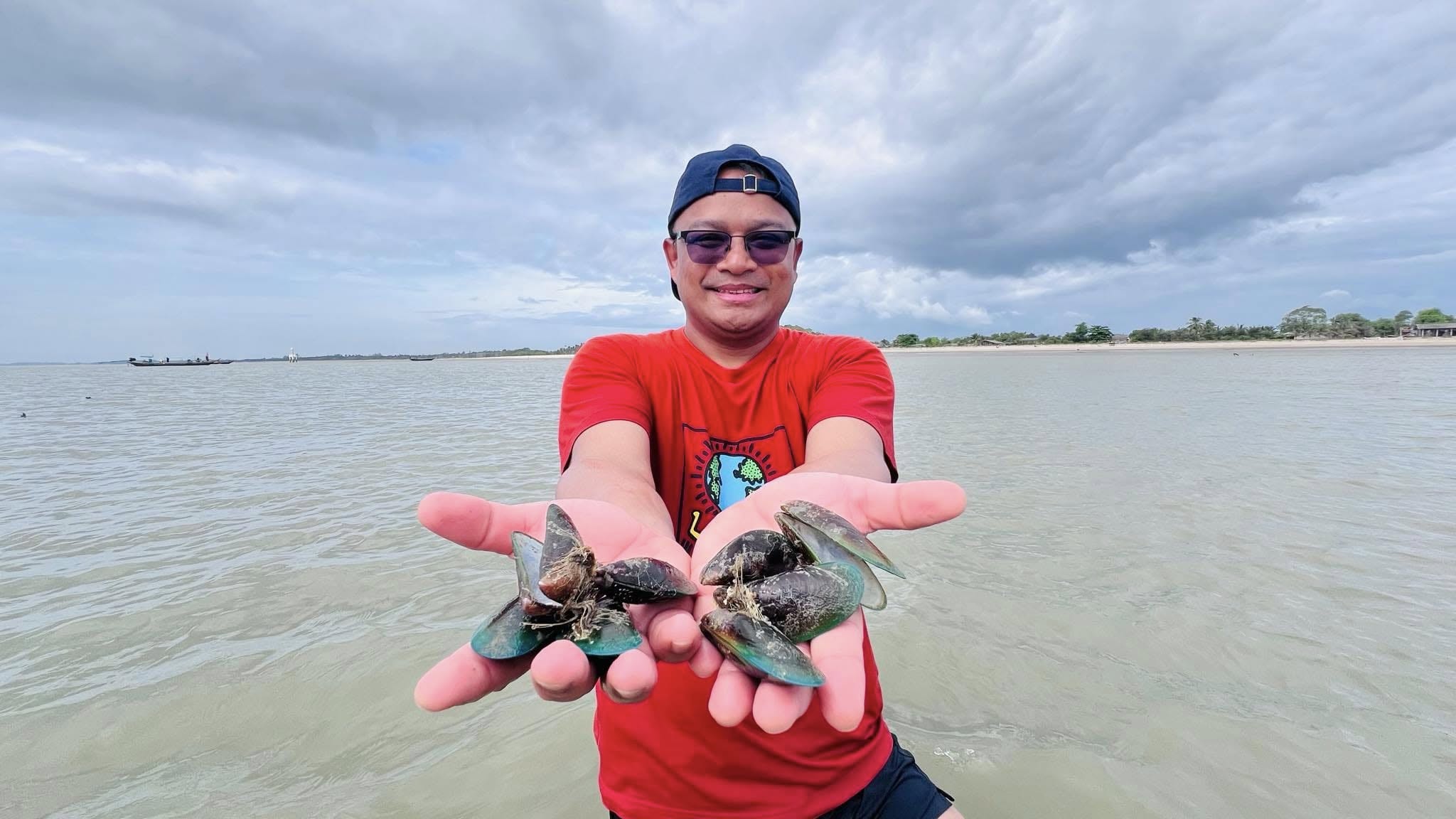
Other marine species also benefited from habitat restoration efforts, including the installation of artificial fish habitats. Populations of blood clams, horseshoe crabs, mussels, scatophagus, and Pacific white shrimp showed measurable growth, signaling that species-support initiatives are effectively enhancing marine biodiversity.
These findings demonstrate the effectiveness of Walailak University’s integrated approach, which combines species restoration, habitat enhancement, and technological monitoring to ensure the sustainability and resilience of Ban Don Bay’s marine ecosystem.
The initiative serves as one of WU’s initiatives on monitoring the health of aquatic ecosystems to tackle SDGs, especially SDG 14: Life Below Water.