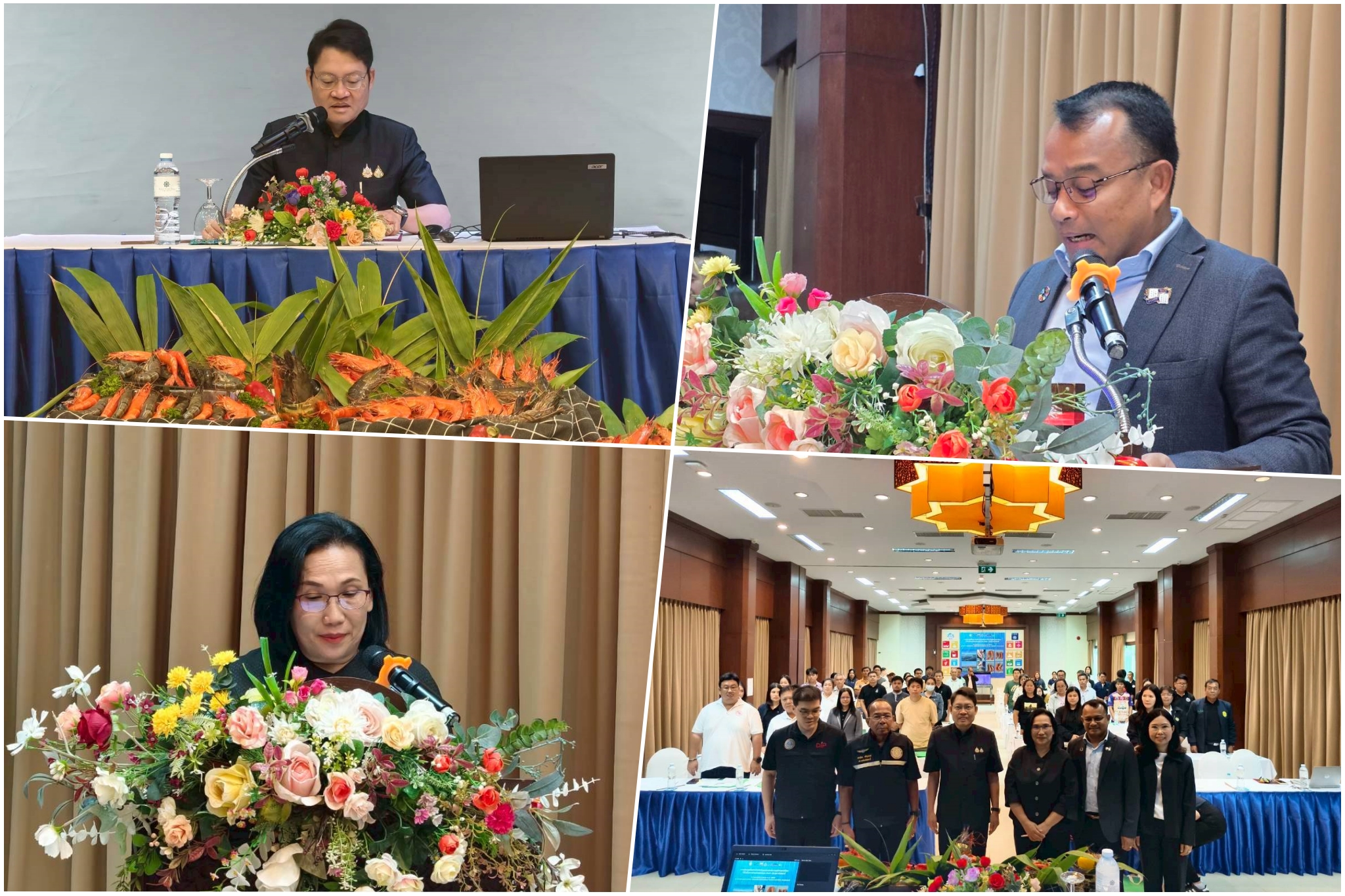
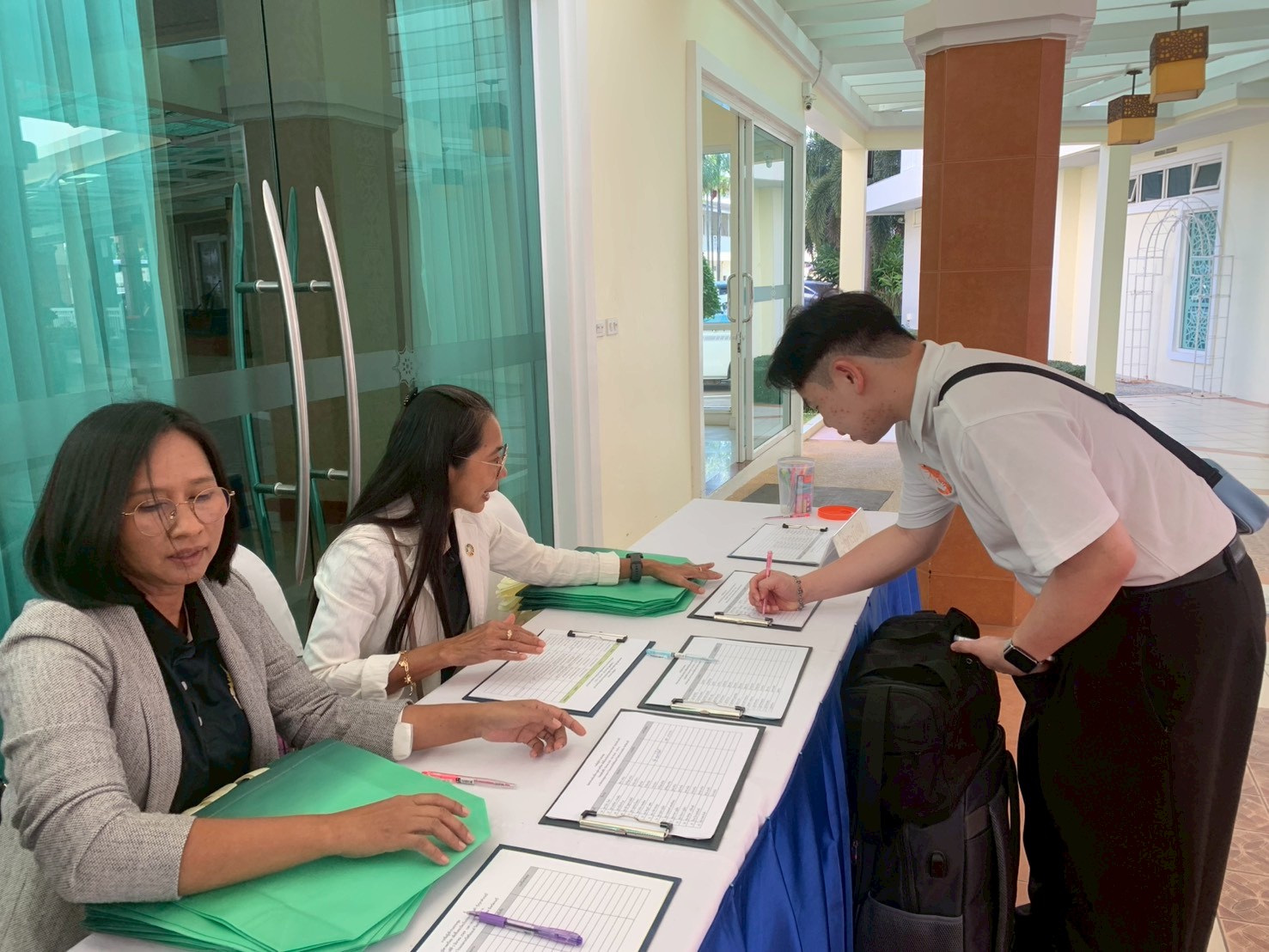
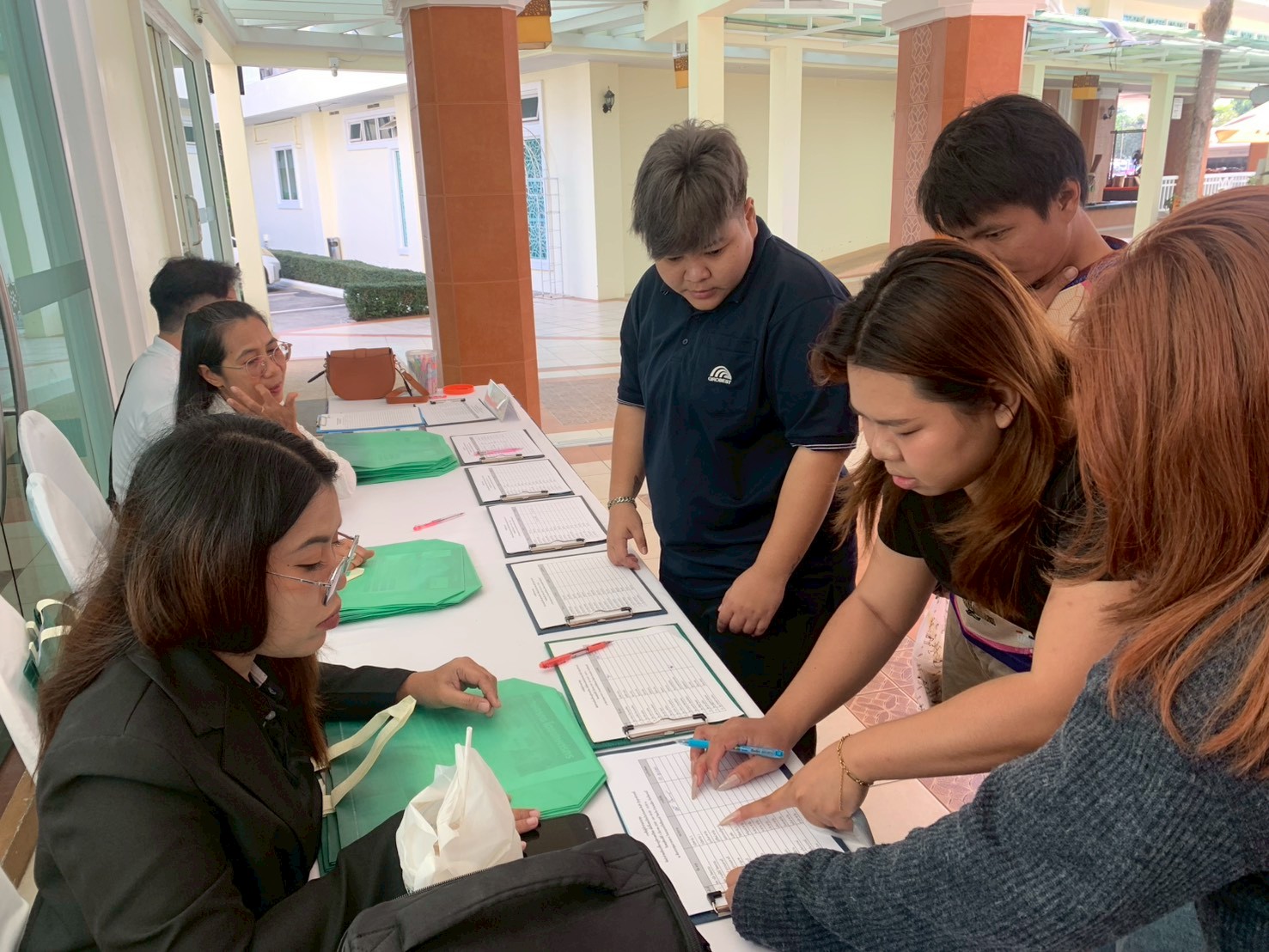
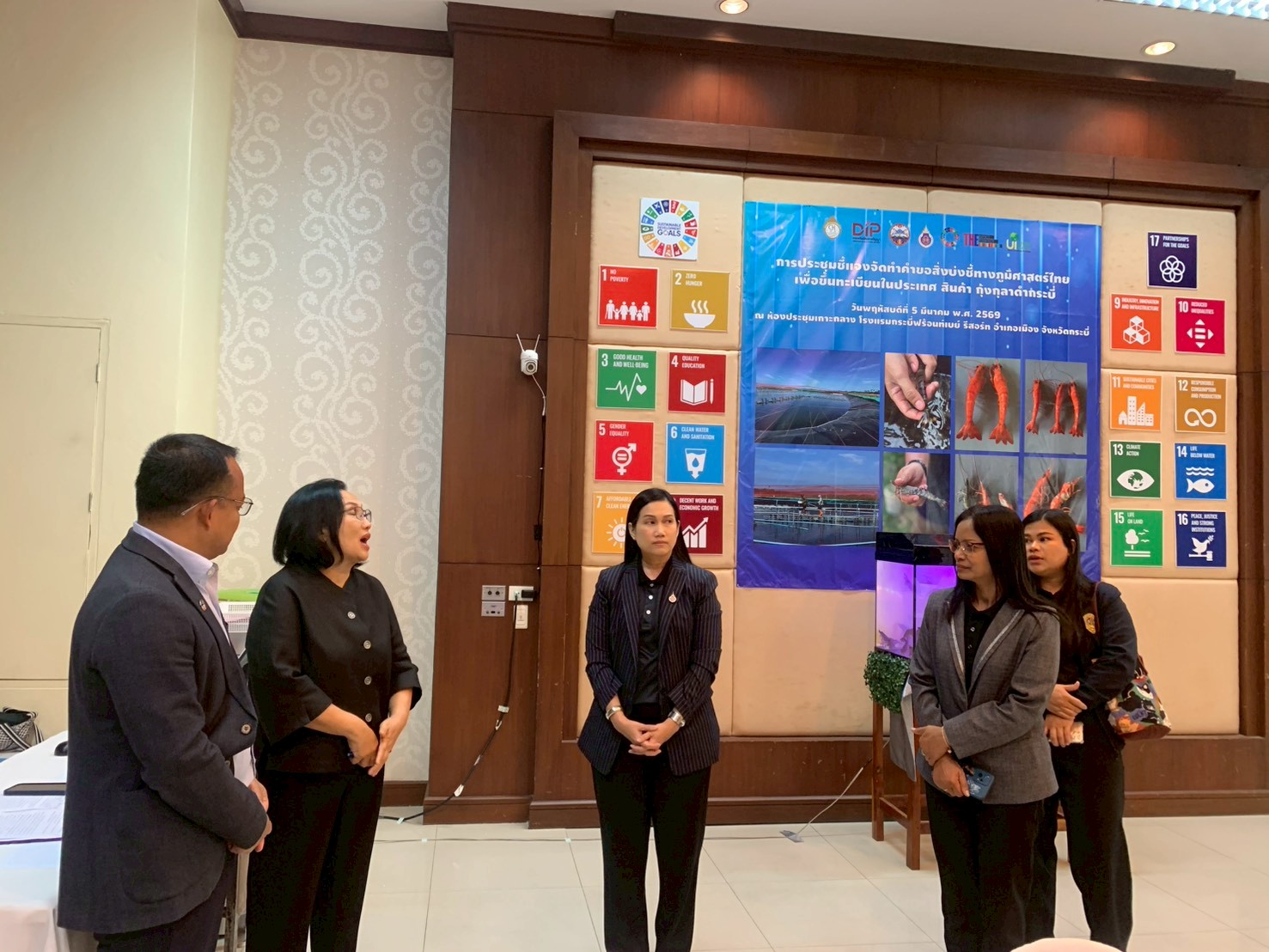
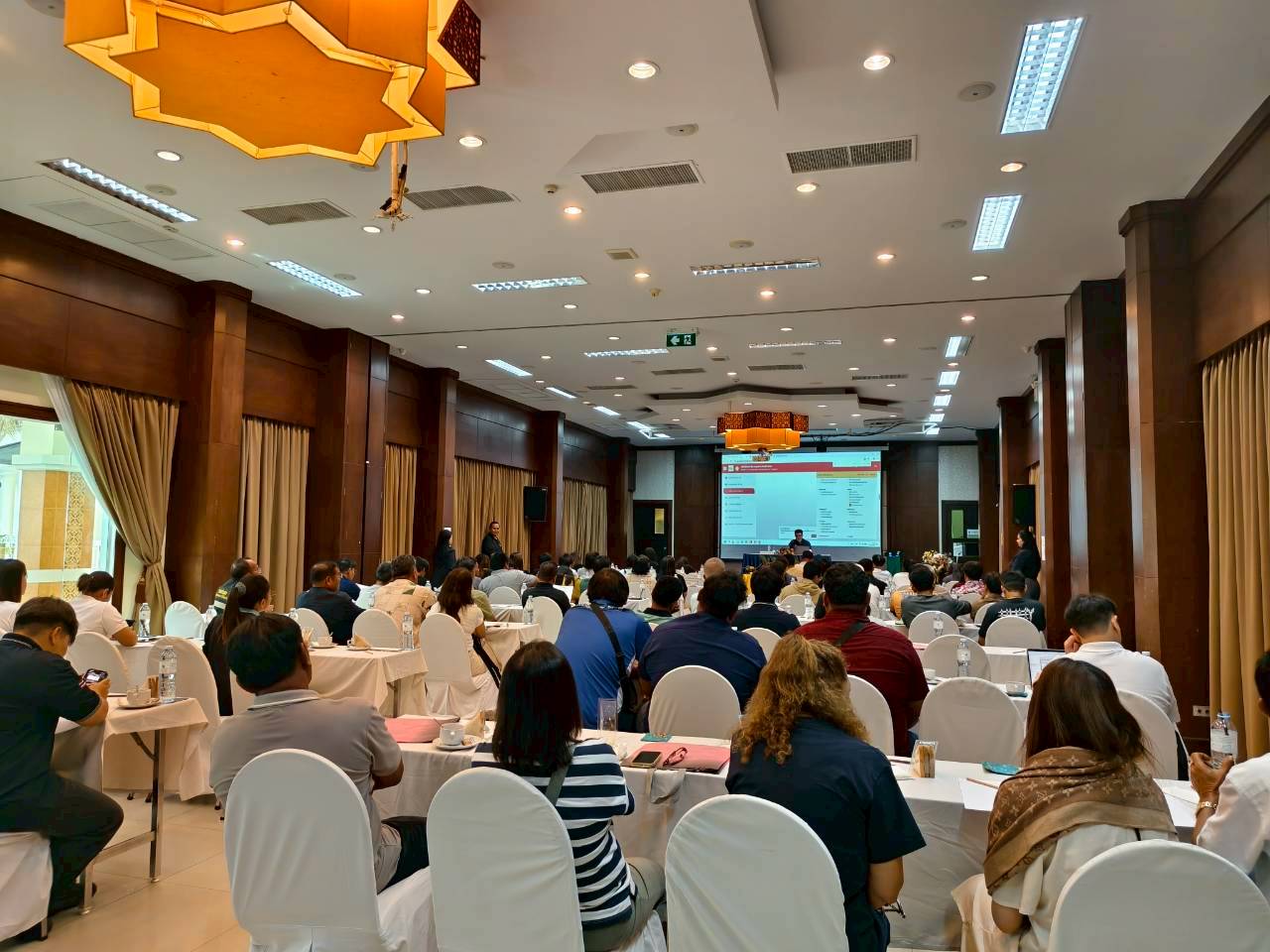
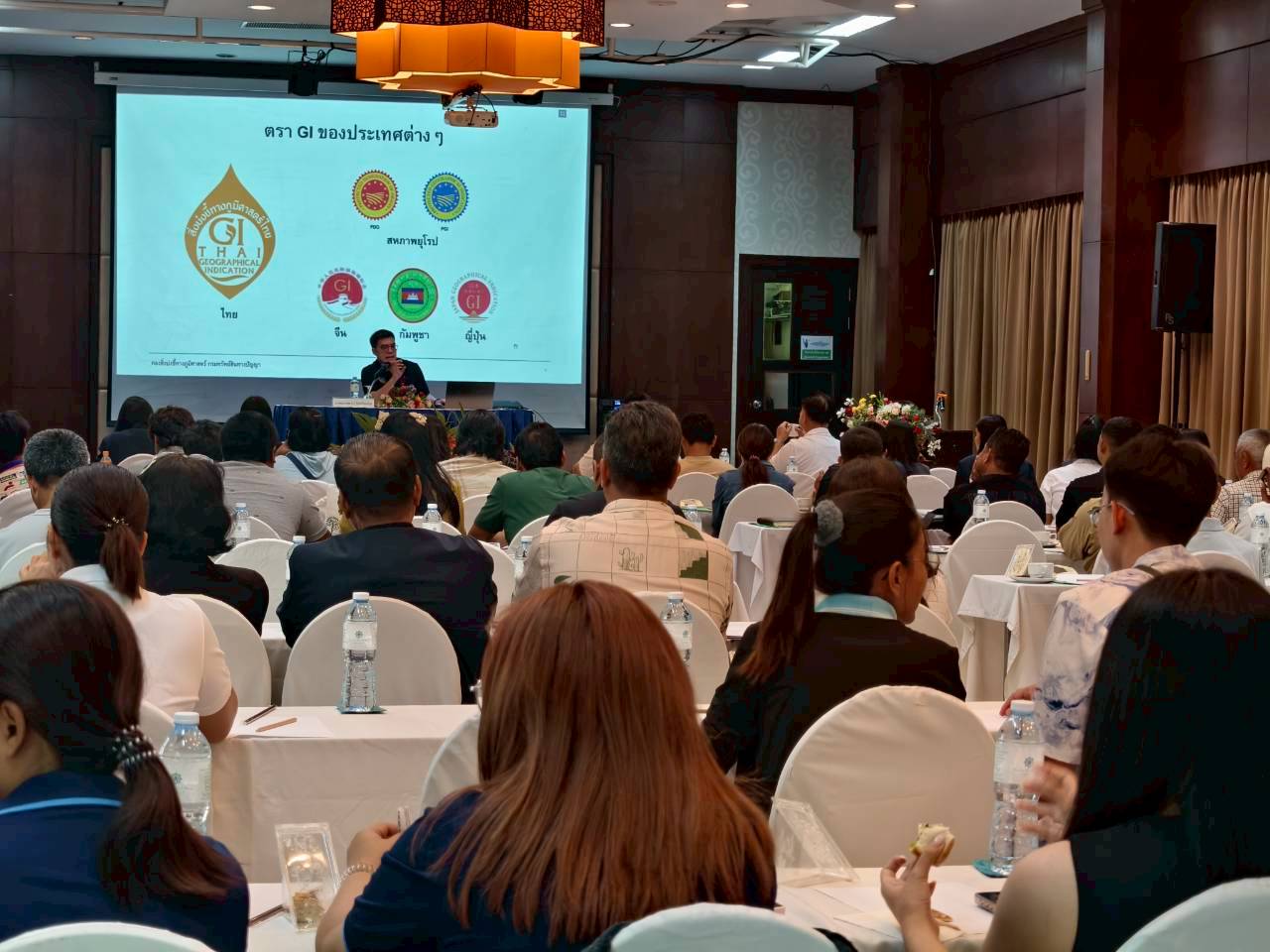
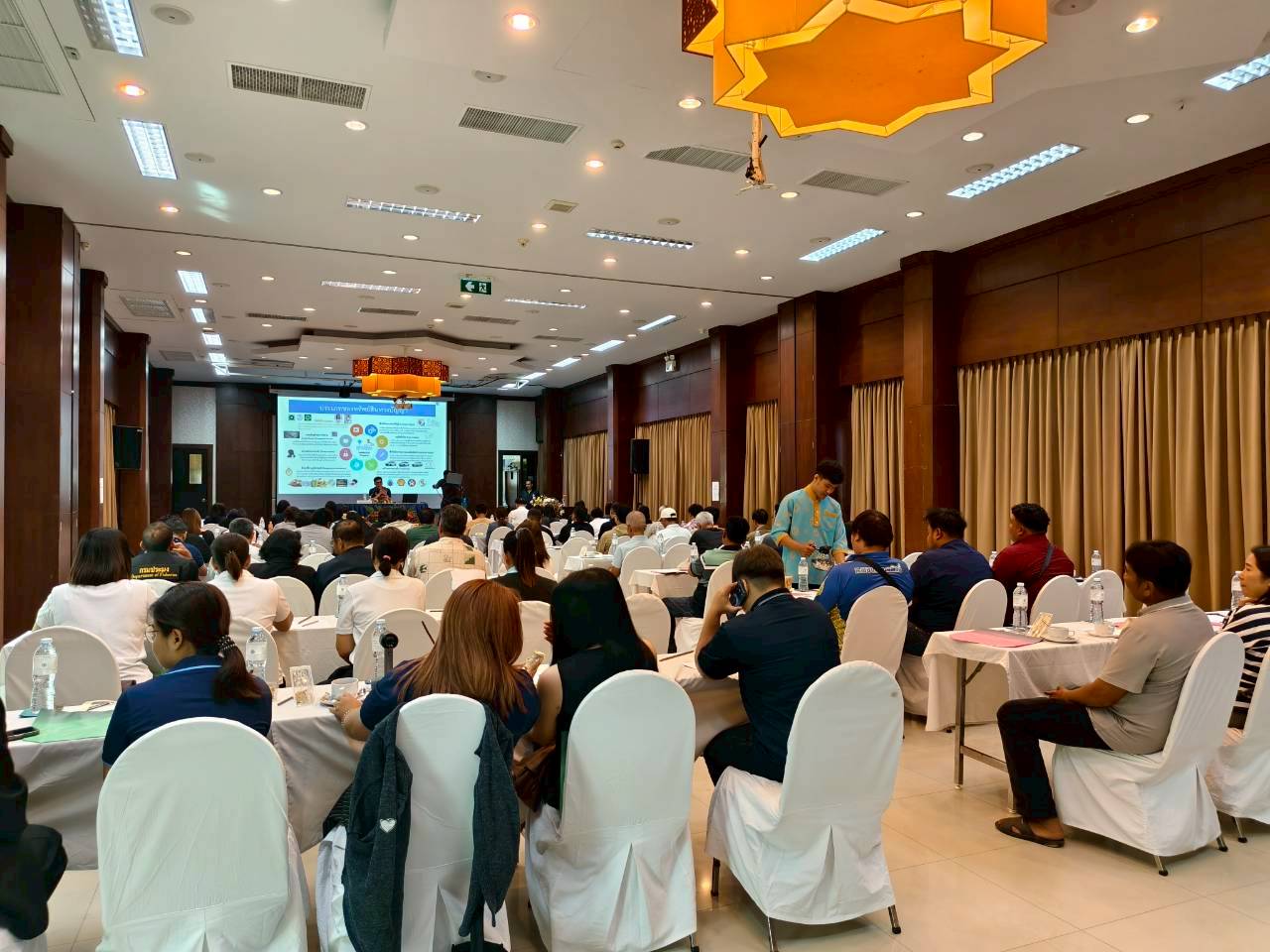
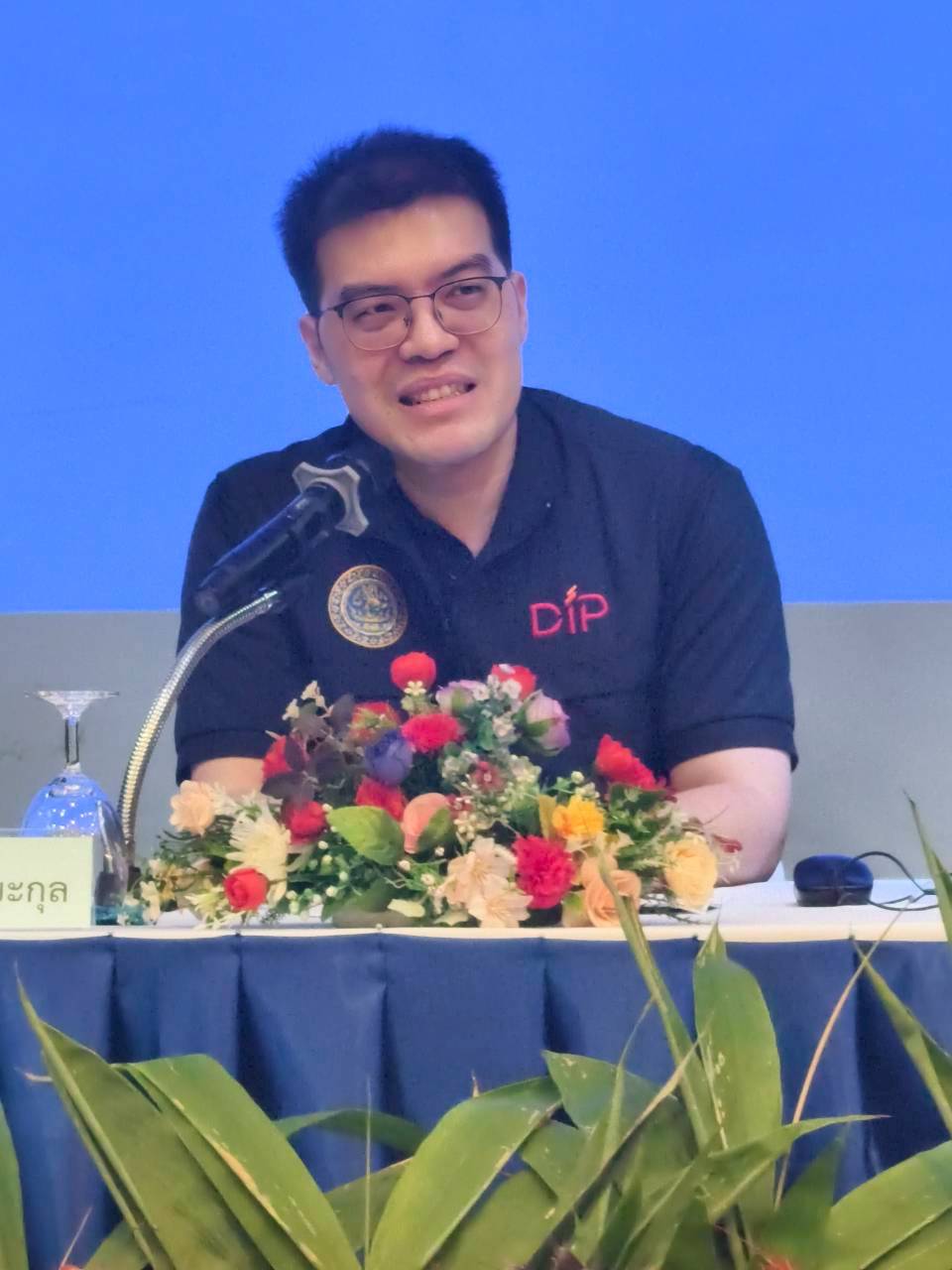
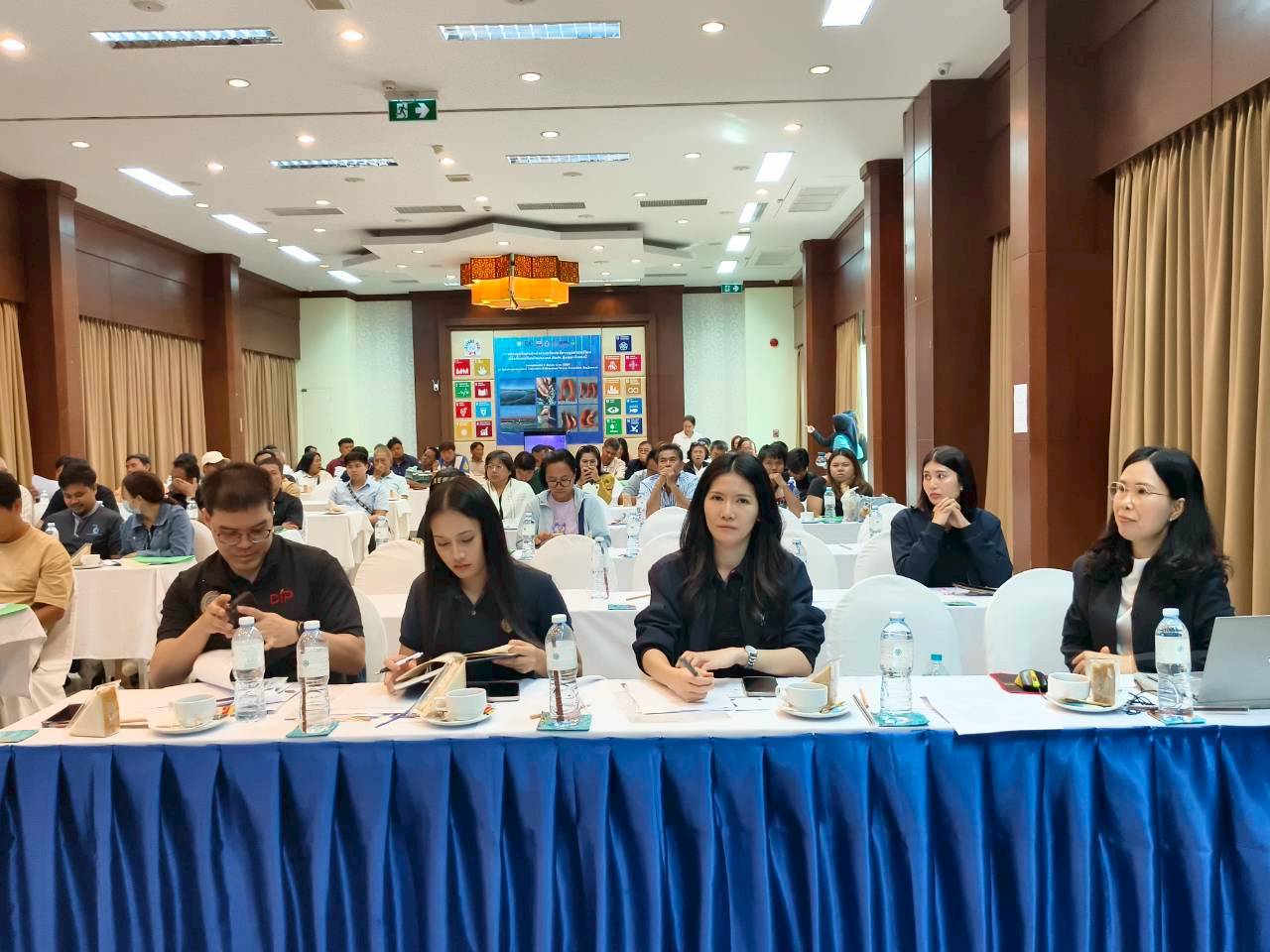
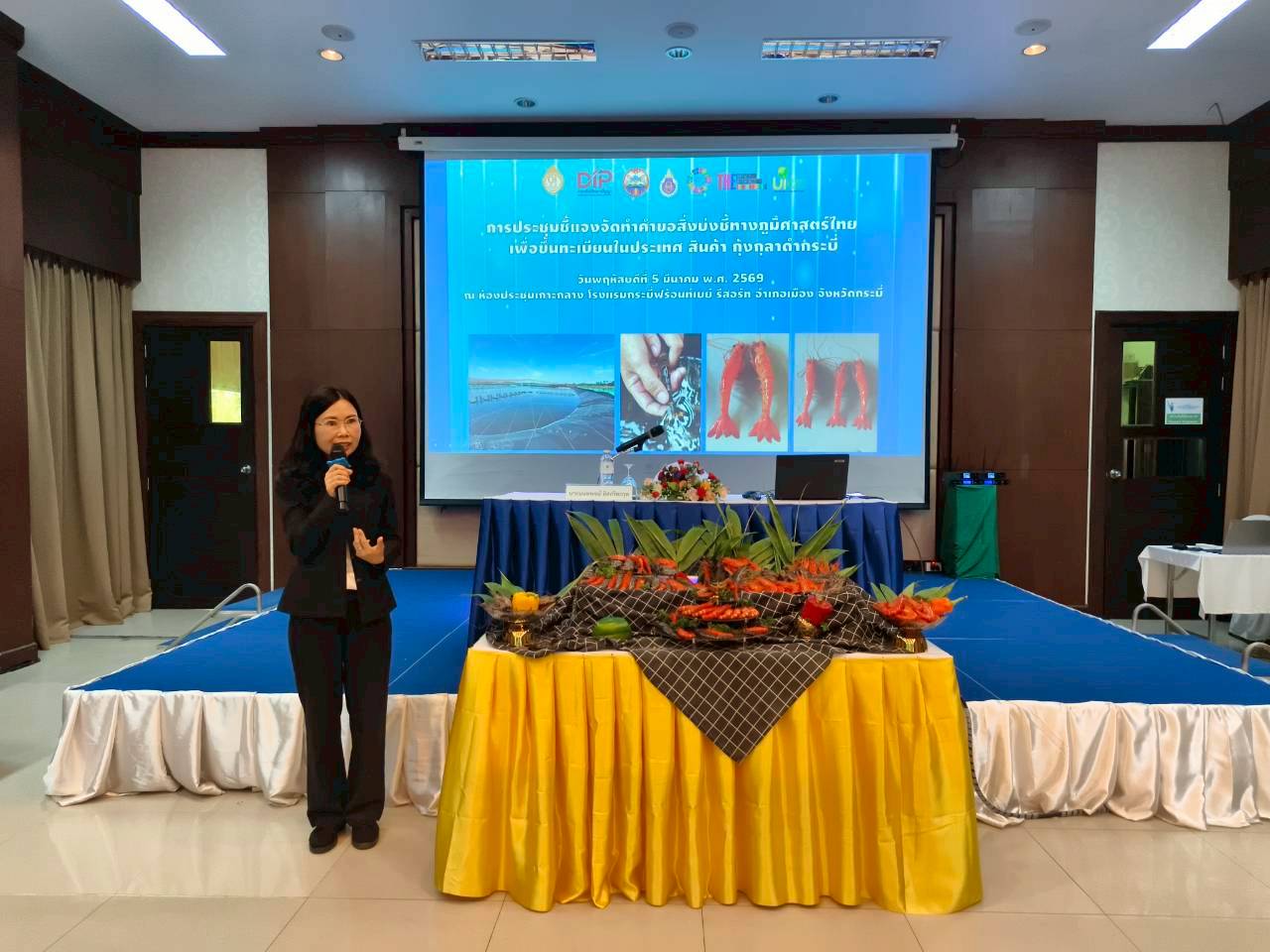
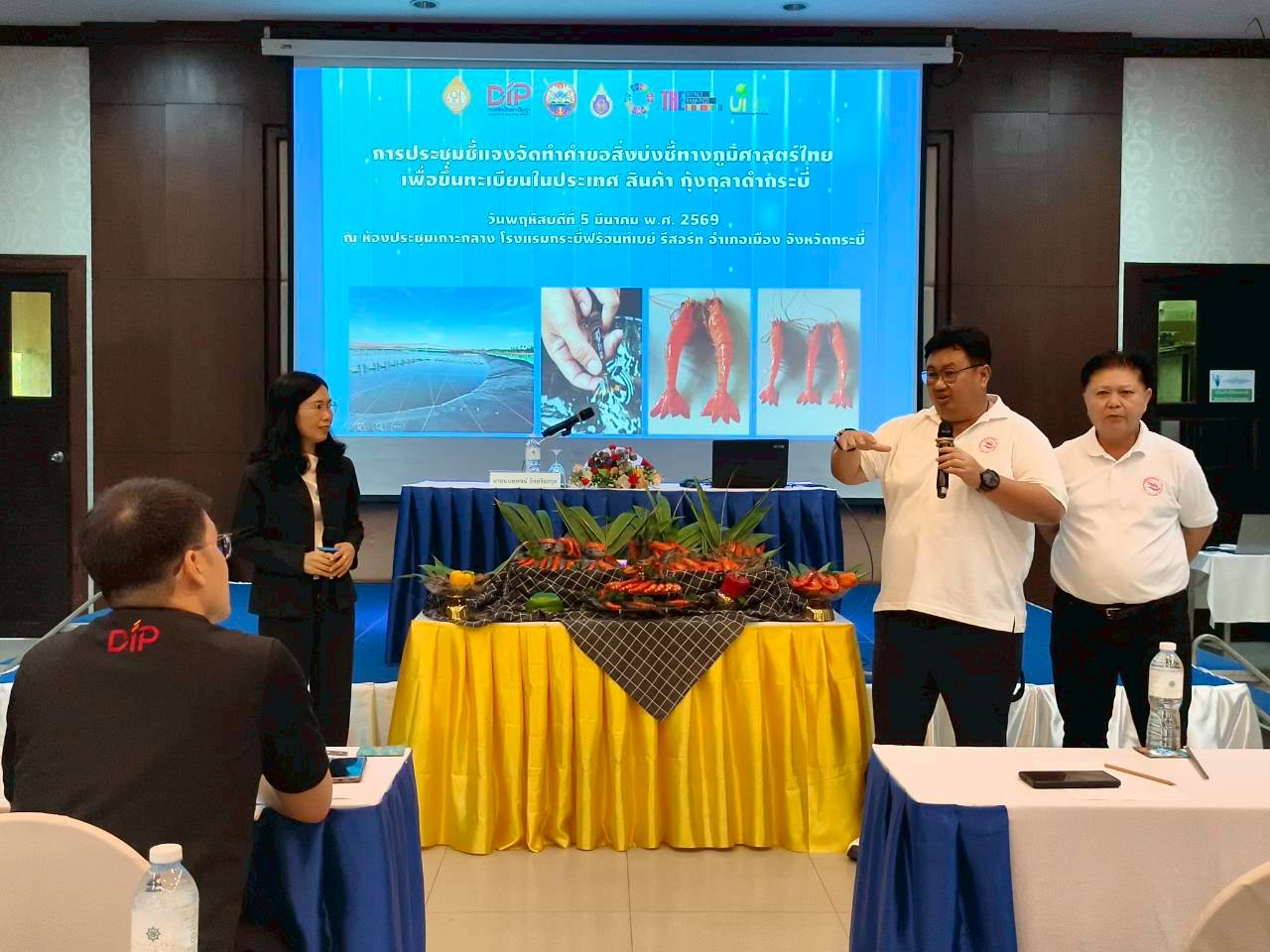
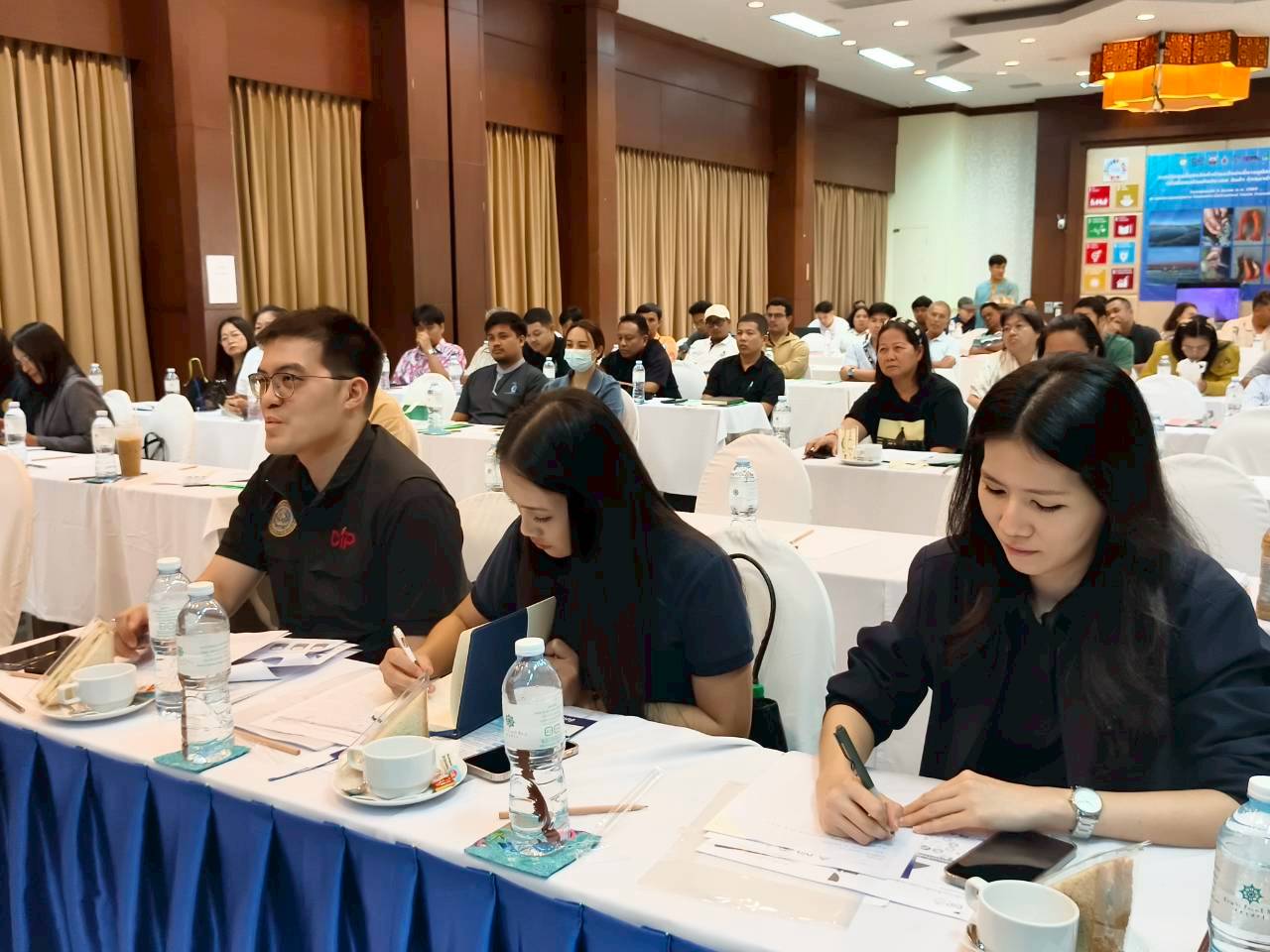
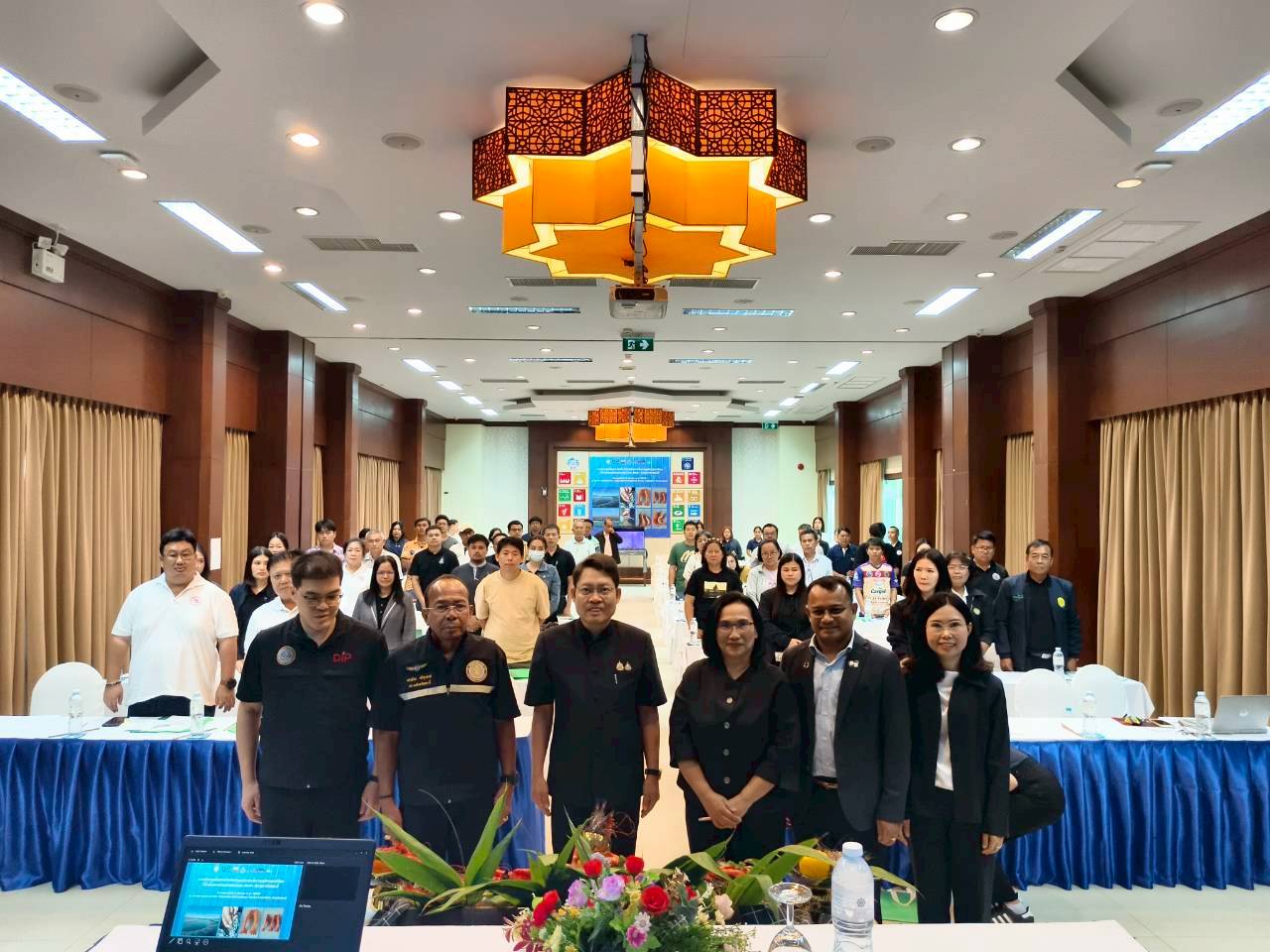
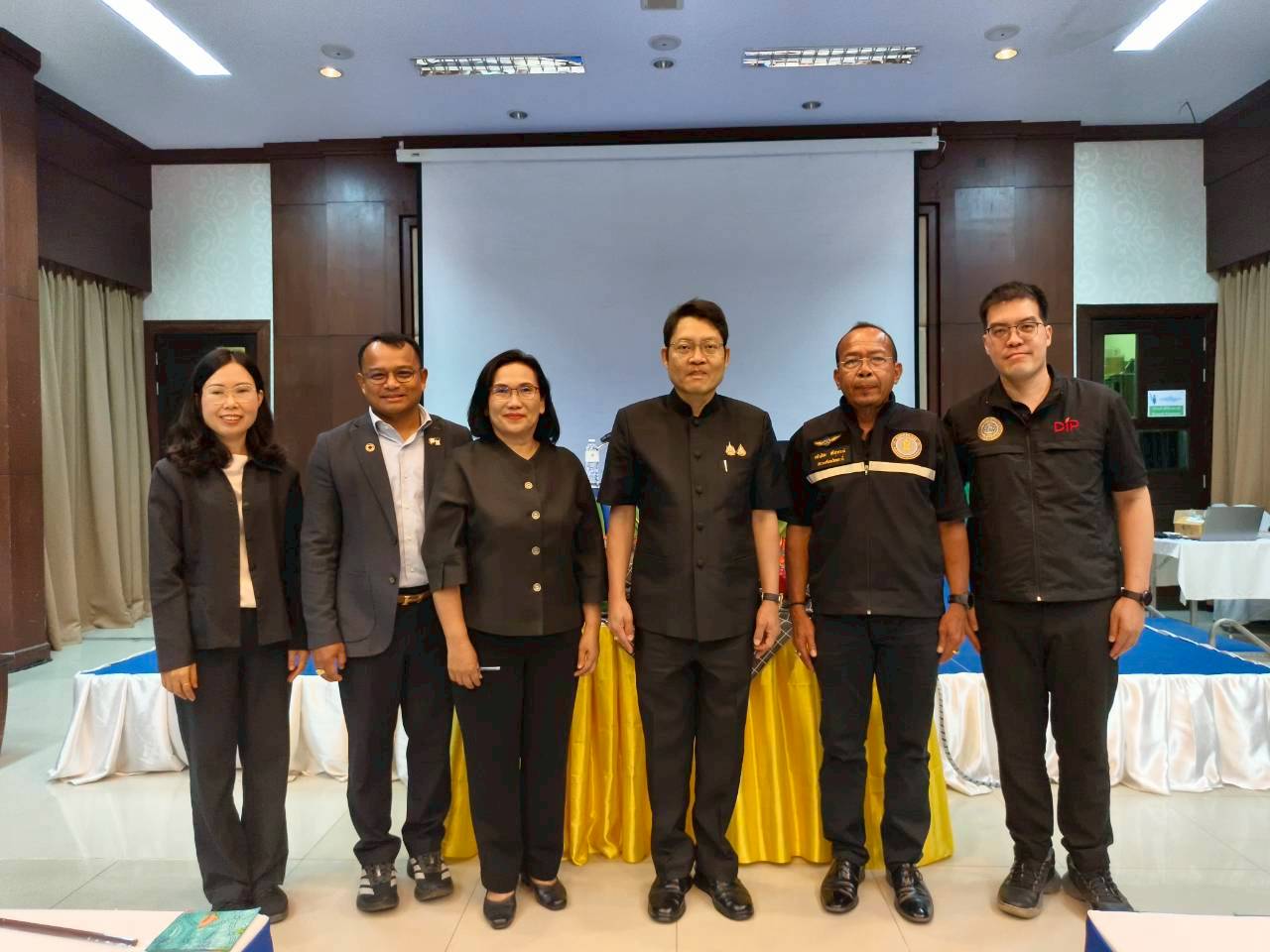
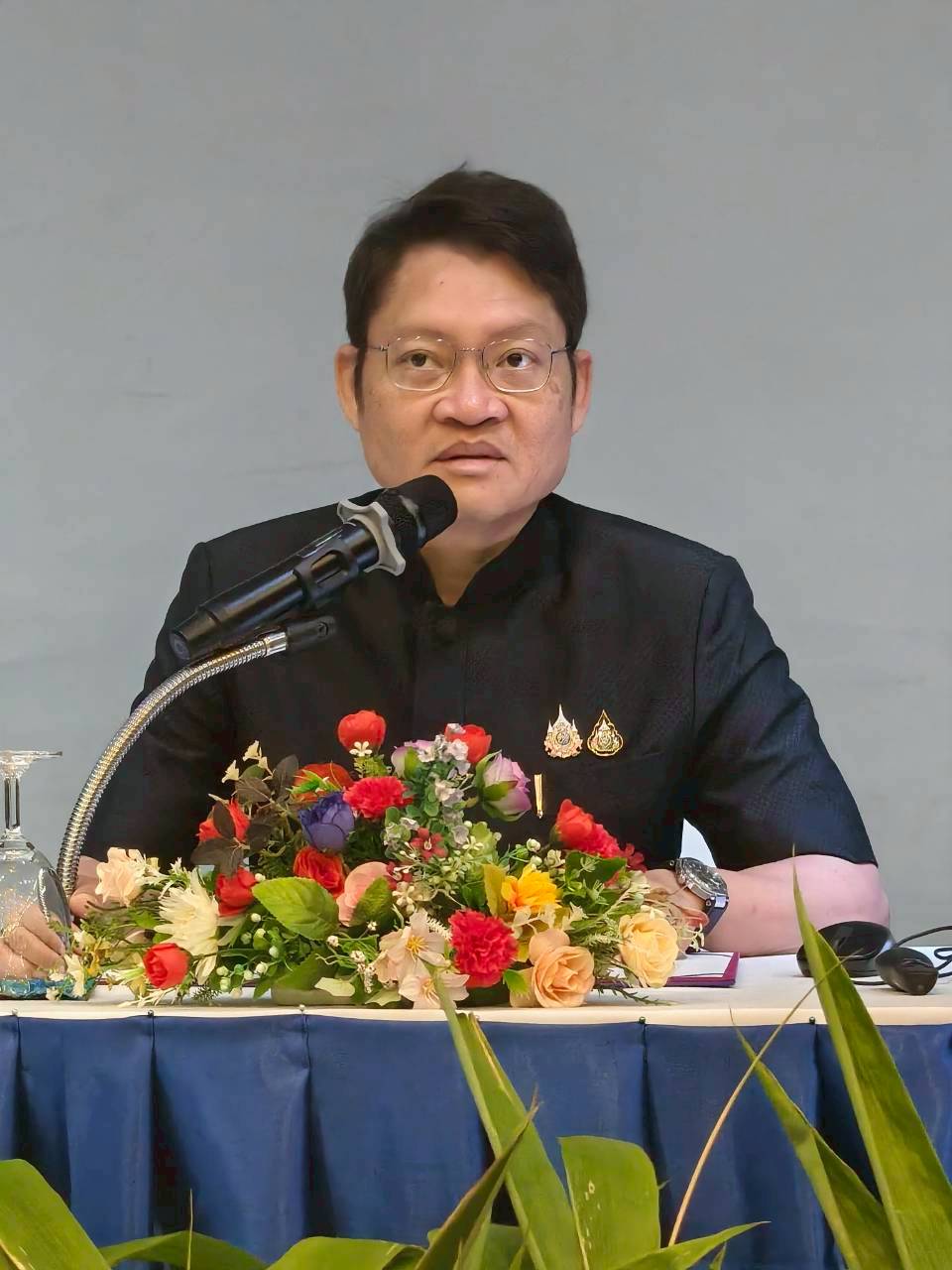
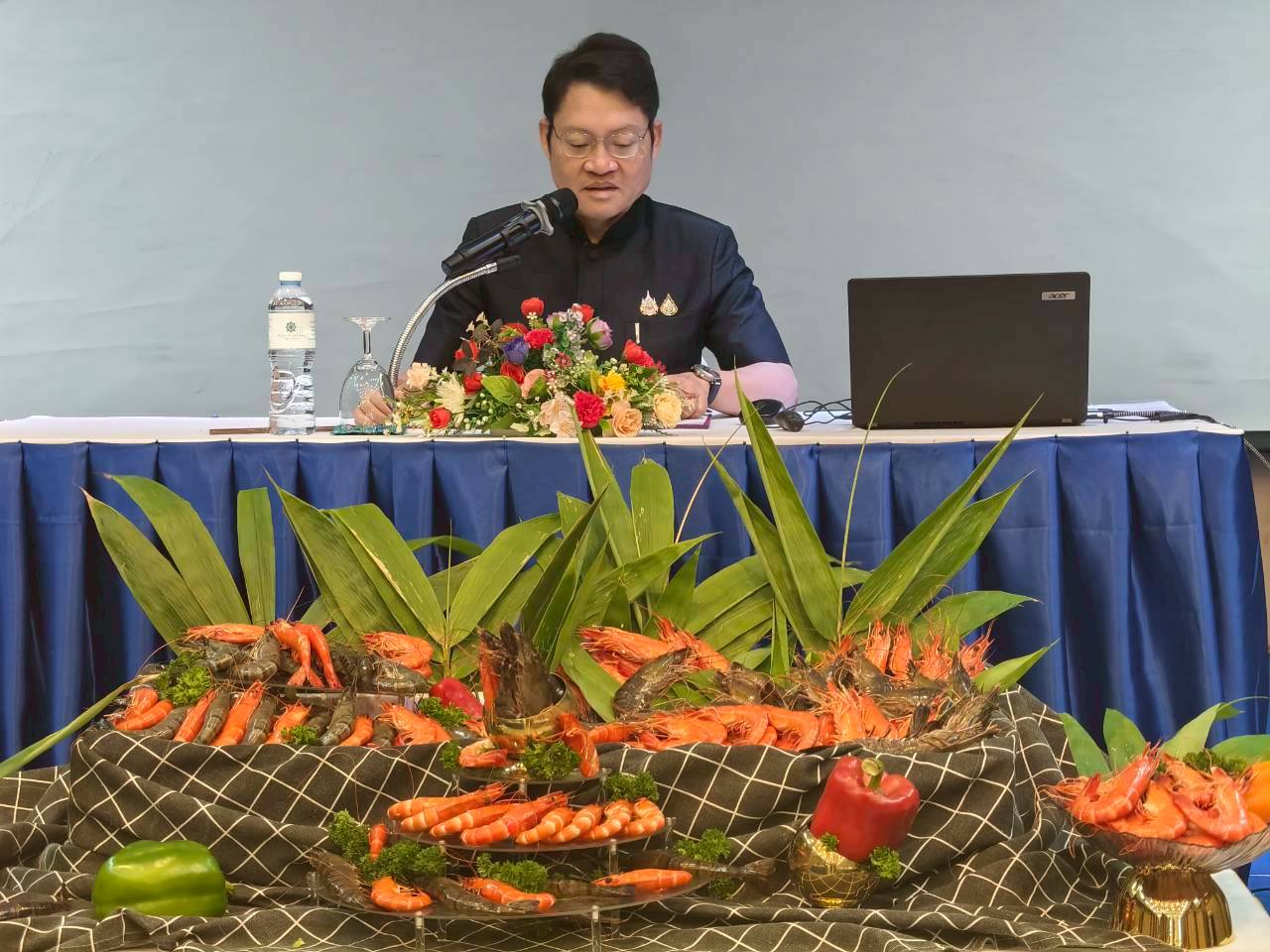
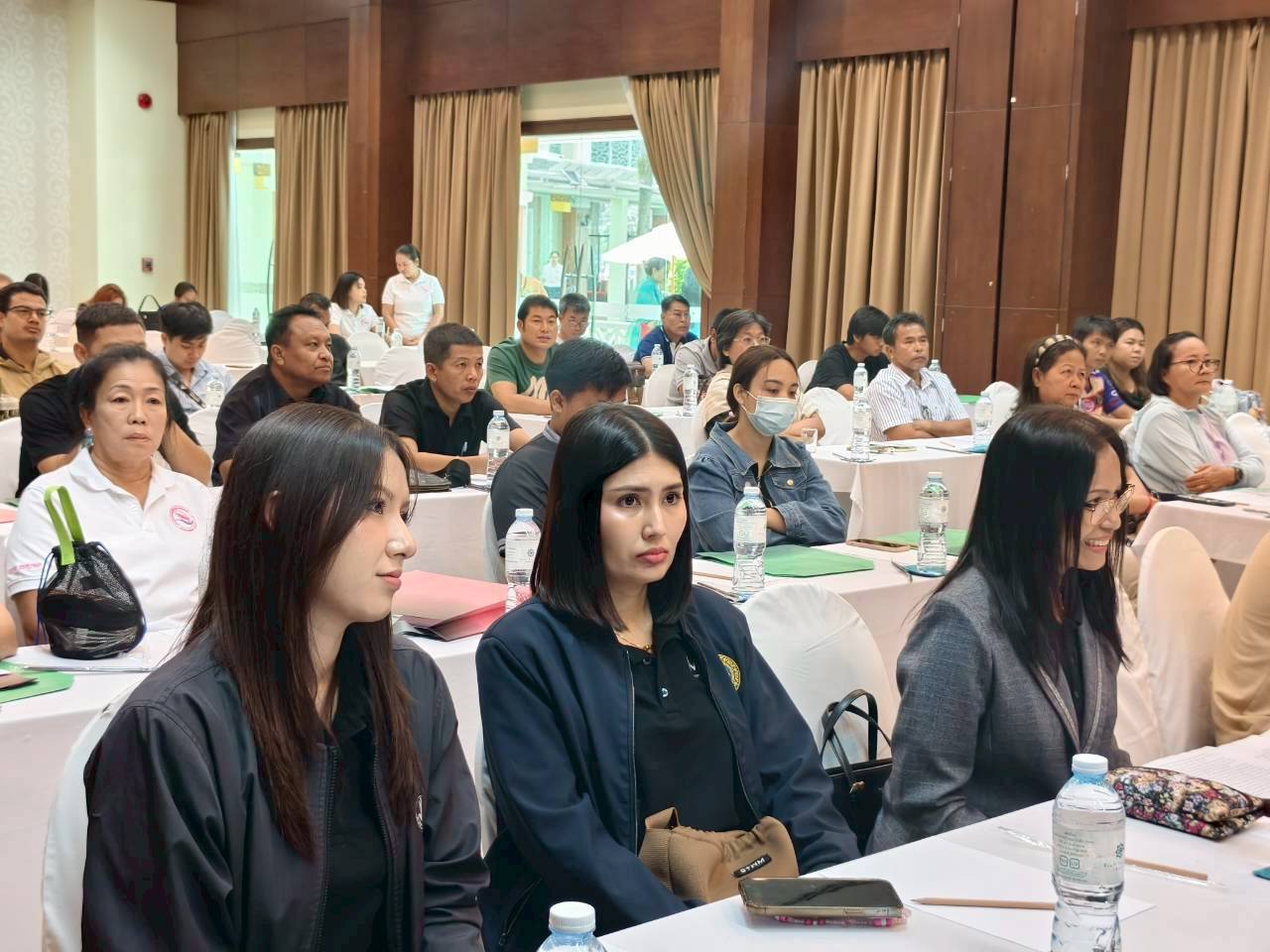
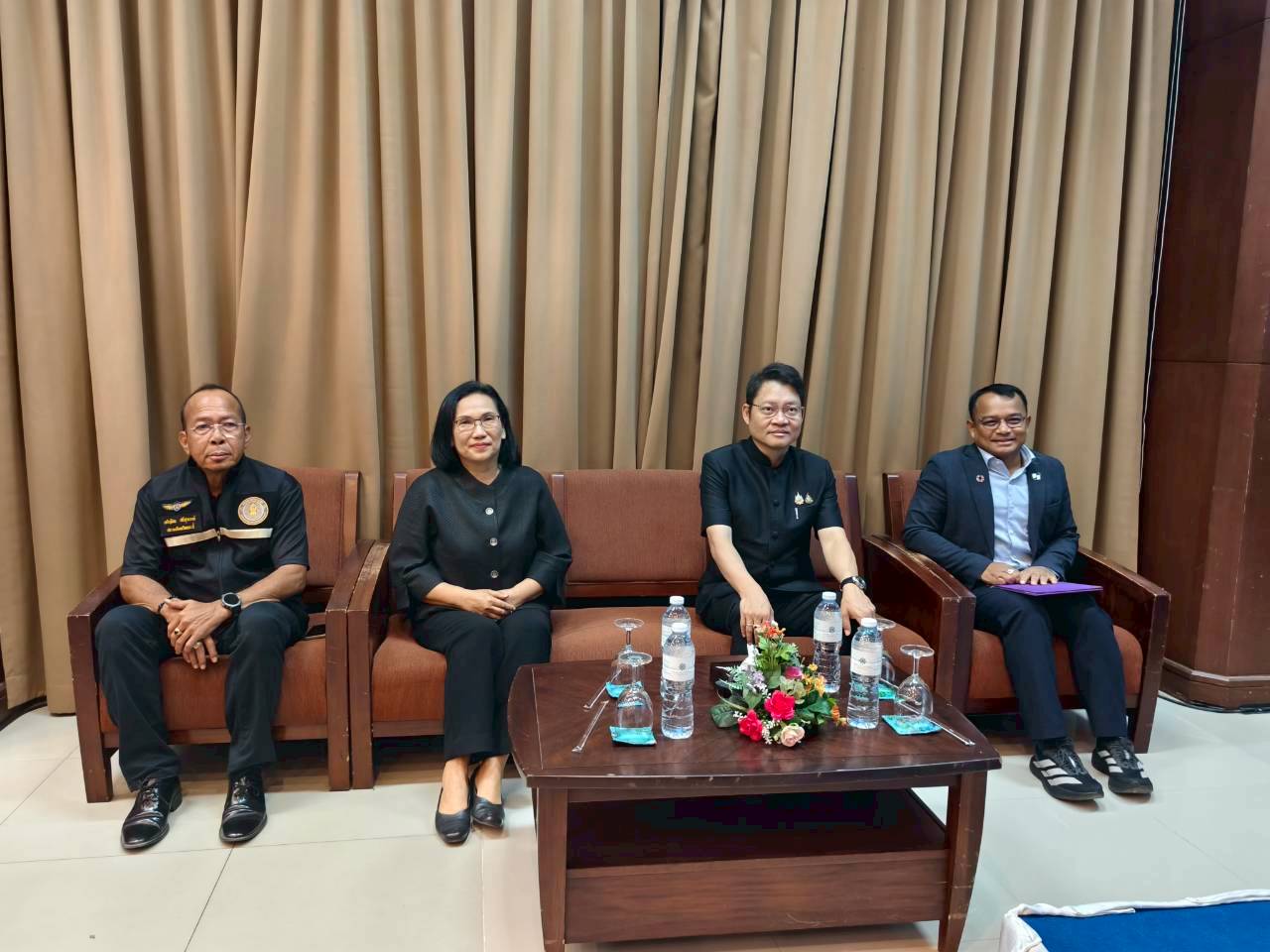
MUEANG, KRABI, 5 March 2026 — The Center for Academic Services, Walailak University, in collaboration with the Office of Provincial Commercial Affairs, Krabi, organized a meeting to advance the Geographical Indication (GI) registration of the Krabi Giant Tiger Prawn. The meeting was chaired by Mr. Angkura Siladhewakul, followed by a welcome address by Ms. Khanittha Muneenam, Director of the Office of Provincial Commercial Affairs, Krabi. The objectives of the event were outlined by Asst. Prof. Dr. Amonsak Sawusdee, Director of the Center for Academic Services, Walailak University.
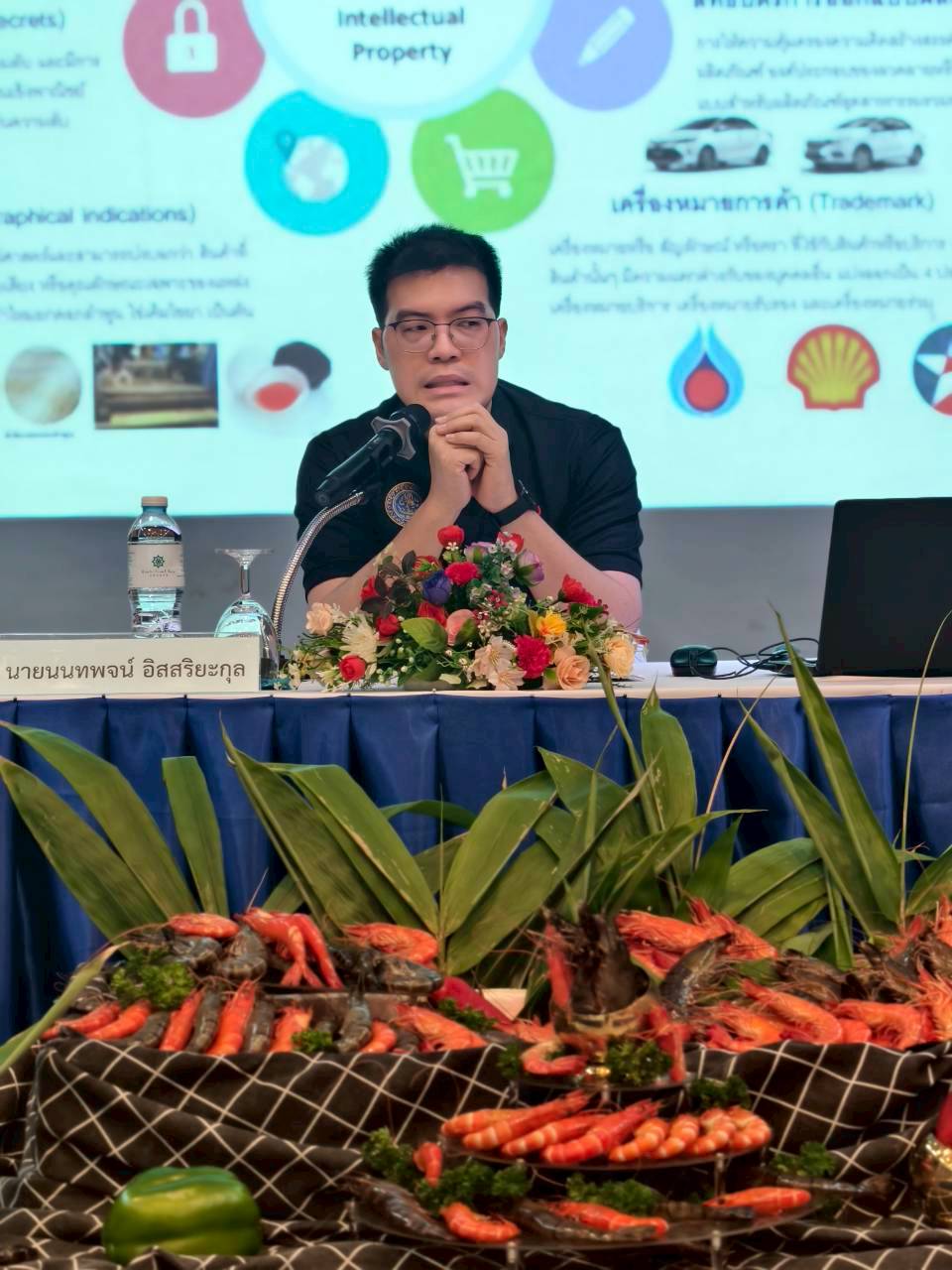
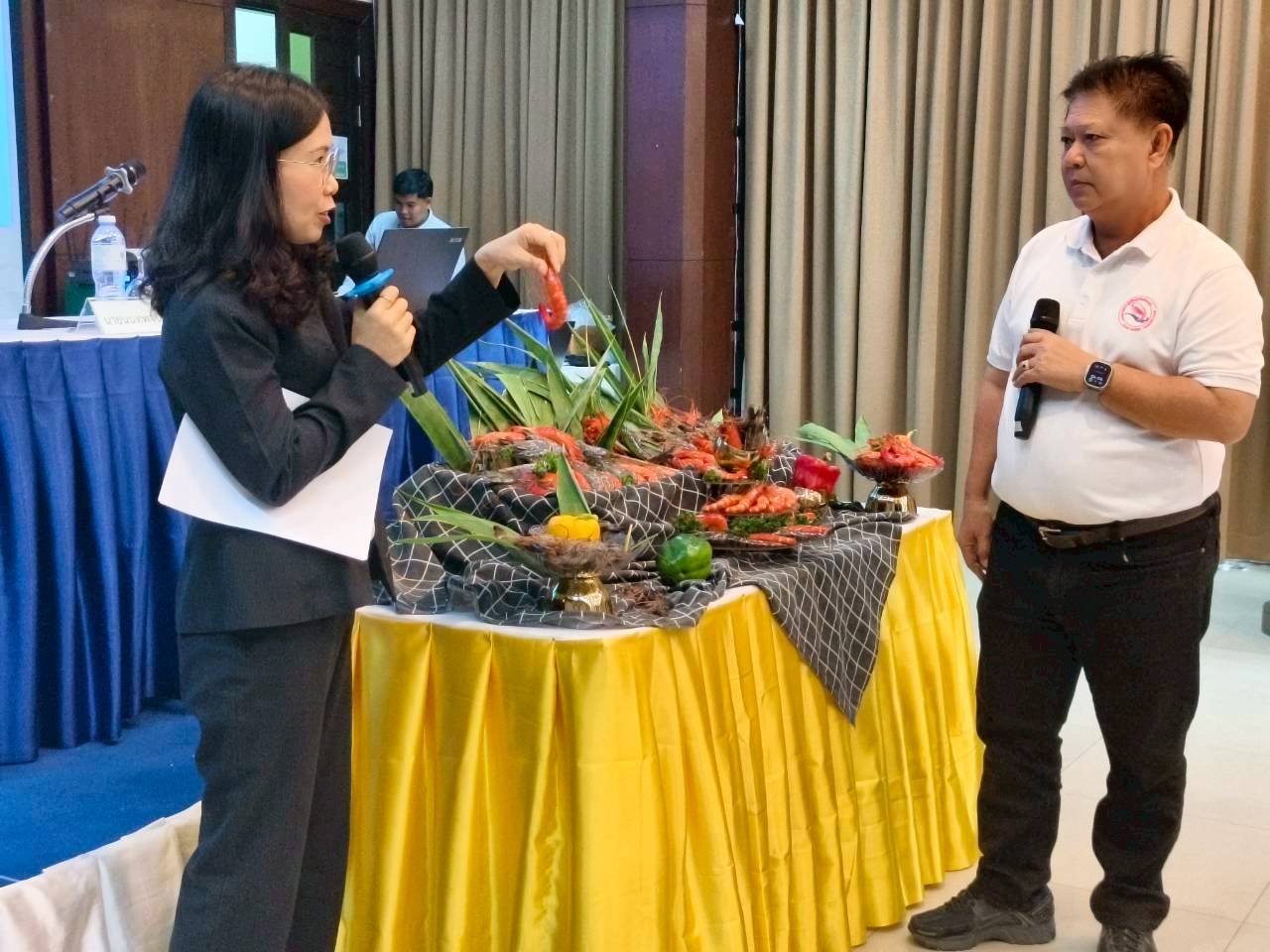
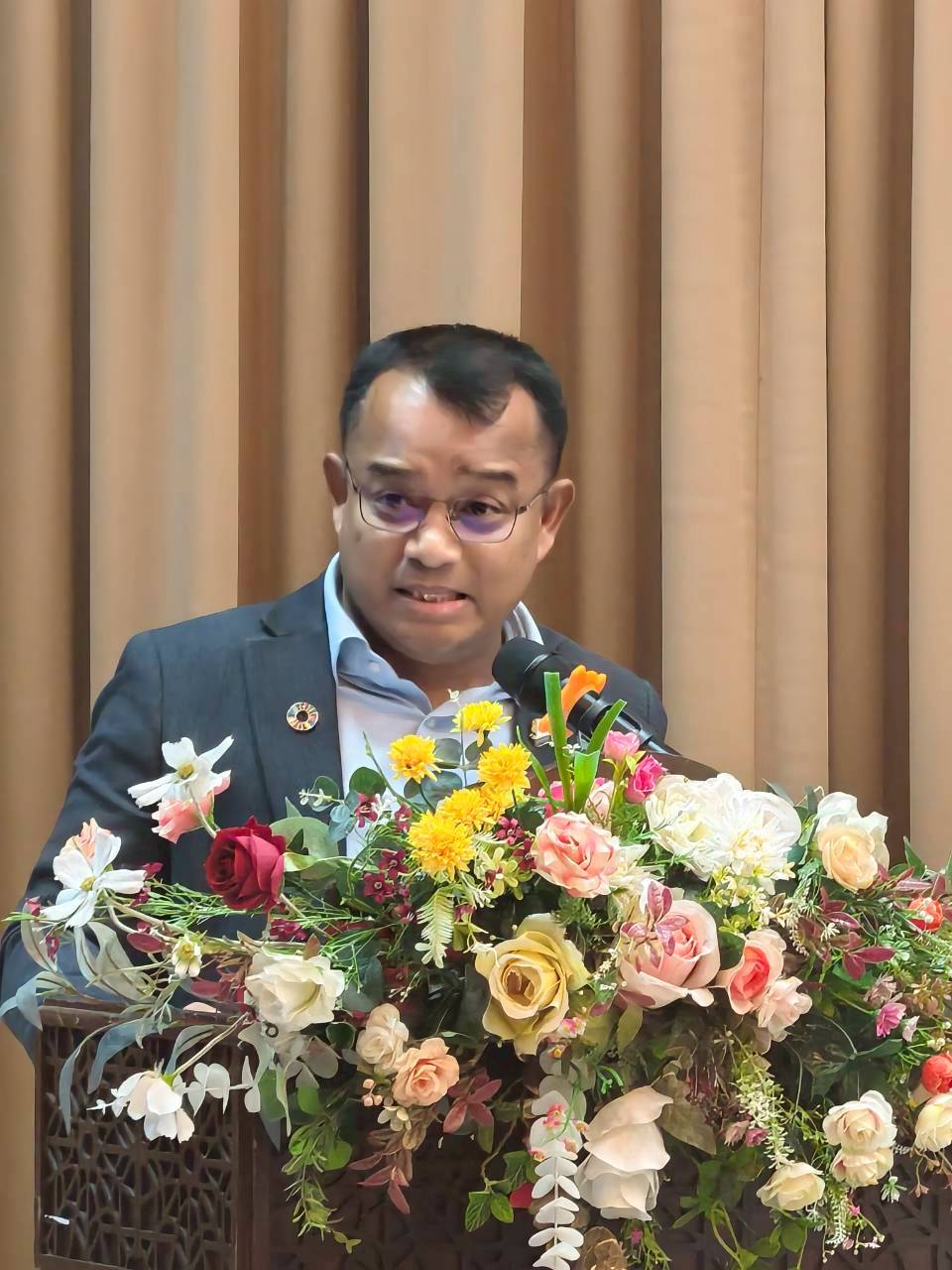
During the session, Mr. Nontapoj Issariyakul, Trade Officer (Experienced Level) from the Department of Intellectual Property (DIP), delivered a lecture on the preparation process for GI registration applications. Assoc. Prof. Dr. Onanong Cheablam also presented the action plan for submitting the GI registration request for the Krabi Giant Tiger Prawn.
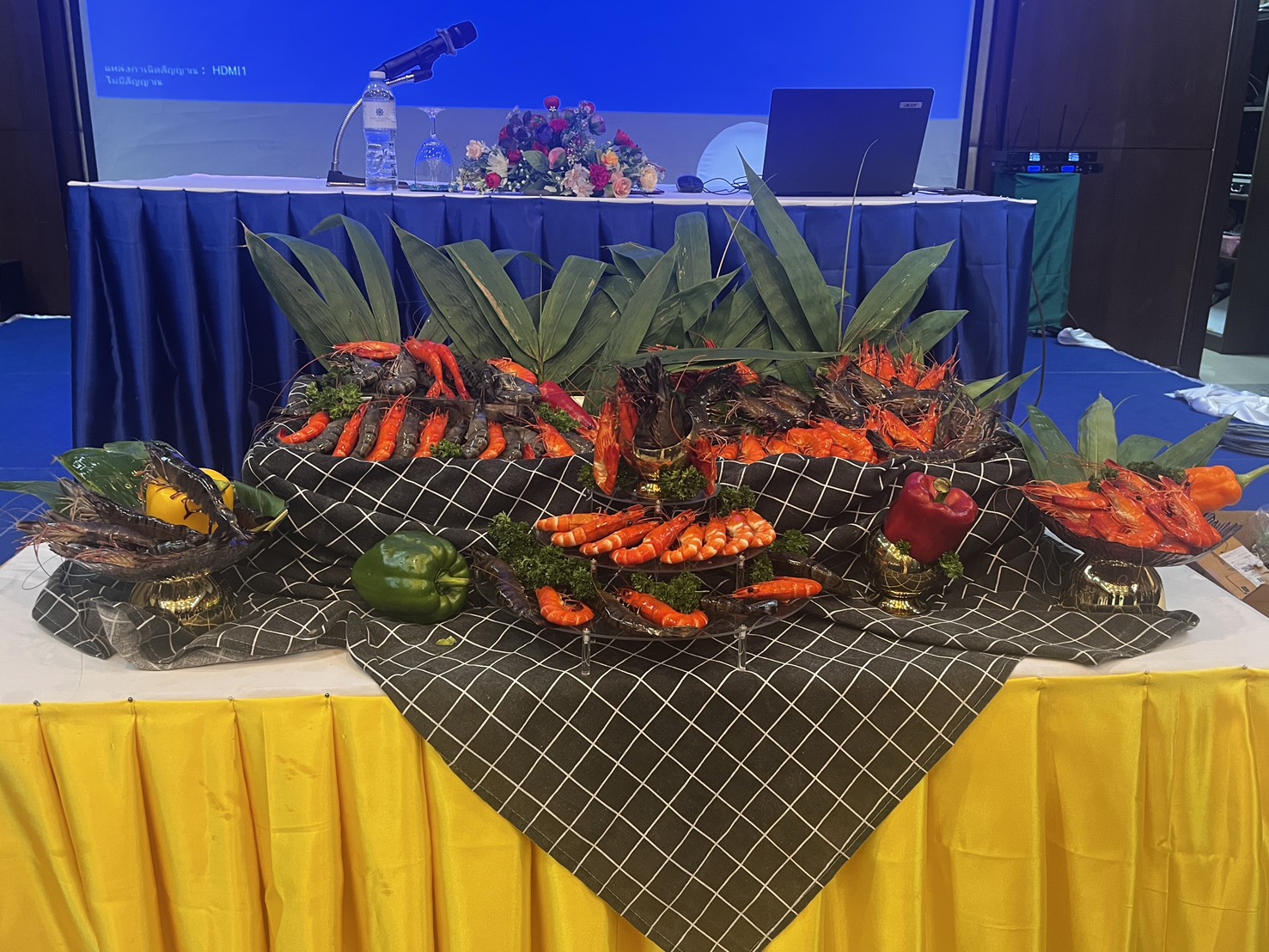
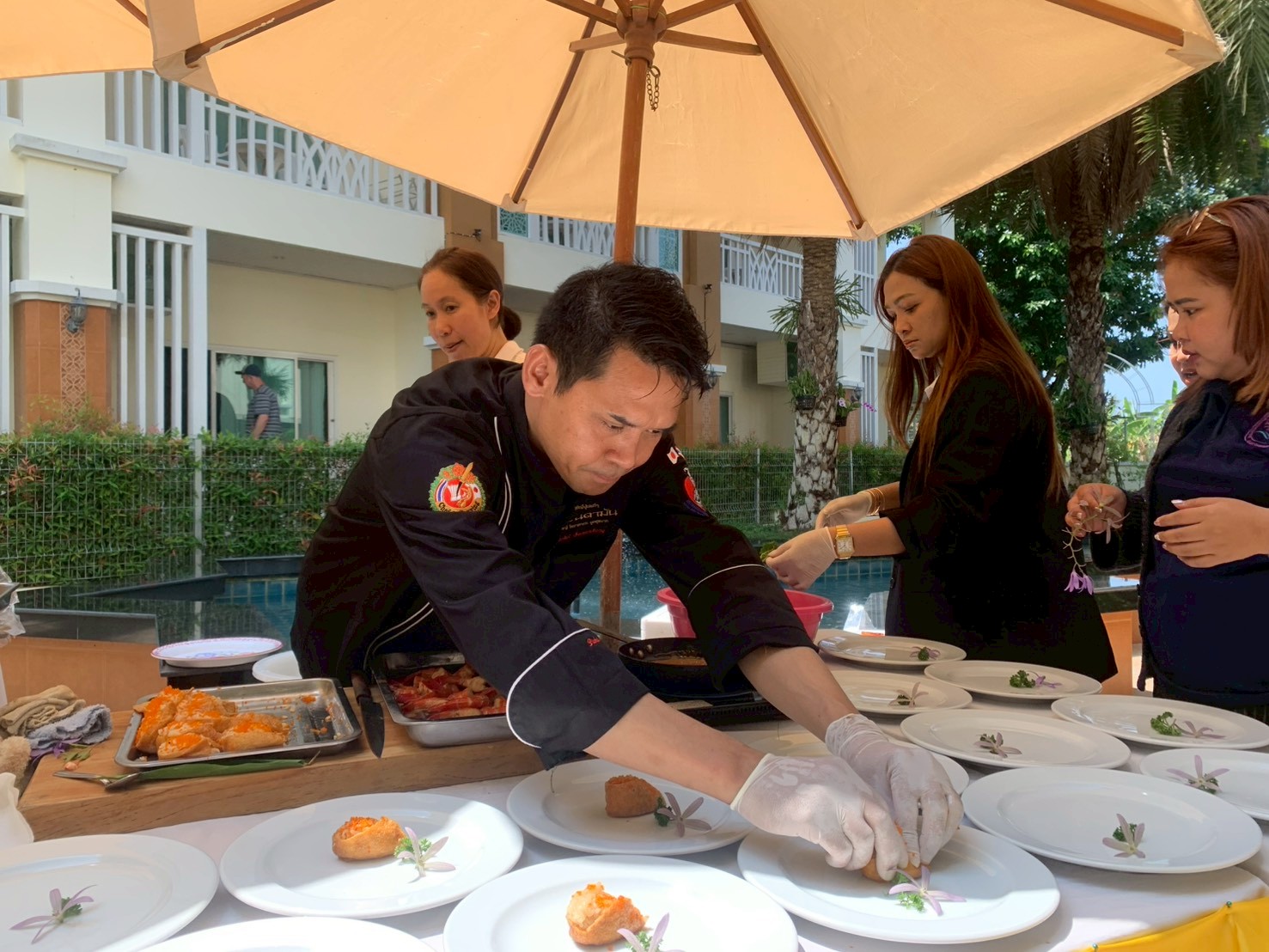
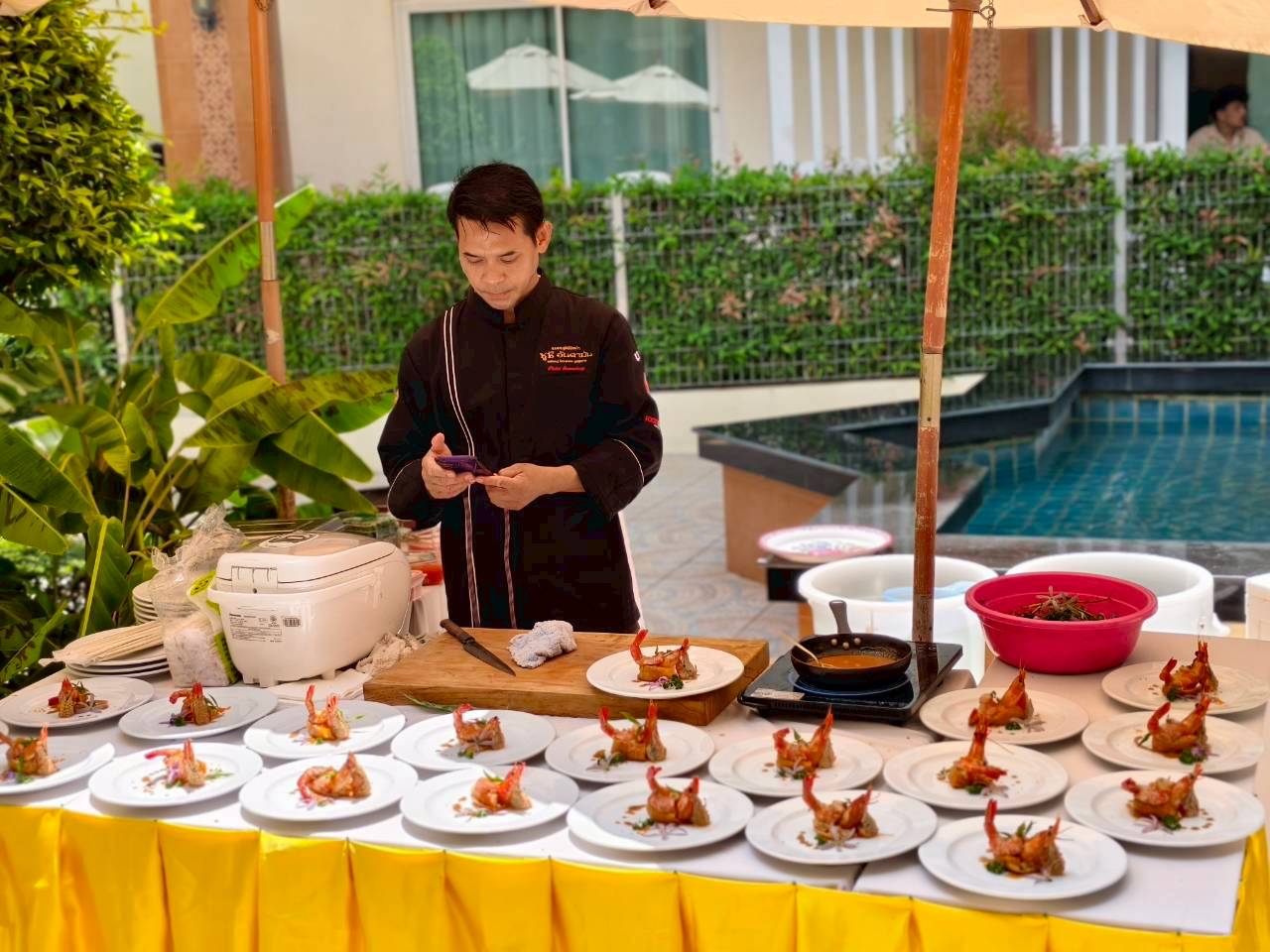
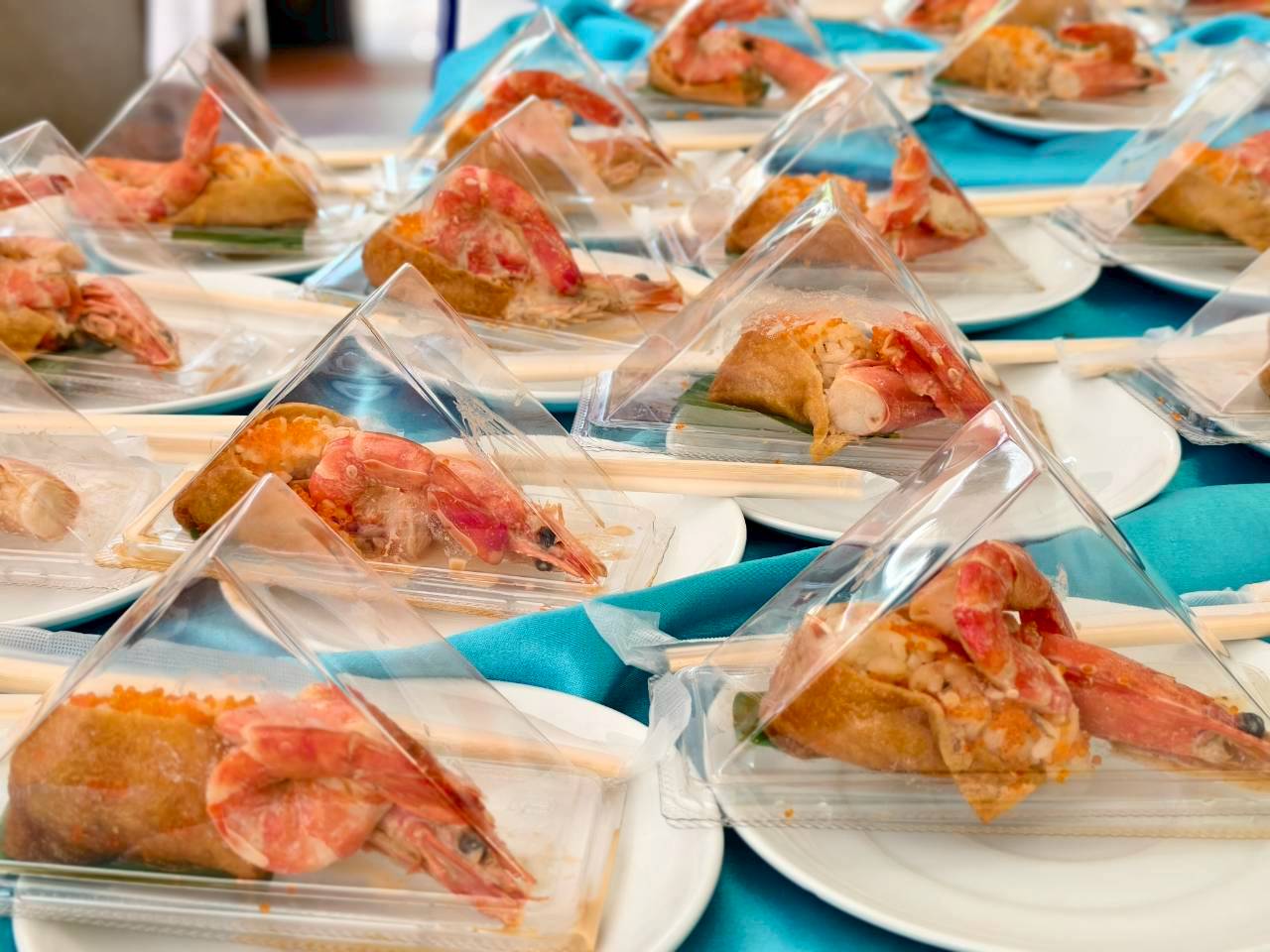
Recognized as the third most significant economic product of Krabi Province, the Krabi Giant Tiger Prawn is regarded as a valuable resource of the Andaman coast. Its distinctive qualities—sweet flavor, firm and crunchy texture, and appealing color when cooked—are attributed to the rich coastal ecosystem across five key districts: Ko Lanta, Khlong Thom, Nuea Khlong, Mueang Krabi, and Ao Luek. Currently, the product contributes substantially to the local economy, with over 2,126 rai of farming area, an annual production exceeding 3,000 tons, and a market value of more than 587 million baht per year. The prawn is exported to several countries, including China, Australia, Japan, Malaysia, and South Korea.
Walailak University continues to leverage the Geographical Indication (GI) mechanism as a strategic tool to support sustainable development. This initiative strengthens local economies and employment opportunities (SDGs 1 and 8), promotes food quality and traceability (SDGs 2 and 12), supports marine and coastal conservation (SDG 14), and enhances multi-sectoral collaboration among government agencies, academic institutions, and local communities (SDG 17).
News by Grissada Srisavang Center for Academic Services, Walailak University