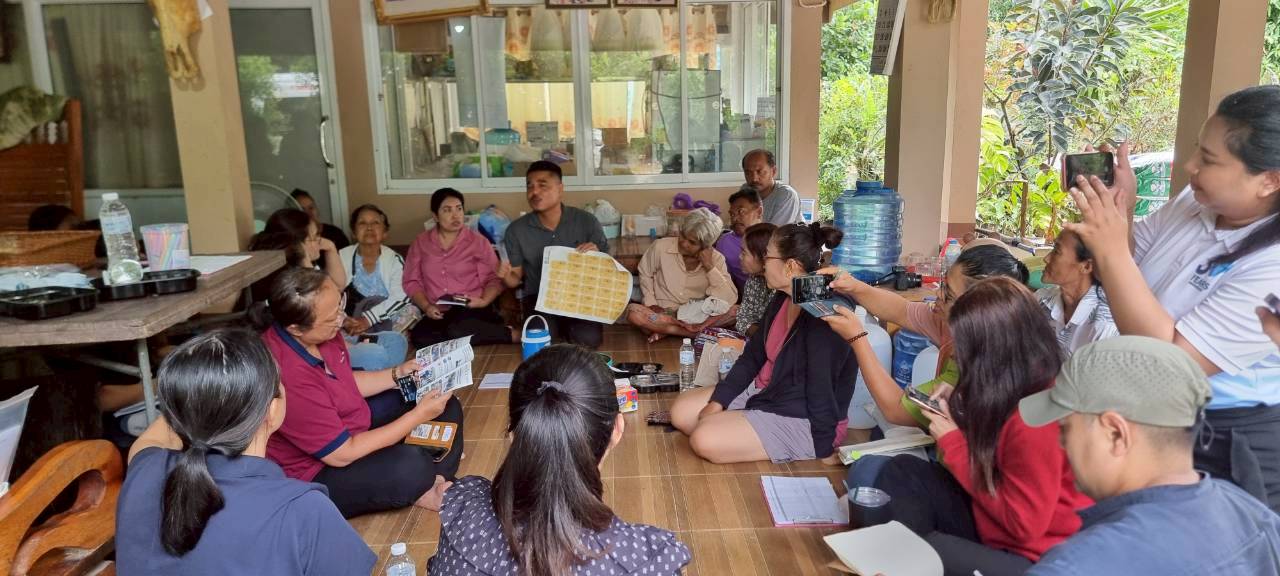
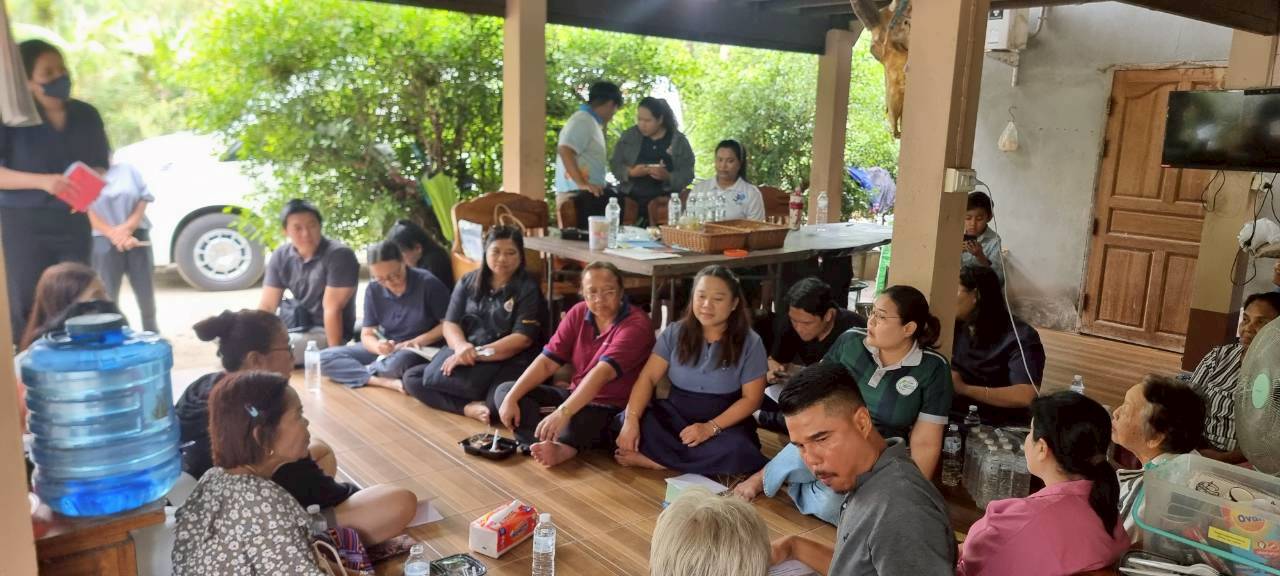
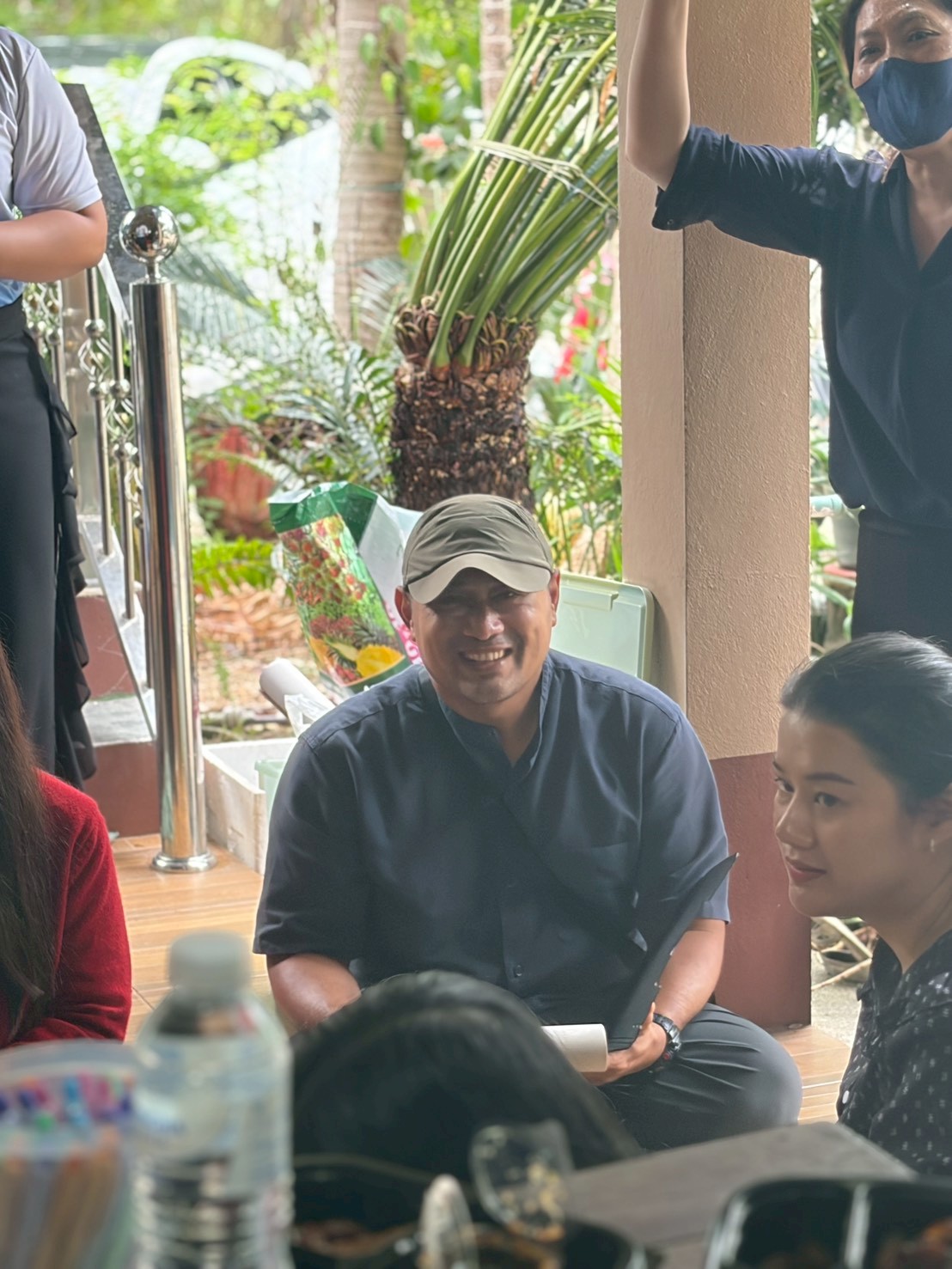
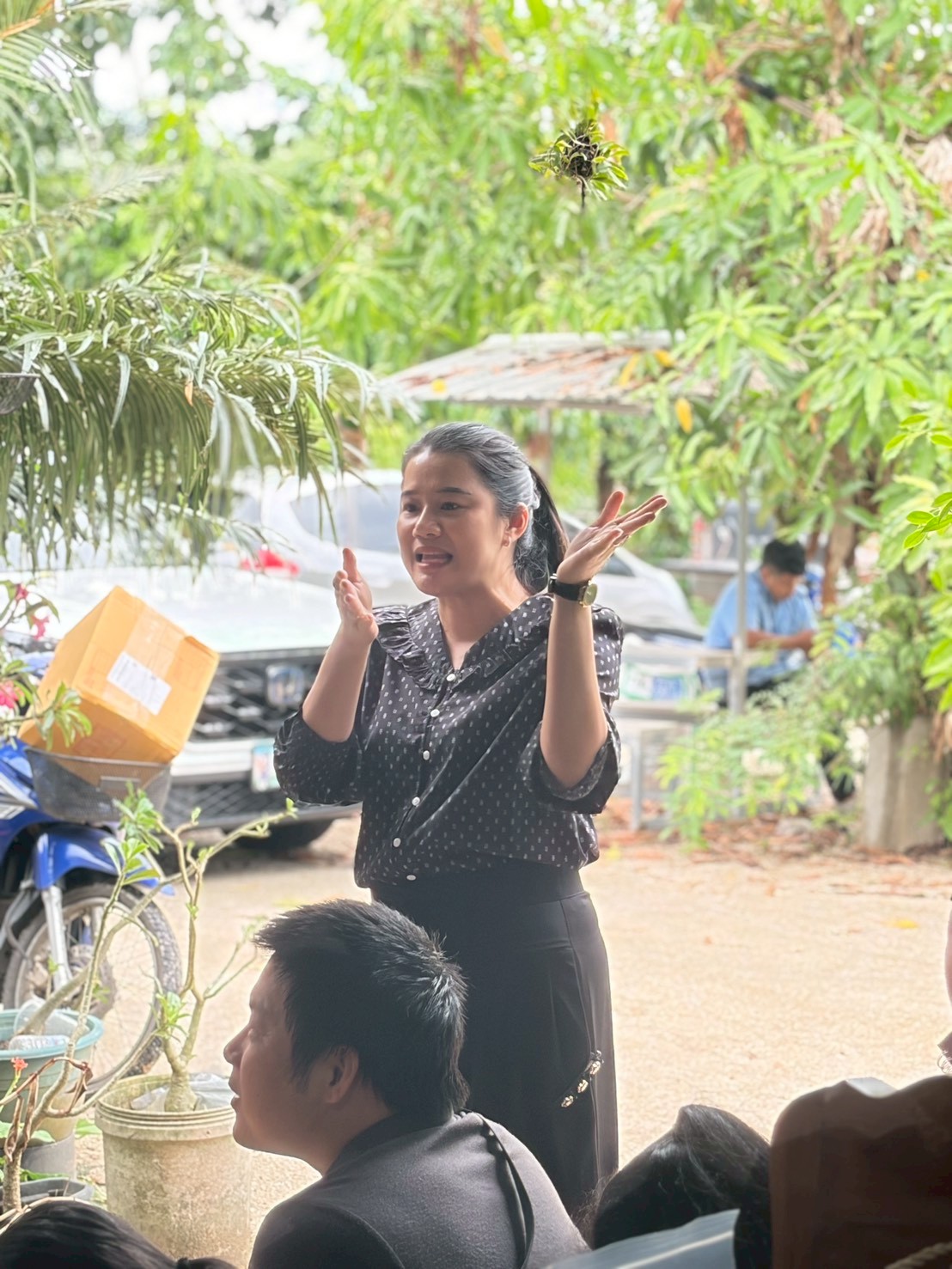
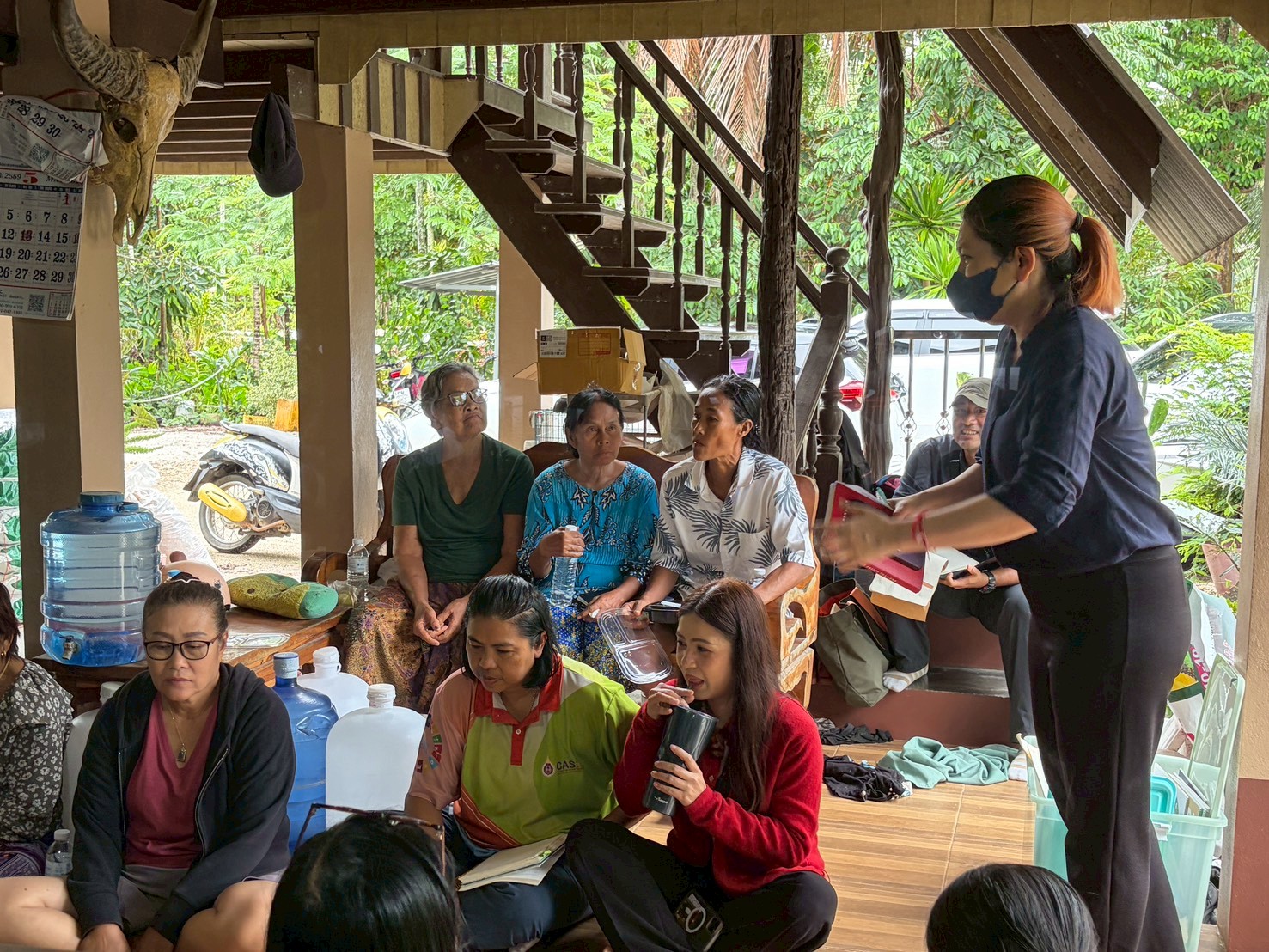
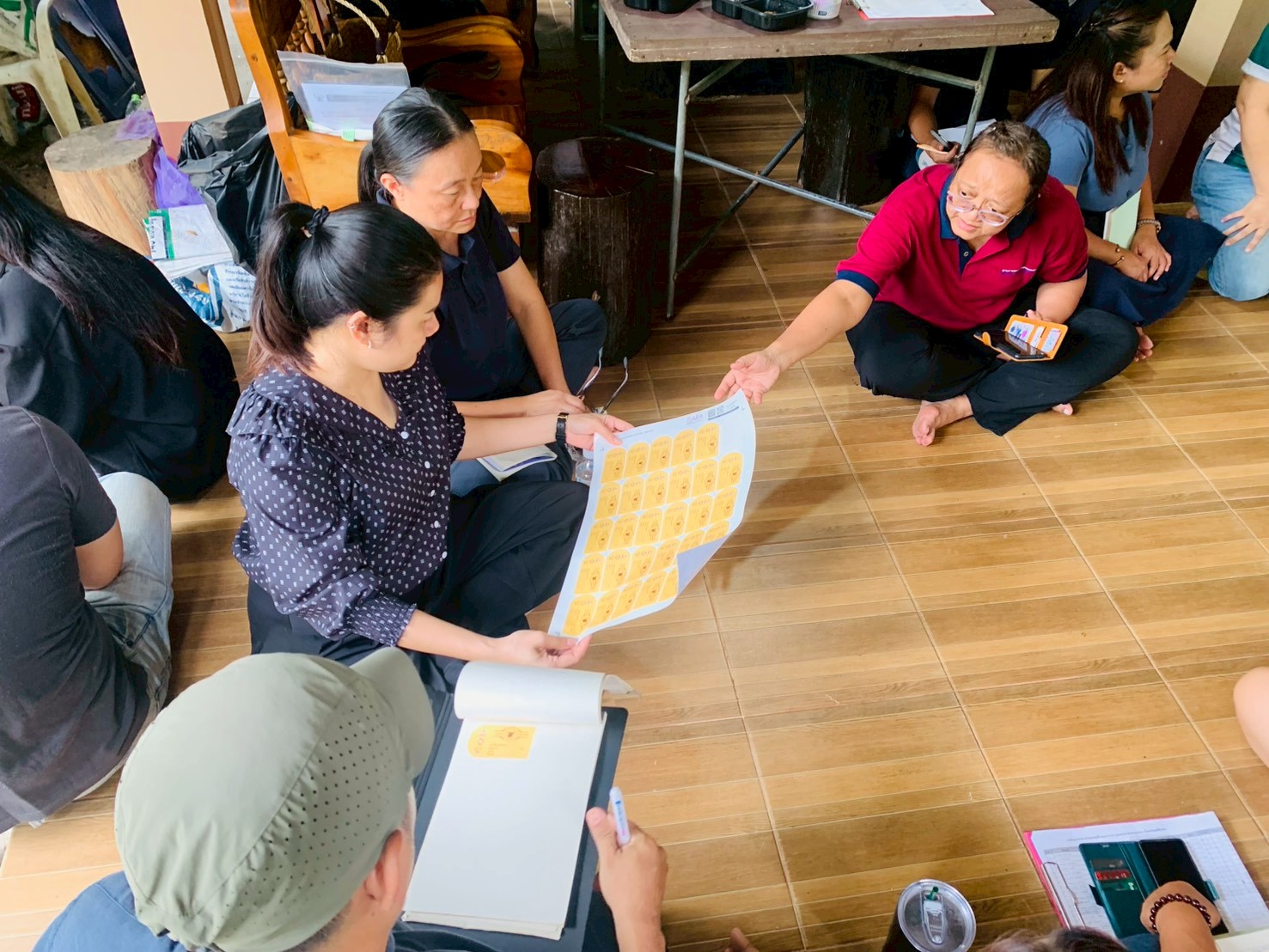
Walailak University has joined forces with lecturers from various schools and colleges, in collaboration with the Satit Walailak Pattana Community Integrated Swine Farming Community Enterprise Group, to co-develop community engagement and academic service activities that align with the actual needs and local context of the community through a participatory approach. The initiative comprehensively addresses occupational development, health, and environmental management, with the goal of fostering sustainable community development.
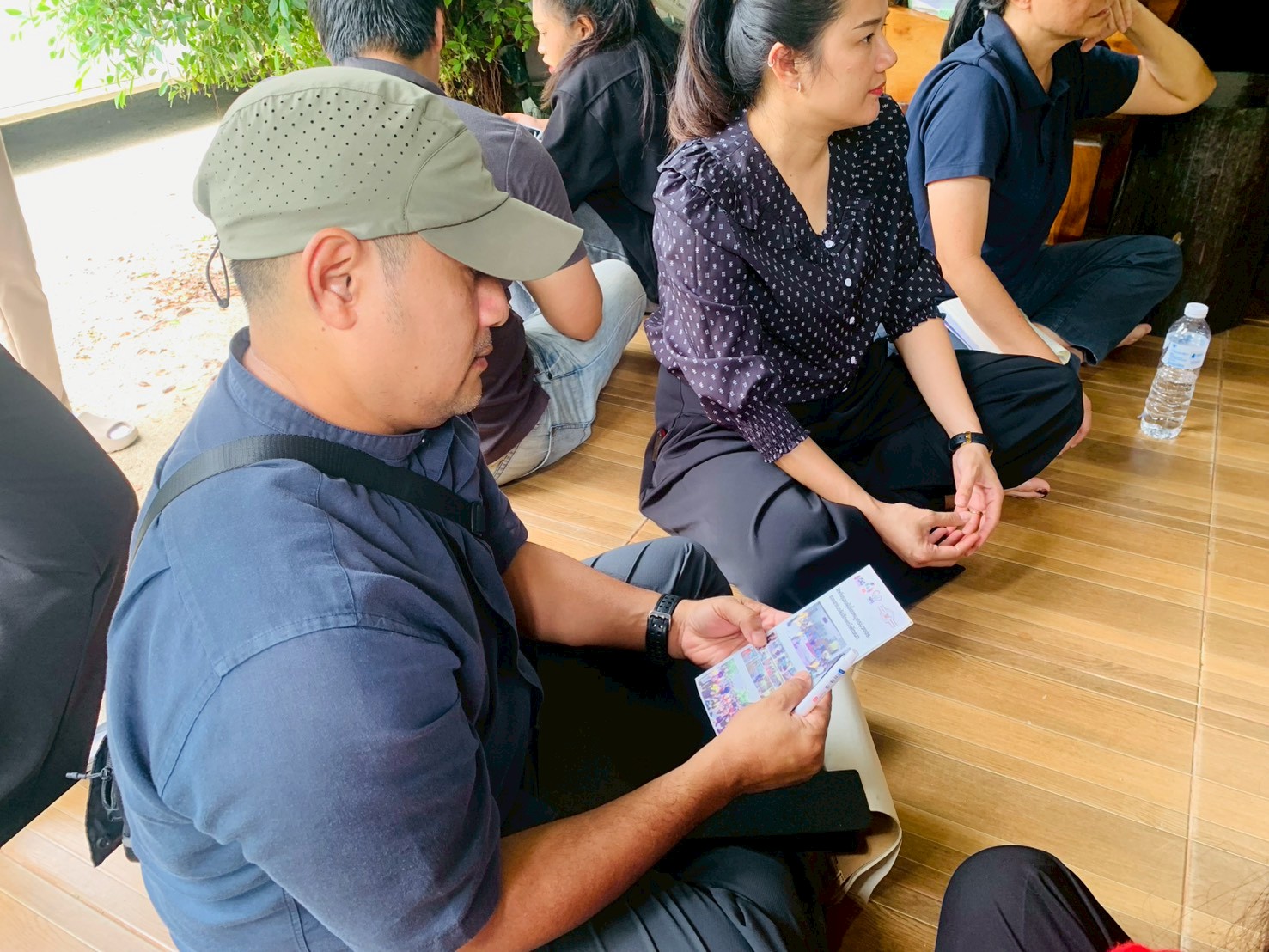
Earlier this month, faculty members from seven schools and colleges of Walailak University — including the Akkhraratchakumari Veterinary College, the School of Agricultural Technology and Food Industry, the School of Languages and General Education, the School of Accounting and Finance, the School of Science, the School of Engineering and Technology, the School of Allied Health Sciences, together with staff from The Center for Academic Services, held discussions with the Satit Walailak Pattana Community Integrated Swine Farming Community Enterprise Group to further develop community-oriented academic service initiatives.
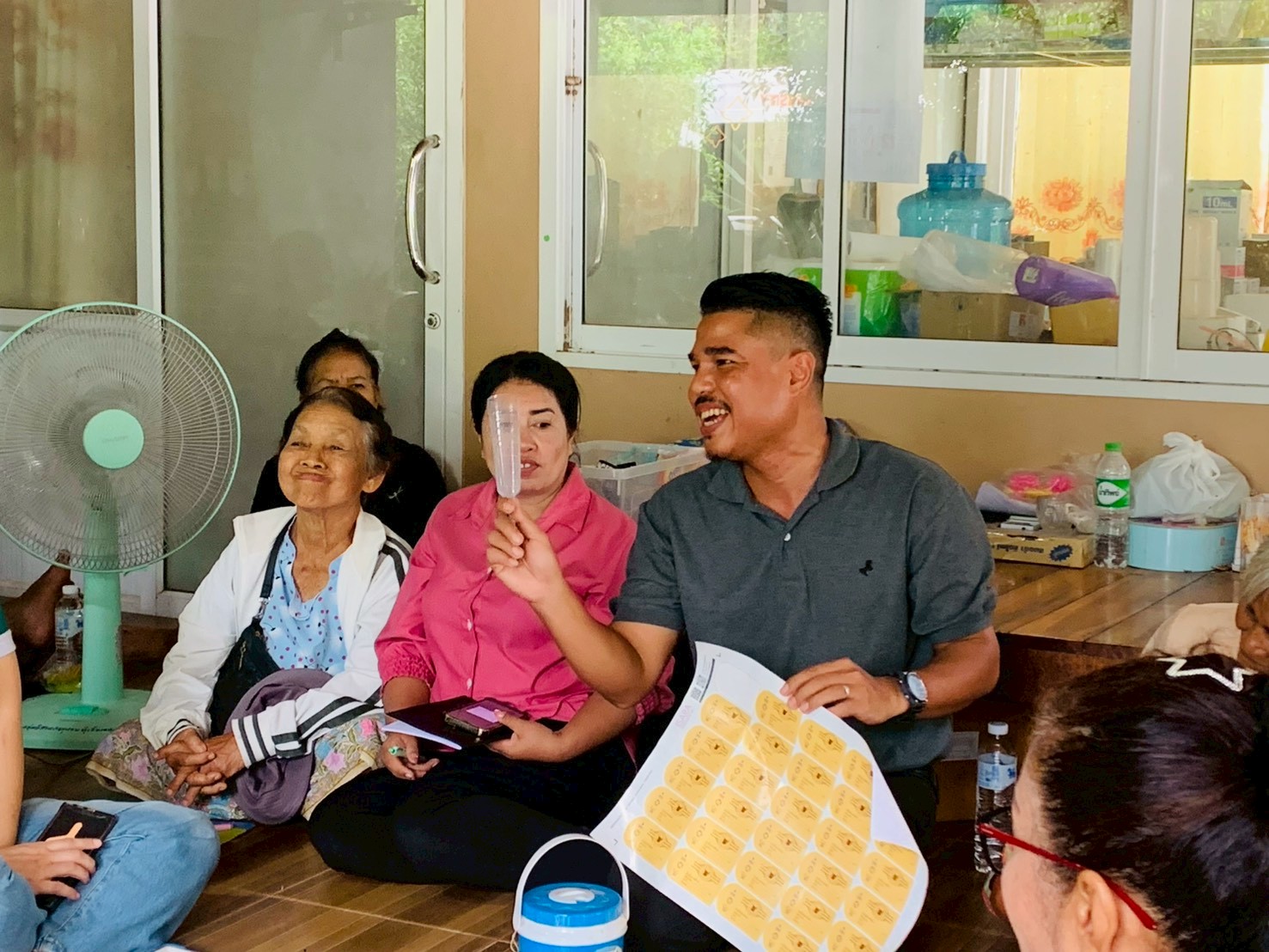
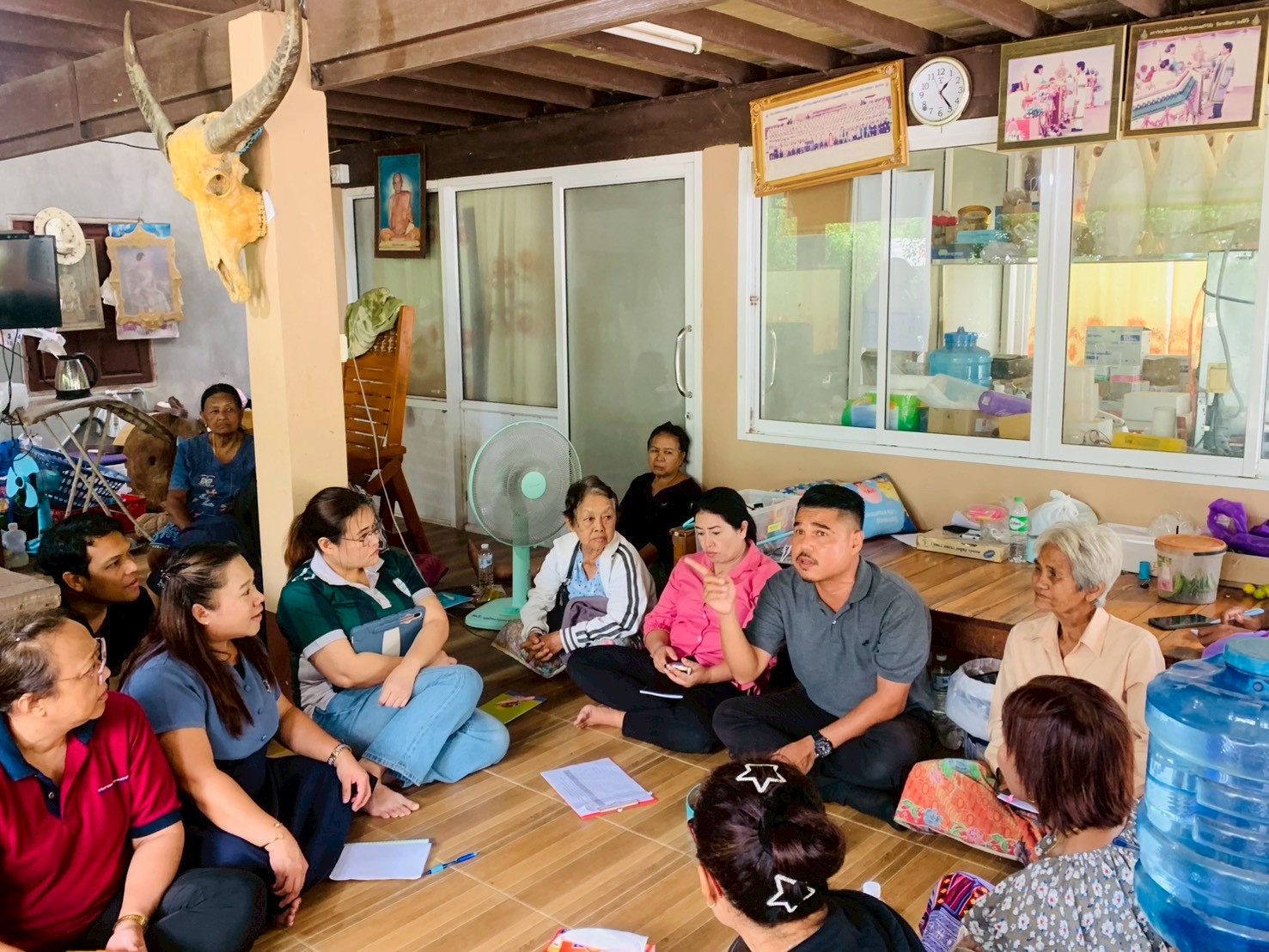
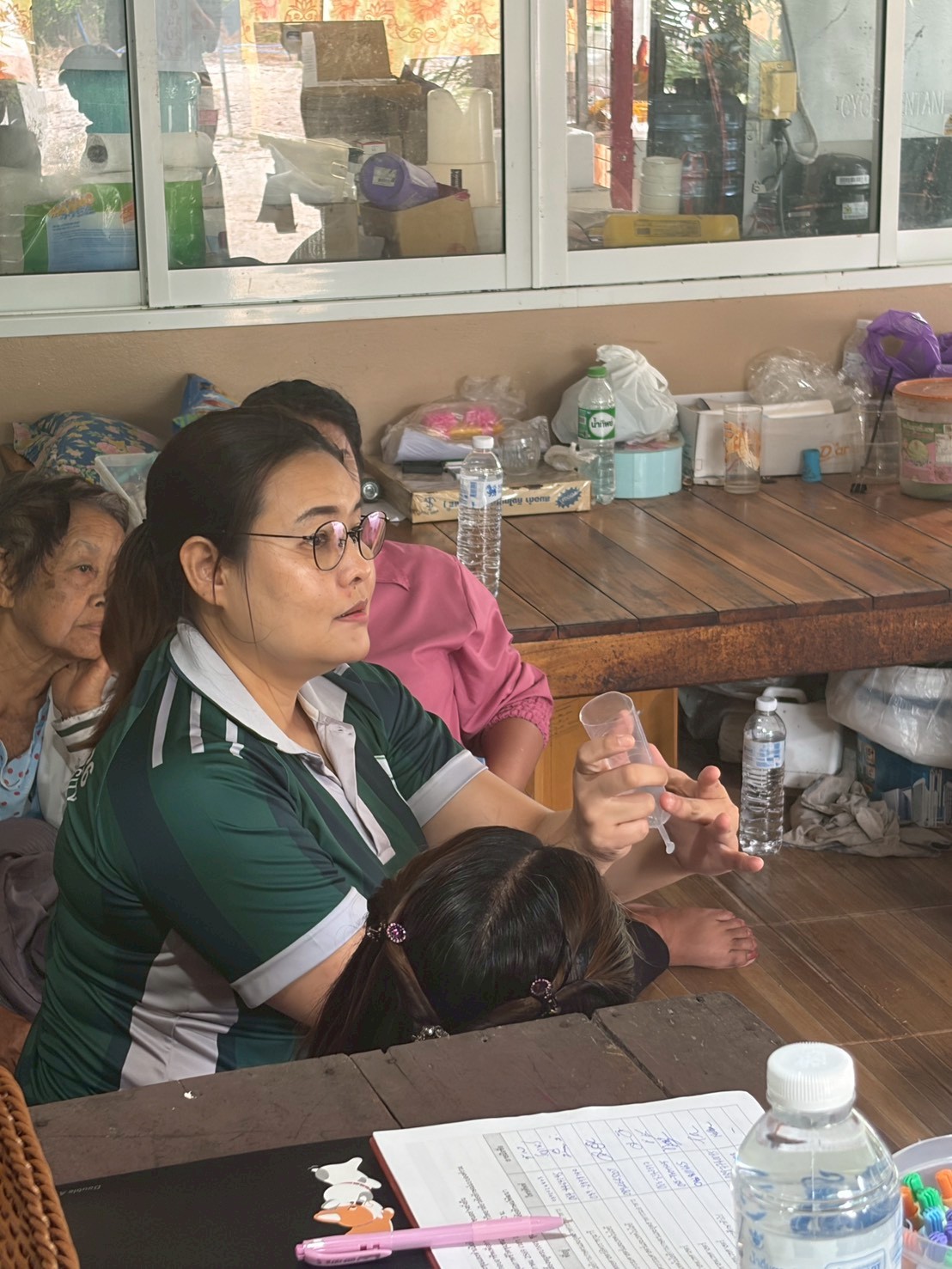
The discussions emphasized a community participation process, beginning with presentations on the background and operations of the Integrated Swine Farming Community Enterprise Group, followed by knowledge-sharing activities between community members and faculty representatives from different disciplines. Topics included swine farming and animal care, disease prevention and treatment, pork product processing, business and financial management, online marketing and media creation, farmers’ health care, and environmental management within the community.
In the occupational development dimension, the School of Agricultural Technology and Food Industry exchanged knowledge with the community regarding swine farming practices, including the number of breeding sows, breeding systems, and opportunities to further develop value-added pork products. Akkhraratchakumari Veterinary College provided recommendations on animal healthcare, disease diagnosis, and epidemic risk prevention. Meanwhile, the School of Engineering and Technology proposed approaches for managing sludge from biogas systems for reuse in agriculture as soil conditioners, contributing to environmentally friendly waste management within the community.
The School of Accounting and Finance assisted in analyzing production costs and identifying suitable pricing strategies for processed pork products to enhance the community’s economic potential. The School of Languages and General Education collaborated on developing promotional media and product photography to strengthen online marketing communication and expand consumer outreach. In addition, the School of Science explored related issues in preparation for providing further academic support according to the community’s needs.
In the health dimension, the School of Allied Health Sciences discussed healthcare approaches for swine farmers, particularly disease surveillance for melioidosis and leptospirosis, which are key health concerns identified by the community.
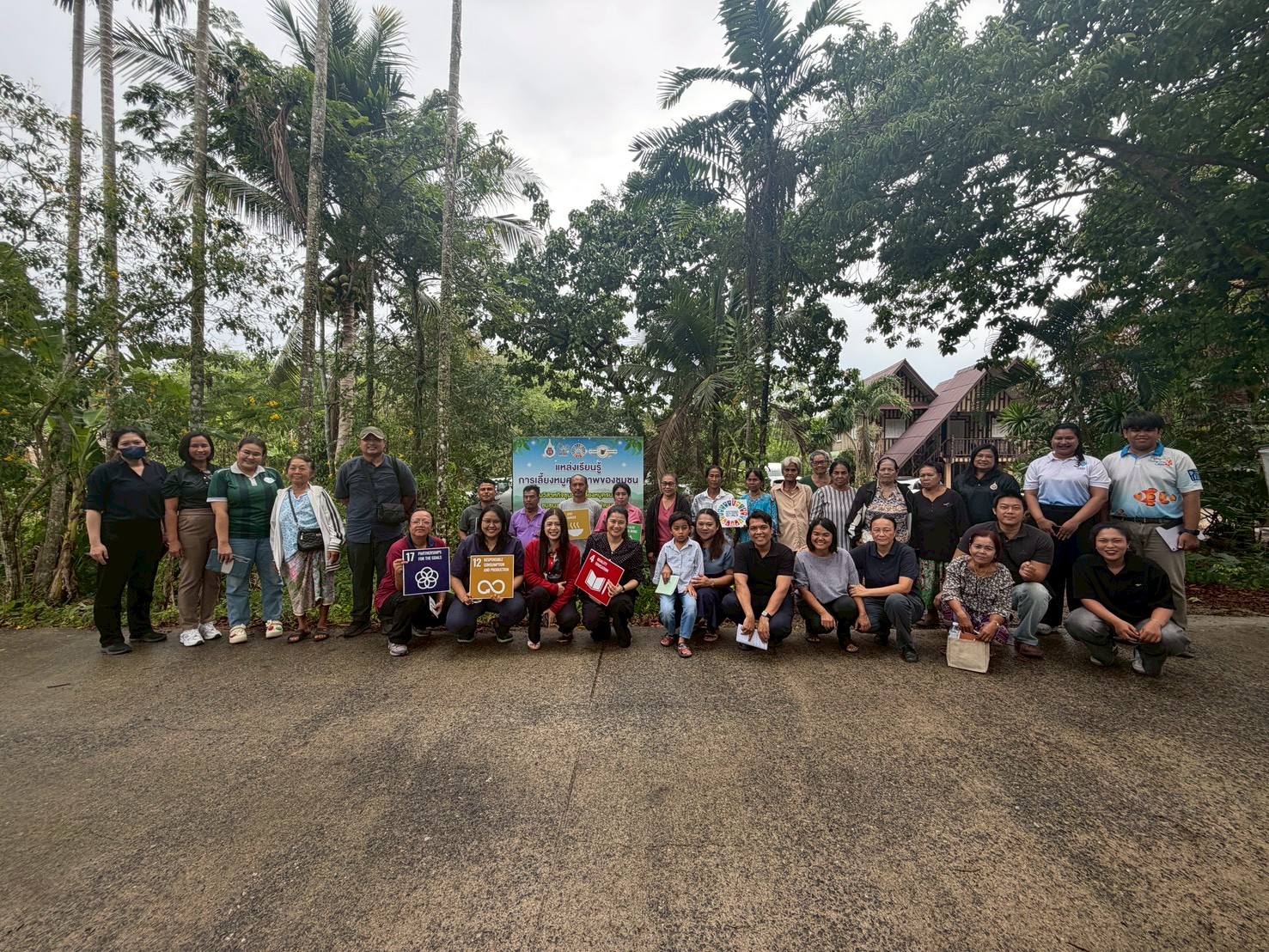
This collaborative exchange marks an important step in strengthening partnerships between the university and the community through joint problem analysis, development planning, and the design of activities that genuinely respond to local needs. By integrating multidisciplinary knowledge, the initiative aims to support sustainable economic, social, and environmental development within the community while contributing to the United Nations Sustainable Development Goals (SDGs), particularly SDG 2: Zero Hunger; SDG 3: Good Health and Well-being; SDG 4: Quality Education; SDG 7: Affordable and Clean Energy; and SDG 17: Partnerships for the Goals. The initiative also supports the “WU HAPPY TREE” framework in the areas of occupation, health, resources and environment, and education.
News by Mr. Kittipong Bunlear, The Center for Academic Services, Walailak University