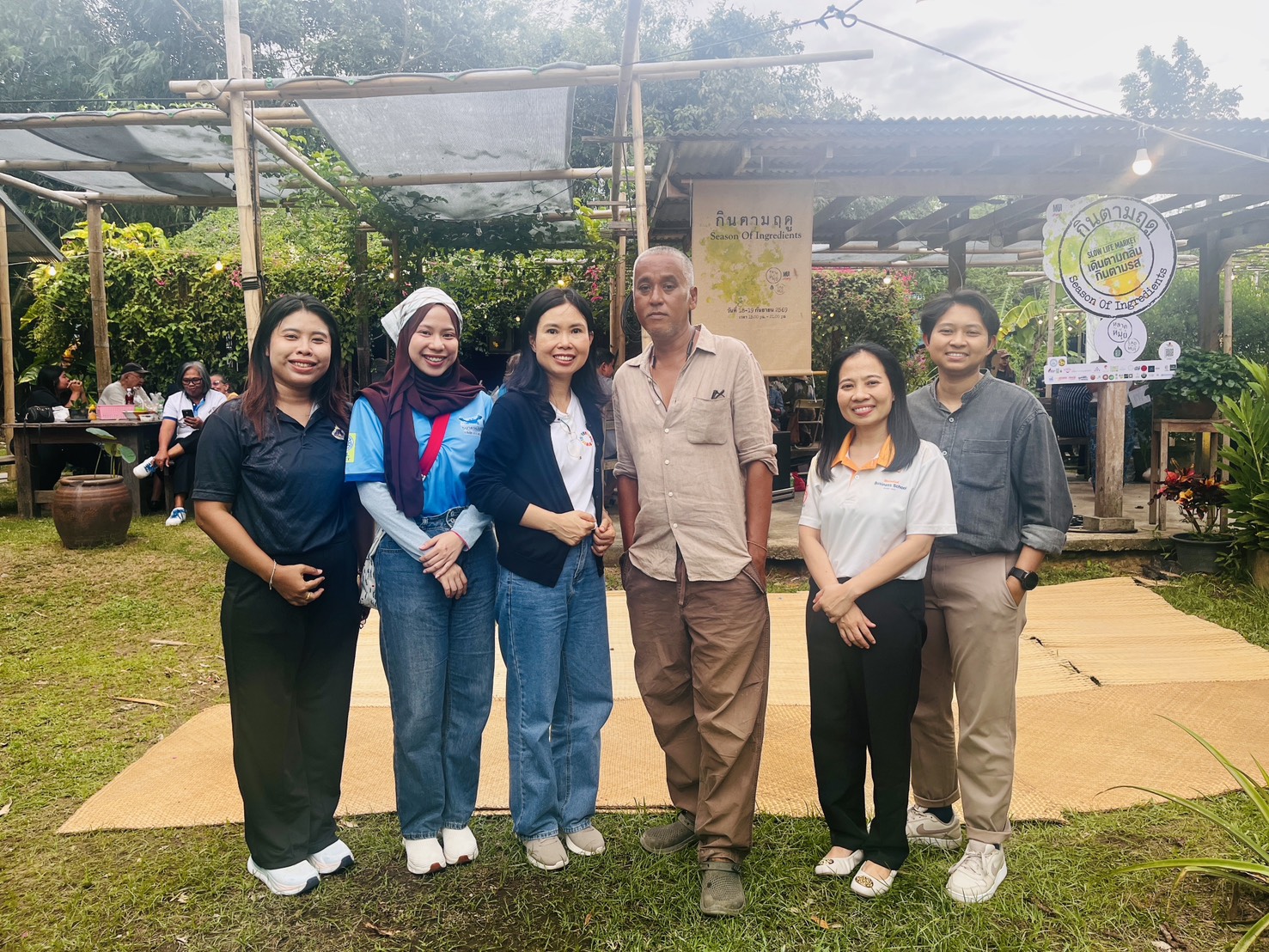
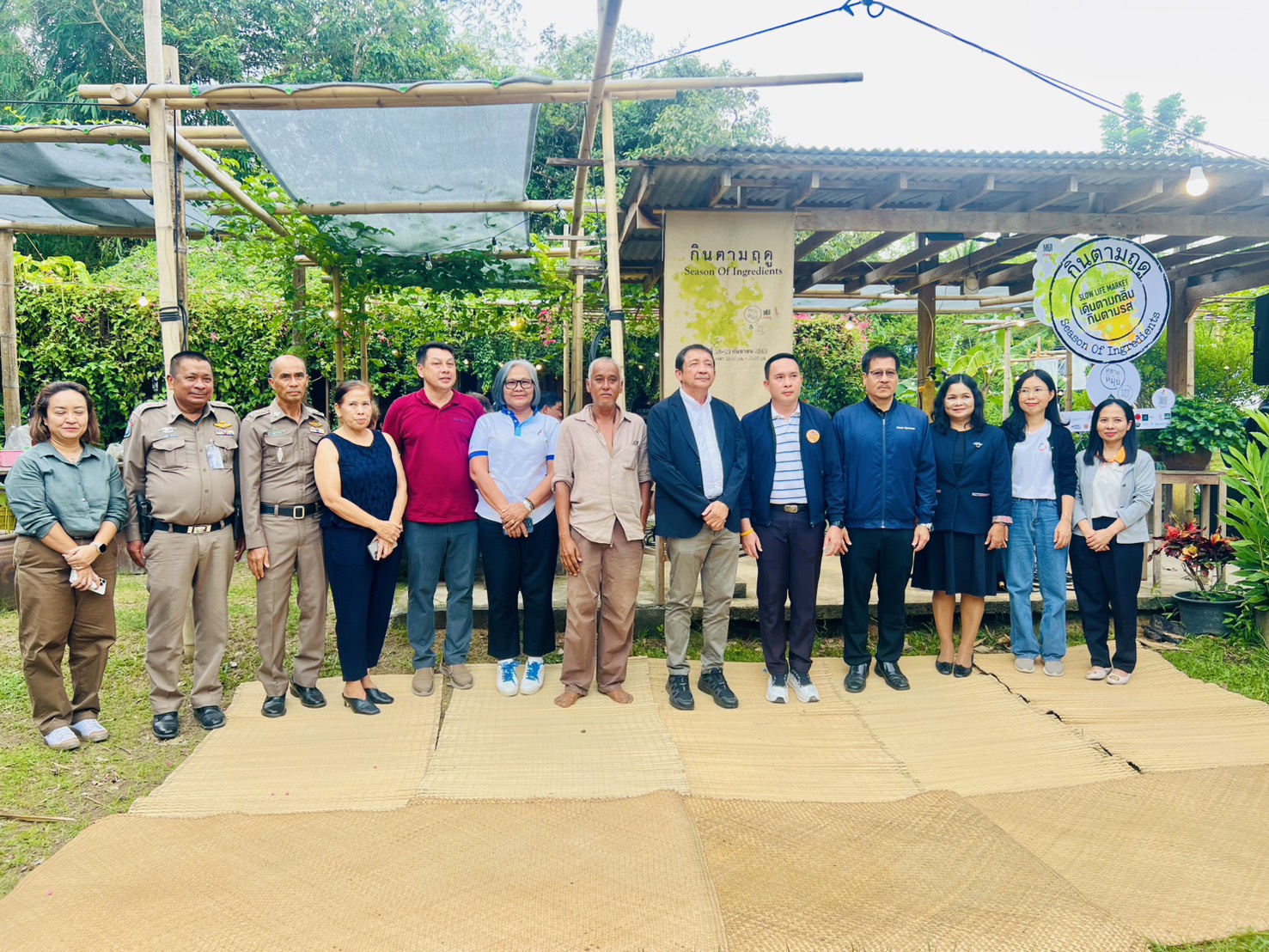
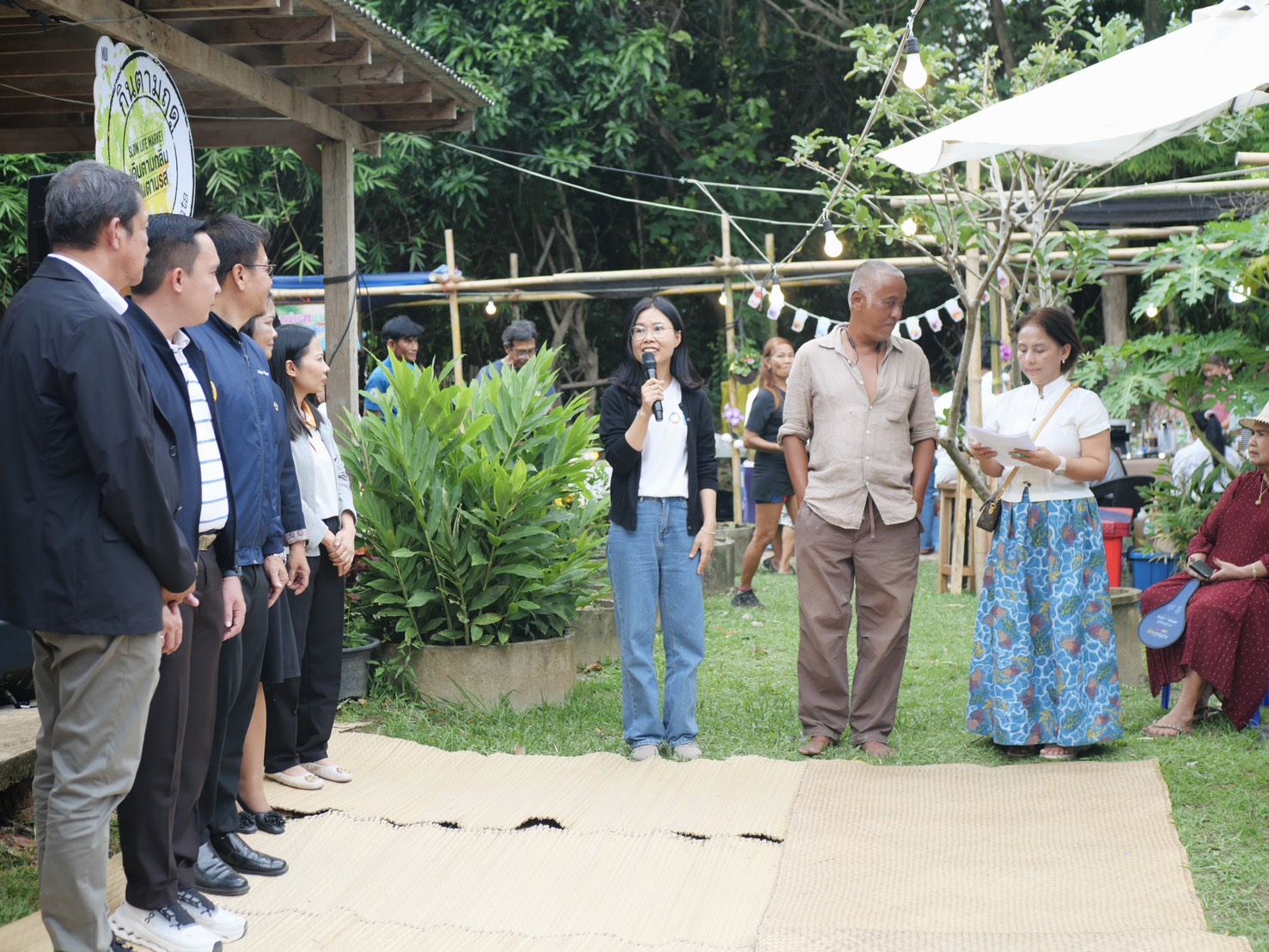
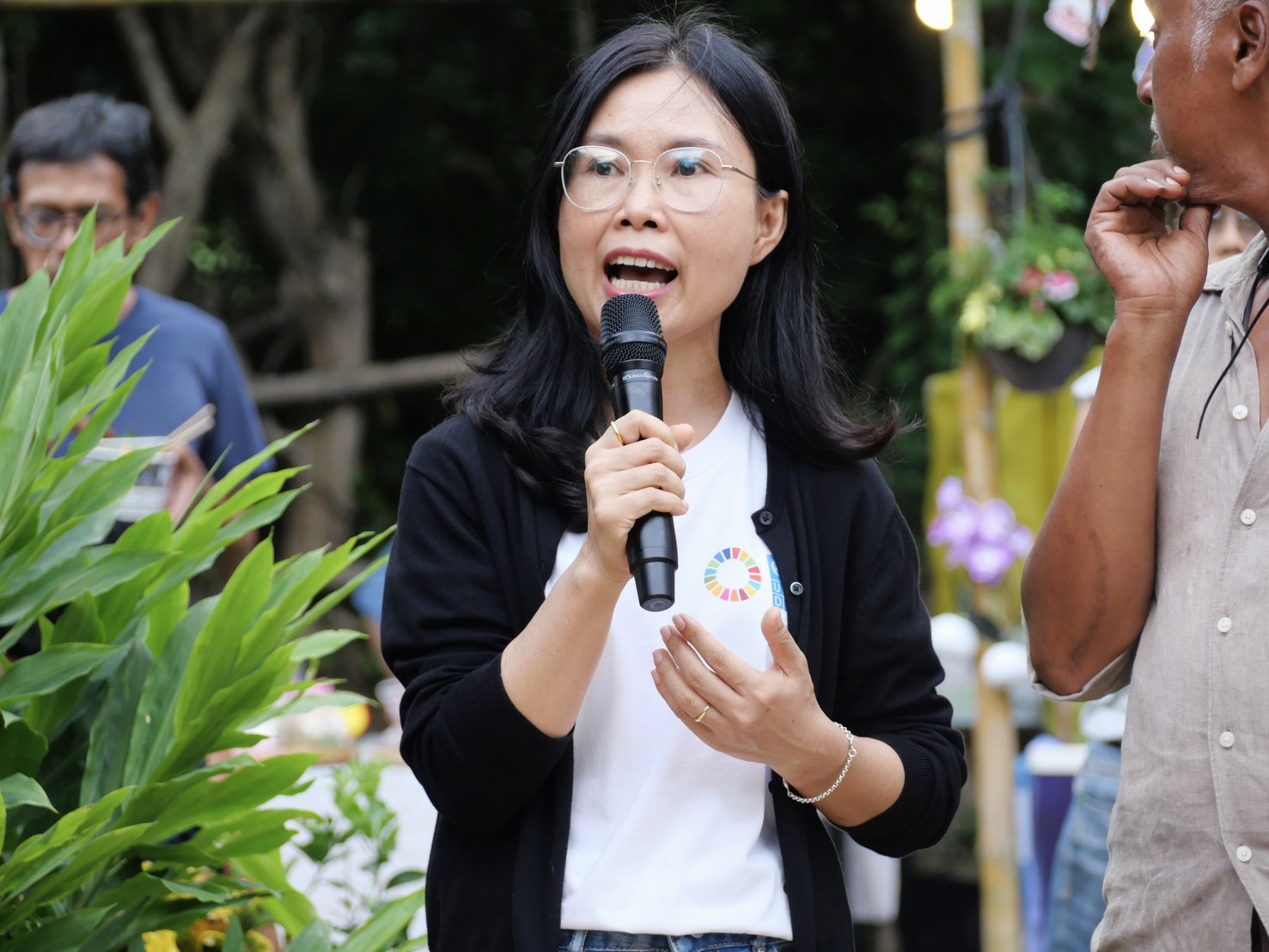
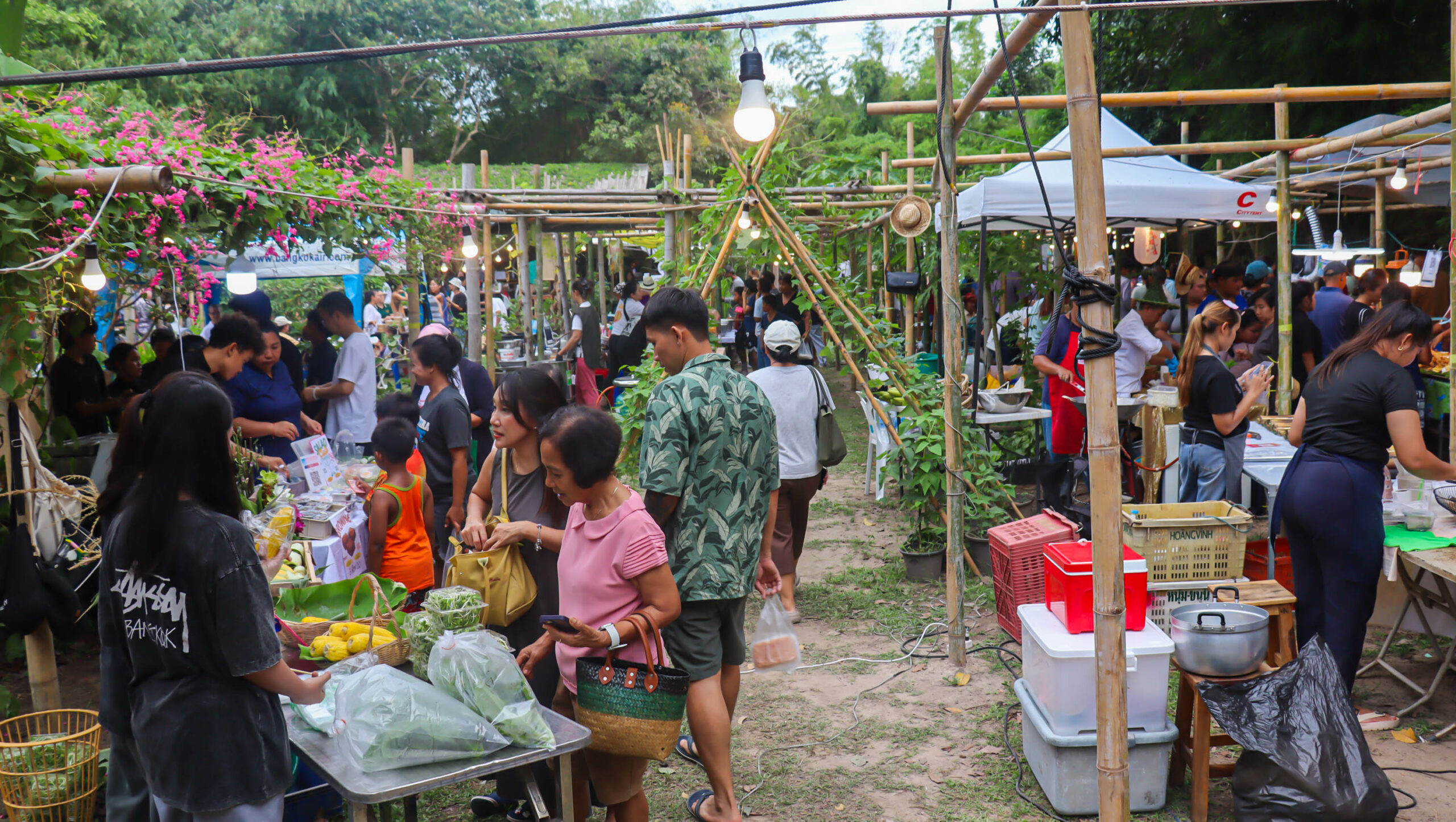
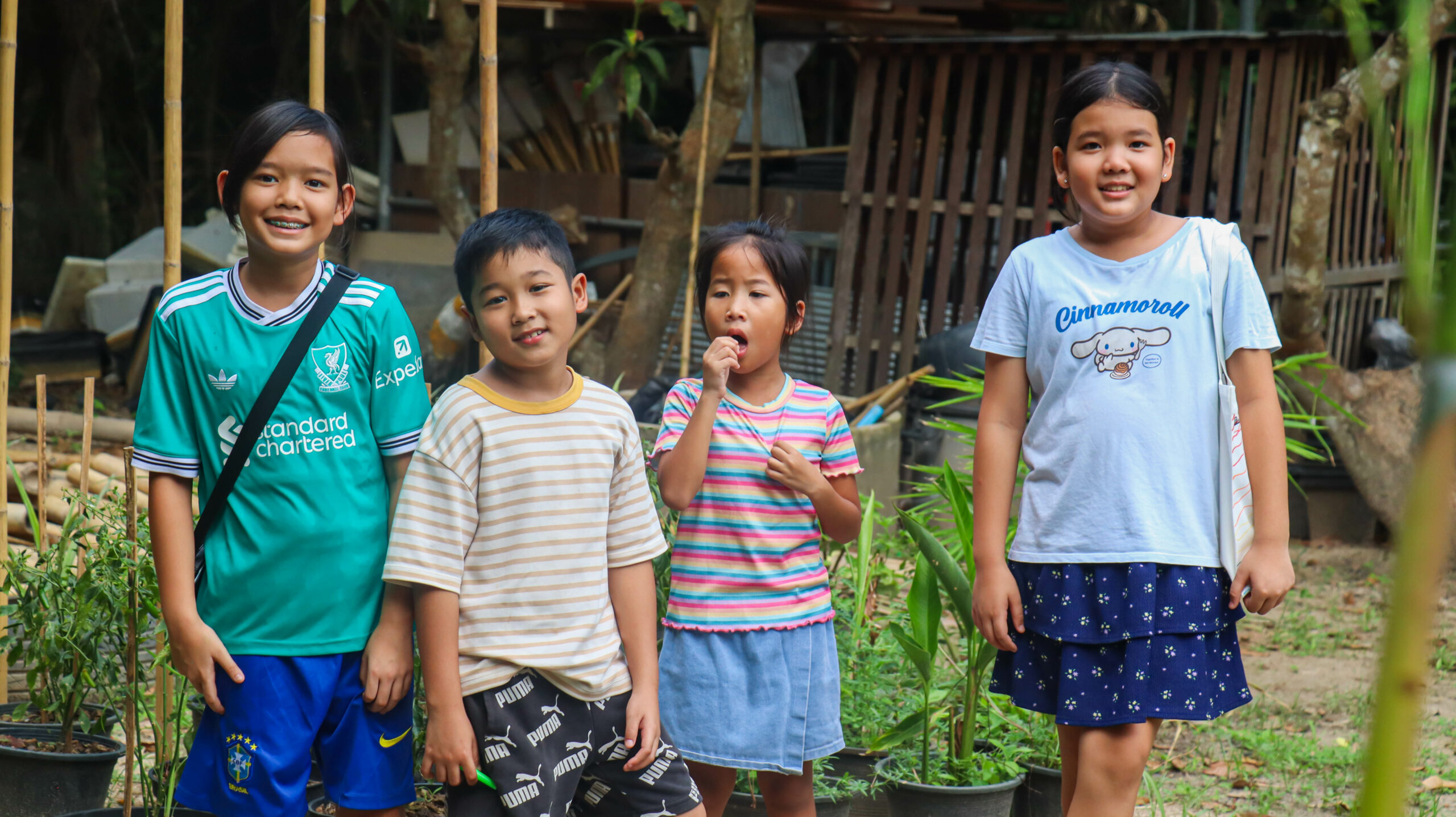
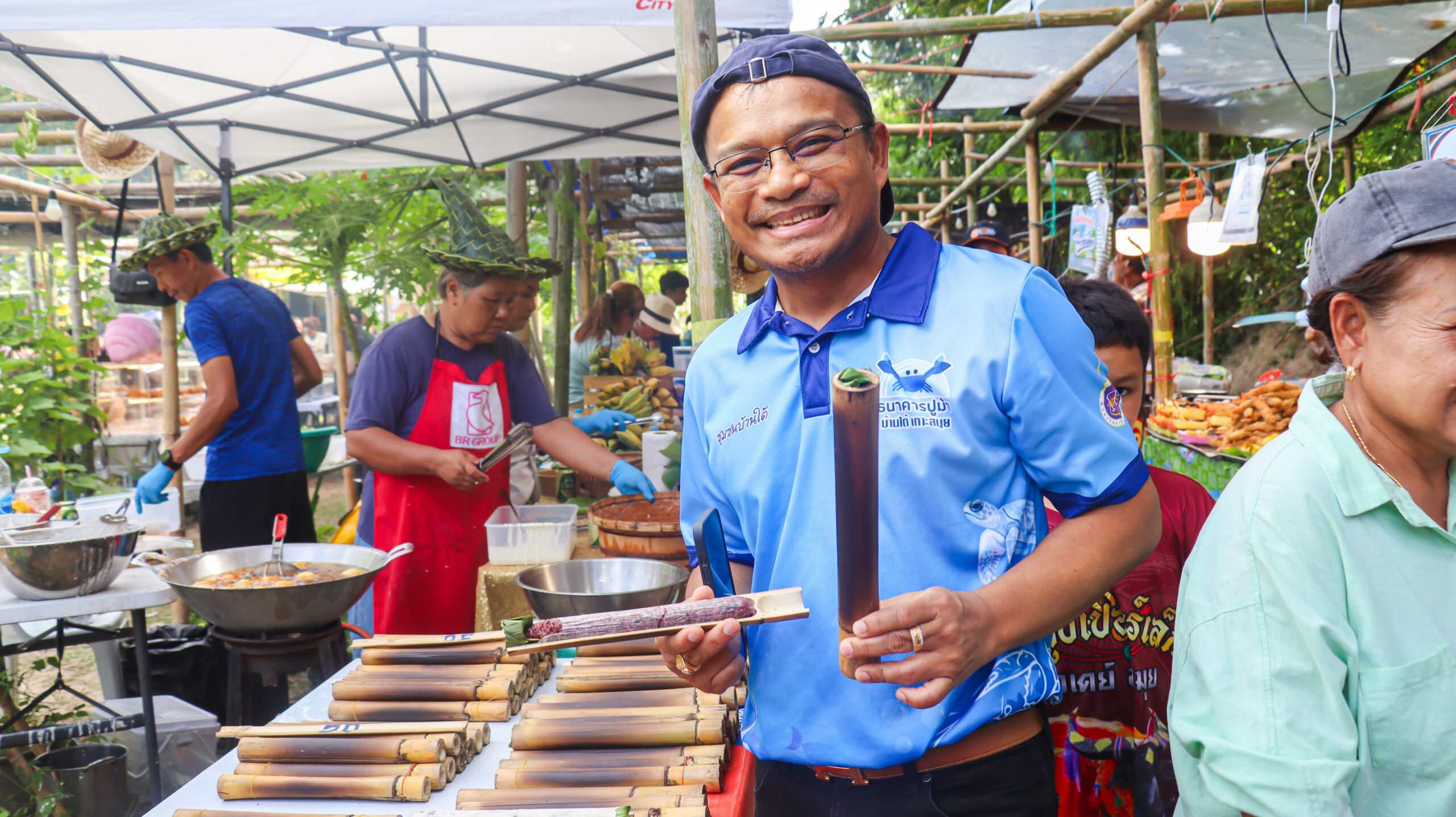
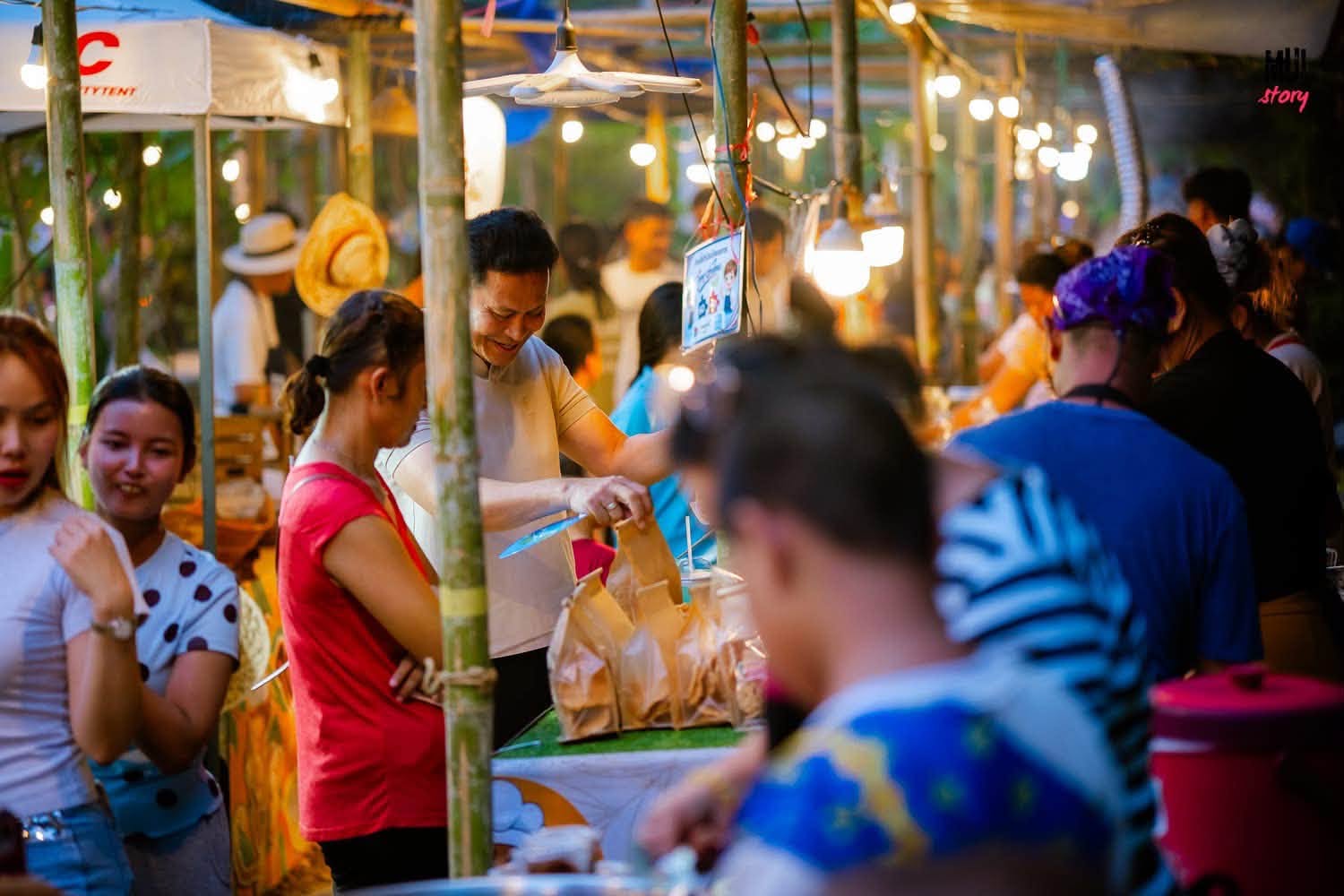
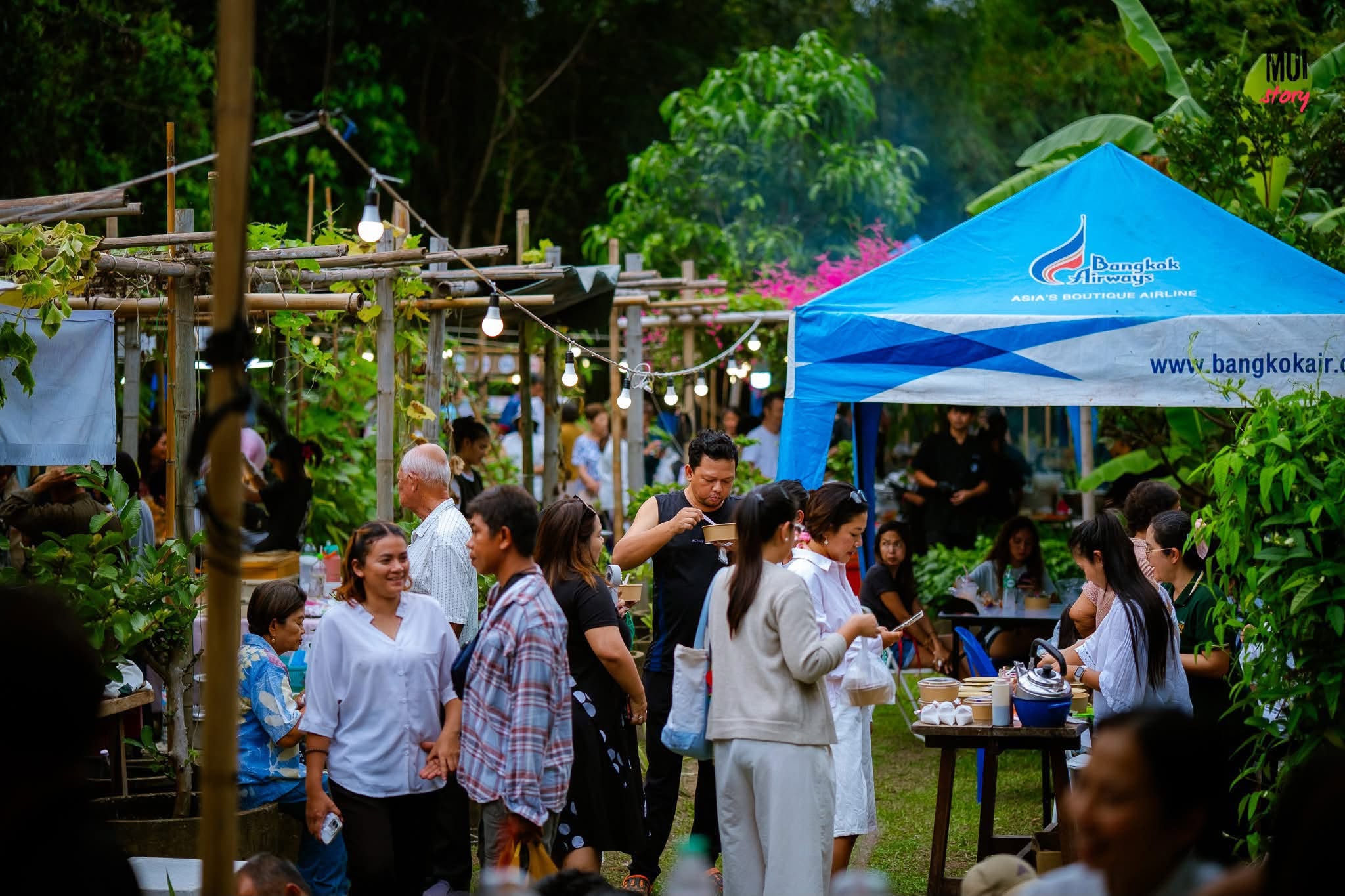
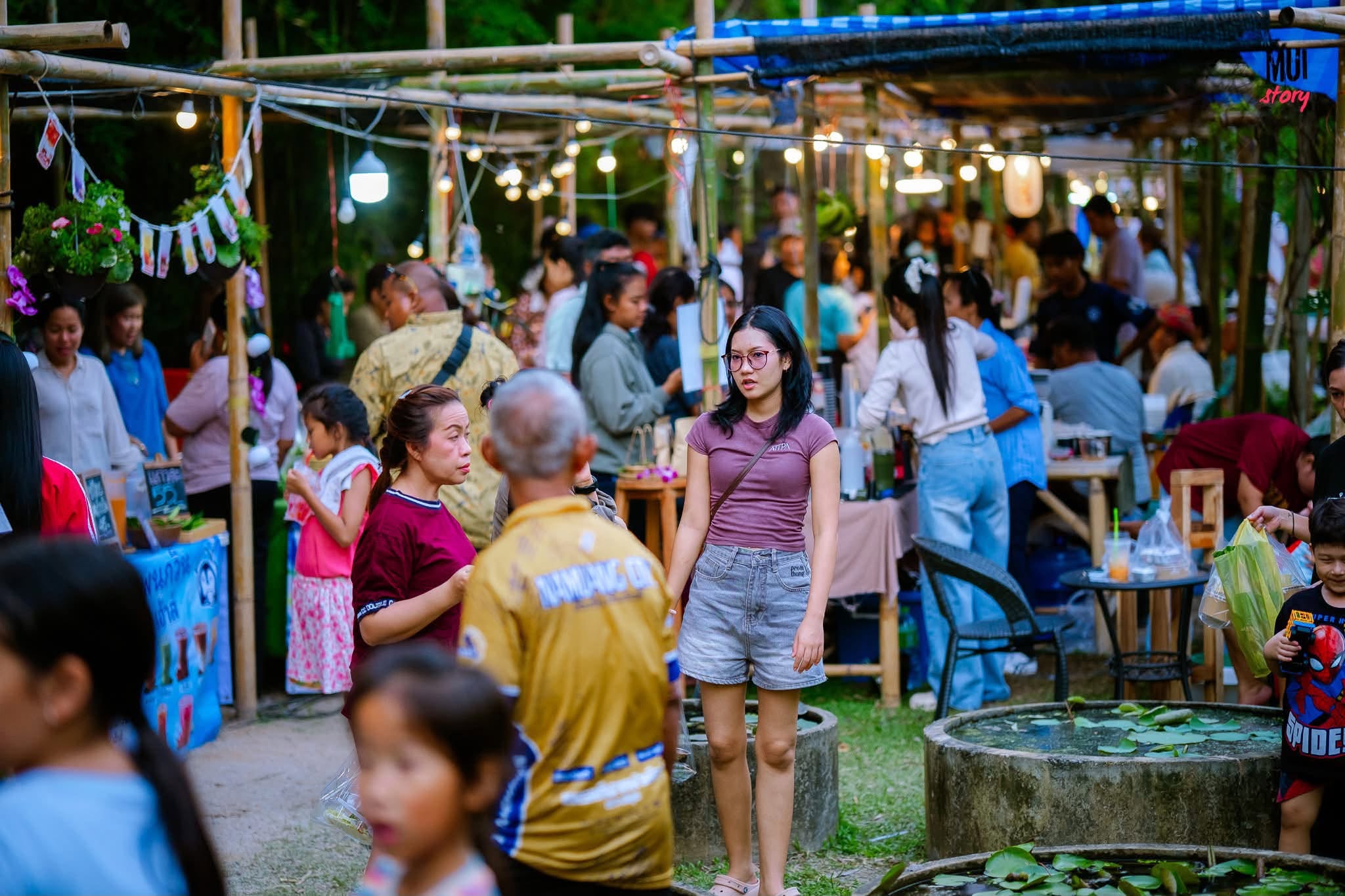
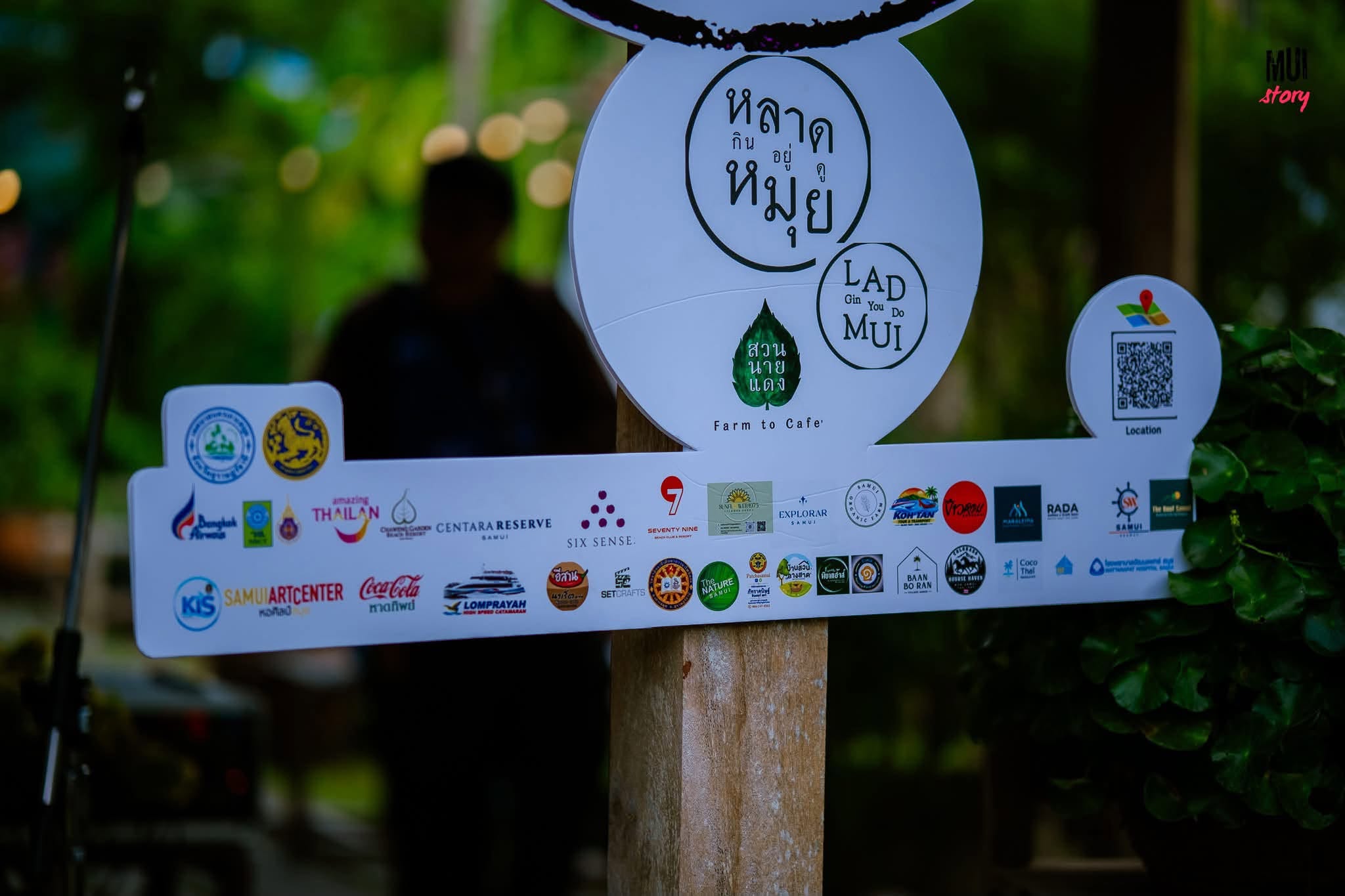
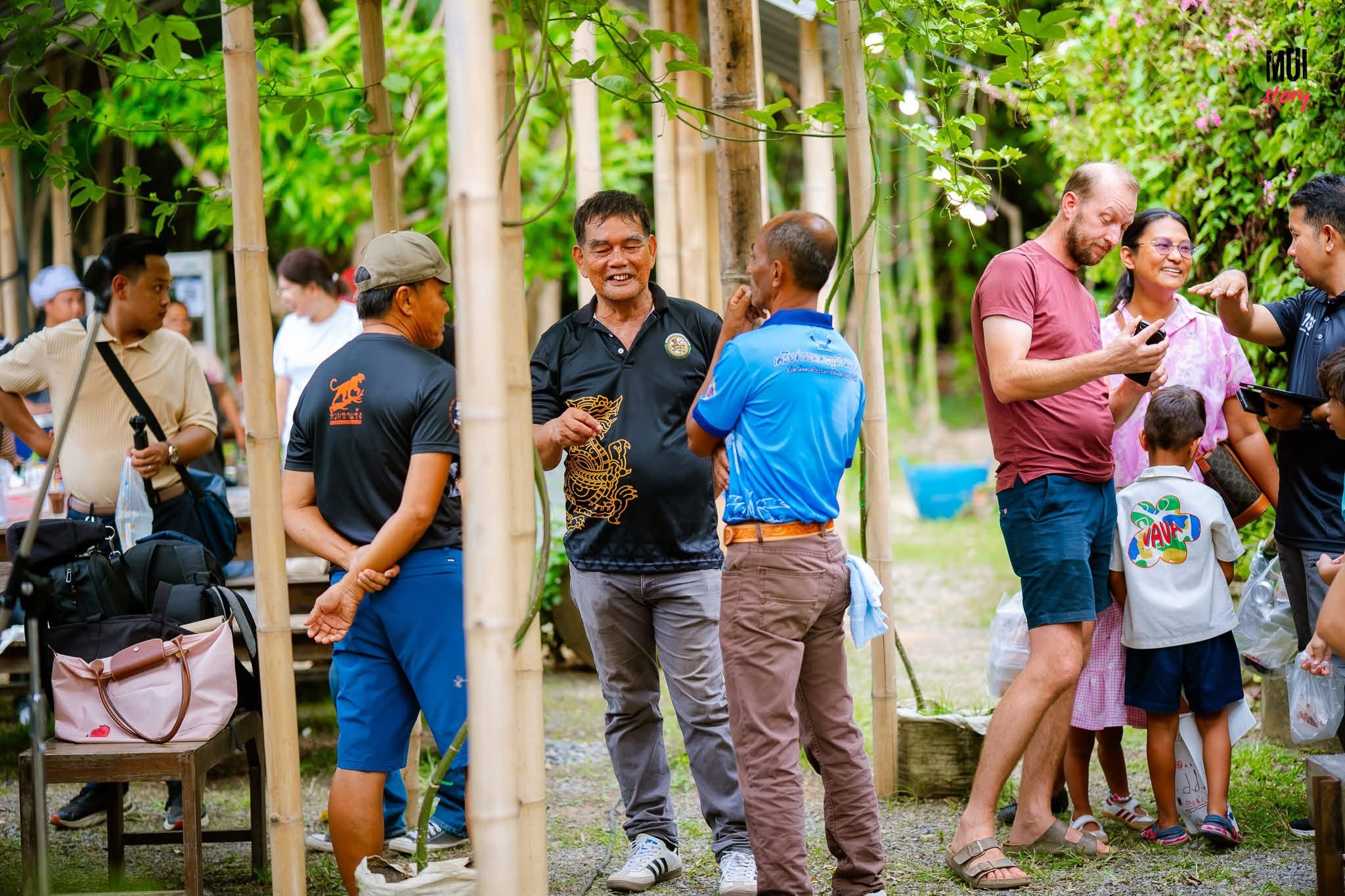
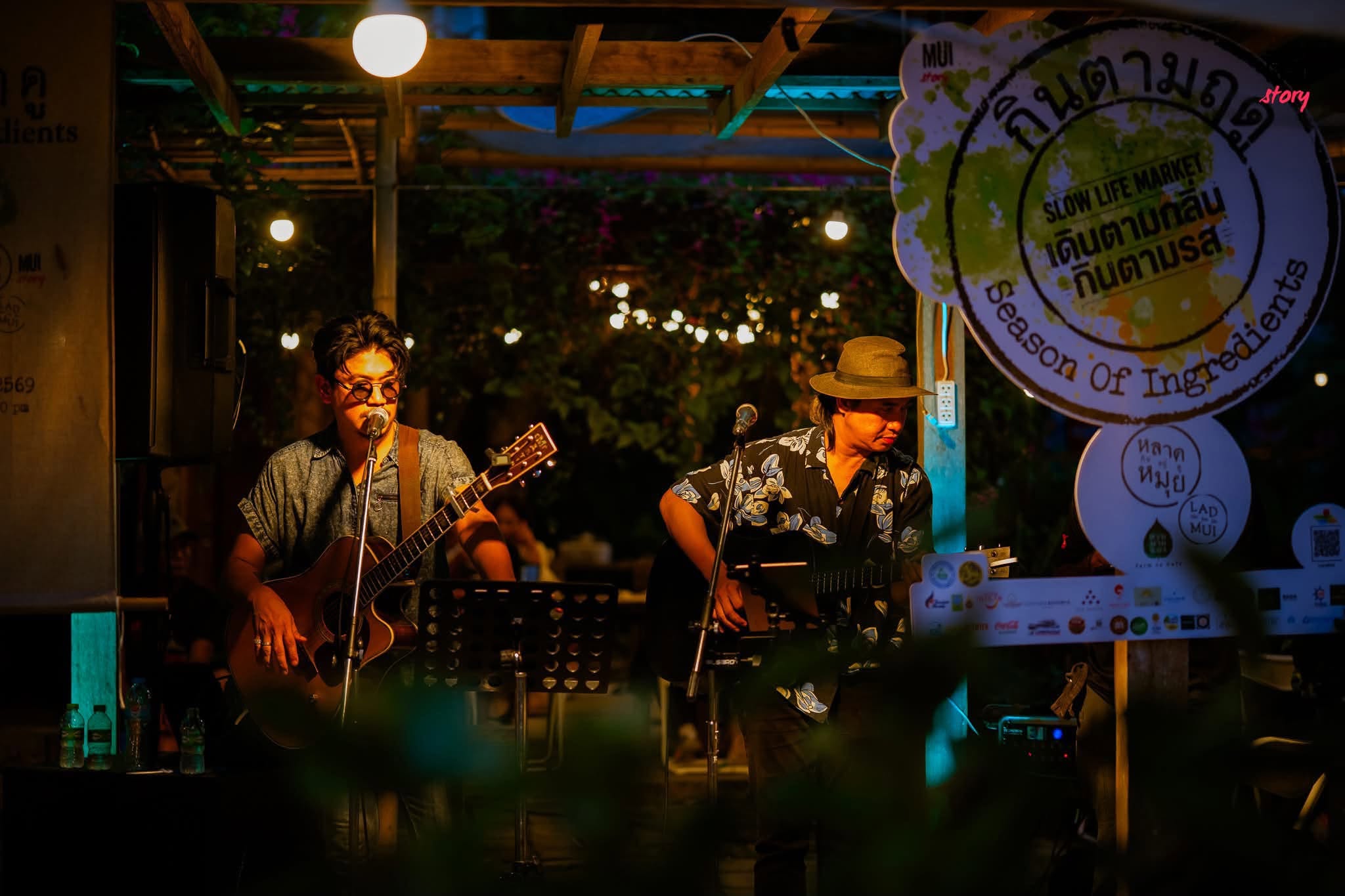
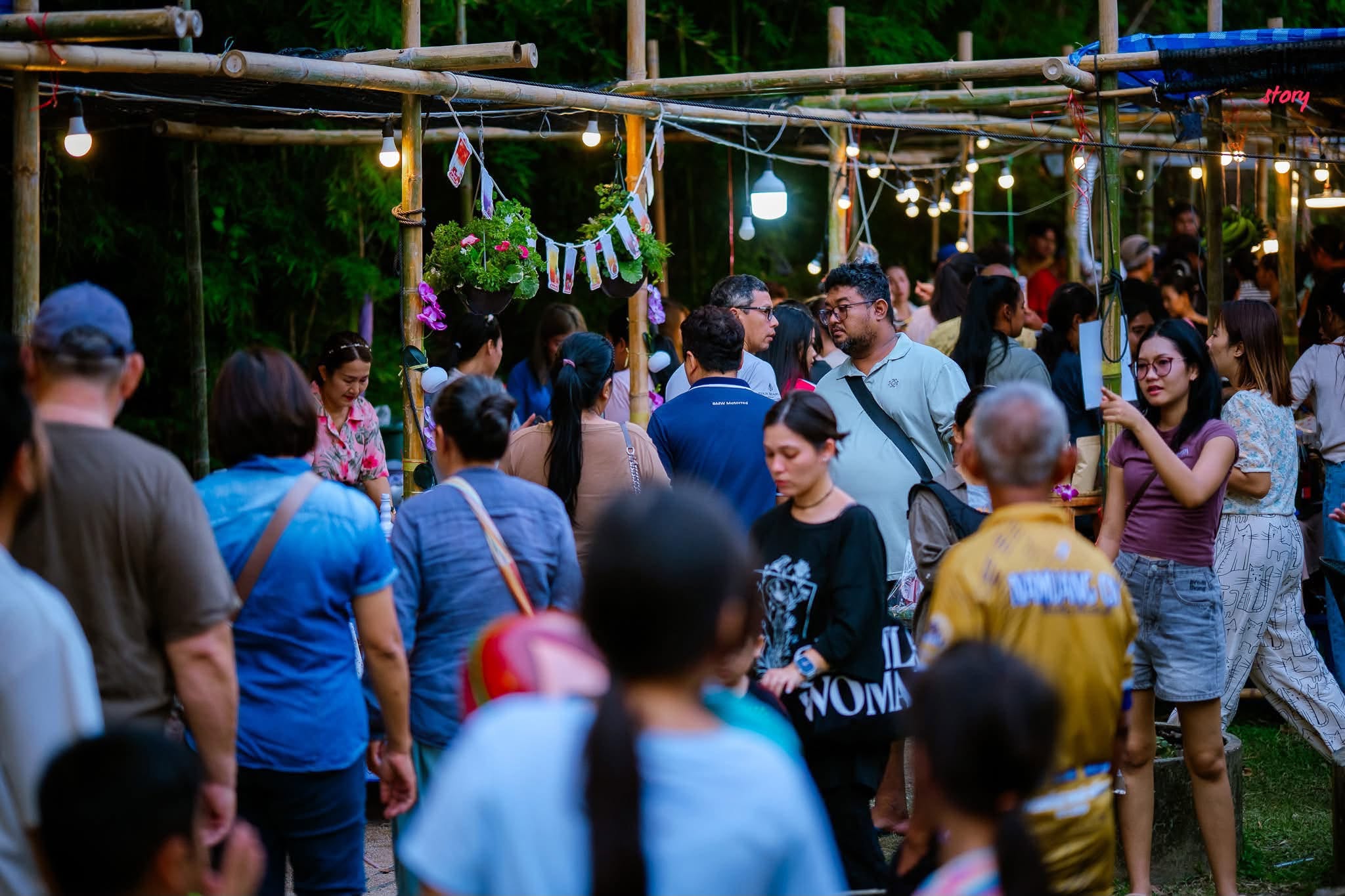
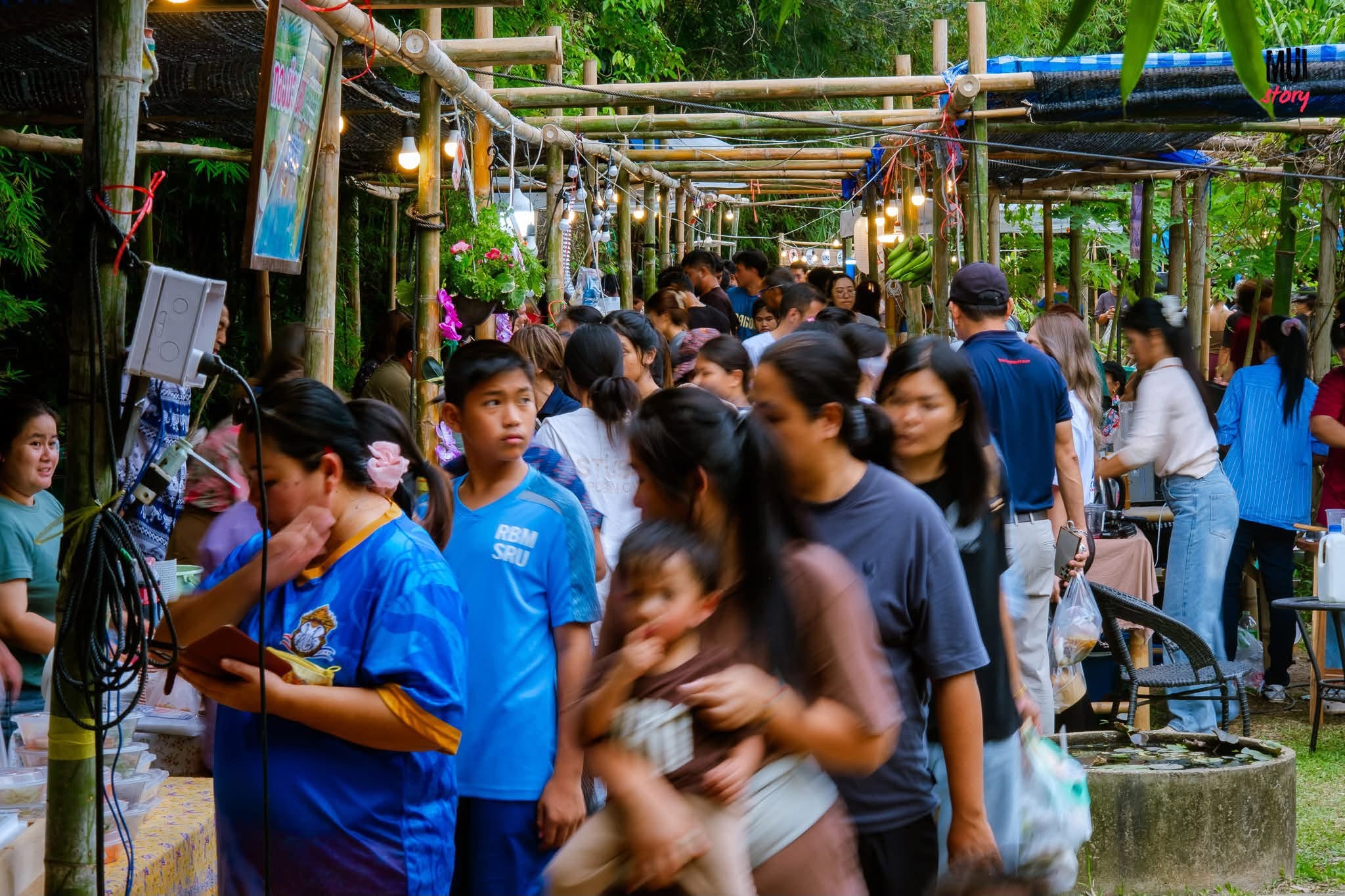
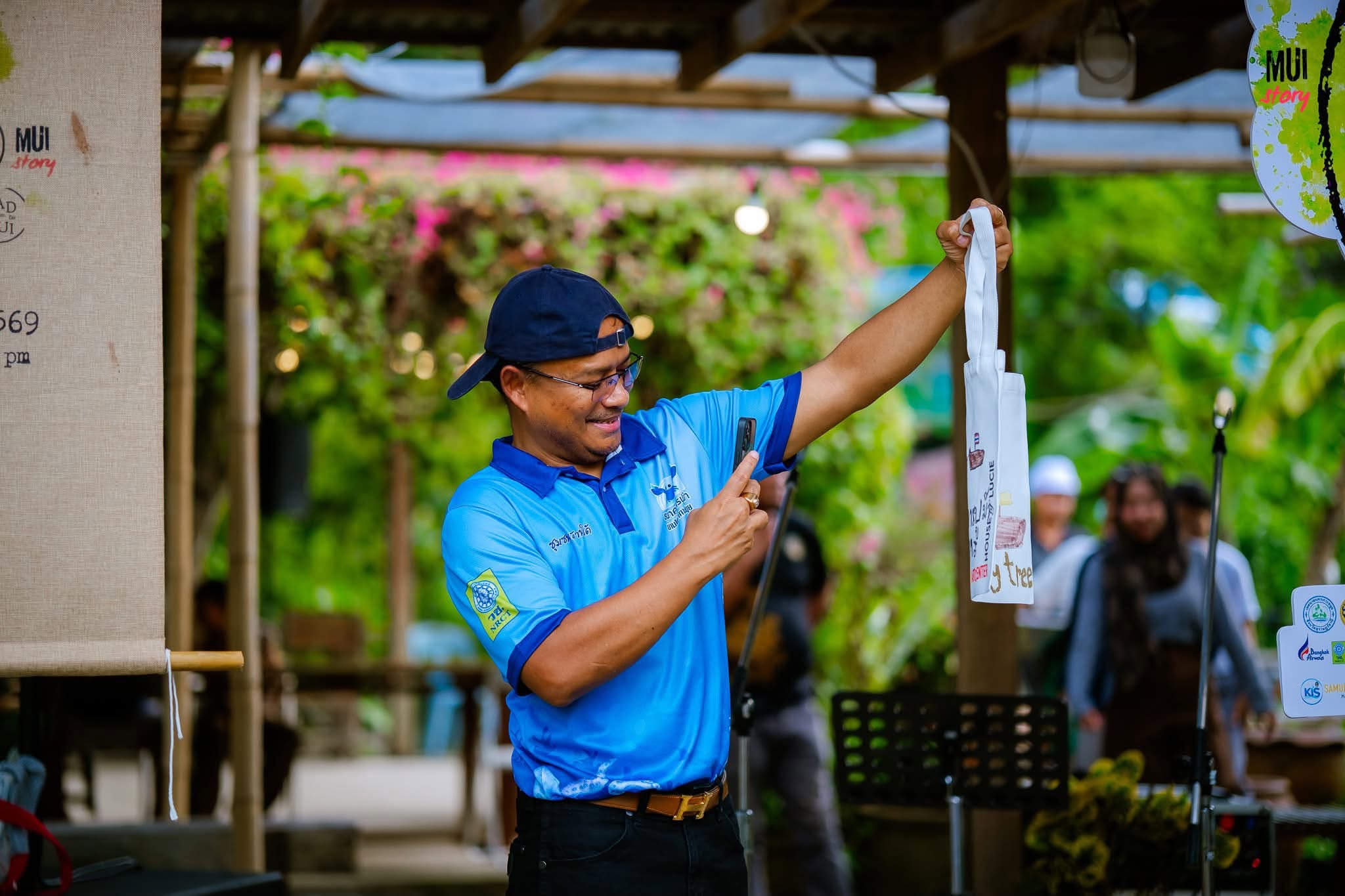
On 18–19 September 2026, Walailak University (WU), led by Asst. Prof. Dr. Amonsak Sawusdee, Director of the Center for Academic Services, together with Assoc. Prof. Dr. Onanong Cheablam and Assoc. Prof. Dr. Pensiri Kaewthong, advanced sustainable tourism through the local food festival “Slow Life Market: Season of Ingredients” in Koh Samui District, Surat Thani Province.
The event integrated collaboration among various sectors to promote Eco-Cultural Tourism, with a focus on raising awareness, conserving natural resources, revitalizing local knowledge, and strengthening the grassroots economy through sustainable local food and community products. The initiative highlighted the way of life, community knowledge, local wisdom, and seasonal ingredients of Koh Samui as key elements in developing Eco-Cultural Tourism.
During the event, the organizing team engaged in learning and exchanging experiences on local ingredients, seasonal food processing, and community lifestyles. These activities aligned with the “Samui Eco-Culture: Local Ecology and Community Culture towards Sustainable Tourism” initiative, which seeks to strengthen collaborative networks among educational institutions, communities, government agencies, and the private sector. The initiative promotes Low Carbon Tourism, environmentally friendly event management through Green Events, food waste reduction, and income circulation to strengthen the grassroots economy.
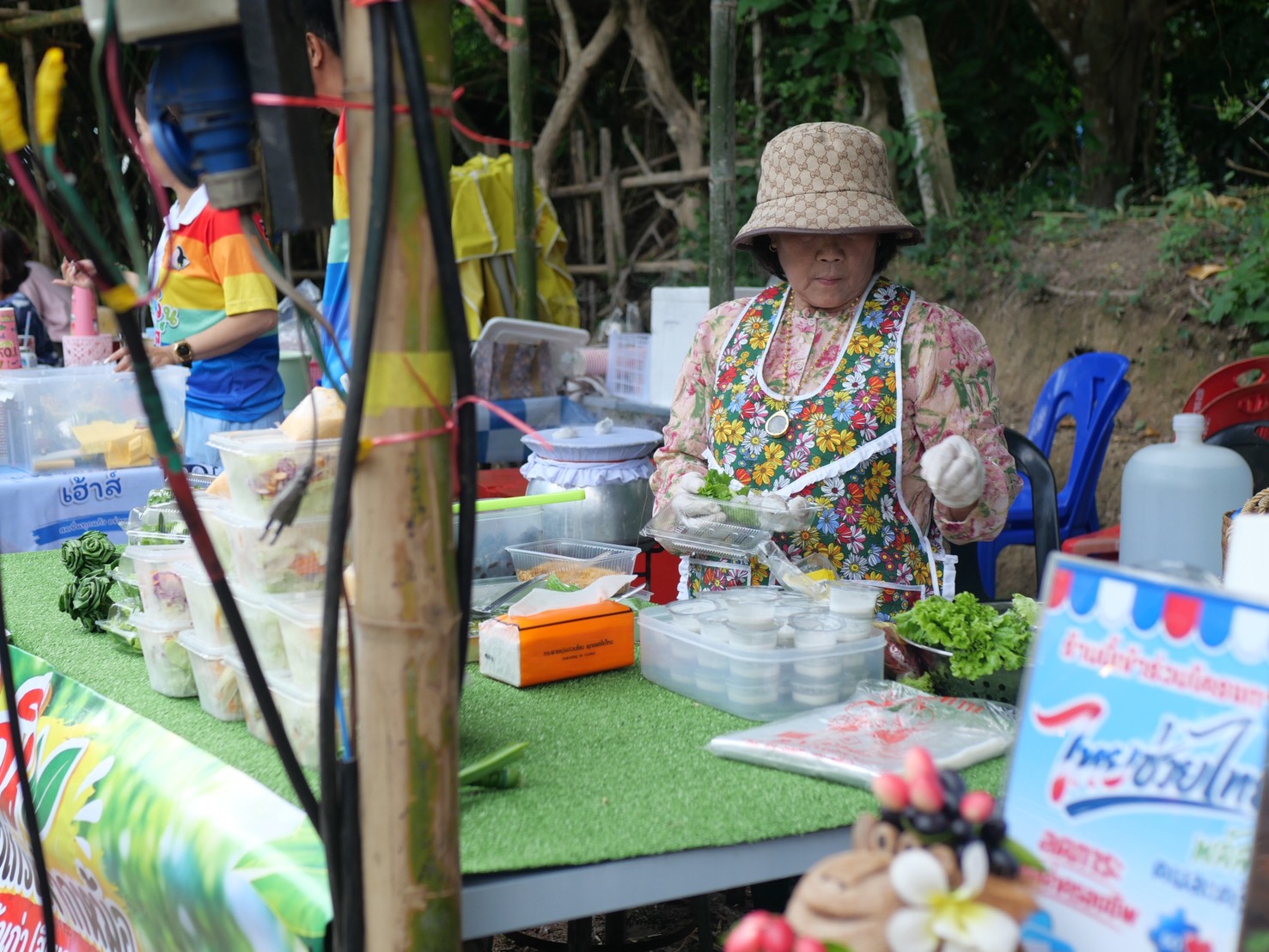
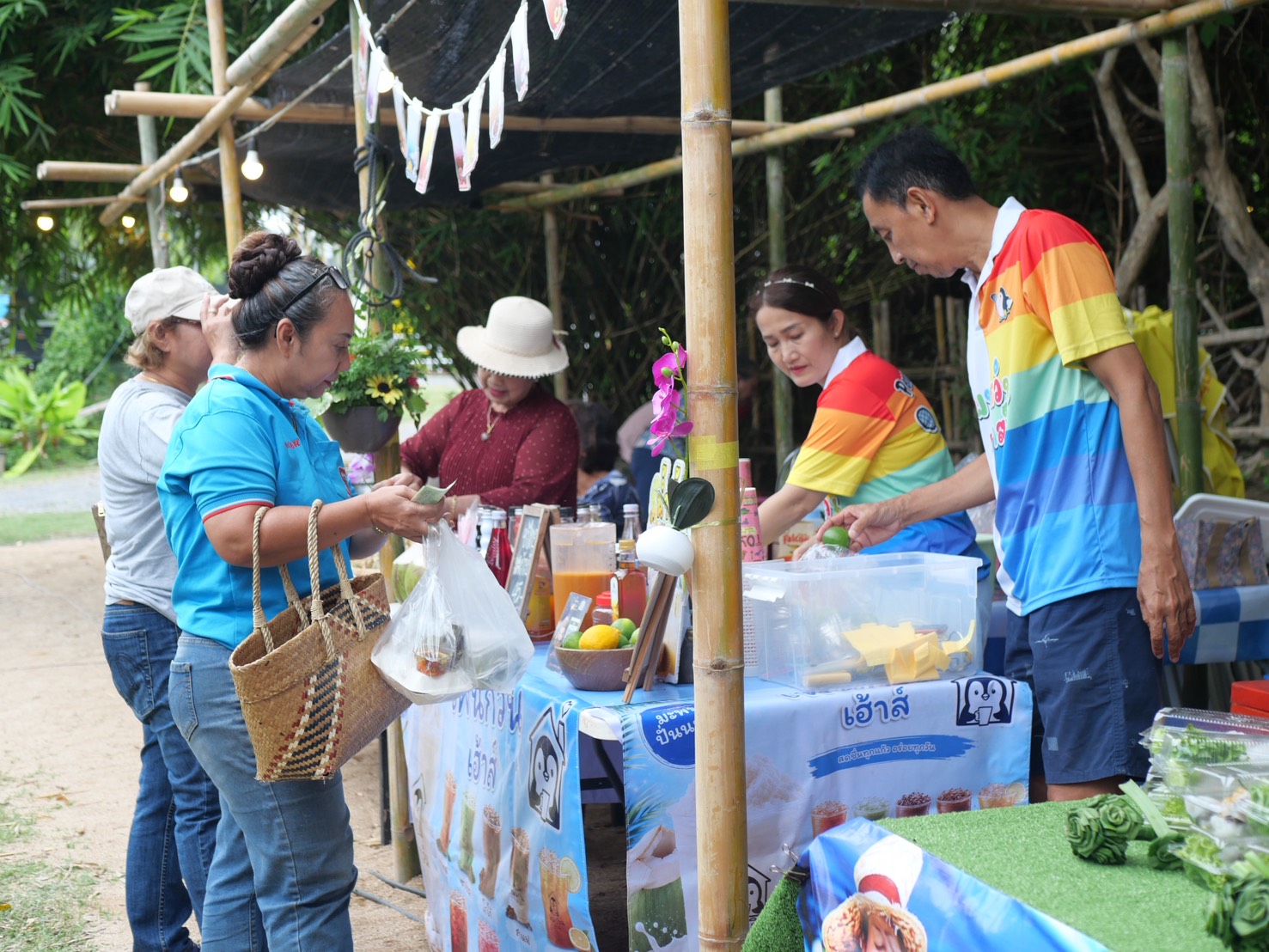
Over the two-day event, more than 1,000 people attended and made purchases each day. Data collected from the event showed that more than 22 vendors participated. General vendors generated an average income of approximately THB 20,000 per day per shop, while the highest average daily income of approximately THB 40,000 was recorded by a local curry-and-rice vendor. Based on these figures, total spending at the event was estimated at approximately THB 460,000 per day, or at least THB 920,000 over the two days. This represents average spending of no less than THB 460 per participant per day, contributing to economic circulation and generating income for local communities and businesses in the area.
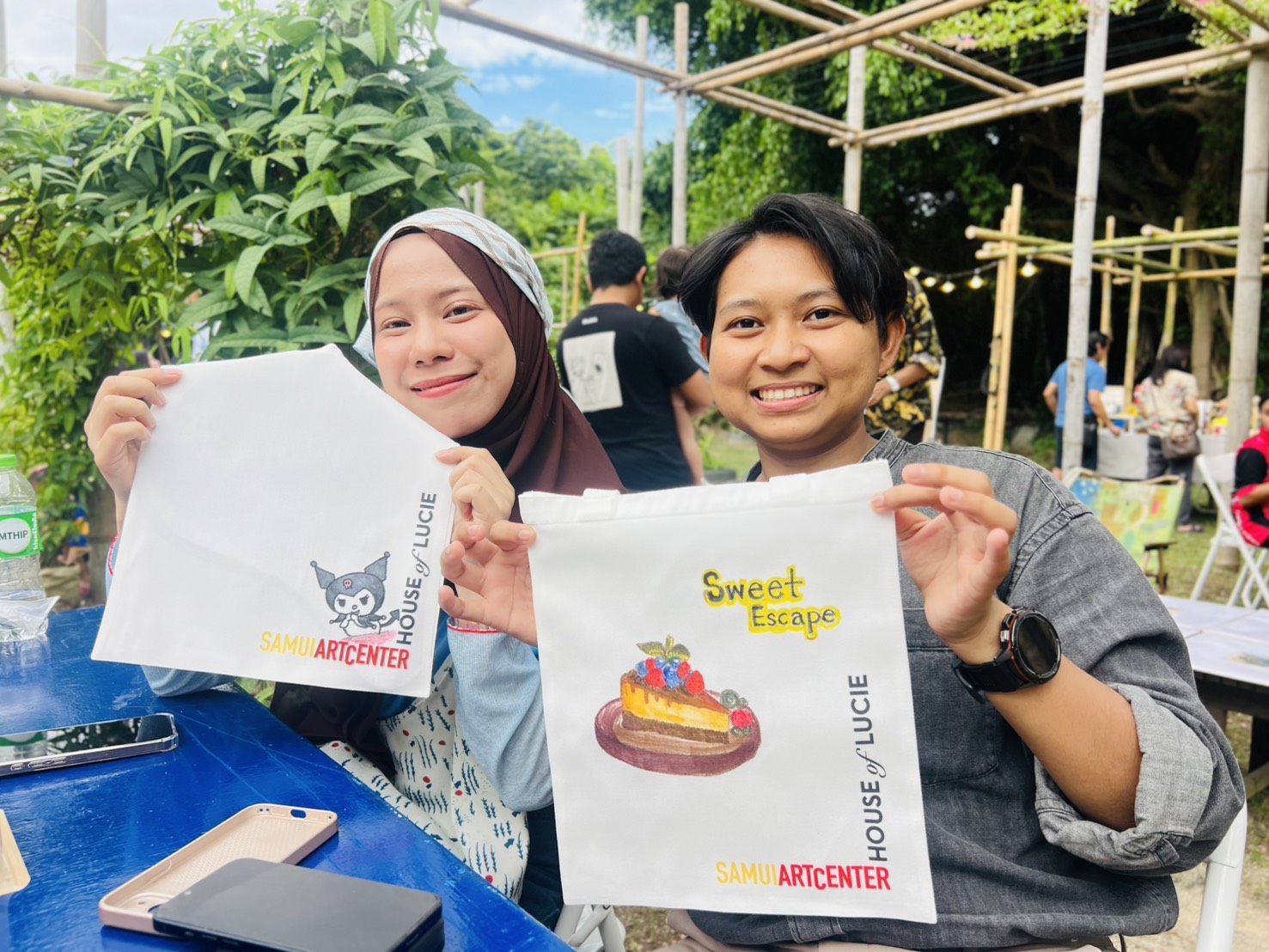
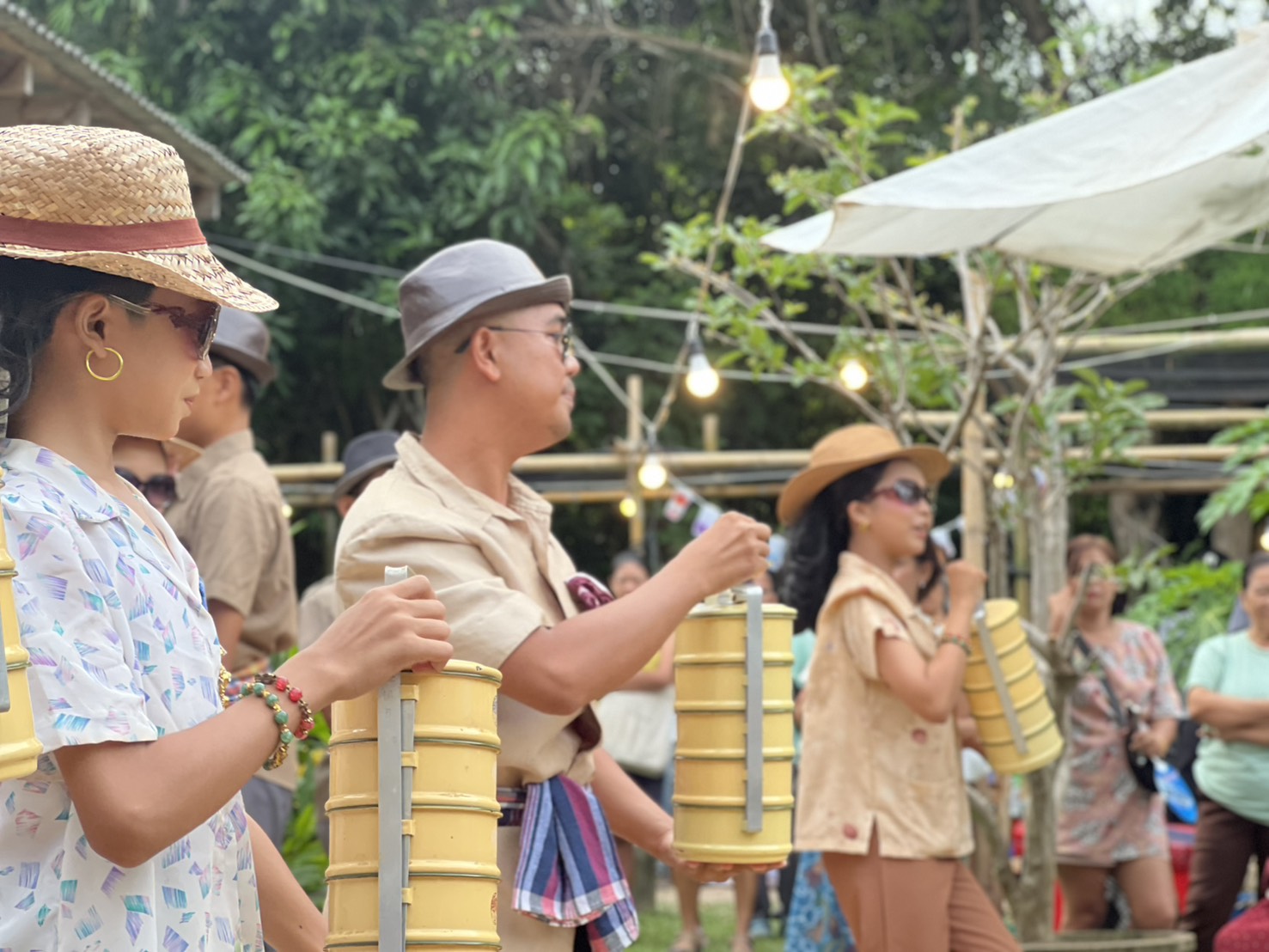
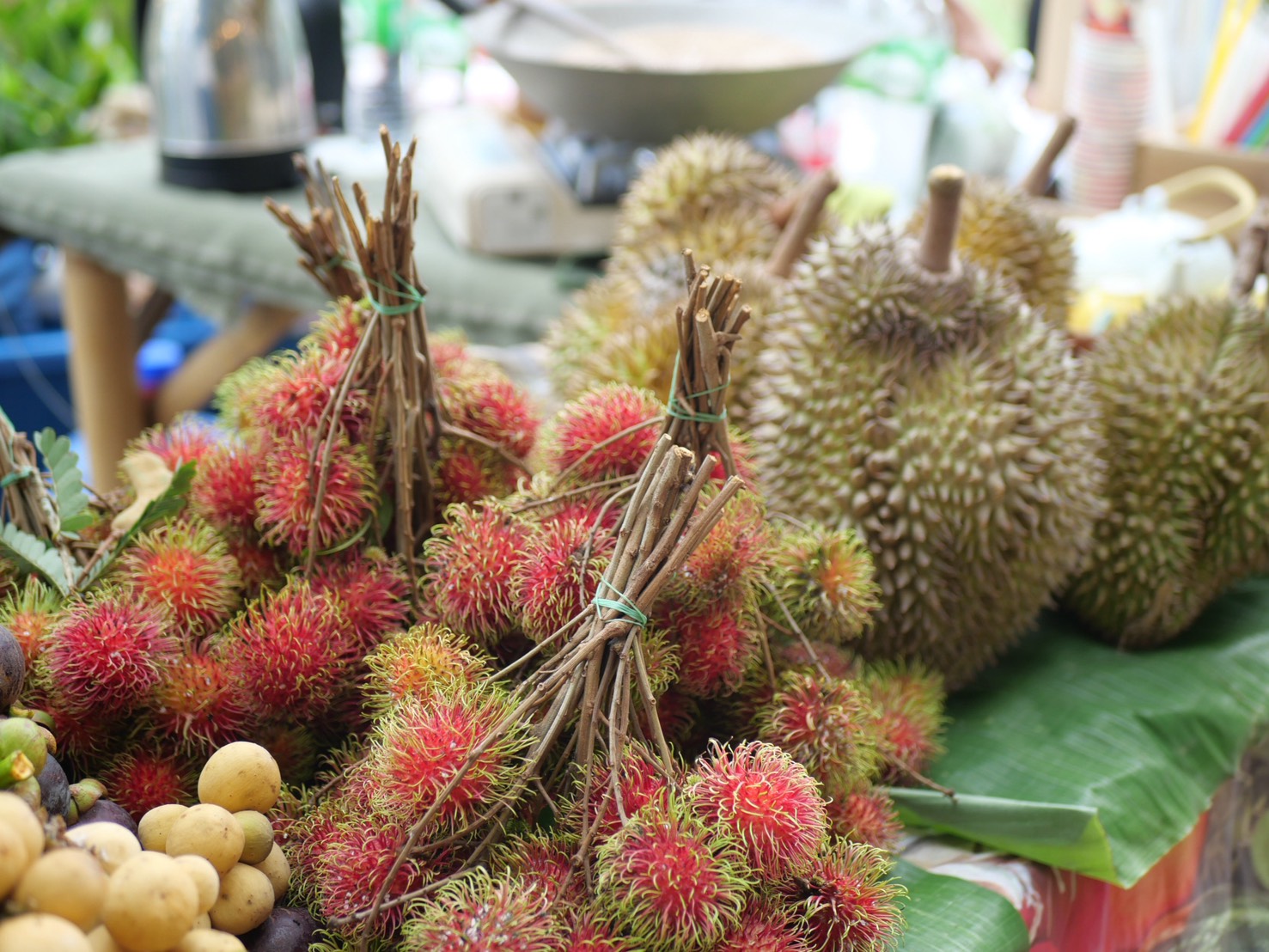
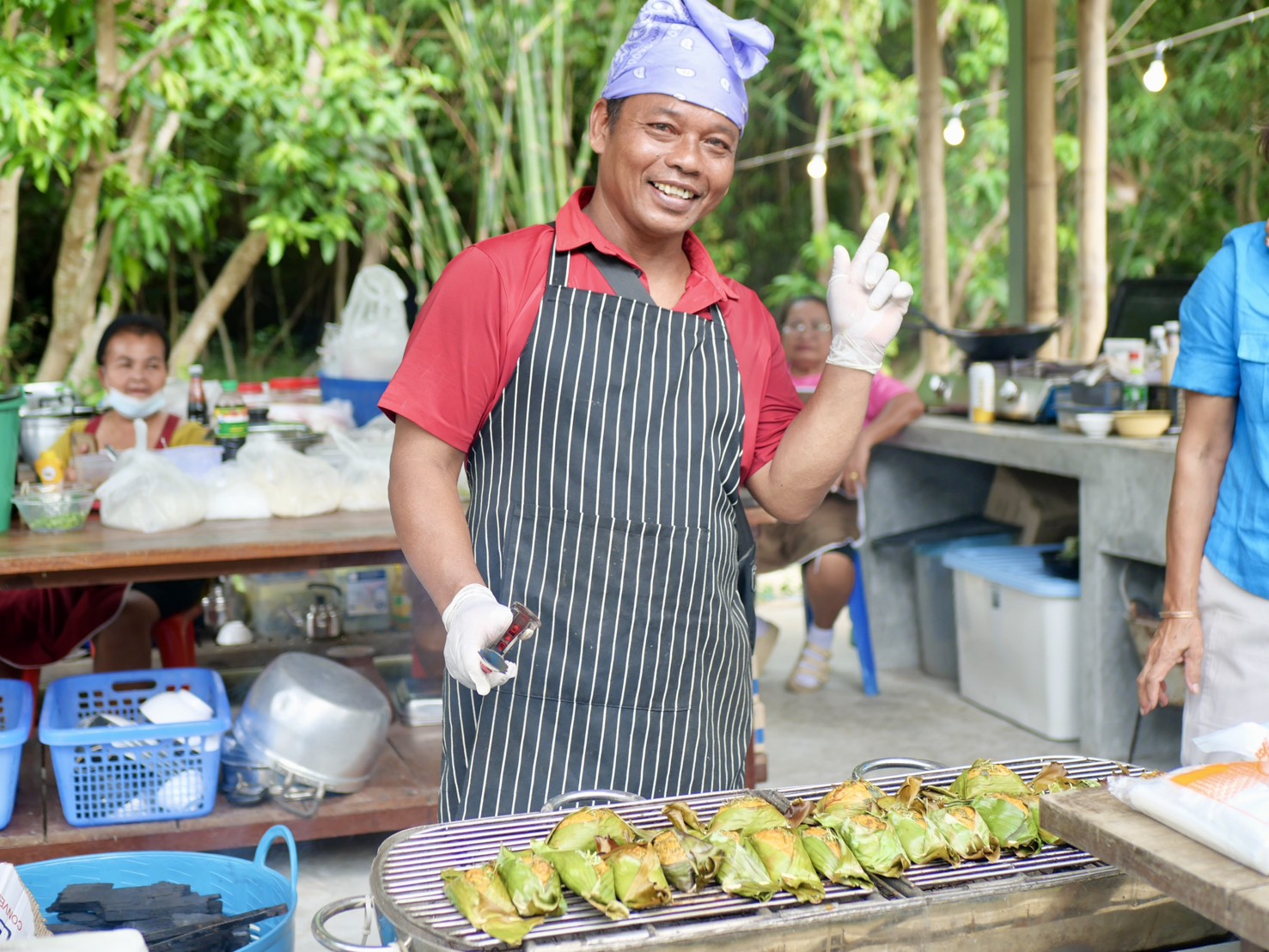
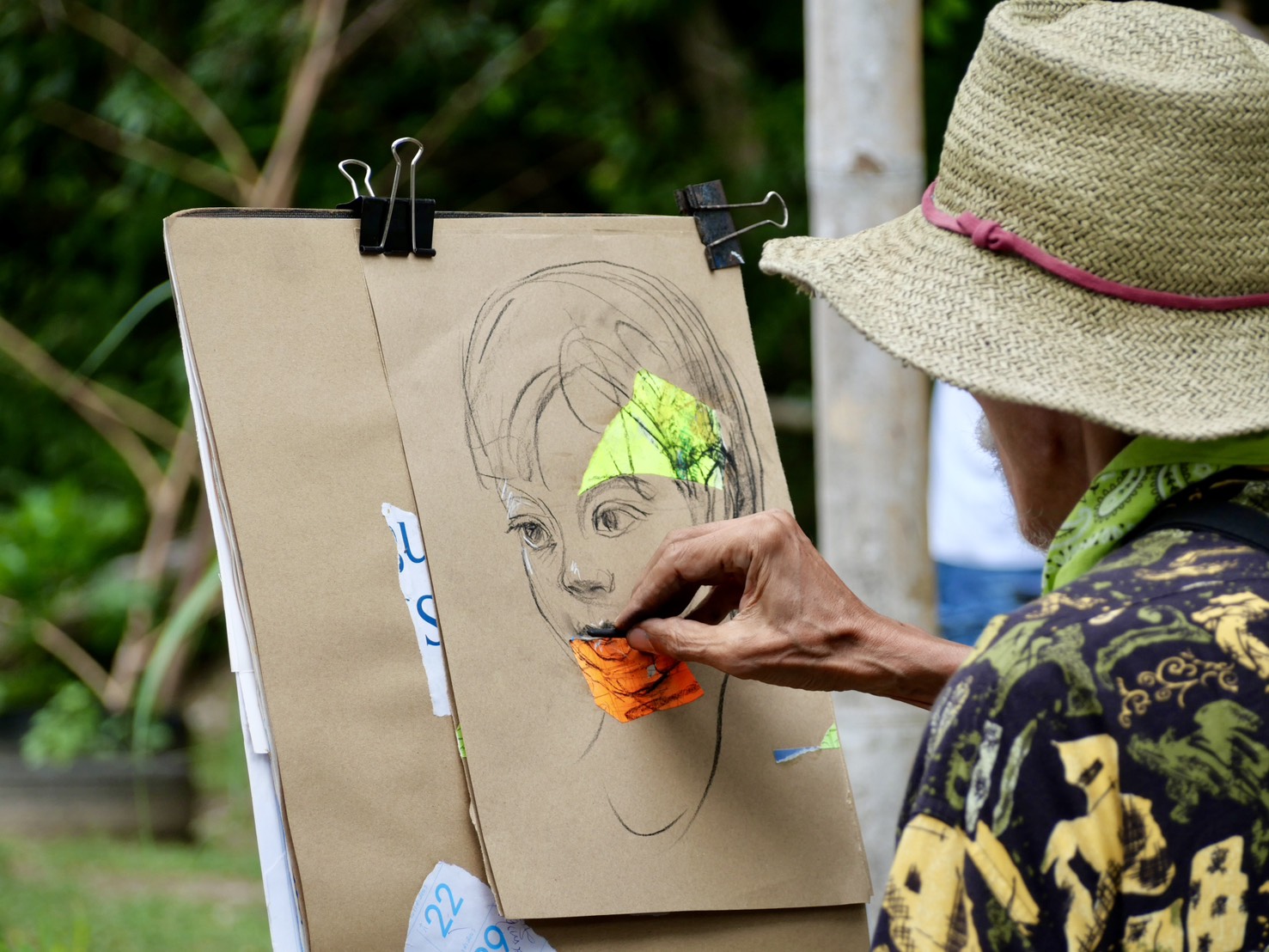
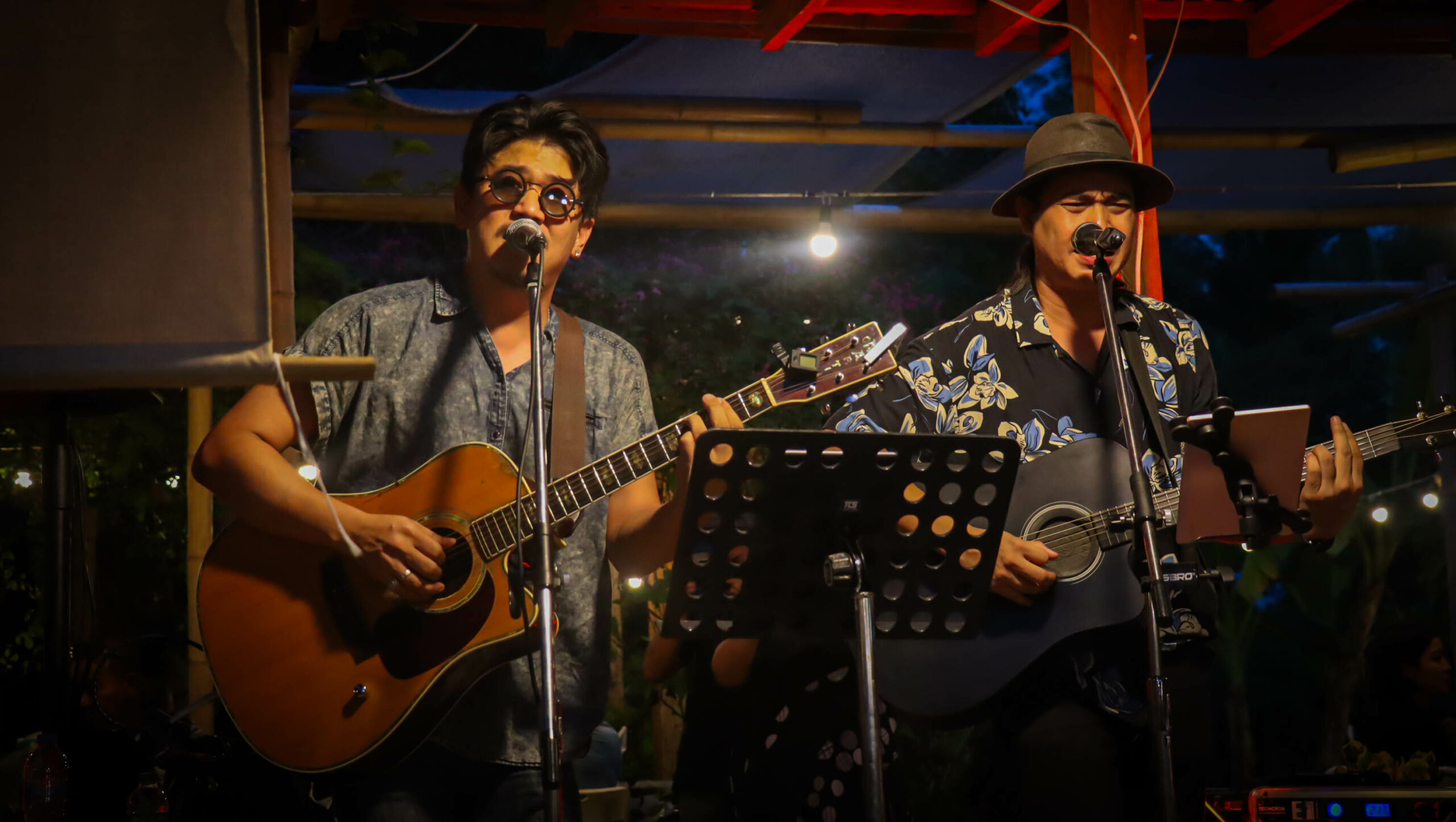
The event was organized around the concept of connecting people with nature through “Seasonal Ingredients,” reflecting local wisdom, food culture, and the richness of the local ecosystem. The activities aimed to promote conservation-oriented tourism and sustainable community development through a range of experiences, including tasting authentic local cuisine featuring seasonal ingredients under the concept of “Eat Local & Seasonal,” exploring gardens and the Slow Life Market, participating in local wisdom workshops, and enjoying an atmosphere of music and art.
In addition, greenhouse gas emissions associated with the event were assessed as part of its Carbon Neutral Event approach. The baseline greenhouse gas emissions were calculated at 33.500 tCO₂e, including 1.673 tCO₂e from waste management. Following the implementation of the event’s waste management measures, total greenhouse gas emissions were reduced to 31.870 tCO₂e, while emissions from waste management decreased to 0.043 tCO₂e through waste separation, representing a reduction of 1.63 tCO₂e.
To further address the remaining emissions, carbon credits equivalent to 31.8 tonnes of CO₂e were used for carbon offsetting from a natural gas combined-cycle power plant project operated by Gulf SRC Co., Ltd. (Sriracha Power Plant). This approach represents a further step in advancing Green Event practices, reducing the environmental impact of event operations, and supporting the pursuit of sustainable development goals.
News by Yari Nukul Center for Academic Services, Walailak University https://cas.wu.ac.th/en/