
Walailak University Initiating Cross-sectoral Dialogues for Cultural Heritage Preservation and Awareness-raising Campaigns against Women’s Violence
Cross-Sectoral Dialogue for the Preservation of the UNESCO-Recognized Nora Dance
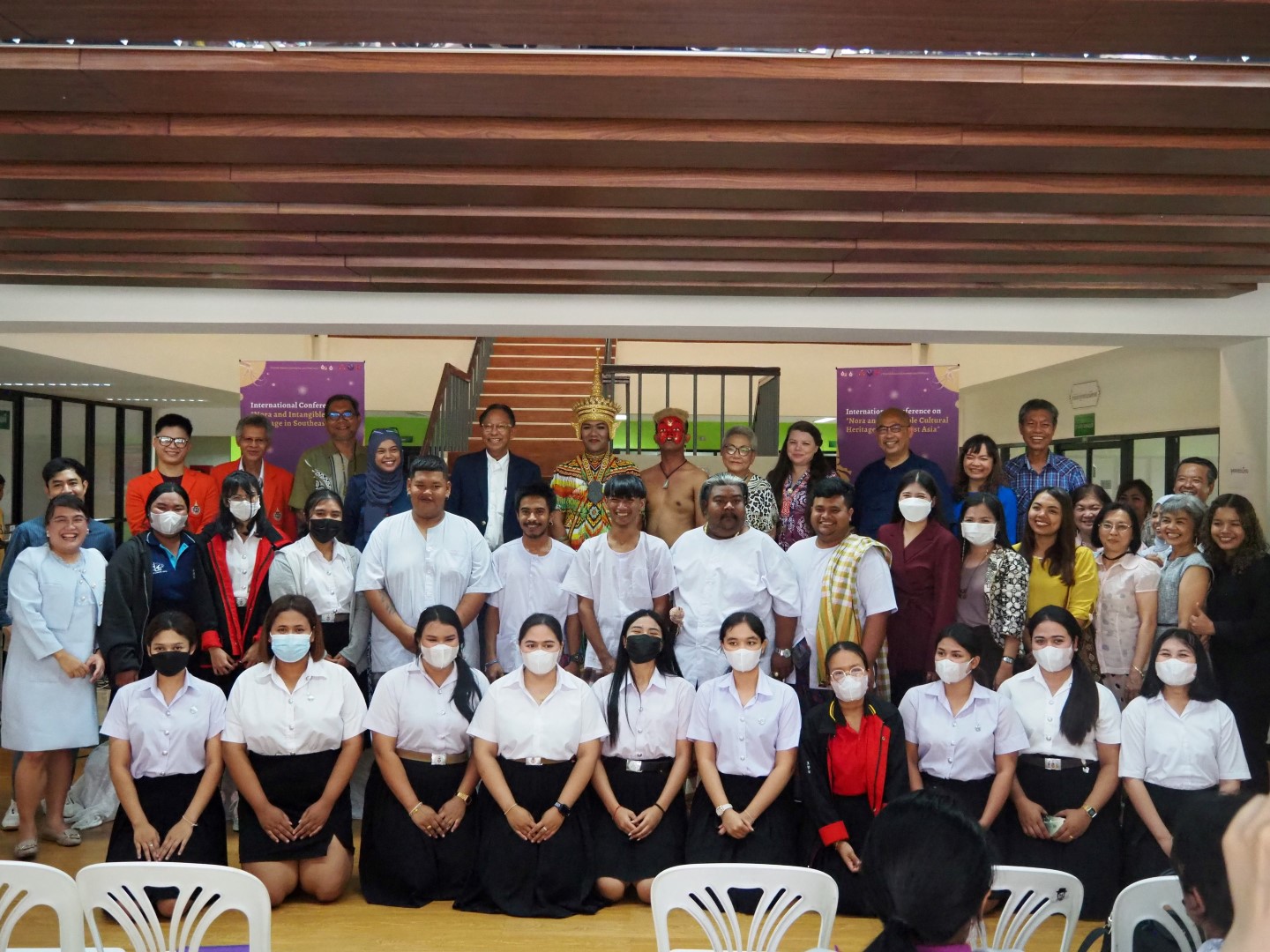
The Menora Dance, also known as “Manohra” or “Nora,” is a UNESCO-recognized traditional dance drama originating from southern Thailand, with a history spanning over 700 years. Known for its intricate blend of storytelling, music, and ritual, the dance remains an essential cultural heritage for the people of southern Thailand and Southeast Asia. As a southern university, Walailak University recognizes the importance of preserving this rich cultural tradition and has undertaken international collaborations to conduct research aimed at safeguarding the Menora Dance for future generations.
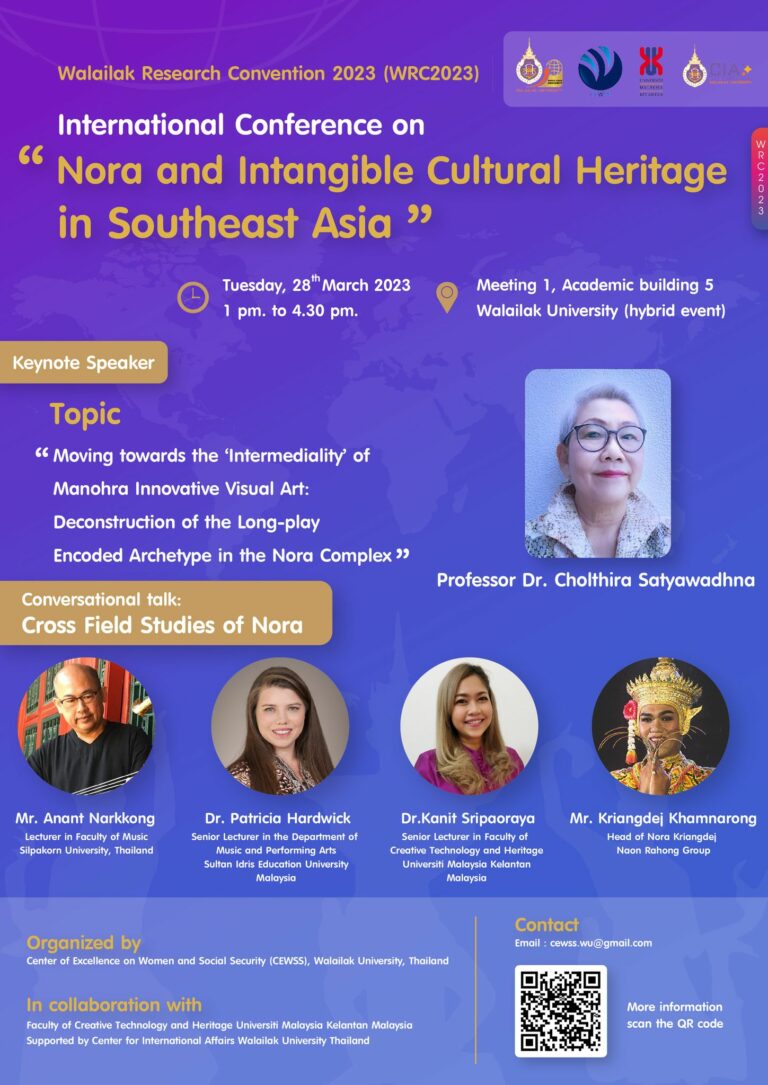
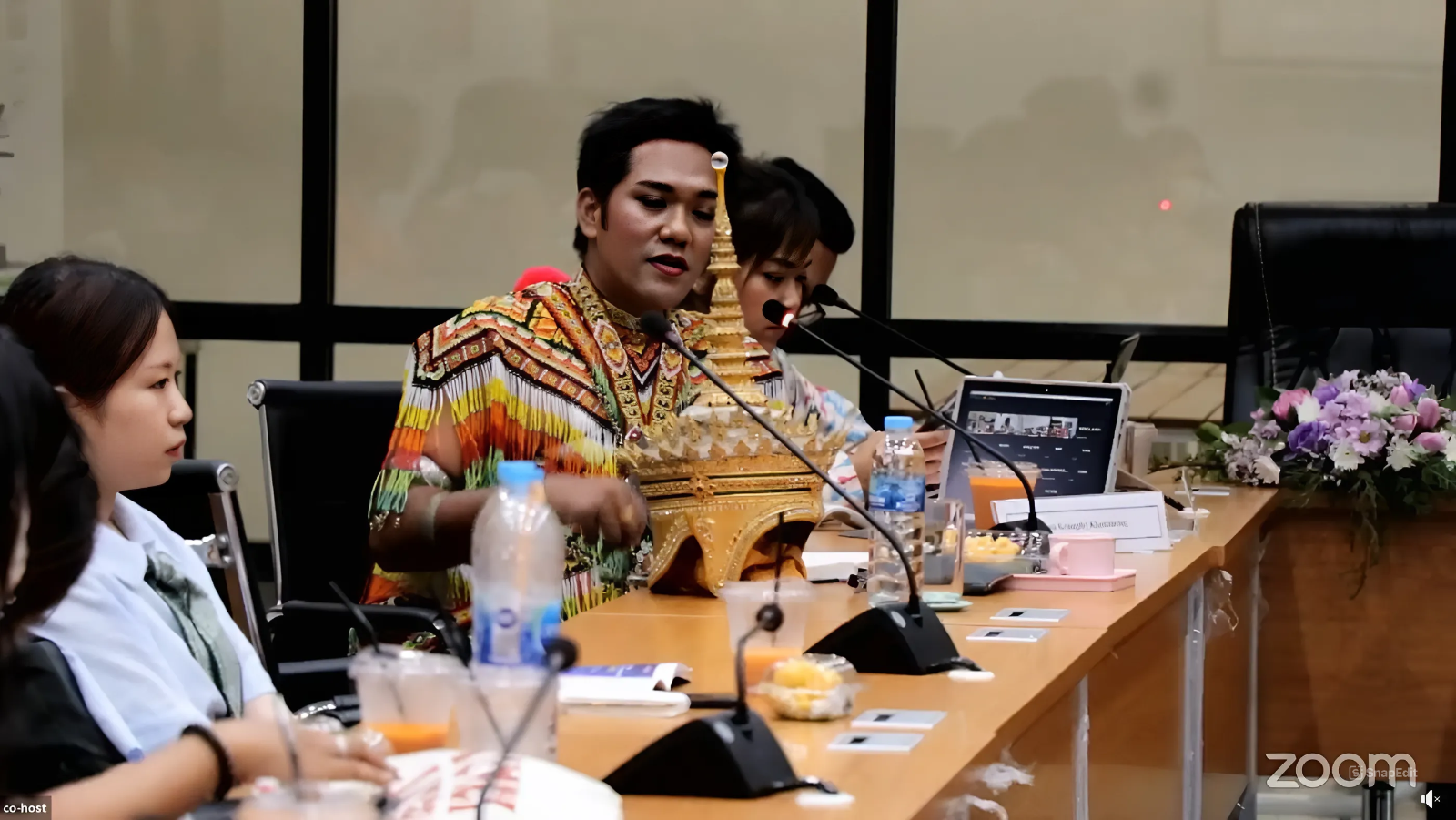
Among the distinguished speakers were Mr. Anant Narkkong, a lecturer from the Faculty of Music at Silpakorn University, Thailand; Dr. Patricia Hardwick from the Department of Music and Performing Arts at Sultan Idris Education University, Malaysia; Dr. Kanit Sripaoraya from the Faculty of Creative Technology and Heritage at Universiti Malaysia Kelantan, Malaysia; and Mr. Kriangdej Khamnarong, the head of the Nora Kriangdej Naon Rahong Group. These experts provided in-depth analyses of Nora Dance through a series of engaging talks and discussions.
-
-
- “The Reunion of the Legendary Nora Khun Upthamnarakorn and His Disciples through the Restoration of Silent Film” by Mr. Anant Narkkong.
- “Exploring Performative Exchanges between Nora, Mak Yong, and Wayango host Kulit Siam in Kelantan, Malaysia and the Riau Islands Province of Indonesia” by Dr. Patricia Hardwick.
- “Embodied Experiences” Exploration, Interpretation and Reflection of Nora Fieldworks from Southern Thailand to Kelantan, Malaysia” by Dr. Kanit Sripaoraya.
- “The Role of Menora Dance in Shaping Society and Its Value for Cultural Preservation” by Mr. Kriangdej Khamnarong.
-
One presentation highlighted the outstanding work in preserving the Menora Dance through the restoration of a silent film featuring the renowned Nora master, Khun Oupbhathamnarakorn (Nora Pum Dheva) from Phatthalung province. By adding music to this forgotten film, a piece of cultural history was revived, transforming it into a revitalized artifact that bridges the past and present. The talk emphasized the potential of integrating modern technology with traditional art forms as a means of cultural preservation. Additionally, further strategies for preserving the Menora Dance were shared, including digitizing historical performances and using media platforms to reach broader audiences. Another presentation explored the interconnectedness of Nora, Mak Yong, and Wayang Kulit, traditional performing arts from Thailand, Malaysia, and Indonesia. The need for further research to examine these shared roots, which cross boundaries of nationality, ethnicity, and language, was underscored. It was emphasized that collaborative international research could offer new ways to preserve these ancient traditions by fostering a deeper understanding of their cultural significance.
A discussion on the current practices of Nora ceremonies in southern Thailand and among the Siamese communities in Malaysia highlighted the evolving nature of the Menora Dance. Modern Menora groups have adopted new performance strategies, such as incorporating contemporary music and comedy, to appeal to younger audiences. It was stressed that universities could play a crucial role in preserving Menora by integrating modern adaptations with traditional practices, thereby ensuring its continued relevance in today’s society. The importance of engaging younger generations in cultural preservation efforts was also focused on. Strategies for promoting Nora among youth, particularly through educational programs and community outreach, were discussed. The presentation highlighted the significance of ensuring cultural sustainability by passing down traditions to future generations through schools and community organizations.
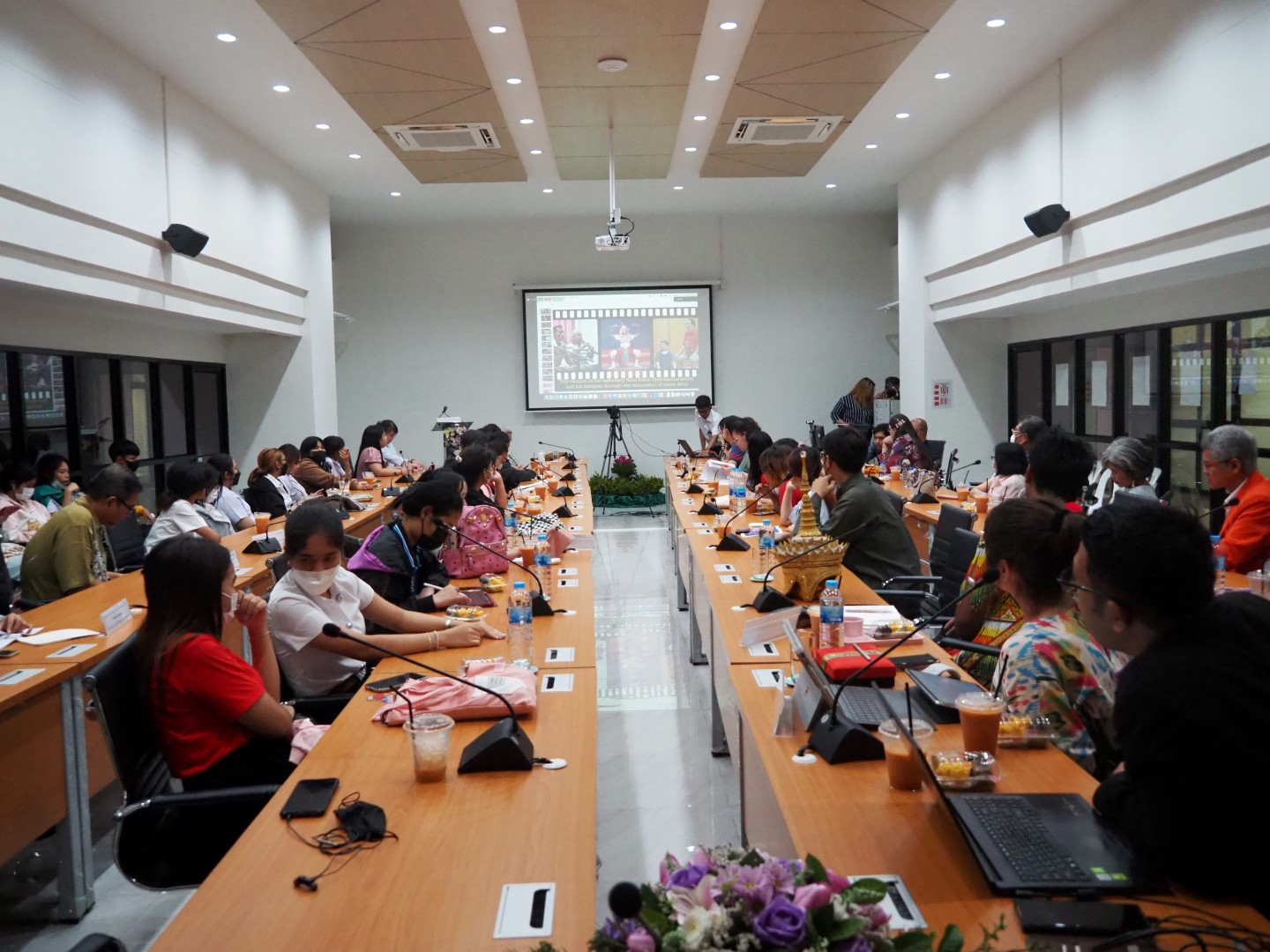
Figures : The speakers discussing on various issues, including preserving the Menora Dance at the conference
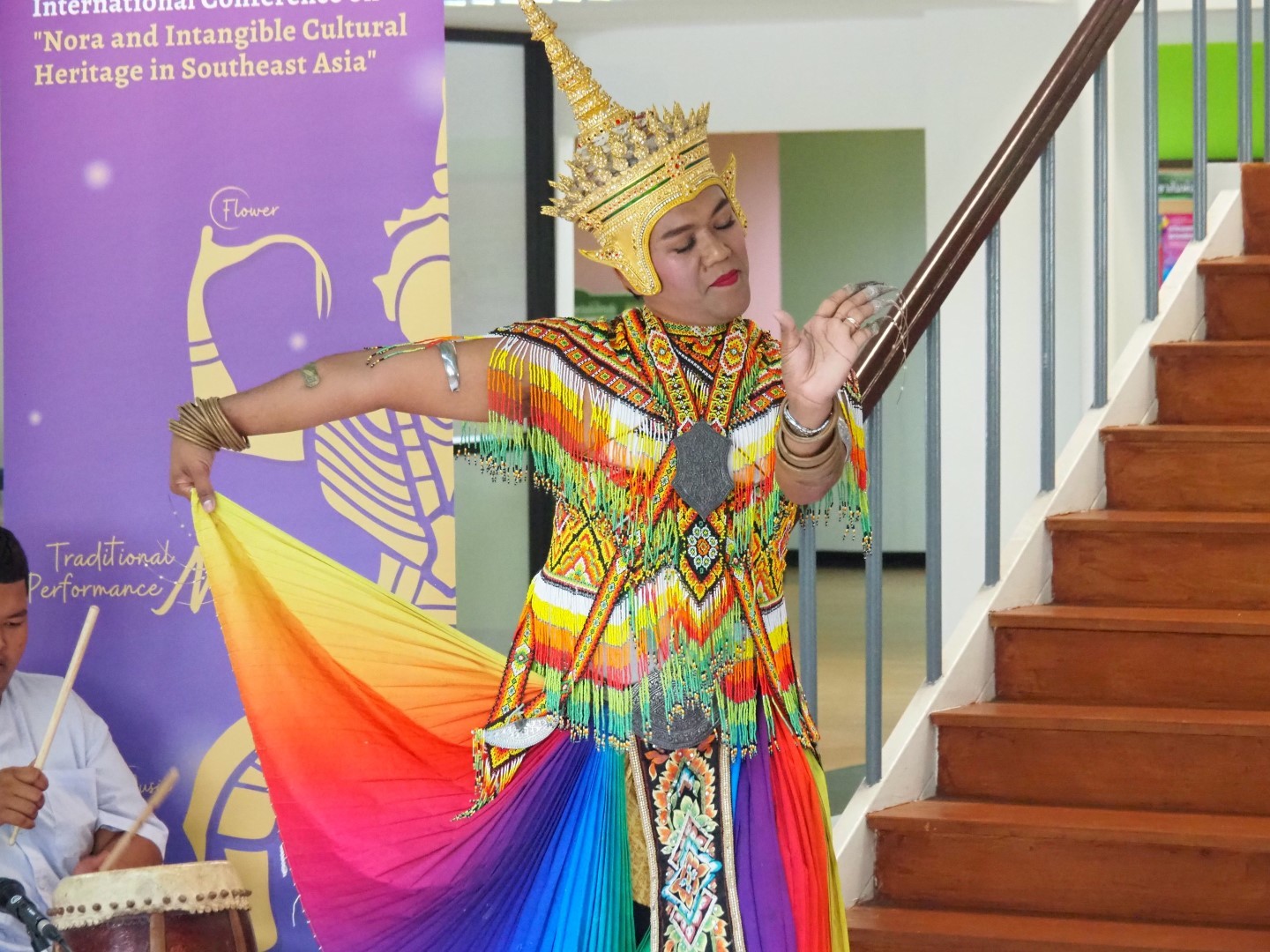
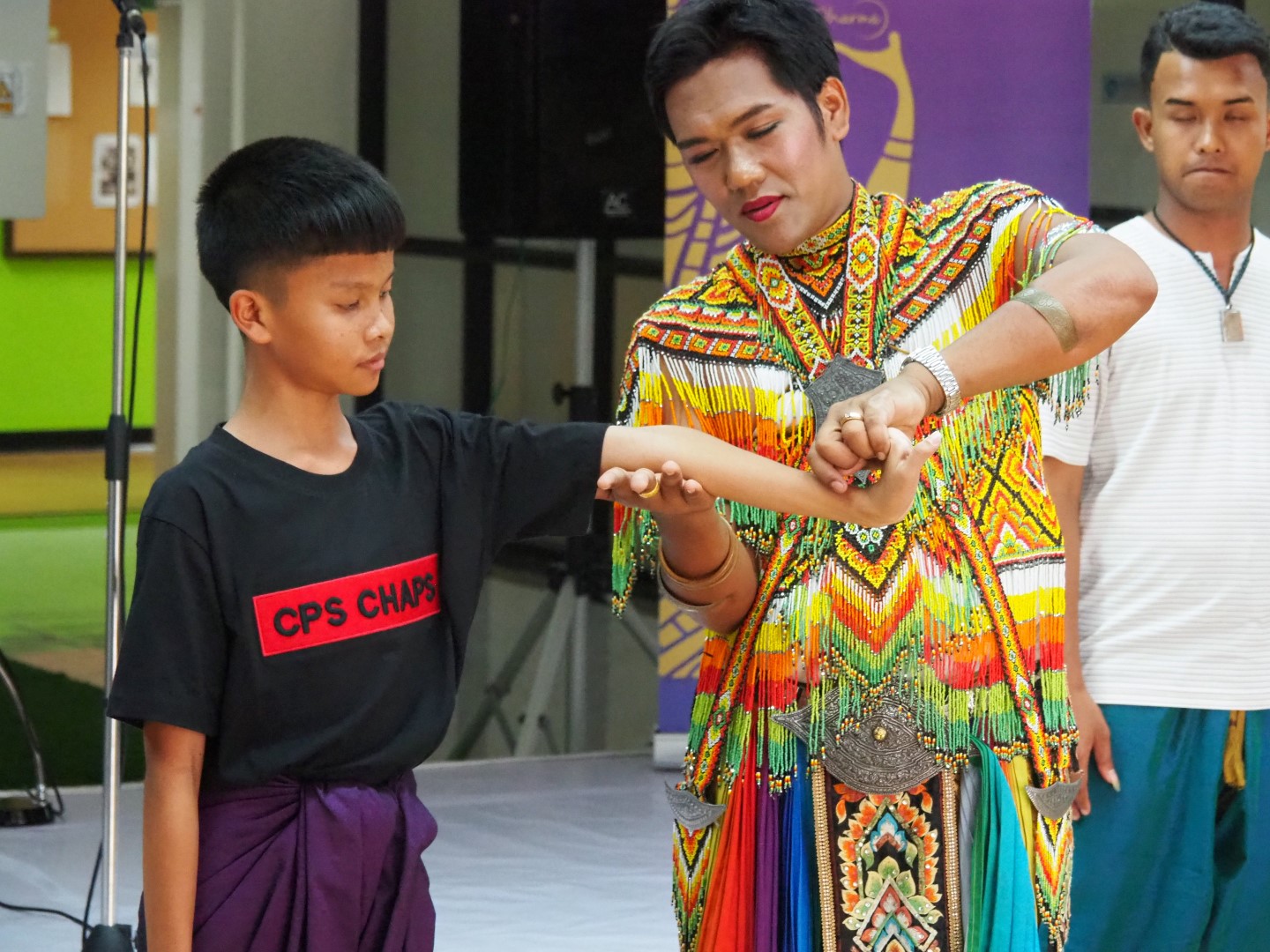
Figures : The Menora Dance performance at the conference by an NGO preserving the traditional dance
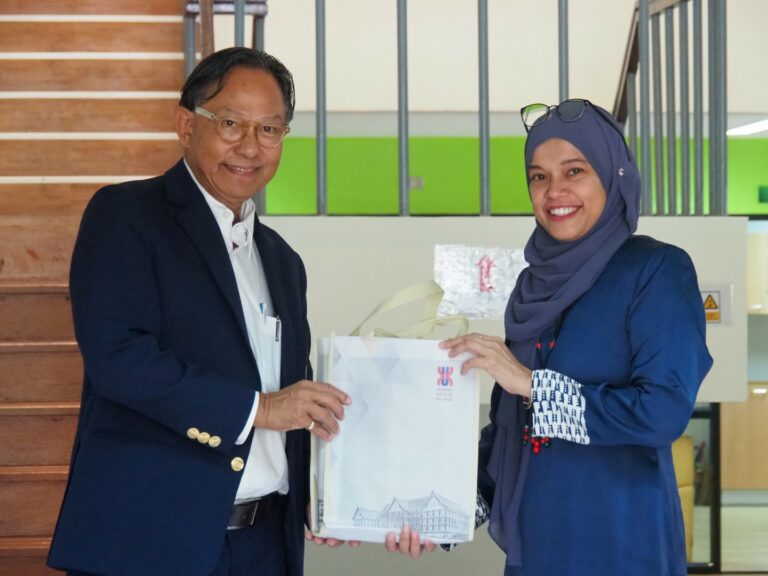
Moreover, Walailak University’s role in fostering these partnerships reinforces its commitment to preserving cultural heritage through education, research, and public engagement. By working with international partners like Universiti Malaysia Kelantan, the university is building a strong foundation for sustainable cultural preservation efforts. Such collaborations also align with Walailak University’s broader mission to contribute to regional and global sustainable development, particularly in the realm of cultural sustainability. The recording of the cross-sectoral dialogue conference can be reached at https://www.facebook.com/100032740065420/videos/737453004532985
The Patriarchal State: Women Speaking Out for Justice: Cross-sectoral Dialogue for Seeking Solutions and Reflecting Experiences on Gender Discrimination
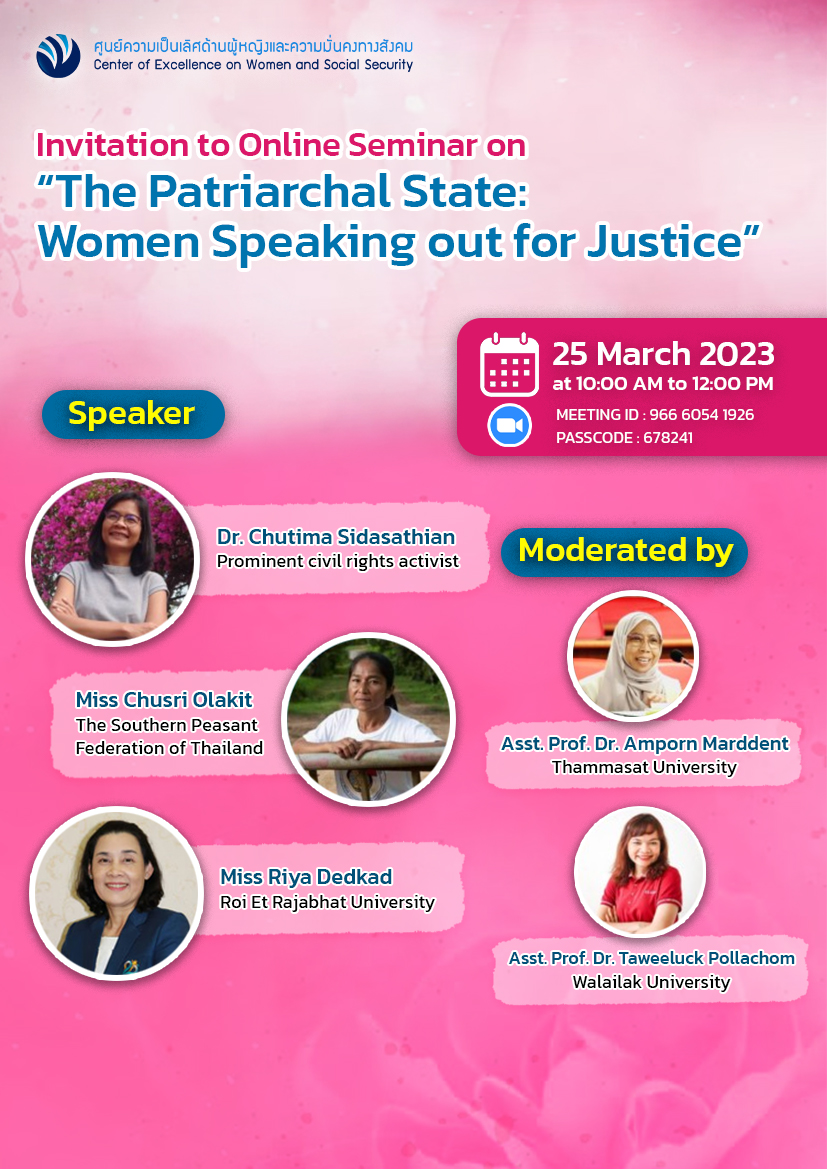
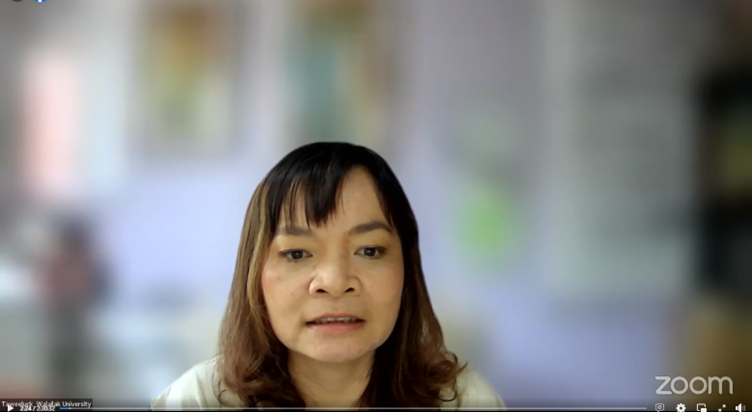
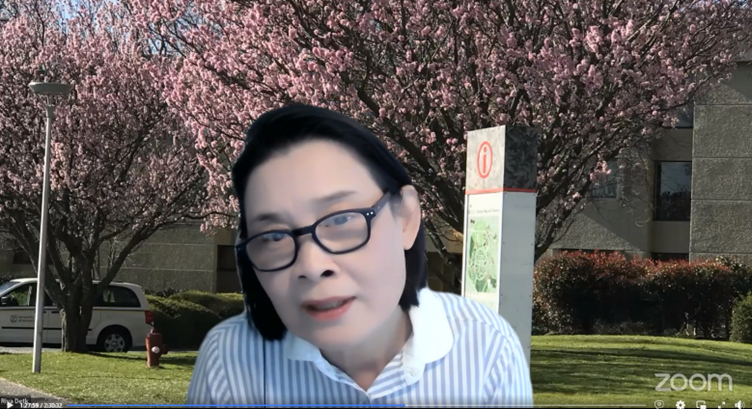
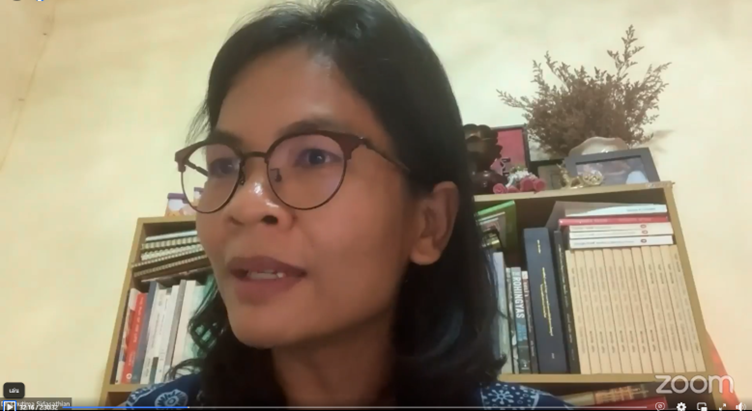
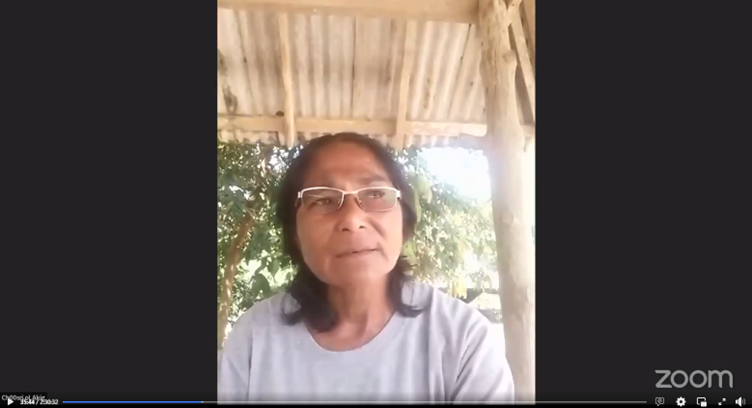
The Center of Excellence in Women and Social Security (CEWSS) at Walailak University initiated a significant cross-sectoral dialogue titled “The Patriarchal State: Women Speaking Out for Justice.” This engaging event took place via Zoom Meeting and was also streamed live on Facebook, allowing for broader participation from various communities. The primary objective of the dialogue was to bring together researchers, activists, and community members to discuss the pressing issues of gender discrimination and the myriad experiences surrounding them.
-
-
- Dr. Chutima Sidasathian: A prominent civil rights activist and journalist known for her fearless advocacy for marginalized voices.
- Miss Chusri Olakit: A dedicated women’s land rights defender and leader of the Southern Peasant Federation of Thailand or SPFT (NGO Partner), who has tirelessly fought for equitable access to land and resources for women.
- Miss Riya Dedkad: A respected lecturer and researcher at Roi Et Rajabhat University, contributing valuable academic insights into the dynamics of gender equality.
- Asst. Prof. Dr. Amporn Marddent: A lecturer and researcher at Thammasat University, whose work focuses on gender issues within the broader societal context.
- Asst. Prof. Dr. Taweeluck Pollachom: A lecturer and researcher at CEWSS, Walailak University, actively engaged in promoting women’s rights and social justice through academic research.
-
The cross sectoral dialogue provided a vital platform for participants, including Walailak University students, staff, and members of the public, to gain insights into the challenges and opportunities surrounding women’s rights empowerment. It aimed to raise awareness about critical issues such as gender discrimination, the importance of anti-discrimination measures, and the need for a supportive environment for women in the Walailak community.
During the discussions, Dr. Chutima Sidasathian highlighted the pressing issue of human trafficking, particularly focusing on the plight of female Rohingya individuals in Burma. She provided a poignant account of their vulnerabilities and the systemic exploitation they face, emphasizing the urgent need for comprehensive strategies to combat human trafficking and support the victims. Dr. Chutima also shared her personal experiences as a female journalist in Thailand, reflecting on the persistent gender discrimination she encounters in a predominantly male-dominated field. Her insights shed light on the challenges that female journalists face, including bias and the struggle for equal representation and recognition.
Miss Chusri Olakit addressed the specific challenges of being a female leader among agriculturists in southern Thailand. She spoke candidly about the gender discrimination faced by women in leadership roles, particularly when advocating for their agricultural lands. Miss Chusri illustrated how local state power is often wielded unjustly against female agriculturists, making it difficult for them to assert their rights and protect their livelihoods. Her reflections highlighted the need for stronger support systems for women leaders in agriculture and greater awareness of the injustices they endure.
Miss Riya Dedkad brought attention to the critical crisis of women’s literacy regarding legal rights. She discussed her outreach projects aimed at empowering women through education about the laws that affect them. By providing workshops and resources focused on legal literacy, Miss Riya aims to equip women with the knowledge they need to navigate legal systems effectively and advocate for their rights. Her commitment to enhancing women’s understanding of legal matters is a vital step toward achieving gender equality and fostering informed advocacy within communities.
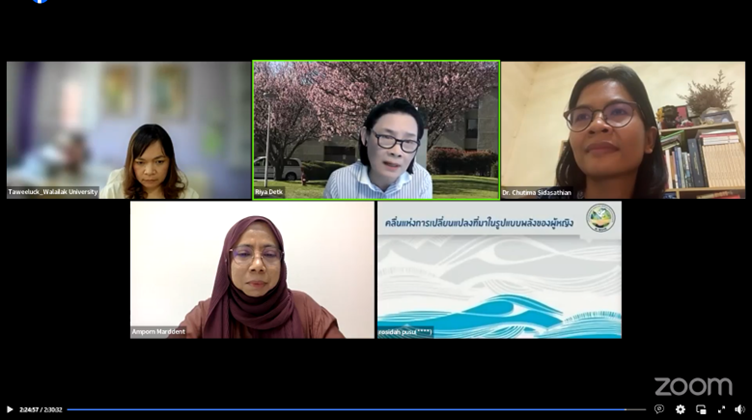
In addition, the speakers delved into various pressing topics, including:
- Patriarchy in Thai Society: An exploration of the entrenched patriarchal structures that continue to shape gender dynamics and influence women’s experiences in both public and private spheres.
- Women’s Rights: A comprehensive review of the fundamental rights of women and the ongoing struggles to achieve equality and justice.
- Harassment and Intimidation of Women: A candid discussion about the pervasive nature of harassment in various forms, its impact on women’s lives, and strategies to combat such behaviors.
- Career Development for Women: An examination of the barriers women face in professional settings and the necessary steps to foster an environment conducive to their growth and success.
- Lack of Women in Leadership Roles: A critical look at the underrepresentation of women in leadership positions and the implications this has for governance and decision-making.
- Violence Against Women: A sobering discussion about the various forms of violence women endure and the urgent need for comprehensive support systems and legal protections.
The discussions at the Center of Excellence in Women and Social Security’s dialogue, “The Patriarchal State: Women Speaking Out for Justice,” revealed critical insights that can inform and enhance Sustainable Development Goal (SDG) policies. Addressing patriarchy in Thai society can help develop policies aimed at dismantling systemic barriers to gender equality, promoting inclusive practices across all sectors. The comprehensive examination of women’s rights can guide the creation of policies that ensure equitable access to opportunities and resources, aligning with SDG 5: Gender Equality.
The candid conversations about harassment and intimidation of women highlight the necessity for stringent anti-harassment policies, fostering safe environments conducive to women’s participation in all areas of life. Discussions on career development for women can inform initiatives aimed at breaking down professional barriers and creating supportive mentorship programs that empower women in the workplace. Addressing the lack of women in leadership roles can inspire policies focused on promoting female representation in decision-making positions, essential for achieving SDG 5. Finally, the discussions surrounding violence against women underscore the urgent need for comprehensive support systems and legal frameworks to protect women’s rights, reinforcing commitments to both SDG 5 and SDG 16: Peace, Justice, and Strong Institutions. The full video of the dialogue can be accessed at
https://www.facebook.com/100032740065420/videos/1038823927092472

Goal 17: Partnerships for the Goals
Goal 5: Gender Equality
Goal 10: Reduced Inequalities
Goal 11: Sustainable Cities and Communities