
WU and TICA Establishing International Collaboration on Data Gathering and Best Practice Development in Dengue and Zika Prevention Campaign
The Center of Excellence for Ecoinformatics at Walailak University is dedicated to advancing research, knowledge development, and the application of Ecoinformatics to support technological solutions for community and national development. For over five years, the center has been actively engaged in research projects and forming international partnerships to address various Sustainable Development Goals (SDGs). With a team of over 15 experienced researchers and scientists, the center strives to be a leading institution in Thailand for human resource development, research excellence, and innovation in Ecoinformatics.
The Establishment of International Collaboration of Walailak University and TICA and International Partners
Walailak University and the Thailand International Cooperation Agency (TICA) have been establishing international cooperation with many countries, including least-developed and developing countries to address the Sustainable Development Goals (SDGs), especially in food security, climate change, and environmental issues. One of the outstanding works of Walailak University, TICA, and international partners to address the SDGs is the Annual International Training Course (AITC) programme consisting of various sustainable development approaches-aimed courses offered to international participants to collaboratively develop best practices and conduct research projects. In 2023, the course under the AITC that Walailak University, TICA, and international partners had collaborated to collaboratively develop best practices, diagnose problems and challenges, and gather and measure relevant data for SDGs was the Dengue and Zika Prevention Campaign. The course was organized to tackle SDGs, especially SDG 3: Good Health and Well-being and SDG 13: Climate Action.
Dengue and Zika Prevention Campaign
One of the most critical health impacts anticipated from climate change is the rising incidence of mosquito-borne diseases such as dengue fever and Zika. The spread of these diseases is driven by a complex interaction between climate, the environment, and human activities. Over the past five decades, the incidence of dengue and Zika has surged thirtyfold, with outbreaks spreading into new regions, particularly in fast-growing urban and semi-urban areas in low- and middle-income countries, where water storage and waste management are often inadequate. In 2023, Thailand saw a dramatic rise in dengue cases, reaching 156,097 with 175 deaths, marking the highest number of cases since 2019.
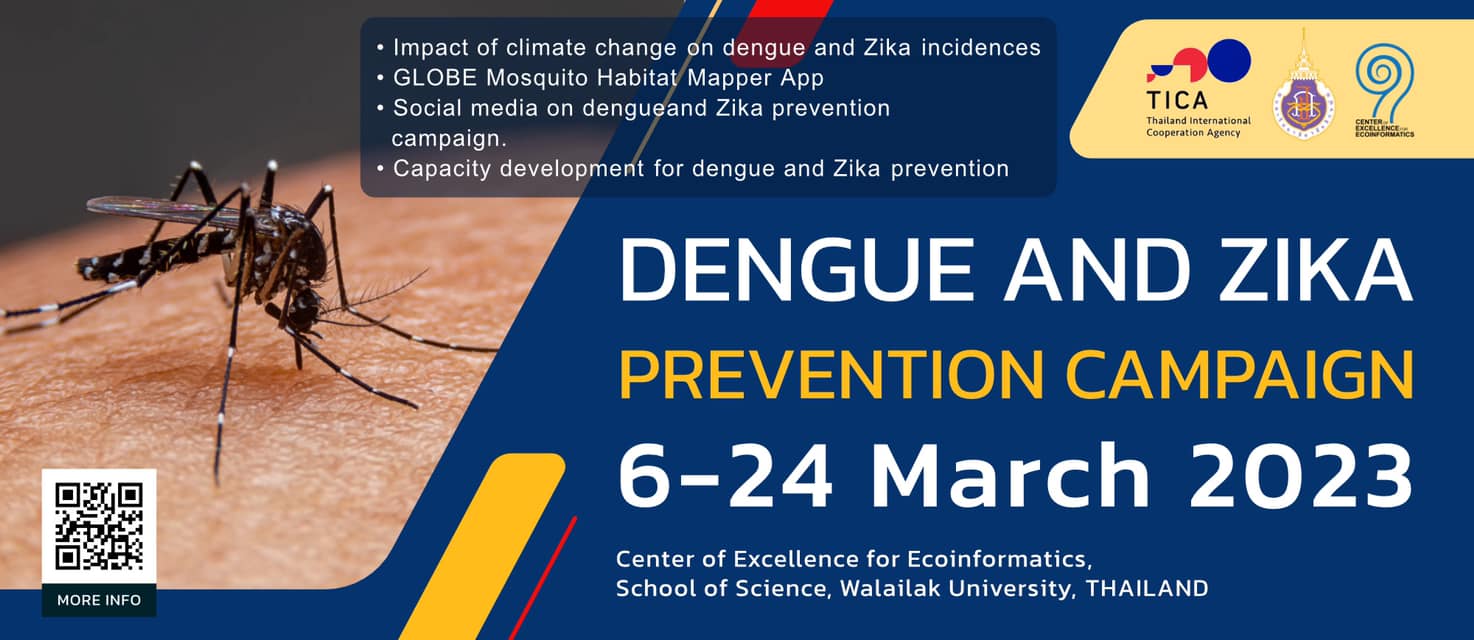
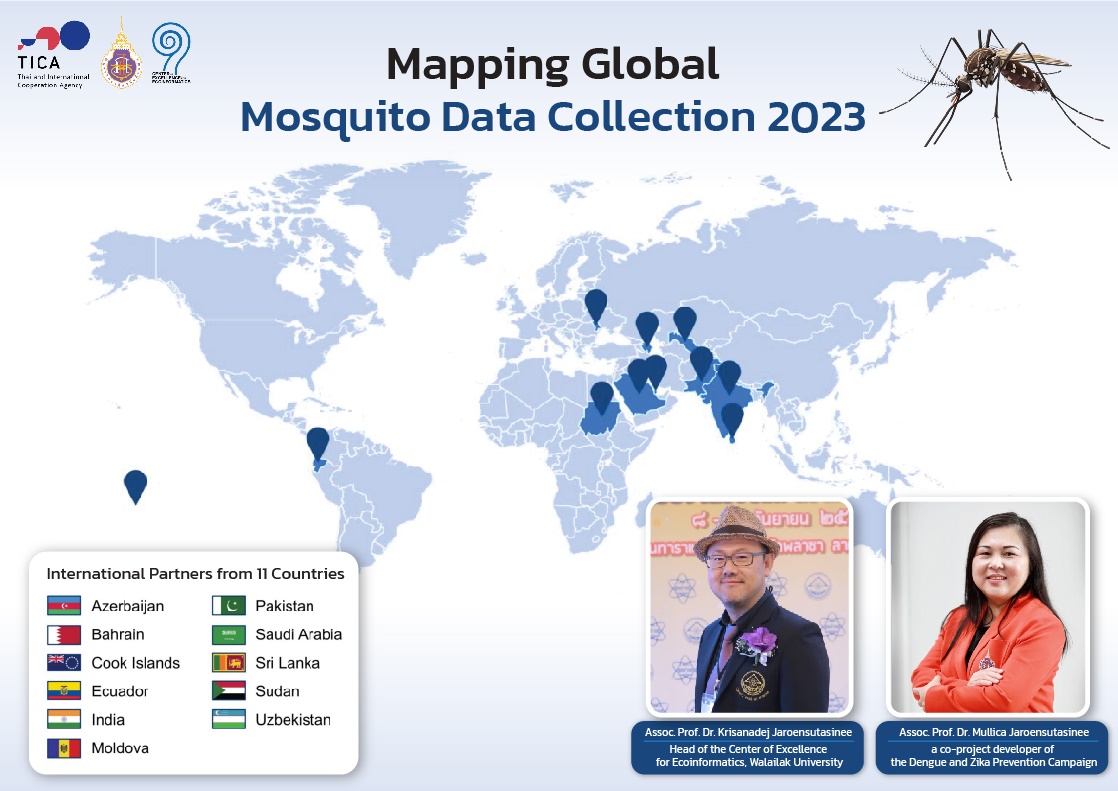
The course aimed to enhance dengue and Zika prevention through international collaboration, addressing climate change challenges and promoting sustainable development. It focused on building effective surveillance systems to advance dengue and Zika prevention in developing countries while monitoring trends in disease distribution, spread, and environmental risk factors. The workshop brought together 61 participants from various sectors, including health departments, provincial and local health authorities, private sector health managers, civil society organizations, faculty members, researchers, students, NGO staff, and interested citizens. These participants represented 11 countries: Azerbaijan, Bahrain, the Cook Islands, Ecuador, India, Moldova, Pakistan, Saudi Arabia, Sri Lanka, Sudan, and Uzbekistan.
-
-
- The overview of dengue and Zika symptoms and their causes for spreading.
- The impact of climate change on dengue and Zika incidences.
- GLOBE Mosquito Habitat Mapper App training.
- Data gathering processes on GLOBE Mosquito Habitat Mapper App in the field.
- GLOBE atmosphere protocol training.
- Sufficient Economy Philosophy (SEP) and its conceptual framework.
- Application of SEP in mosquito control as a community-based participation.
- Field trip to collect hydrology protocol in Ban Laem Community.
- GLOBE hydrology visualization and data interpretation on mosquito, hydrology, and climate changes.
- Capacity development for dengue and Zika prevention campaigns.
- Best practices for reducing dengue and Zika burden in each country.
-
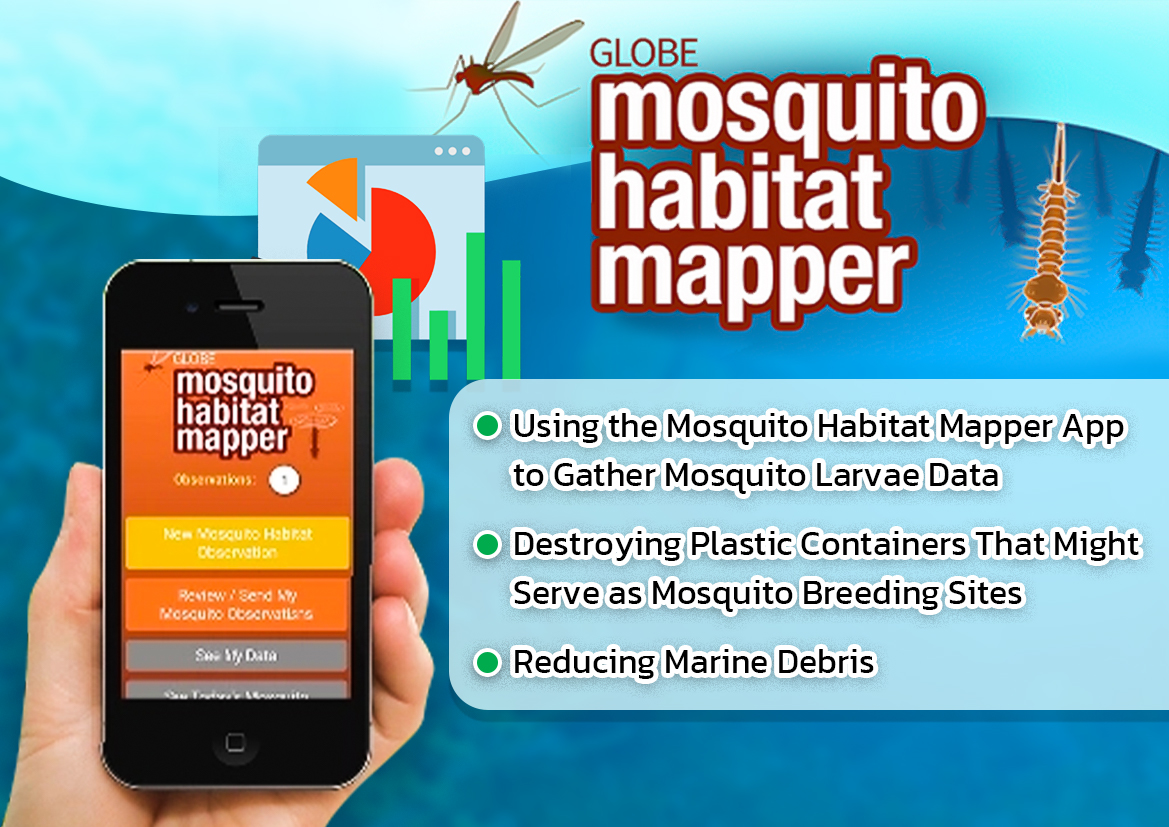
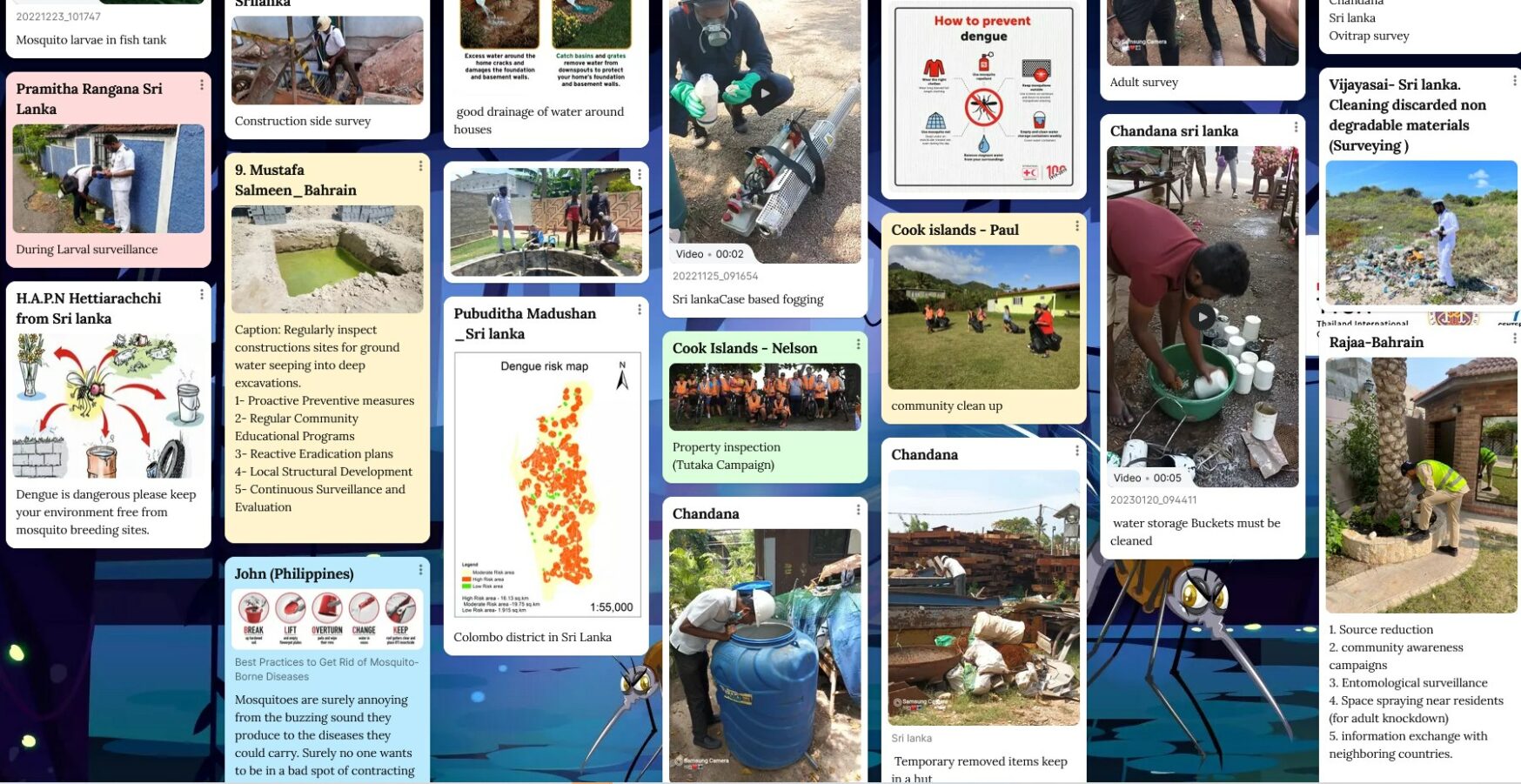
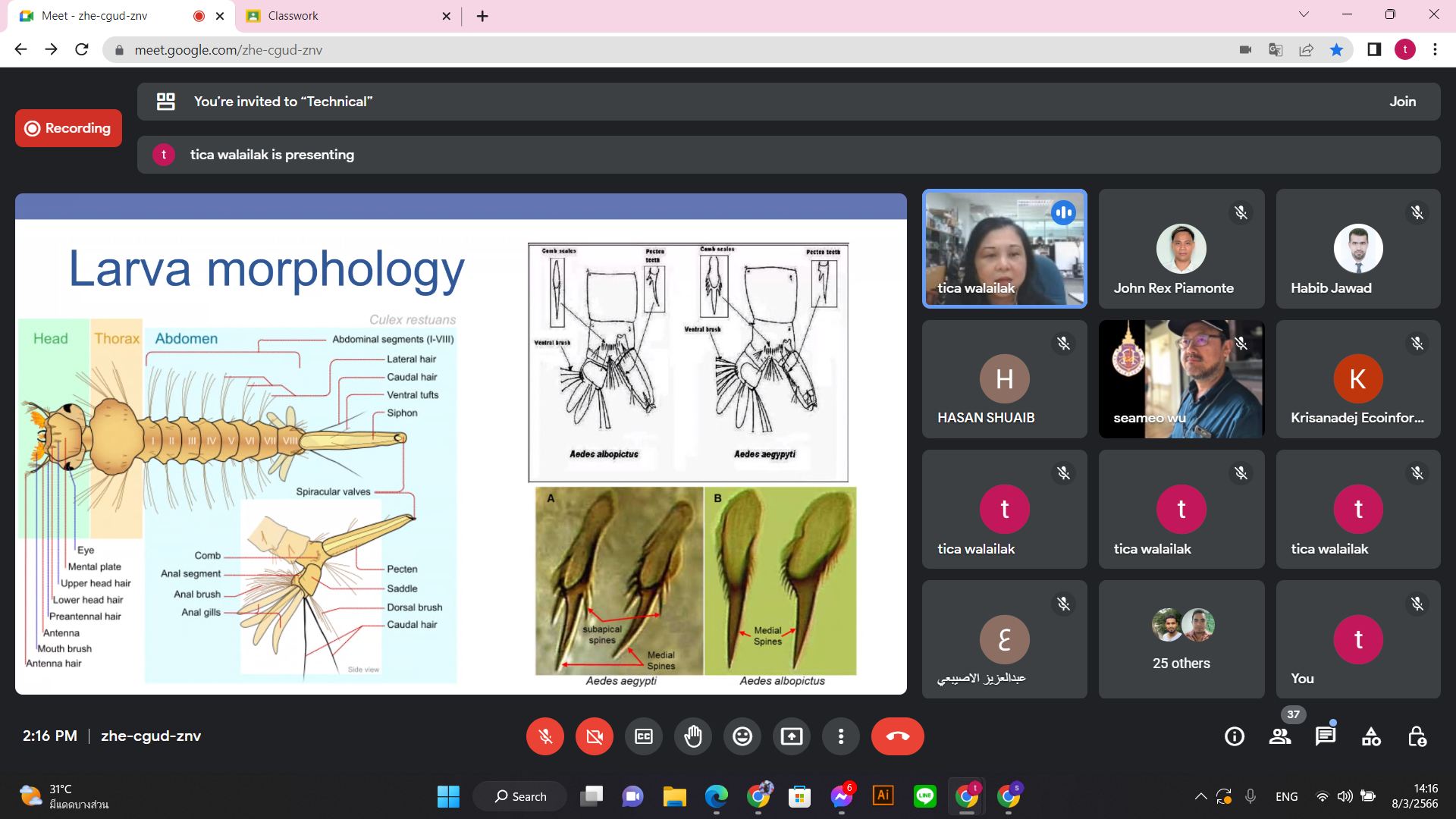
Figure : The international participants implementing data gathering on mosquito larvae in various countries
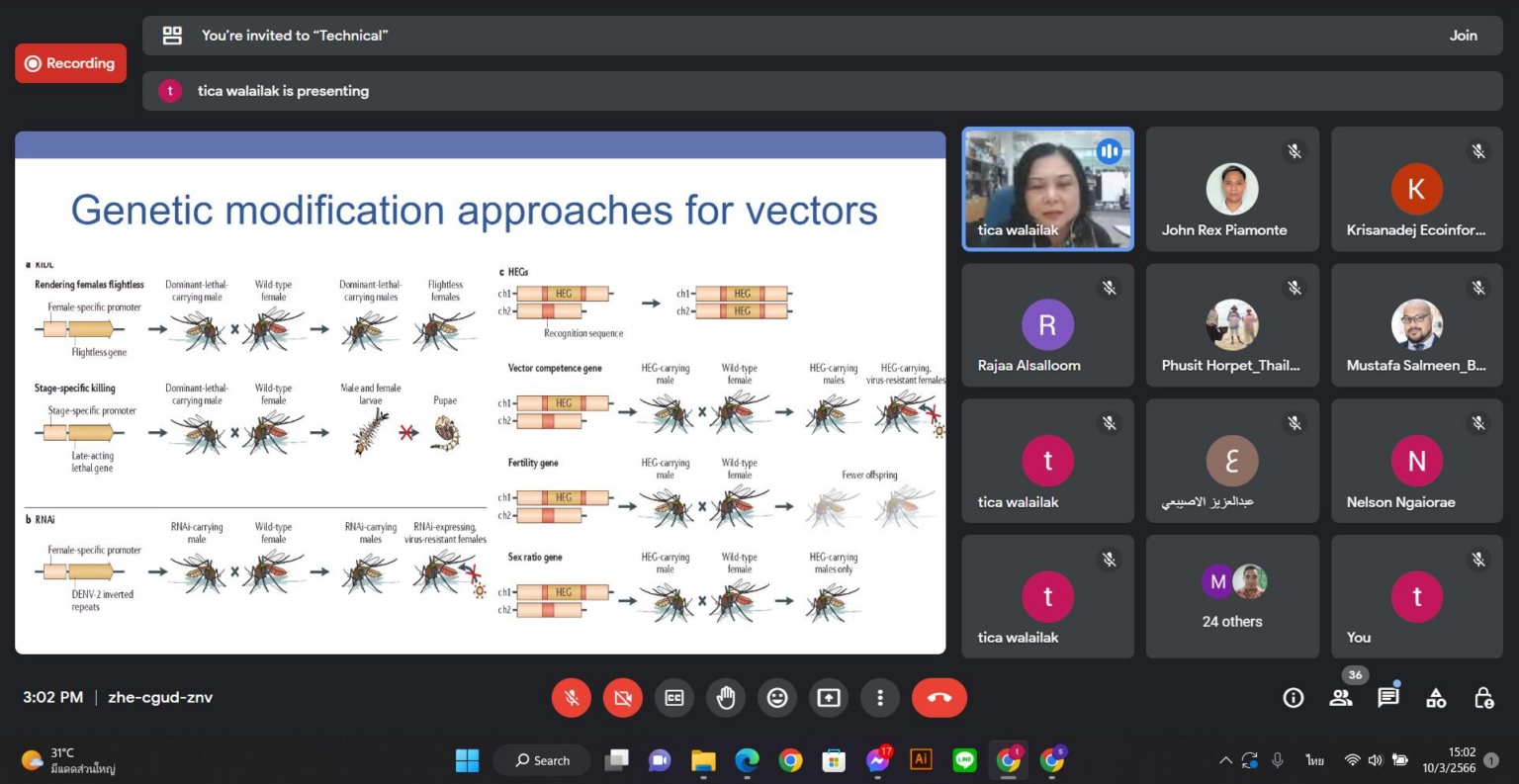
Figures : Assoc. Prof. Dr. Mullica Jaroensutasinee lecturing on the genetic modification approaches for vectors for participants and other related issues
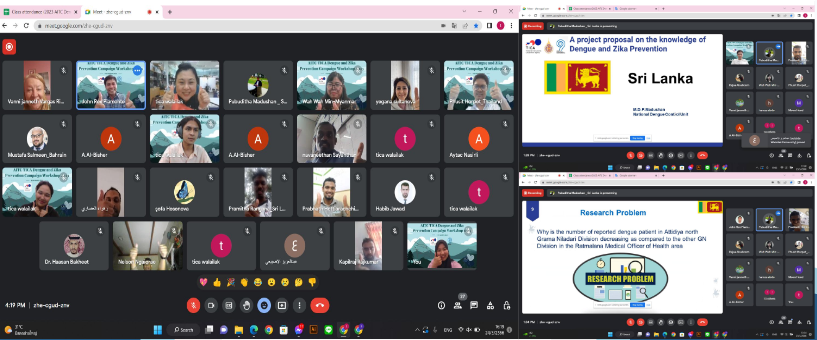
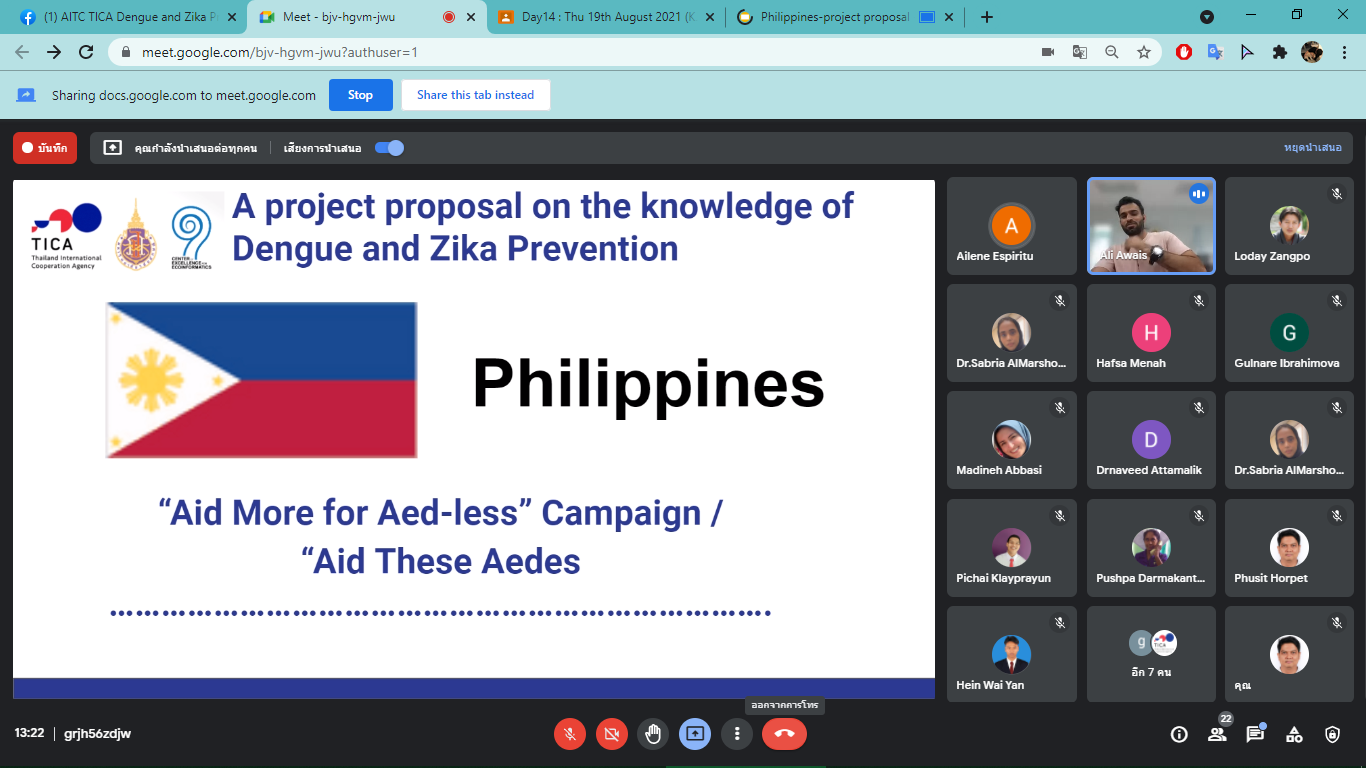
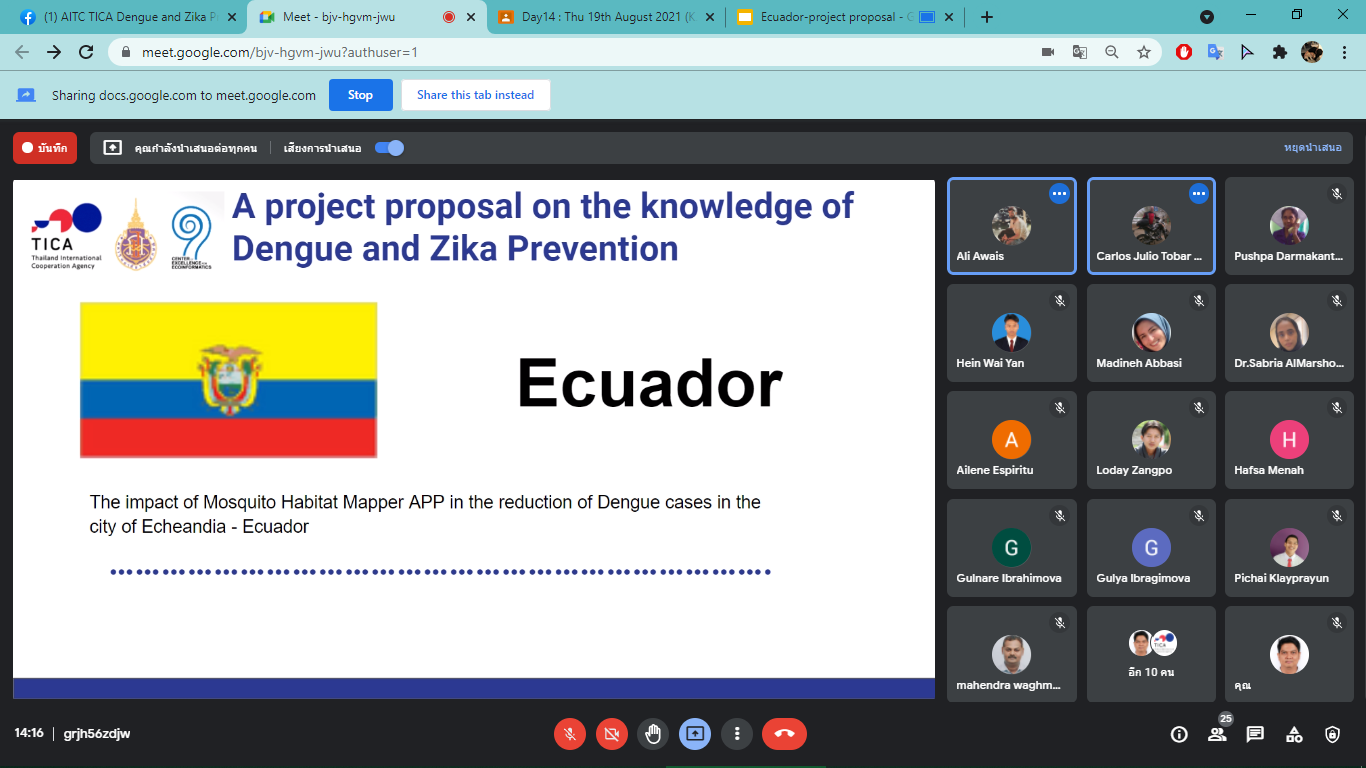
Figures : The international participant from various countries presenting their country reports
All the workshop sessions can be watched as follows:
- Dengue and Zika Free Countries, Hope and Possible Actions
- Overview on Dengue and Zika Symptoms
- Impact of Climate Change on Dengue and Zika Incidences
- GLOBE Mosquito Habitat Mapper App Training
- Data collection on GLOBE Mosquito Habitat Mapper App in the Field
- GLOBE Atmosphere Protocol Training
- GLOBE Hydrology Protocol
- Sufficient Economy Philosophy (SEP) and Its Conceptual Framework
- Field Trip to Collecting Hydrology Protocol at Ban Laem Home Stay
- GLOBE Hydrology Visualization
- How to do Dengue and Zika Prevention Campaign on Social Media Using Video Clips
- Hand-on Video Clip Workshop and Presentation
- Capacity Development for Dengue and Zika Prevention Campaign
- Project Proposal Writing and Implementation dengue and Zika Prevention Campaign in Countries
- Dengue and Zika Prevention Campaign Project Presentation
Goal 17: Partnerships for the Goals
Goal 13: Climate Action
Goal 3: Good Health and Well Being