
Continual International Collaboration for Best Practices in Improving Blue Swimming Crab Resource Restoration
Walailak University has continually engaged with local, national, and international partners to further conduct the research project titled “The Thai Blue Swimming Crab Fishery Improvement Project (BSC FIP).” The partners include the World Wide Fund for Nature (WWF), the Marine Resources Assessment Group (MREG), the NFI Crab Council (United States), local fishery associations in Surat Thani, the Thai Sea Watch Association, Kasetsart University, Ubon Ratchathani University, and others.
Ban Don Bay in Surat Thani has faced a number of critical issues contributing to the decline of the blue swimming crab population. These include overexploitation in heavily fished inshore areas, harvesting of undersized crabs and gravid females, and a lack of management plans or harvest strategies. Additionally, there is insufficient enforcement capacity to regulate fishing practices effectively.
These challenges not only threaten the sustainability of the blue swimming crab but also impact local fisheries and the livelihoods of communities dependent on this vital resource. To address these issues, a comprehensive management approach is essential, incorporating sustainable harvesting practices and community involvement to restore crab populations and promote ecosystem health in the region.
Thus, in 2023, Walailak University, represented by Asst. Prof. Dr. Amonsak Sawusdee, and all the partners continually diagnosed challenges and developed best practices to manage coastal and marine resources and improve the blue swimming crab population. These practices aimed to restore and sustain the crab population while promoting responsible fishing behaviors.
Collaborative efforts included conducting workshops and training sessions for local fishermen to educate them about sustainable fishing techniques and the importance of conserving crab habitats. Additionally, the initiative focused on implementing monitoring systems to track crab populations and enforce regulations effectively. By fostering community engagement and awareness, these efforts strive to create a balance between economic needs and ecological sustainability, ensuring that future generations can benefit from the rich marine resources of Ban Don Bay.
Best Practices for the 2023 Phase:
- The Maximum Sustainable Yield (MSY) became the primary method for reporting the stock status of blue swimming crabs.
- The Harvest Control Rules (HCRs) were integrated into the Blue Swimming Crab Fishery Management Plan (BSC FMP).
- More conservational zones were specified for the protection of blue swimming crabs.
- Stricter mesh size limits were implemented to protect juvenile crab populations.
- The Length-Based Spawning Potential Ratio (LB-SPR) method was used to assess the crab population’s sustainability every two months, a practice recognized by government organizations in Thailand.
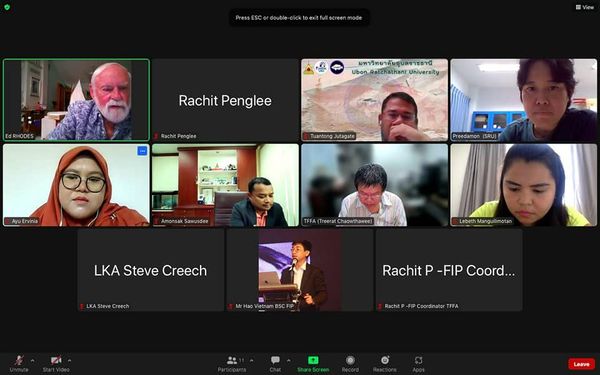
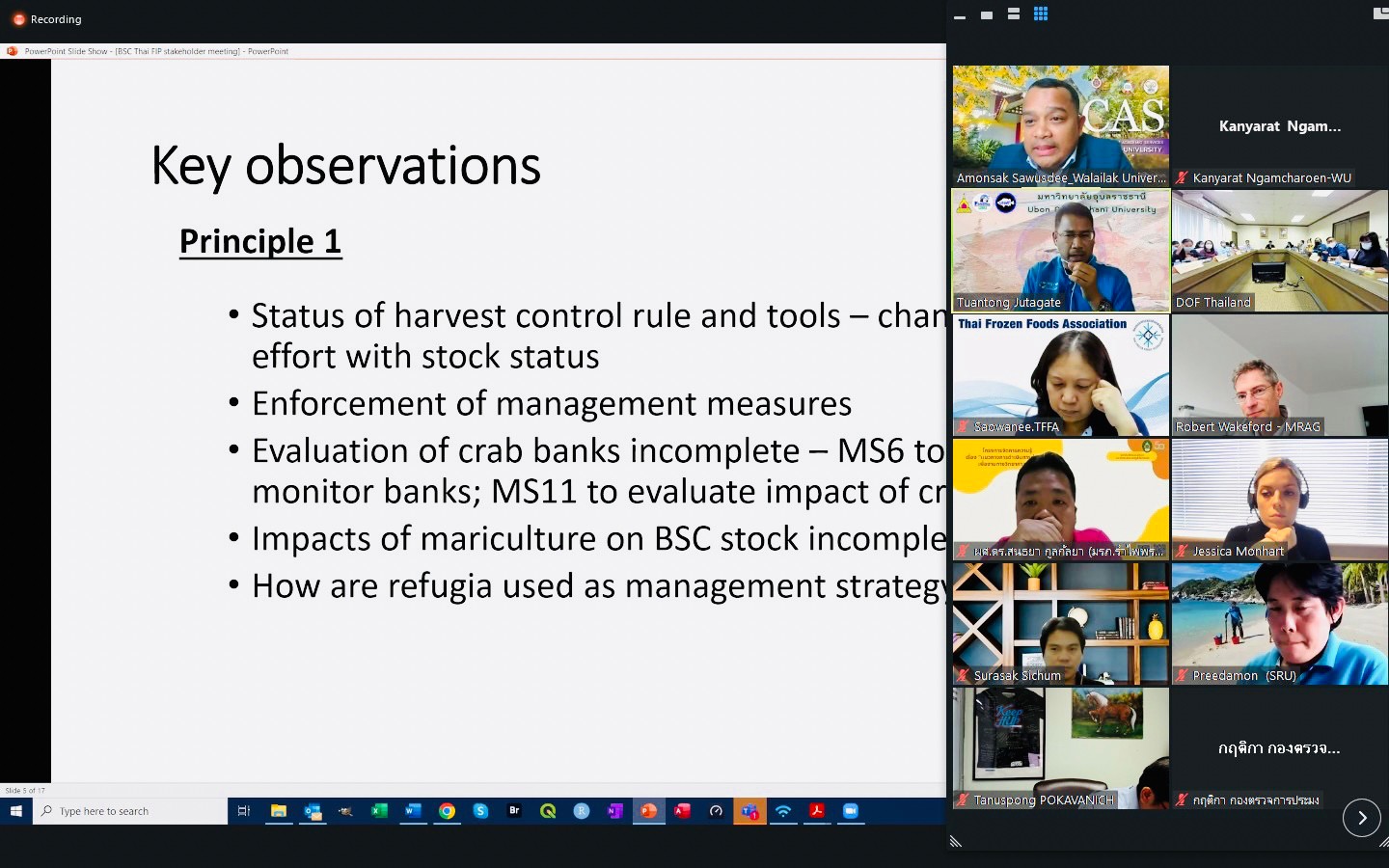
Figures : Asst. Prof. Dr. Amonsak Sawusdee and the national and international partners participating in an online meeting to report the research’s progress and discuss the best practices relating to improving the blue swimming crab resources.
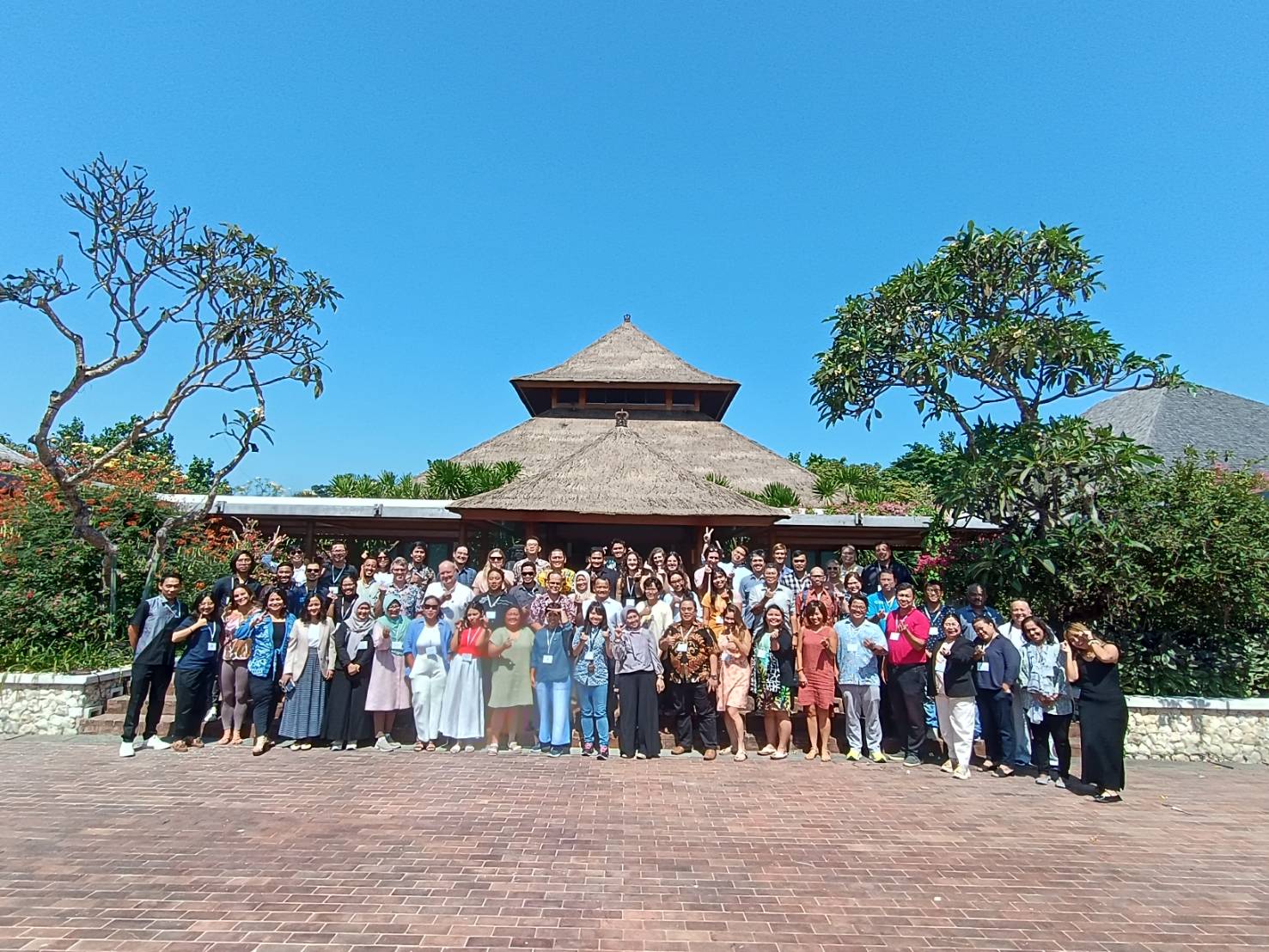
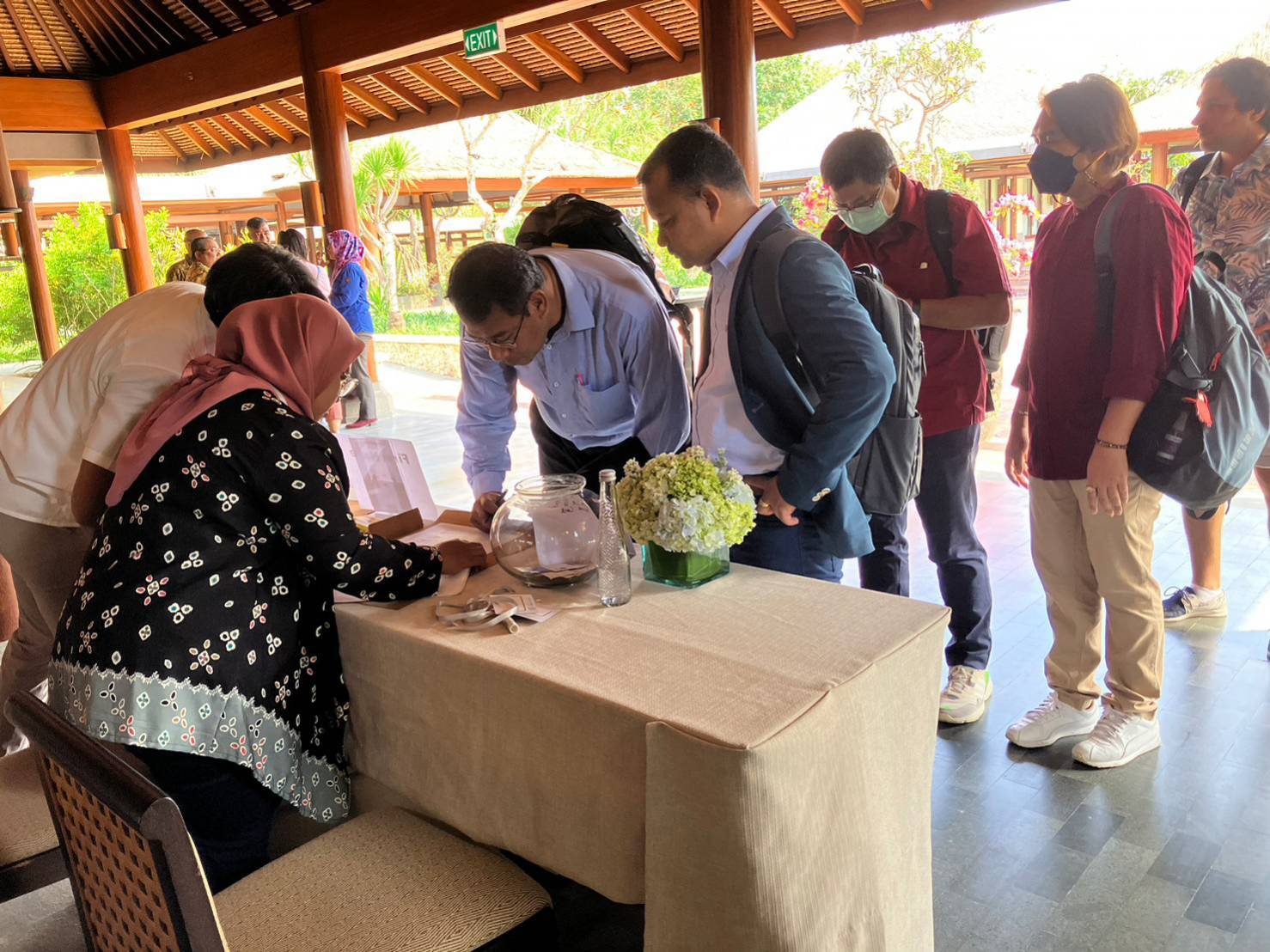
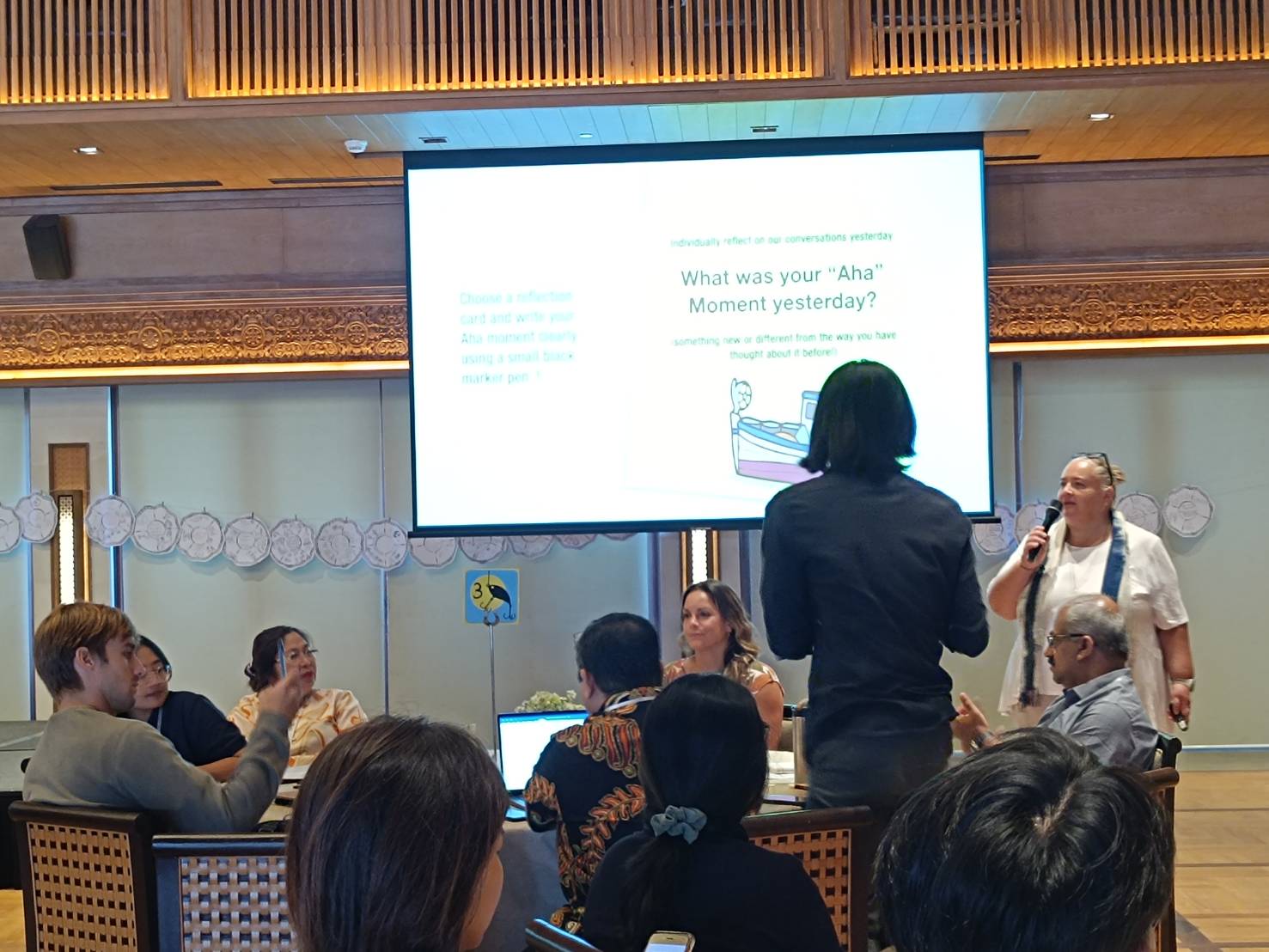
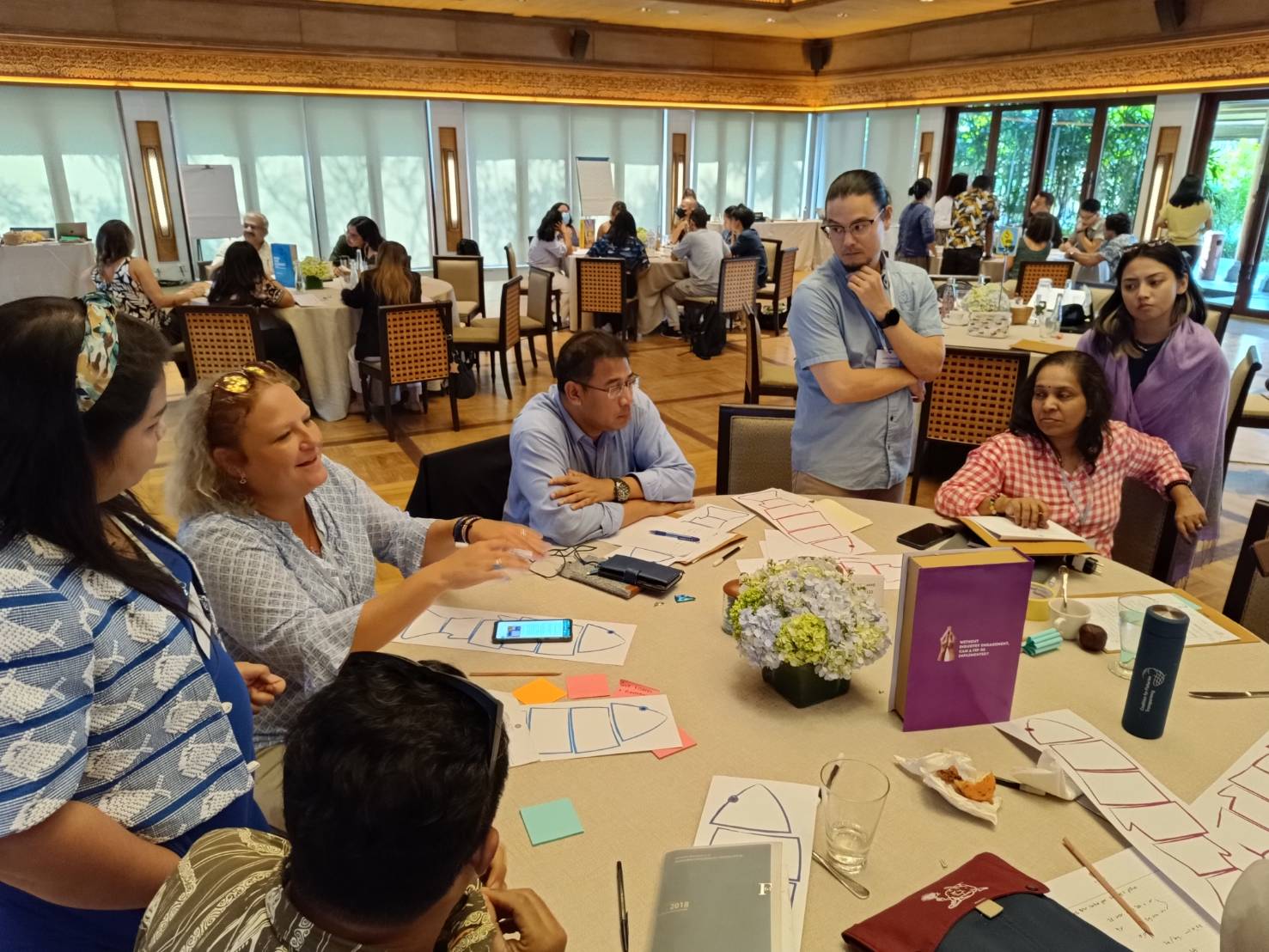
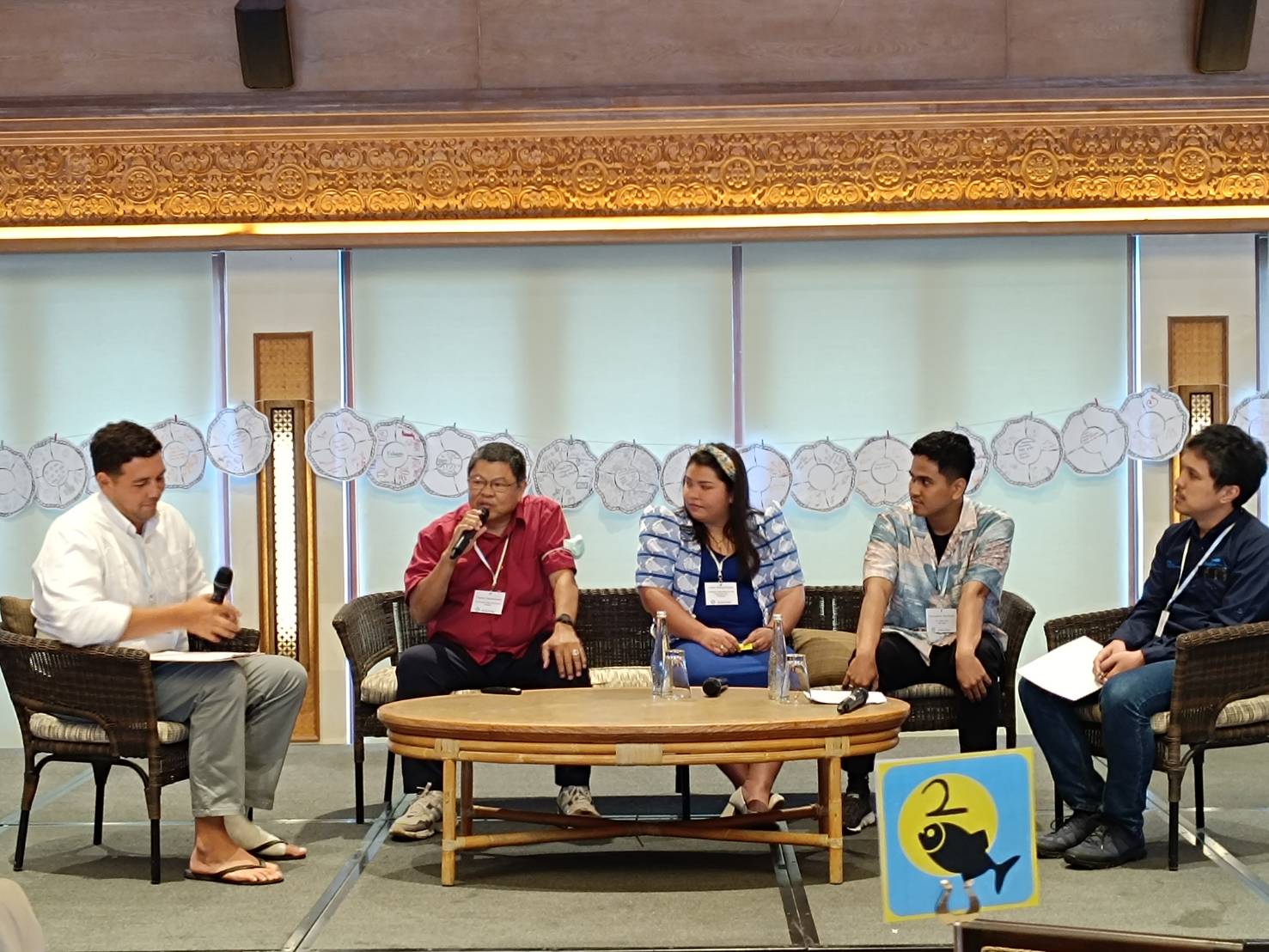
Figures : Asst. Prof. Dr. Amonsak Sawusdee and the international partners participating in the workshop titled “Asia Pacific FIP Community of Practice Workshop (FIP CoP)” to exchange data and experiences to collaboratively develop best practices for the Fishery Improvement Projects (FIP).
Walailak University and its international partners identified several key practices essential for improving fisheries sustainability. A central approach is community-based coastal resource management. By engaging local fishing communities and empowering them to take an active role in managing coastal resources, the project ensures that those directly affected by marine conservation efforts participate in decision-making. This strengthens the connection between resource users and sustainable practices, fostering long-term stewardship of marine ecosystems.
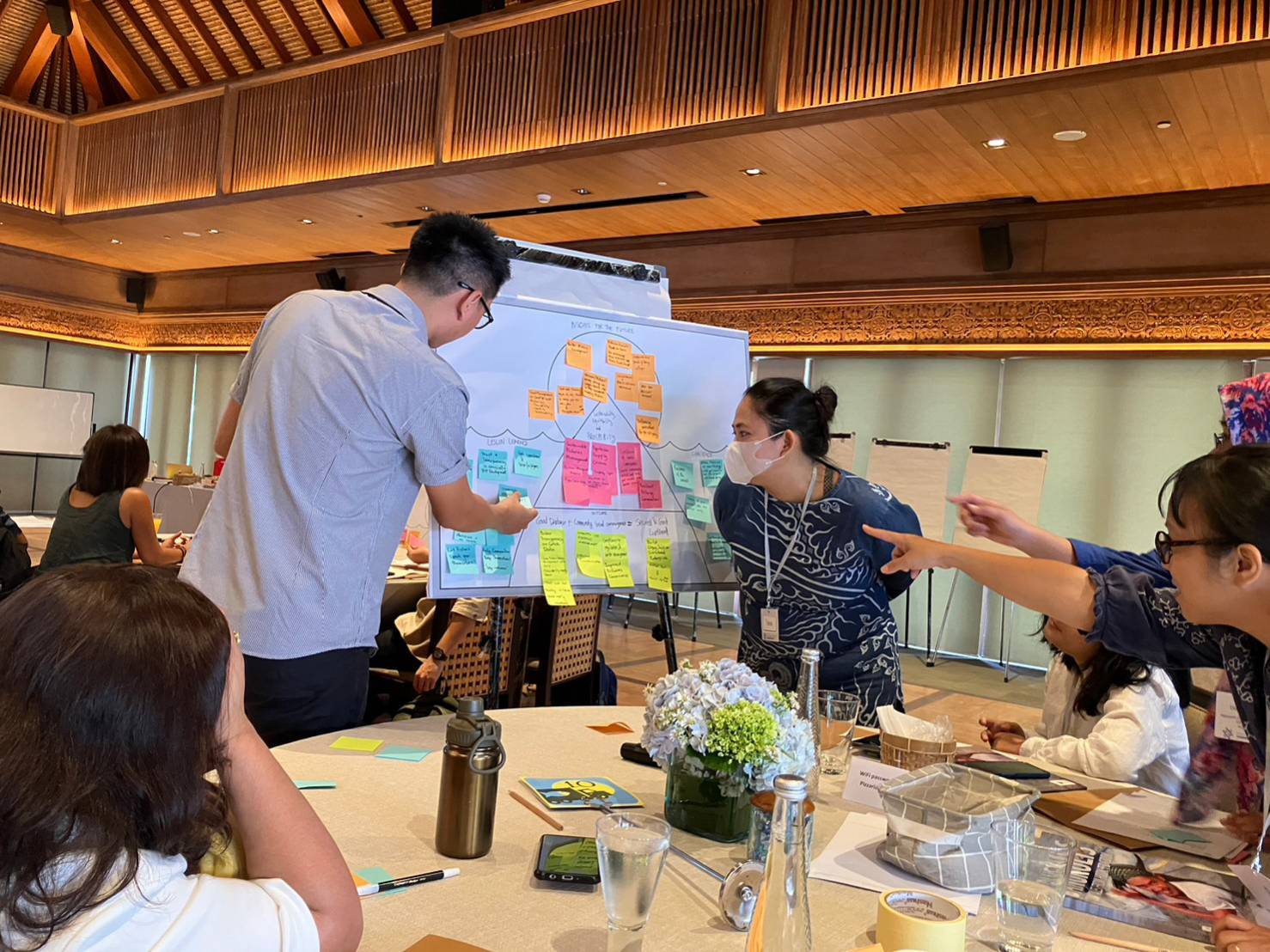
Figures : The researchers reviewing comparative approaches and developing the best practices on coastal and marine resource management and other issues relating to sustainable development relating to SDG 14.
Since the adoption of these best practices, the Thai Blue Swimming Crab Fishery Improvement Project has shown significant positive outcomes. The blue swimming crab population in Ban Don Bay has notable increases in the size and number of crabs being reported during recent assessments. The implementation of stricter mesh size limits and the establishment of conservational zones have reduced the capture of juvenile crabs and gravid females, allowing the population to regenerate more effectively.
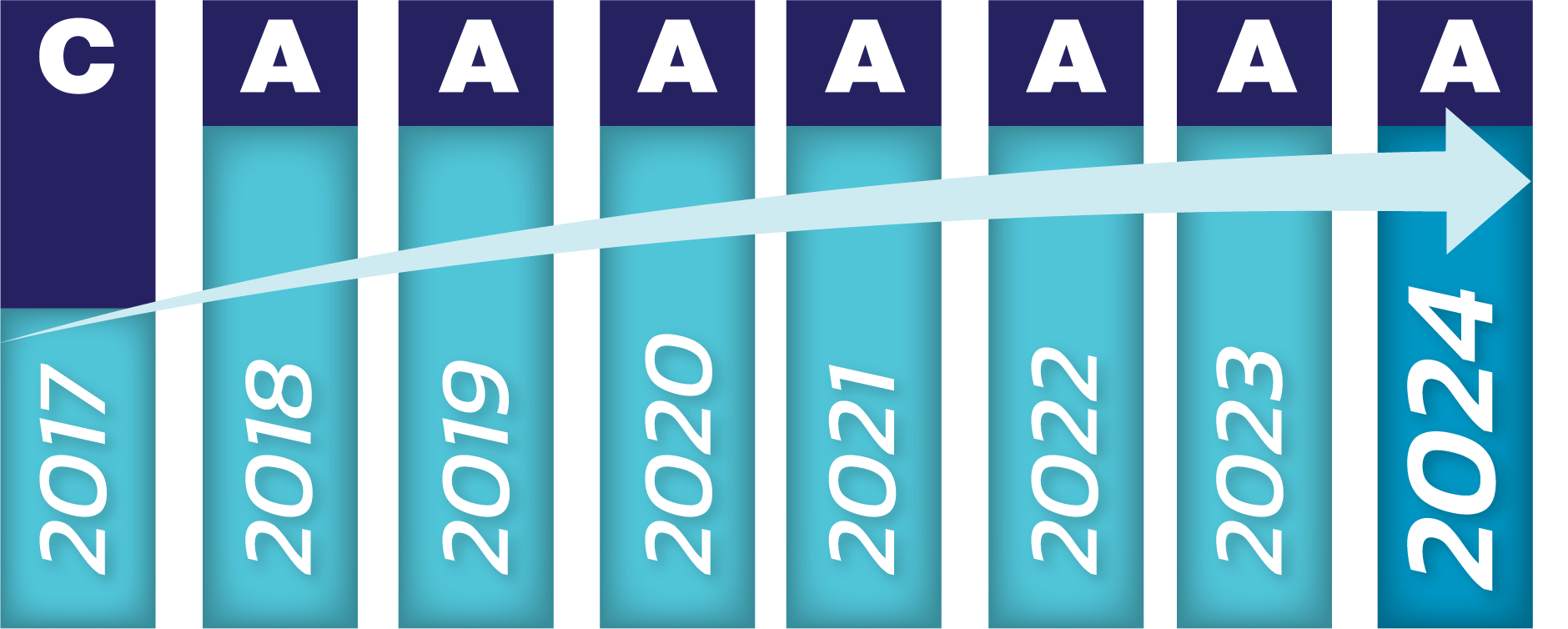
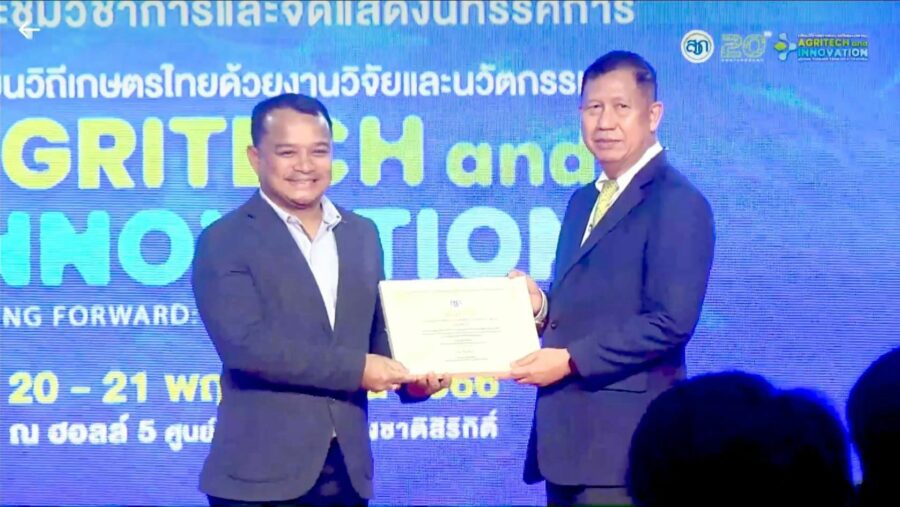
Figures : The assessment results of the 2024 research project led to receiving the award for “The Excellent Research Project on Agriculture” from the Agricultural Research Development Agency.
Goal 17: Partnerships for the Goals
Goal 14: Life below water
Goal 2: Zero Hunger