Educational Outreach on SDGs for Alumni, Local Residents and Displaced People
Providing Educational Opportunities on SDGs to Local Communities
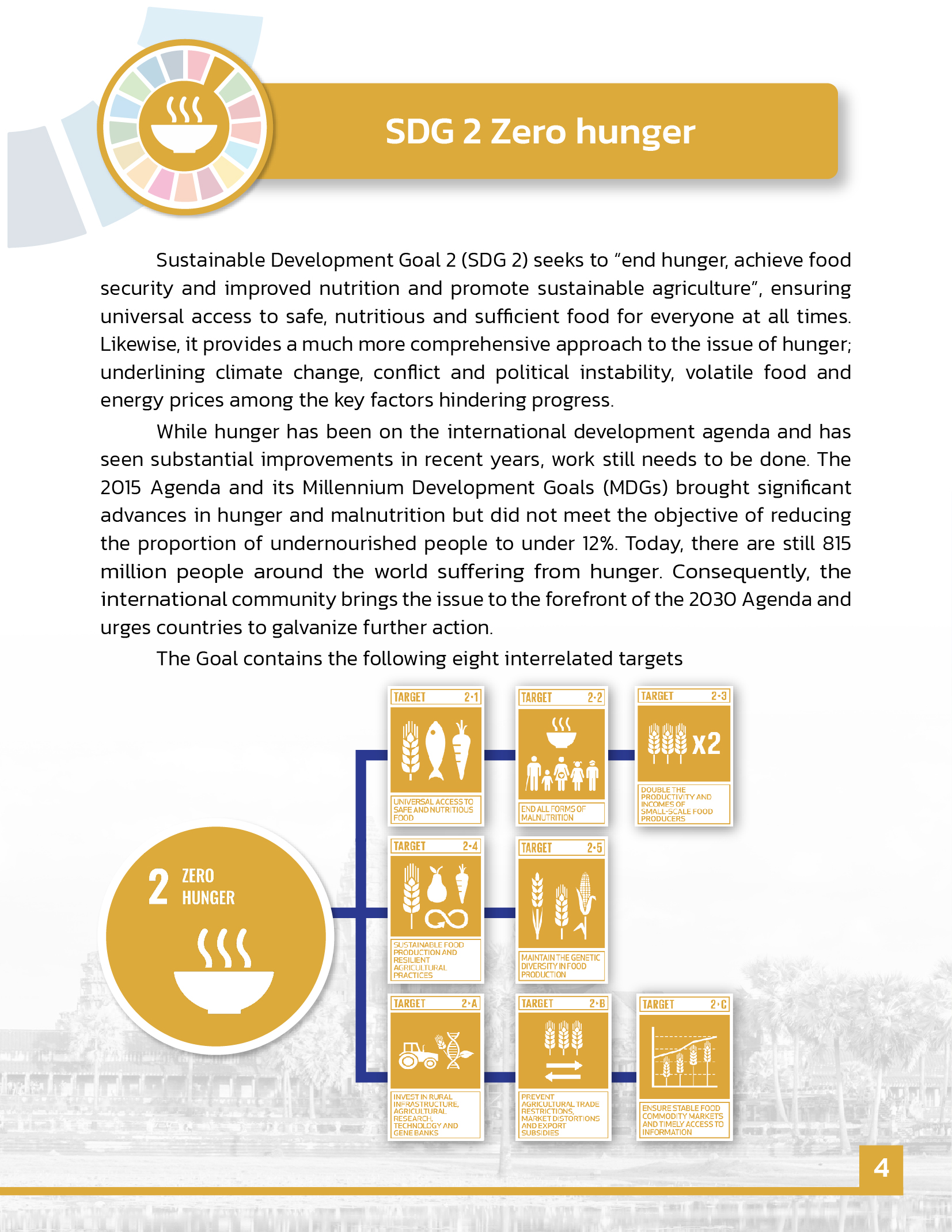
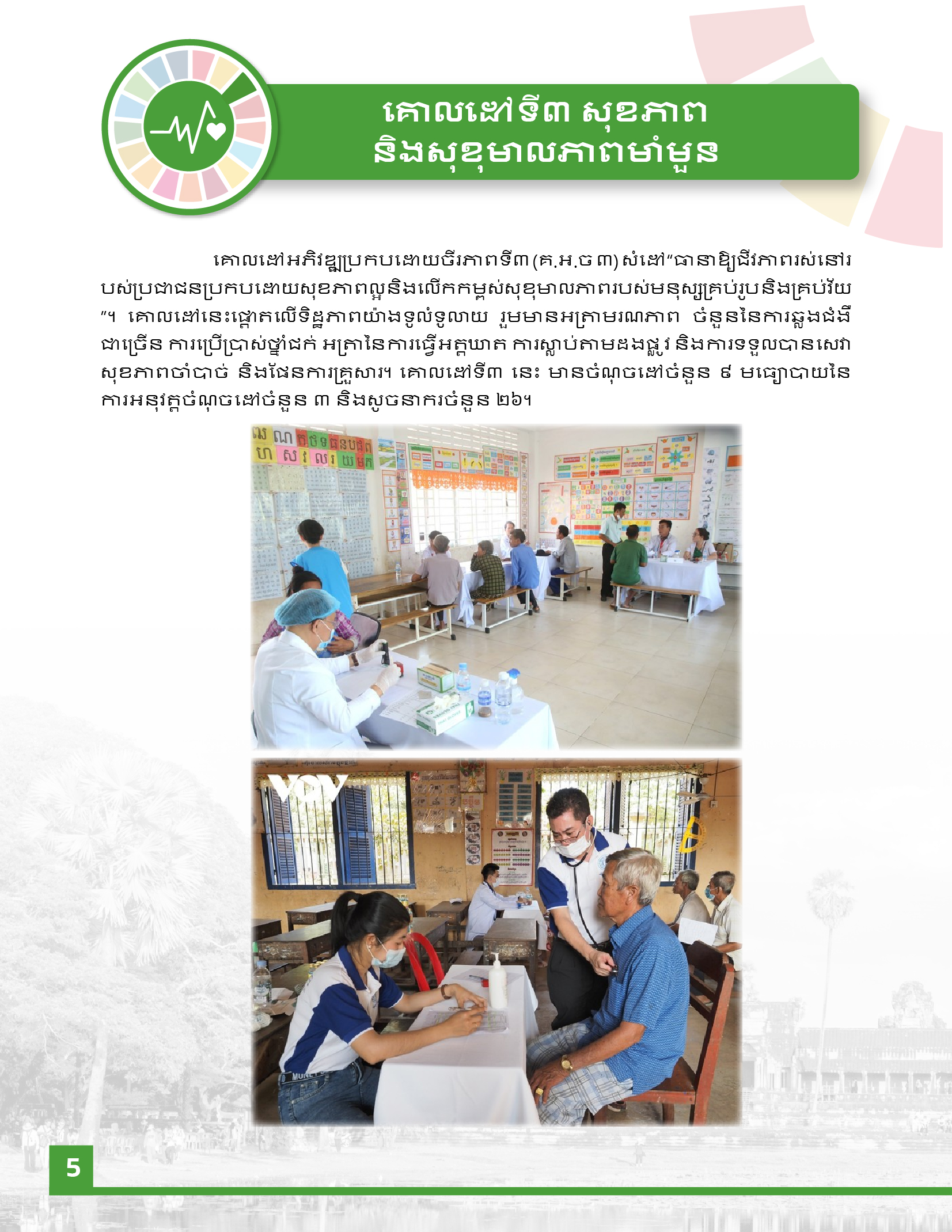
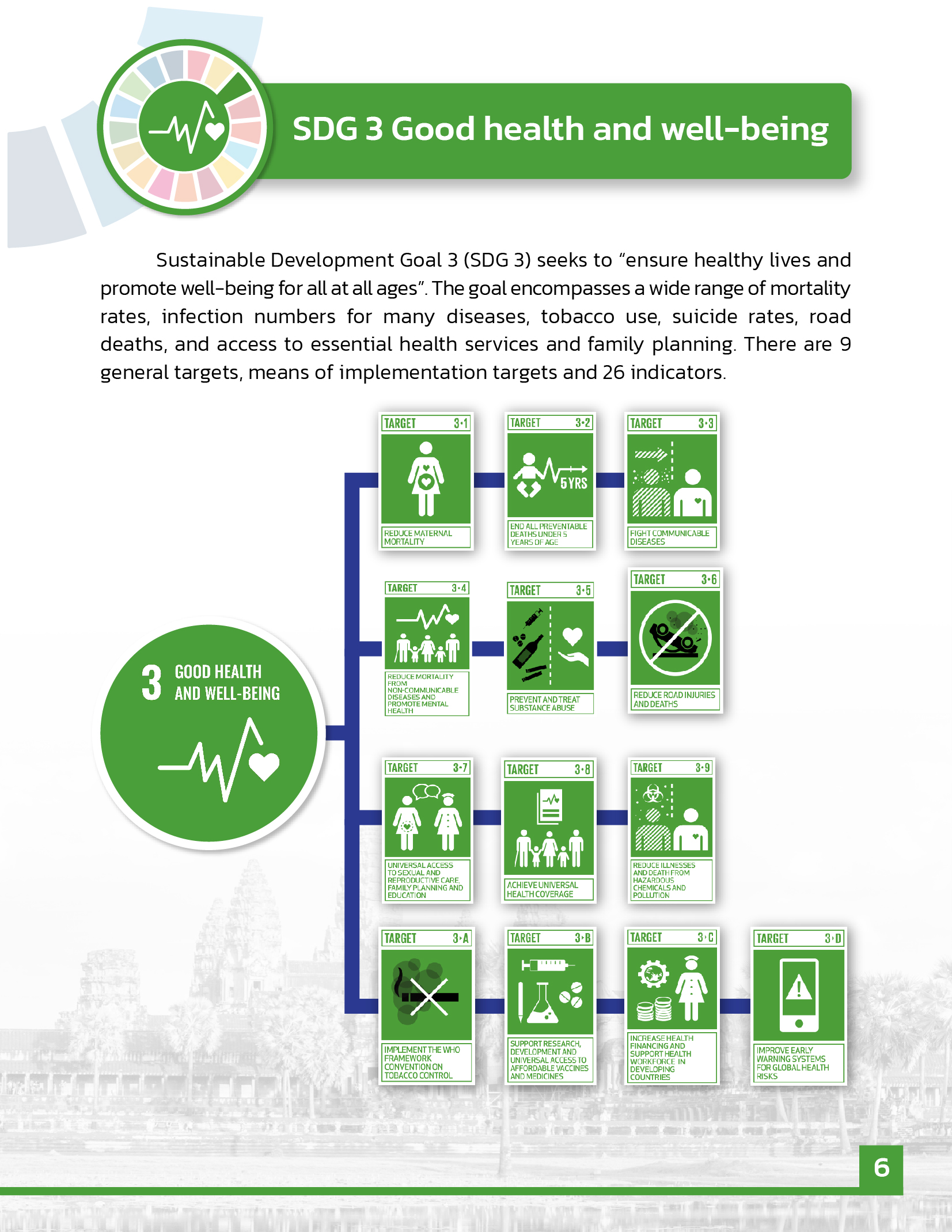
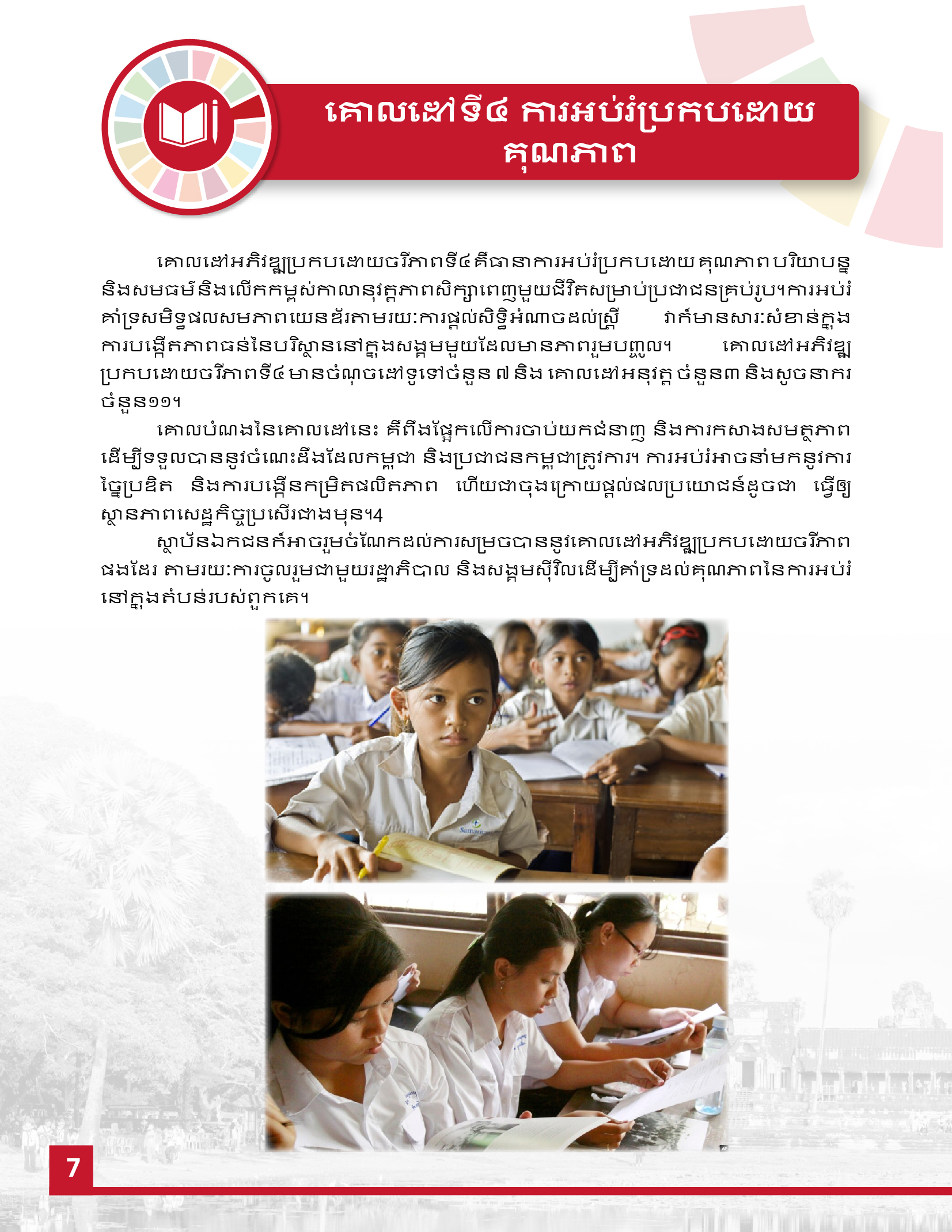
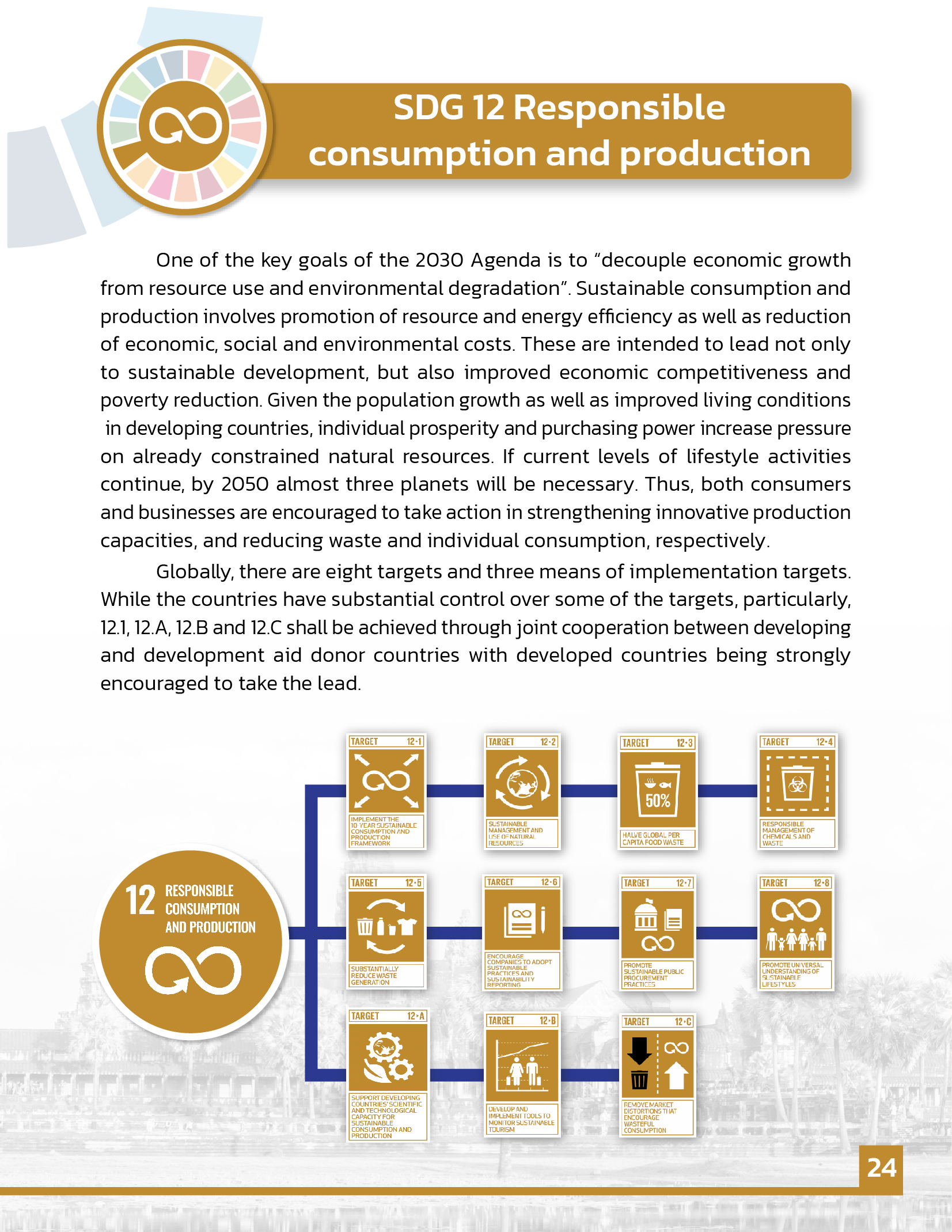
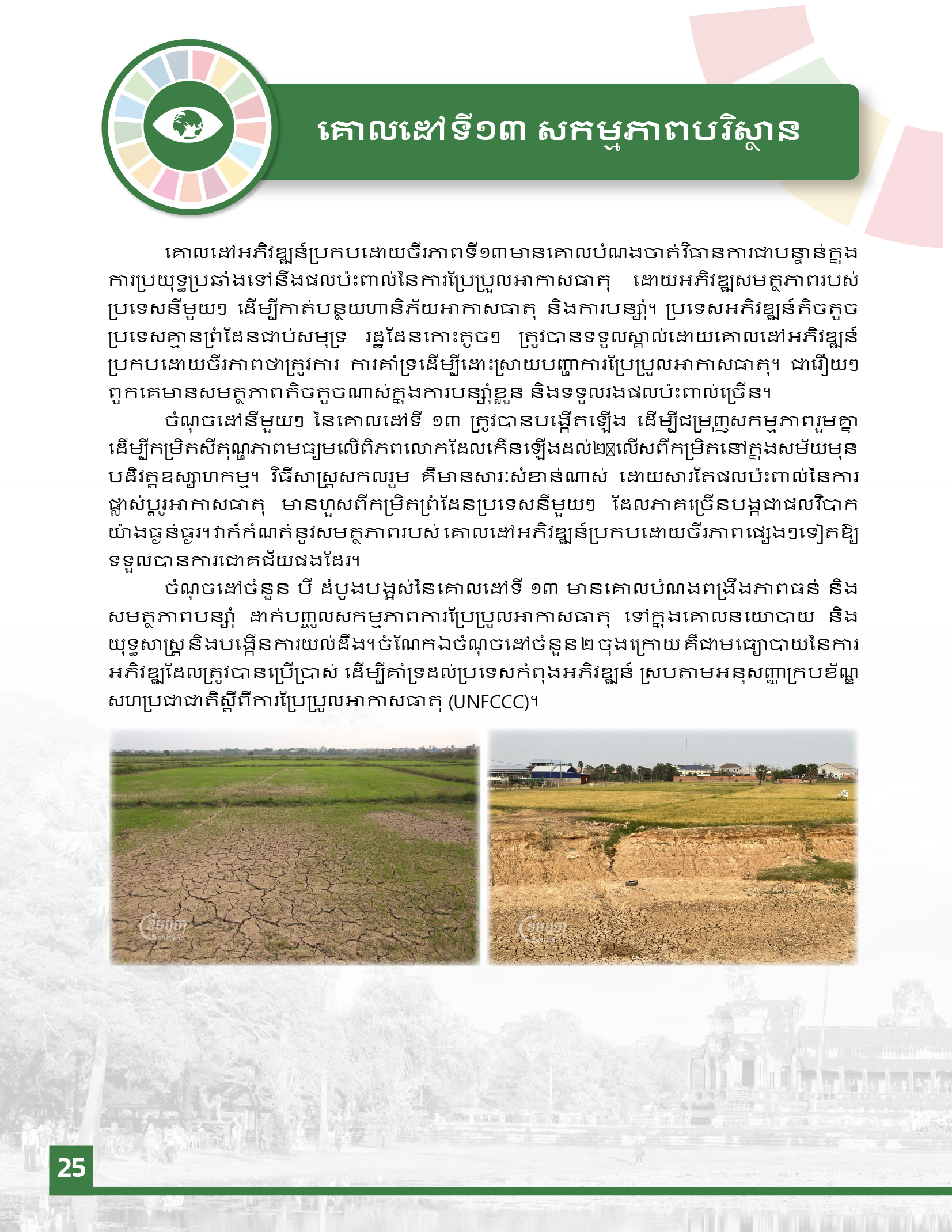
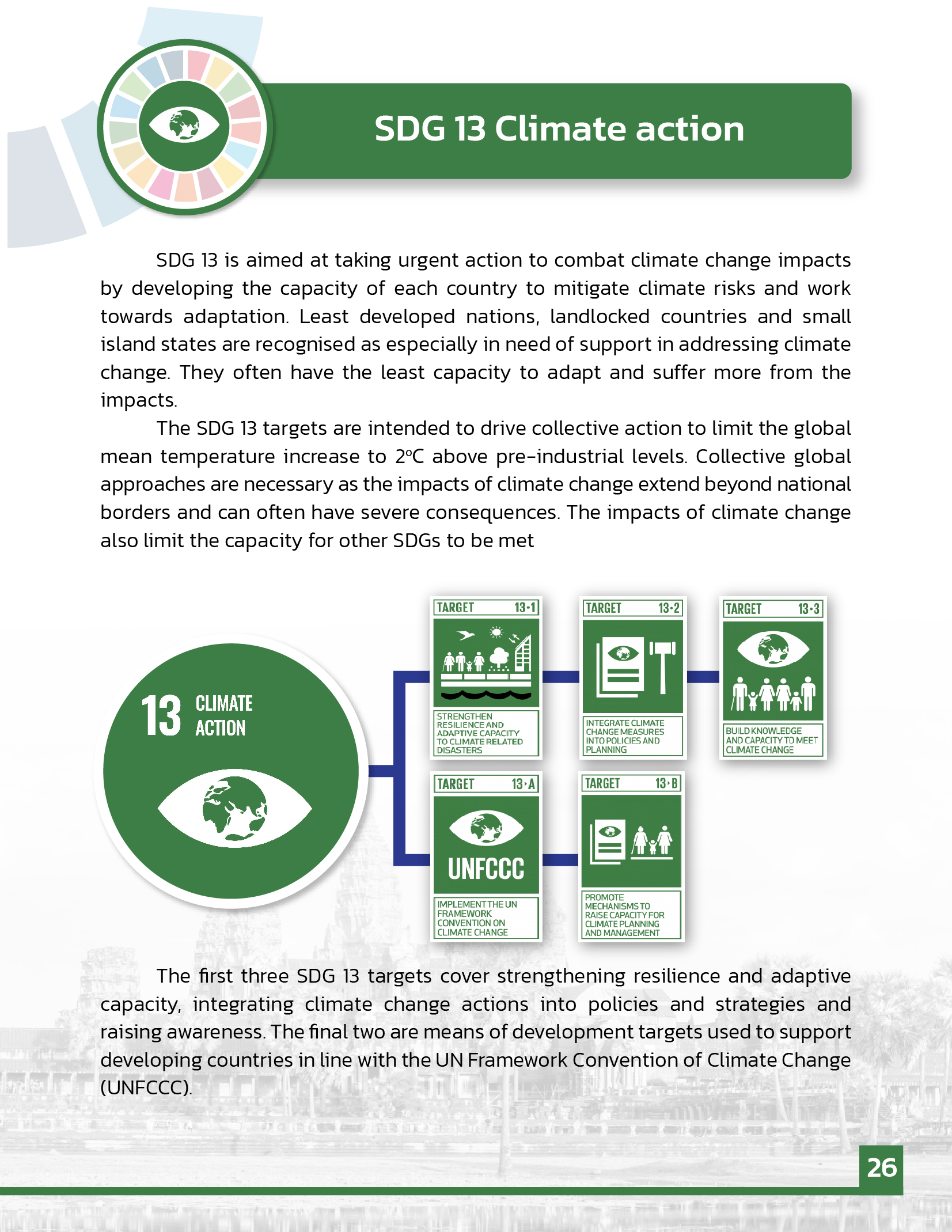
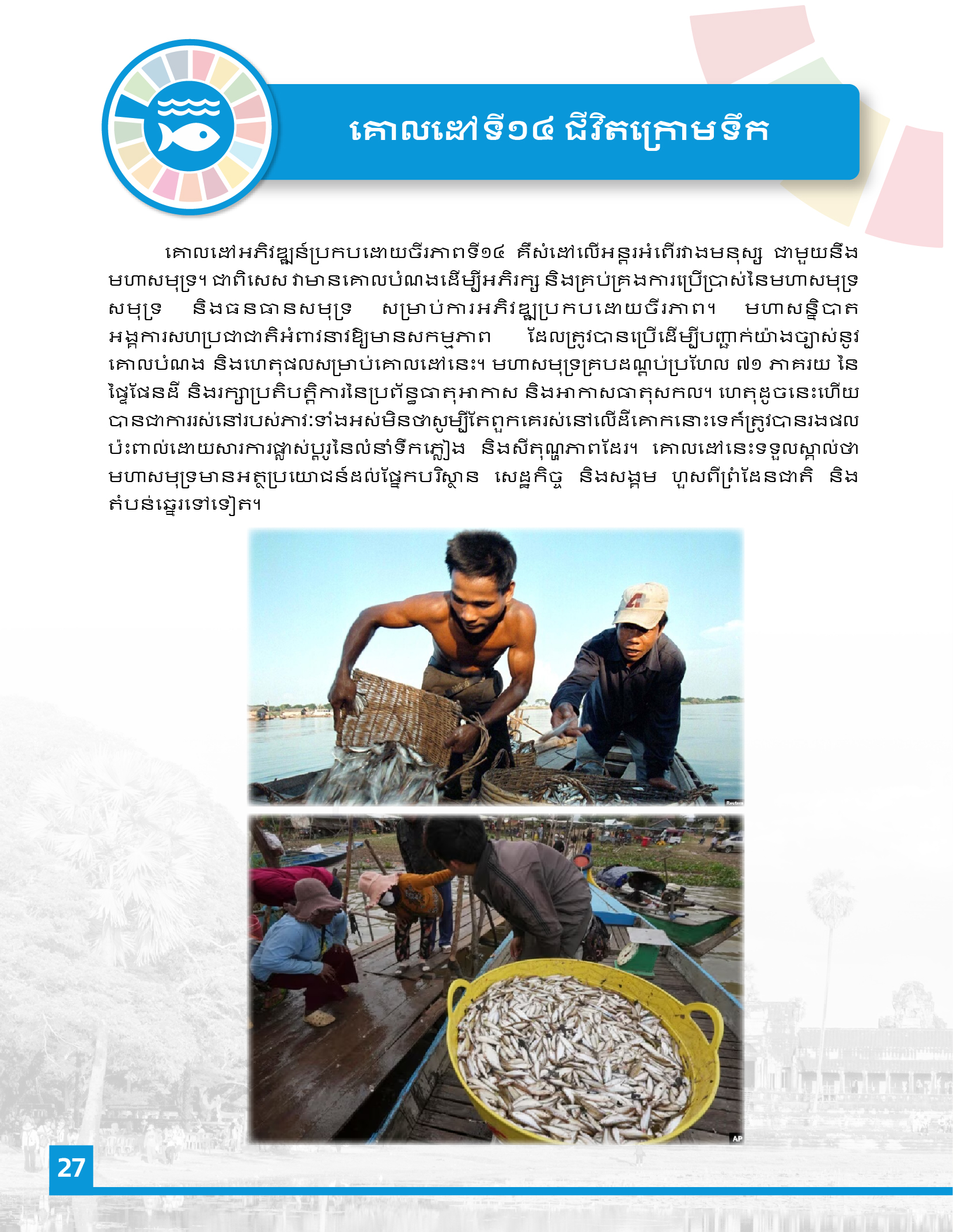
By focusing on issues such as environmental conservation, agriculture, aquaculture, ecotourism, health and well-being, food production, arts, social issues, etc., WU empowered local communities with the knowledge and tools needed to contribute to a more sustainable future. These efforts not only enhance community understanding of global sustainability issues but also inspire action at the local level, fostering a culture of sustainability across generations. The knowledge shared with local communities covered several key issues, including:
- What are the SDGs?
The CAS provided a clear overview of the 17 Sustainable Development Goals, explaining their purpose as a global framework to address critical challenges like poverty, inequality, and environmental degradation. They highlighted the universal nature of the SDGs and how these goals apply not only at the global level but also locally. - Why are the SDGs important?
The CAS emphasized the significance of the SDGs in fostering a more equitable, sustainable future. They explained how achieving these goals is crucial for improving health, livelihoods, and environmental sustainability, benefiting not only the current generation but also future ones. The CAS highlighted the direct impact of SDGs on pressing local concerns, such as access to clean water, food security, and climate resilience. - How can local communities drive positive changes on SDGs towards society?
The CAS provided practical guidance on how local communities can contribute to achieving the SDGs. This included promoting sustainable farming practices, reducing waste, supporting education initiatives, and engaging in community health programs. The CAS encouraged grassroots efforts, showing that even small actions, such as adopting eco-friendly habits or supporting local initiatives, can have a significant cumulative impact. - Localizing the SDGs
The CAS focused on making the SDGs relatable by linking them to everyday experiences and challenges faced by the community. They explained how the SDGs are not just global targets but are also relevant to addressing local issues such as preserving natural resources, promoting gender equality, and improving local infrastructure. This localized perspective helped foster a sense of ownership among community members, motivating them to take active roles in advancing sustainable development in their own surroundings.
- What are the SDGs?
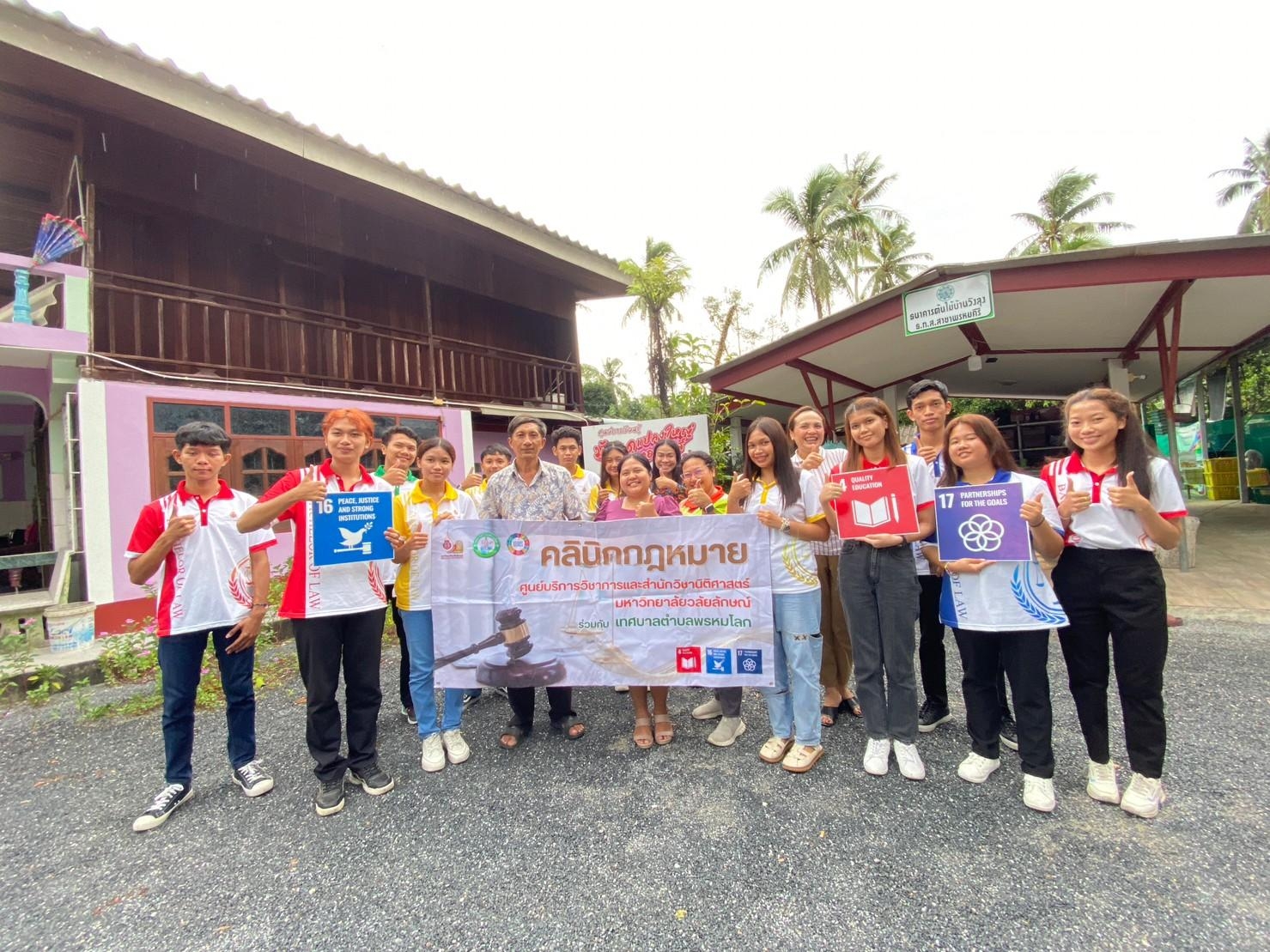
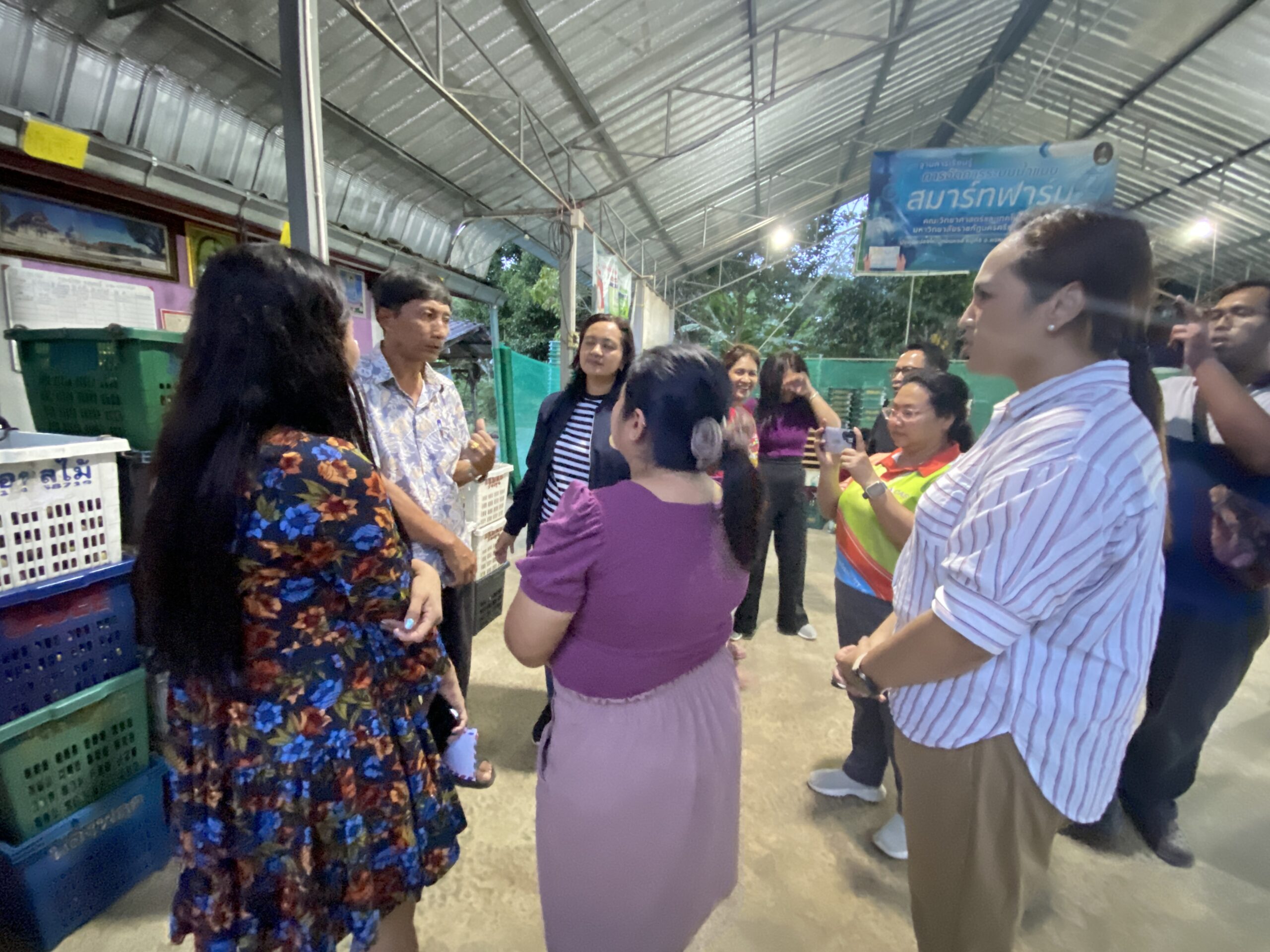
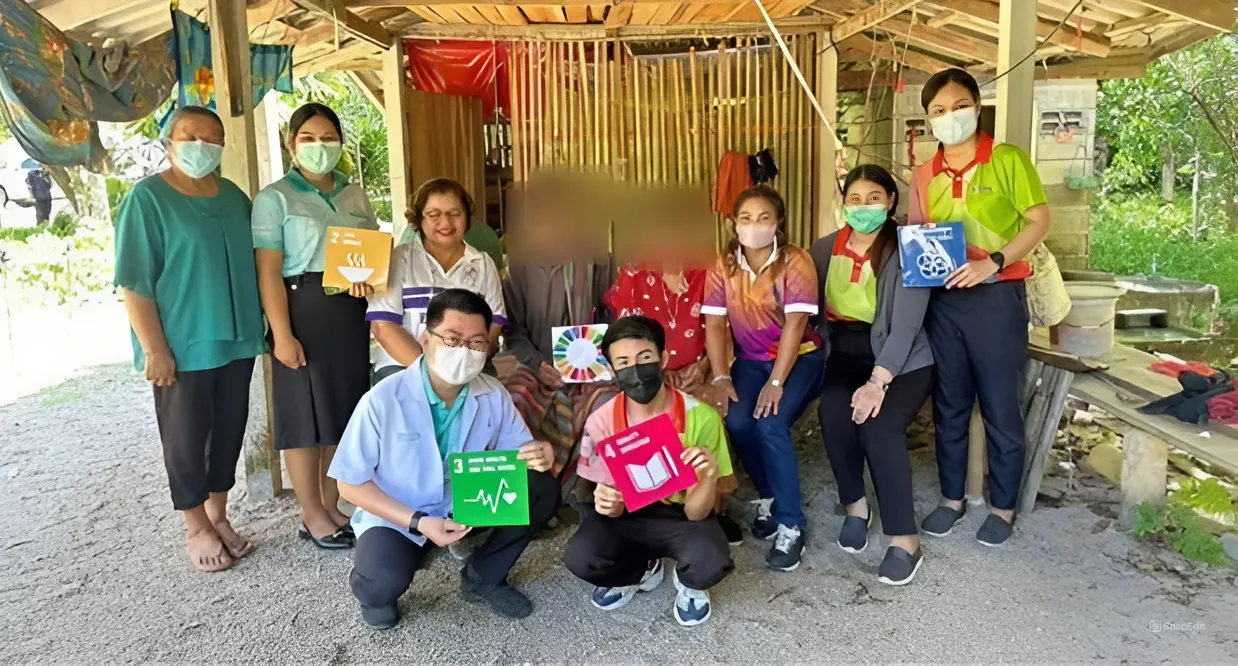
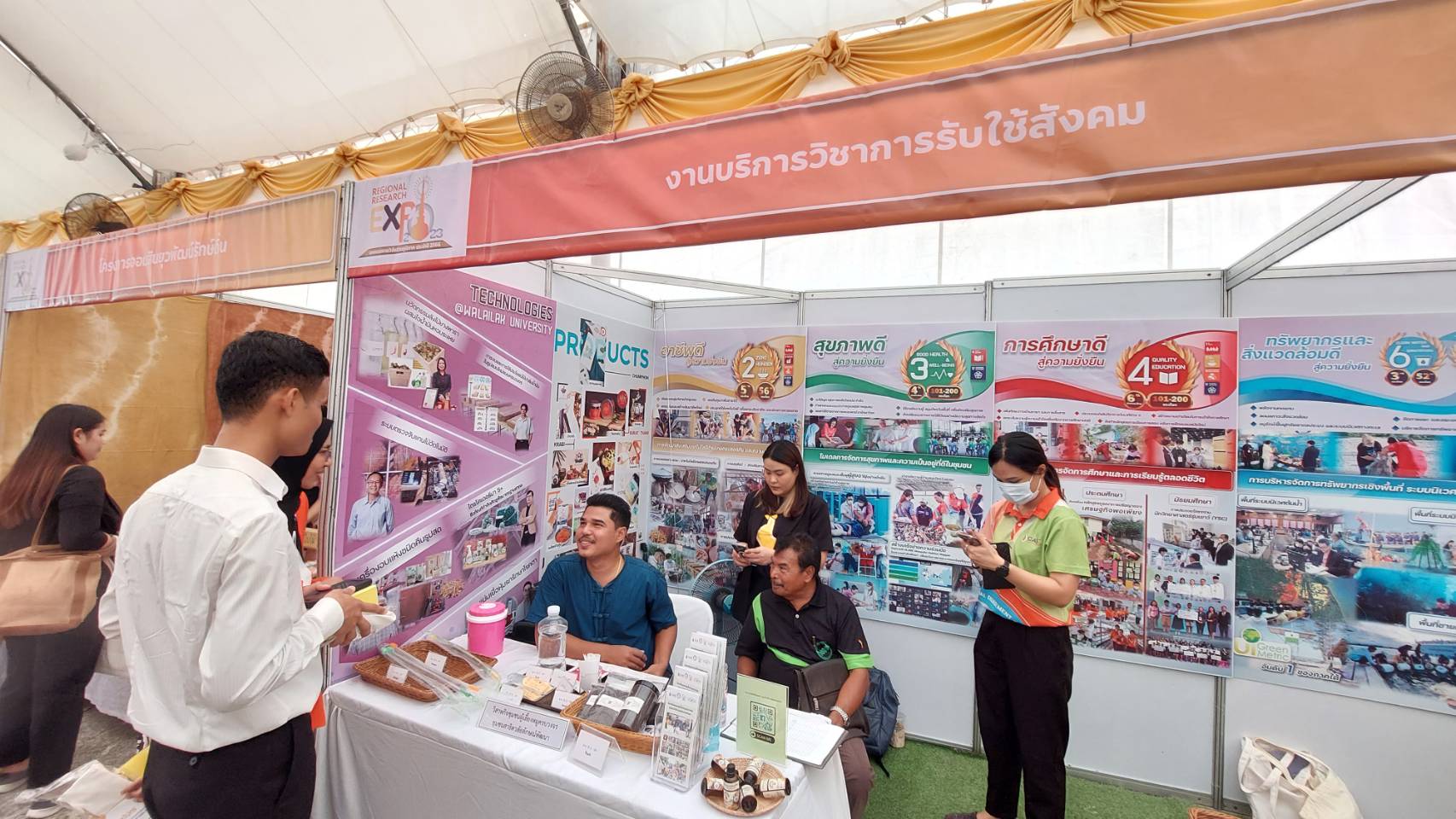
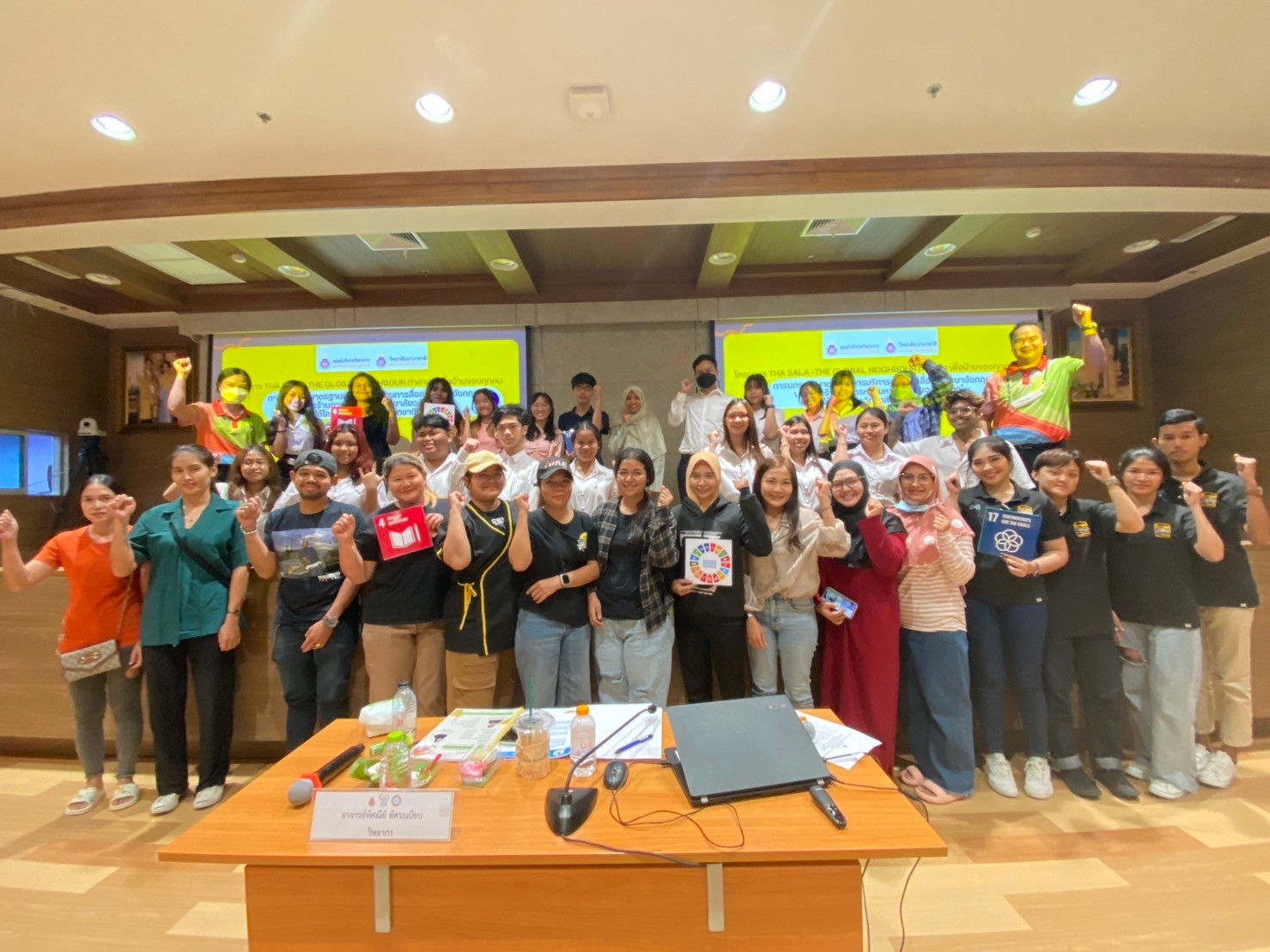
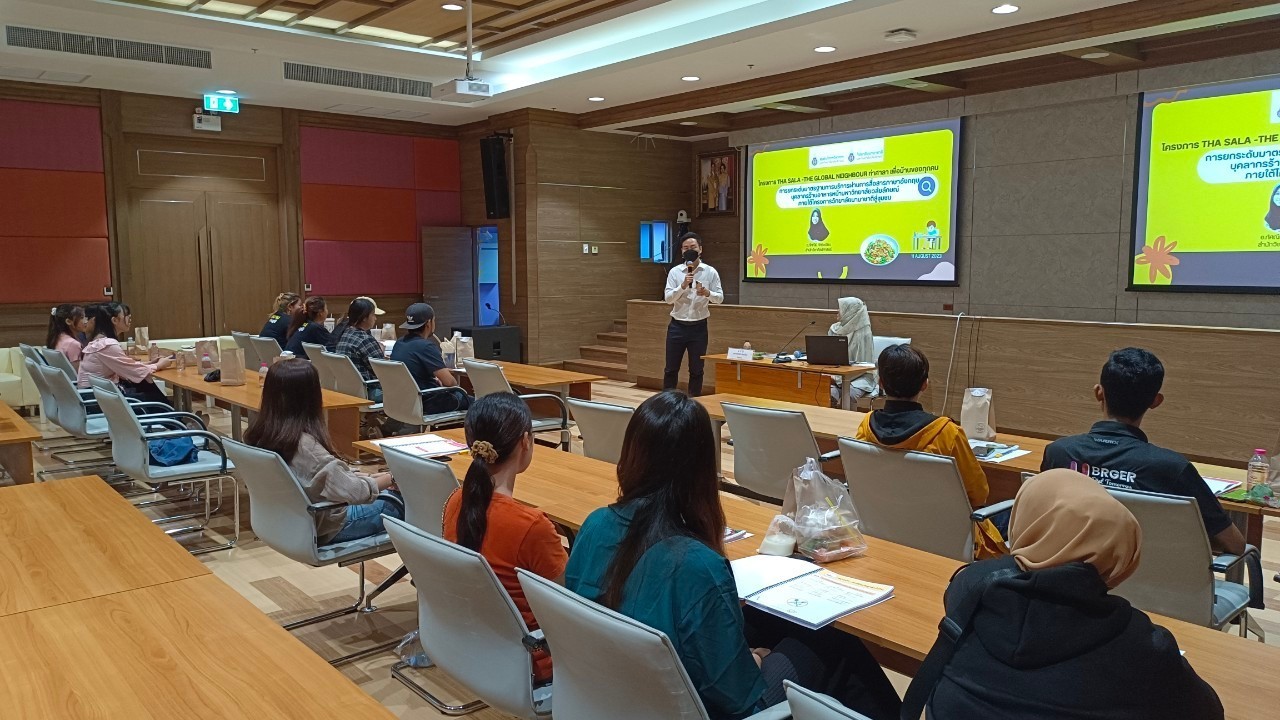
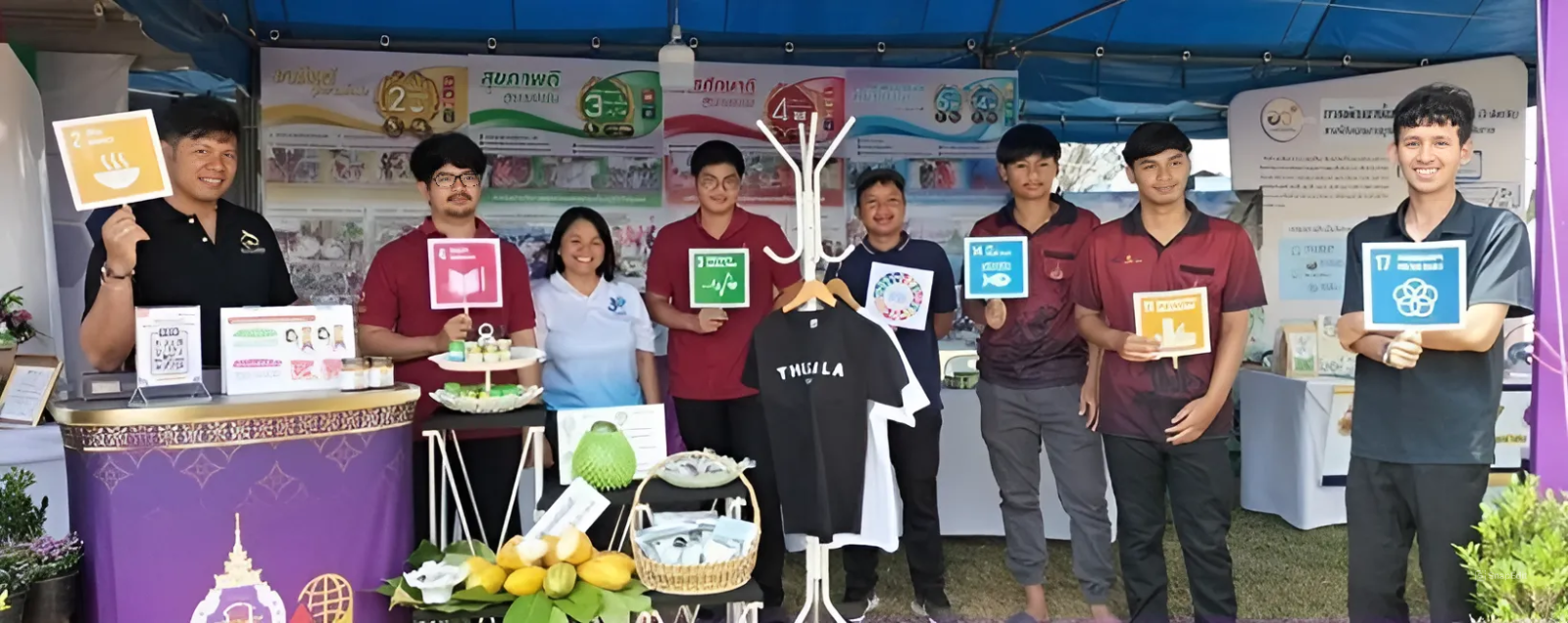
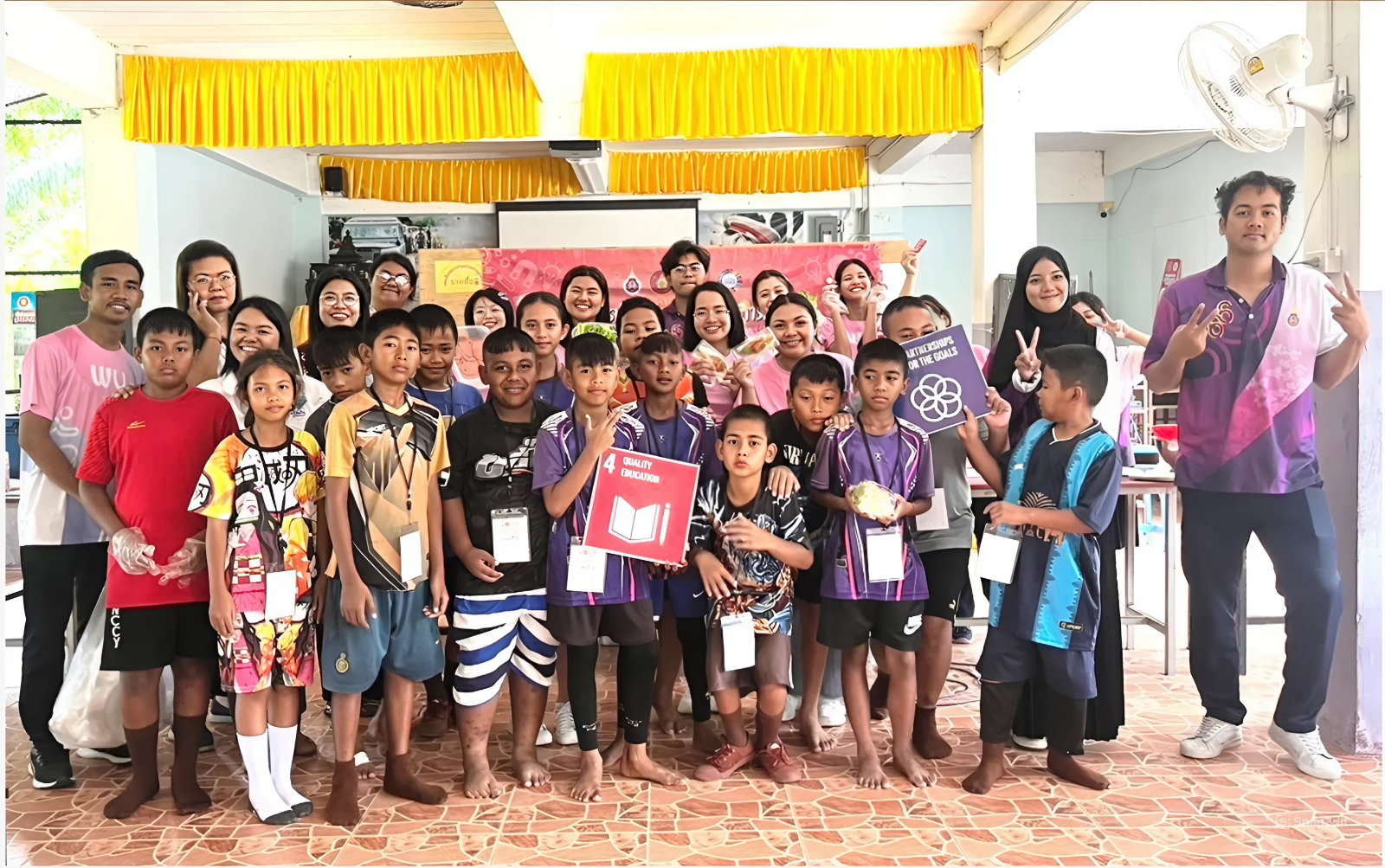
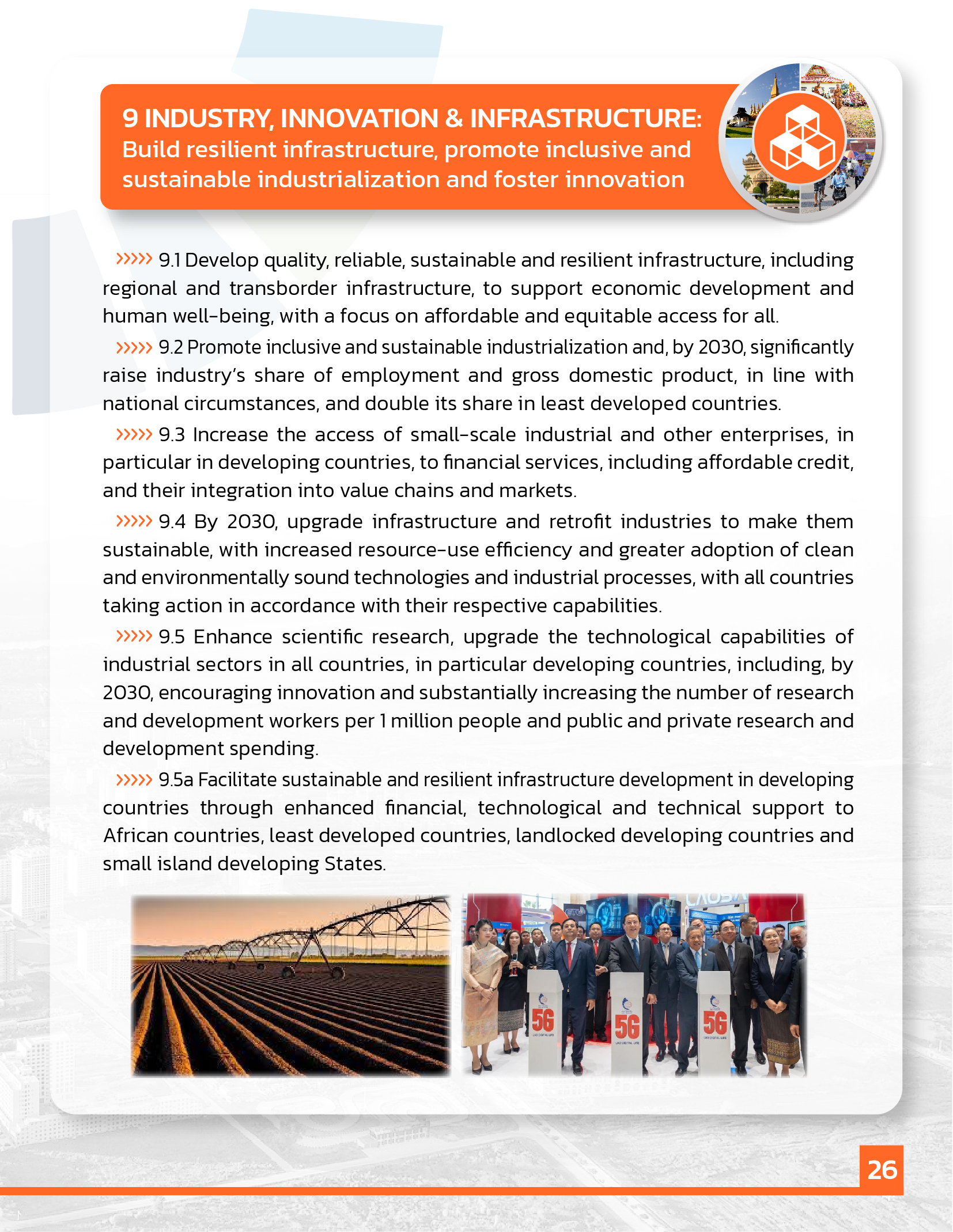
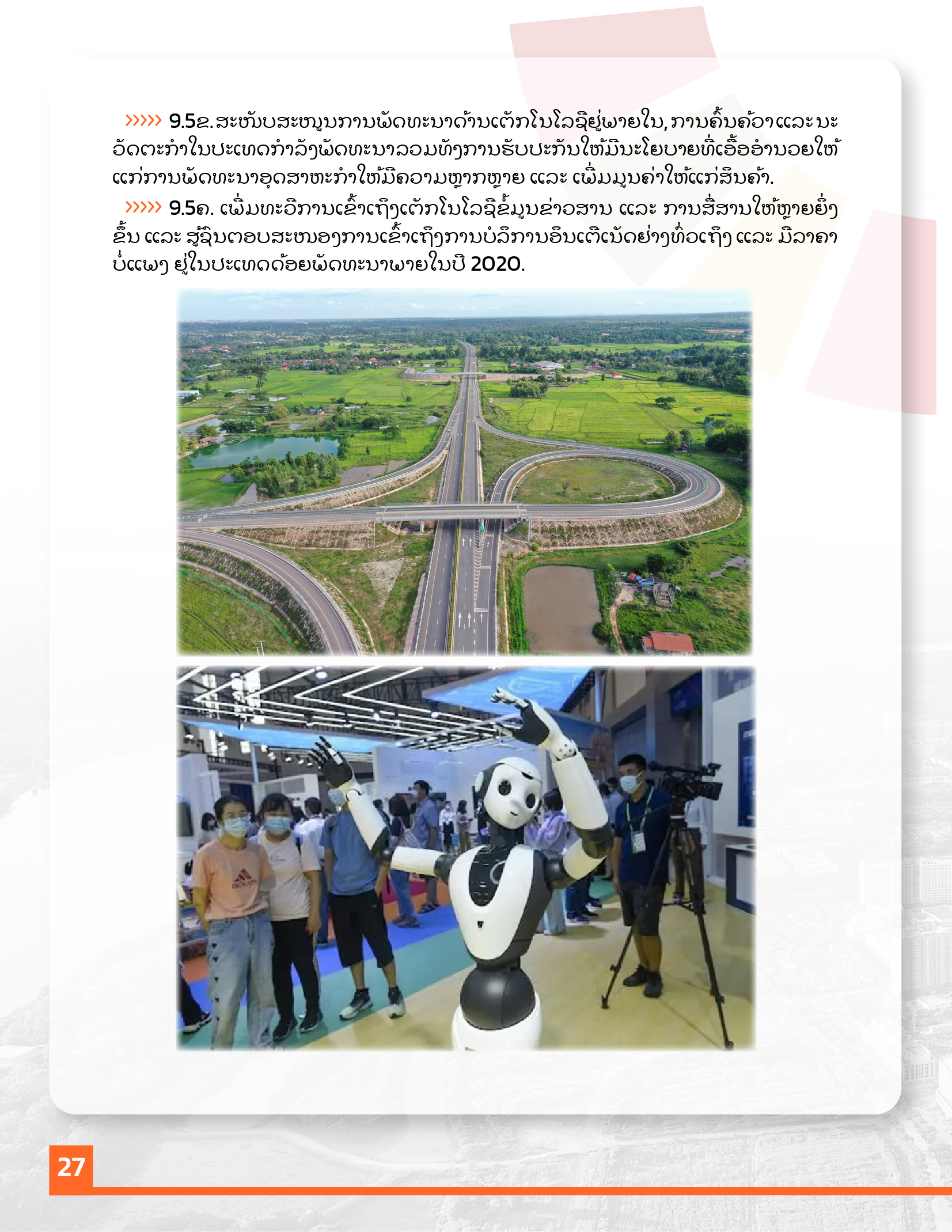
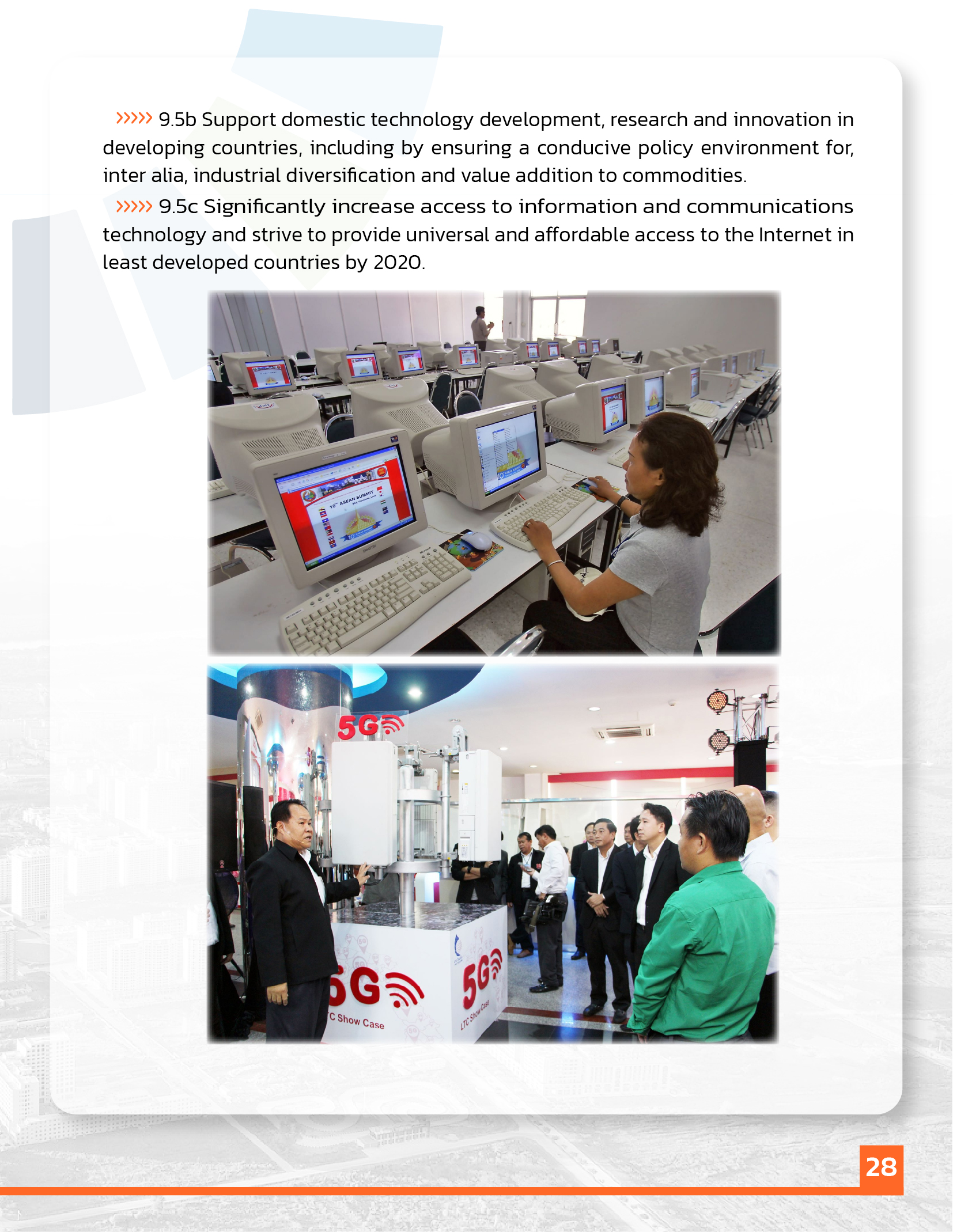
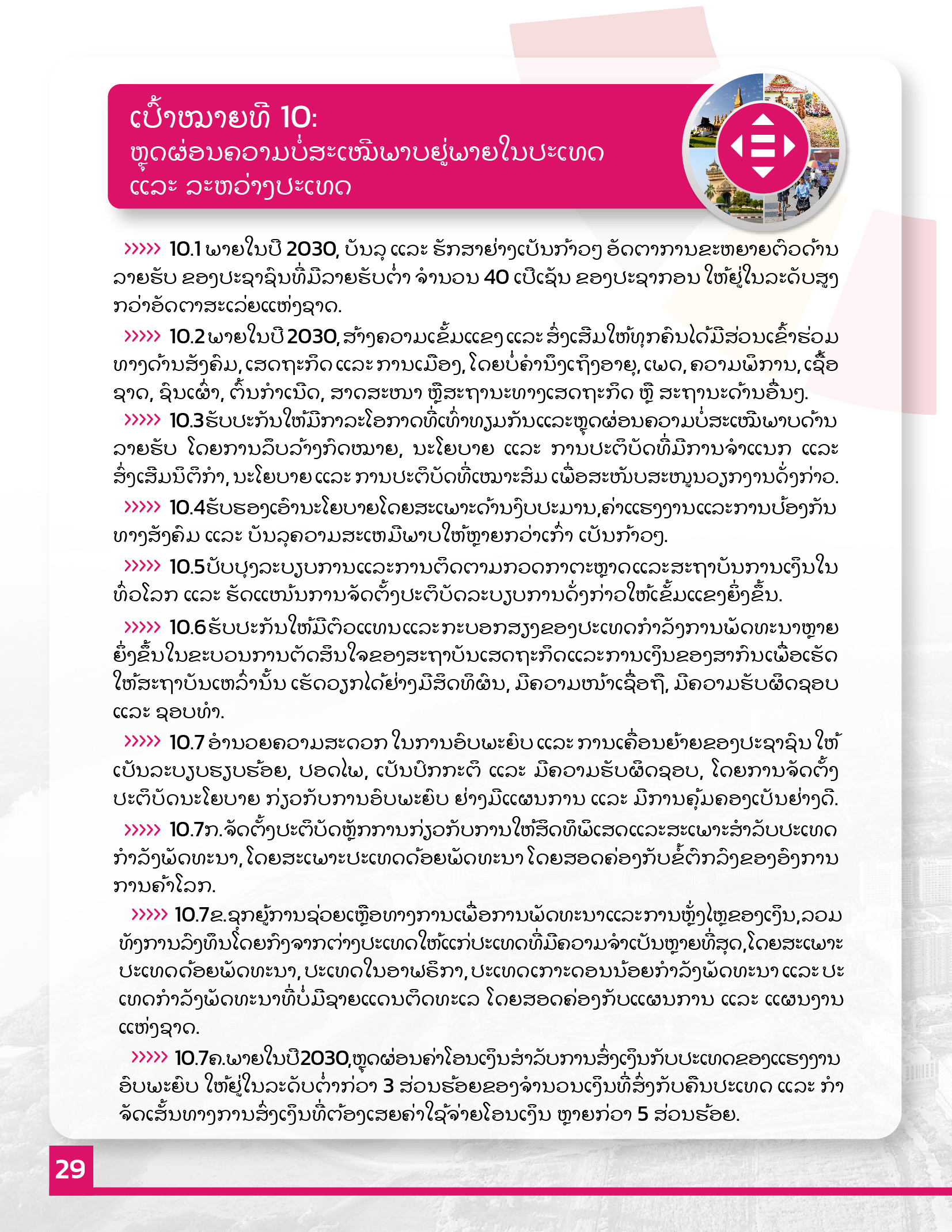
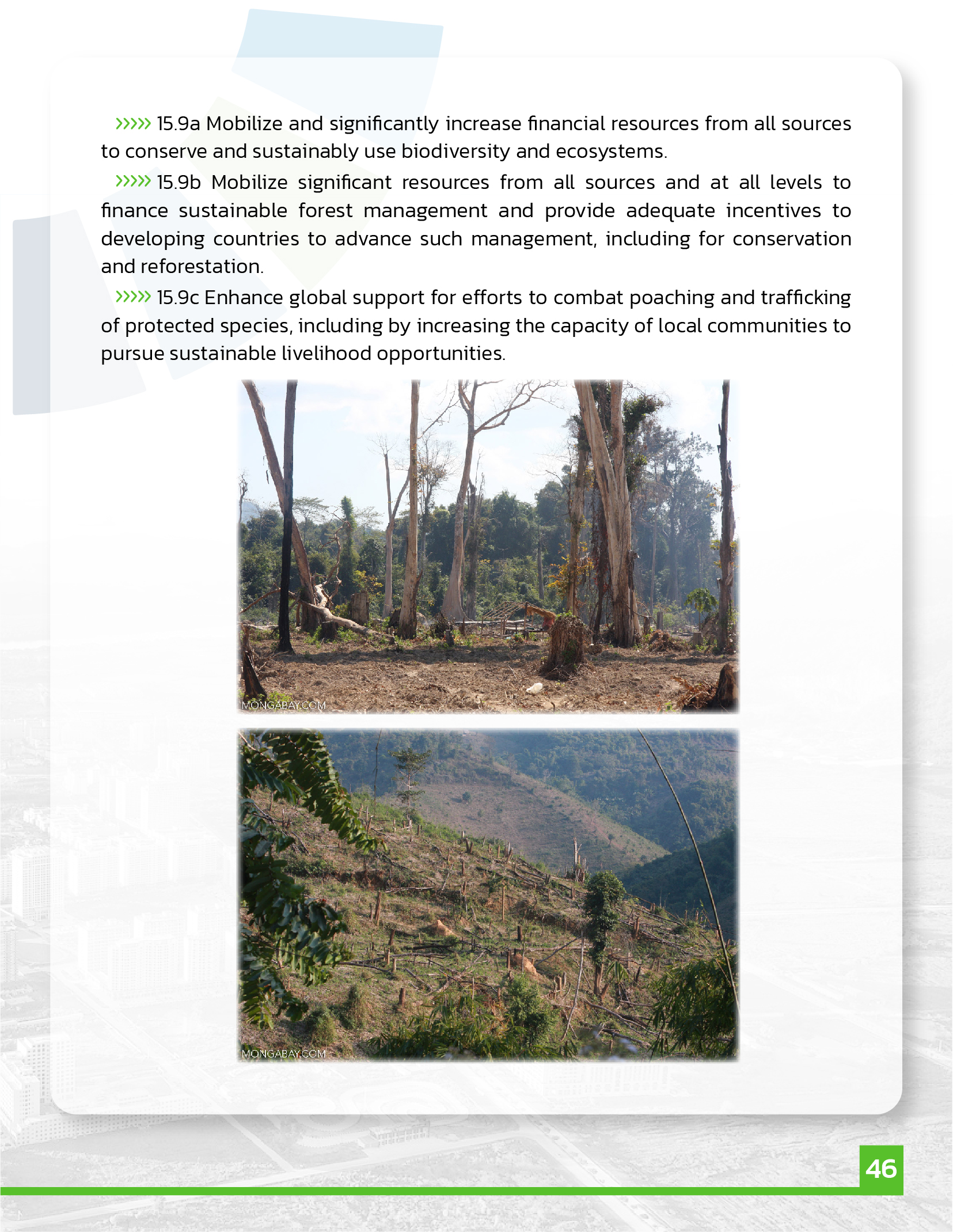
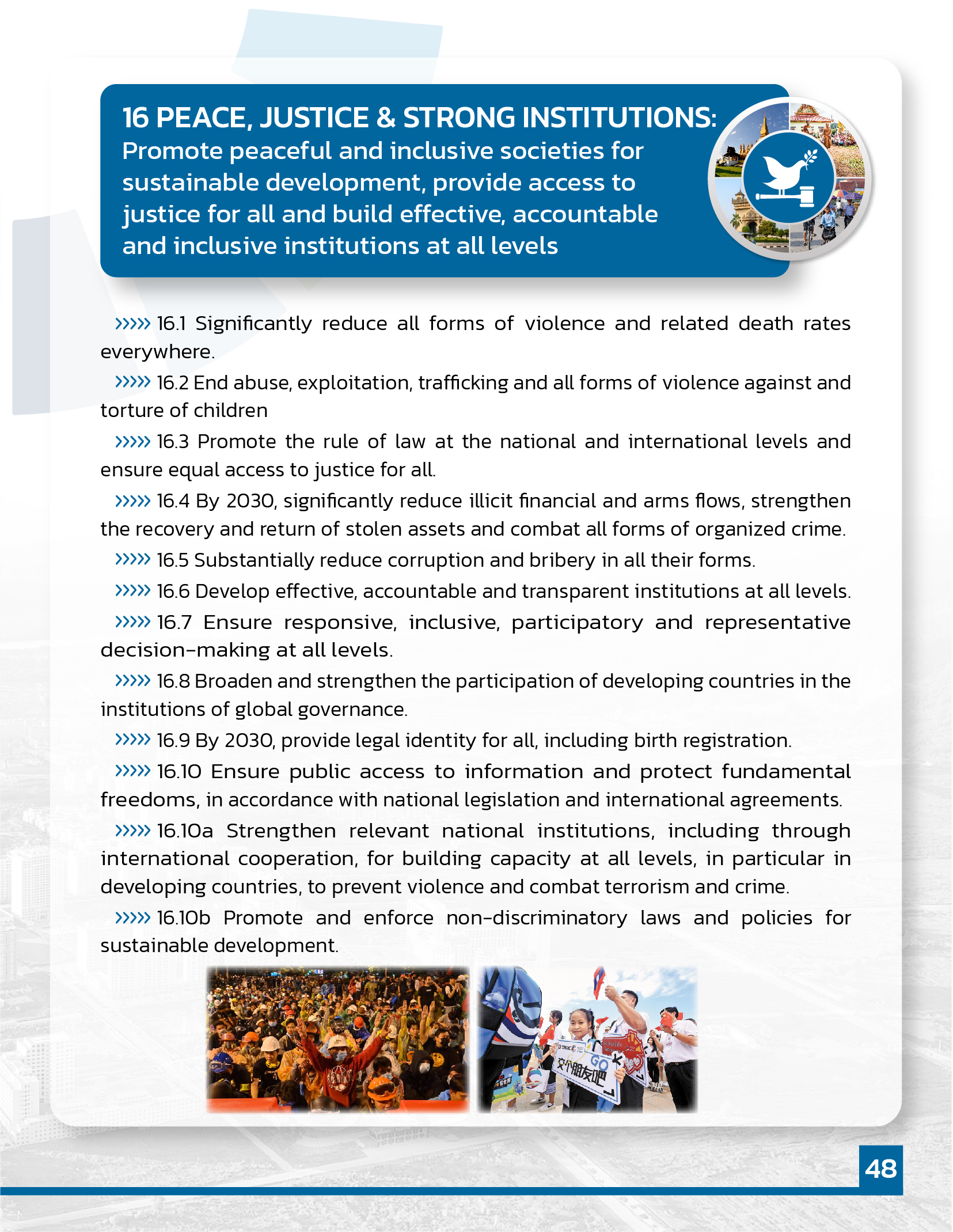
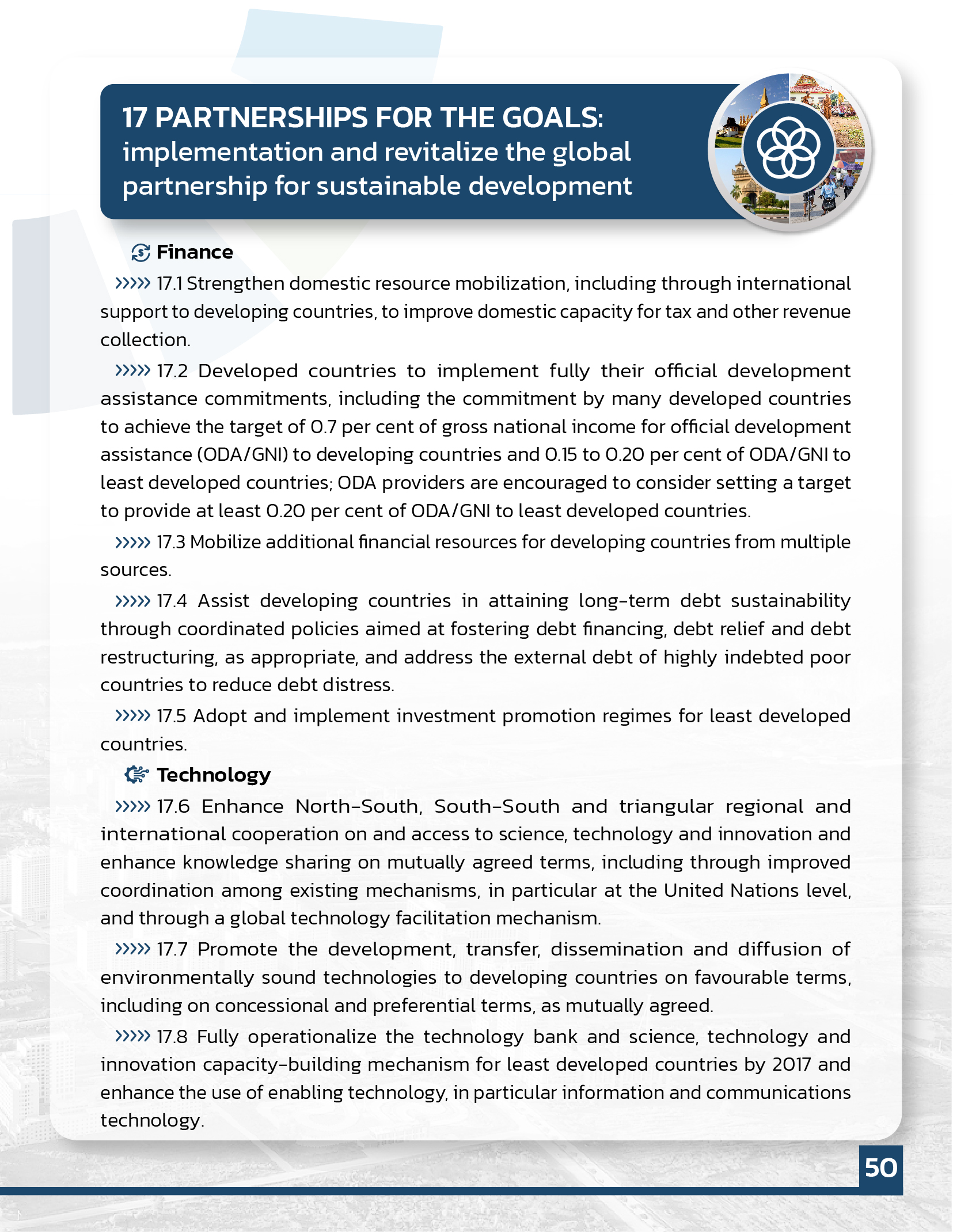
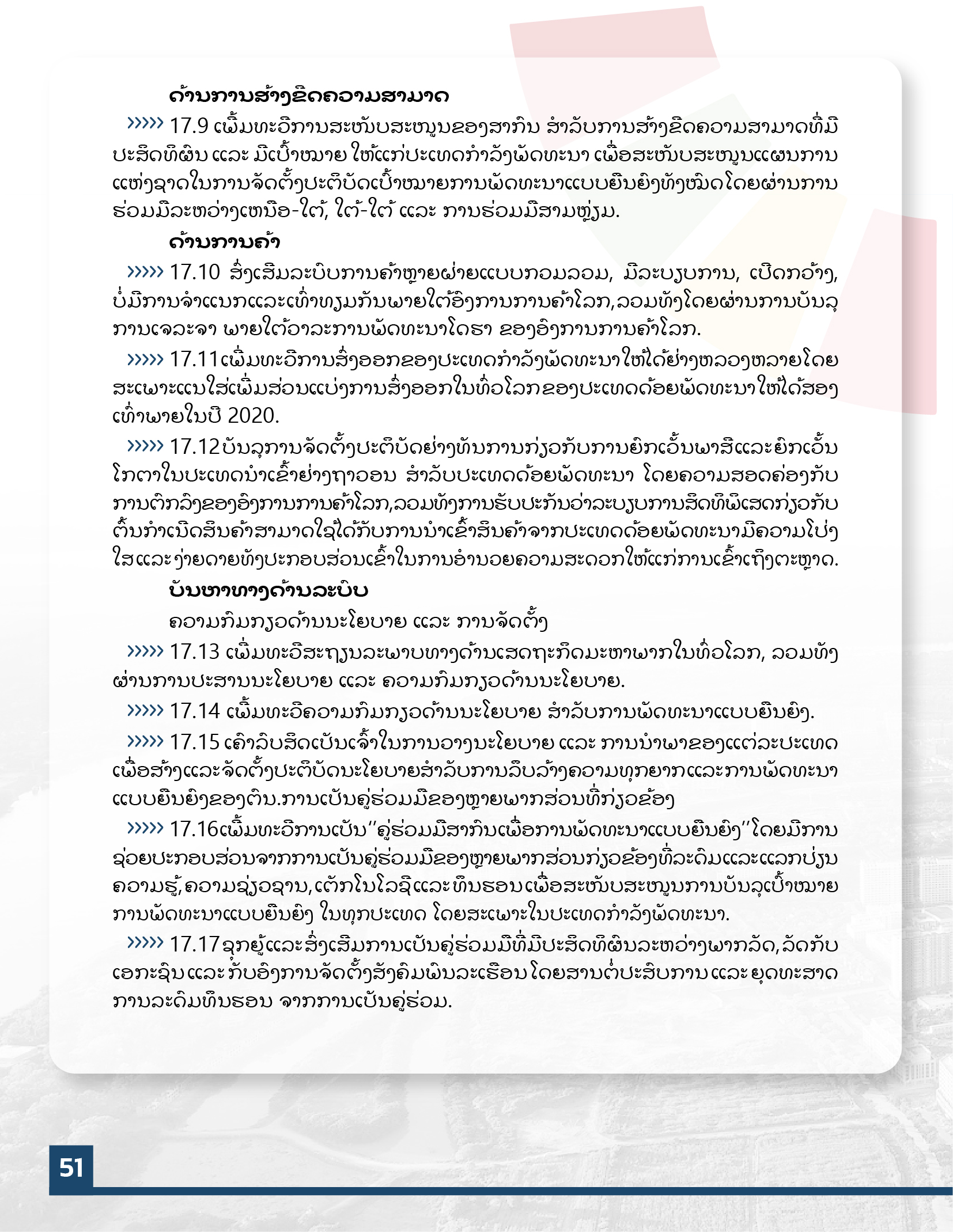
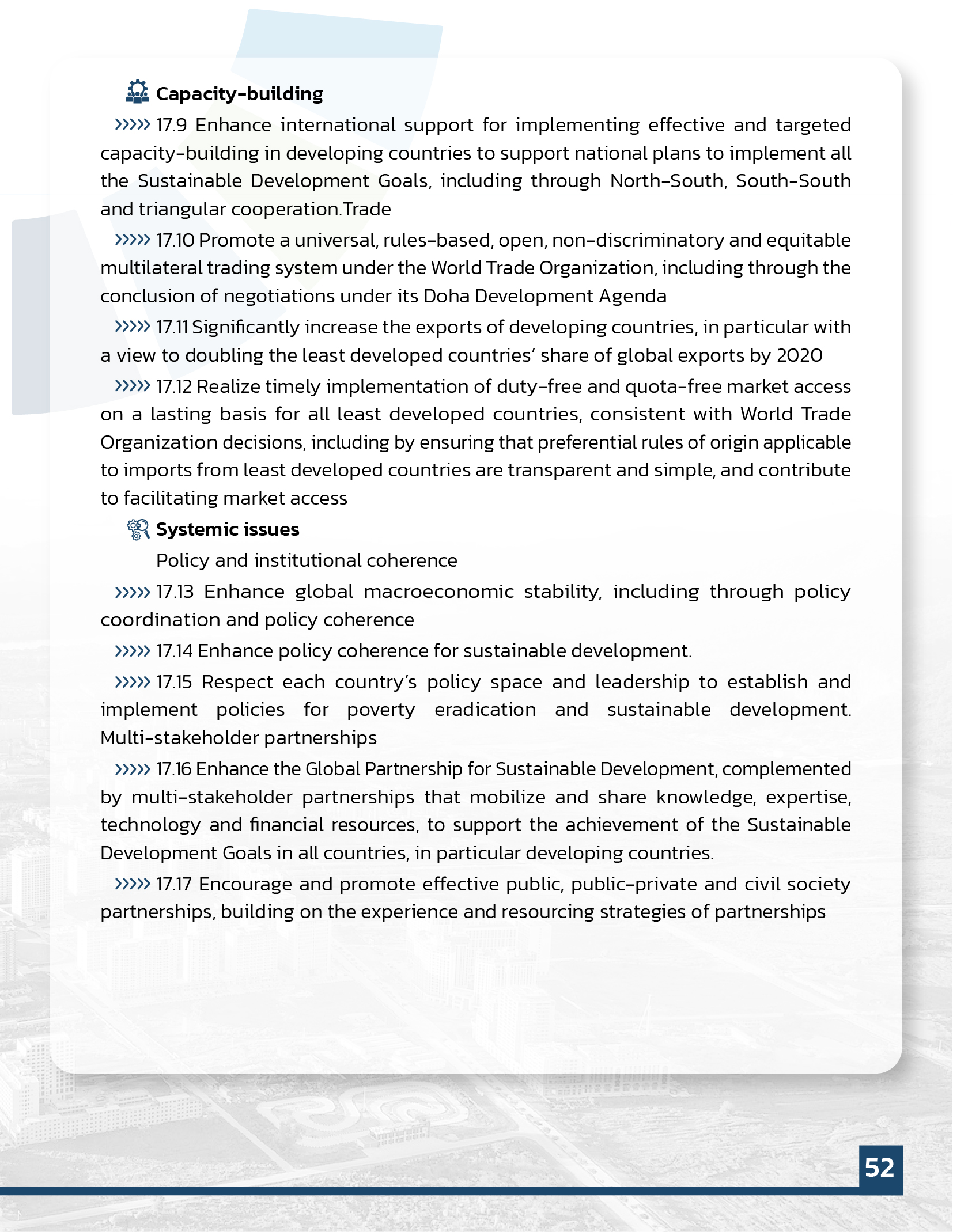
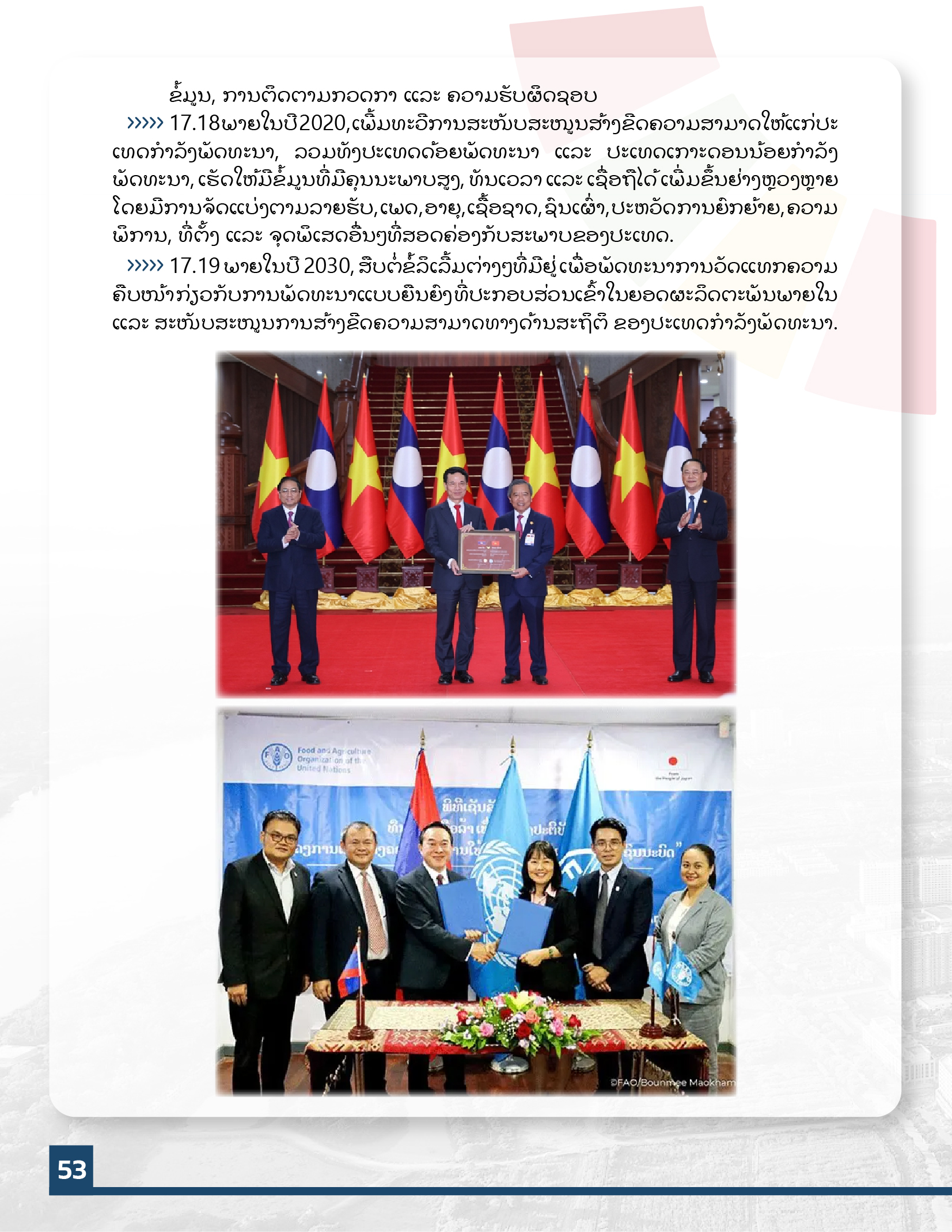
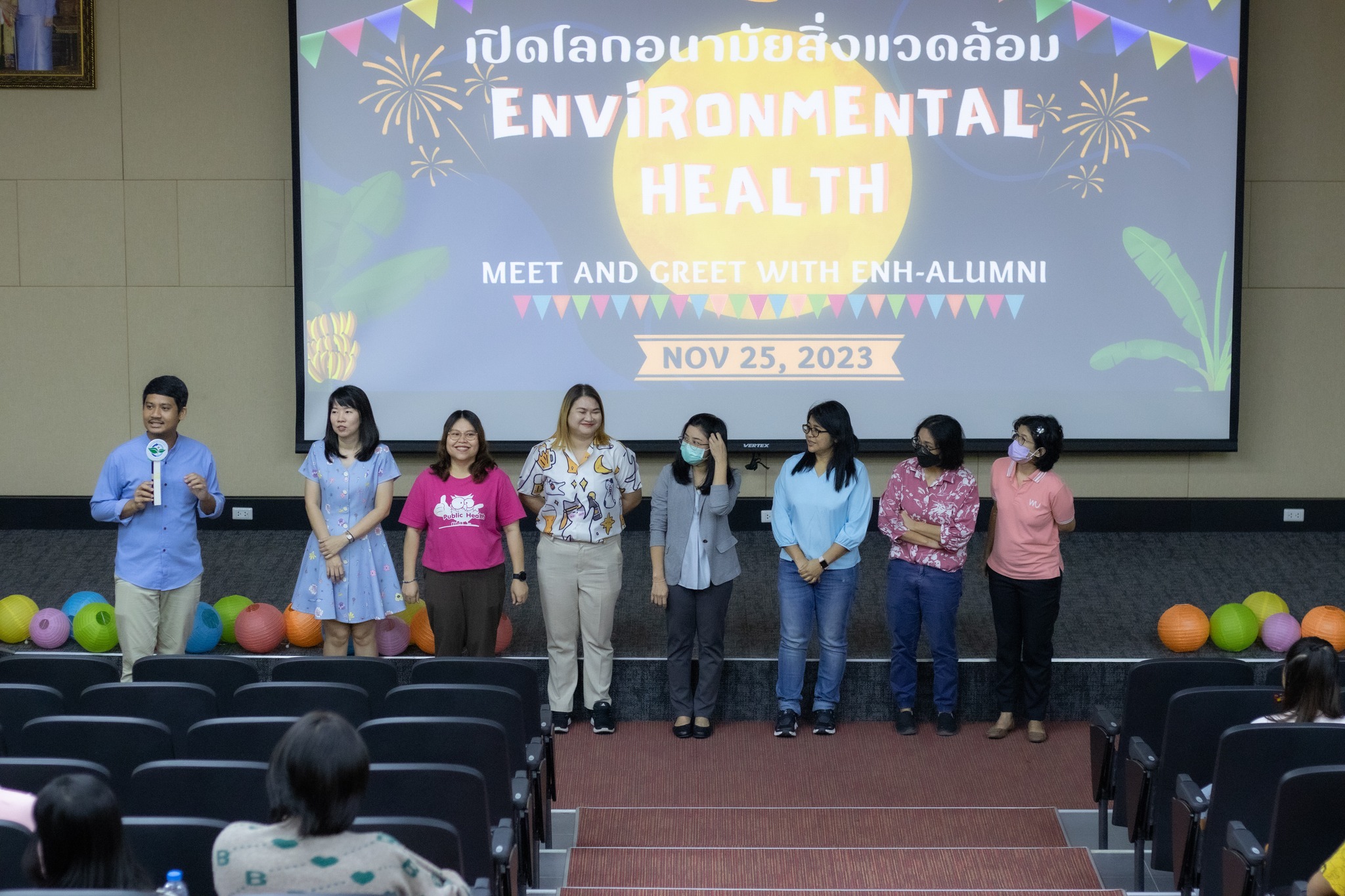
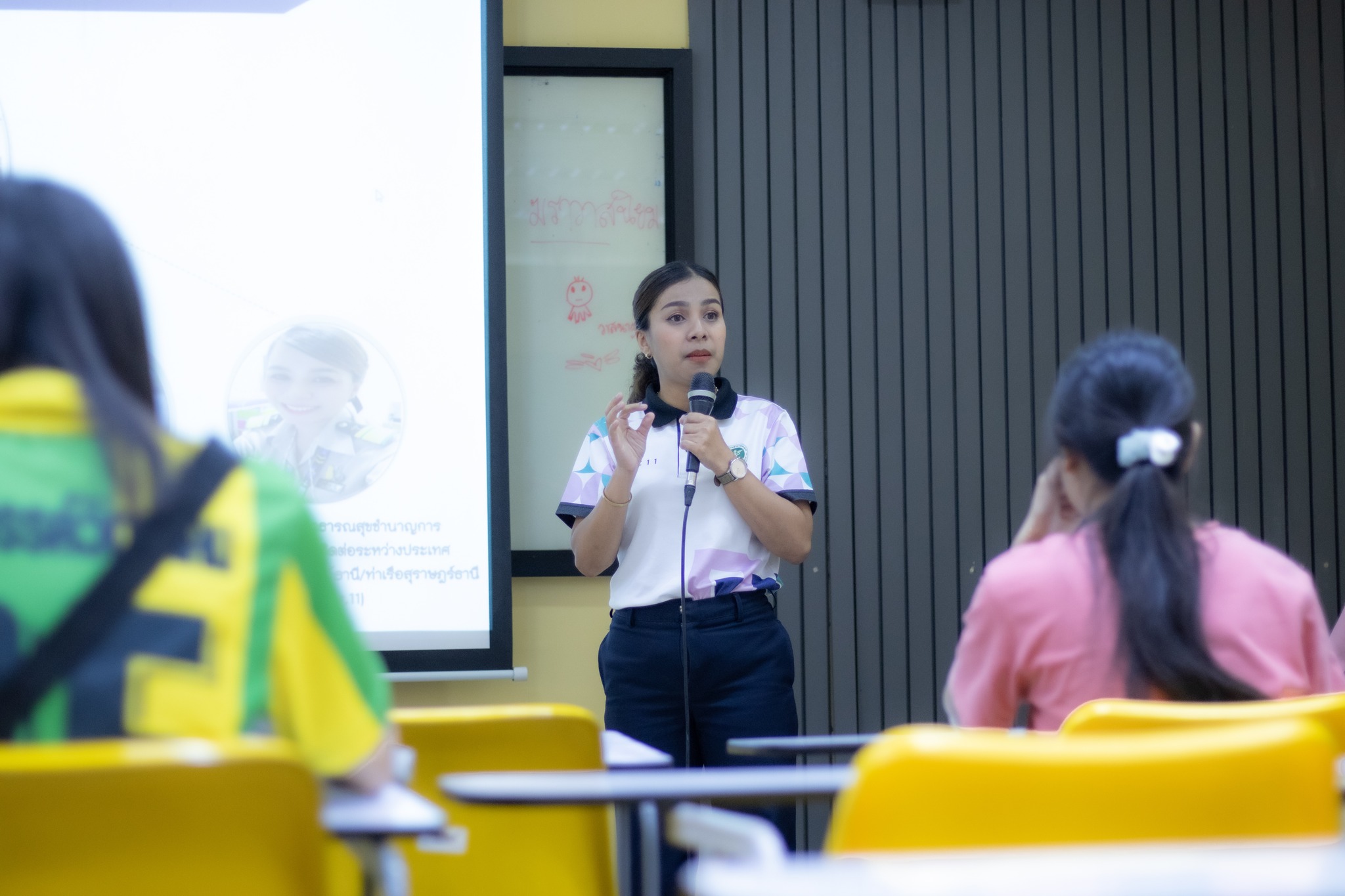
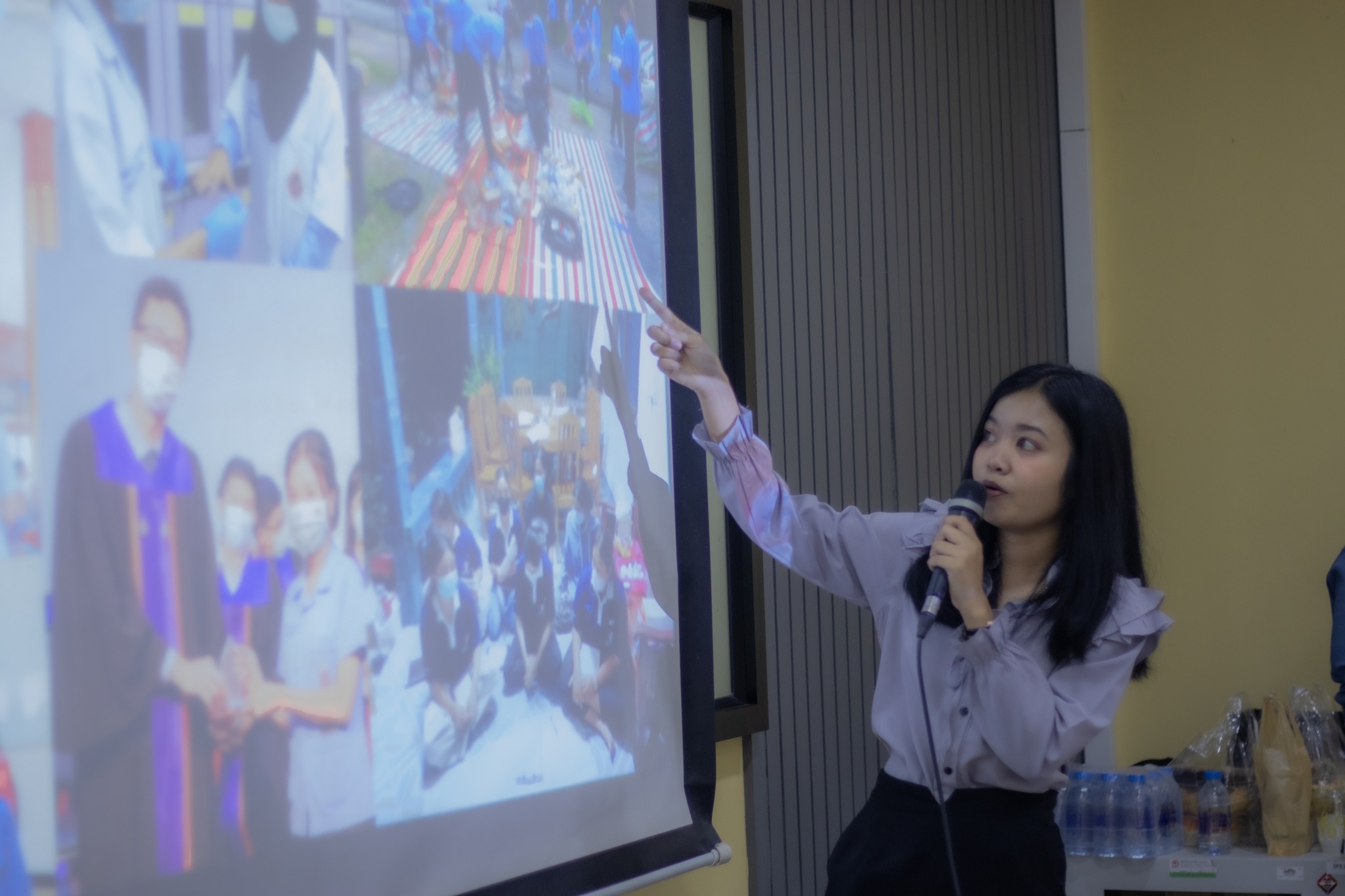
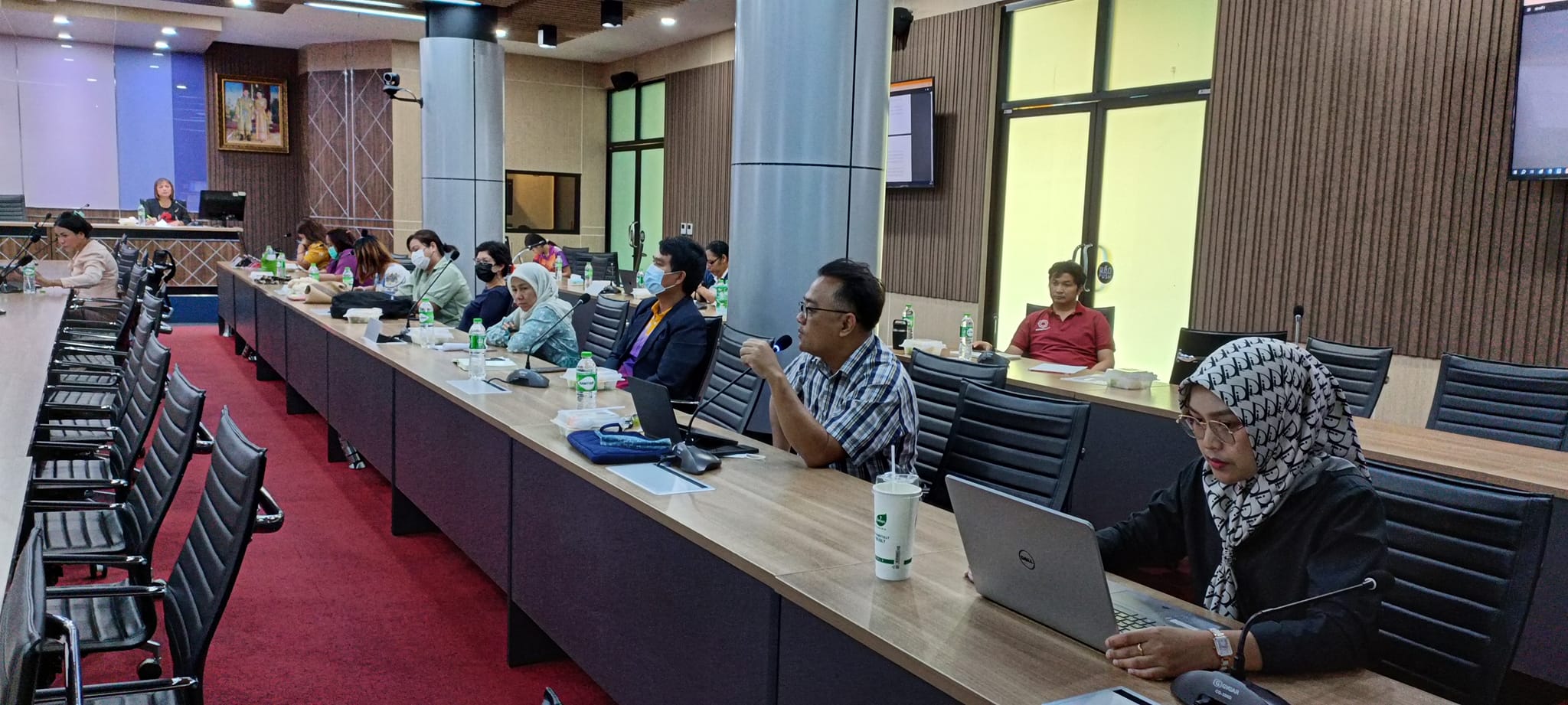
Figures : Walailak University providing SDG knowledge to promote SDG literacy among local communities and the public
Providing SDG Educational Opportunities for Displaced People and Refugees
Thailand hosts over two million Burmese migrants, many of whom have fled their homeland due to political turmoil, armed conflict, and economic hardships in Myanmar. These migrants, comprising refugees and undocumented workers, often find themselves in vulnerable and marginalized situations, struggling to secure basic rights, protections, and opportunities. Recognizing the urgent need to support this population, Walailak University has undertaken significant initiatives aimed at providing SDG educational activities and outreach programs for displaced Burmese individuals in the south of Thailand.
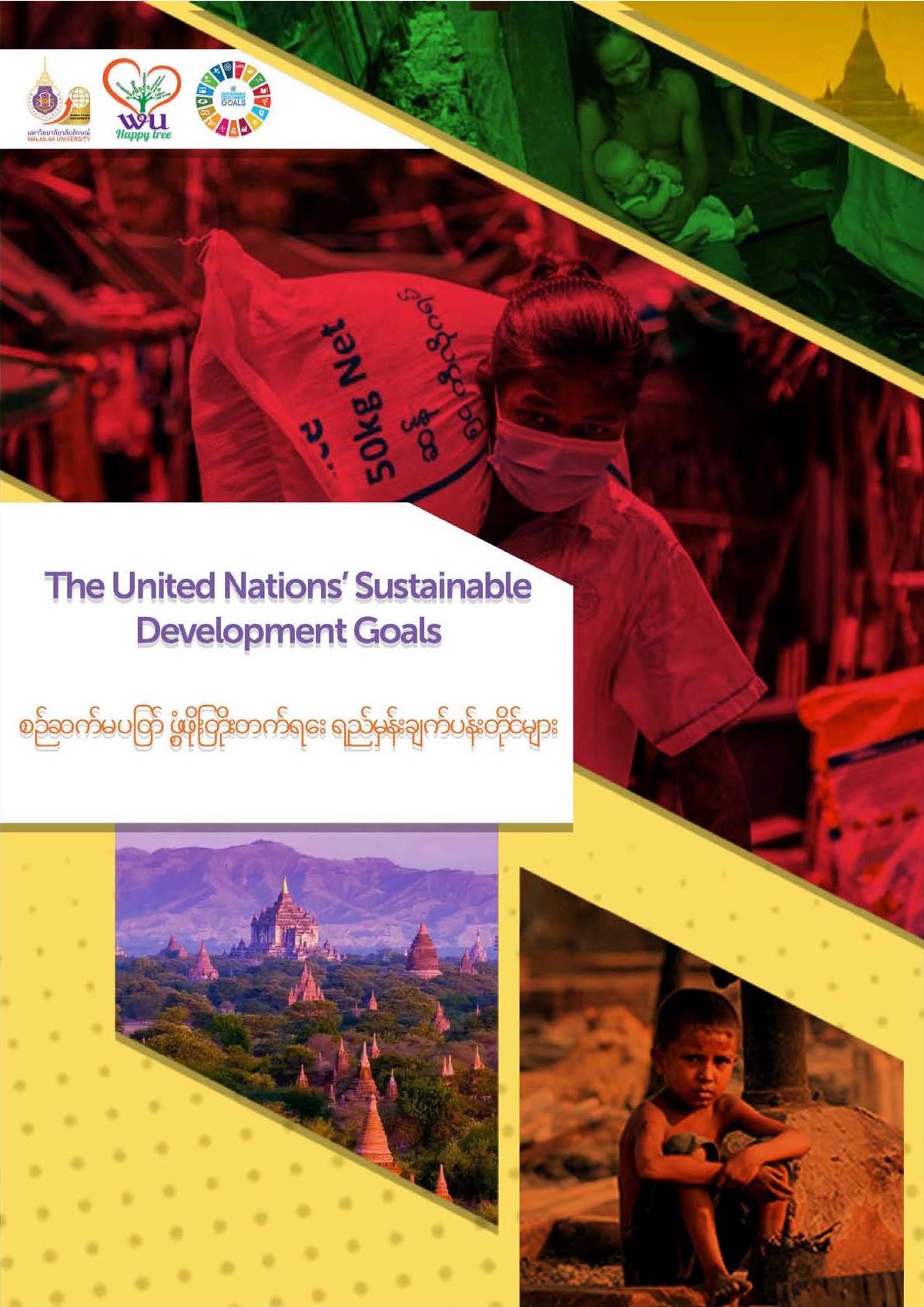
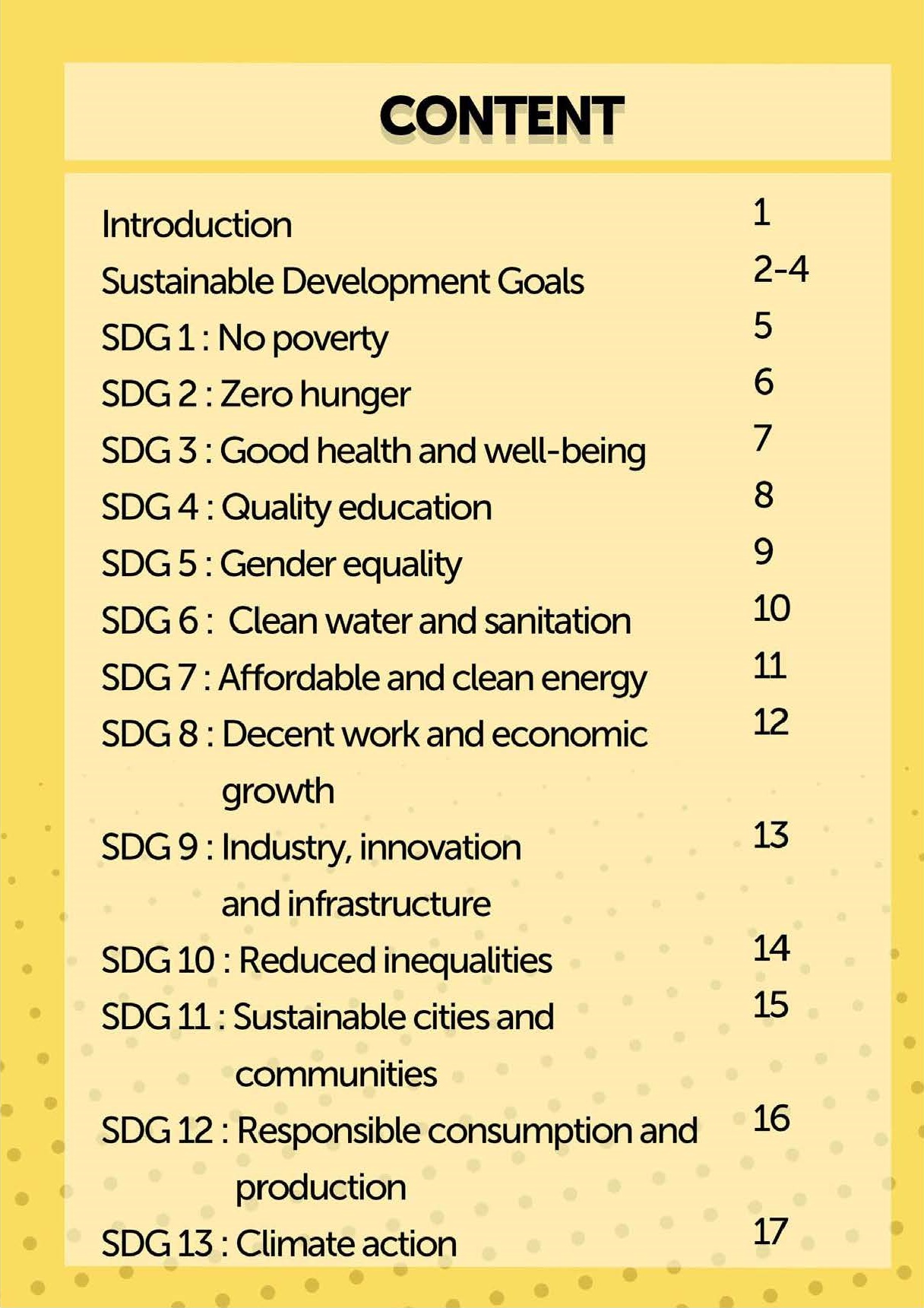
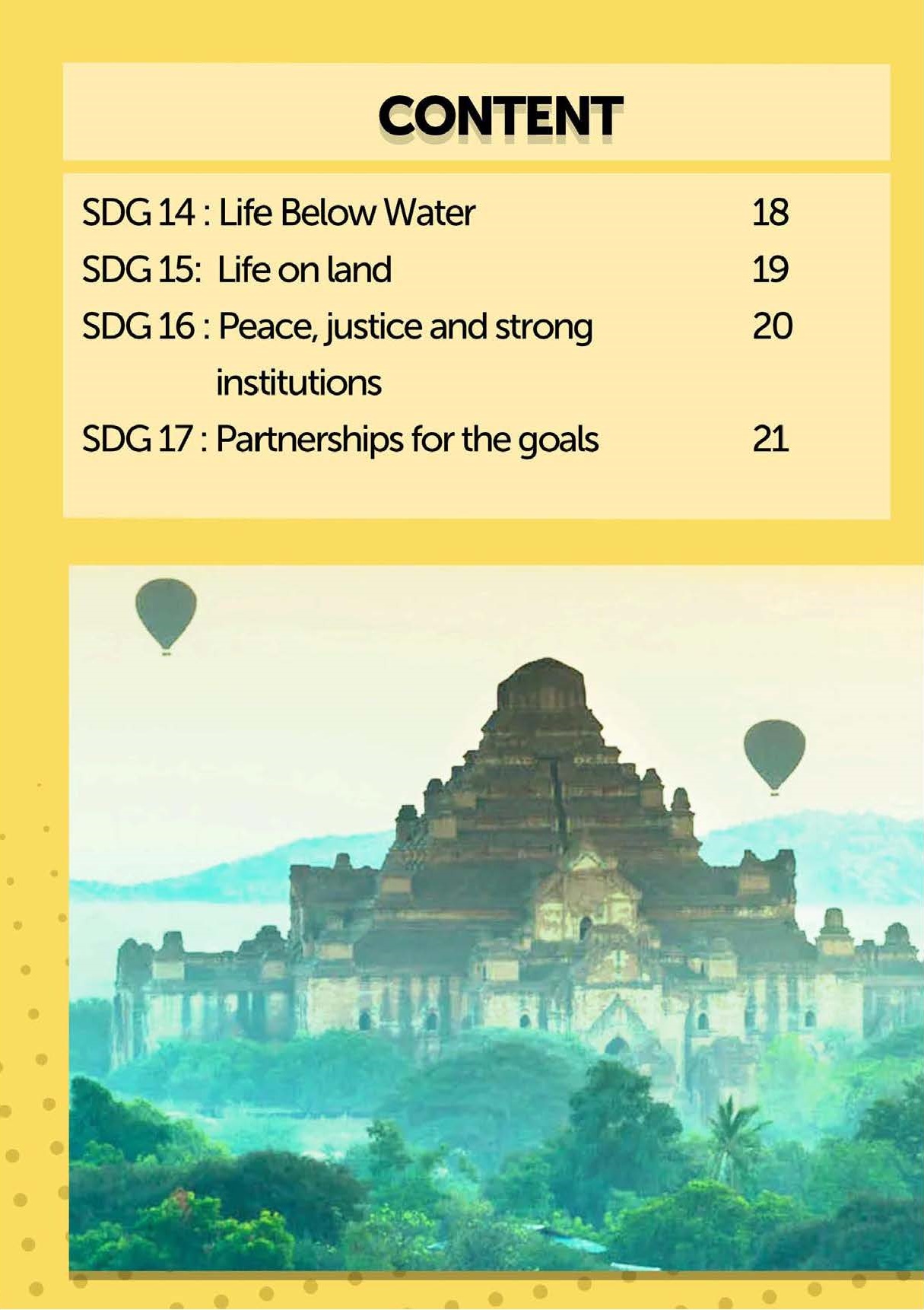
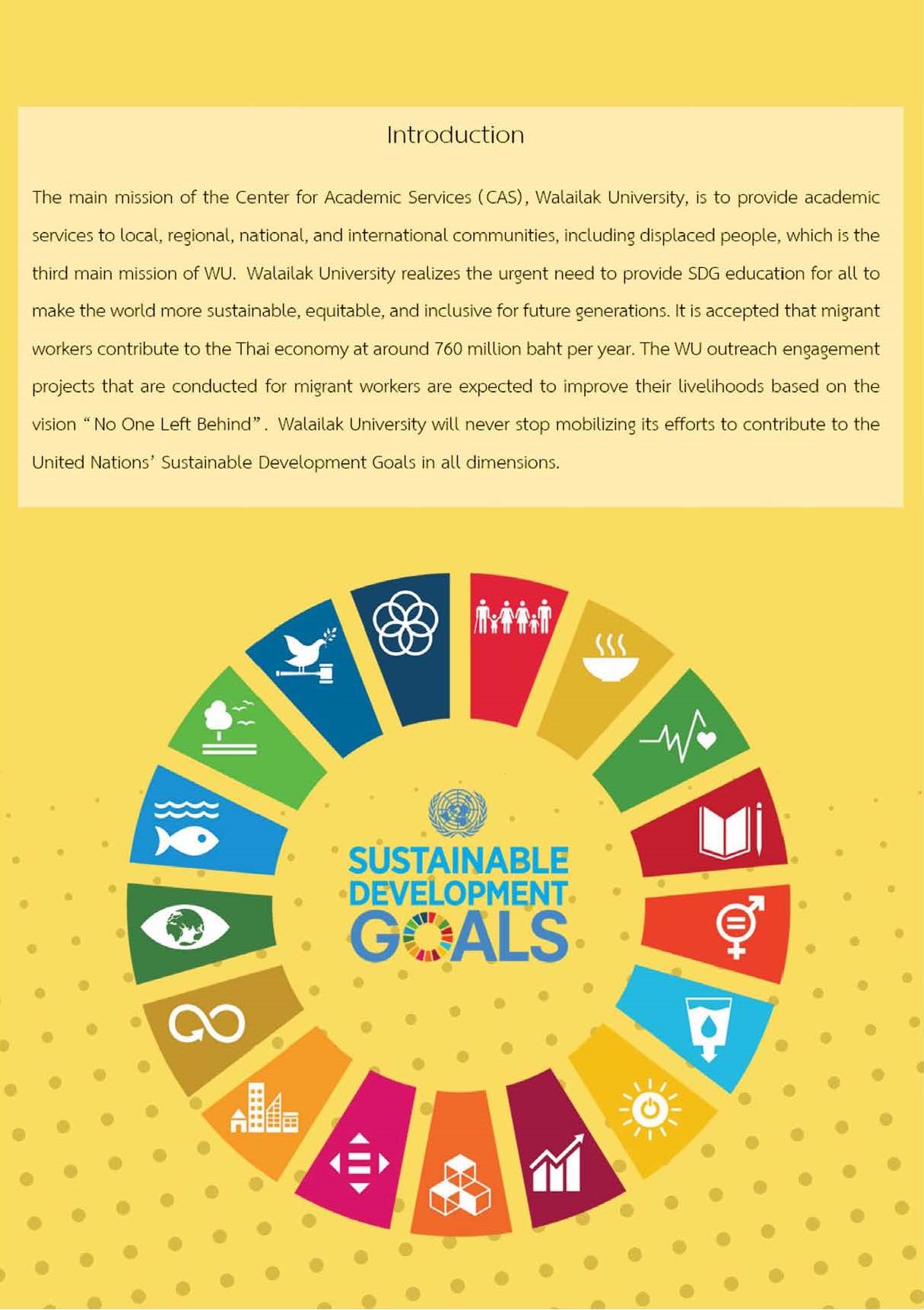
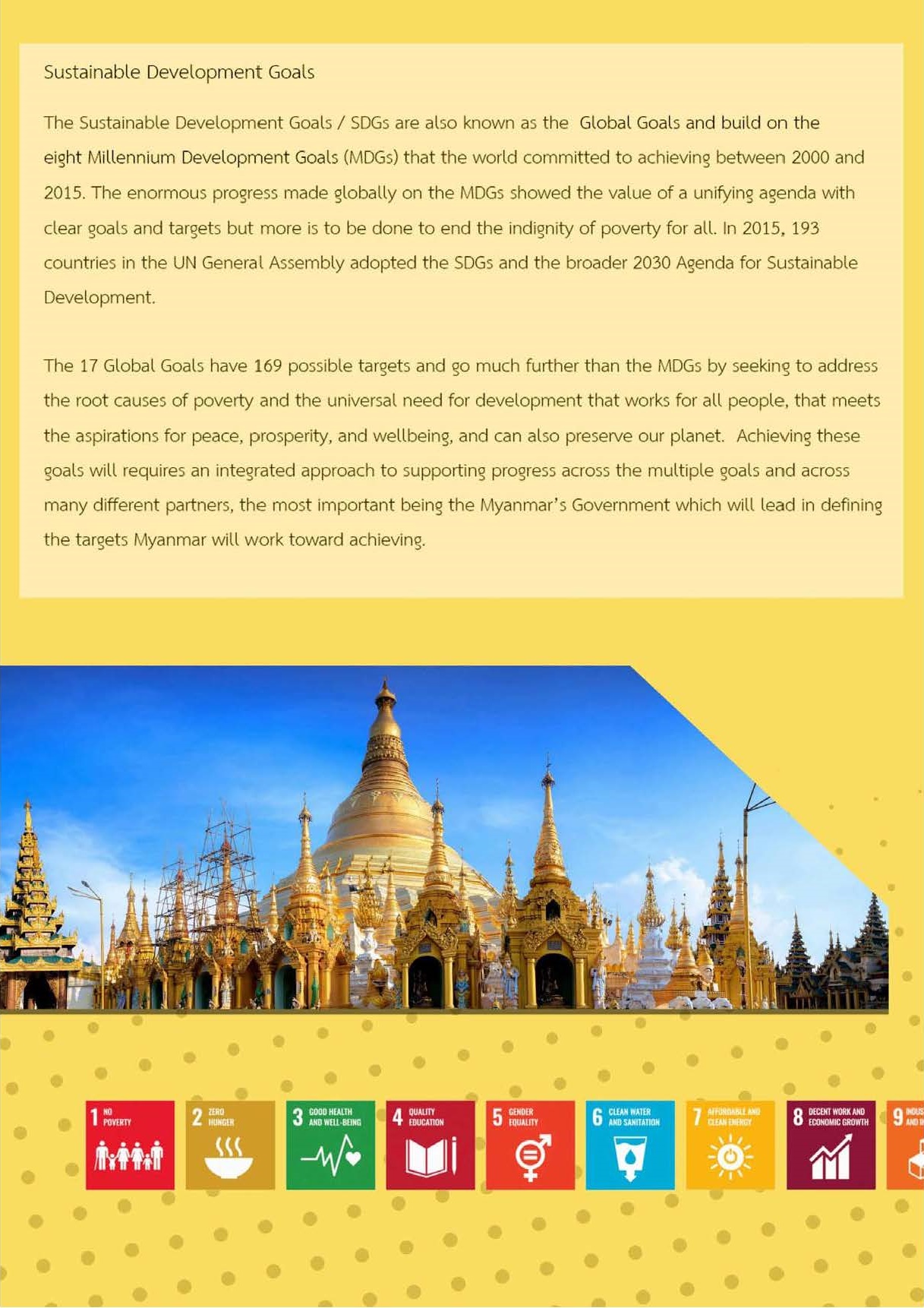
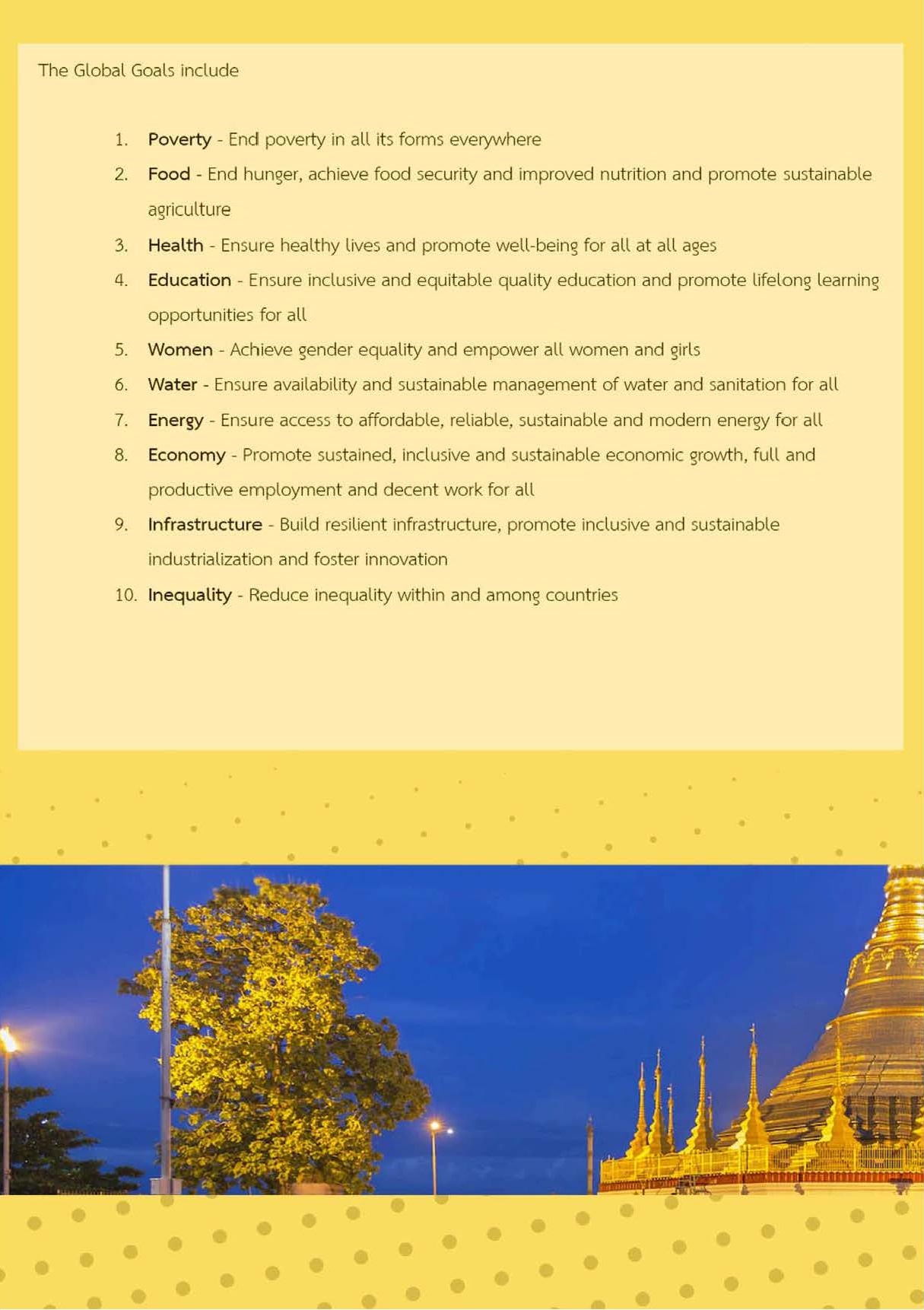
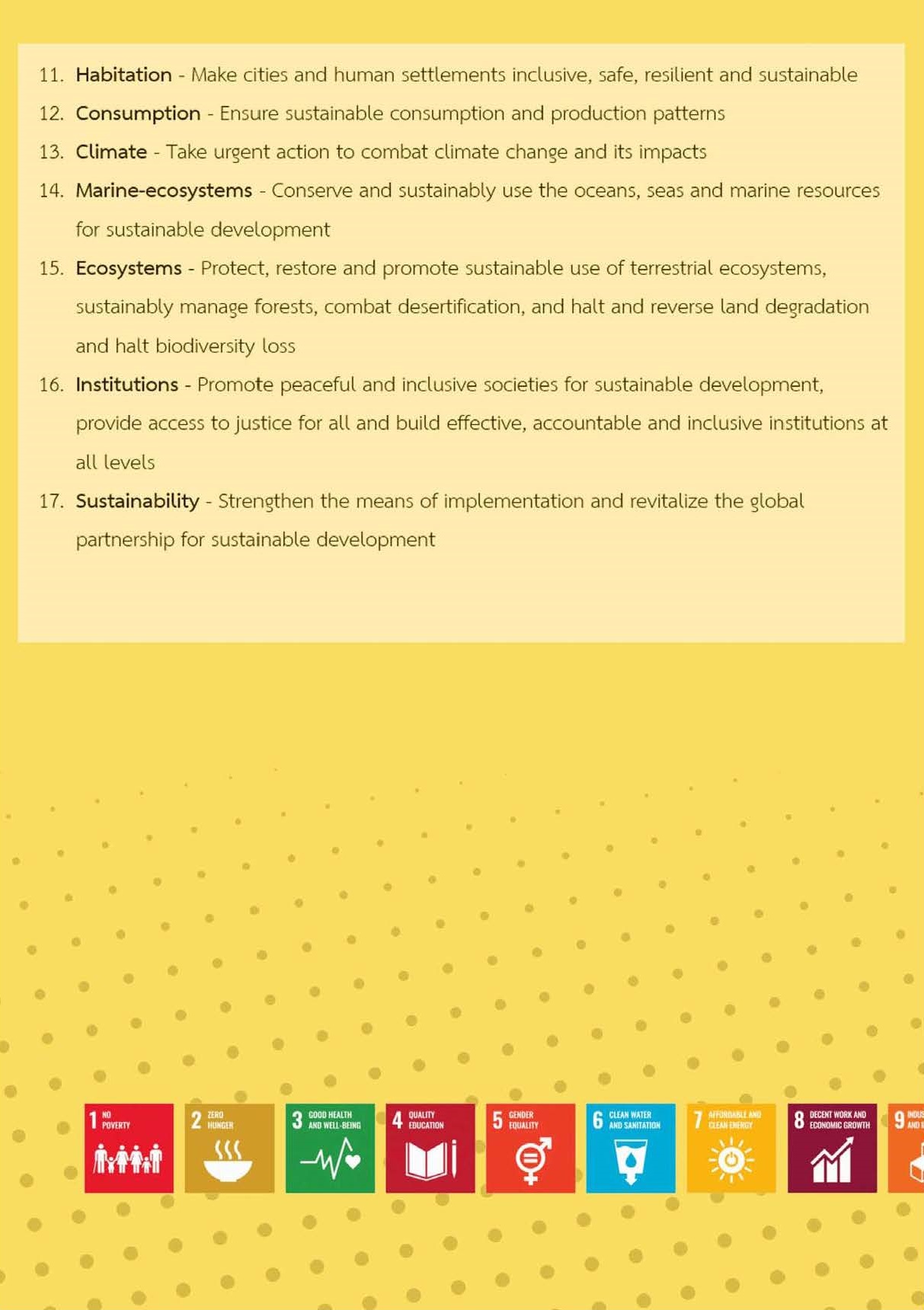
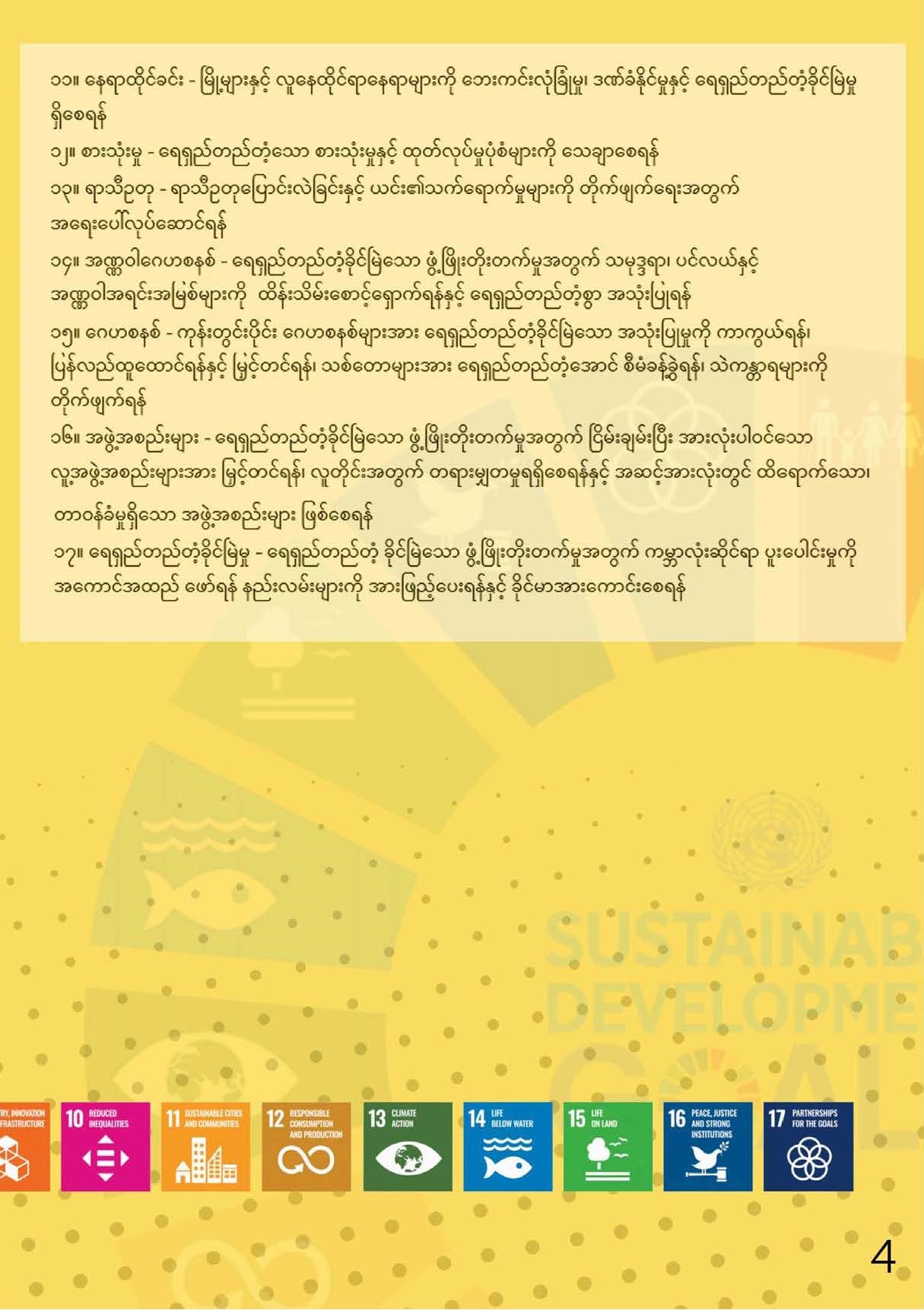
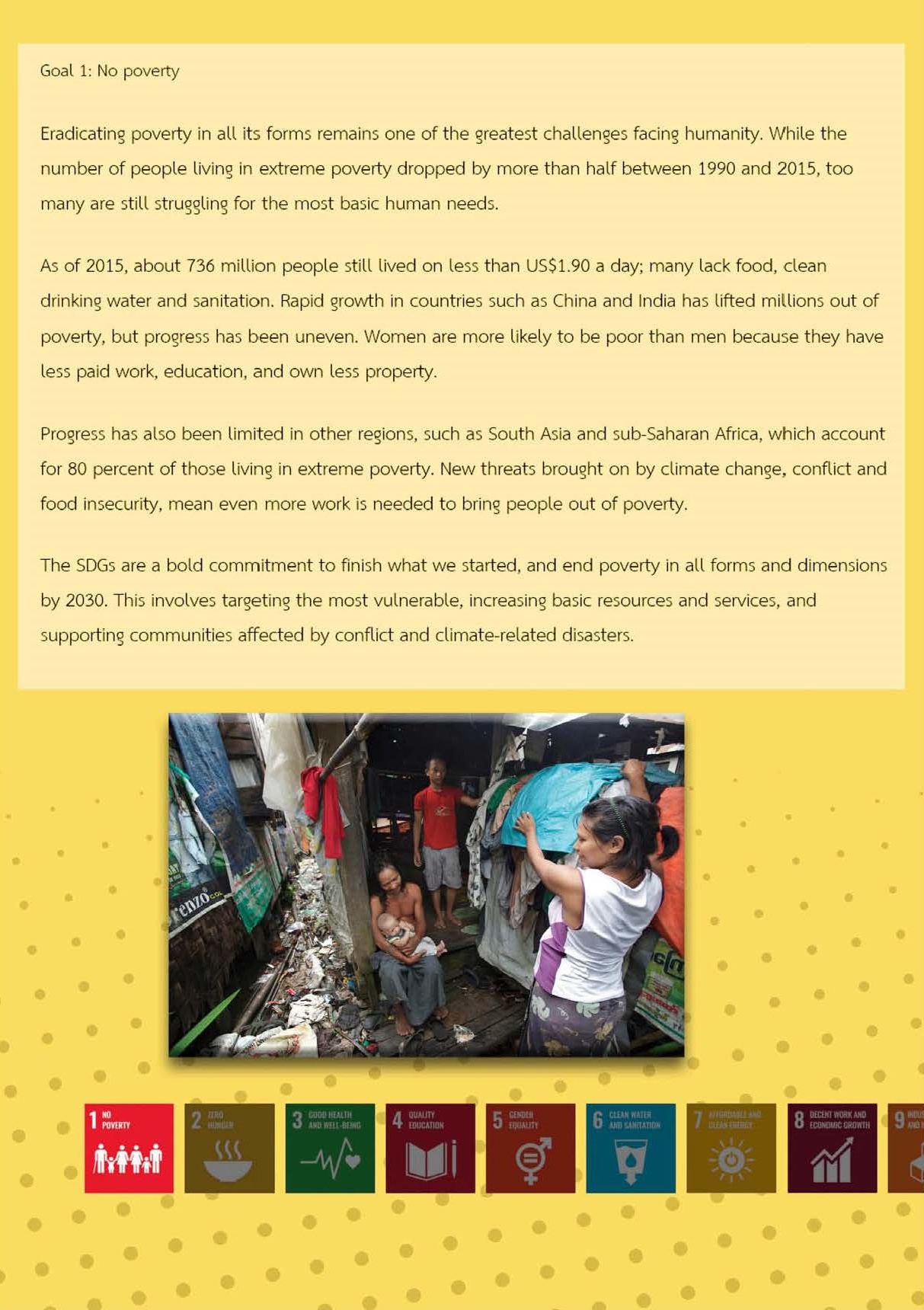
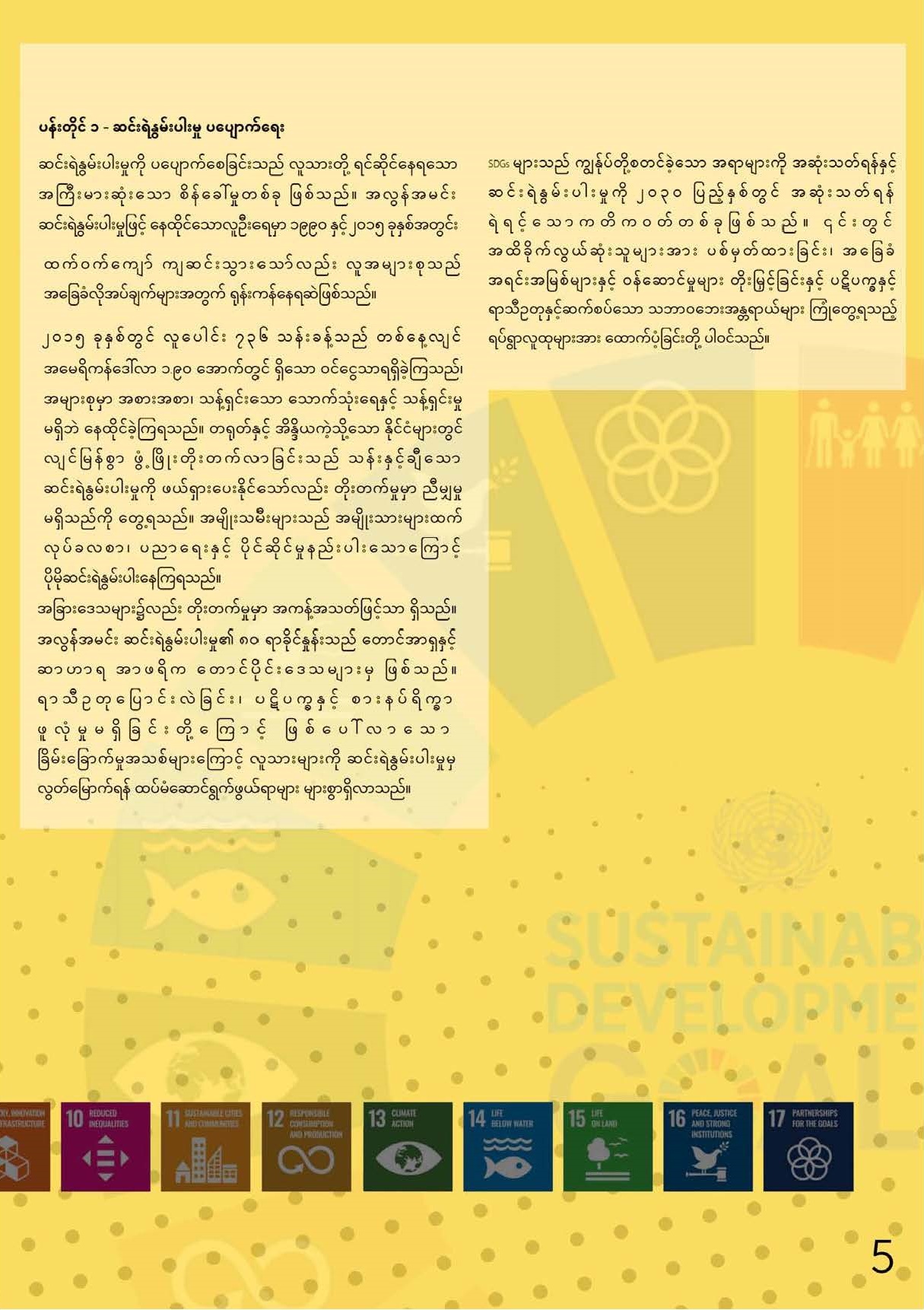
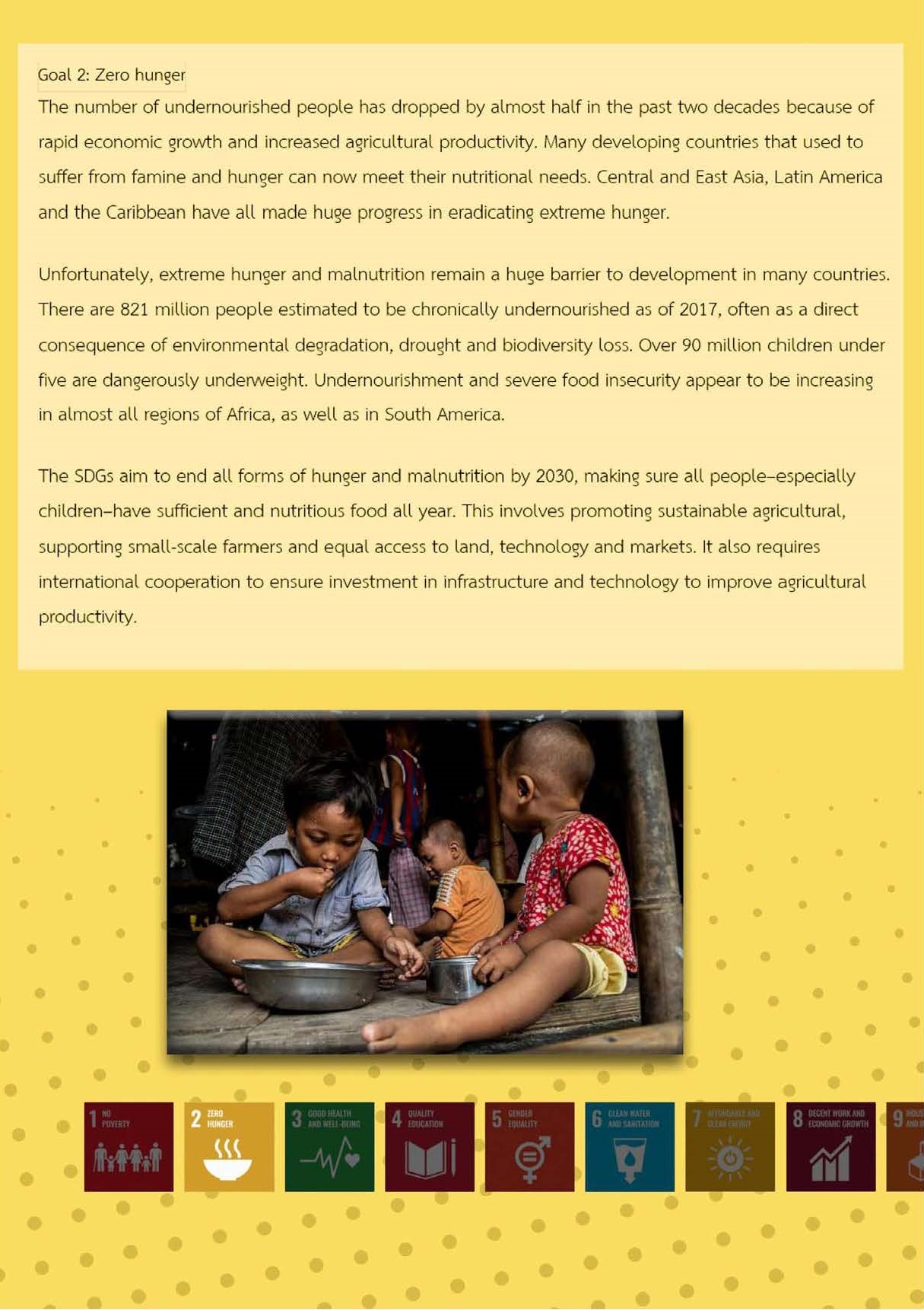
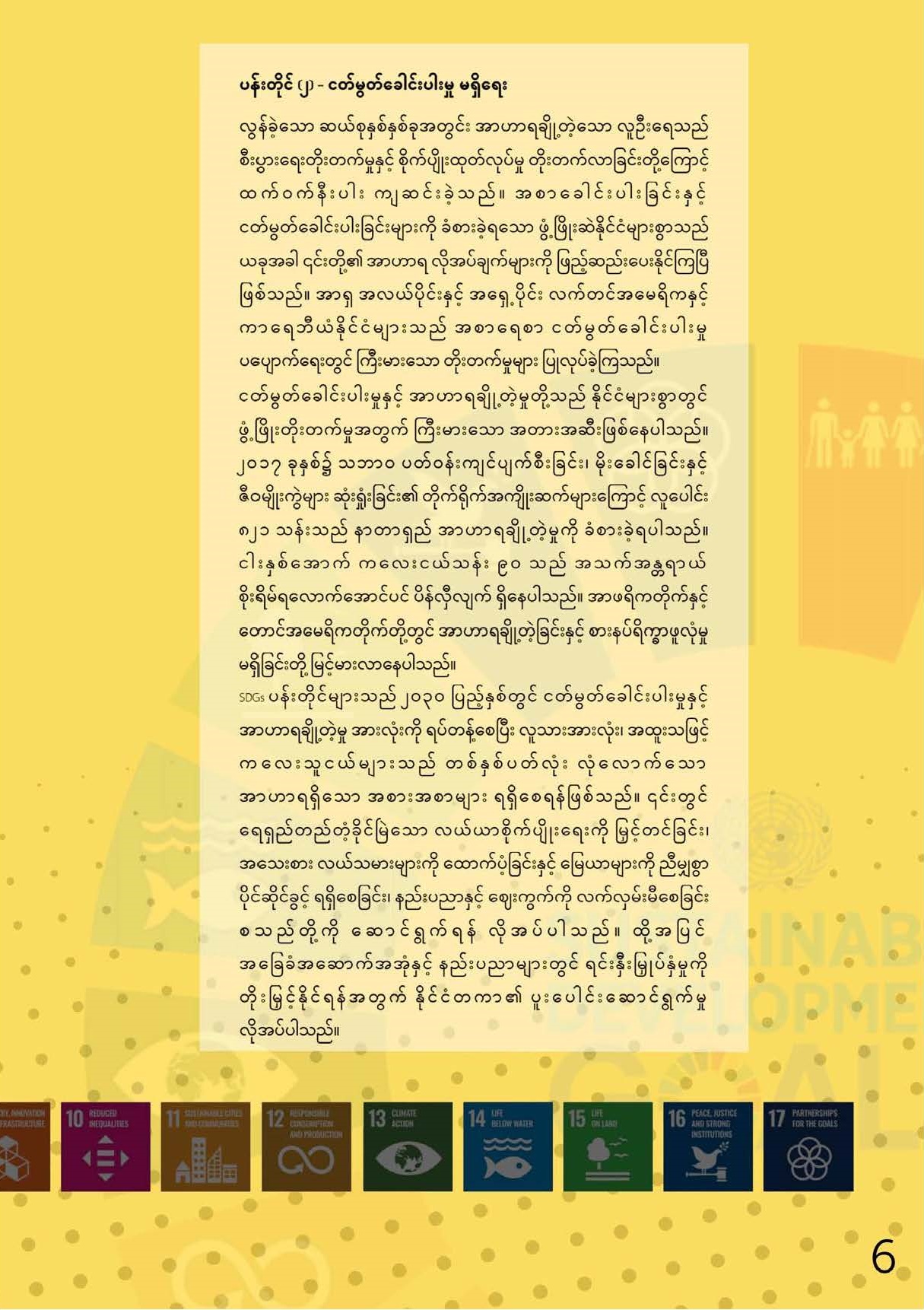
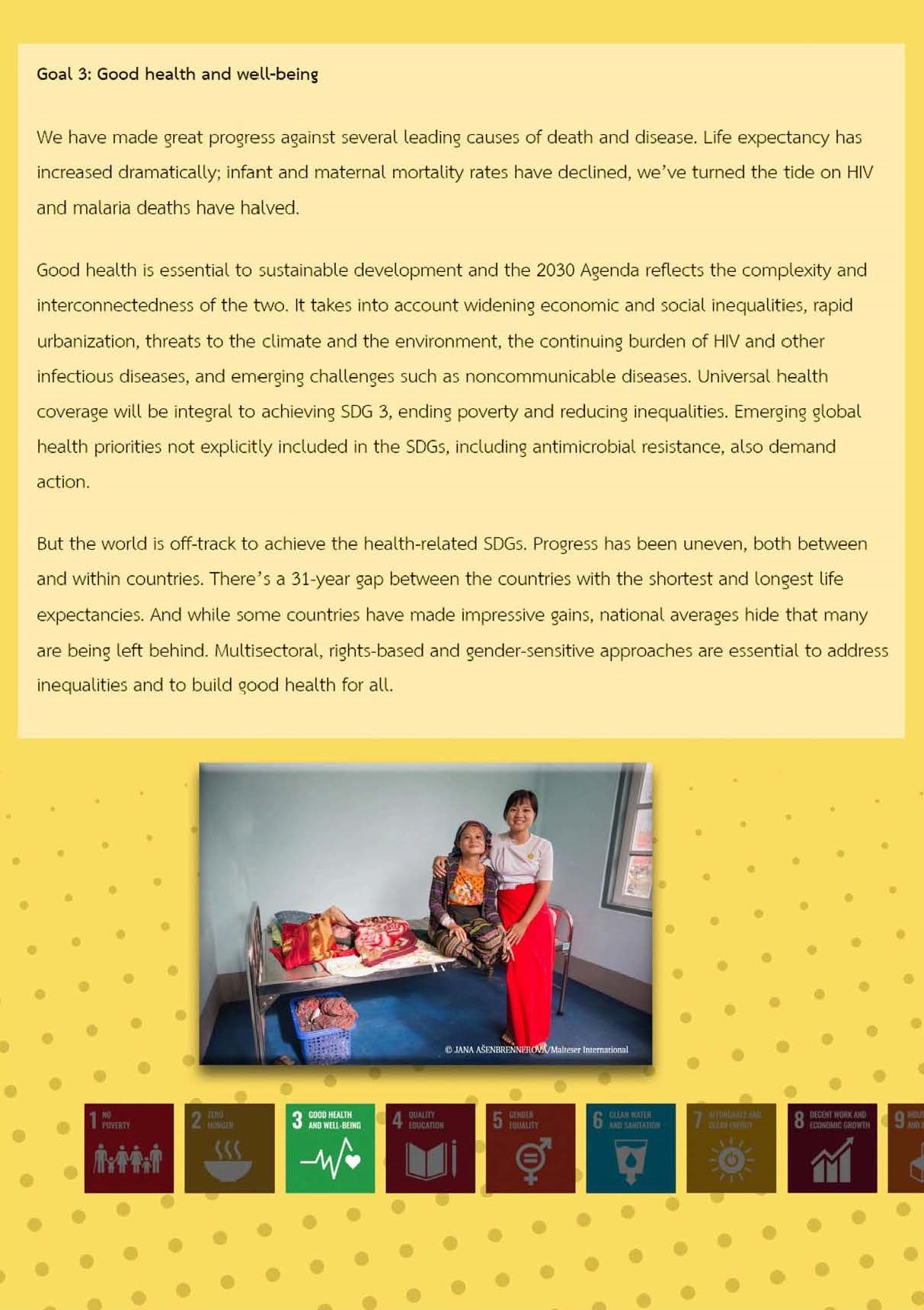
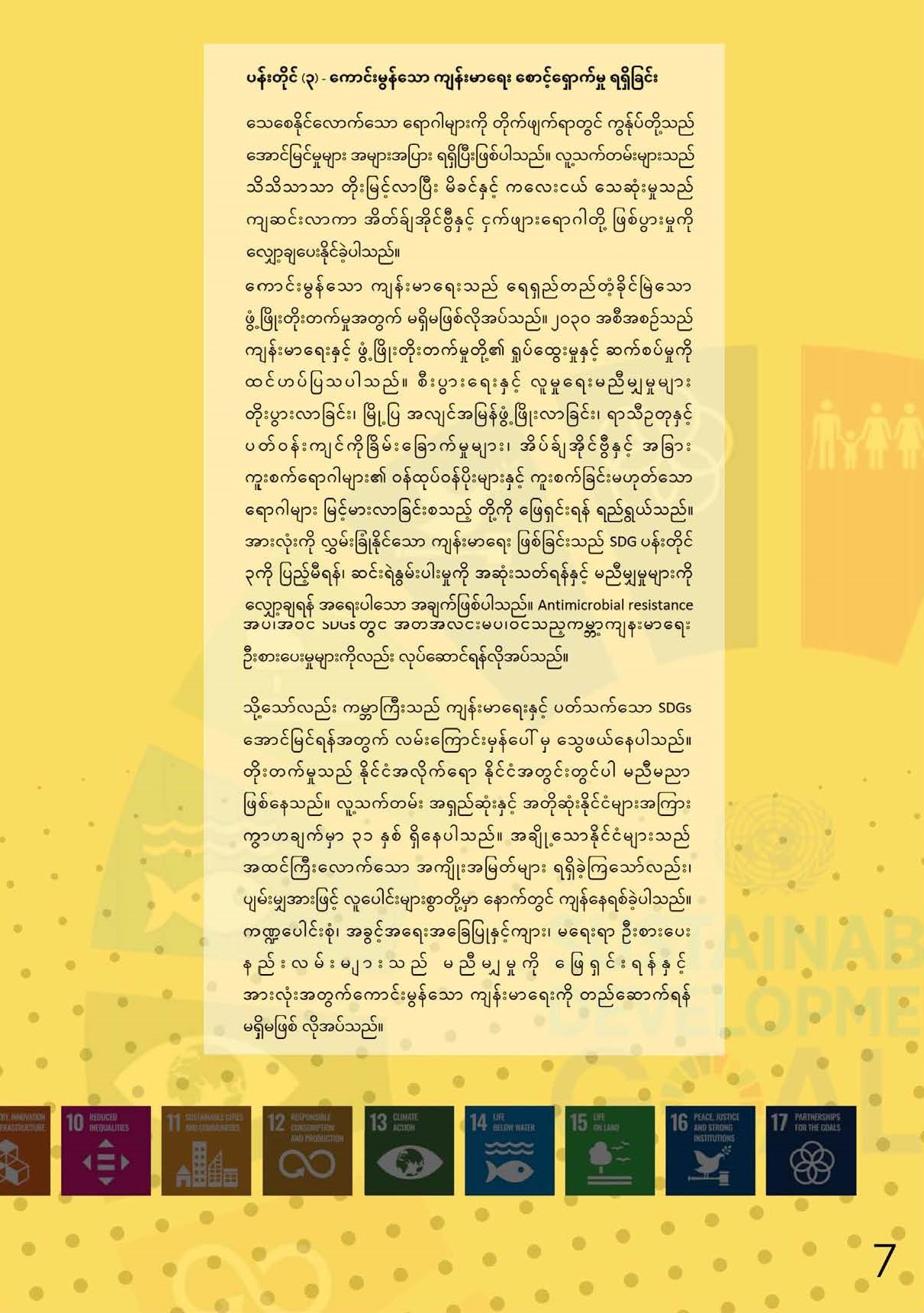
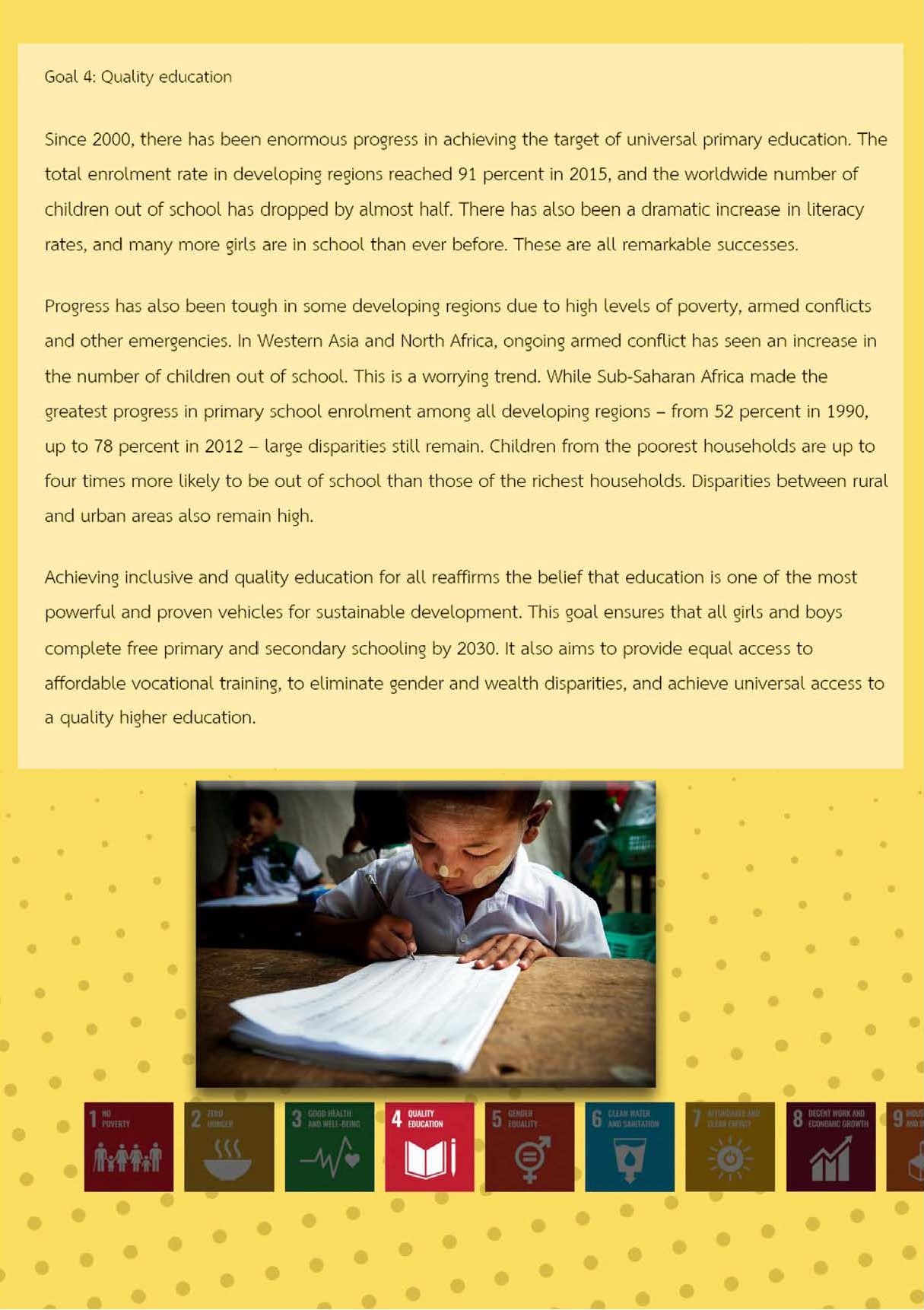
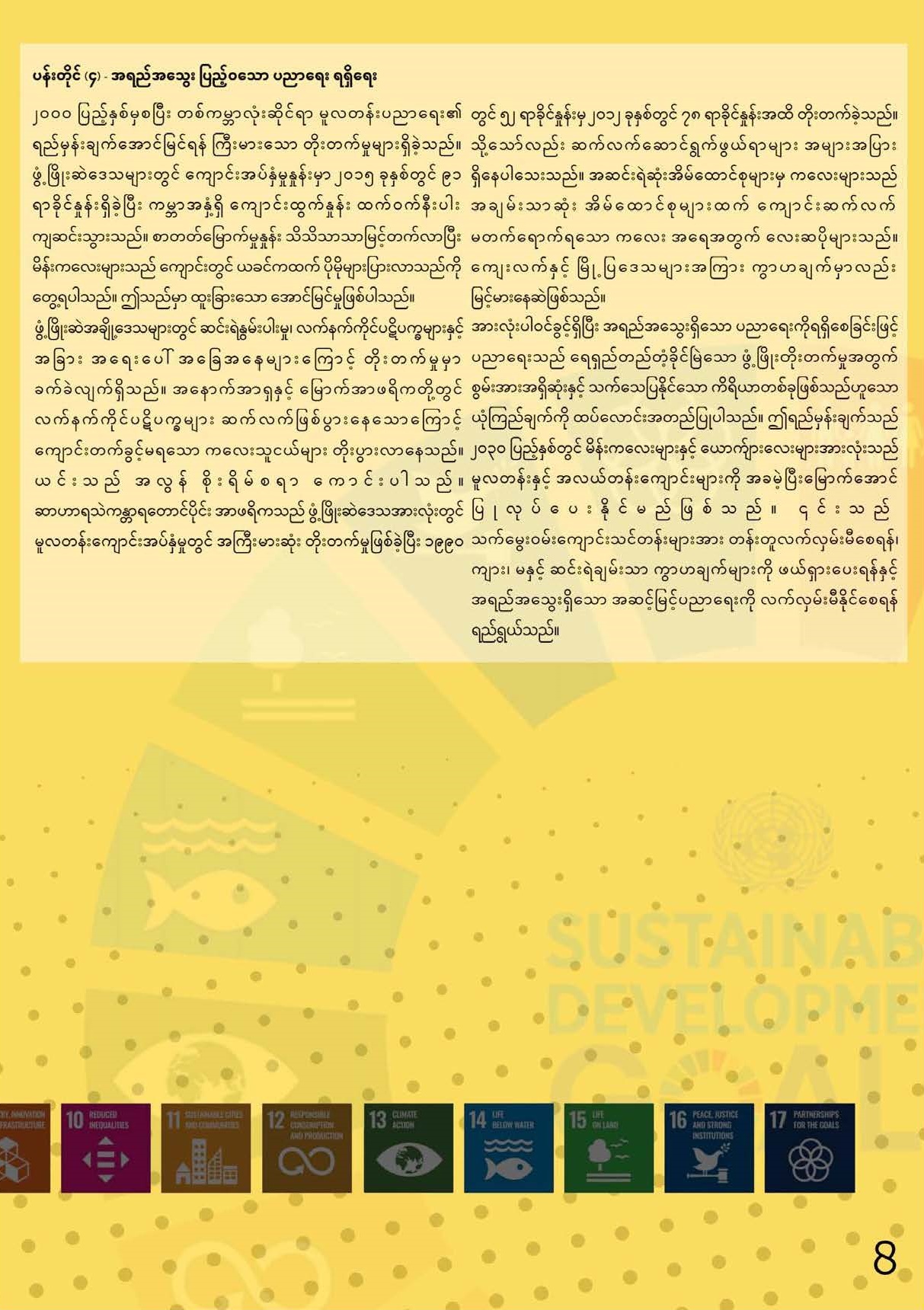
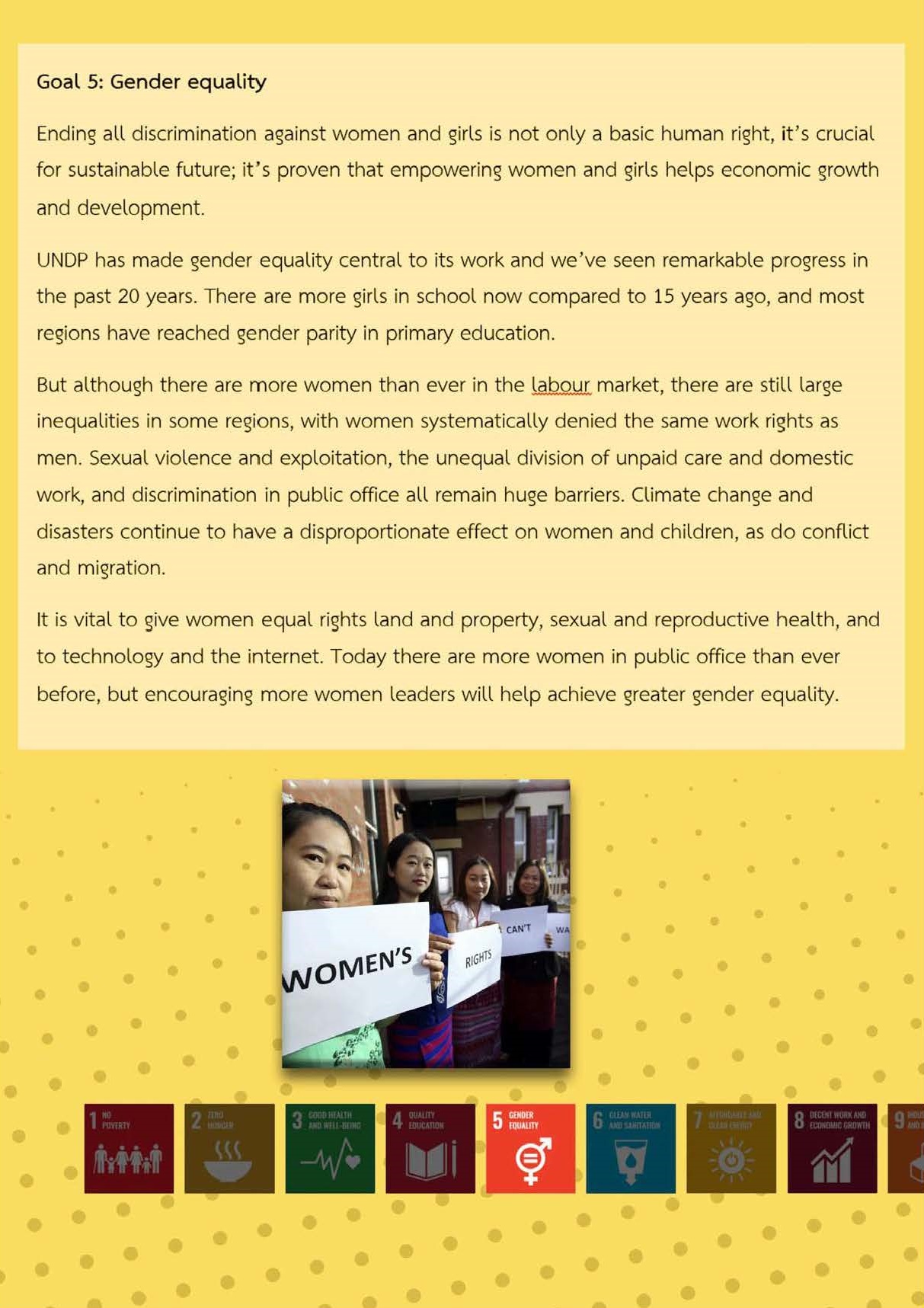
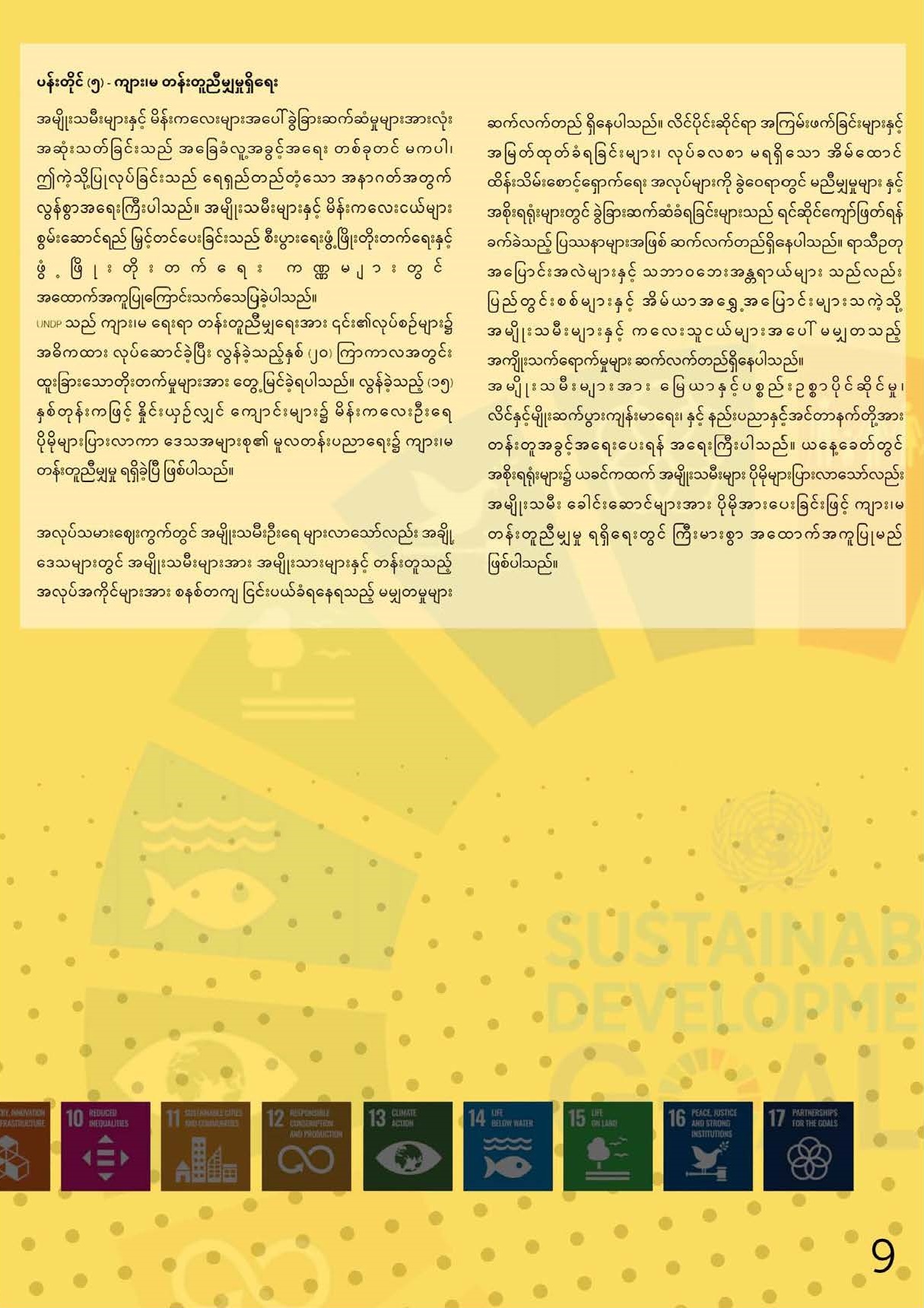
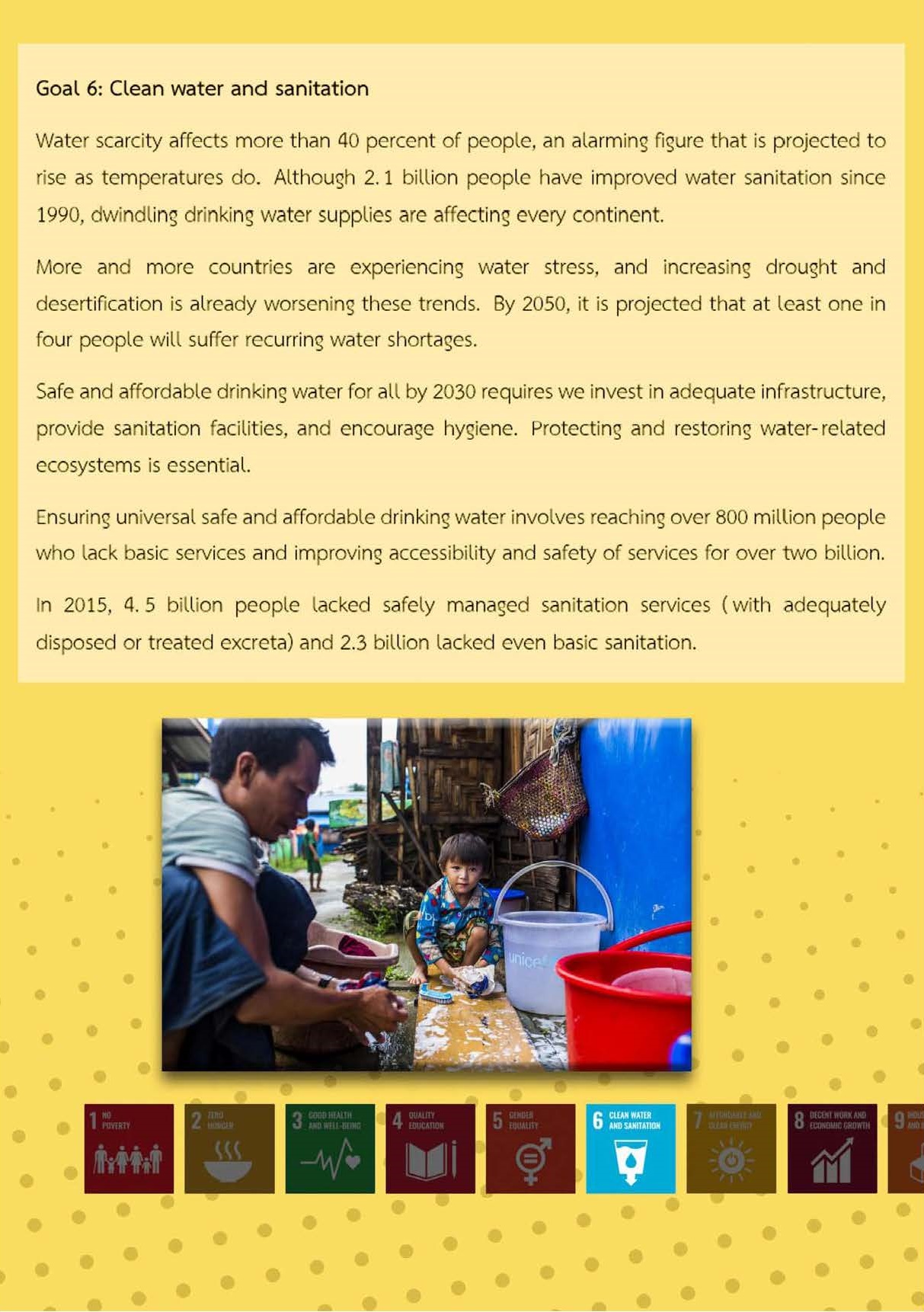
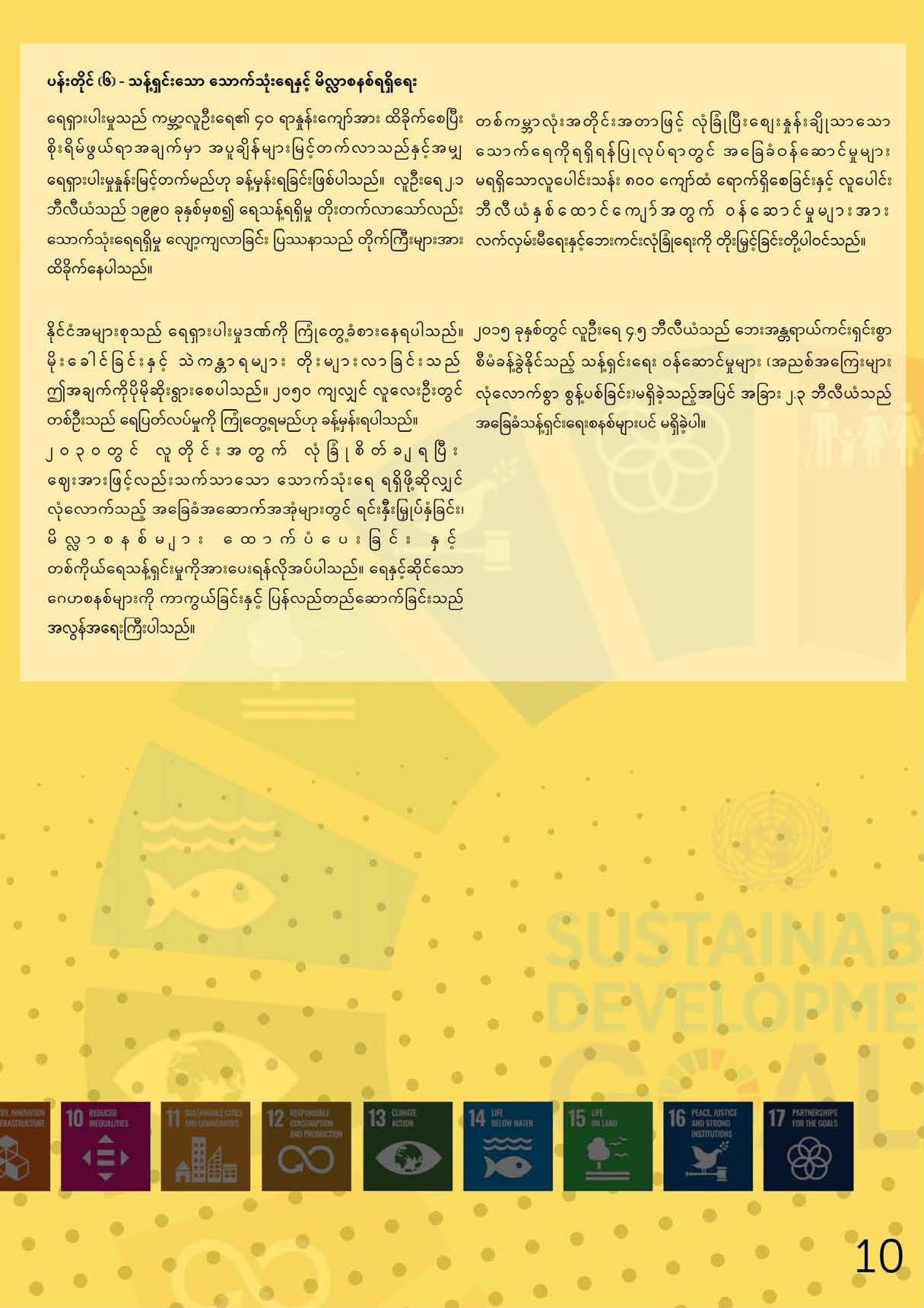
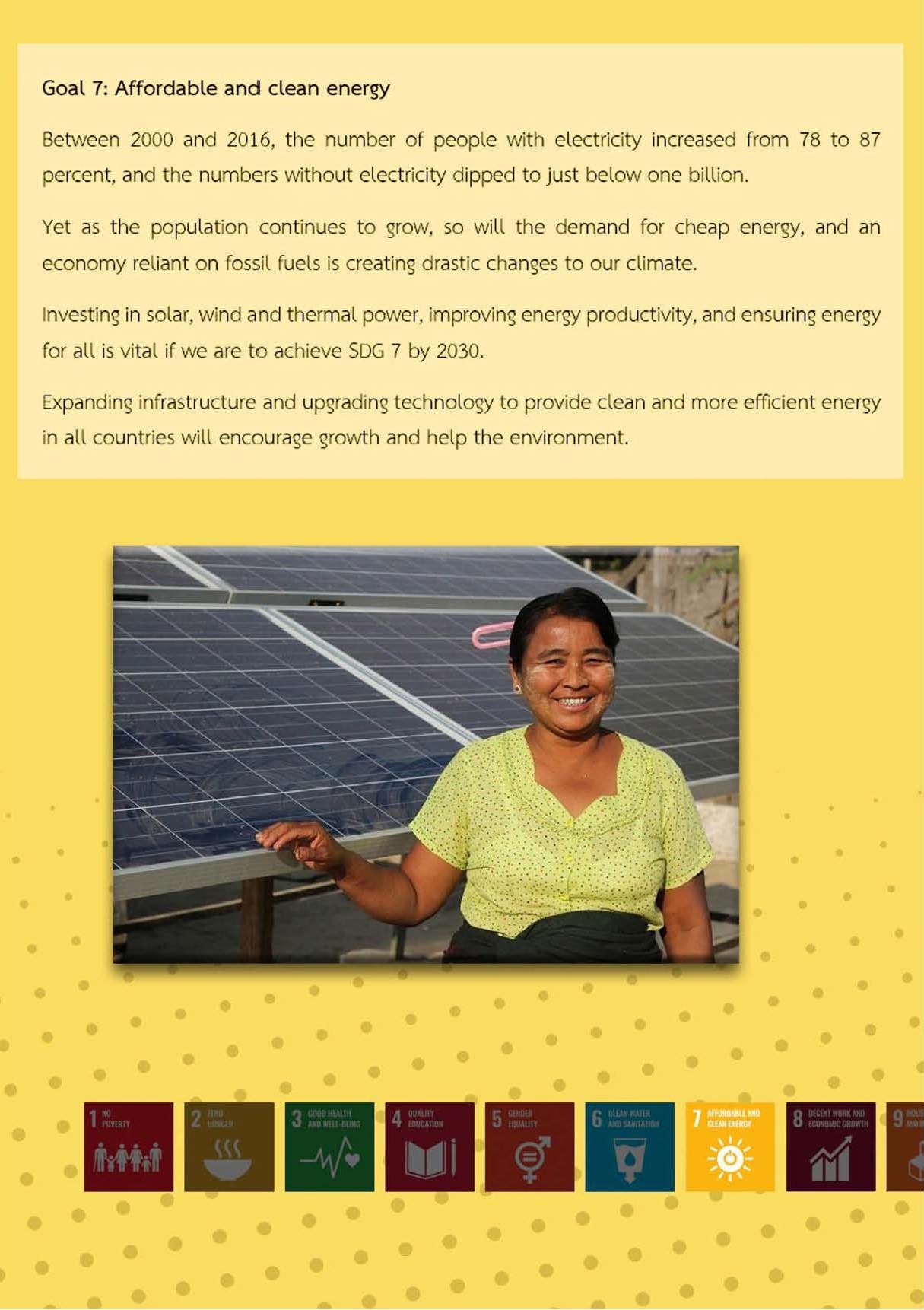
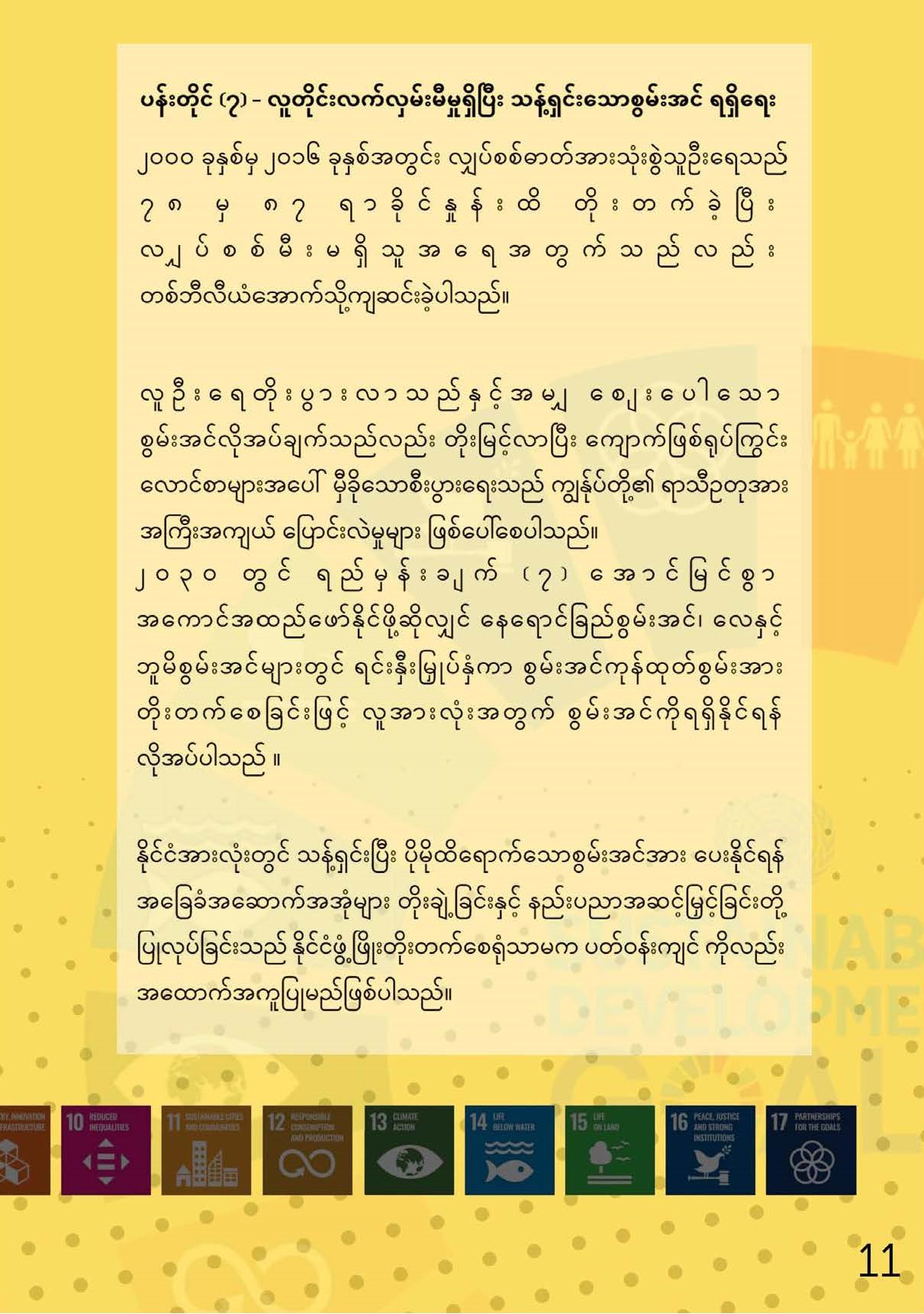
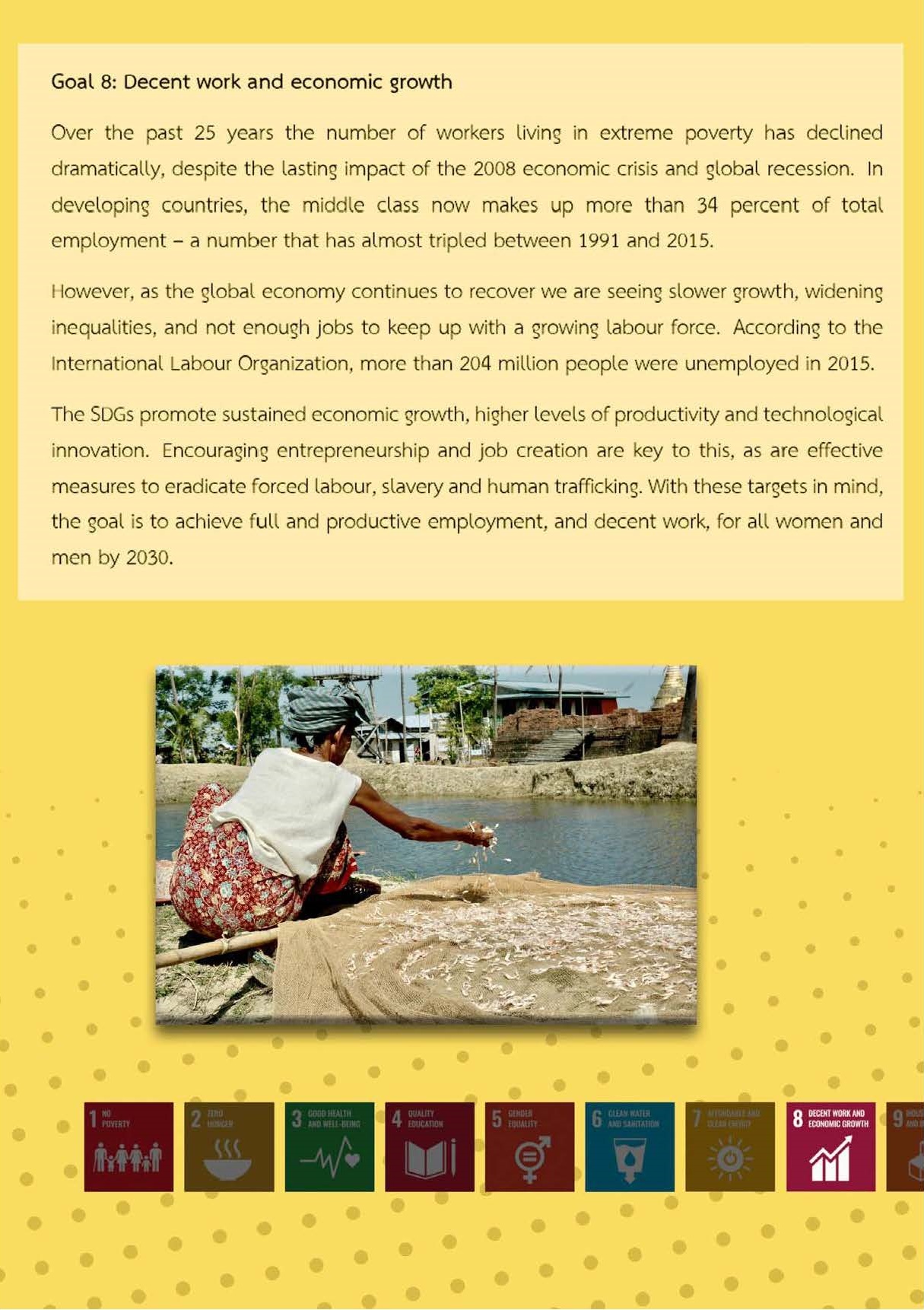
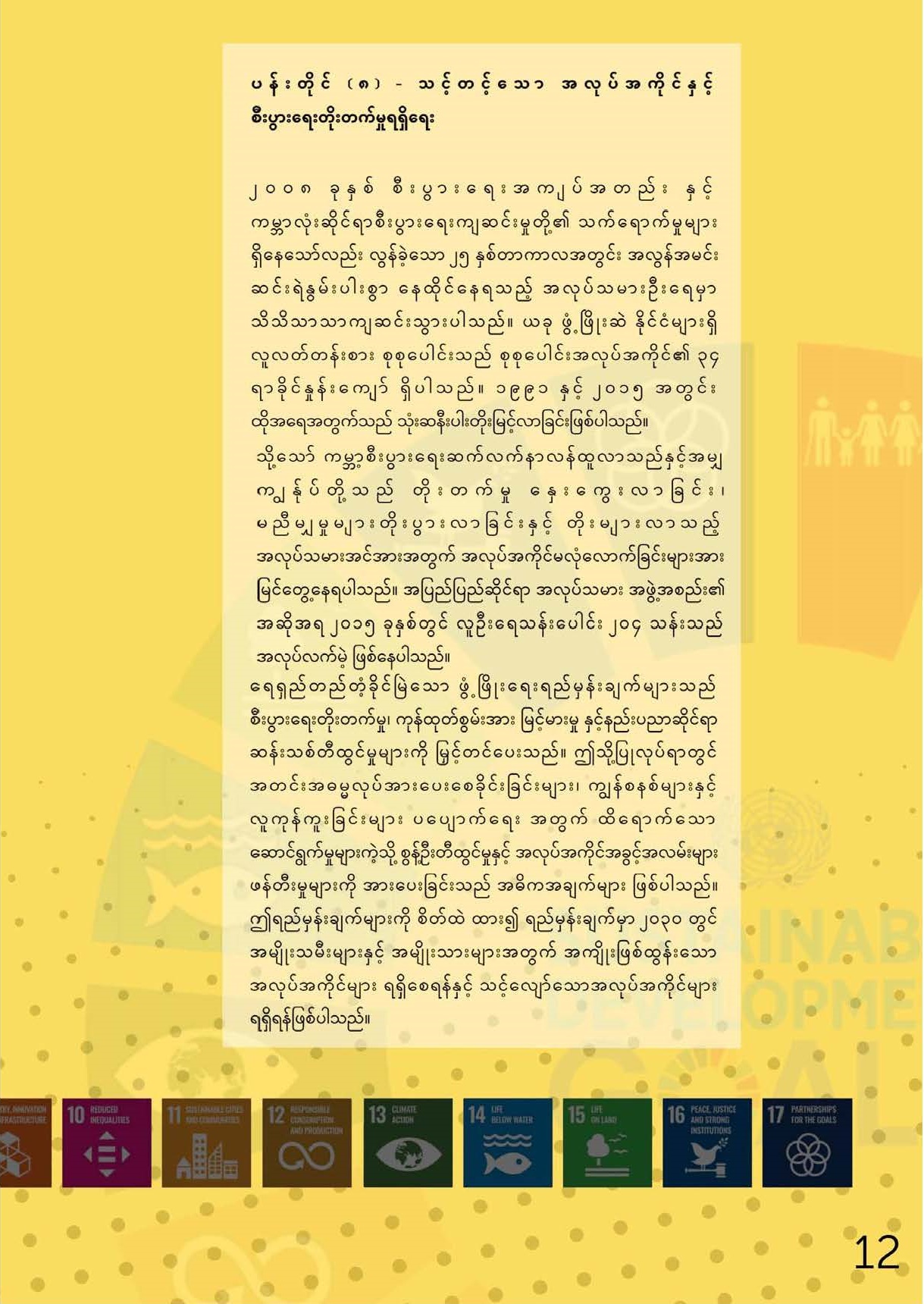
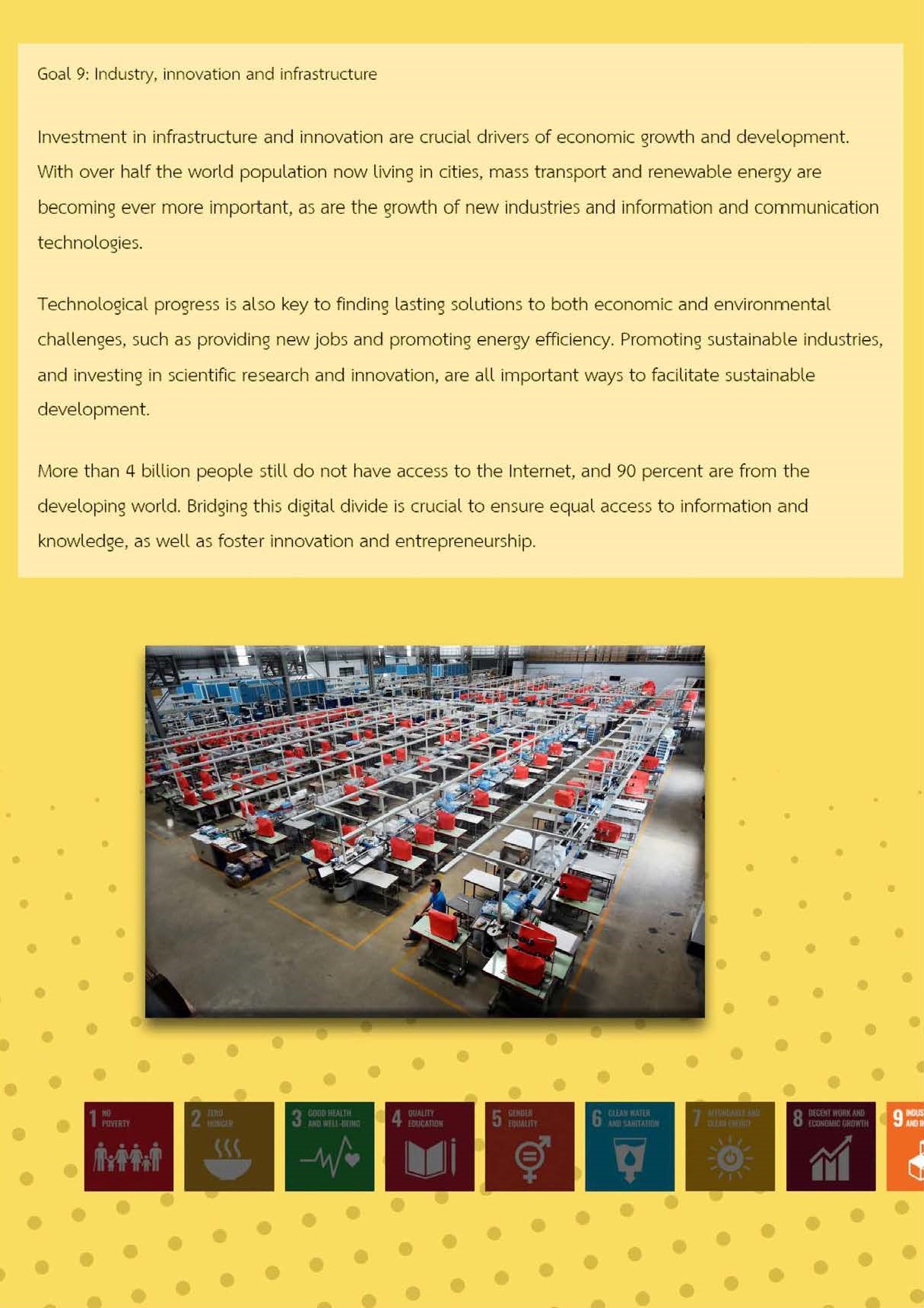
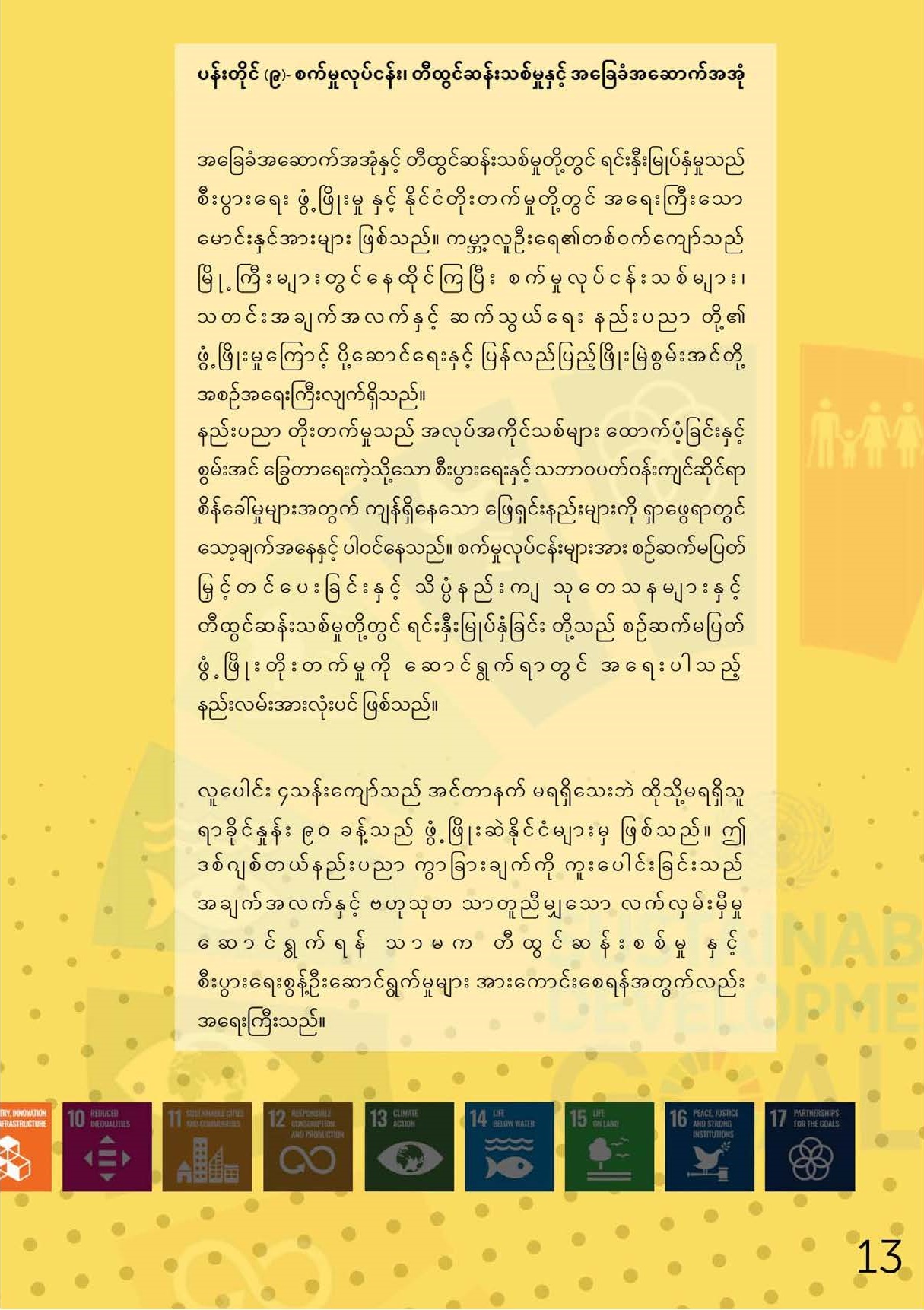
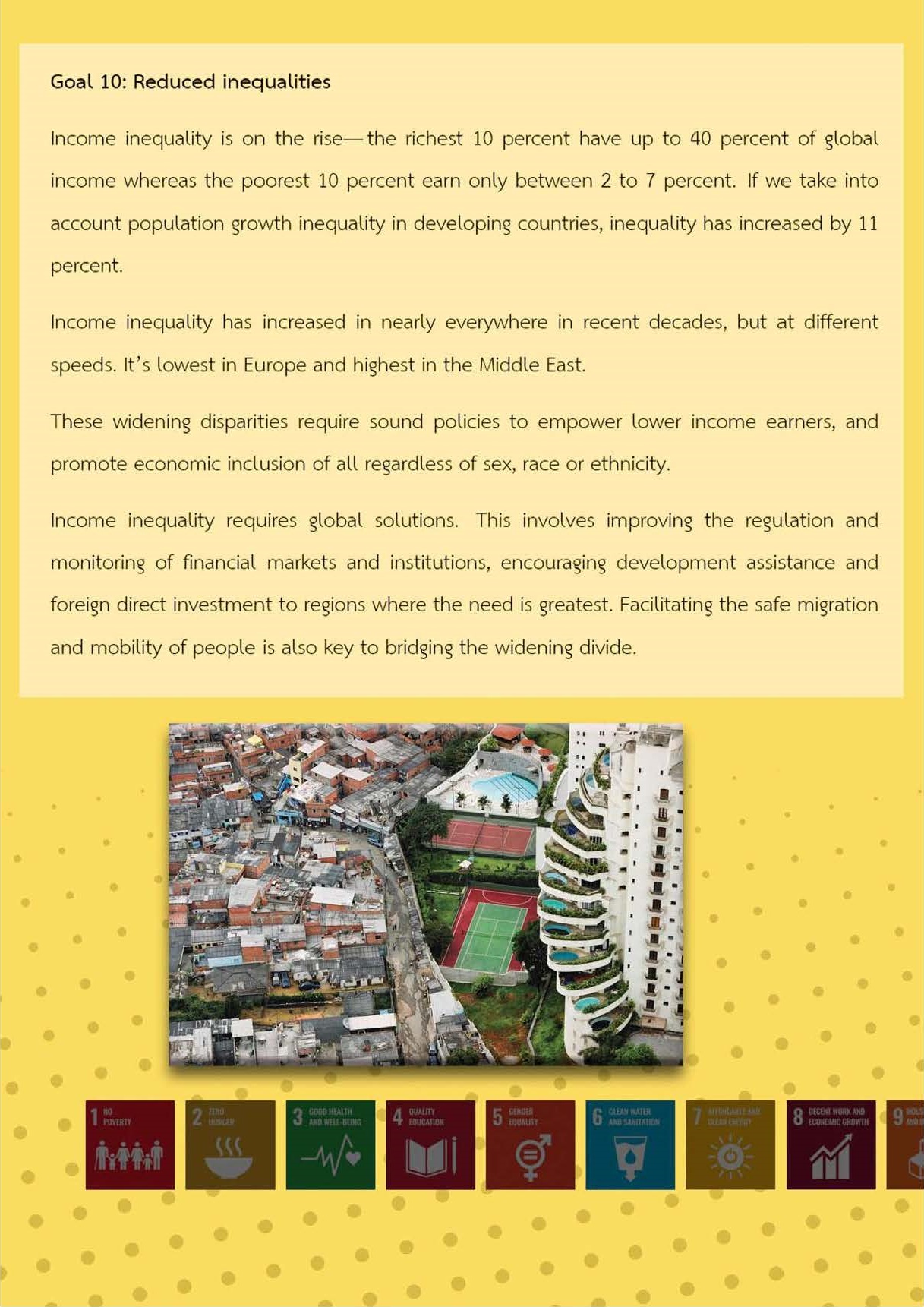
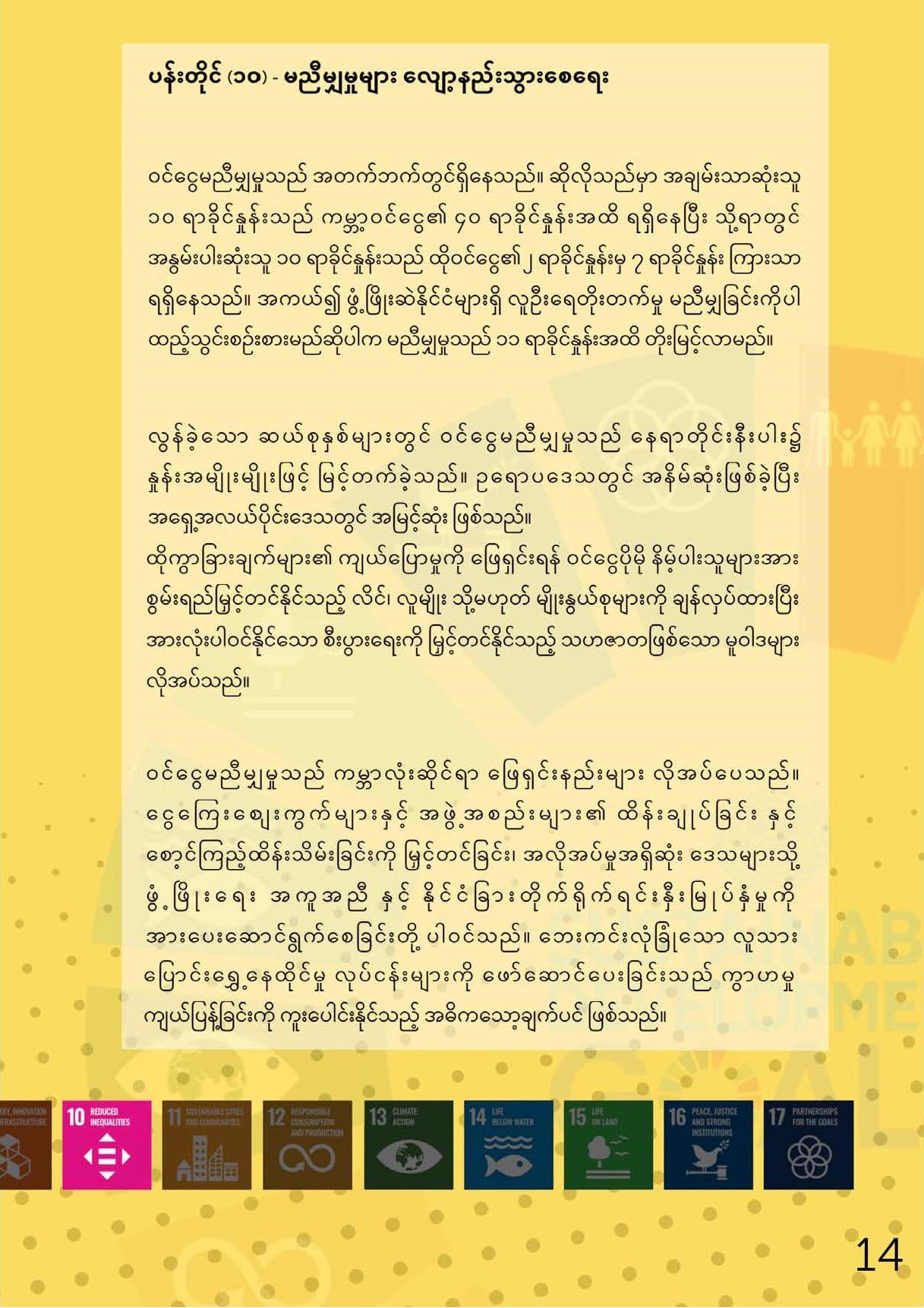
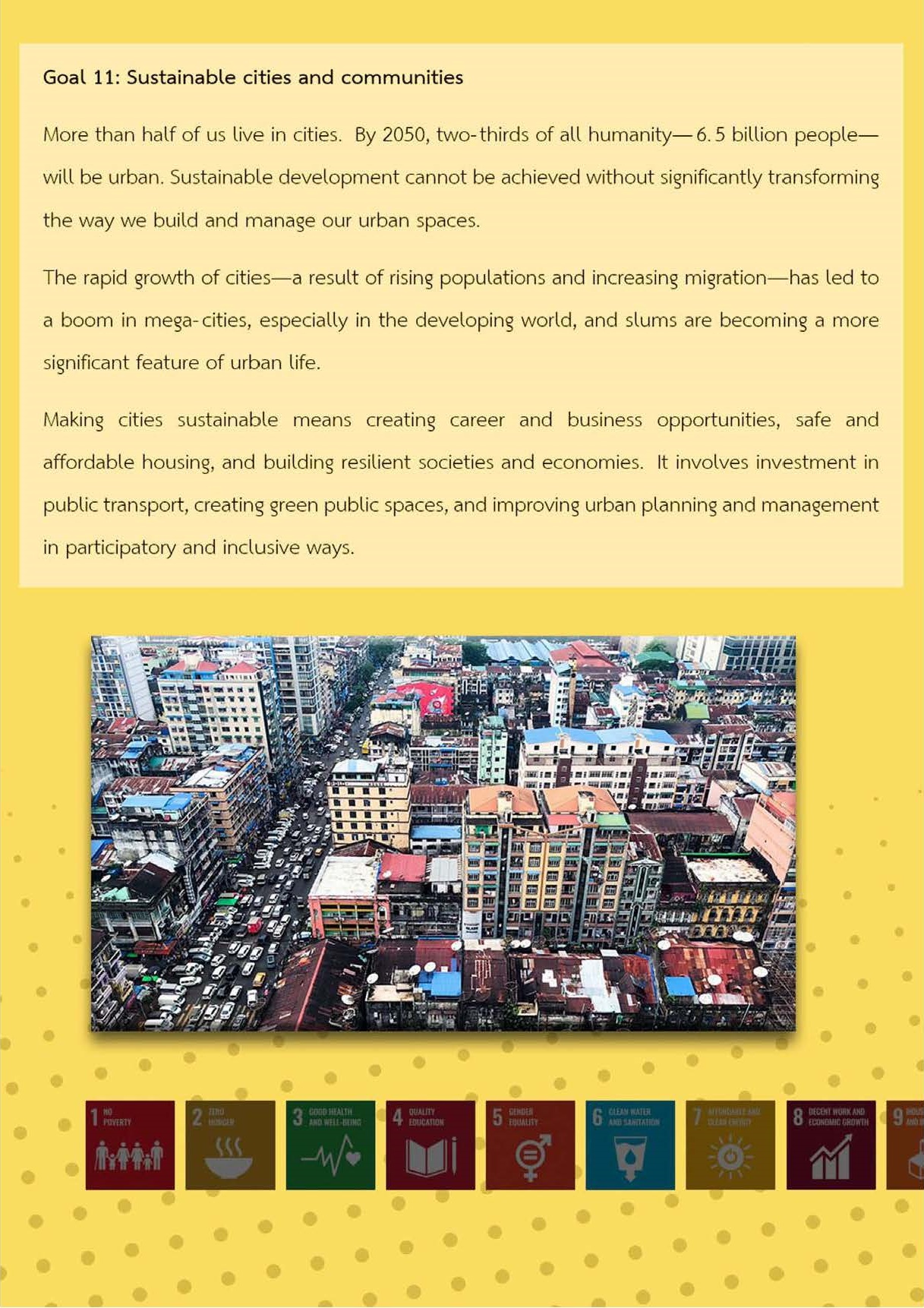
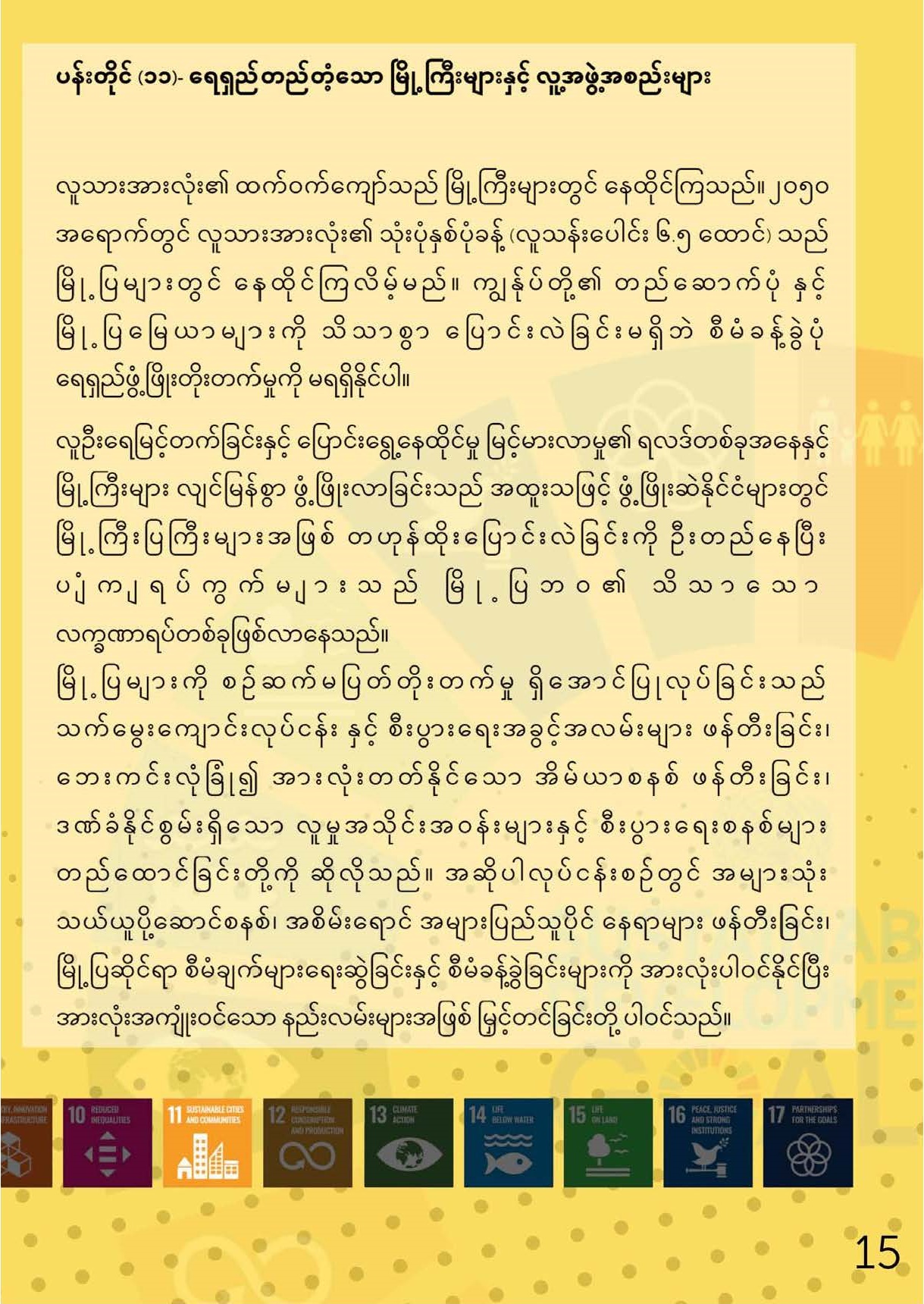
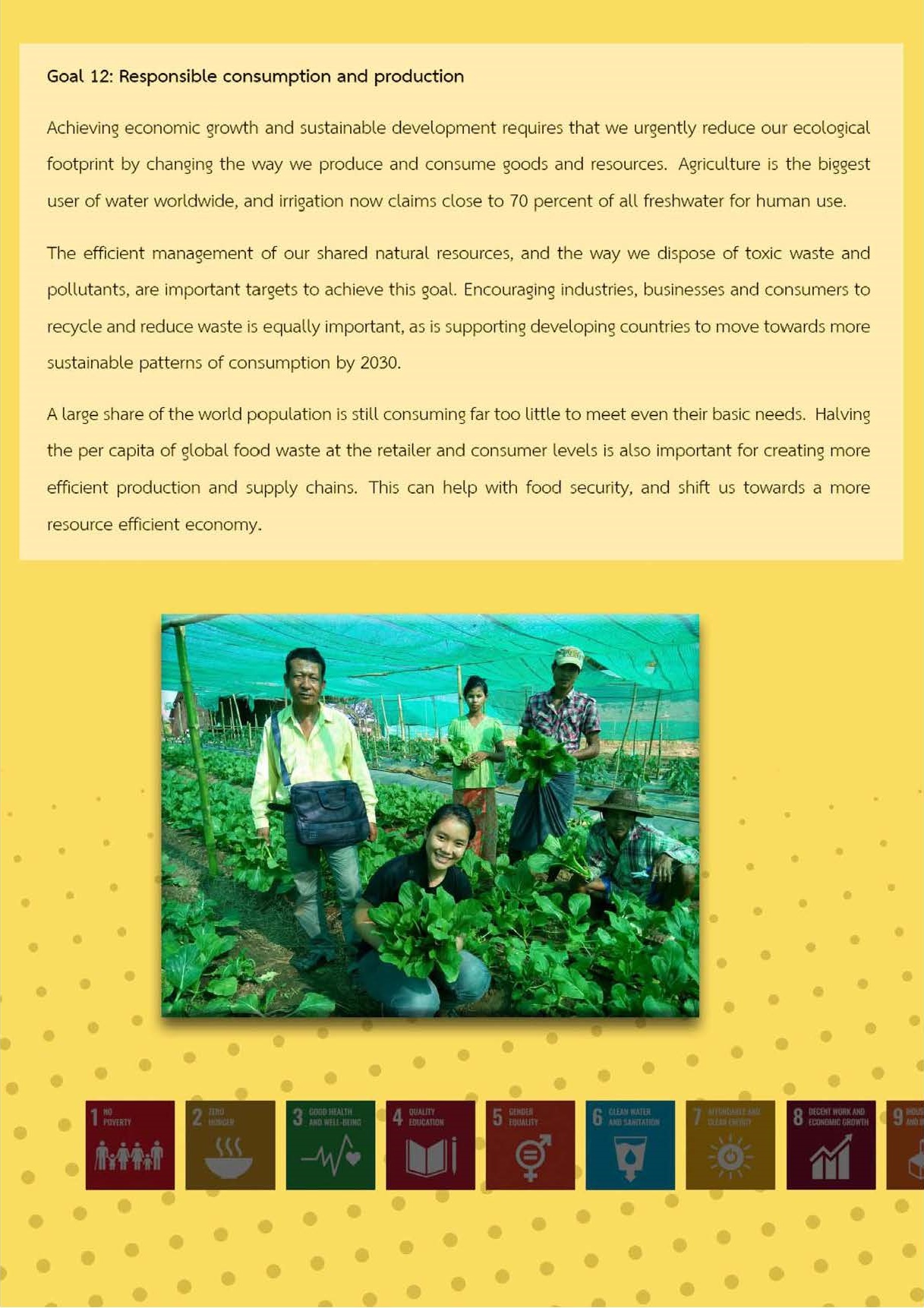
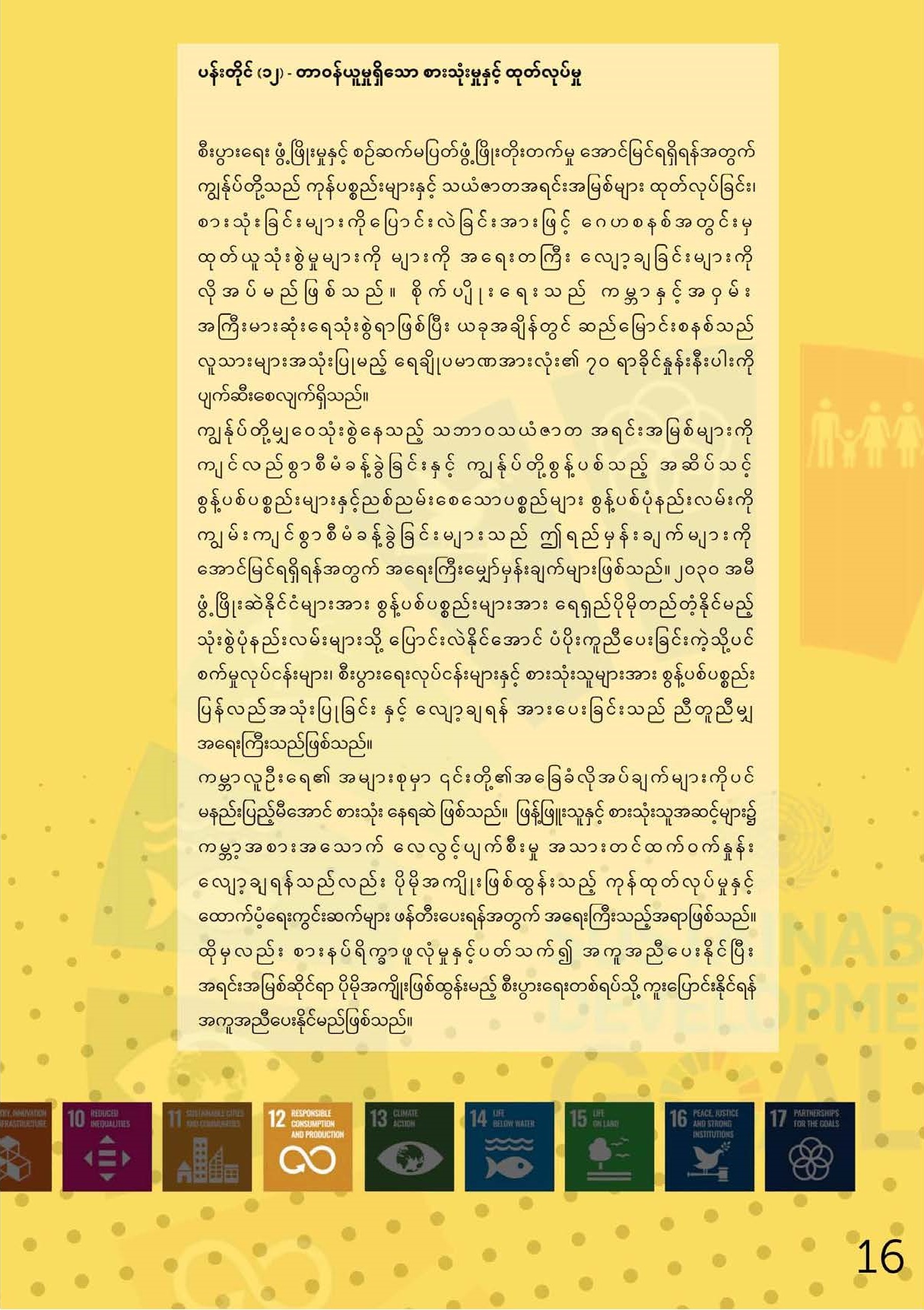
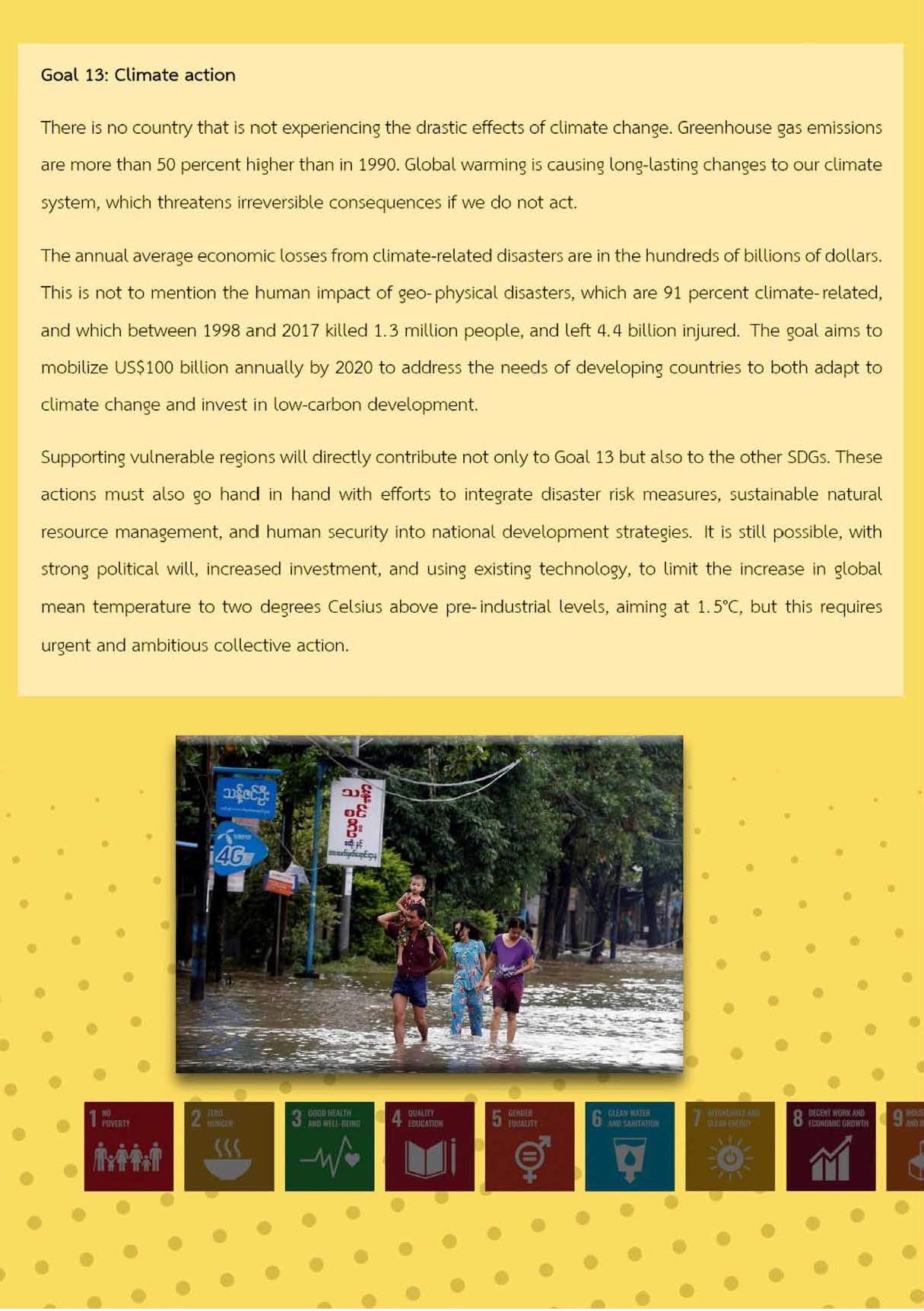
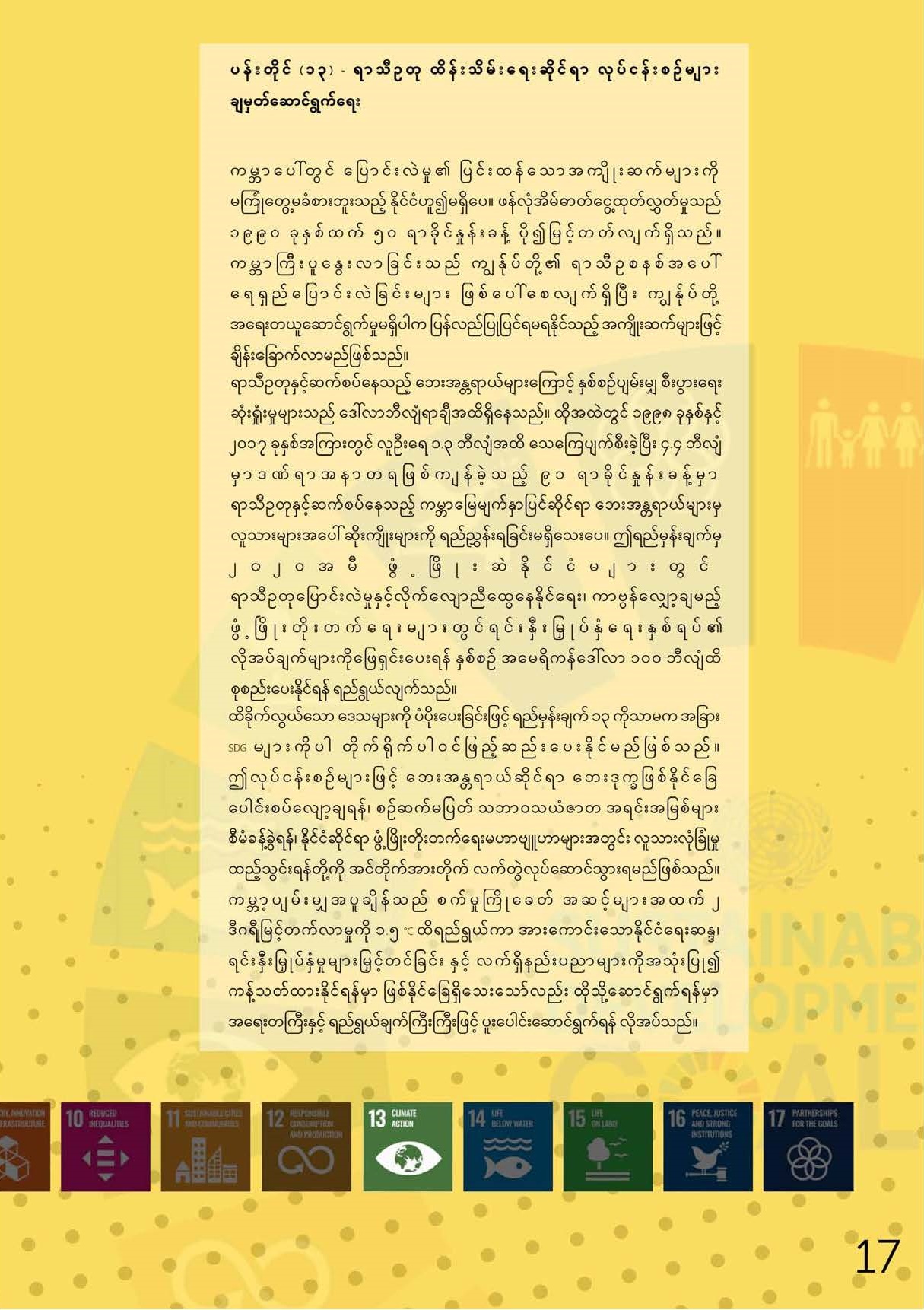
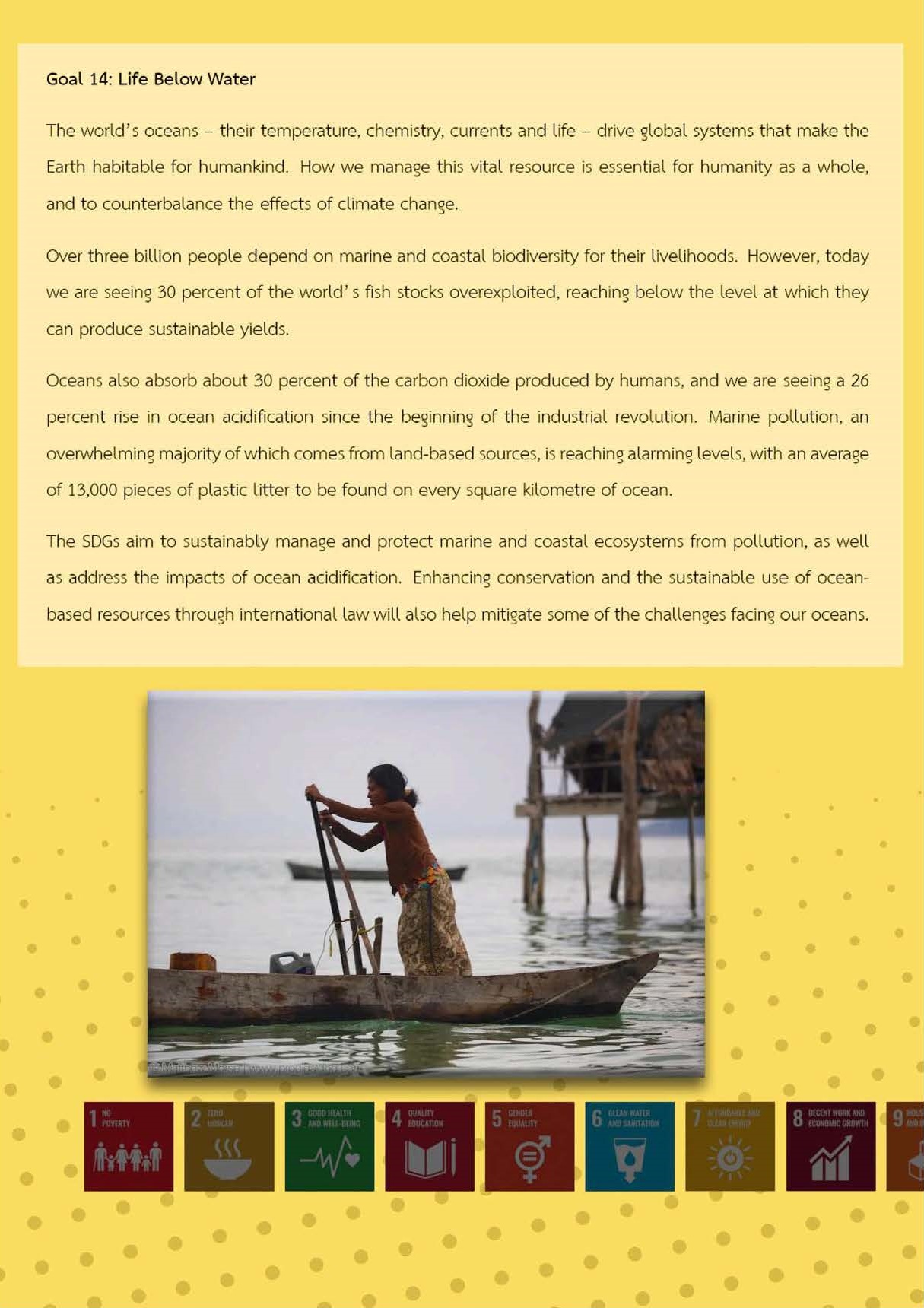
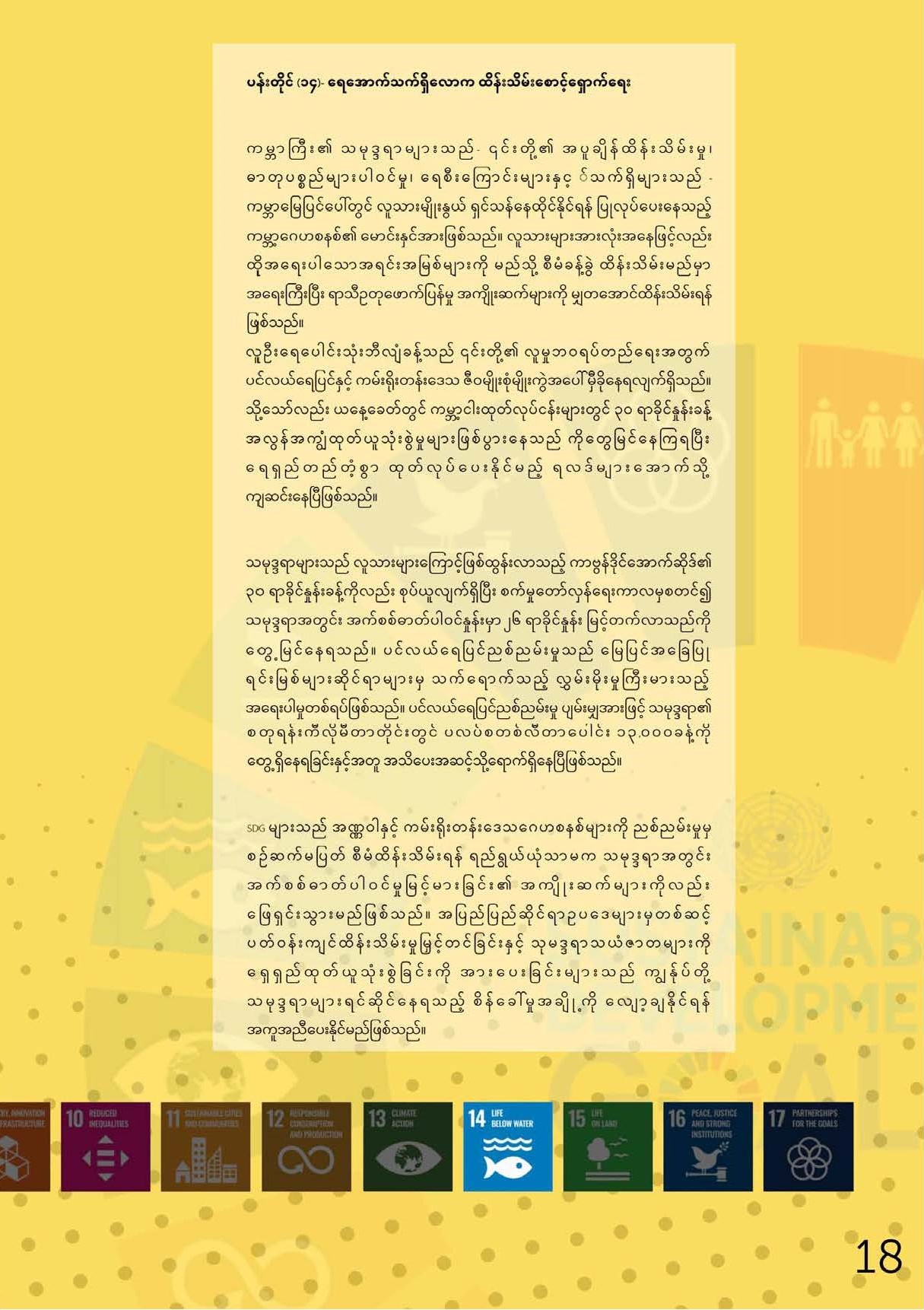
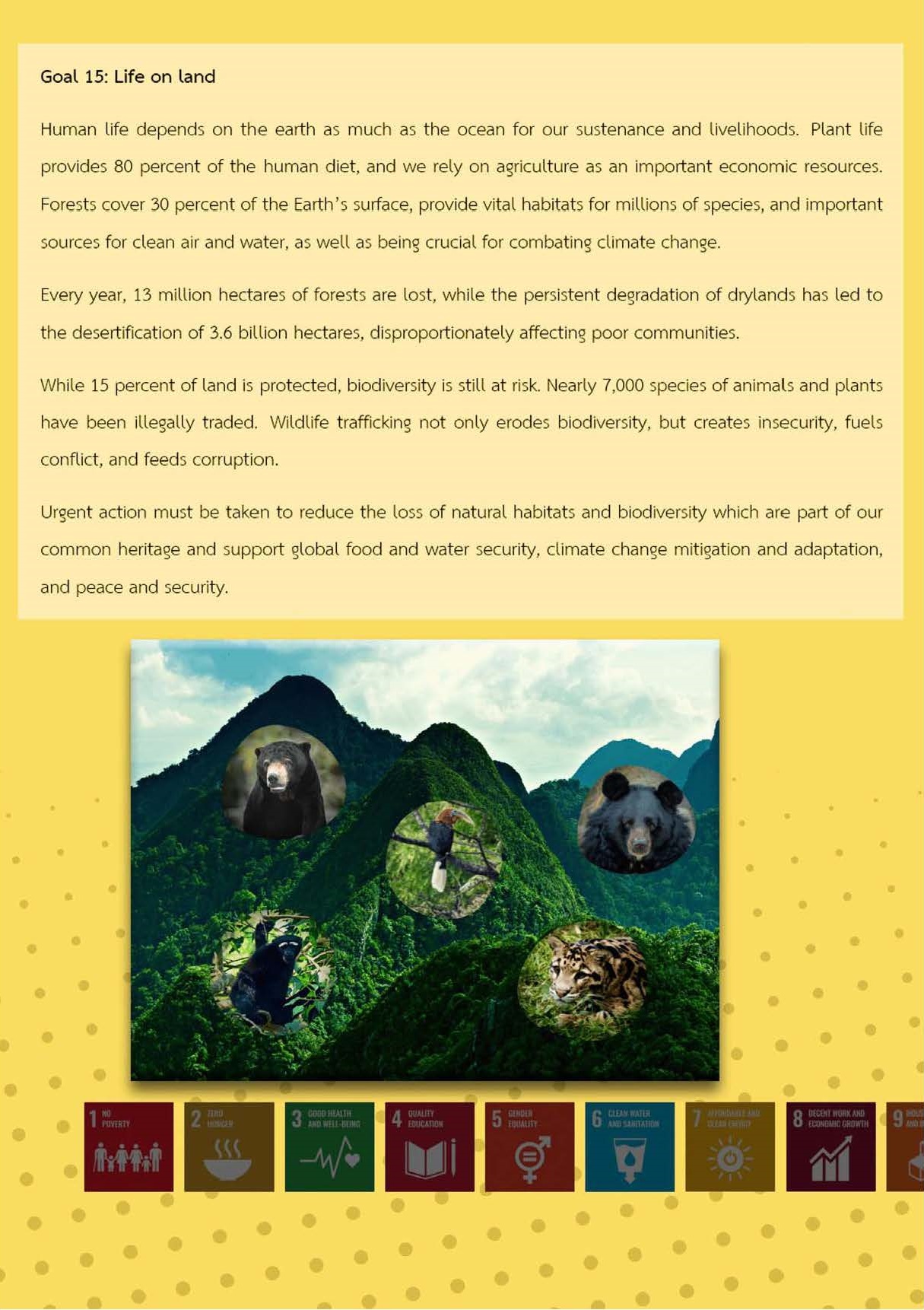
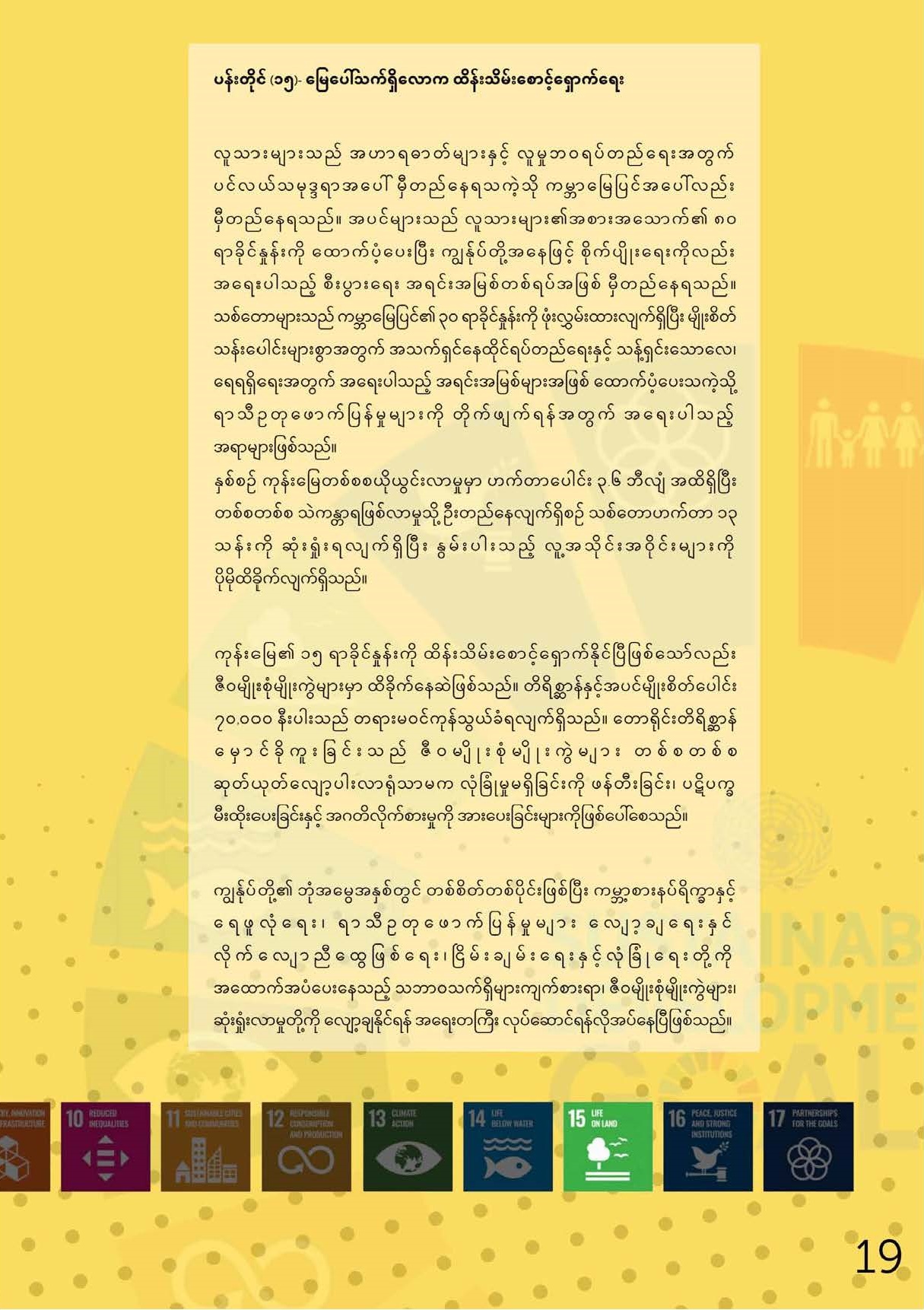
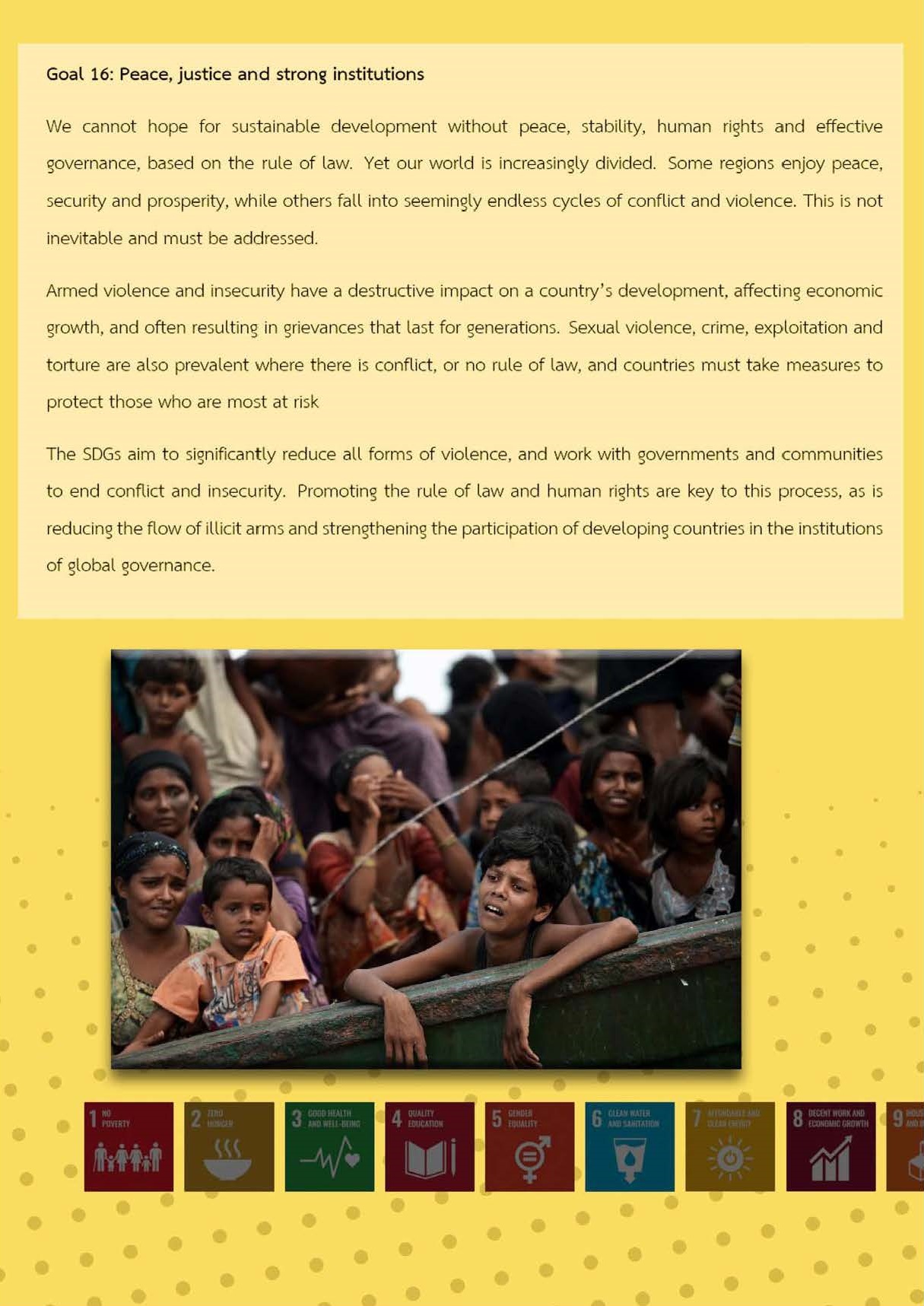
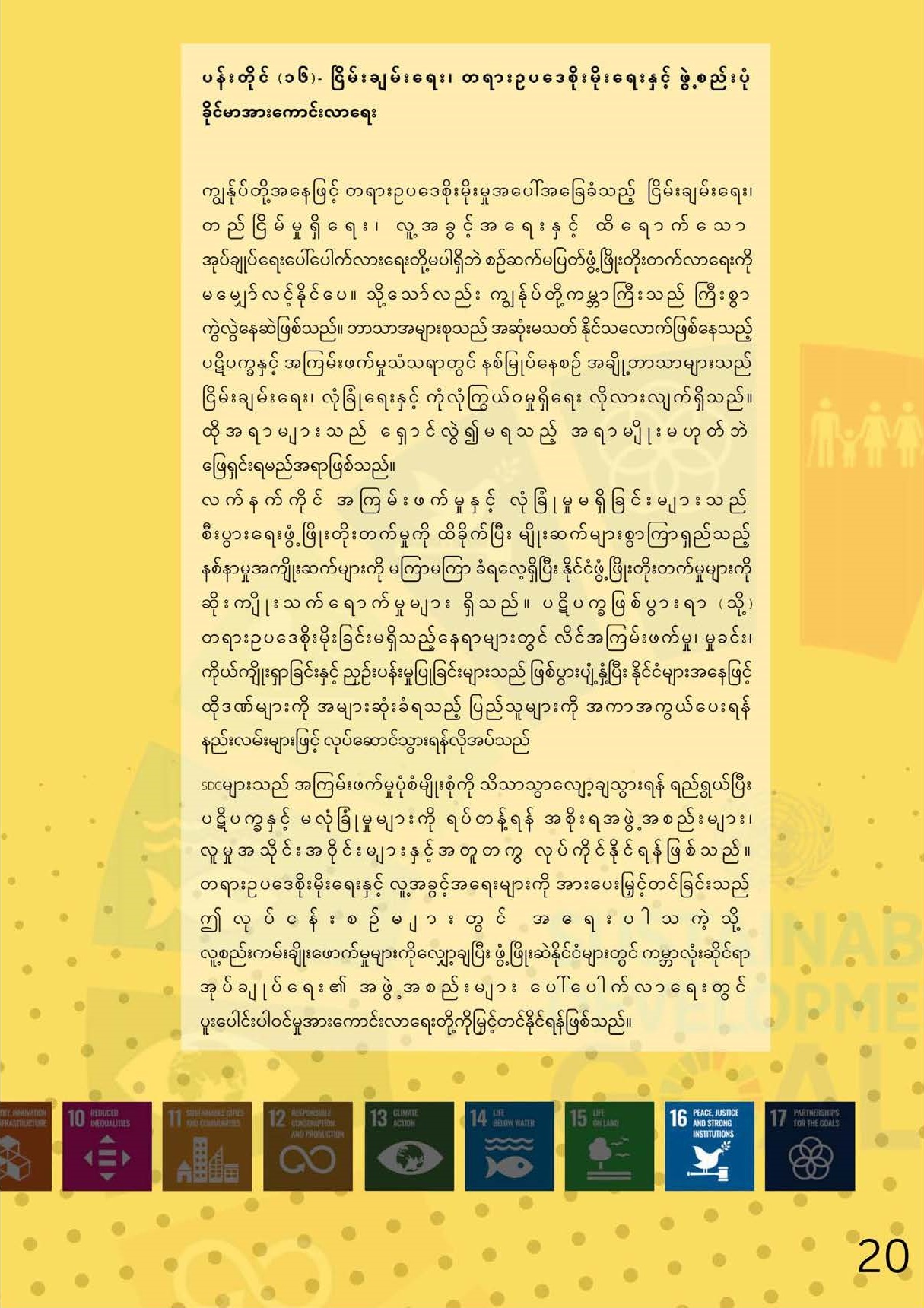
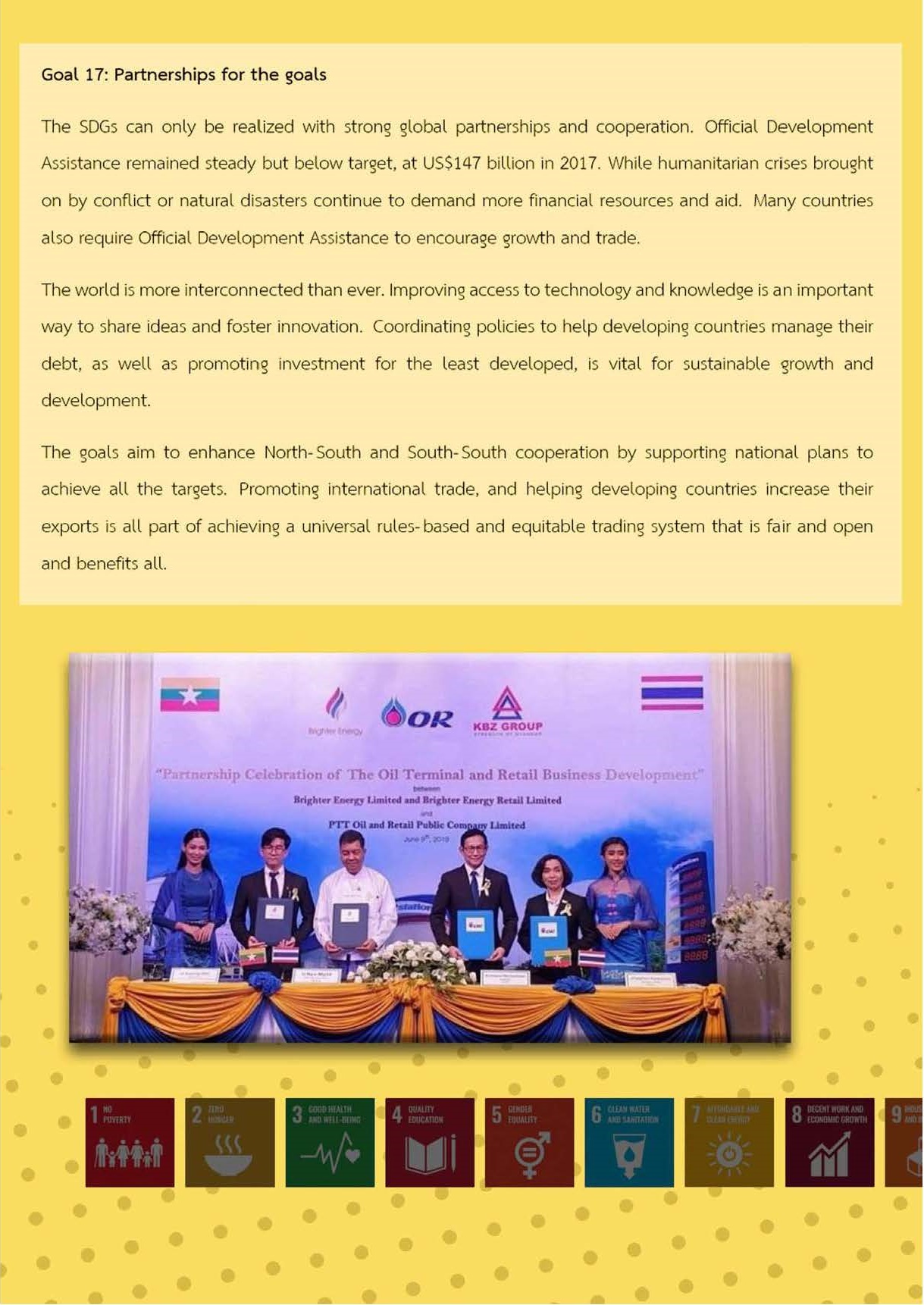
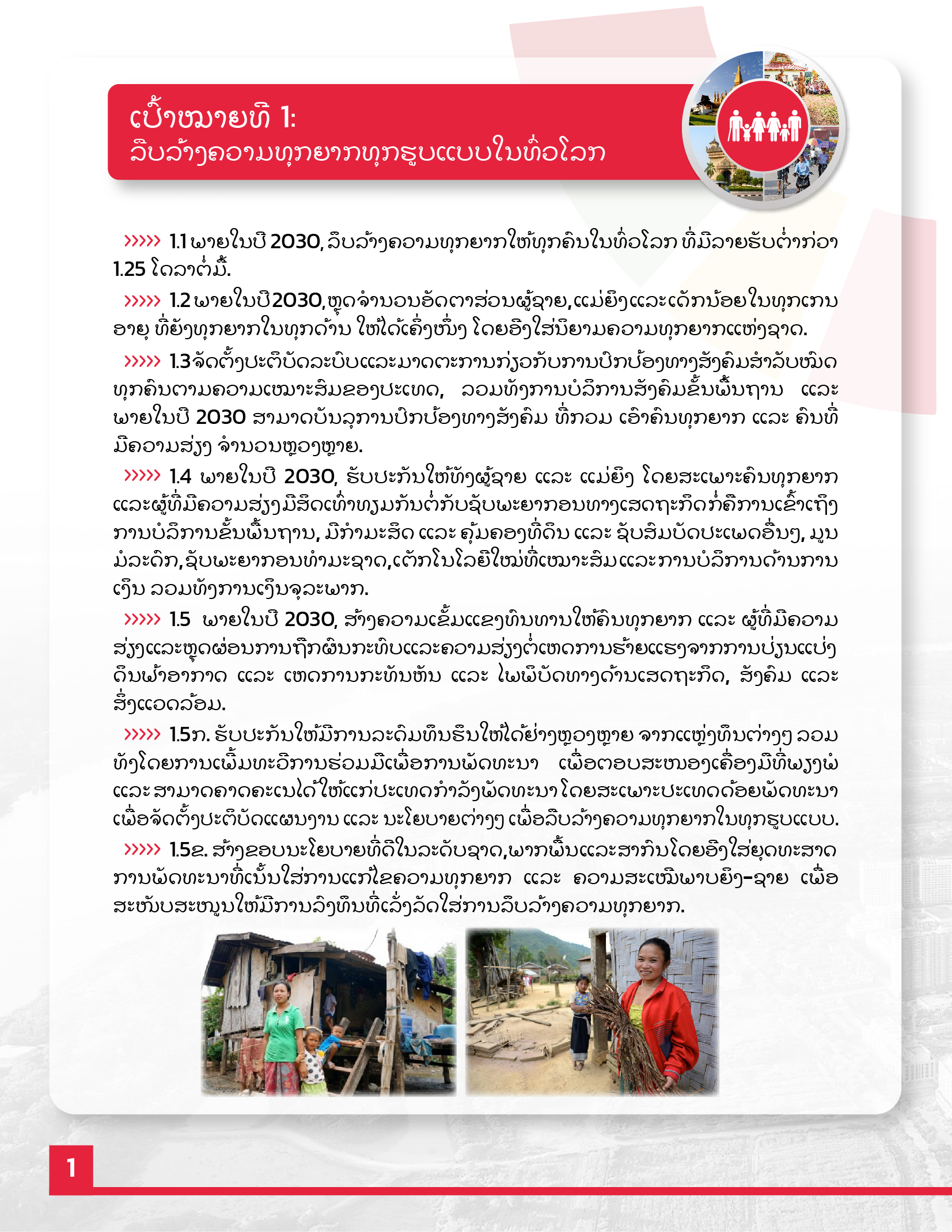
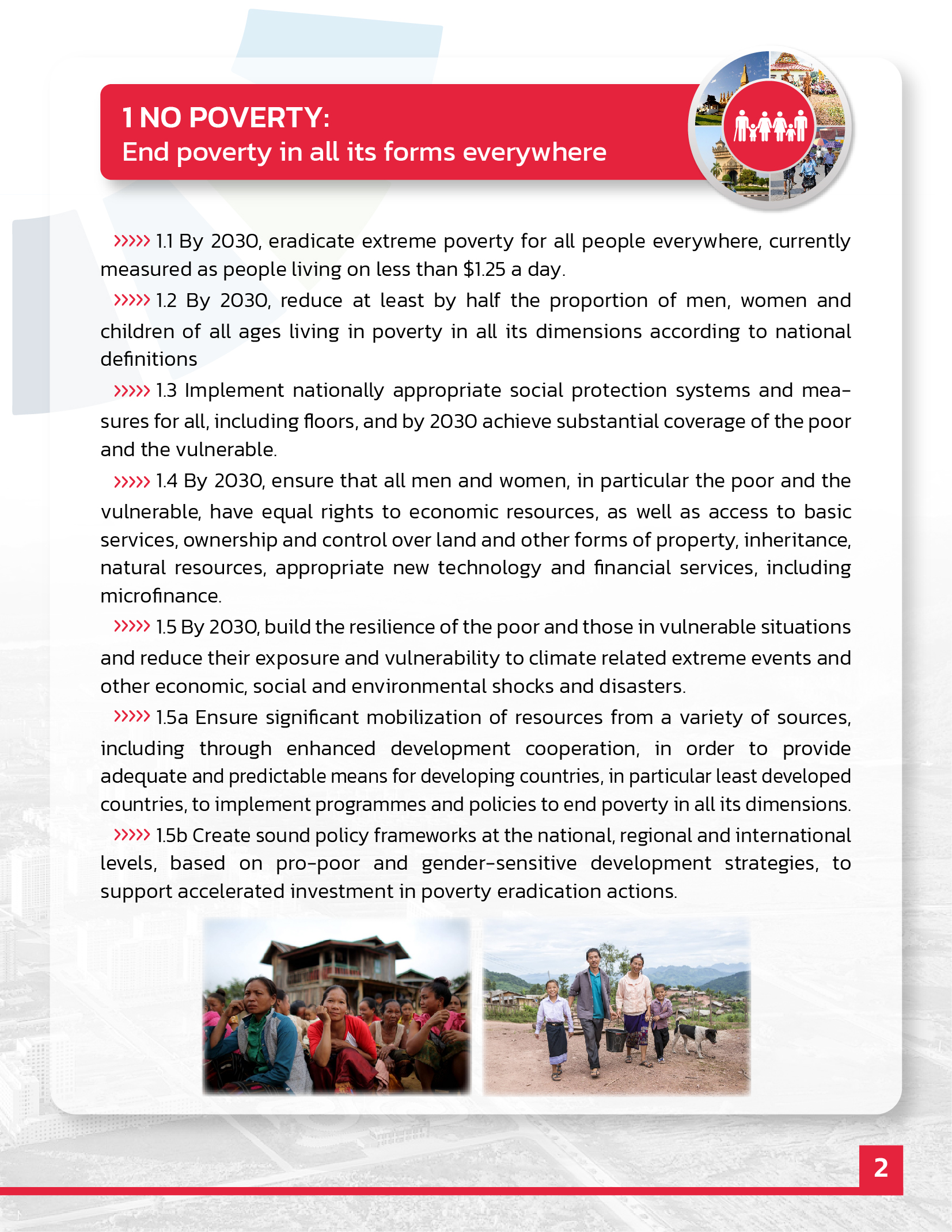
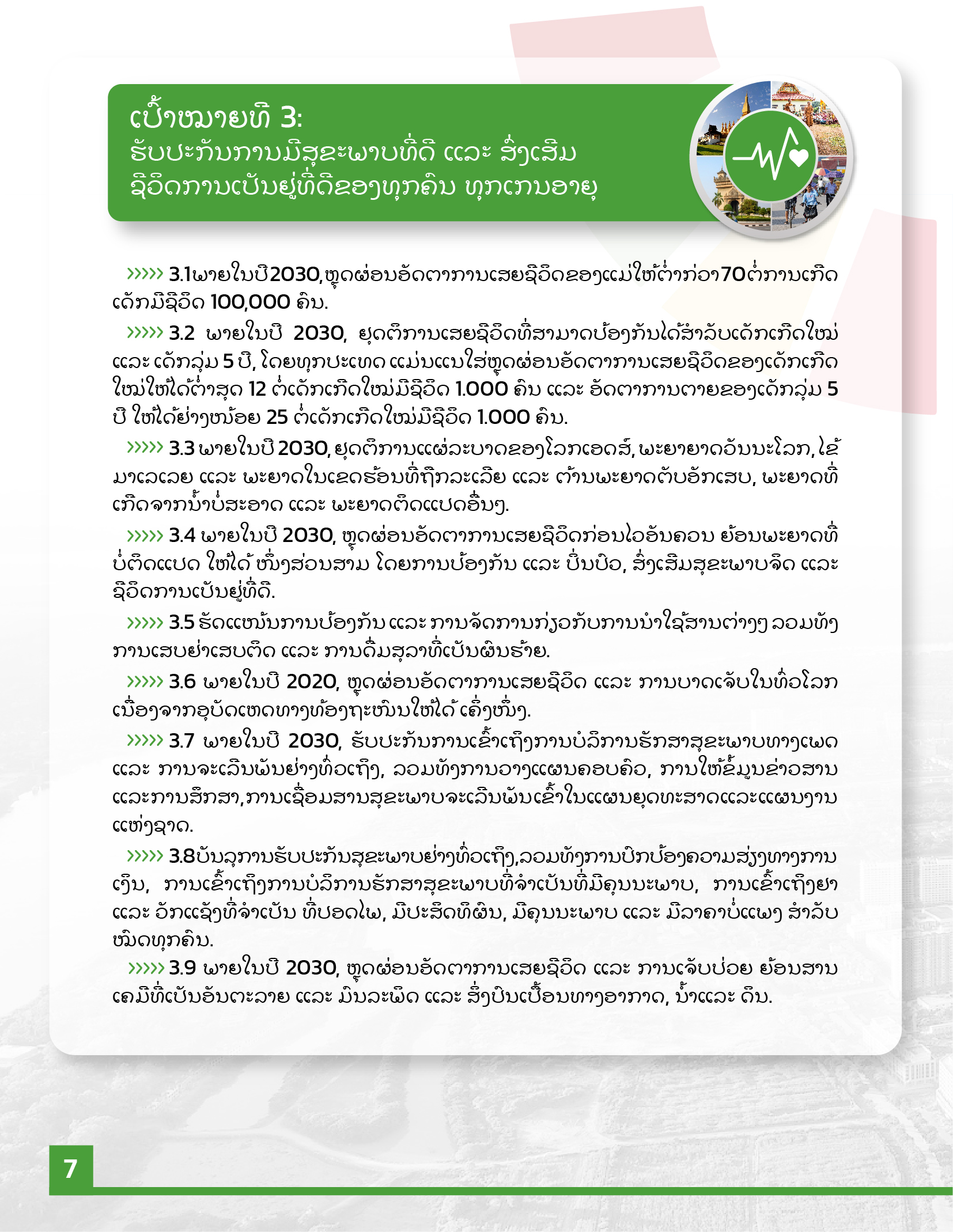
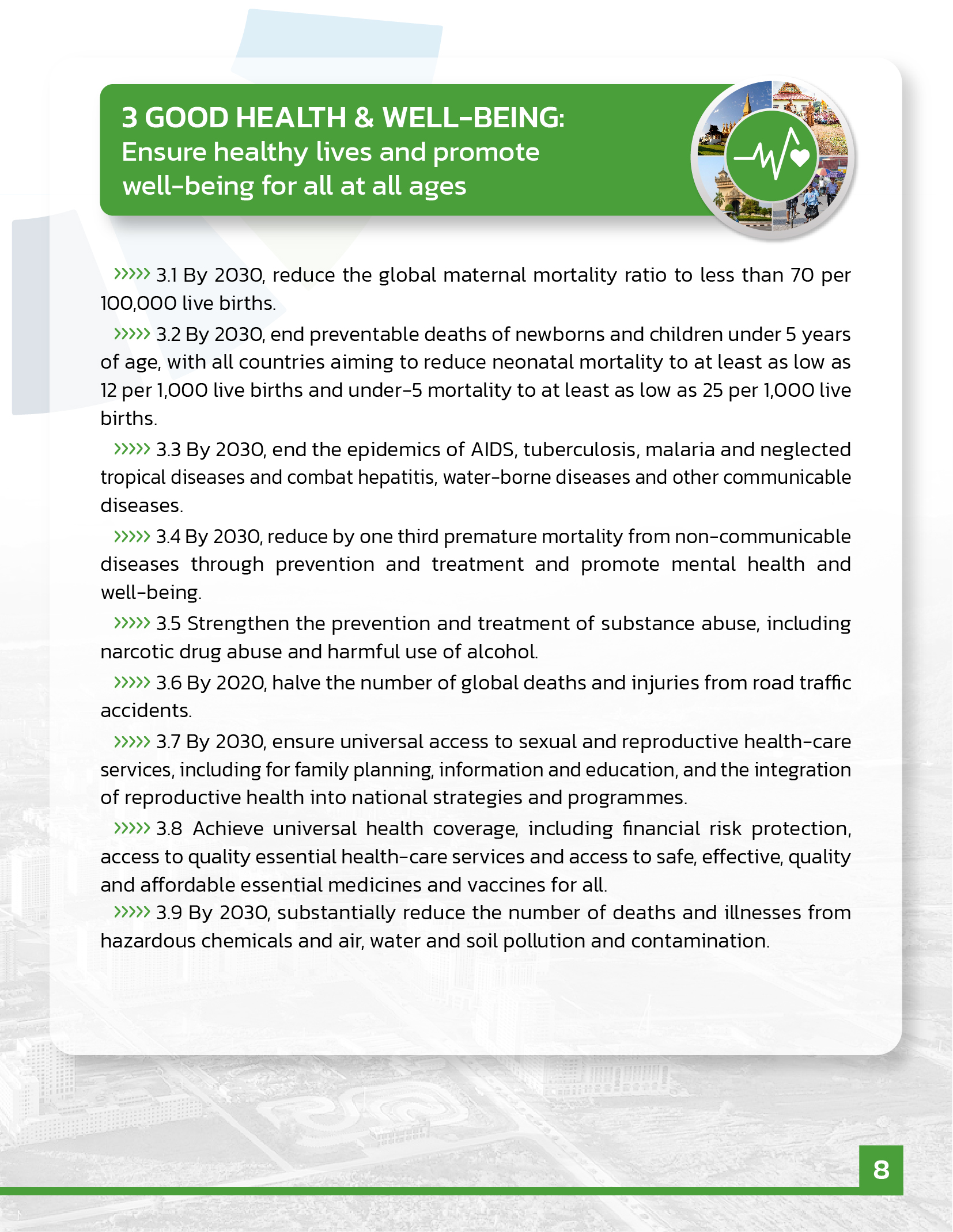
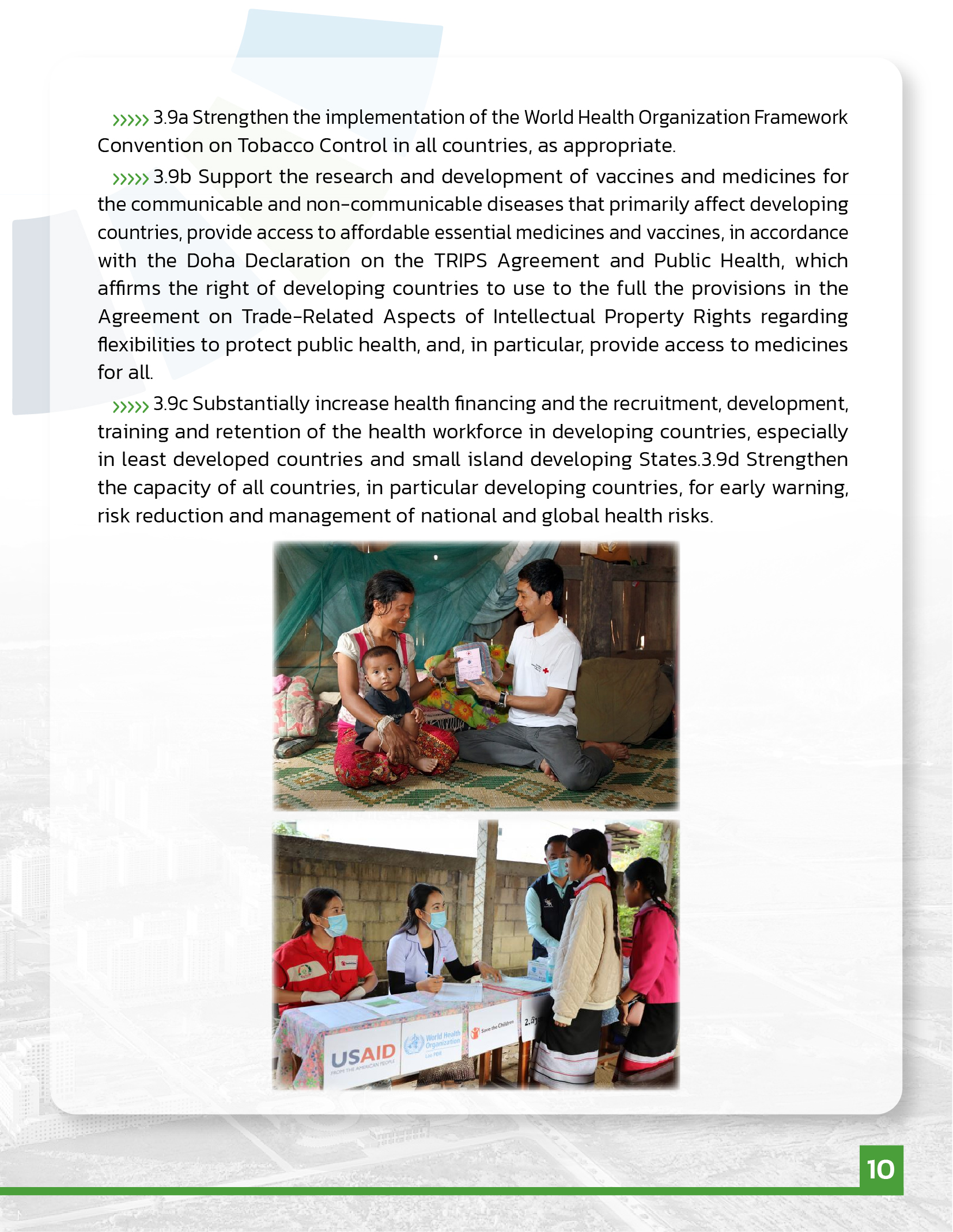
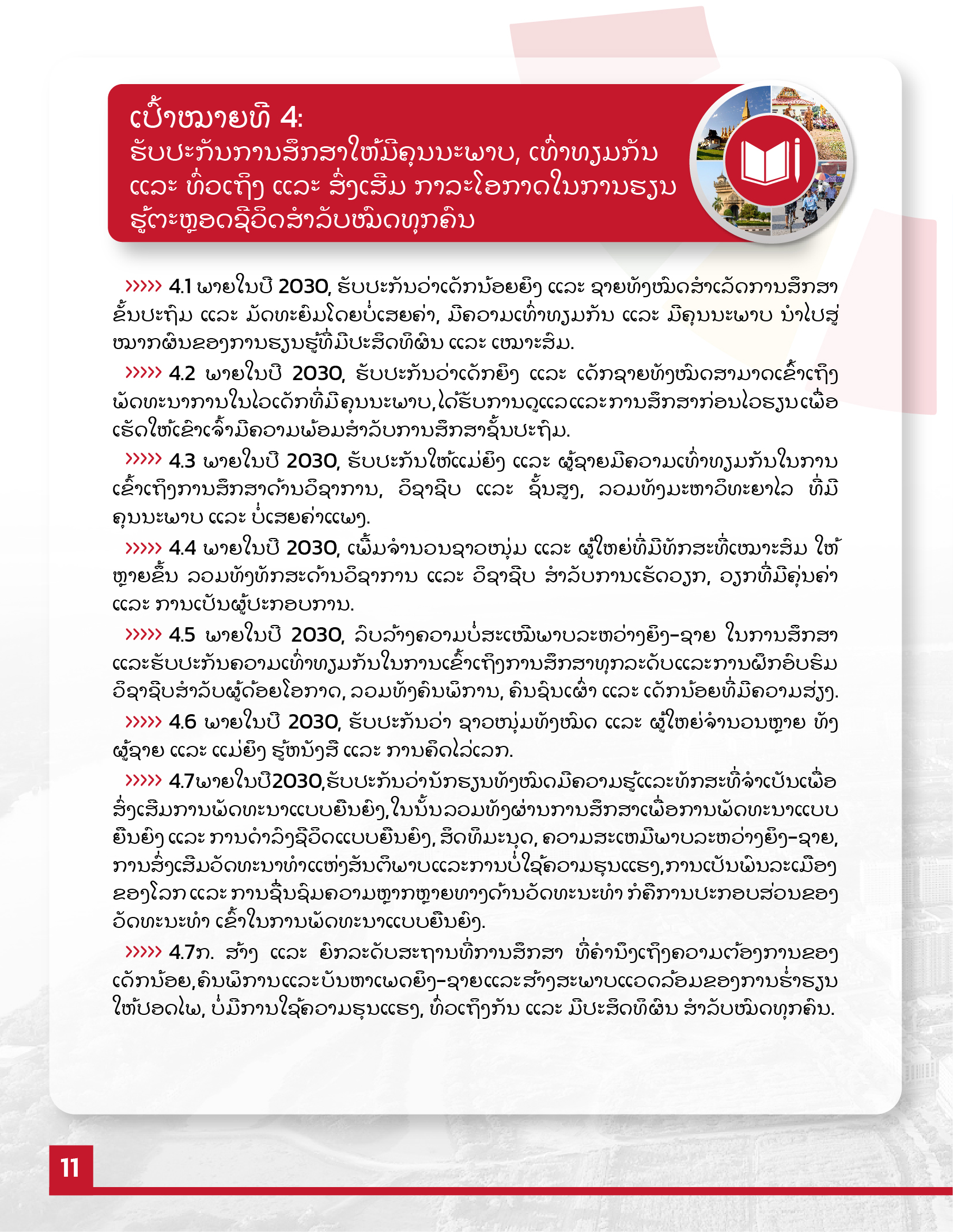
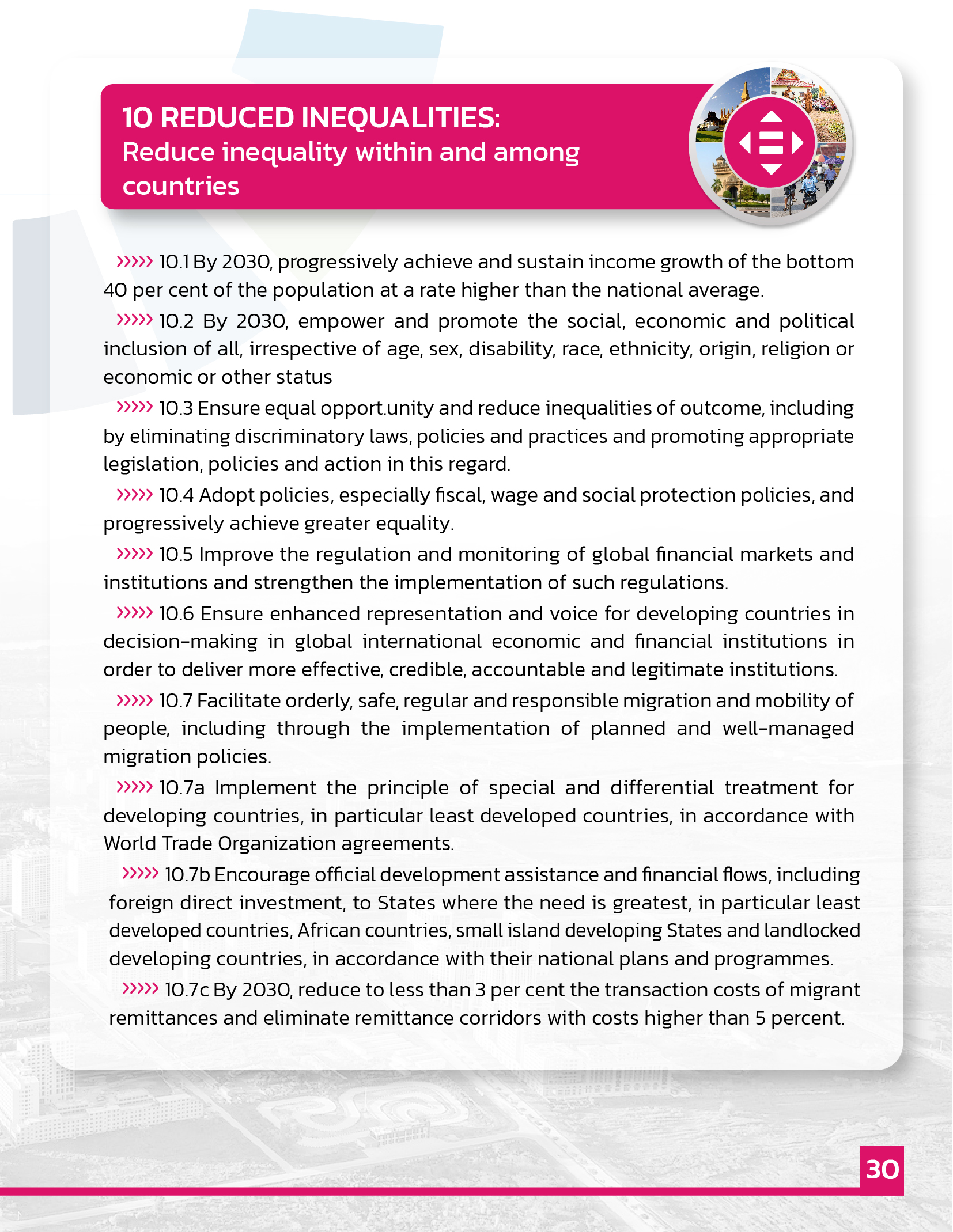
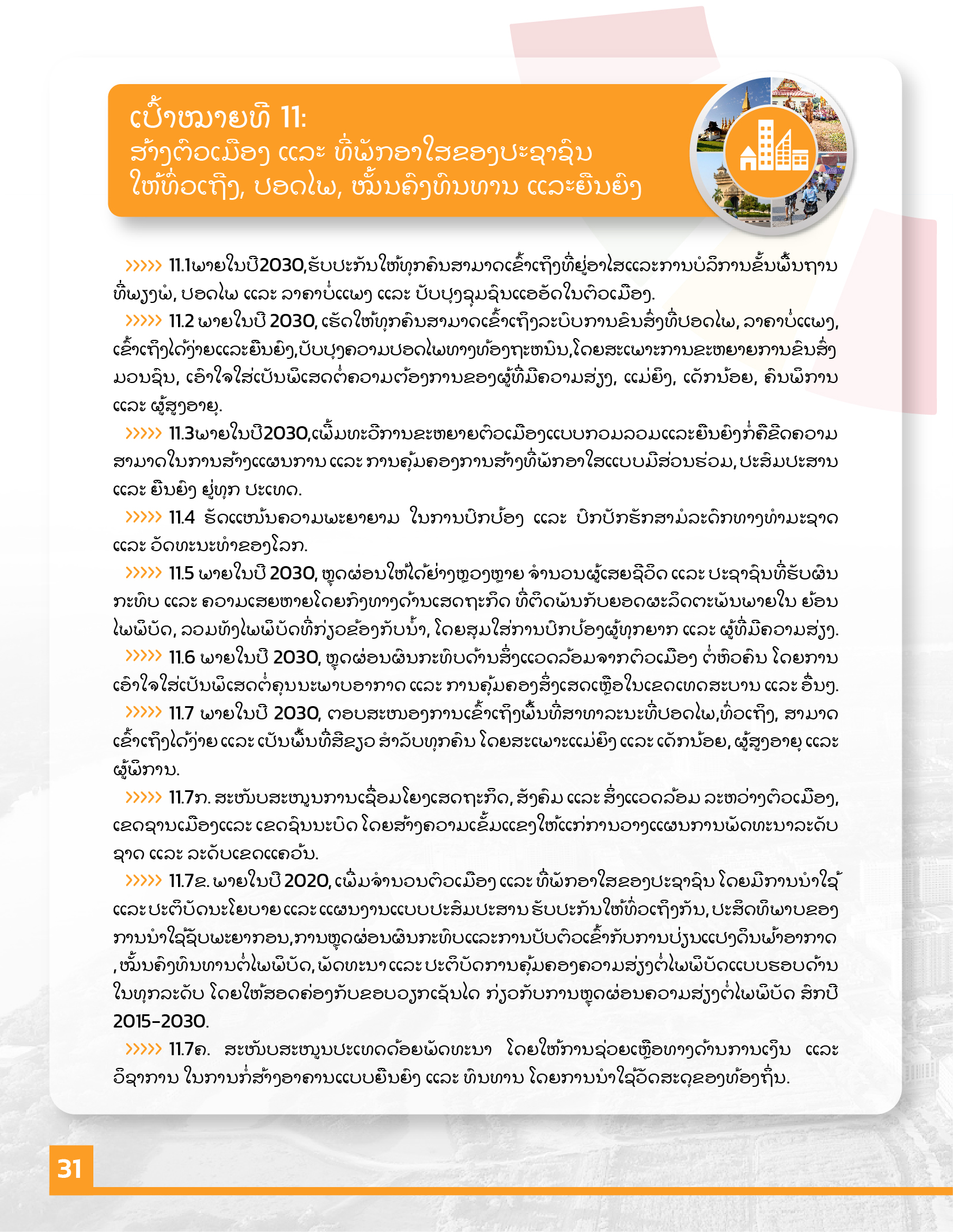
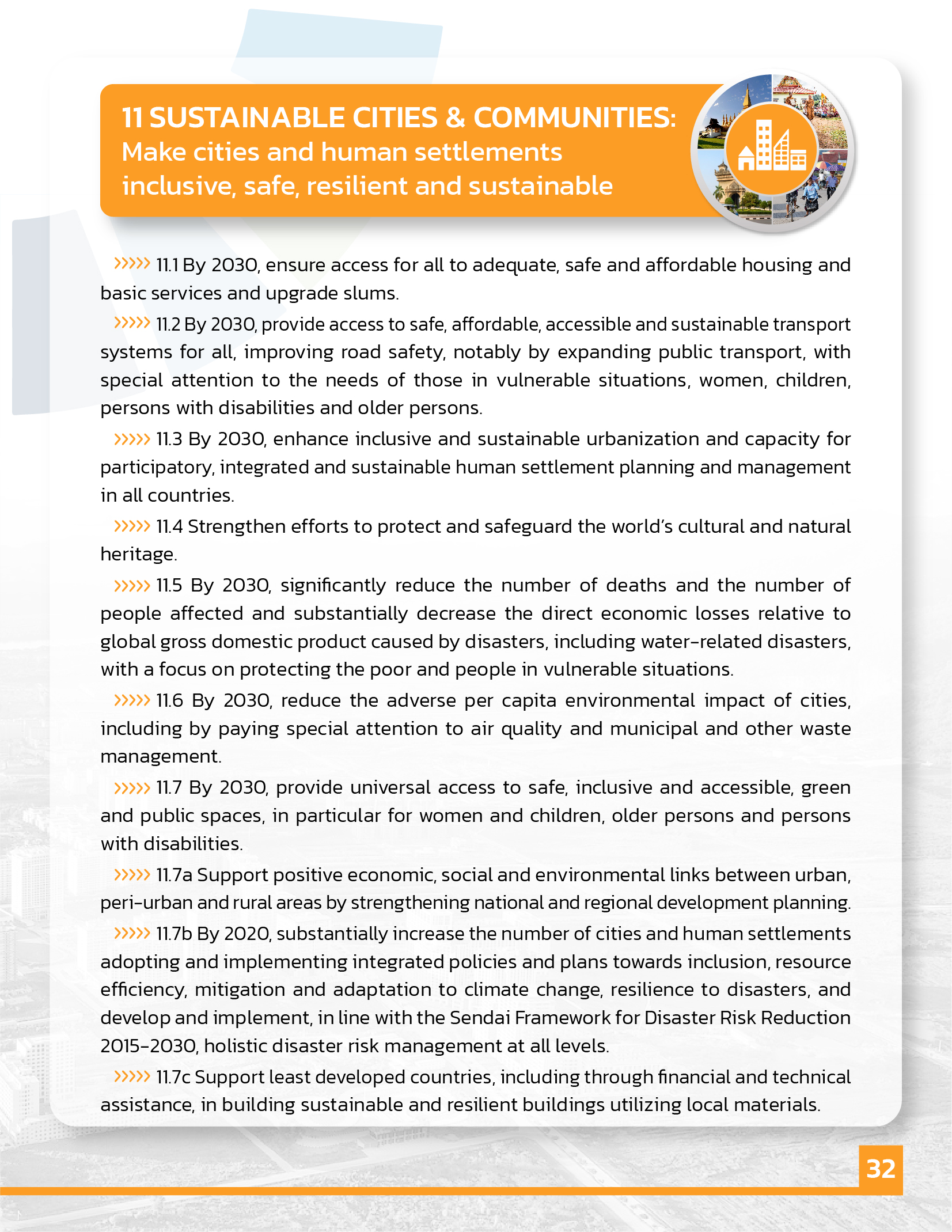
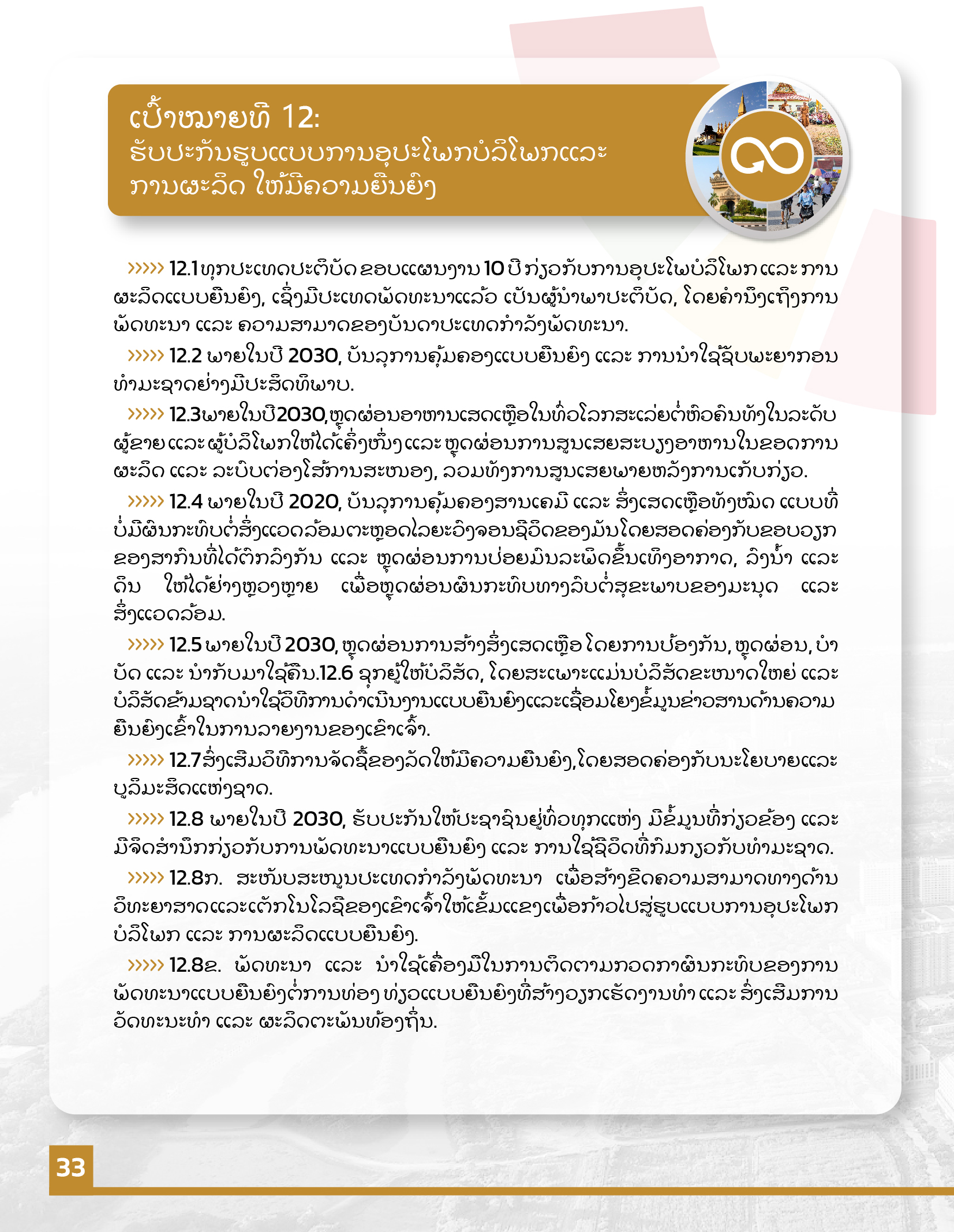
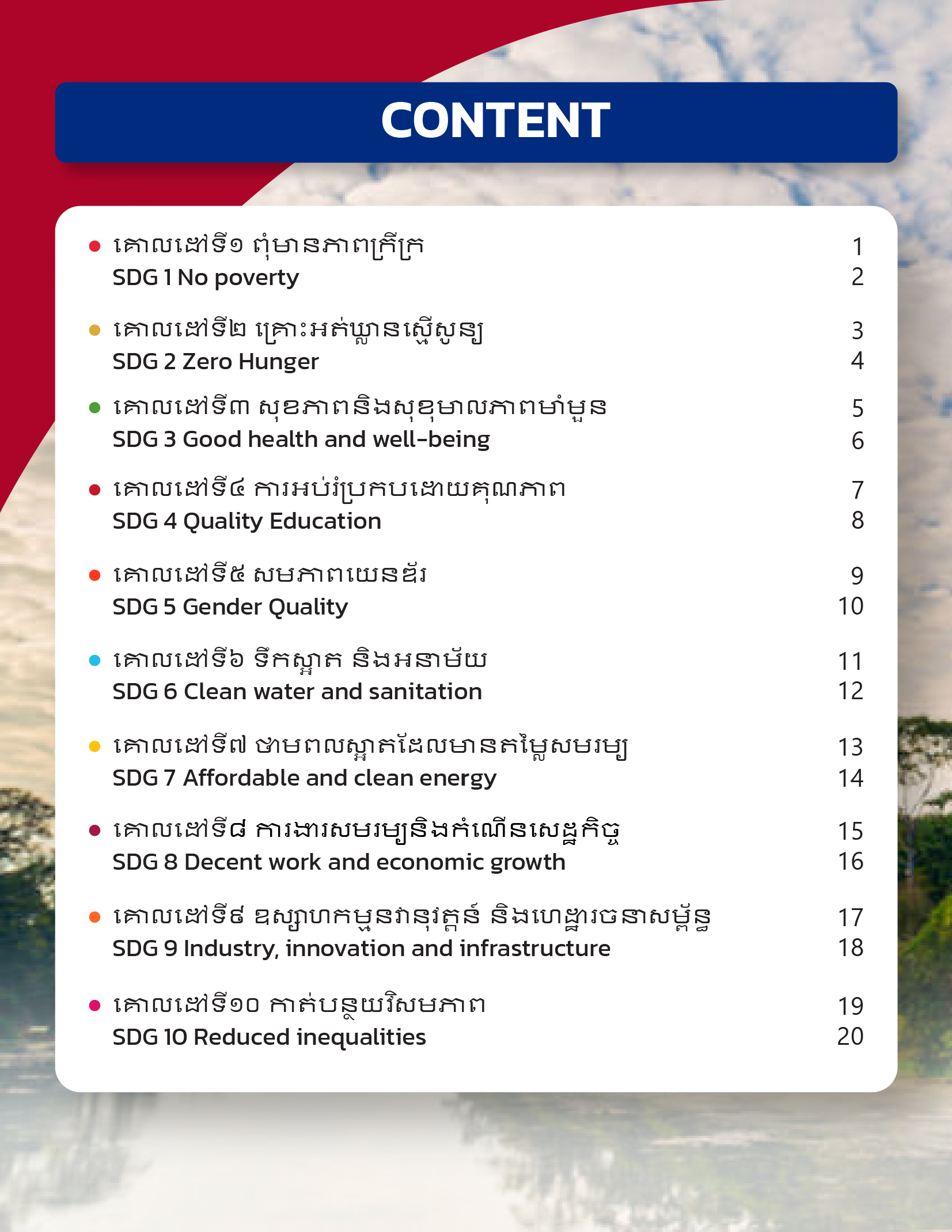
One of Walailak University’s key contributions is the development of an SDG booklet, available in both English and Burmese, designed to provide basic information about the Sustainable Development Goals. This booklet has been provided freely for the Burmese workers.
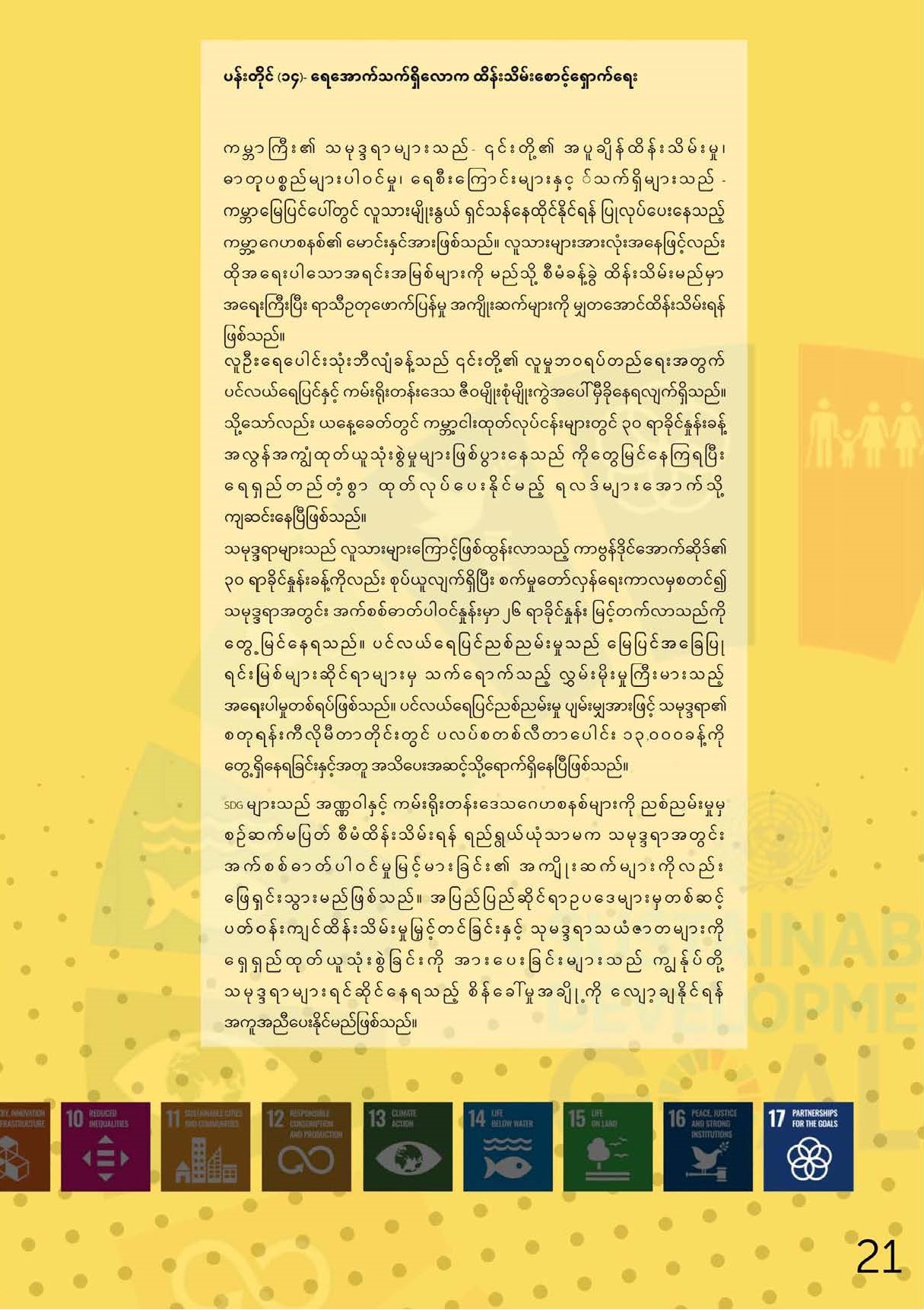
The SDG Booklet in Burmese language developed by Walailak University to provide Burmese displaced people
Promoting Education on SDGs among WU Alumni
Recognizing the critical importance of the Sustainable Development Goals (SDGs) in shaping a sustainable future, Walailak University (WU) is committed to fostering SDG literacy among its alumni. WU’s approach includes a diverse range of events such as interactive workshops, seminars, and panel discussions that aim to deepen alumni understanding of the SDGs and their practical applications across various industries. These initiatives not only reconnect alumni with their alma mater but also empower them with tools to integrate SDG principles into their professional fields.
By encouraging active participation and engagement, WU nurtures a network of socially responsible leaders who are well-equipped to drive impactful change and contribute to global sustainability efforts. Through these efforts, WU is helping its alumni become advocates for sustainable development, ensuring their leadership extends beyond individual success to broader community and global well-being.