
Implementing Water-Conscious Building Standards for Sustainable Water Management
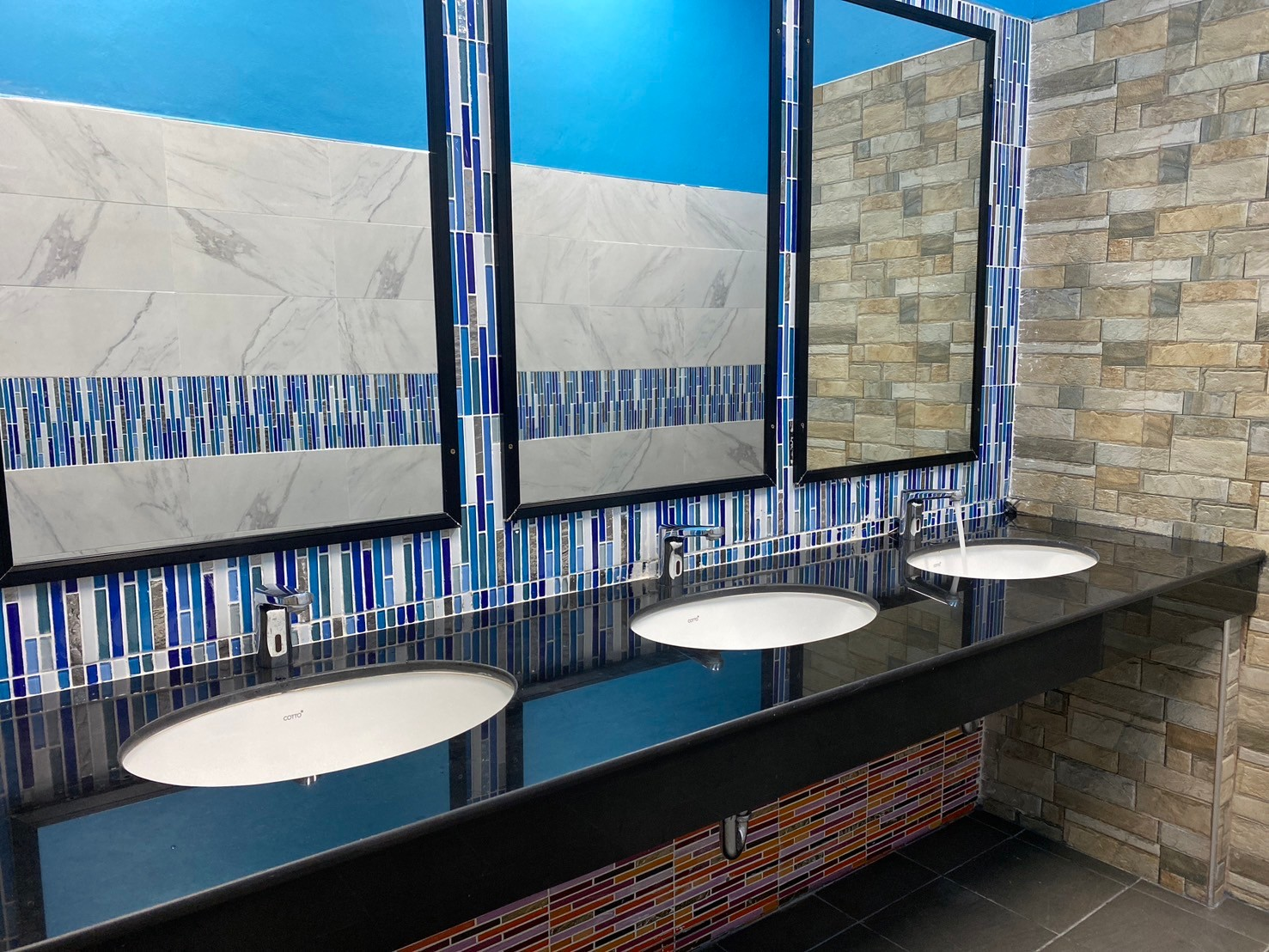
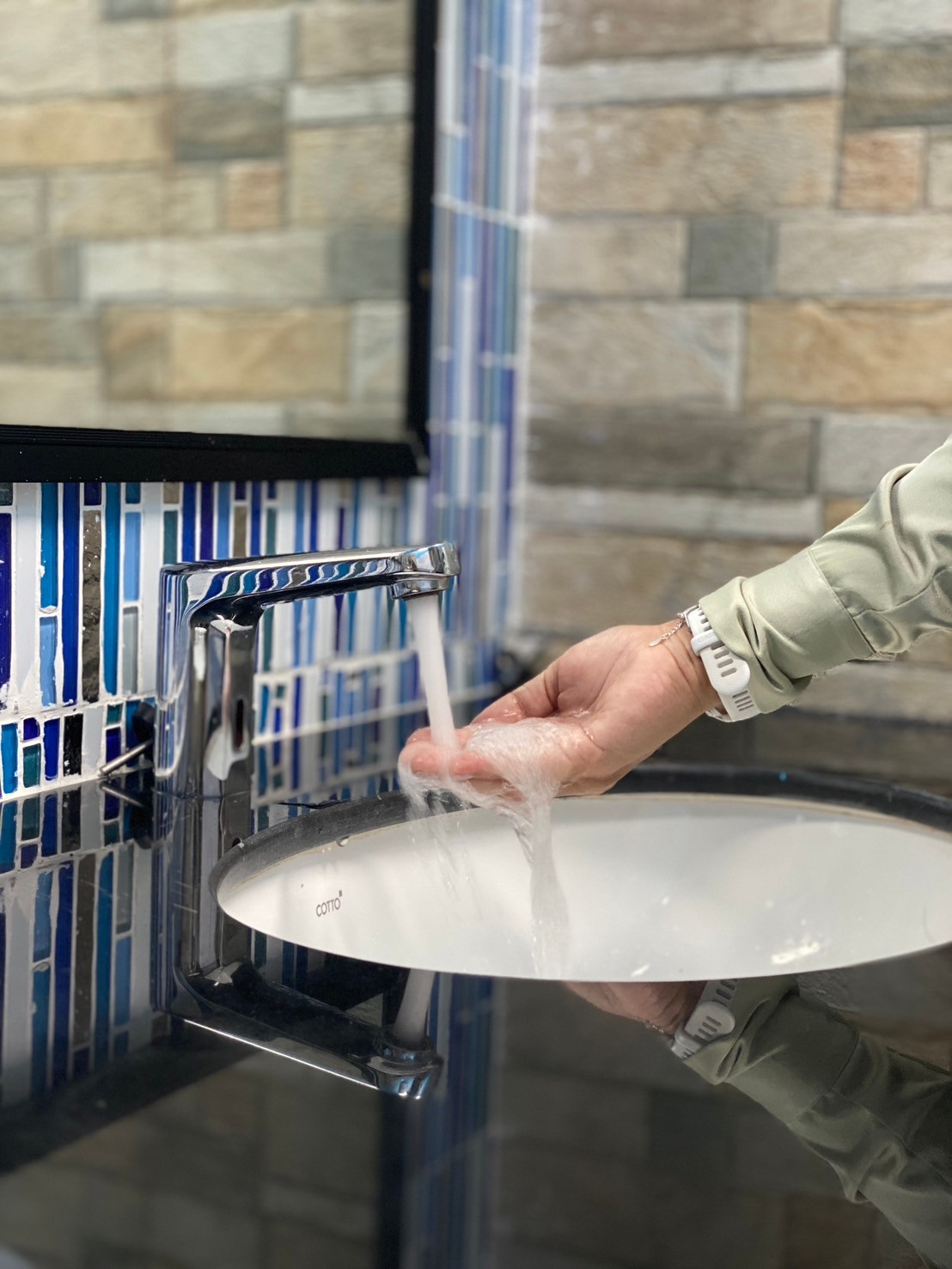
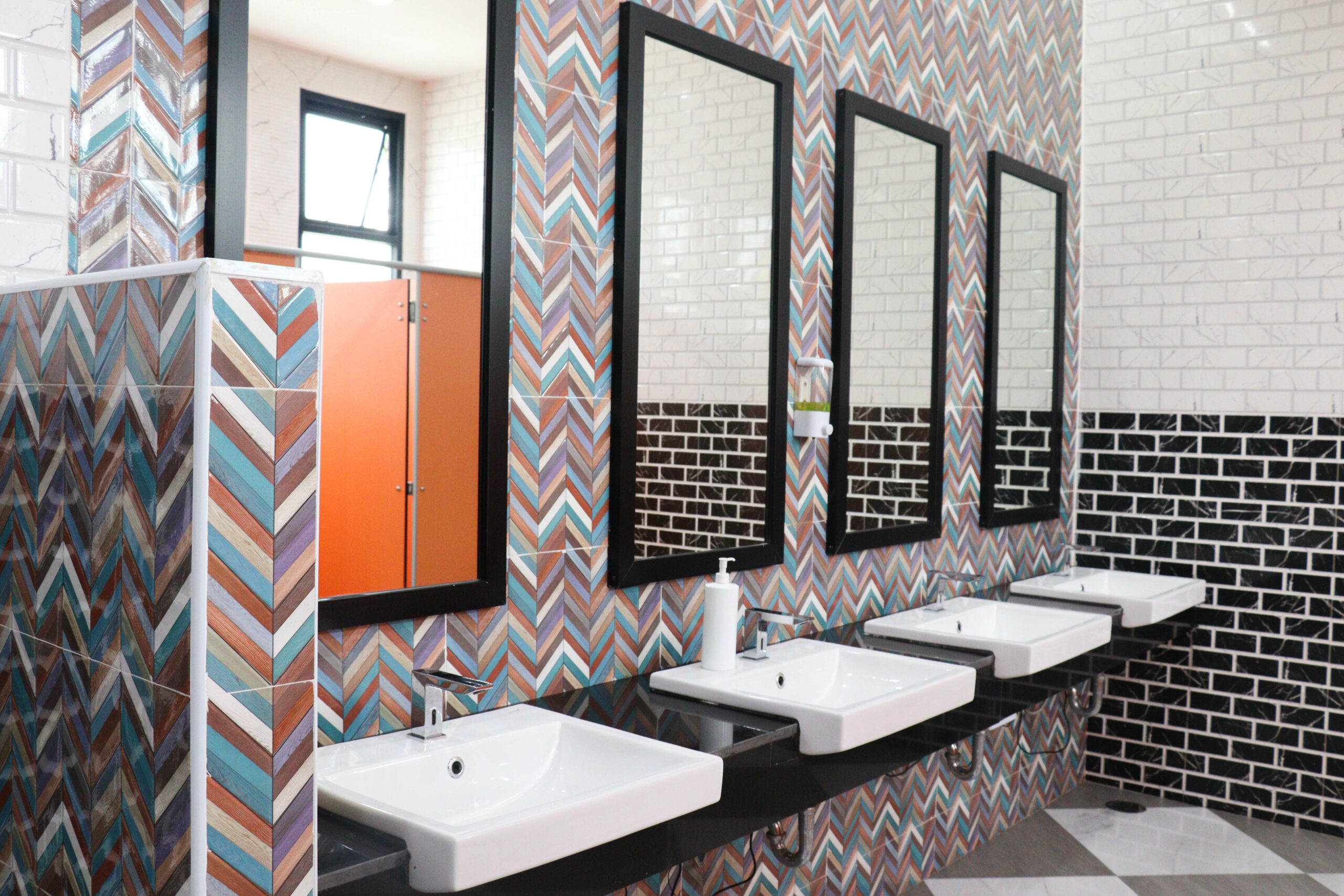
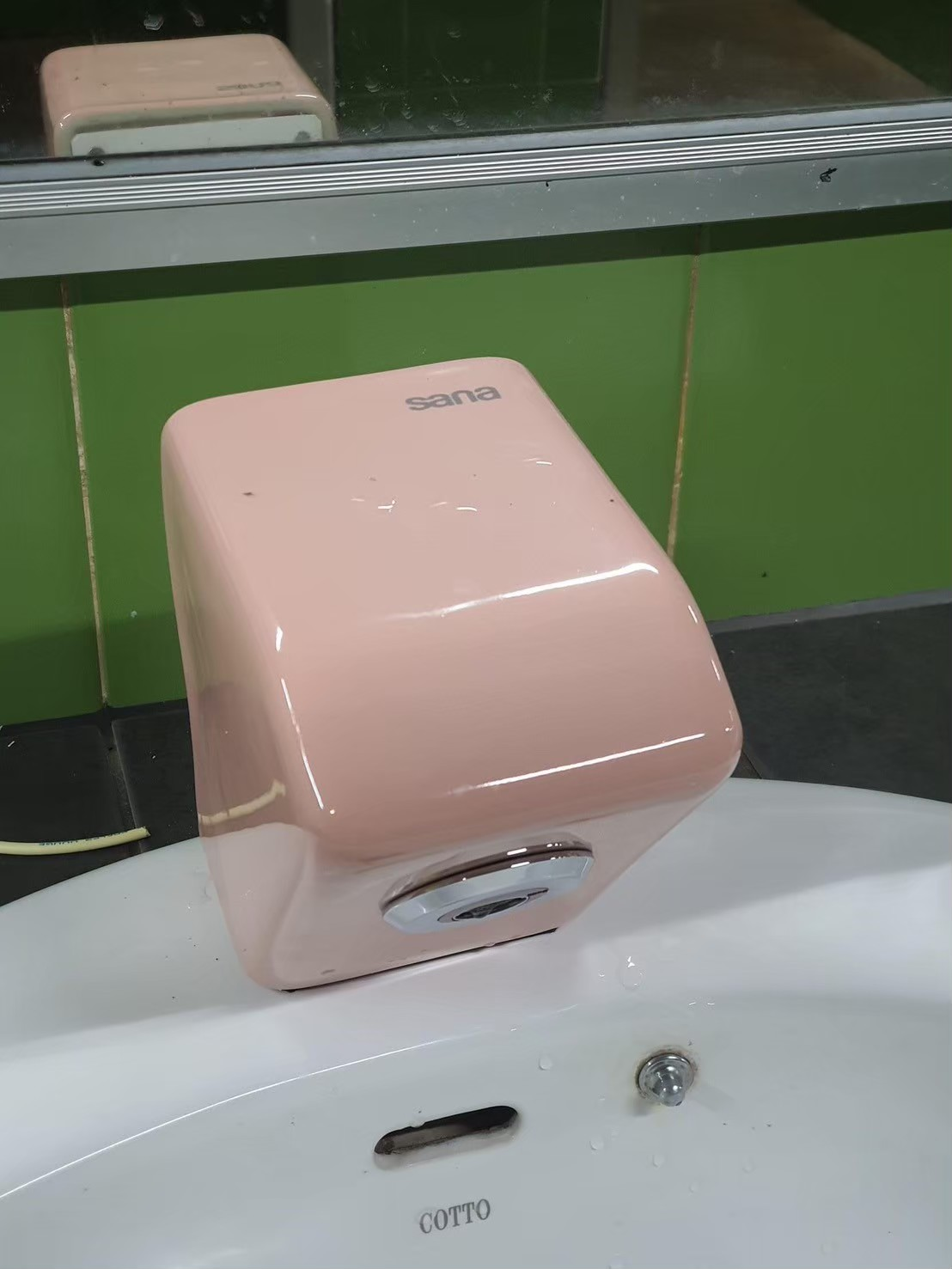
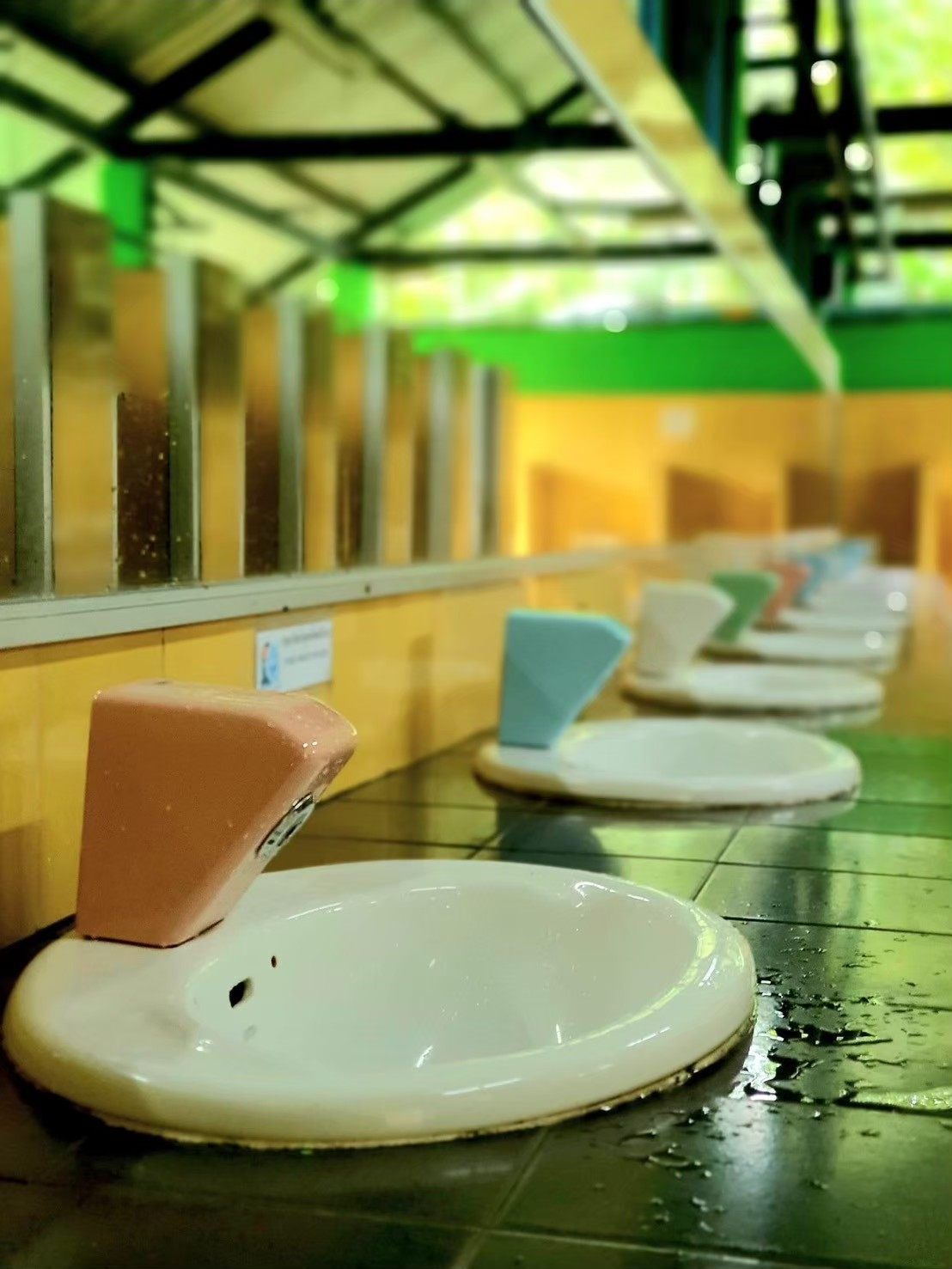
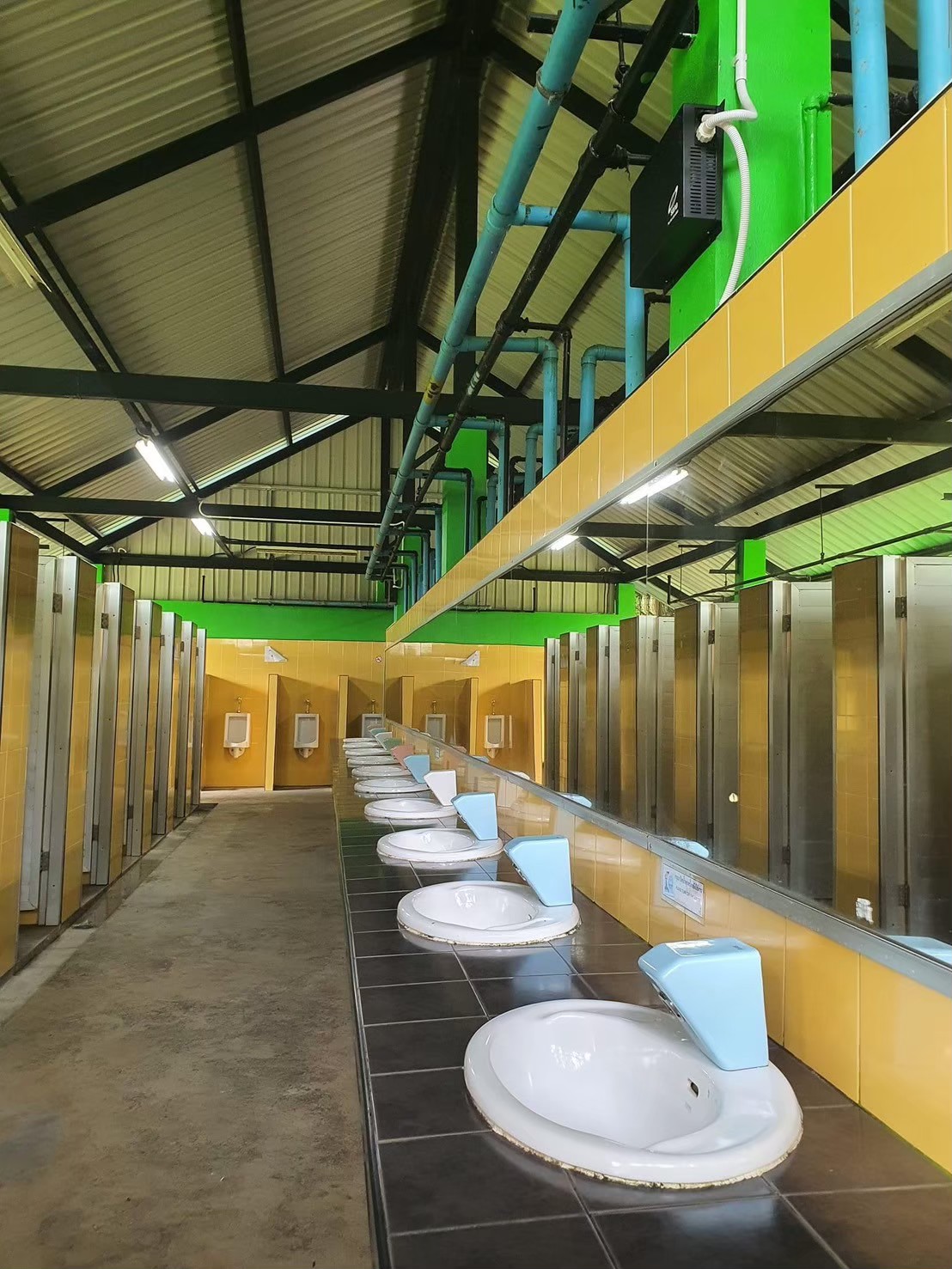
Figure : Automatic sensor faucets at Walailak University
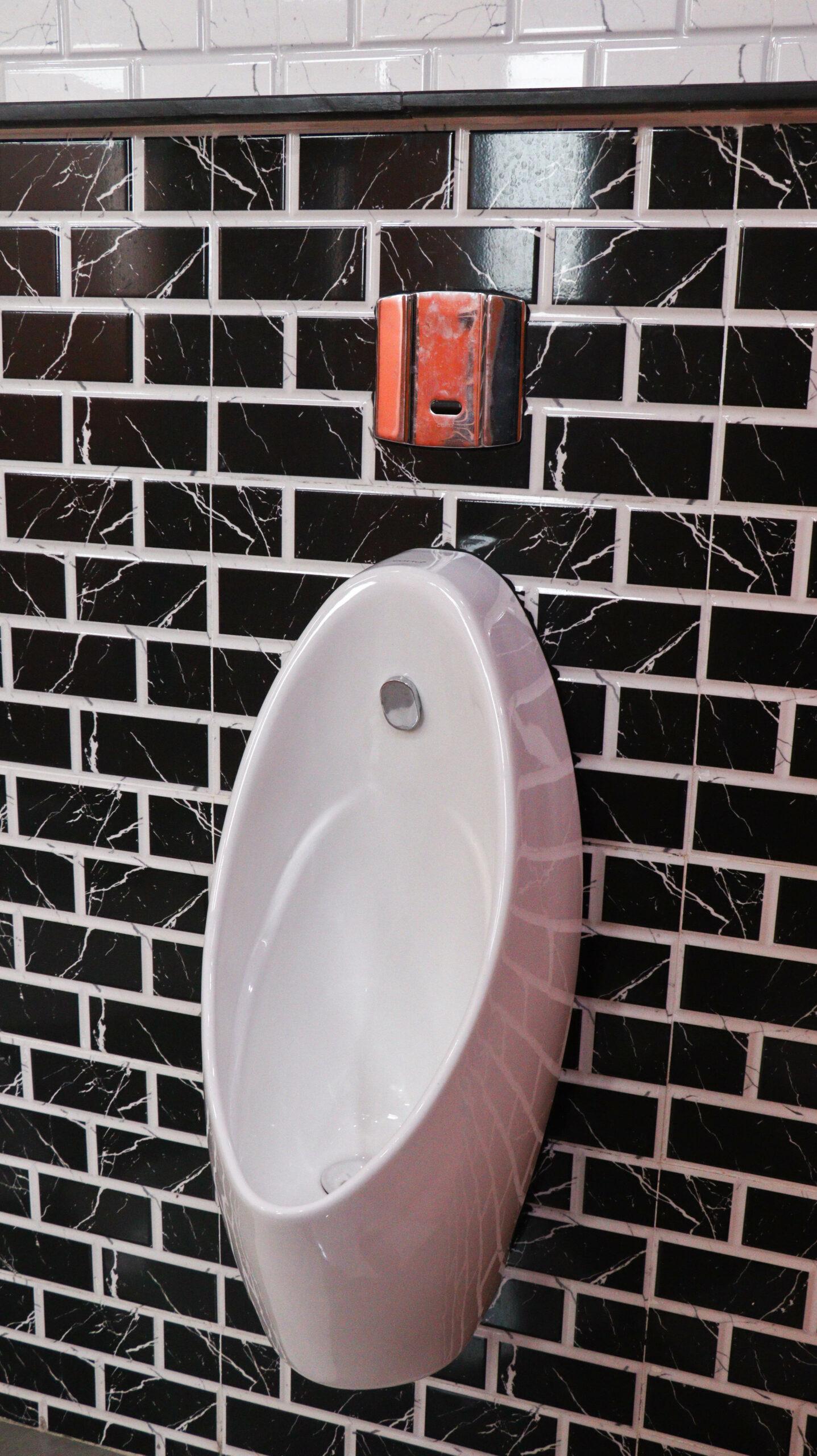
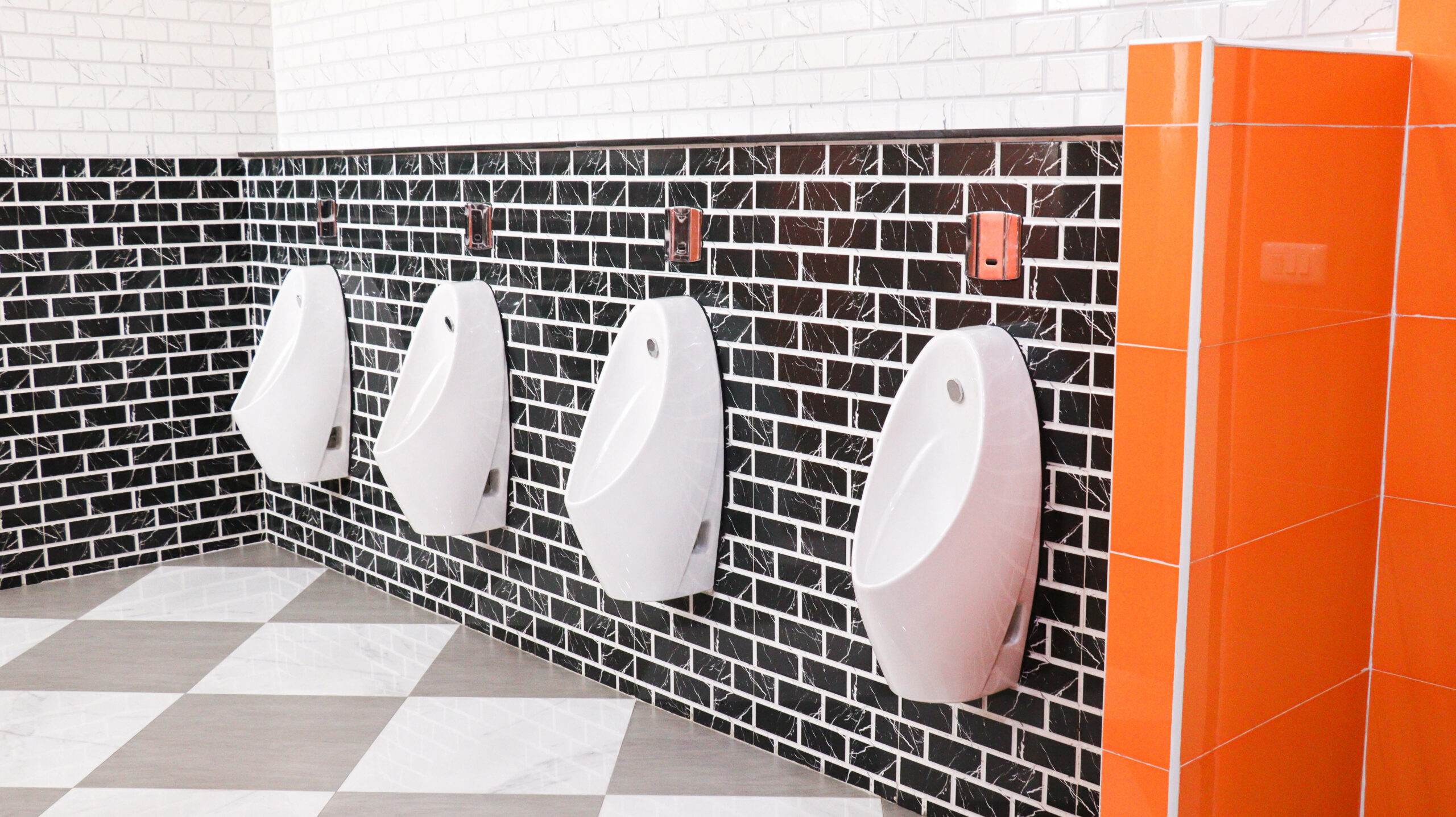
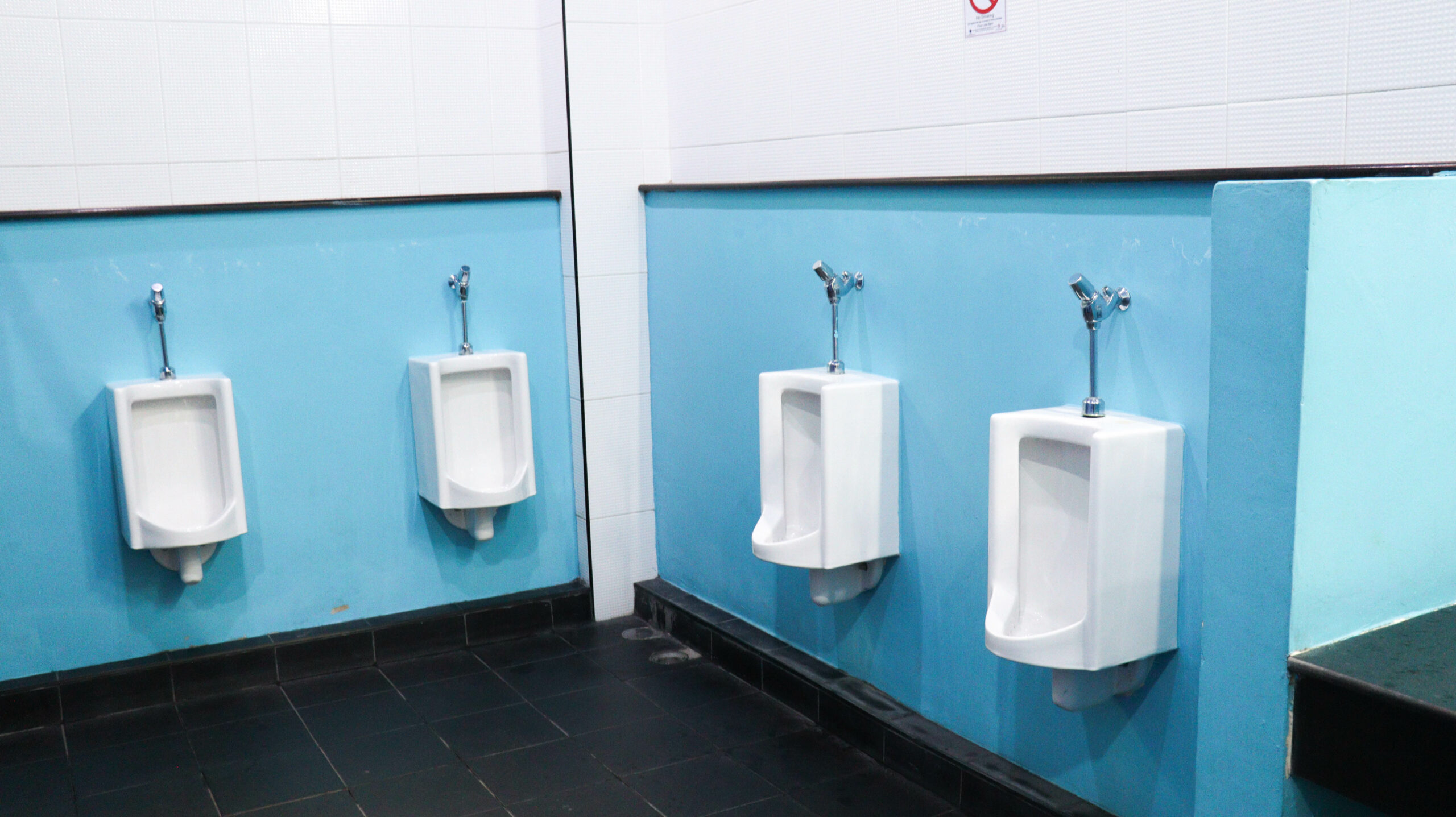
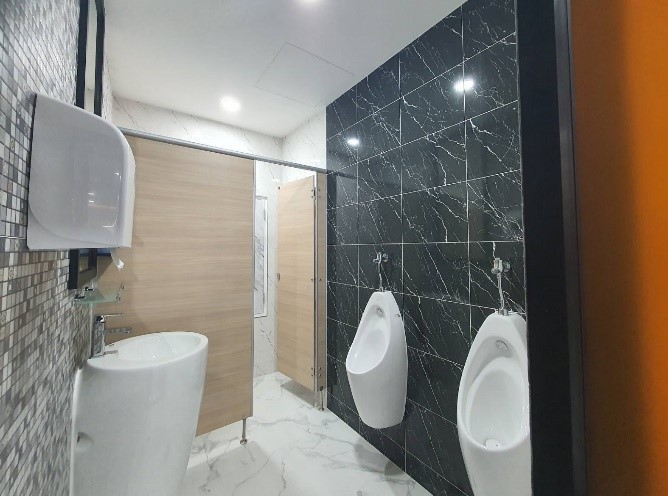
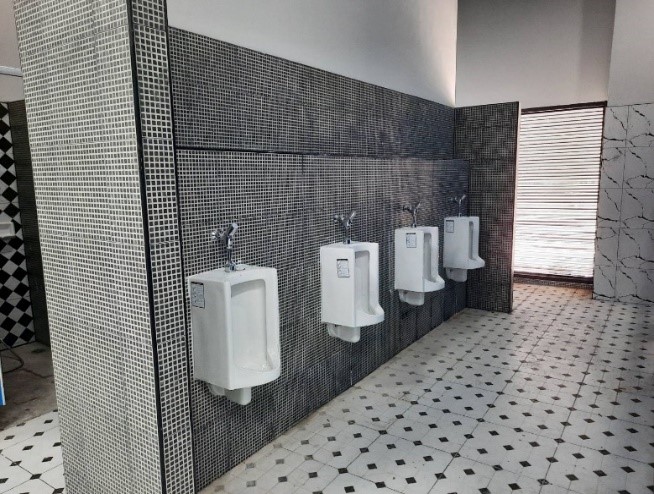
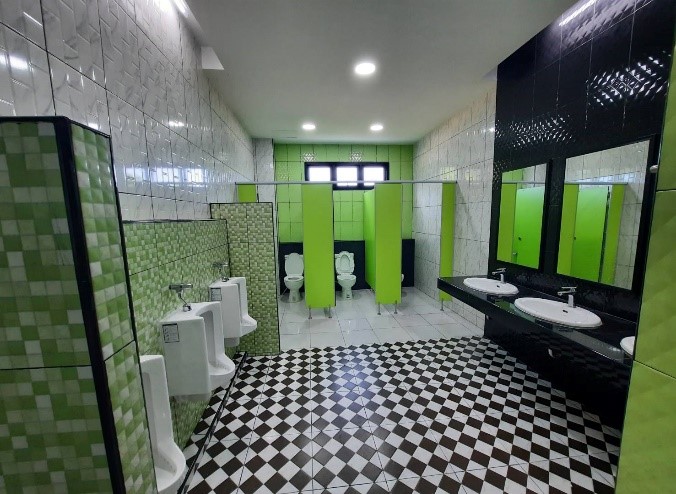
Figure : Sensor urinal at Walailak University
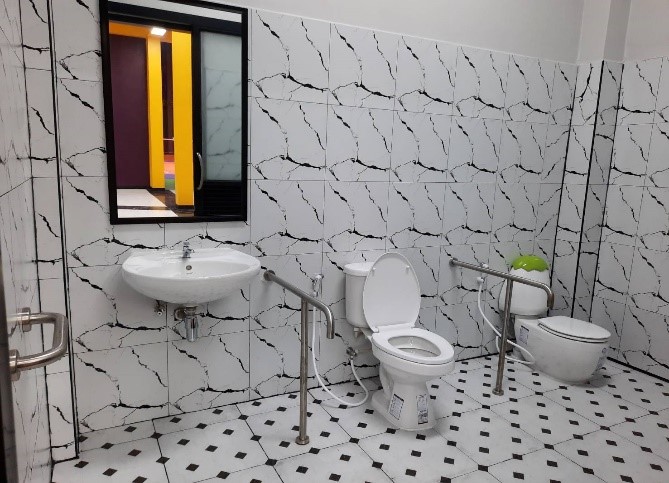
Currently, the university has replaced squat toilets, which cause excessive water usage, in two student dormitories and the student activity building with flush tank toilets. These water-saving toilets store water in a rear tank and are more efficient than the previous models. Additionally, a water-saving technique has been applied by placing a 1.5 liter container inside the toilet tank to create more space, reducing water consumption by up to 97%. This method has been implemented in 1,769 out of 1,824 units. Compared to the previous year, in 2023, the university upgraded water-saving sanitary ware in one more building and replaced inefficient water-consuming fixtures in three buildings with more efficient water-saving systems. These efforts continuously promote reduced tap water consumption and efficient water management within the university for maximum benefit.
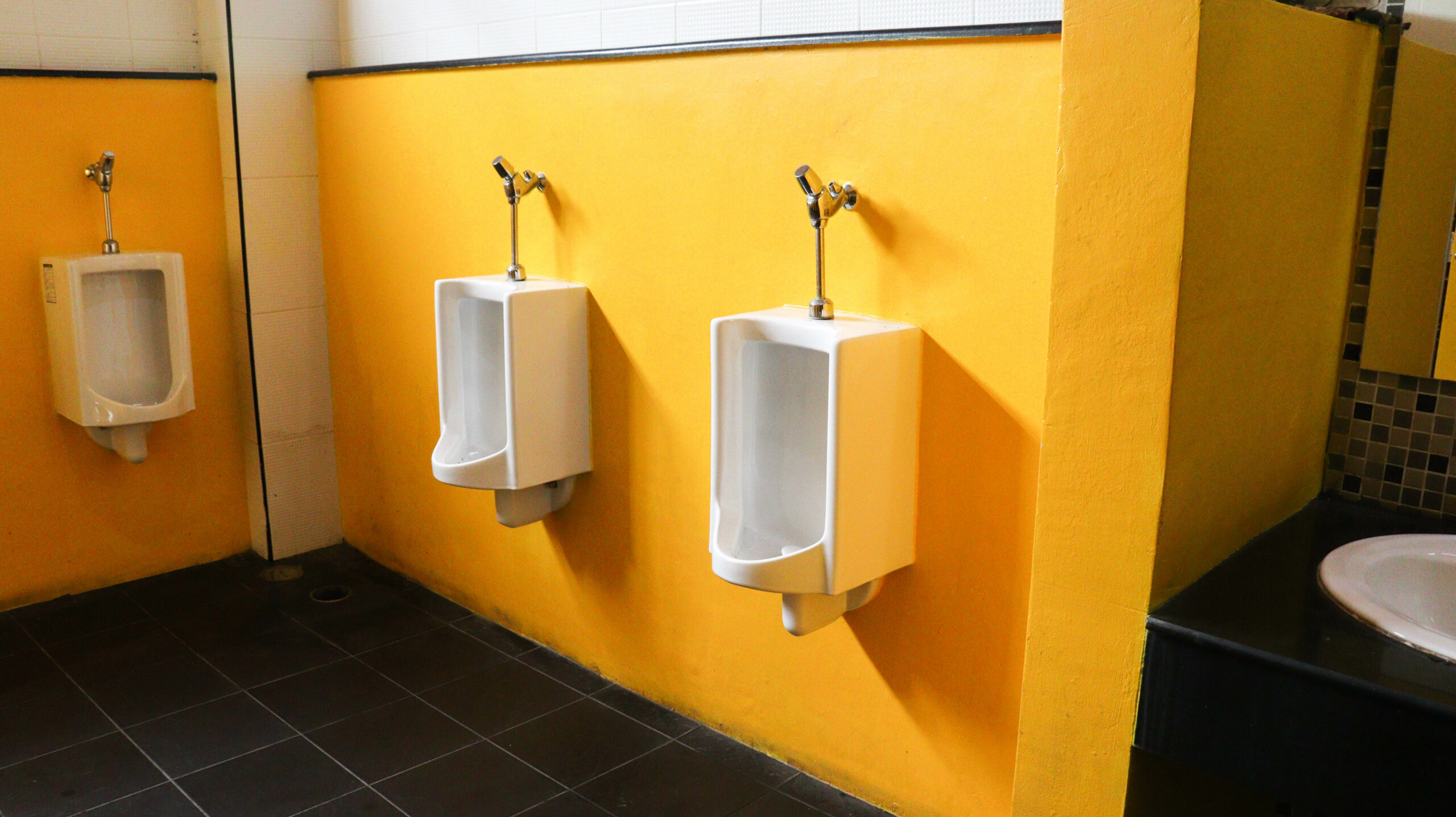
Figure : Highly efficient toilet at Walailak University
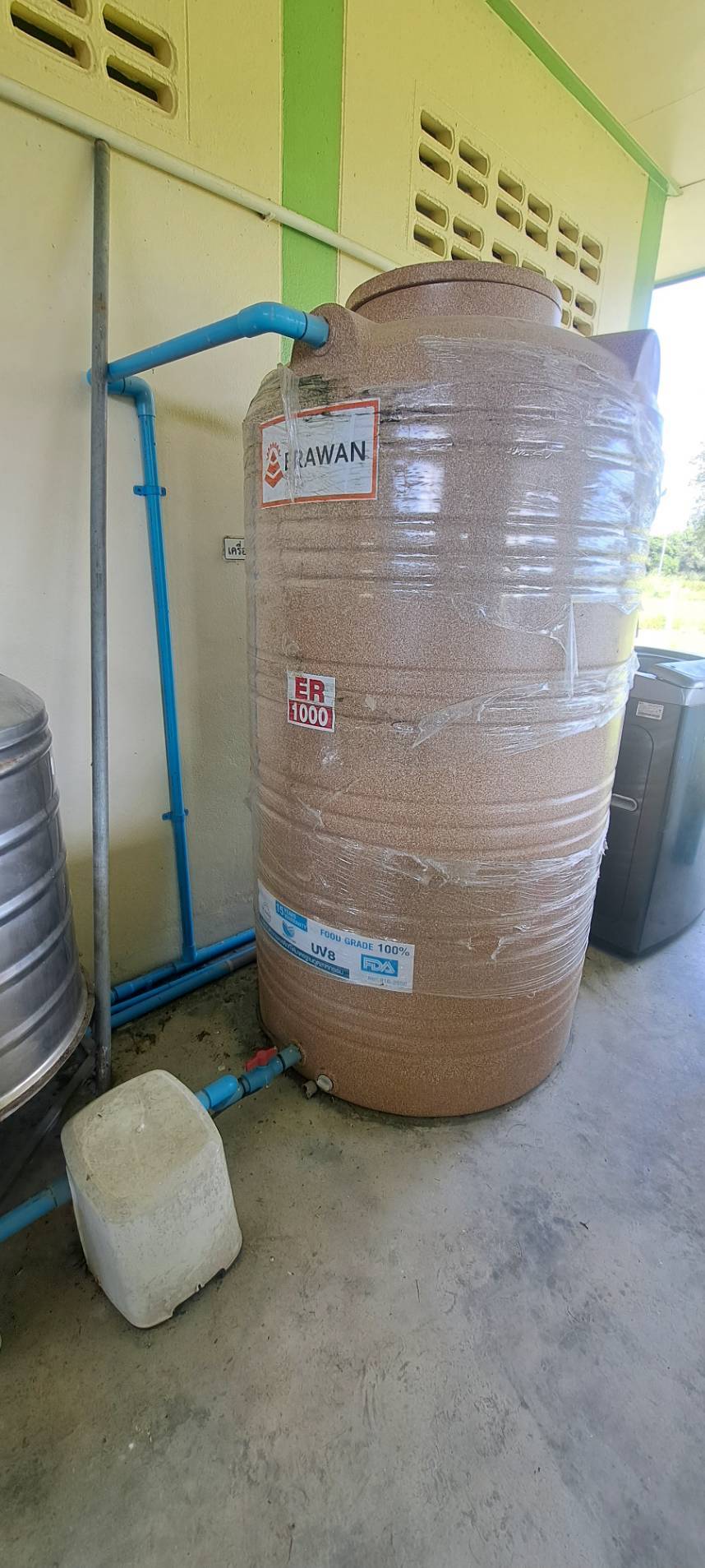
The university has also implemented various technologies to reduce water usage, including:
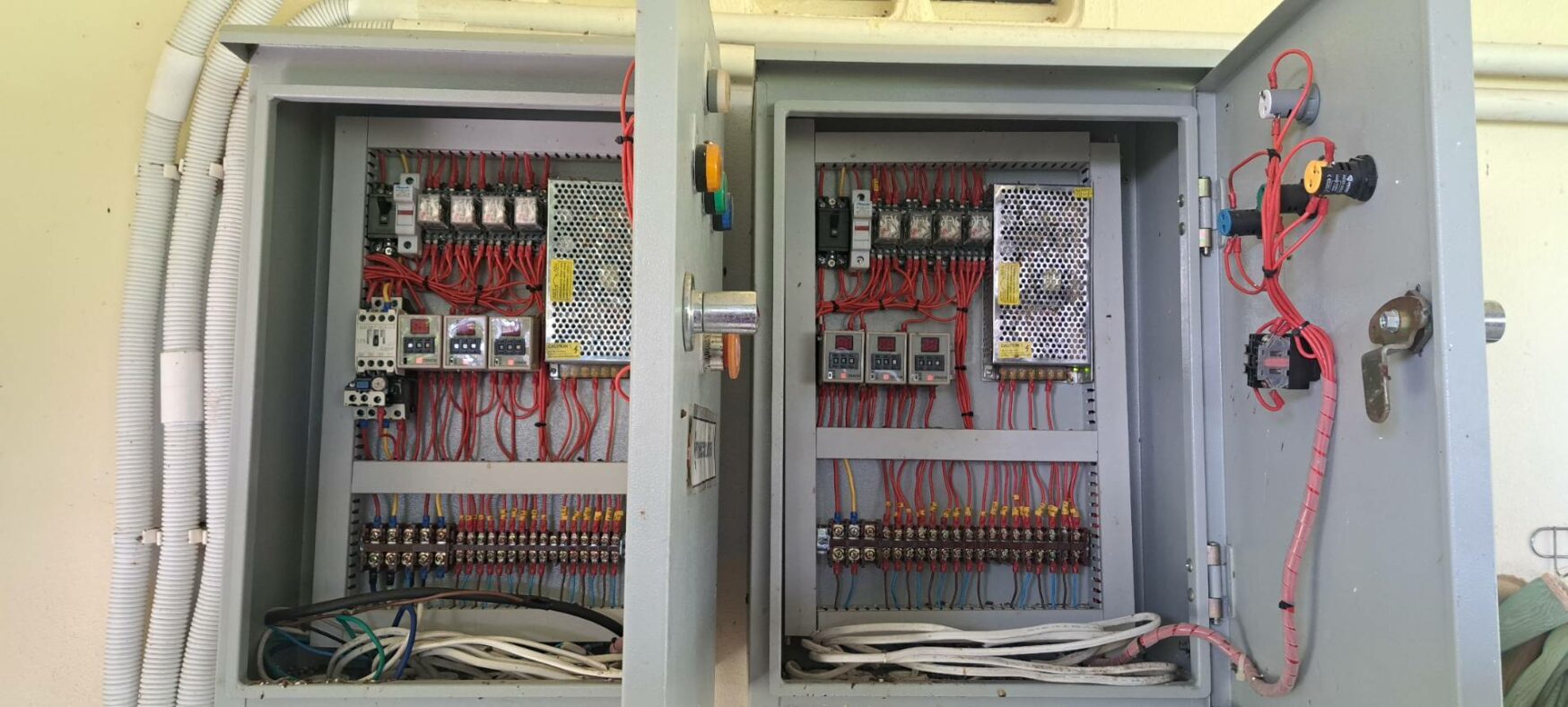
- Automatic water pump control: The water pump operation is controlled based on the water level in the tanks, automatically filling or stopping the water flow using a floating electric valve and motor. This system ensures the pump operates only when necessary, activating when the water level drops below a set point.
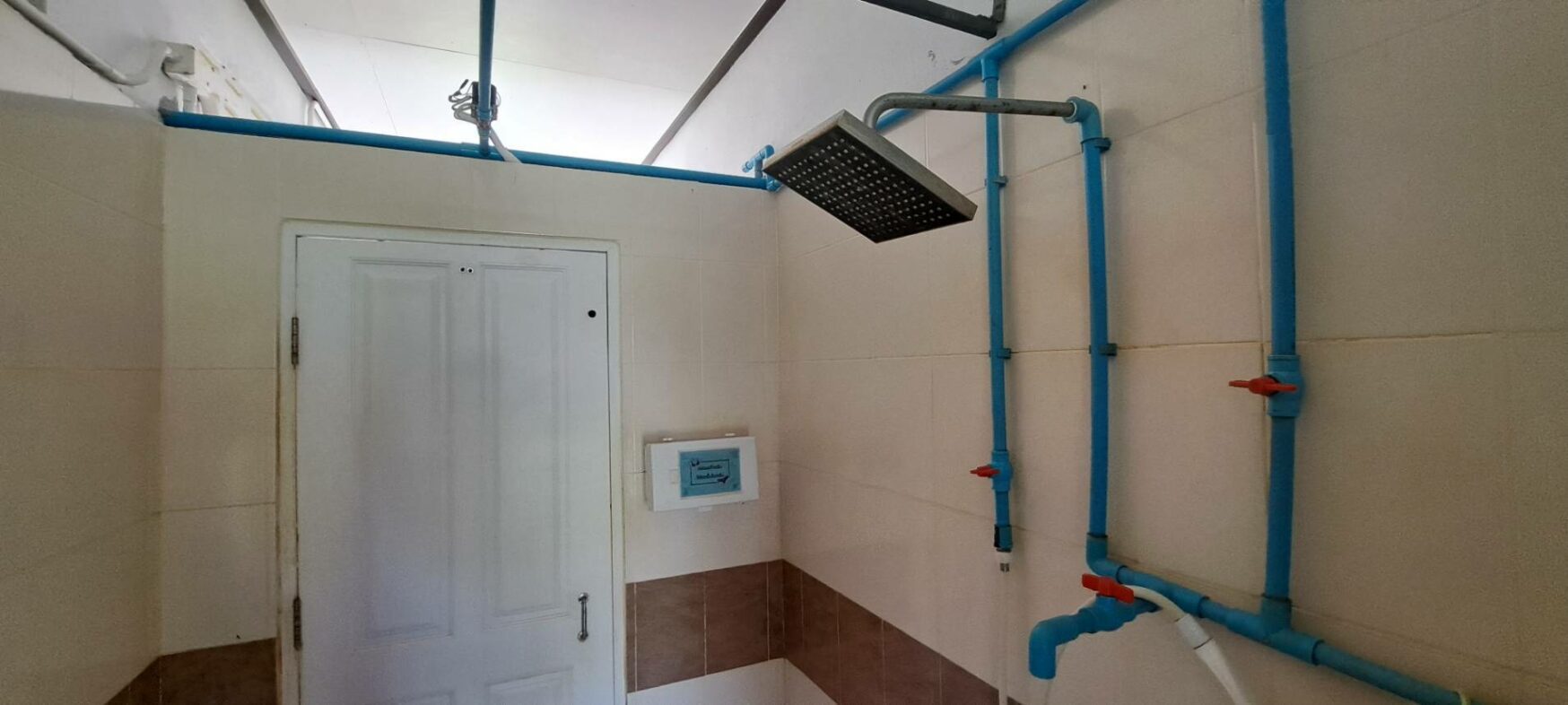
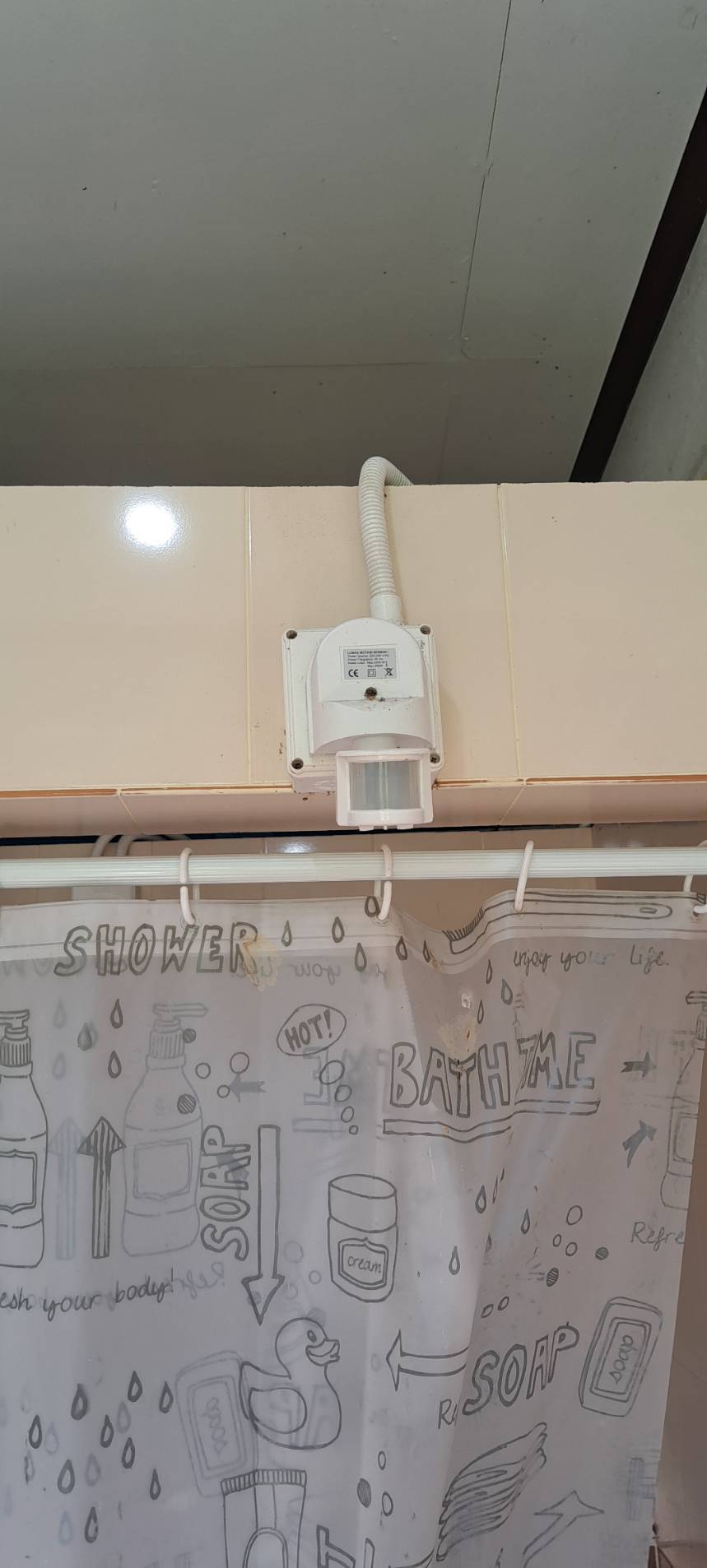
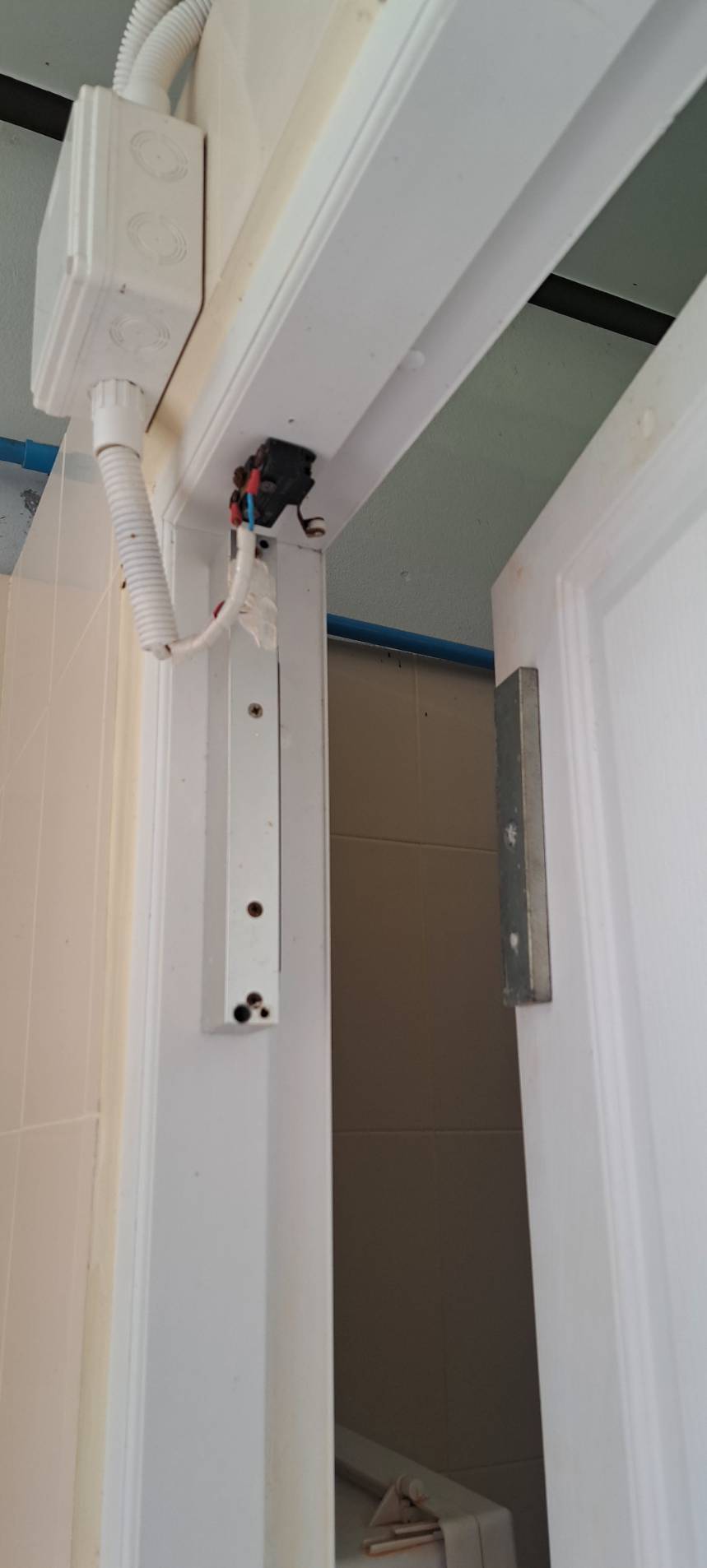
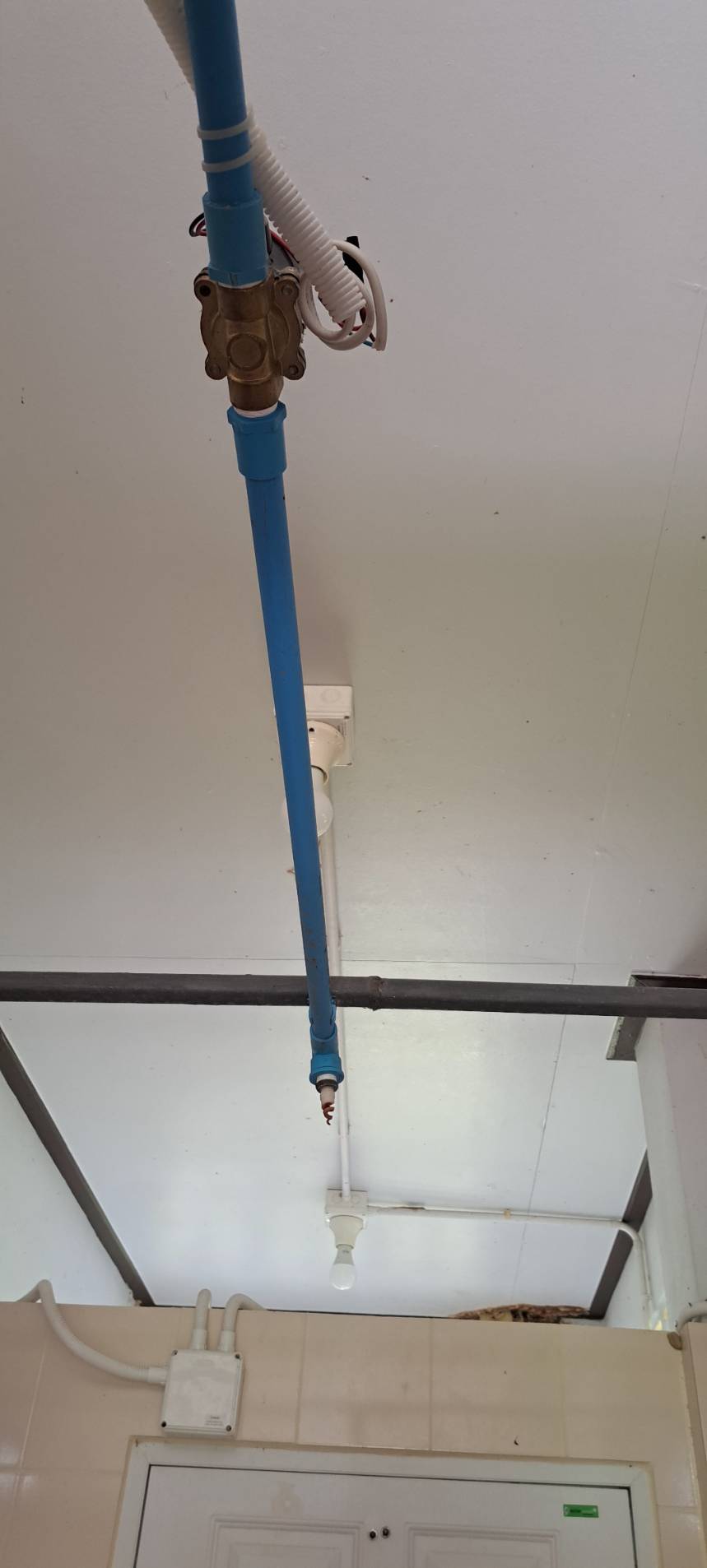
- Automatic water on/off system: In the showers located at the Livestock Unit, Smart Farm Center, and Landscape Architecture buildings, water flow is controlled by a sensor system. The control unit links the opening and closing of the shower room doors with the automatic activation of the water supply.

Goal 6: Clean Water and Sanitation
Goal 14: Life below water
Goal 17: Partnerships for the Goals