Walailak University’s Support for Off-Campus Water Conservation: Enhancing Community Engagement in 2023
1. River restoration and hydrological impacts.
2. Environmental and ecological impacts.
3. Social impacts and benefits, including the way of life and the community participation process.
The results of this project have shown that the living weir plays a significant role in conserving water resources, ecosystems, and the environment. It has proven beneficial in addressing climate change impacts, as it strengthens resilience and adaptability in water management through nature-based solutions. The weir helps conserve and store water, reduce the intensity of water flow in streams, and enhance biodiversity by providing habitats for aquatic animals. Additionally, it serves as a reliable water source for consumption and domestic use in the community. The project has ensured that the local population has sufficient water without negatively impacting the environment. This success has been achieved through collaboration among the community, local administrative organizations, and both public and private sector agencies.
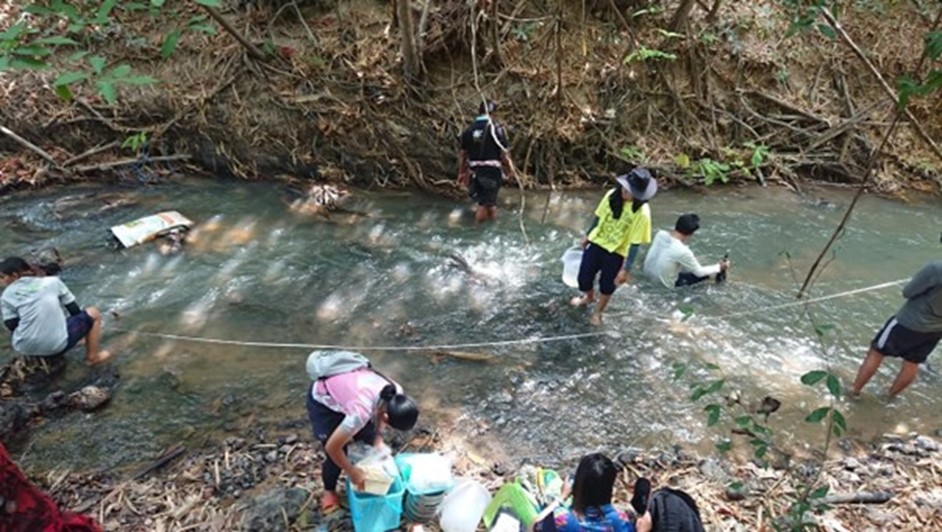
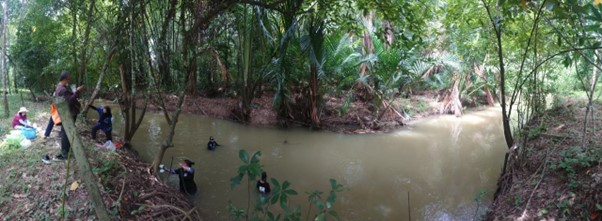
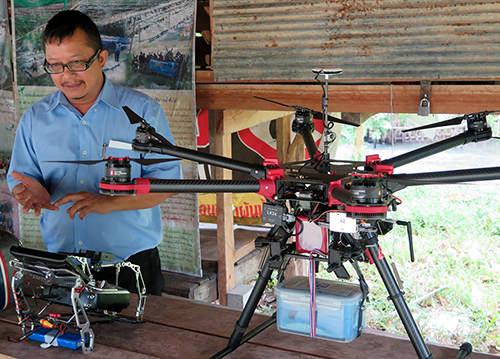
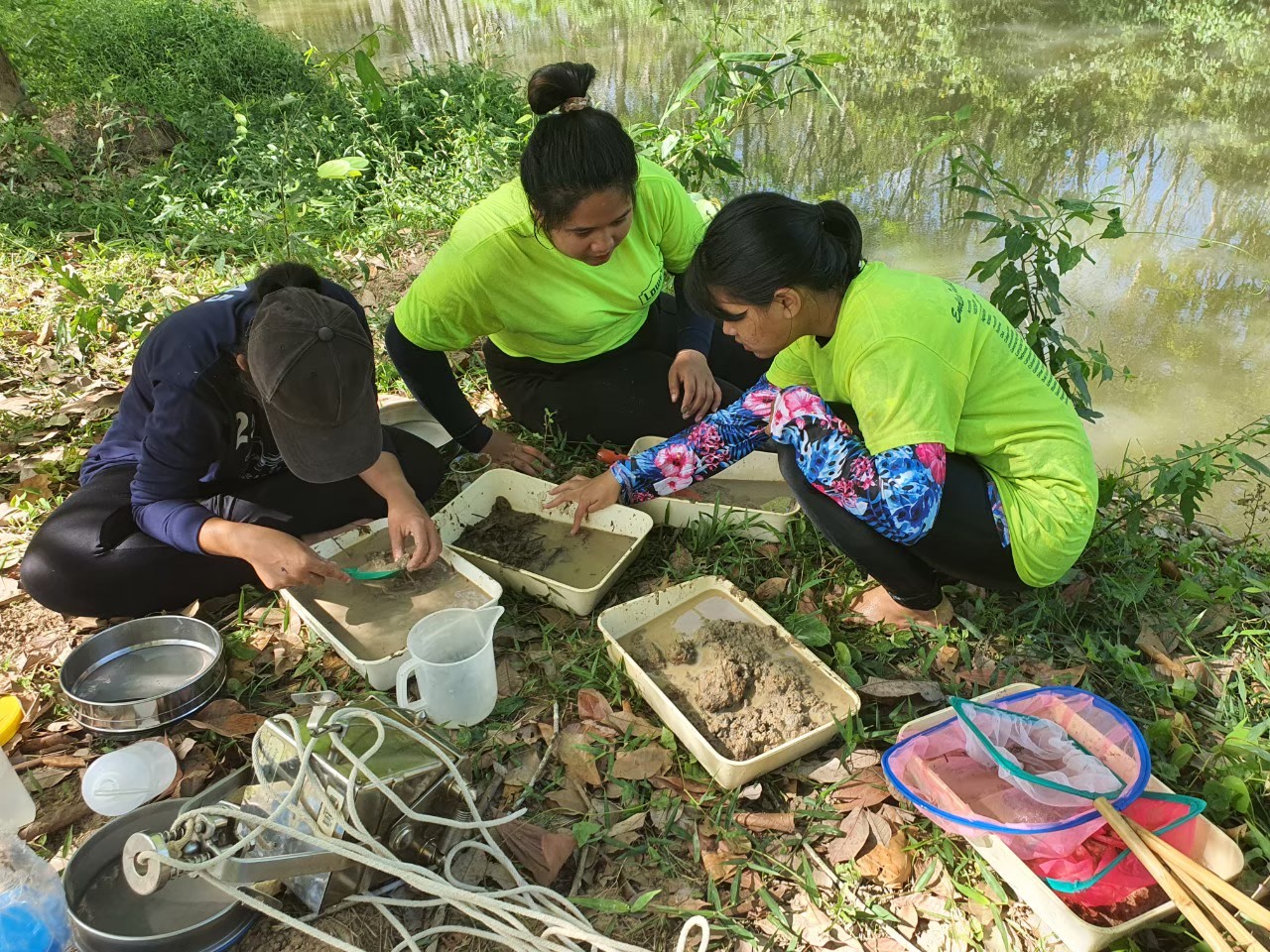
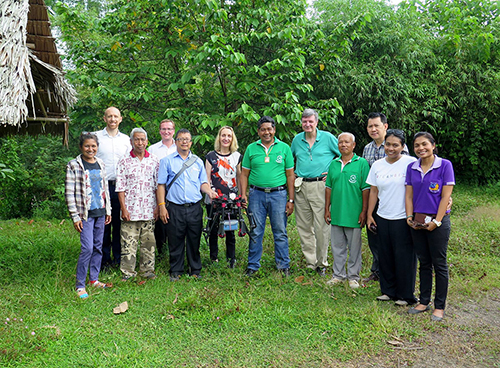
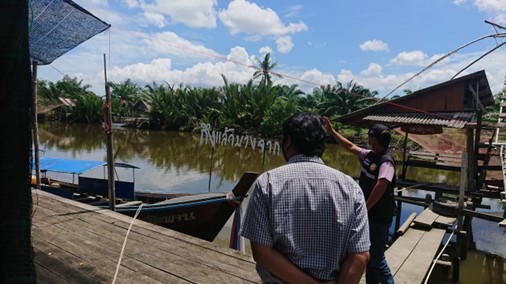
Figures : The university is monitoring the progress of the Living Weir Development Project, which supports practical water conservation off campus in the community areas
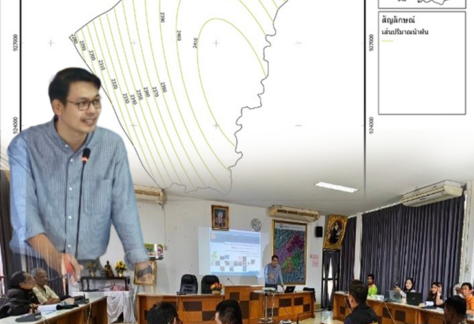
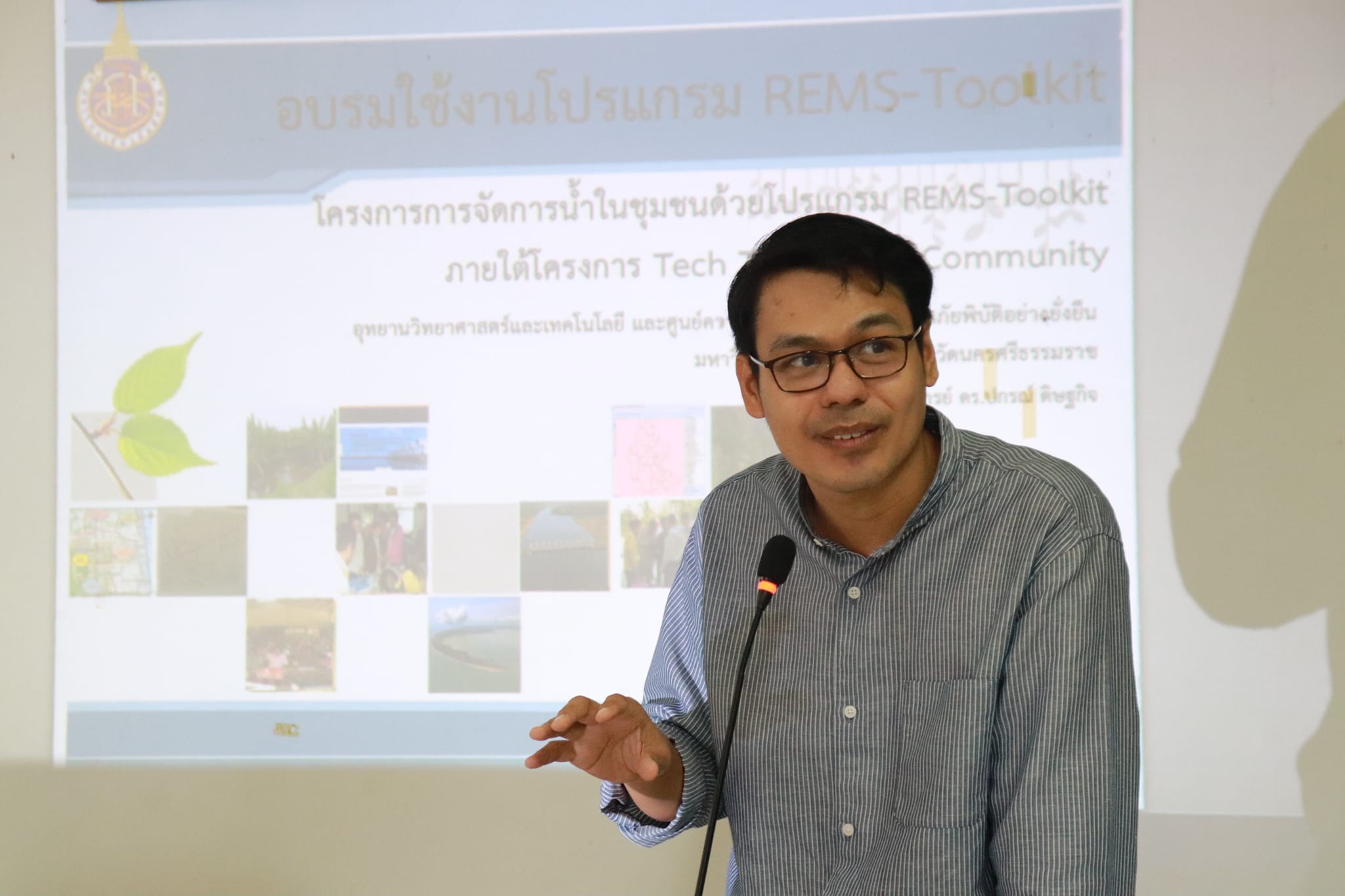
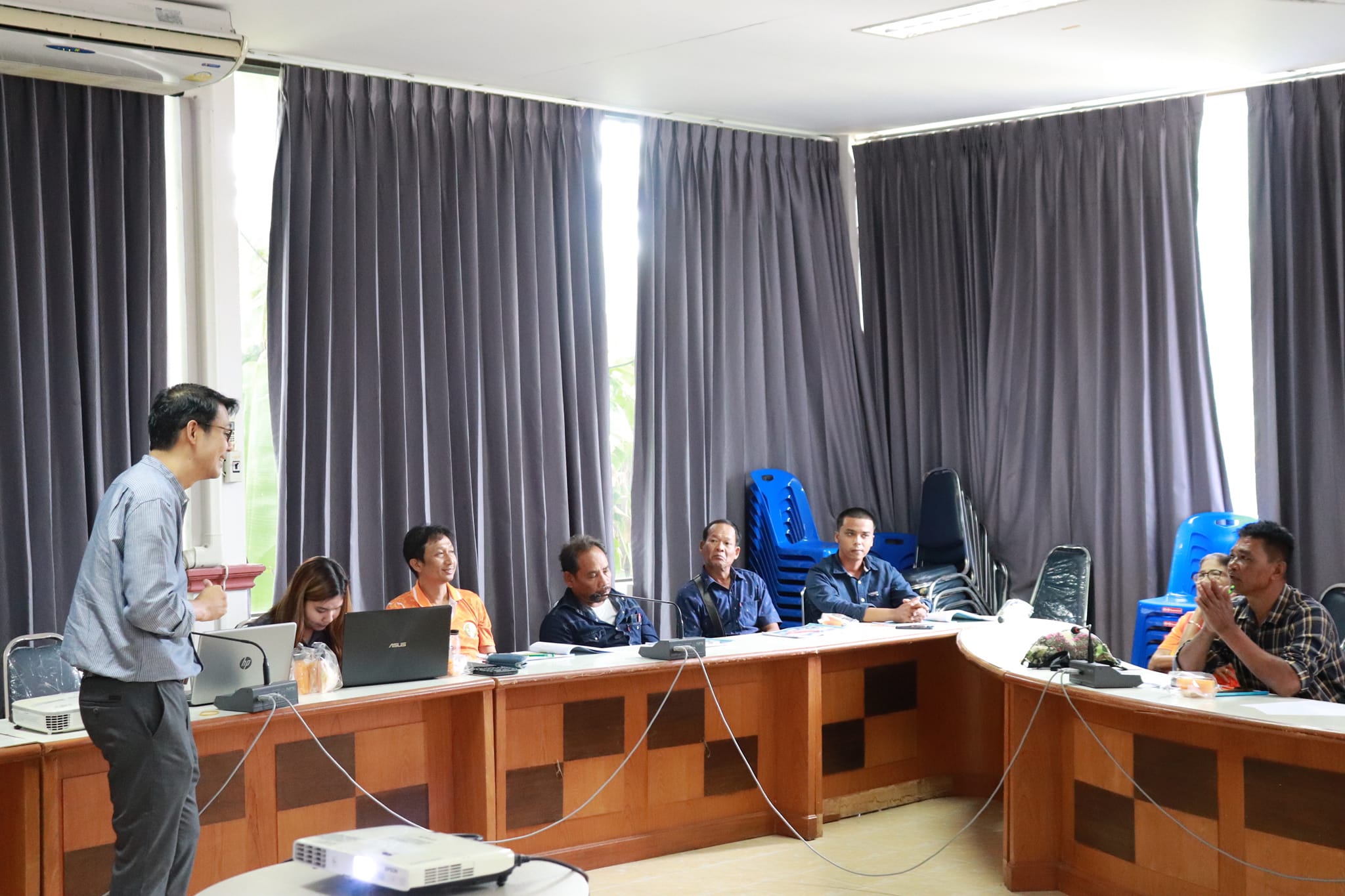
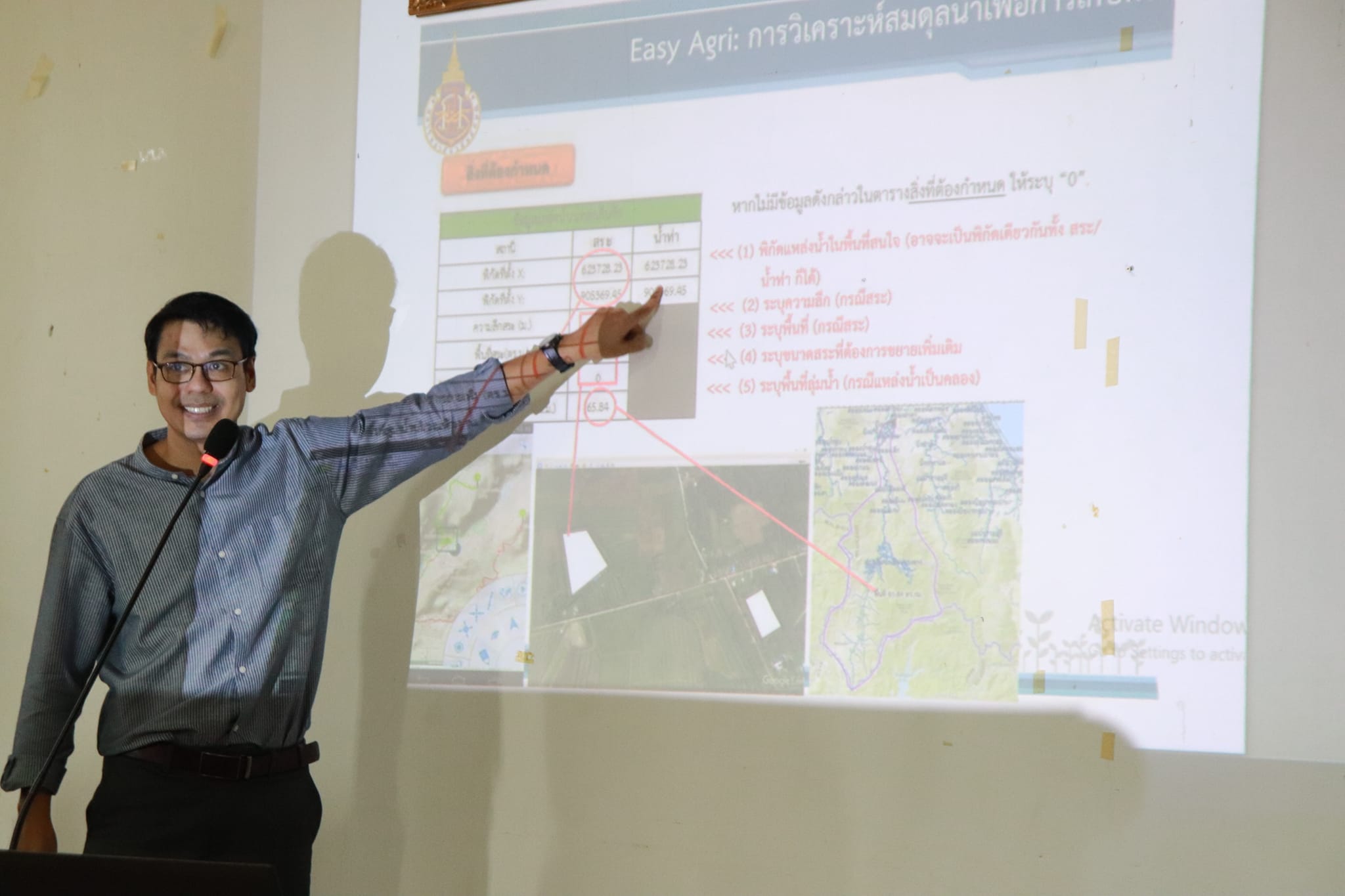
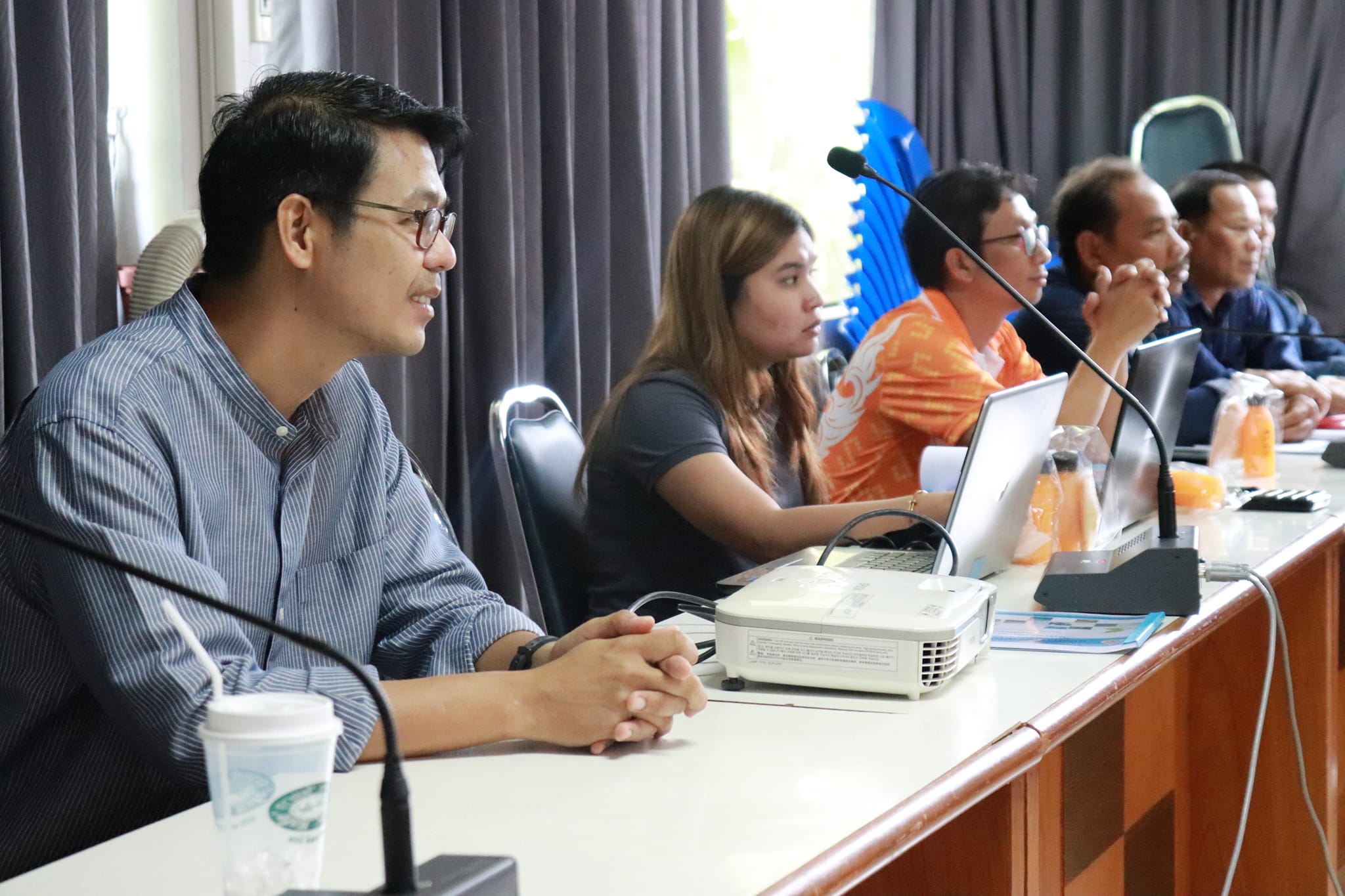
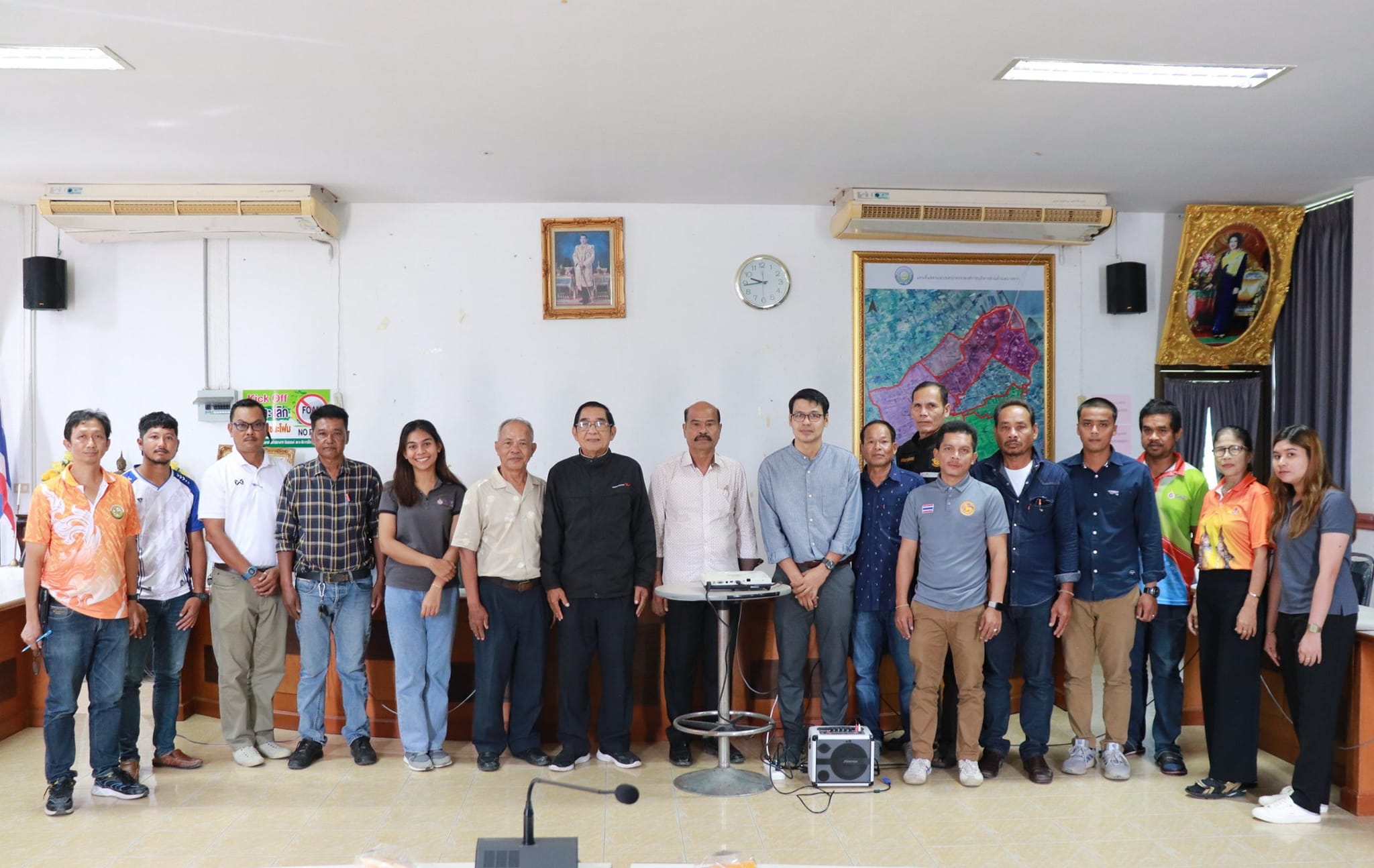
Figures : The university, led by Asst. Prof. Dr. Pakorn Ditthakit, has organized activities to support water conservation off campus.
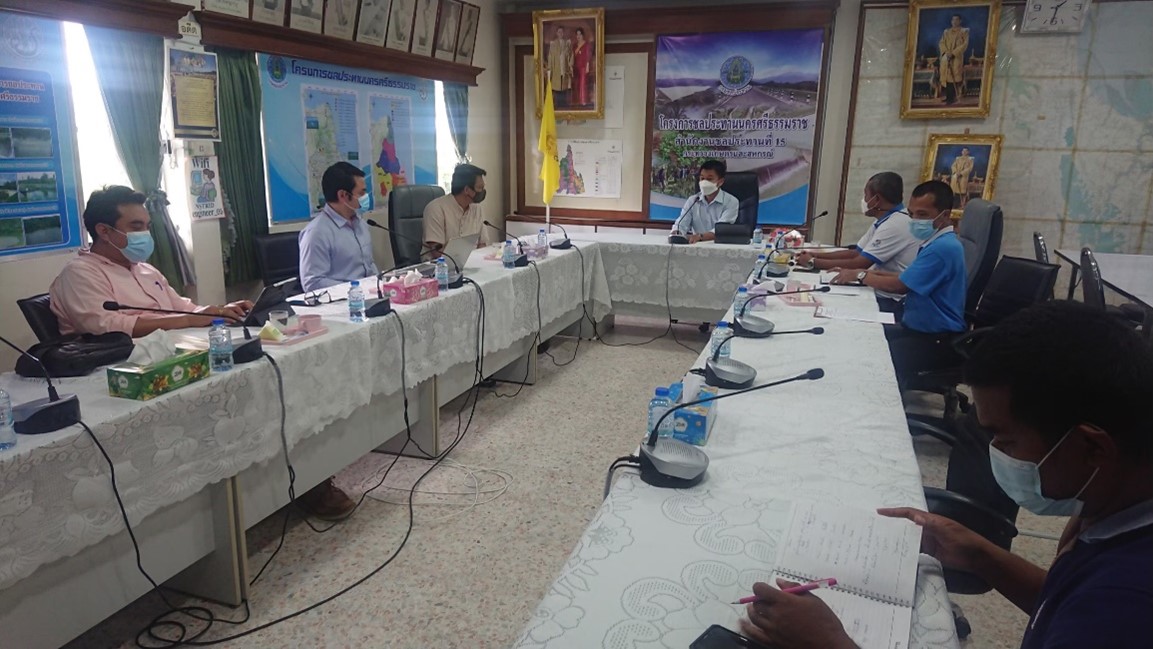
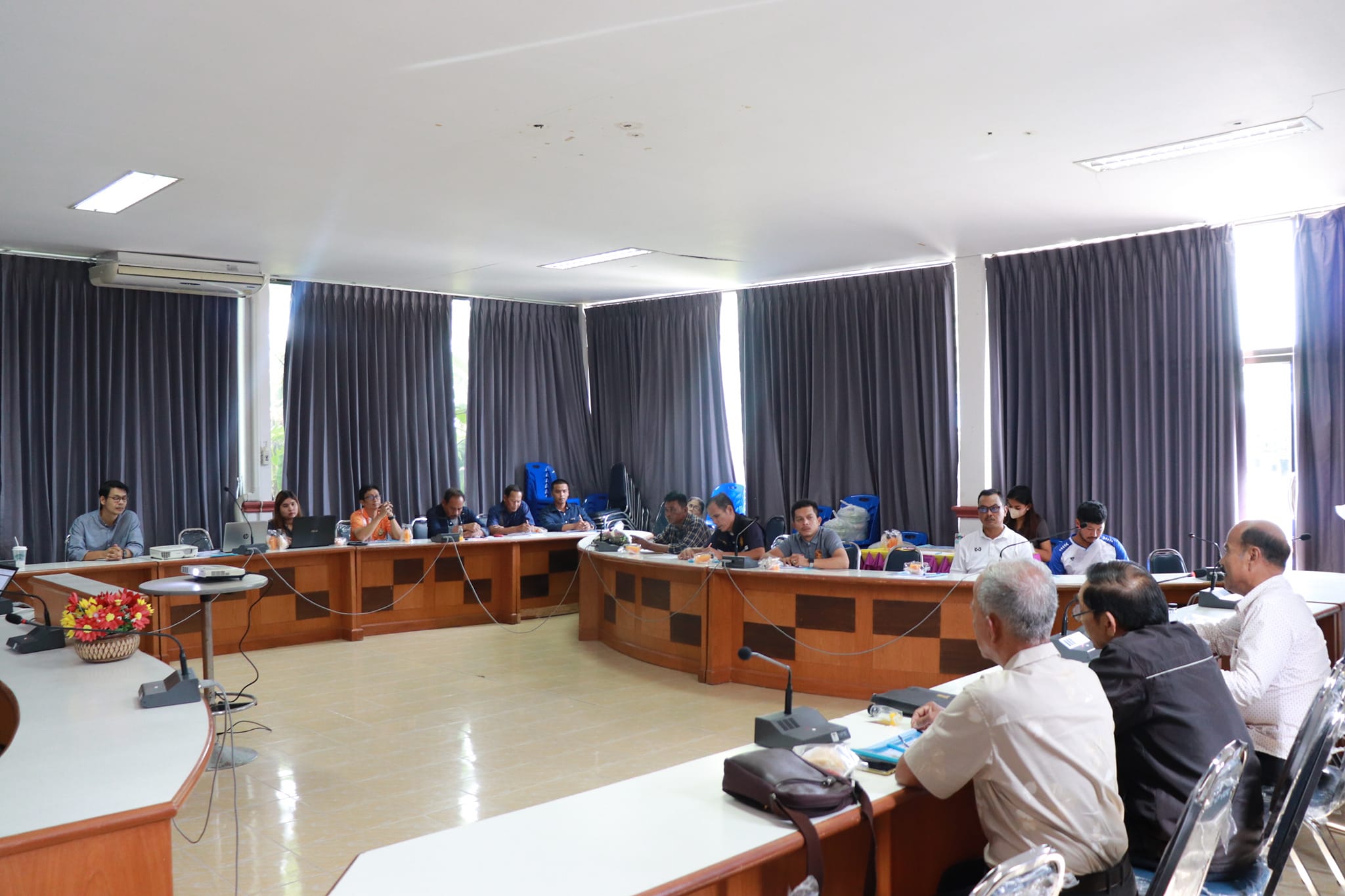
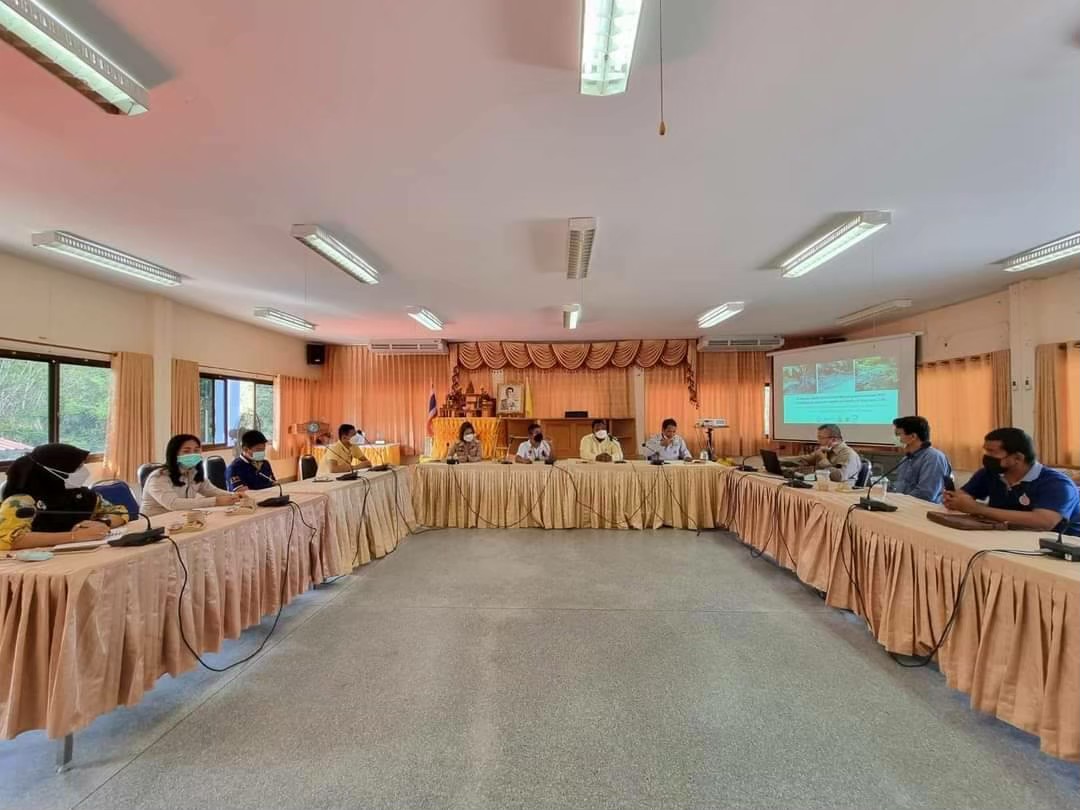
In 2023, various activities and workshops were organized by the Subcommittee for Water Resource Management in Southern Thailand to monitor the progress of the Nakhon Si Thammarat Flood Mitigation Project under the Royal Initiative. These activities also involved reviewing strategies for driving key projects for 2023–2024, as well as the trial implementation of a flood reporting application. Additionally, workshops were held by the Upper Eastern Southern Basin Committee and the Subcommittee for Water Resources of Nakhon Si Thammarat Province at the Sriprach Room, 3rd floor of the Nakhon Si Thammarat Provincial Hall. The objective was to enhance water resource management to prepare for droughts, dry spells, and floods, and ensure sufficient water supply for consumption in various southern communities in Thailand in 2023. Specific areas addressed included:
1. Water management in the Sathing Phra Peninsula and Songkhla Lake areas
2. Water security enhancement for consumption in the Thepha-Na Thawi Canal area
3. Flood mitigation project in the Surat Thani-Chaiya-Tapi area
4. Flood mitigation project in the Songkhla Lake area
5. Flood mitigation project in Chumphon- Lang Suan area
6. Drainage system project for Trang River, Trang Province
7. Water management project supporting tourism in Koh Samui area
8. Water management project supporting tourism in Phuket Province
9. Water management project in Satun City area
10. Water management project in the Songkhla Special Economic Zone
11. Riverbank improvement project for Golok River, Narathiwat Province
12. Flood mitigation project in Nakhon Si Thammarat Province
13. Flood mitigation project in the areas surrounding Pattani City
14. Flood mitigation project in the Golok River Basin
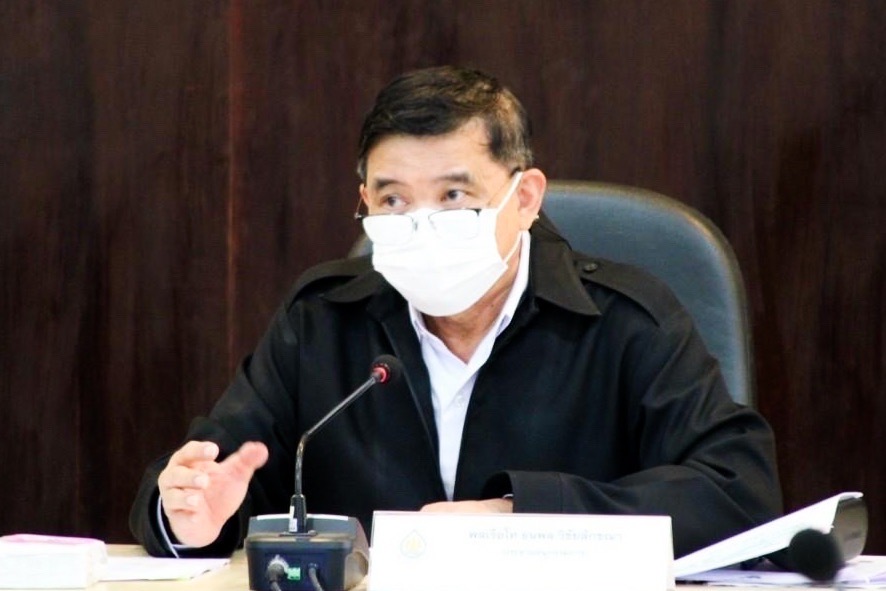
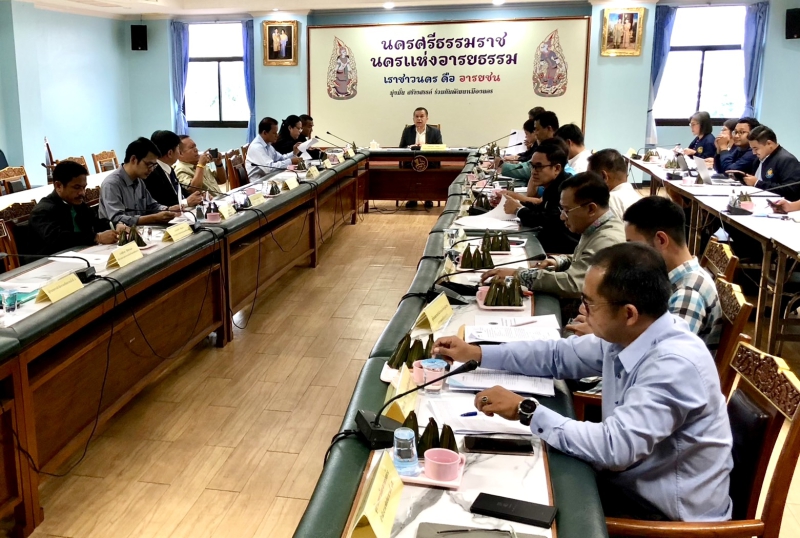
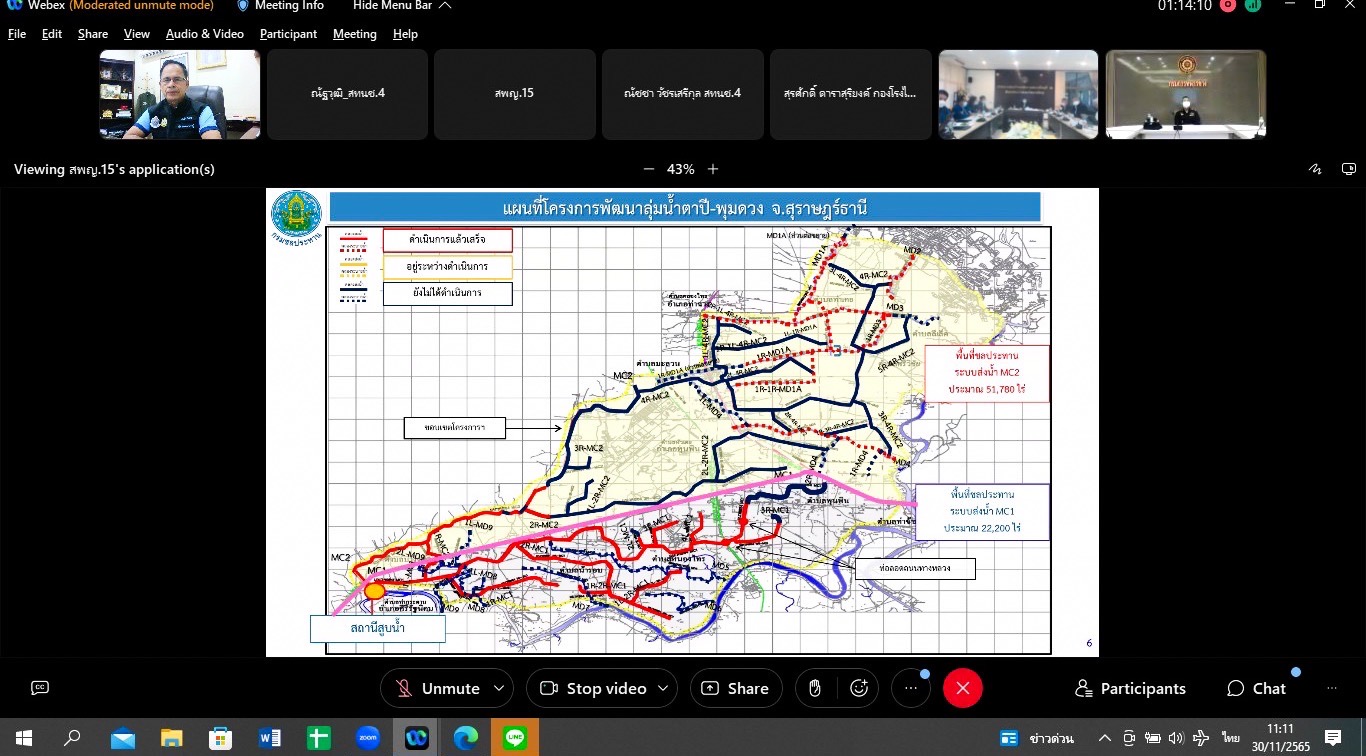
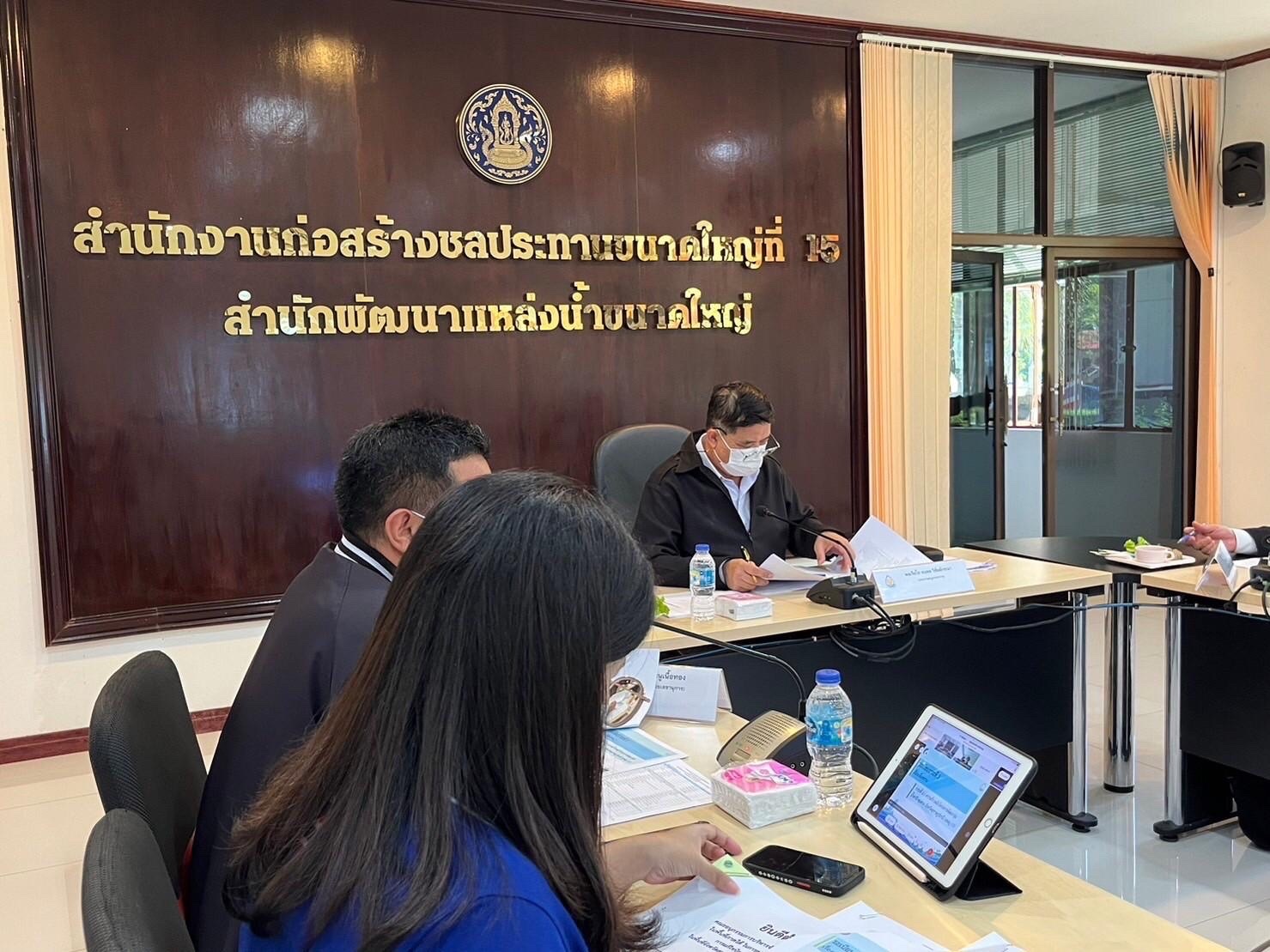
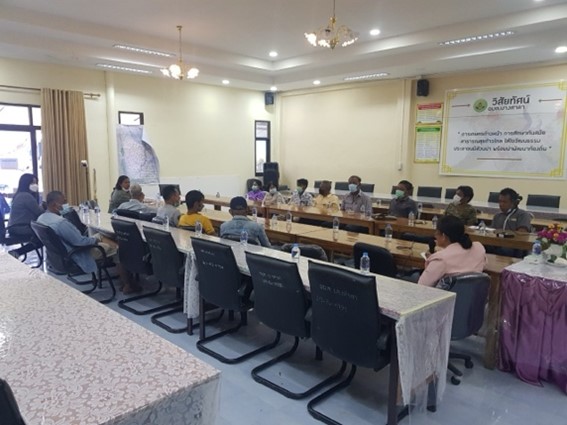
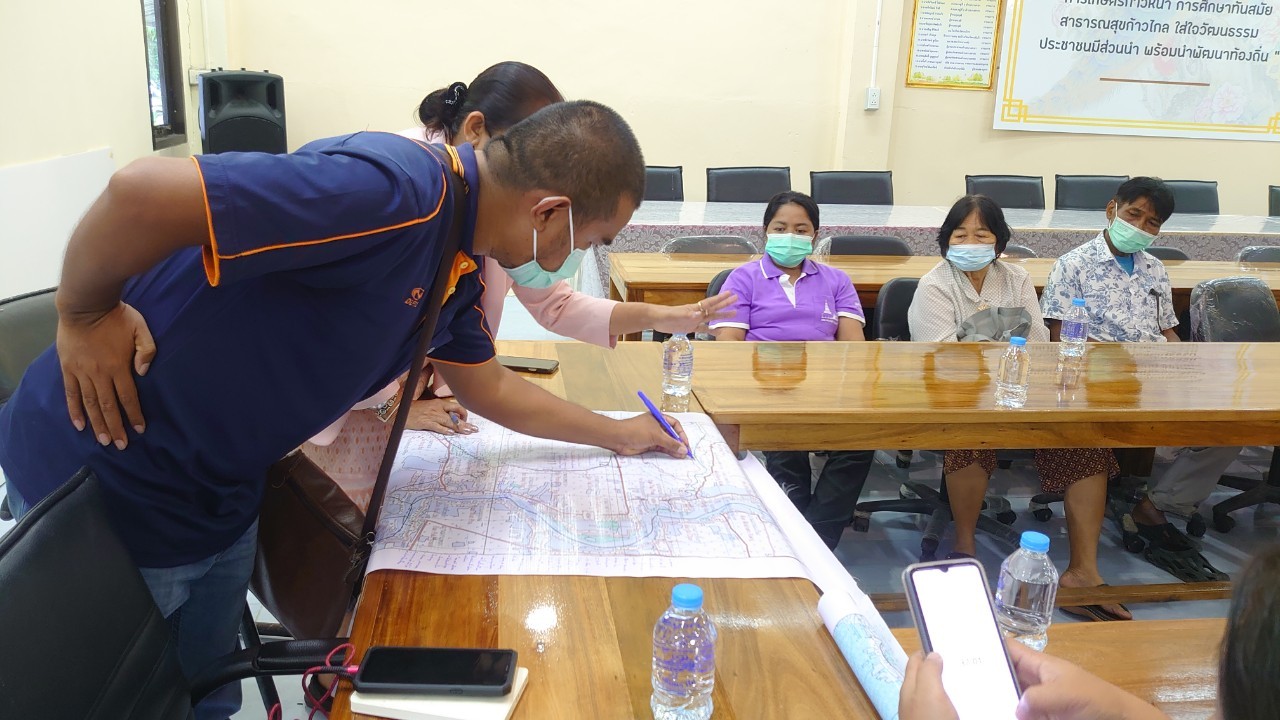
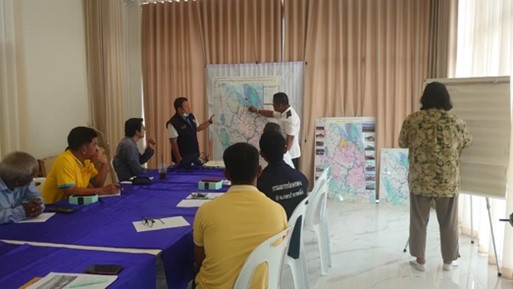
Figures : The organization of a workshop for the Subcommittee on Water Resource Management in Southern Thailand.
Related links:
https://cas.wu.ac.th/archives/30281
https://cas.wu.ac.th/archives/30290
https://cas.wu.ac.th/archives/30231
https://cas.wu.ac.th/archives/30245
https://cas.wu.ac.th/archives/30258
https://www.youtube.com/watch?v=1C6bon4KJ2g&feature=youtu.be
https://cloudstorage.onwr.go.th/index.php/s/HwCD6Eoa4E85fqE
https://dwr.go.th/news_inside.php?news_id=110000
https://www.opsmoac.go.th/news-preview-452991791840
https://epo14.pcd.go.th/th/news/detail/175060