In 2023, Walailak University has focused on developing collaboration on water security with local, reginal, national, and global government agencies to address natural disasters and ensure sustainable water resource management. These efforts aim to meet the water needs of local communities efficiently and reliably, whether through flood prevention, saline water management, or drought mitigation. Additionally, the university places great emphasis on empowering communities by encouraging their participation in water management processes, which remains a key priority for sustainable development.
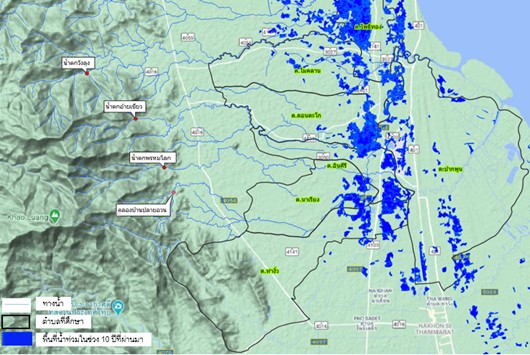
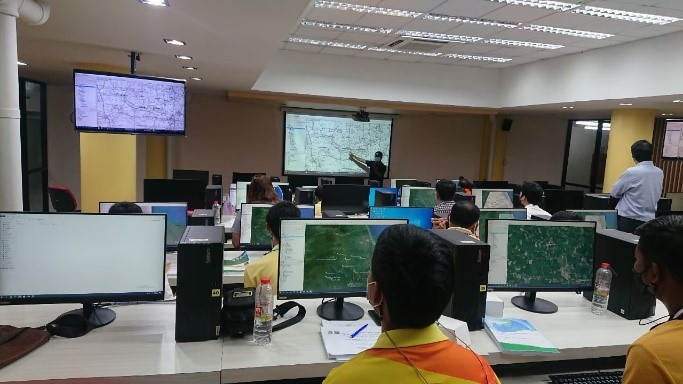
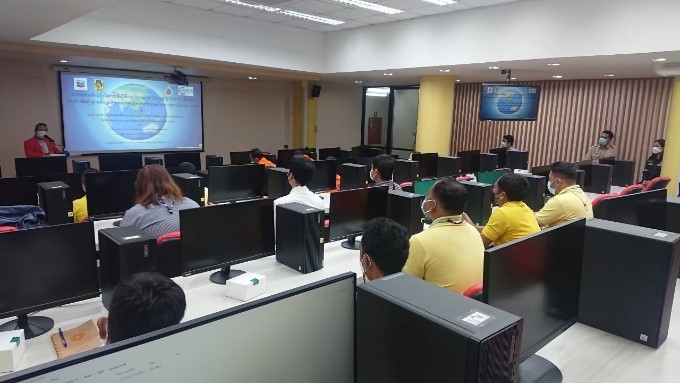
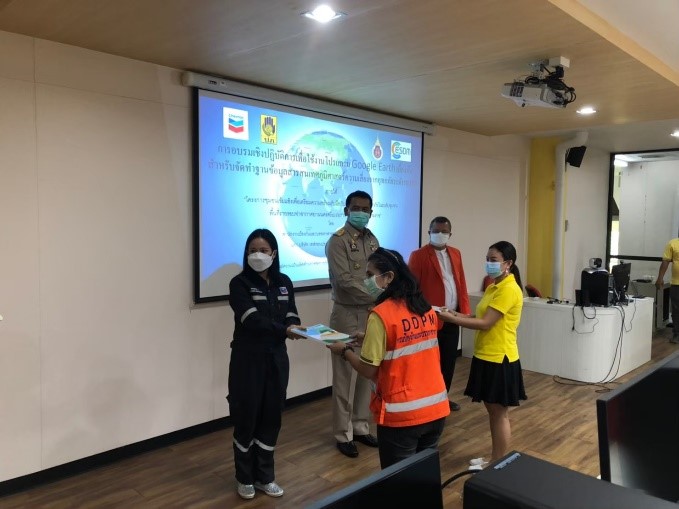
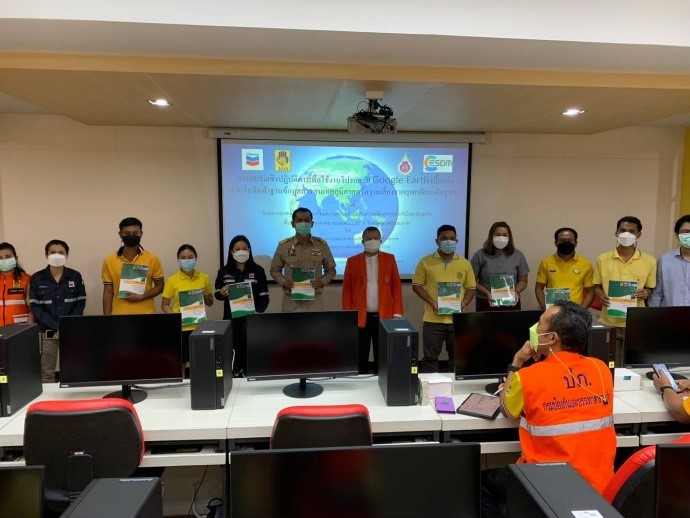
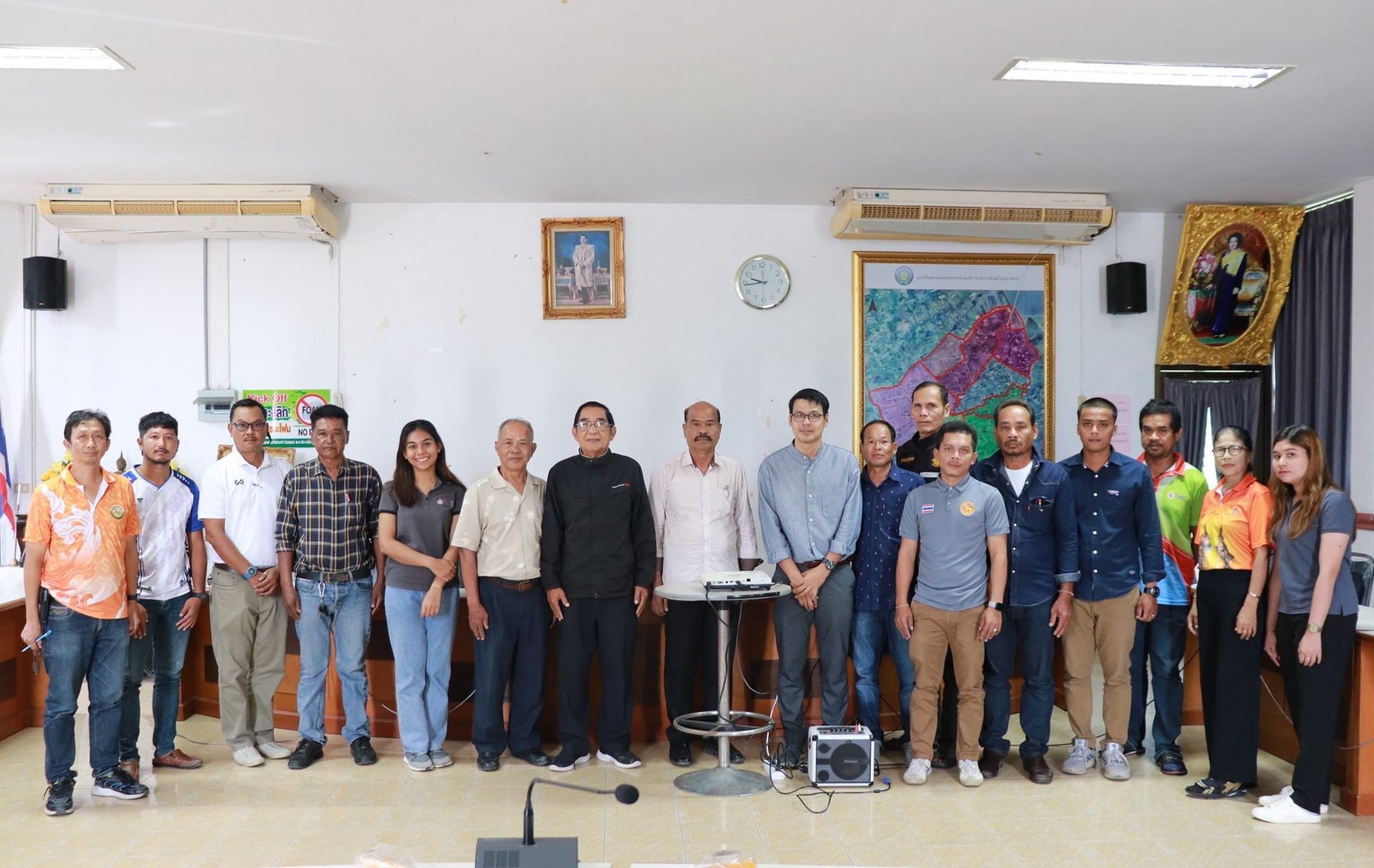
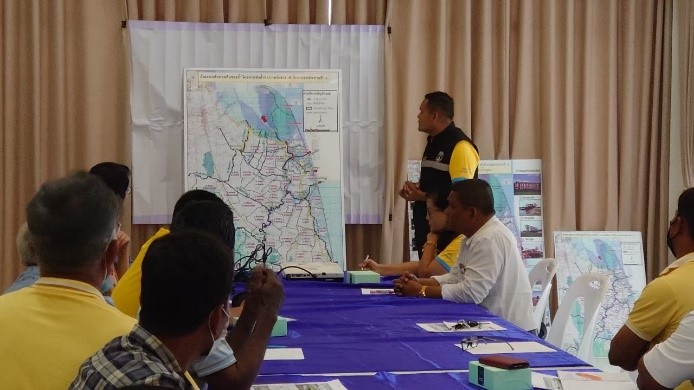
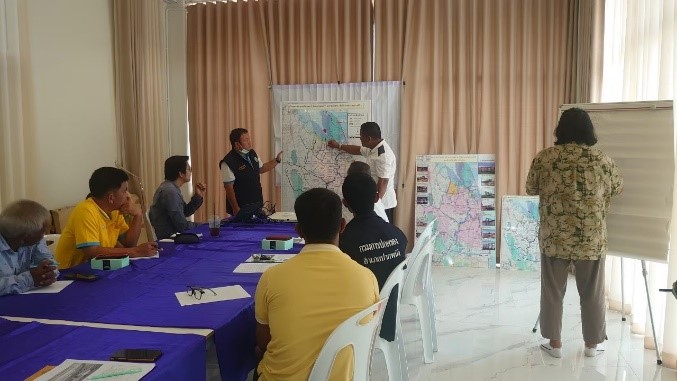
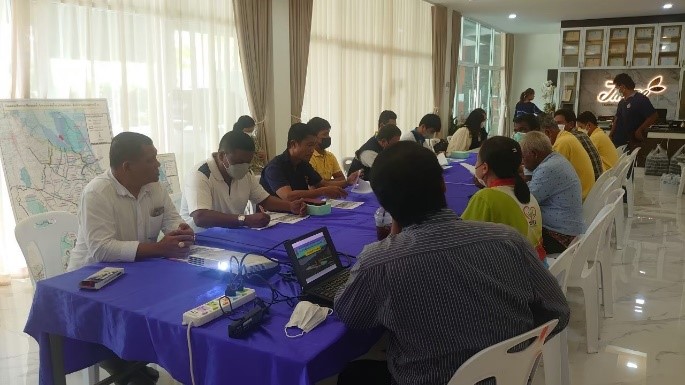
Nakhon Si Thammarat Province is in an area influenced by both the southwest and northeast monsoons. WU diagnoses that the weather conditions often result in natural disasters, particularly frequent flooding. Every year, during the northeast monsoon season, heavy rainfall significantly impacts the areas surrounding Nakhon Si Thammarat Airport. Recognizing this issue, in 2023, Walailak University collaborated with local governments including Subdistrict Municipality, the Disaster Prevention and Mitigation Provincial Office, Nakhon Si Thammarat, and Chevron Thailand Exploration and Production, Ltd. to enhance water security, ensuring protection against water-related disasters. The aim was to prepare communities to be more resilient in disaster response, strengthen their capacity in disaster prevention and mitigation, and foster a culture of safety. This initiative will enhance the community’s ability to cope with disasters by encouraging villages and citizens to actively participate in the disaster management process development in their local areas at every stage—before, during, and after a disaster. This approach follows the principles of Community-Based Disaster Risk Management (CBDRM), which focuses on building networks for hazard monitoring, disaster prevention, and preparedness to face potential future disasters.
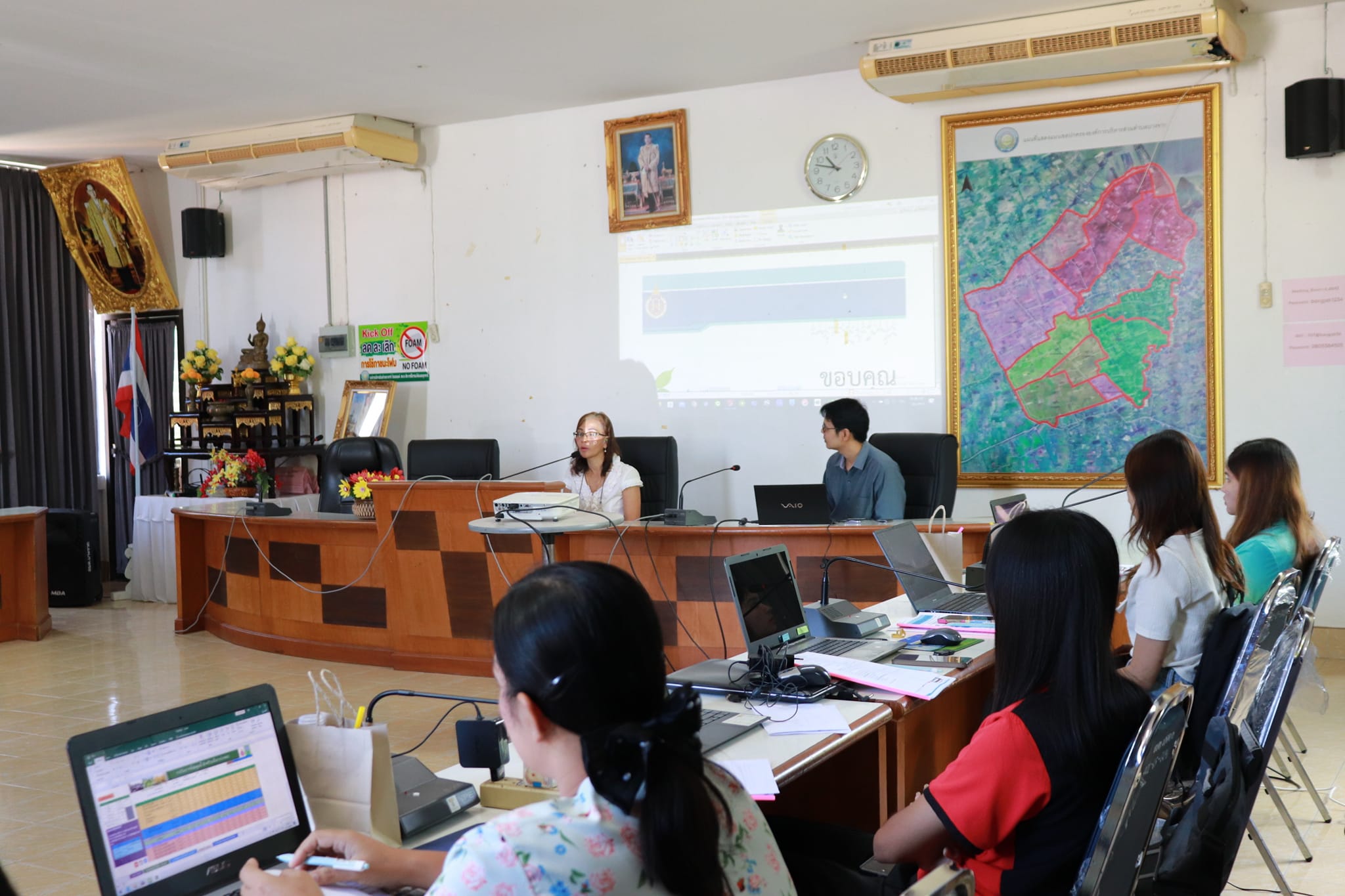
Moreover, Walailak University, under the Collaborative Water Security Project in the Pak Phanang River Basin, collaborated with local officials from relevant government agencies responsible for water management, local organizations involved in water management, and local residents benefiting from the Royal Initiatives in the Pak Phanang River Basin to undertake efforts to manage water in the Pak Phanang River area. This includes establishing drainage systems to manage water flow and prevent saltwater intrusion by constructing additional drainage canals, installing water gates, and dredging existing canals. These efforts aim to benefit agricultural activities and maintain water levels in the Pak Phanang River, preventing the issue of acidic water.
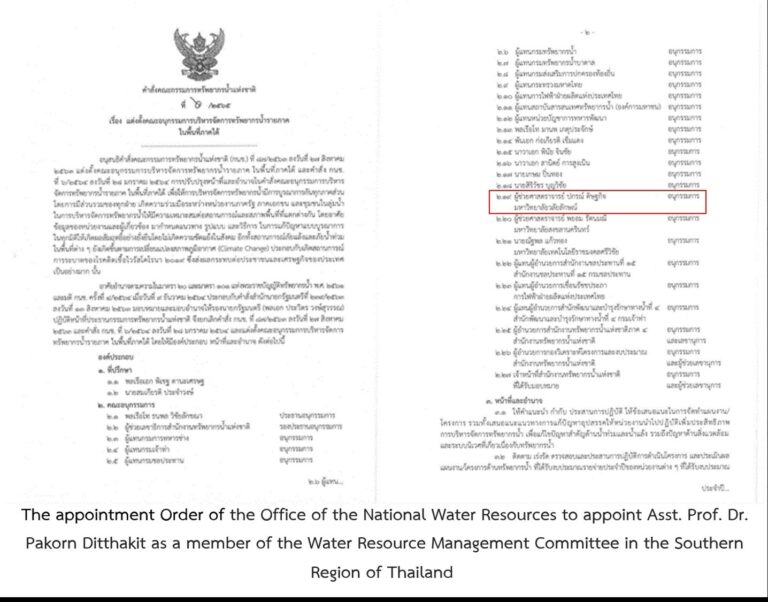
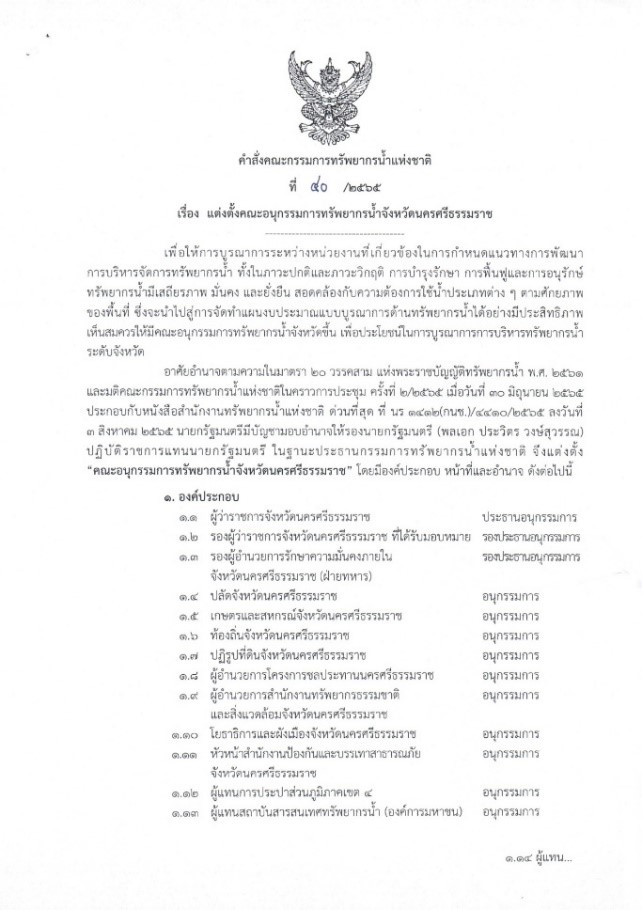
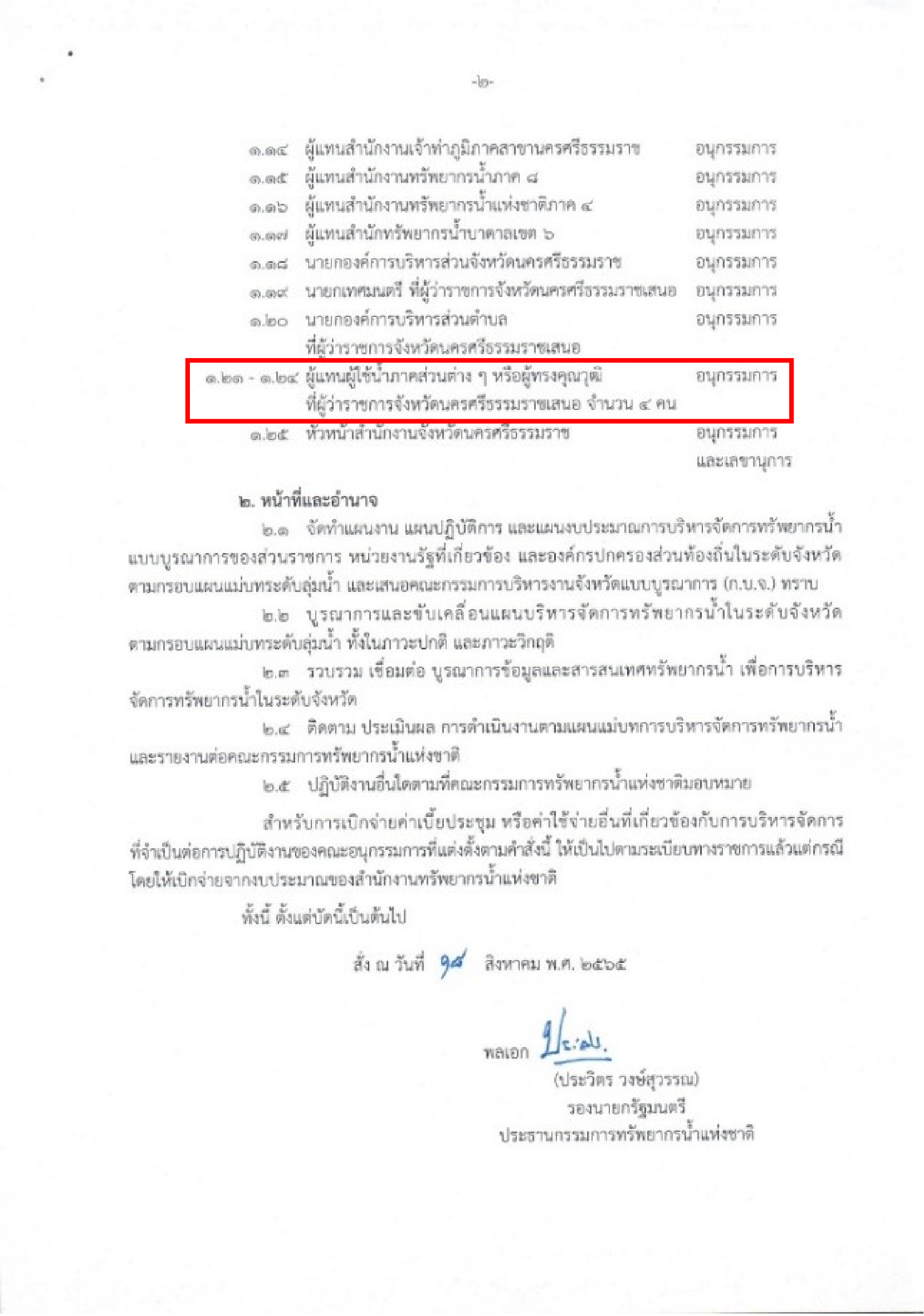
In addition, Asst. Prof. Dr. Pakorn Ditthakit, an expert in water resource management at Walailak University, serves as an expert member of the Water Resource Subcommittee of Nakhon Si Thammarat Province. He plays a key role in the management of water resources both in normal and crisis situations, focusing on the maintenance, restoration, and conservation of water resources. The measurement suggests that the work ensures the stability, security, and sustainability of water resource management in line with the area’s water usage needs and potential.
Asst. Prof. Dr. Pakorn Ditthakit, an expert in water resource management at Walailak University, has also been appointed to several key roles. He serves as a member of the Subcommittee for Water Resource Management in Southern Thailand, an expert member of the Upper Eastern Southern Basin Committee, and a member of the Water Resource Subcommittee of Nakhon Si Thammarat Province. In these roles, he is responsible for collaboratively developing, integrating, and driving provincial-level water resource management plans.
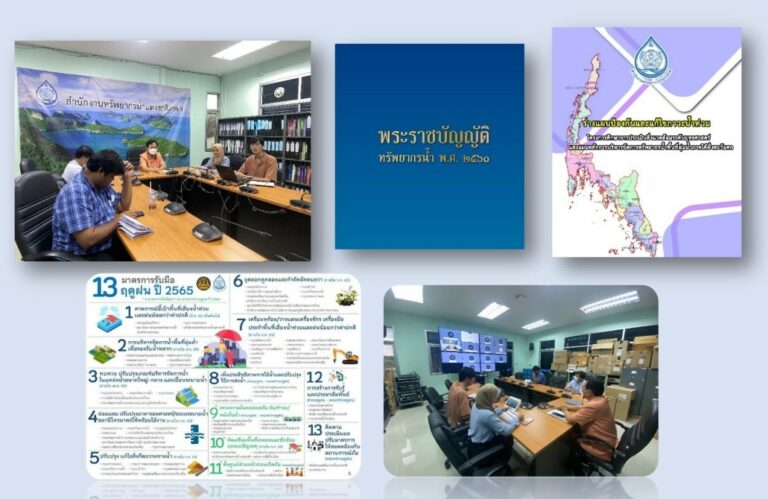
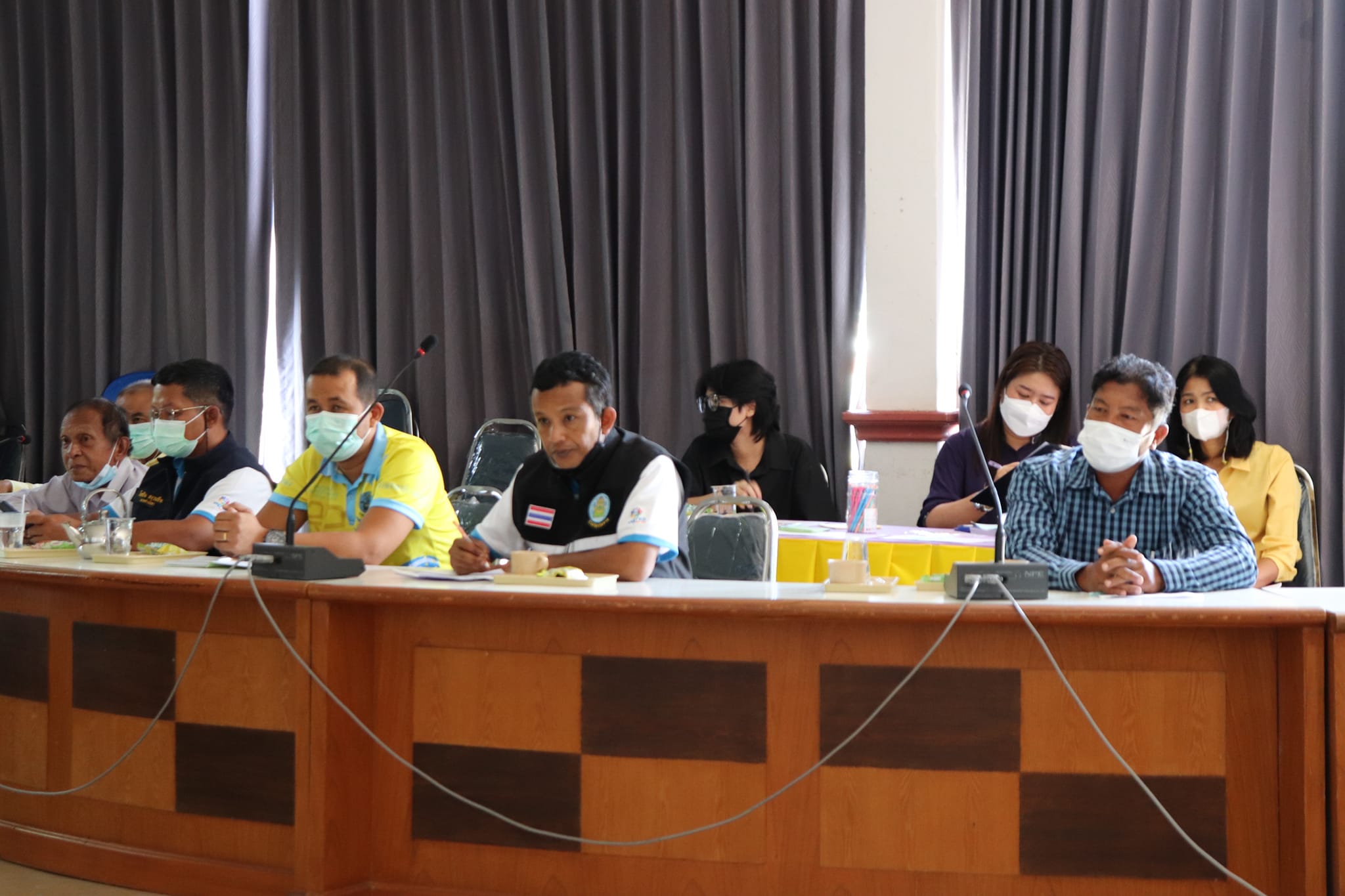
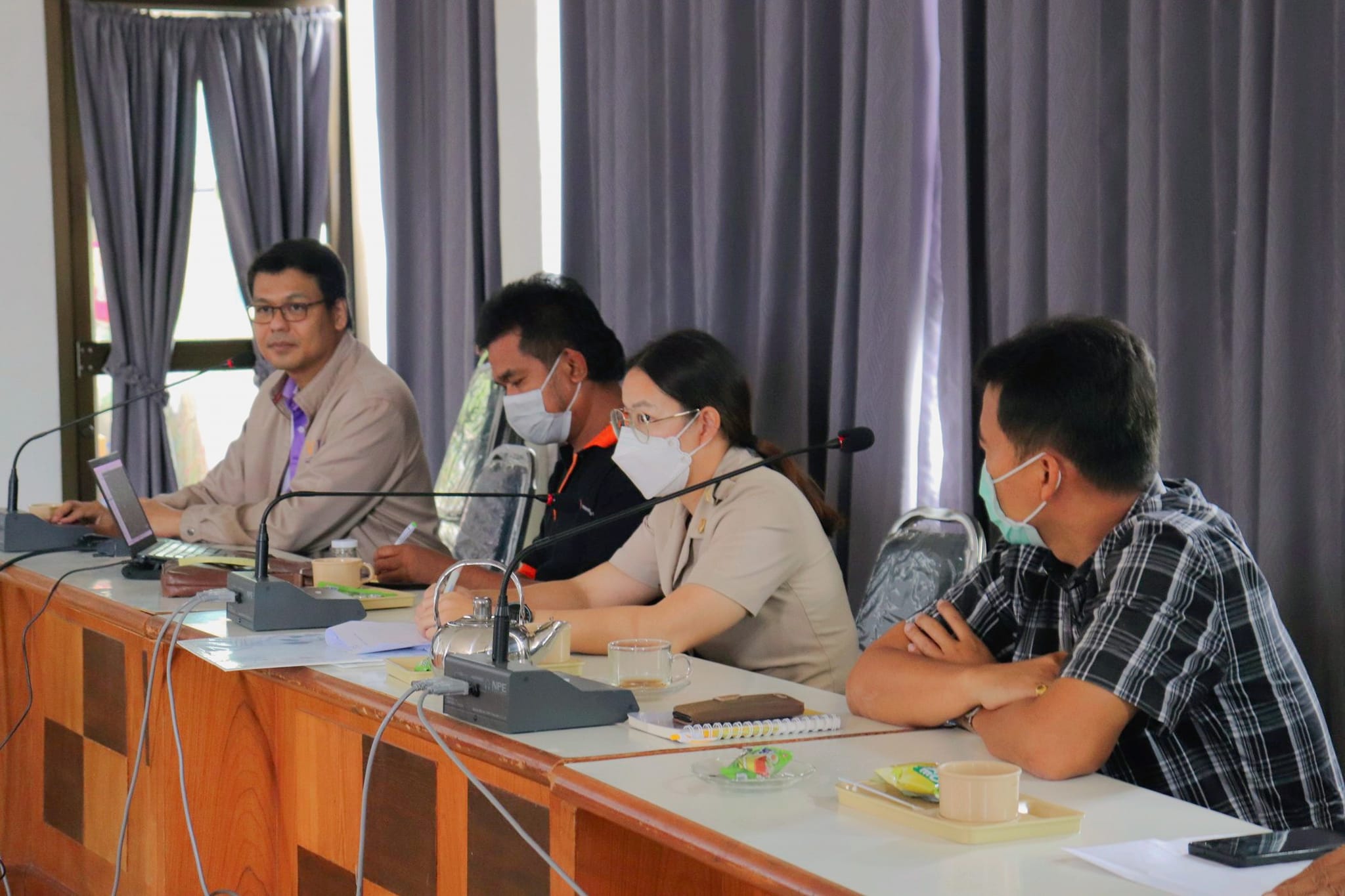
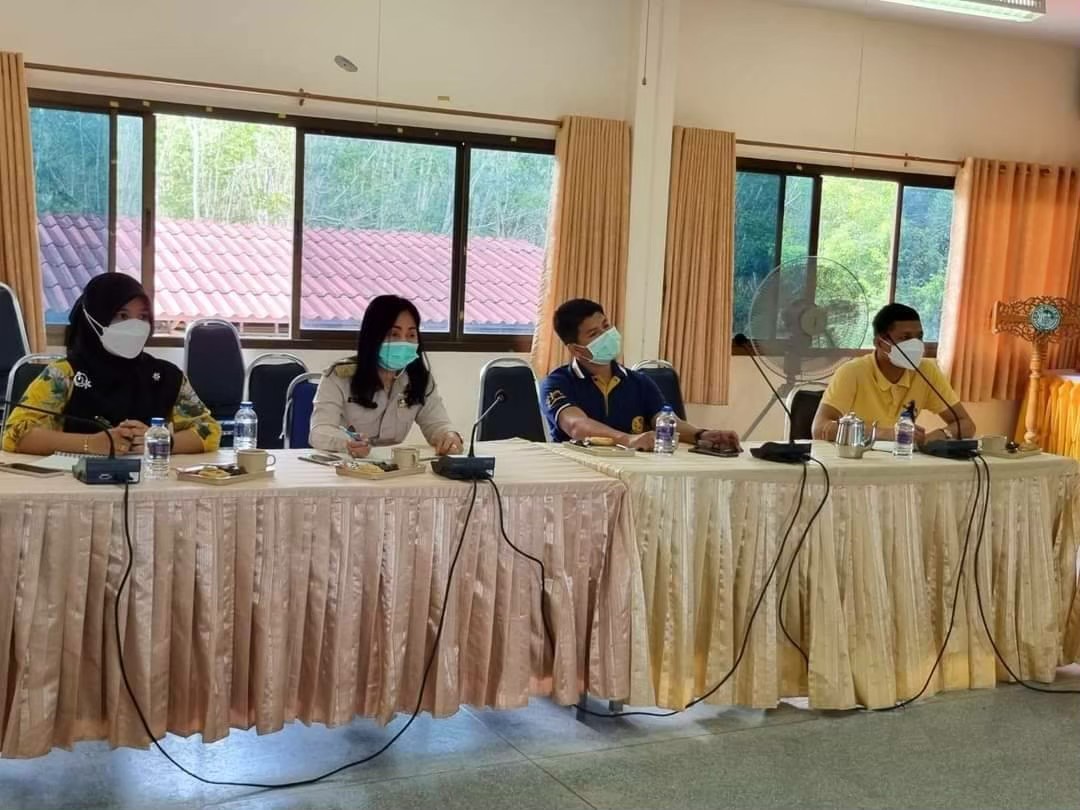
The university has collaborated with regional agencies to ensure water security by participating in the Regional Water Resources Management Subcommittee meetings in Southern Thailand. These meetings aim to discuss and propose strategies to drive key projects for the years 2023-2024, offering recommendations to the Chairperson of the National Water Resources Committee. Additionally, the discussions included the trial implementation of a flood reporting application developed by the National Command Center.
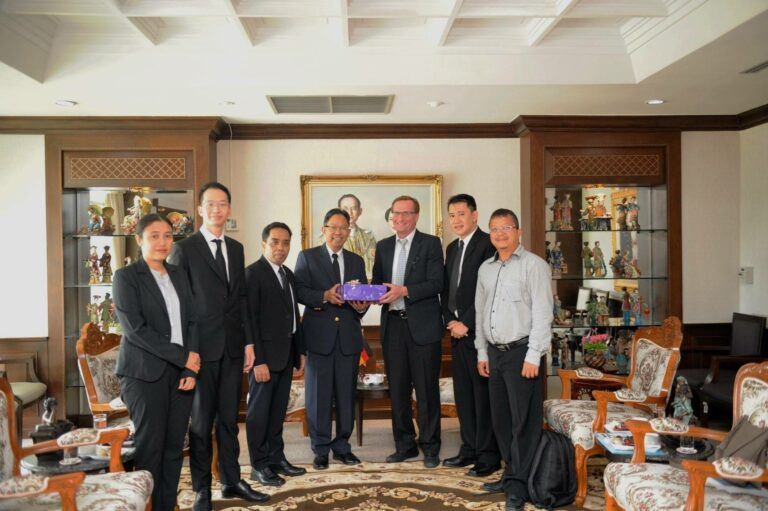
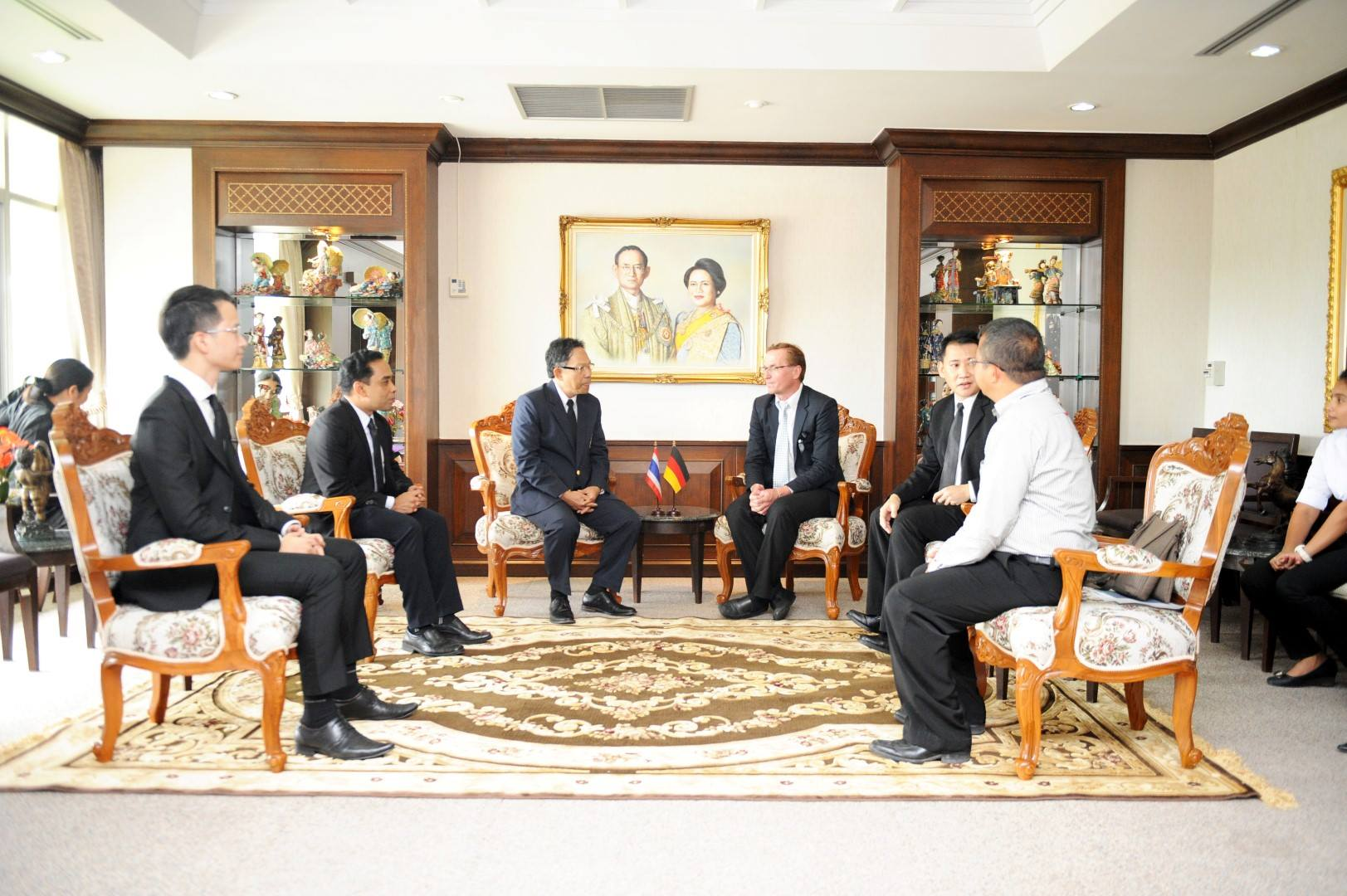
In addition, Walailak University has established collaborations on water security with national and global organizations. The university has formed an international partnership with the Deutsche Gesellschaft für Internationale Zusammenarbeit (GIZ), a German government organization dedicated to international cooperation for sustainable development. GIZ operates on behalf of both public and private sectors in Germany and abroad, including various national governments, the European Union, the United Nations, the World Bank, and other funding organizations. Currently, GIZ is implementing more than 300 projects to support Thailand in achieving its sustainable development goals. As Thailand rapidly transitions into a newly industrialized country, the scope of cooperation has expanded from vocational education, rural and agricultural development to include environmental protection and climate change mitigation efforts.
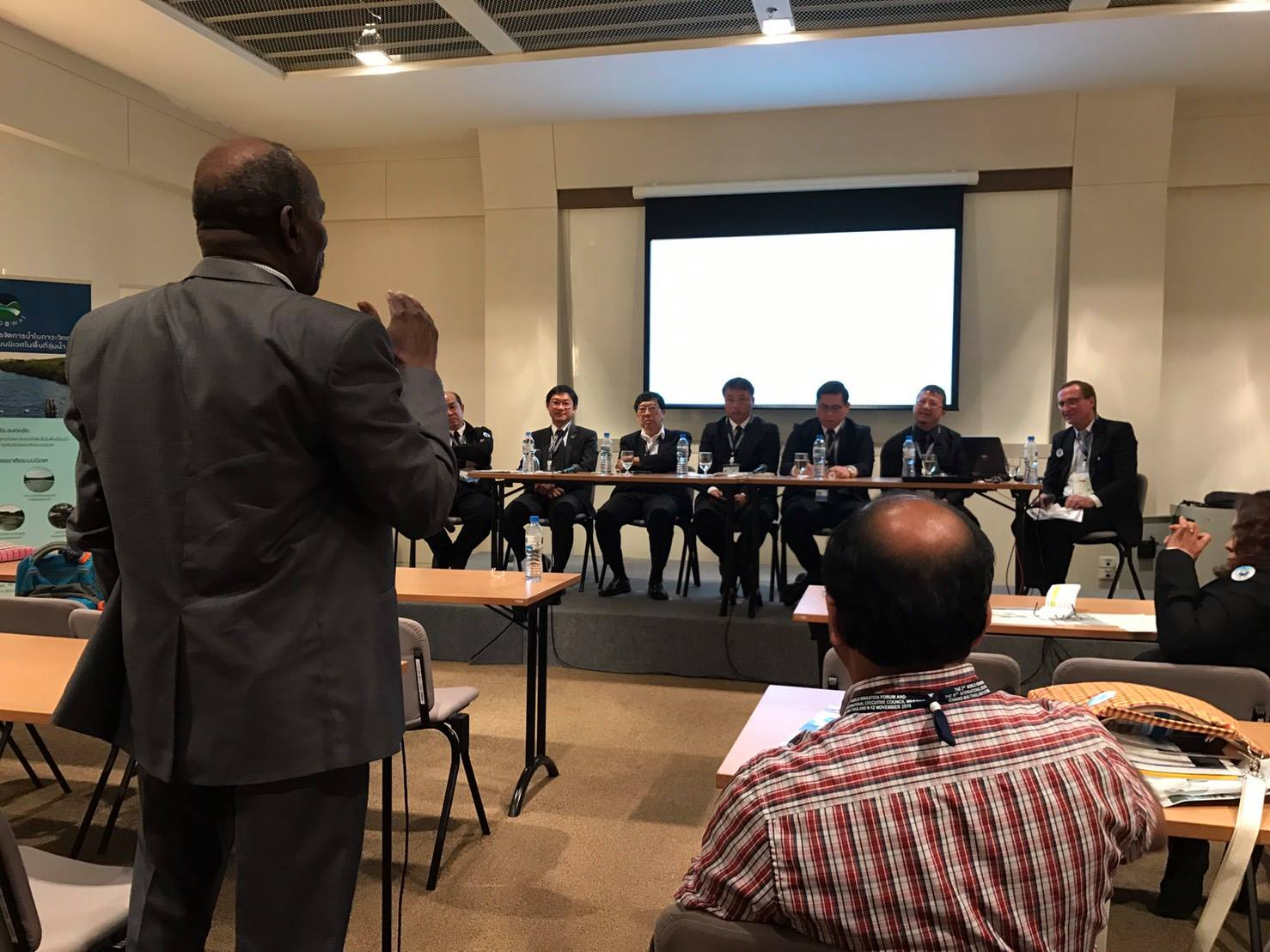
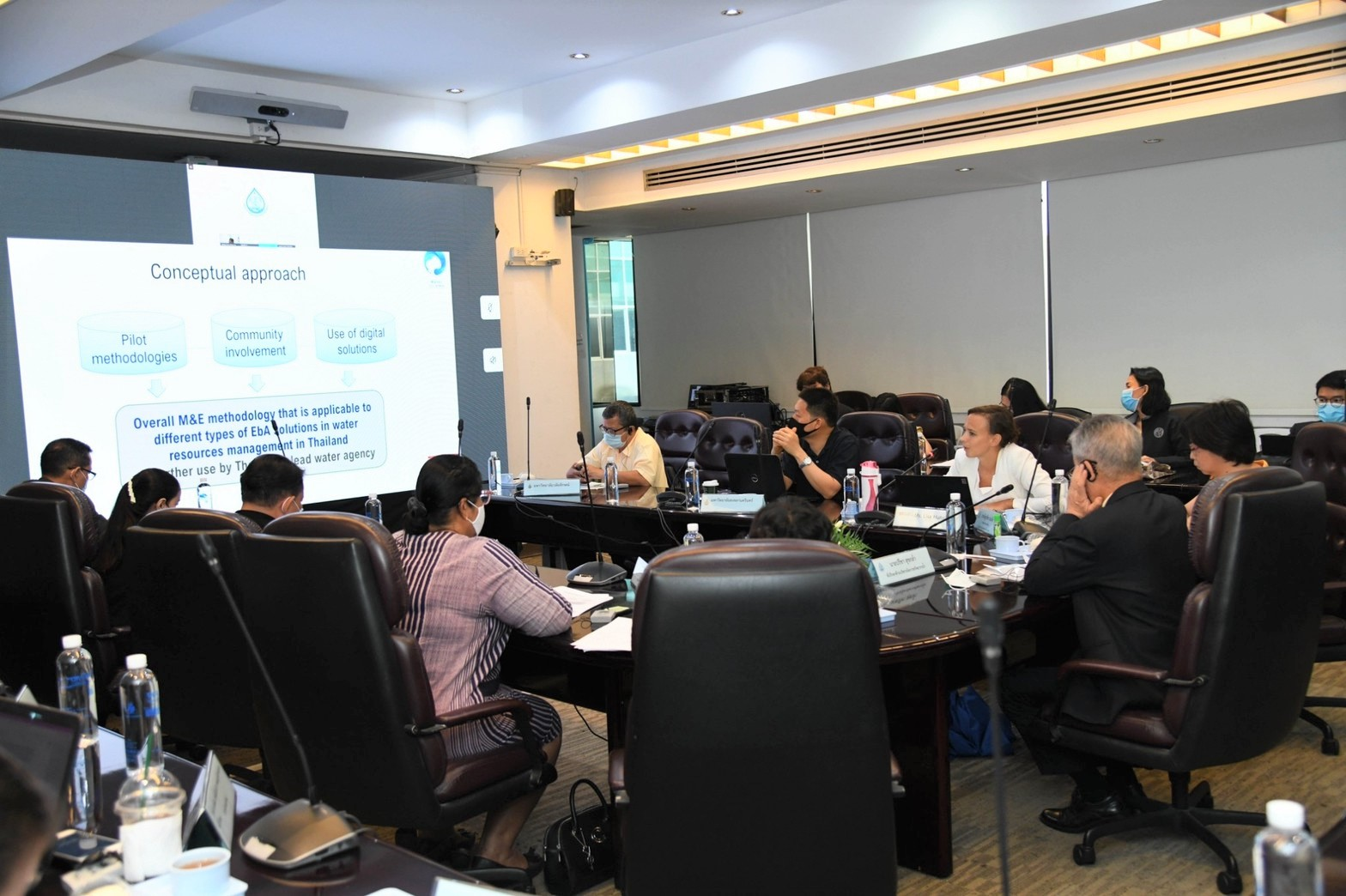
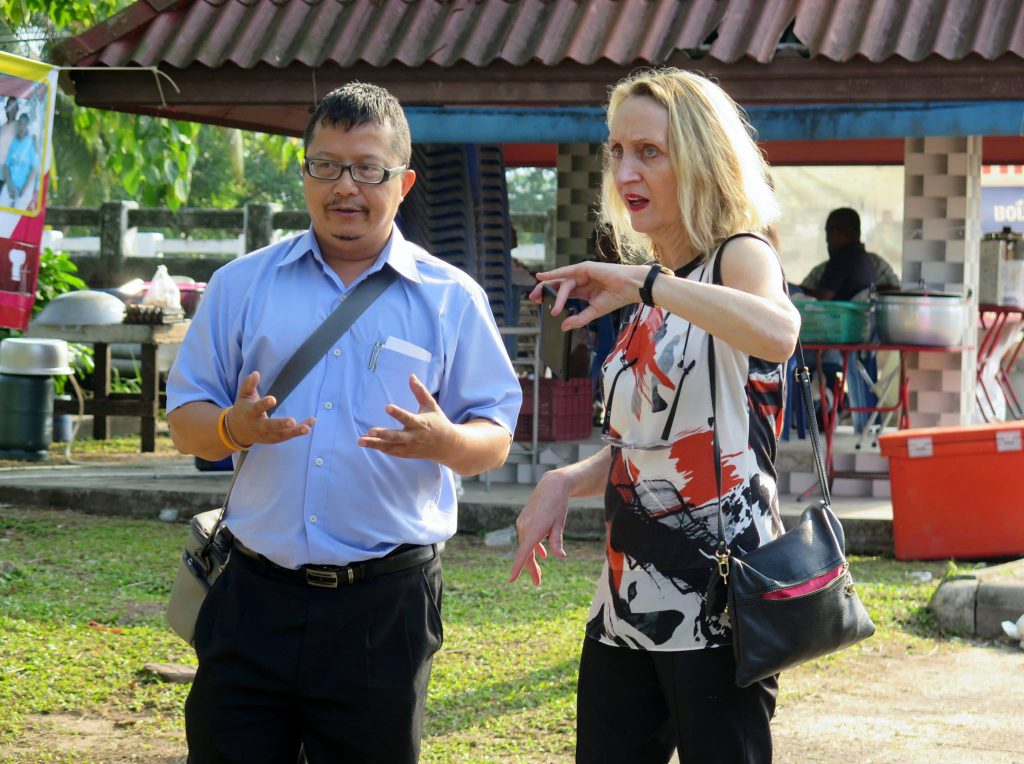
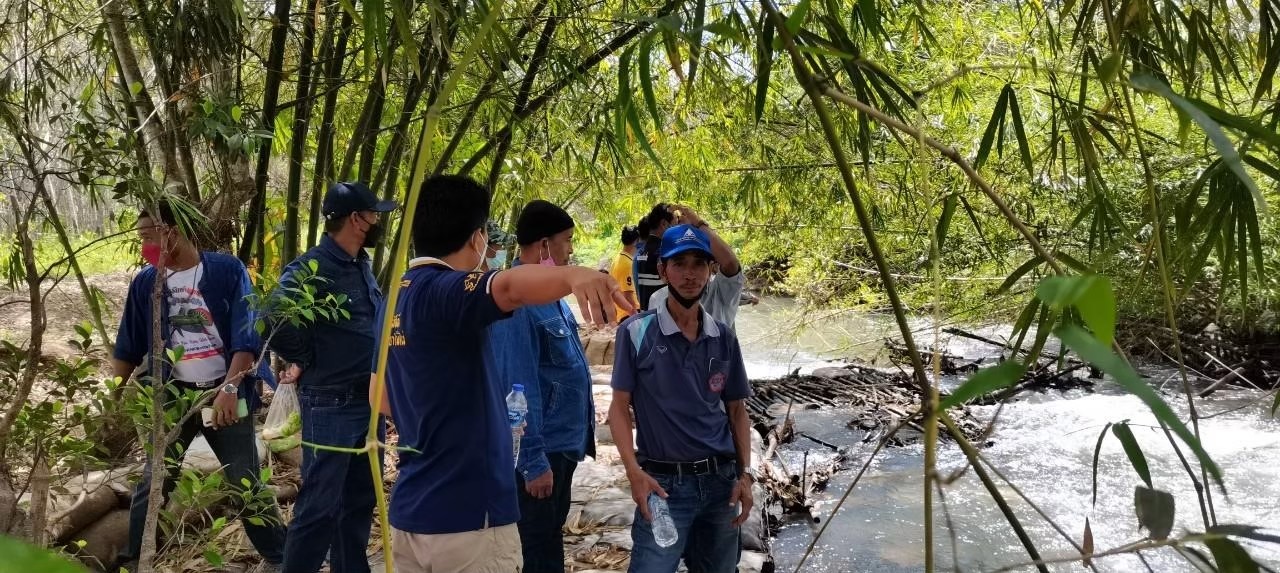
For the policy implementation project under the Thai-German Cooperation Program on Water Management (TGCP-Water), which is one of five areas of cooperation (including energy, waste management, agriculture, water management, and policy formulation and implementation), the university focuses on developing models for continuous monitoring and evaluation of the impacts and benefits of living weirs. These efforts are aligned with environmental conservation and climate protection goals. In 2023, faculty and staff from Walailak University collaborated with national and global organizations on water security by providing advice and consultation through questionnaires and focus group discussions for data collection in study areas. They also participated in training programs to exchange knowledge and experiences and presented research findings on ecosystem-based water resource management. This collaboration included representatives from GIZ and the International Union for Conservation of Nature (IUCN).