
WU’s Commuting: Developing Sustainable Campus Mobility with Solar-Powered Shuttles and Green Energy Solutions
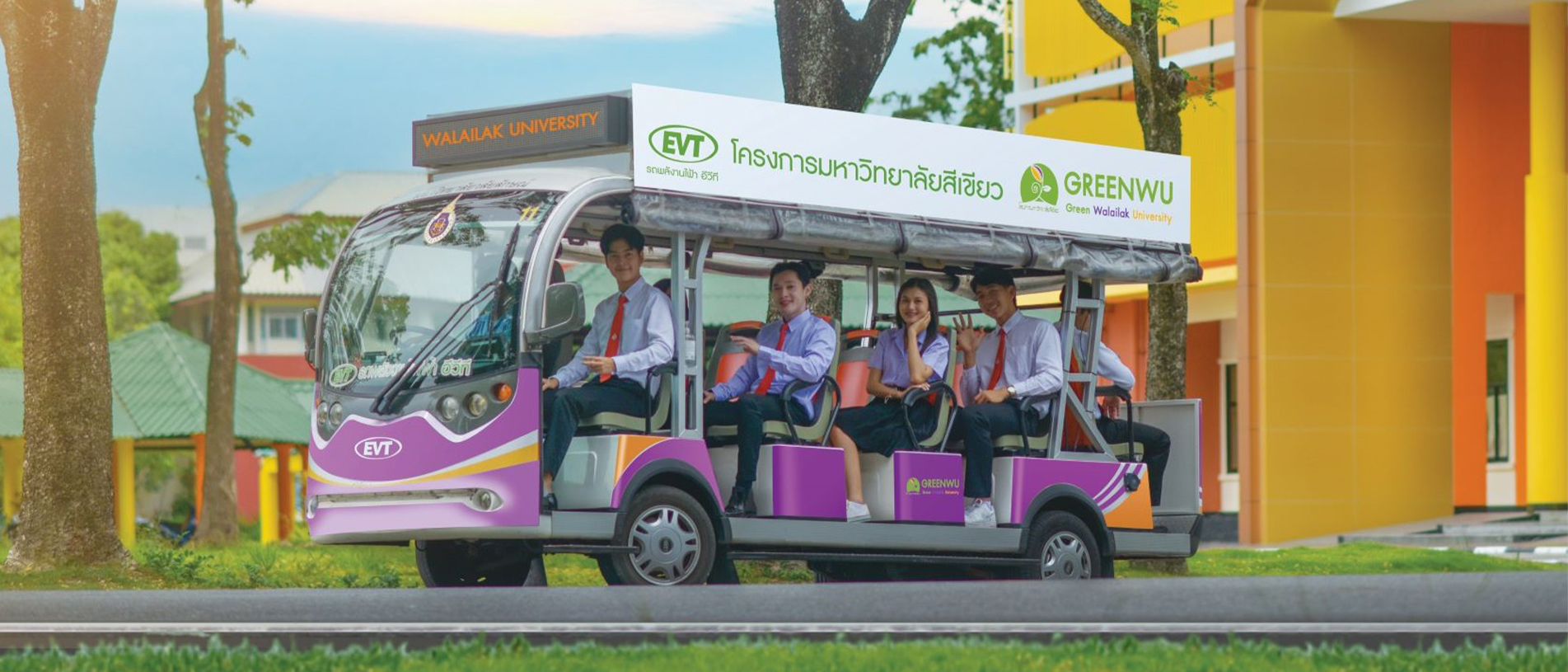
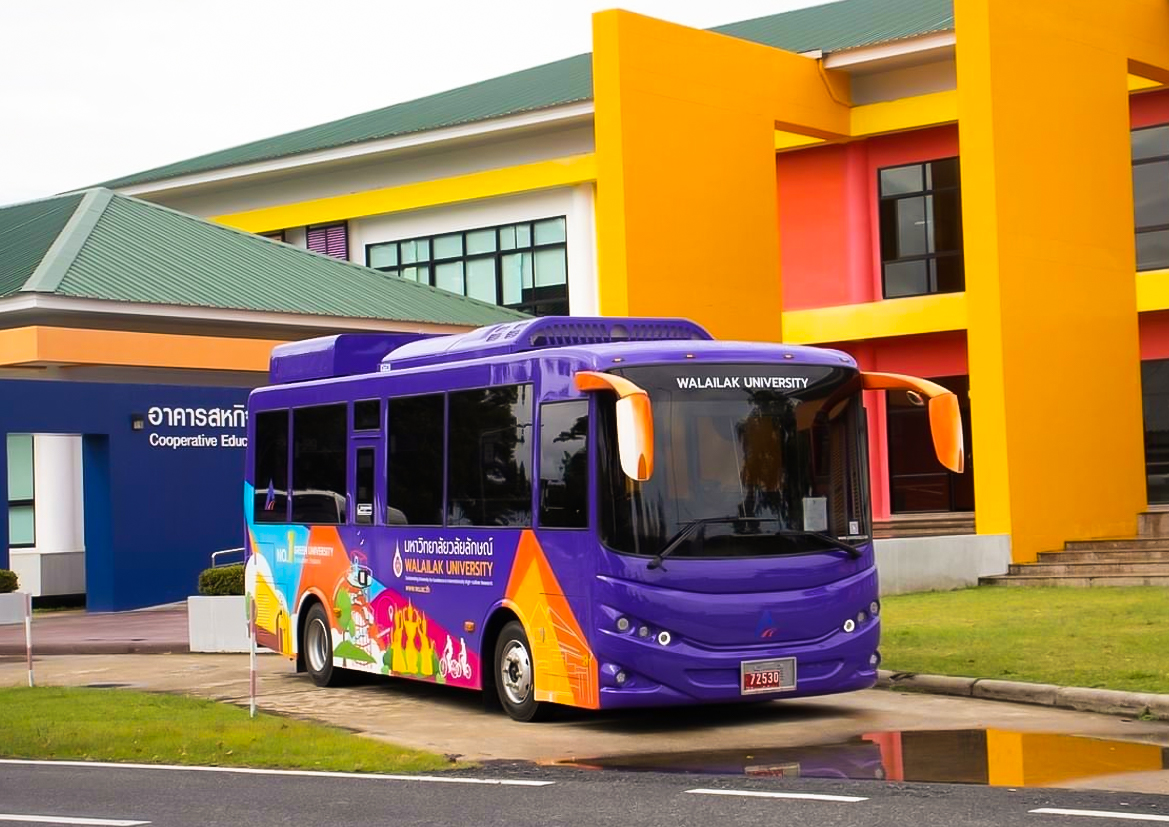
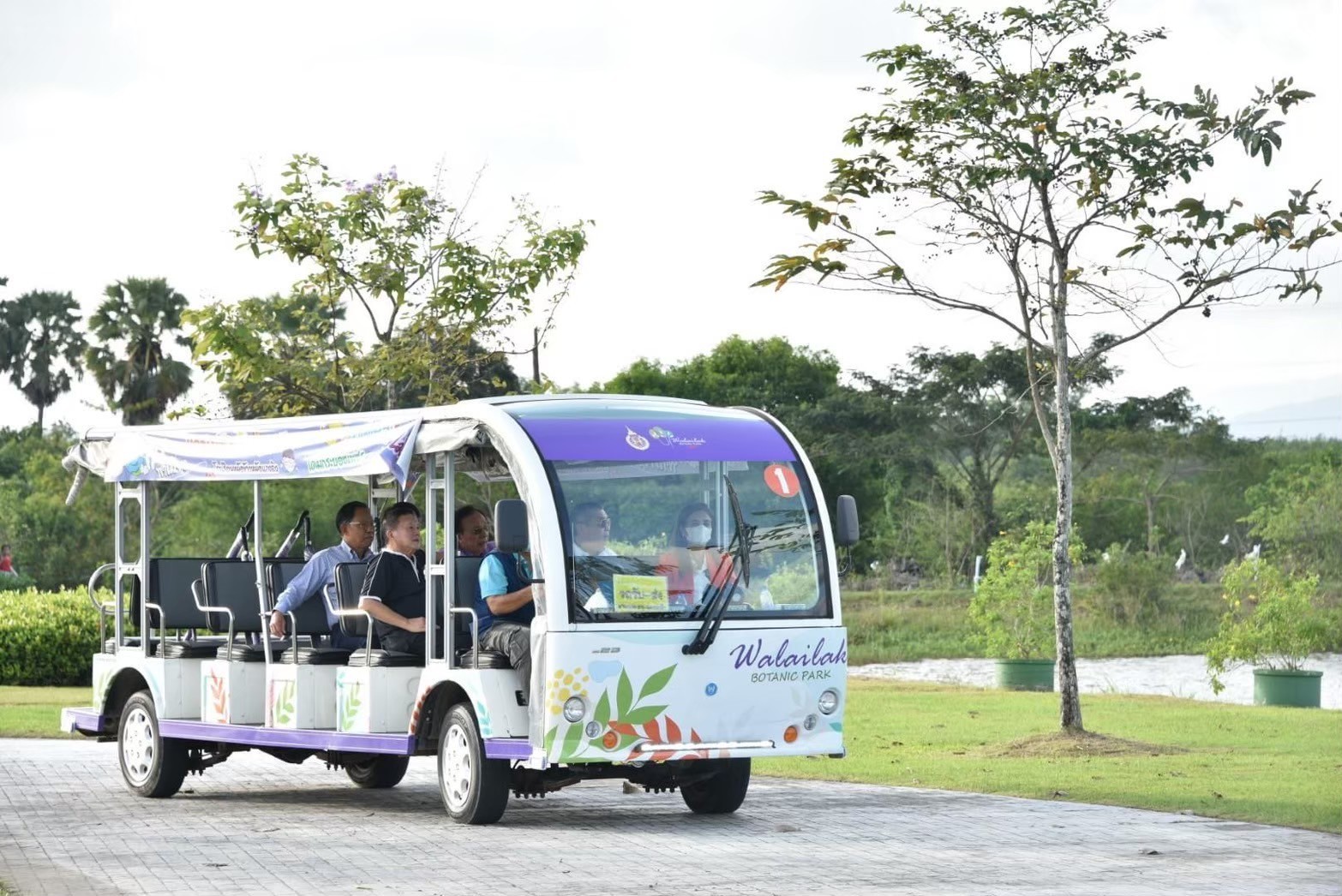
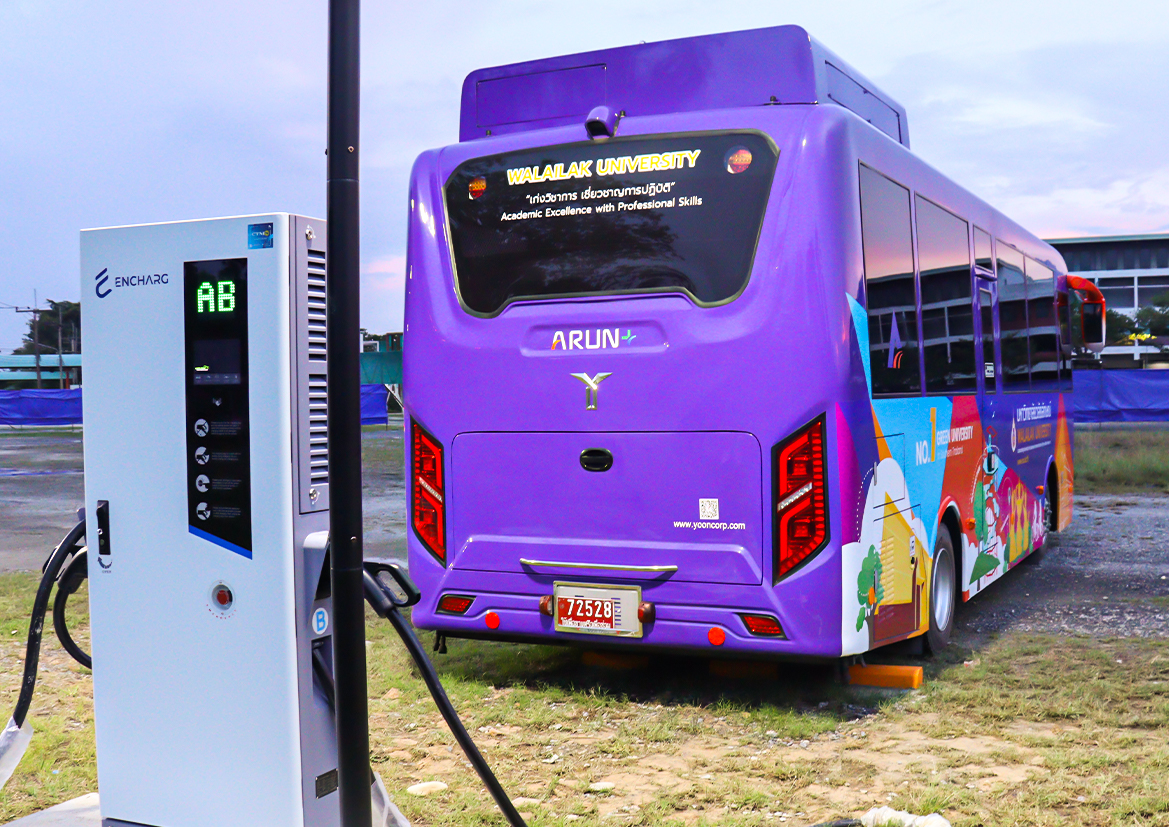
Walailak University has undertaken the WU Electric Shuttle Car Service, offering solar-powered electric shuttles to provide free transportation around campus for students, staff, and the public. This service aims to reduce the dependence on personal vehicles, lowering the risk of accidents and minimizing damage to life and property. Also, it promotes the use of clean energy, reduces air and noise pollution, and supports the university’s goal of becoming a Smart & Green University.
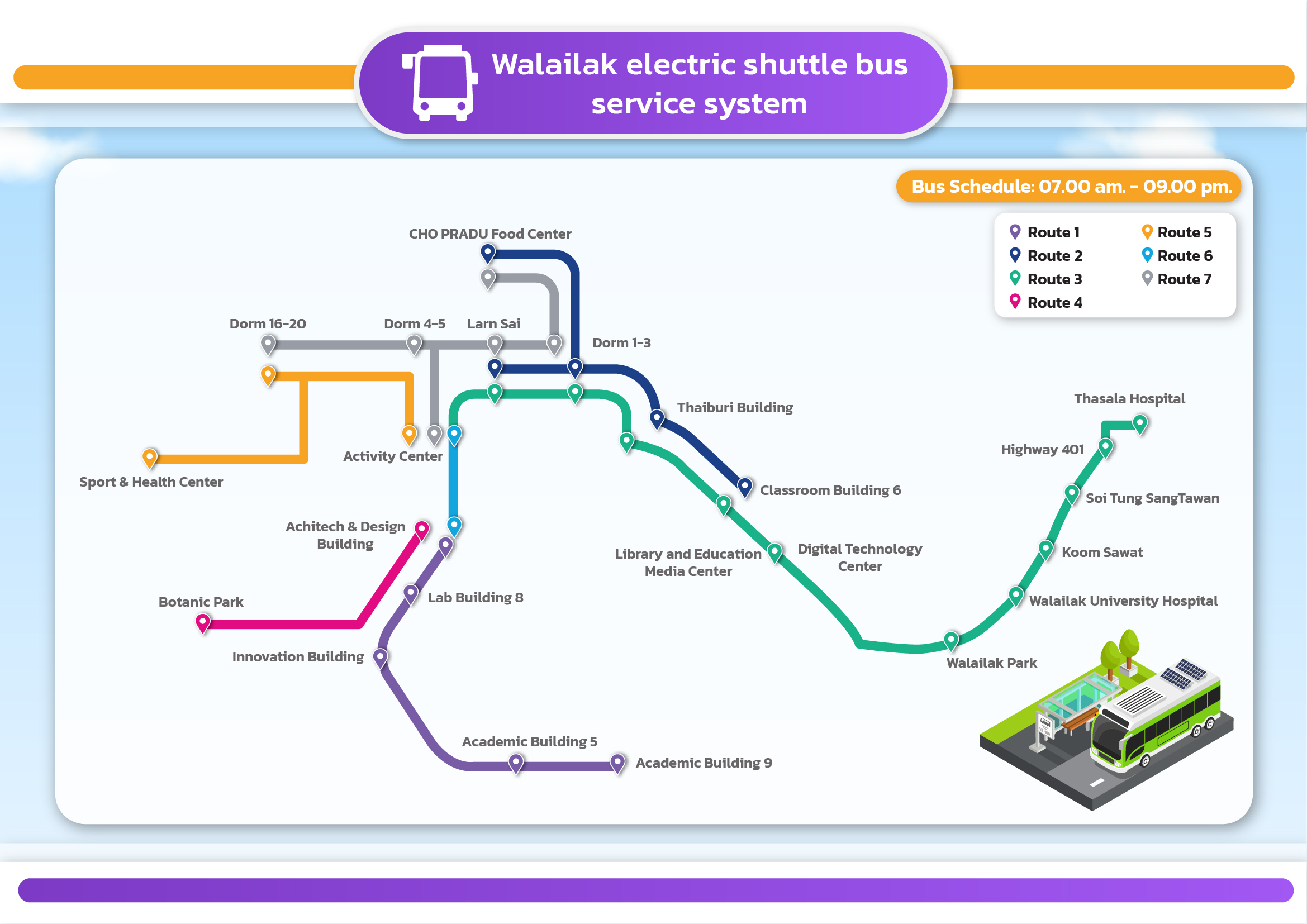
Key Shuttle Routes:
Route 1 – Academic Buildings
- Architecture & Design Building
- Anatomy Building
- The Center for Scientific and Technological Equipment
- Hua Taphan Building (Chef’s Kitchen)
- Academic Building 5
- Academic Building 9
Route 2 – Classroom Buildings
- Lan Sai Square
- Chor Praduu Food Center
- Thaiburi Hall Building
- Lecture Building 6 (ST)
Route 3 – University Front
- The Student Activity Building
- Thaiburi Hall Building
- Lecture Building 6 (ST)
- Walailak Park
- Khum Sawat Hotel
- Walailak University Center
- Applied Thai Traditional Medicine Hospital
- Thasala Hospital
Route 4 – Botanic Park
- The Student Activity Building
- Botanic Park
Route 5 – Center for Cultural and Sports Promotion
- The Student Activity Building
- Center for Cultural and Sports Promotion
Route 6 – Architecture & Design Building
- The Student Activity Center
- Architecture & Design Building
Route 7 – WU Resident Dormitory
- The Student Activity Center
- Lan Sai Square
- WU Residence
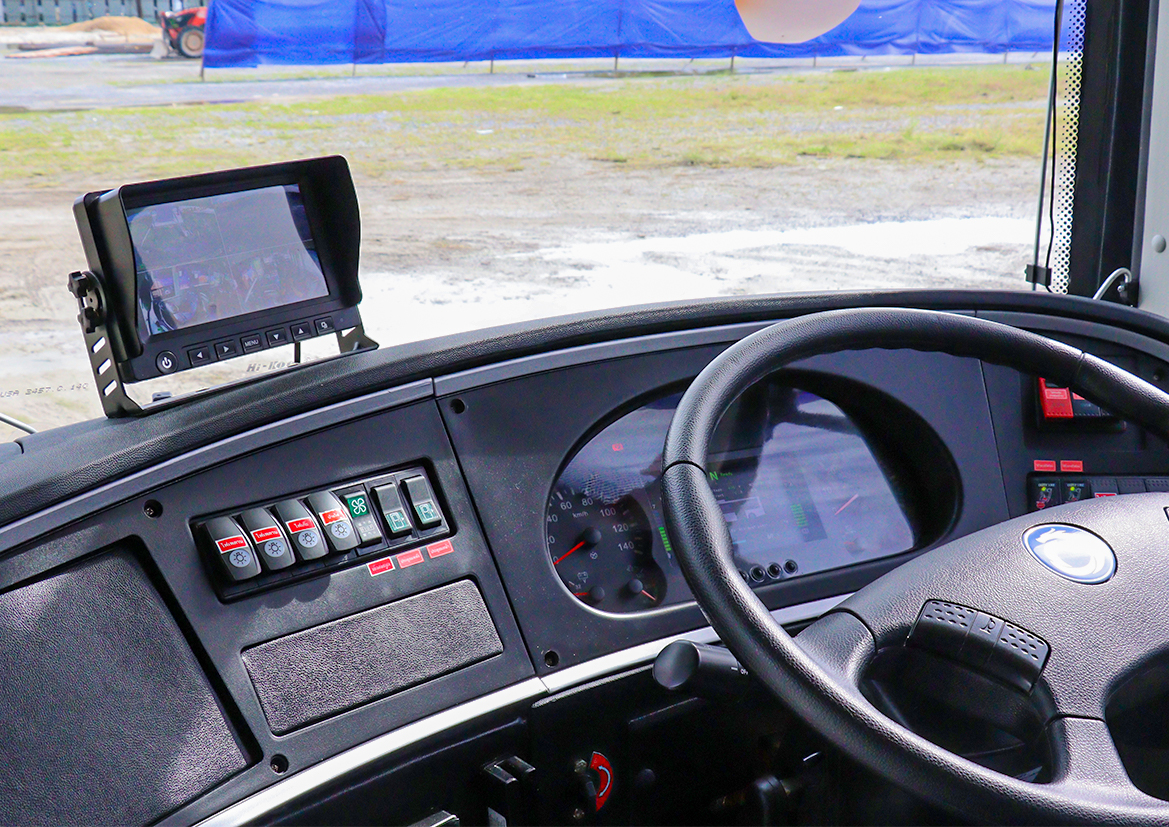
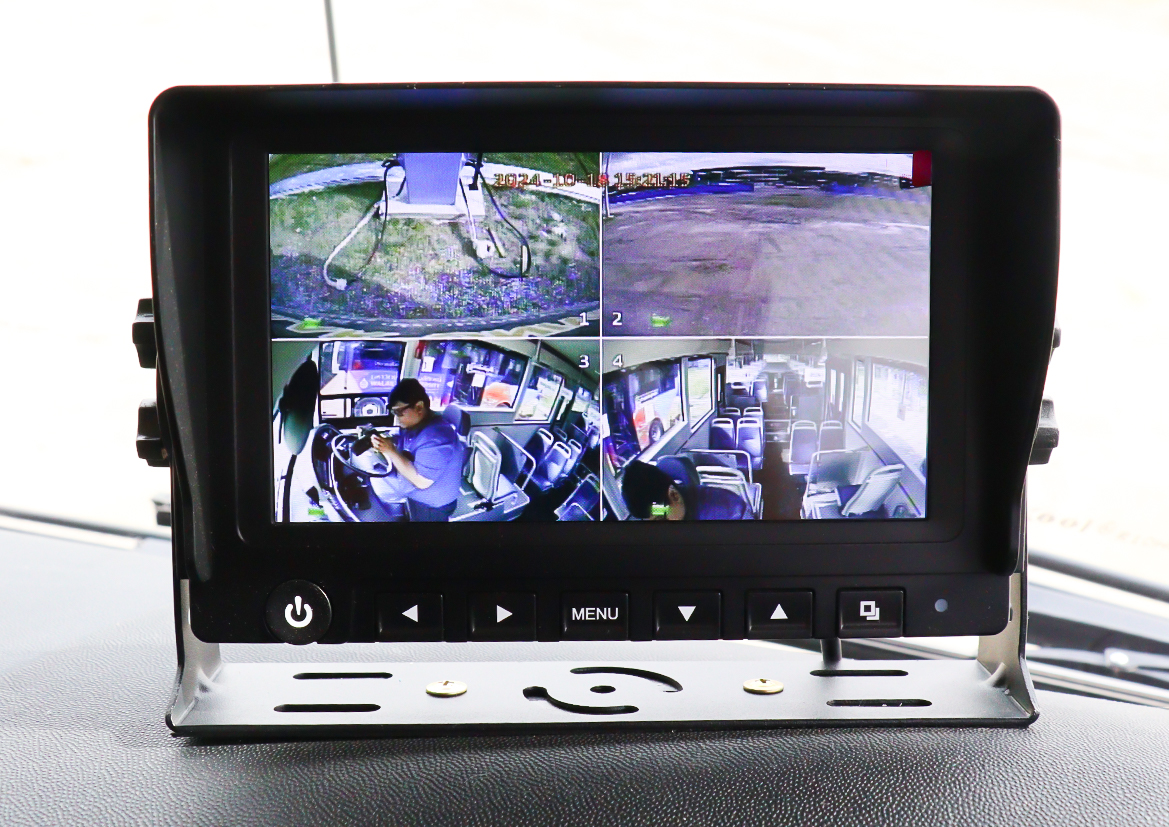
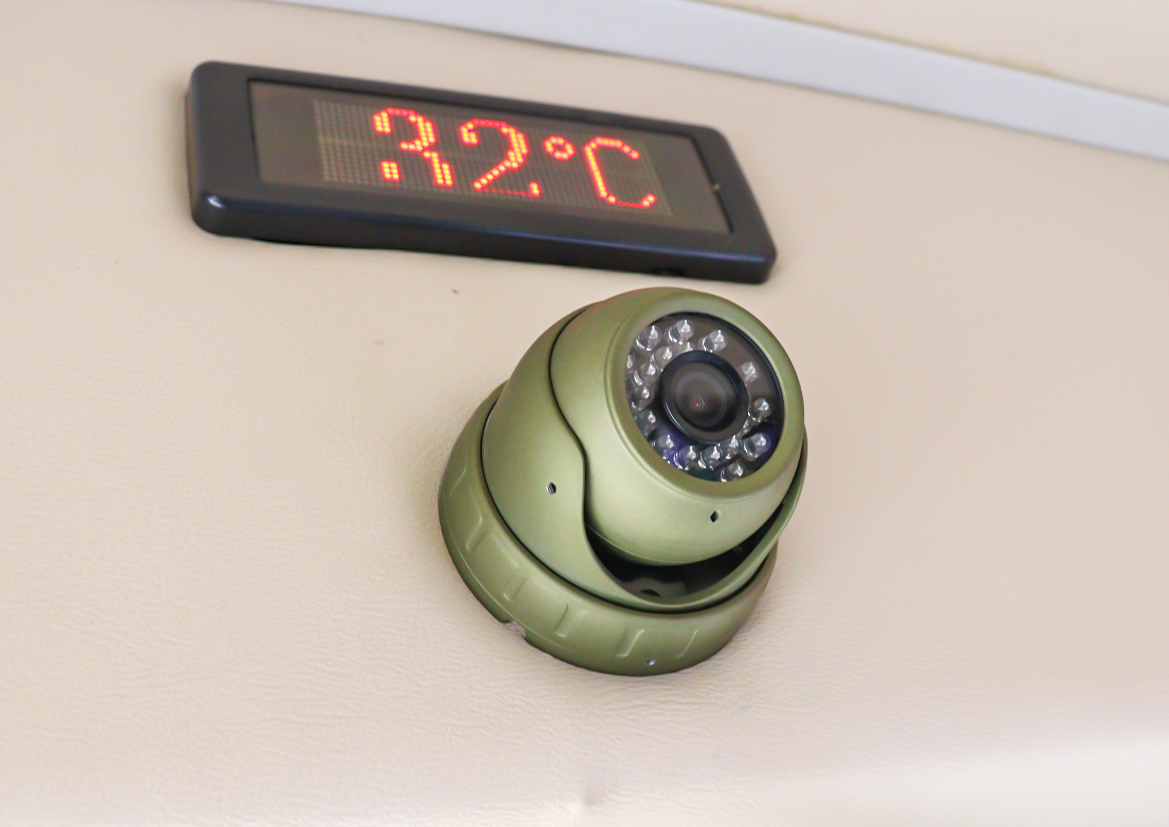
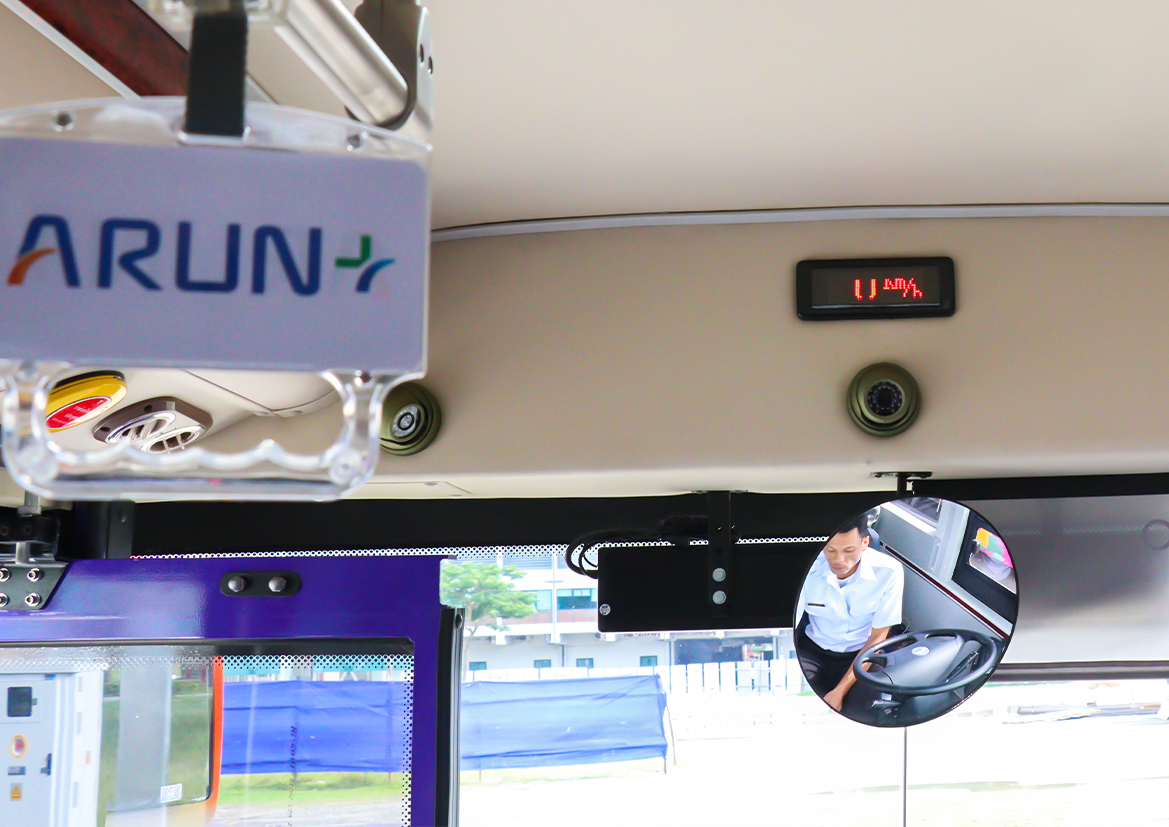
The electric shuttle vehicles are designed for optimal functionality. They are open-air, operating at speeds of 40-50 km/h, with features such as semi-automatic sun and rain protection curtains, secure fastenings, full lighting for safe nighttime driving, and advanced security measures like CCTV cameras. Additionally, the shuttle system is connected to external public transportation for further convenience.
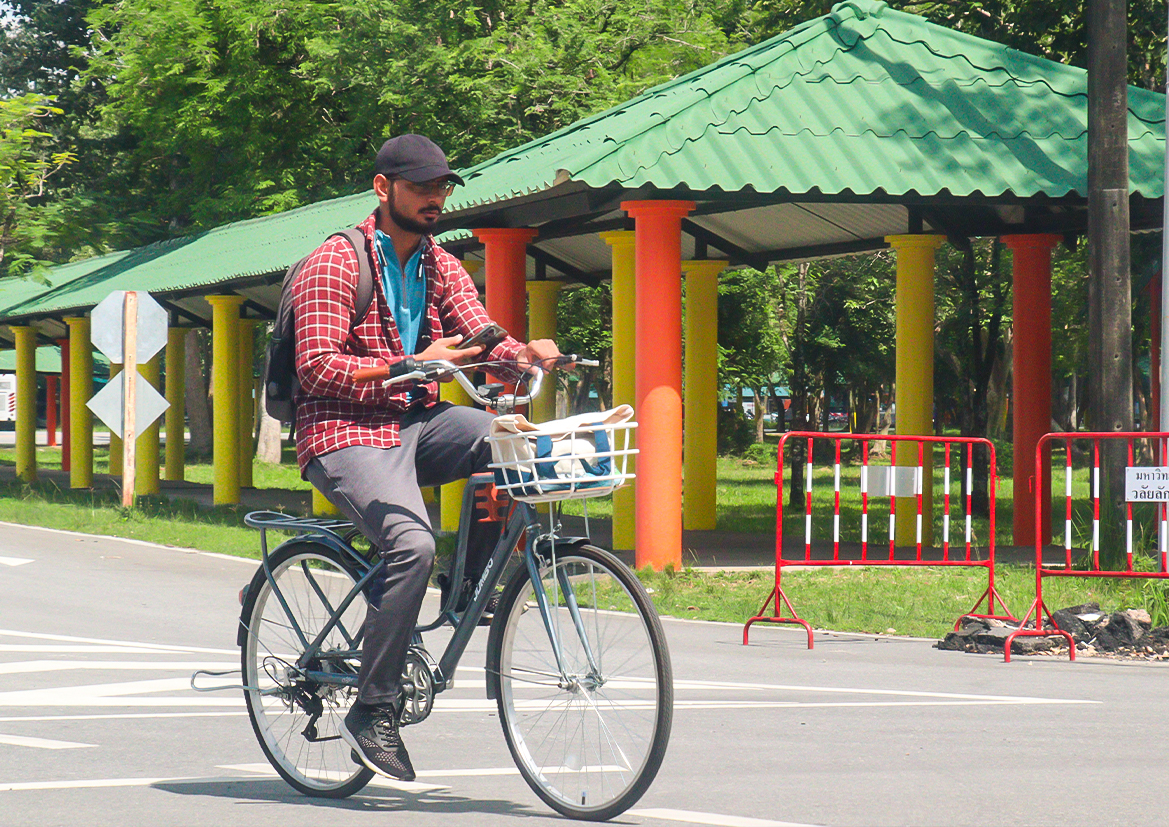
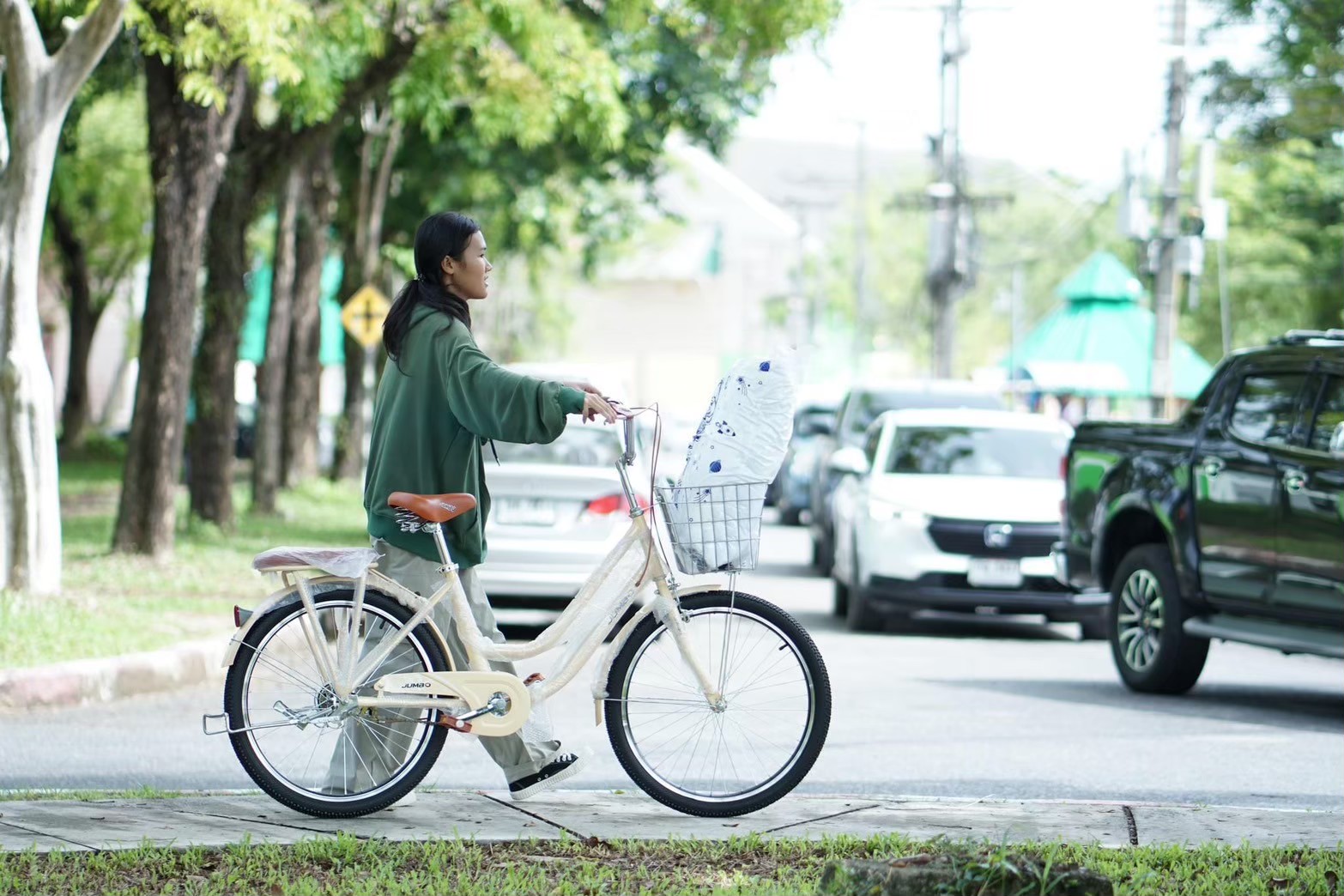
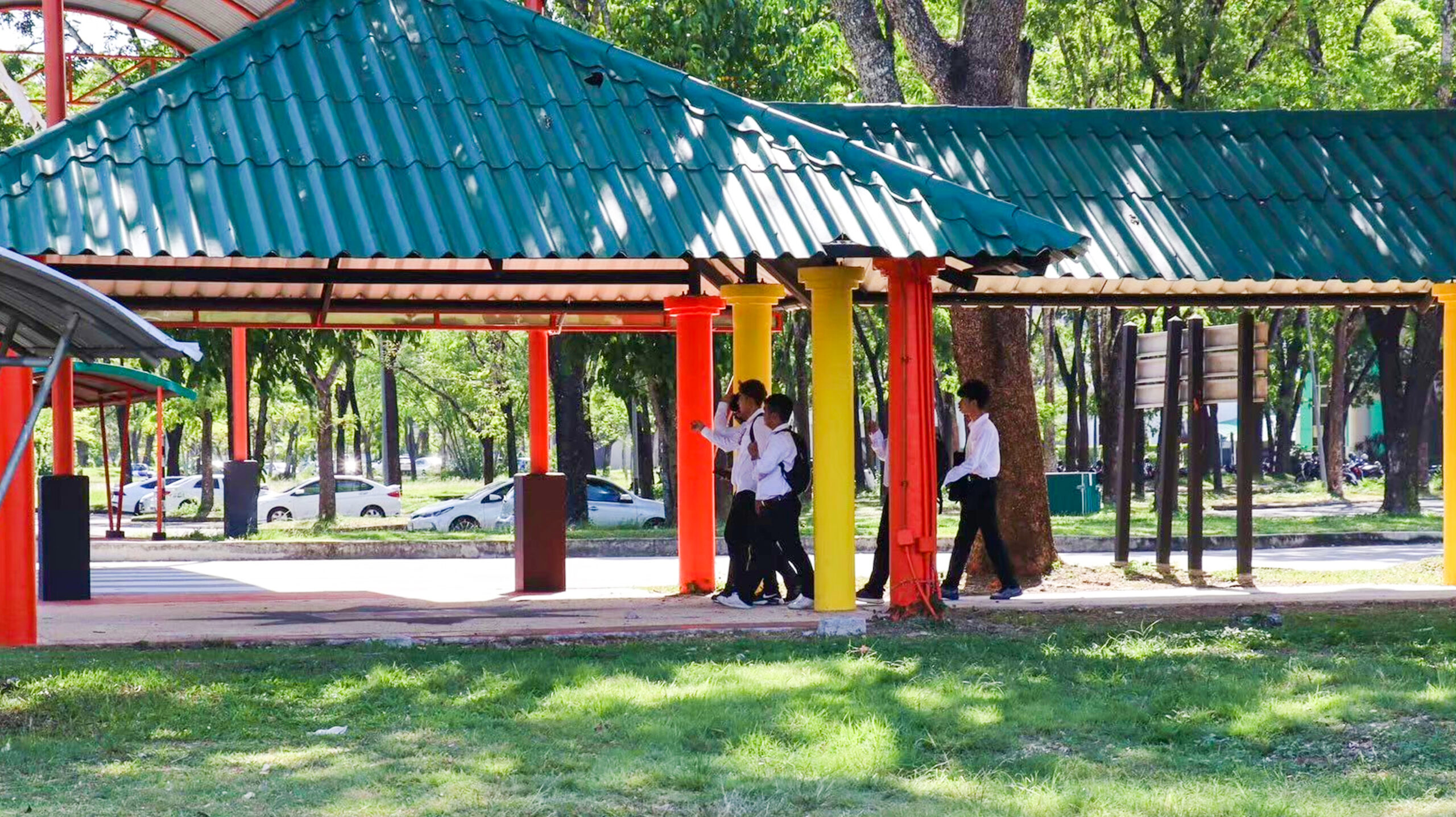
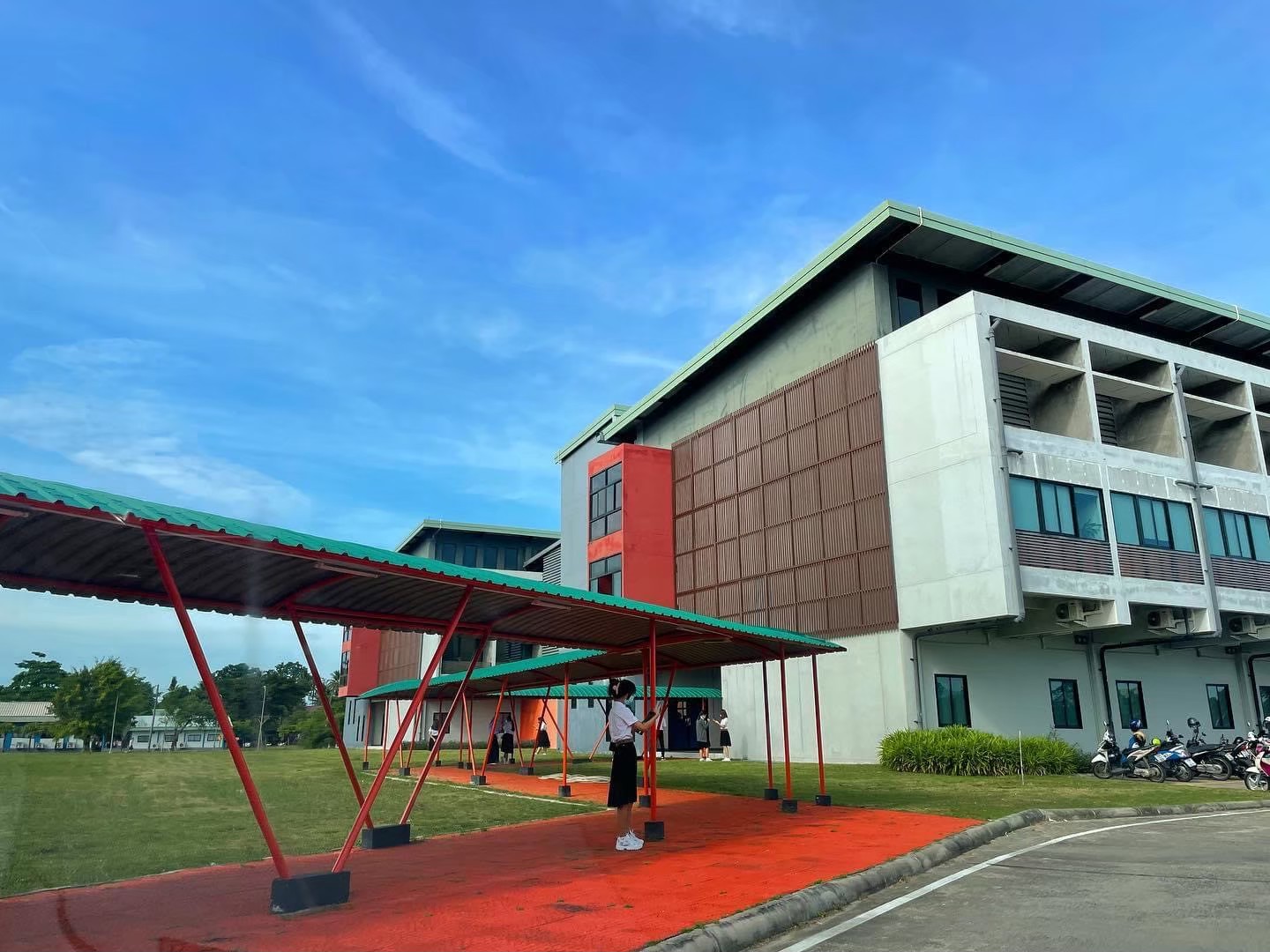
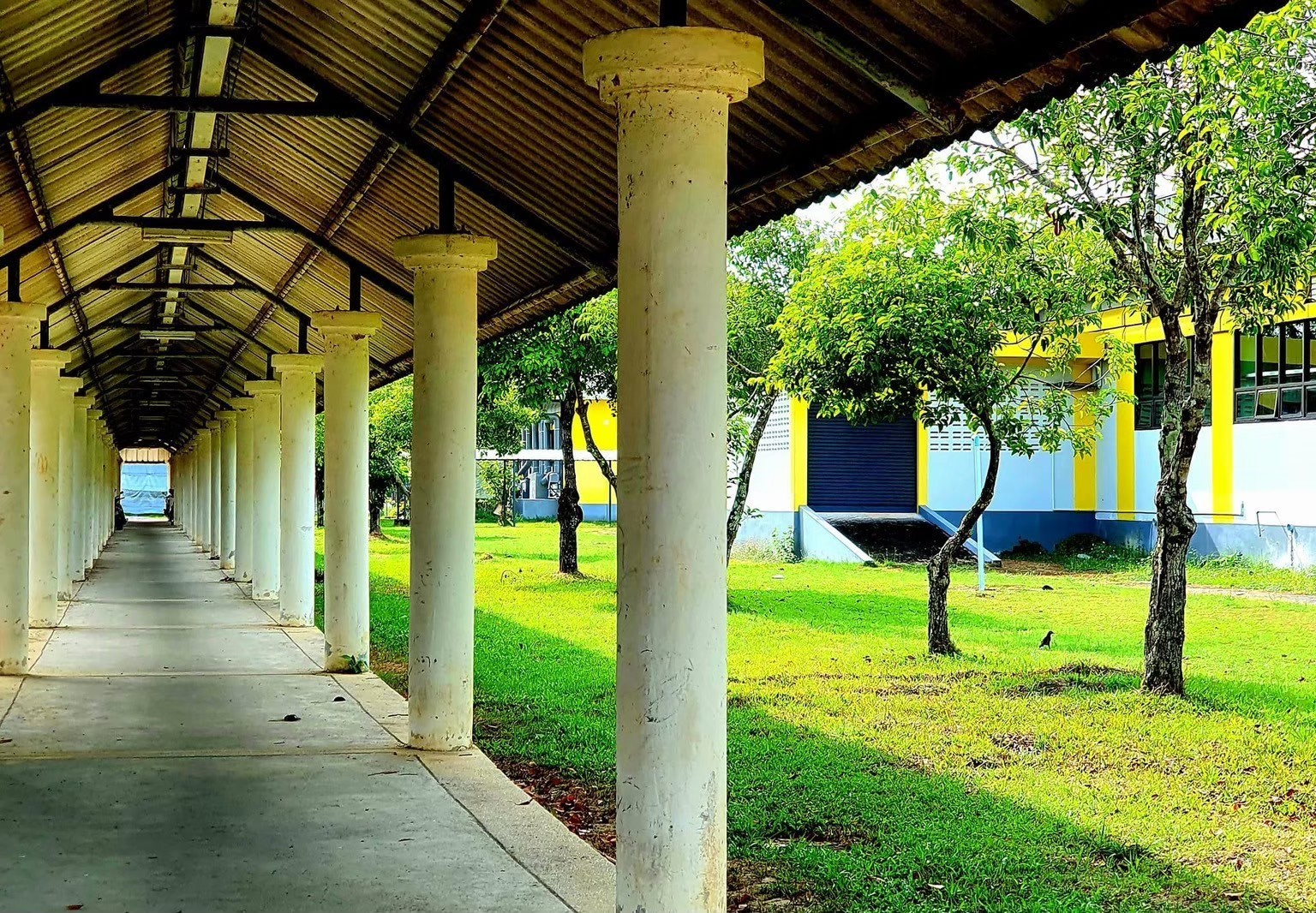
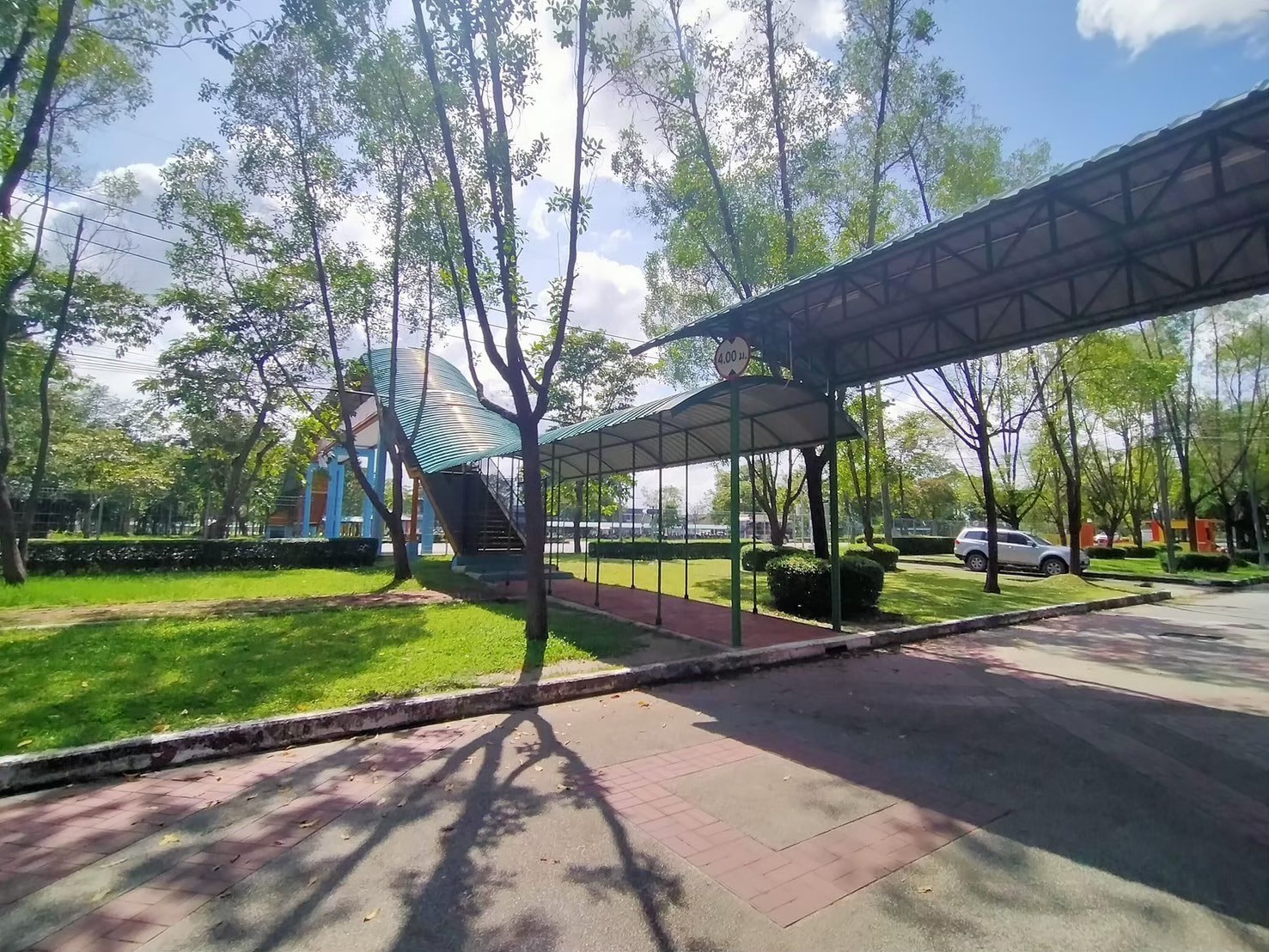
Walailak University is also undertaken to promote eco-friendly transportation by encouraging the use of bicycles and electric public transportation over personal vehicles. To support this, the university has designated specific bicycle routes and installed covered walkways, creating safer and more efficient pathways, and establishing bicycle maintenance stations with three locations:
- Location 1: Near the Student Activity Building
- Location 2: At Laksananives5 Dormitory
- Location 3: At the Center for Library Resources and Educational Media
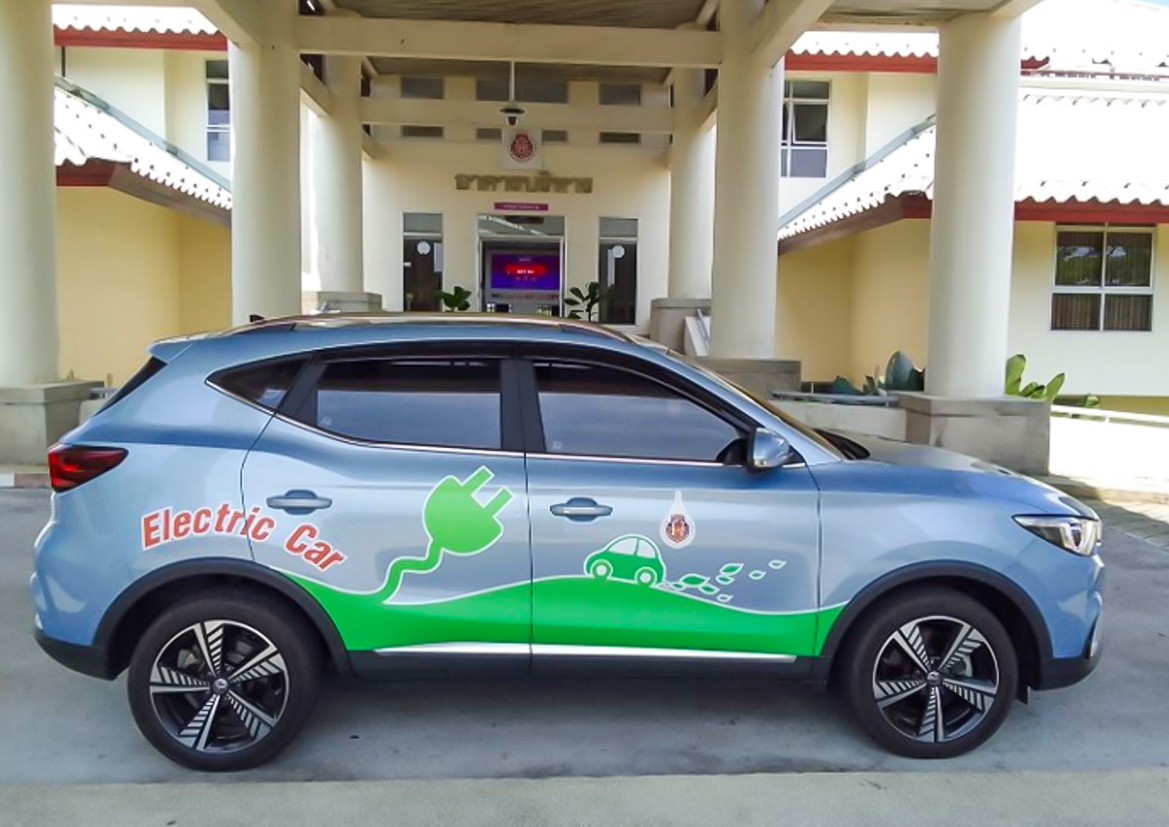
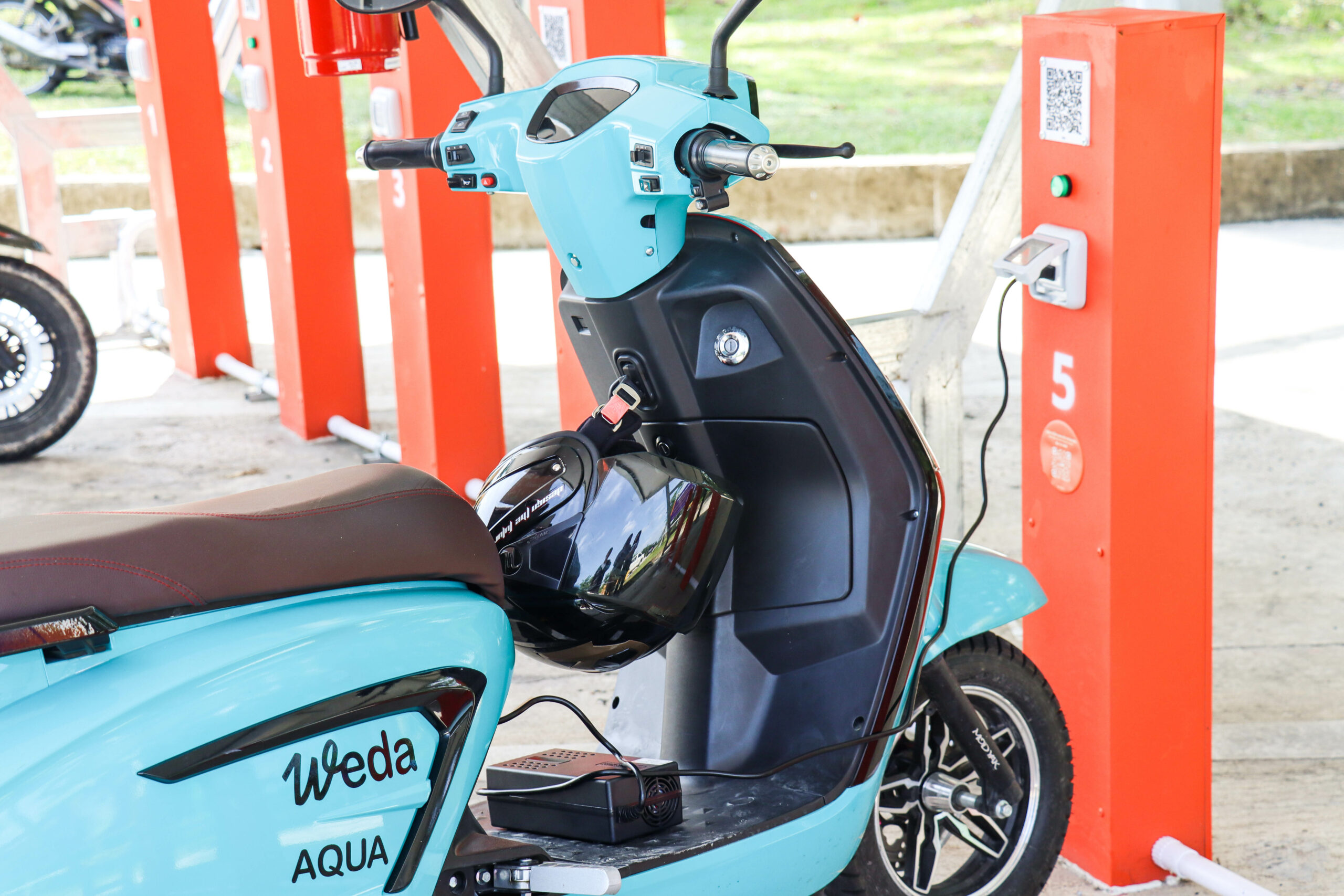
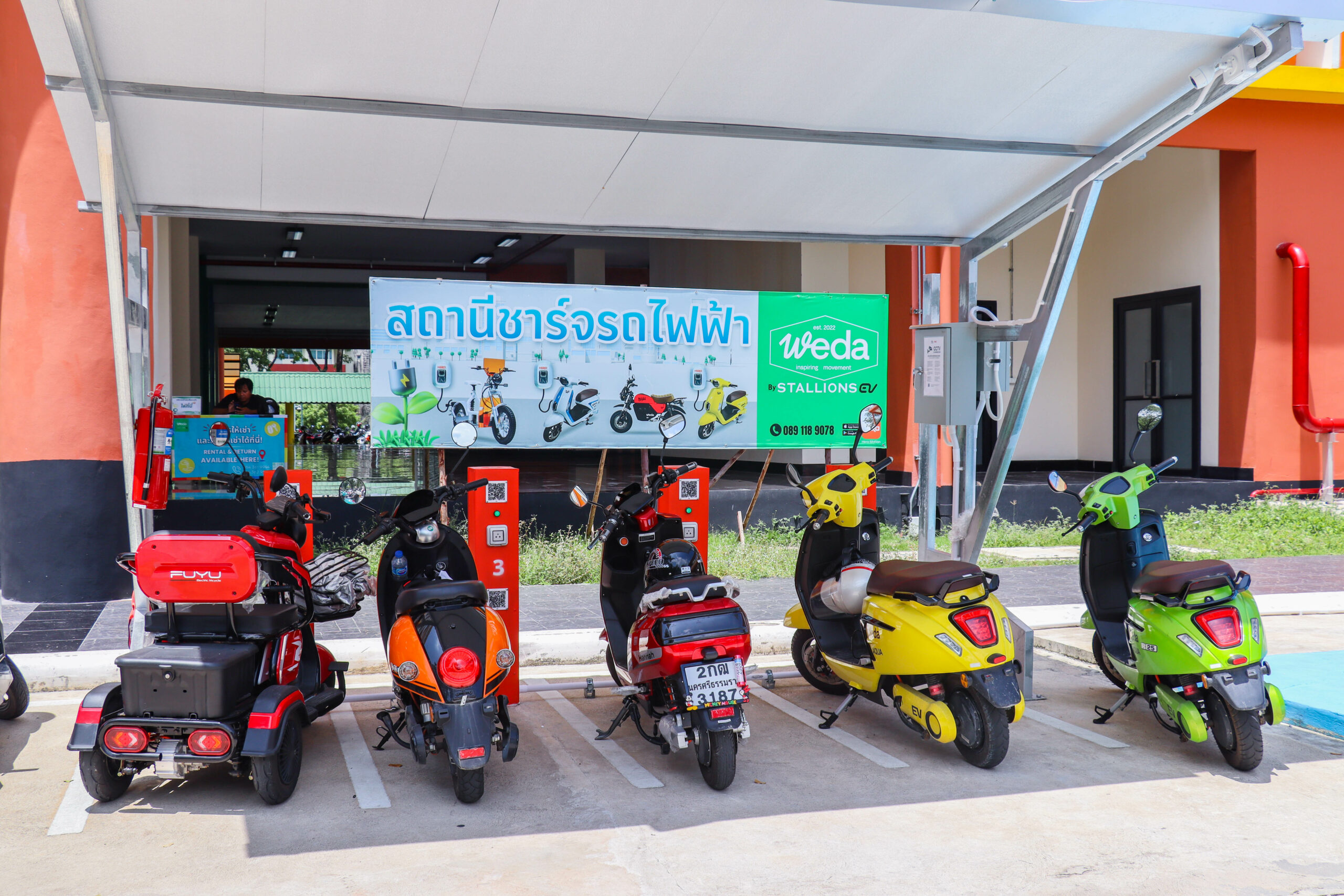
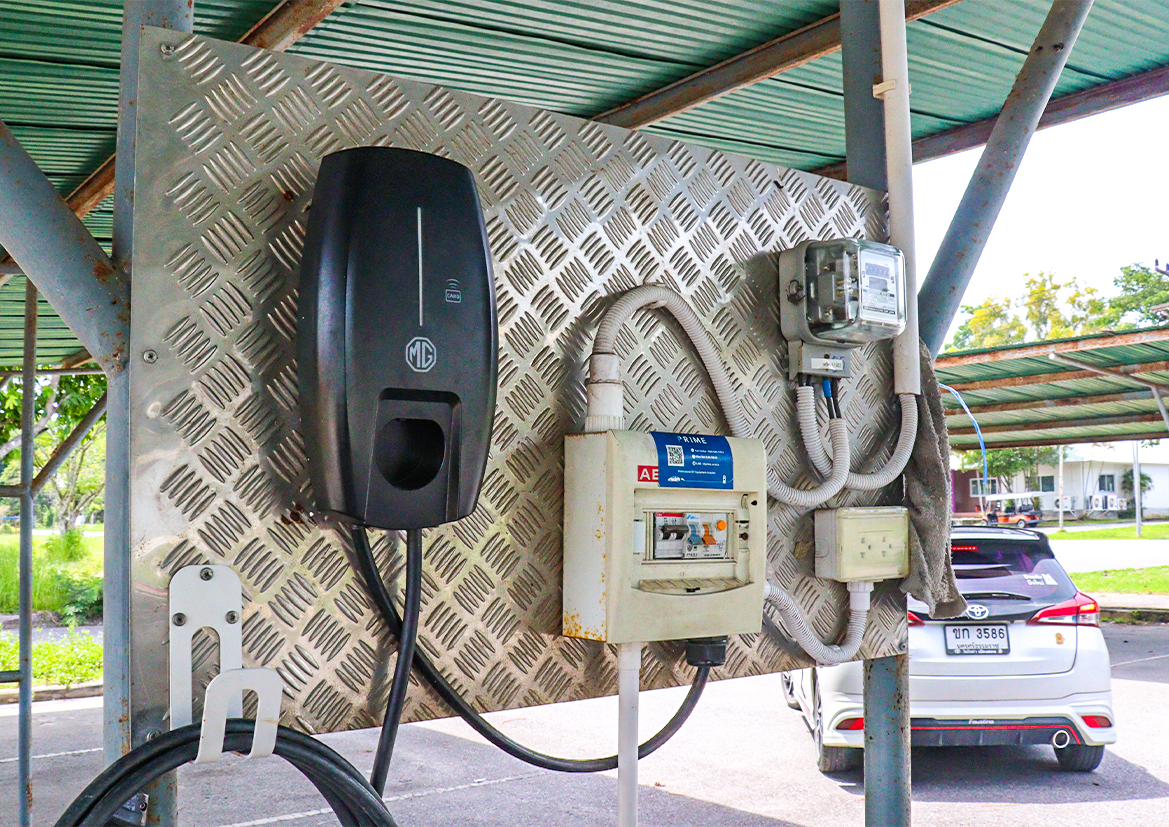
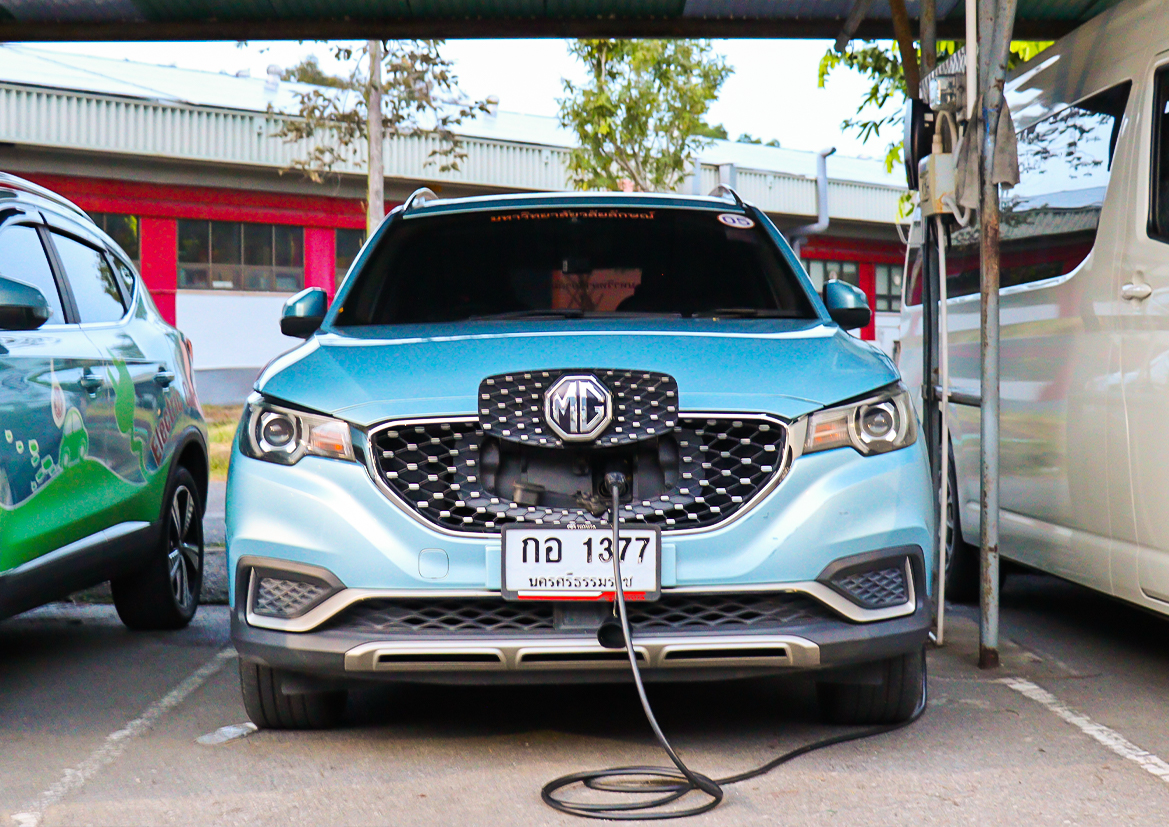
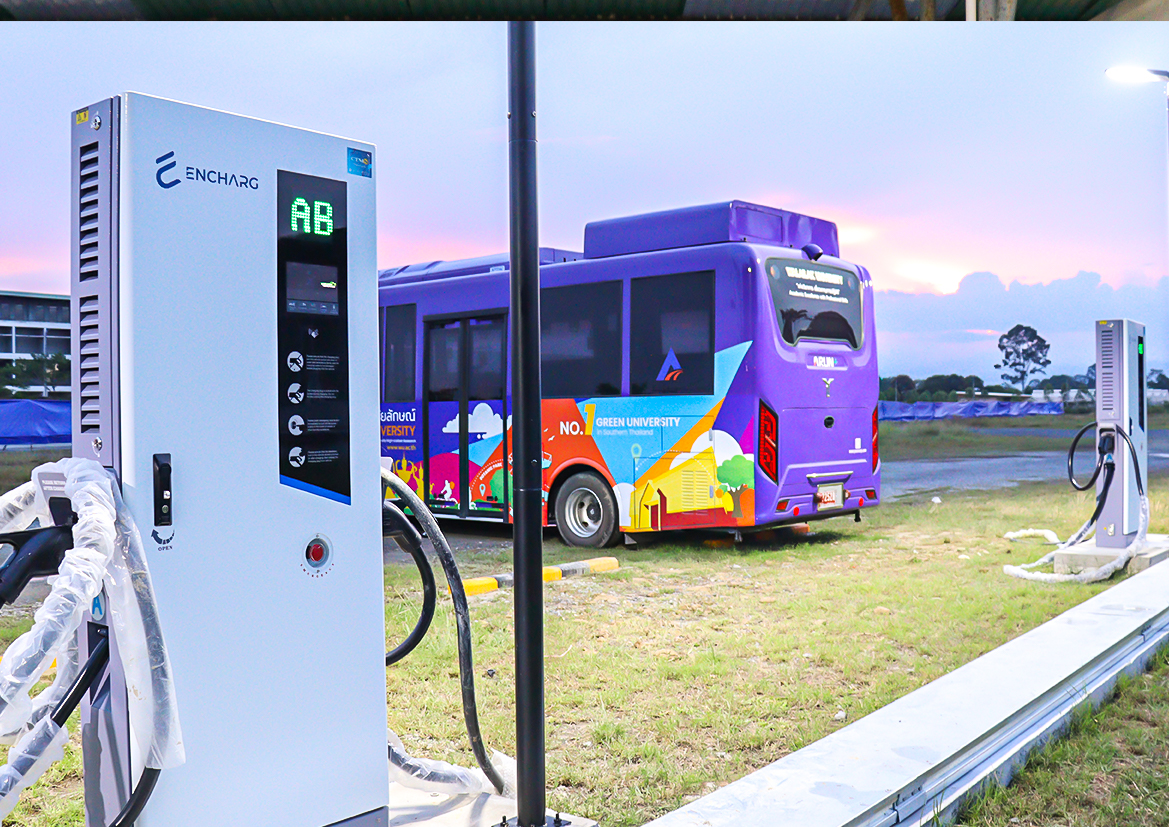
In 2023, WU installed five electric vehicle charging stations, continuing to encourage the use of electric vehicles by students and staff. The university has made significant strides in adopting renewable energy solutions across campus. Solar rooftop systems have been installed on academic buildings and parking areas, providing clean energy to power university facilities. Electric motorcycles are available for rent. Additionally, biogas production from animal waste is used to generate electricity in the livestock facilities, demonstrating the university’s commitment to green energy solutions.
Related links:
https://cas.wu.ac.th/sdgs/wp-content/uploads/sites/3/2024/10/PublicTransportation.pdf
https://green.wu.ac.th/transportation
https://www.wu.ac.th/th/news/14014
https://www.wu.ac.th/th/news/13754
https://www.wu.ac.th/th/news/13751
https://dla.wu.ac.th/th/archives/3209
https://dpl.wu.ac.th/wp-content/uploads/2018/06/คำนำ-สารบัญและเนื้อหาแผนยุทธศาสตร์20ปี-Version1.pdf
https://am.wu.ac.th/2024/04/30/ศนยบริหารทรัพยสิน-จัดหาผู้ให้บริการ/
https://management.wu.ac.th/green-man/การขนส่ง (Transportation)
https://www.stlgh.com/th/stallions-ev-เปิดศูนย์บริการมอเตอร์ไซค์/

Goal 11: Sustainable cities and communities
Goal 7: Affordable and Clean Energy
Goal 13: Climate Action
Goal 17: Partnerships for the Goals