
The Landfill Waste Reduction and Recycling Policy: Tracking and Measuring Waste for Sustainability
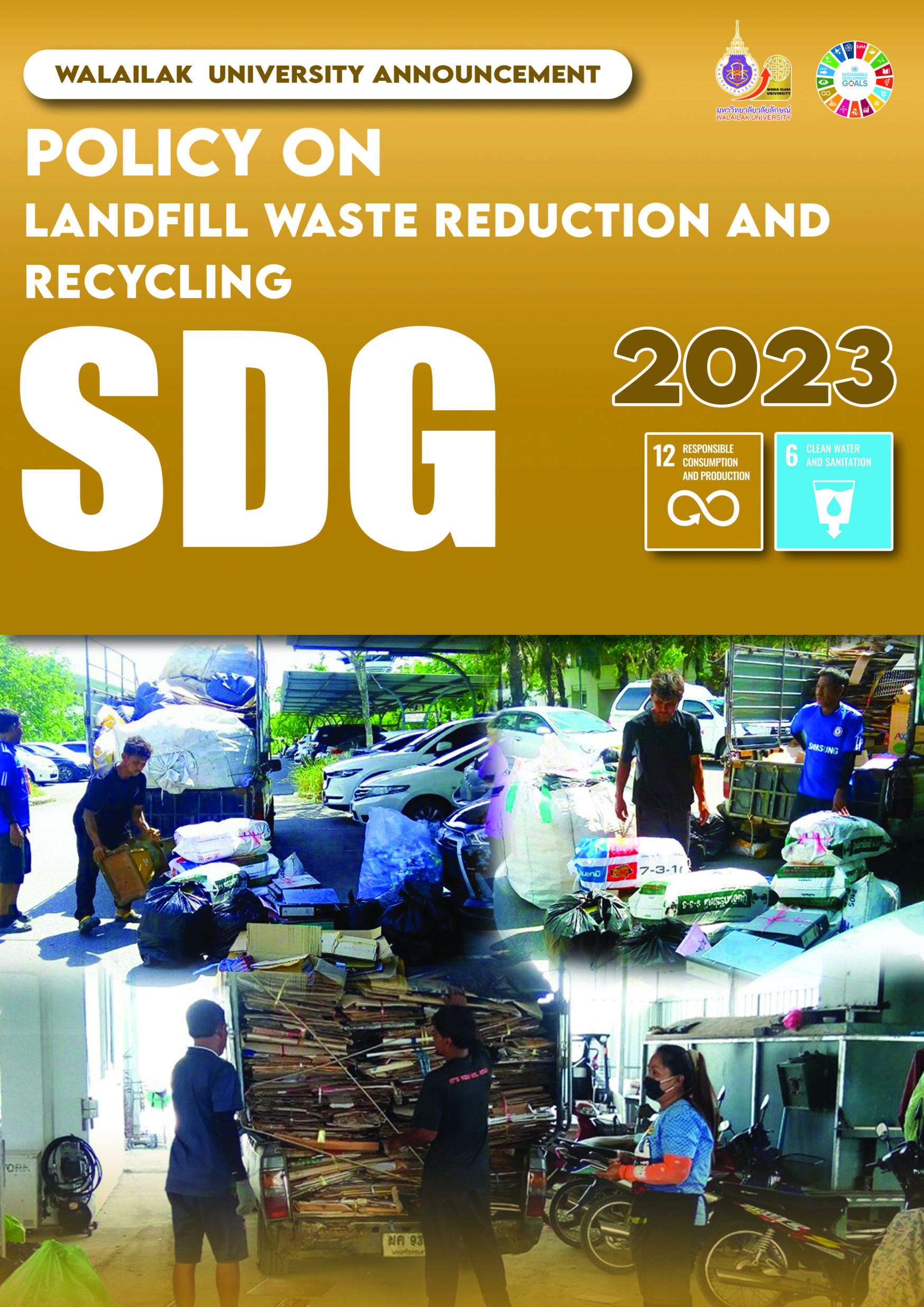
In 2023, Walailak University has the processes to manage waste through the stages of source, intermediate, and final disposal. During the final stage of waste management, the university measures the total amount of waste sent for recycling and to landfills, totaling 841.73 tons per year, or approximately 2.31 tons per day
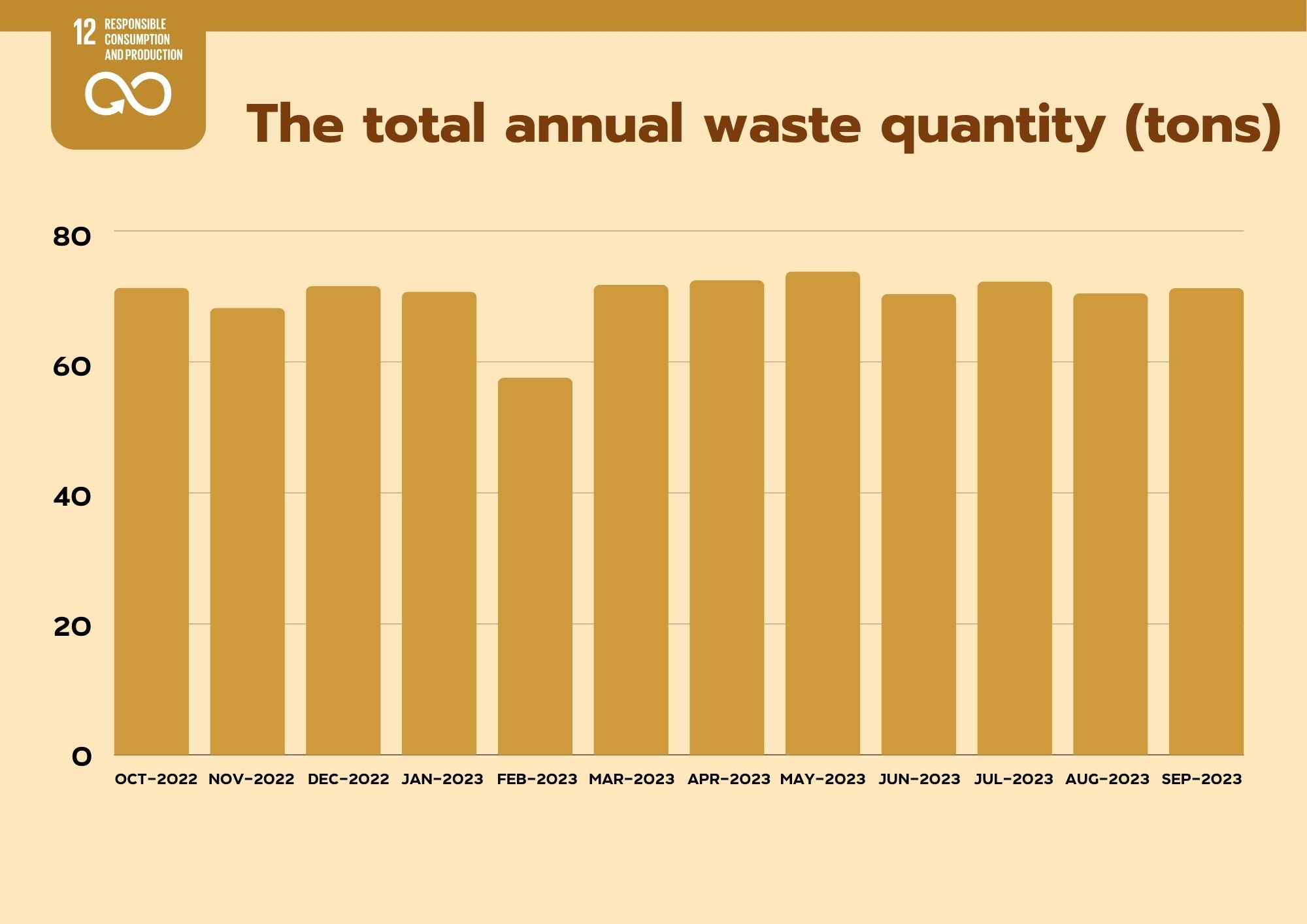
Figures: The Amount of Waste Generated Each Month at Walailak University in 2023
1. Recycling (Recycle) for reuse in production
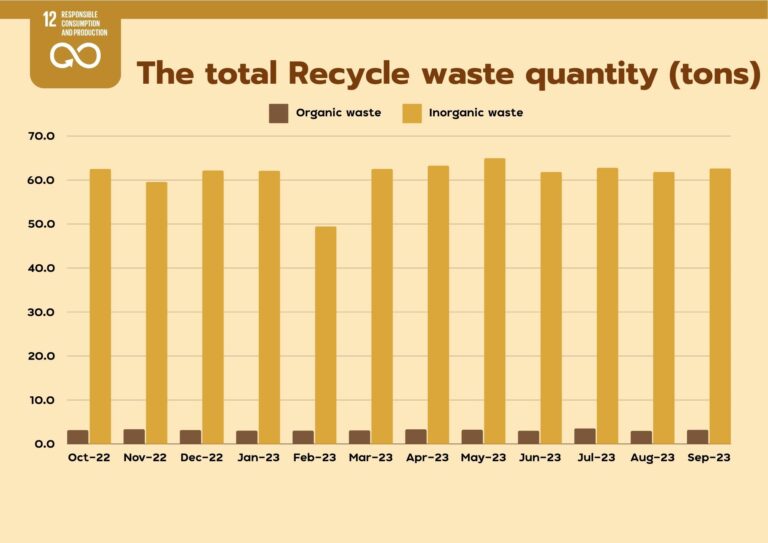
1.1 Inorganic waste refers to waste that does not contain organic compounds and is difficult for microorganisms to decompose, such as glass, aluminum cans, dust, and metals. These materials take a long time to decompose efficiently. In 2023, the amount of inorganic waste was 735.83 tons per year. The university has undertaken the following steps to recycle and reuse this waste:
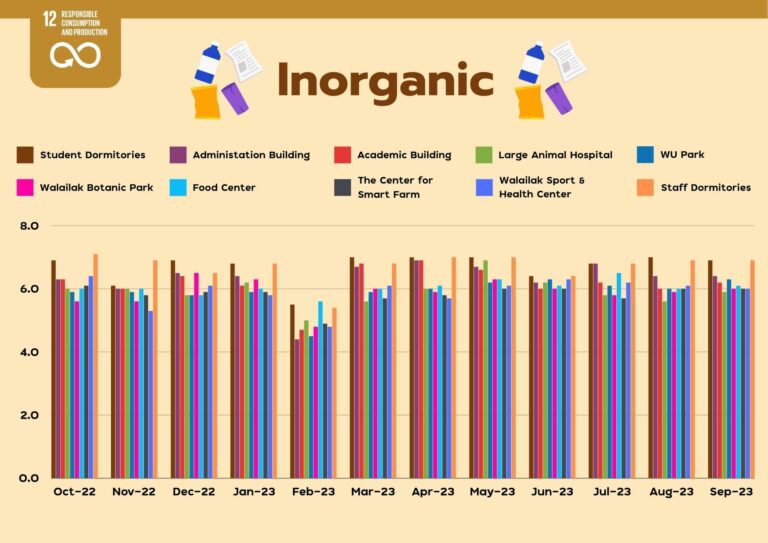
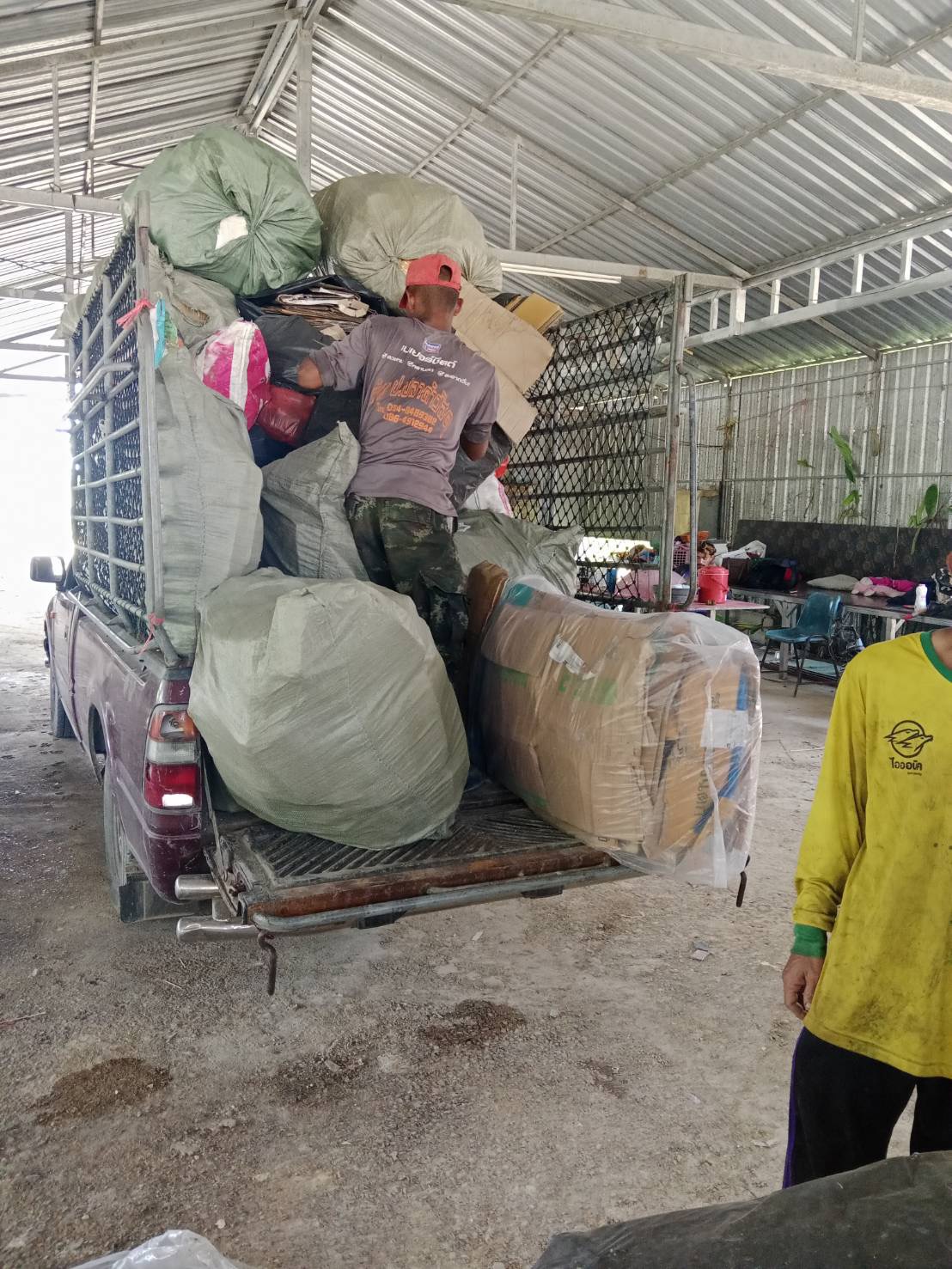
1.1.1 Transfer to factories for recycling and reuse
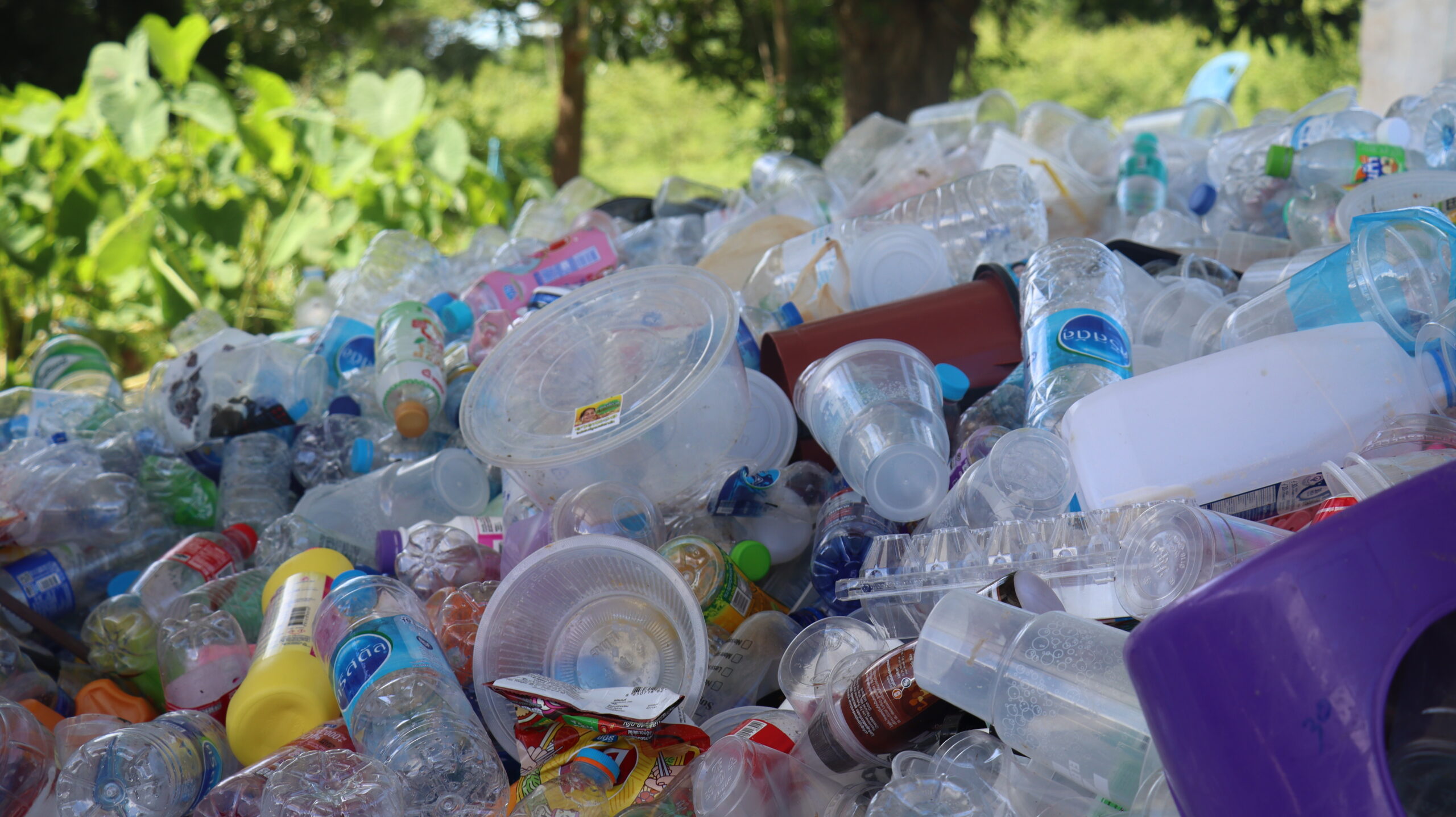
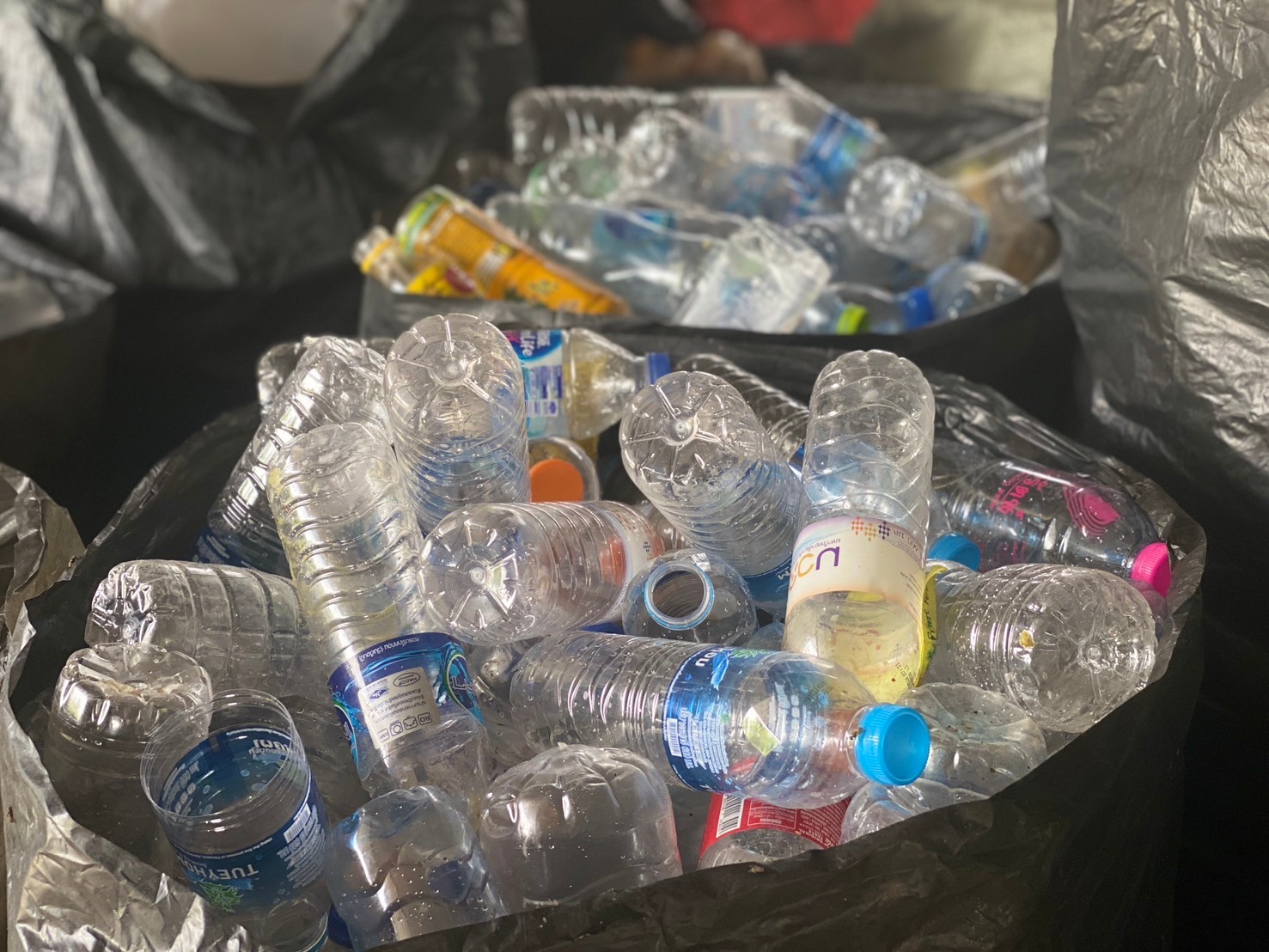
Recycling of materials that are difficult to decompose, such as plastic, metal, paper, tile, and glass, is managed by selling them and sending them to factories for recycling through the Walailak University Waste Bank project. This initiative generates income for the university.
1.1.2 Refuse Derived Fuel (RDF) for Energy Utilization and Concrete Production
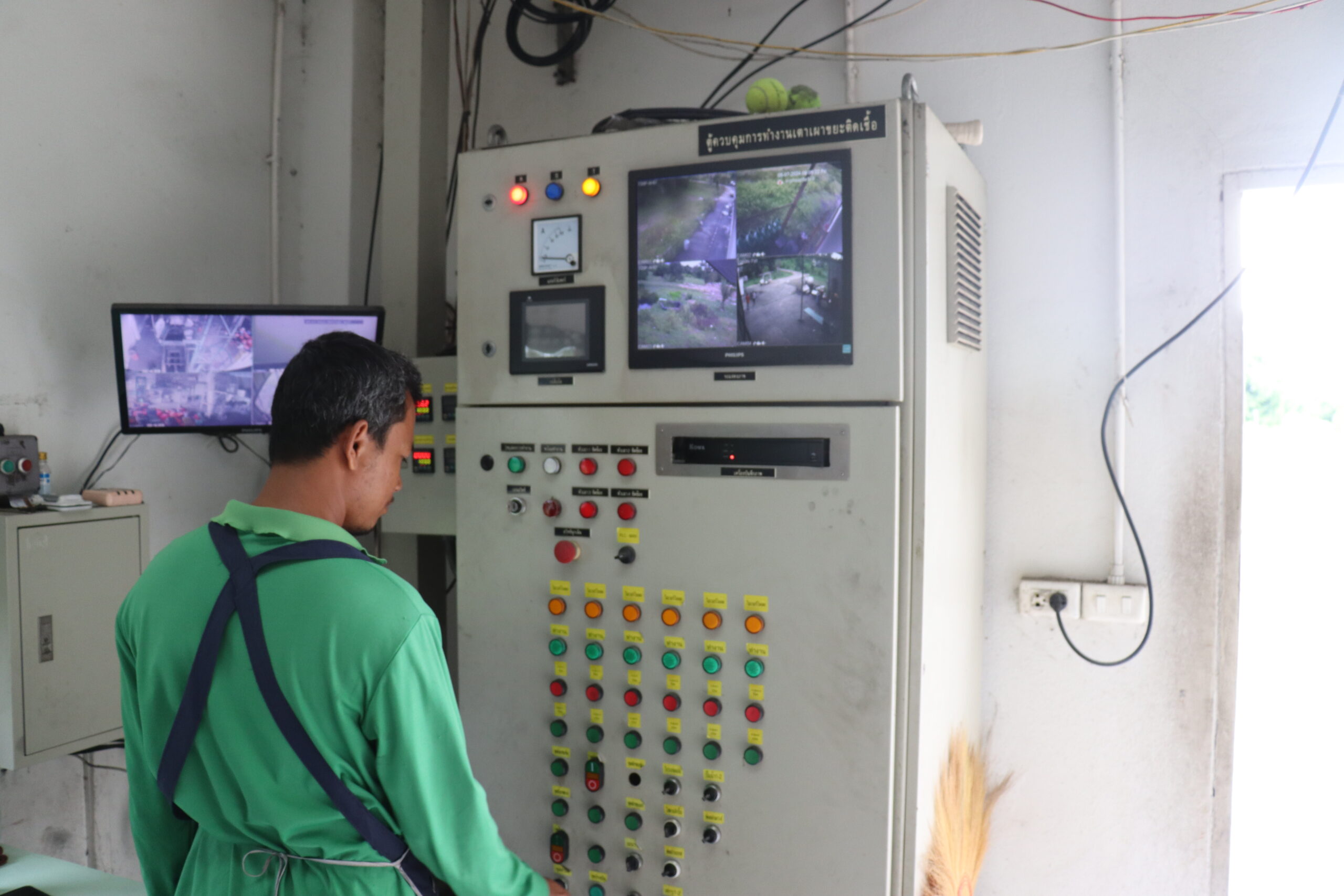
Recyclable waste, Refuse Derived Fuel (RDF), is combustible waste that undergoes various processing steps, such as separating combustible materials from the incinerator and shredding the waste into small pieces. This process transforms the waste into solid fuel with specific heating value properties. The remaining ash and residue from the incineration are then used by the university in concrete mixing.
1.2 Organic waste refers to waste that decomposes quickly and can be reused, such as vegetable scraps, fruit peels, food waste, leaves, and meat scraps. In 2023, the amount of organic waste was 38.29 tons per year. The university has undertaken the following steps to recycle and reuse this waste:
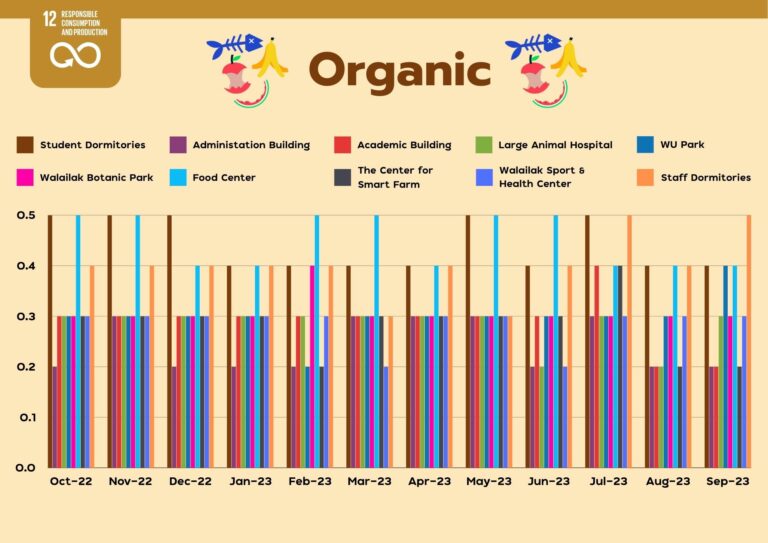
1.2.1 Composting and Animal Feed:
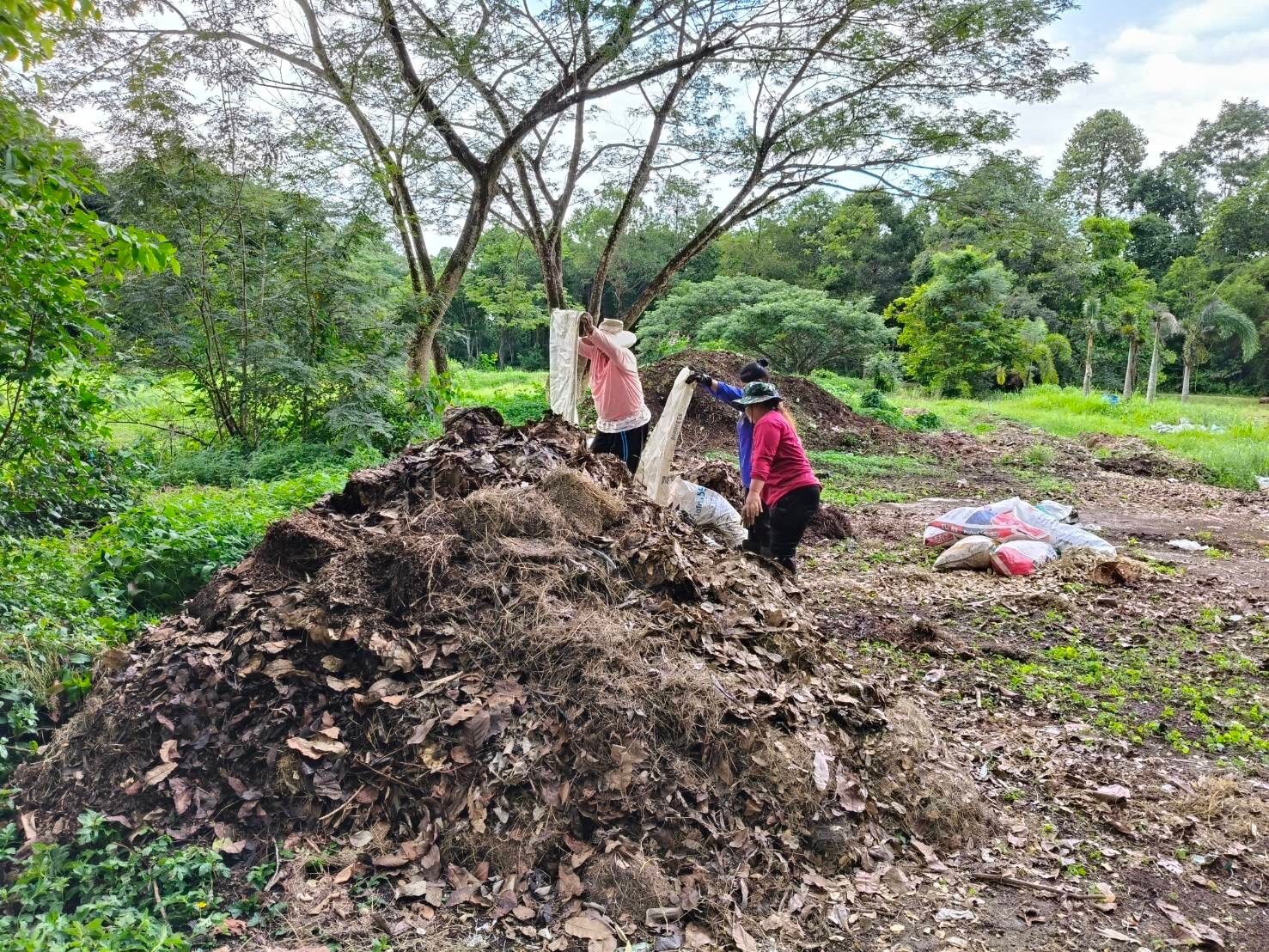
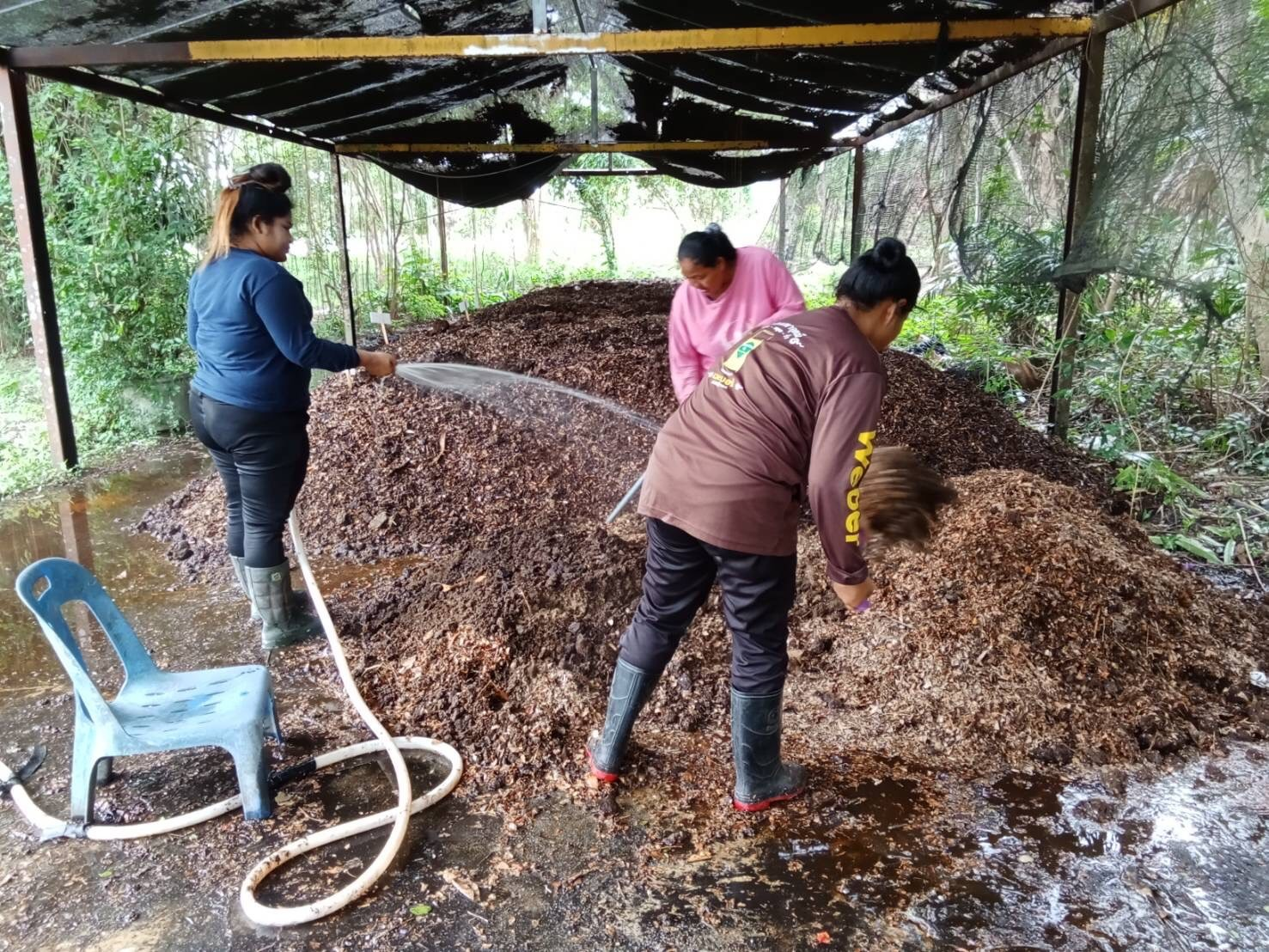
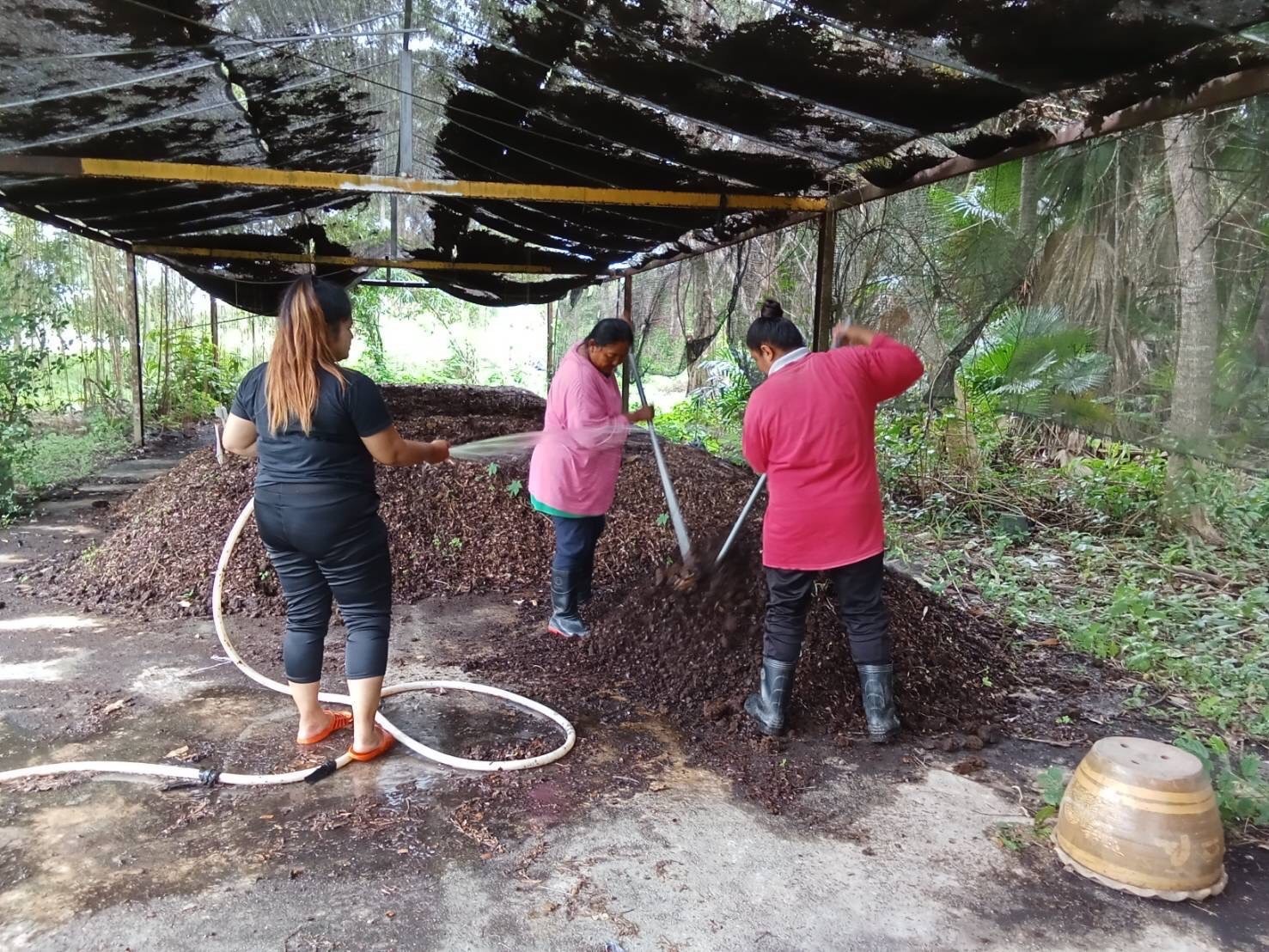
Organic waste, which decomposes naturally in a short time, is collected from various sources within the university, including cafeterias and natural gardens. This biodegradable waste is used as feed for native pigs raised at the university and to produce compost for fruit trees and ornamental plants within the campus. Any surplus compost is produced for sale, generating additional revenue for the university.
Figures: Organic waste is reused for compost production.
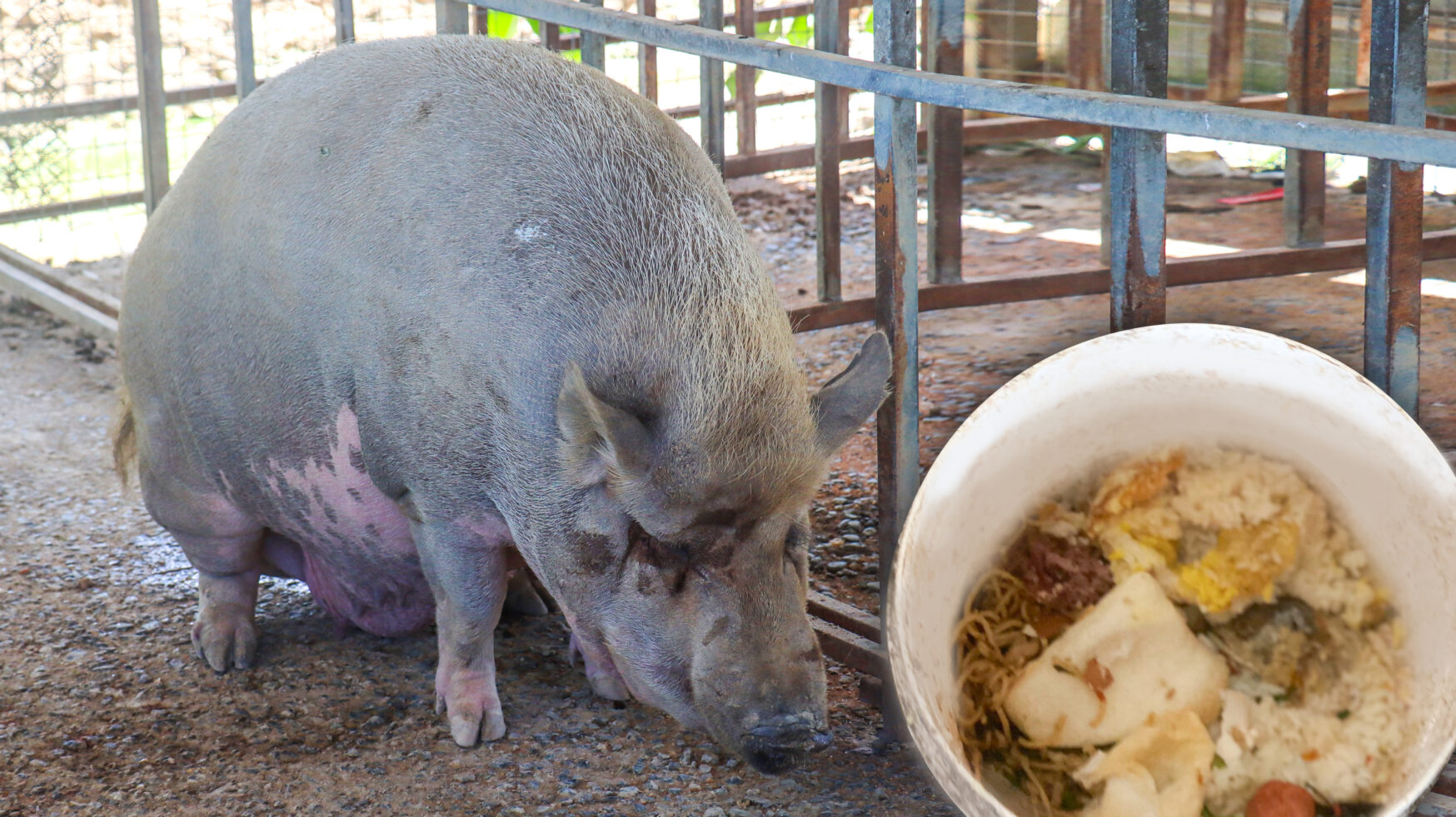
Figure: Organic waste is reused as animal feed.
2. Sanitary Landfill
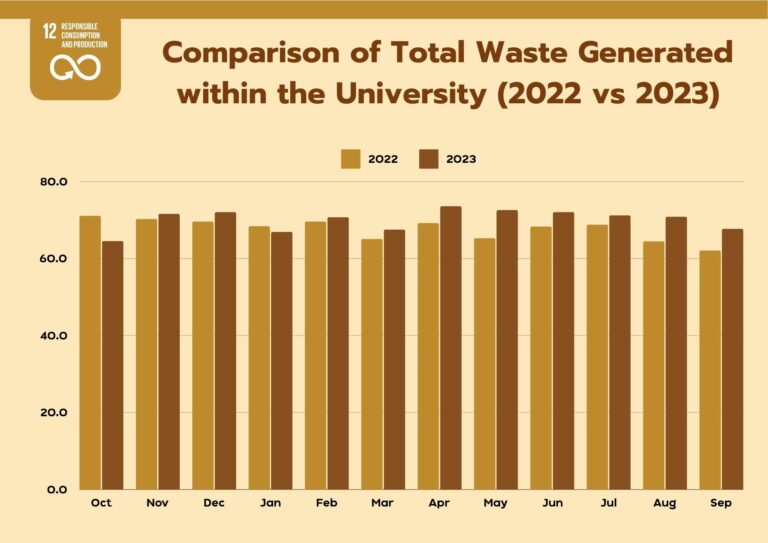
Figure: Graph Comparing the Total Amount of Waste Generated at the University in 2022 and 2023




Goal 11: Sustainable cities and communities
Goal 3: Good health and well-being
Goal 9: Industry, Innovation and Infrastructure
Goal 17: Partnerships for the Goals