The Policy on Minimization of Disposable and Single-Use Items: Promoting Sustainability and Minimizing Environmental Impact    

The Policy on Minimization of Disposable and Single-Use Items: Promoting Sustainability and Minimizing Environmental Impact    

In response to the issue of excessive resource consumption and the impact caused by the use of single-use items, Walailak University has implemented a policy for minimization of disposable items, referring to single use items. Previously, the university implemented a directive titled Walailak University Announcement on the Policy to Reduce Single-Use Plastic Waste at Walailak University, initially established in 2019 and subsequently reviewed in 2023 titled Announcement of Walailak University Subject: Policy on Single-Use Plastic Waste and Disposable Item Reduction B.E. 2566 (2023), and was developed as a guideline for continuous enforcement. The university emphasizes minimizing waste generation as the top priority, focusing on the efficient use of raw materials and production resources. When waste is generated, efforts are made to reuse or recycle as much as possible, considering the potential benefits of each type of waste and related legal regulations. The ultimate goal is to minimize the amount of waste that requires treatment or disposal, with waste disposal being the last resort. The university also raises awareness about the use of single-use items on campus, highlighting the negative impact on both terrestrial and aquatic ecosystems.
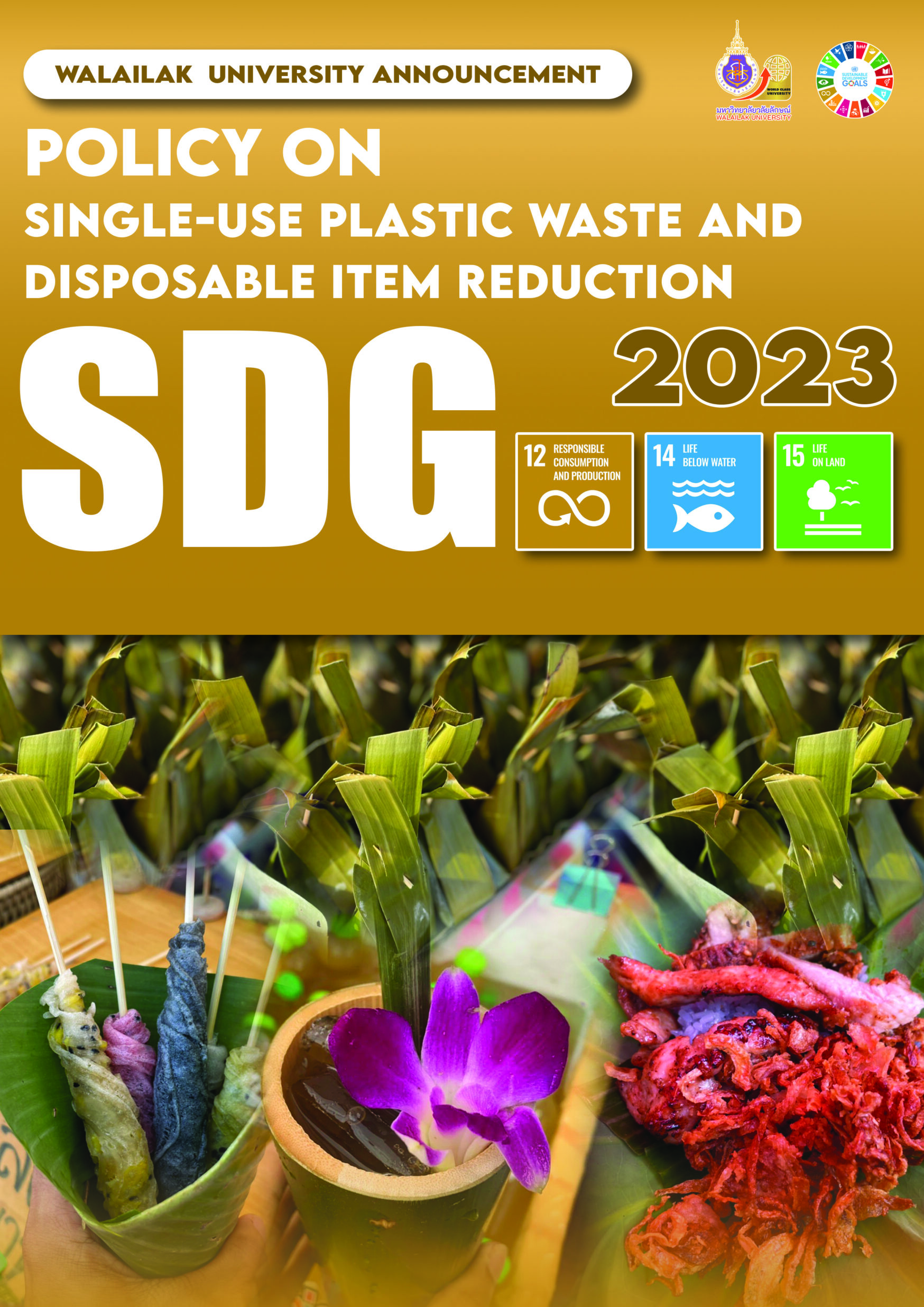

As part of this policy, the university has raised awareness and instilled a sense of responsibility in staff and students to reduce the use of single-use items, which are hazardous to the community. These include electronic waste, batteries, flashlight batteries, and various types of plastics. Currently, this type of waste has been increasing every year, and improper management of electronic waste can lead to contamination in the environment, posing health risks to those involved. In 2023, the university carried out several activities in line with the policy for minimization of disposable items, as follows:
1. The university has promoted and campaigned for staff, personnel, and vendors to stop using various types of single-use plastics, such as plastic tableware (plates, bowls, spoons, forks, chopsticks, plastic knives), food packaging made of polystyrene (PS) plastic, and plastic straws.
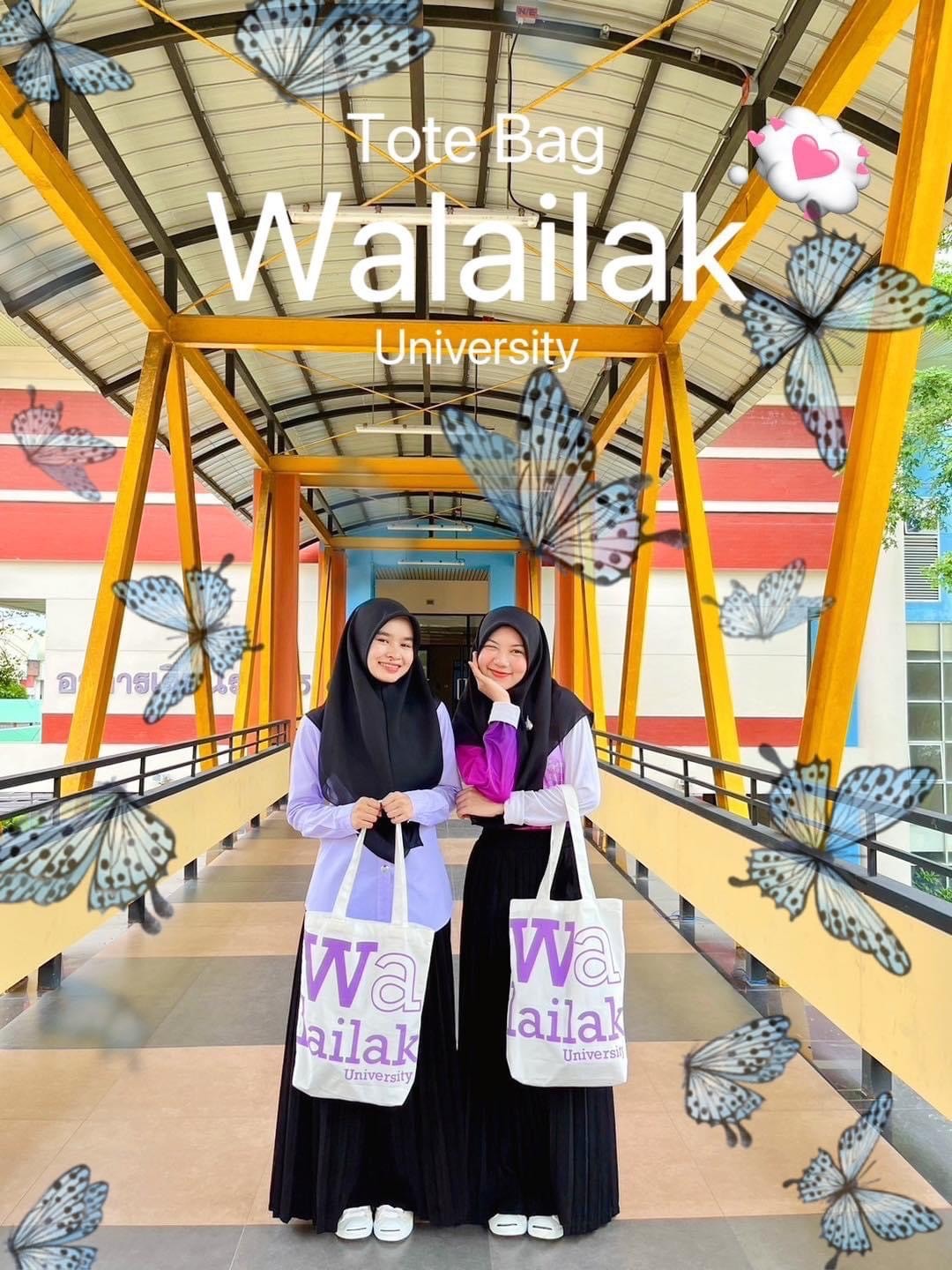
2. The university encourages staff, personnel, and students to use cloth bags instead of single-use plastic bags.
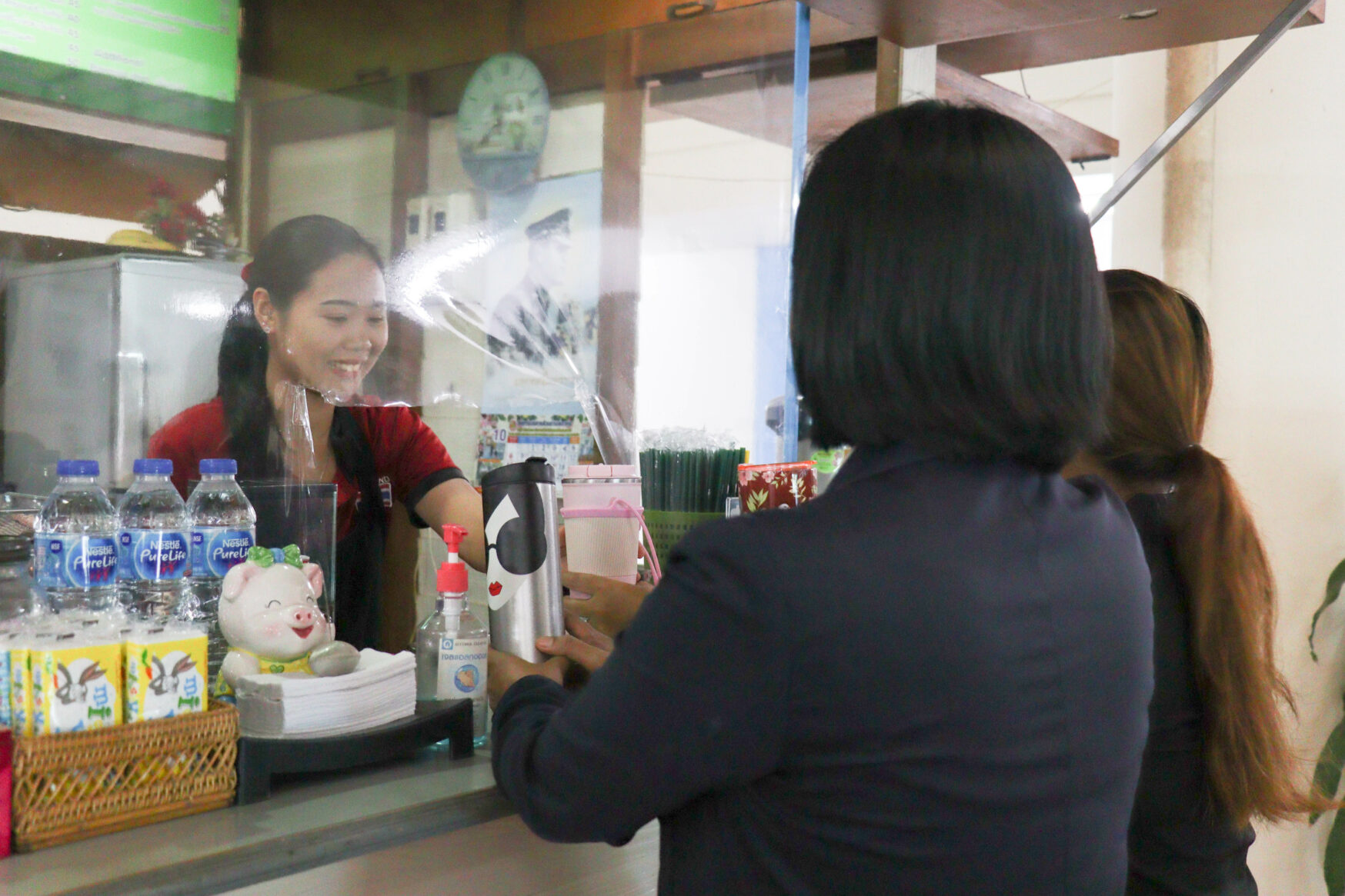
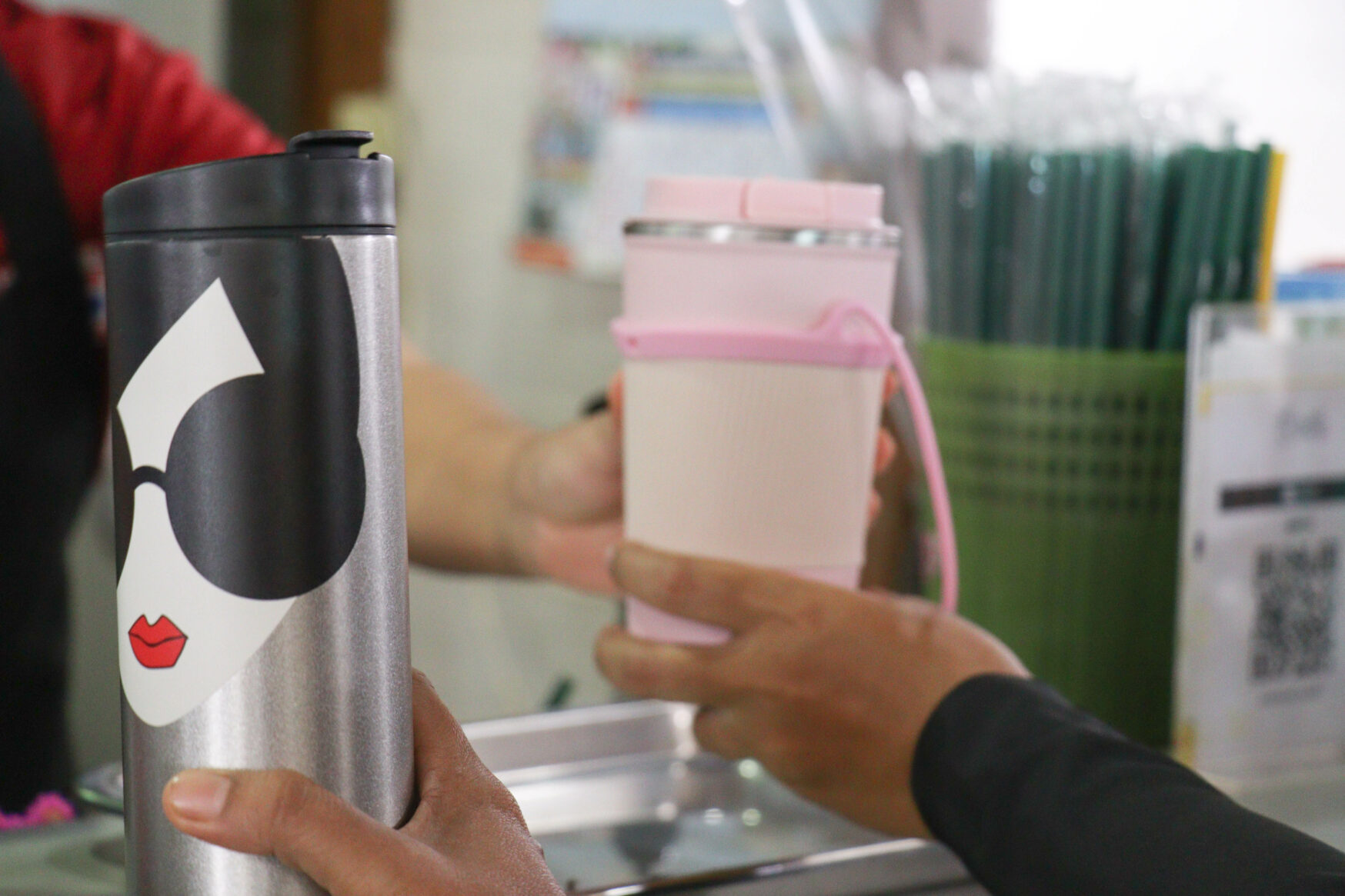
3. Discount measures have been introduced for staff, students, or customers who bring their own cups for beverages, to reduce the use of single-use plastic containers.
4. The university has campaigned for students and personnel to replace certain electronic items with alternatives to reduce single-use items. For example, data recording and storage is encouraged via online services such as cloud technology, where data is stored on cloud servers and accessed via the internet, instead of using CDs or DVDs. Rechargeable flashlights are also promoted instead of regular battery-powered flashlights.
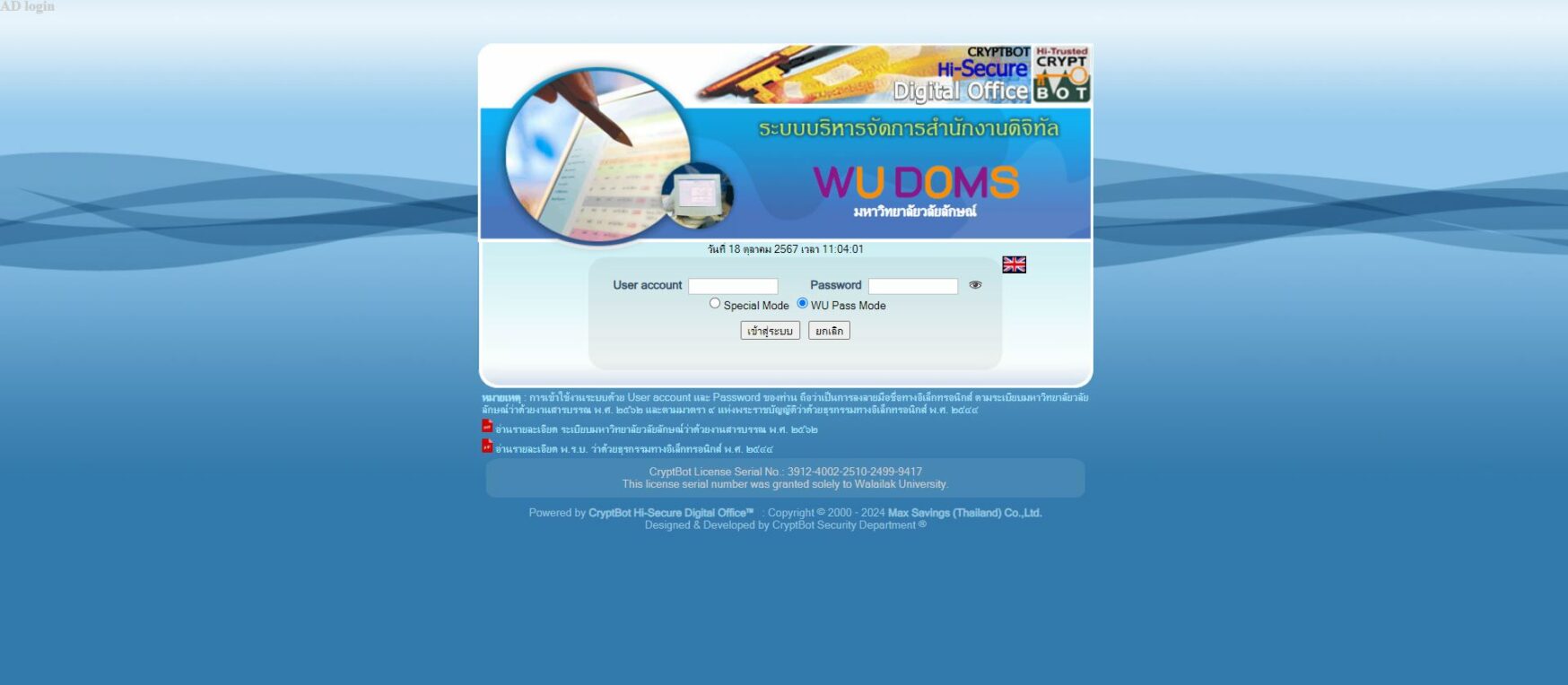
5. The university encourages the use of digital information systems or emails instead of paper to reduce single-use materials.
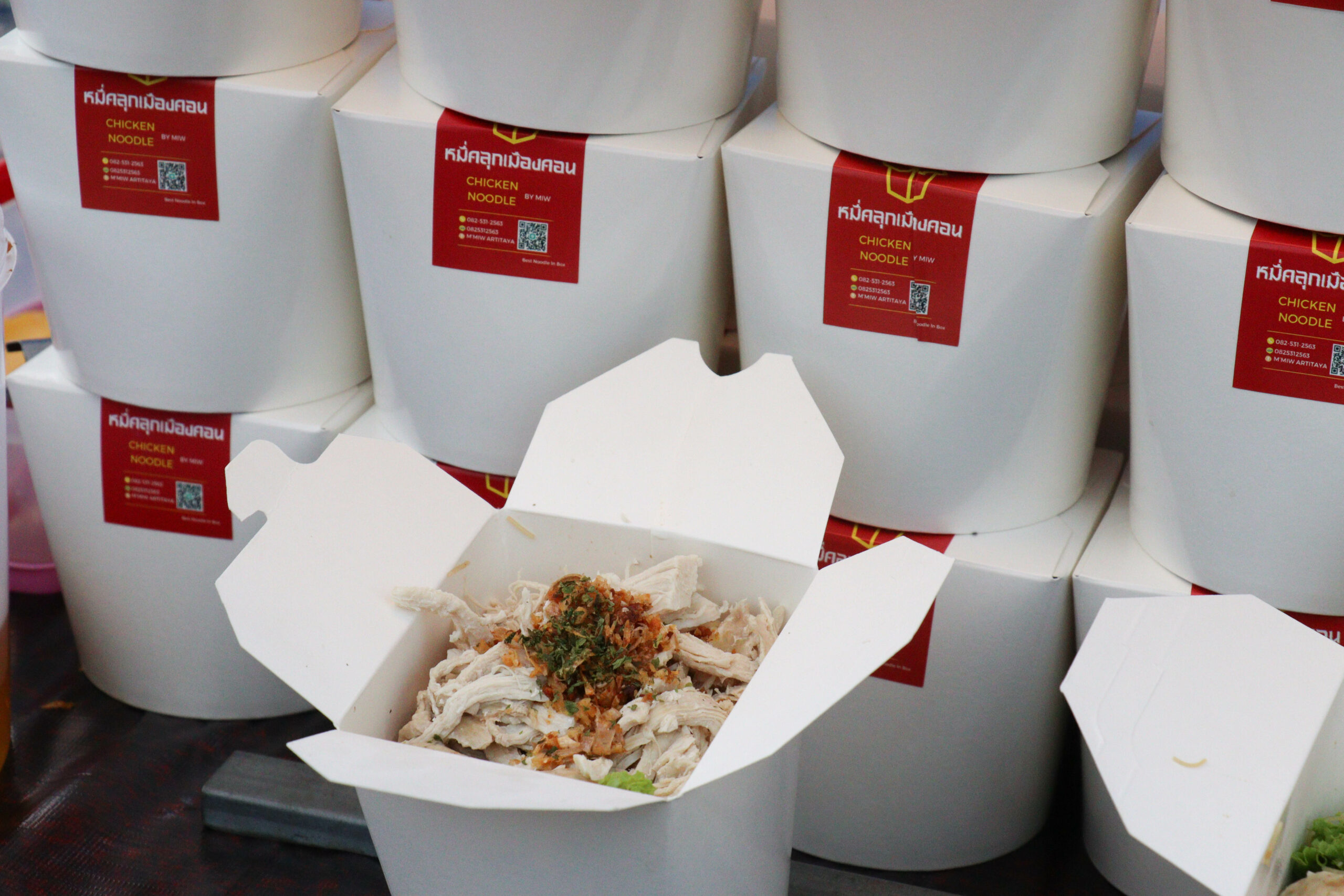
Additionally, the university has implemented measures requiring vendors to stop providing free plastic bags with handles, except for ready-to-eat cooked food, which should be packaged in bags made from recycled materials, biodegradable plastic, or paper. The use of Styrofoam containers and degradable plastic bags with handles has also been discontinued. Vendors are encouraged to switch from single-use plastic cups to bio-plastic coated paper cups or washable and reusable cups. Discounts are offered to customers who bring their own cups for beverages. Furthermore, vendors are encouraged to reduce the use and distribution of single-use plastic cutlery, forks, and straws, unless specifically requested by the customer.
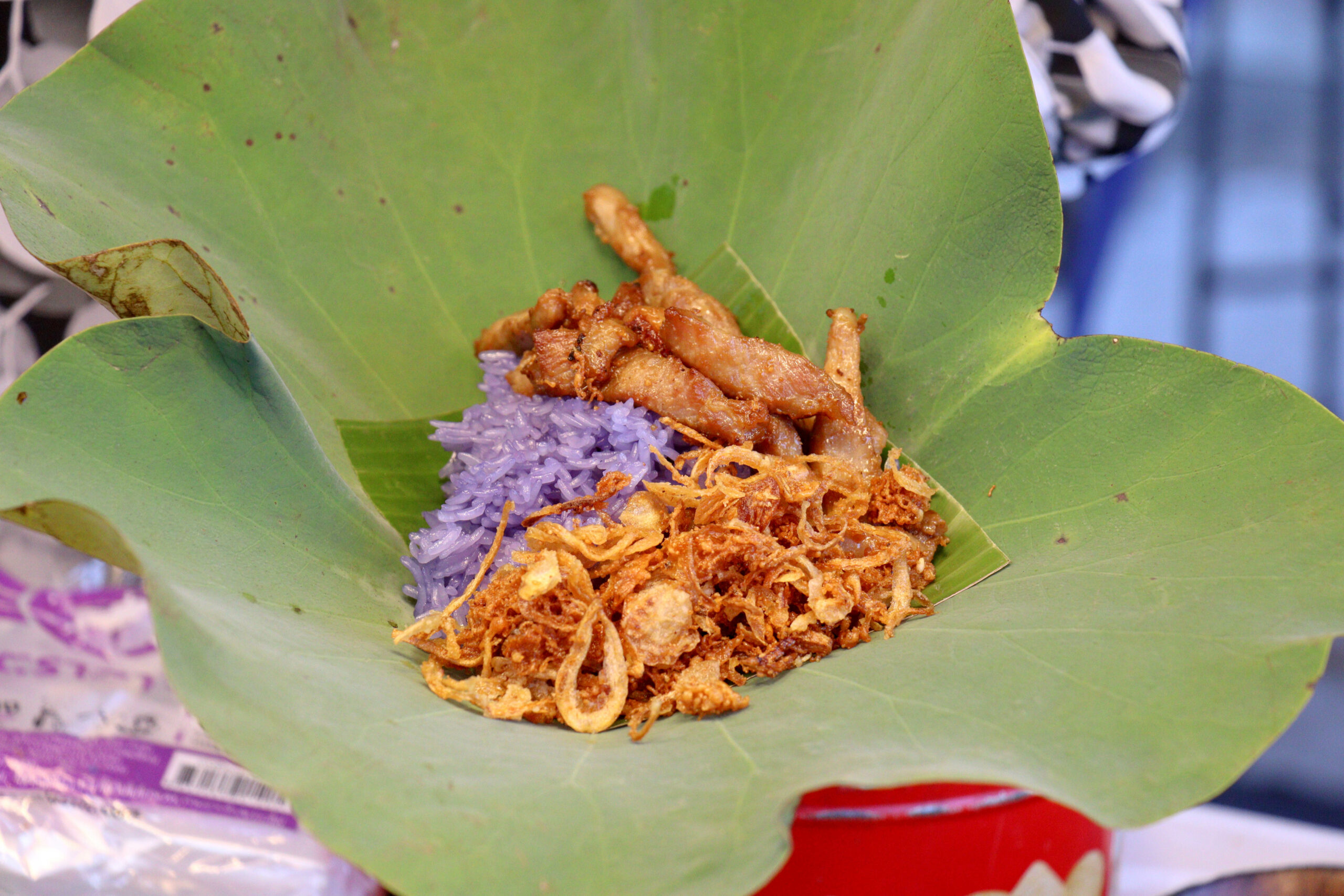
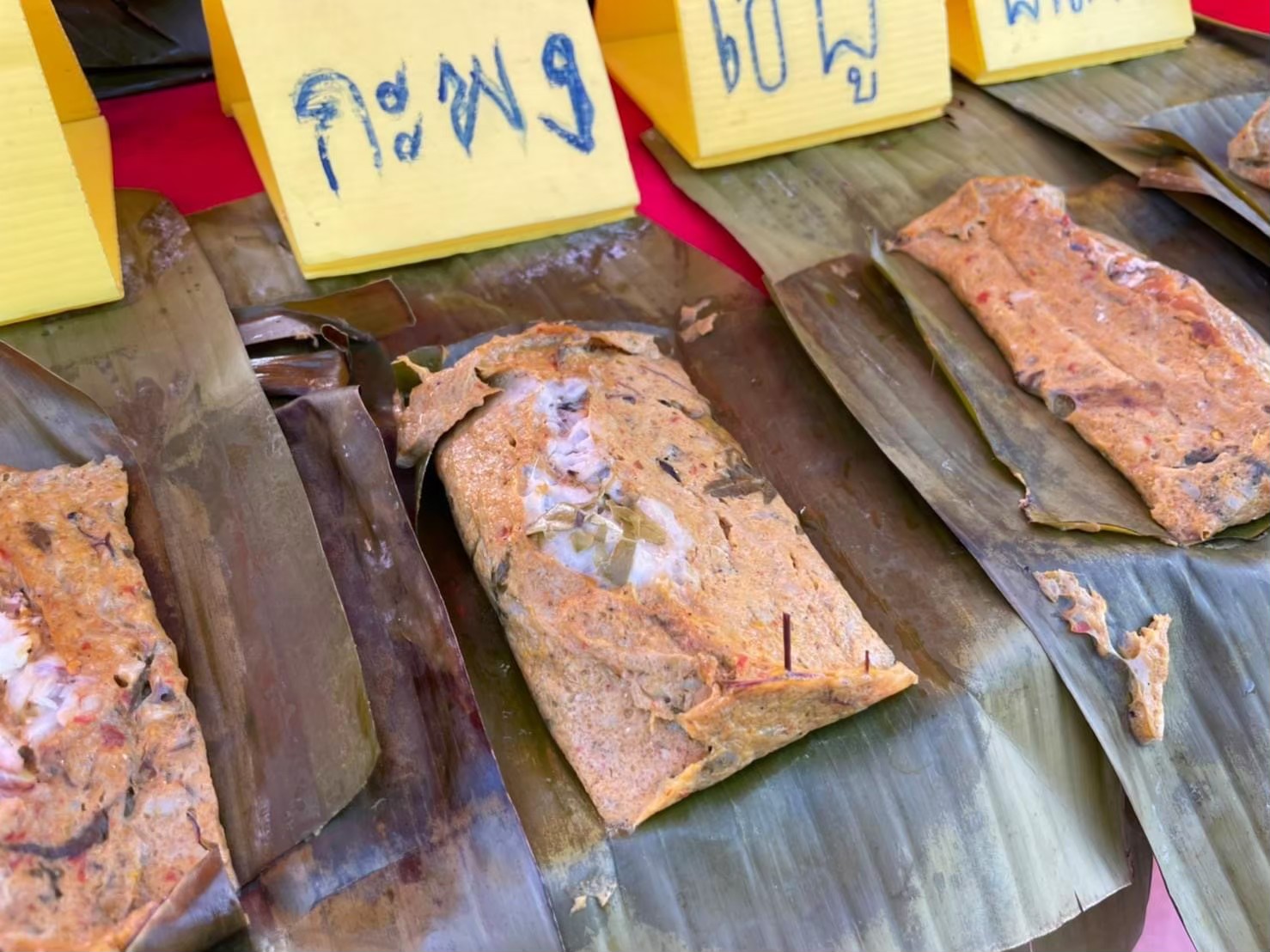
As a result of this policy and the campaign to reduce the use of single-use items, vendors on campus have actively complied by refusing to use single-use plastic or foam products, such as foam containers, plastic water bottles, aluminum cans, and plastic straws. Instead, they have switched to using biodegradable materials such as banana leaves for wrapping food, sugarcane pulp containers, and paper straws as substitutes for plastic bags. This reflects the university’s strong focus on minimizing waste generation as much as possible.

Goal 12: Responsible Consumption and Production