
Waste and Plastic Reduction Policy: Extending to Outsourced Services and Supply Chain for Sustainability
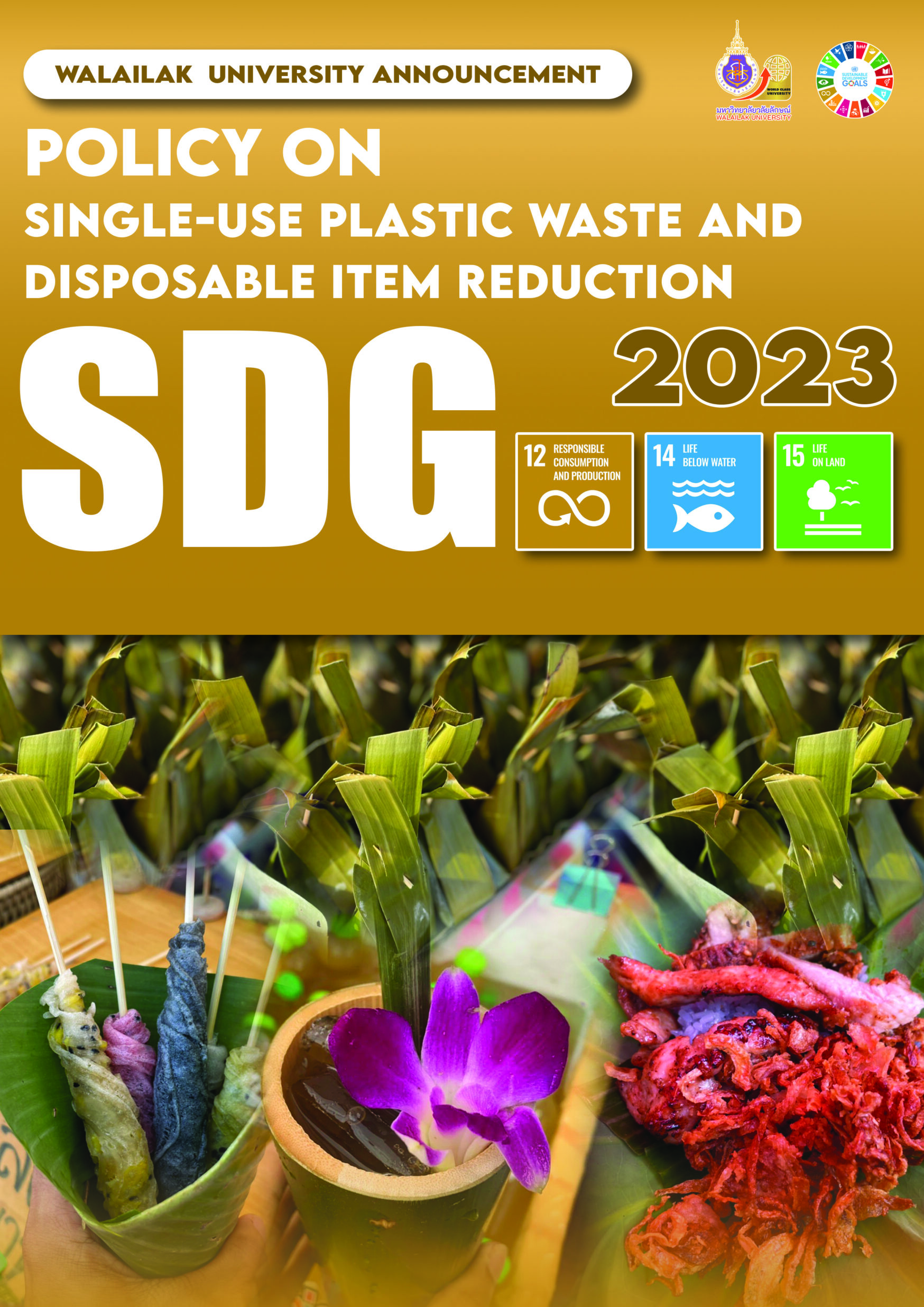
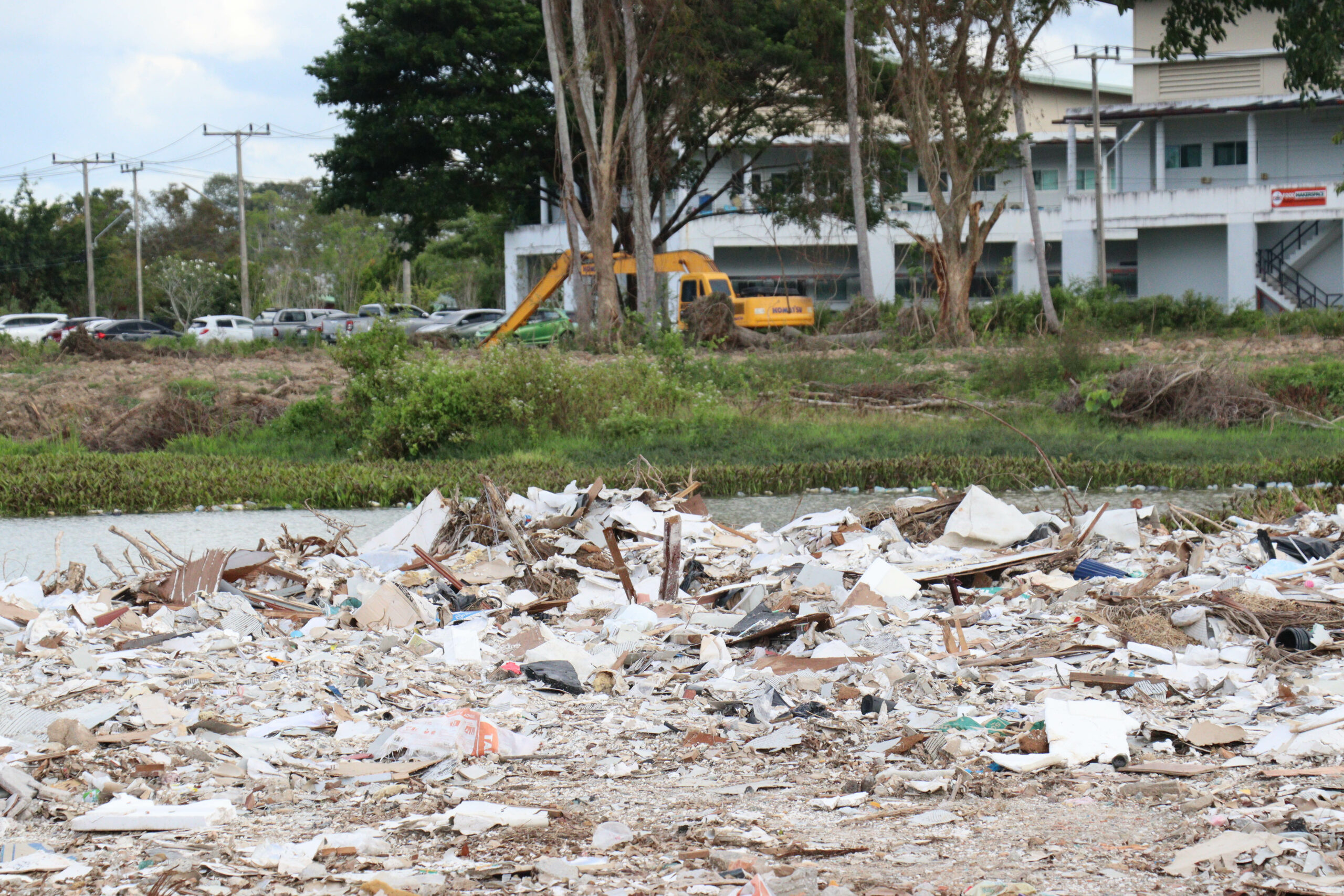
The issue of waste has become increasingly severe, particularly with the problem of waste lingering in the environment. Walailak University recognizes the importance of proper waste management and strives to raise awareness among staff and students about minimizing waste generation. Given that waste is a global problem that harms both the environment and humanity, the university has implemented policies that serve as guidelines for waste management. These include a commitment to eliminating the use of plastic bags and polystyrene foam containers for food packaging at on-campus stores, as well as policies to reduce the use of single-use plastics. These efforts aim to promote better health and environmental conditions, with the policies being reviewed in 2022 and continuously enforced in 2023.
1. All of WU’s offices and facilities must operate under the framework of the Green University Policy on Waste and Hazardous Waste Management for a sustainable society and environment, both terrestrial ecosystems and aquatic ecosystems. Besides, all of WU’s offices and facilities shall apply the principle of 3Rs—Reduce, Reuse and Recycle to develop WU as a zero-waste university.
2. WU’s Center of Waste Management Landscape Architecture and Environment, is responsible for managing general waste, hazardous waste, and wastewater. The center shall also measure the amount of waste sent to landfills and for recycle at WU as a mechanism to monitor WU’s performance on environmental sustainability and waste generation.
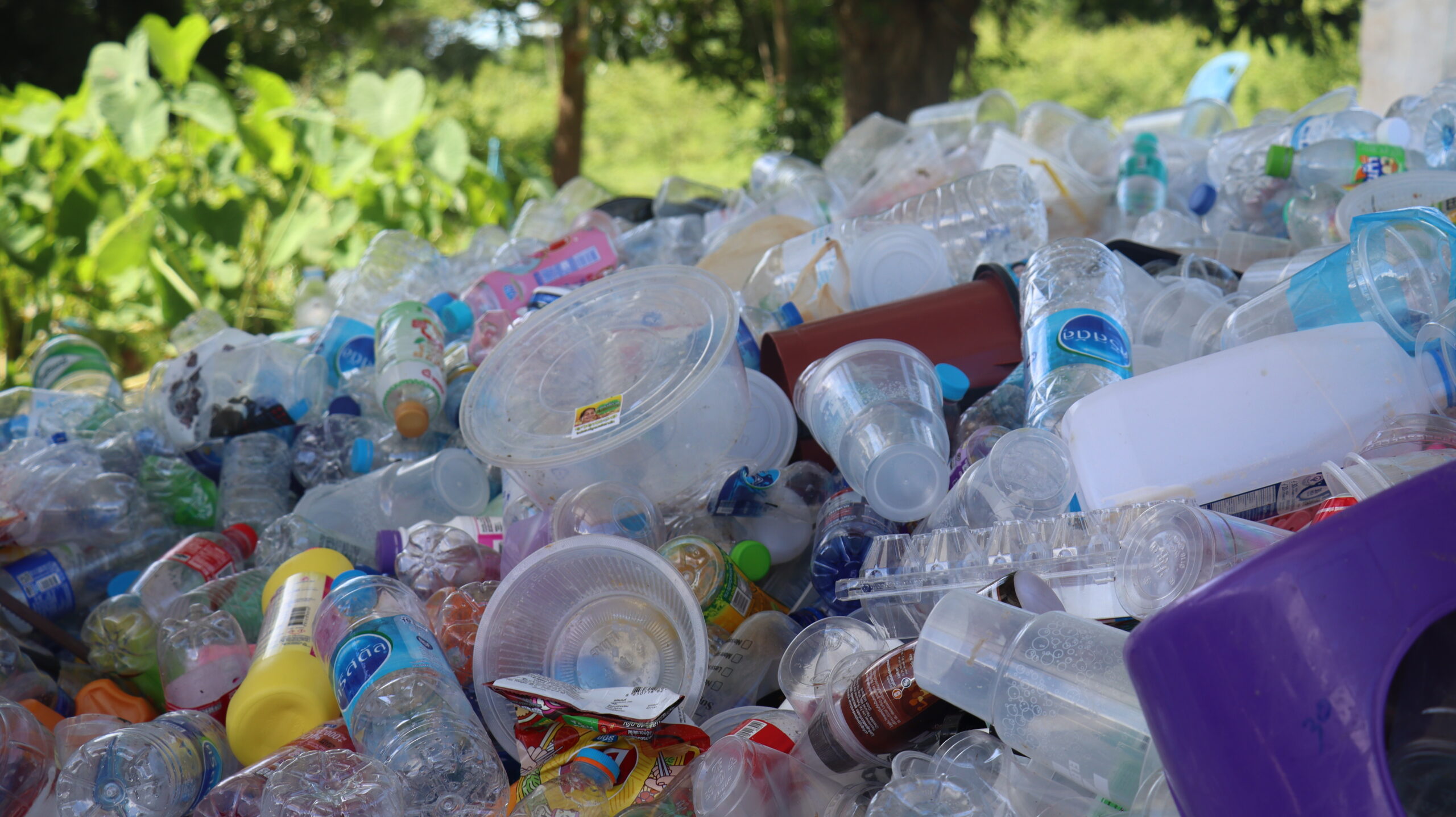
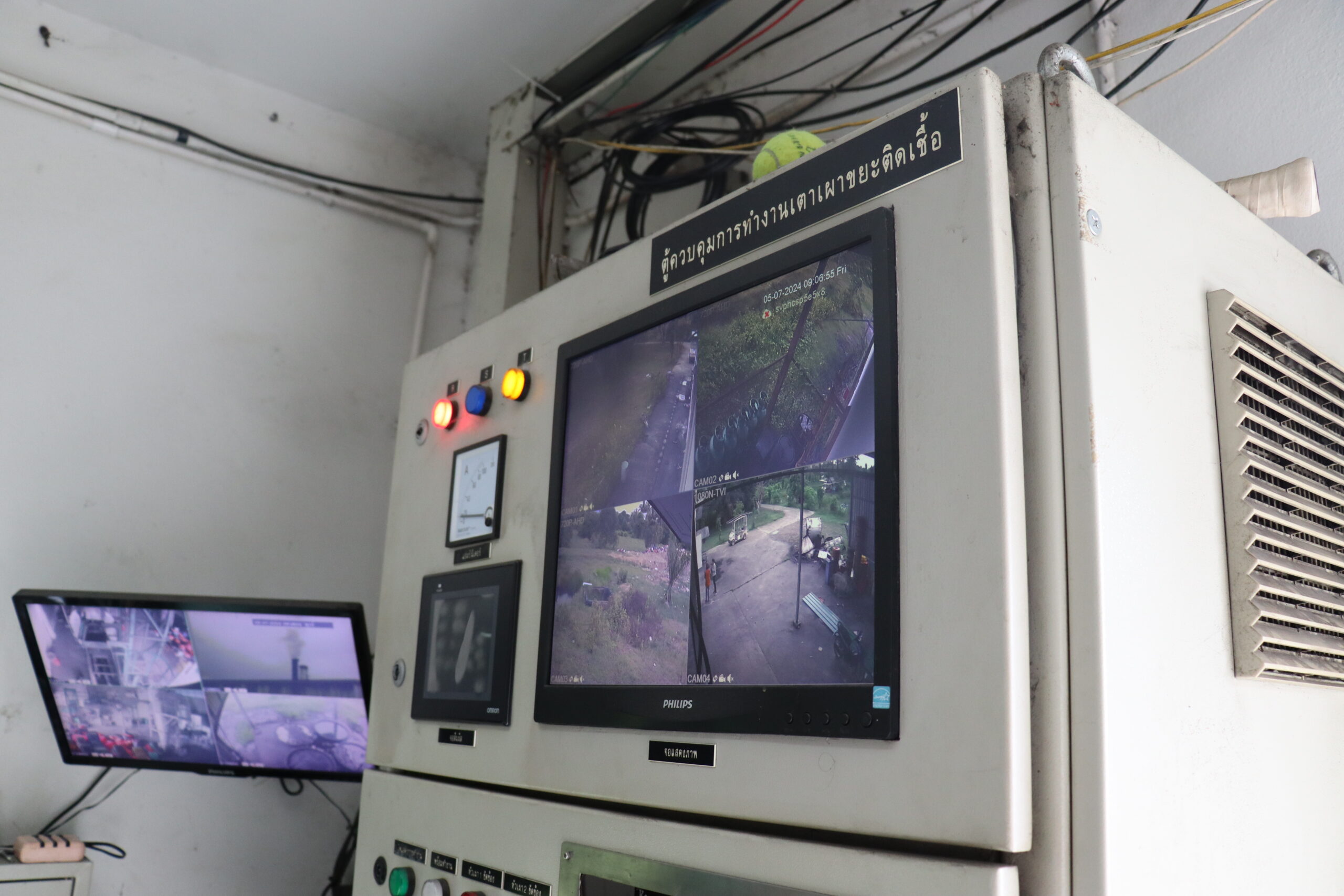
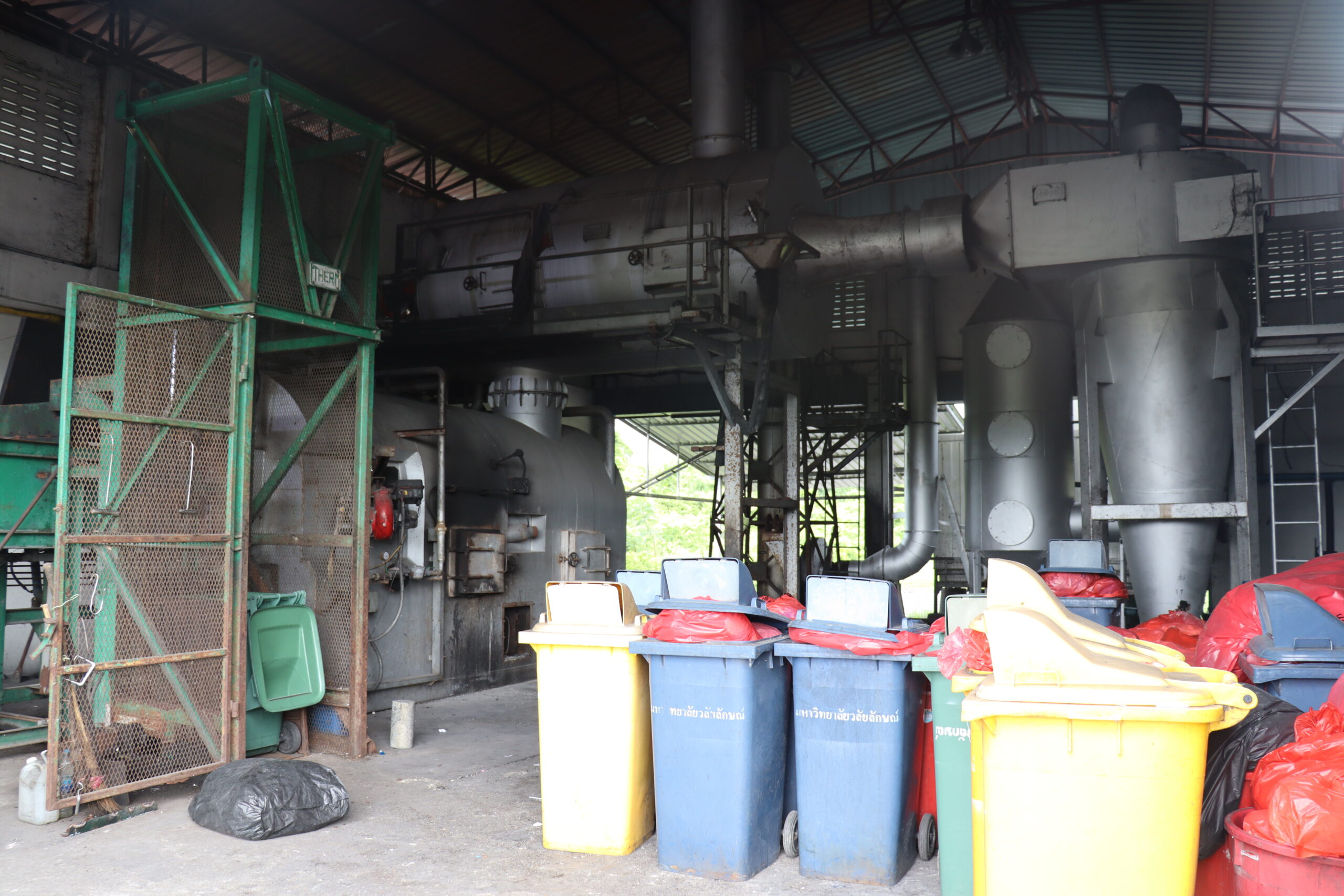
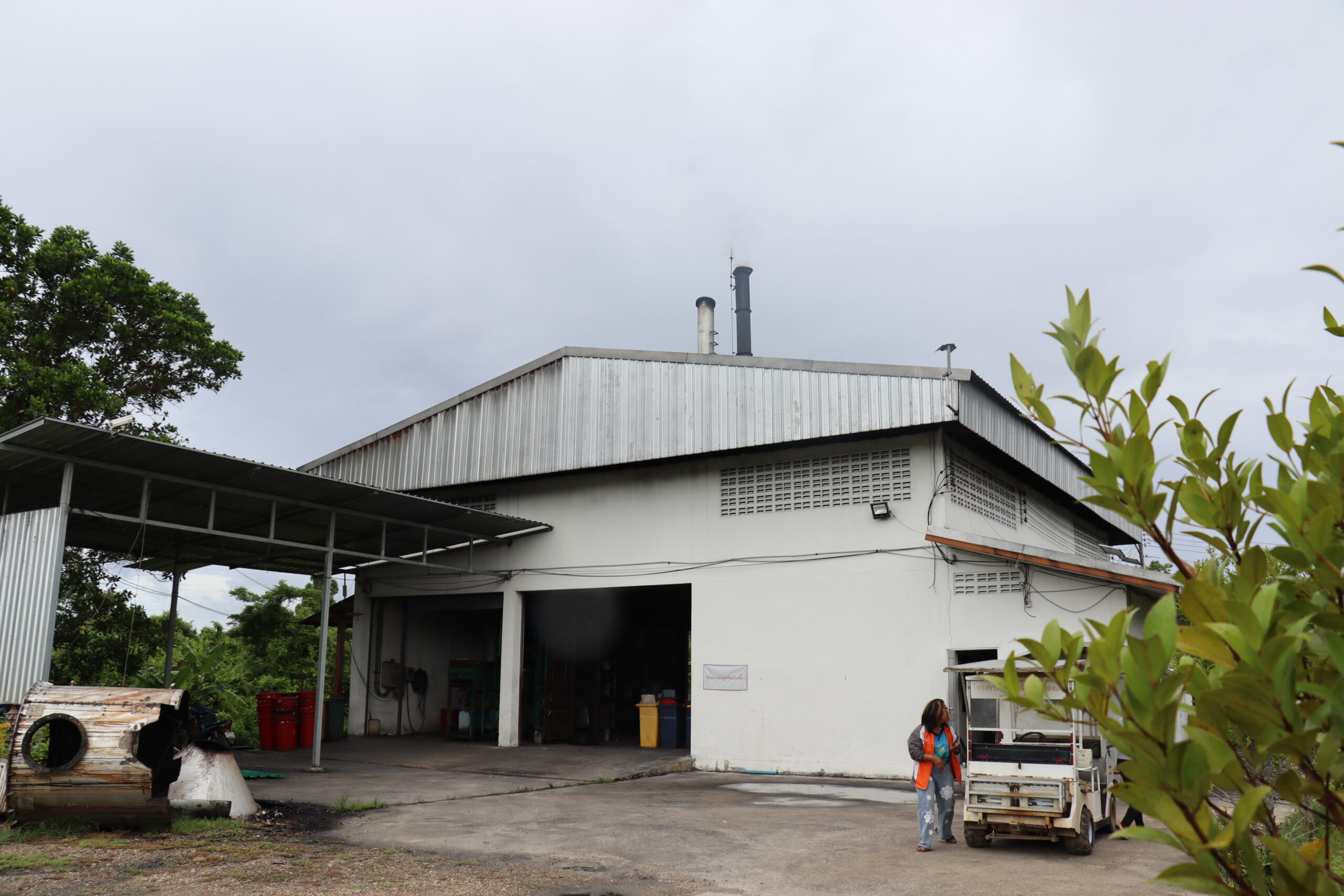
Figures : Landfilled waste at Walailak University refers to waste that cannot be reused.
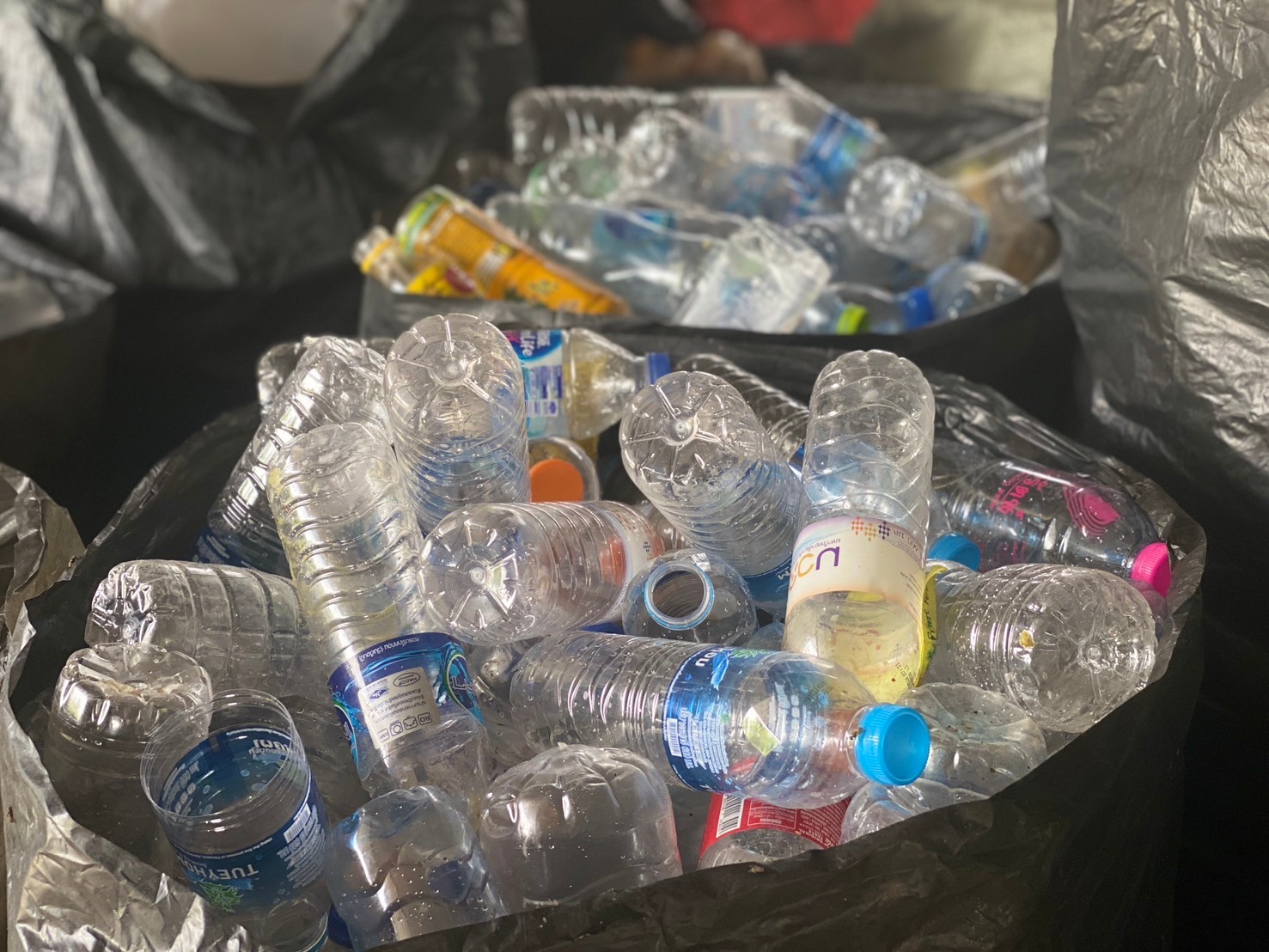
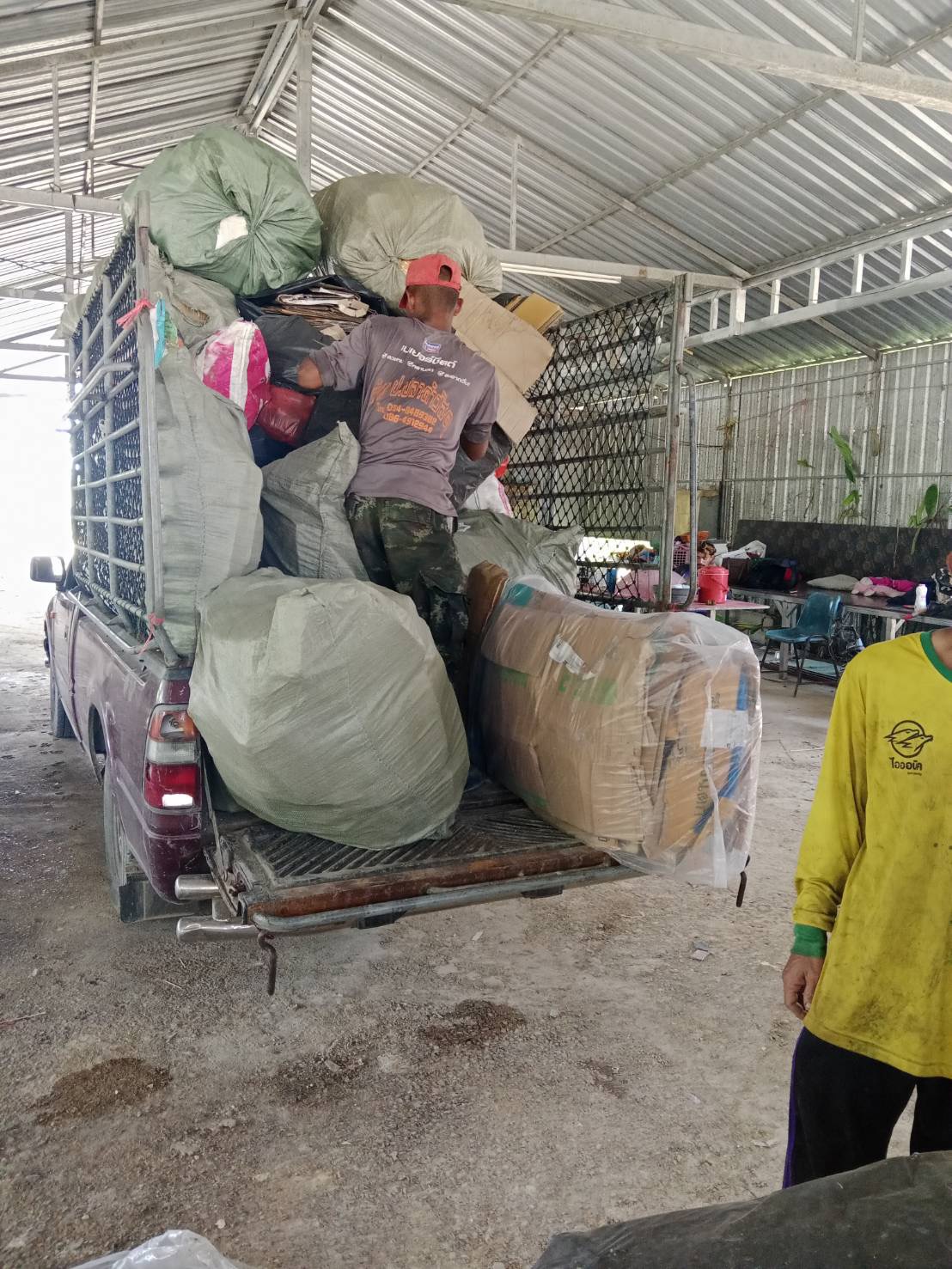
Figures : Recyclable waste, such as plastic bottles or paper, is either reused or sent to the waste bank.
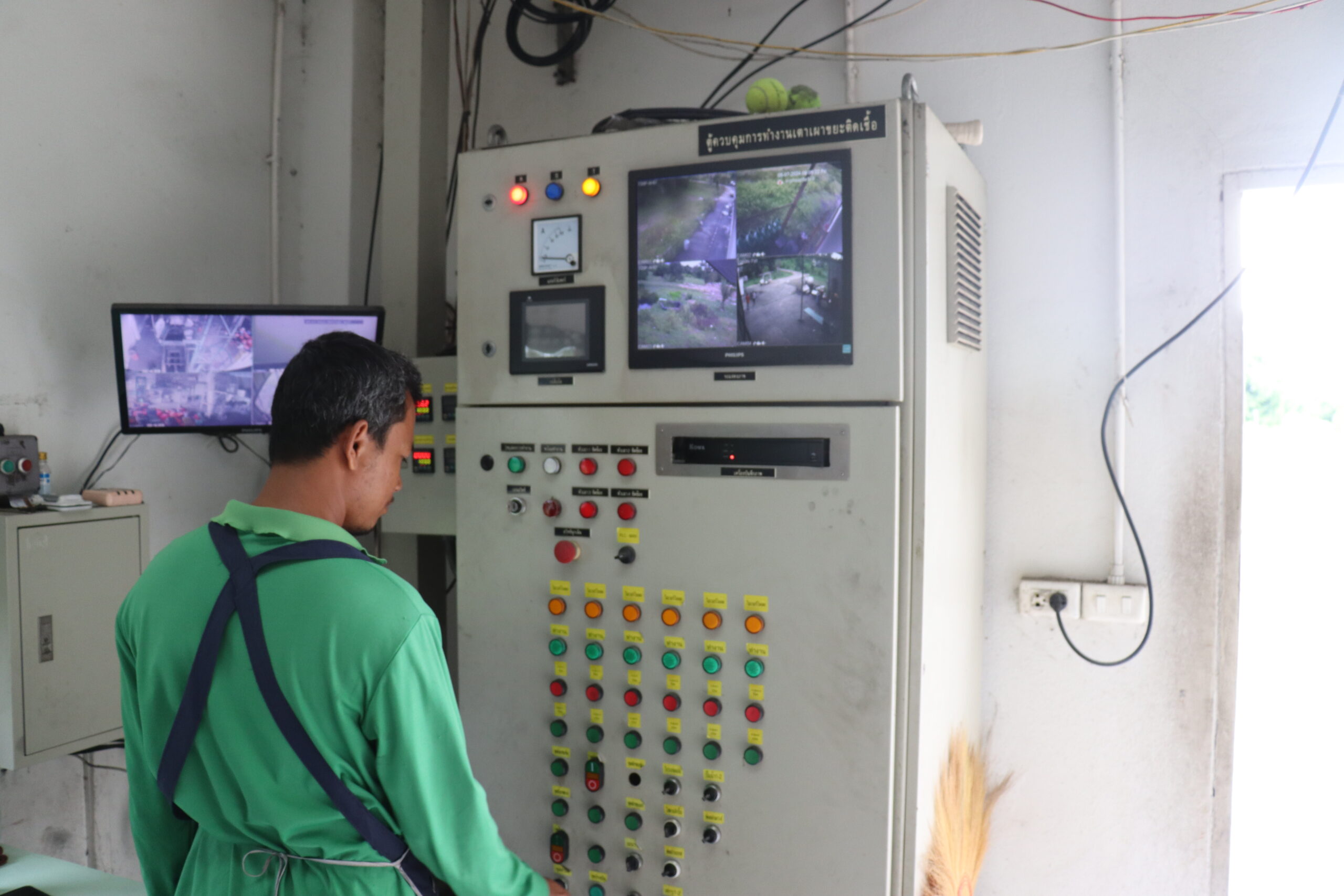
Figures : Inorganic waste is recycled into Refuse-Derived Fuel (RDF).
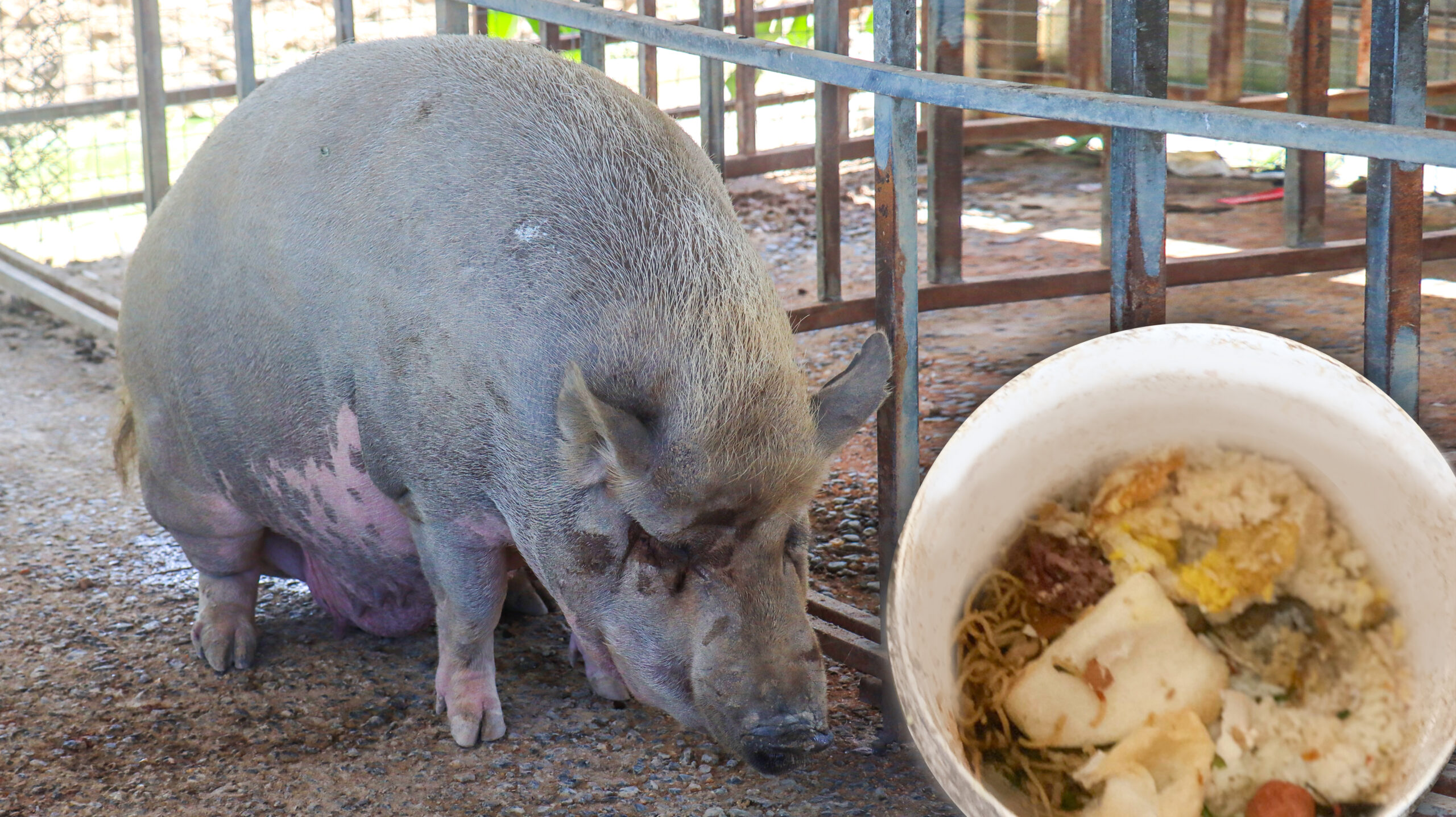
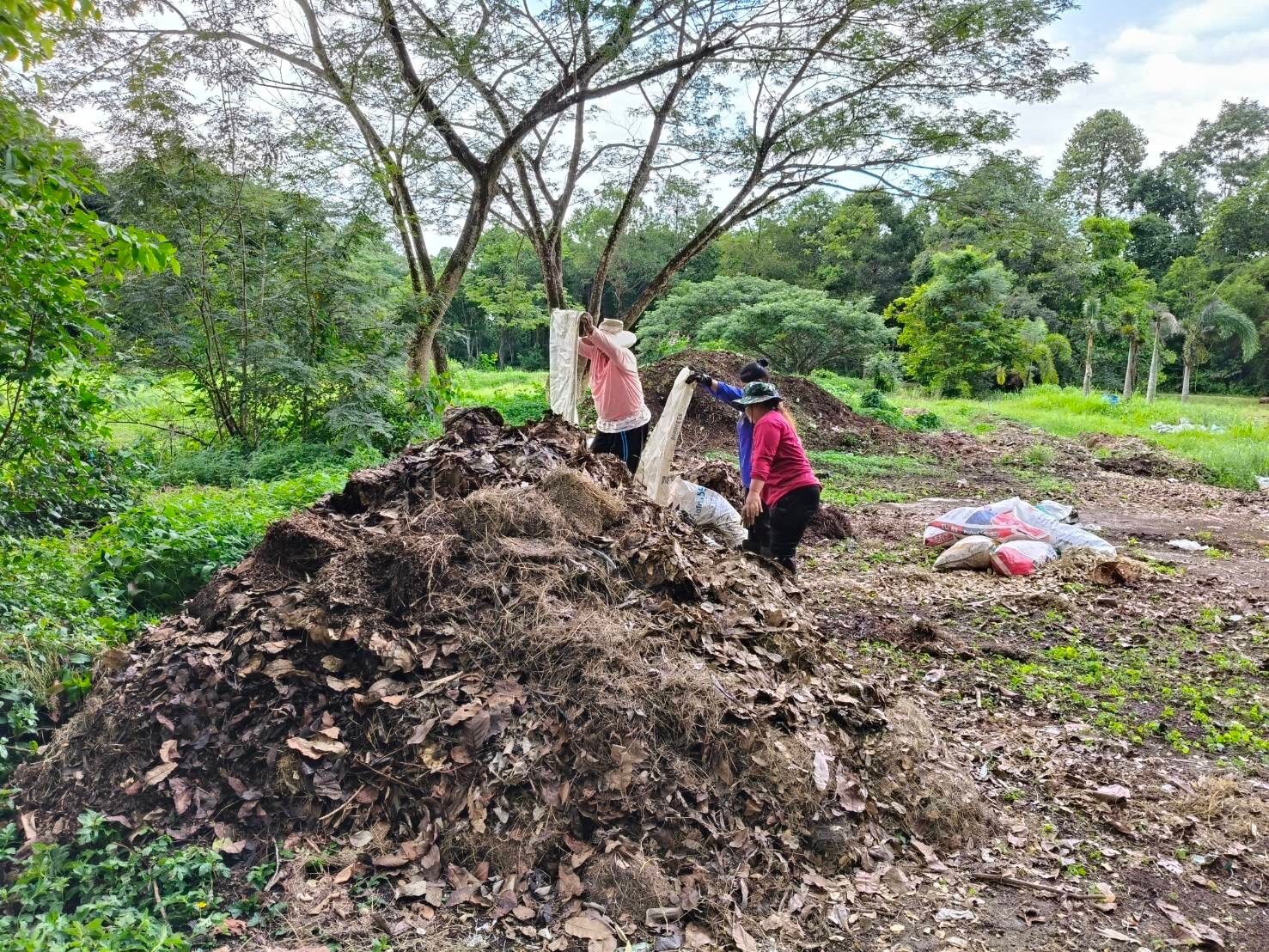
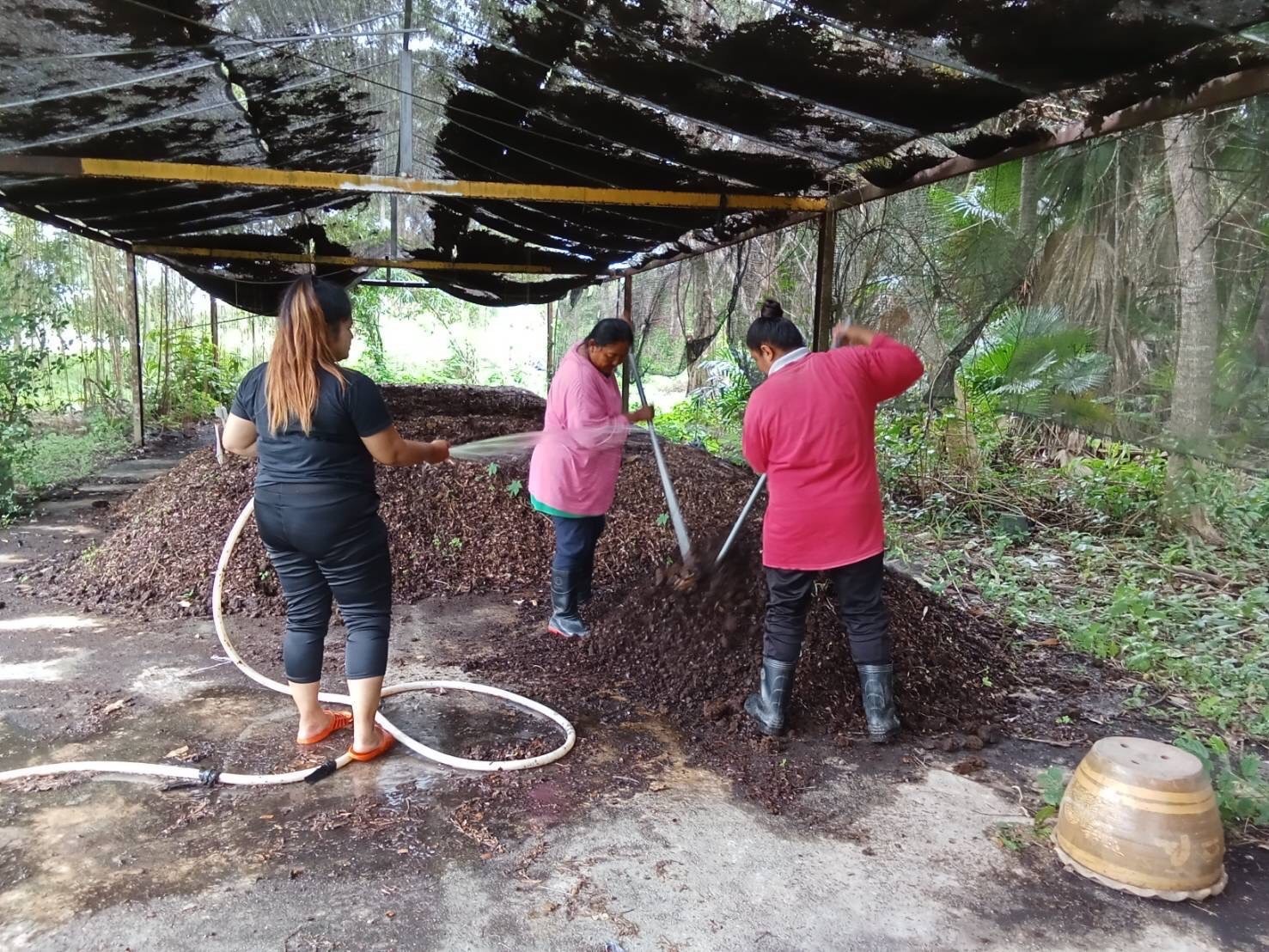
Figures : Organic waste is reused as animal feed and for compost production.
3. Waste will be sorted into the following categories:
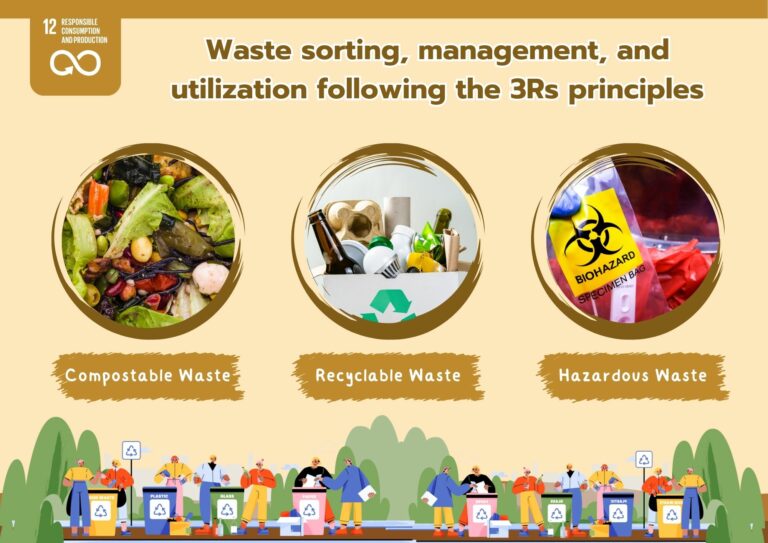
- Composable waste means waste that can be compostable and used as compost when it decays, e.g., vegetable scraps, food scraps, and animal remains.
- Recycled waste means waste that can be processed into products, materials, and substances, e.g., plastic scraps, glasses, and papers.
- Hazardous waste means waste that is composed or contaminated with substances, secretions, or chemicals such as aerosol cans, engine oil bottles, toilet cleaner bottles, nail polish bottles, etc.
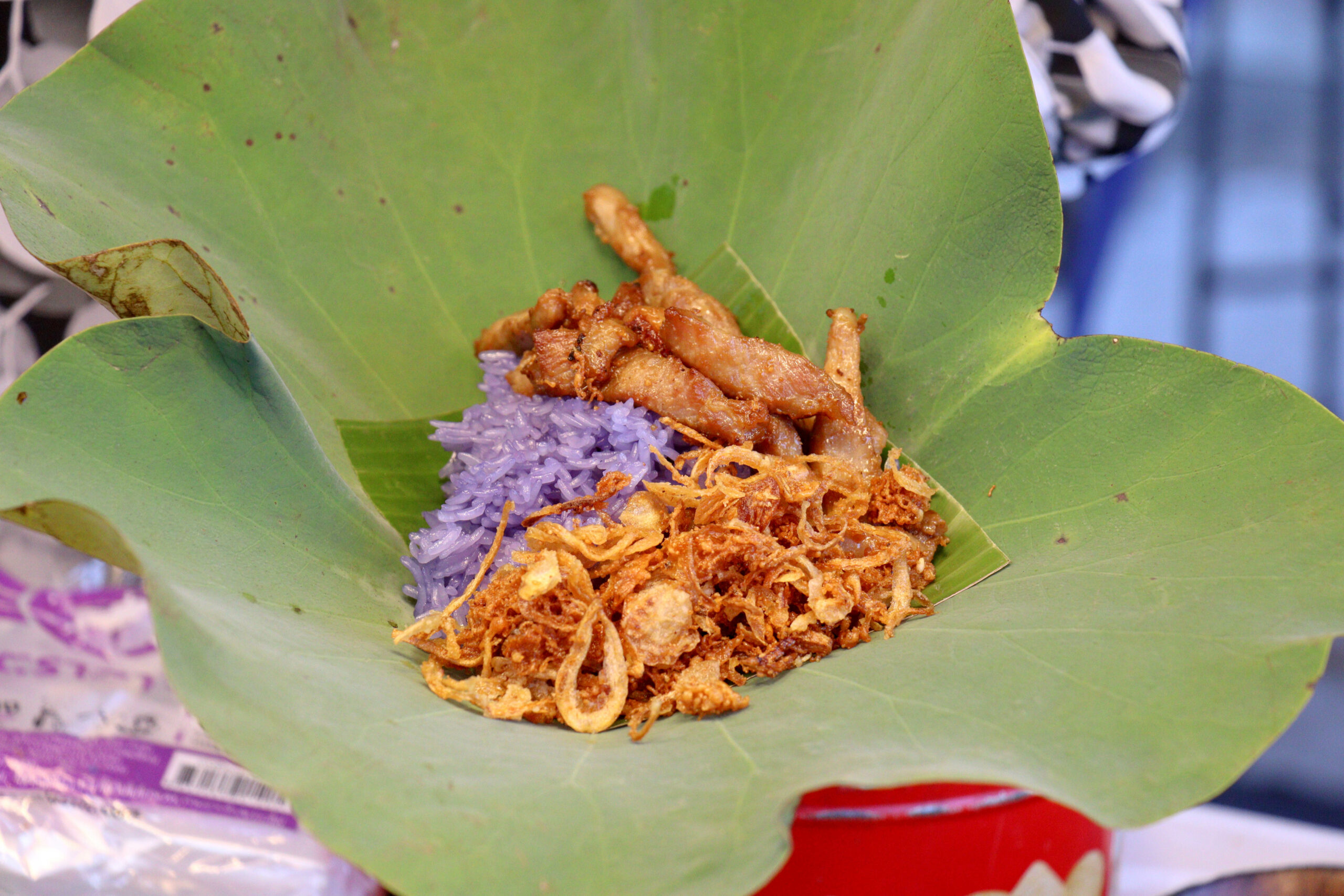
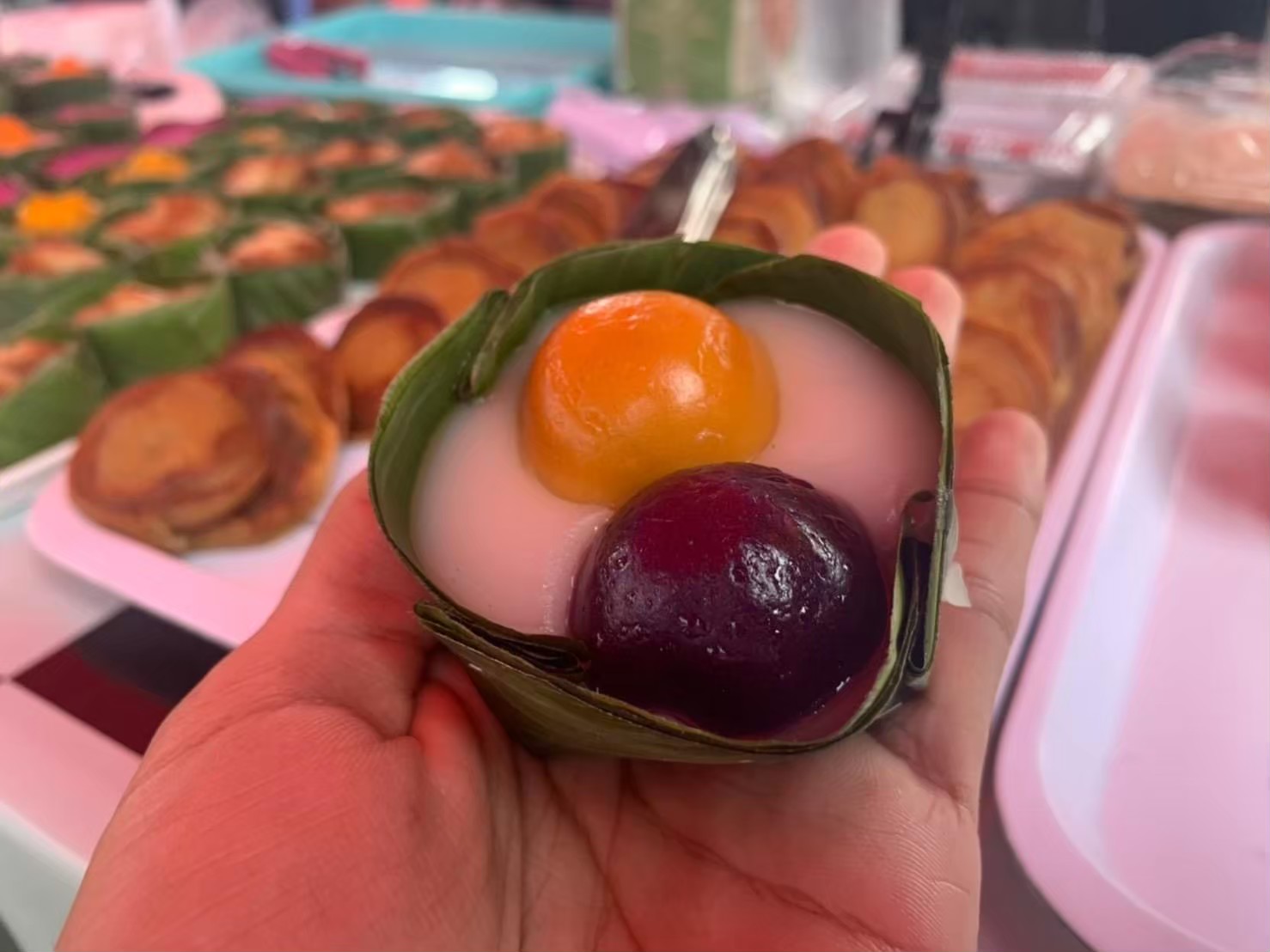
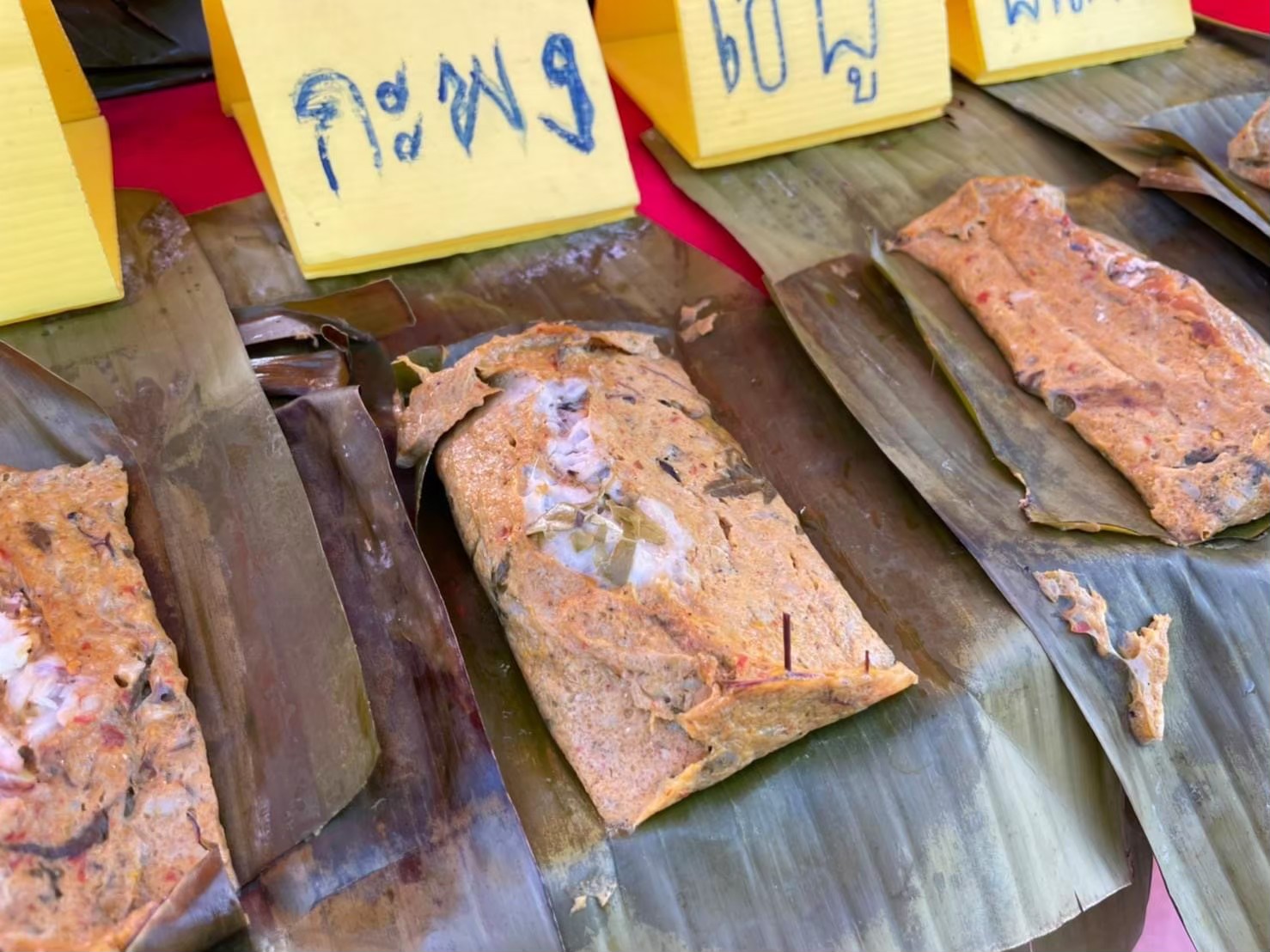
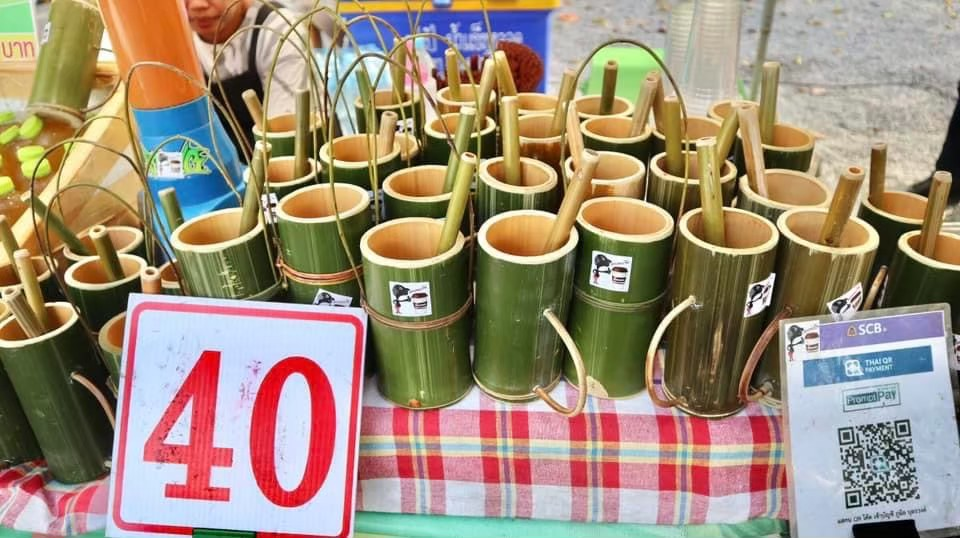
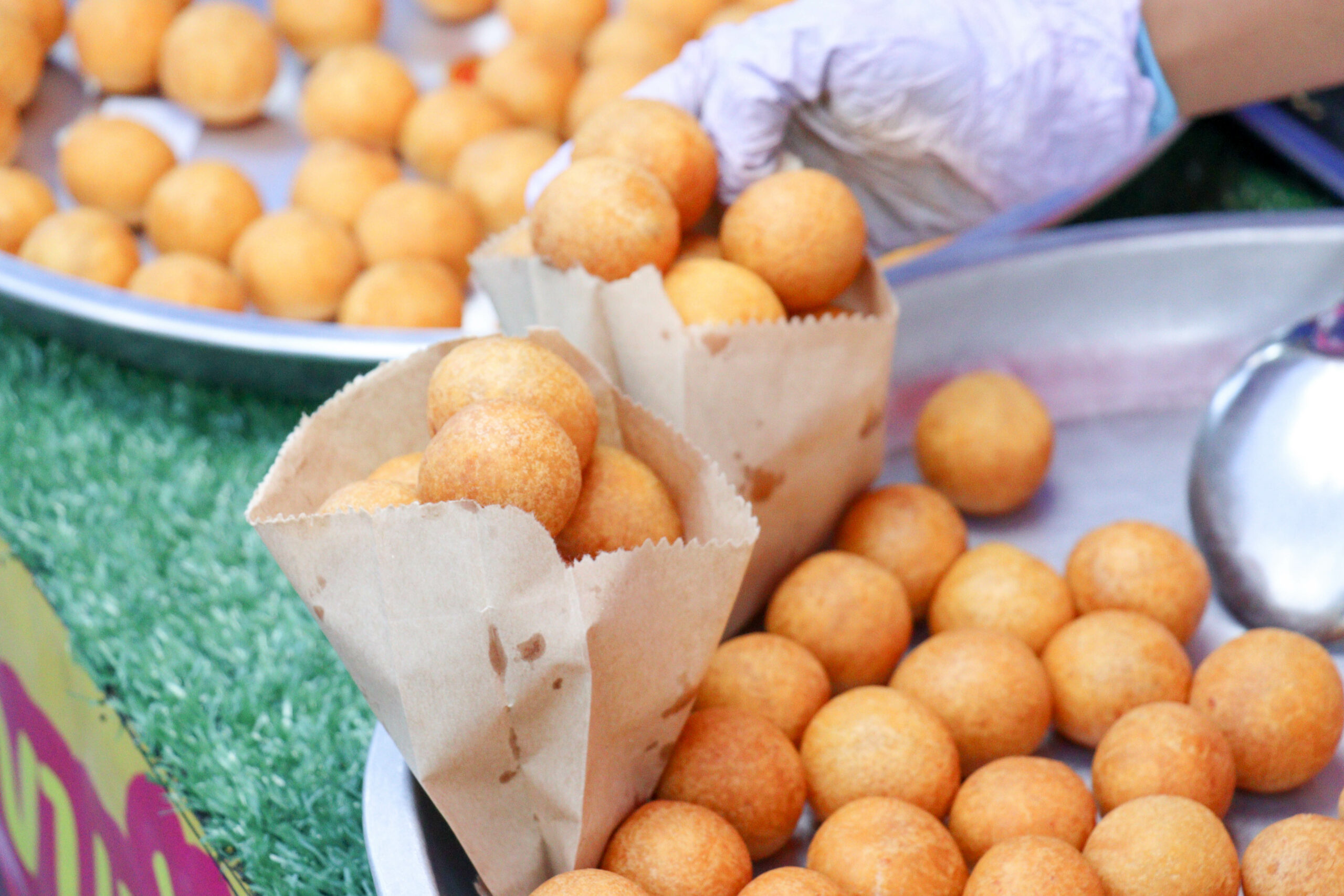
1. Supporting or encouraging vendors and suppliers within the university to stop providing free plastic bags or to use natural materials instead of plastic containers.
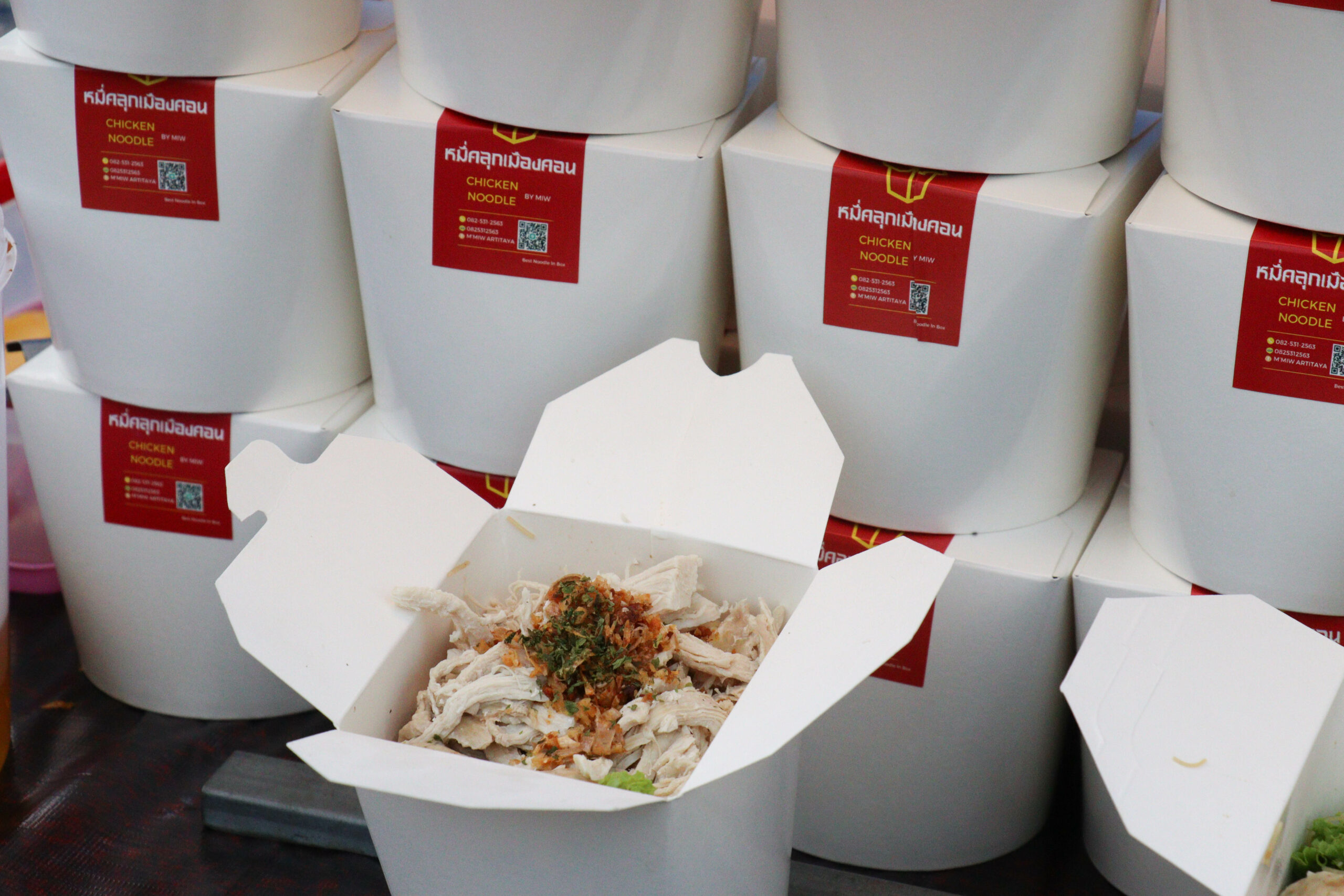
2. Requiring vendors and suppliers within the university to discontinue the use of foam containers and degradable plastic bags with handles.
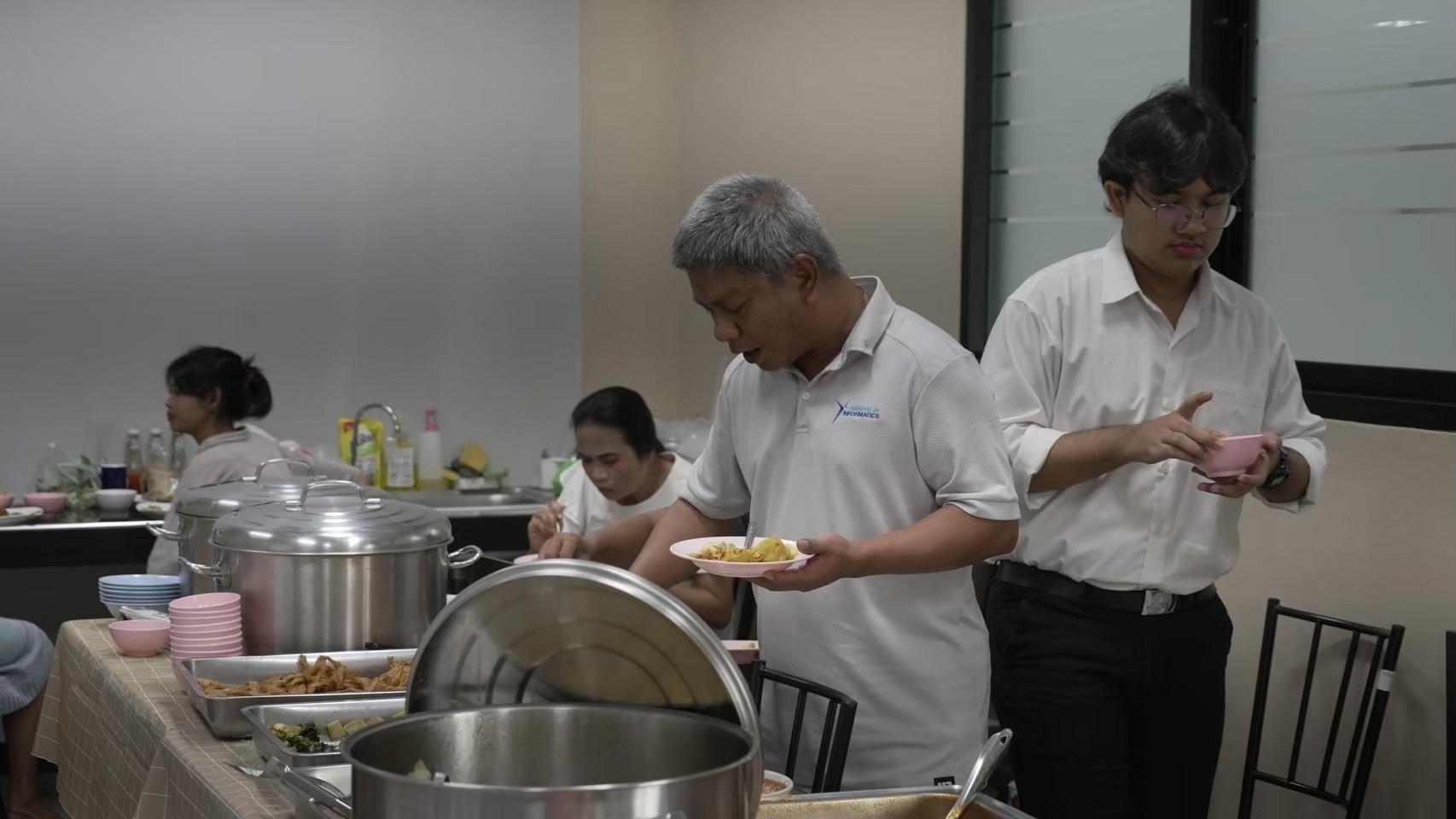
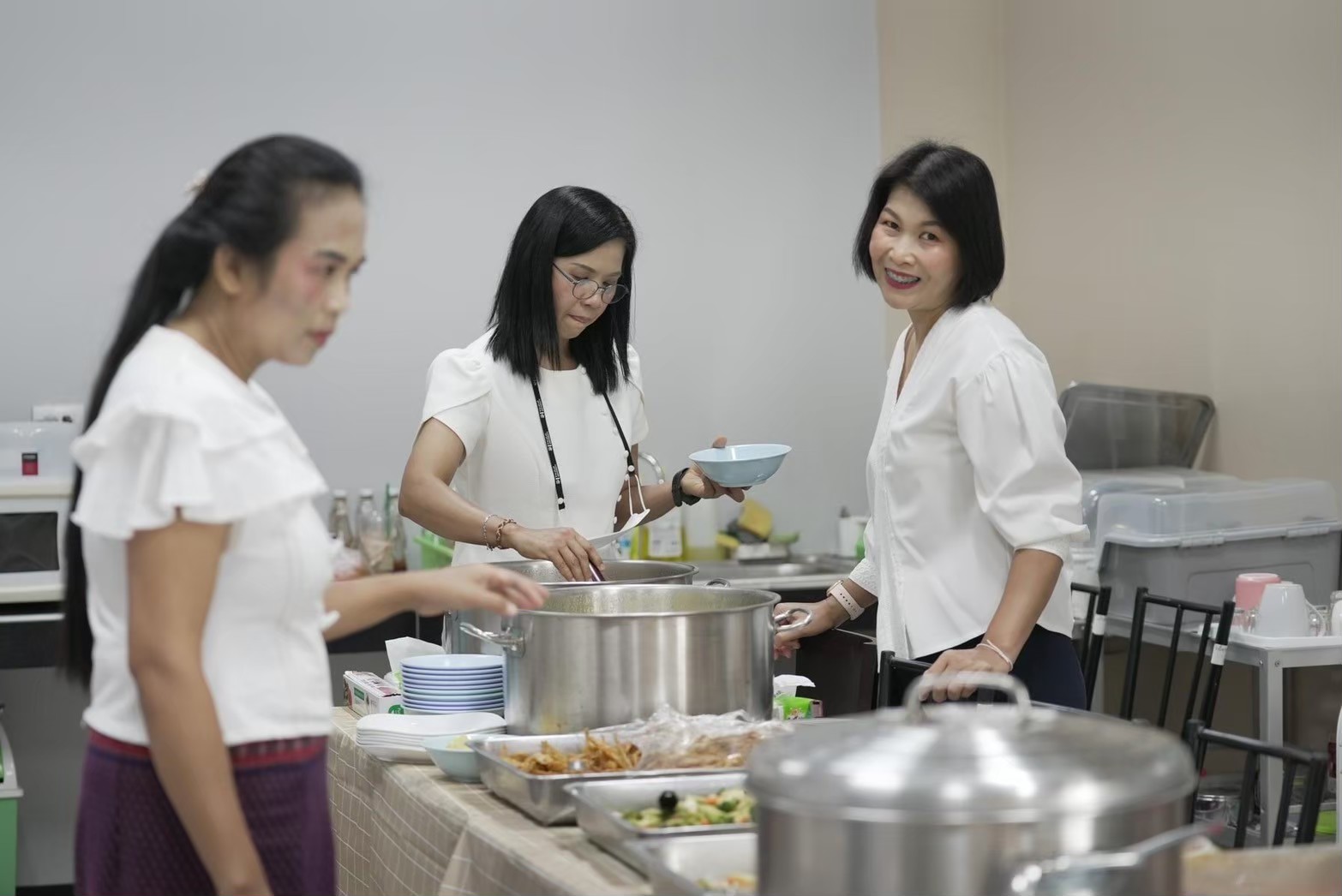
3. In the case of catering or food services within the university, encouraging outsourced service providers to reduce the use and distribution of single-use plastic cutlery, forks, and straws.
Related links:
https://cas.wu.ac.th/sdgs/wp-content/uploads/sites/3/2023/11/Policy-on-Single-use-Planstic.pdf
https://botany.wu.ac.th/?page_id=26259
https://dla.wu.ac.th/th/archives/3184
https://green.wu.ac.th/wp–content/uploads/2021/09/Love-to-reduce-choose-to-discard.pdf
https://green.wu.ac.th/wp–content/uploads/2021/11/12.3.1.pdf
https://www.facebook.com/photo/?fbid=637276775115400&set=pcb.637337501775994



Goal 12: Responsible Consumption and Production