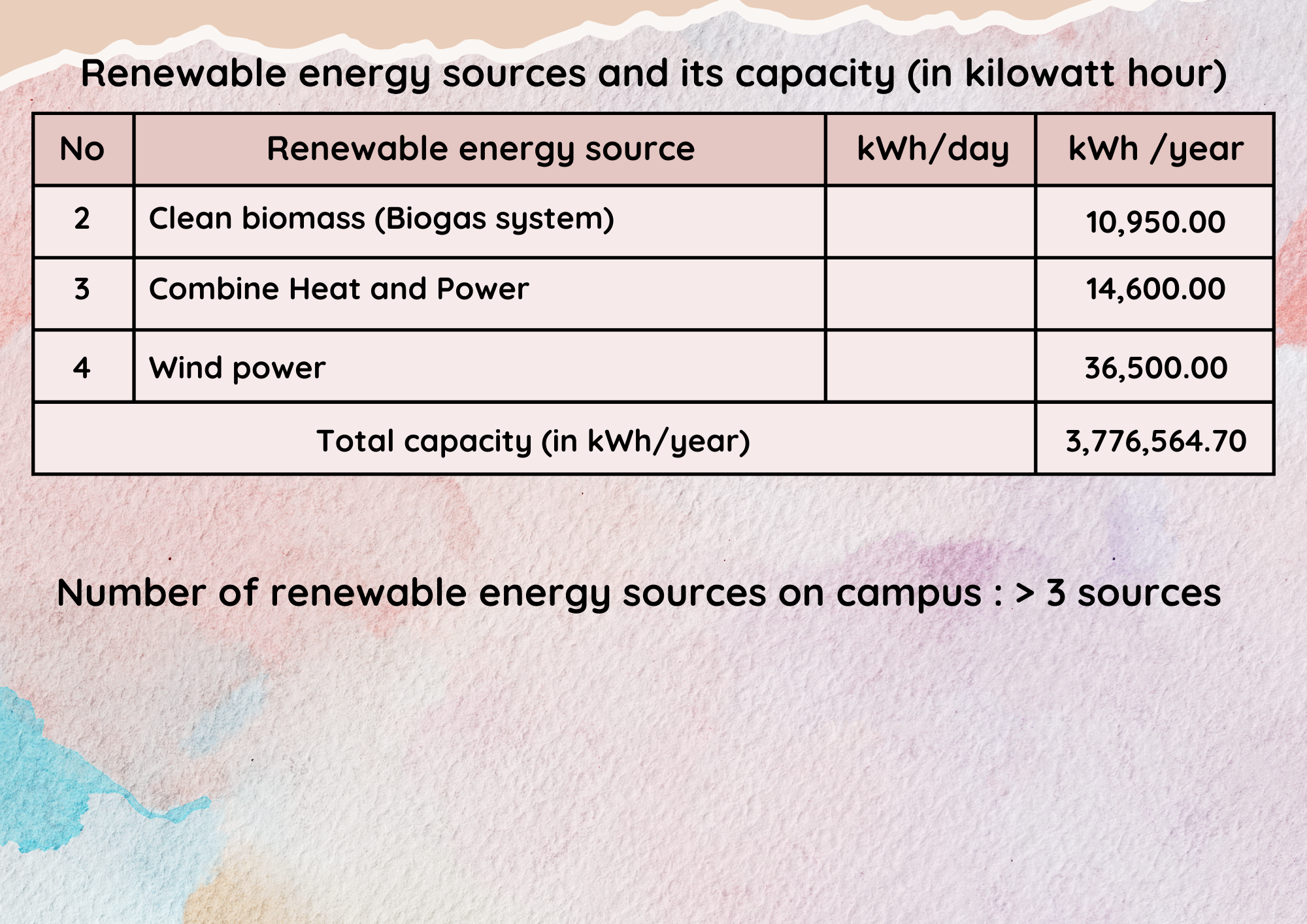
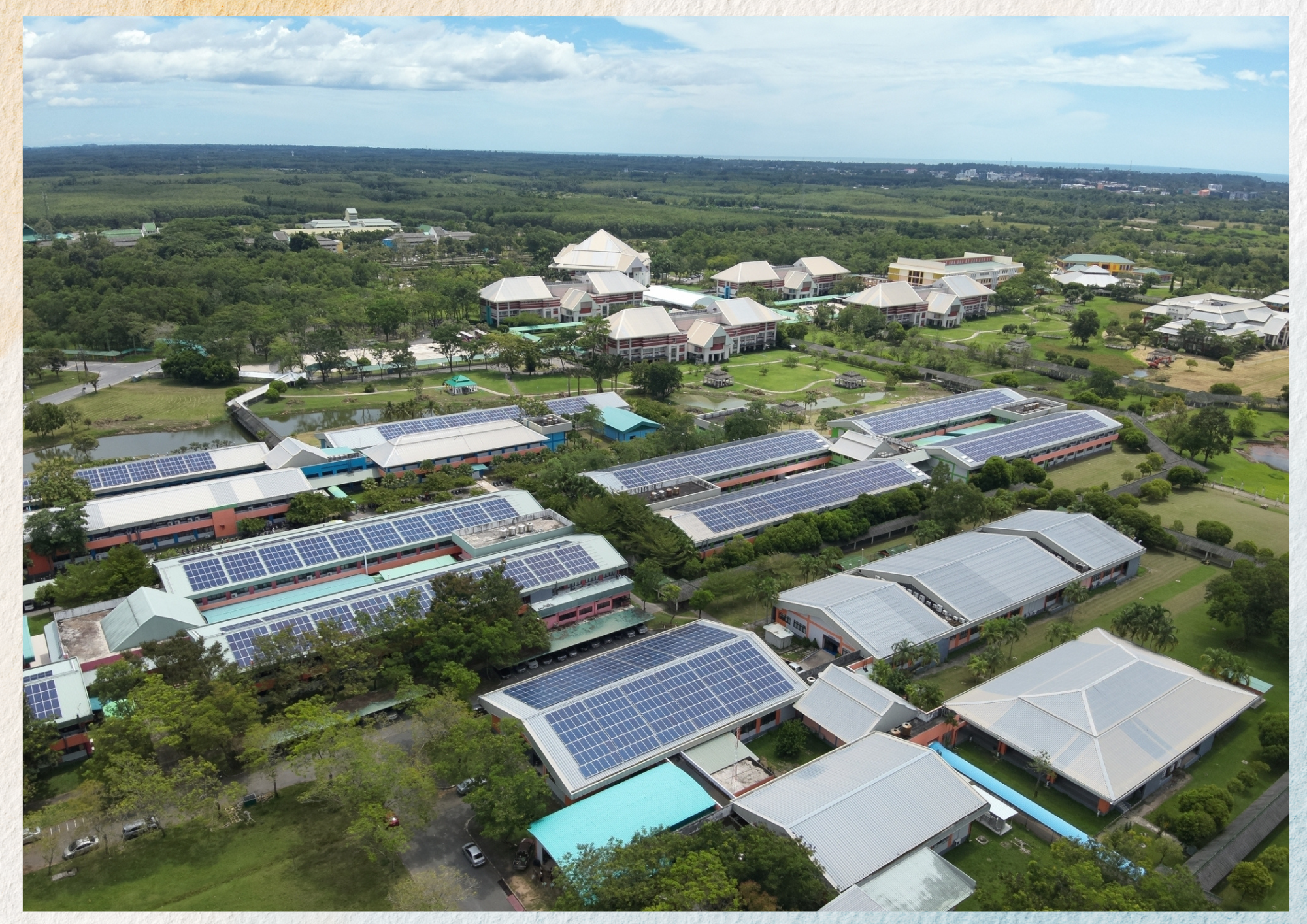
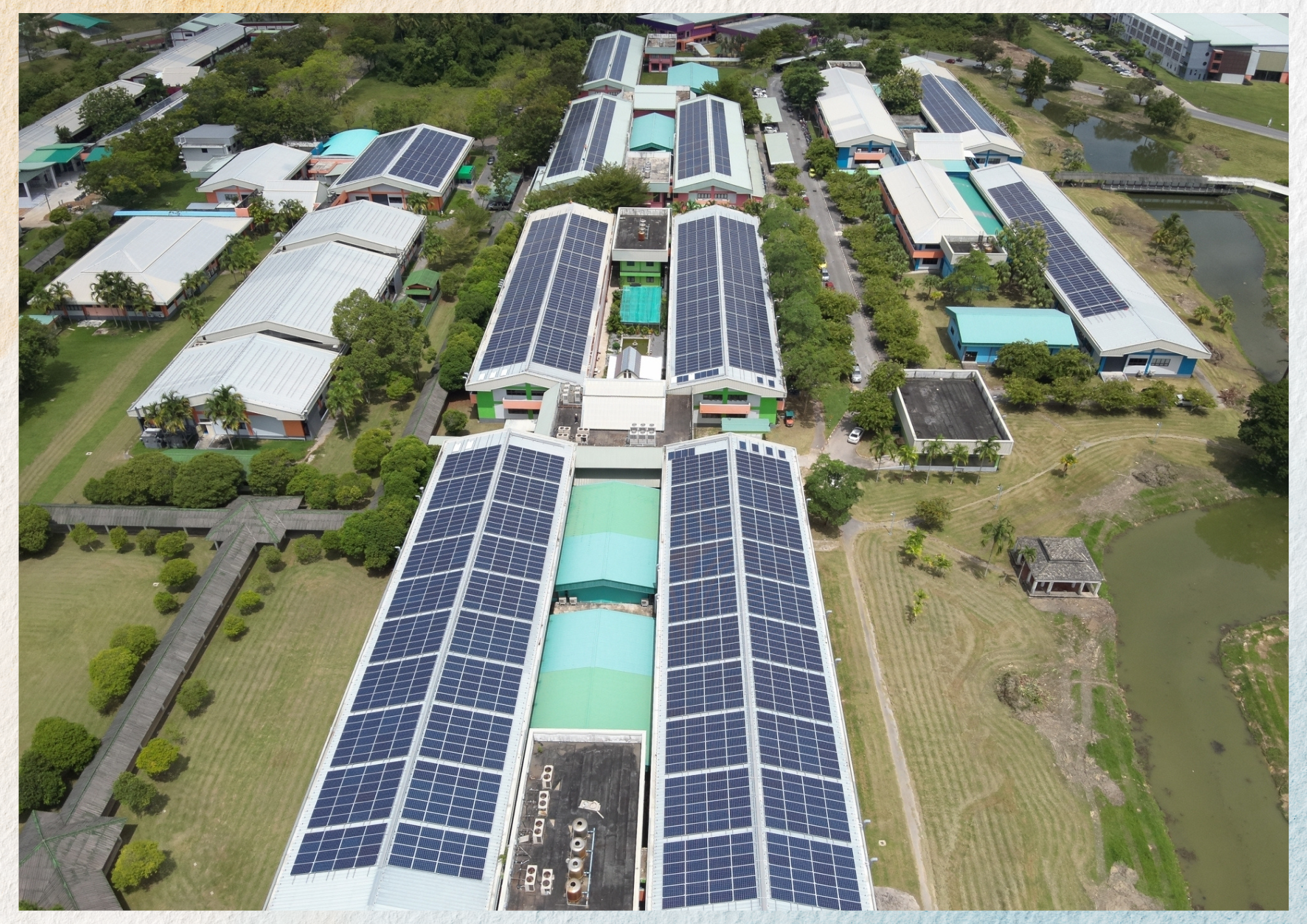
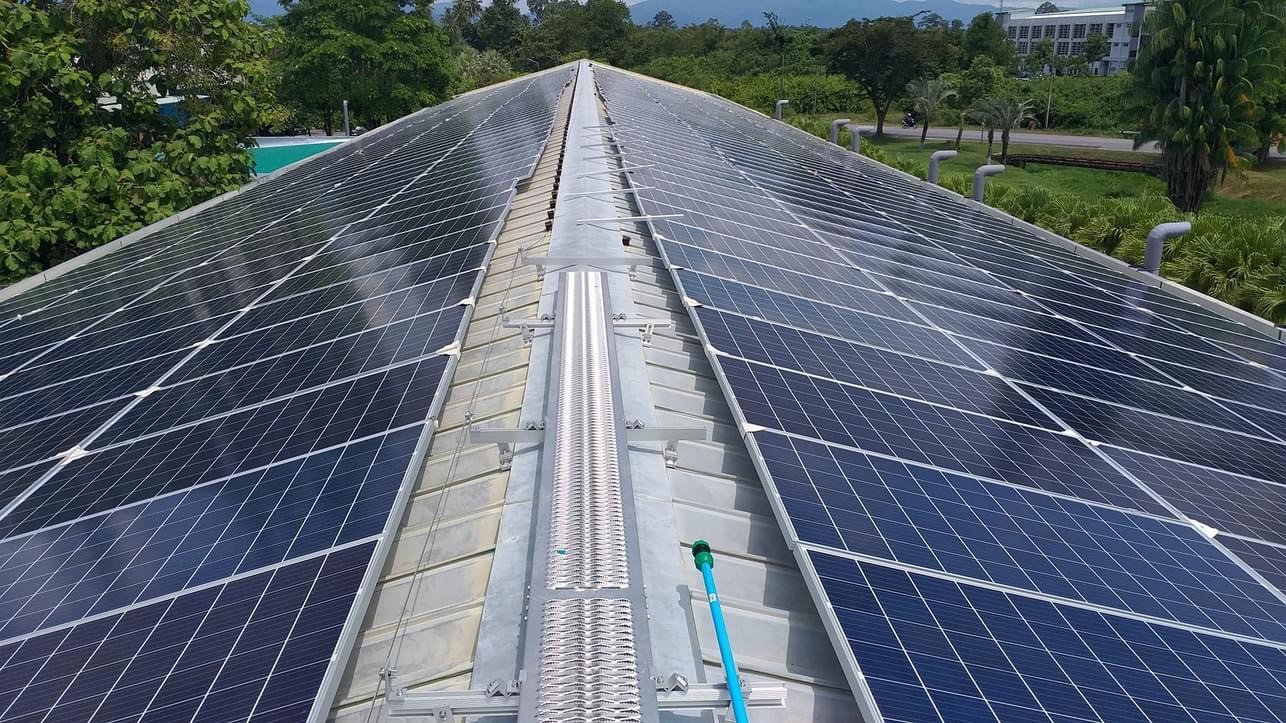
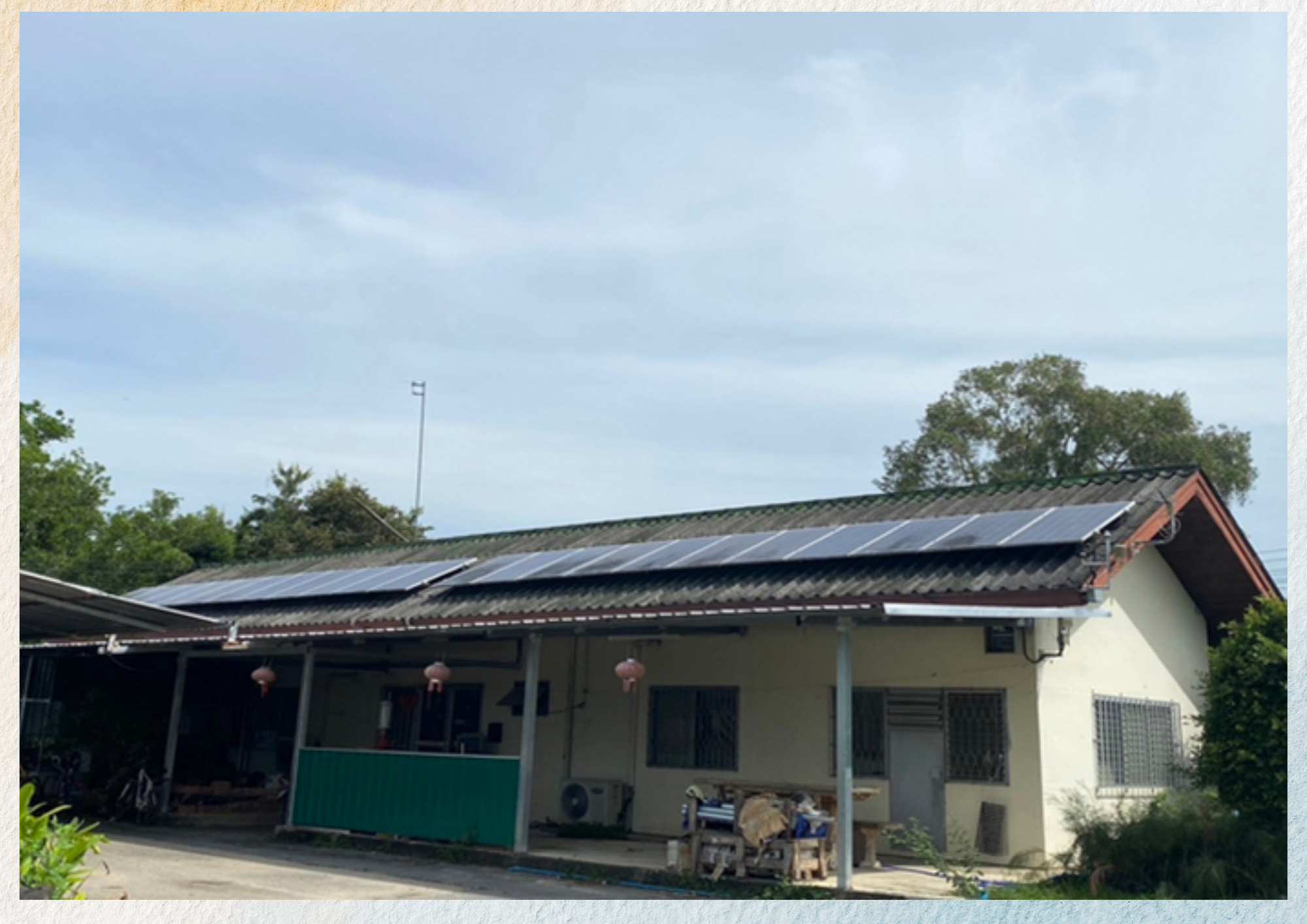
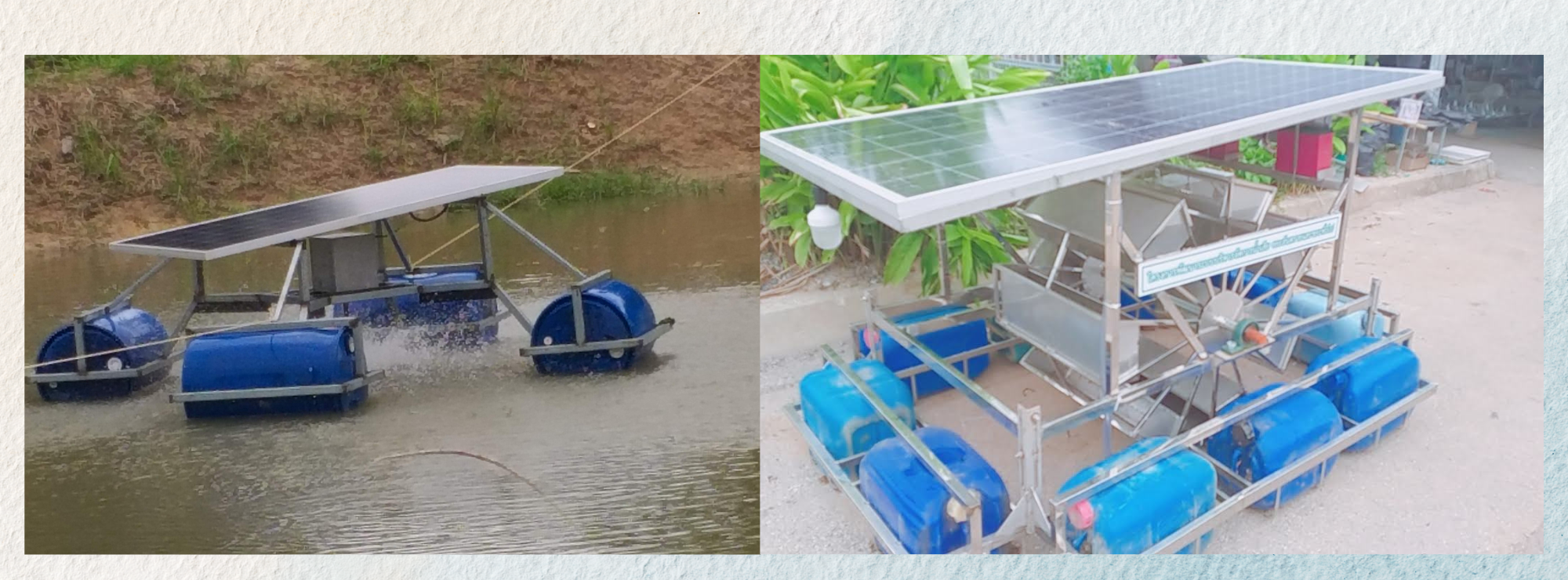
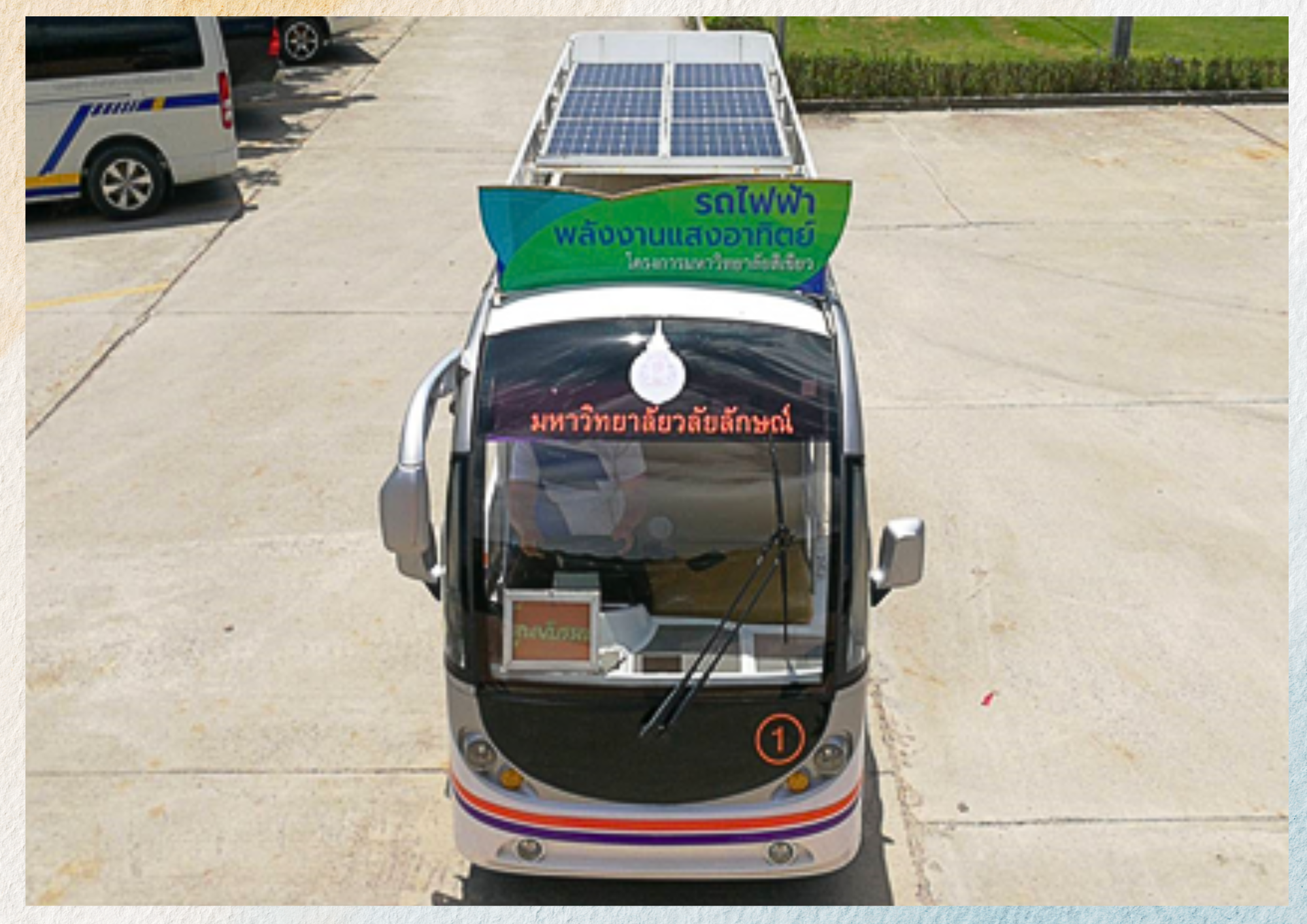
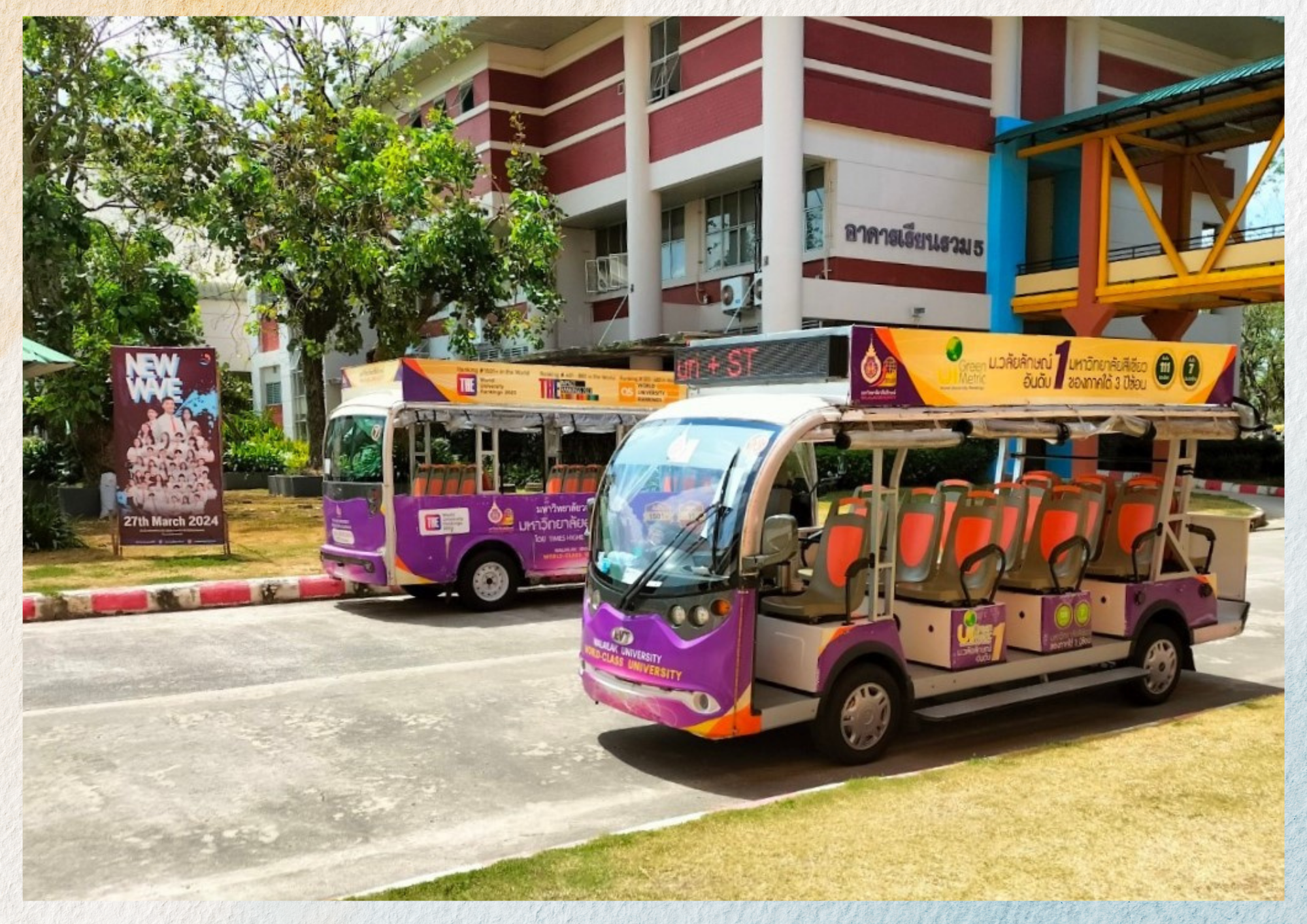
Number of renewable energy sources on campus (EC.3)
Renewable Energy Sources in Campus
Solar Power
Clean Biomass
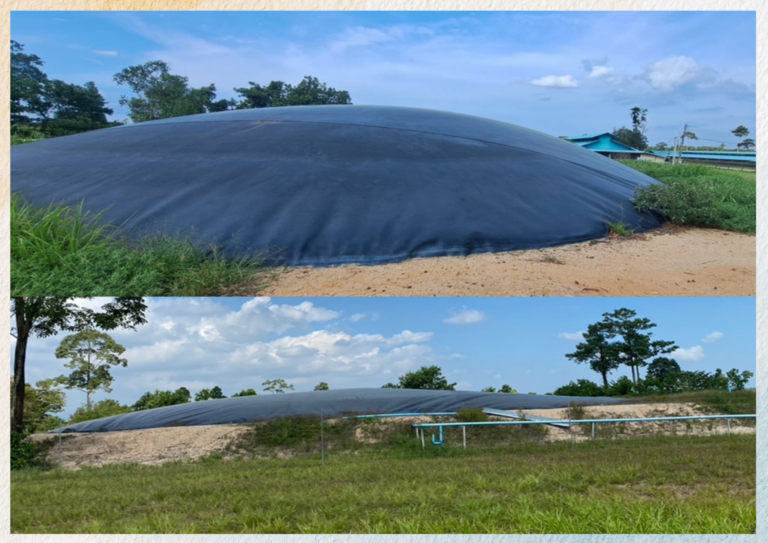
The university also utilizes clean biomass energy by converting organic materials, such as agricultural waste and wood chips, into electricity and heat. This process not only generates renewable energy but also promotes waste management practices that support a circular economy, further reducing reliance on conventional energy sources.
Combined Heat and Power
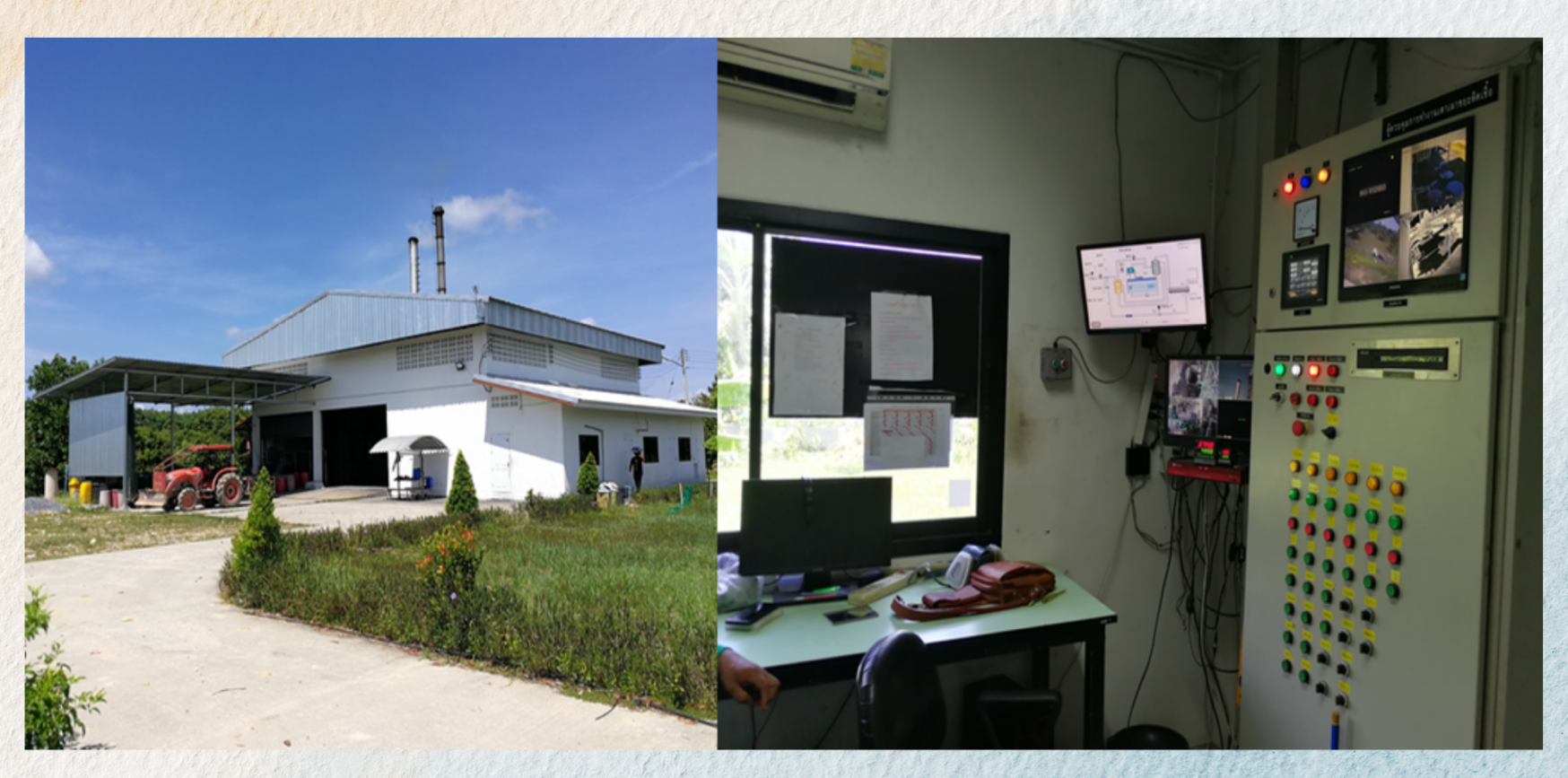
The university’s Combined Heat and Power (CHP) systems exemplify efficiency by generating electricity and capturing usable heat from a single fuel source simultaneously. This approach maximizes energy use, reduces overall consumption, and enhances the university’s energy efficiency.
Wind Power
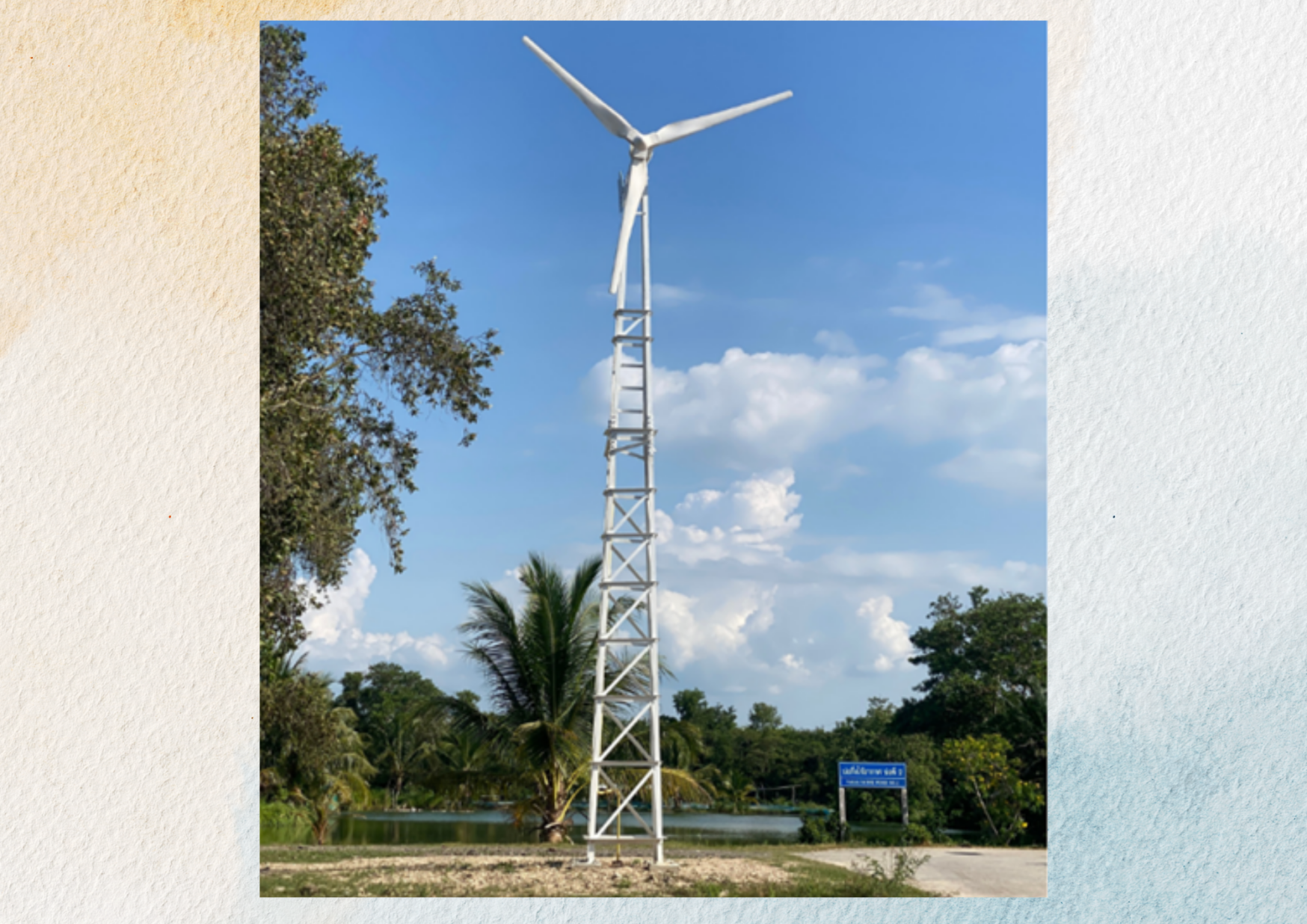
Although wind power is an emerging area for the university, efforts are underway to explore its potential. Research and feasibility studies are being conducted to assess the suitability of wind power as a supplementary energy source. If implemented, wind power could further diversify the university’s renewable energy portfolio, contributing to a more resilient energy system.
By integrating these diverse renewable energy sources, Walailak University is not only reducing its environmental impact but also setting a benchmark for sustainability in higher education. The university’s approach demonstrates a commitment to innovation and leadership in the global transition to renewable energy.