Every year, some students at Walailak University face malnutrition due to financial hardships and other factors, impacting their university life, academic performance, and overall well-being. To address this issue, Walailak University has implemented food security programs in place aimed at combating student food insecurity, including the Caring Is Giving Program and the Scholarship Program. These programs ensure that the students at WU have access to a sufficient quantity of affordable, nutritious food
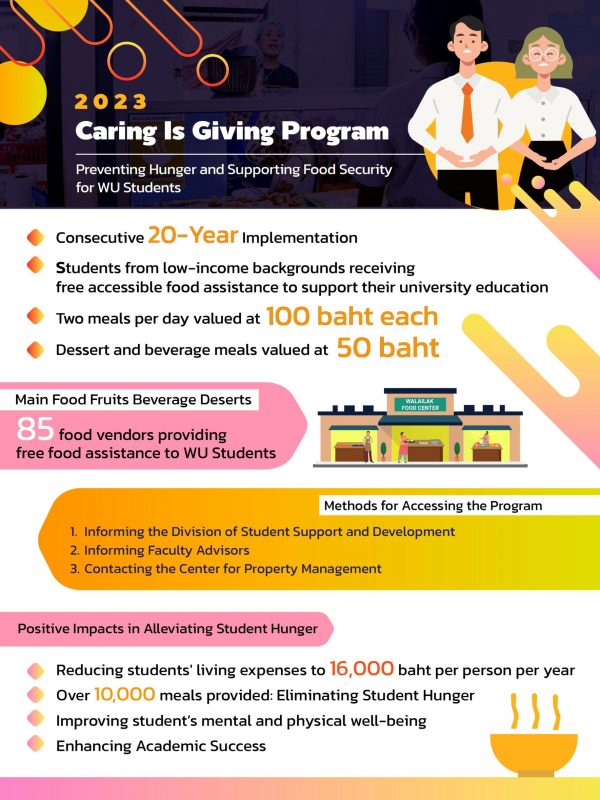
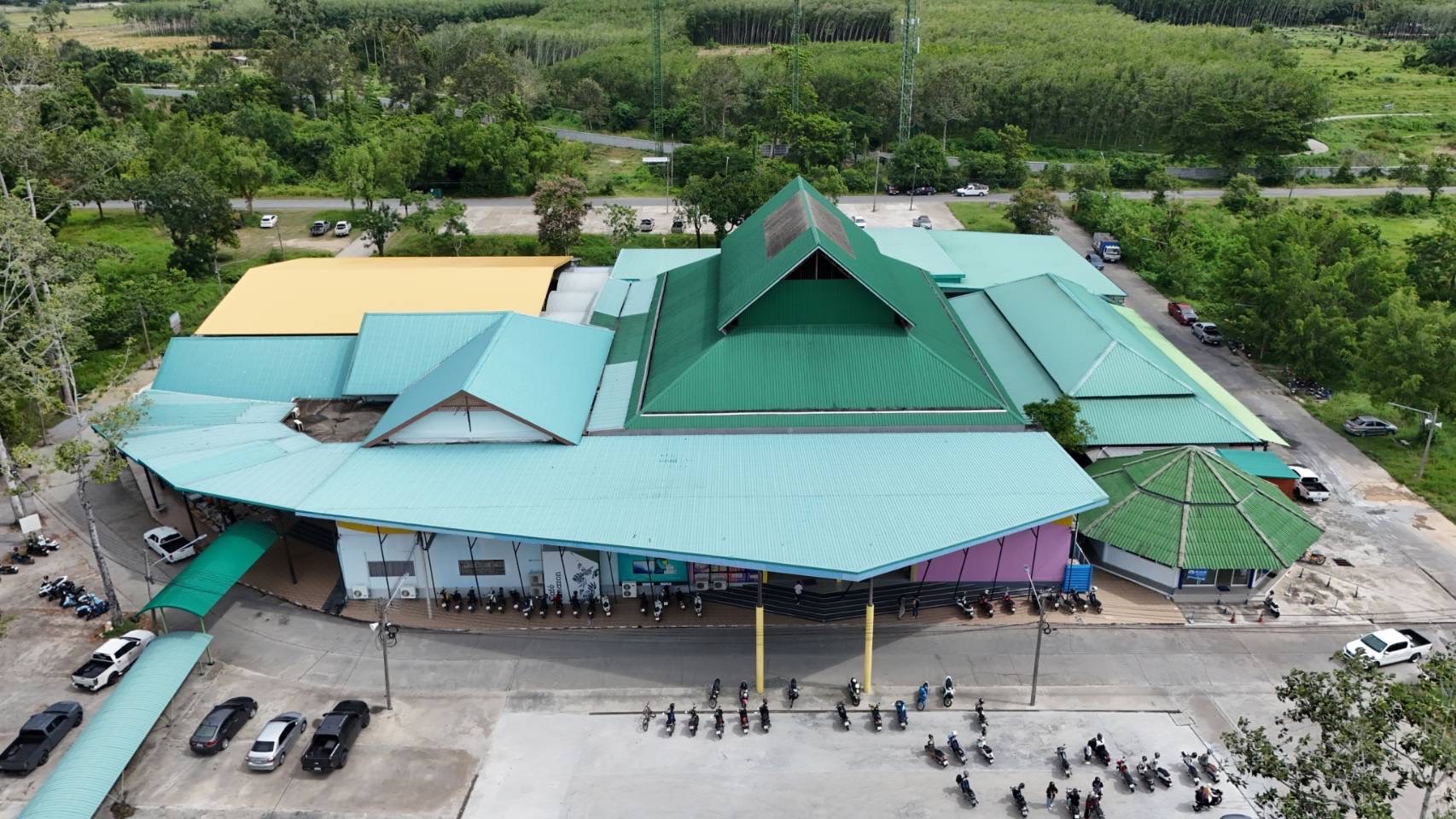
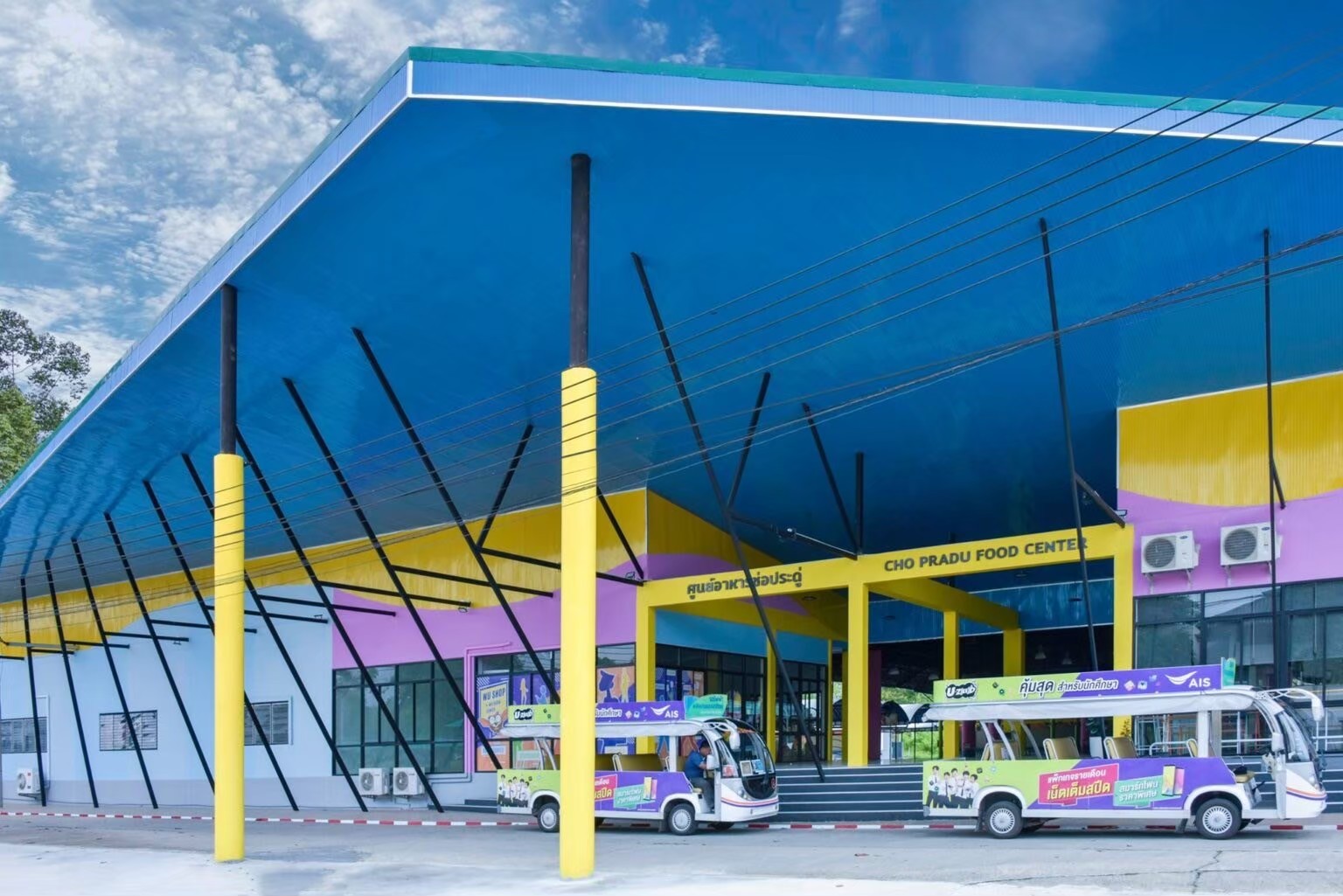
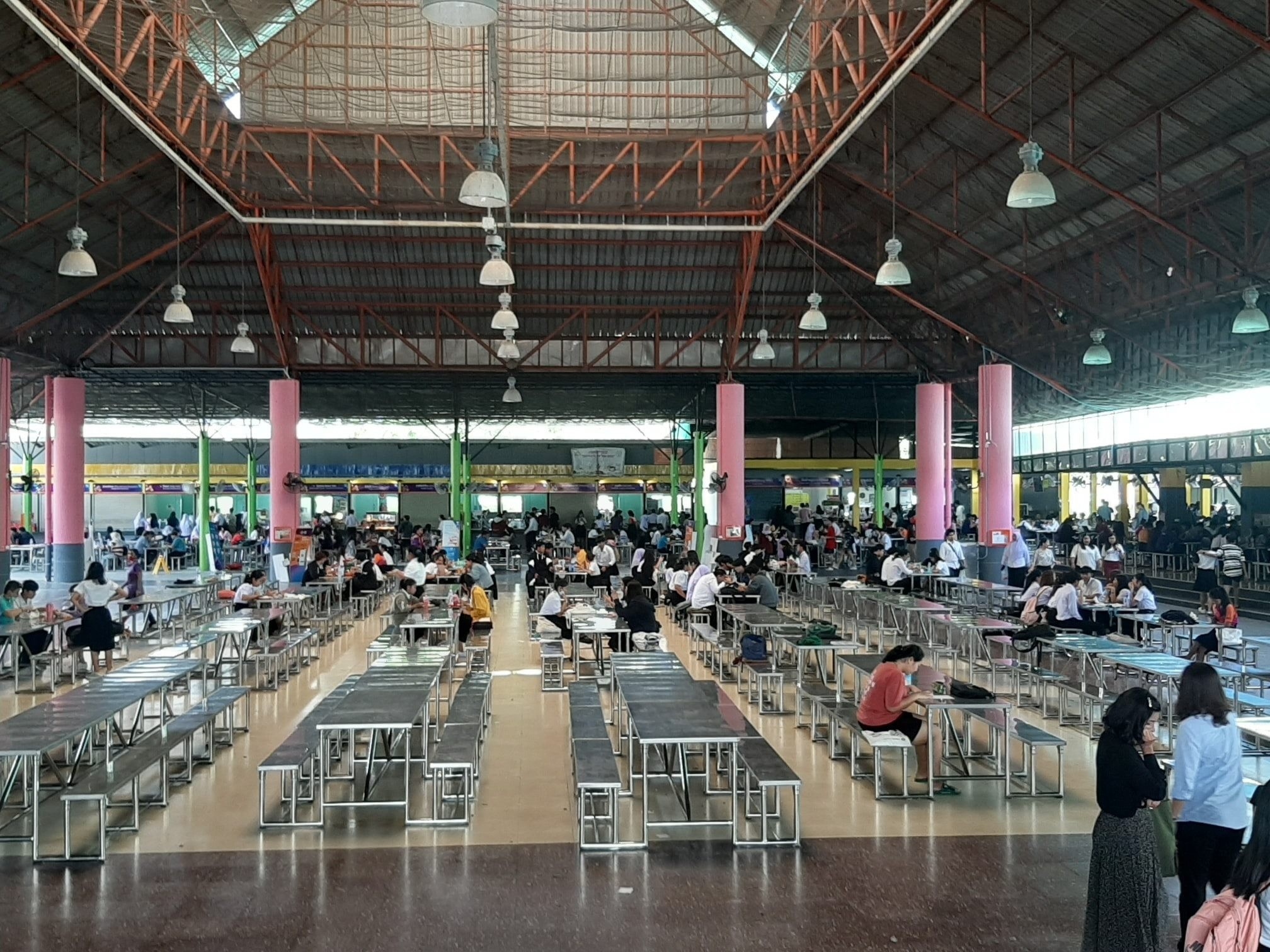
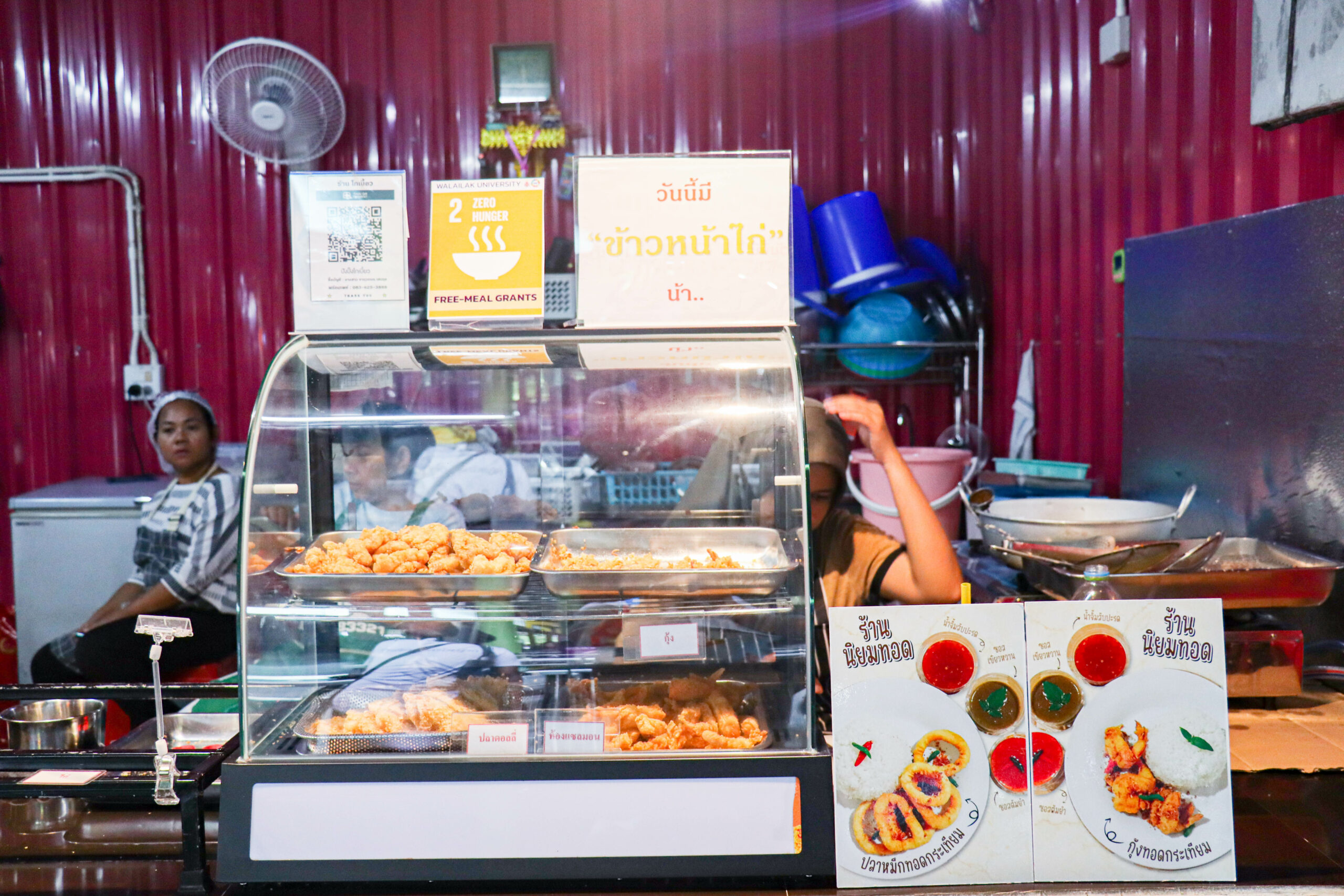
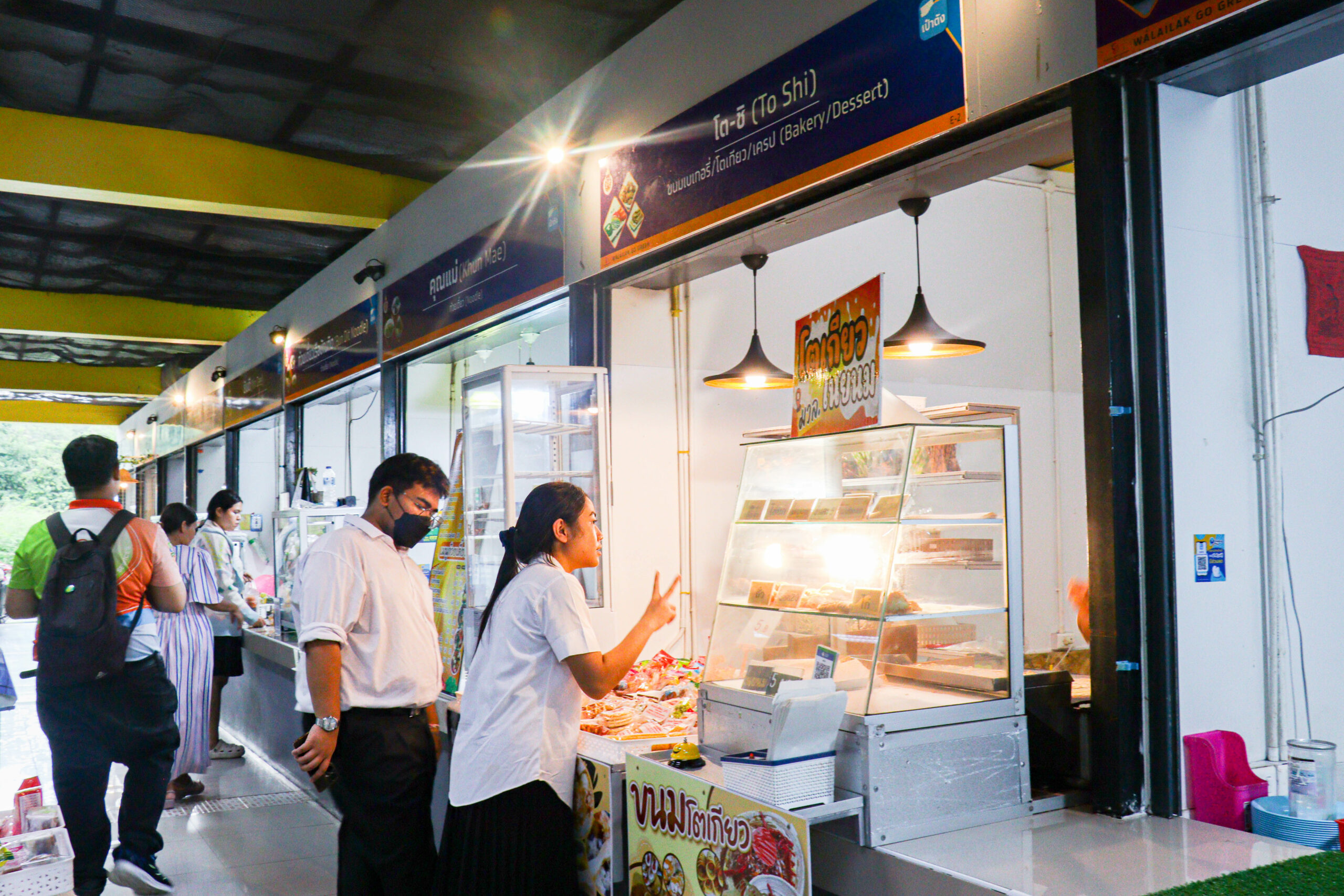
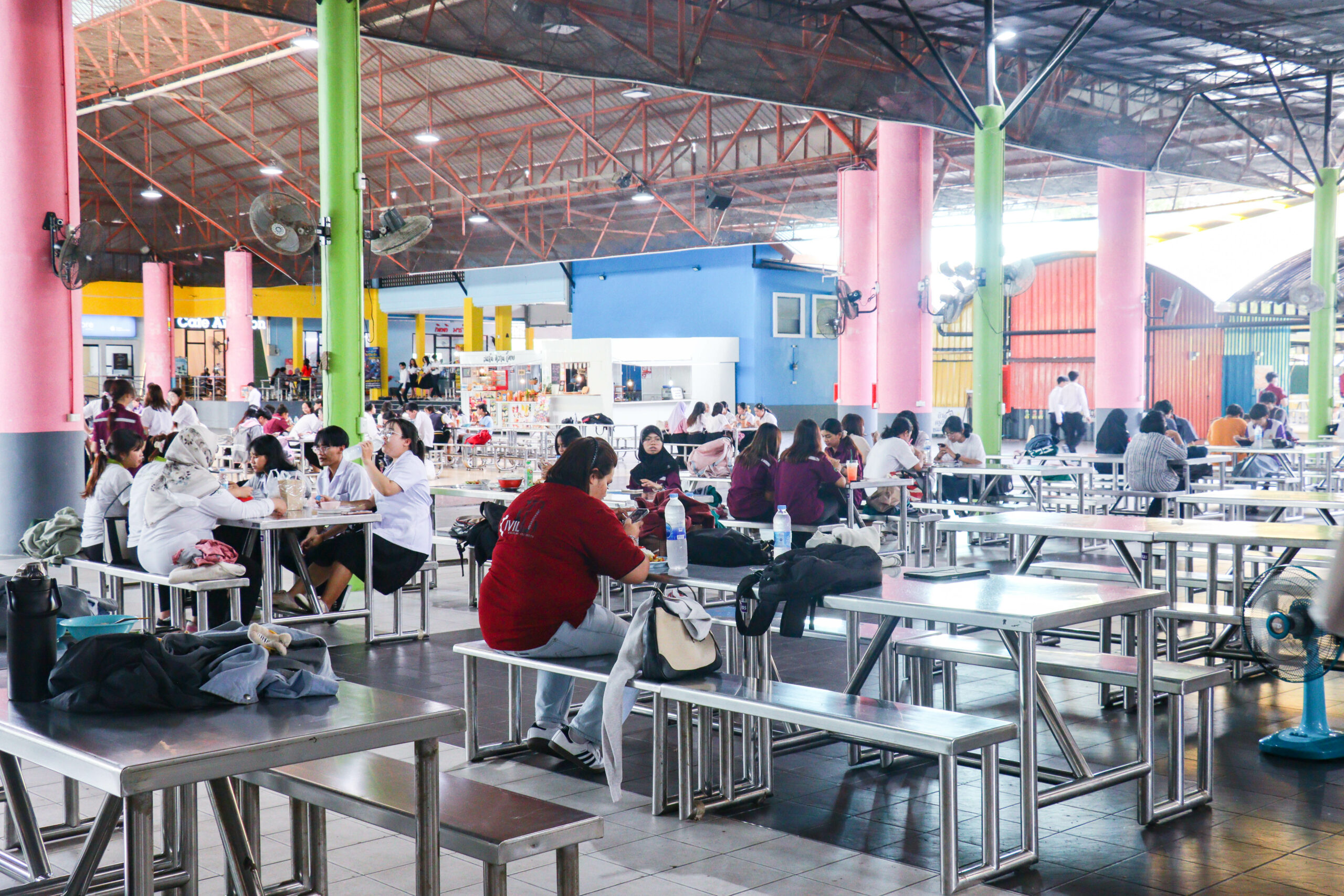
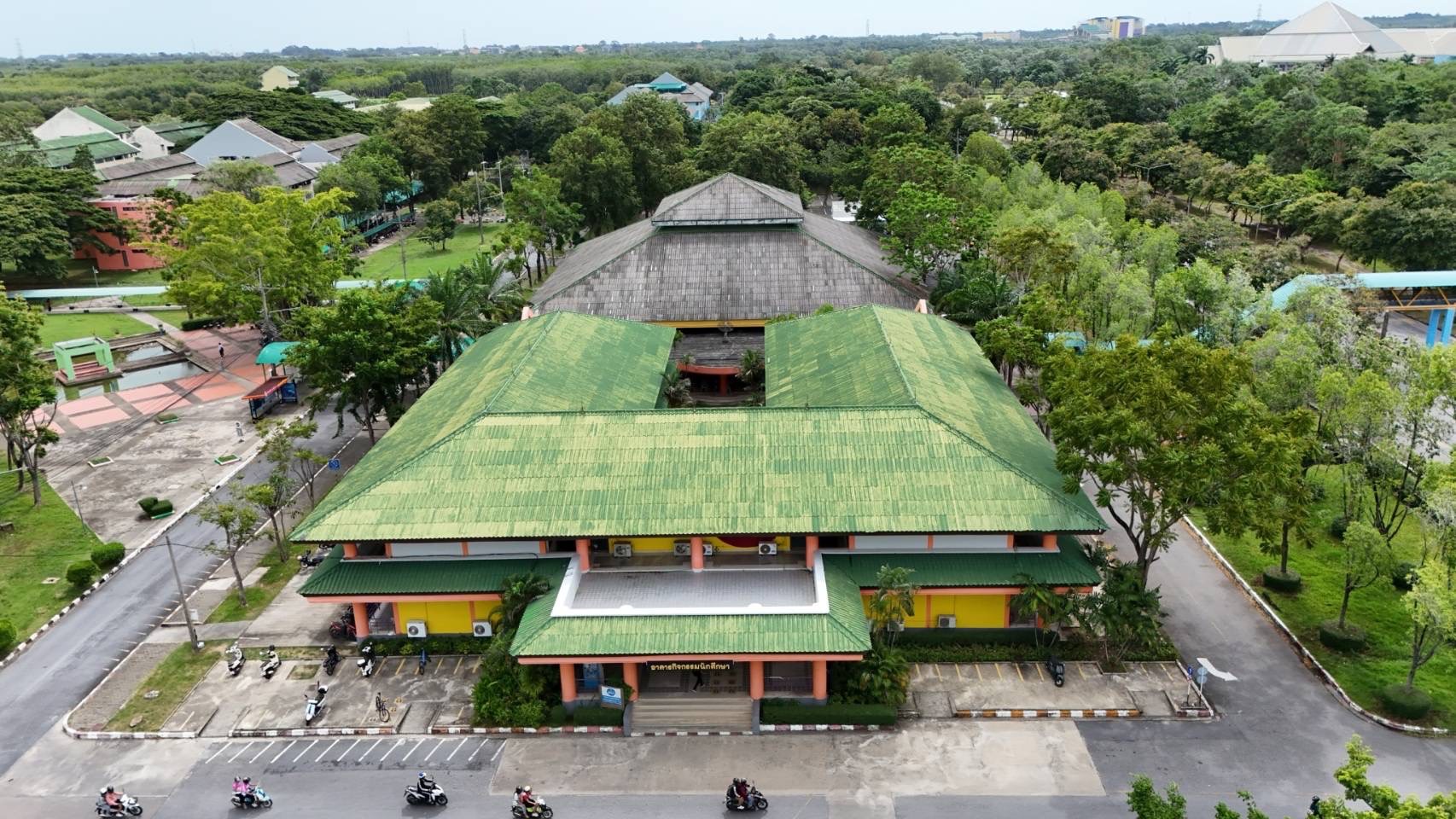
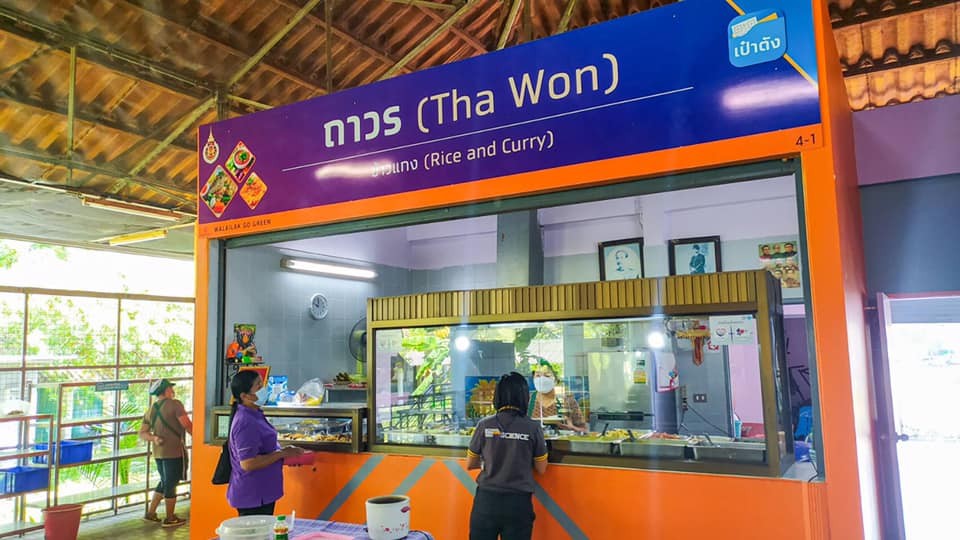
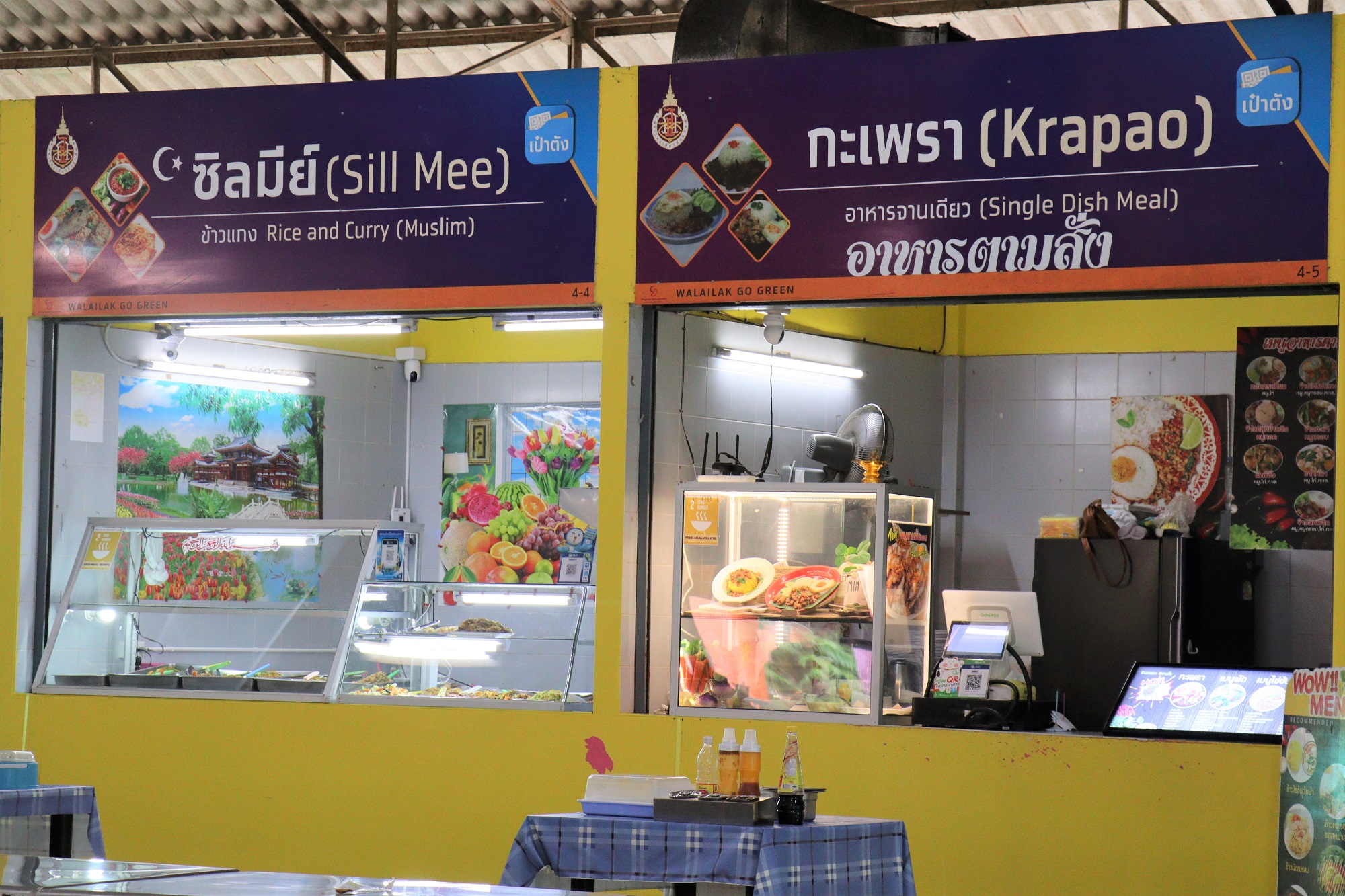
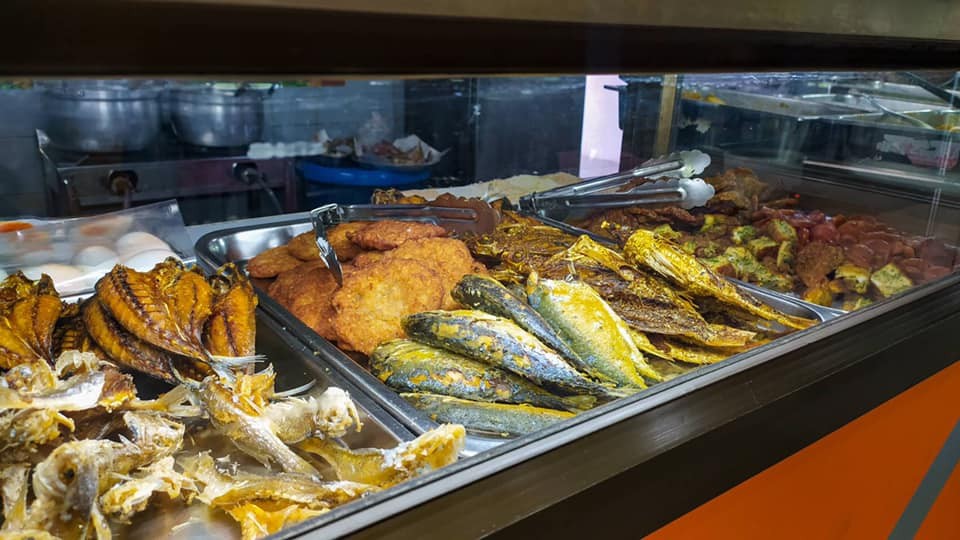
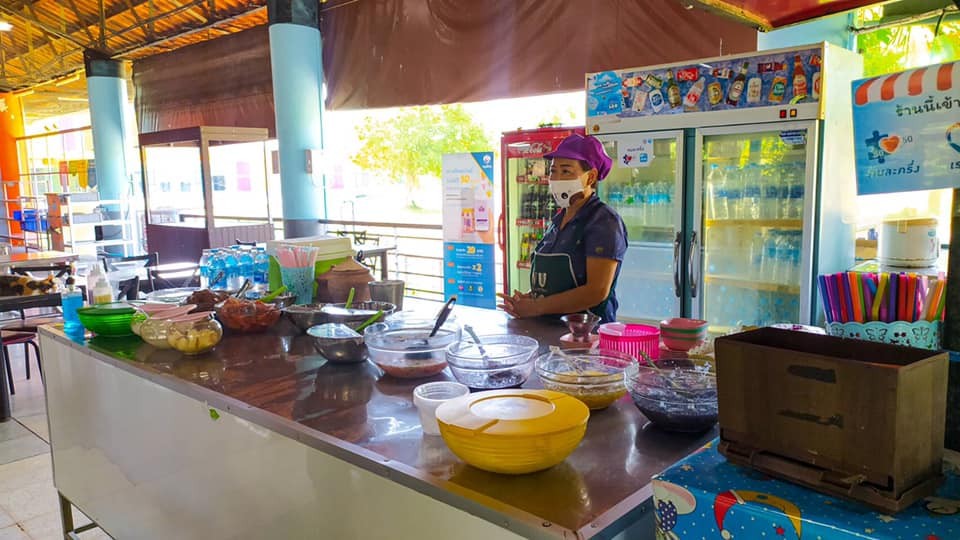
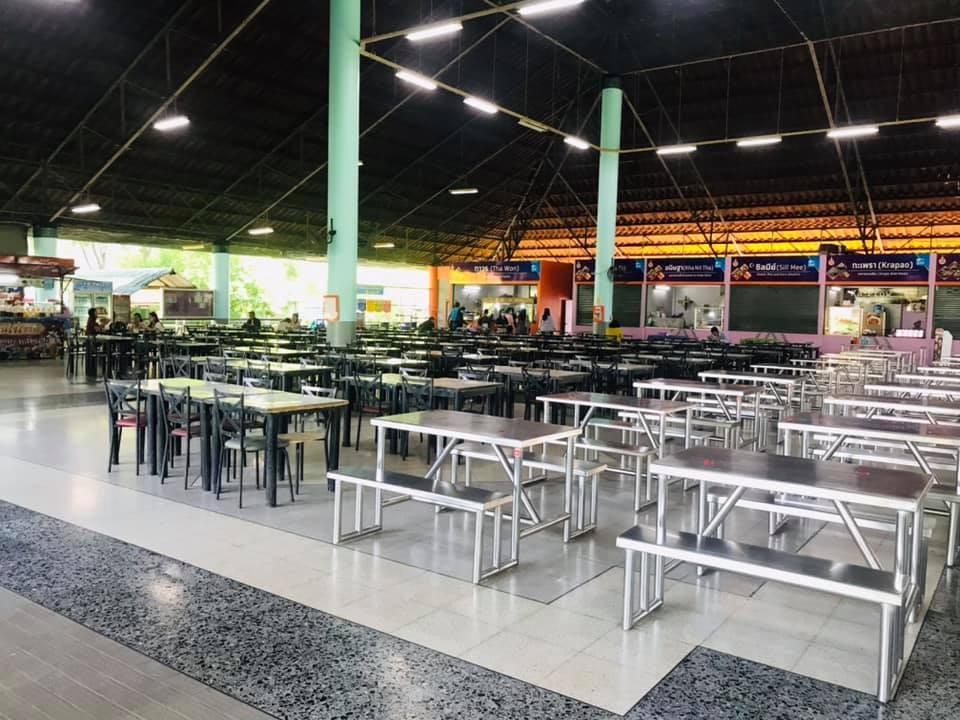
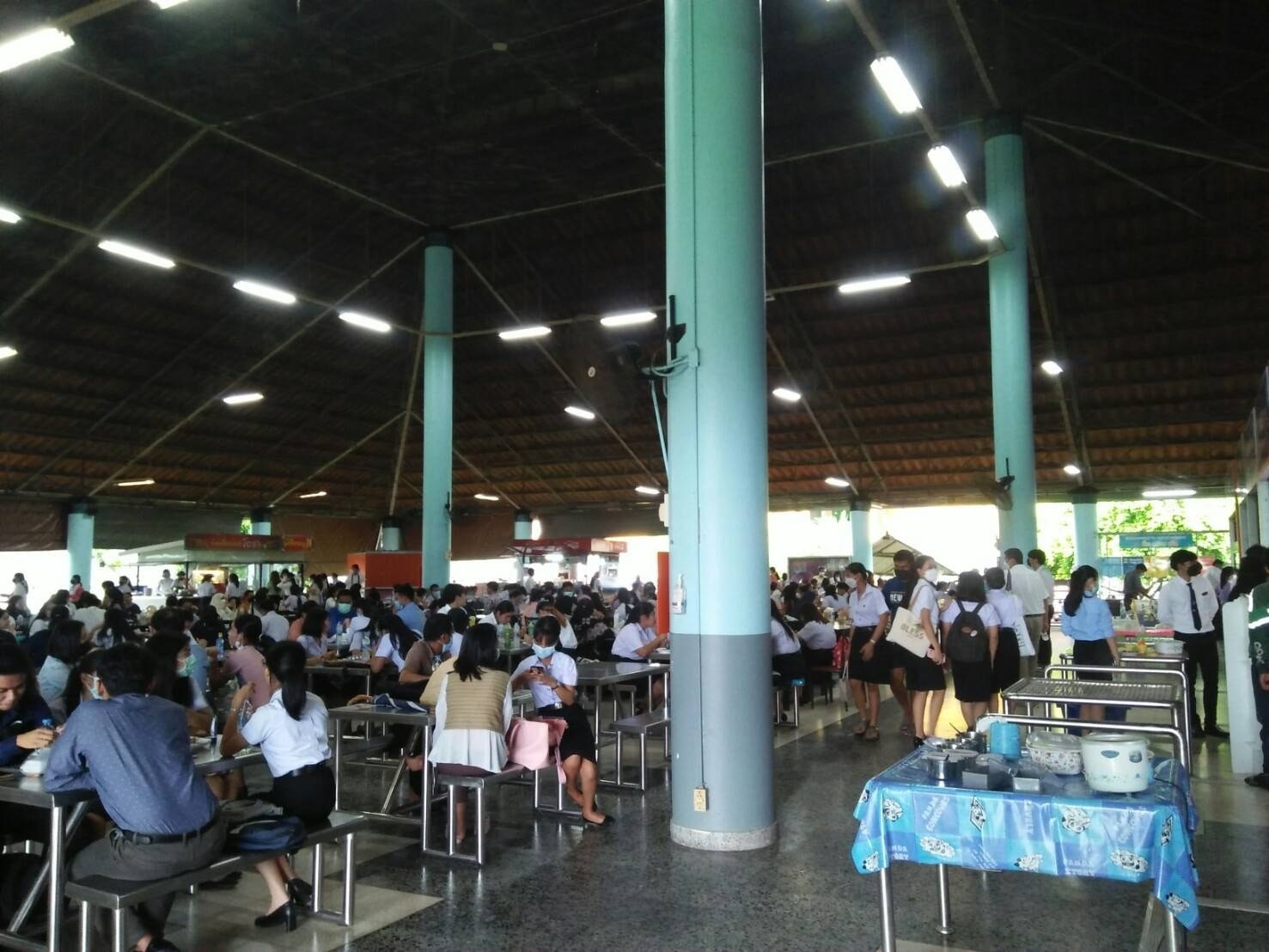
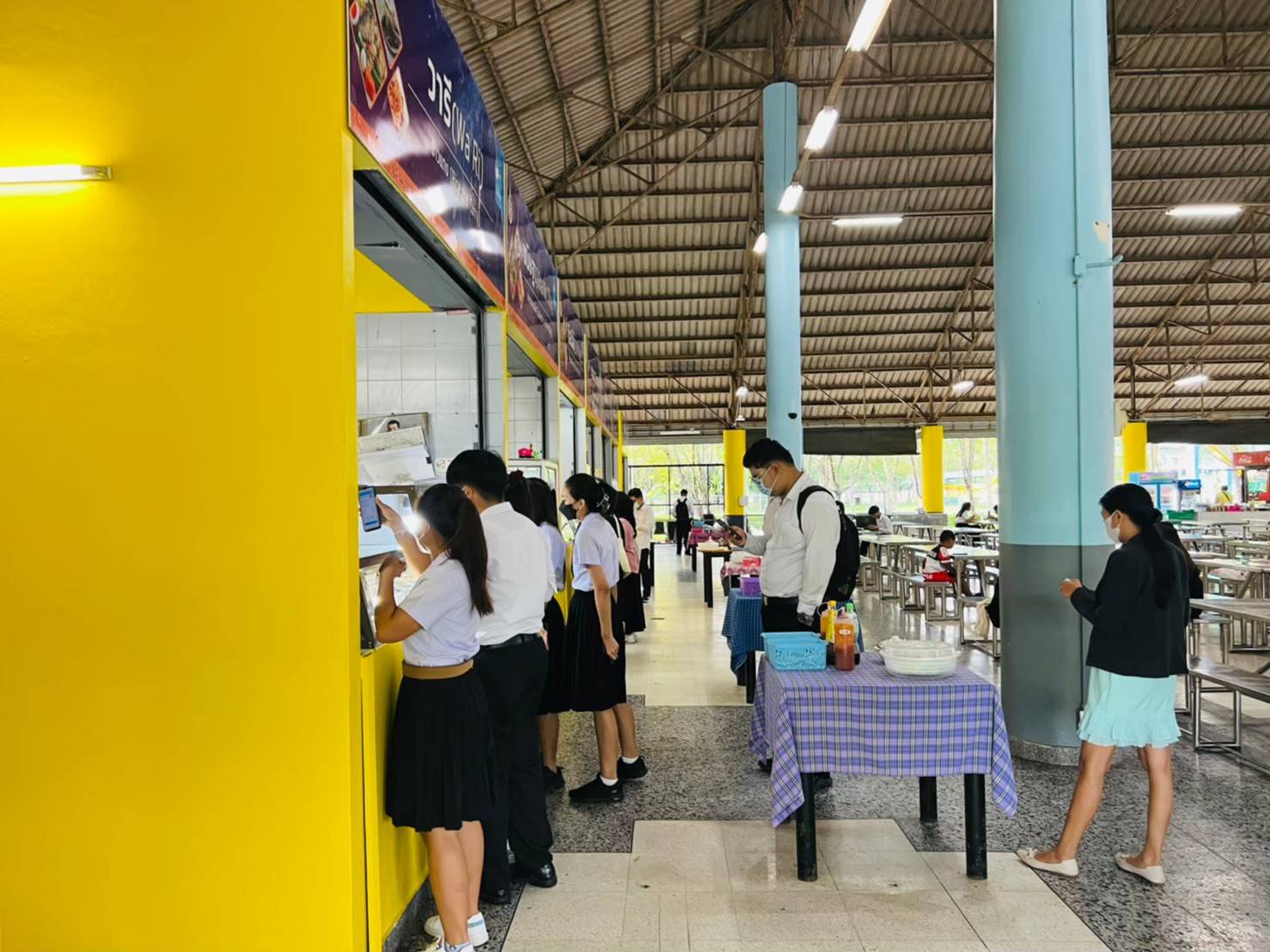
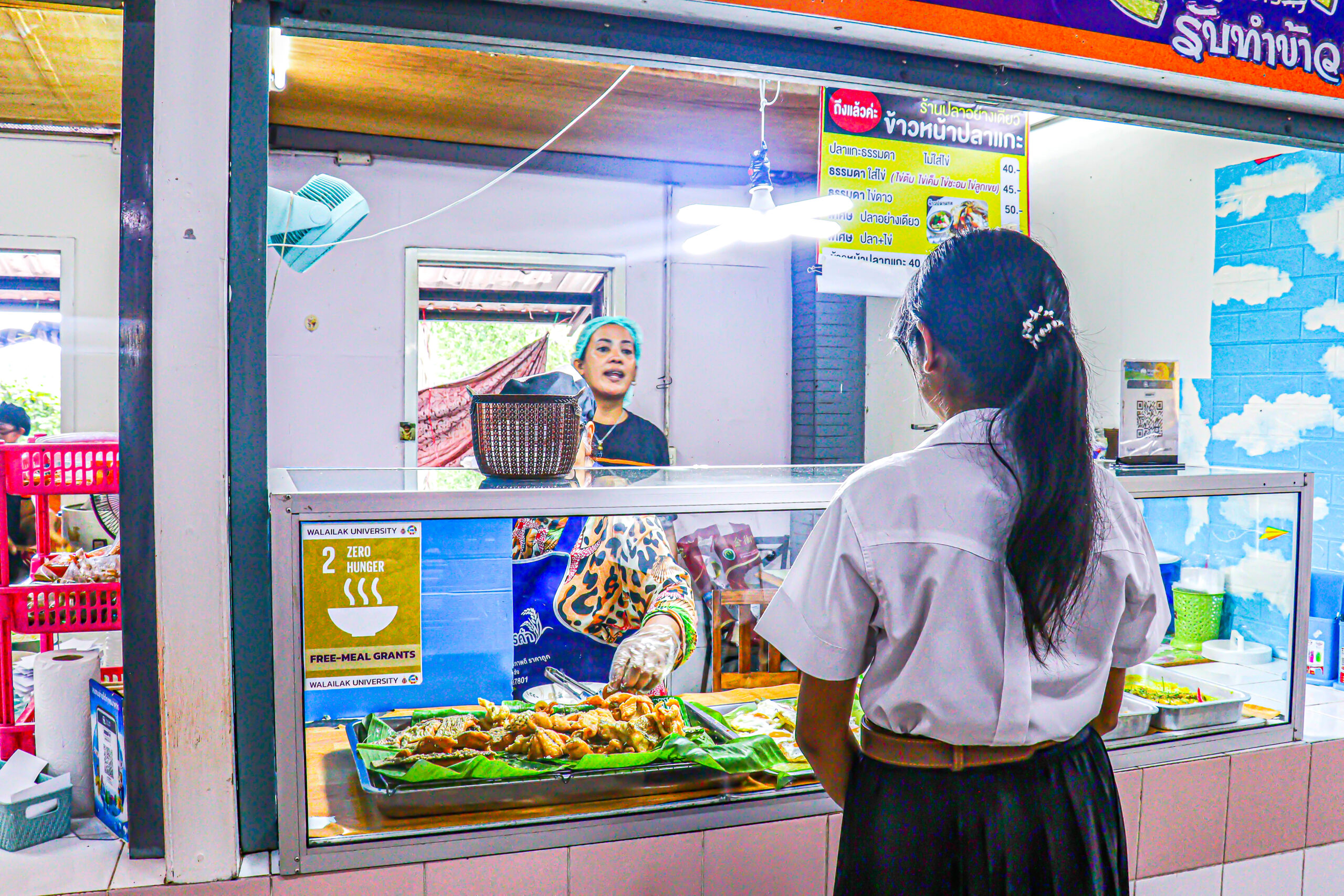
The Caring Is Giving Program, a program on student food security promotion, supports Walailak University students affected by malnutrition, ensuring they have free access to nutritious and affordable food without hindering their studies or university life. The program provides continuous support to students until they graduate. Established in 2004 showing WU’s commitment to continuous interventions, it is run by the Center for Property Management to help reduce food insecurity among students. The Division of Student Support and Development is responsible for identifying and gathering data on students facing malnutrition or lacking access to nutritious food. Under this program, food is provided through donations and partnerships with food vendors at WU Food Center 1 (Chor Pradu Food Center) and WU Food Center 2 (Student Activity Food Center).
Students can access the Caring Is Giving Program in three ways:
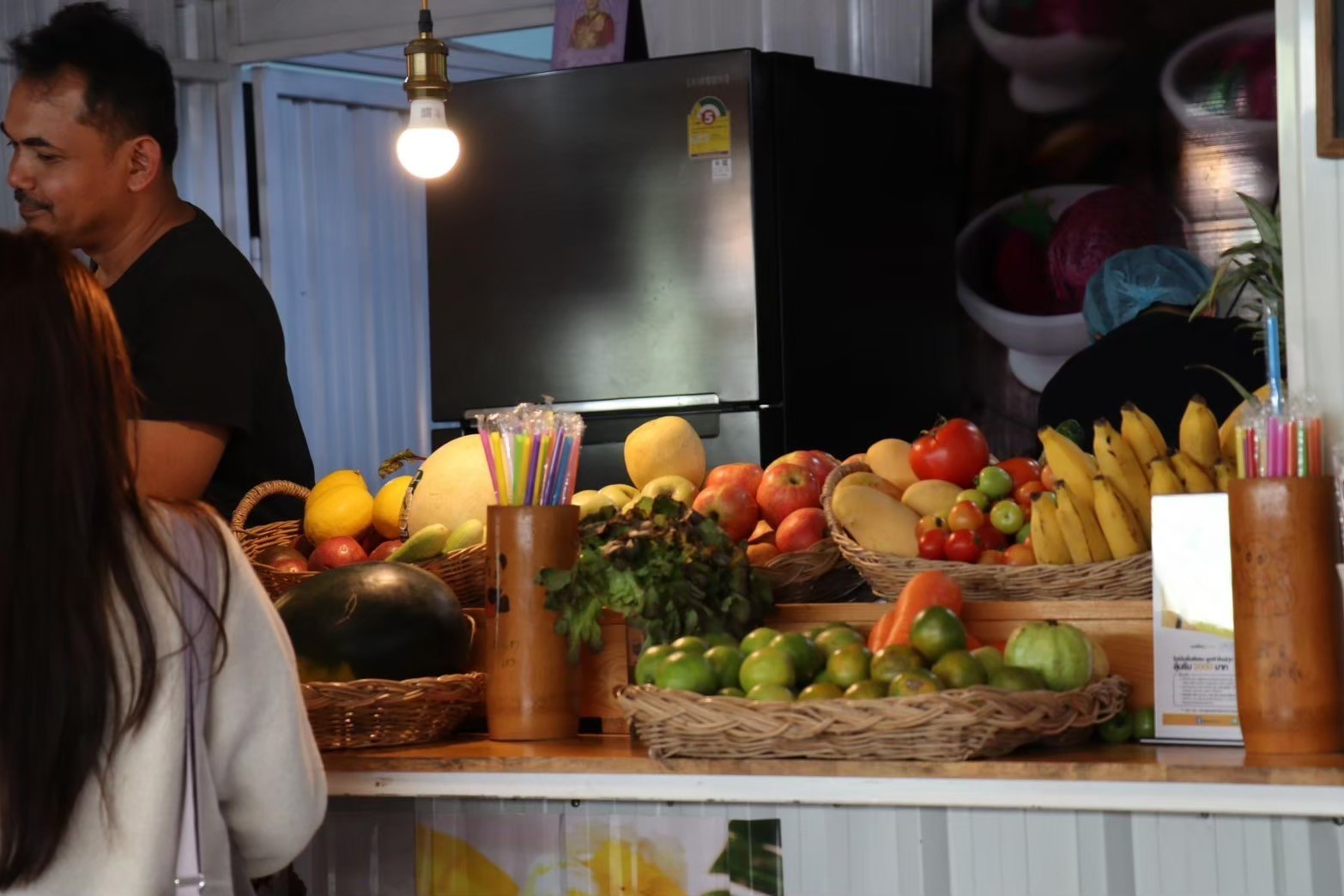
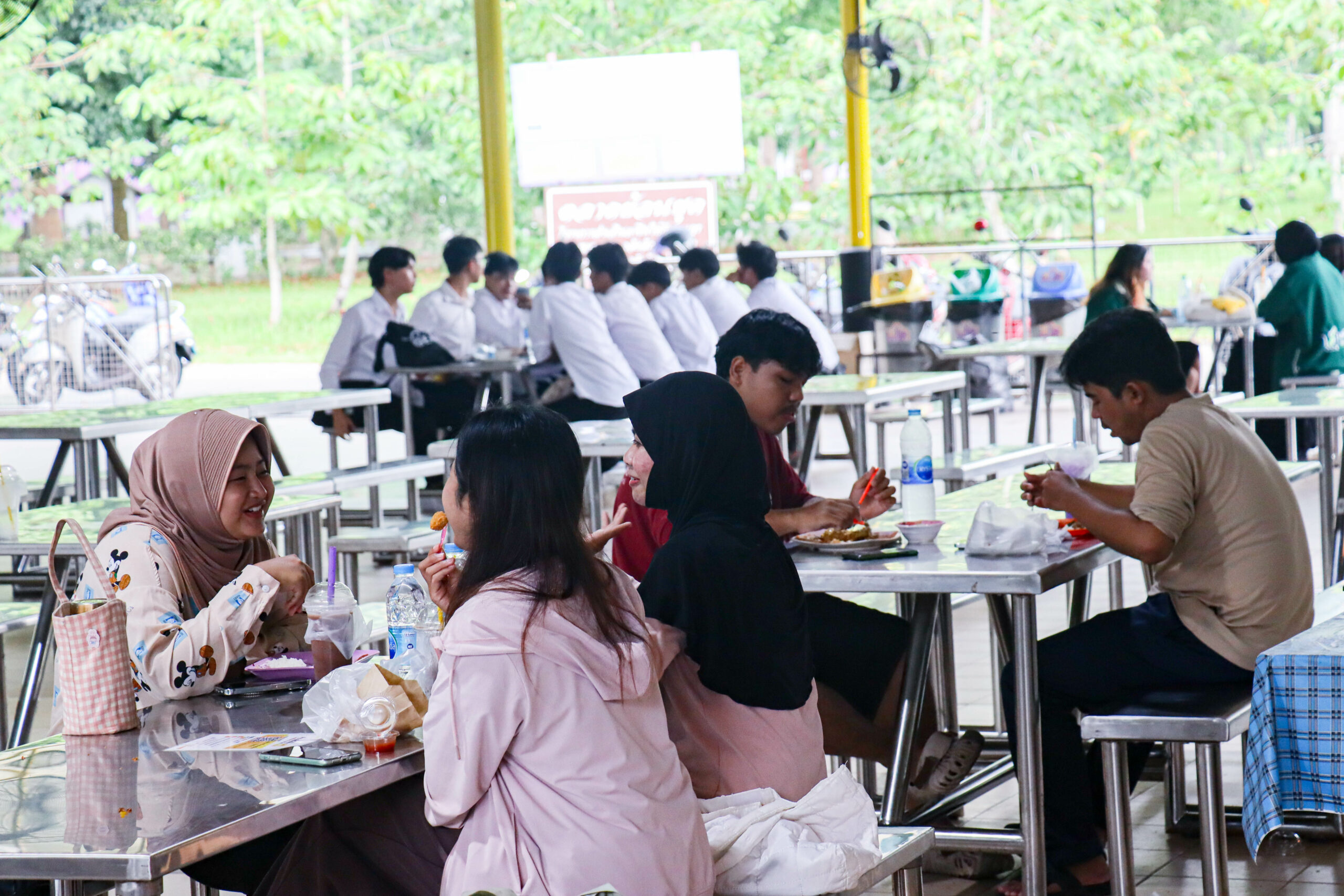
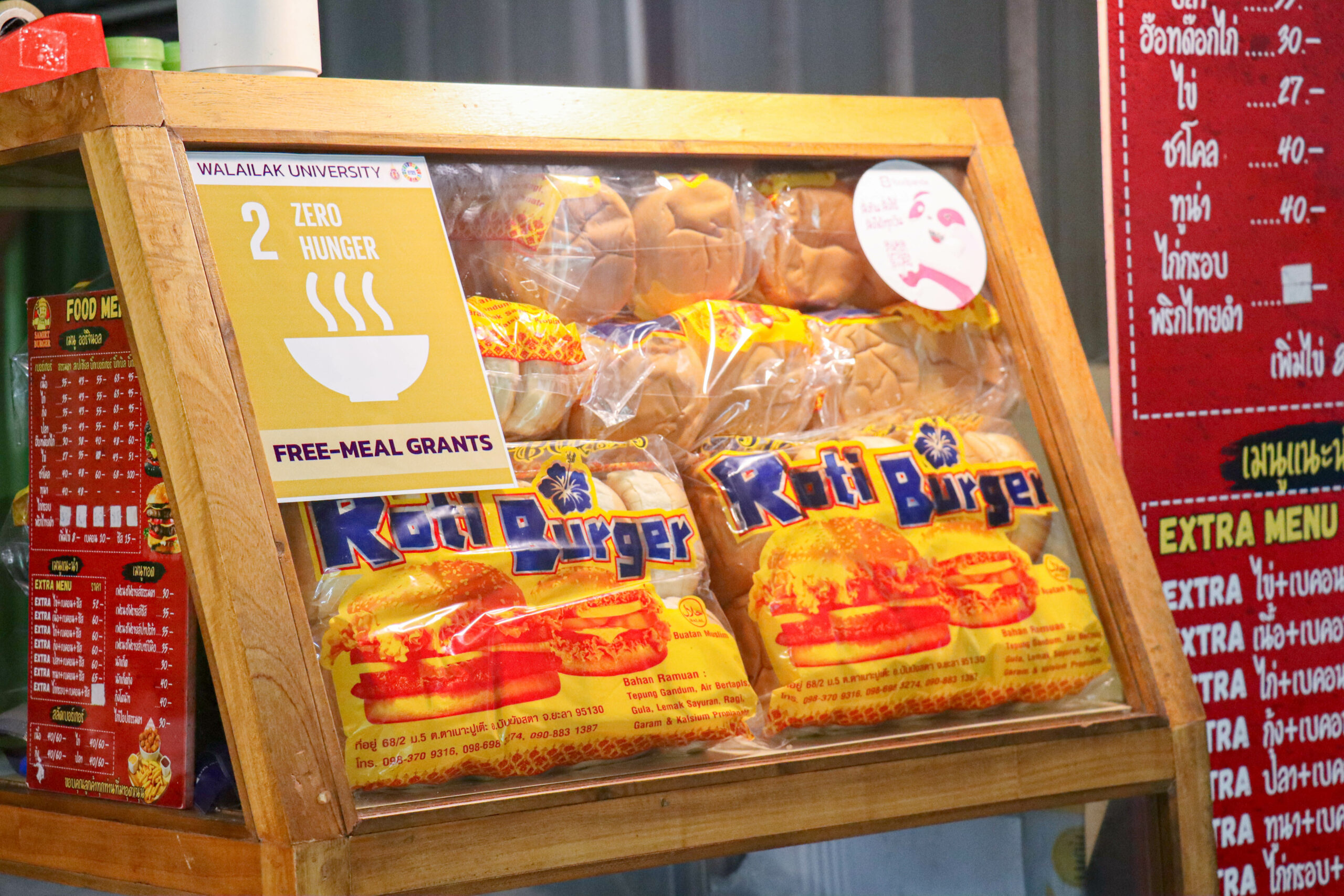
2023, the percentage of students from low-income backgrounds receiving accessible food support through the program increased to 81.48% compared to 2022. A total of 85 food outlets offered healthy and nutritious food choices. Of the supported students, 70% were female and 30% were male, with the majority coming from the School of Public Health, the School of Management, and the School of Informatics. The provided food included halal options to accommodate Muslim students’ dietary needs. Each student received two meals per day, valued at 100 baht, along with an additional meal for dessert and beverages, worth 50 baht. This initiative ensured that students had access to nutritious and culturally appropriate meals, contributing to their overall well-being.
Since its inception, the program has significantly alleviated hunger and enhanced food security among economically disadvantaged students, helping them stay on track to graduation. By supporting the students, the program has contributed to their ability to navigate university life more smoothly. In the academic year 2023, the program provided over 10,000 meals, reducing students’ living expenses by an average of 16,000 baht per person per year.
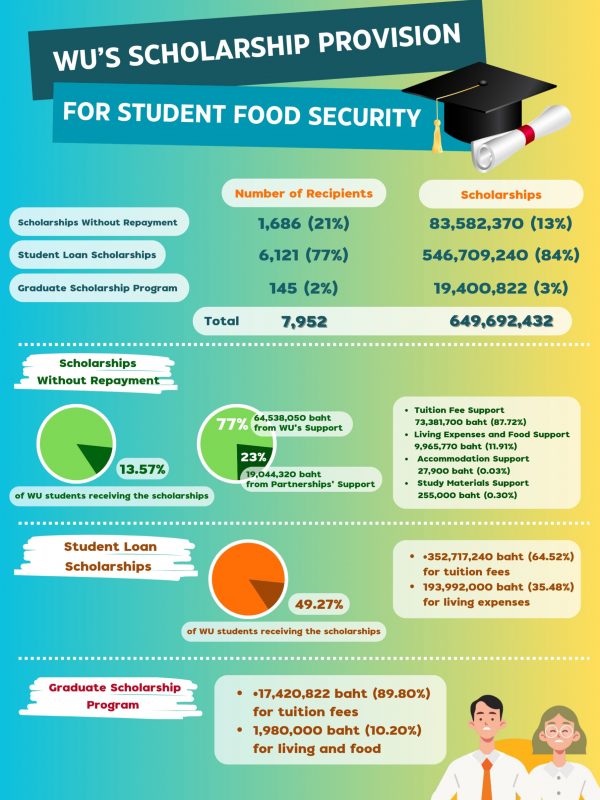
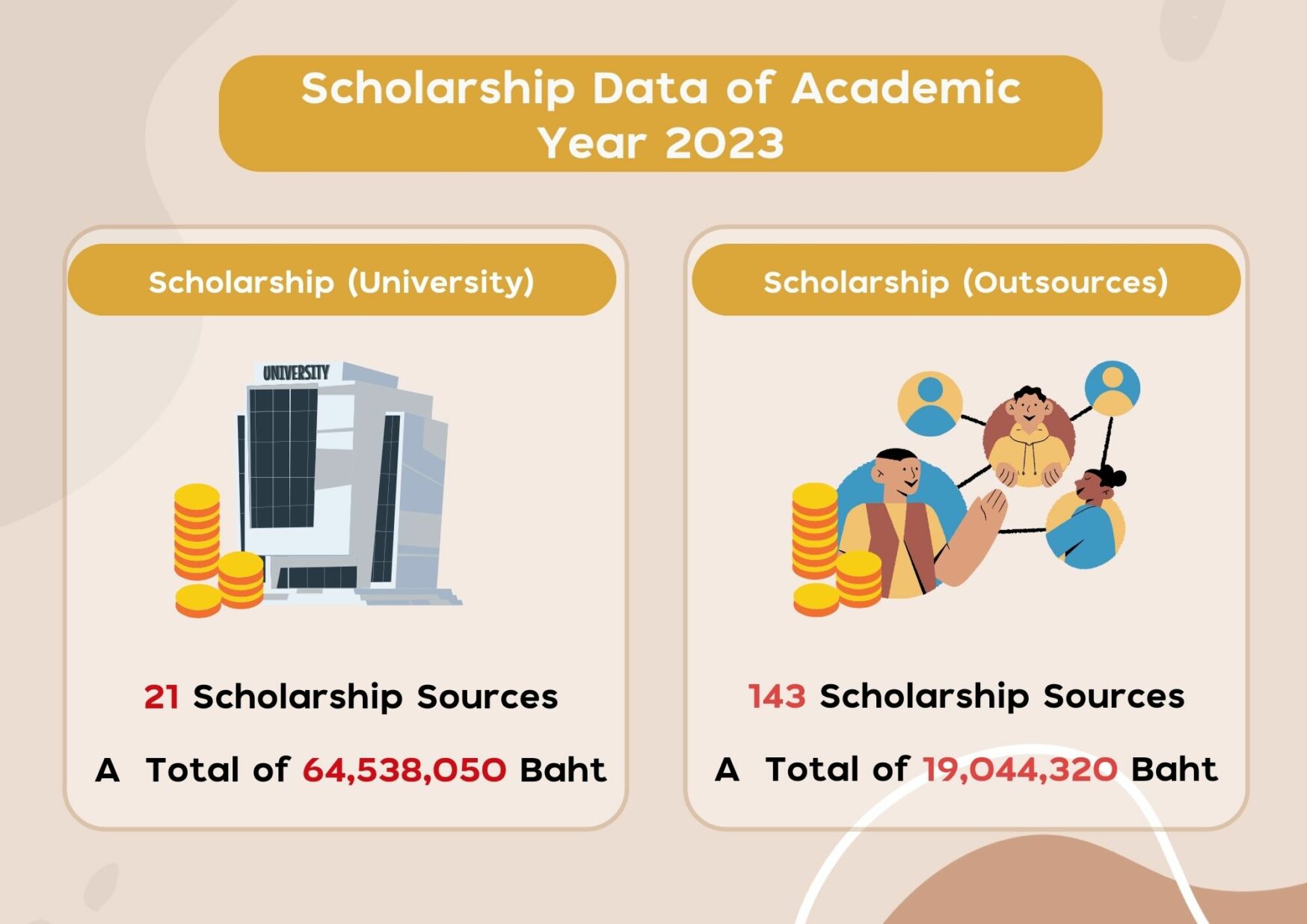
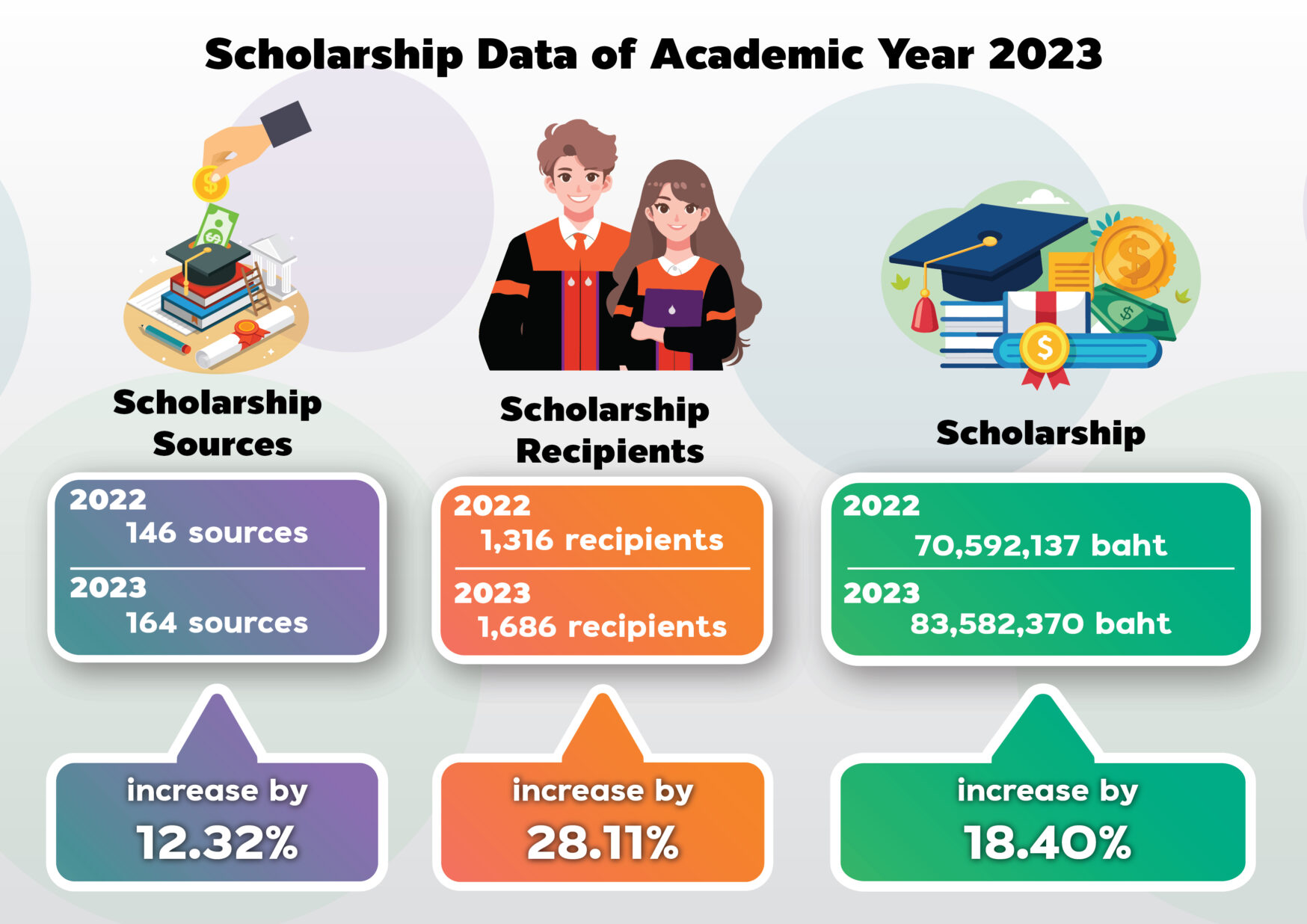
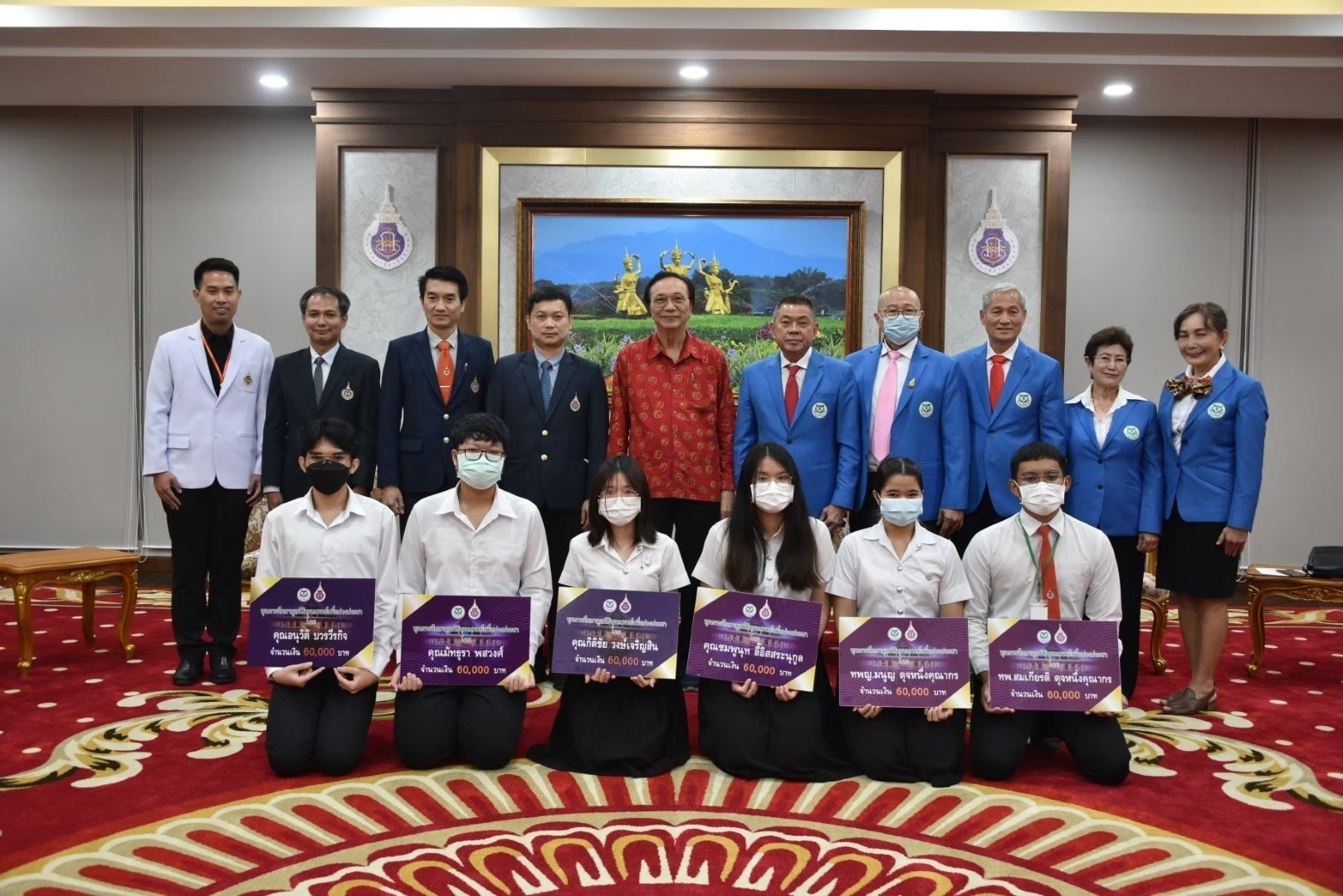
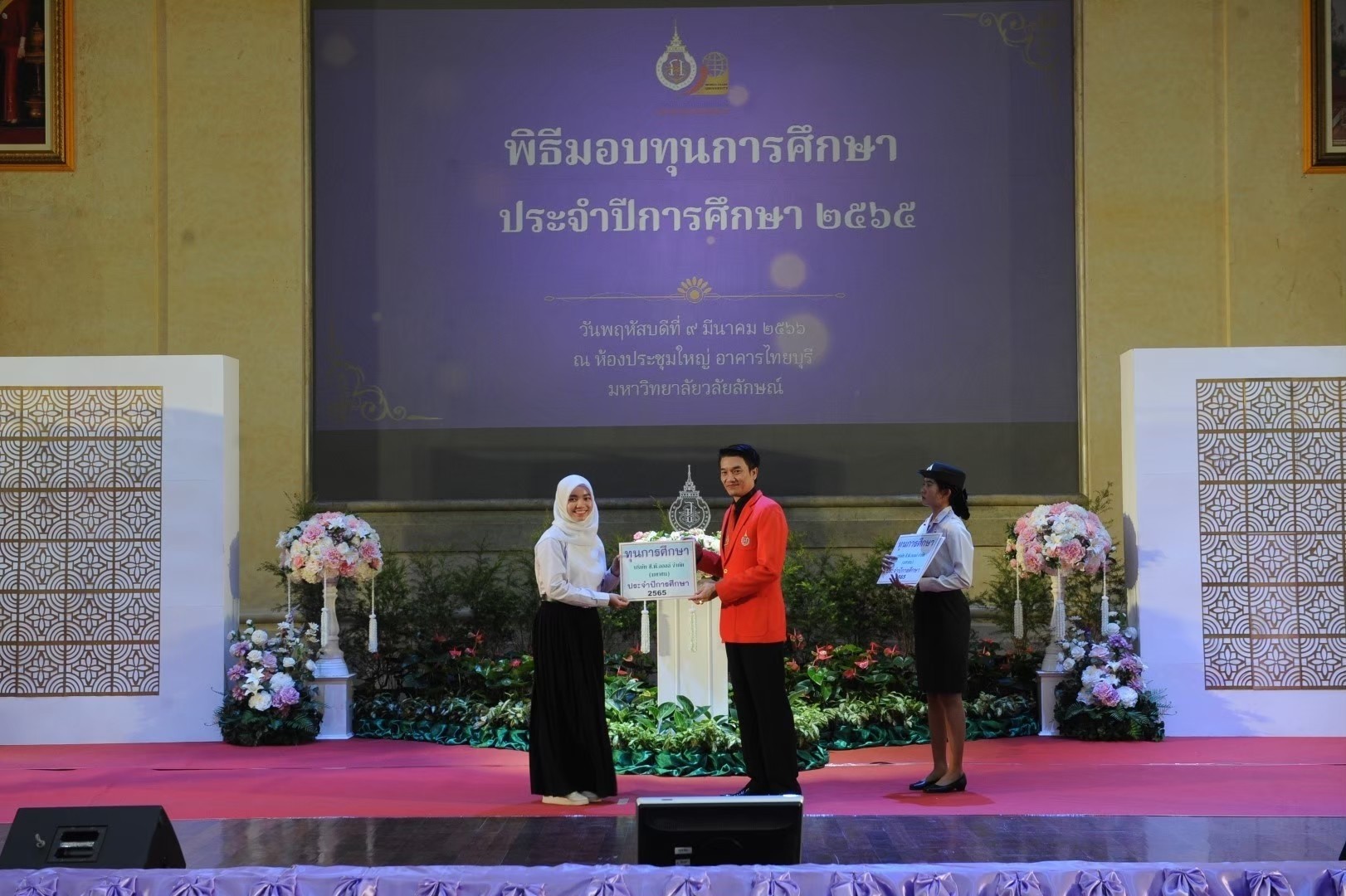
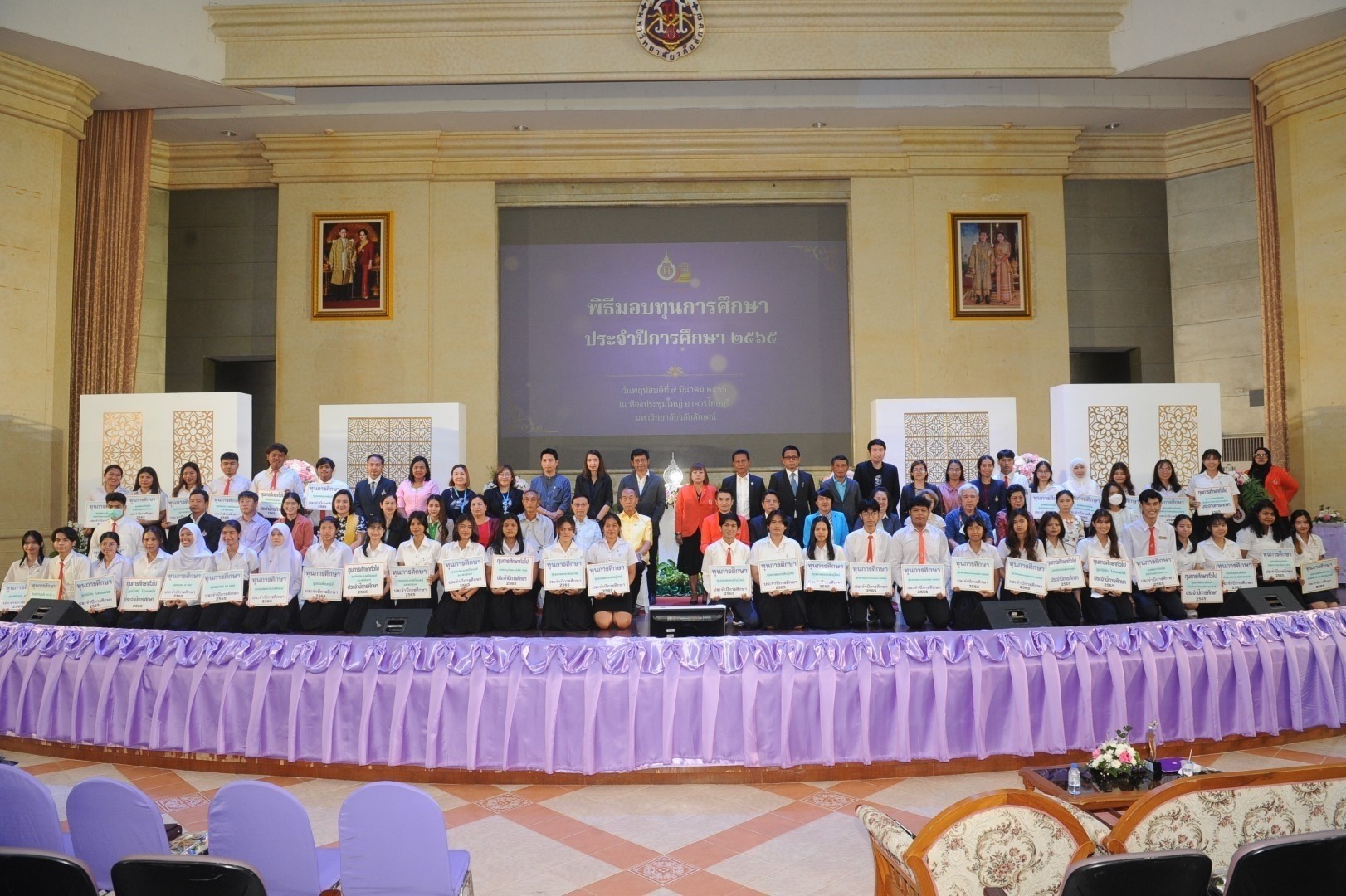
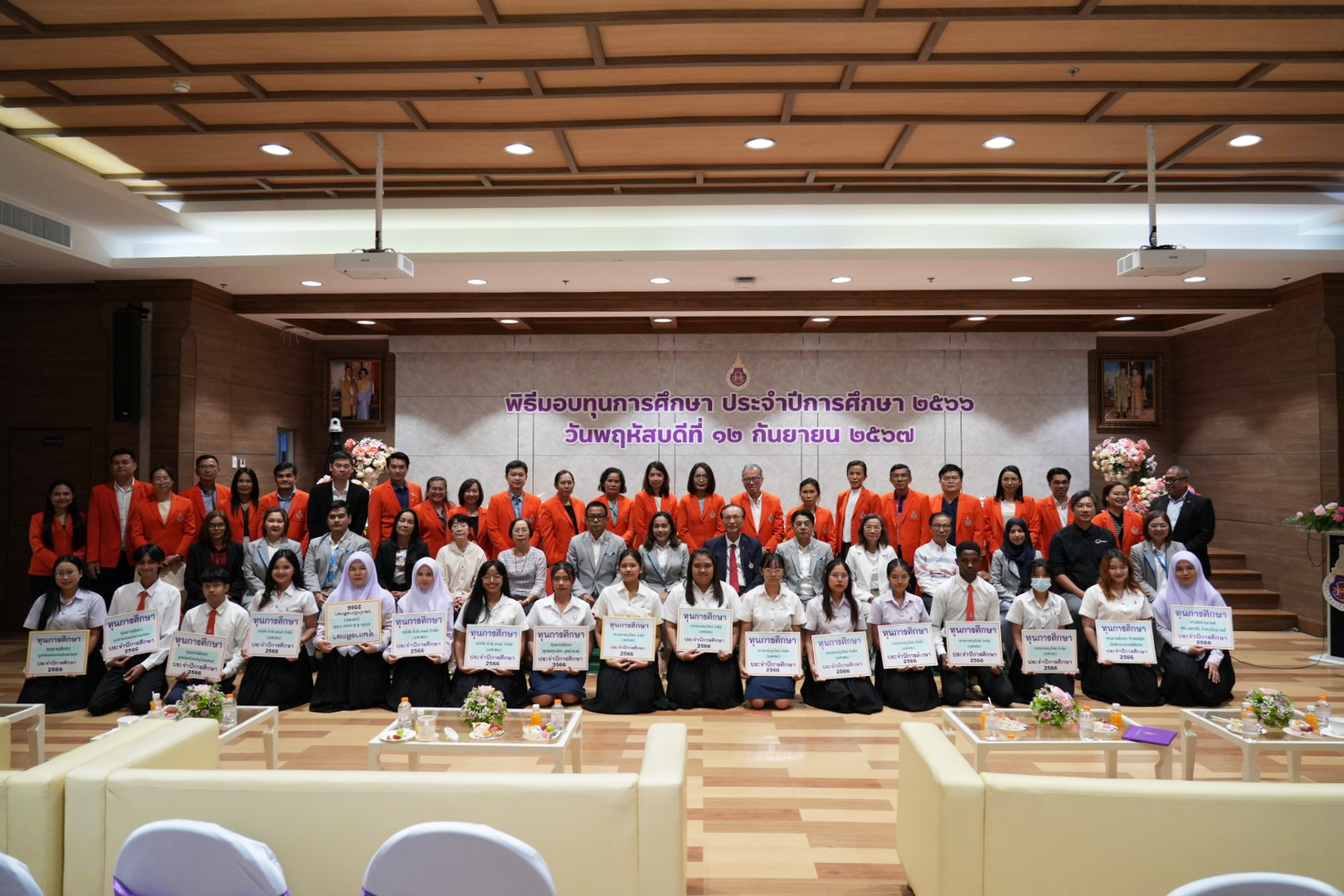
In 2023, these scholarships received support from Walailak University and 143 organizations from both the government and private sectors. The total scholarship funding for the year amounted to 83,582,370 baht, with the university providing the majority of the funds at 64,538,050 baht (77%). The remaining 19,044,320 baht (23%) was contributed by government and private sector partners.
The scholarship program is divided into two categories based on its purposes:
In 2023, a total of 1,686 students received these scholarships out of a total student population of 12,420, which represents approximately 13.57% of the entire students (In this regard, some students may receive more than one scholarship).
While this scholarship primarily focuses on assisting with tuition fees and learning materials—reflecting the university’s priority of promoting education—it also directly supports food security, particularly for those in need. By covering tuition fees, accommodation costs, and study materials, the scholarship enables students to ease the financial burden on their families regarding food expenses. Furthermore, since the university already offers tuition support, some students may receive additional funds for food and other living expenses, thereby ensuring their food security and access to adequate nutrition.
2. Student Loan Scholarships
Walailak University manages a student loan fund provided by the government to support students. These funds aim to assist students with limited financial resources to pursue equal educational opportunities. Students are granted loans that they repay after completing their education.
In 2023, these scholarships benefited a total of 6,121 students, which was 49.27% of the total student population (12,420). The allocated budget was 546,709,240 baht, with 64.52% (352,717,240 baht) going toward tuition fees and the remaining 35.48% (193,992,000 baht) for living expenses. Students can borrow 3,000 baht per month if their family’s income does not exceed 360,000 baht per year. If the family’s income exceeds this threshold, students are only eligible for borrowing the tuition fees.
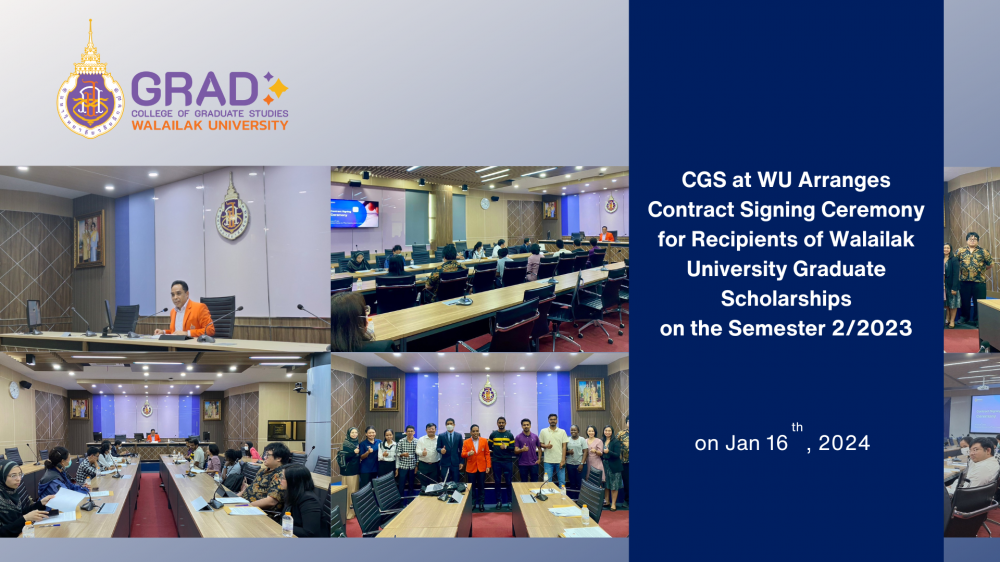
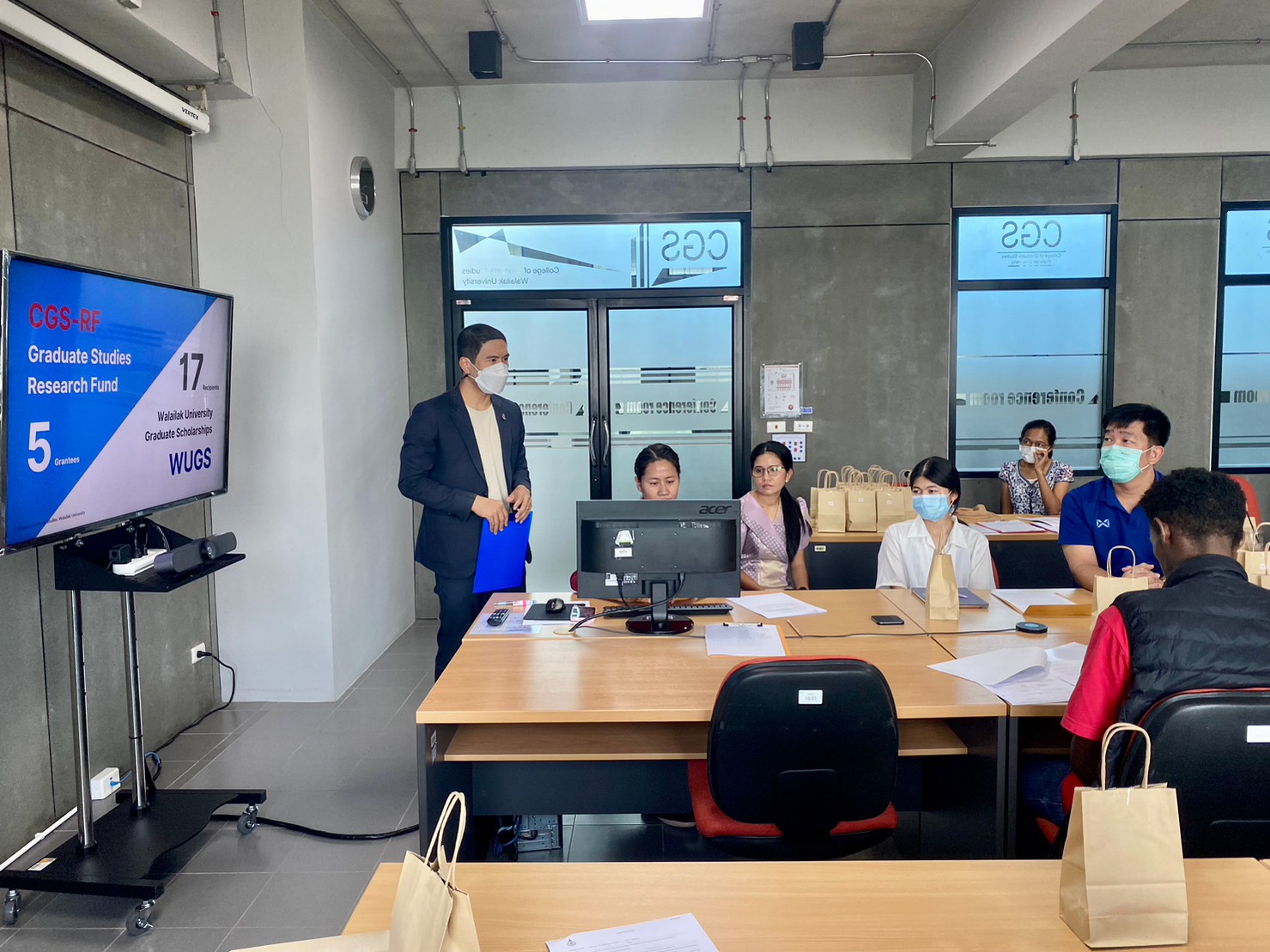
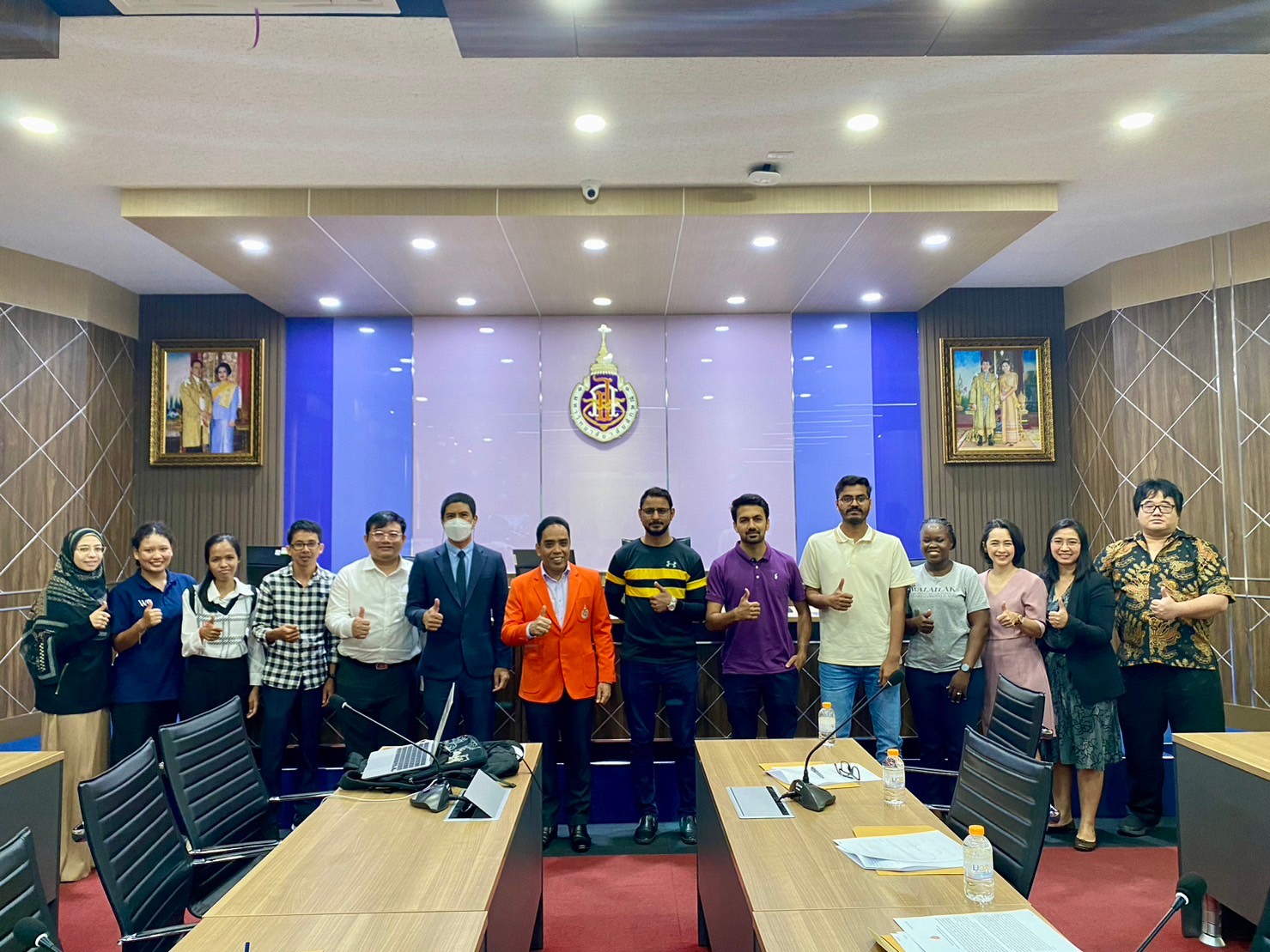
Walailak University provides scholarships to graduate students including international graduate students. The scholarships are fully funded scholarships exempting tuition fees and supporting living and food costs monthly. In 2023, there were 145 students receiving the scholarships from 21 countries, accounting for 19,400,822 baht, of which 17,420,822 baht (89.80%) was the cost of tuition fees and 1,980,000 baht (10.20%) was the cost of living and food
In the 2023 academic year, Walailak University made significant strides in alleviating hunger among its student population. Over 63% of students (7,866 out of 12,420) benefited from access to nutritious meals and adequate food availability, contributing to greater overall food stability on campus. This achievement was the result of a coordinated effort to ensure that students had reliable access to quality food. Furthermore, 65% of undergraduate students (7,847 out of 12,420) experienced enhanced food security through direct meal support and financial assistance for living expenses, facilitated by annual scholarships.
Hunger relief efforts also reached 13% of graduate students (145 students from 21 countries), who received monthly living allowances that fully covered their daily food needs. These initiatives reflect Walailak University’s commitment to promoting student well-being and reducing food insecurity as part of its broader focus on Sustainable Development Goal 2: Zero Hunger. By fostering a campus environment where students’ nutritional needs are met, the university supports academic success, health, and overall quality of life.