Elements of green building implementation as reflected in all construction and renovation policies (EC.6)
Elements of Green Building Implementation as Reflected in All Construction and Renovation Policies.
Walailak University is deeply committed to sustainability, a commitment that is reflected in all its building construction and renovation policies. The university has integrated multiple elements of green building practices to minimize environmental impact, enhance energy efficiency, and create healthy living and learning environments. These green building components encompass more than 3 elements
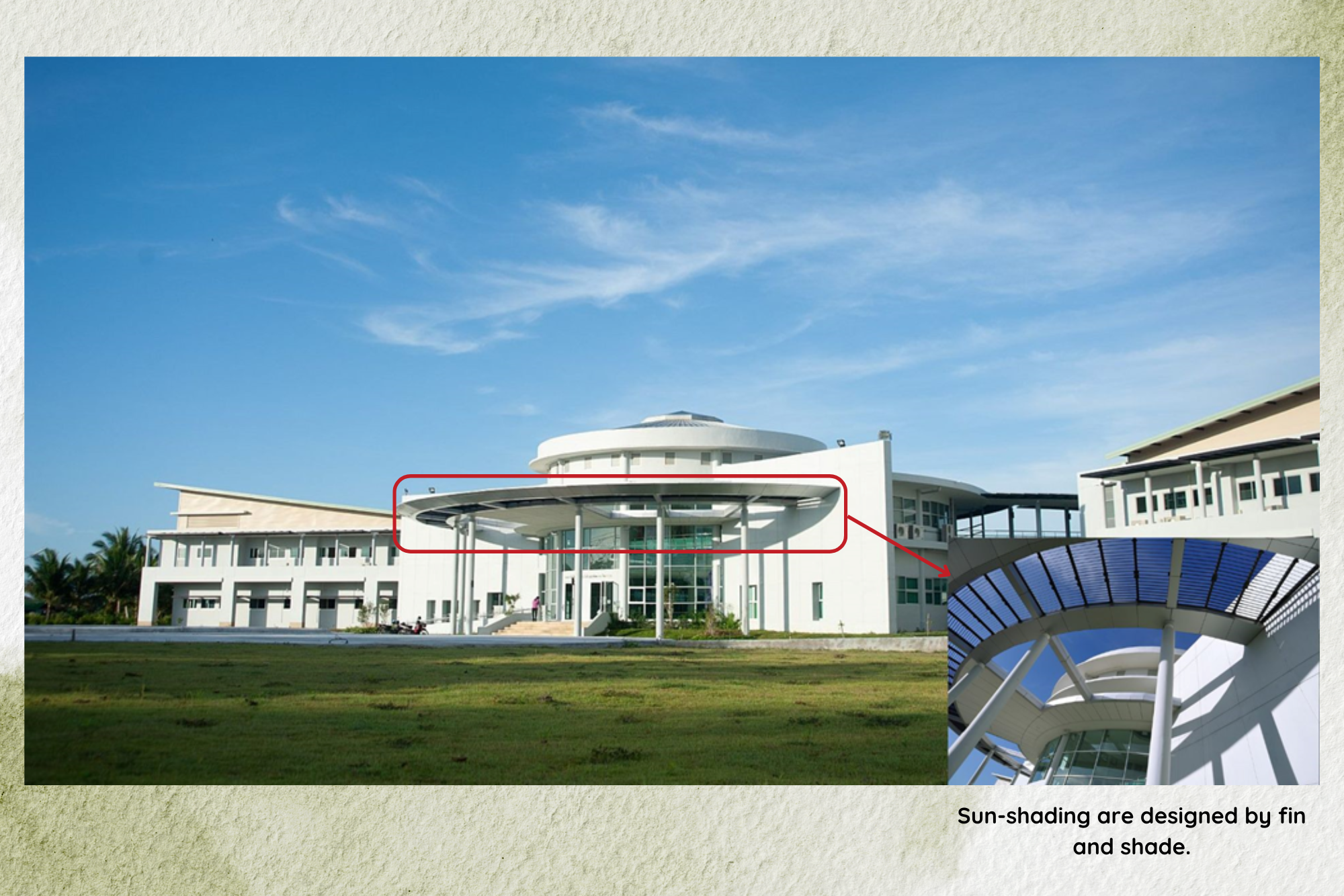
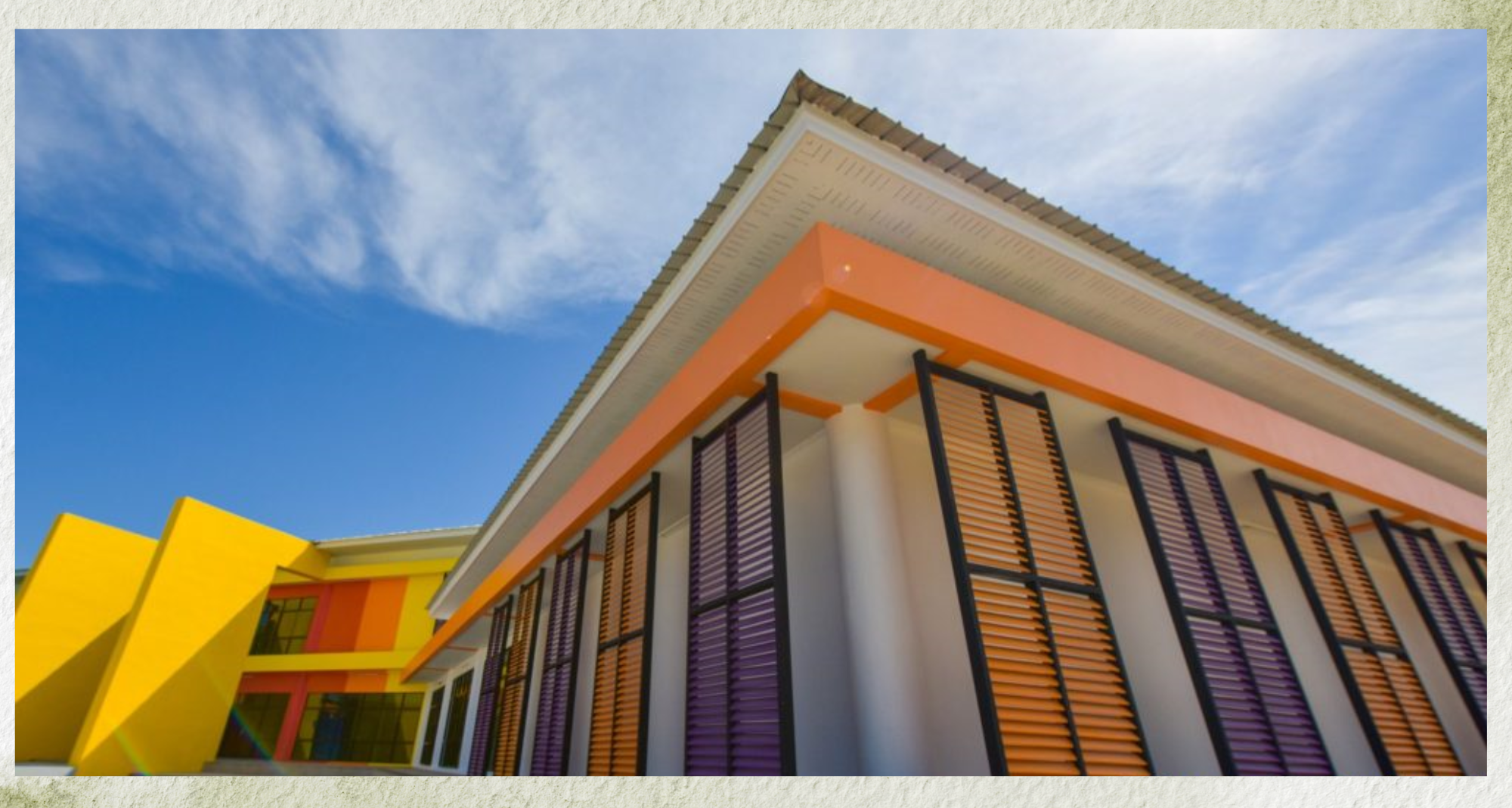
1. Sun-shading are designed by fin and shade.
The design and installation of sun-shading systems using fins and shades on the university’s buildings are crucial for developing sustainable and energy-efficient structures. These systems help control the amount of sunlight entering the buildings, thereby reducing heat accumulation and enhancing comfort for occupants.
- Installation of Fins : Fins, which can be oriented vertically or horizontally, are designed to deflect direct sunlight away from the building. This minimizes solar heat gain while still allowing diffused natural light to illuminate the interior spaces. Properly positioned fins can significantly lower indoor temperatures, contributing to a more comfortable environment.
- Installation of Shades : Shades are designed with specific angles and lengths to block high-angle sunlight, particularly during peak hours when solar heat gain is highest. This creates shaded areas that enhance comfort for users and protects building materials from direct sunlight, which can cause deterioration over time.
Picture : Building of Technology and Innovation : Sun-shading are designed by fin and shade.
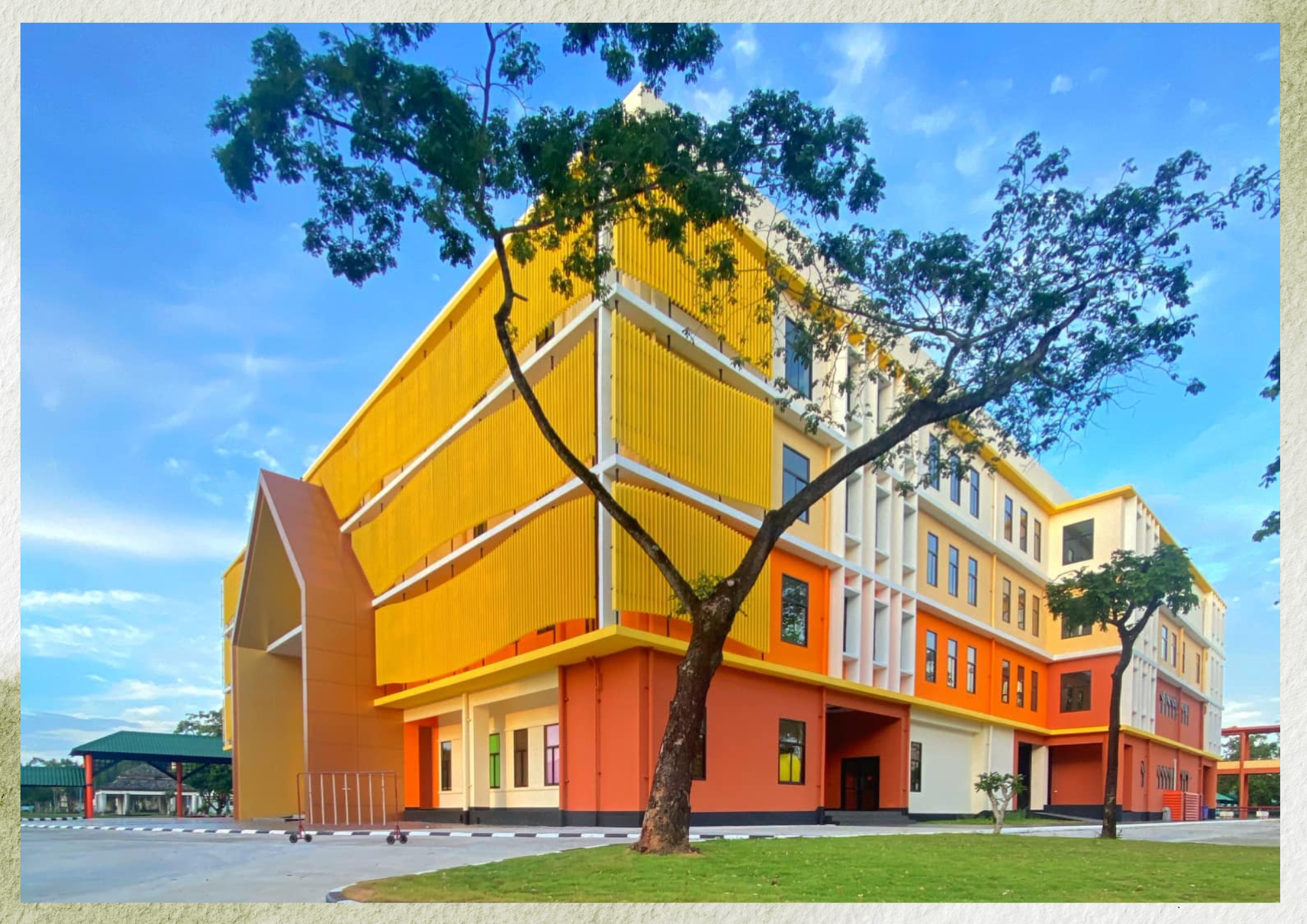
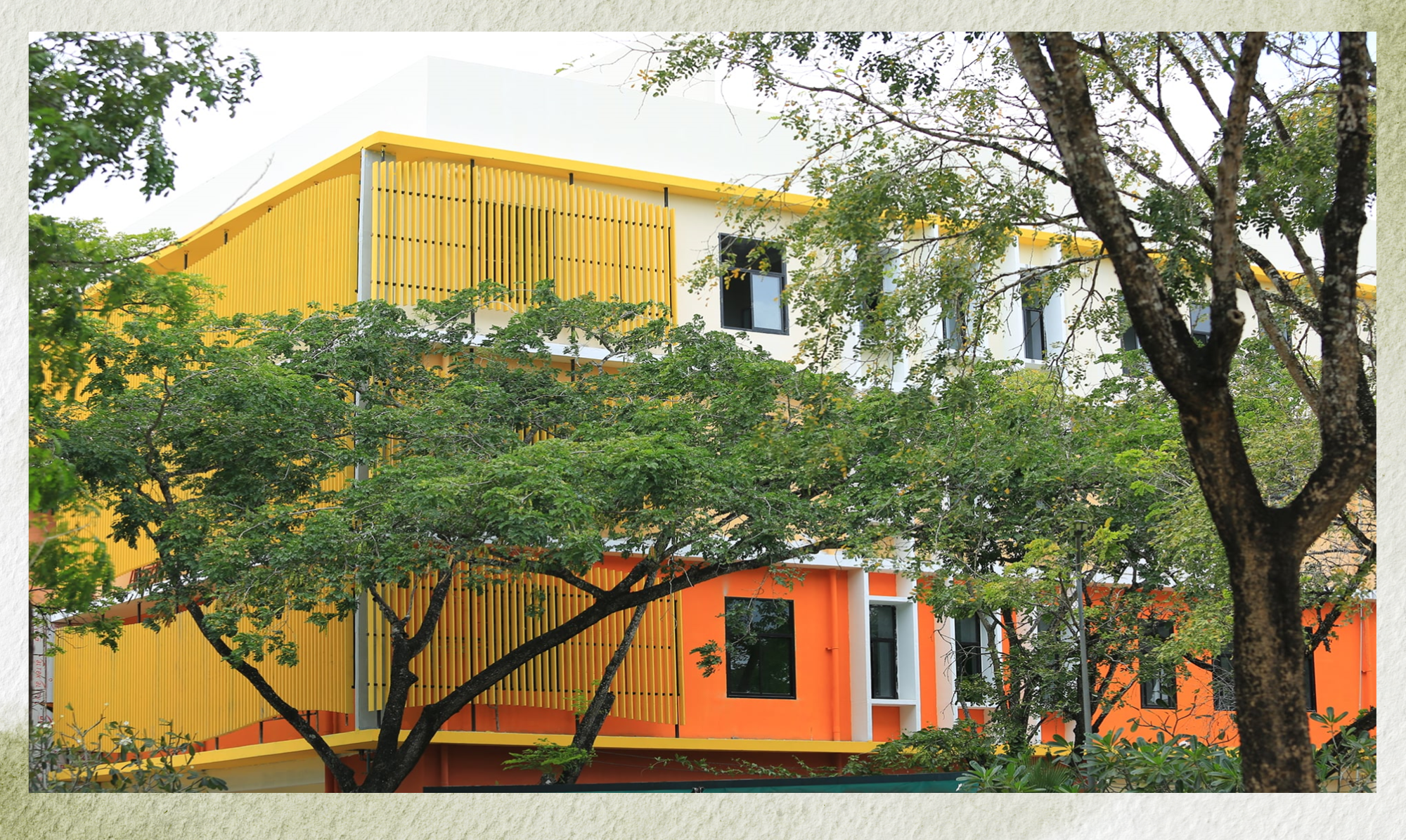
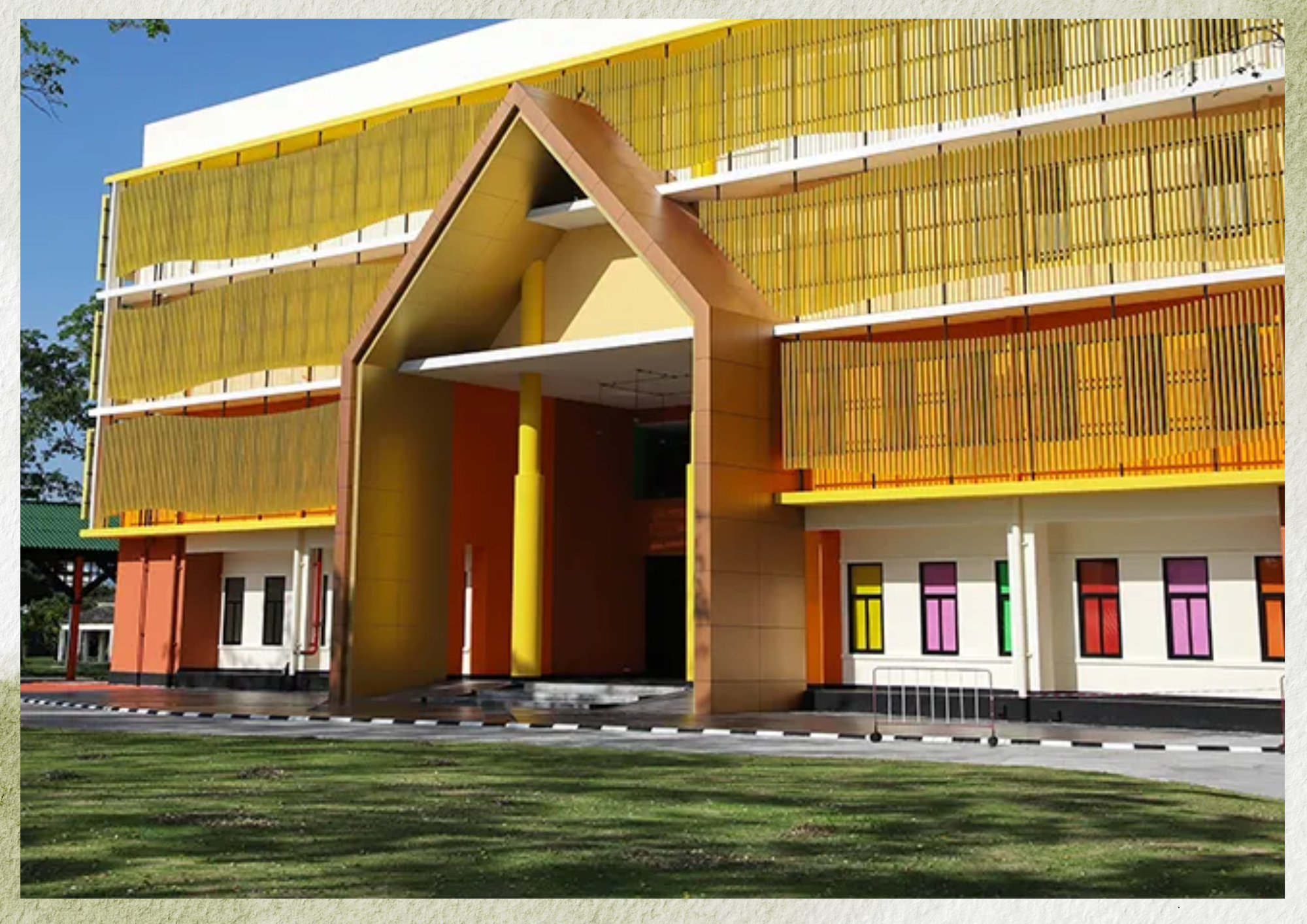
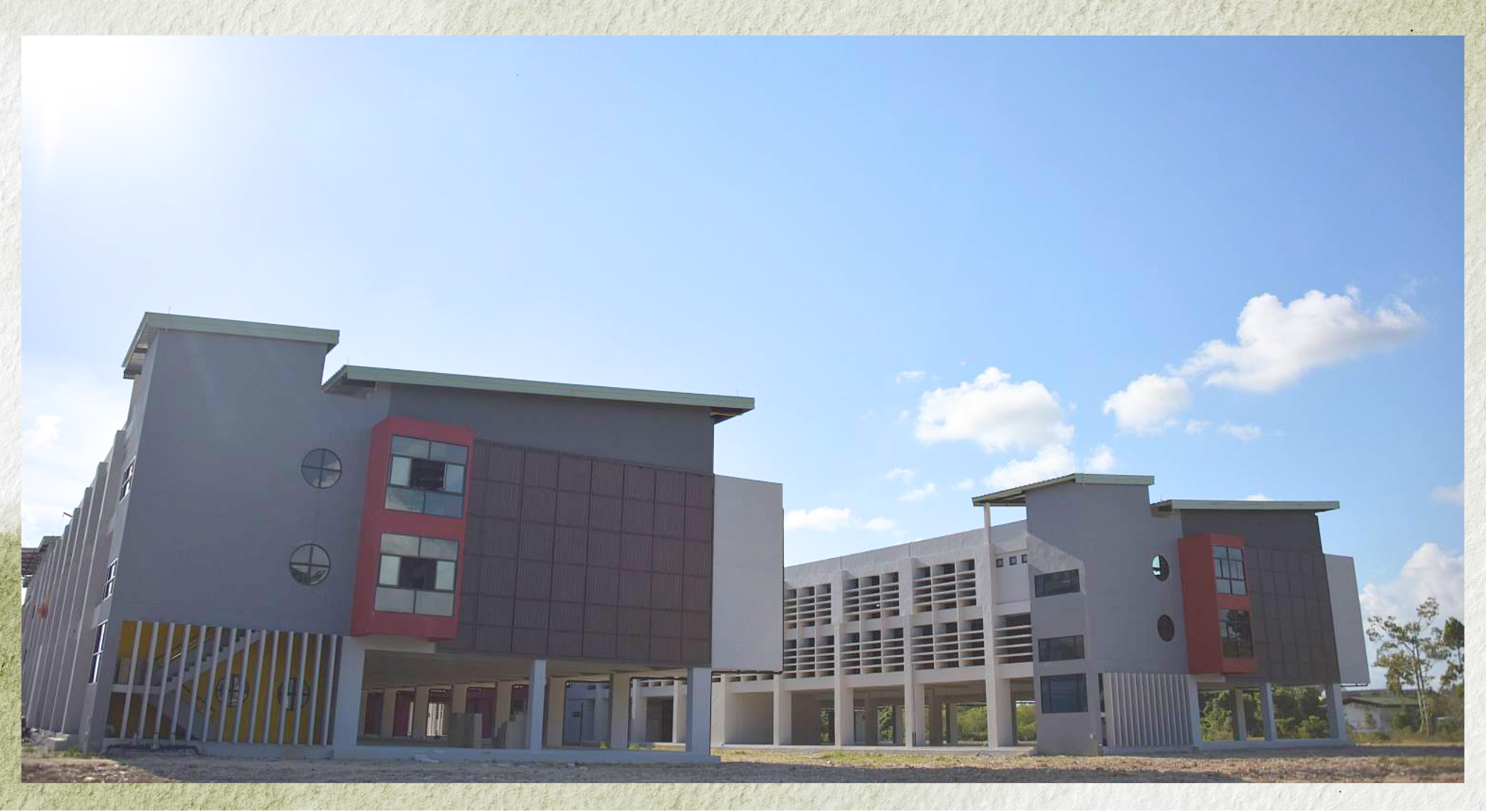
2. Natural ventilation are designed by fin and shade for side wall.
- Installation of Fins act as barriers that direct the flow of air, helping to create pressure differences that facilitate natural ventilation. By positioning fins correctly, they can allow cool breezes to enter while deflecting hot air away from the building.
- Installation of Shades help to minimize solar heat gain, which not only reduces the need for mechanical cooling but also allows for improved airflow around the building. Together, fins and shades work to optimize the building’s ventilation system, promoting a comfortable indoor environment while enhancing energy efficiency.
This design approach contributes to a sustainable building strategy by reducing reliance on air conditioning and improving indoor air quality through better ventilation.
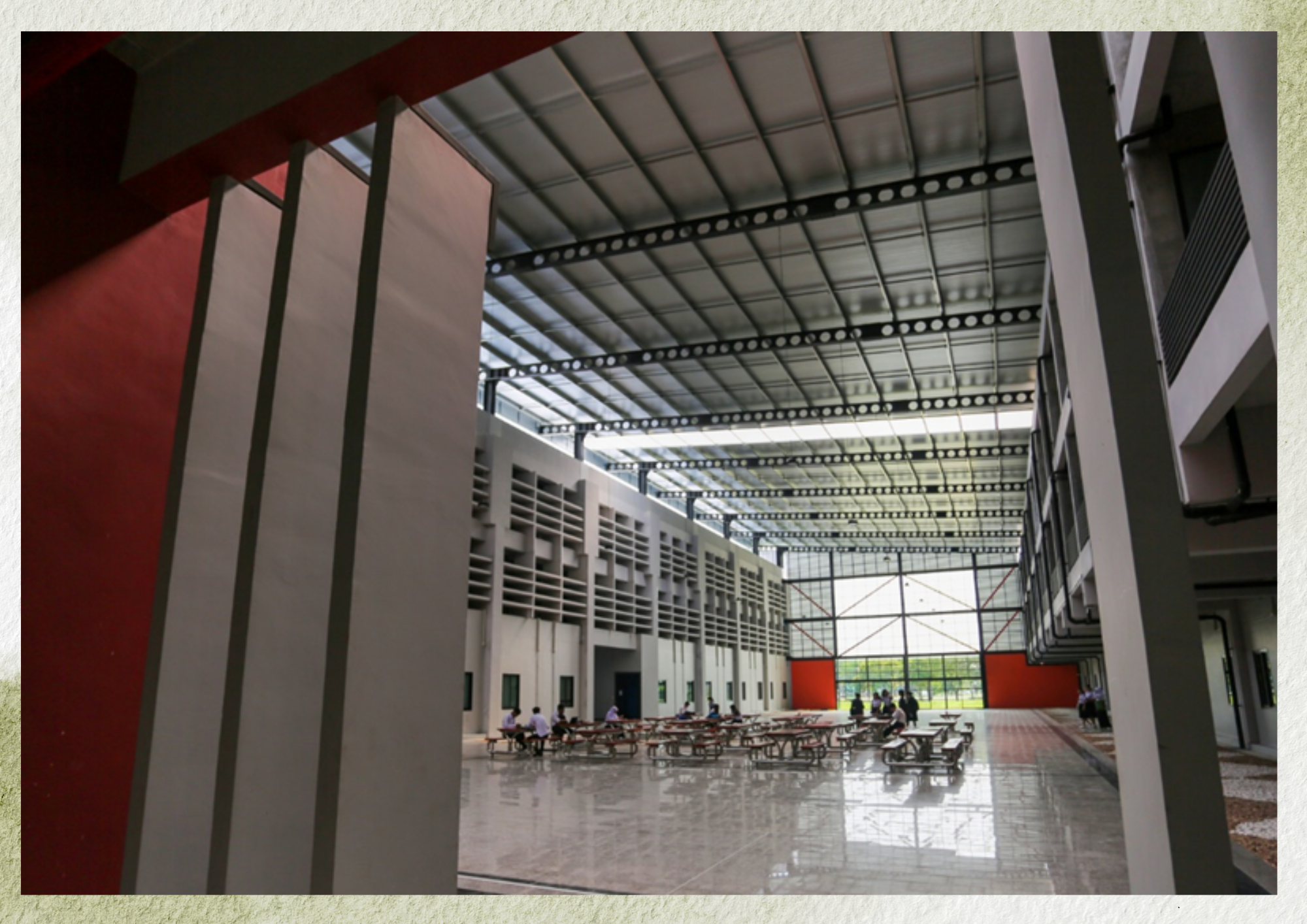
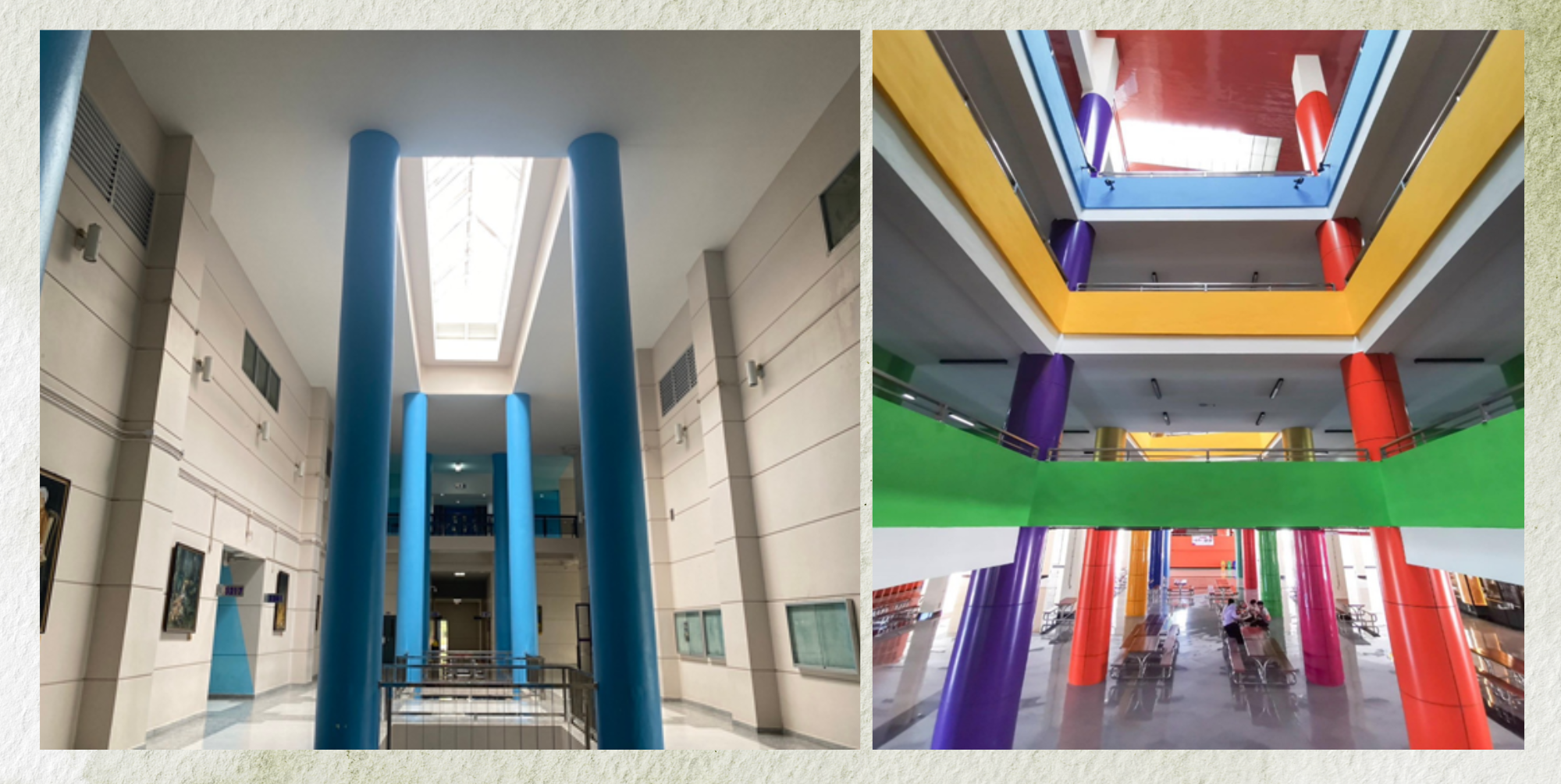
3. Sky light roof to get natural day-lighting.
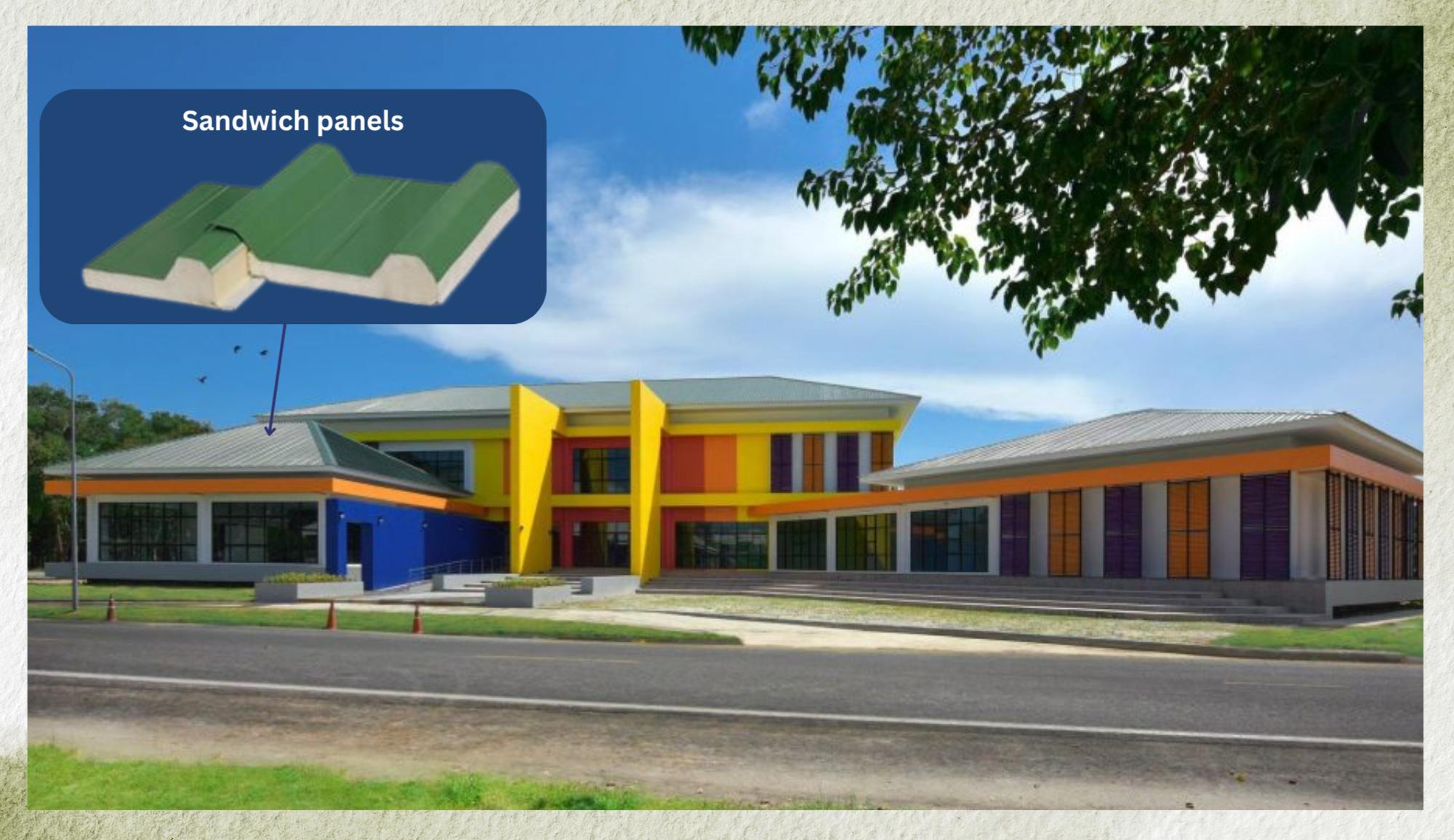
4. Insulation roofs have high heat deflection and protection.
Picture : Architecture Building, Walailak University: Insulation roofs have high heat deflection and protection. They are durable sandwich panels made from CFC free polystyrene foam which is environmental friendly without causing a greenhouse effect resulting.