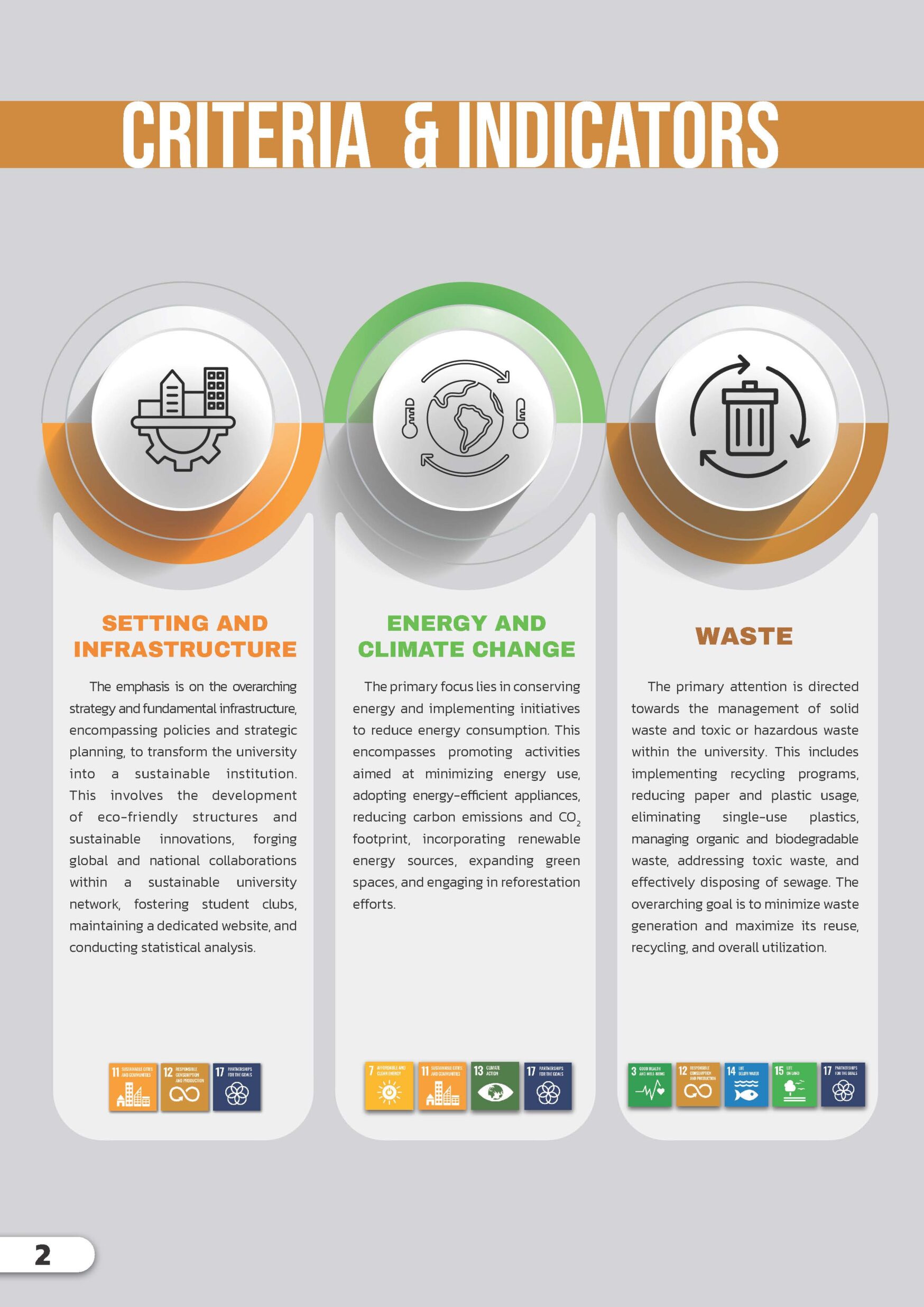
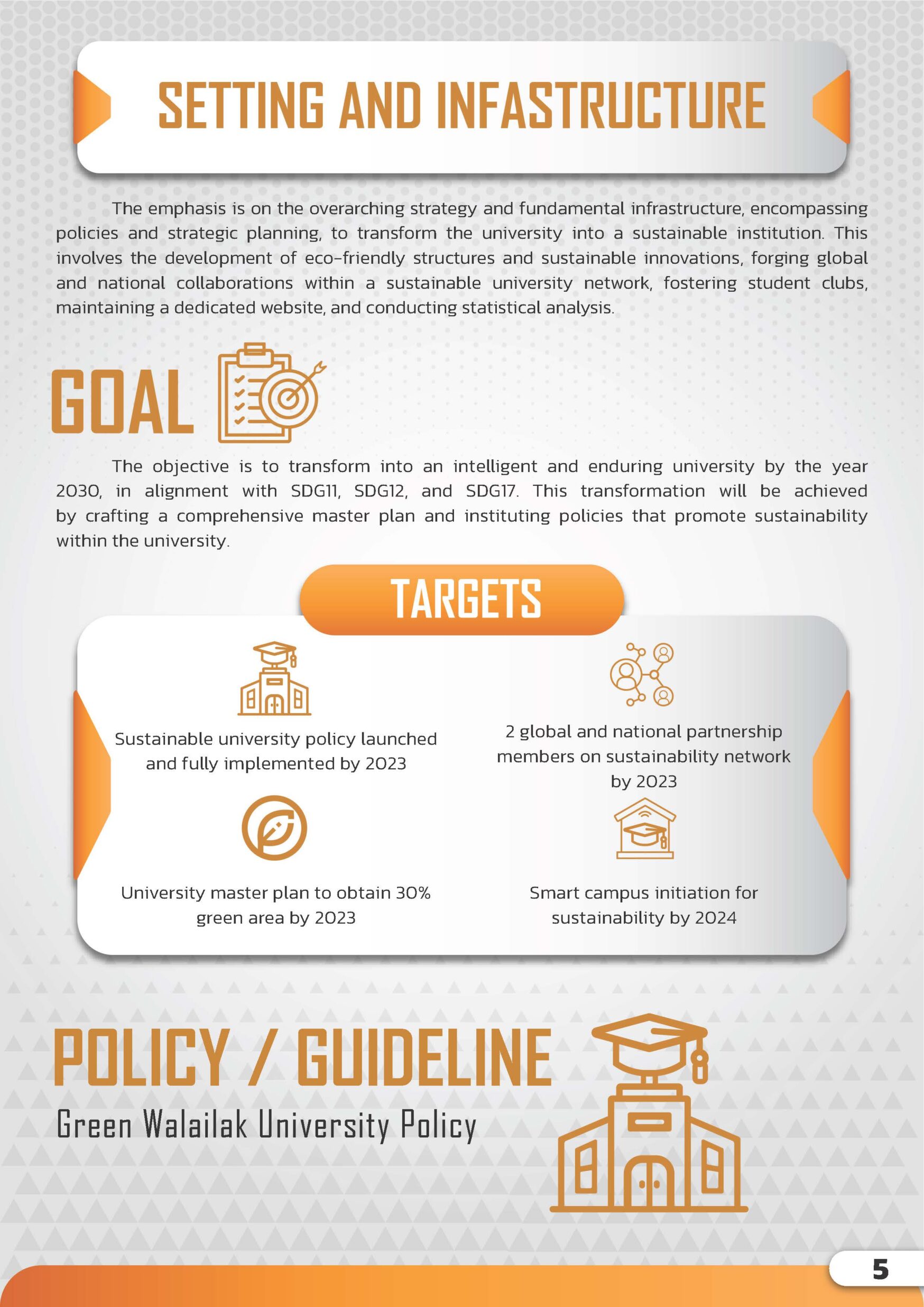
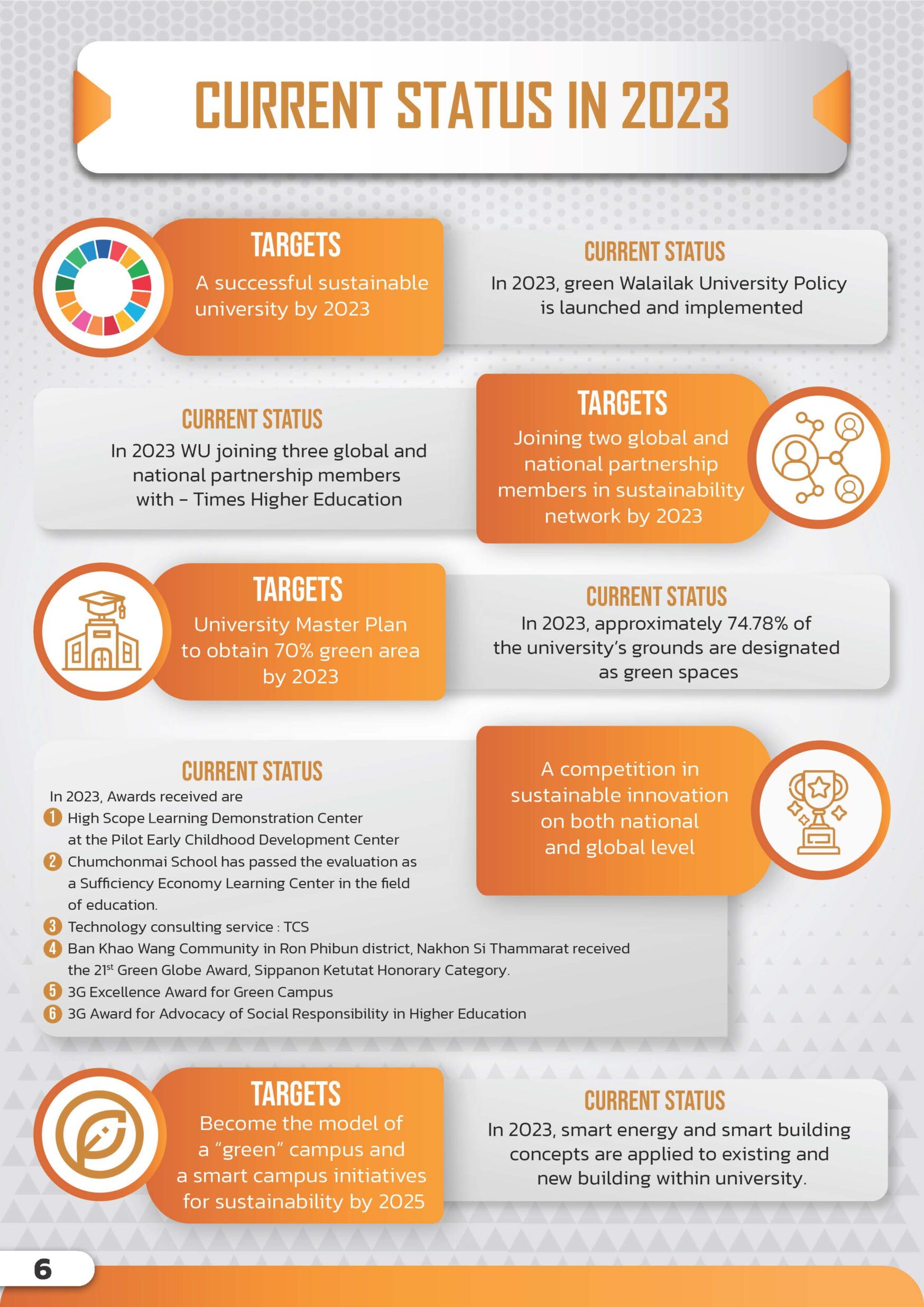
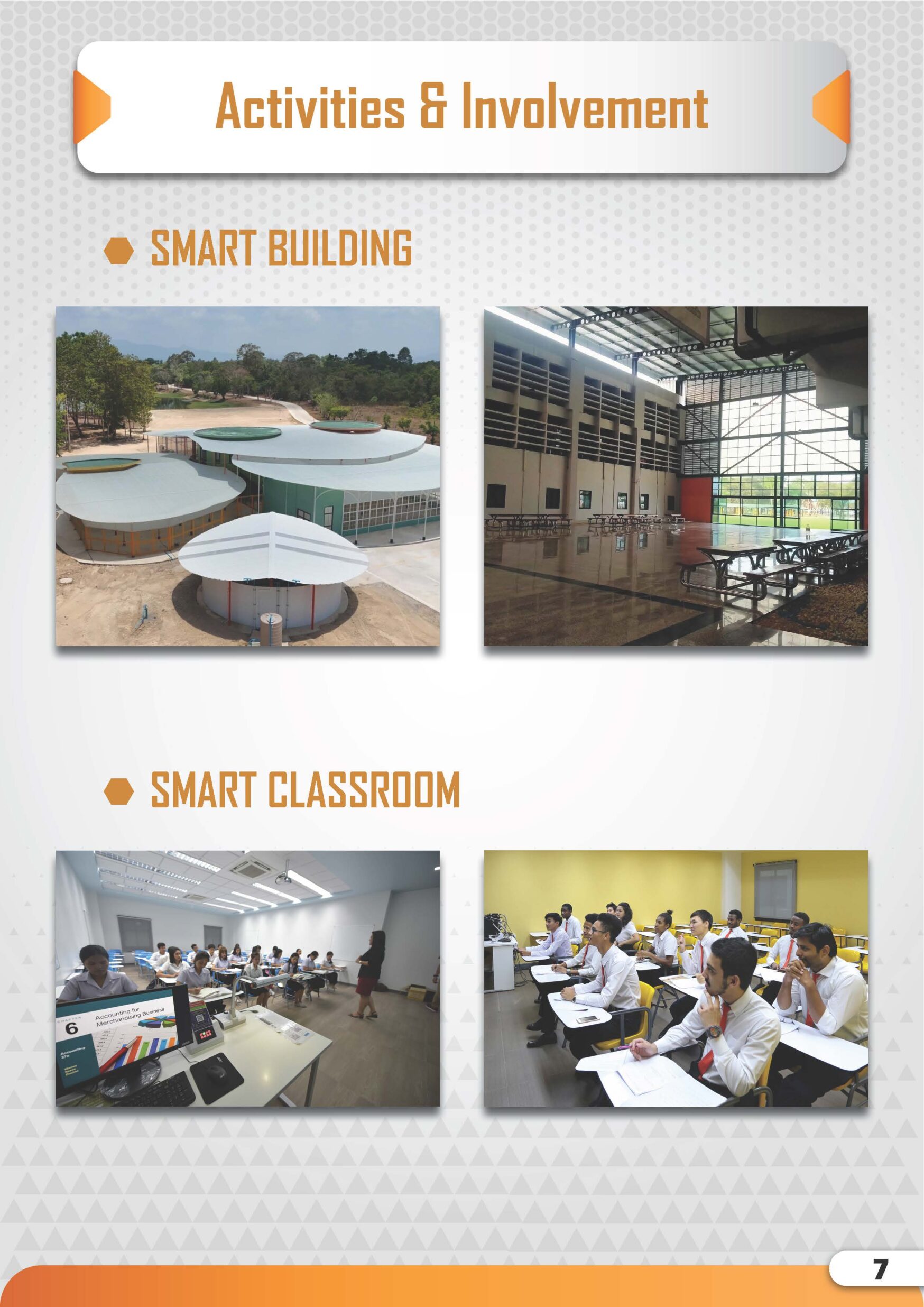
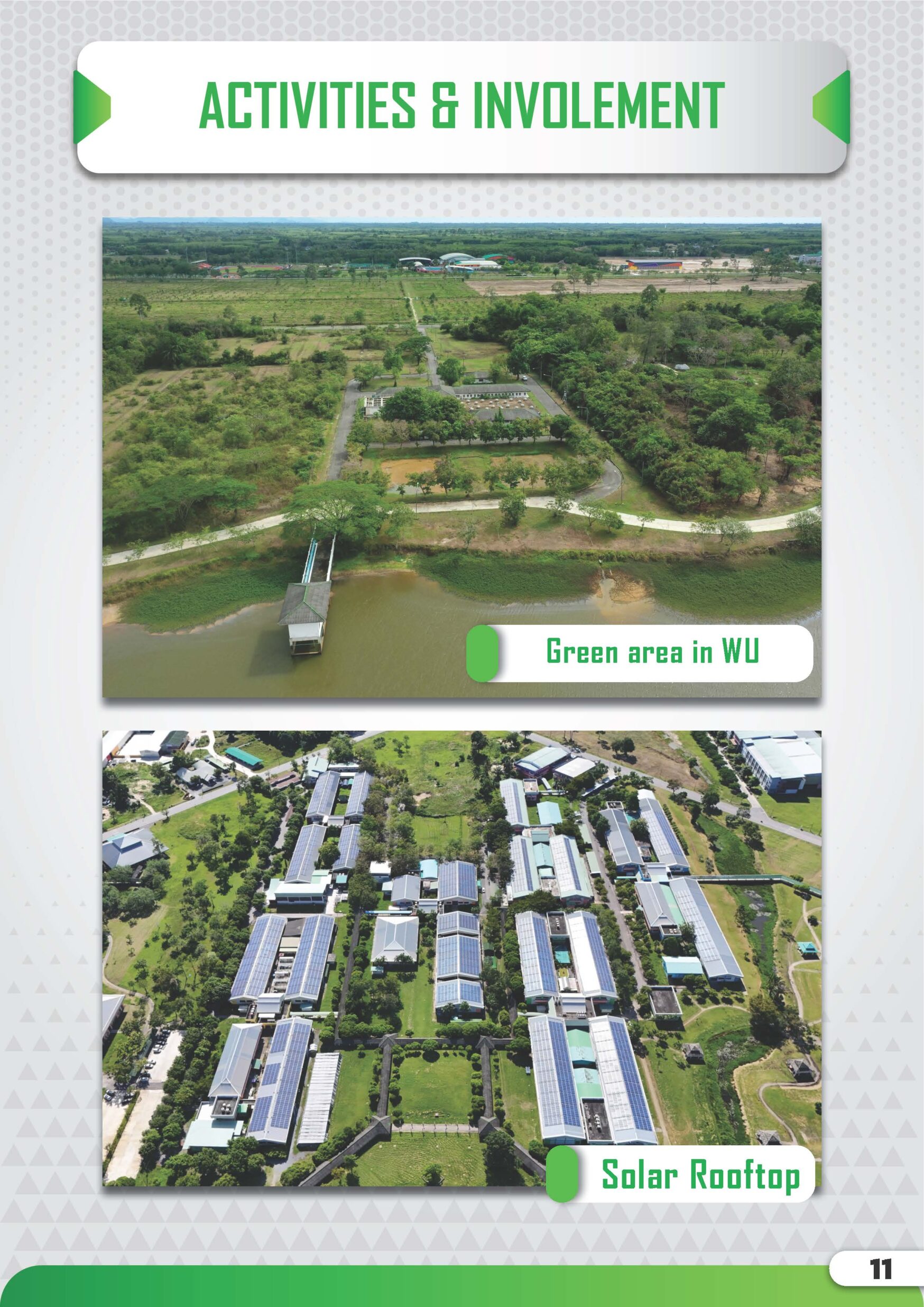
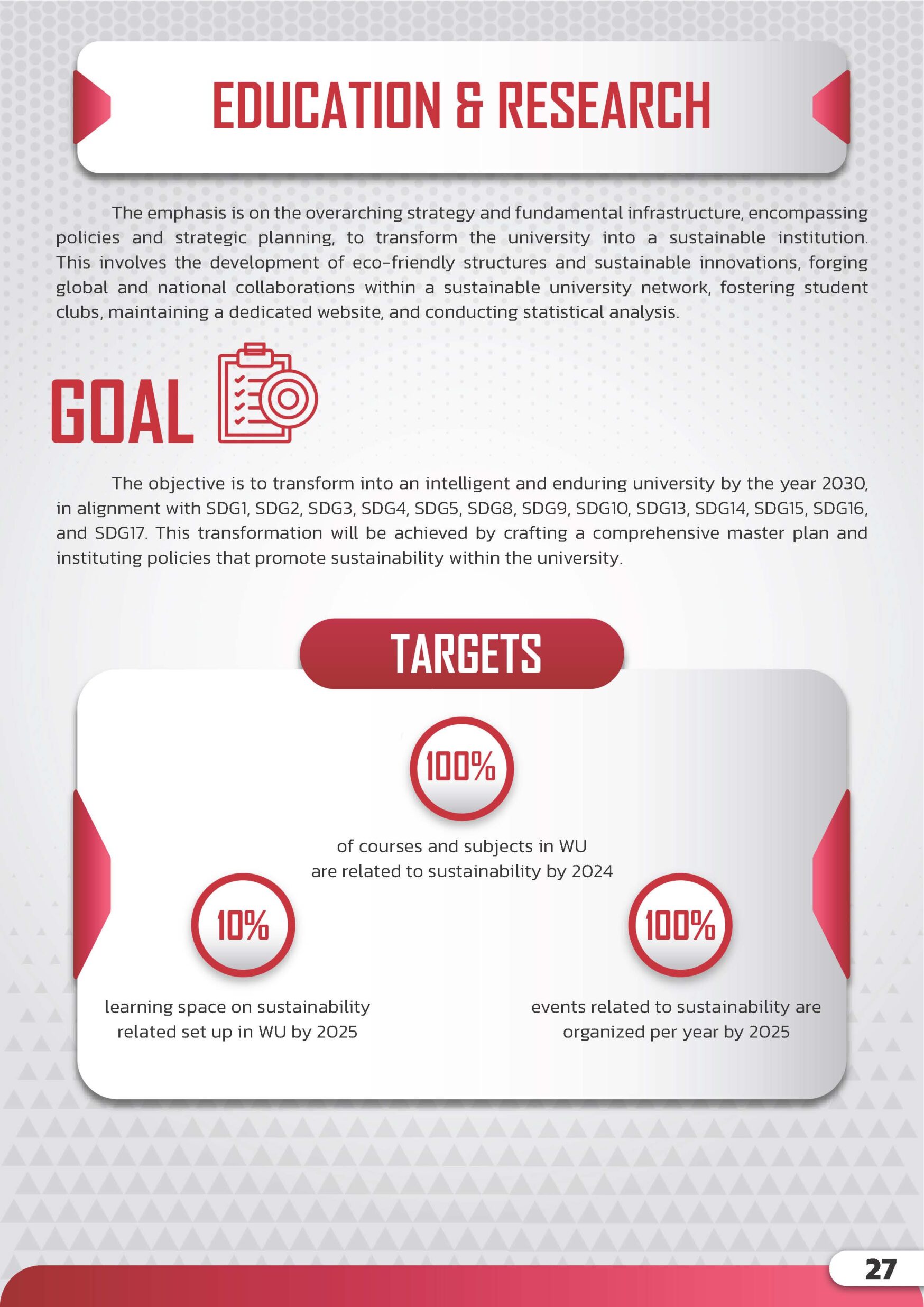
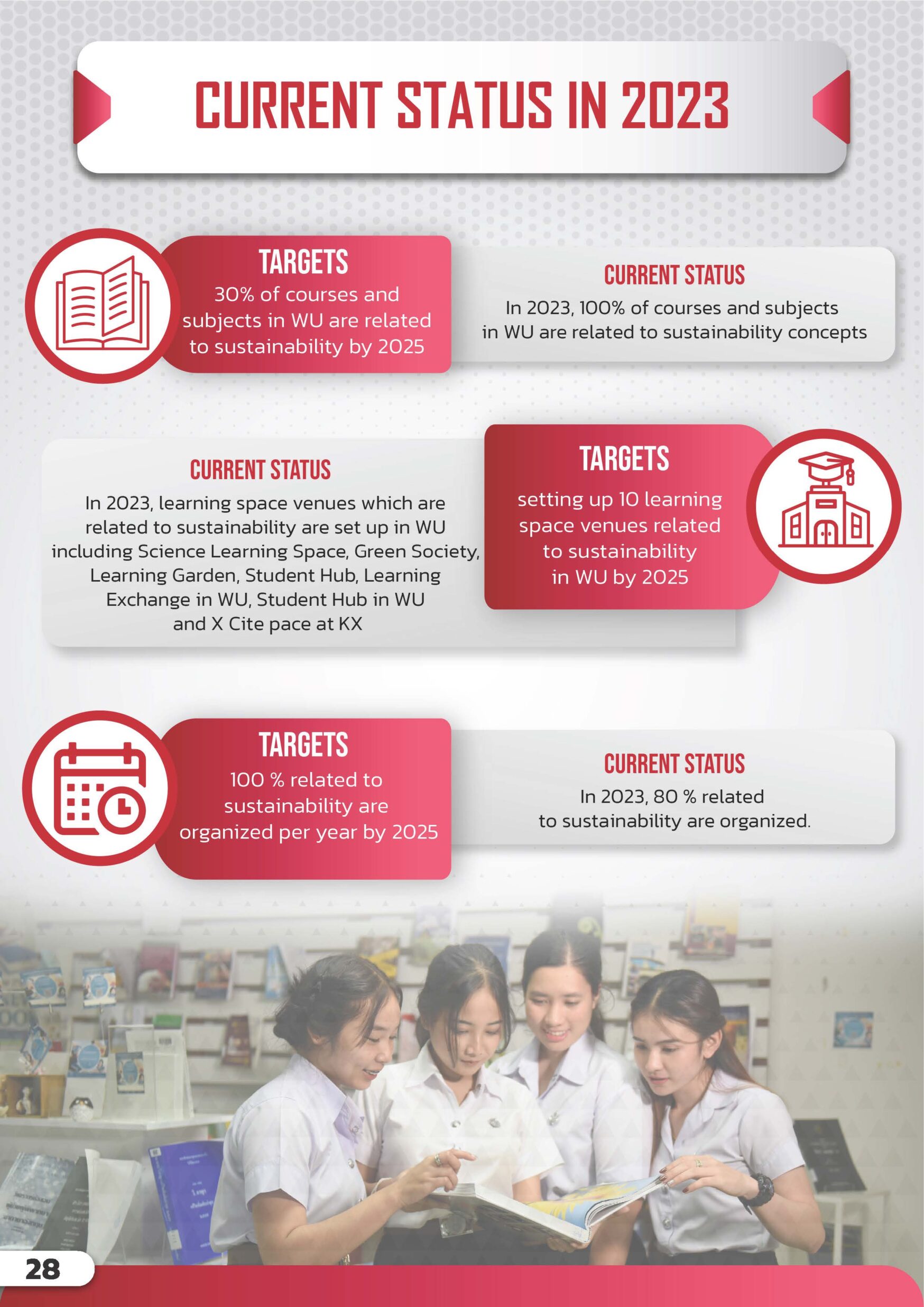
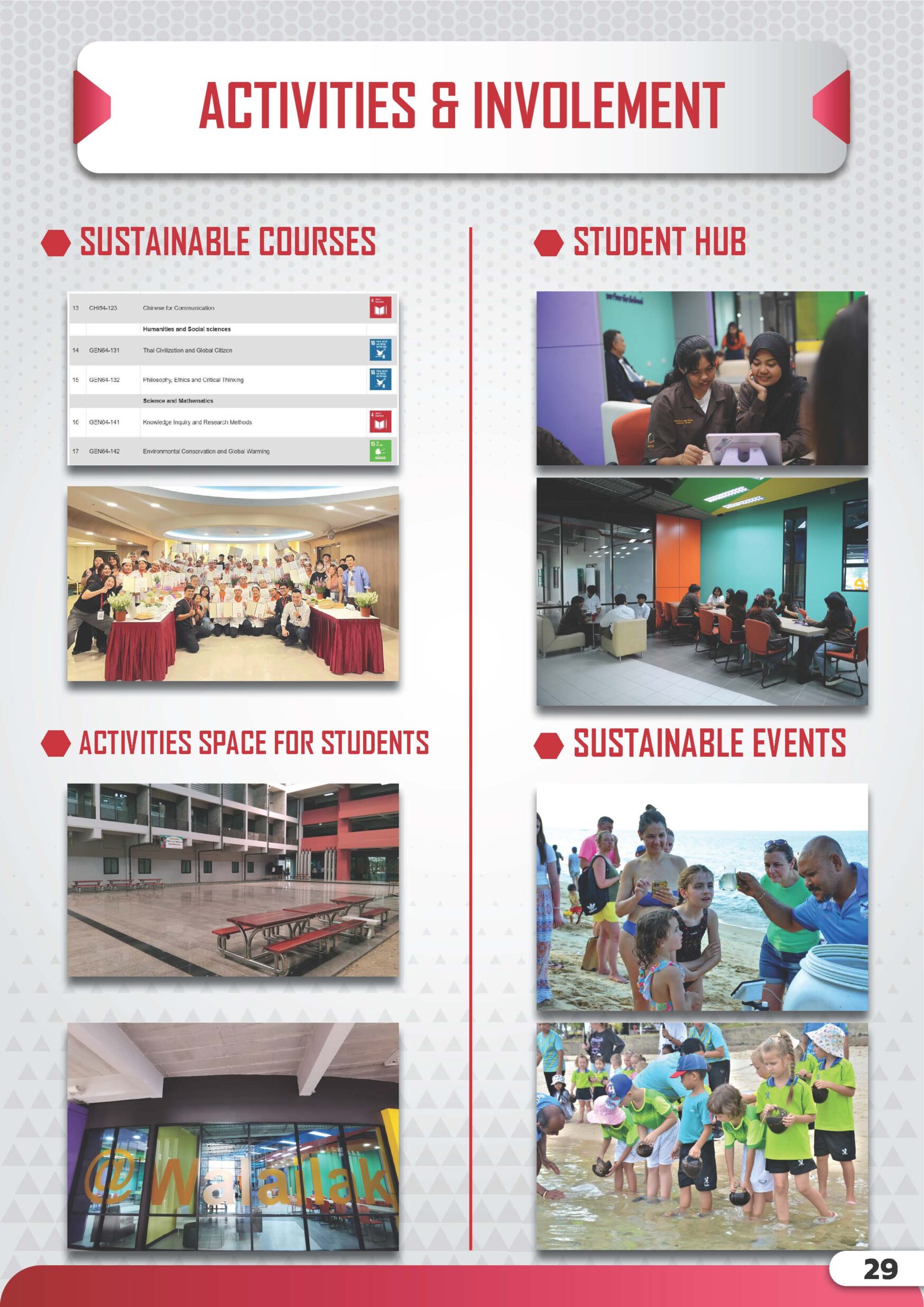
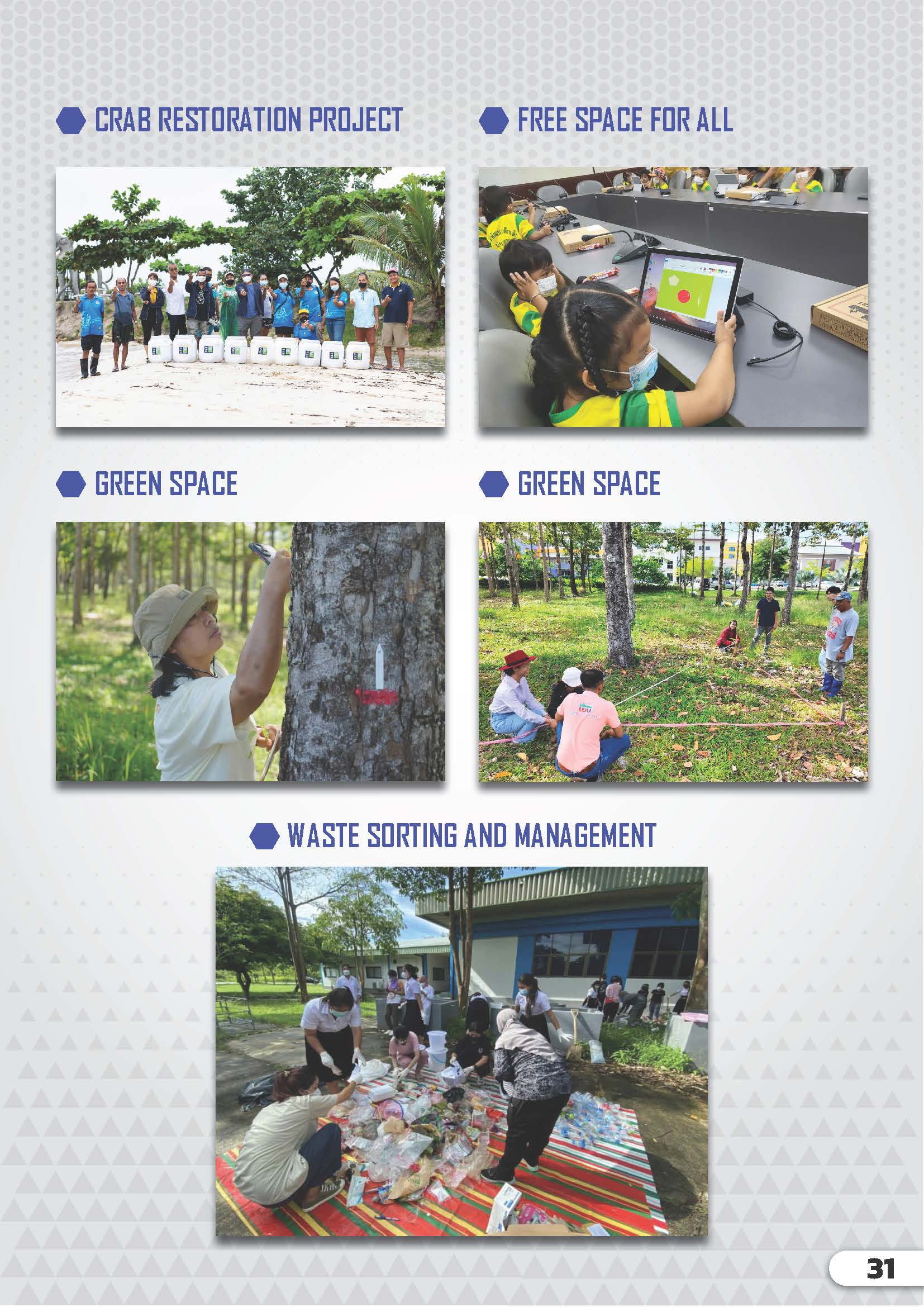
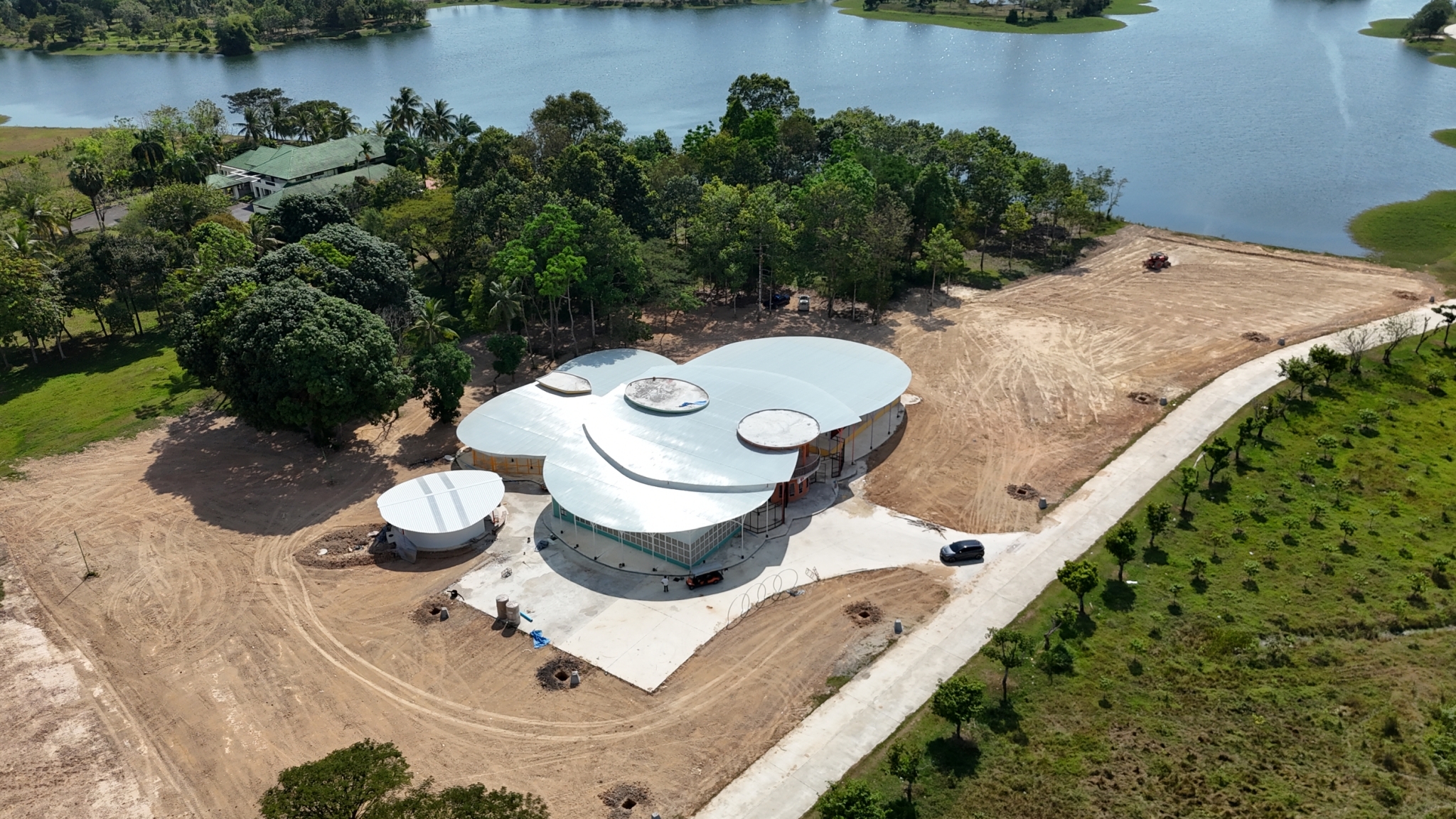
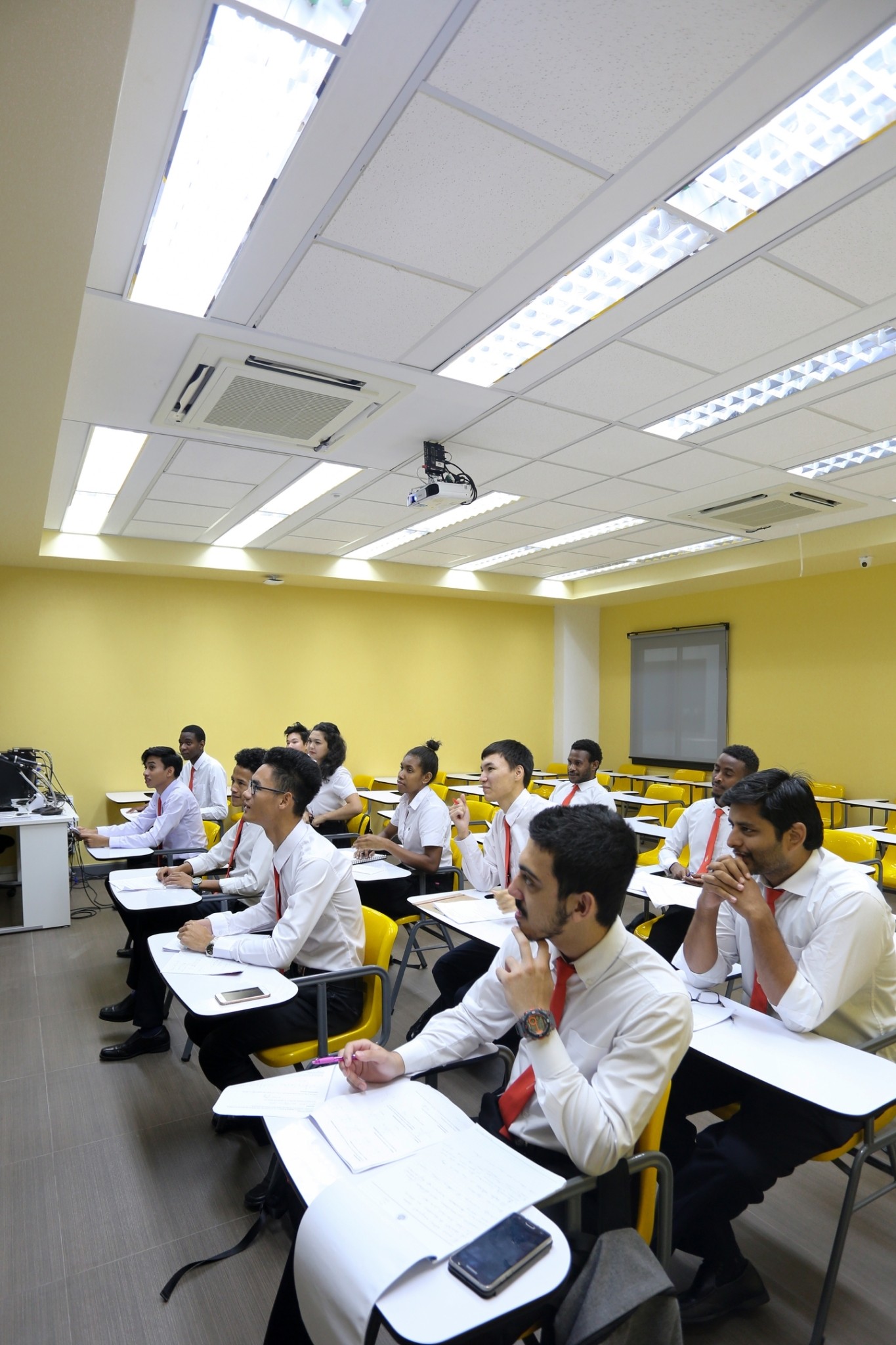
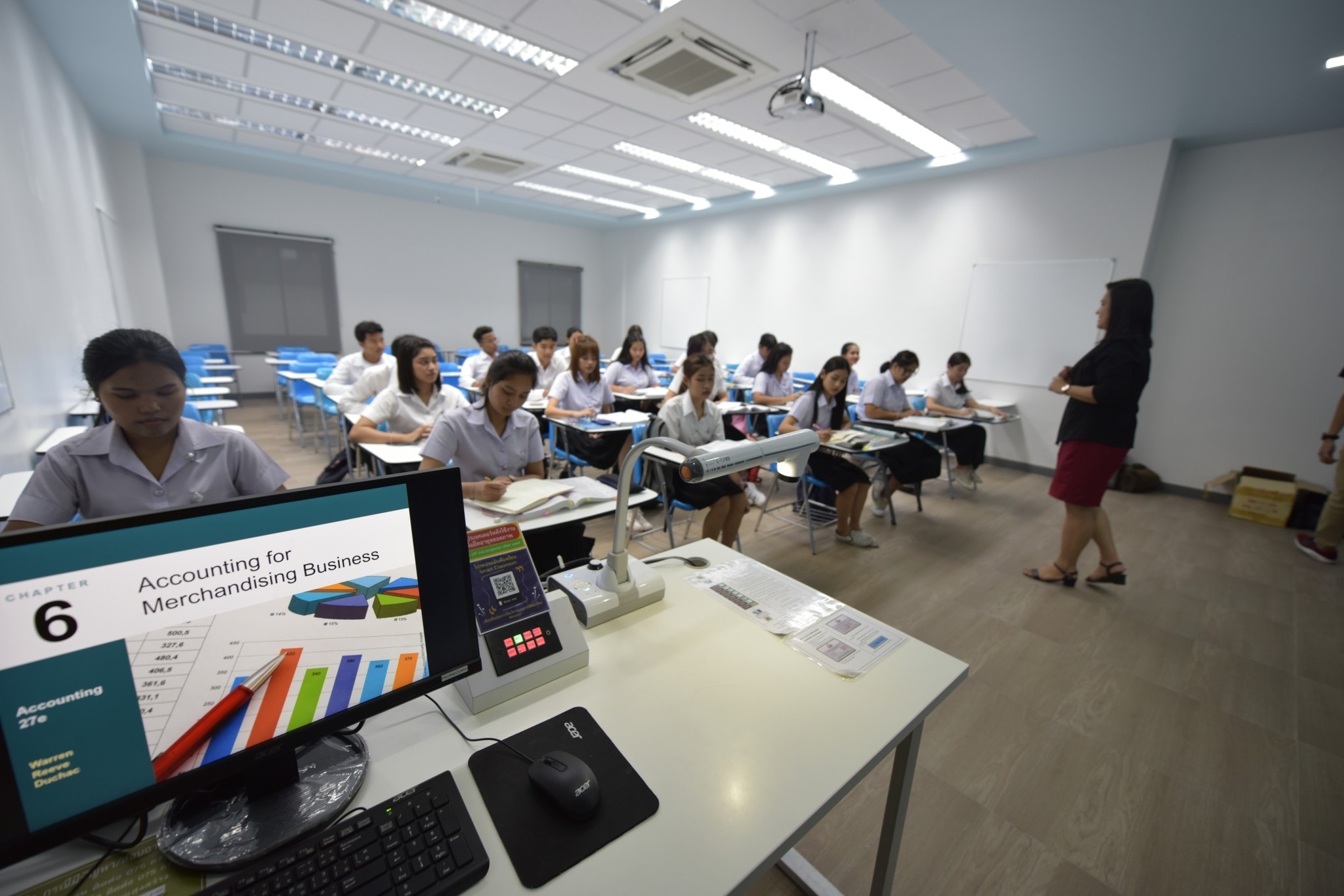
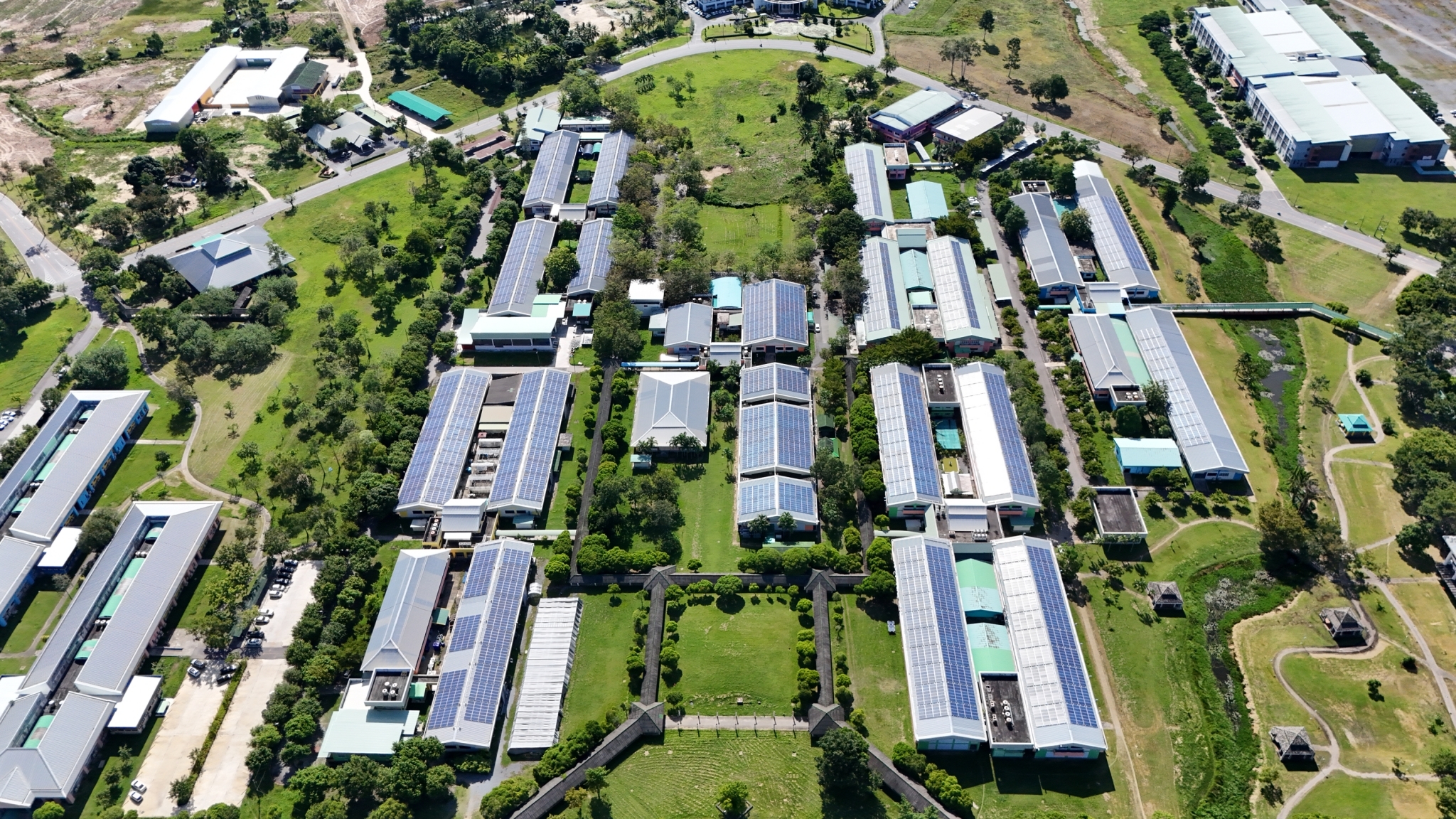
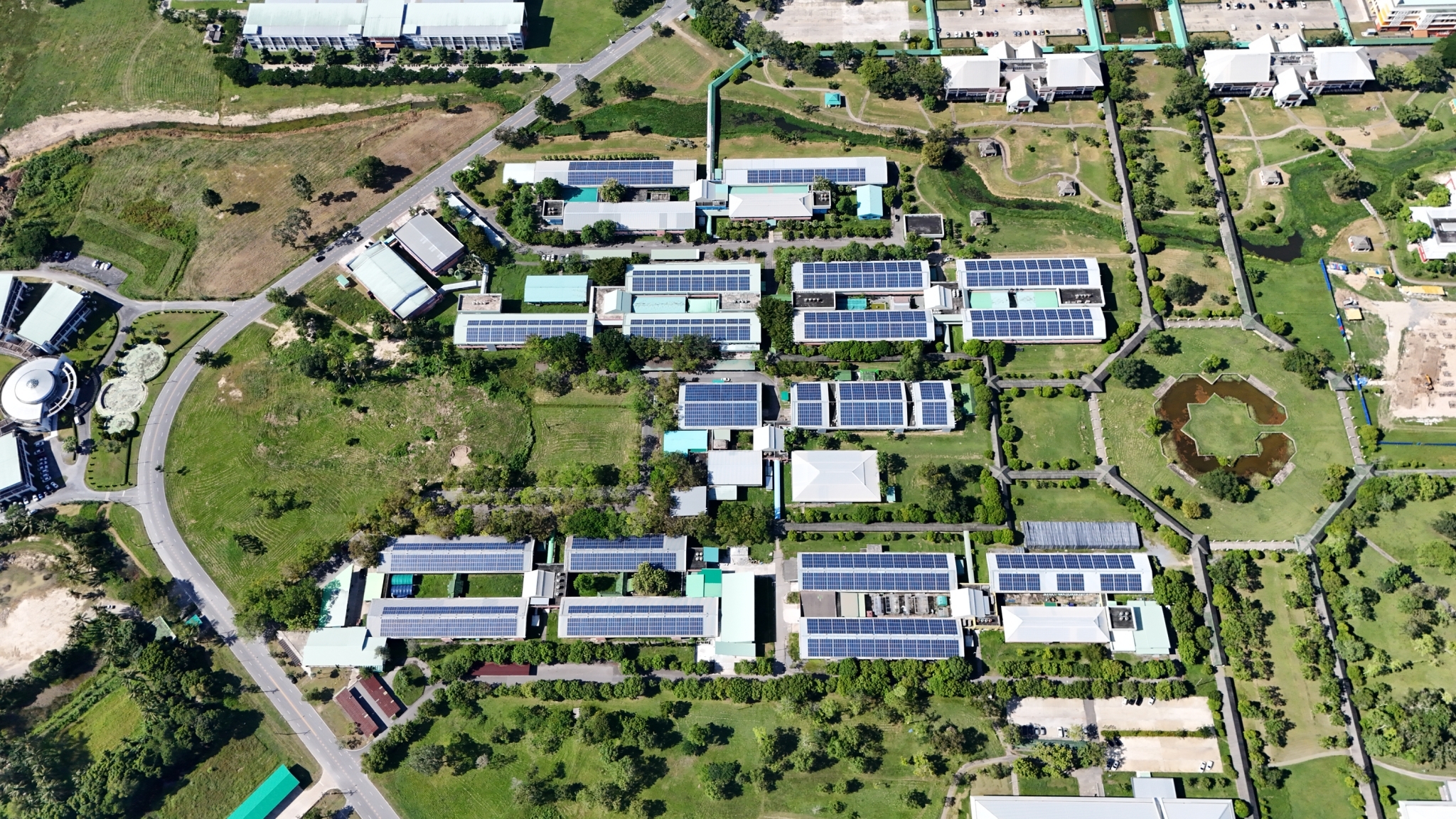
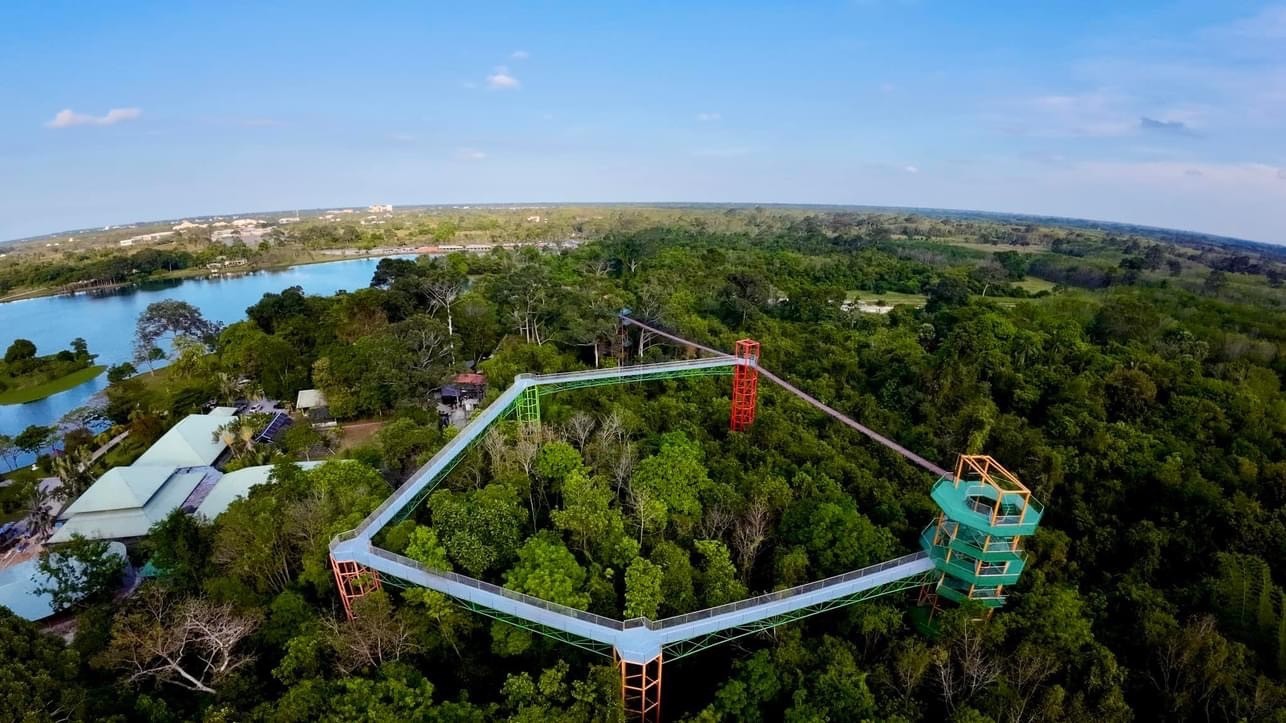
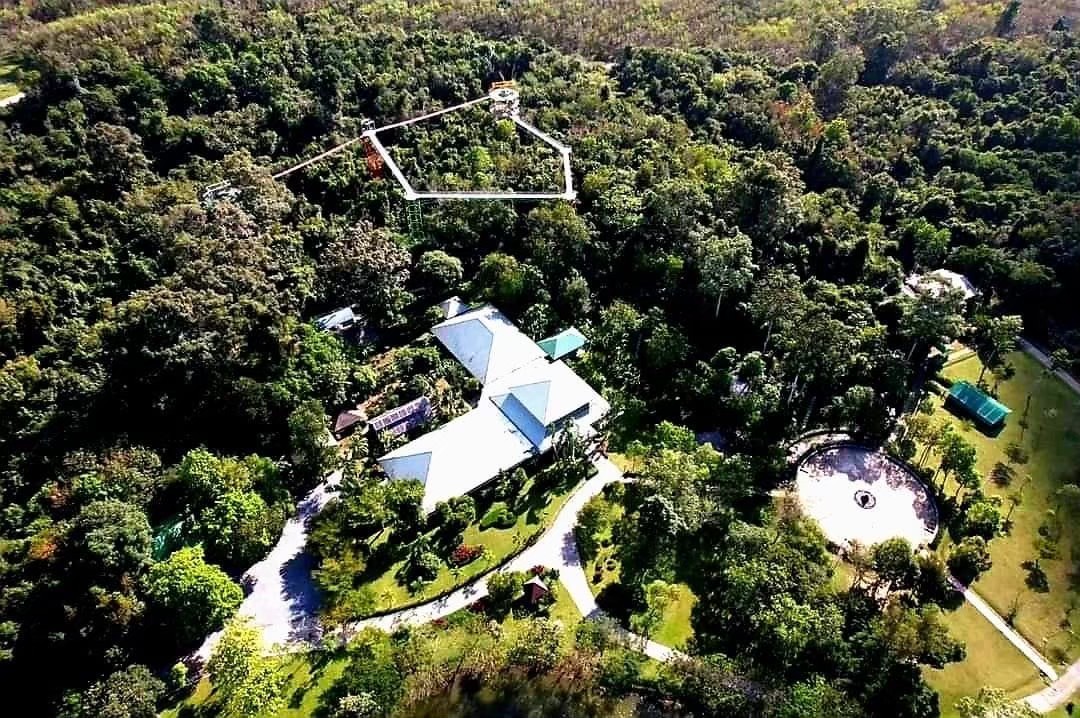
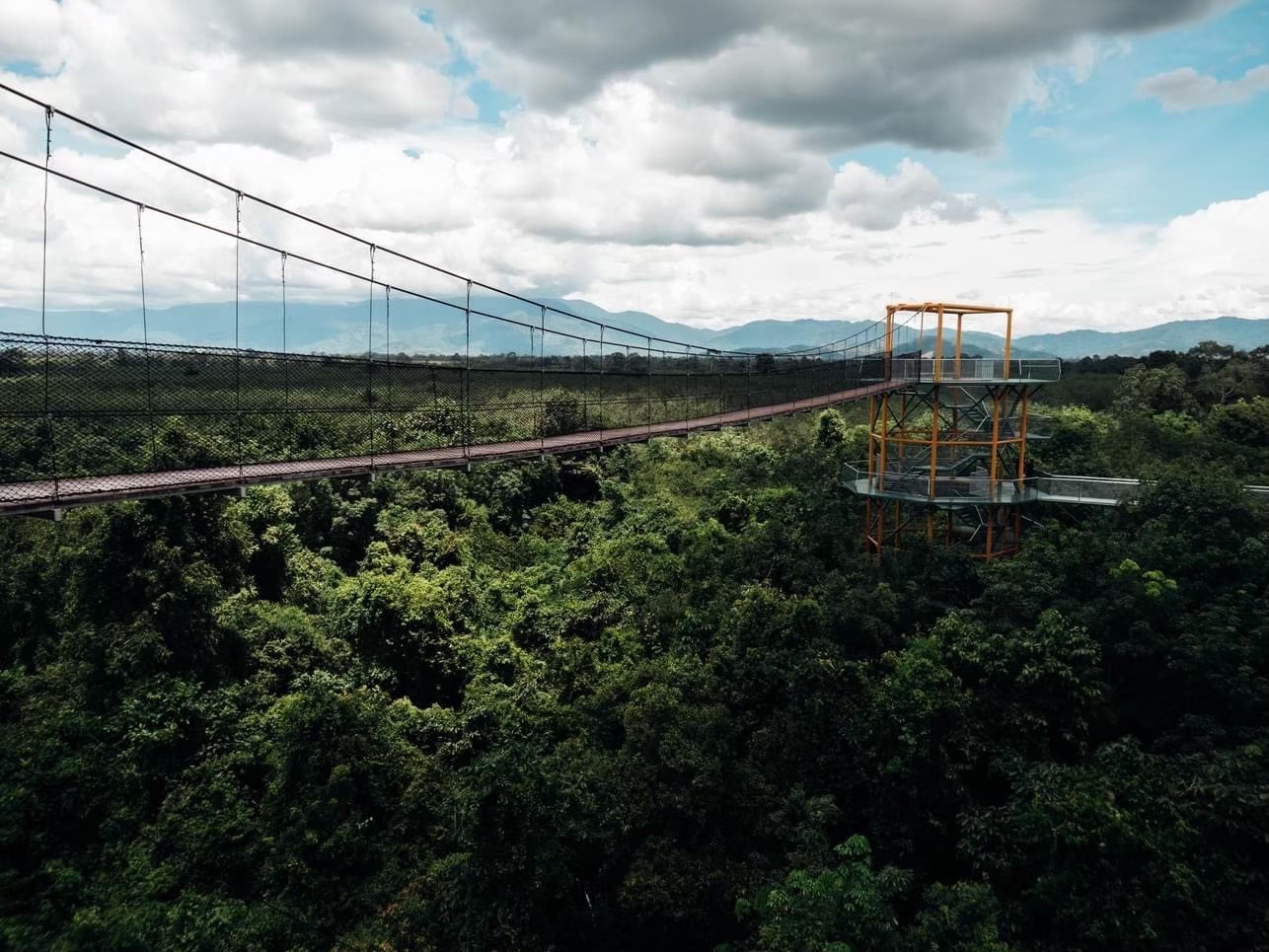
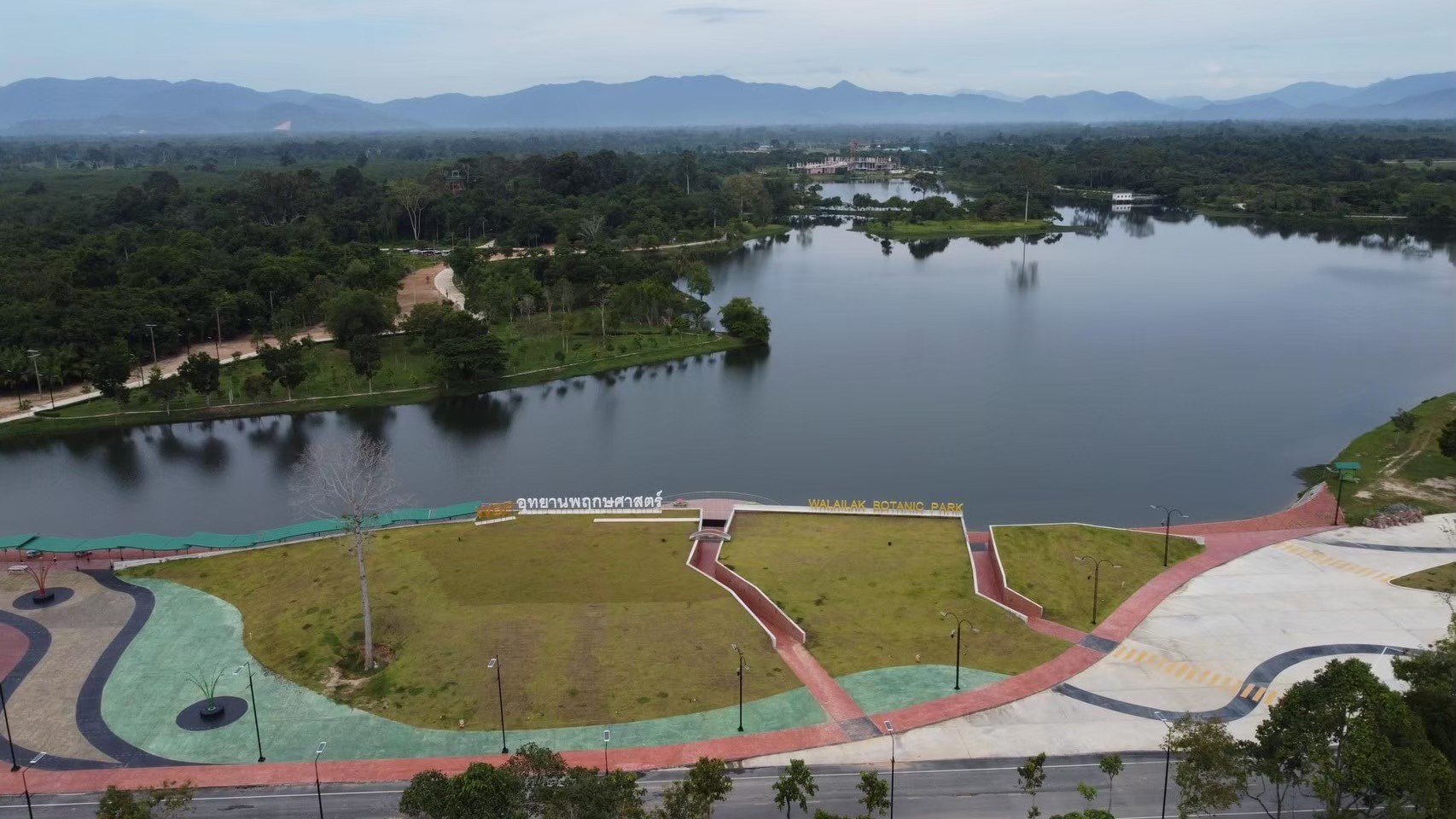
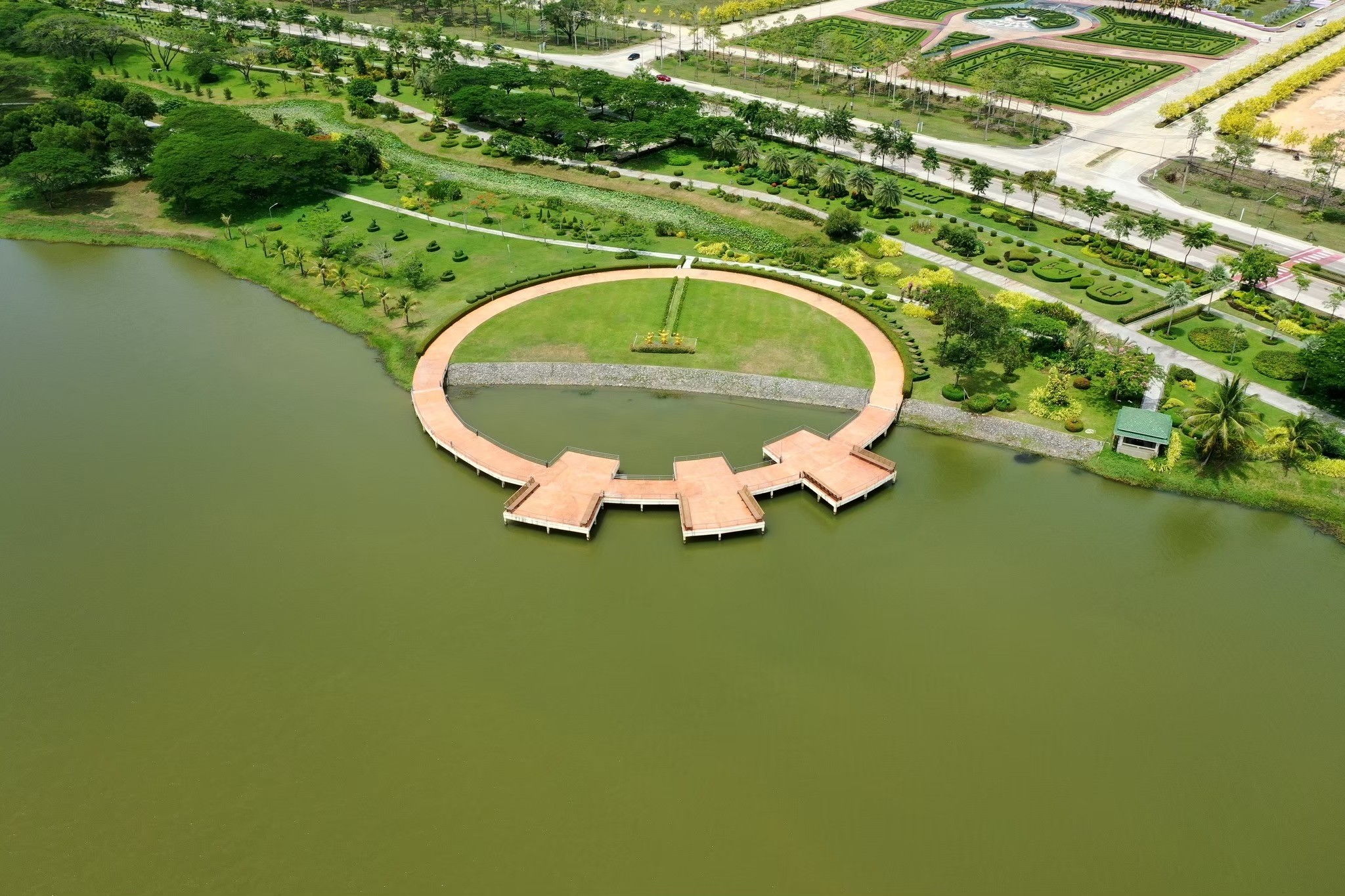
In 2023, the university intensifies its commitment to sustainability through enhanced preservation of green spaces and water conservation areas. The focus remains on overarching strategies and foundational infrastructure, with comprehensive policies and planning aimed at making Walailak University a model of sustainability. This approach includes developing eco-friendly buildings and sustainable innovations, strengthening connections with global and national sustainable university networks, supporting sustainability-focused student organizations, maintaining a dedicated sustainability website, and performing in-depth statistical analysis to guide future efforts.
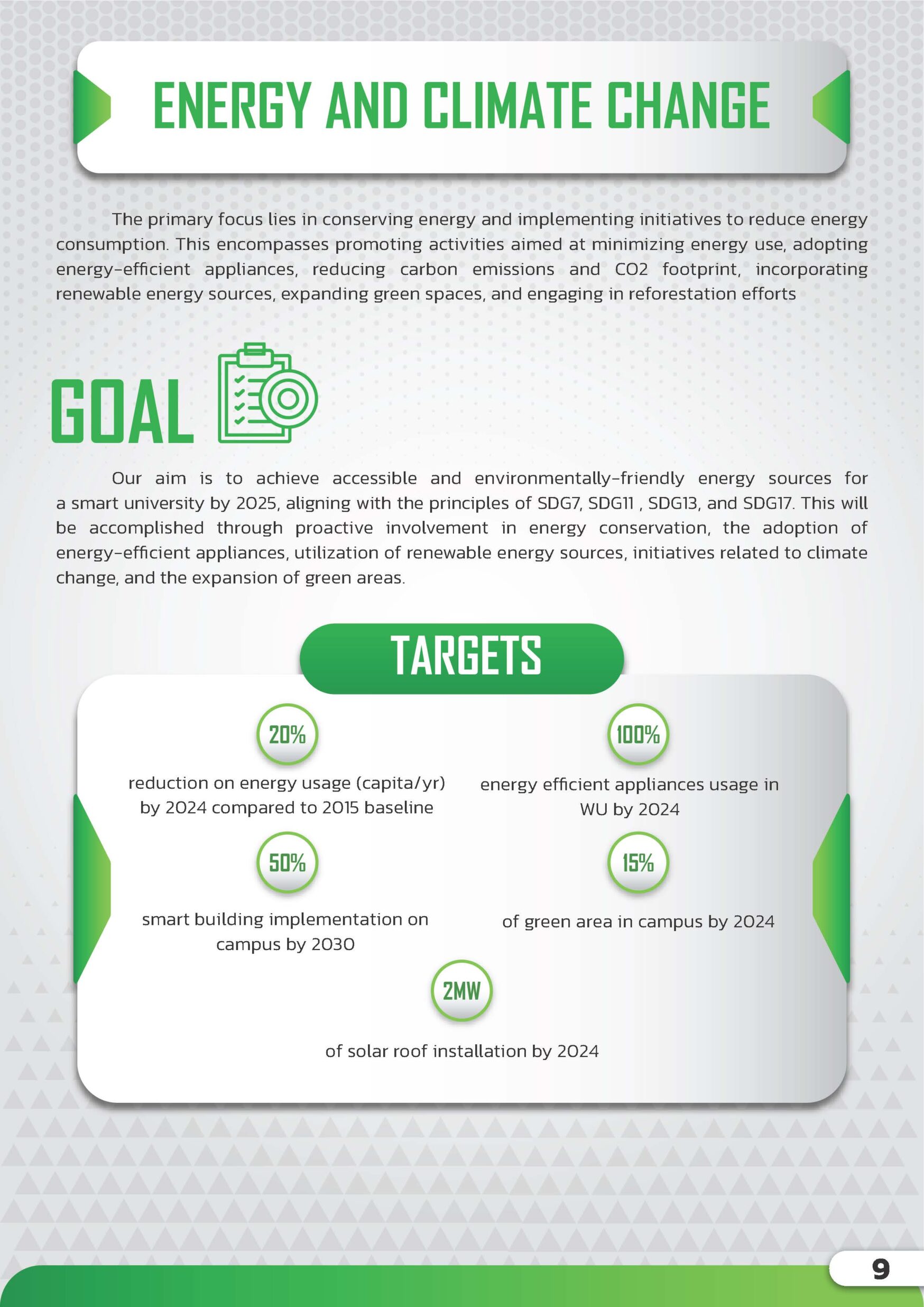
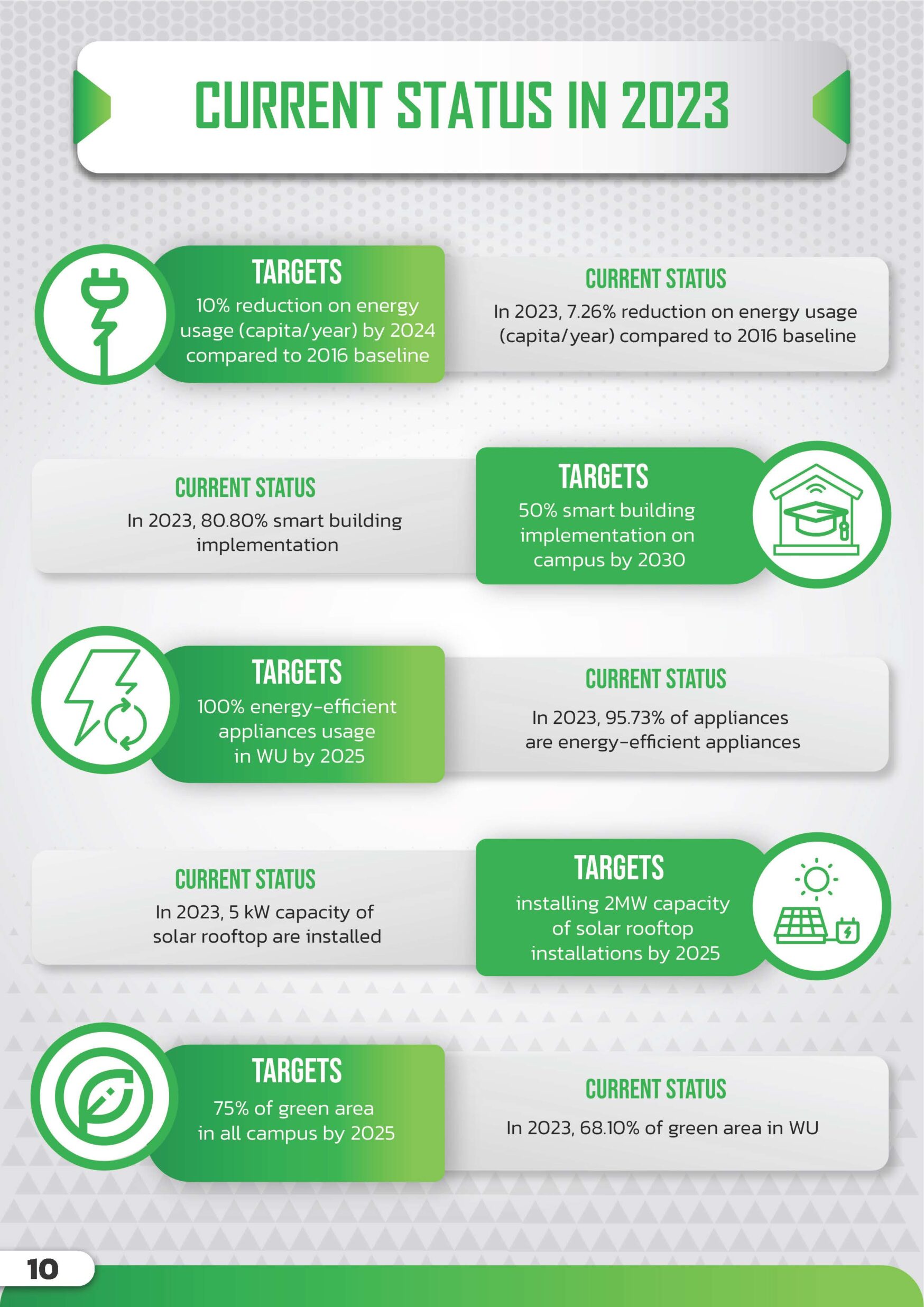
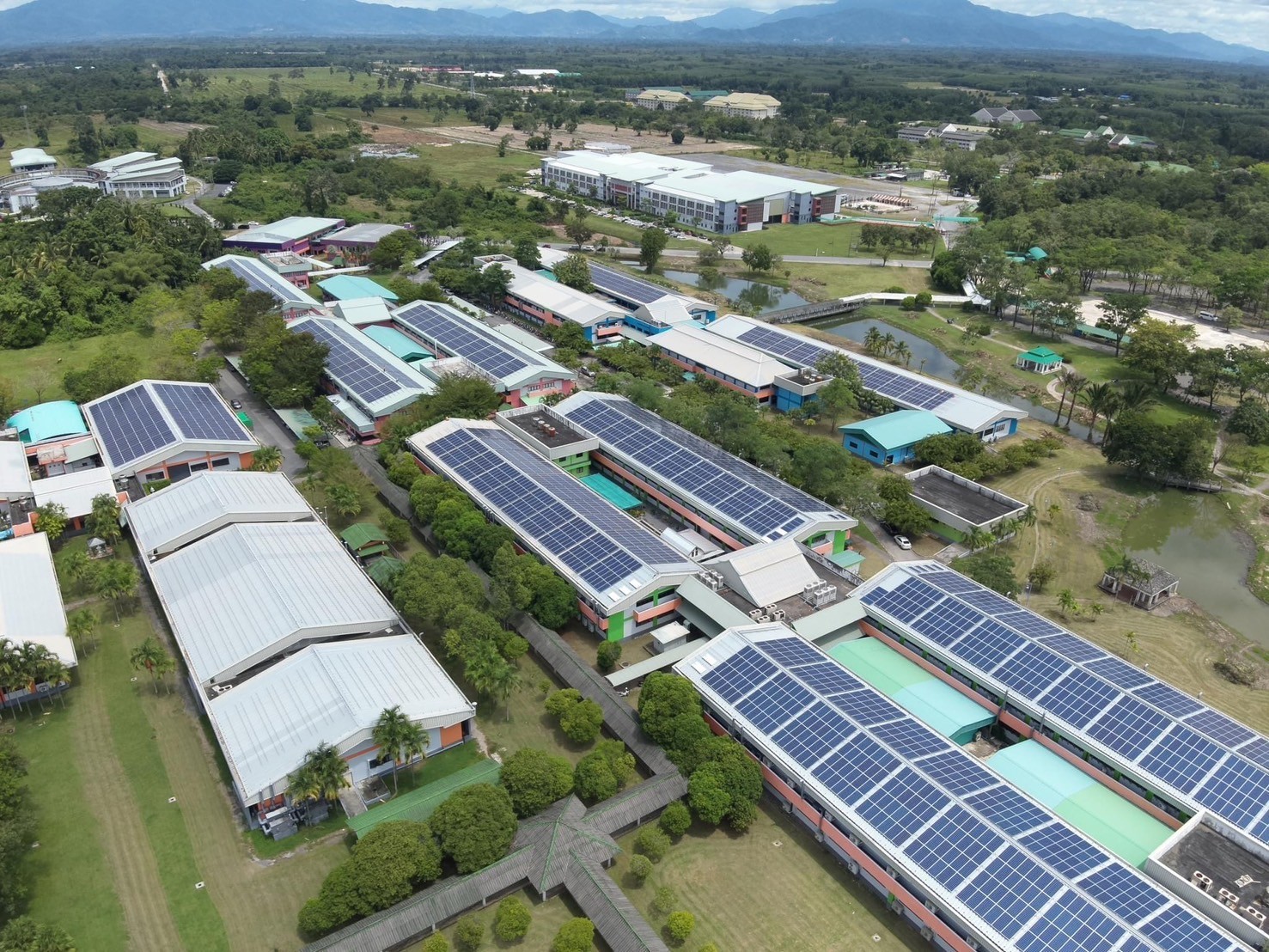
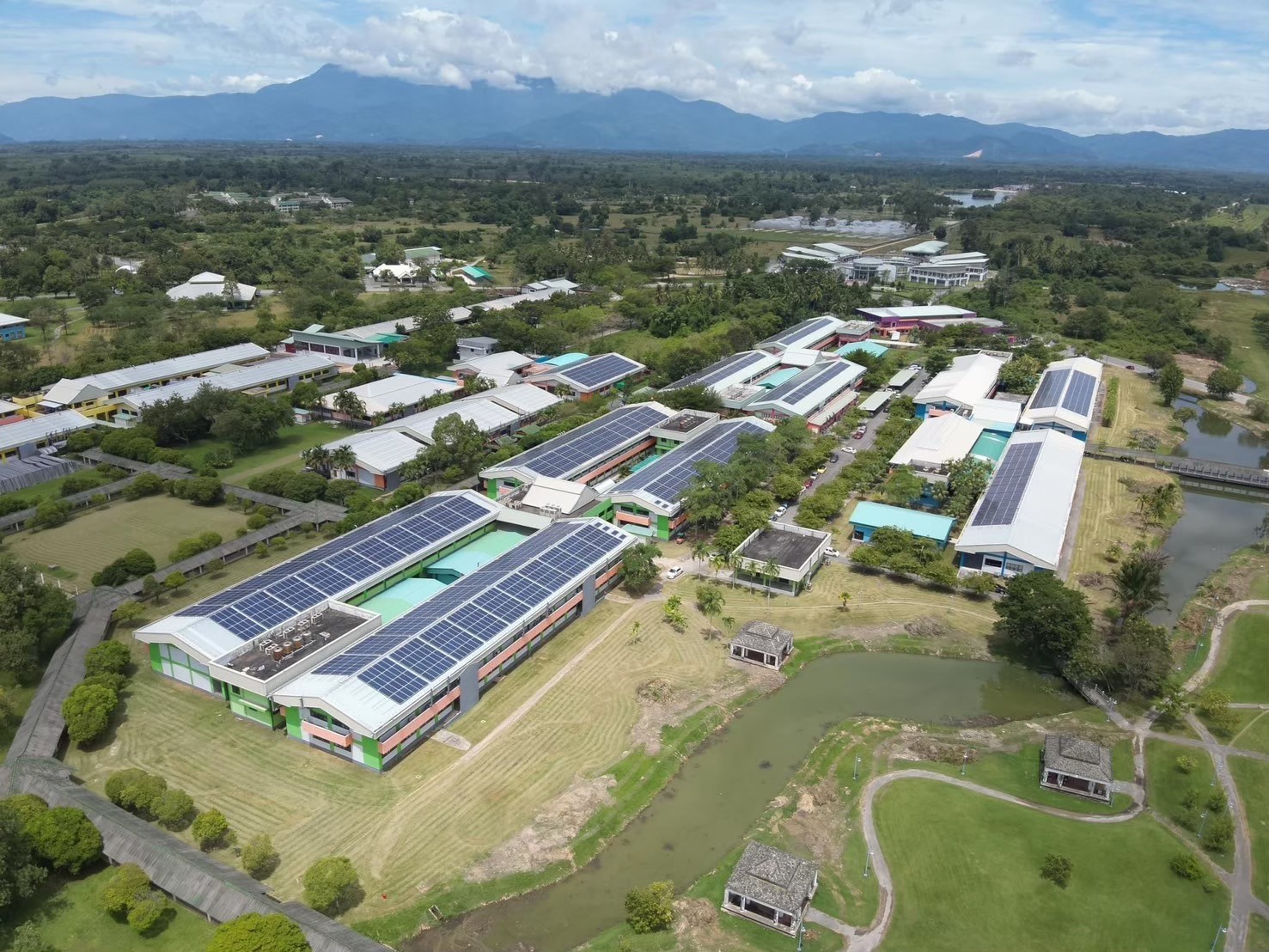
In 2023, the university prioritized energy conservation and climate change initiatives through a range of awareness campaigns. These efforts include promoting the use of alternative energy sources, such as solar, wind, and biomass energy, alongside activities to encourage tree planting within the campus. The primary focus remains on reducing energy consumption and adopting practices that lower carbon emissions and the CO2 footprint. Initiatives involve encouraging the use of energy-efficient appliances, integrating renewable energy sources, increasing green spaces, and advancing reforestation projects.
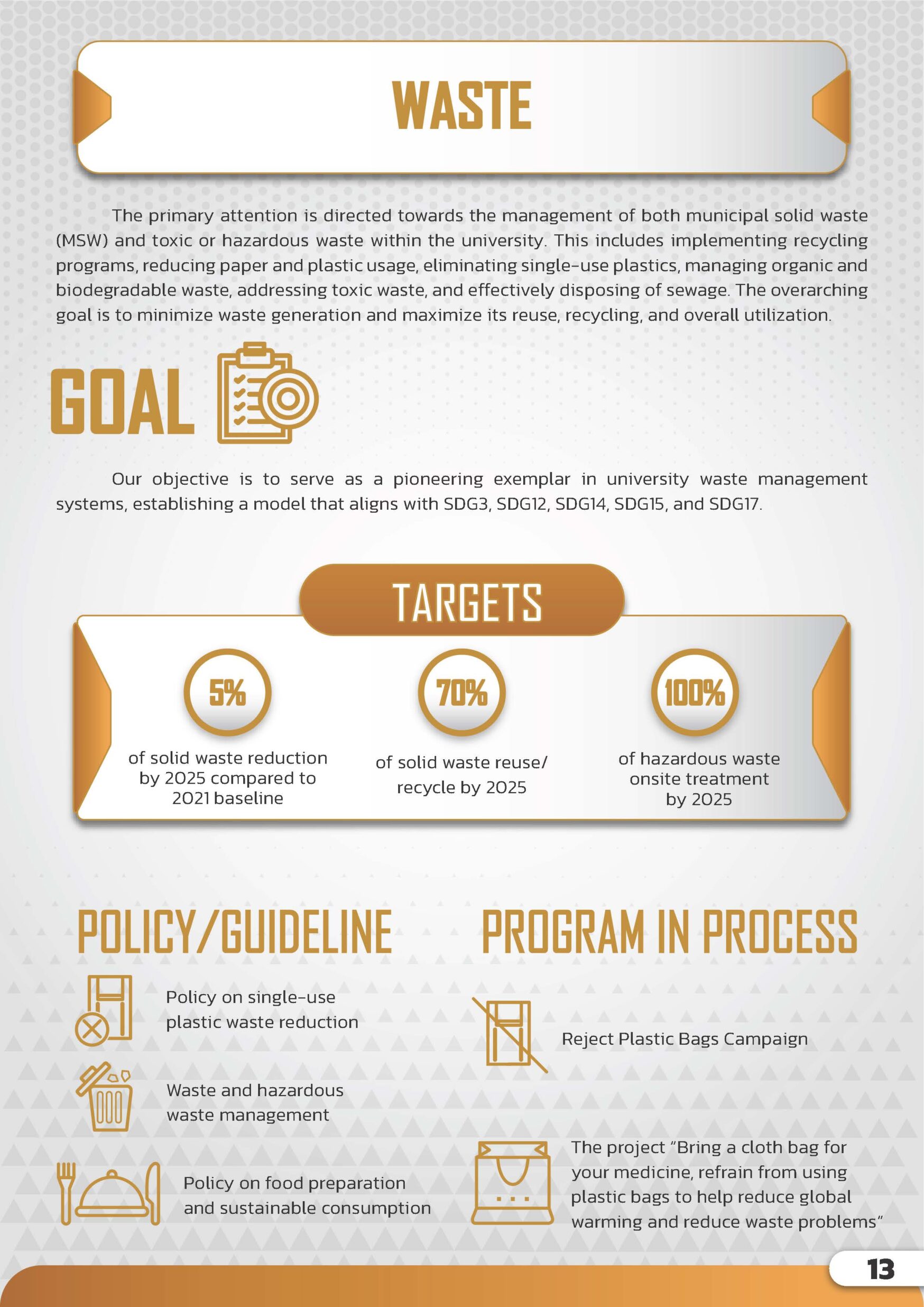
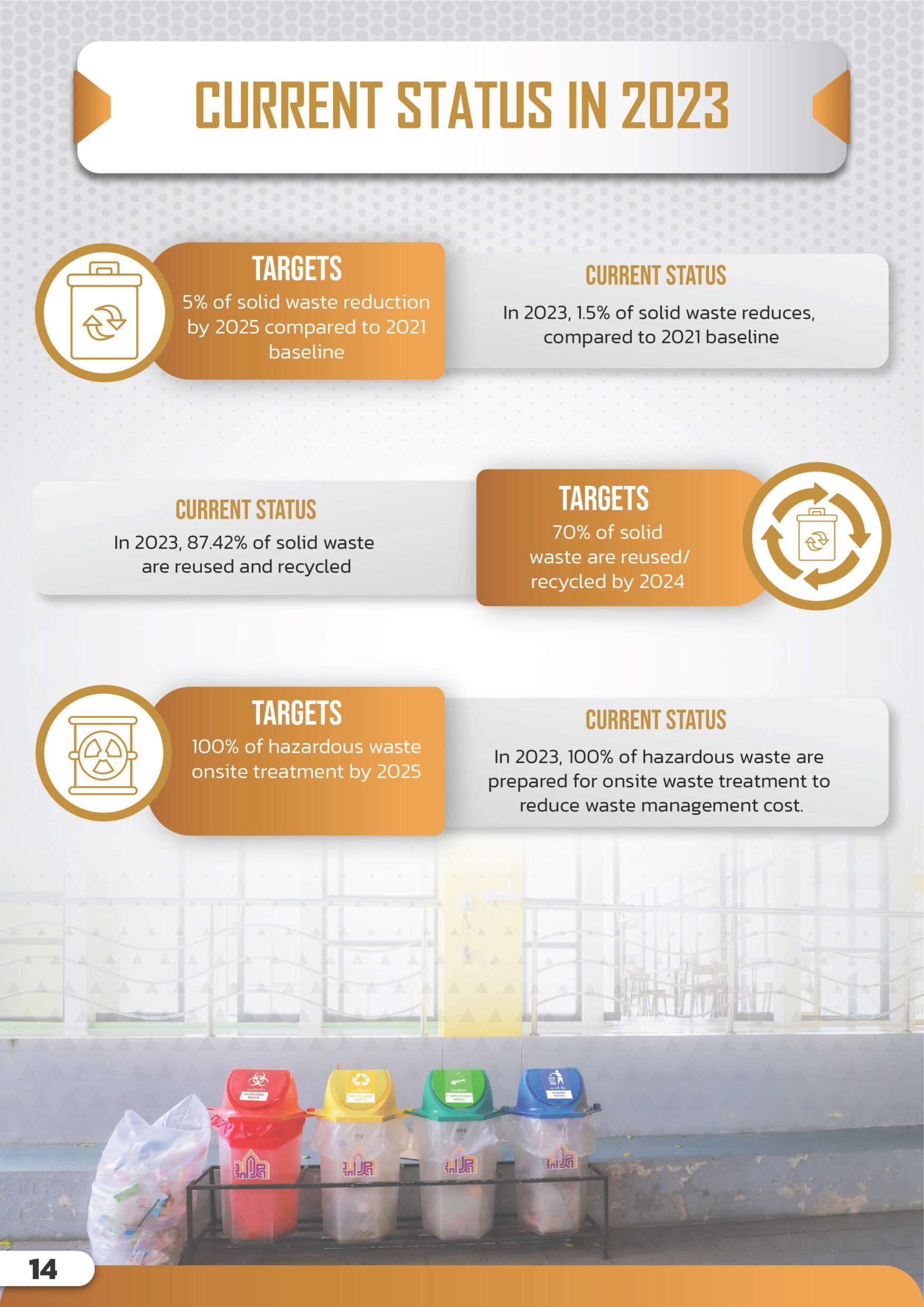
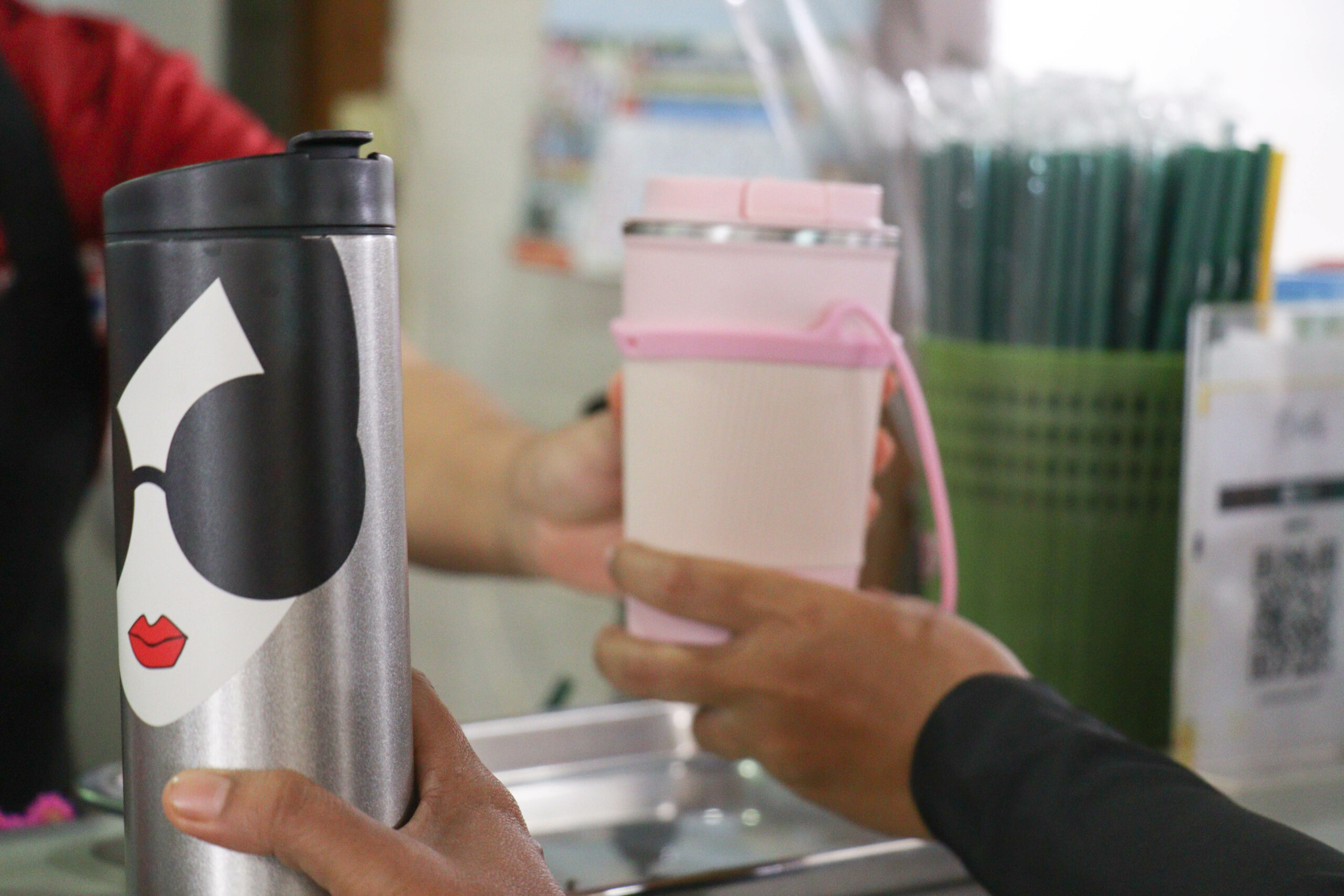
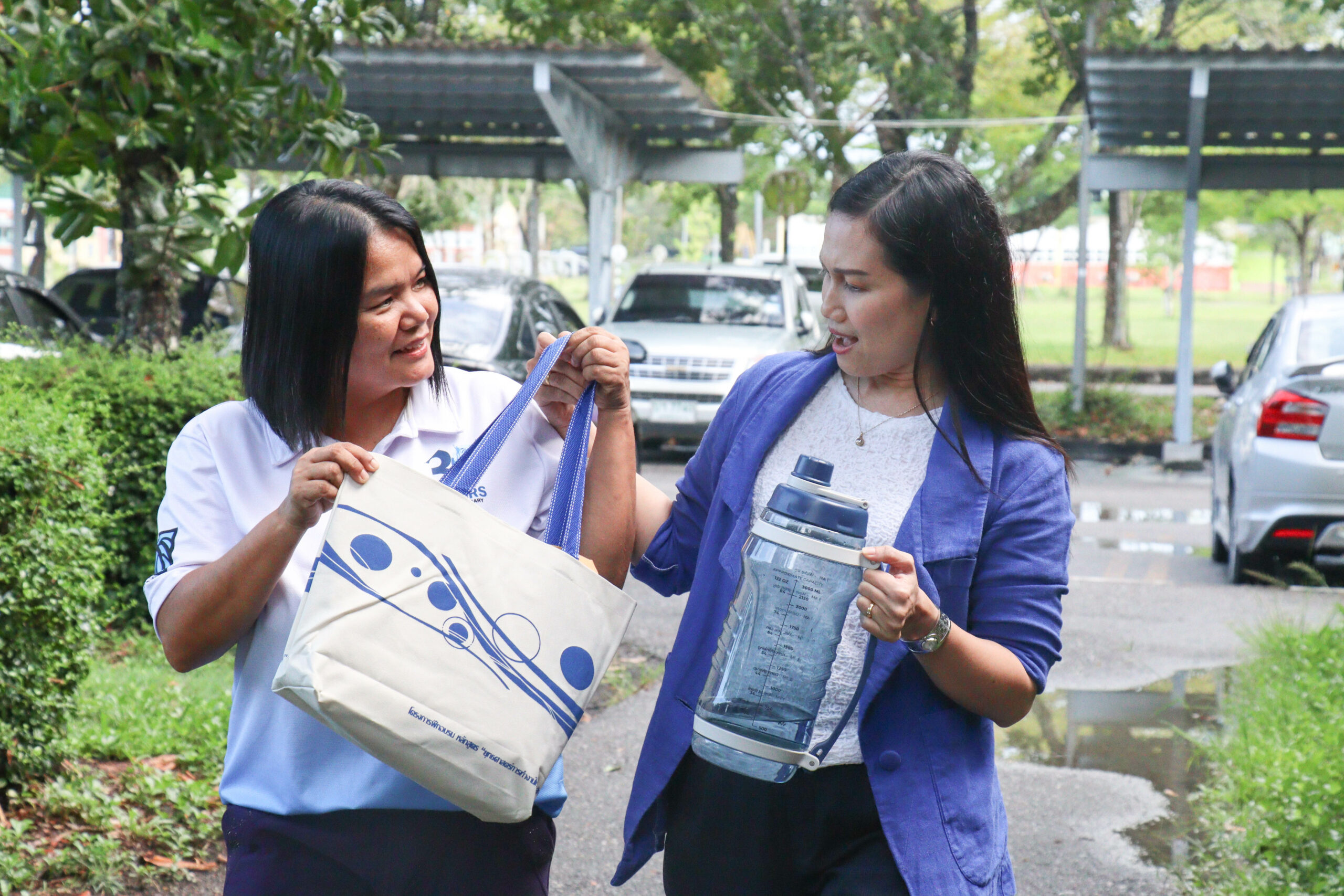
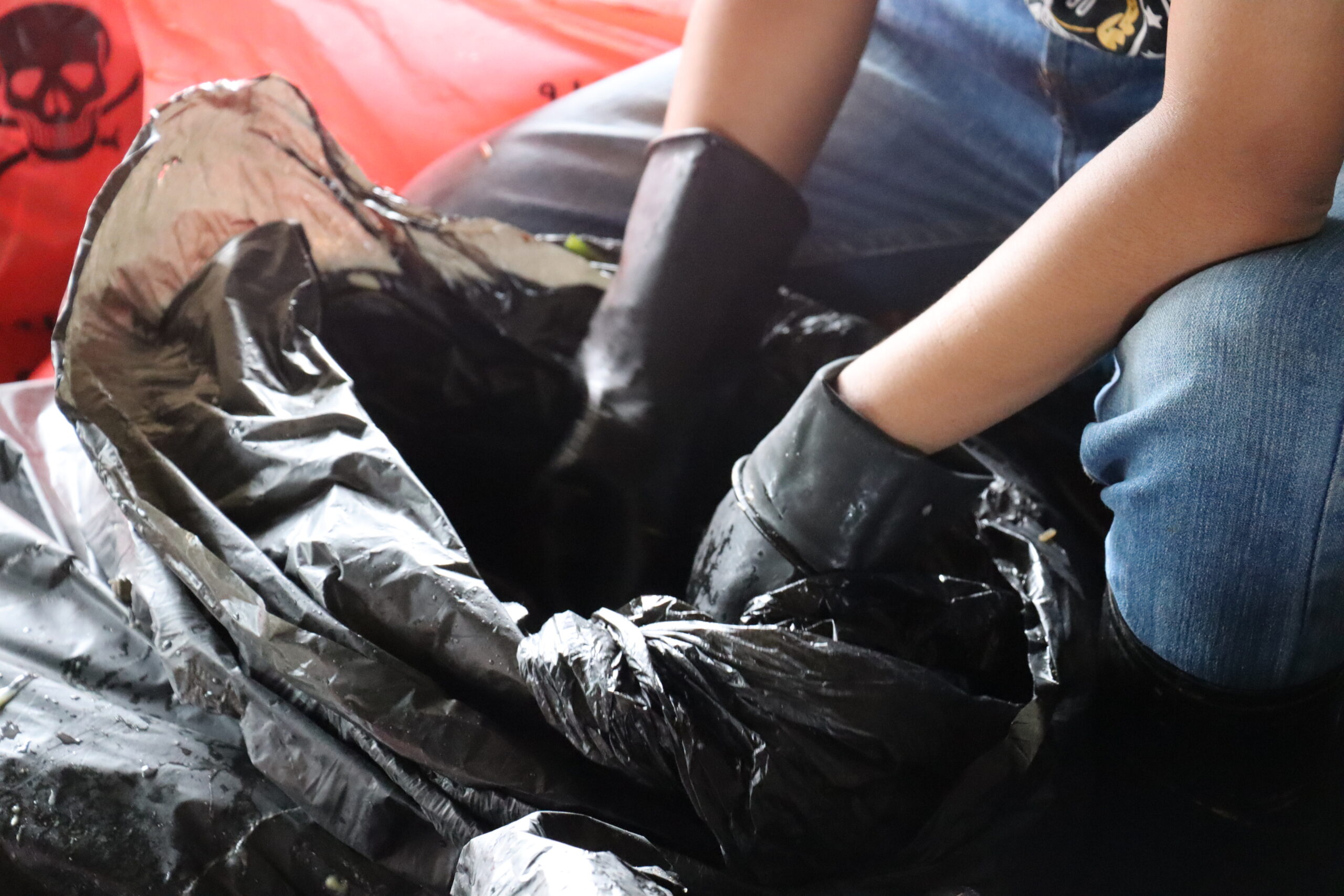
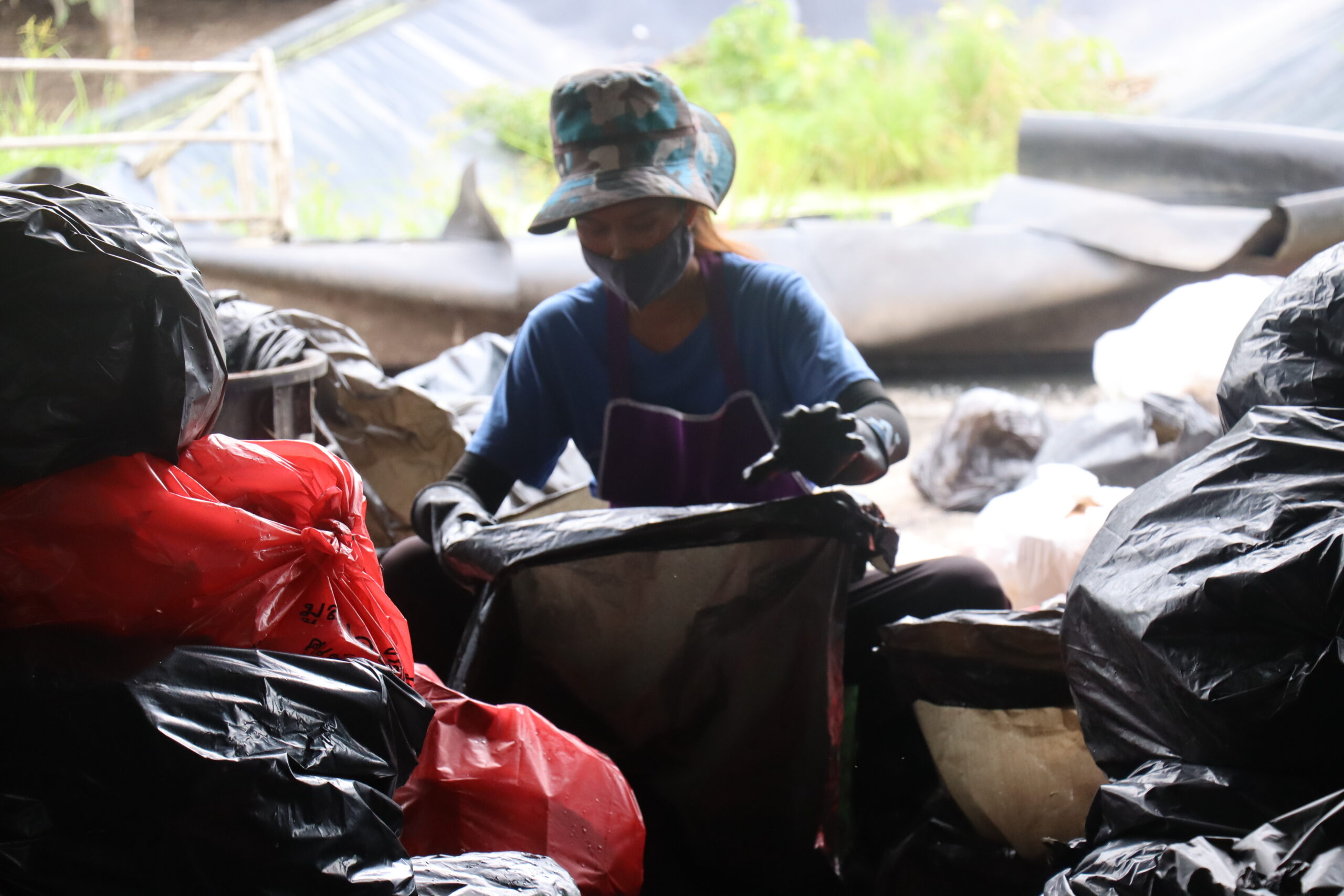
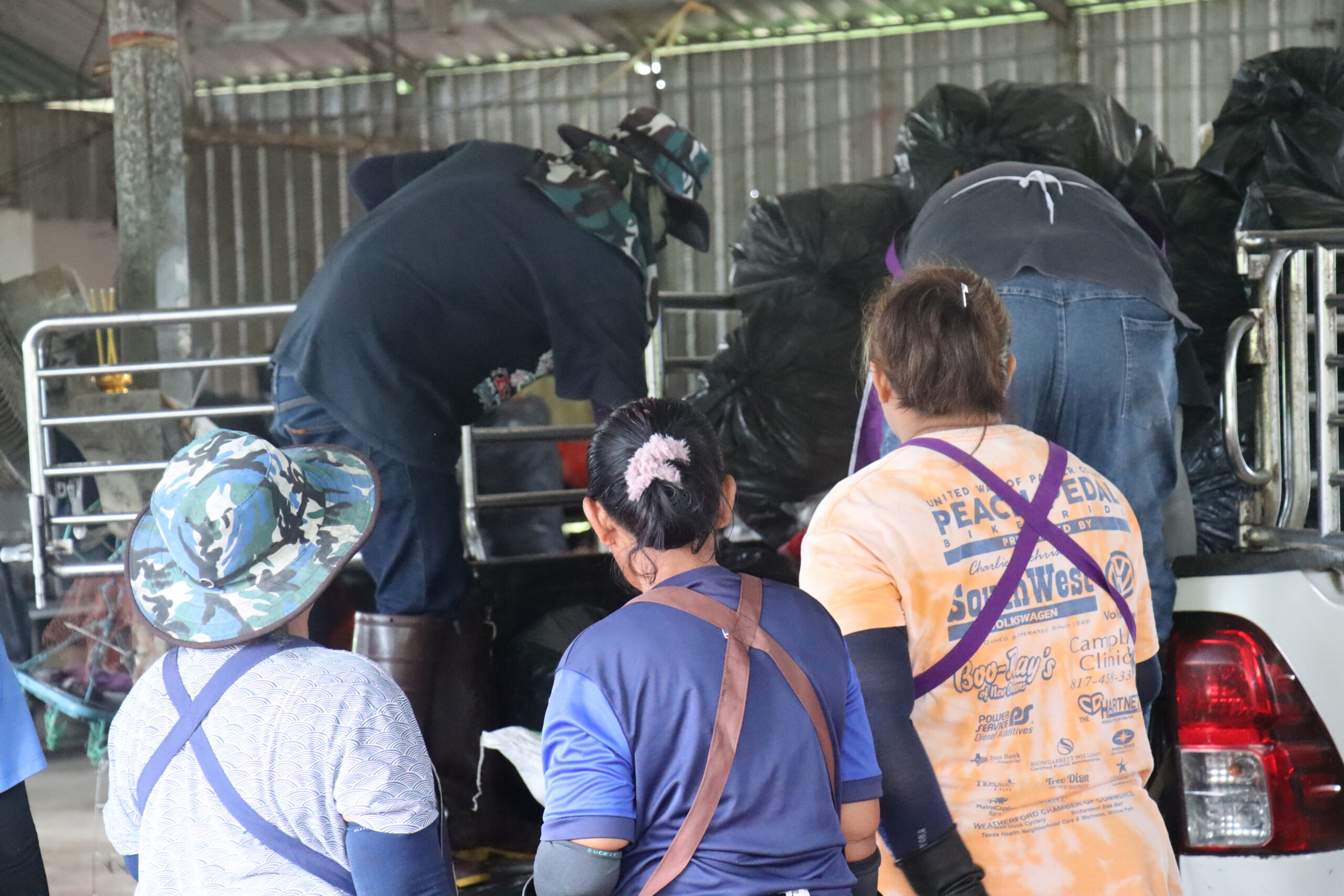
The main focus centers on effectively managing solid and hazardous waste across the university. This includes expanded recycling initiatives, reducing the use of paper and plastics, eliminating single-use plastics, handling organic and biodegradable materials, addressing toxic waste, and ensuring proper sewage disposal. In 2023, additional efforts emphasized responsible waste disposal, reduction of plastic usage, and the reuse of waste materials wherever possible. The ultimate objective is to minimize waste generation while maximizing opportunities for reuse, recycling, and repurposing.
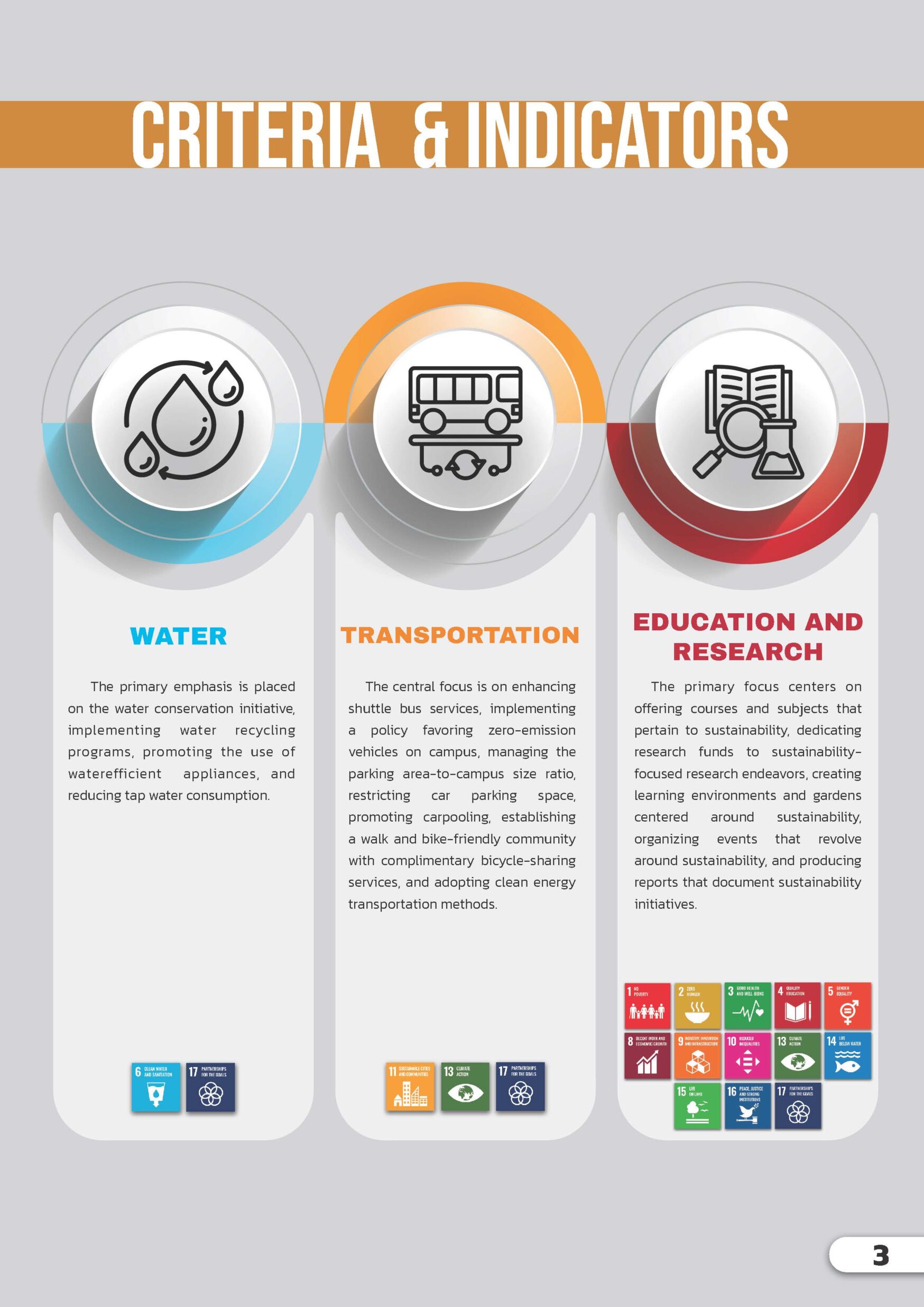
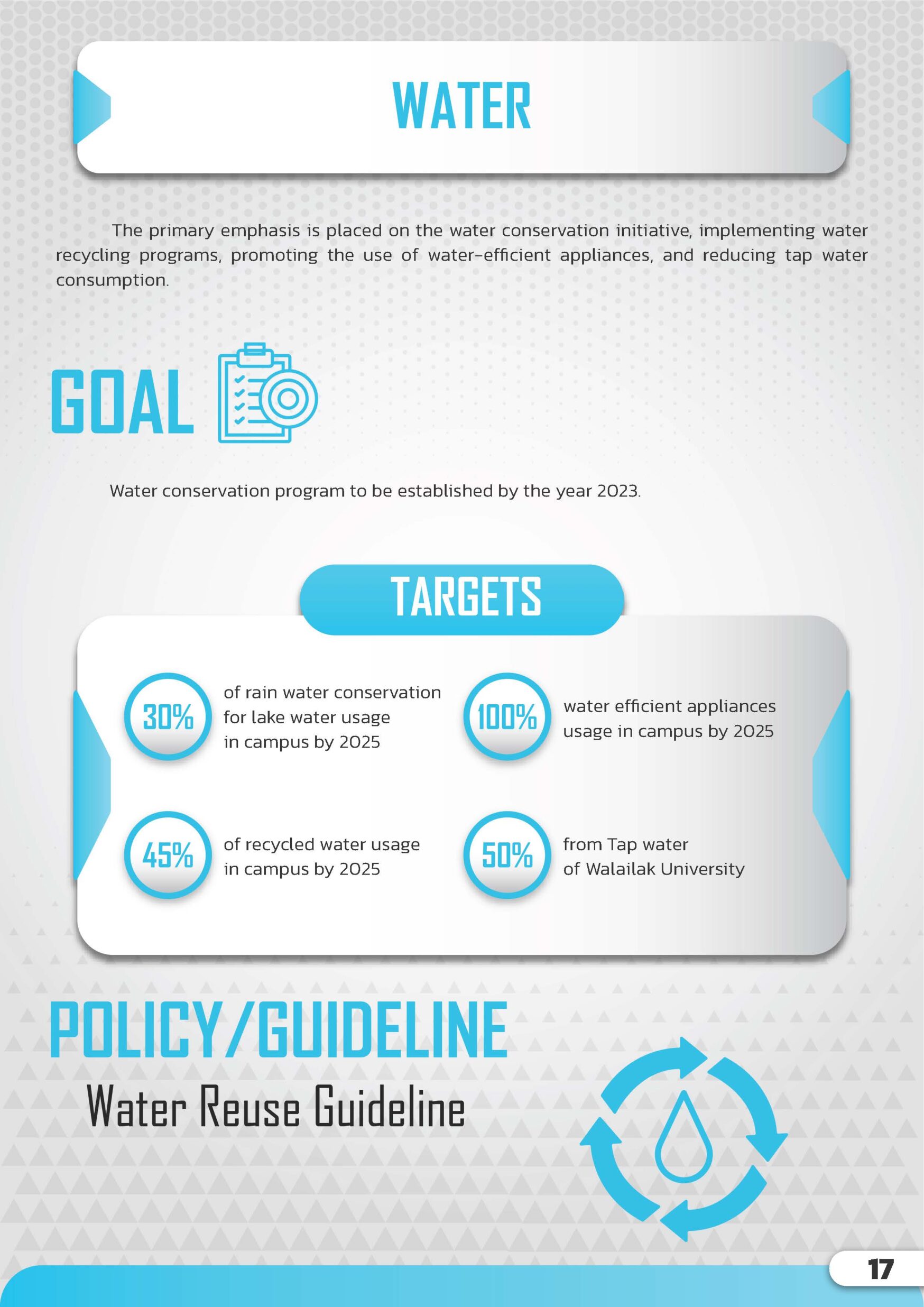
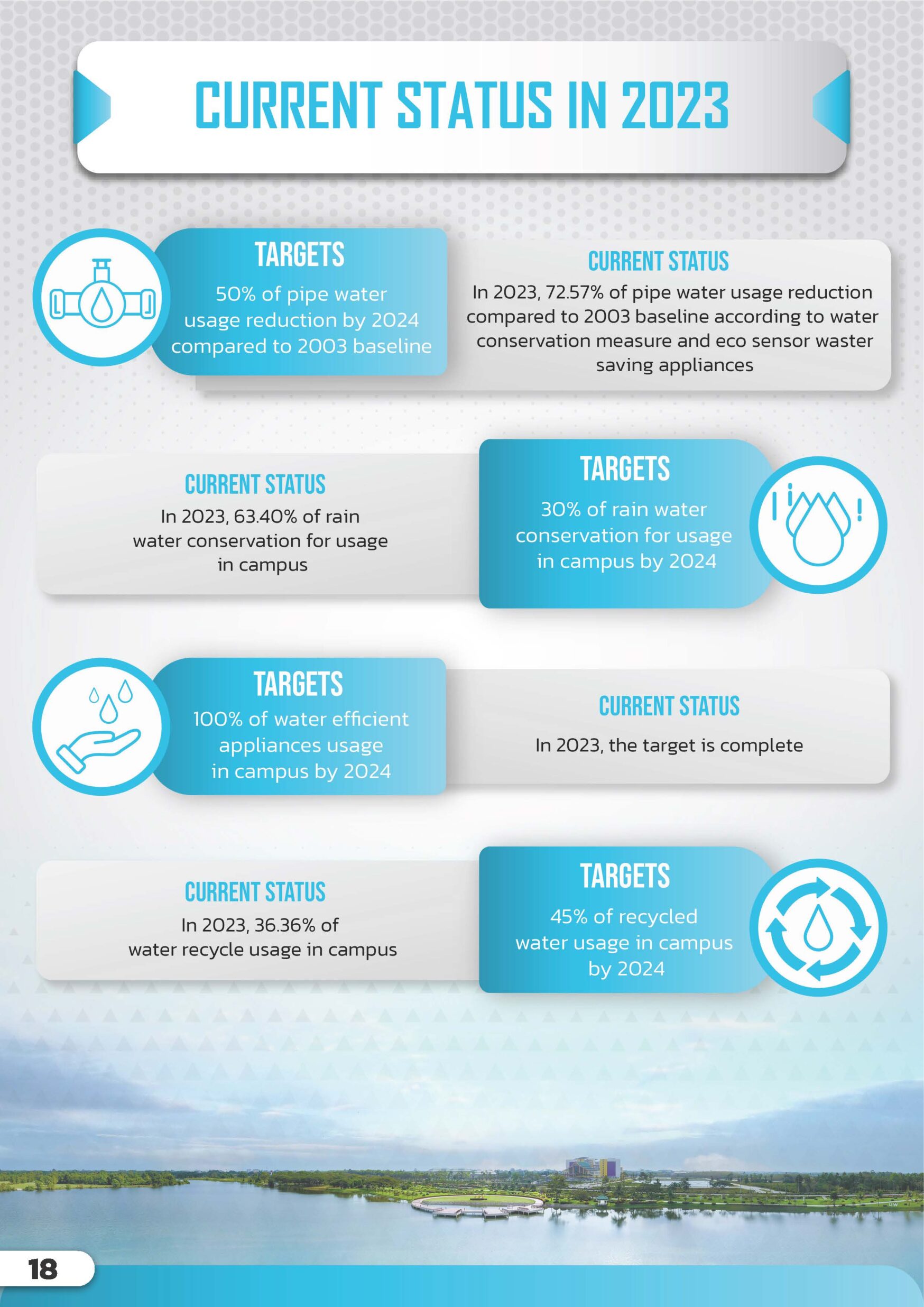
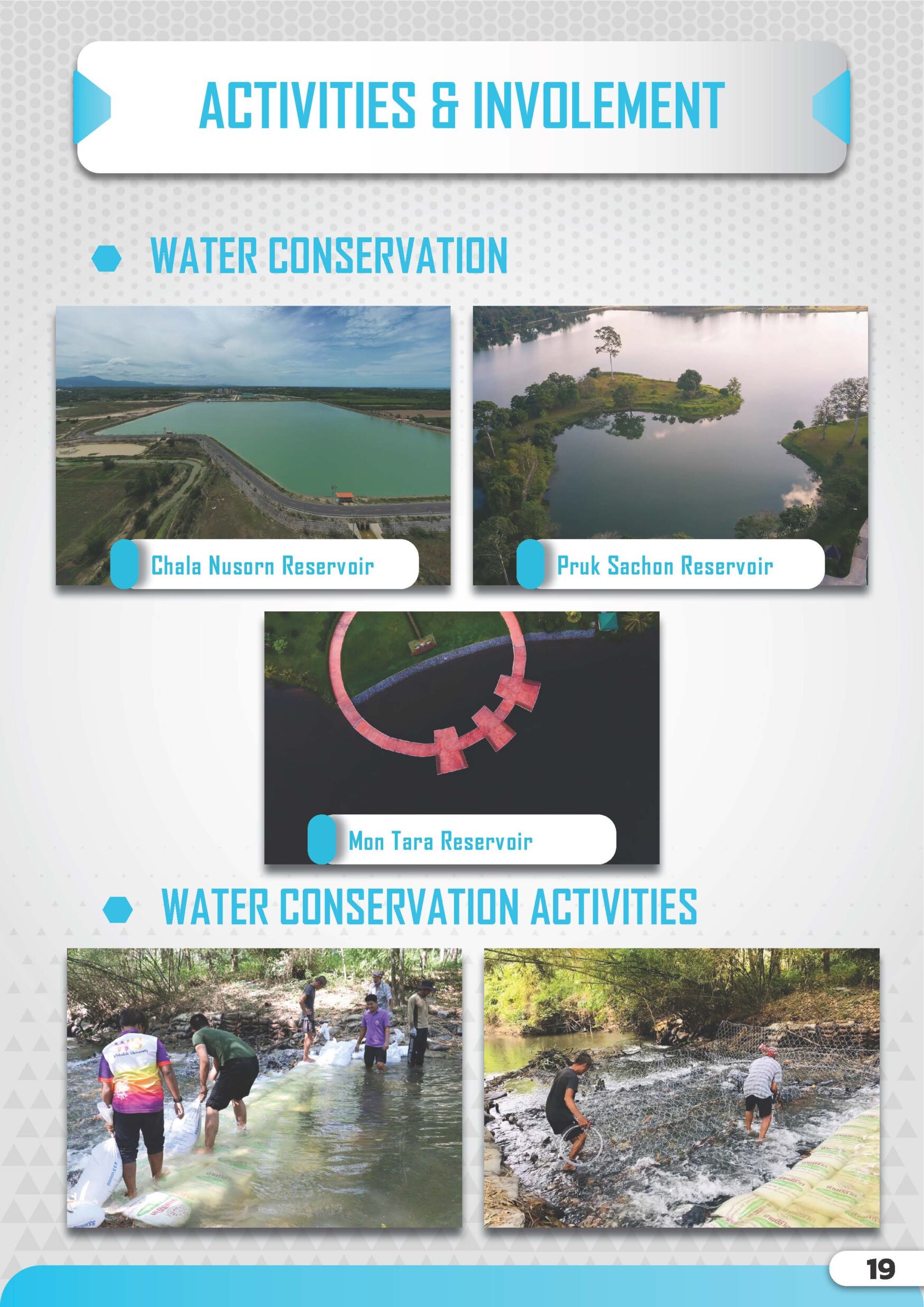
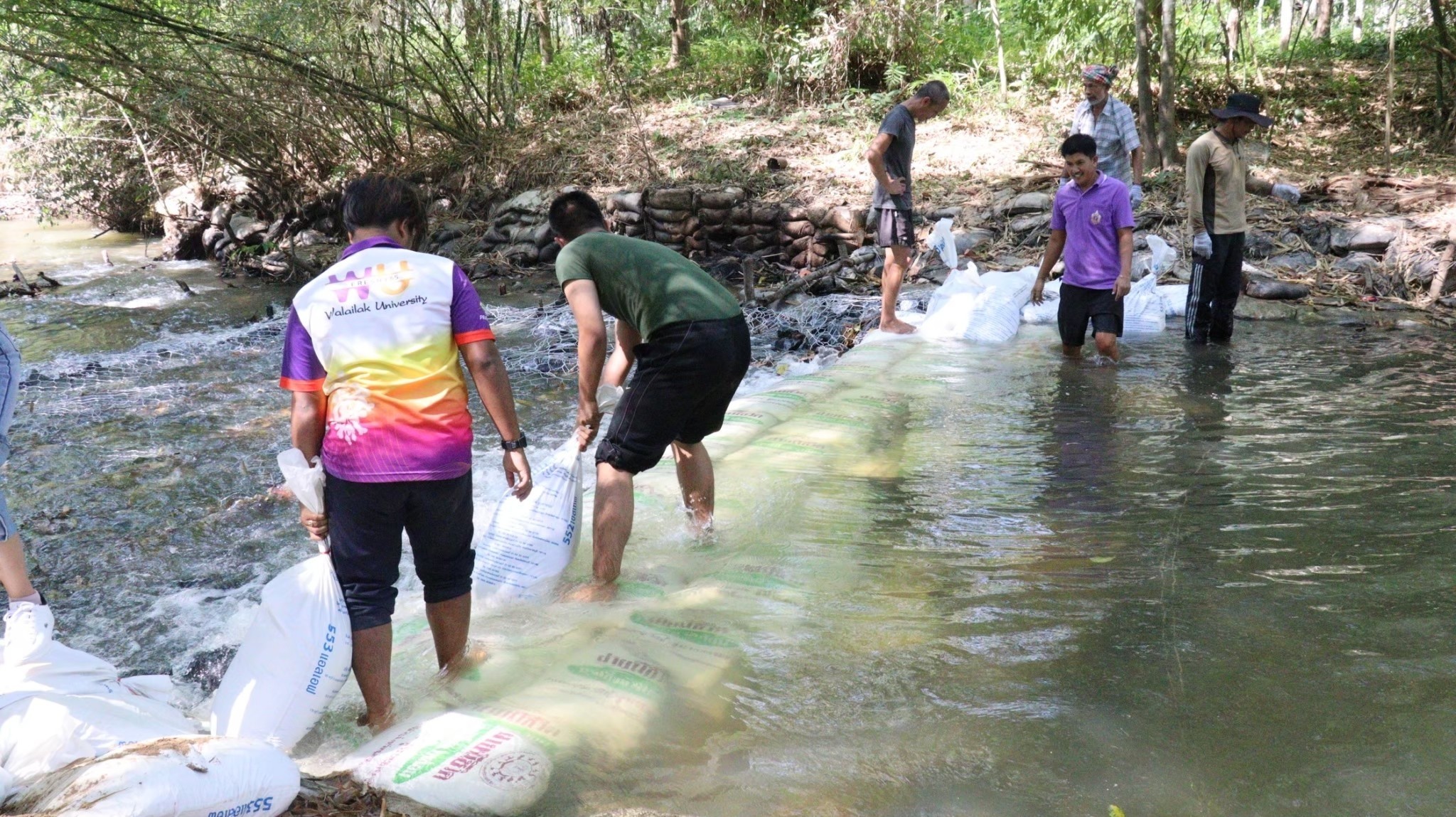
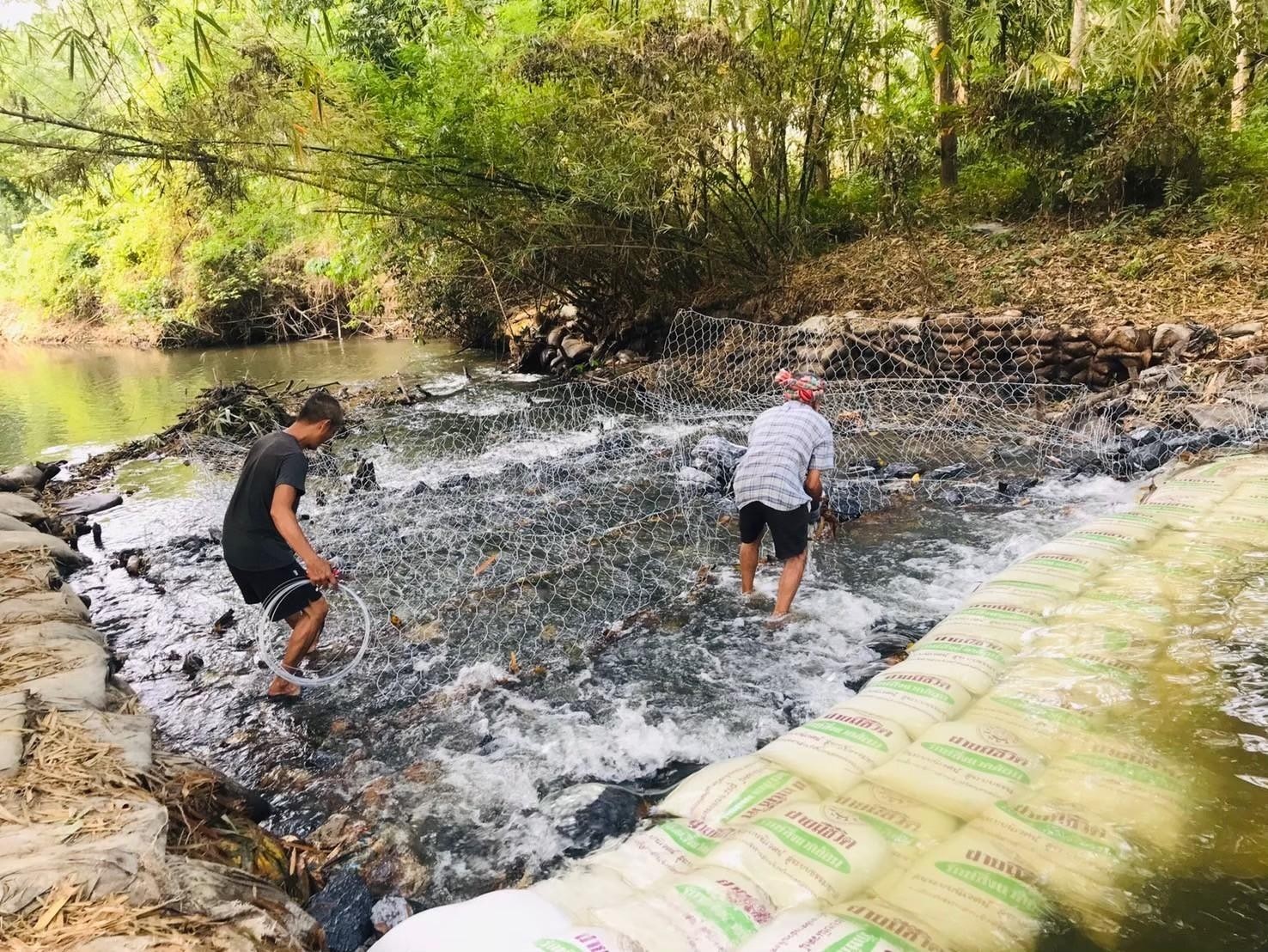
The primary focus is on advancing water conservation initiatives, including the implementation of water recycling programs, promoting water-efficient appliances, and reducing tap water consumption. In 2023, the university expanded water conservation areas and continued to encourage students and staff to practice water-saving habits year-round.
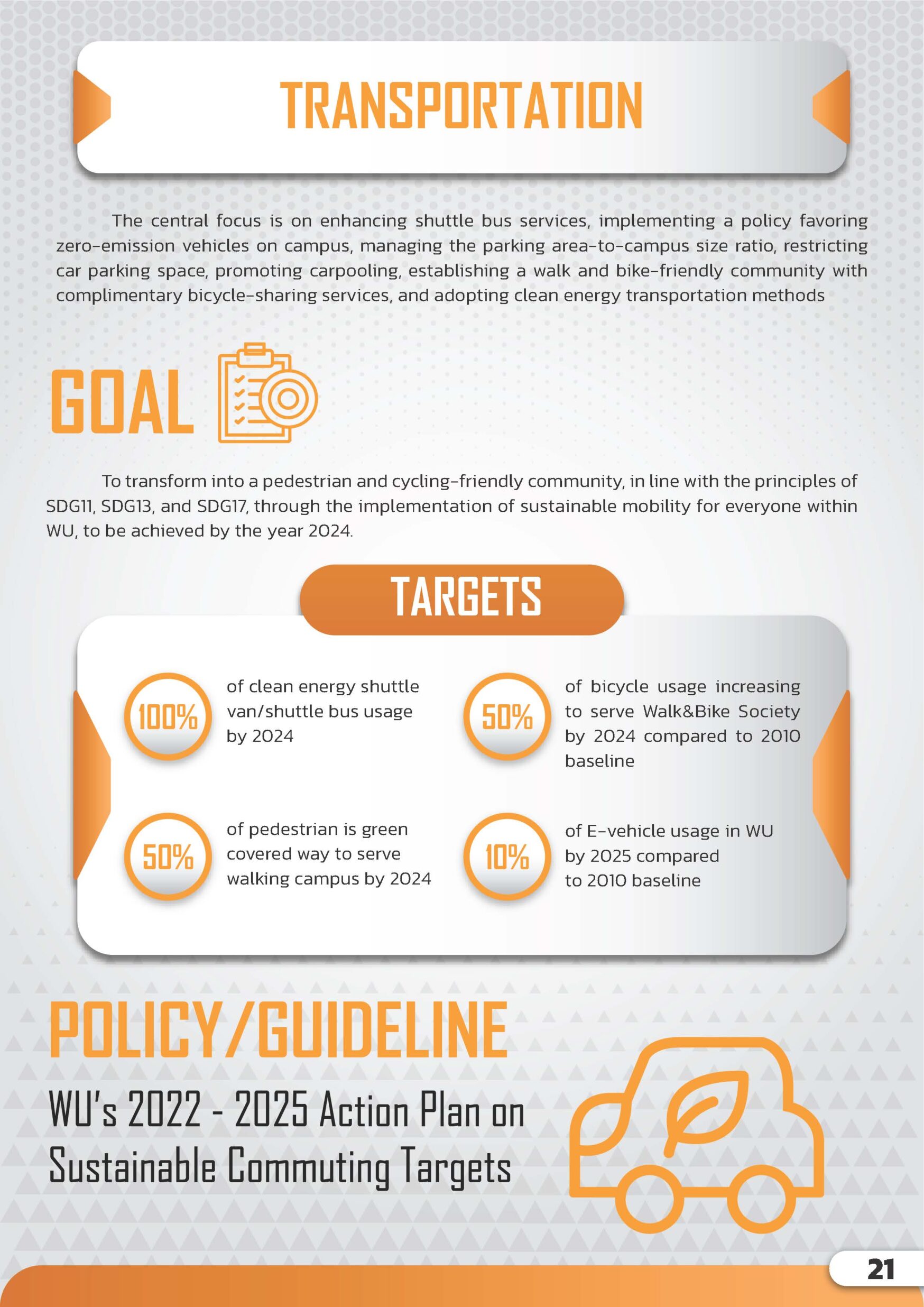
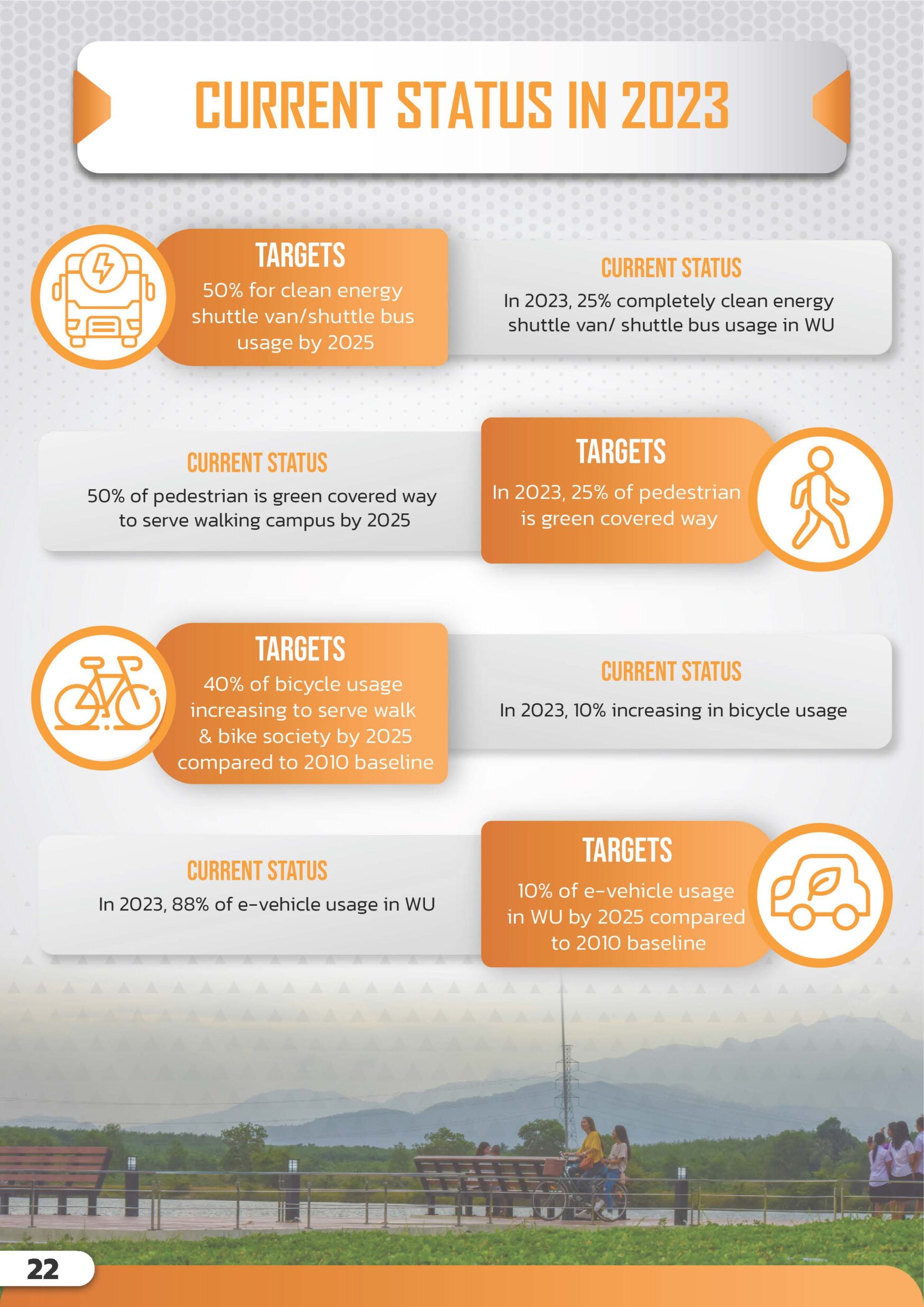
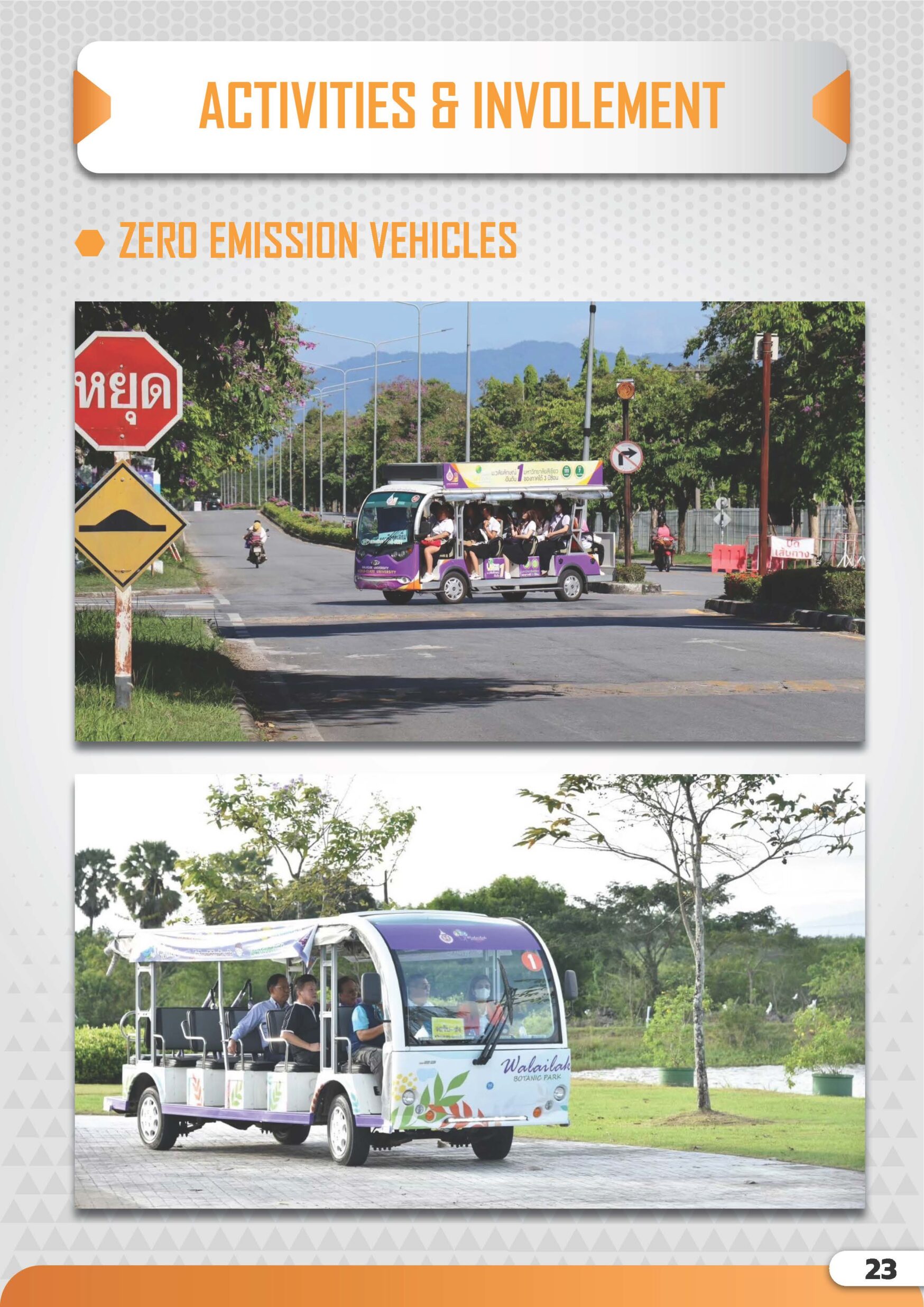
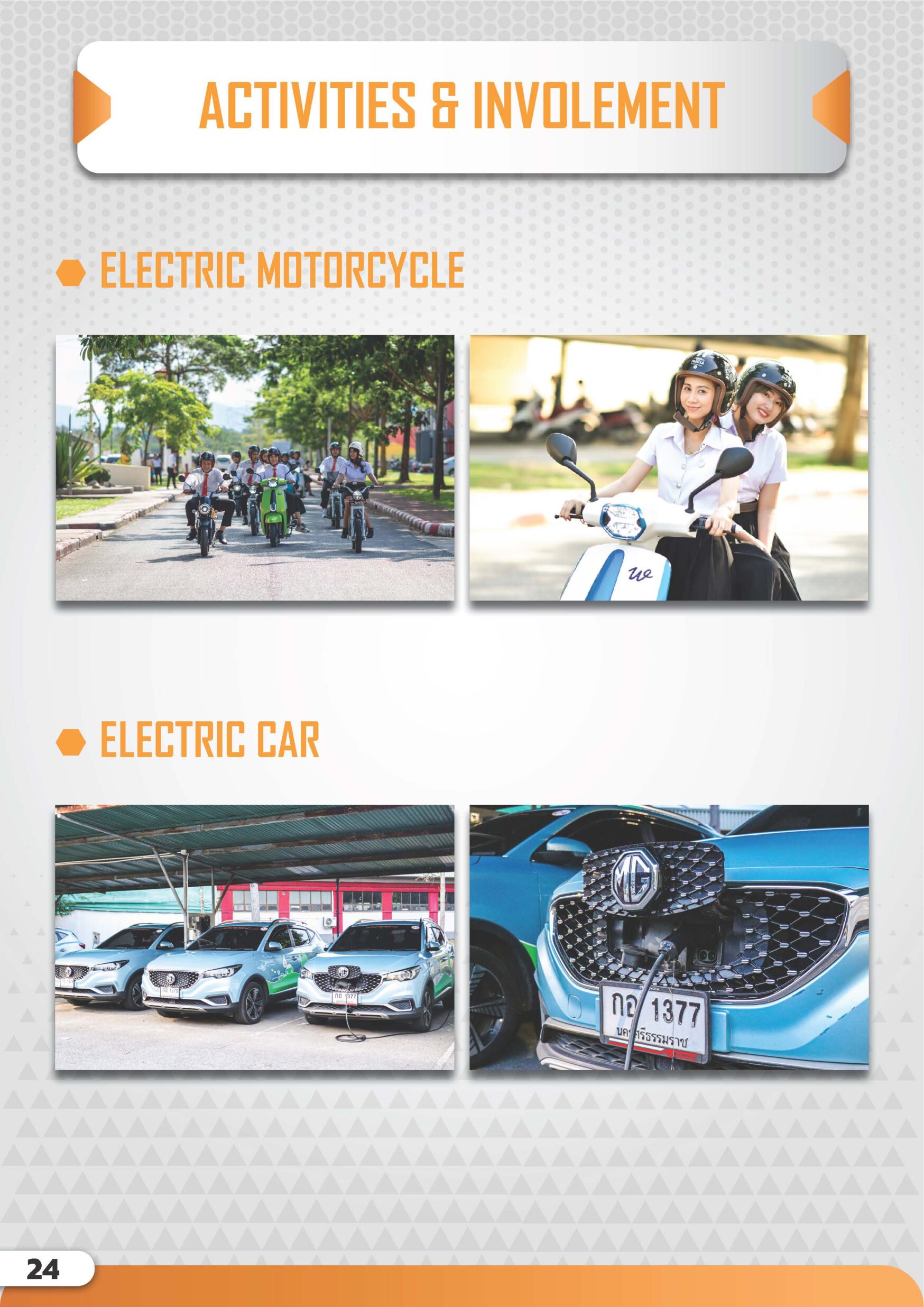
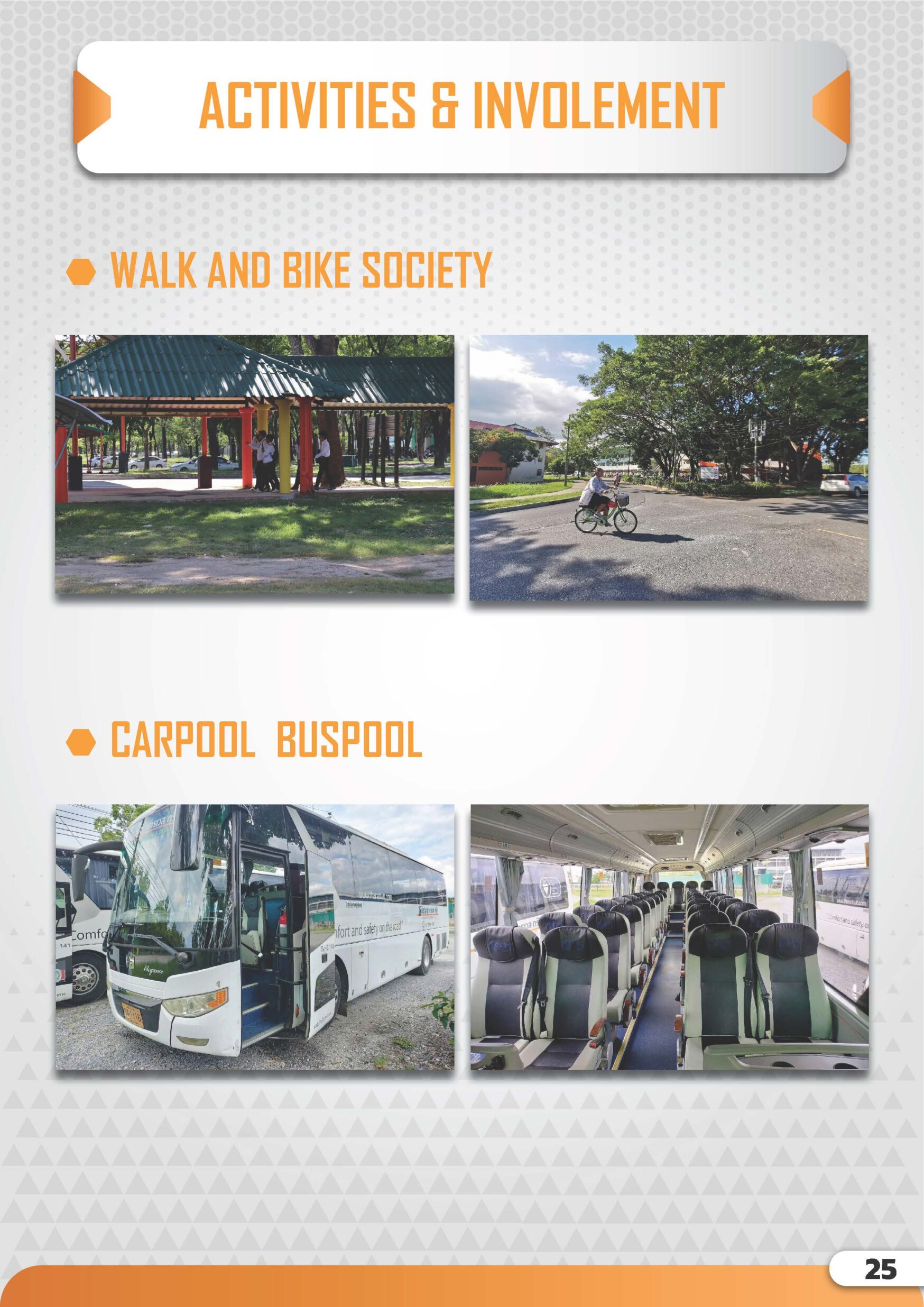
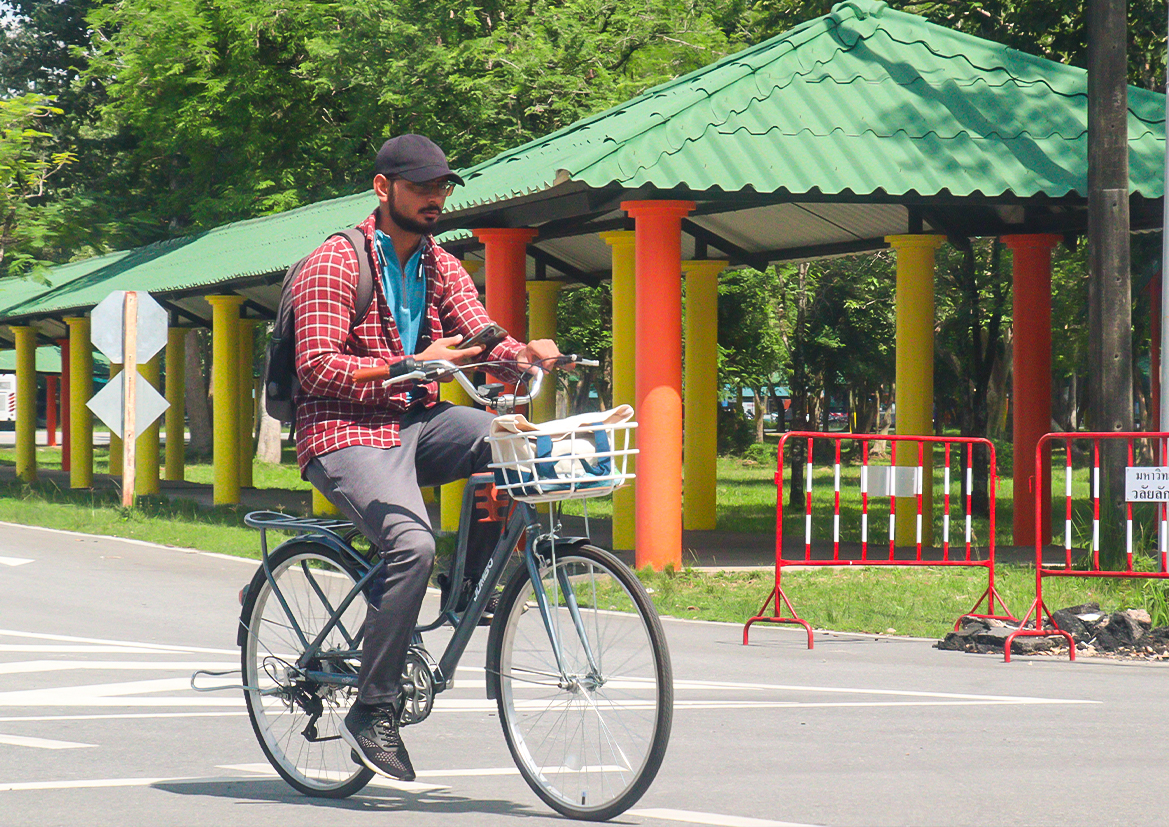
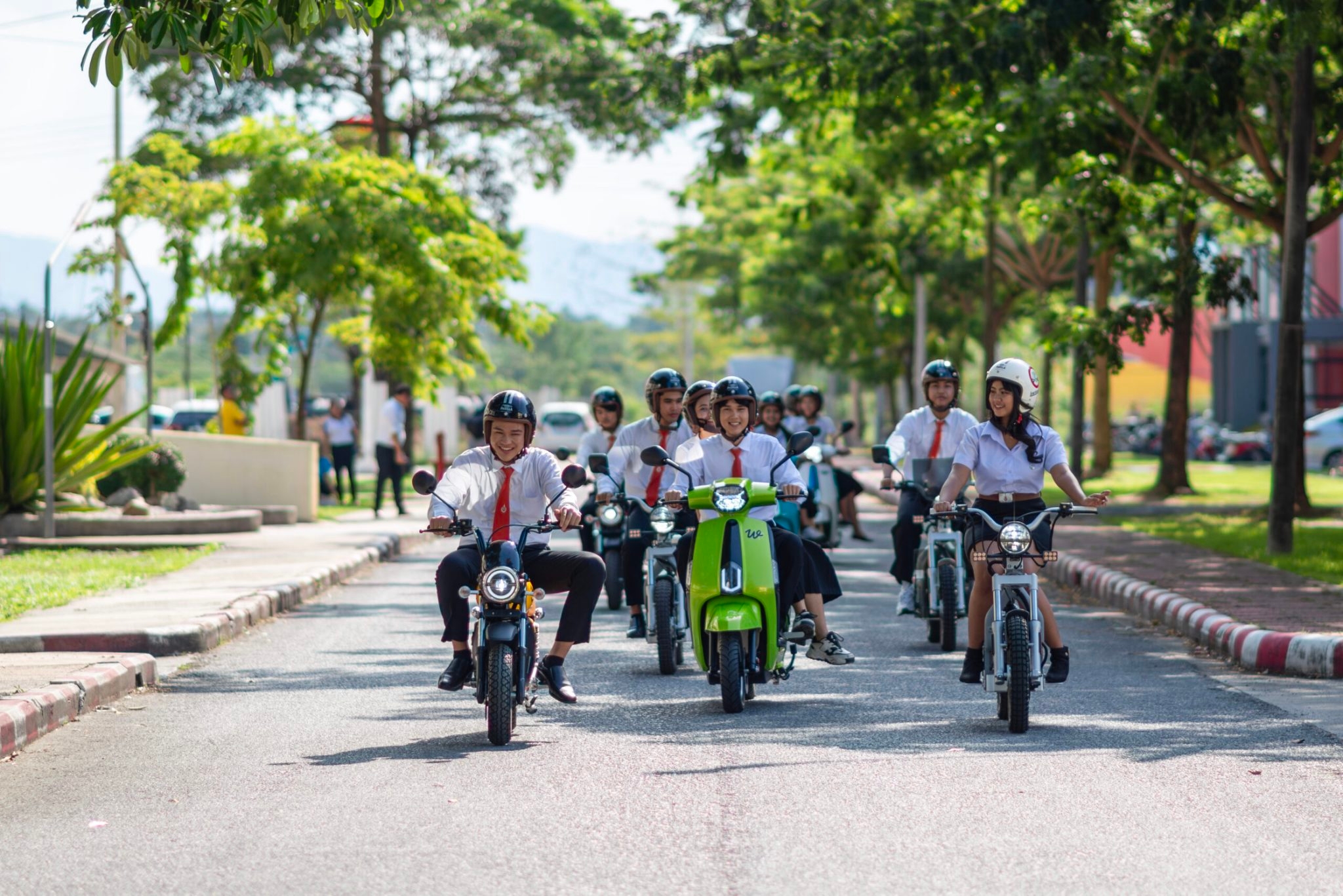
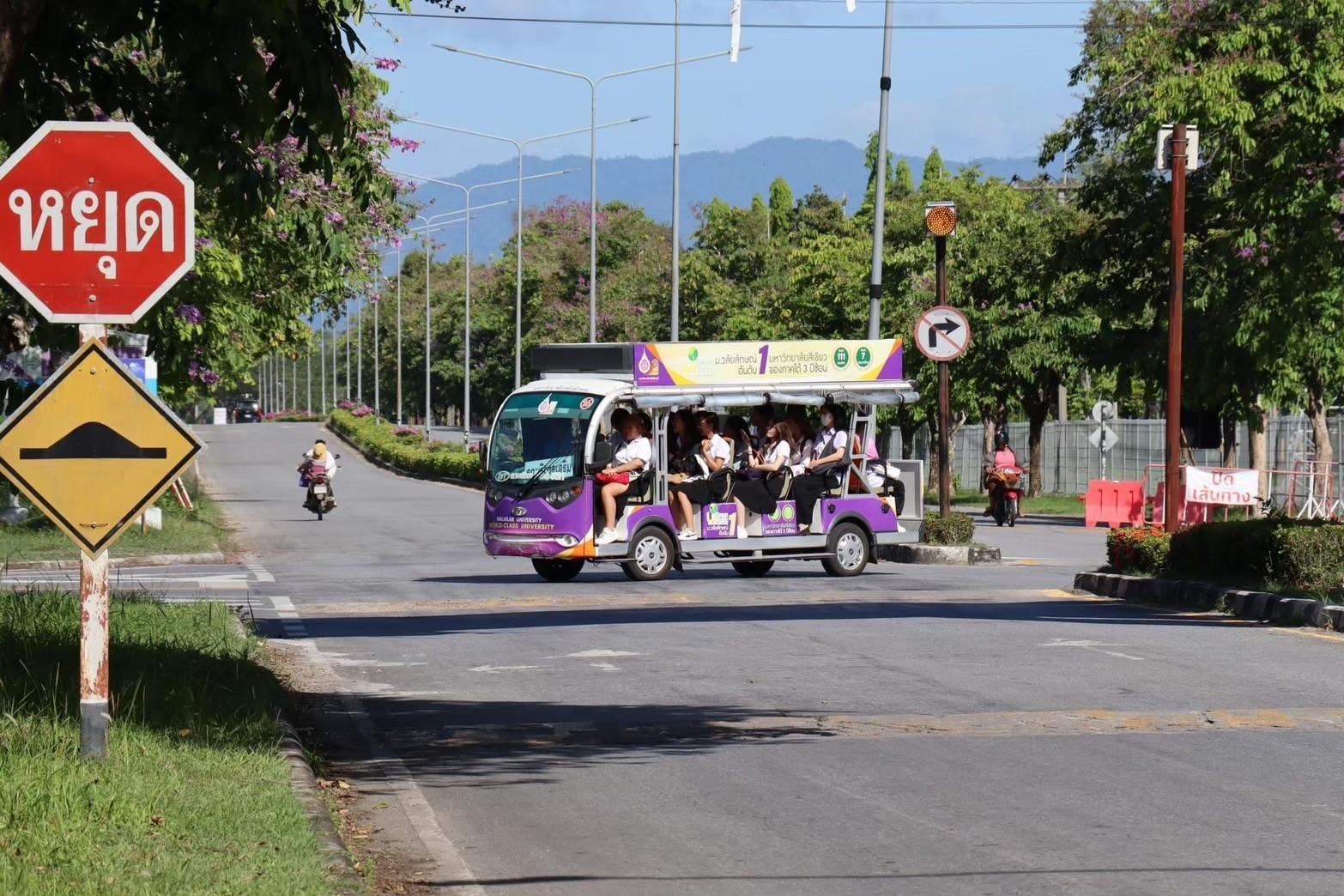
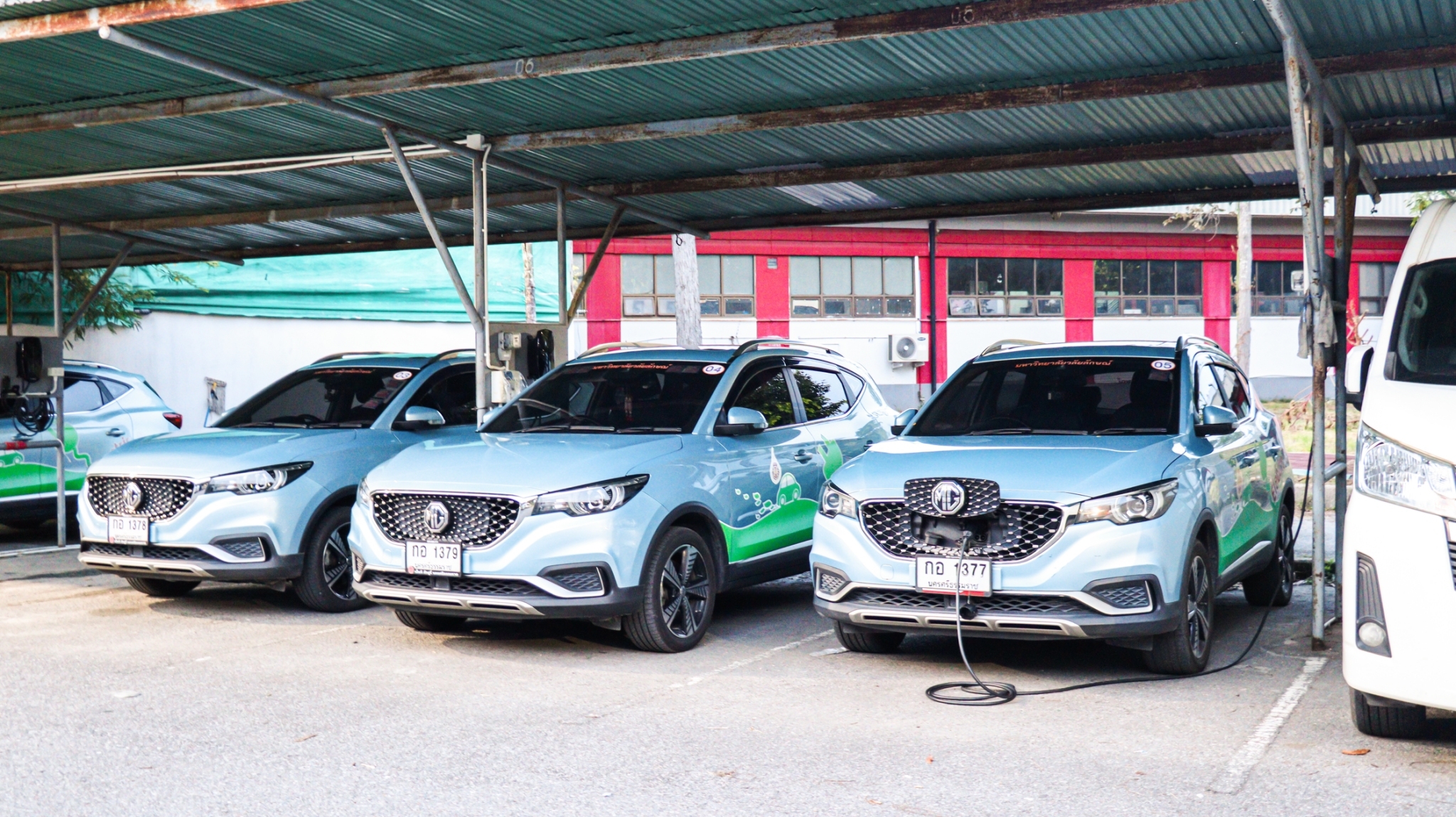
The primary focus is on improving shuttle bus services, establishing a policy that encourages the use of zero-emission vehicles on campus, managing the ratio of parking areas to campus size, limiting car parking spaces, and promoting carpooling. The university is also committed to building a pedestrian- and bike-friendly community by providing a free bicycle-sharing program and implementing clean-energy transportation options. In 2023, efforts expanded to include the promotion of electric motorcycles, sustainable transportation initiatives, walkway repairs, and the installation of clear directional signage across campus.
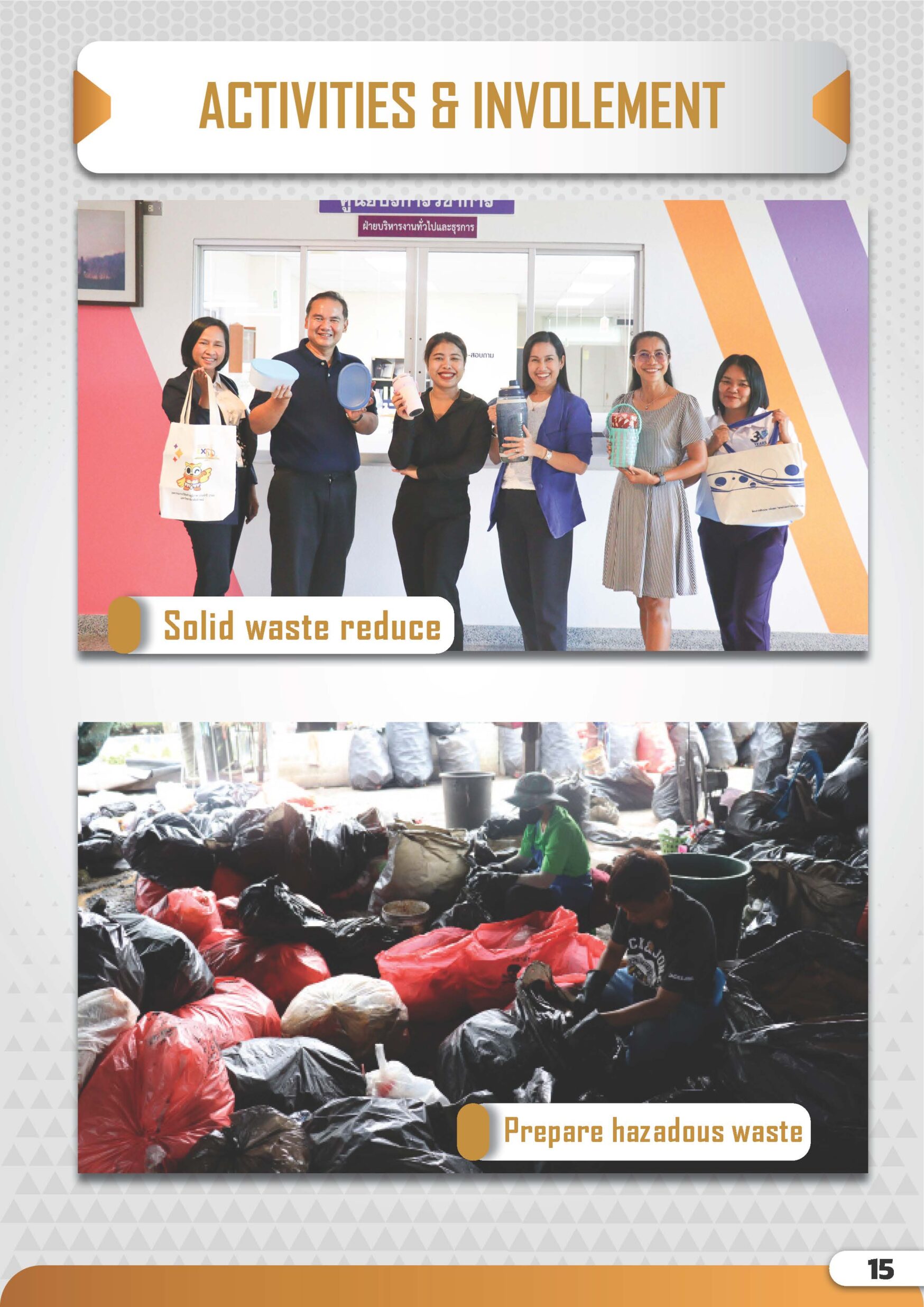
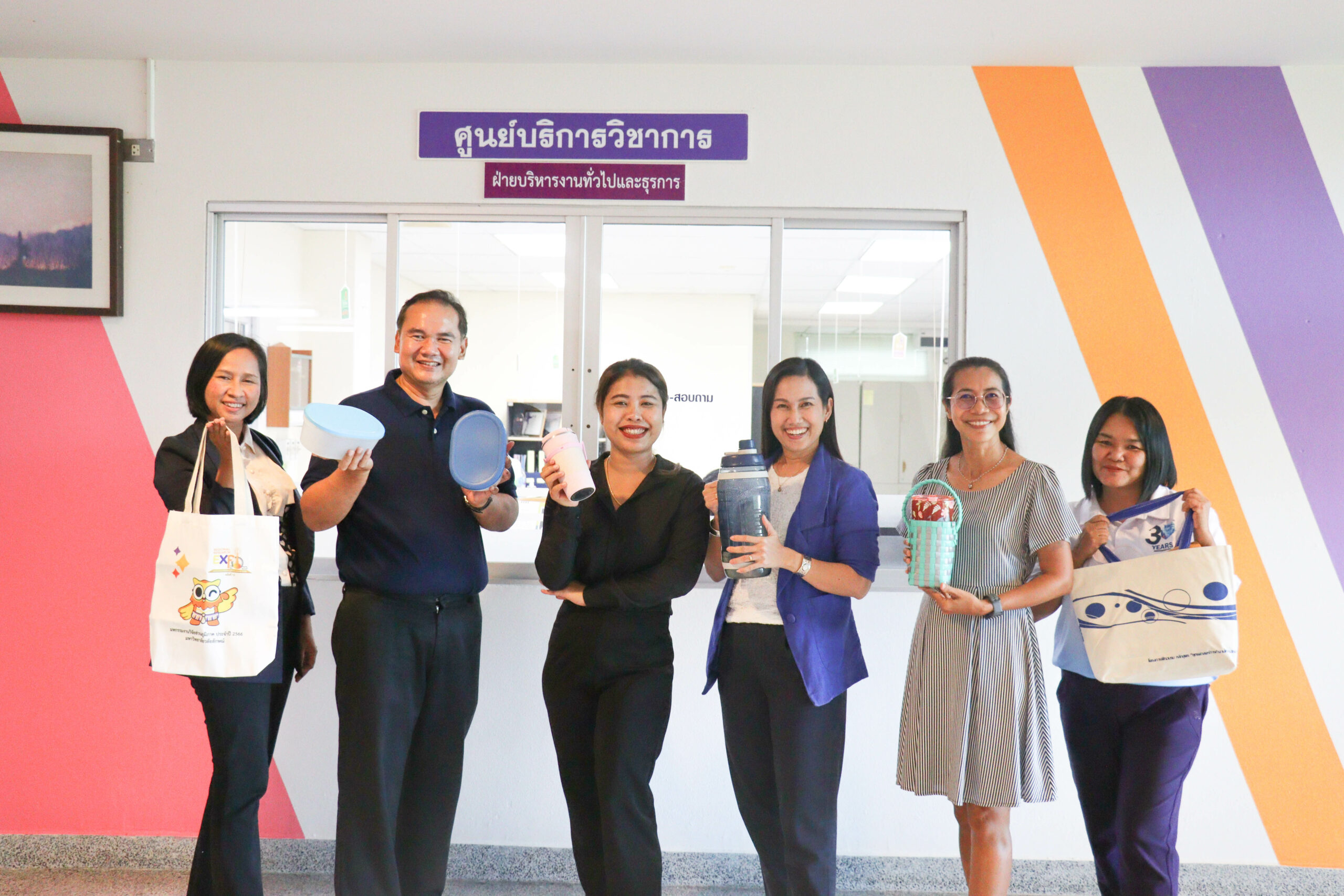
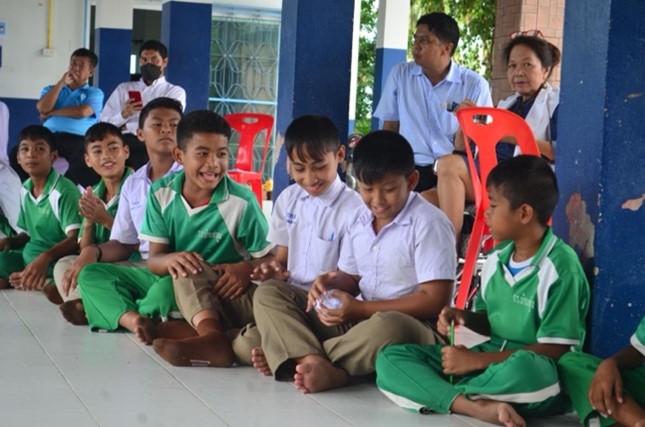
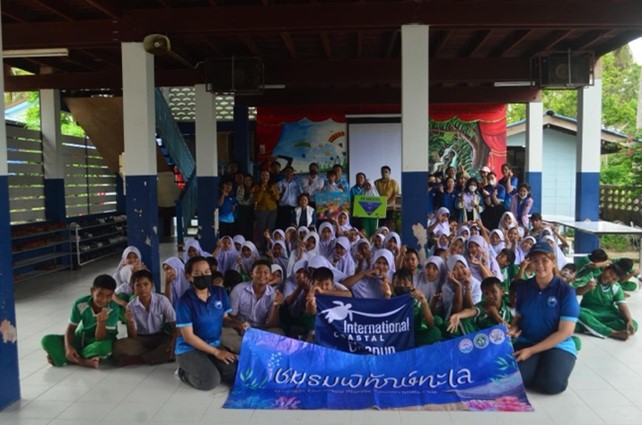
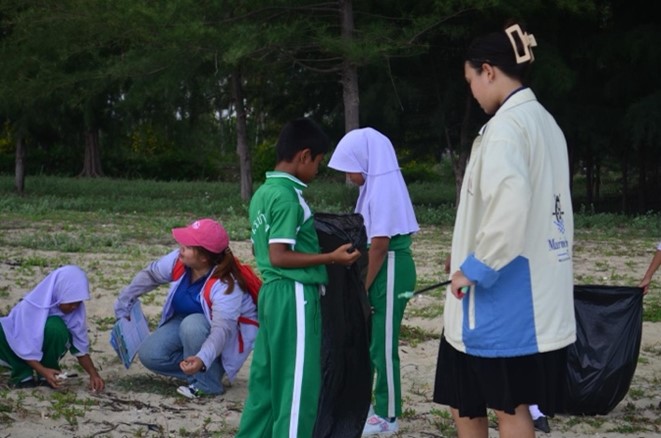
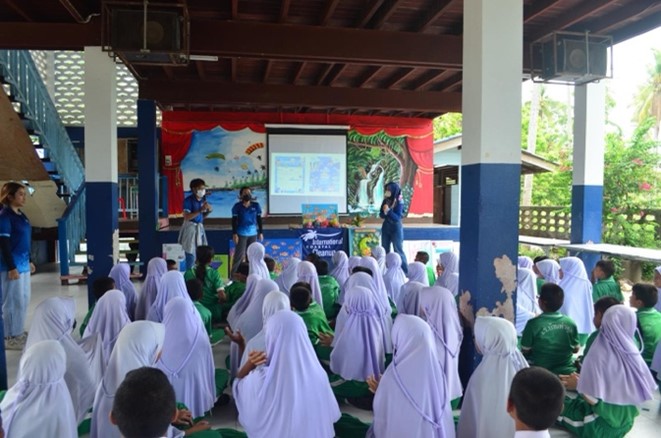
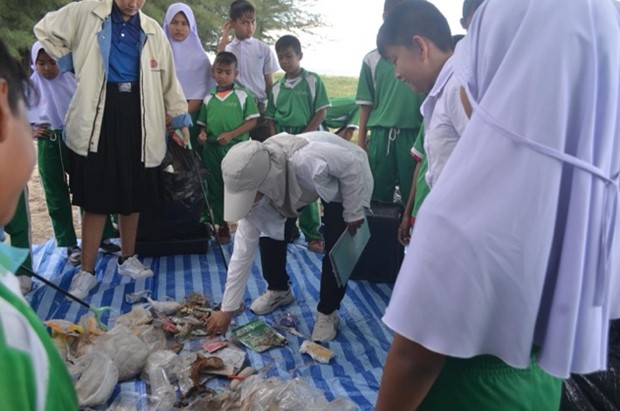
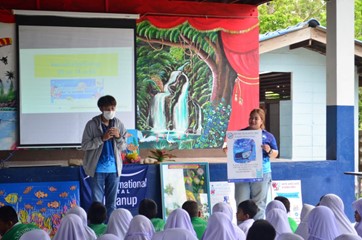
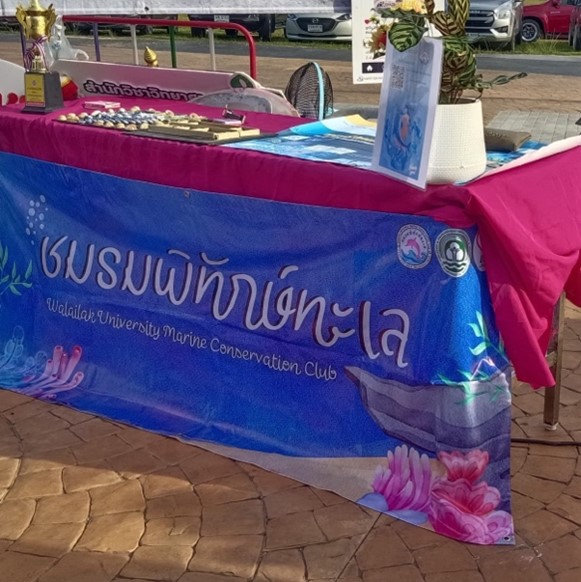
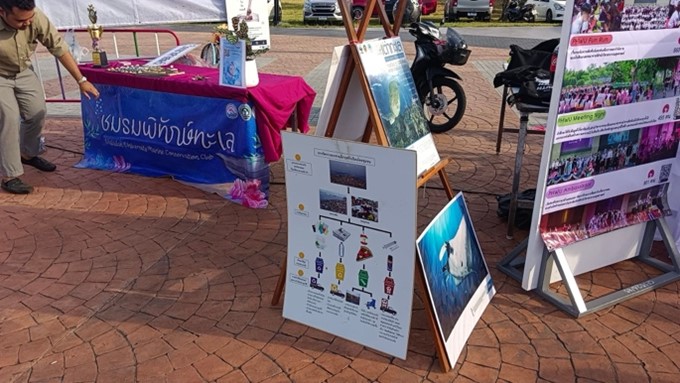
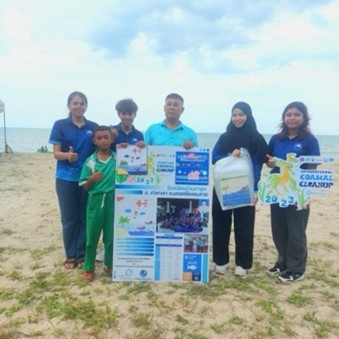
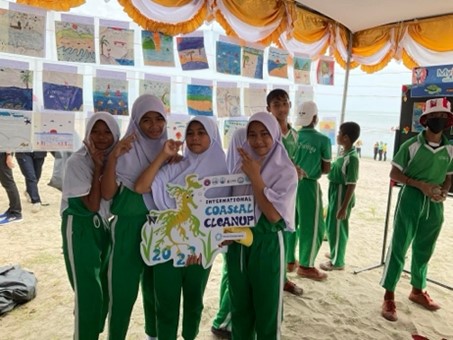
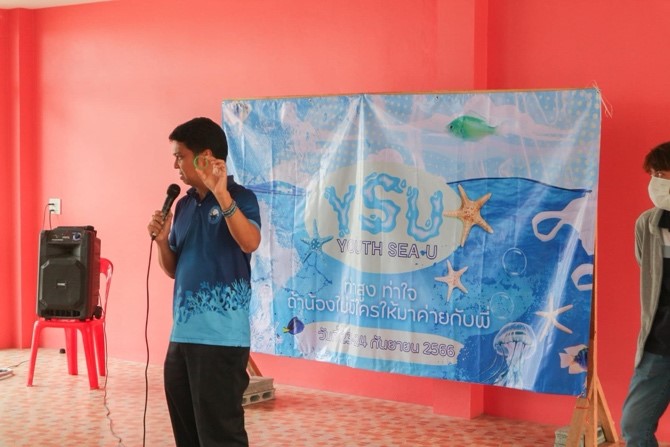
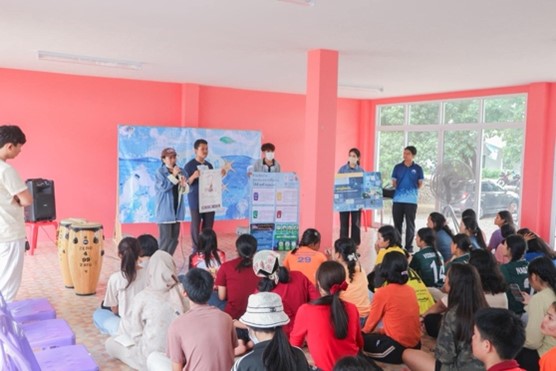
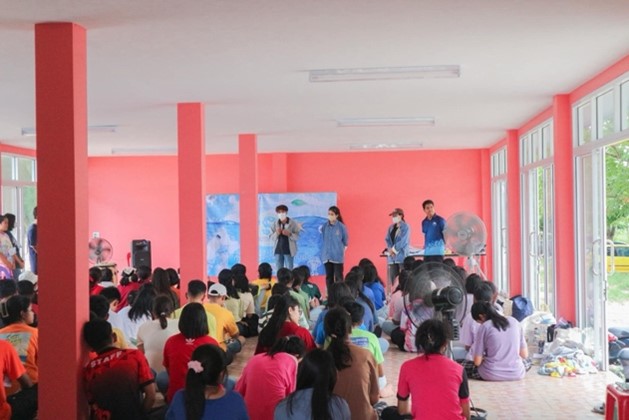
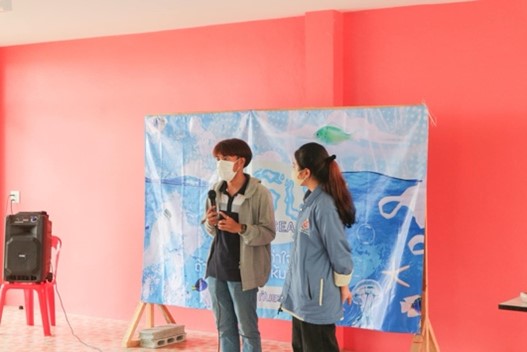
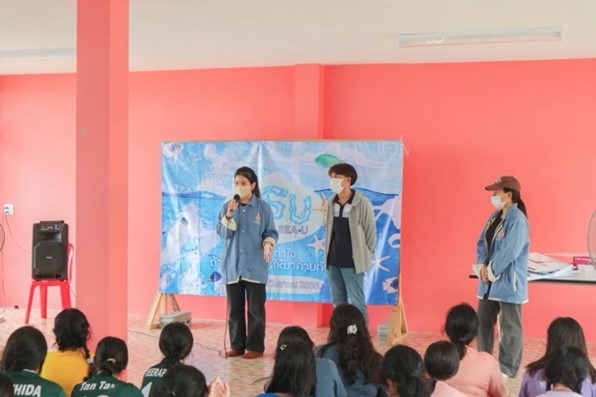
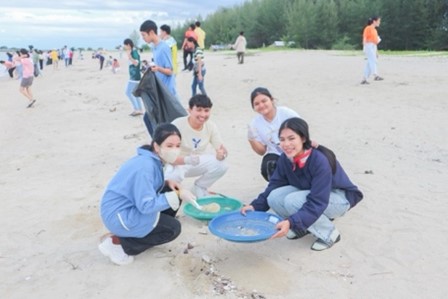
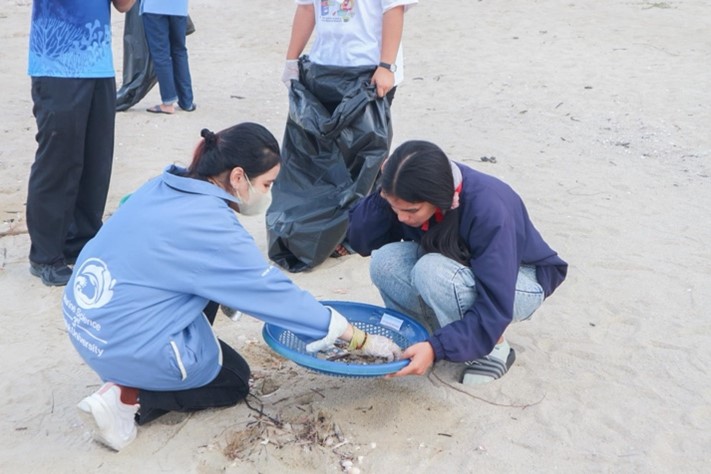
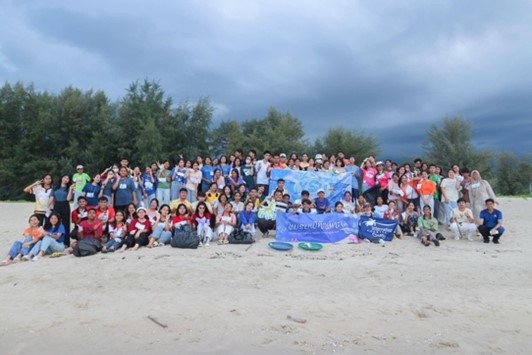
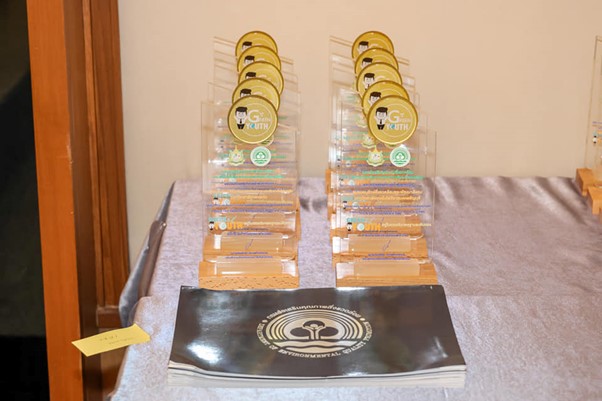
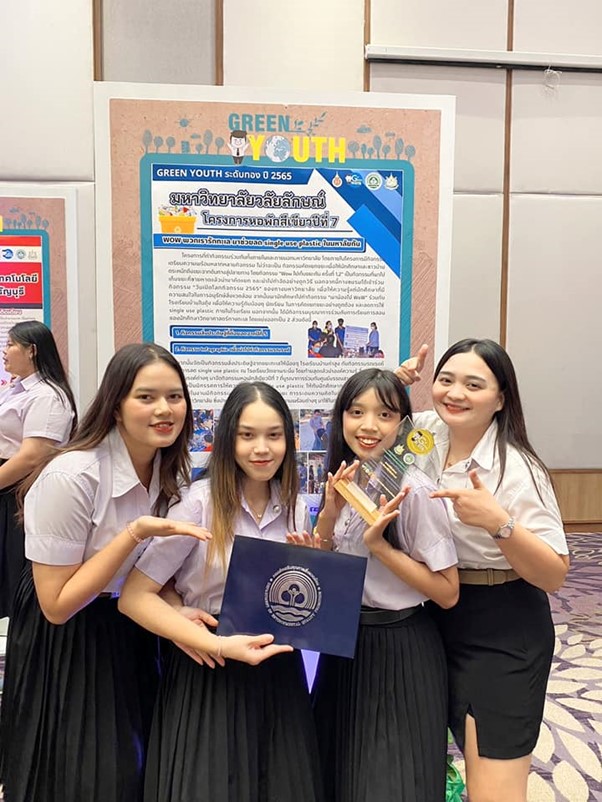
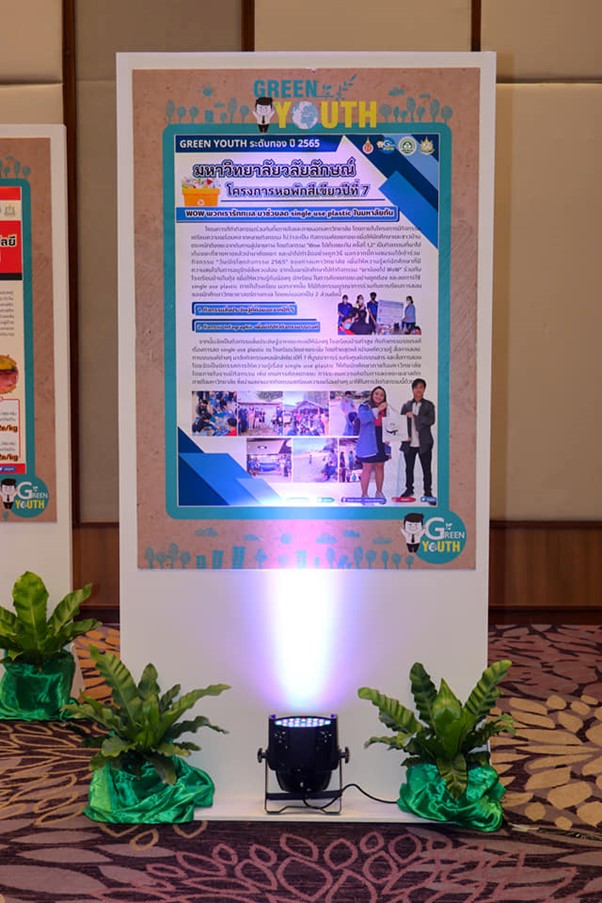
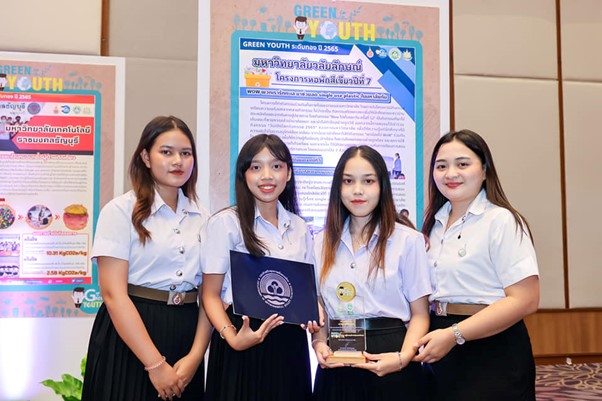
Additionally, the university organizes various activities aimed at reducing waste within the campus and surrounding communities, such as:
These activities demonstrate that the university actively organizes initiatives both on campus and within the community in collaboration with network partners. These efforts align with the Sustainable Development Goals (SDGs), specifically Goal 12 (Ensure sustainable consumption and production patterns), ensuring sustainable production and consumption practices.