
04Nov 2024 by Kittipong Bunlear
Ongoing Programs Promoting Good Aquatic Stewardship Practices
Walailak University (WU) enthusiastically develops and supports programs to promote sustainable practices in the fisheries and aquaculture sectors, aiming to foster environmental stewardship in alignment with global standards. Two significant ongoing programs, focused on encouraging and maintaining blue swimming crab rehabilitation and sustainable tilapia aquaculture, serve as prime examples of the university’s commitment to advancing good aquatic stewardship.
1. Blue Swimming Crab Fishery: Advancing Sustainable Practices in Aquatic Restoration Stewardship
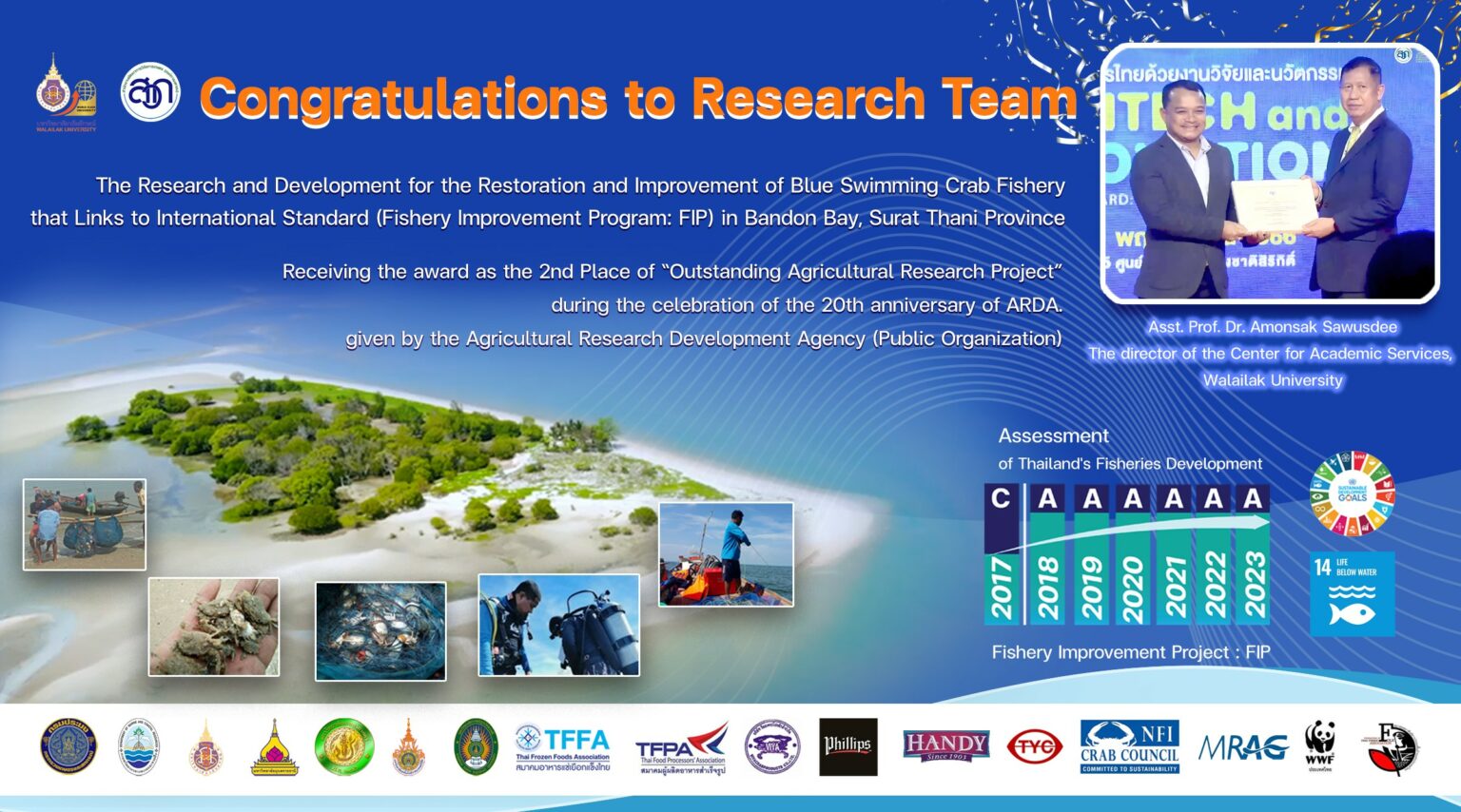
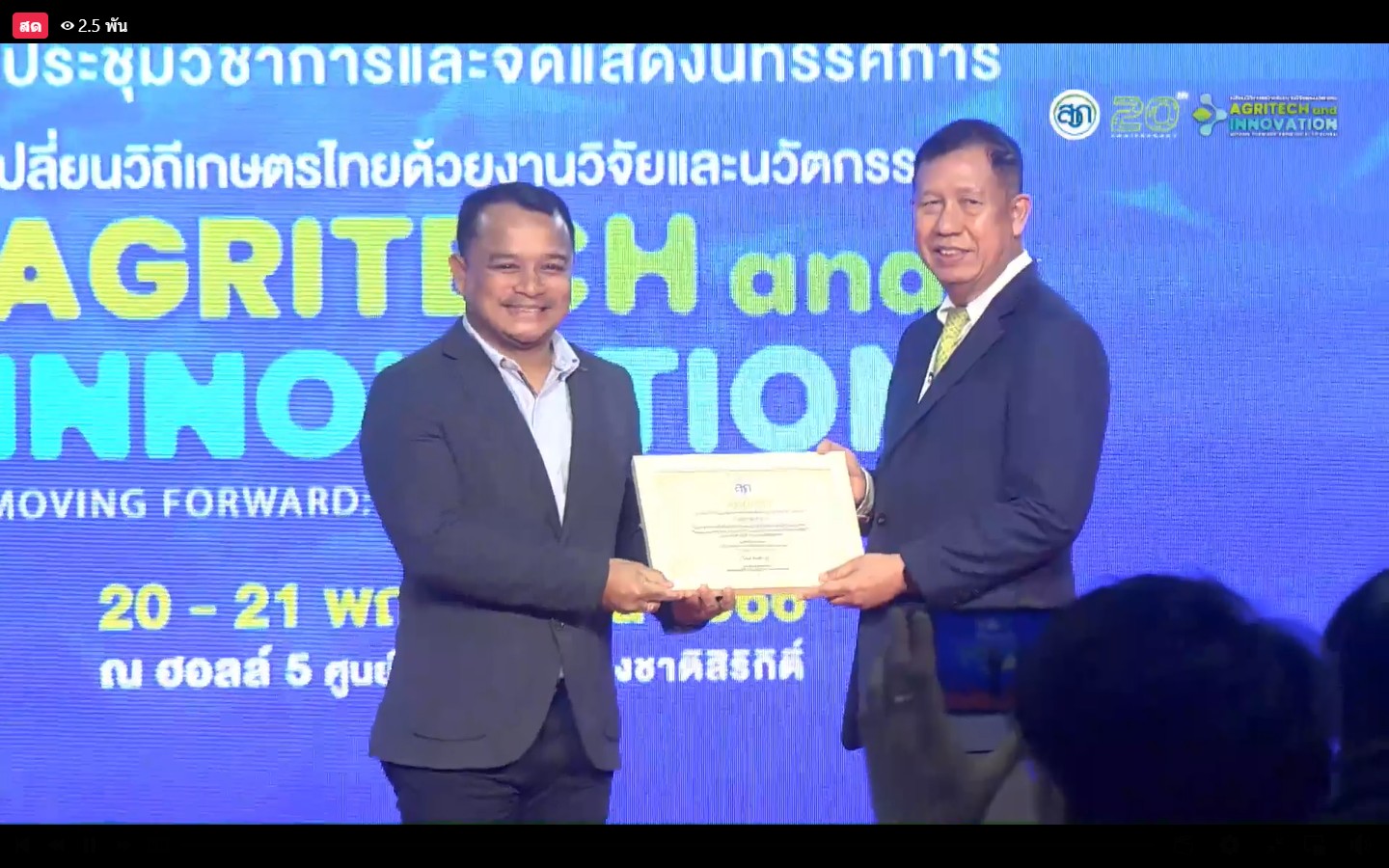
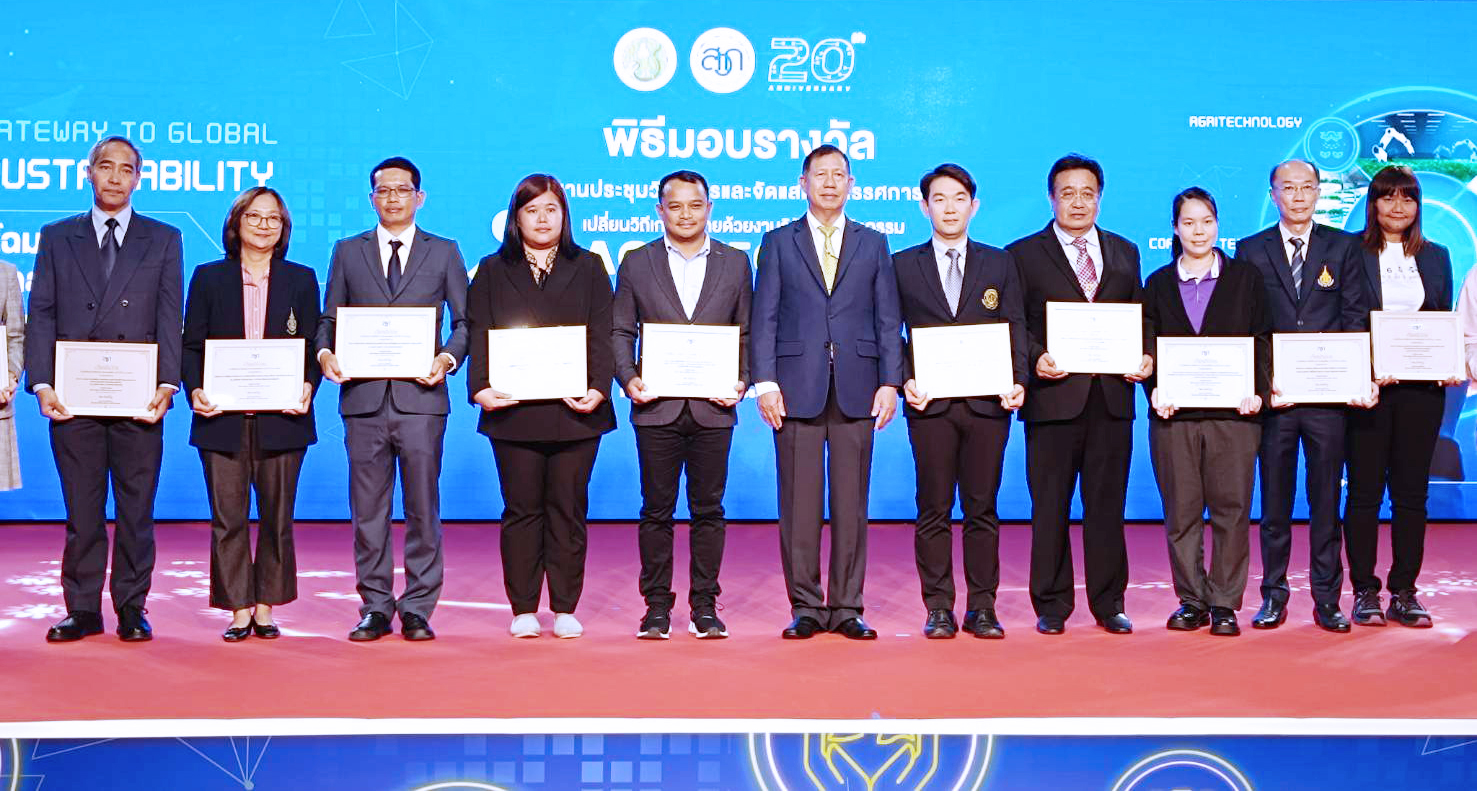
Spanning six years, 2018-2024, WU’s ongoing project on blue swimming crab rehabilitation in Bandon Bay, led by Asst. Prof. Dr. Amonsak Sawusdee achieved remarkable progress in raising fishery standards according to the Fishery Improvement Program (FIP) framework. Recognized by Thailand’s Agricultural Research Development Agency and the Ministry of Agriculture and Cooperatives, this project has been hailed as one of the best for 2023 and 2024. It reflects WU’s strong collaboration with academic, governmental, and international organizations, including the Department of Fisheries, the Hydro-Informatics Institute, the Thai Frozen Foods Association, and independent entities like the Marine Resources Assessment Group (MRAG) and the NFI Crab Council.
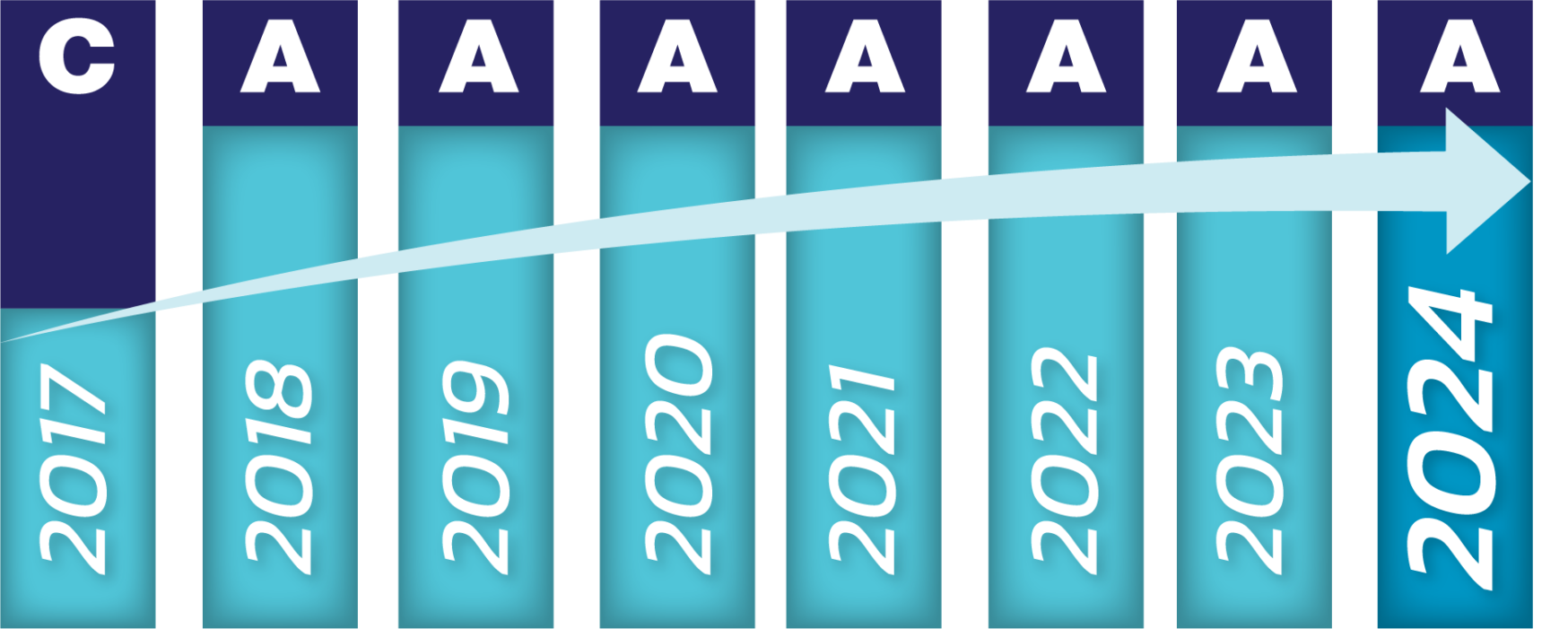
Since the project’s inception in 2018, Thailand’s blue swimming crab fishery assessment has progressed significantly, moving from an initial “C” rating in 2017 to an “A” rating by 2024 under MRAG’s FIP standards. The research outcomes not only increased crab yields from 5 kg per ship per day to over 10 kg but also provided the foundation for national recommendations. These include designating aquatic refuge areas for young crab nurseries, setting up blue crab banks, and establishing appropriate release points to enhance survival rates.
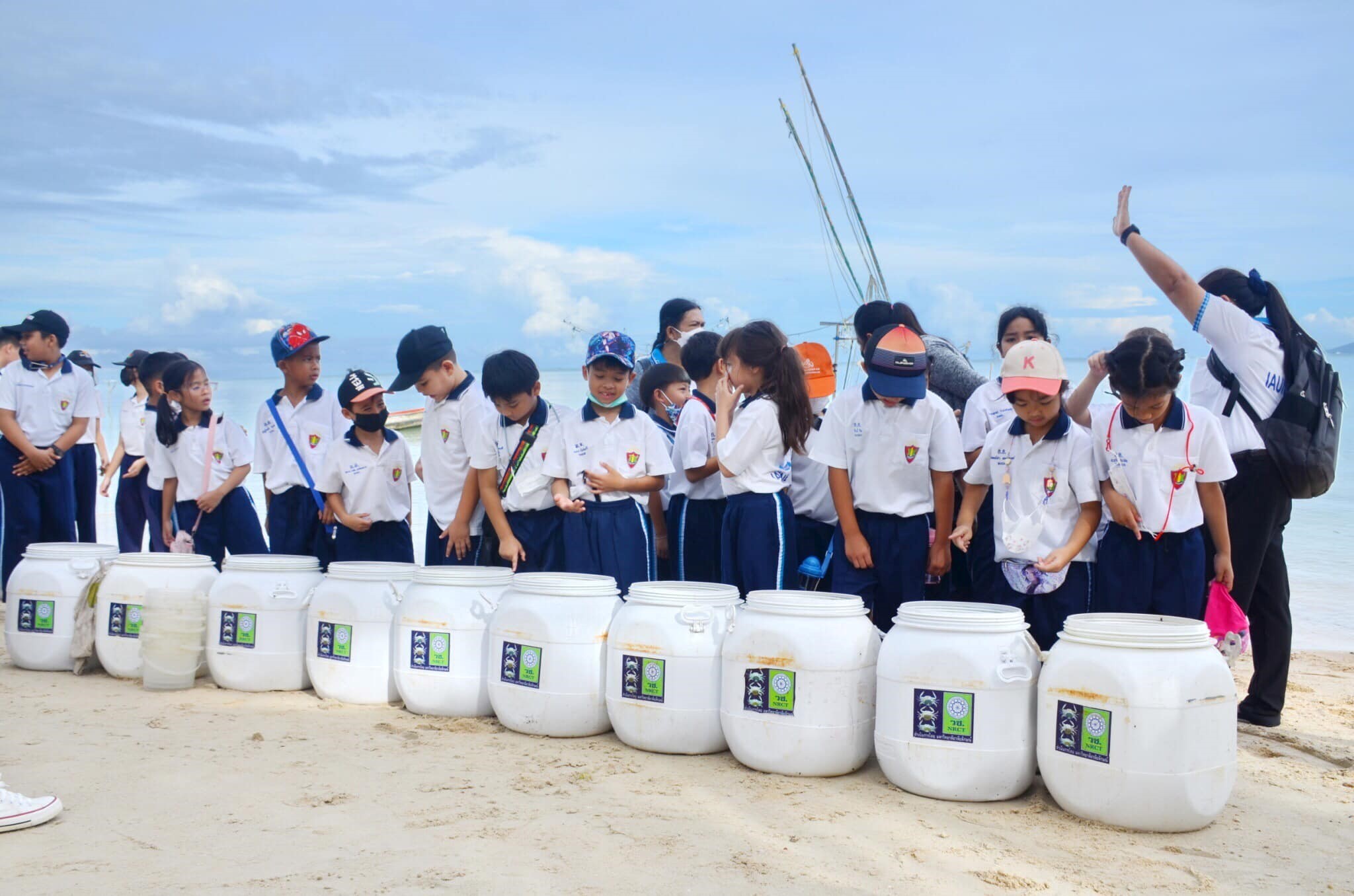
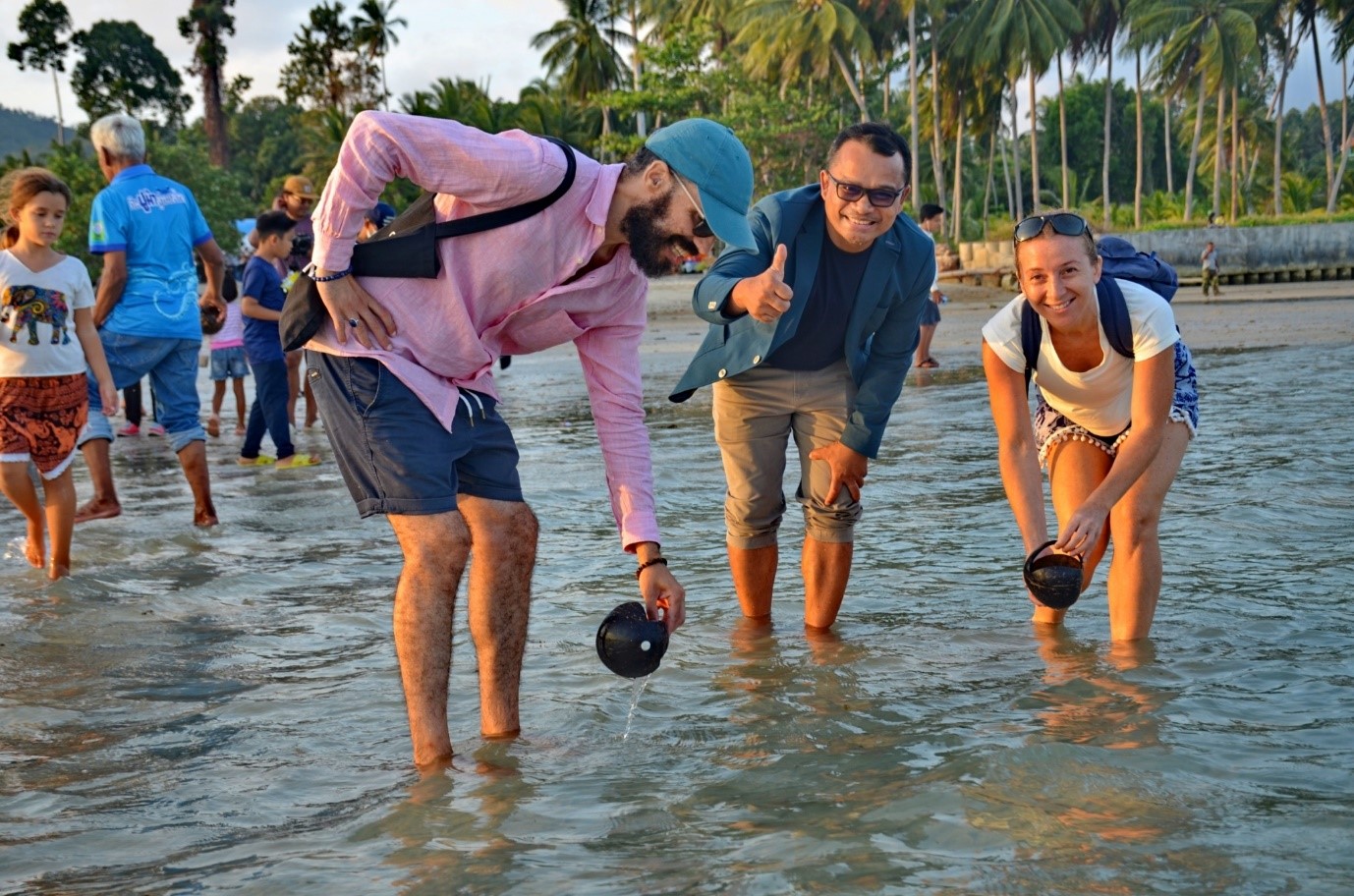
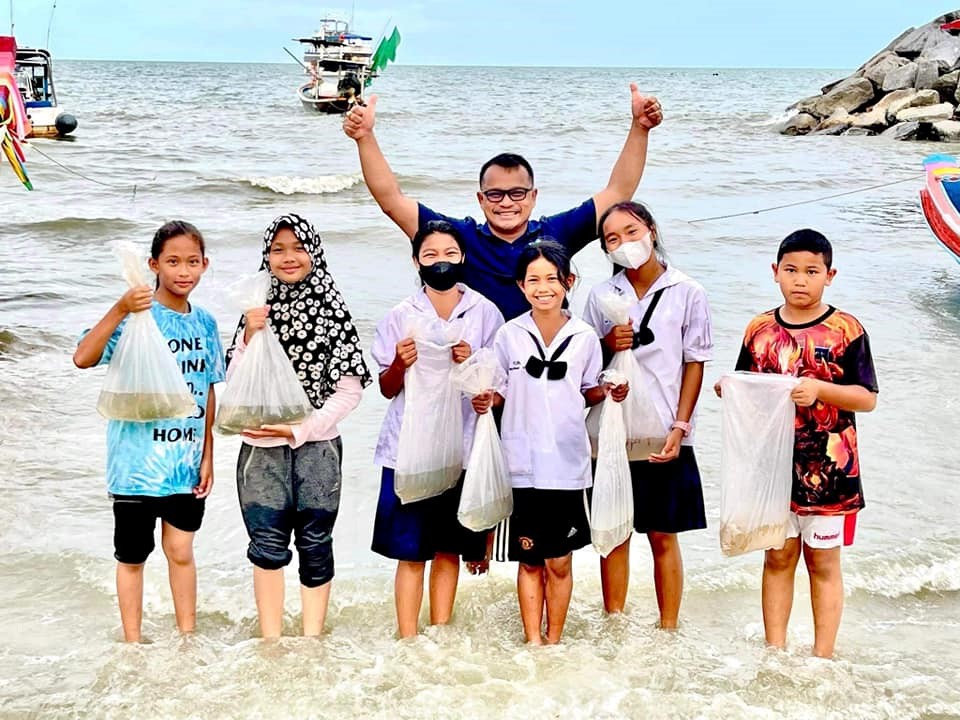
In 2023, under the “Returning Blue Swimming Crab to Nature” project, WU and its partners established 62 blue crab stations across Nakhon Si Thammarat and Surat Thani provinces. These stations facilitate the release of blue crab larvae and juveniles back into the sea, supporting the university’s mission to serve community needs while achieving sustainable marine resource management on an international level. This initiative reflects WU’s commitment to fostering sustainable practices that benefit local communities and contribute to the long-term sustainability of Thailand’s blue swimming crab fishery.
The economic impact of these “crab banks” on local fishing communities has been transformative. Before the crab bank project’s inception in 2018, local fishers reported an average daily catch of just 5 kg of blue crabs per boat, with monthly variations influenced by tides and currents. After one year of implementing the crab bank project, the average catch per boat increased to 8 kg daily. As crab banks were expanded into additional coastal communities over the next few years, daily catches continued to improve, reaching 10–15 kg per boat.
Similarly, commercial fishers experienced notable improvements in their catch rates. Prior to the project, the average commercial catch was about 40–60 kg per boat per day. Following the establishment of crab banks, daily catches rose to 80–100 kg, sometimes surpassing 100 kg during peak seasons. This steady growth in catch volumes highlights the success of WU’s ongoing crab bank project in enhancing local fisheries, bolstering community livelihoods, and promoting sustainable blue crab management across the Gulf of Thailand.
2. Reusing Old Shrimp Ponds for GAP-Compliant Tilapia Aquaculture
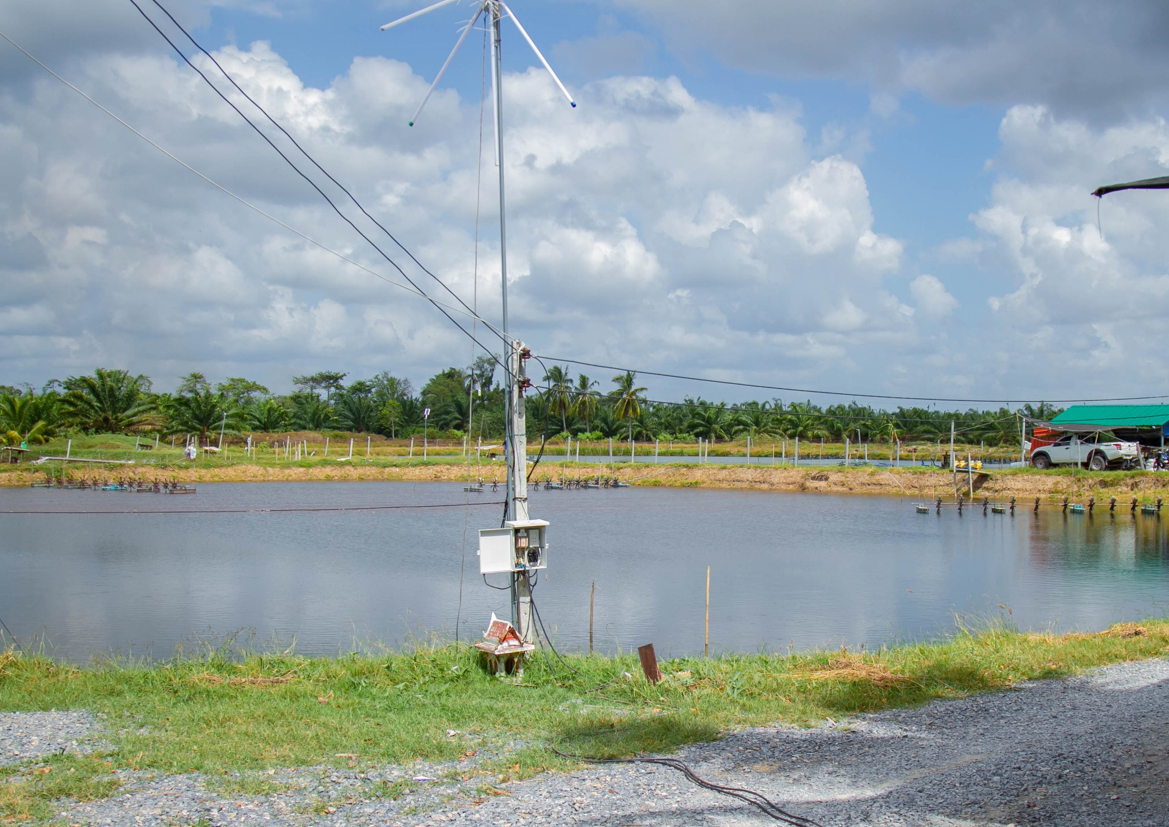
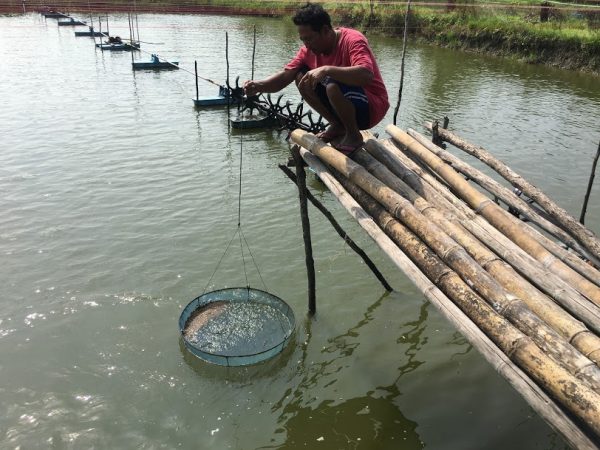
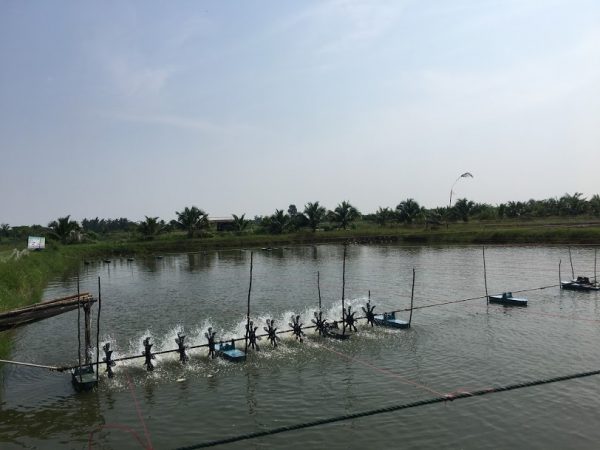
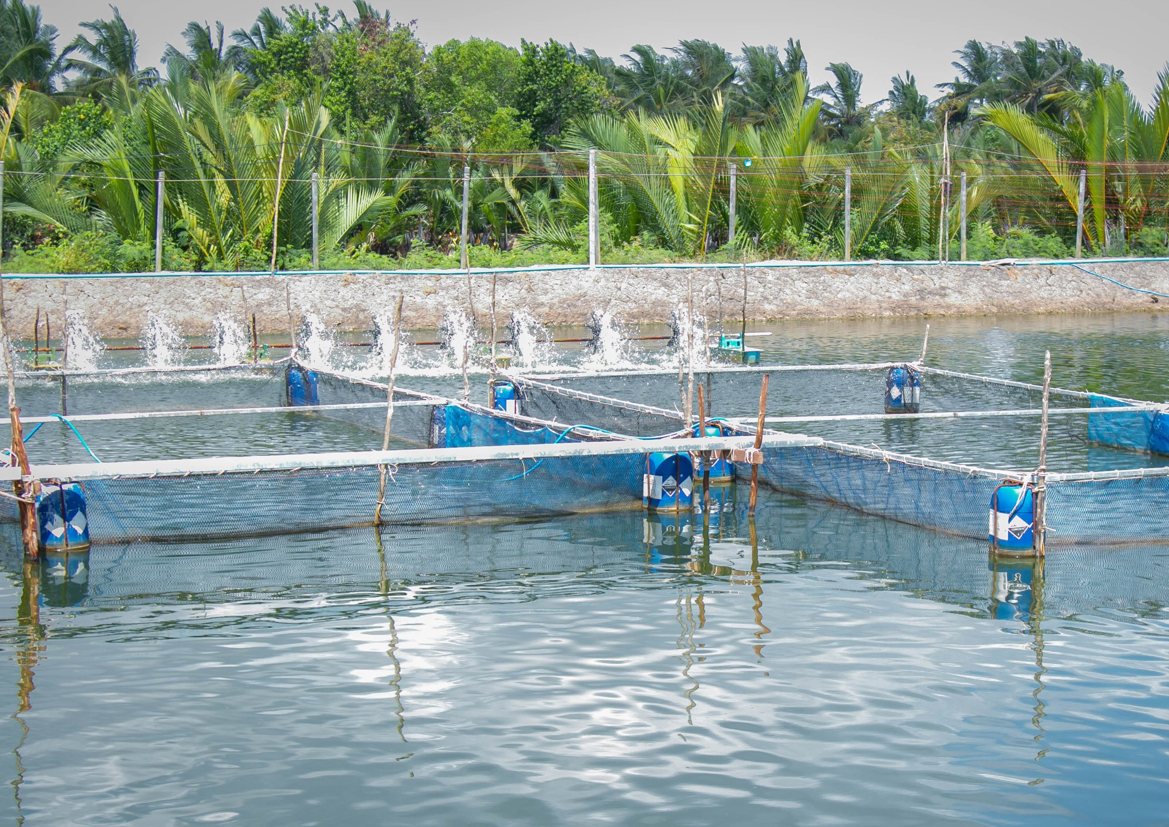
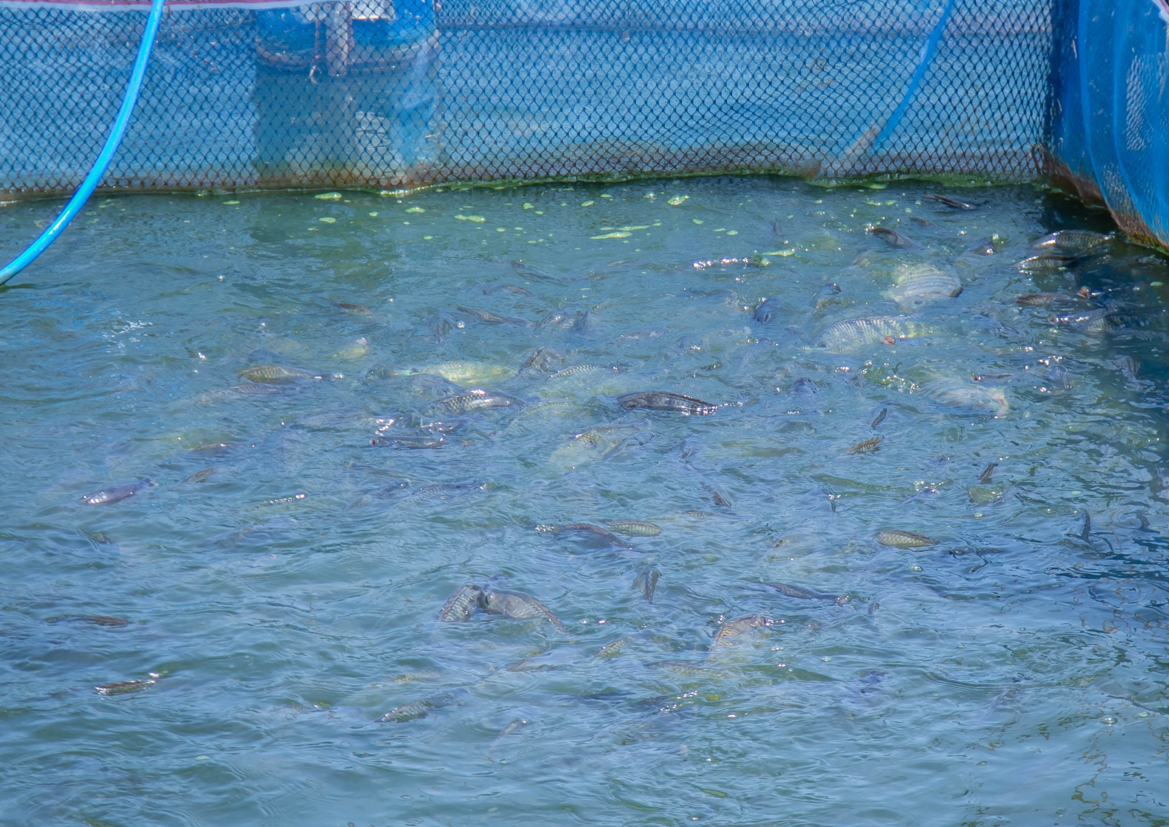
In 2023, to support sustainable aquaculture, WU, in collaboration with the Nakhon Si Thammarat Provincial Fisheries Office and the Ministry of Agriculture and Cooperatives, launched an ongoing program to assist local farmers in adopting Good Agricultural Practices (GAP) for tilapia aquaculture. This program repurposes changing shrimp ponds in Pak Phanang District for tilapia farming, meeting GAP standards that prioritize environmental sustainability, economic viability, social acceptability, and food safety.
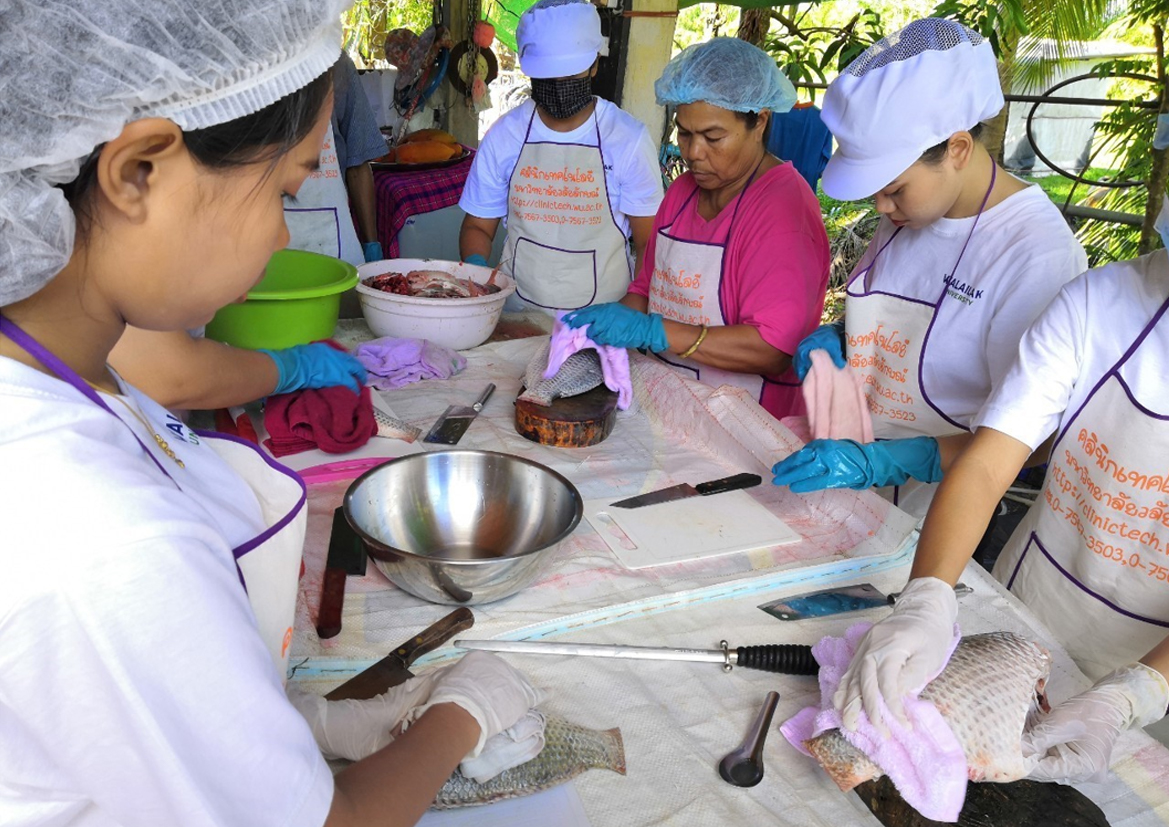
The university provided training to local farmers on GAP principles, focusing on risk reduction for microbial hazards, water treatment systems, and compliance with legal standards, such as the prohibition of child labor in aquaculture. These practices have revitalized old shrimp ponds, transforming them into productive sites for sustainable tilapia farming. WU’s ongoing program has thus created economic opportunities while promoting ecological balance, benefiting both local communities and the aquatic environment in Nakhon Si Thammarat.
Through these ongoing initiatives, Walailak University reinforces its dedication to good aquatic stewardship, offering sustainable solutions that uplift local economies, preserve biodiversity, and align with international standards for environmental responsibility.
Goal 14: Life below water
Goal 4: Quality Education
Goal 17: Partnerships for the Goals
Post Views: 67