WU Safeguarding the Cultural Heritage of Local Communities, the Nation, and Displaced Groups
Walailak University has been delivering various initiatives and projects to record and preserve intangible cultural heritage, including local folklore, traditions, language, and knowledge of all communities at local, regional, national, international, and displaced communities. Walailak University has various distinct organizations dedicated to conserving intangible cultural heritage through research, education, academic services, and cultural stewardship.
The Center for Cultural and Sports Promotion
The Center for Cultural and Sports Promotion is the main organization at Walailak University established for delivering projects to record and preserve all cultural heritage at all levels. Its main vision is to be a center for learning about arts and culture. Develop health and sports towards excellence at the national and international level.
The Walailak Botanic Park
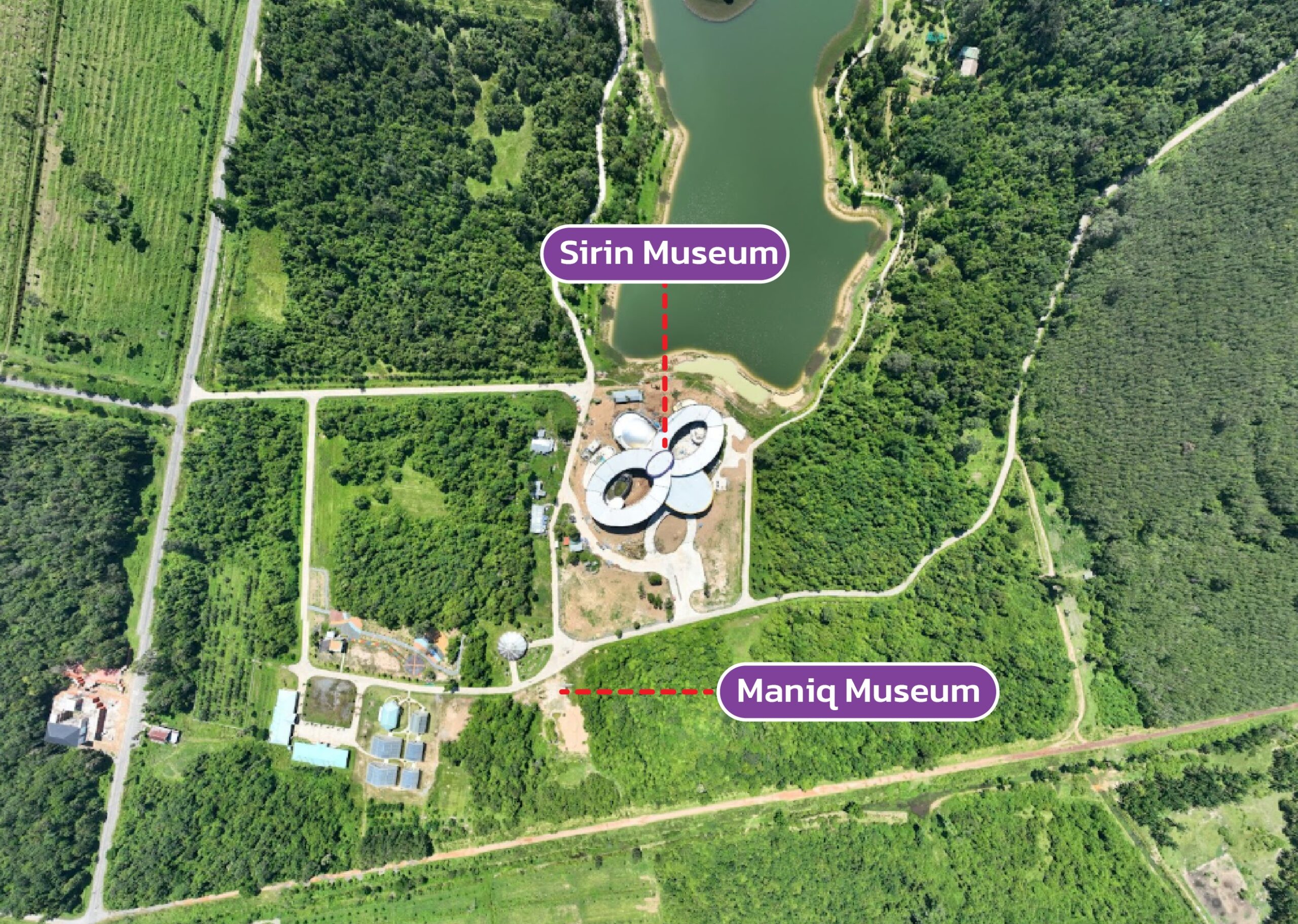
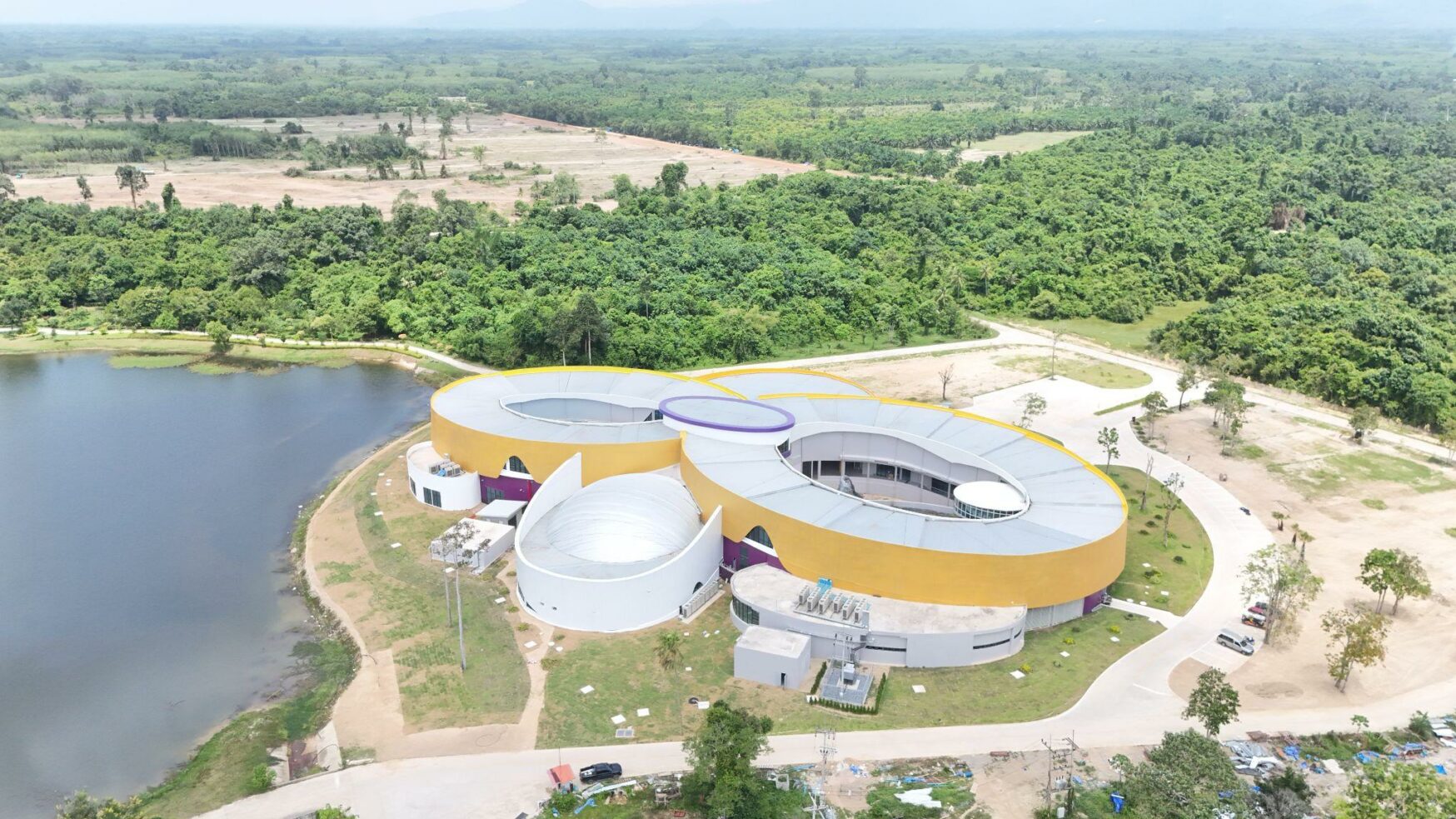
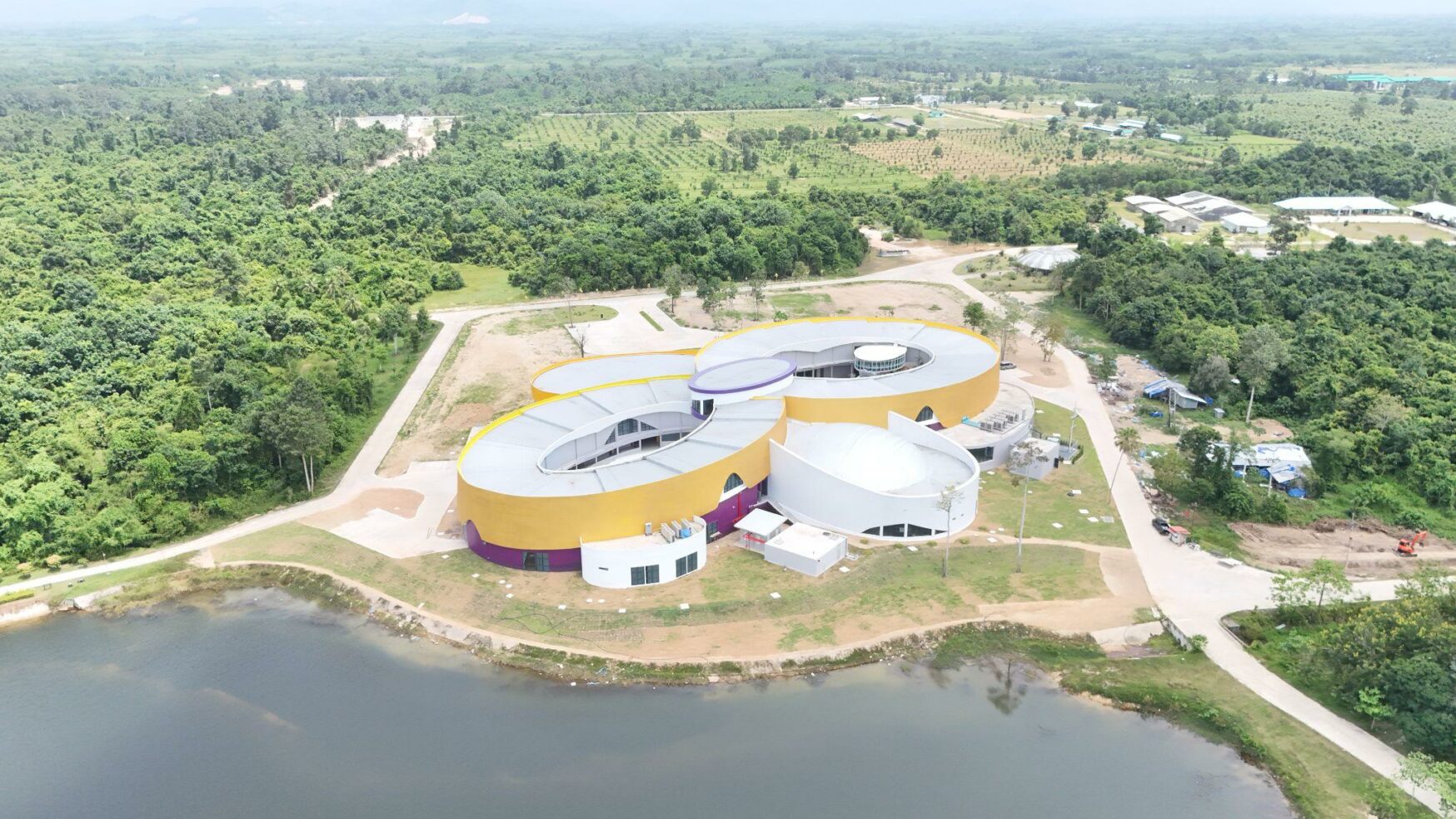
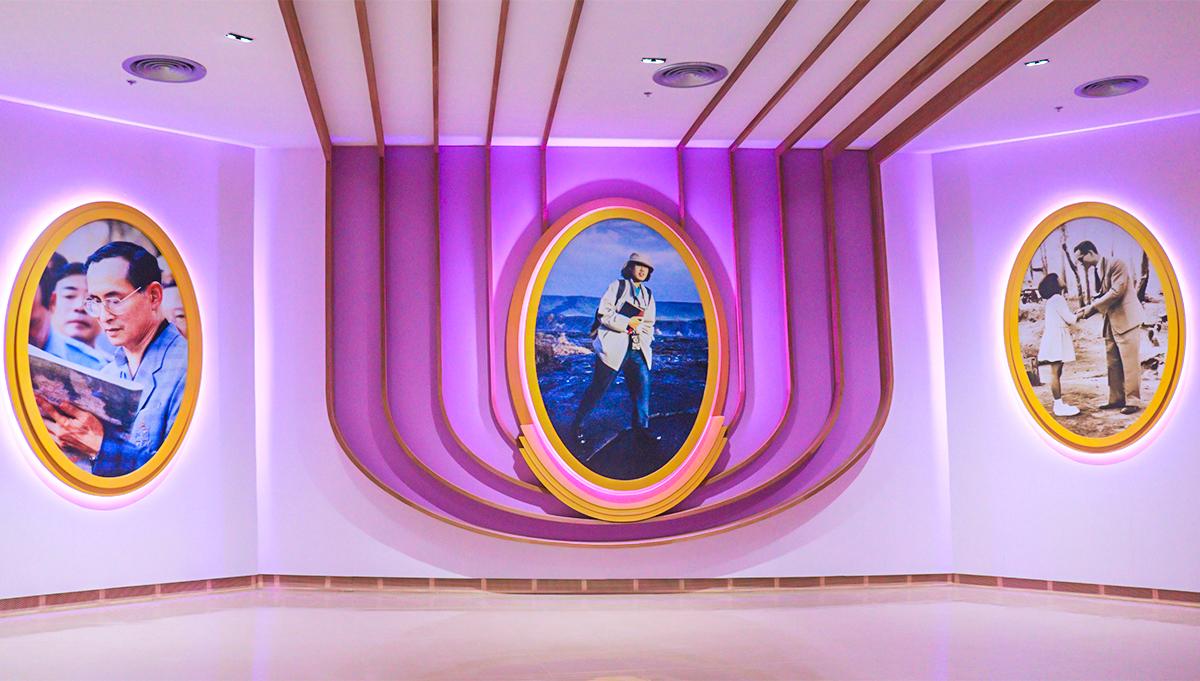
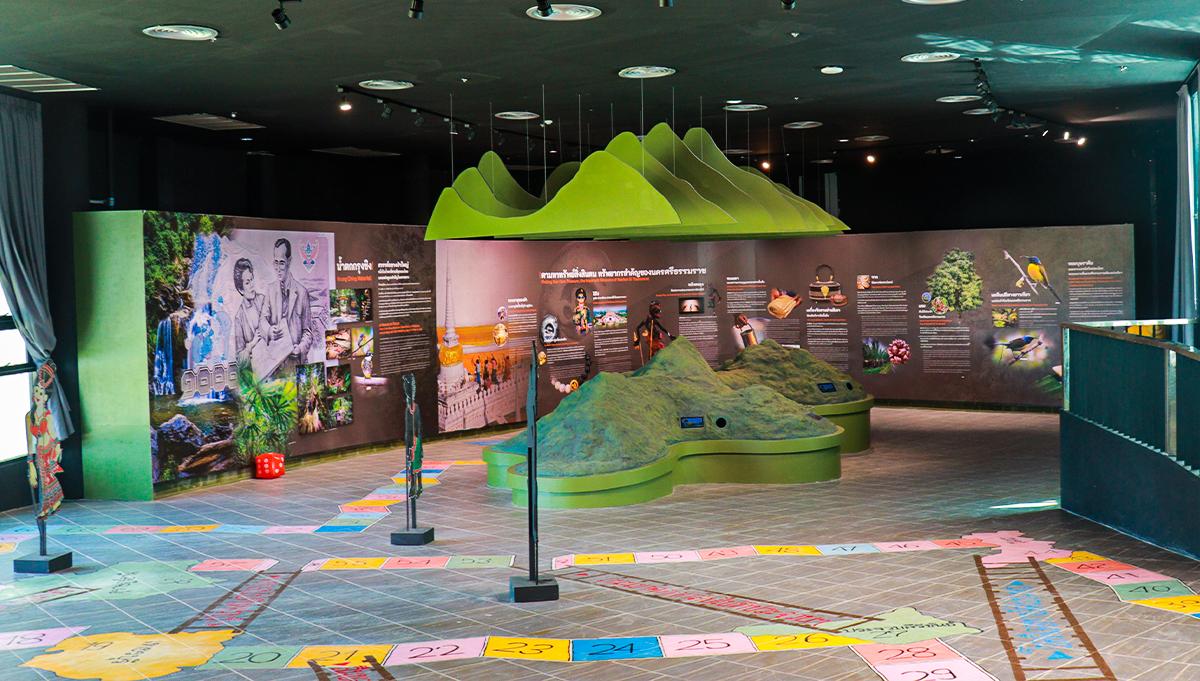
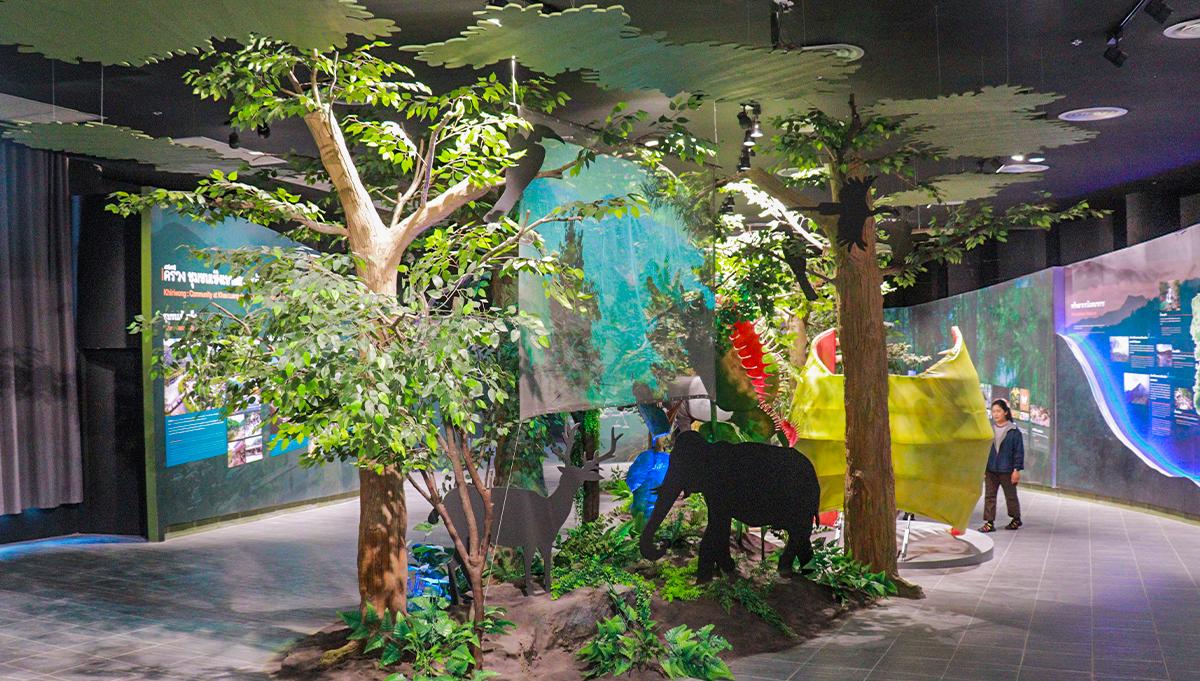
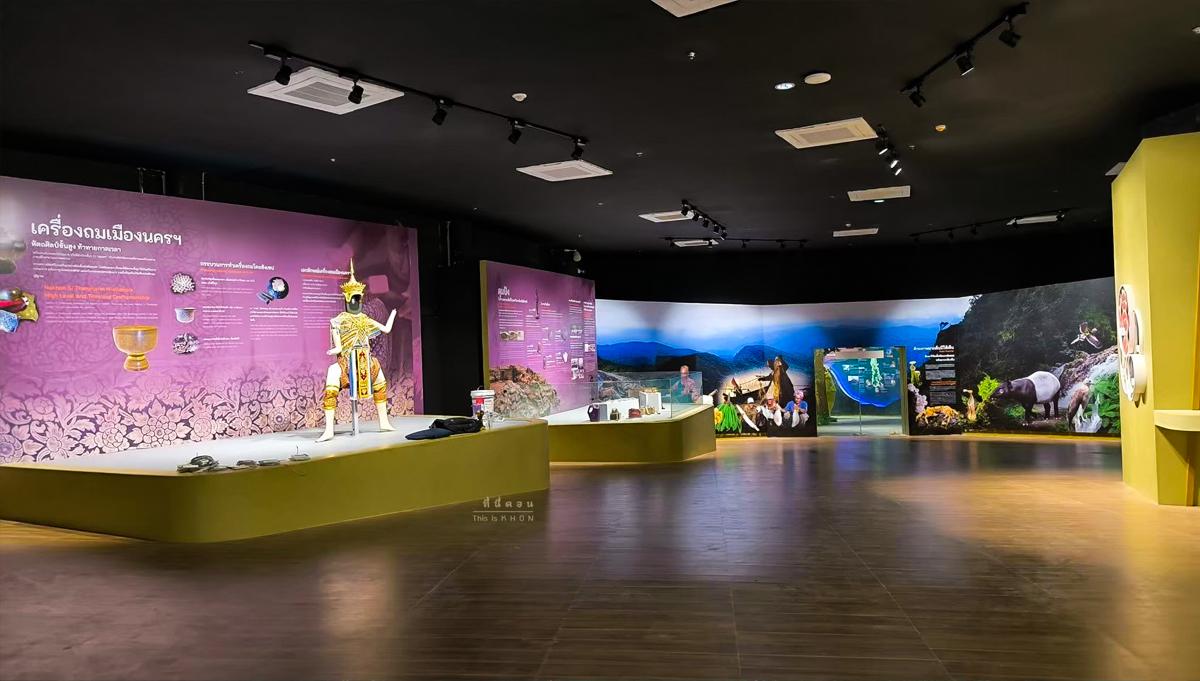
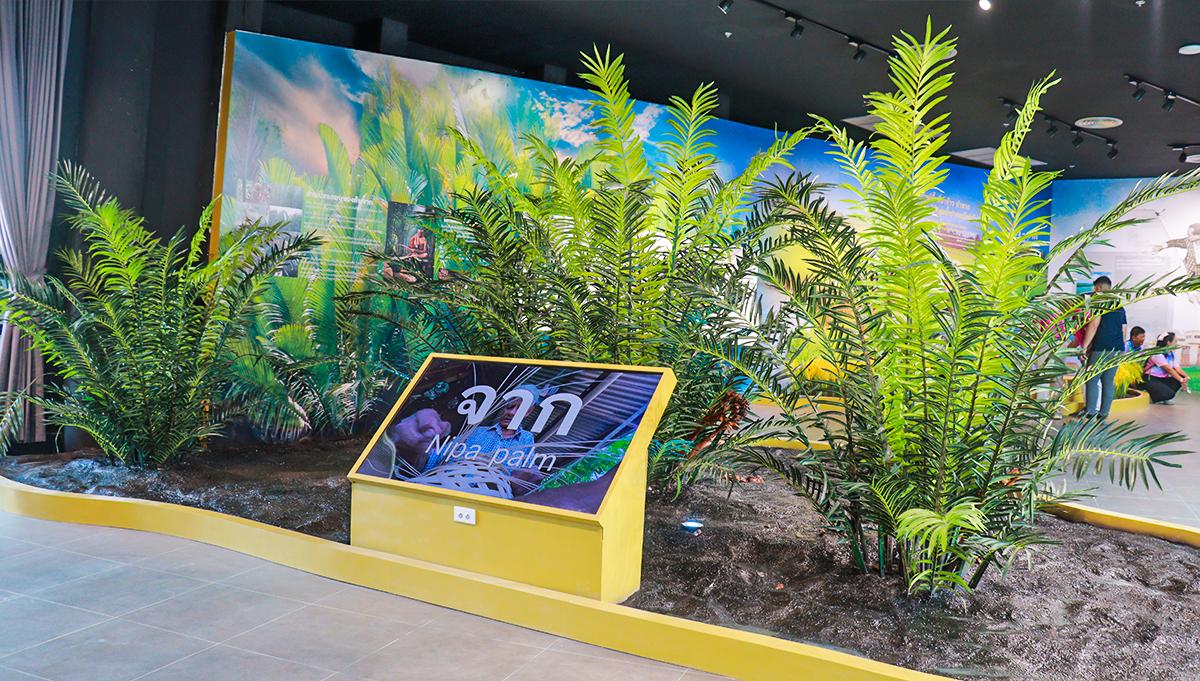
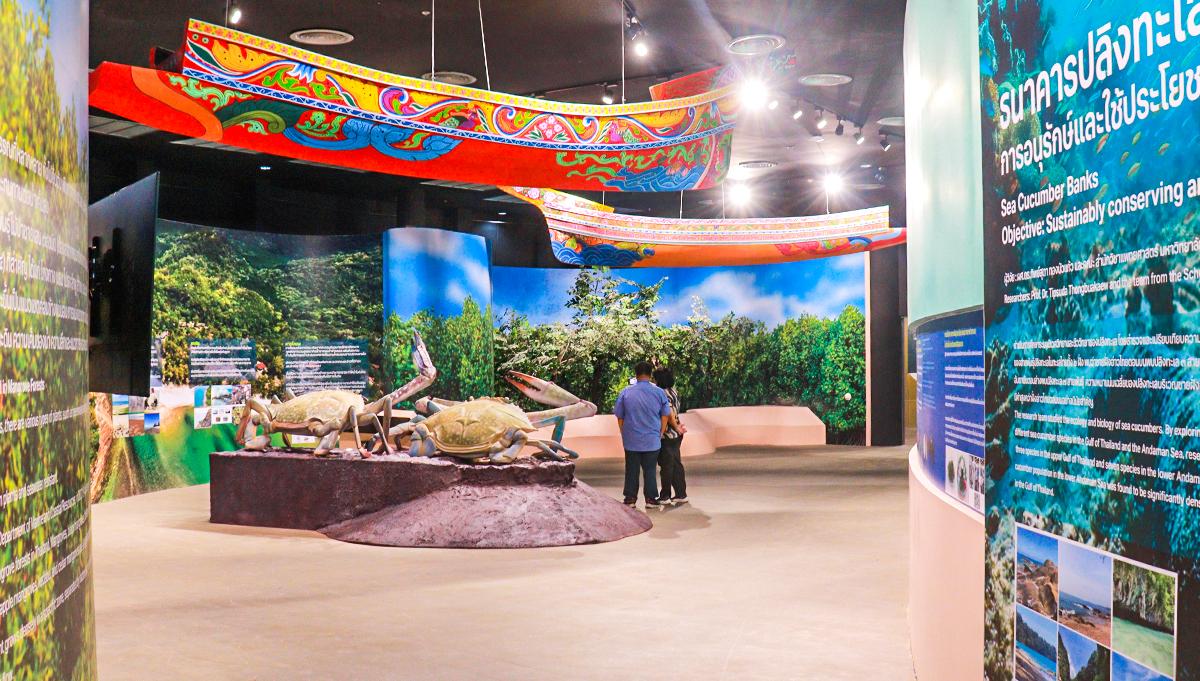
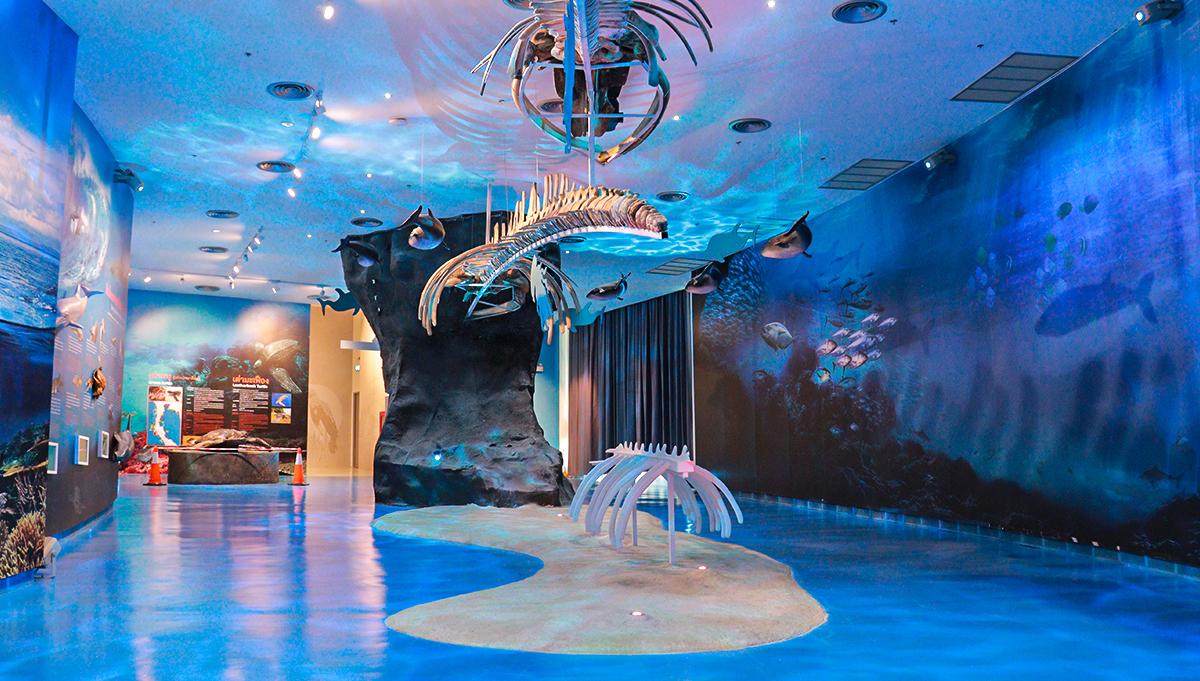
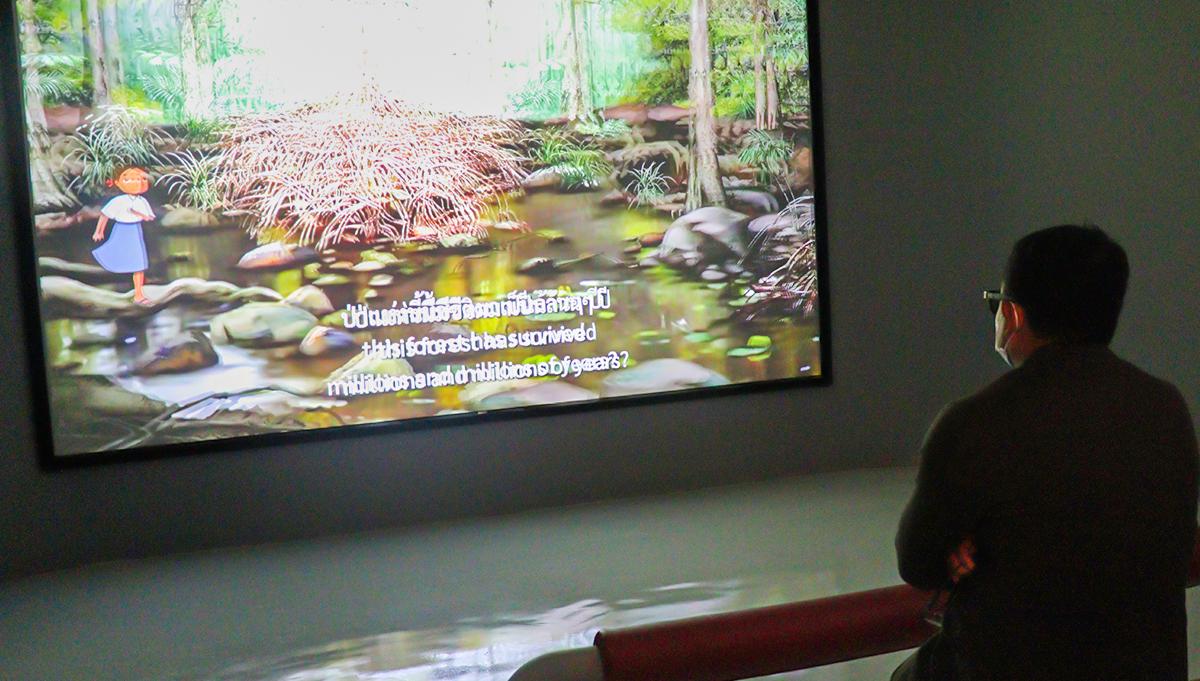
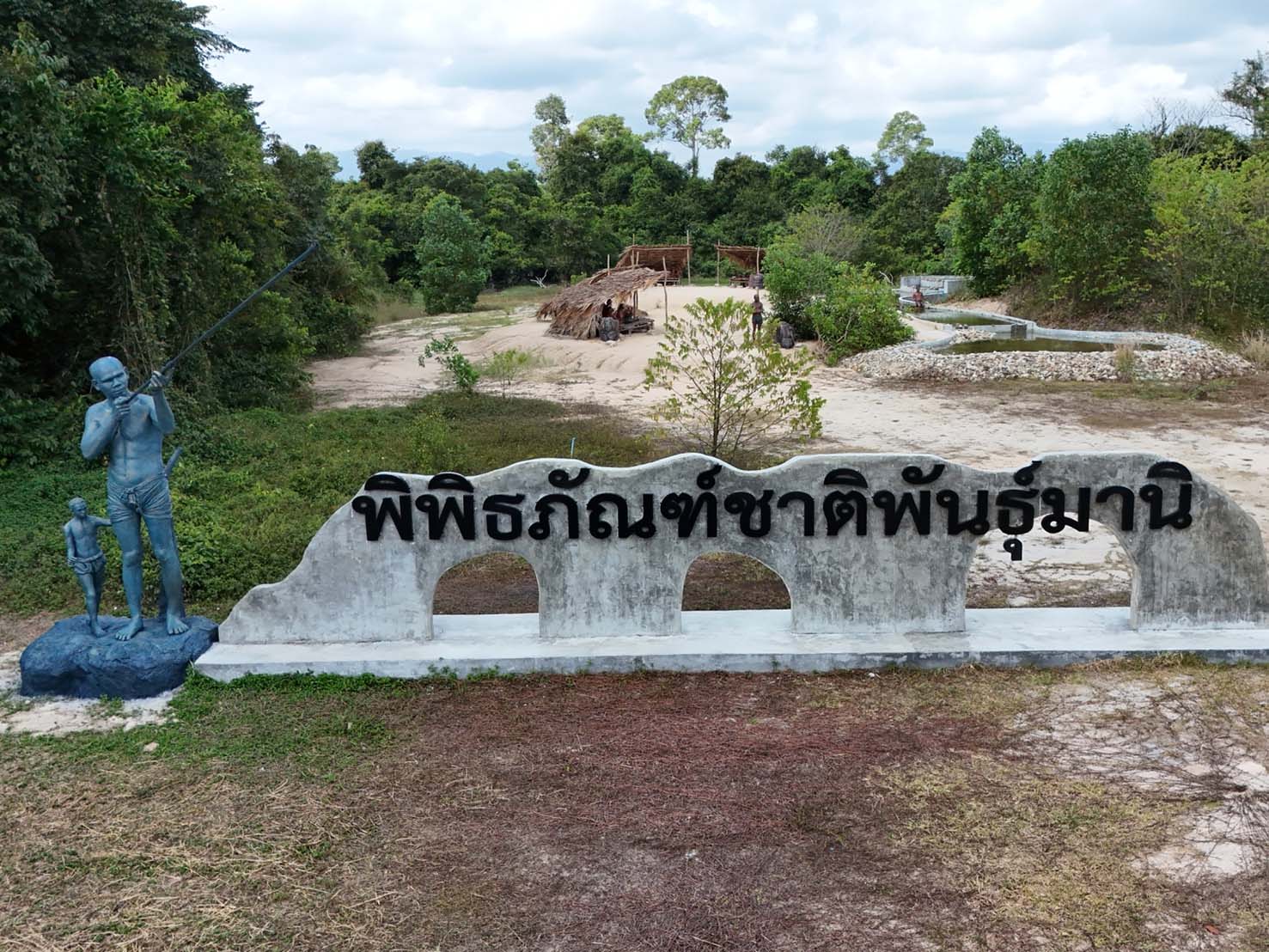
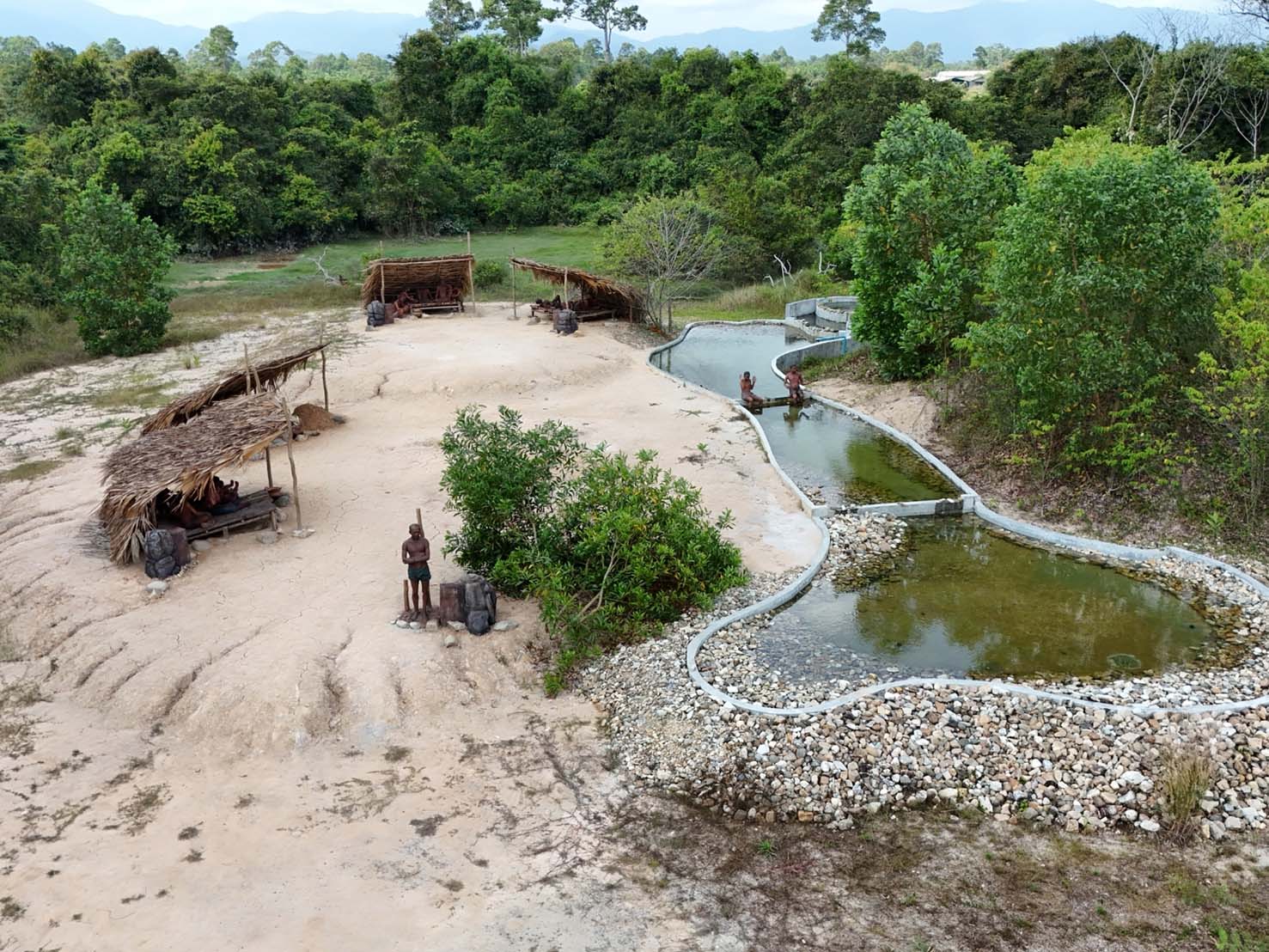
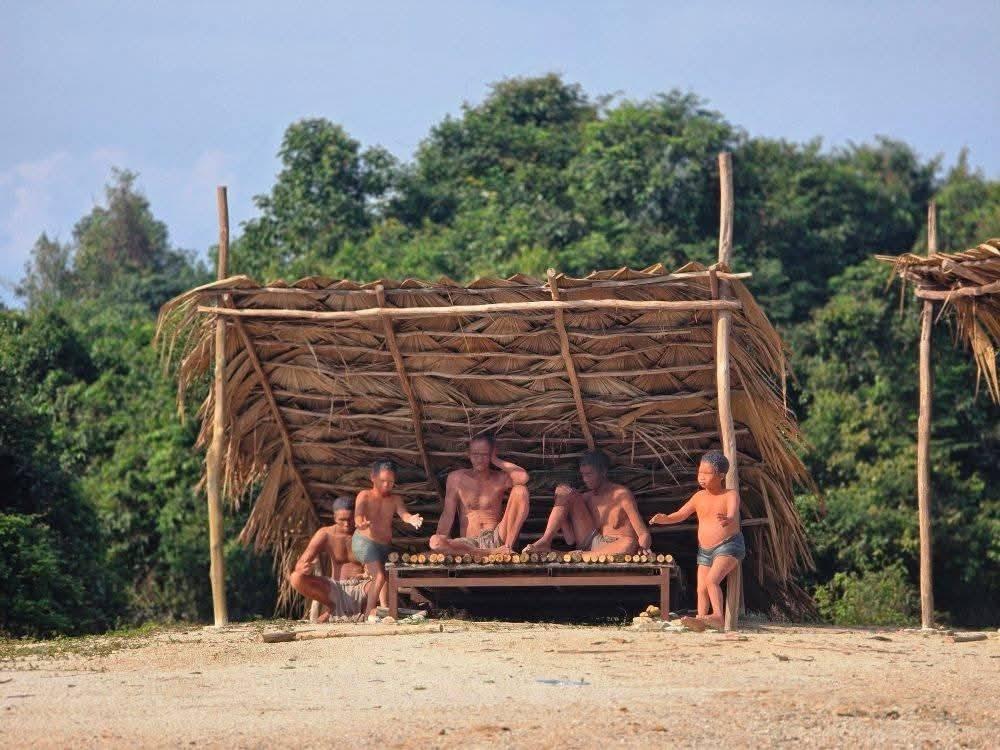
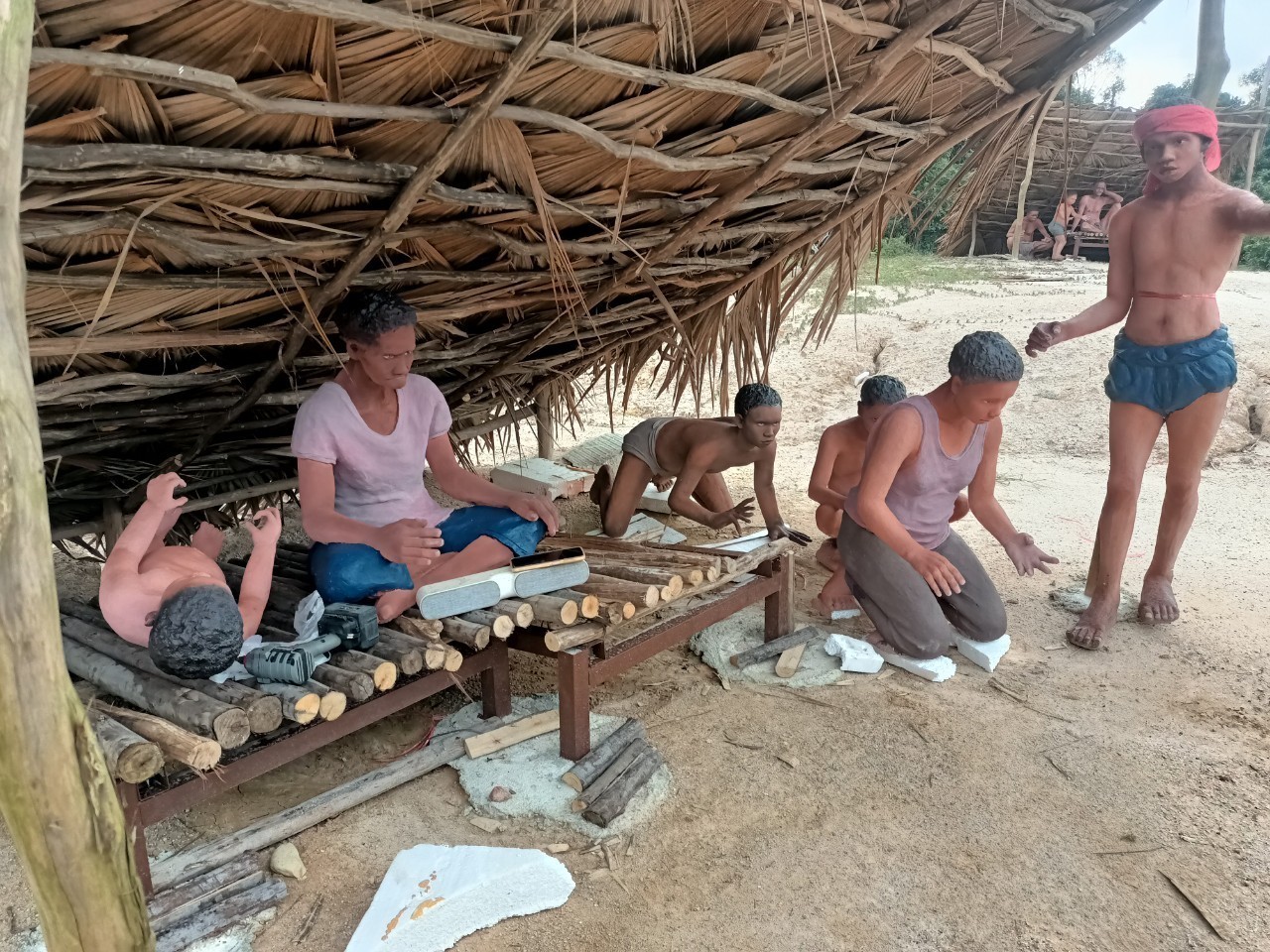
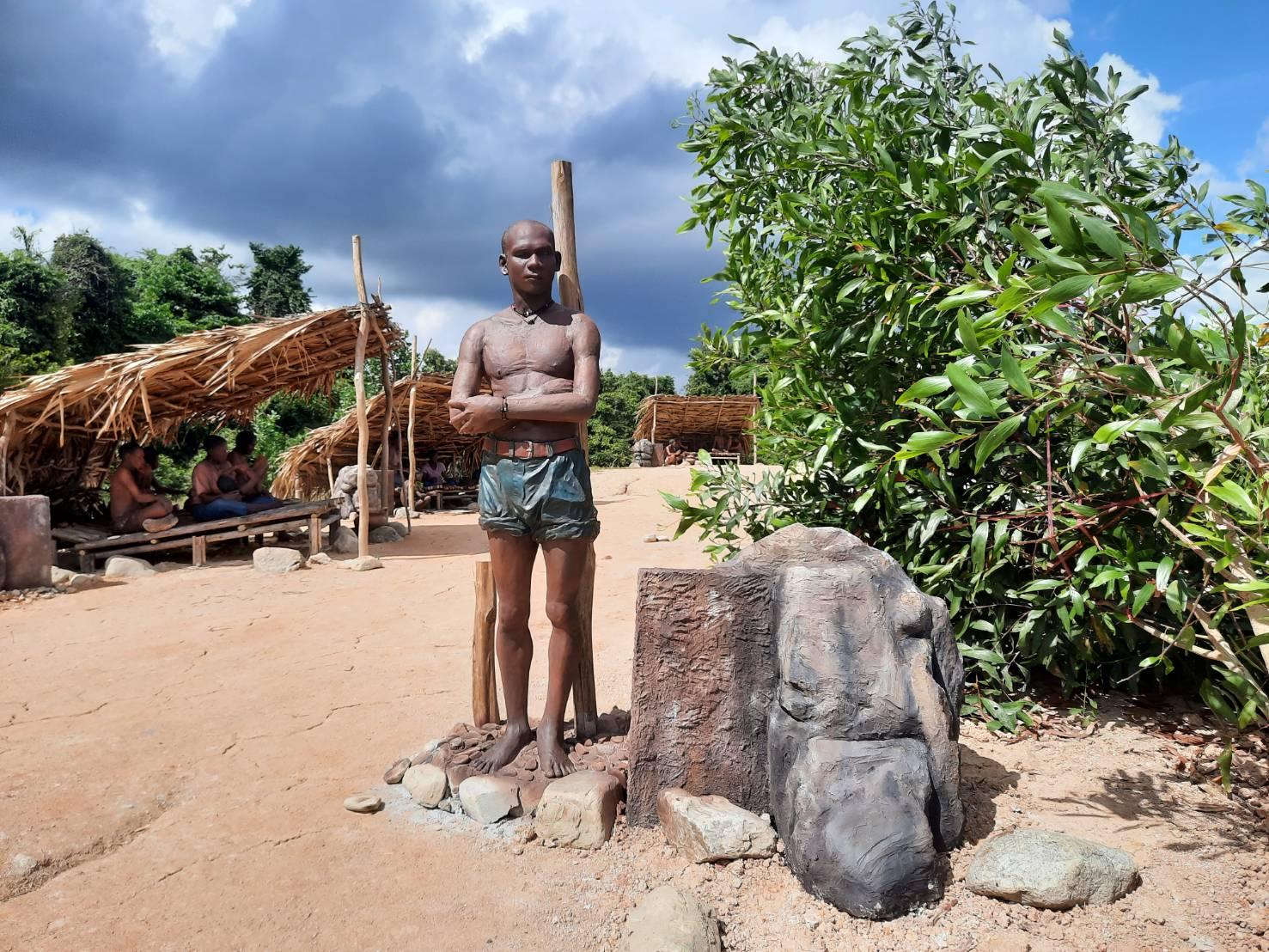
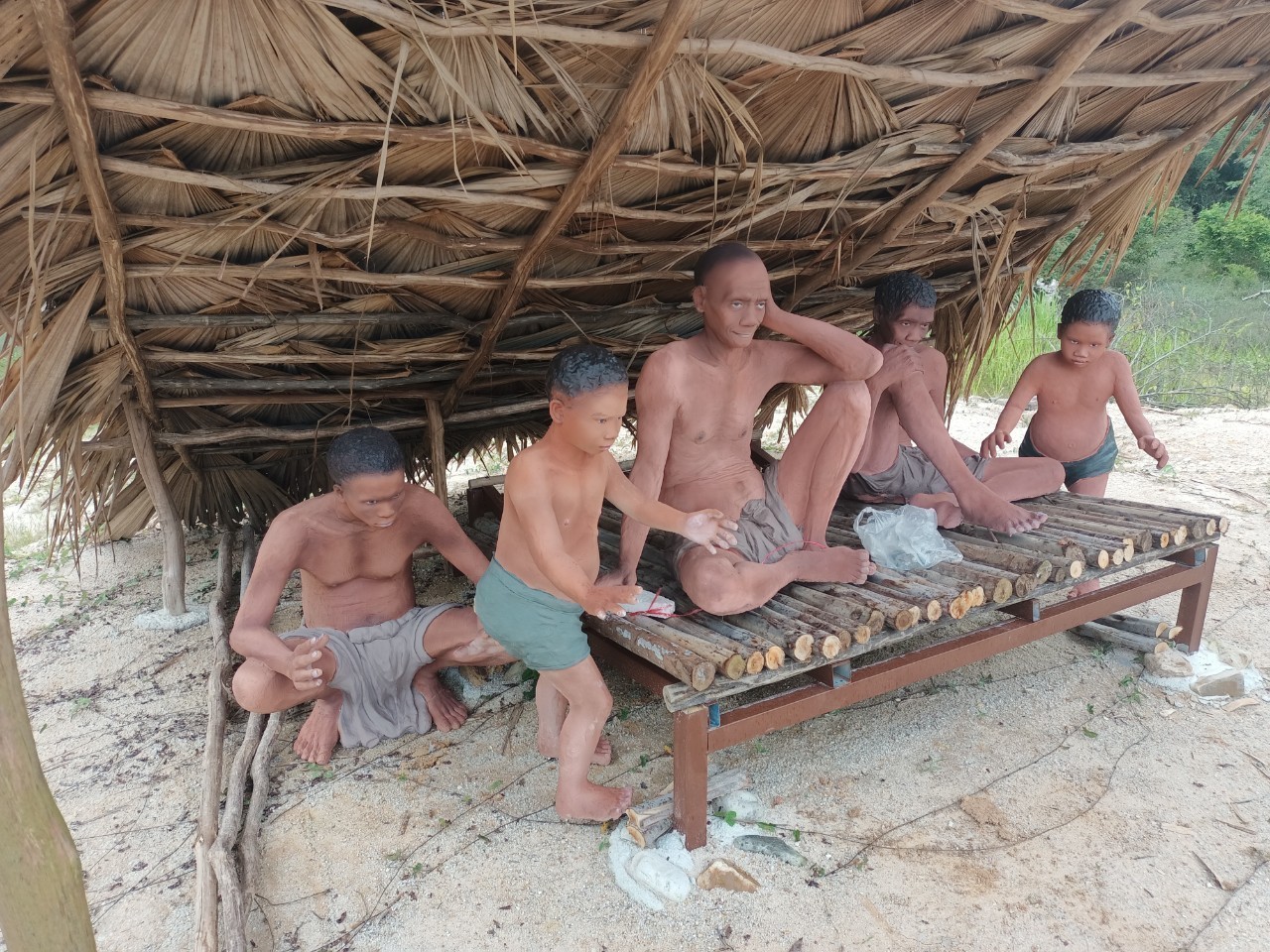
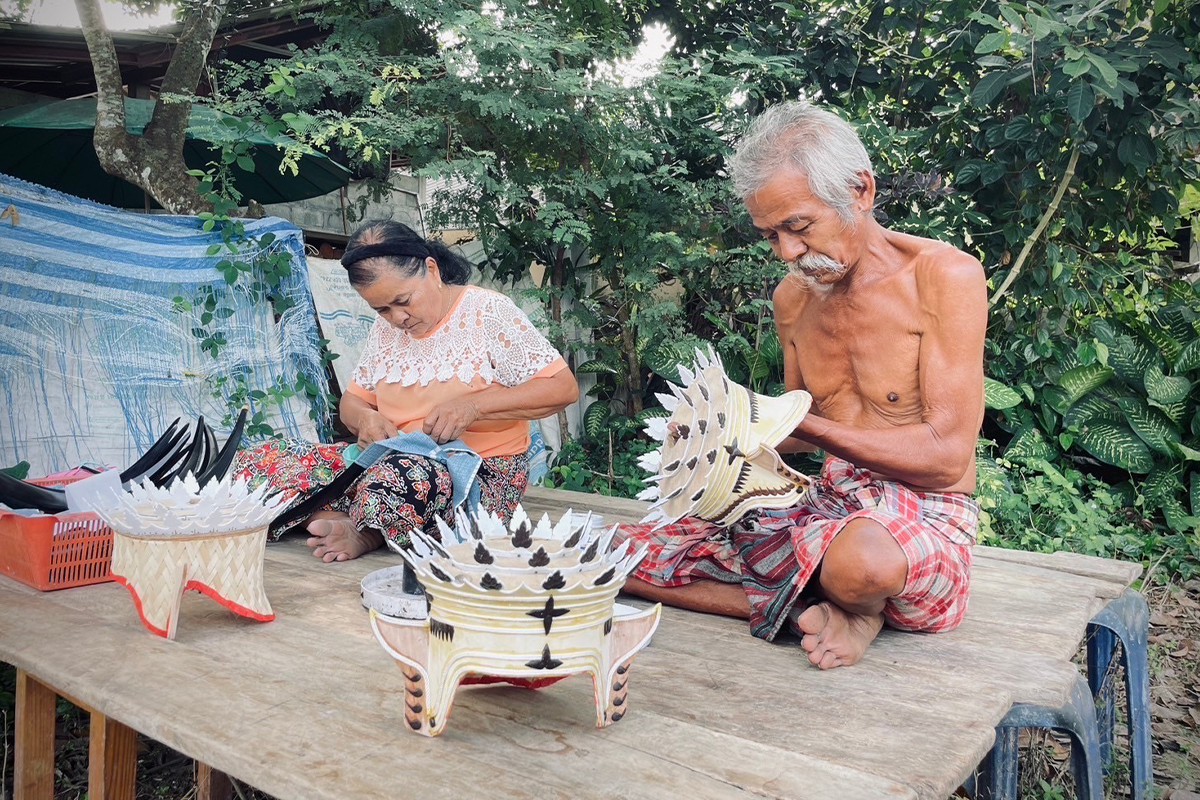
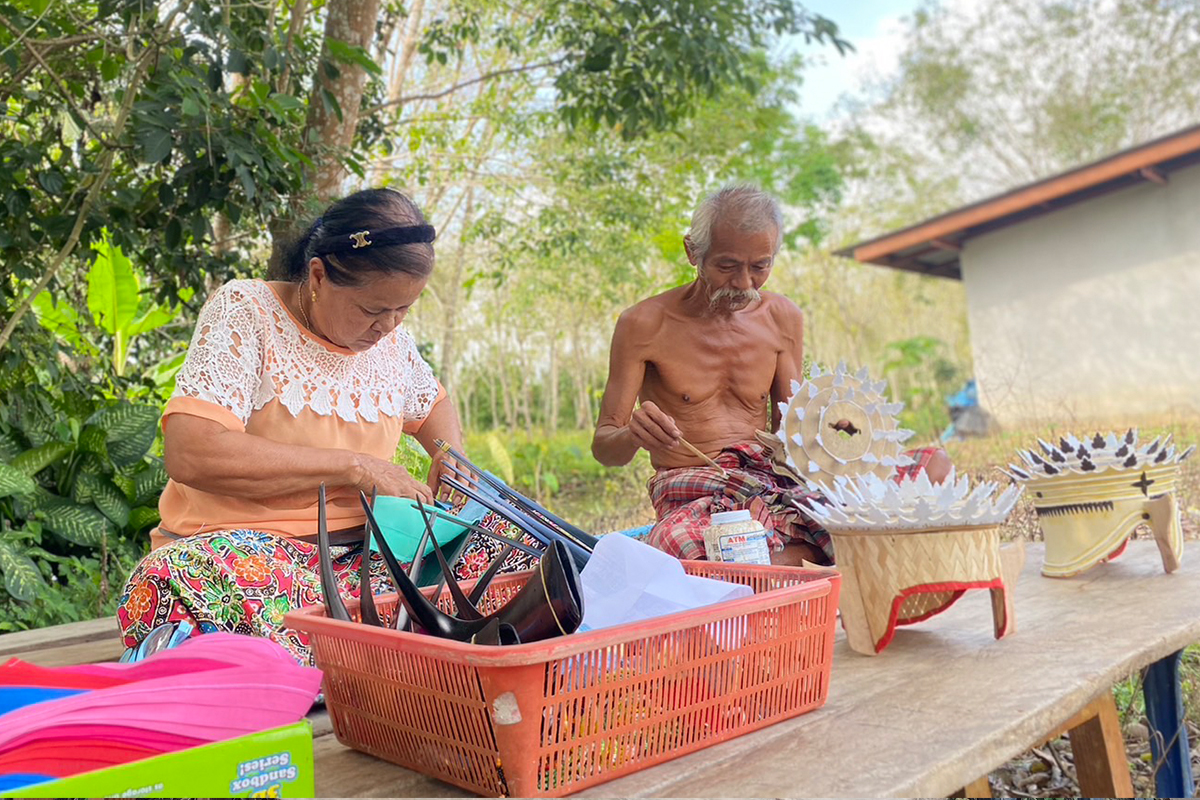
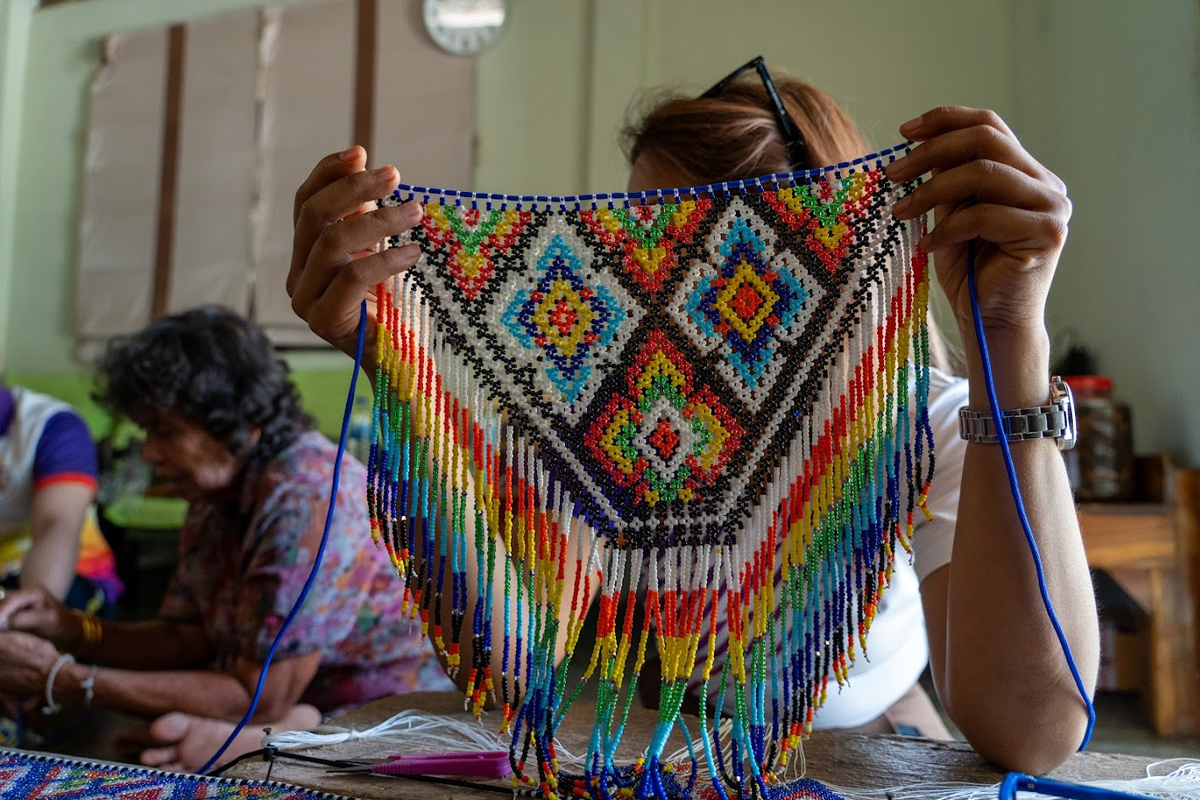
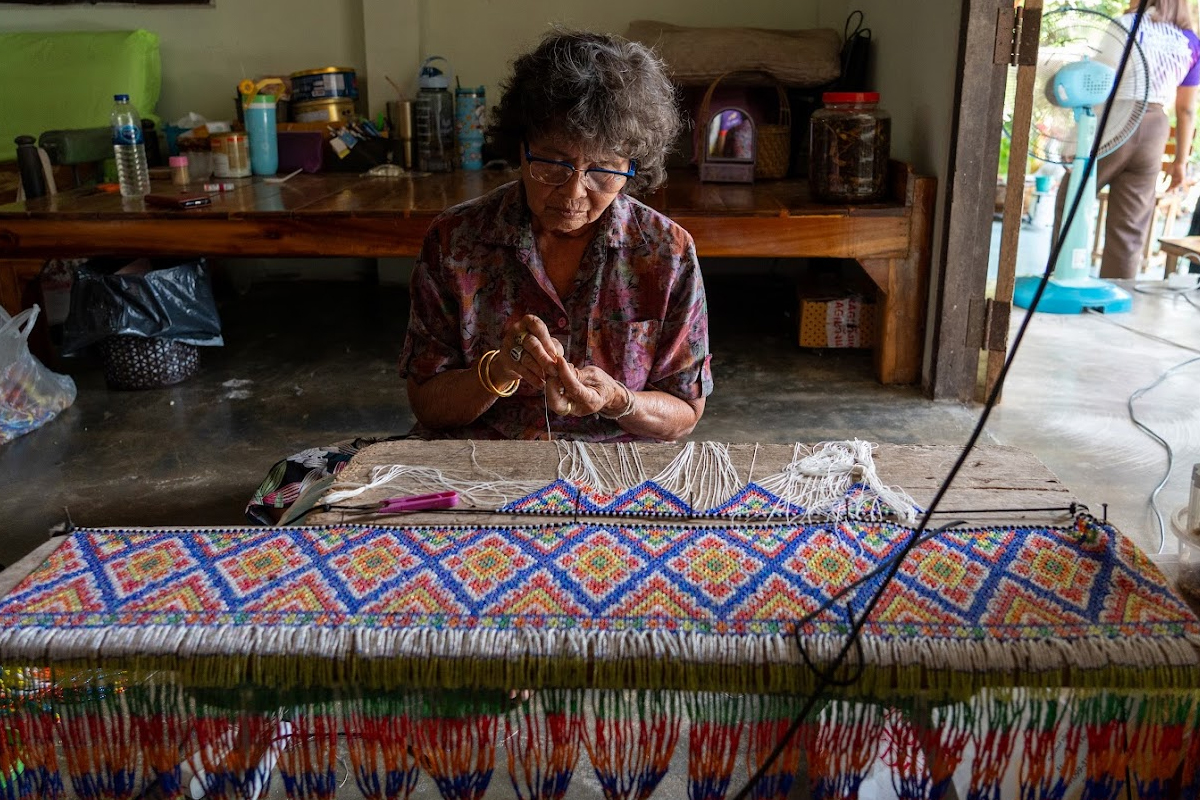
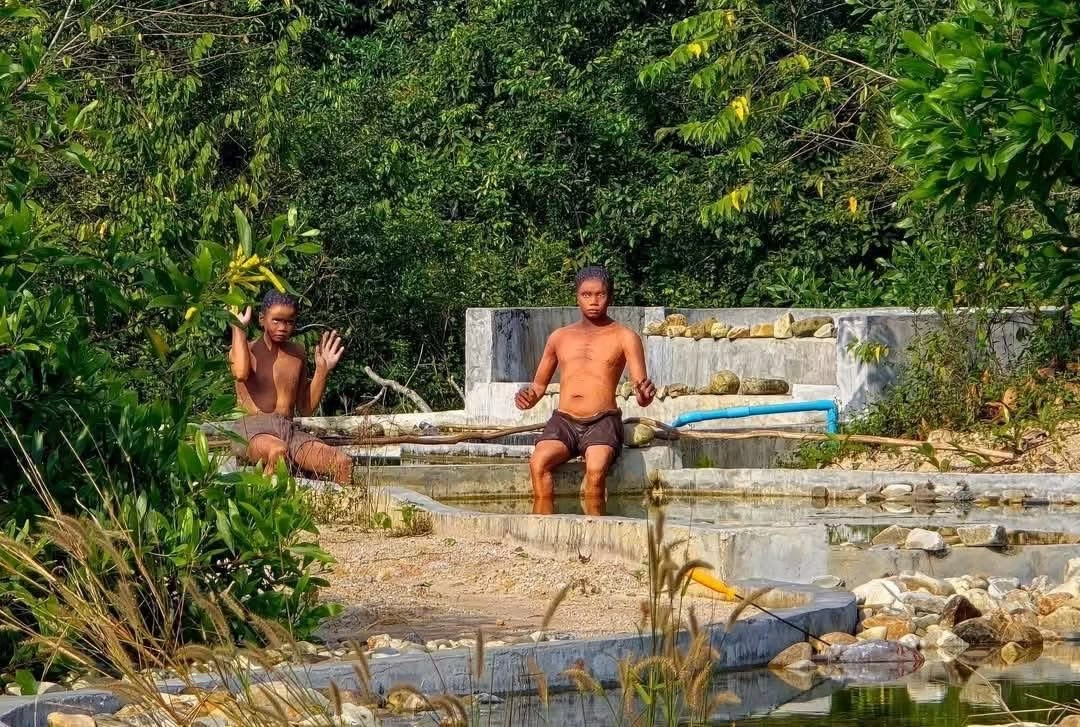
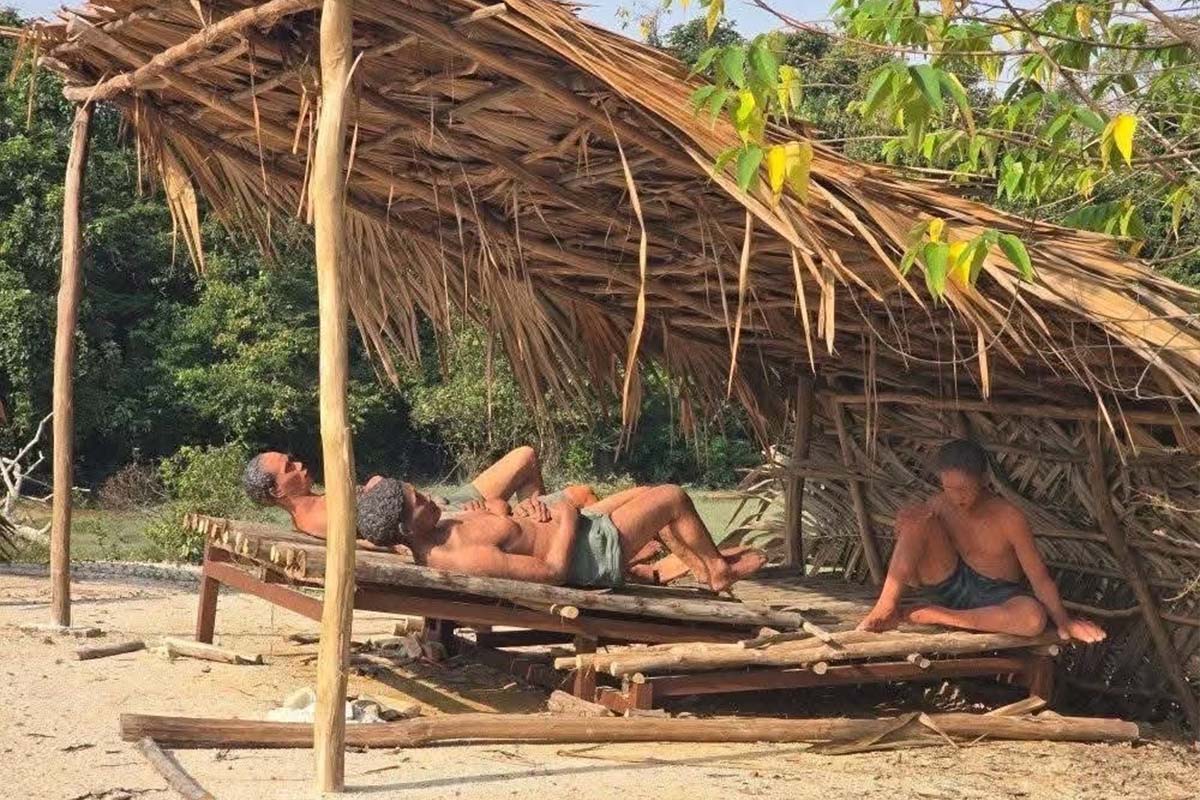
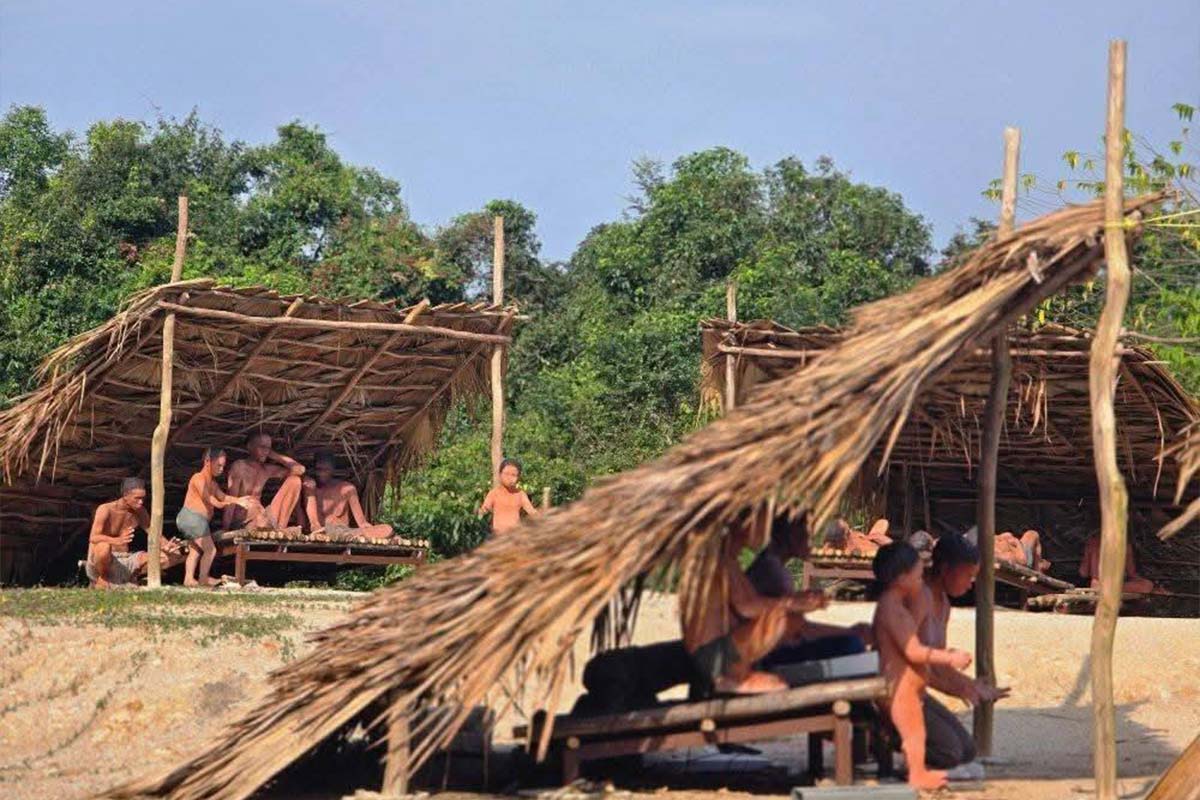
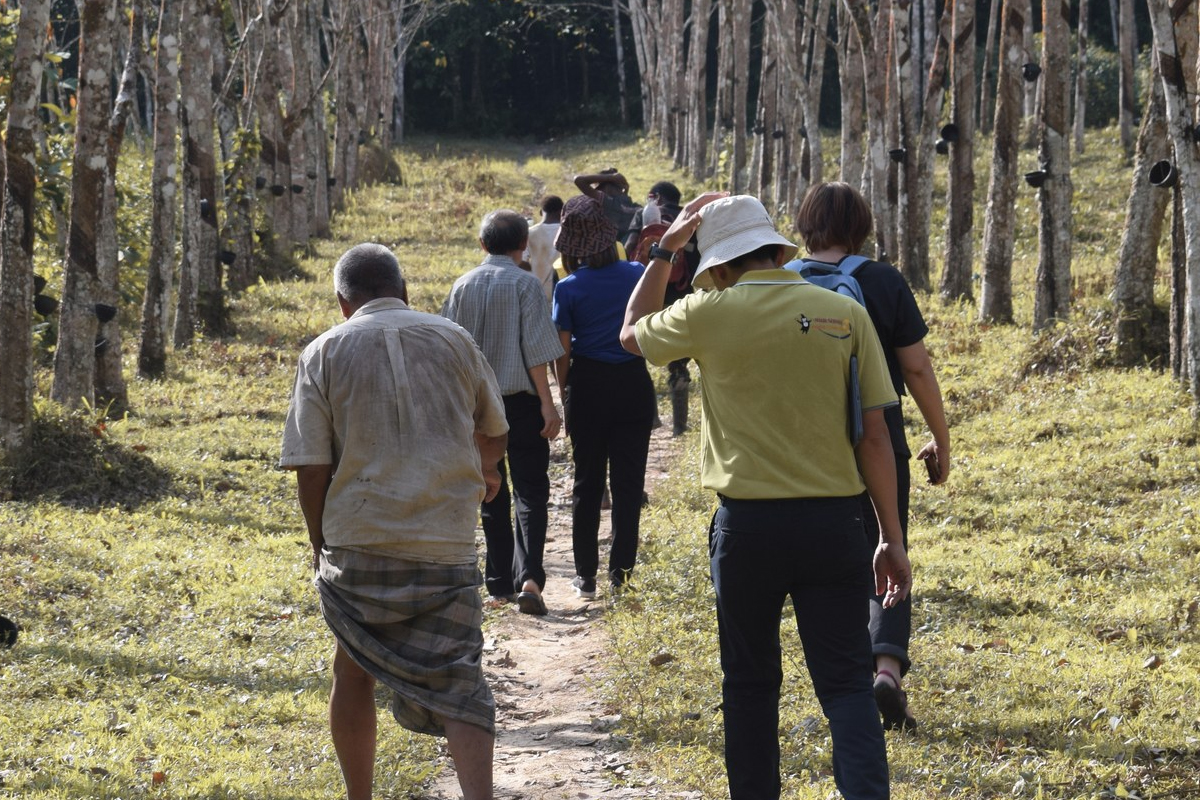
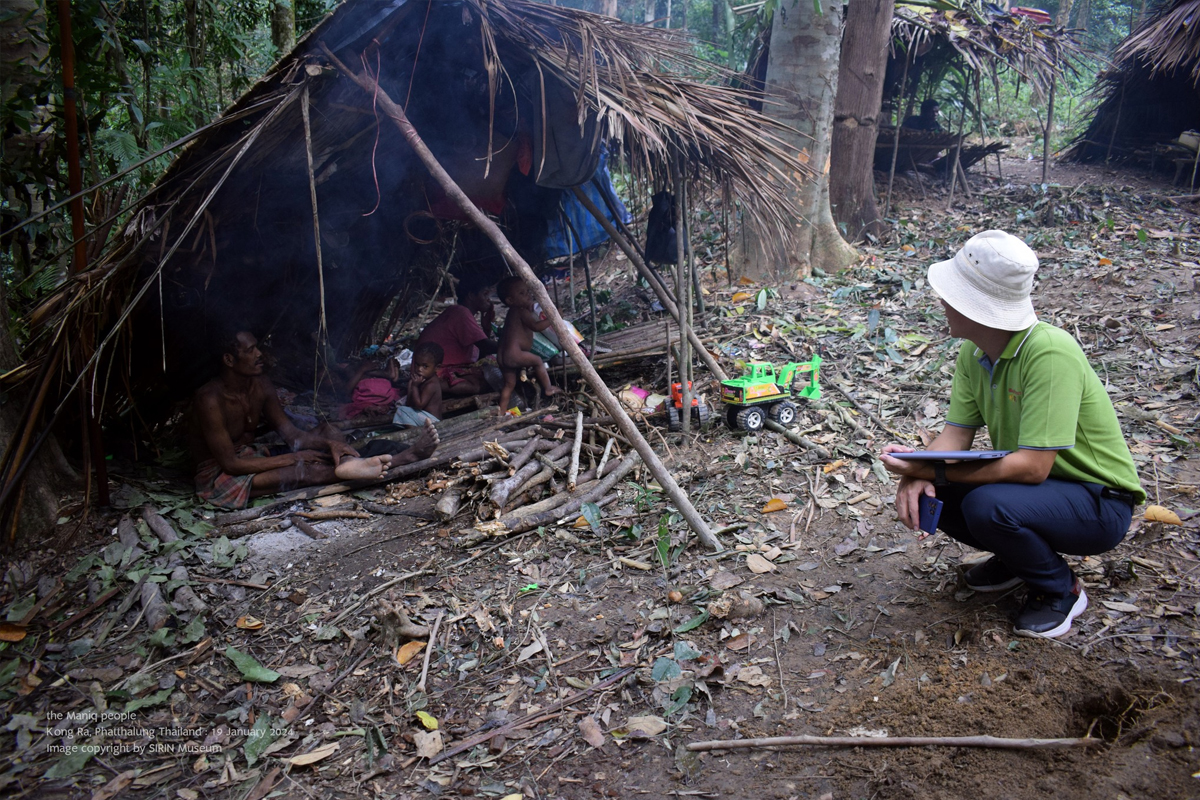
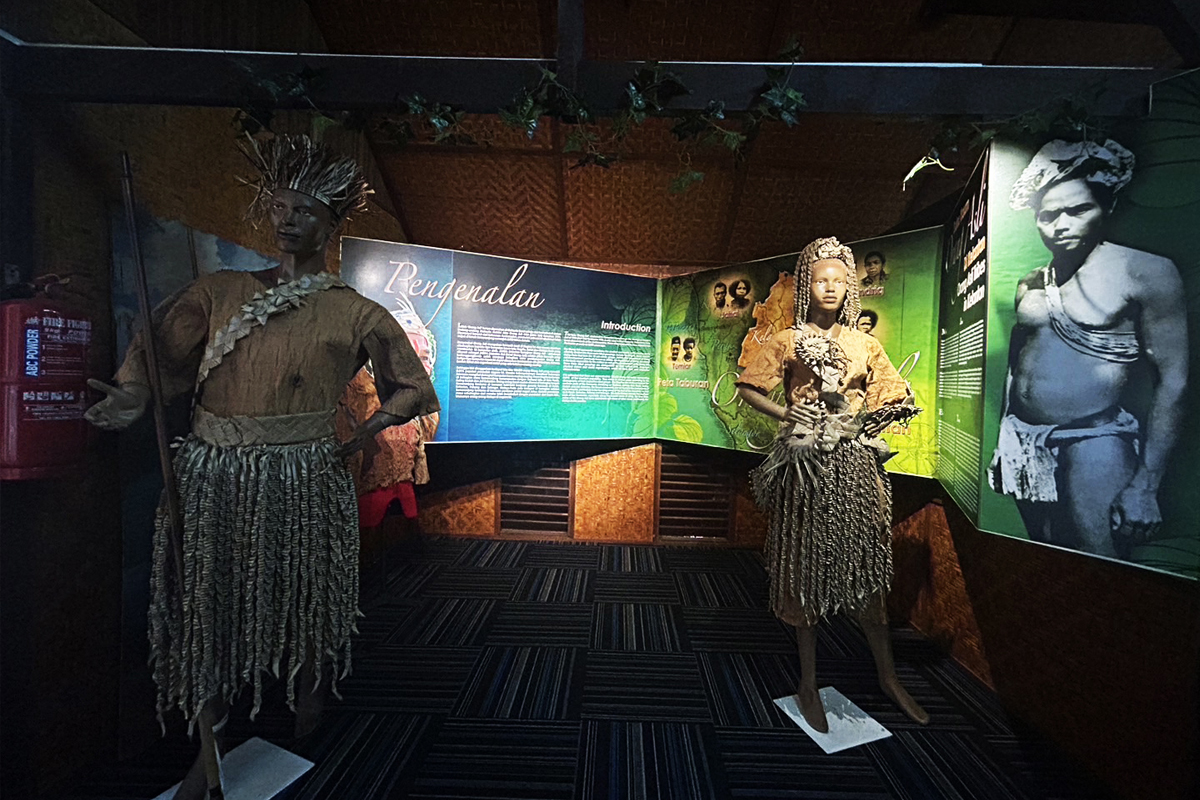
The Walailak Botanic Park has two sub-organizations responsible for conserving intangible cultural heritage. The sub-organizations are Sirin Museum and Maniq Ethnic Museum. Sirin Museum is responsible for conserving Thai intangible heritage, which is endangered and risked to be disappearing in Thailand, while Maniq Ethnic Museum is directly responsible for conserving all intangible cultures of the Maniq ethnic group living in the south of Thailand.
Figures : Sirin Museum
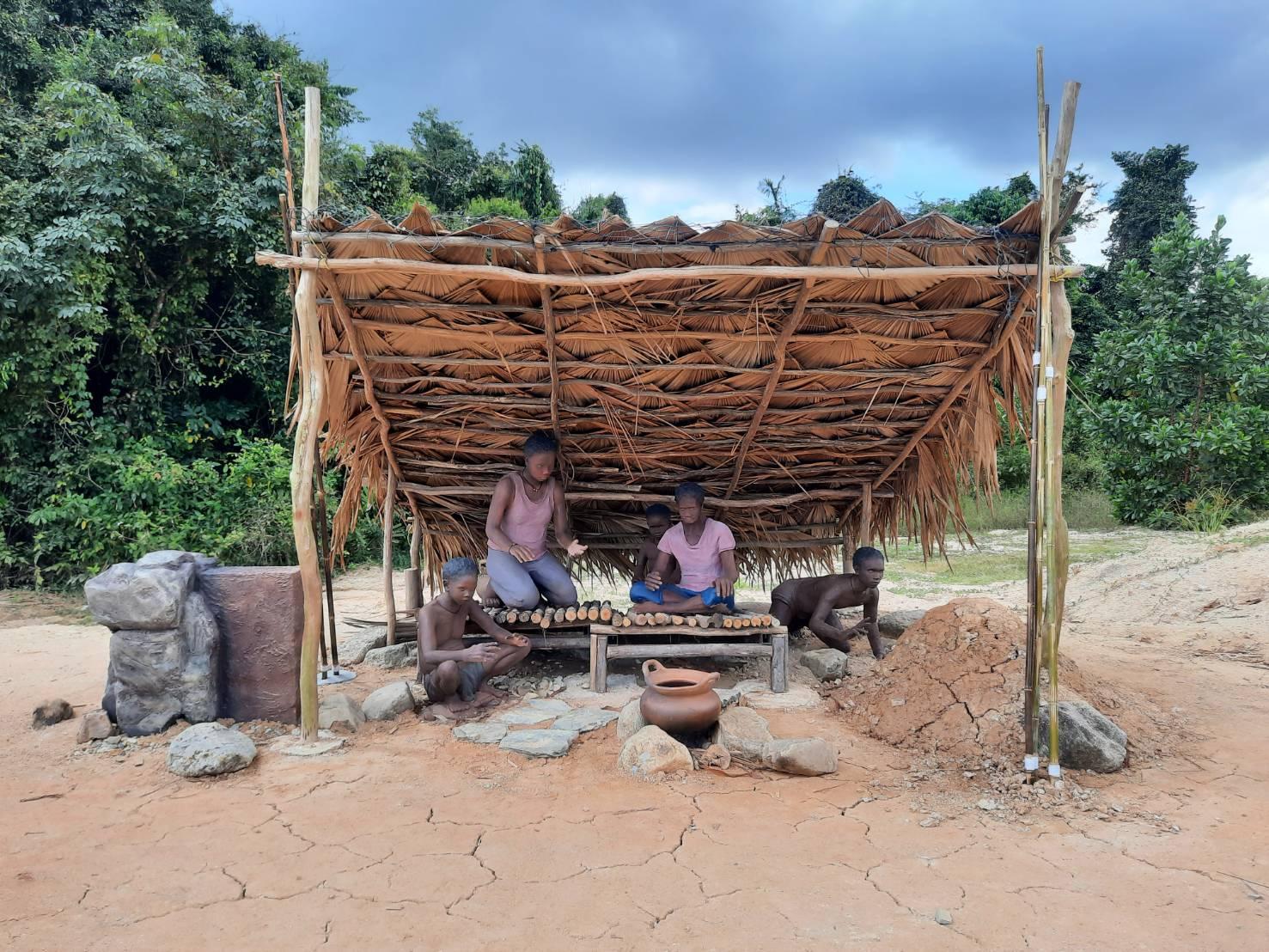
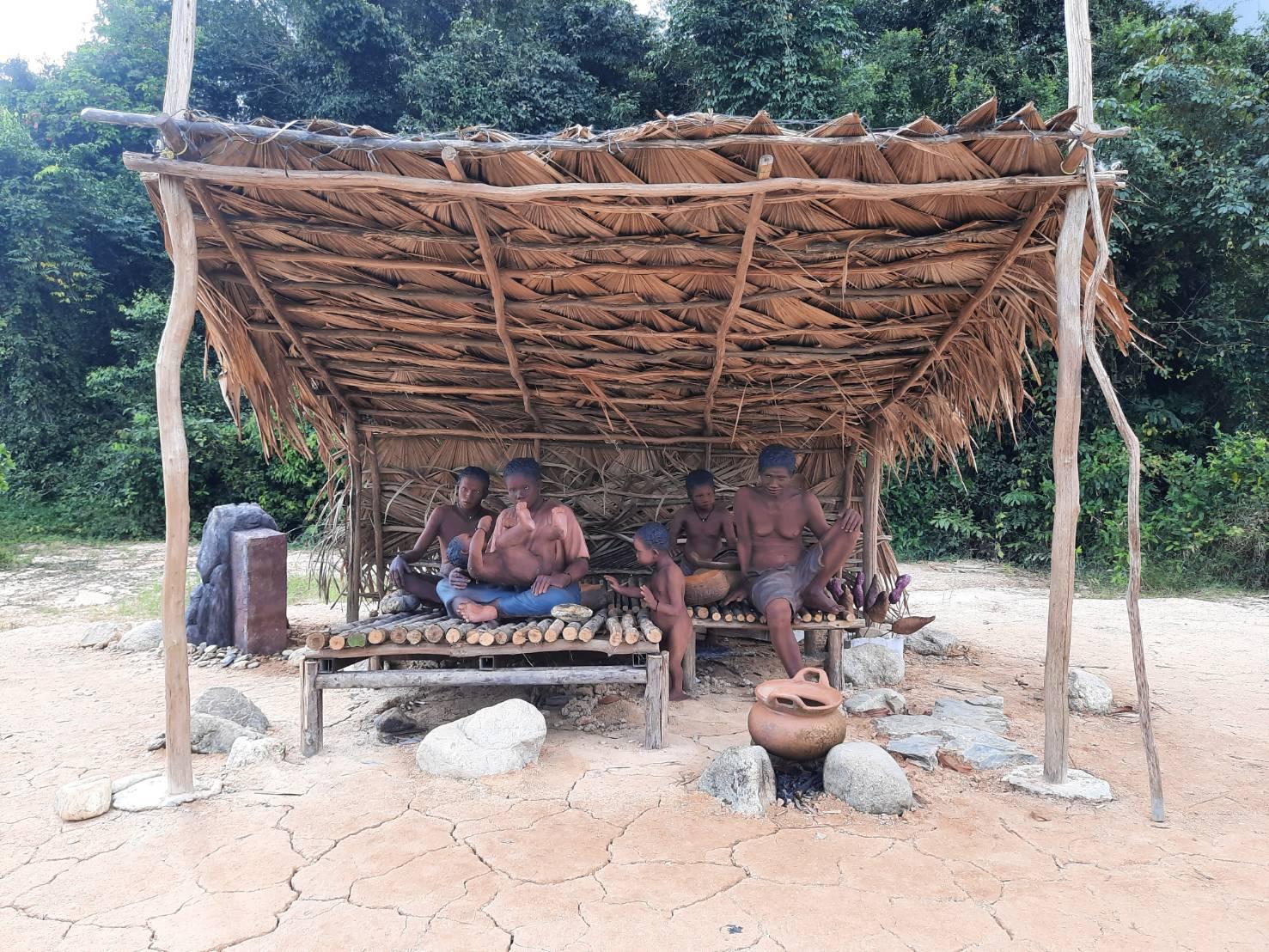
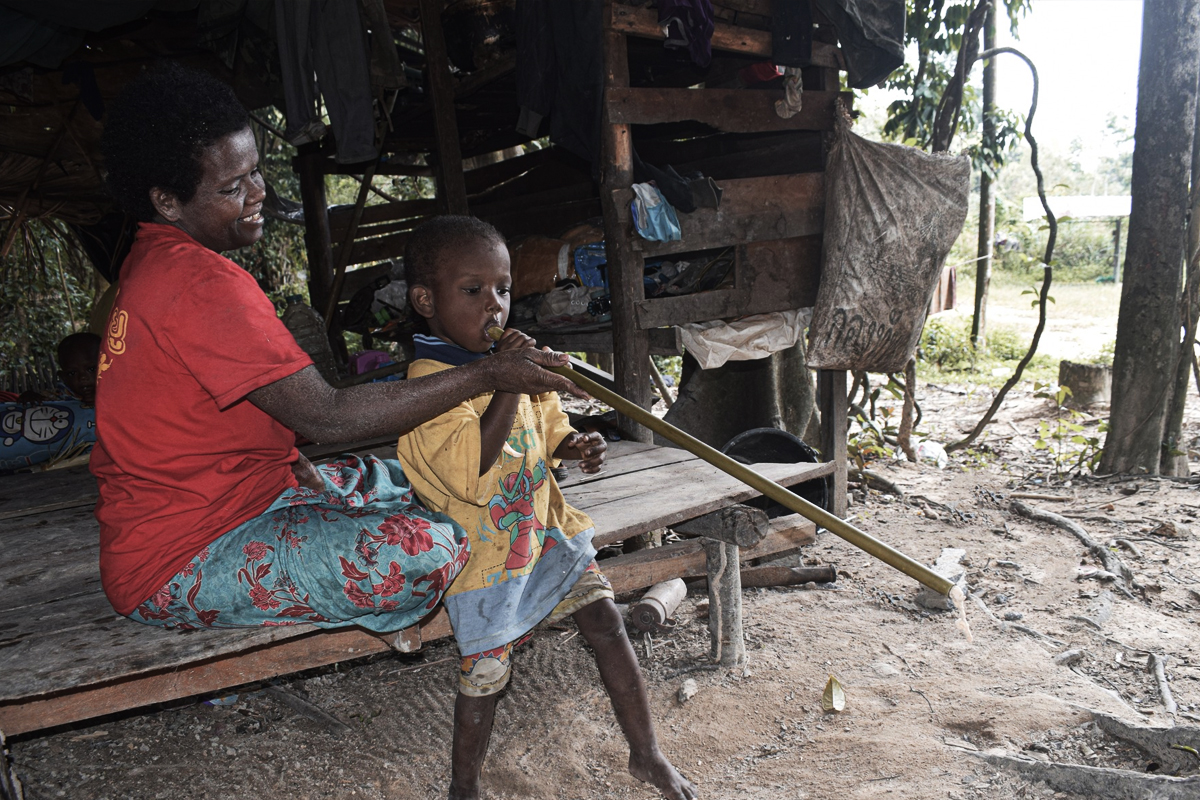
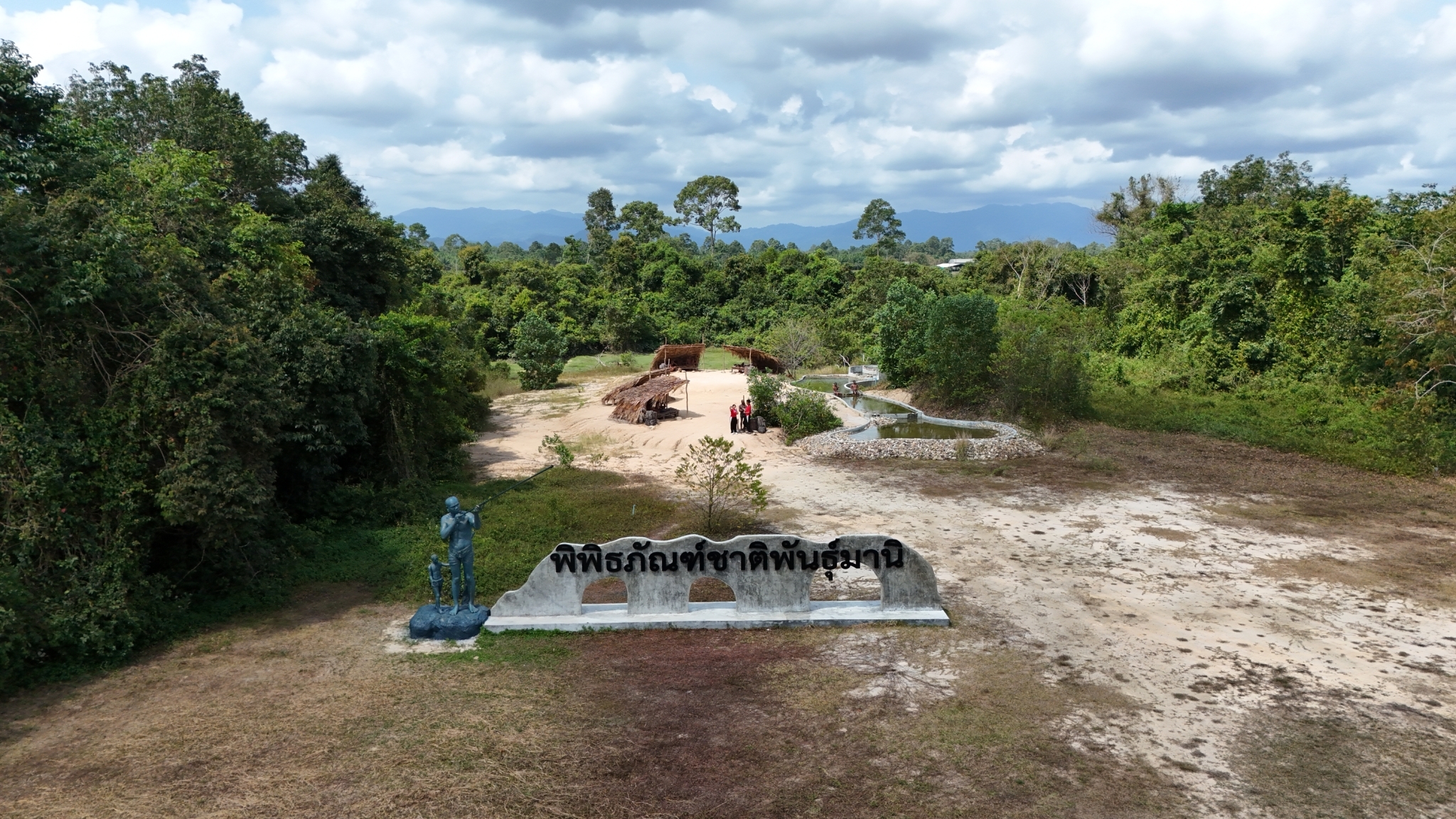
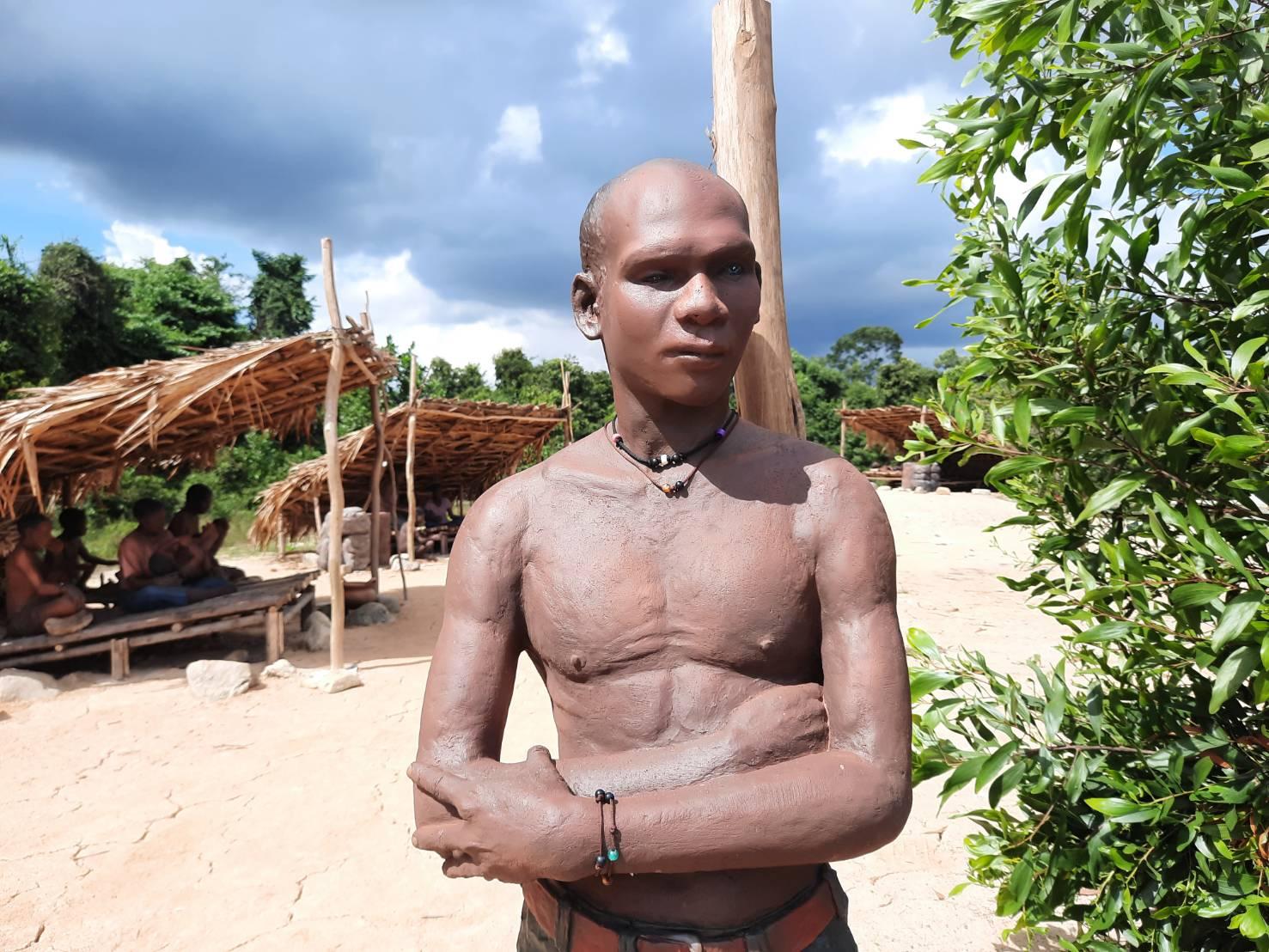
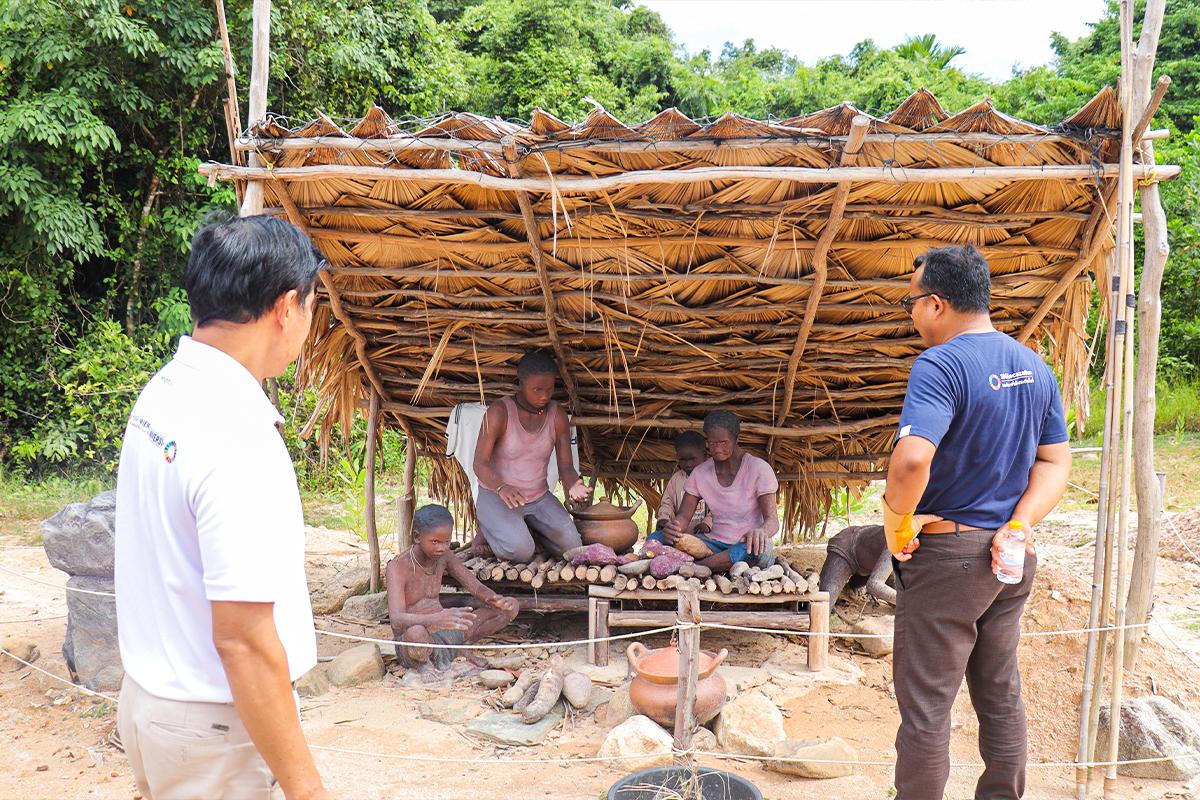
Figures : Maniq Ethnic Museum
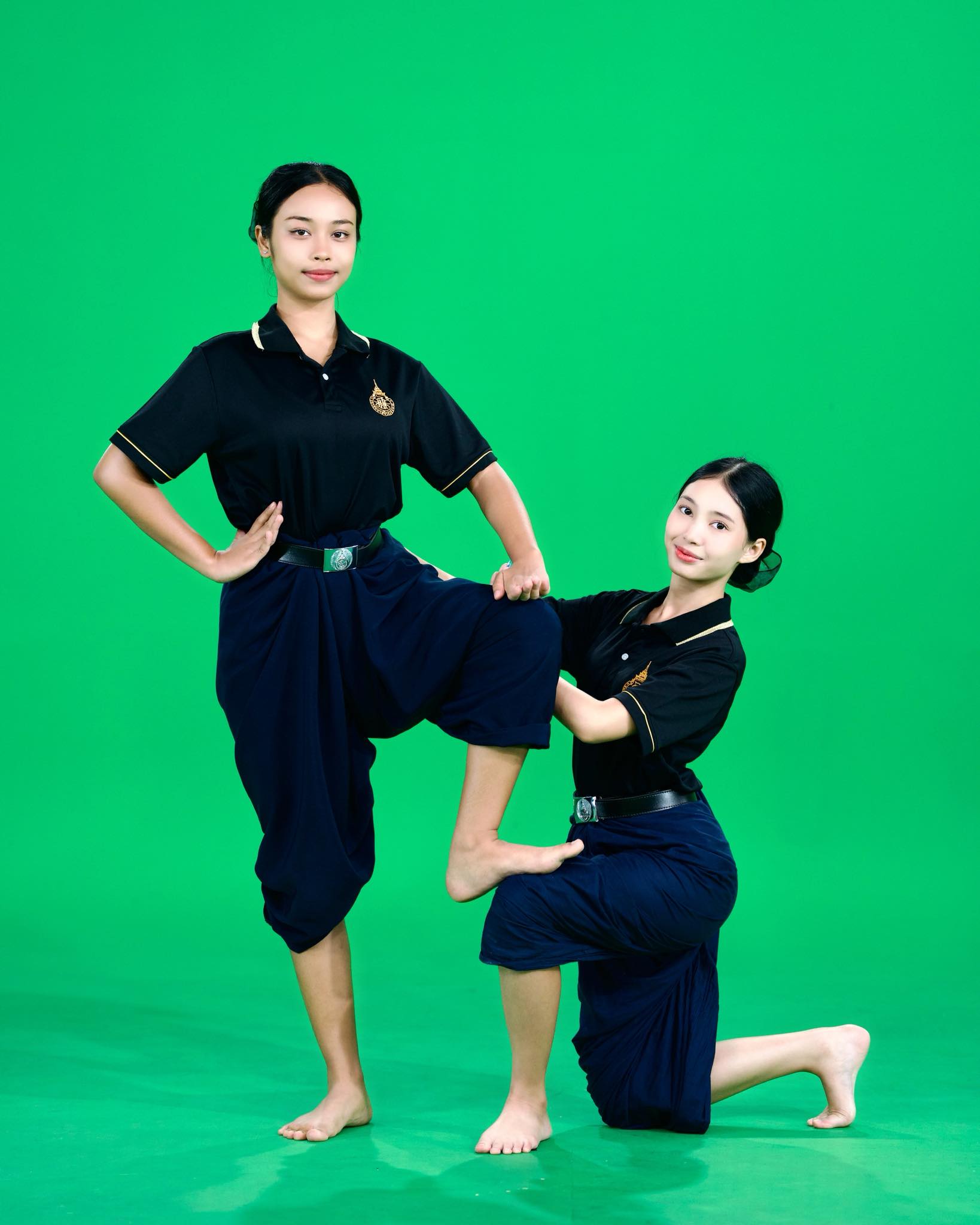
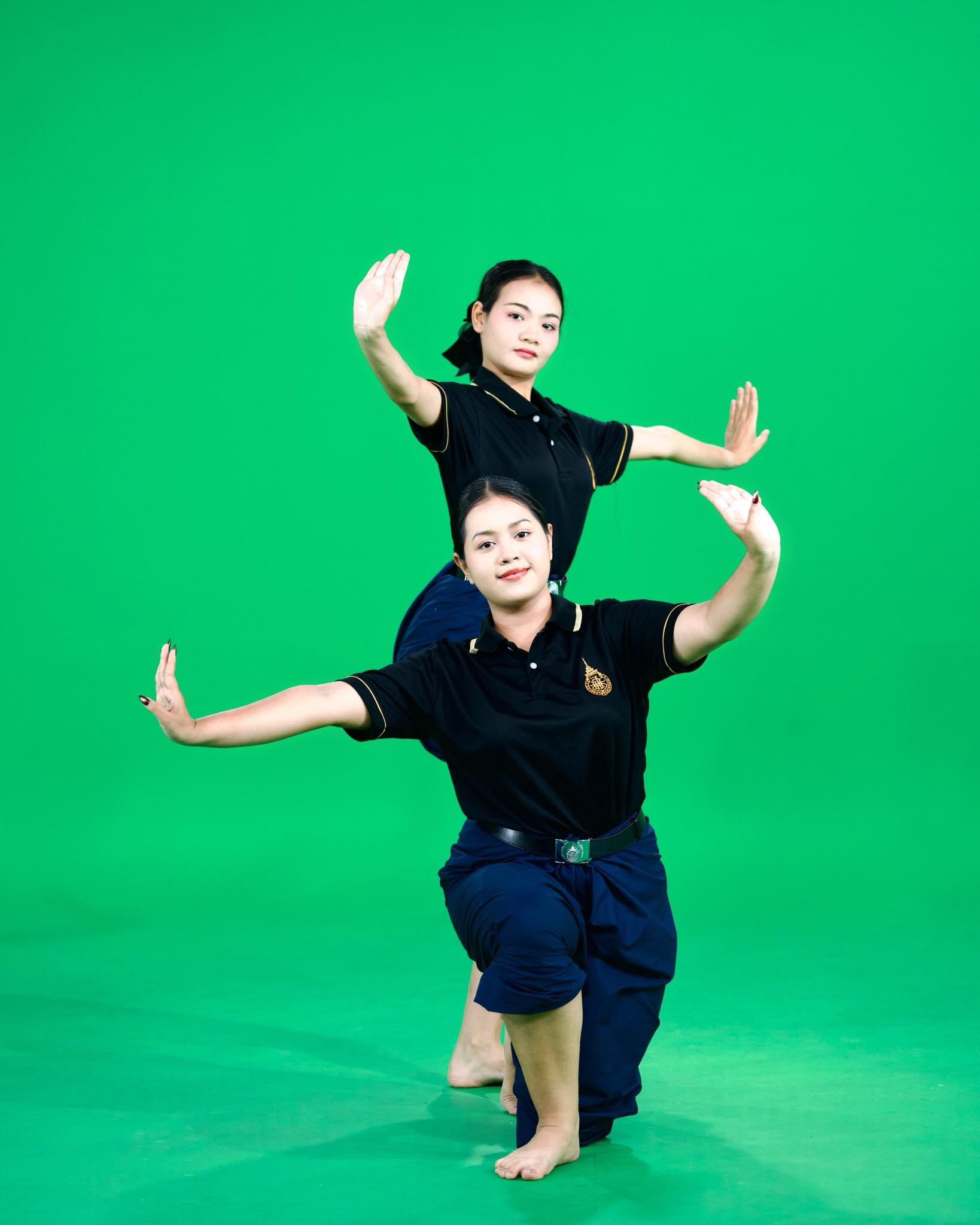
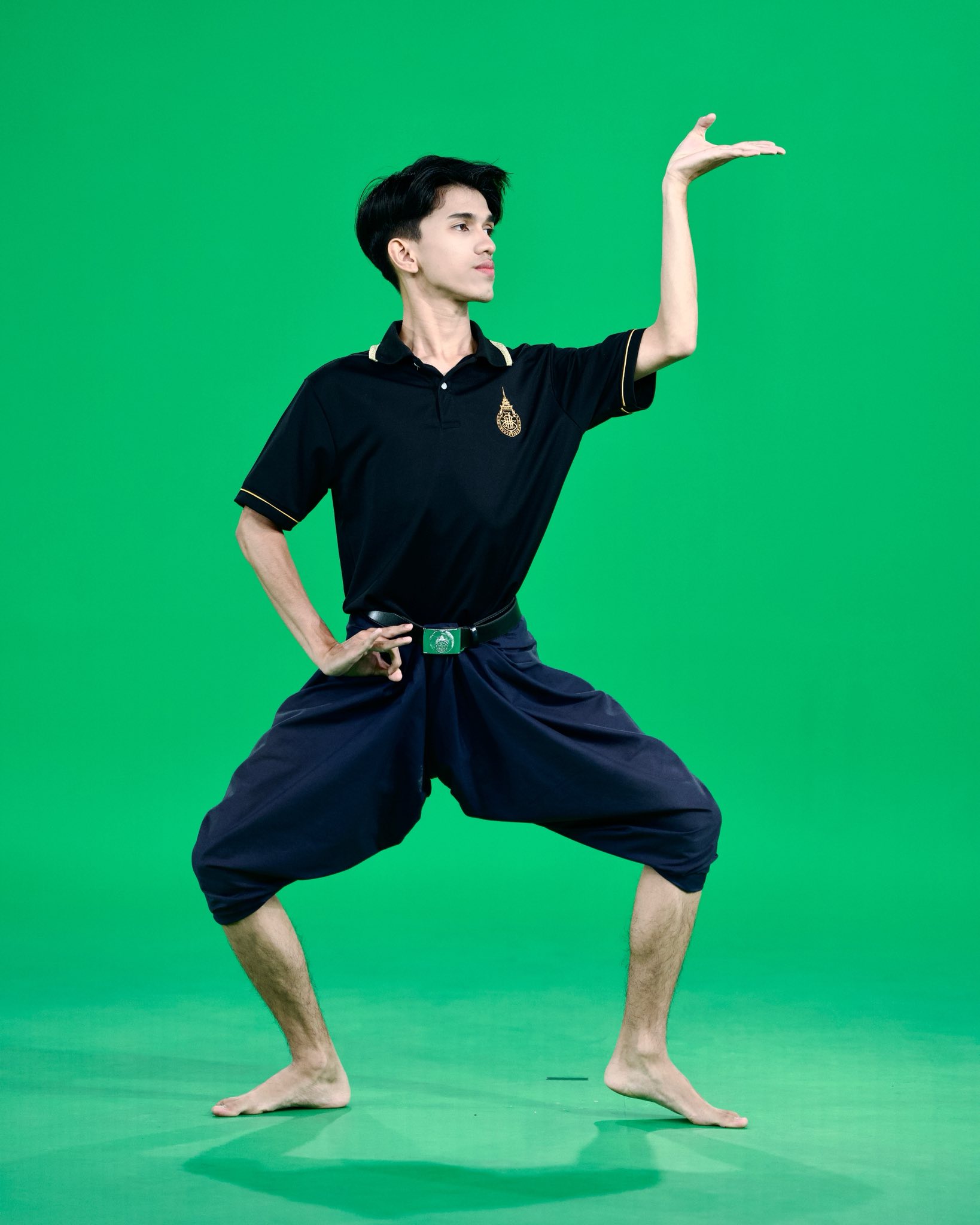
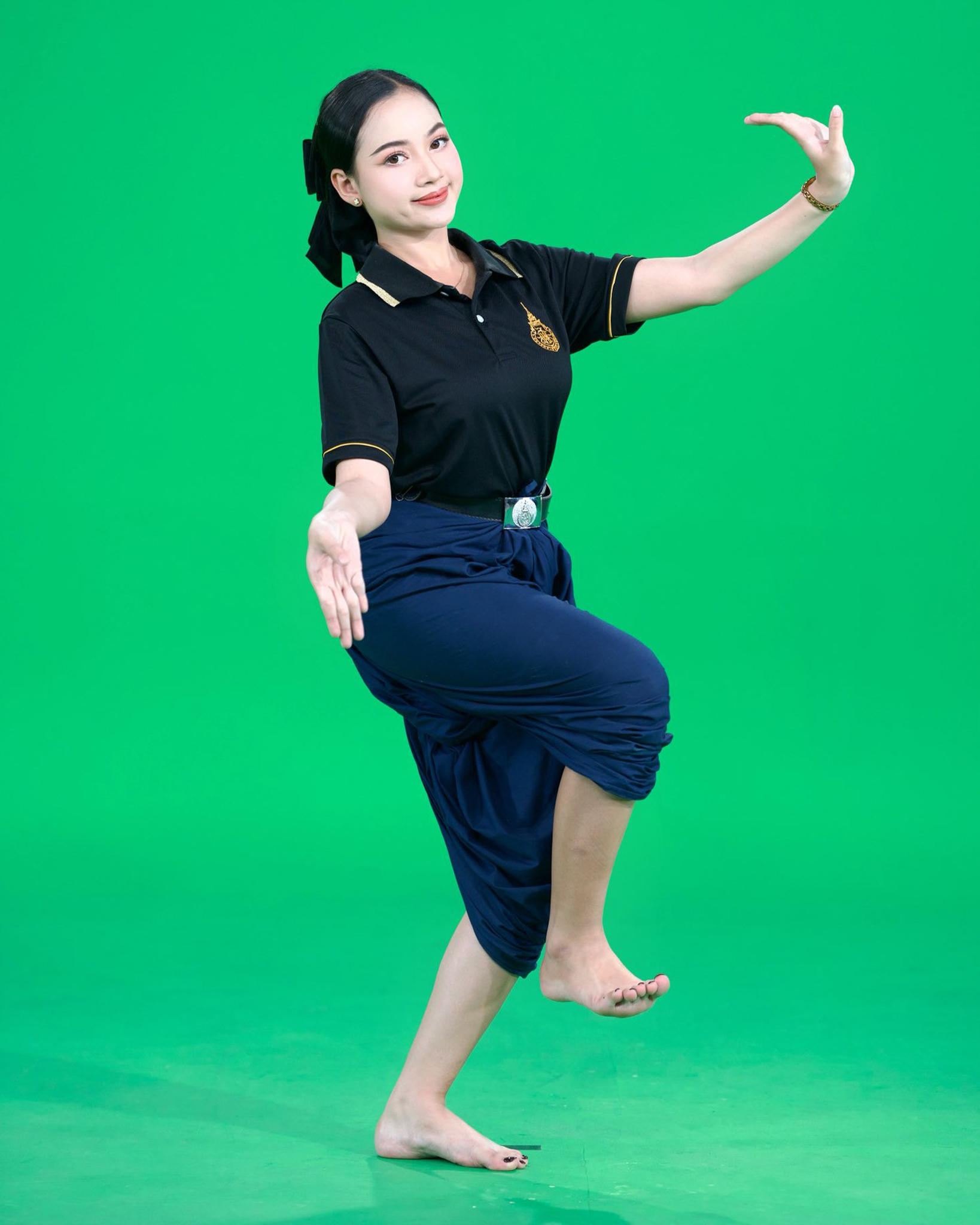
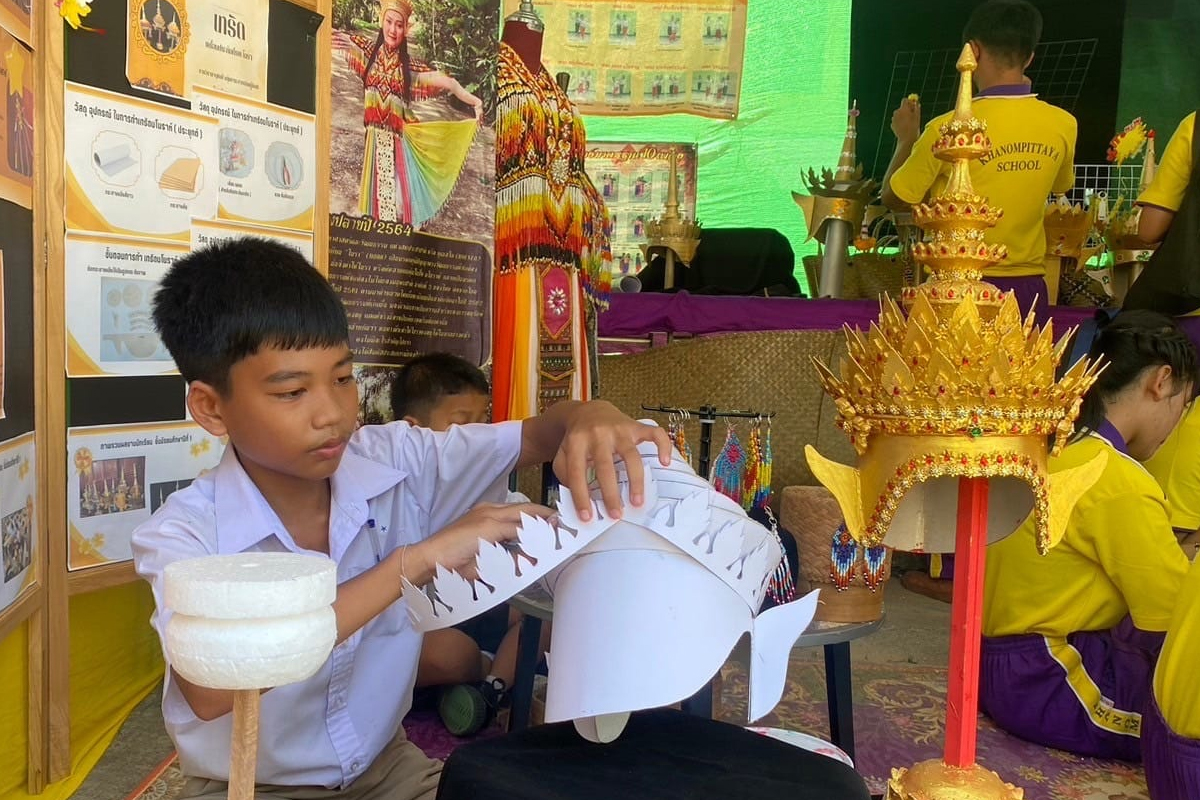
Bachelor of Education in Thai Dance
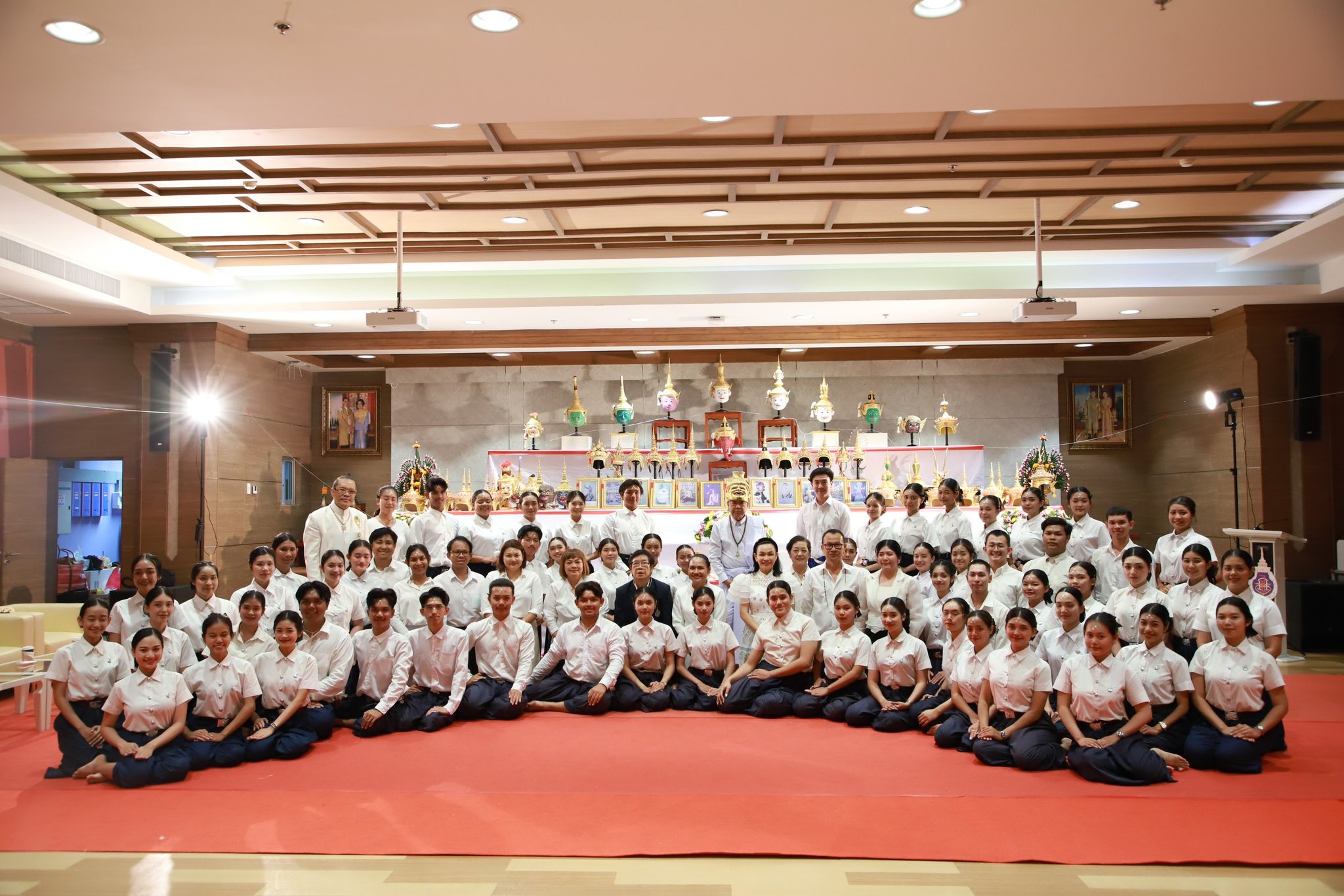
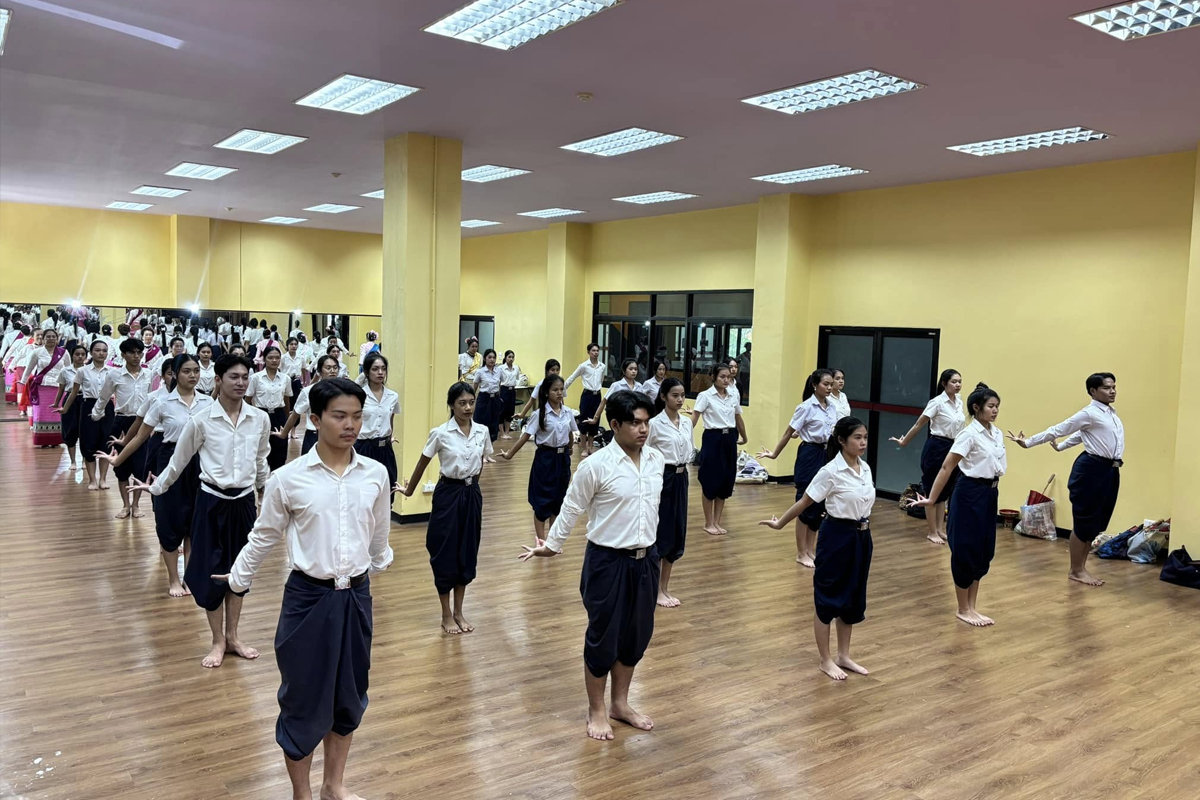
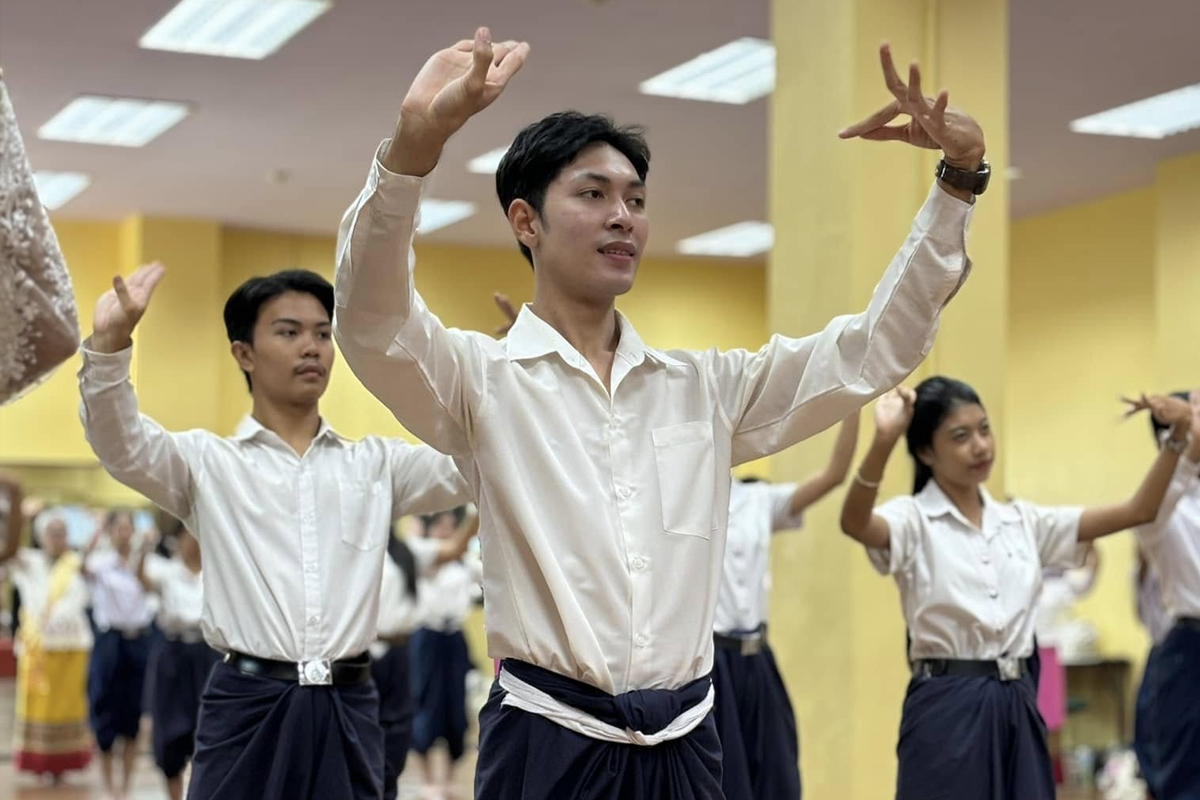
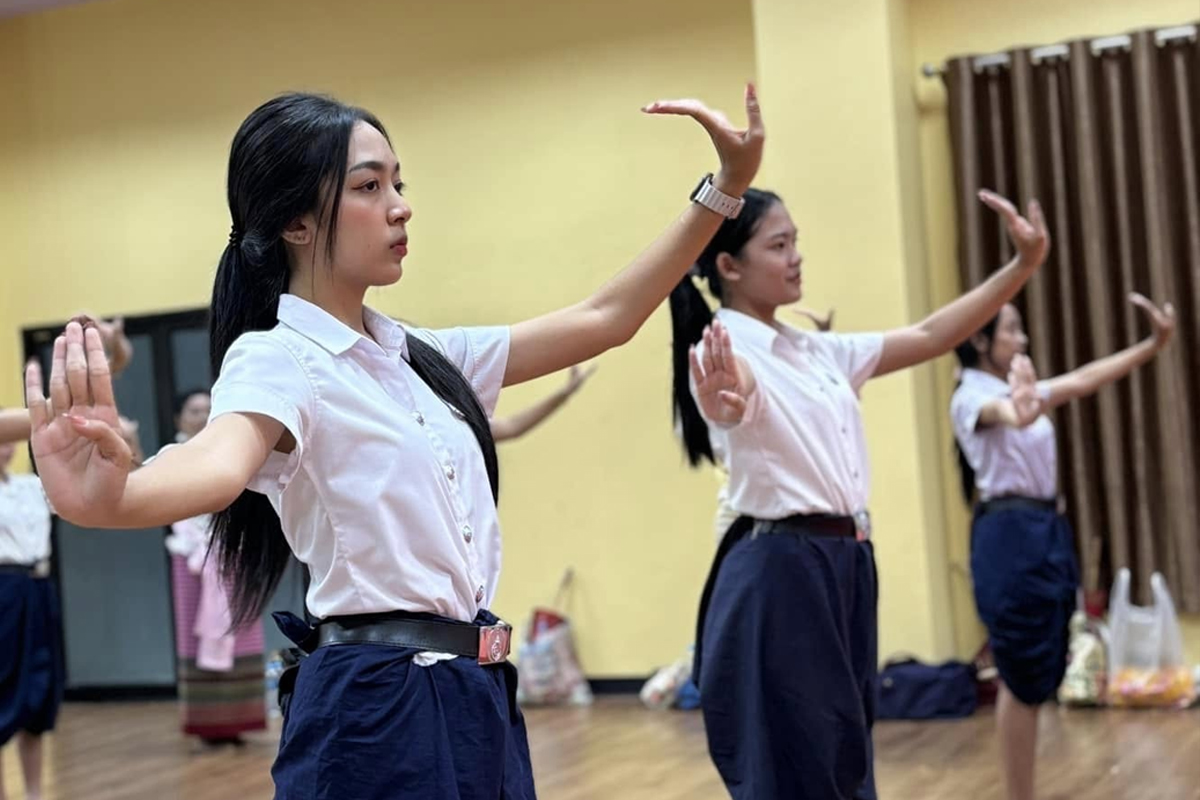
The School of Education at Walailak University has the Bachelor of Education in Thai Dance. This bachelor’s serves as an academic field to WU students to study about Thai dance in all forms and conserve Thai dance and all related intangible cultural heritage to be not disappear.
Preserving Local and Regional Cultural Heritage
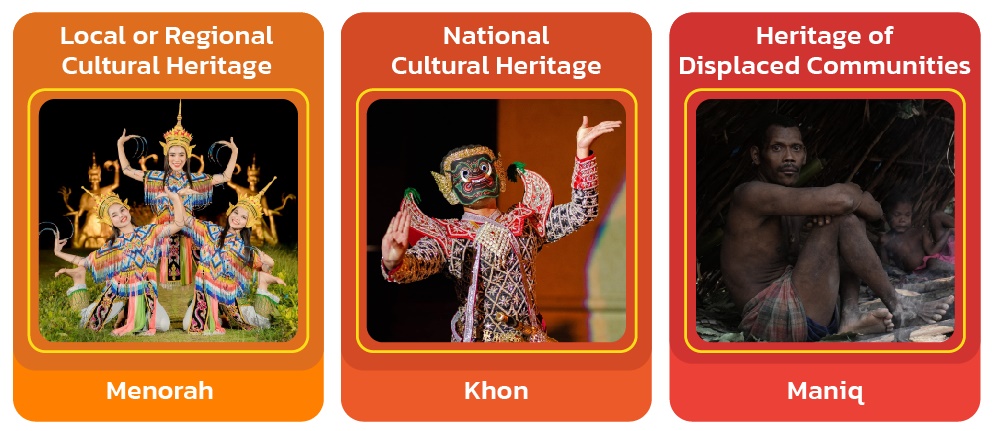
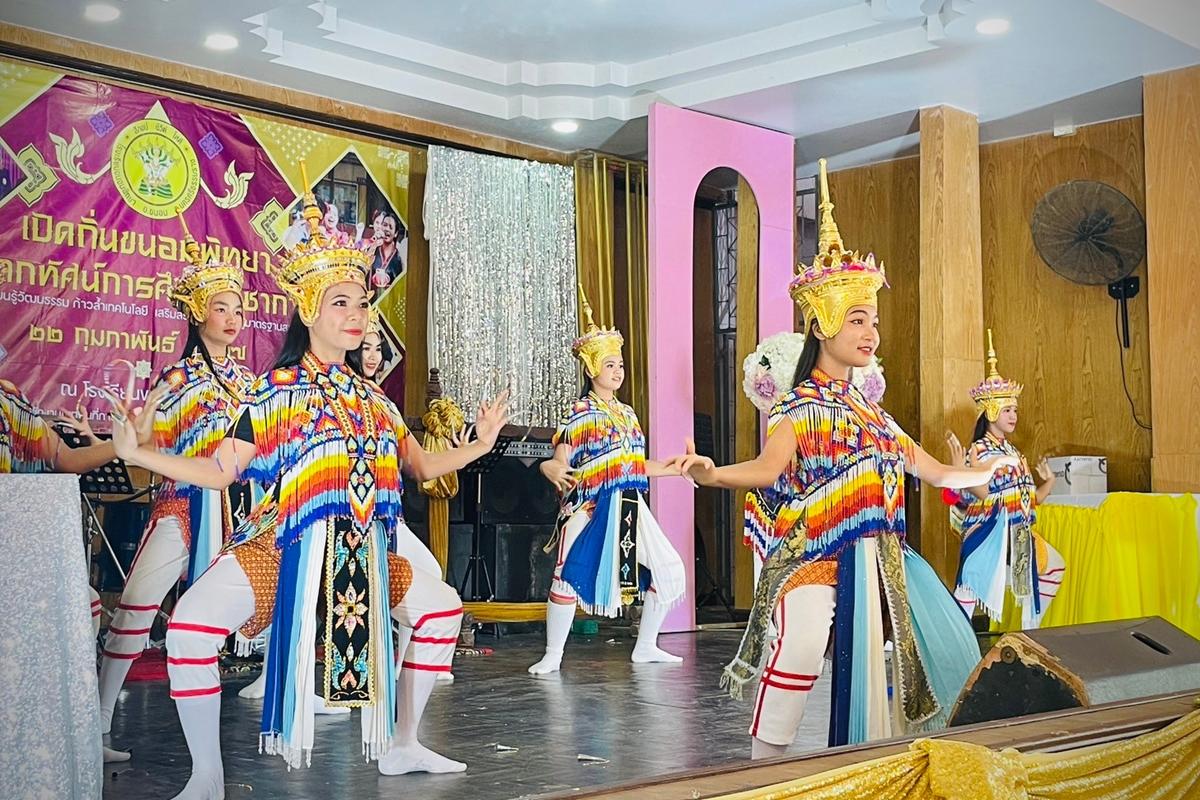
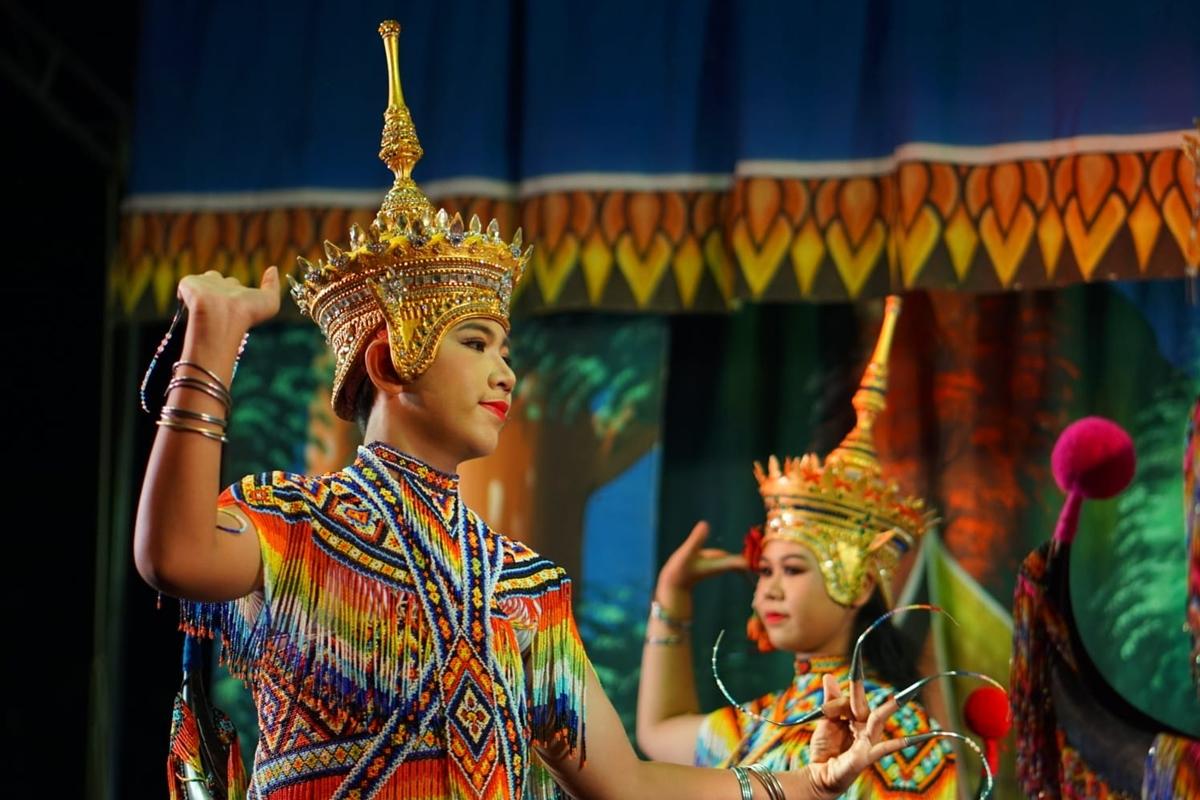
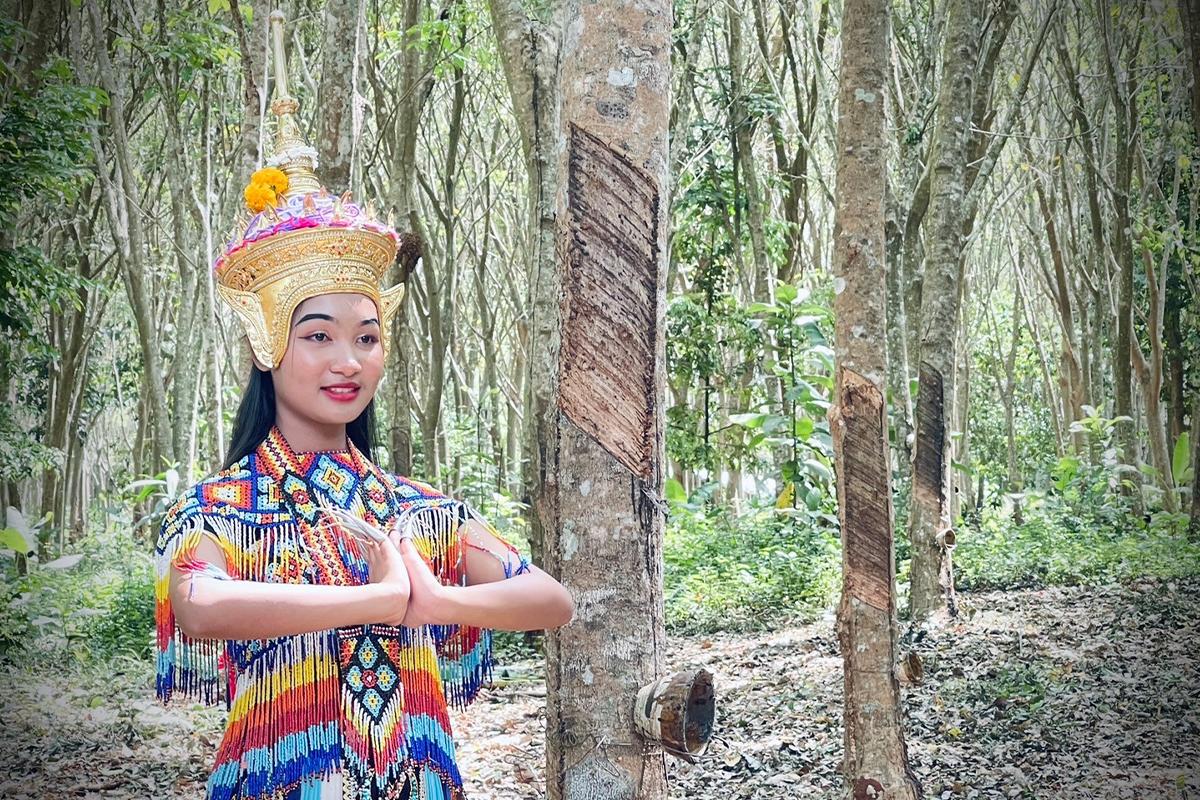
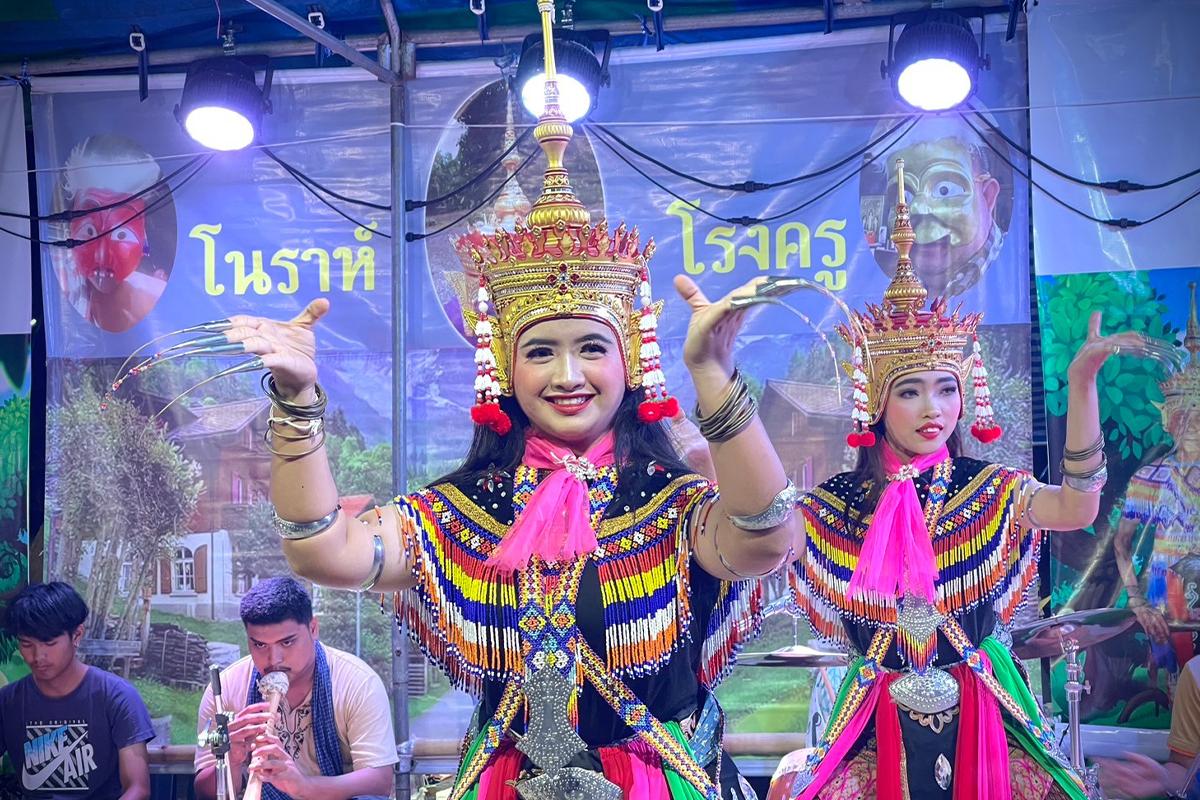
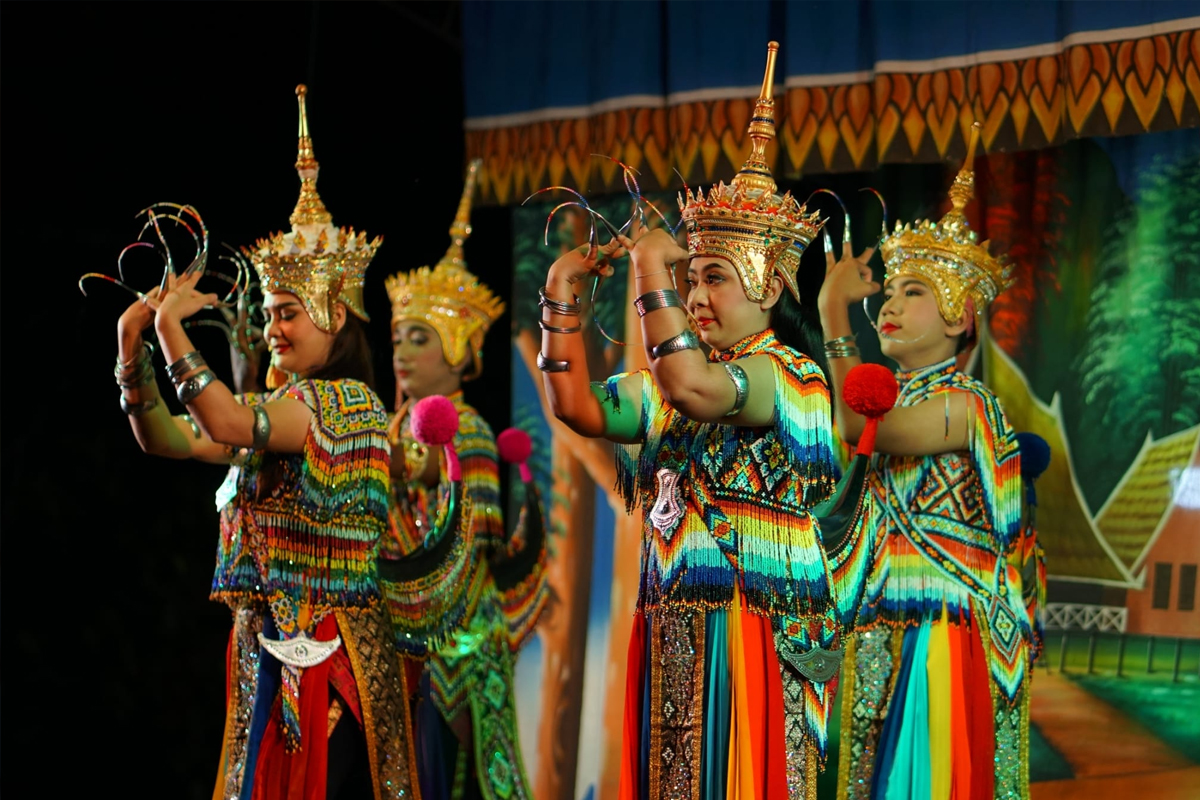
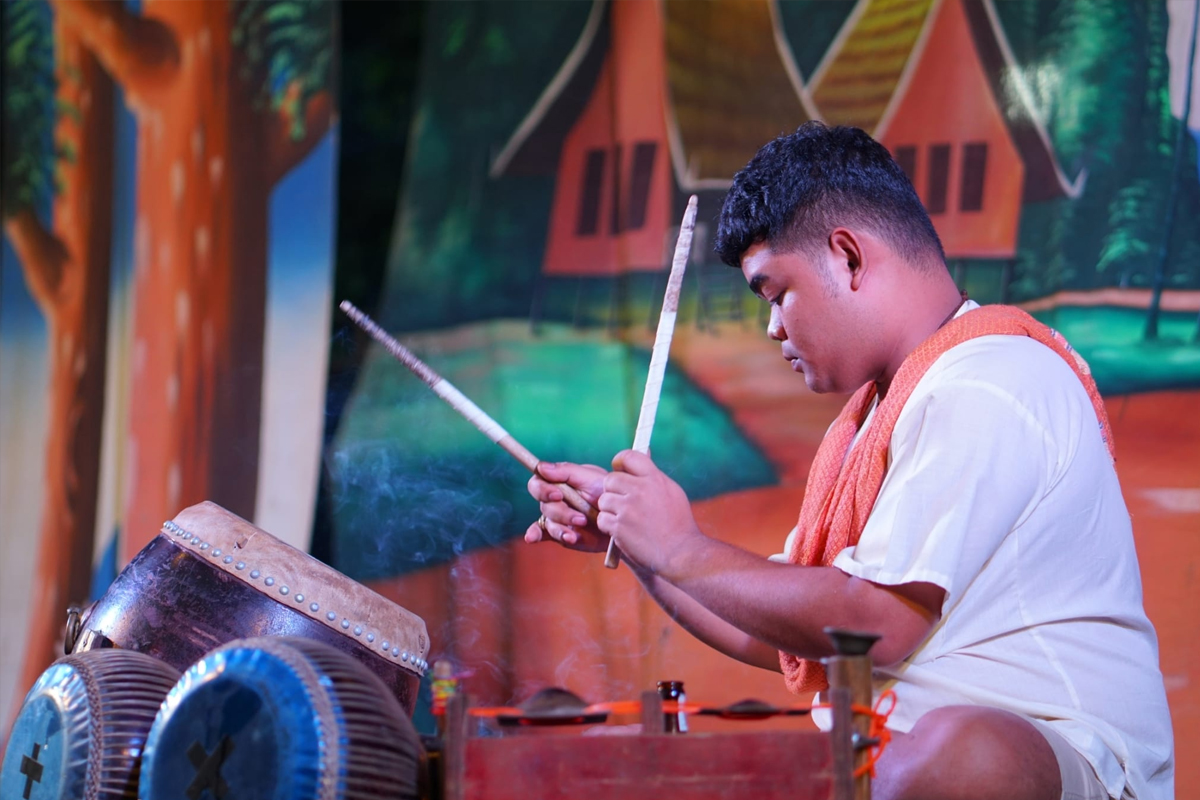
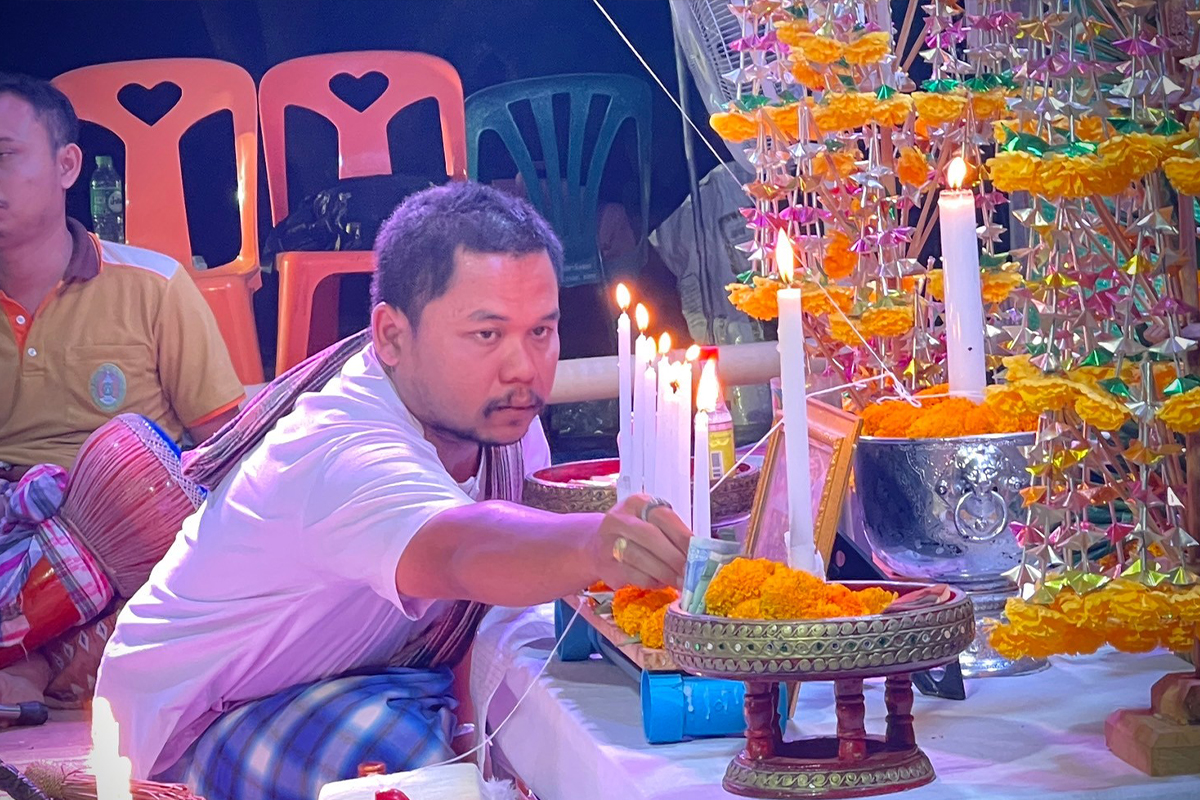
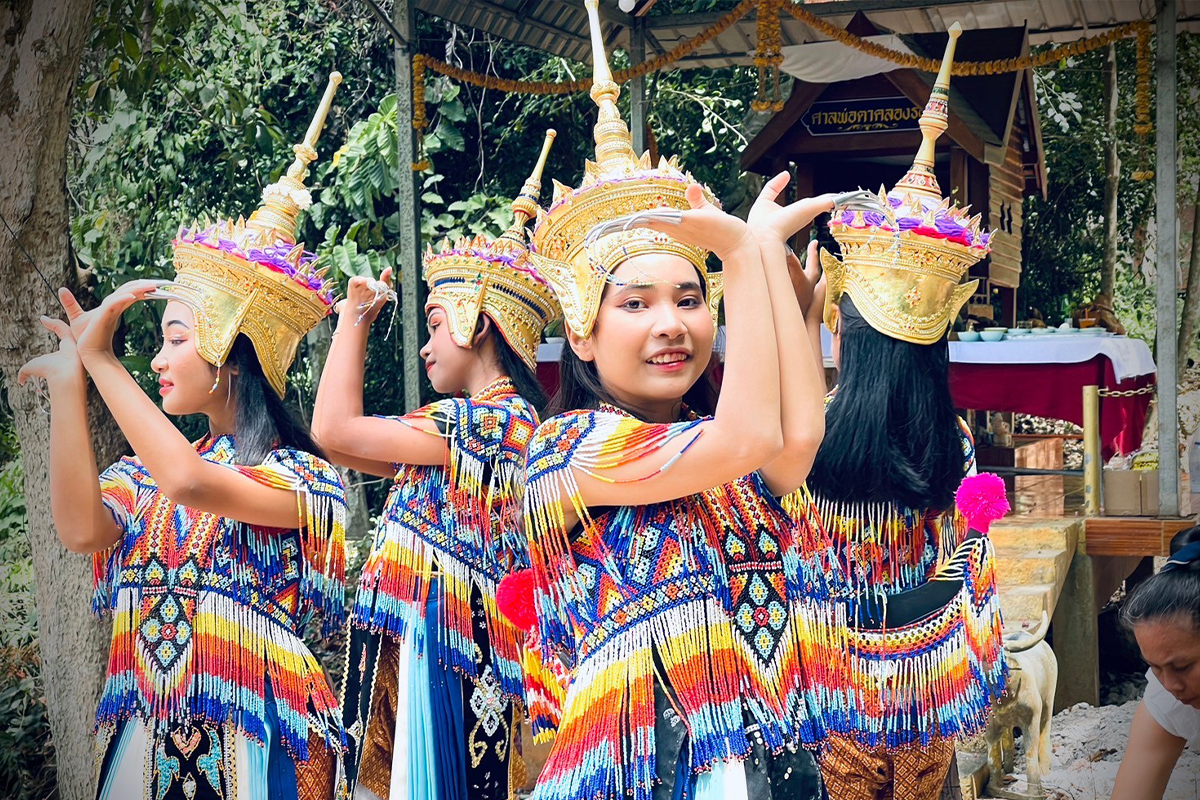
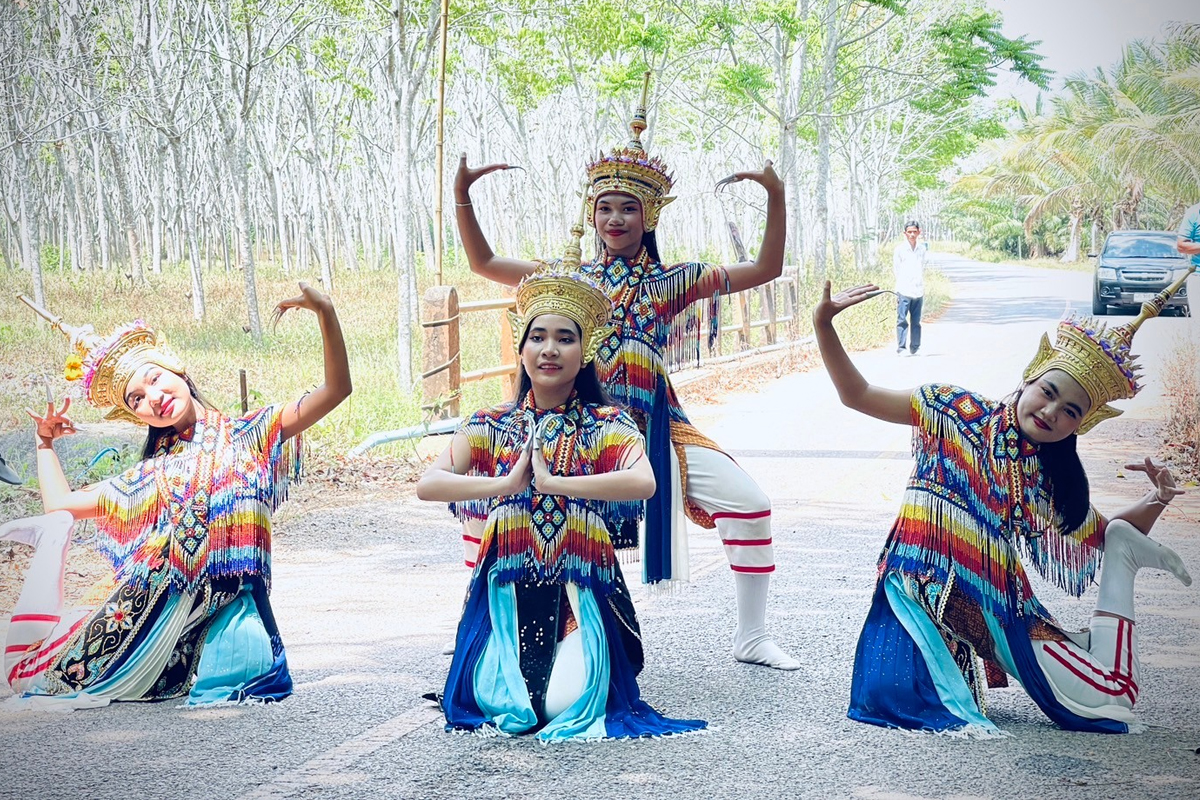
Academic Field Research on the Existence of the Menorah Dance in Nakhon Si Thammarat Province
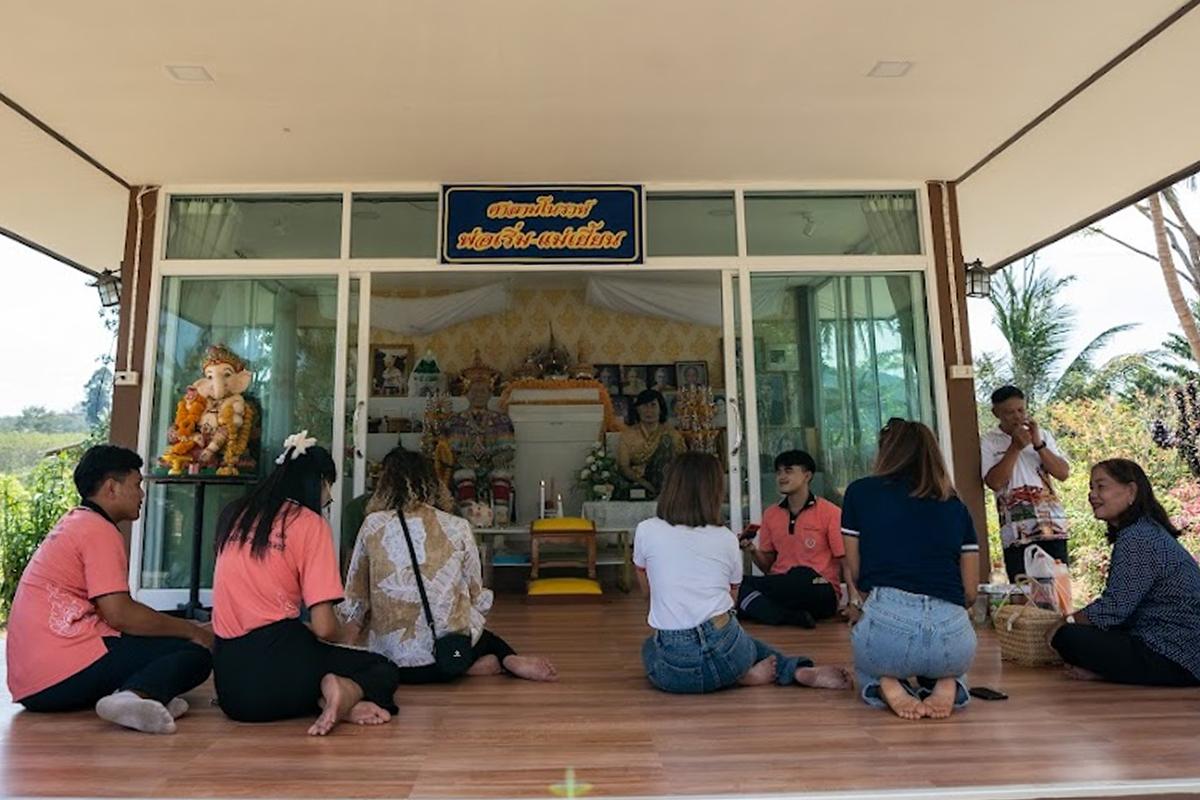
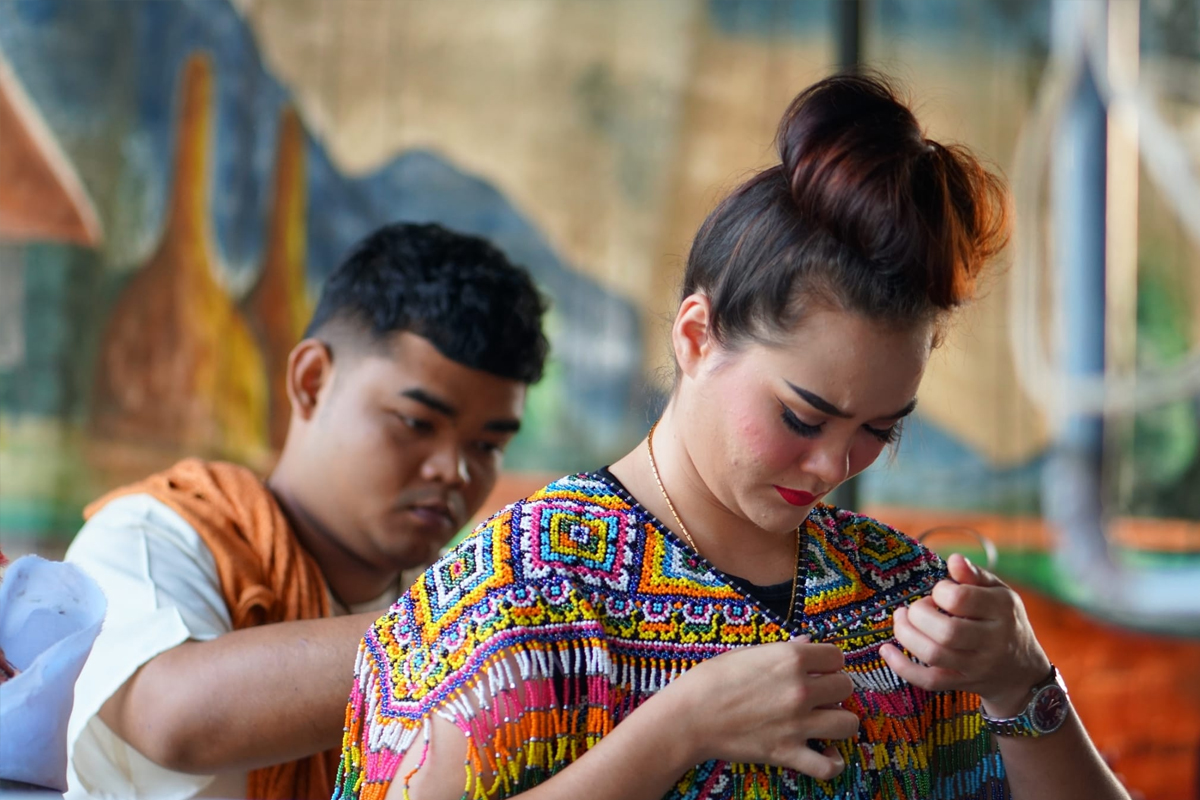
Walailak University has launched a comprehensive field research project to document and preserve the existence of the Menorah Dance—an intangible cultural heritage of Southern Thailand—in Nakhon Si Thammarat Province. The study aims to explore the history, transformations, cultural dynamics, and continued adaptation of the Menorah Dance from its traditional roots to its evolving role in the modern, globalized world. The primary areas of fieldwork include Tha Sala, Sichon, and Khanom districts, where the dance remains deeply embedded in local identity.
The research project is structured into three core components:
Historical and Cultural Documentation
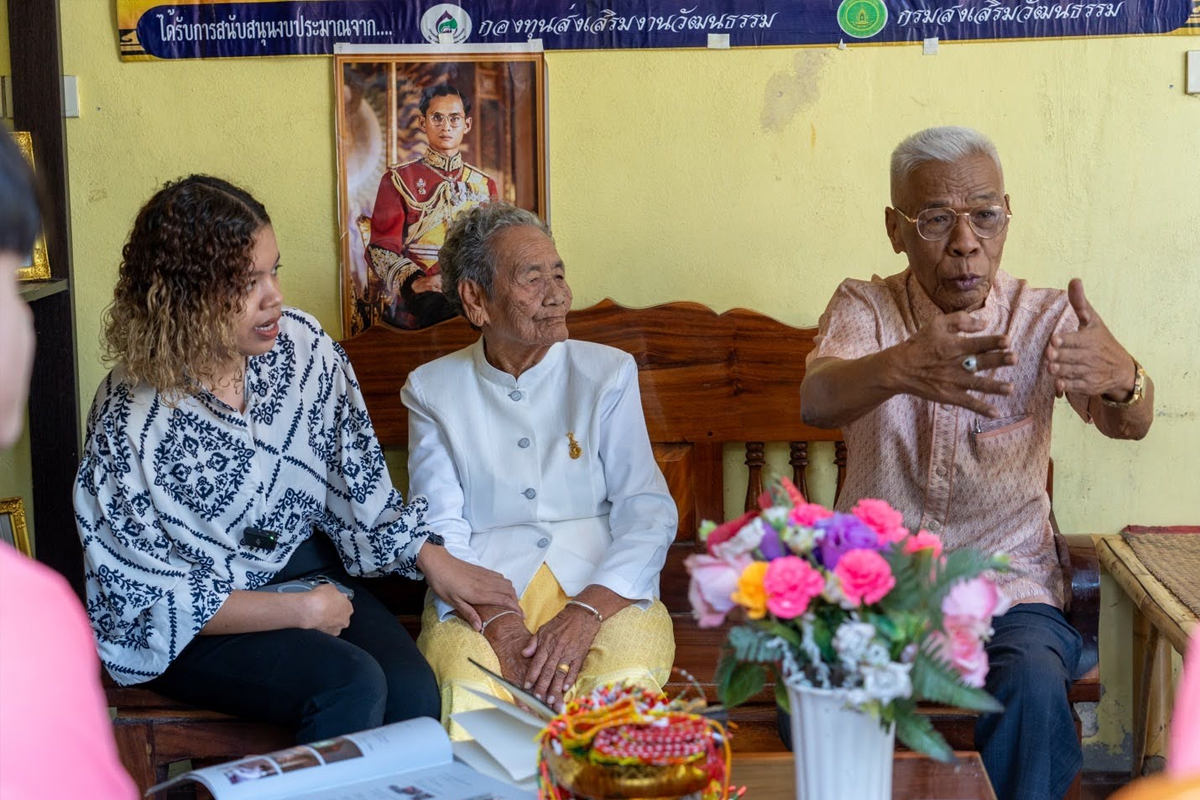
Led by Ms. Anutsara Ruengmak from the School of Liberal Arts, this component involves collecting qualitative data on the existence of the Menorah Dance and its influence on local customs, beliefs, rituals, and social practices. The study also explores how the dance has been transmitted across generations and how it is perceived by younger members of the community.
Menorah Cultural Mapping
Conducted by the Center for Cultural and Sports Promotion, this task focuses on identifying and mapping active Menorah communities, key performance sites, and educational institutions that preserve and promote the dance. The map will serve as a valuable resource for researchers, educators, cultural institutions, and policymakers.
Documentary Production
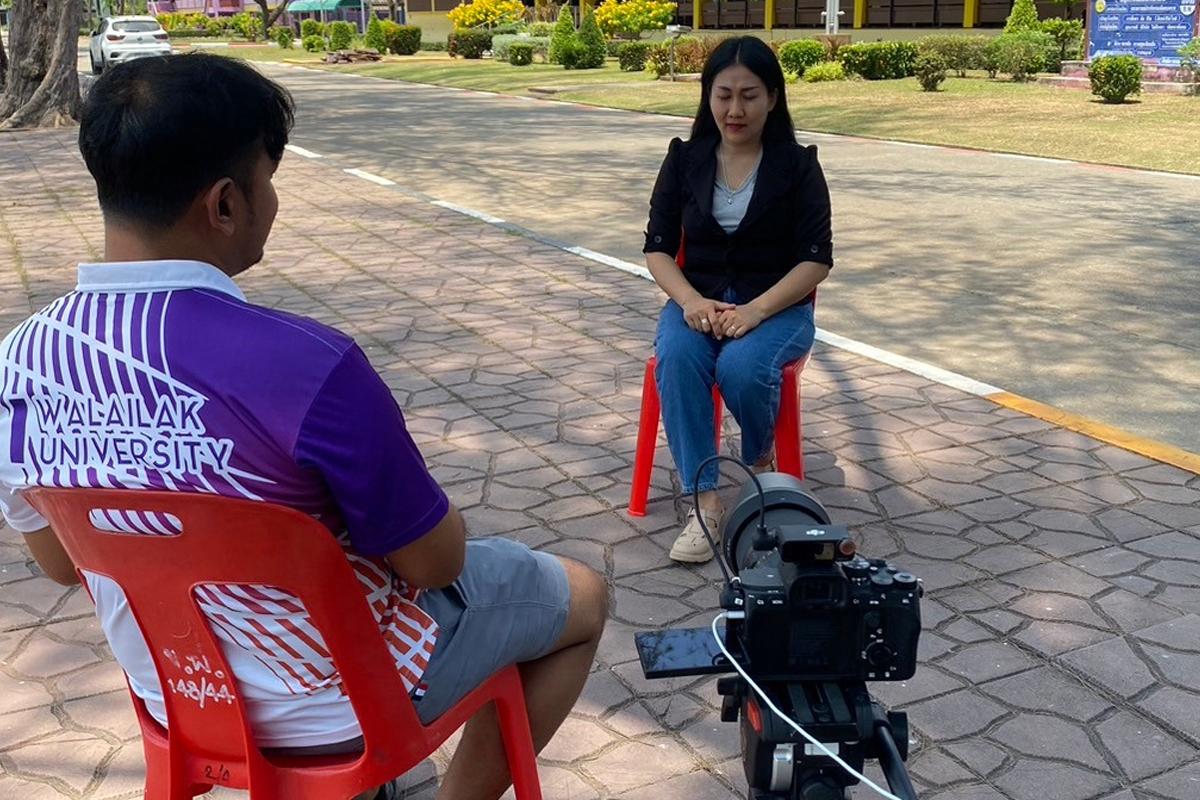
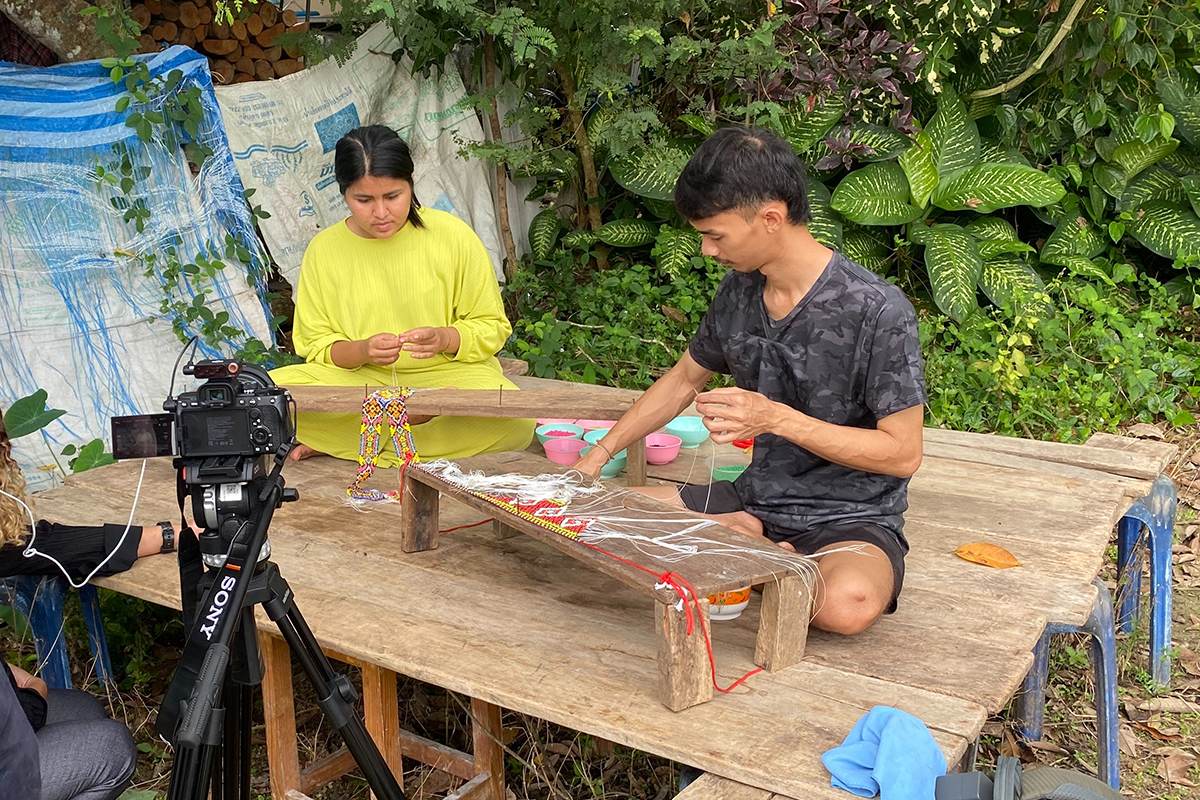
The Division of Corporate Communication is responsible for creating a documentary film that captures the cultural richness of the Menorah Dance. The film will feature interviews with local performers and elders, scenes of traditional performances, and insight into rituals and beliefs that surround the practice, contributing to a living archive for public education and cultural awareness.
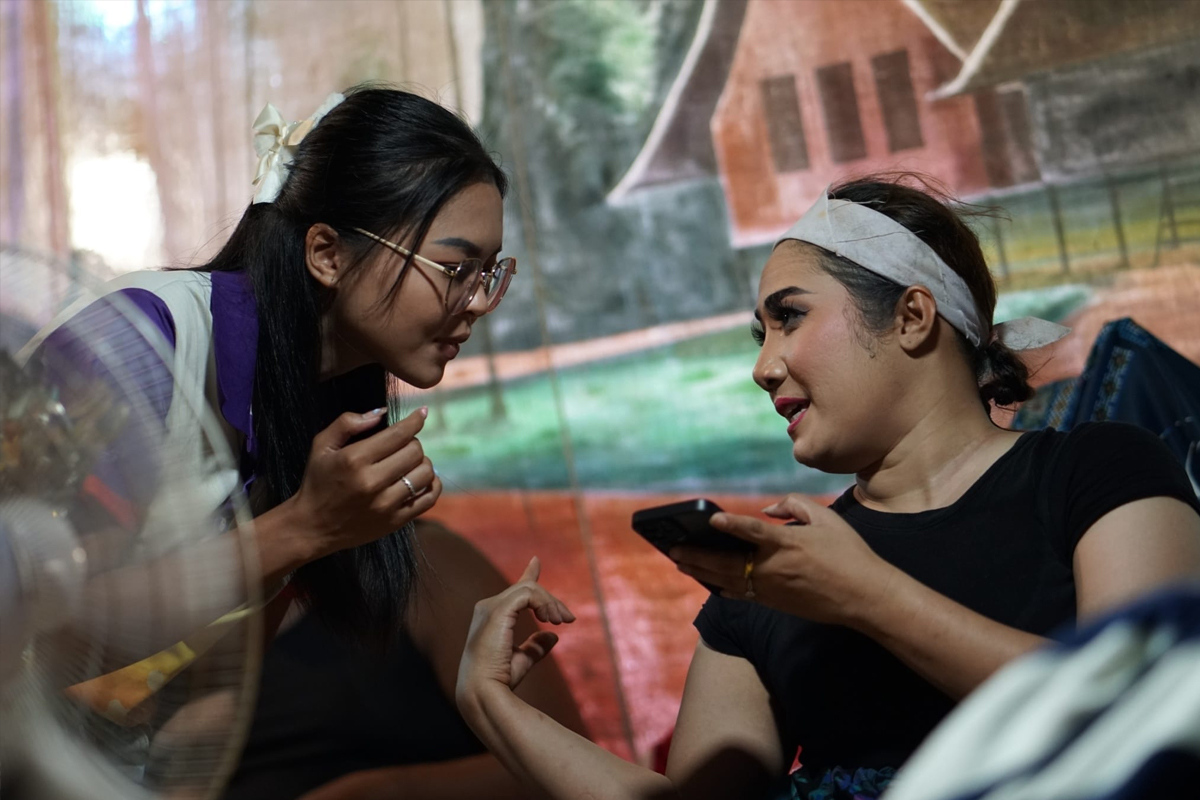
During the fieldwork, the research team engaged with Menorah troupes, school programs, and community elders to observe performances, worship ceremonies, and teaching practices. Special attention was given to traditional musical instruments, ceremonial attire, and the lyrical content of performance songs—all of which reflect the unique social and geographical context of the region. The project also highlights how Menorah serves as a medium of intergenerational knowledge transfer, moral education, and communal solidarity in Southern Thai communities.
Upon completion of the data collection phase, Walailak University aims to analyze and synthesize the findings to develop a detailed Menorah Cultural Map and produce the documentary. These outcomes will serve as enduring educational and cultural resources, ensuring that the knowledge, artistry, and spirit of the Menorah Dance are preserved and passed down to future generations.
Preserving Local and Regional Cultural Heritage
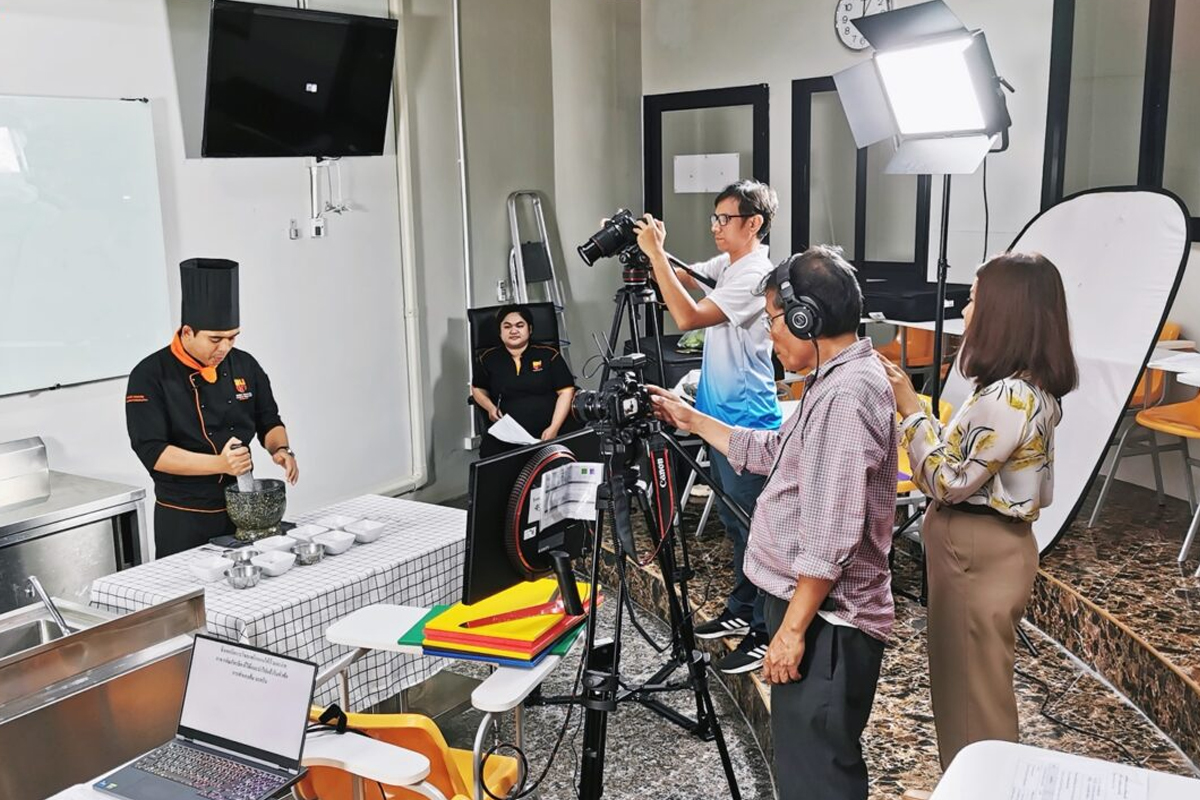
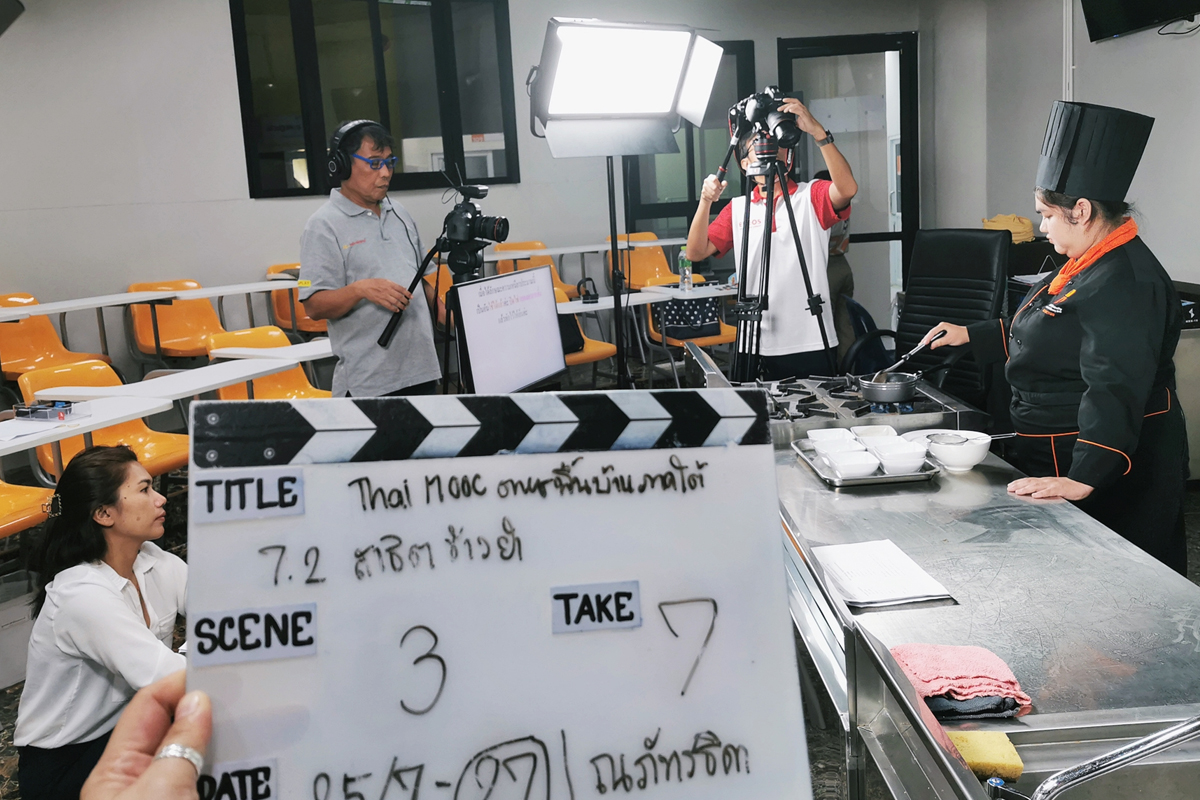
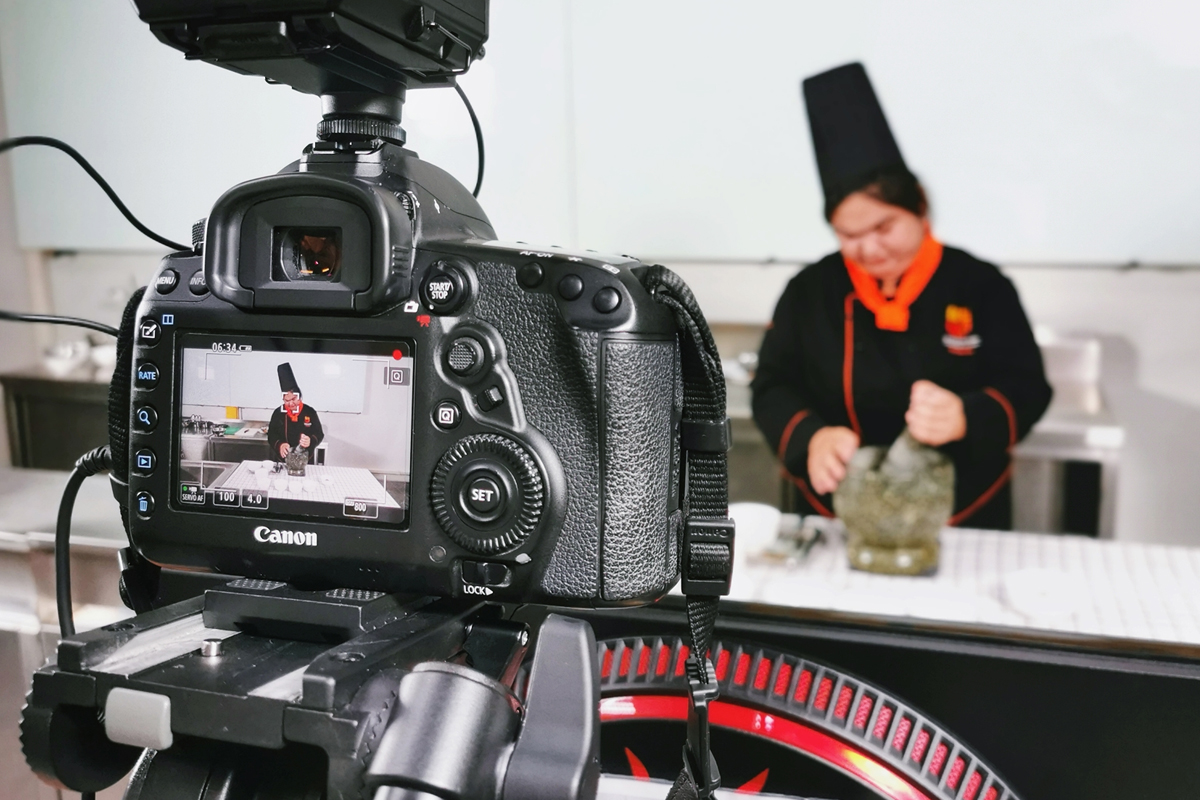
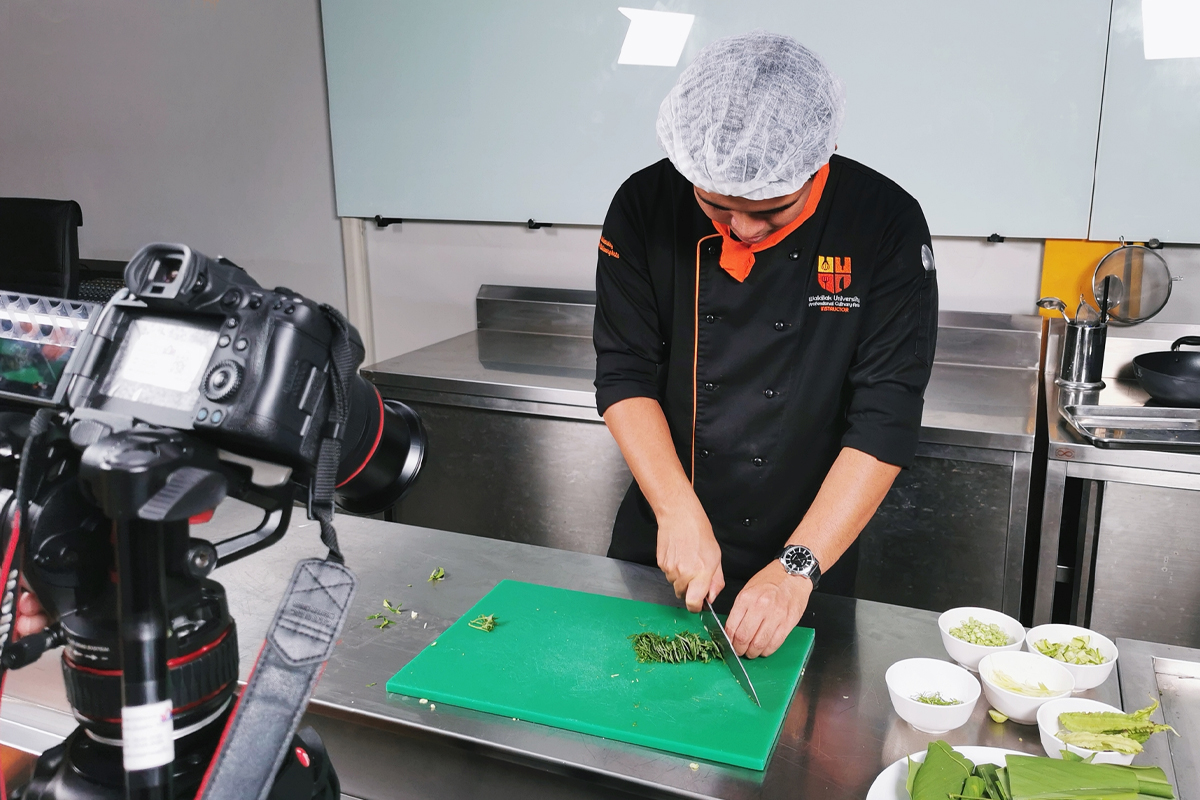
Walailak University, through the Center for Cultural and Sports Promotion, has developed a series of educational videos on traditional southern Thai cuisines for inclusion on ThaiMOOC, Thailand’s open online learning platform. The featured dishes include Fermented Fish Innards Curry (Kaeng Tai Pla), Southern Thai Sour Curry (Kaeng Som), Dry Curry Stir-Fry (Kua Kling), Southern Thai Rice Salad (Khao Yam), and Spicy Dipping Sauce (Nam Chup Yum)—culinary staples deeply rooted in the region’s cultural identity since the era of the Ligor Empire, the former kingdom of Nakhon Si Thammarat and other provinces in the south of Thailand.
This initiative seeks to preserve and revitalize southern Thai culinary heritage by providing free and accessible learning resources to the public. By documenting and sharing these recipes, the project not only promotes cultural continuity but also supports local gastronomy as a form of intangible cultural heritage, contributing to community pride, tourism, and intergenerational knowledge transfer.
Preserving National Cultural Heritage
Khon
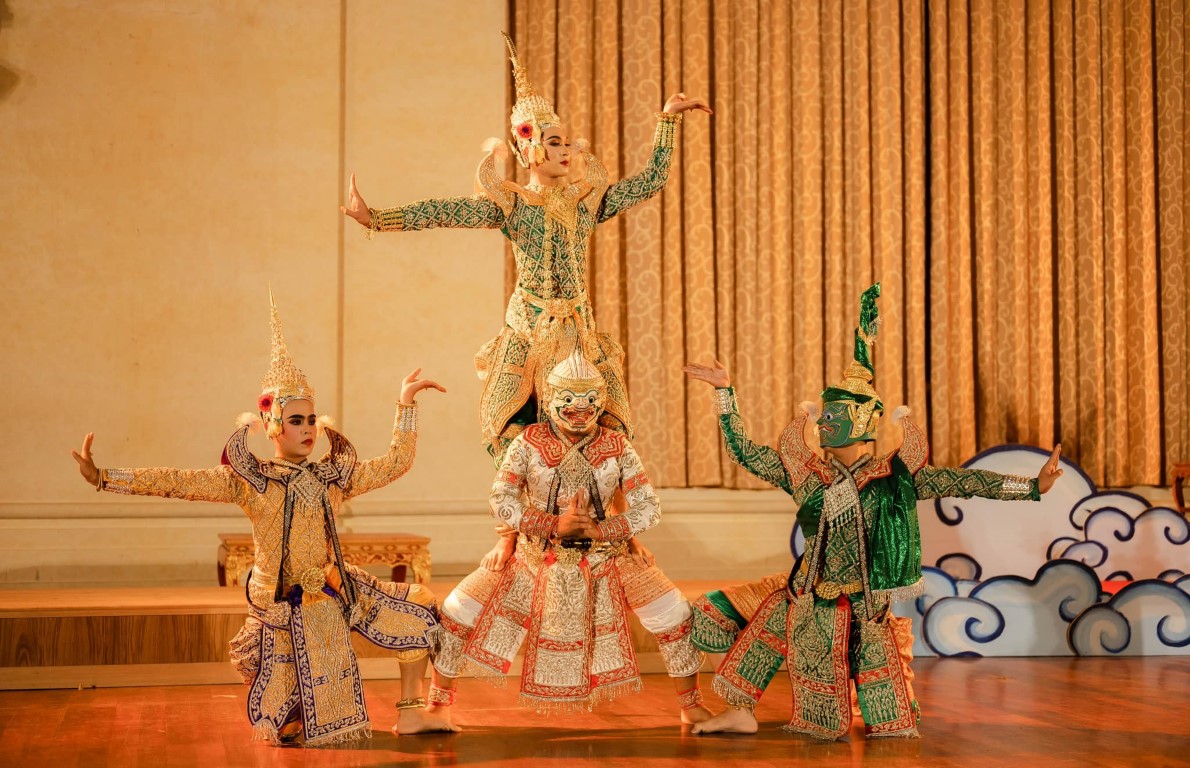
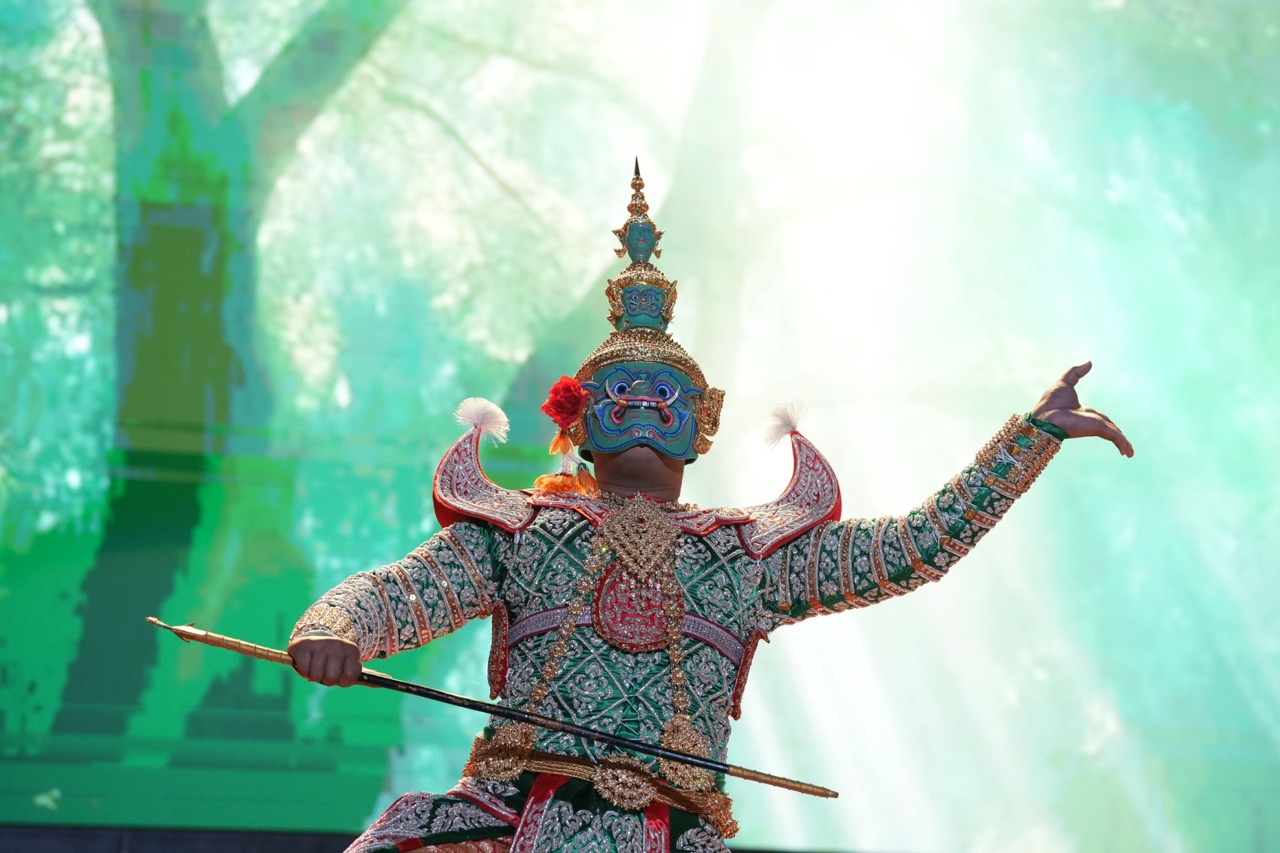
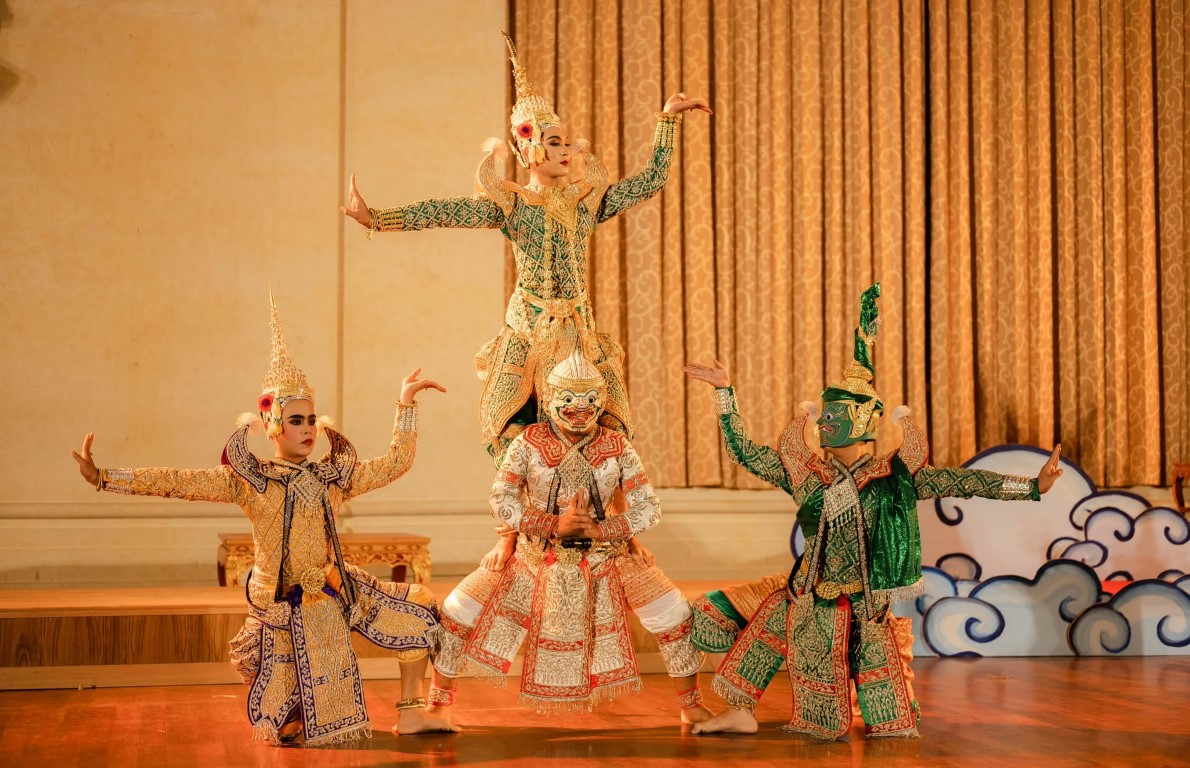
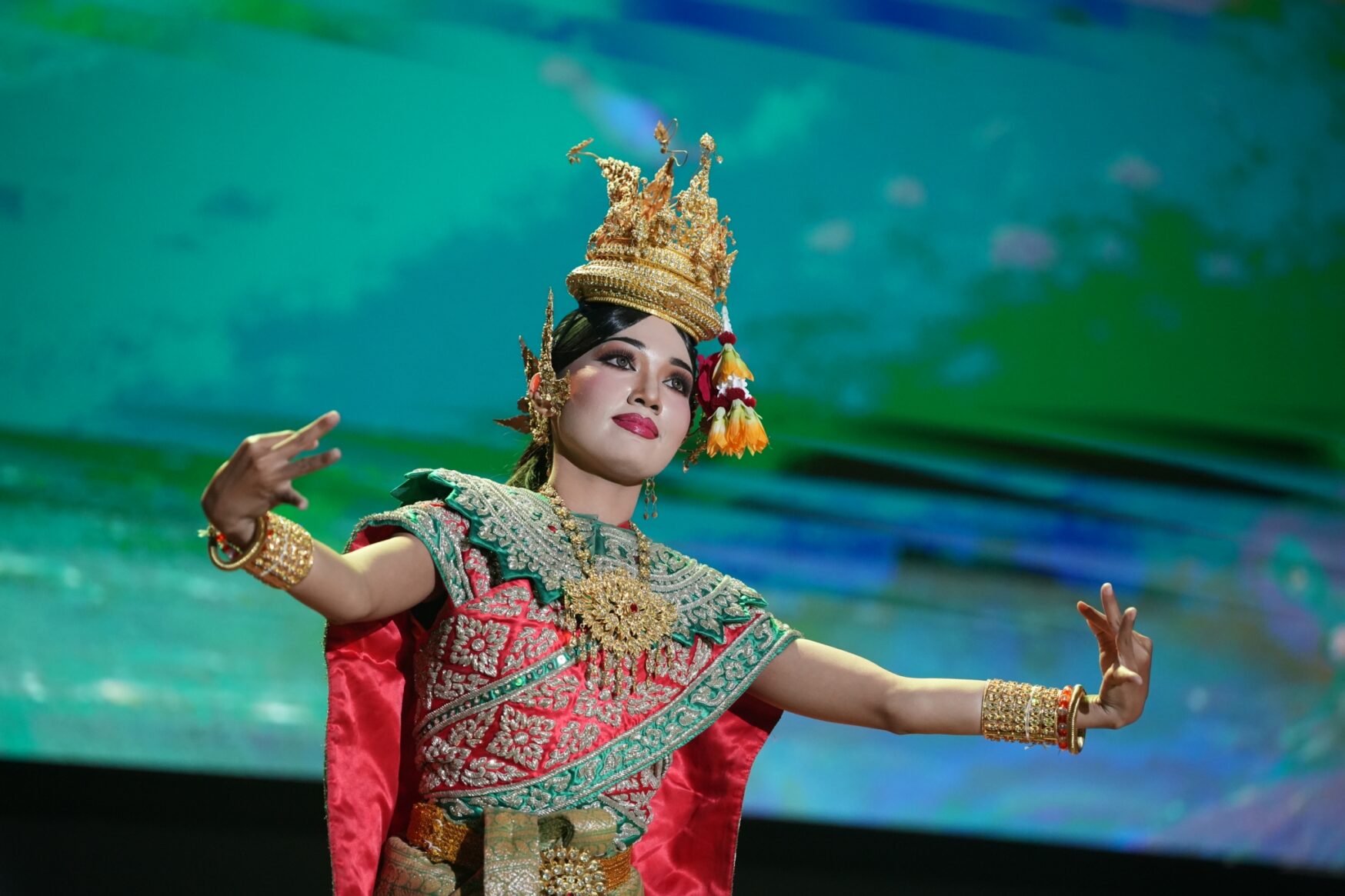
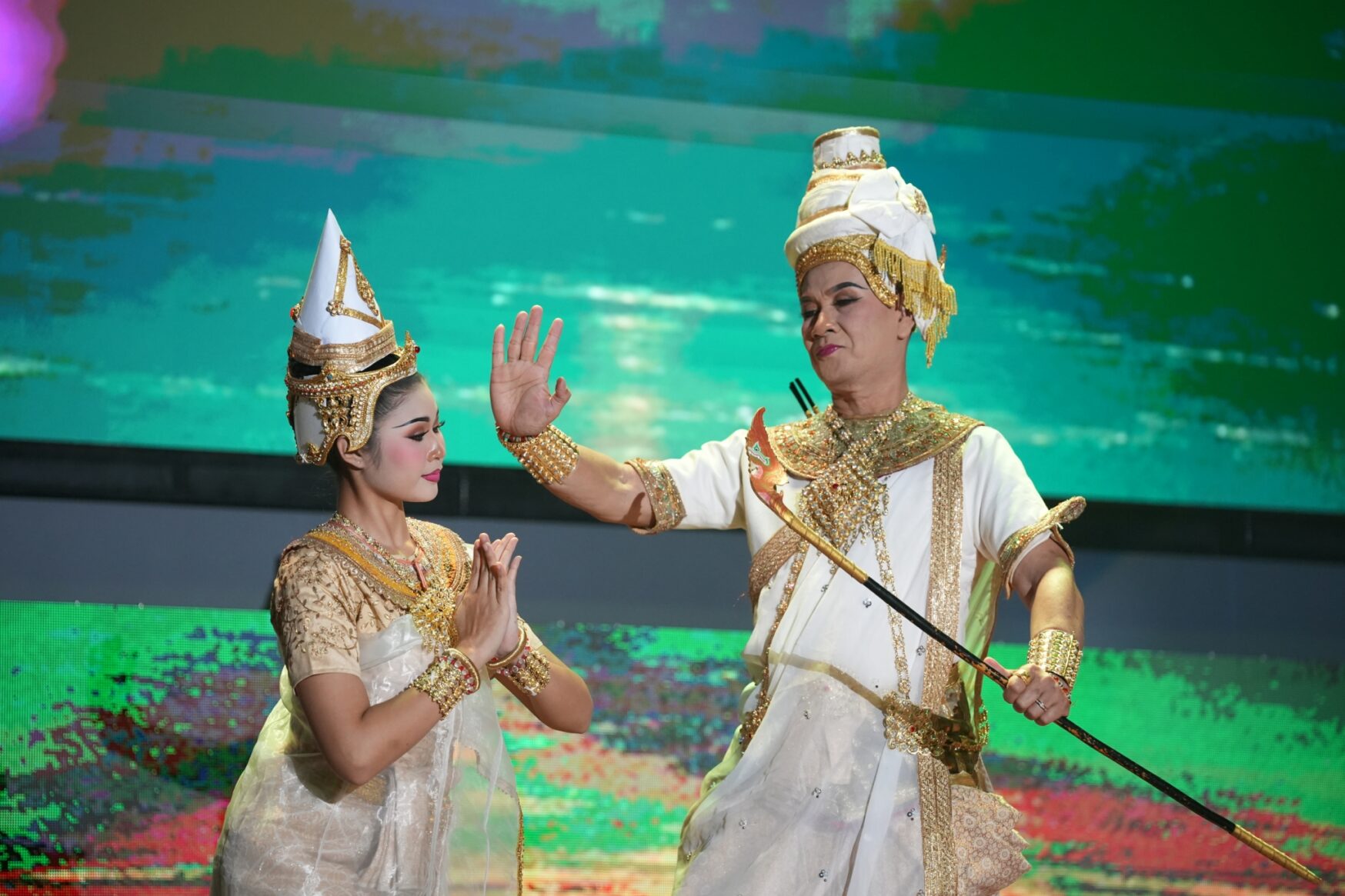
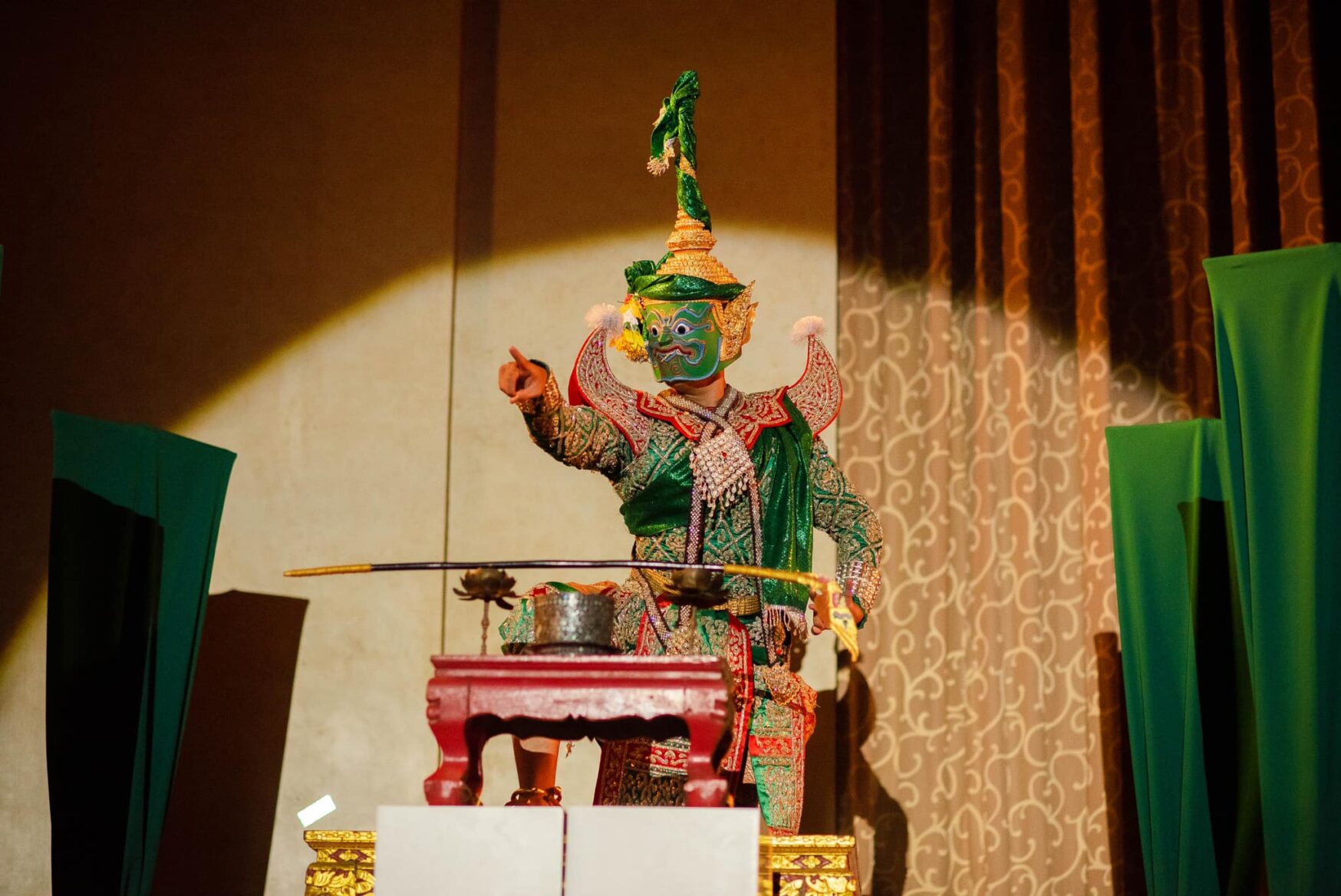
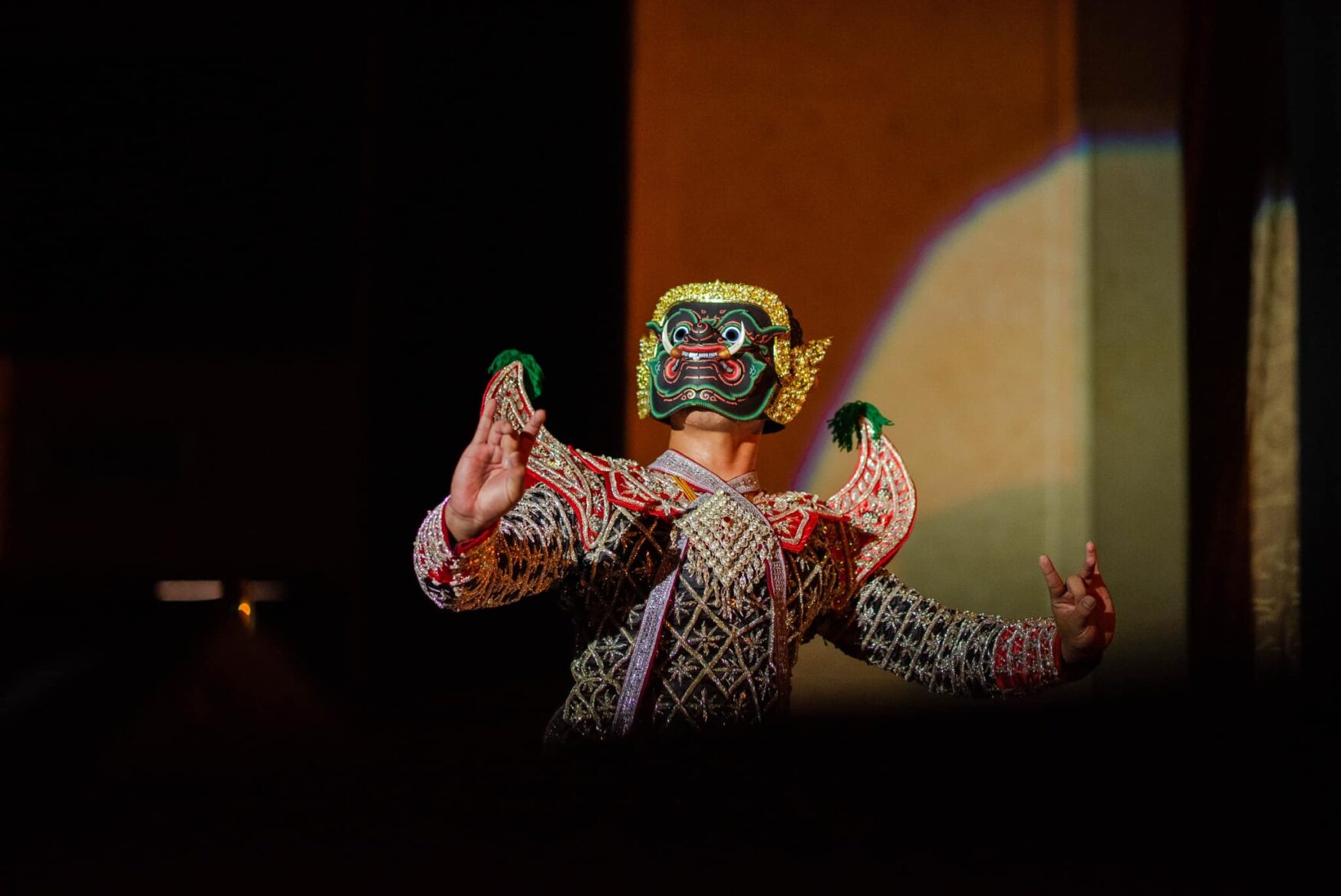
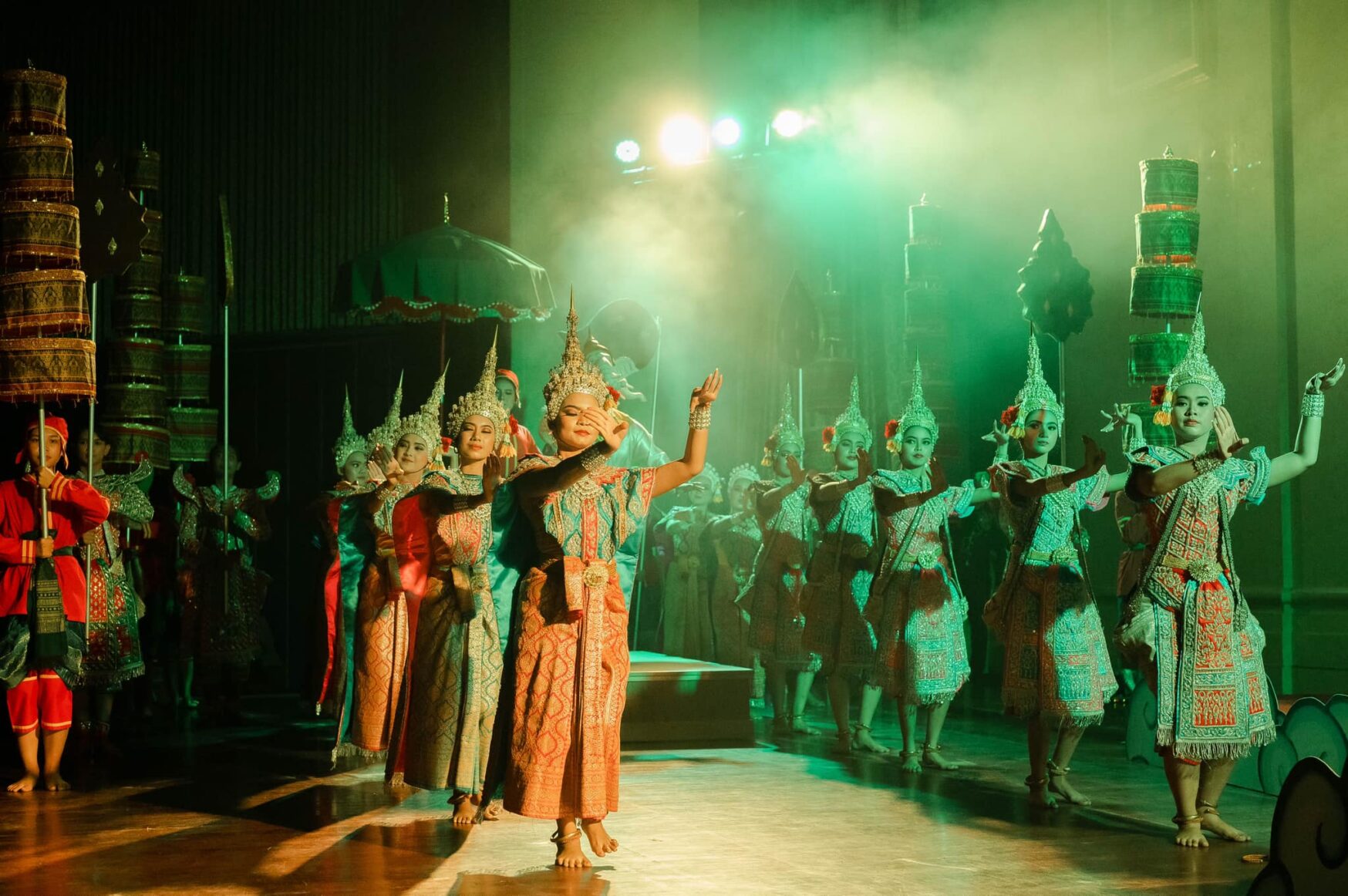
Khon, the traditional masked dance drama of Thailand, is widely regarded as one of the nation’s greatest cultural treasures. Recognized by UNESCO as an Intangible Cultural Heritage of Humanity, Khon embodies Thailand’s artistic excellence through its graceful dance, elaborate costumes, and timeless storytelling drawn from the Ramayana epic.
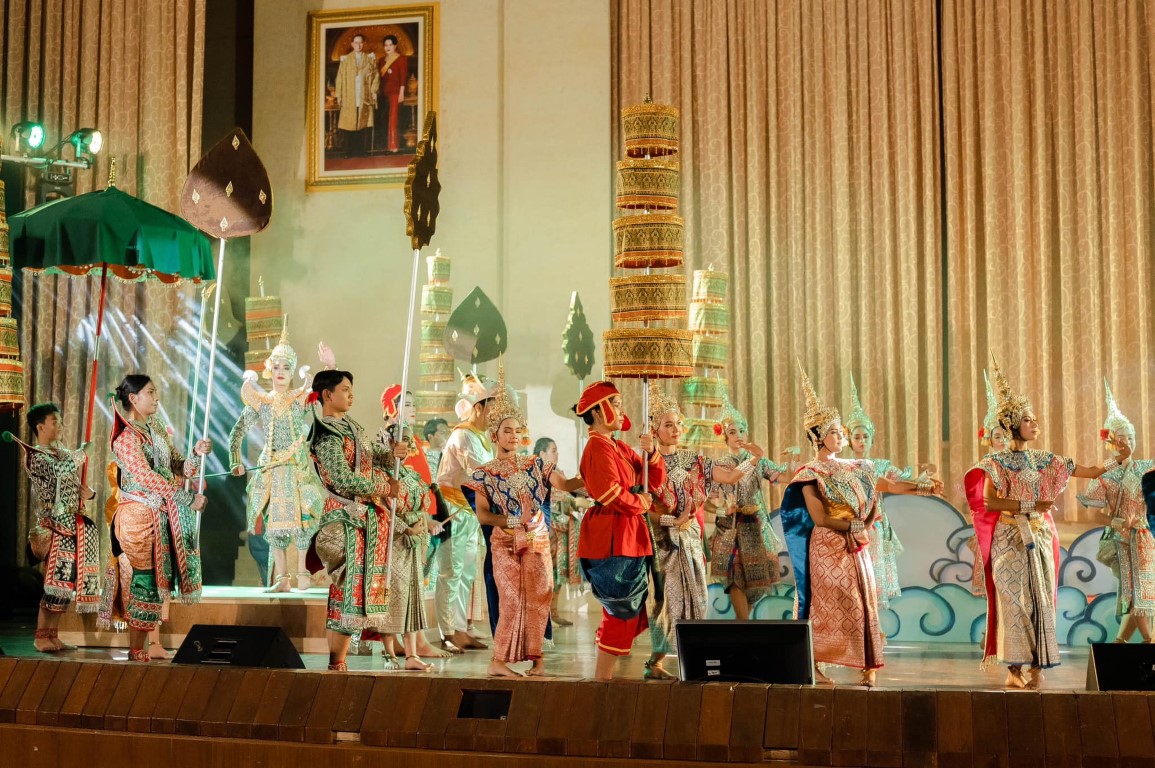
In an effort to preserve and pass on this invaluable heritage to future generations, Walailak University, through the active participation of students from the School of Education, organized a Khon performance at Thai Buri Hall. The event was not only a showcase of cultural artistry but also an educational initiative aimed at deepening appreciation for Thai performing arts within the academic community and beyond.
The performance presented the episode Rachasuriyawong, which recounts the tale of Lady Sammanakha, whose unrequited love for Phra Ram led to her punishment by Phra Lak. In anger, she sought the aid of Thotsakan, sparking a war that culminated in the abduction of Lady Sida. Despite her captivity, Lady Sida remained steadfastly loyal to Phra Ram. At the conclusion of the war, she proved the purity of her love and faithfulness by walking through fire, emerging unscathed, and was joyfully reunited with Phra Ram.
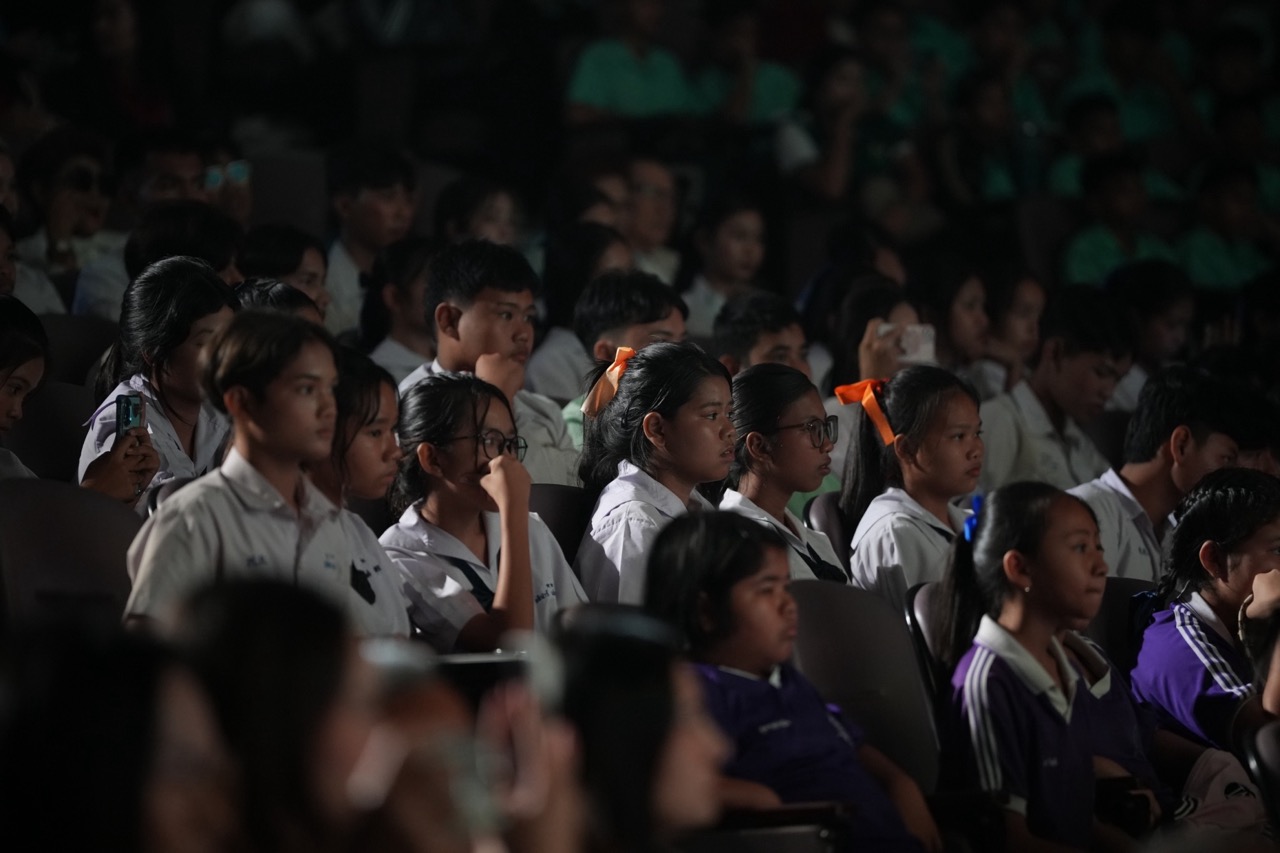
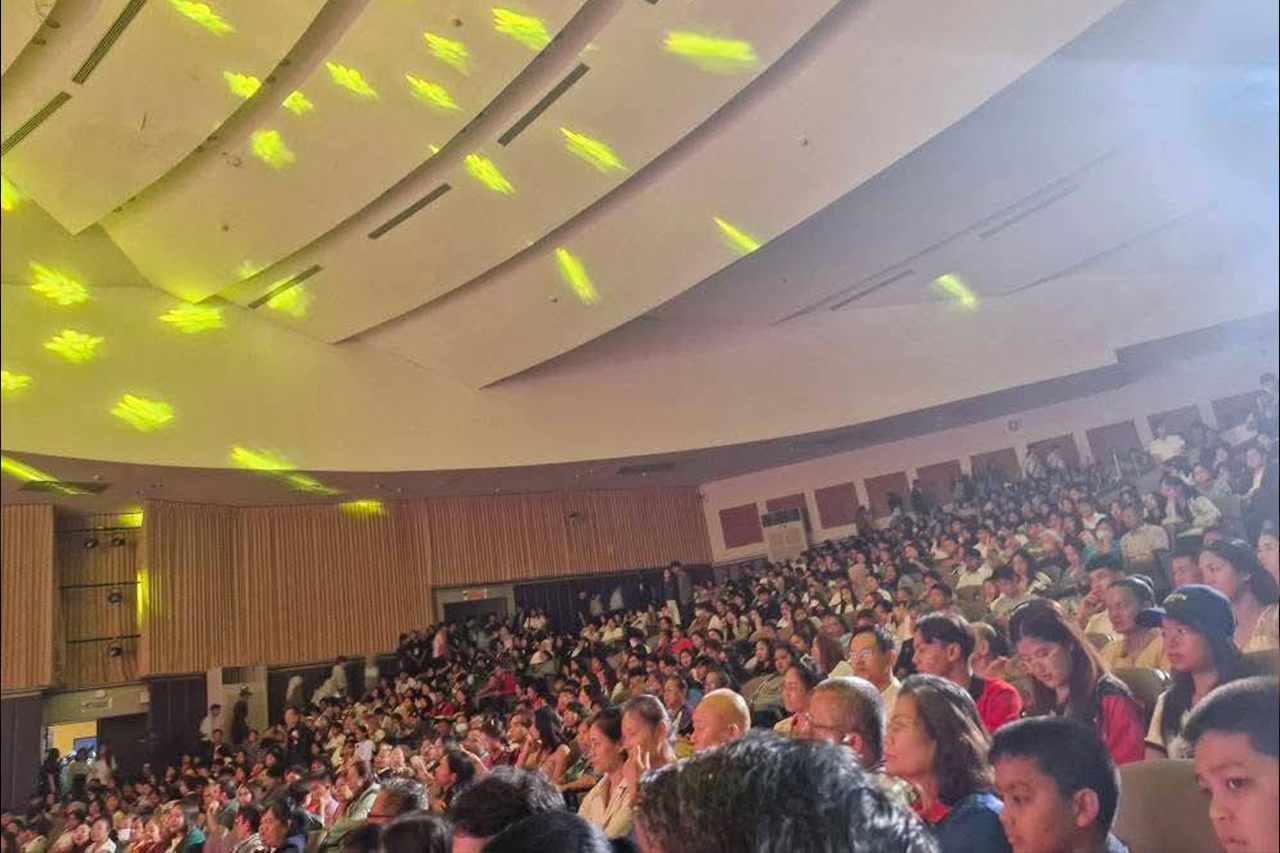
This cultural event was opened to students, staff, and the general public free of charge, fostering a sense of shared cultural pride and accessibility. By hosting such performances, Walailak University reinforces its commitment to cultural preservation, education, and community engagement, ensuring that Khon—an enduring symbol of Thai identity—continues to inspire generations to come.
Preserving the Heritage of Displaced Communities
The Maniq Ethnic Museum
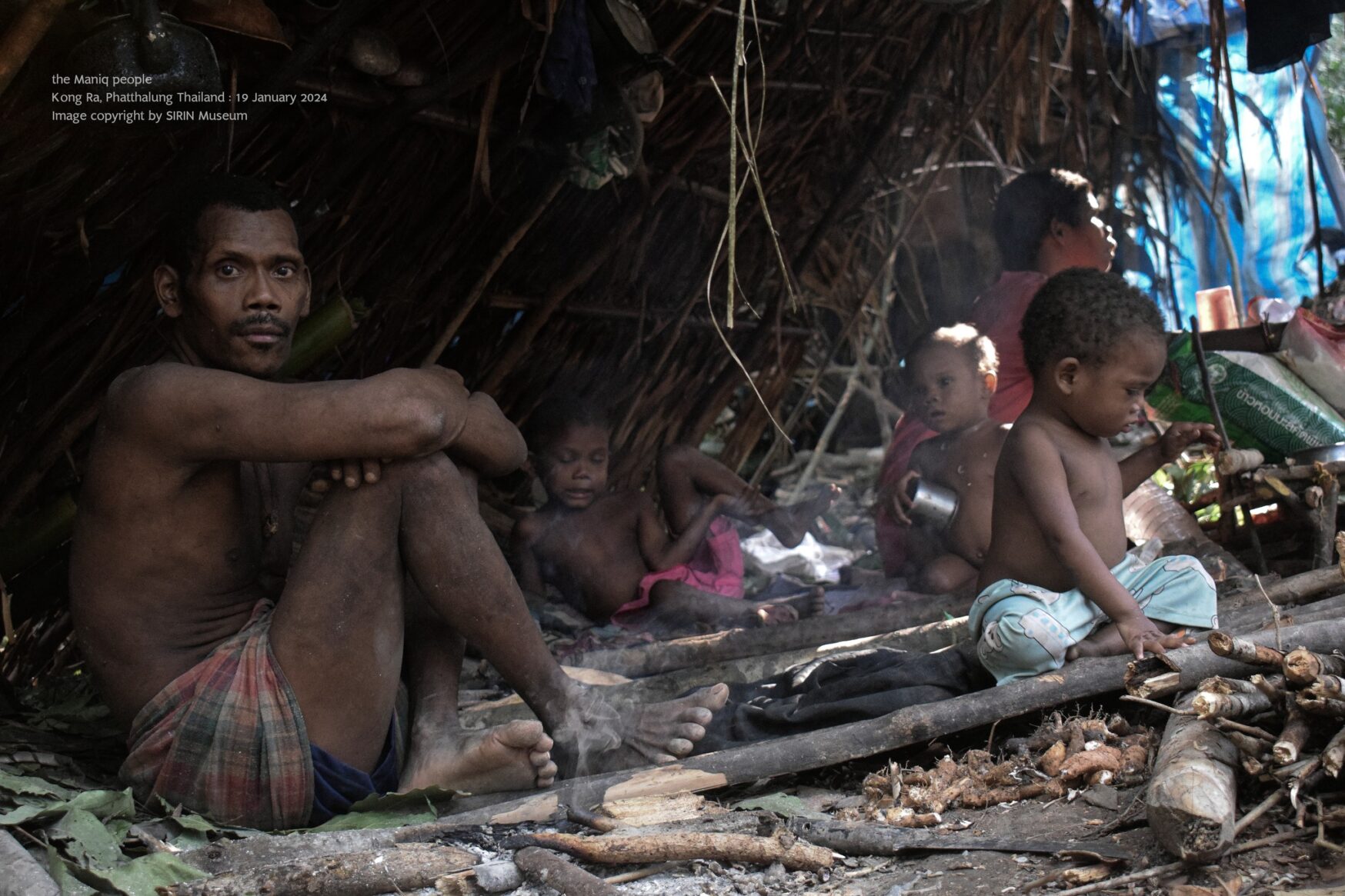
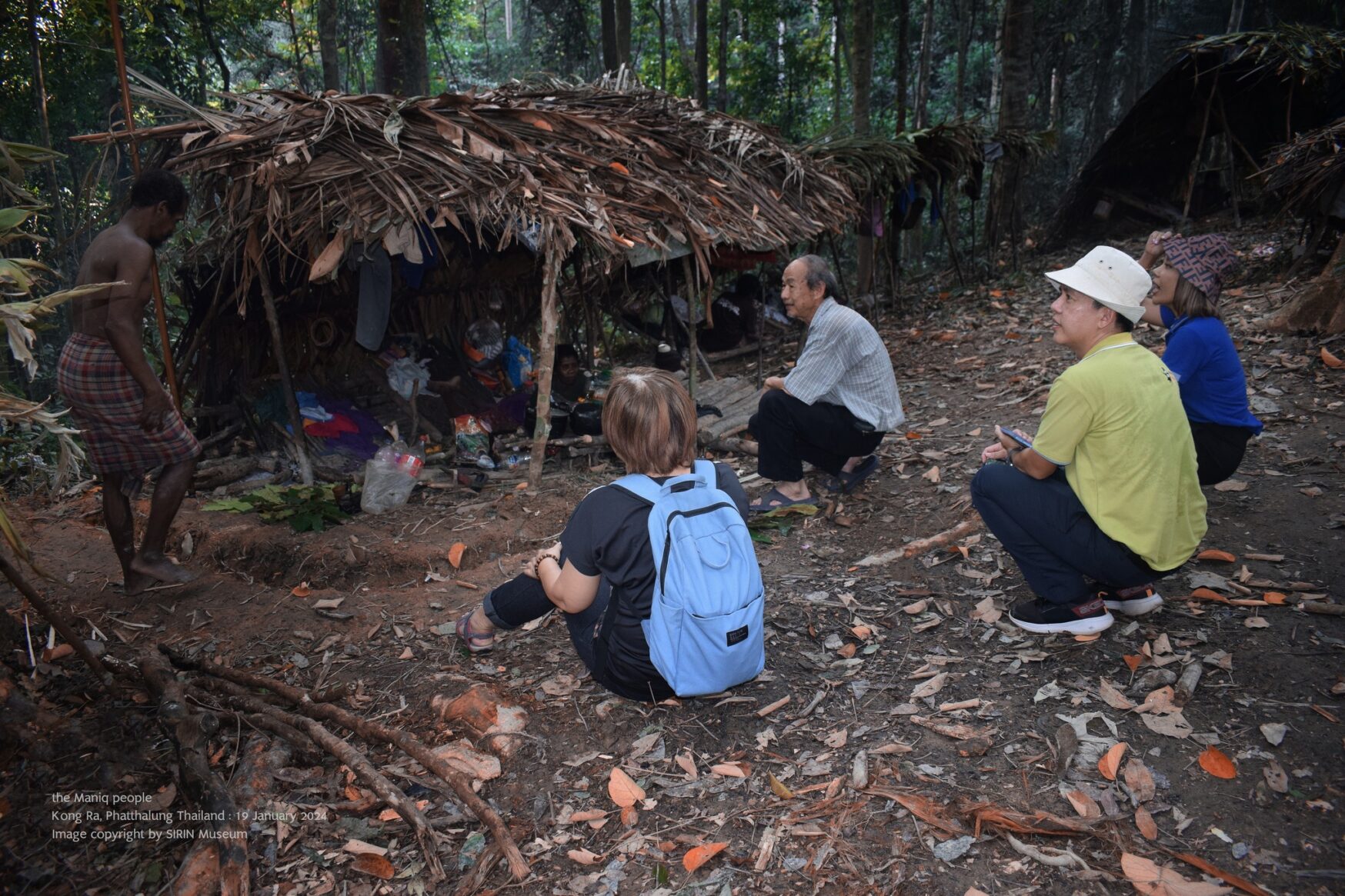
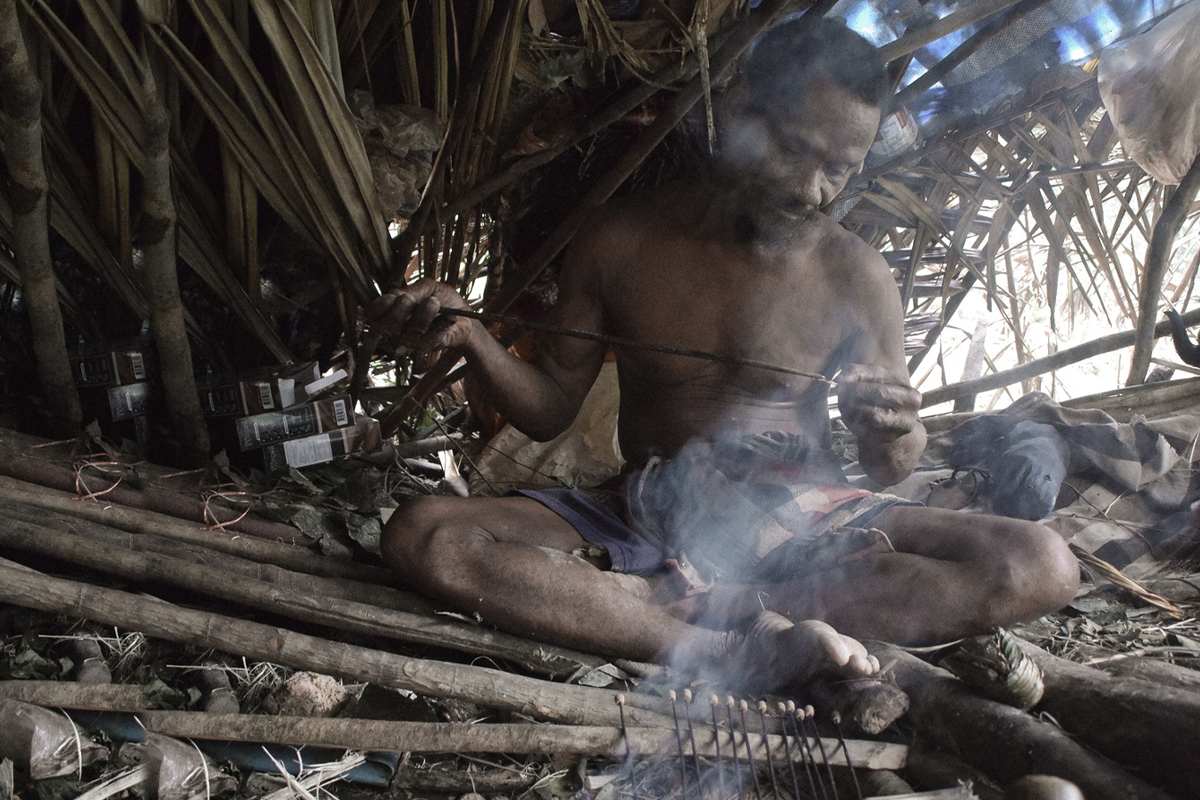
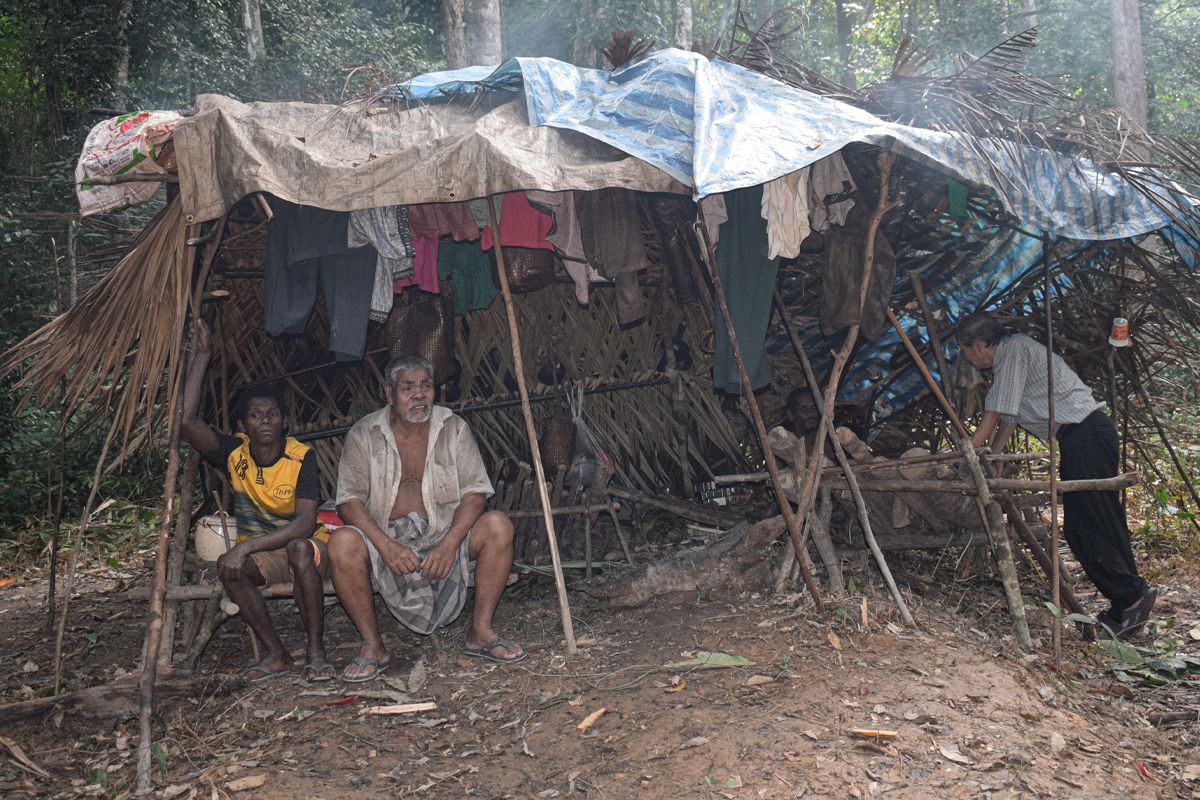
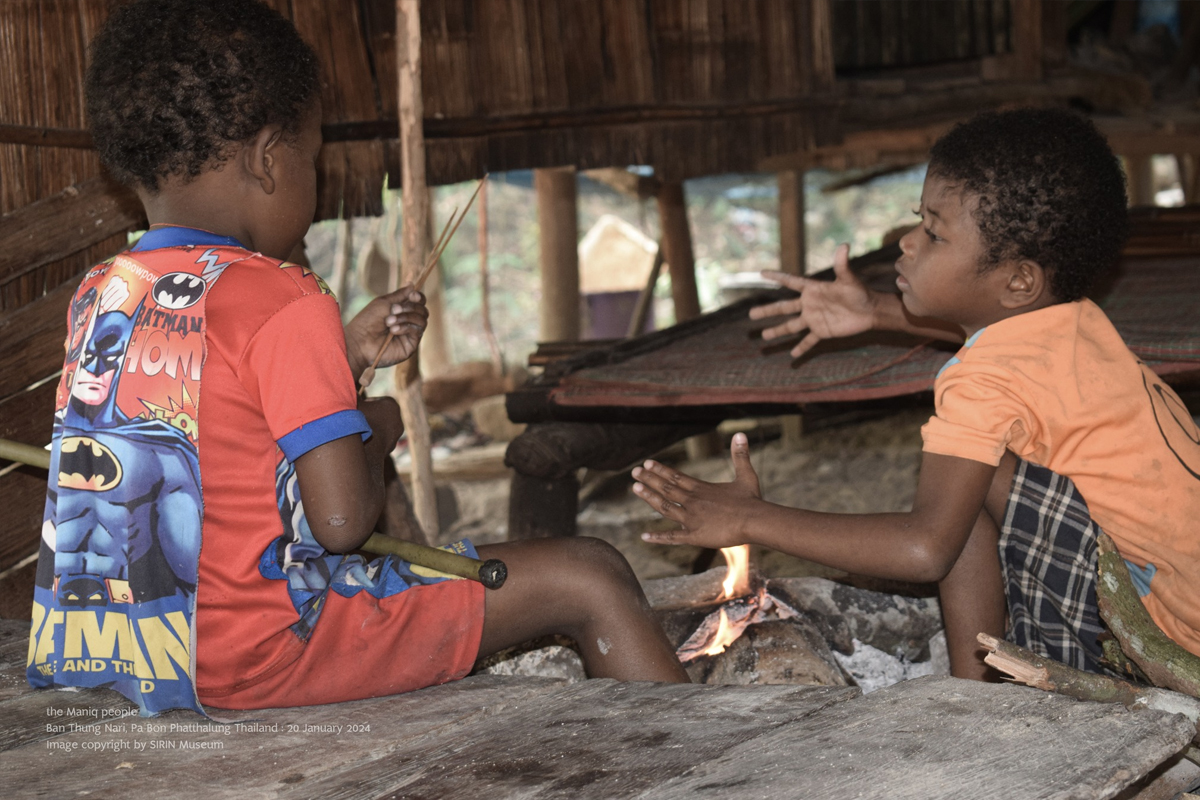
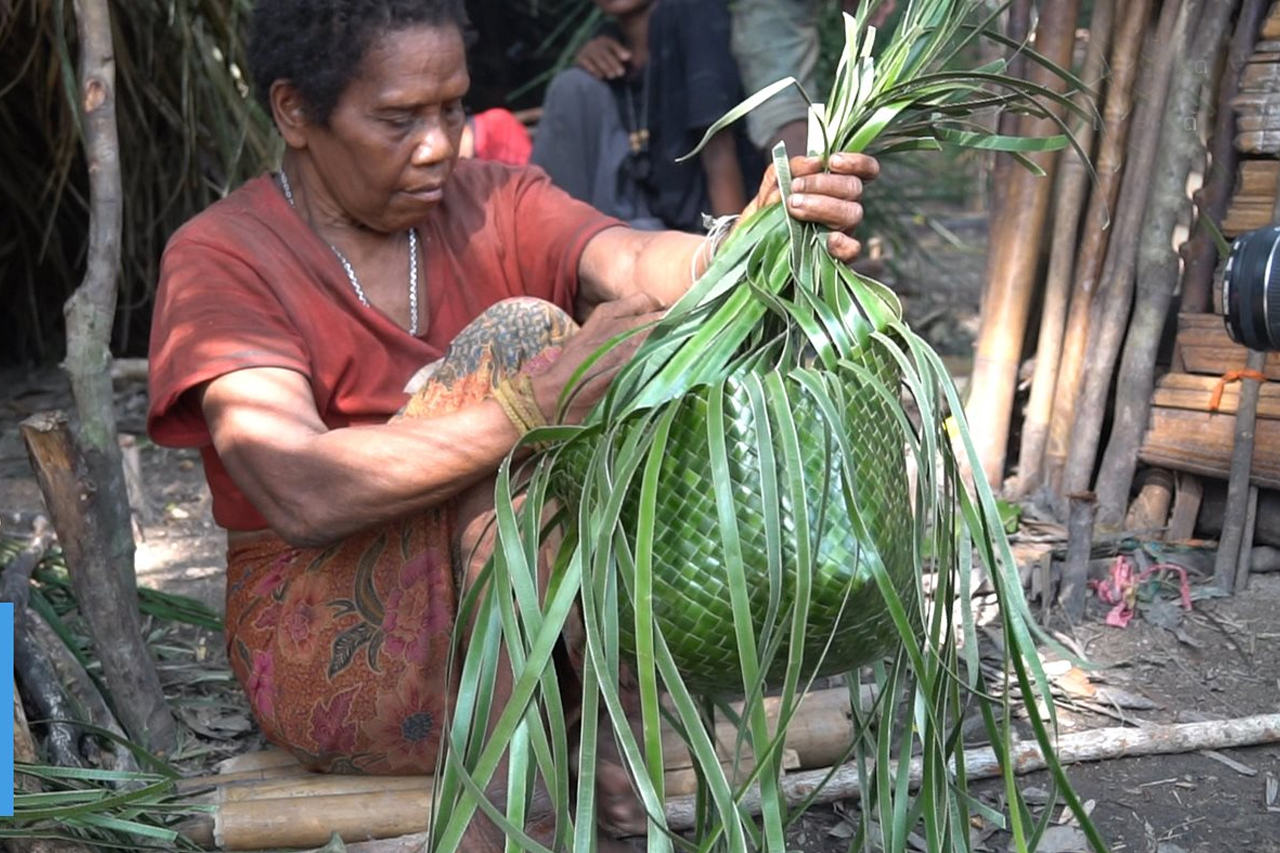
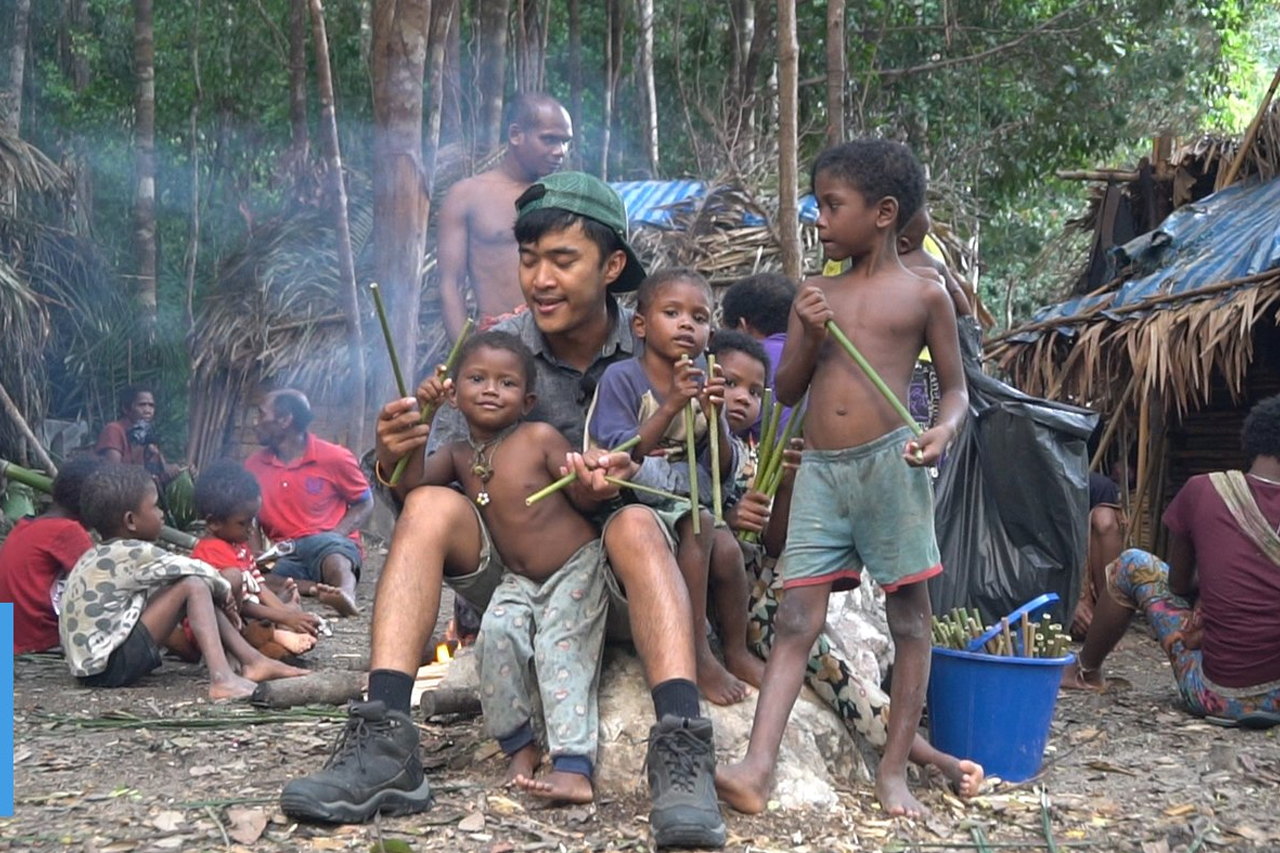
The Maniq ethnic group living in the forests of the Banthat Mountain Range, spanning Phatthalung, Satun, and Trang provinces, is gradually diminishing due to changes in the natural environment and increasing urban encroachment into the forest. These changes have led the Maniq people to become increasingly dependent on external communities through forms of barter and trade. Their traditional way of life is being altered, with a shift towards more settled living, a declining preference for forest living, and a decrease in available natural food sources. Furthermore, their culture and language are fading away.
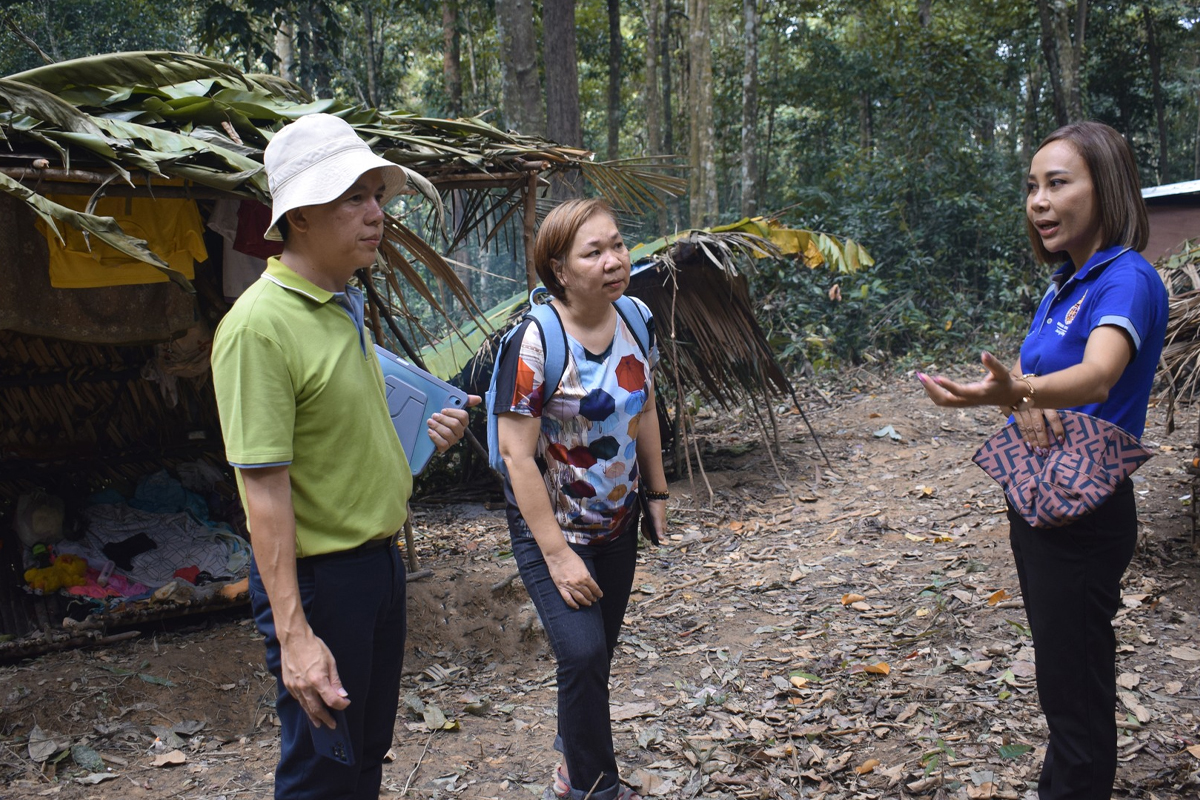
The research project titled “Maniq: From the Banthat Forest to the Ethnographic Learning Museum at Walailak University” aims to collect scattered materials, including books and documents in both Thai and English, about the Maniq ethnic group in Thailand. This includes ethnographic data collection to analyze and present the stories and lifestyles of the Maniq people through educational media within the museum exhibitions. The project also focuses on transferring knowledge about the Maniq way of life, their settlements, and traditional wisdom, allowing museum visitors to gain understanding, appreciation, and awareness of the value, equality, and cultural diversity of the Maniq as one of the oldest ethnic groups in southern Thailand.
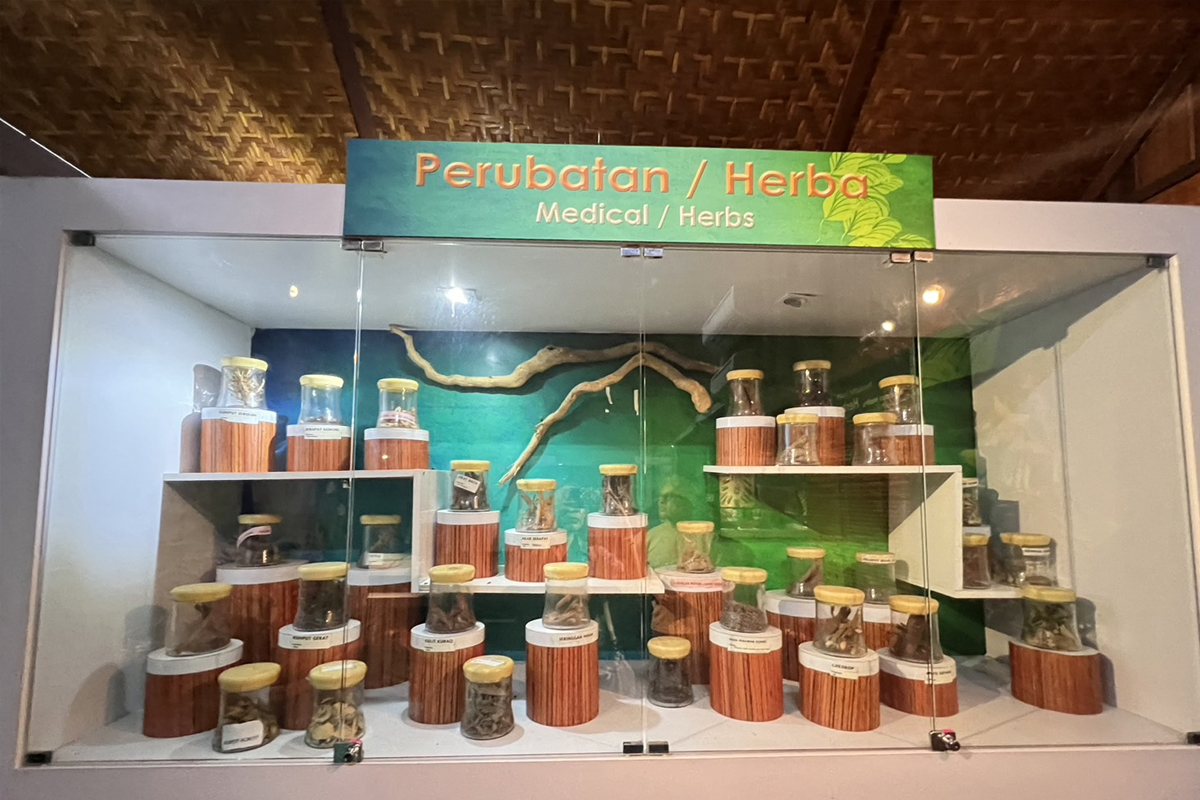
Walailak University established the Maniq Ethnic Museum serves as an important learning center and an experiential space that raises awareness about the Maniq ethnic group. It highlights their unique relationship with the forest ecosystem, evident in their subsistence methods such as hunting, foraging, use of herbal medicine, and simple tools for daily living. These practices reflect their culture and wisdom of living in harmony and balance with nature. Additionally, southern Thailand has lacked a clearly defined ethnographic learning space, making this museum a vital initiative in preserving and showcasing ethnic knowledge.
The museum features five learning stations about the Mani cultural heritage:
Learning Station 1: “Understanding the Mani Ethnic Group in Southern Thailand”
Learning Station 2: “The Houses of the Mani”
Learning Station 3: “The Livelihoods of the Mani”
Learning Station 4: “Herbal Medicine and Health Care Practices of the Mani”
Learning Station 5: “The Beliefs and Rituals of the Mani Ethnic Group”
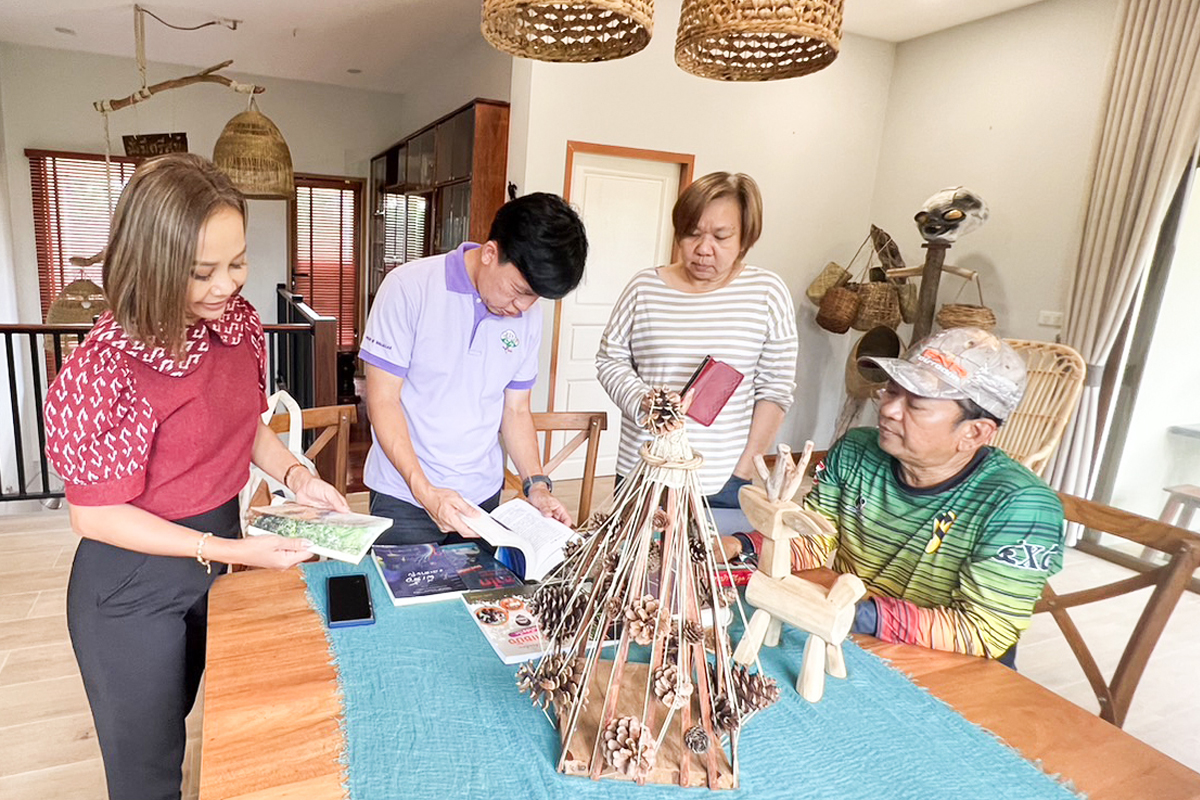
In 2024, Assoc. Prof. Dr. Chatchai Kanlayanapaphon, Director of the WU Botanic Park, and Asst. Prof. Dr. Siriporn Somboonboorana, Head of the research project, discussed with Mr. Jaroon Tosakul, an independent scholar who has worked closely with the Mani ethnic group for over 20 years. Recognized as a leading expert on the Mani people, Mr. Jaroon has played a vital role in supporting the academic works and research of both Thai and international scholars on this indigenous group. He has also served as a trusted guardian and advocate for the Mani communities, particularly in Satun Province and other parts of the Banthat Mountain Range, earning their respect and confidence.
During the meeting, all parties agreed to collaborate on an academic project to produce a book titled “The Mani Ethnic Group in the Banthat Mountain Range, Southern Thailand.” This publication will be based on the extensive body of knowledge that Mr. Jaroon has accumulated over the past two decades, including handwritten notes, photographs, and video recordings gathered through years of immersive fieldwork with the Mani people.
The book aims to be the most comprehensive compilation of primary evidence and ethnographic knowledge on the Mani ever assembled. It is expected to serve as an accurate and valuable resource for both Thai and international audiences, promoting a deeper understanding of the Mani people and preserving and recording their cultural heritage for future generations.
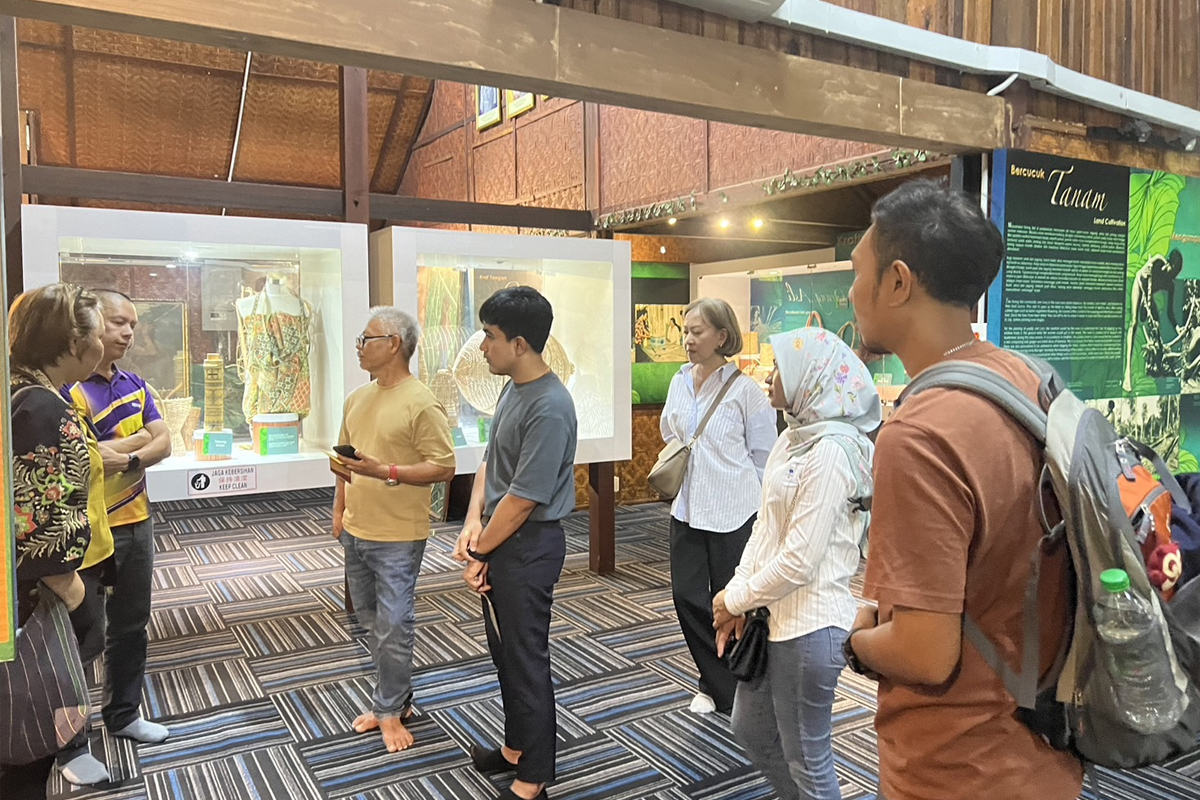
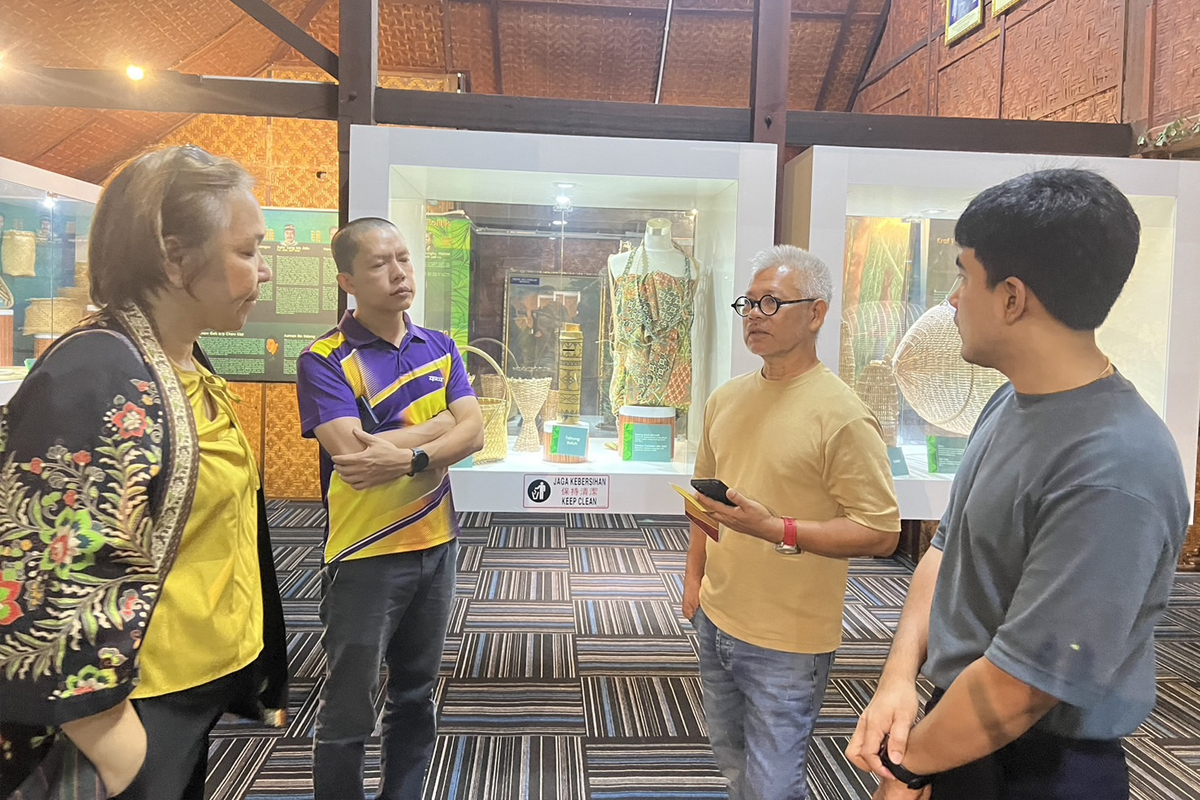
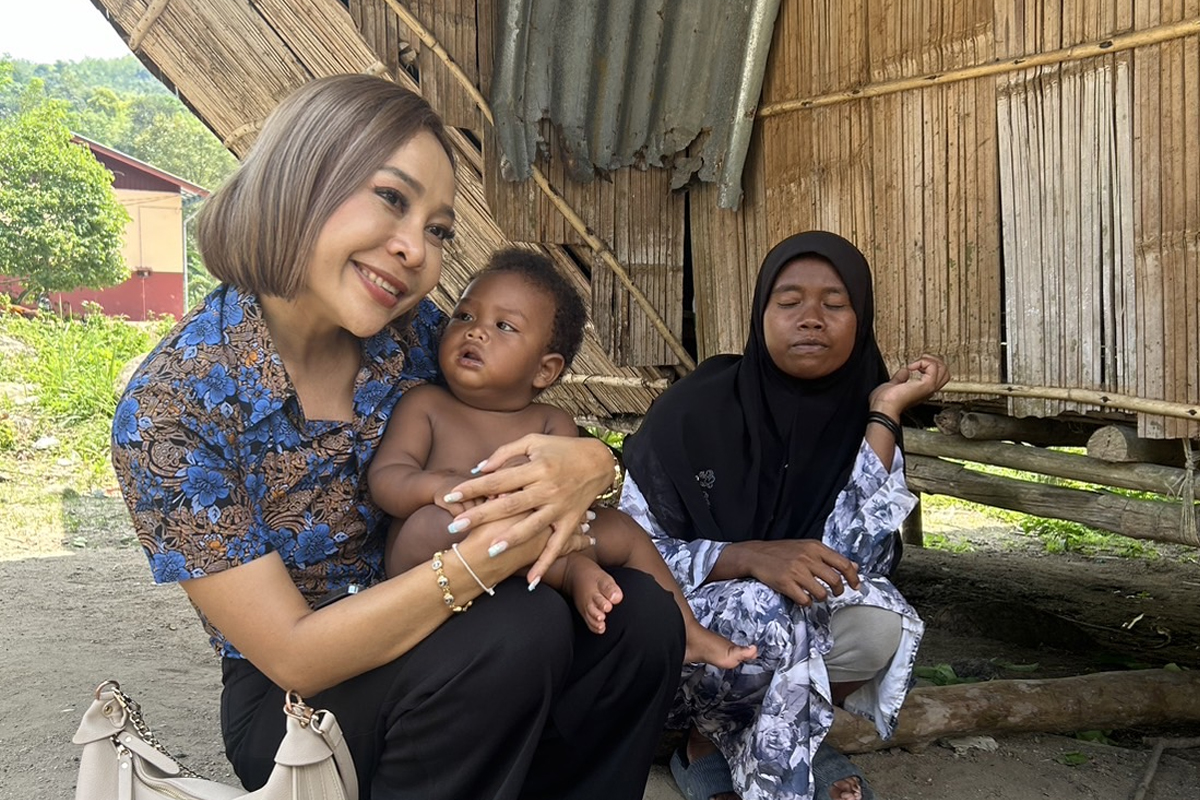
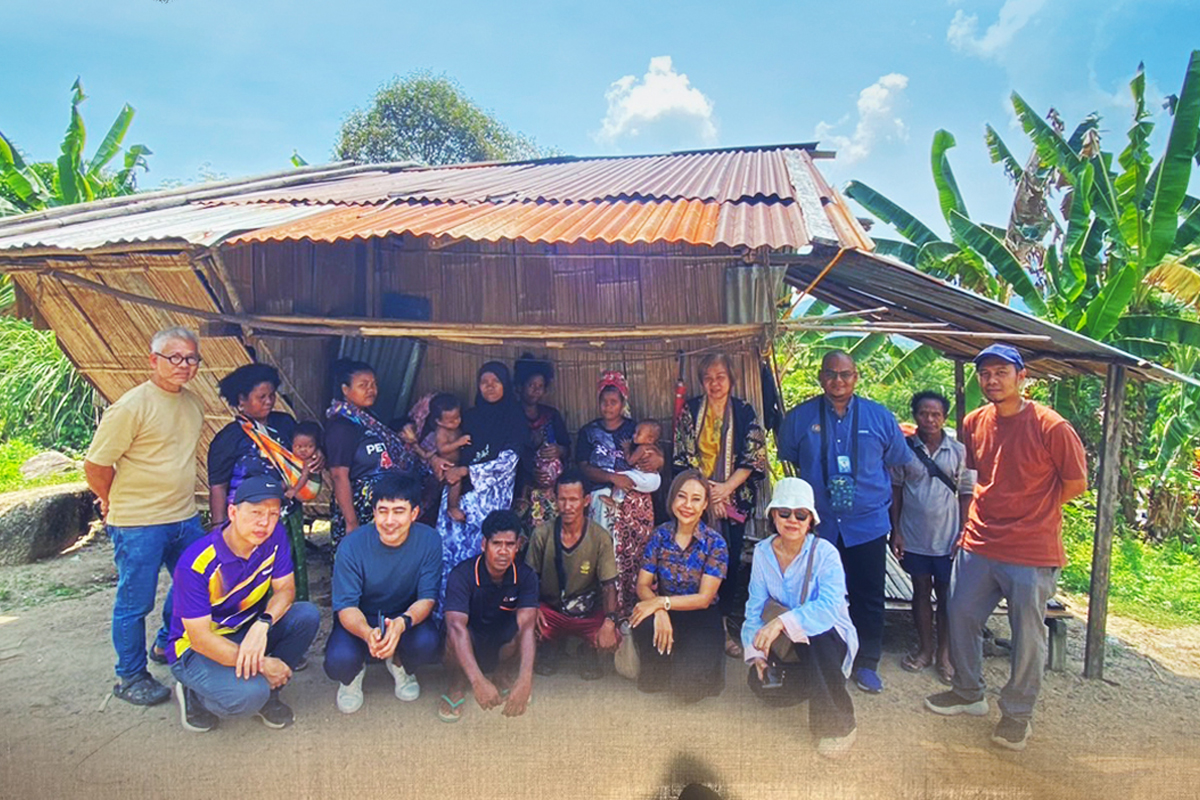
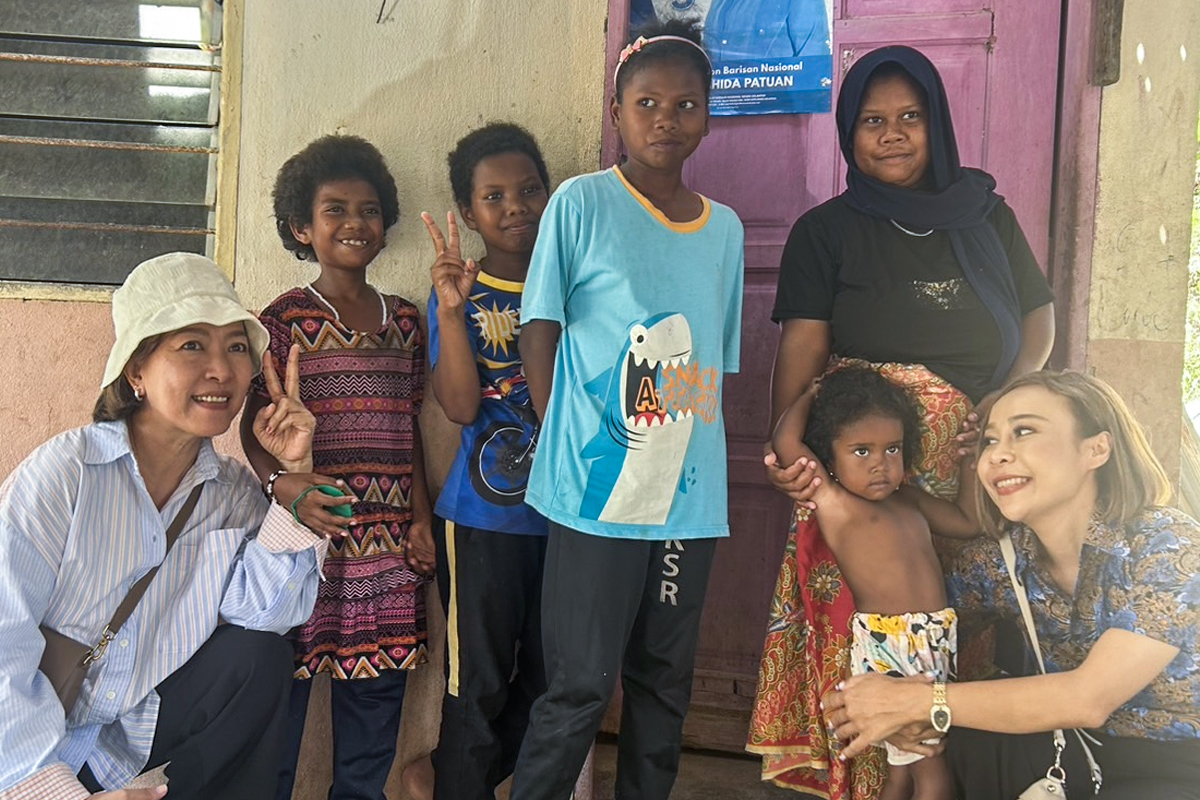
In addition, Walailak University conducted a field study to explore learning resources related to the Negrito ethnic group, known as the Orang Asli (specifically the Jahai group), in Kelantan State, Malaysia. The study included visits to the Orang Asli Museum, which showcases the stories, lifestyle, and culture of the Orang Asli people in a museum format. The university team also visited Kampung Manek Urai (Manoh) in Jeli District to learn about the current way of life of this ethnic group.
The team studied exhibition presentation styles at several museums in Kelantan, including:
Muzium Negeri Kelantan, which presents the cultural heritage of Kelantan—a historically significant state in Malaysia;
Muzium Perang Bank Kerapu, a war museum displaying objects and exhibits related to World War II;
Handicraft Village and Craft Museum, a knowledge hub that showcases the state’s diverse handicraft heritage for visitors to learn about and take pride in;
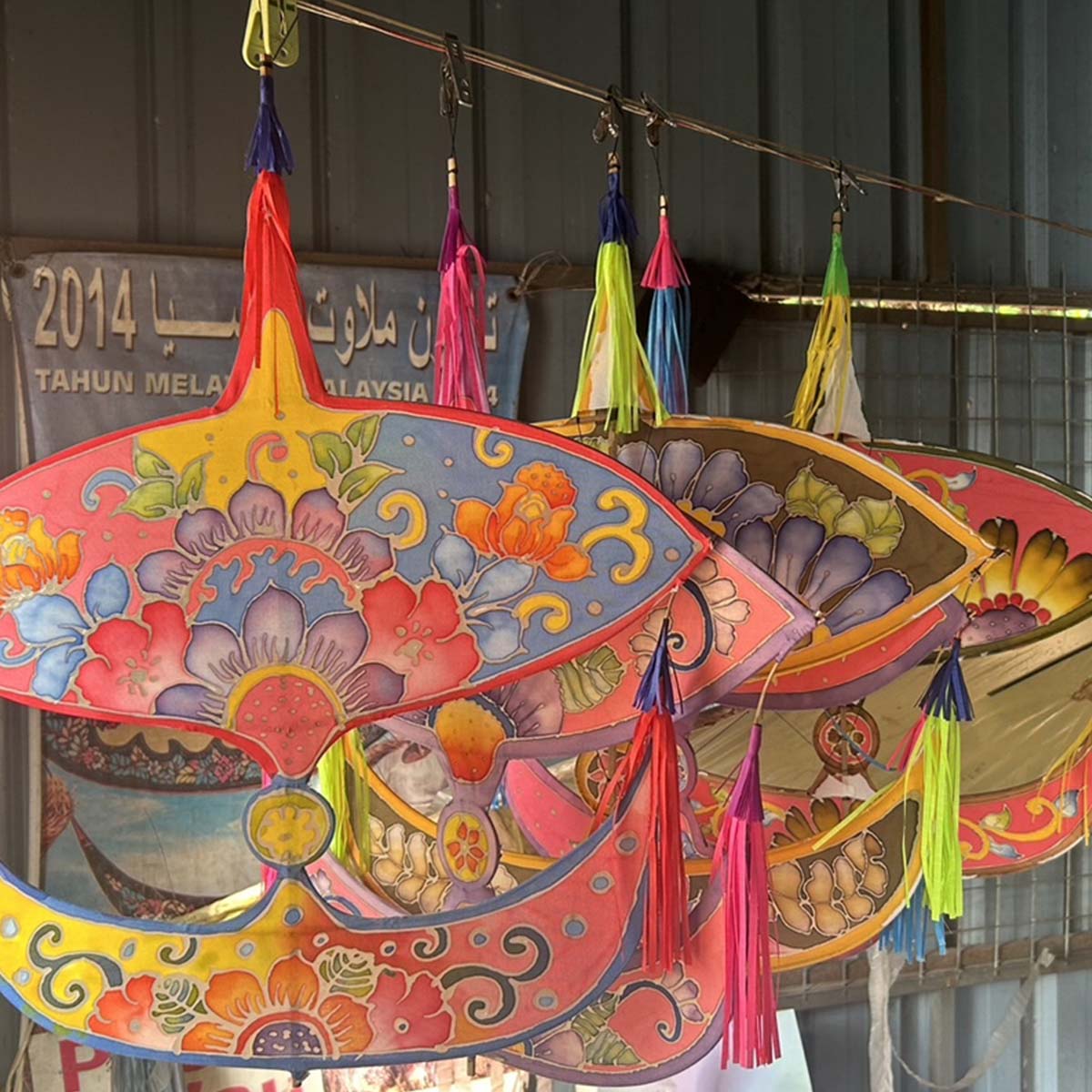
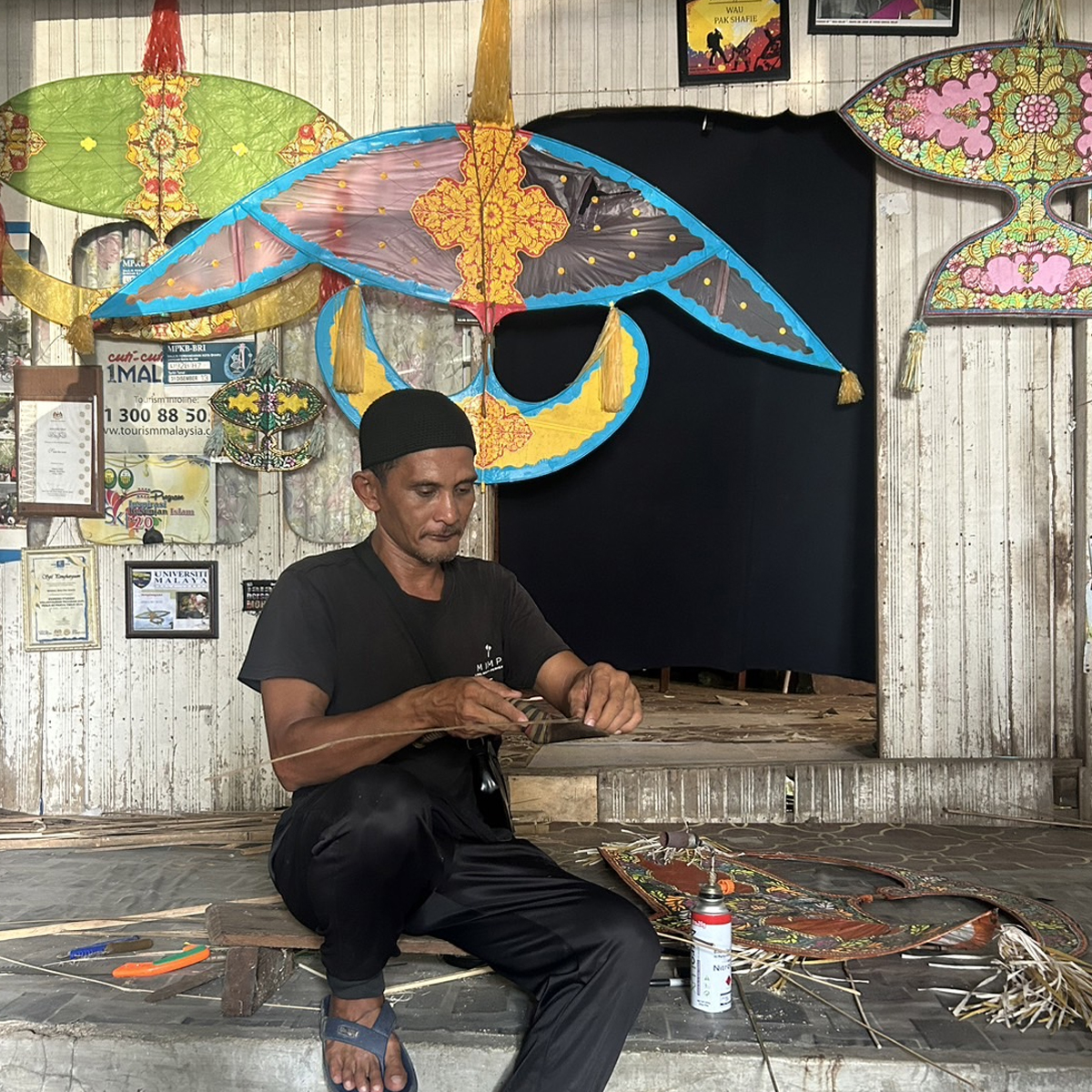
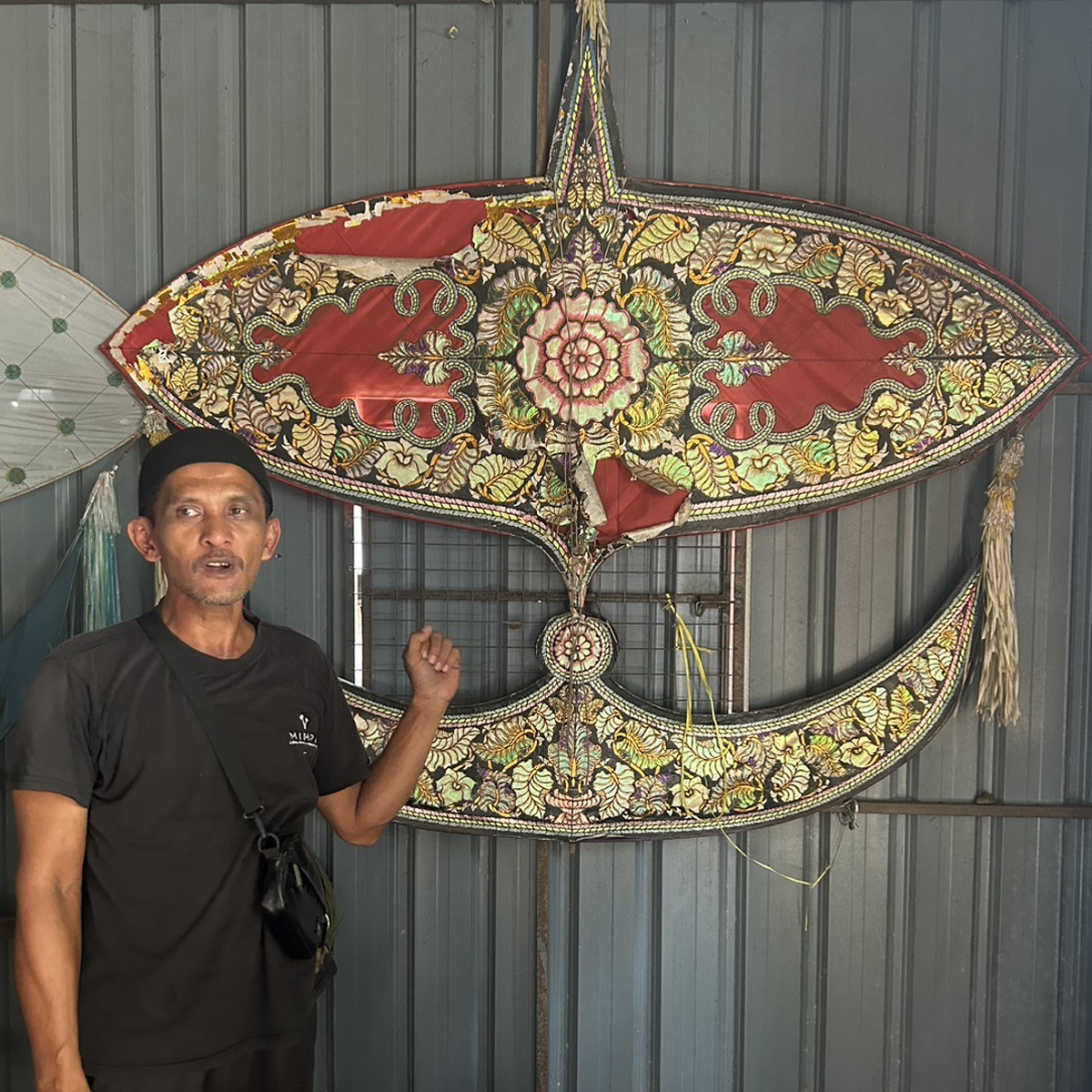
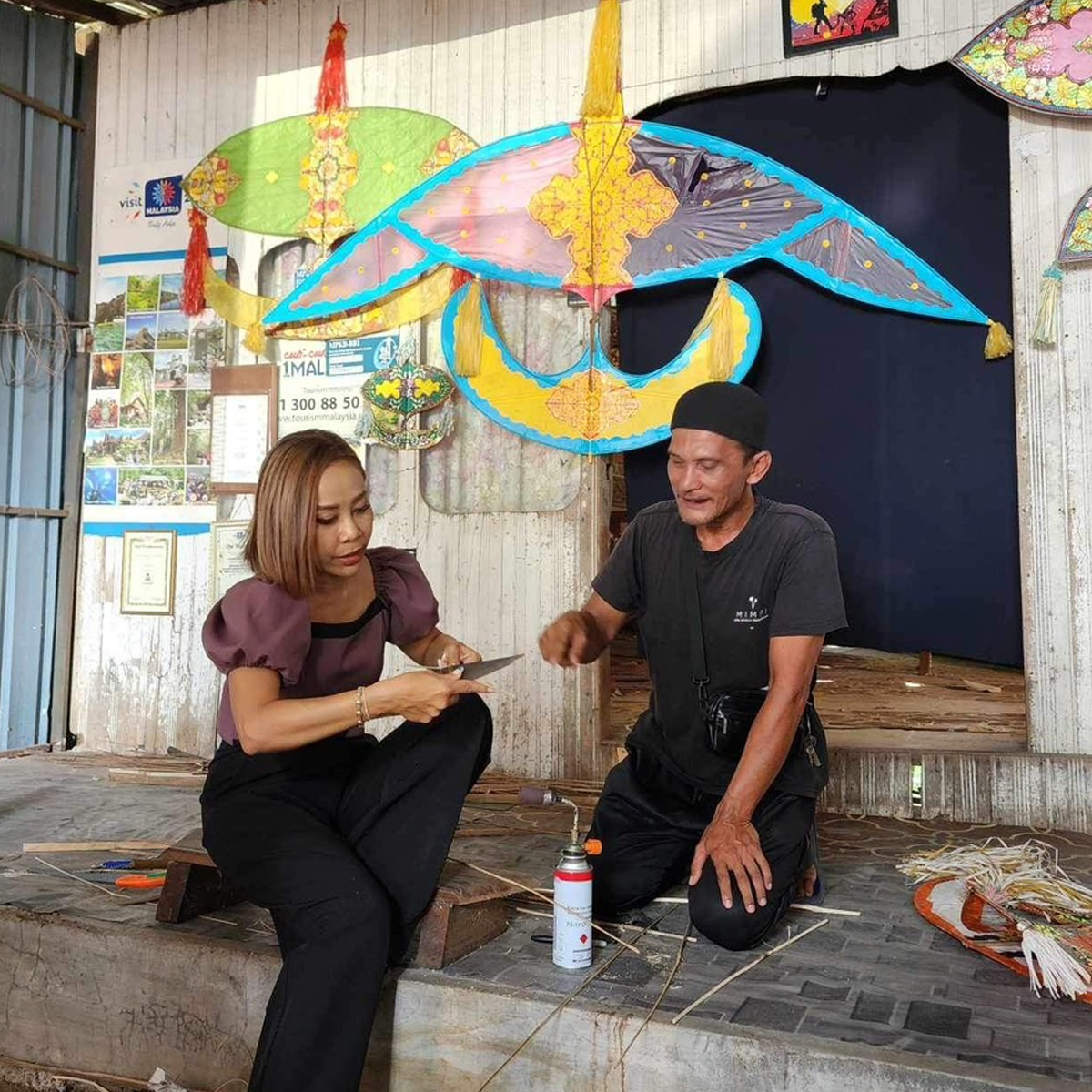
Galeri Wau (Kite Museum), where a local expert explained the characteristics and origins of traditional Malay kites (Wau) and demonstrated kite-making techniques in a lively and engaging manner.
This field study provided valuable insights into the strengths and weaknesses of traditional museum presentation approaches, which often focus on historical artifacts and text-heavy displays—with text often too small to read easily. Such approaches may not be suitable for the future Mani Ethnic Museum in Thailand. Instead, the Mani Museum should promote interactive exhibits and activities that embed knowledge and foster appreciation for the Mani ethnic group. The study also raised awareness of how to attract and engage target audiences with knowledge about the Mani people.
Moreover, the study offered an understanding of Malaysia’s policies and efforts to support the Orang Asli communities, emphasizing the value of local wisdom and the preservation of living cultural traditions—gained directly from genuine community experts.
Walailak University’s commitment to safeguarding intangible cultural heritage reflects a comprehensive process of diagnostic, development, engagement, and measurement. Through diagnostic research and cultural mapping, the university identifies at-risk traditions and communities, such as the Menorah dance and the Maniq ethnic group. It then advances development by creating museums, academic programs, and digital learning resources that foster cultural continuity. Community engagement lies at the heart of every initiative—ensuring active participation of local and displaced groups in preserving their heritage. Finally, continuous measurement of project outcomes enables the university to evaluate cultural impact, sustain improvement, and strengthen its role as a national and regional leader in cultural heritage preservation.