Adopting Sustainable Standards for New Building Construction
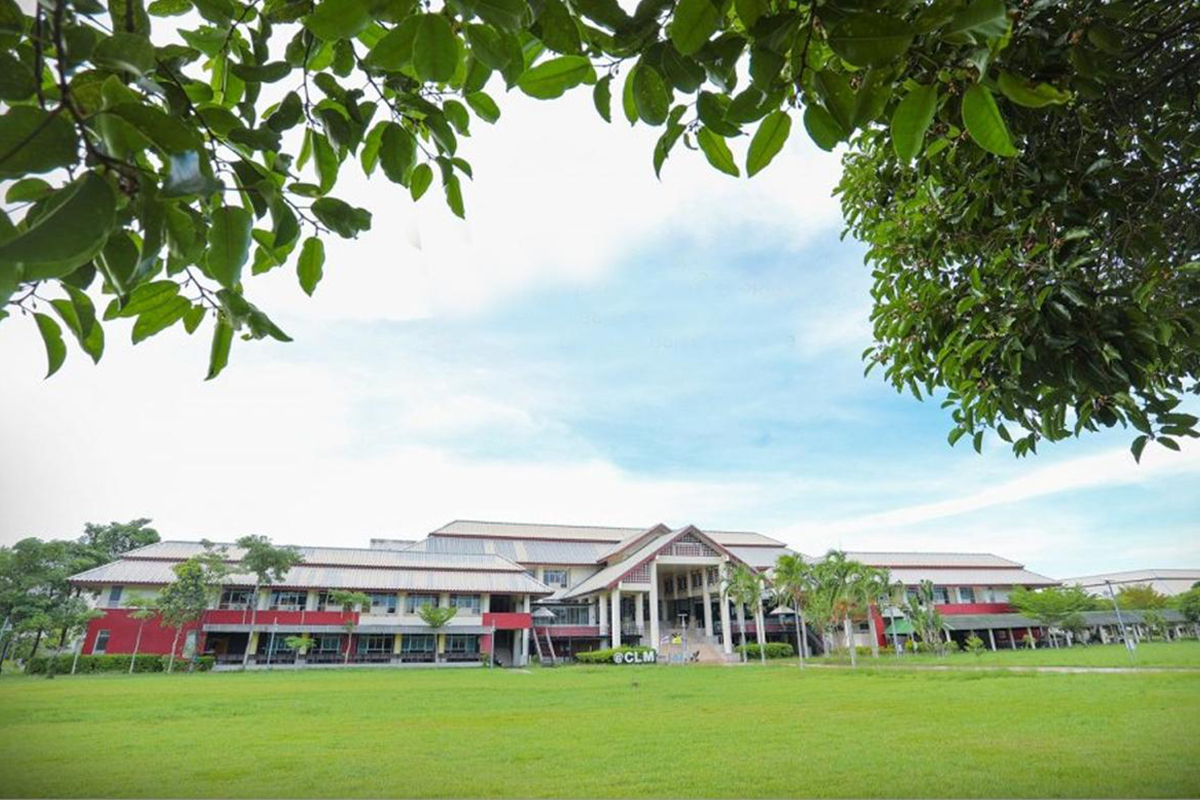
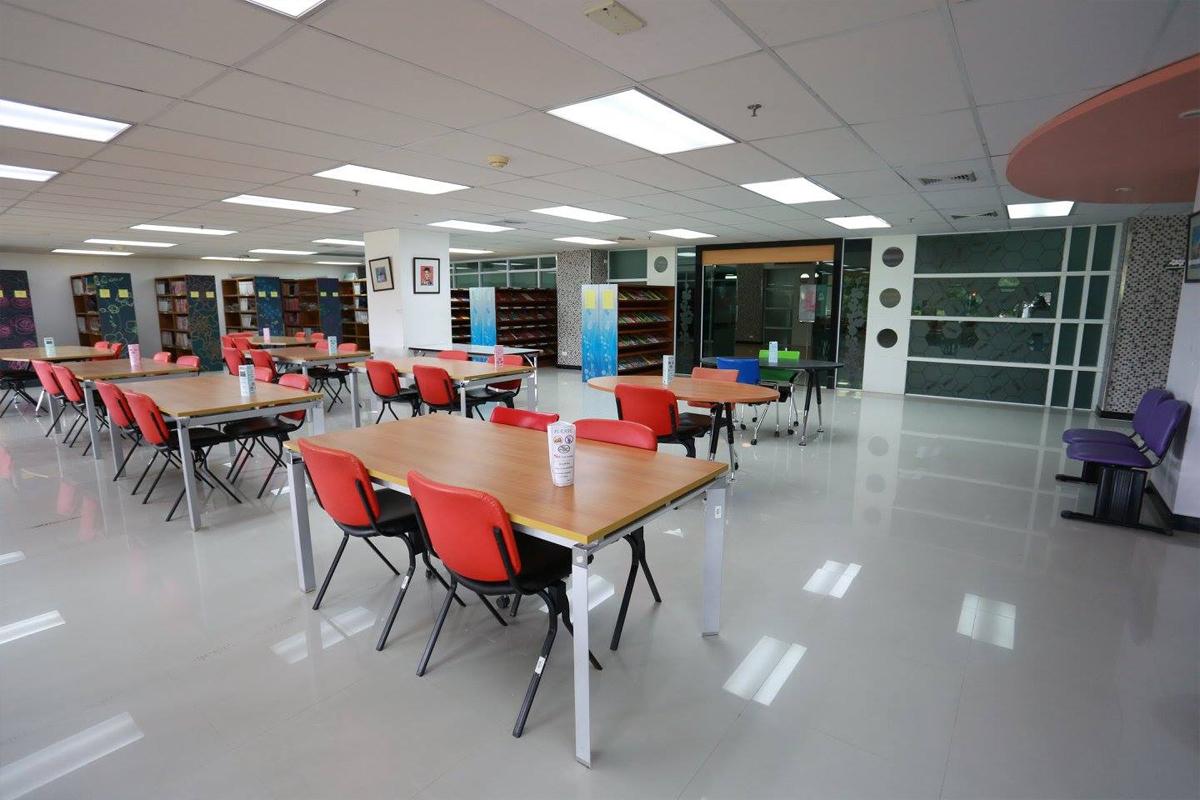
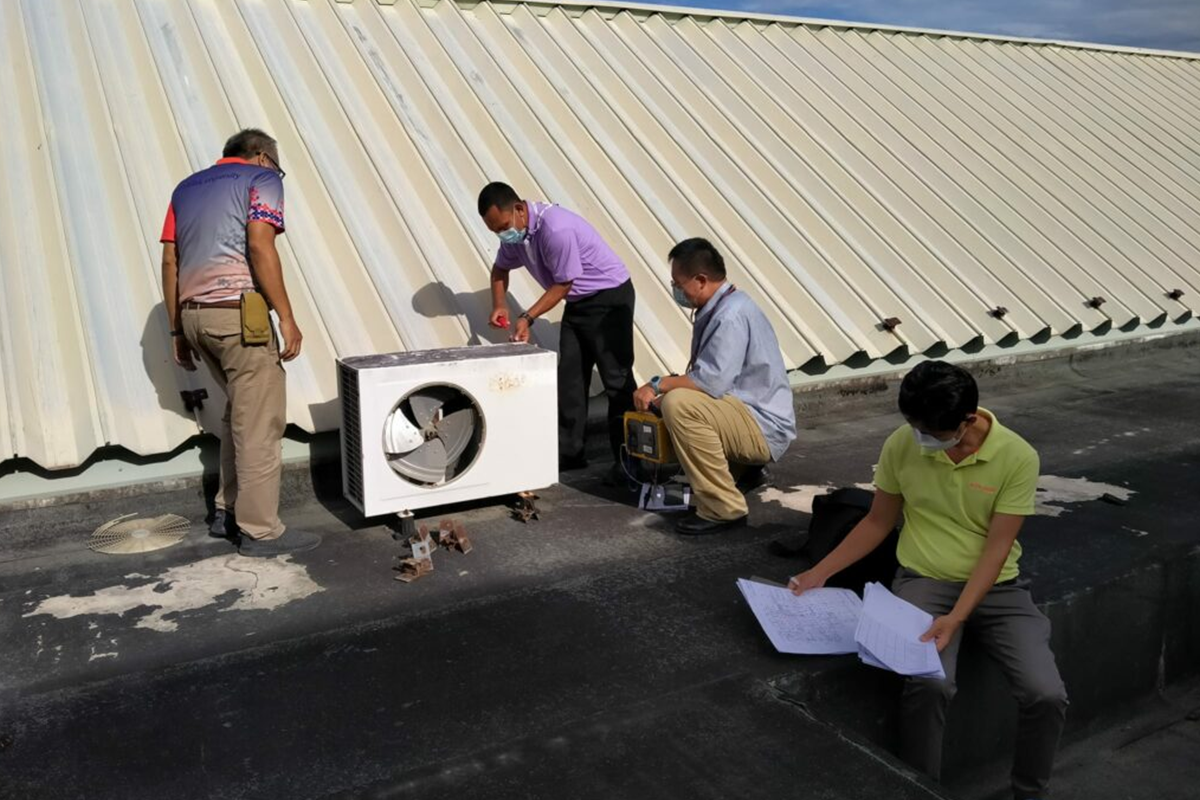
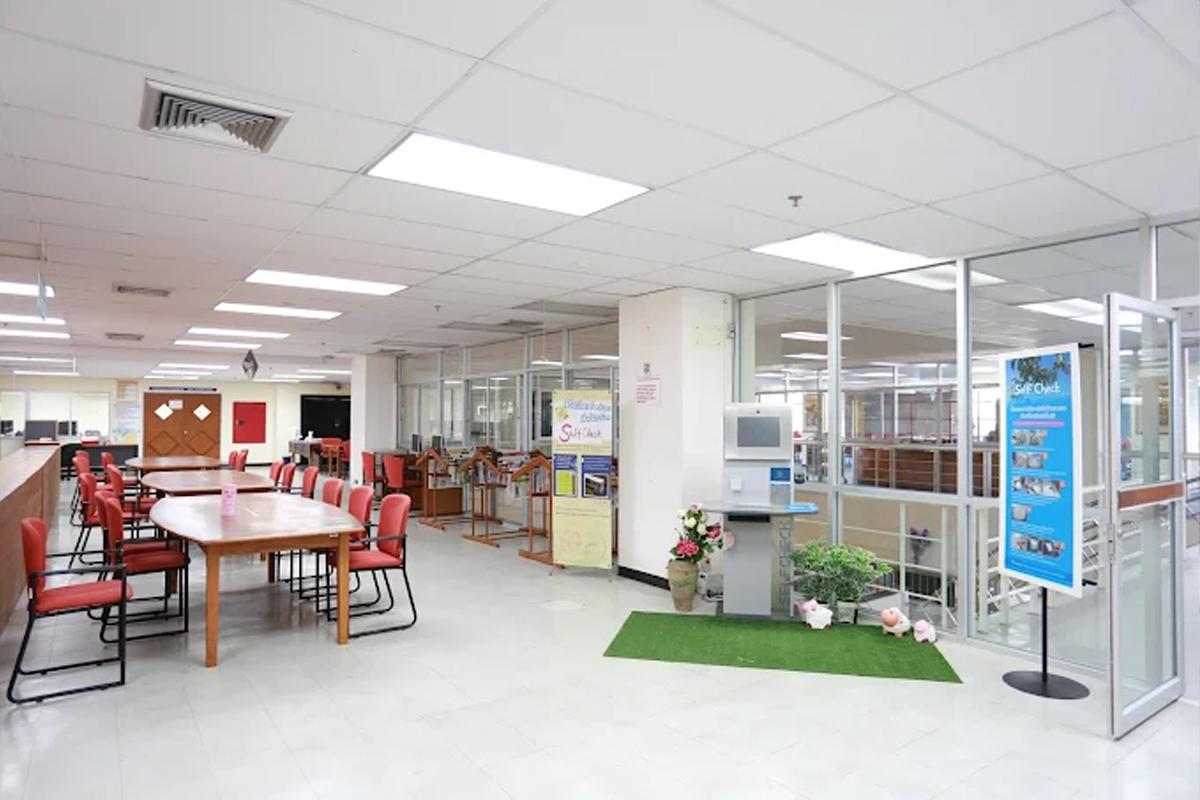
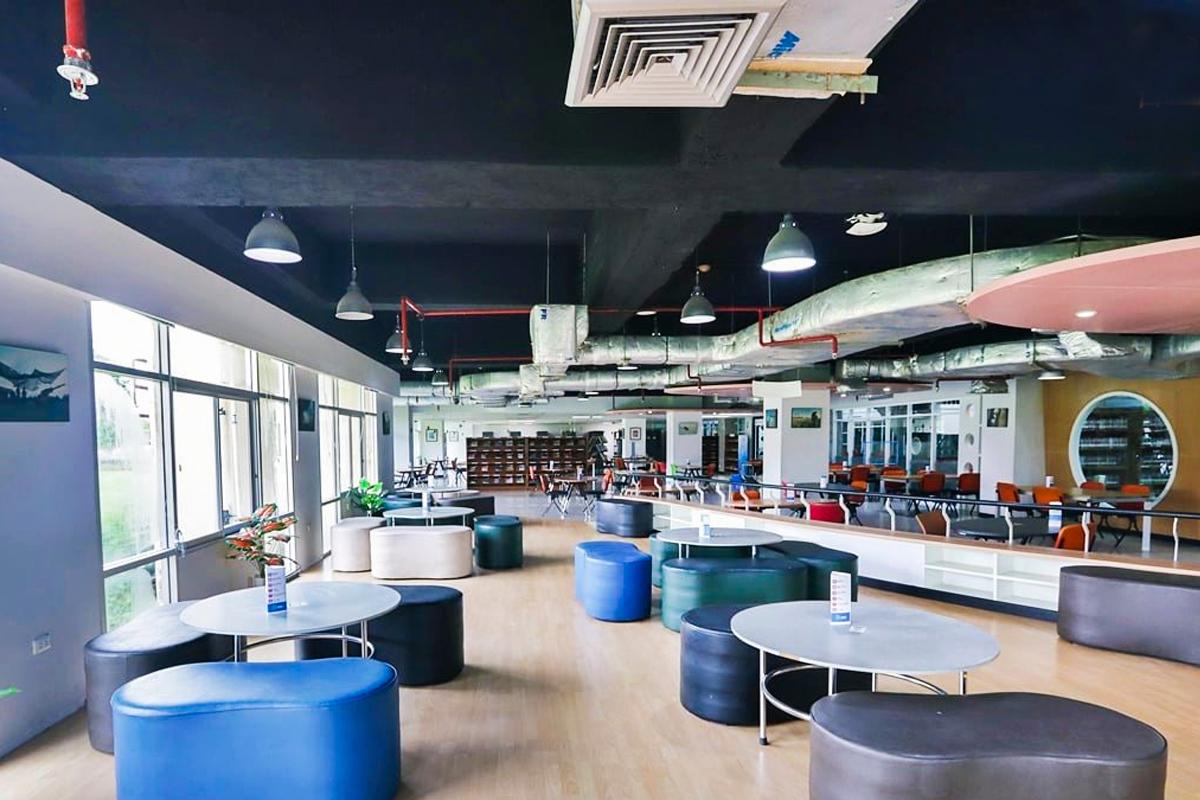
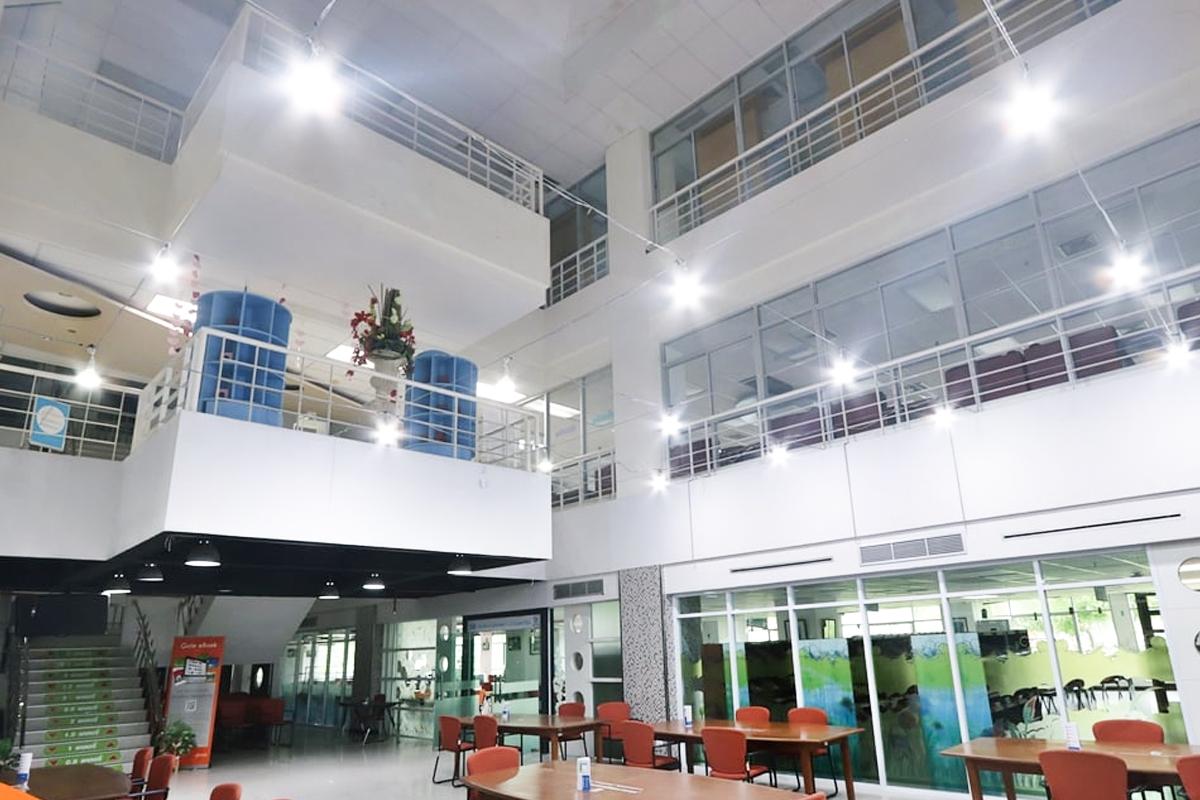
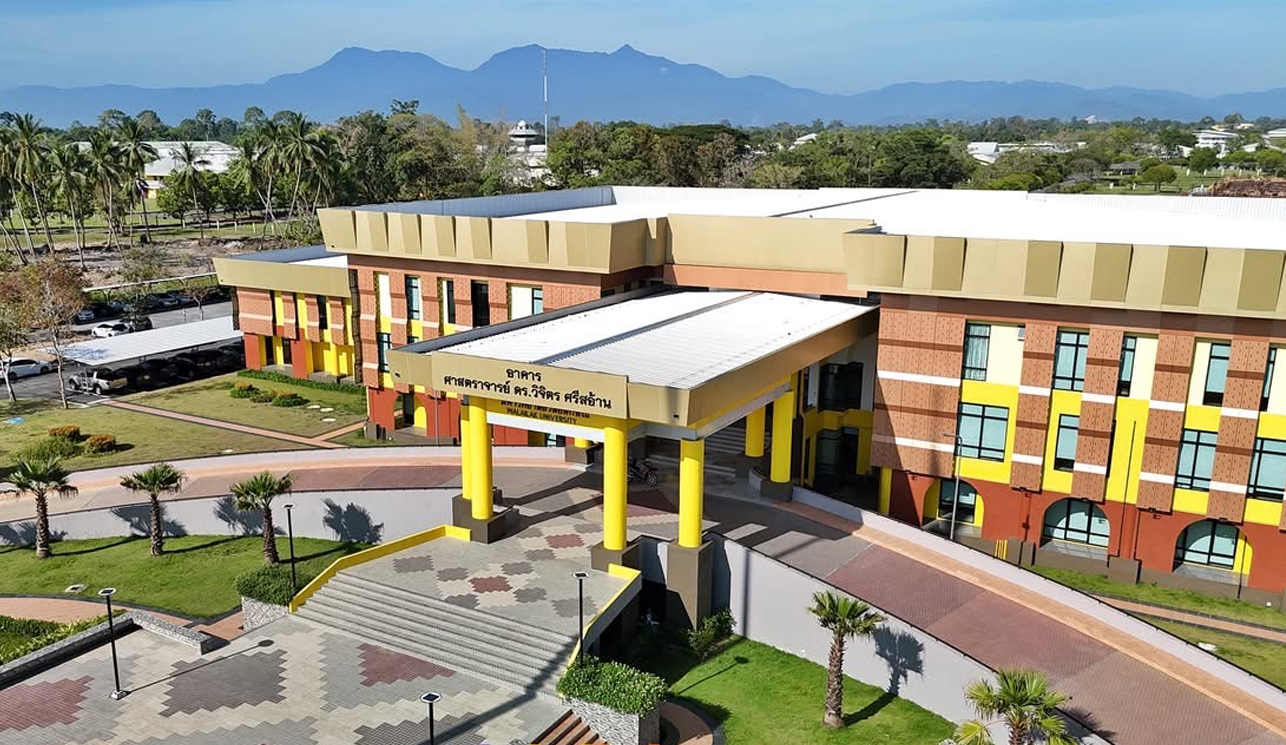
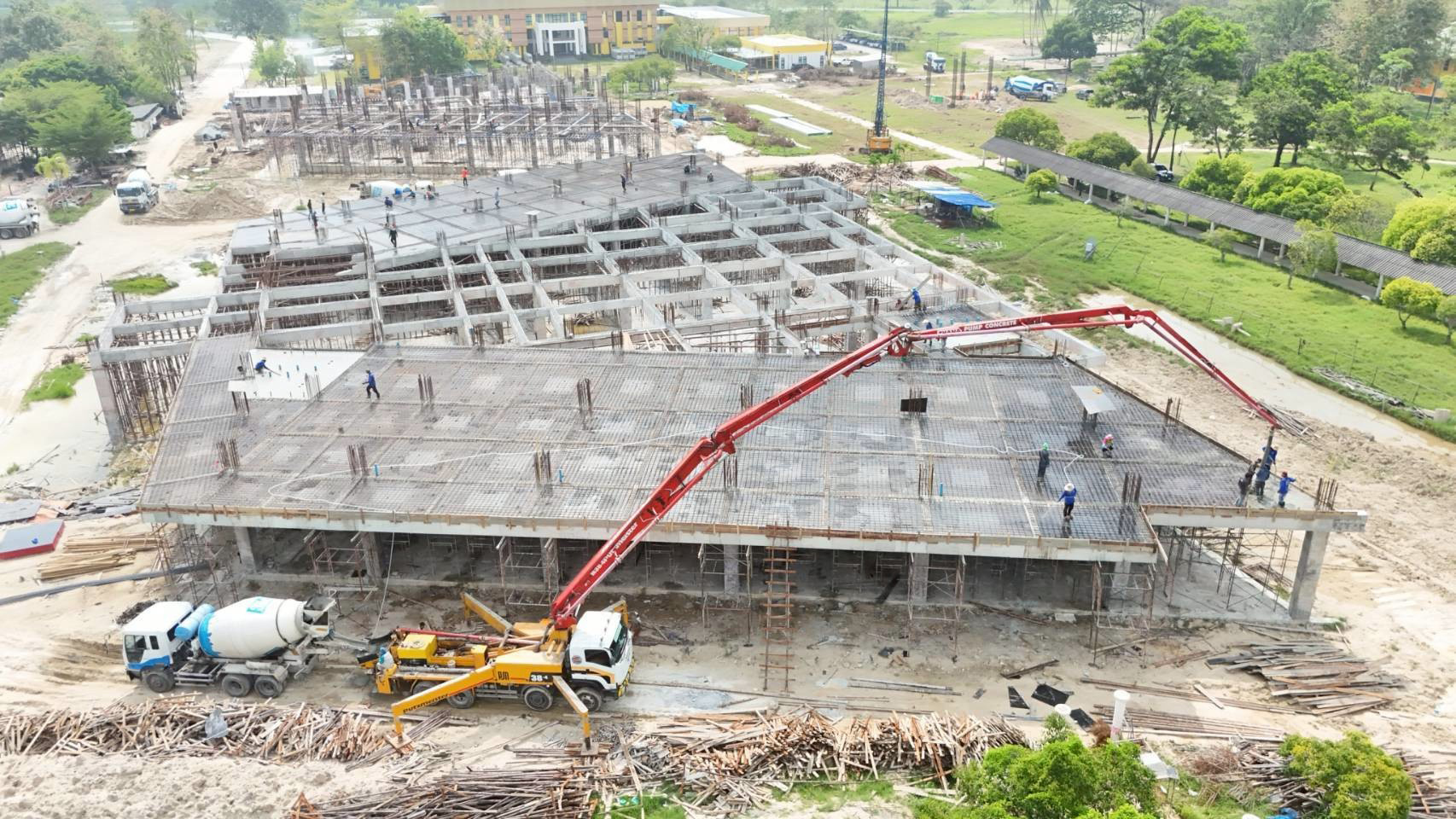
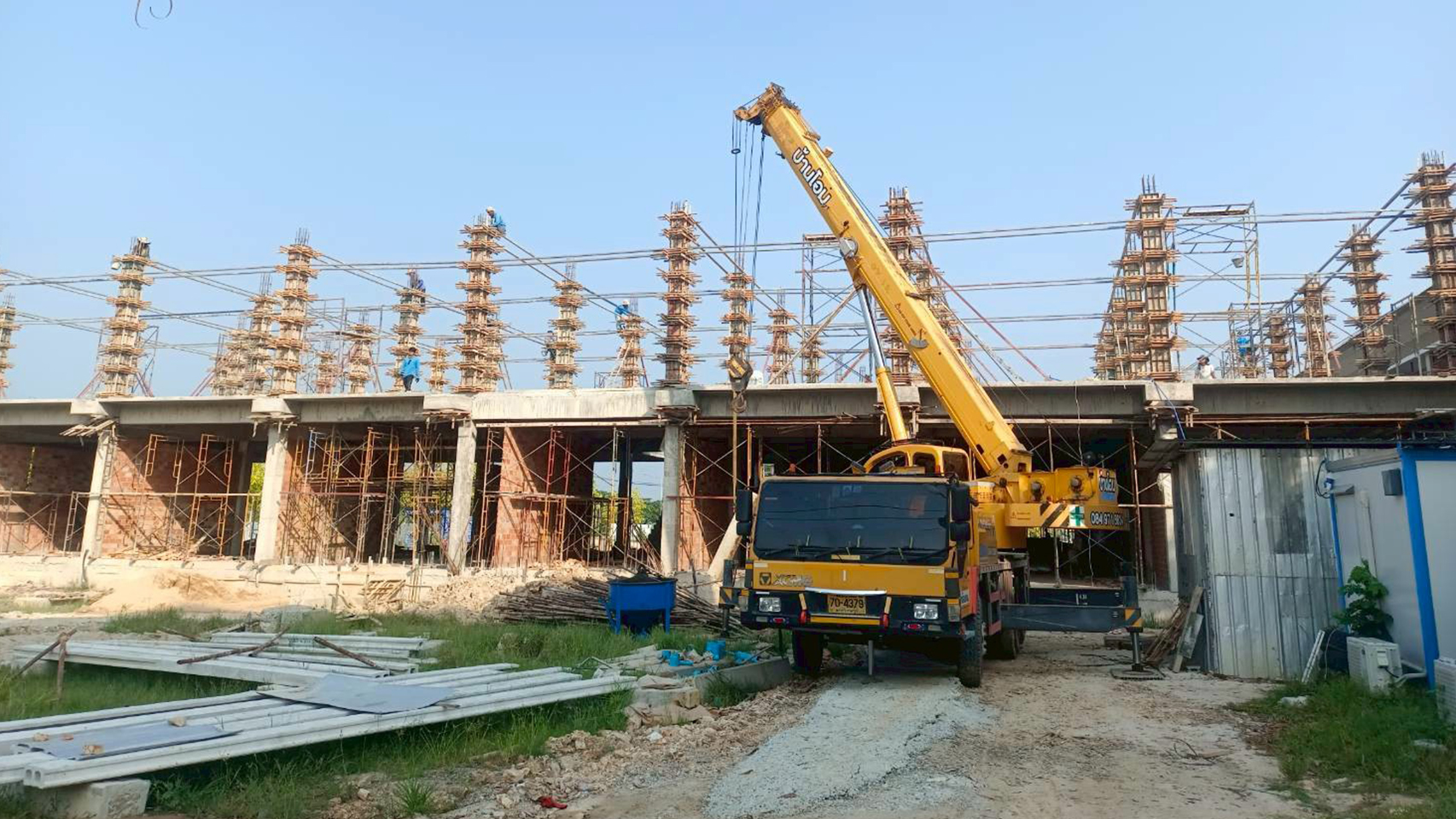
Walailak University (WU) has long prioritized sustainability and the application of high standards in its infrastructure development and energy management initiatives. A notable example is the Center for Library Resources and Educational Media, which was constructed in accordance with the Engineering Institute of Thailand (EIT) Standard under His Majesty the King’s Patronage. This standard emphasizes precision, structural integrity, and meticulous implementation throughout the design and construction process. The building’s maintenance is also overseen by licensed architects and engineers from the Division of Landscaping and Building, ensuring continuous adherence to safety and quality standards.
In addition to meeting EIT requirements, the center operates in full compliance with the Building Energy Code (BEC) — Thailand’s national standard for energy efficiency in buildings. The BEC certification, granted by the Department of Alternative Energy Development and Efficiency (DEDE) under the Ministry of Energy, recognizes the building’s outstanding performance in multiple areas, including structural design, electrical and lighting systems, air-conditioning efficiency, and the management of energy-consuming equipment.
By adopting both the EIT Standard and BEC guidelines, Walailak University has developed a comprehensive energy efficiency development plan aimed at reducing overall energy consumption across campus. The plan sets a clear target of achieving a 10% annual reduction in energy use, aligning with Thailand’s Energy Efficiency Development Plan (EEDP). This commitment reflects the university’s ongoing effort to create a sustainable and energy-resilient campus environment that serves as a model for higher education institutions nationwide.
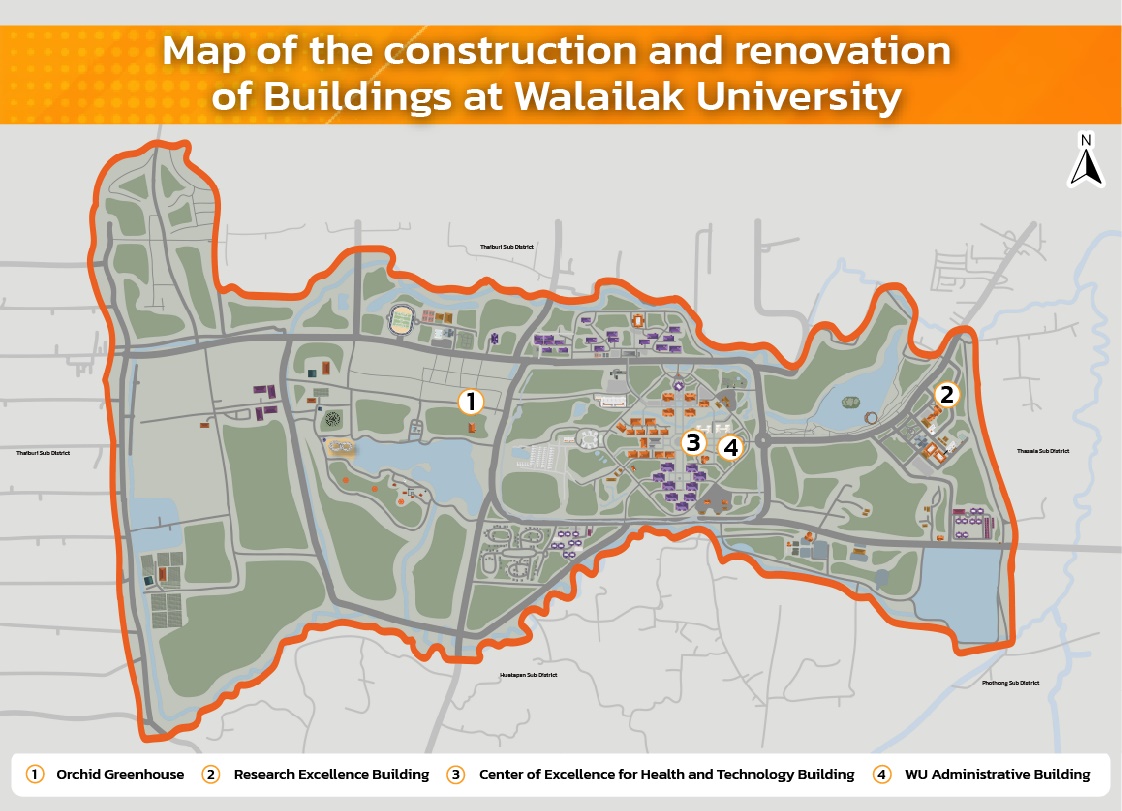
In 2024, Walailak University constructed and renovated new buildings that meet sustainability standards. The university places strong emphasis on the well-being of building users and environmental sustainability. The master plan for these developments focuses on air quality, lighting, water management, mobility, temperature control, and sound management.
Figures : Map of the construction and renovation of Buildings at Walailak University
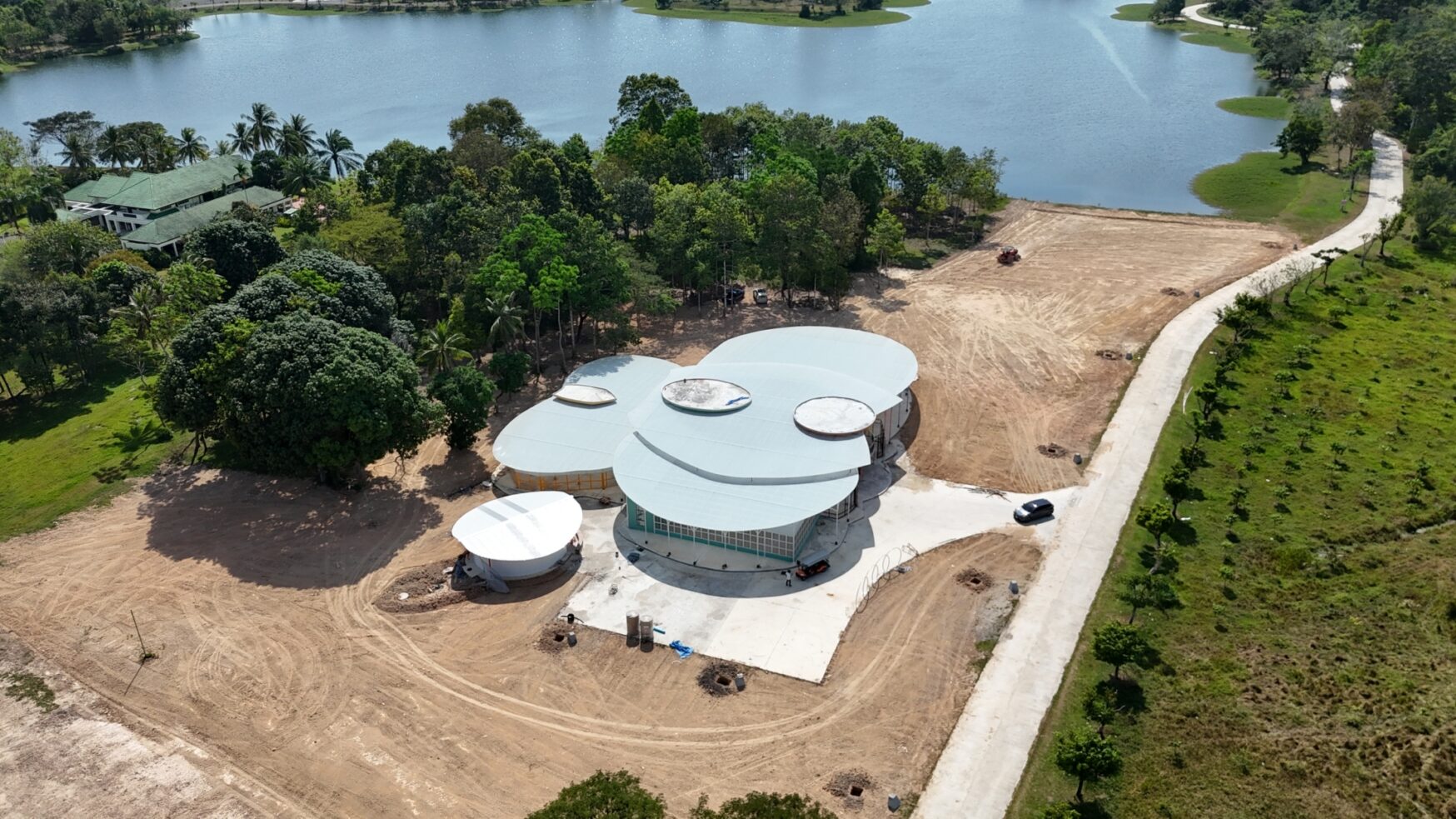
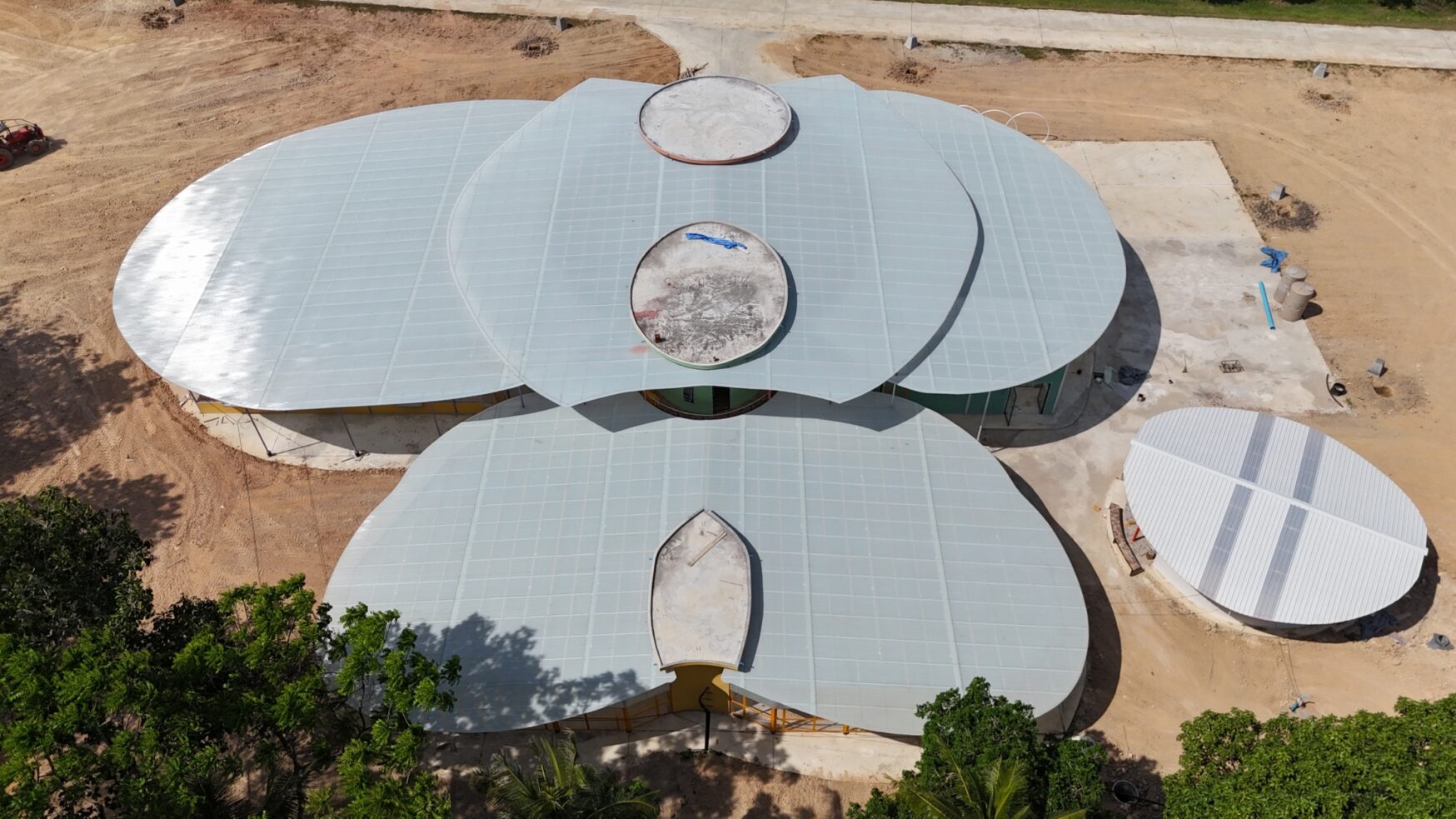
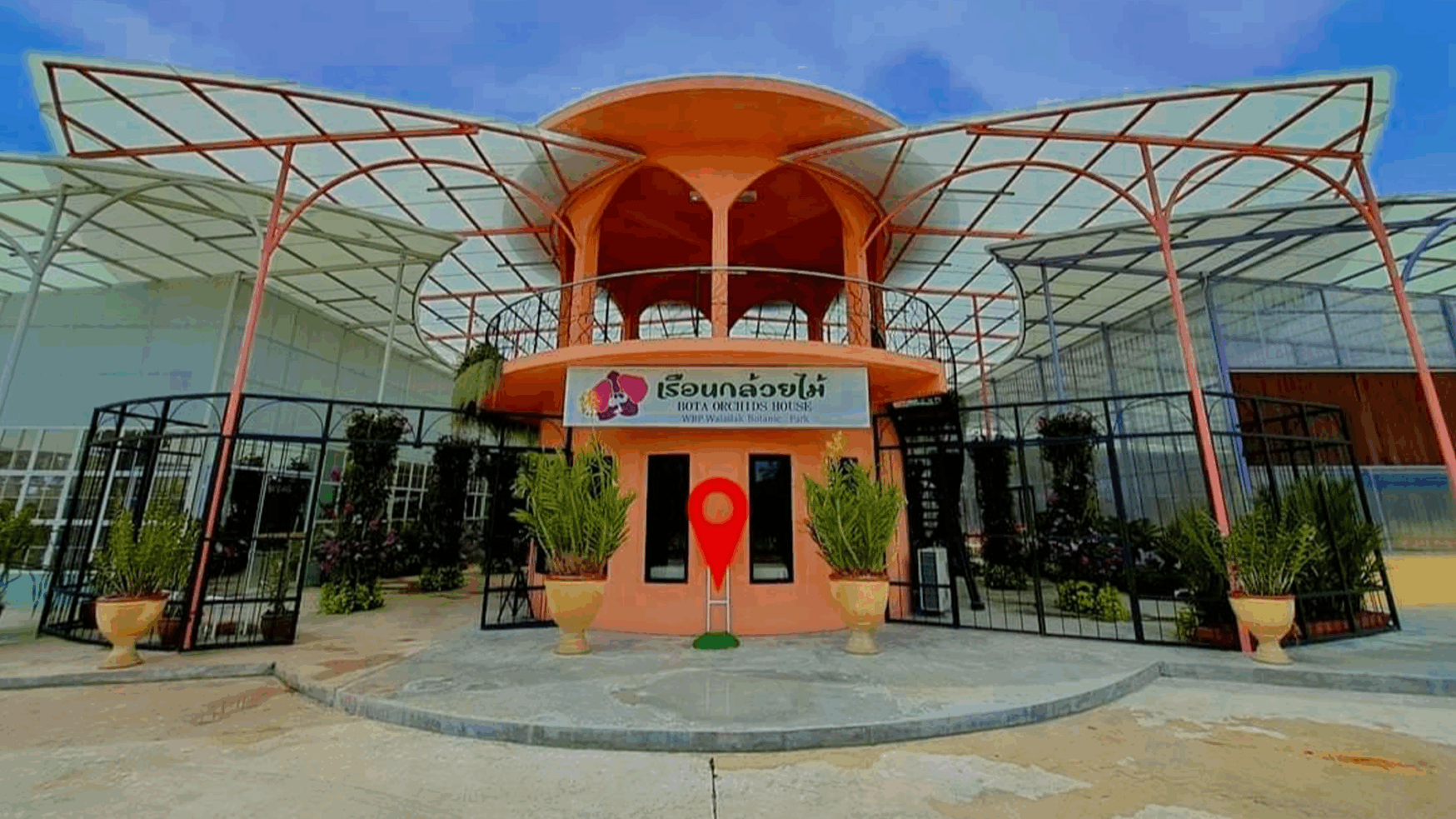
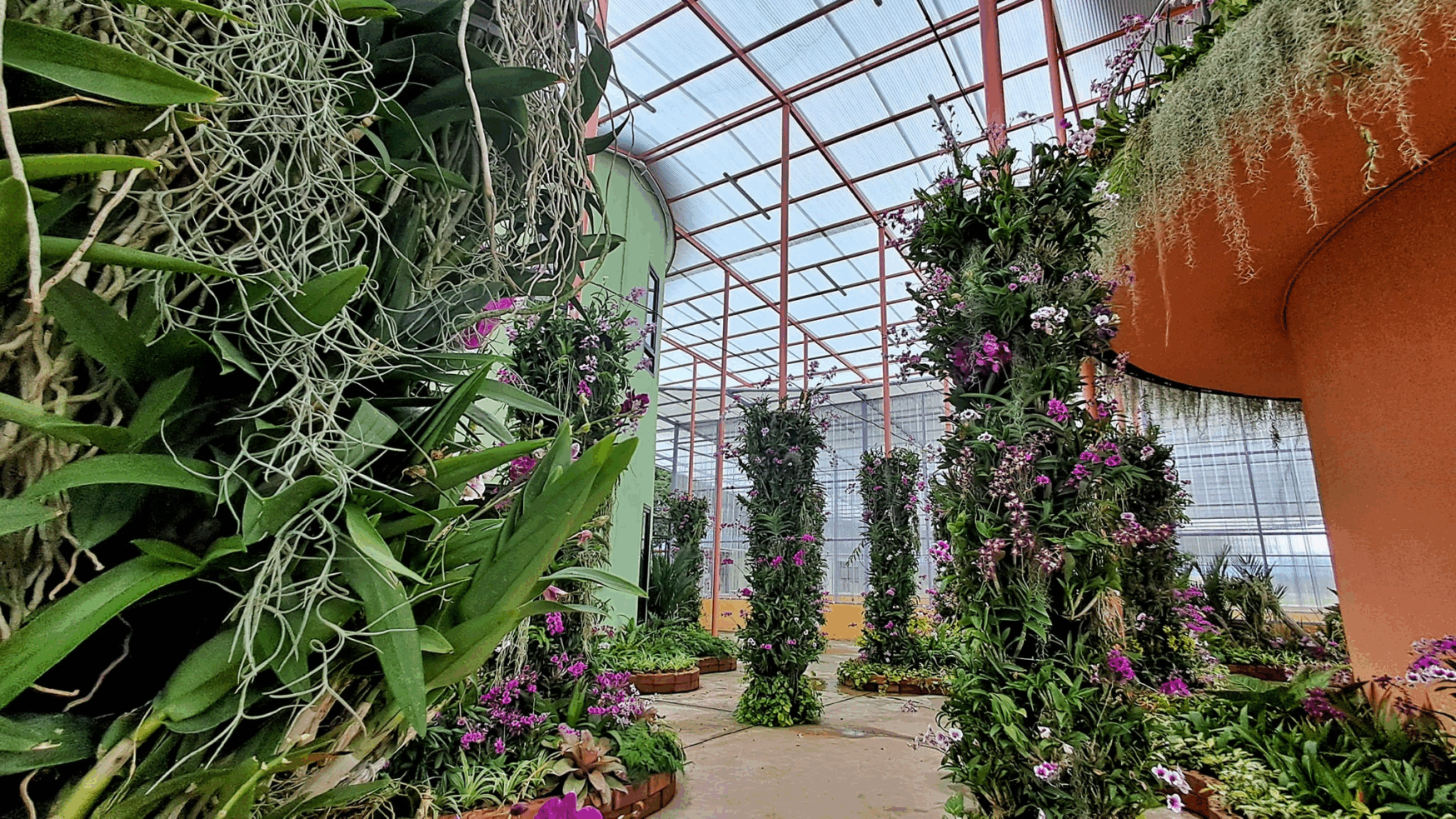
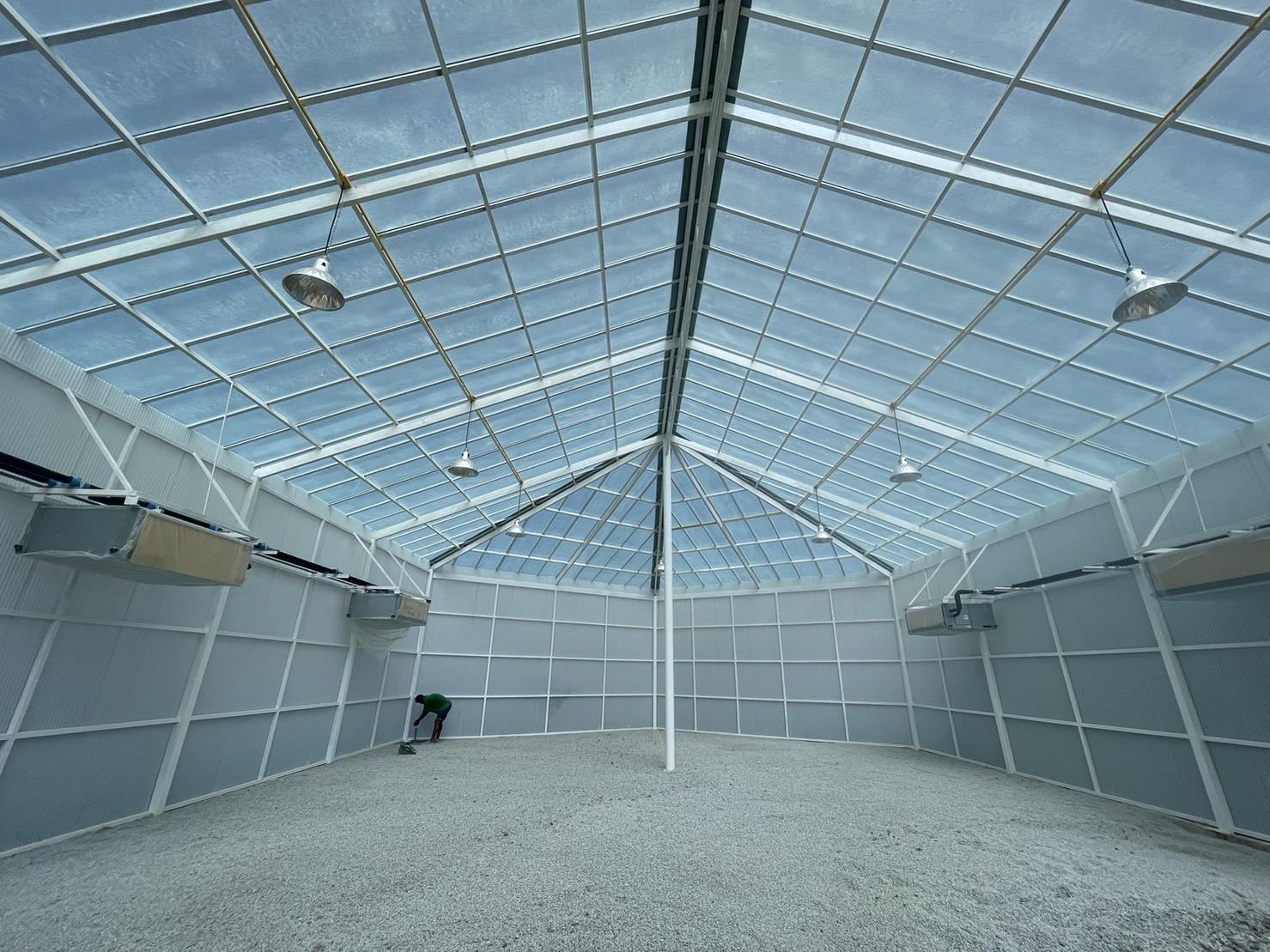
Orchid Greenhouse
The Orchid Greenhouse features a translucent roof that contributes to environmental sustainability by reducing electricity consumption. The design allows natural light to illuminate the interior, minimizing the need for artificial lighting during the day. This ensures sufficient brightness, reduces humidity and heat accumulation inside the building, and enhances safety by preventing accidents caused by insufficient light. Furthermore, it creates a bright, airy, and visually pleasing atmosphere.
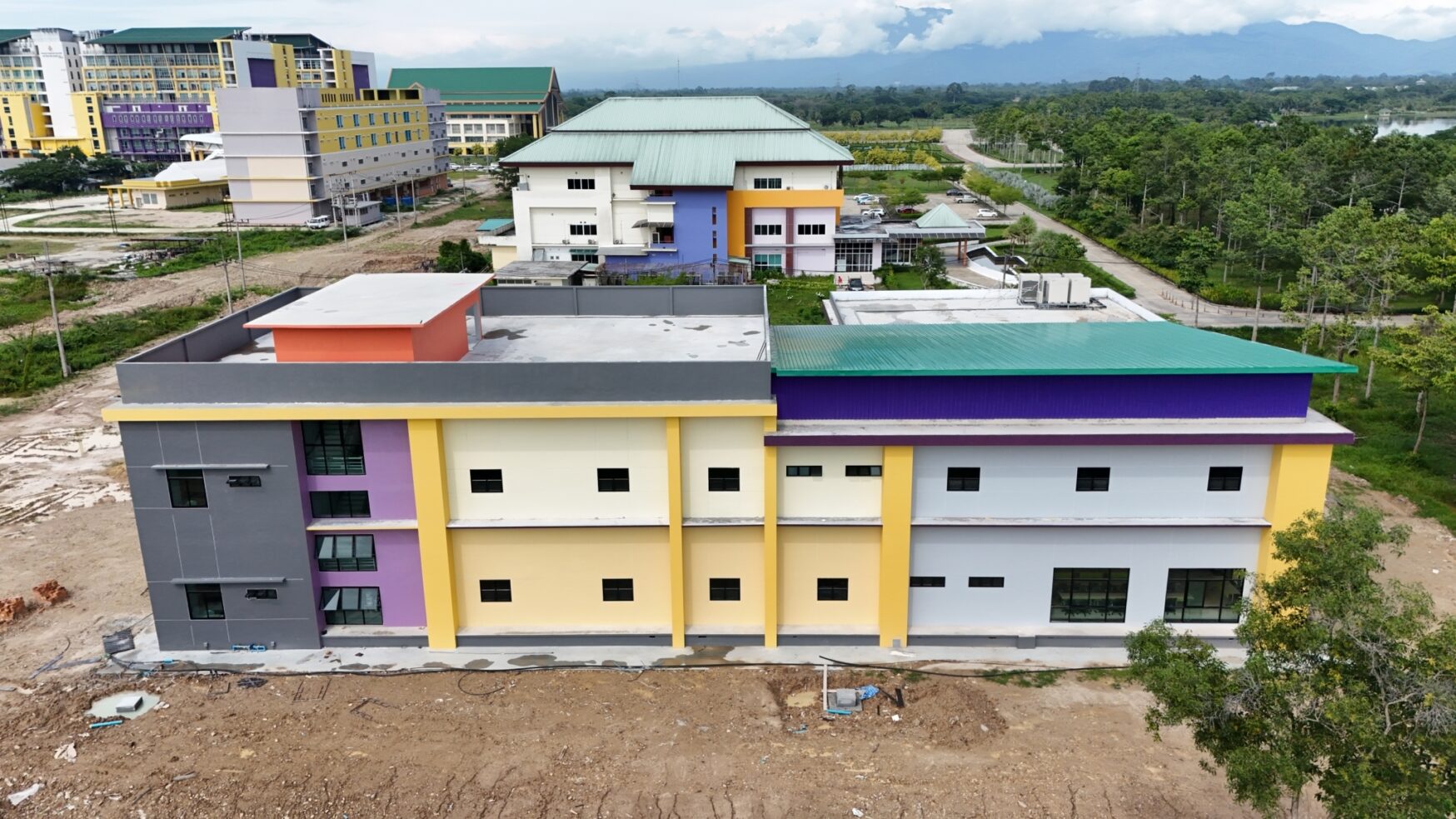
Research Excellence Building
The Research Excellence Building was designed in accordance with EIT standards and uses energy-efficient paint in light tones such as white and cream, which effectively reflect sunlight and prevent excessive heat absorption. This innovative paint has been certified for its high solar reflectance, helping to lower indoor temperatures—even with darker shades—thereby reducing the need for air conditioning and artificial lighting and cutting electricity costs. The use of light or heat-reflective colors also contributes to a relaxing atmosphere, and some types of paint are health-friendly.
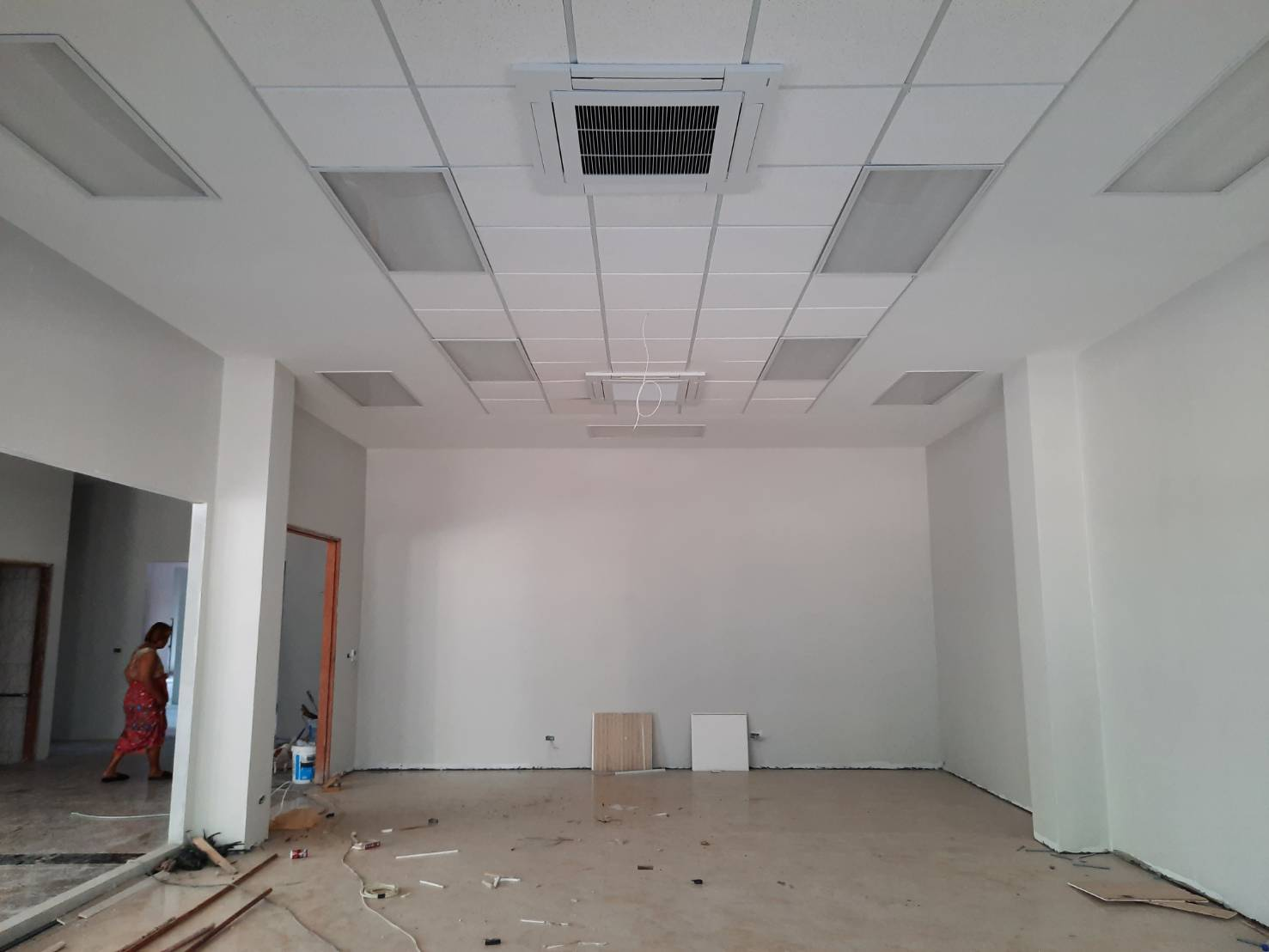
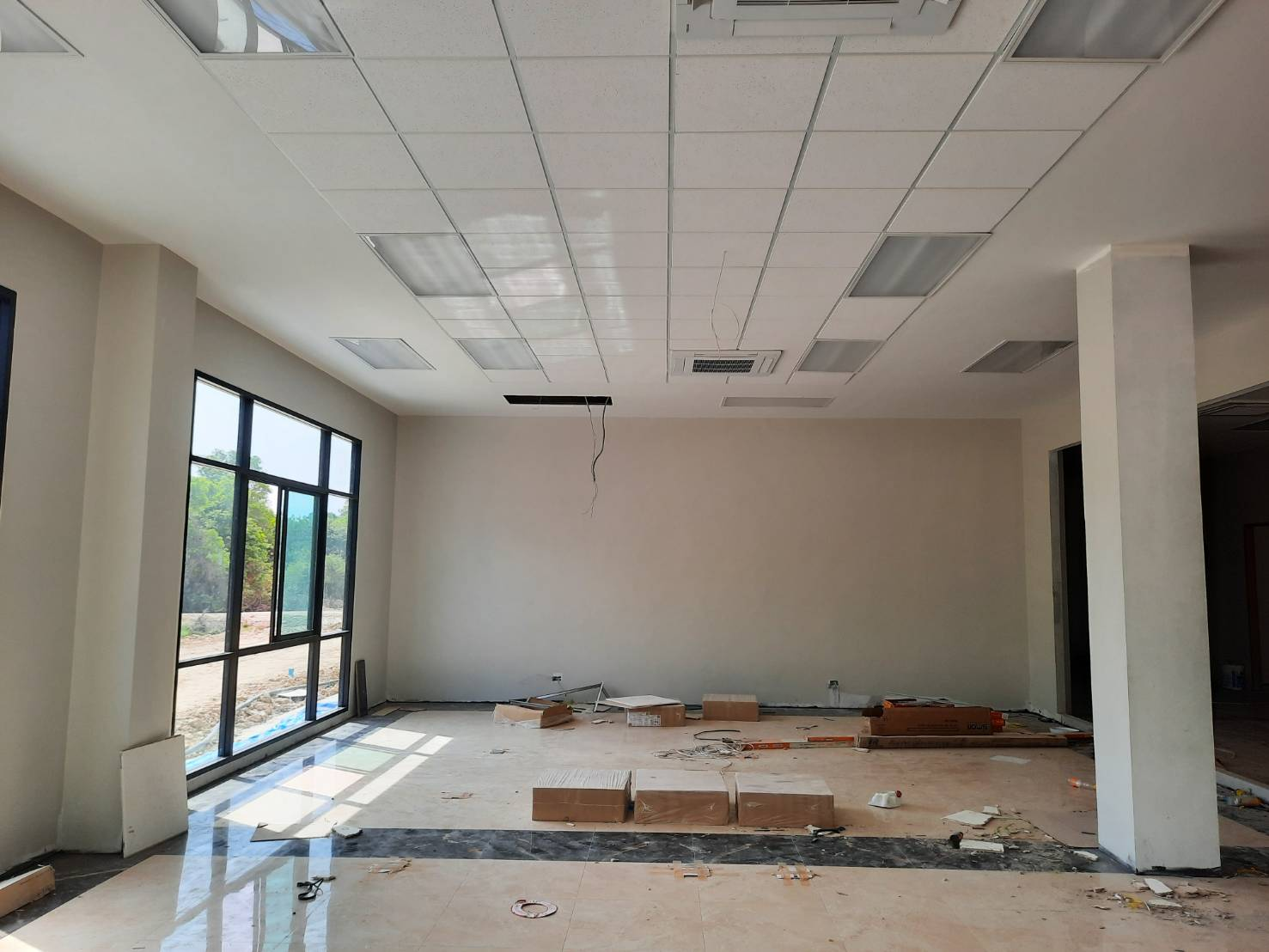
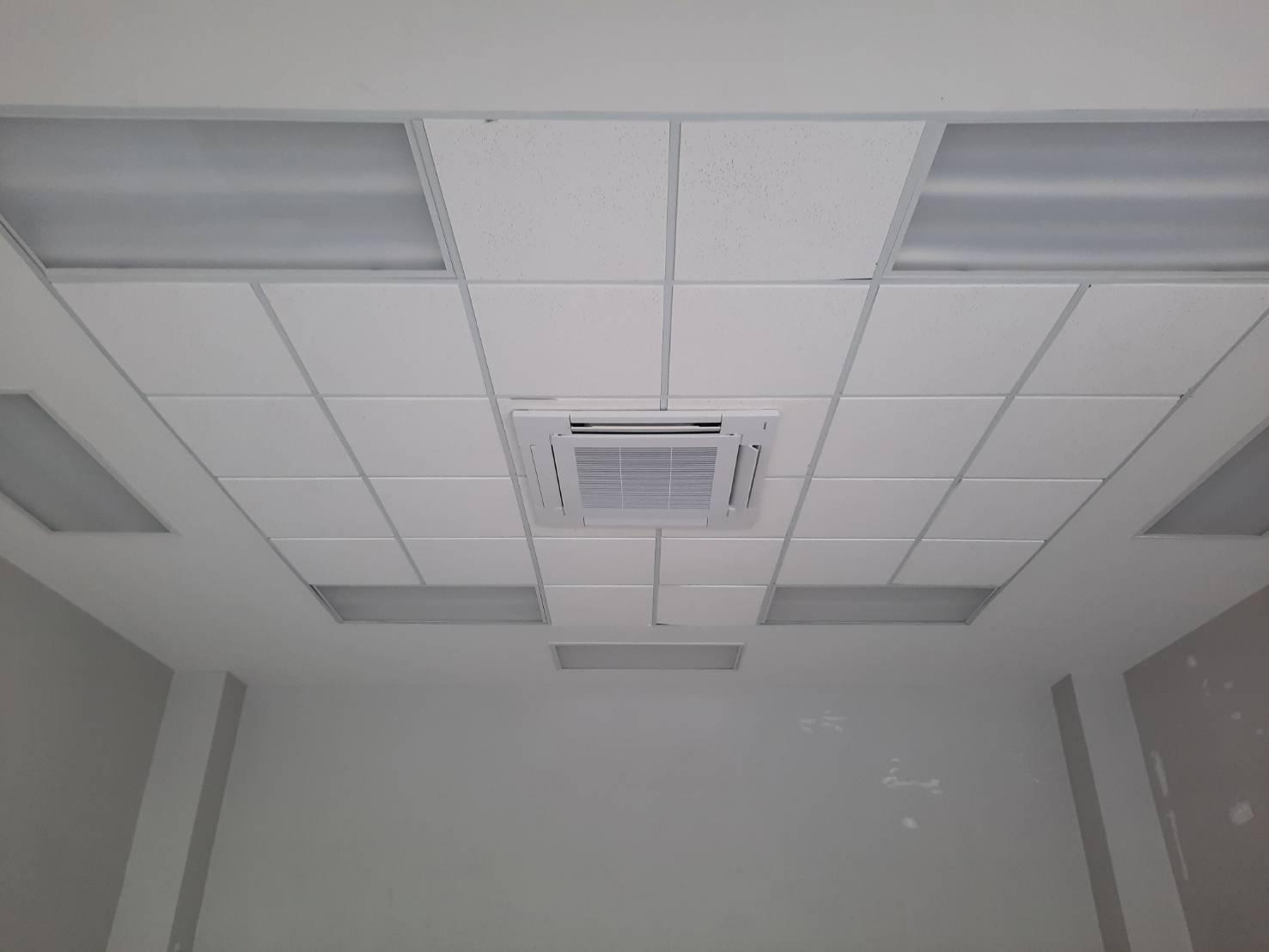
Inside the building, environmentally friendly acoustic ceiling panels made from recycled materials that meet LEED standards are used to absorb and control noise, offering another sustainable design solution.
Center of Excellence for Health and Technology Building
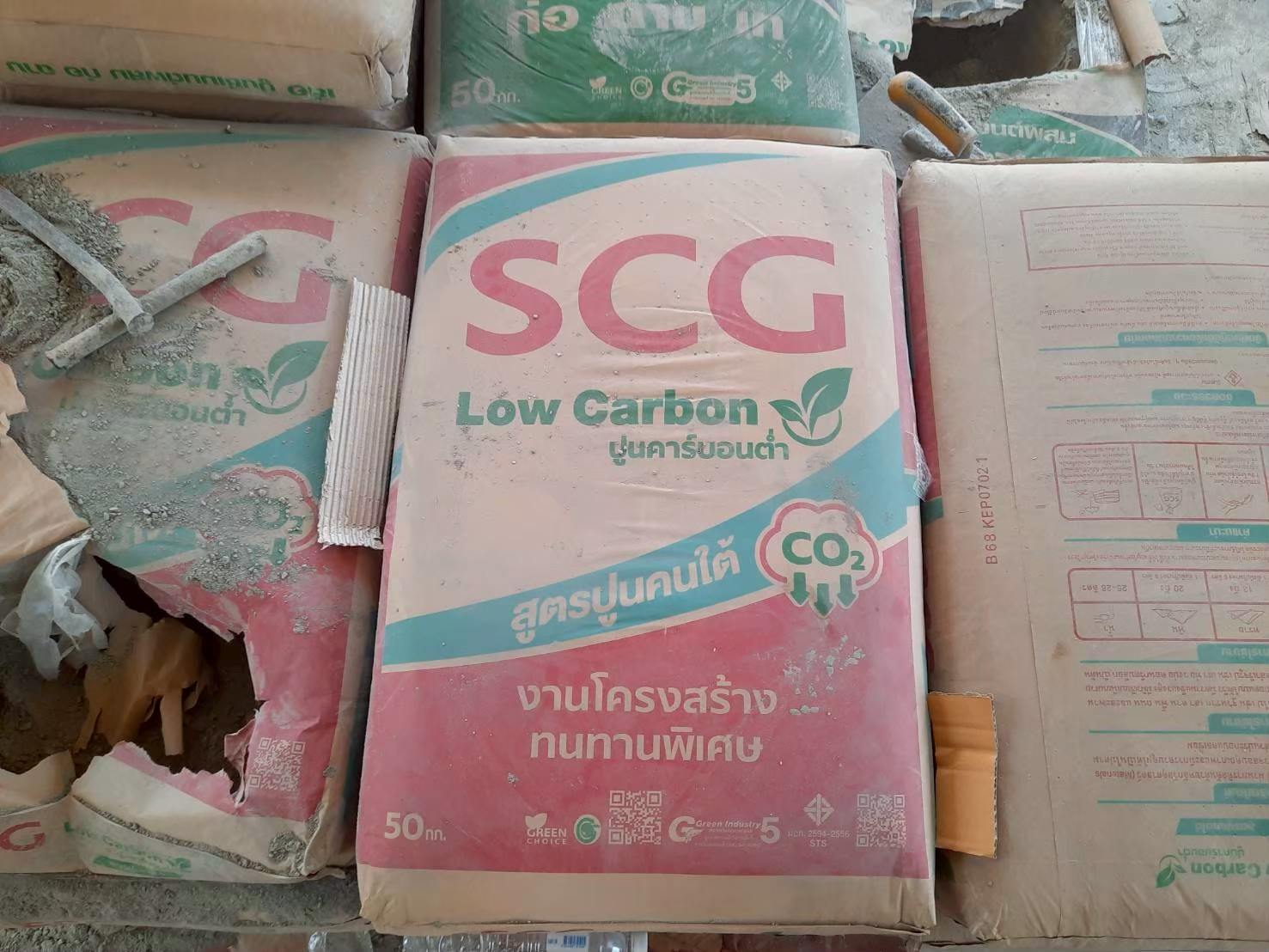
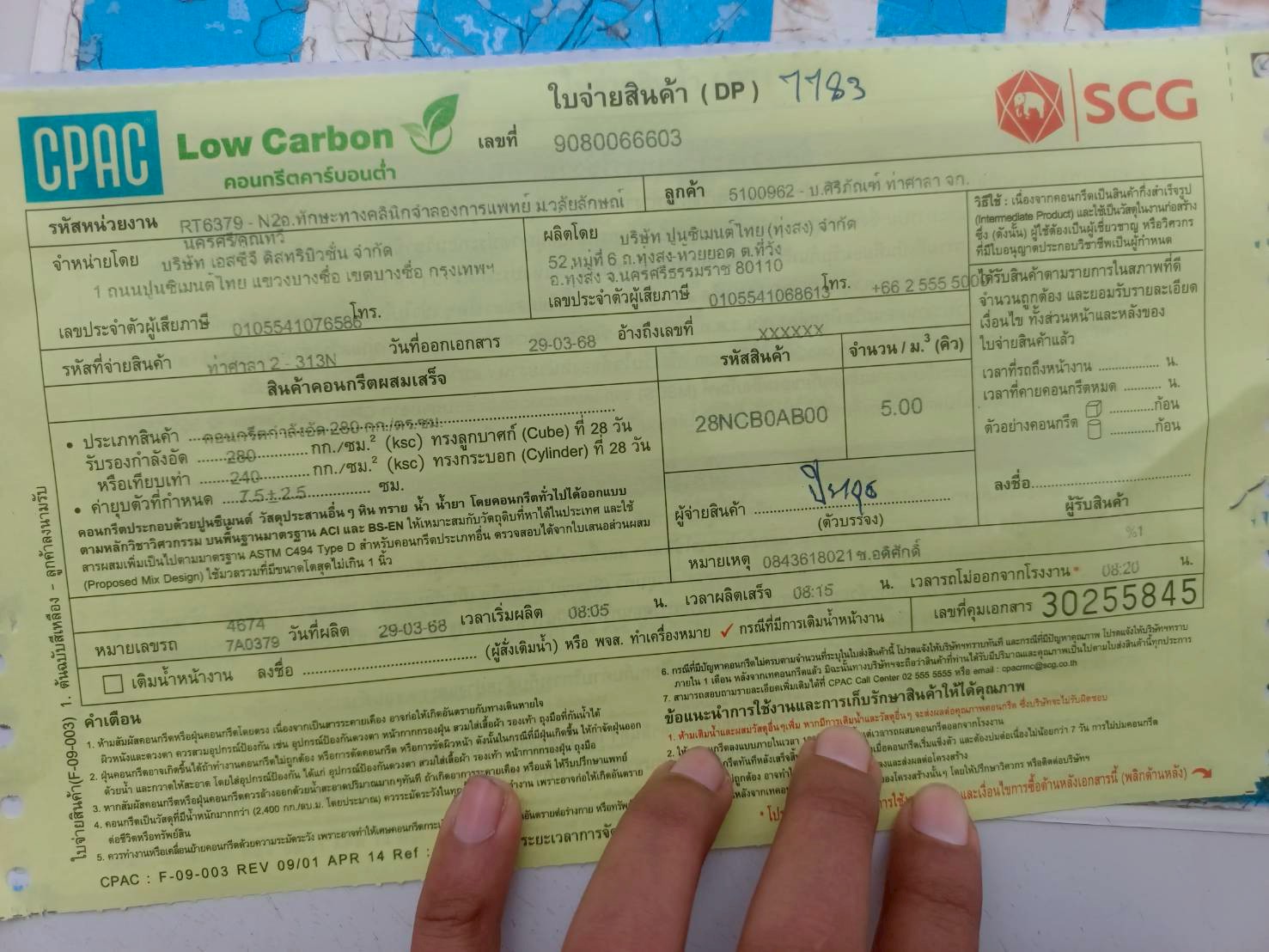
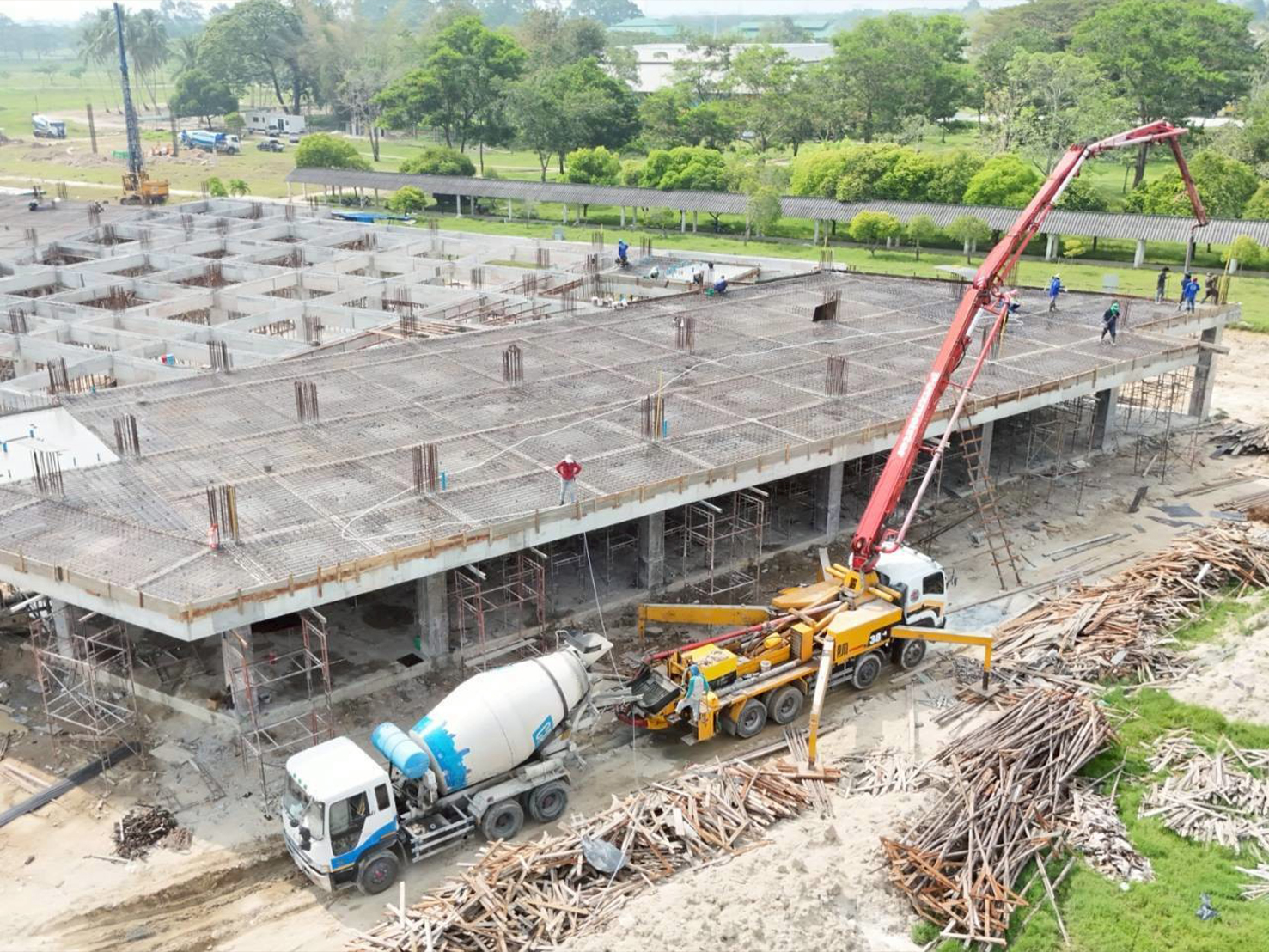
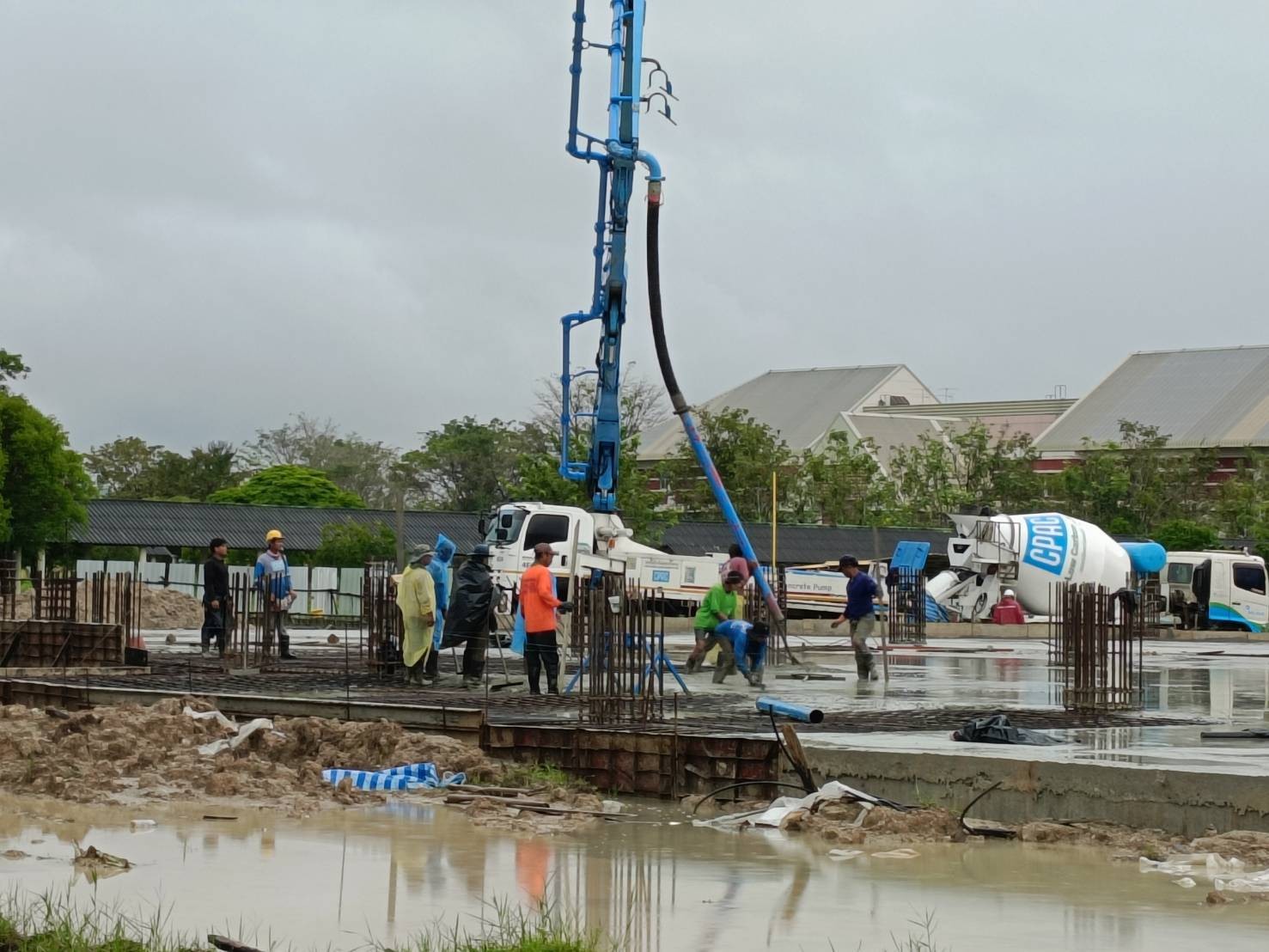
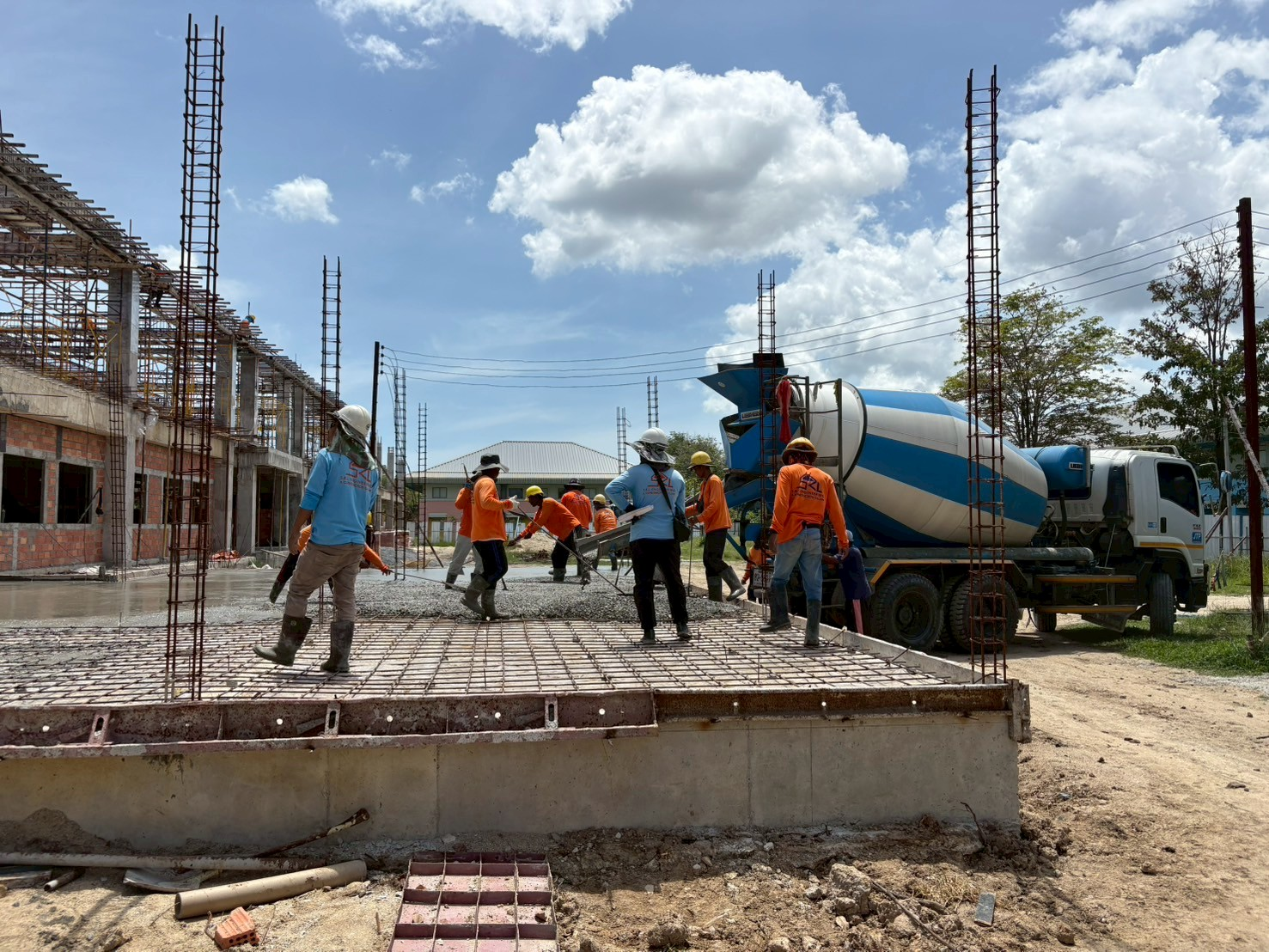
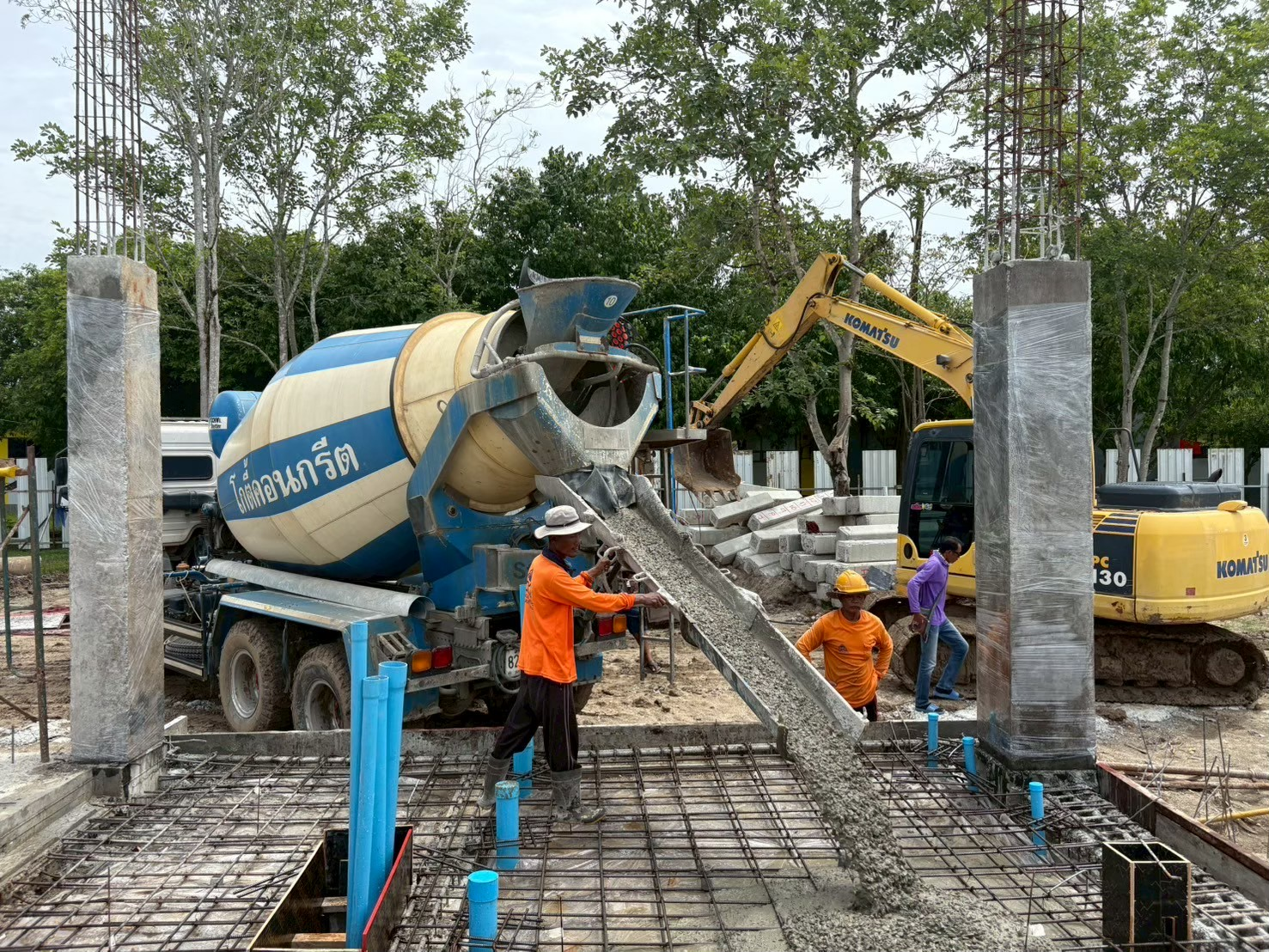
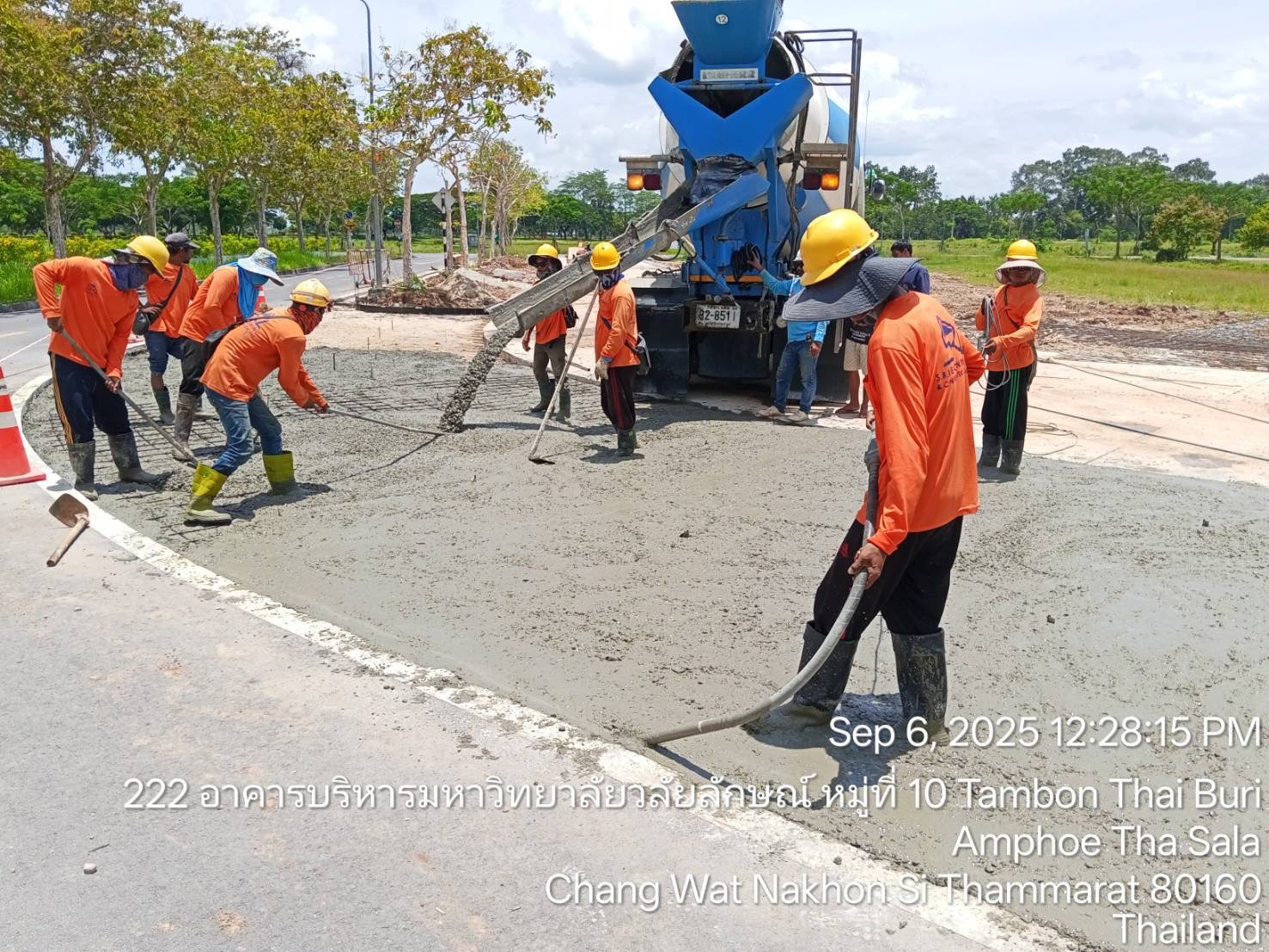
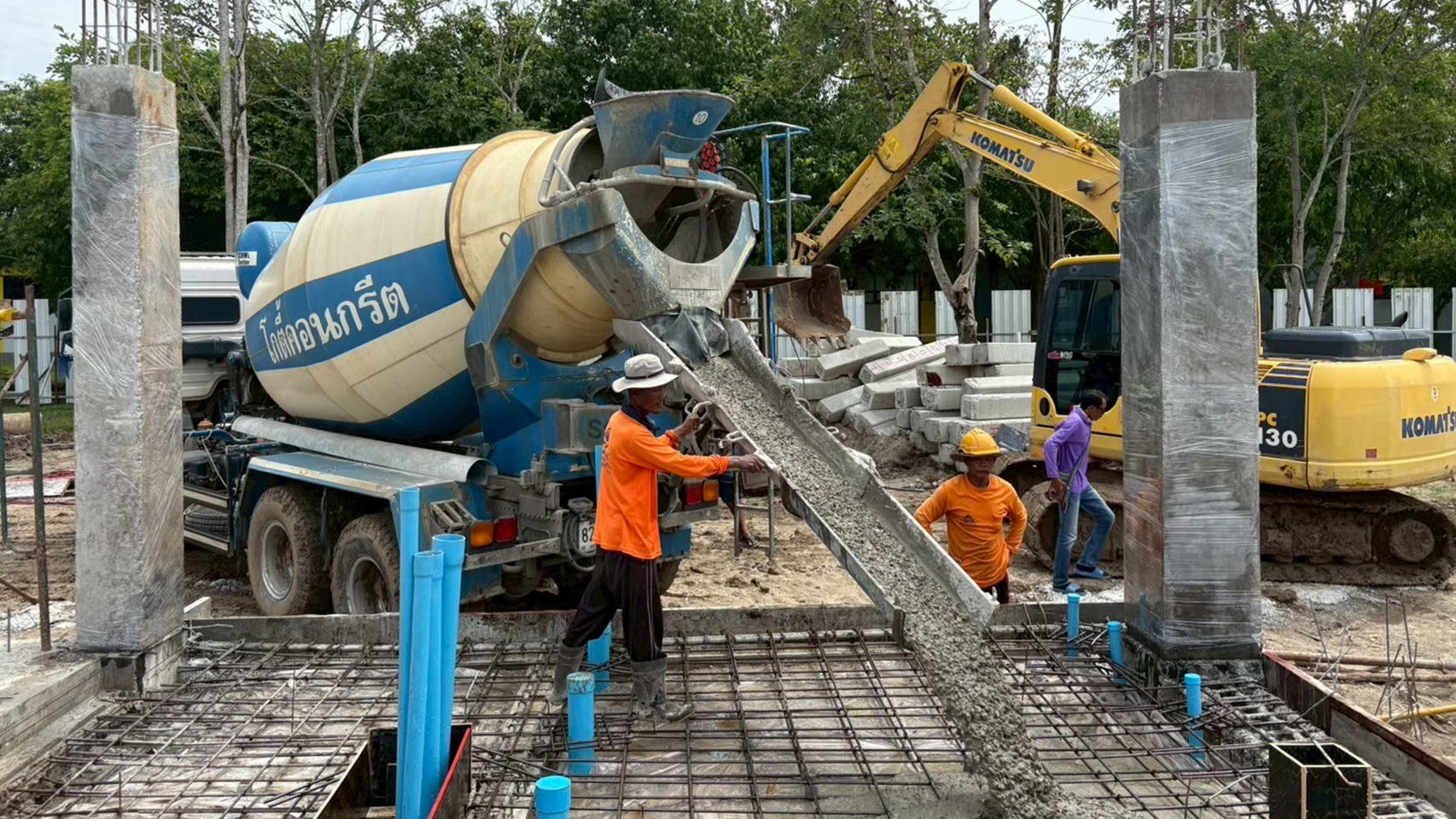
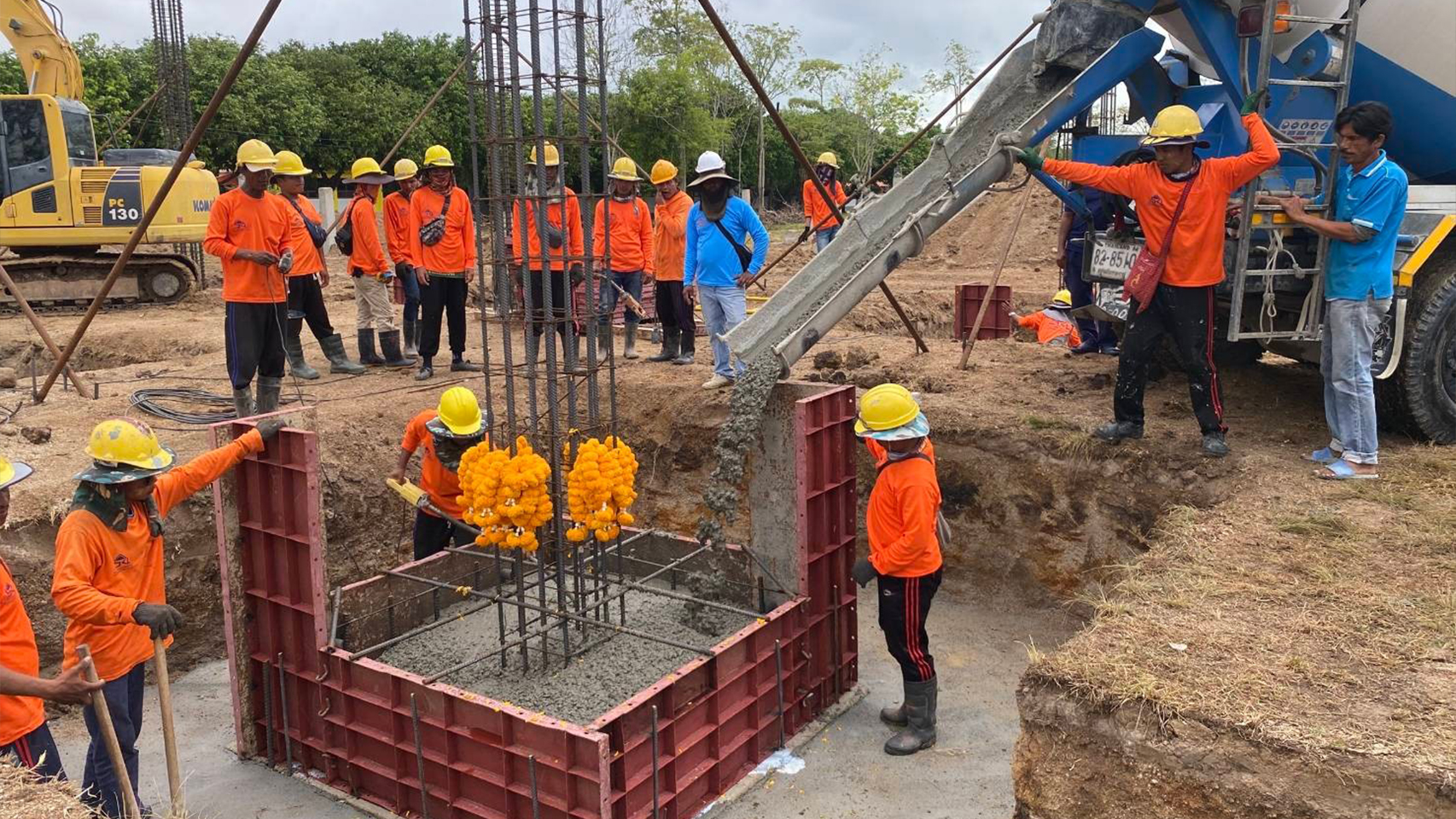
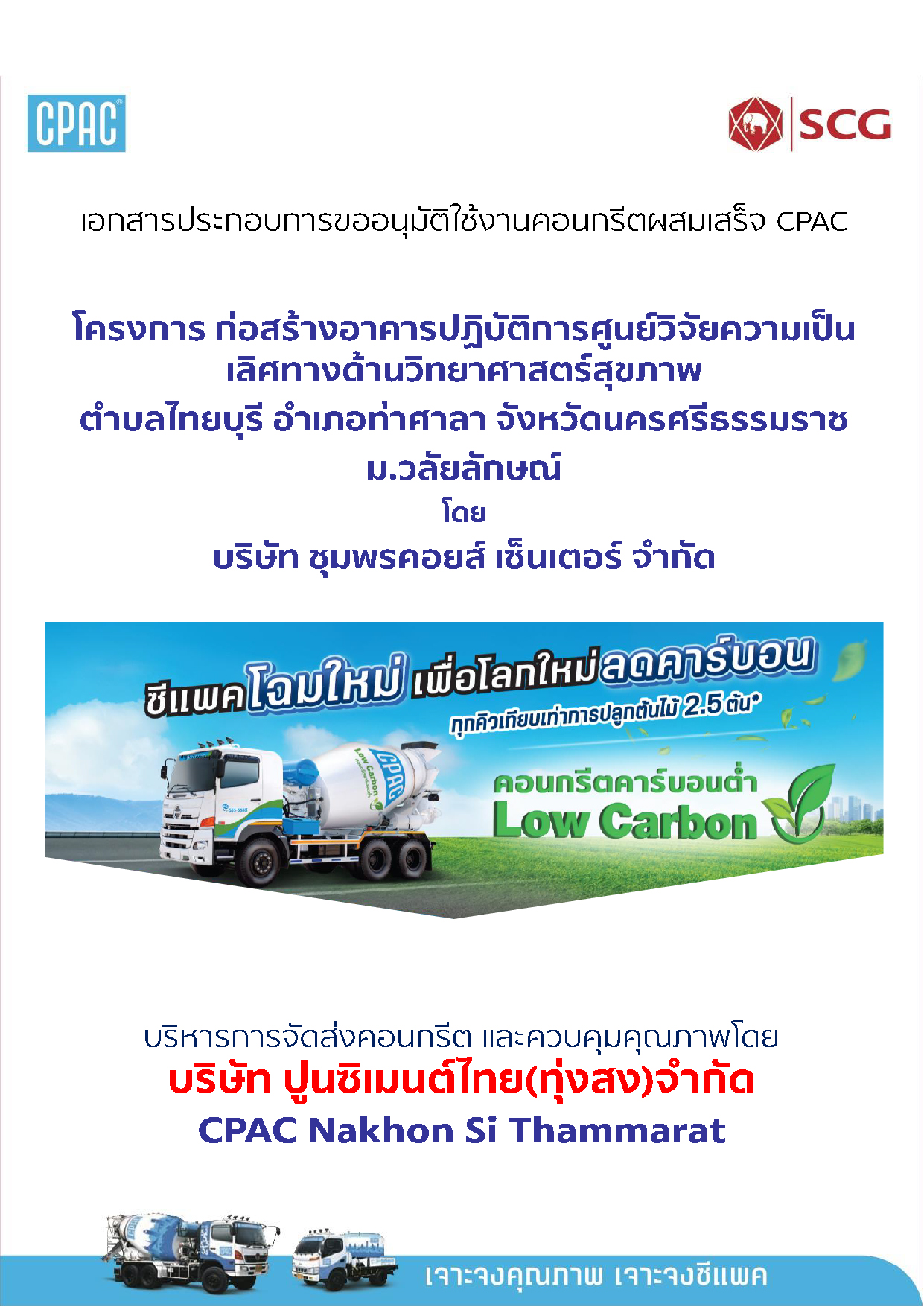
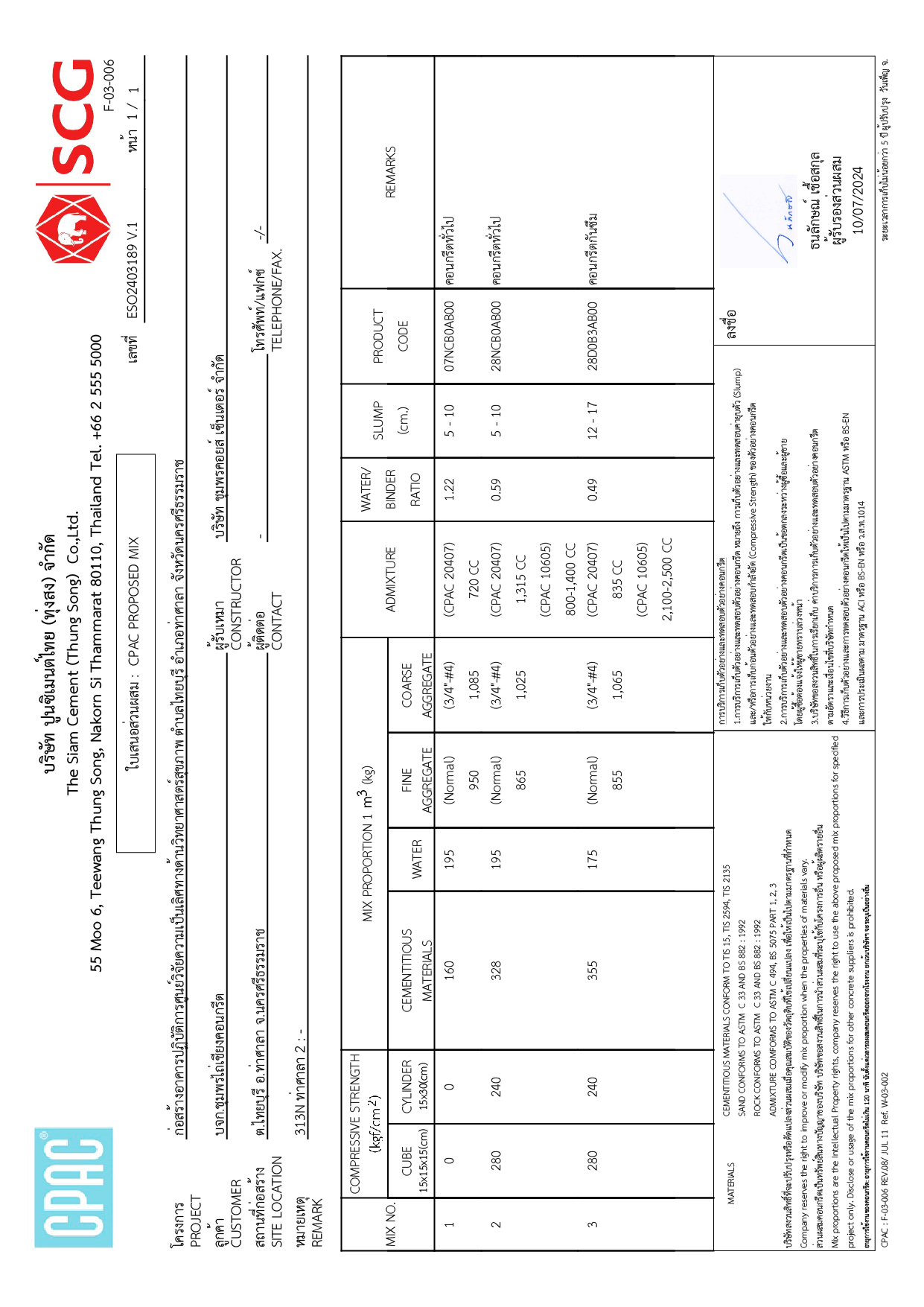
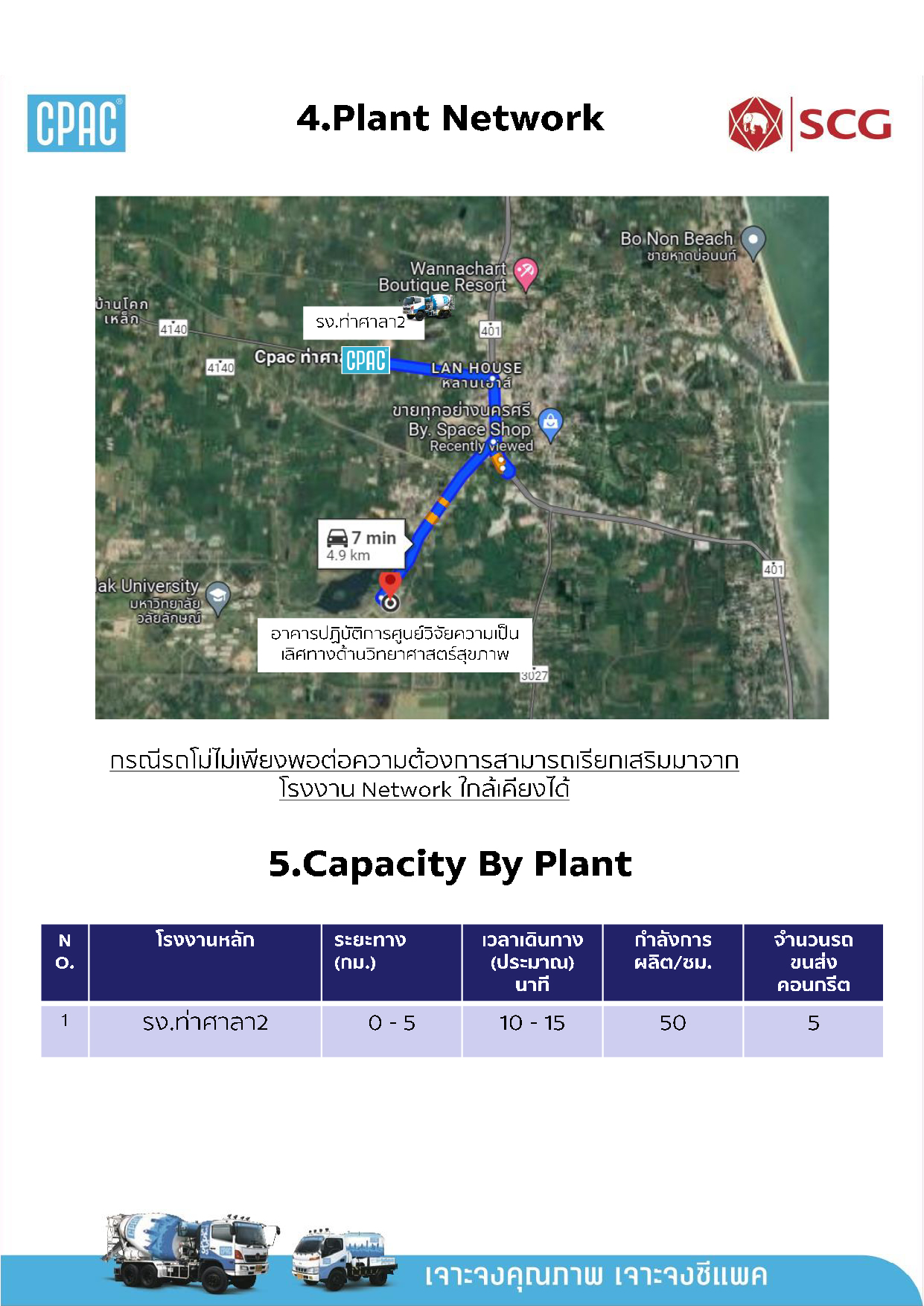
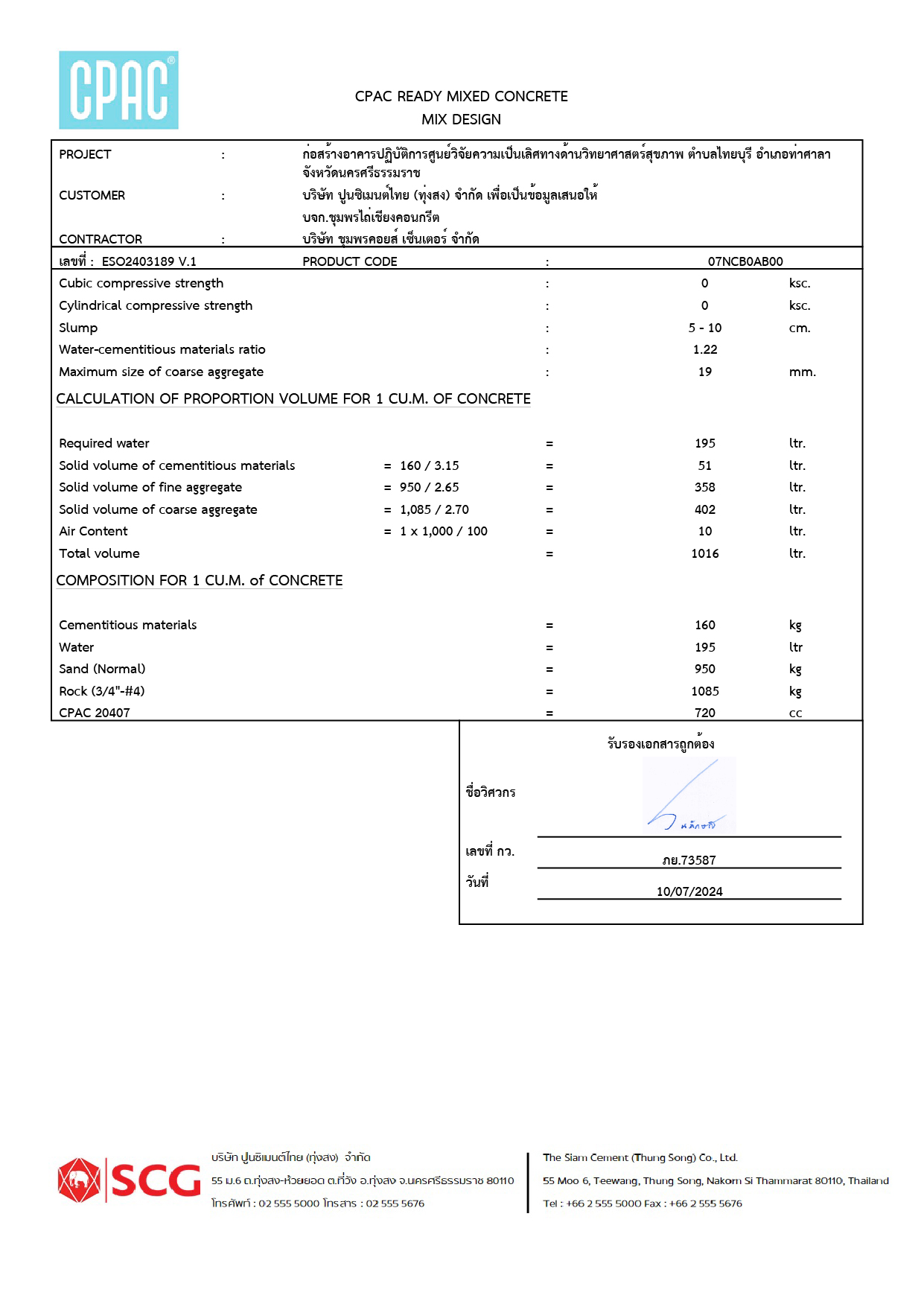
This building was constructed using concrete made from hydraulic or low-carbon cement, developed to minimize environmental impact. Its production process emits fewer greenhouse gases than conventional Portland cement, while maintaining equal or greater strength and durability. The cement contains fly ash as a partial replacement for traditional cement, reducing CO₂ emissions by at least 17 kg/m³ compared to standard concrete of equivalent strength—or equivalent to planting at least 17 trees for every 10 cubic meters of concrete used. This makes it an environmentally friendly option that supports a more sustainable construction industry.
WU Administrative Building
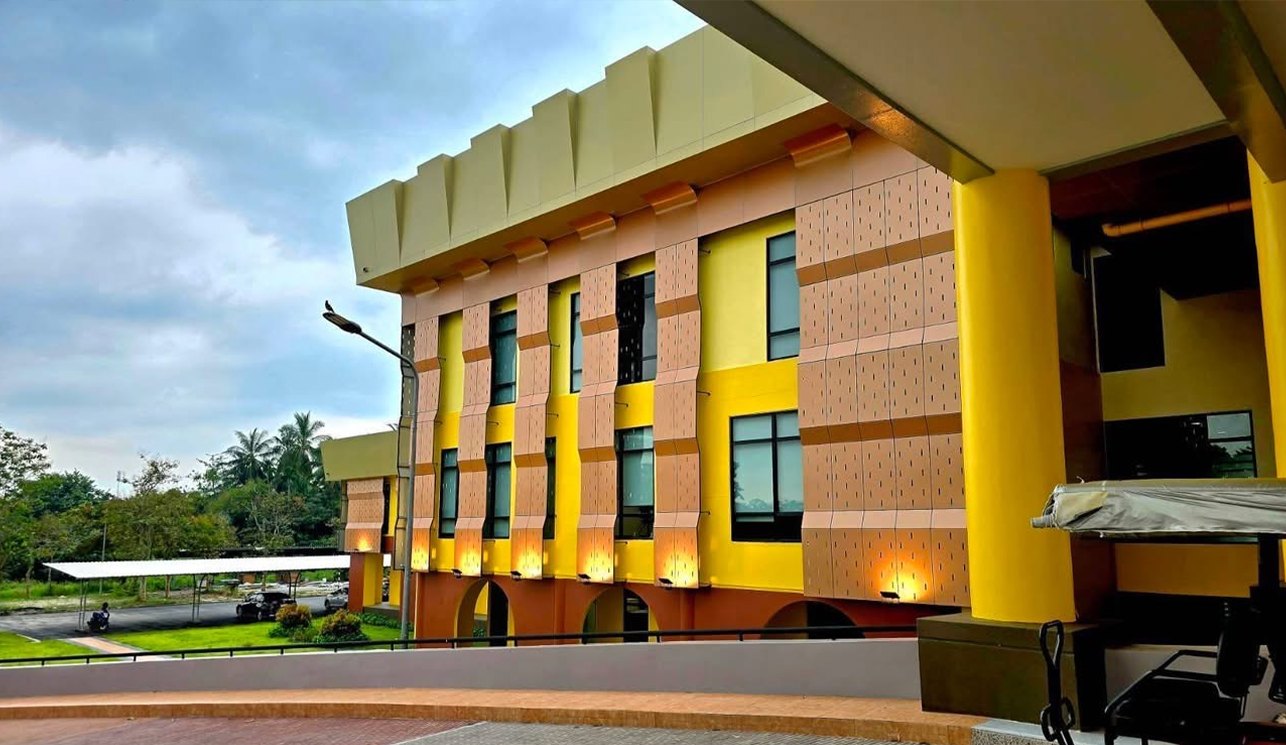
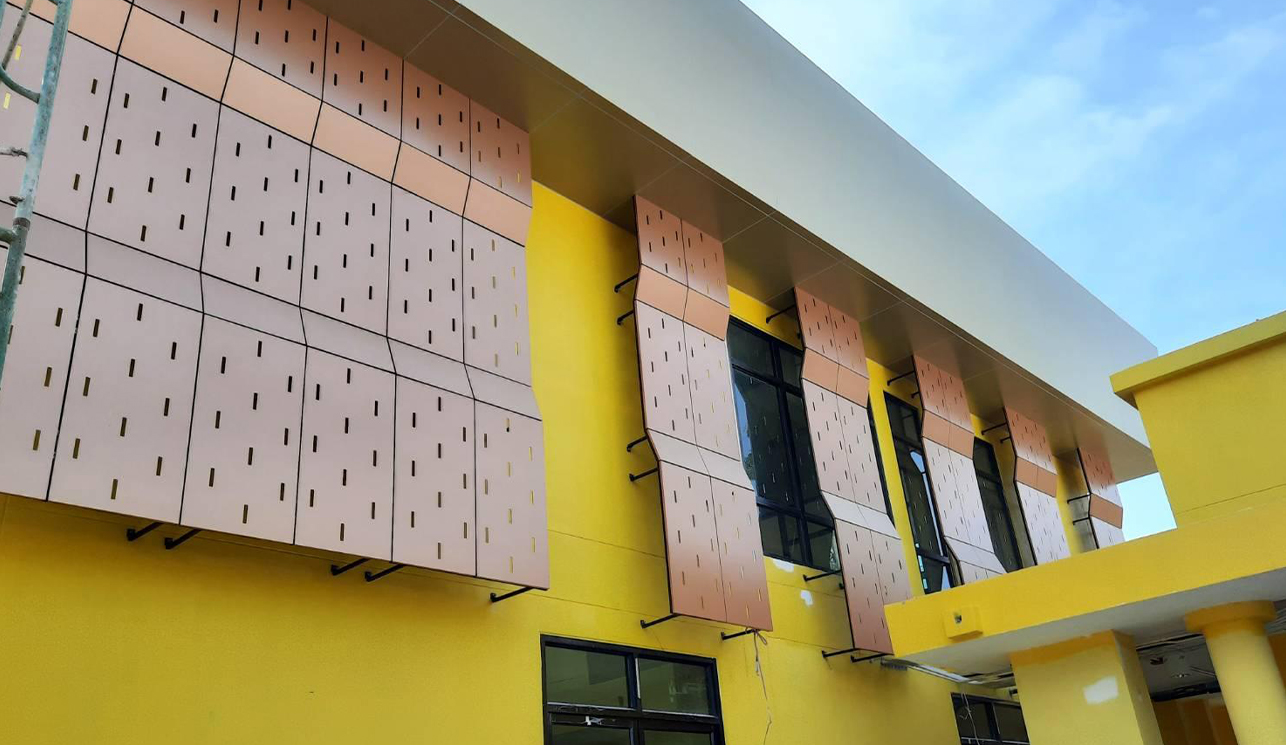
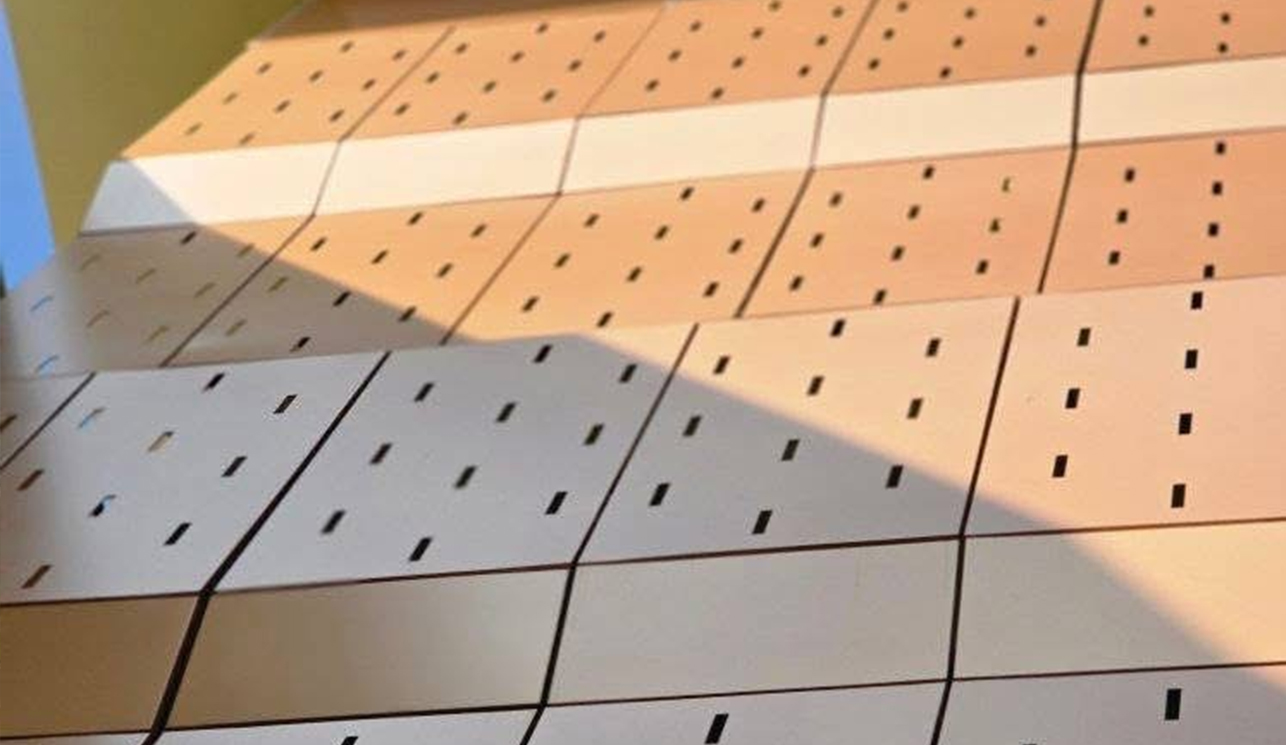
The WU Administrative Building was renovated with a sun-shading façade as part of its structure. The façade is made from perforated aluminum composite panels, which are lightweight, durable, weather-resistant, and 100% recyclable. It serves as an external shield that reduces heat entering the building, decreasing the workload on air conditioning systems and consequently lowering energy consumption and carbon emissions. The façade also allows for effective control of light and heat entering the building.
In addition, the building uses green-tinted glass, which helps save energy by absorbing heat and reducing glare from outside light, keeping indoor temperatures cooler and lowering air-conditioning demand—aligning with energy conservation principles.
Walailak University recognizes the importance of promoting environmental sustainability through its construction and renovation projects. Therefore, the university has chosen to use environmentally friendly materials that support sustainable living among staff and students. The design and construction of the aforementioned university buildings incorporate eco-friendly materials as follows:
Green Materials and Sustainable Design
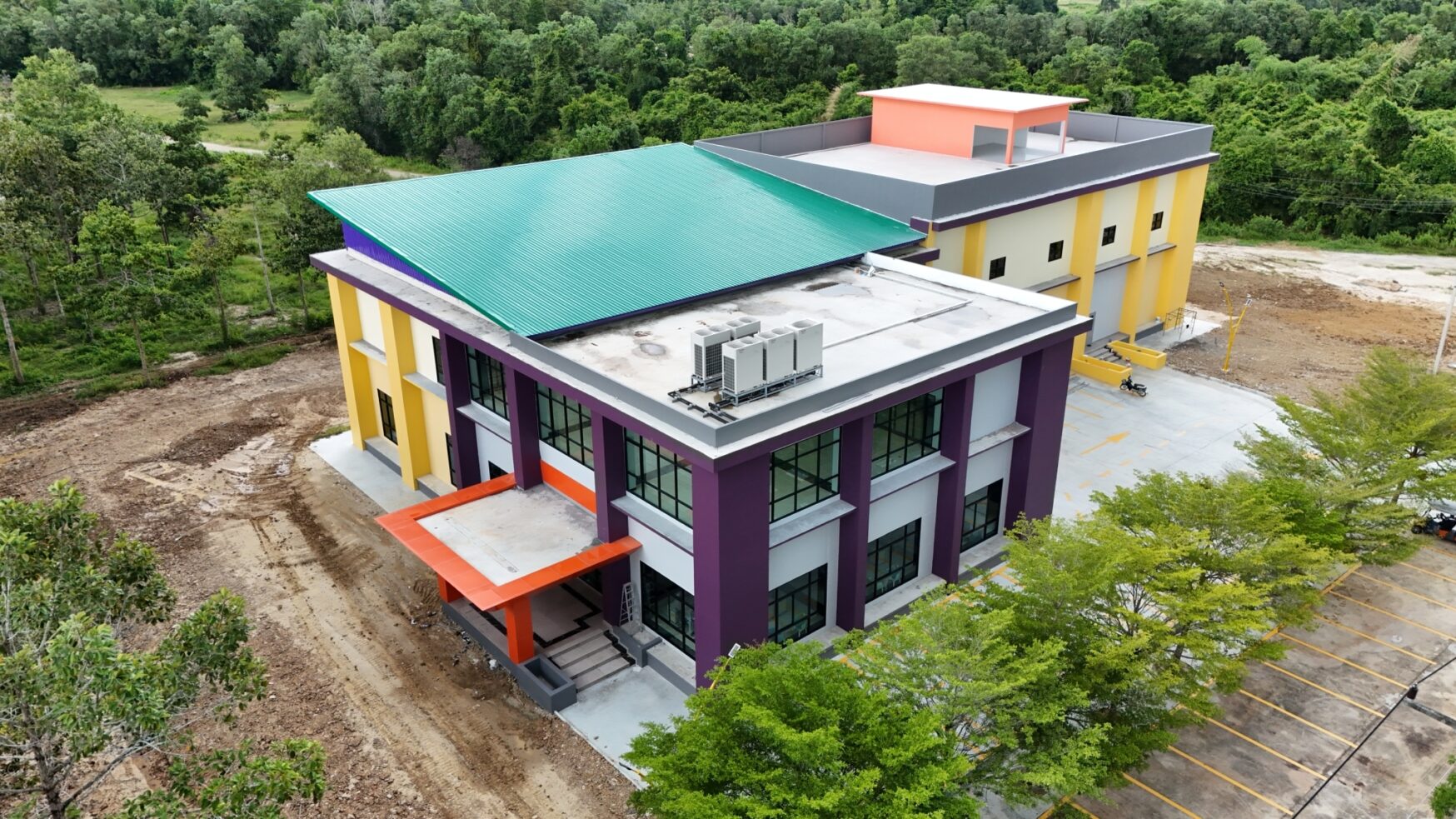
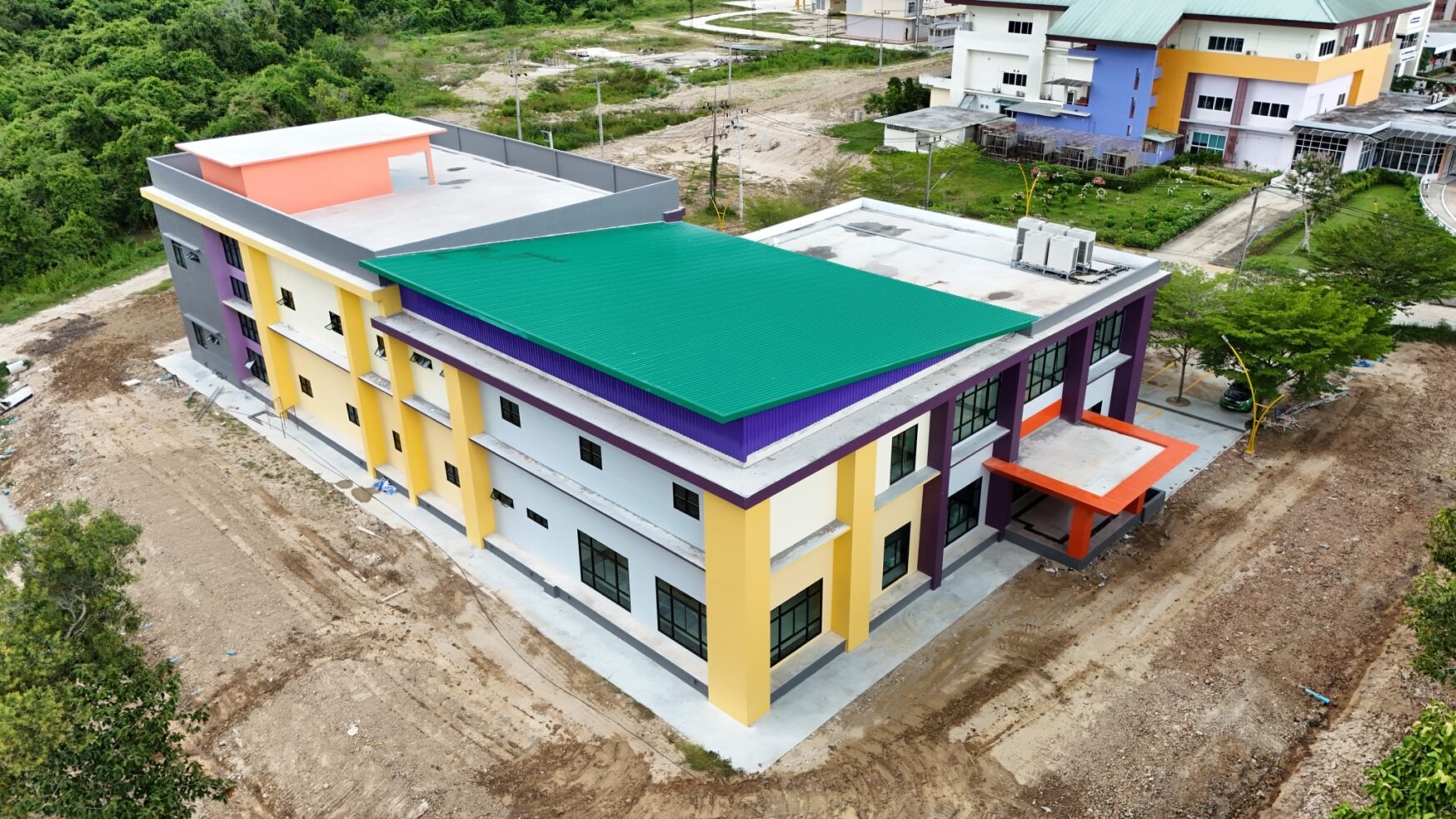
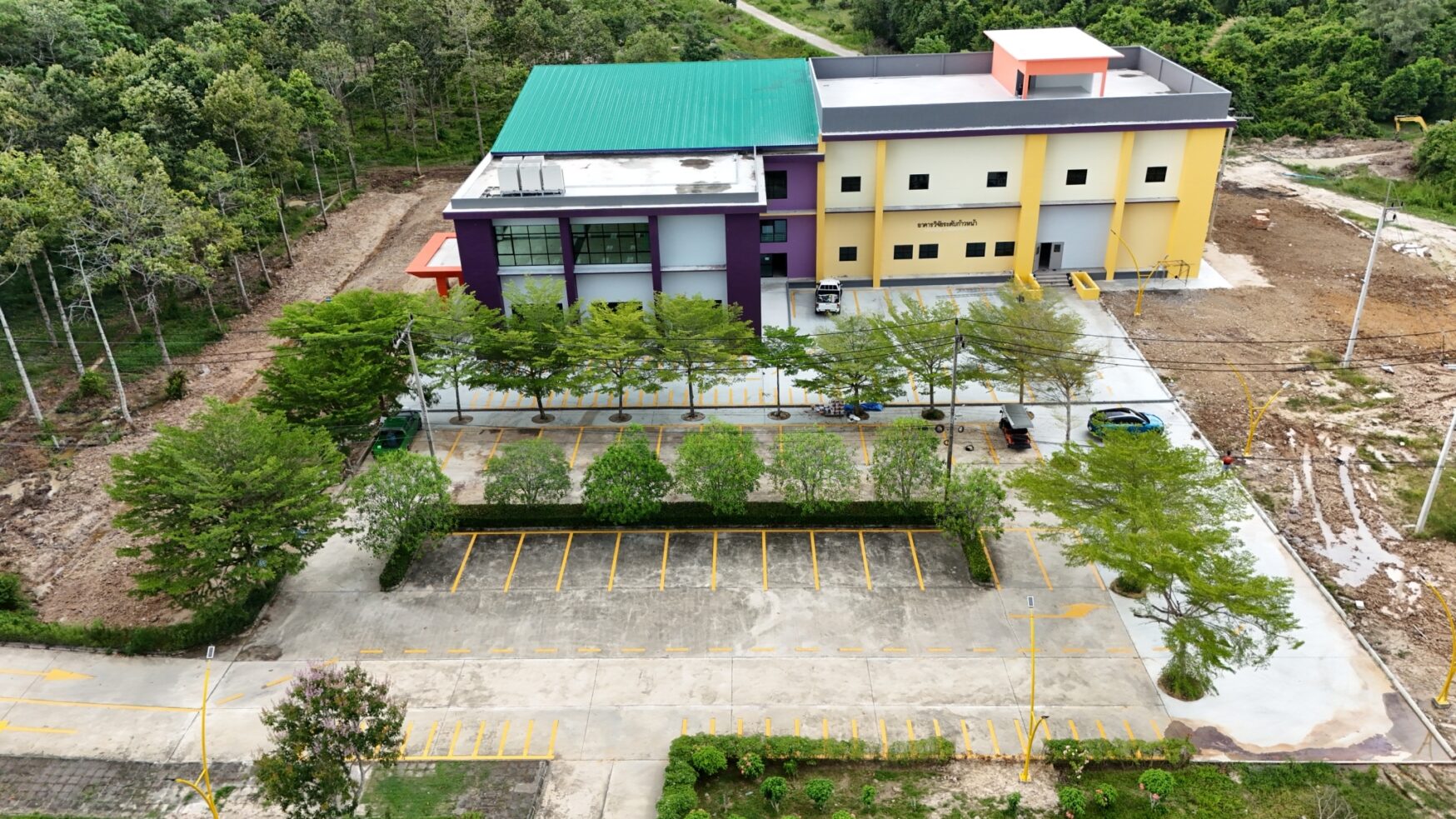
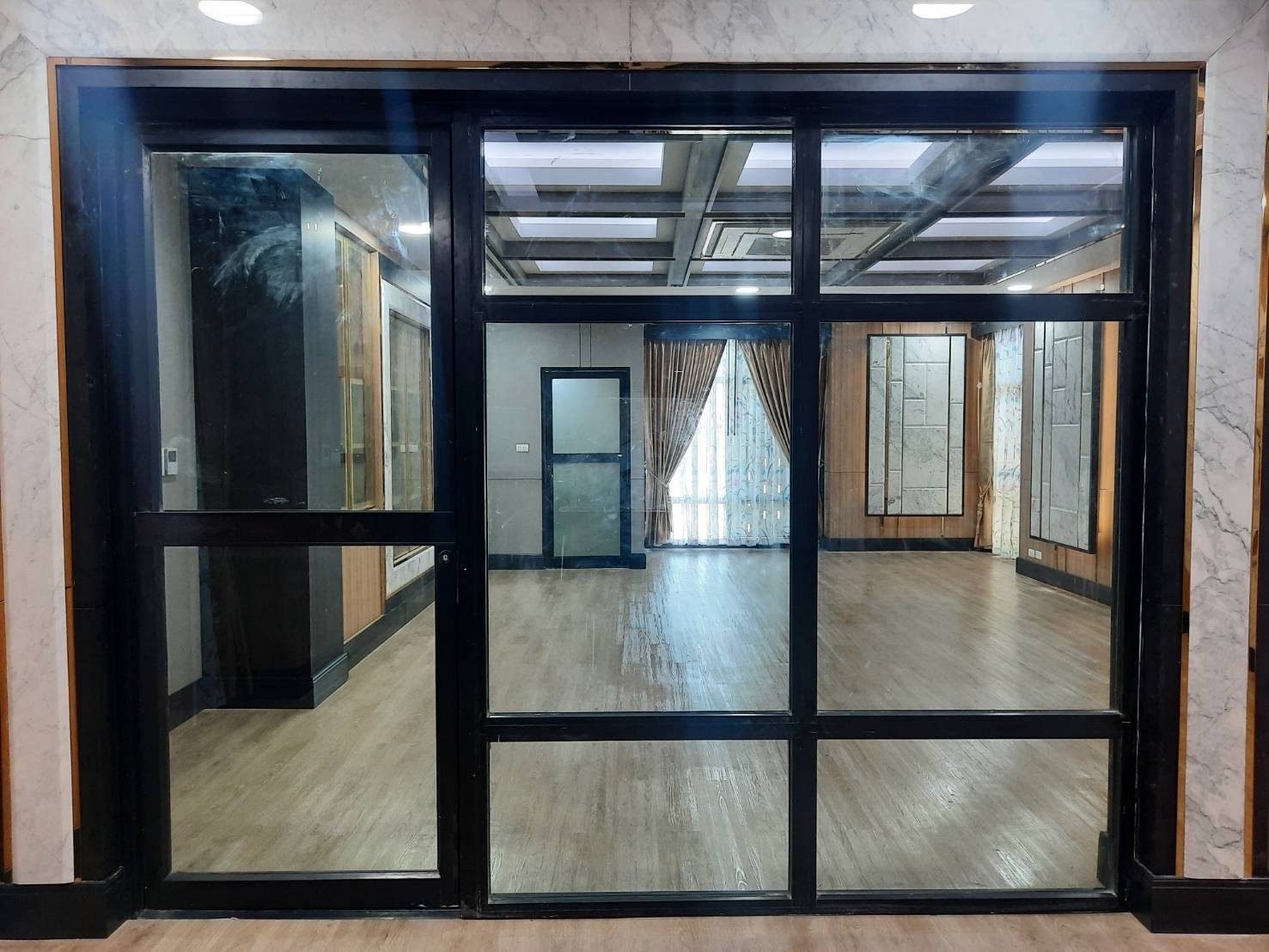
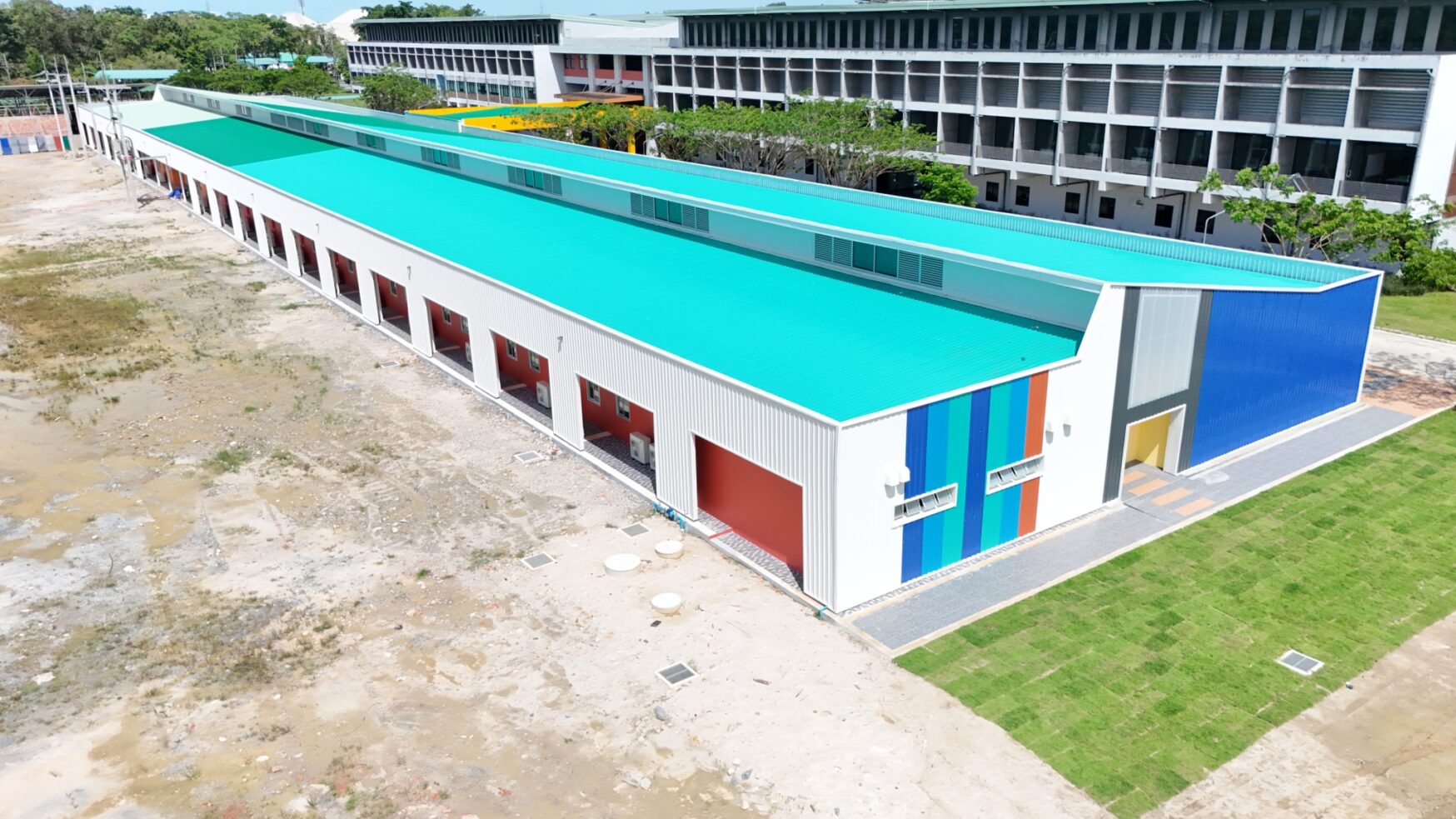
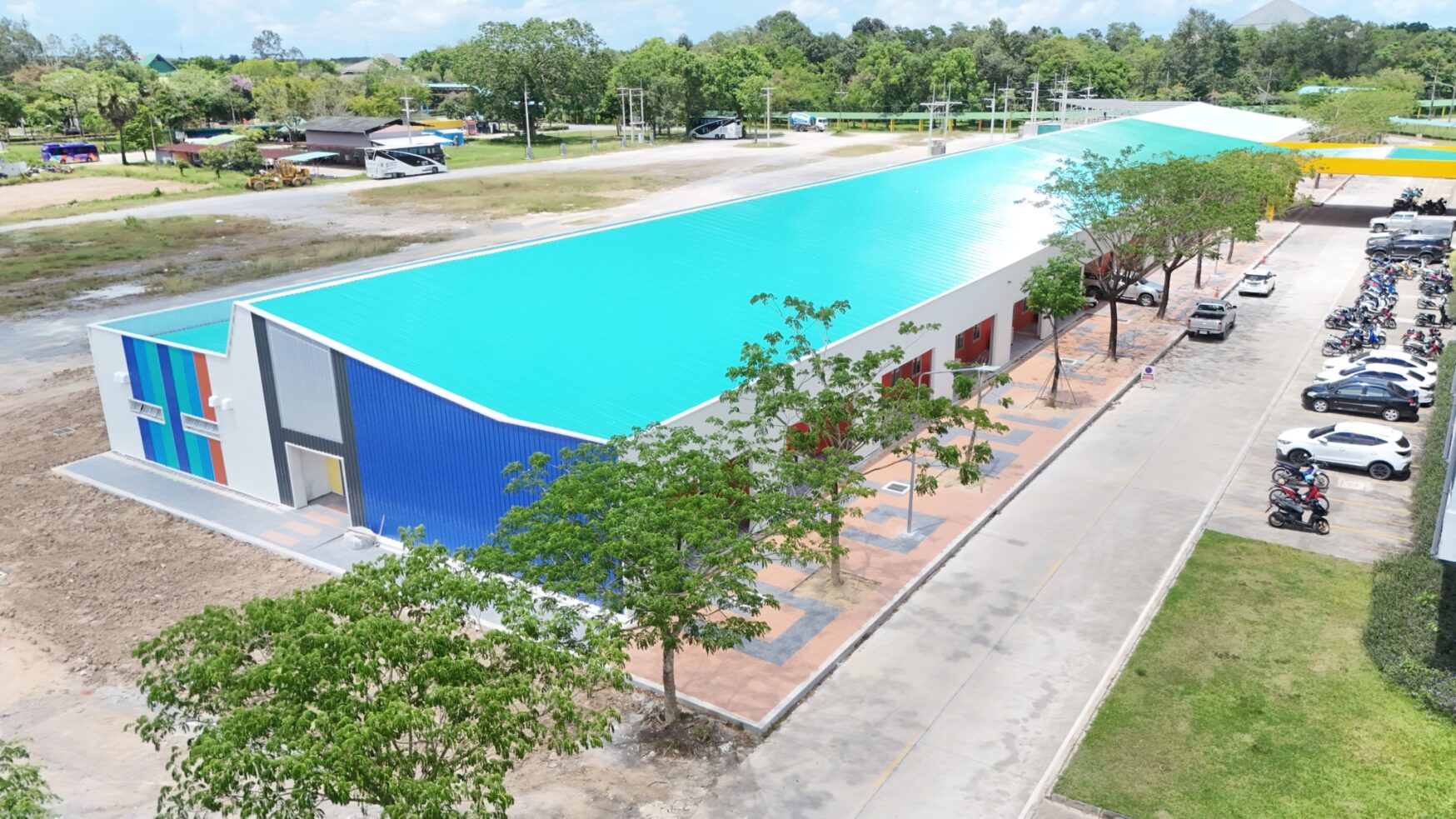
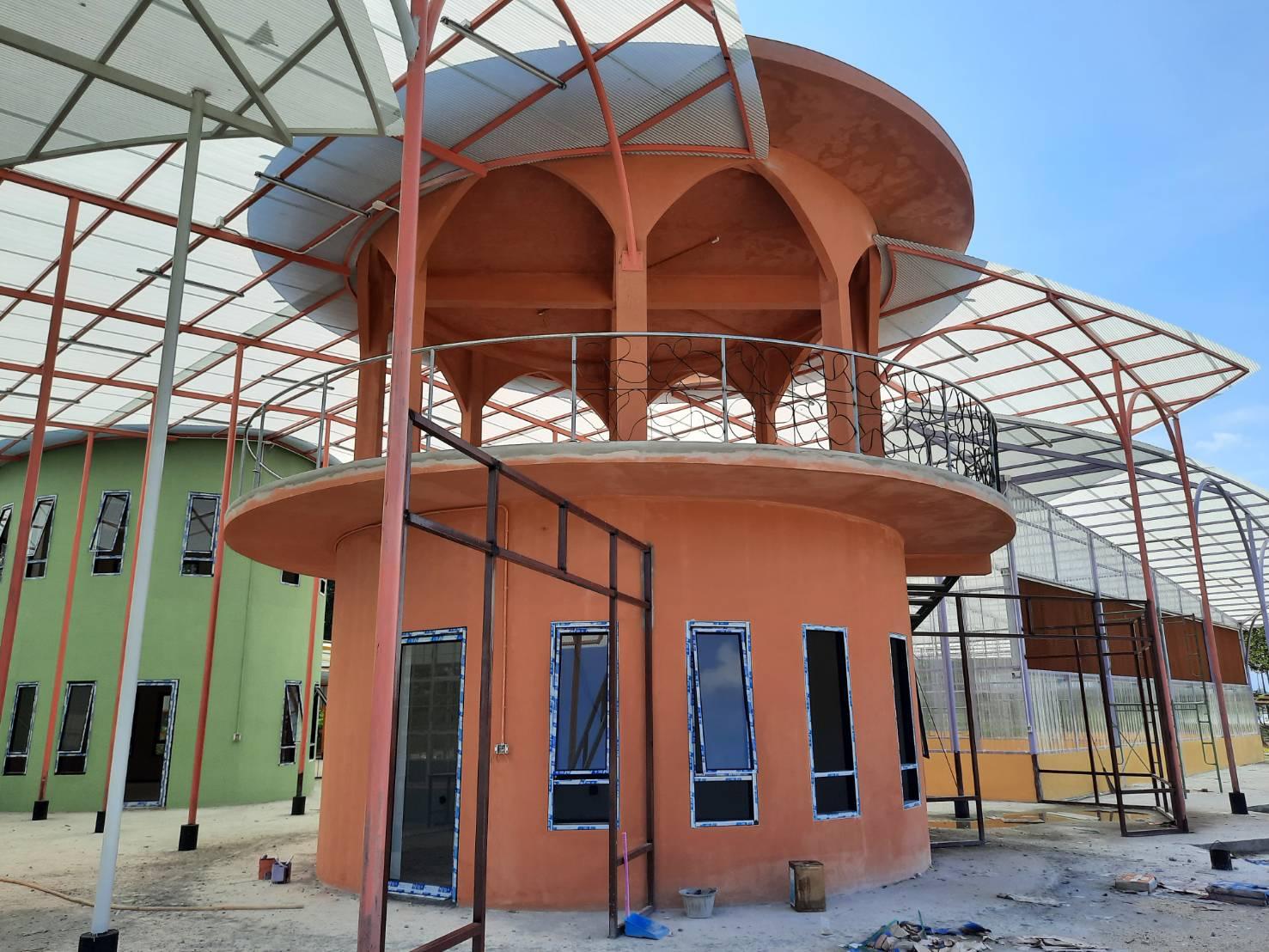
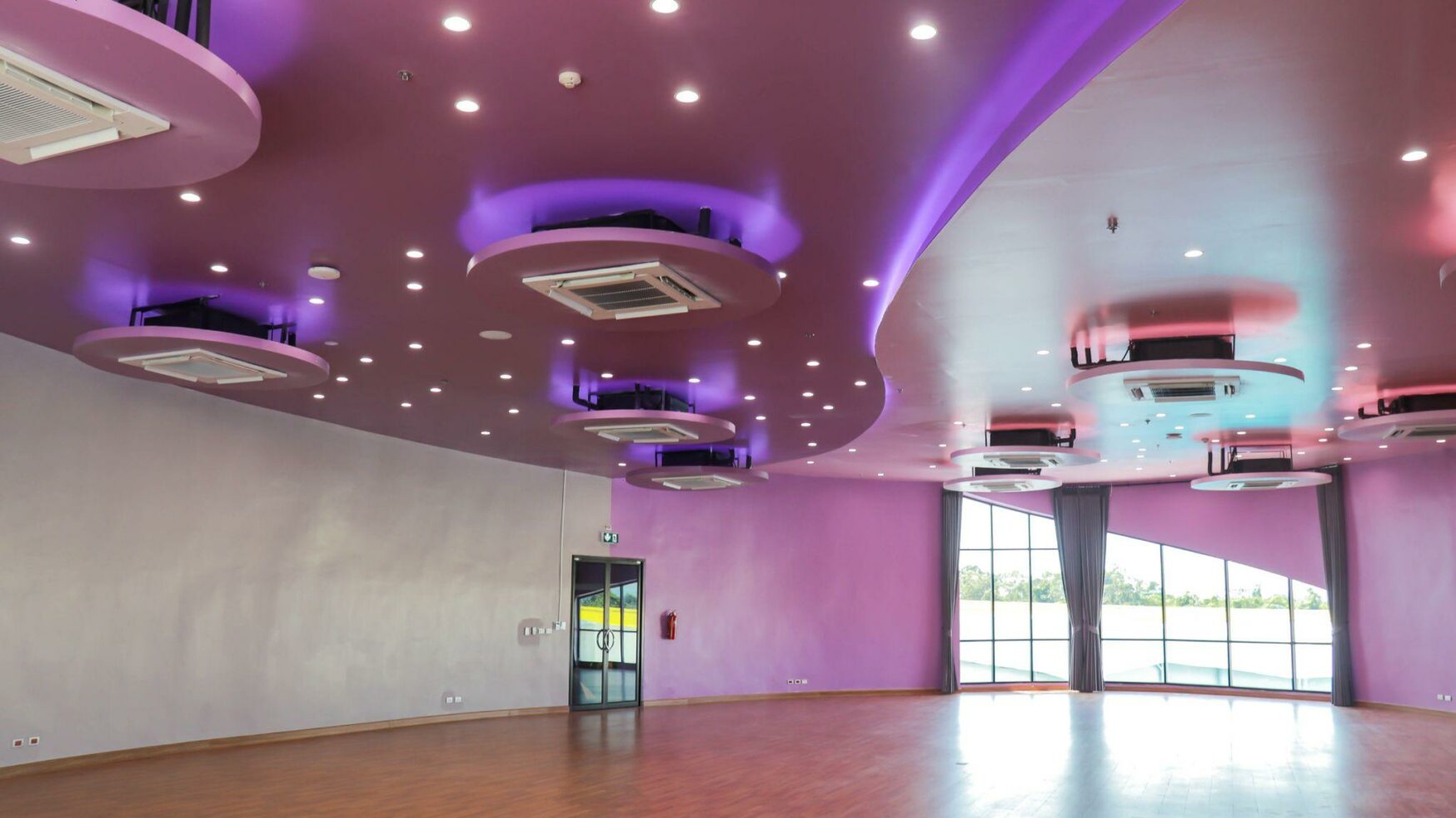
The new sub-buildings of the center were constructed using green materials and designed to meet sustainable building principles. These choices not only reduce environmental impact but also enhance energy efficiency, indoor comfort, and long-term durability. Key sustainable elements include hydraulic cement, metal sheet roofs, natural daylight utilization, and LED lighting systems.
Hydraulic Cement
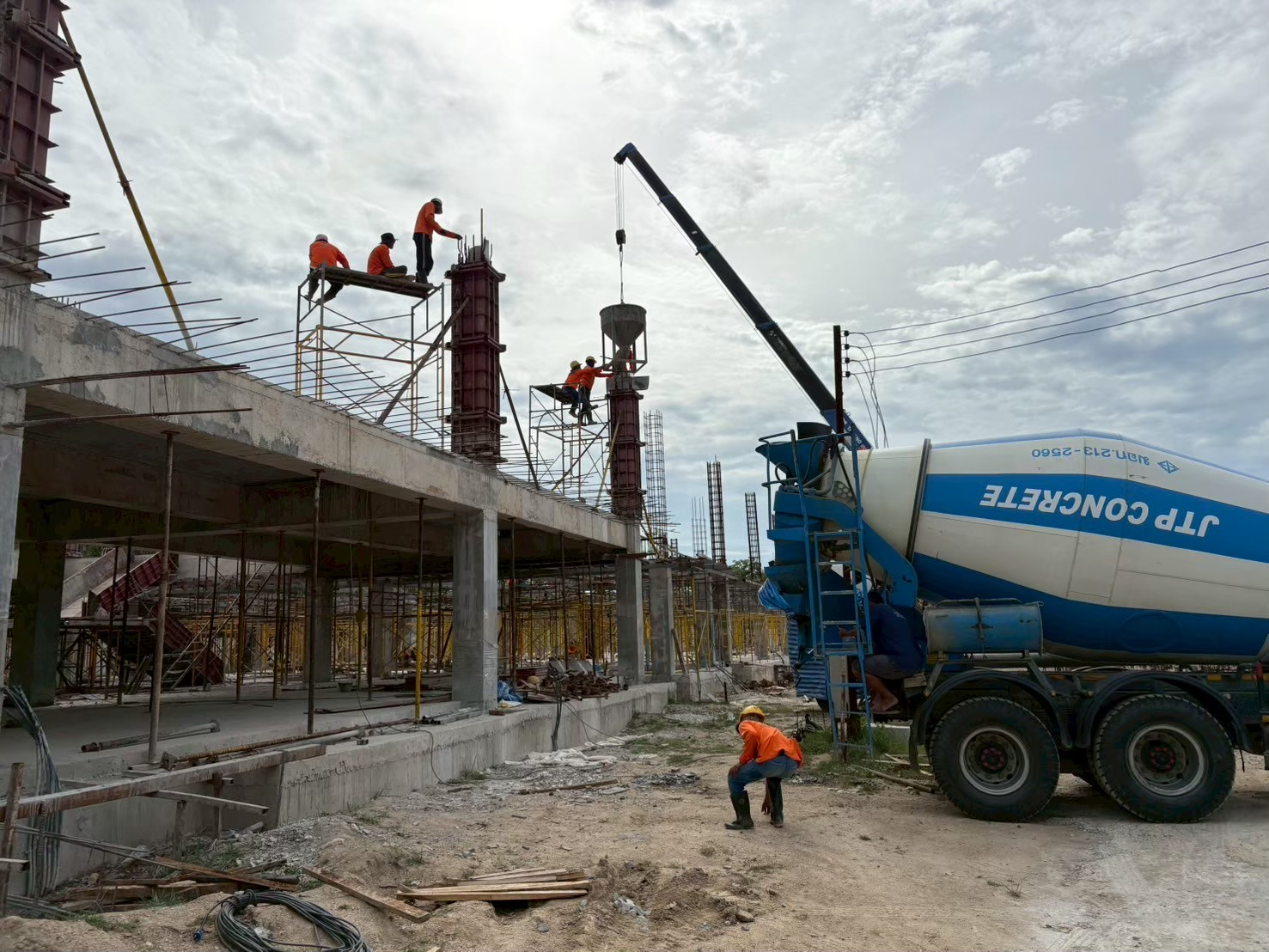
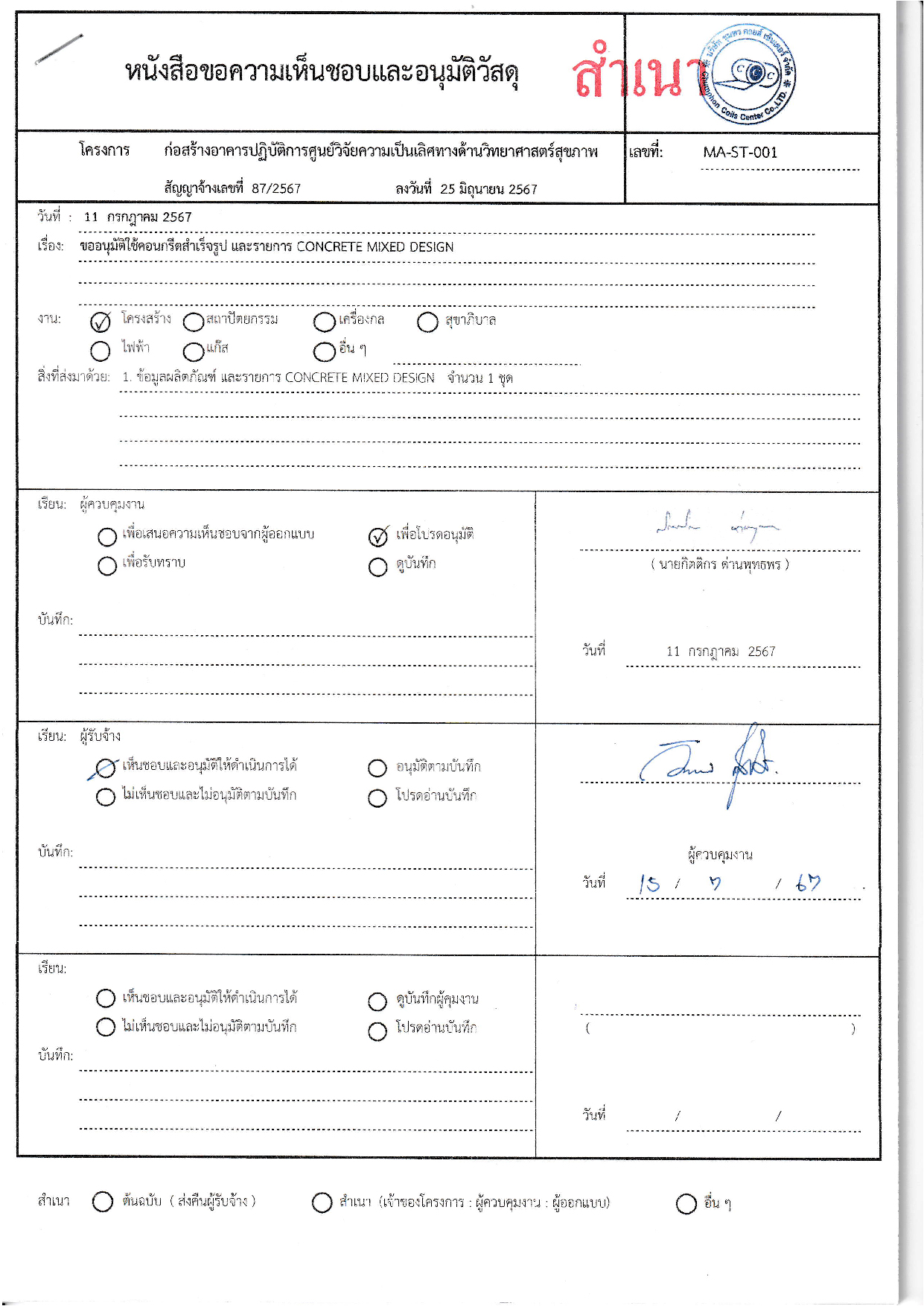
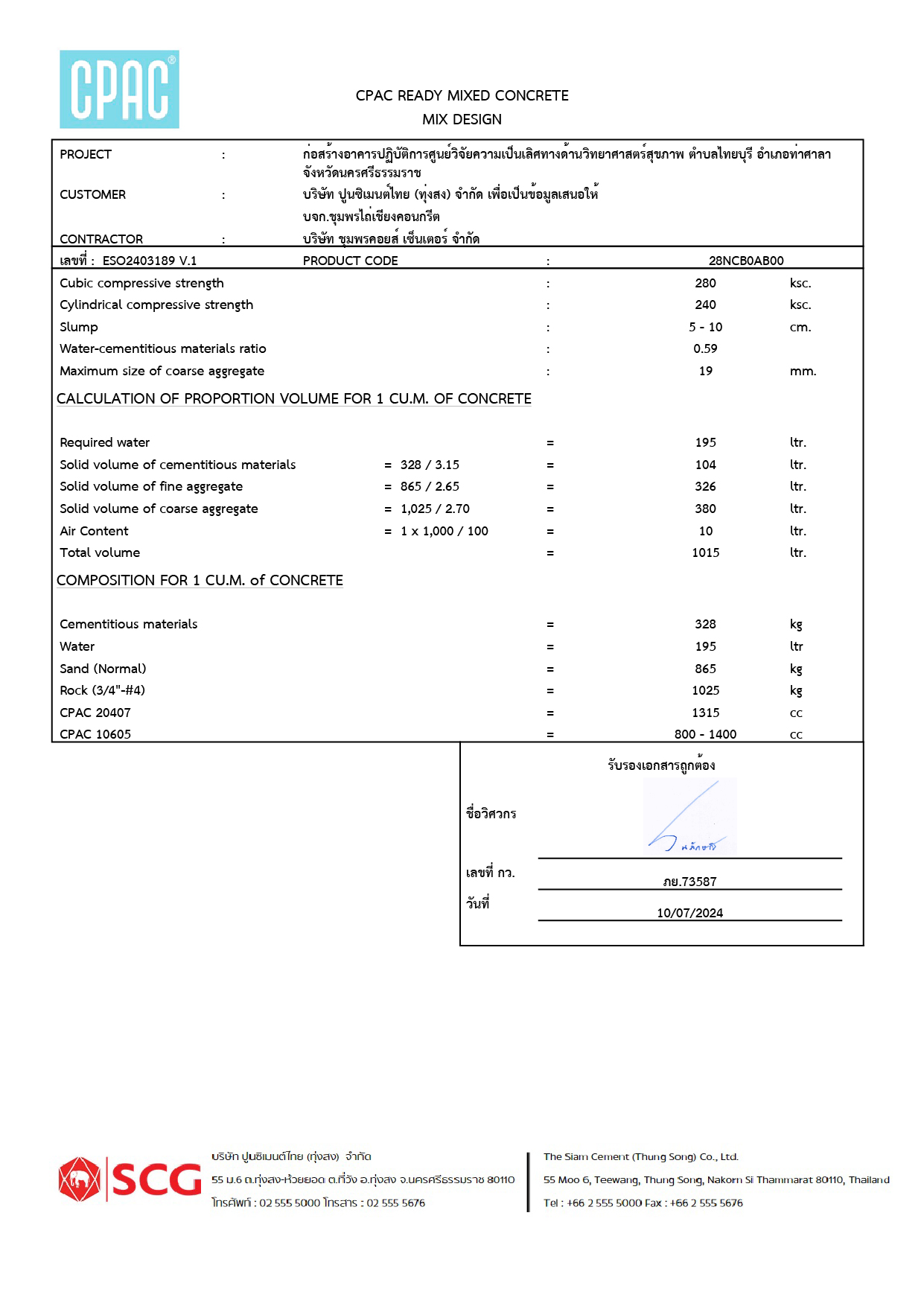
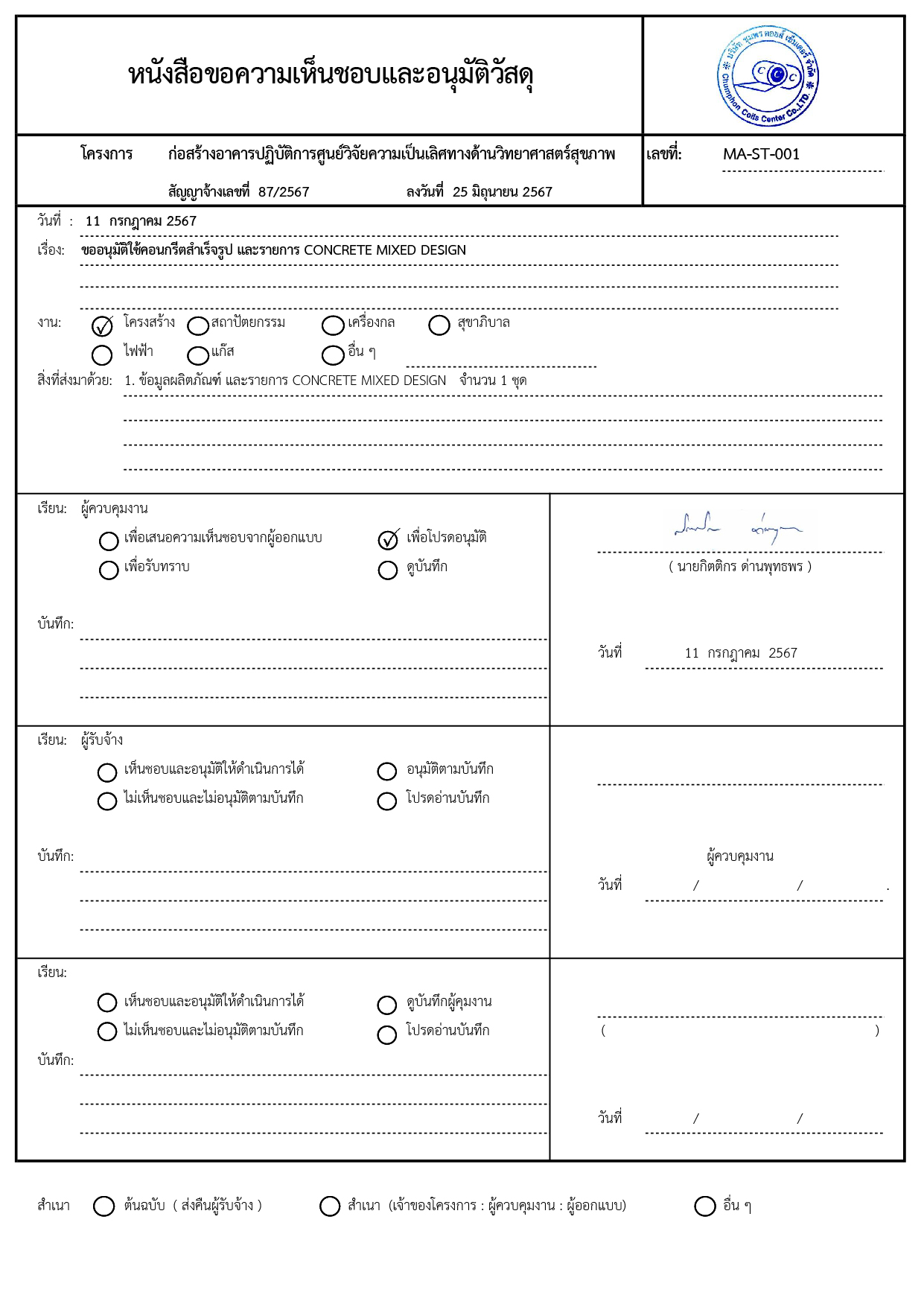
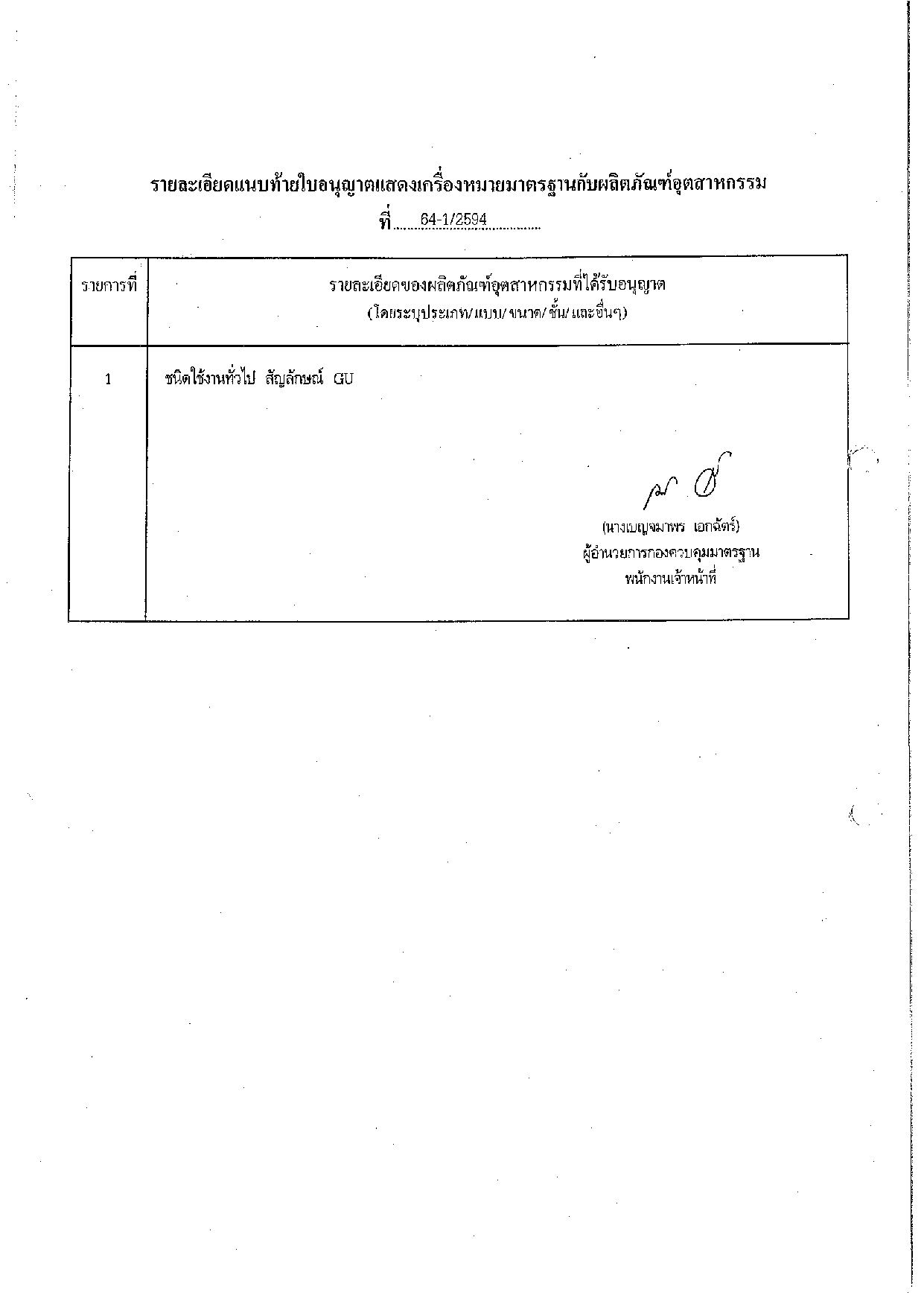
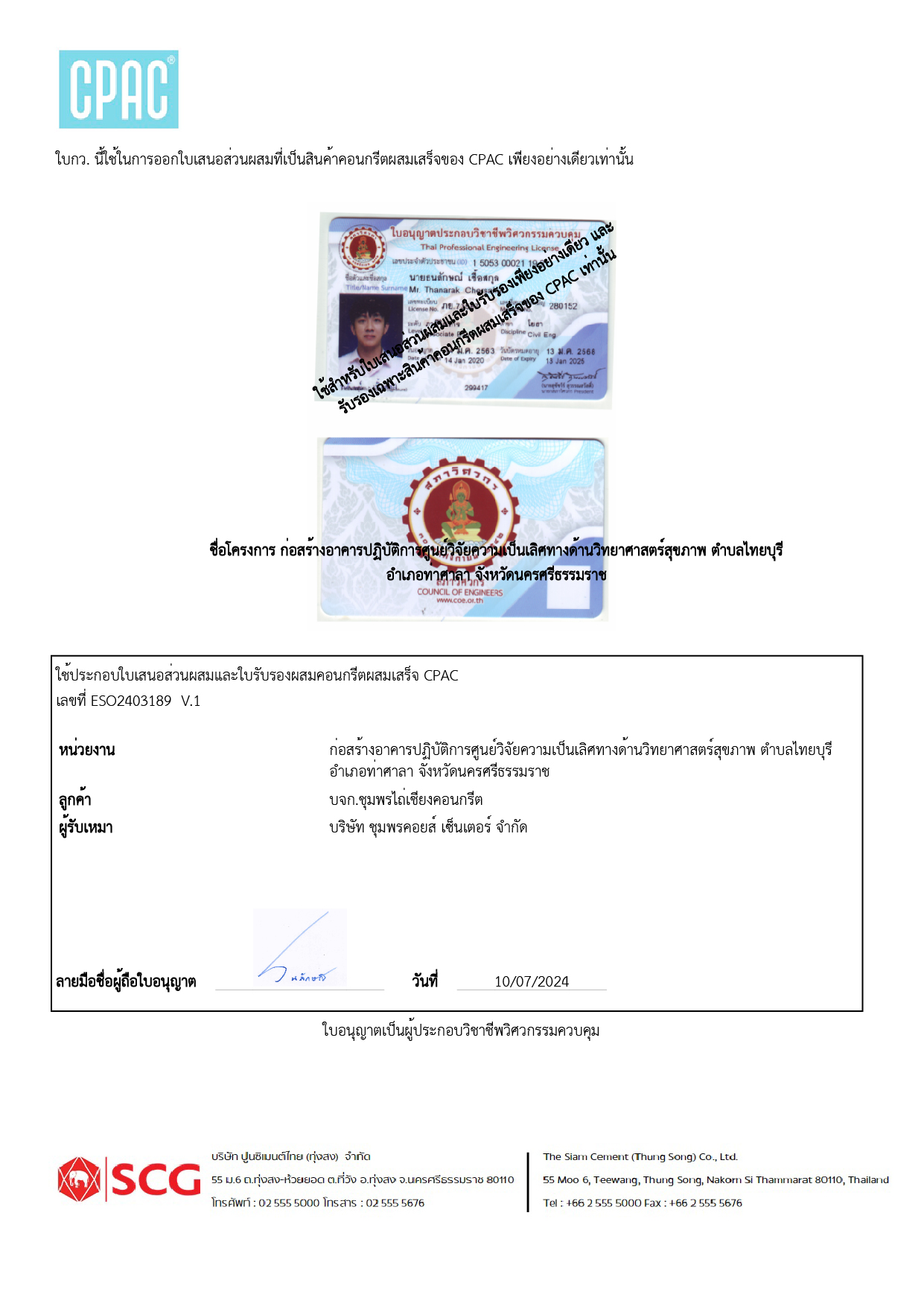
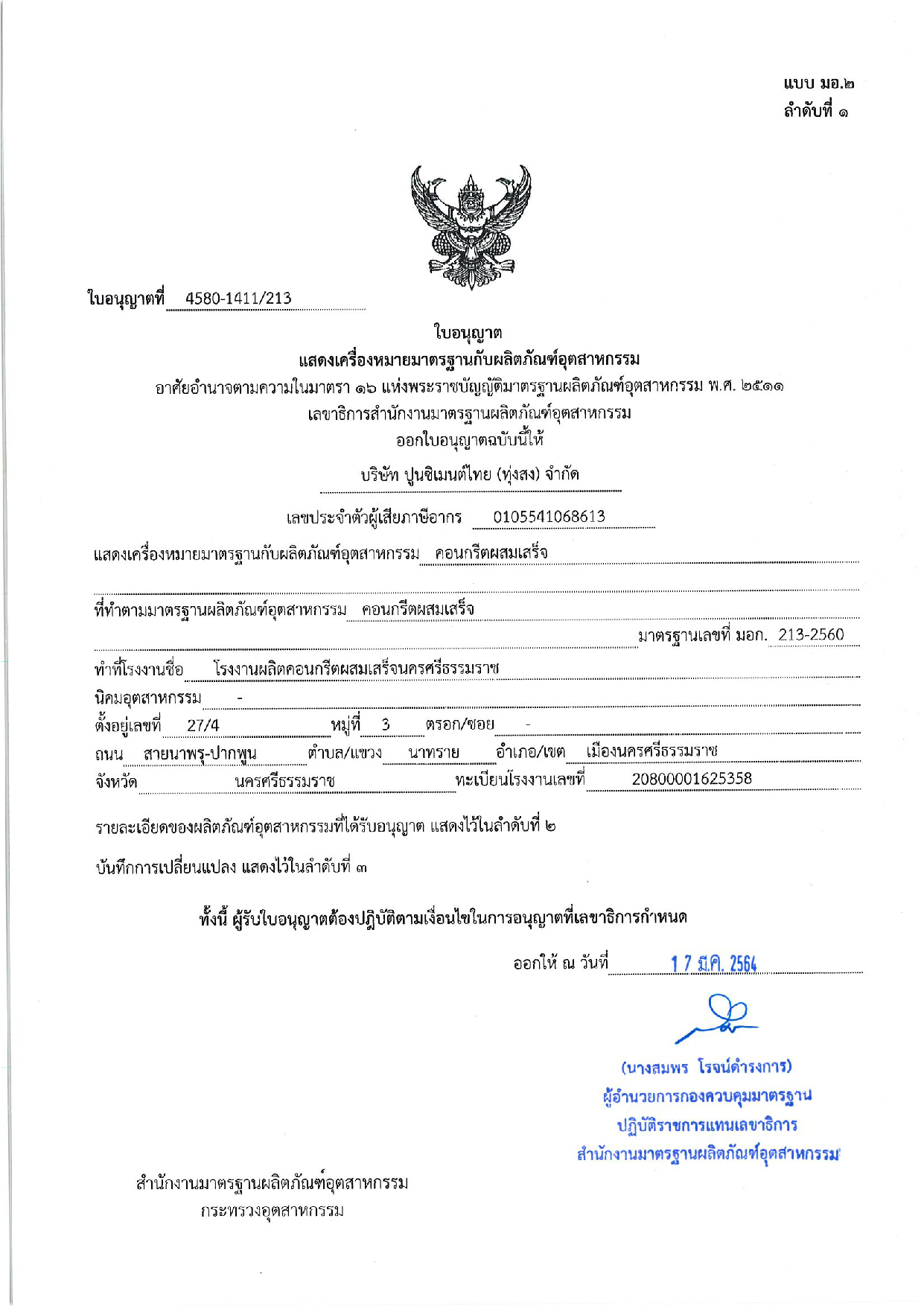
Hydraulic cement was selected for both renovation and new construction due to its lower environmental footprint compared to conventional Portland cement. Its production requires less energy, and its enhanced durability extends the building’s lifespan. By reducing the frequency of repairs and replacements, hydraulic cement helps minimize material consumption and associated carbon emissions, supporting the university’s commitment to sustainable construction.
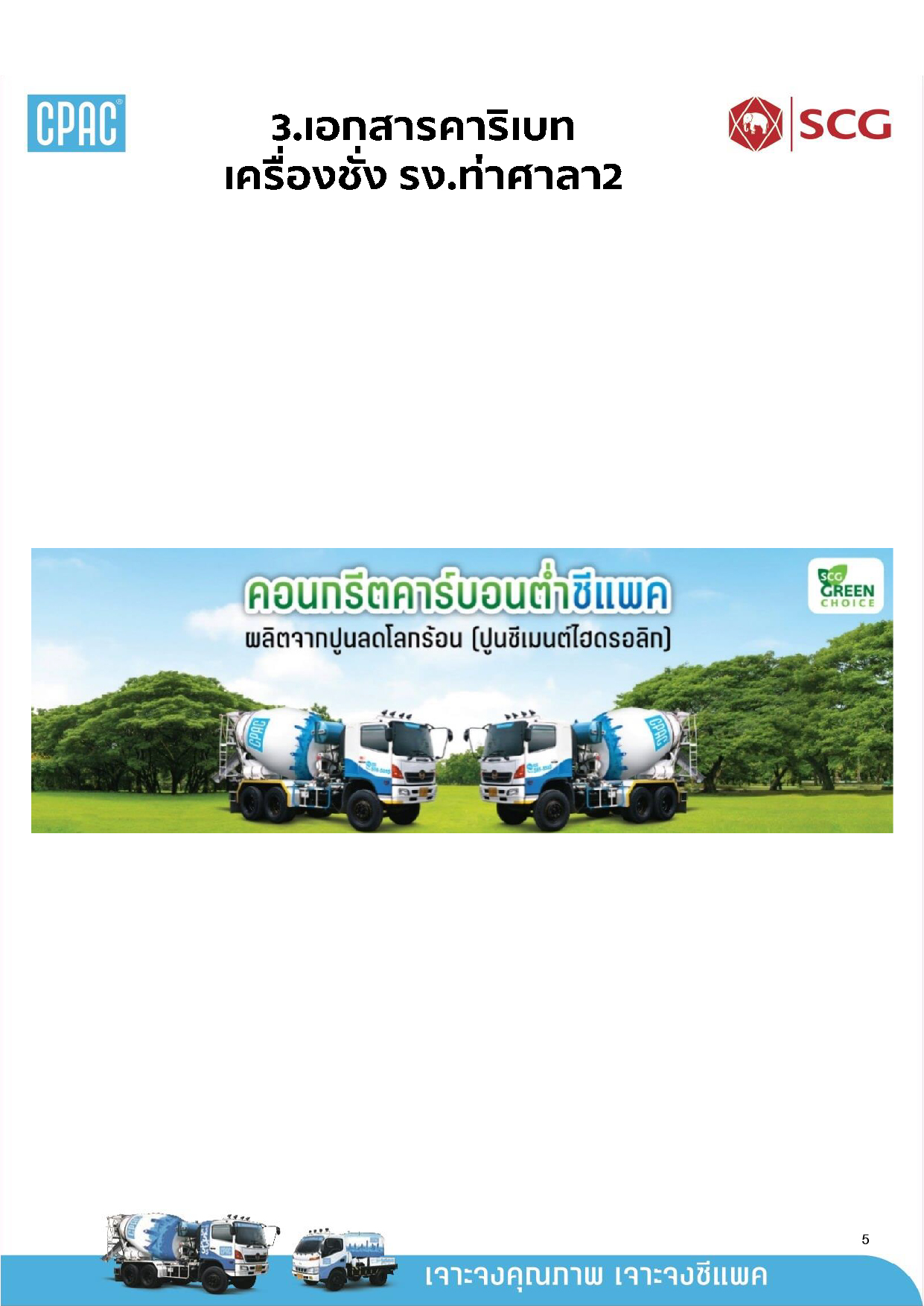
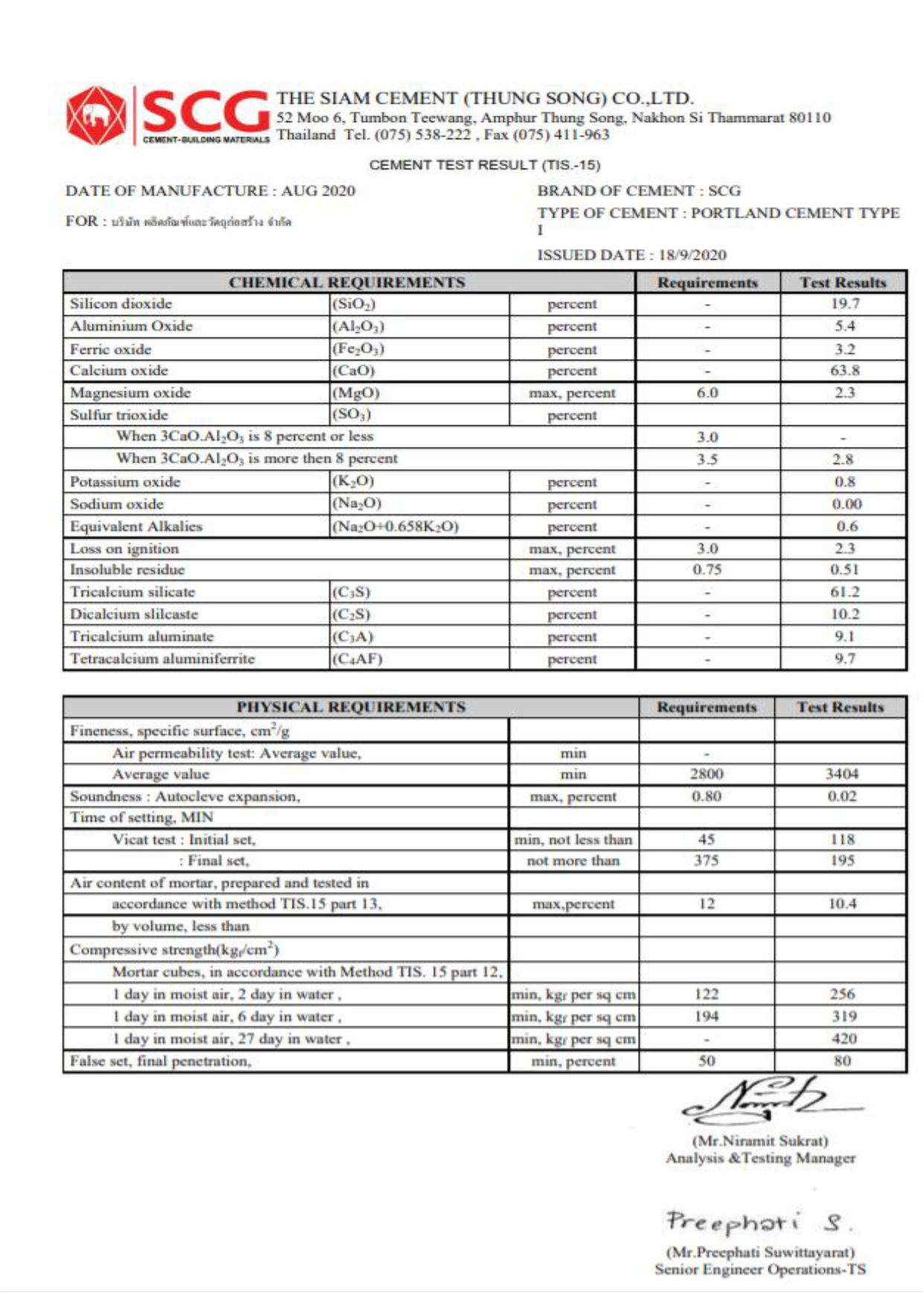
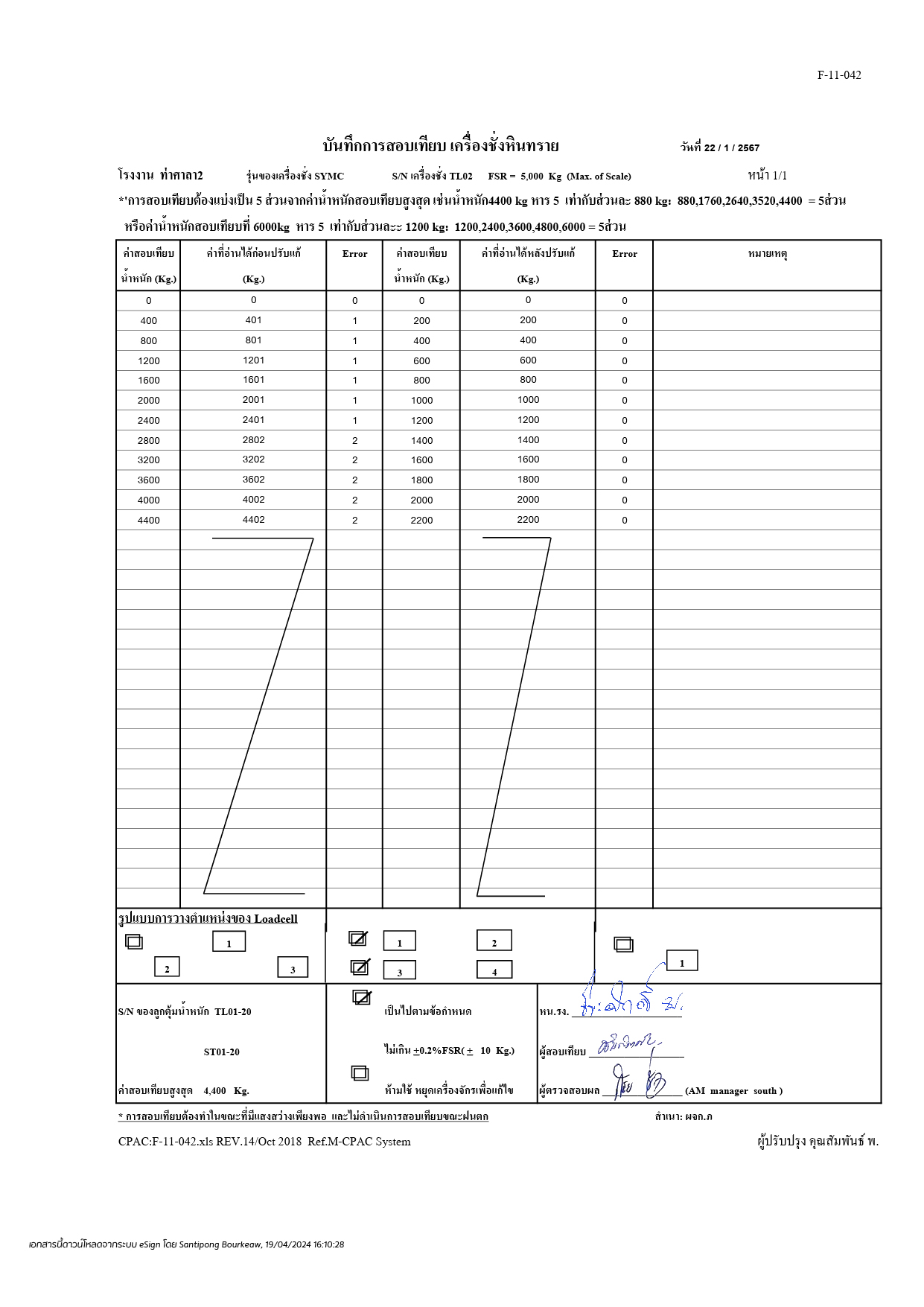
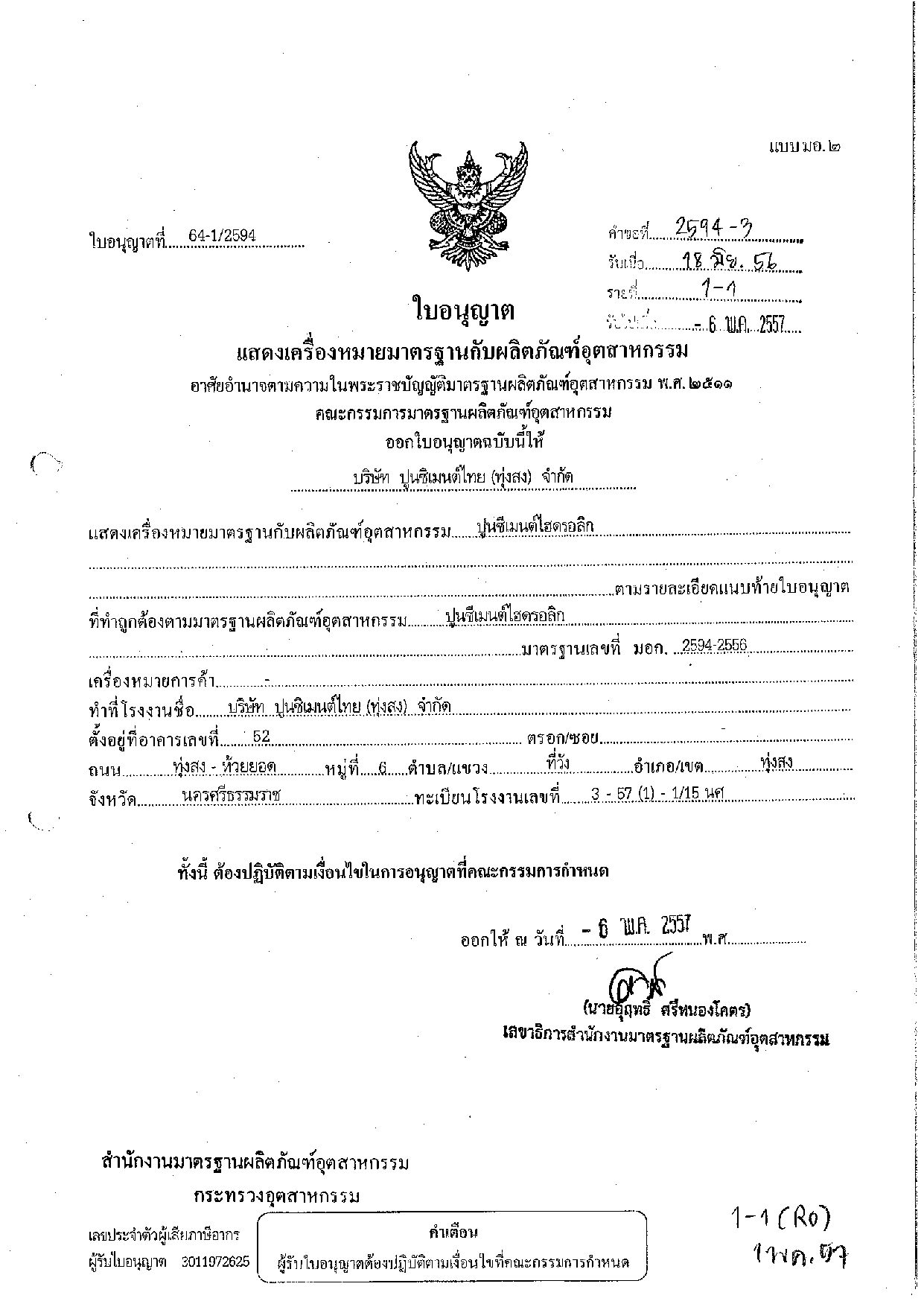
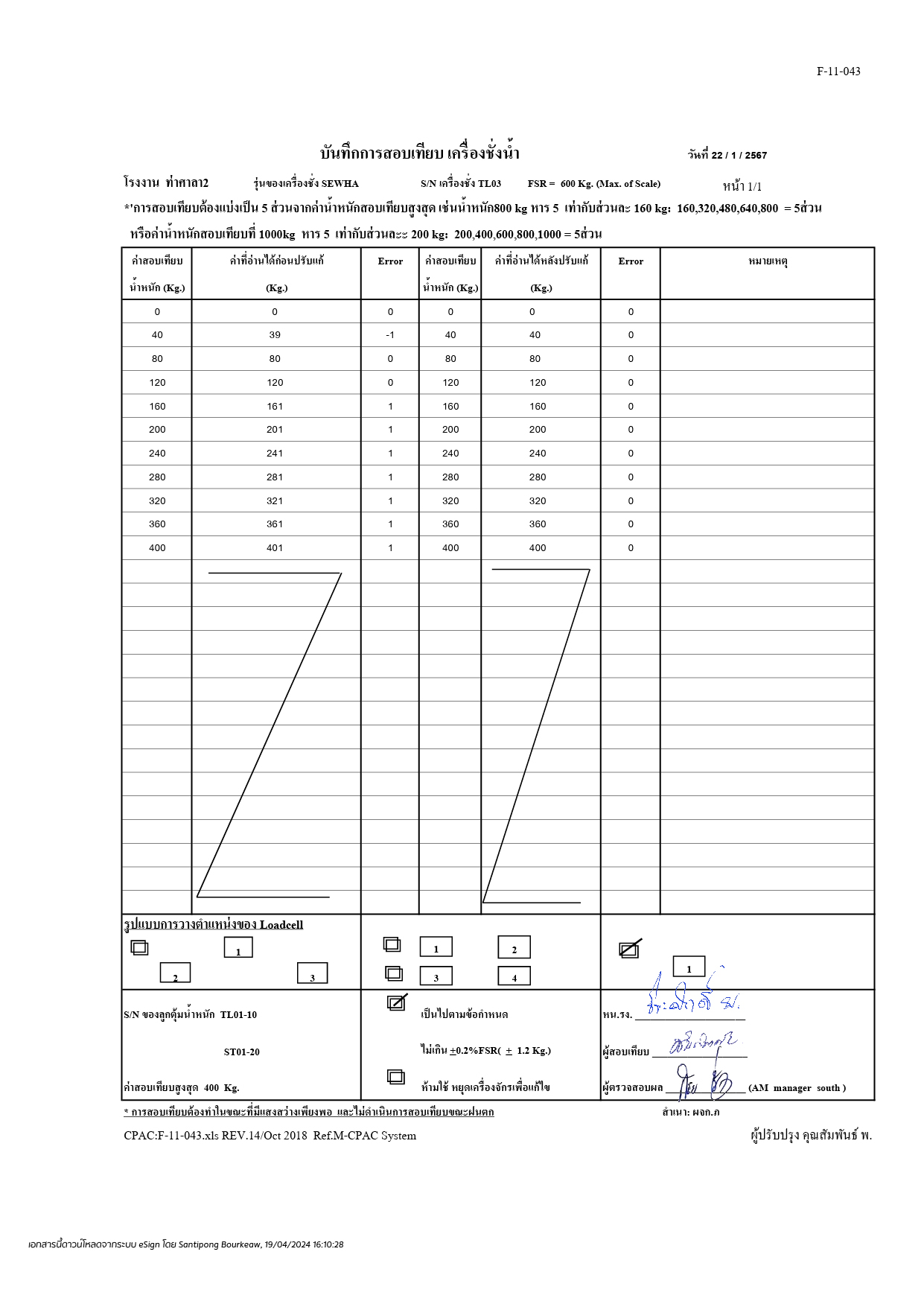
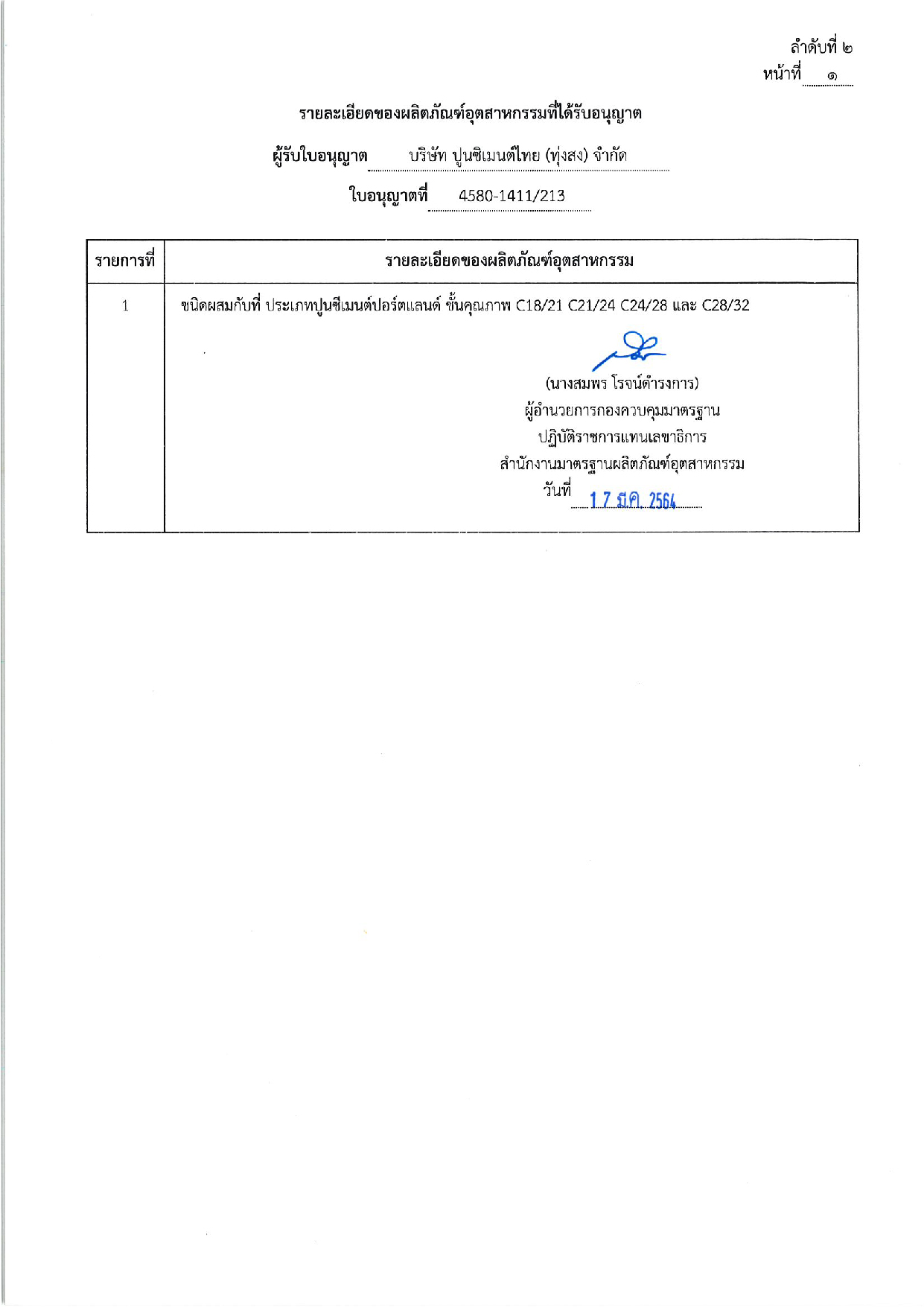
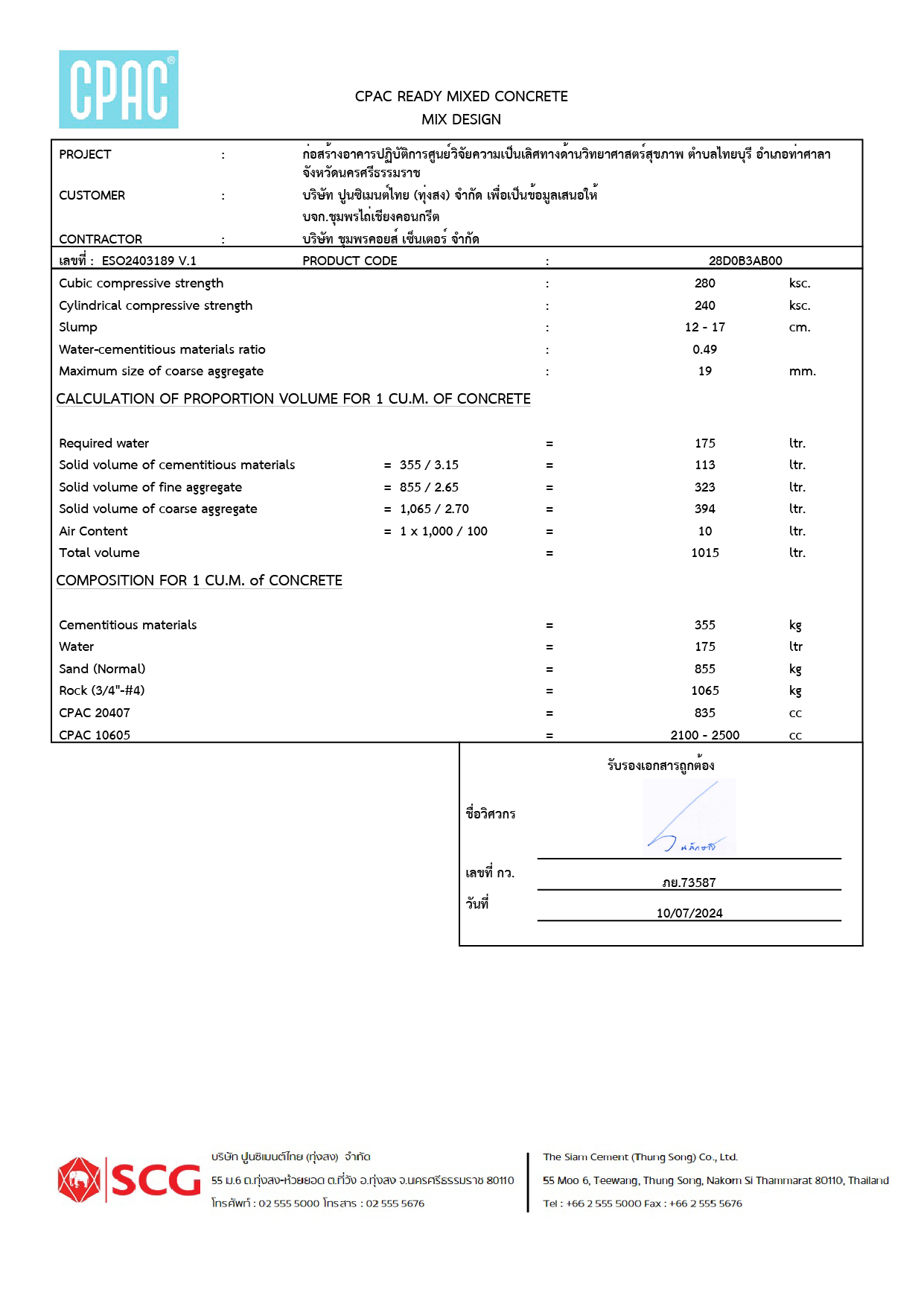
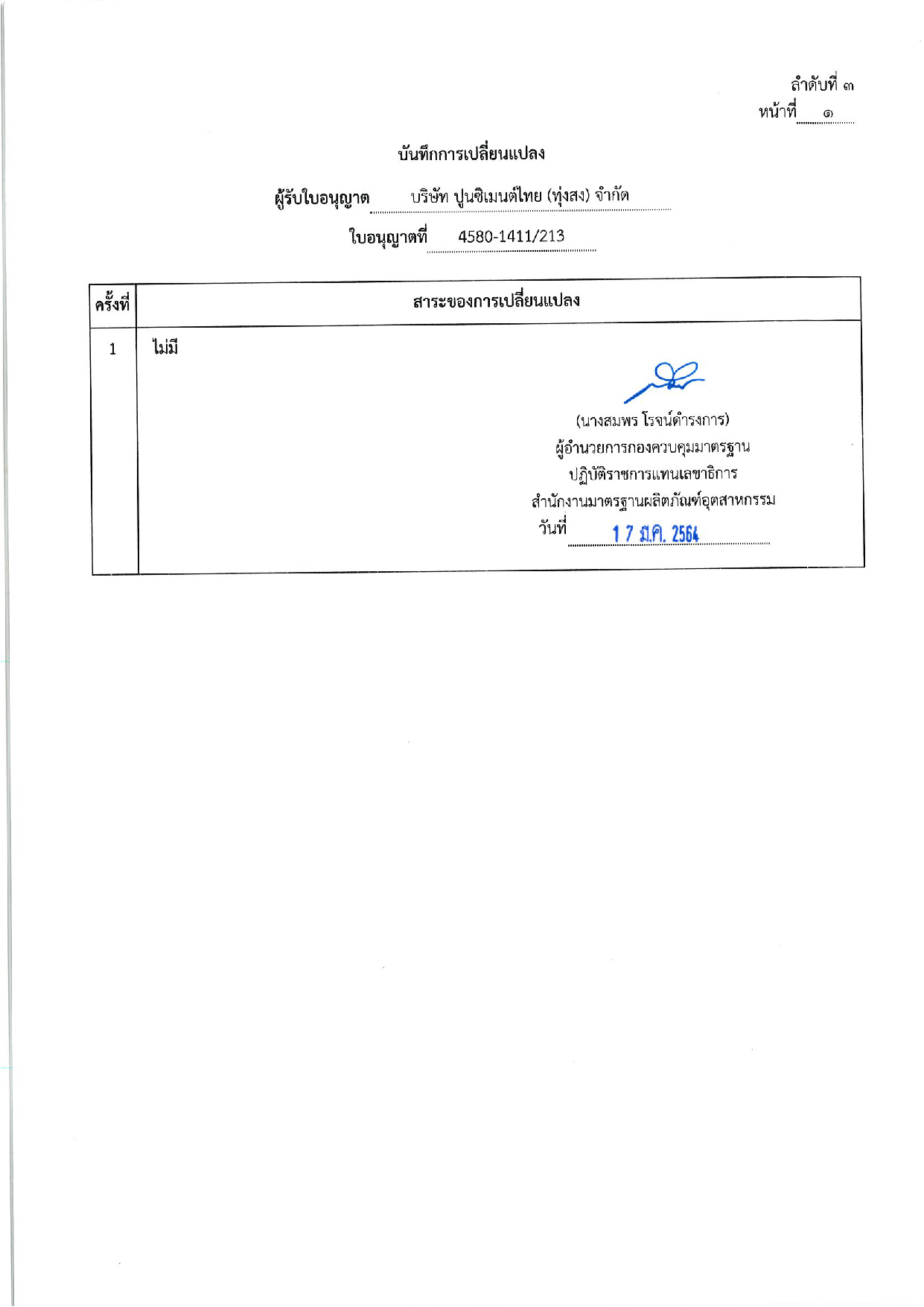
Figures : The official Walailak University document outlining the use of hydraulic cement in the construction of a new building
Metal Sheet Roofs
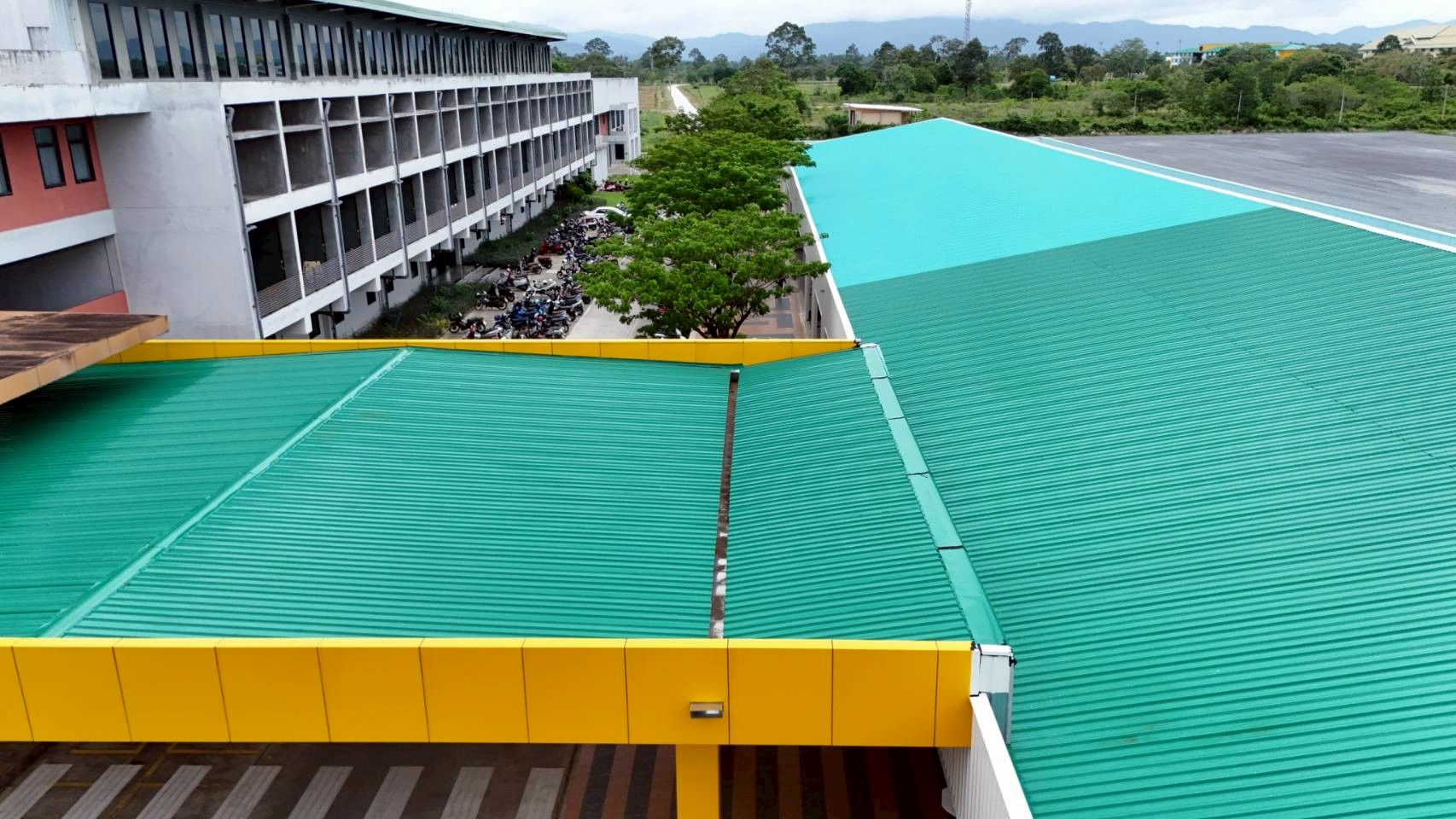
The center features metal sheet roofs with heat-reflective coatings and insulation installed beneath. These roofs reduce solar heat gain, lowering energy demand for air conditioning and decreasing greenhouse gas emissions. The combination of reflective surfaces and insulation enhances the overall energy performance of the building while maintaining a comfortable indoor environment.
Utilization of Natural Daylight
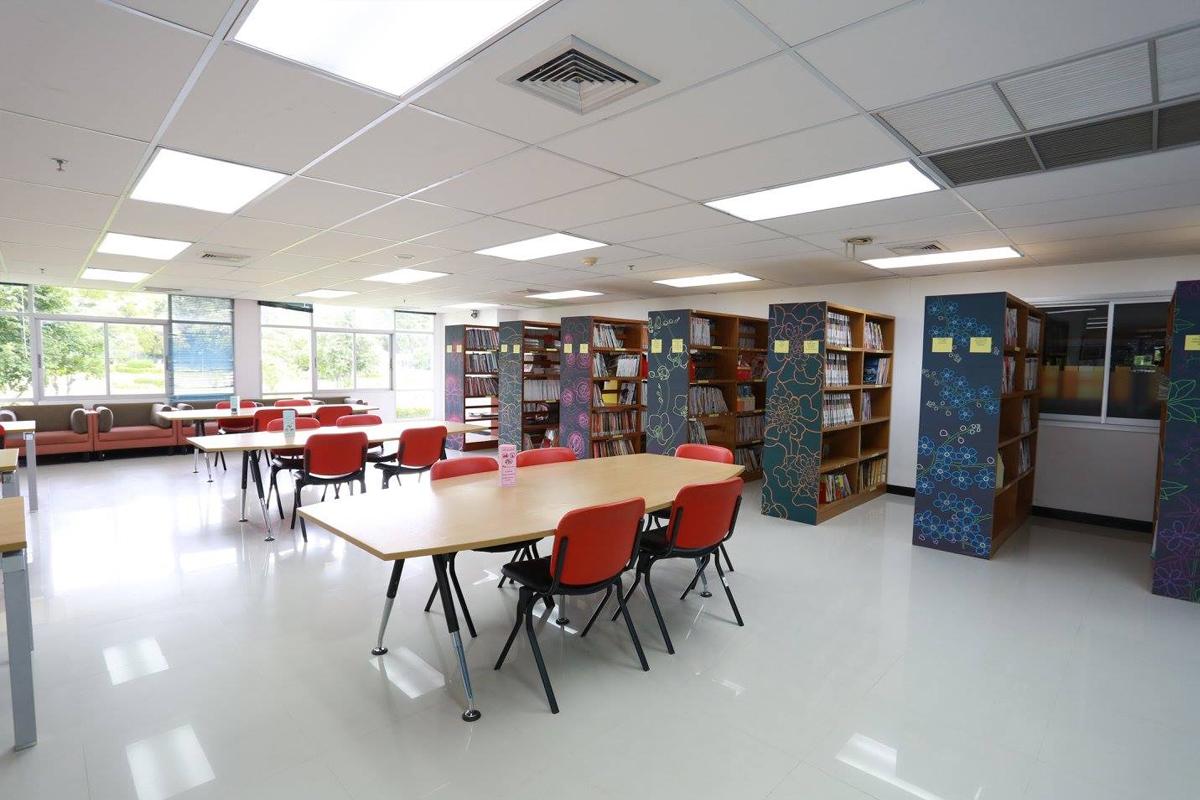
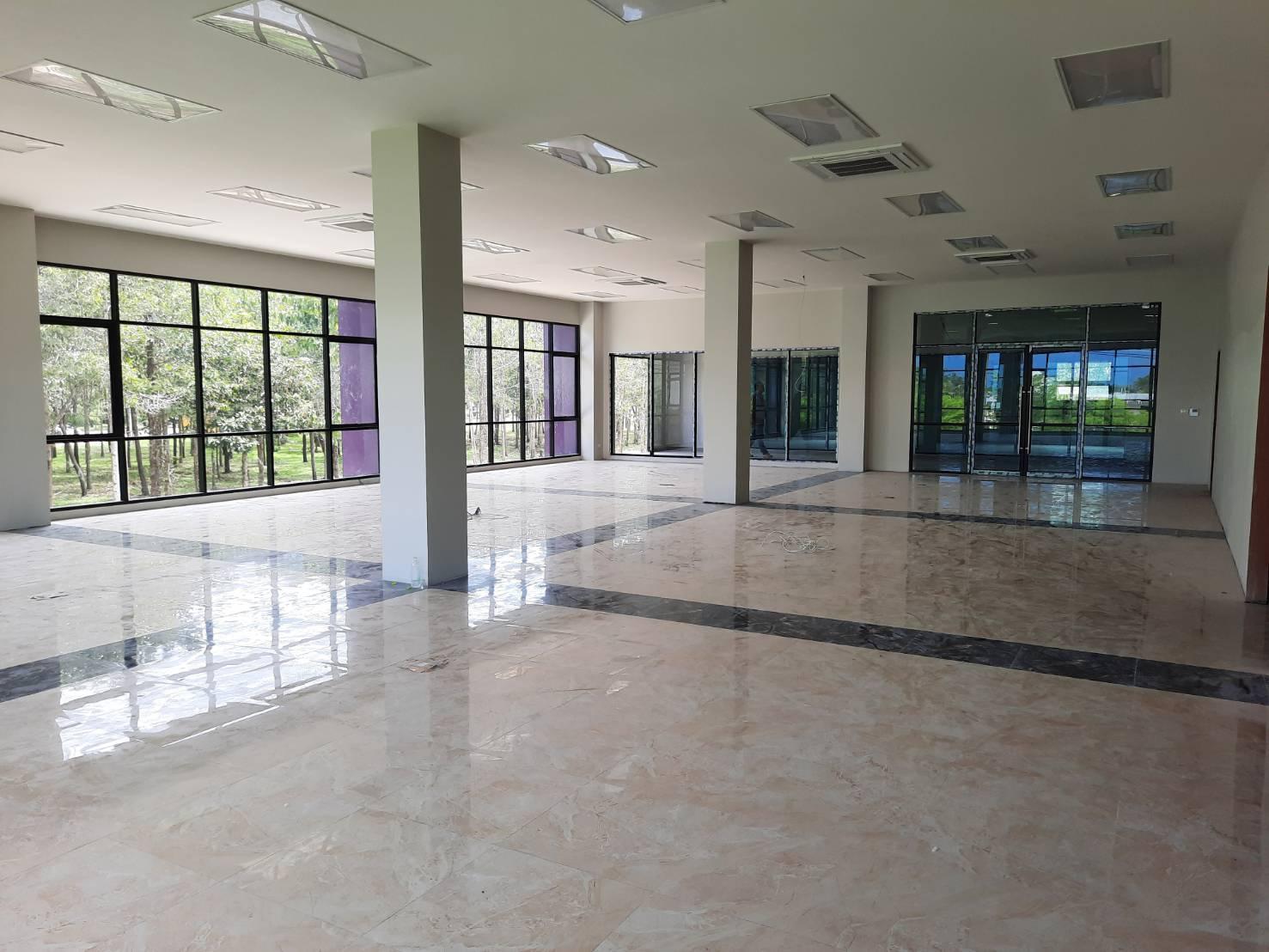
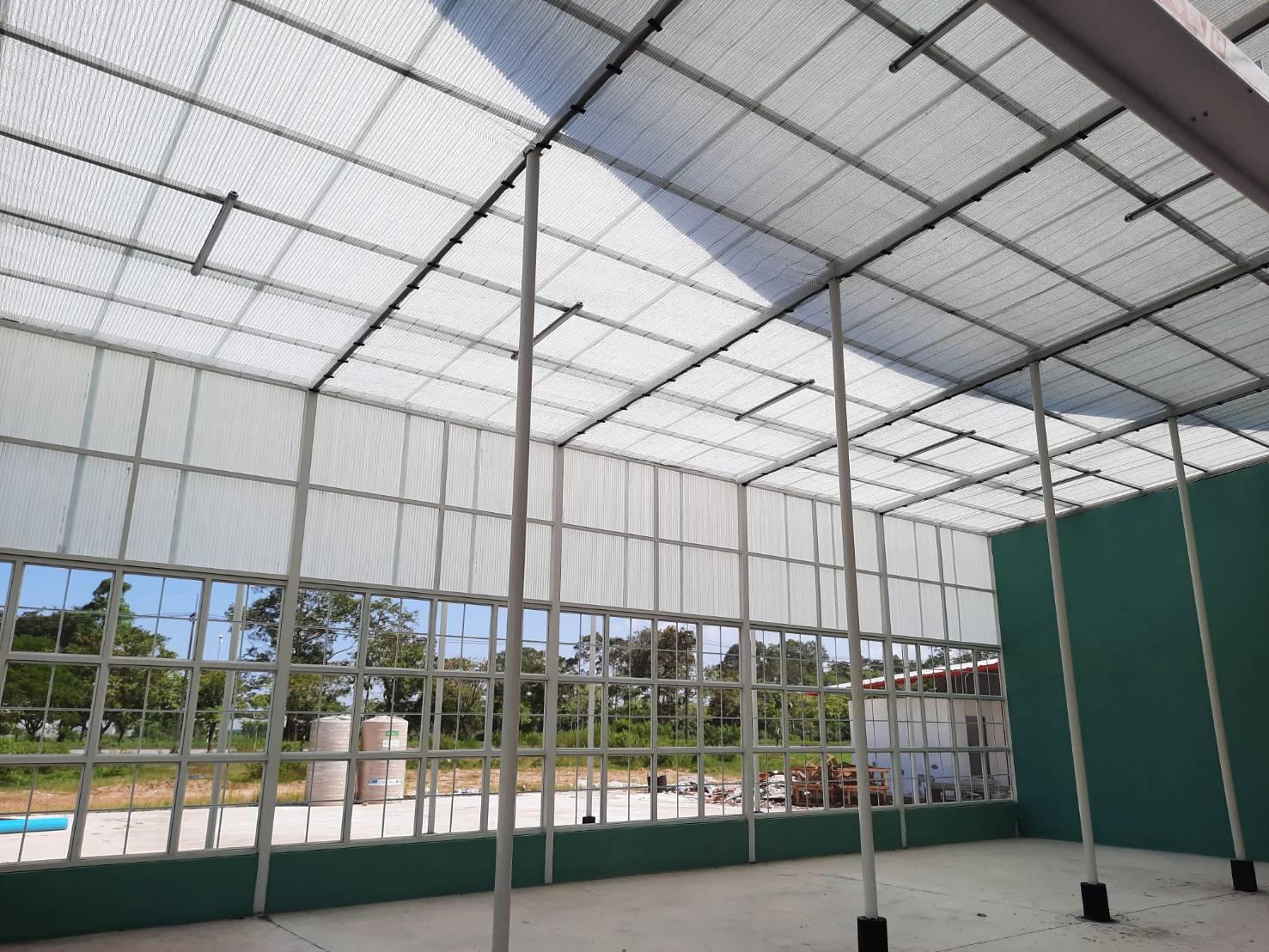
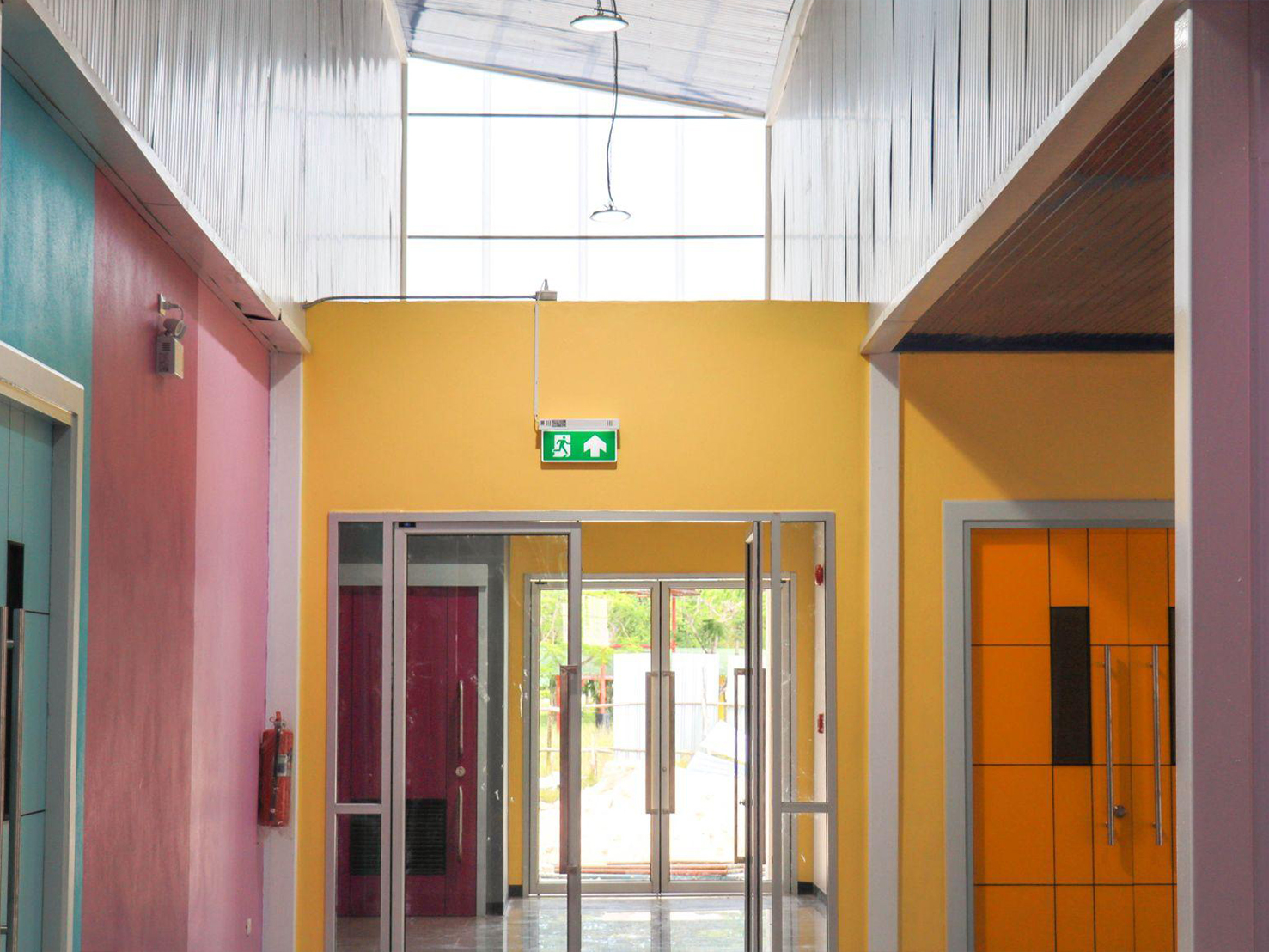
Clear fiberglass roof panels were incorporated into specific areas to maximize the use of natural daylight, reducing reliance on electric lighting during daytime hours. This strategy significantly lowers electricity consumption, cuts carbon emissions, and reduces energy costs. Additionally, exposure to natural light improves indoor environmental quality, enhancing occupant comfort, productivity, and well-being—an essential aspect of sustainable building design.
LED Lamps
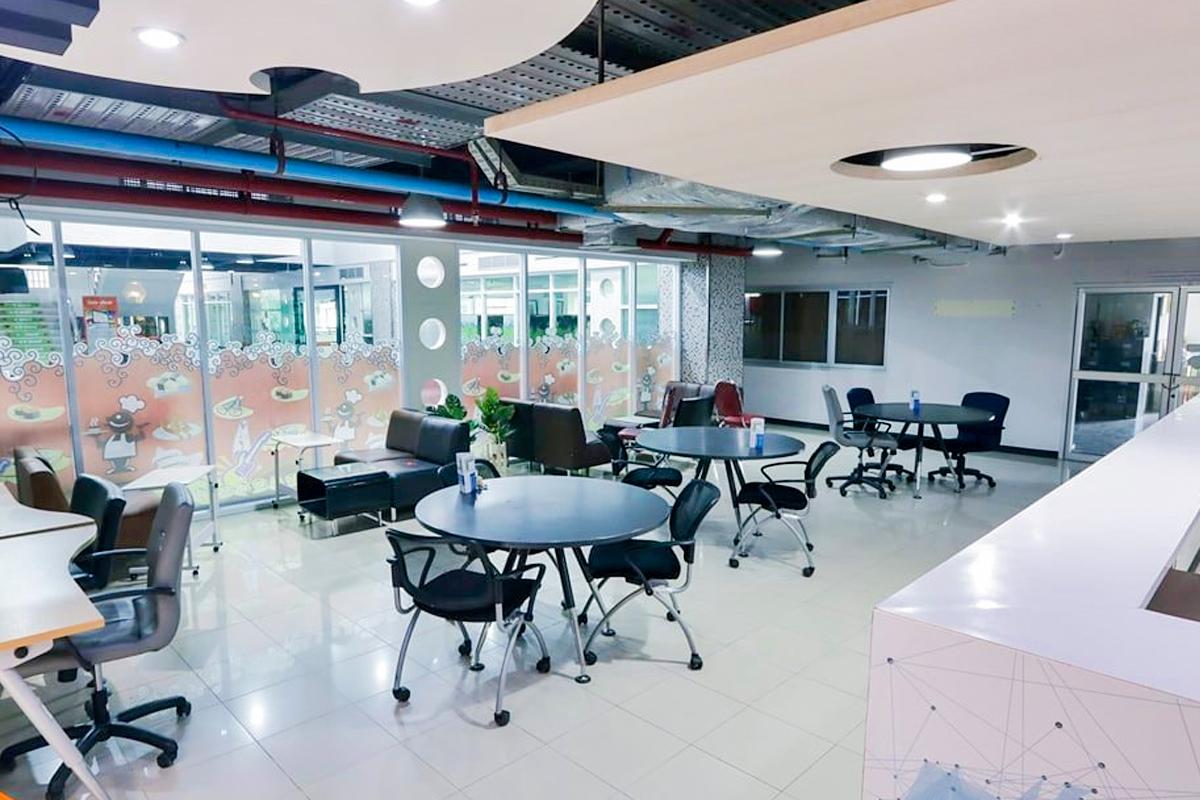
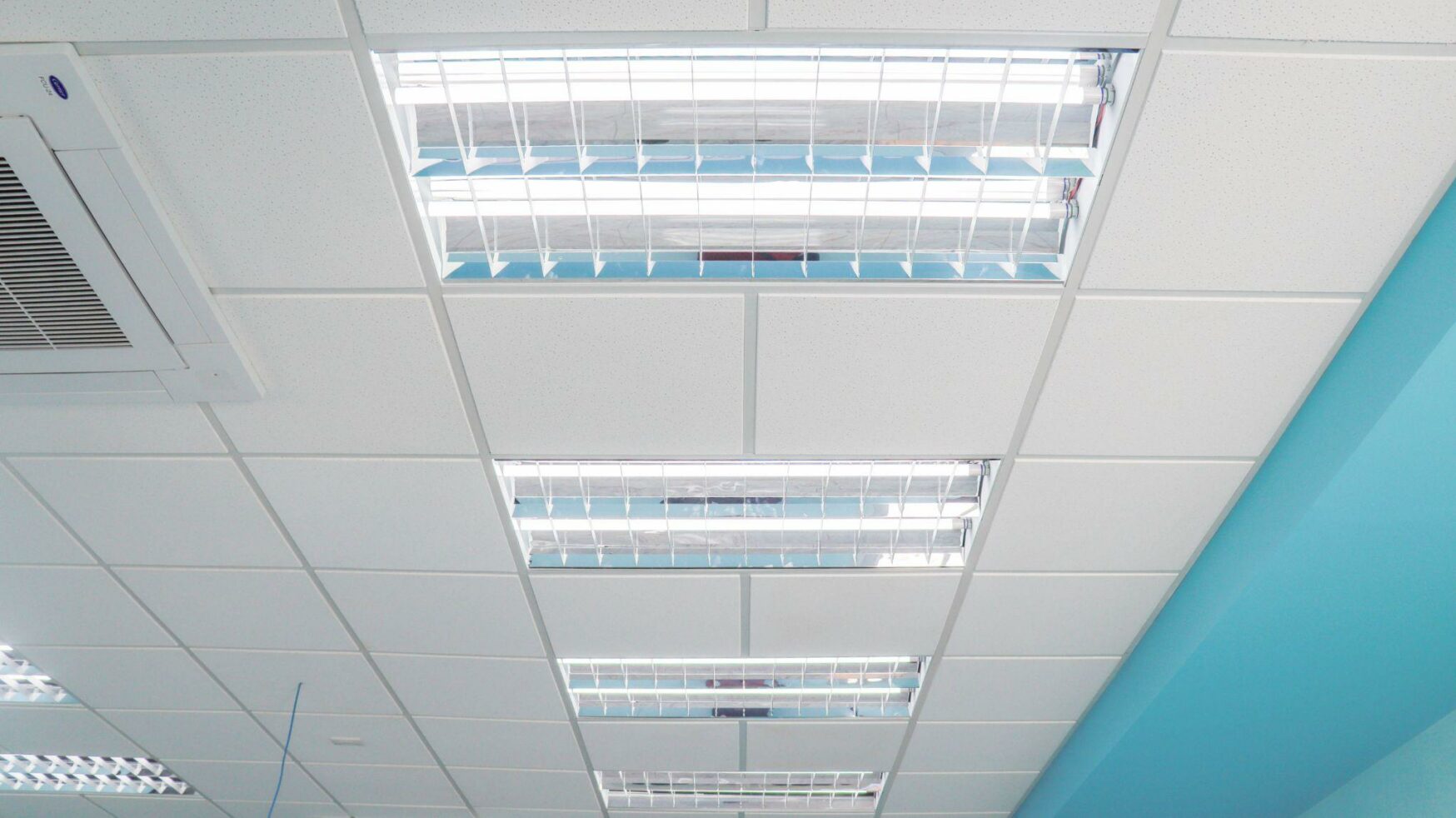
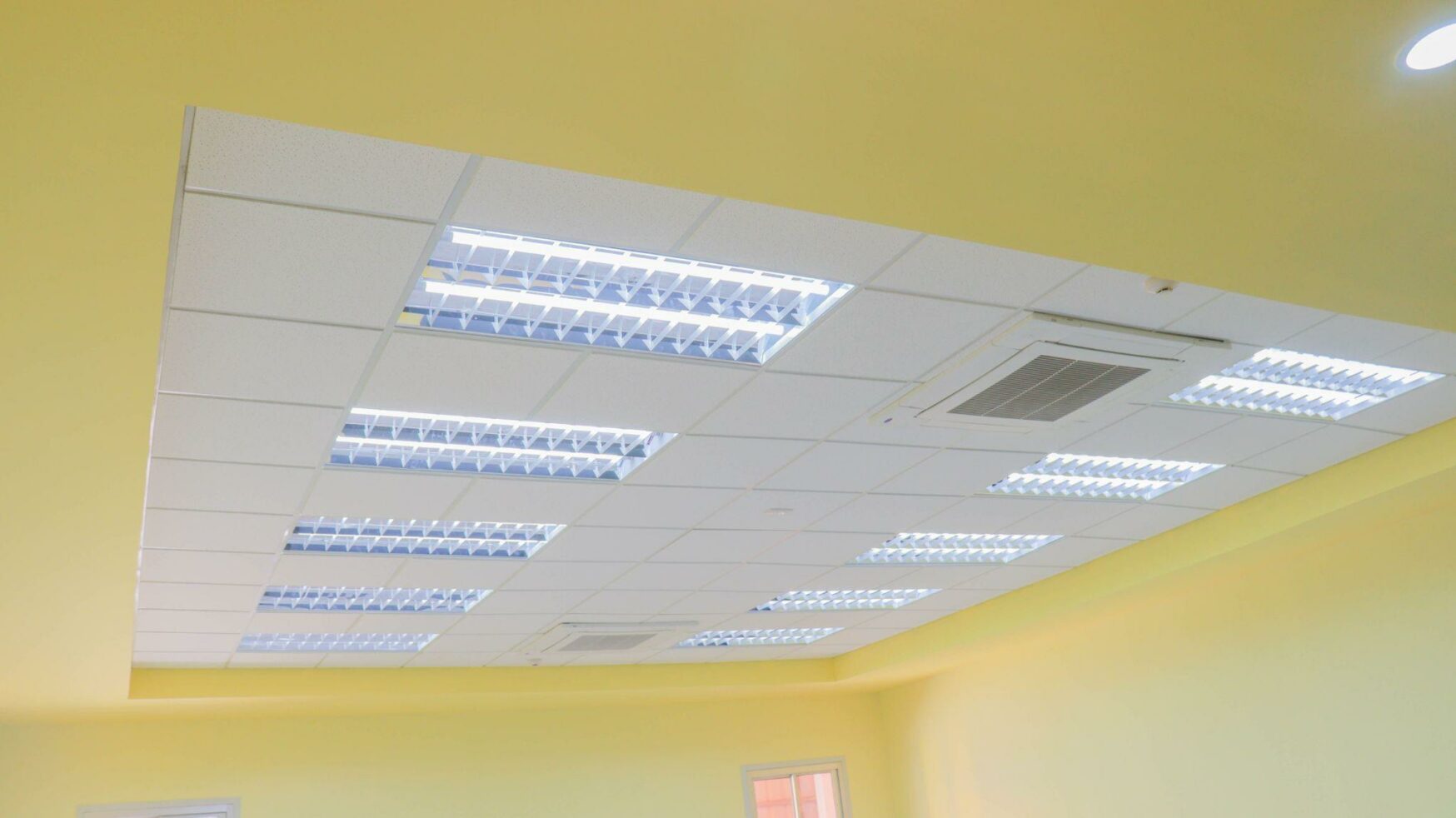
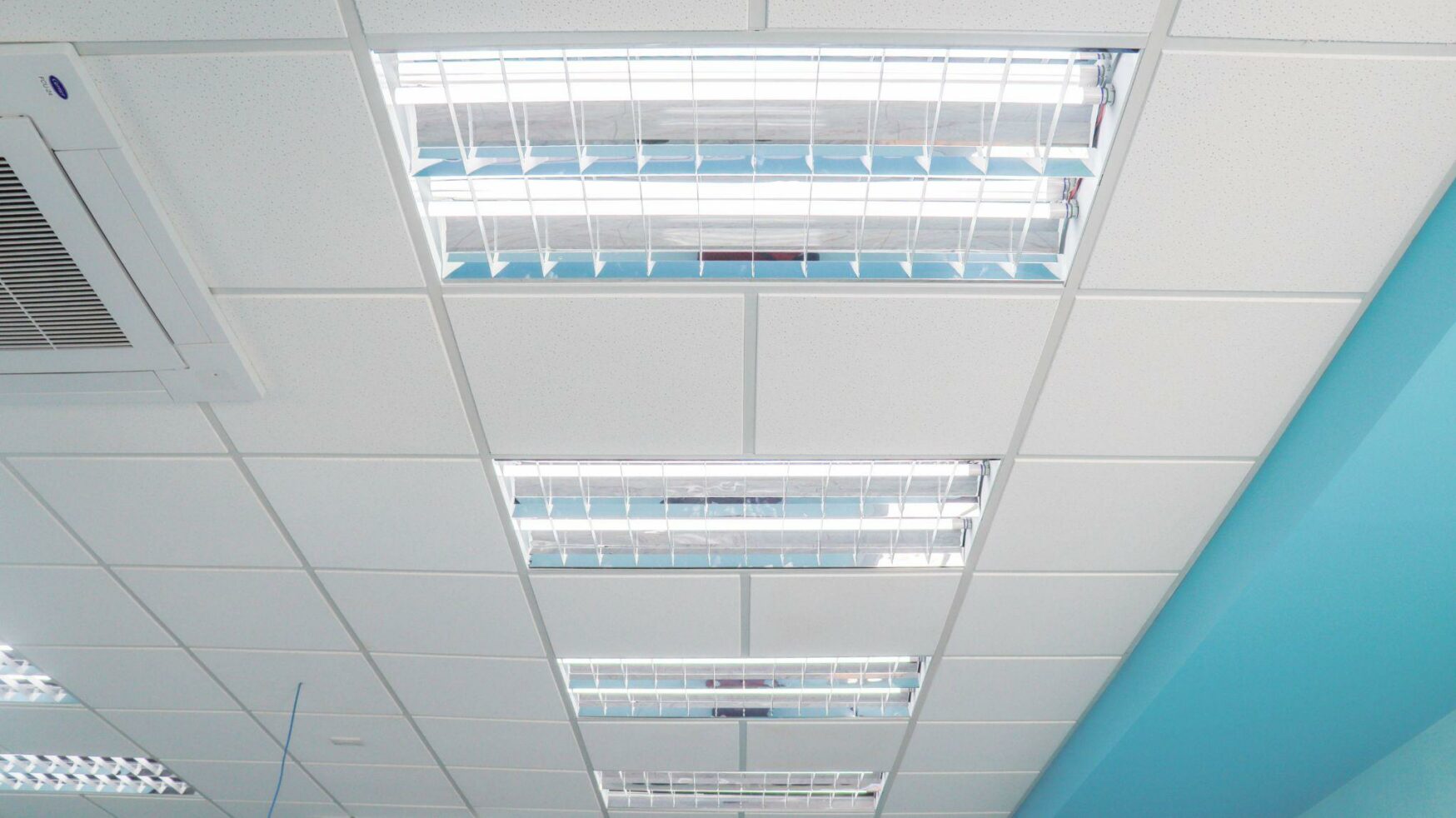
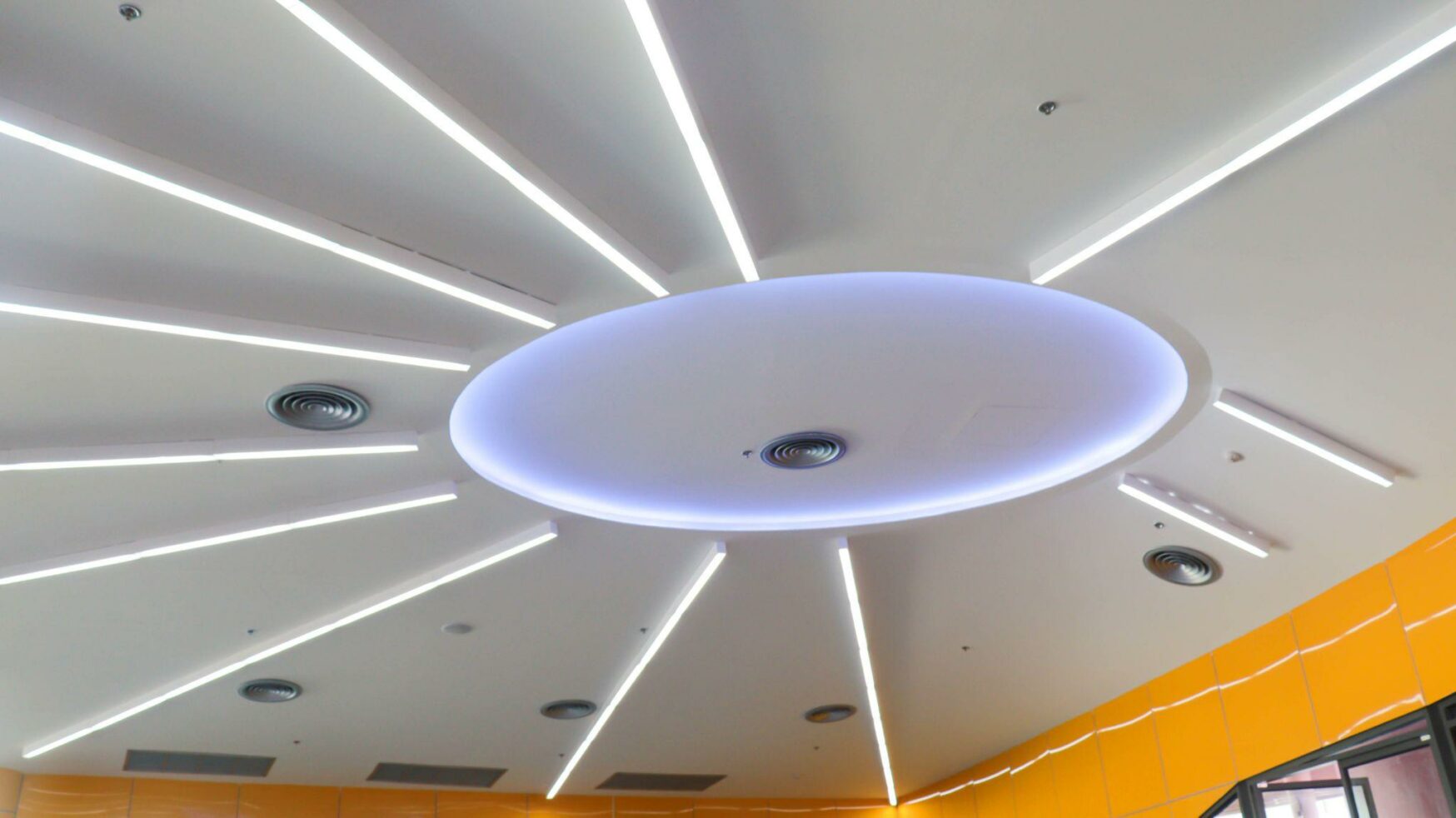
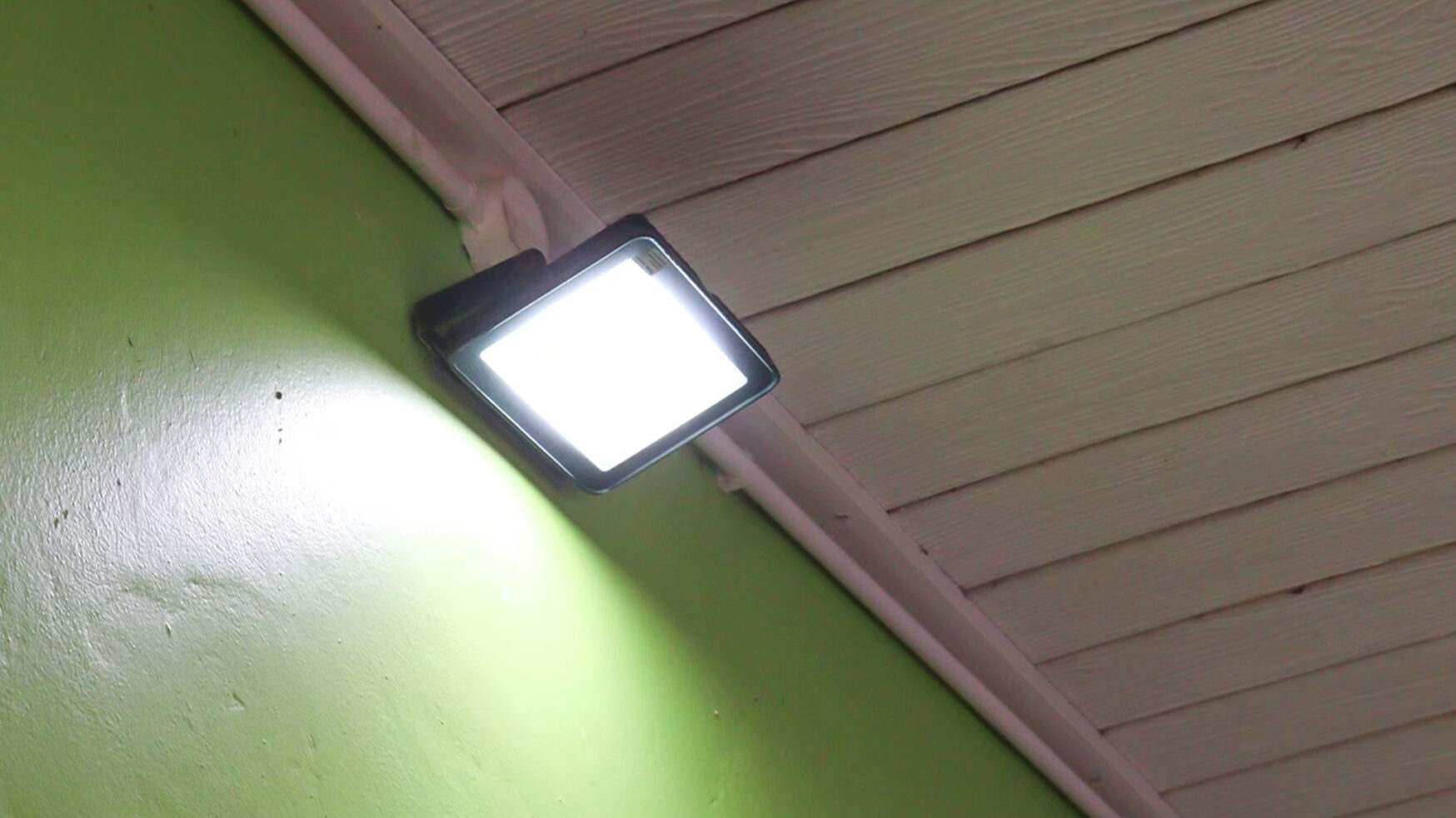
LED lamps were installed throughout the center to replace traditional fluorescent lighting. LED technology offers multiple sustainability benefits: it consumes significantly less electricity, contains fewer toxic materials, and has a longer operational lifespan. This reduces both energy costs and waste generated from frequent lamp replacements, further contributing to the center’s eco-friendly design.
By integrating sustainable standards, green materials, and energy-efficient design, Walailak University’s renovated Center for Library Resources and Educational Media not only provides a modern, safe, and comfortable space for its users but also serves as a model for environmentally responsible construction. The project demonstrates the university’s commitment to reducing carbon emissions, conserving resources, and promoting sustainability in all aspects of campus development.
In conclusion, Walailak University’s sustainable construction practices reflect a forward-looking development strategy grounded in continuous diagnostic evaluation, stakeholder engagement, and performance measurement. Through these integrated processes, the university ensures that every new and renovated building not only meets technical and environmental standards but also advances long-term goals for energy efficiency, safety, and sustainable campus growth.