Water Quality Standards and Wastewater Management at Walailak University
Walailak University has water quality standards and guidelines for water discharges to uphold water quality in order to protect ecosystems, wildlife, and human health and welfare. All of the water resources used on campus are from tap water extracted by WU on campus 100% and recycled wastewater.
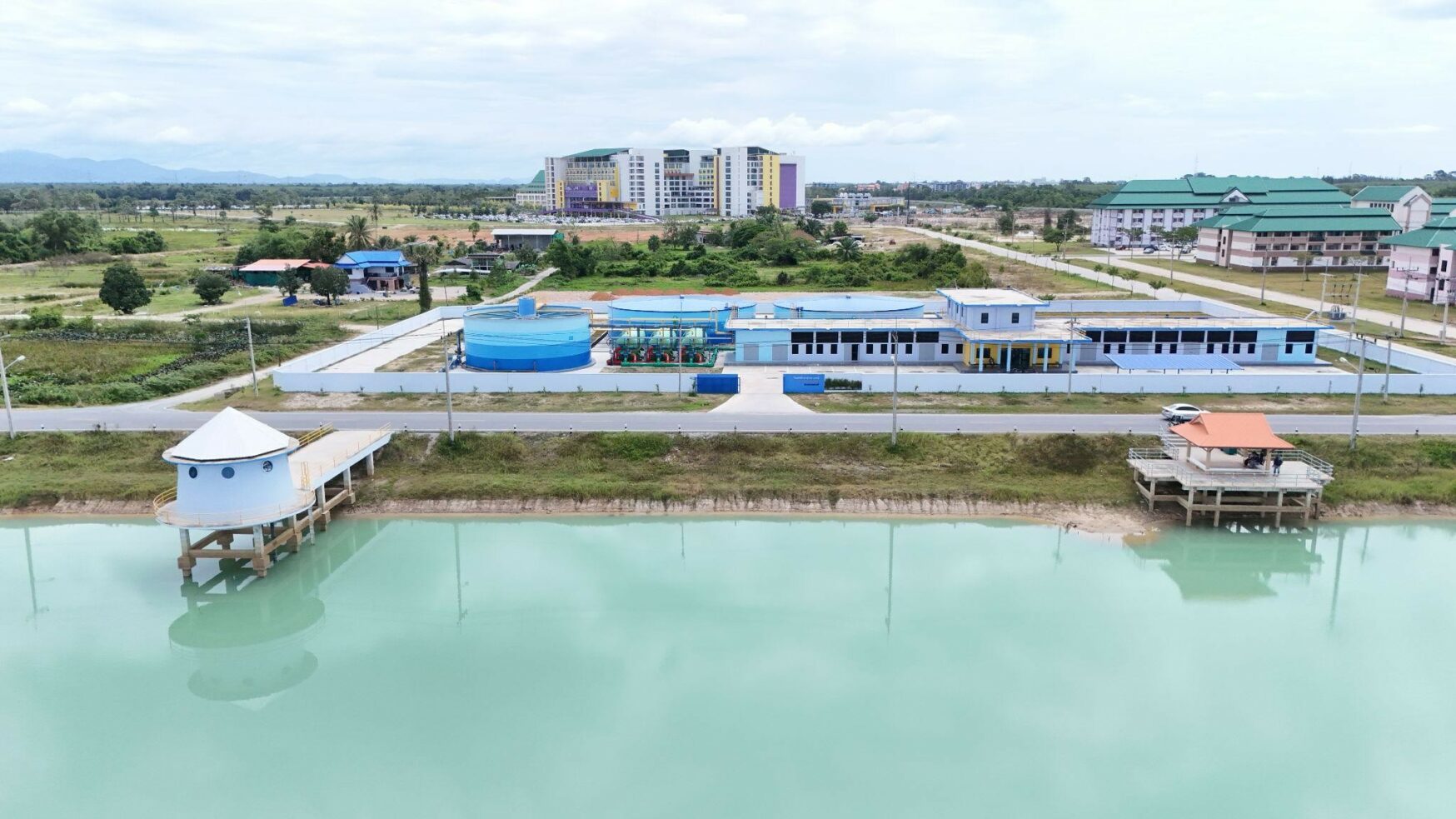
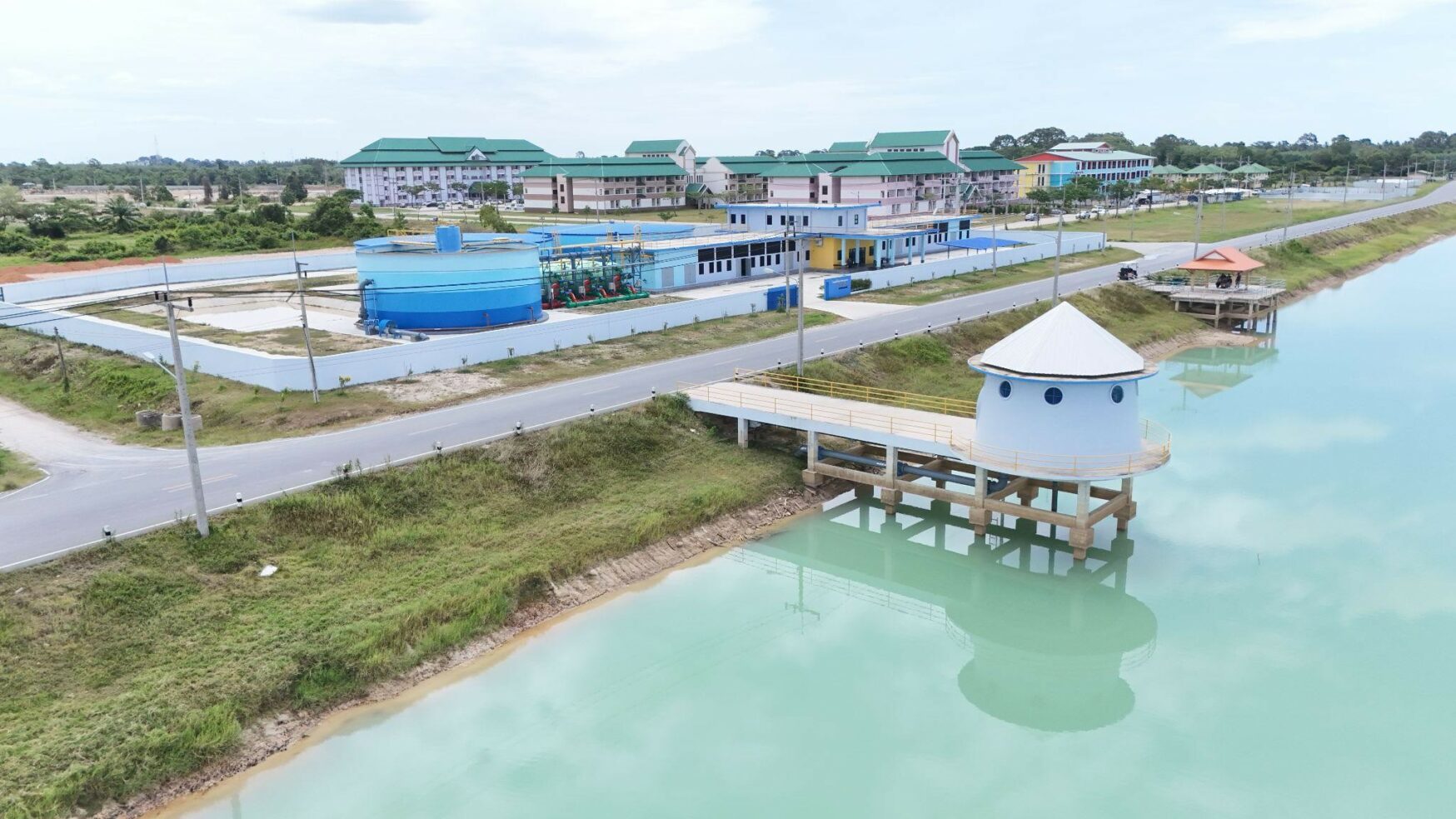
Chala Nusorn Water Works House
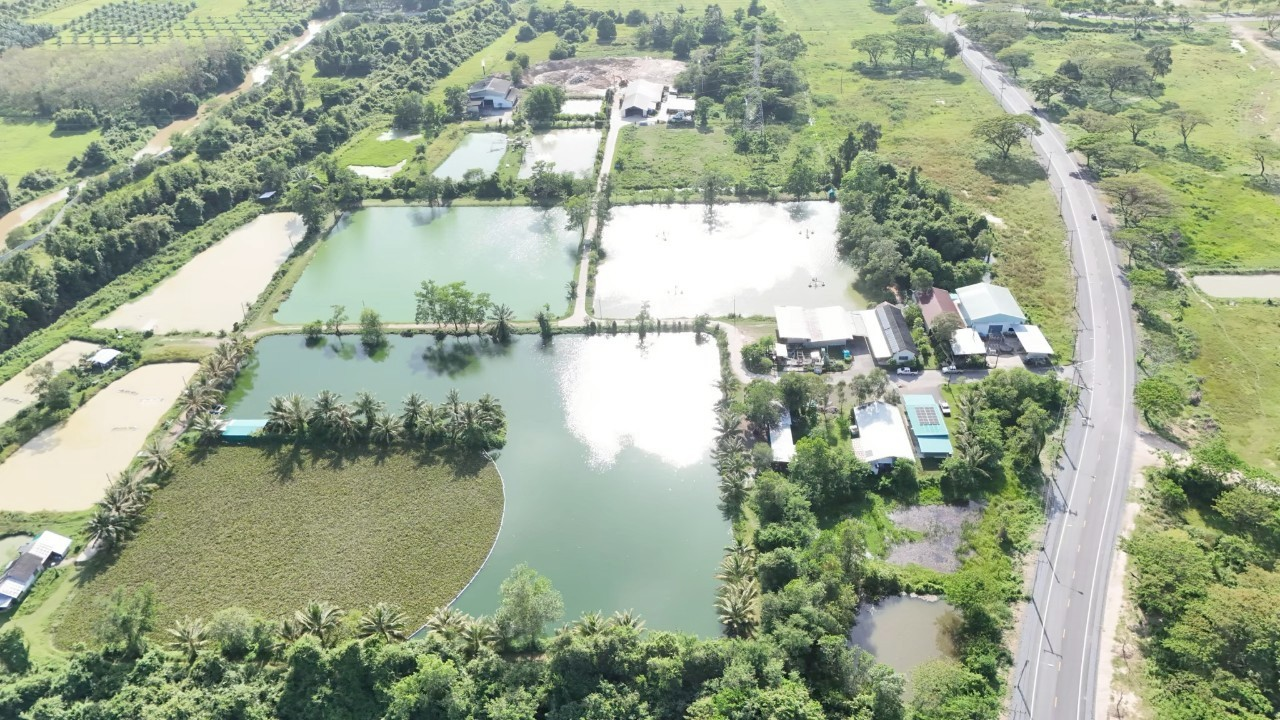
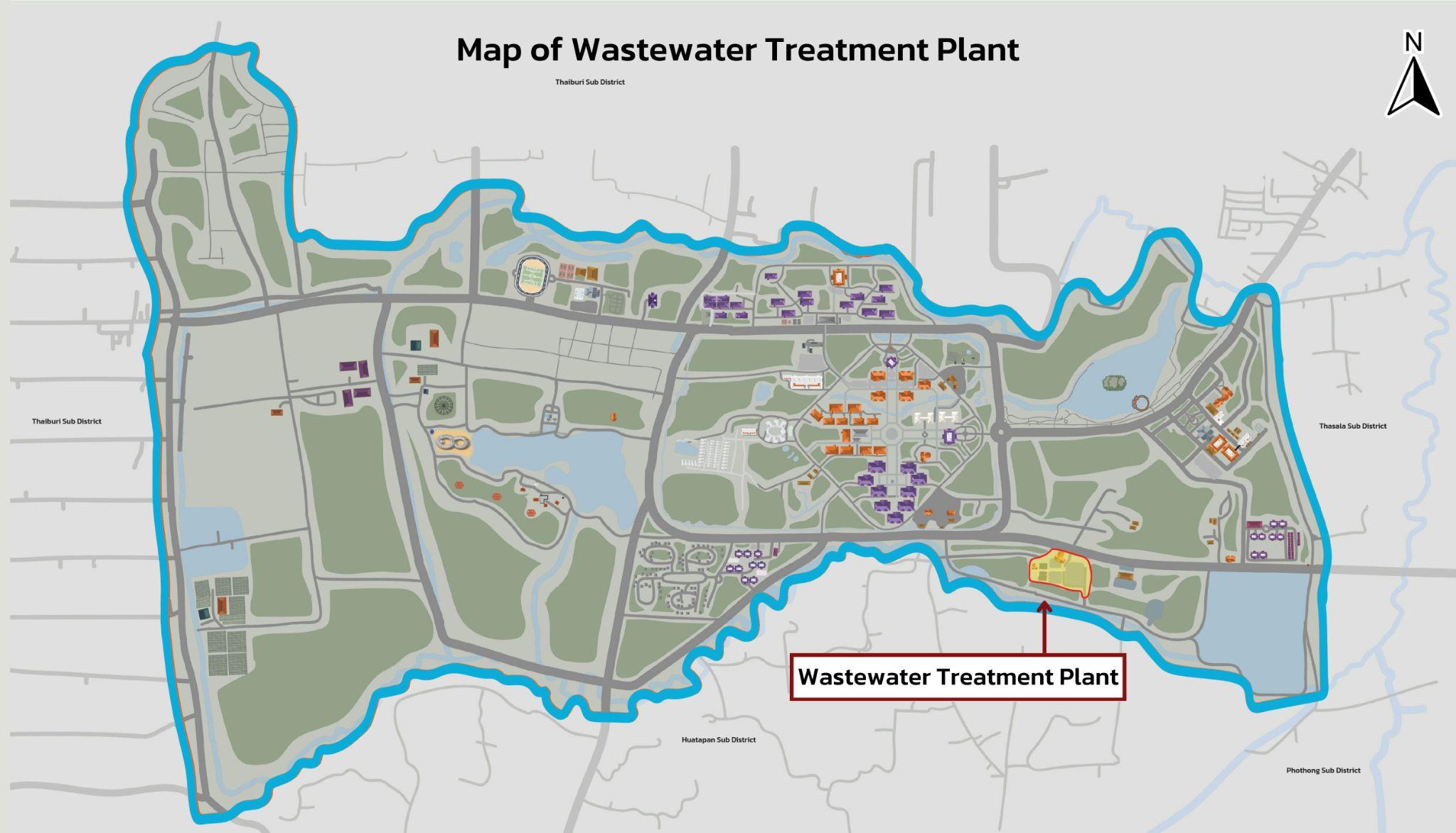
Wastewater Treatment Plant
The Tap Water from Natural Rainwater
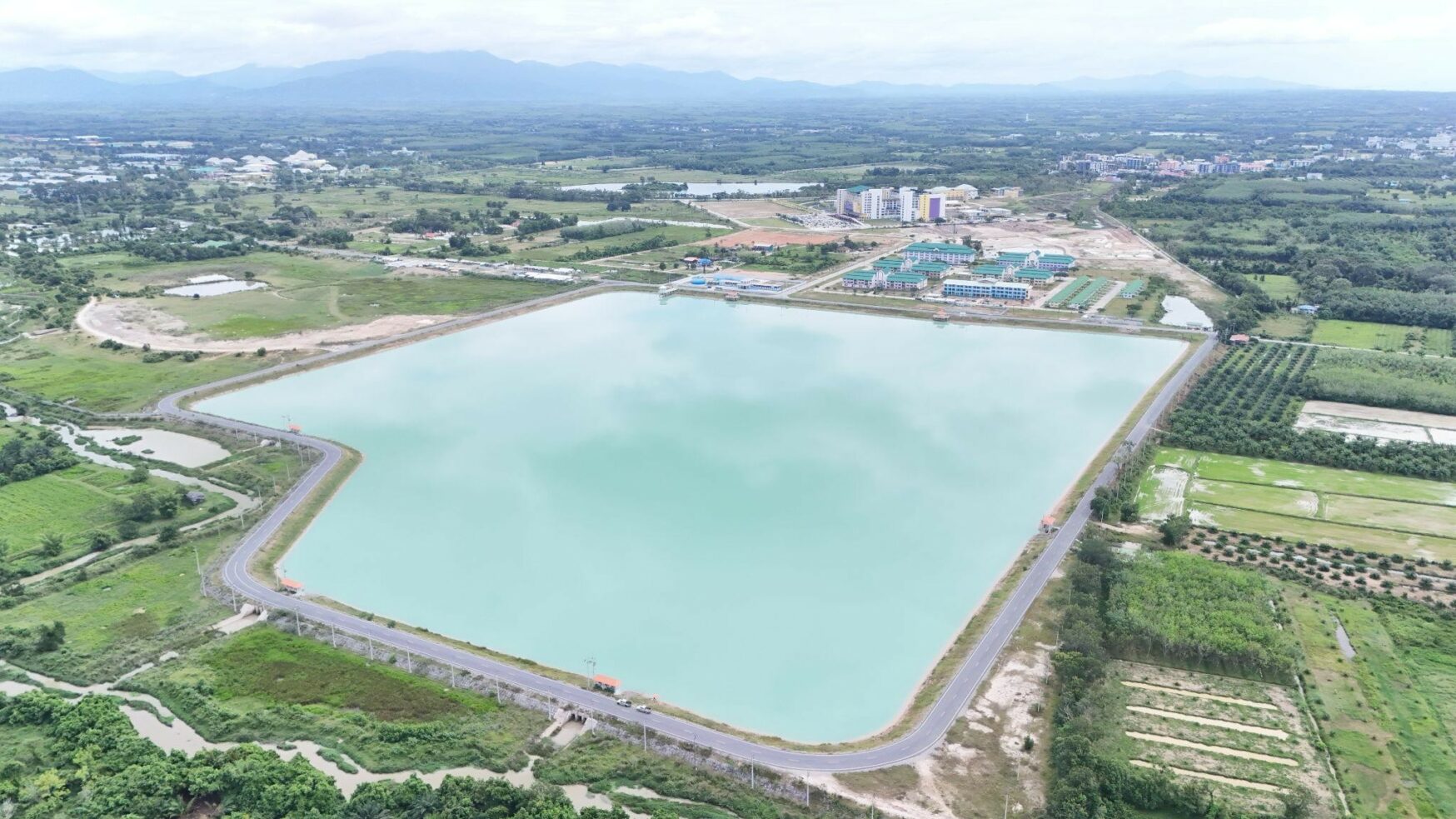
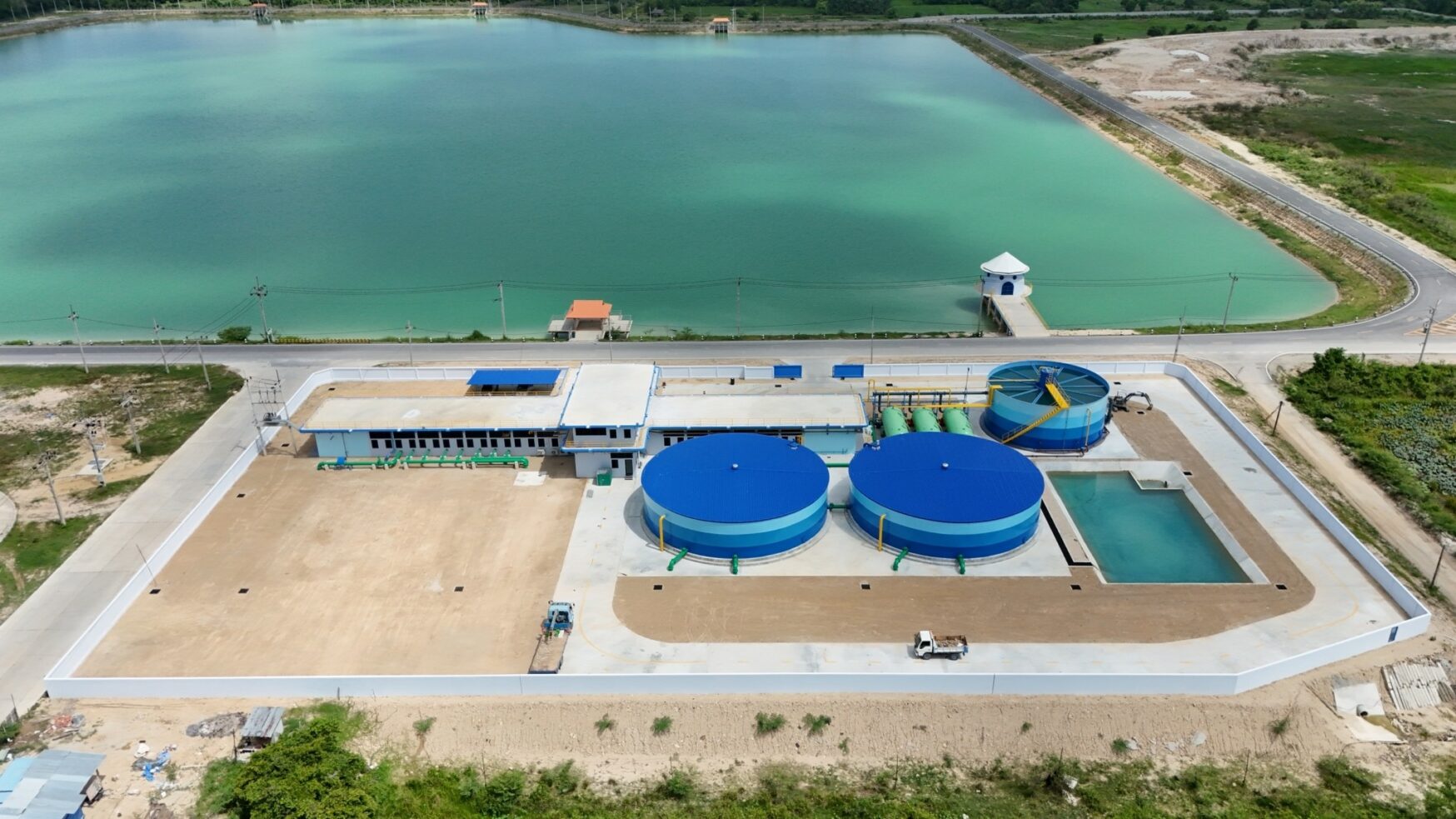
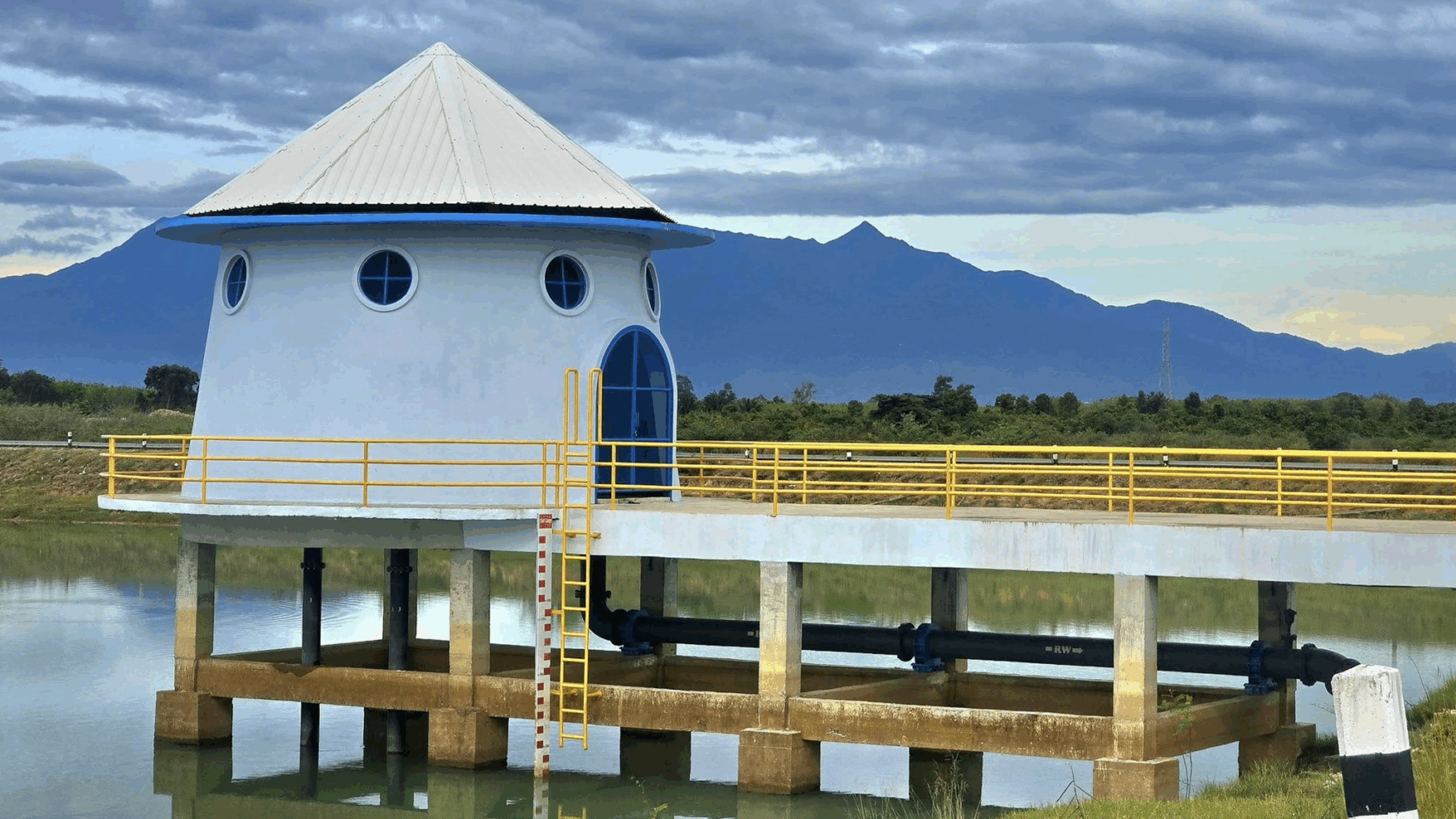
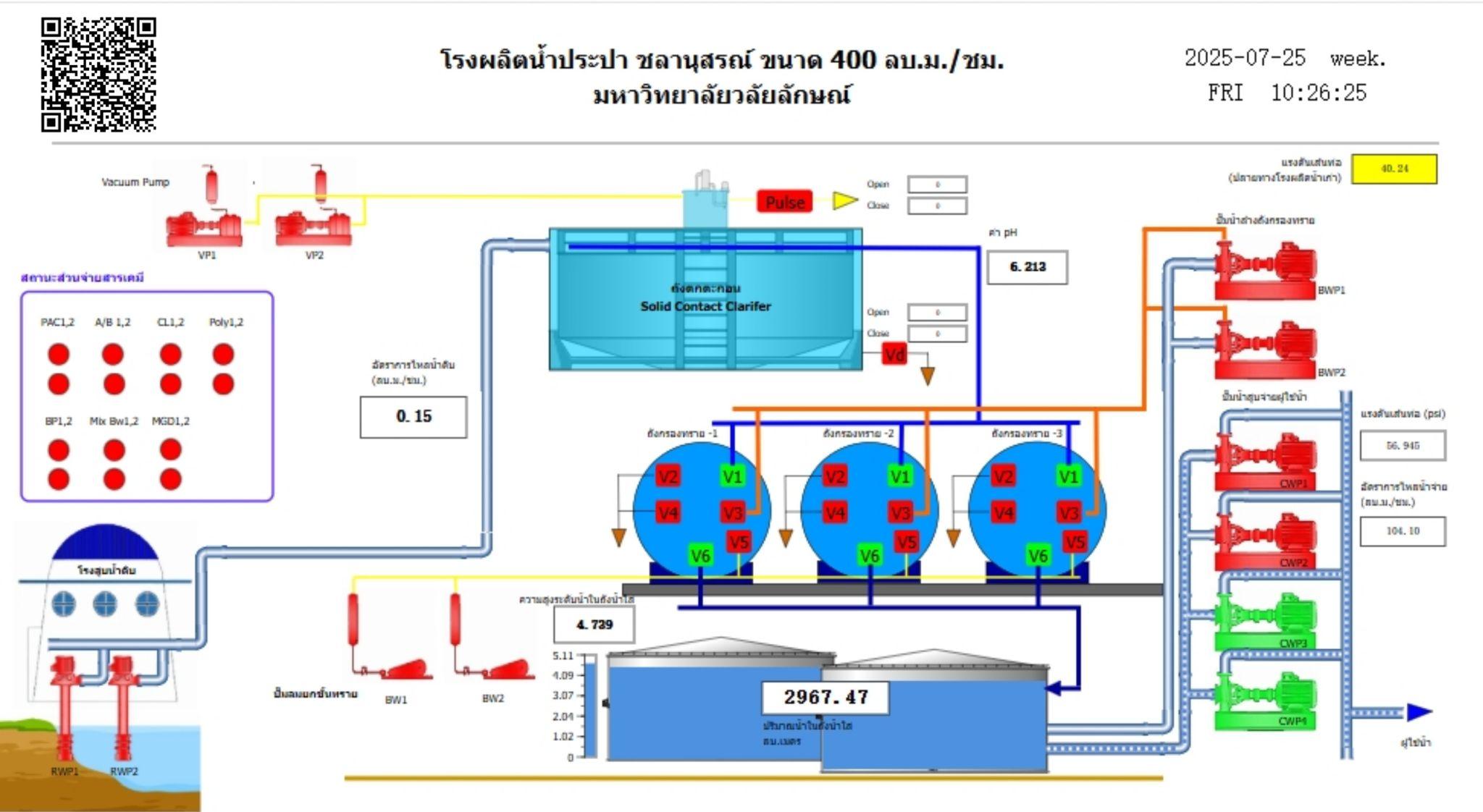
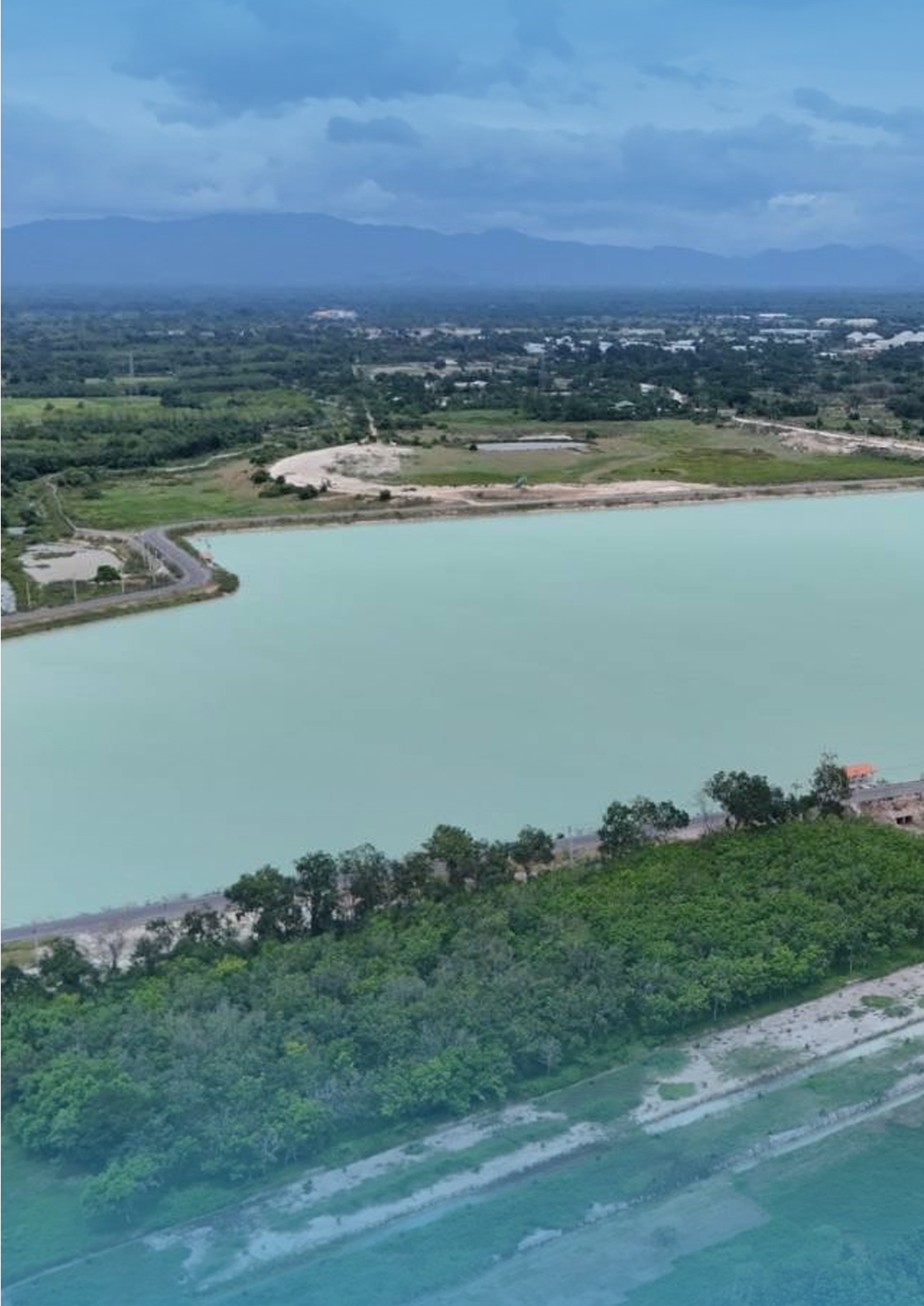
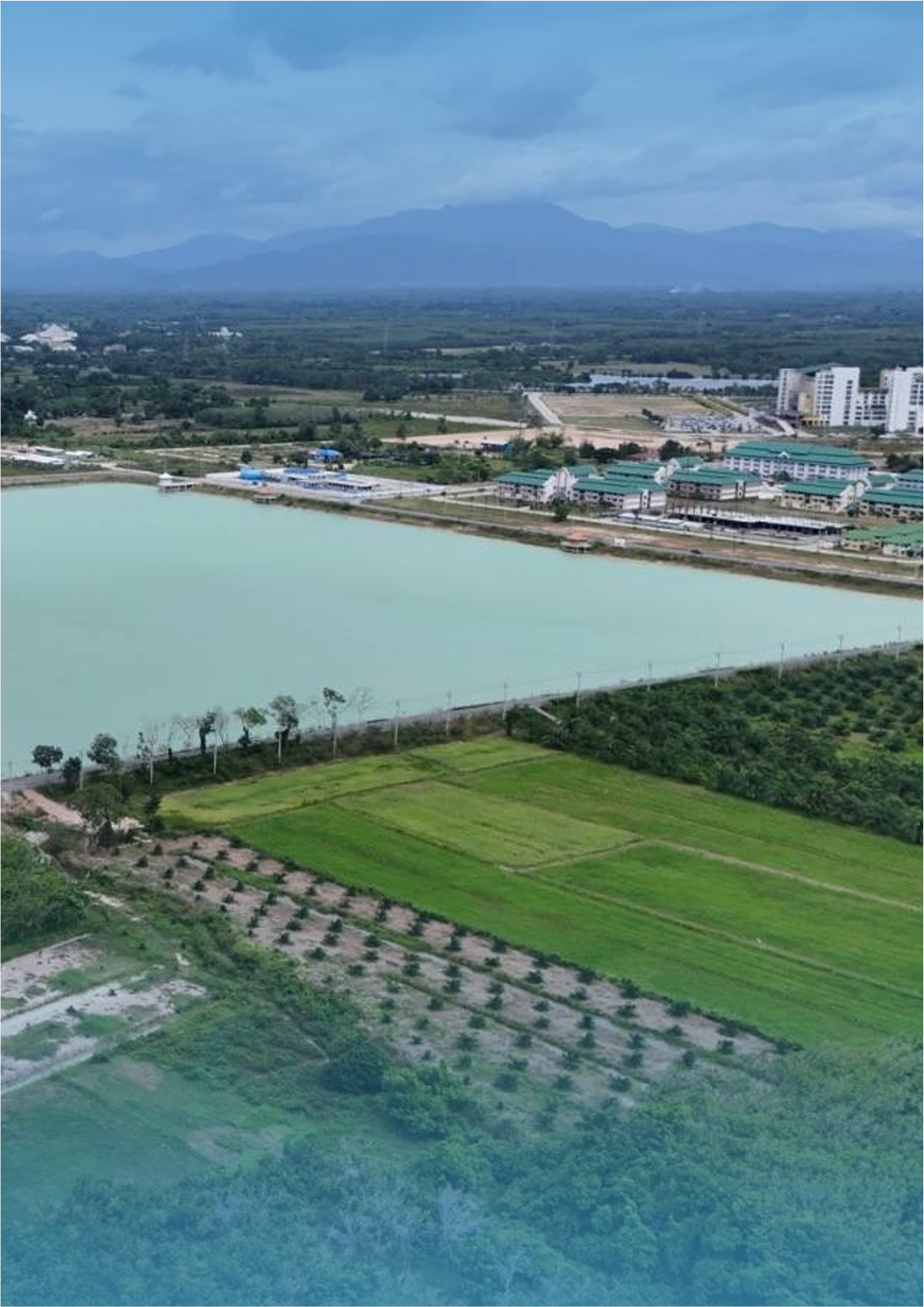
Walailak University’s primary water supply is produced from natural rainwater collected in the Phuksa Chon and Chalanuson Reservoirs. The Chalanuson Reservoir, covering 329,385 m² with a capacity of 4.94 million m³, serves as the main source. The Chalanuson Water Supply Plant, with a production capacity of 400 m³ per hour (9,600 m³ per day), distributes tap water across the campus.
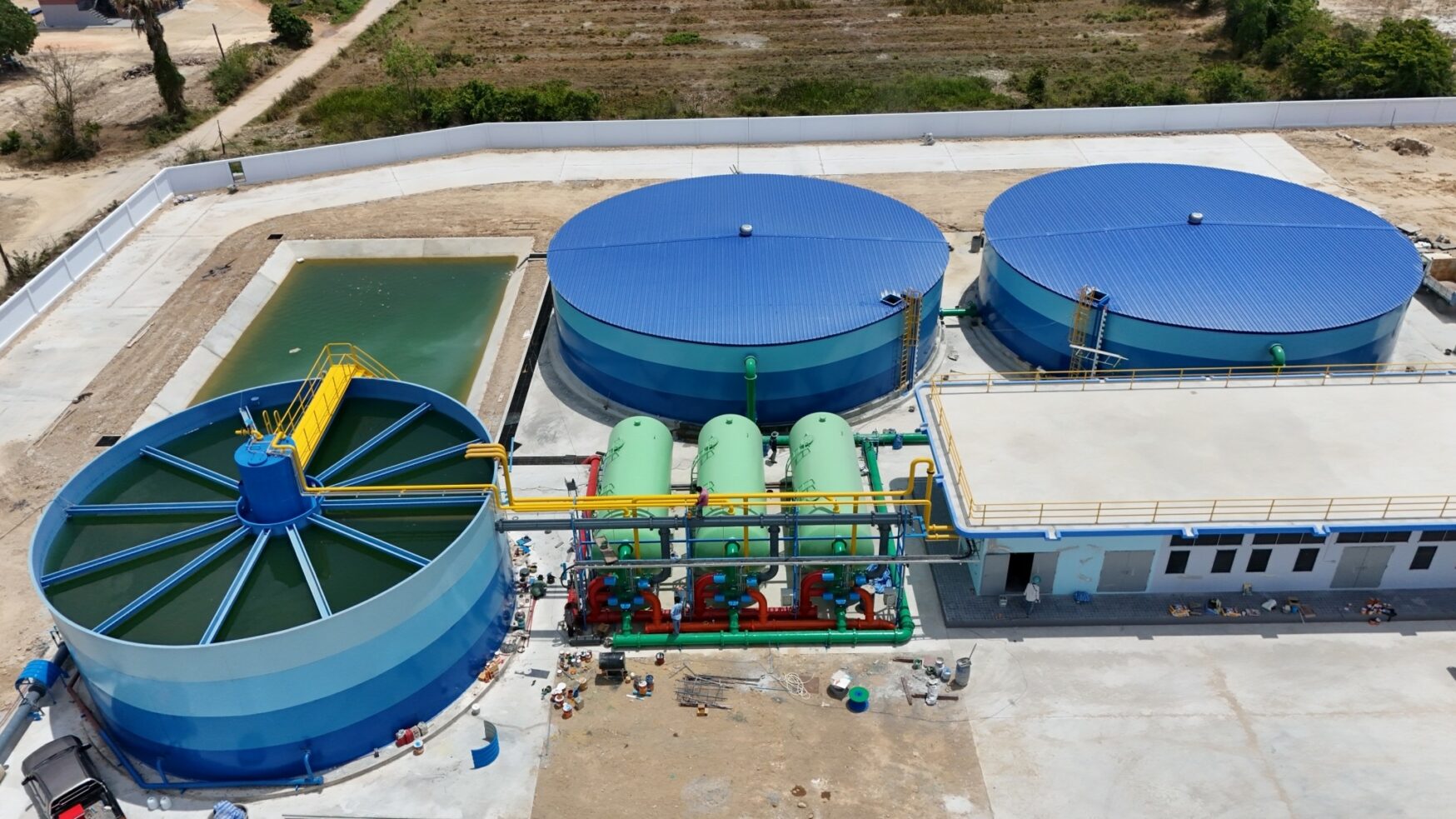
Raw water is pumped from the reservoir using two KSB vertical turbine pumps (420 m³/h, 30 m head) powered by 55 kW motors. Chemicals for coagulation, pH adjustment, and pre-chlorination are added through a static mixer before sedimentation. A Solid Contact Clarifier combines coagulation and sedimentation, while a sludge blanket clarifier with a pulsator enhances mixing. Sludge is automatically discharged hourly.
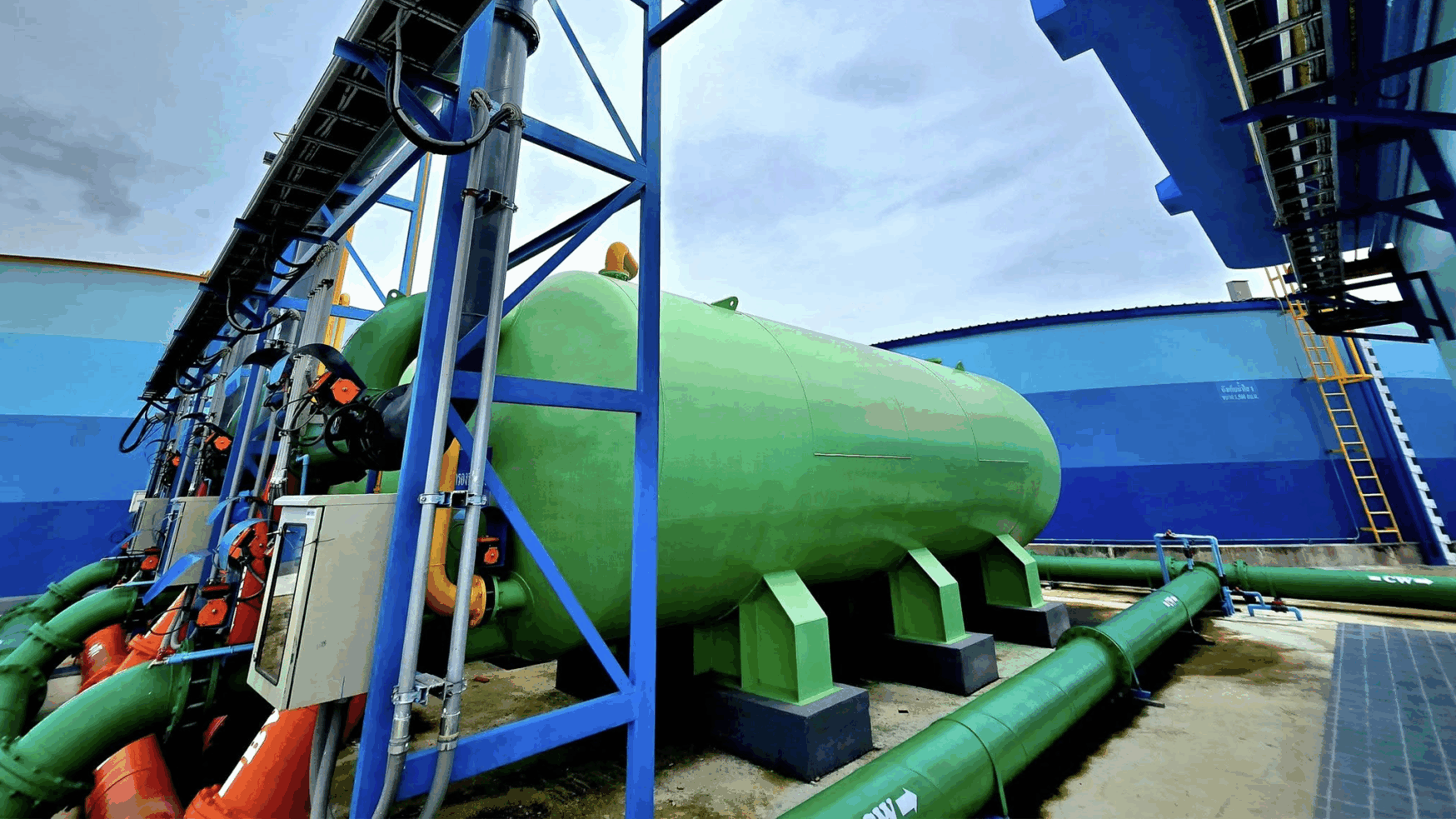
Filtration is done through horizontal automatic sand filters (2.87 m diameter, 75 m length) containing gravel, sand, and anthracite layers (80 cm total). Backwashing is automatic, triggered by water levels. The chemical dosing system includes feeders for PAC, caustic soda, polymer, and chlorine gas (max 10 kg/h) for disinfection.
Treated water is stored in a steel clear water tank (21 m diameter, 4.5 m height, 1,500 m³ capacity) coated with epoxy and equipped with radar sensors and gauges. Water is distributed through four horizontal split-case pumps (30 kW each, 200 m³/h, 35 m head) controlled by a Variable Frequency Drive (VFD).
Use of treated wastewater
Figures: Water Supply System, the mechanism that was constructed to serve the whole university.
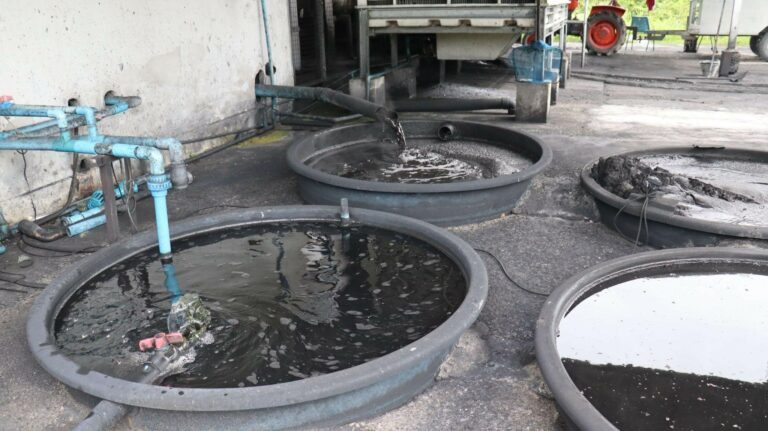
After water is used for domestic and consumption purposes, Walailak University employs a modern and efficient wastewater treatment system to ensure effective reuse. In 2024, the university achieved 100% reuse of treated wastewater, equivalent to 100–130 cubic meters per day. The reused water undergoes both chemical and biological treatment processes under the university’s wastewater treatment project.
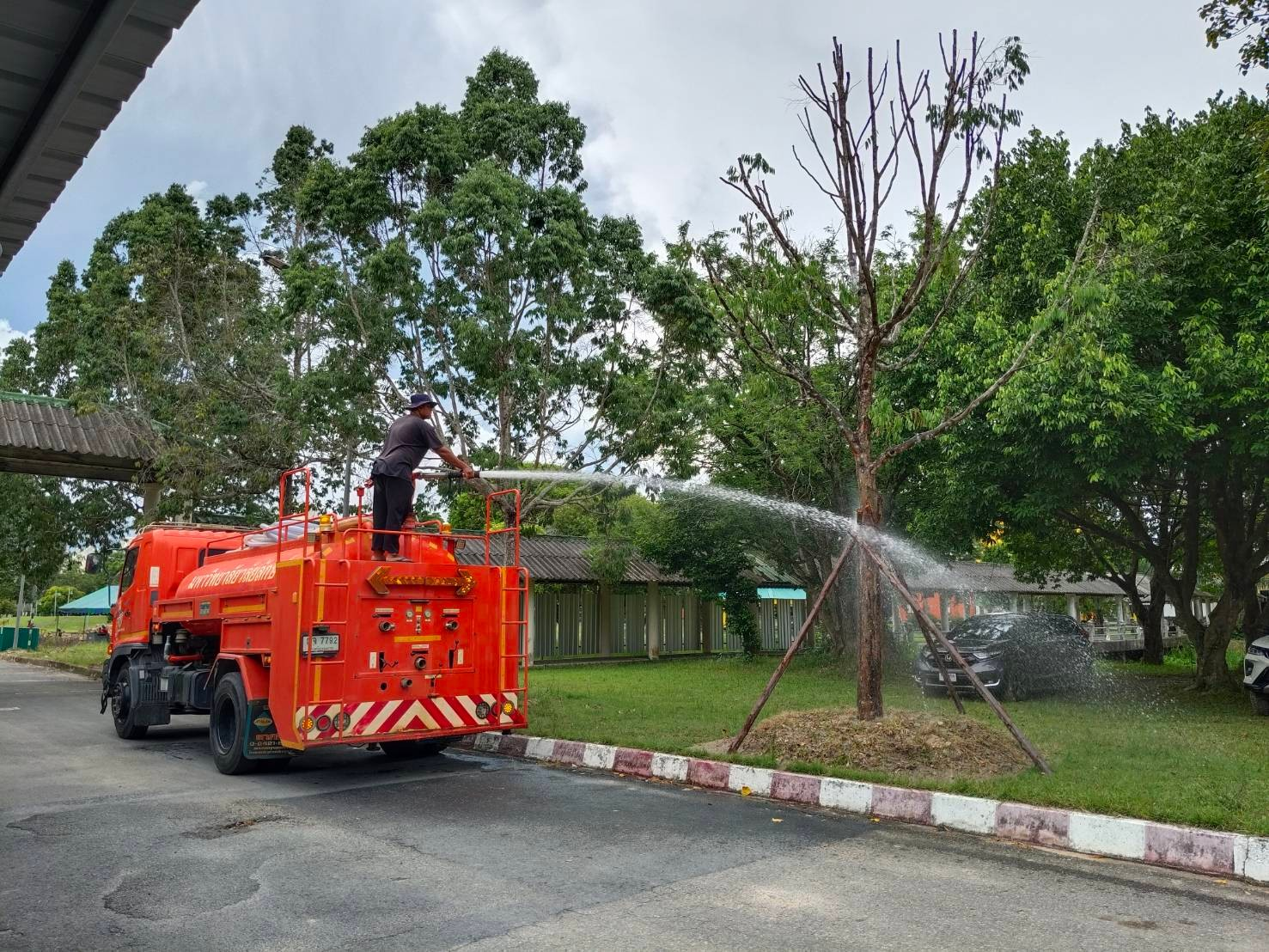
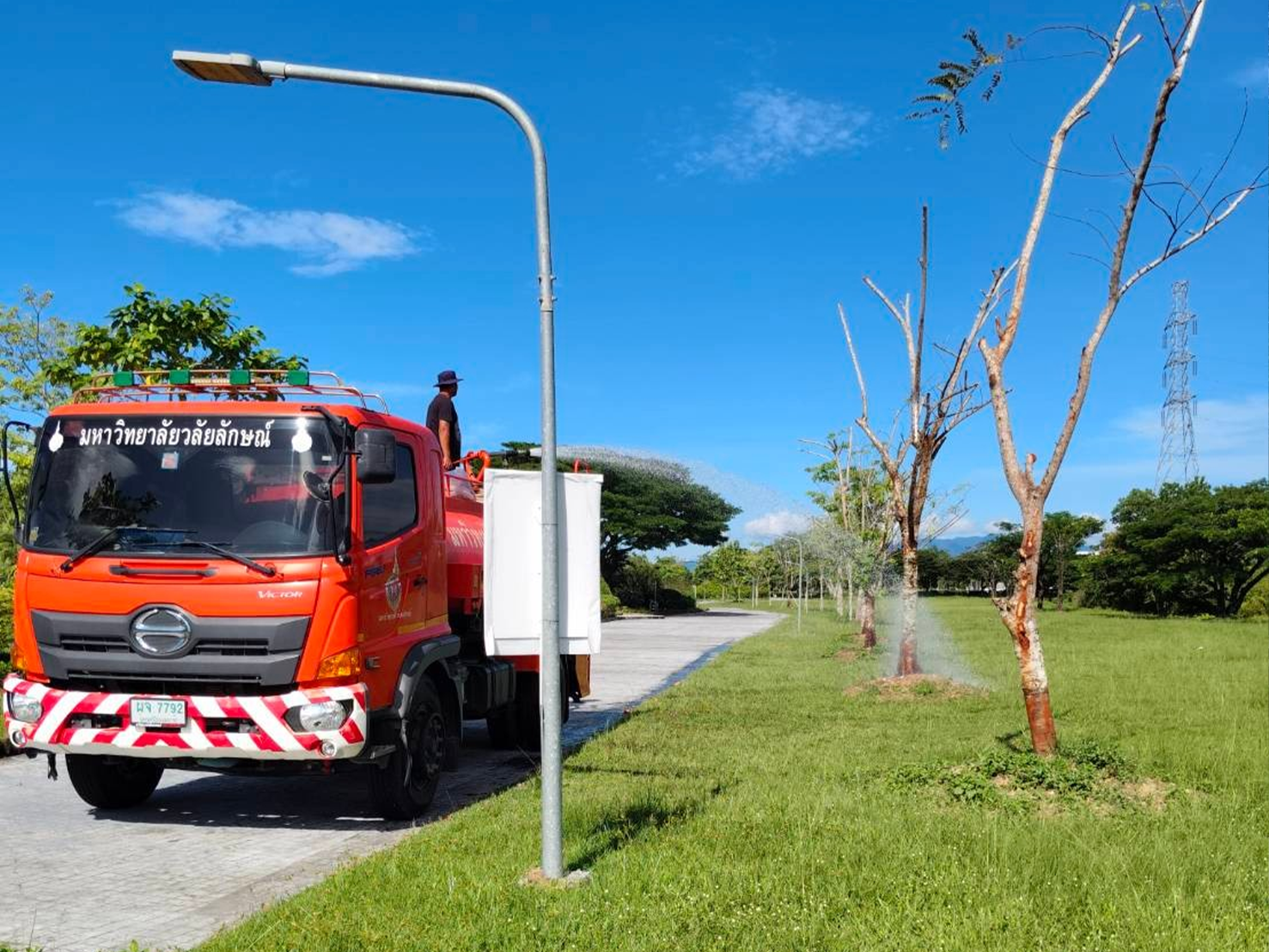
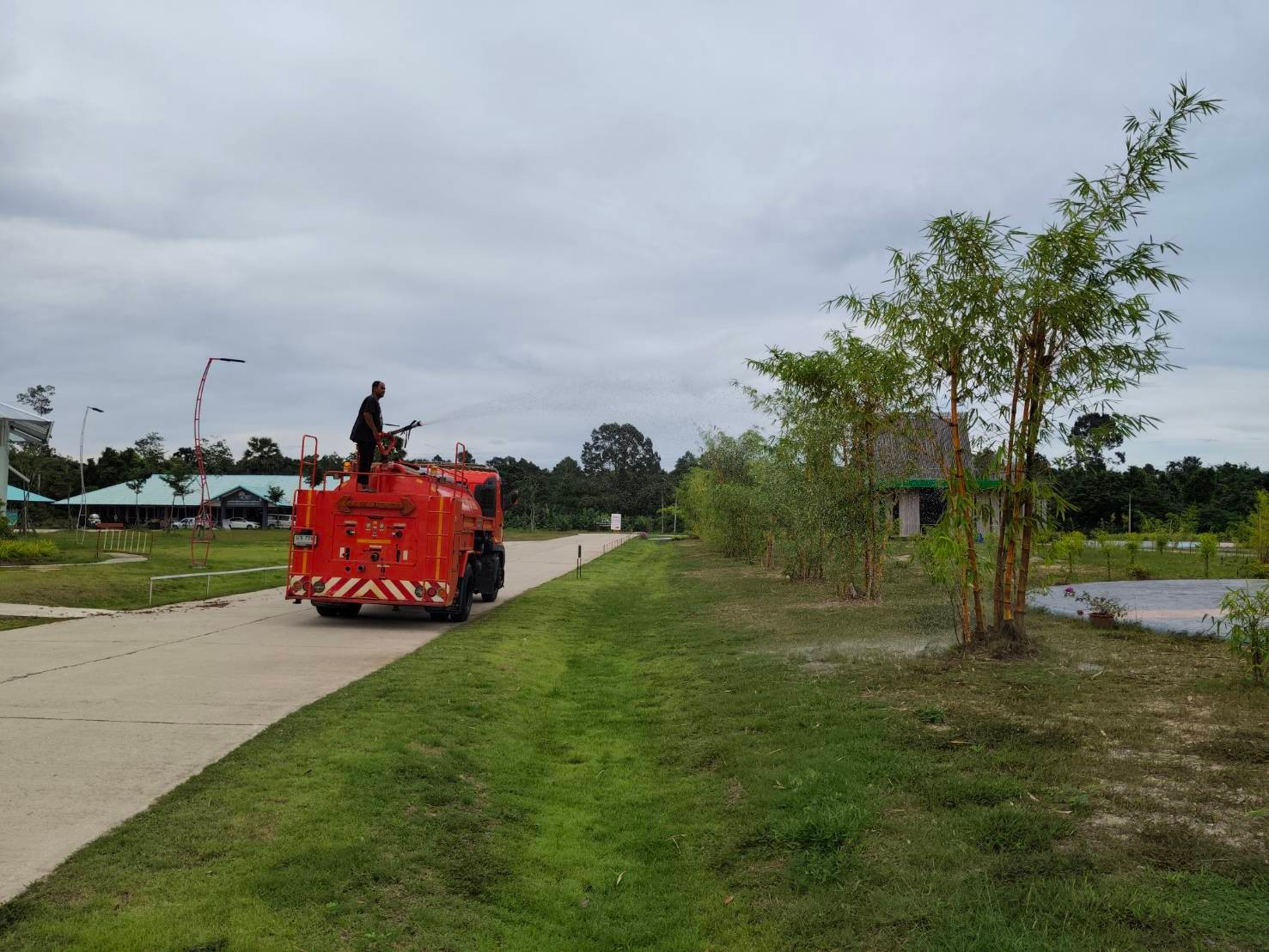
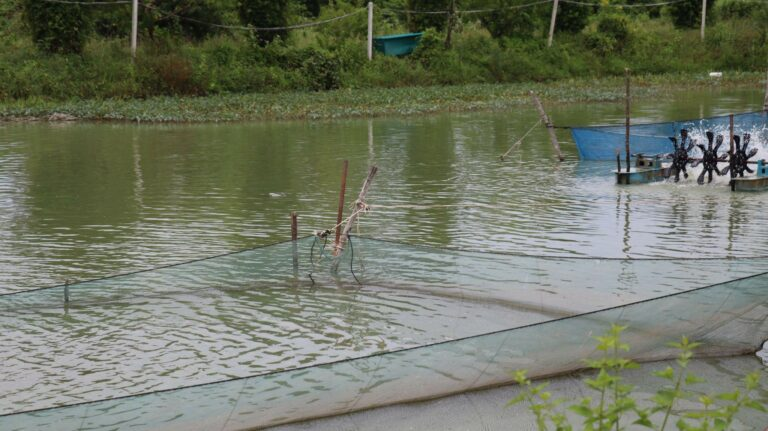
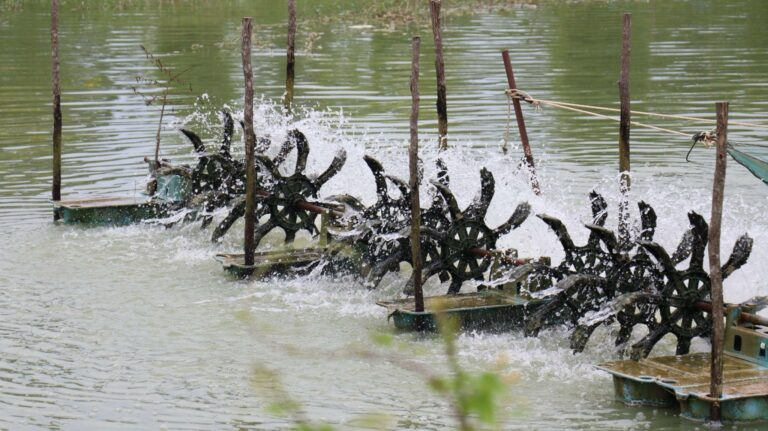
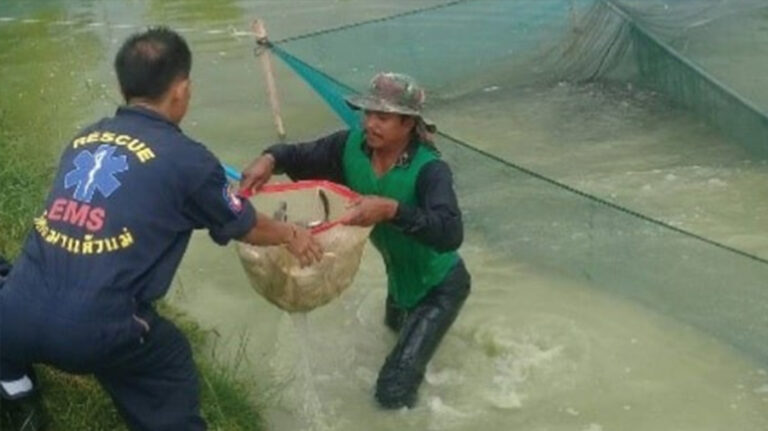
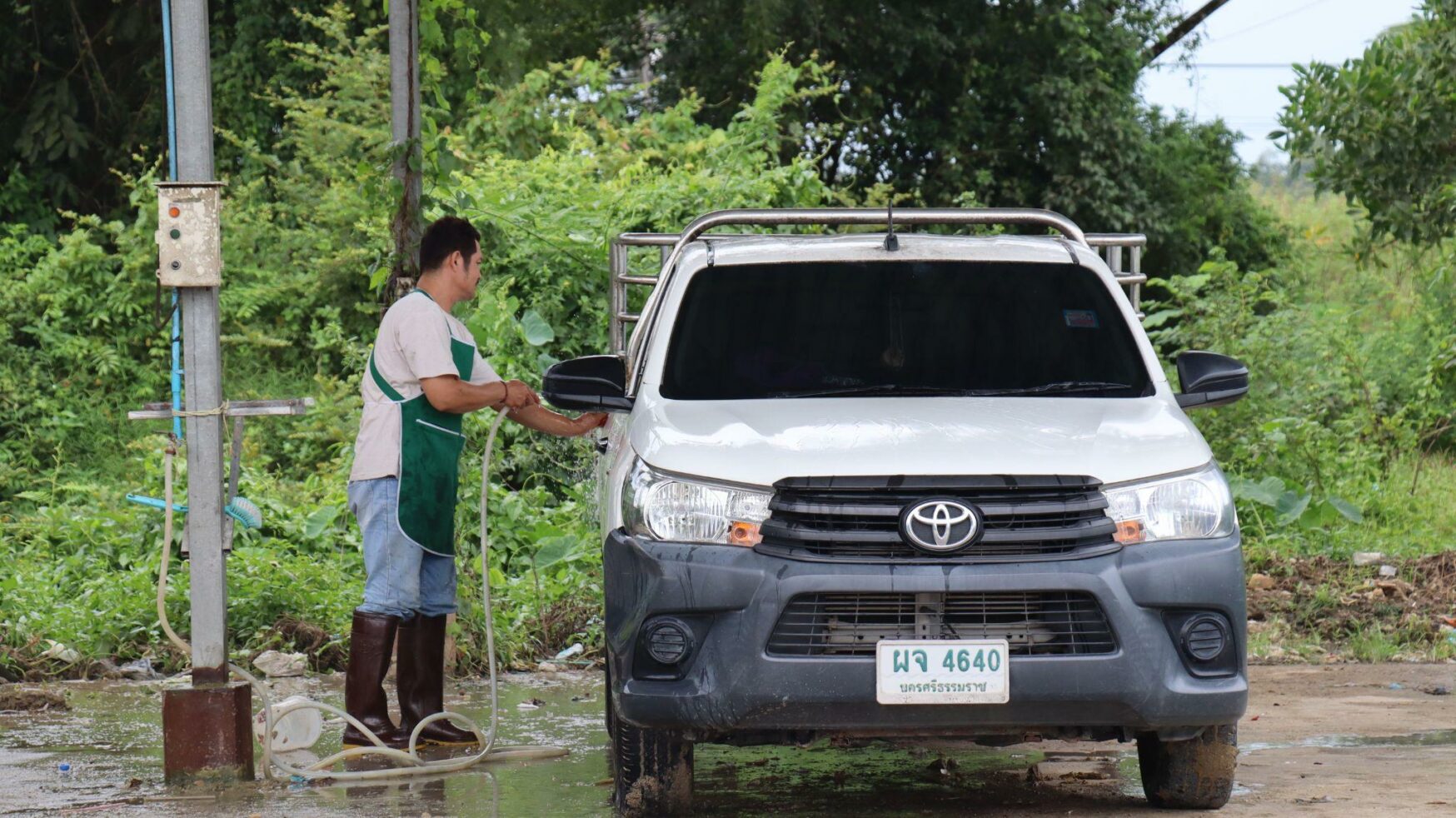
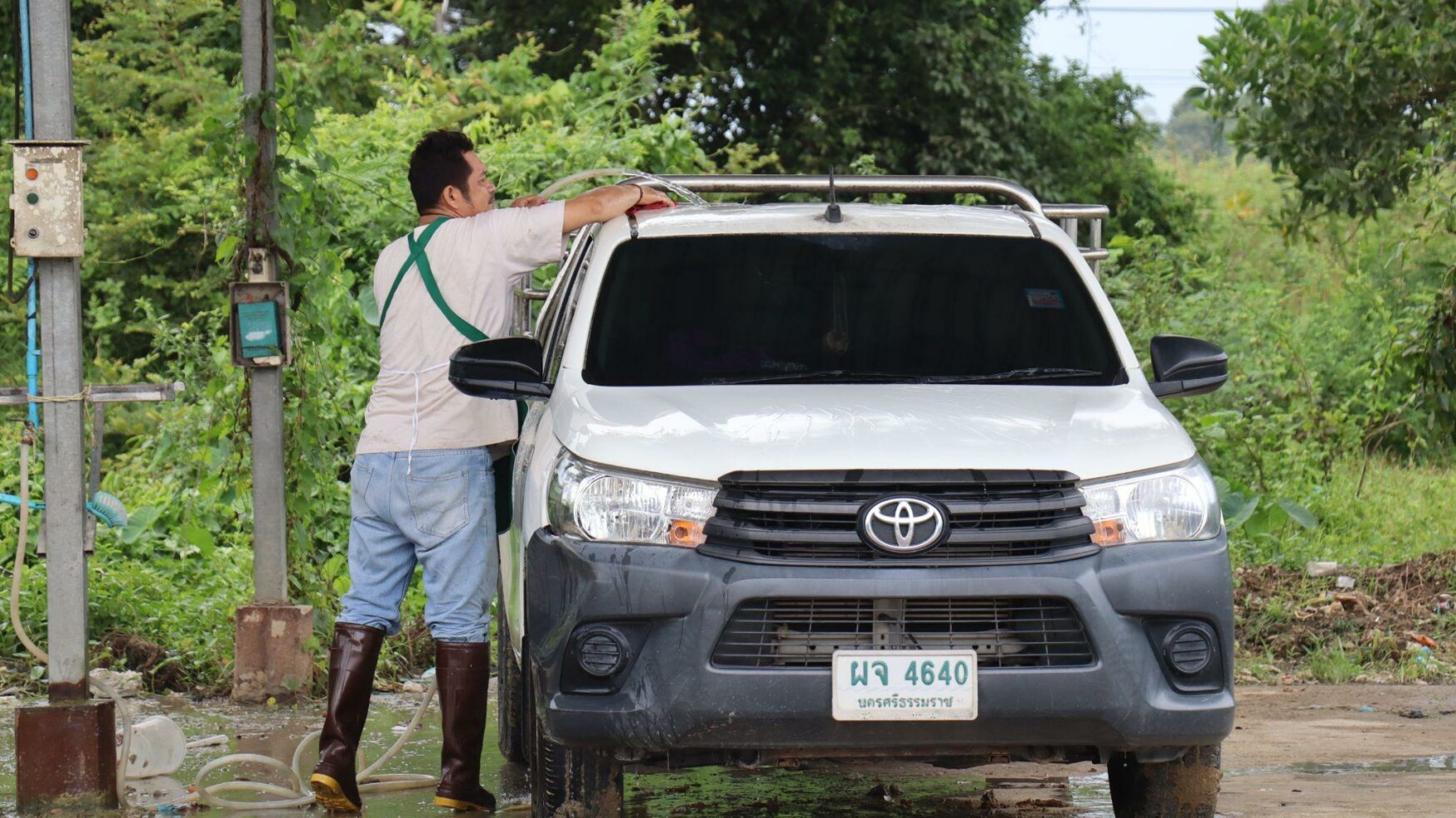
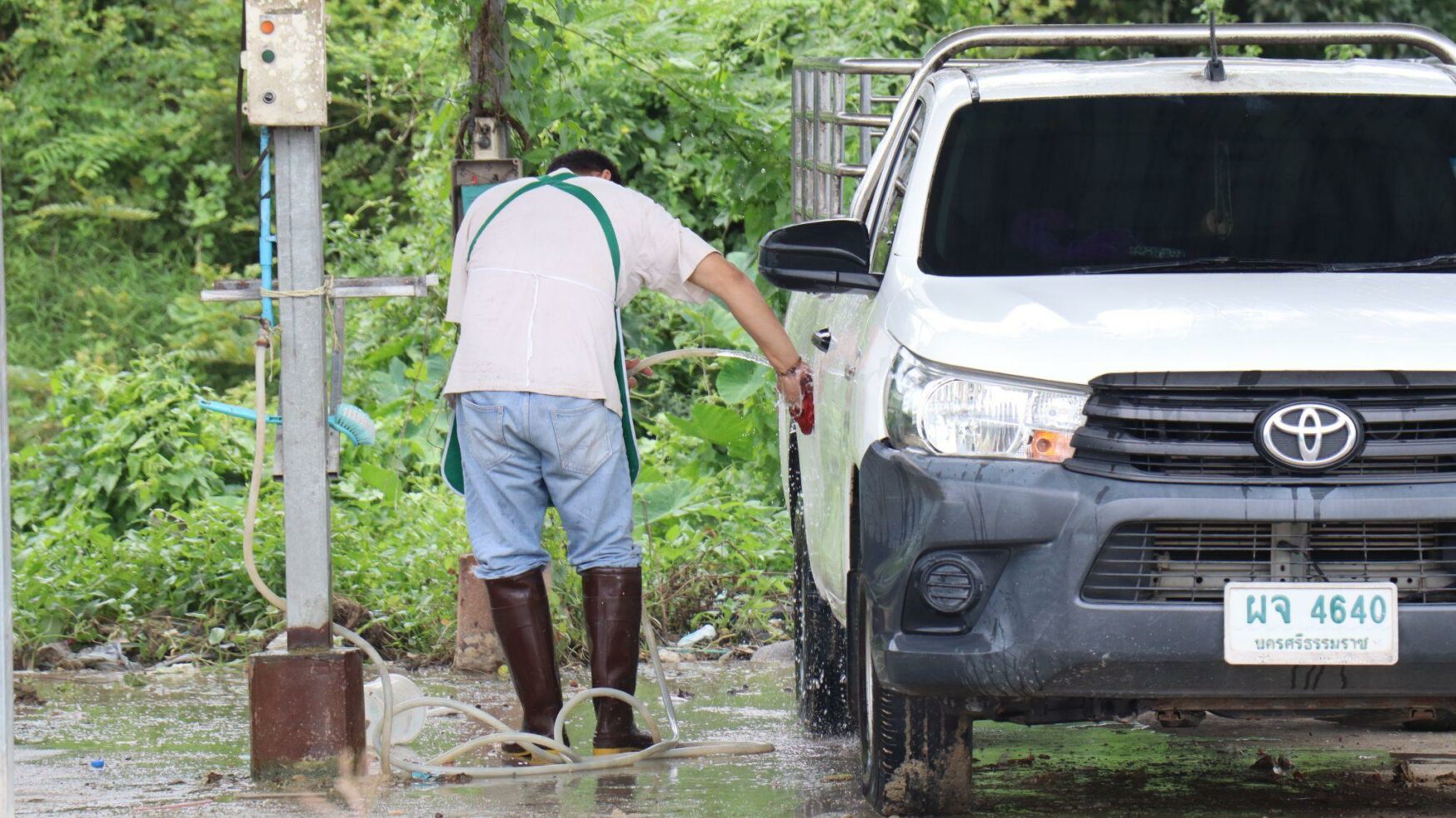
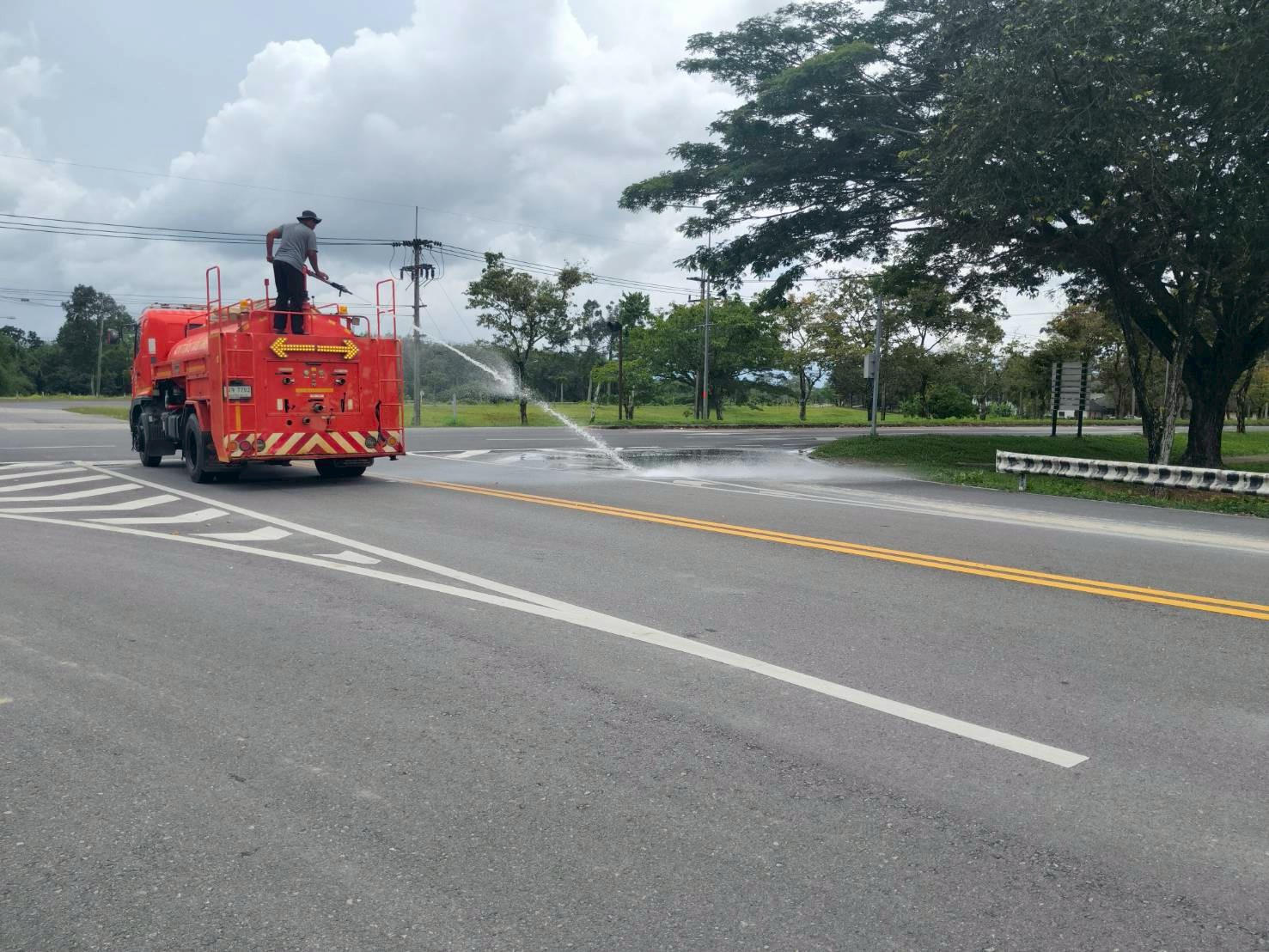
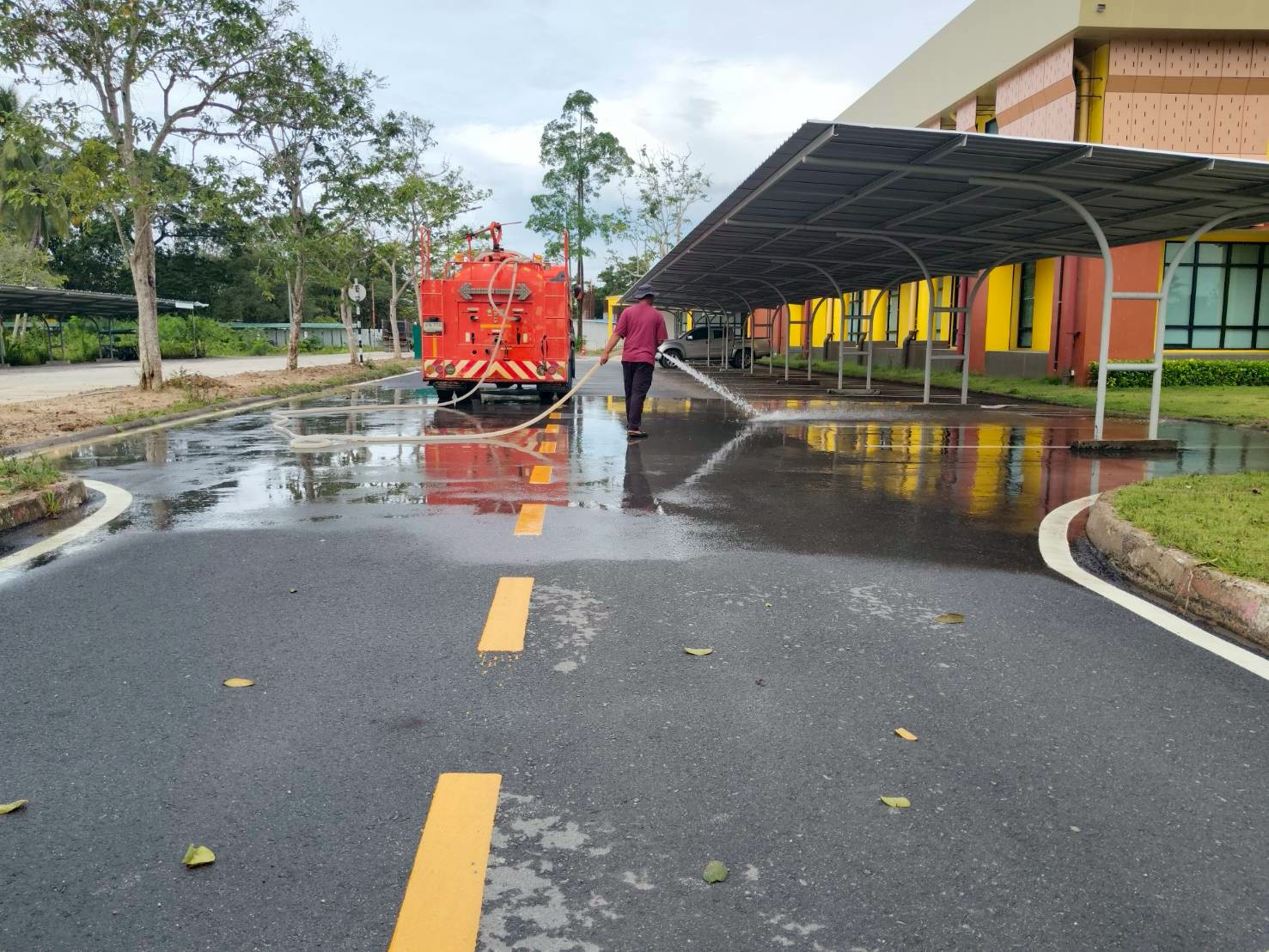
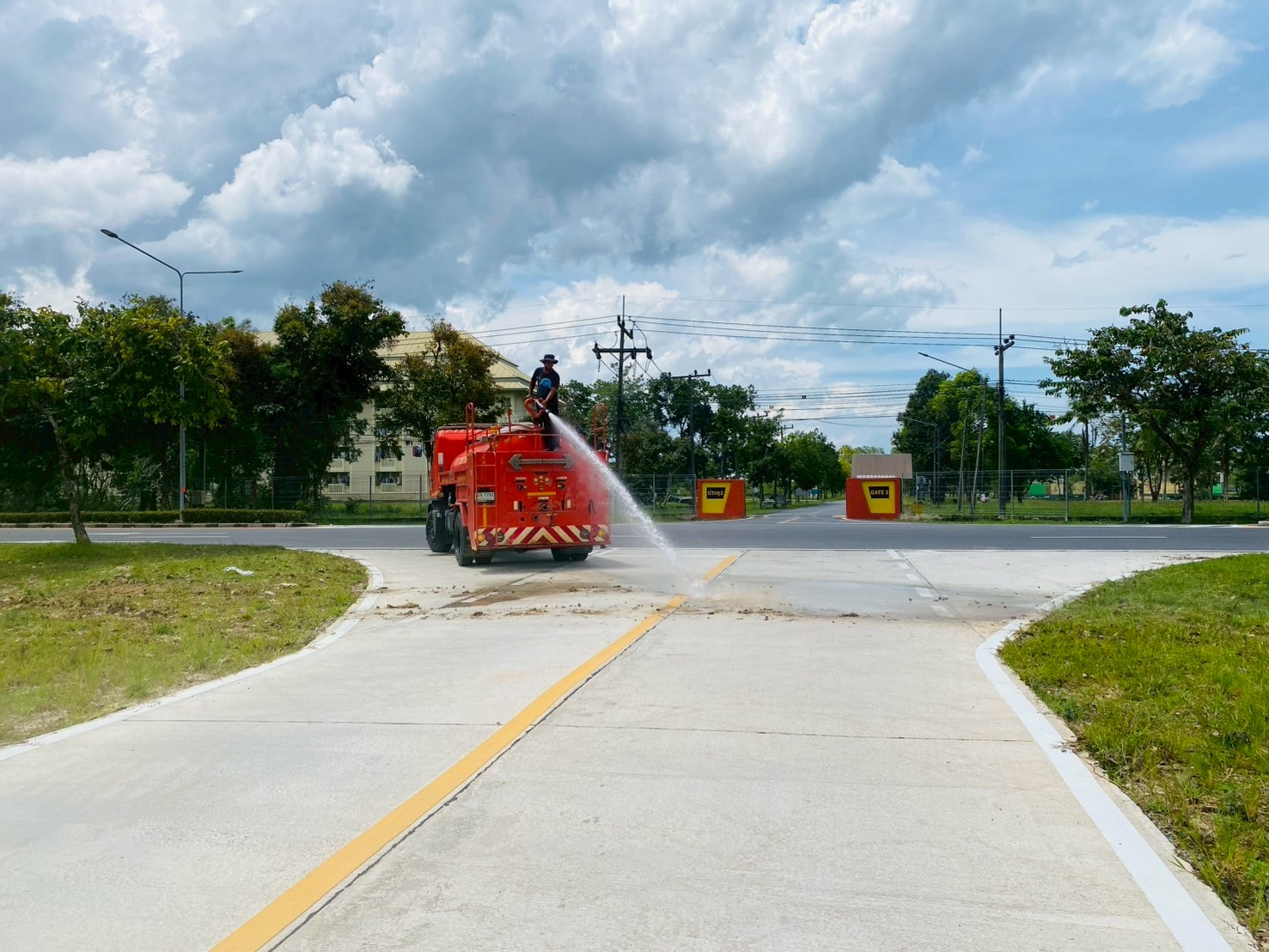
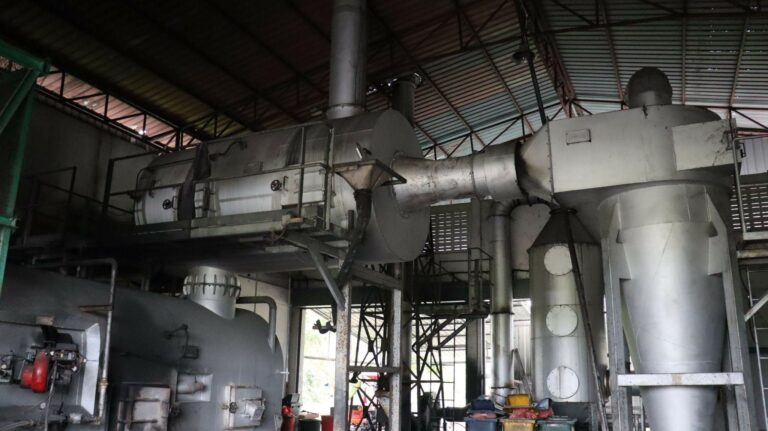
The treated water is then utilized for various on-campus activities, including watering plants, raising Nile tilapia, washing vehicles, cleaning internal roads, and serving as cooling water in the incineration system used for waste disposal from campus operations.
Figures: Watering plants
Figures: Raising Nile tilapia
Figures: Washing vehicles
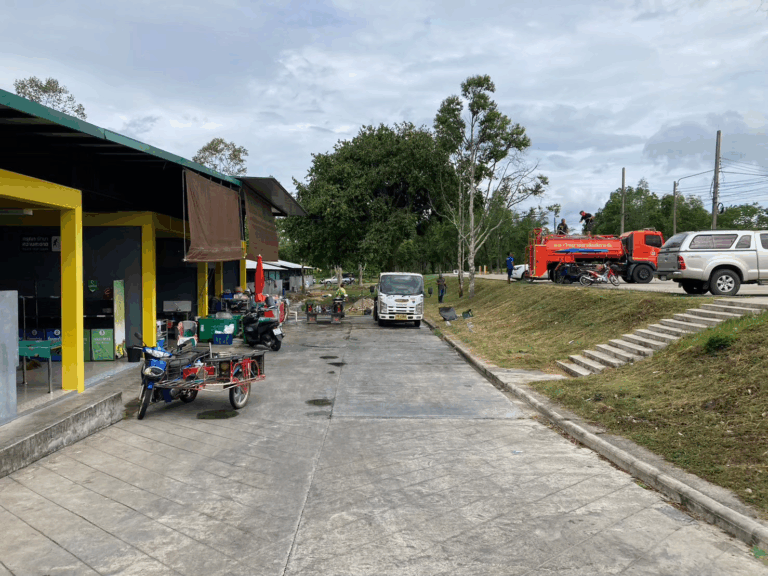
Figures: Cleaning internal roads
Figures: Cooling water in the incineration system
This success stems from the establishment of an efficient water management system, the implementation of an advanced wastewater treatment process, and continuous awareness campaigns on water conservation among staff and students. These initiatives not only enhance environmental sustainability and promote the well-being of campus residents but also generate positive impacts on surrounding communities. Walailak University has thus demonstrated its capacity as a model educational institution in sustainable natural resource management, paving the way for future community-level expansion of such practices.
Walailak University is committed to maintaining high standards for water quality to safeguard ecosystems, wildlife, and human health. To achieve this, the university has established clear wastewater treatment policies, supported by a comprehensive manual available in both e-book and PDF format.
Key Principles
Protection of the Environment and Community: Wastewater treatment systems are designed to prevent discharge into surrounding ecosystems while avoiding odor and noise pollution for the university community and nearby areas.
Capacity Building: Maintenance staff are trained and equipped to conduct preliminary checks, follow proper procedures, and address issues effectively.
Safe Reuse of Treated Water: The university demonstrates the safety of treated wastewater through its use in Nile tilapia farming, confirming its non-harmful quality.
Wastewater Management Measures
1. Campus-Wide Water Treatment System
The system includes wastewater collection ponds, grease traps, pump stations, aerated lagoons, and related facilities serving all university buildings.
2. Initial Physical Treatment
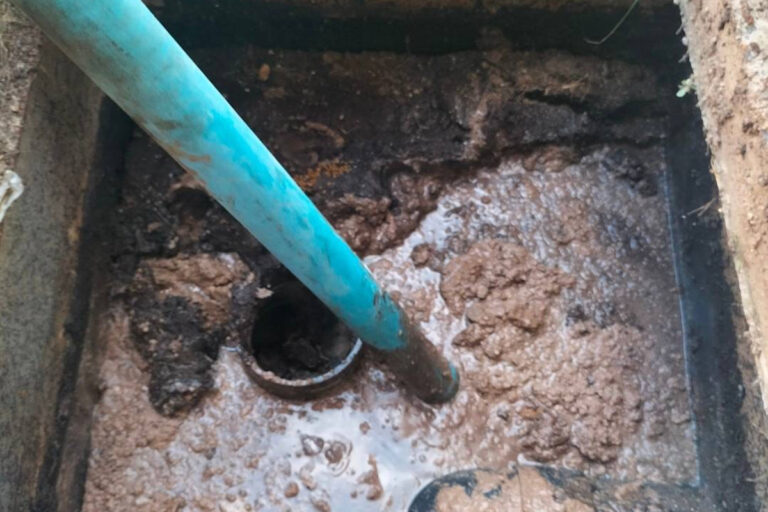
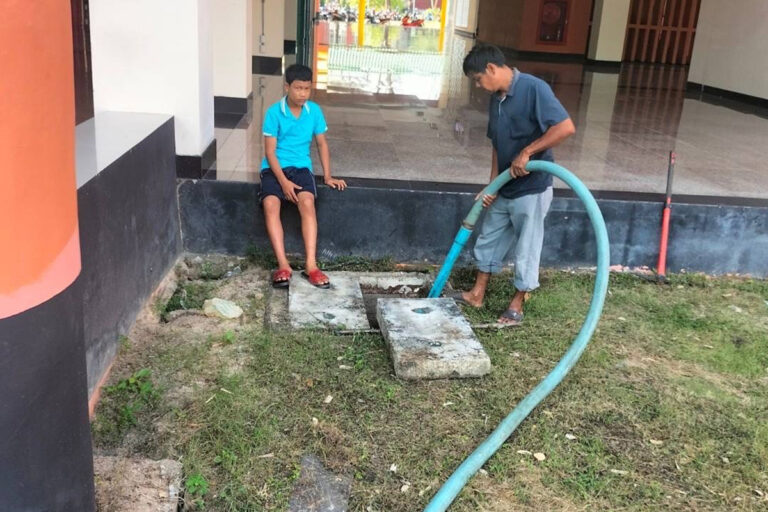
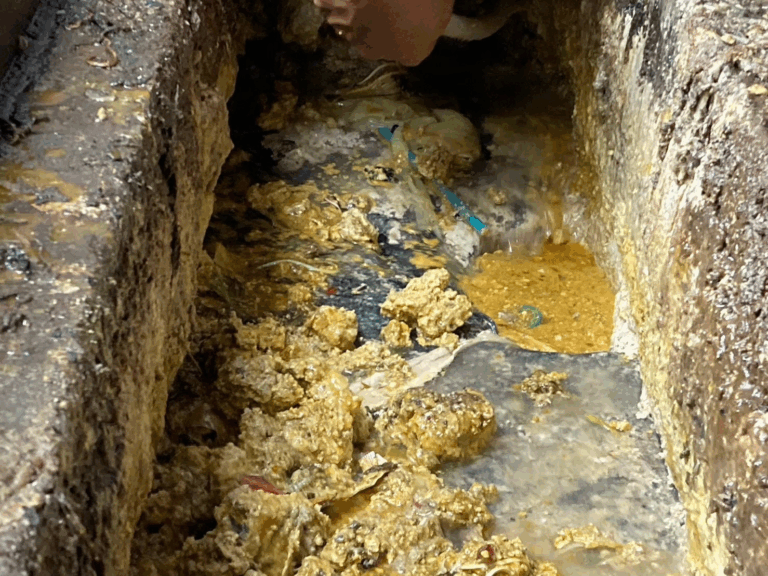
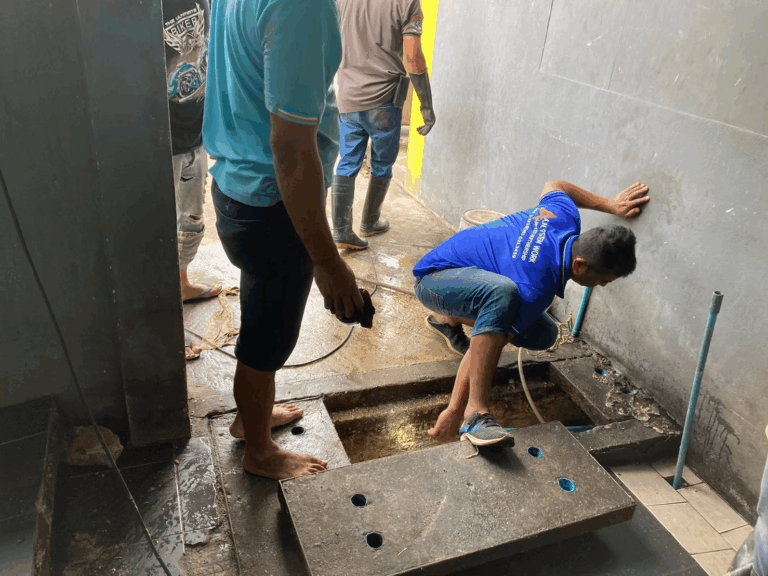
Buildings are required to install wide drainage grates and grease traps to capture grease and solids before wastewater enters the disposal system.
Responsible staff must conduct preliminary treatment in accordance with university standards.
3. Monitoring and Documentation
Building staff must maintain records of wastewater system performance and report sanitation information to the Division of Landscape and Building.
4. Quality Control and Oversight
The Division of Landscape Architecture and Environment oversees wastewater treatment and hazardous waste management.
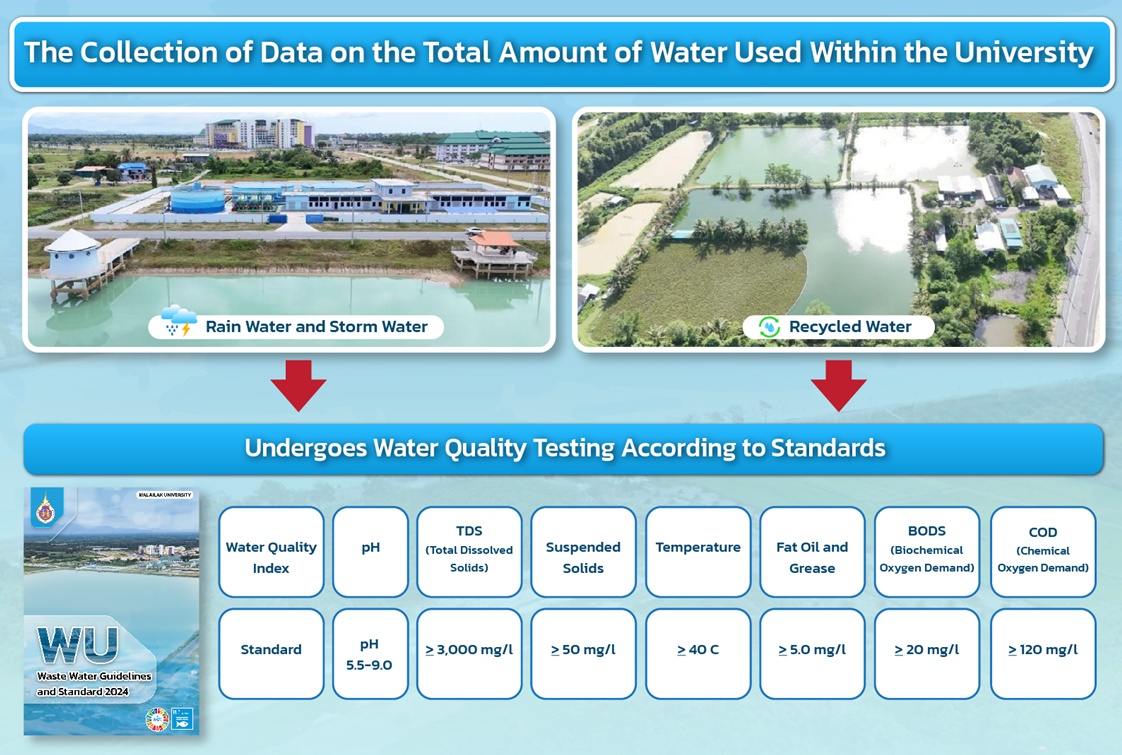
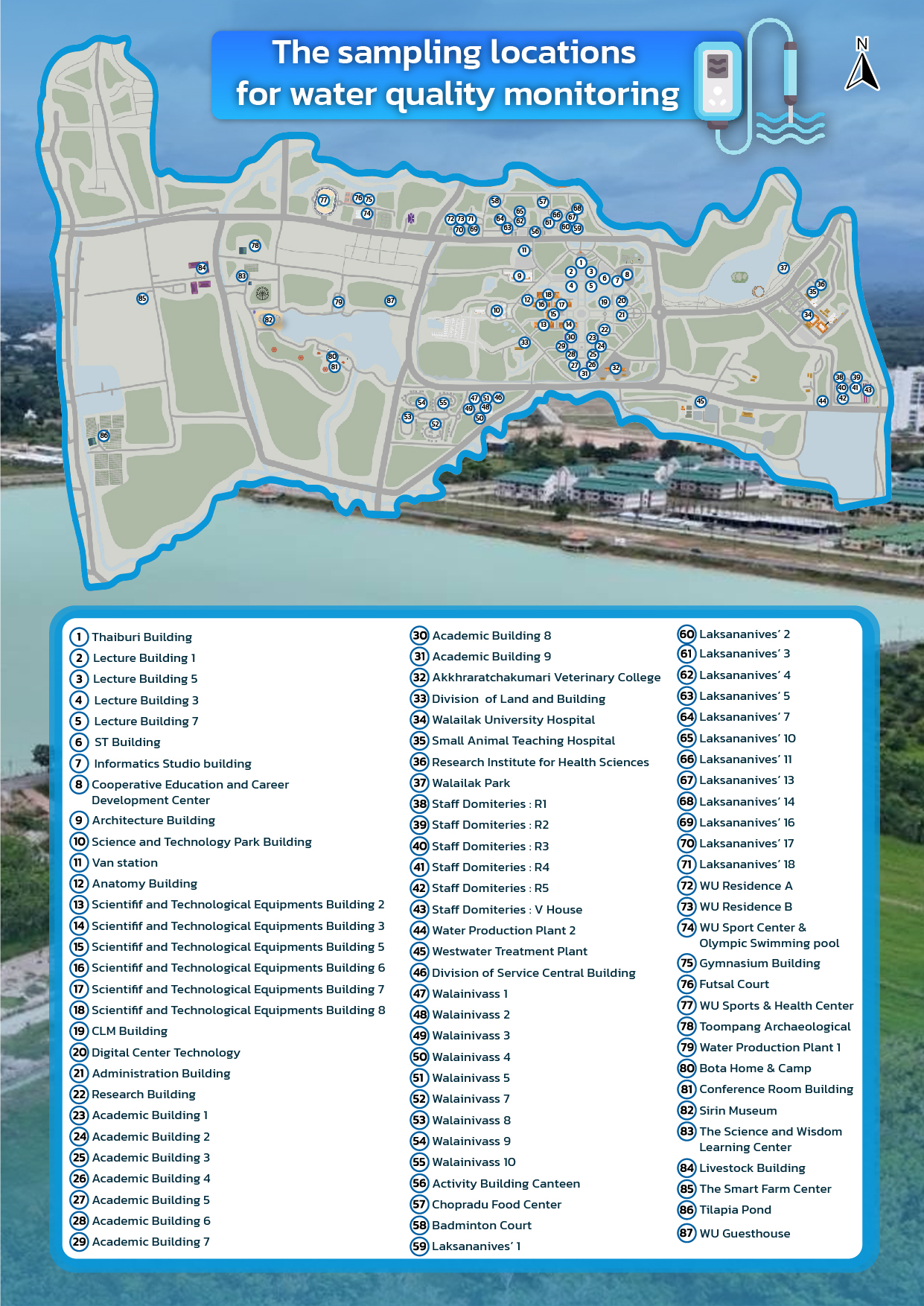
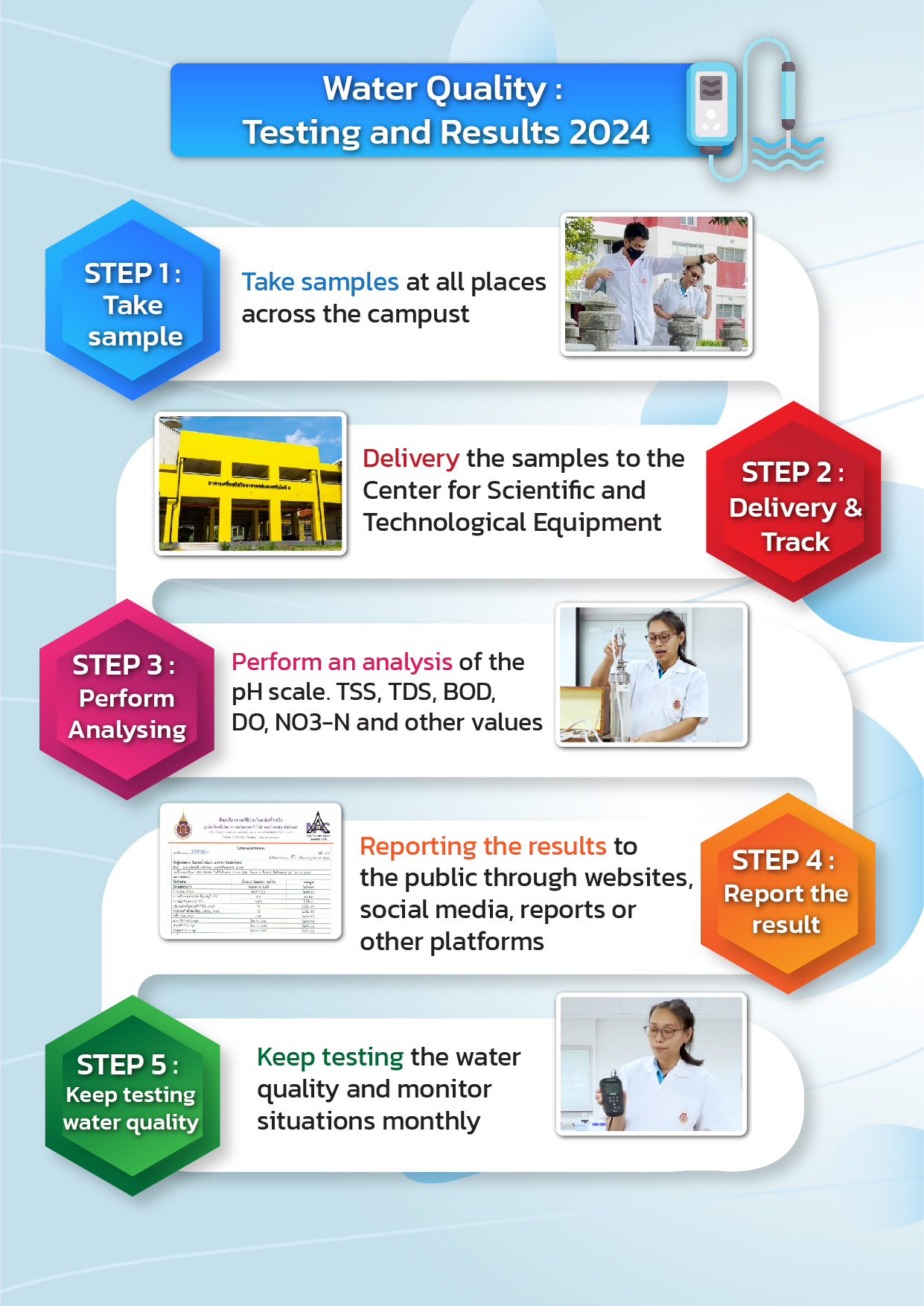
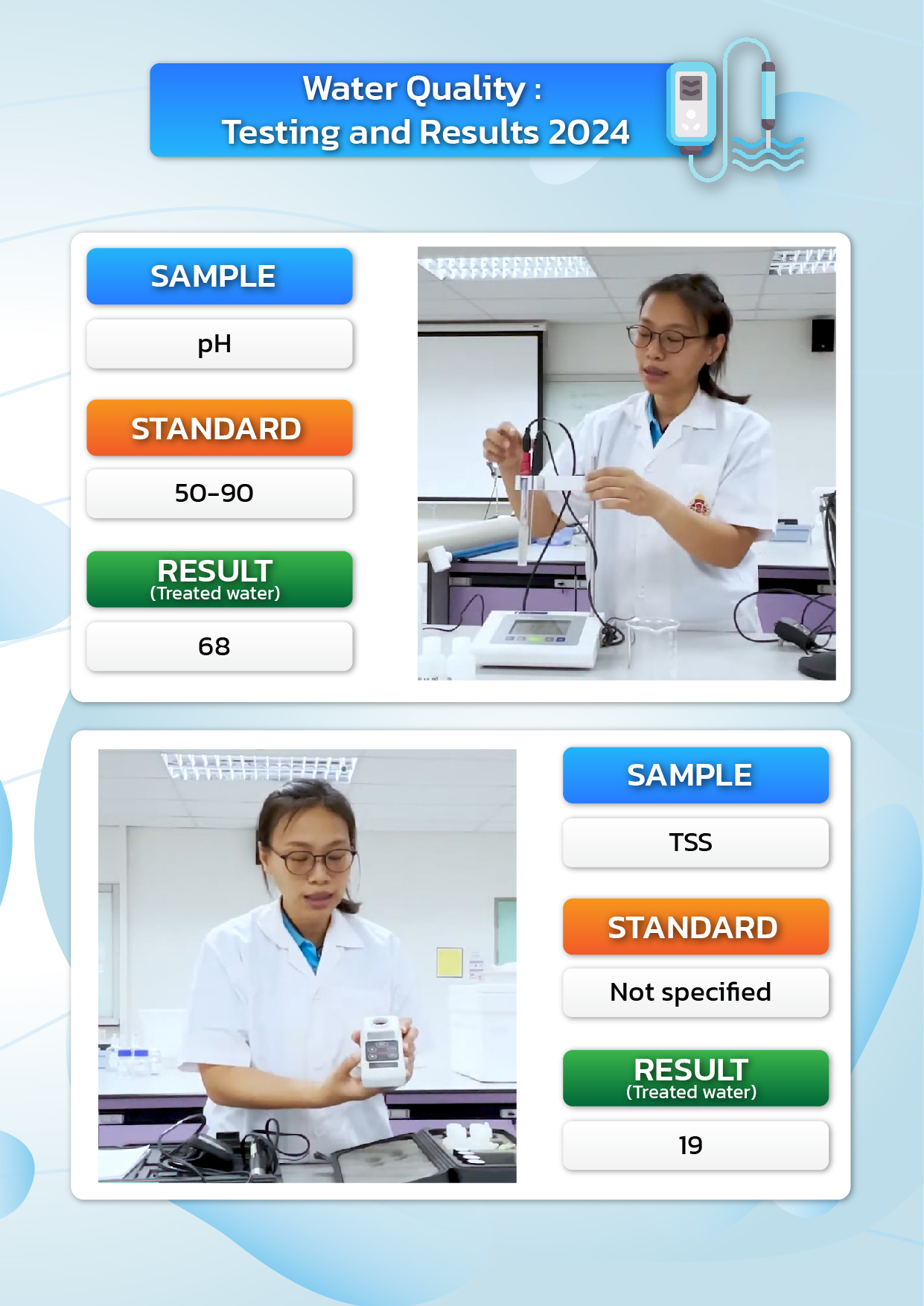
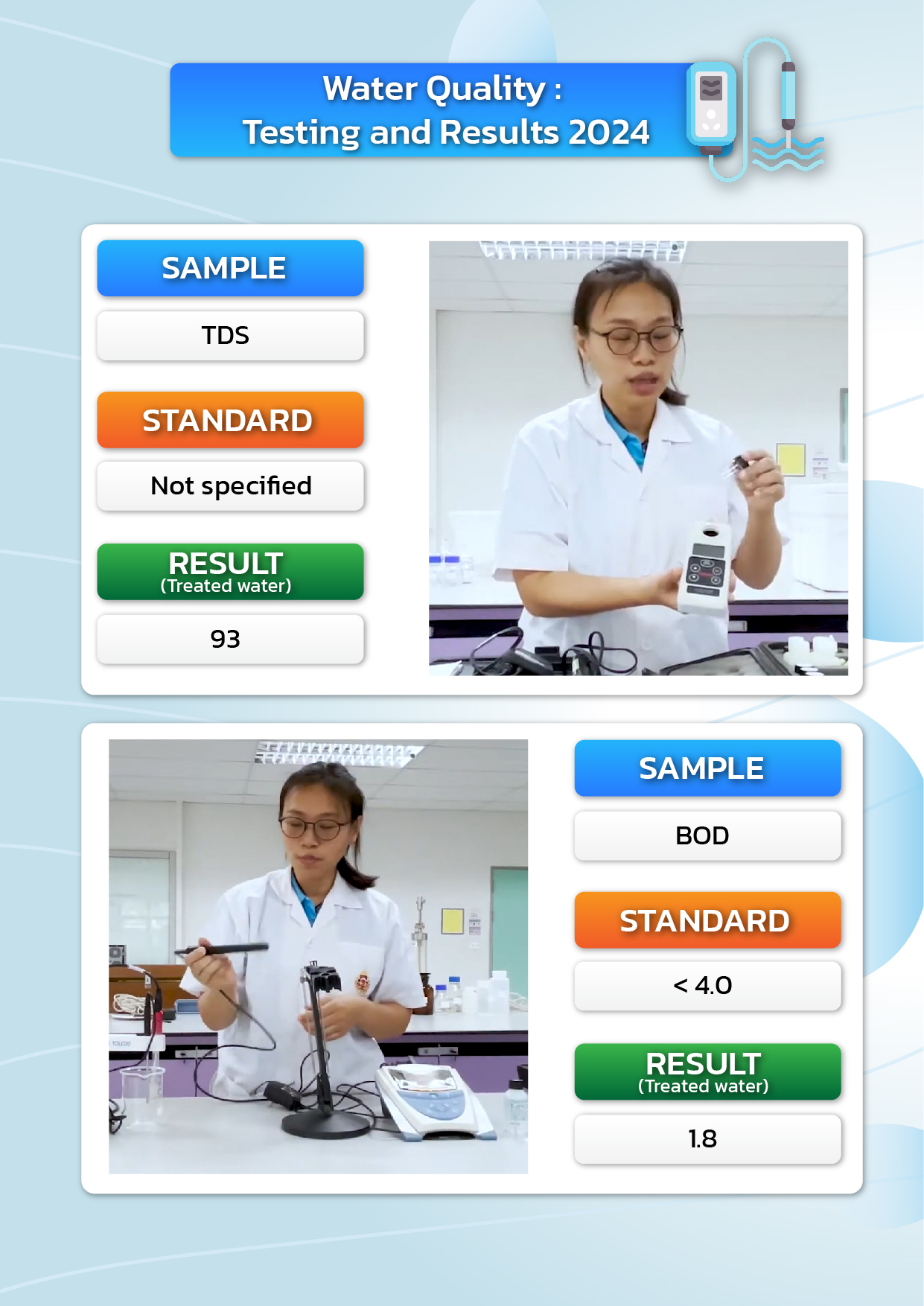
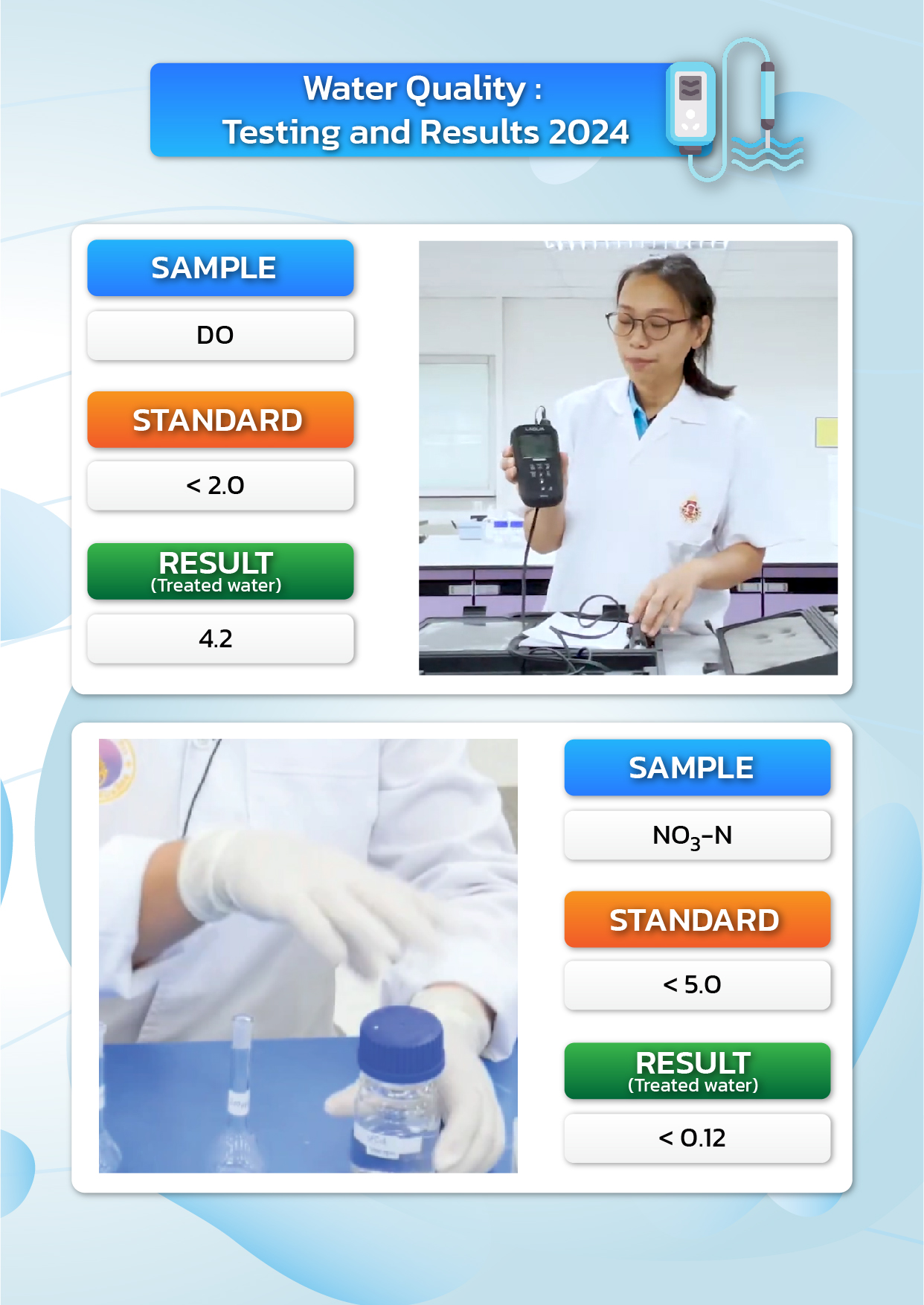
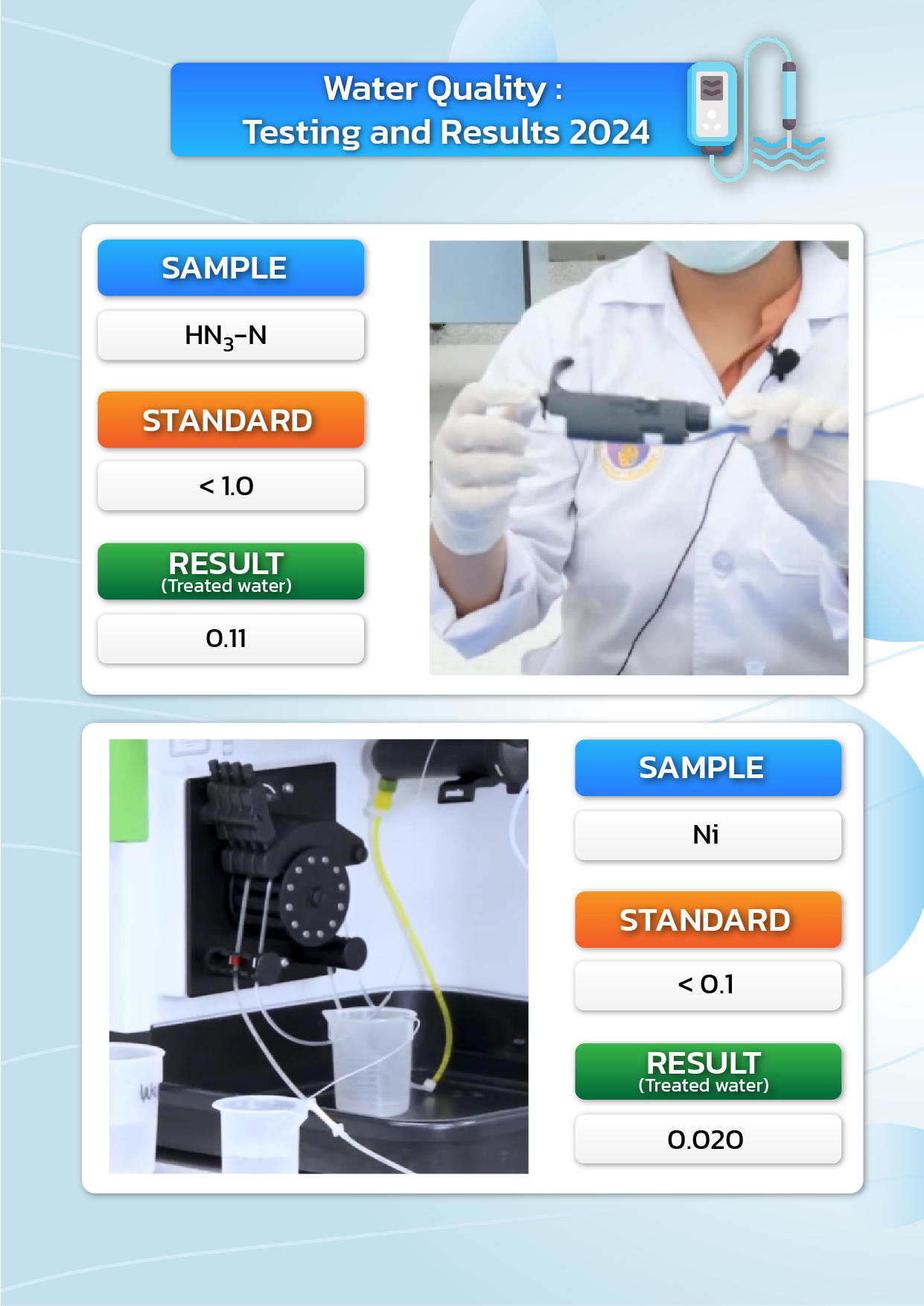
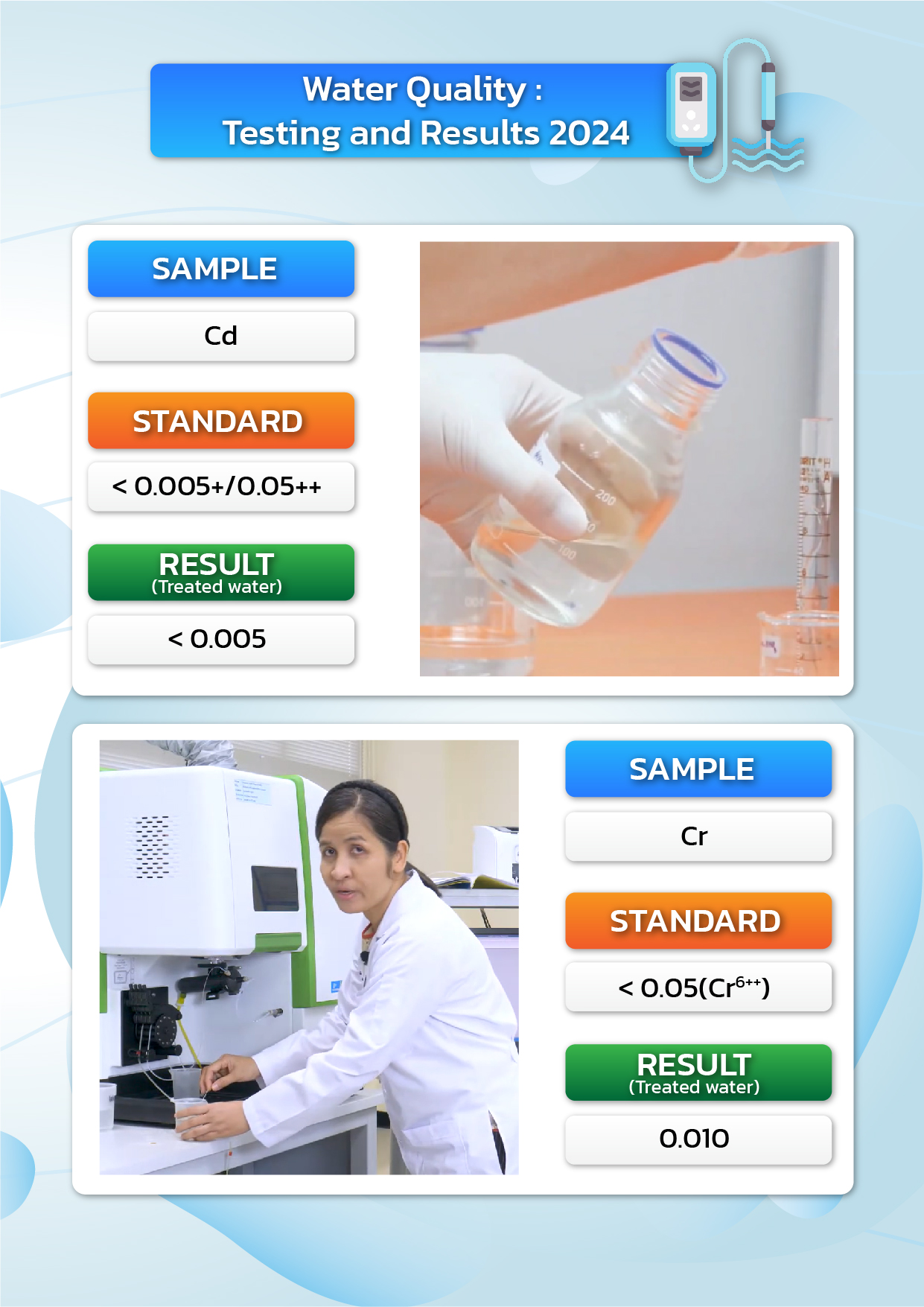
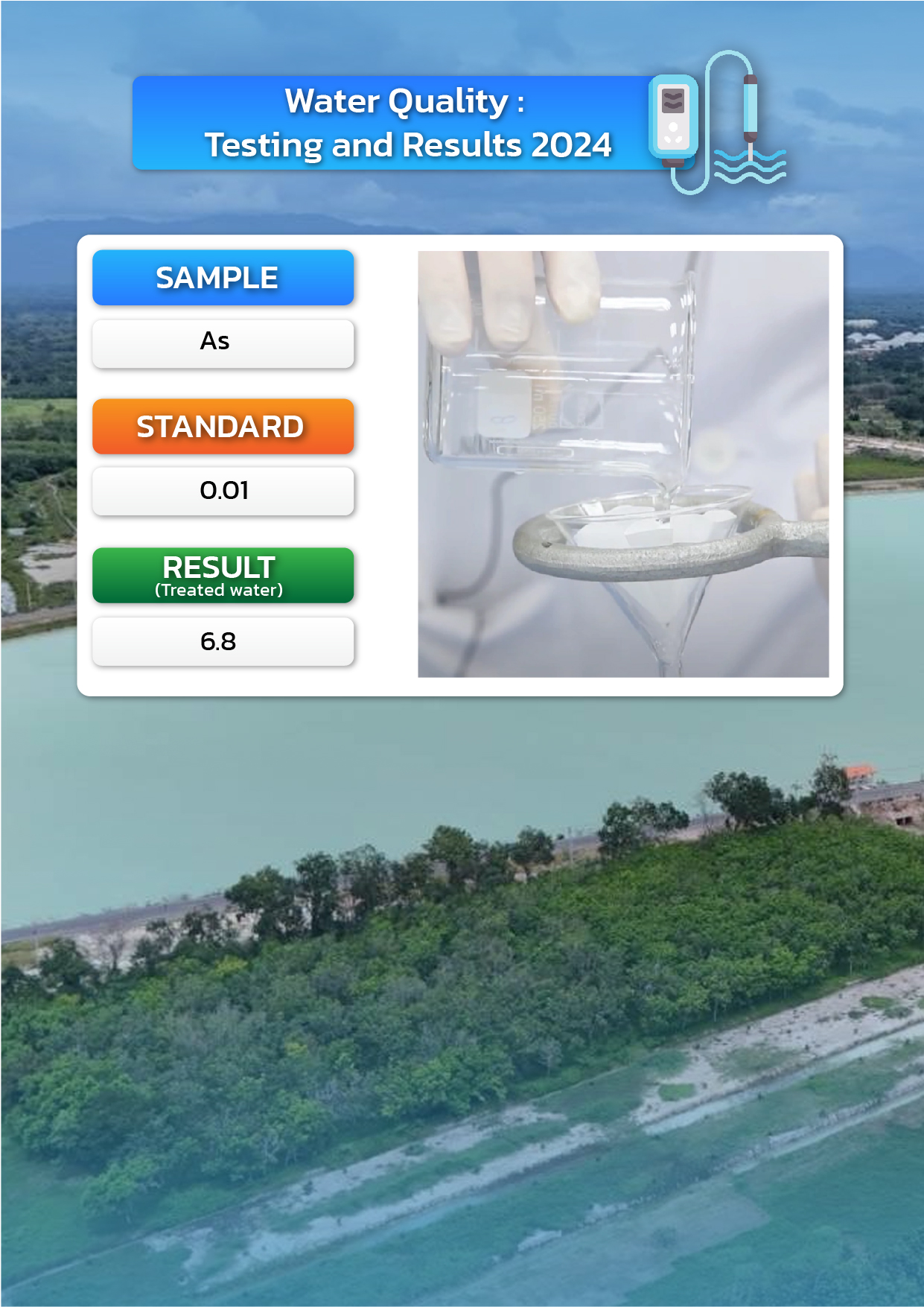
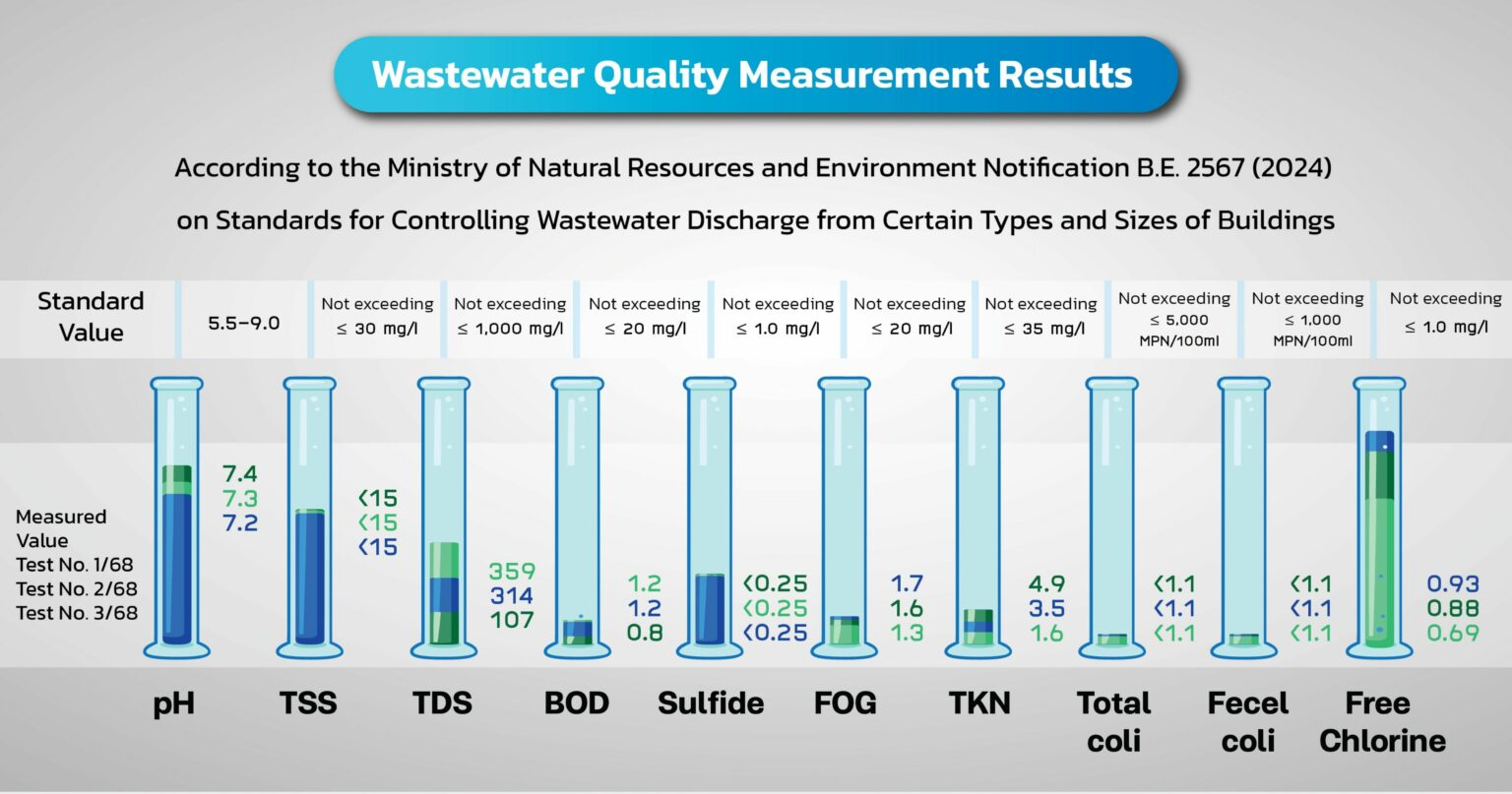
Wastewater is processed through aerated lagoons, ensuring no direct discharge into natural water systems.Regular monitoring covers pH, dissolved oxygen (DO), total suspended solids (TSS), total dissolved solids (TDS), biochemical oxygen demand (BOD), and nitrate-nitrogen.
5. Compliance with National Standards
Greywater treatment complies with the Notification of the National Environmental Board No. 8 (B.E. 2537, 1994), issued under the Enhancement and Conservation of National Environmental Quality Act (B.E. 2535, 1992).
6. Grease Trap Management
All buildings must use grease traps to maintain water quality prior to further treatment.
Staff are responsible for monthly disposal of collected grease and oils.
7. Equipment Maintenance
Building staff and relevant units must regularly inspect wastewater pumps, aerators, submersible sewage pumps, and covers.
Malfunctioning equipment must be repaired without delay to ensure continuous system performance.
In addition, Walailak University continuously monitors and inspects the operation and water production system from the Chonlanu Son Reservoir in real time to detect and prevent any irregularities during the production process. This proactive approach reflects the university’s efficiency in monitoring, surveillance, and data analysis, while promoting transparency in operations and reducing business costs related to energy use, operation time, and maintenance planning.