Sewage disposal
Sewage Disposal
Wastewater Treatment System of Walailak University
The wastewater treatment system at Walailak University receives wastewater from various buildings and facilities across the campus. The system is designed to efficiently manage and treat wastewater while supporting educational initiatives and promoting sustainability. It has a maximum capacity of 4,000 cubic meters per day and primarily employs biological treatment methods, particularly an aeration process using aerobic bacteria to decompose organic matter.
After the biological treatment, the water undergoes tertiary treatment, which includes chlorine disinfection to remove remaining contaminants, bacteria, and microorganisms. This process ensures that the treated water meets quality standards and is safe according to regulatory requirements.
The treated water can then be reused for various purposes, such as vehicle washing, street cleaning, irrigation, and landscaping, supporting the university’s sustainable water management initiatives.
Evidence of compliance includes water quality test results demonstrating that the treated water meets established standards, as well as system descriptions highlighting the advanced disinfection process before water reuse or discharge.
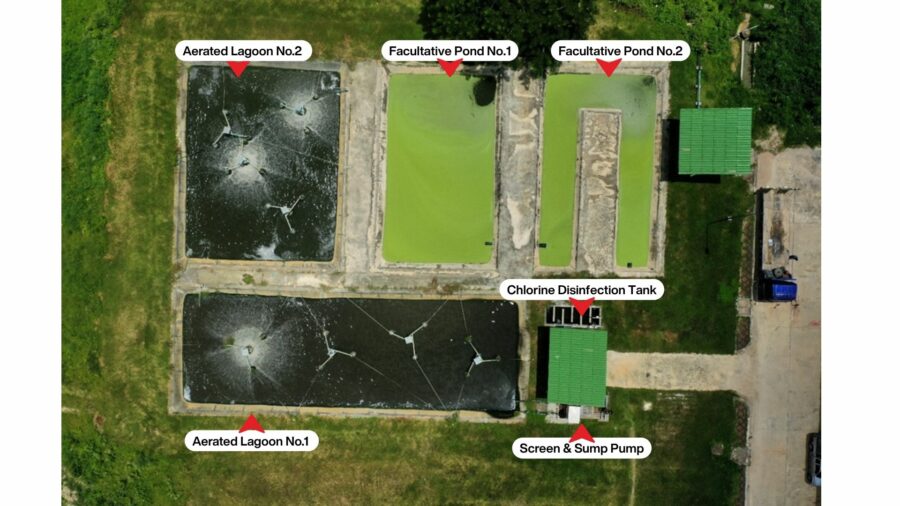
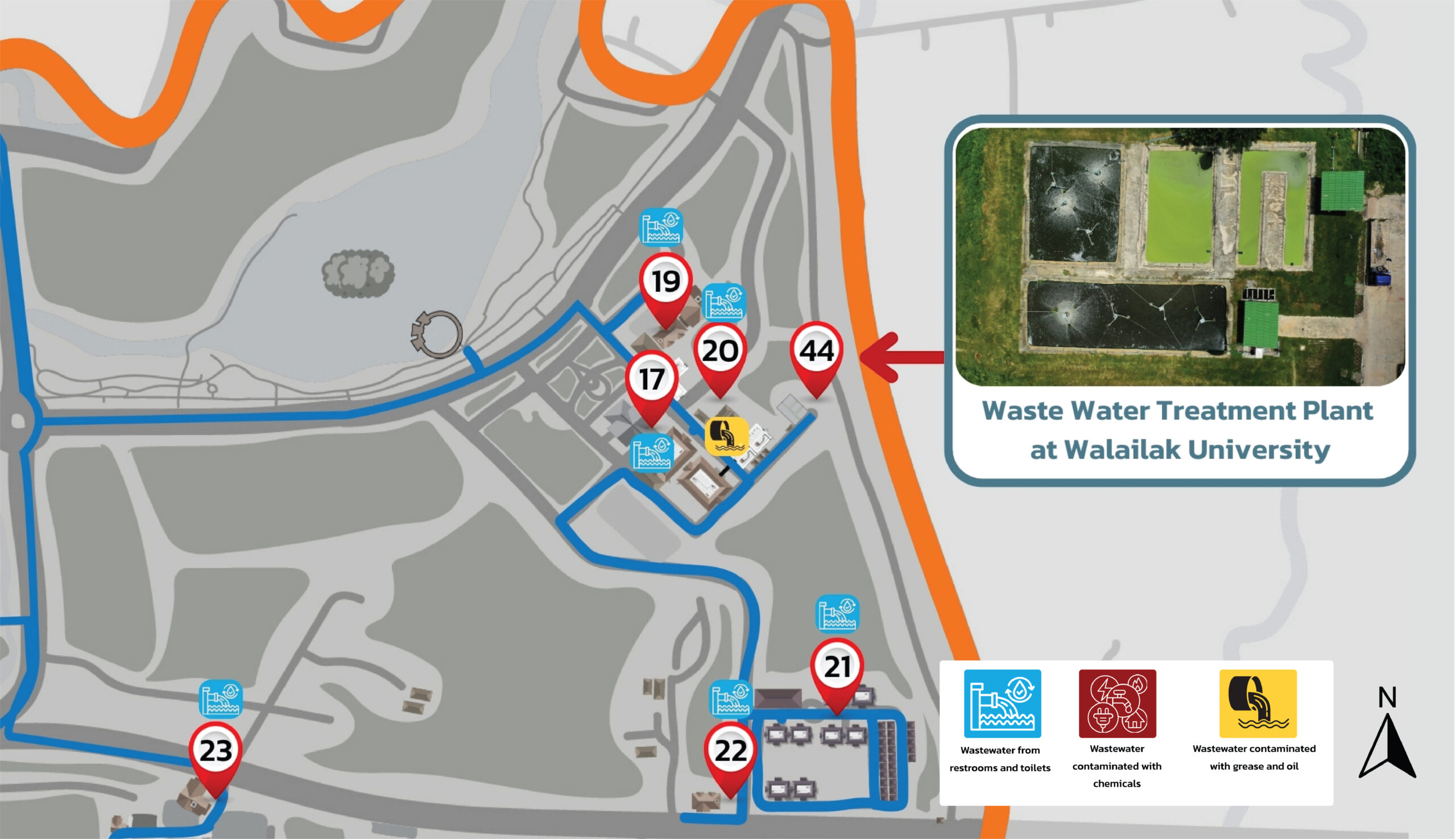
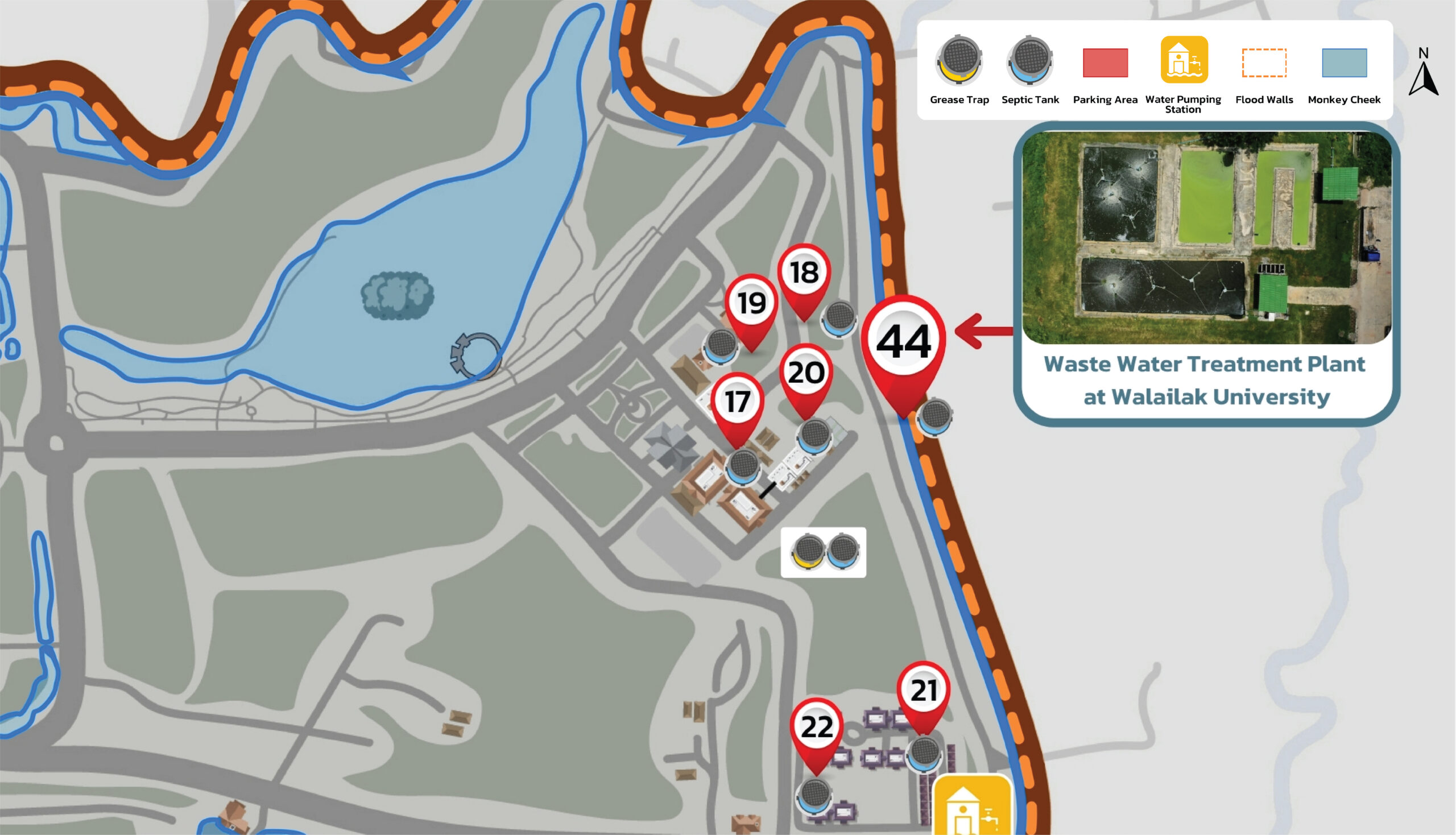
Figure 1 Aerial photograph of the wastewater treatment process area
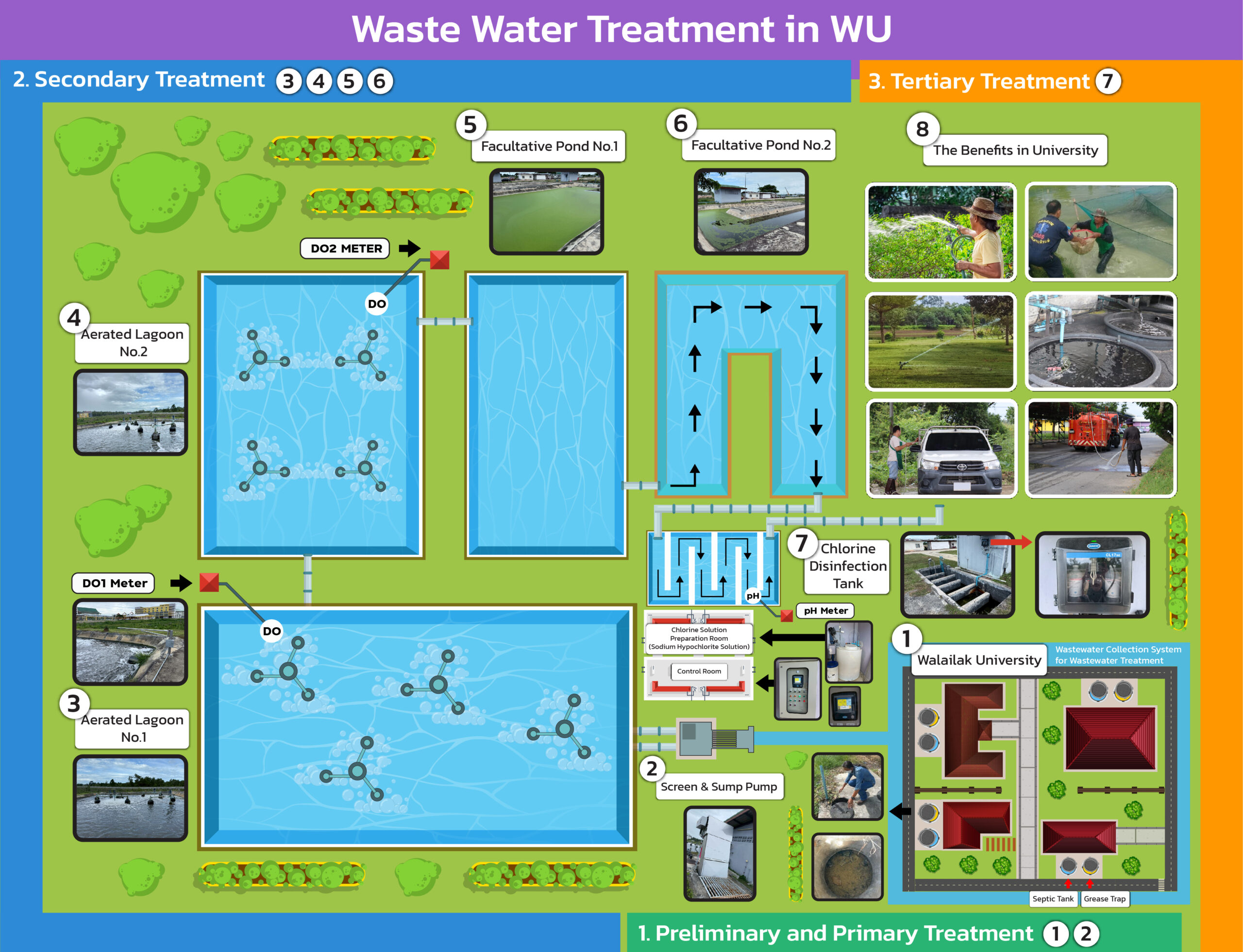
Figure 2 Sewage treatment is carried out using tertiary treatment, which includes disinfection through an chlorine disinfection system. This method effectively eliminates harmful pathogens, ensuring the treated water is safe and environmentally friendly
1. Overview of the Treatment Process
Primary Treatment
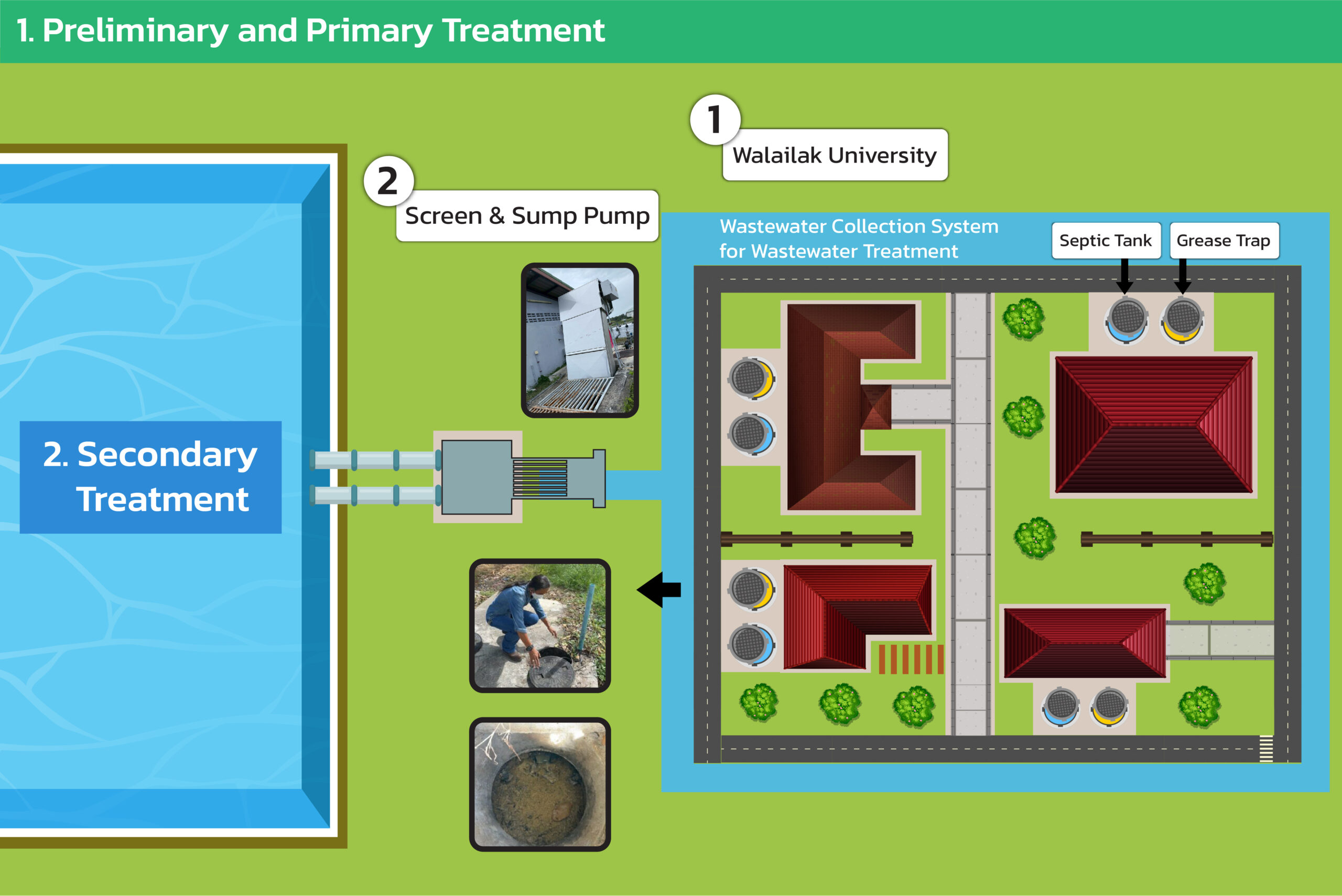
Primary treatment aims to remove large solids and suspended materials from wastewater before biological processes, preventing blockages and protecting downstream equipment:
- Mechanical Screening: Mechanical devices are used to filter and remove large debris, such as plastics, aquatic plants, and other solid waste, thereby preventing pipe blockages and protecting downstream machinery.
- Wastewater Pumping Station: This station continuously regulates the flow of wastewater into the main treatment processes to ensure efficient operation of the subsequent biological treatment stages.
Secondary Treatment
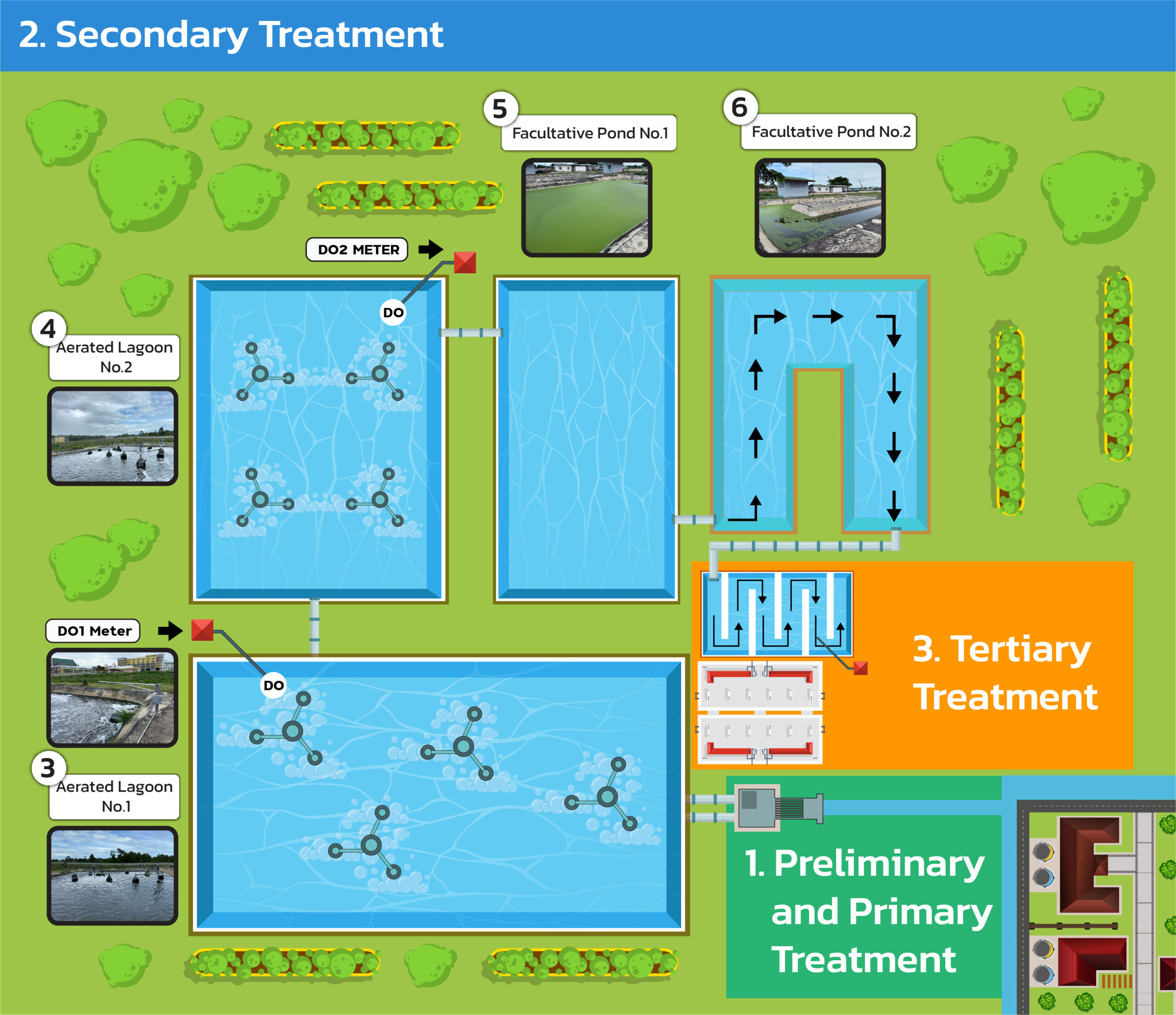
Secondary treatment focuses on the removal of dissolved and suspended organic matter through biological processes using microorganisms:
- Aerated Lagoons: Two primary aerated lagoons are used for secondary treatment. Air is introduced to support aerobic bacteria, which break down organic matter and reduce water turbidity.
- Facultative Ponds: Two additional ponds employ a combination of aerobic and anaerobic processes to further treat residual organic substances and reduce nutrient content, such as nitrogen and phosphorus.
Tertiary Treatment
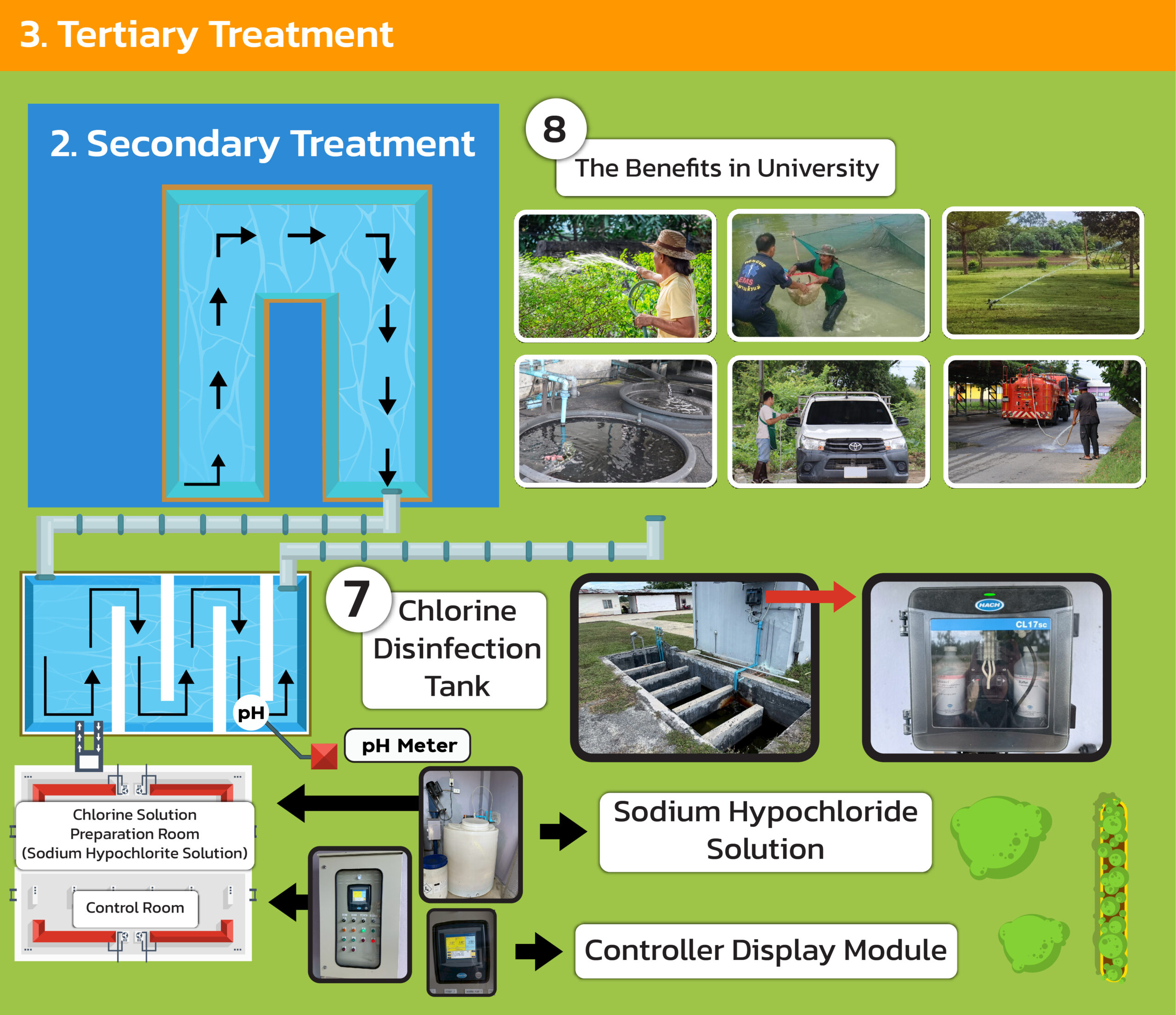
Tertiary treatment is the final step before the treated water is discharged into the environment, aiming to eliminate pathogens and ensure water quality compliance:
- Chlorine Disinfection System: Treated wastewater undergoes chlorination to inactivate pathogenic microorganisms, ensuring that the discharged water is environmentally safe and meets regulatory water quality standards.
Walailak University’s wastewater treatment system is organized into a systematic, multi-stage process encompassing primary removal of large solids, secondary biological treatment of organic matter, and tertiary disinfection. This approach ensures that the discharged water meets environmental standards and regulatory requirements.
2.Compliance with Environmental Standards
The treated wastewater is subject to rigorous monitoring to ensure compliance with Class 3 surface water quality standards, as stipulated in the 1994 Notification of the National Environment Board (No. 8) regarding surface water quality. Water quality is analyzed every three months to verify that discharged effluent meets the established criteria. This ensures that the effluent is safe and does not pose risks to the surrounding environment.
3.Efficient Water Use and Wastewater Reduction
Walailak University promotes water conservation and efficient use throughout the campus. These initiatives reduce the volume of wastewater generated, alleviate the operational load on the treatment system, and contribute to sustainable water resource management.
Preliminary and Primary Treatment System of Walailak University
Secondary Treatment System of Walailak University
Wastewater treatment system using tertiary treatment with chlorine disinfection system of Walailak University
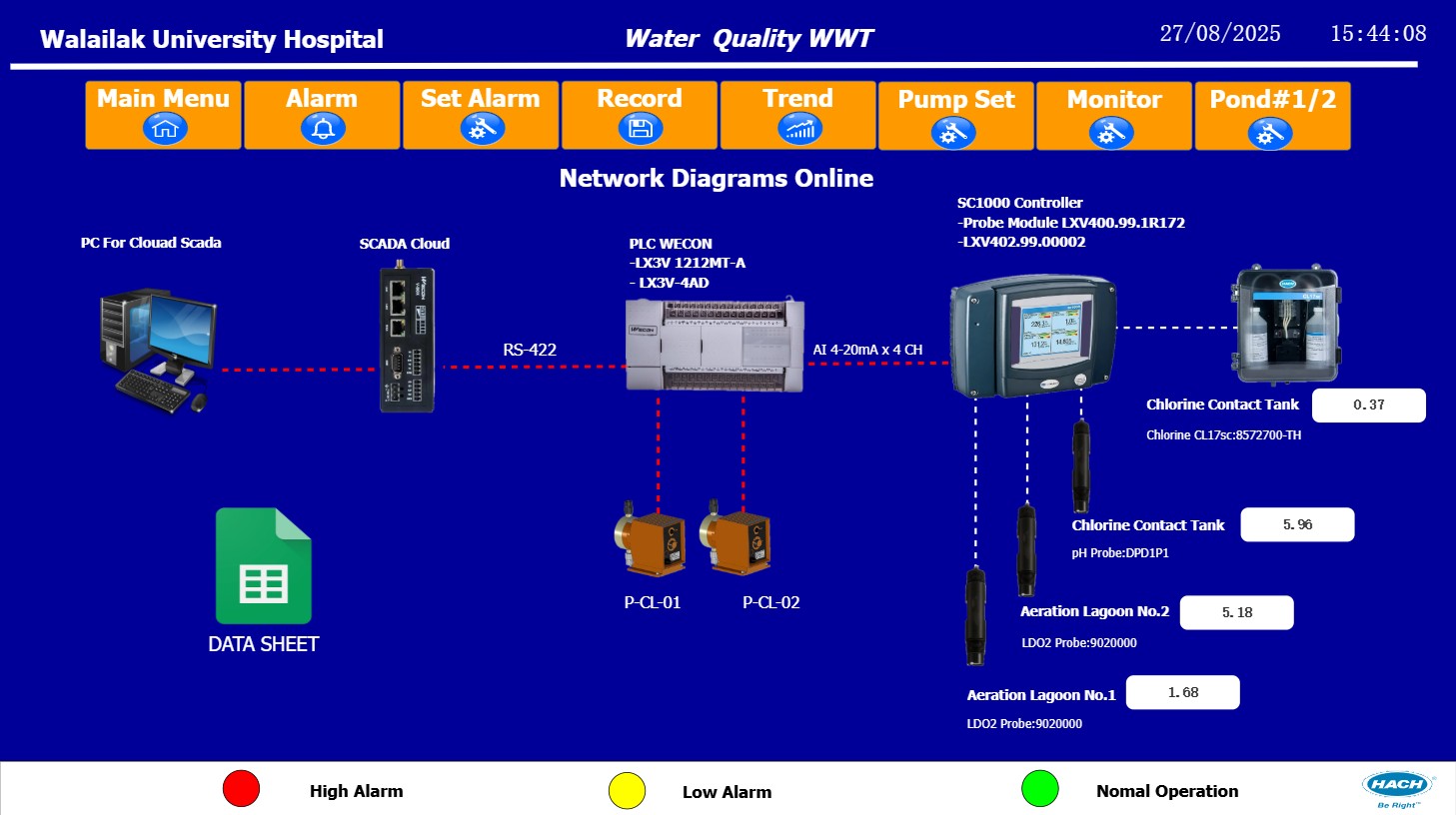
Figure 3 Real-time monitoring software for wastewater quality parameters at Walailak University
The wastewater treatment at Walailak University is implemented through a tertiary treatment process, incorporating a chlorination system for the effective inactivation of pathogenic microorganisms. This ensures that the treated effluent is safe for discharge and environmentally sustainable. Furthermore, a real-time water quality monitoring system has been deployed, covering key parameters such as pH, dissolved oxygen (DO), and chlorine concentration. This system facilitates continuous and precise monitoring and control of water quality, with data accessible online for ongoing assessment and management.
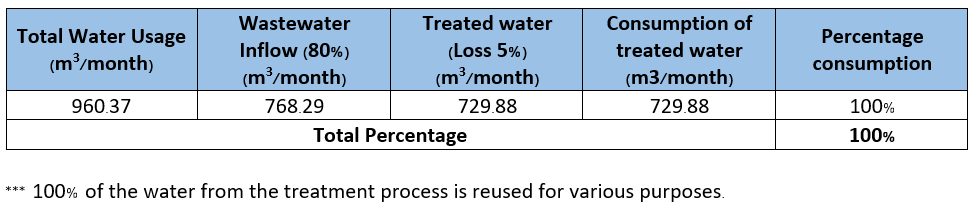
Average Monthly Wastewater Influent to the Treatment System at Walailak University
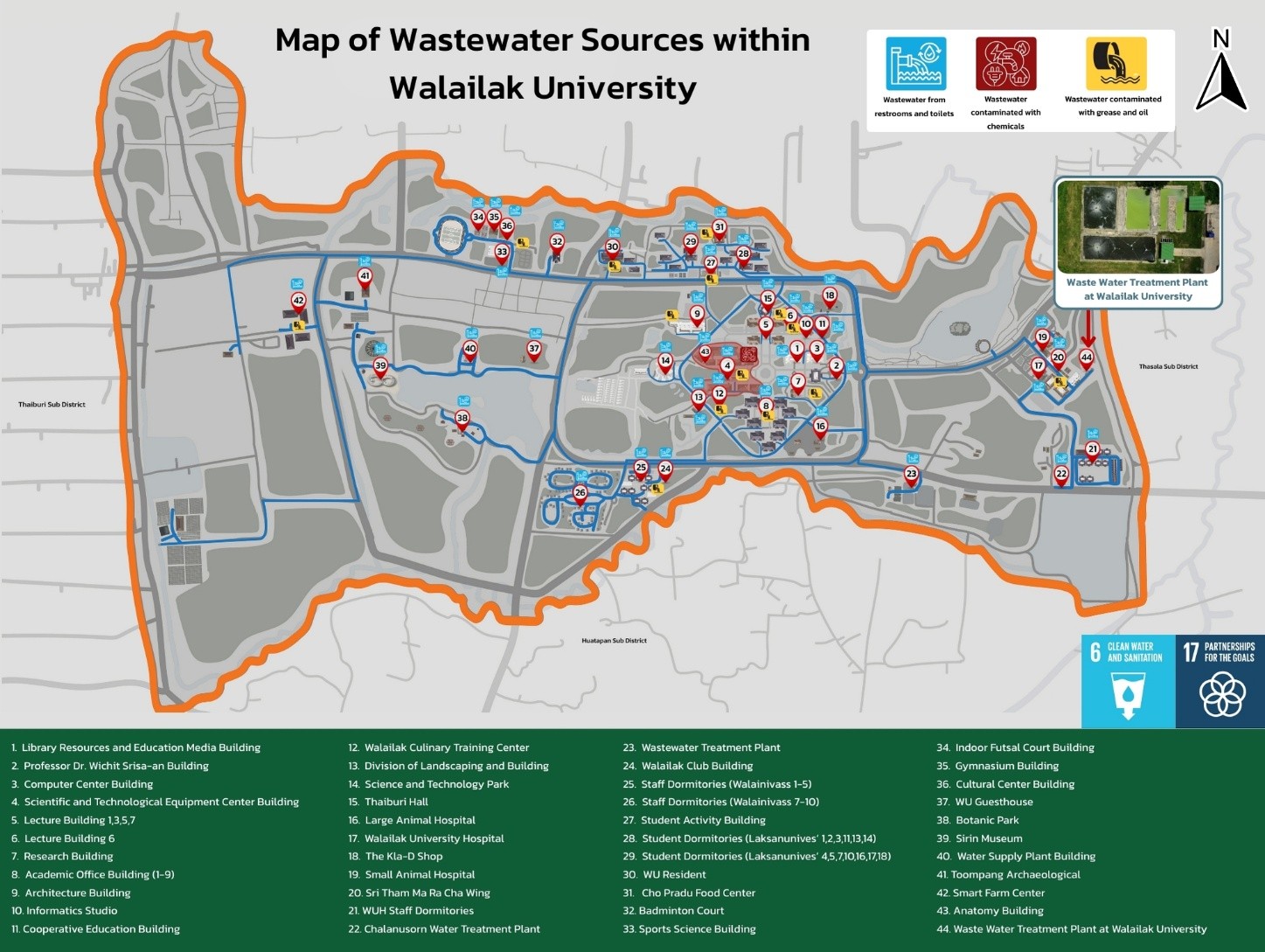
Figure 4 Average Monthly Wastewater Influent to the Treatment System at Walailak University
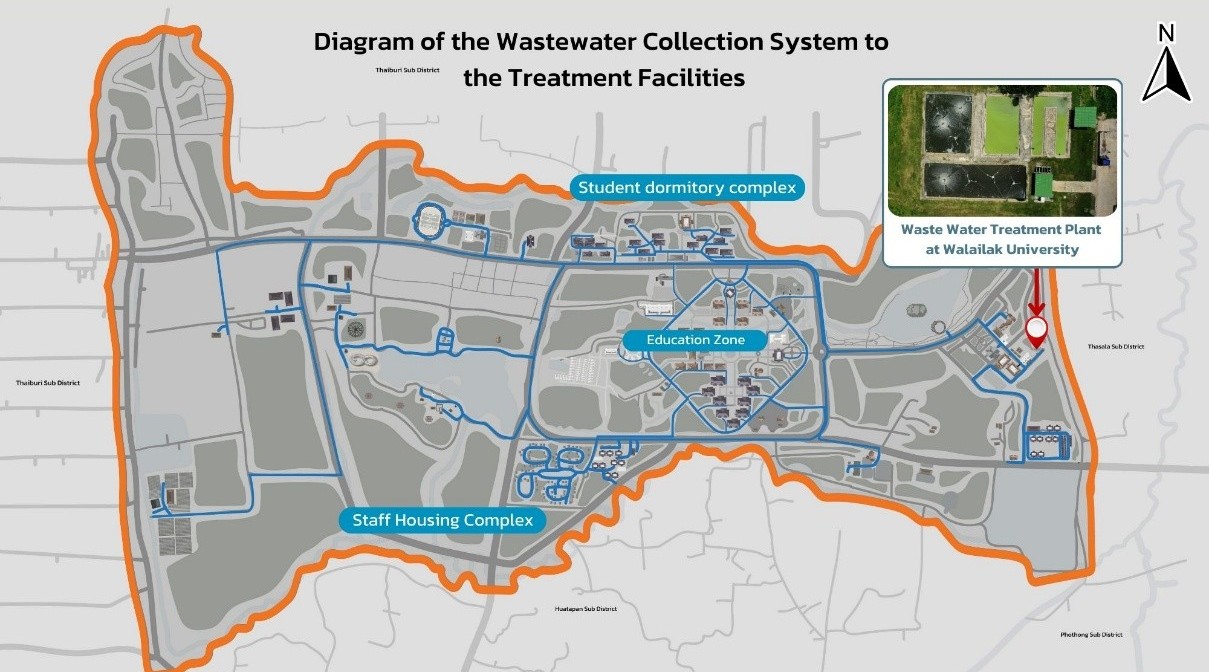
Figure 5 Diagram of the Wastewater Collection System to the Treatment Facilities
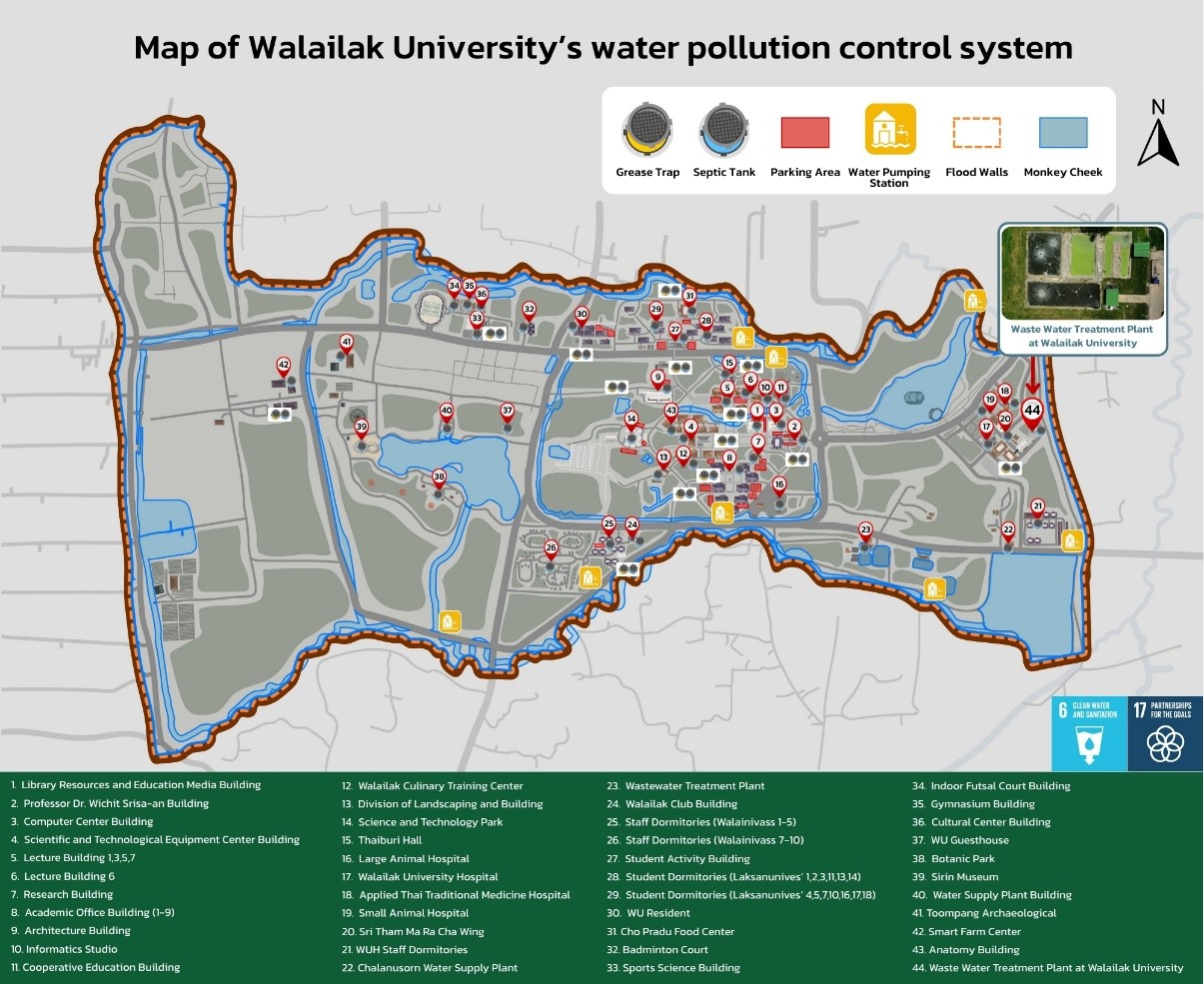
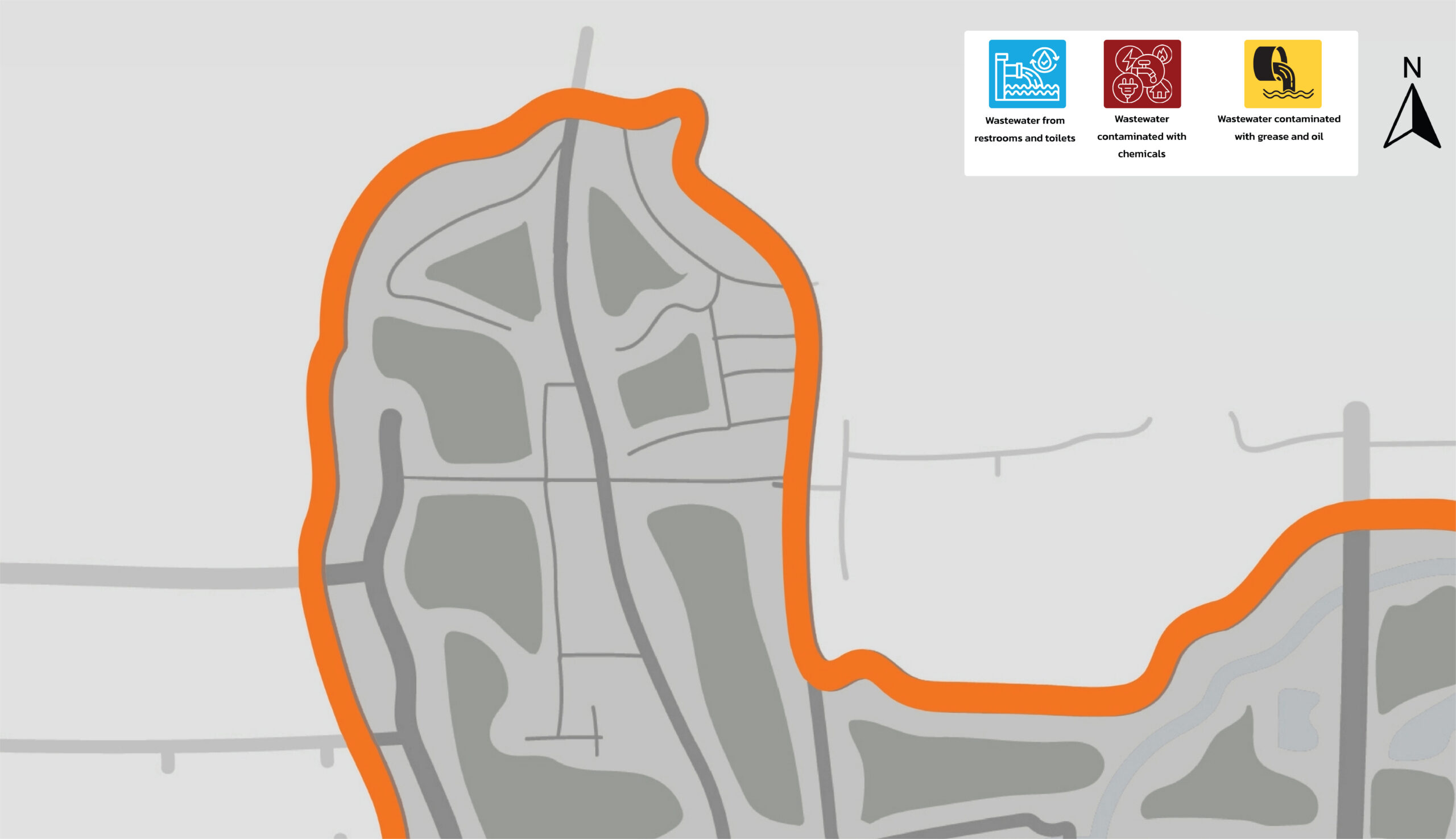
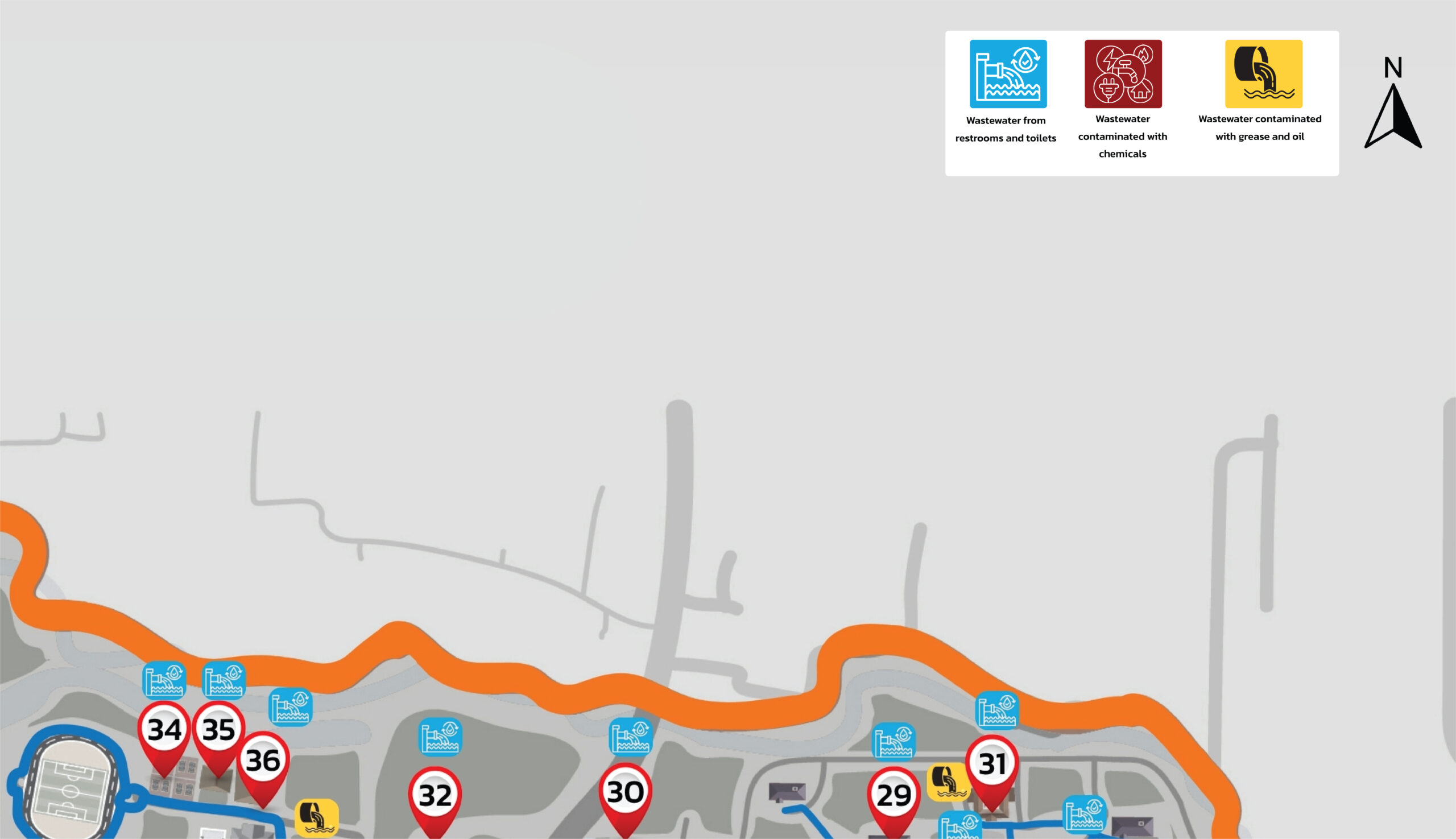
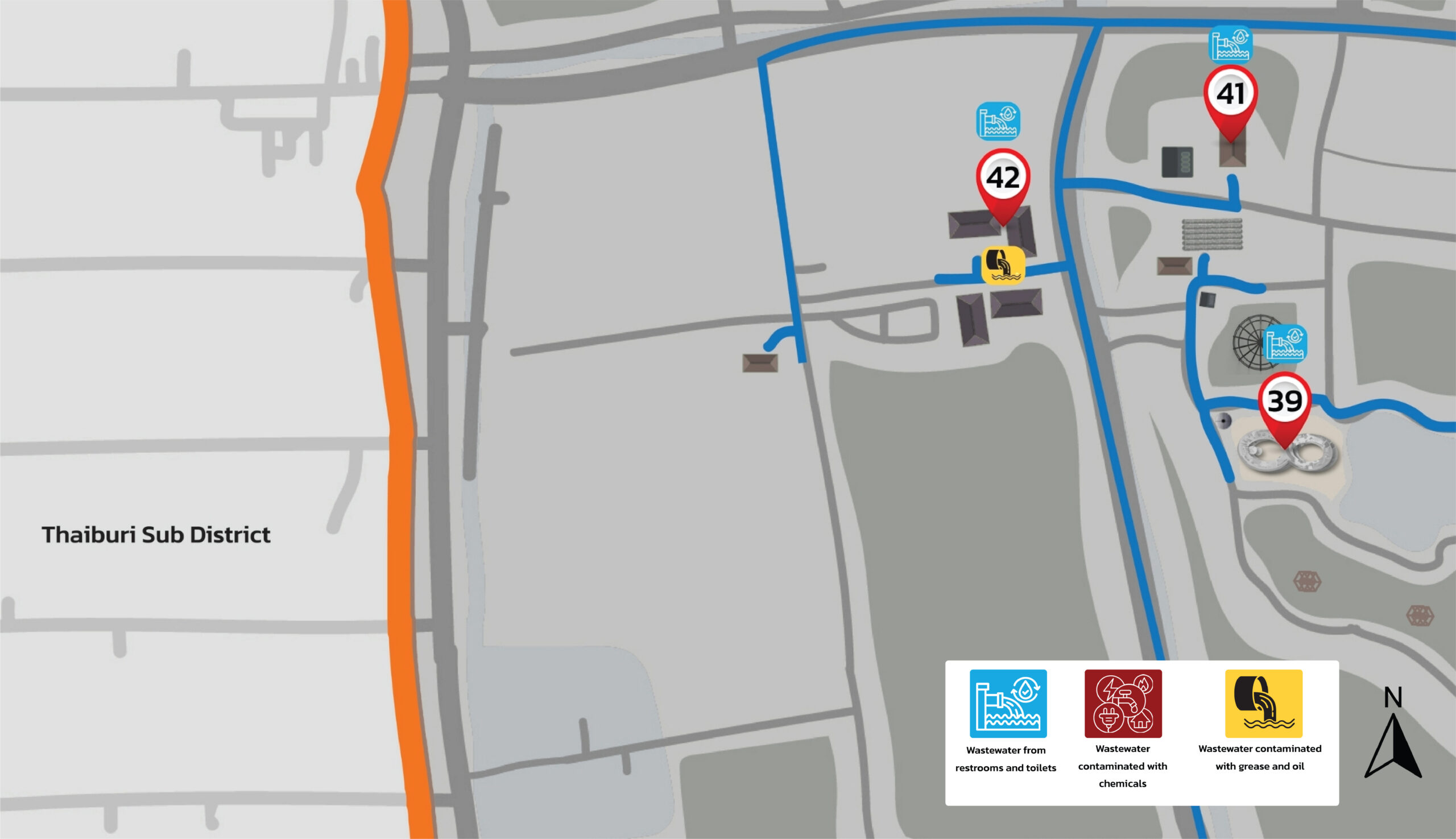
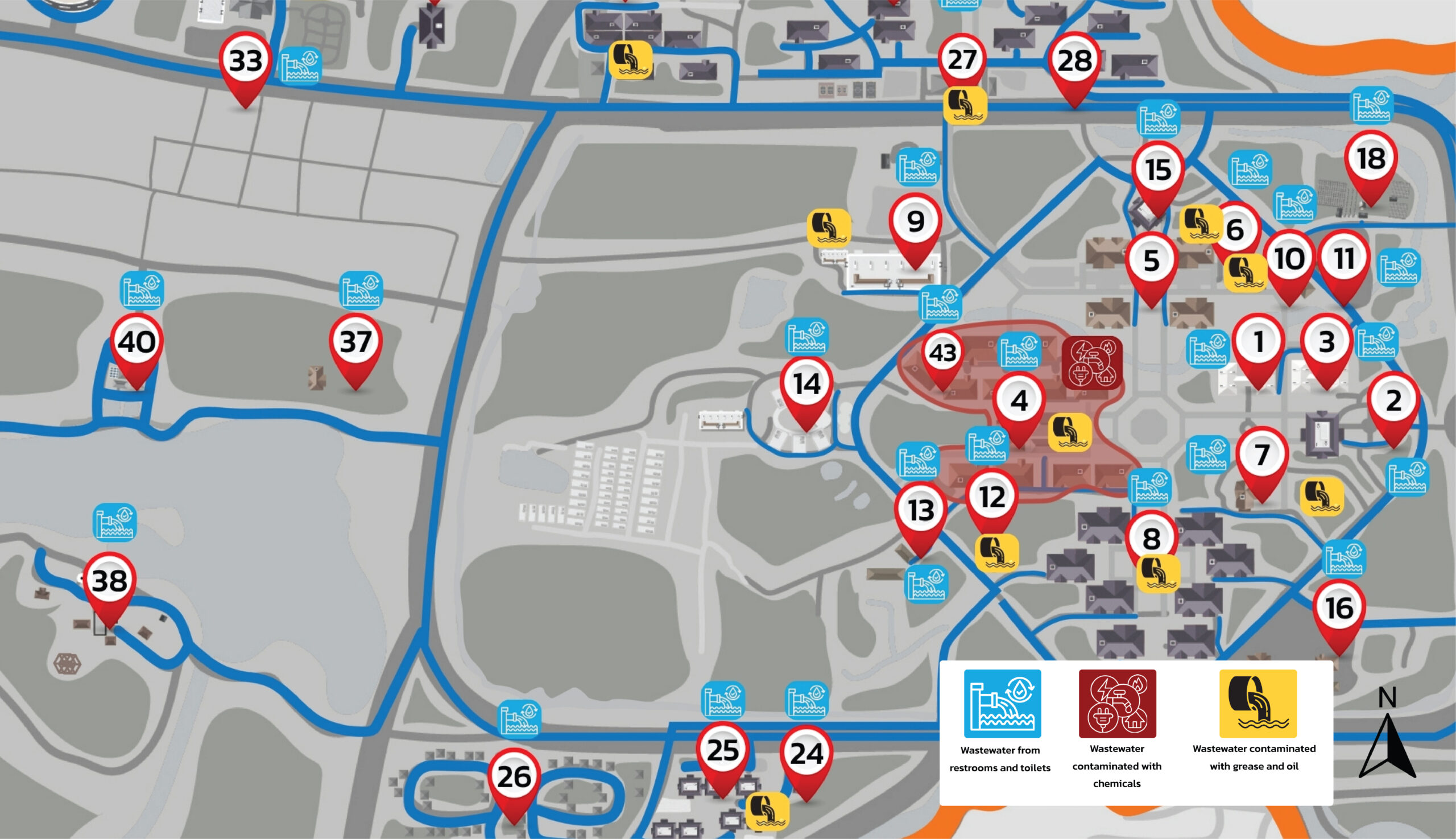
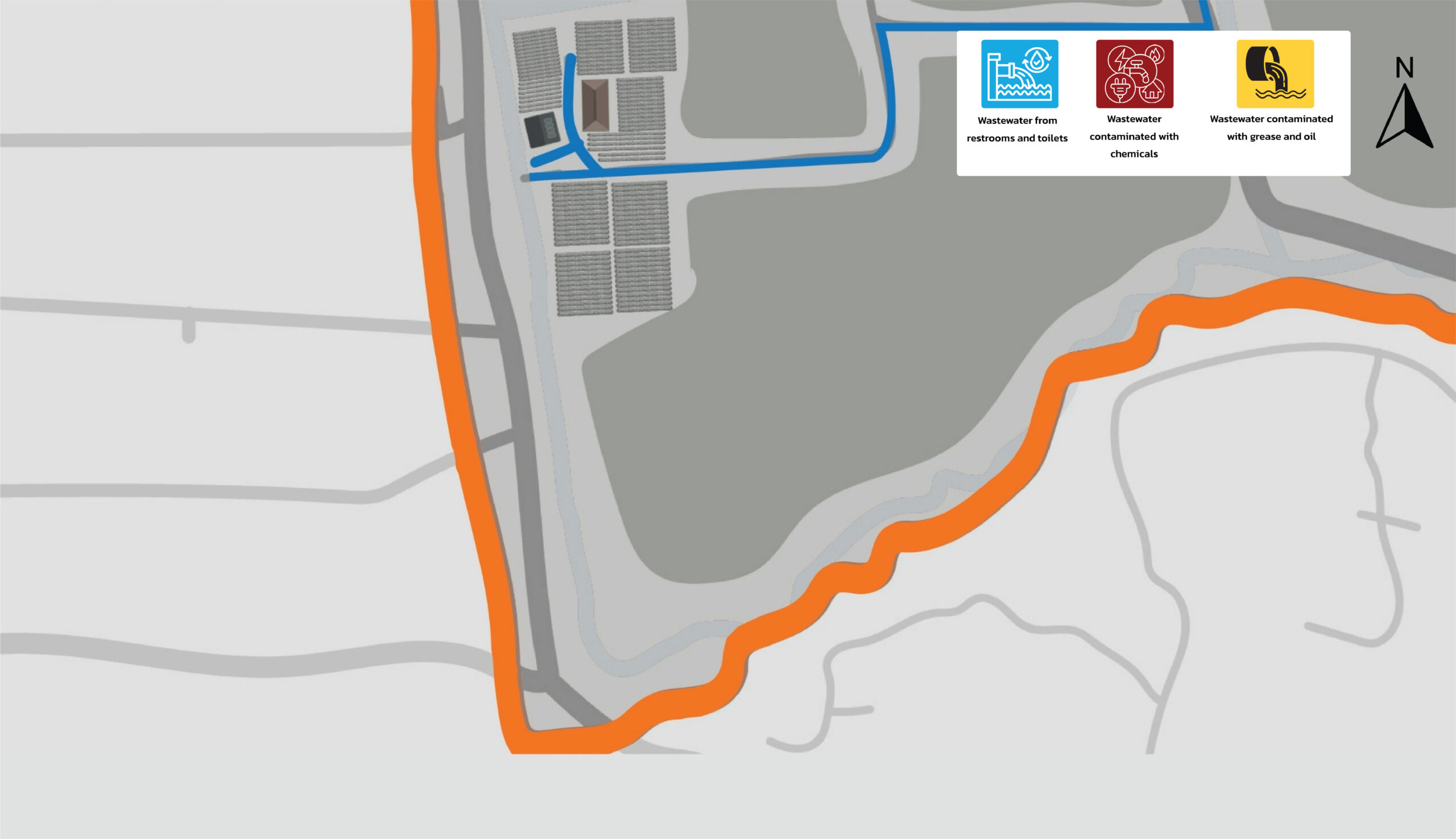
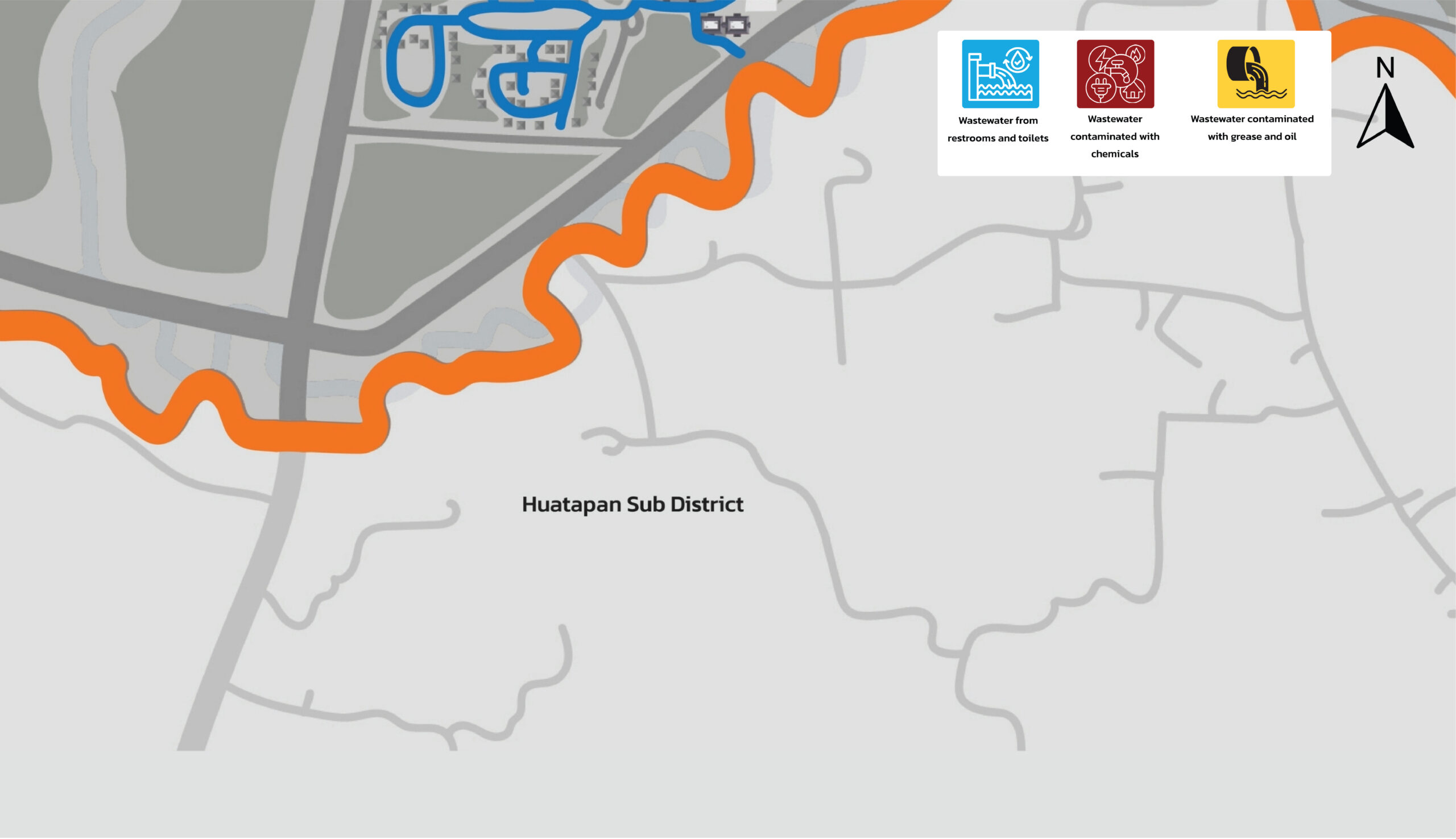
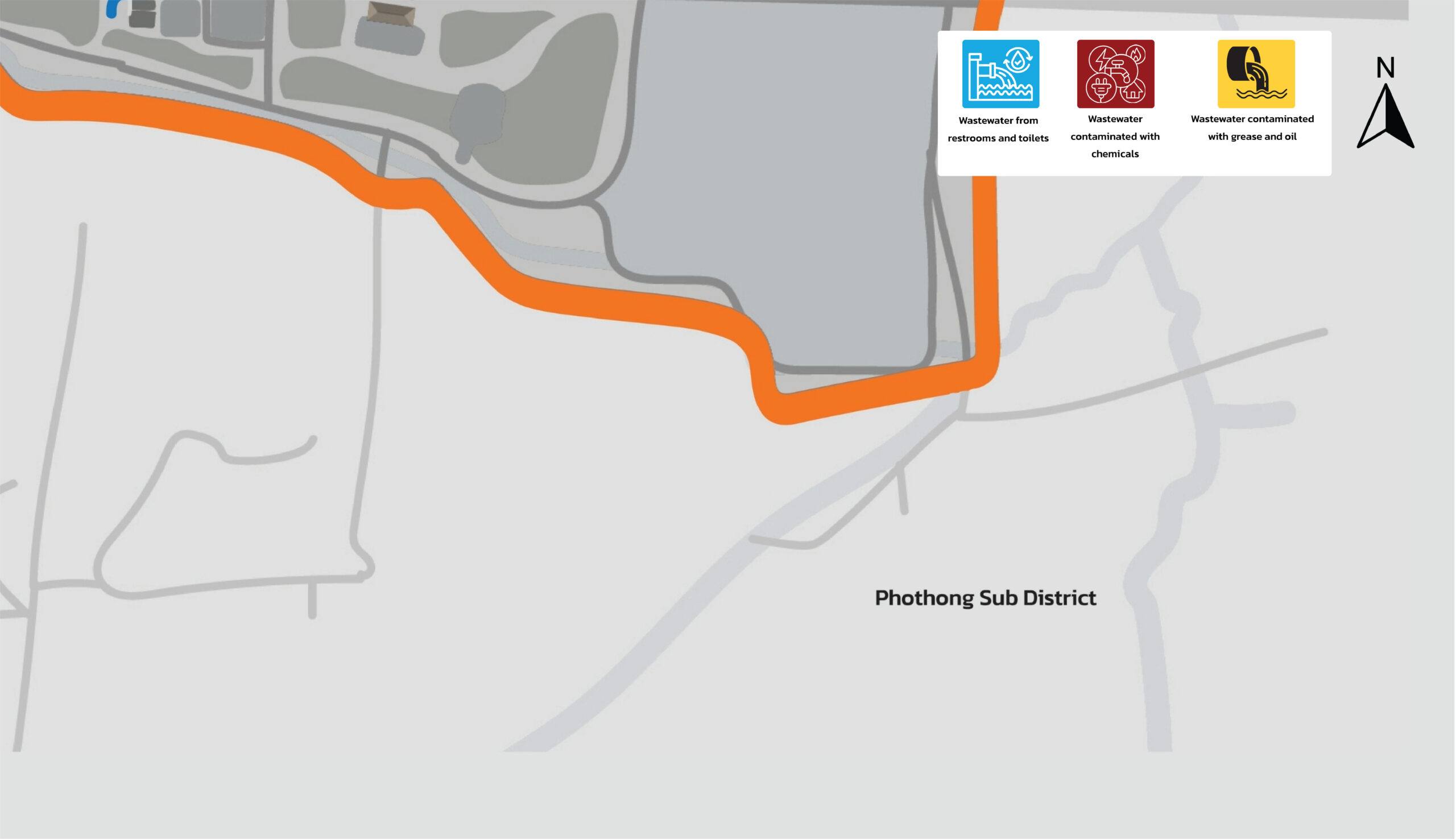
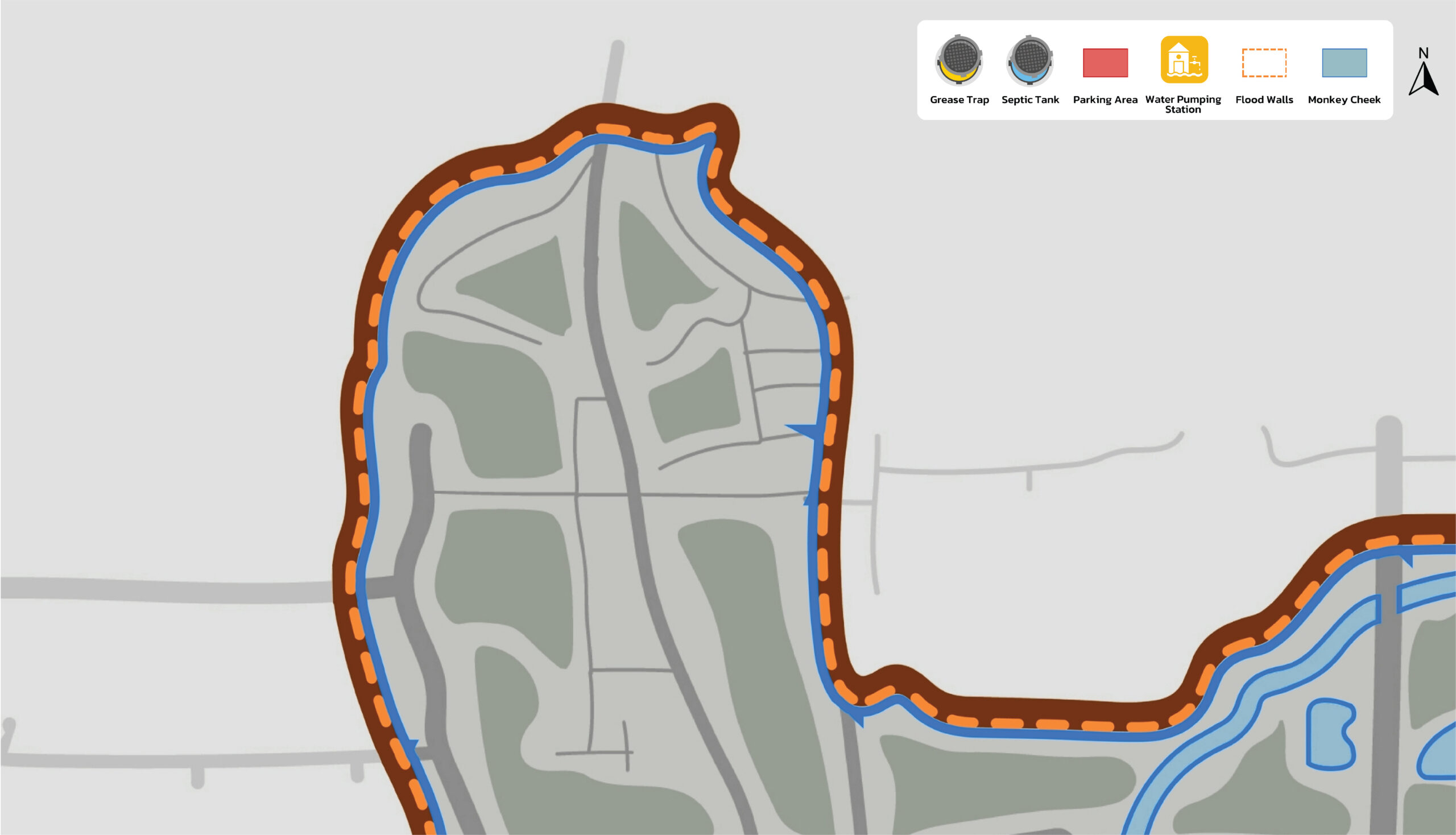
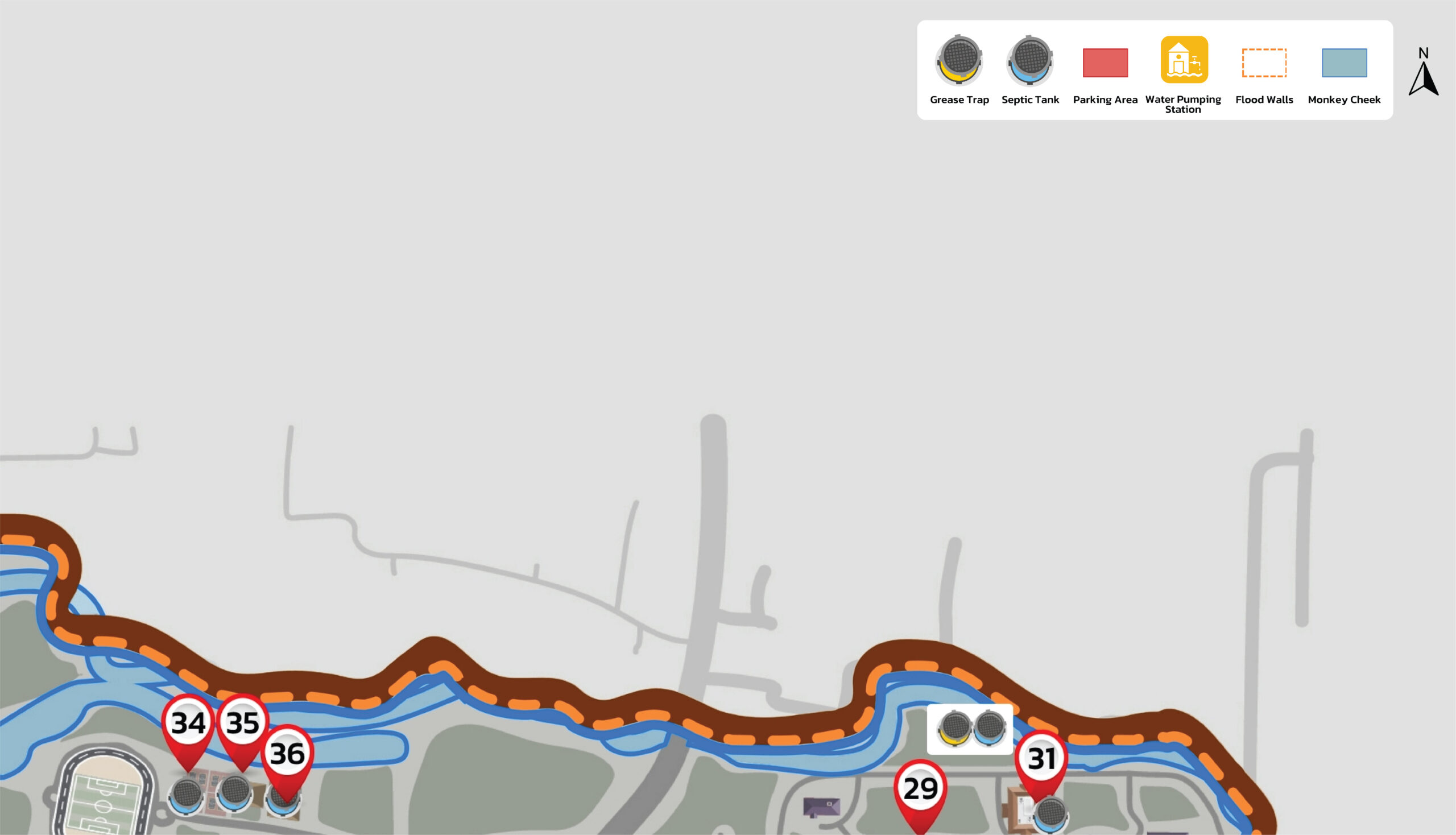
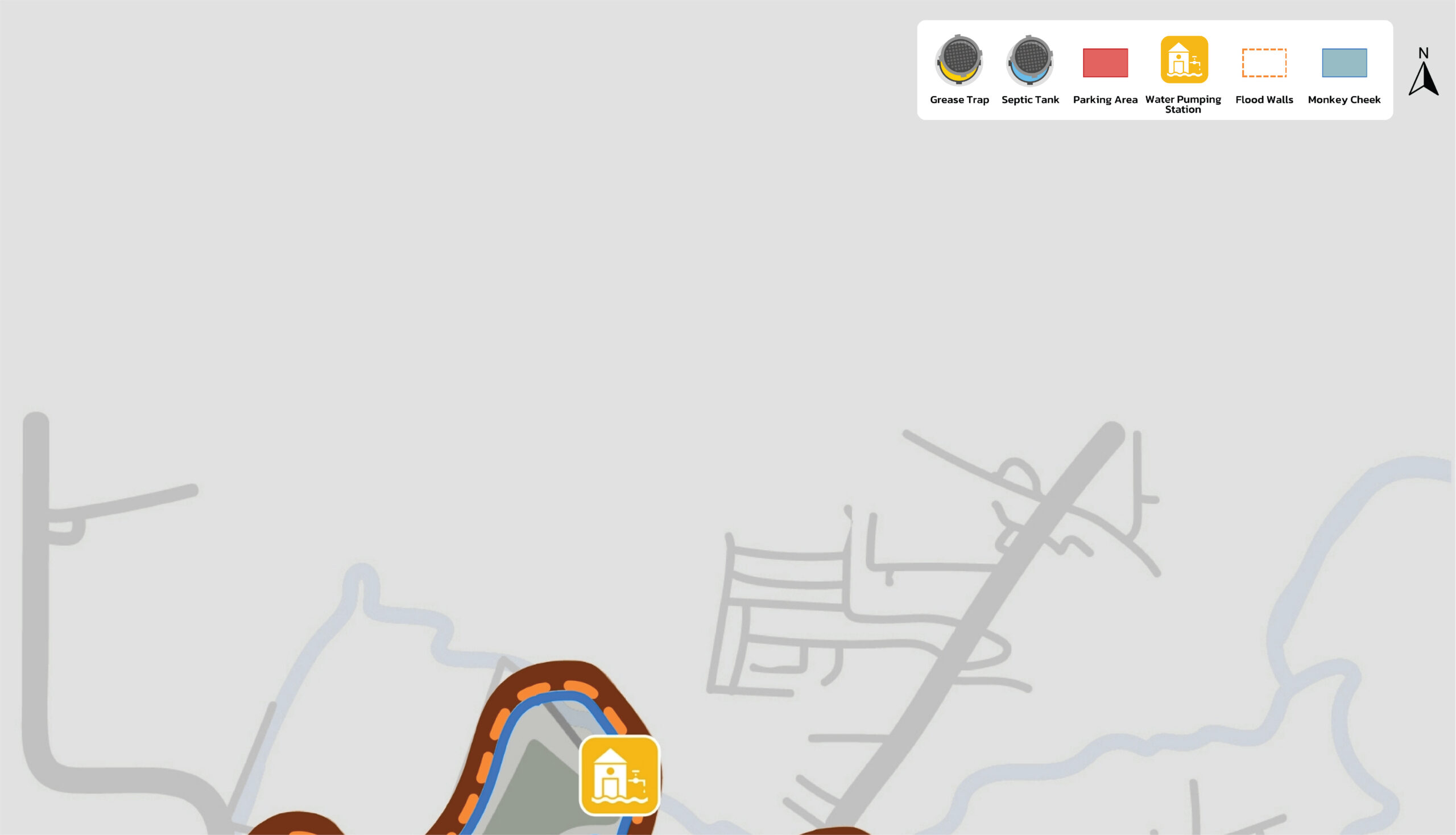
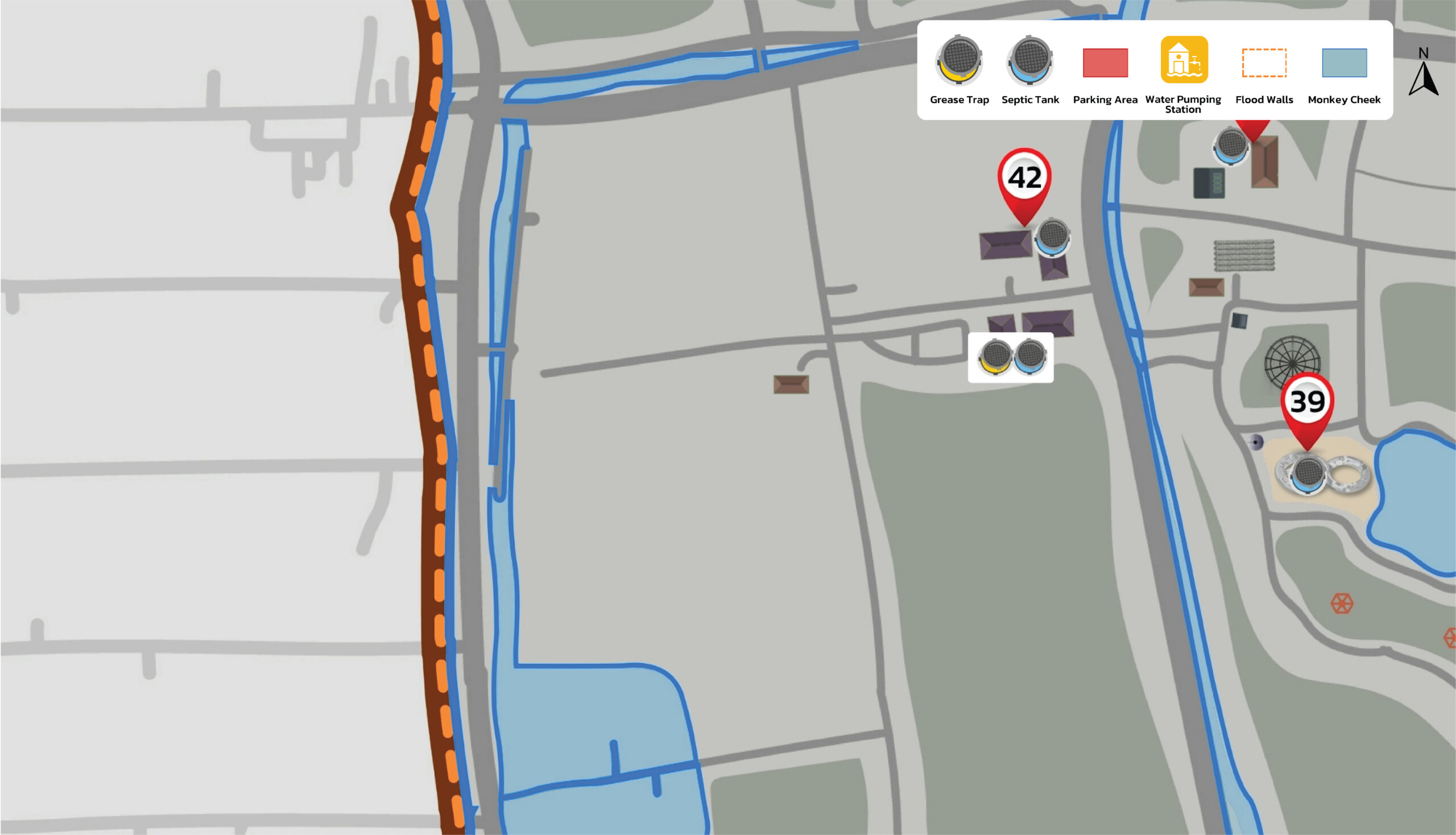
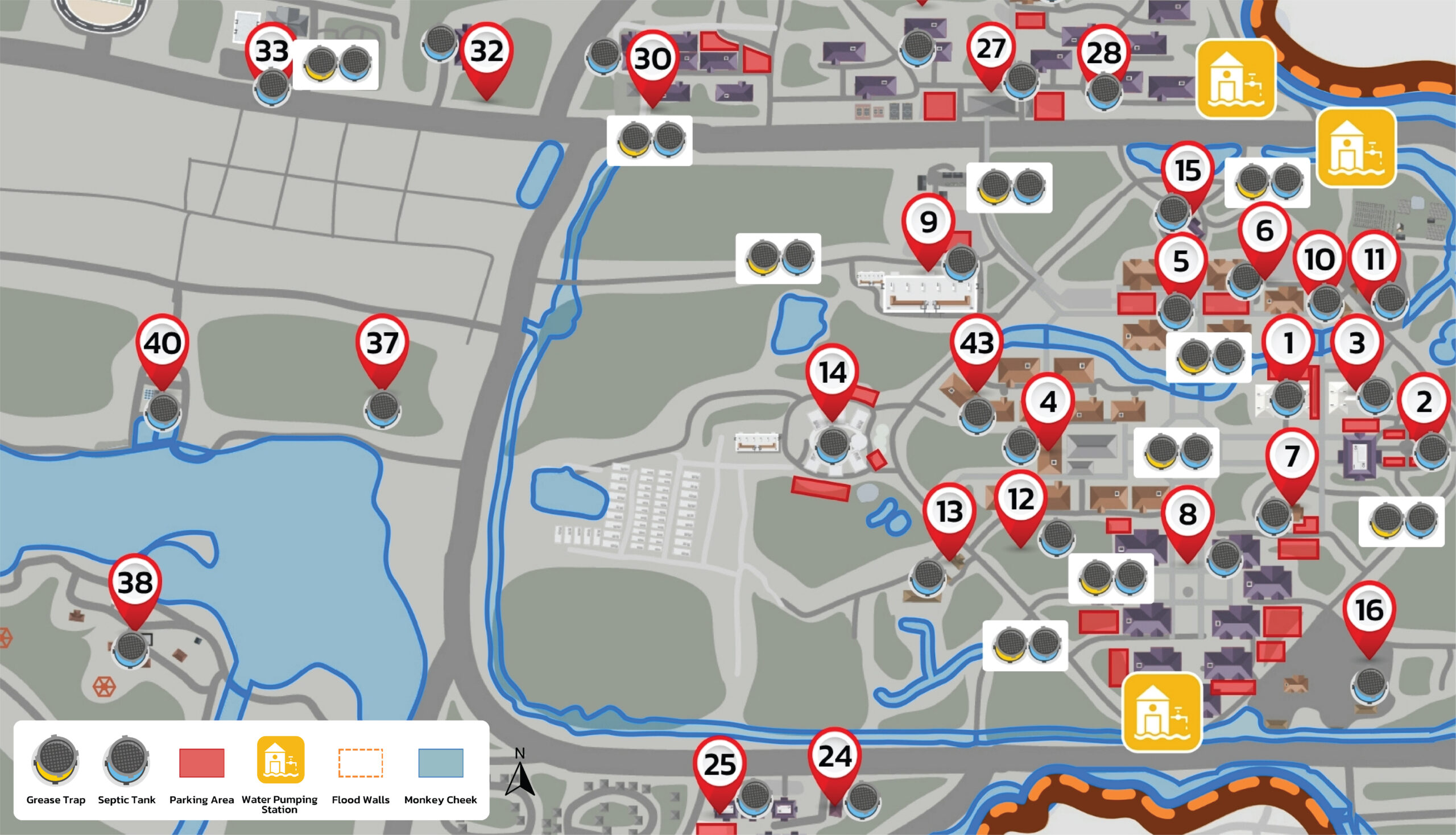
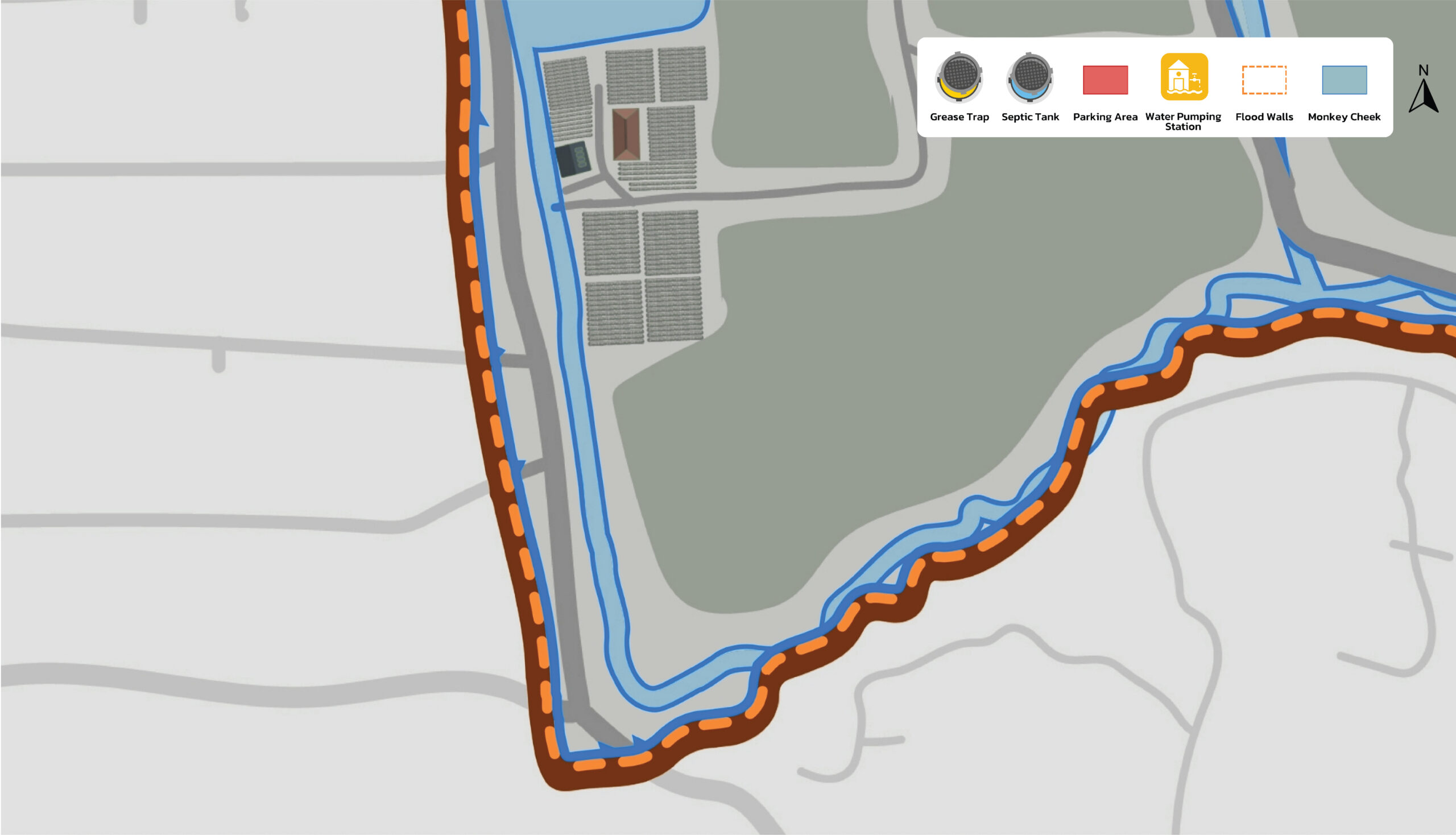
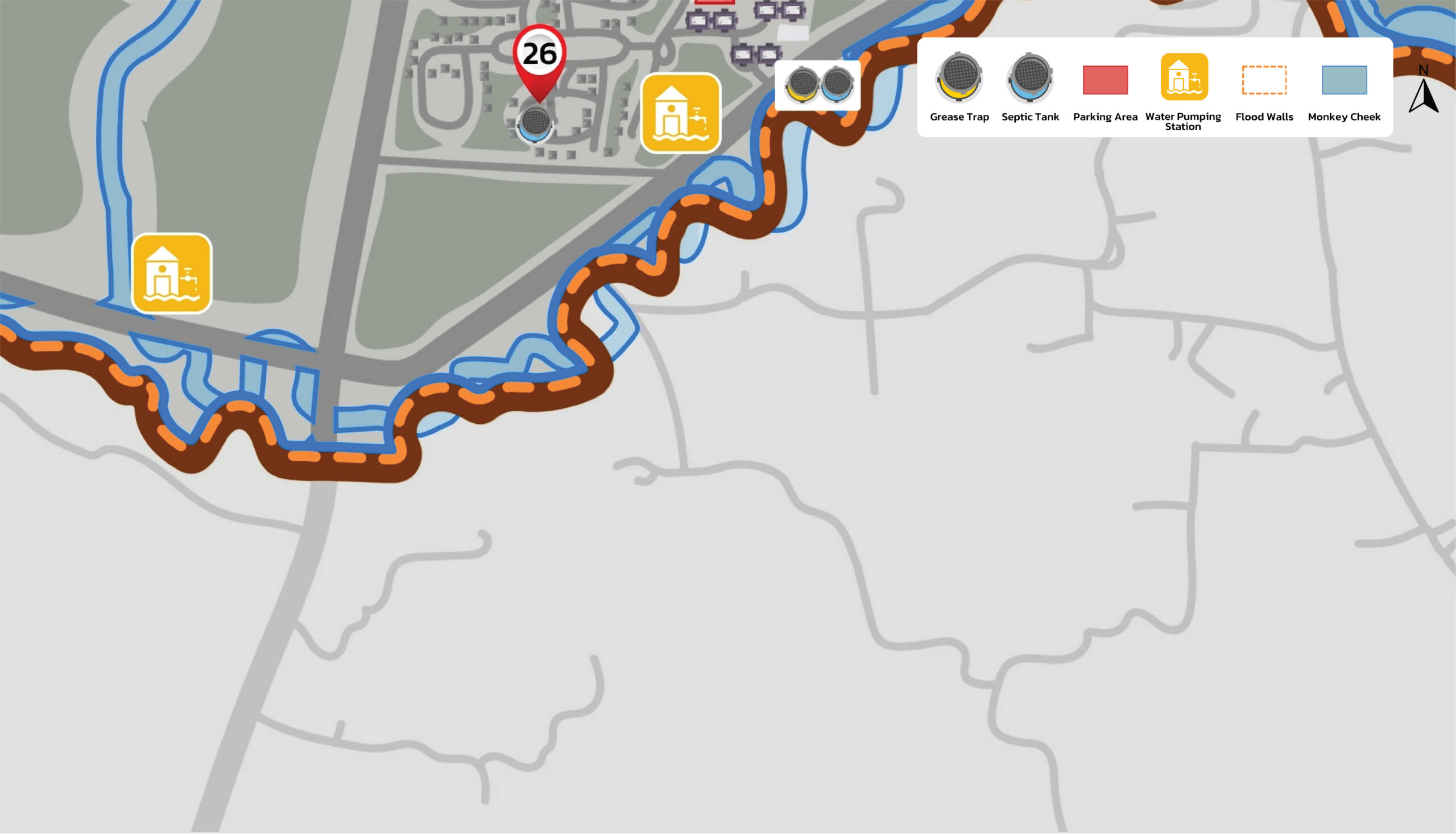
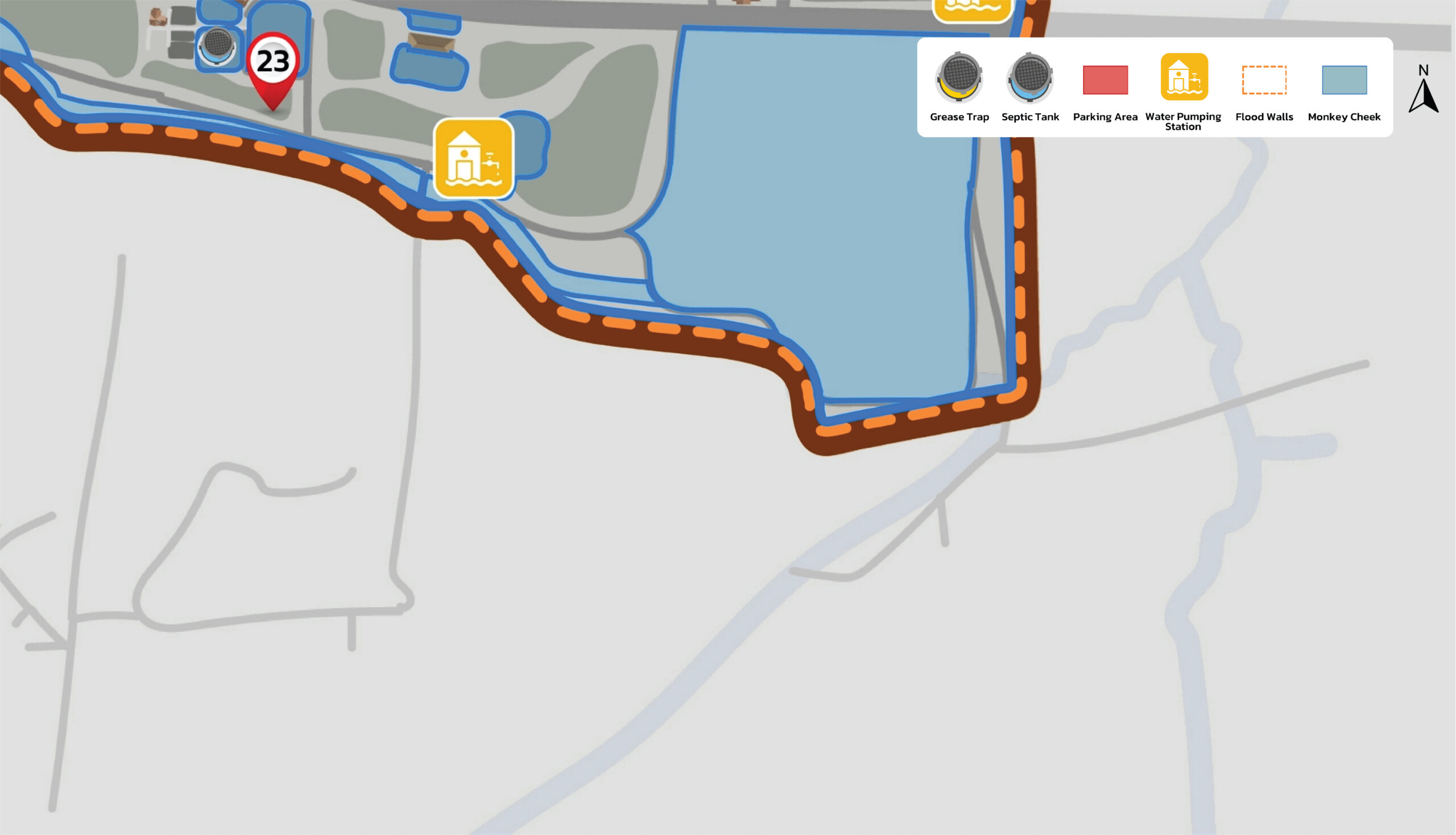
Figure 6 Map of Walailak University’s water polution control system
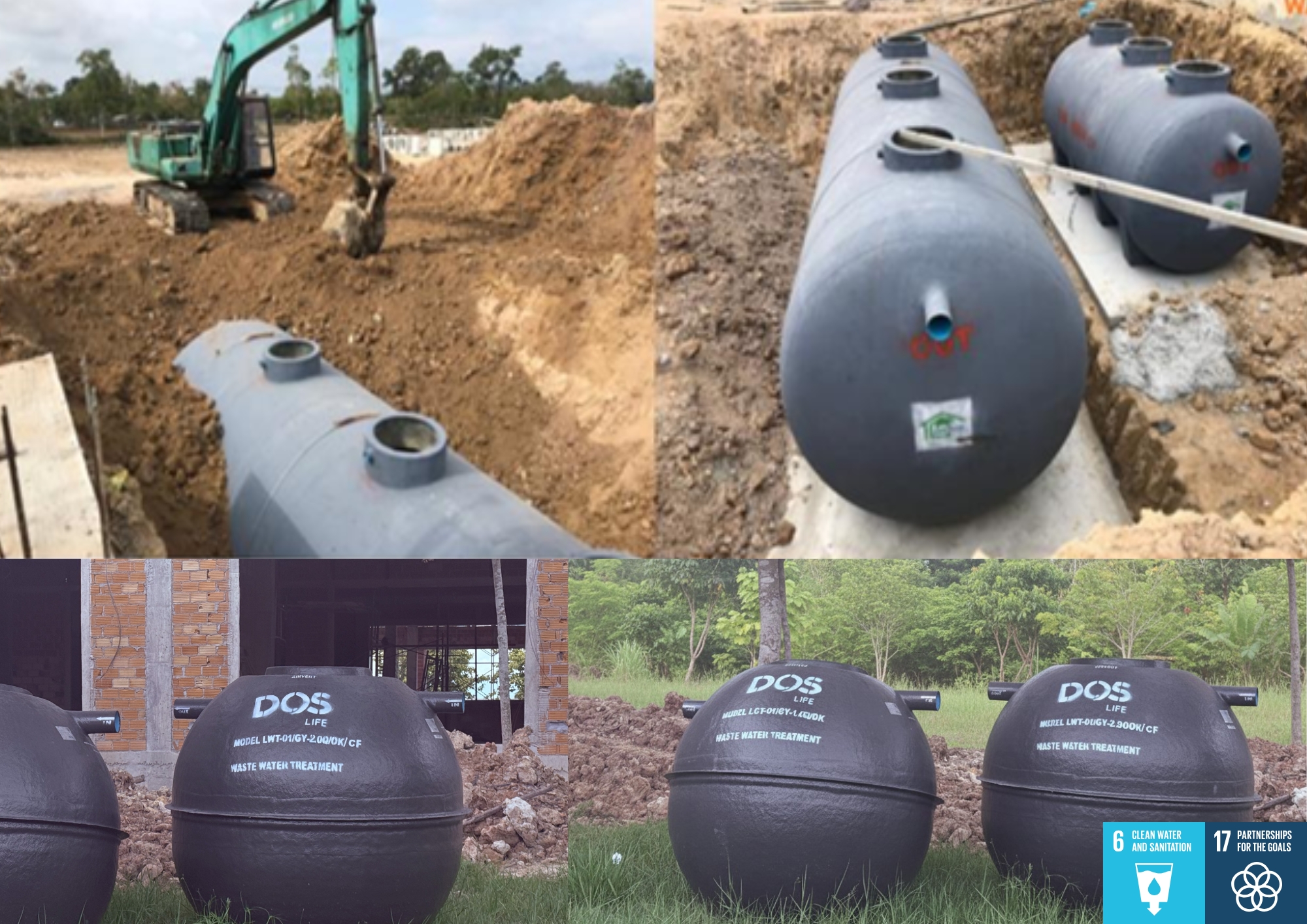
Figure 7 The underground septic tank was set when under construction.
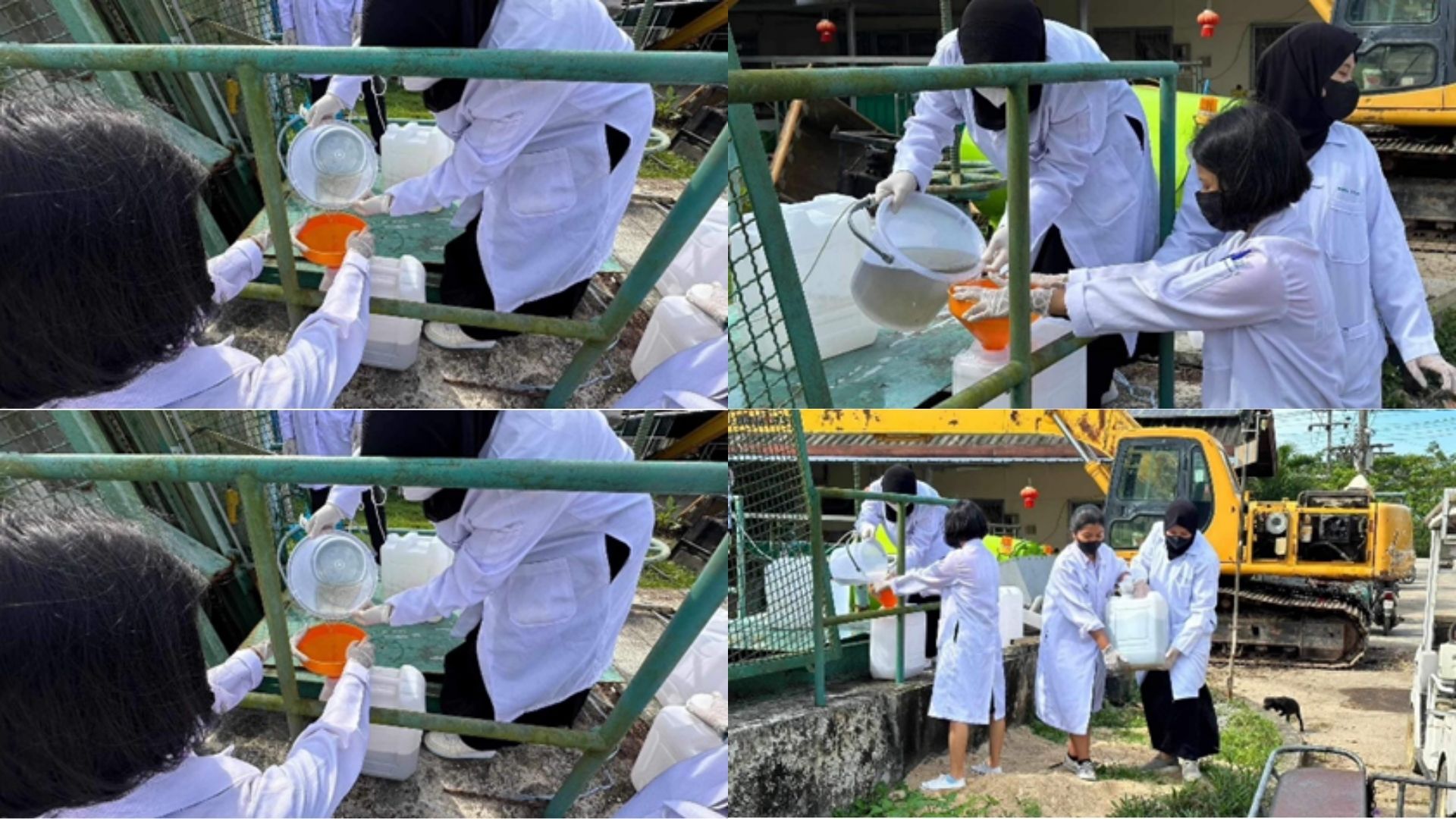
Figure 8 Water quality test.
Monthly Laboratory Analysis of Potable Water Quality
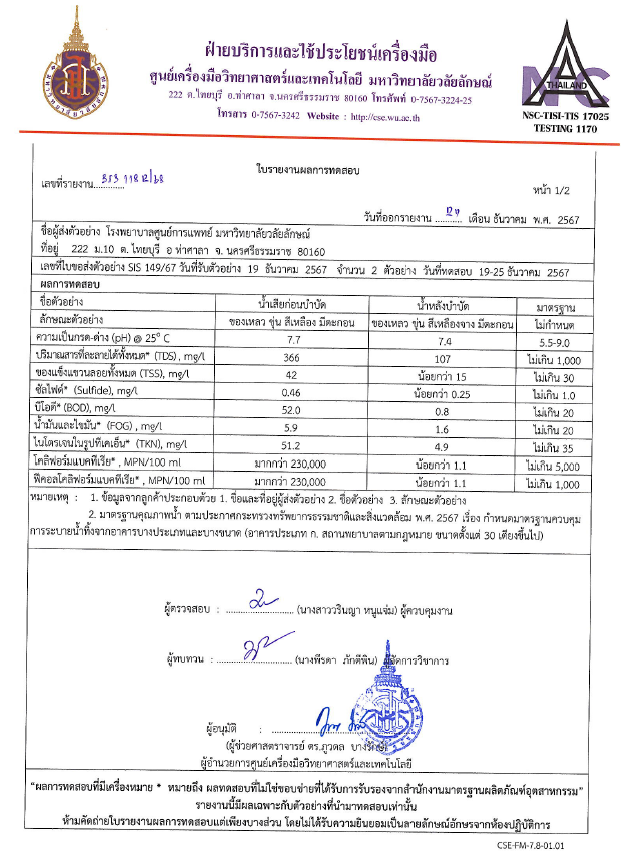
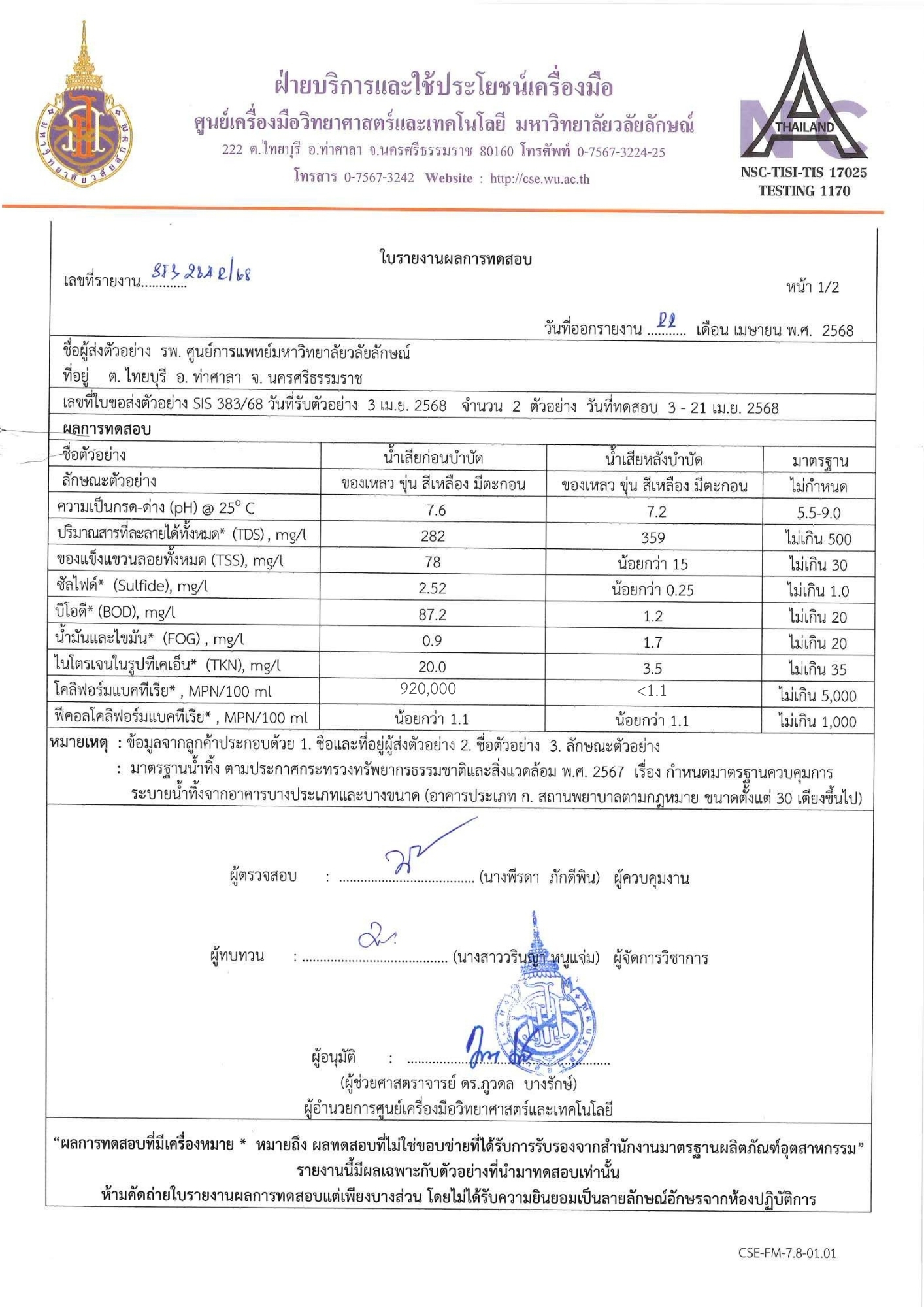
Water Quality Test Report : Pass 1ˢᵗ Quarter, December 2024
Water Quality Test Report : Pass 2ⁿᵈ Quarter, April 2025
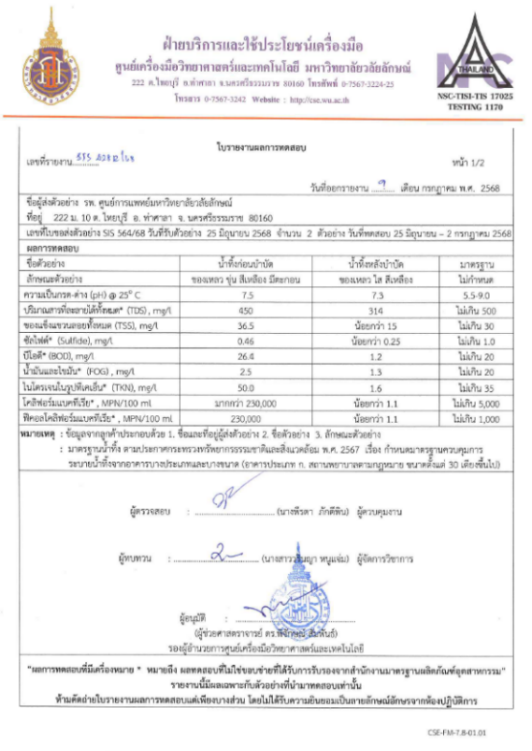
Water Quality Test Report: Pass 3ʳᵈ Quarter, June 2025
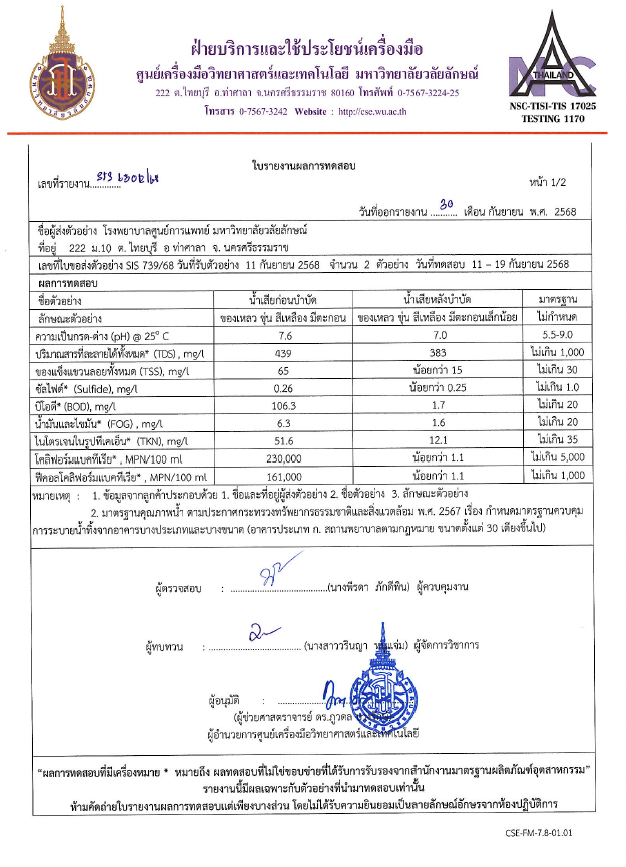
Water Quality Test Report: Pass 4ᵗʰ Quarter, September 2025
Standard : Water Quality Standards in accordance with the Announcement of the Ministry of Natural Resources and Environment B.E. 2567 (2024) on the Specification of Effluent Discharge Standards for Certain Types and Sizes of Buildings.
Test Methods:
- pH: Analyzed by Standard Method for the Examination of Water and Wastewater, APHA, AWWA, WEF 23ʳᵈ Edition 2017, part 4500-H⁺ B.
- Total Suspended Solids (TSS): In-house method CSE-WI-WA-02 based on Standard Method for the Examination of Water and Wastewater, APHA, AWWA, WEF 23ʳᵈ Edition 2017, part 2540 D.
- Total Dissolved Solids (TDS): In-house method CSE-WI-WA-16 based on Standard Methods for the Examination of Water and Wastewater, APHA, AWWA, WEF 23ʳᵈ Edition 2017, part 2510 B.
- Biochemical Oxygen Demand (BOD₅): In-house method CSE-WI-WA-05 based on Standard Method for the Examination of Water and Wastewater, APHA, AWWA, WEF 23ʳᵈ Edition 2017, part 5210 B.
Sulfide: In-house method CSE-WI-WA-25 based on Standard Method for the Examination of Water and Wastewater, APHA, AWWA, WEF 23ʳᵈ Edition 2017, part 4500-S²⁻ D.
- Fats, Oils, and Grease (FOG): In-house method CSE-WI-WA-06 based on Standard Method for the Examination of Water and Wastewater, APHA, AWWA, WEF 23ʳᵈ Edition 2017, part 5520 B.
- Total Kjeldahl Nitrogen (TKN): In-house method CSE-WI-WA-17 based on Standard Method for the Examination of Water and Wastewater, APHA, AWWA, WEF 23ʳᵈ Edition 2017, part 4500-Norg C.
- Coliform Bacteria: In-house method CSE-WI-MA-03 based on Standard Method for the Examination of Water and Wastewater, APHA, AWWA, WEF, 23ʳᵈ Edition 2017, part 9223 B.
Fecal Coliform Bacteria: In-house method CSE-WI-MA-10 based on Standard Methods for the Examination of Water and Wastewater, APHA, AWWA, WEF 23ʳᵈ Edition 2017, part 9221
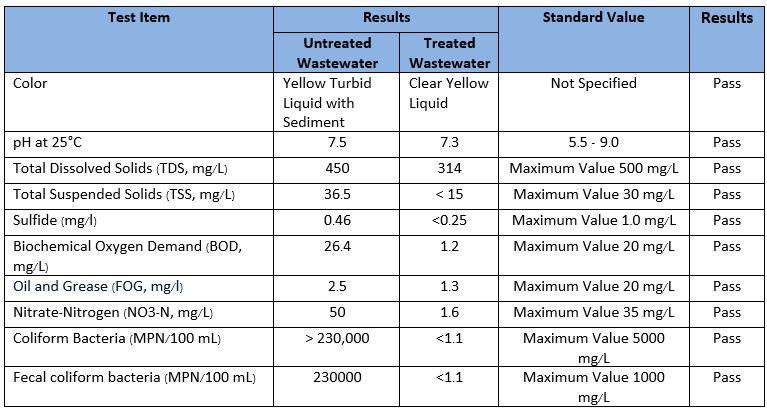
Figure 9 Example Water Quality Test Report.
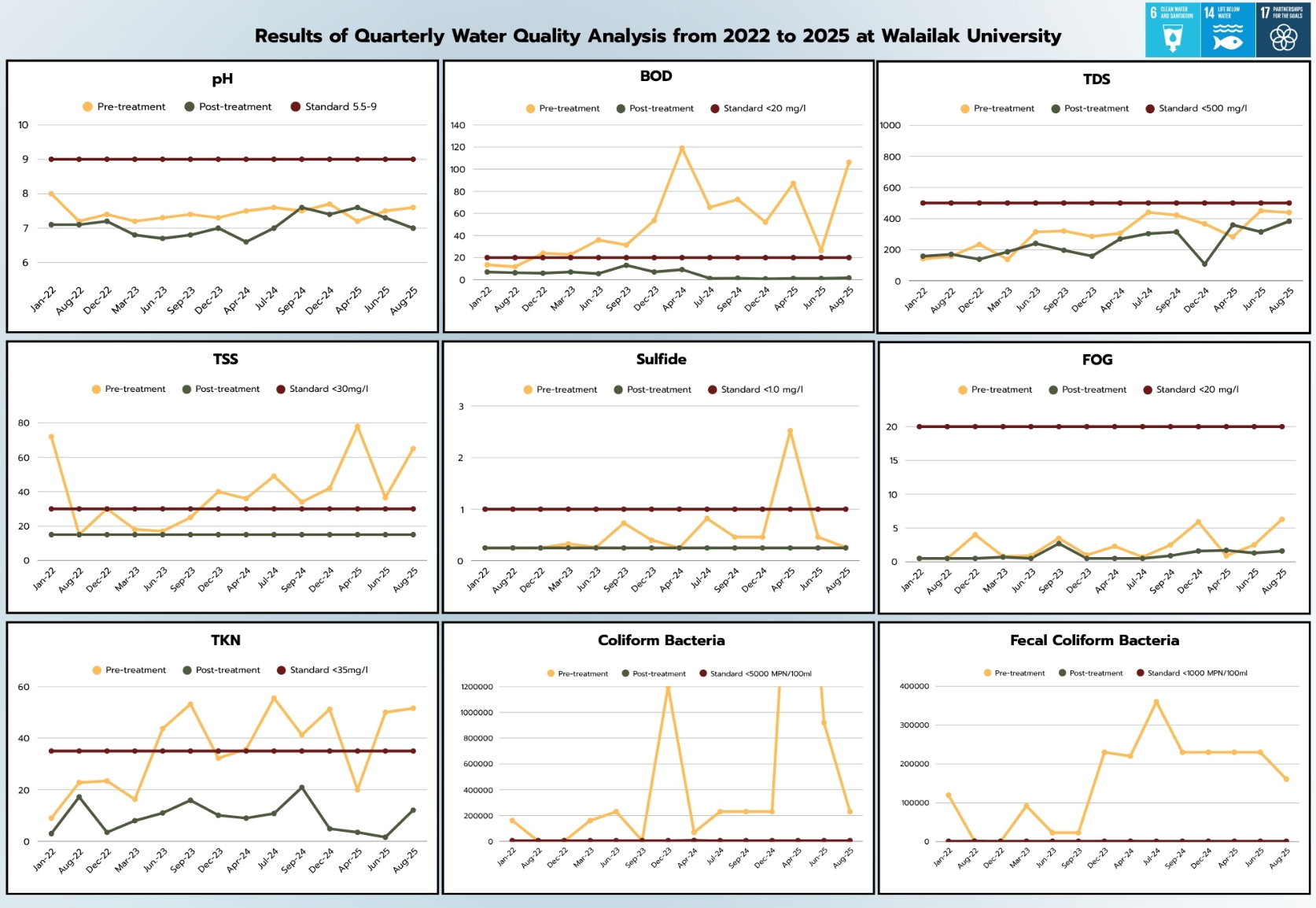
Figure 10 Results of Quarterly Water Quality Analysis from 2022 to 2025 at Walailak University
The university has implemented a wastewater treatment system using tertiary treatment, with chlorine applied as the final disinfectant in the process. The results of the post-treatment water quality analysis indicate full compliance with all legally prescribed standards, covering both general parameters and microbiological indices. In particular, the coliform levels after chlorine disinfection were found to be fully within the regulatory limits. These outcomes reflect the effectiveness of the wastewater treatment system in ensuring water quality control prior to its discharge into the environment
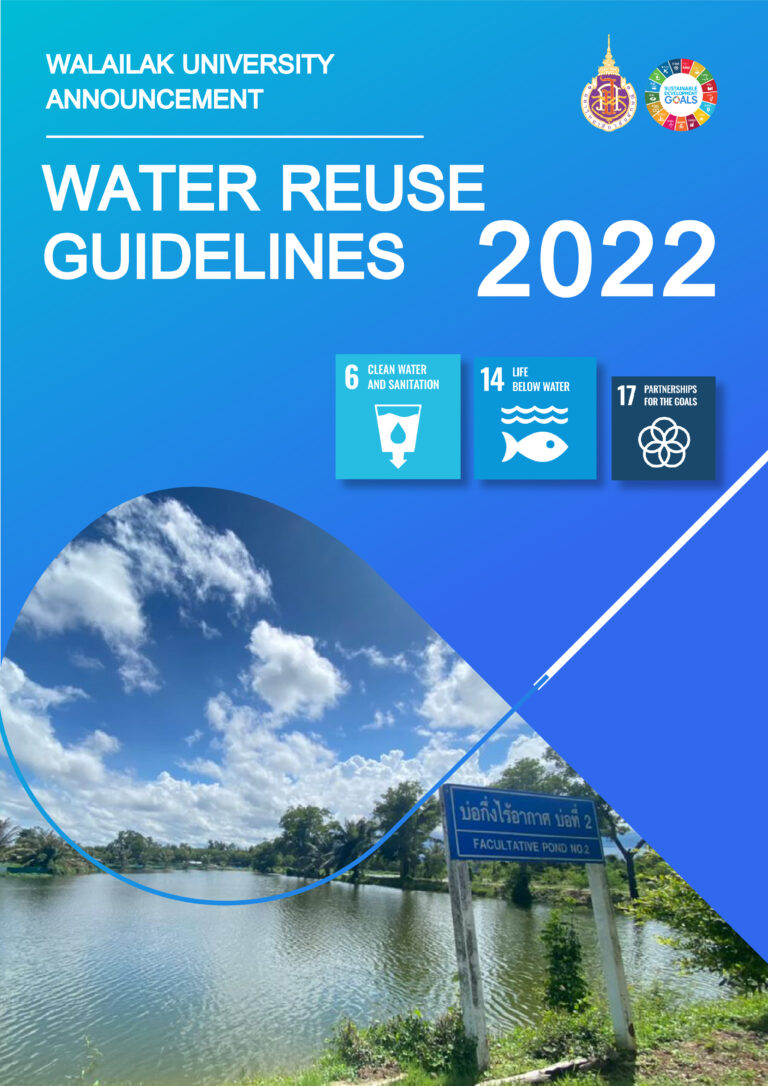
Figure 11 Announcement of Walailak University Subject : Water Reuse Guidelines.
- Water Reuse
Treated wastewater is not solely discharged but is reused across various university operations, guided by the Announcement of Walailak University: Water Reuse Guidelines. The reuse system encompasses multiple applications:
- University Offices and Facilities: Reclaimed water is used for washing, irrigation, general cleaning, car wash station, Cleaning road and agricultural activities
- Agricultural and Livestock Activities: Reclaimed water supports fish ponds, and other agricultural practices under the supervision of the University’s Waste Management Office.
- Landscape and Infrastructure: The Department of Landscape Architecture designs and installs sprinkler systems to reuse treated water for irrigating green areas and watering plants on campus.
This approach reduces freshwater demand and enhances sustainable water management practices on campus.
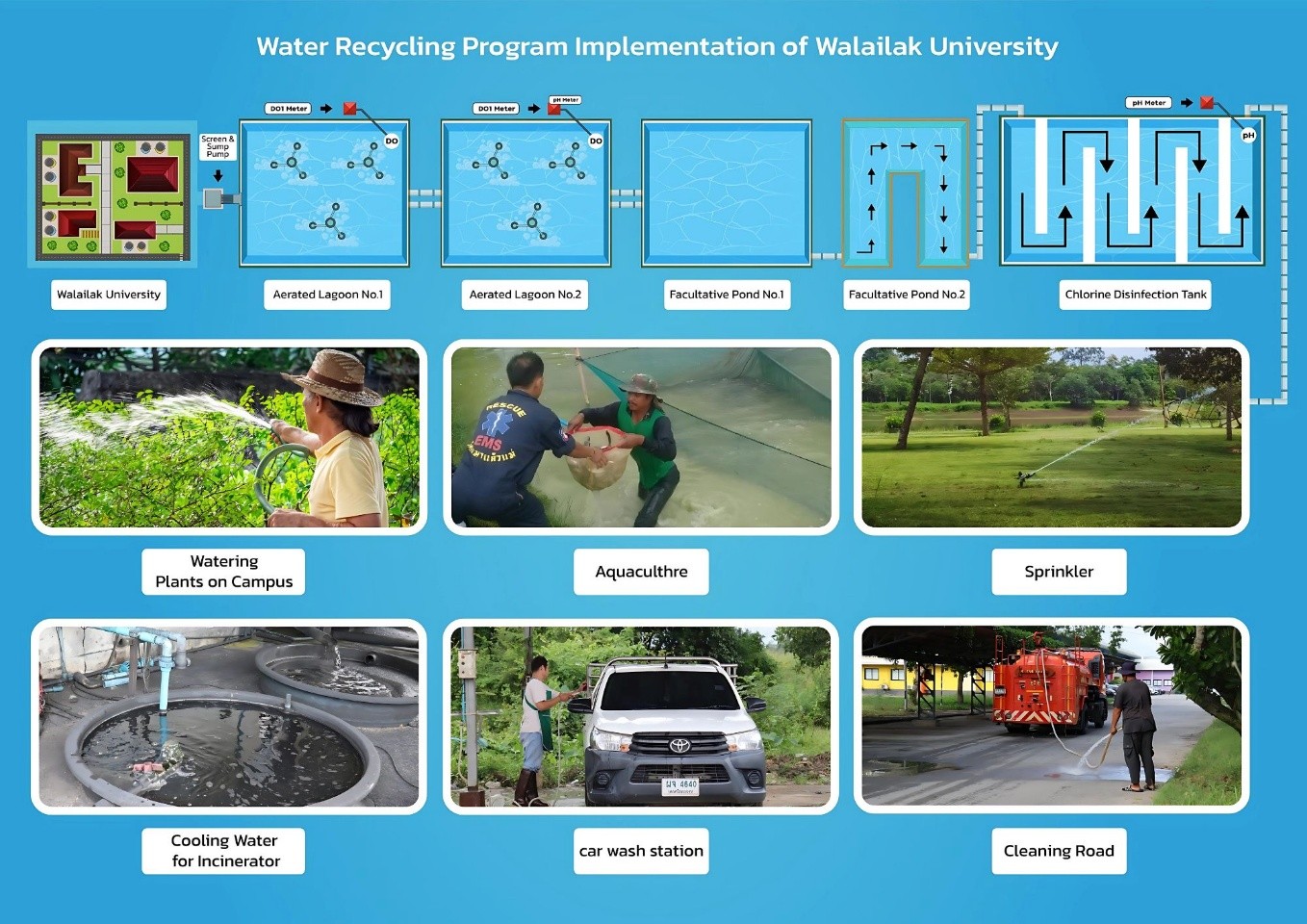
Figure 12 Water Recycling Program
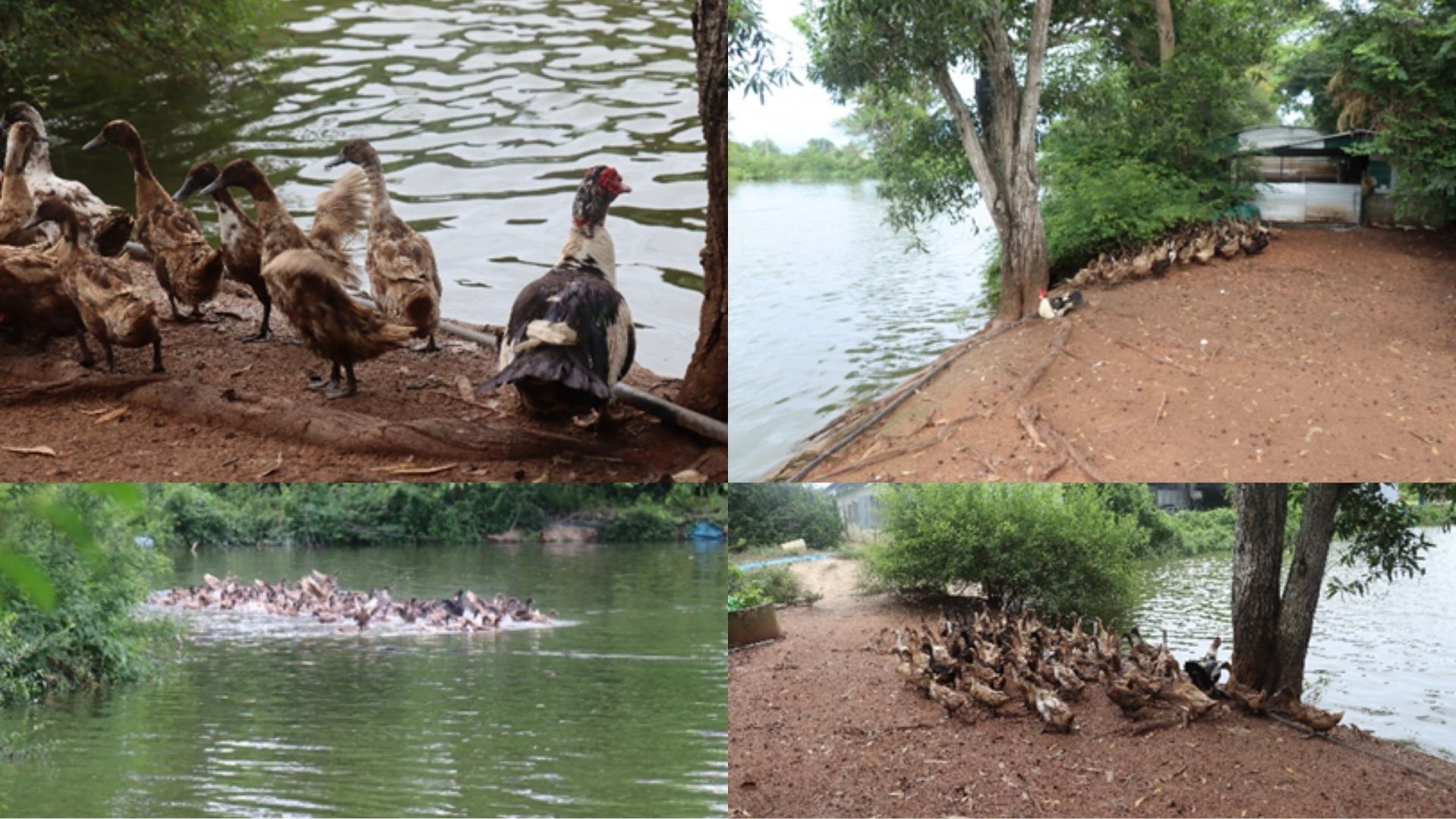
Figure 13 The treated water meets the established quality standards, allowing it to safely support aquatic life.
5.Continuous Monitoring and Evaluation
Water samples are regularly collected and analyzed every three months to ensure that the wastewater treatment system operates within defined standards and complies with environmental regulations. In addition, a real-time water quality monitoring system is installed, enabling continuous online surveillance through monitoring software. This allows timely assessment and system improvement, ensuring technological advancement while aligning with environmental and educational objectives.
Conclusion
Walailak University treats its wastewater using a tertiary treatment system.