Courses/Subjects offered at university
The ratio of sustainability courses to total courses/subjects
Figure 1 Total number of subjects related to sustainability offered in 2025
Figure 2 The total number of courses related to sustainability offered by each school in the year 2025.
Figure 3 Number of study programs related to sustainability offered, categorized by program
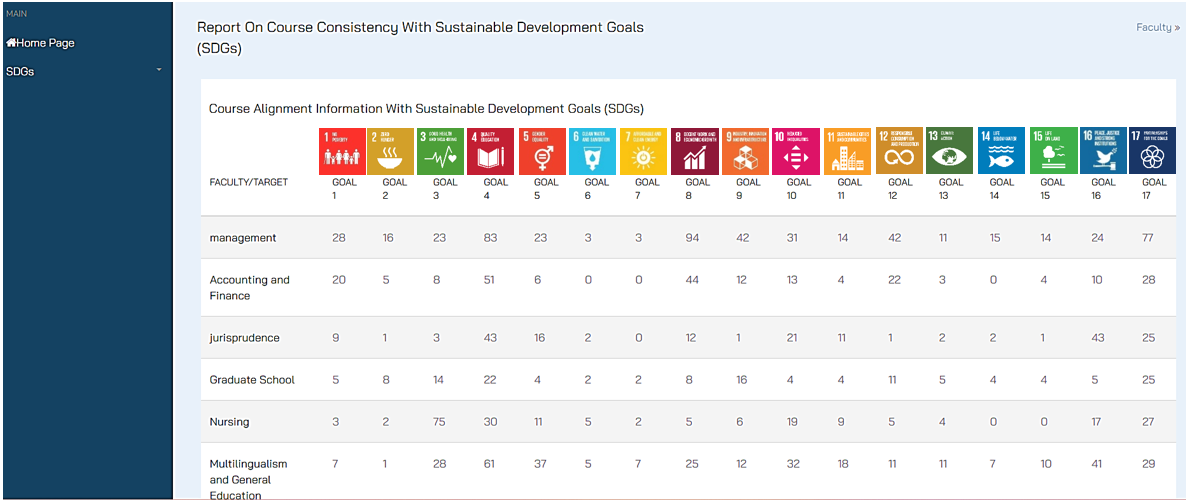
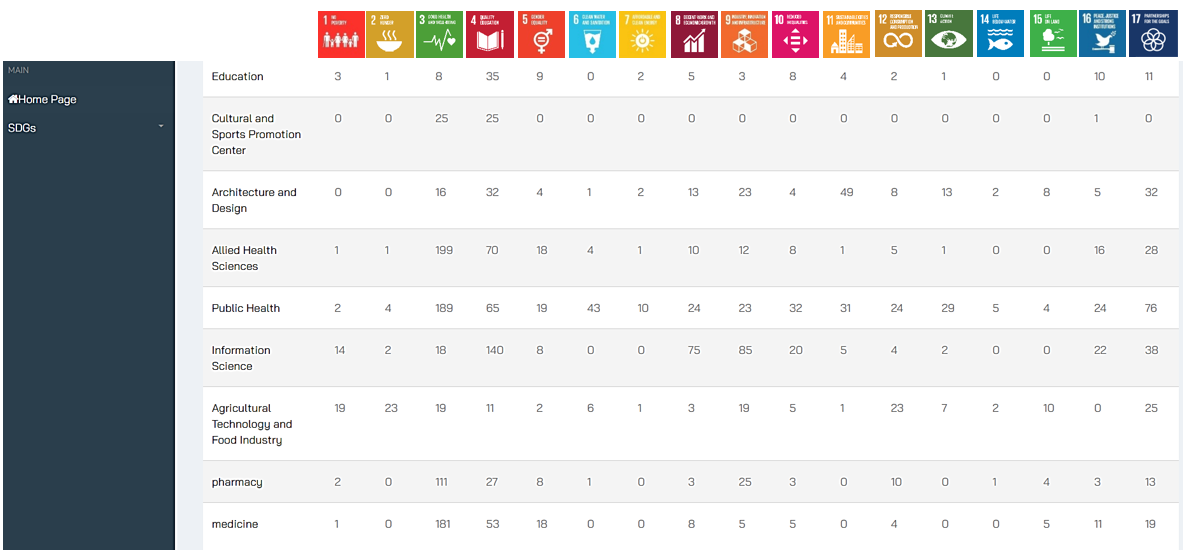
Figure 4 The number of courses, categorized by school/faculty
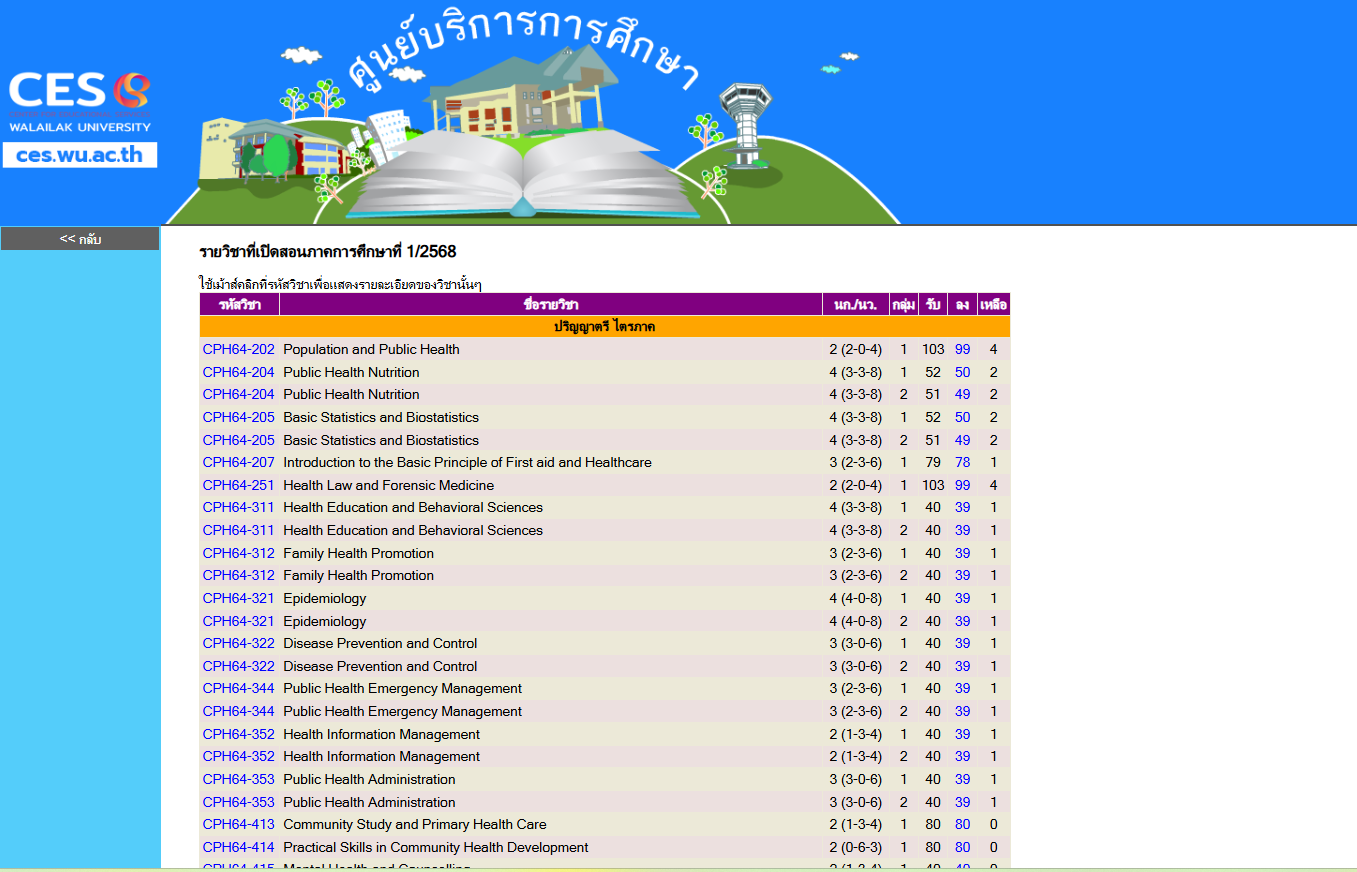
- Total number of courses with sustainability embedded for courses running in 2025 = 2,982
- Total number of courses/subjects offered in 2025 = 2,982
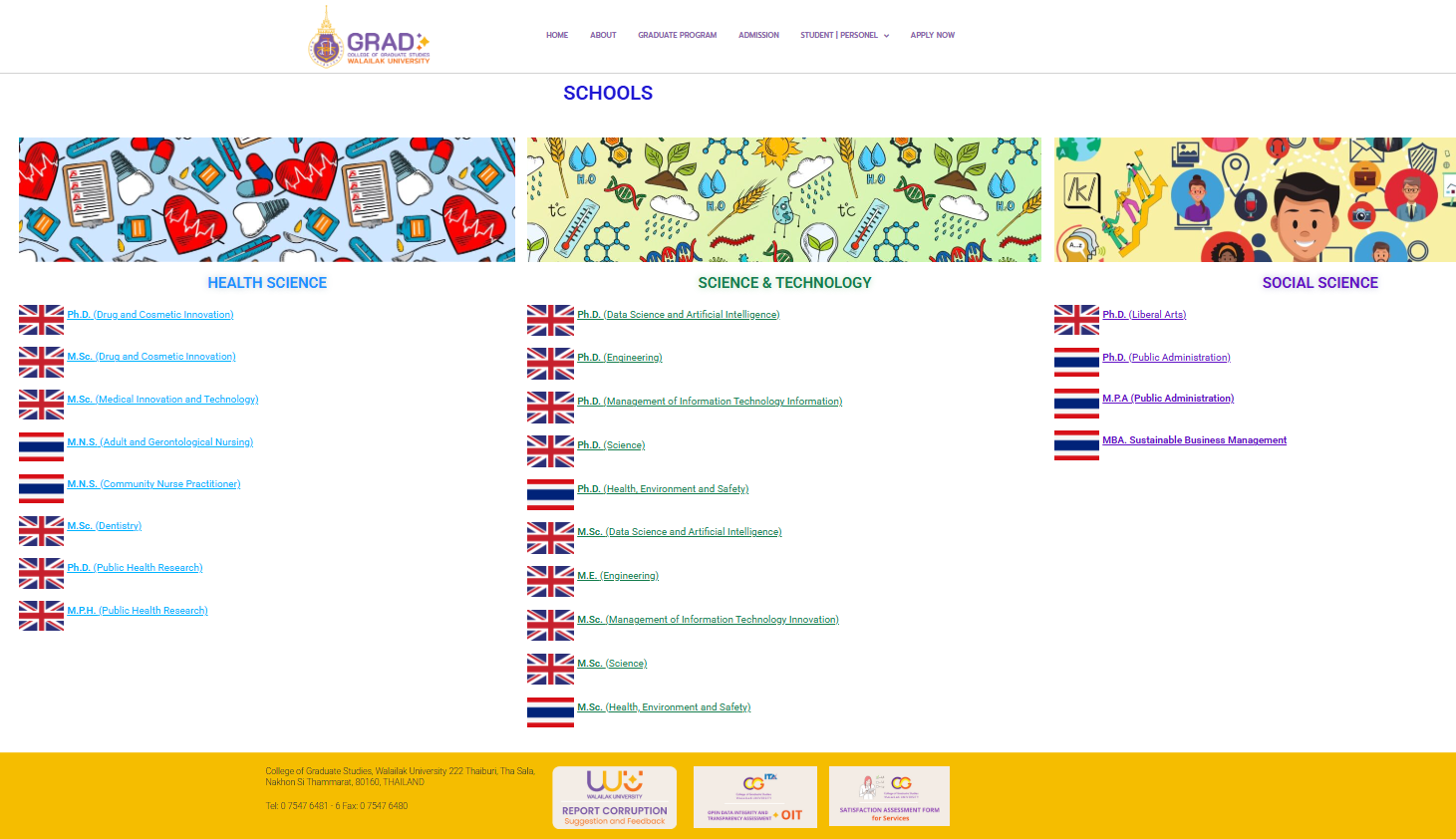
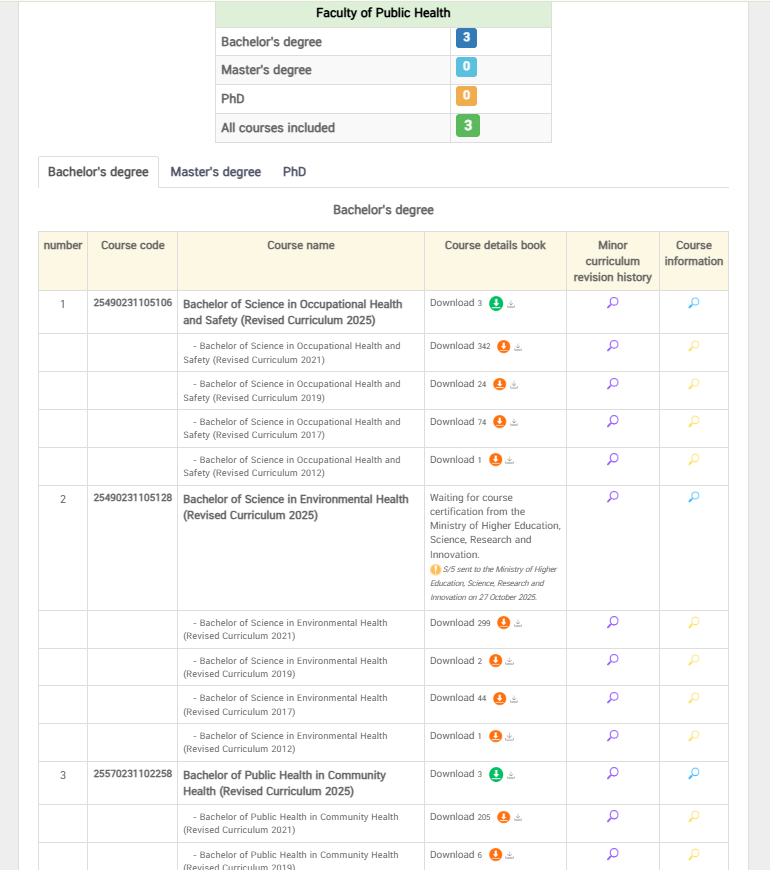
- Total number of academic programs: 55, including Bachelor’s, Master’s, and Doctoral levels.
International Program
Thai Program
Figure 5 Walailak University‘s Undergraduate Program
Figure 6 Number of study programs related to sustainability offered, categorized by program.
Figure 7 Policy : Announcement of Walailak University Subject : Walailak University Lifelong Learning Policy
University Policy Supporting Sustainable Education
Walailak University is dedicated to becoming a green and sustainable university, integrating sustainability principles across all disciplines. The university embeds the SDGs into both general education and specialized courses to enhance students’ understanding of sustainability-related issues, including environmental conservation, social equity, and economic resilience.
Through the adoption of the TQF, WU ensures that all lecturers incorporate sustainability elements into their course design and delivery. This policy guarantees that every student, regardless of their field of study, engages with the concepts of sustainable development throughout their academic journey.
Walailak University (WU) aims to promote lifelong learning in both formal and informal education to ensure quality and integrated academic administration that responds to local and national needs.
Lifelong Learning Vision
WU serves as a center of lifelong learning for developing sustainable communities of qualified personnel, alumni, and members who contribute to Thailand’s sustainable growth.
The university provides learning opportunities for everyone without discrimination based on race, religion, color, gender, age, social or political status, in accordance with the Thai constitution.
Definition of Lifelong Learning
Walailak University’s lifelong learning policy includes the following key goals:
- Develop professional and life skills, and foster self-development among children and youths.
- Enhance students’ knowledge and competencies that meet labor market needs.
- Support upskilling and reskilling for lifelong learning in the workforce.
- Promote the potential of the elderly through informal learning and knowledge-sharing activities.
- Lifelong Learning Strategies
- Promote social engagement to transfer knowledge, technology, and innovation to stakeholders.
- Enhance lifelong learning through teaching and learning activities.
- Integrate lifelong learning concepts into the university’s management system.
- Strengthen lifelong learning encouragement through various services and facilities.
Figure 8 The SDGs are strongly represented in Education Programmes at Walailak University.
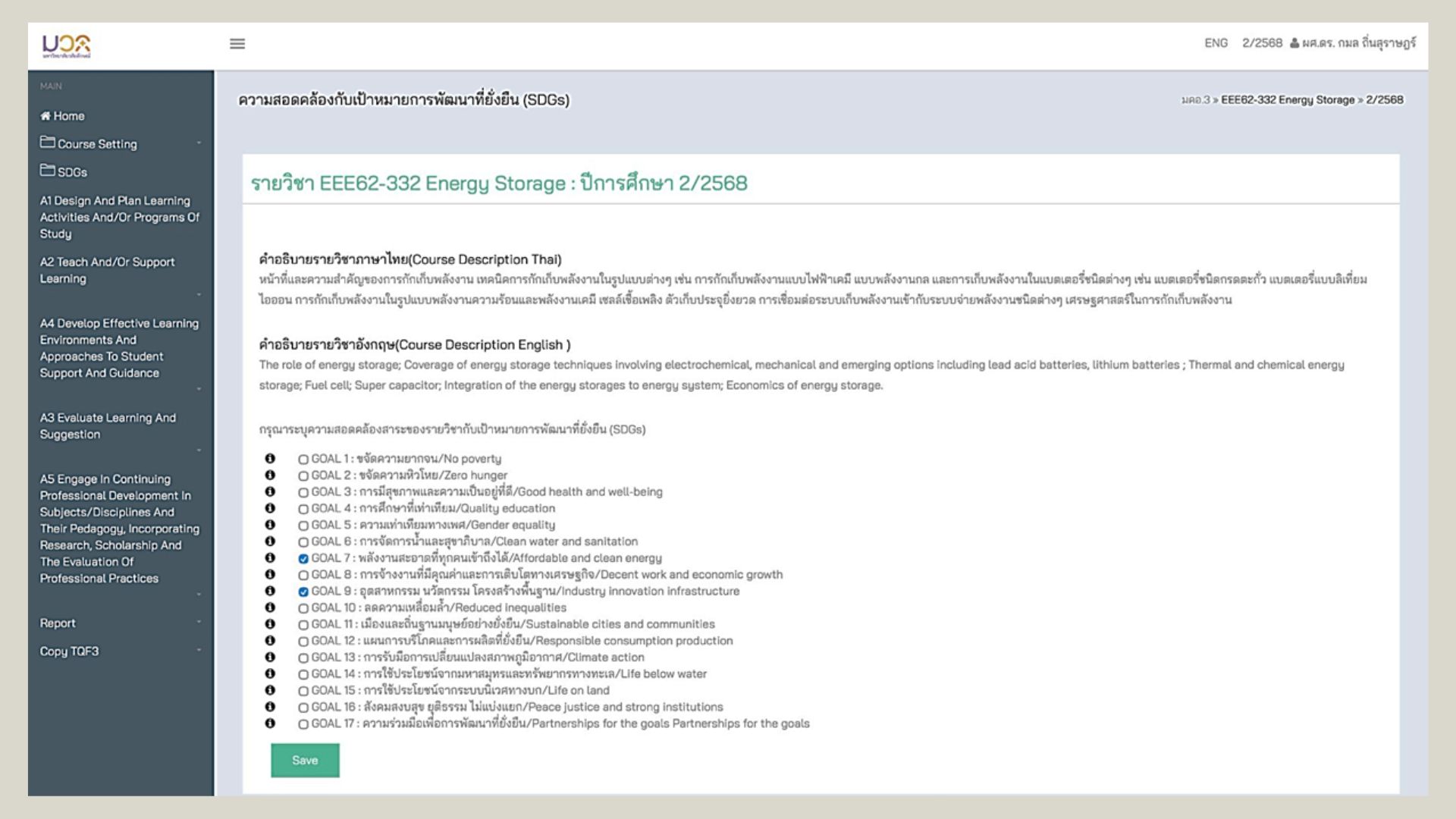
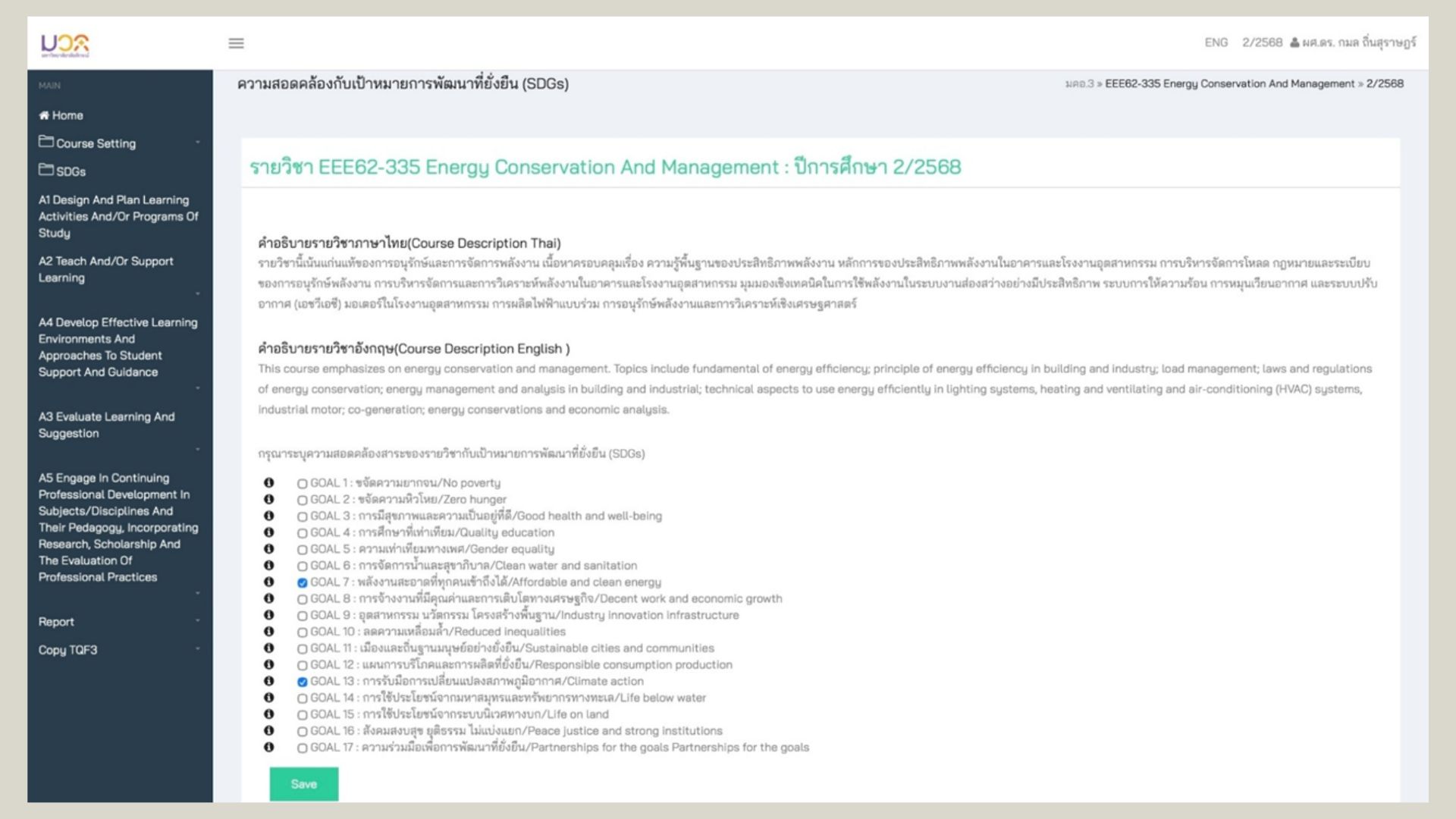
Figure 5 Example : The university adopts the Thai Qualifications Framework for Higher Education (TQF) to standardize curriculum planning and ensure quality education. The TQF system integrates the SDGs as a key component of course requirements in every subject.
Figure 9 Number of study programs related to sustainability offered, categorized by SDG
Figure 10 The ratio of courses with the Sustainable Development Goals (SDG)
Figure 10 The ratio of courses relevant to the 5P Principles of the Sustainable Development Goals (SDG)
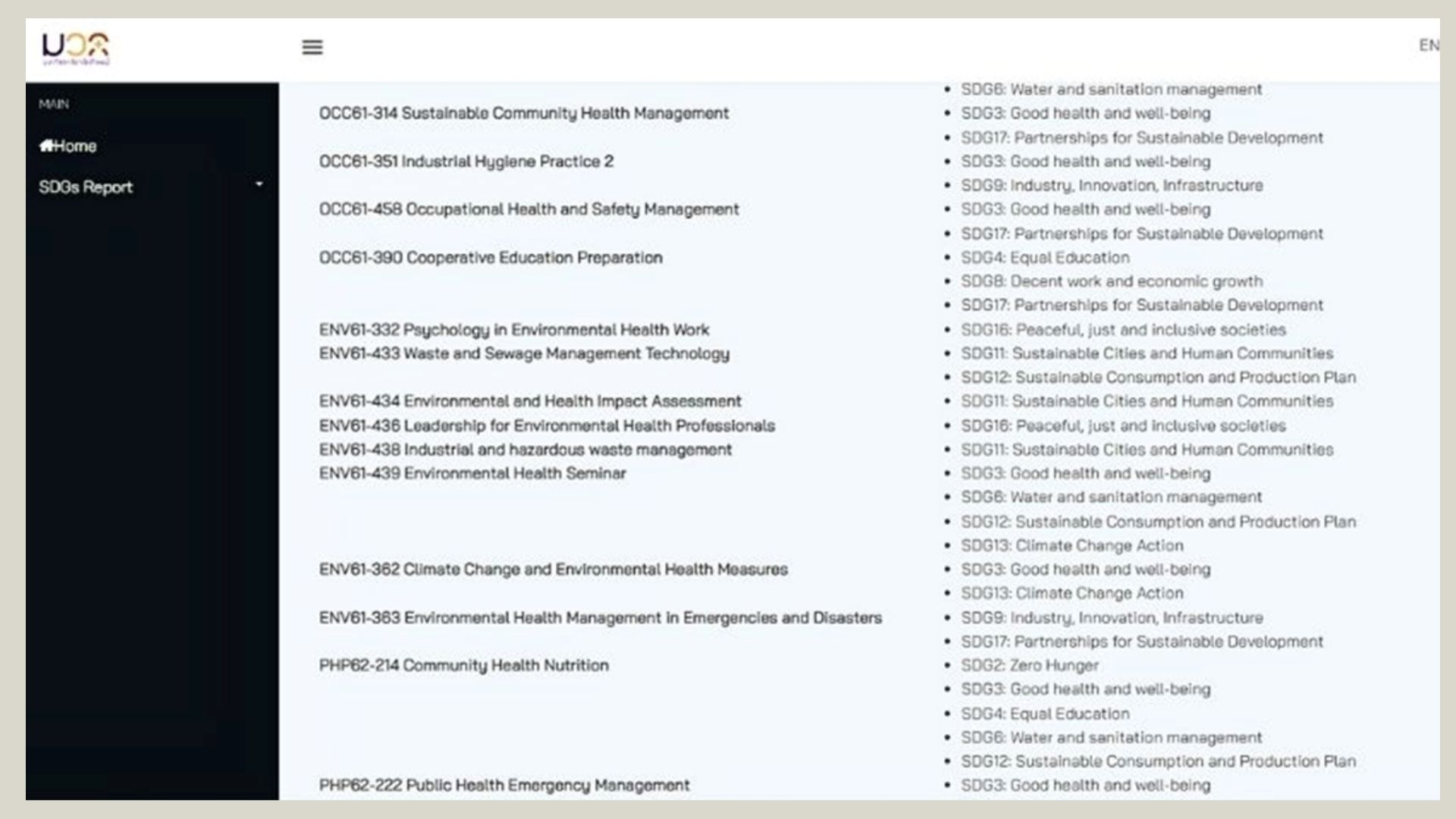
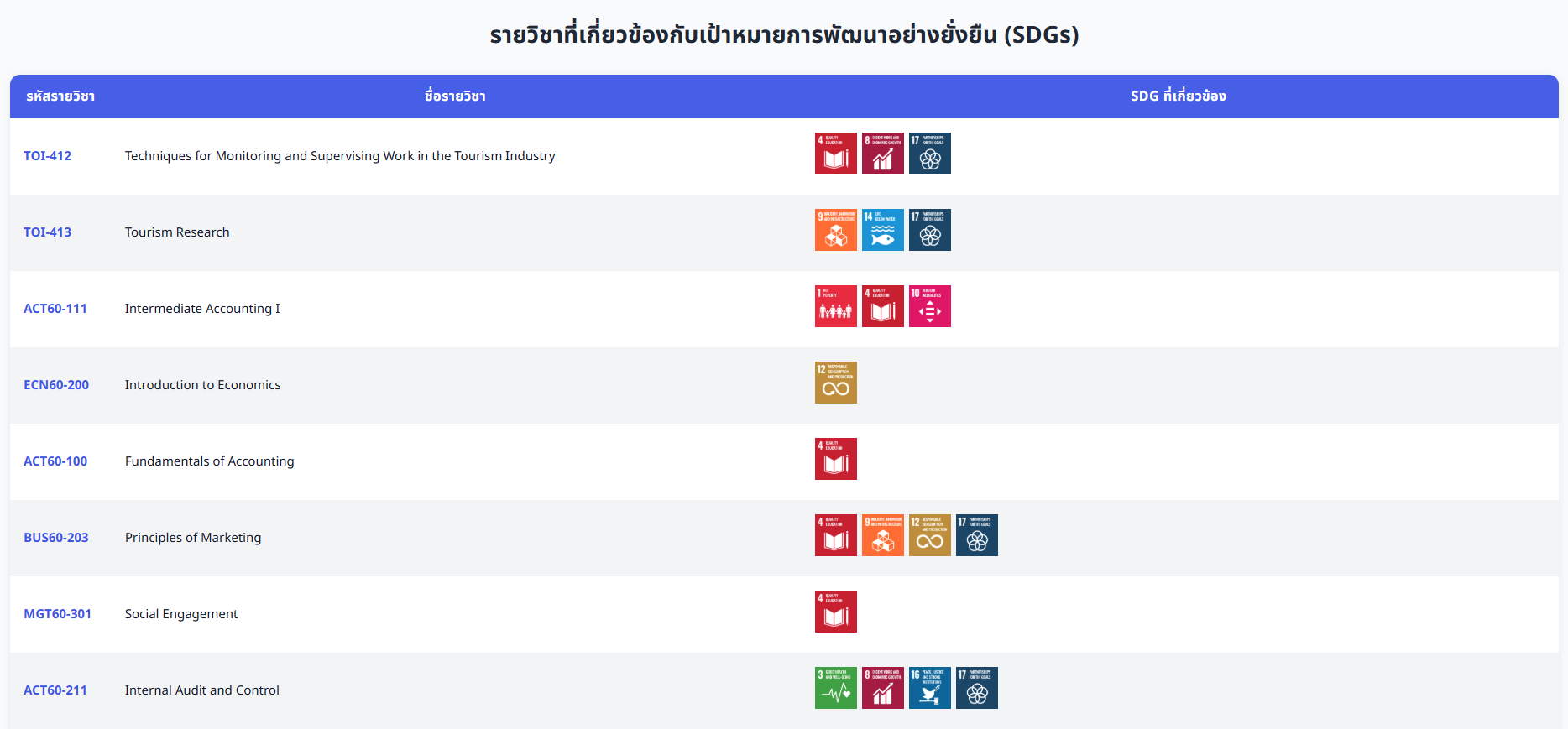
Figure 11 Examples of courses aligned with sustainability, categorized by sustainability dimensions |
Number of Courses/Subjects Related to Sustainability Offered
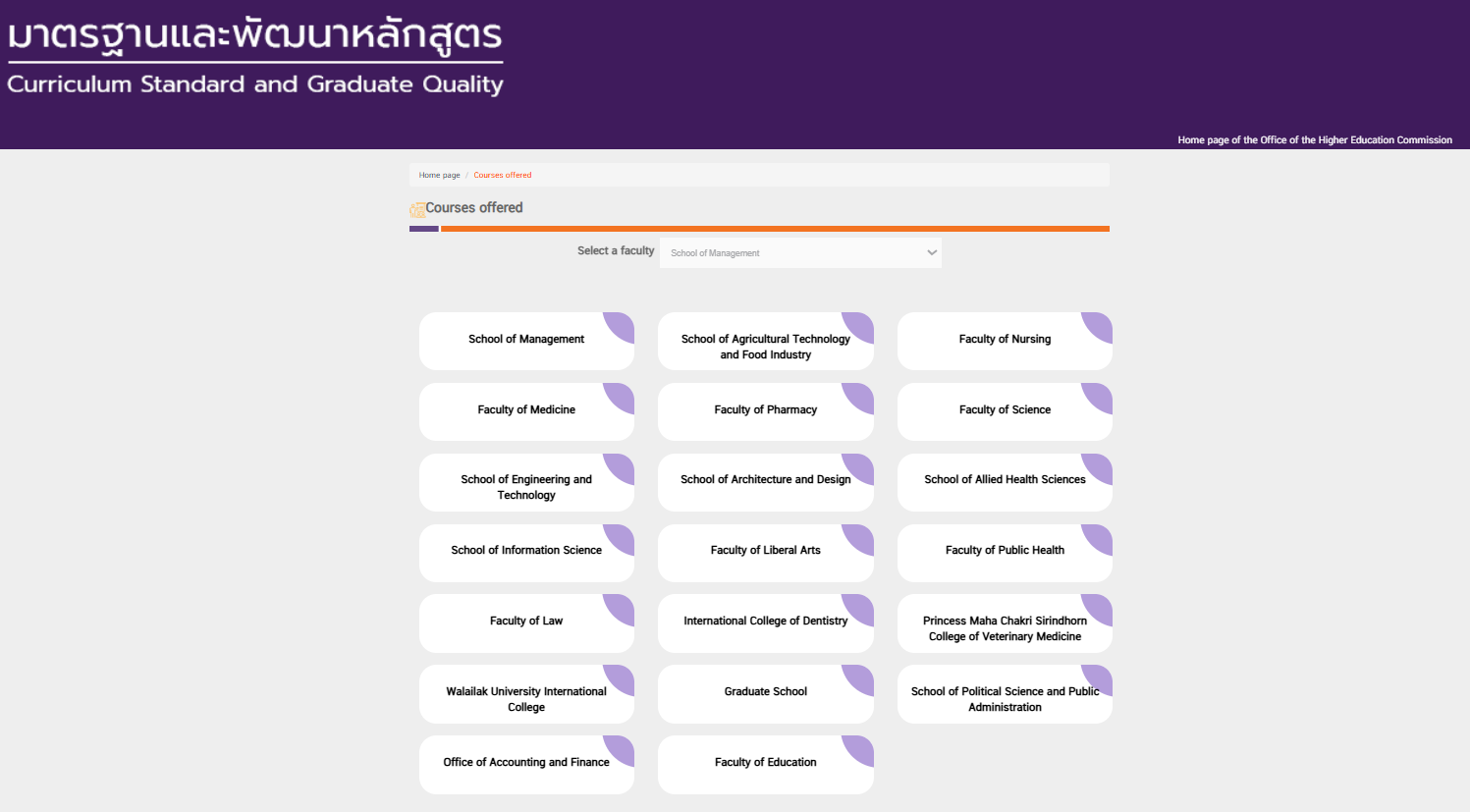
In the academic year 2025, Walailak University offered a total of 55 study program, and offered a total of 2,982 courses across 17 Schools, 3 Colleges, 1 Graduate School, and 1 Center for Cultural and Sports Promotion. All of these courses have been developed to incorporate sustainability concepts, either directly or indirectly, covering the environmental, social, cultural, and economic dimensions aligned with the United Nations Sustainable Development Goals (UN SDGs).
Walailak University defines sustainability-related courses as those that include content and learning activities that promote awareness, knowledge, understanding, or practical engagement with sustainability beyond a basic level. This may involve theoretical learning, research, community engagement, or innovation that is socially and environmentally responsible.
21 faculty, 55 study programs that are fully dedicated to sustainability, accounting for 100% of all study programs. These programs are offered across various schools and faculties such as:
- School of Science – Programs focusing on Environmental Science, Environmental Chemistry, and Biological Sciences, which emphasize ecological systems, biodiversity conservation, and sustainable natural resource management.
- School of Engineering and Technology – Programs related to Renewable Energy Engineering and Environmental Engineering, aiming to advance technological solutions in energy efficiency, waste management, and green innovation.
- School of Architecture and Design – Programs integrating Sustainable Architecture and Urban Planning, highlighting eco-friendly building design, sustainable urban systems, and energy-efficient construction.
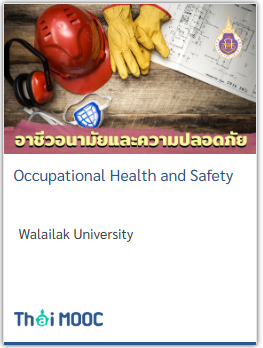
- School of Public Health – Programs such as Environmental Health and Occupational Health, focusing on the interaction between human health, ecosystems, and sustainable community development.
School of Agricultural Technology and Food Industry – Programs in Agriculture, Food Science, and Sustainable Farming Systems, focusing on food security, organic farming, and sustainable production chains
The identification of sustainability-related courses is based on the dimensions of sustainability reflected in the course titles and descriptions, which are integrated within the Thai Qualifications Framework for Higher Education (TQF). These courses are categorized according to the following dimensions of sustainability.:
- Environmental: Courses focusing on environmental protection and resource management, such as Climate Change and Environmental Health Measures, Renewable Energy, Energy Conservation and Management, Environmental Analytical Chemistry, Environmental Management Systems, Solid Wastes and Excreta Management, and Water Supply and Wastewater Engineering.
- Social: Courses emphasizing social development, safety, and community participation, such as Safety Occupational Health and Environment Laws, Community Engagement for Schools and Community, and Changes and Complexity of Thai Society.
- Cultural: Courses promoting intercultural understanding and the preservation of social and cultural values, such as Communication between Cultures in Thai Society.
- Economics: Courses focusing on green and modern economies, such as Energy Economic, Bio-Circular-Green Economy Model (BCG) for Carbon Neutral in Tourism and Hotel, Contemporary Thai and Global Economy, and Life and Economy in the Digital Era.
Examples of course descriptions within sustainability-focused programs include:
- ENH64-368 Climate Change and Environmental Health Measures
This course provides the knowledge on principle of climate change and global warming. The students will learn about climate change impacts on health, economy, society and environmental health service. In addition, environmental health managements in climate
- EEE62-335 Energy Conservation and Management
This course emphasizes on energy conservation and management. Topics include fundamental of energy efficiency; principle of energy efficiency in building and industry; load management; laws and regulations of energy conservation; energy management and
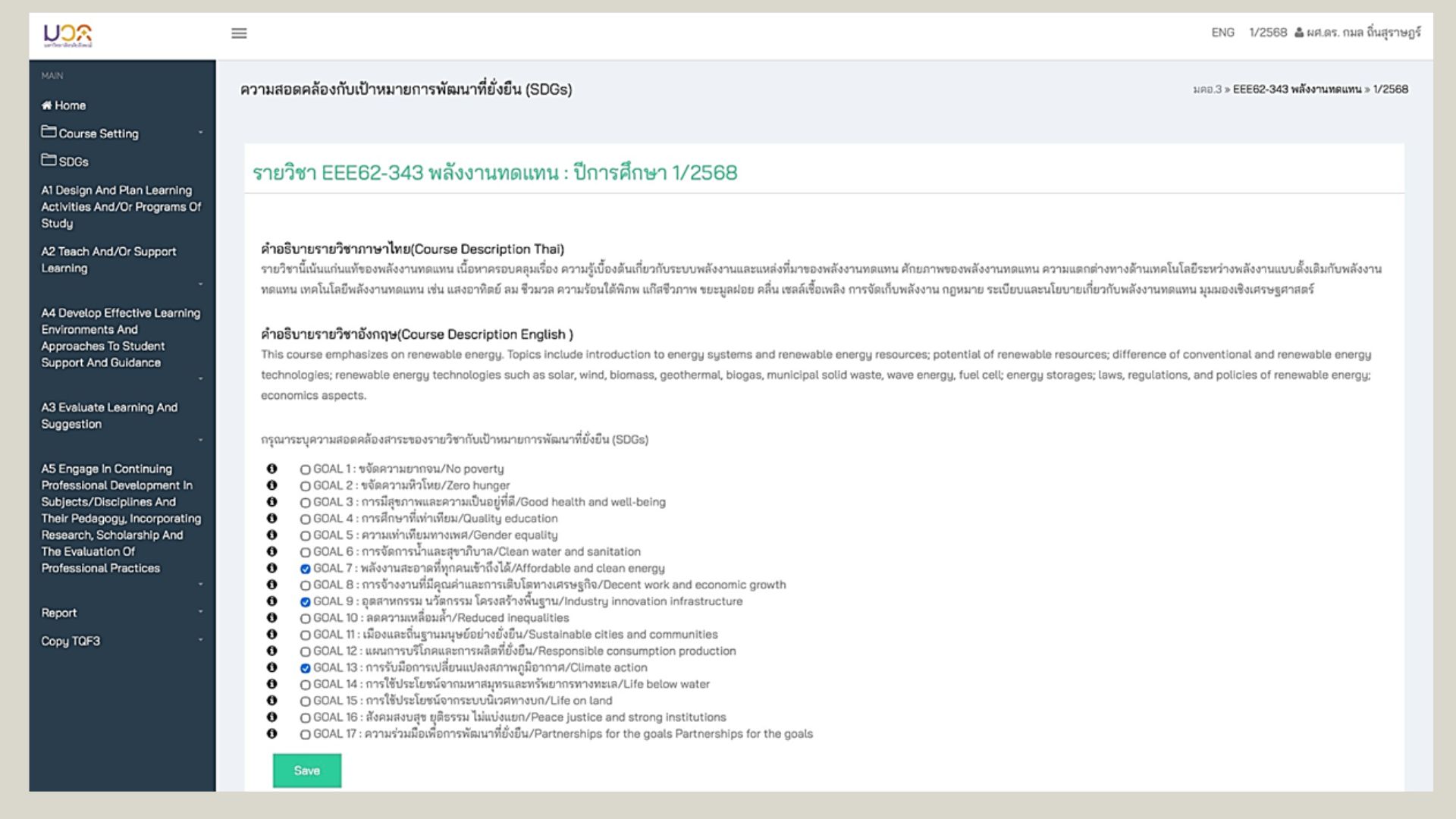
- EEE62-343 Renewable Energy
This course emphasizes on renewable energy. Topics include introduction to energy systems and renewable energy resources; potential of renewable resources; difference of conventional and renewable energy technologies; renewable energy technologies such
- GEI65-142 Environmental Conservation and Global Warming
This course provides a conceptual framework, principles, processes and rationales for sustainable environmental conservation and quality living. Students study activities for environmental protection through the use of environmentally friendly processes
- CVE62-474 Water Supply and Wastewater Engineering
This course deals with Water Supply and Wastewater Engineering. Topics covered include sources of water supply; quality standards of potable water; groundwater and surface water sources of water supply; calculations of water distribution system; unit proc
Through these fully sustainability-oriented study programs, Walailak University demonstrates its strong commitment to advancing education for sustainable development. By offering academic pathways that directly address sustainability challenges, the institution ensures that graduates are equipped with the knowledge, skills, and values necessary to contribute meaningfully to global sustainability goals..)
Above is a list of the study program that have had changes approved through Curriculum Refresh programme which aims to embed sustainability into all course and module content offered by the University.
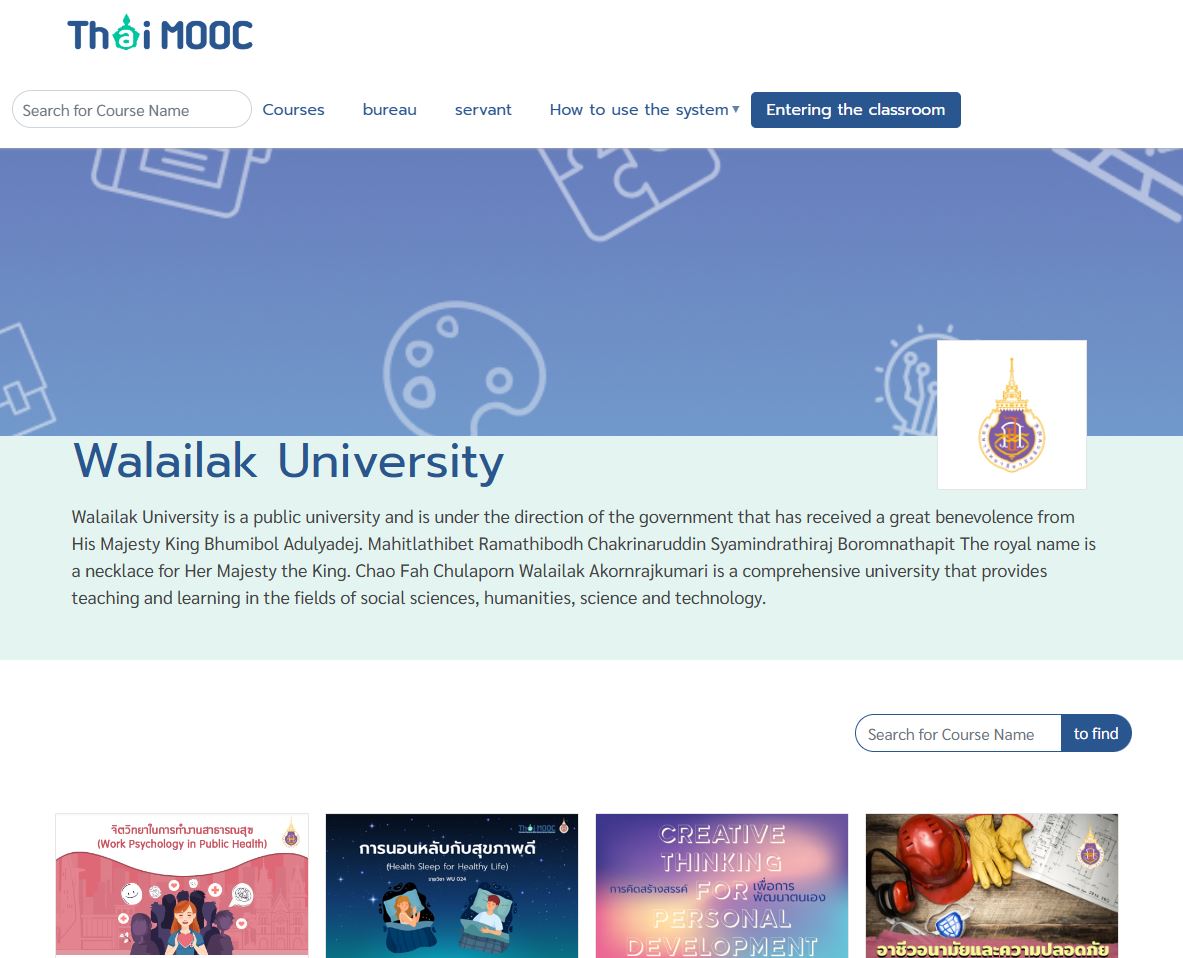
Free online course aligned with the Sustainable Development Goals (SDGs)
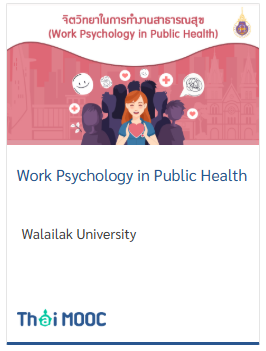
Work Psychology in Public Health
This course introduces key concepts in psychology and public health work, covering work attitudes, motivation, and job satisfaction. Students will explore public health work behavior, community mental health, and strategies for addressing mental health issues through health counseling.
Creative Thinking for Personal Development This course studies the concepts and meanings of creative thinking, explains the characteristics of creativity, and explores its components and promotion. Students will learn creative thinking techniques, methods to evaluate creativity, and how to apply creative thinking for personal development. |
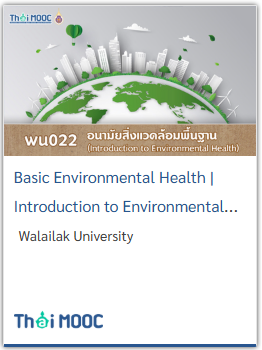
Introduction to Environmental Health This course aims to provide students with an understanding of the scope of environmental health and the relationship between the environment and human health. Topics include clean water provision, food sanitation, wastewater treatment, solid and hazardous waste management, and environmental health management |
Free online course aligned with the Sustainable Development Goals (SDGs)
WU MOOC: A free online course aligned with the Sustainable Development Goals (SDGs) and part of the Thai MOOC Learning Management System (LMS) network. Designed for lifelong learning, it empowers learners to upskill and reskill anytime, anywhere, on any device. ‘Thai MOOC’ (Thailand Massive Open Online Course) is a project under the Thailand Cyber University Project (TCU).
Walailak University has fully integrated sustainability concepts into all academic programs. 100% of the courses offered are related to sustainability, either directly or indirectly, encompassing environmental, social, cultural, and economic dimensions. The University aims to equip students with awareness, understanding, and practical skills to drive sustainable development in alignment with the United Nations Sustainable Development Goals (UN SDGs).