
31Oct 2025 by Kanyarat Ngamcharoen
Facilities for Safety on Campus
Security and safety facilities
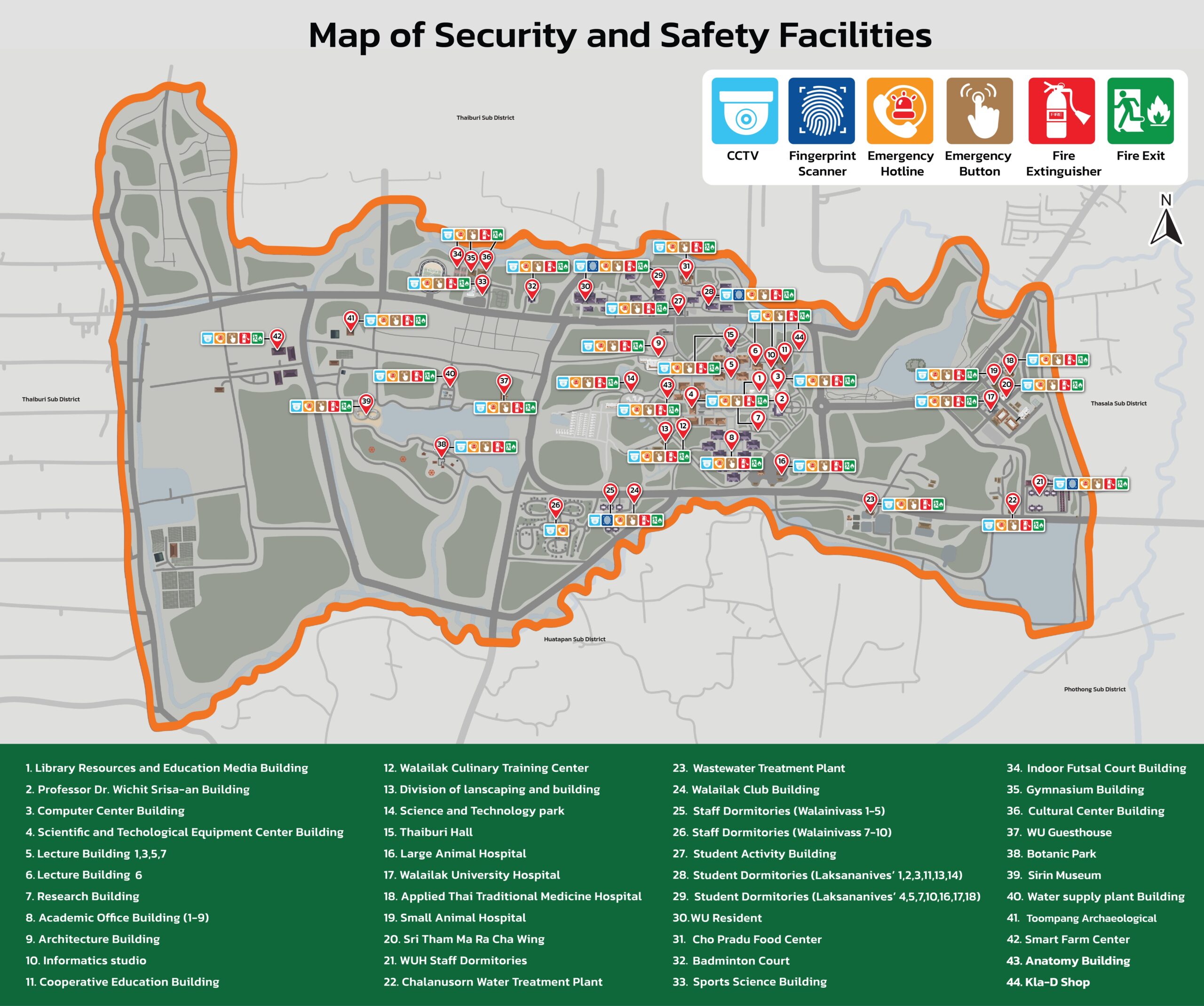
Security and Safety: Accidents and Emergencies
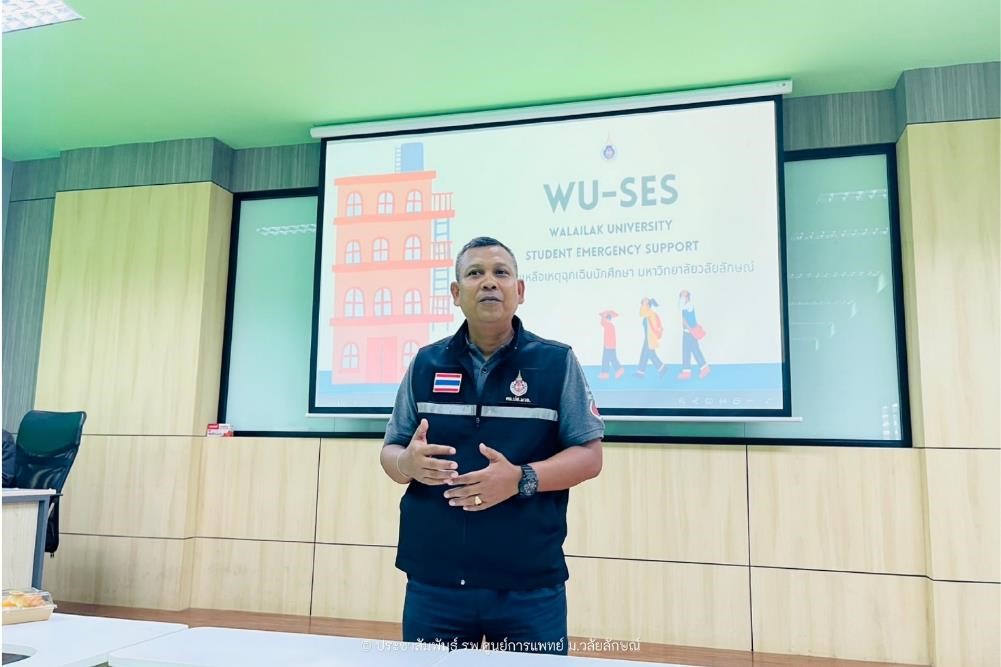
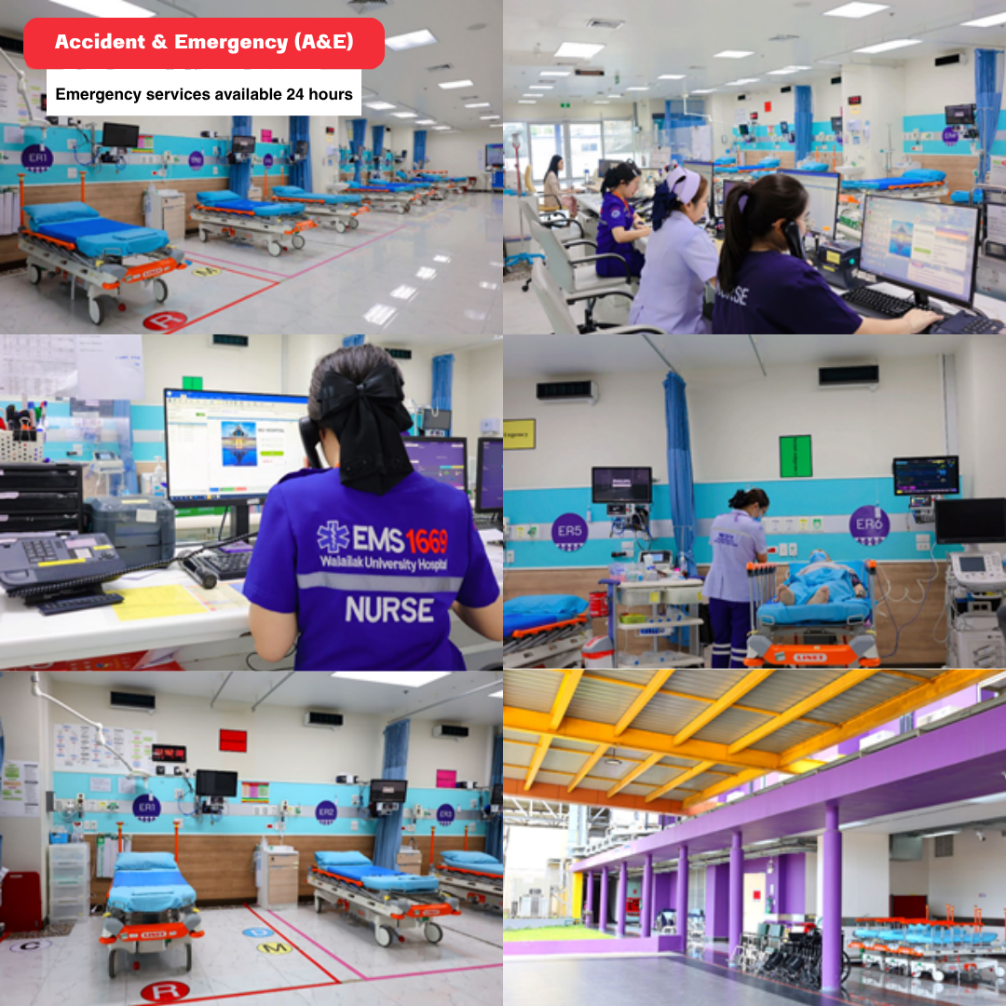
- Accident and Emergency Operations Center: Provides 24-hour emergency assistance for accidents or unexpected incidents occurring on campus, including follow-up reports and post-treatment monitoring.
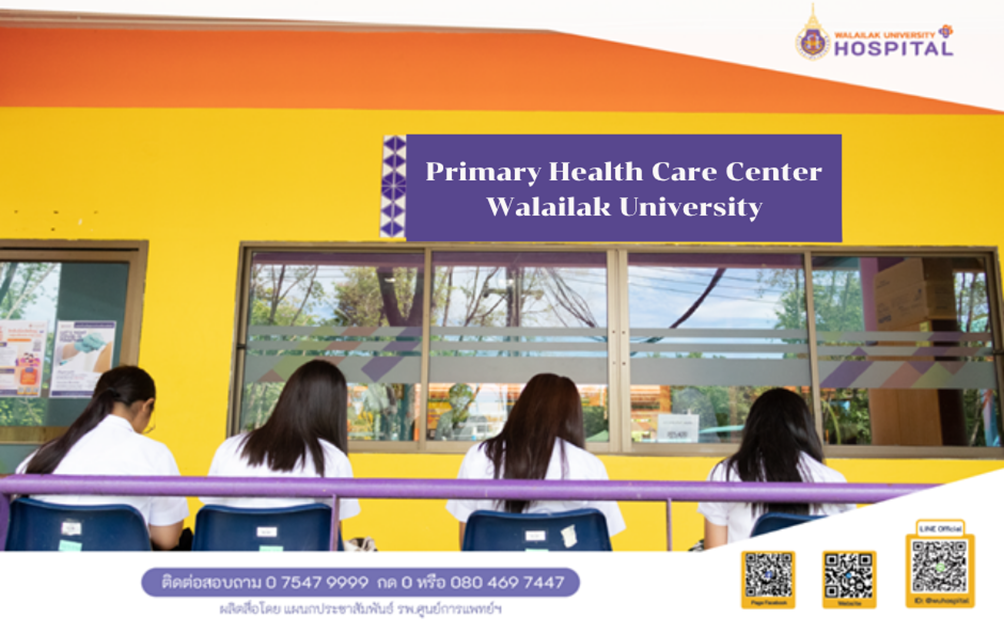
- Primary Health Care Services: On-campus primary health center provides first aid and initial medical treatment in case of accidents.
- Walailak University Medical Center Hospital: Operates 24 hours a day to provide emergency and specialized medical services.
- Laboratory Safety: Safety protocols and emergency support are available for students working in science laboratories, with incident tracking and post-incident follow-up.
- Traffic Safety: The University enforces a strict 100% helmet-wearing policy within the campus, promotes safe driving campaigns, and designates parking-only zones to reduce accidents and enhance safety.
Security and Safety: Crime Prevention
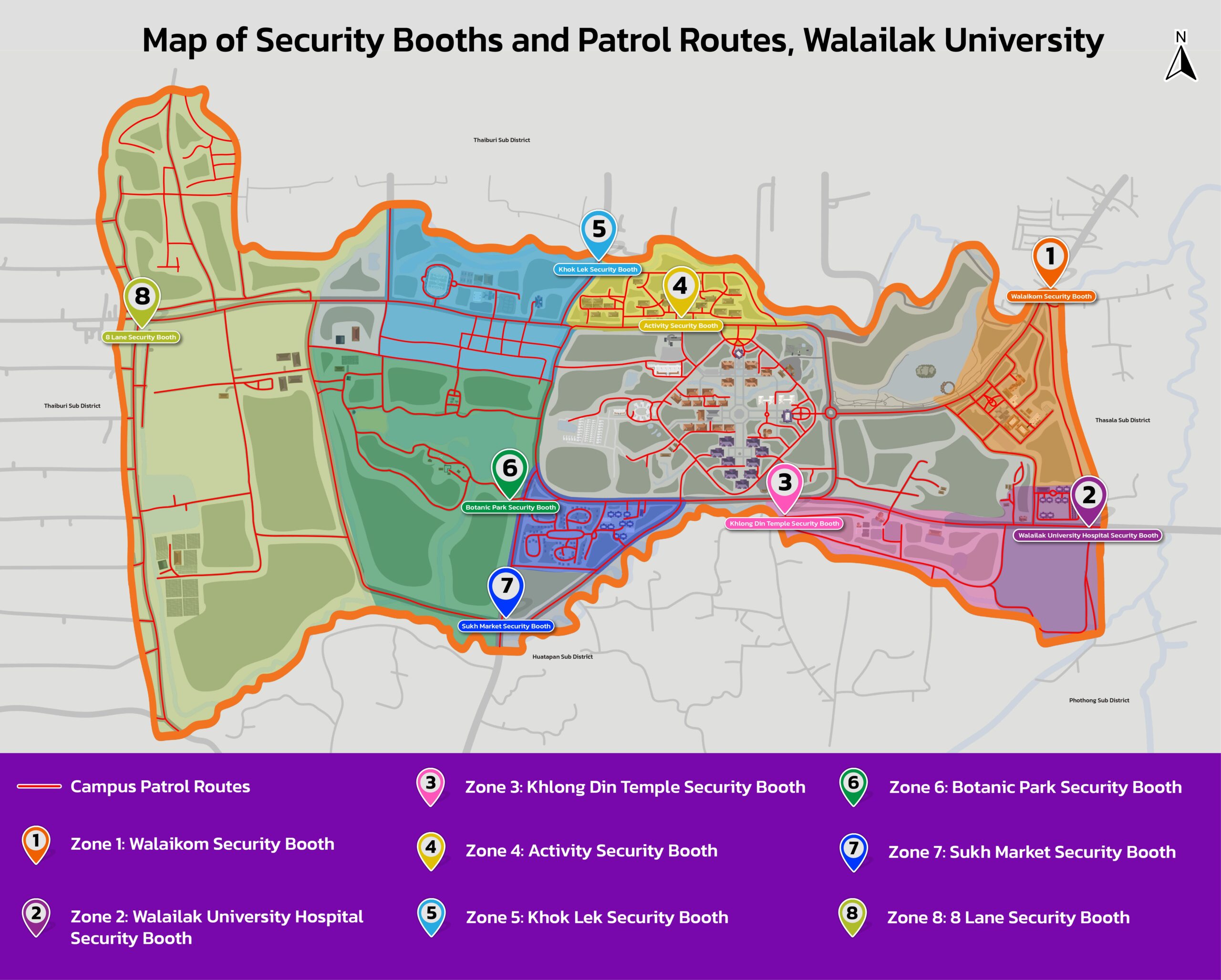
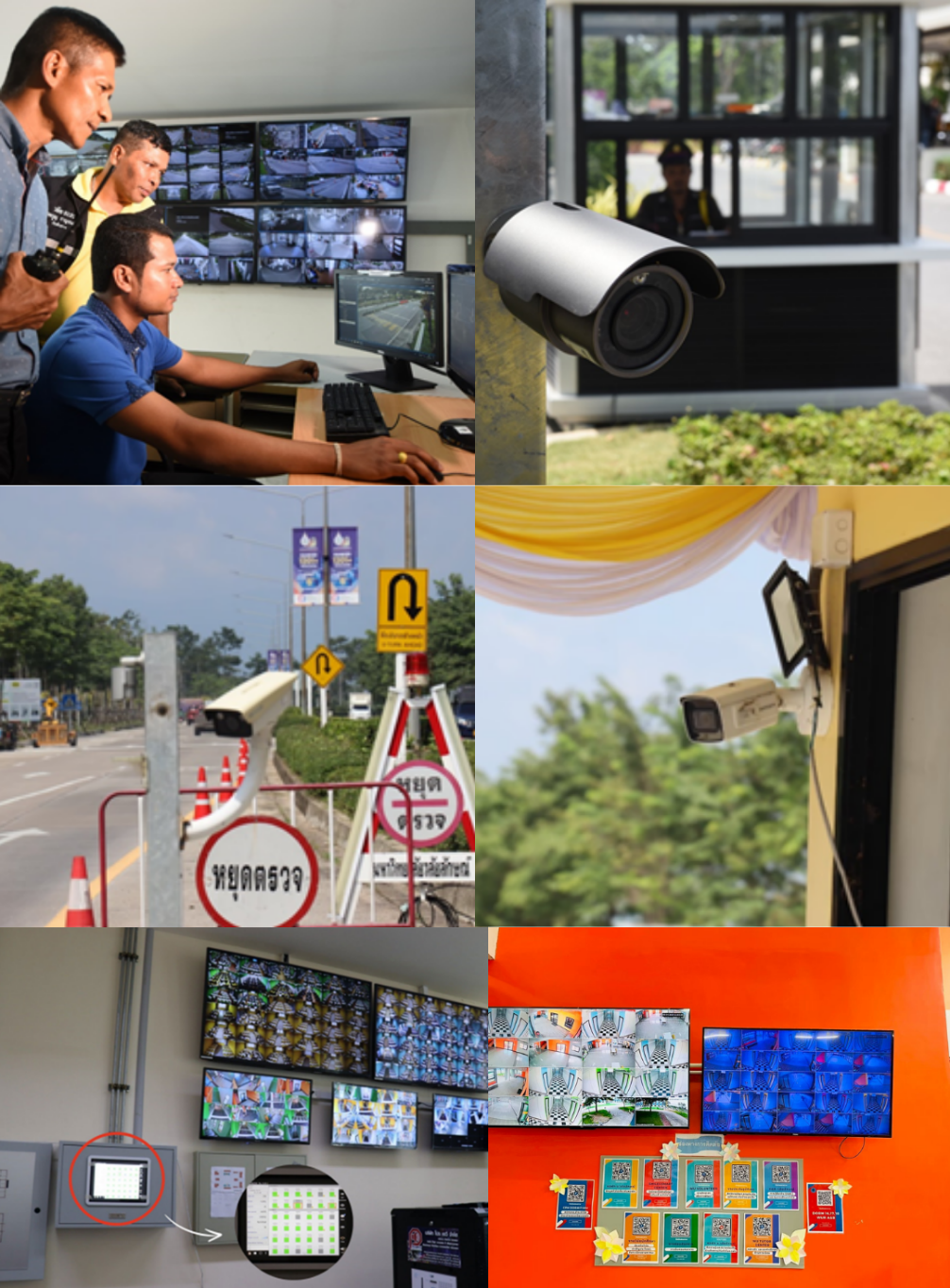
- Security Personnel: The University divides the campus into five security zones, each patrolled and monitored by trained guards stationed at key locations, operating 24 hours a day.
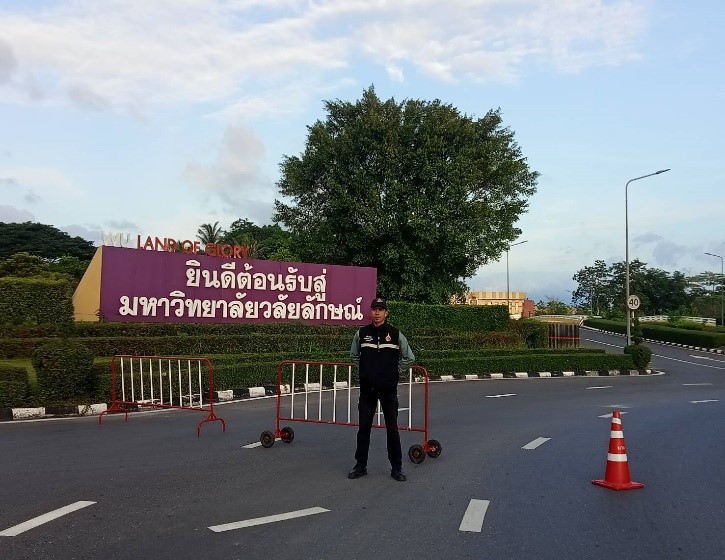
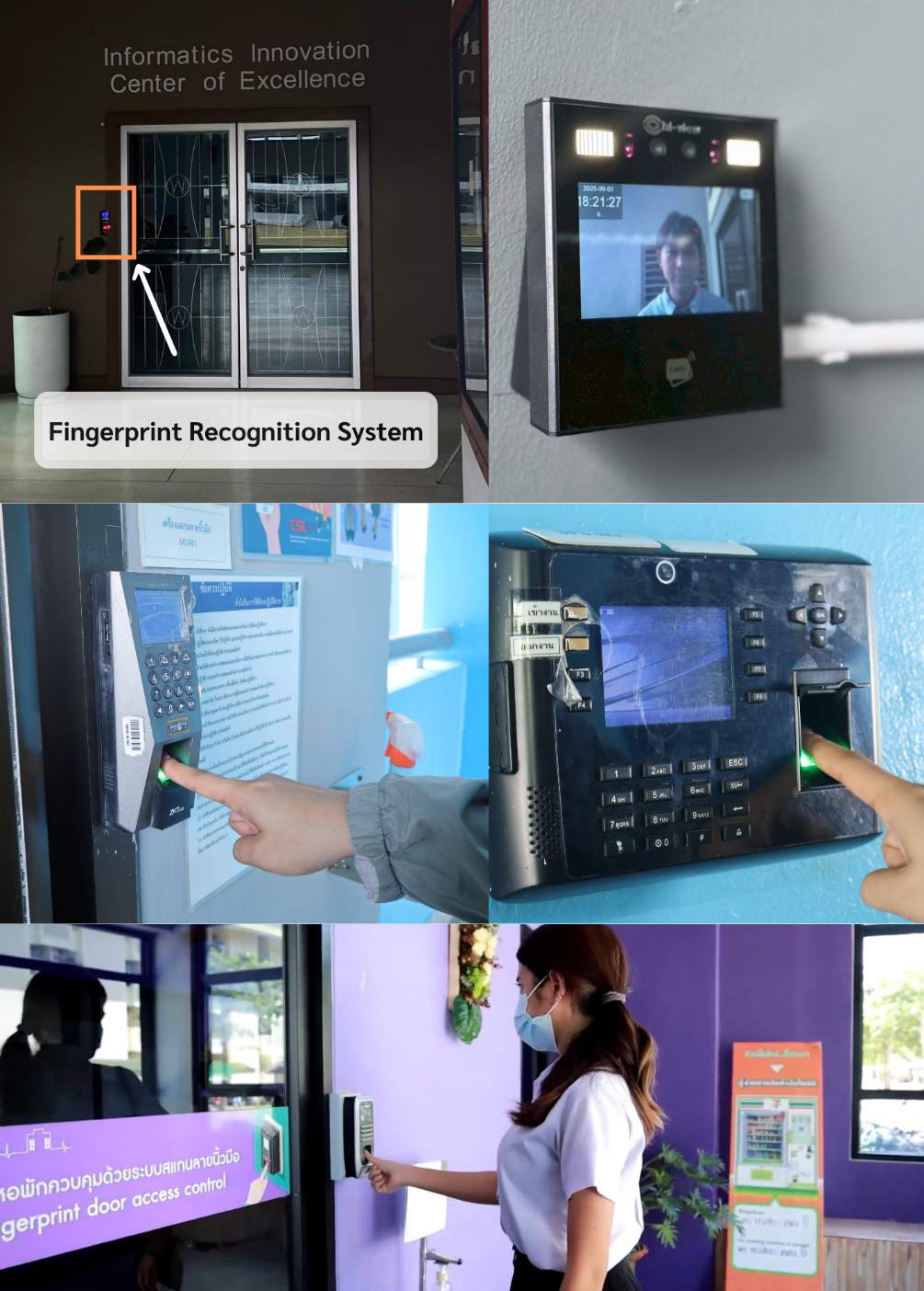
- Checkpoints and Access Control: Security checkpoints are located at the main entrances to regulate the entry and exit of vehicles and external visitors.
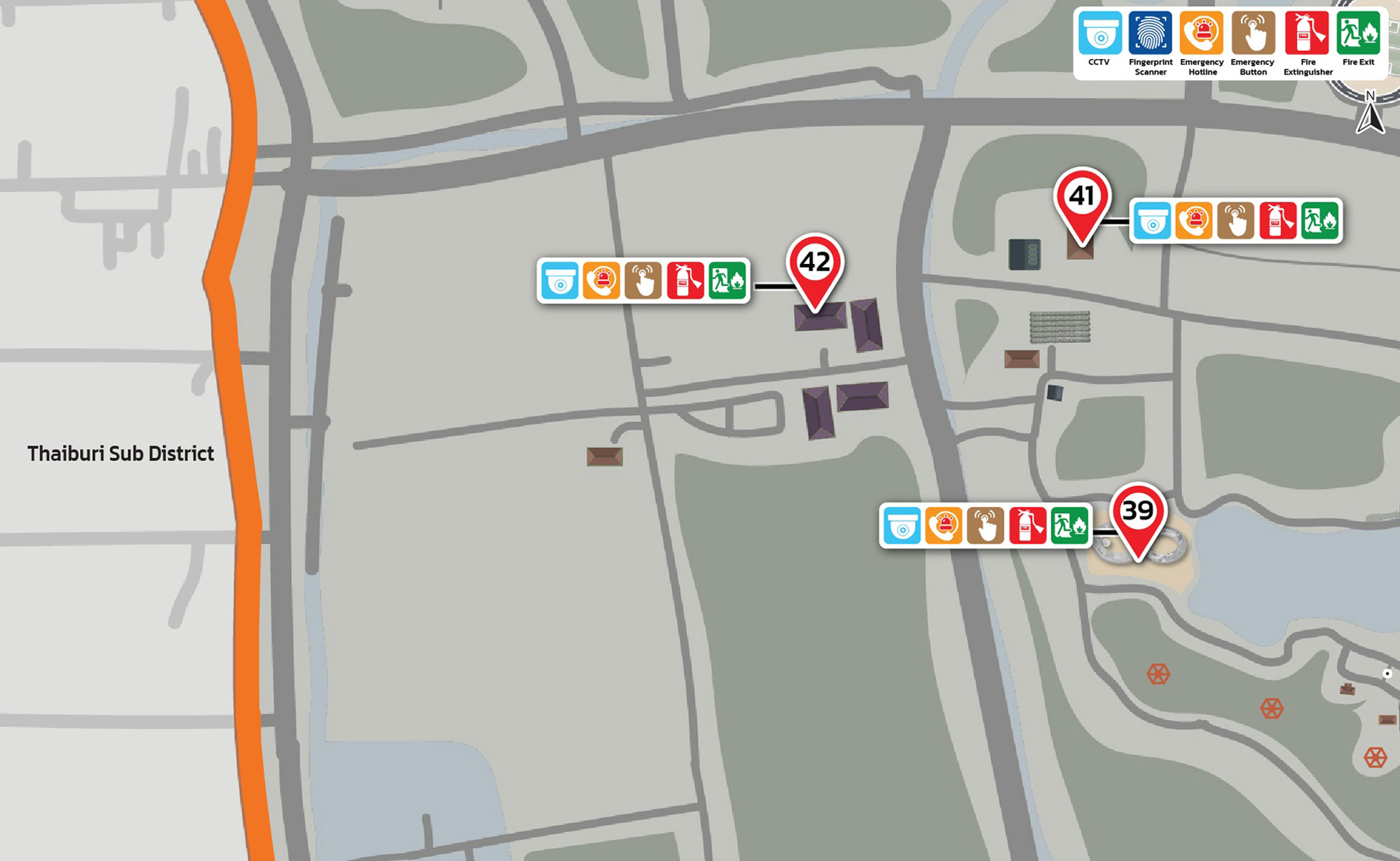
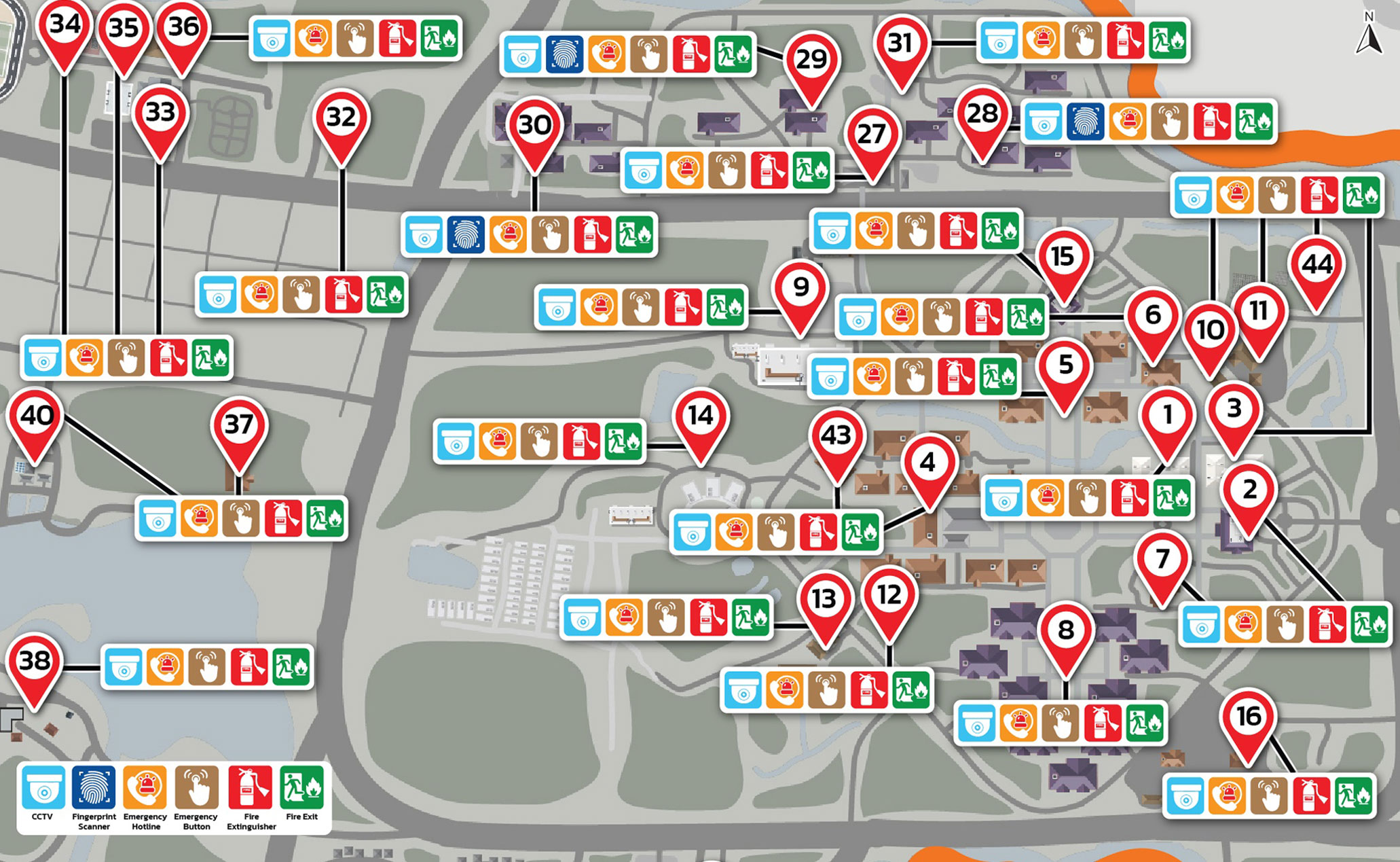
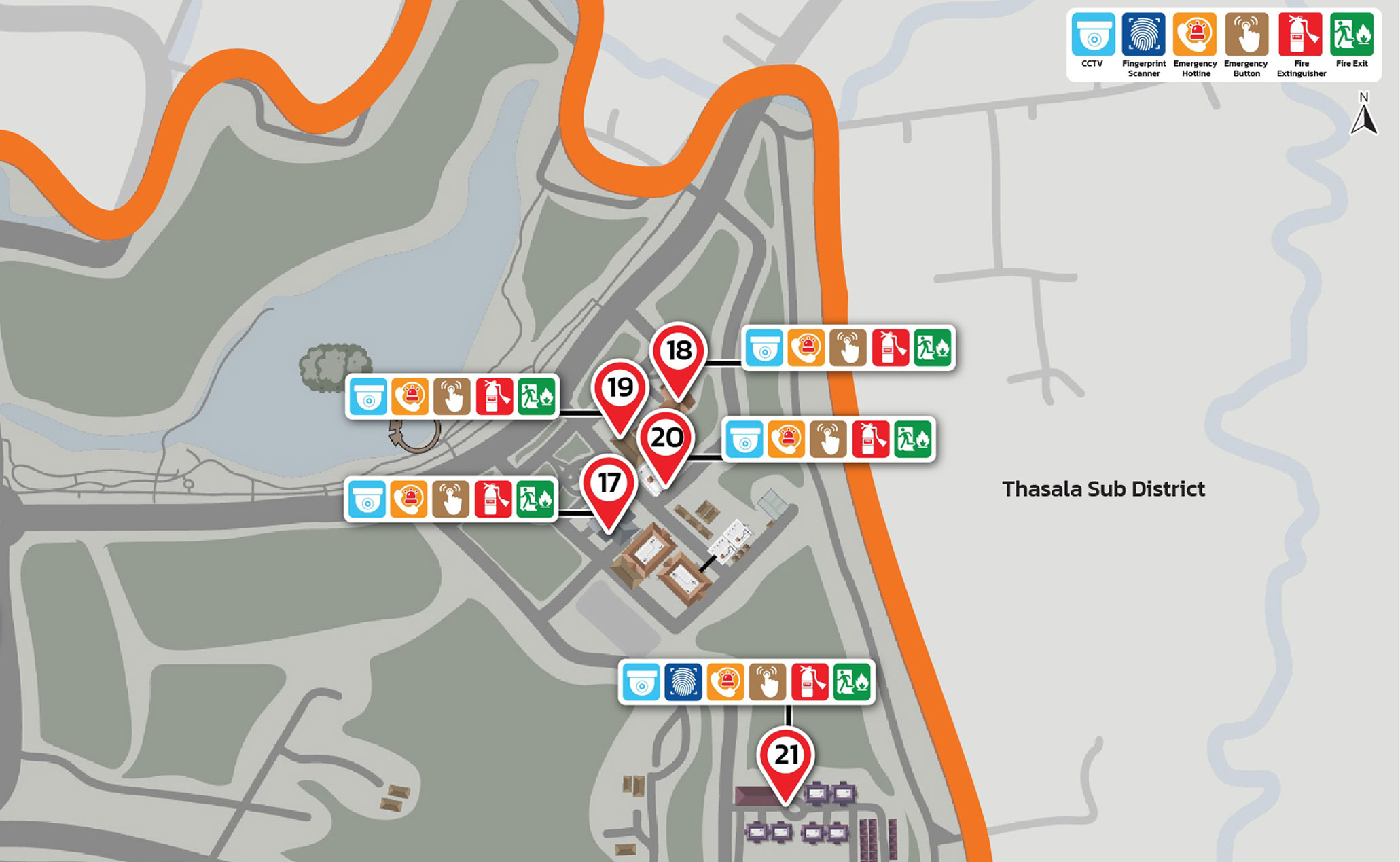
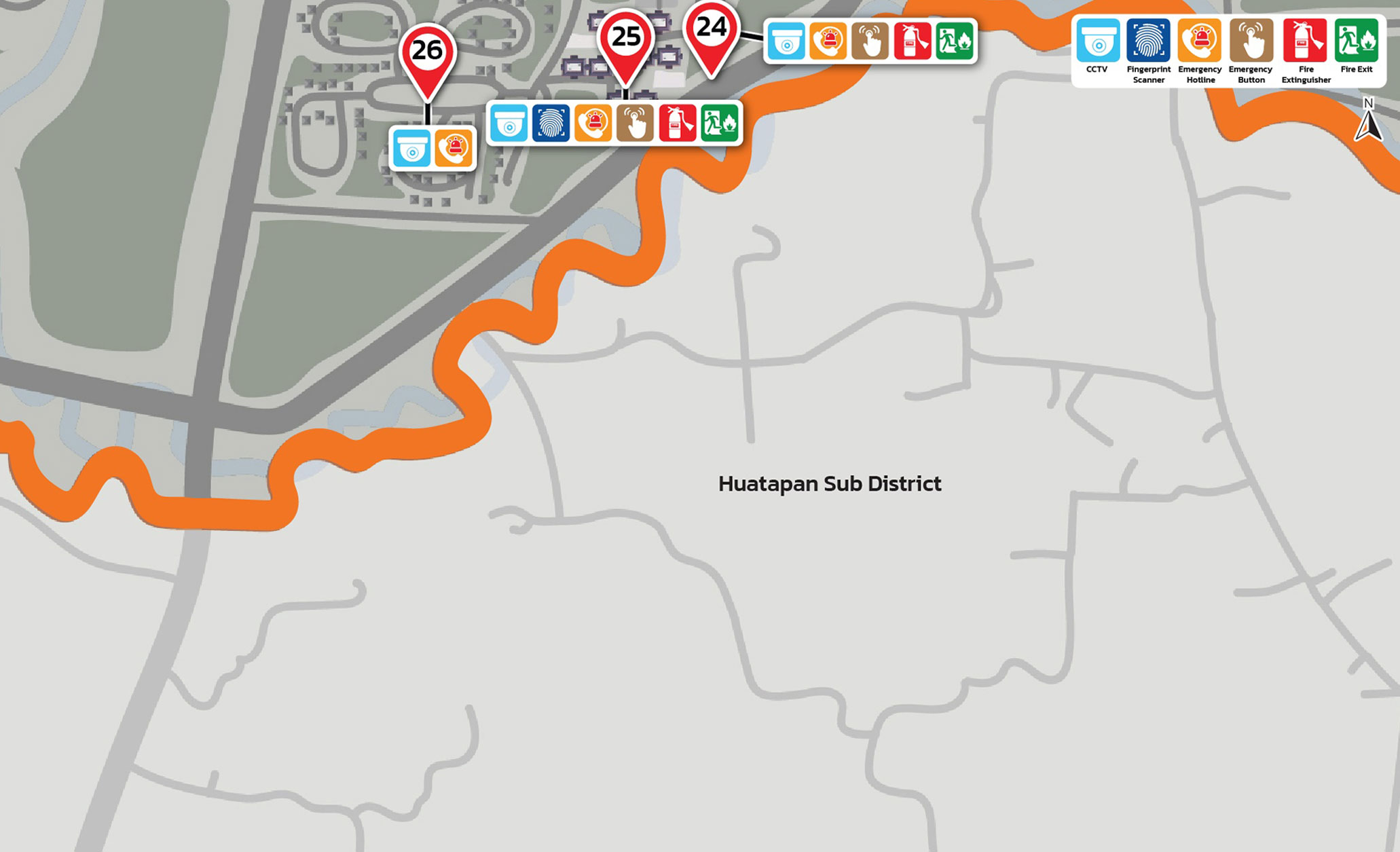
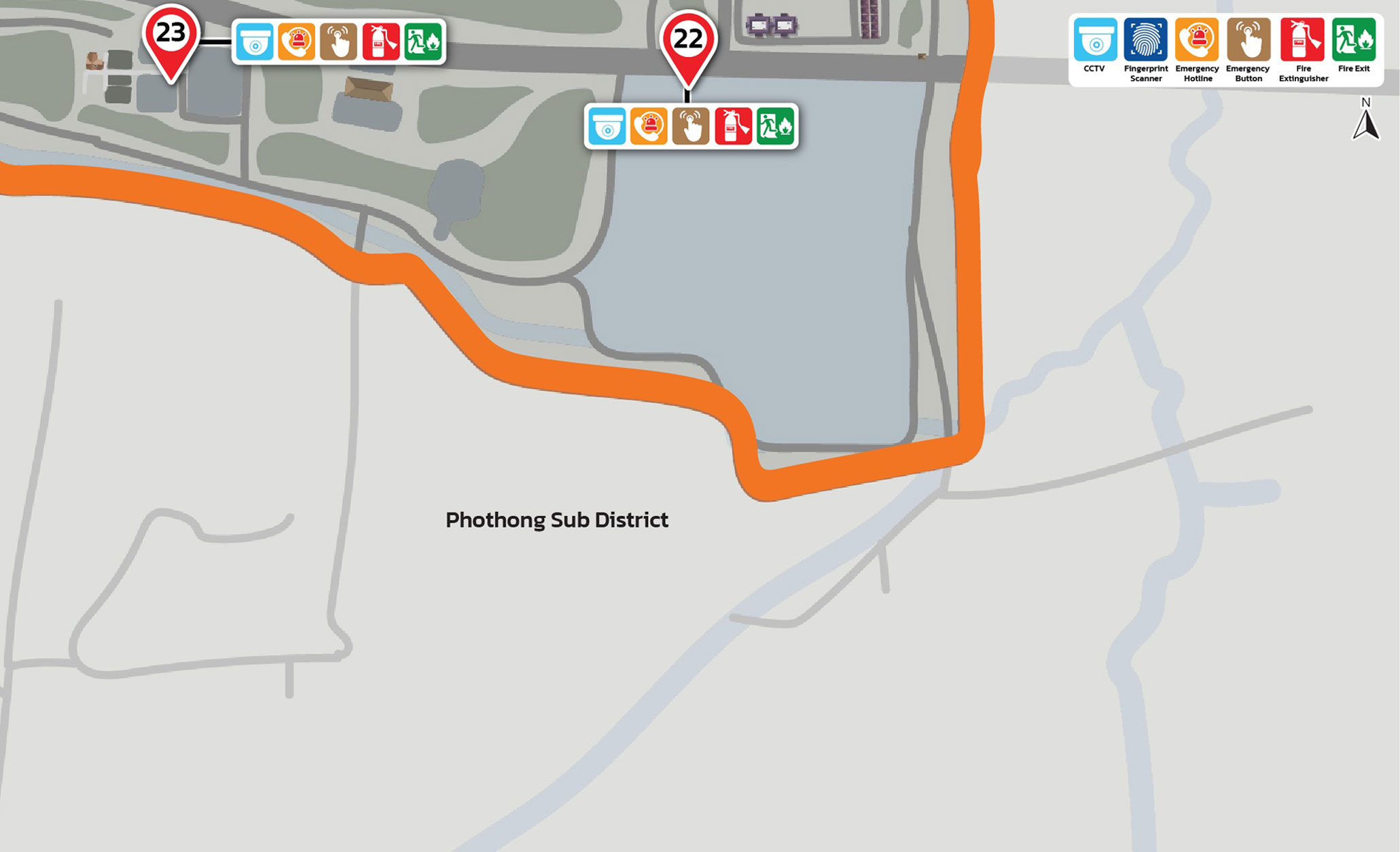
- Closed-Circuit Television (CCTV): Over 50 CCTV cameras are installed across the campus, covering academic buildings, dormitories, walkways, parking lots, and high-risk areas to prevent and monitor incidents.
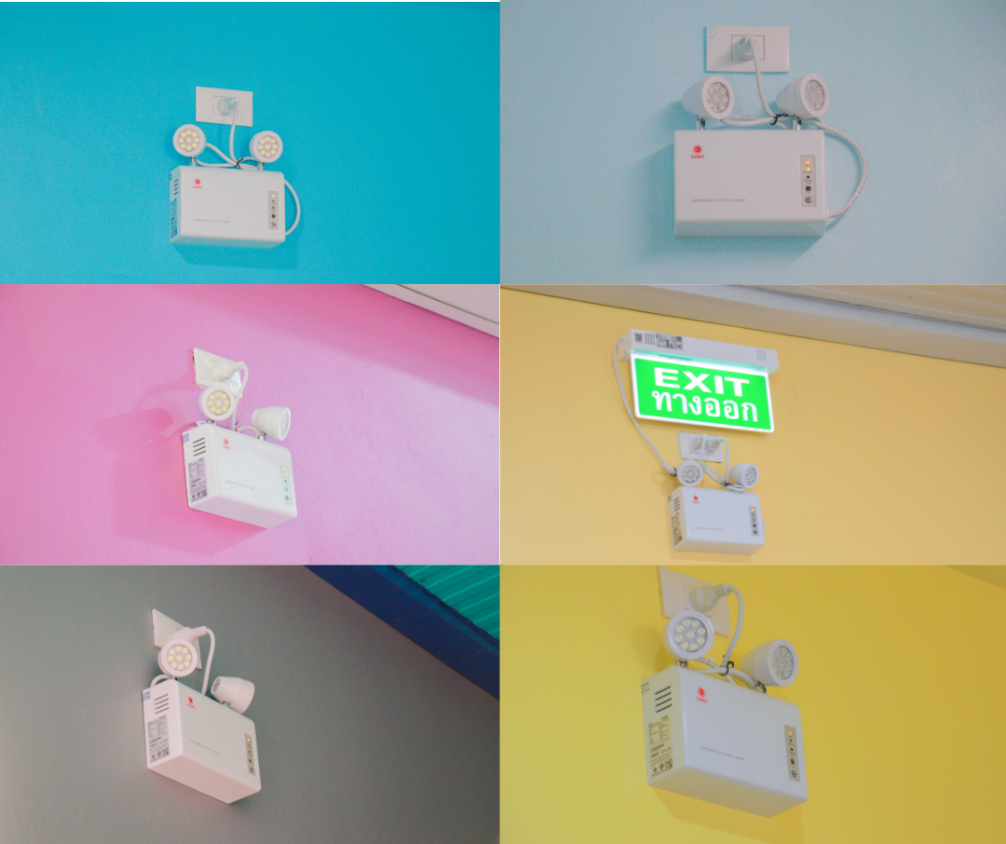
- Lighting System: Adequate lighting is provided in public areas, particularly along walkways, parking areas, and blind spots, to minimize risks of accidents and criminal activities.
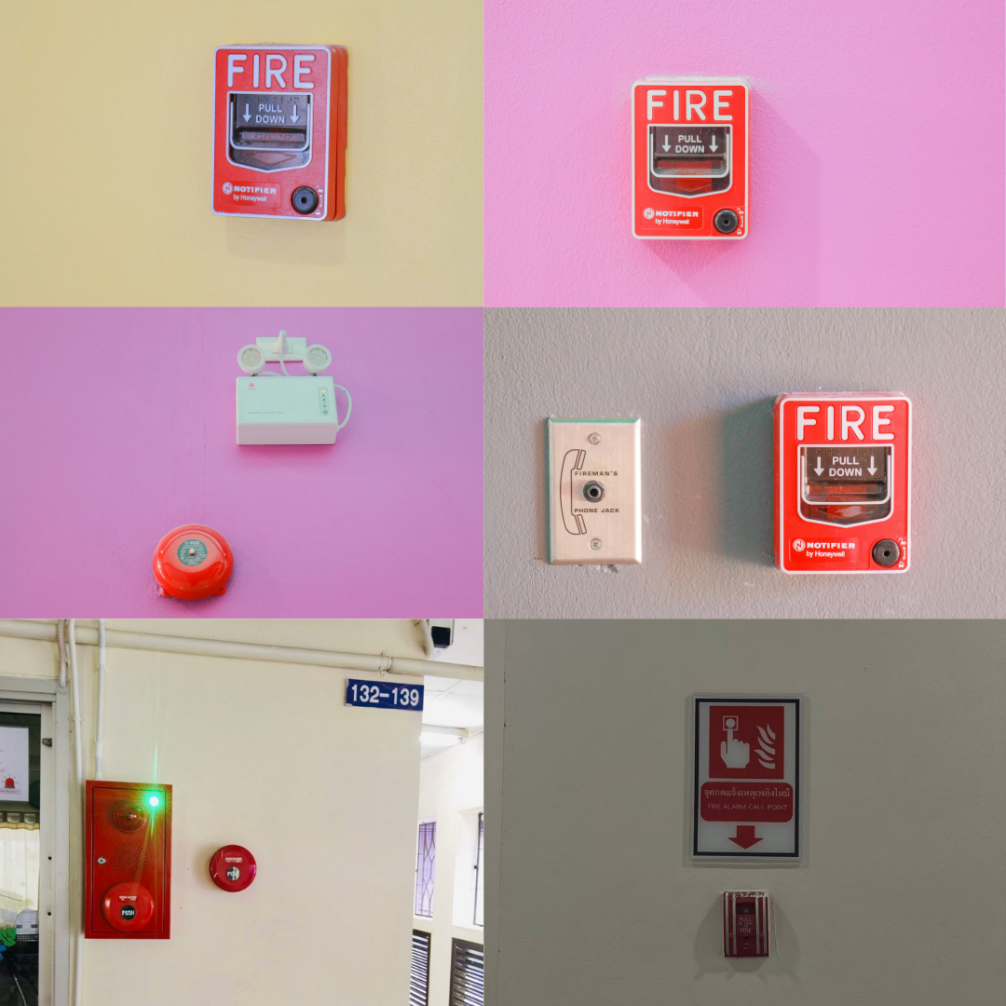
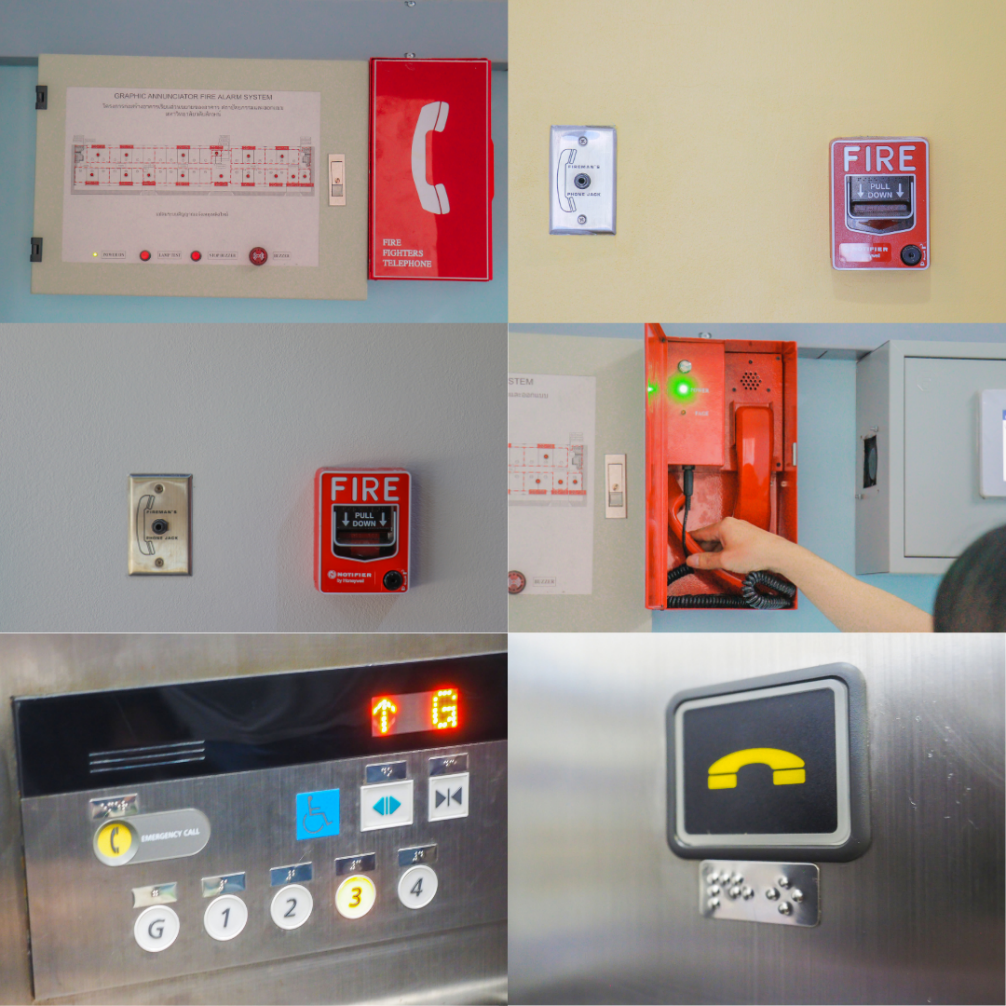
- Emergency Buttons and Hotlines: Installed in strategic locations to ensure immediate access to emergency assistance.
- Dormitory Security System: Student dormitories are equipped with access control systems, 24-hour on-duty security guards, and fingerprint scanning for residents.
- Safety Orientation: New students receive safety orientation sessions covering personal safety, travel guidance, and proper use of public spaces on campus.
Security and Safety: Fire Prevention and Response
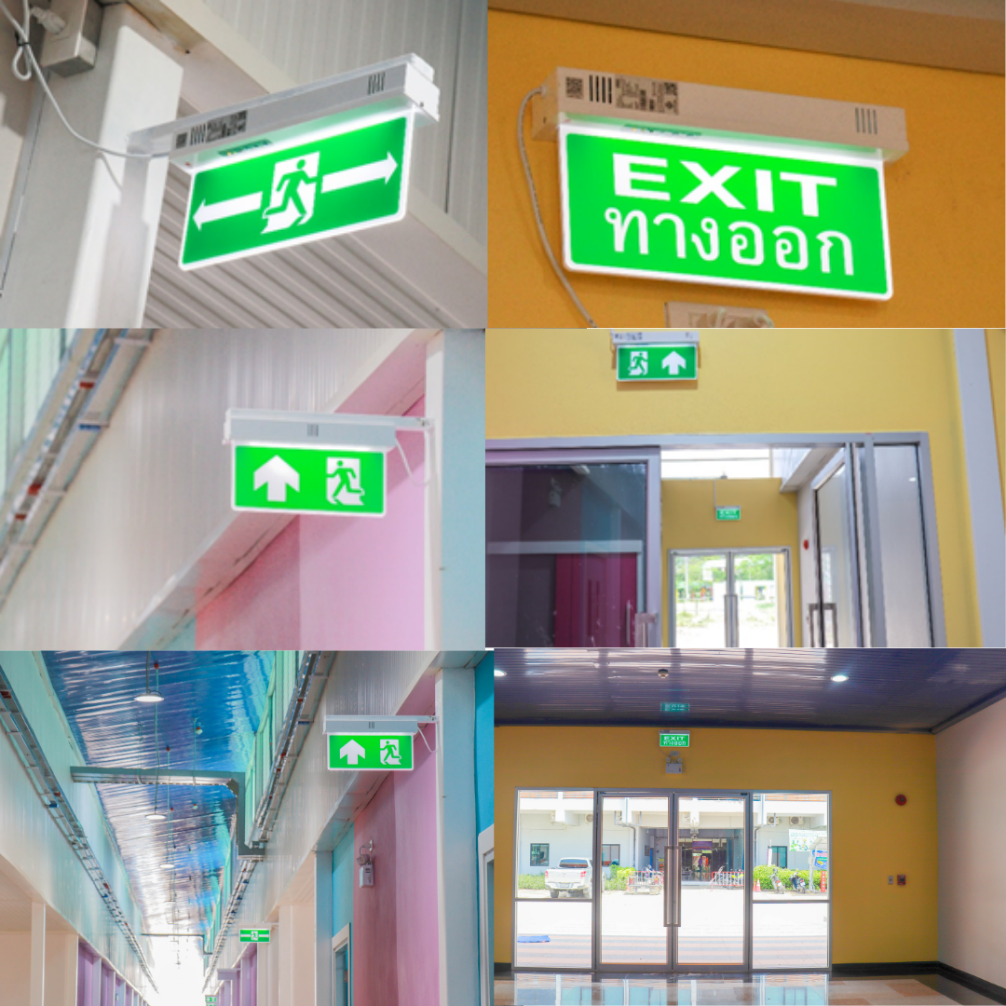
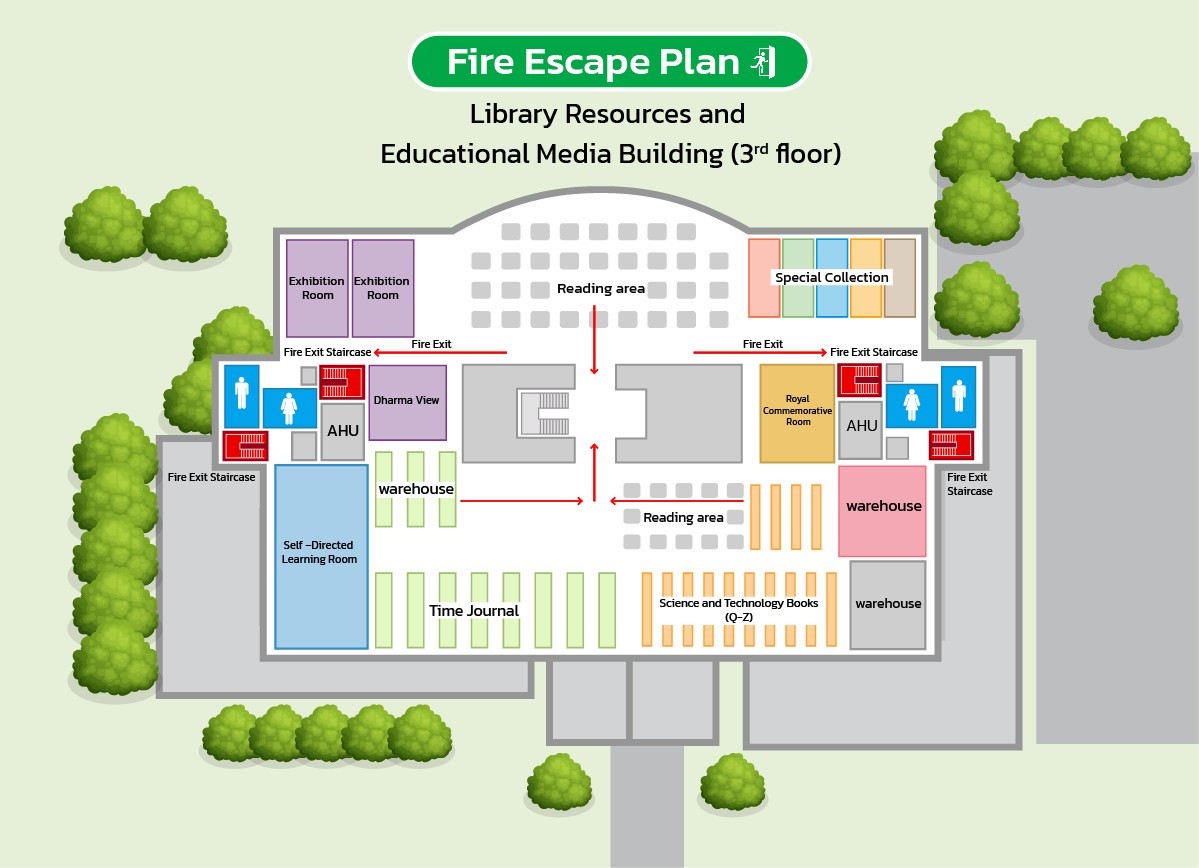
- Evacuation Plans: Fire evacuation routes and plans are posted in every building.
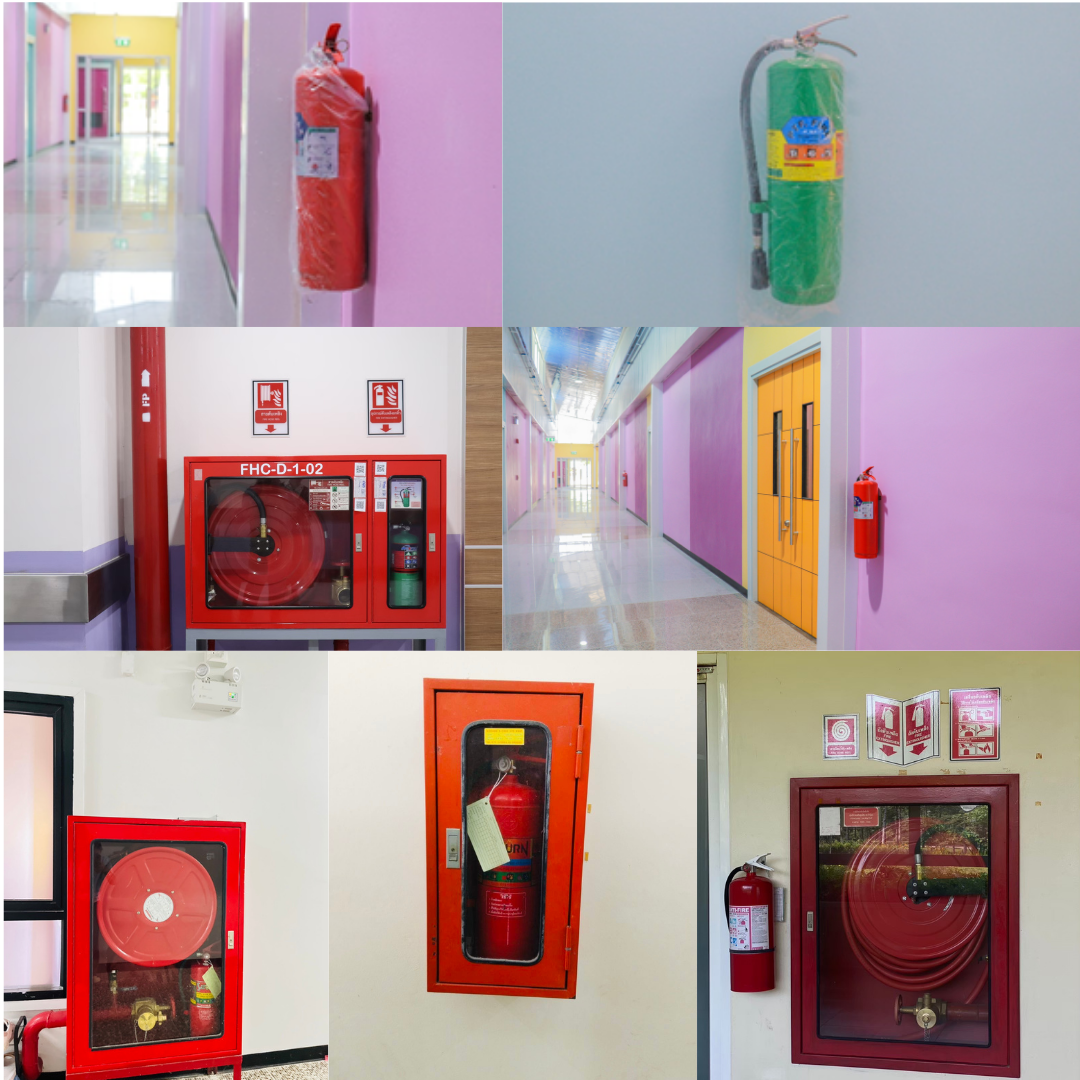
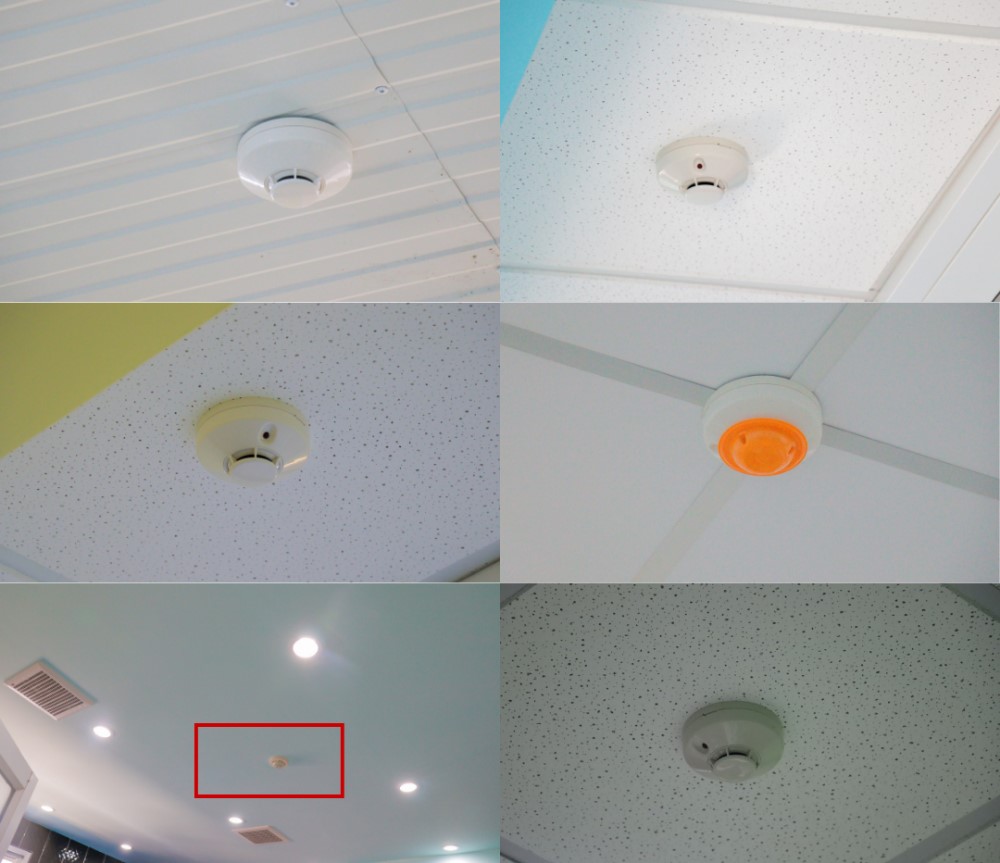
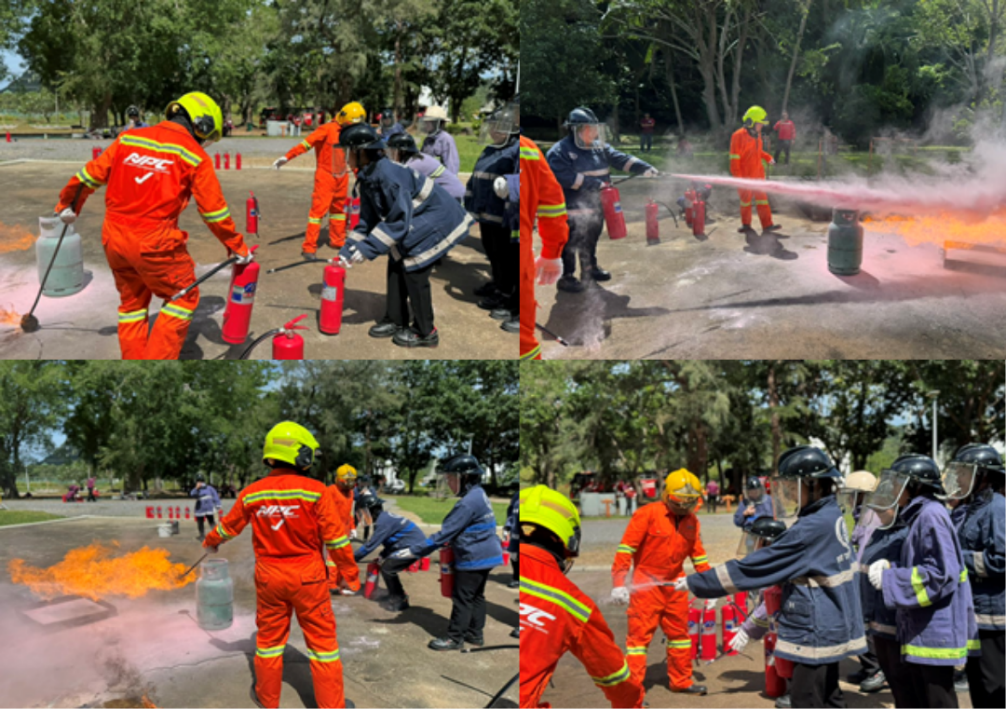
- Fire Safety Equipment: All fire extinguishers and hydrants are regularly inspected and fully functional.
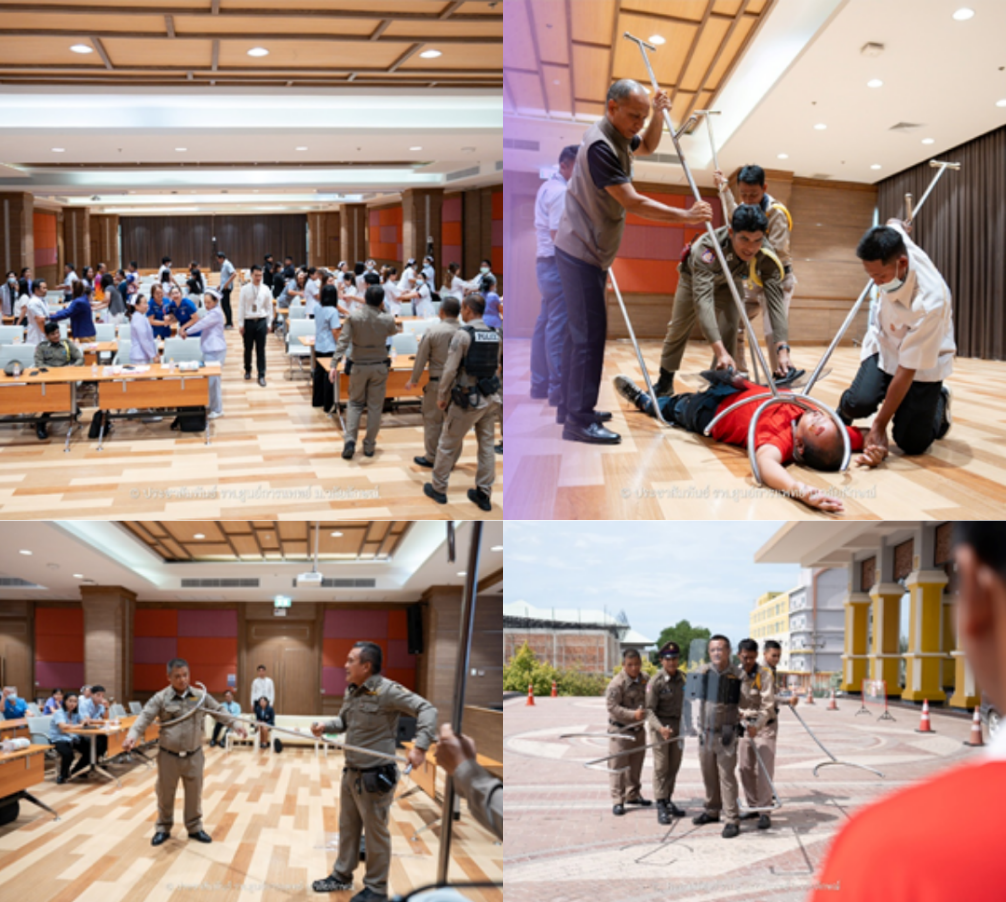
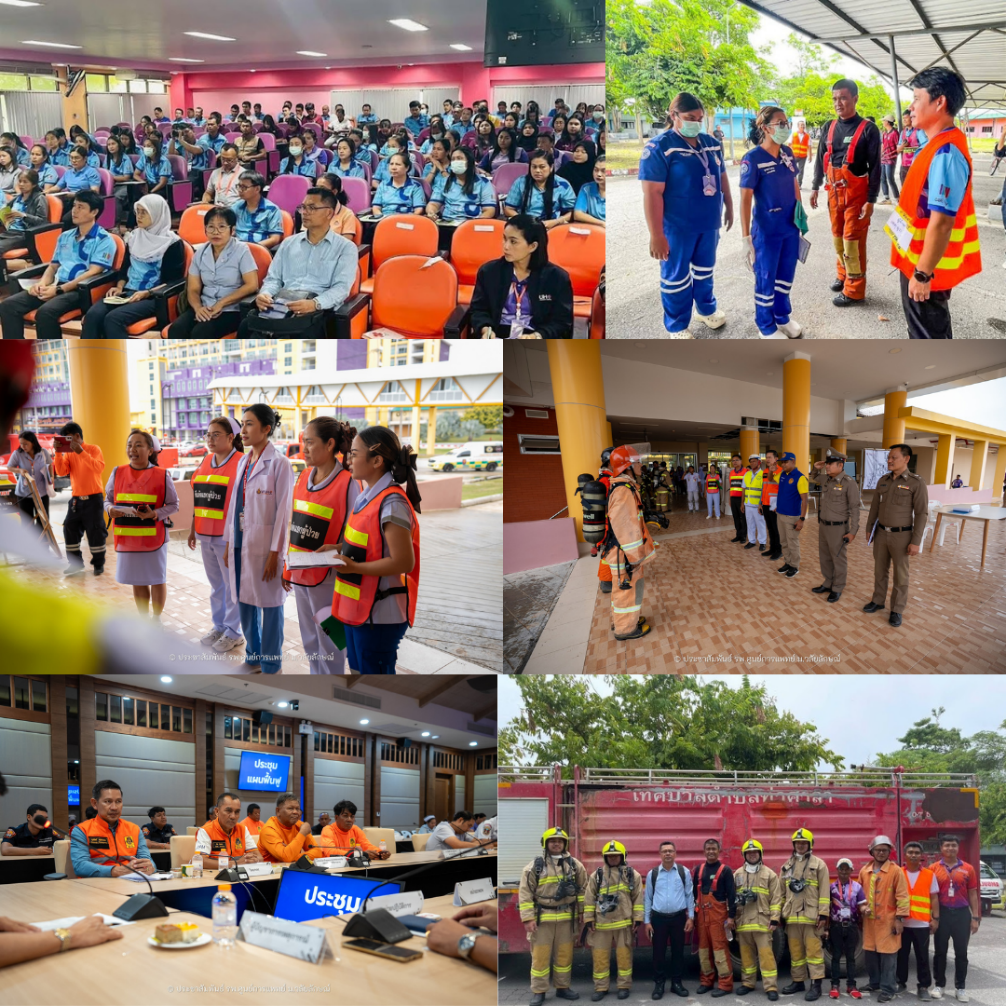
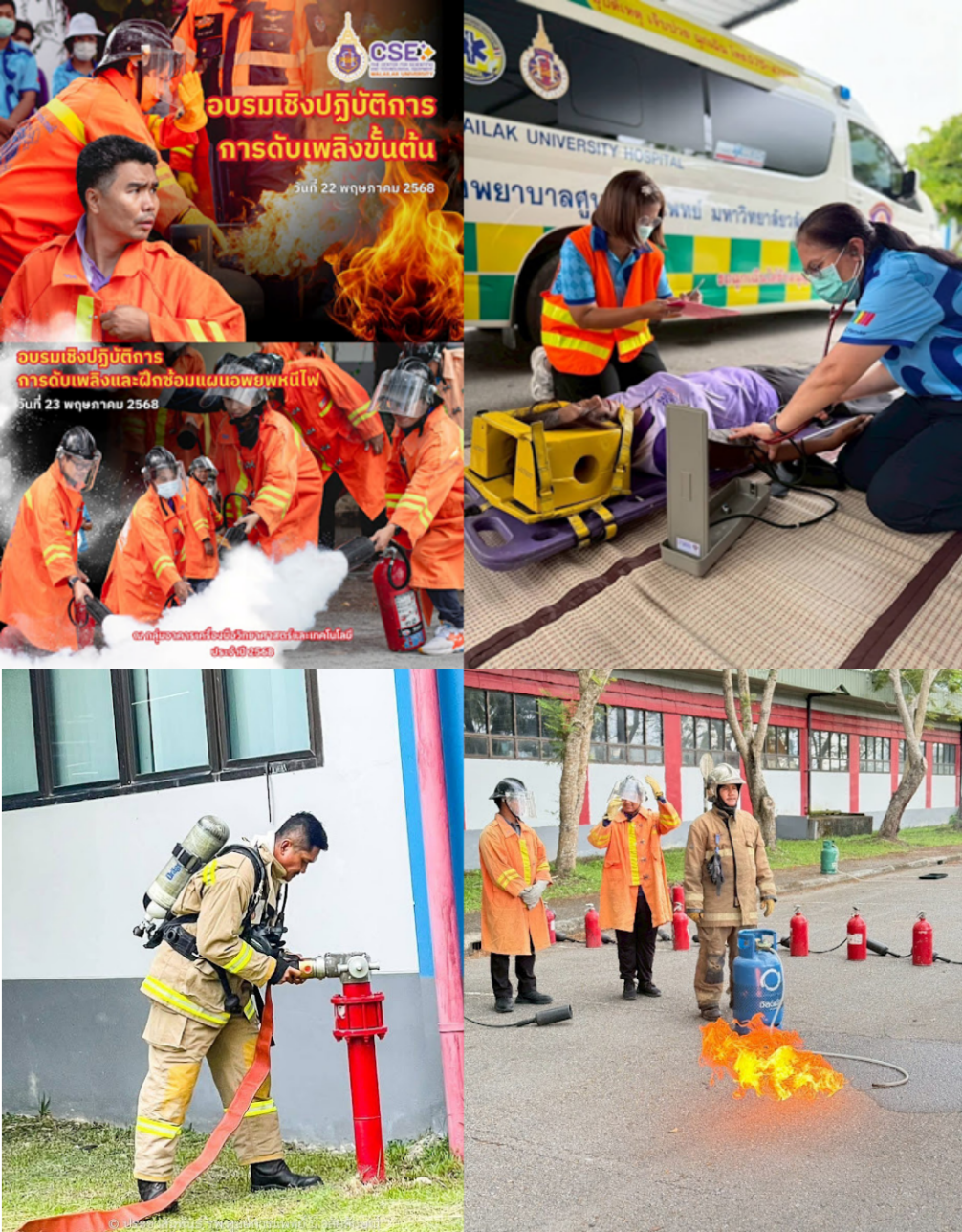
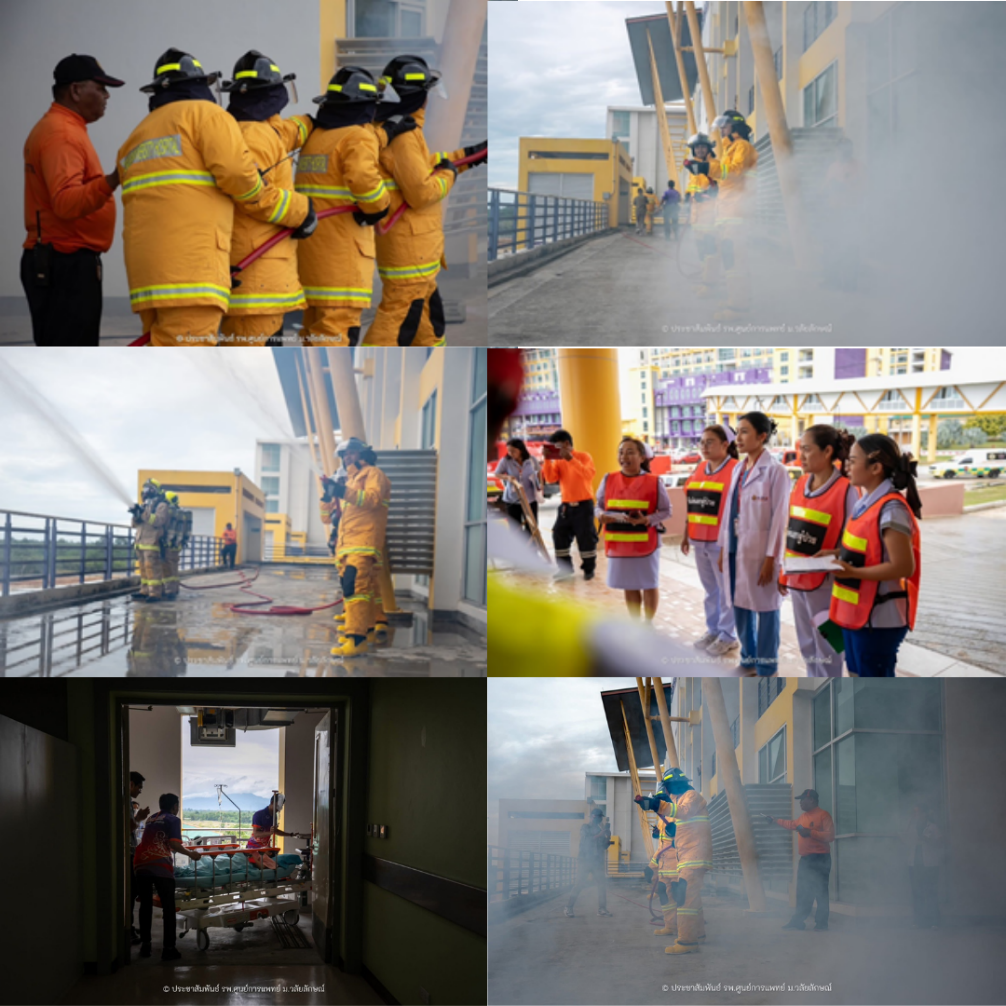
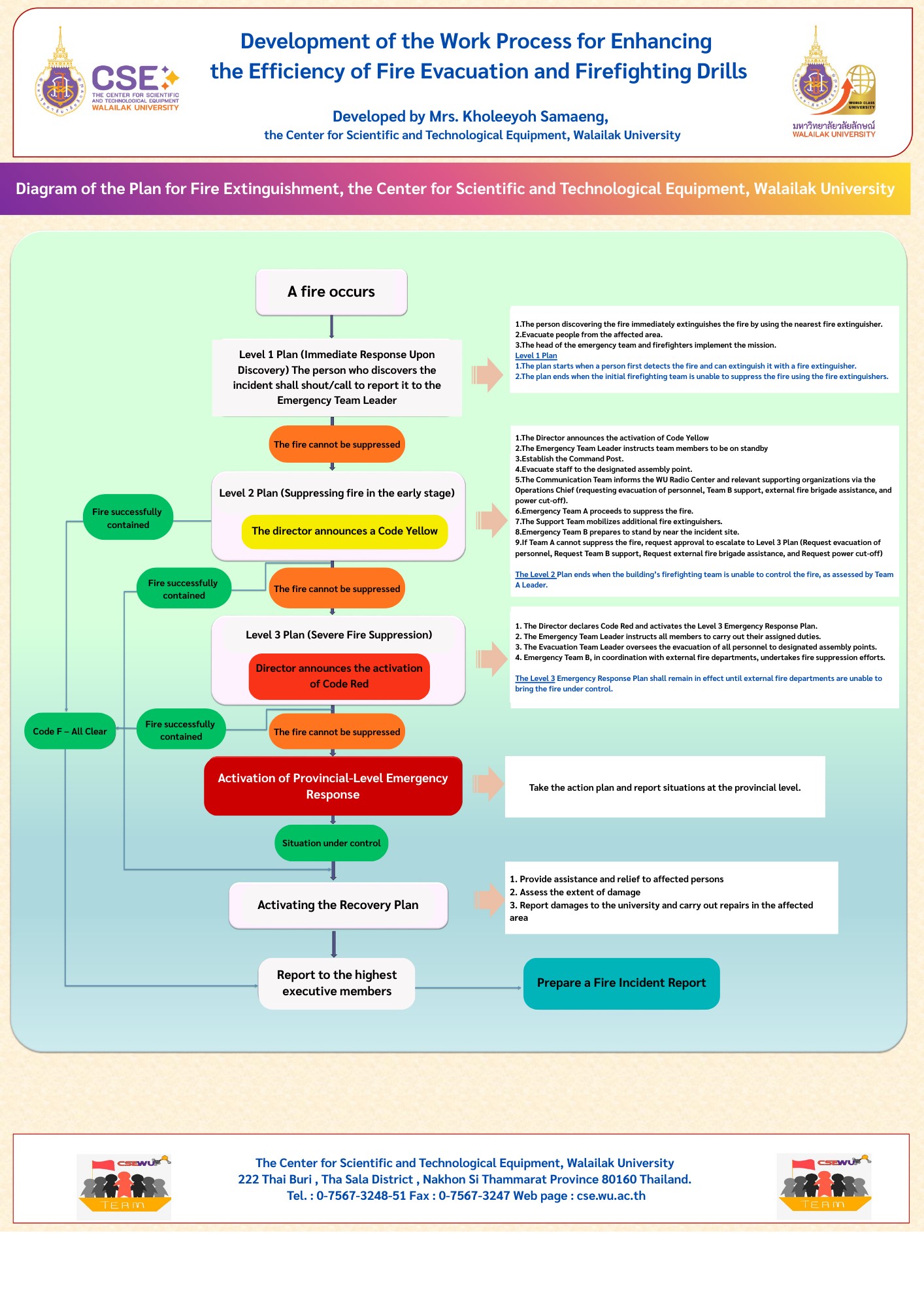
- Annual Fire Drill and Training: Annual fire safety training and evacuation drills are conducted with participation from students and staff. These activities are organized by units such as the Science and Technology Equipment Center, the Occupational Health and Safety Program, and Walailak University Hospital. The response time for emergency situations is consistently less than five minutes, with drill reports recorded for monitoring and improvement.
Security and Safety: Natural Disasters
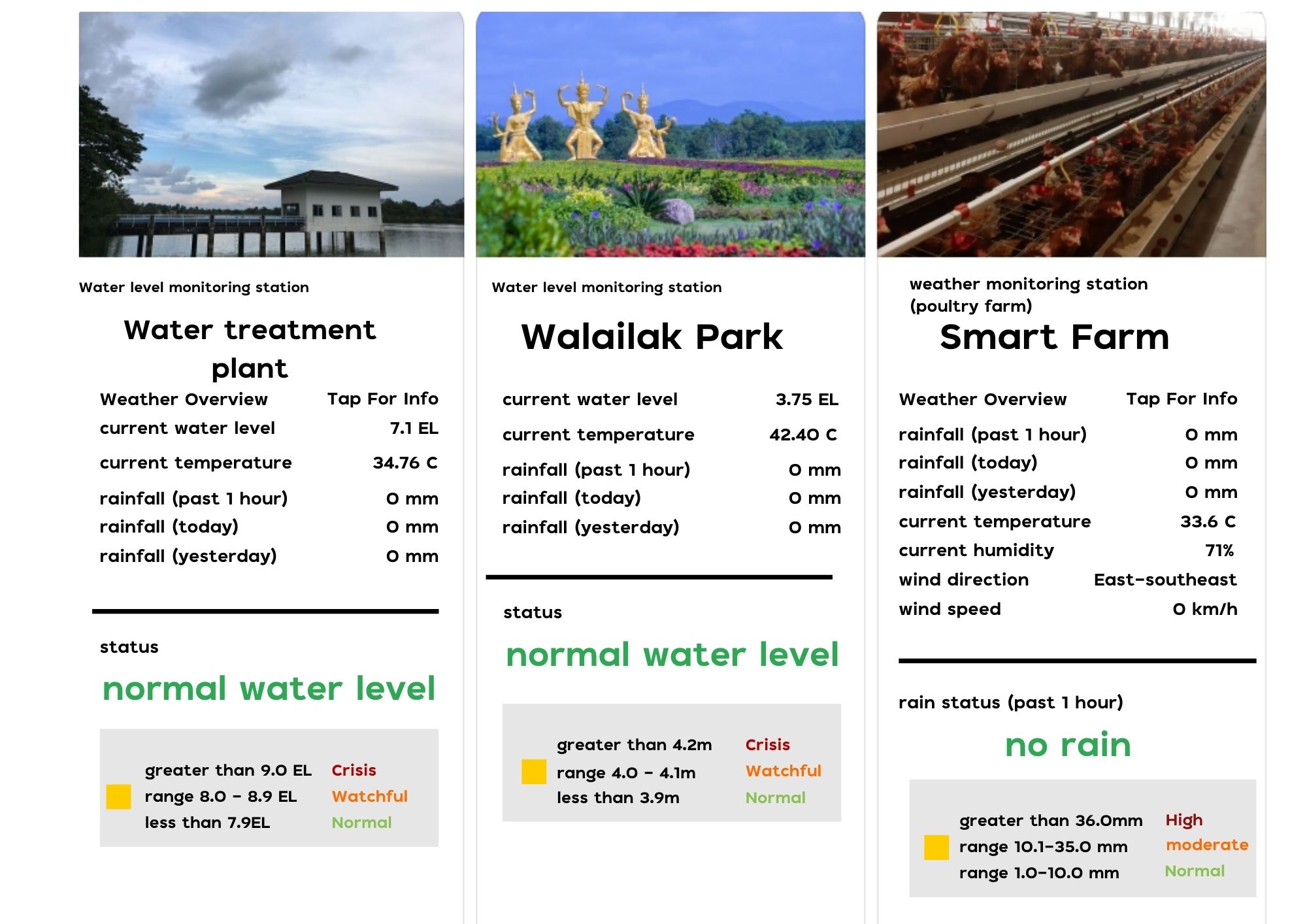
- Flood Alert Application (Bot CDT): A real-time flood monitoring and alert system that provides up-to-date information to campus residents.
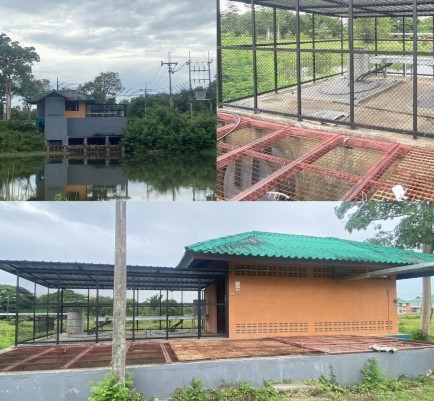
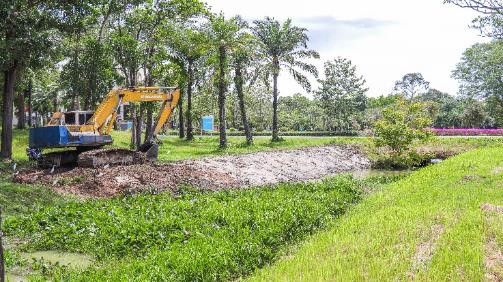
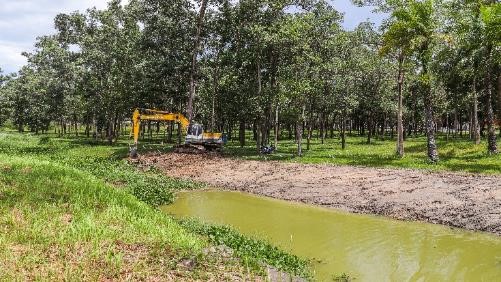
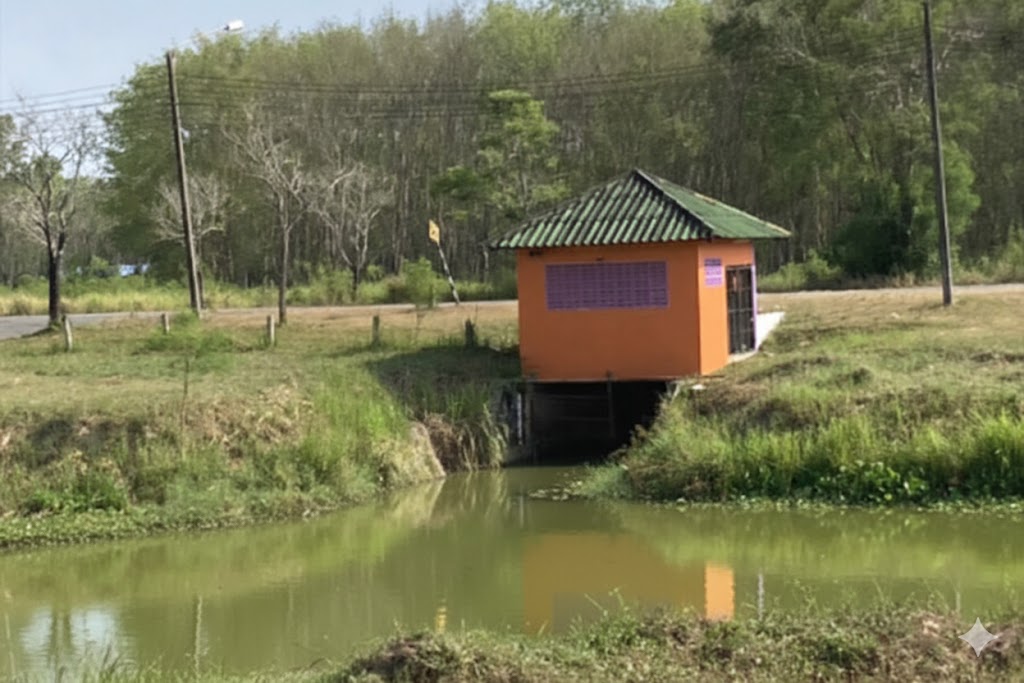
- Water Pumping Systems: Installed across flood-prone areas to manage and mitigate flooding effectively.
- Drainage Improvement Projects: Ongoing development of campus drainage systems to reduce flood risk and enhance water flow efficiency.
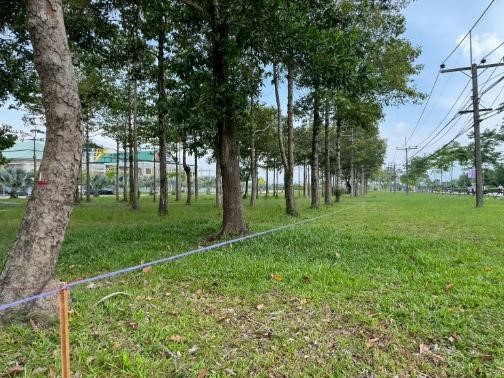
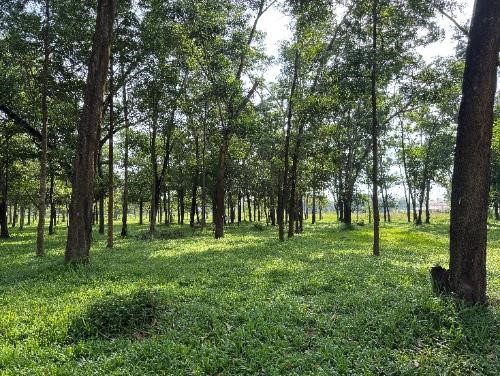
- Landscape and Tree Management: Regular maintenance and pruning of trees and windbreak zones to prevent damage during storms and ensure campus safety.
Walailak University maintains a robust and fully functional security and safety infrastructure, supported by modern technologies, well-trained personnel, and comprehensive emergency management systems. The University ensures rapid response to all types of emergencies, integrates medical and disaster preparedness services, and continuously enhances its safety measures. These efforts reinforce the University’s commitment to providing a secure, sustainable, and resilient campus environment for all.


Post Views: 37