Total area on campus covered in forest vegetation
Total area covered by forest vegetation used for research, teaching, and/or community engagement
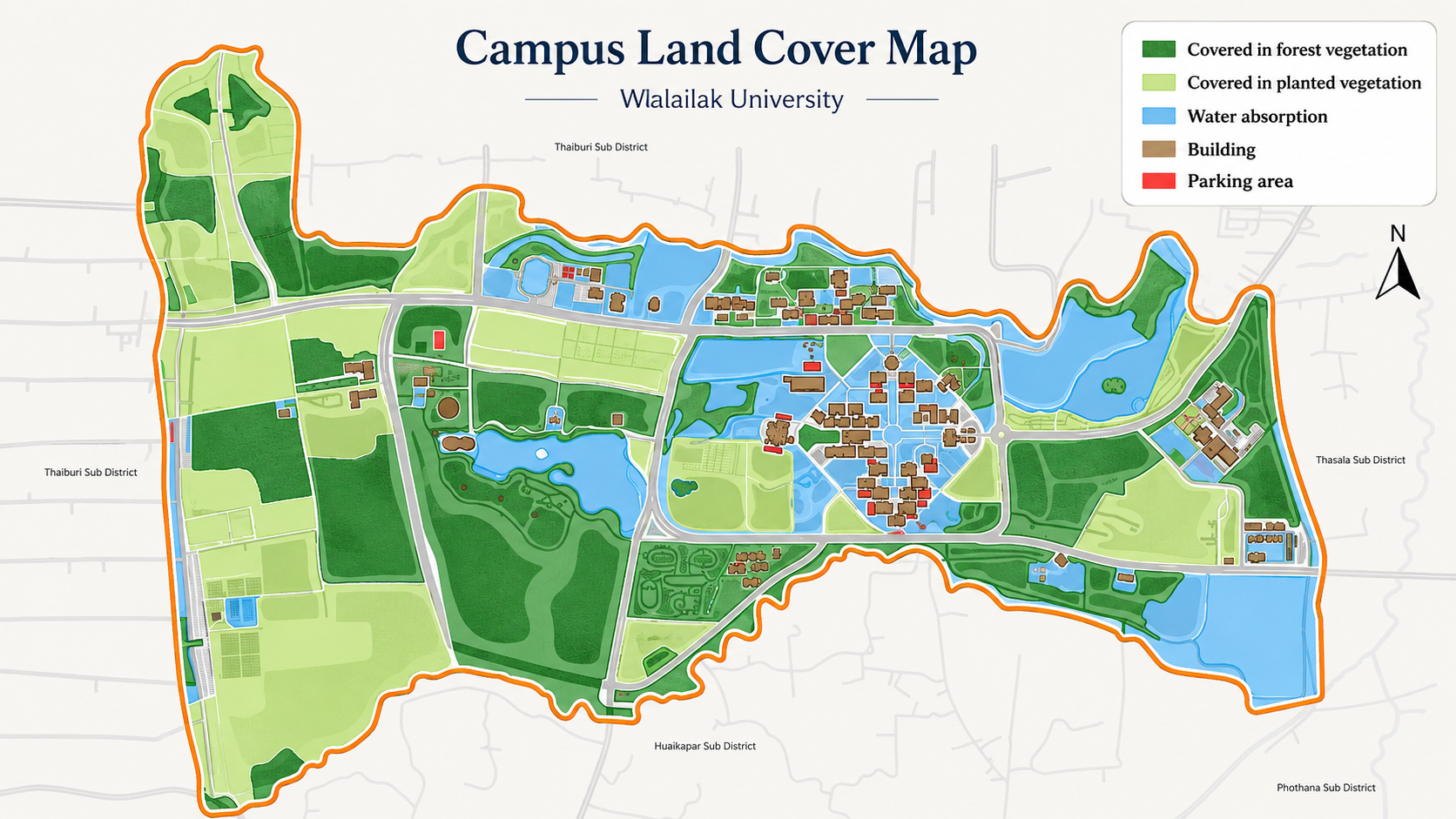
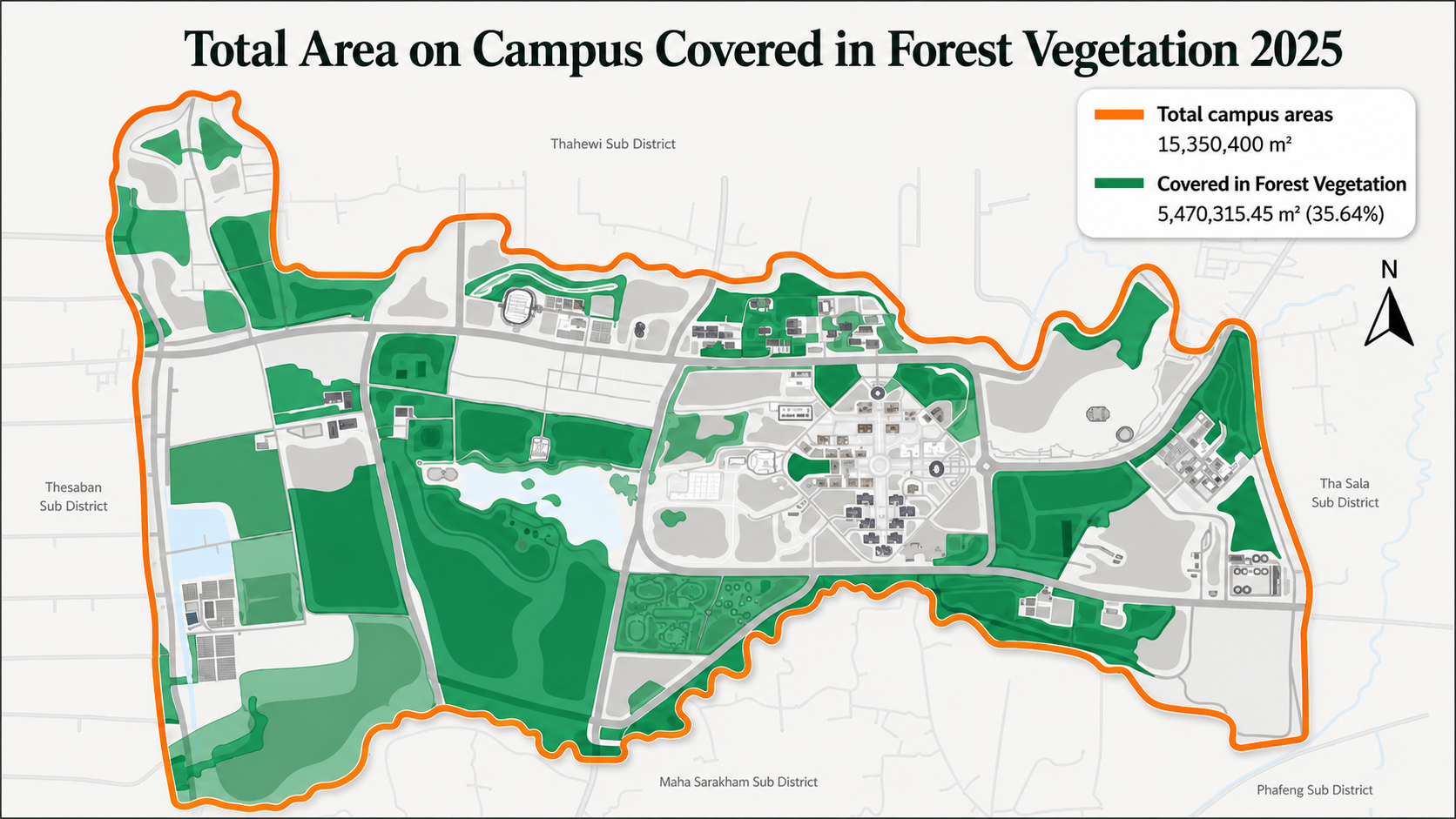
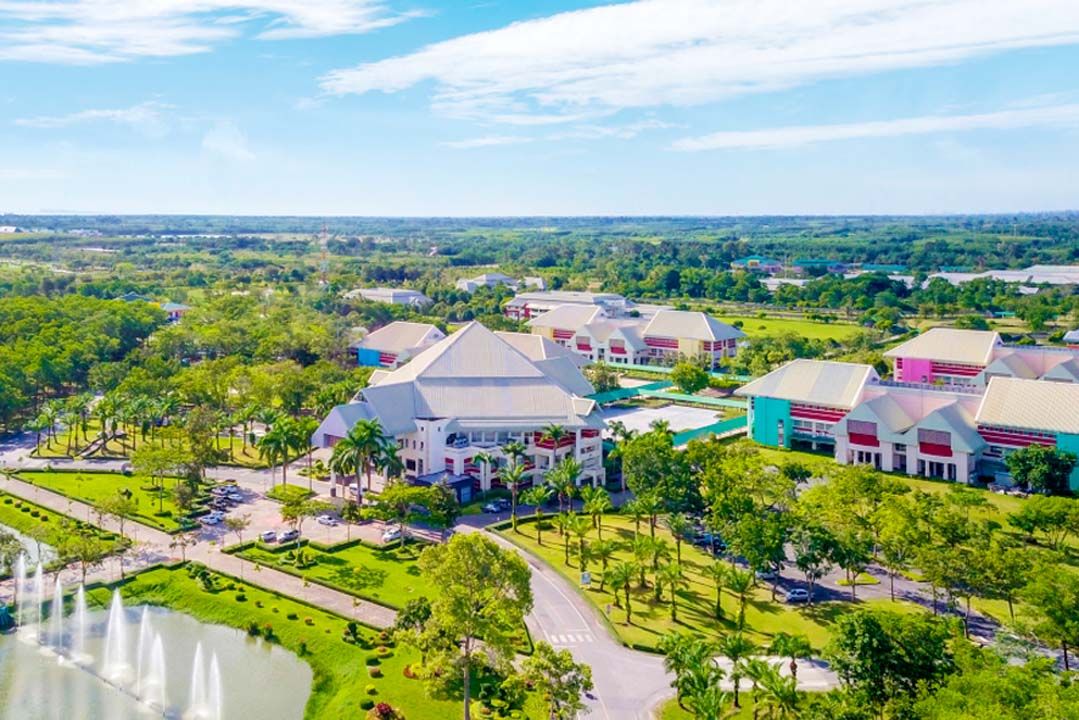
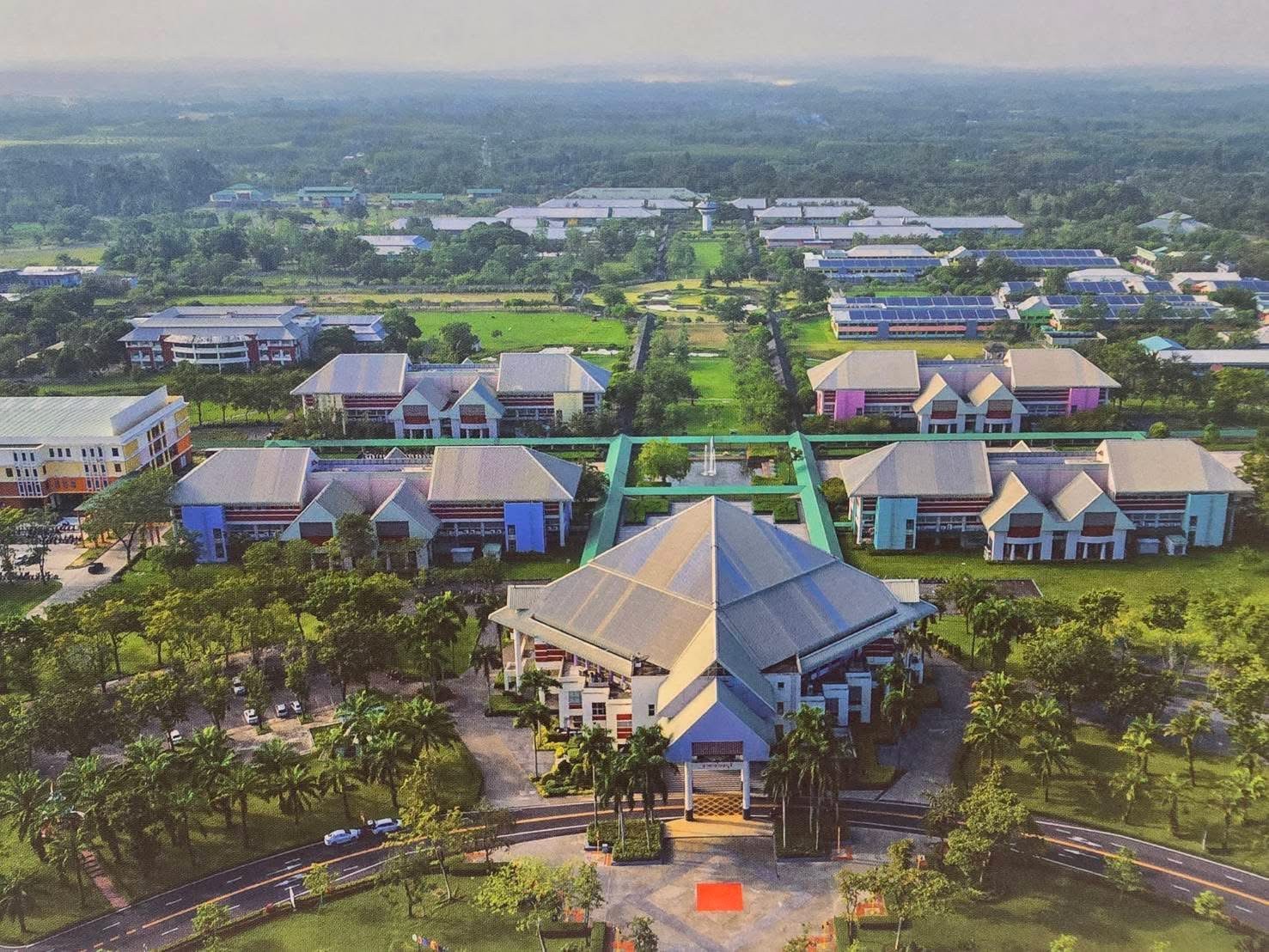
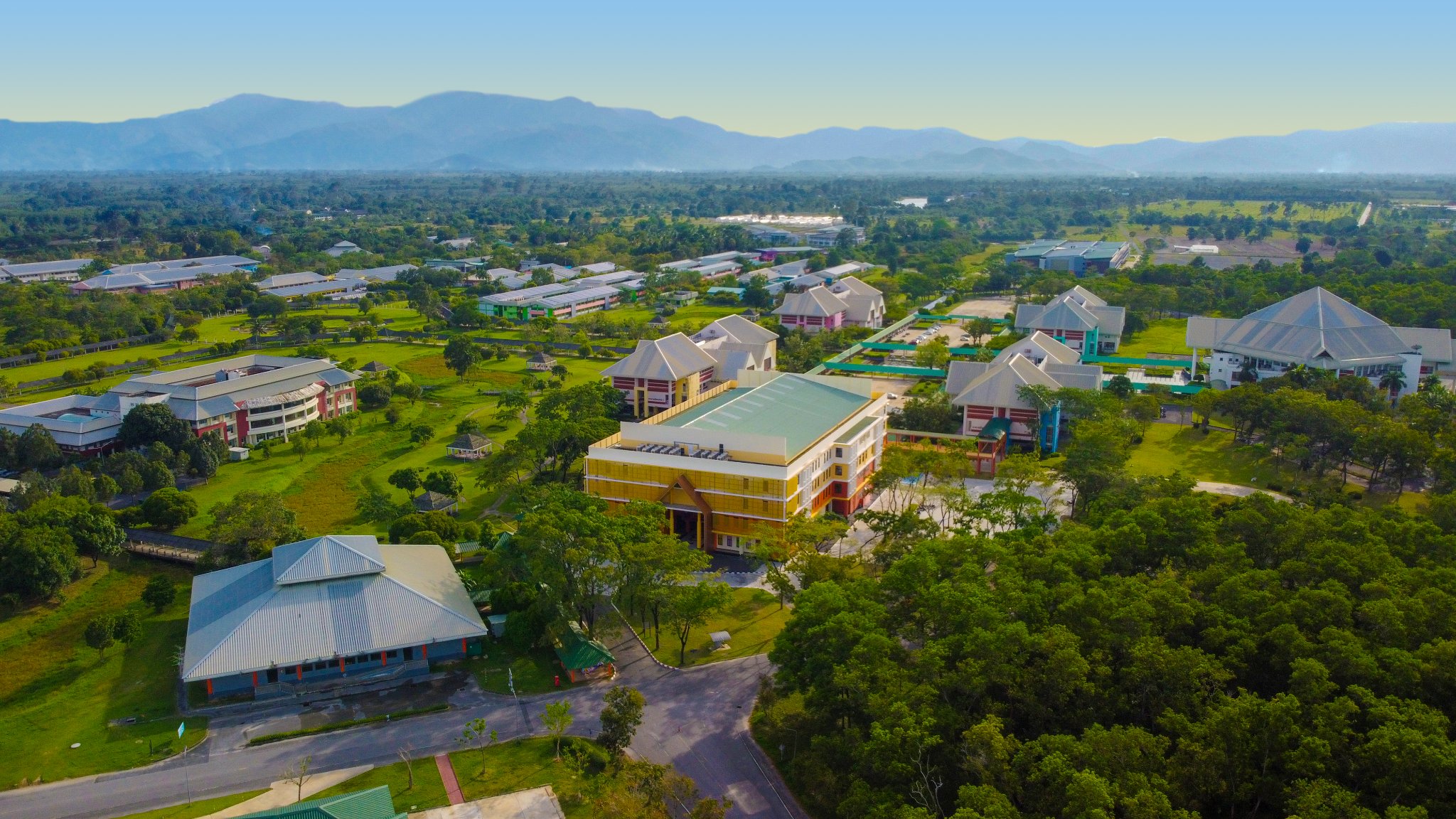
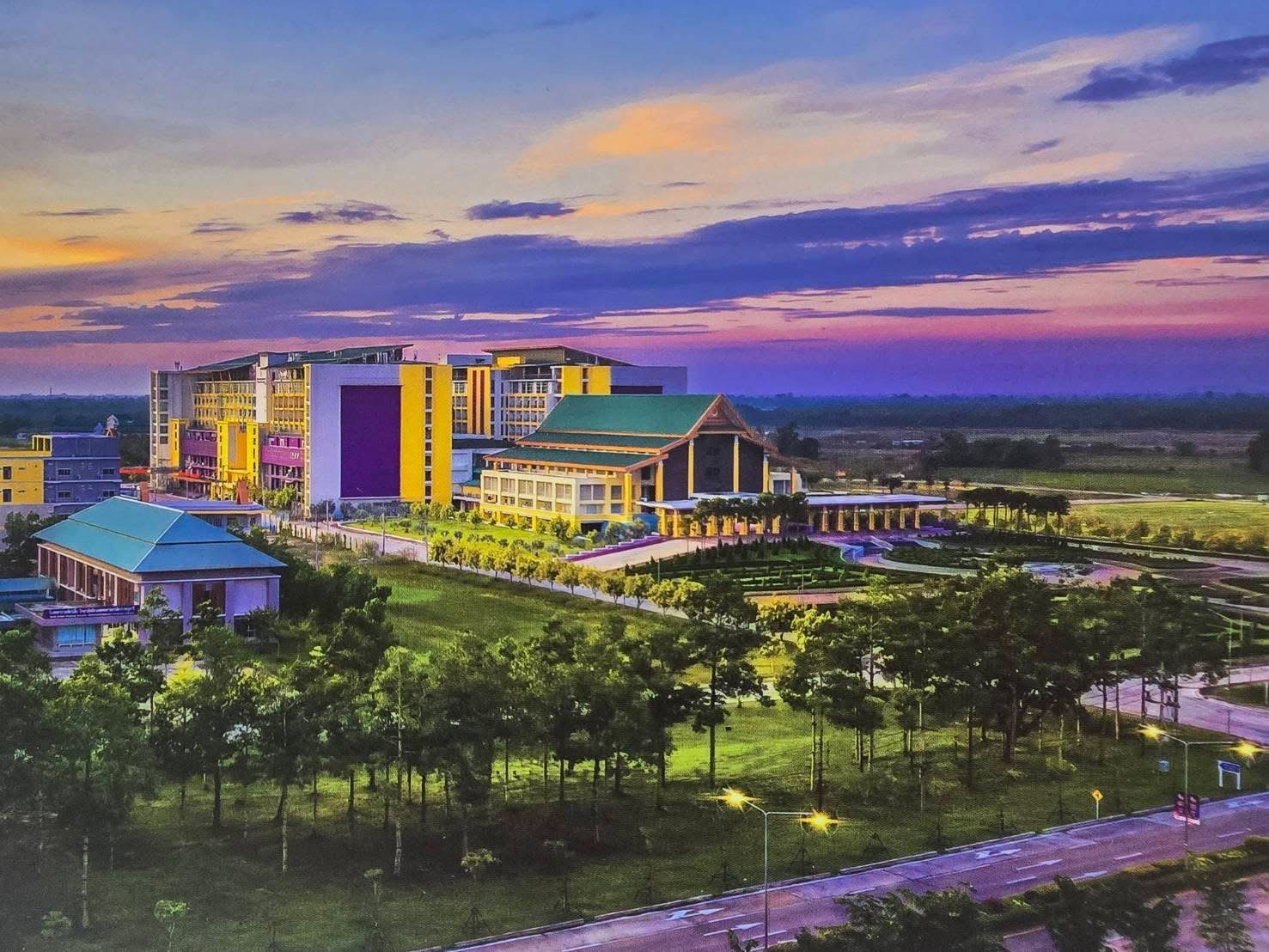
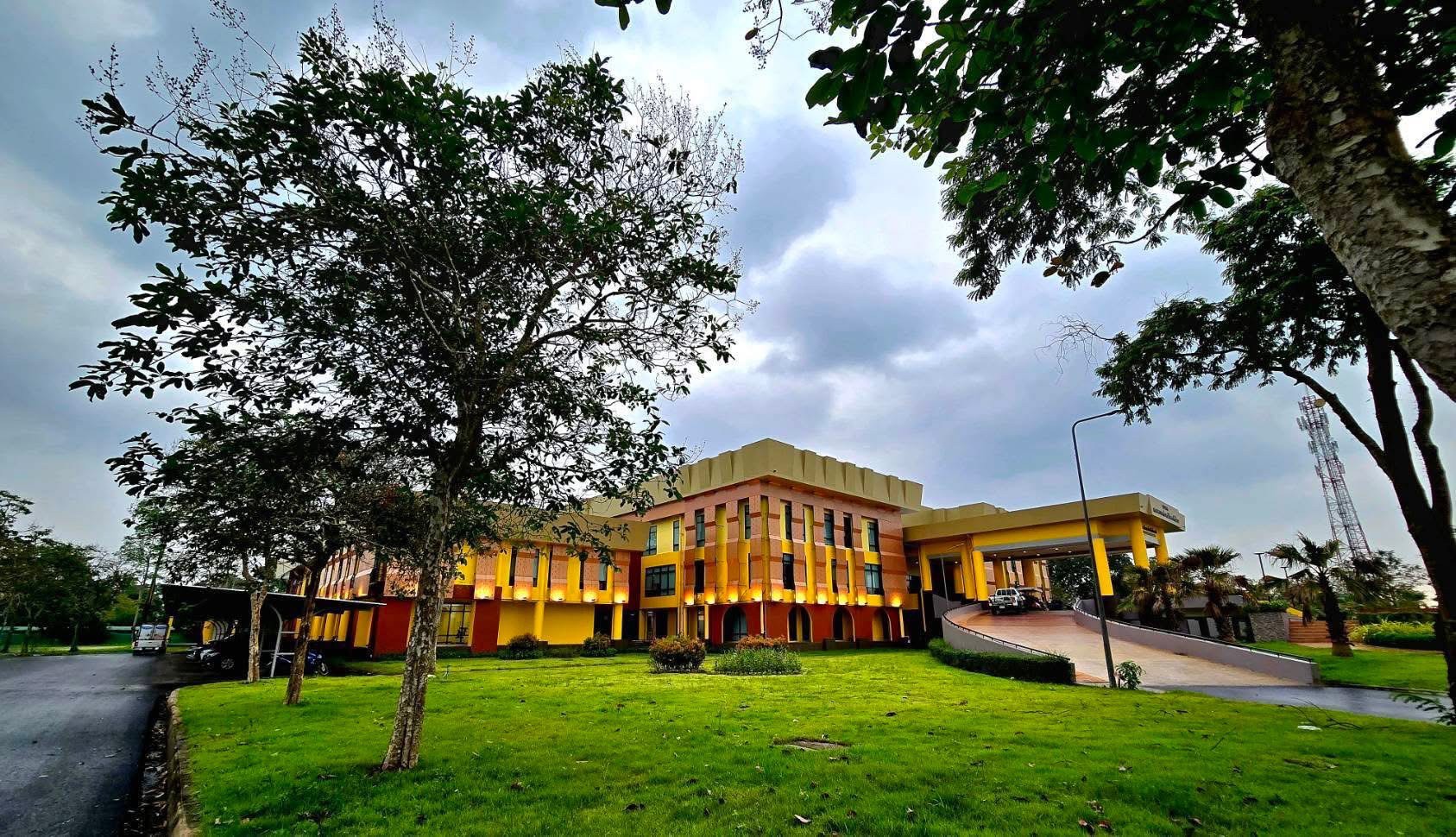
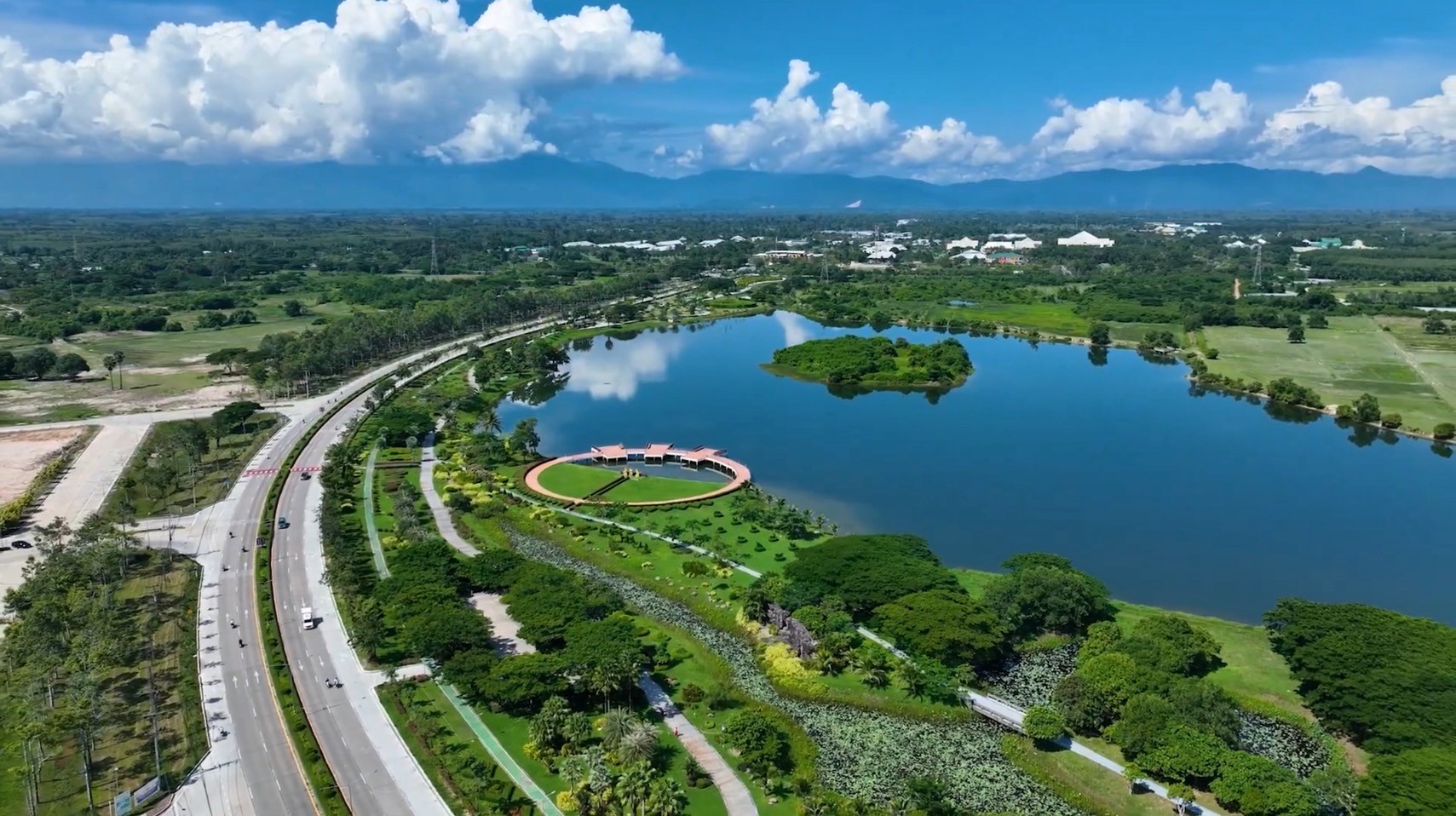
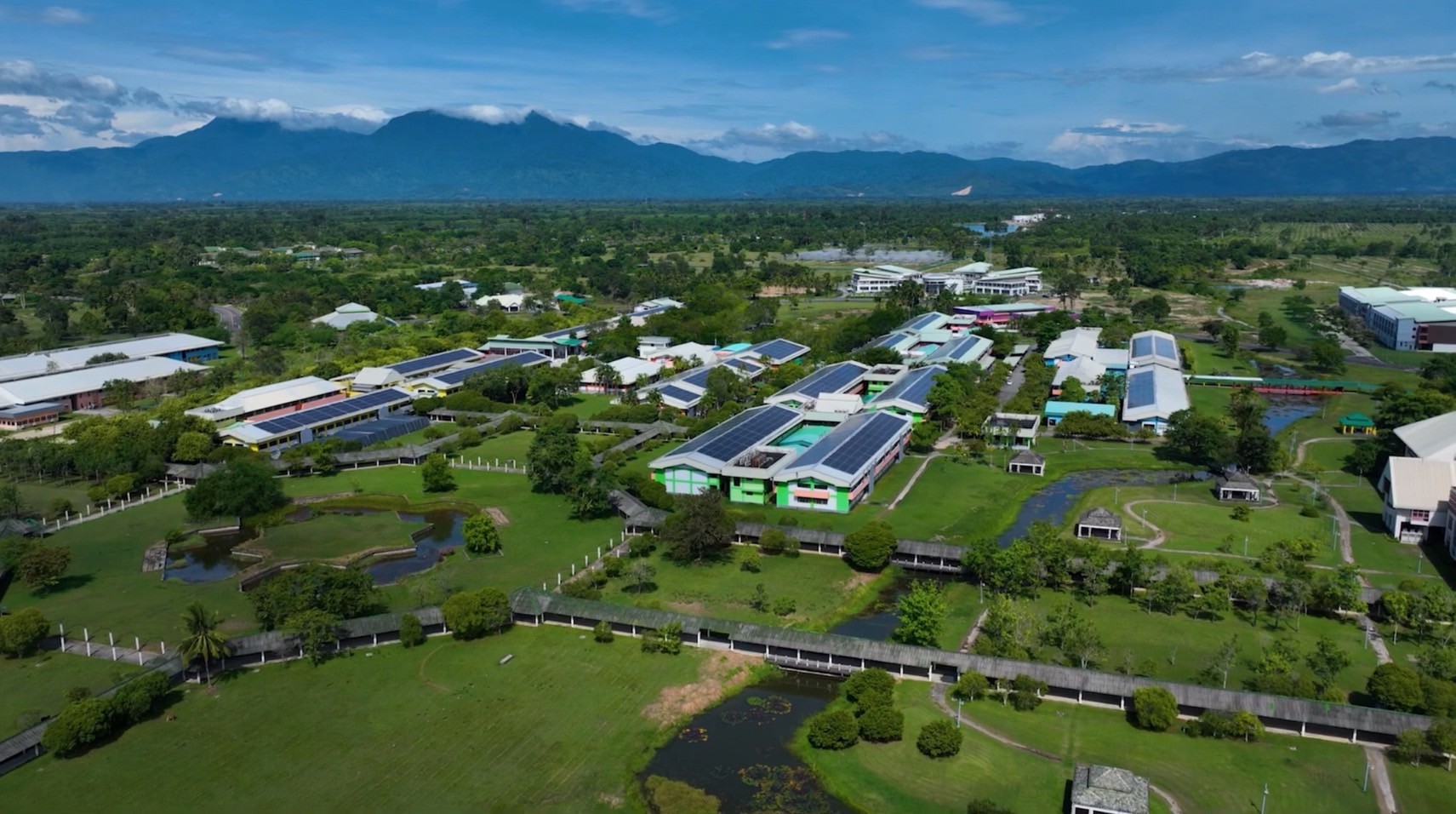
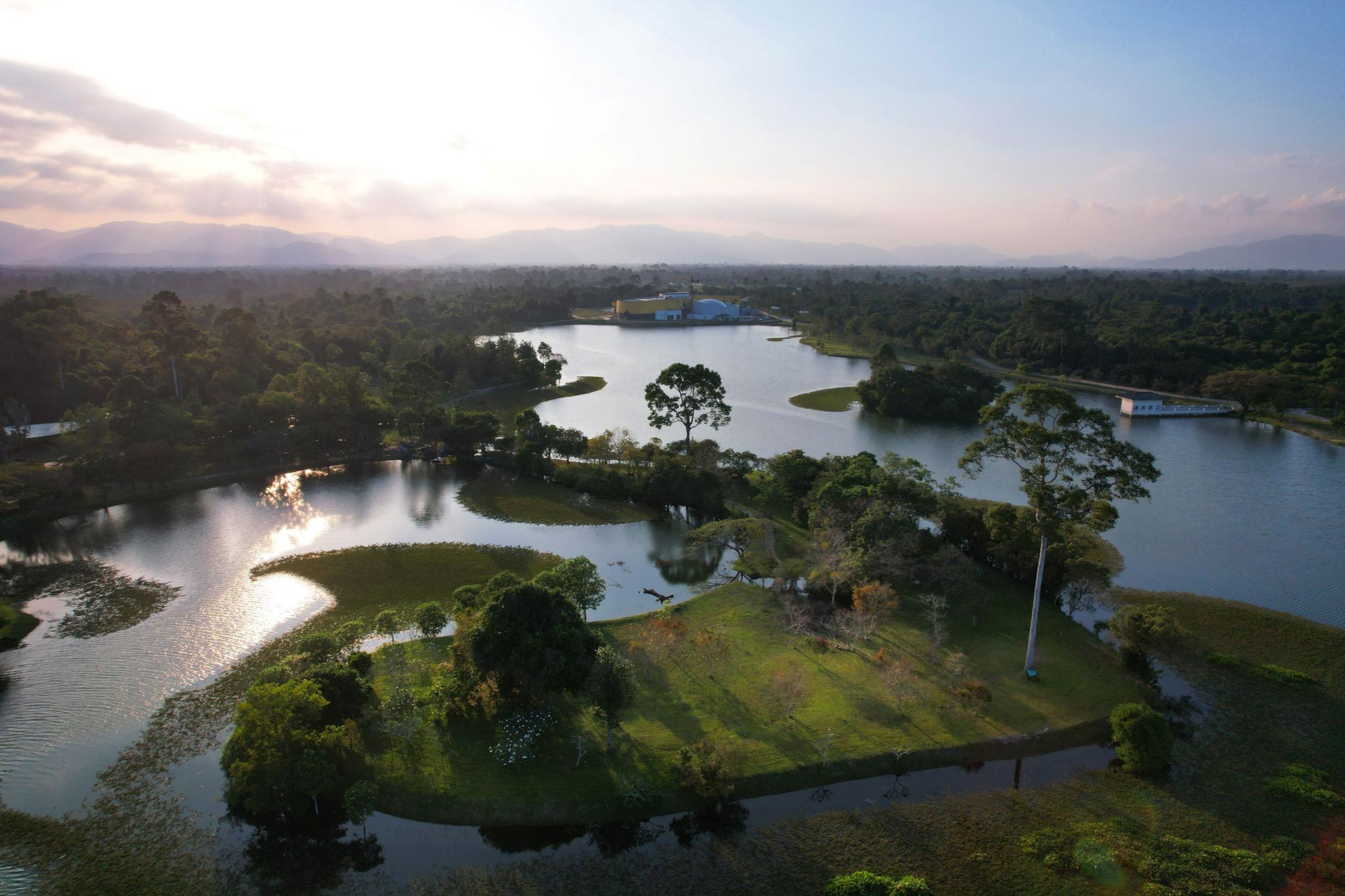
Walailak University has a total campus area of 15,350,400.00 m², of which 5,470,315.45 m² is covered by forest vegetation. This represents 35.64% of the total campus area.
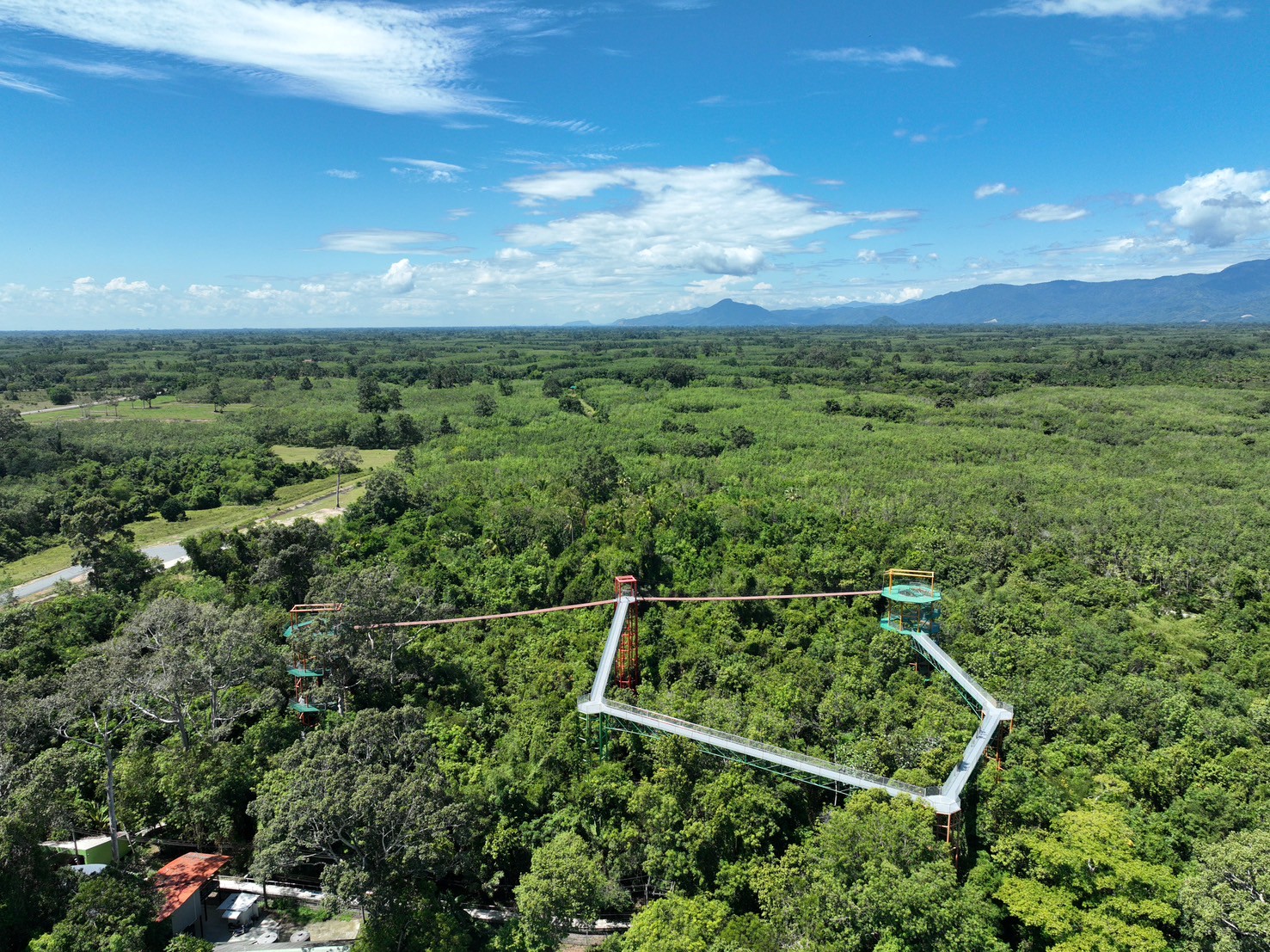
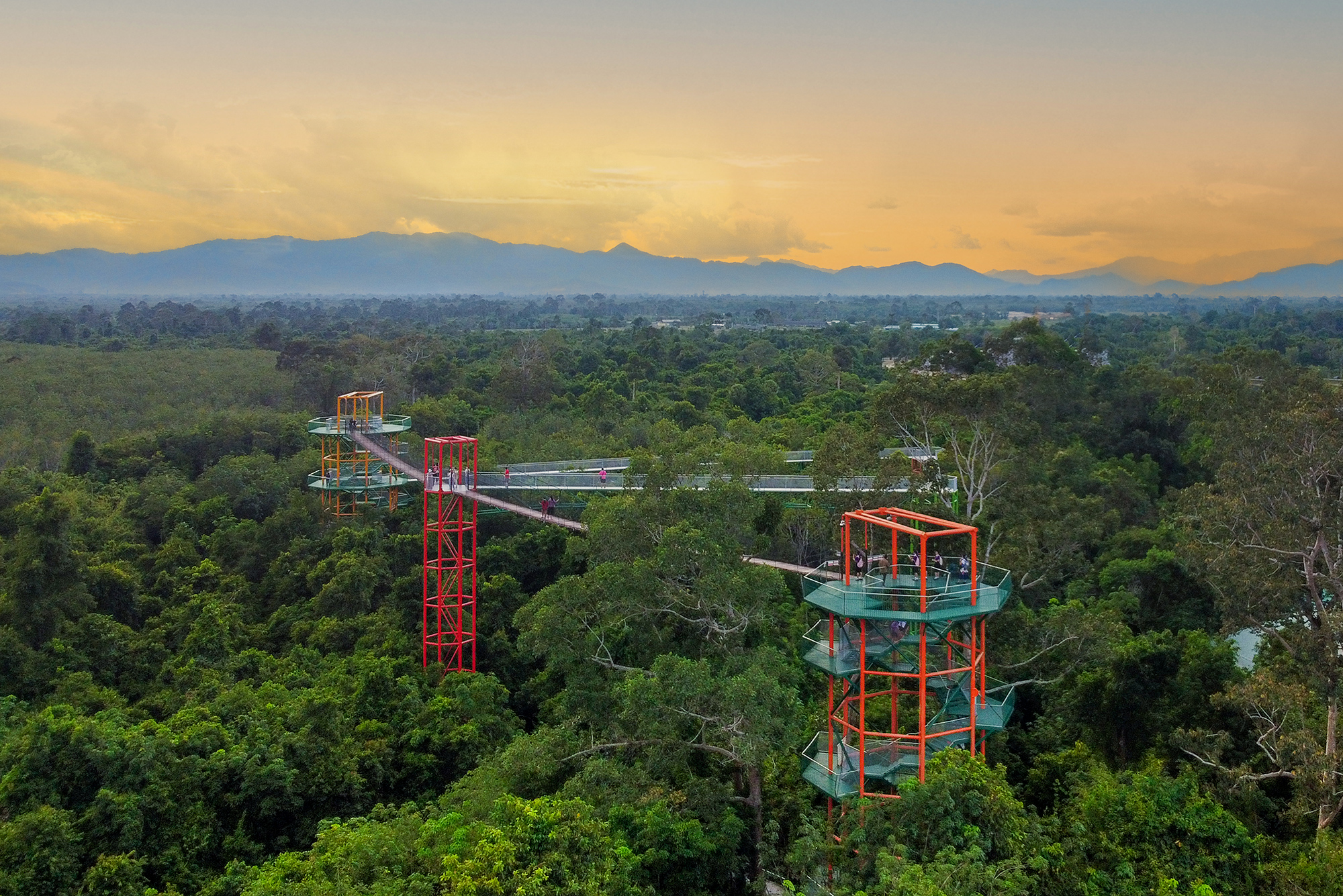
The forest vegetation areas consist of natural and planted forests characterized by large trees, dense vegetation layers, and diverse plant species that support campus biodiversity. These forested areas are owned and managed by Walailak University as part of the campus landscape and conservation zones.
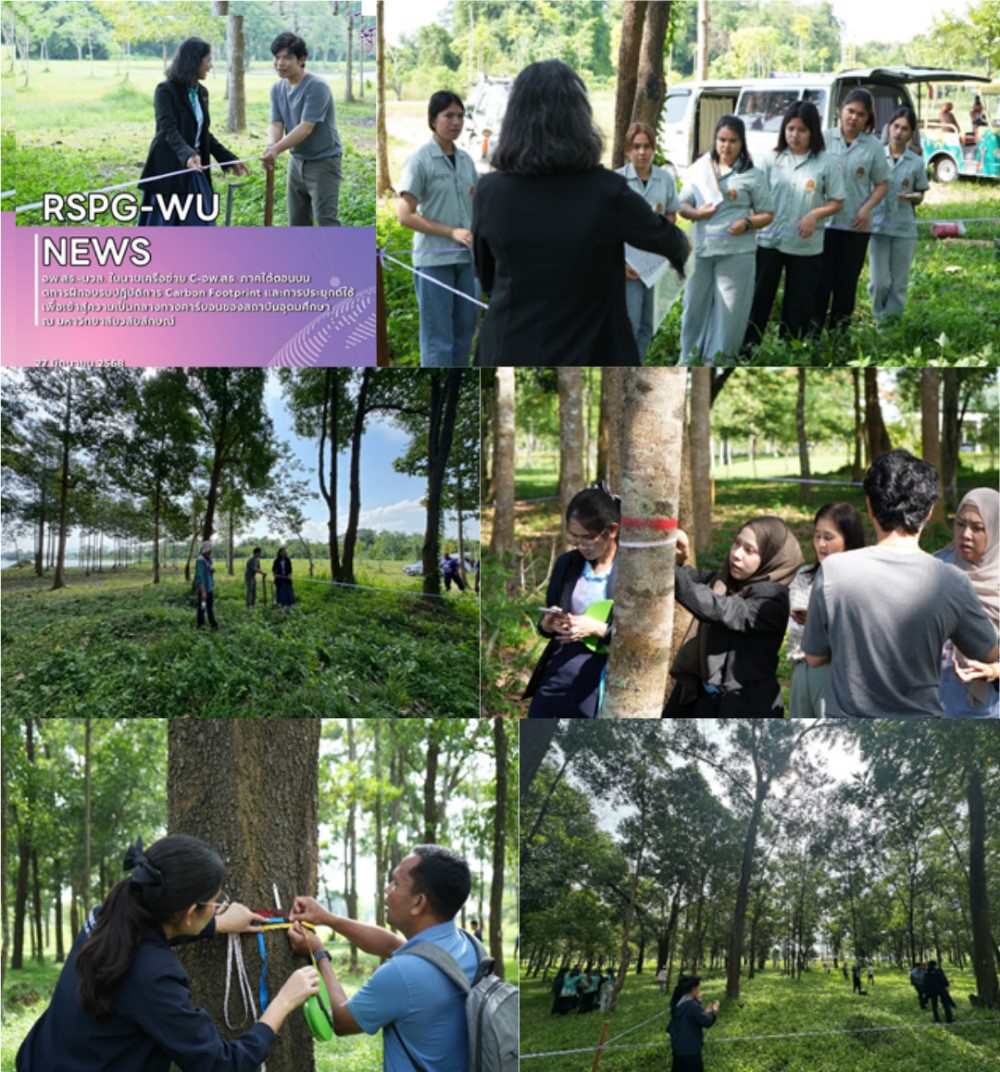
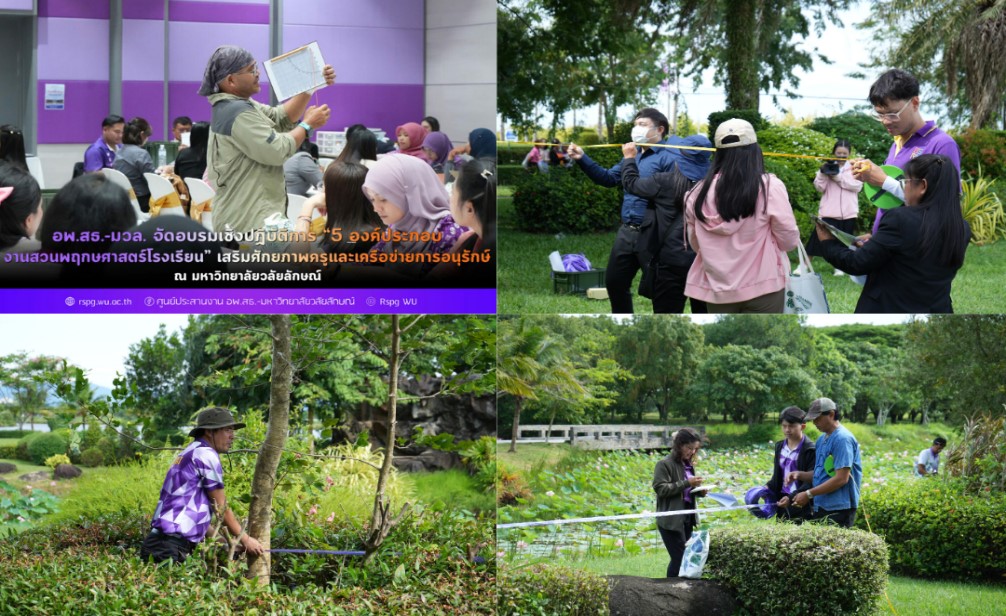
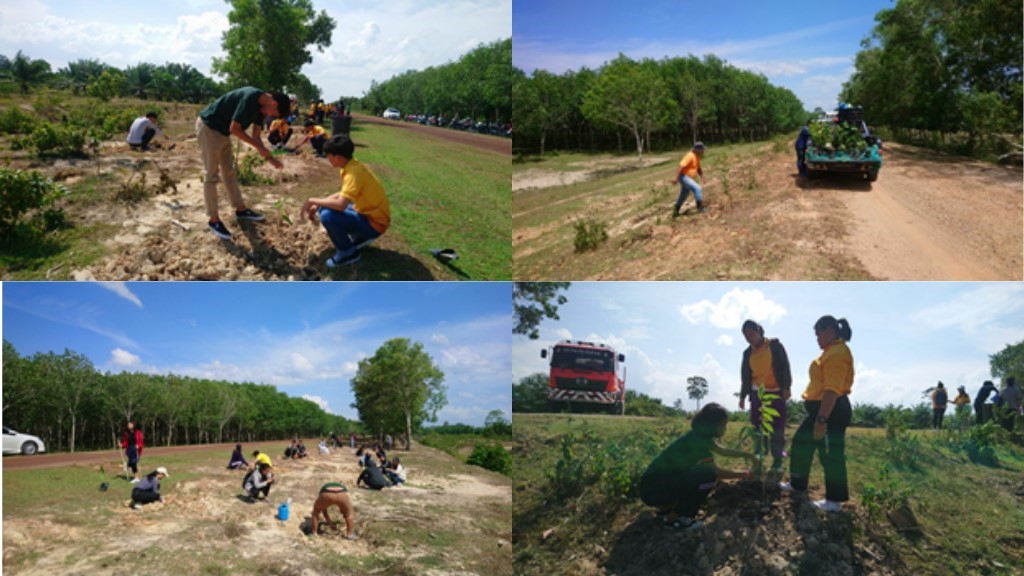
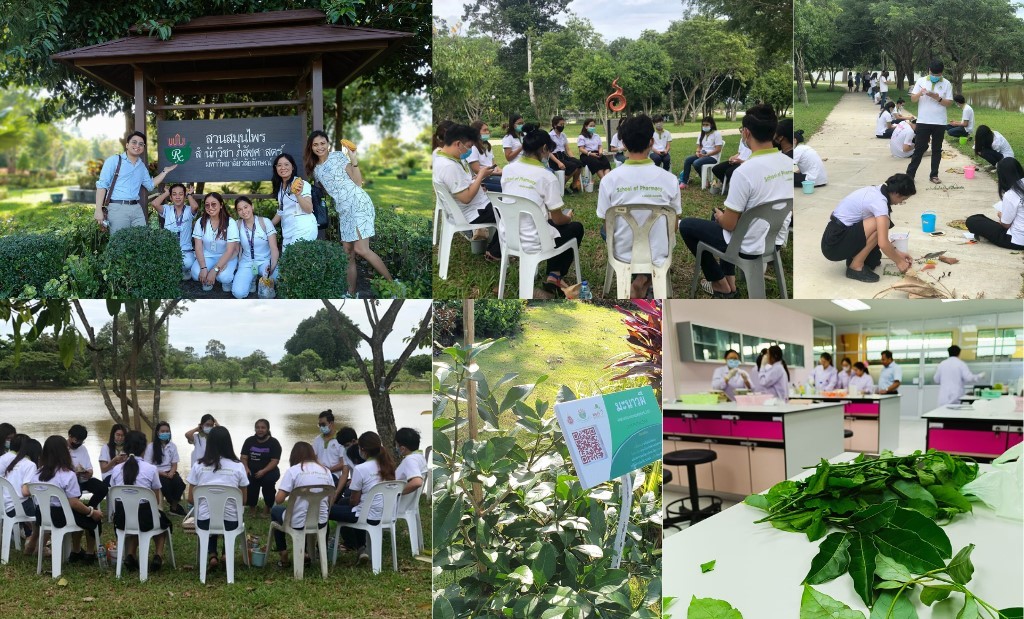
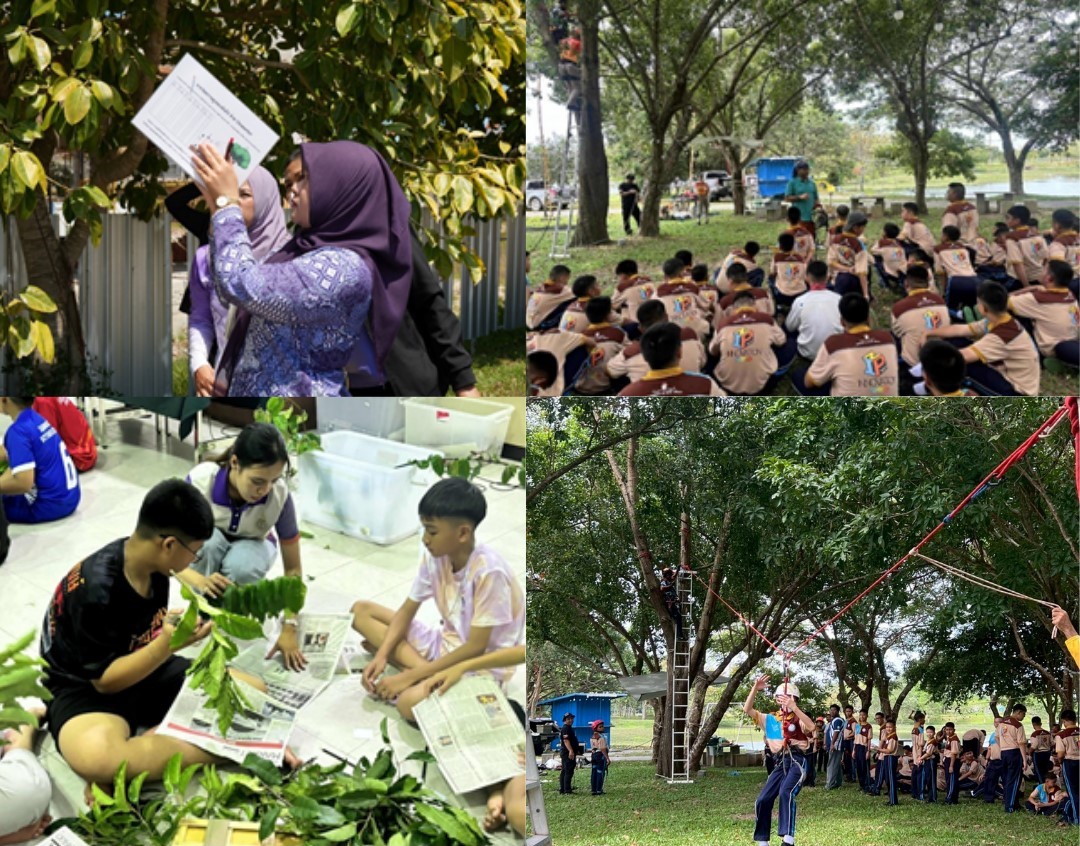
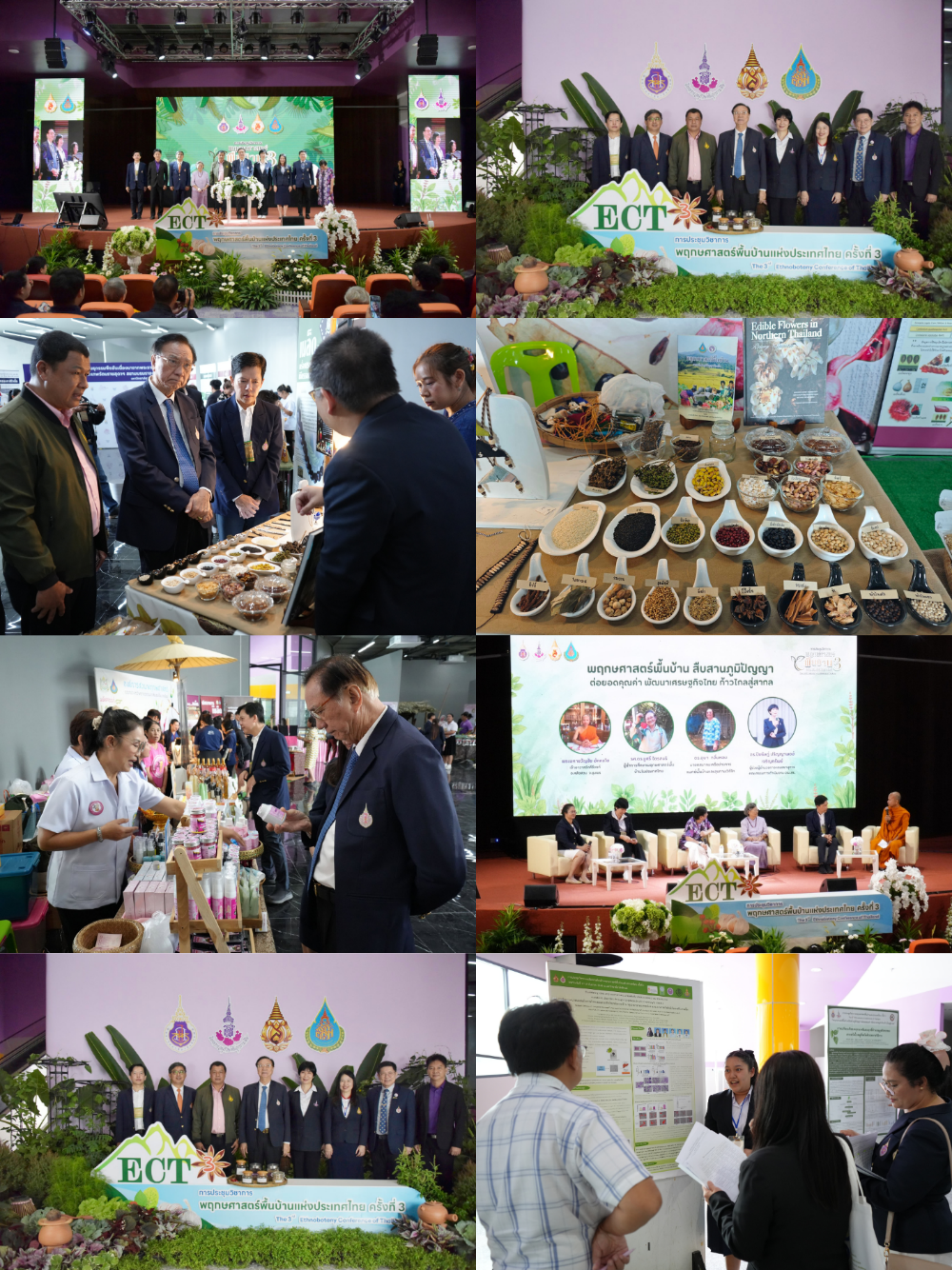
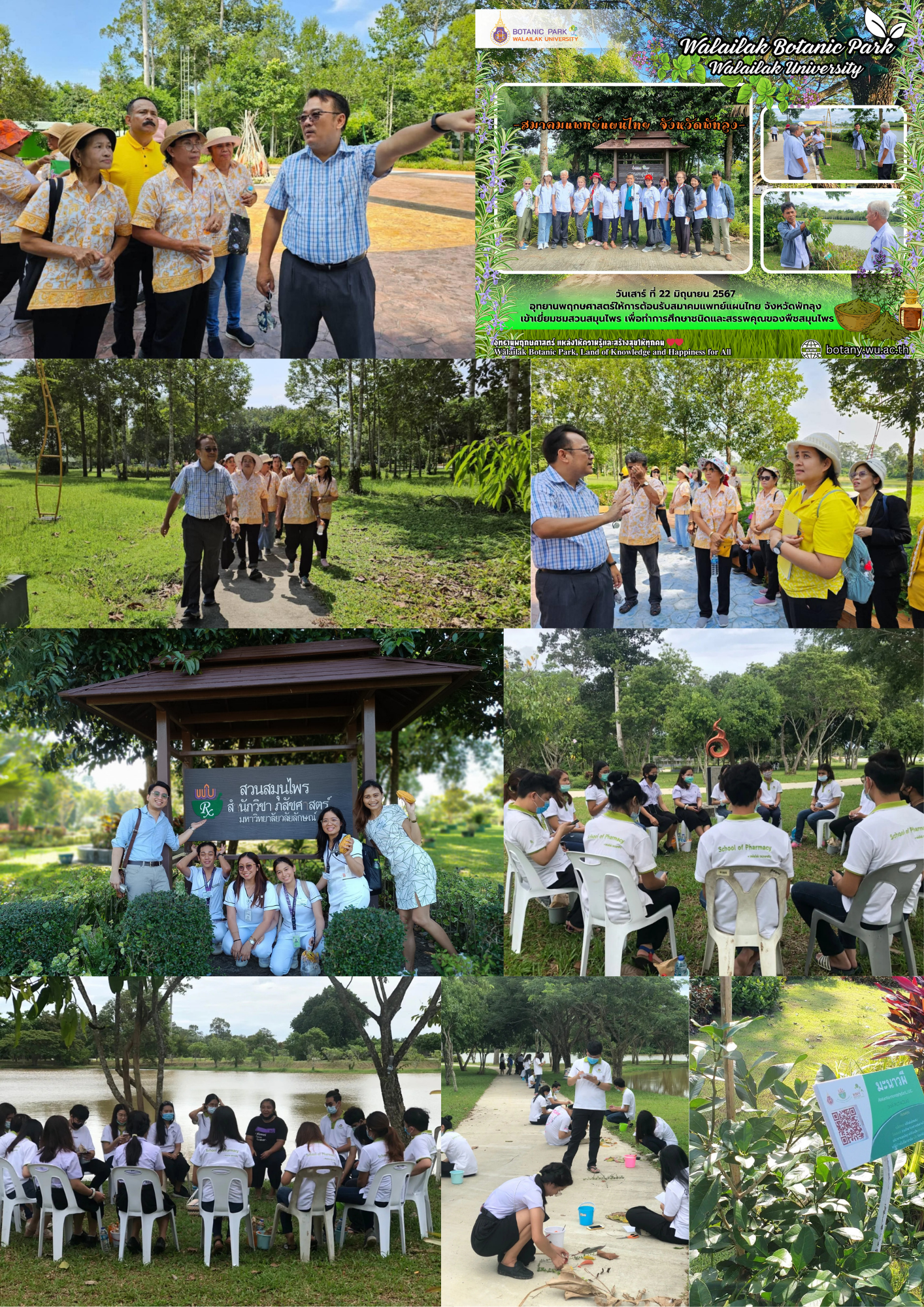
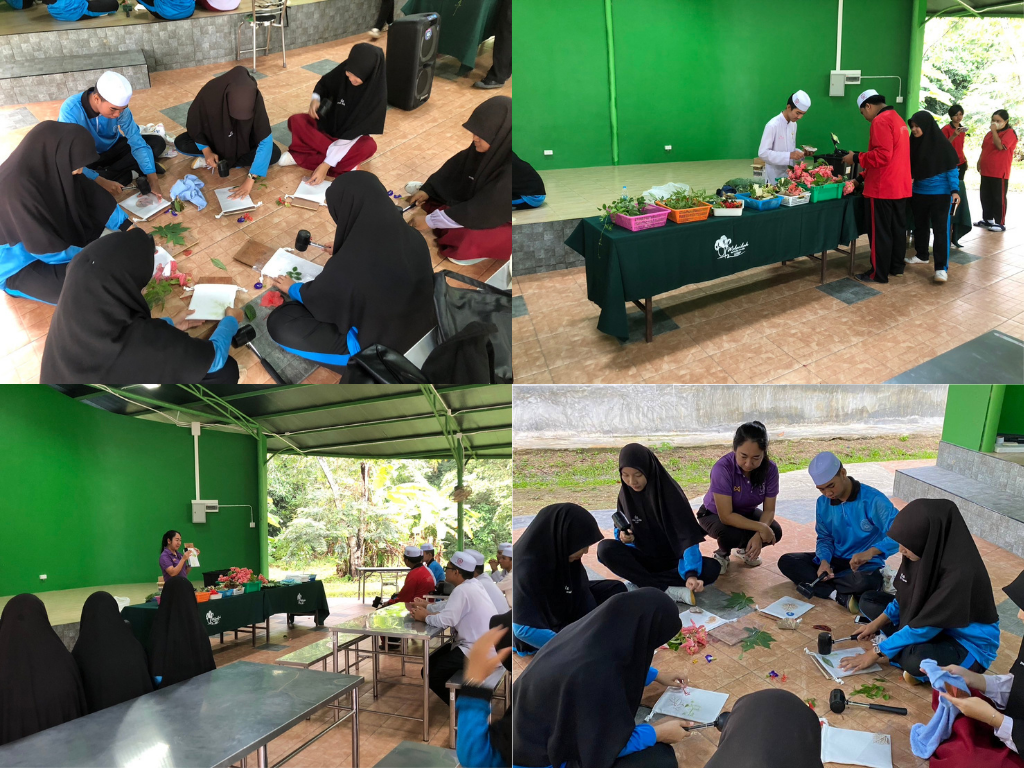
The forest areas are actively used for academic and community purposes, including research, field-based teaching, and community engagement activities. Students and researchers conduct studies related to ecology, biodiversity conservation, environmental science, and sustainable land management within these areas.
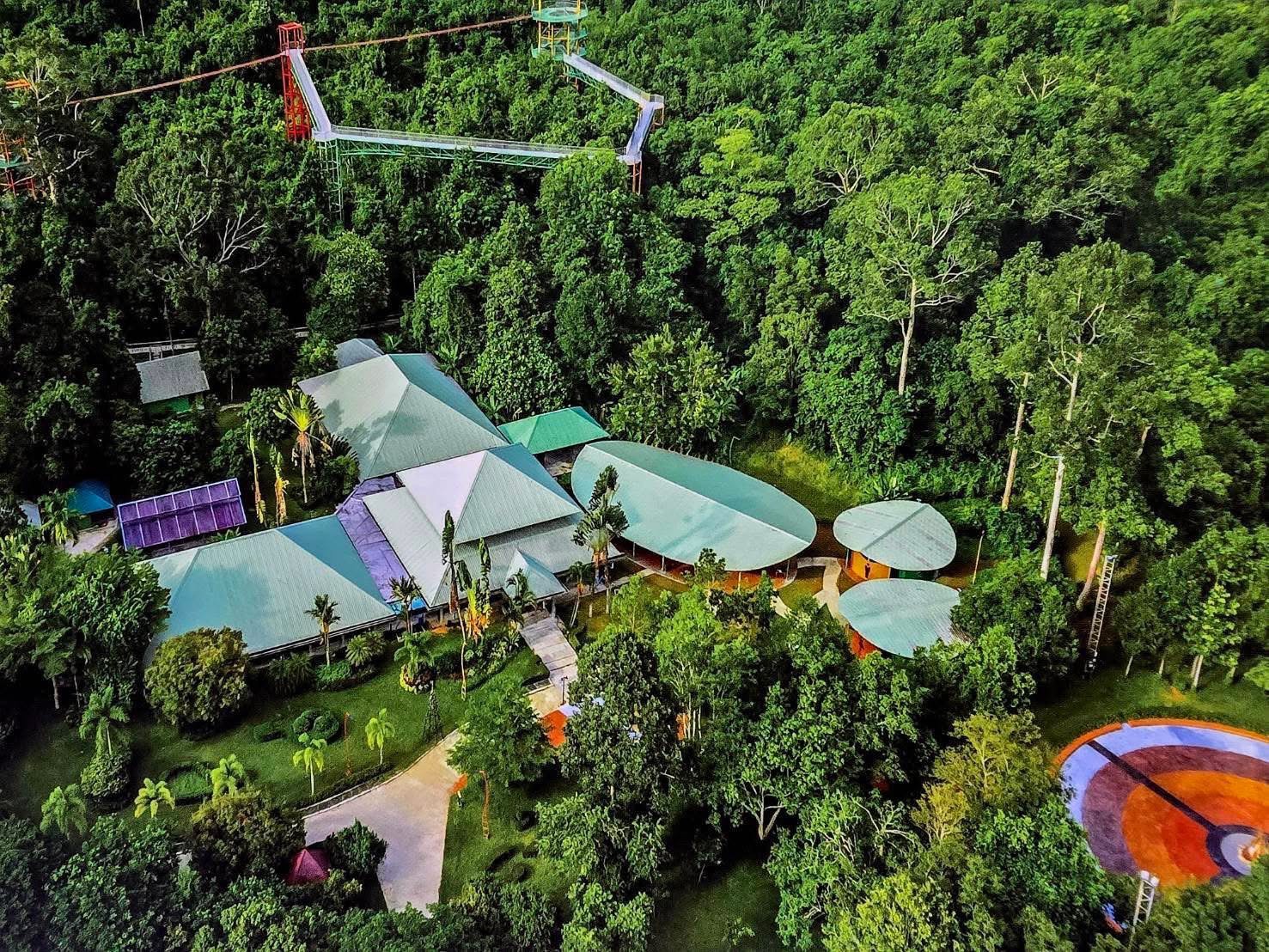
In addition, parts of the forest vegetation are integrated with the Walailak University Botanical Park and natural history learning facilities, which support environmental education, plant genetic conservation, and knowledge sharing with surrounding communities.
These forest vegetation areas function as a living laboratory for sustainability, biodiversity conservation, and environmental education, supporting Walailak University’s commitment to sustainable campus management.
Total campus area: 15,350,400.00 m²
Forest vegetation area: 5,470,315.45 m²
Percentage of forest vegetation: 35.64%
The Forest Area within Walailak University Campus
Forest area used for research, teaching, and community engagement