
Walailak University’s Research Income Driving Innovation
WU, a globally recognized Frontier Research University, has become a key player in advancing innovation and economic growth through impactful industry collaborations. WU’s Science and Technology Park serves as a hub connecting researchers and entrepreneurs, fostering innovation to address industrial challenges and drive sustainable development.
Income Growth from Research Collaborations
WU’s research income across all disciplines demonstrated continuous growth from 2022 to 2024. In 2024, it achieved a growth rate of 61.08%, representing an increase of 6,722,939.59 baht.
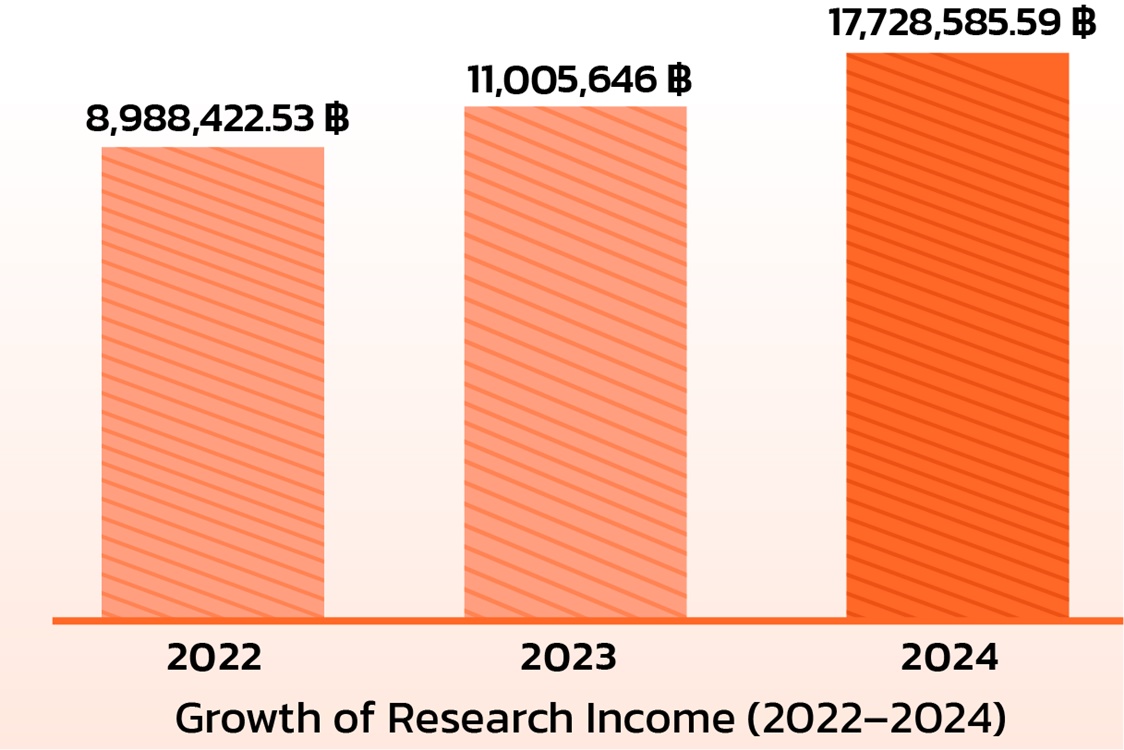
All income in 2024 came from private-sector collaborations, leveraging university-driven innovations to address industrial needs.
Income Breakdown by Field in 2024
Research income at WU is categorized into four main fields: STEM, Arts and Humanities, Social Sciences, and Medicine. Within each field, various teaching schools contribute by undertaking diverse research projects, reflecting the university’s commitment to advancing knowledge and addressing both local and global challenges.
STEM: 9,138,643.57 baht
Medicine: 1,525,666.02 baht
Arts & Humanities / Social Sciences: 7,064,276.00 baht
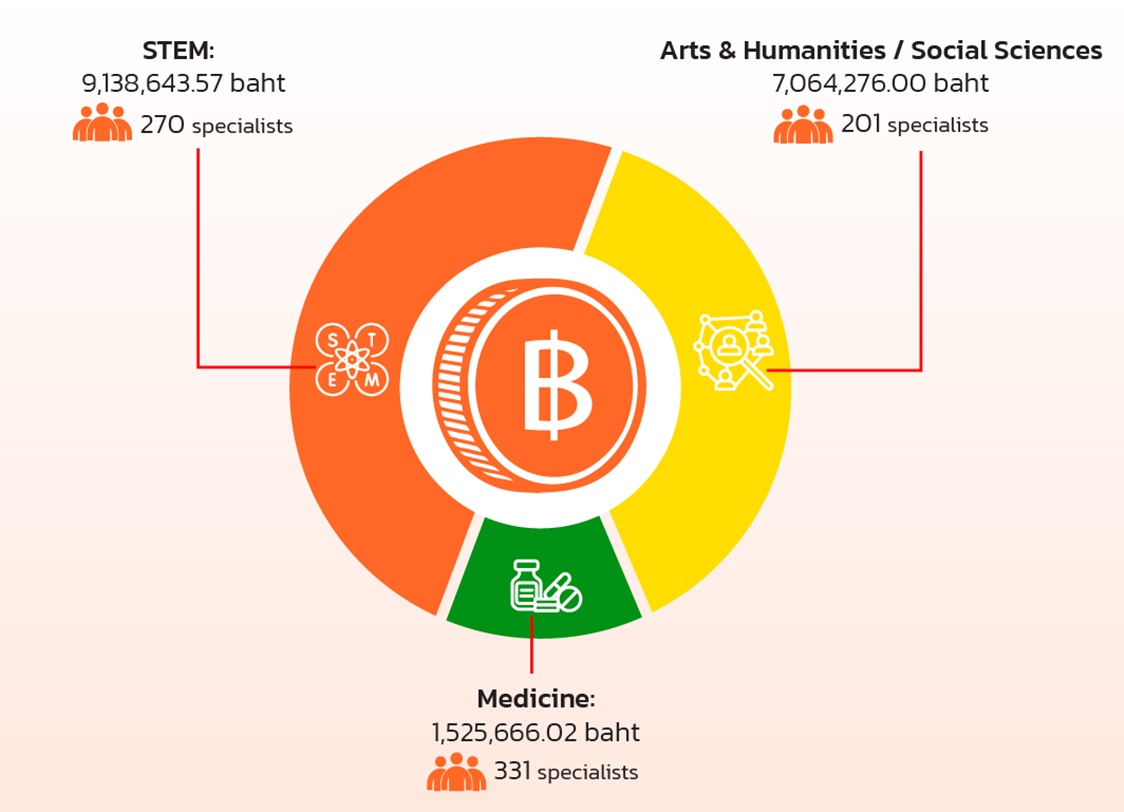
This success was supported by 802 faculty members specializing in diverse disciplines including 270 people in STEM, 331 people in Medicine, and 201 people in Arts & Humanities / Social Sciences.
Highlighted Innovation of 2024
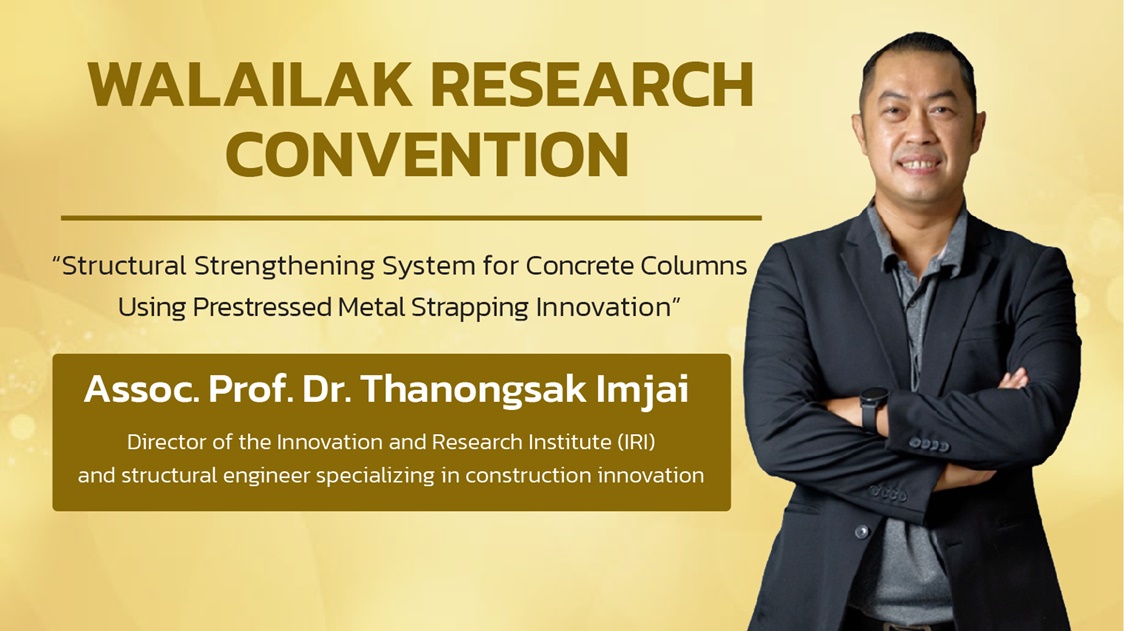
A standout success is the Structural Strengthening System for Concrete Columns Using Prestressed Metal Strapping innovation, developed by Assoc. Prof. Dr. Thanongsak Imjai. This innovation, used in building repairs without demolition, saved industries over 9 million baht and illustrates practical applications of university research.
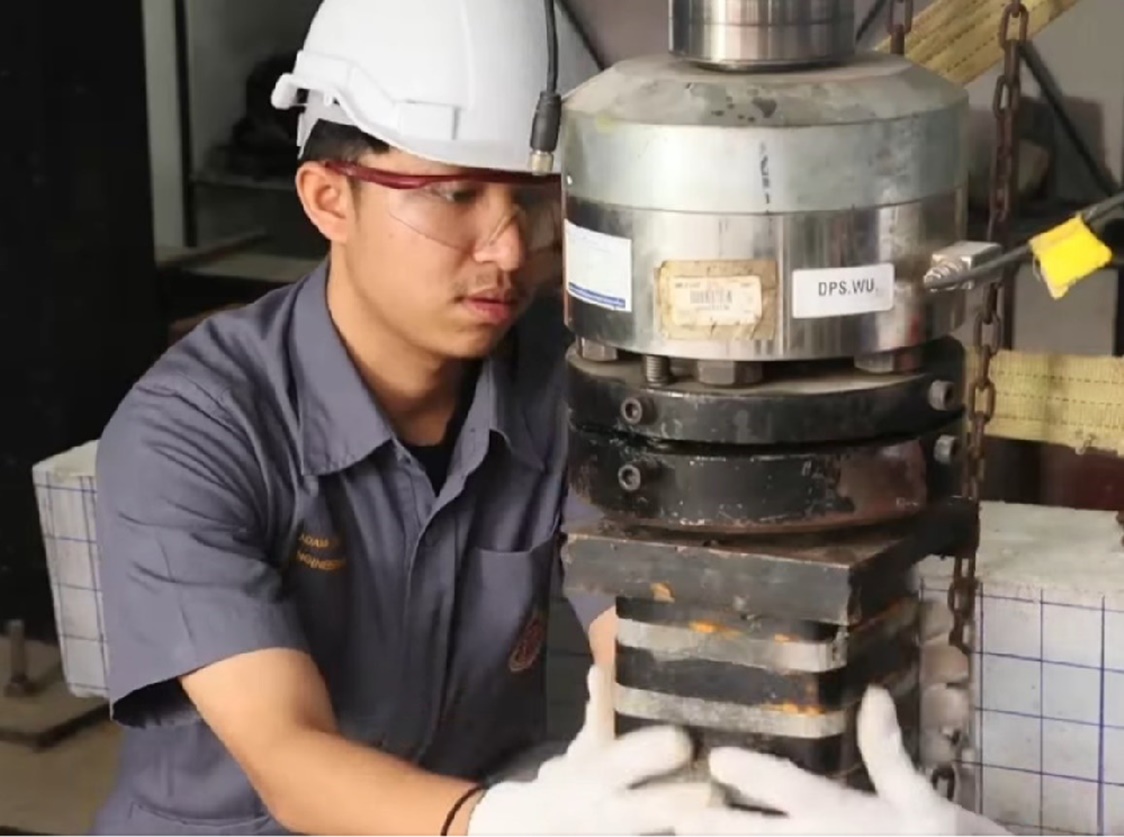
The “Structural Strengthening System for Concrete Columns Using Prestressed Metal Strapping Innovation” has significant impacts in several areas:
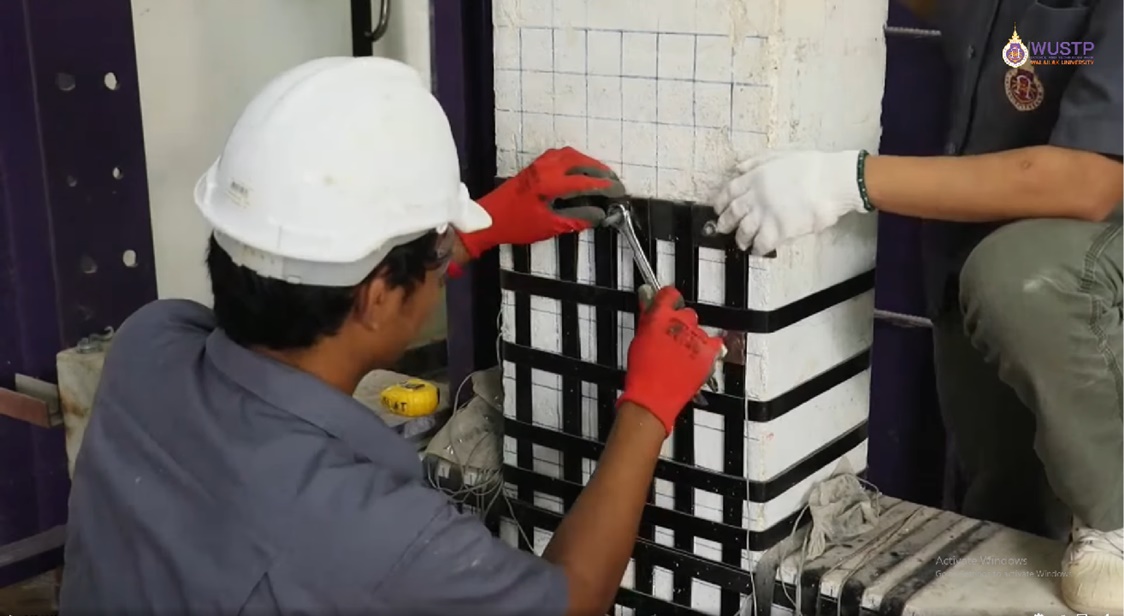
- Enhancing Structural Strength and Durability: Utilizing prestressed metal straps to encircle concrete columns increases their compressive strength and ductility, making structures more robust and durable, especially in earthquake-prone or harsh environmental regions.
- Time and Cost Efficiency: This method eliminates the need for demolishing or reconstructing existing structures, thereby reducing repair and reinforcement time and costs compared to traditional strengthening techniques.
- Versatile Applications: The technique can be applied to various concrete structures, such as columns, beams, and other building components, offering flexibility in upgrading and reinforcing existing structures.
- Promoting Domestic Research and Development: Developed by Thai researchers, this innovation fosters local technological research and development, enhancing international competitiveness.
- Environmental Impact Reduction: Strengthening structures without dismantling the original framework reduces construction waste and conserves natural resources, supporting and enhancing sustainable building development.
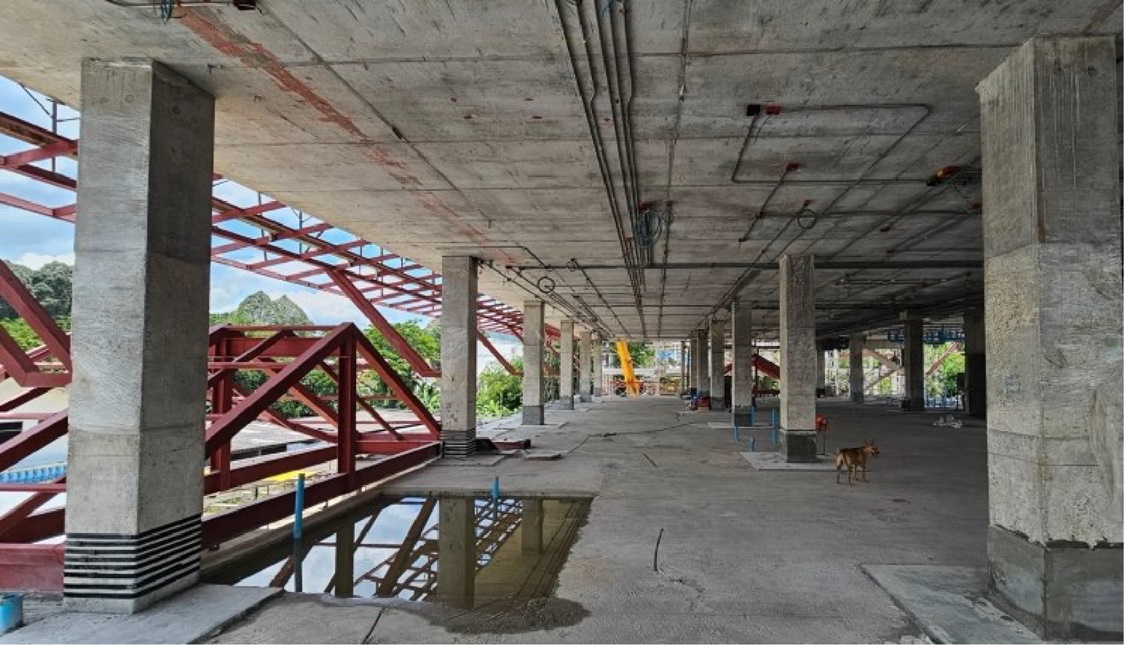
WU’s commitment to integrating academic research with industrial needs has cemented the campus position as a leader in innovation. By fostering partnerships and driving sustainable development, WU continues to transform research into real-world solutions, contributing to economic growth and societal advancement.
Goal 9: Industry, Innovation and Infrastructure