Sustainable Land Management for Low-Carbon Tourism in Nipa palm Forest
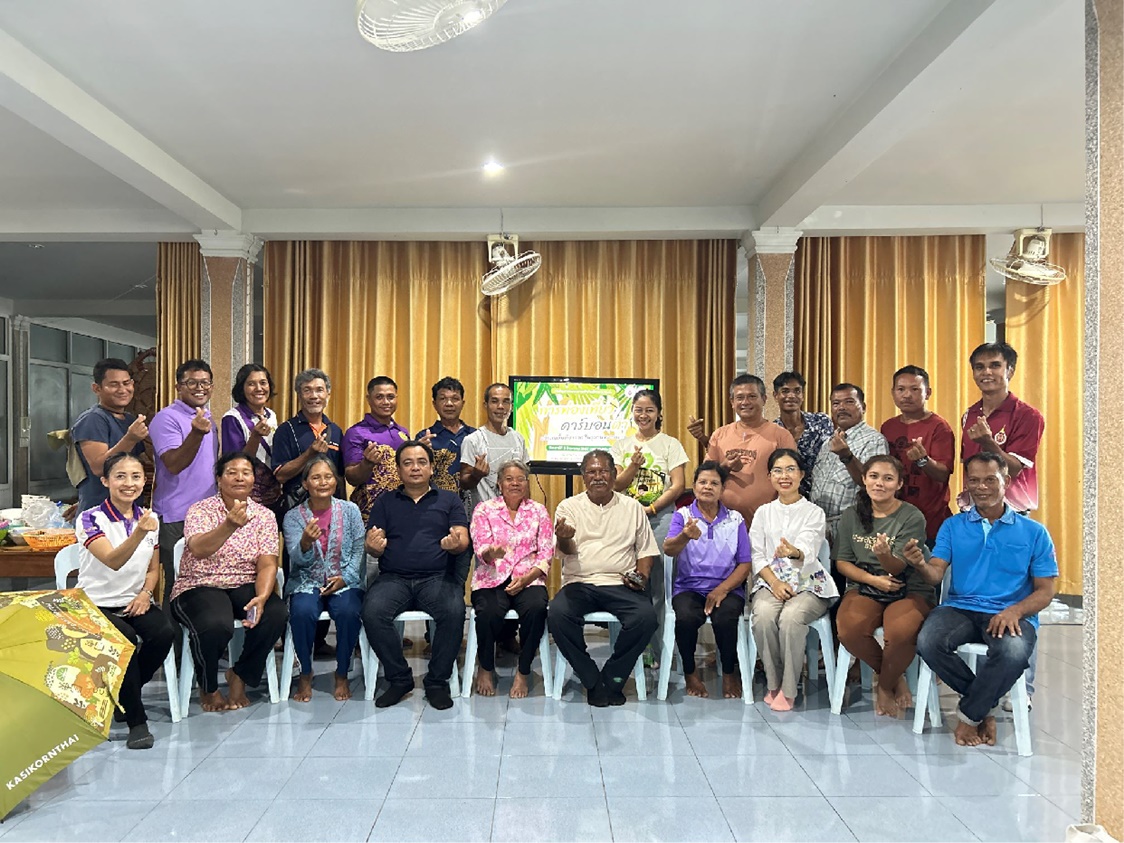
In today’s world, tourism has rapidly expanded and become a major driver of the global economy. However, this growth has also brought critical challenges, particularly in terms of sustainable land management to accommodate tourism. In response to this issue, WU offered an educational outreach program in Kanabnak Community, offering free access to knowledge and practices that support sustainable land use for local or national communities on sustainable management of land for tourism.
Educational Outreach Activities
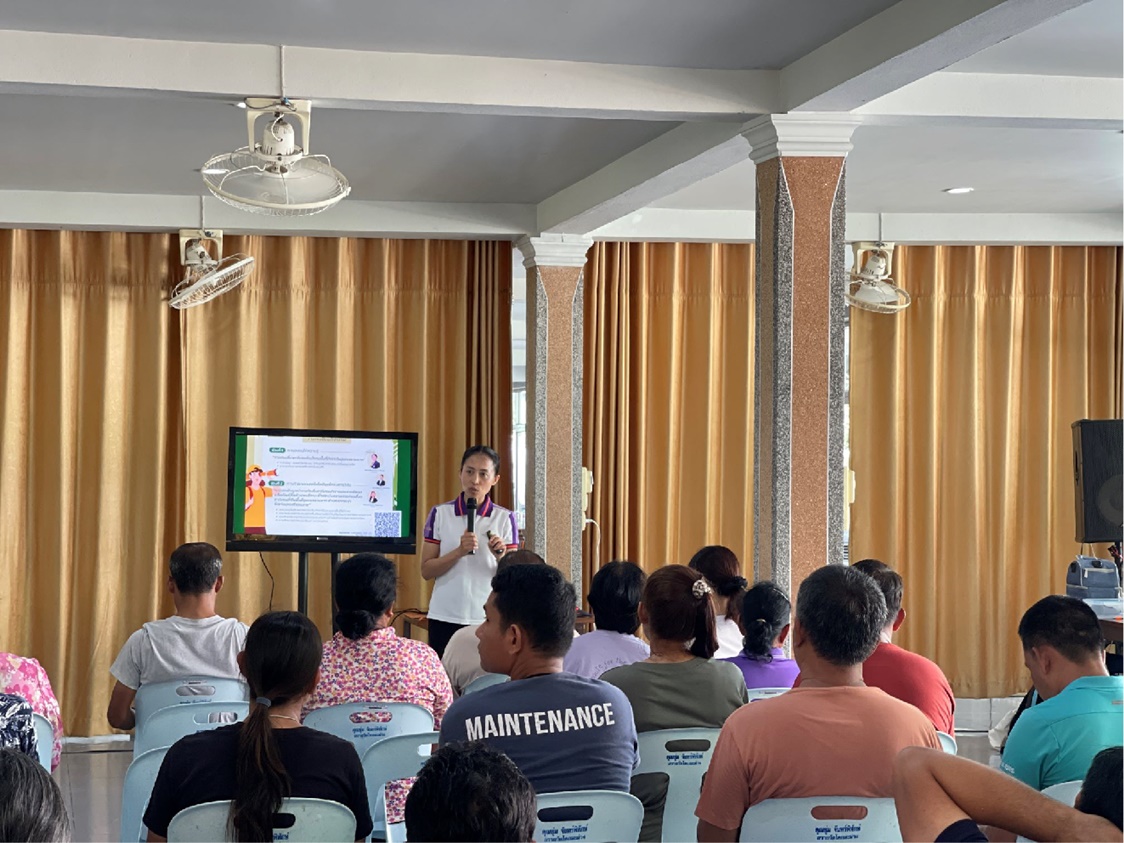
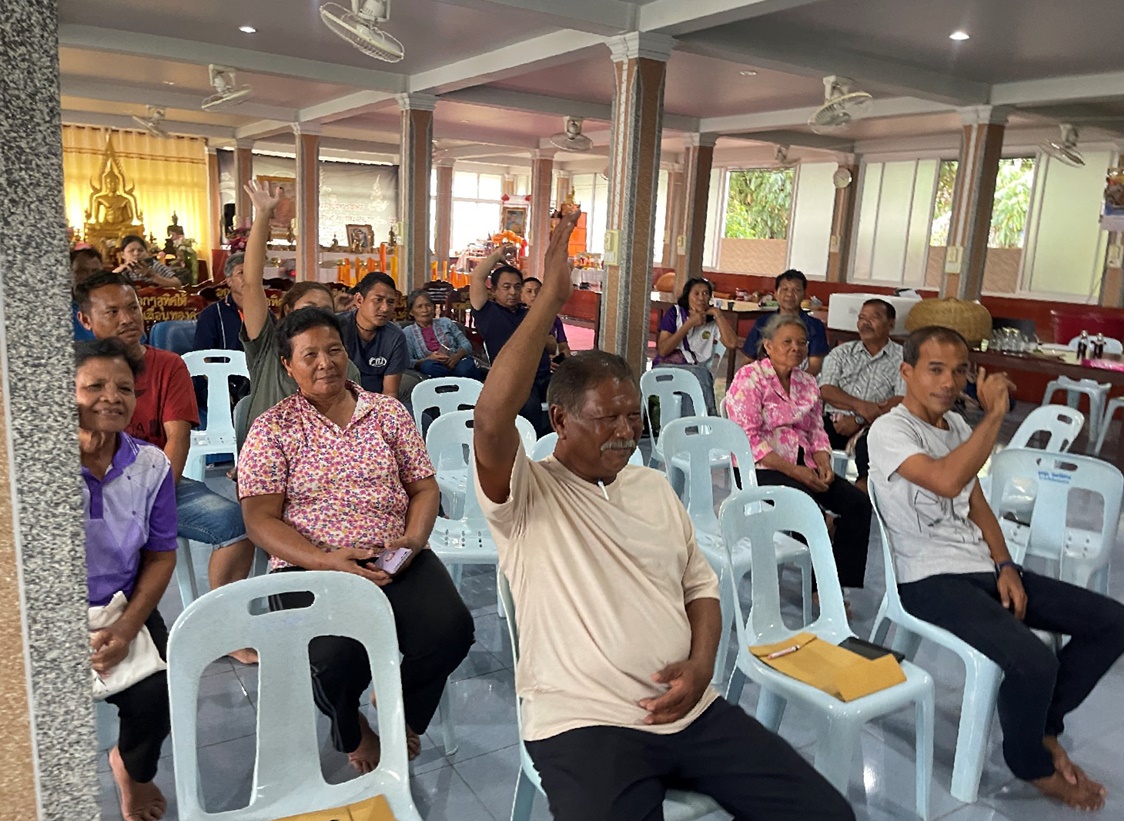
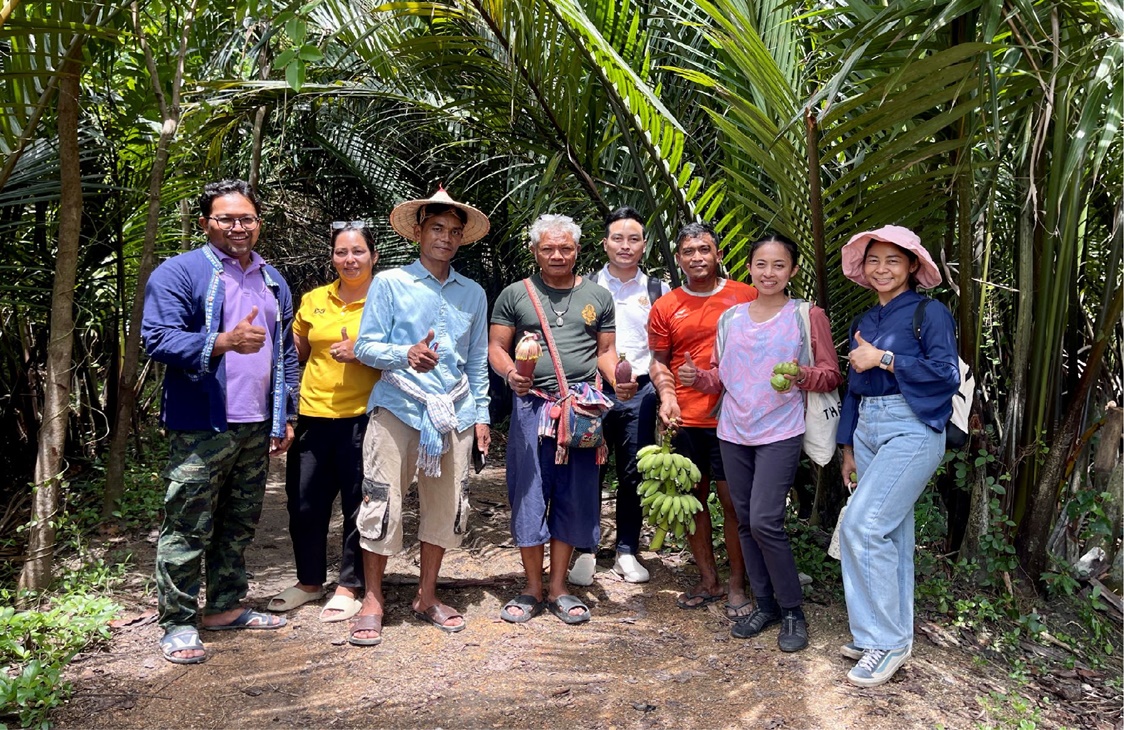
The program integrated academic lectures, hands-on workshops, and expert–community collaborations to raise awareness and provide practical solutions for sustainable land management through low-carbon tourism. With a strong focus on preserving natural resources, especially the mangrove forest, the initiative empowered the local community to balance economic development with environmental conservation.
Outcomes and Dissemination
The program empowered the community to adopt sustainable land management practices, such as reducing environmental impacts from tourism activities and balancing economic development with natural conservation. Additionally, promotional materials, including videos and online media, were produced to communicate the project’s concepts and outcomes to a broader audience.
In conclusion, this educational outreach program demonstrates the university’s commitment to sustainable land management through low-carbon tourism. By combining academic knowledge with community-led conservation, it raised awareness,provided practical solutions, and fostered long-term collaboration. Its impact extends beyond the local community through multimedia dissemination, serving as a model for balancing tourism and environmental preservation while highlighting education’s role in sustainable development.