
Advancing Gender Equality through Enhanced Maternity and Paternity Policy
Advancing Gender Equality through Enhanced Maternity and Paternity Policy
Balancing professional responsibilities with pregnancy, childbirth, and childcare can create significant challenges for women in the workplace. Through diagnostic assessment and identification of workplace and family-related challenges, it is recognized that without adequate maternity and childcare support, women may face difficulties in maintaining their employment, continuing their careers, and participating fully in professional activities. At the same time, a diagnostic assessment of childcare responsibilities highlights how an unequal distribution of caregiving duties may place a disproportionate burden on women and affect their long-term career development. Recognizing these identified challenges and support needs, Walailak University has put in place comprehensive maternity, paternity, and parental leave measures to support employees with family responsibilities and promote women’s continued participation in the workplace.
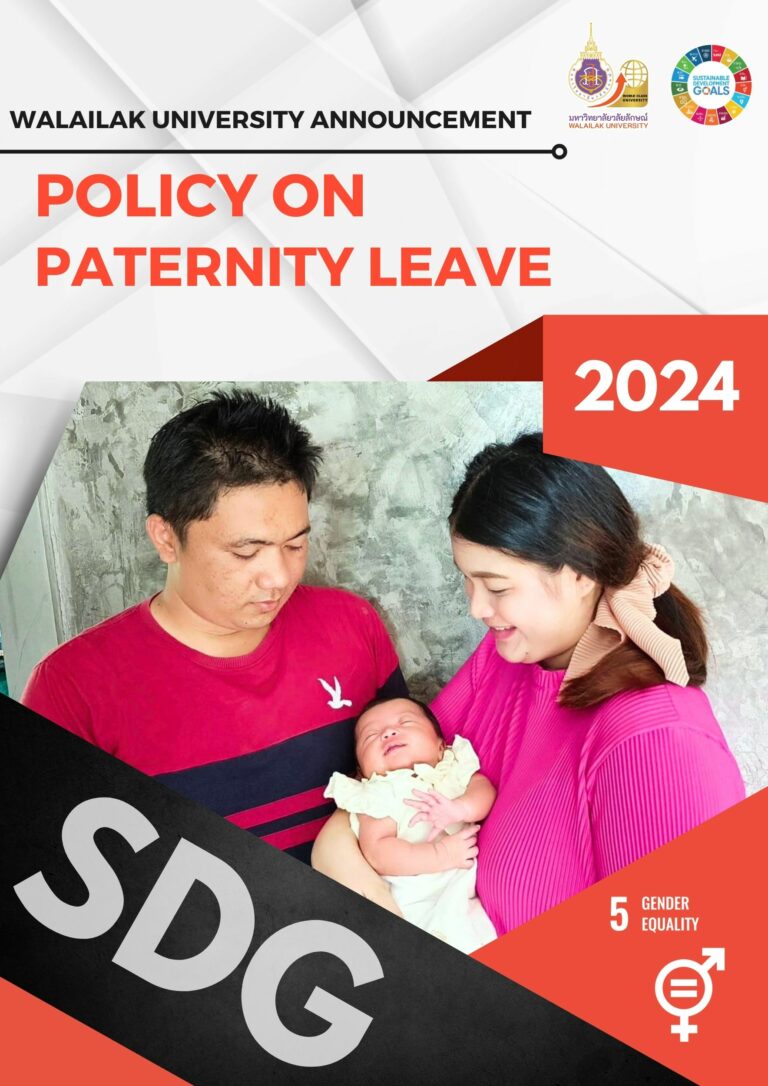
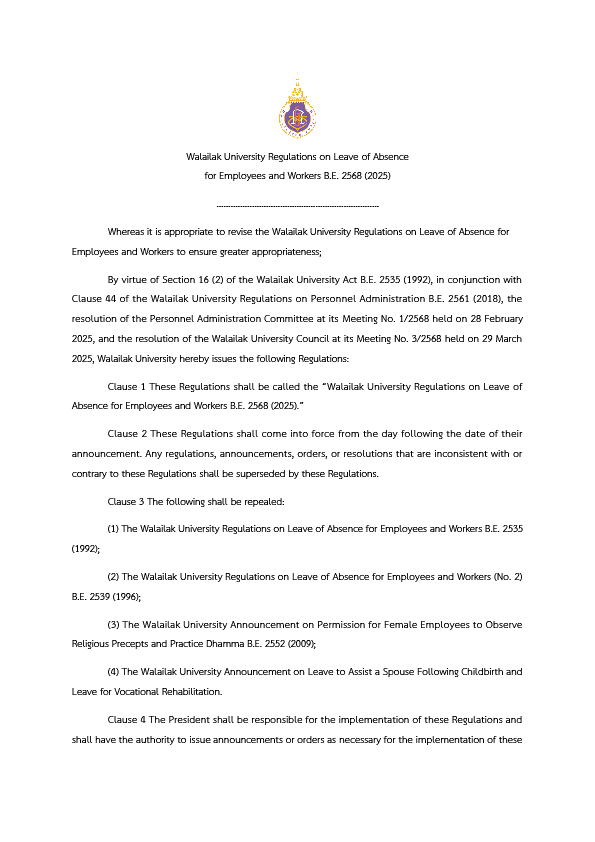
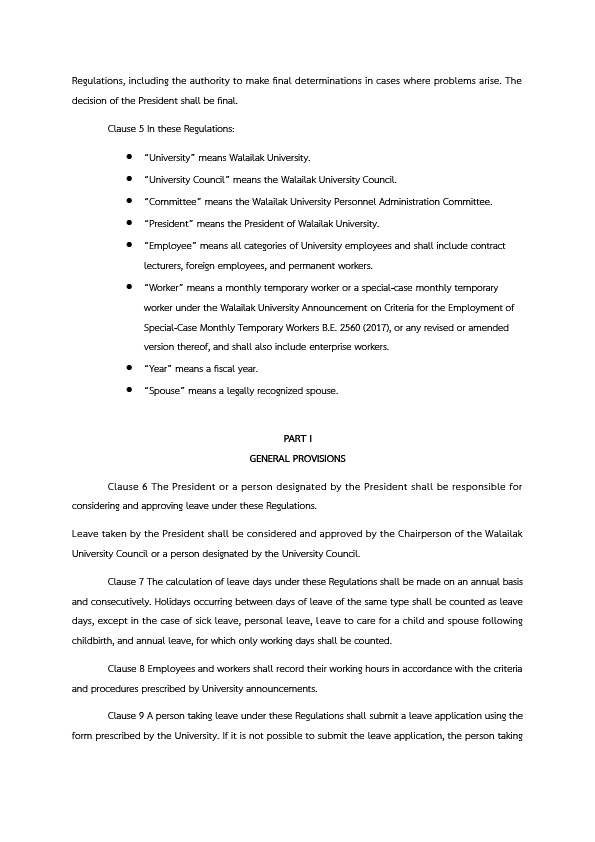
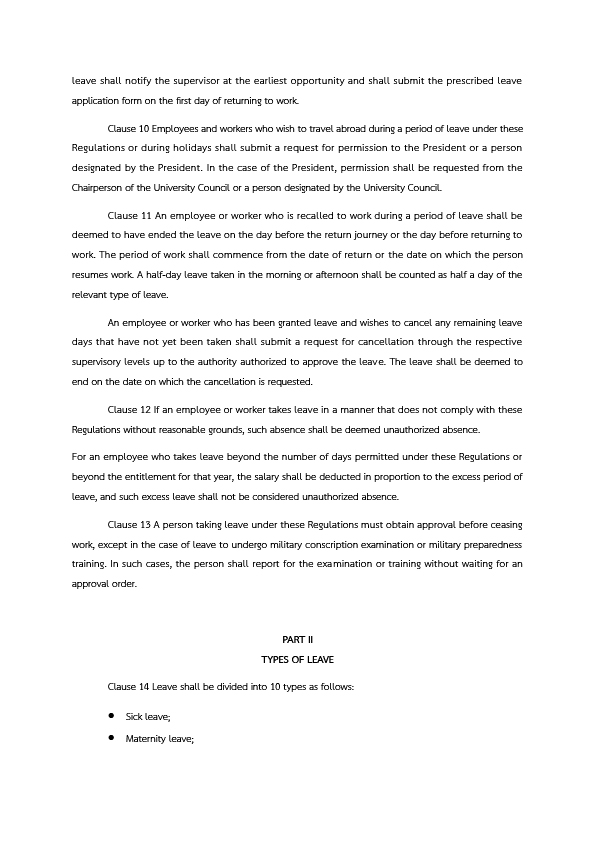
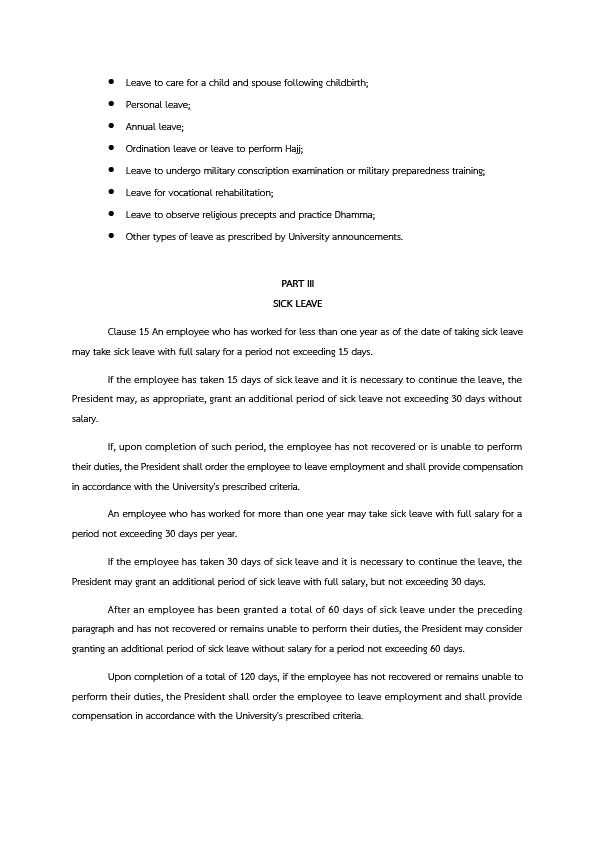
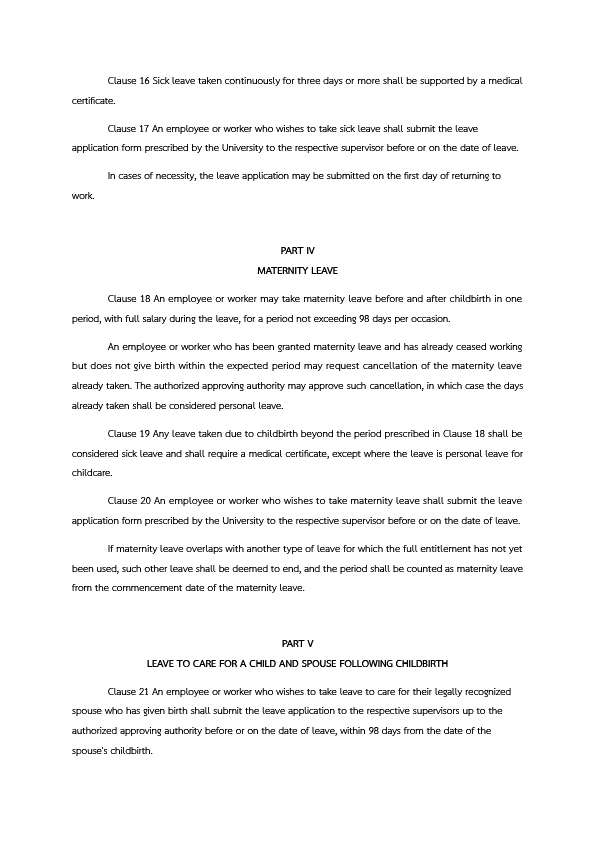
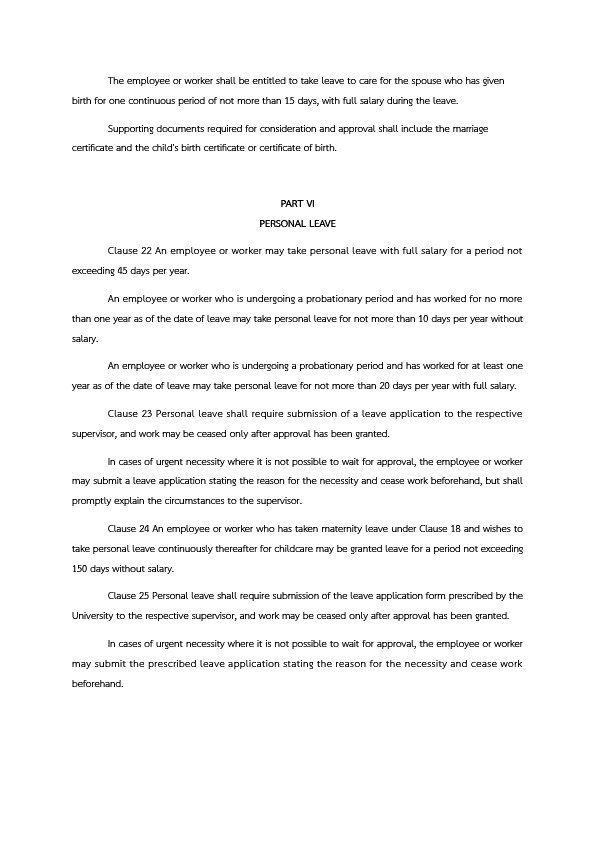
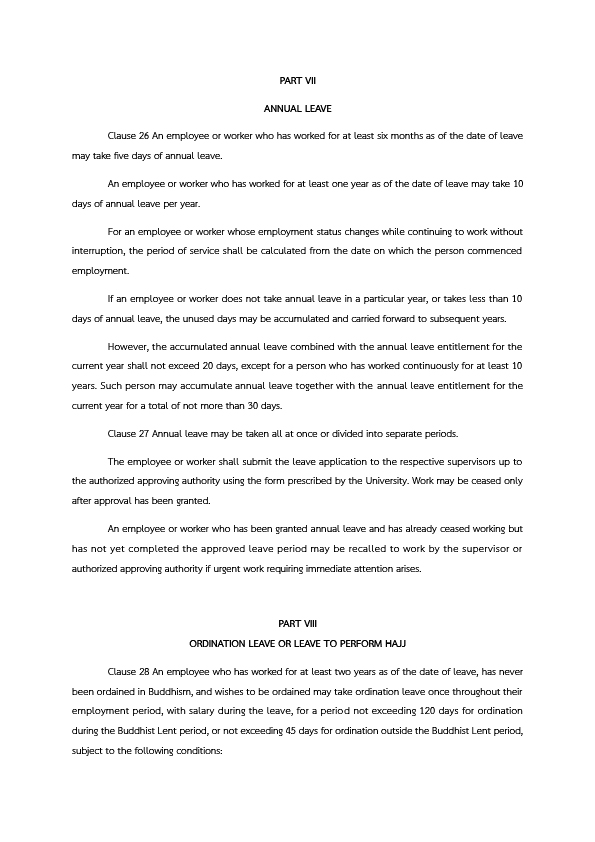
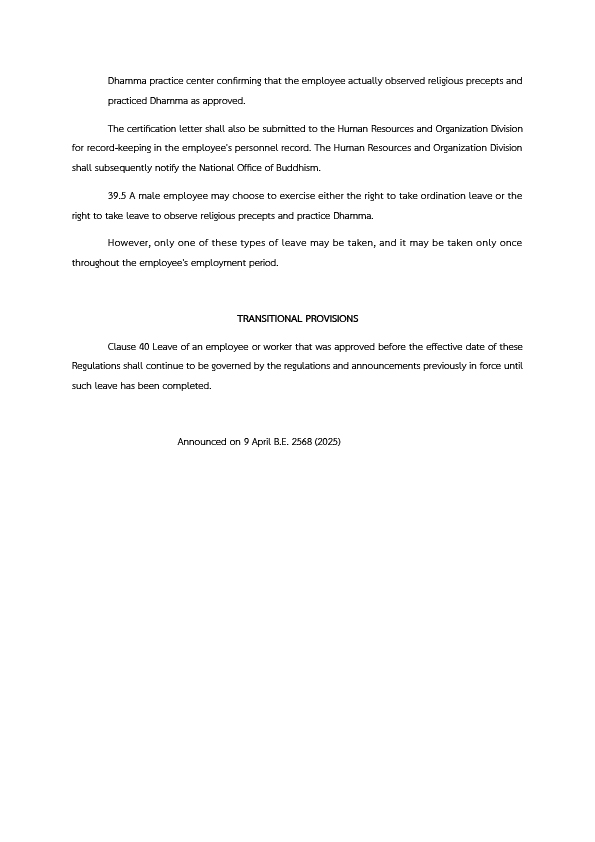
Walailak University has in place the Walailak University Regulations on Leave for Staff and Employees, B.E. 2568 (2025), which establish inclusive maternity, paternity, and parental leave provisions for both permanent and temporary staff. These regulations provide institutional support for employees during pregnancy, childbirth, and the early stages of child-rearing, while helping ensure that family responsibilities do not become a barrier to women’s participation, career continuity, and professional development.
The policy provides a comprehensive framework for promoting inclusivity and preventing discrimination against women and transgender individuals. The policy emphasizes equal access to education, employment, and opportunities for personal and professional development, while promoting a campus environment based on respect, understanding, and inclusion. It also calls for training and awareness-raising activities to challenge gender stereotypes and biases and establishes measures to protect members of the university community from harassment, bullying, and discrimination based on gender identity, gender expression, or sexual orientation. WU also encourages collaboration with non-governmental organizations, government agencies, private sector organizations, and community groups to advance gender equality and promote the rights and inclusion of transgender individuals both within the University and in the wider community.
In 2025, LGBT students accounted for approximately 12.5% of the student population at Walailak University, while LGBT staff represented approximately 2.23% of the university’s workforce. These figures reflect the presence of transgender members across the university community and highlight the importance of maintaining an inclusive educational and working environment where individuals of diverse gender identities and sexual orientations can participate equally.
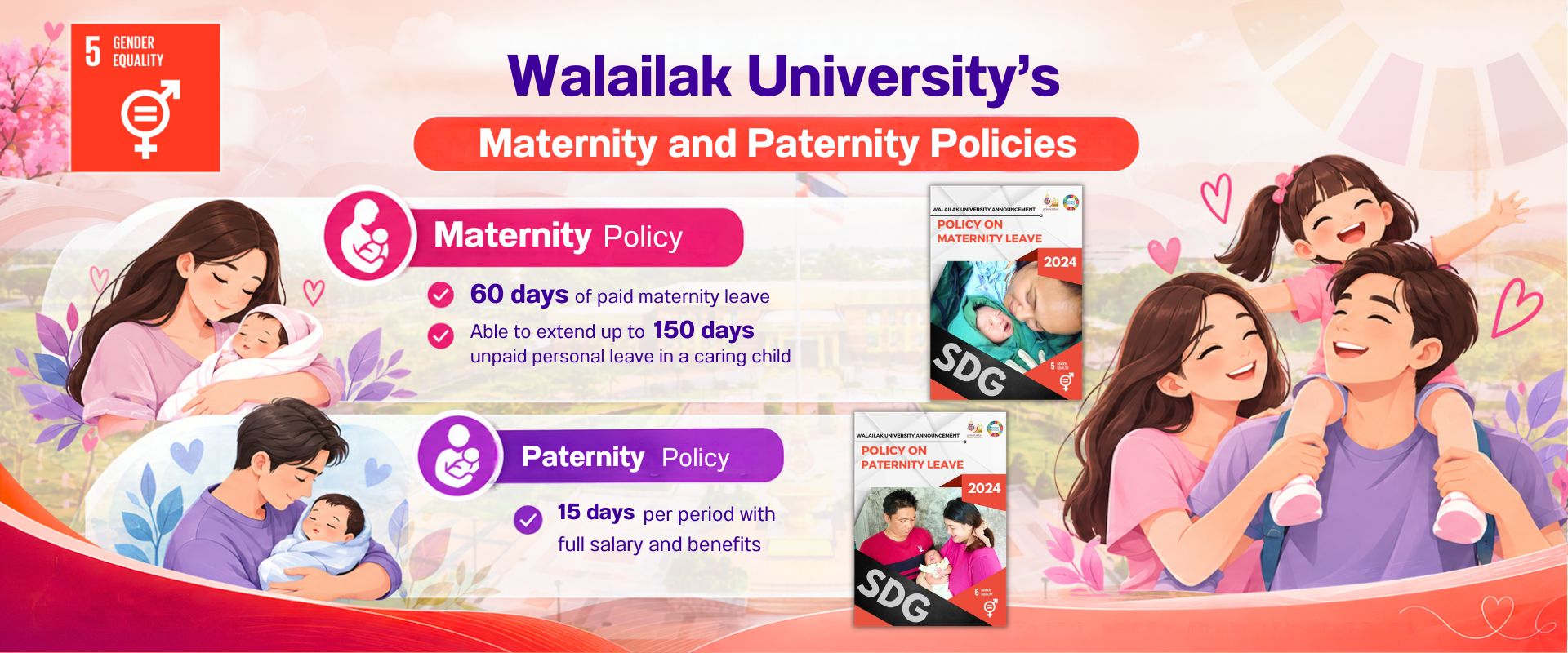
Under the maternity policy, female staff, including temporary employees, are entitled to 98 days of maternity leave with full pay. This provision is in place to provide women with sufficient time to recover from childbirth, care for their newborns, and support their children’s early development without having to choose between family responsibilities and continued participation in employment. In addition, eligible female staff may apply for parental leave of up to 150 days, providing additional flexibility for childcare during infancy and further strengthening the University’s support for women’s participation in the workplace.
Walailak University has also put in place a paternity policy to encourage fathers to participate actively in childcare responsibilities. Under the regulations, male staff are entitled to 15 consecutive working days of paternity leave with full pay, enabling fathers to care for their newborn children and support their spouses during the postnatal period. Where necessary, the leave may be taken in more than one period in accordance with the University’s regulations, providing flexibility for employees to respond to their family’s specific needs.
The paternity policy is particularly important for supporting women’s participation because encouraging fathers to share childcare responsibilities can help reduce the disproportionate caregiving burden often experienced by women. By enabling fathers to take paid leave and participate directly in childcare, the University promotes a more equitable distribution of family responsibilities and helps create conditions in which women can maintain their employment and continue their professional and academic careers.
Through these policies in place, Walailak University demonstrates its commitment to gender equality, equal opportunities, work-life balance, shared parenting, and women’s continued participation in the workplace. The combination of maternity, parental, and paternity leave provides a comprehensive institutional framework that supports both mothers and fathers, reduces potential barriers associated with family responsibilities, and contributes to a more inclusive, equitable, and family-friendly working environment.

Goal 5:
Gender Equality
Goal 3:
Good health and
well-being
Goal 8:
Decent Work and
Economic Growth
Goal 10:
Reduced Inequalities