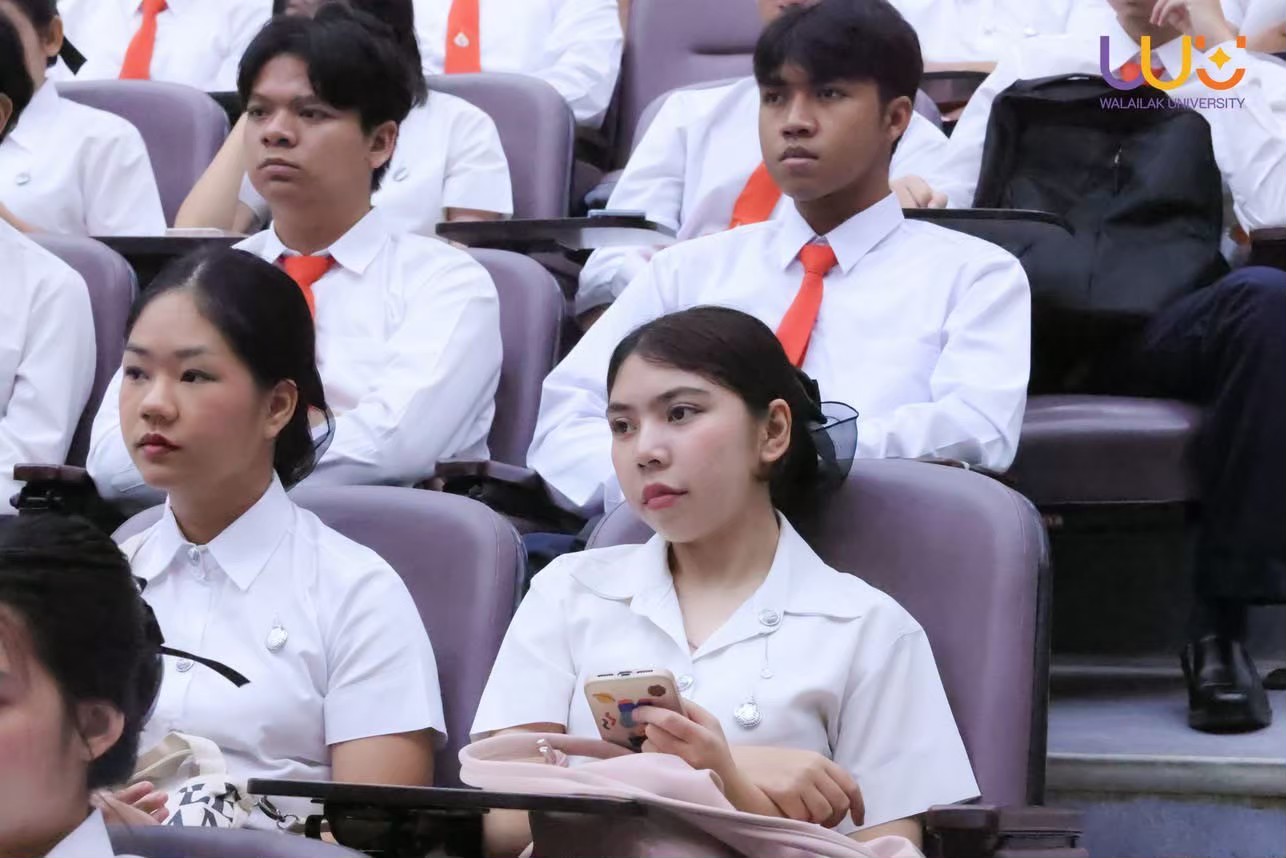
Advancing Gender Equality: Tracking and Supporting Women’s Graduation
Walailak University (WU) is committed to protecting employees from discrimination and harassment and ensuring that staff members can raise concerns about unfair or discriminatory treatment without being disadvantaged in their employment. The University recognizes that employees may be reluctant to report discrimination if they are concerned that making a complaint could negatively affect their work assignments, employment conditions, remuneration, or other aspects of their professional position. Therefore, WU has established formal policies and procedures that provide employees with mechanisms to report concerns, request a review of decisions or practices, and seek protection of their employee rights.
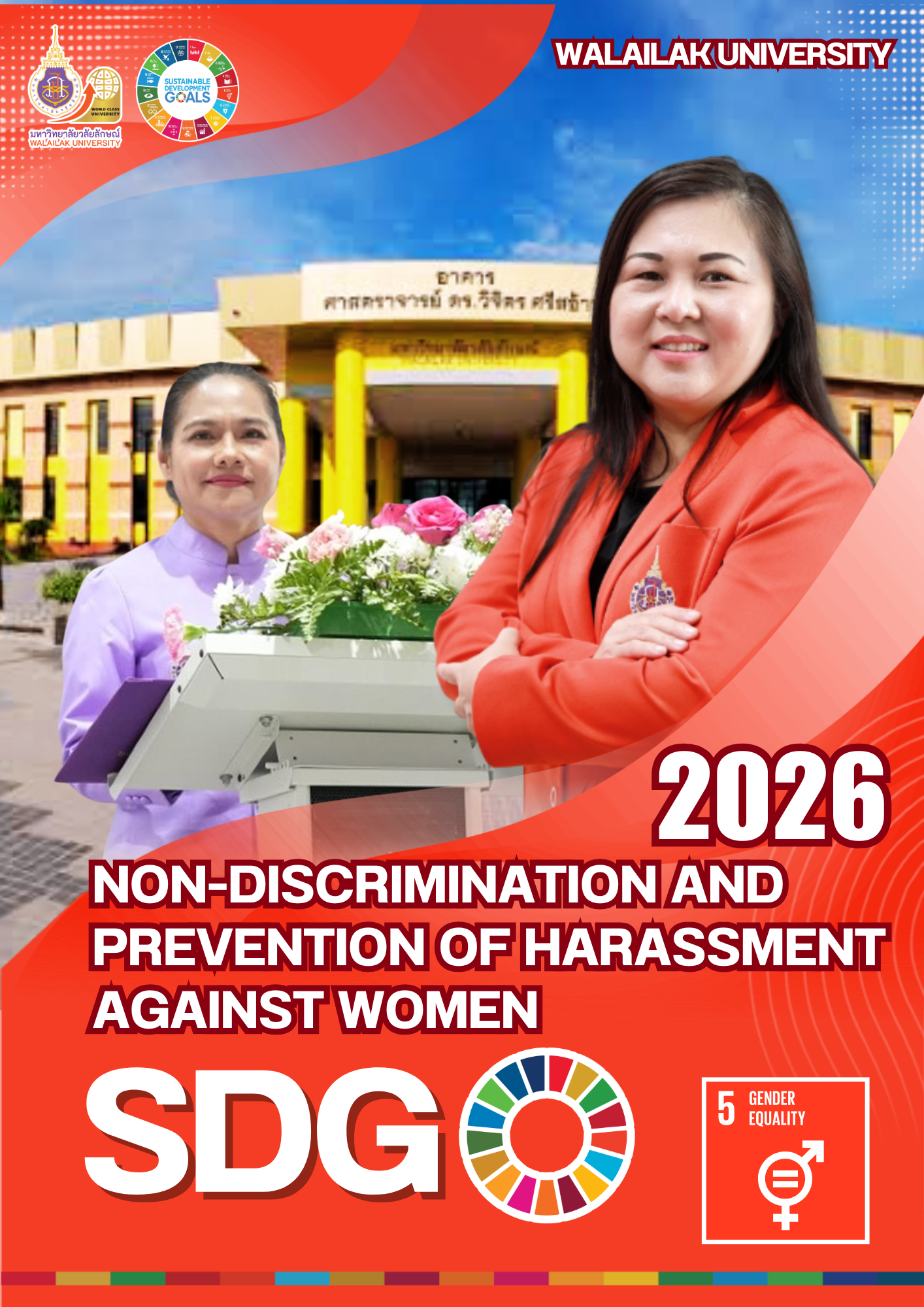
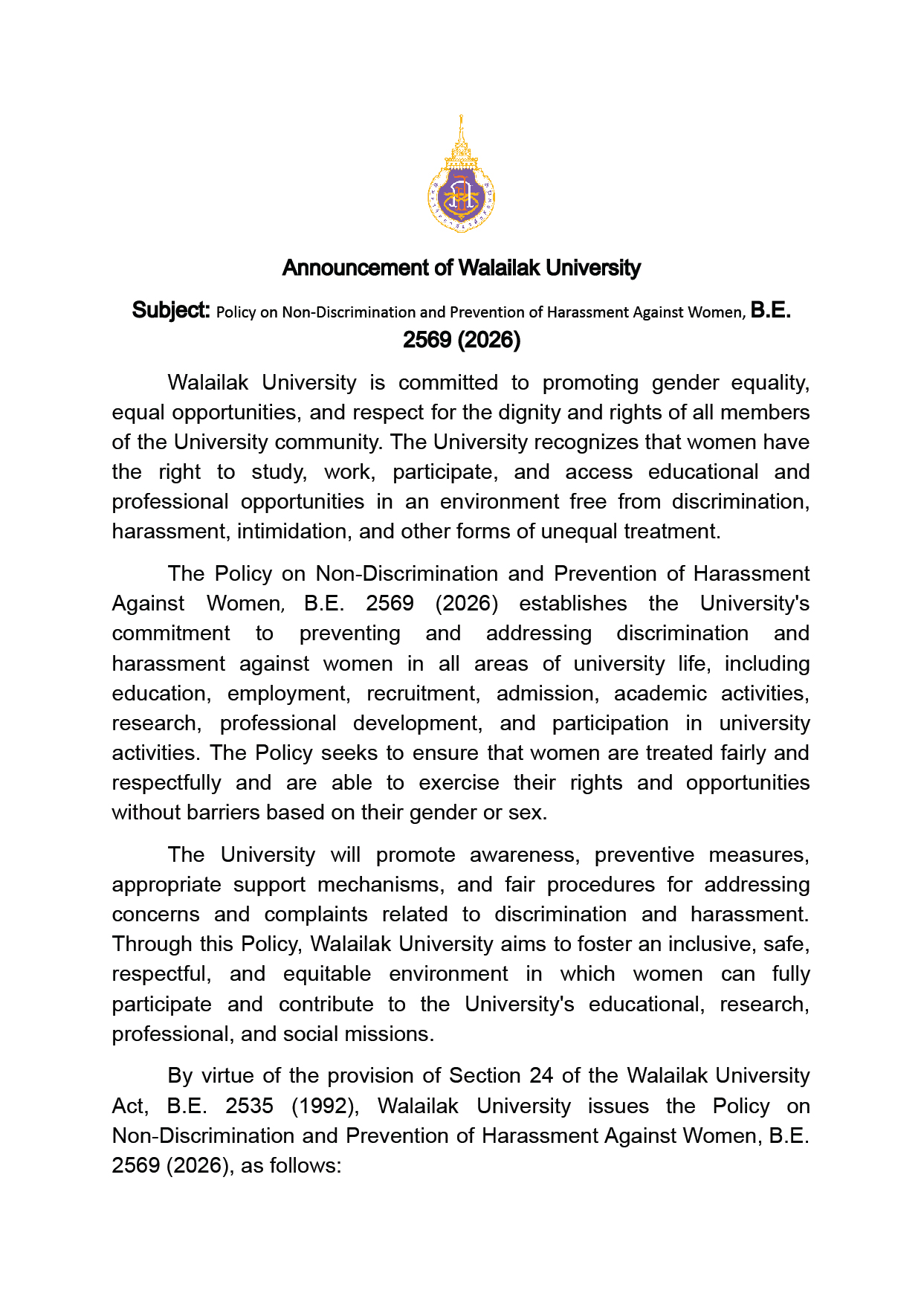
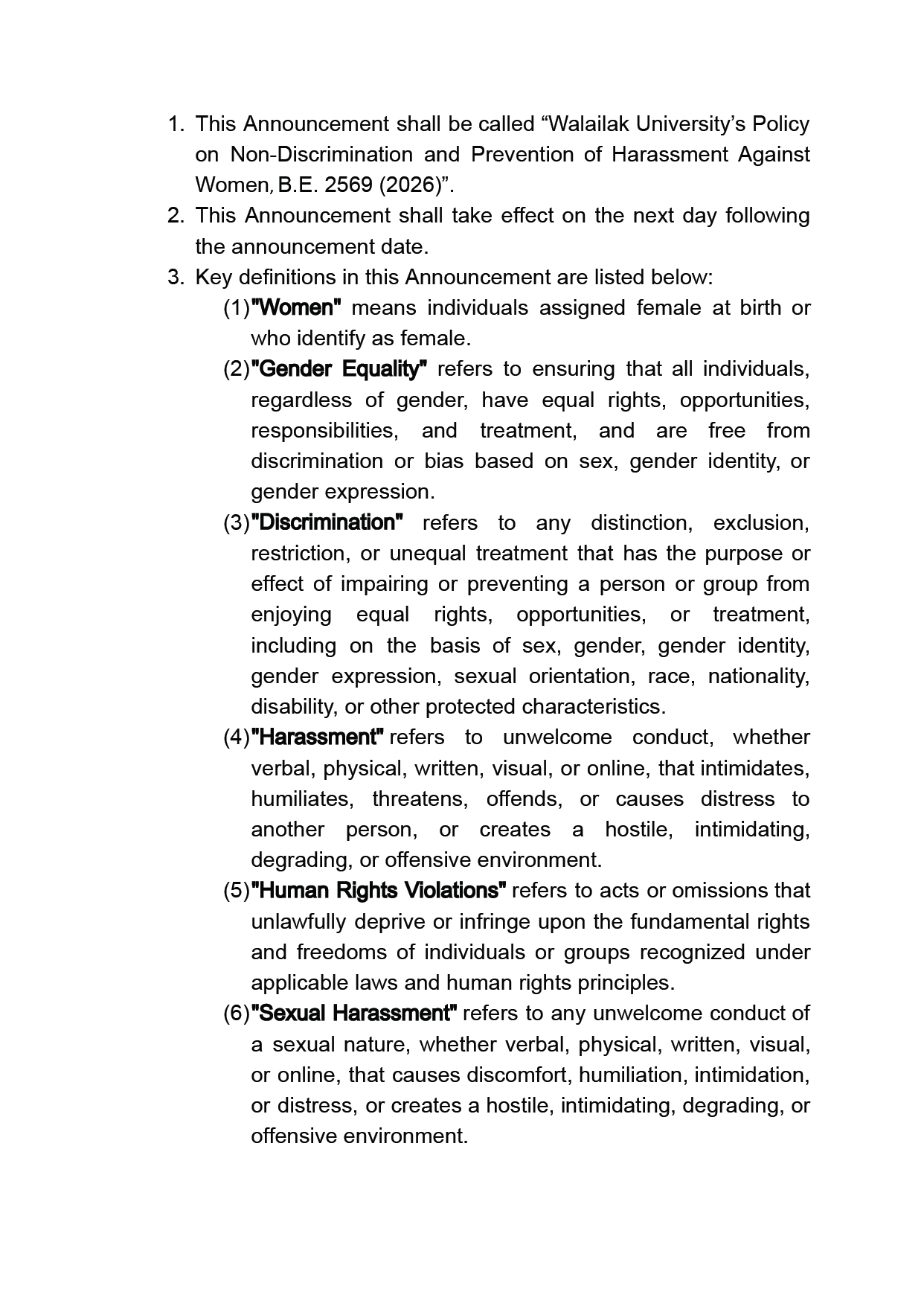
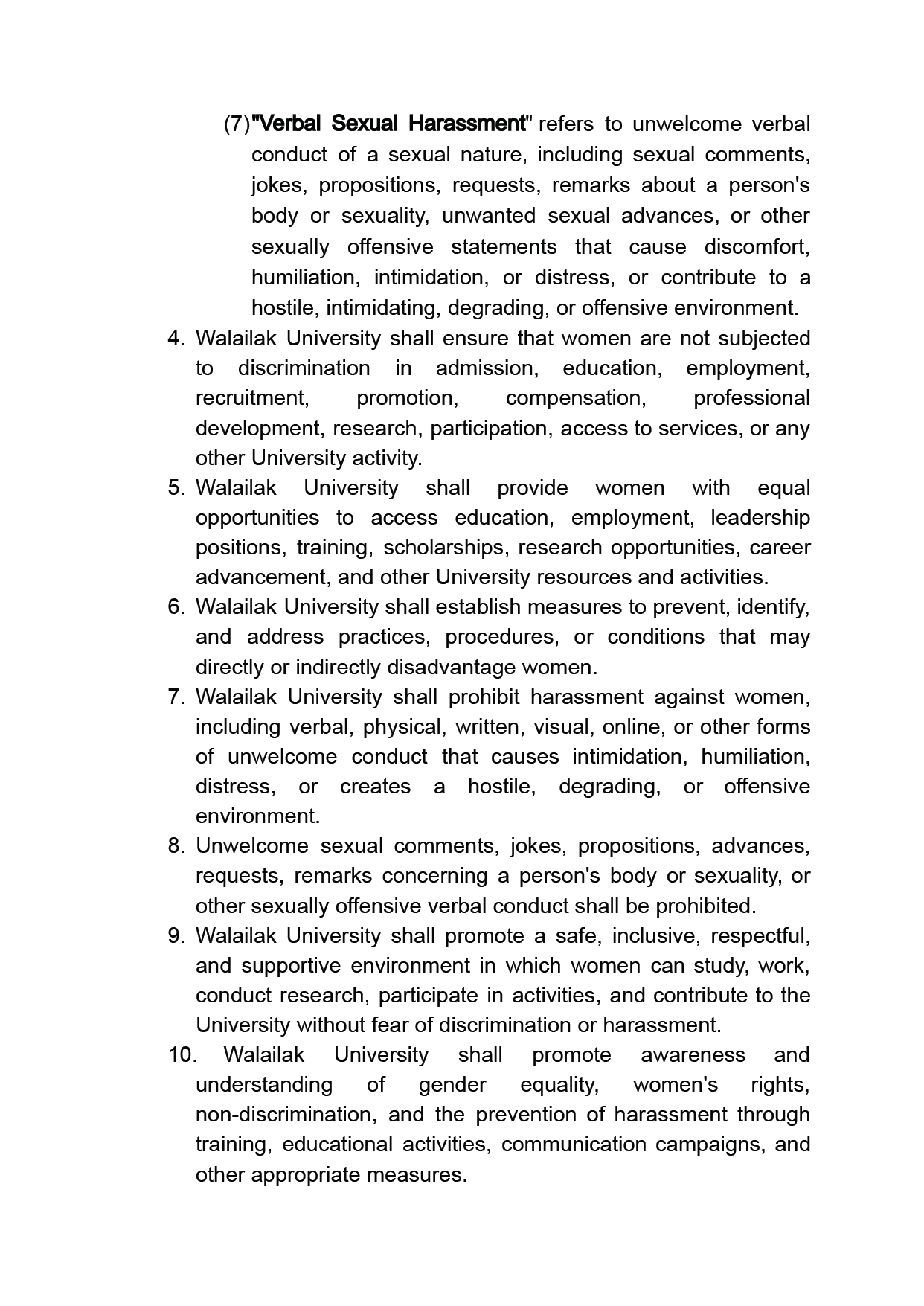
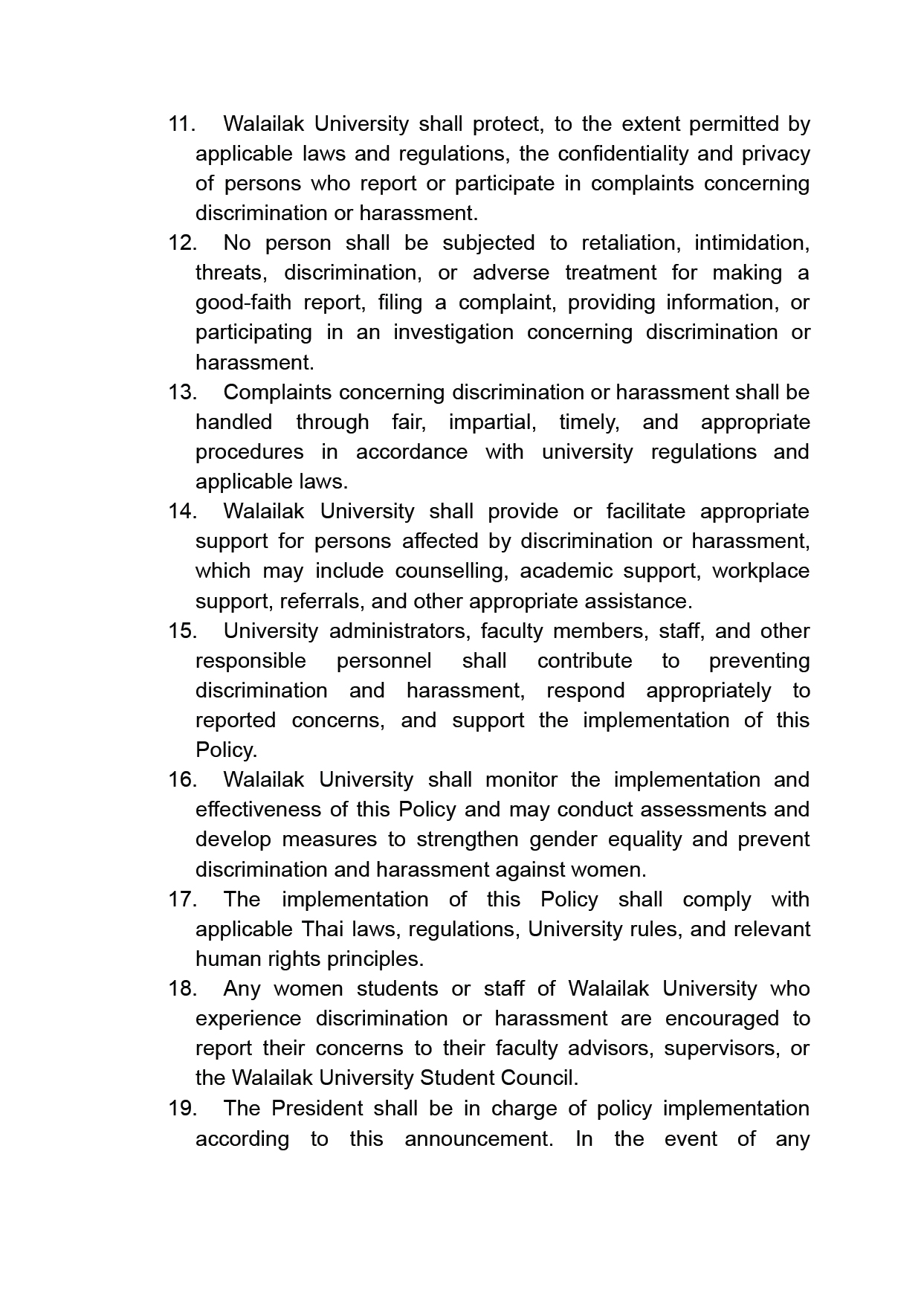
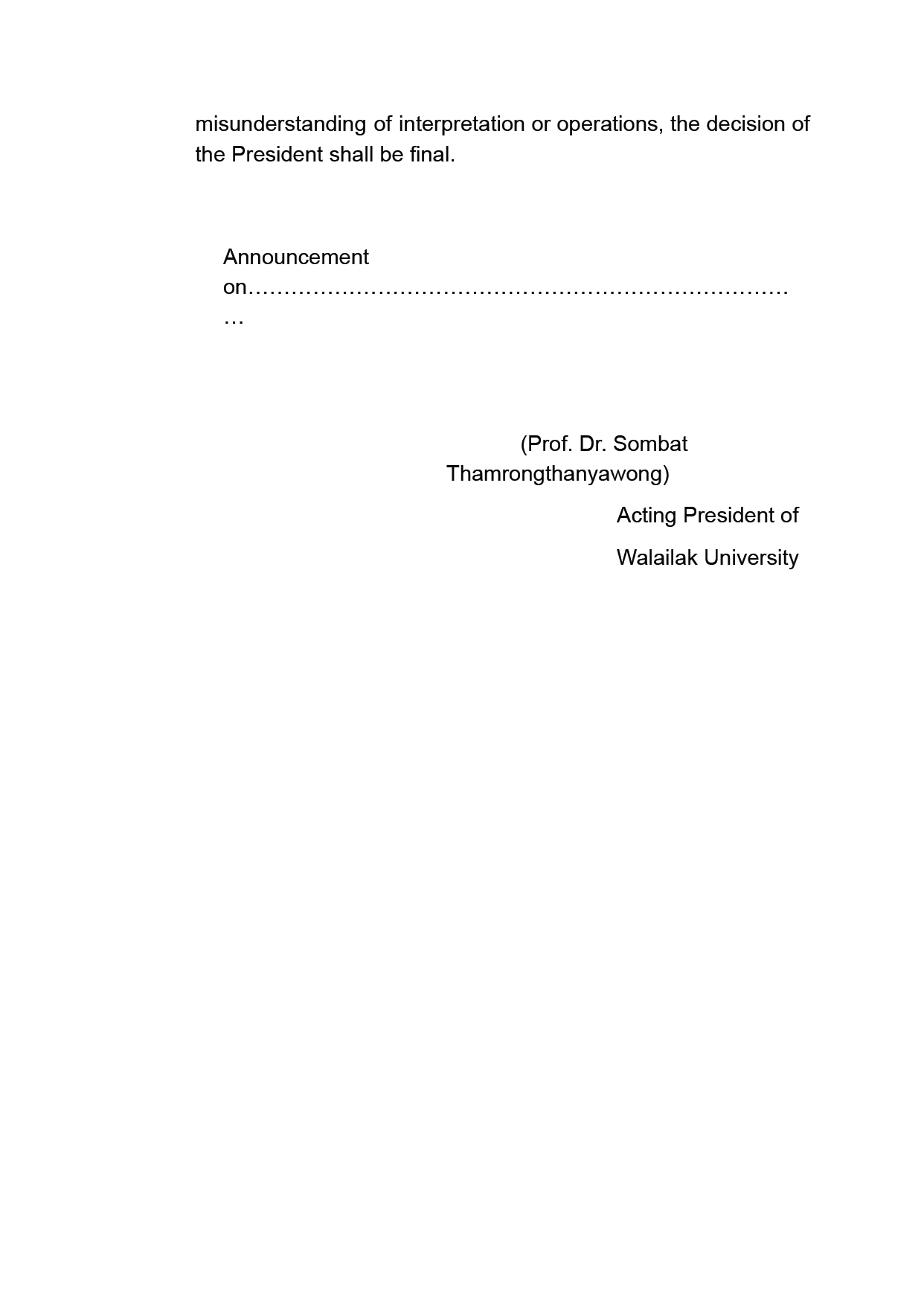
In 2026, WU strengthened its institutional commitment to non-discrimination by issuing the Policy on Non-Discrimination and Prevention of Harassment Against Women B.E. 2569 (2026). The policy establishes the University’s commitment to preventing discrimination and harassment against women and promoting a safe, fair, and respectful working and learning environment. It complements the University’s formal appeals and complaints mechanisms by providing an institutional policy framework for addressing discriminatory and harassing practices affecting women.
Measurement and Tracking of Women’s Graduation Likelihood at Walailak University
In addition, WU issued the Walailak University Regulations on Appeals, Complaints, and Consideration of Appeals and Complaints B.E. 2569 (2026), the latest version of the University’s regulations currently in effect. The regulations establish procedures for submitting and considering employee appeals and complaints, allowing staff members to challenge decisions or employment practices that they believe are unfair, discriminatory, or inconsistent with their rights.
Protection When Reporting Discrimination
WU provides employees with formal channels through which they can report concerns regarding discriminatory or unfair treatment. The University’s 2026 Policy on Non-Discrimination and Prevention of Harassment Against Women establishes a specific institutional commitment to preventing discrimination and harassment against women, while the Appeals and Complaints Regulations provide procedures through which employees can raise concerns and seek a formal review.
Grounds for an appeal may include treatment related to gender, religion, age, refugee status, political views, or other circumstances in which an employee believes that their rights or employment conditions have been adversely affected. The process also covers situations in which employees may be unfairly denied work assignments or subjected to unreasonable delays or dilatory practices by supervisors.
By providing formal policies and procedures for reporting and reviewing concerns, WU enables employees to raise issues through established institutional channels rather than having to rely solely on informal mechanisms. Employees can submit relevant information and supporting evidence and request that the circumstances be reviewed in accordance with university regulations.
Access to a Formal Review Process
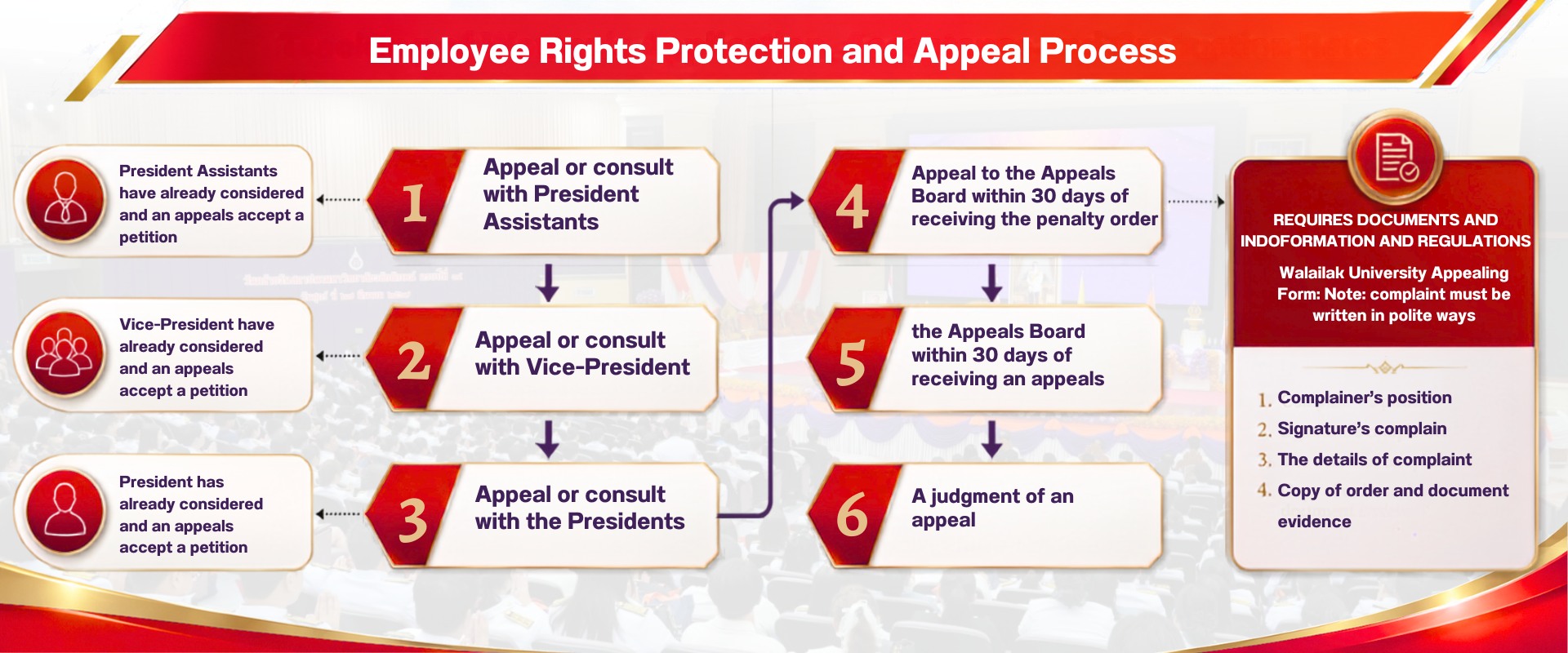
Employees who believe that they have experienced discriminatory or unfair treatment may initially discuss the matter with an appropriate higher-level supervisor, such as an Assistant to the President, Vice-President, or President. Where the matter cannot be resolved through initial consultation, the employee may proceed through the formal appeal process established by the University.
An appeal must generally be submitted within 30 days of the employee becoming aware of the circumstances or grounds giving rise to the appeal. The appeal or complaint should clearly describe the situation, decision, or employment practice concerned, explain why the employee considers it unfair or incorrect, and provide relevant supporting evidence.
The required information includes:
- The complainant’s position.
- The complainant’s signature.
- Details of the complaint or appeal.
- A copy of the relevant order or decision and supporting documentary evidence.
Where applicable under the University regulations, staff members may also express their intention to make an oral declaration before the Appeals Committee or Appeals Board.
Multiple Levels of Review
The WU appeal process provides multiple levels through which an employee can seek review of a decision. Depending on the circumstances and applicable regulations, an employee may raise the matter with an Assistant to the President, Vice-President, and President before submitting an appeal to the Appeals Board.
The Appeals Board considers relevant documents, information, evidence, and university regulations when reviewing an appeal. Where permitted by the regulations, employees may also object to or challenge a decision of the Appeals Board in accordance with the applicable procedures.
This multi-level process provides employees who report discrimination or other unfair employment practices with an established route for seeking review and protecting their employment rights. It also provides an institutional mechanism for addressing concerns that might otherwise result in an employee experiencing disadvantage without an opportunity for formal review.
Commitment to Non-Discrimination and Employee Protection
The combination of the Policy on Non-Discrimination and Prevention of Harassment Against Women B.E. 2569 (2026) and the Walailak University Regulations on Appeals, Complaints, and Consideration of Appeals and Complaints B.E. 2569 (2026) provides WU with both a policy framework and a formal procedural mechanism for addressing discrimination and unfair treatment.
Through these policies and procedures, WU provides employees with established channels to report concerns, challenge decisions or employment practices, submit supporting evidence, and seek review at different levels of the University. This approach supports transparency, due process, accountability, non-discrimination, and protection of employee rights.
By strengthening its non-discrimination policy framework in 2026 and maintaining a formal appeals and complaints process, WU demonstrates its commitment to ensuring that employees have access to institutional mechanisms for reporting discrimination and seeking review when they believe that discriminatory or unfair practices may adversely affect their employment.