Walailak University Advances Collaborations with Health Institutions at All Levels to Promote Well-Being and Strengthen Health Systems
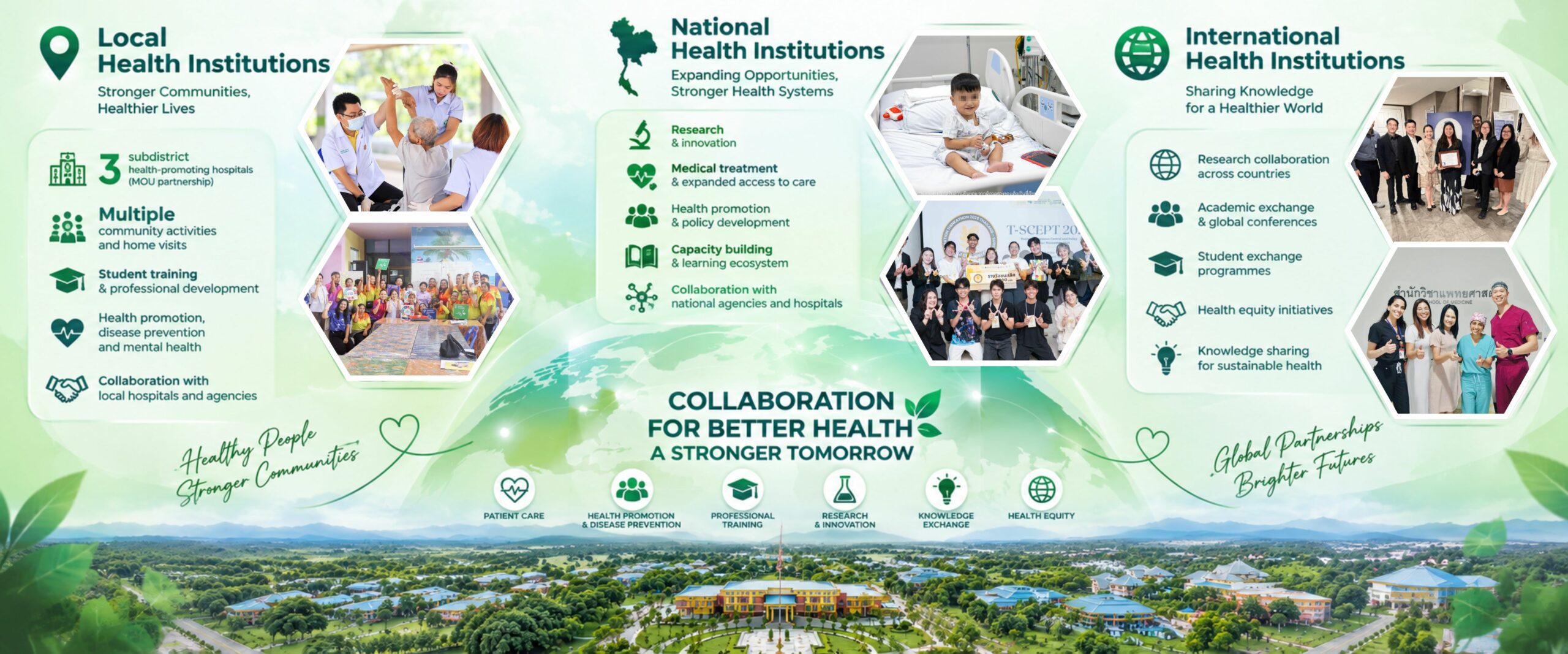
Walailak University (WU) has continuously collaborated with health institutions at local, national, and international levels to promote community health and well-being, strengthen the capacity of health professionals and students, and support health-related research and innovation. These collaborations encompass health services, health promotion and disease prevention, professional training, research, learning development, and knowledge exchange among institutions.
Local Health Institutions
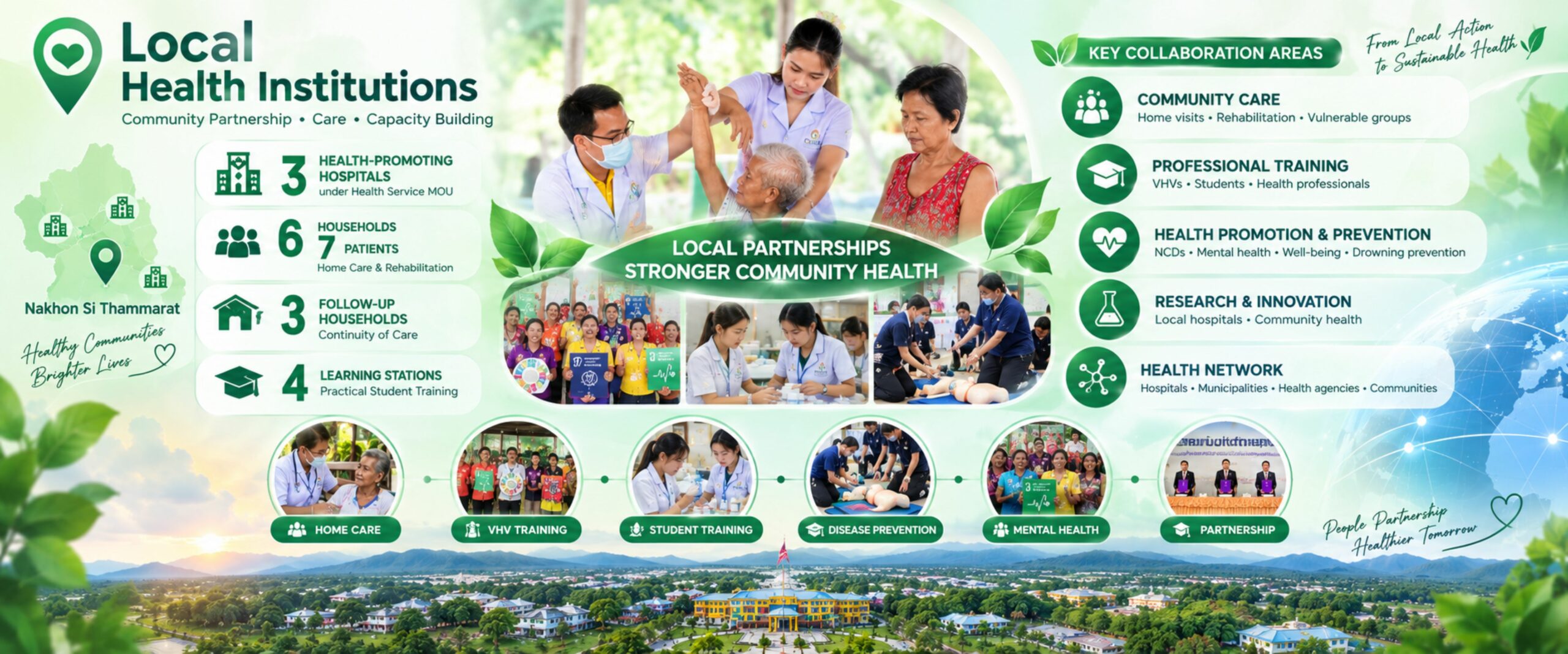
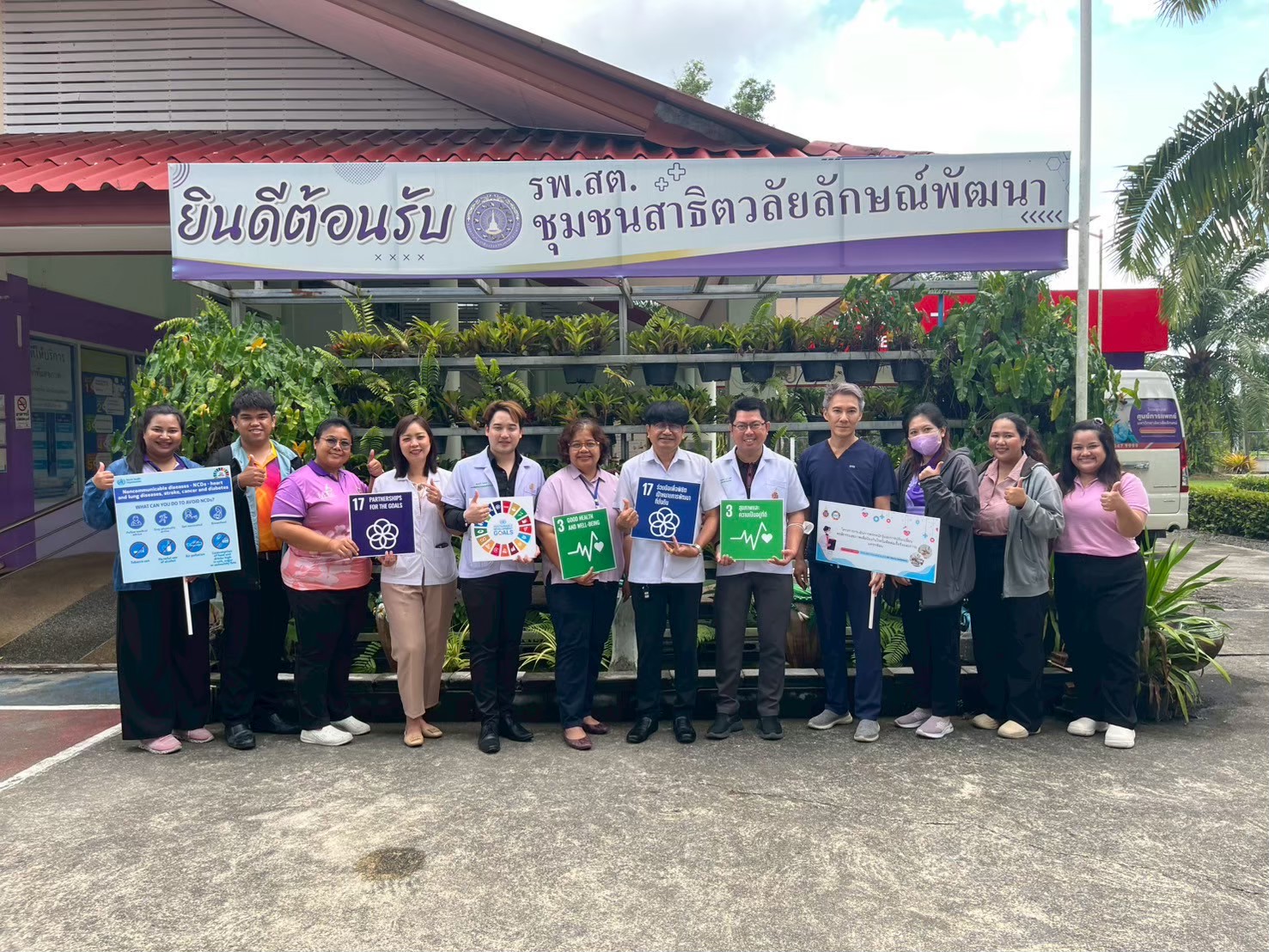
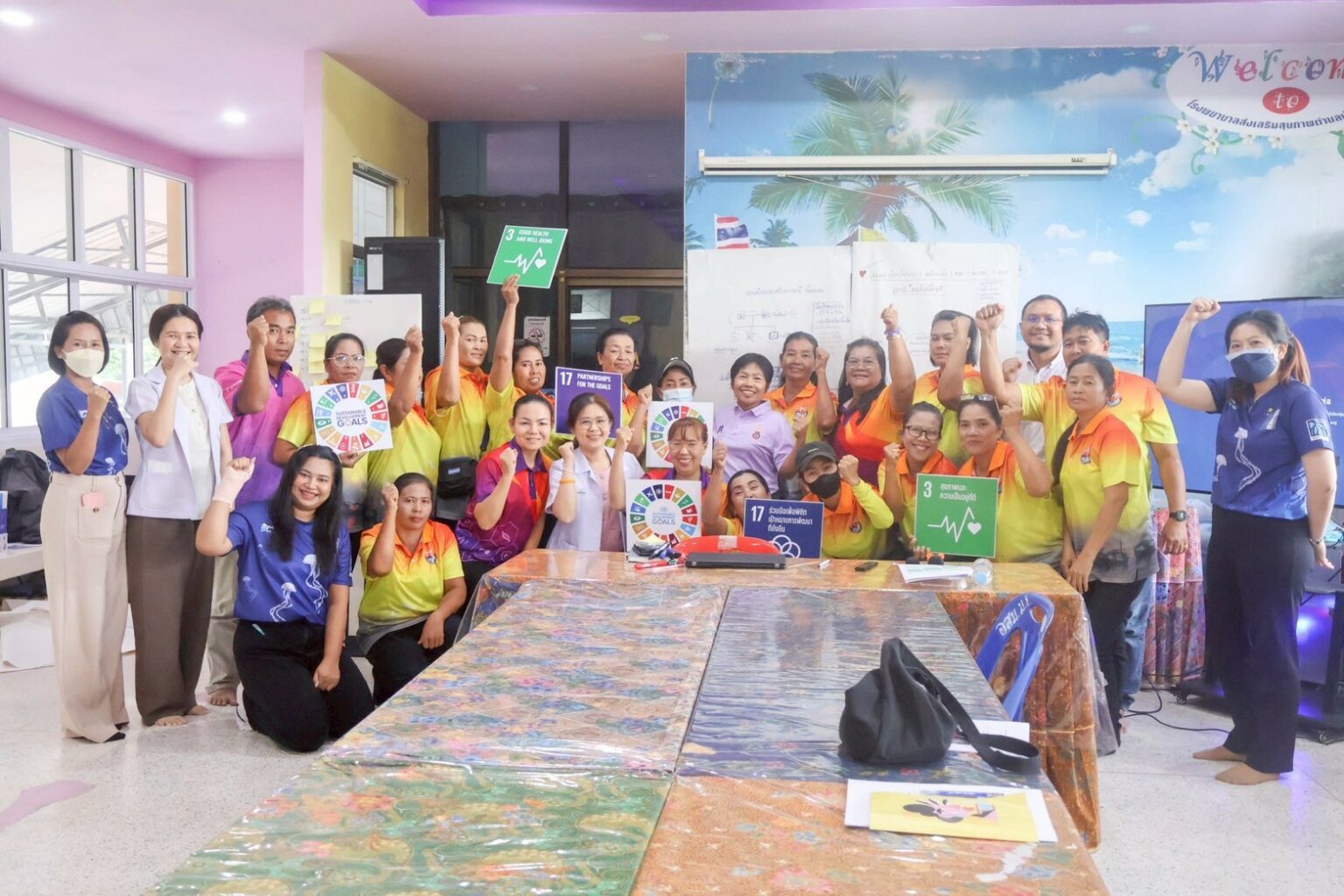
Walailak University collaborates with health institutions in Nakhon Si Thammarat Province and neighboring areas through various forms of engagement. A key collaboration has been established through a Memorandum of Understanding (MOU) on health services between the Nakhon Si Thammarat Provincial Administrative Organization and Subdistrict Health Promoting Hospitals in Hua Taphan and Thaiburi Subdistricts, Tha Sala District, Nakhon Si Thammarat Province. The collaboration involves three health-promoting hospitals: Satit Walailak Pattana Community Subdistrict Health-Promoting Hospital, Ban Han Subdistrict Health-Promoting Hospital, and Ban Thung Chon Subdistrict Health-Promoting Hospital.
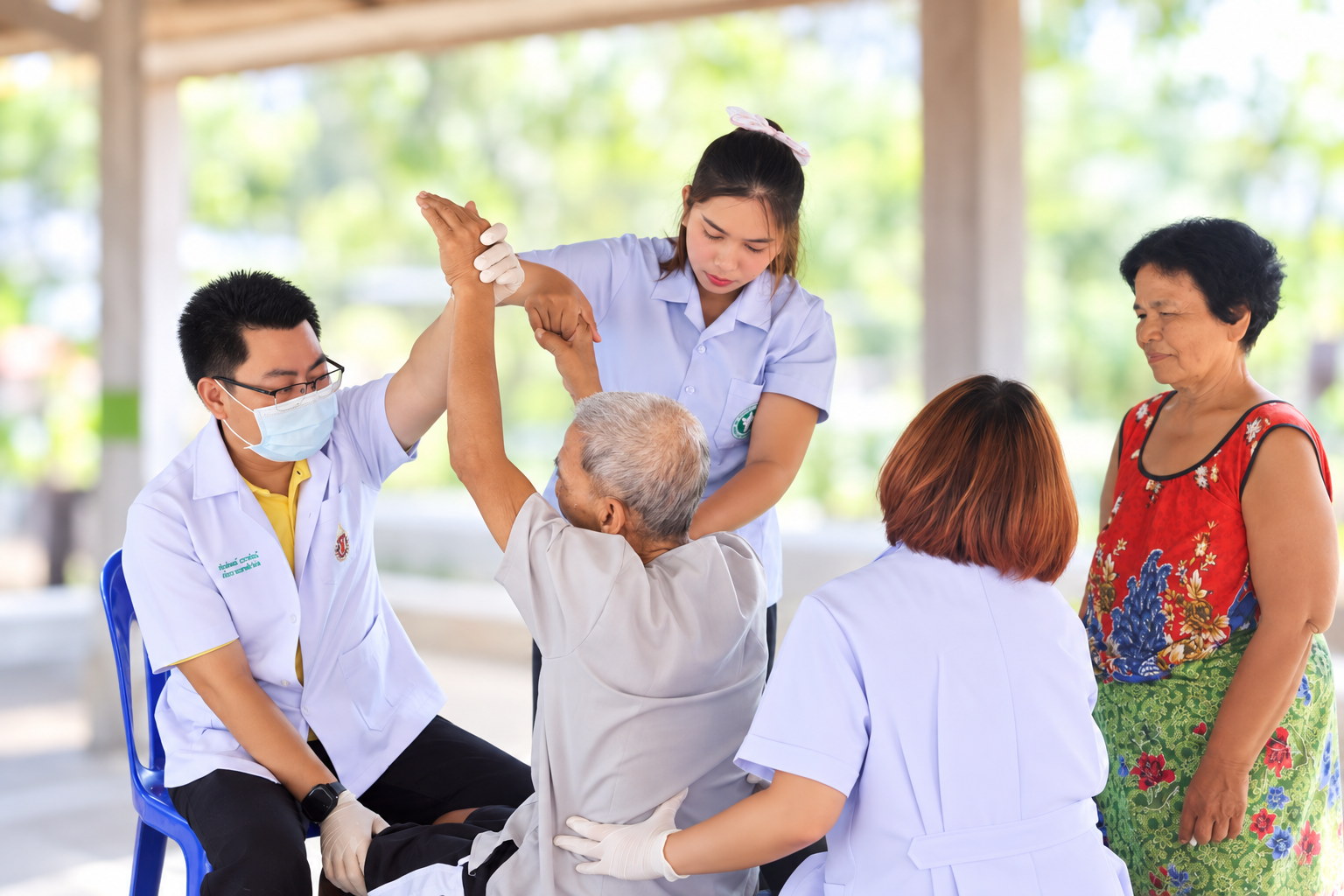
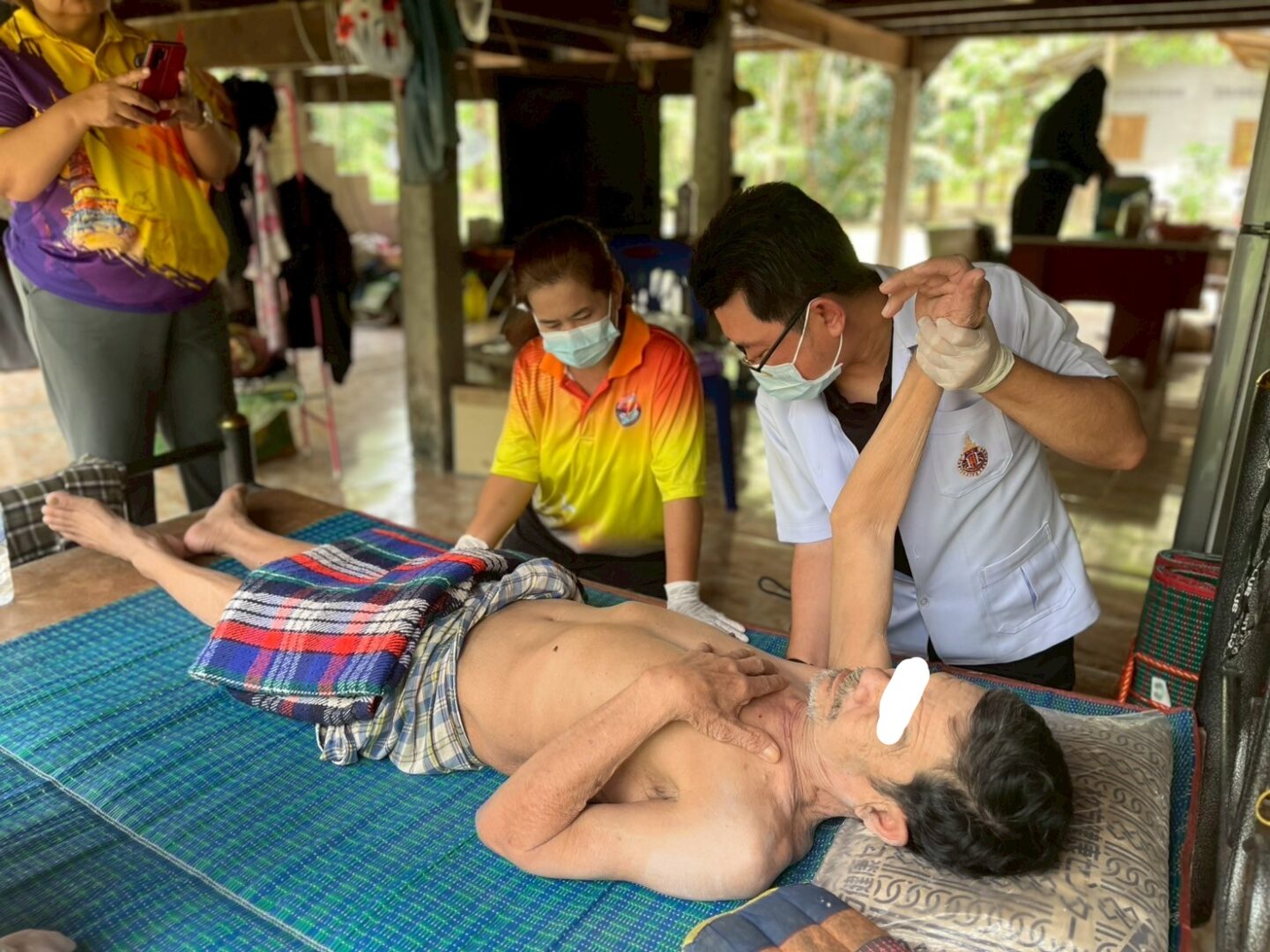
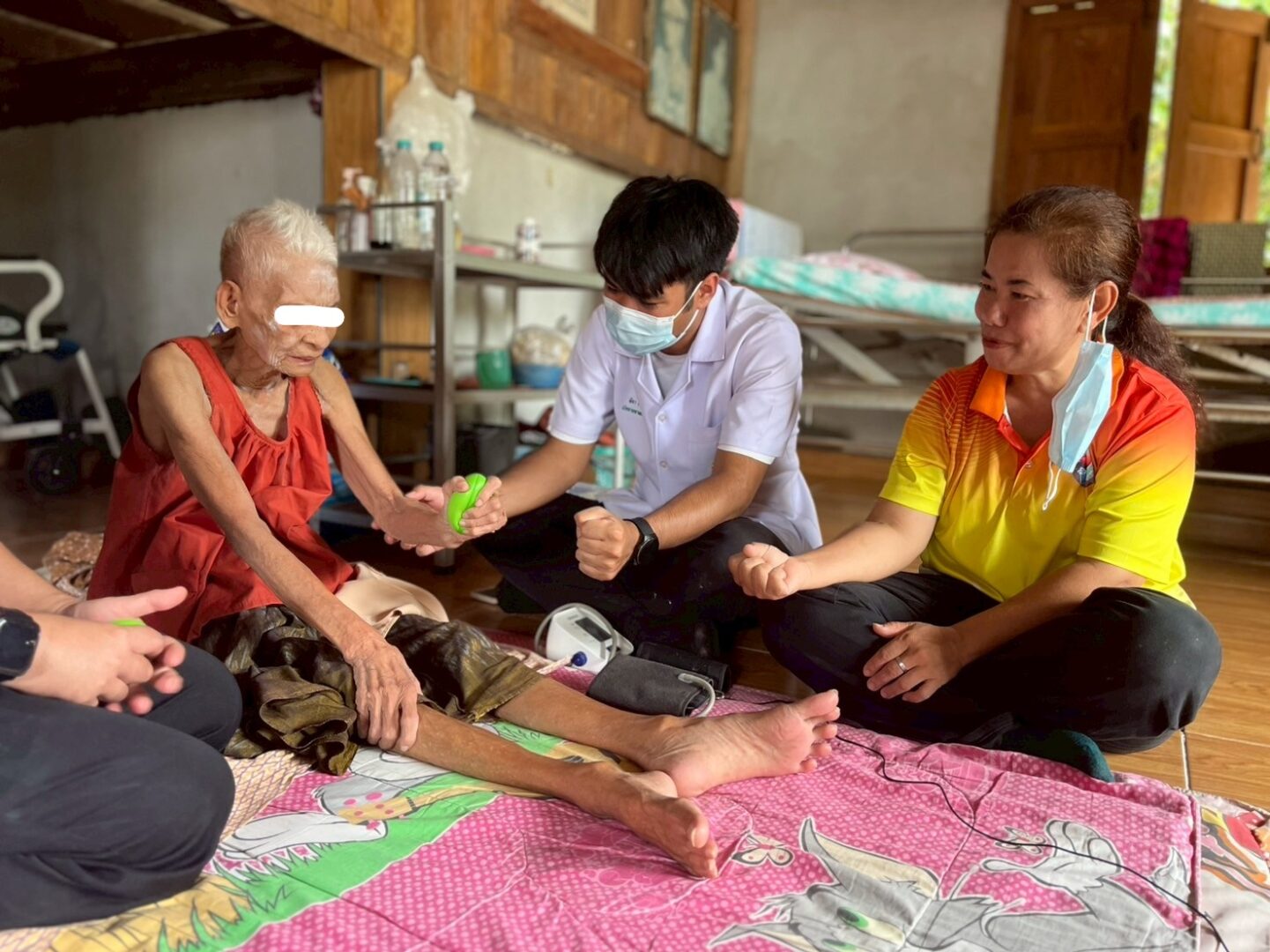
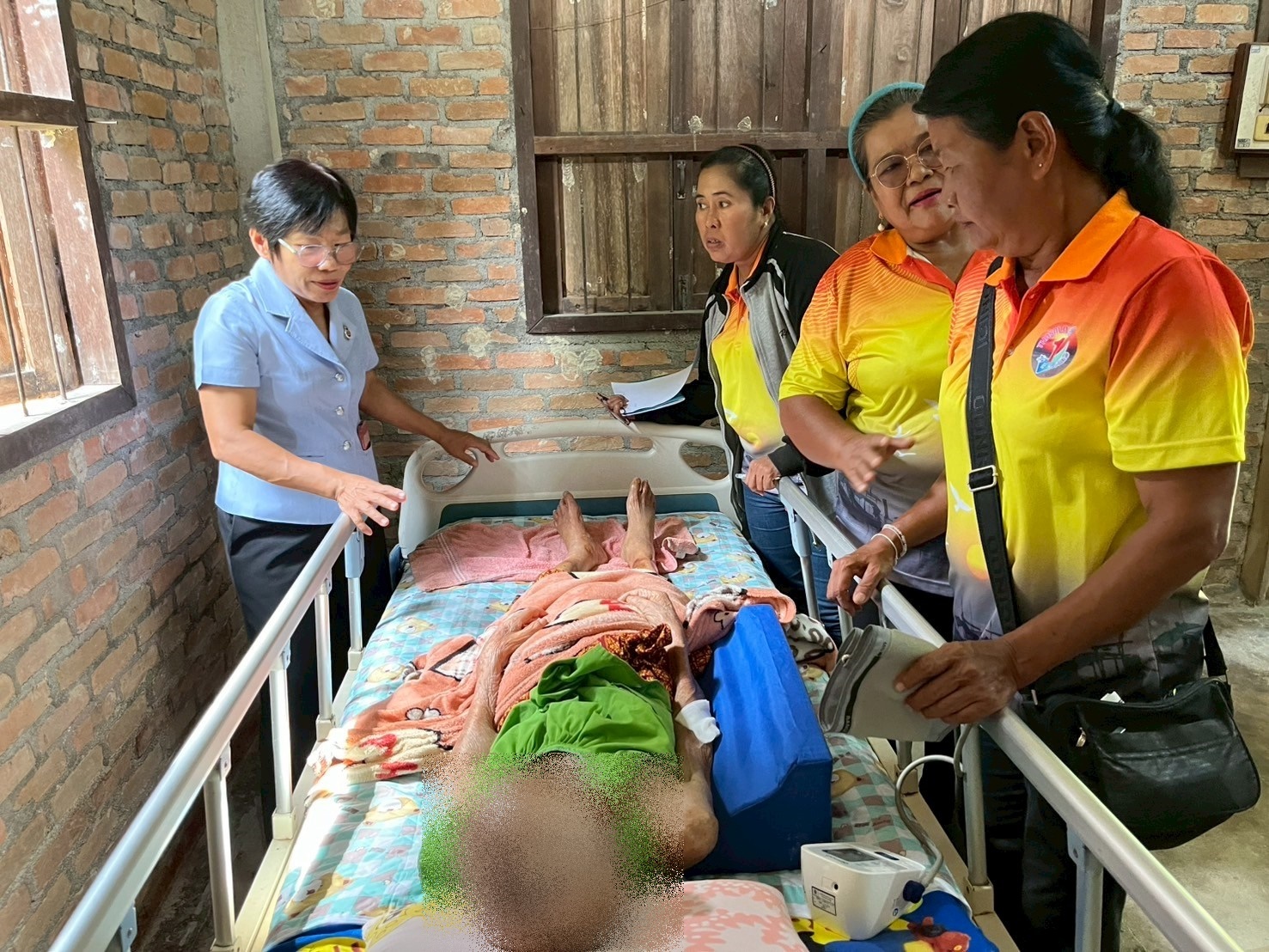
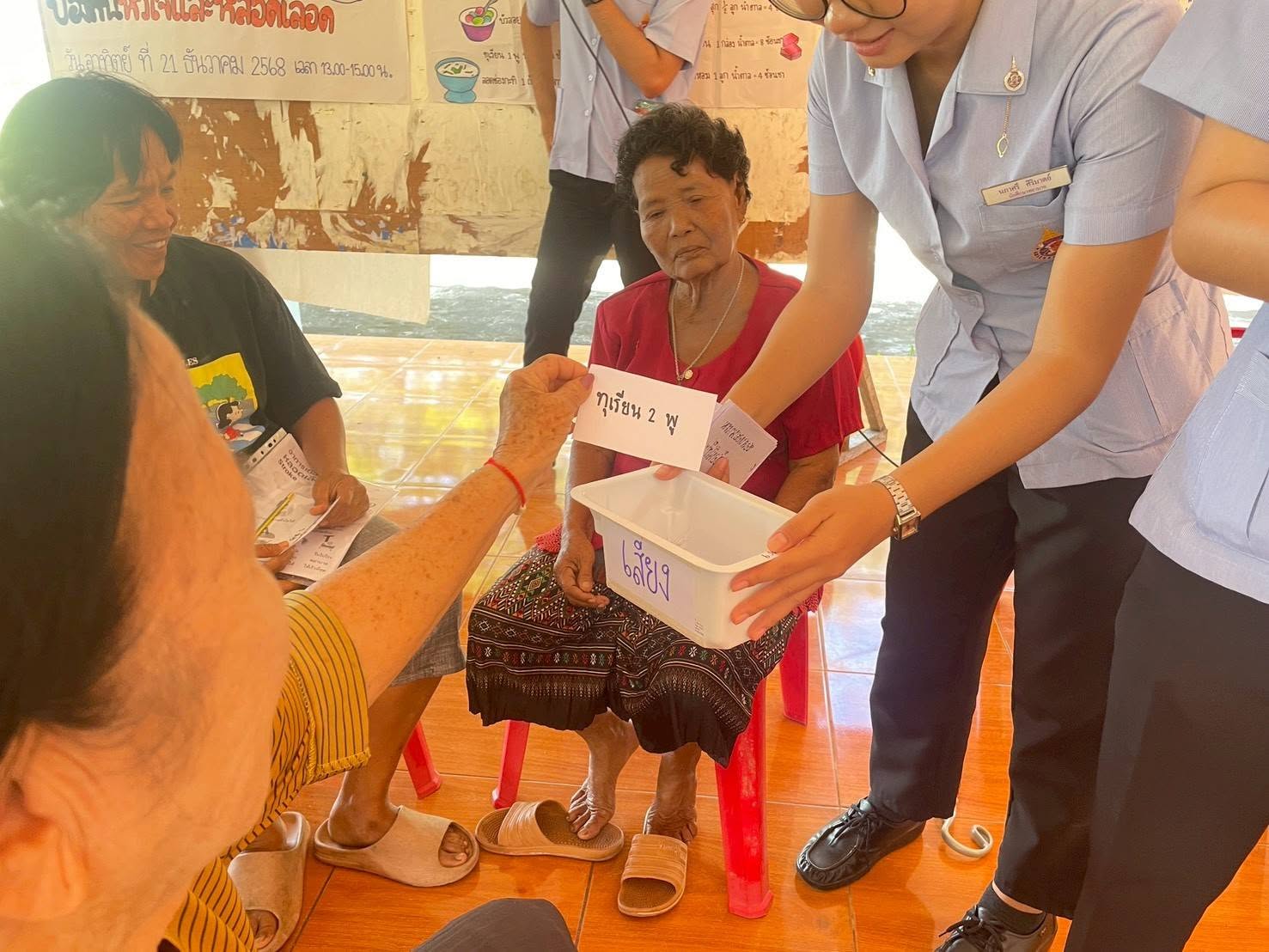
The collaboration with Satit Walailak Pattana Community Subdistrict Health-Promoting Hospital includes social engagement and academic outreach activities under the “Walailak Health Model” programme. WU provided training through the “Interprofessional Health Care for Bedridden Patient Care and Rehabilitation” course for village health volunteers (VHVs) and conducted home visits to bedridden patients in six households, involving seven patients, to assess their health, provide advice, and promote appropriate care. The university also conducted follow-up visits to three households with bedridden patients to assess quality of life and ongoing health rehabilitation, gather feedback from patients’ families, improve care approaches, and provide appropriate physical exercise guidance for patients and caregivers.
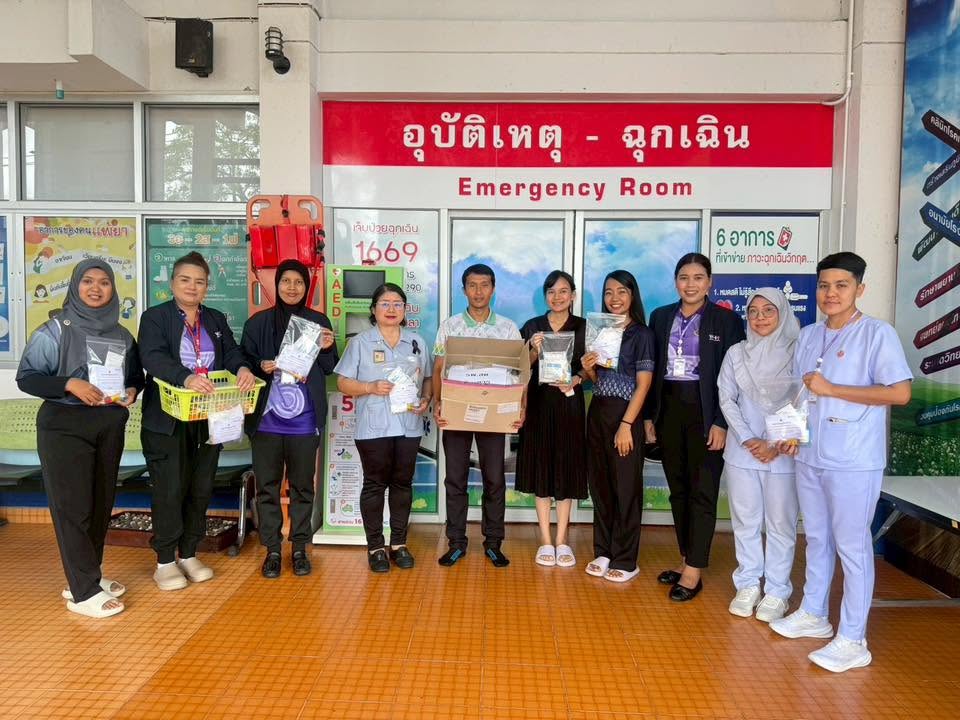
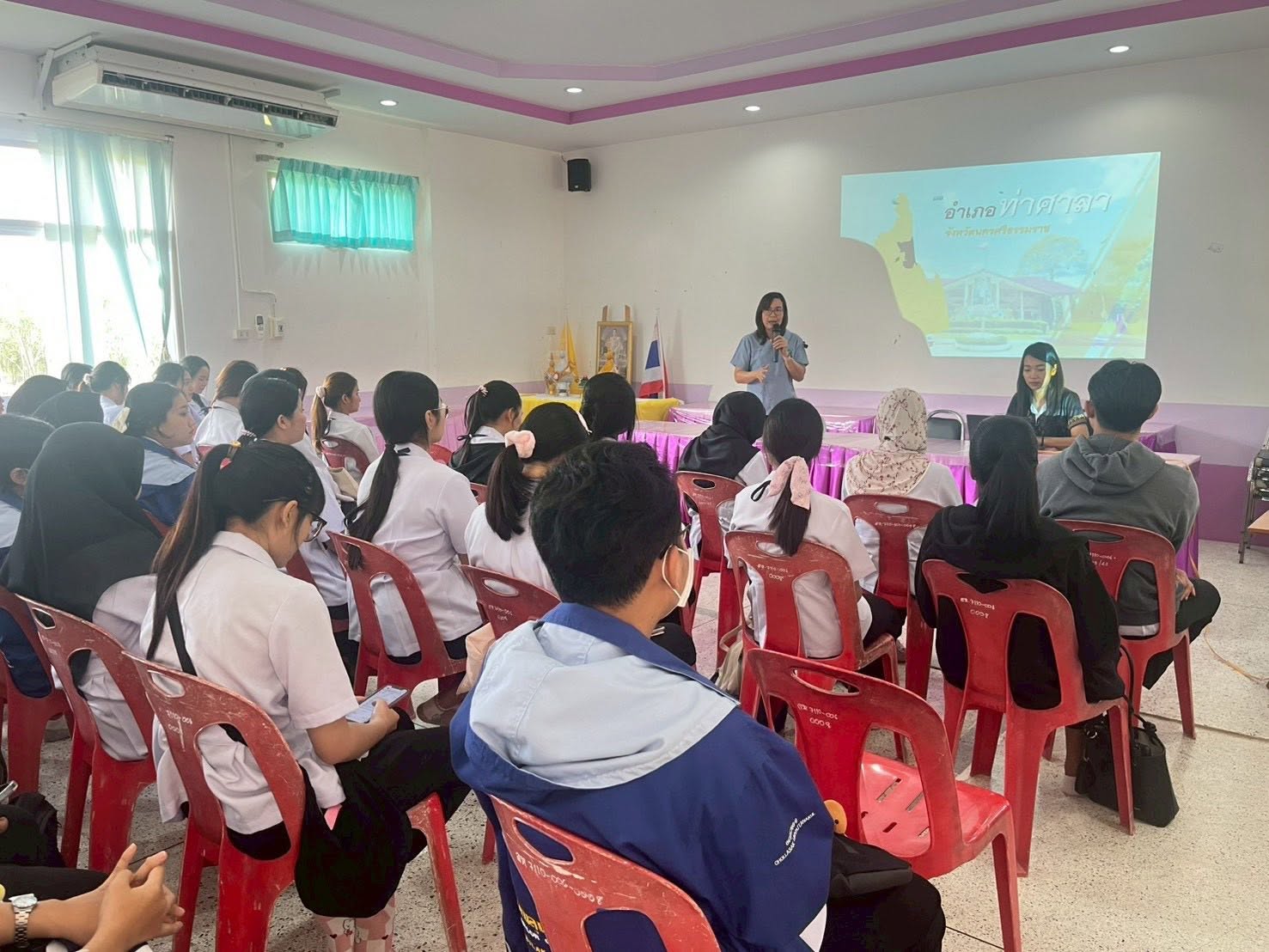
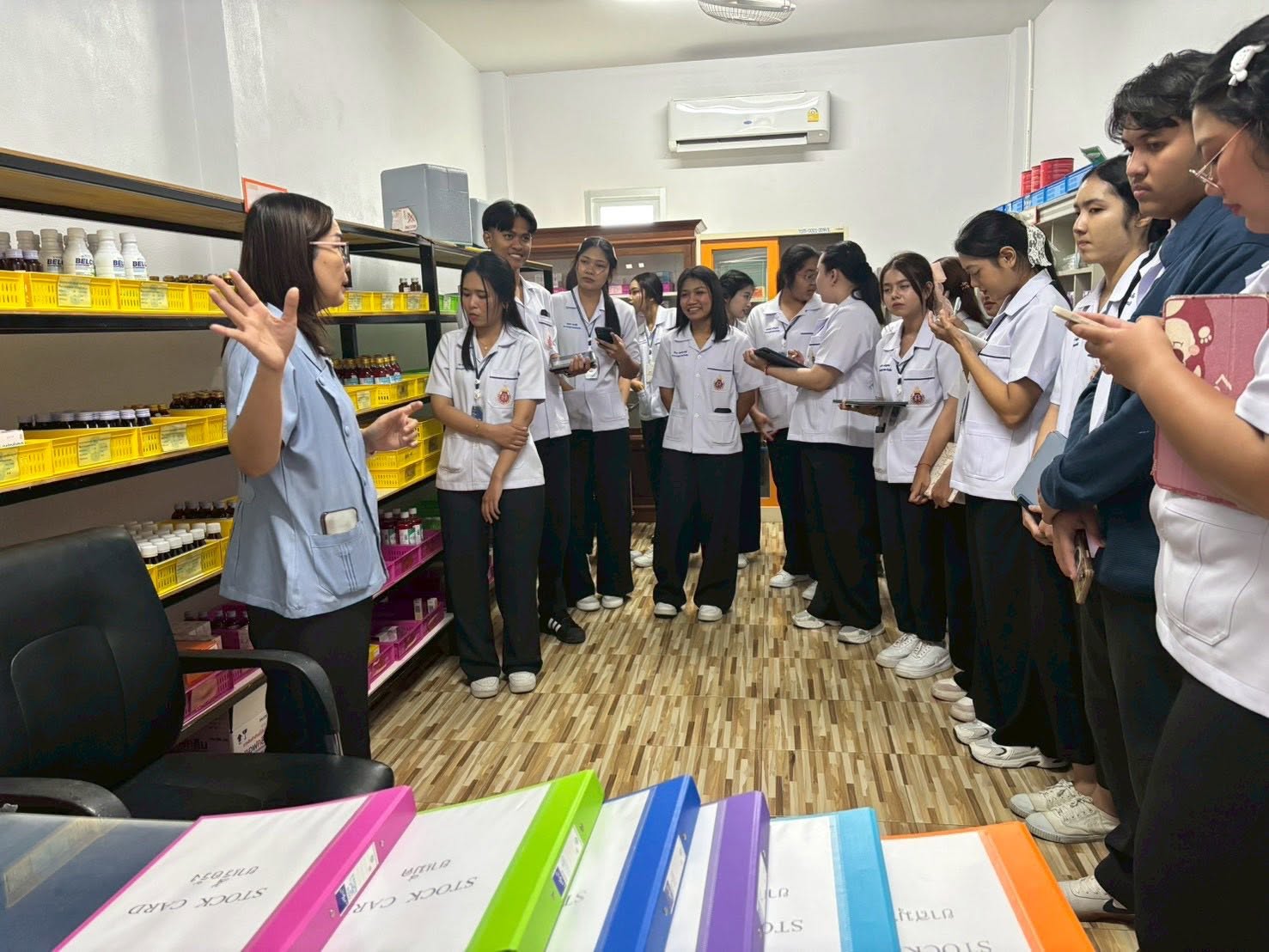
For Ban Han Subdistrict Health-Promoting Hospital, Walailak University serves as a practical training site for students. Activities include proactive practical training through four simulated learning stations in the Public Health Pharmacy course: medicine storage, medication card management, medication preparation, and medication counselling. These activities strengthen professional skills and prepare students for practical work in community settings, contributing to the promotion of community health and well-being. In addition, WU supported medicines and medical supplies from Walailak University Hospital for distribution by VHVs to people in the local community. The university also provided facilities for Ban Han Subdistrict Health-Promoting Hospital to organize a practical training programme on drowning prevention, covering risk assessment of water areas, basic cardiopulmonary resuscitation (CPR), and survival floating skills for local youth.
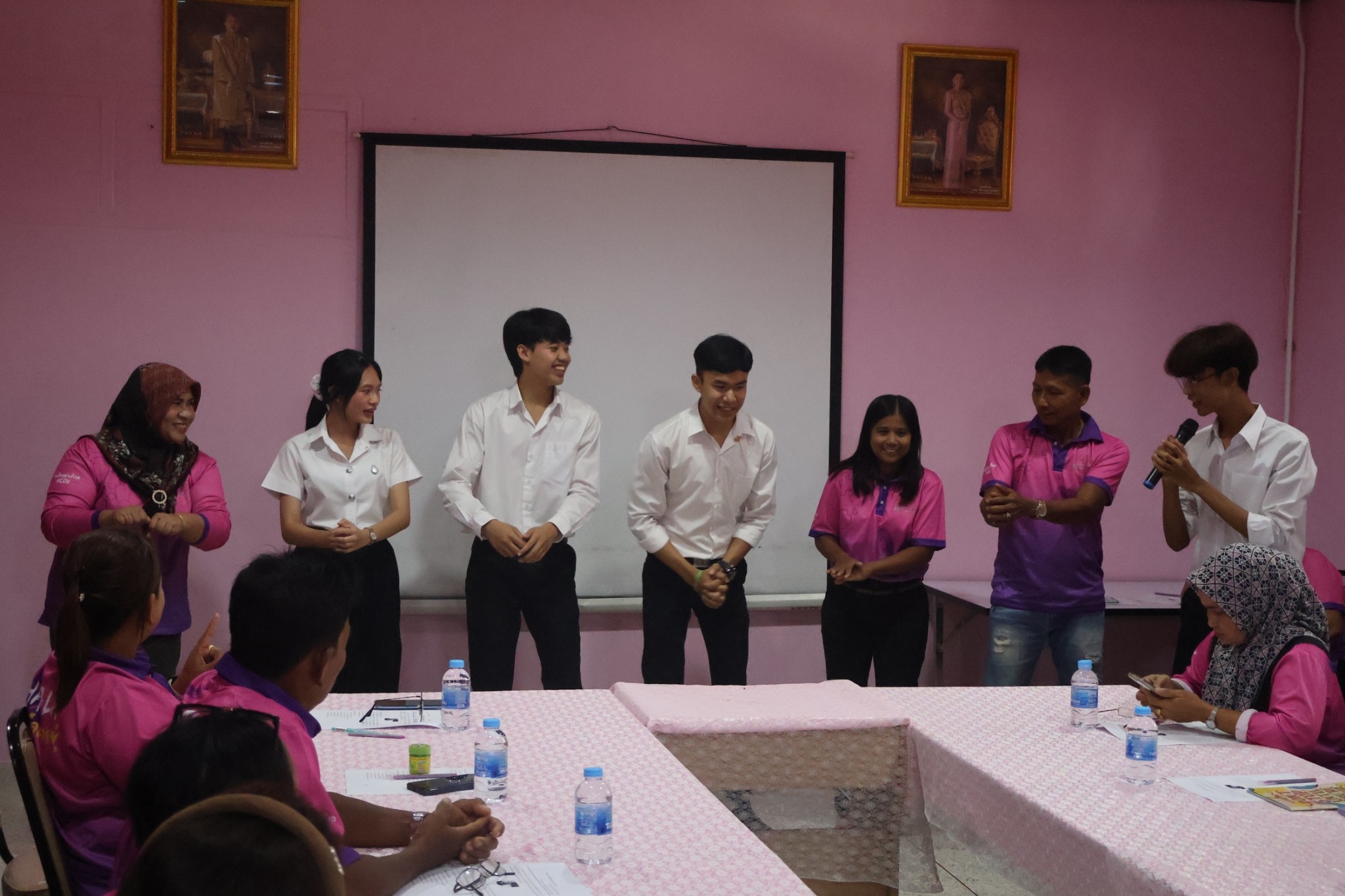
Ban Thung Chon Subdistrict Health-Promoting Hospital is another partner under the “Walailak Health Model.” WU provided the “Interprofessional Health Care for Bedridden Patient Care and Rehabilitation” training course for VHVs, organized a study visit on the use of herbal medicine to promote community health care, and conducted home visits and health assessments for bedridden patients, people experiencing psychological problems, and migrant workers. The university also provided training for VHV leaders to strengthen their knowledge and skills in mental health assessment, family health assessment, patient care, and health promotion among local residents.
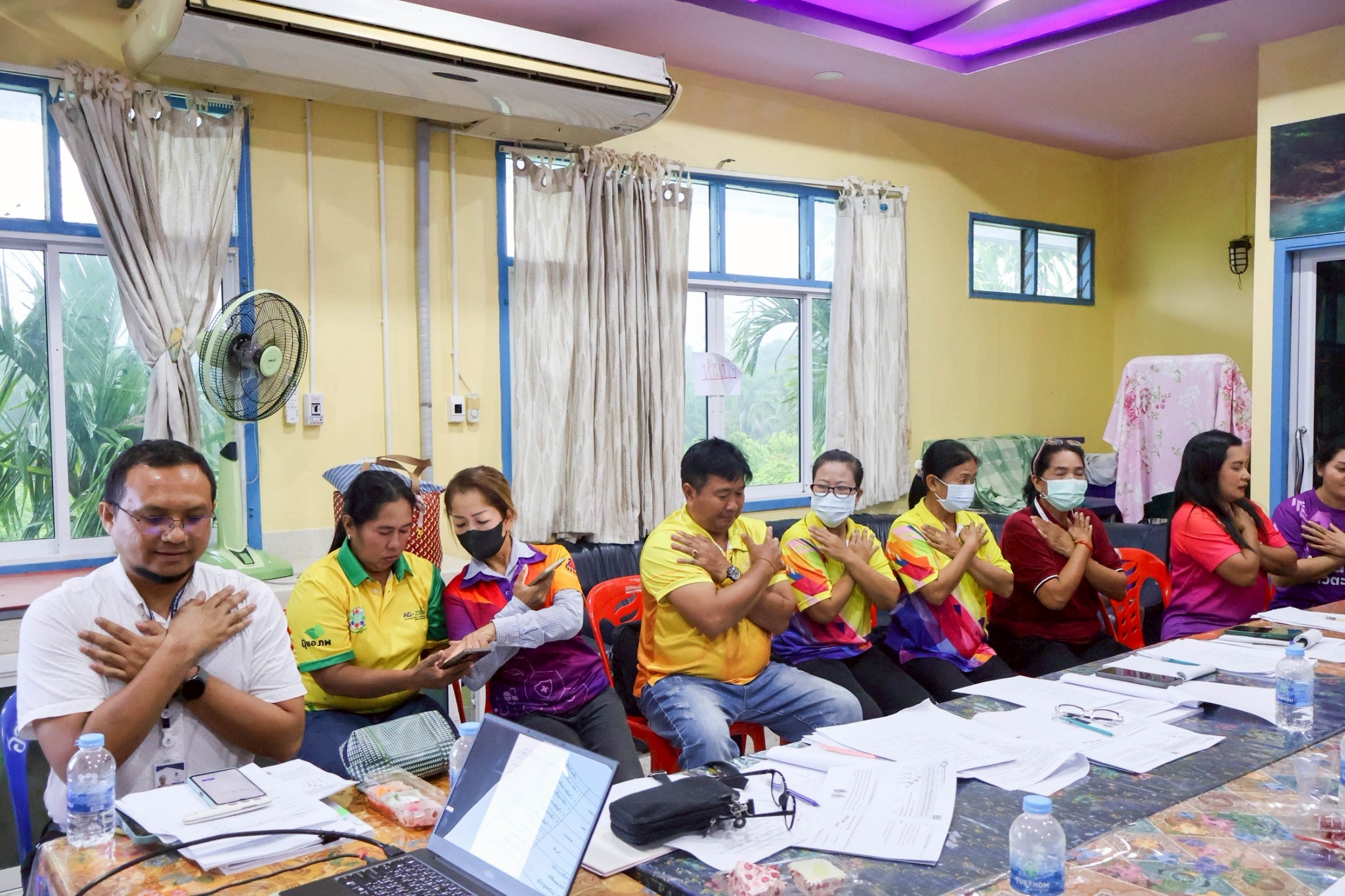
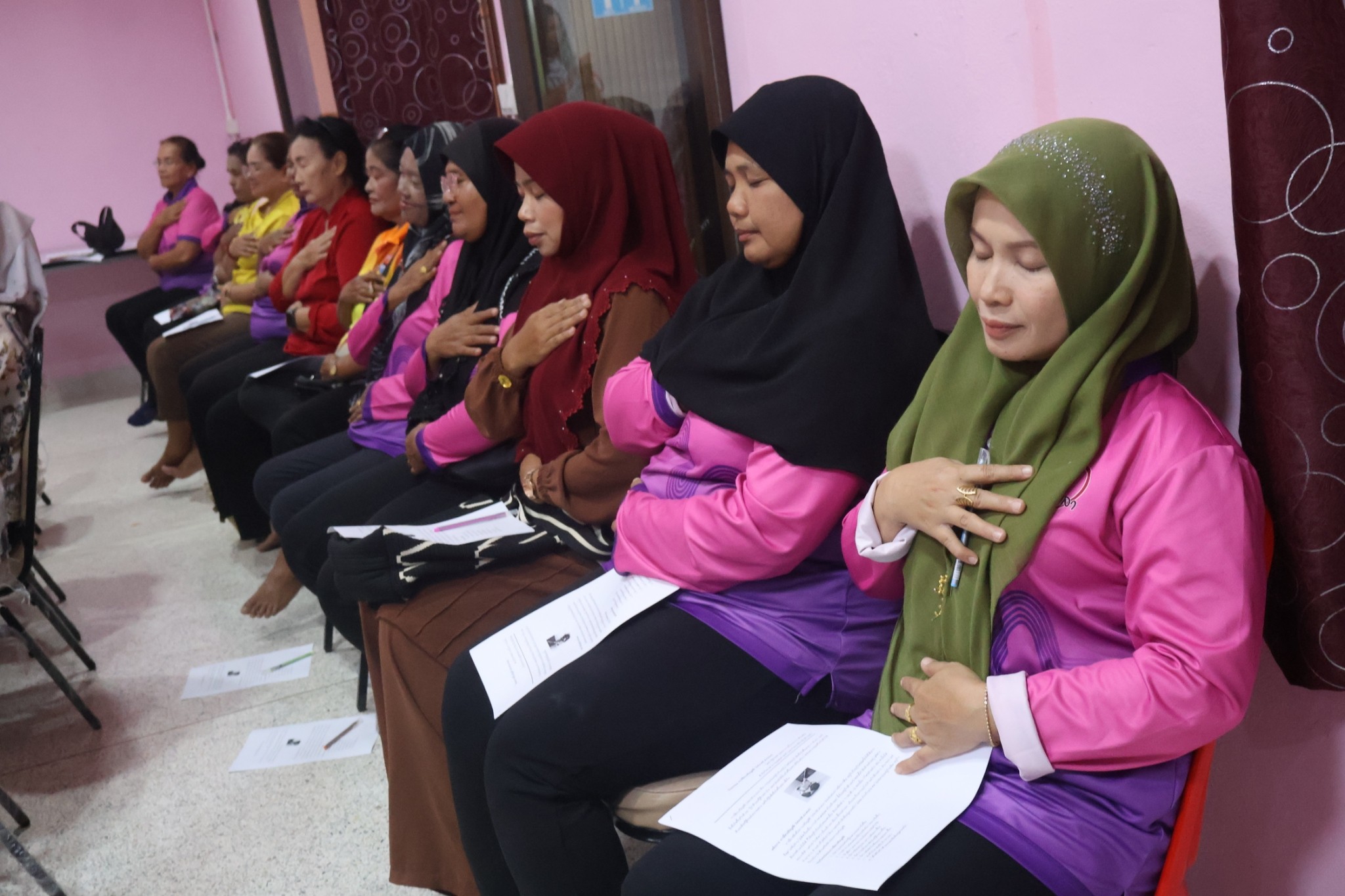
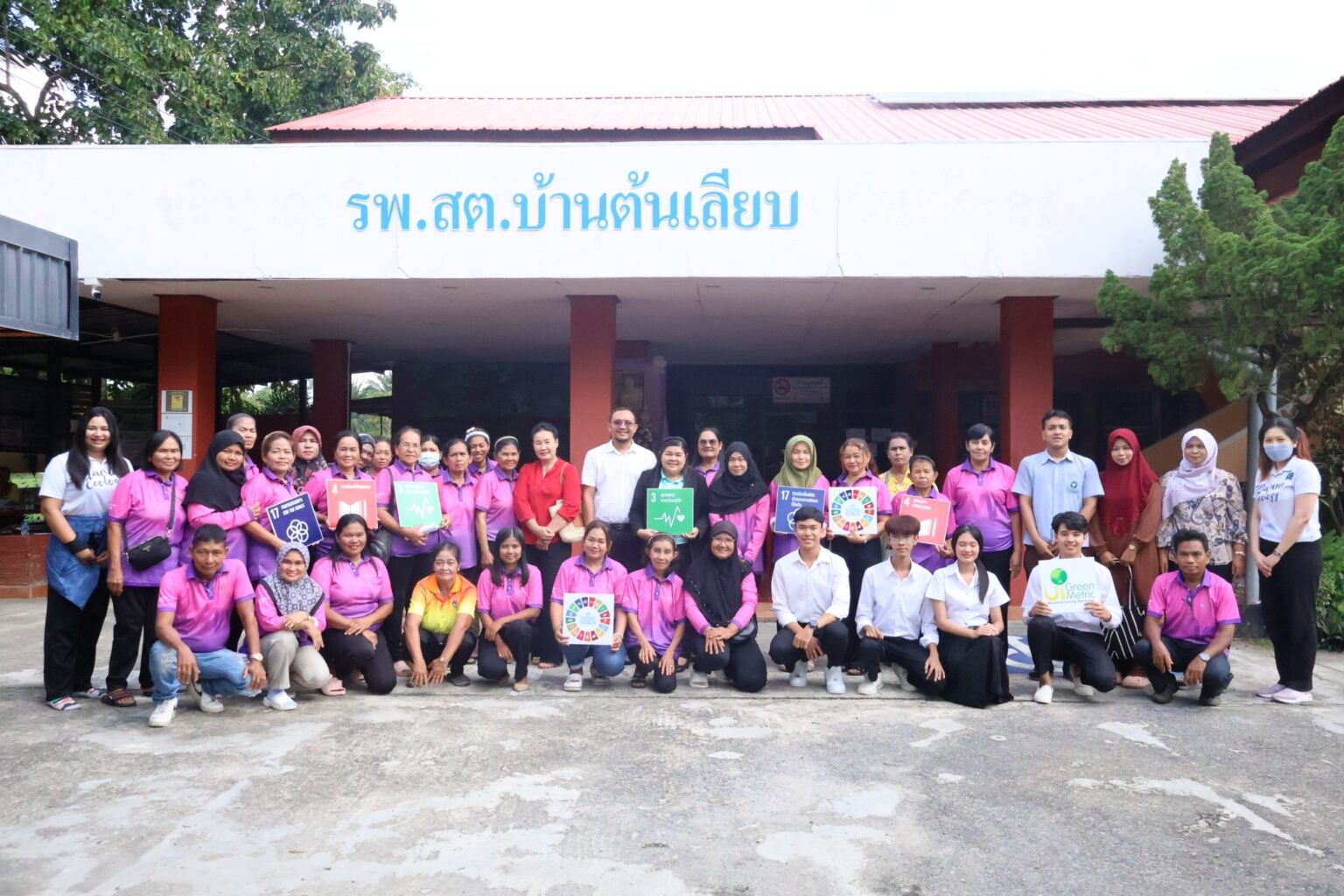
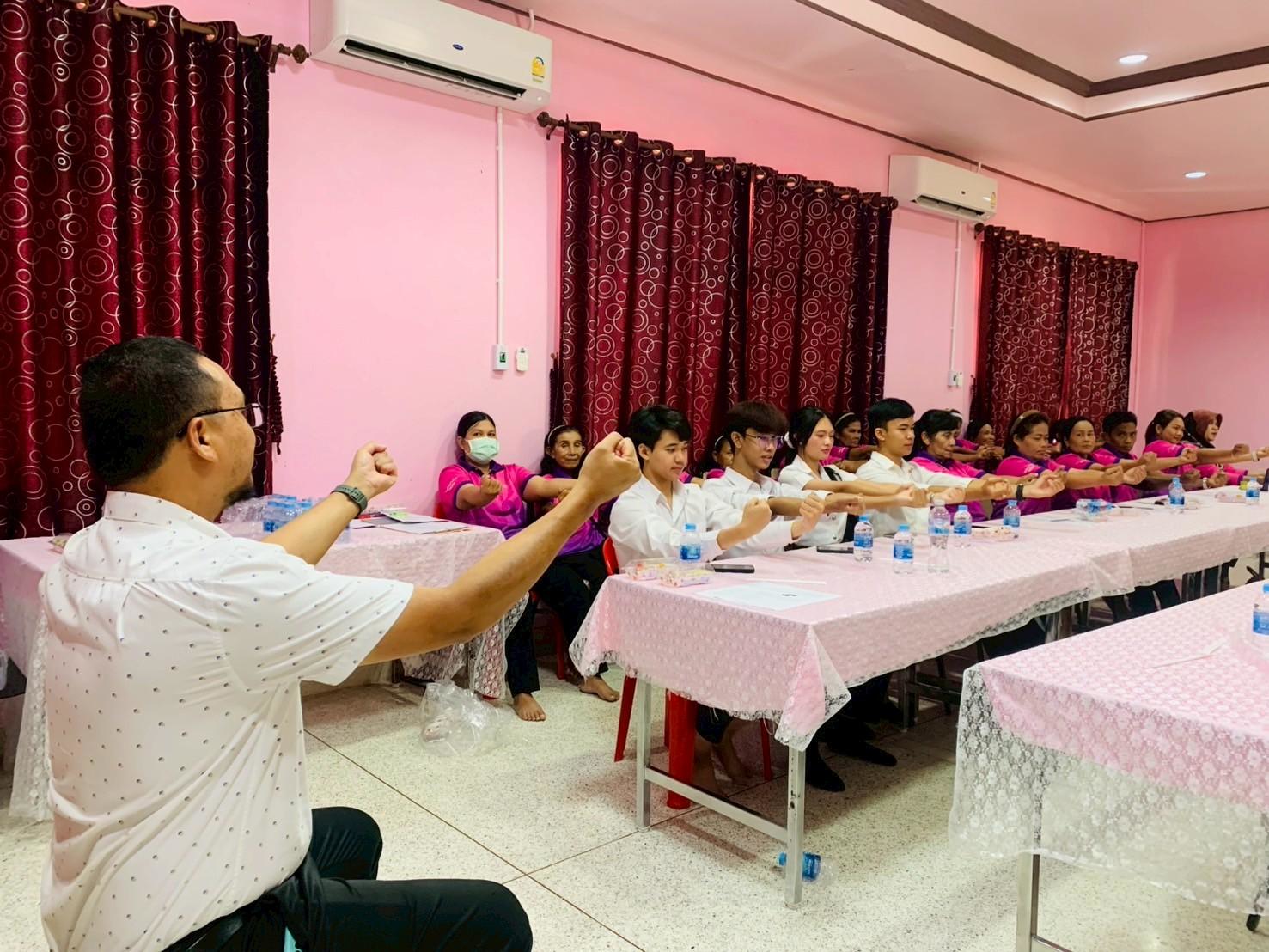
Beyond collaborations established through the health service MOU, WU also works with other local health institutions. For example, Ban Ton Liap Subdistrict Health-Promoting Hospital serves as a site for training VHVs in meditation and stress-management skills. The activities aim to strengthen their capacity to care for patients and community members, particularly older adults, homebound and bedridden patients, and vulnerable groups.
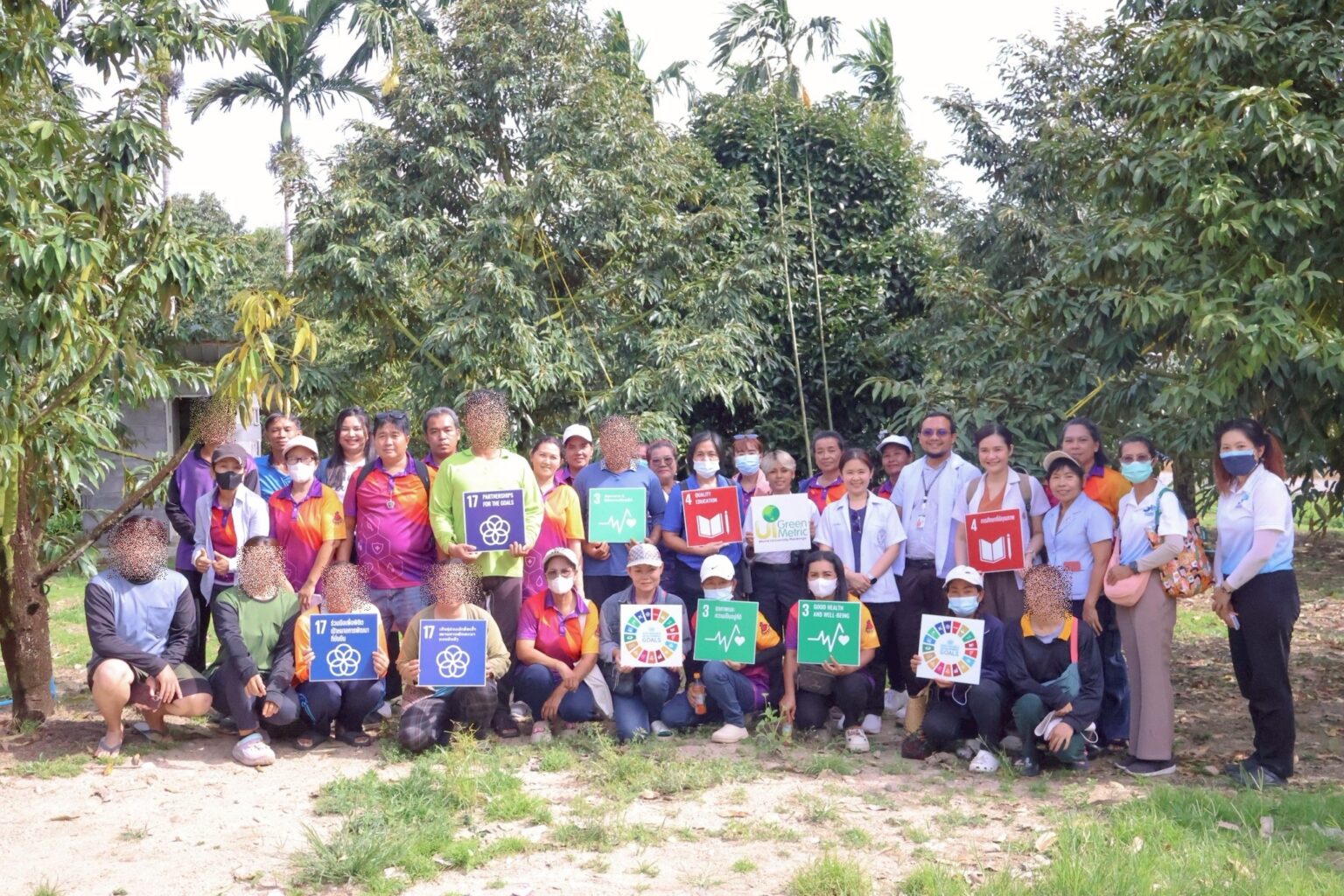
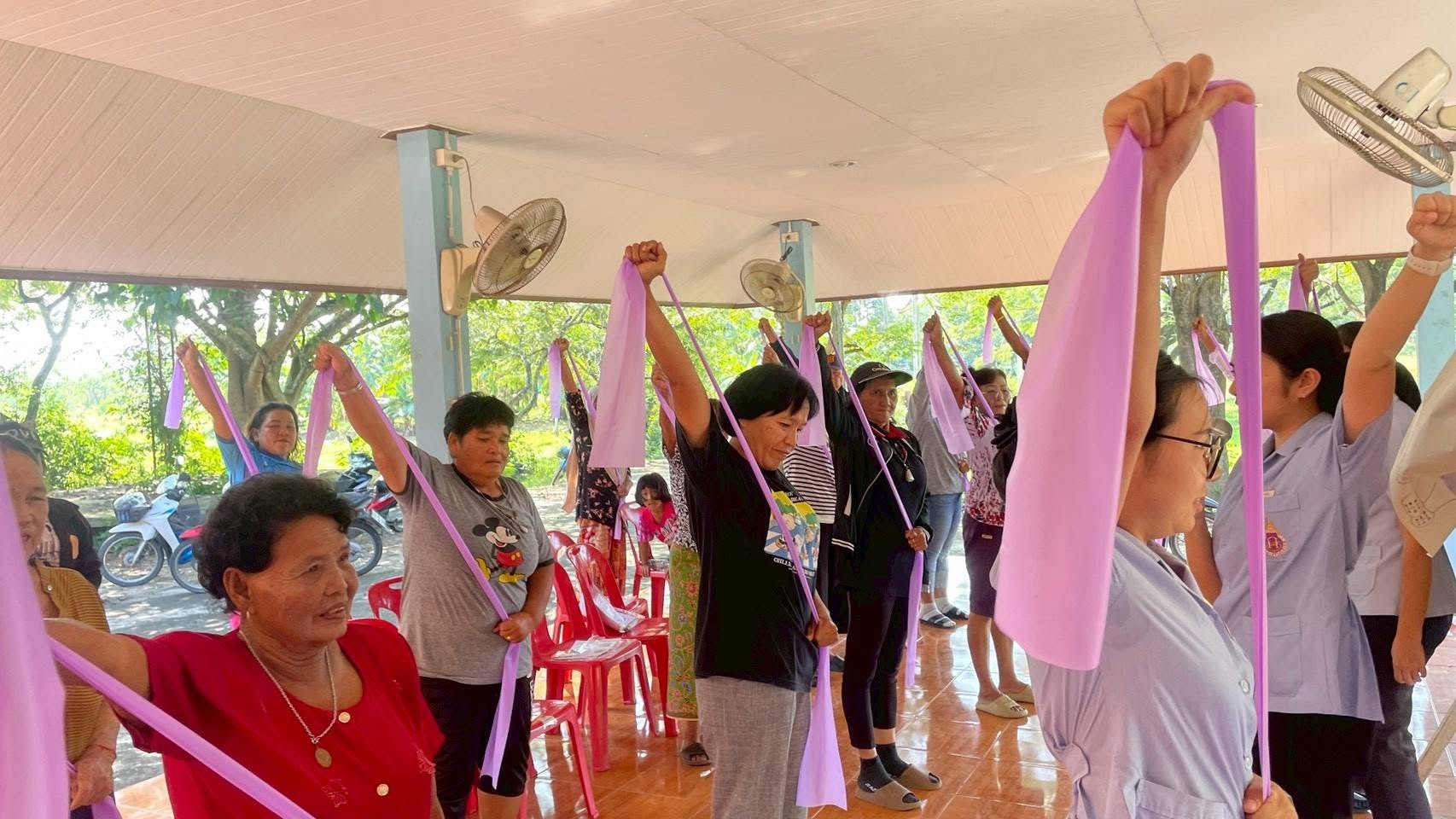
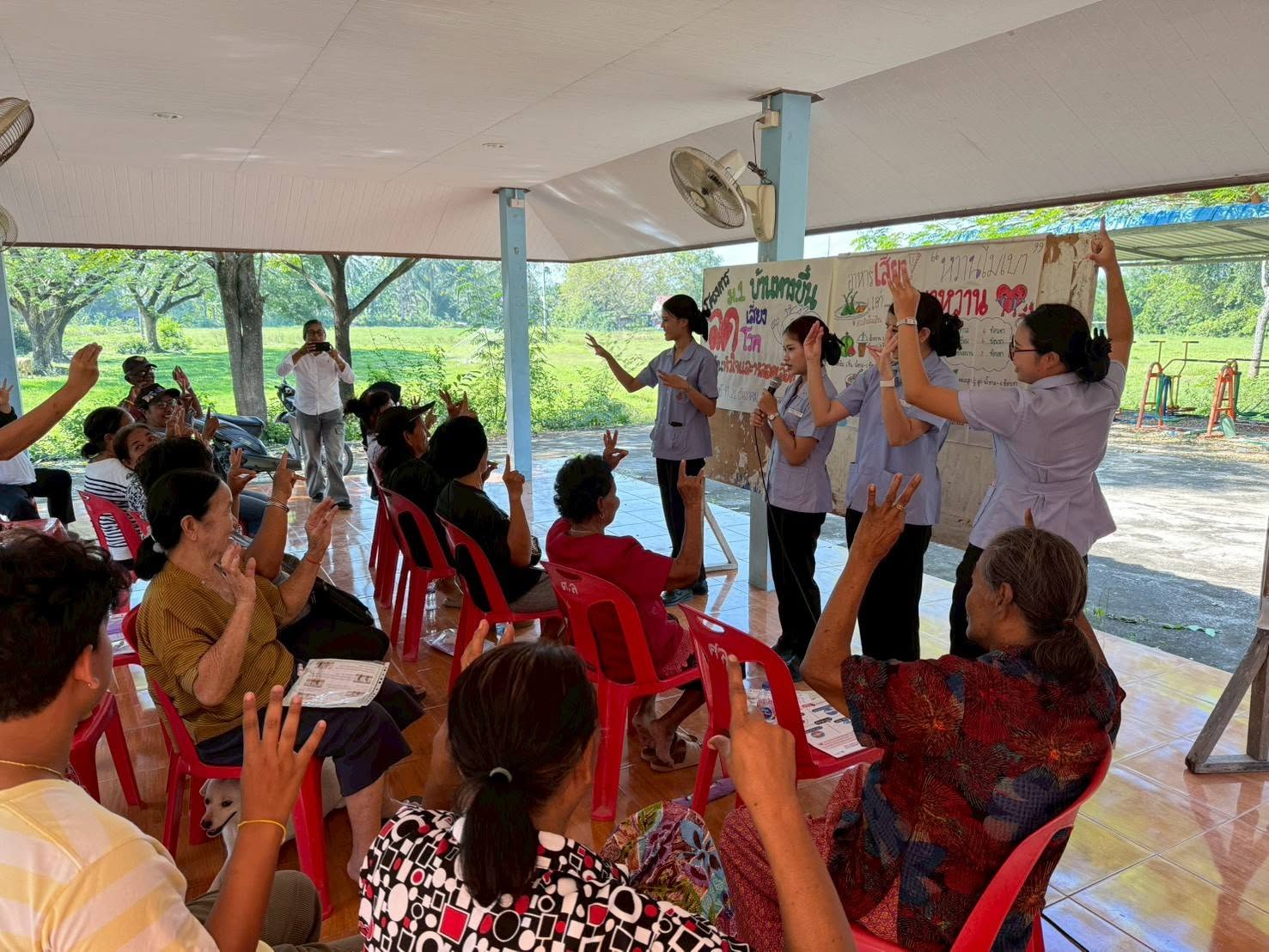
In the area of health promotion and disease prevention, WU collaborates with Ban Saka Subdistrict Health-Promoting Hospital, community leaders, and VHVs through the “Reduce Risk, Reduce Disease: Cardiovascular Disease Prevention” project. The initiative promotes knowledge of health care and cardiovascular disease prevention and encourages appropriate health behaviour changes among community members. Student volunteers also participate, gaining experience in community engagement and applying nursing knowledge to health promotion and disease prevention.
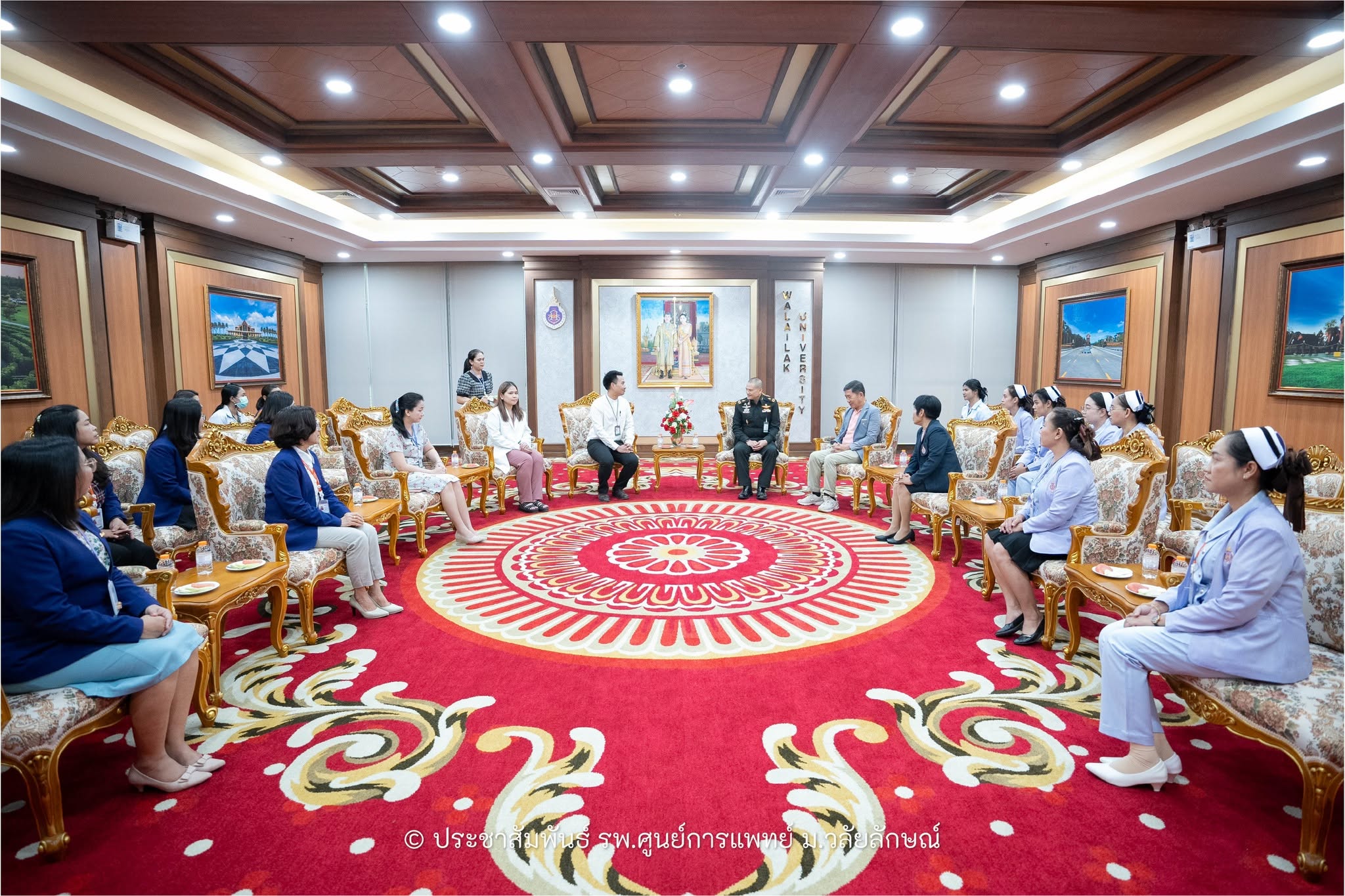
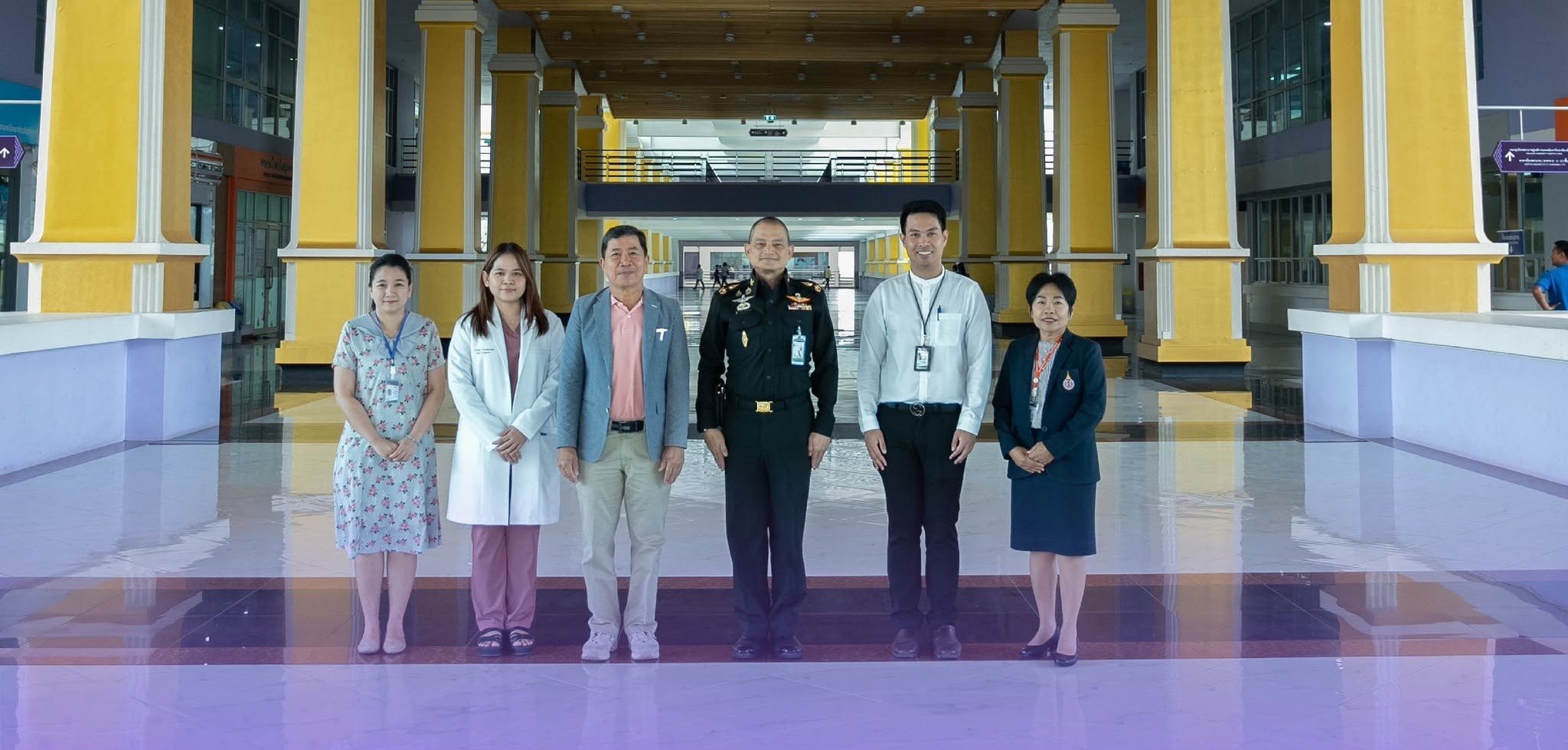
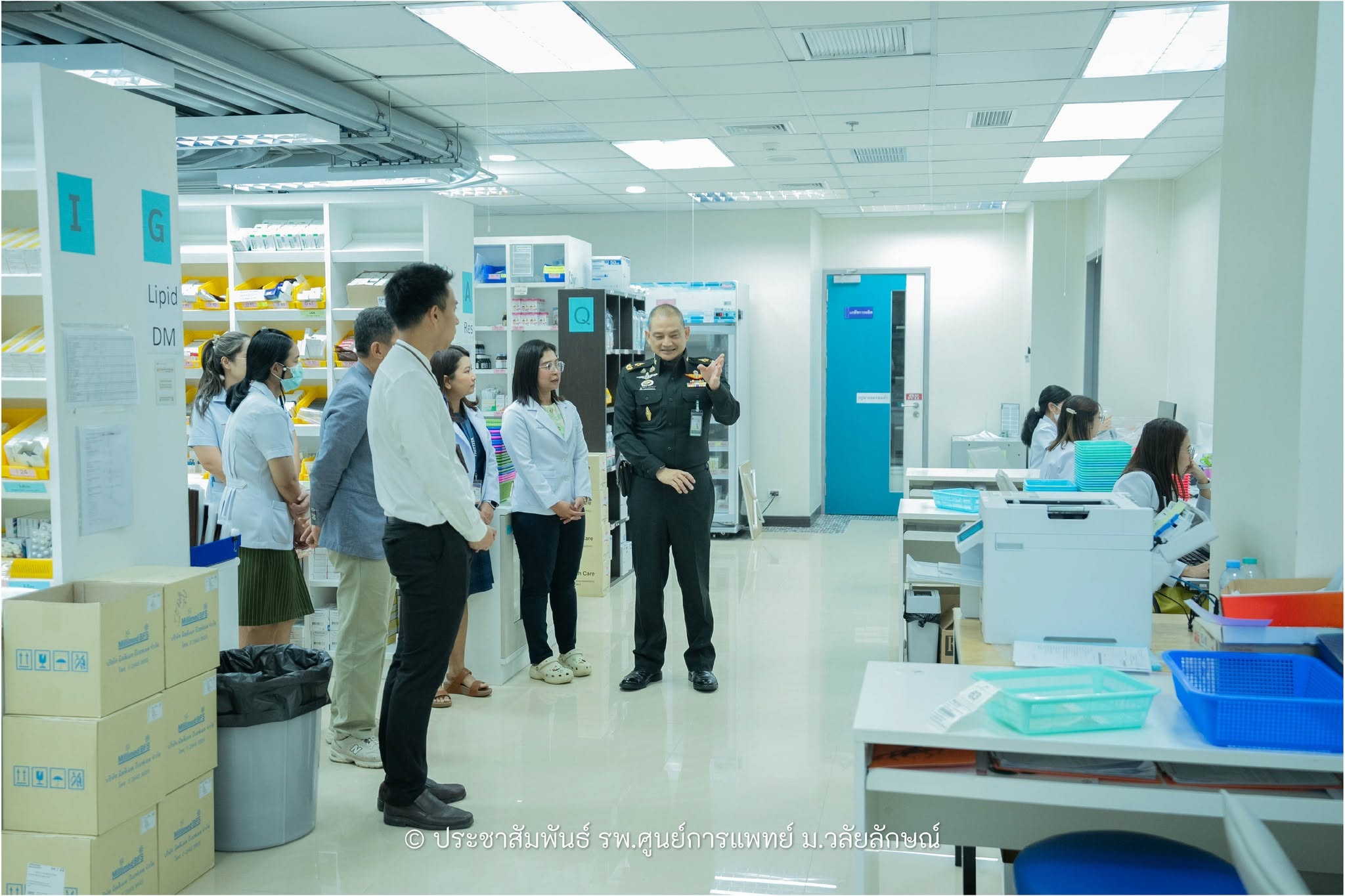
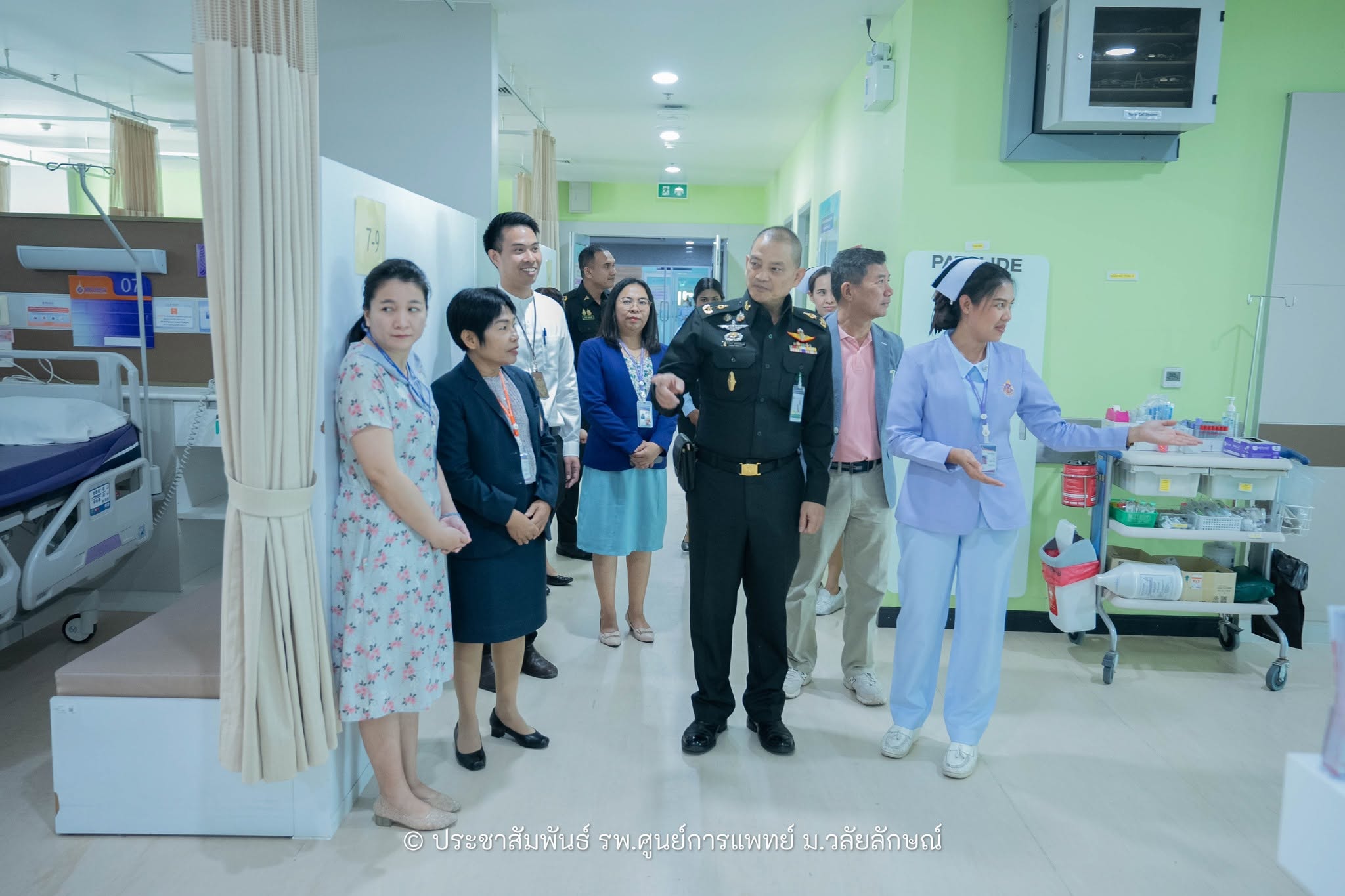
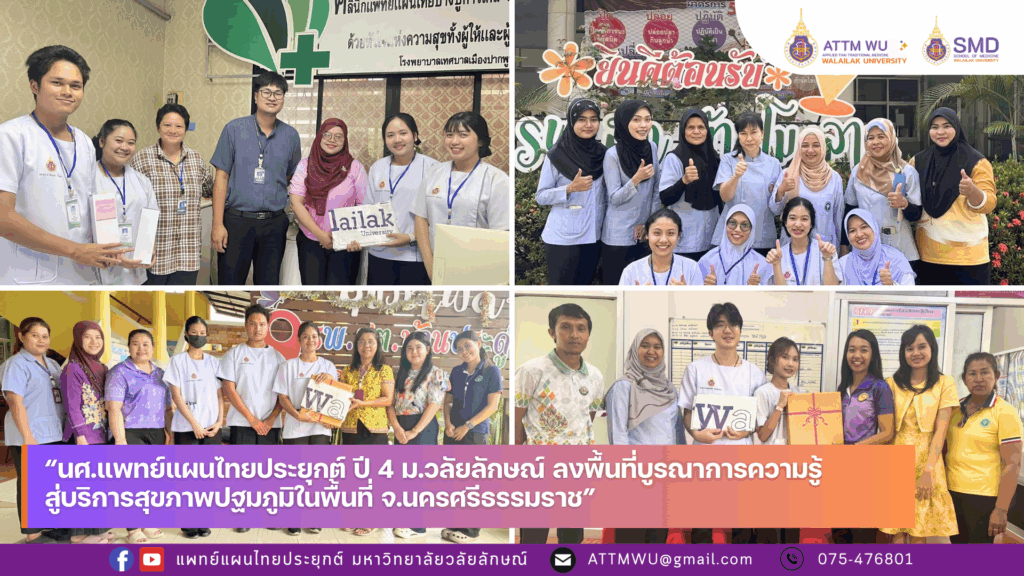
WU also collaborates with Wachirawut Camp Hospital on the development of medical cooperation through discussions between Walailak University Hospital and Wachirawut Camp Hospital. In addition, the university collaborates with Pak Phun Municipal Hospital, Ban Moklan Subdistrict Health-Promoting Hospital, Ban Pradu Hom Subdistrict Health-Promoting Hospital, and Ban Han Subdistrict Health-Promoting Hospital on professional training and personnel development through the “Integration of Applied Thai Traditional Medicine into Primary Health Care Services” project.
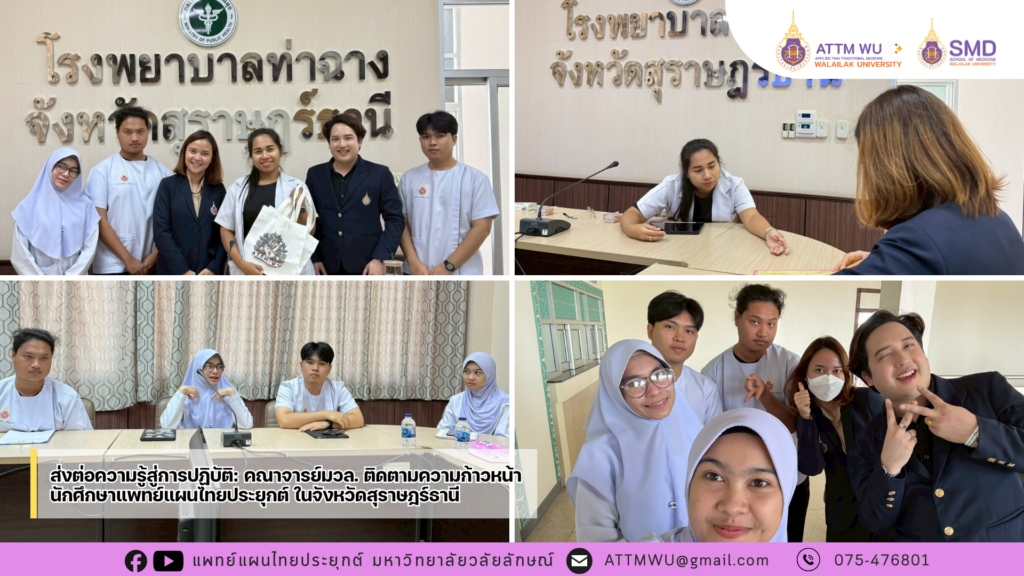
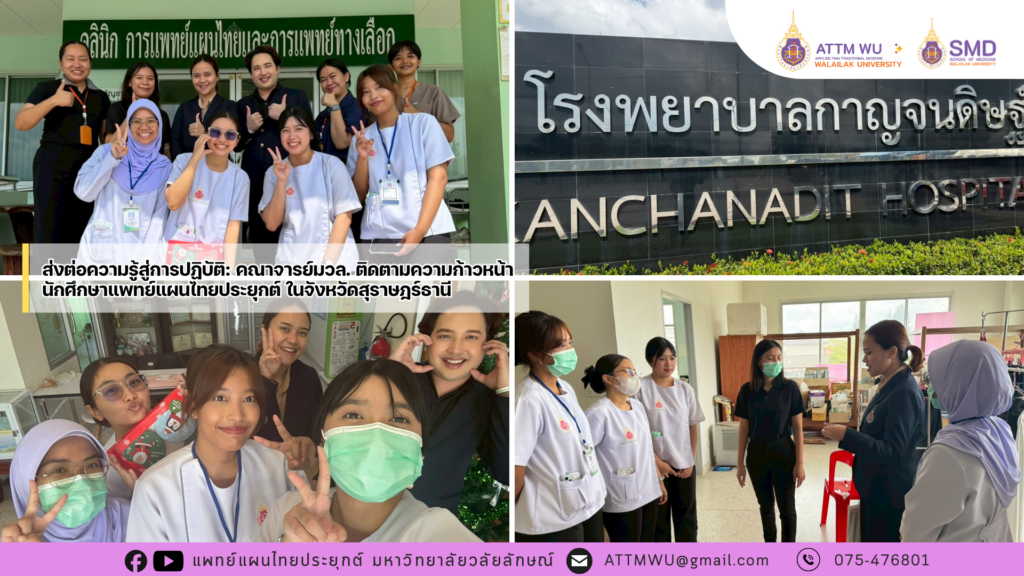
At the hospital level, WU collaborates with Satun Hospital through visits to medical graduates working under the medical internship programme. The visits gather feedback from medical graduates and medical teams, which is used to improve teaching and clinical training for medical students in accordance with the needs of the health system. The School of Medicine also supervises students undertaking professional training at several hospitals in Surat Thani Province, as well as hospitals in Nakhon Si Thammarat and Trang provinces, to monitor their progress and contribute to sustainable curriculum development.
In addition, medical students and students in Applied Thai Traditional Medicine participate in a volunteer camp for social and community benefit at Ban Si Yaek Suan Pa Subdistrict Health-Promoting Hospital. The camp is organized by the Clinical Medical Education Center of Maharaj Nakhon Si Thammarat Hospital and provides students with opportunities to learn about common diseases in communities, health promotion, disease prevention, and general treatment.
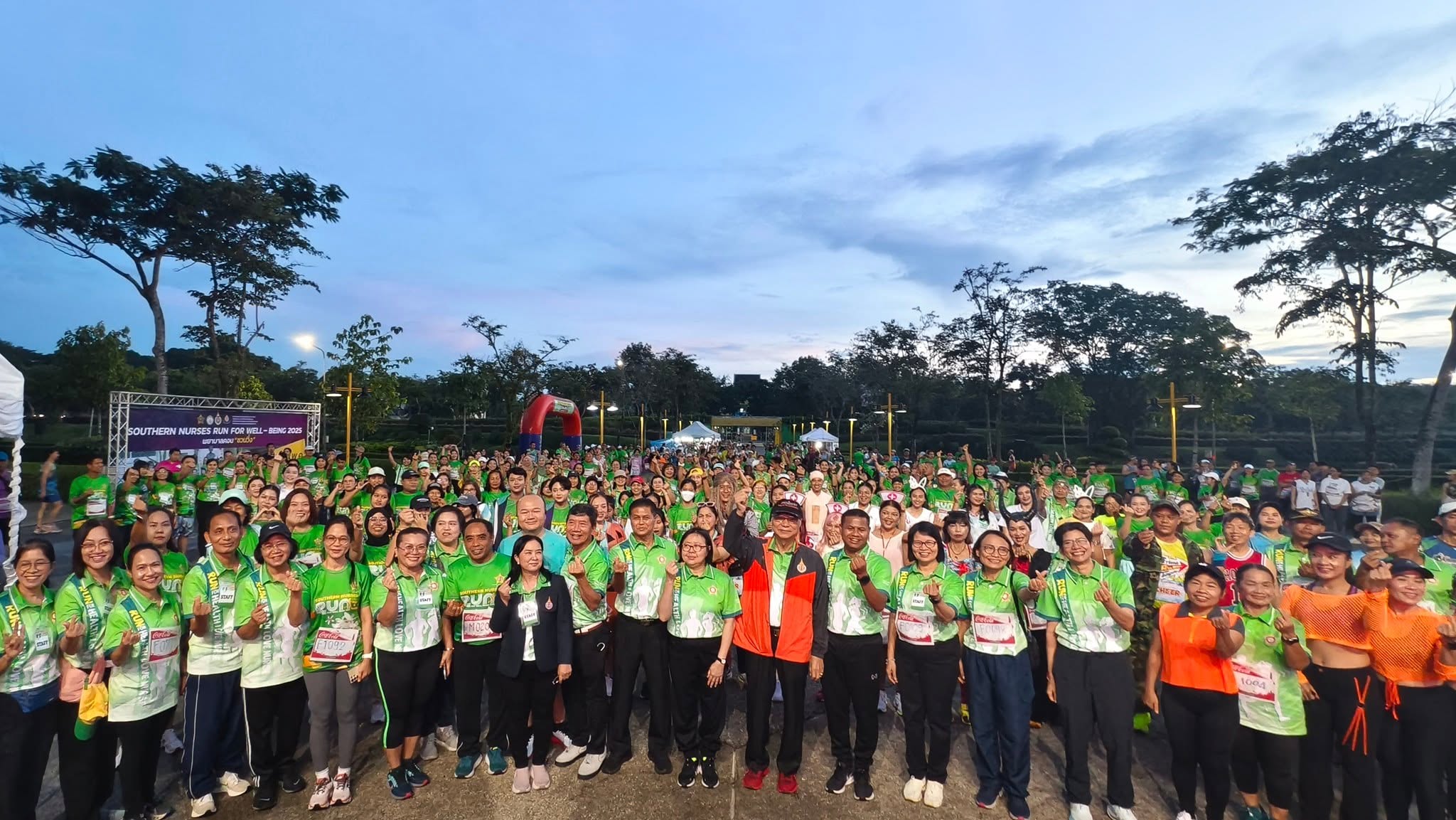
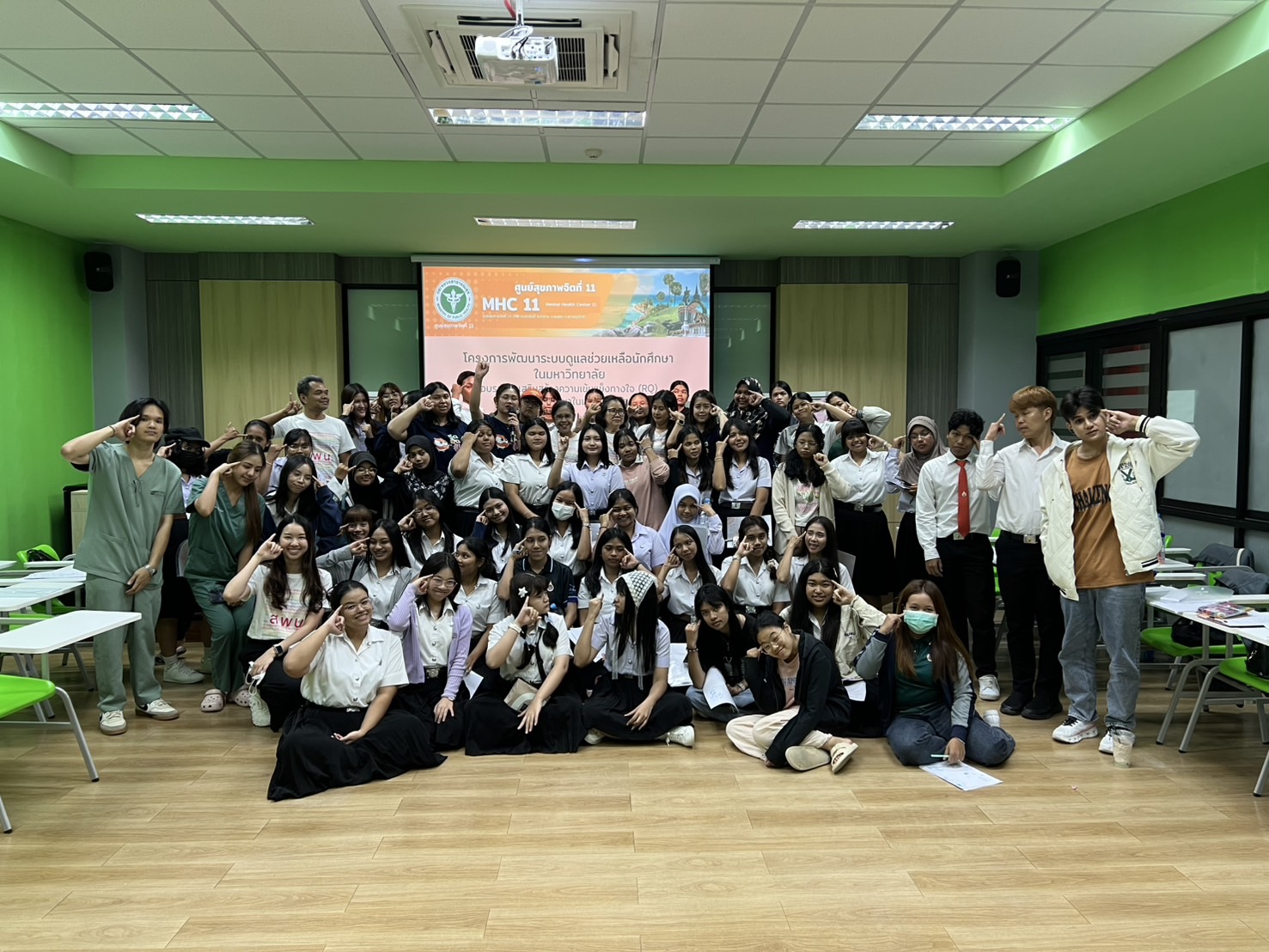
In the area of mental health, the Student Promotion and Development Division, through the Smile & Smart Center, collaborated with Mental Health Center 11 to organize training on resilience quotient (RQ). The training aimed to strengthen resilience and prepare participants to cope with crises, using the concepts of “I am,” “I have,” and “I can.” Meanwhile, the Nakhon Si Thammarat Nursing Network and the Nurses’ Association of Thailand, Southern Chapter, jointly organized the “Southern Nursing Run for Well-Being 2025,” a health and well-being promotion activity.
WU also collaborates with local hospitals on health-related research, including Koh Samui Hospital and Tha Sala Hospital. The research covers topics related to treatment and health promotion, including the development of physical activity promotion interventions among working-age populations through participatory action research.
National Health Institutions
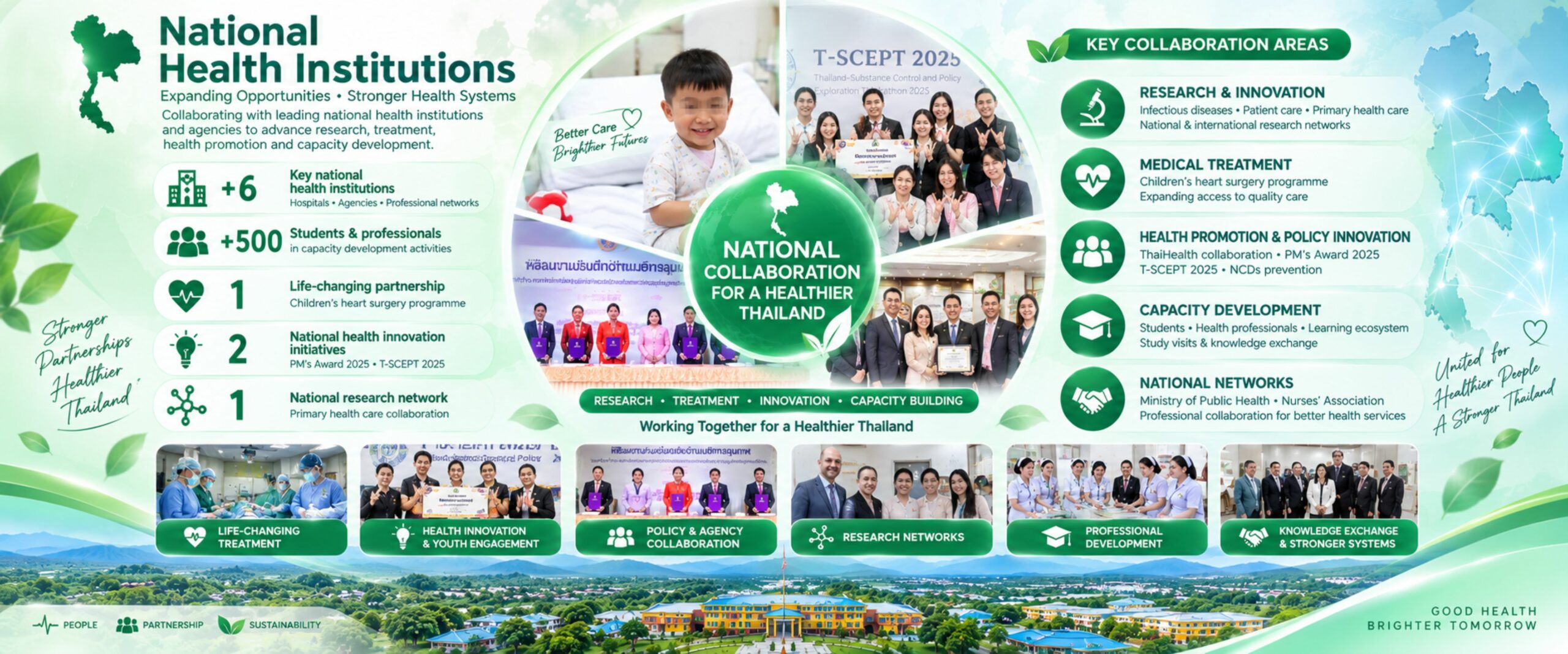
At the national level, Walailak University collaborates with a range of health institutions and health-related agencies through research, medical treatment, health promotion, and capacity development. Research collaborations include Bamrasnaradura Infectious Diseases Institute, a hospital under the Department of Disease Control, Ministry of Public Health, and Bhumibol Adulyadej Hospital, Directorate of Medical Services, Royal Thai Air Force, focusing on medical research related to patient care and treatment.
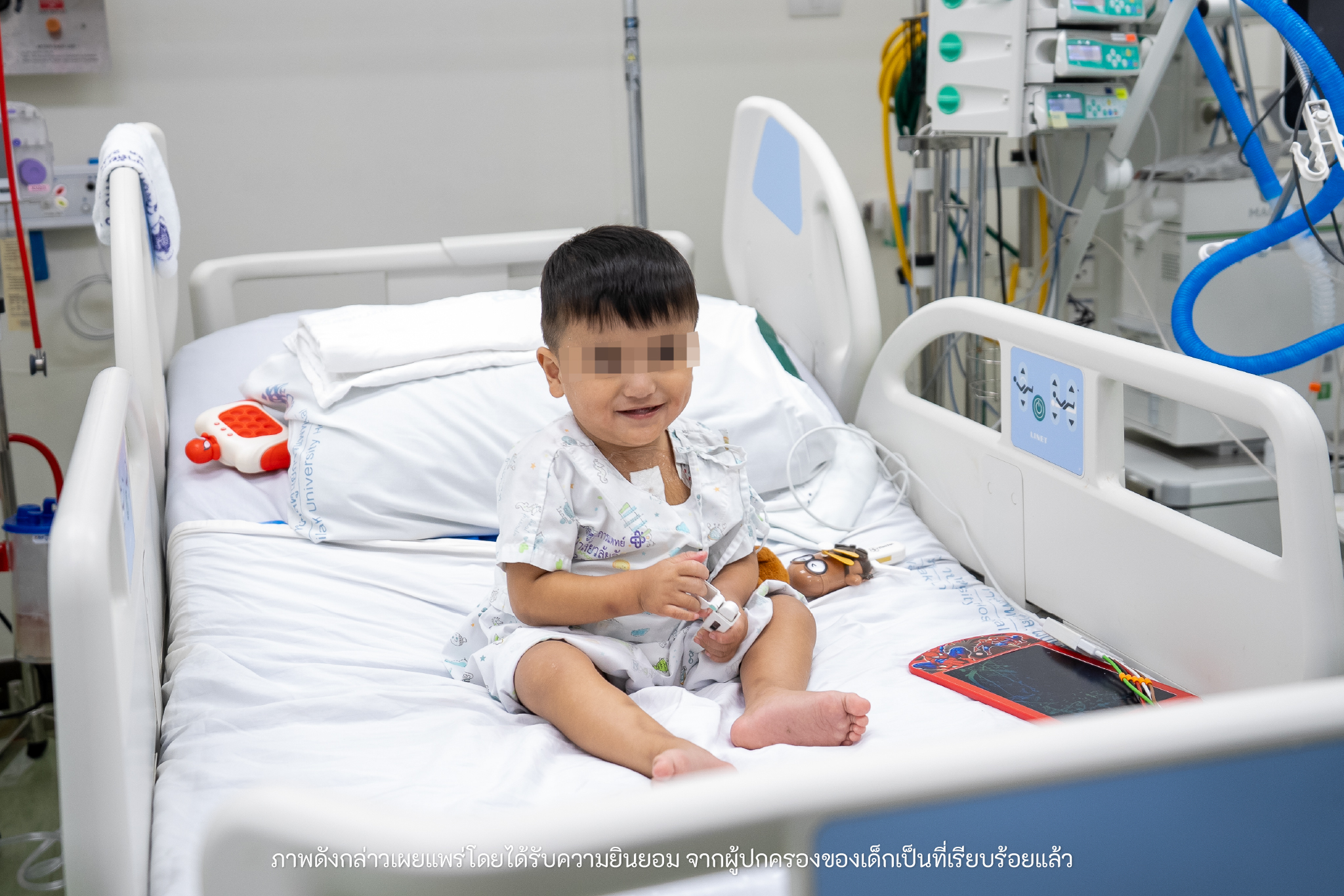
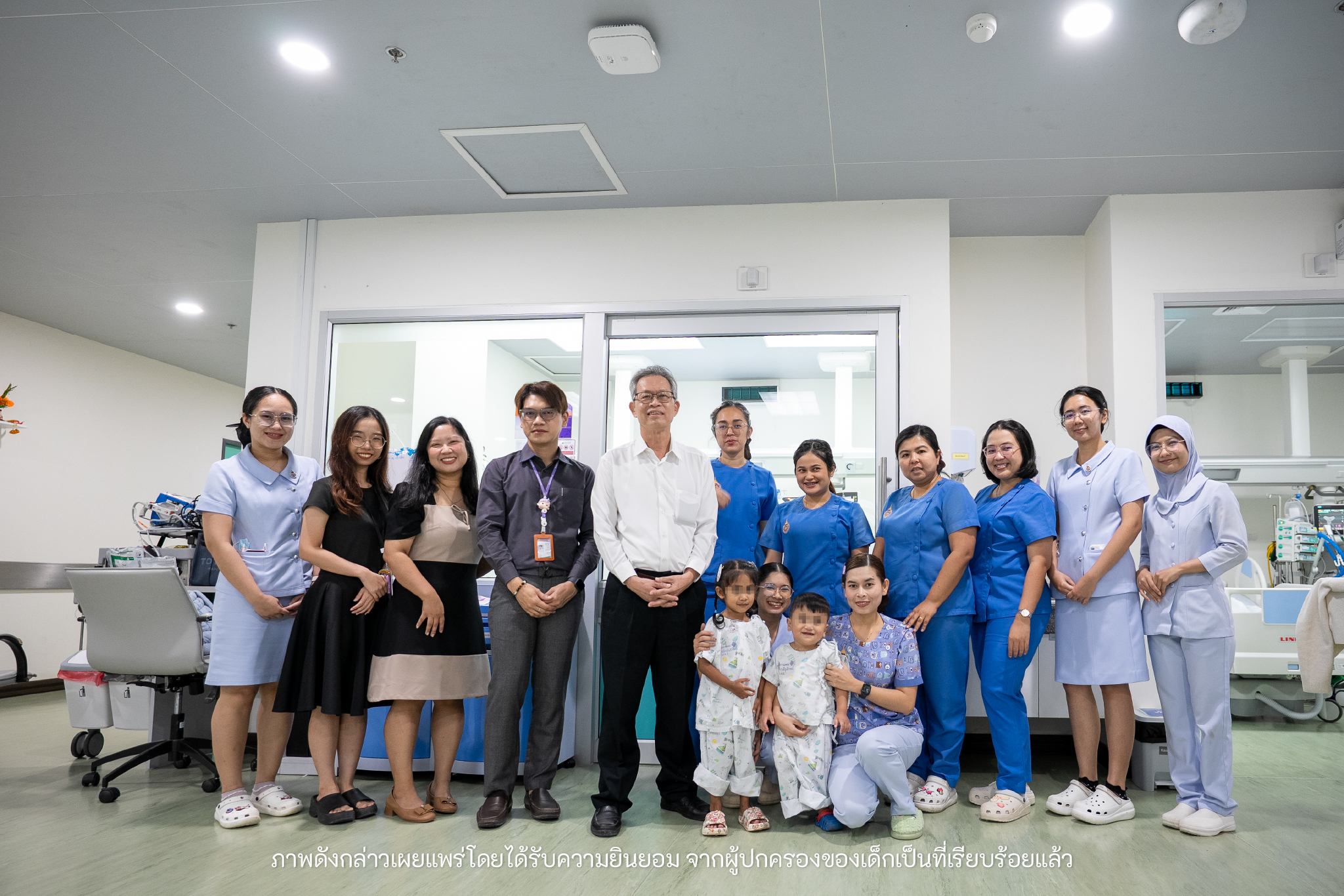
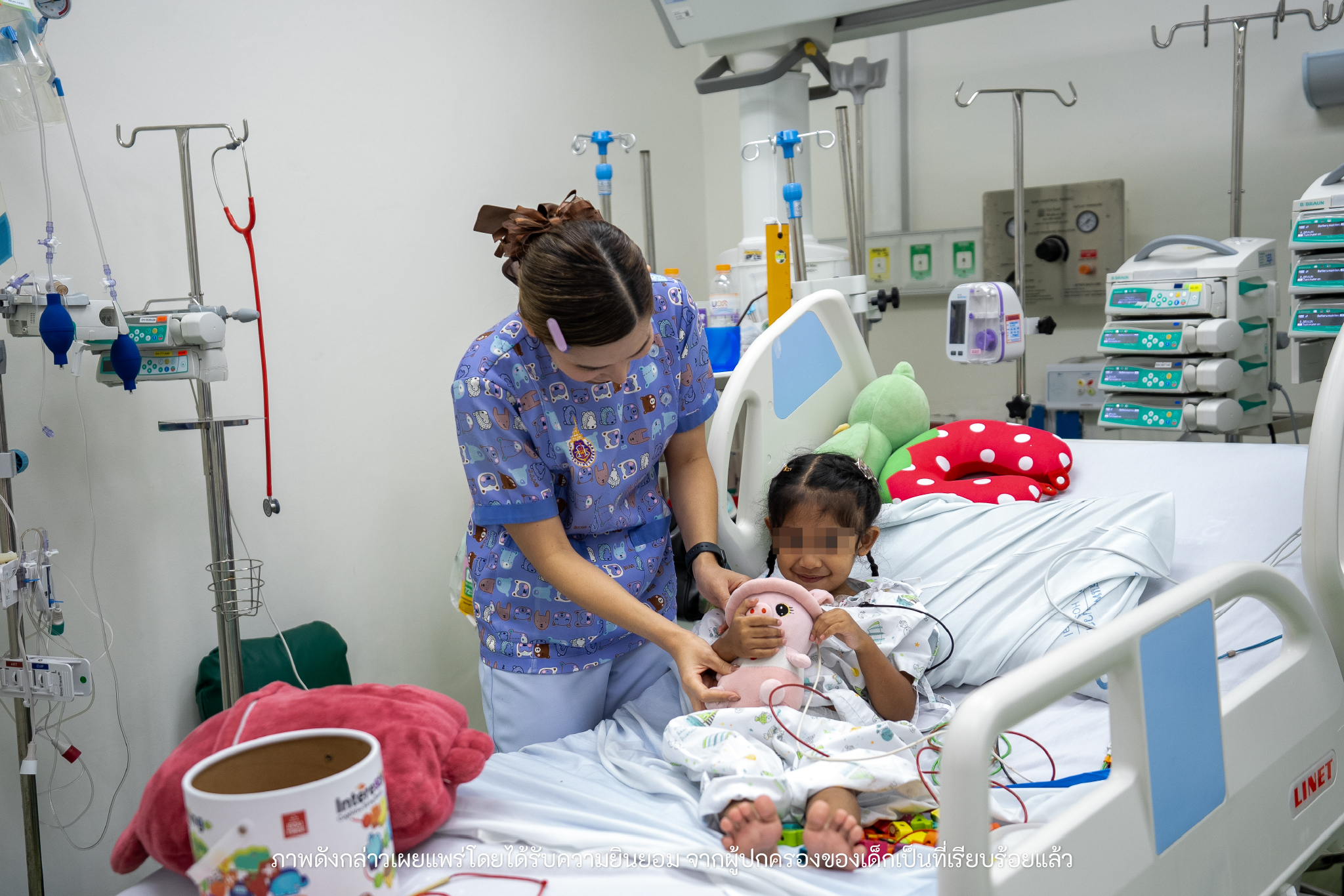
In medical treatment, Walailak University Medical Center collaborated with the Children’s Heart Foundation to provide successful surgical treatment for children with congenital heart disease. This collaboration demonstrates the joint efforts of health institutions and health partners to expand access to medical treatment and improve health care for children.
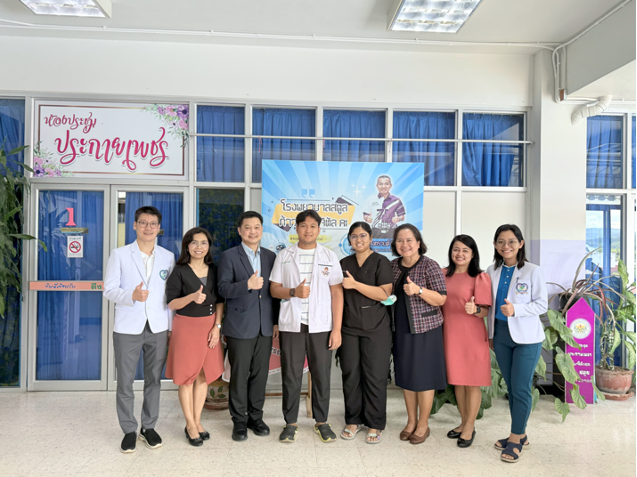
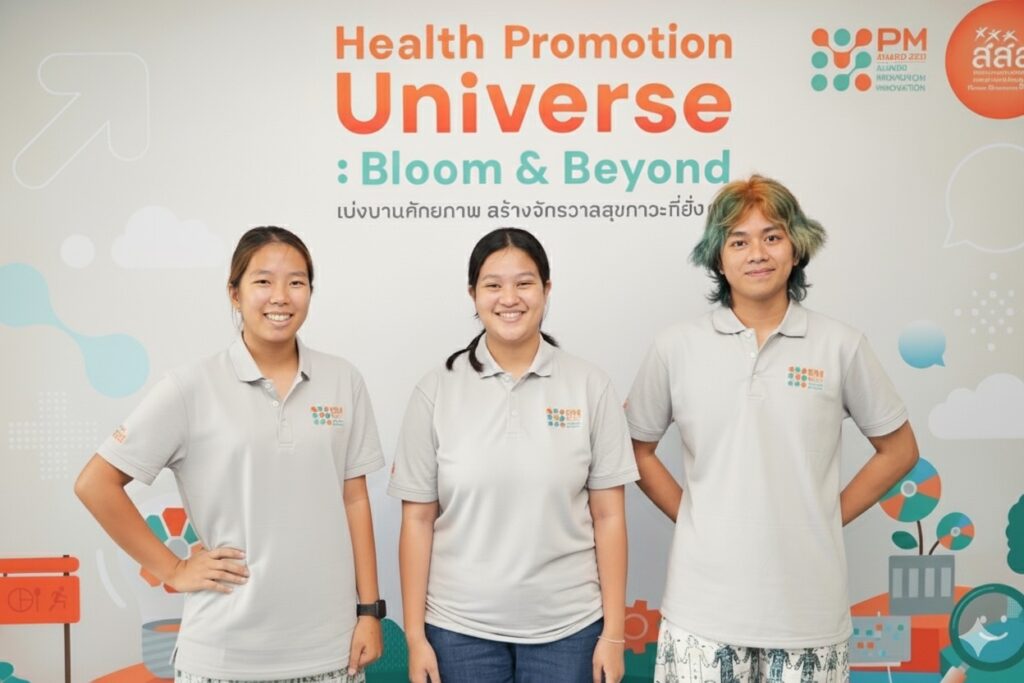
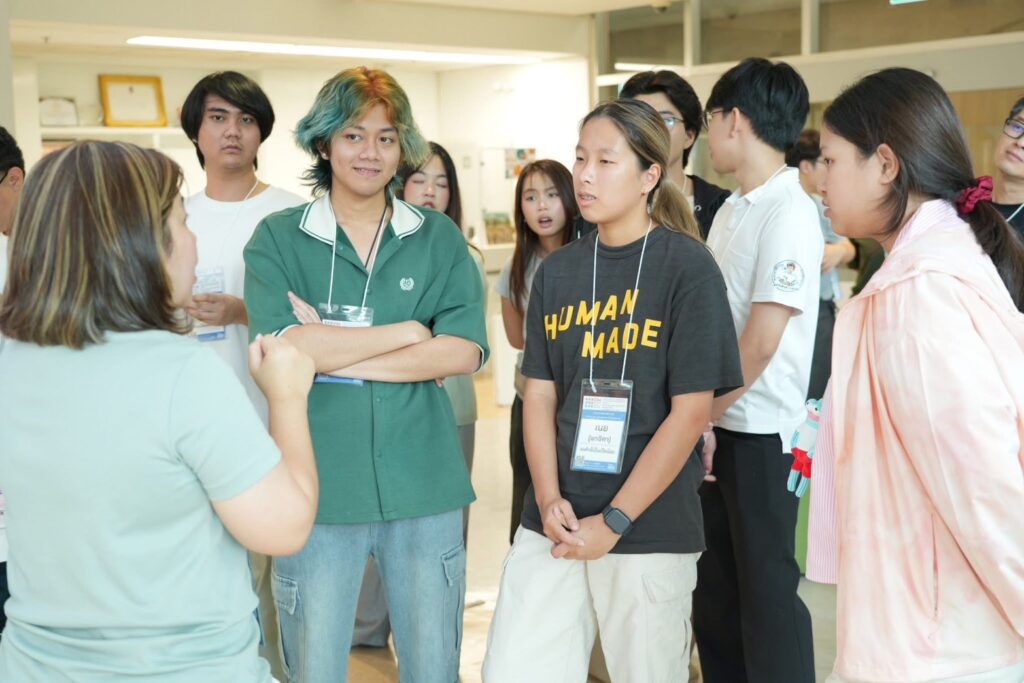
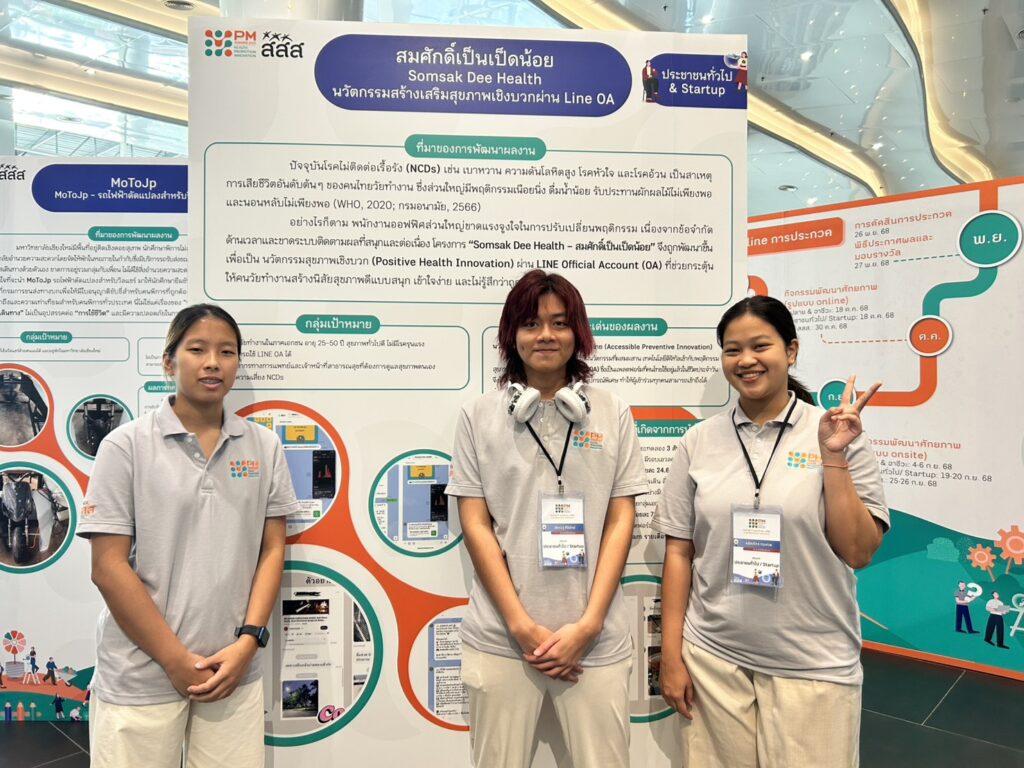
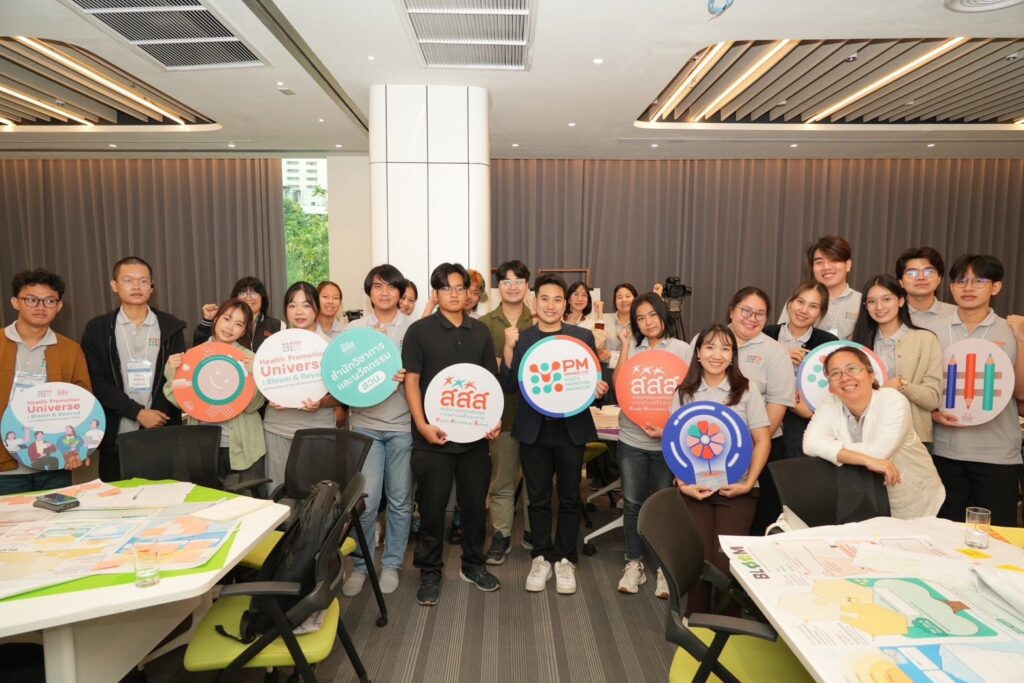
WU also engages with the Thai Health Promotion Foundation (ThaiHealth) in health promotion innovation activities. Medical students participated in the “Prime Minister’s Award for Health Promotion Innovation 2025” and developed “Somsak Dee Health,” a health promotion innovation delivered through a LINE Official Account. The initiative aims to encourage sustained health behaviour change and the prevention of non-communicable diseases (NCDs).
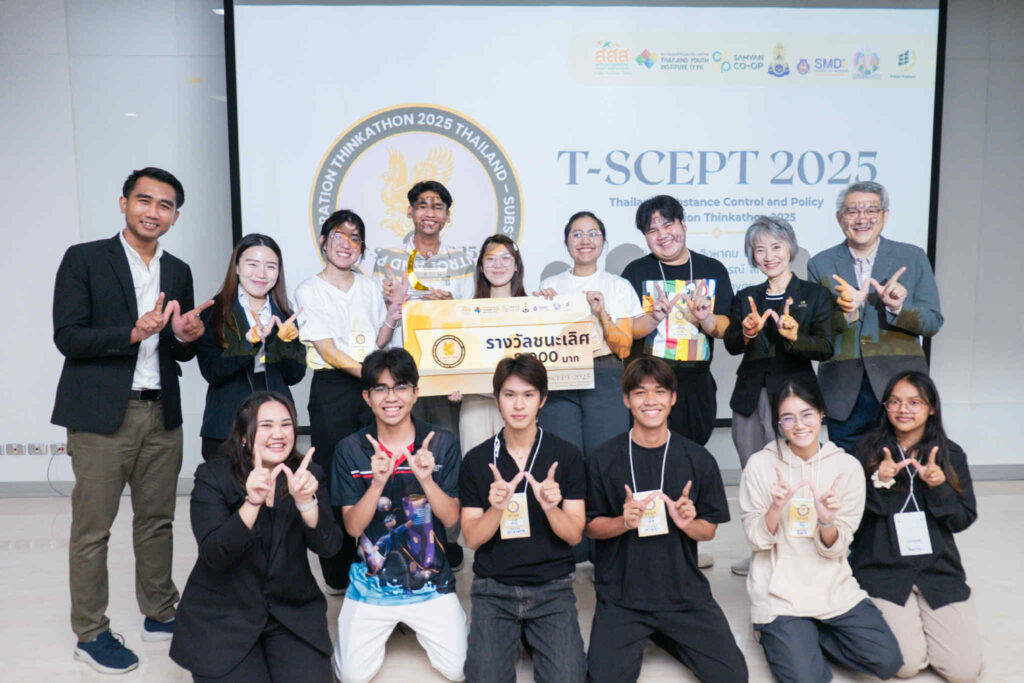
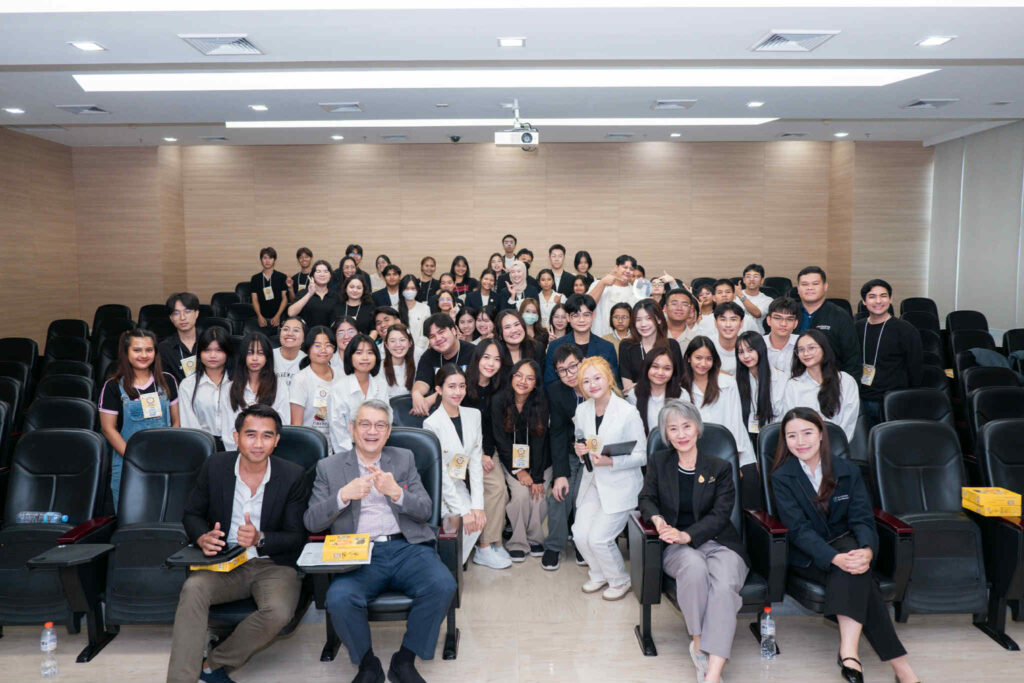
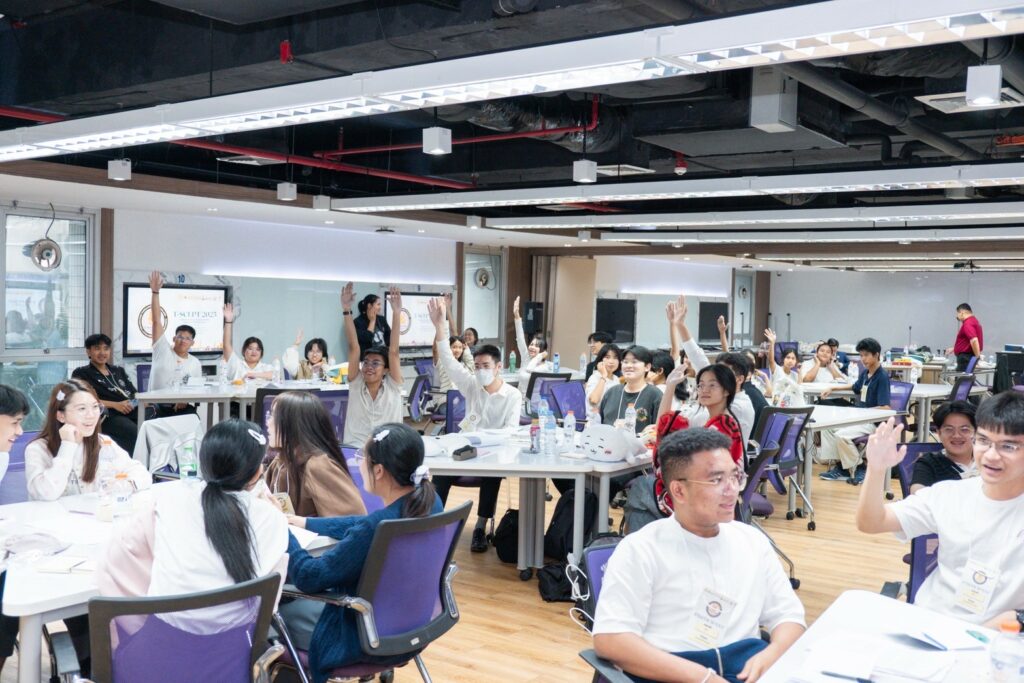
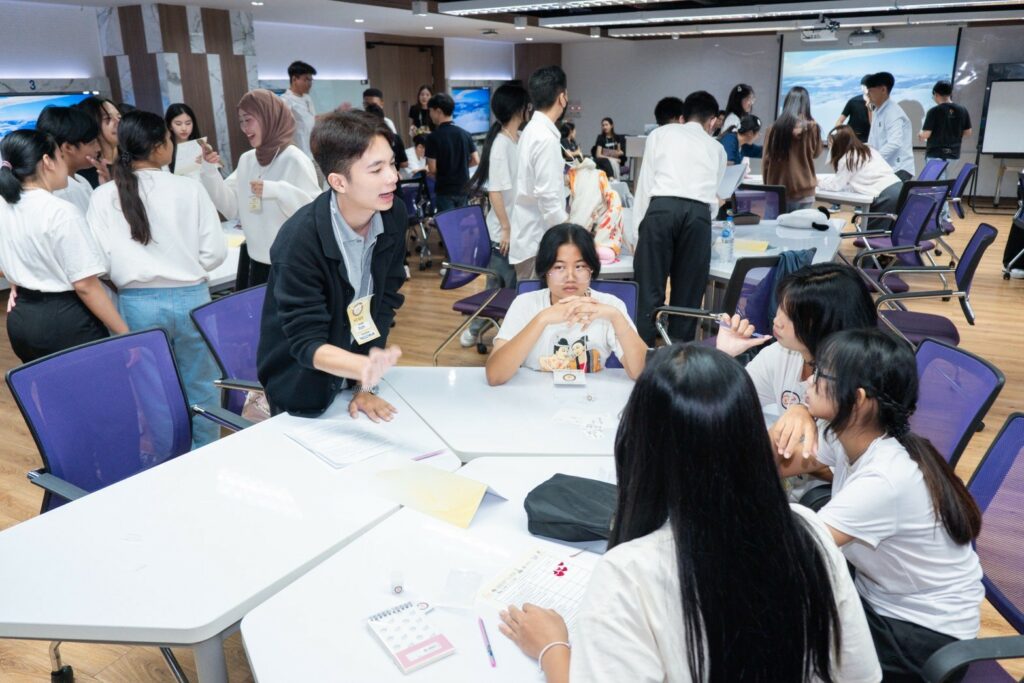
Another example is the Thailand–Substance Control and Policy Exploration Thinkathon 2025 (T-SCEPT 2025), jointly organized by Walailak University, Chulalongkorn University, and Phramongkutklao College of Medicine at King Chulalongkorn Memorial Hospital, Thai Red Cross Society. The event received support from ThaiHealth and the Thailand Youth Institute. It provided a platform for high school and university students to develop creative policy-thinking skills related to tobacco control, electronic cigarettes, and substance use, in alignment with SDG 3.a.
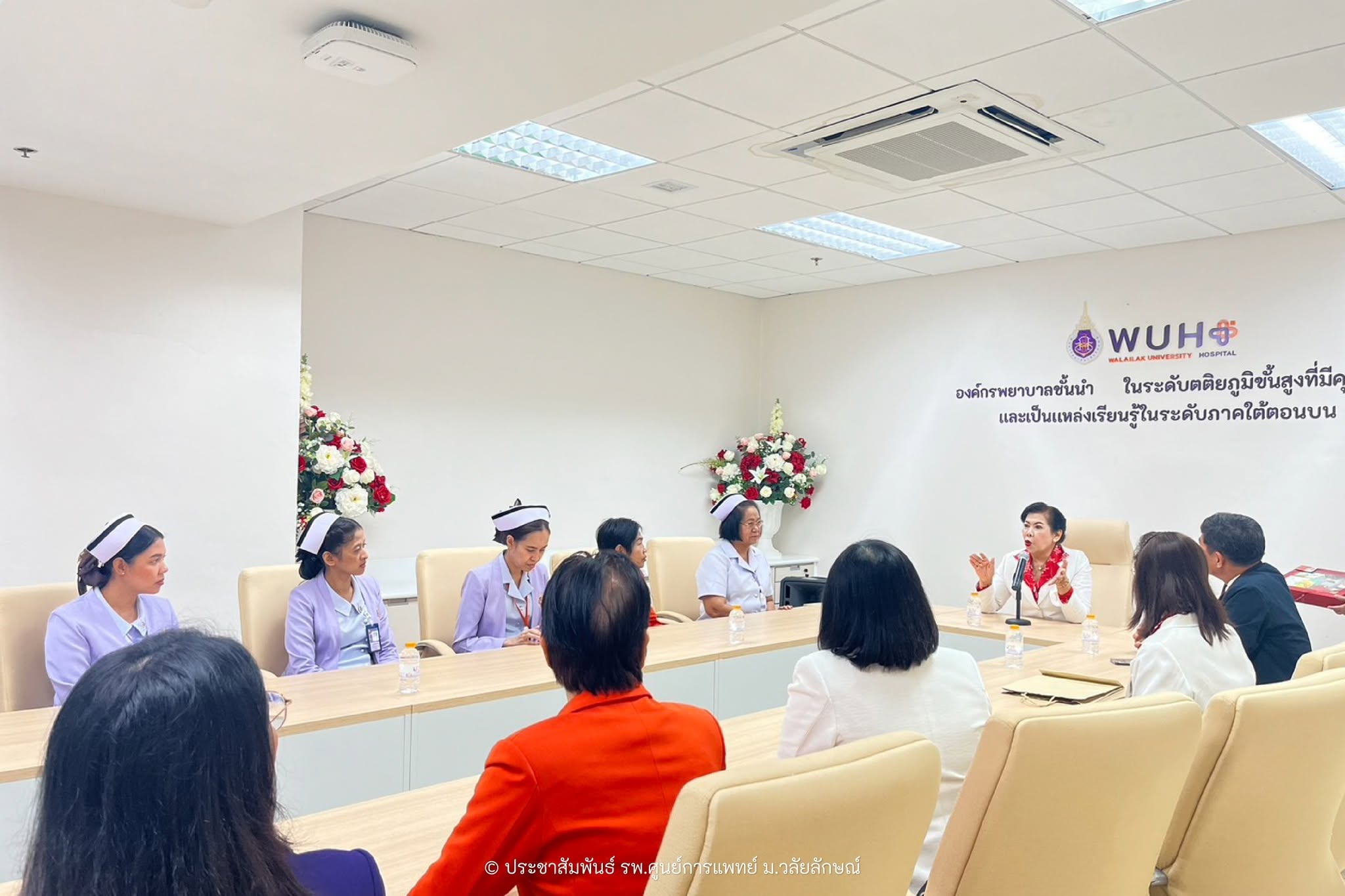
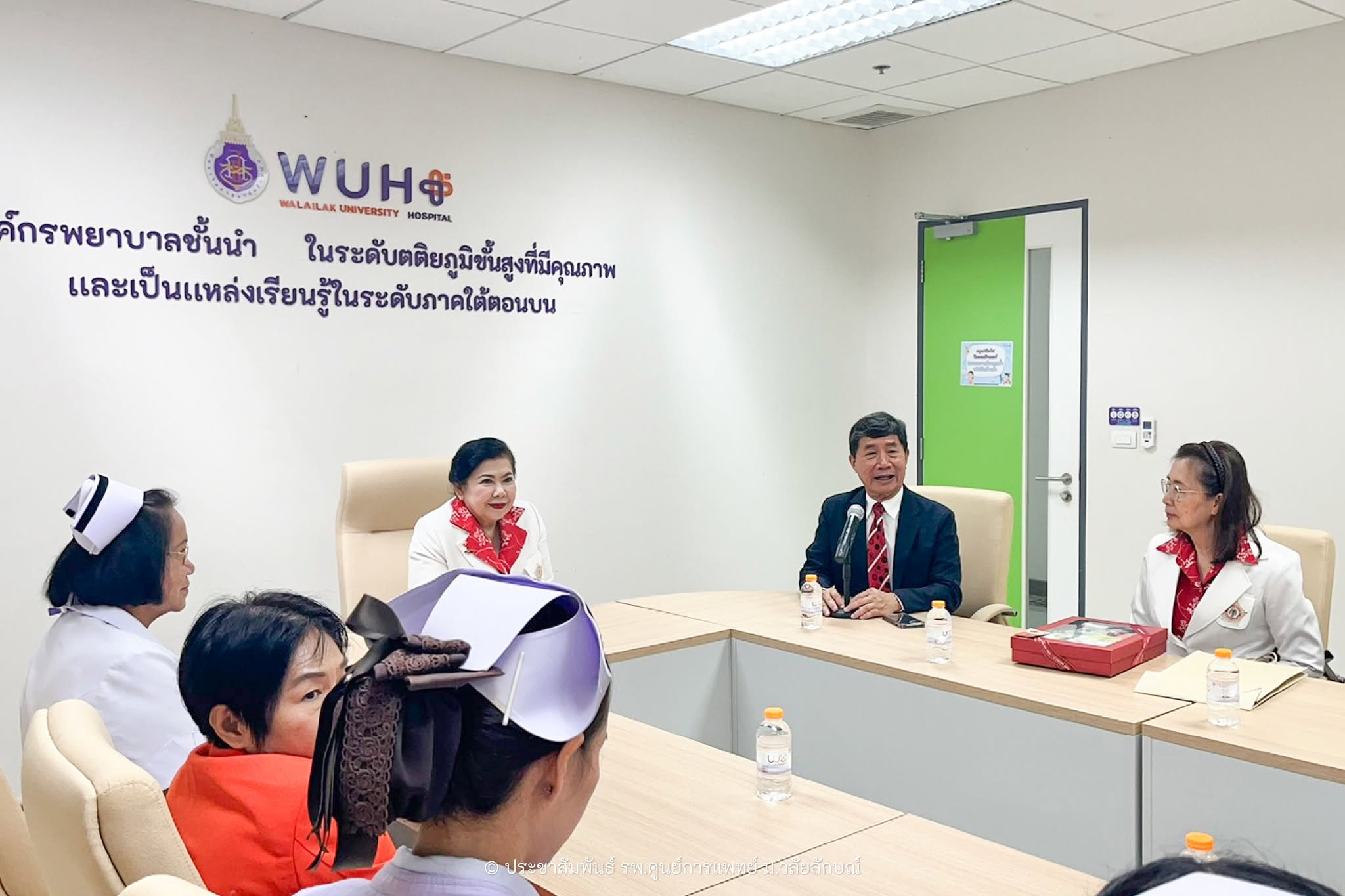
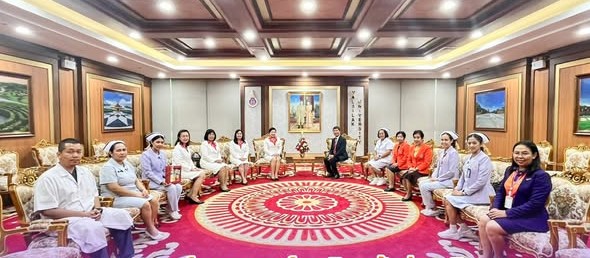
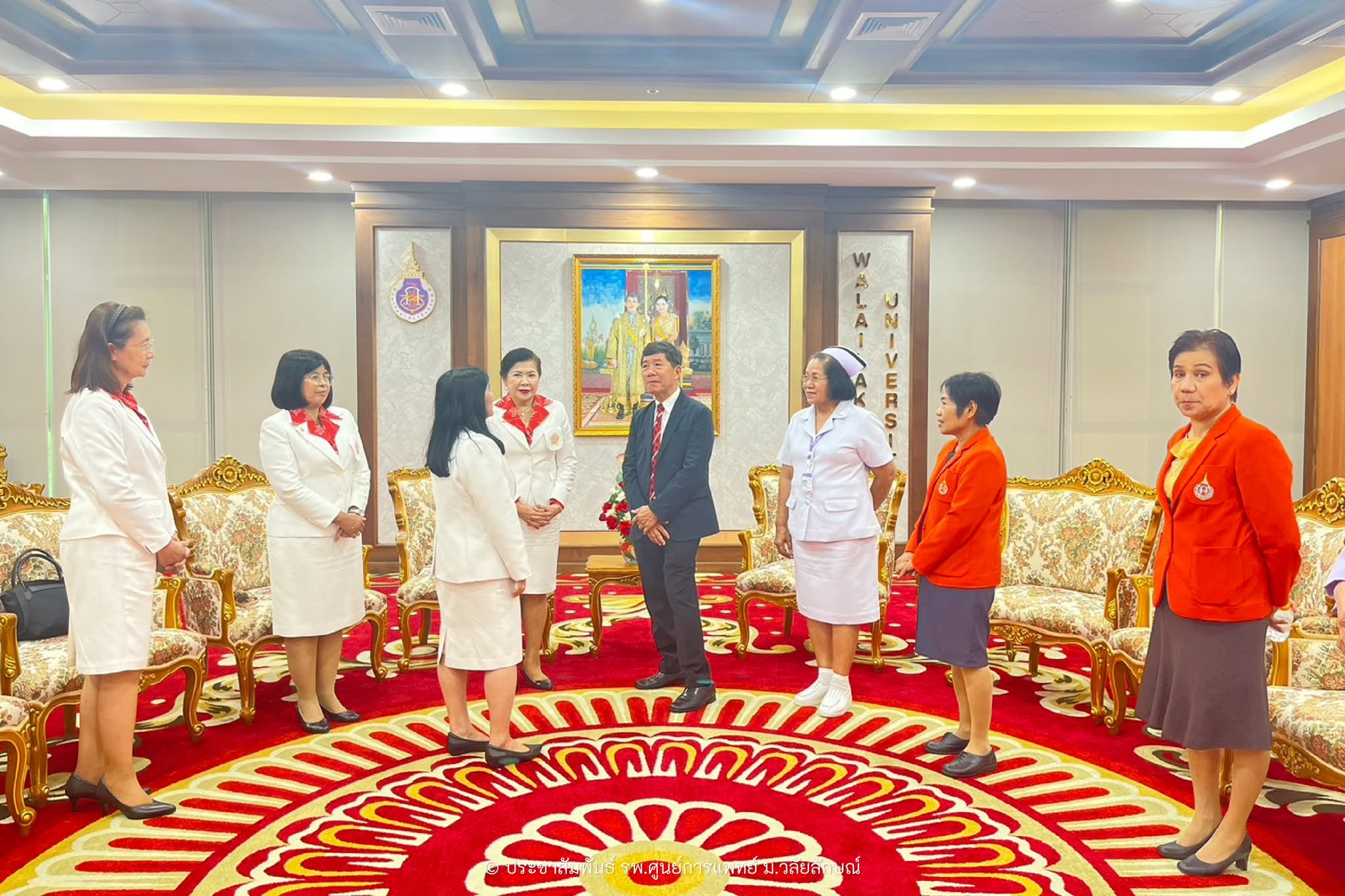
Furthermore, Walailak University Medical Center collaborates with the Nurses’ Association through exchanges of operational approaches and the promotion of quality nursing services for the benefit of patients and the public. The Community Public Health programme, School of Public Health, also collaborates with the Ministry of Public Health through a study visit to the Department of Disease Control to support the development of an integrated learning environment and seamless Learning Ecosystem.
In research, WU participates in discussions on the Research in Primary Health Care network with the Praboromarajchanok Institute and Rutgers University, New Jersey, USA, connecting institutions through a research network focused on primary health care systems.
Global Health Institutions
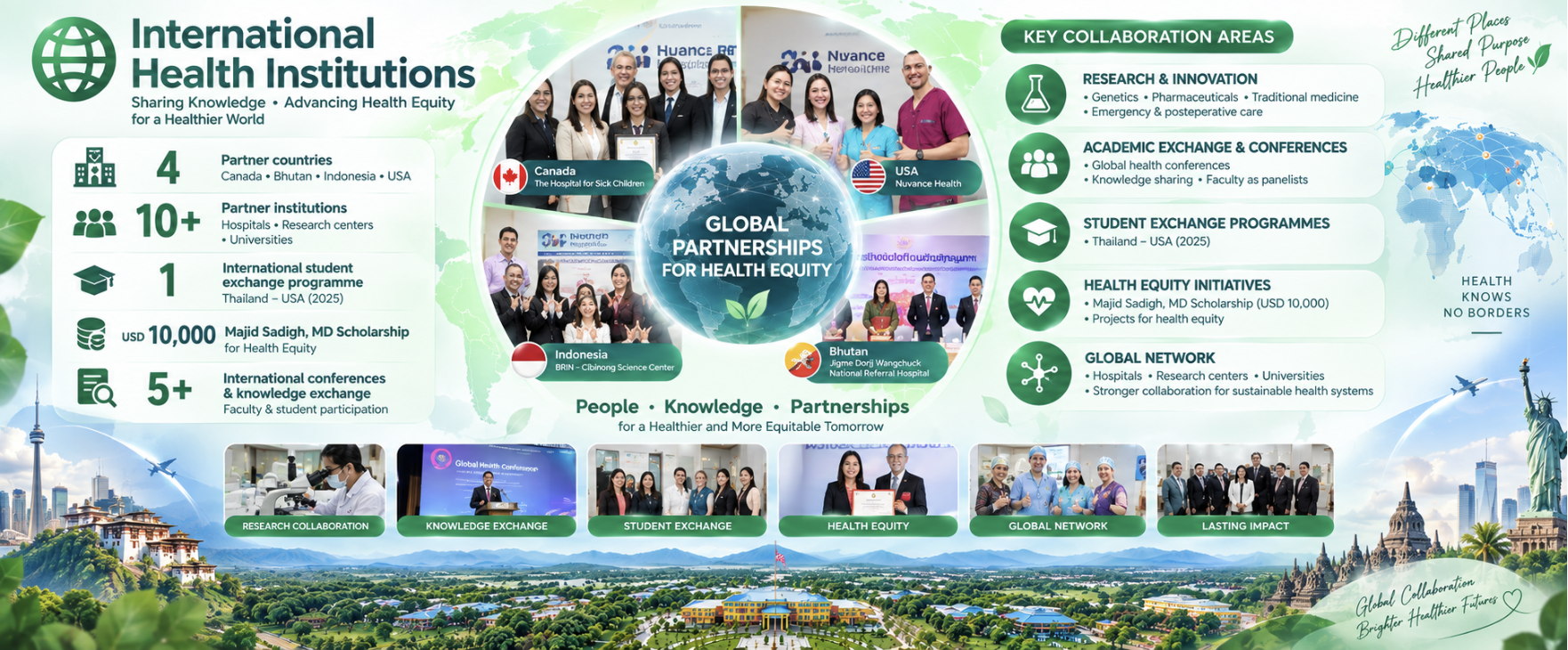
At the international level, Walailak University collaborates with overseas health institutions and hospitals through research, academic conferences, health equity initiatives, and student exchange programmes. Research collaborations include the Division of Clinical and Metabolic Genetics, The Hospital for Sick Children, Toronto, Canada, and Jigme Dorji Wangchuck National Referral Hospital (JDWNRH), Thimphu, Bhutan, covering health promotion, education, and medical care.
WU also collaborates on research with the Research Center for Pharmaceutical Ingredient and Traditional Medicine, Cibinong Science Center, National Research and Innovation Agency (BRIN), Indonesia, and the Department of Emergency Medicine, Southwest Consortium, Temecula, California, USA. The research covers pharmaceuticals, traditional medicine, and the care of emergency and postoperative patients.
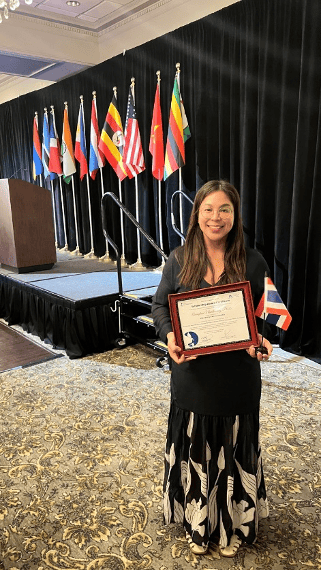
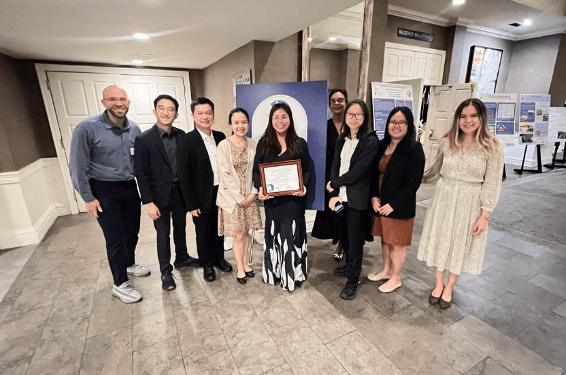
In knowledge exchange and academic collaboration, faculty members from the School of Medicine participated in the 4th Annual Global Health Conference, themed “Voices for Change: Advancing Health Equity Through Education and Global Collaboration,” organized by Nuvance Health. WU faculty members were invited as panelists to discuss science and health equity, the future of learning in global health, global health research, and global health electives.
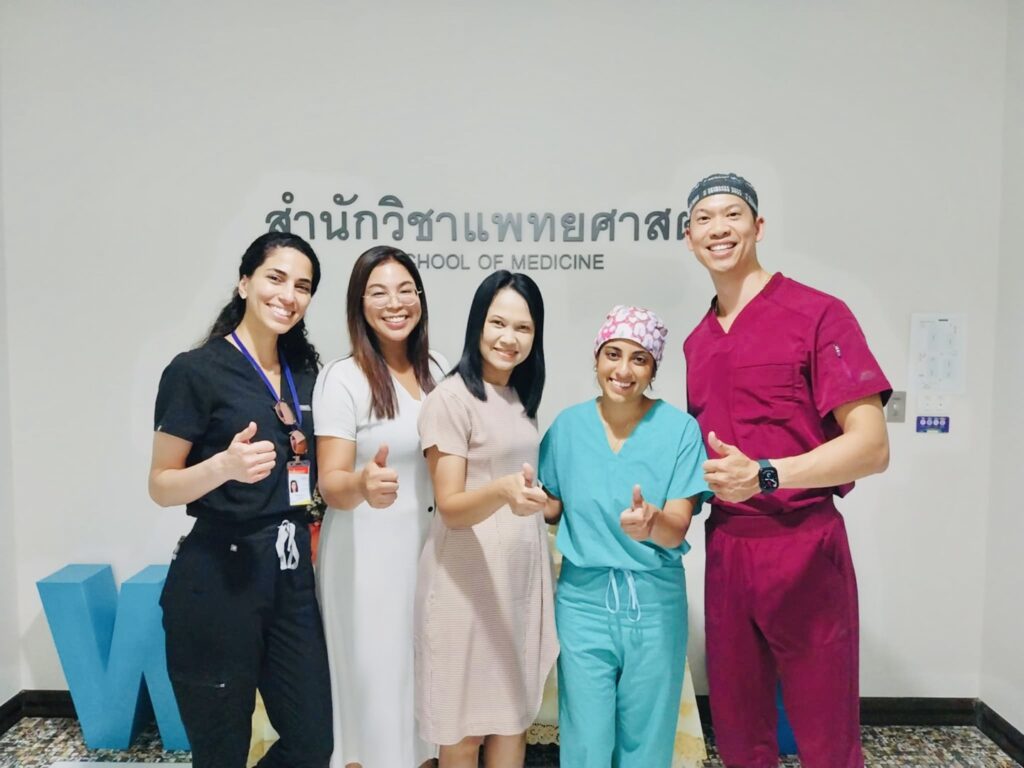
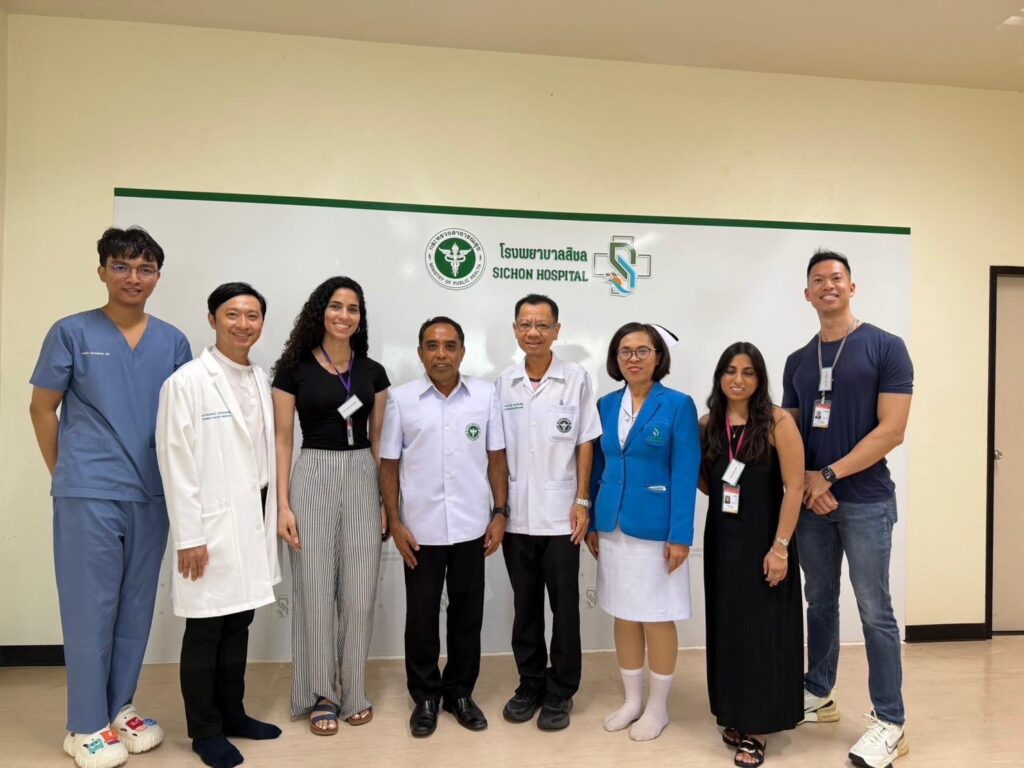
The collaboration with Nuvance Health also includes initiatives promoting health equity. Associate Professor Dr. Ueamphon Muadmuang received the Majid Sadigh, MD Scholarship, valued at USD 10,000, to undertake a project focused on health equity. In addition, Walailak University implemented an international medical student exchange programme with Nuvance Health between Thailand and the United States during the 2025 academic year.
These collaborations at local, national, and international levels demonstrate Walailak University’s continuing engagement with health institutions across multiple dimensions, including community-based patient care and rehabilitation, health promotion and disease prevention, capacity development for health professionals and students, research and innovation, knowledge exchange, and health equity. The collaborations are supported by publicly available evidence of activities, projects, research outputs, and institutional partnerships published through the university’s websites and the communication channels of its partner organizations.