Walailak University Shares Sports Facilities with the Local Community
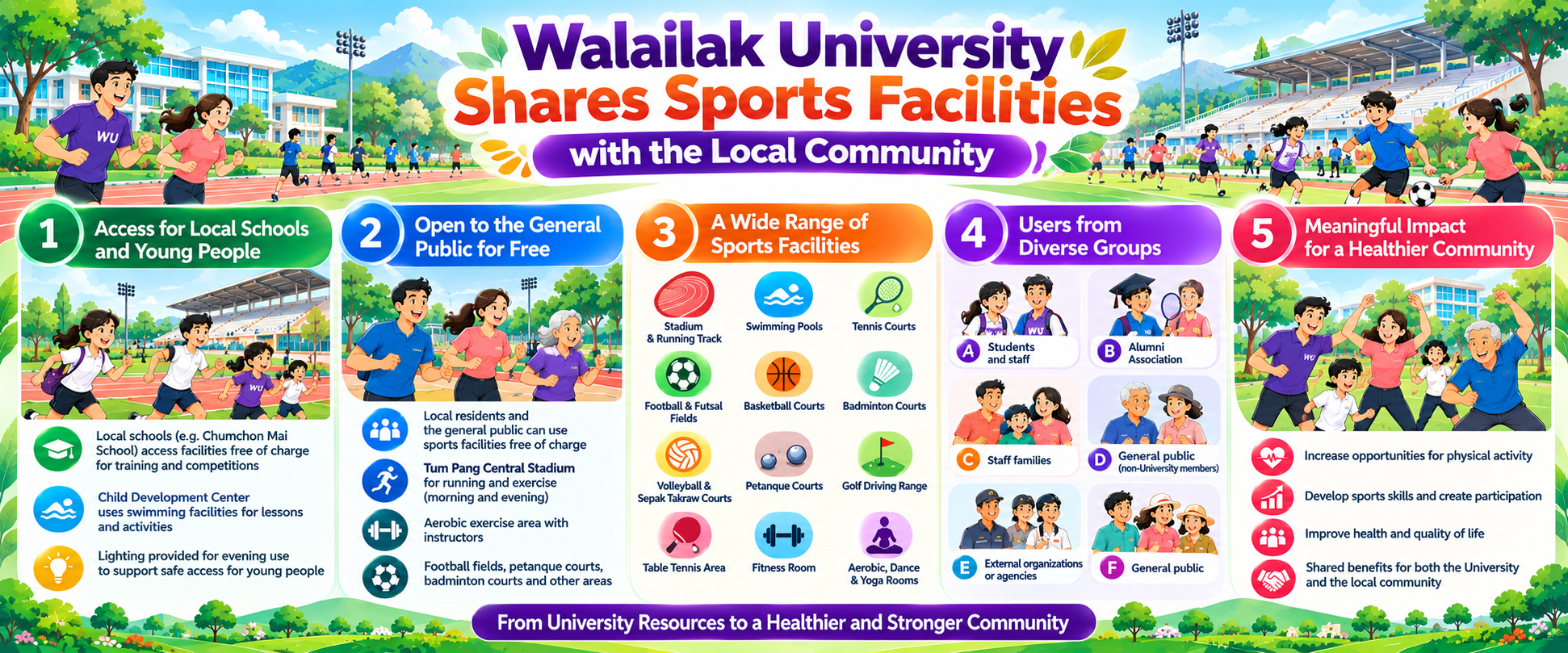
Walailak University (WU) places strong emphasis on its role as a key institution in the local community and on contributing to the quality of life of people in the surrounding area, particularly by promoting health and physical activity. Access to quality sports facilities is an important factor in promoting well-being across all age groups. Therefore, the university shares its sports facilities with local schools, young people, local organizations, and the general public, with many facilities available through free access. This approach enables the university’s sports resources and infrastructure to benefit the wider local community.
Sharing Sports Facilities with Local Schools and Young People
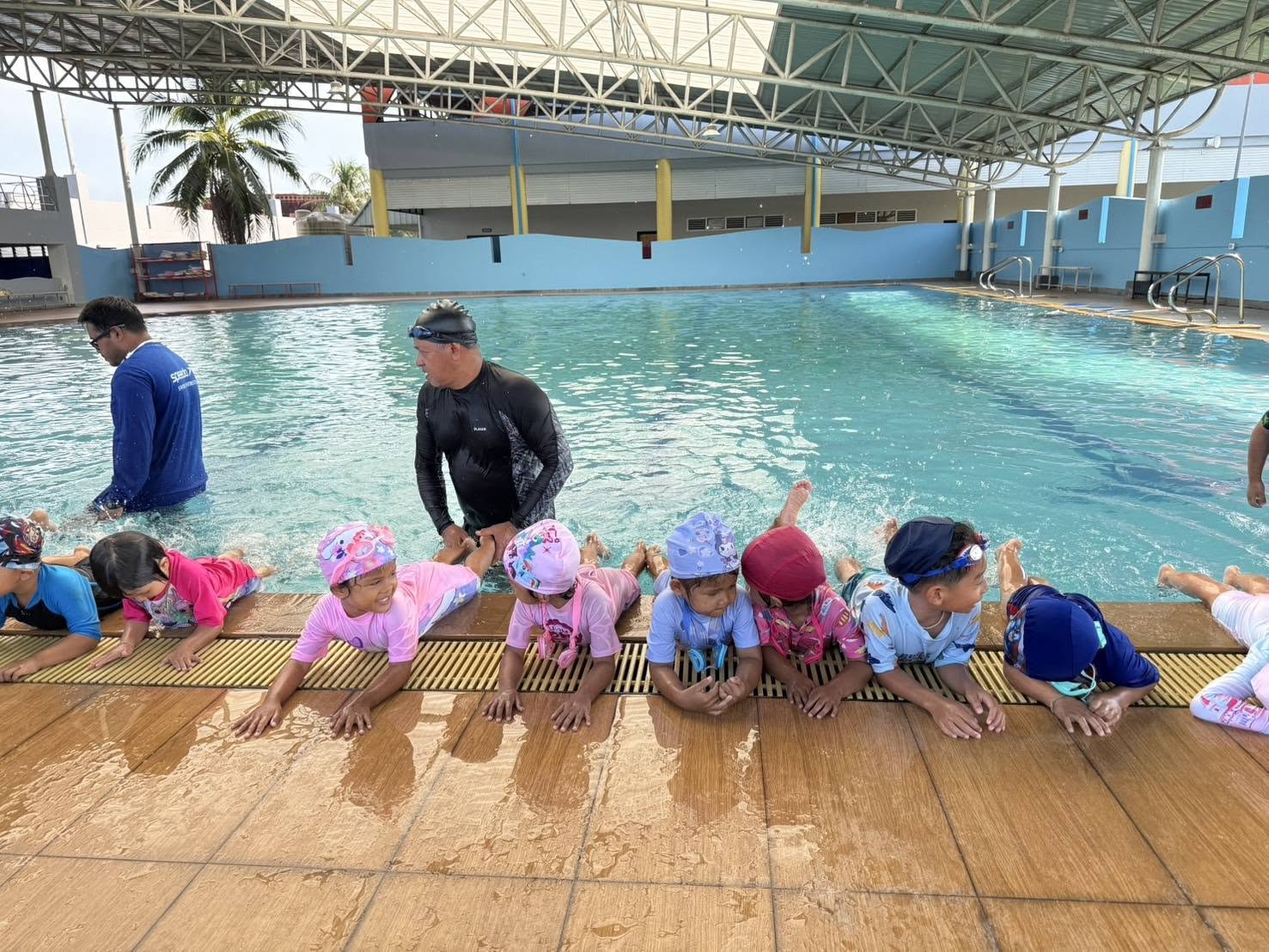
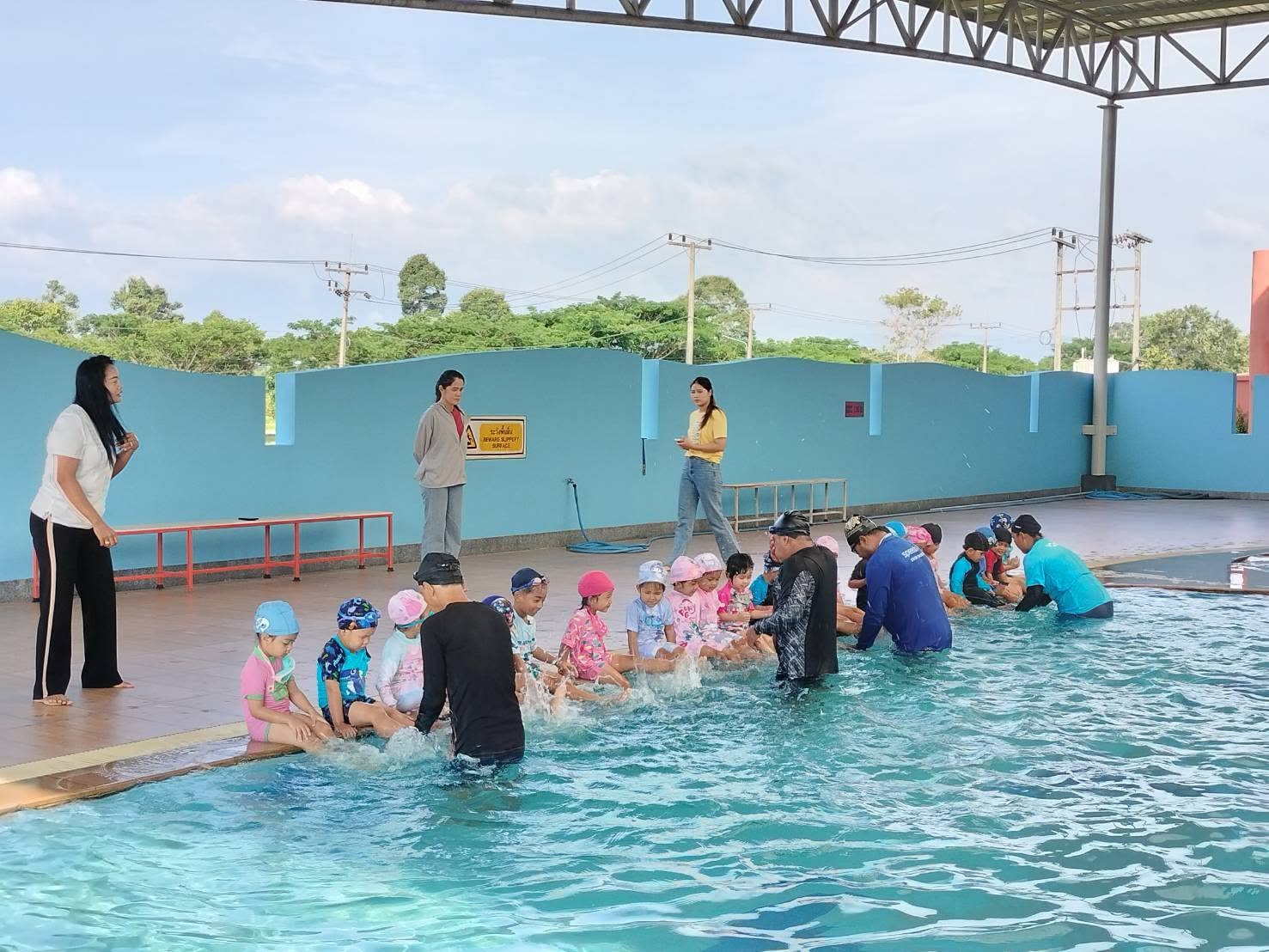
Walailak University provides opportunities for local schools, particularly Chumchon Mai School, which is located behind the university, to access its sports facilities free of charge for training and preparation for inter-school sports competitions. For example, students use the Tum Pang Central Stadium for running practice and other sports activities.The university also provides free access to its sports facilities for the Childhood Development Center under the supervision of Thaiburi Subdistrict Administrative Organization, particularly for swimming lessons and activities.
Sports Facilities Open to the General Public for Free
Walailak University promotes health and well-being in surrounding communities by providing free public access to its sports and exercise facilities. By sharing campus spaces and supporting physical activity, the university helps reduce financial barriers to exercise and creates opportunities for local residents to adopt active lifestyles and participate in community recreation.
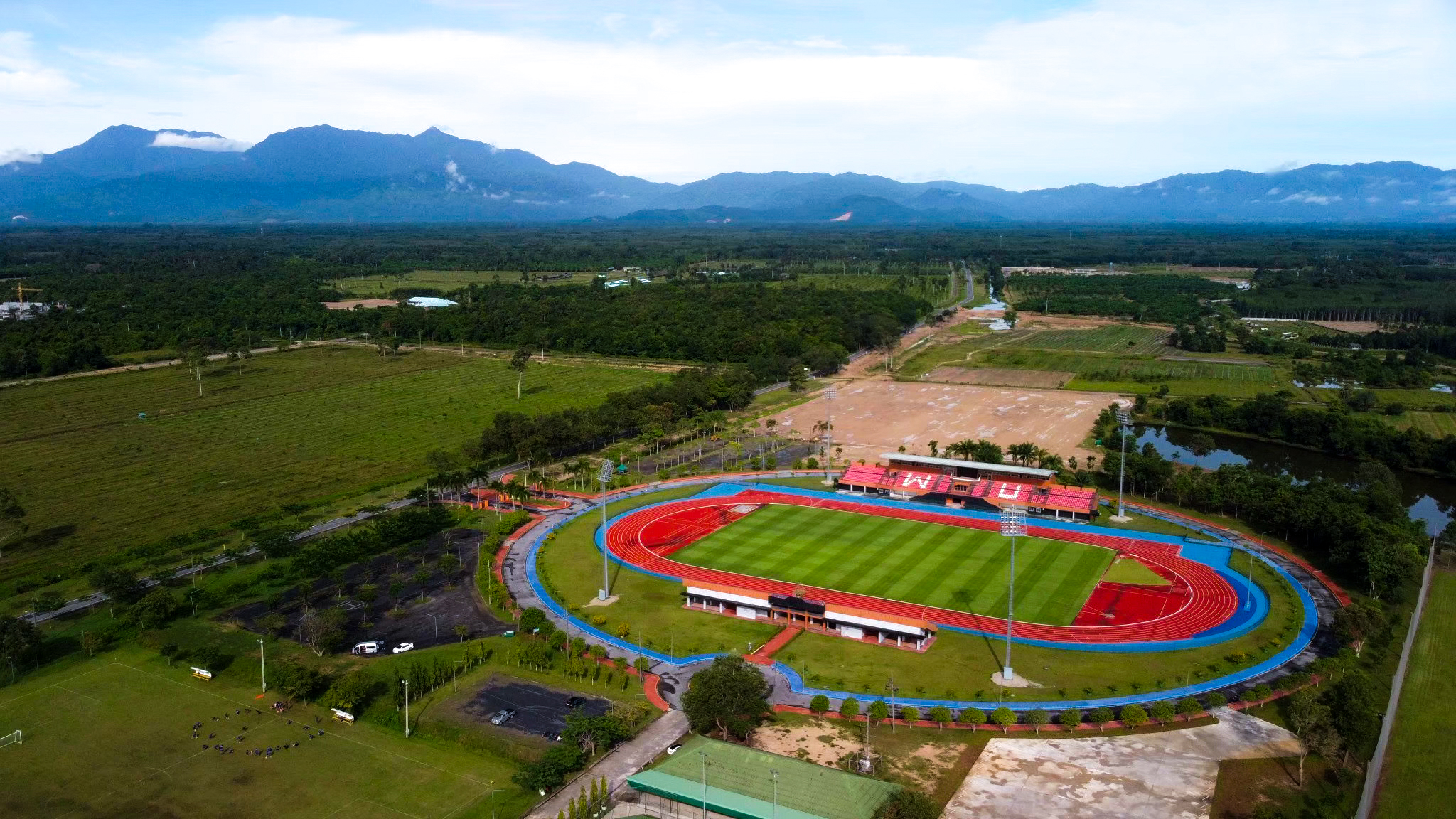
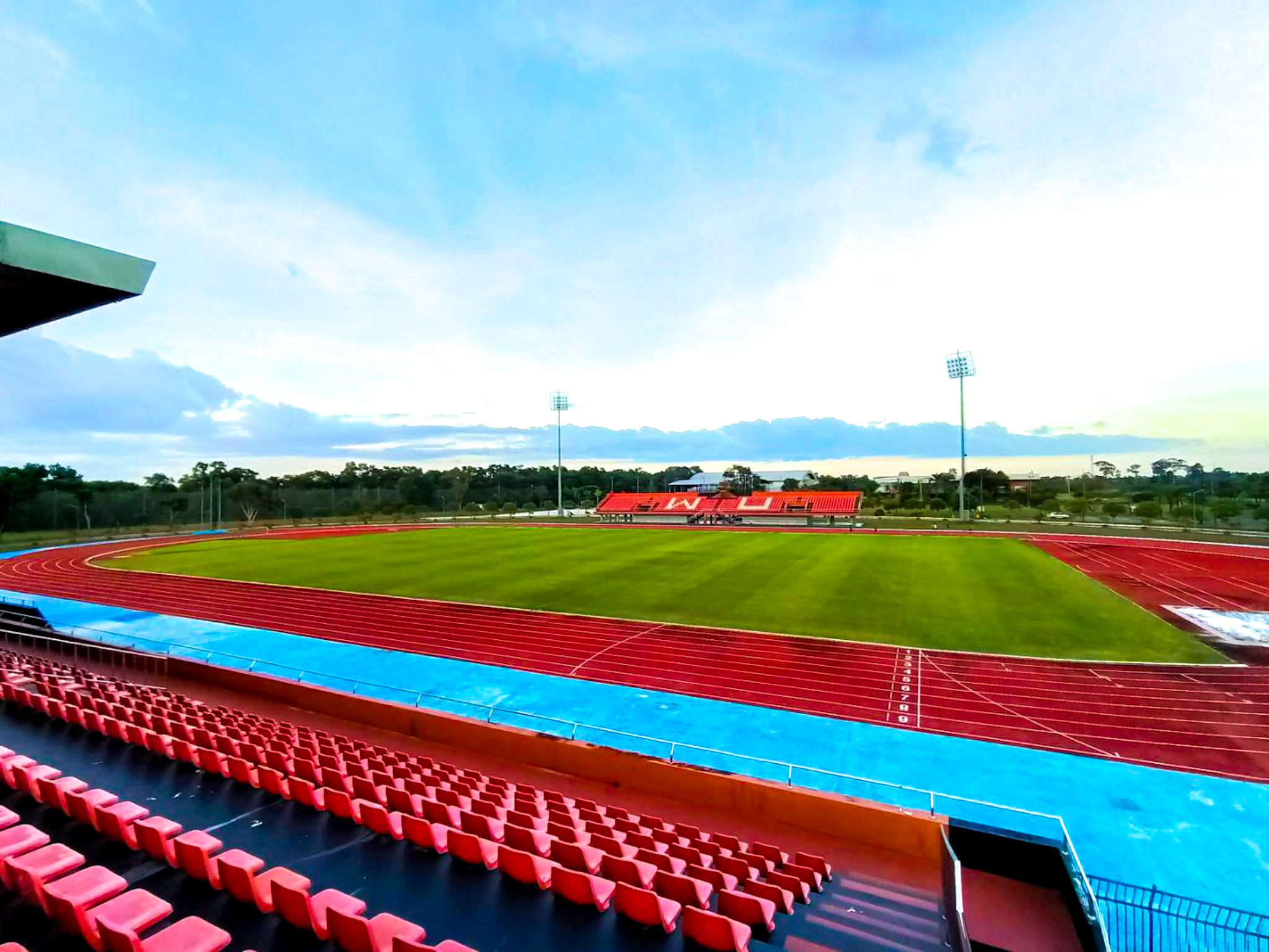
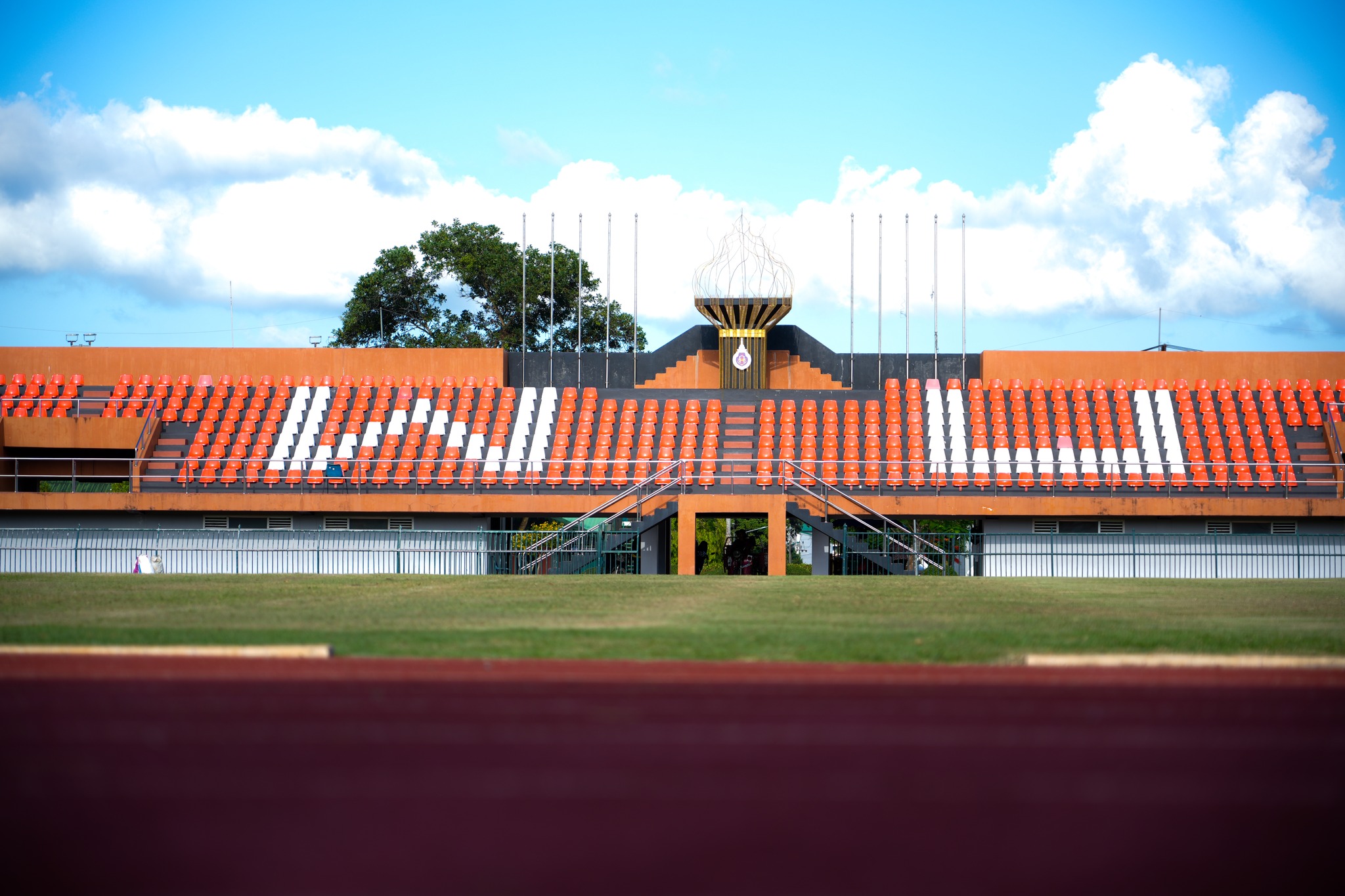
Tum Pang Central Stadium is one of the main facilities used by local residents for physical activity, particularly running in the morning and evening. The stadium includes a standard nine-lane synthetic running track, spectator stands, lighting systems, safe entrances and exits, and parking areas to support public use.

Also, the university provides an outdoor aerobic exercise area that is open to the local community free of charge, with instructors regularly leading exercise sessions. Academic support is also provided by university personnel, including lecturers from the School of Nursing. In addition, football fields, petanque courts, badminton courts, and other sports areas are available for use by members of the local community.
Sports Facilities Available for Community Access
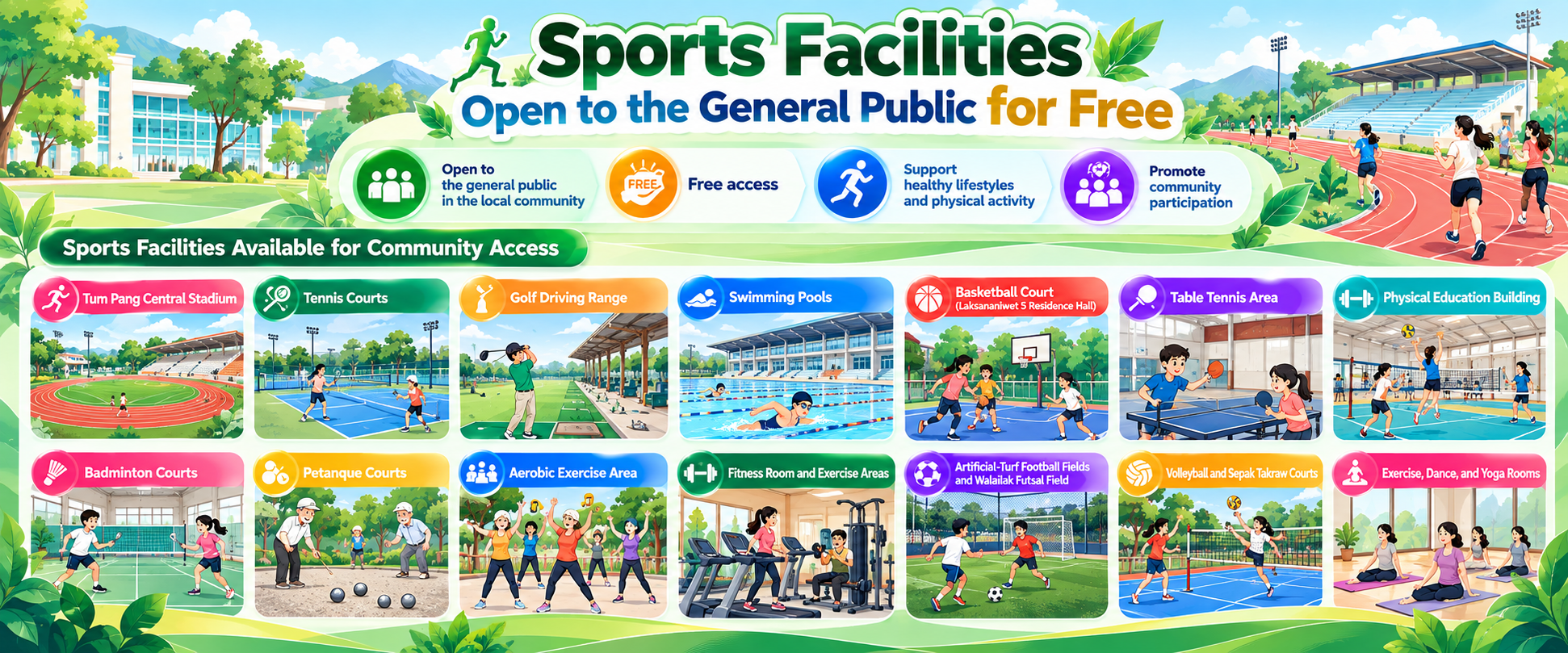
Walailak University provides a wide range of sports and physical activity facilities to support training, competitions, health-related exercise, and recreation. These facilities cover a variety of sports, including football, tennis, swimming, basketball, volleyball, badminton, sepak takraw, petanque, aerobics, fitness, and yoga.
These sports facilities provide opportunities for university members, the general public, and the local community to access and use sports infrastructure, including through free access, supporting healthy lifestyles, physical activity, and community participation.
Tum Pang Central Stadium
Tum Pang Central Stadium is the university’s main sports stadium and can accommodate sports activities and competitions at national and international levels. It includes one football field with a synthetic running track and supports training, competitions, and sports activities for both the University and the local community.
Tennis Courts
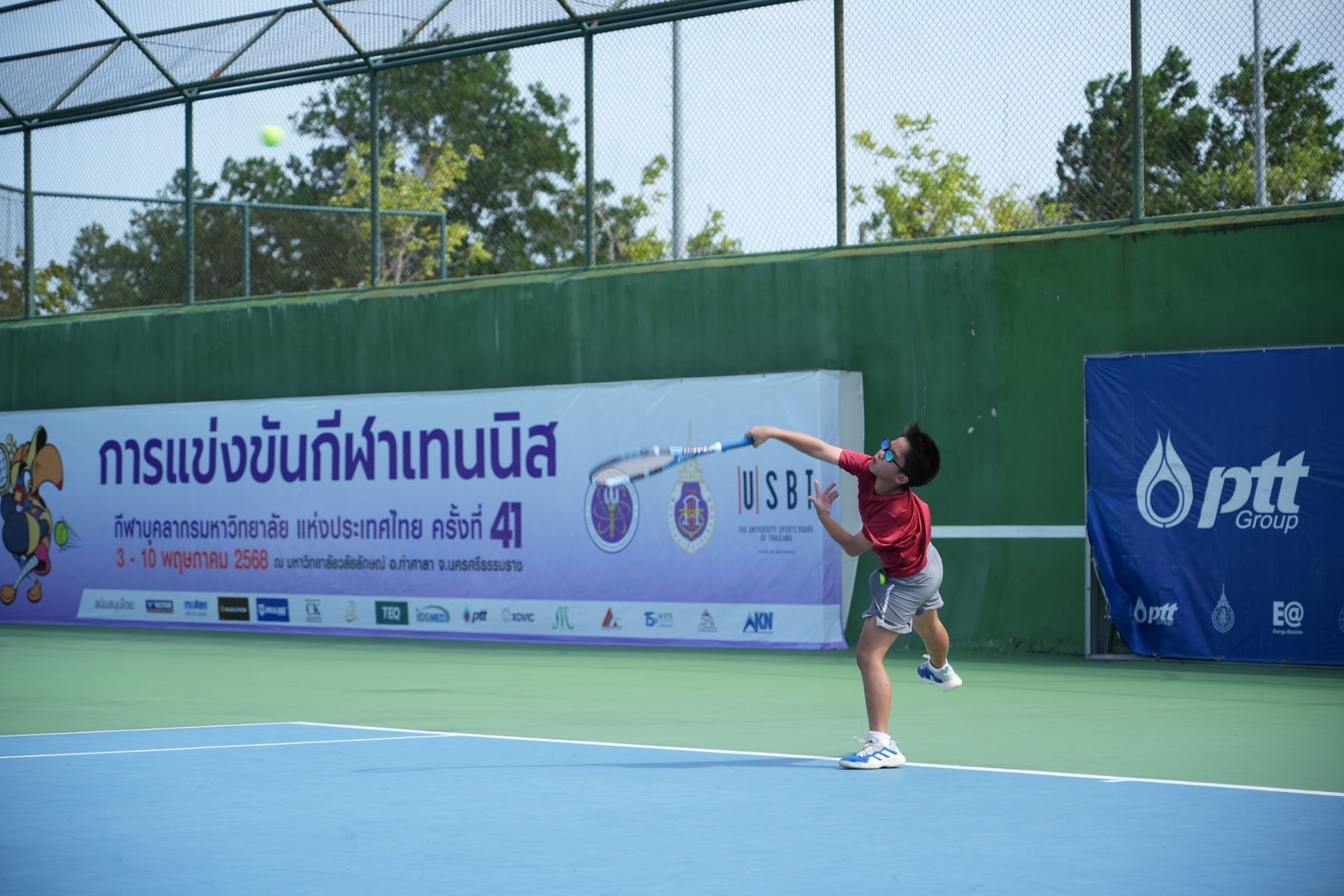
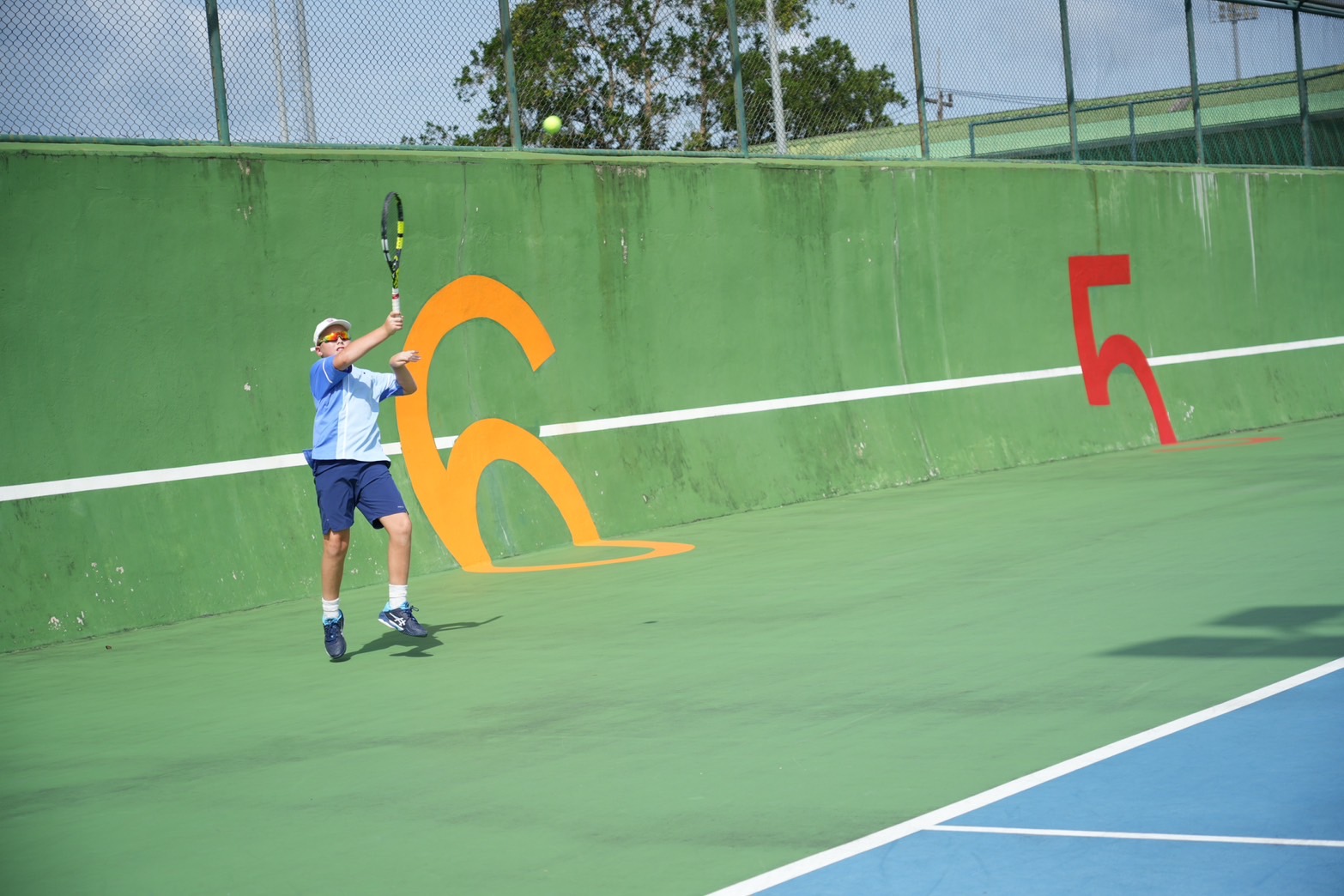
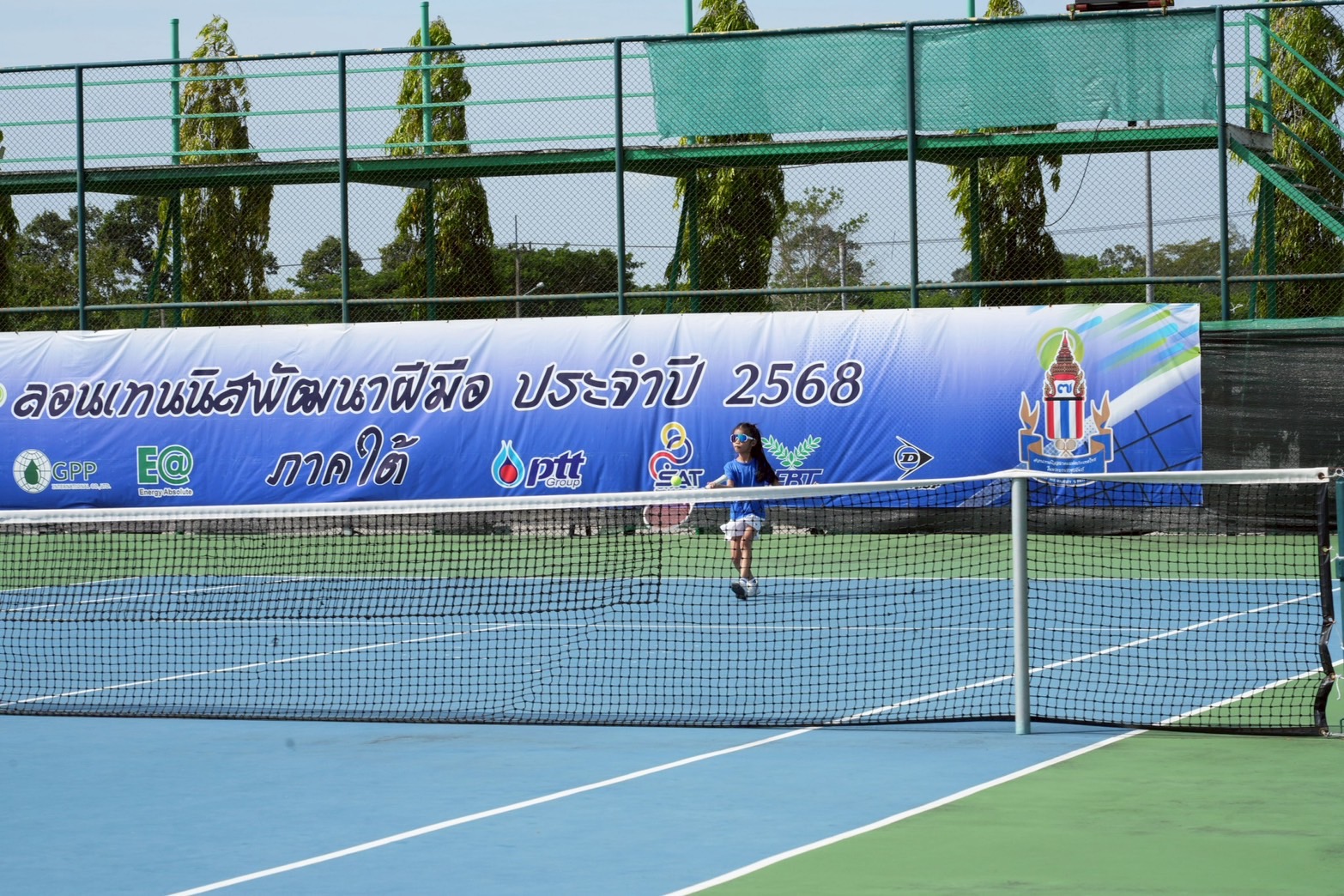
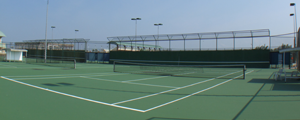
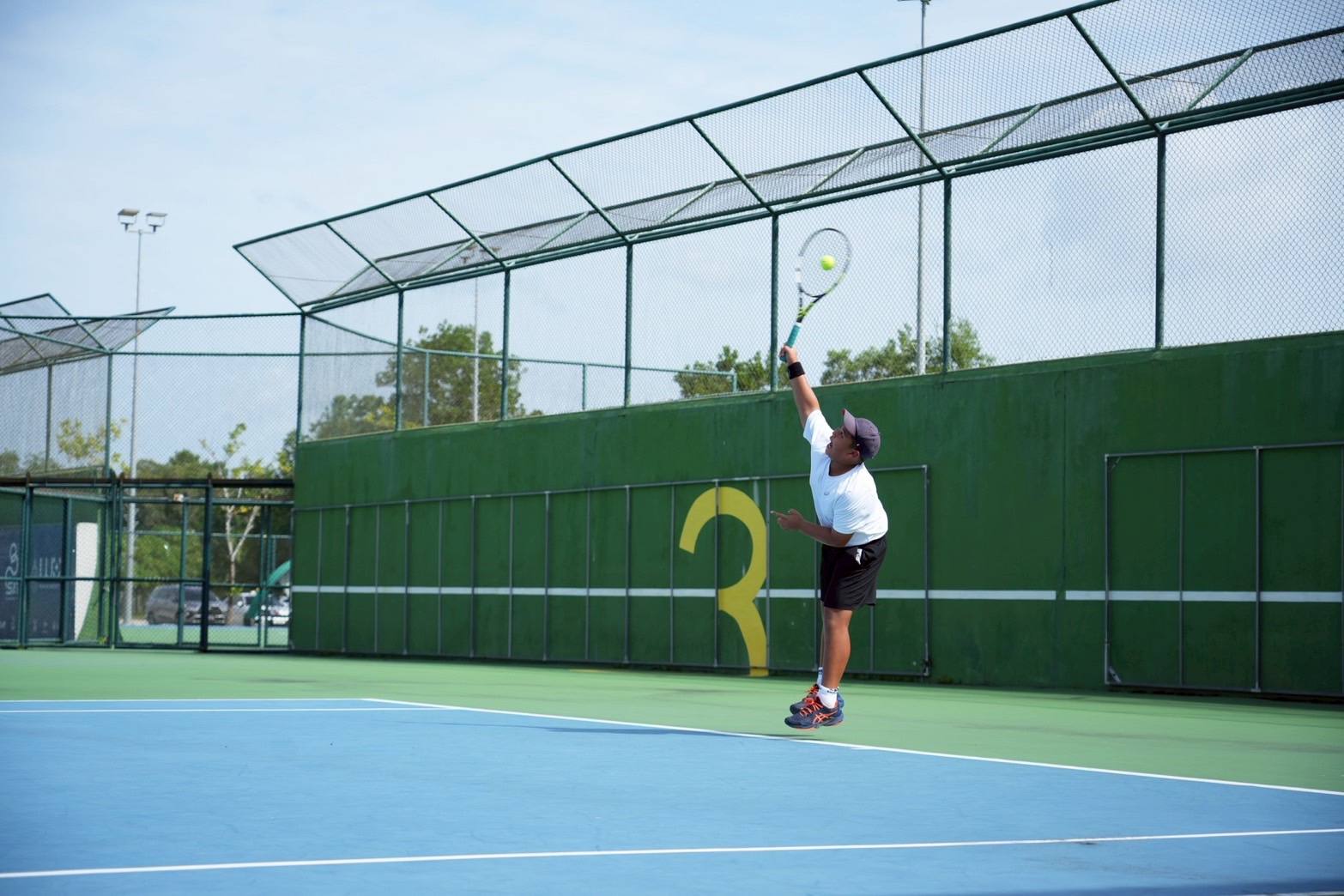
The university has eight competition-standard tennis courts with acrylic surfaces, lighting systems for daytime and nighttime use, and a practice wall. The facilities support exercise, training, and recreational tennis activities for users from the University and the community.
Golf Driving Range
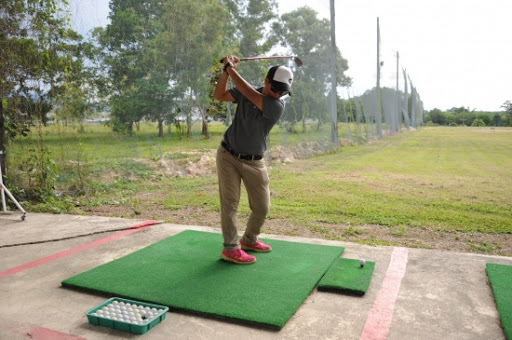
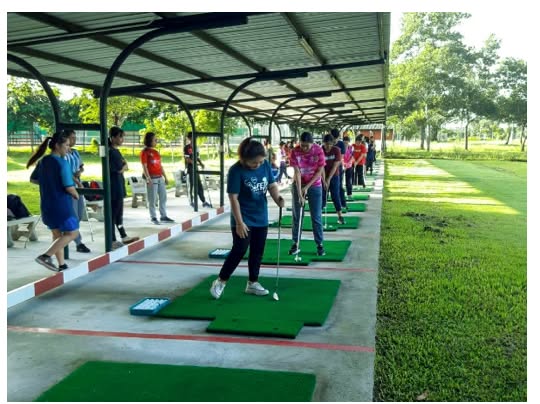
The golf driving range has 18 hitting bays and a putting green. It provides space for golf practice as well as recreational and physical activity.
Swimming Pools
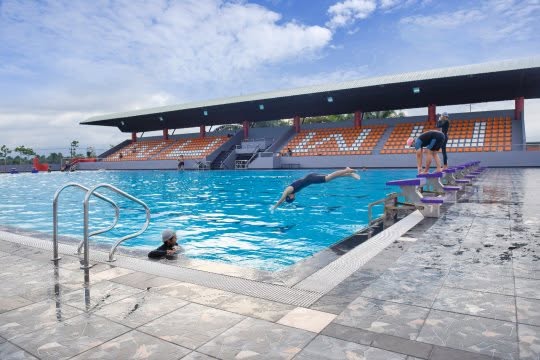
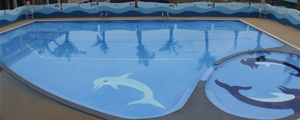
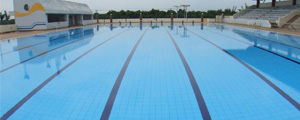
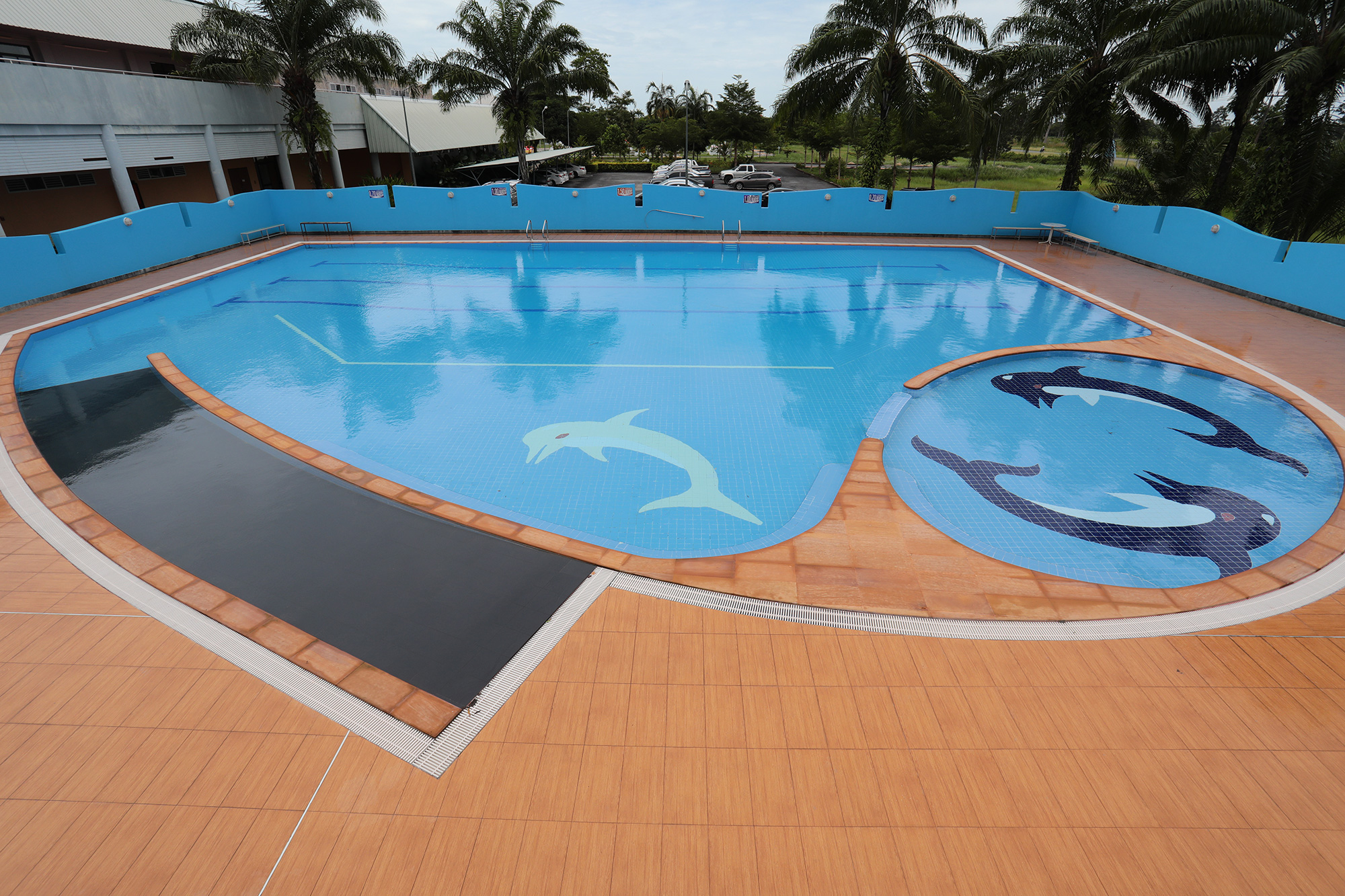
The university provides swimming facilities for training, competitions, and exercise, including one 50-metre swimming pool with spectator stands and one covered 25-metre swimming pool, as well as a family swimming pool. The facilities are located in areas that can be conveniently accessed, including through the university’s shuttle bus service.
Basketball Court in Front of Laksananiwet 5 Residence Hall
The university provides a standard-size basketball court measuring 15 × 28 metres for training, exercise, and competitions.
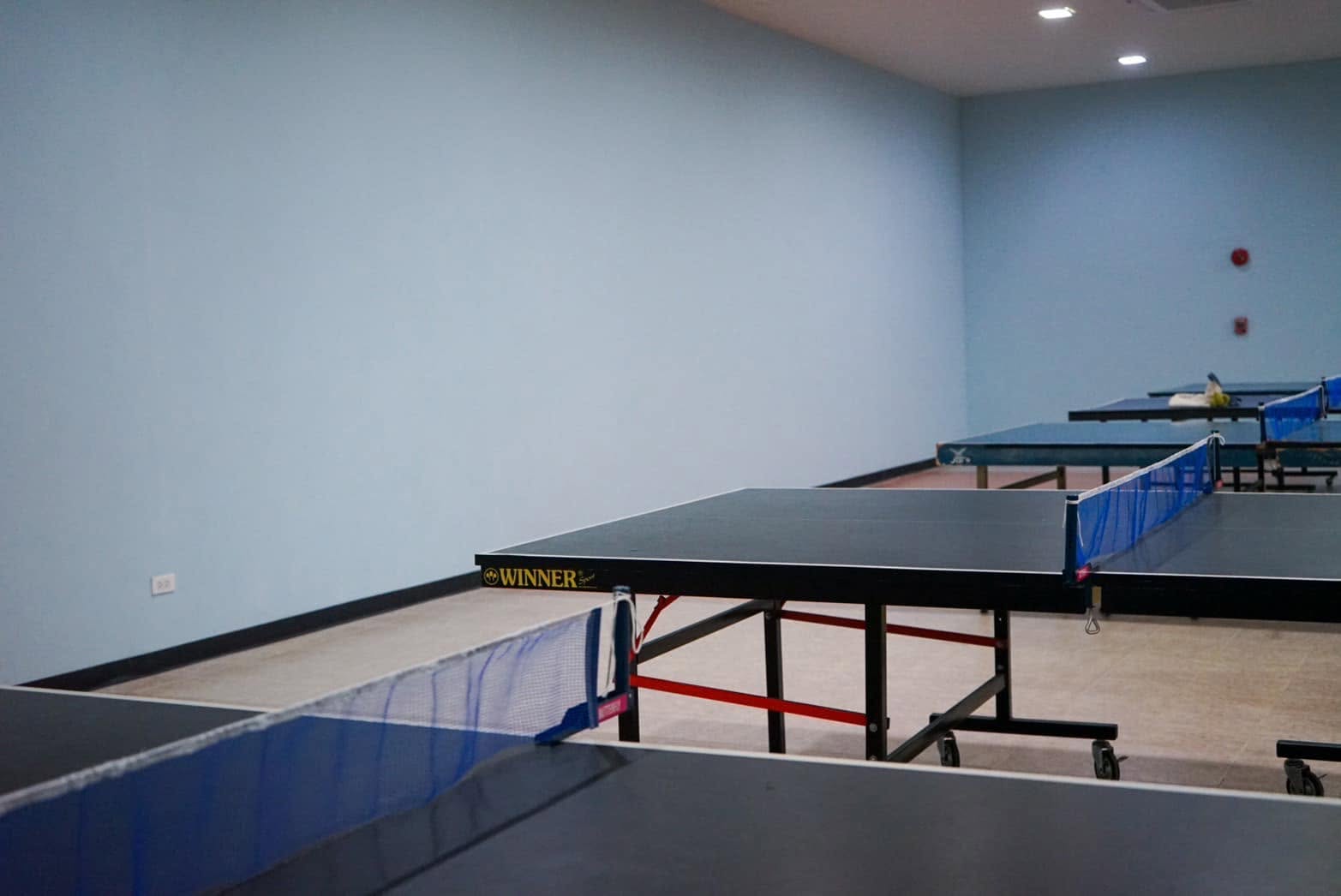
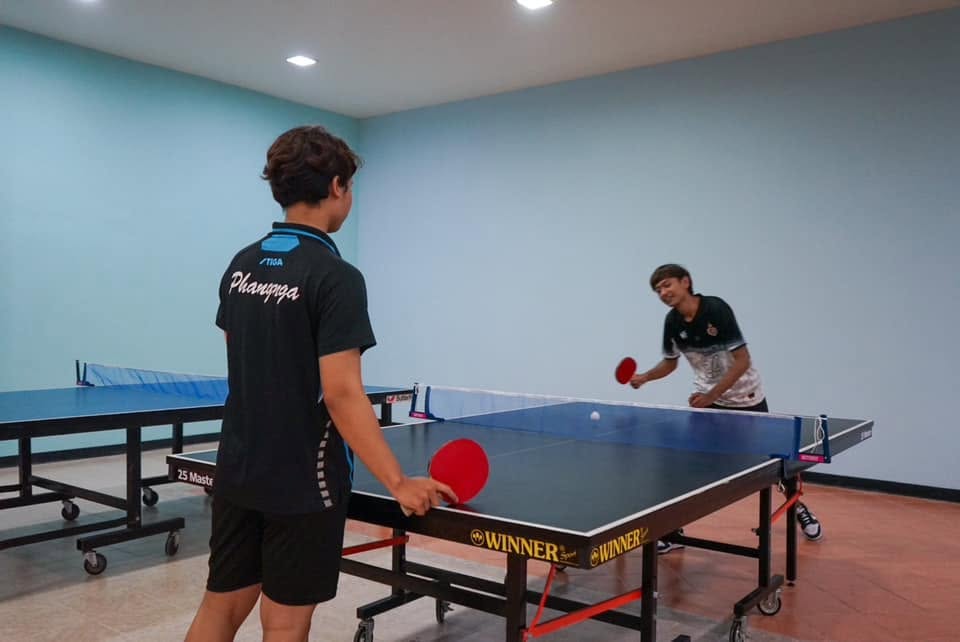
Table Tennis Area
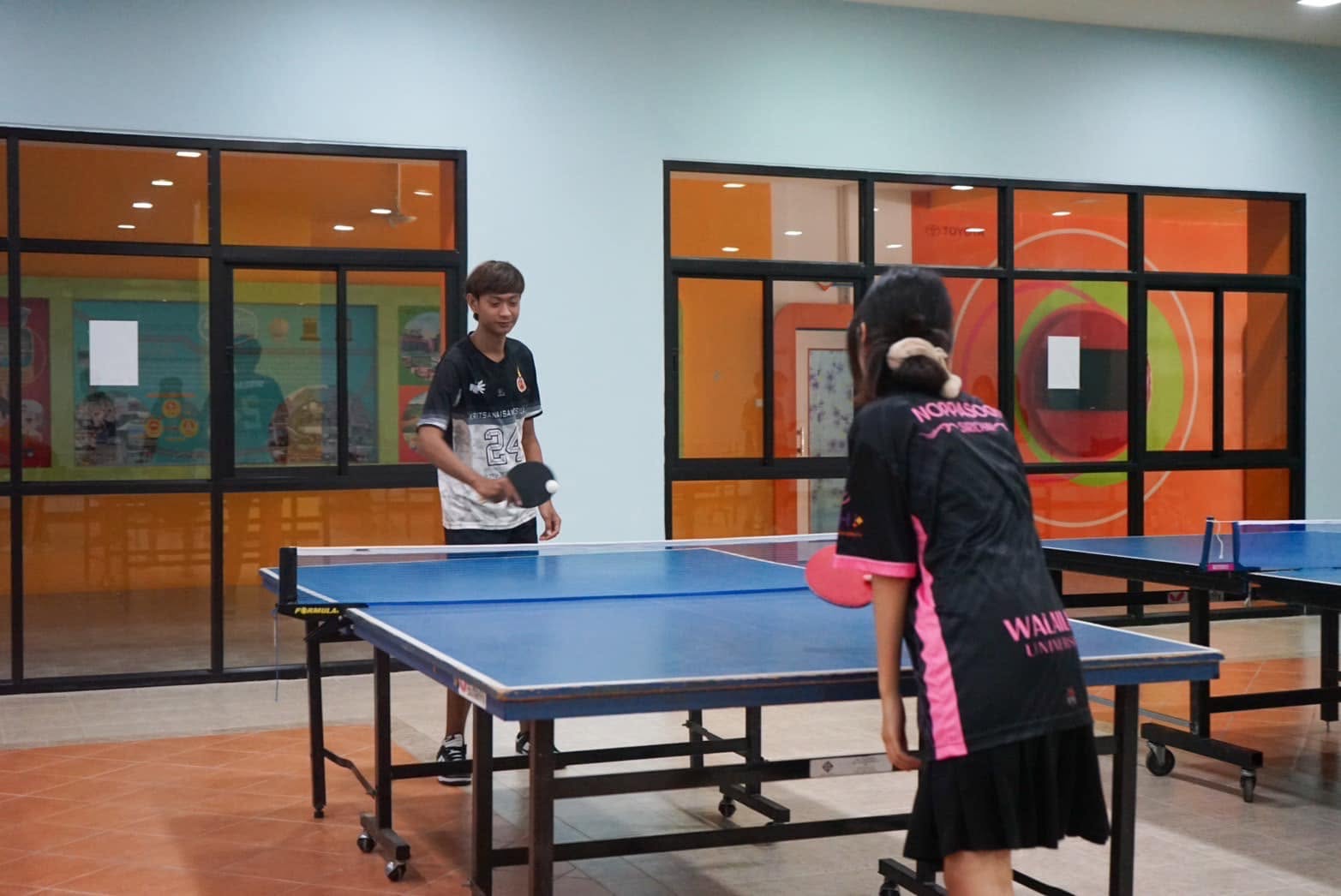
A table tennis area equipped with standard tables is provided for people interested in exercise, sport, and recreational activities.
Physical Education Building
The Physical Education Building provides facilities for several sports, including one basketball court, one volleyball court, and one sepak takraw court. It also includes a boxing platform and a physical fitness testing room to support sports training, health activities, and physical fitness development.
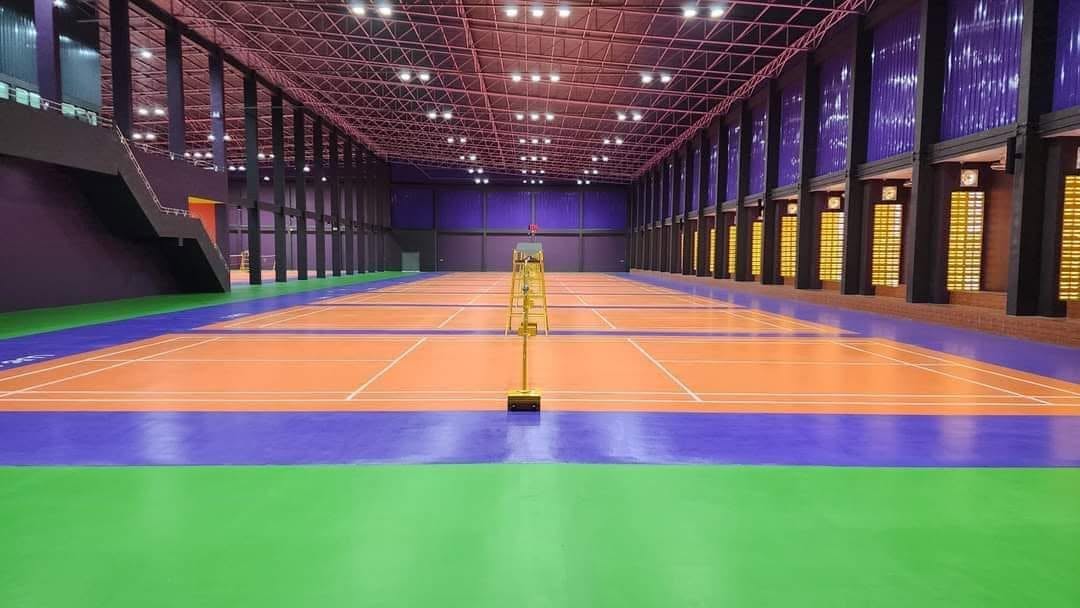
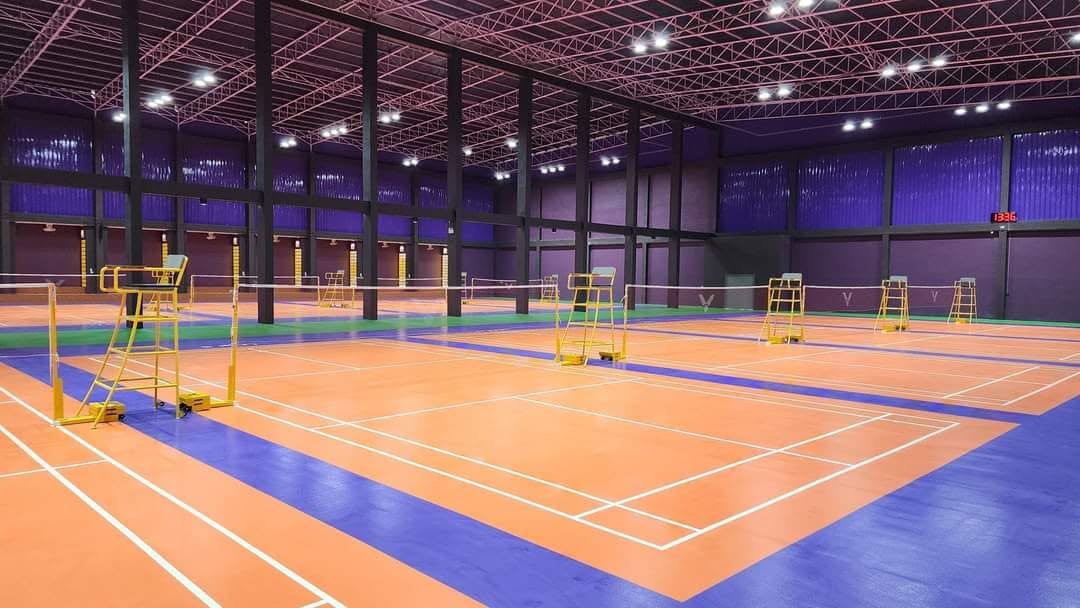
Badminton Courts
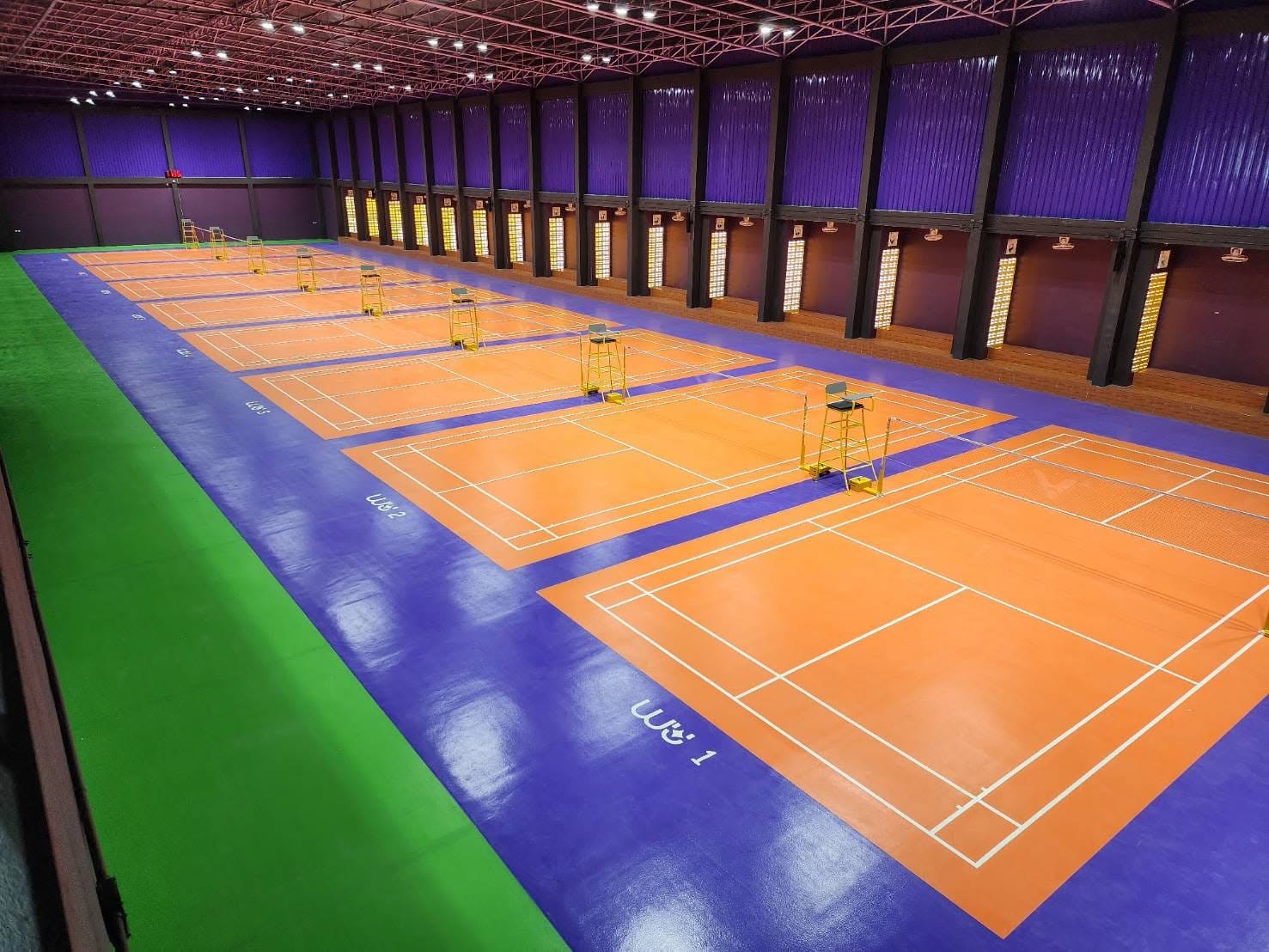
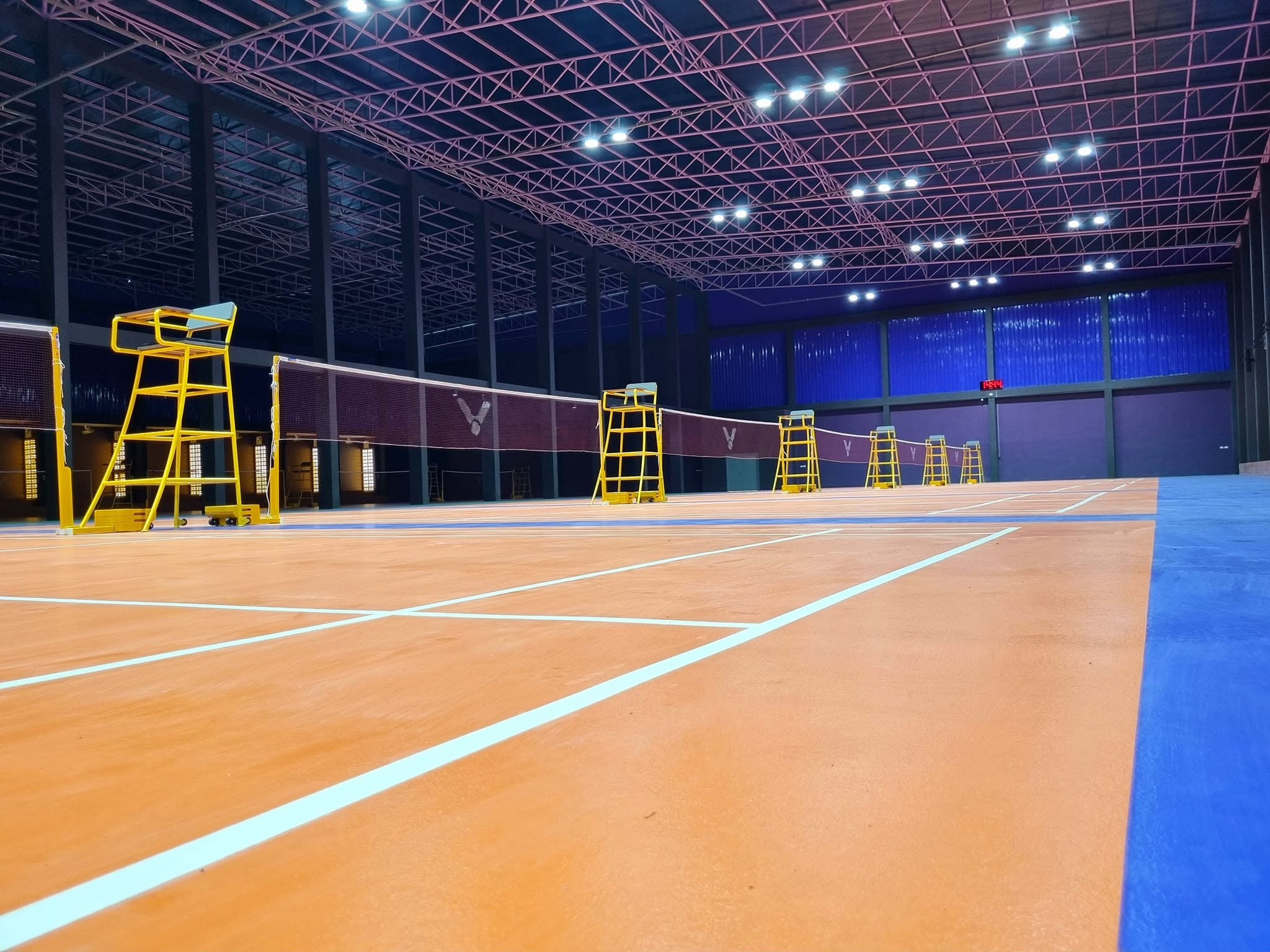
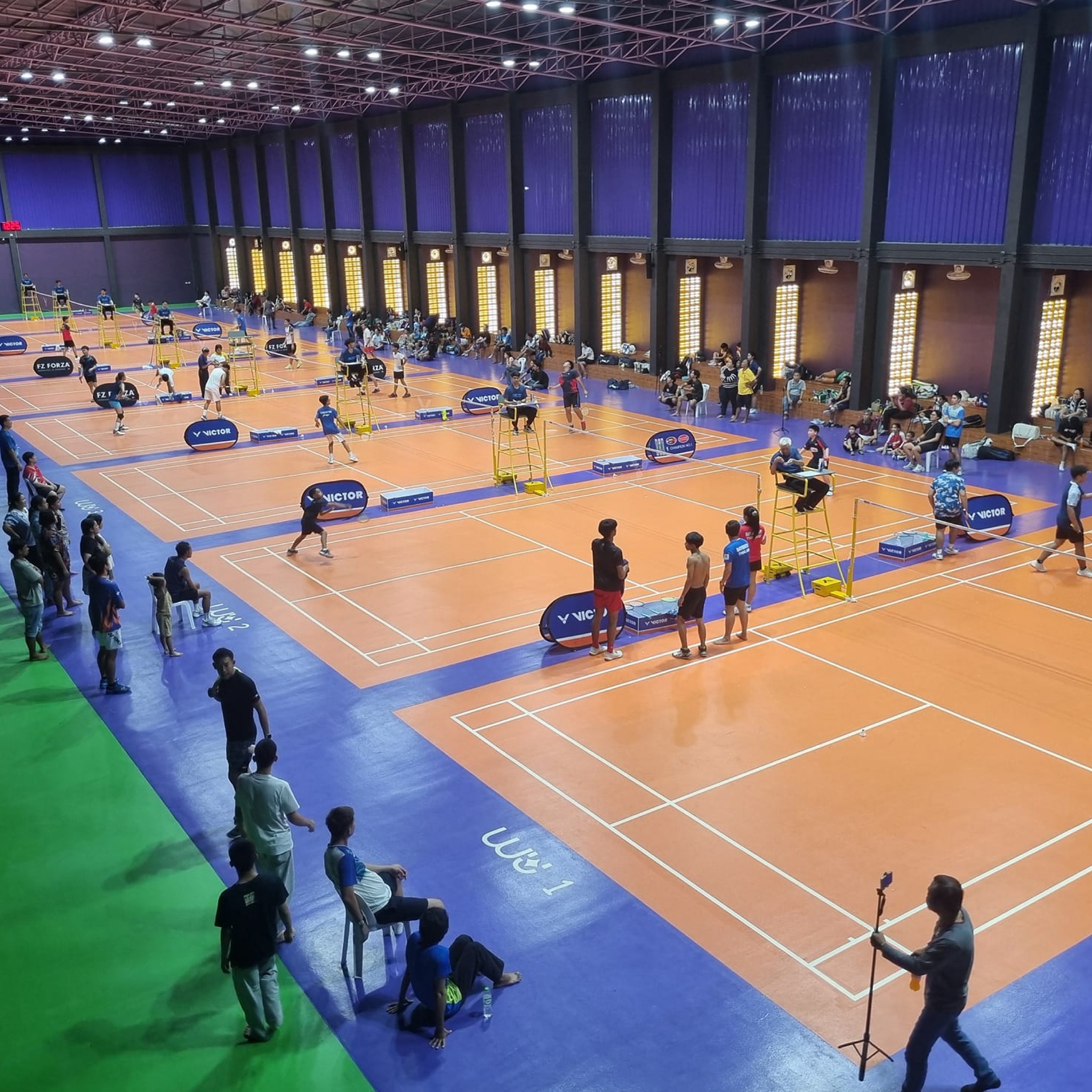
The university provides badminton facilities that are accessible to the general public and the local community, including 12 badminton courts with synthetic flooring and eight courts inside the badminton building near the residence halls, giving a total of 20 courts. These facilities support exercise, training, and competitions.
Petanque Courts
The university has 80 petanque courts with compacted surfaces for training and competitions. The facilities can accommodate recreational users and large-scale sports activities.
Aerobic Exercise Area
The university provides an area for aerobic and group exercise activities, including aerobic dance classes from Monday to Thursday, to promote physical activity and participation among users.
Fitness Room and Exercise Areas
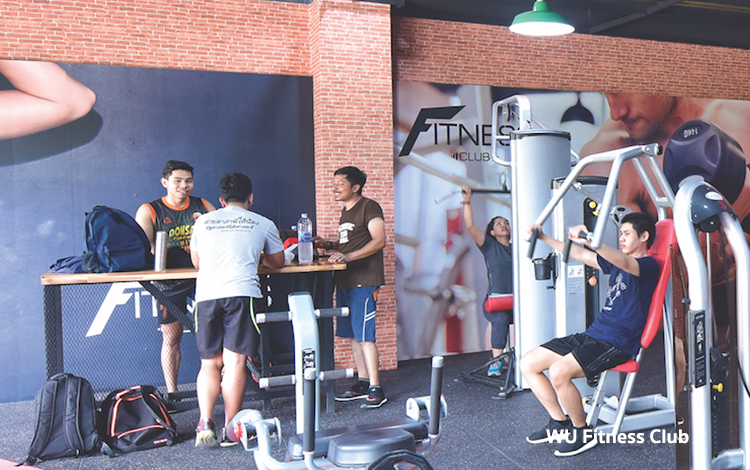
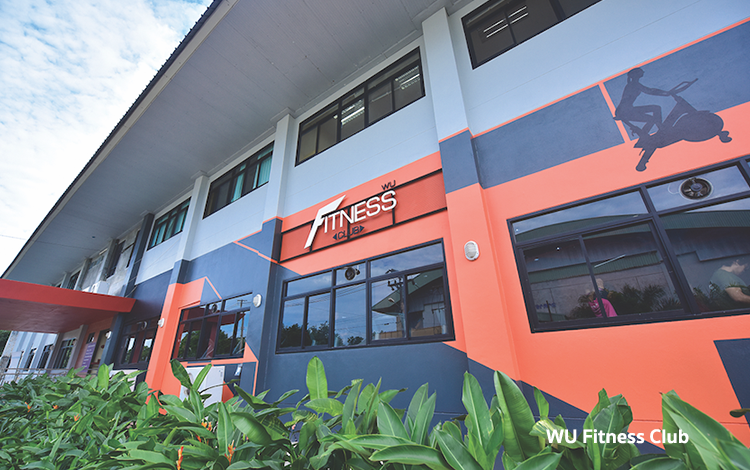
The university provides fitness facilities supporting different forms of exercise, including cardio equipment, weight training, and free weights. It also provides two rooms for yoga and aerobics to support both individual exercise and group activities.
Artificial-Turf Football Fields and Walailak Futsal Field
The university provides two artificial-turf football fields measuring 33 × 53 metres for training and competitions, as well as a futsal field equipped with lighting. These facilities support students, athletes, and people interested in sports from the local community.
Volleyball and Sepak Takraw Courts
The university provides standard volleyball and sepak takraw courts for training, exercise, and competitions. These facilities are available to university members and users from the local community.
Exercise, Dance, and Yoga Rooms
Dedicated exercise spaces are equipped with appropriate facilities and include designated areas for dance and yoga. These spaces support diverse forms of physical activity and accommodate the interests of different user groups.
Broad Access and Community Participation
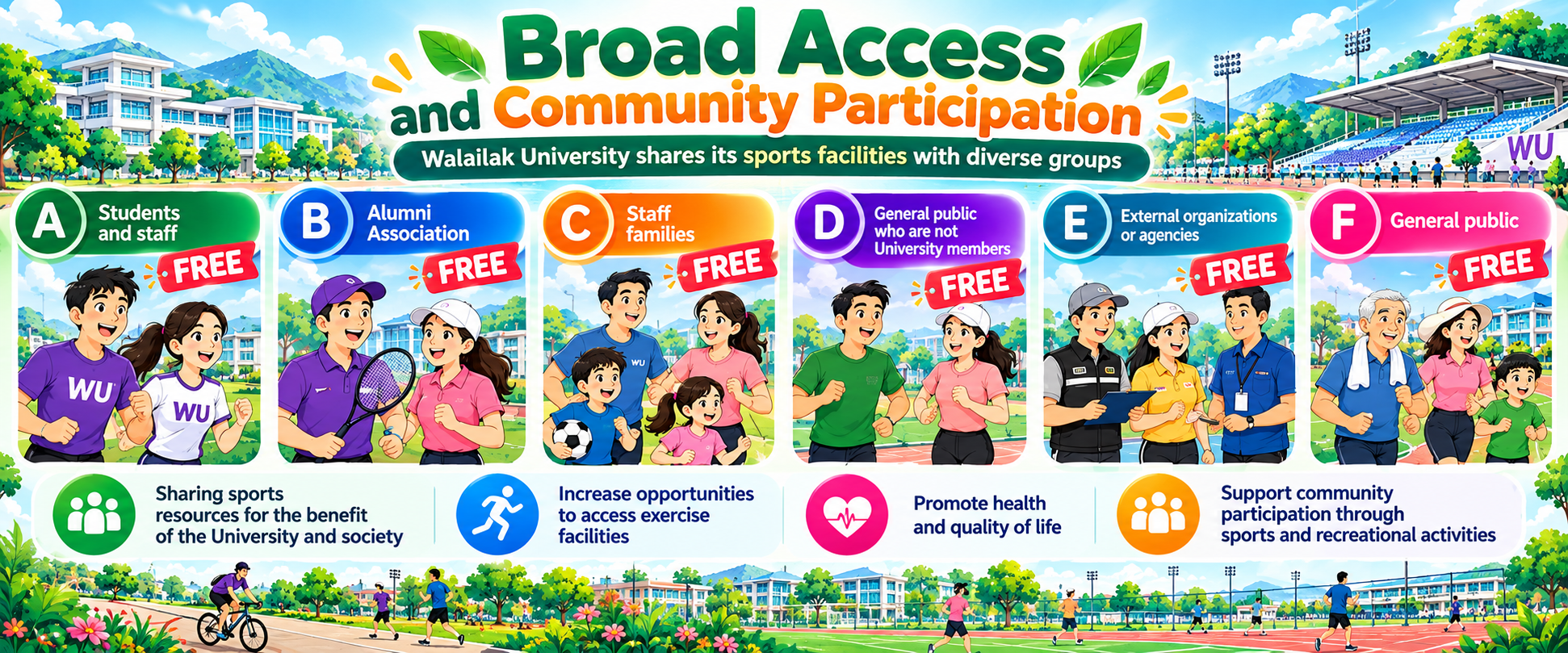
Walailak University aims to make its sports facilities accessible to a wide range of users by providing opportunities for different groups to access and use its sports areas. These groups include university students and staff, the Alumni Association, staff families, the general public, local residents, and external organizations and agencies.
The user groups include:
- Group A: Students and staff
- Group B: Alumni Association
- Group C: Staff families
- Group D: General public who are not University members
- Group E: External organizations or agencies
- Group F: General public
The sharing of these facilities demonstrates the university’s approach to using its sports resources and infrastructure for the mutual benefit of the university and society. It increases opportunities to access exercise facilities, promotes health and quality of life, and supports community participation through sports and recreational activities.
Using Sports Facilities to Create Opportunities for Young People and the Public
The sharing of the university’s sports facilities also takes place through sports competitions and activities that provide opportunities for students, young people, and athletes from outside the university to use its facilities.
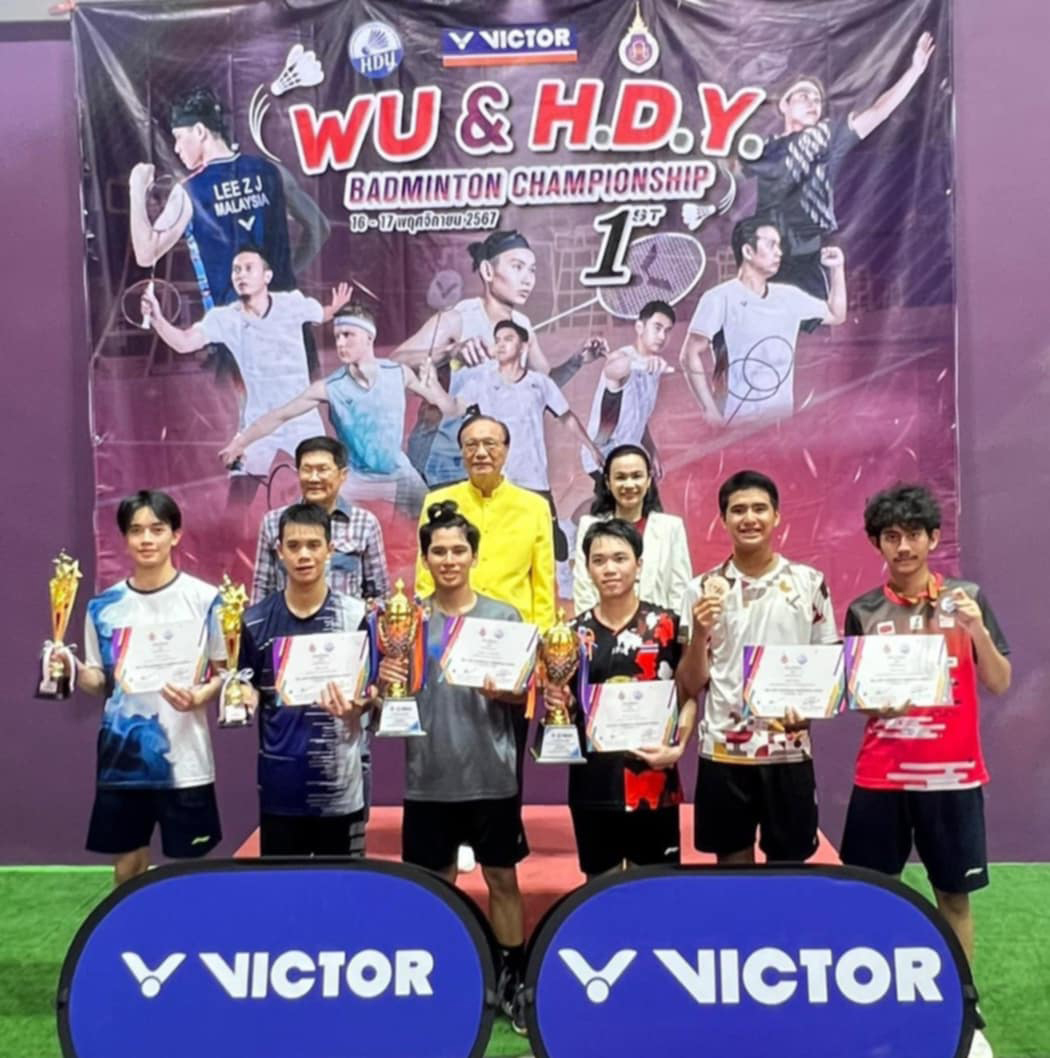
For example, the WU & H.D.Y. Badminton Championship attracted more than 350 participants. The Walailak Championship 2025 Swimming Competition also provided access to the university’s sports facilities for students and young people aged 7–15, as well as general-category athletes.
In 2025, the university hosted the Football Thailand U-Championship Southern Regional Qualifying Round, using Tum Pang Central Stadium and the university’s training fields.
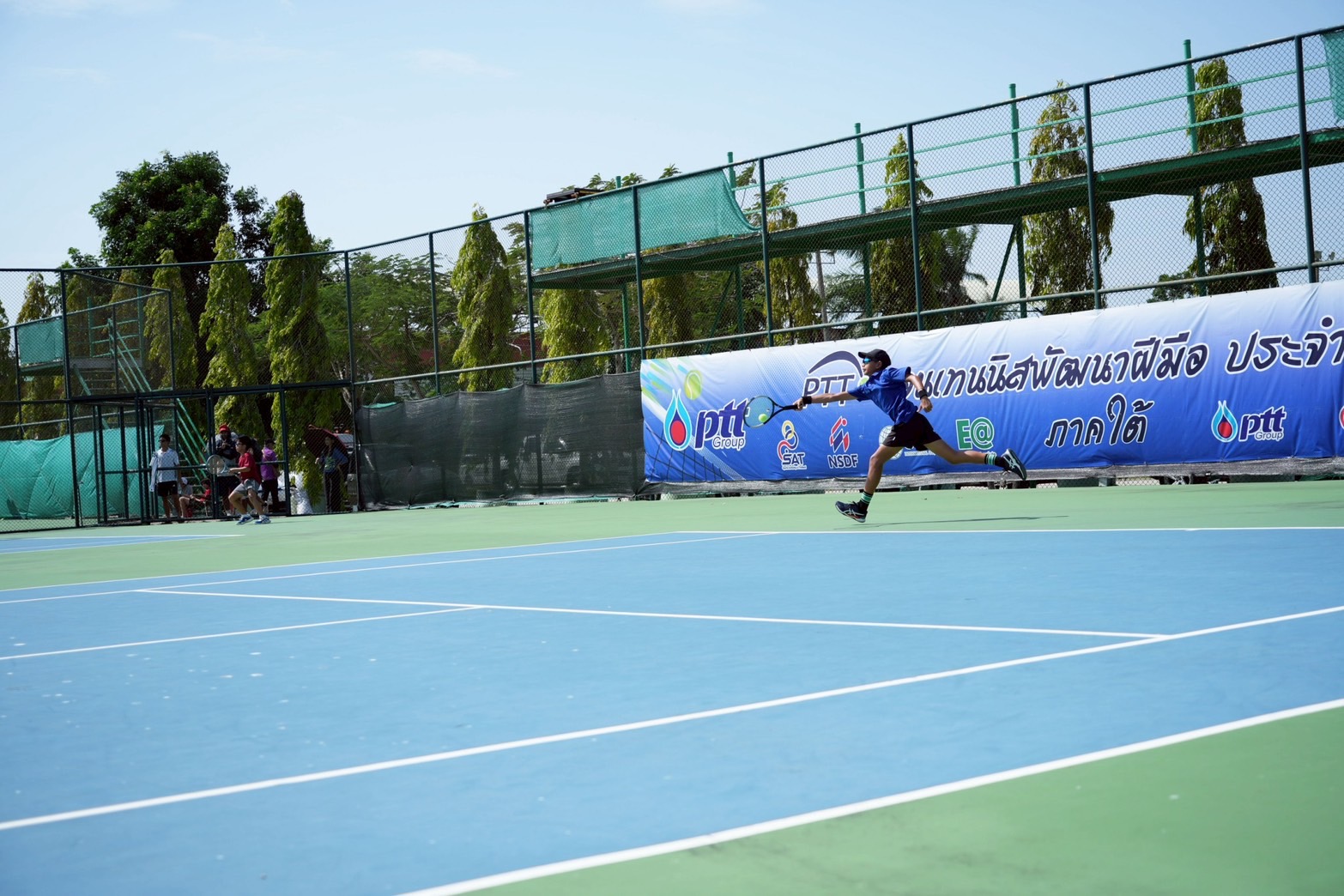
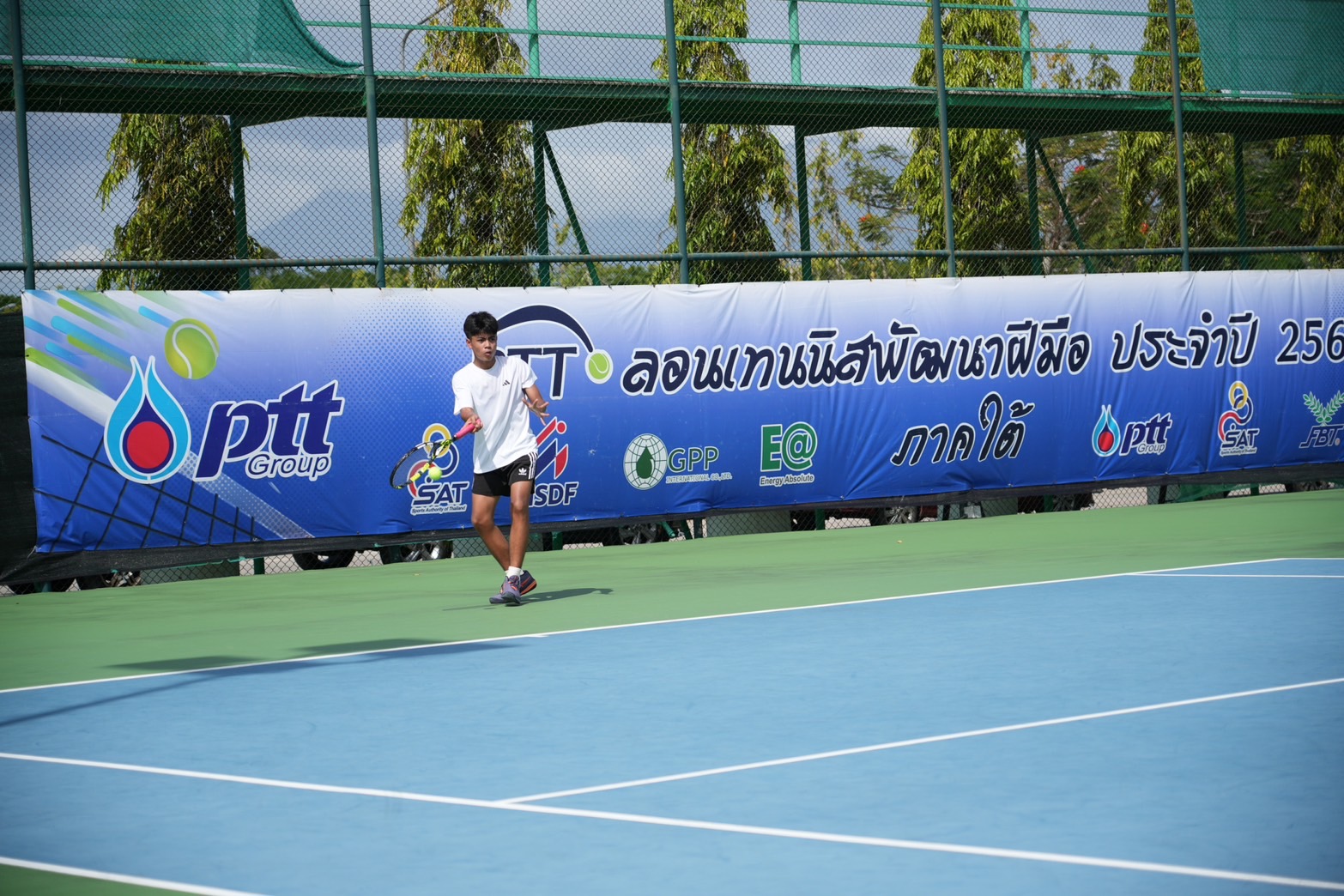
The university also hosted the PTT–Lawn Tennis Skill Development Southern Tournament at its standard tennis courts, with 141 young athletes participating, including participants from Japan, Malaysia, Russia, and Hong Kong.
These activities demonstrate how the university’s sports facilities serve as shared spaces for the development of sports skills and create opportunities for young people and athletes from outside the university.
Evidence of Actual Use
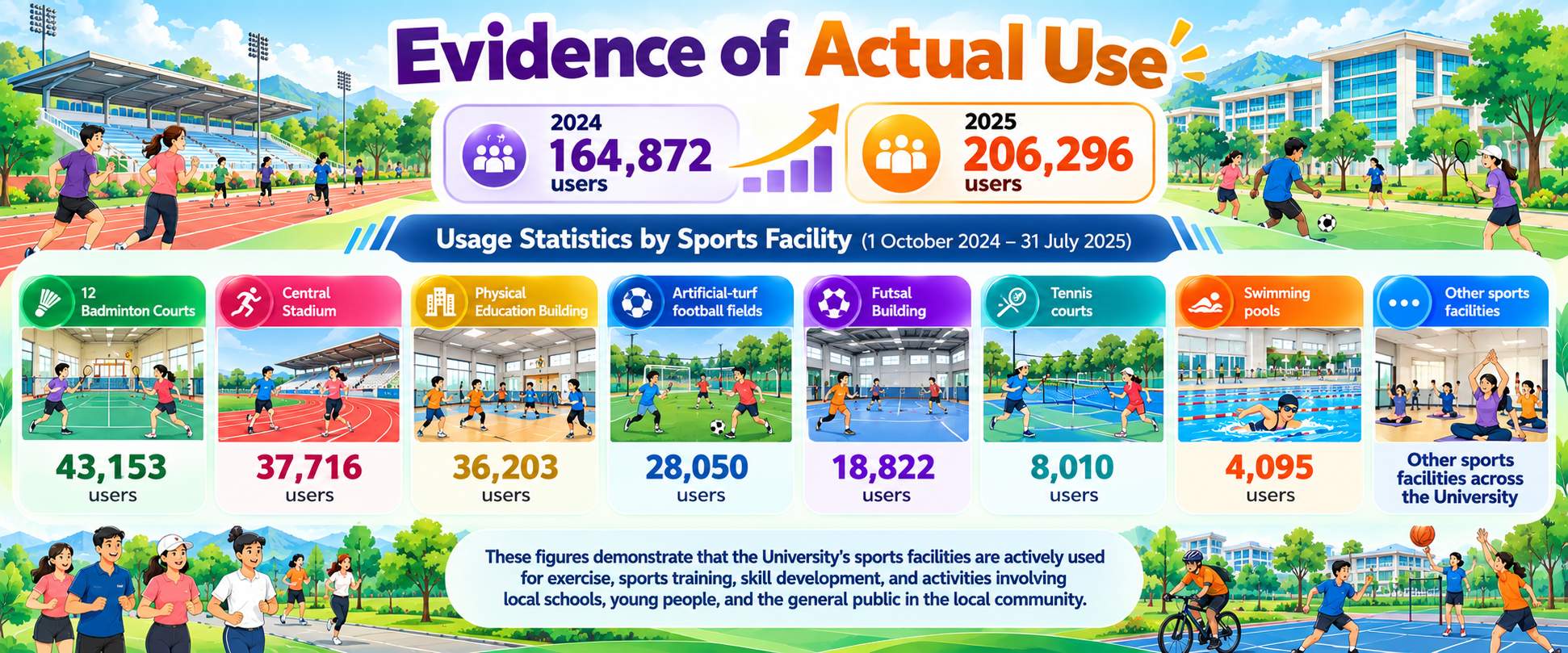
The sharing of sports facilities has resulted in substantial actual use. In 2025, the university’s sports facilities recorded a total of 206,296 users, increasing from 164,872 users in 2024.
Usage statistics from 1 October 2024 to 31 July 2025 demonstrate actual use across multiple sports facilities, including:
- 12 badminton courts: 43,153 users
- Central Stadium: 37,716 users
- Physical Education Building: 36,203 users
- Artificial-turf football fields: 28,050 users
- Futsal Building: 18,822 users
- Tennis courts: 8,010 users
- Swimming pools: 4,095 users
- Other sports facilities across the University
These figures demonstrate that the university’s sports facilities are not limited to internal university use. They are actively used for exercise, sports training, skill development, and activities involving local schools, young people, and the general public in the local community.
Standards and Certification of Sports Facilities
Walailak University’s sharing of sports facilities with university members, the general public, and the local community is supported by an emphasis on quality, safety, and health-promoting infrastructure.
The university’s sports and health-promoting facilities have been assessed under the Healthy University Rating System (HURS), a system that evaluates universities’ efforts to promote health in the ASEAN region. The assessment covers key areas including Systems and Infrastructure (SI), Zero Tolerance Areas (ZT), and Health Promotion Areas (HP). The assessment reflects the university’s commitment to providing infrastructure and environments that support the health and safety of facility users. Walailak University received a 5-Star Rating under the Healthy University Rating, providing external evidence of the university’s development and management of health-promoting infrastructure and spaces in accordance with health and safety criteria.
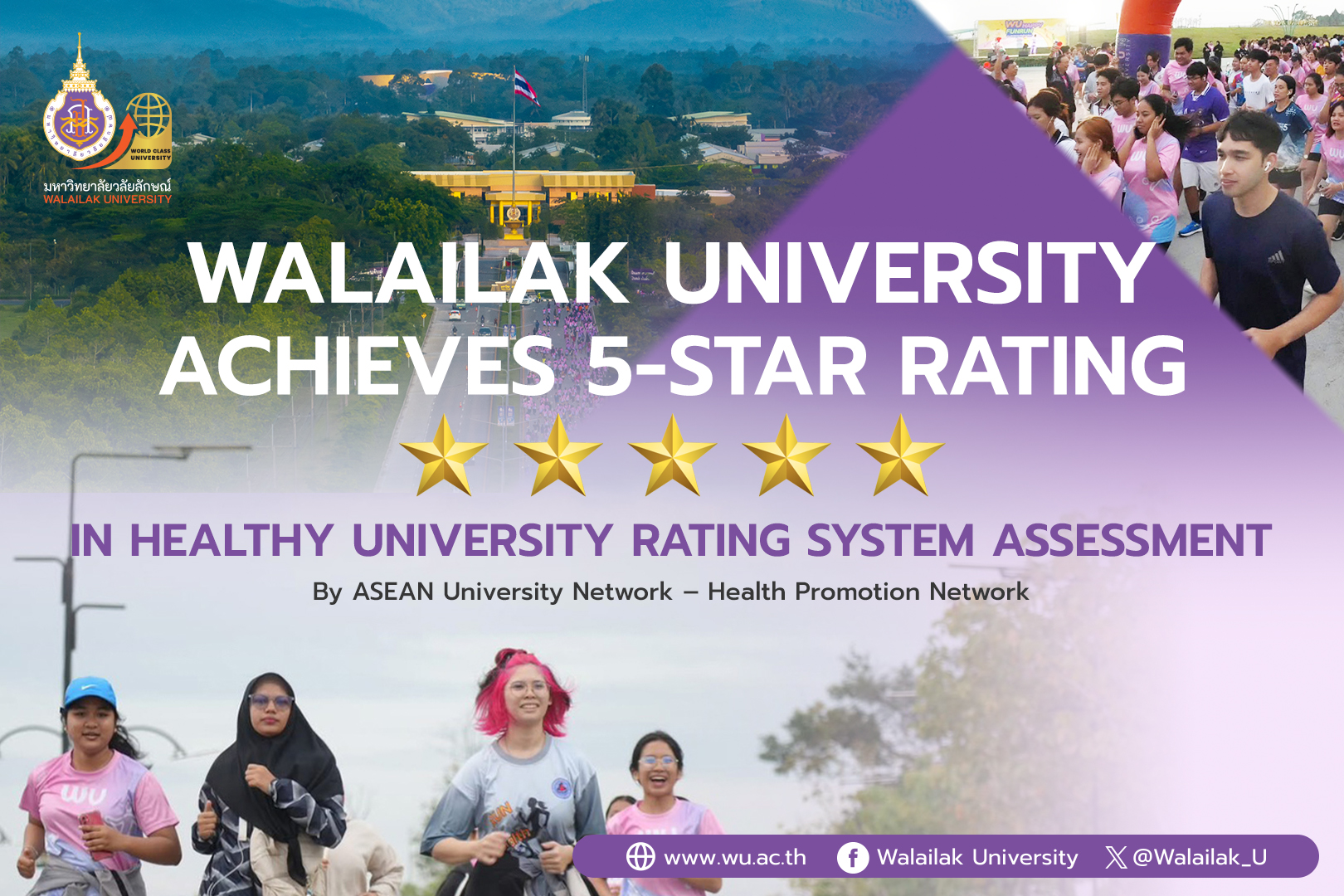
Therefore, the sports facilities shared with students, staff, alumni, staff families, the general public, the local community, and external organizations and agencies are supported by both broad access and health and safety standards. The 5-Star HURS rating provides external evidence of the quality of the university’s systems and infrastructure supporting users from both within and outside the university.
From University Resources to Public Benefit
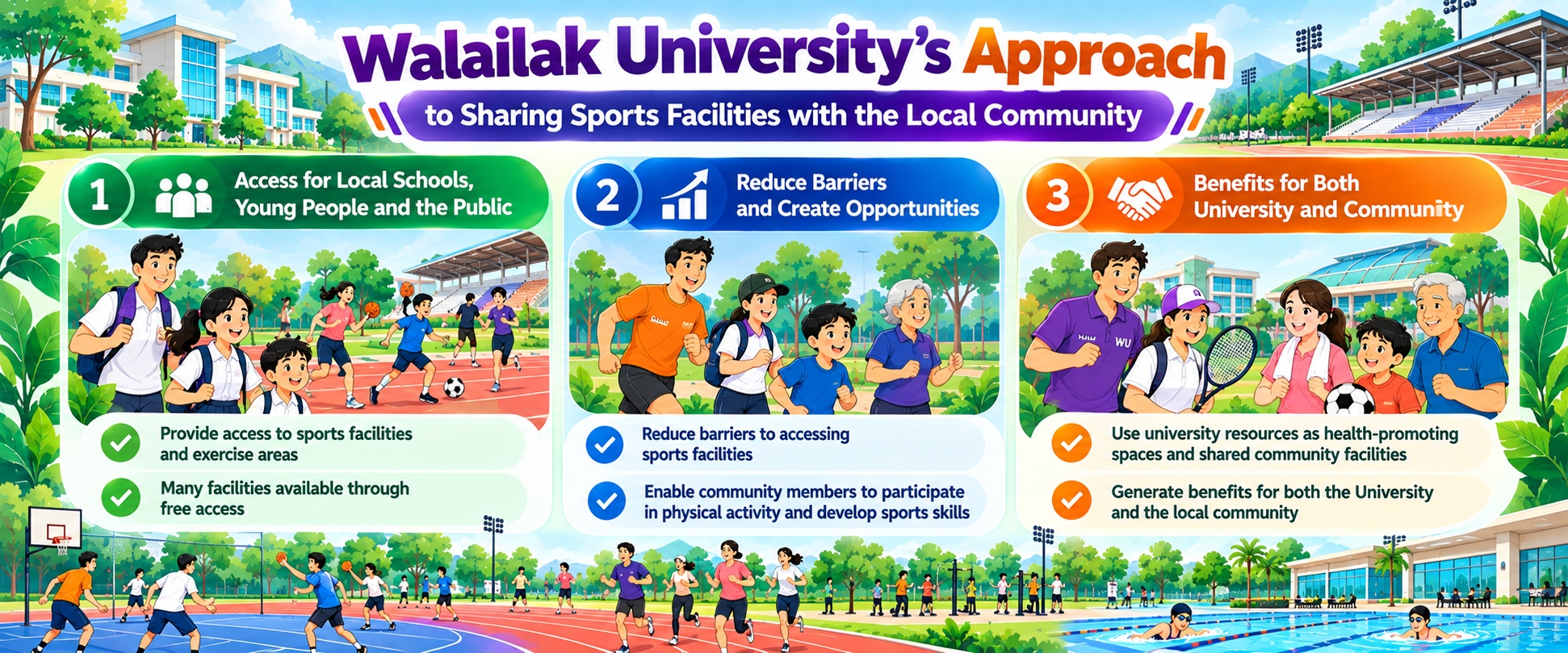
Walailak University’s approach to sharing sports facilities with the local community reflects its role as an institution working in partnership with surrounding communities. The university provides local schools, young people, and the general public with access to sports facilities and exercise areas, with many facilities available through free access.
This approach helps reduce barriers to accessing sports facilities, particularly for schools and members of the public with limited resources. It creates opportunities for people in the local community to participate in physical activity, develop sports skills, and take part in sports activities in a safe and well-supported environment.
Through the sharing of its sports facilities, Walailak University uses its resources not only as educational infrastructure but also as health-promoting spaces and shared community facilities that generate benefits for both the university and the local community.