Walailak University Student Mental Health Support System: From Problem-Based Care to Active Promotion of Good Mental Health
Walailak University places importance on mental health support and the mental well-being of students as an integral part of the student support system throughout their university life. The university’s approach is not limited to providing assistance when problems or crises occur, but encompasses active promotion of good mental health, prevention and early identification of risks, screening, counseling, initial assistance, specialist care, referral, and continuous follow-up. These services are intended to enable students to learn, live, and develop themselves happily and successfully. The university provides diverse channels for students to access mental health support from the beginning of their university journey and throughout their studies.
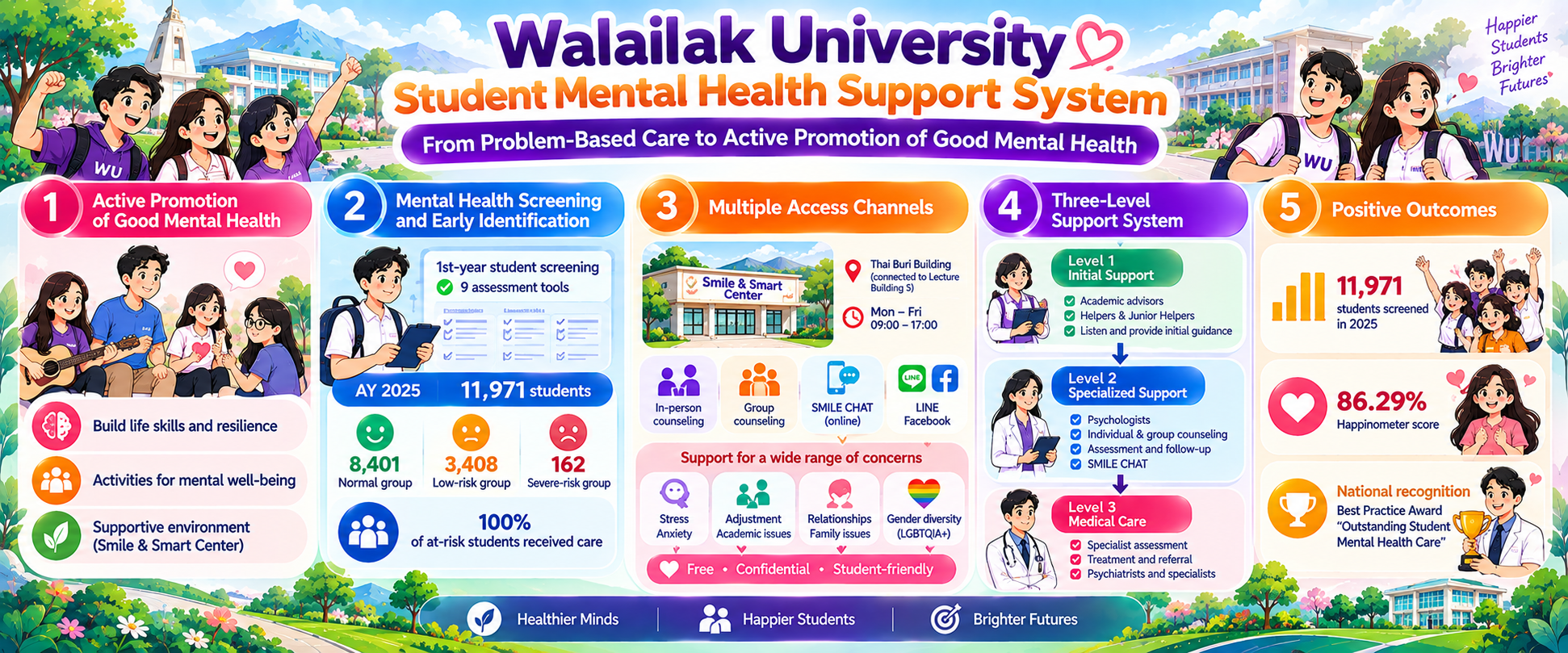
Active Promotion of Good Mental Health for Students
The university implements active promotion of good mental health by building students’ readiness in terms of mental well-being, life skills, and a supportive environment. Rather than waiting until problems arise, the university develops systems for promotion and prevention from an early stage.
Mental Health Promotion from the Beginning of University Life
Mental health support begins when students enter the university through mental health screening for first-year students. The screening uses nine mental health screening tools, including the Patient Health Questionnaire-9 (PHQ-9), the two-question depression screening (2Q), the 15-item Thai Happiness Indicator, the Suicide Risk Assessment (8Q), the 20-item Stress Assessment, the Stress Test (ST-5), the Depression Anxiety Stress Scales (DASS-21), the Depression Screening Assessment (PHQ-9, 9Q), and the Adult ADHD Questionnaire. These tools help identify early signs or risk factors related to students’ mental health.
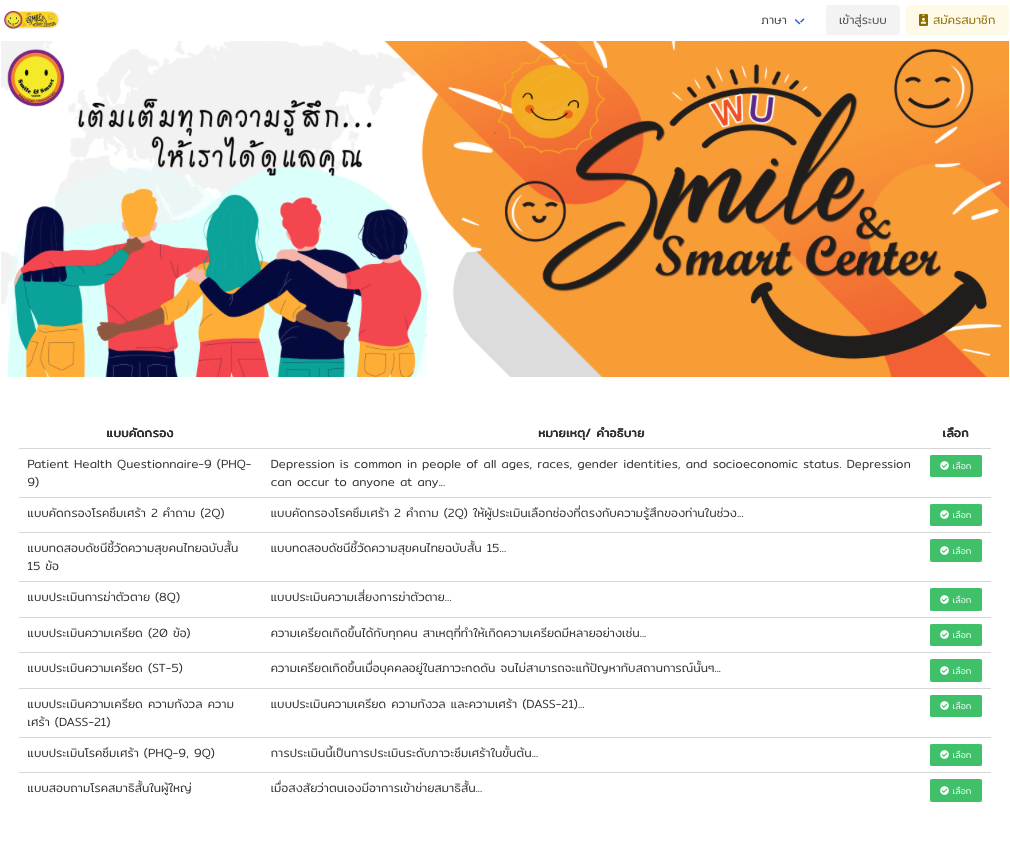
The screening results are not intended merely to identify students’ mental health status. They are also used for early identification and early intervention, enabling students who require assistance to enter an appropriate support process in a timely manner.
Building Resilience and Psychological Strength
Alongside risk identification, the university promotes students’ ability to care for themselves and cope with challenges through various activities.
1. Resilience Quotient (RQ) Training
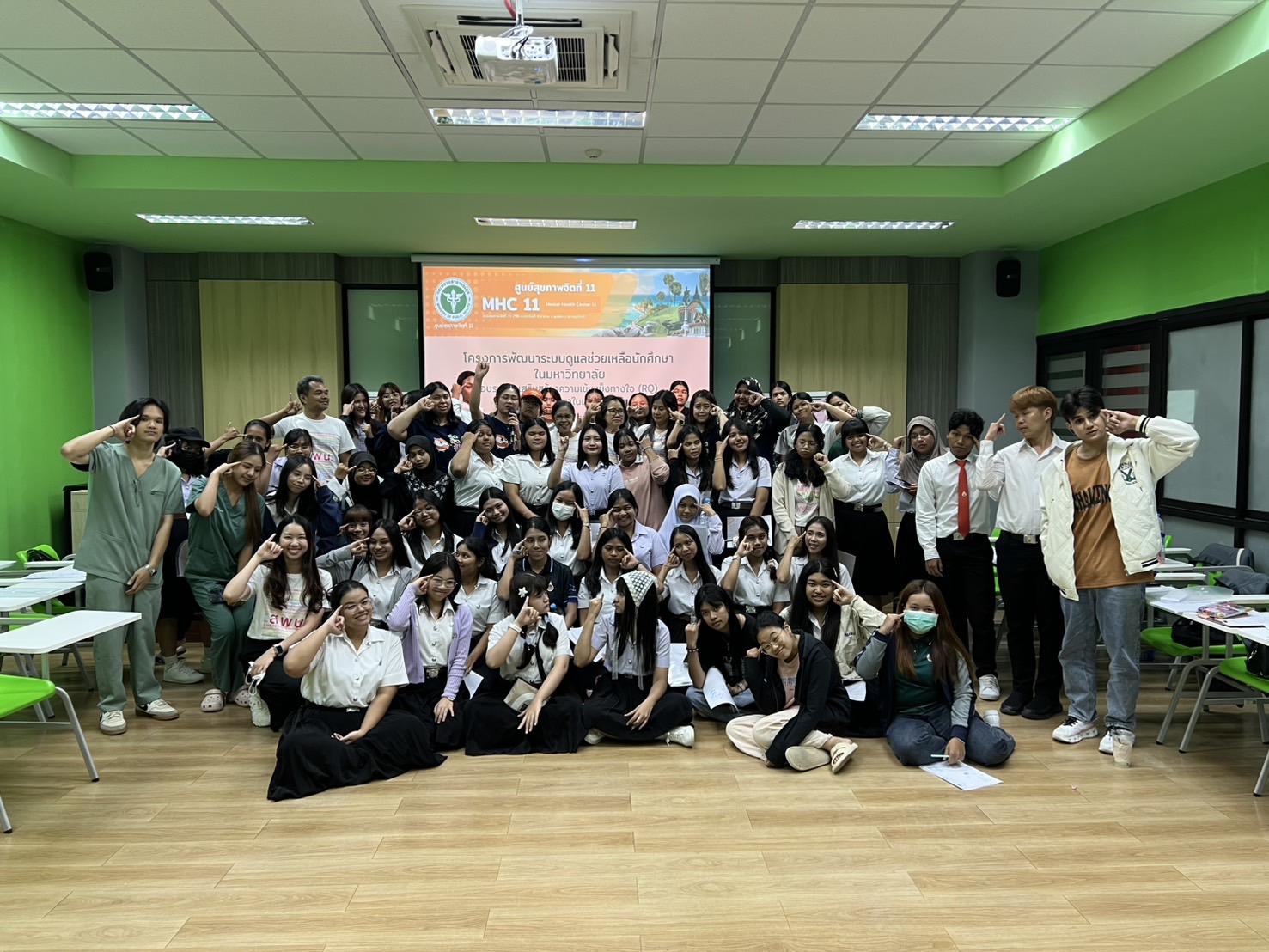
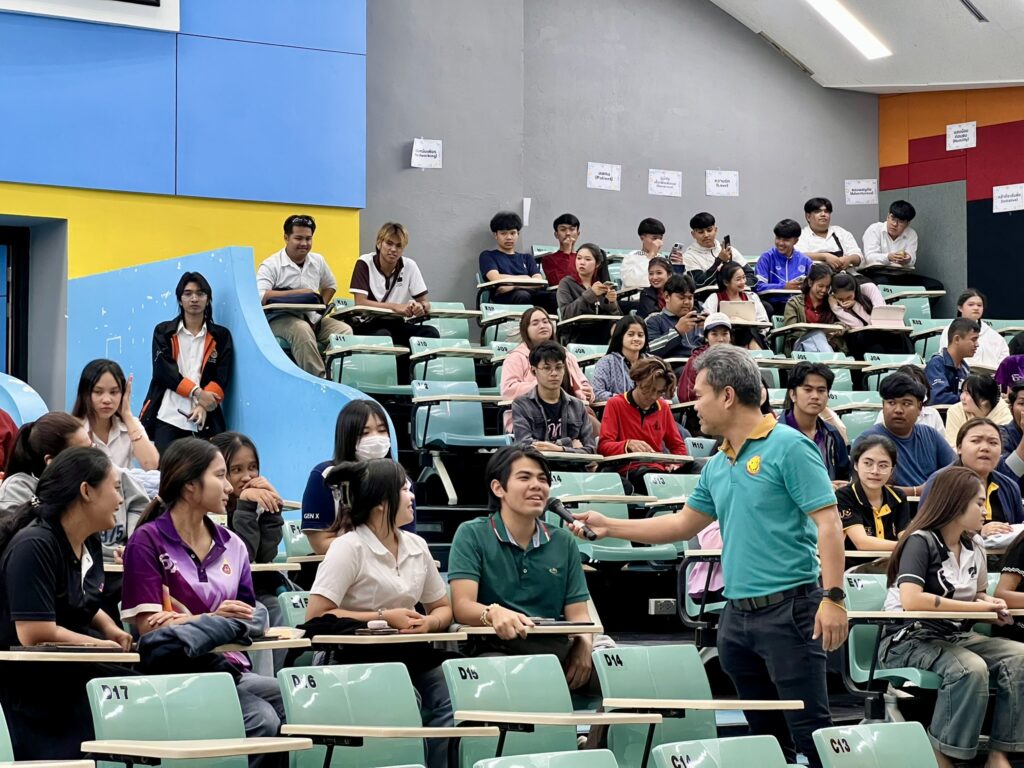
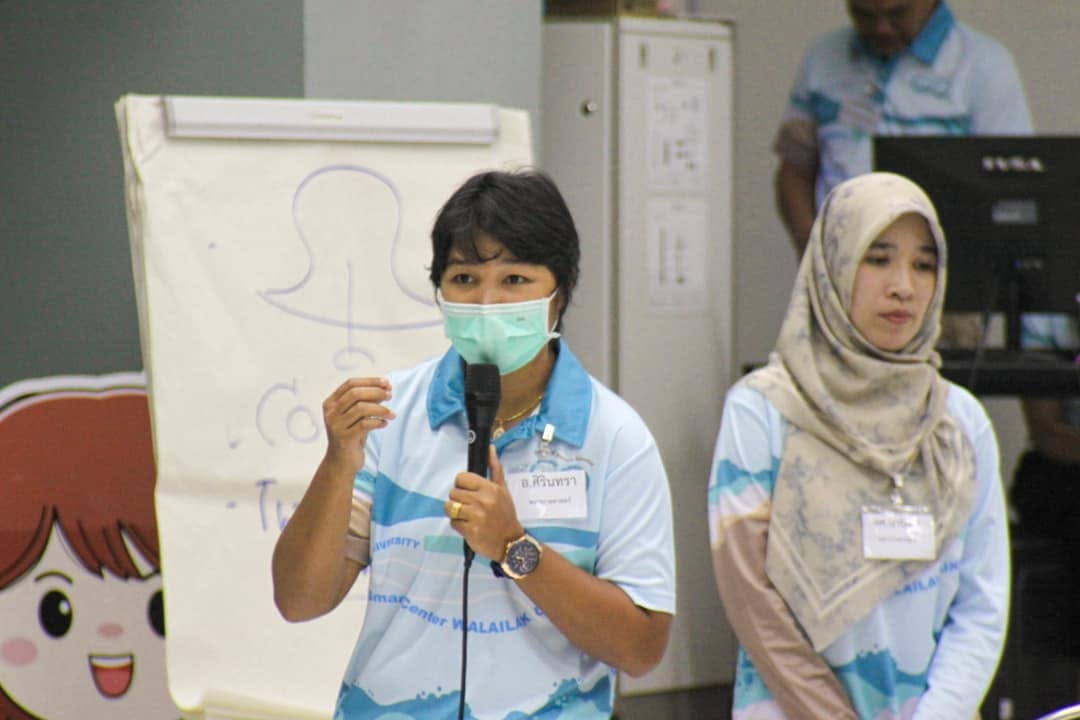
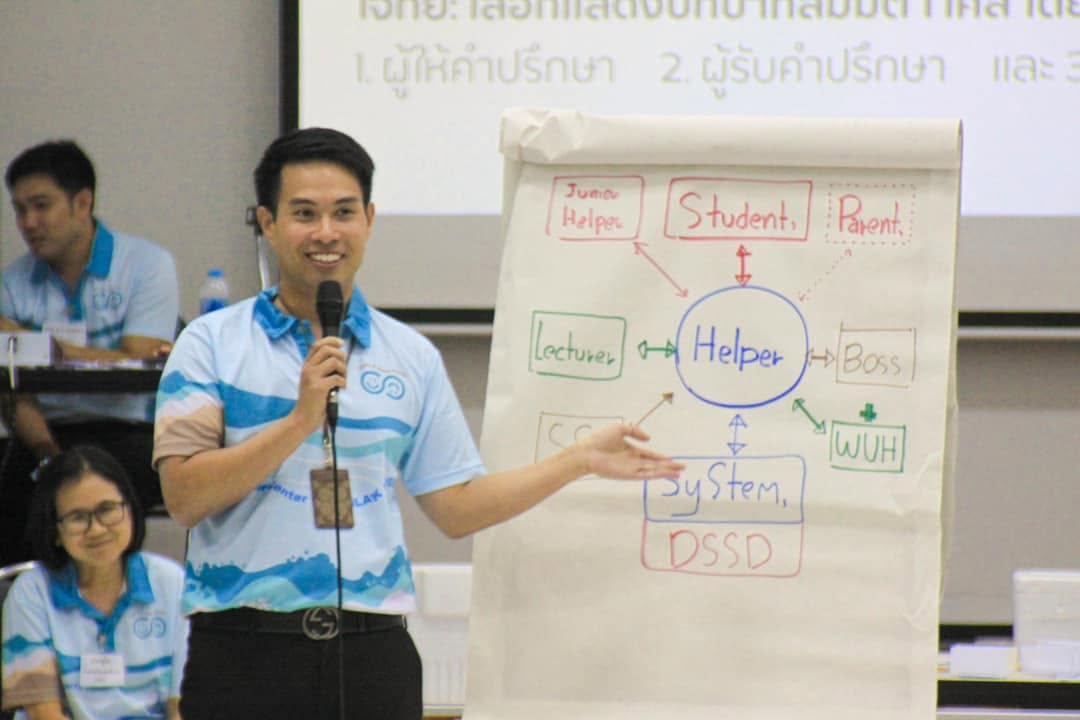
The Smile & Smart Center, in collaboration with the Mental Health Center No. 11, organized Resilience Quotient (RQ) training at Lecture Building 6, Walailak University. The training involved 57 Junior Helpers and interested students. It aimed to strengthen students’ resilience as a protective factor and help them prepare to cope with potential crises, based on the concepts of I am, I have, and I can. Psychologists, social workers, and academics from the Mental Health Center 11 served as trainers.
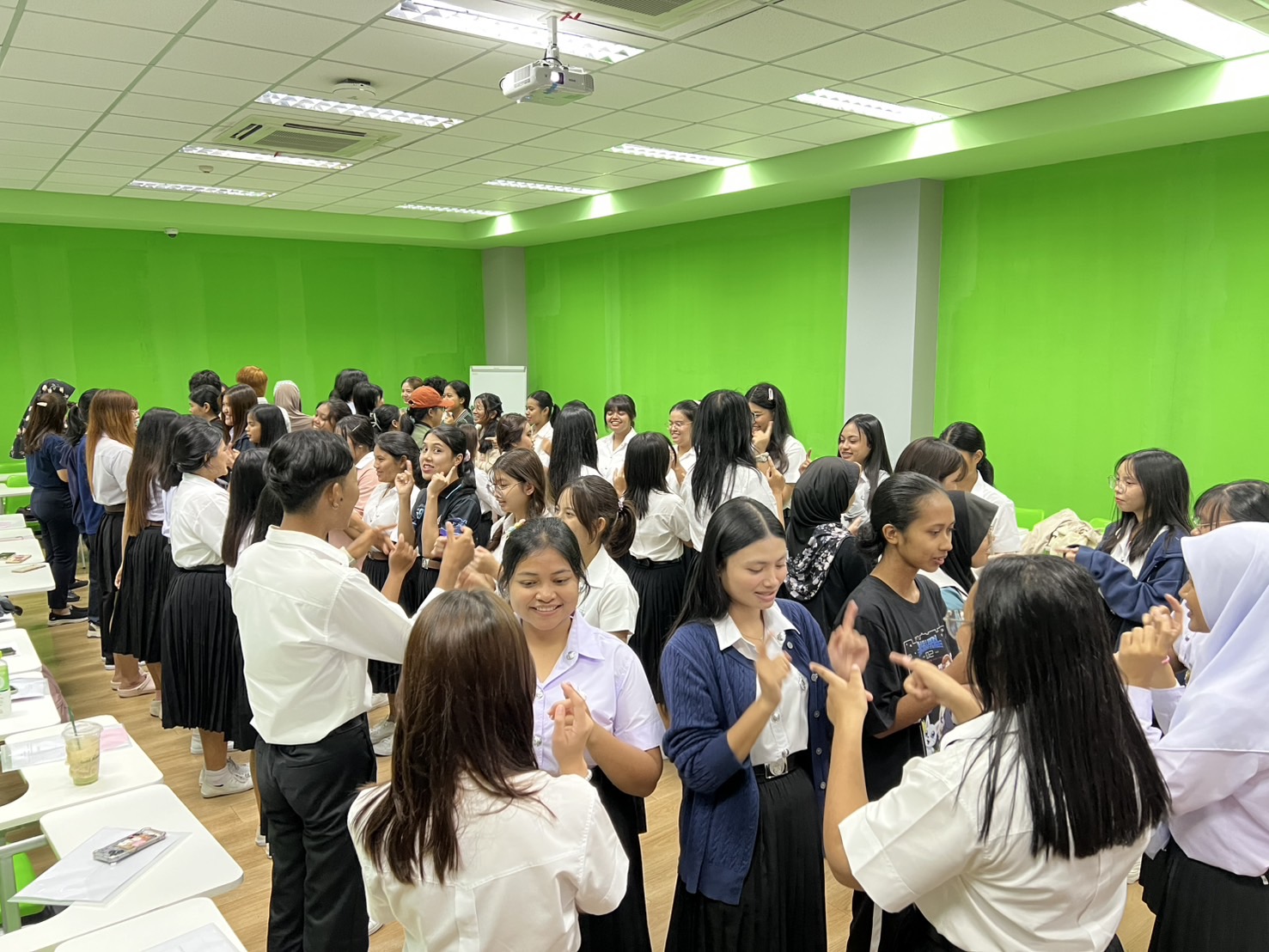
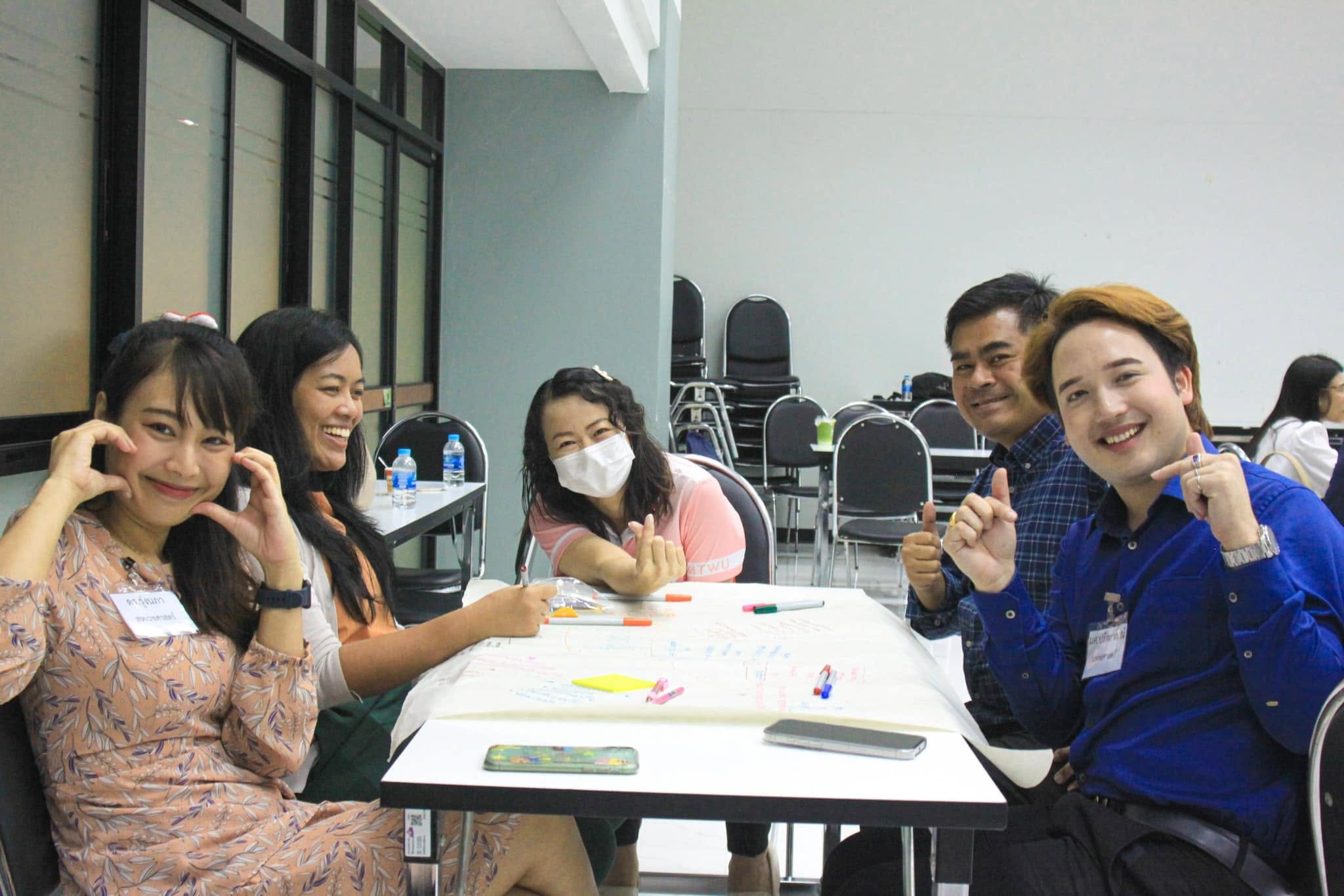
The training included activities and practical exercises focusing on self-worth, emotional empowerment, coping with obstacles, stress management, active listening, and positive communication through the I-message activity. Participants were also introduced to sources of care, assistance, and counseling, including the Smile & Smart Center, Psychiatric Clinic, Smile Clinic, and the external Mental Health Hotline 1323. The evaluation showed that participants reported the highest level of satisfaction, at 94.6%.
2. Journey to Success: “Design Your Life, Achieve Your Success”
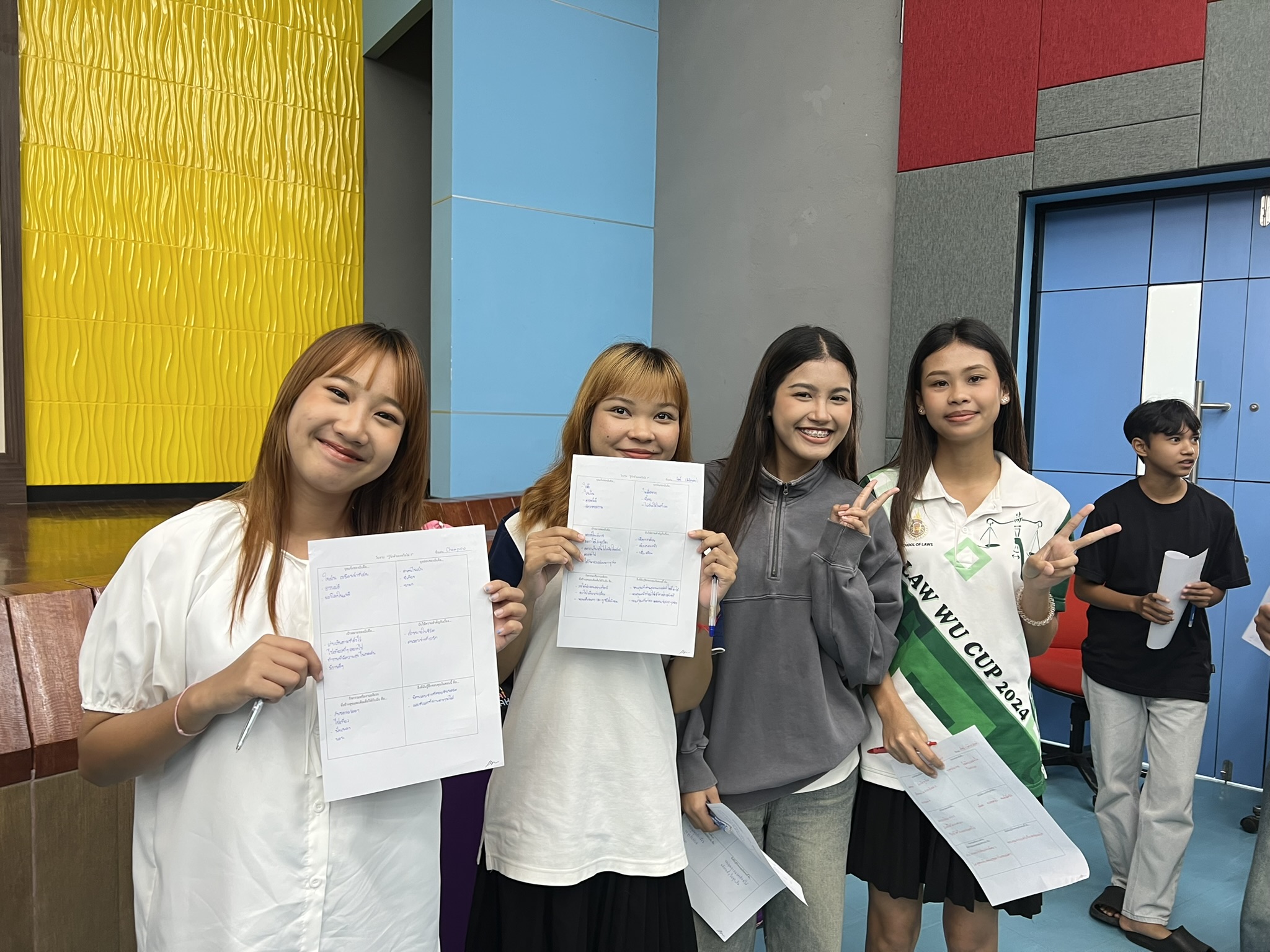
The Student Development and Promotion Division organized the “Journey to Success: Design Your Life, Achieve Your Success” activity to enhance the learning potential of first-year students. The activity aimed to help students identify their goals, develop motivation, and establish approaches for academic self-development, while strengthening life-management and effective time-management skills. Students learned techniques such as SMART Goals and the Eisenhower Matrix and applied them to their studies and university life. More than 170 students participated. The overall satisfaction rate was 88.2%, with students reporting that they gained useful knowledge and techniques that could be applied to their daily lives and university studies.
3. Contemplative Education: “Mirror of Self”
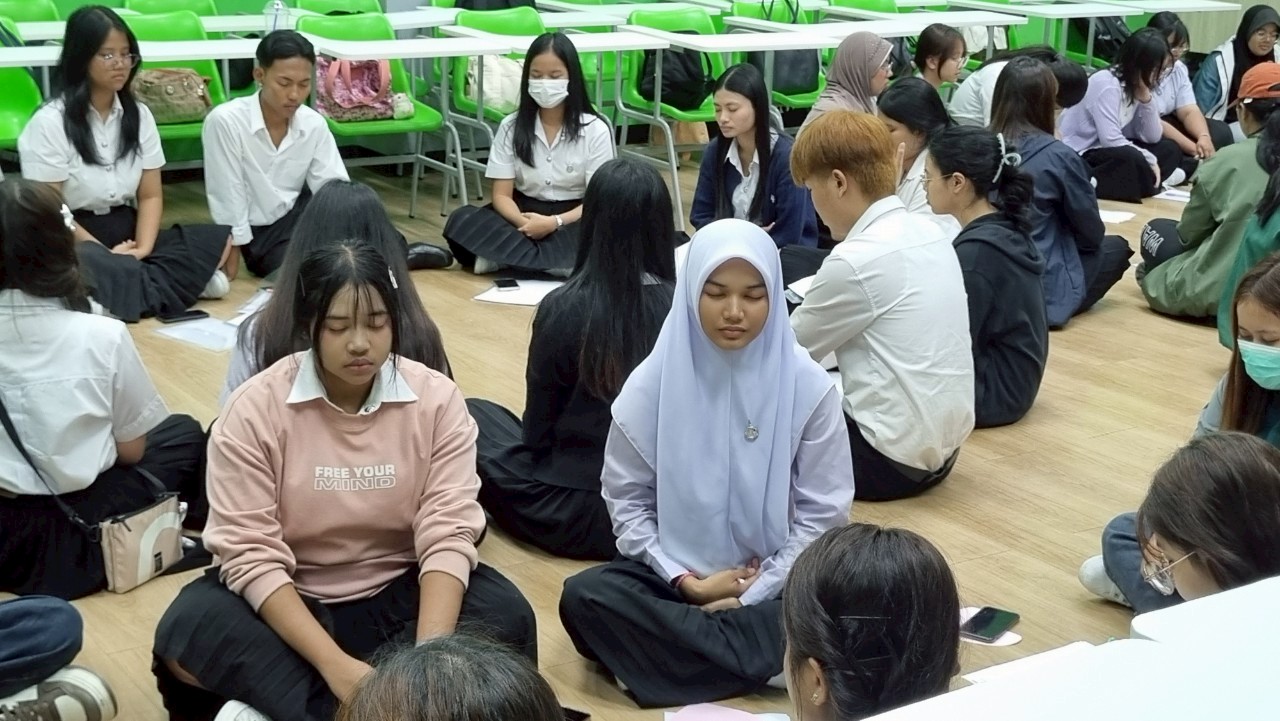
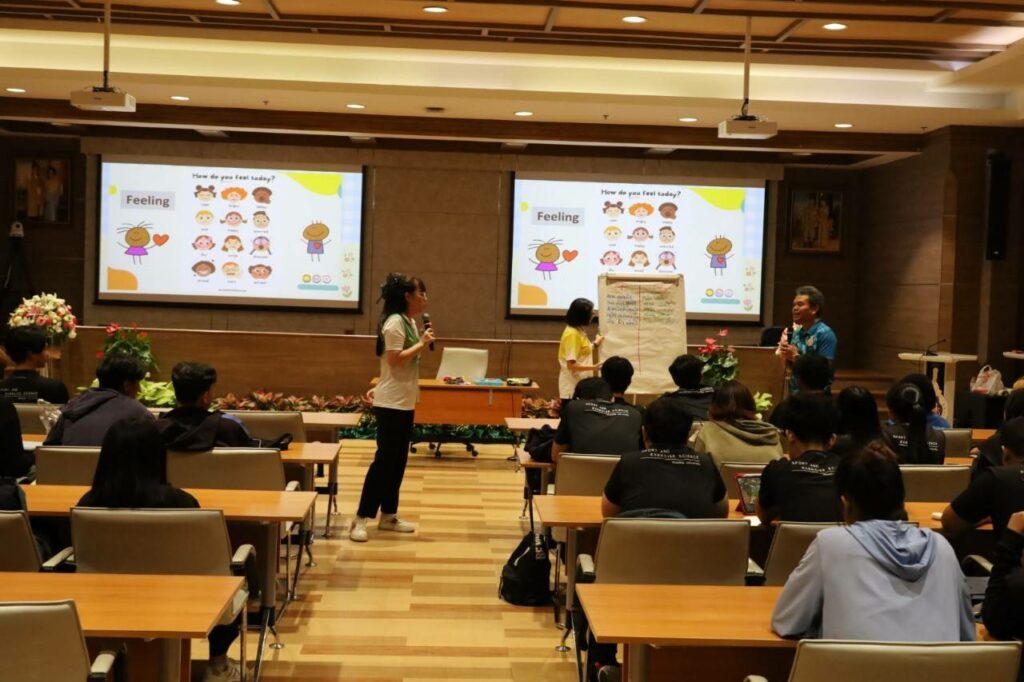
The School of Medicine organized the Contemplative Education project under the theme “Mirror of Self” for students in three programmes: Applied Thai Traditional Medicine, Sports Science, and the Doctor of Medicine programme. The project aimed to promote self-awareness and understanding of others. Contemplative Education emphasizes reflective learning and the development of thoughts, emotions, and inner awareness, enabling students to understand their own values, develop compassion, and apply these perspectives to their daily lives in a balanced and meaningful way.
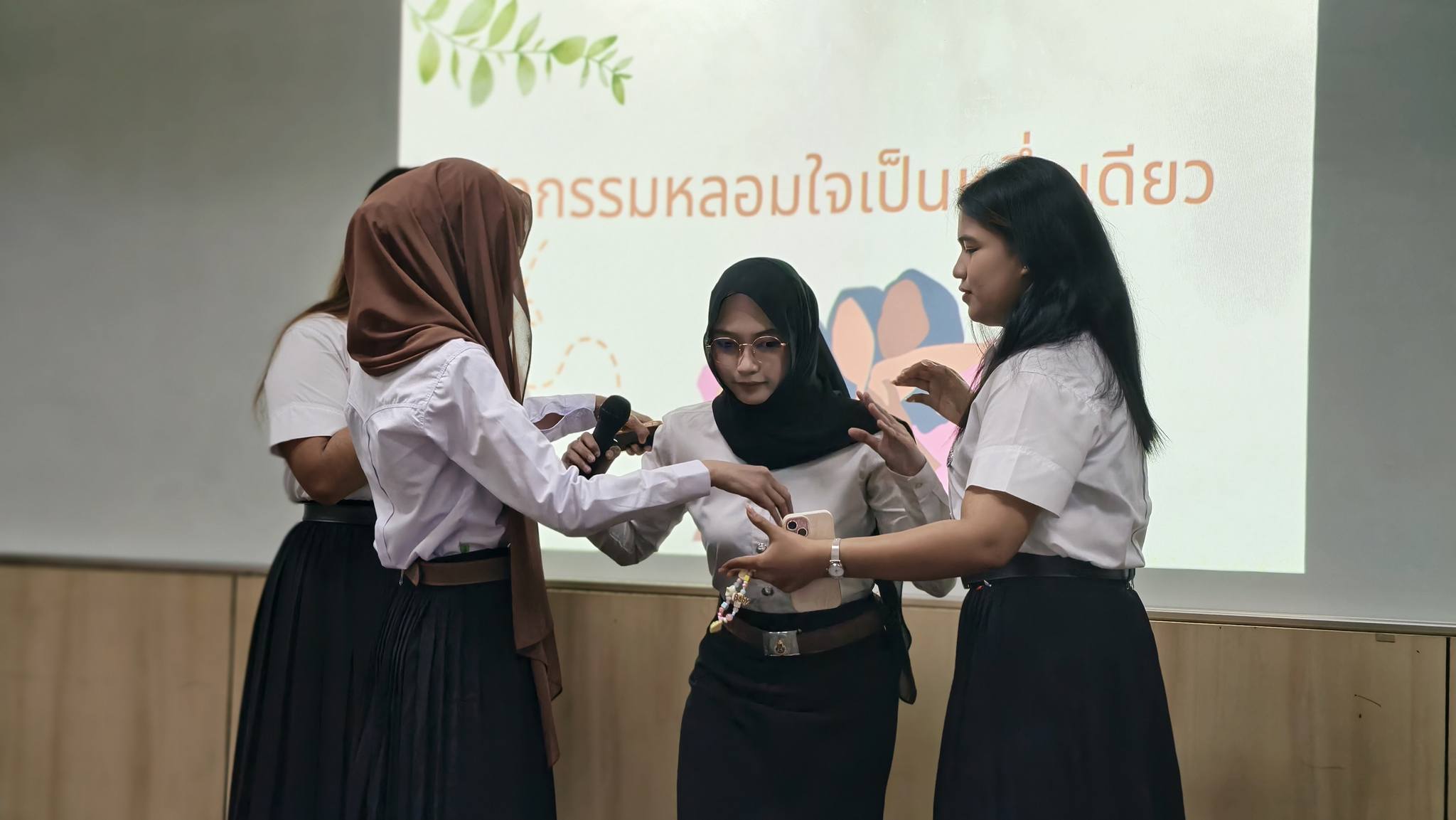
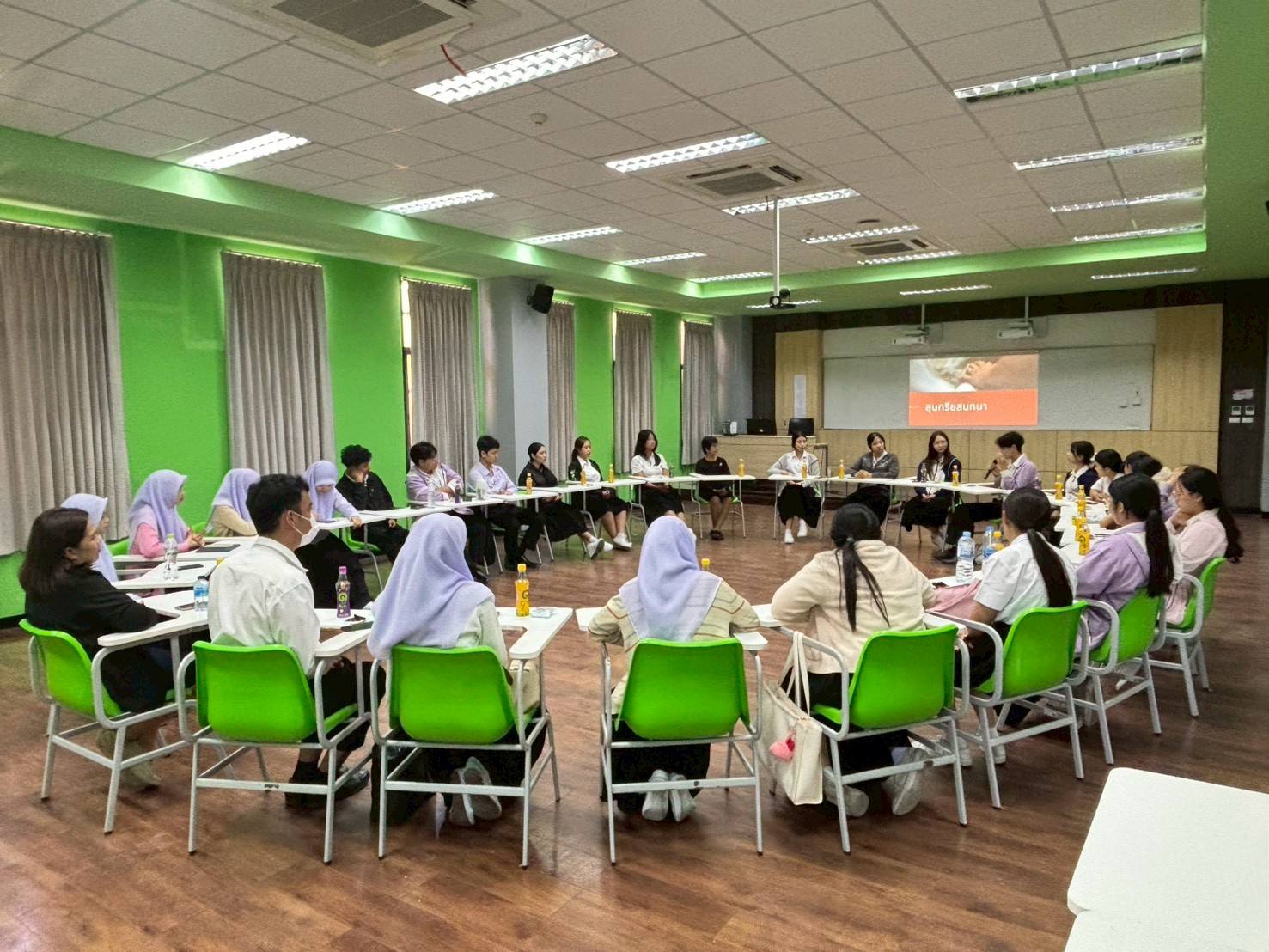
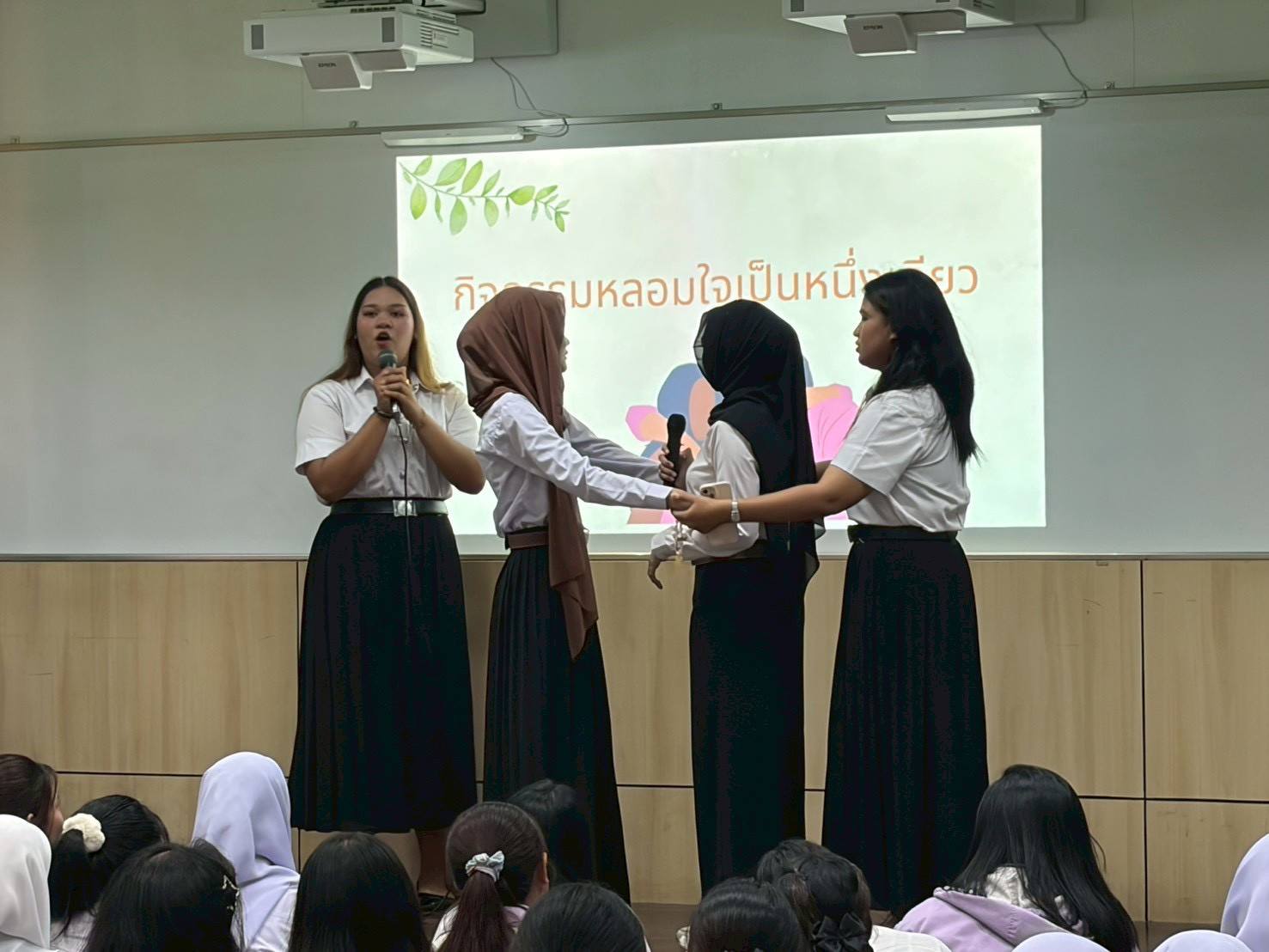
4. “Someone to Lean On” Activity
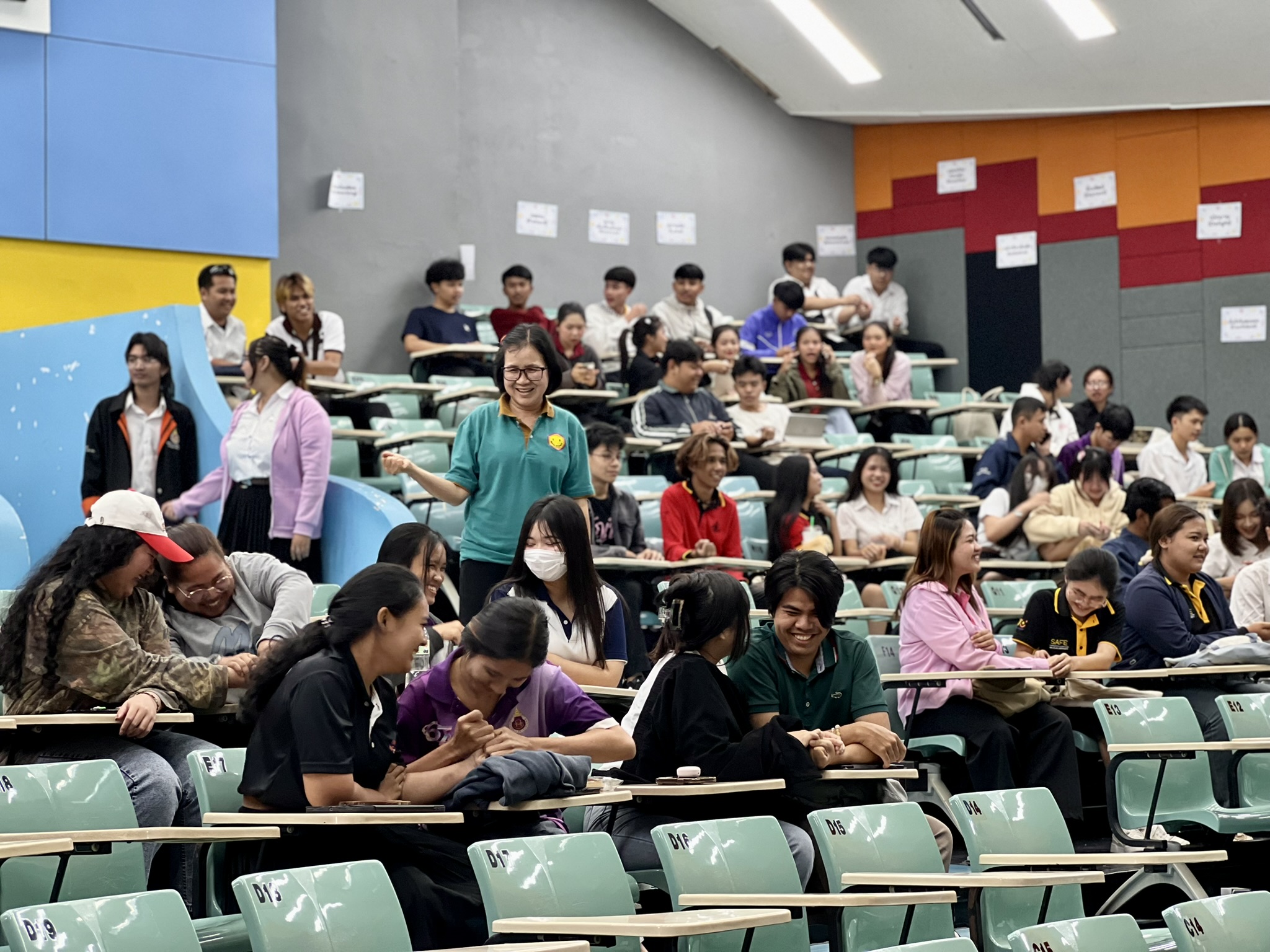
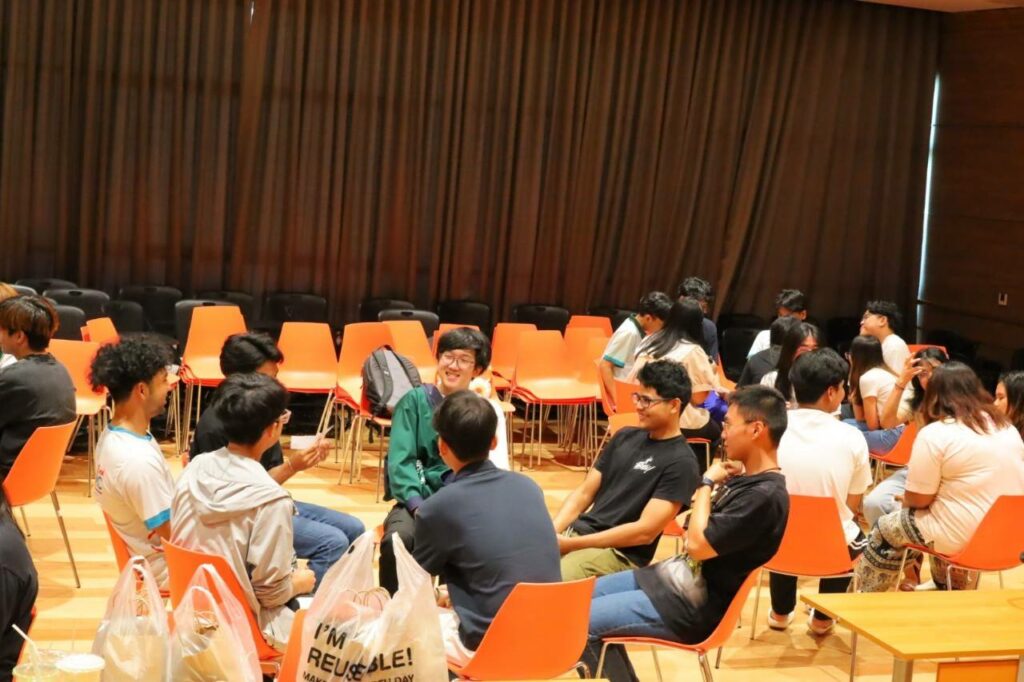
The “Someone to Lean On” activity was organized to create a “safe space for the heart,” allowing students to share happiness, relax from the pressures of university life, and appreciate individual differences. These activities contribute to the development of resilience, self-awareness, coping skills, social skills, and life skills, which are important foundations for students to adapt to stress and change and maintain a balanced university life.
Creating Spaces and Environments that Promote Mental Well-being
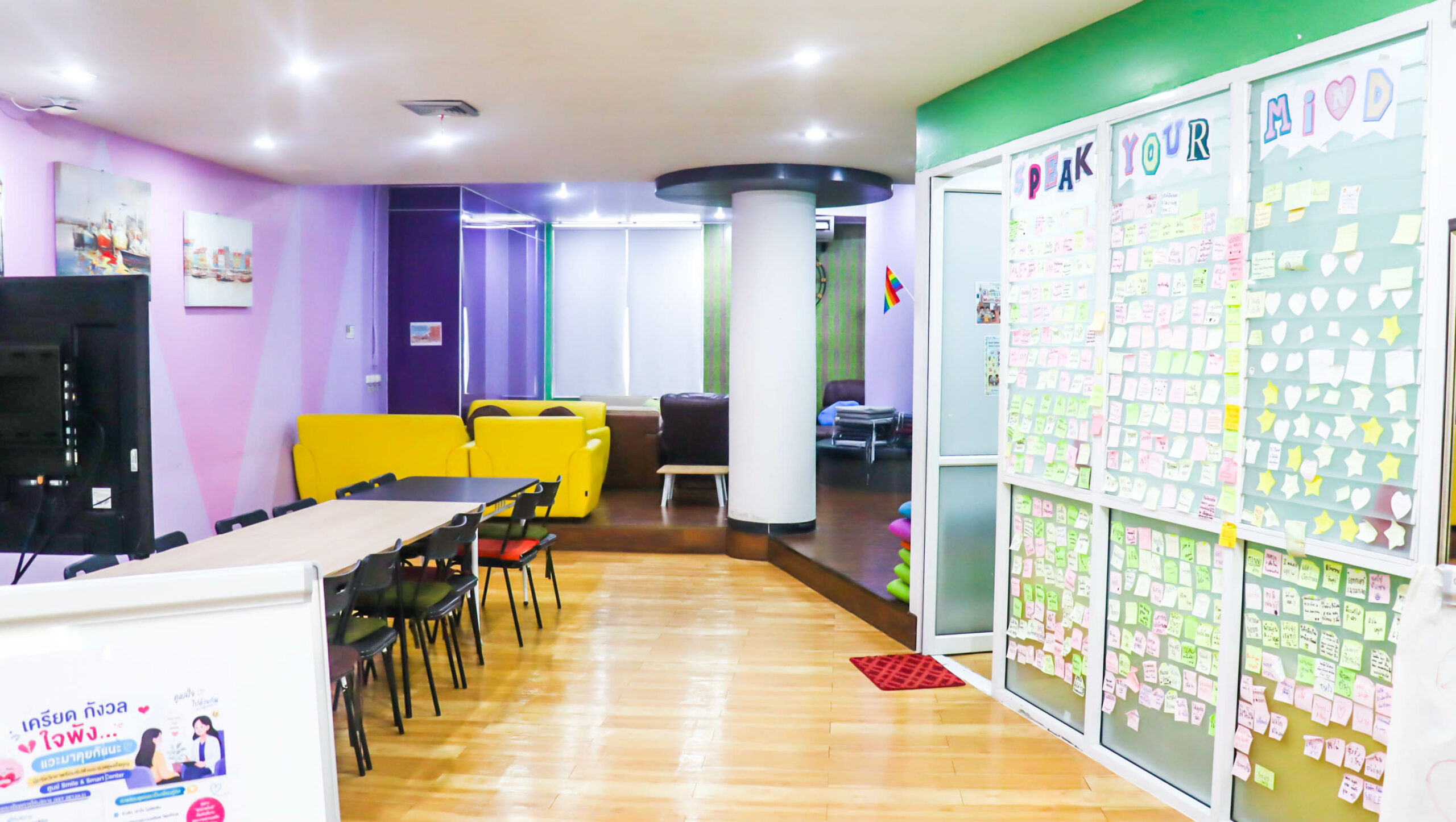
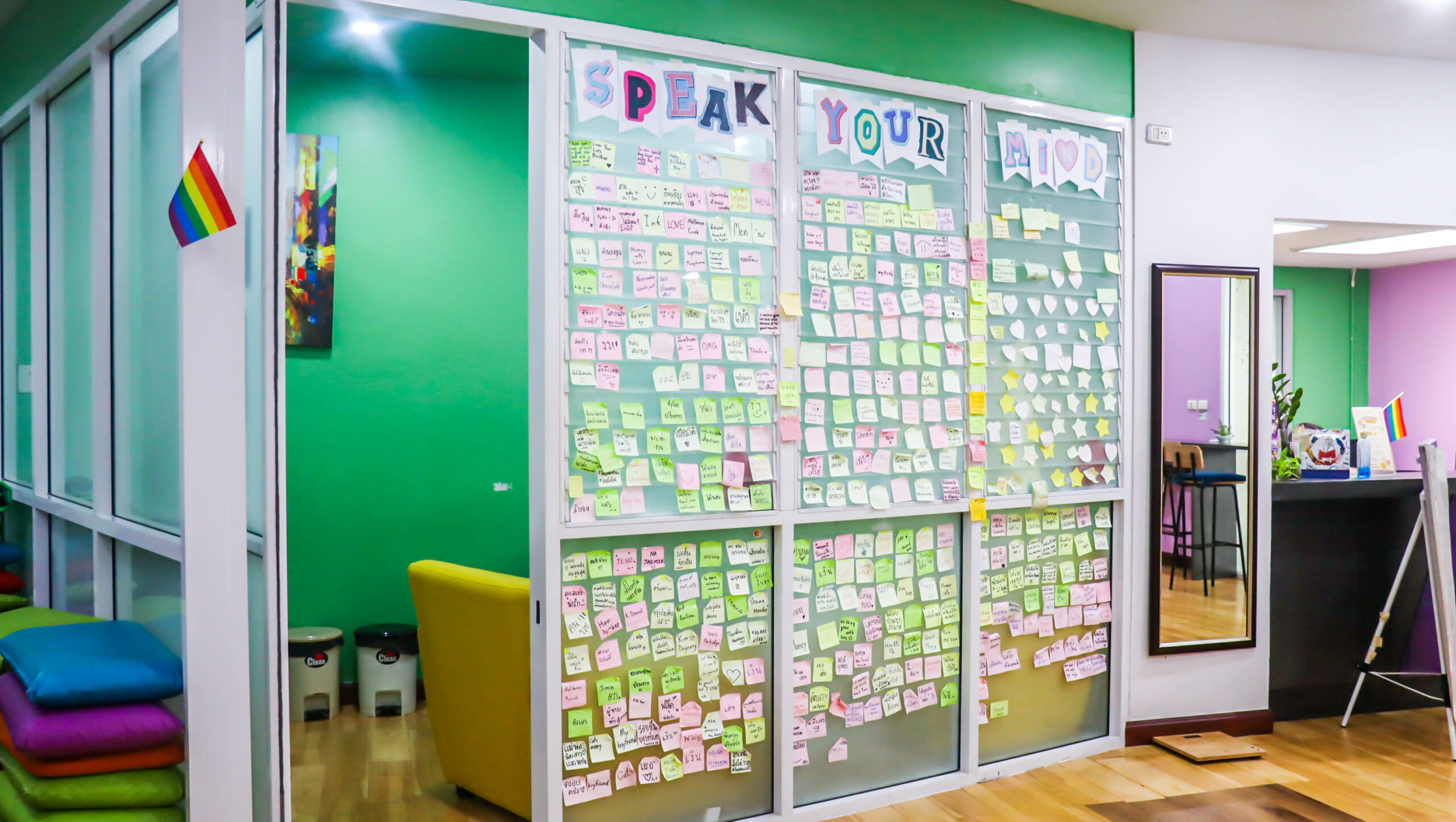
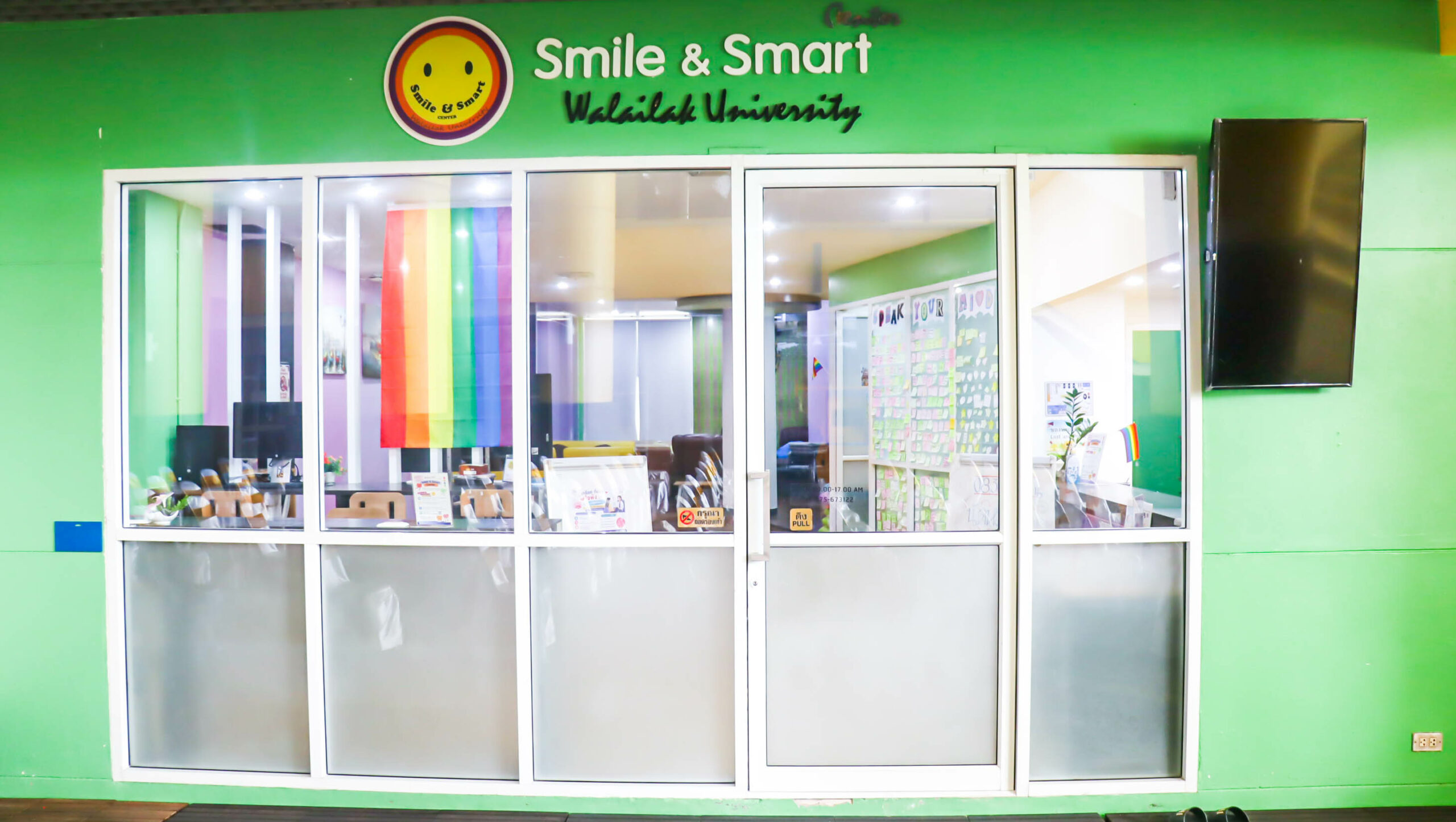
Active Promotion of Good Mental Health also takes place through the design of environments that support students’ relaxation and everyday life. The Smile & Smart Center is an important space that serves not only as a counseling service but also as a clean, open, and modern environment with areas for students to rest, read, talk, play games, work in groups, and review their lessons. Such a space enables students to use the facility for relaxation, social interaction, or self-care without needing to be in a crisis. It therefore reflects a mental health promotion environment in which mental health support becomes part of students’ everyday university life.
Mental Health Screening and Early Identification
Walailak University has established a Mental Health Screening and Early Identification System to systematically identify students who may require mental health support. In Academic Year 2025, a total of 11,971 students underwent screening, comprising 8,401 students in the normal group, 3,408 students in the low-risk group, and 162 students in the severe-risk group.
Screening results are linked to support processes according to students’ individual needs. Students identified as being at risk are subsequently connected to the university’s support system. Thus, screening functions not only as an assessment process but also as a mechanism for early identification, early intervention, and prevention of problems from developing into crises. Through this system, 100% of students identified as being at risk received care according to the university’s established support system.
Three-Level Mental Health Support System for Students
A key component of the university’s mental health support system is the provision of multiple levels of care, connecting personnel and specialists according to the complexity of students’ needs, from initial support to medical care.
Level 1: Initial Support
Students can access mental health support through academic advisors, Helpers, and Junior Helpers. They play roles in listening to students, observing signs of risk, providing initial guidance, and connecting students with appropriate services.
Level 2: Specialized Support
When students require more specific mental health support, they can access services at the Smile & Smart Center, which provides psychologists and Counseling Services, including Individual Counseling and Group Counseling, as well as SMILE CHAT, psychological tests, assessment, and follow-up. Students can contact the center through LINE and Facebook. Counseling services are provided with consideration for students’ privacy and confidentiality.
Level 2: Specialized Support
When medical assessment or specialist treatment is required, students can enter a process of medical assessment, treatment, or referral to psychiatrists and other appropriate specialists according to their needs.
This system enables mental health support to respond to students’ needs from initial concerns to cases requiring specialized care. University-provided support services are distinguished from external medical services, which may involve charges according to the conditions of the respective service provider.
Multiple Access Channels for Mental Health Support
The university places importance on access to mental health support by providing both in-person and online channels, allowing students to choose a method of seeking support that suits their individual circumstances.
The Smile & Smart Center is located in the Thai Buri Building, connecting to Lecture Building 5. It is open Monday to Friday from 09:00 to 17:00. Students can access individual and group counseling services.
On-site Counseling Services
For students who prefer privacy or are unable to visit the counseling center in person, SMILE CHAT provides online counseling without requiring students to disclose their identity. The service is provided free of charge and maintains confidentiality. Students can also contact the center through LINE and its Facebook Page.
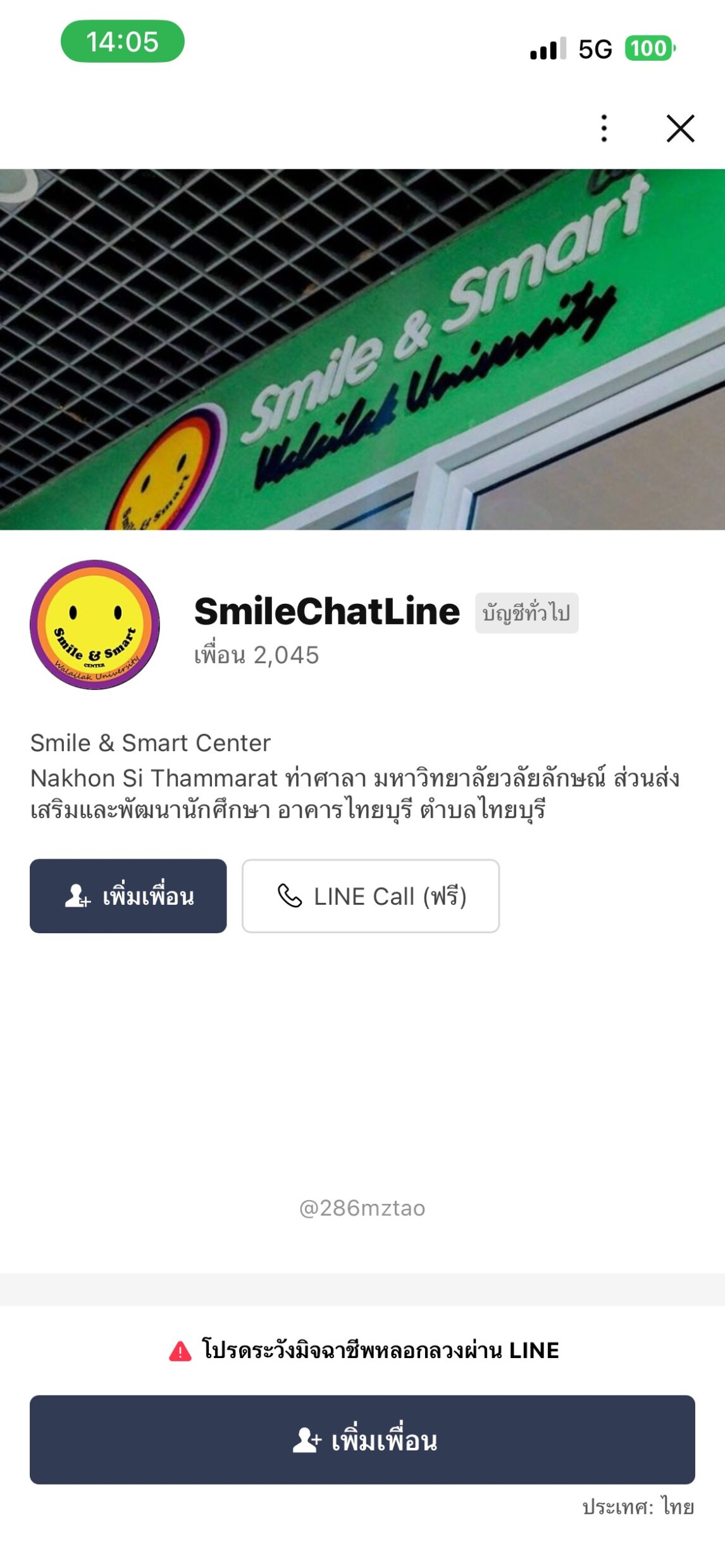
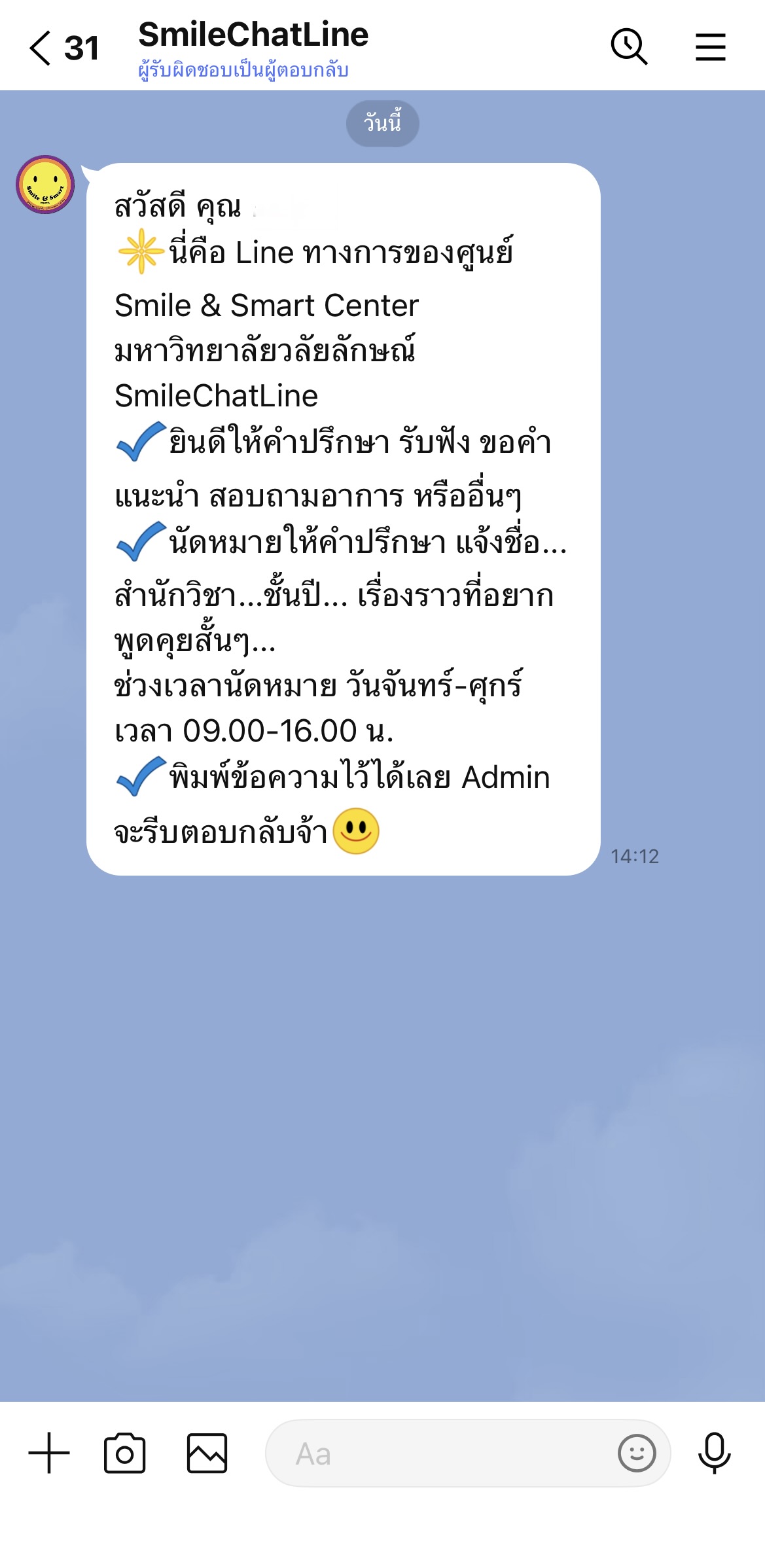
SMILE CHAT LINE
The services cover a wide range of student concerns, including stress, anxiety, depression, adjustment, relationships, family issues, academic matters, time management, and issues related to sexual orientation and gender diversity, including LGBTQIA+. This enables students to access mental health support without the need to wait until they experience a severe mental health problem.
Developing Personnel and a Campus Mental Health Support Network
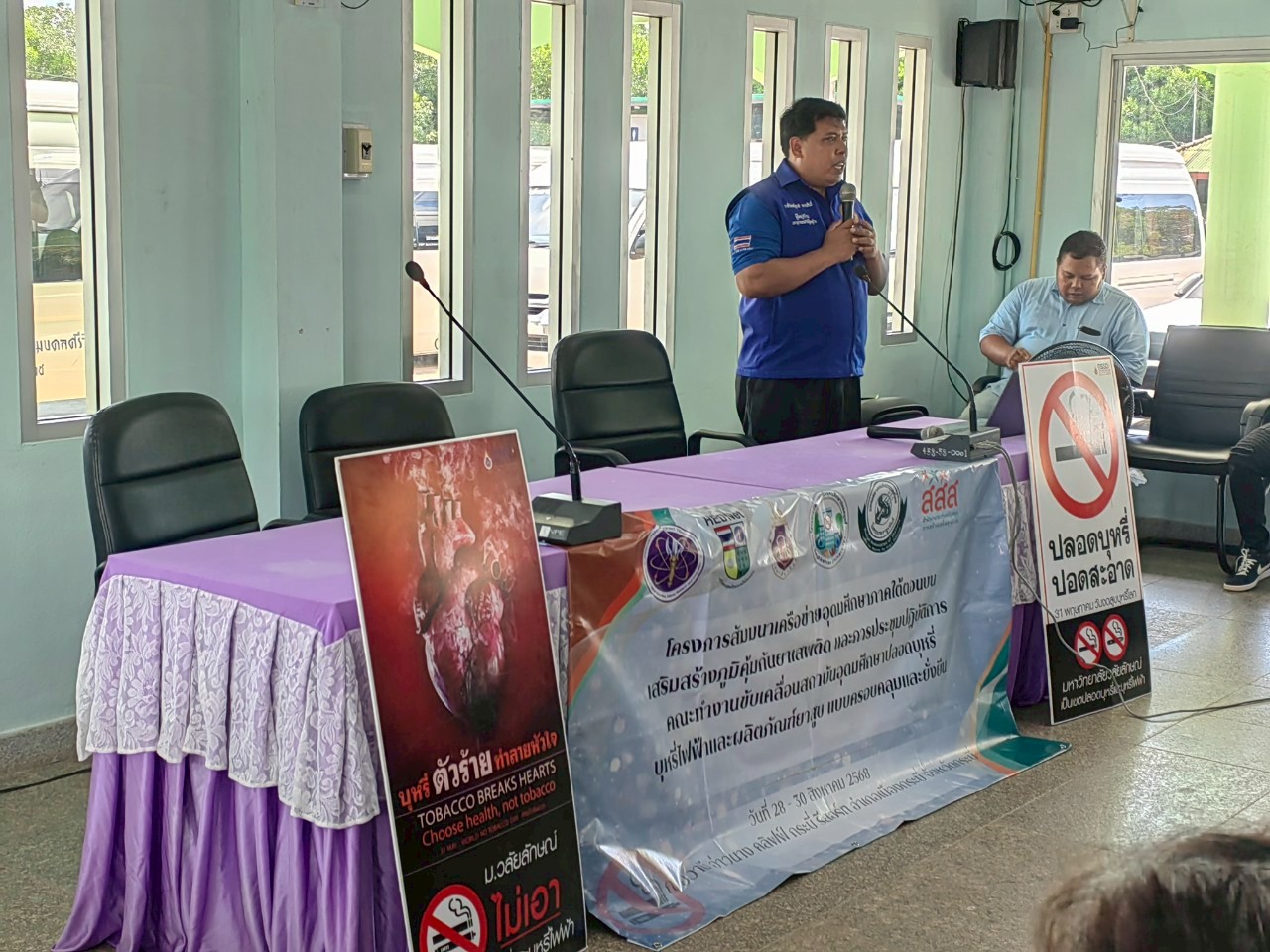
The university’s mental health support system does not rely solely on psychologists or specialized units. Instead, it has developed a Campus Mental Health Support Network in which personnel from different groups work together to support students. The university develops the capacity of faculty members and staff through training programmes such as Enneagram and training to enhance the competencies of student Helpers. These programmes strengthen their ability to observe, listen, understand, and provide initial support to students. The university also collaborates with mental health networks, including Psychiatric Clinic and Smile Center.
The support network ranges from students seeking assistance from Junior Helpers to coordination with academic advisors and Helpers, who can connect students with the Smile & Smart Center for support from psychologists or specialists. When necessary, students can enter a referral process to receive care from psychiatrists or other appropriate specialists.
Counseling and Specialist Referral
When students’ mental health concerns become more complex or exceed the scope of initial support, Walailak University provides a specialised support and referral system that connects them with appropriate professionals and mental health services. The support network includes psychologists, psychiatric nurses, psychiatrists, counsellors, and specialists from external networks.
The Smile & Smart Center is a key unit providing student counselling, mental health assessment, and follow-up. Psychologists offer individual and group counselling for concerns involving stress, anxiety, depression, adjustment, academic difficulties, relationships, family issues, and gender and sexual diversity. Students can also contact the centre through SMILE CHAT, LINE, and Facebook. In 2025, the centre recorded 633 students seeking consultation, comprising 126 males and 507 females.
For students requiring additional care, Smile Clinic provides support for adjustment difficulties, mental health concerns, and psychiatric issues. Its service records show that 39 service users were students, representing 61.90% of all users. Concerns addressed included adjustment, family problems, academic difficulties, romantic relationships, stress, anxiety, and depression. Services included Sandtray Therapy and psychotherapy in selected cases.
For cases requiring specialist medical assessment, diagnosis, or treatment, the Psychiatric Clinic at Walailak University Hospital provides care through specialist physicians. In 2025, the clinic recorded 2,357 student service visits, including 867 visits for depressive disorders, 632 for anxiety disorders, and 246 for mental health assessment and counselling.
Together, these services provide a pathway from initial counselling to psychological assessment, therapy, psychiatric nursing care, and treatment by psychiatrists as needed. The Smile & Smart Center helps coordinate referrals, connecting students with services appropriate to their individual needs.
Follow-up and Continuity of Care
The university’s mental health support does not end after screening or the first counseling session. It includes Follow-up and Continuity of Care to ensure that support continues according to students’ needs.
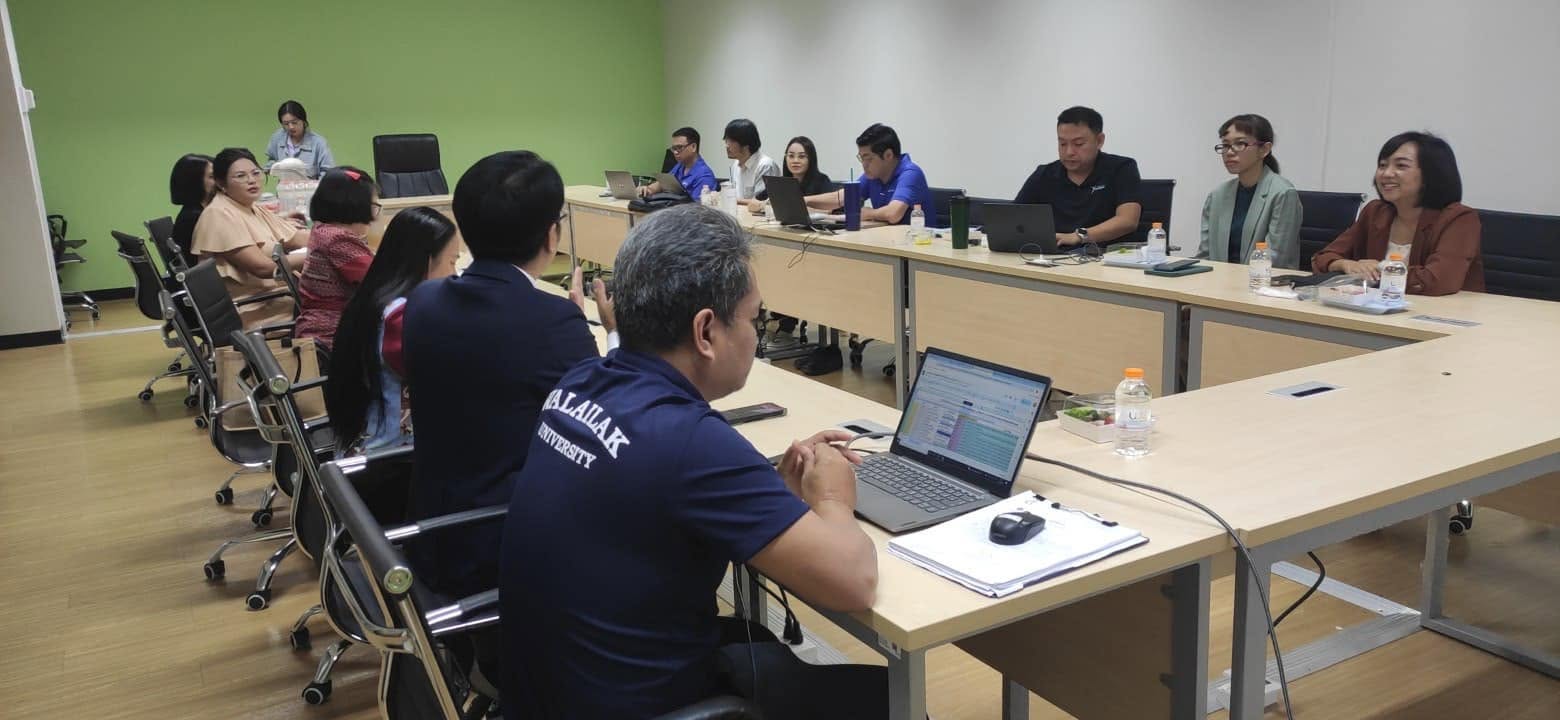
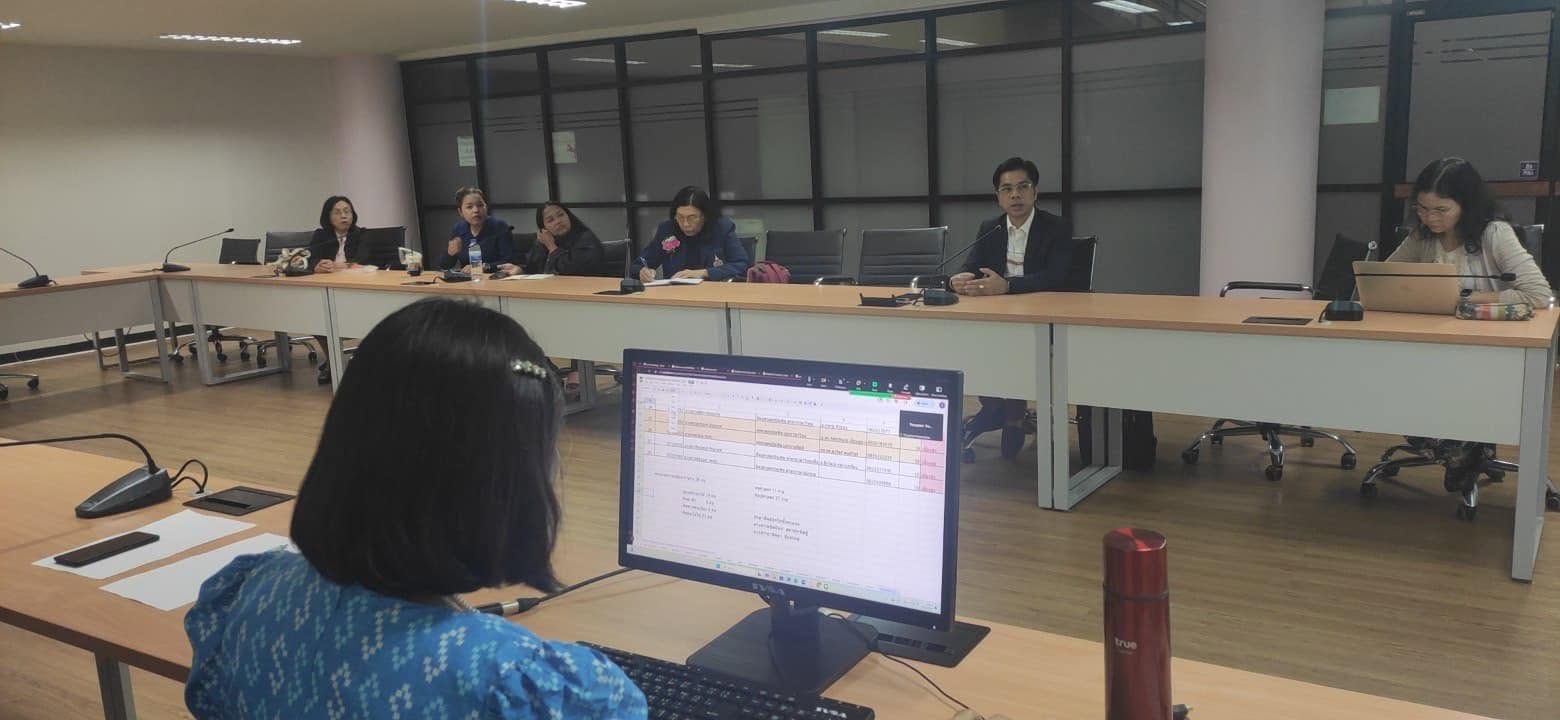
At the university level, individual cases are followed through reports to associate deans or assistant deans responsible for student affairs, as well as joint meetings to identify appropriate support approaches. Conferences are also conducted between the Smile & Smart Center and various schools, including the School of Liberal Arts, School of Informatics, School of Education, and others, to coordinate mental health support in relation to students’ academic and daily-life contexts.
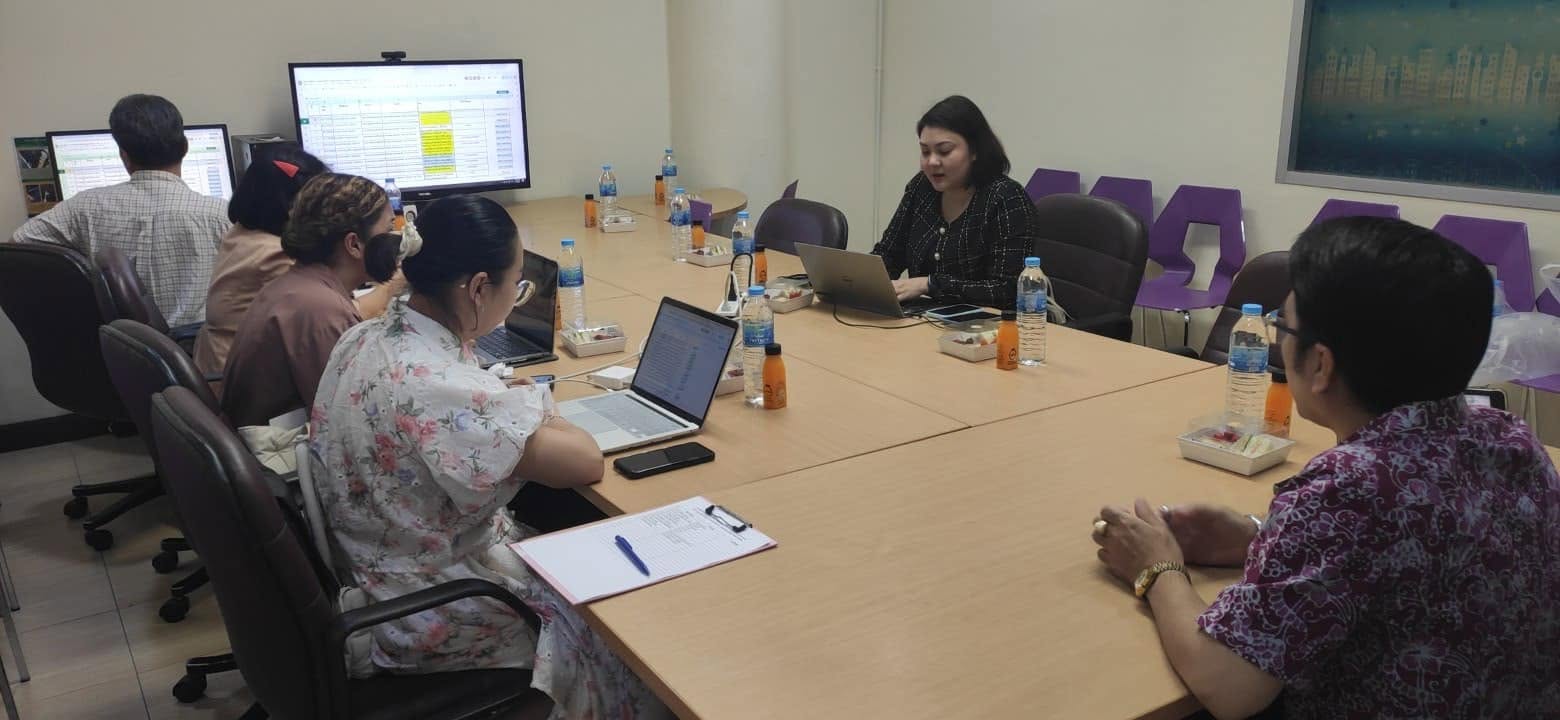
The School of Liberal Arts
The School of Informatics
The School of Education
Data from Smile Clinic also demonstrate case follow-up and case management. A total of 67 service users, representing 61.47%, closed their cases after their problems were addressed. Another 37 service users, representing 33.94%, were scheduled for further follow-up, while 5 service users, representing 4.59%, were referred to psychiatrists for medication treatment.
These data demonstrate that support is not provided through a single approach for all service users. Instead, continued care is determined according to the needs of each case. Some cases can be closed when the problems have been addressed, while others require additional follow-up or psychiatric care. For cases requiring psychiatric care, the Psychiatric Clinic forms part of the medical service system capable of providing specialist assessment and treatment.
The follow-up system makes mental health support a continuous process, from risk identification, assistance, and counseling to therapy, follow-up, and referral when necessary, rather than ending after the initial service.
Outcomes of the Student Mental Health Support System
The university’s mental health operations demonstrate outcomes in several dimensions, from reaching students identified as being at risk to promoting student well-being and receiving external recognition.
Access to and Support for Students at Risk
Of the 11,971 students who underwent screening, 3,408 were identified as low risk and 162 as severe risk. All students identified as being at risk received care according to the university’s established support system. This figure should be interpreted as the proportion of identified at-risk students who received support, rather than the proportion of all university students experiencing mental health problems.
Student Well-being and Happiness
The Happinometer assessment recorded 86.29%, which can be used as information reflecting overall student well-being alongside the mental health support system. However, this happiness indicator should be considered separately from mental health assessment or screening results because they represent different dimensions of student well-being.
National Recognition
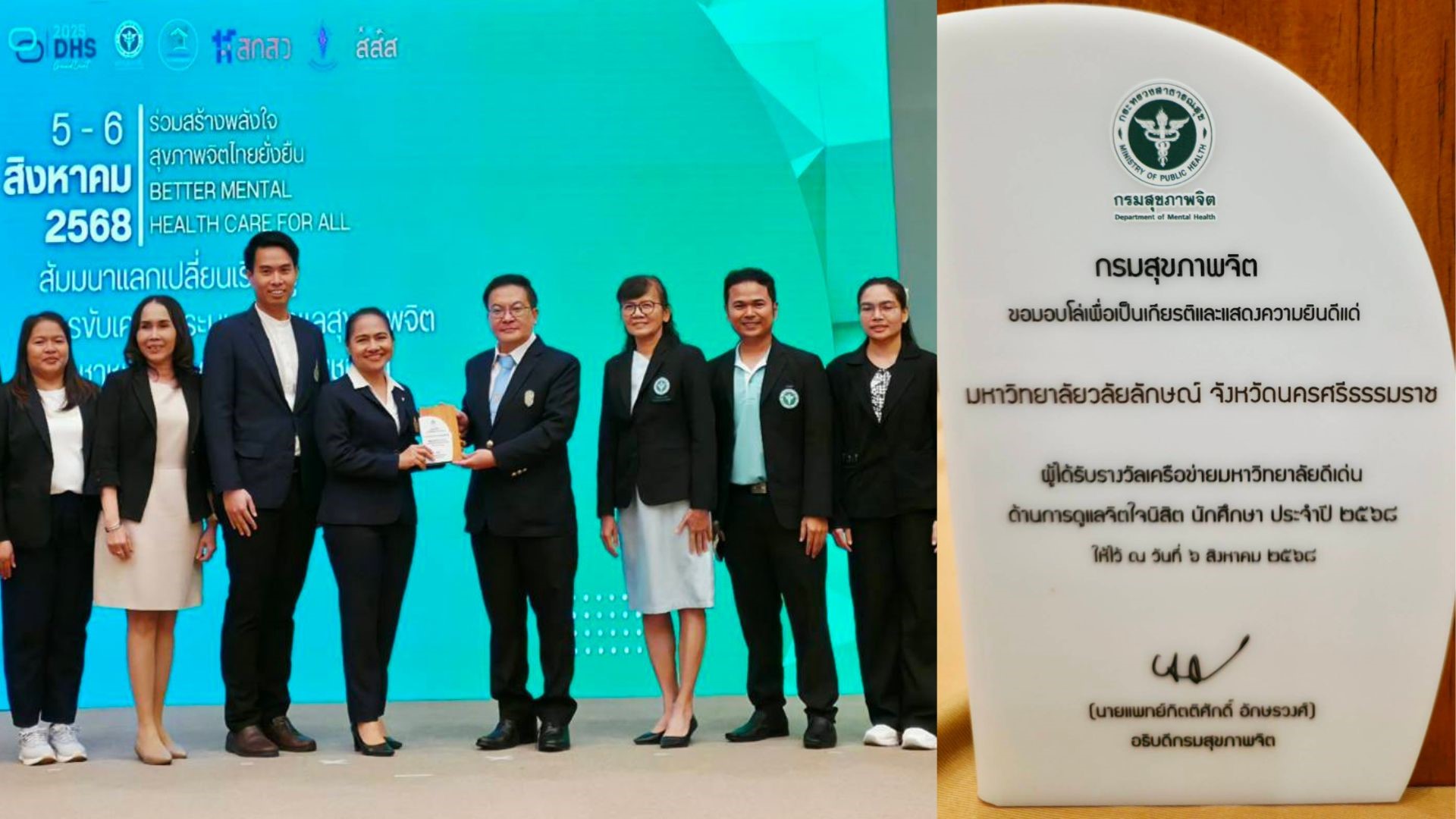
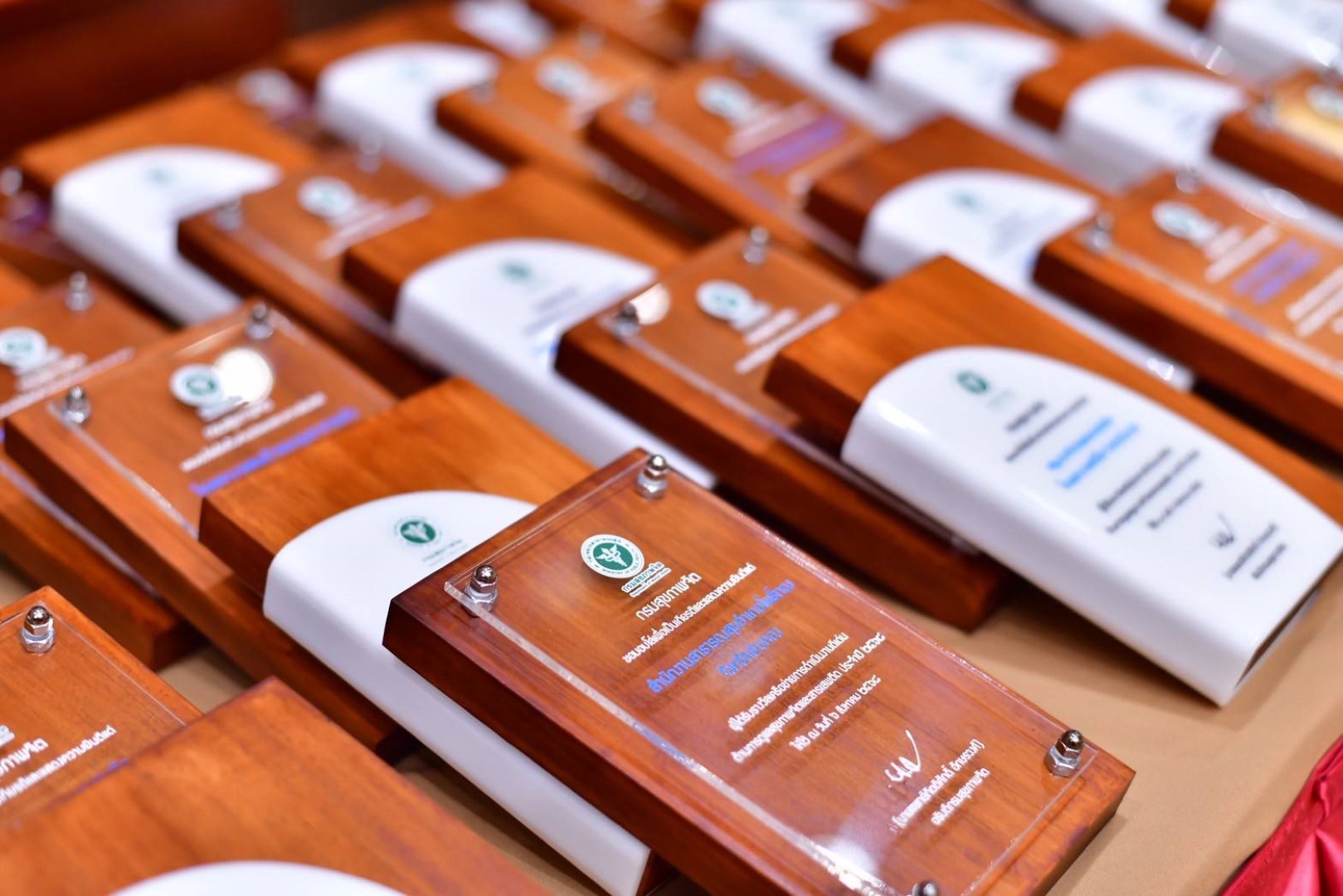
The university’s approach to student mental health care also received the national-level Best Practice award for “Outstanding Student Mental Health Care,” providing additional evidence of its implementation of a student mental health care and support system.
A Student Mental Health Support System Throughout the Student Journey
Walailak University’s mental health support system is a connected process covering multiple levels and stages of student life, from Active Promotion of Good Mental Health and resilience building, to screening and early identification of risks, initial support, counseling, specialized care, referral, and Follow-up and Continuity of Care.
The process encompasses promotion and prevention, screening and risk identification, assistance and counseling, specialist care, referral, and follow-up. Students, academic advisors, Junior Helpers, Helpers, psychologists, and other specialists participate according to the needs of each case.
Overall, the university approaches mental health not only through treatment when problems arise but also through the creation of a supportive environment, prevention, early identification of risks, and access to mental health support throughout students’ university journey.
Related Links
- https://smilesmart.wu.ac.th
- https://dssd.wu.ac.th/?p=221552
- https://dssd.wu.ac.th/?p=220489
- https://smd.wu.ac.th/?p=72544
- https://nurse.wu.ac.th/th-safe-space-for-heart-activity/
- https://www.facebook.com/share/p/1C2rqx3aBi/
- https://www.wu.ac.th/th/news/25843
- https://www.facebook.com/share/p/1DdTUvAE9h/
- https://www.facebook.com/share/p/19A796PaFK/
- https://www.facebook.com/share/p/1EU6wn6r4Z/