
WU’s Provision of Free Public Access to Libraries, Books, and Publications
Free Public Access to Museums, Exhibition Spaces, and Artworks at Walailak Universitys
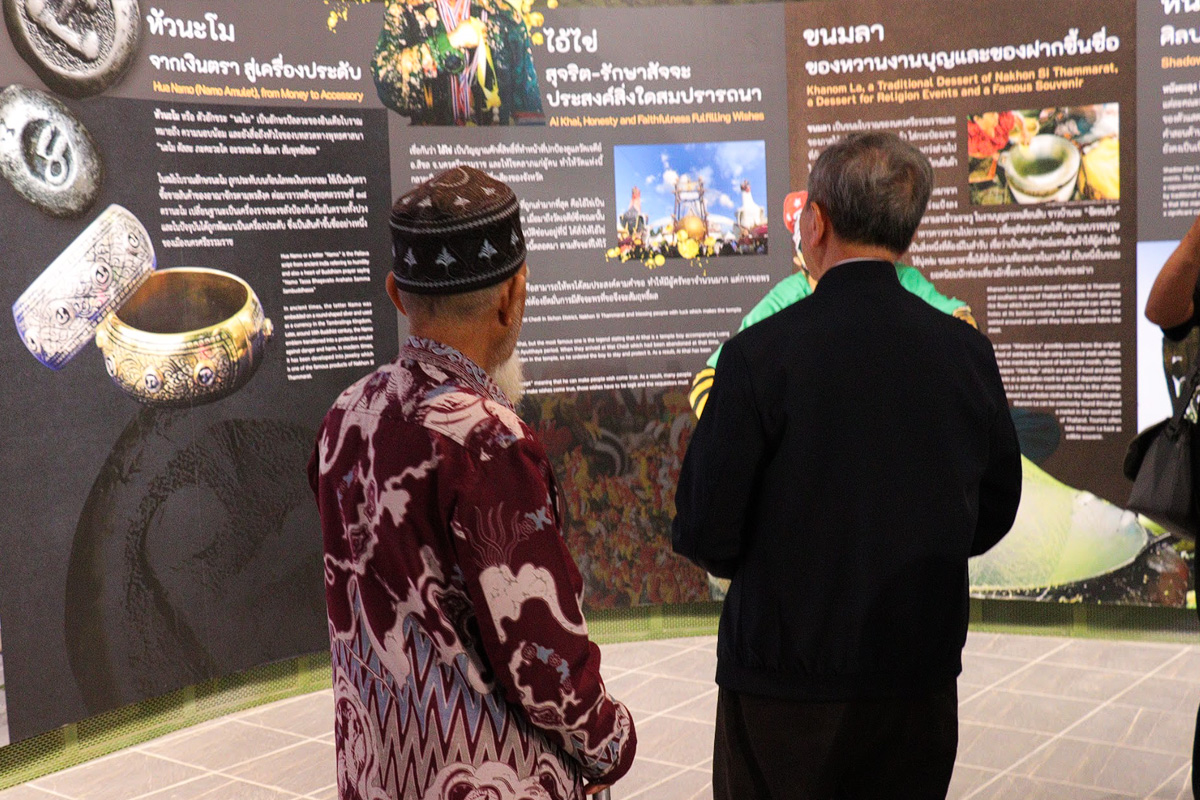
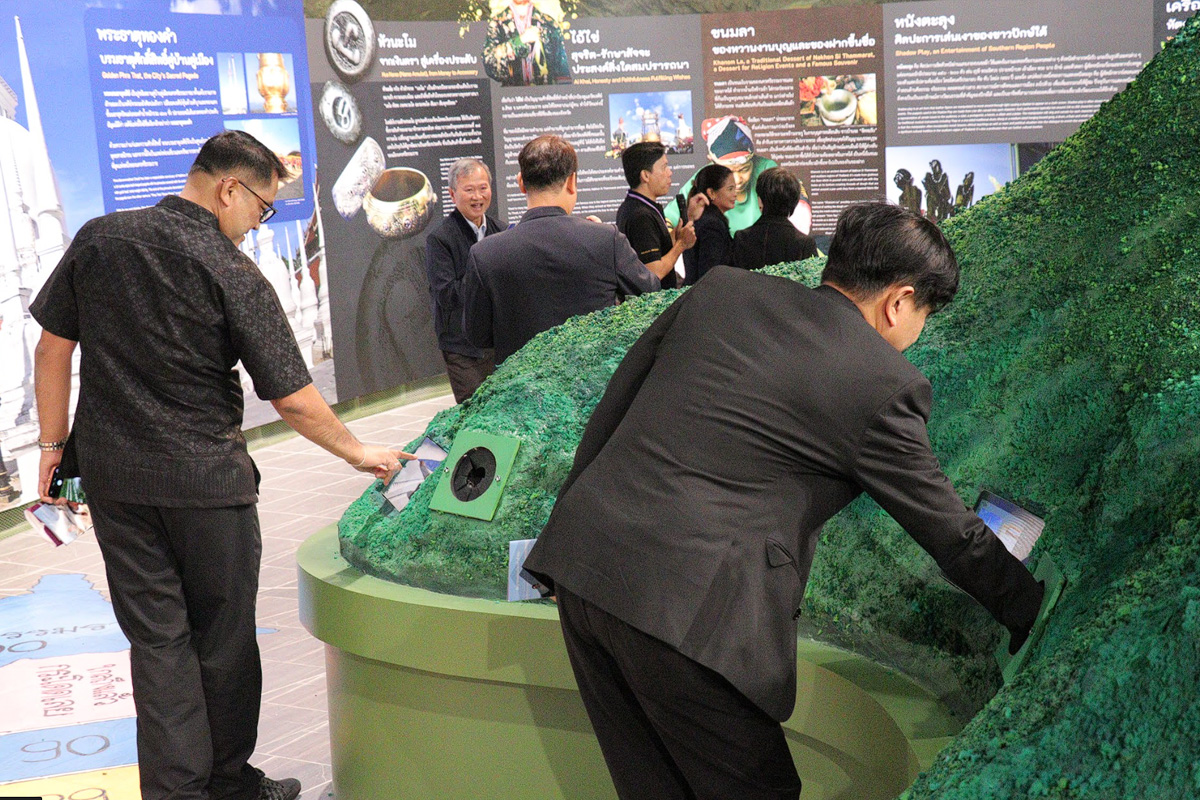
For many years, Walailak University has provided free public access to museums, exhibition spaces, galleries, works of art, and cultural artefacts across its campus. These spaces offer members of the public opportunities to explore knowledge, culture, history, and creativity in an accessible and welcoming environment, regardless of gender, age, or background. The range of museums, exhibitions, artworks, and learning spaces available may vary from year to year, reflecting the University’s continuing efforts to provide diverse educational and cultural experiences for the wider community. Diagnostic assessments of public engagement, visitor interests, and accessibility can help identify community needs and opportunities to improve the relevance and inclusiveness of these cultural and educational resources.
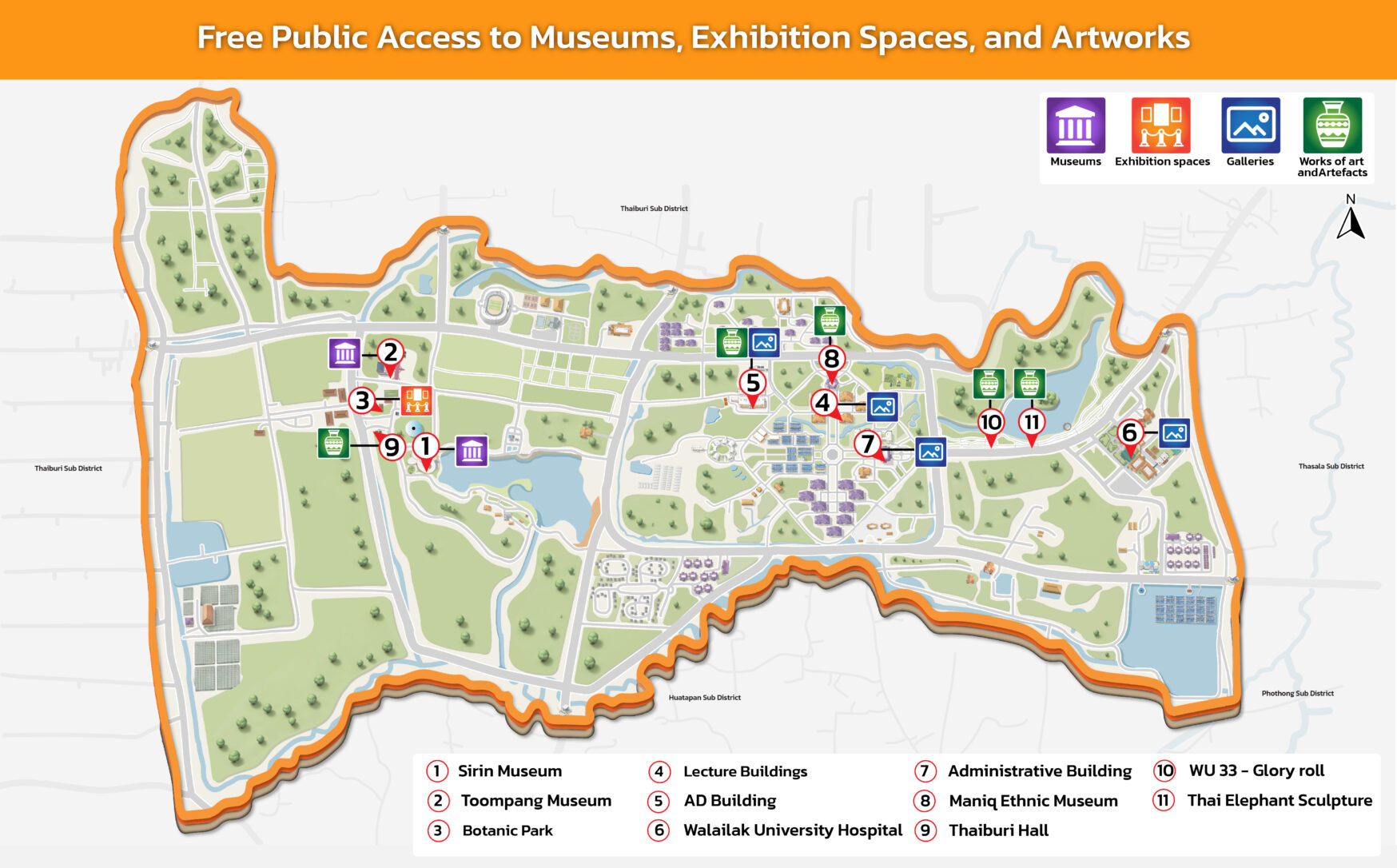
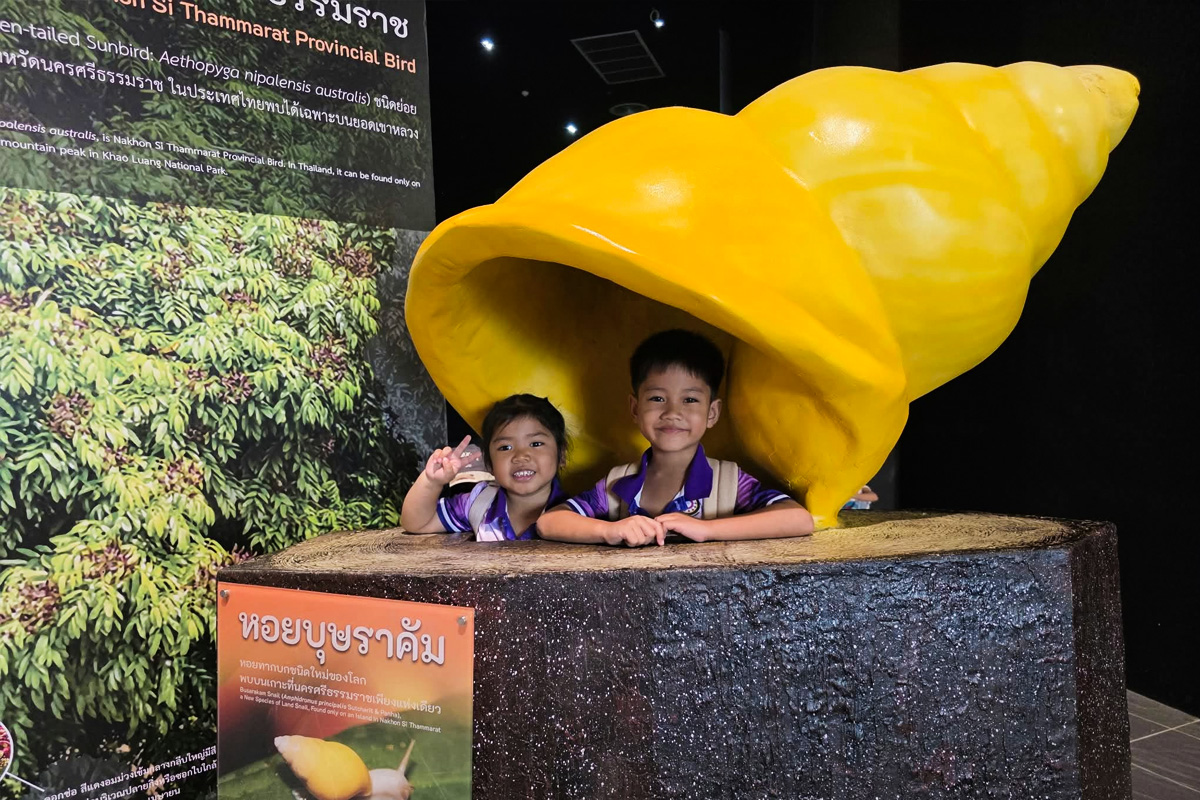
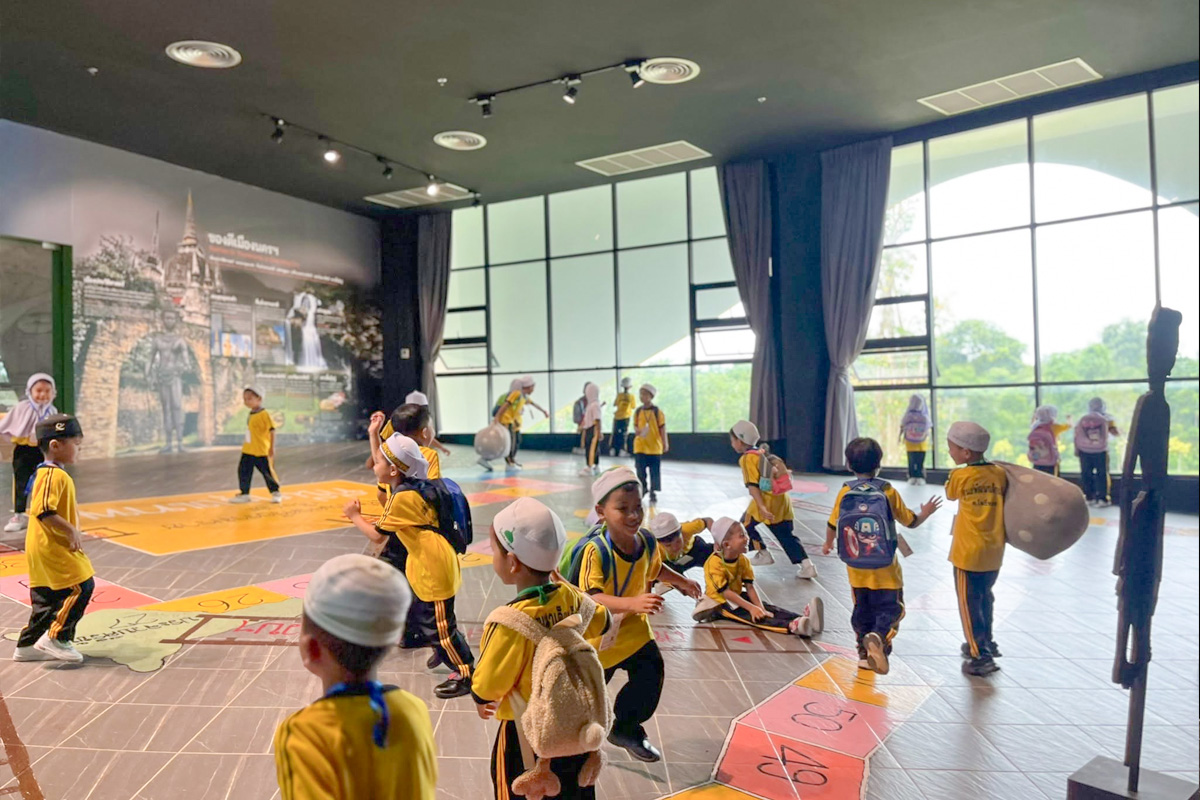
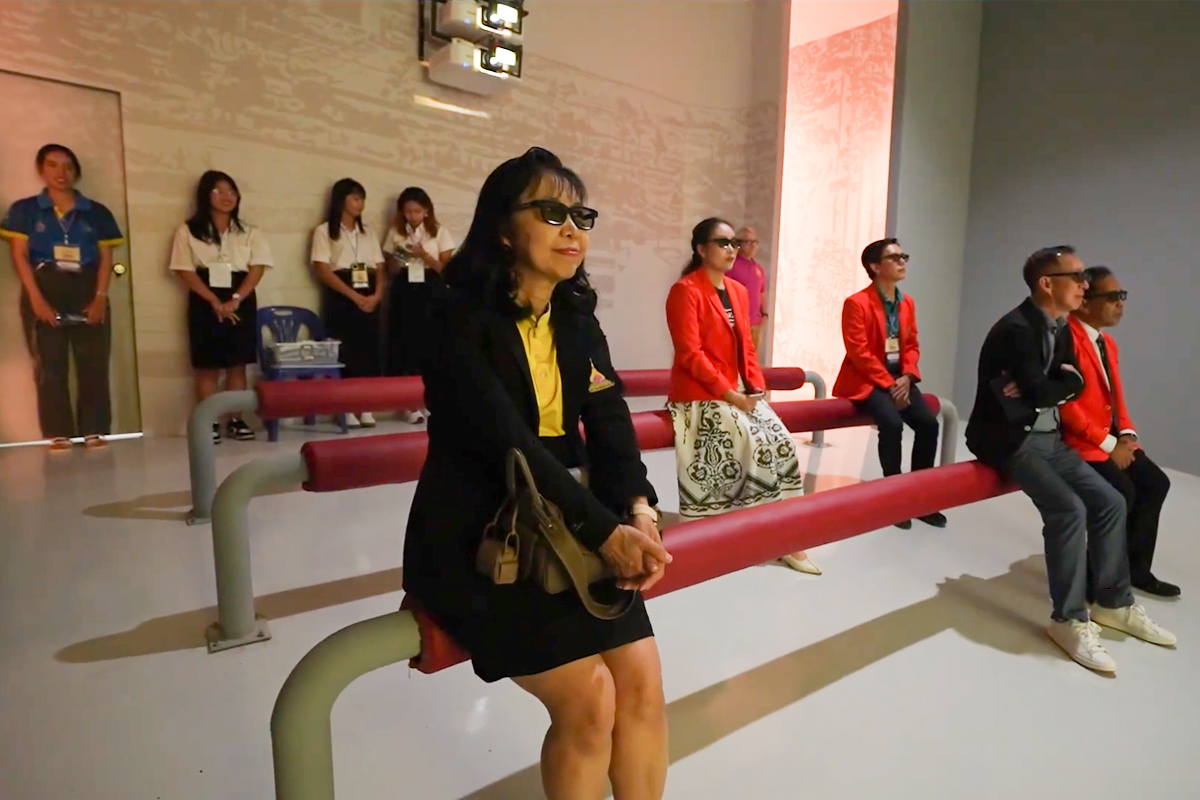
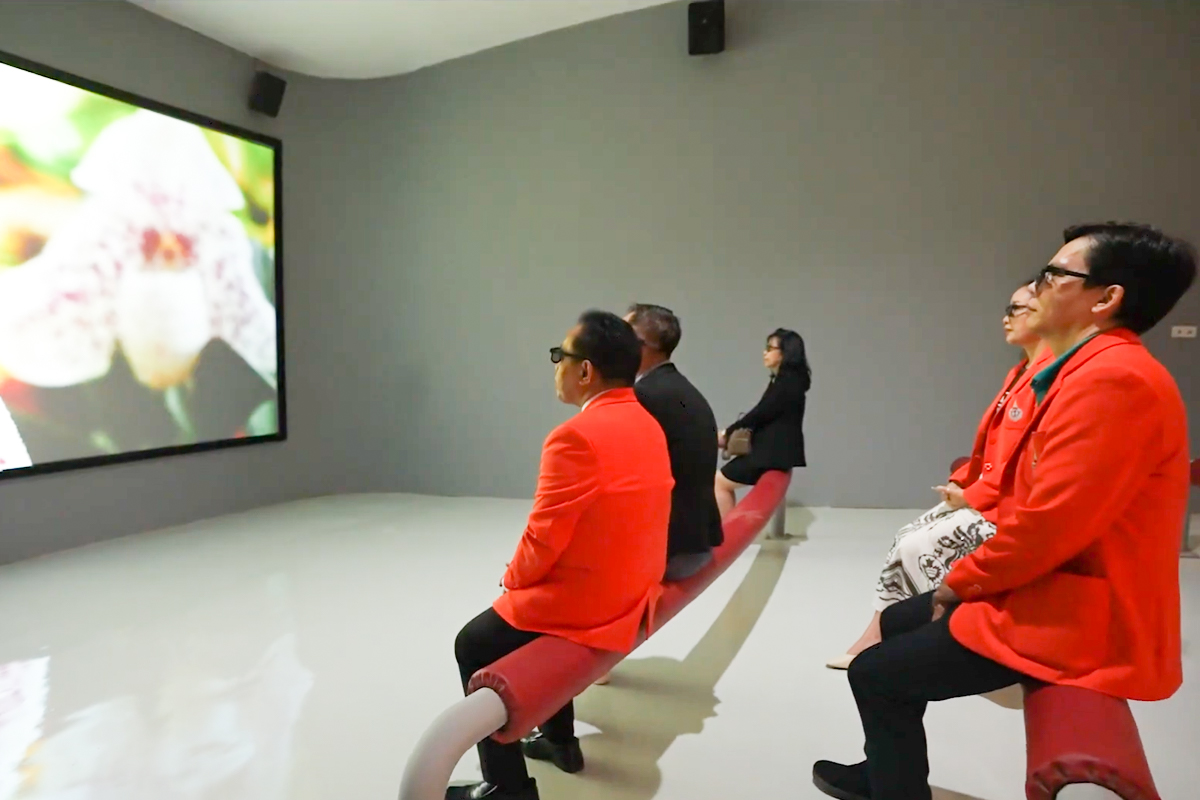
Among these facilities, Sirin Museum and Tumpang Museum remain the University’s main museums for public access, serving as important spaces for learning about local heritage, culture, history, and traditional ways of life. Alongside these museums, other exhibition areas, galleries, and works of art located throughout the campus further contribute to Walailak University’s role as an open learning environment. By making these resources freely accessible, the University extends learning beyond the classroom and provides opportunities for students, educators, researchers, families, and the general public to engage with cultural and educational resources throughout the year. Through diagnostic reviews of visitor feedback and public participation, the University can identify areas for improvement and strengthen the accessibility, educational value, and community relevance of its museums and cultural spaces.
Free Public Access to Museums

Sirin Museum: A Public Learning Space for Conservation and Heritage
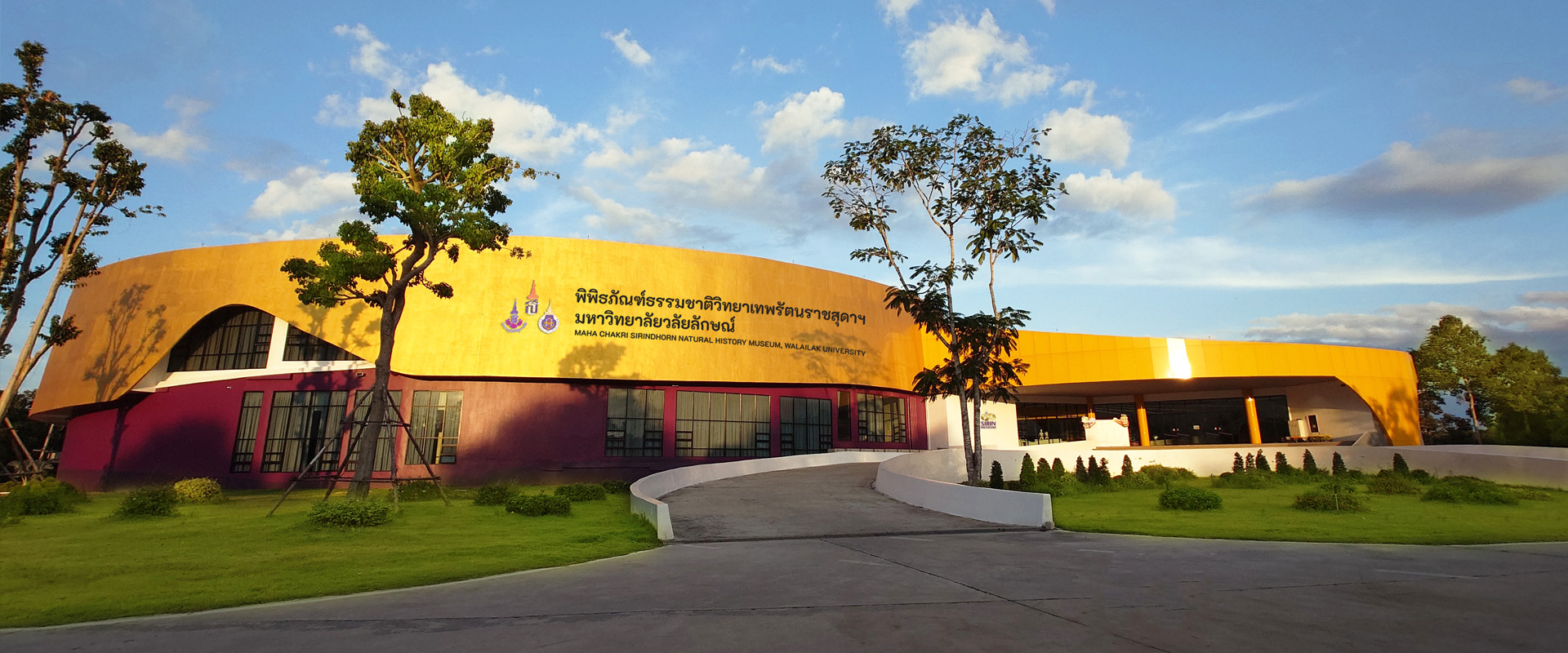
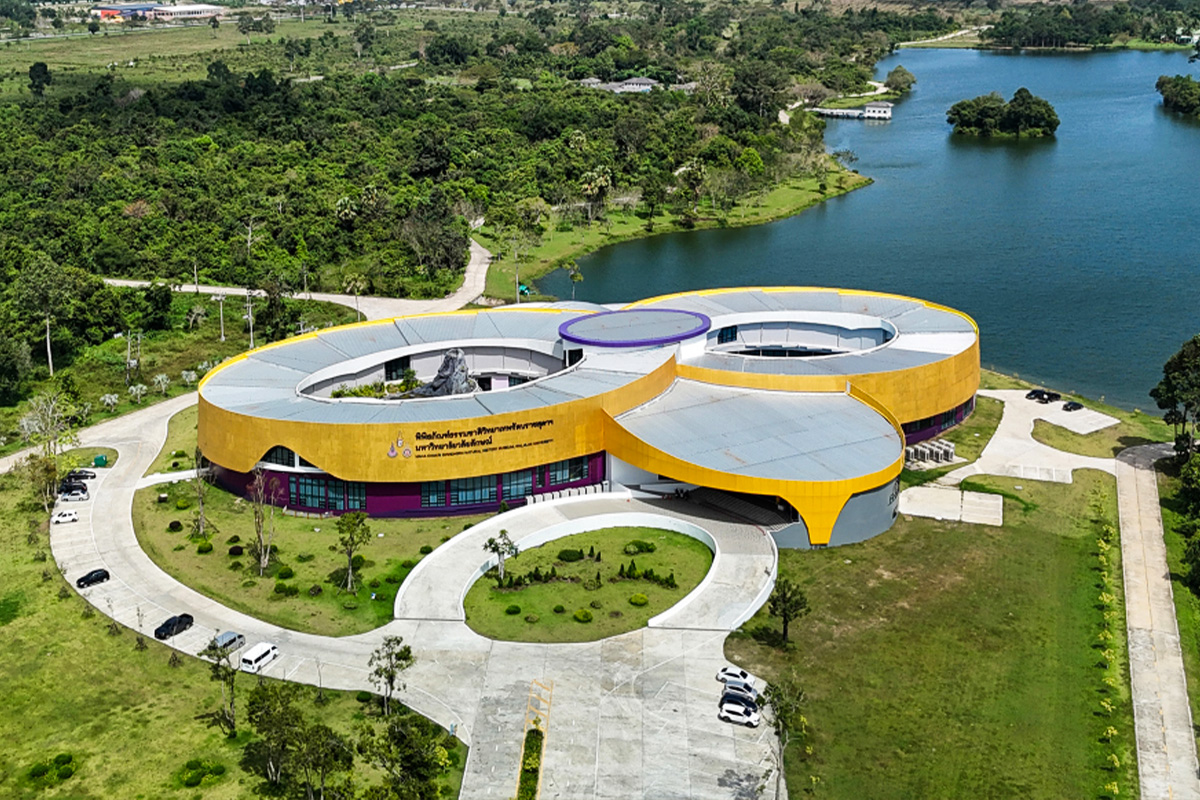
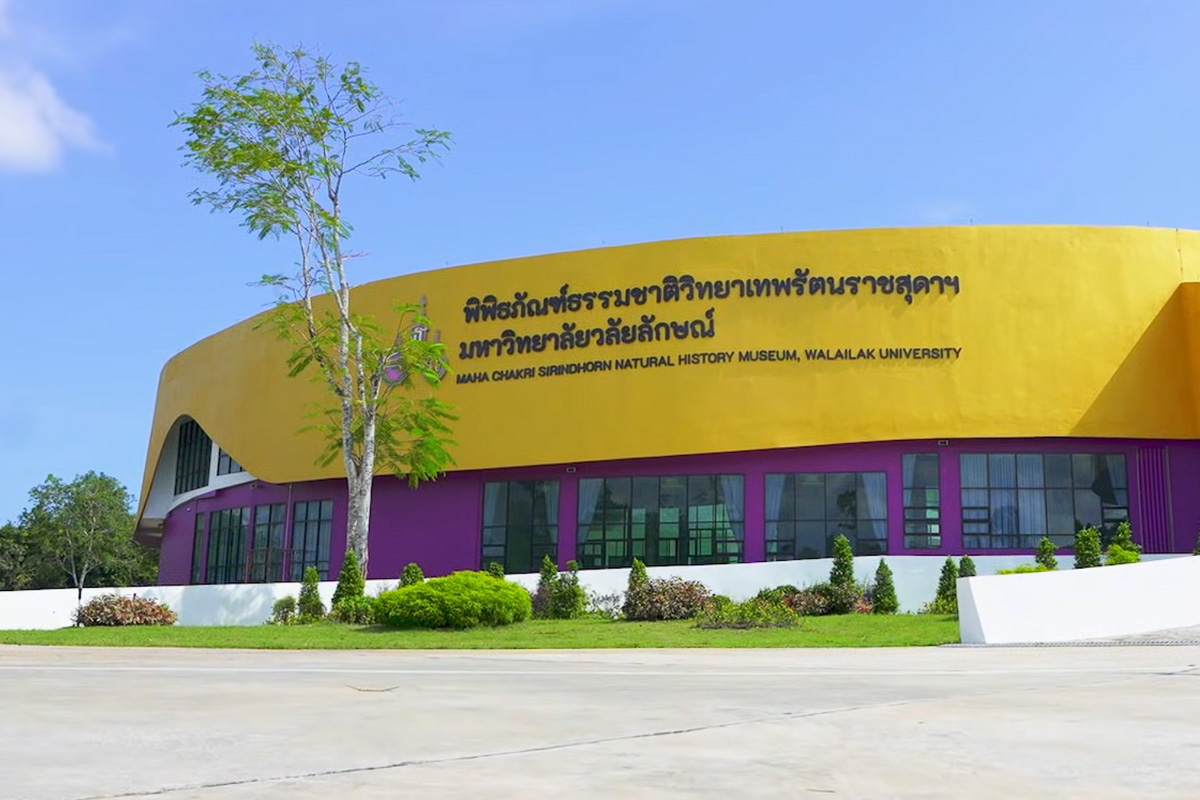
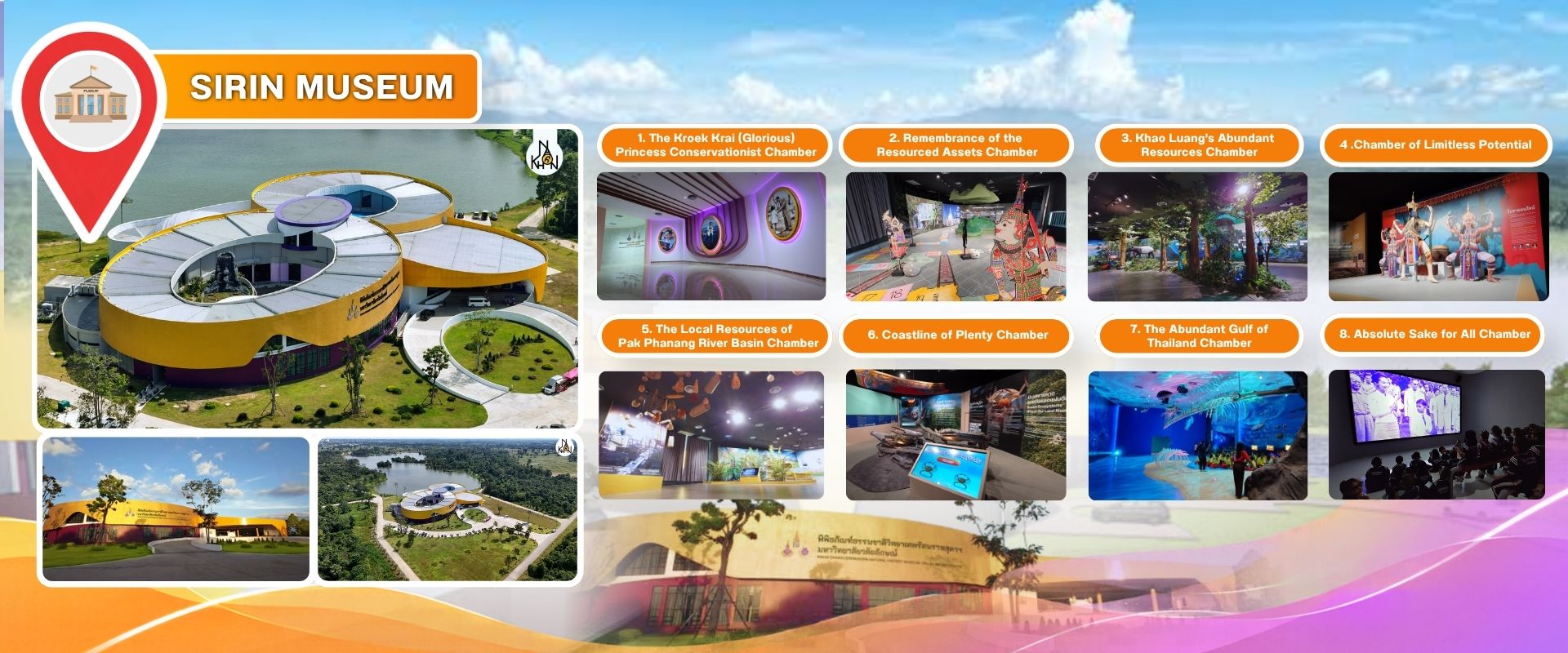
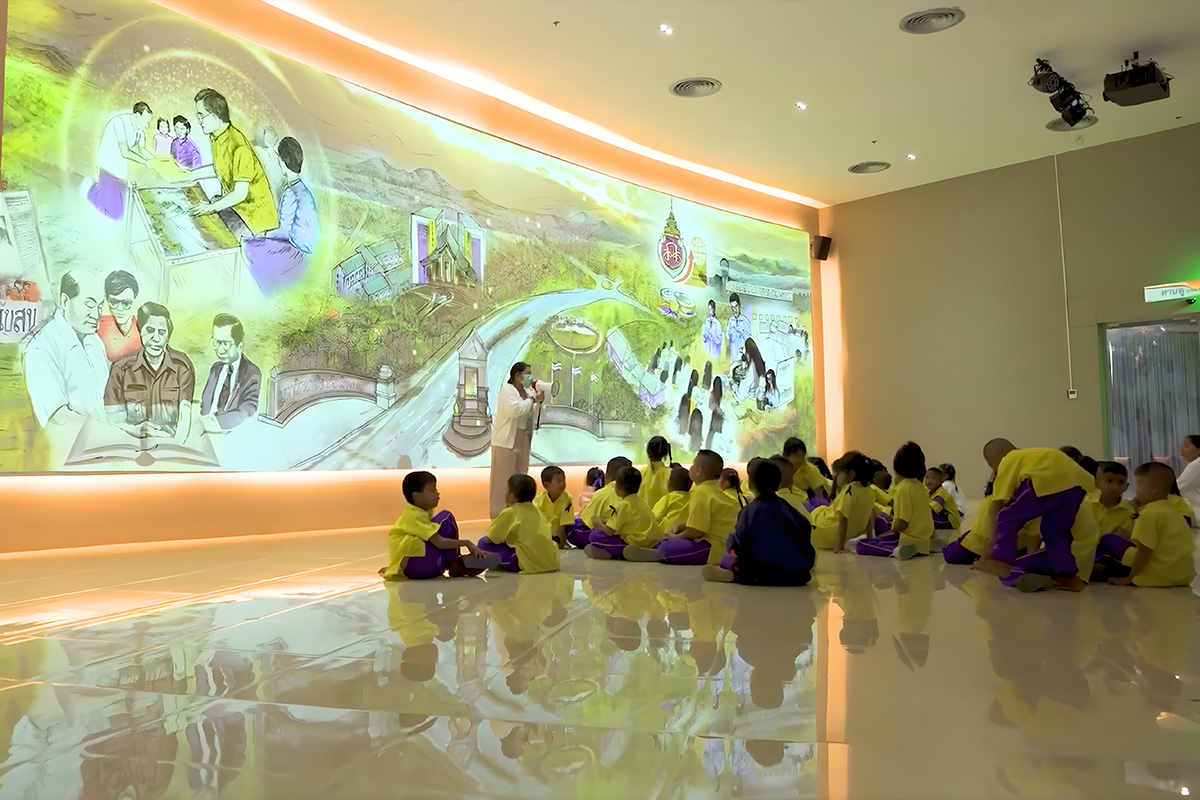
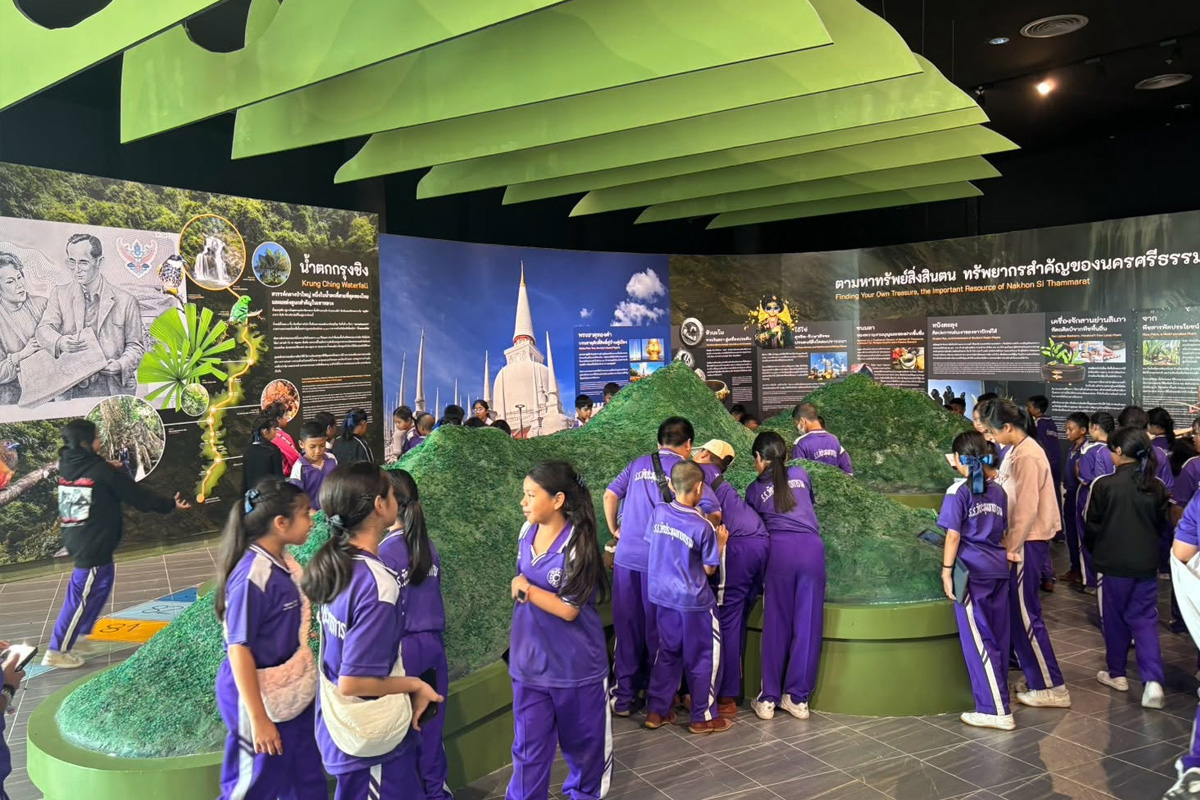
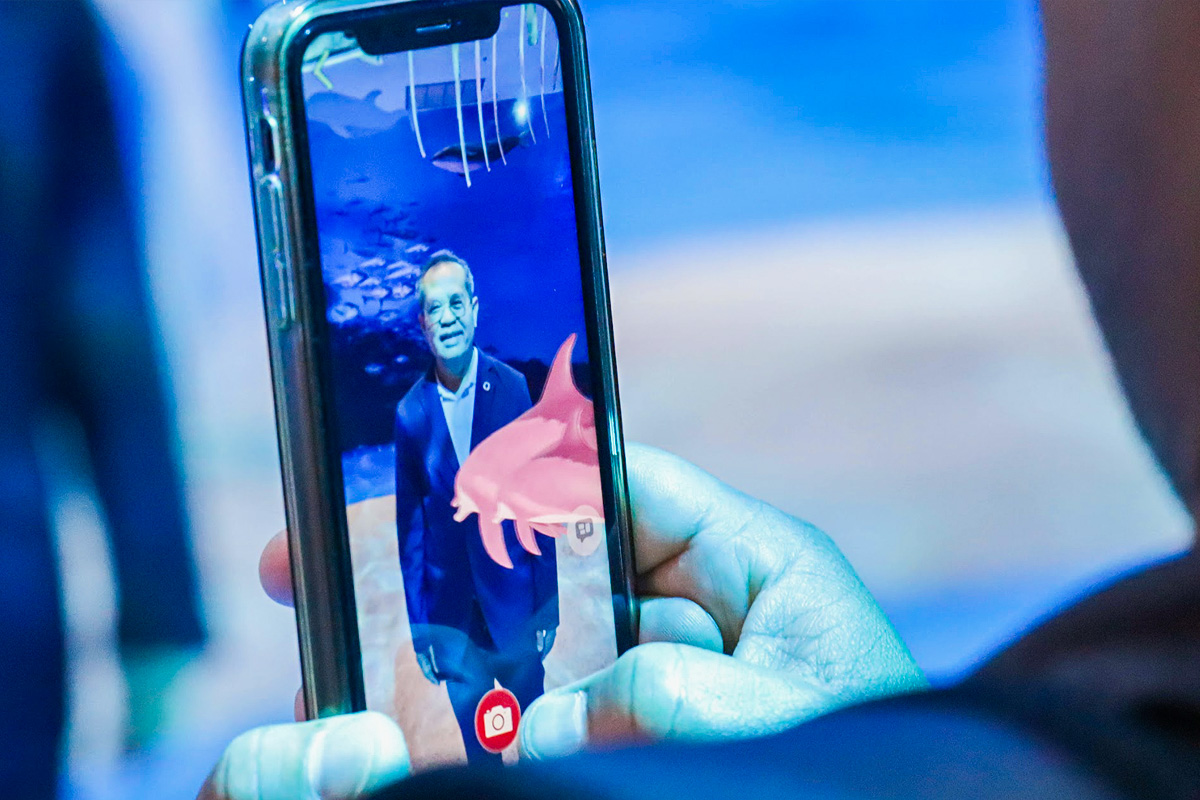
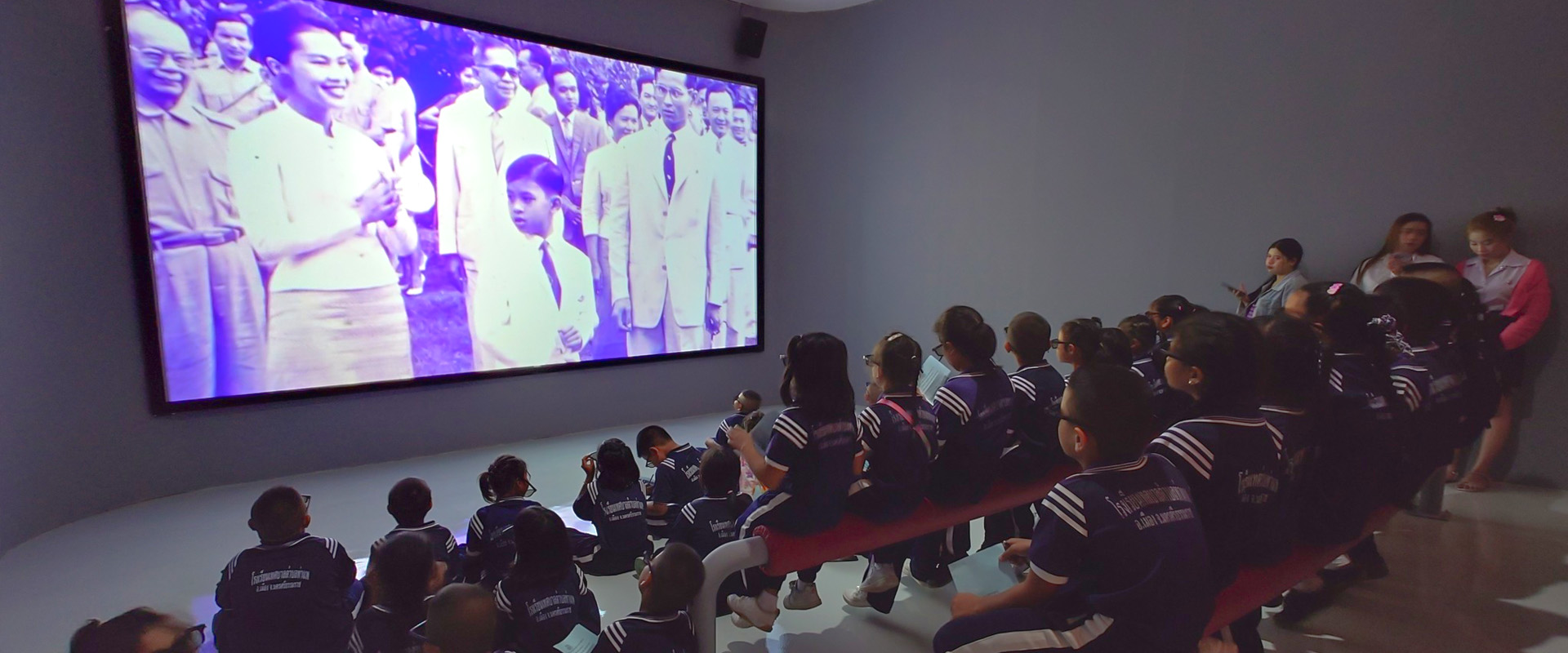
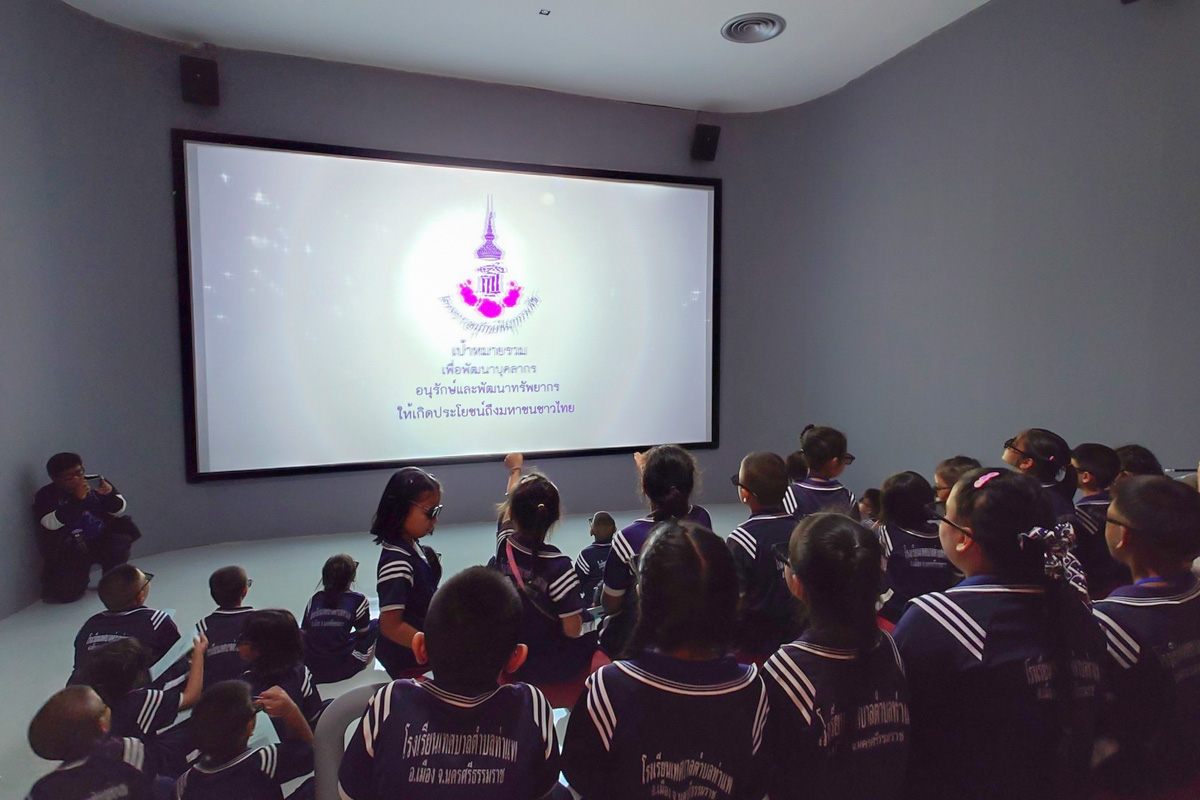
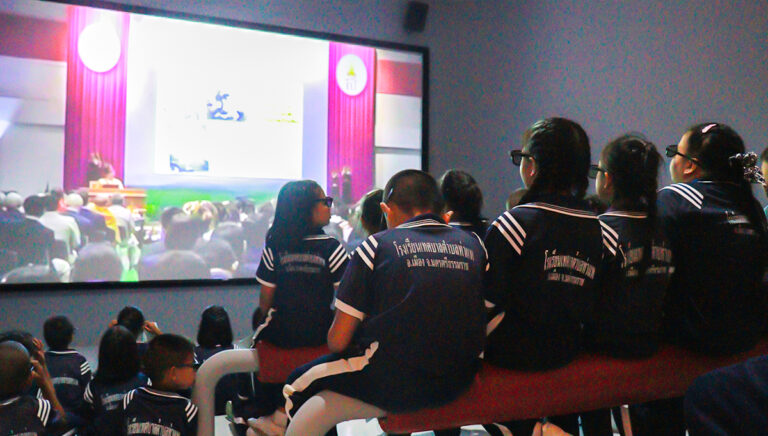
The Maha Chakri Sirindhorn Natural History Museum, known as Sirin Museum, at Walailak University serves as an important center for learning and raising awareness of natural resource conservation, environmental sustainability, and cultural heritage. The museum building is designed in the shape of the number 8, symbolizing infinity and reflecting the University’s long-term commitment to conservation, education, and the sustainable stewardship of natural and cultural resources.
The museum’s design concept, “Following the Footsteps of the Princess, from Mountain Peaks to Under the Sea,” pays tribute to Her Royal Highness Princess Maha Chakri Sirindhorn and highlights the importance of understanding and preserving Thailand’s natural resources. Situated beside a scenic reservoir within the Walailak University Botanic Park and surrounded by the Khao Luang mountain range, the museum provides an immersive setting for visitors to explore the diverse ecosystems of Southern Thailand.
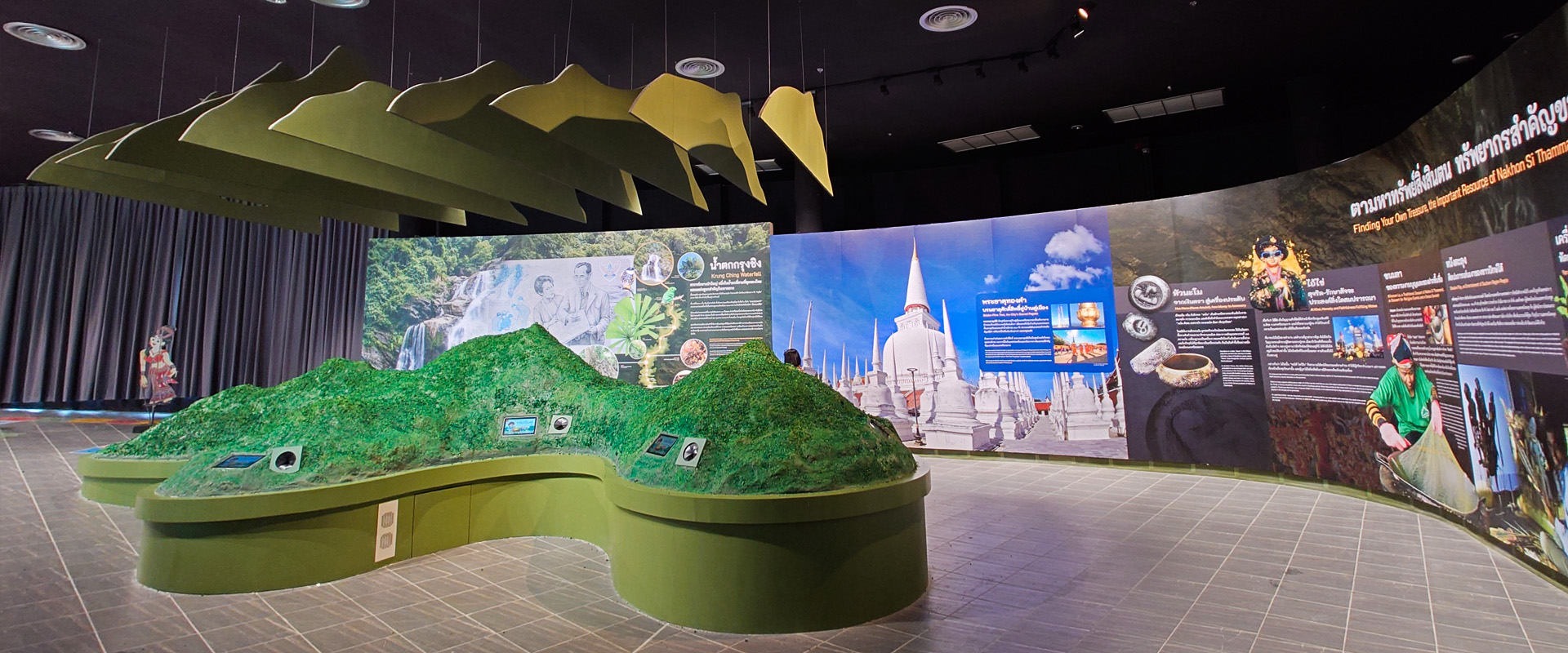
Its exhibitions include a replica of Krung Ching Waterfall and a simulated marine environment, illustrating the interconnected ecosystems extending from mountain rainforests and freshwater environments to the coastal areas of the Gulf of Thailand. These exhibits provide visitors with opportunities to learn about the region’s biodiversity, environmental resources, and conservation efforts.
The museum’s exhibition is organized into eight themed chambers, each presenting distinctive stories and learning experiences related to natural resource conservation, indigenous knowledge, local heritage, and projects initiated under royal patronage. Together, these spaces provide an accessible educational experience that connects visitors with the natural and cultural heritage of Southern Thailand.
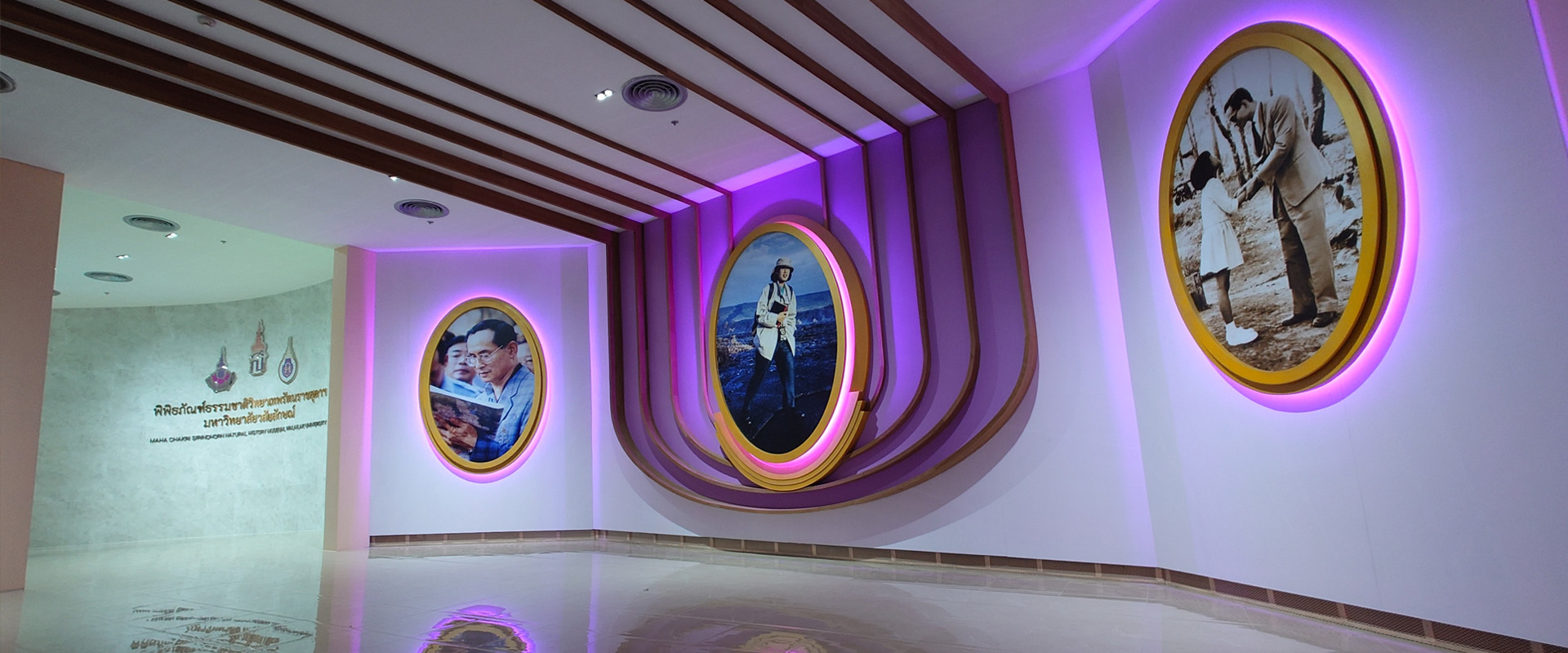
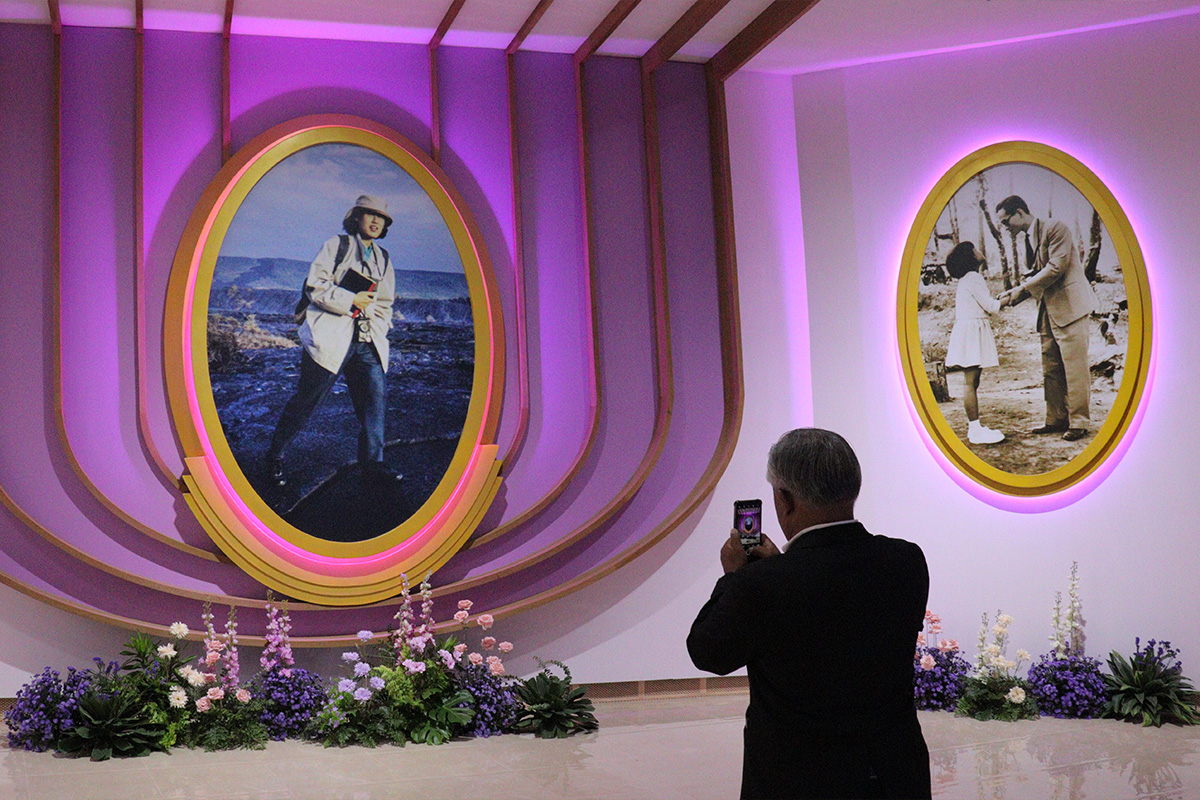
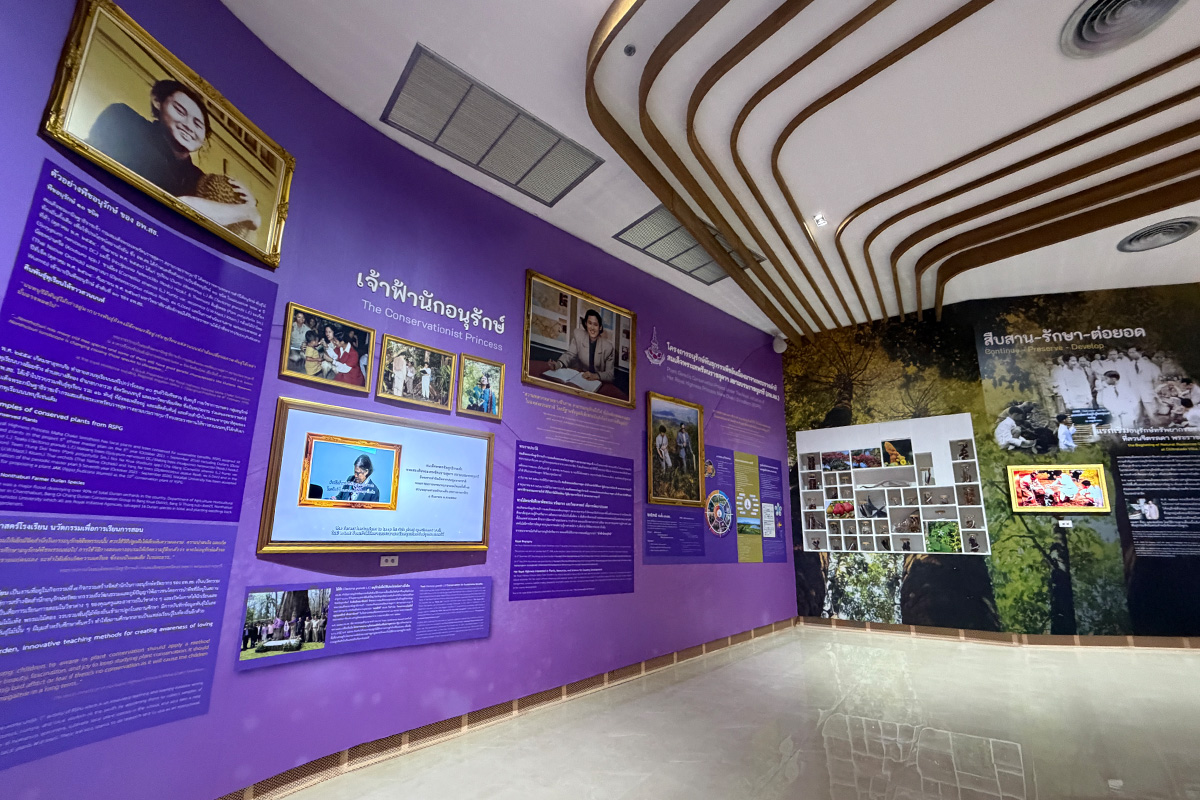
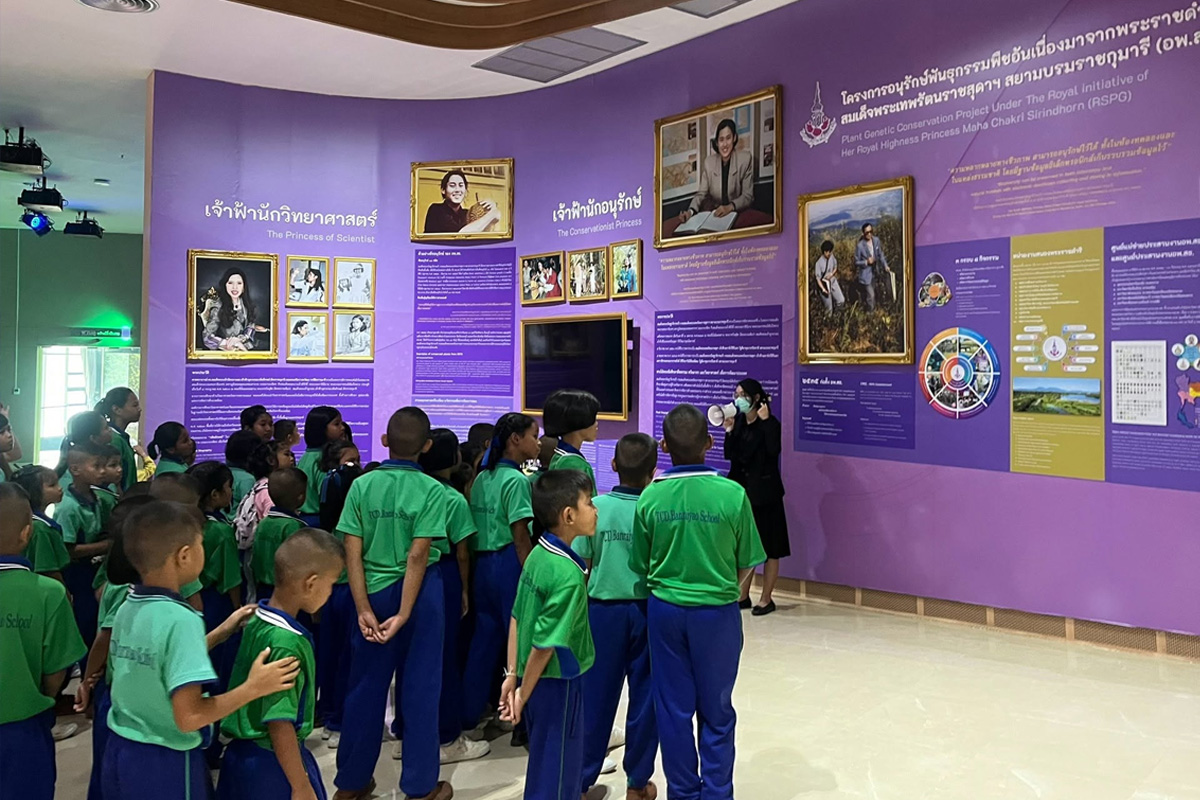
The Kroek Krai (Glorious) Princess Conservationist Chamber
This chamber celebrates the life and royal contributions of Her Royal Highness Princess Maha Chakri Sirindhorn, with particular emphasis on her longstanding commitment to the conservation of Thailand’s biological and plant genetic resources. It highlights the establishment and three-decade mission of the Plant Genetic Conservation Project under the Royal Patronage of Her Royal Highness, illustrating its important role in documenting, protecting, studying, and promoting the sustainable use of the country’s valuable genetic resources.
The chamber also presents Walailak University’s continuing contributions to the project through research, academic services, field-based conservation activities, and the dissemination of knowledge on plant genetic resources in Southern Thailand. Visitors can learn about the region’s rich plant diversity, the importance of conserving indigenous and local plant species, and the role of research and education in safeguarding biological resources for future generations.
Through its exhibits and educational content, the chamber connects royal initiatives with practical conservation efforts undertaken by academic institutions and local communities. It demonstrates how knowledge, scientific research, and community engagement can work together to support biodiversity conservation and the sustainable management of natural resources, while commemorating Walailak University’s ongoing participation in this important royal initiative.
Remembrance of the Resourced Assets Chamber
Focusing on the rich natural and cultural resources of Southern Thailand, this chamber presents the diverse knowledge, research, and community-based activities undertaken to document, conserve, and promote the region’s heritage. Visitors can explore resource databases and educational materials covering local biodiversity, natural landscapes, archaeological sites, indigenous knowledge, traditional arts, and cultural practices.
The chamber also highlights training programs and school botanical gardens that encourage students and local communities to learn about plant diversity and participate in conservation activities. Collections and archives related to ecotourism provide insights into the sustainable appreciation and management of natural and cultural attractions, while archaeological research helps preserve knowledge of the region’s historical development and cultural heritage.
Another important focus is traditional knowledge related to Thai traditional medicine and herbal remedies, including the use and study of medicinal plants within botanical gardens. By bringing together scientific research, local wisdom, education, and cultural heritage, the chamber demonstrates the value of Southern Thailand’s resources and the importance of conserving and passing this knowledge on to future generations.
Khao Luang’s Abundant Resources Chamber
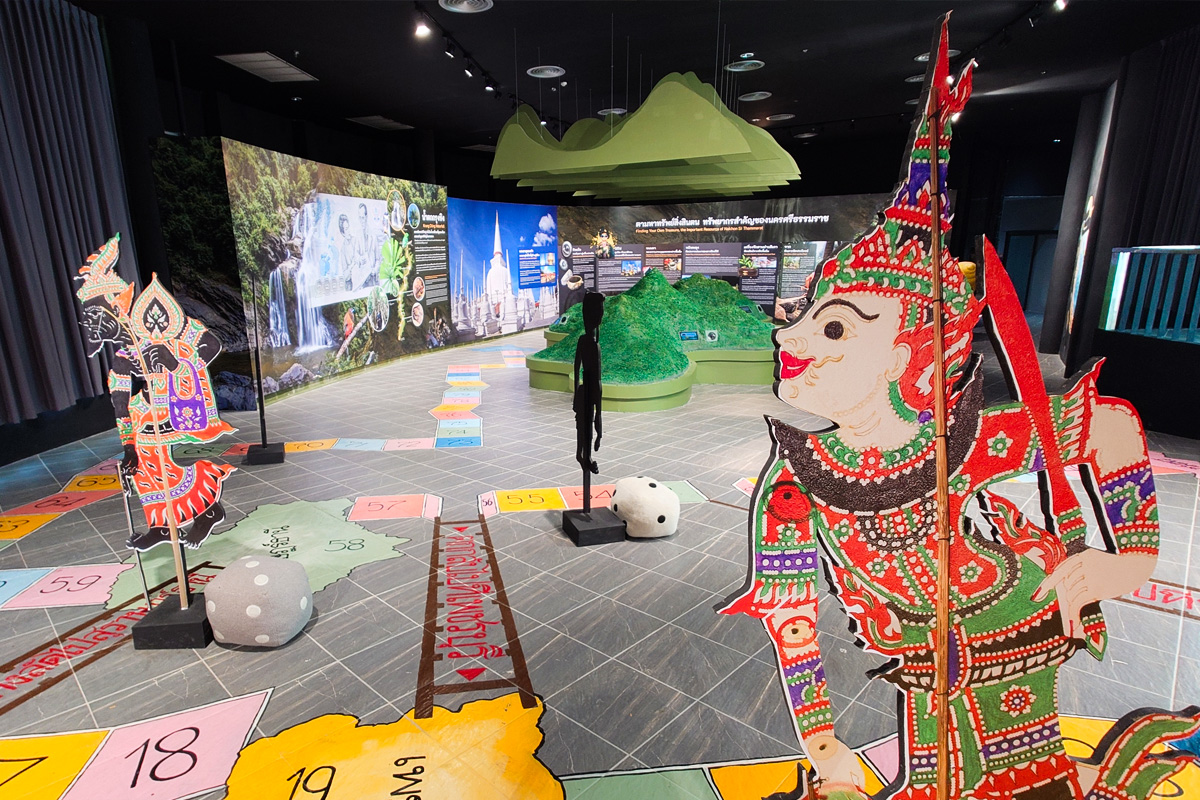
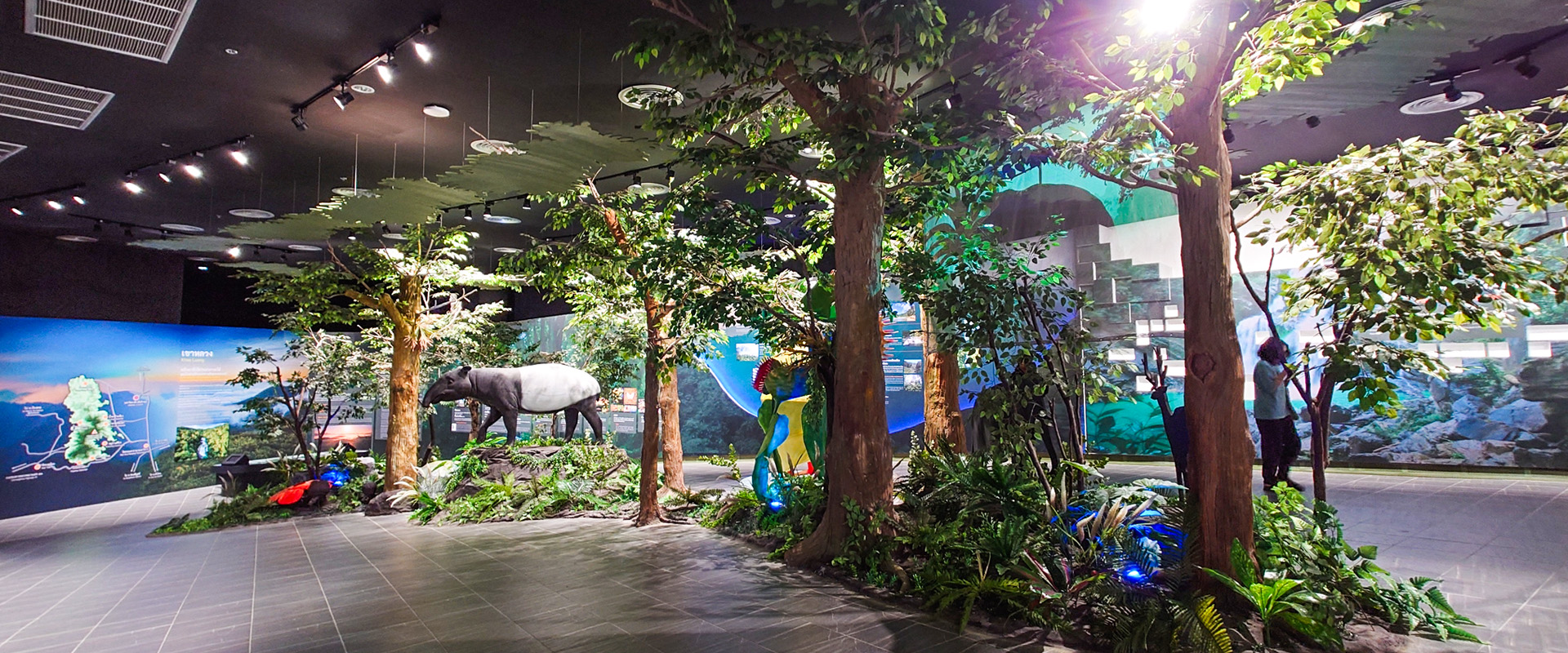
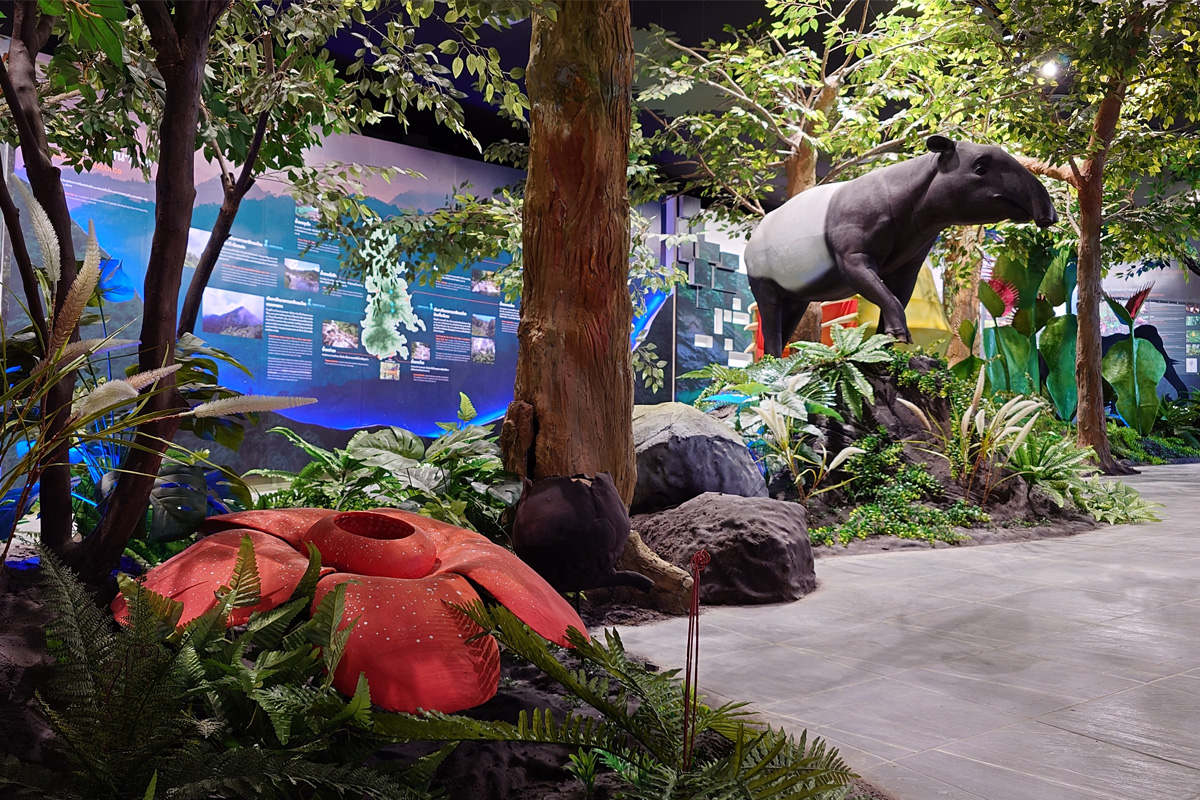
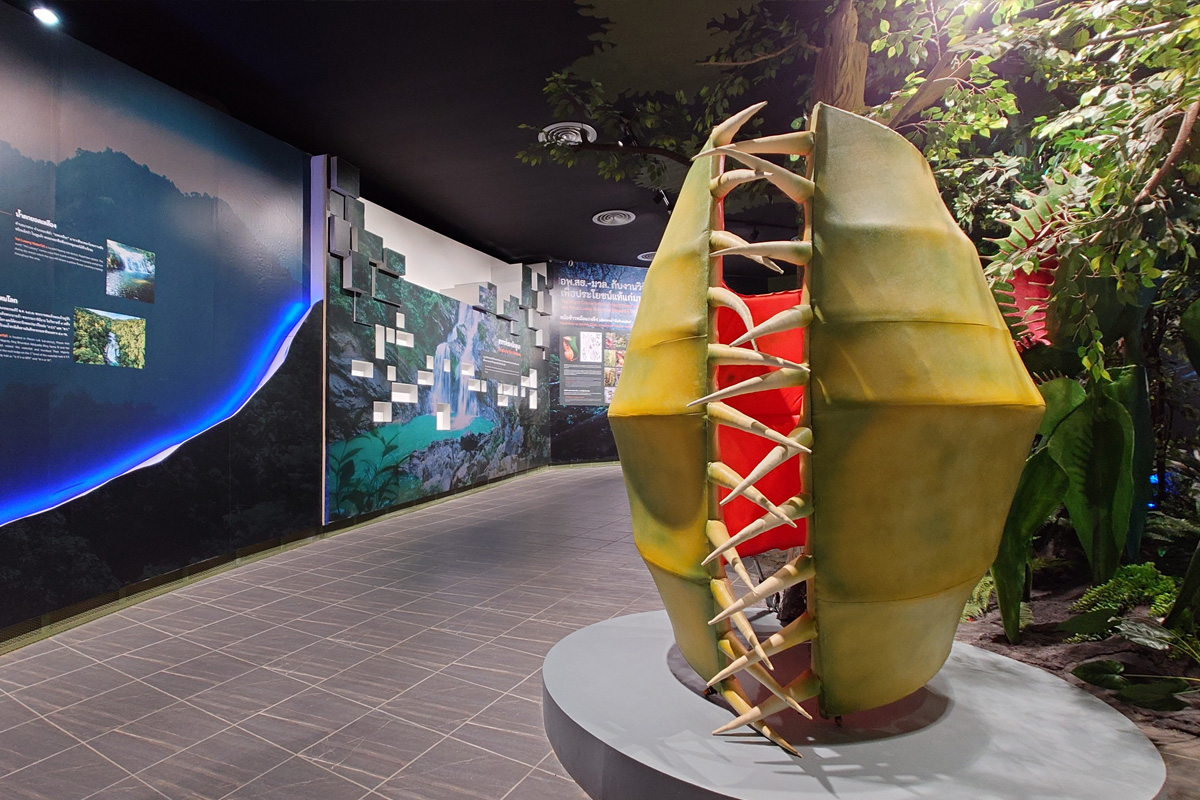
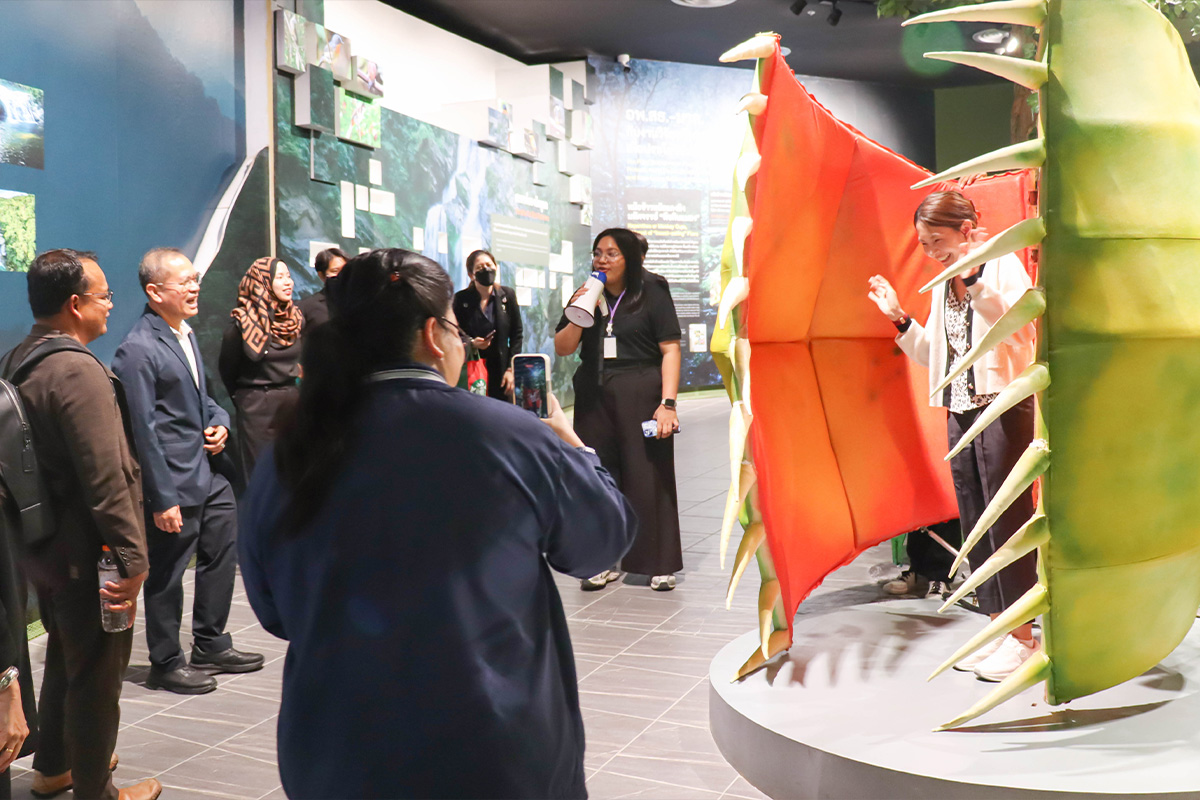
The Khao Luang’s Abundant Resources Chamber showcases the exceptional biodiversity and ecological richness of the Khao Luang mountain range, one of Southern Thailand’s important natural landscapes. Through immersive exhibits and educational displays, the chamber introduces visitors to the region’s tropical rainforest ecosystems and the diverse plant and animal species that depend on these habitats.
A central feature of the exhibition is a detailed model of Krung Ching Waterfall, which illustrates the distinctive landscape and natural environment of the Khao Luang area. Dioramas recreate the atmosphere and ecological characteristics of a tropical rainforest, allowing visitors to observe the relationships between vegetation, wildlife, water resources, and their surrounding environment.
The chamber also presents examples of native plant and animal species, helping visitors understand the importance of biodiversity and the interconnectedness of rainforest ecosystems. Virtual tours further extend the learning experience by allowing visitors to explore the Khao Luang landscape and its ecological features in an engaging and accessible way.
Together, these exhibits provide an opportunity for visitors to appreciate the natural wealth of Southern Thailand while promoting greater awareness of biodiversity conservation, environmental stewardship, and the importance of protecting ecosystems for future generations.
Chamber of Limitless Potential
The Chamber of Limitless Potential highlights research and development projects inspired by royal initiatives and undertaken by Walailak University in collaboration with academic institutions, government agencies, local communities, and other partners. The chamber demonstrates how scientific research, local knowledge, and community participation can work together to conserve, develop, and create sustainable value from the physical, biological, and cultural resources of Southern Thailand.
The exhibits feature a diverse range of research activities, including the extraction and study of bioactive compounds from medicinal plants for potential medical applications, the documentation and preservation of traditional knowledge and community cultural practices, and the development of products that make sustainable use of locally available resources. These projects illustrate how research can transform valuable natural and cultural resources into practical applications while supporting conservation and community development.
Particular attention is given to approaches that balance resource utilization with long-term sustainability. By connecting scientific innovation with indigenous wisdom and community needs, the chamber demonstrates the potential of local resources to generate knowledge, strengthen livelihoods, and create value without compromising their availability for future generations.
Through these stories of research, innovation, and collaboration, the Chamber of Limitless Potential reflects Walailak University’s role in translating knowledge into meaningful solutions and supporting the sustainable development of local communities and the wider region.
The Local Resources of Pak Phanang River Basin Chamber
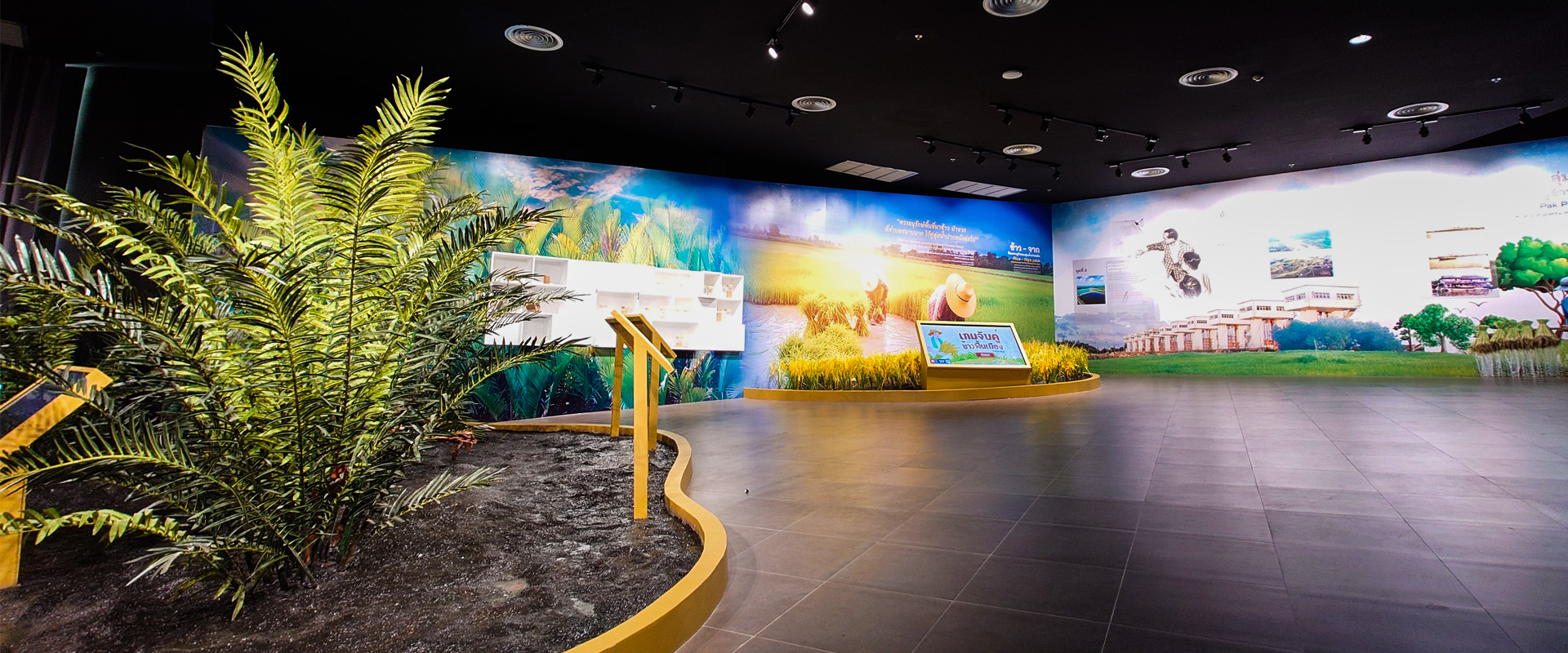
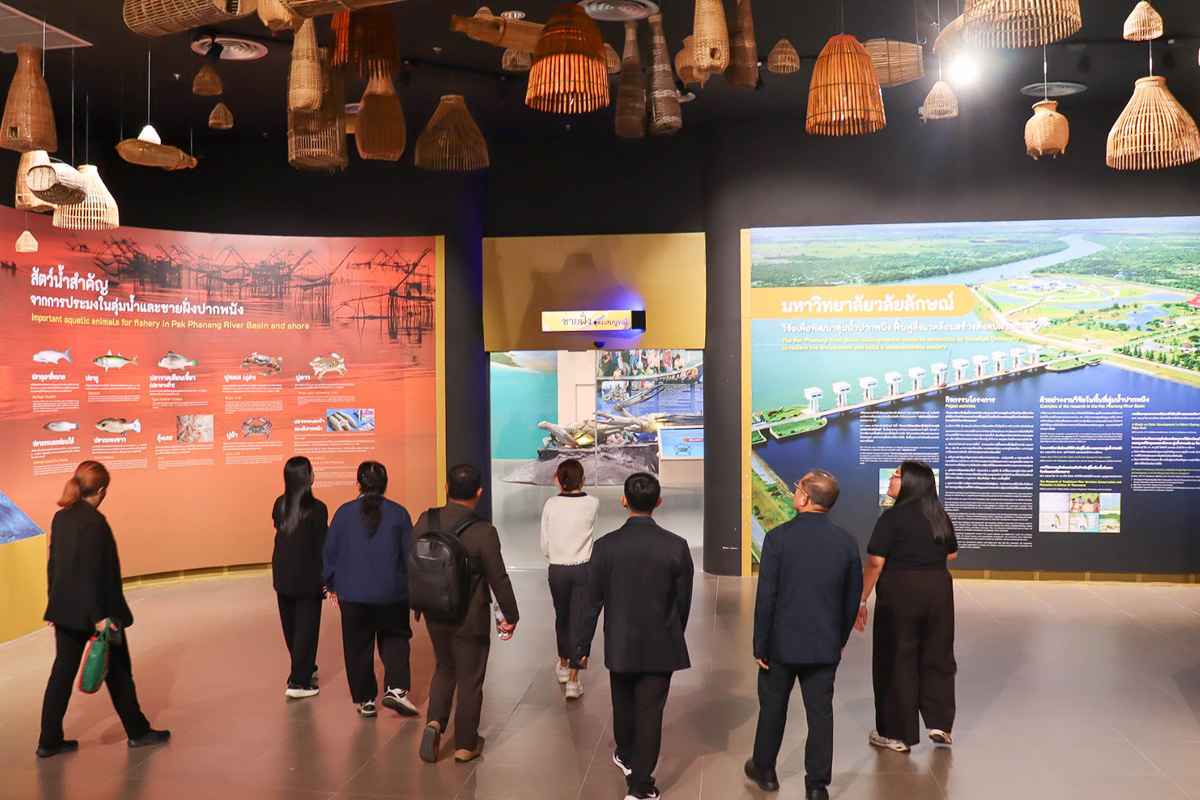
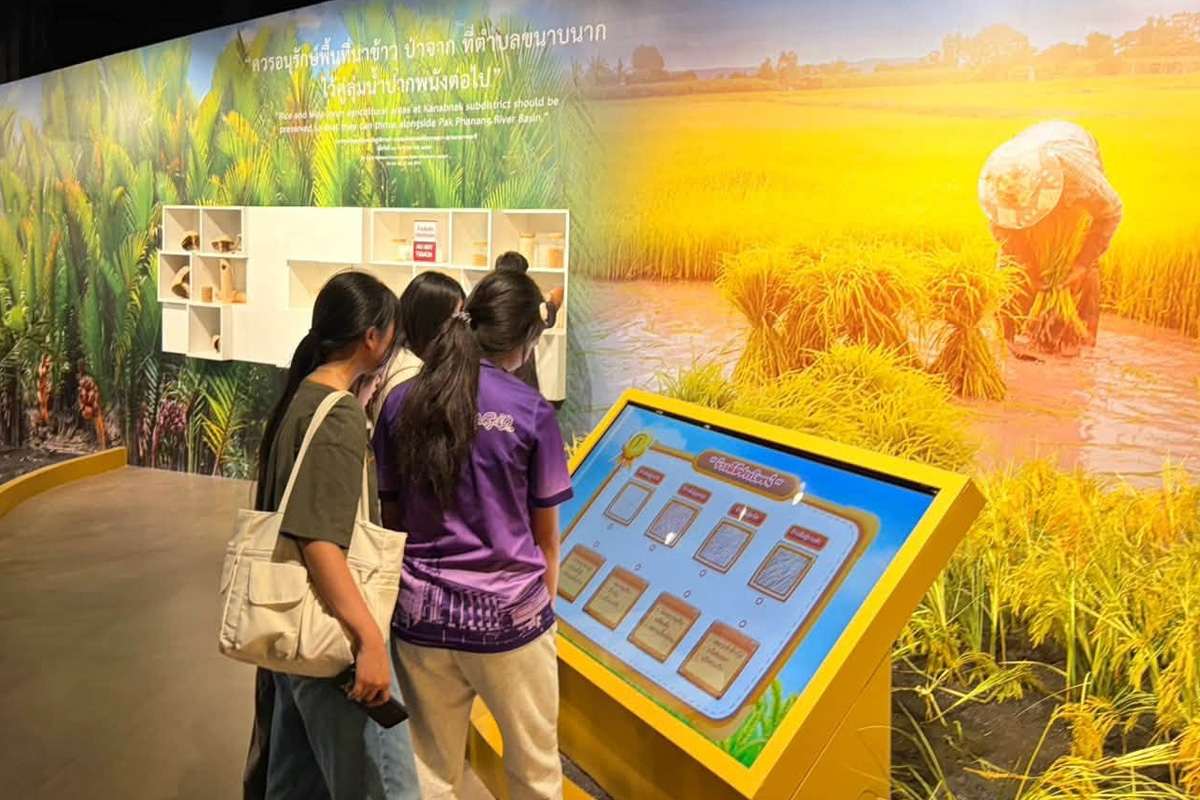
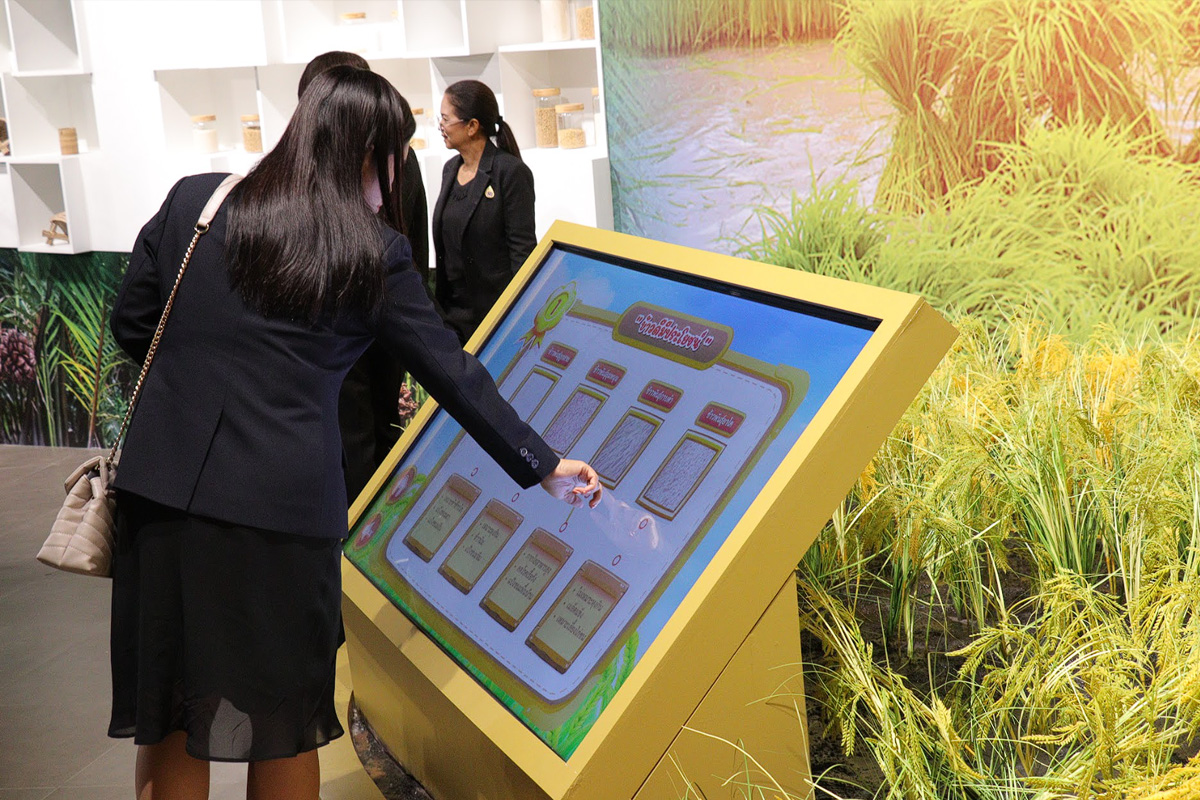
The Local Resources of Pak Phanang River Basin Chamber highlights the rich natural, agricultural, and cultural resources of the Pak Phanang River Basin and presents research undertaken to understand, conserve, and sustainably develop these valuable local assets. The chamber showcases indigenous rice varieties, the Ruby of Siam grapefruit, native vegetables, traditional foods, and a range of community products developed from local resources and indigenous knowledge.
The exhibits demonstrate the close relationship between the people of the Pak Phanang River Basin and the natural resources that support their livelihoods, food systems, traditions, and cultural identity. They also illustrate how local wisdom can be documented, strengthened, and applied through research and innovation to create products and practices that generate value while supporting the sustainable use of community resources.
The chamber further highlights Walailak University’s academic services and projects undertaken in connection with royal initiatives, demonstrating the role of higher education in addressing local challenges and supporting community development. Through collaboration among universities, government agencies, local communities, and other sectors, these initiatives contribute to knowledge-based solutions for managing natural resources and addressing conflicts arising from competing uses of the river basin.
By bringing together research, local wisdom, agricultural heritage, and multi-sector collaboration, the chamber demonstrates how the sustainable management of local resources can contribute to community resilience, livelihoods, cultural preservation, and long-term regional development.
Coastline of Plenty Chamber
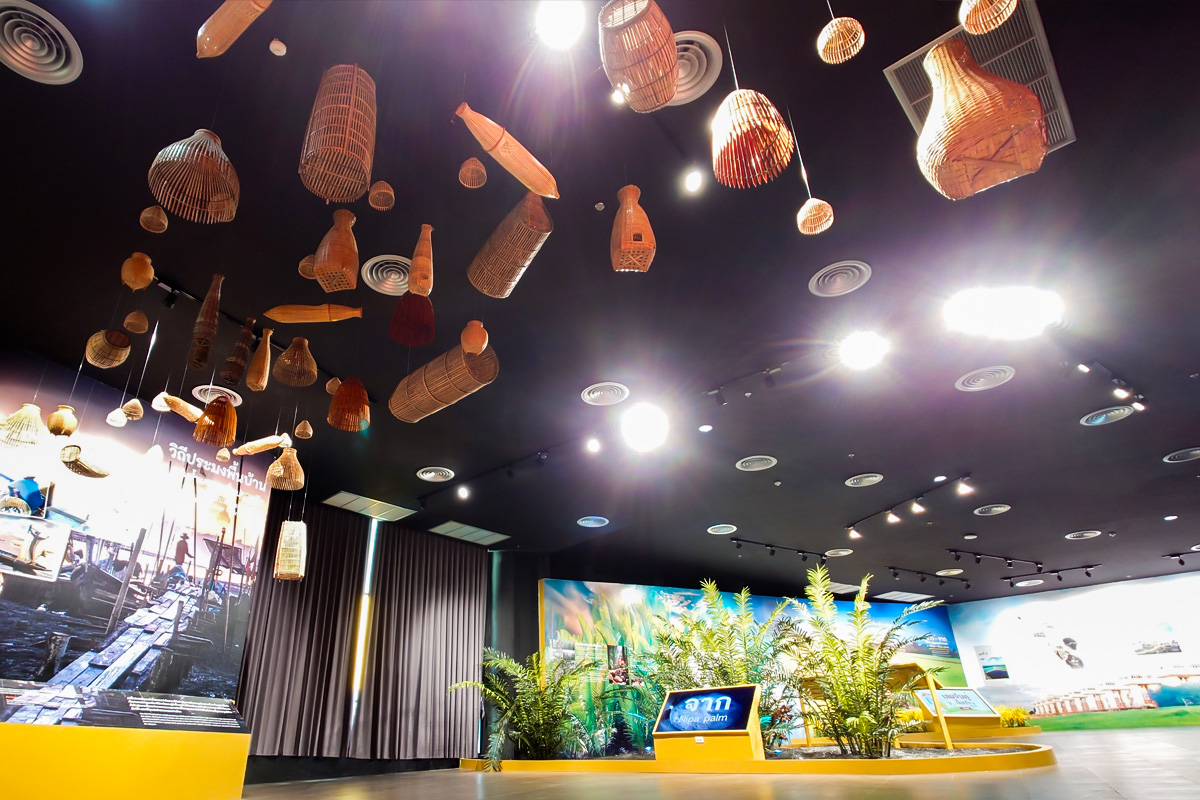
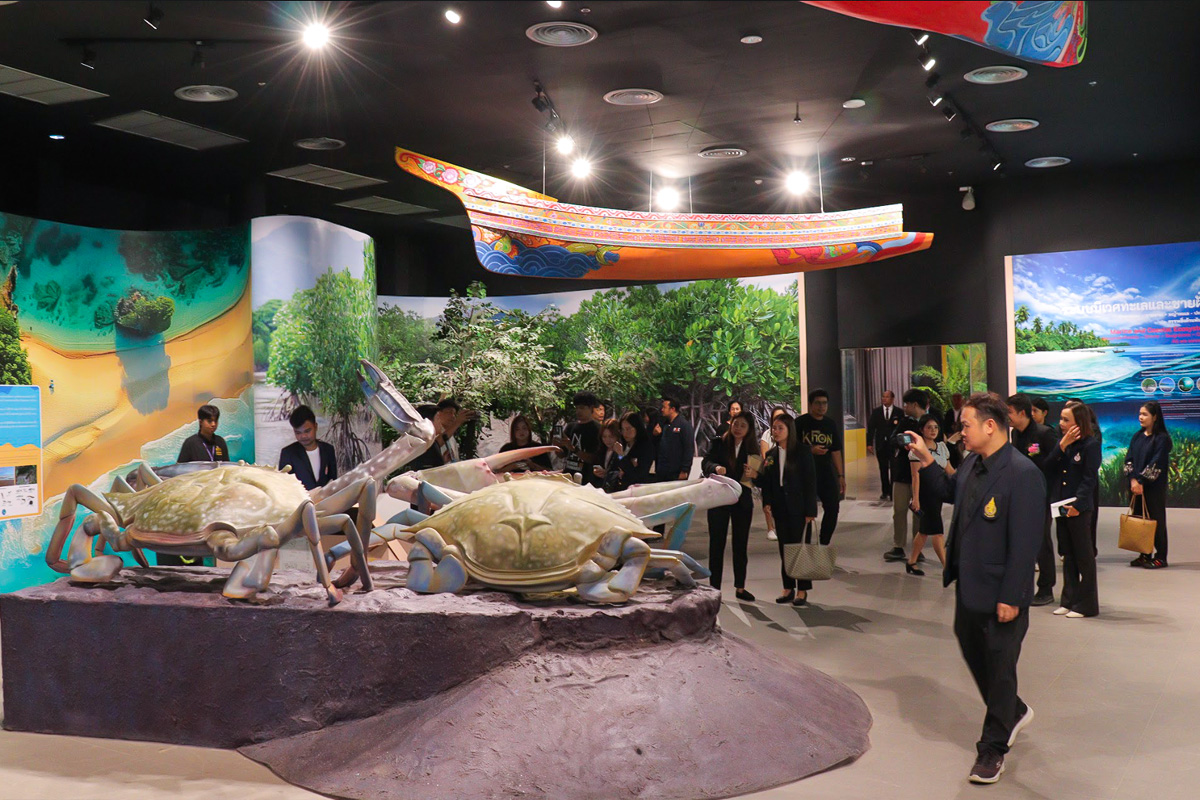
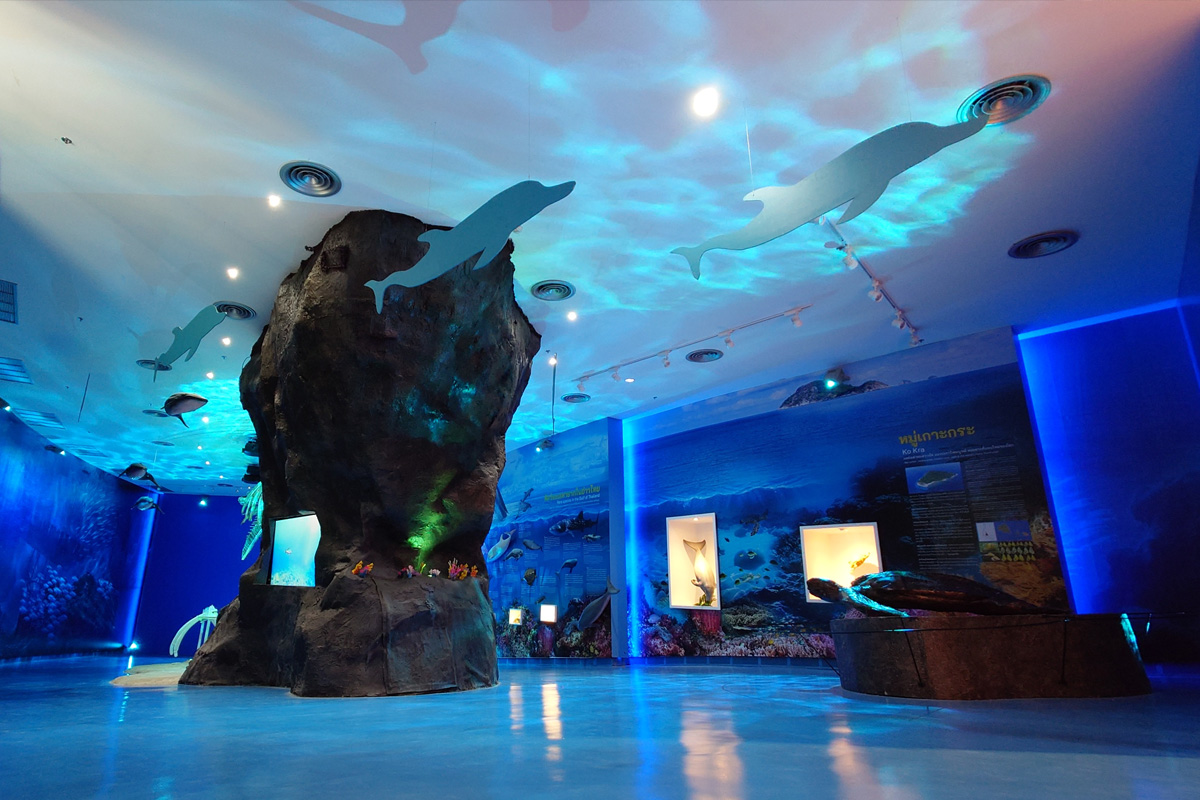
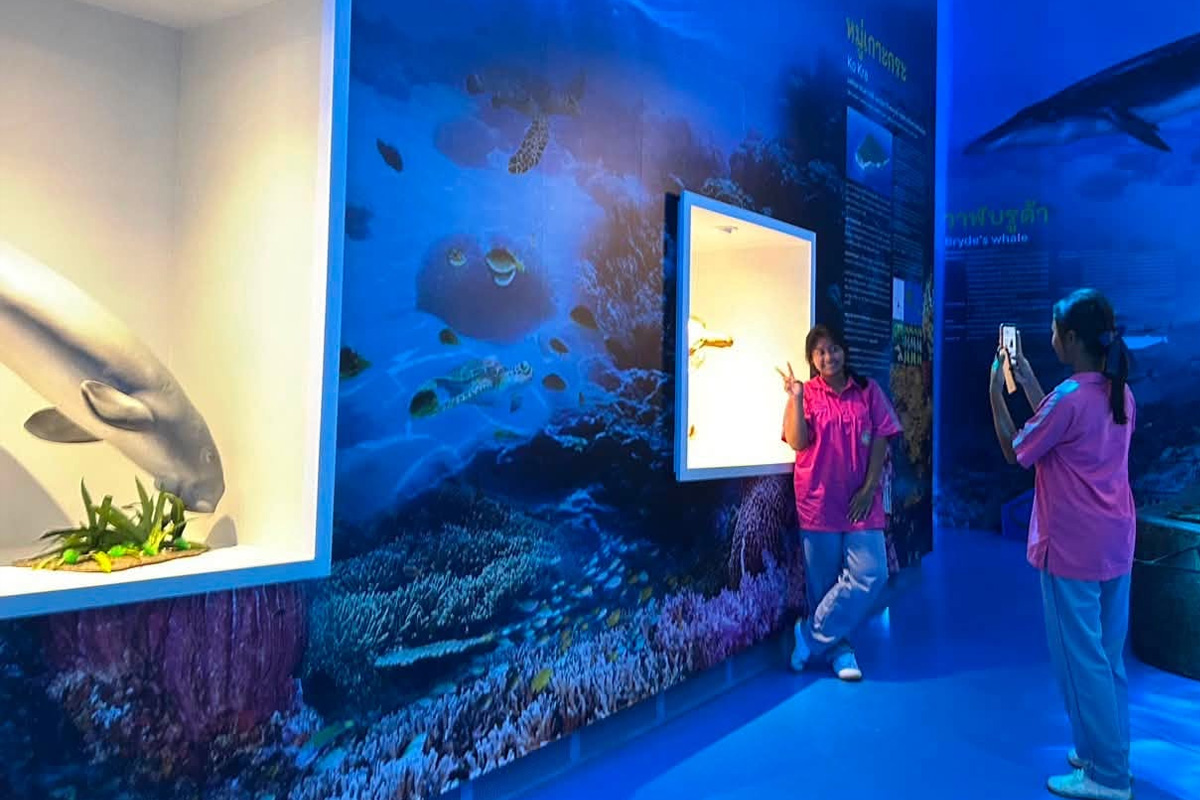
The Coastline of Plenty Chamber explores the rich coastal ecosystems of the Gulf of Thailand and highlights the ecological, economic, and cultural significance of Southern Thailand’s coastal resources. Through multimedia presentations, photographs, and authentic specimens and objects, the exhibition provides visitors with an engaging introduction to the diverse environments found along the coastline.
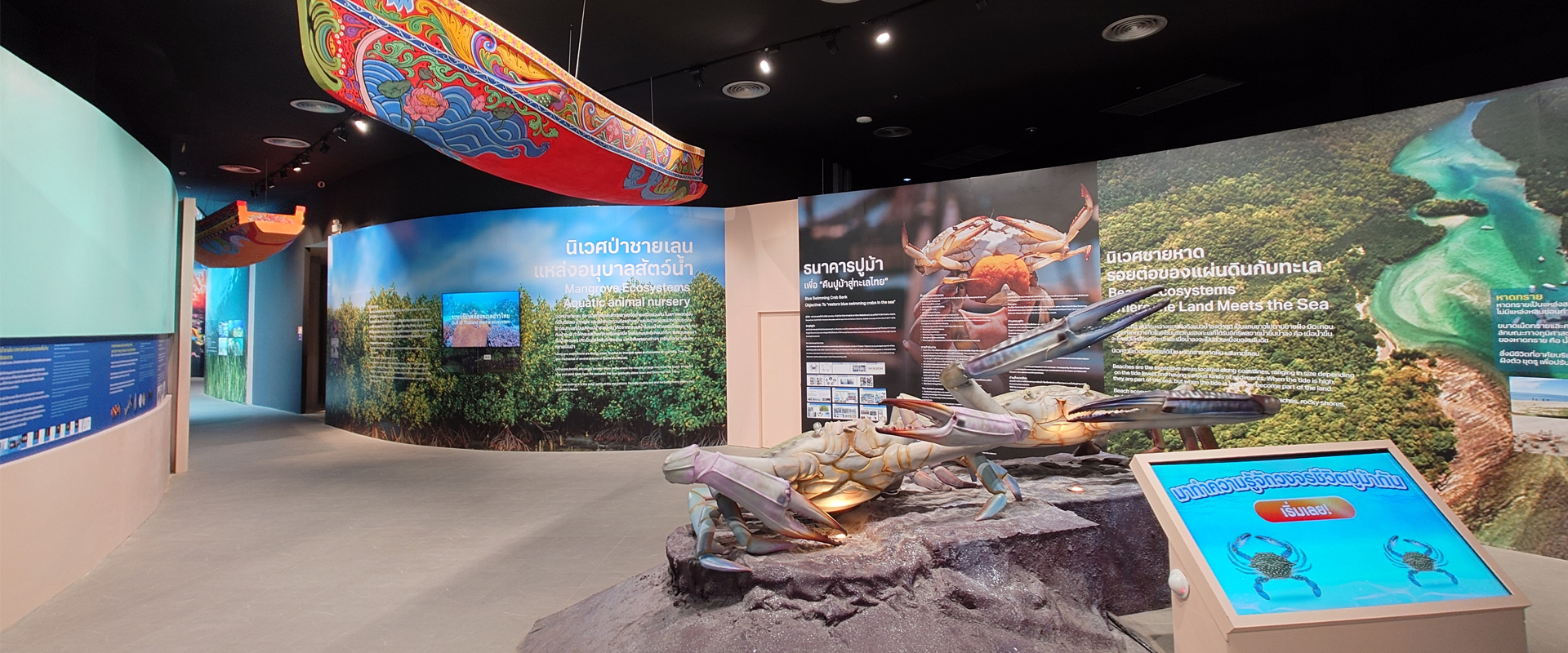
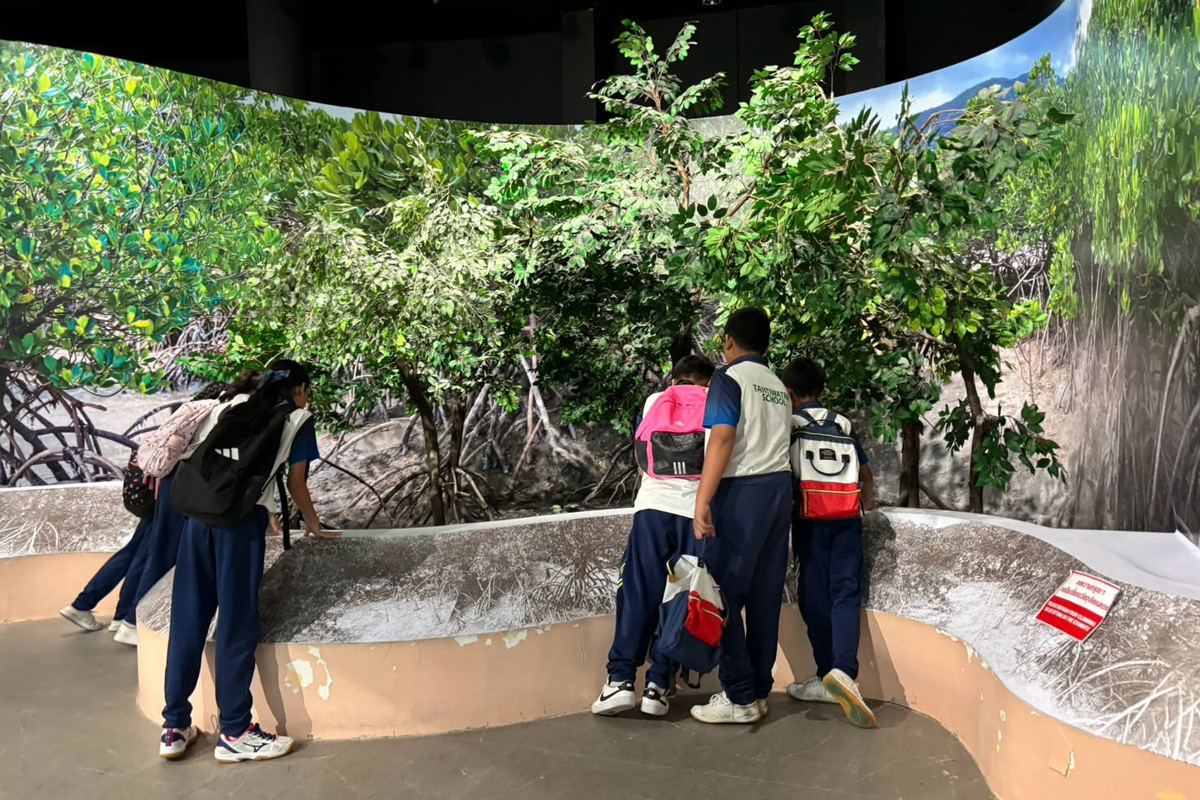
The chamber features beach and mangrove forest ecosystems, showcasing native plant species and real examples of local flora and fauna. These exhibits help visitors understand the interconnected relationships between coastal habitats and the species that depend on them, while illustrating the importance of biodiversity conservation and the sustainable management of marine and coastal resources.
Beyond the natural environment, the exhibition presents photographs documenting the livelihoods and everyday lifestyles of coastal communities. These displays demonstrate the close relationship between local people and the sea, including the ways in which coastal resources contribute to food, livelihoods, traditions, and community identity.
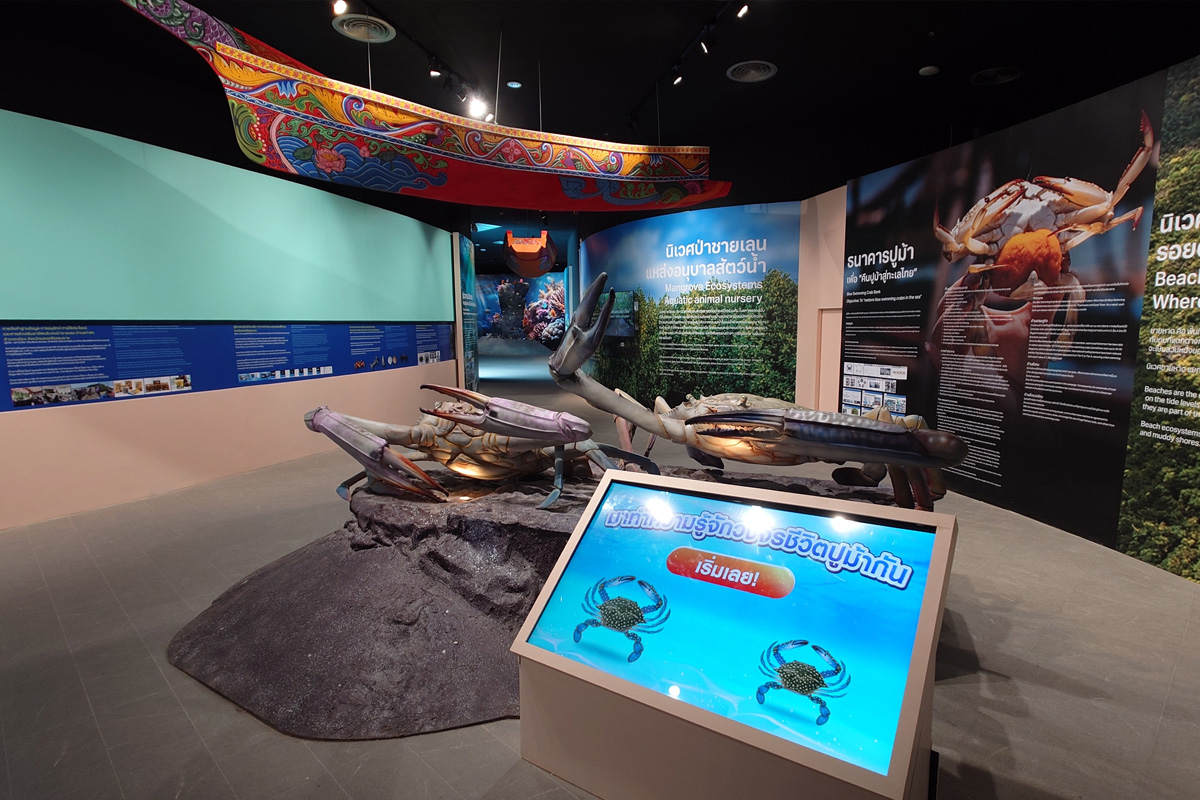
The chamber also highlights Walailak University’s academic services and research contributions to marine and coastal conservation, including the “Sustainable Blue Crab alongside the Thai Sea” project and research on marine biodiversity along the Nakhon Si Thammarat coastline. Through these initiatives, the University works with communities and relevant partners to strengthen knowledge, support sustainable resource use, and promote the long-term conservation of coastal ecosystems.
Together, the exhibits connect marine biodiversity, coastal livelihoods, scientific research, and local knowledge, encouraging visitors to recognize the value of the Gulf of Thailand and the shared responsibility to protect its resources for future generations.
The Abundant Gulf of Thailand Chamber
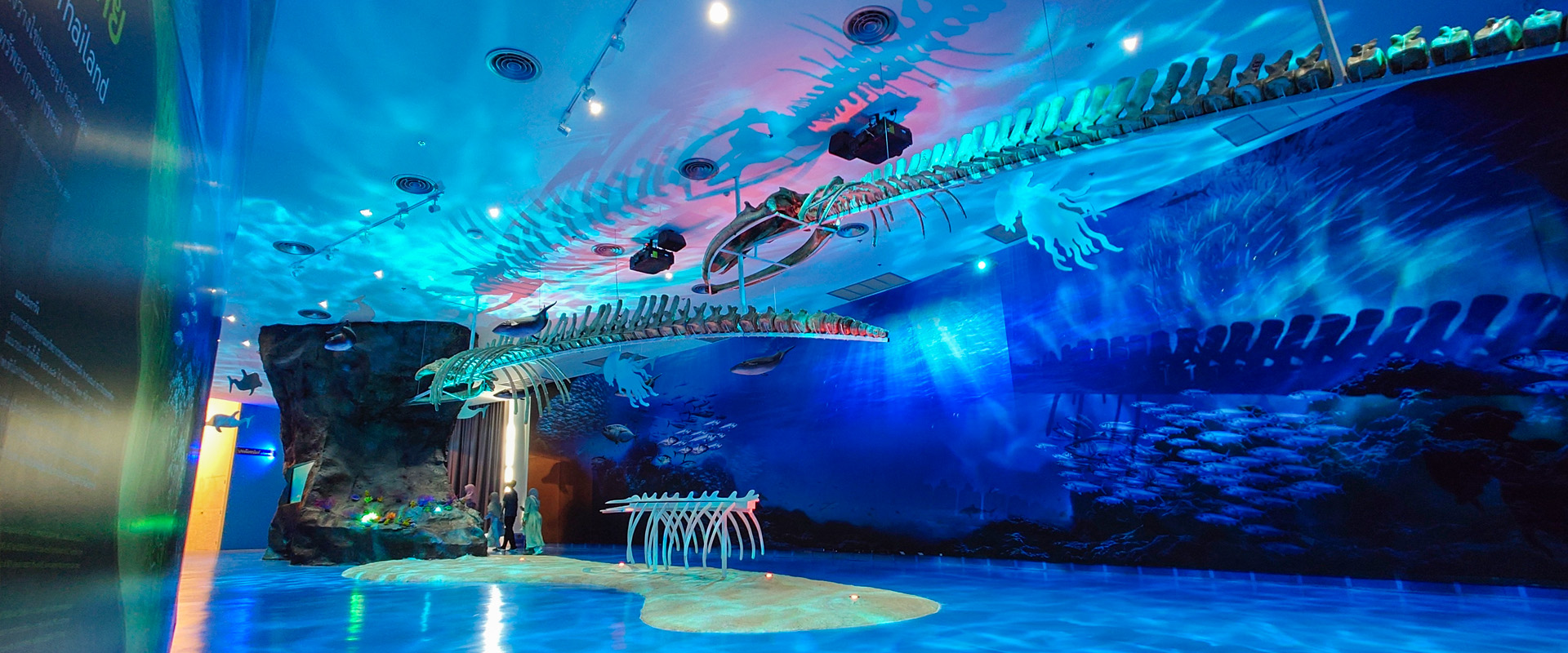
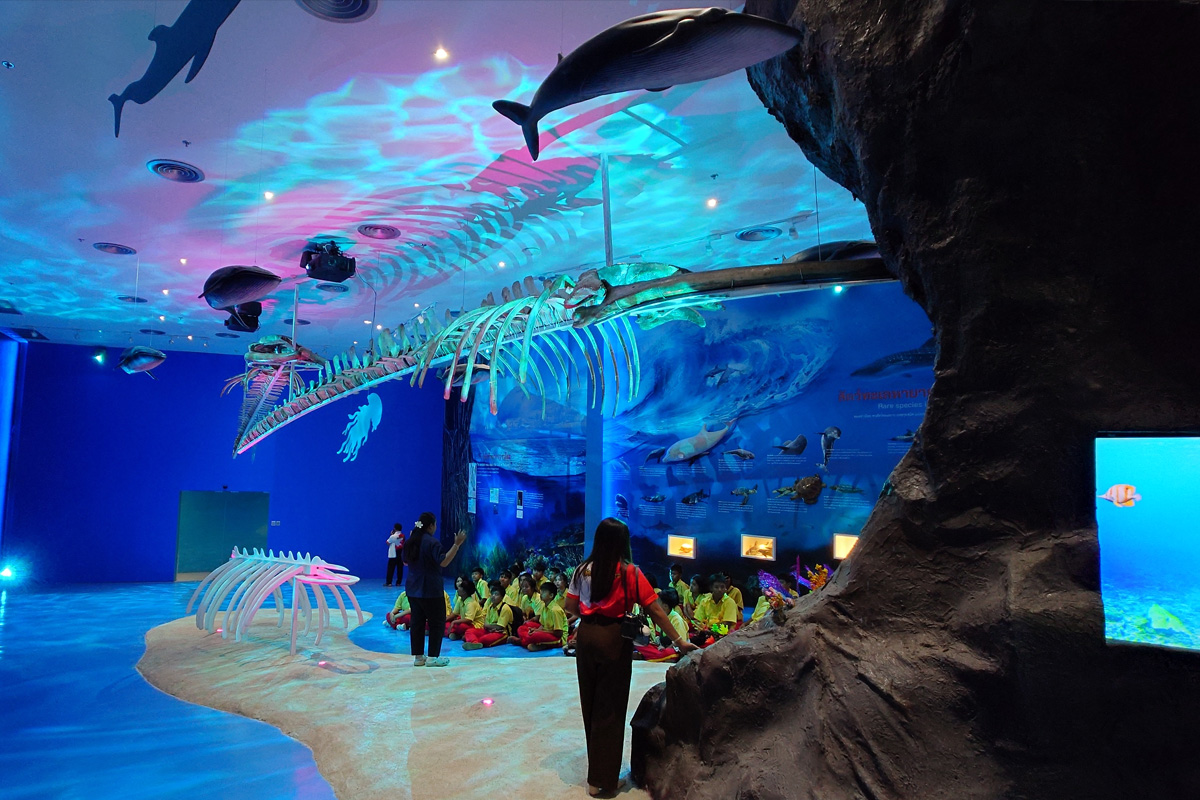
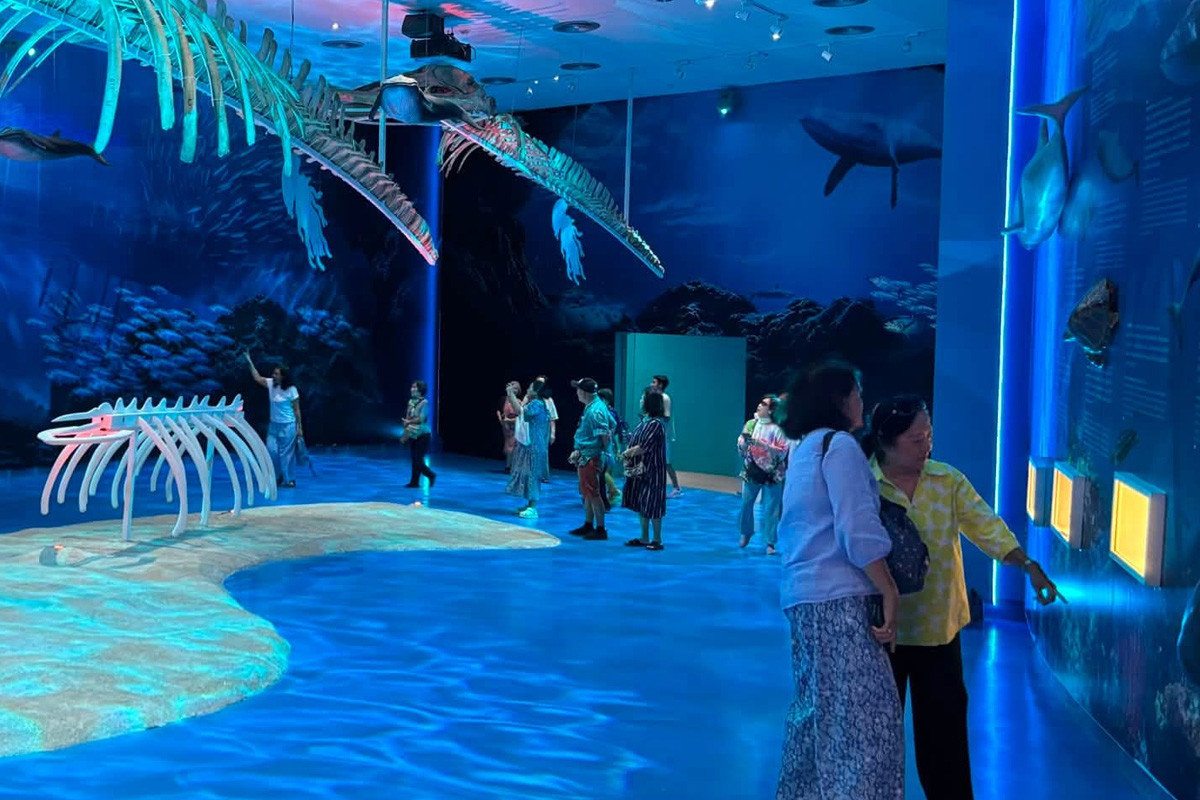
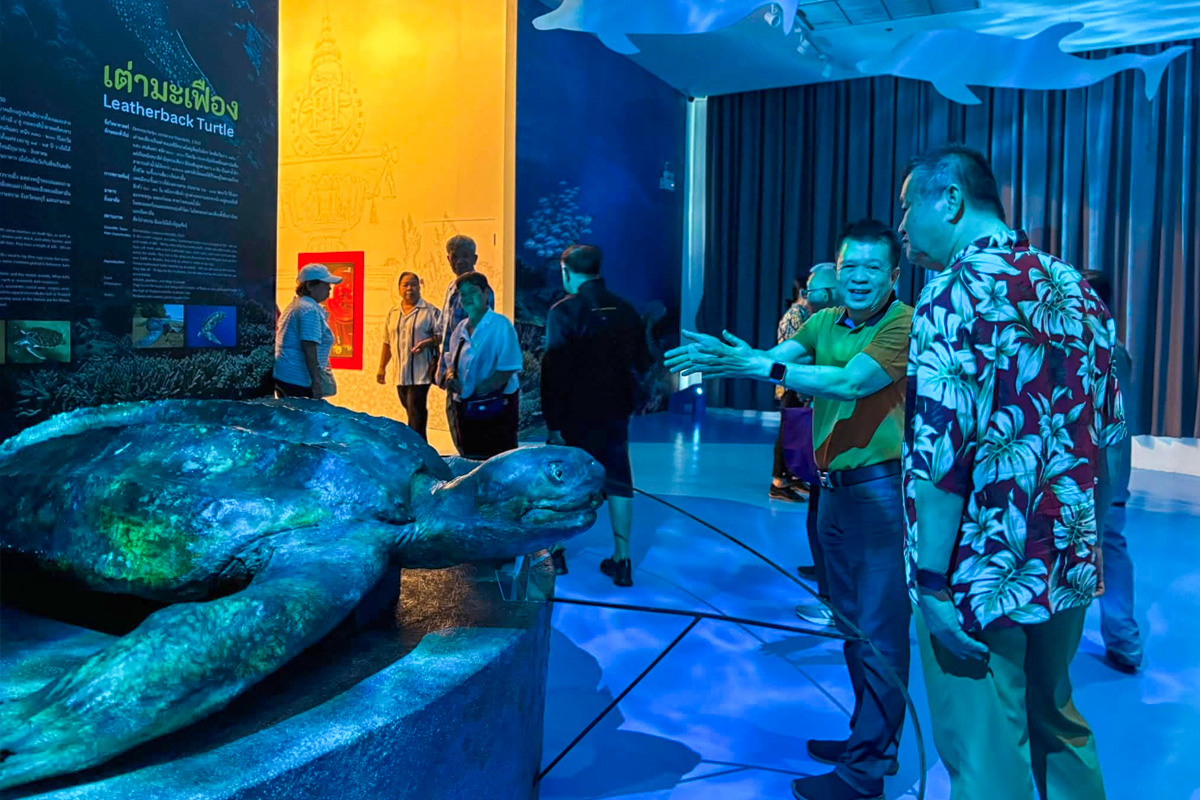
The Abundant Gulf of Thailand Chamber highlights the rich marine biodiversity and ecological resources of the Gulf of Thailand, providing visitors with an immersive introduction to the diverse organisms and ecosystems found beneath its waters. Through a combination of live displays, authentic specimens, research findings, and multimedia elements, the chamber illustrates the importance of understanding and conserving marine resources.
A key feature of the exhibition is an aquarium showcasing a variety of marine animals, enhanced by lighting and sound effects to create an engaging and immersive learning environment. The chamber also features a large whale skeleton, offering visitors an opportunity to learn about marine life and the ecological significance of large marine species.
The exhibition further presents research findings and academic services undertaken by Walailak University in support of the Plant Genetic Conservation Project under the Royal Patronage of Her Royal Highness Princess Maha Chakri Sirindhorn (RSPG). These activities demonstrate the University’s contribution to documenting, studying, conserving, and promoting the sustainable use of biological and marine resources.
Among the featured initiatives is the “Sea Cucumber Bank: Sustainable Conservation and Utilization of Sea Cucumbers” project, carried out in collaboration with regional partners. The project illustrates how scientific research, conservation practices, and cooperation with local communities and partner organizations can contribute to the sustainable management of marine resources.
Through its combination of interactive exhibits, scientific knowledge, and real-world conservation initiatives, the chamber encourages visitors to appreciate the biodiversity of the Gulf of Thailand and understand the importance of protecting marine ecosystems and their resources for future generations.
Absolute Sake for All Chamber
The Absolute Sake for All Chamber serves as the concluding space of the museum, bringing together the key knowledge and messages presented throughout the exhibition. The chamber reinforces the importance of conserving natural resources, protecting biodiversity, preserving cultural heritage, and ensuring that valuable resources are used responsibly and sustainably for the benefit of present and future generations.
Visitors can further explore these themes through short films and digital resources, including e-books, which provide additional opportunities for learning beyond the physical exhibits. The chamber is designed not only as a space for reflection but also as an accessible learning environment where visitors can deepen their understanding of conservation and sustainable resource management.
The surrounding atmosphere incorporates model waterfalls and beach landscapes, creating a peaceful setting that reflects the natural environments explored throughout the museum. These features provide visitors with a relaxing space to reflect on the relationship between people, nature, and culture after exploring the exhibition.
As the final chamber, it brings together the museum’s central themes of knowledge, conservation, sustainability, and community responsibility. Visitors leave with a greater appreciation of Thailand’s natural and cultural heritage and a deeper understanding of the importance of safeguarding these resources for future generations.
The Maha Chakri Sirindhorn Natural History Museum at Walailak University is dedicated to collecting, preserving, and presenting the natural resources and cultural identity of Southern Thailand through contemporary technology and engaging educational media. The museum combines knowledge and entertainment to create an accessible and memorable learning experience, encouraging visitors to develop a lasting appreciation for biodiversity, natural resource conservation, environmental sustainability, and cultural heritage.
The museum’s distinctive eight-shaped building represents continuity and infinity, reflecting the enduring importance of conserving natural resources, cultural traditions, and local wisdom and passing this knowledge on to future generations. Its design reinforces the museum’s broader commitment to sustainability and the long-term stewardship of Thailand’s natural and cultural heritage.
As a center for science, environmental, and cultural learning, the museum promotes public understanding of nature, ecosystems, biodiversity, and the relationship between people and their environment. Its exhibitions and educational resources are designed to collect, display, and disseminate knowledge in natural history while raising awareness of the value of conserving natural resources and the cultural heritage associated with local communities and traditional ways of life.
The museum also supports interactive and self-directed learning, allowing visitors to explore its exhibitions at their own pace. As a knowledge hub for sustainable development, it encourages visitors to understand the importance of balancing natural resource use with environmental conservation while recognizing the close connections between ecosystems, local livelihoods, cultural practices, and community heritage.
Importantly, the museum is open to the public free of charge, welcoming students, educators, university personnel, and visitors from different institutions and backgrounds. By removing financial barriers to access, the museum contributes to Walailak University’s role as a Lifelong Learning Center and provides an inclusive space where people of different ages and backgrounds can access educational and cultural resources.
In 2025, the museum welcomed more than 53,925 visitors, including university students, academic staff, and members of the general public. Visitor satisfaction exceeded 90%, indicating a high level of appreciation for the museum’s facilities, exhibitions, and learning activities. The strong level of public engagement demonstrates the museum’s continuing role as an accessible learning space that connects education, natural and cultural heritage, conservation, and sustainable development within Thai society.
Tumpang Museum: Promoting Public Access to Cultural Heritage
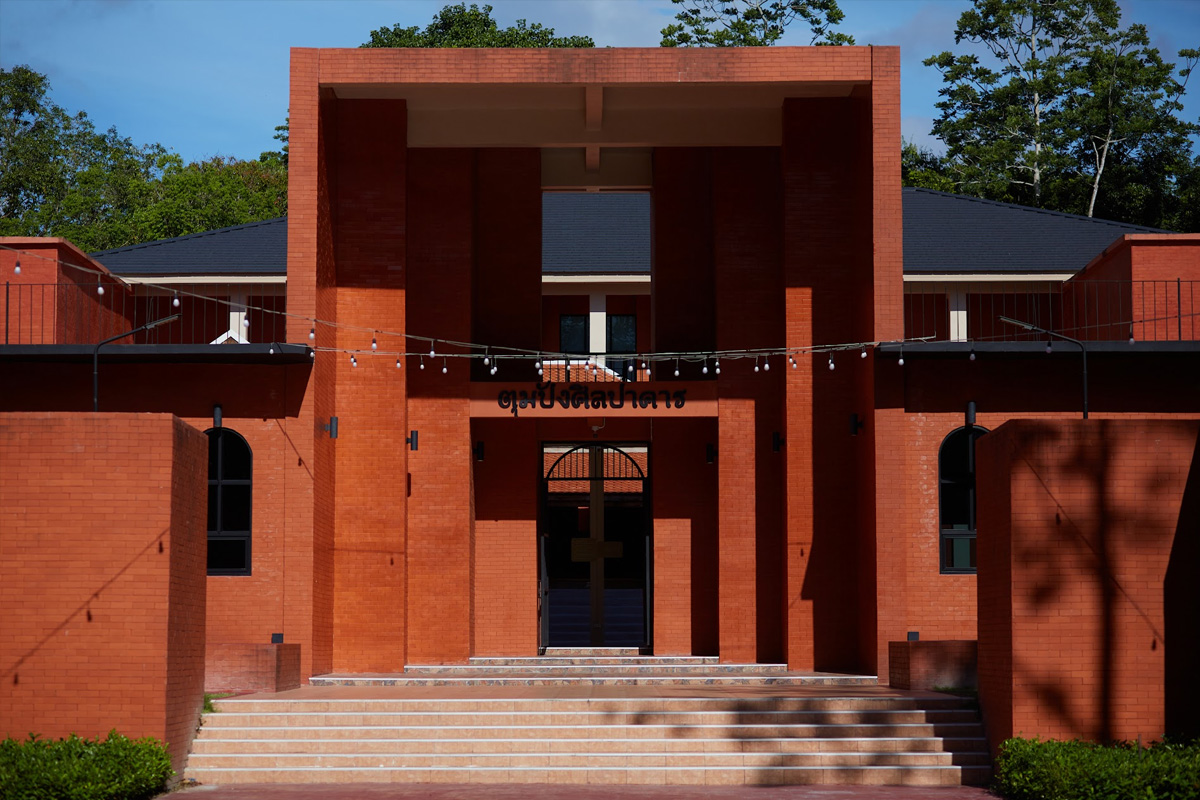
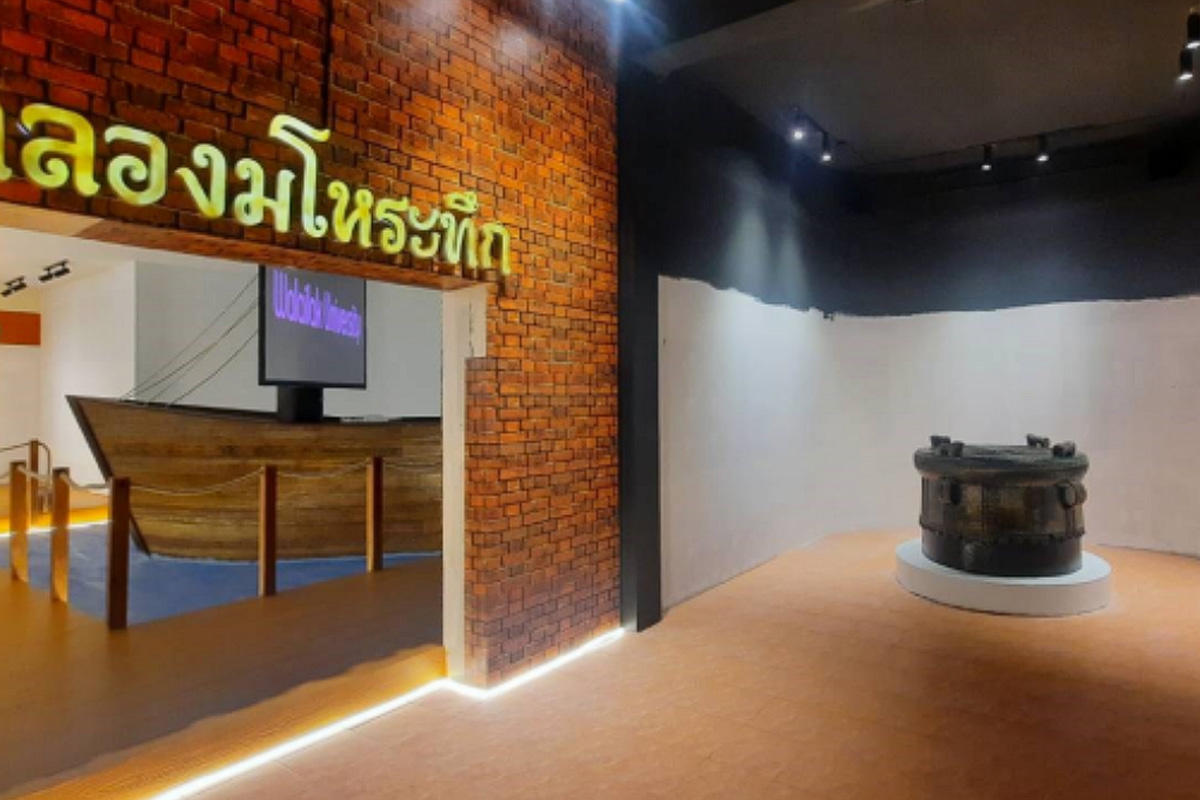
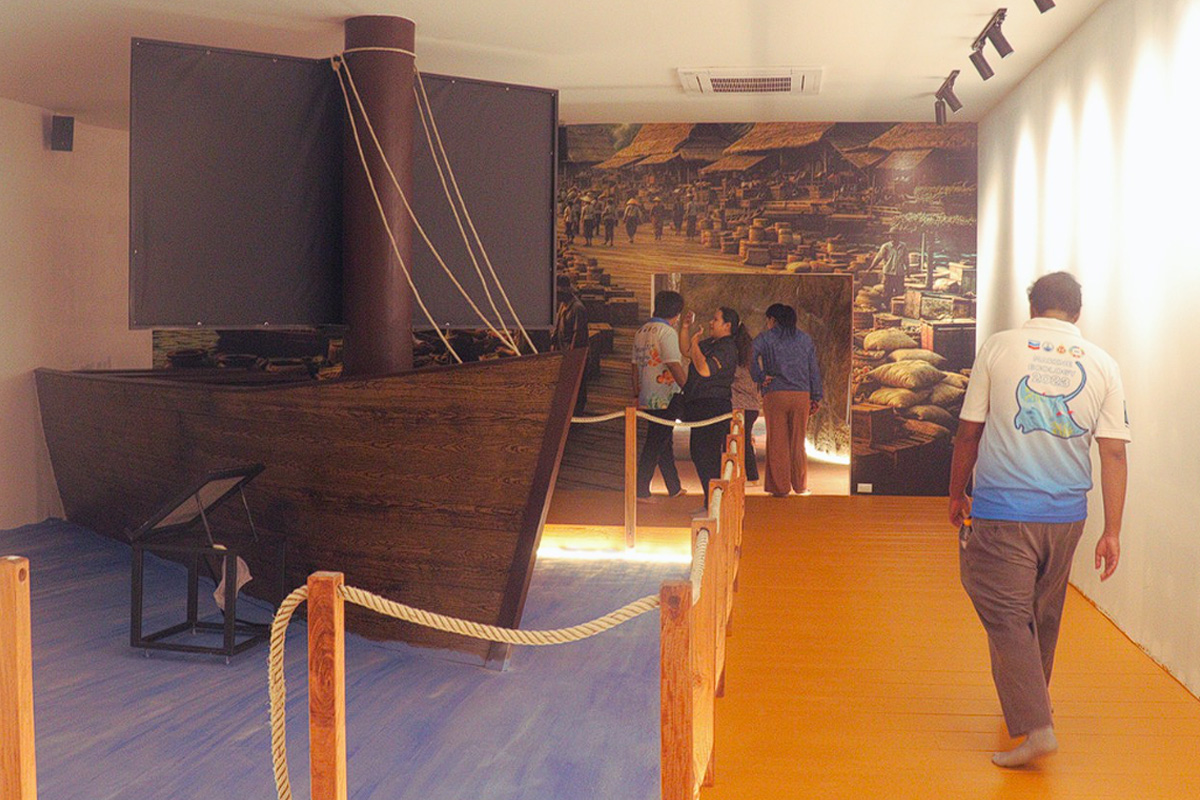
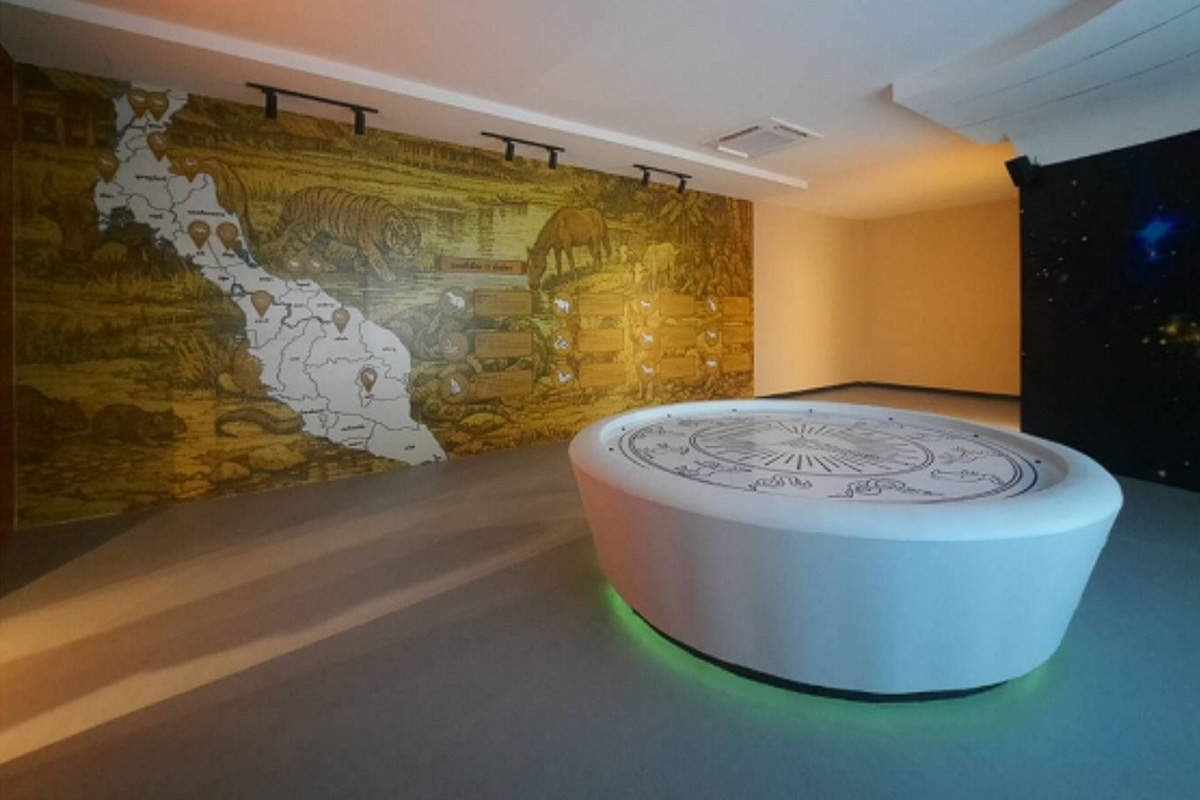
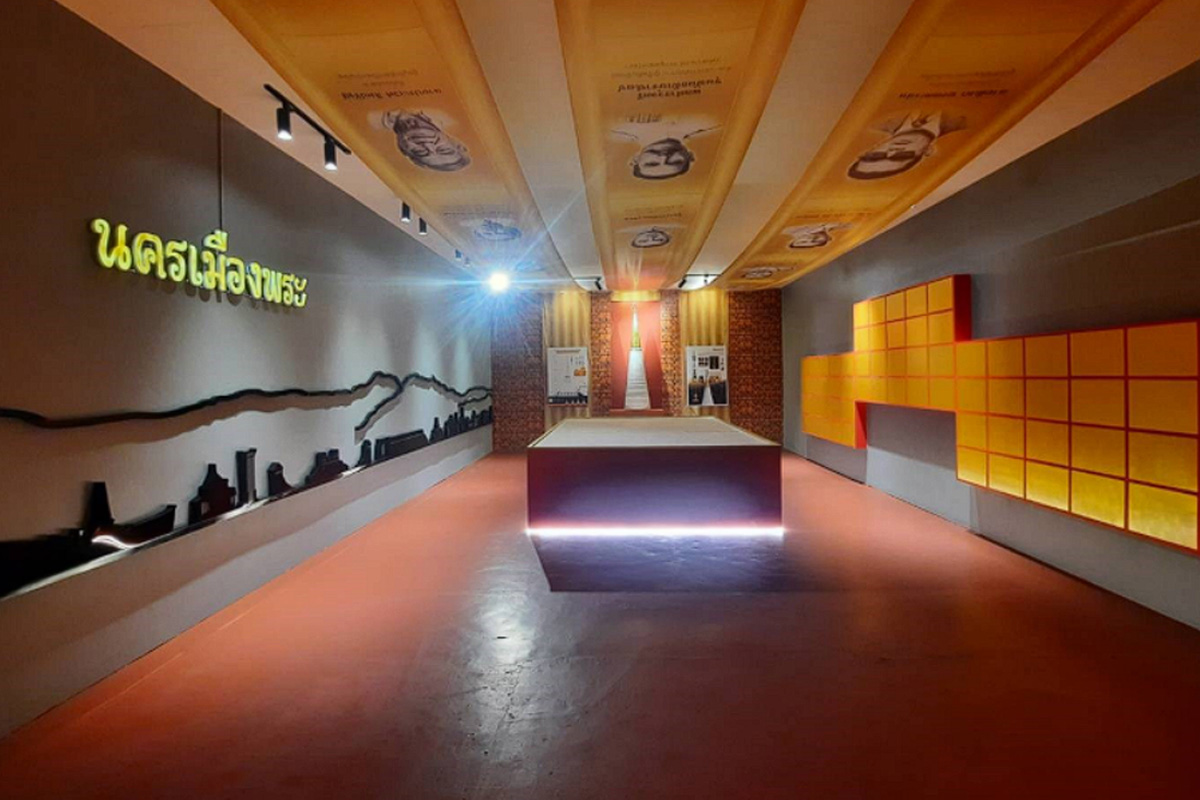
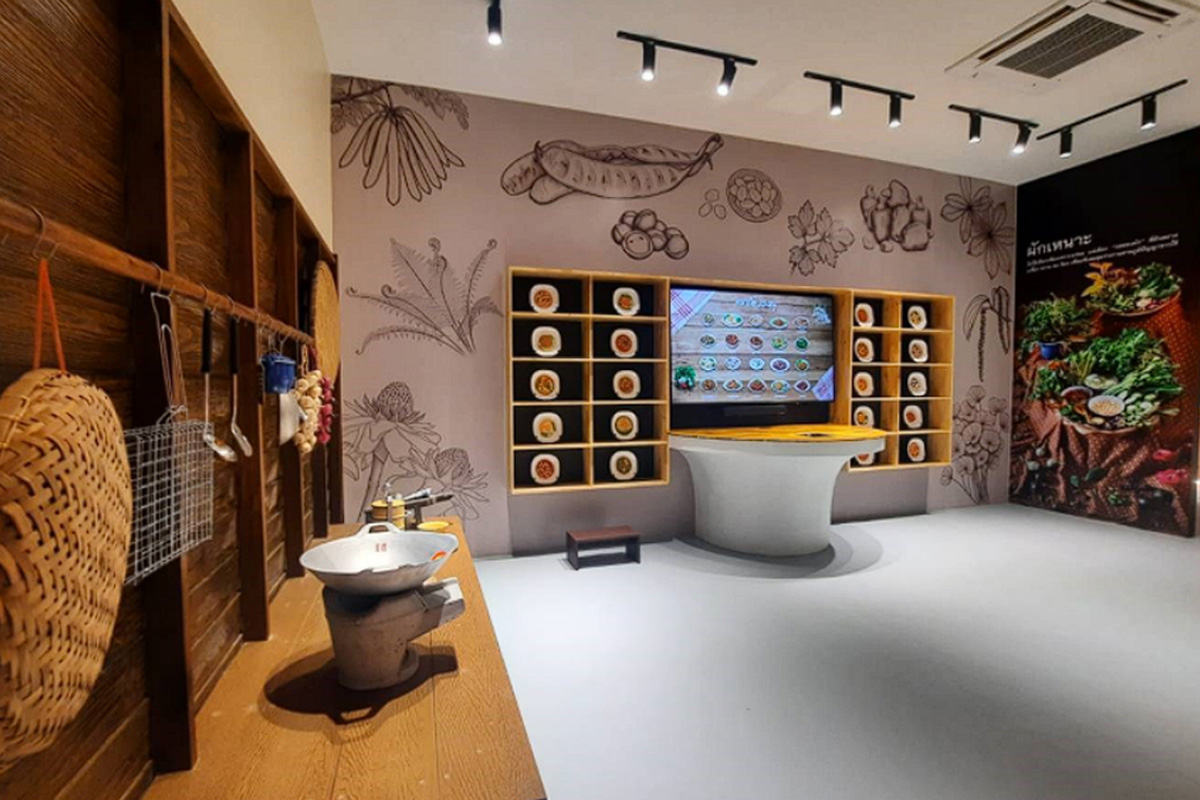
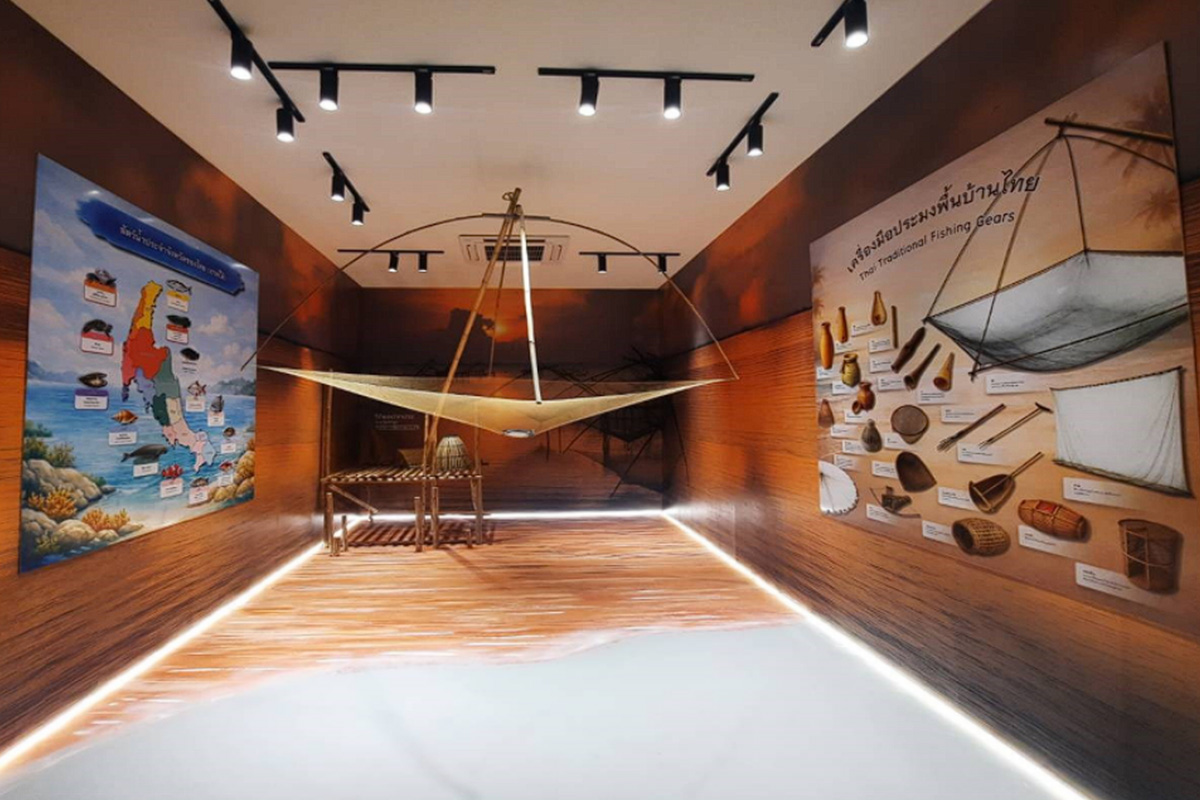
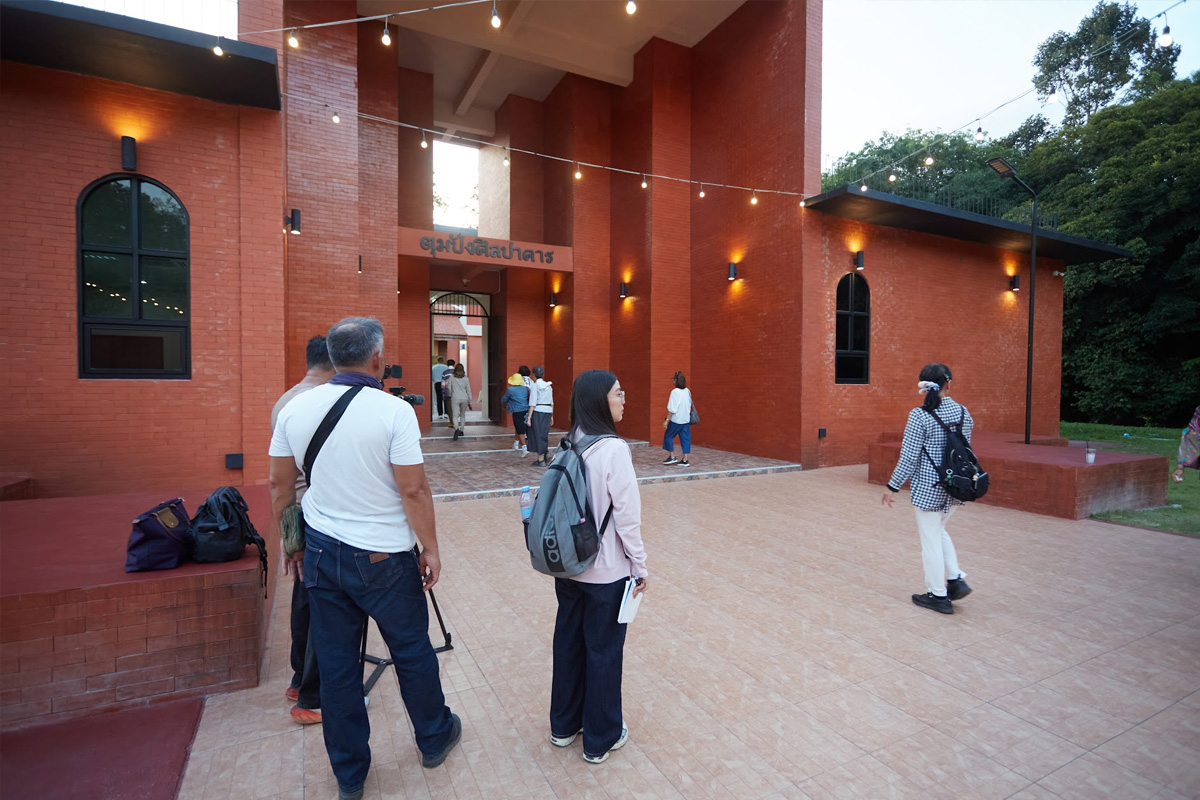
Walailak University is committed to preserving, promoting, and transmitting the cultural heritage of Southern Thailand to future generations. As part of this commitment, the University has established the Tumpang Museum as a research center and community-based learning space dedicated to the study, preservation, and public appreciation of Southern Thai arts, traditions, history, and local wisdom. The museum provides free public access, enabling students, researchers, local communities, and visitors to engage directly with the region’s diverse cultural heritage.
Beyond preserving the past, the Tumpang Museum serves as a collaborative platform for researchers and cultural organizations across Southern Thailand to exchange knowledge, strengthen partnerships, and provide academic services that benefit society. By bringing together academic research, community participation, and cultural education, the museum creates connections between scholarship and living heritage while supporting the continued transmission of local knowledge and traditions.
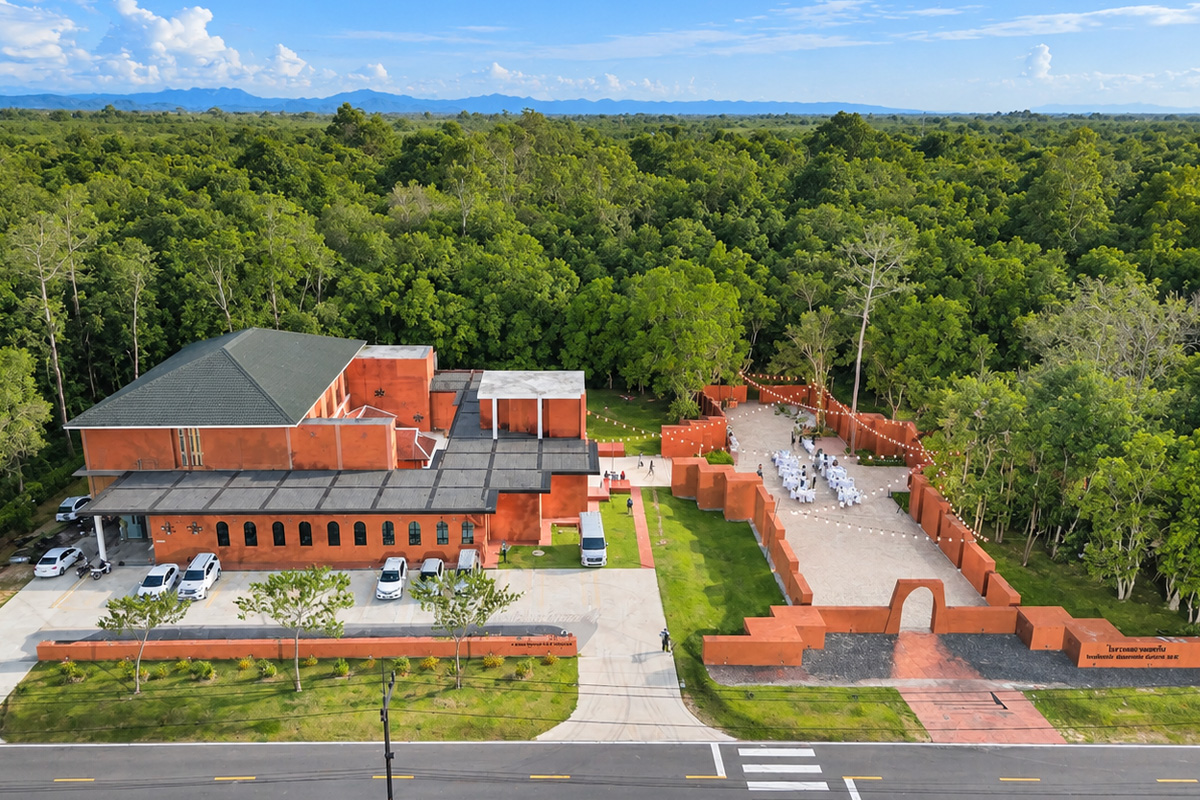
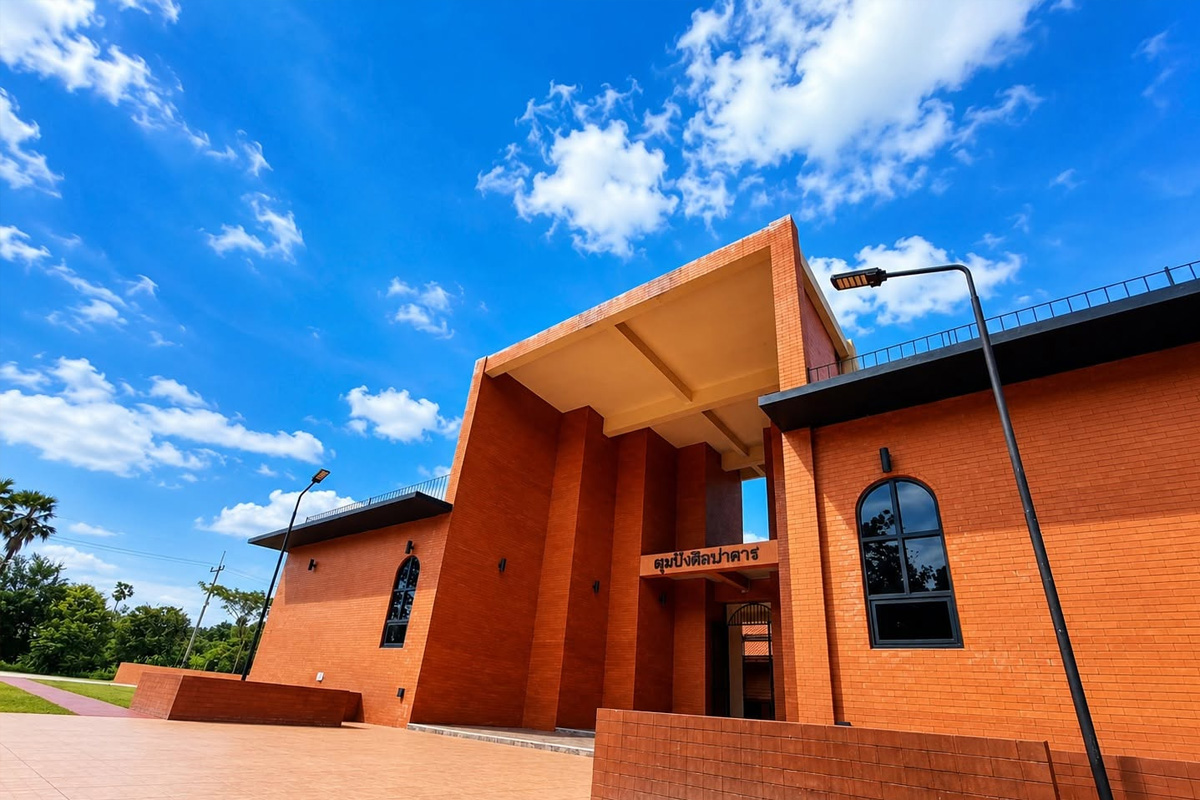
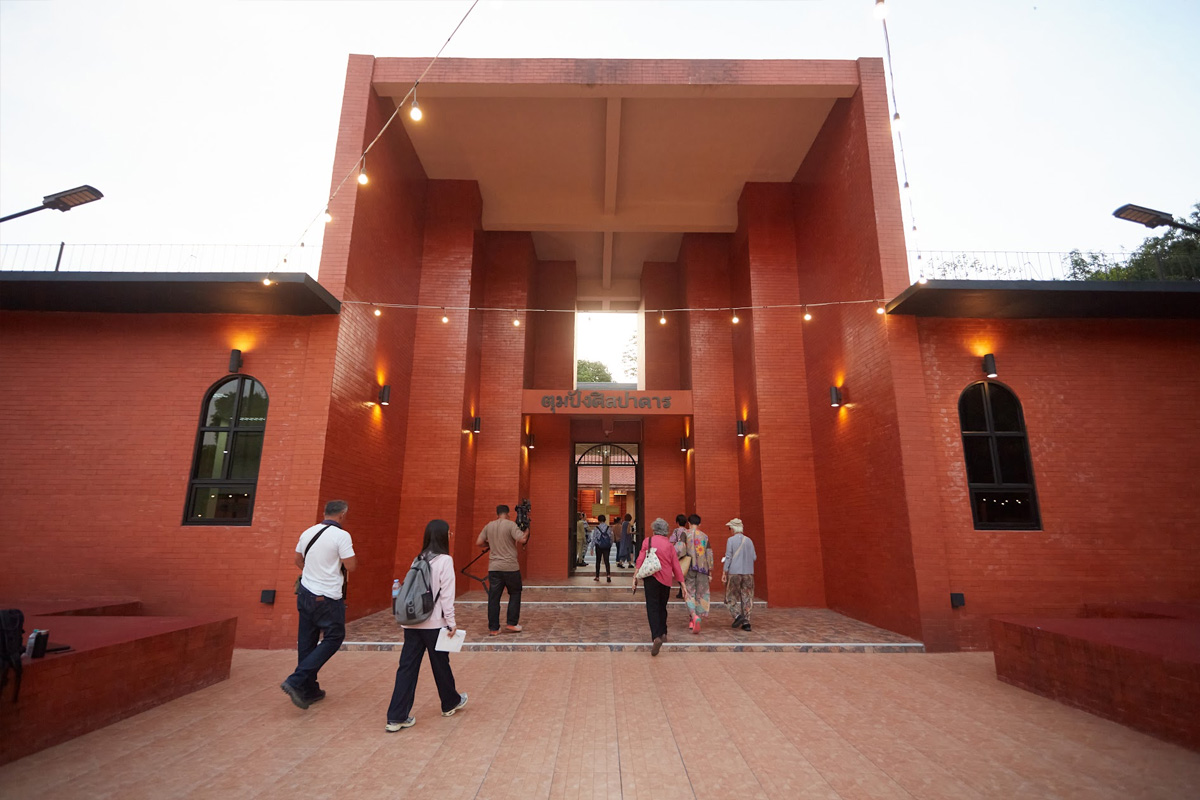
Covering an area of approximately 7,850 square meters, the museum complex combines traditional Southern architectural influences with contemporary design. Its square-shaped brick structure draws inspiration from the ancient Tumpang Archaeological Site, while the roof incorporates modern elements alongside the traditional Southern Thai hip roof (Pran Yha). The surrounding walls reflect the historic fortifications of Nakhon Si Thammarat, symbolizing the strength, continuity, and enduring character of the region’s cultural heritage.
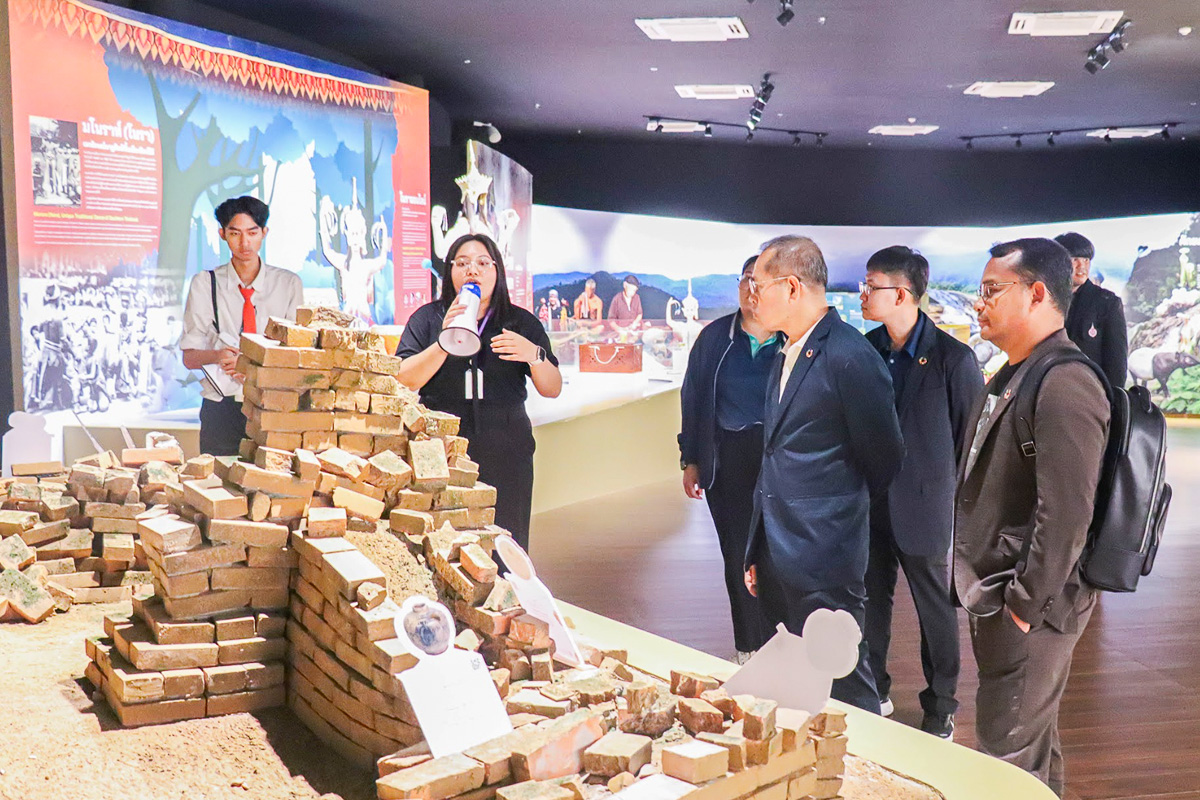
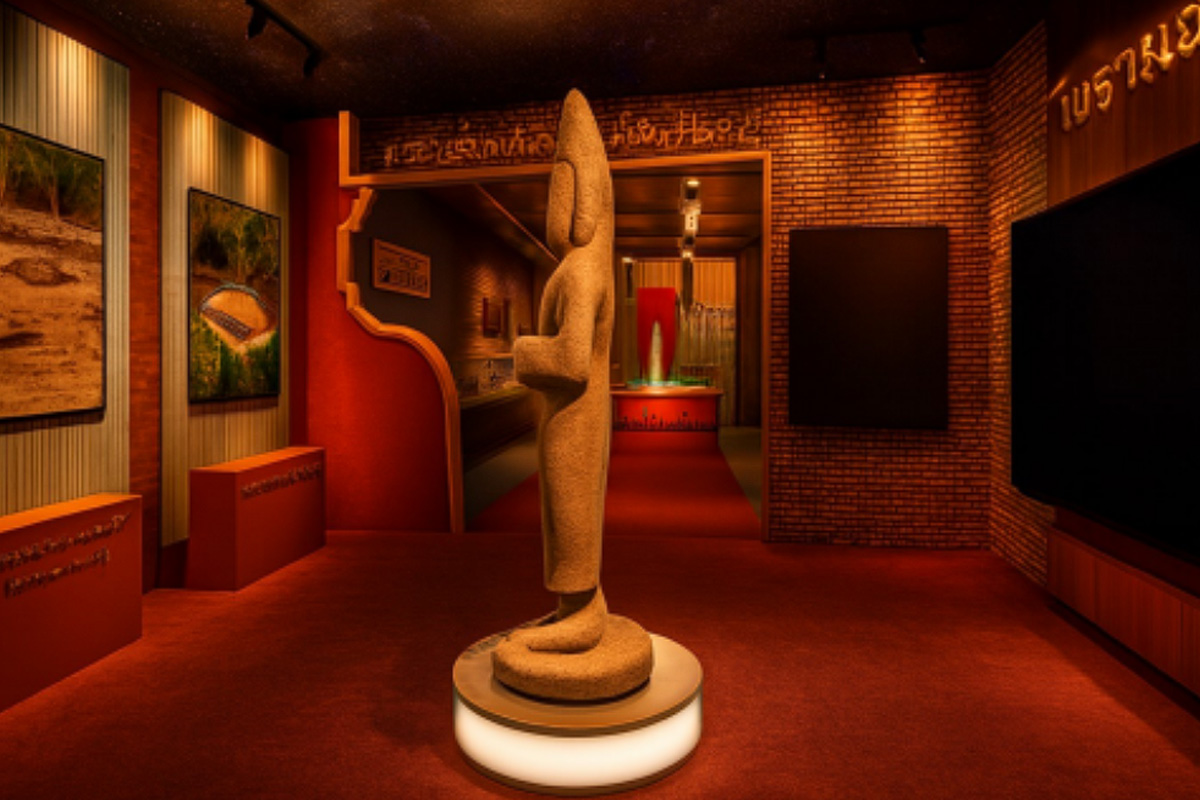
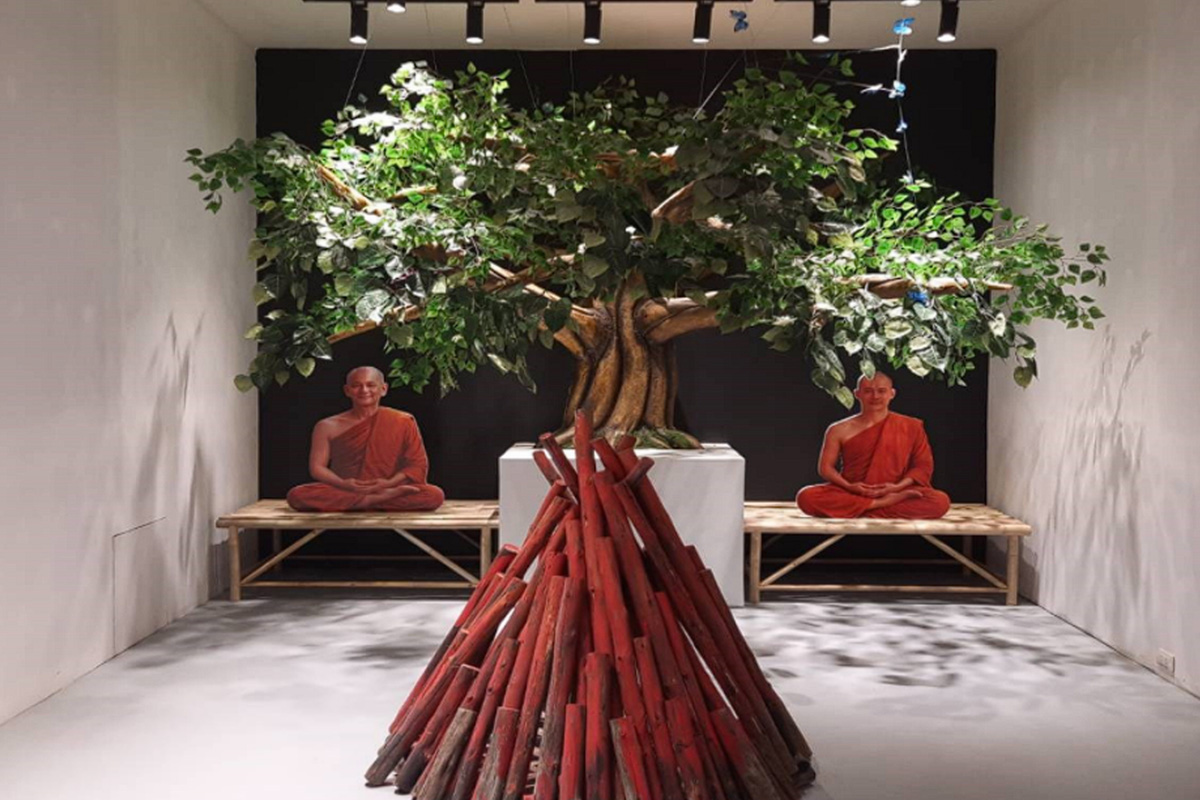
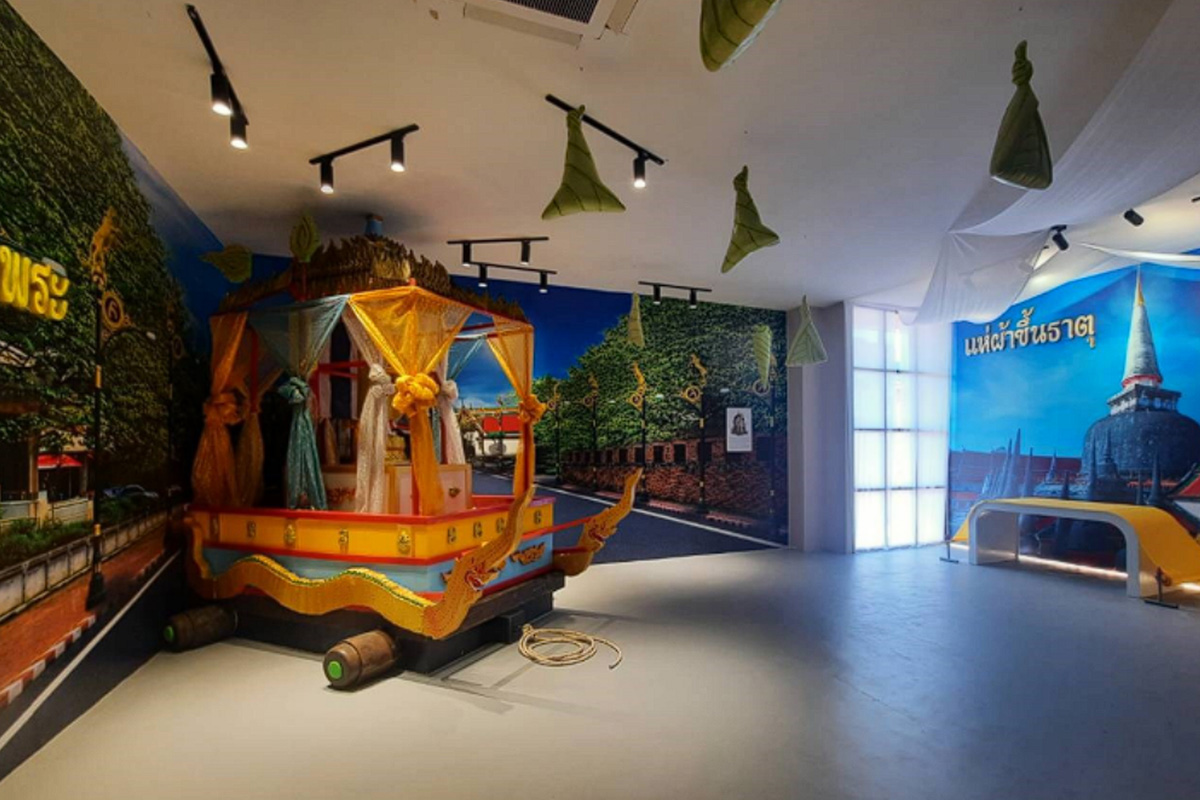
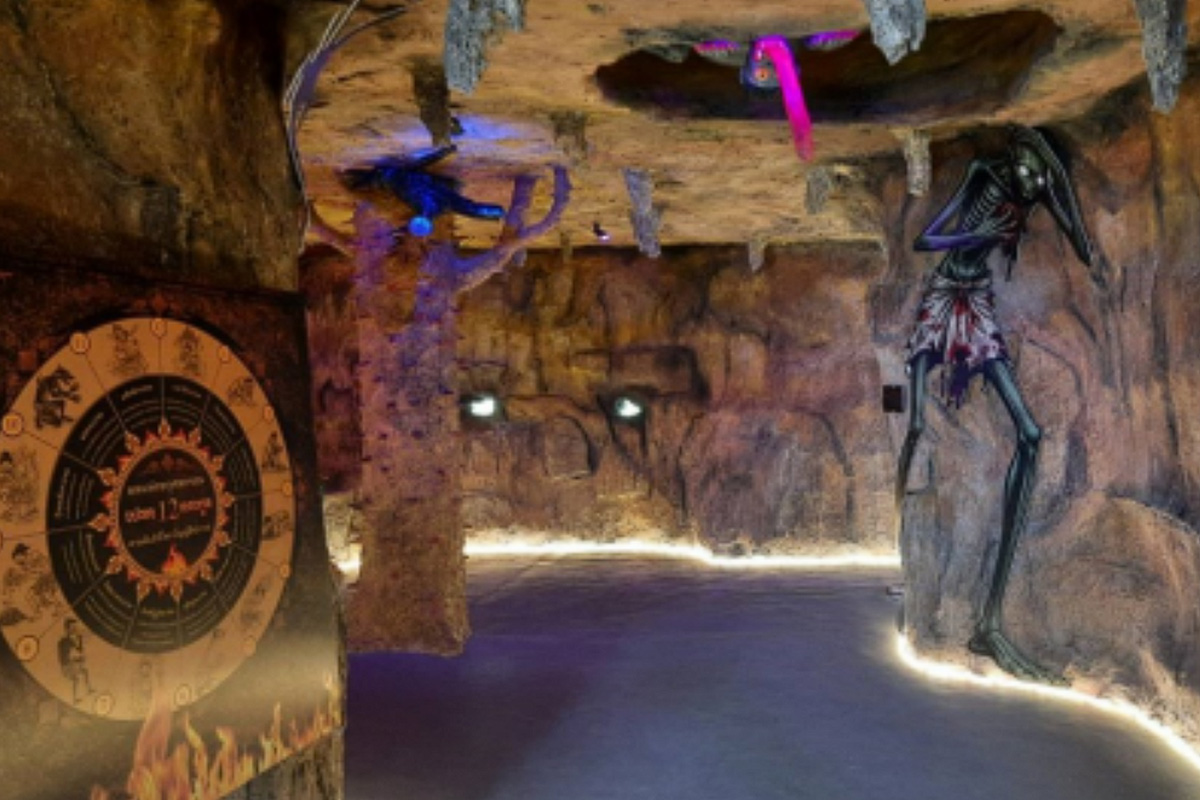
At the heart of the complex, the Tumpang Archaeological Site Museum presents archaeological artefacts, cultural objects, and artistic treasures that illustrate the historical development and cultural identity of Southern Thailand. Its exhibitions cover a range of themes, including history, archaeology, traditional ways of life, local wisdom, and performing arts. Through these displays and interactive learning experiences, visitors can explore how the region’s cultural heritage has developed and continues to shape contemporary communities.
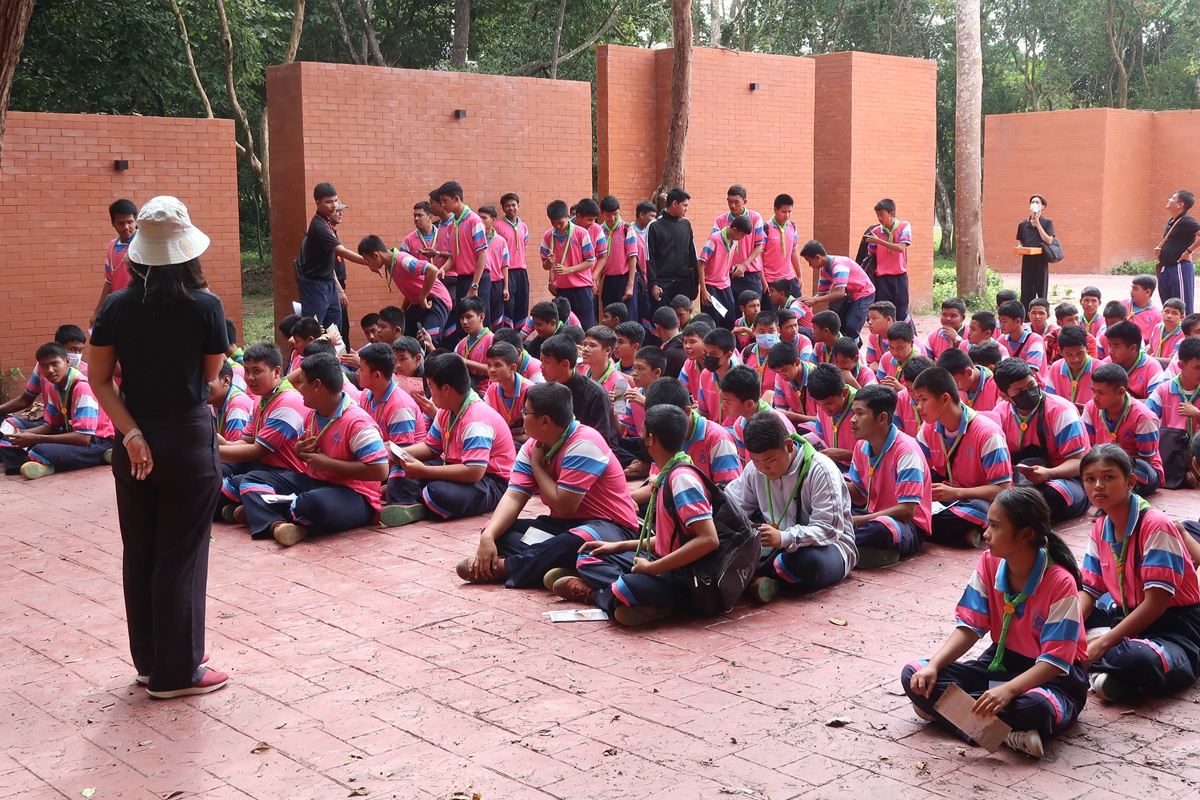
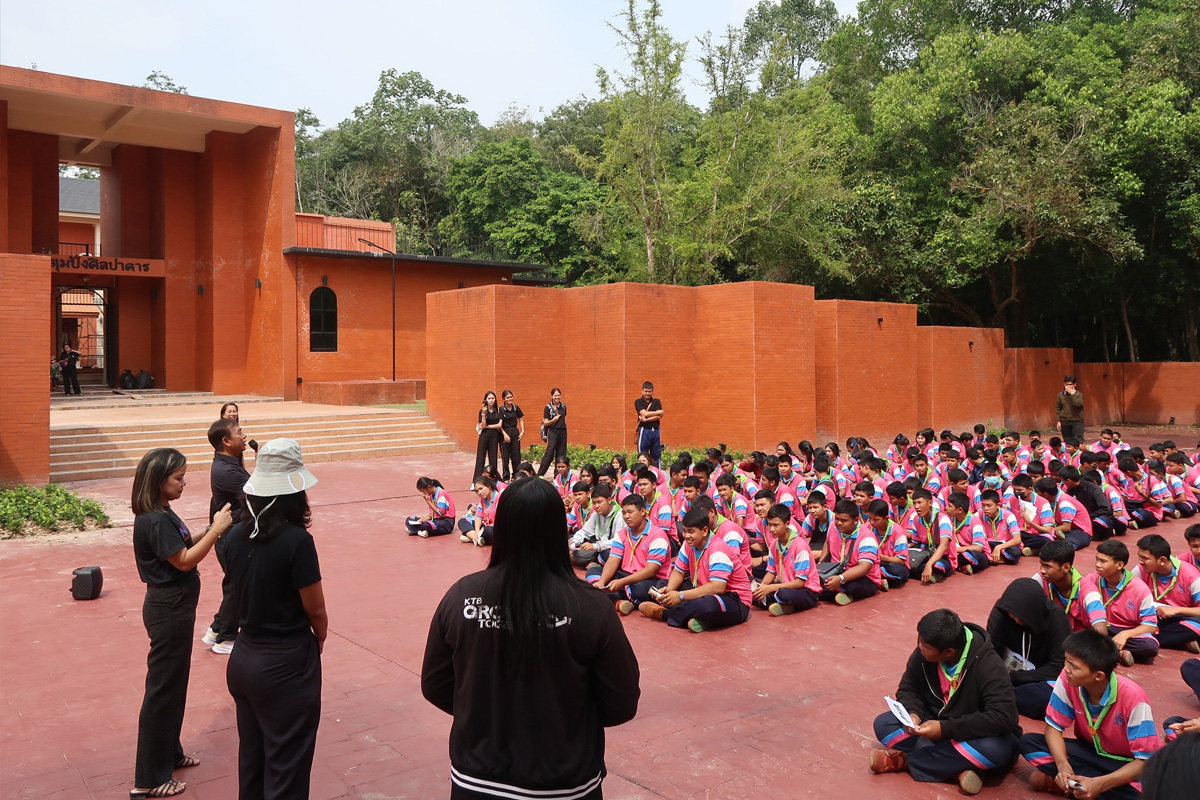
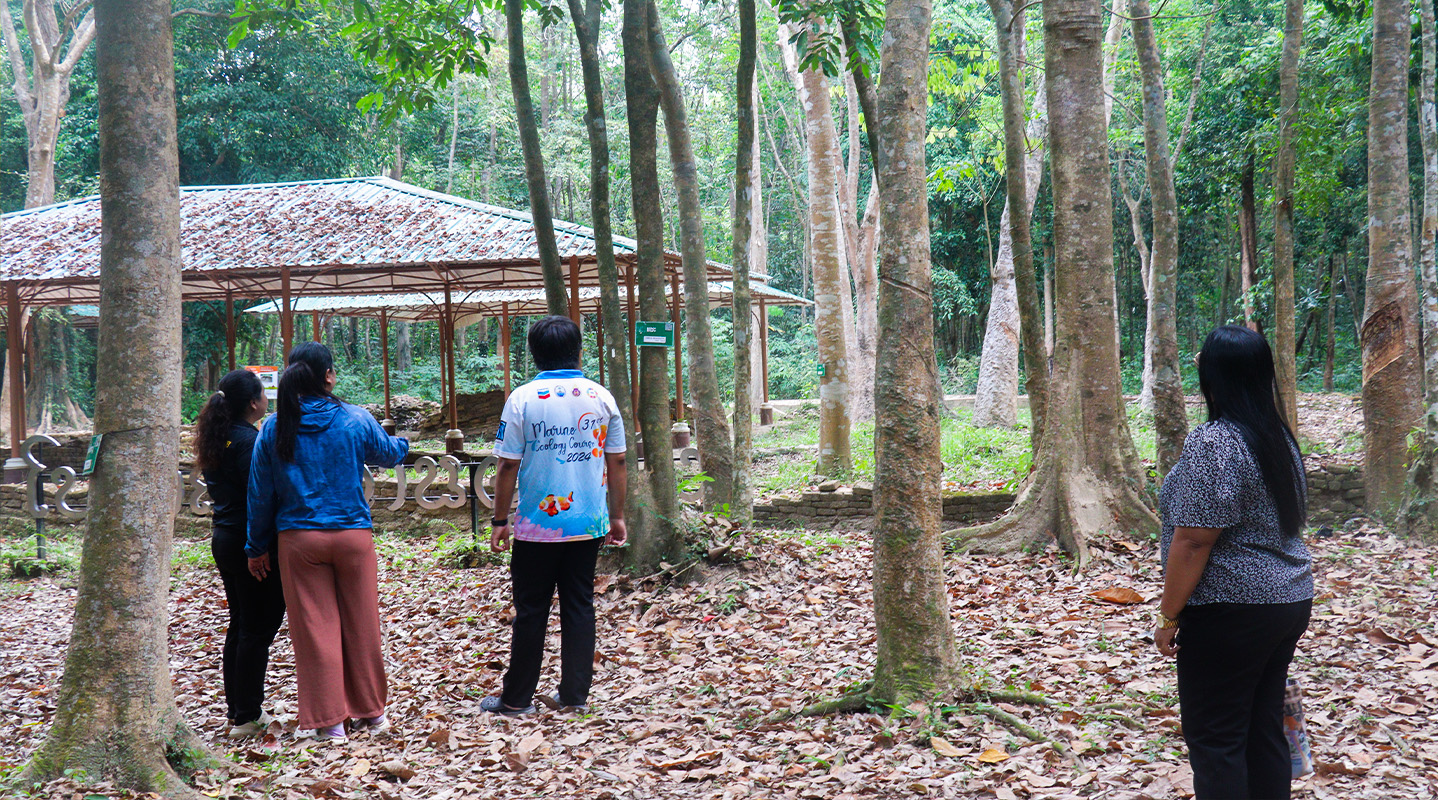
The Tumpang Archaeological Site itself represents an important public heritage resource with both historical and natural significance. Located within the museum complex, the site provides opportunities for visitors to learn about the area’s archaeological heritage while experiencing its natural environment, including diverse local plant species and native birdlife. The site has been officially recognized by the 12th Regional Office of the Fine Arts Department, Nakhon Si Thammarat, with its designation formally announced in the Government Gazette, Vol. 118, Special Issue 33 Ngo, on 9 April B.E. 2544 (2001).
Through free public access to its exhibitions, archaeological resources, cultural spaces, and surrounding heritage landscape, the Tumpang Museum extends learning beyond the classroom and makes Southern Thailand’s heritage accessible to the wider community. The initiative reflects Walailak University’s continuing role in safeguarding cultural resources while creating opportunities for research, lifelong learning, community engagement, and the appreciation of living arts and local identity. Ultimately, the museum aims to develop into a leading destination for cultural learning and living heritage in Upper Southern Thailand
Tumpang Archaeological Site: Free Public Access to Southern Thailand’s Heritage
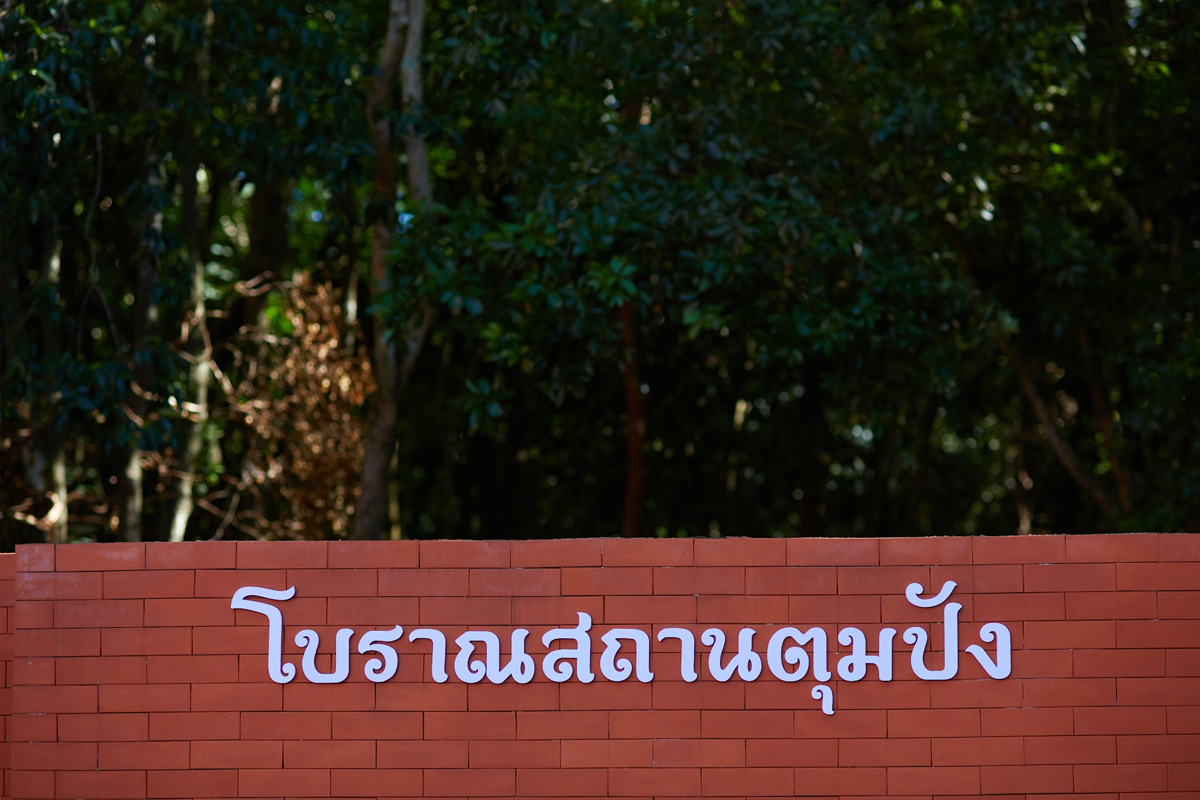
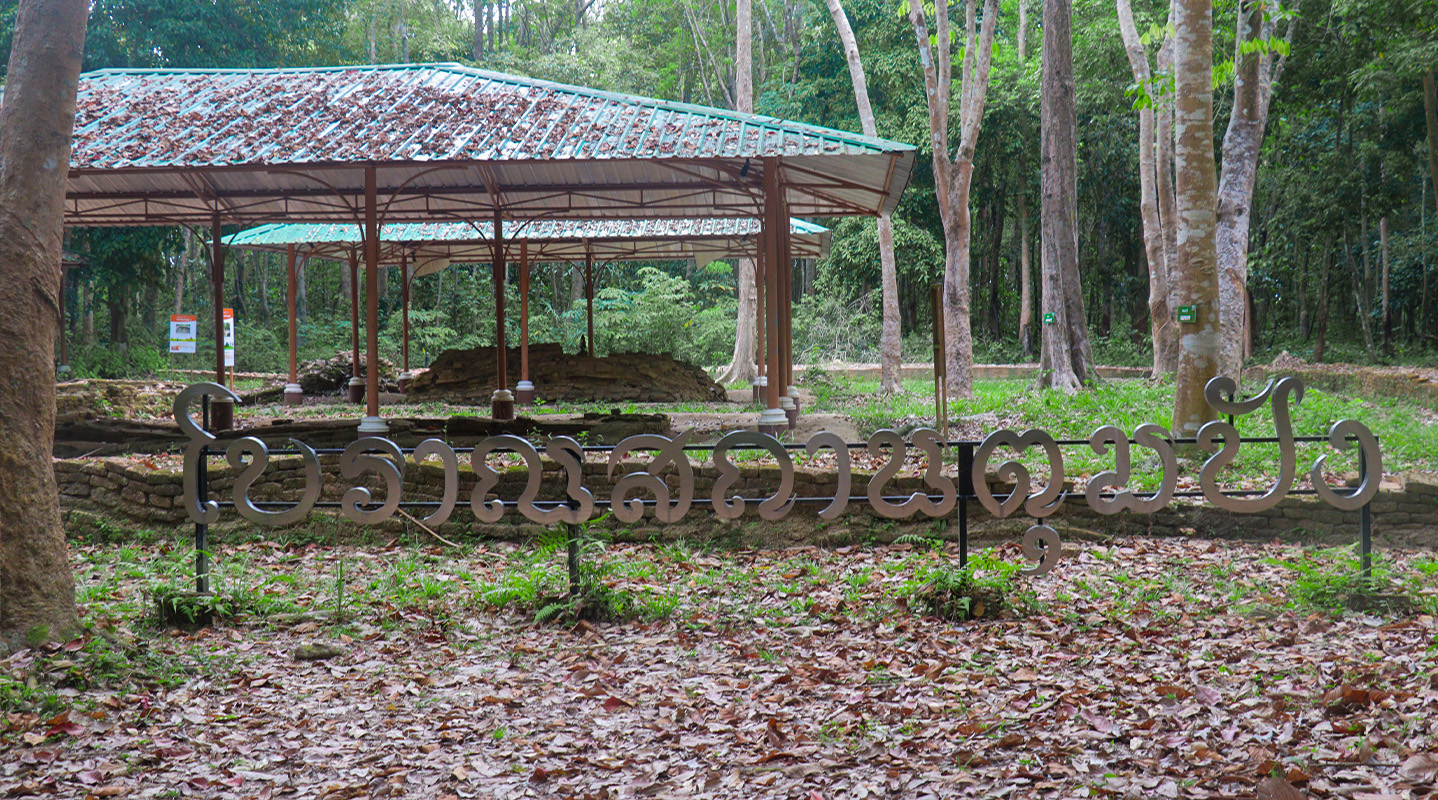
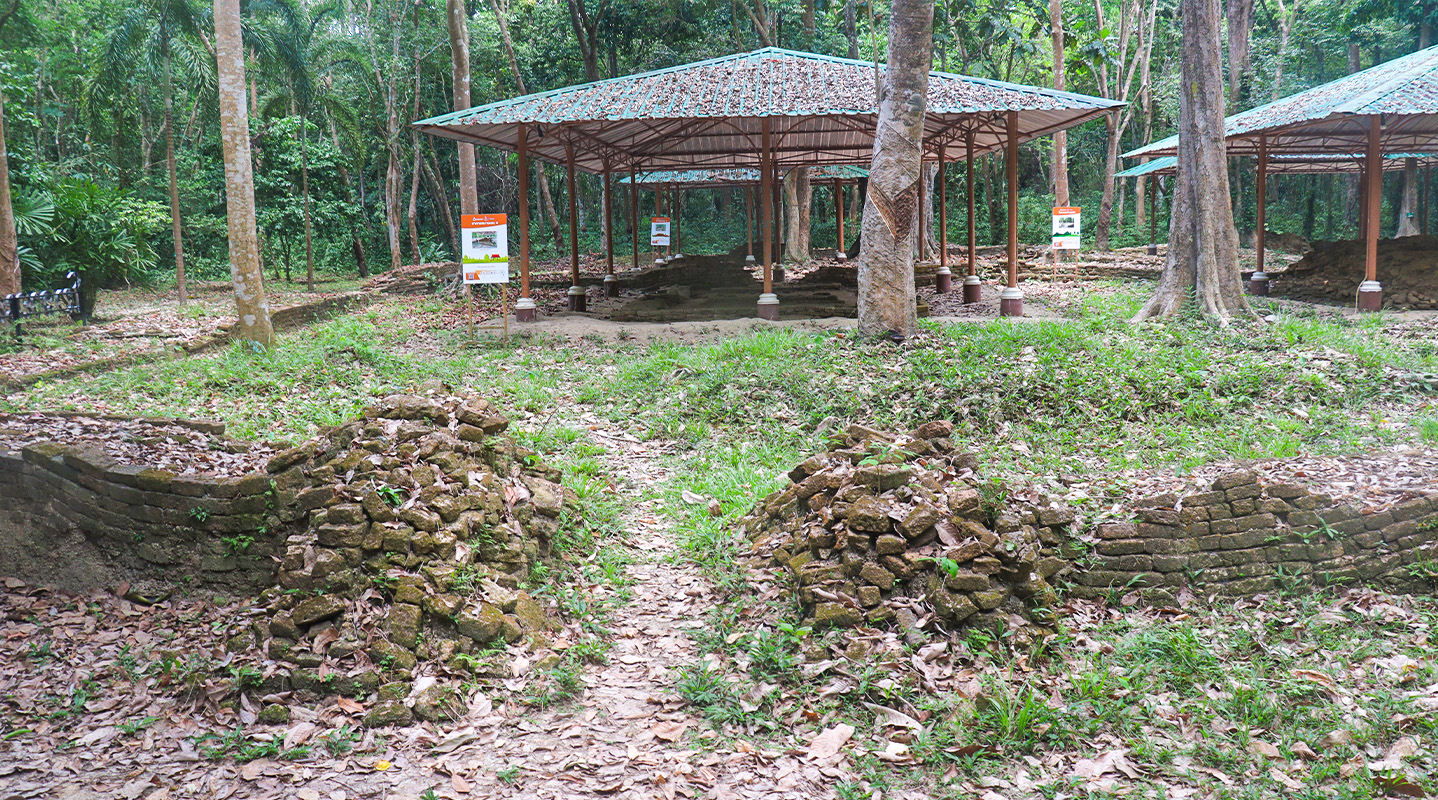
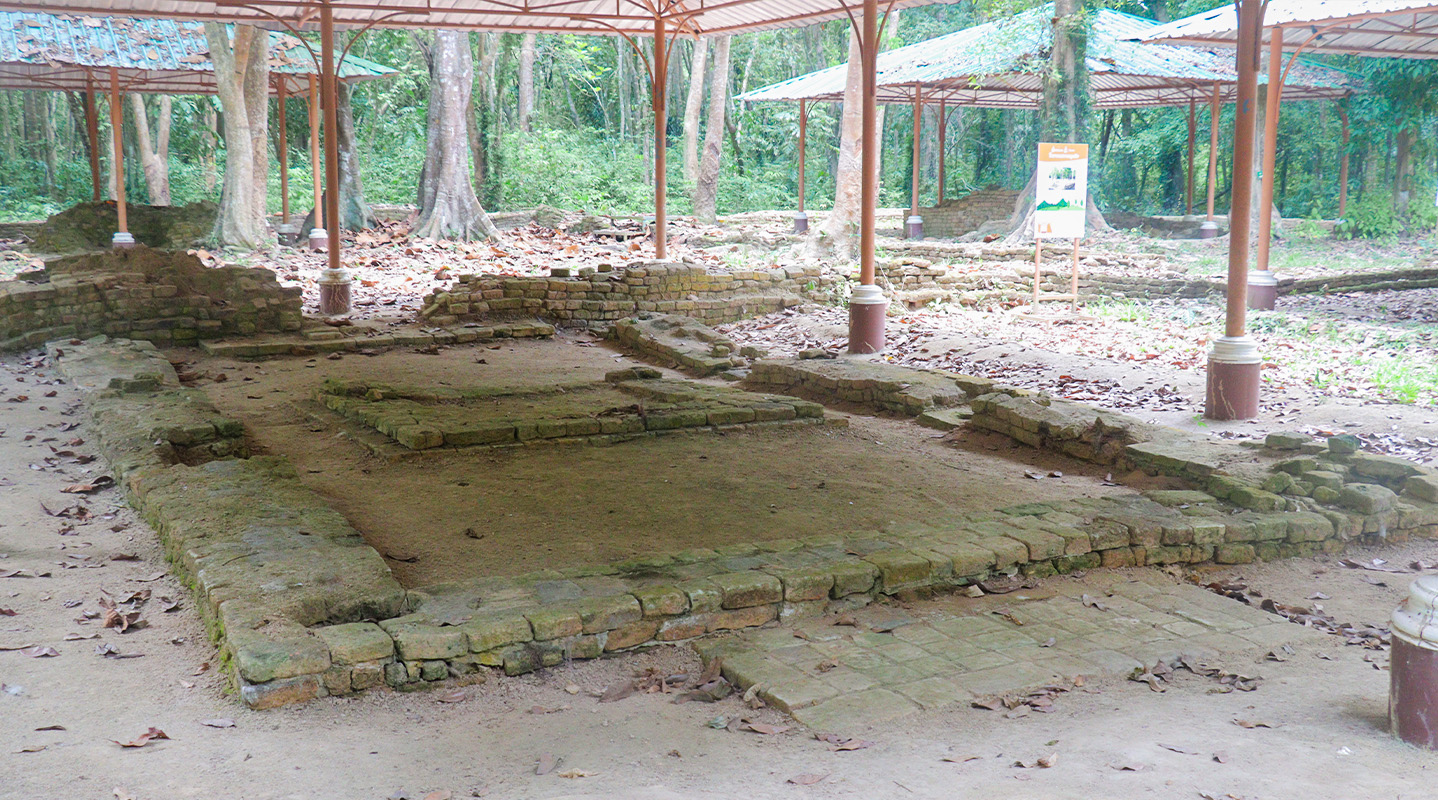
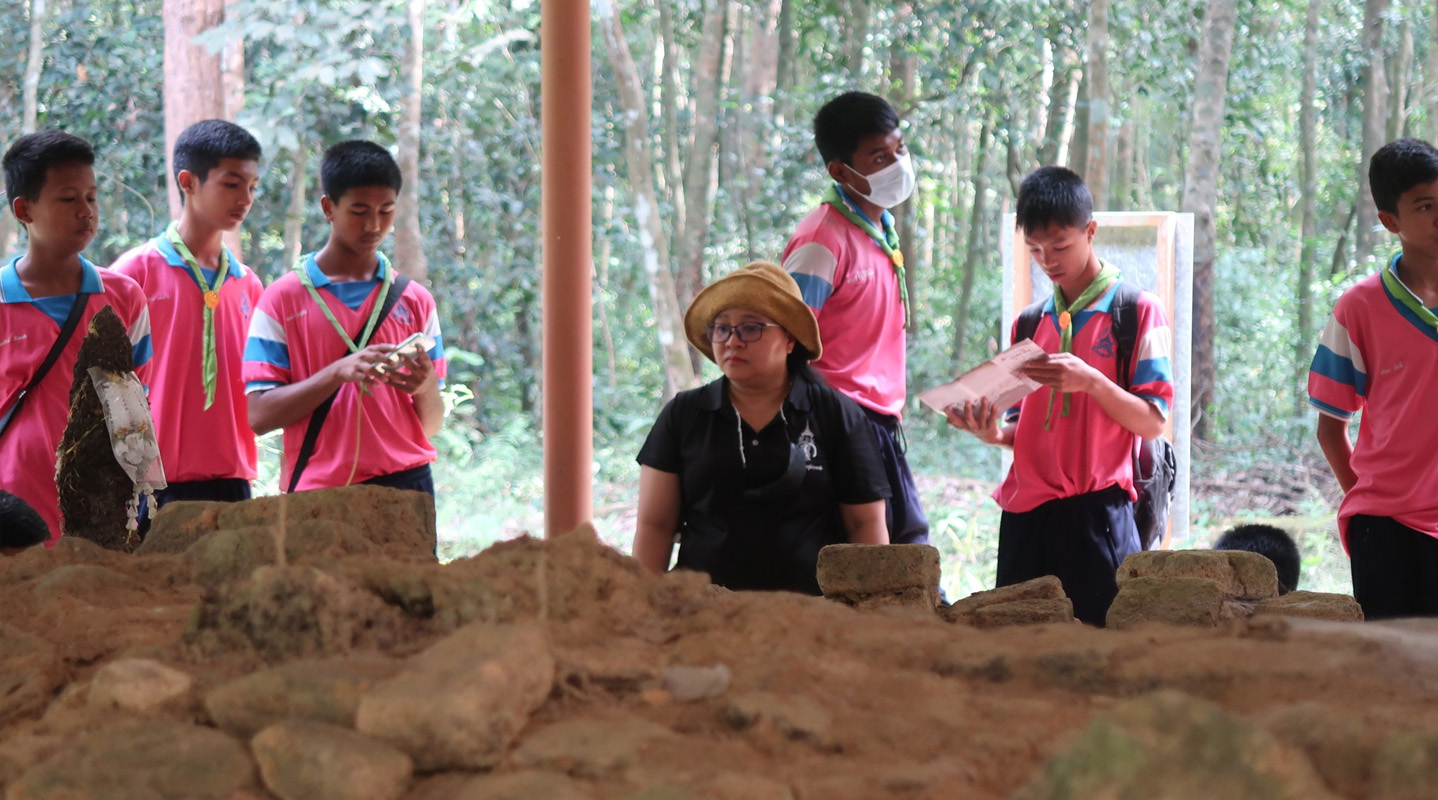
Located behind the Tumpang Museum within Walailak University, the Tumpang Archaeological Site is an important public heritage area where historical, archaeological, cultural, and natural values come together. The site is freely accessible to the public, allowing students, researchers, local communities, tourists, and visitors to explore its archaeological remains and surrounding landscape without an entrance fee. By opening this heritage site to the public, Walailak University provides an accessible setting for learning about the history and cultural development of Southern Thailand.
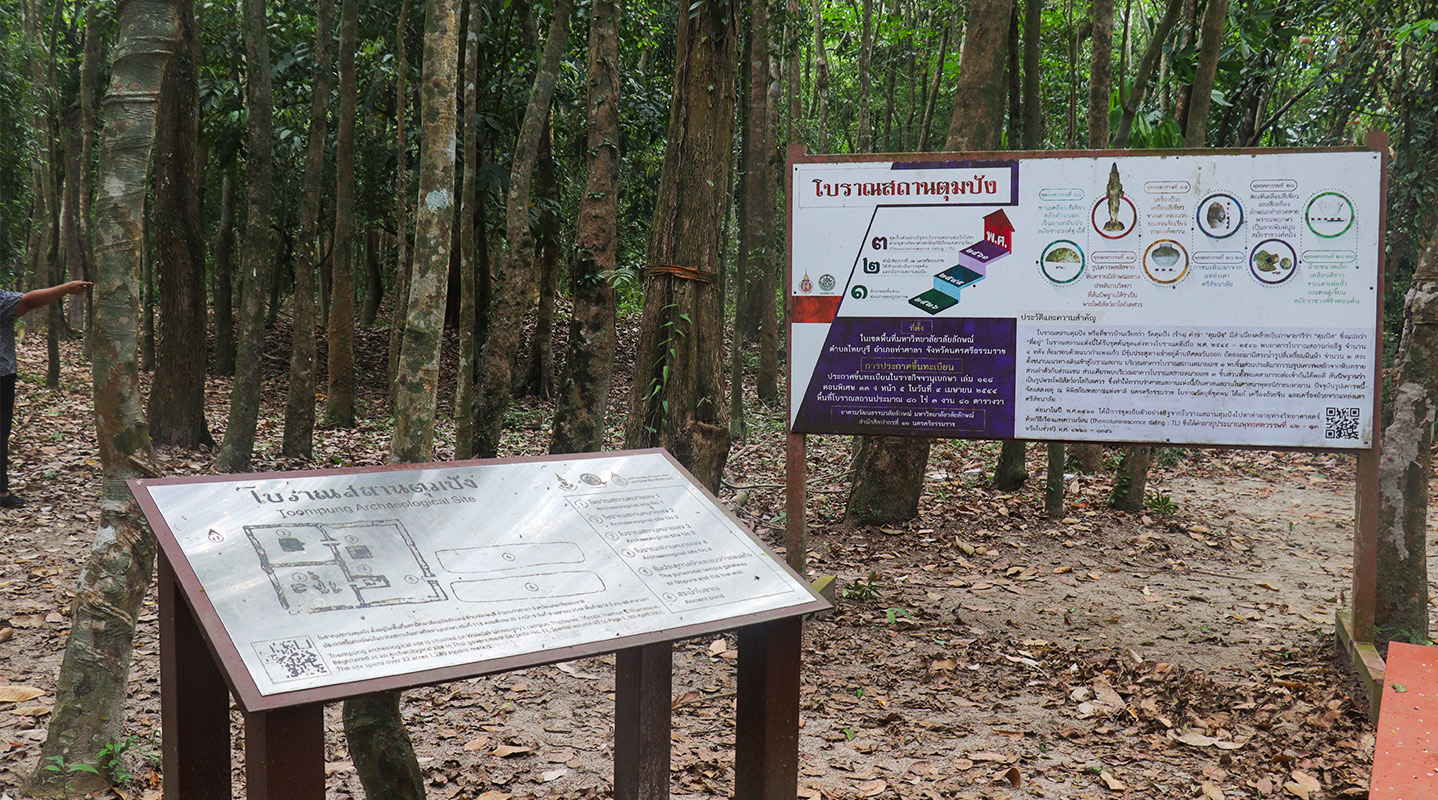
The site has a long history associated with communities practicing Brahmanism between the 15th and 19th Buddhist centuries and reflects the region’s changing spiritual, cultural, and social landscape. The name “Tumpang” is believed to have developed from “Tumpas,” a term derived from Yawi, a Malay dialect spoken in parts of Southern Thailand. Its historical significance was formally recognized through its registration and publication by the 12th Regional Office of the Fine Arts Department, Nakhon Si Thammarat, in the Government Gazette on 9 April B.E. 2544 (2001).
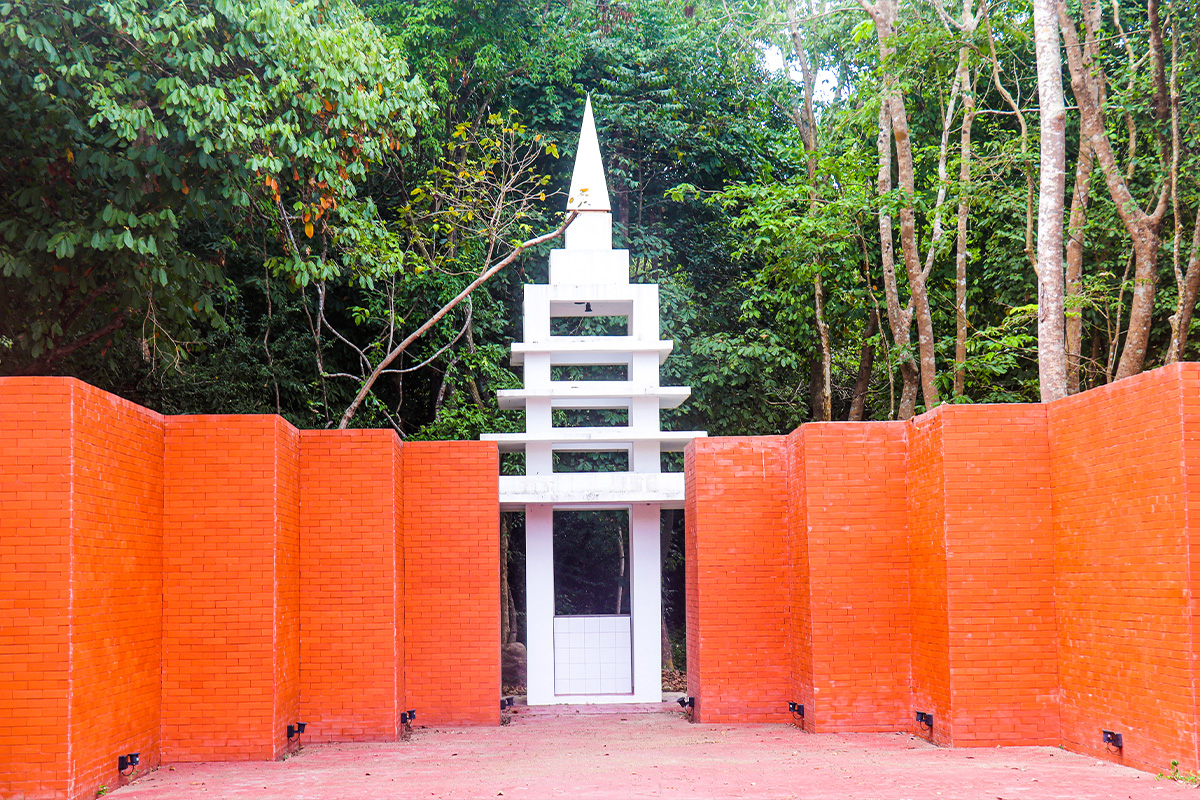
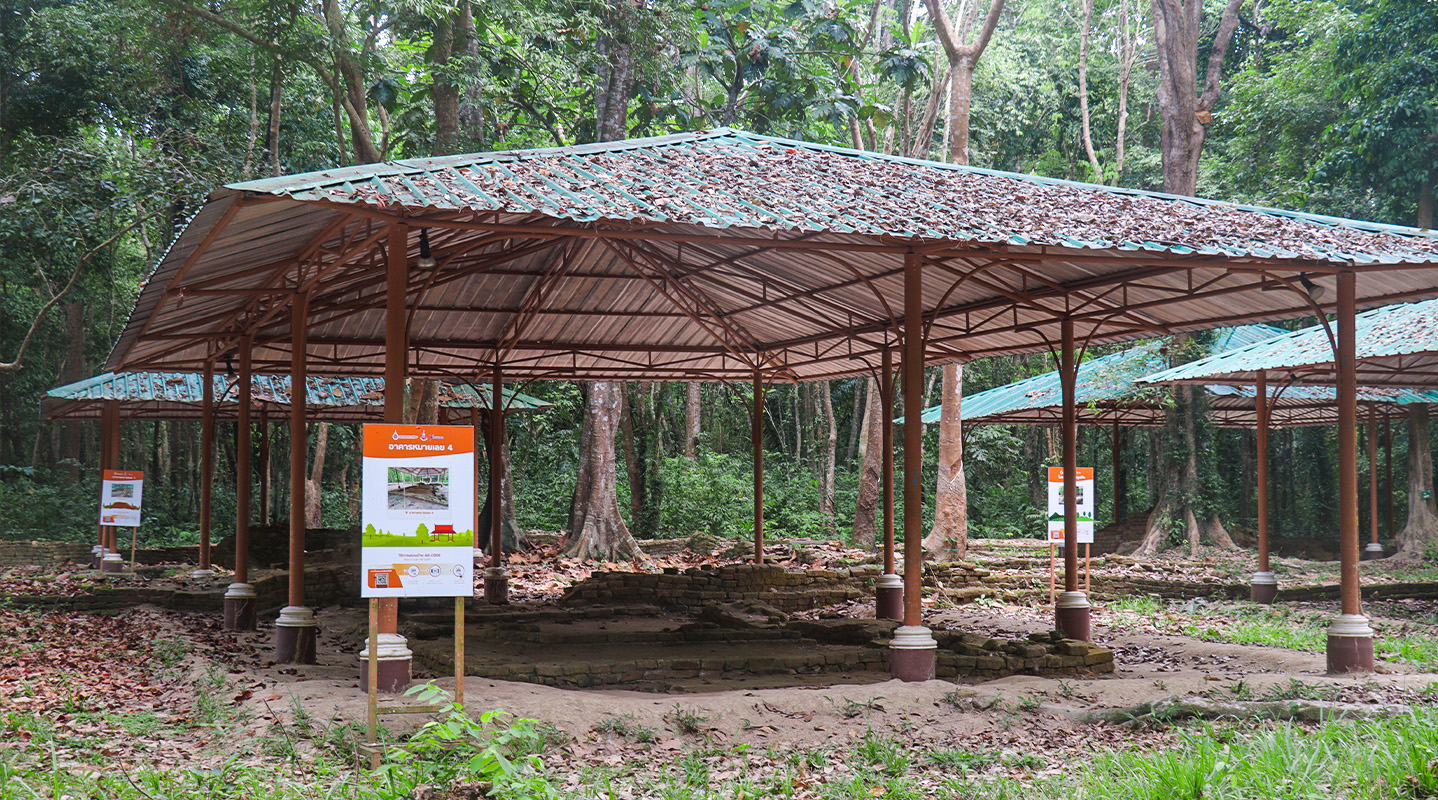
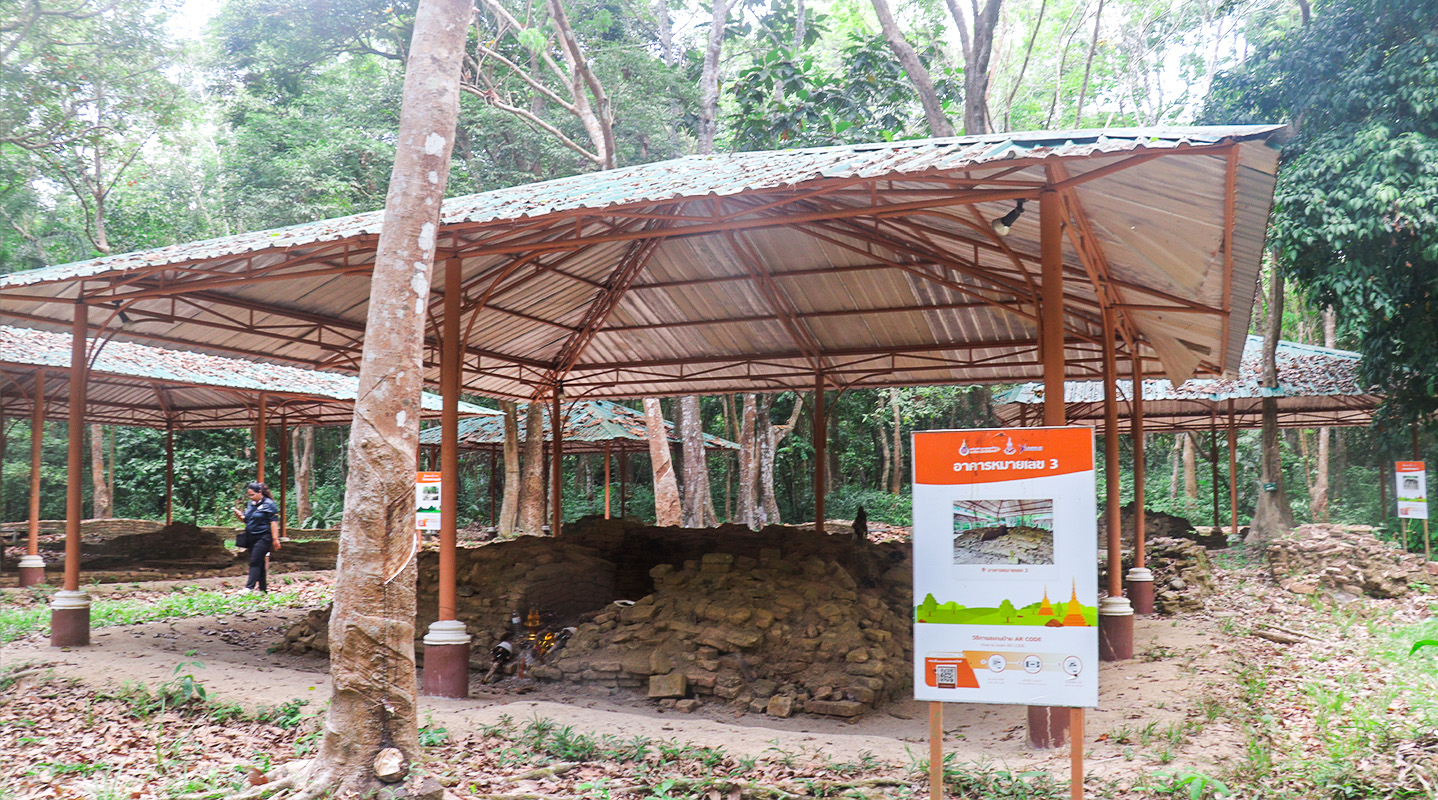
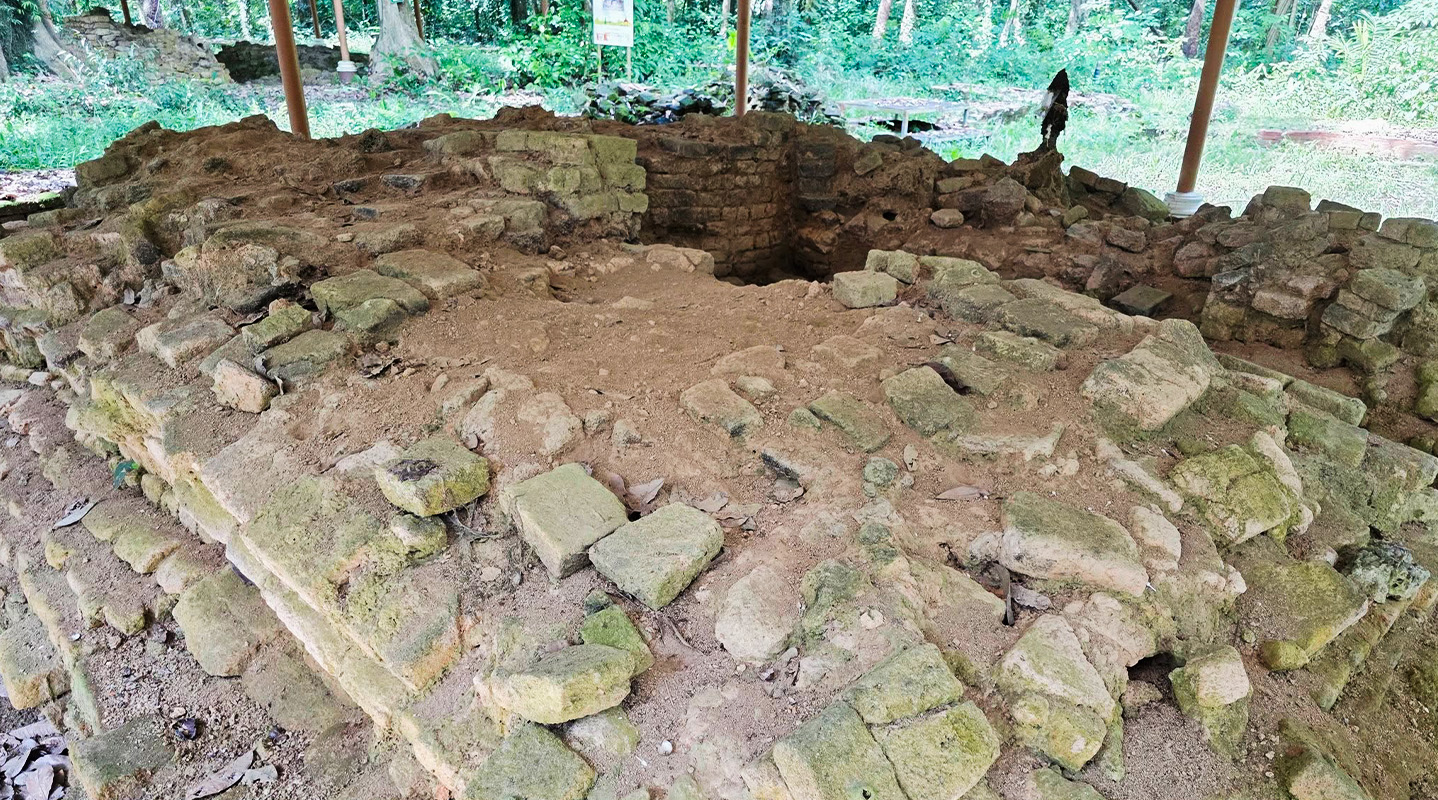
Archaeological excavations conducted between 2002 and 2003 revealed four ancient brick structures enclosed by a perimeter wall, with an entrance facing east. Two rectangular ancient ponds are located on either side of the pathway beyond the entrance, forming an important part of the site’s historical landscape. Visitors can explore the archaeological remains, including Archaeological Sites No. 1–4, the pyramidal temple gateway (Gopura) and low wall, and the ancient pond.
The site is open to visitors free of charge from Monday to Friday, 8:30 AM to 4:30 PM. Walailak University also supports guided visits led by WU students in Thai, English, and Chinese, enabling visitors from different linguistic and cultural backgrounds to gain a deeper understanding of the site. With more than 15,000 visitors each year, the Tumpang Archaeological Site demonstrates the value of making cultural heritage freely accessible as part of an inclusive lifelong learning environment.
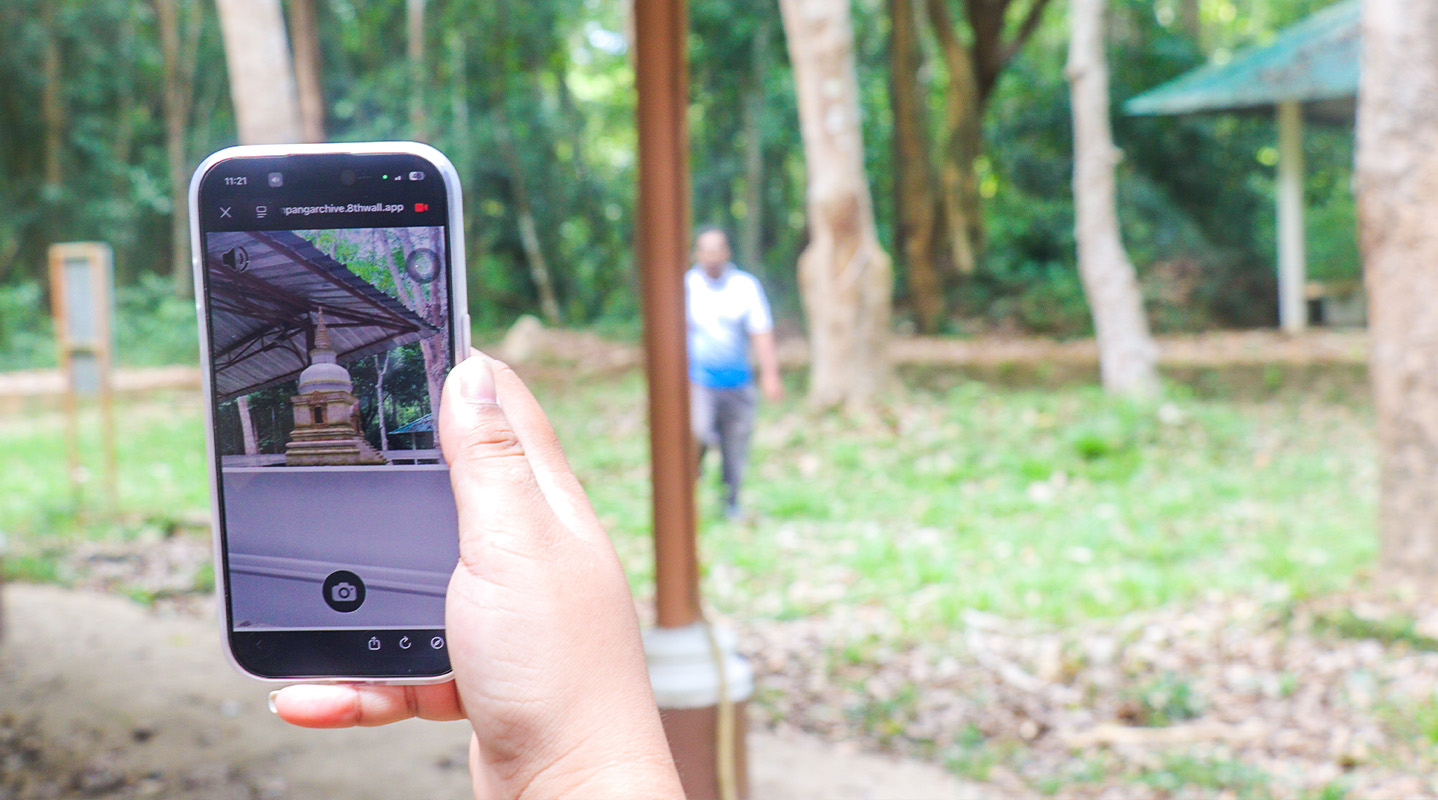
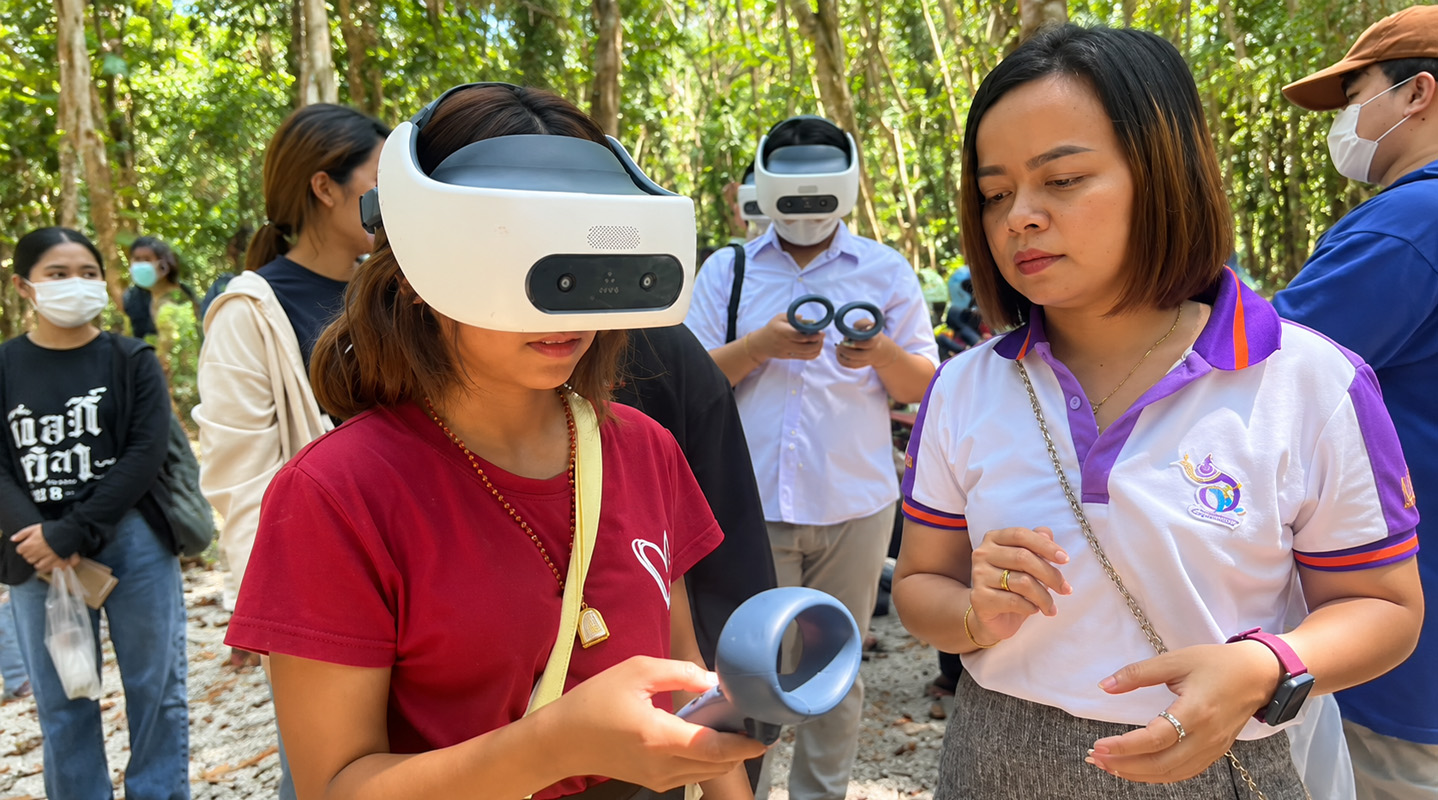
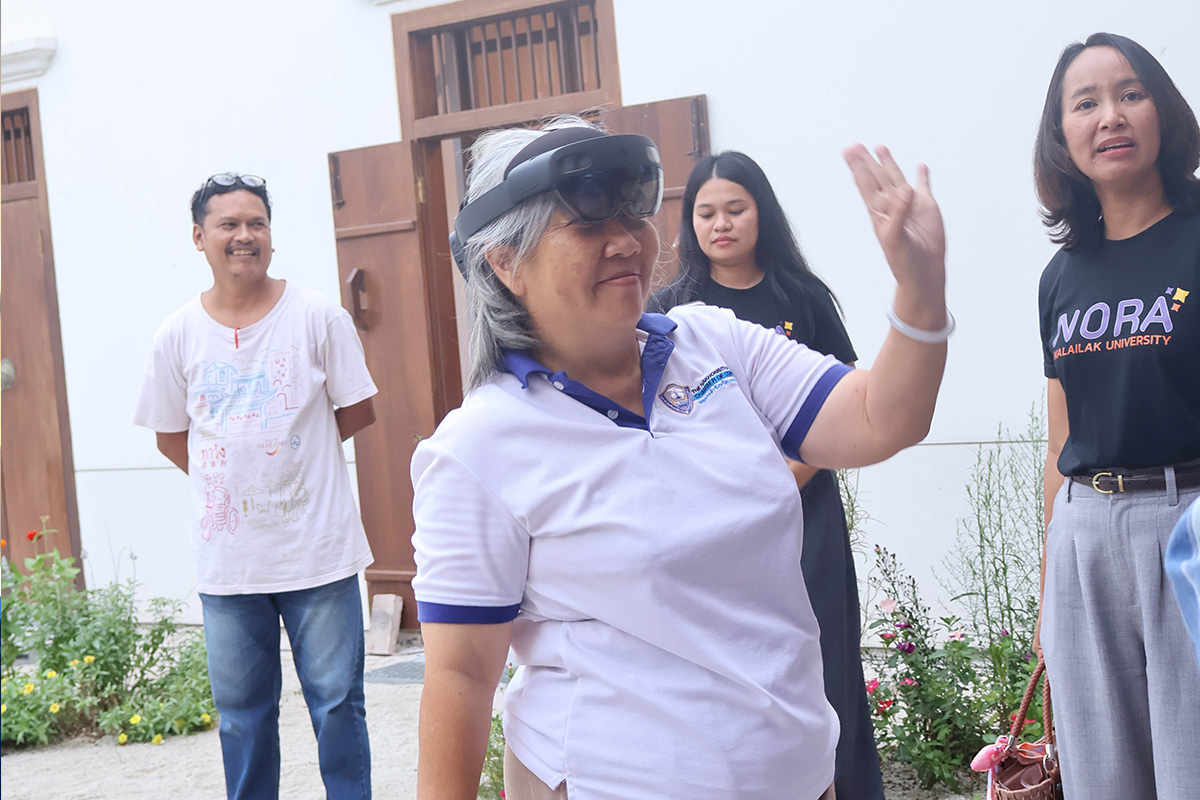
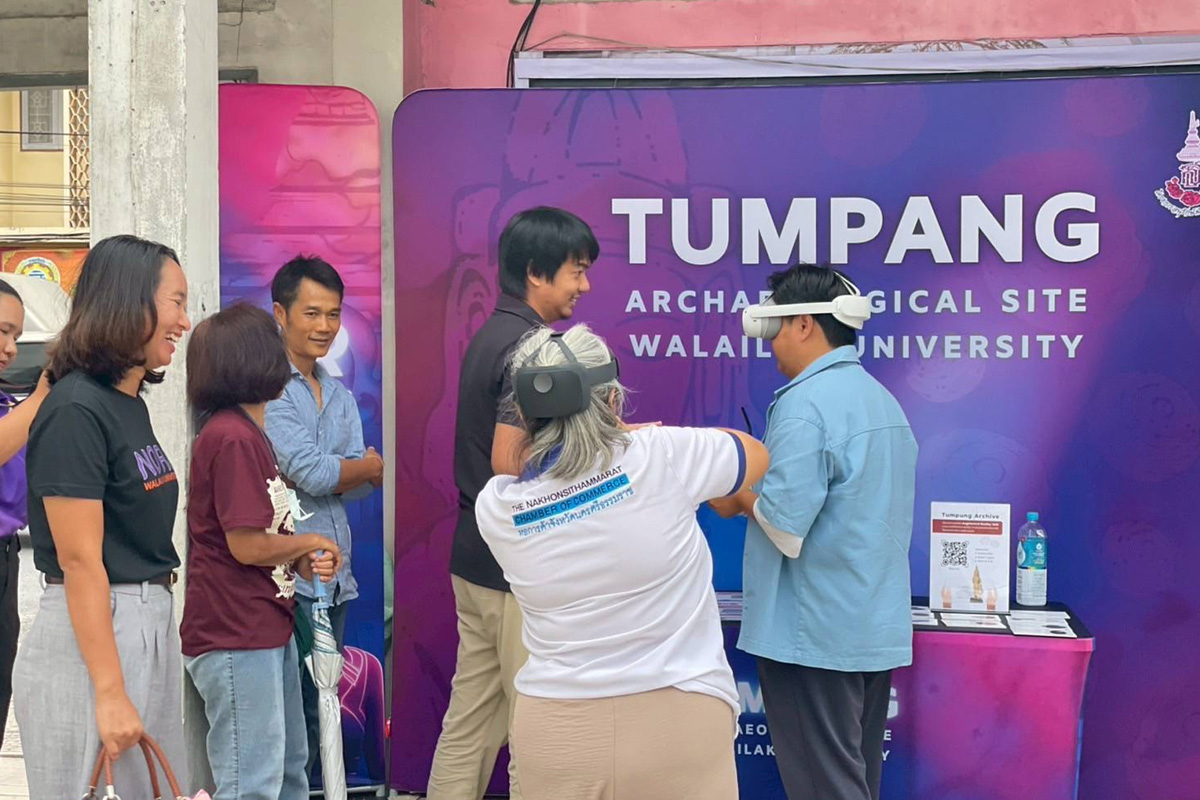
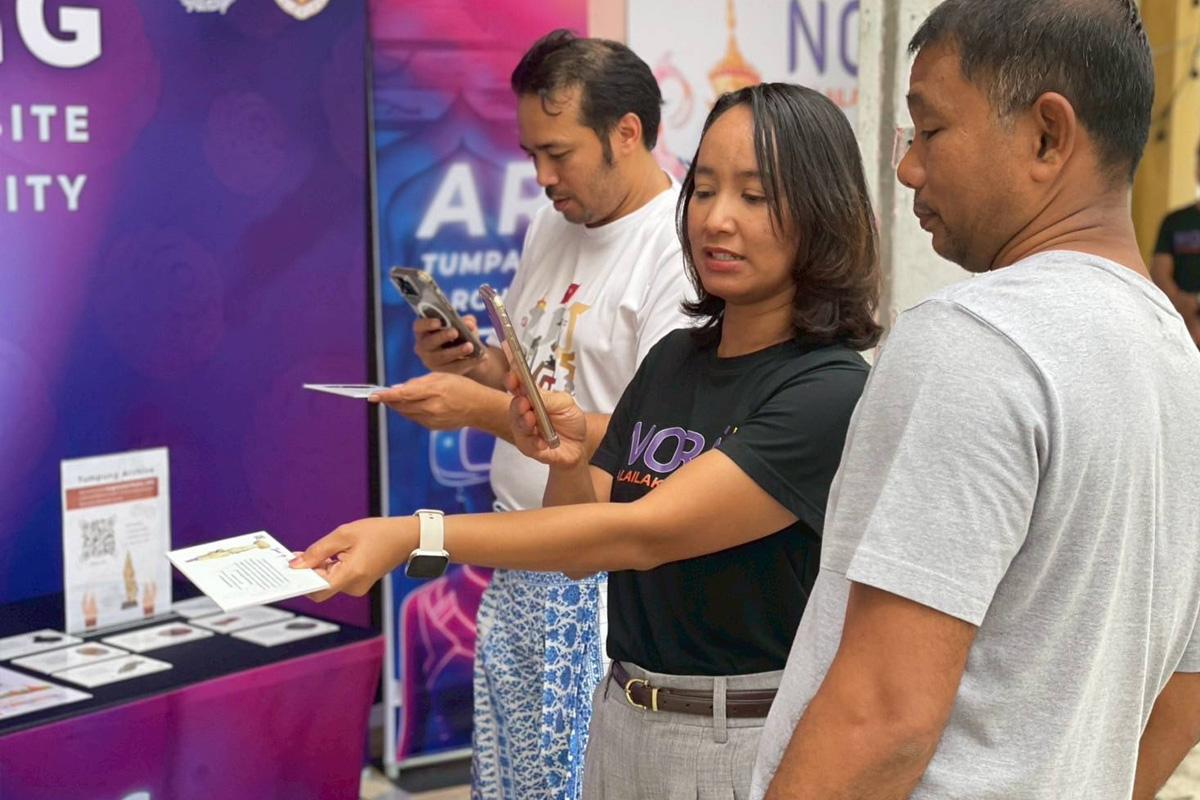
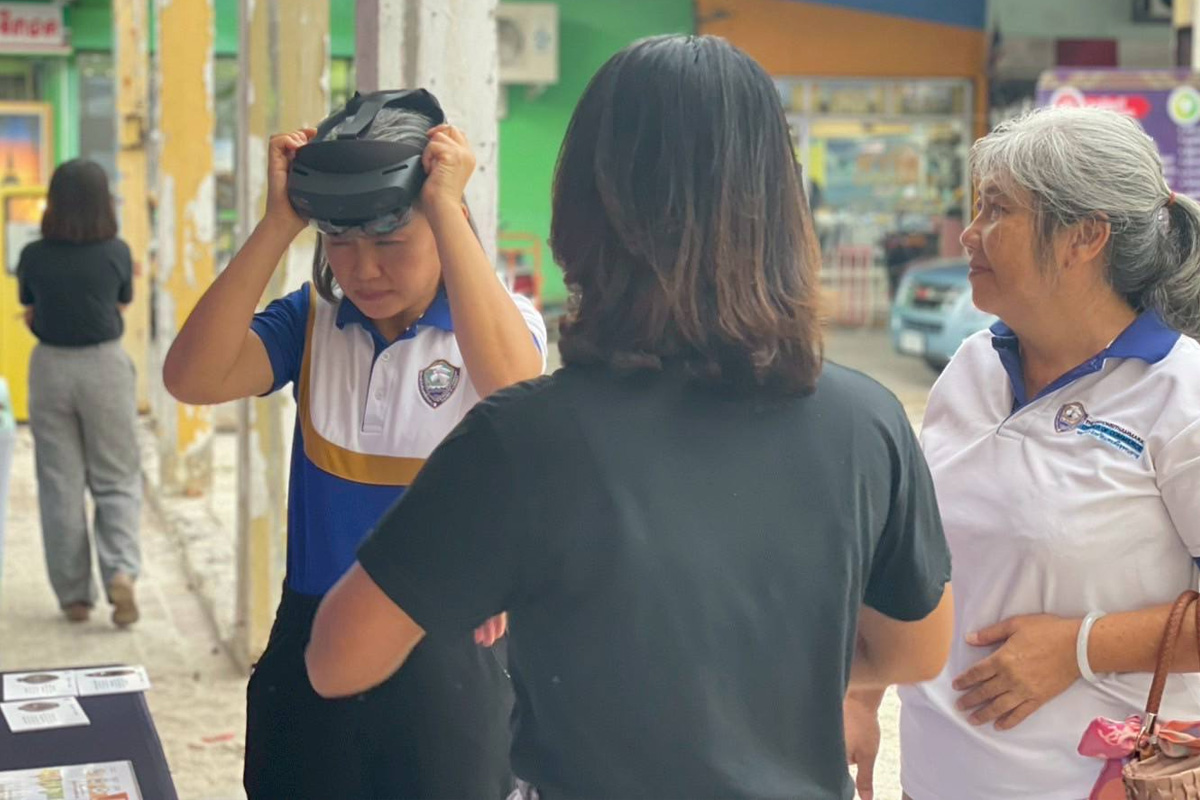
Walailak University has further enhanced public access and learning through digital interpretation. Visitors can use the AR Tumpang mobile application and virtual reality (VR) equipment to explore archaeological features and access interactive information about the site’s history, structures, and cultural significance. These technologies complement the physical experience and provide engaging ways for younger generations and visitors who may not be able to fully explore the site in person to connect with Southern Thailand’s heritage.
Together with the Tumpang Museum located at the site, the archaeological area forms an integrated cultural learning destination that connects historical research, archaeology, local knowledge, natural surroundings, and public education. Its free and open access reflects Walailak University’s commitment to preserving heritage while ensuring that the knowledge and cultural value of the site remain accessible to the wider community and future generations.
Free Public Access to Exhibition Spaces

Exhibition on Animals and Insects: Free Public Access to Nature-Based Learning
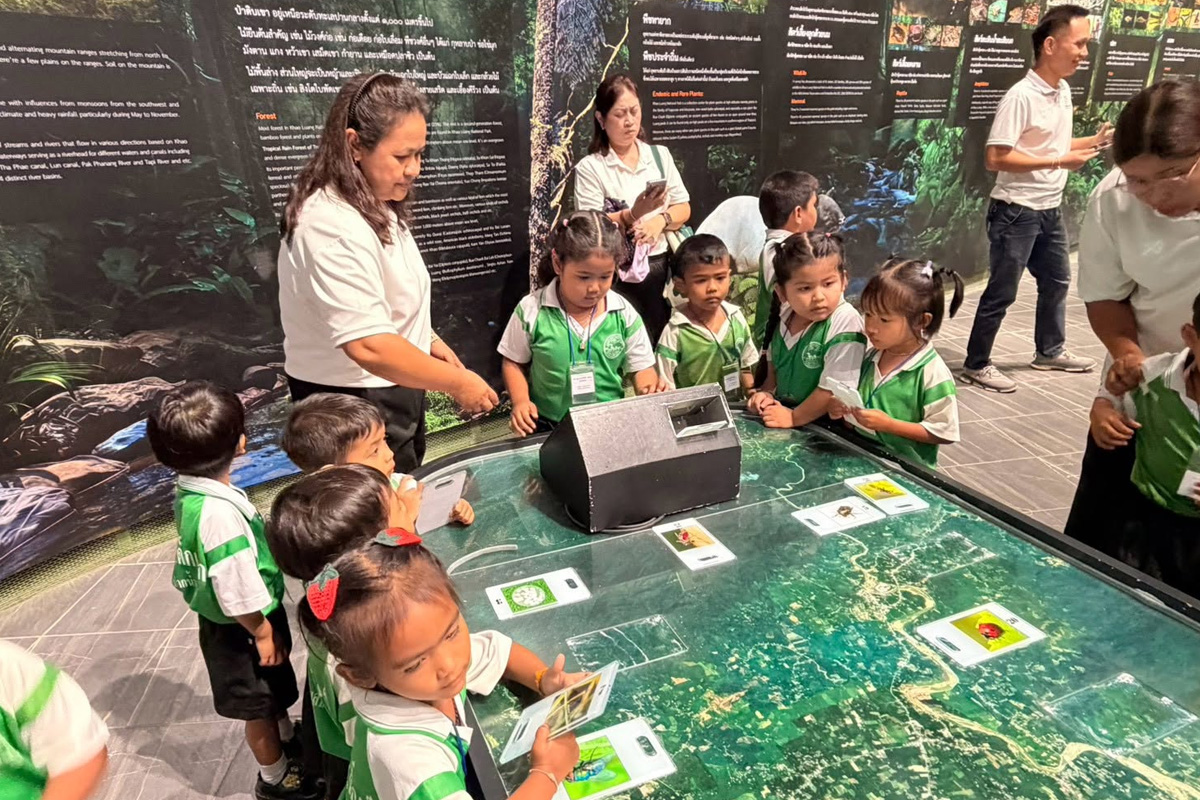
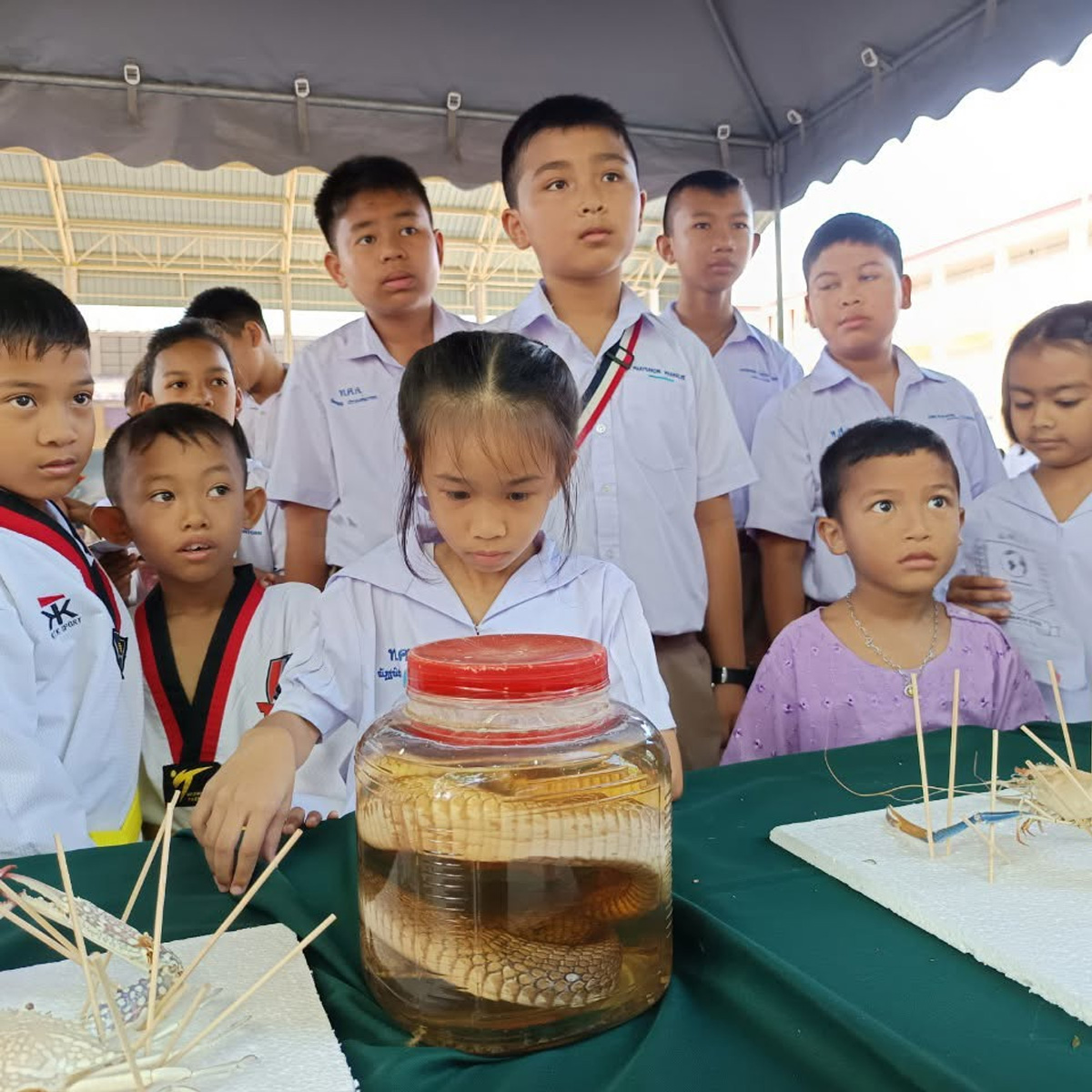
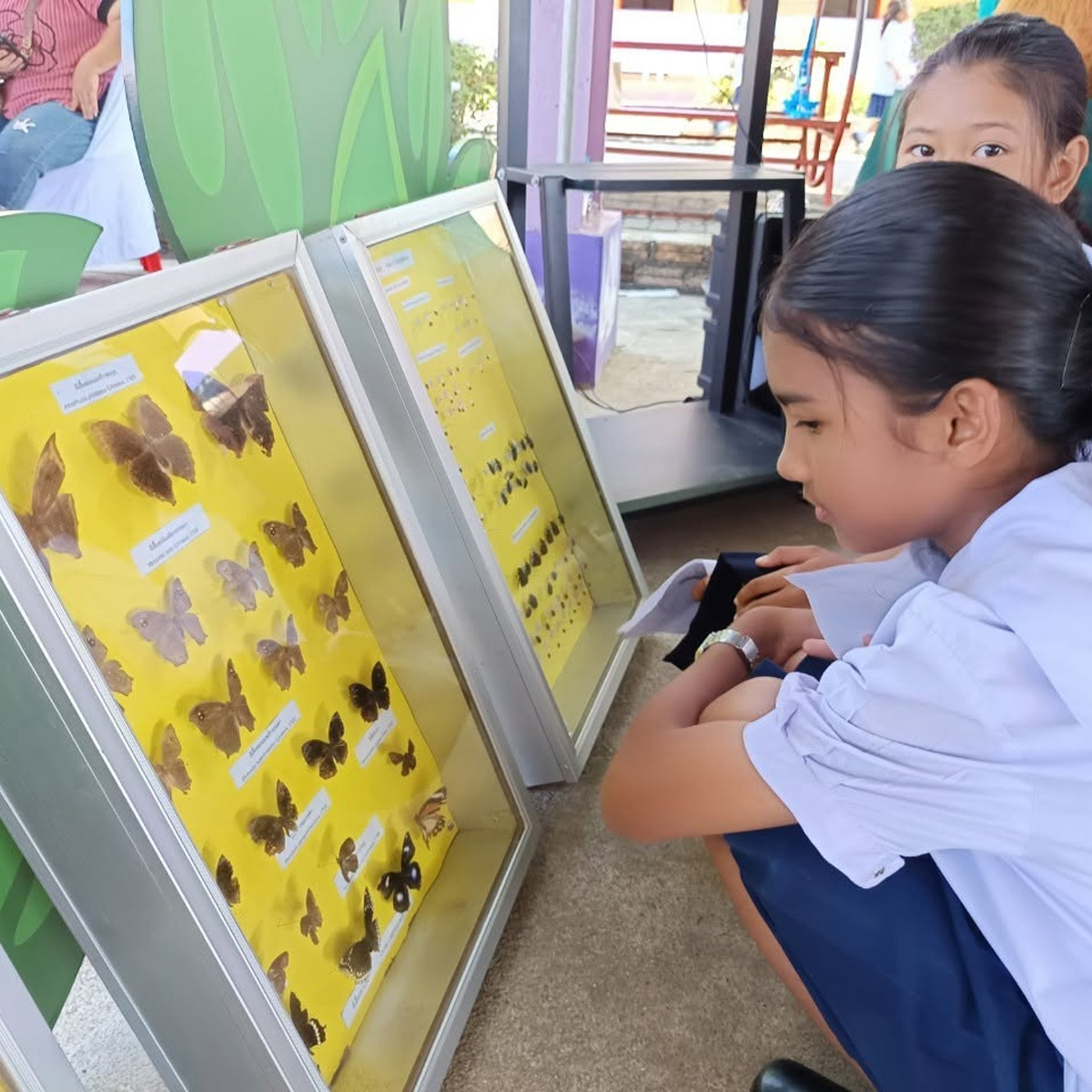
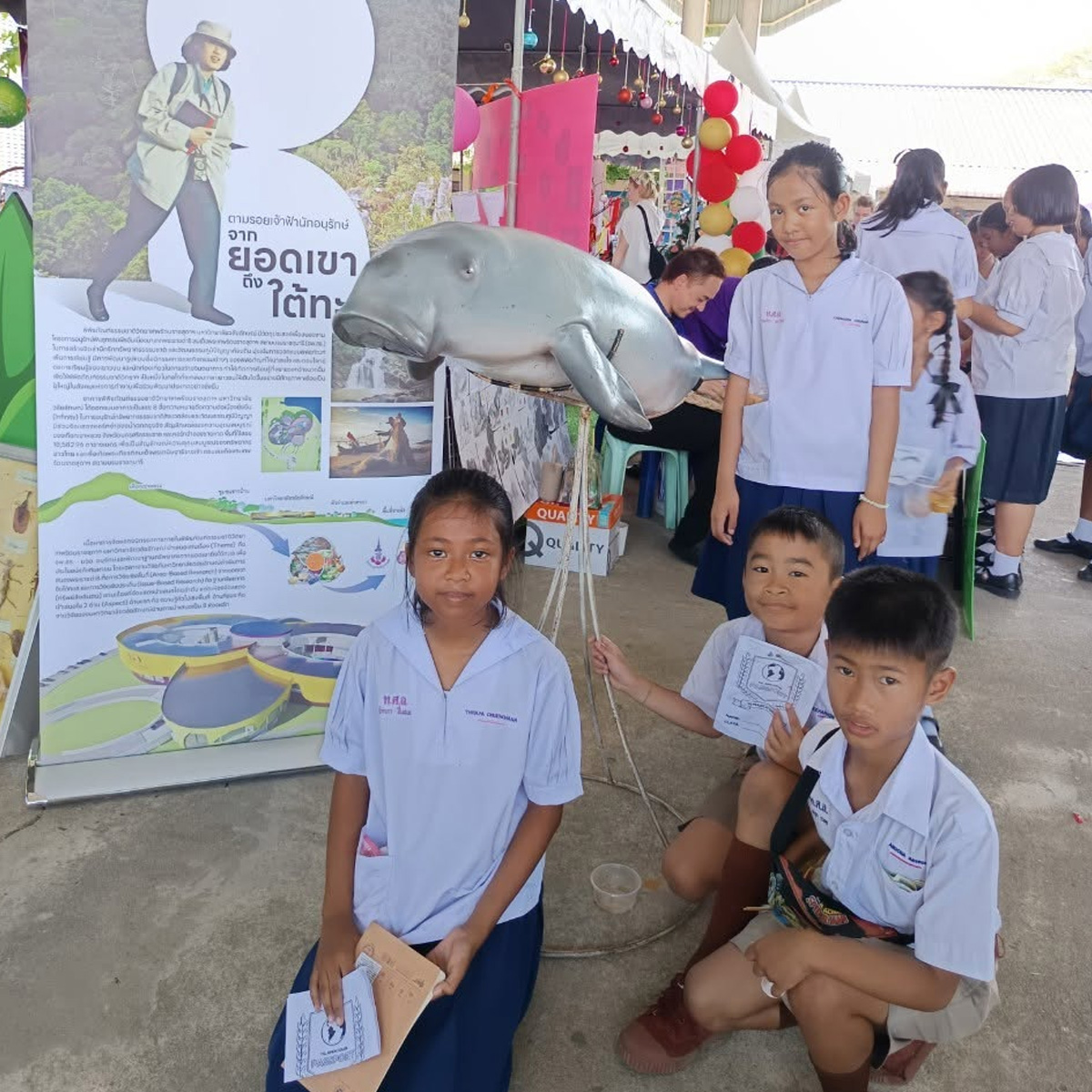
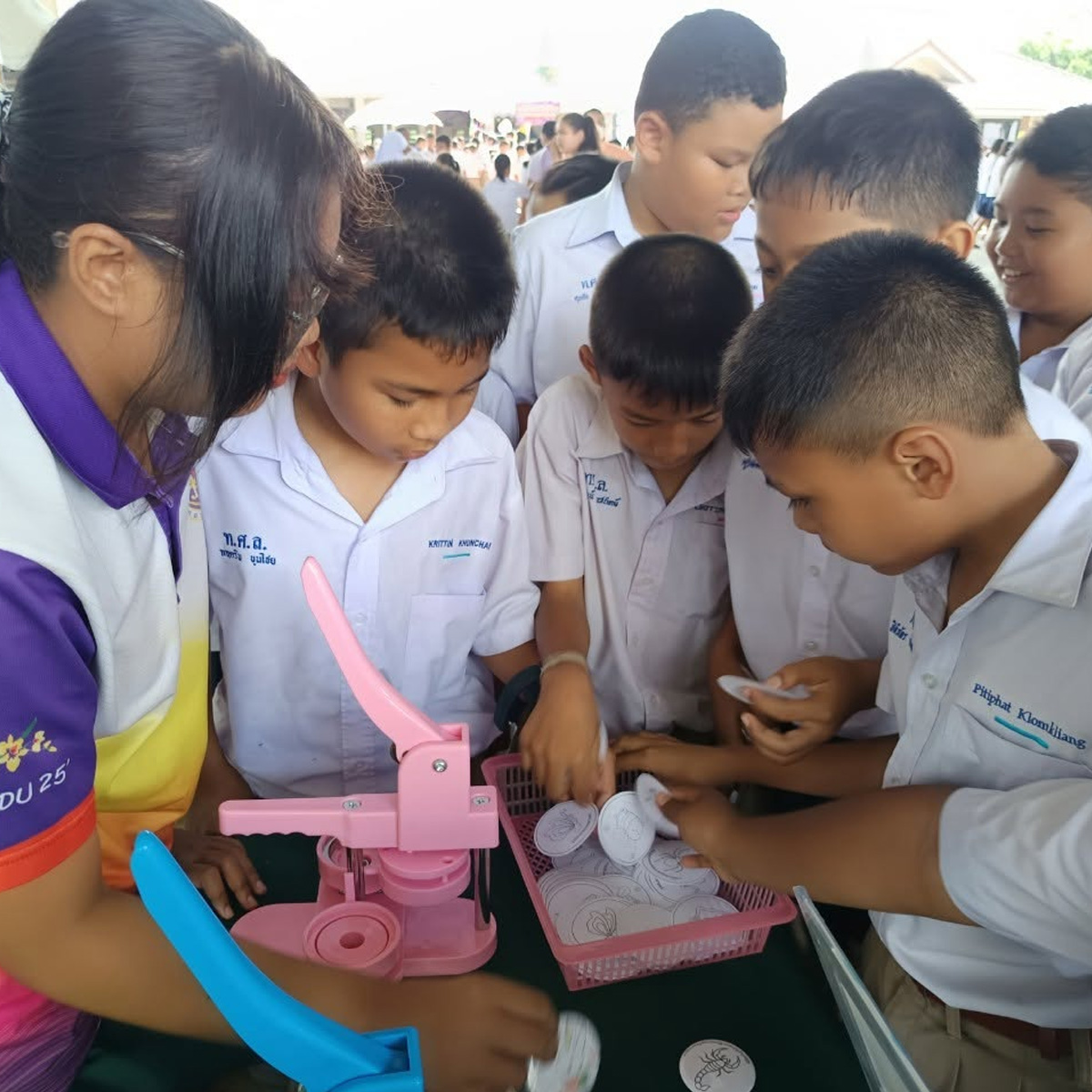
Walailak University provides free public access to exhibitions and educational activities that promote learning about nature, biodiversity, and the environment. As part of this commitment, the University’s Natural History Museum and Botanic Park organized the “Various Knowledge about Animals” exhibition and the “Insect Badge” workshop at Thasala School during the TSL Open House in 2025. The exhibition and activities were made accessible to participating students and members of the public attending the event, providing opportunities to explore natural history through direct and engaging learning experiences.
The exhibition introduced visitors to a variety of animal and insect species and provided accessible information about their characteristics, diversity, and roles in the natural environment. Rather than limiting learning to conventional displays, the activity incorporated hands-on experiences that encouraged participants to engage directly with the subject matter. Students were able to create their own insect badges while learning about different species through interaction with experts from Walailak University.
The activity also provided an opportunity for visitors to ask questions and exchange knowledge directly with specialists in natural history. This interaction helped make scientific knowledge more accessible and encouraged participants to develop greater interest in animals, insects, biodiversity, and environmental conservation.
The positive response from participating students reflects the value of accessible, hands-on exhibitions in stimulating curiosity and supporting lifelong learning. Through initiatives such as the “Various Knowledge about Animals” exhibition, Walailak University continues to use its expertise, museum resources, and natural history collections to promote public learning and strengthen community engagement with biodiversity and environmental knowledge.
Nora Exhibition: Free Public Access to Southern Thai Cultural Heritage
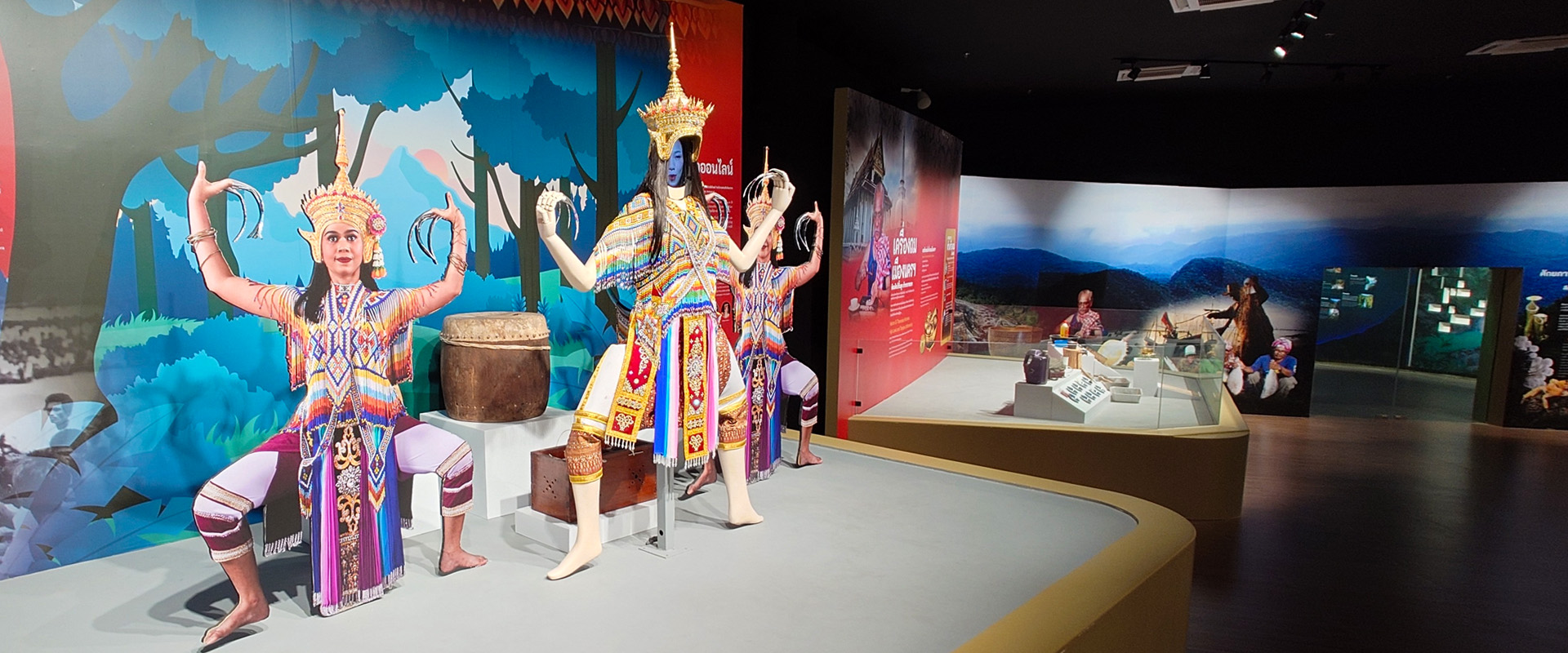
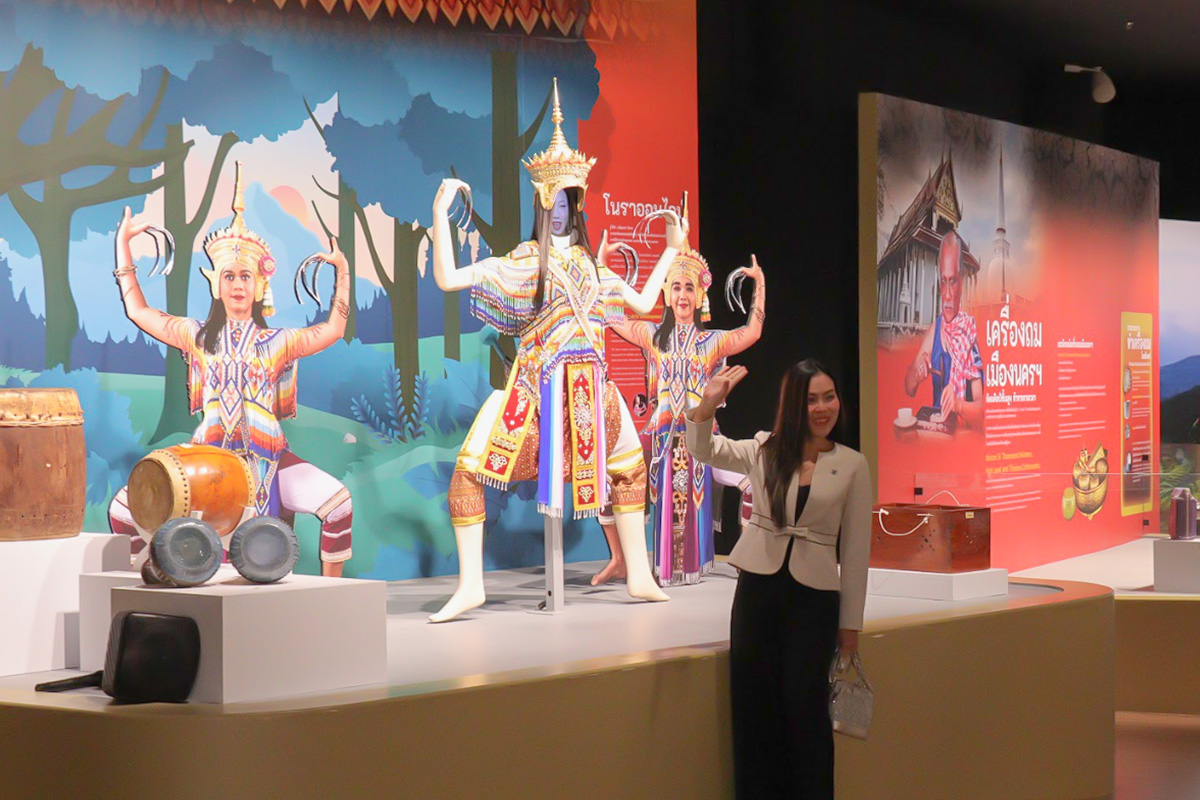
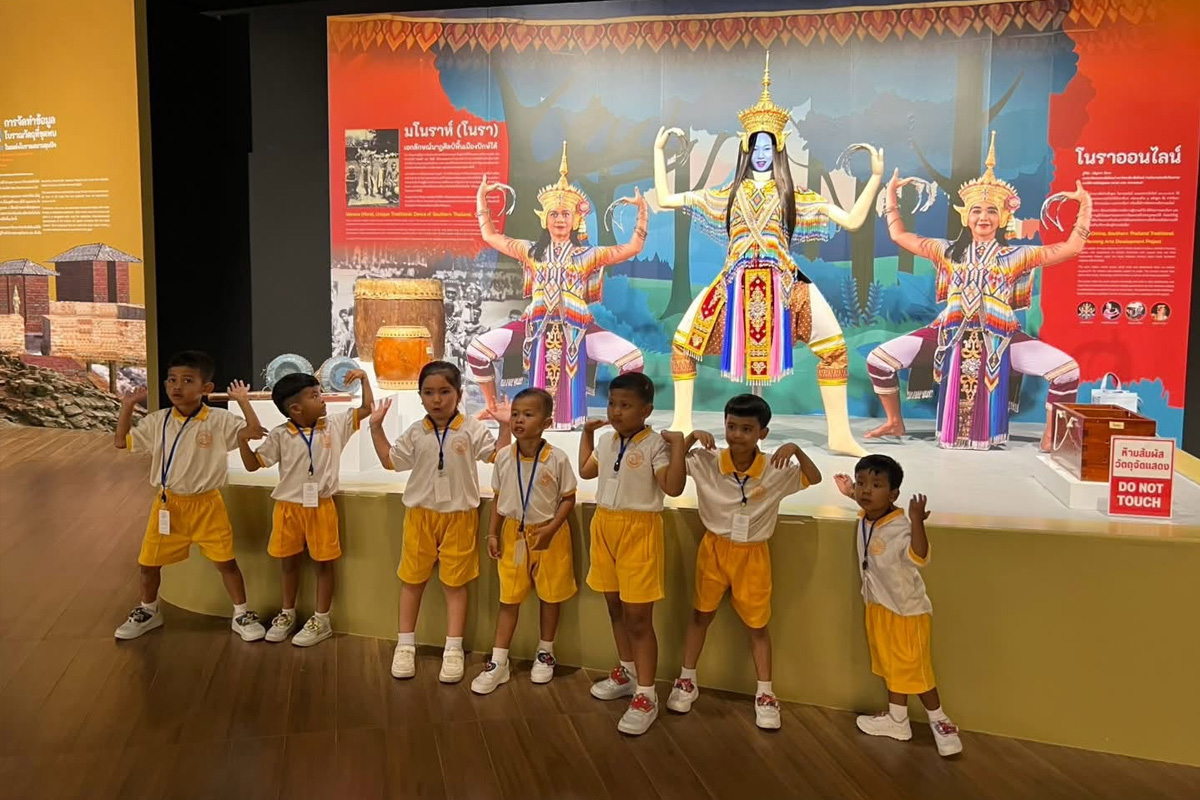
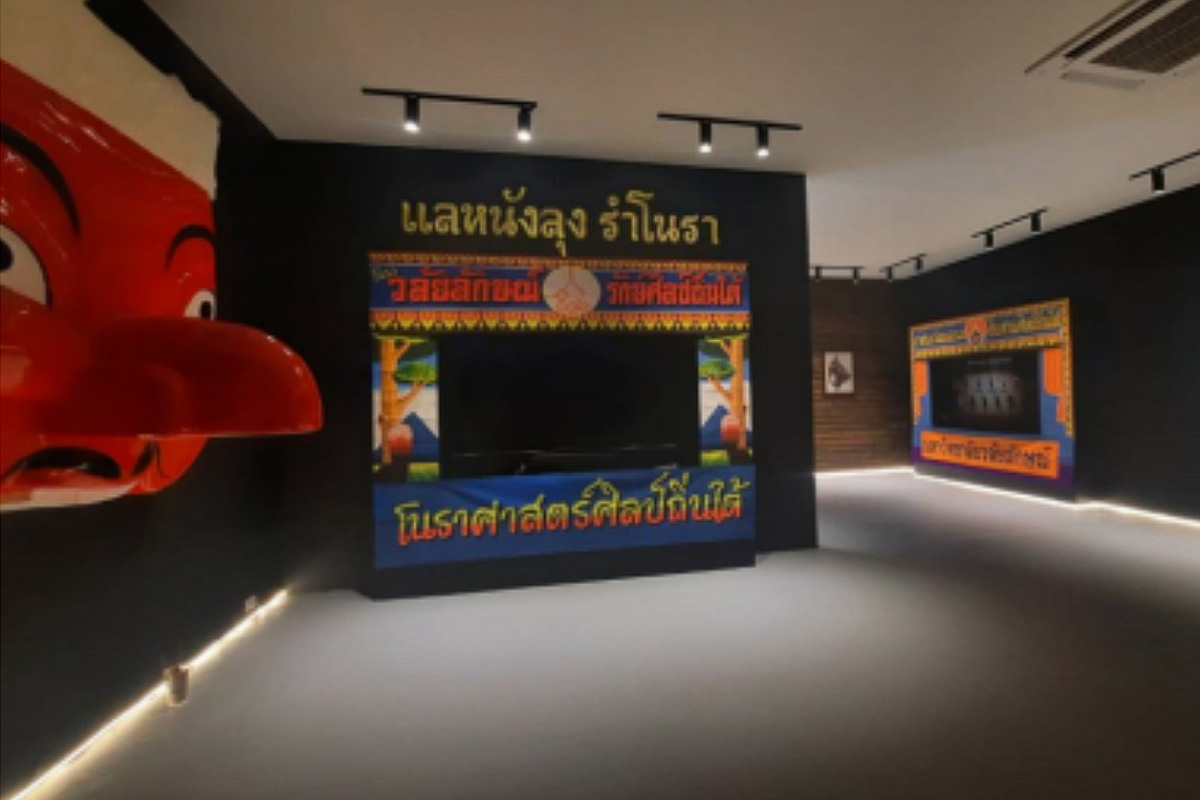
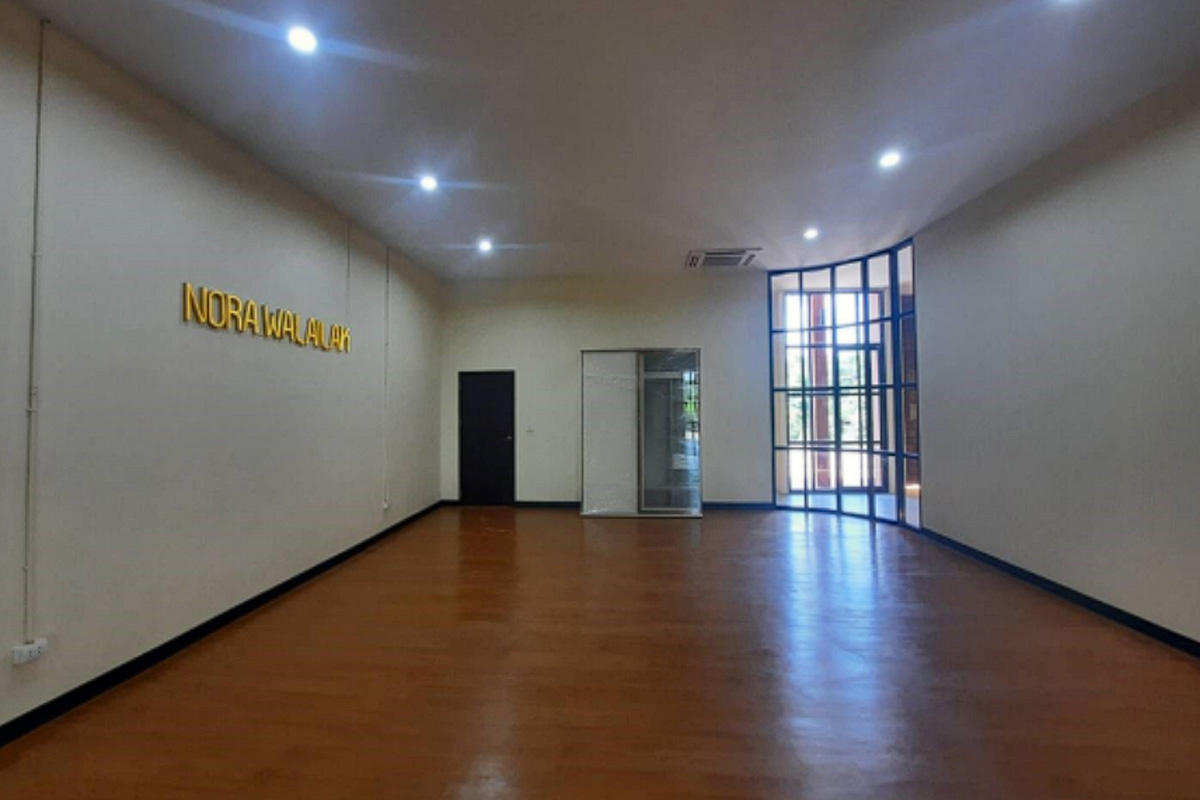
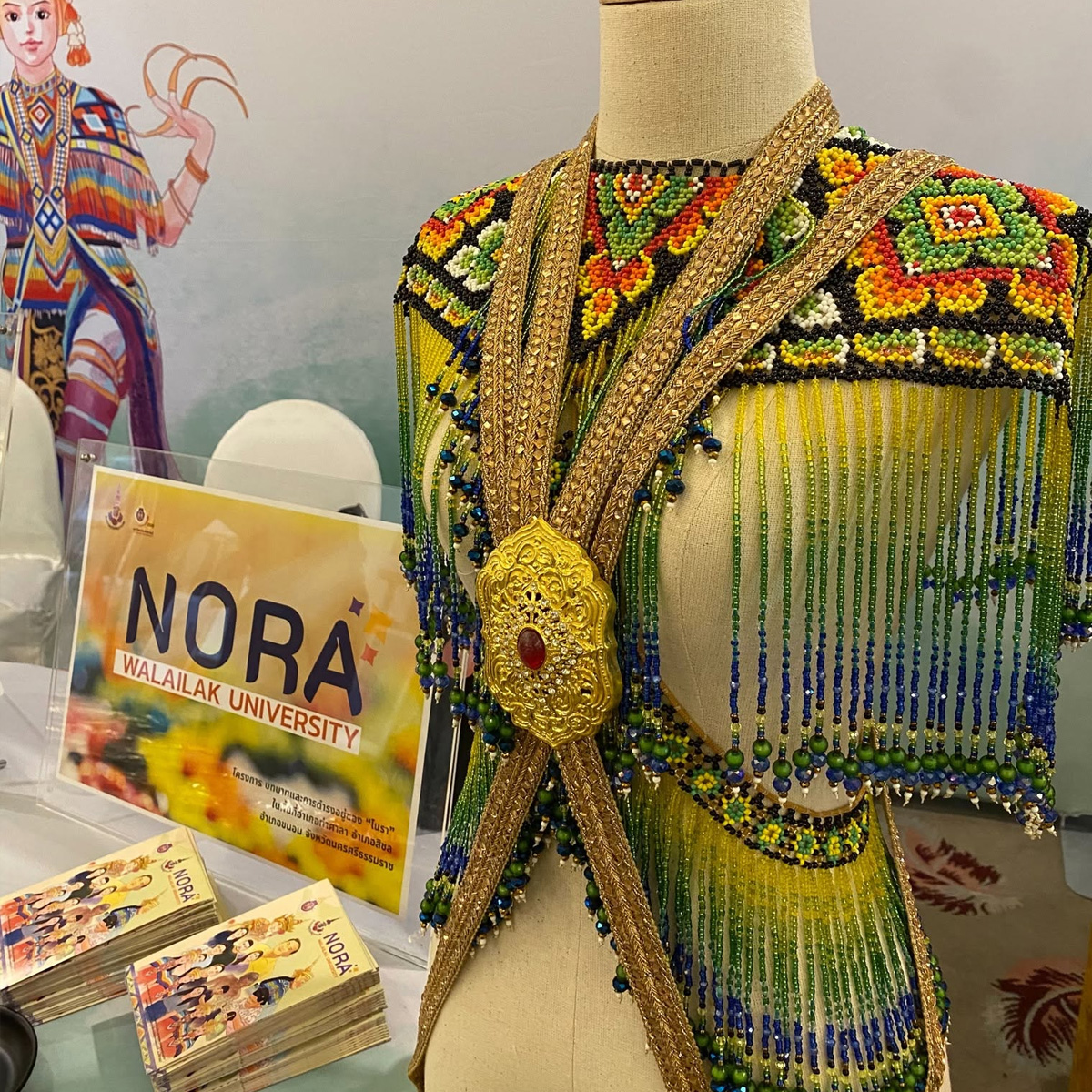
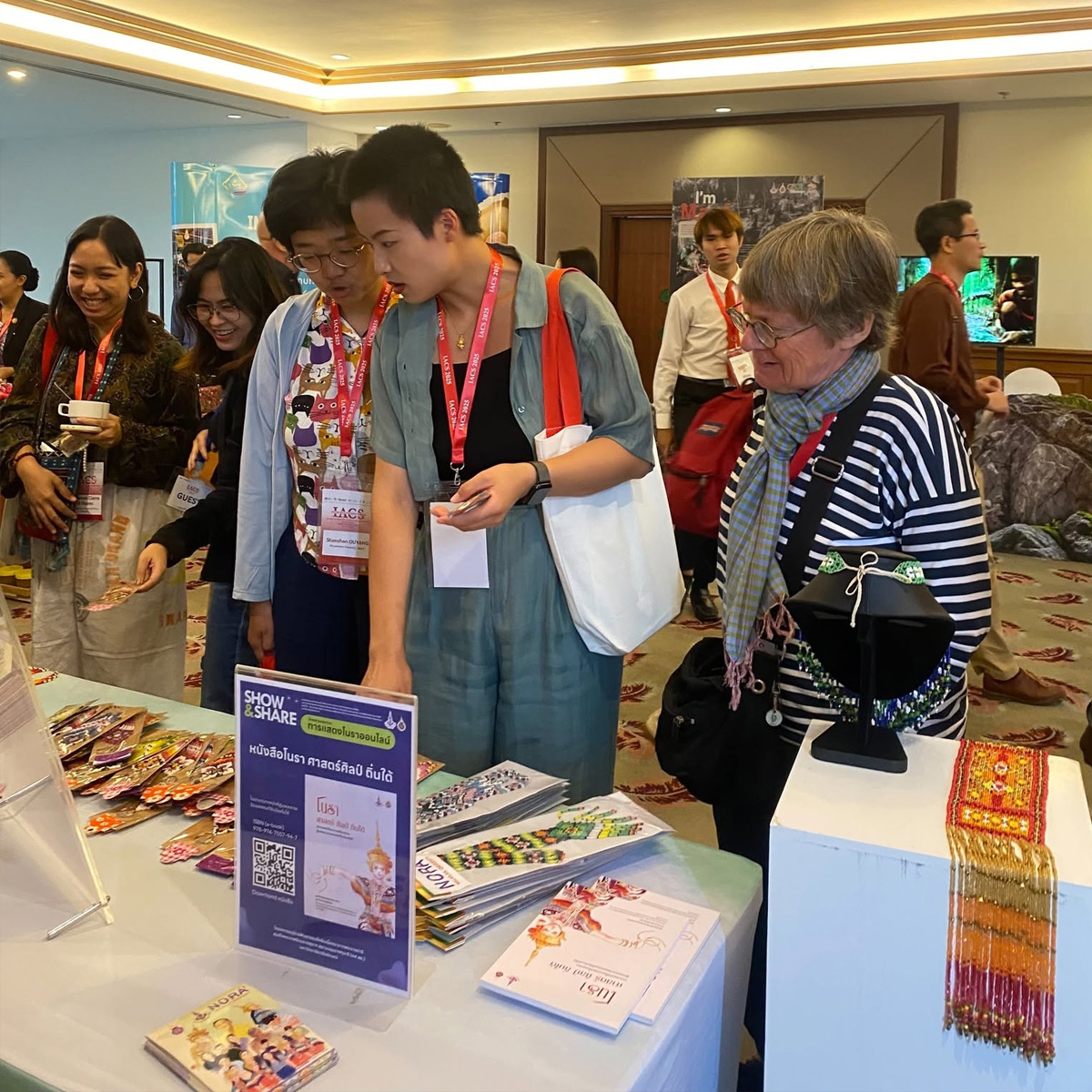
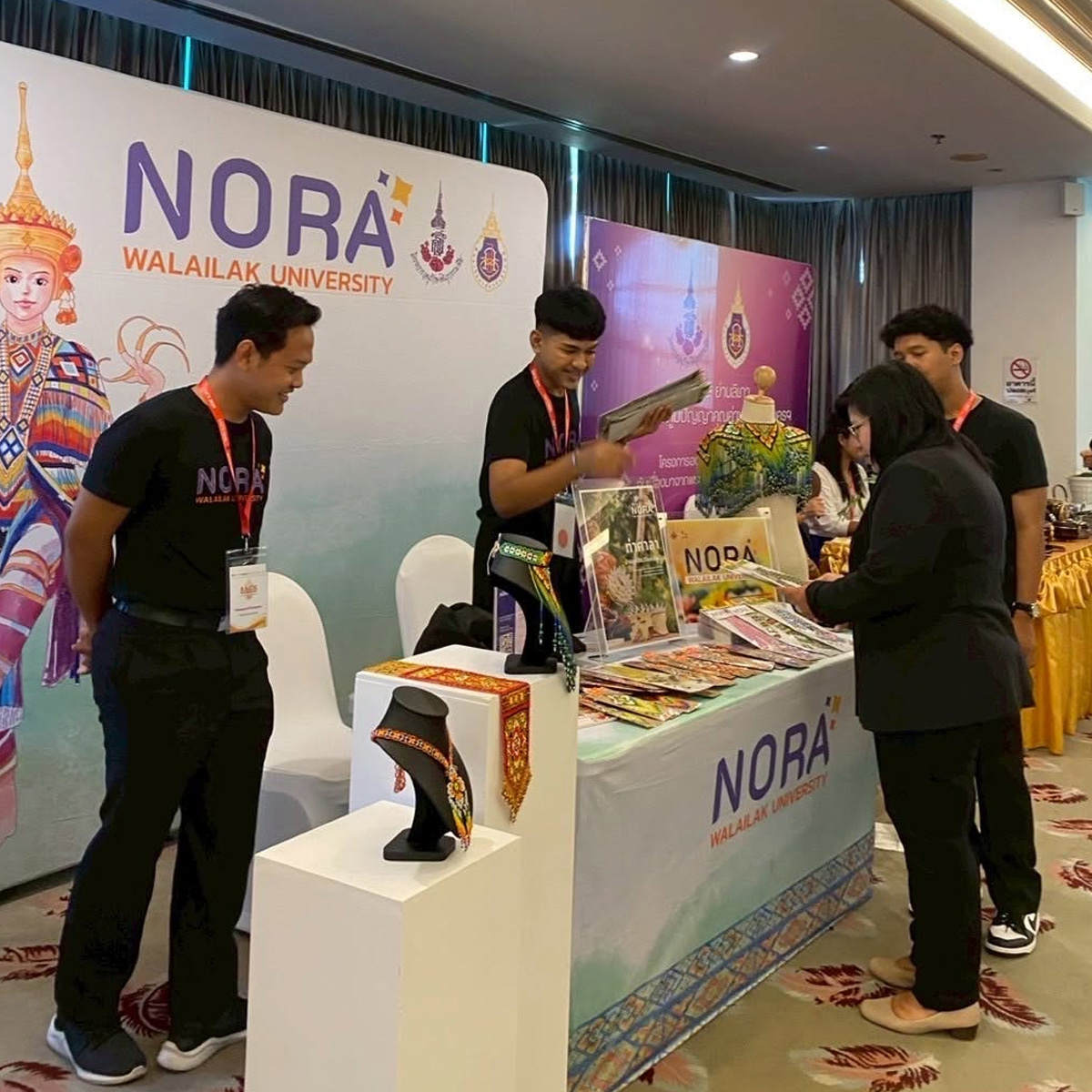
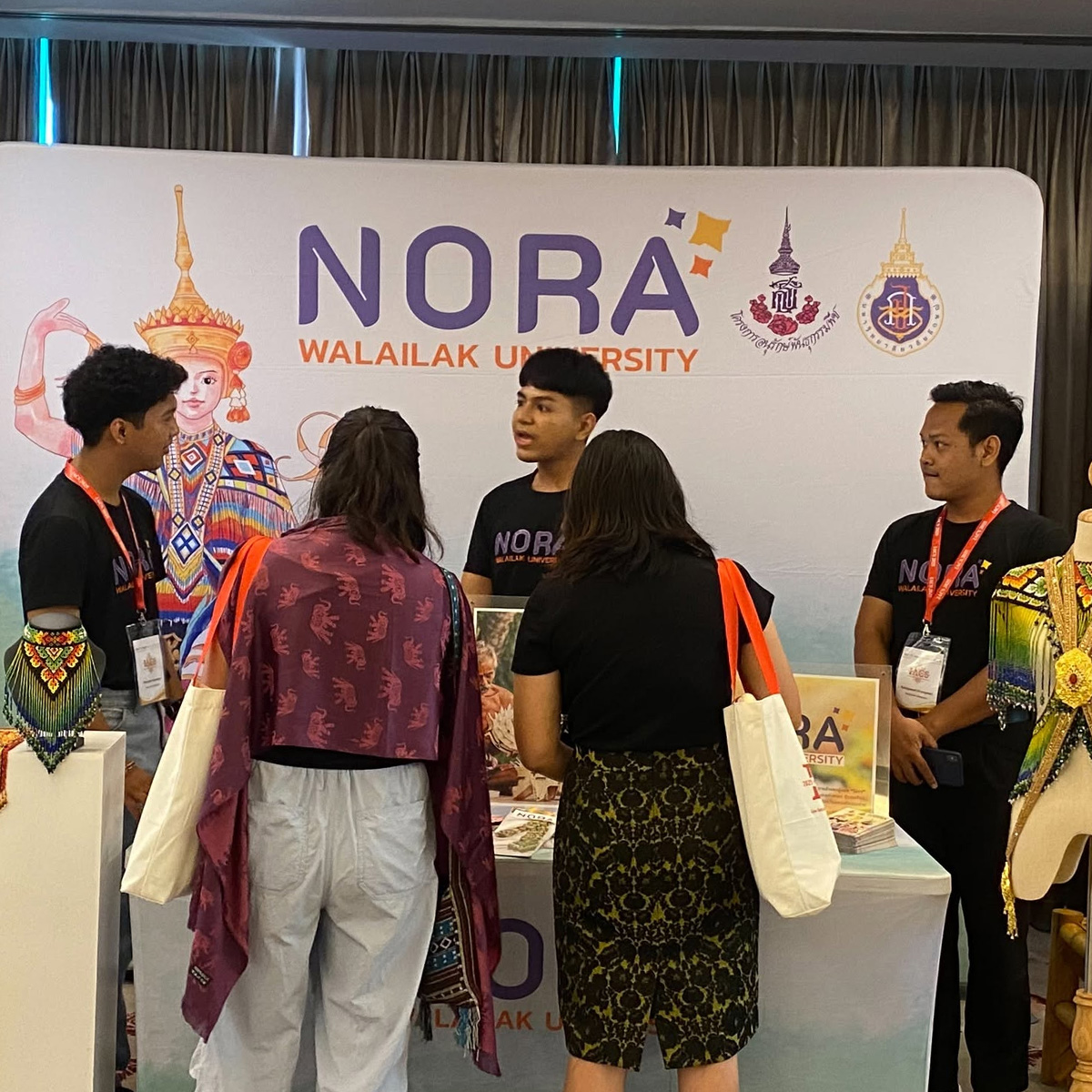
Walailak University provides free public access to exhibitions that promote awareness and appreciation of Southern Thailand’s cultural heritage. In 2025, the University participated in the exhibition “Nora: Dance Theatre in Southern Thailand” as part of the Inter-Asia Cultural Studies Conference 2025, held under the theme “Geo-Social Connection: The Continuing Journey of Critical Inquiry.” The exhibition was organized through the collaboration of Walailak University’s School of Political Science and Public Administration and other academic partners, providing visitors with an opportunity to engage with the cultural heritage of Southern Thailand through an accessible public exhibition.
The exhibition “Nora: Dance Theatre in Southern Thailand” formed part of a research project entitled “Nora: Cultural Capital for Sustainable Development,” supported by the Plant Genetic Conservation Project under the Royal Initiative of Her Royal Highness Princess Maha Chakri Sirindhorn. The research explores the potential of Nora as a form of local cultural capital and examines how its knowledge, traditions, artistic practices, and cultural identity can contribute to sustainable development and generate value in economic, social, and cultural dimensions.
By presenting research findings and cultural knowledge through an exhibition, Walailak University helps make academic and cultural resources accessible beyond the university classroom. Visitors can learn about Nora as an important form of Southern Thai performing arts and gain a deeper understanding of its historical, social, and cultural significance.
The exhibition also demonstrates how academic research can be transformed into accessible public learning resources. By connecting research, cultural heritage, and community knowledge, the initiative supports the preservation and transmission of Nora to future generations while encouraging wider public appreciation of Southern Thailand’s living cultural heritage.
Through exhibitions such as “Nora: Dance Theatre in Southern Thailand,” Walailak University extends access to cultural knowledge and creates opportunities for the public to engage with local heritage through research-based learning. These activities contribute to the University’s broader role in promoting lifelong learning, cultural preservation, community engagement, and the sustainable development of local cultural resources.
Tumpang and Nora Exhibition: Free Public Access to Southern Thai Cultural Heritage
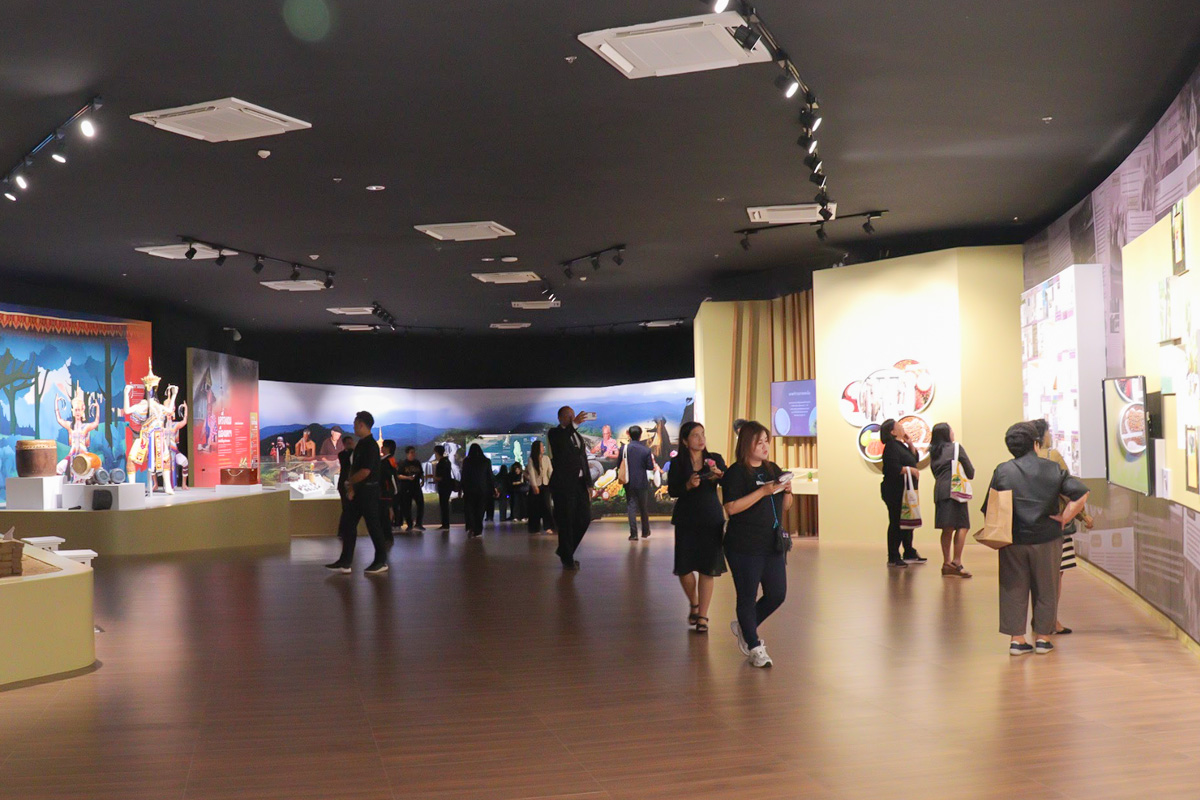
Walailak University provides free public access to exhibitions that share knowledge about local history, cultural heritage, and sustainable development with communities and the wider public. In 2025, the University participated in the “Tumpang and Nora” exhibition as part of the WALAILAK Nakhon Si SDG SERIES, organized by the Center for Academic Services. The exhibition was presented at the Baworn Nakhon Long Building in Mueang Nakhon Si Thammarat, providing members of the public with an opportunity to explore Walailak University’s research and activities related to the preservation and development of local cultural heritage.
The “Tumpang and Nora” exhibition presented two important aspects of Southern Thailand’s cultural heritage. One section highlighted the development of the Tumpang Archaeological Site as a living historical and archaeological learning resource. The exhibition demonstrated how modern technologies, including multimedia, augmented reality (AR), and virtual reality (VR), can be used to make archaeological knowledge more accessible, engaging, and relevant to young people and the general public.
Another section focused on Nora, a traditional performing art deeply rooted in Southern Thailand. The exhibition presented the University’s efforts to support the sustainable development of Nora through research, the creation of value within the creative economy, and opportunities to promote Southern Thai performing arts on international platforms. Through this approach, the exhibition connected cultural preservation with contemporary development and wider public engagement.
The exhibition also demonstrated how cultural resources can contribute to balanced social, economic, and environmental development. By connecting academic research with local heritage, modern technology, creative industries, and community knowledge, Walailak University continues to support the preservation, appreciation, and sustainable development of Southern Thailand’s cultural heritage while making these resources more accessible to the wider community.
Free Public Access to Galleries

Lecture Buildings and Galleries: Free Public Access to Art and Cultural Learning
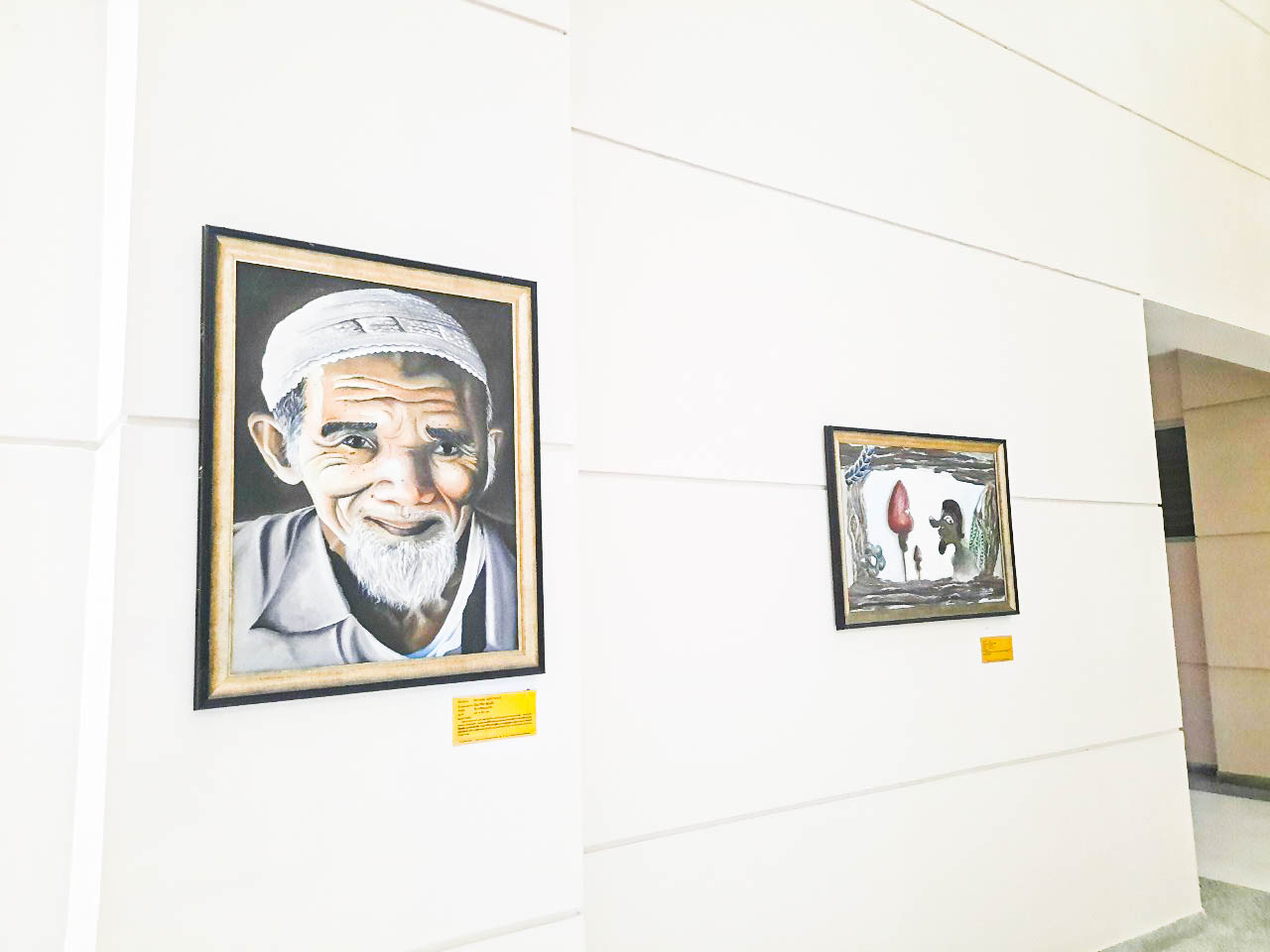
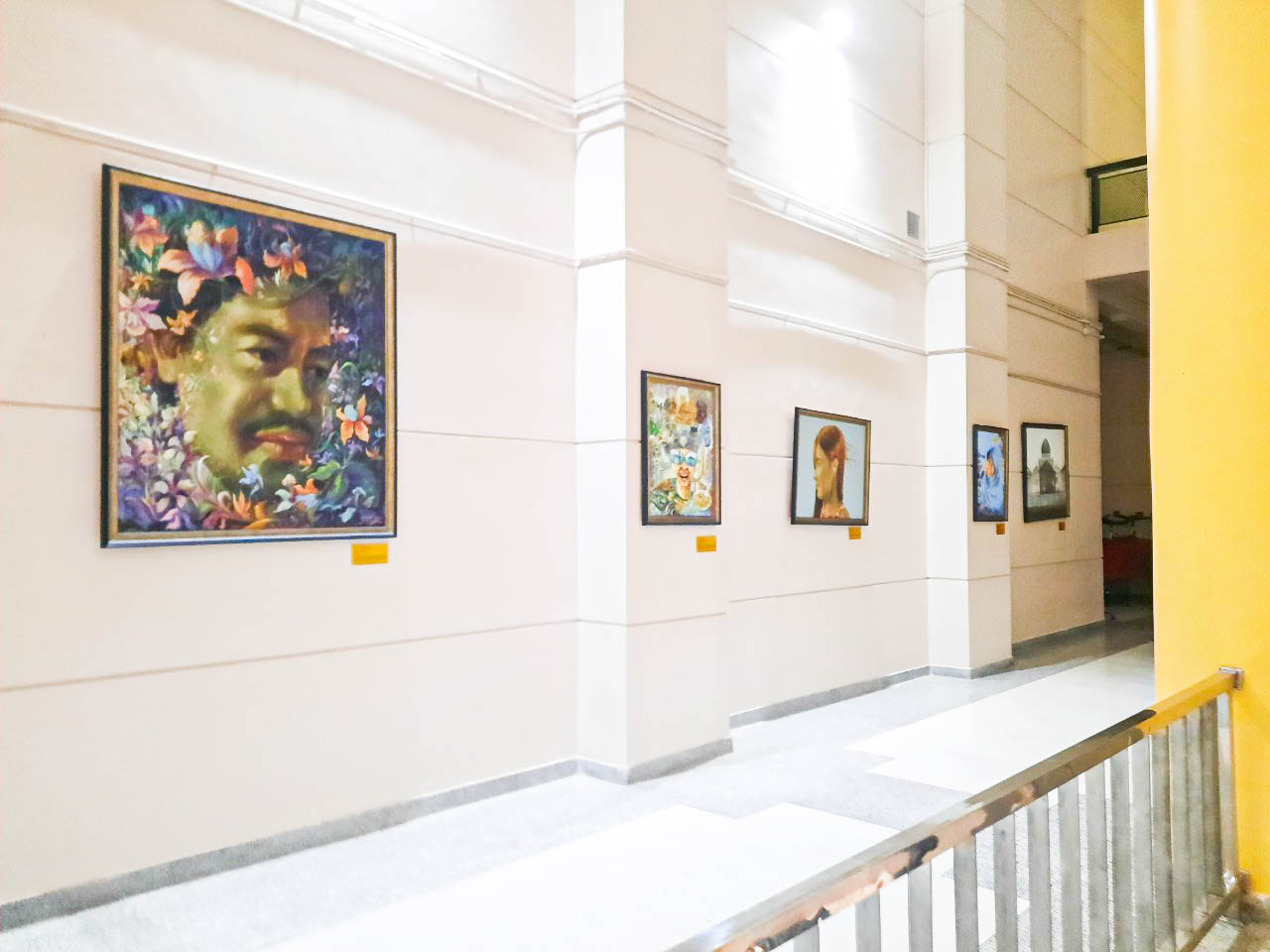
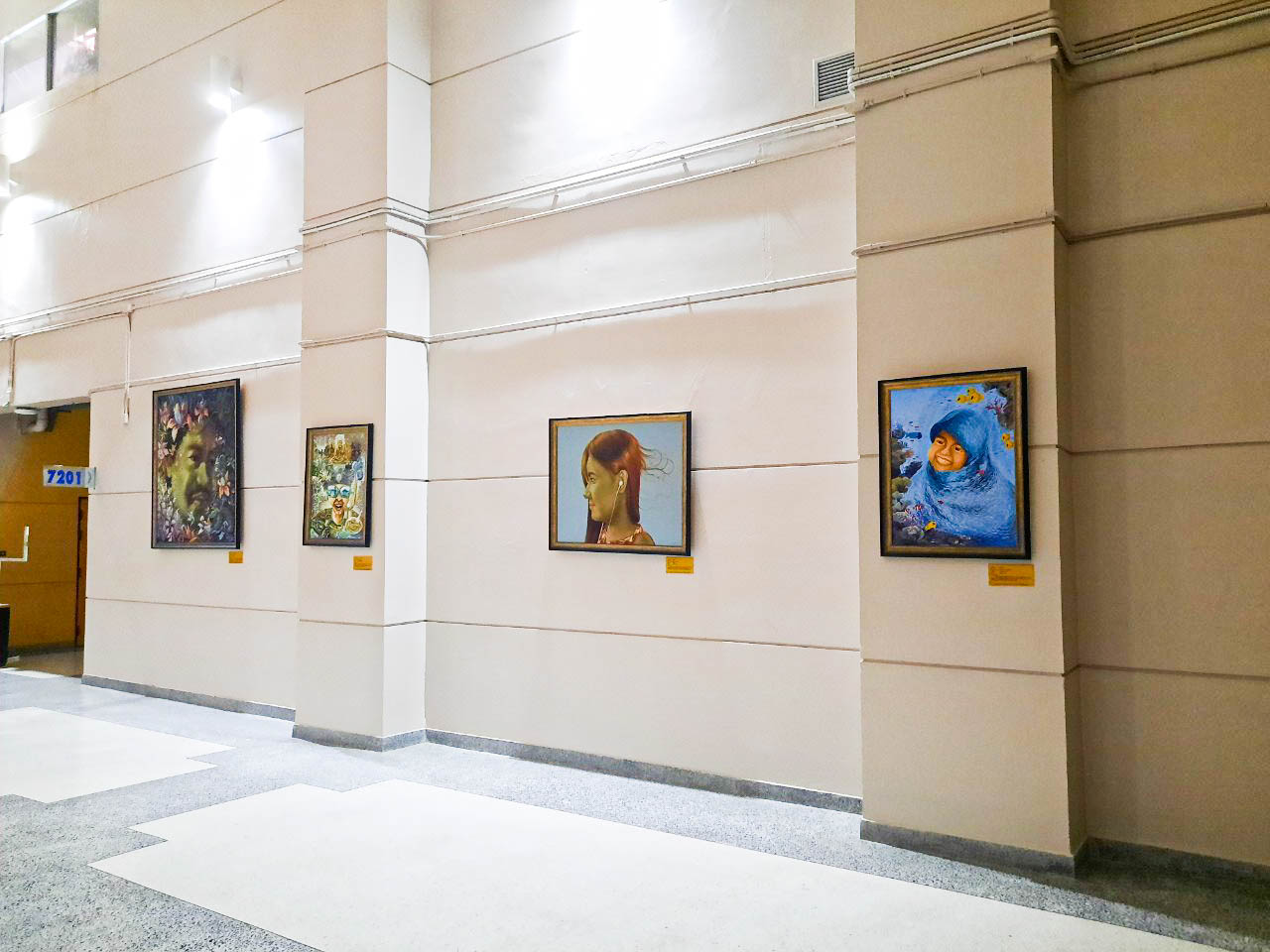
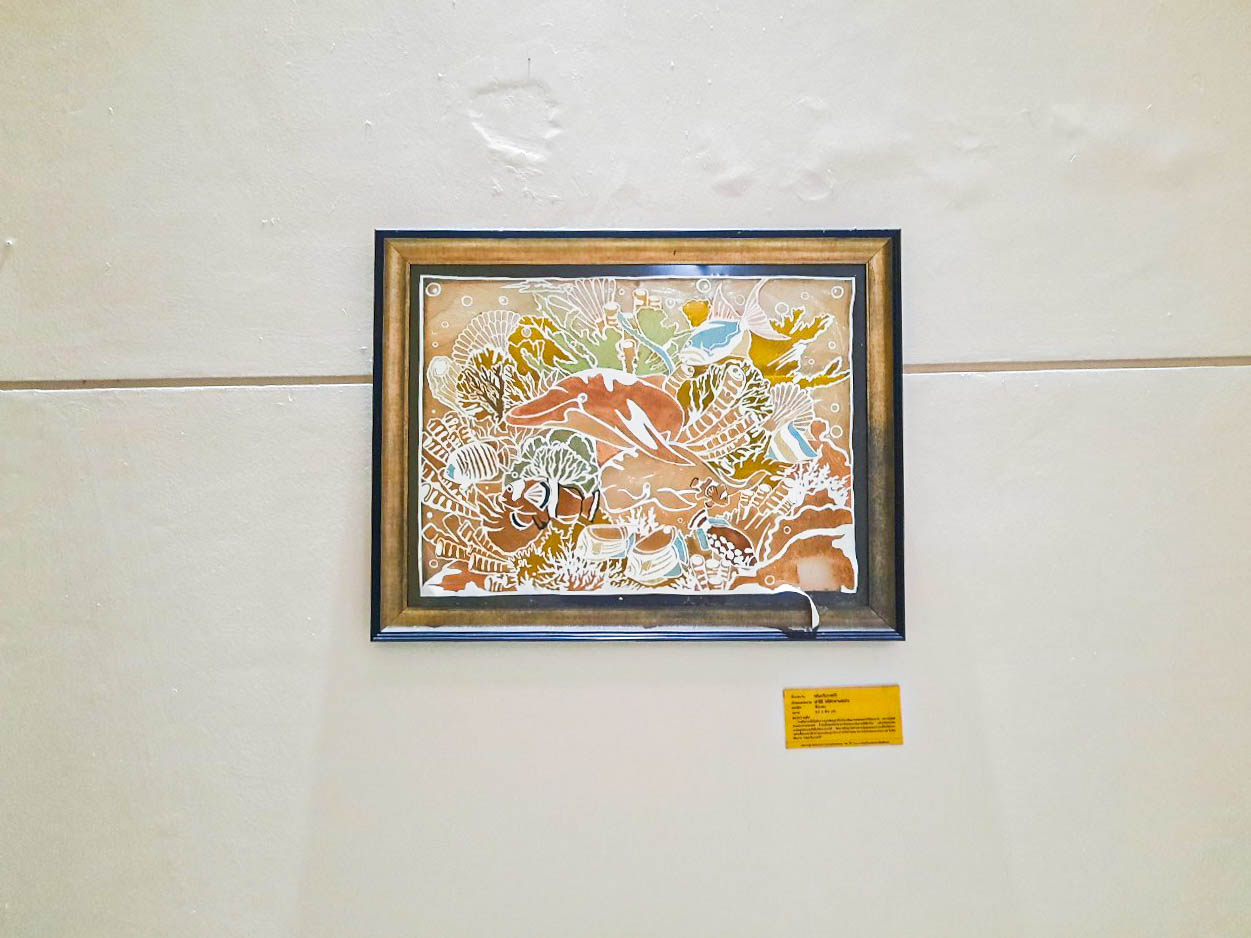
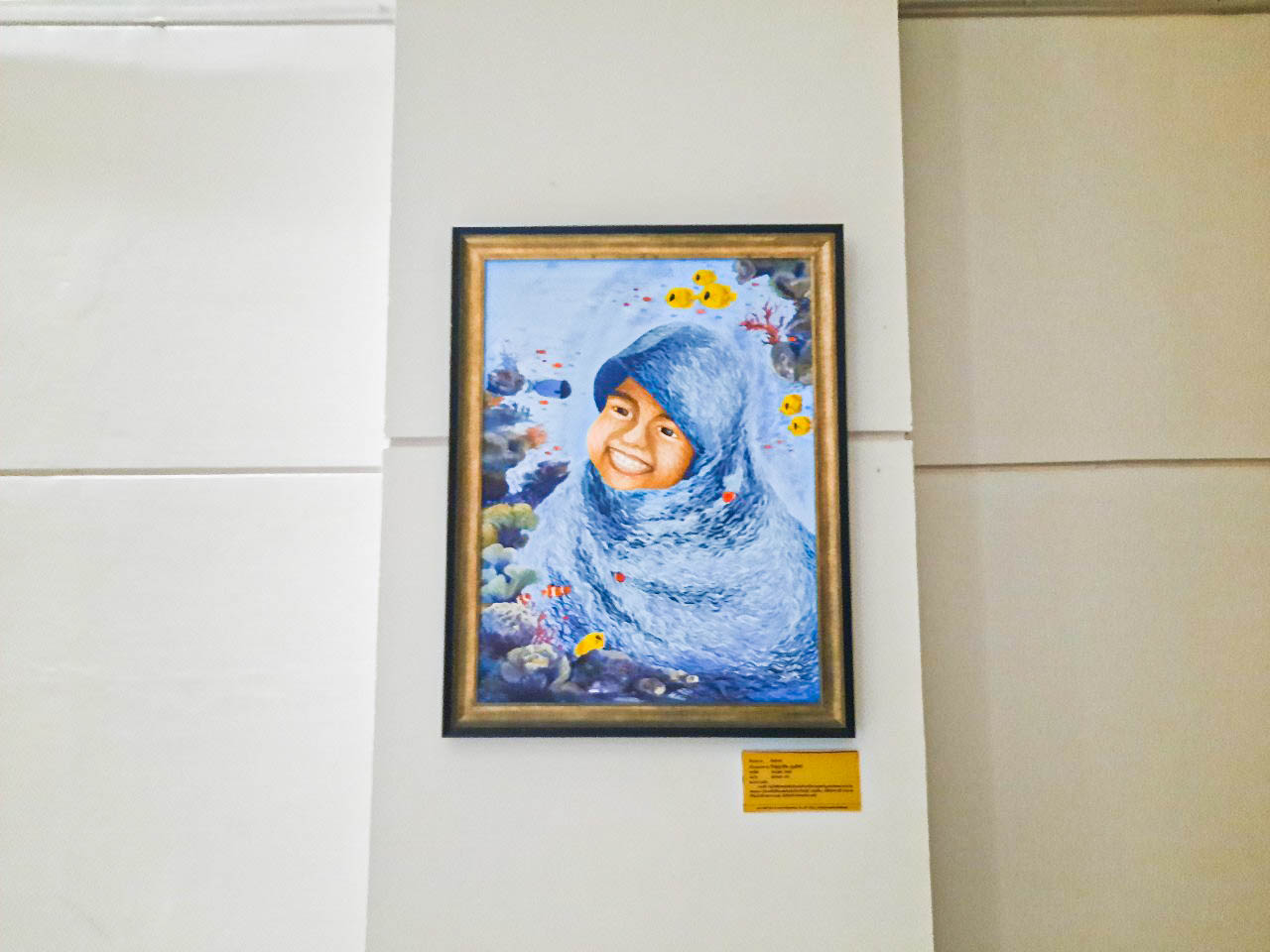
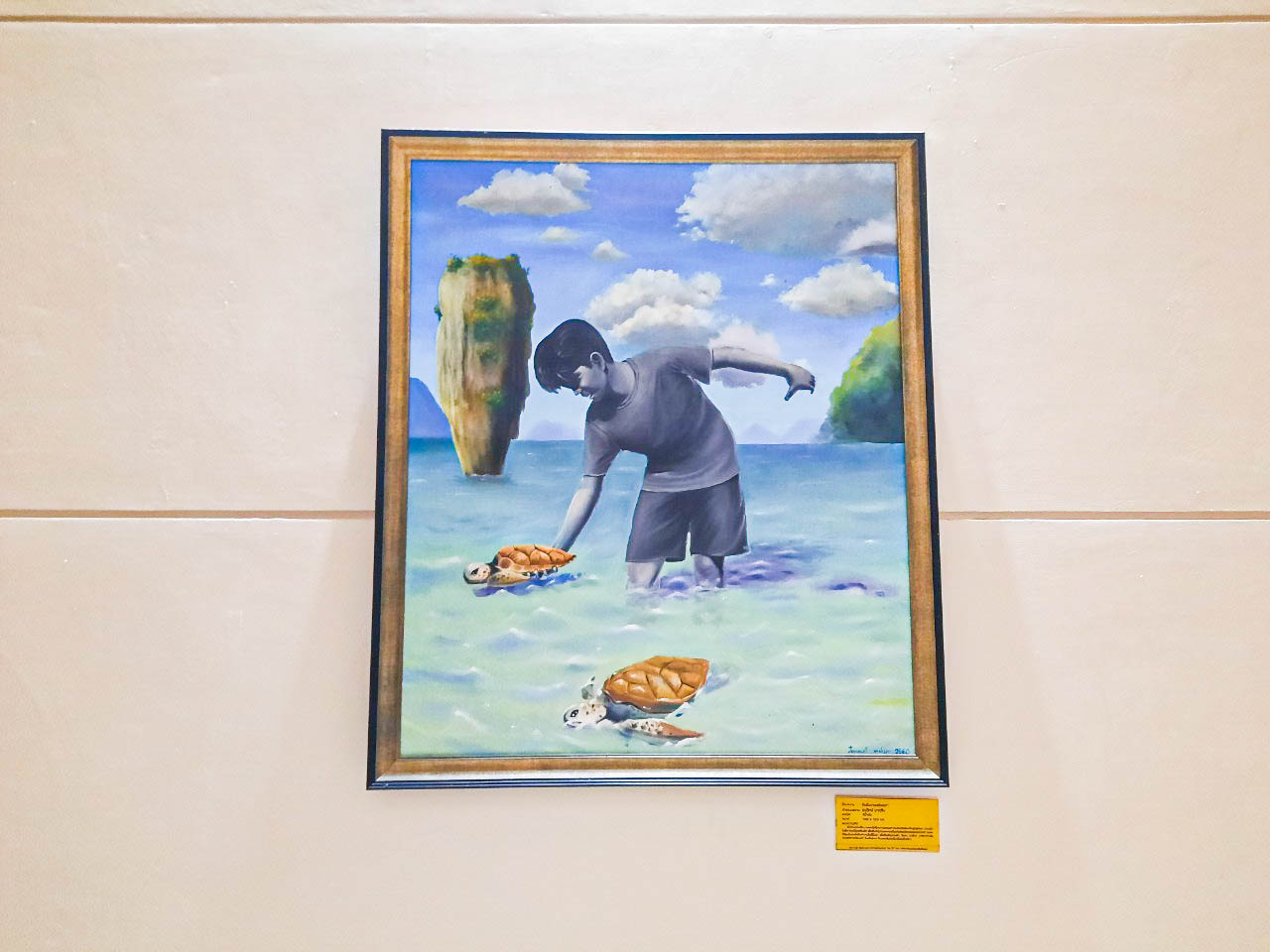
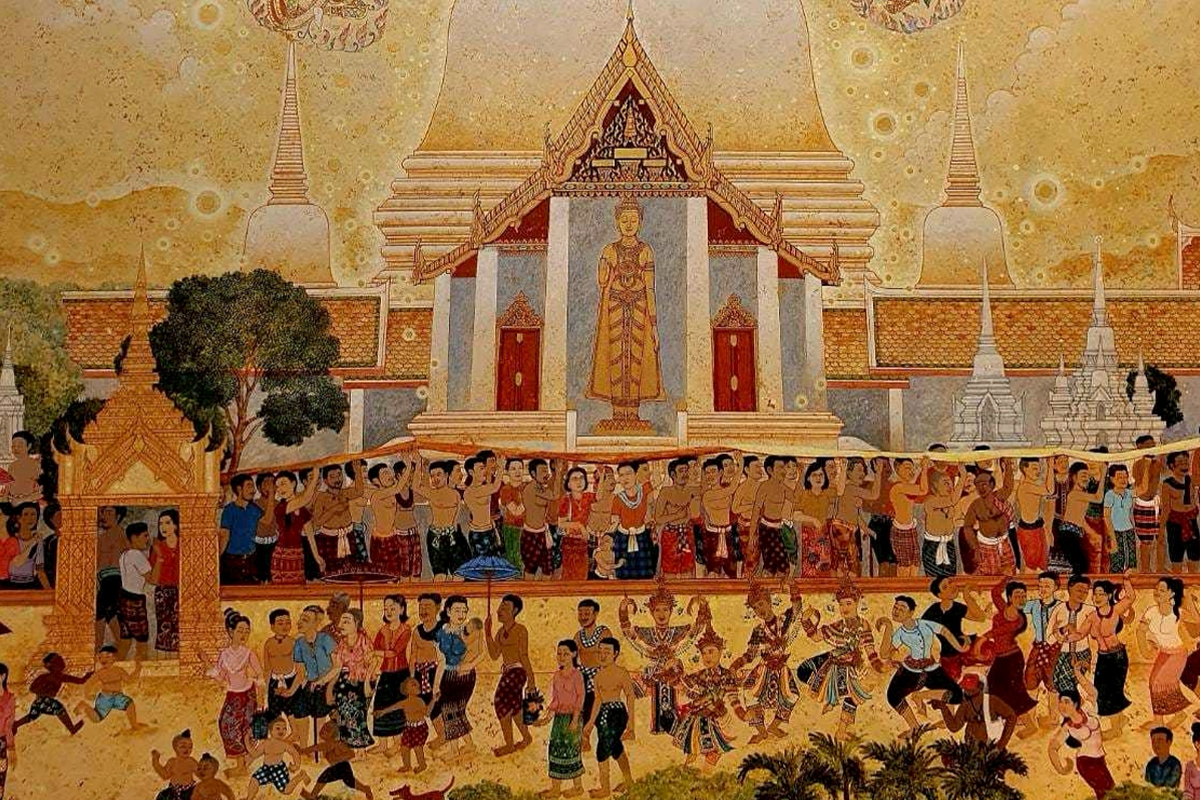
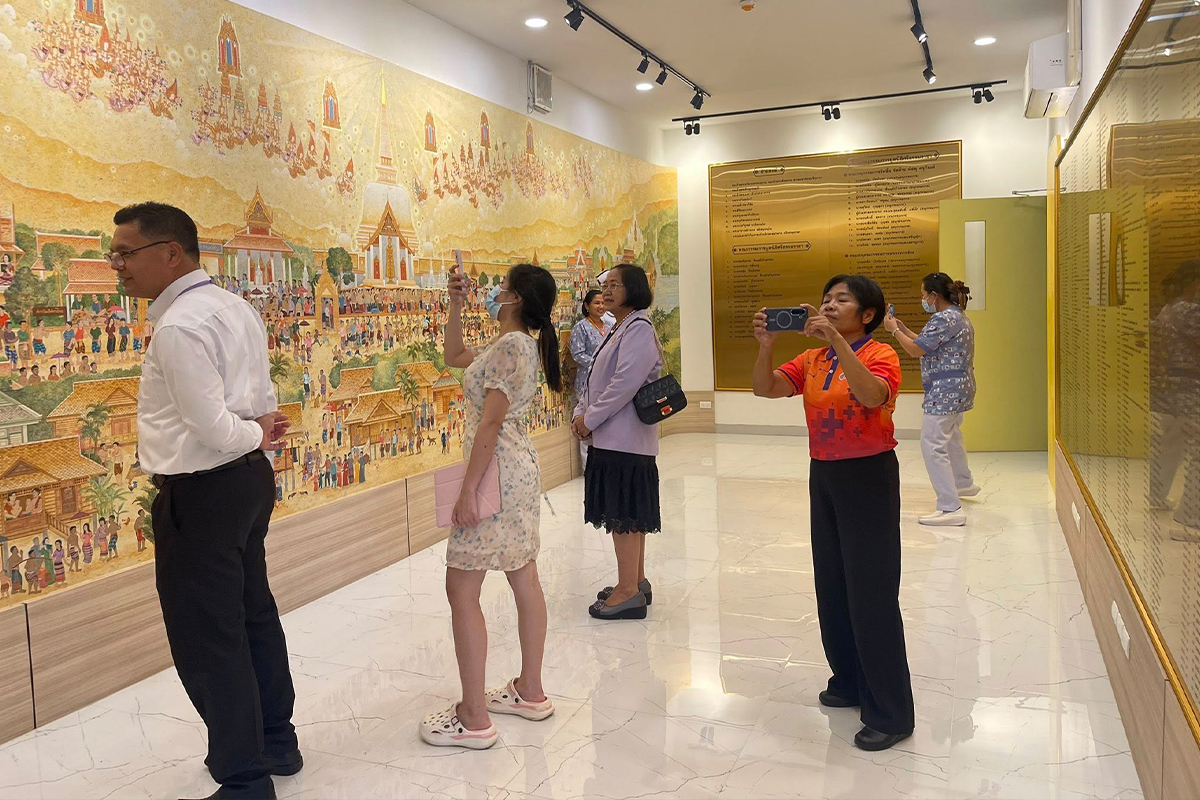
The lecture buildings at Walailak University feature vibrant artworks that reflect the cultural identity, history, and natural beauty of Nakhon Si Thammarat and Southern Thailand. Created by students through the Lae Tai Activity initiative, the paintings showcase distinctive aspects of Southern Thai culture, including traditional architecture, local customs, ways of life, and the region’s natural environment.
Selected winning artworks from the student competition have been installed permanently within the University’s academic buildings, allowing students, university personnel, and visitors to experience and appreciate these works as part of their everyday surroundings. By making these artworks freely accessible, Walailak University integrates art and cultural heritage into public learning spaces while providing opportunities for the wider community to engage with and appreciate Southern Thai identity.
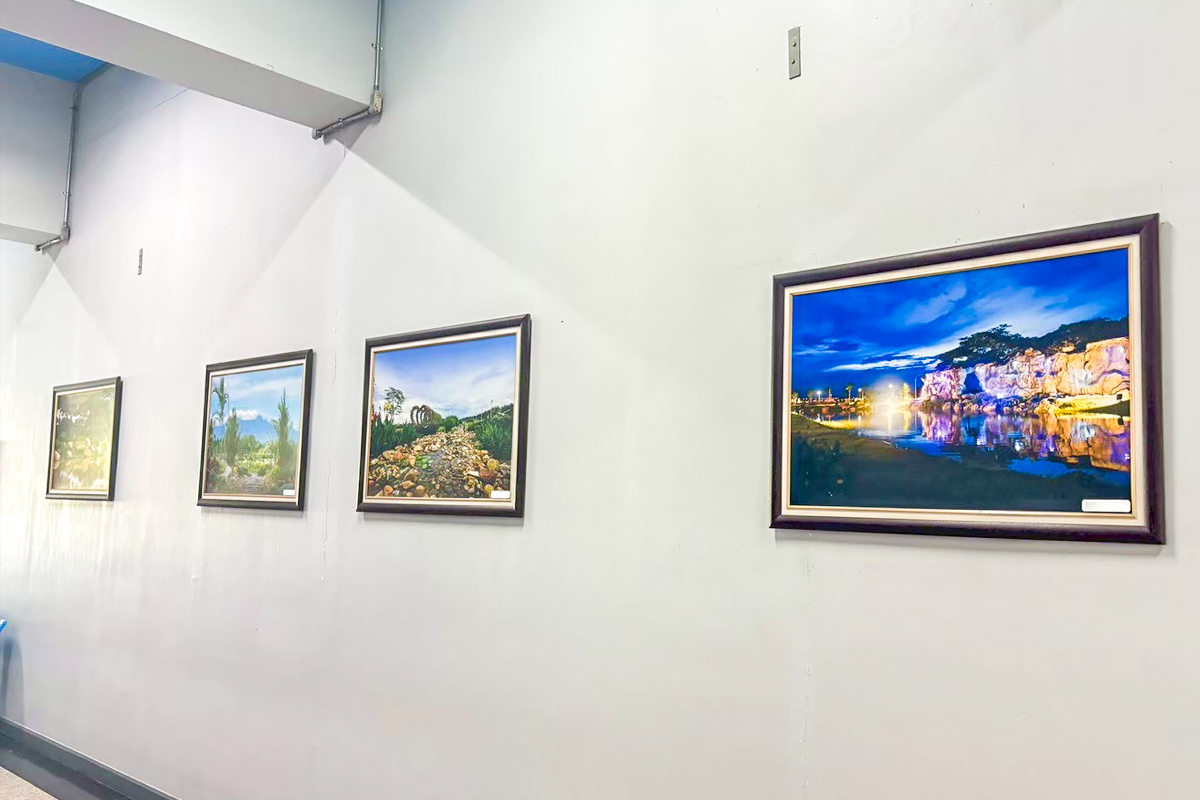
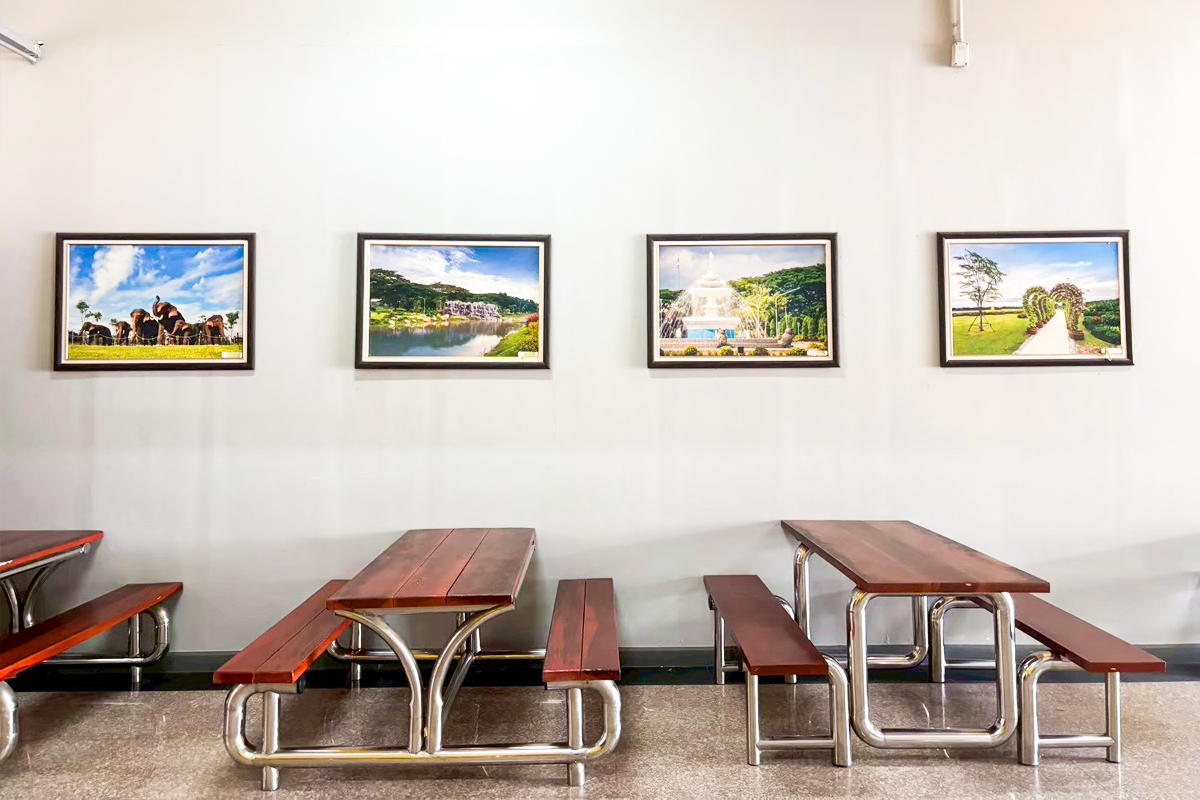
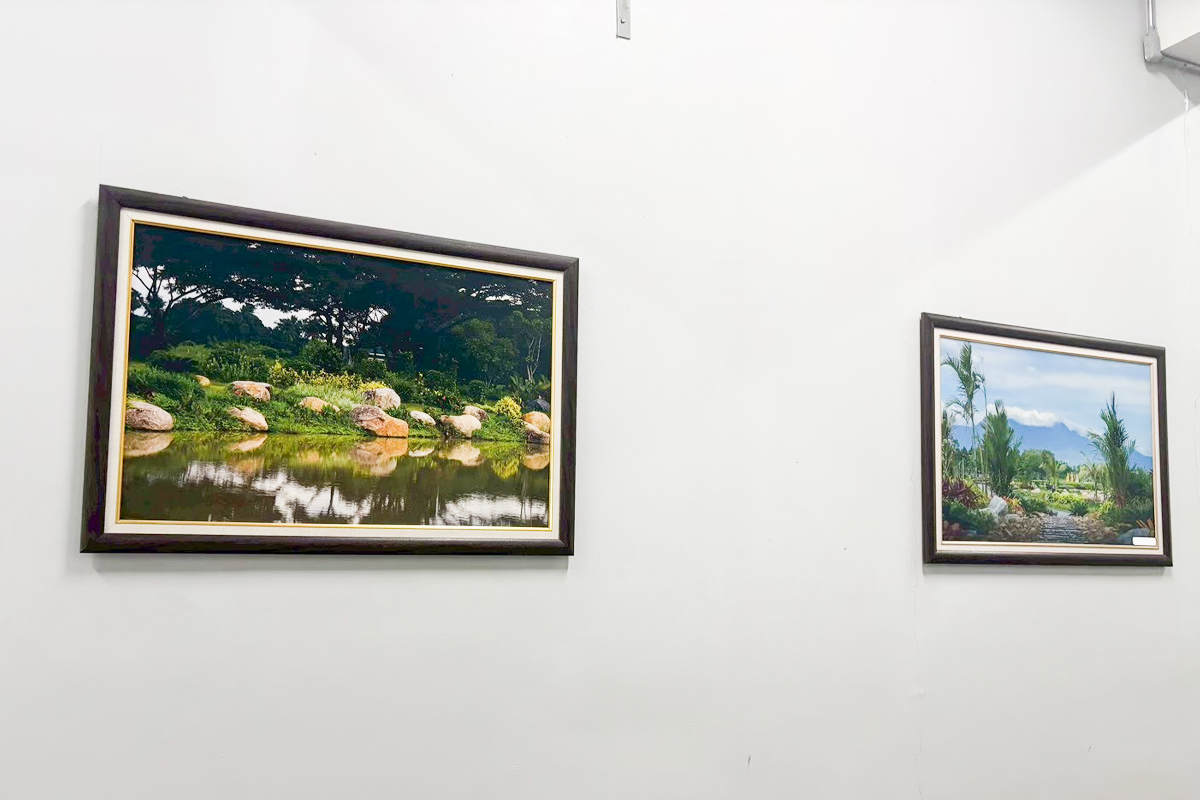
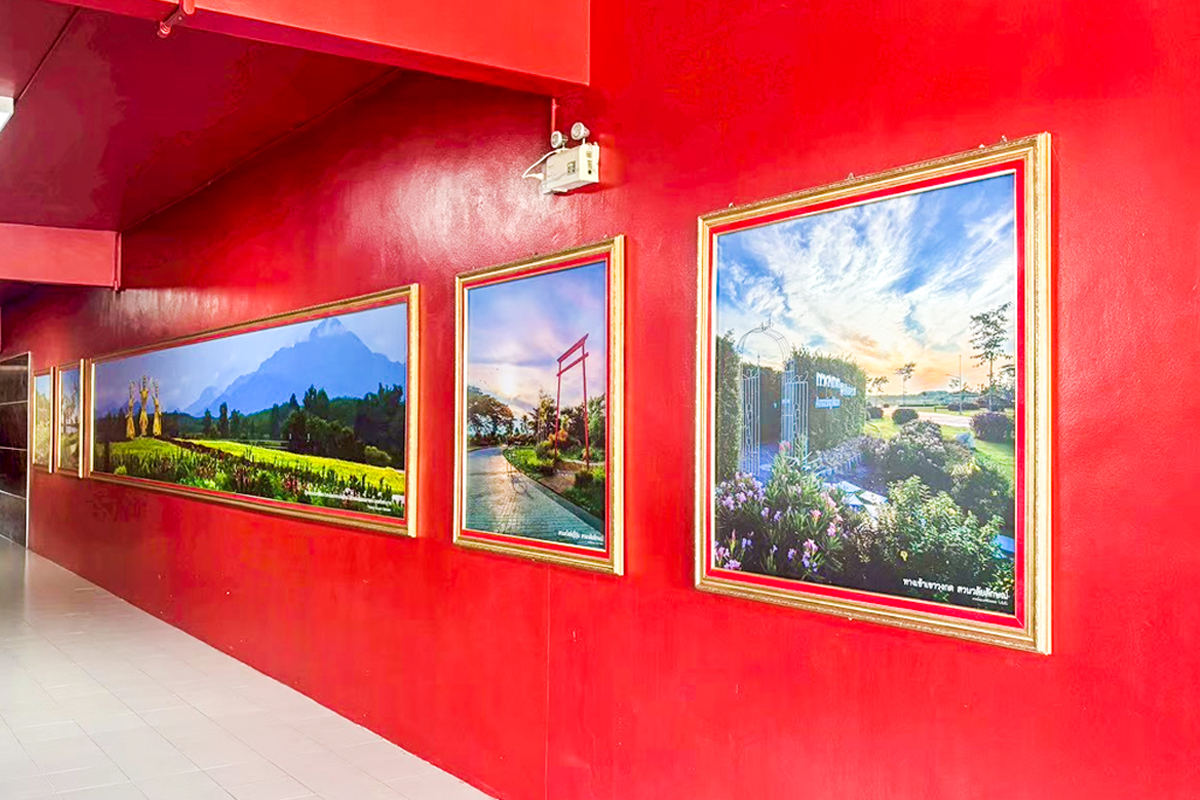
The academic building housing the University’s galleries has also been developed as a Sustainable Art and Cultural Learning Space. The galleries serve as creative and educational spaces for displaying paintings and other artistic works that explore sustainability, cultural heritage, and environmental awareness. The space is open to the public free of charge, welcoming students, university personnel, and visitors to explore and learn through artistic expression.
Through the integration of art, culture, and sustainability, the galleries encourage visitors to consider the relationships between creative expression, cultural preservation, natural resource conservation, and environmental sustainability. Art is used not only as a form of visual expression but also as a medium for communicating knowledge and encouraging greater appreciation of local heritage and sustainable development.
According to current operational data, the galleries attract more than 4,500 visitors annually, including students, academic staff, and members of the general public. High levels of visitor satisfaction further demonstrate the galleries’ role as accessible cultural and educational spaces. By providing free access to artworks and exhibitions, Walailak University extends learning beyond conventional classrooms and creates opportunities for society to engage with art, cultural heritage, environmental awareness, and sustainable learning.
AD Building Gallery: Free Public Access to Art, Architecture, and Sustainable Design
The Architecture and Design (AD) Building at Walailak University features a gallery that presents artistic and architectural perspectives of the University’s campus. The gallery showcases drawings created by Walailak University students and other contributors, alongside visual works depicting distinctive landscapes, buildings, and spaces across the campus.
Designed as an open and creative learning space, the gallery features exhibitions of paintings, photographs, drawings, and mixed-media artworks that document and interpret significant areas of Walailak University. These include green spaces, water bodies, architectural structures, and other elements that demonstrate the principles of sustainable design and architectural heritage conservation.
The gallery also functions as a Sustainable Art and Environmental Learning Space that is freely accessible to students, academic staff, university personnel, community members, and other visitors. Through the integration of art, architecture, and environmental perspectives, the space provides opportunities for visitors to explore how the built environment and natural landscape can be conserved and developed in a sustainable manner.
By presenting the University’s landscapes and architectural features through artistic expression, the gallery encourages visitors to recognize the environmental, cultural, and educational value of the campus. It also demonstrates how architectural spaces can be transformed into accessible learning environments where the public can engage with knowledge about sustainability, environmental conservation, and architectural heritage without financial barriers.
According to operational data, the Landscape Gallery, which presents key sites and landscapes within Walailak University, attracts more than 500 visitors annually, including students, academic personnel, and members of the general public. The level of public engagement reflects the gallery’s role in promoting artistic and cultural learning, strengthening environmental awareness, and providing an accessible space for lifelong learning through art, architecture, and sustainable design.
Walailak University Hospital Gallery: Free Public Access to Art and Well-Being
The gallery at Walailak University Hospital provides a welcoming cultural and artistic space within an environment dedicated to healthcare and public service. Freely accessible to patients, their families, university personnel, students, and members of the public, the gallery integrates art into the hospital environment and provides opportunities for visitors to experience creativity and cultural expression during their time at the University Hospital.
The gallery features a range of artworks that invite visitors to pause, reflect, and engage with different perspectives expressed through visual art. Paintings depicting nature, landscapes, and everyday experiences, together with sculptures and other artistic works, create a calm and visually engaging environment within the hospital.
By making artworks accessible in a healthcare setting, the gallery demonstrates how cultural spaces can contribute to a more welcoming and inclusive public environment. Art provides opportunities for personal reflection and appreciation while connecting cultural expression with themes of health, well-being, nature, and human experience.
The gallery also extends Walailak University’s commitment to making art and cultural resources accessible beyond conventional exhibition venues. By integrating artistic works into a public healthcare facility, the University creates an accessible space where patients, families, staff, students, and community members can engage with art as part of their everyday environment.
Through the free public access provided by the Walailak University Hospital Gallery, the University supports lifelong learning, cultural participation, and the integration of art into public spaces. The gallery demonstrates how healthcare and cultural environments can coexist to create spaces that support learning, reflection, and well-being for the wider community.
Memorial Exhibition: Free Public Access to Royal History and Cultural Heritage
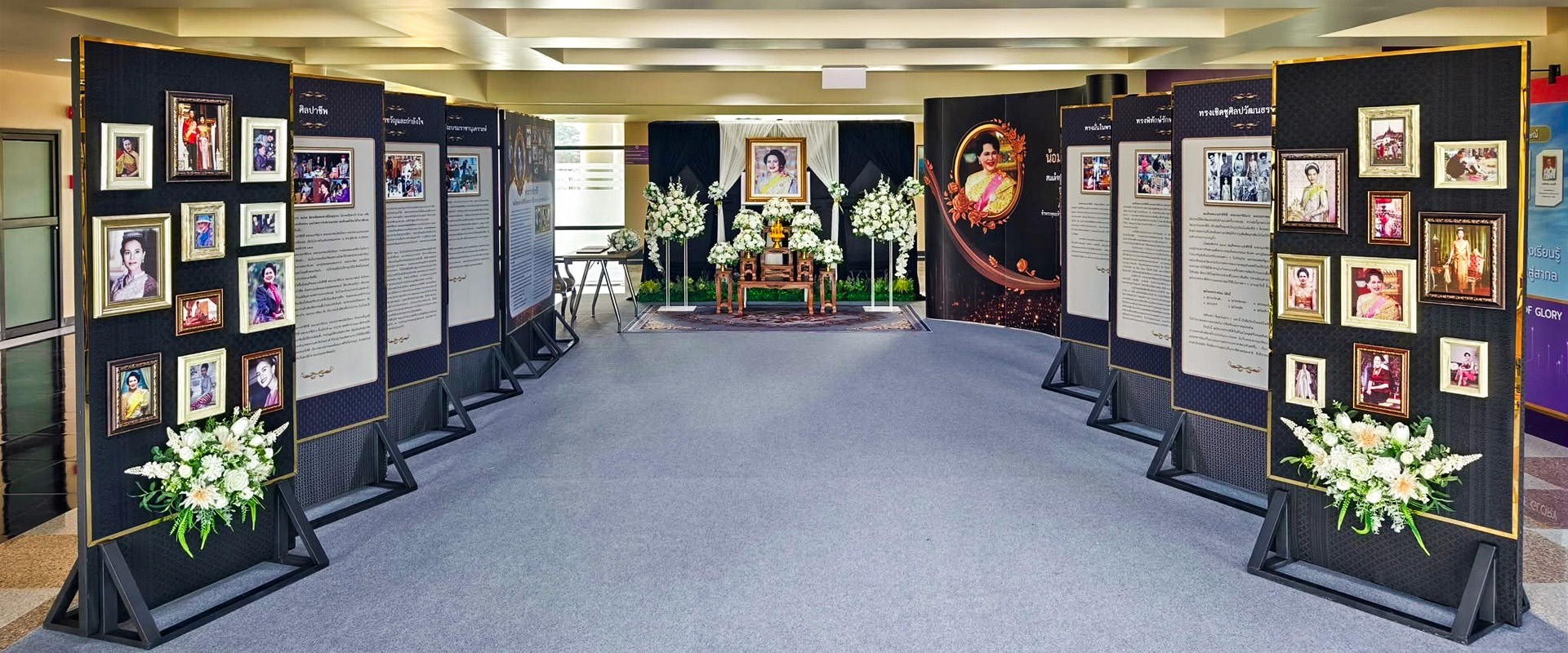
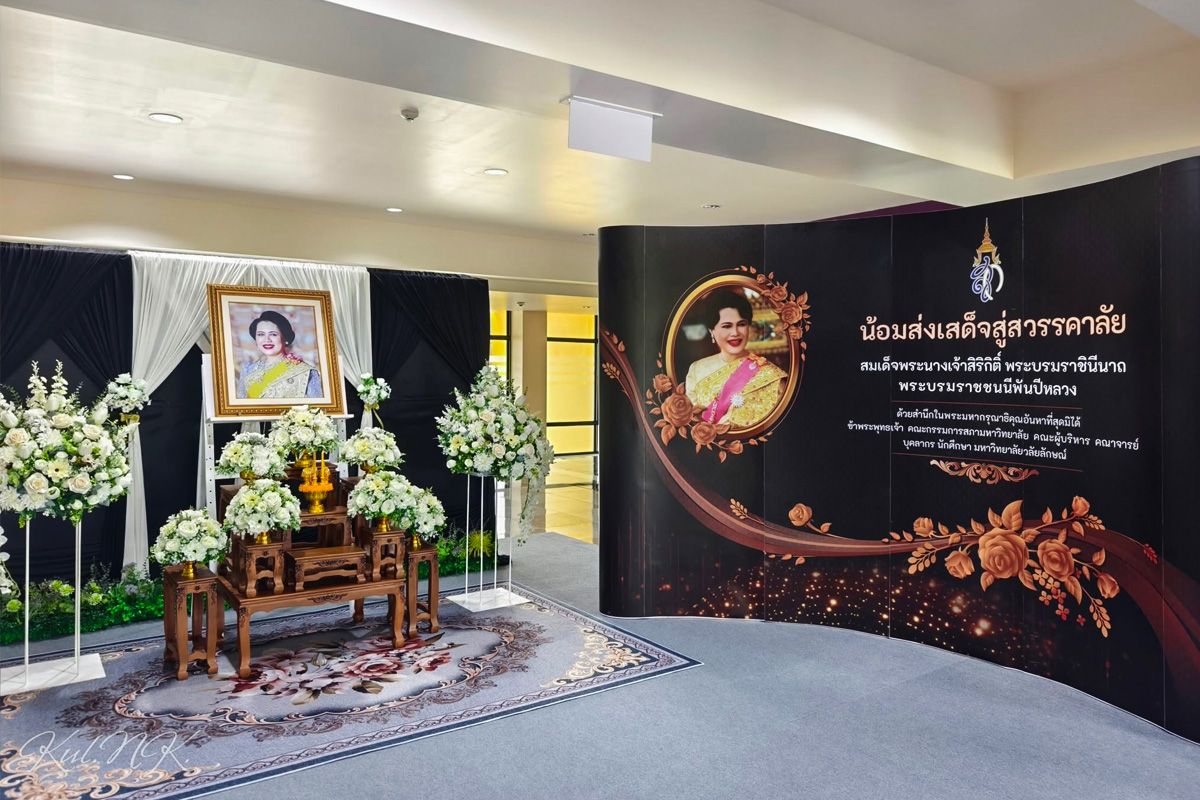
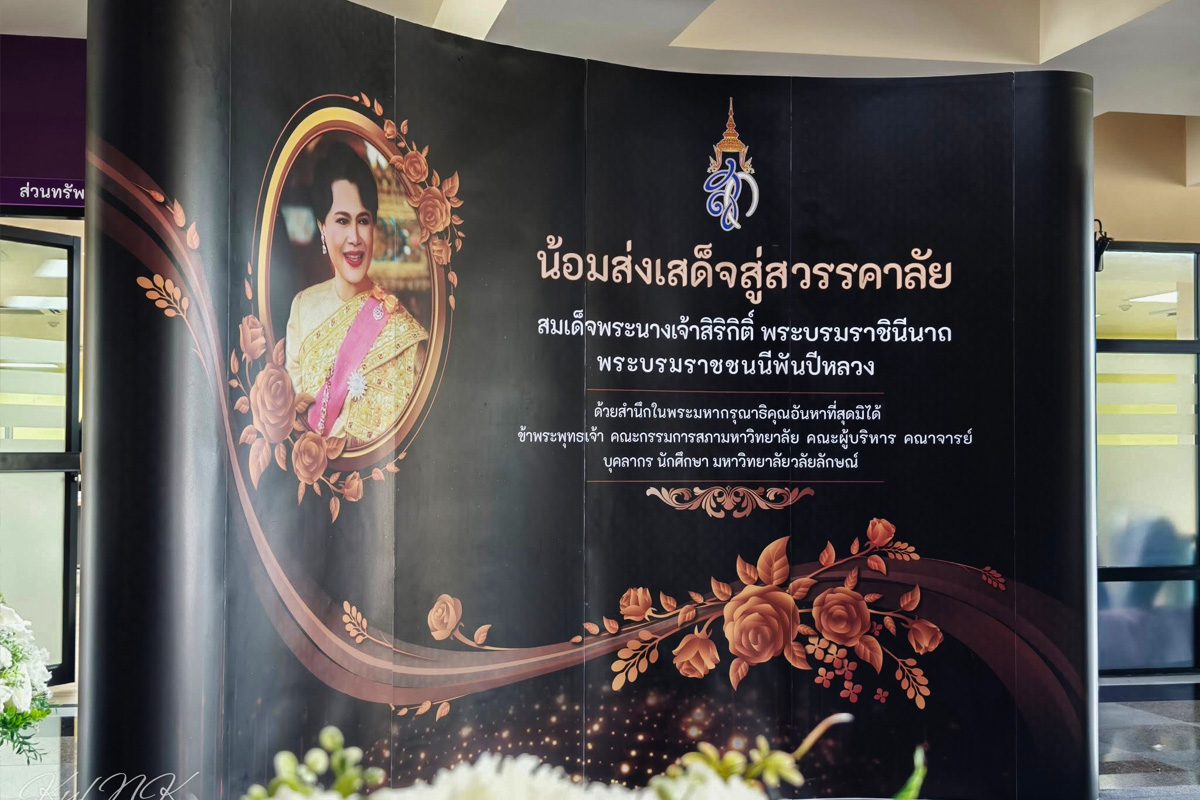
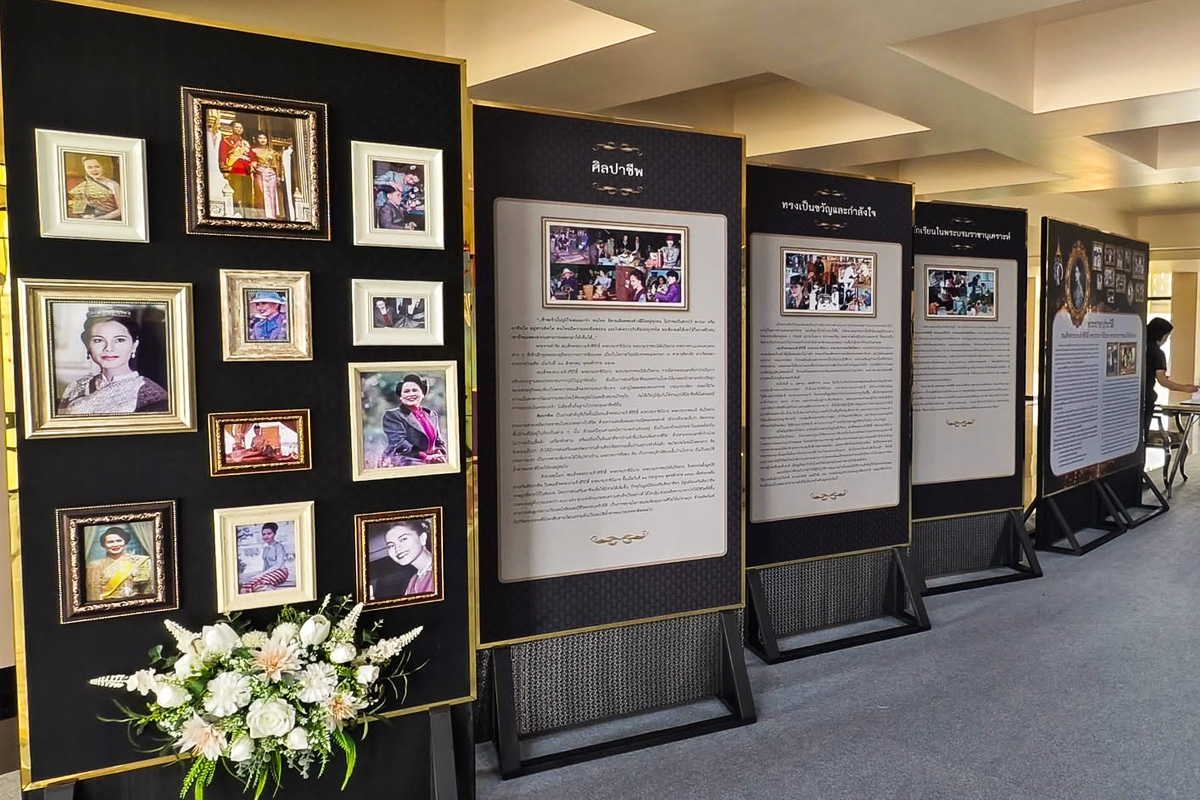
Walailak University provided free public access to a memorial exhibition honoring Her Majesty Queen Sirikit, The Queen Mother, located in the WU Administrative Building. The exhibition presented a collection of royal portraits, biographical information, and significant royal duties and contributions, providing members of the public with an opportunity to learn about her life, work, and contributions to Thai society and cultural heritage.
The exhibition served as an accessible educational space where university personnel, students, and members of the public could explore historical information and learn about important aspects of Thailand’s modern history and royal heritage. By presenting photographs, biographical materials, and information on significant royal initiatives, the exhibition helped make historical and cultural knowledge accessible to visitors in an engaging and respectful setting.
In addition to the exhibition, the University provided a condolence book for university personnel, students, and members of the public to express their condolences and pay their respects. This provided an inclusive space for members of the University and wider community to participate collectively and engage with an important moment in Thailand’s cultural and social history.
Through free public access to the exhibition and related activities, Walailak University supported public learning, cultural participation, and the preservation of historical memory. The initiative reflects the University’s role in providing accessible cultural resources and creating spaces where students, personnel, and the wider community can learn, reflect, and participate together.
Free Public Access to Works of Art and Artefacts

Maniq Ethnic Museum: Free Public Access to Ethnic Heritage and Cultural Learning
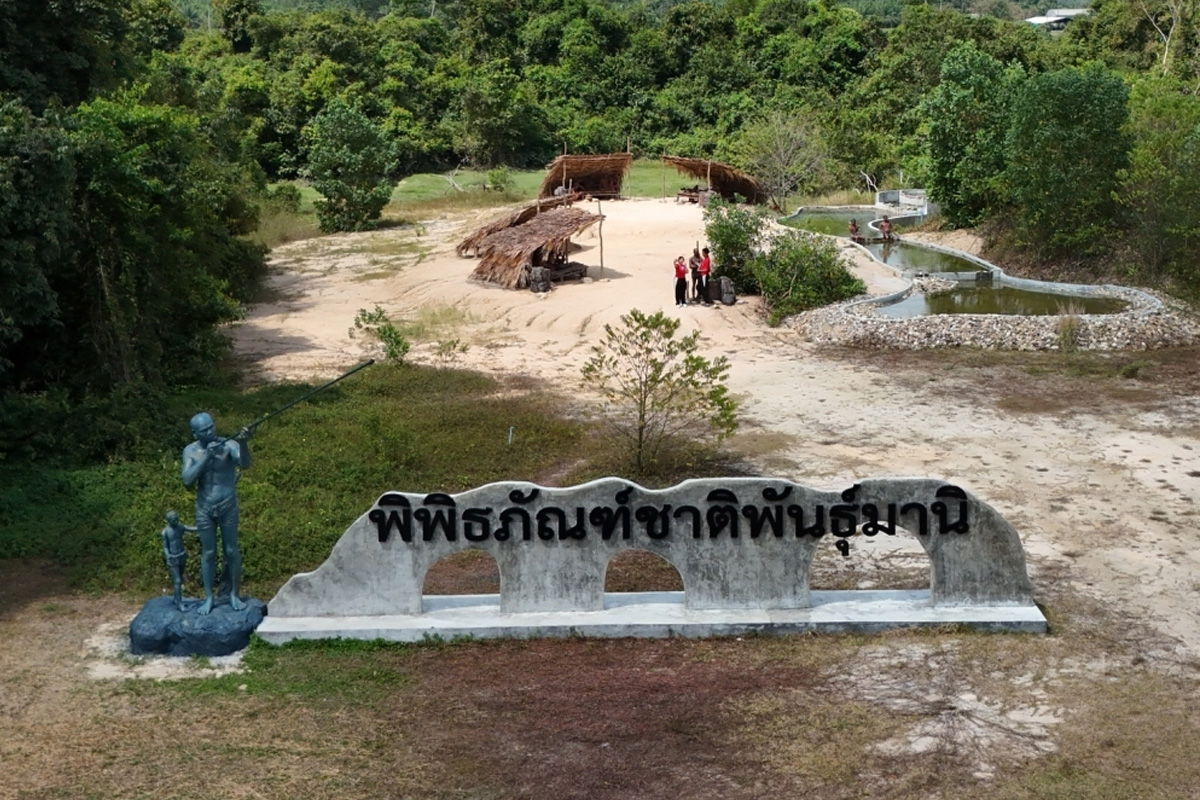
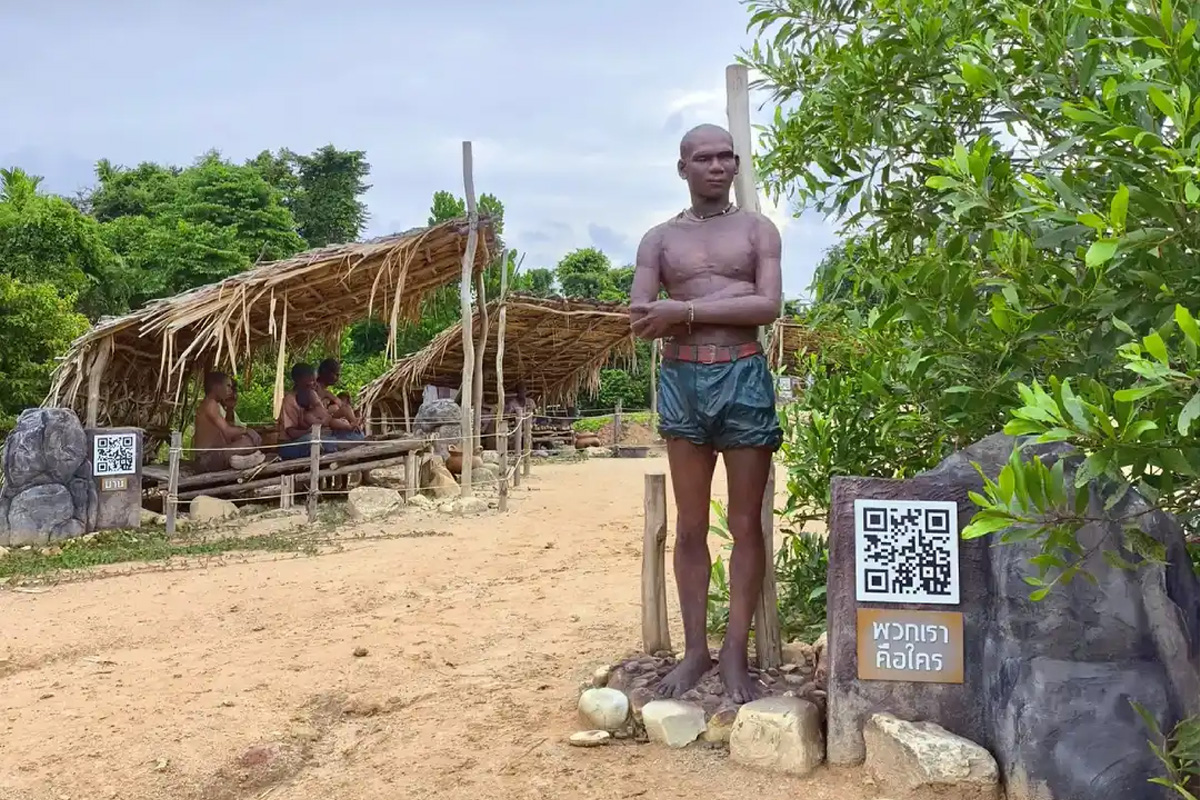
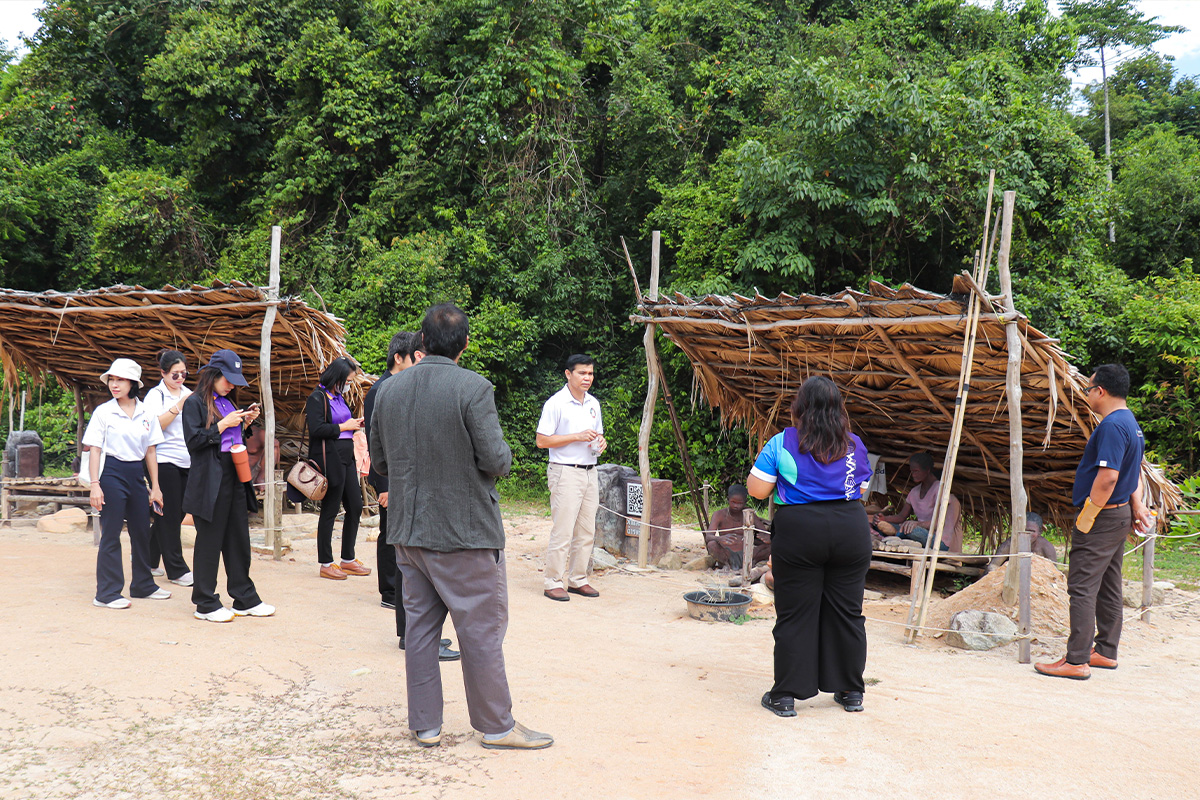
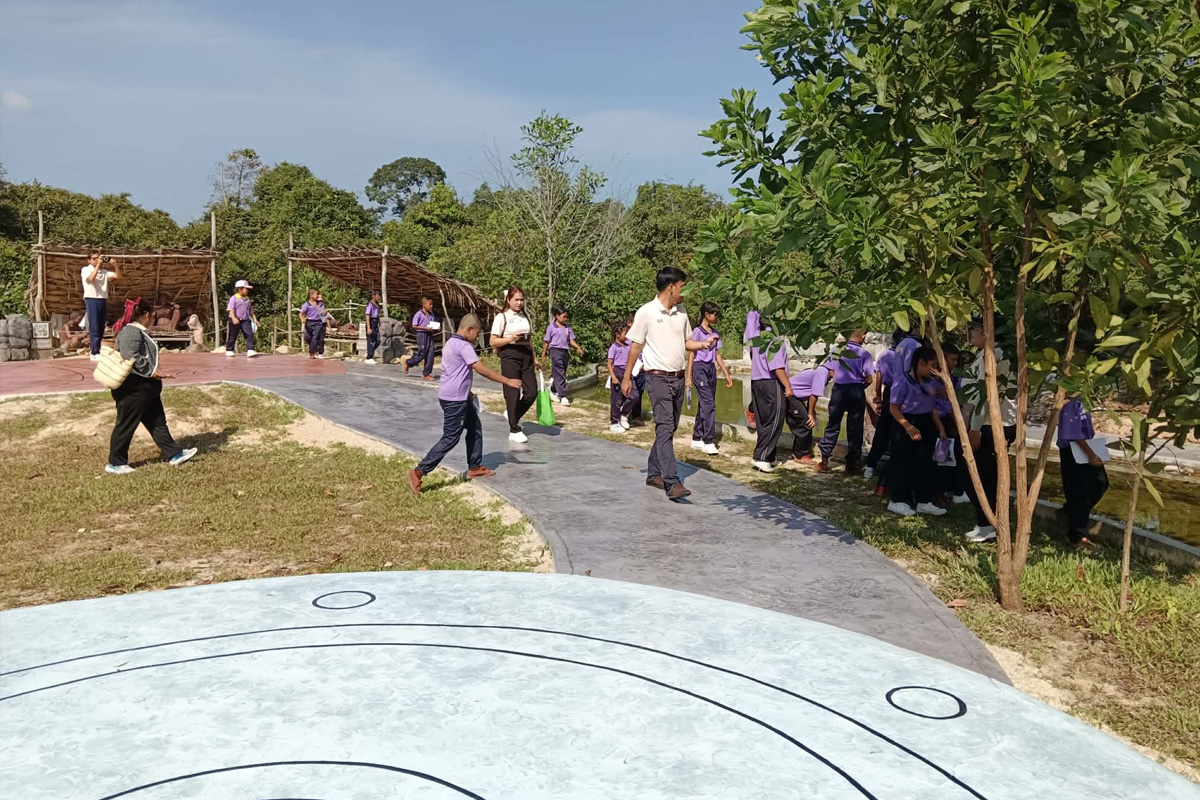
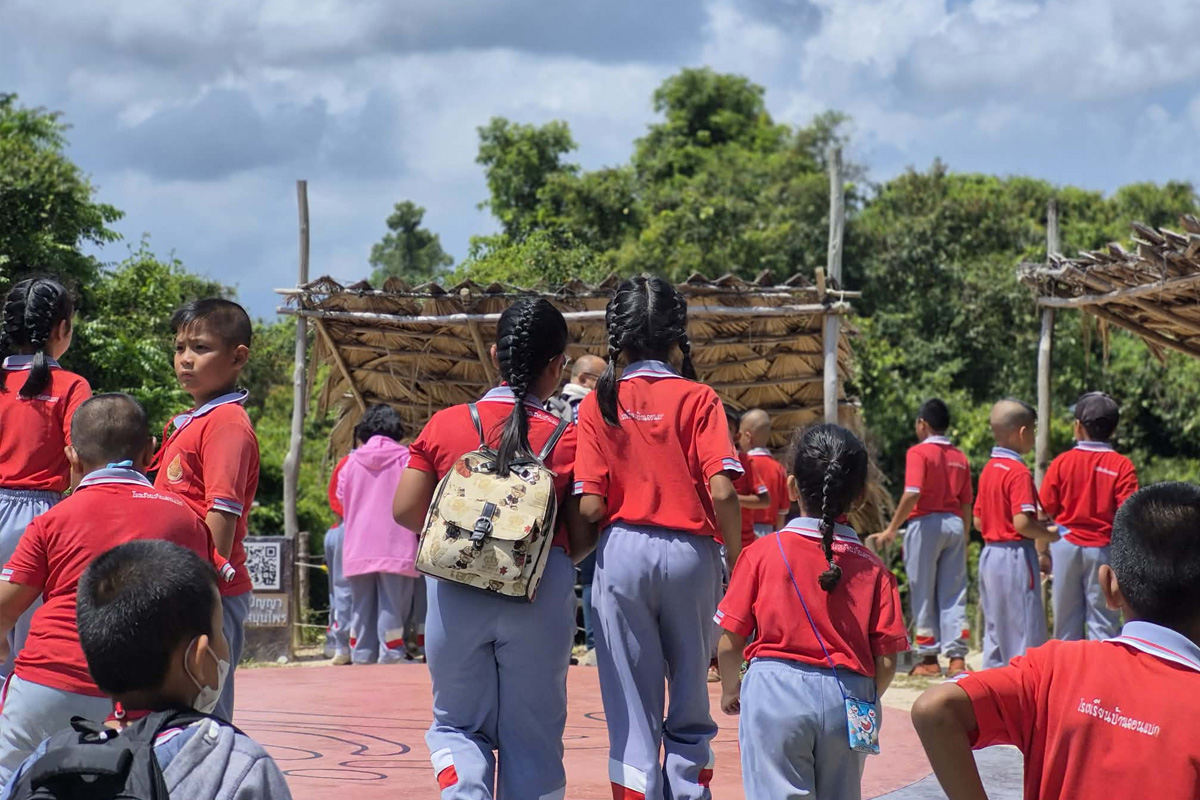
Walailak University established the Maniq Ethnic Museum as an important public learning center and experiential space dedicated to promoting awareness and understanding of the Maniq ethnic group in Southern Thailand. The museum provides free access to the public, allowing students, researchers, local communities, and visitors to explore the cultural heritage, traditional knowledge, and ways of life of the Maniq people.
The museum highlights the unique relationship between the Maniq people and the forest ecosystem. Visitors can learn about traditional subsistence practices, including hunting, foraging, the use of herbal medicine, and the creation and use of simple tools for everyday life. These practices demonstrate traditional knowledge developed through generations of interaction with and adaptation to the natural environment, reflecting ways of living that emphasize the relationship between people, culture, and nature.
The museum also features statues and sculptures depicting Maniq people, their daily activities, traditional ways of life, and cultural practices. These visual and three-dimensional displays provide visitors with an accessible and engaging way to understand Maniq culture and complement the museum’s educational information and exhibits. By allowing the public to observe these representations alongside other learning materials, the museum creates an experiential environment where cultural knowledge can be explored through both visual and educational resources.
The museum includes five learning stations on Maniq cultural heritage:
- Learning Station 1: “Understanding the Maniq Ethnic Group in Southern Thailand” – introduces the history, identity, and cultural characteristics of the Maniq people and their relationship with the forests of Southern Thailand.
- Learning Station 2: “The Houses of the Maniq” – presents traditional shelters and explains how the Maniq adapt their living spaces to their environment and way of life.
- Learning Station 3: “The Livelihoods of the Maniq” – explores traditional hunting, foraging, tool use, and other subsistence practices that support life within the forest ecosystem.
- Learning Station 4: “Herbal Medicine and Health Care Practices of the Maniq” – introduces traditional knowledge of medicinal plants and health-care practices developed through generations of experience with the natural environment.
- Learning Station 5: “The Beliefs and Rituals of the Maniq Ethnic Group” – presents traditional beliefs, rituals, and cultural practices that contribute to the identity and continuity of Maniq heritage.
Through the museum, Walailak University supports the preservation, documentation, and transmission of Maniq cultural heritage while making knowledge about the community accessible to wider society. The museum demonstrates how museums can serve not only as places for preserving cultural heritage but also as open learning environments that promote cultural understanding, respect for diversity, and lifelong learning.
Free Public Access to Architecture, Art, and Design Learning at AD Building
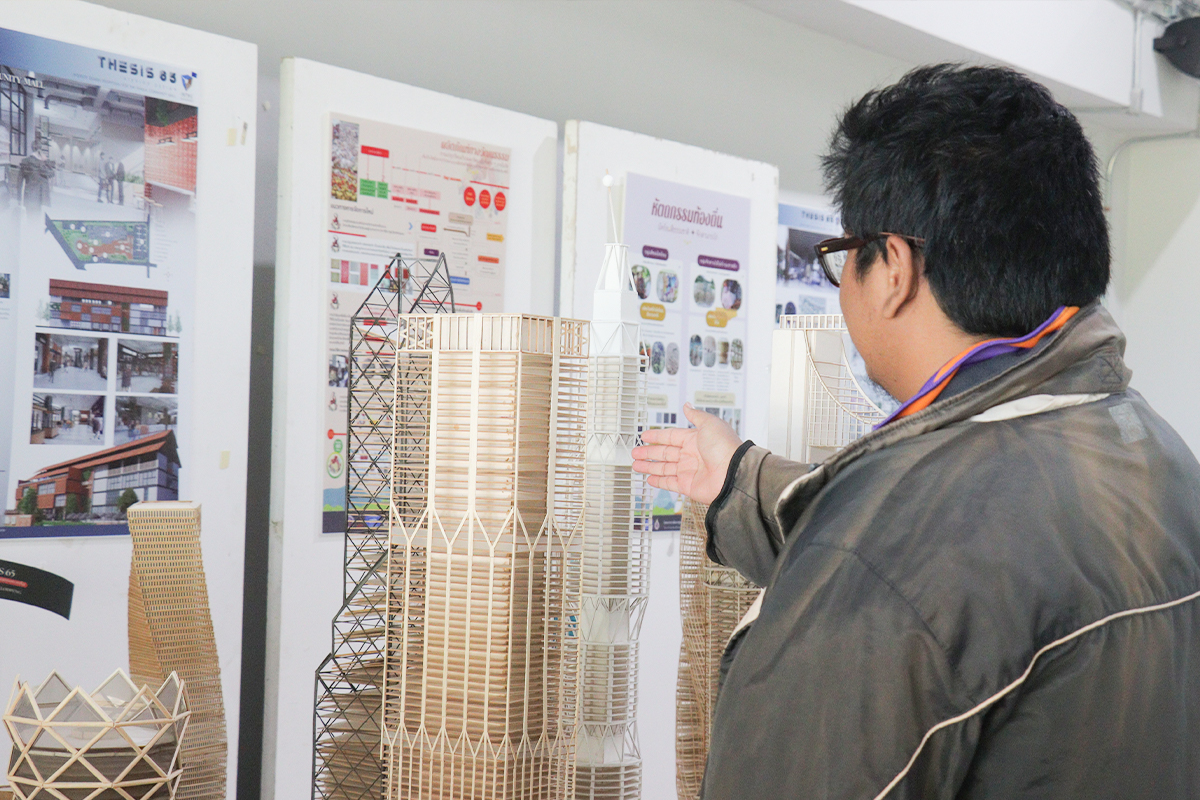
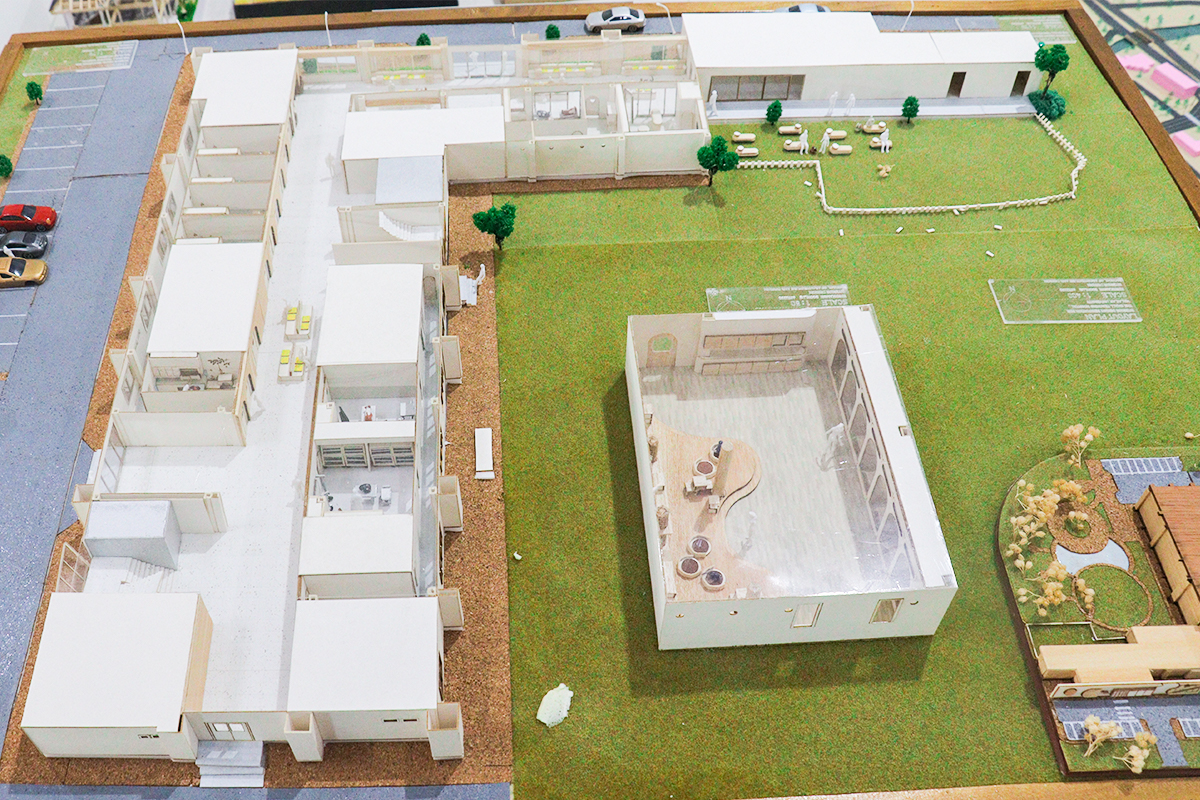
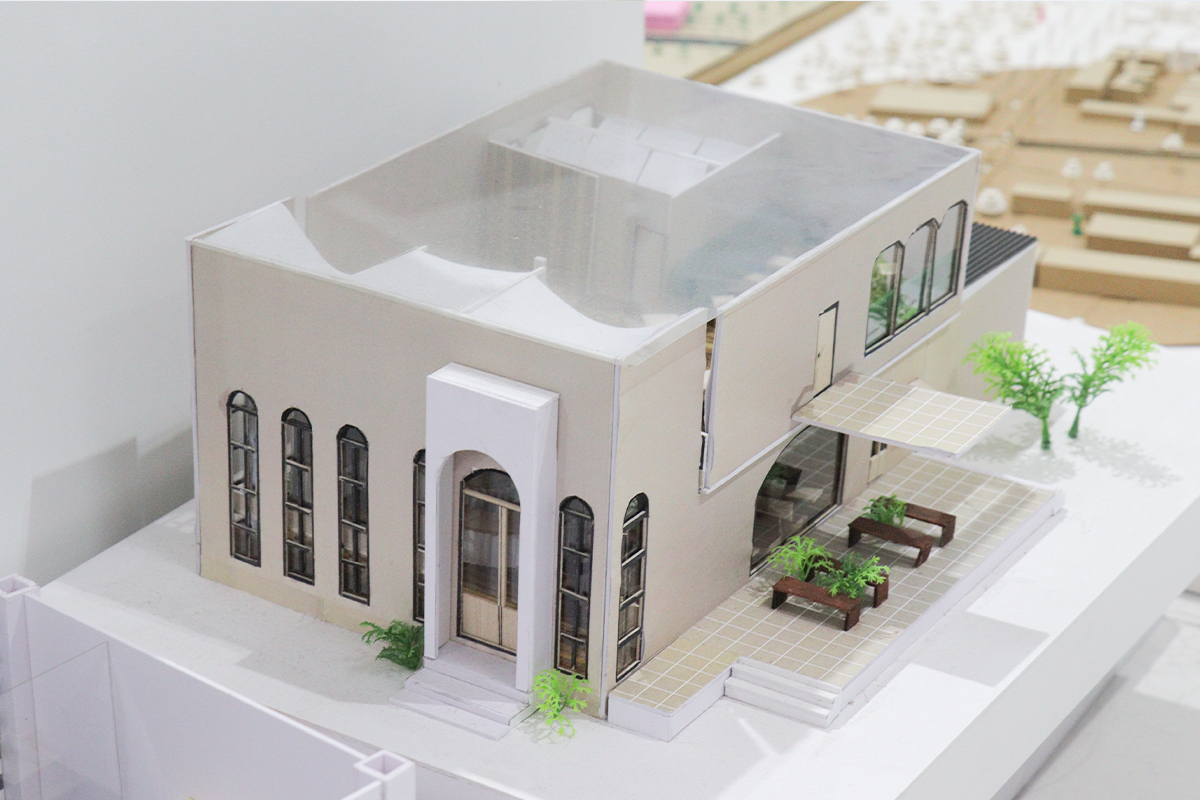
ARCH Genesis is a permanent exhibition at Walailak University that presents design works created by students from the School of Architecture. The exhibition invites visitors to explore the creative processes and learning experiences involved in architectural education while promoting greater appreciation of architecture, design, and creative expression through a diverse collection of artistic and conceptual works.
The Architecture and Design Building provides a range of public learning facilities, including architectural exhibition spaces, art galleries, practical studios, and lecture and seminar areas. These spaces are open to students, academic staff, university personnel, community members, and other visitors free of charge. By making these facilities accessible to the wider community, the building serves as a Public Academic Space that encourages knowledge sharing and interaction between educational institutions and society.
The exhibition and surrounding facilities provide opportunities for visitors to engage with architectural concepts, creative works, design processes, and contemporary approaches to the built environment. Through student works and practical learning spaces, members of the public can gain insight into architectural education and the ways in which design can respond to cultural, environmental, and community needs.
According to current operational data, the Architecture and Design Building attracts more than 300 visitors and users annually, including staff, academics, students, and members of the general public, particularly those interested in architecture, design, and the creative arts. High levels of visitor satisfaction demonstrate the value of the building as an accessible environment for artistic, cultural, academic, and sustainability-related learning.
By providing free public access to its exhibitions, galleries, studios, and learning spaces, Walailak University extends educational and cultural resources beyond the conventional classroom. The ARCH Genesis exhibition and the Architecture and Design Building therefore contribute to lifelong learning, public engagement, and greater appreciation of architecture, art, design, and sustainable development.
Ancient Southern Thai-Style Architectural Models
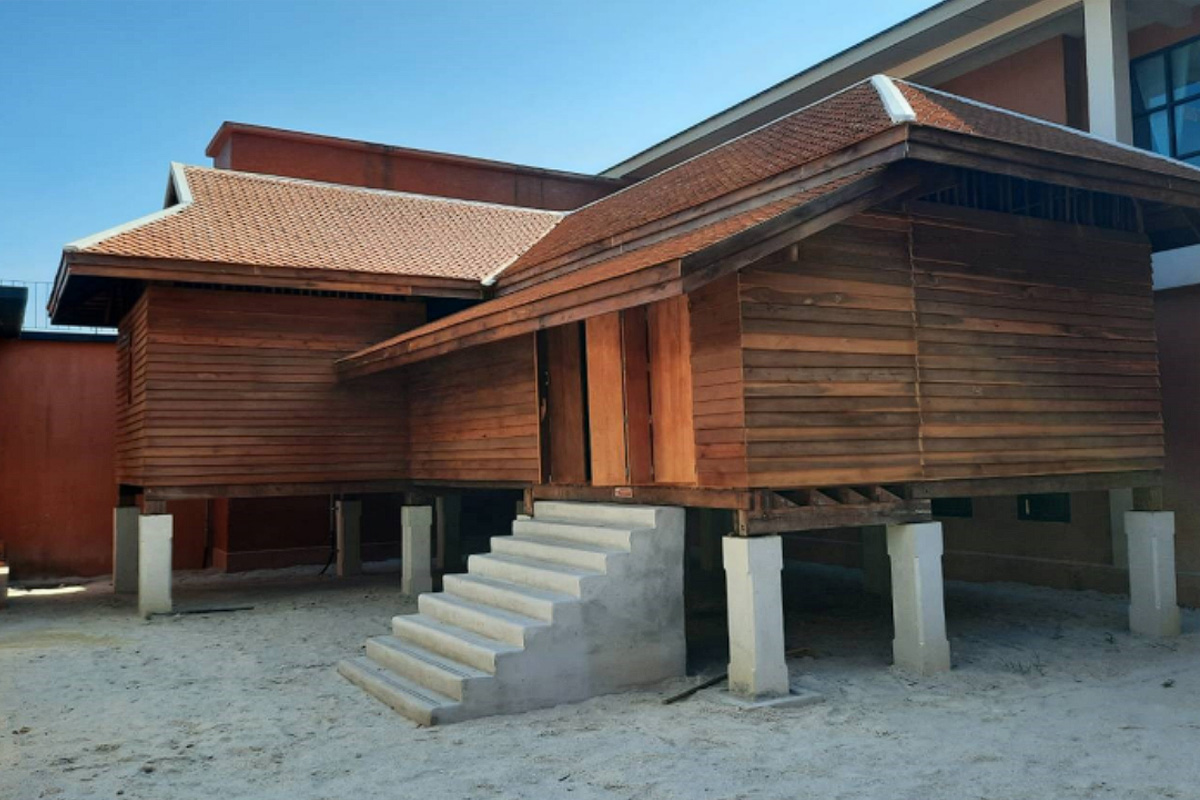
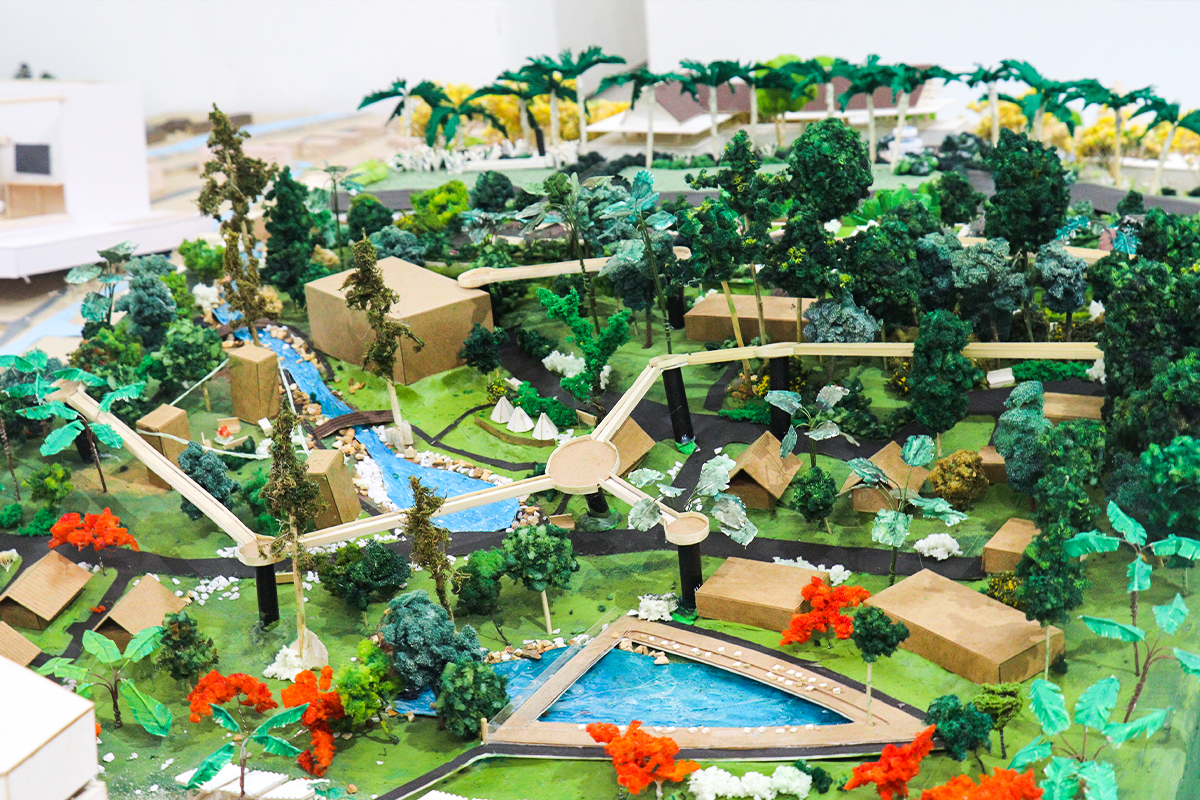
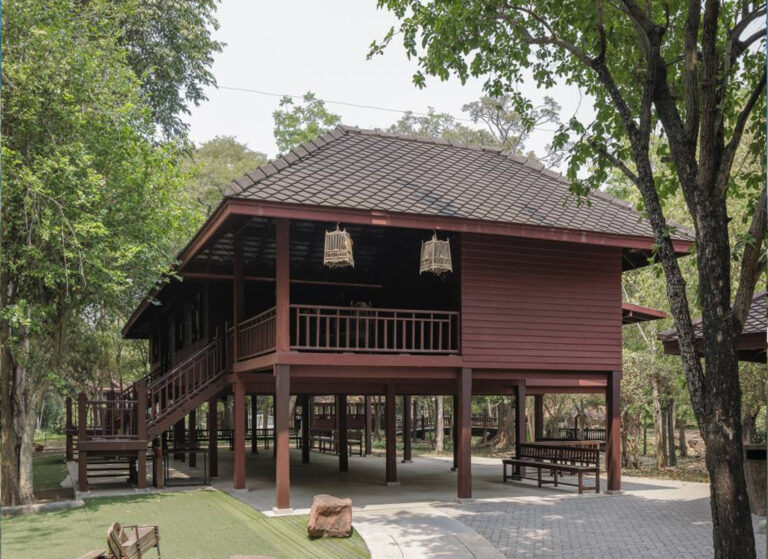
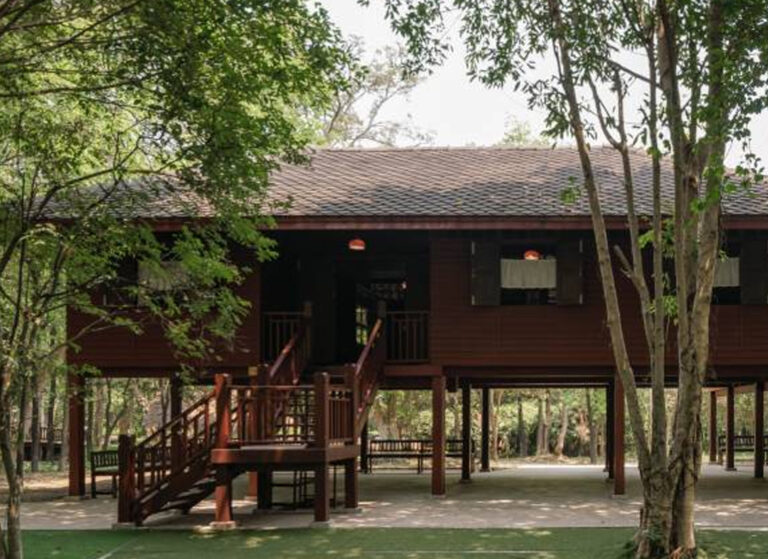
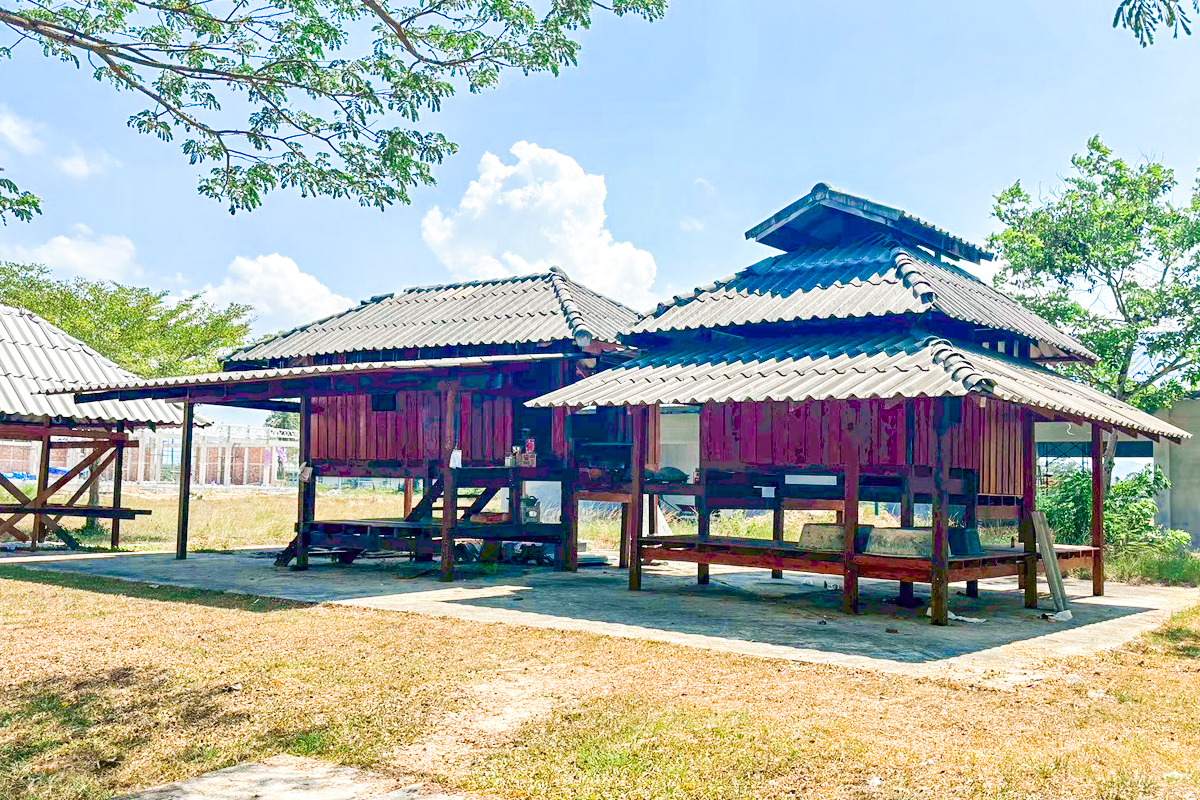
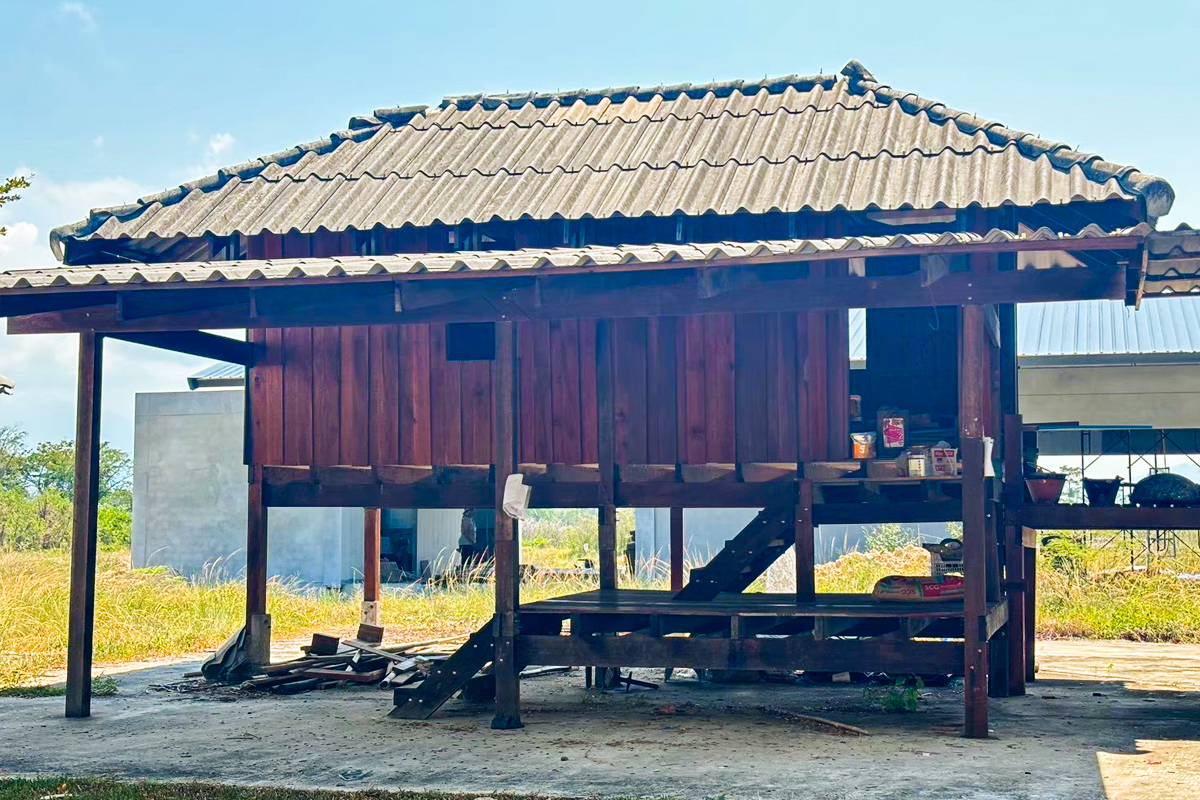
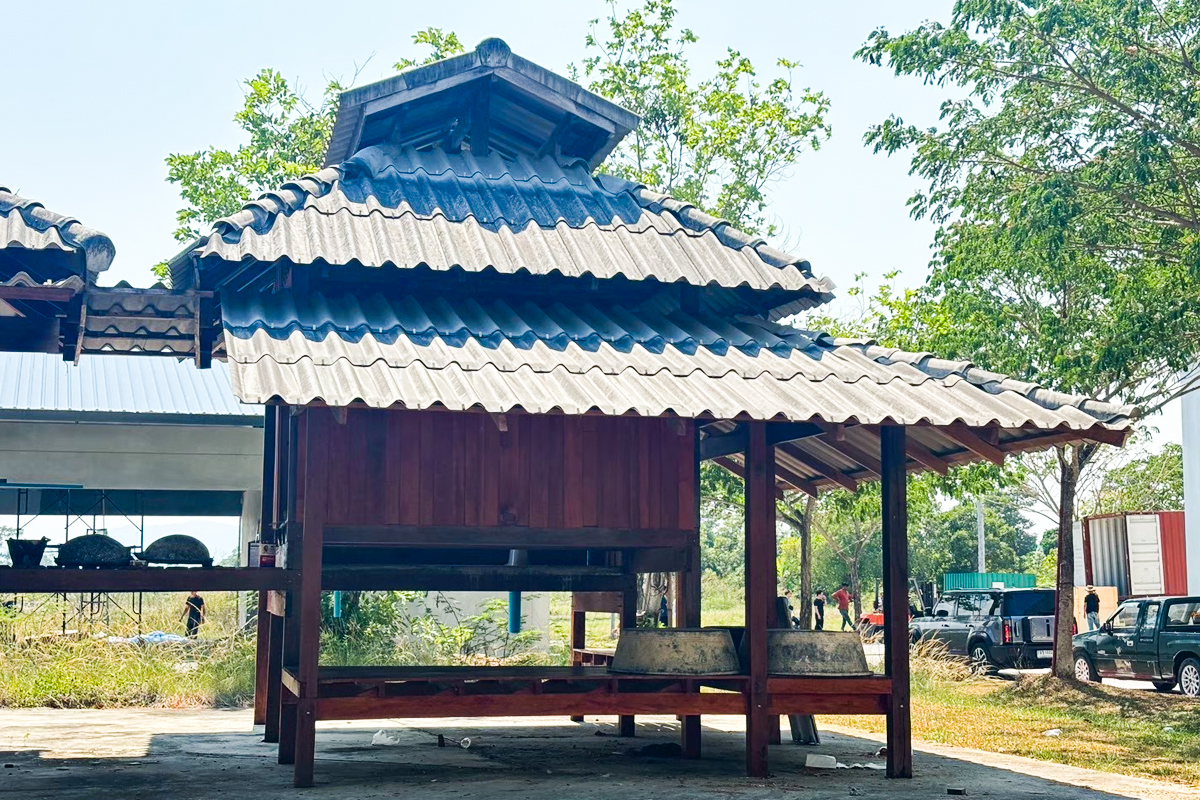
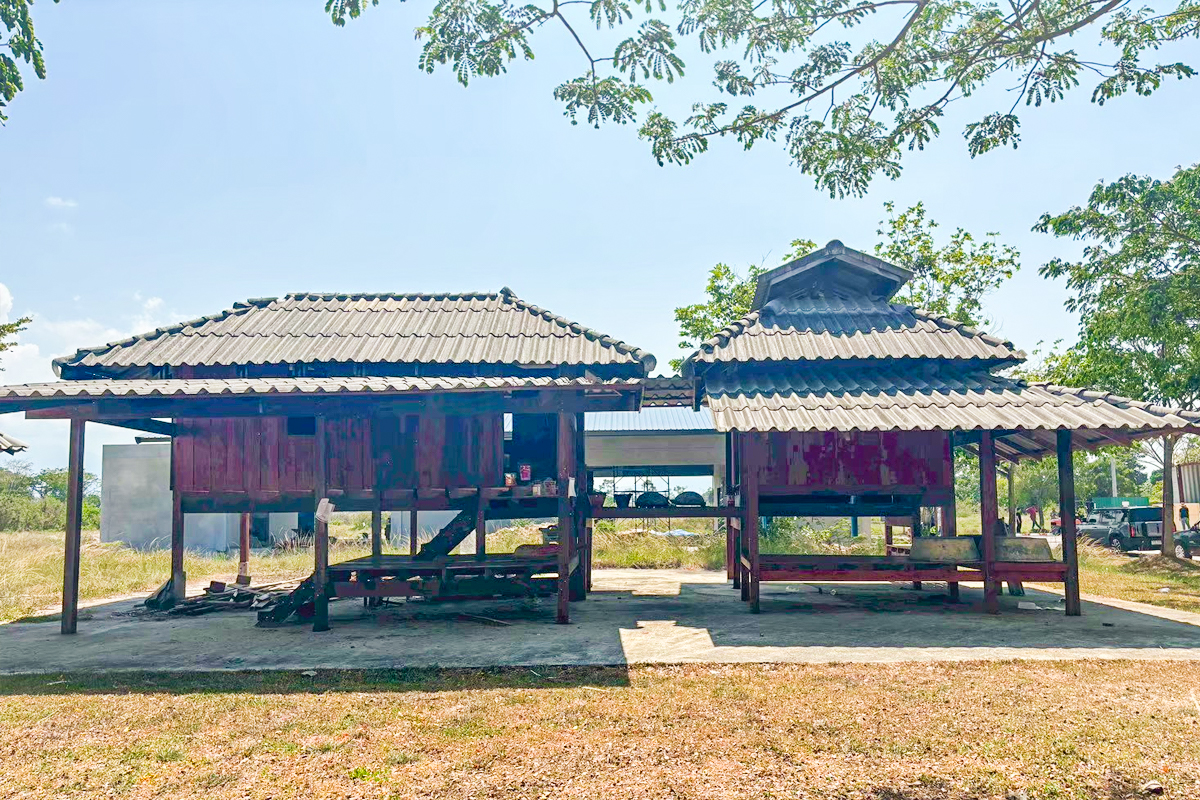
Walailak University, through an initiative by students from the School of Architecture and Design, has developed architectural models inspired by traditional Southern Thai buildings and vernacular architecture. Located near the Architecture and Design Building, these models provide an accessible cultural learning resource for students, university personnel, and members of the public to explore traditional architectural forms, construction techniques, and ways of life associated with the region’s cultural heritage.
The exhibition area presents architectural models developed from archaeological, historical, and vernacular architecture information. These models illustrate distinctive features of Southern Thai traditional houses and community buildings constructed using locally available natural materials. Through these visual and physical representations, visitors can gain a better understanding of the cultural roots, traditional lifestyles, architectural knowledge, and craftsmanship of communities in Southern Thailand.
The models also demonstrate the close relationship between architecture, people, and the natural environment. Visitors can learn how traditional buildings were adapted to local climate conditions, available materials, environmental characteristics, and community needs. This approach reflects the principles of vernacular architecture, in which local knowledge and resources are used thoughtfully to create buildings that support sustainable ways of living.
The exhibition area is open to the public free of charge and serves as a Southern Cultural Heritage Learning Center. It provides an inclusive space where students, educators, architecture scholars, community members, and visitors can engage with Southern Thailand’s architectural and environmental heritage. The exhibition also promotes awareness of cultural heritage as a form of Cultural Capital that can be preserved, studied, and creatively developed through contemporary art, architecture, and design.
The initiative further supports experiential learning for architecture students by providing opportunities to study historical building techniques and translate traditional architectural knowledge into physical models. At the same time, the models allow the wider public to engage with cultural heritage in an accessible and visually engaging manner.
According to operational data, the Southern Thai Traditional Architecture Models attract more than 400 visitors annually, including educators, architecture scholars, students, and members of the general public. By providing free access to these architectural learning resources, Walailak University contributes to cultural preservation, public education, lifelong learning, and greater awareness of the relationship between architectural heritage, local resources, and sustainable development.
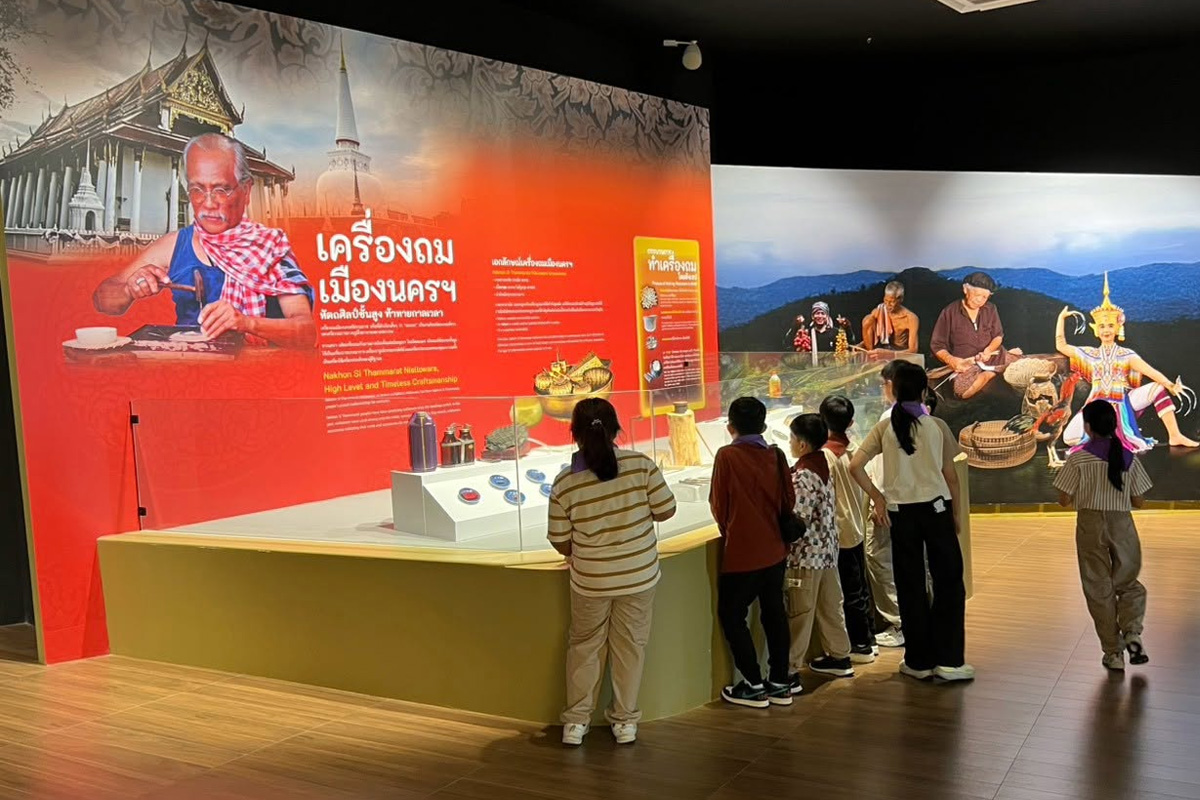
Nakhon Si Thammarat Nielloware Exhibition: Free Public Access to Cultural Heritage Learning
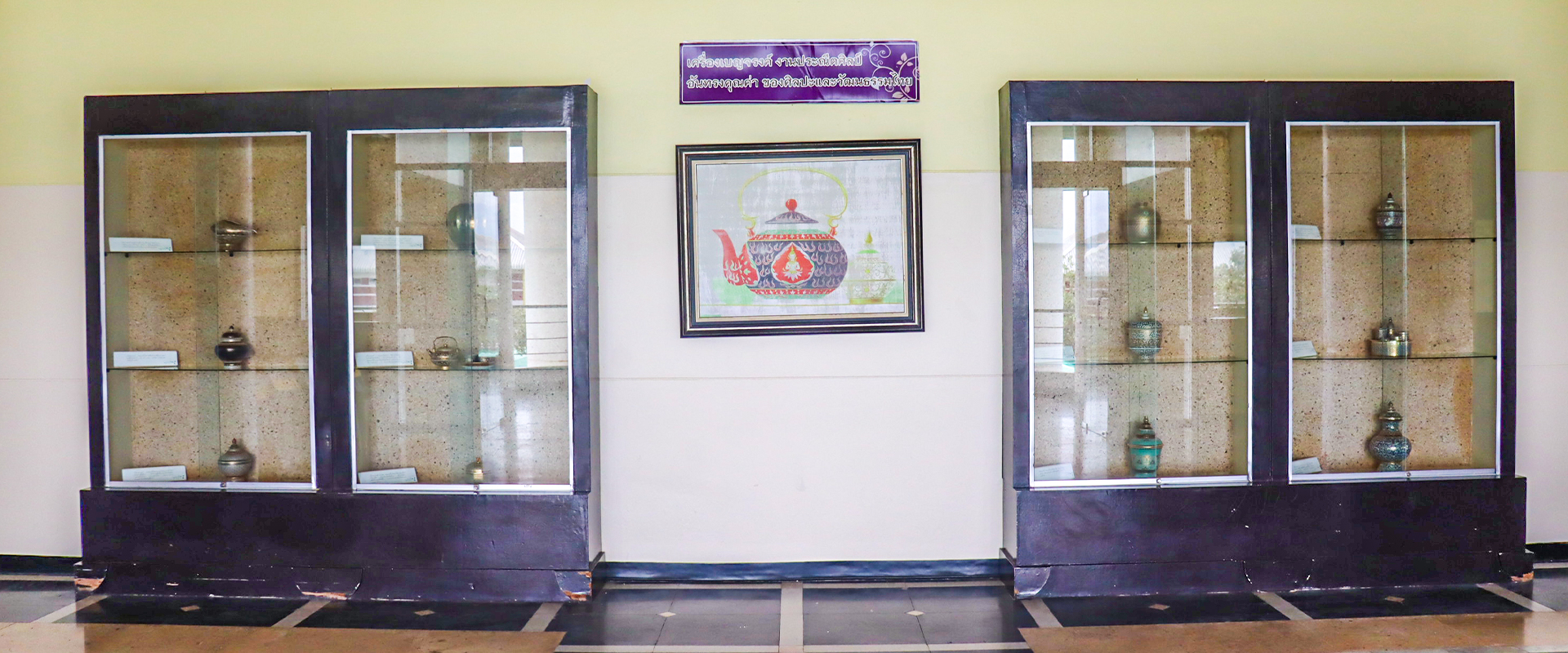
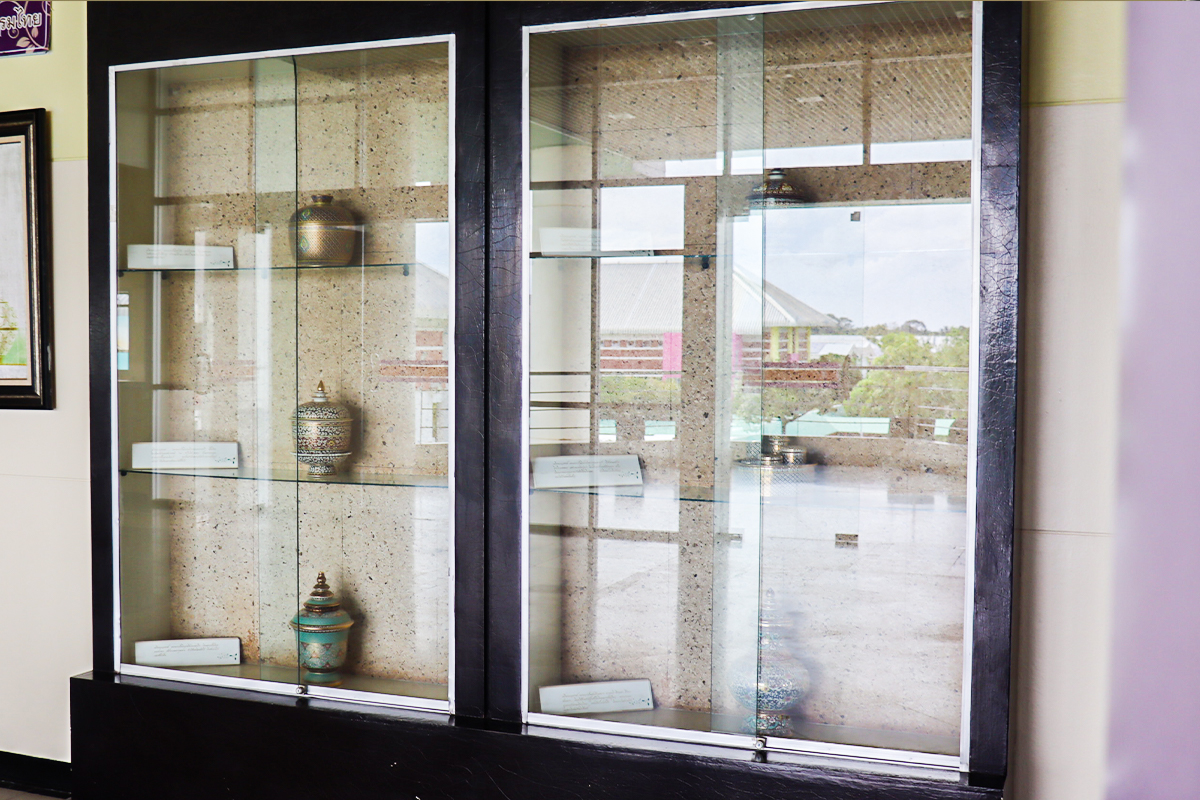
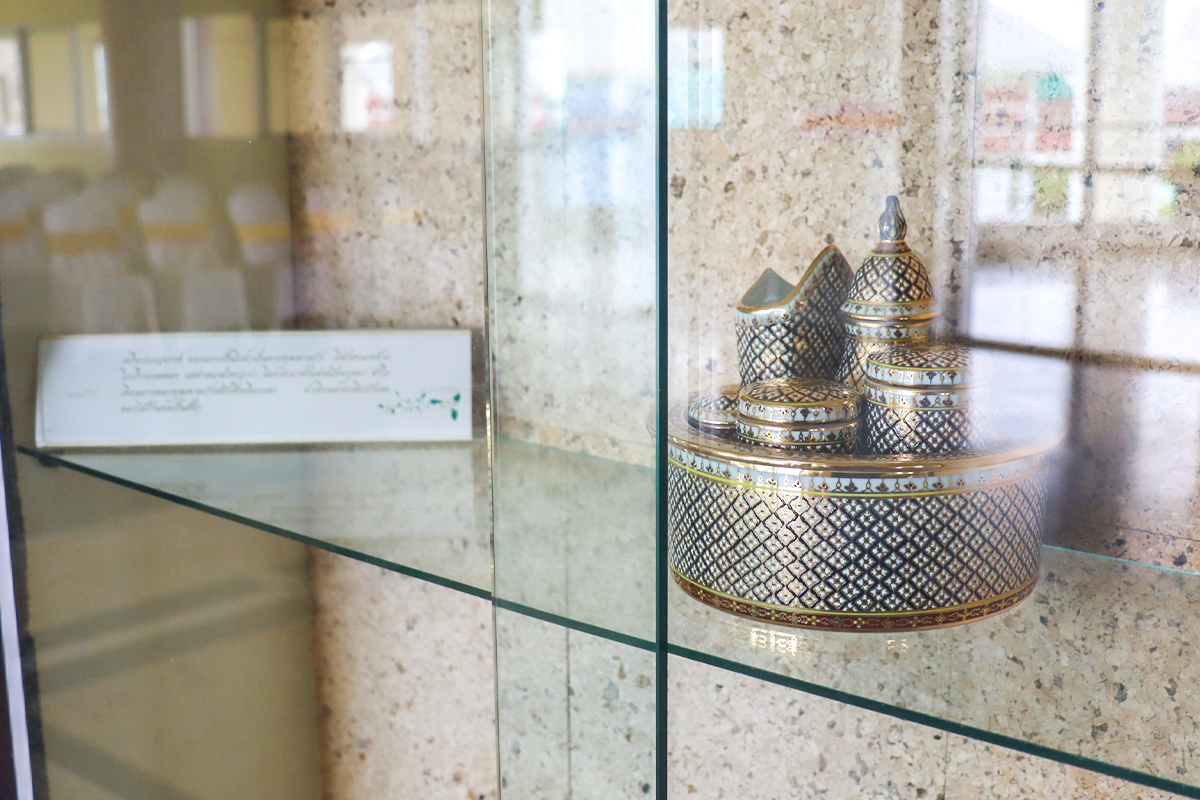
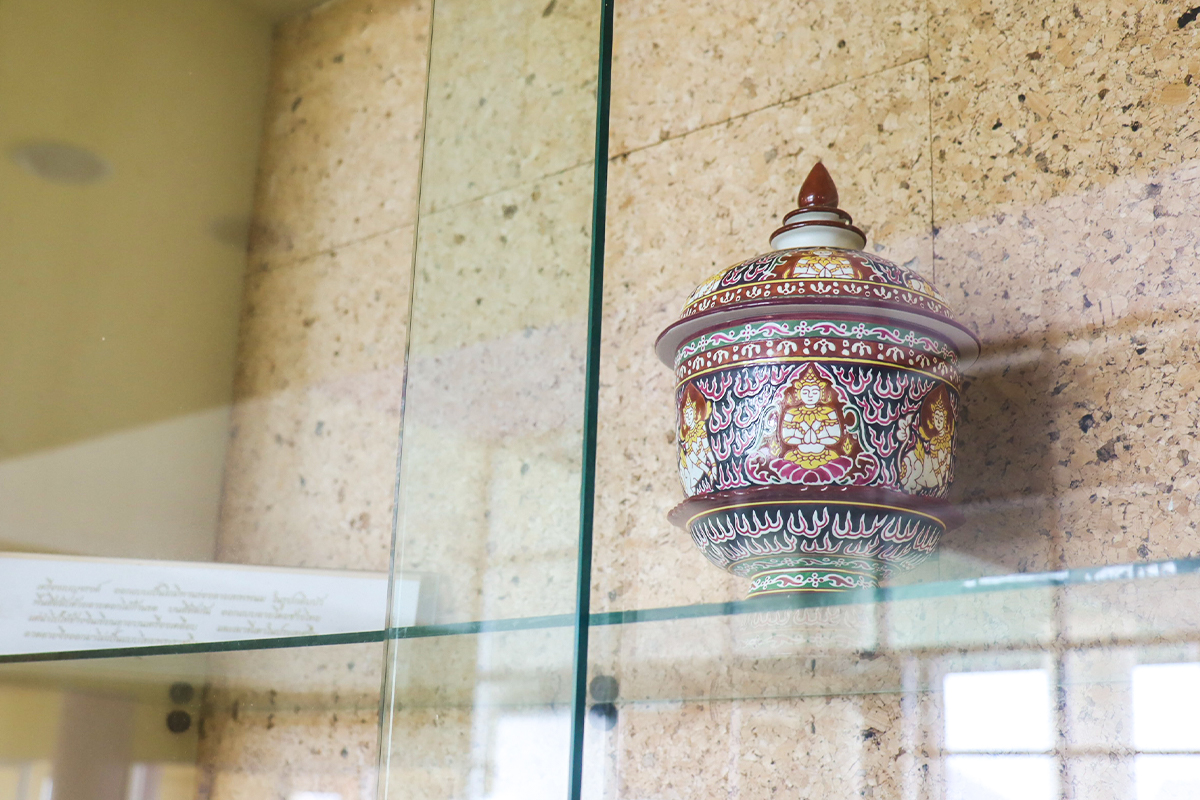
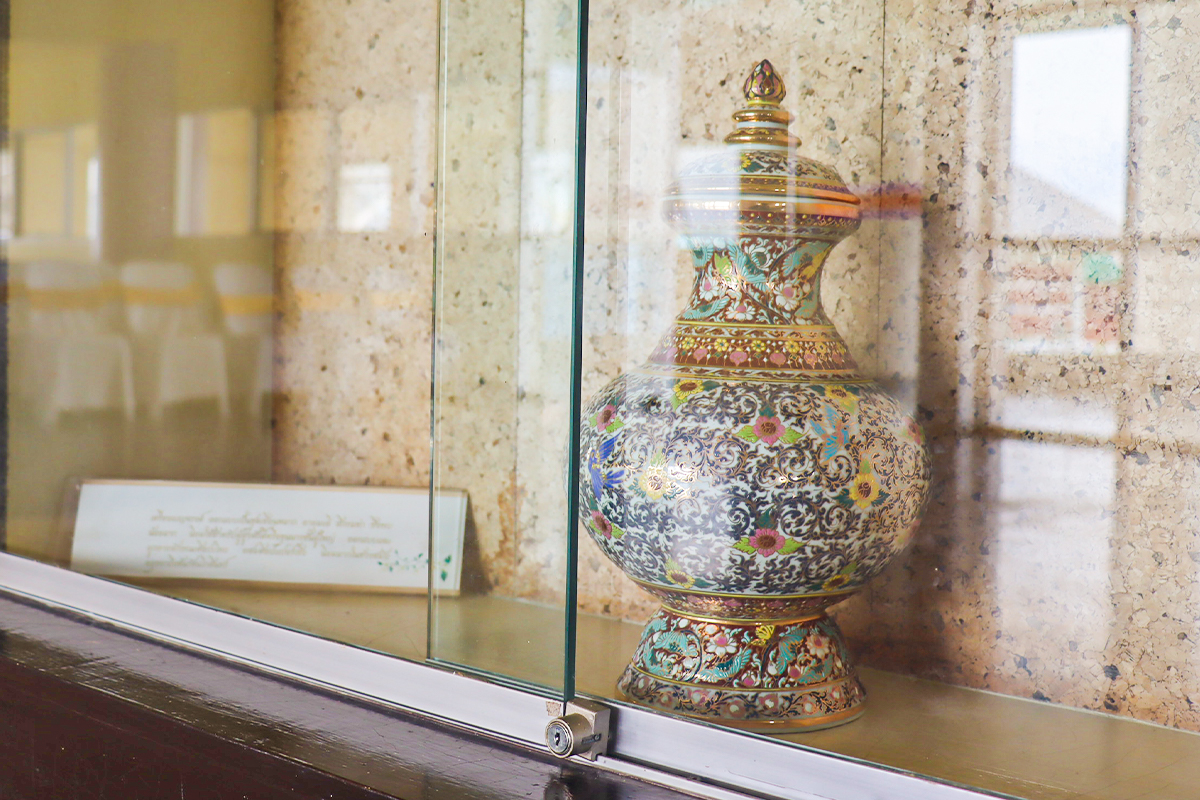
Nakhon Si Thammarat is renowned for its distinctive nielloware craftsmanship, a traditional fine art with a long history in the region. To preserve, promote, and share this important cultural heritage, Walailak University provides a dedicated exhibition space at the Thaiburi Building featuring nielloware works in the Nakhon Si Thammarat style.
The exhibition, “The Artefacts: Nakhon Si Thammarat Nielloware,” is open to the public free of charge, providing students, university personnel, researchers, scholars, community members, and other visitors with opportunities to learn about and appreciate the artistic and cultural significance of this traditional craft. The exhibition presents information about the history of nielloware, its production processes, distinctive patterns and designs, and the knowledge and skills of local artisans.
As a Cultural Heritage Learning Space for Sustainability, the exhibition connects traditional craftsmanship with contemporary approaches to cultural preservation. Visitors can explore how local artistic knowledge has been developed and transmitted across generations while gaining a greater understanding of the importance of conserving cultural heritage as a form of cultural capital.
The exhibition also provides an accessible learning environment where cultural knowledge can be experienced beyond the conventional classroom. By making the exhibition freely available, Walailak University removes financial barriers to cultural learning and encourages members of the wider community to engage with local history, traditional arts, craftsmanship, and cultural identity.
The exhibition supports the University’s broader commitment to cultural heritage conservation and the Sustainable Development Goals by promoting public awareness and appreciation of local cultural resources. It also provides opportunities for younger generations to learn about traditional craftsmanship and recognize its continuing value within contemporary Thai society.
In 2025, “The Artefacts: Nakhon Si Thammarat Nielloware” attracted more than 1,200 visitors, including academic staff, scholars, students, and members of the general public. This level of public engagement demonstrates the value of providing free and accessible cultural learning spaces and highlights the role of the exhibition in preserving and promoting the traditional arts and cultural heritage of Southern Thailand.
WU 33 – Glory Roll: Free Public Access to Art, Architecture, Science, and Innovation
WU 33 – Glory Roll is a distinctive glowing cube installation located in the Walailak University Park (WU Park), serving as an artistic and architectural landmark that represents innovation, research excellence, and collaboration. Designed and developed by Assoc. Prof. Dr. Thanongsak Imjai and his research team, the 1.3 × 1.3 metre installation combines contemporary architectural design with technological elements to create a visually engaging public learning space.
Located within the Walailak Park area in Tha Sala District, Nakhon Si Thammarat Province, the installation provides visitors with an opportunity to explore the relationship between art, architecture, science, technology, and sustainable innovation. Its design reflects Walailak University’s commitment to creativity and international academic collaboration while demonstrating how research and innovation can be communicated through accessible artistic and architectural forms.
WU 33 – Glory Roll functions as an Integrated Learning Space that is open to the public free of charge. Students, academic staff, researchers, community members, and visitors can experience the installation and learn about concepts related to architectural design, materials science, energy efficiency, natural lighting, clean energy, and Green Architecture.
The installation also incorporates architectural elements inspired by the identity of Southern Thailand and connects these cultural references with contemporary technologies and sustainable design principles. Through this combination, visitors can explore how local cultural characteristics can be integrated into modern architecture while considering environmental responsibility and the efficient use of natural resources.
As an accessible public learning space, WU 33 – Glory Roll demonstrates how art and architecture can communicate complex scientific and technological concepts in an engaging manner. It encourages visitors to appreciate artistic expression while developing greater awareness of sustainable design, innovation, cultural identity, and the relationship between the built environment and the natural world.
According to operational data, WU 33 – Glory Roll attracts more than 3,000 visitors annually, including educators, scholars, students, and members of the general public. The level of public engagement demonstrates the value of integrating art, architecture, science, and sustainability into freely accessible spaces and contributes to Walailak University’s role in promoting lifelong learning and public access to cultural and educational resources.
Thai Elephant Sculpture
Walailak University features a Thai Elephant sculpture at Walailak University Park (WU Park), providing an accessible public landmark that promotes awareness and appreciation of Thailand’s cultural and natural heritage. The sculpture is freely accessible to students, university personnel, community members, and visitors, allowing the public to engage with the symbolism of the Thai elephant as part of the country’s national heritage.
The sculpture provides an opportunity for visitors to learn about the cultural significance of elephants in Thailand and their long-standing relationship with Thai society. Through this public artwork, Walailak University uses an artistic and visual medium to communicate knowledge about an important national symbol while creating a welcoming cultural space within the University’s landscape.
Located in WU Park, the sculpture also contributes to an open-air learning environment where visitors can experience art, nature, and cultural heritage together. Its placement within the University’s public landscape encourages visitors to reflect on the importance of wildlife awareness, biodiversity, and the conservation of Thailand’s natural heritage.
By providing free public access to the Thai Elephant sculpture, Walailak University integrates cultural learning into an everyday public space. The initiative supports public awareness of Thai heritage and encourages appreciation of the relationship between people, animals, culture, and the natural environment, contributing to the University’s broader commitment to accessible lifelong learning and sustainable development.
Walailak University is committed to providing free and inclusive public access to museums, exhibition spaces, galleries, artworks, artefacts, and cultural heritage resources across the University and in surrounding communities. Through facilities and initiatives such as the Sirin Museum, Tumpang Museum and Archaeological Site, Maniq Ethnic Museum, Nakhon Si Thammarat Nielloware Exhibition, ARCH Genesis, Southern Thai architectural models, and various art and cultural exhibitions, the University creates diverse opportunities for students, researchers, educators, community members, and the general public to engage with knowledge, creativity, history, and local heritage.
These spaces extend learning beyond conventional classrooms by connecting academic knowledge with cultural and natural heritage, traditional craftsmanship, architecture, art, biodiversity, and environmental sustainability. Free public access helps remove financial barriers to cultural and educational participation while encouraging lifelong learning, community engagement, and greater appreciation of the diverse heritage of Southern Thailand.
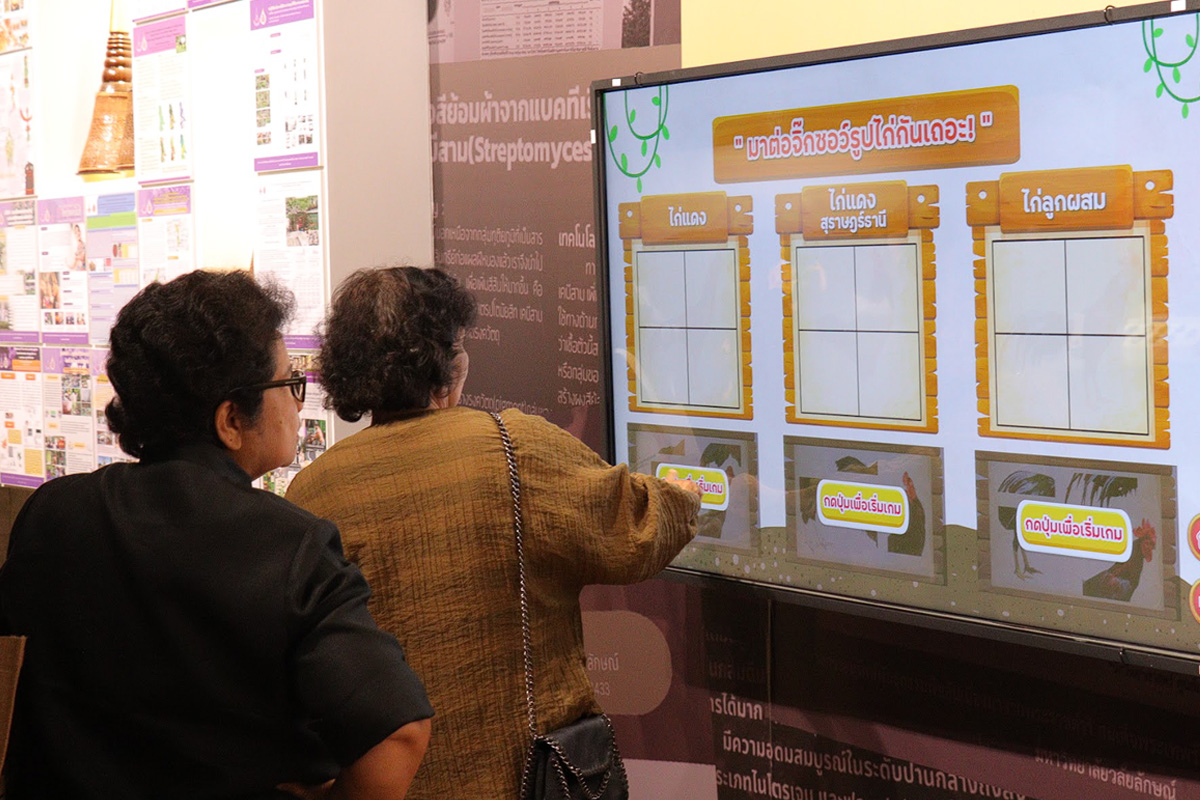
Walailak University also integrates contemporary technologies, research, artistic expression, and experiential learning into its exhibitions and public spaces. Through multimedia presentations, architectural models, sculptures, interactive learning activities, and research-based exhibitions, the University makes cultural and academic knowledge more accessible and engaging for different groups of visitors. Visitor participation and satisfaction are monitored through operational data, supporting the continued development of these spaces as accessible and meaningful learning environments.
Through the continued development of museums, galleries, exhibitions, artworks, and heritage learning spaces, Walailak University strengthens its role as an open learning resource for society. These initiatives contribute to the preservation and transmission of cultural heritage while promoting public access to knowledge, cultural participation, environmental awareness, creativity, and sustainable development for present and future generations.
Related links:
https://tumpangmuseum.wu.ac.th/
https://e-bota.wu.ac.th/museum/9
https://csp.wu.ac.th/?p=43479
https://www.facebook.com/SIRIN.Museum/posts/pfbid02MvBigTLJKib3AhhgFU1Vxm6HsnyqdbxFLViqLuwza4tRE8EXmWM8ah8VyPZahHTbl
https://www.facebook.com/SIRIN.Museum/posts/pfbid02z3bkZ3S4x2oE18L8quKd2MR7RqTDiesf55K7xXmeamGsu4rCqNBnjg1Mu84KrkYLl
https://www.facebook.com/SIRIN.Museum/posts/pfbid02Pm6tSsDfCFGQ8CHZ6Z2TWXBGtF7bN8PSC61p4q96RooxyNVHYd8Vvpf8cTjnofvtl
https://www.facebook.com/SIRIN.Museum/posts/pfbid02CGA36Qh7V2Gjvgr4K6hDfxPmZPsqFtLGJujC47eo9sJWCuoFbpCC8Ysc5kpzSPoxl
https://www.facebook.com/tumpangmuseum/posts/pfbid0vbJs66sN5EHA5RzXV743n3ebrkAa9bJFKXd6L8GQX3kKxmv5wiJN16RTj4vDHu9ul
https://www.facebook.com/PhotoandVDO.WU/posts/pfbid031WJrT9Y7ocH1bovVCNBy7WCUEPZxh4zGkuWgtYCi4p67Kww4DsnqQLHirFFENLUul
https://www.facebook.com/SIRIN.Museum/posts/pfbid036RVe7UijLSj6jCgTQa5qokcmMSiN9KrnKeG17kgcByvTyV76NJirvUC2K8o1WPCrl
https://www.facebook.com/SIRIN.Museum/posts/pfbid02dhasMDXDv3NGe3kzrG2DXPUSD9huWWibmcymXt3ptfga1UmV1g7yKKvnNpCHdmVrl

Goal 11:
Sustainable Cities and Communities
Goal 4: Quality Education
Goal 10: Reduced Inequalities
Goal 17: Partnerships for the Goals