
Walailak University’s Policy on the Sustainable Harvesting of Aquatic Food for Campus Consumption
Walailak University’s Policy on the Sustainable Harvesting of Aquatic Food for Campus Consumption
Walailak University recognises the importance of ensuring that aquatic food served on campus comes from sustainably harvested sources to protect marine and freshwater ecosystems and support responsible fisheries. Through its food-related policies and procurement practices, the University promotes the responsible sourcing of aquatic products and encourages food providers to consider the environmental sustainability of seafood and other aquatic food resources. Diagnostic assessments of sourcing practices and supply-chain conditions can help identify potential sustainability risks and opportunities to improve the responsible procurement of aquatic food. By establishing measures to support sustainable harvesting, responsible sourcing, and the diagnosis of potential environmental impacts, WU aims to reduce pressure on aquatic populations, protect biodiversity, and contribute to the long-term sustainability of fisheries while ensuring the availability of food for the university community. These efforts reflect the University’s commitment to integrating environmental responsibility into campus food services and supporting the sustainable use of aquatic resources.
Walailak University has introduced its Policy on Sustainable Food Procurement and Responsible Consumption, B.E. 2569 (2026), to strengthen sustainability throughout its campus food systems. The policy establishes guidelines for responsible food procurement, supplier selection, food safety, and consumption practices, with particular emphasis on ensuring that seafood and other aquatic products served on campus originate from sustainable and legally compliant sources.
Under the policy, the University shall prioritize meat, seafood, and agricultural products obtained from certified and recognized sustainable sources. These include products meeting Good Agricultural Practices (GAP), organic certification, or equivalent sustainability standards. By incorporating sustainability considerations into its procurement processes, the University aims to promote responsible sourcing practices and reduce the environmental impacts associated with food production and consumption.
A key provision of the policy addresses the sustainability of seafood and aquatic products. Walailak University shall ensure that seafood and aquatic products procured for campus consumption are sourced from suppliers that comply with applicable laws and international standards concerning illegal, unreported, and unregulated (IUU) fishing, destructive fishing practices, and overfishing. The policy also requires the avoidance of threatened or endangered species, including those listed on the International Union for Conservation of Nature (IUCN) Red List or under equivalent conservation frameworks. These measures establish a policy framework for supporting sustainable harvesting practices and reducing pressure on aquatic ecosystems.


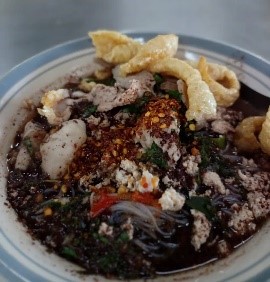
In addition to environmental considerations, the policy promotes transparency and traceability throughout food supply chains. Suppliers are expected to provide information that enables the origin, production methods, and sourcing conditions of food products to be identified and verified. The University also emphasizes ethical procurement, fair trade principles, and the protection of workers’ rights by requiring food supply chains to be free from forced labor, child labor, and exploitative or unfair labor practices.
The policy further integrates sustainability into everyday campus food services. Food service providers are required to comply with food hygiene and safety standards throughout procurement, storage, preparation, cooking, packaging, and distribution. They must also participate in food safety and sustainability training programs organized by the University or designated units. Additional measures promote responsible food consumption, portion control, food waste reduction, efficient resource use, and appropriate waste management. The University also encourages culturally inclusive and diverse dietary options, including halal, plant-based, and vegetarian meals, to support equitable access to appropriate food choices.
Through this policy, Walailak University establishes a framework for integrating environmental responsibility, ethical sourcing, and sustainable consumption into its campus food procurement and catering operations. The requirements concerning seafood sourcing directly support the objectives of Sustainable Development Goal 14 (Life Below Water), particularly the promotion of sustainable fishing practices and the conservation of marine biodiversity. The policy also contributes to SDG 12 (Responsible Consumption and Production) by encouraging transparent supply chains, responsible procurement, and food waste reduction.
By embedding sustainability requirements into its food procurement policy, Walailak University demonstrates its commitment to responsible institutional practices and the protection of natural resources. The policy provides a foundation for encouraging food suppliers and campus food service providers to adopt more sustainable sourcing practices while raising awareness of the relationship between everyday food choices, aquatic ecosystem conservation, and long-term environmental sustainability.
Walailak University Promotes Sustainable Seafood Sourcing Through Local Fishermen and Community Partnerships
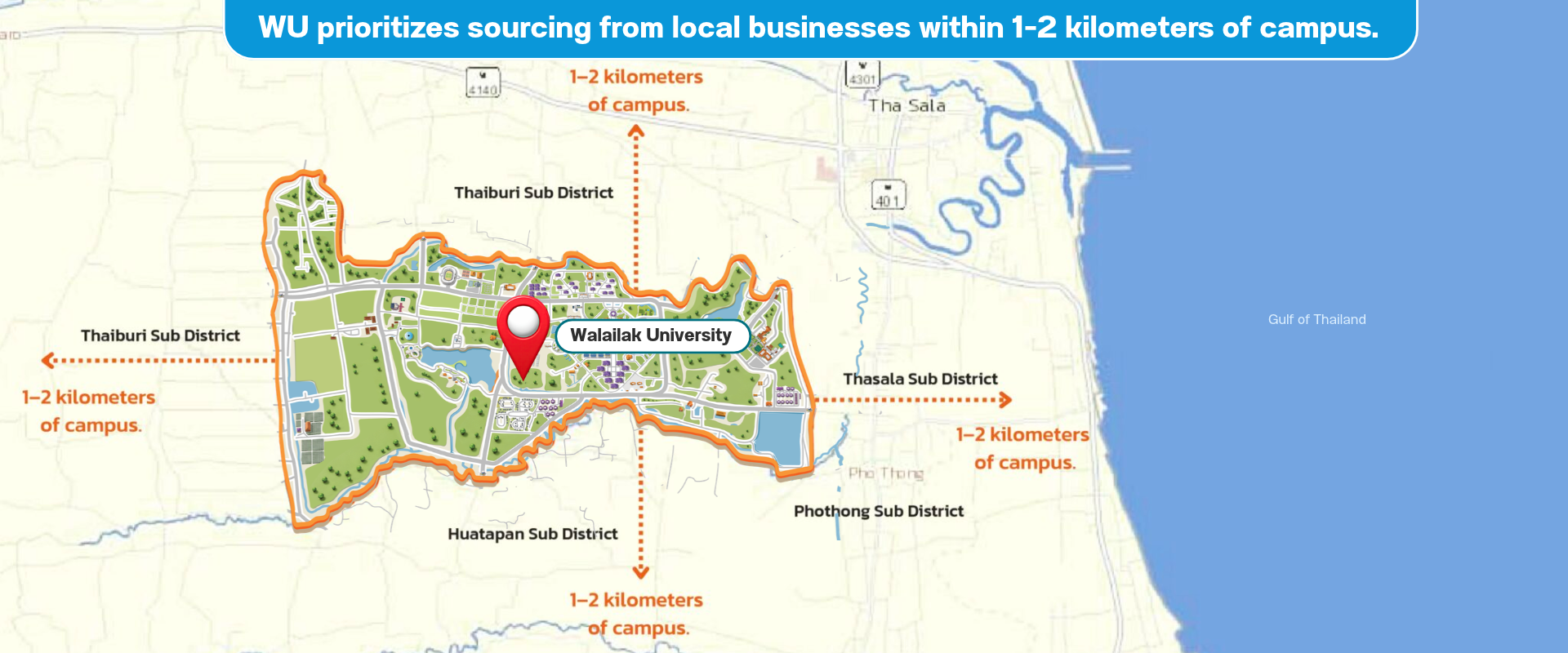
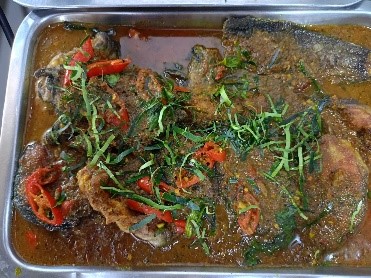
Walailak University promotes sustainable food procurement by supporting local fishermen and strengthening community partnerships in the sourcing of food from aquatic ecosystems. Located near the Gulf of Thailand, an area rich in marine resources, the University benefits from access to locally harvested seafood while encouraging responsible sourcing practices that support local livelihoods and marine resource conservation.
In 2025, approximately 95.4% of food from aquatic ecosystems purchased for use on campus was sourced directly from local fishermen in Tha Sala and Sichon districts of Nakhon Si Thammarat Province. This approach helps maintain connections between campus food supply chains and nearby fishing communities while supporting local economic activities. Furthermore, more than 60% of these local fishermen are members of the University’s community network involved in the Blue Swimming Crab Bank Initiative, which promotes marine resource conservation and the sustainable management of blue swimming crab populations.
The Blue Swimming Crab Bank Initiative brings together the University and local fishing communities to encourage the conservation and recovery of marine resources. By sourcing seafood from fishermen connected to this network, the University strengthens collaboration between its campus operations and community-based conservation efforts. This relationship provides an opportunity to connect food procurement with broader efforts to protect marine biodiversity and support the long-term livelihoods of coastal communities.
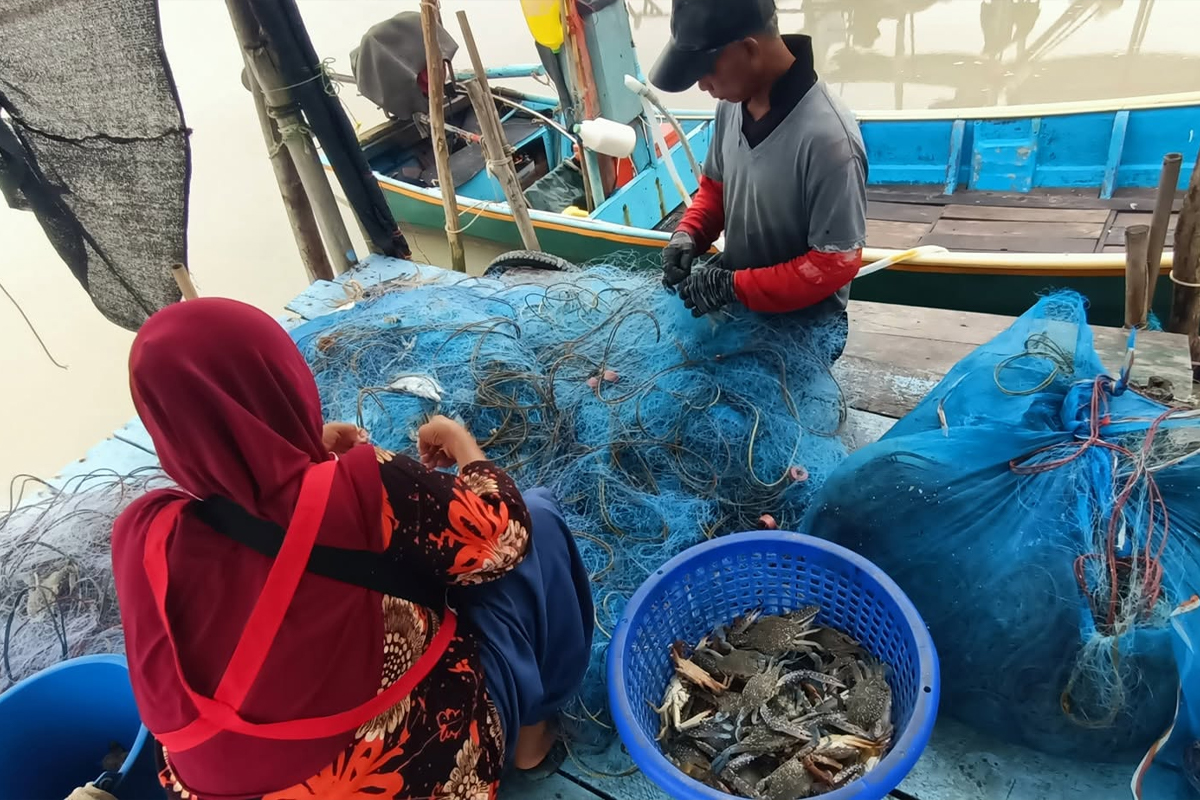
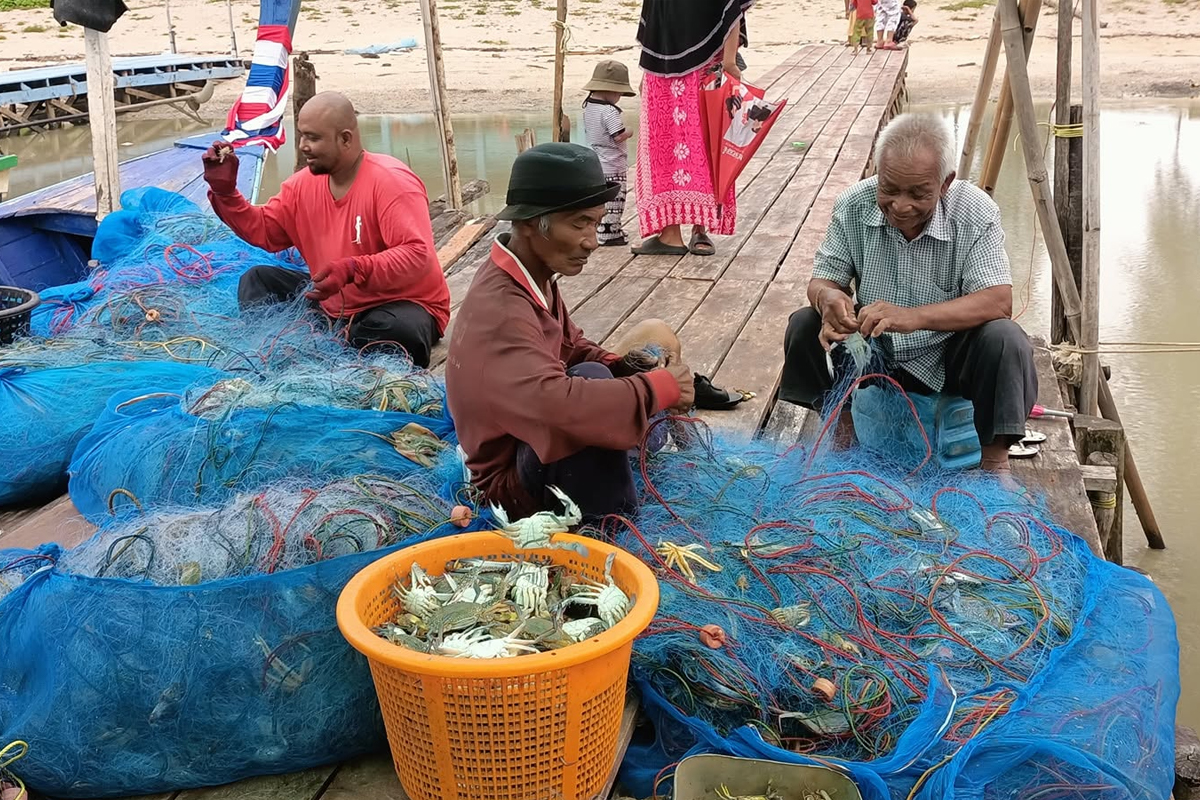
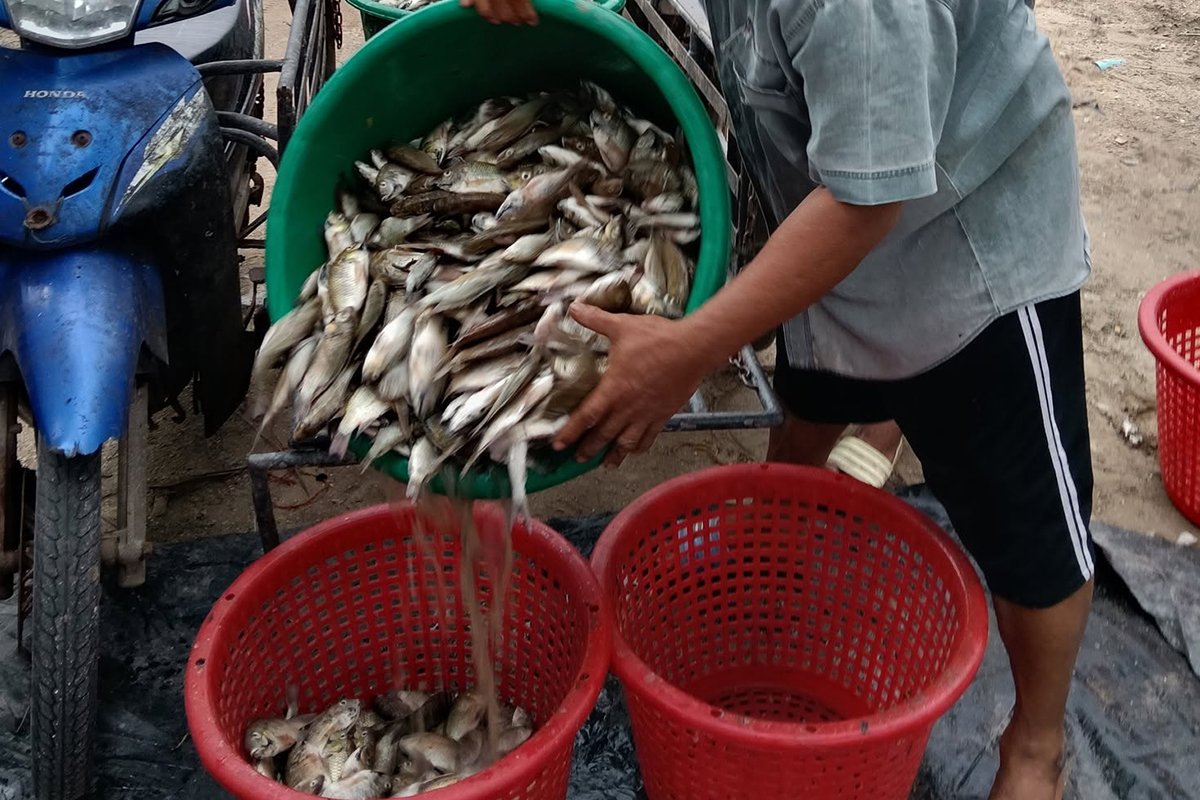
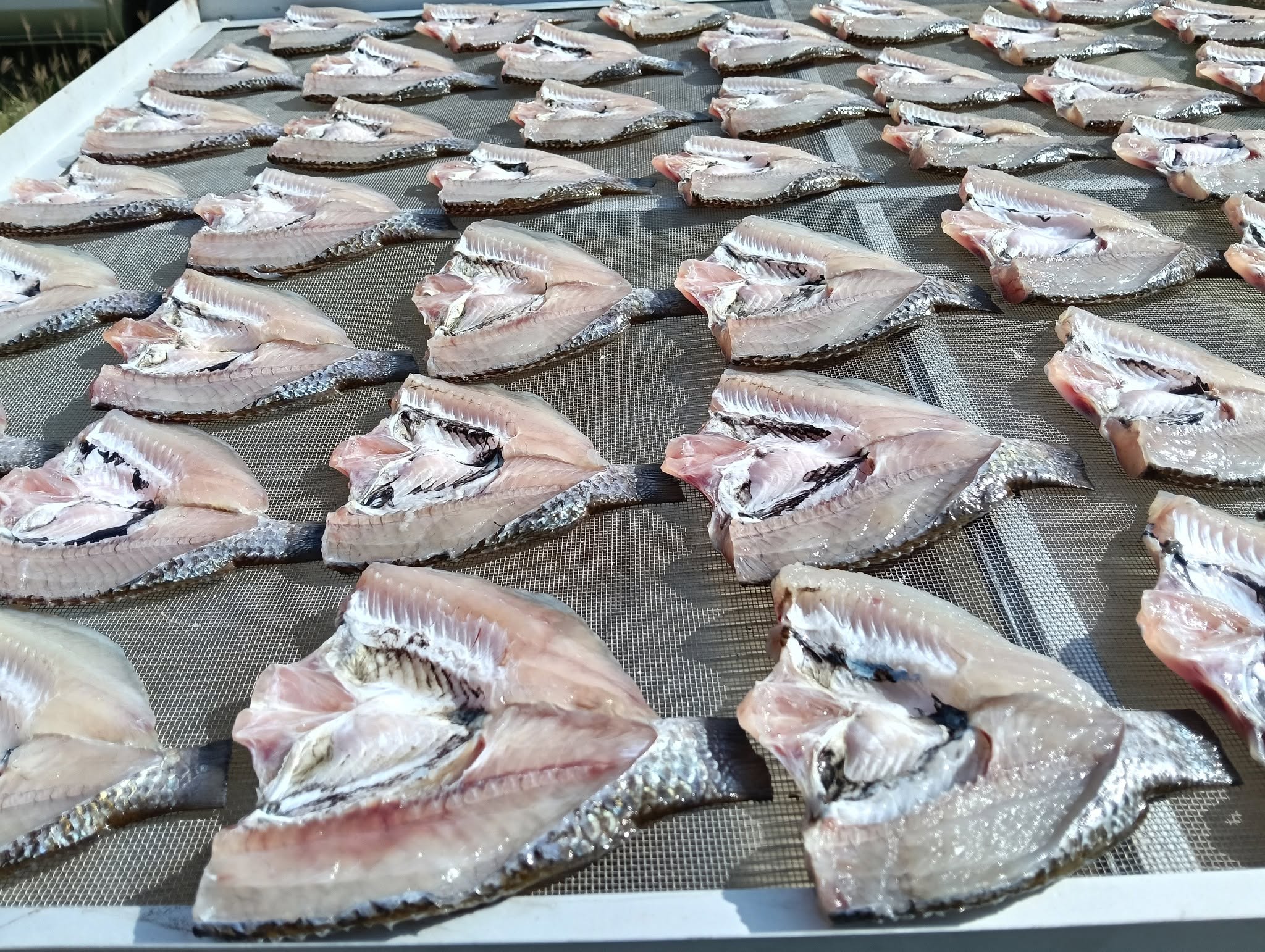
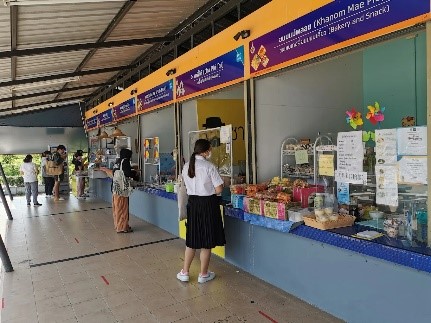
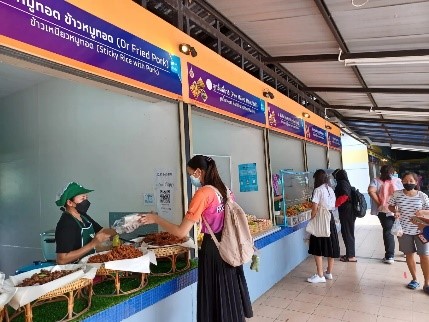
Food vendors and food service operators on campus are the primary purchasers of food from aquatic ecosystems. As key participants in the University’s food supply chain, they play an important role in determining the sources of seafood available to students, staff, and visitors. The University’s emphasis on local sourcing provides a foundation for encouraging these operators to adopt responsible procurement practices and maintain stronger connections with local fishing communities.
Through its Policy on Sustainable Food Procurement and Responsible Consumption, B.E. 2569 (2026), and its commitment to sourcing seafood from local fishing communities, Walailak University strengthens its approach to sustainable food procurement and marine resource conservation. The policy establishes requirements for seafood suppliers to comply with applicable laws and standards concerning illegal, unreported, and unregulated fishing, destructive fishing practices, overfishing, and the protection of threatened and endangered species. Complementing this policy framework, the University’s local sourcing practices help maintain connections with fishing communities in Tha Sala and Sichon districts, Nakhon Si Thammarat Province, including fishermen involved in the Blue Swimming Crab Bank Initiative.
These efforts demonstrate how institutional procurement policies and partnerships with local fishing communities can contribute to more responsible seafood sourcing while supporting coastal livelihoods. To strengthen implementation, appropriate measures may include monitoring supplier compliance with sustainable fishing requirements, measuring the proportion of aquatic food sourced from local fishing communities, and assessing the extent to which procurement practices support responsible harvesting. Such measurements can help WU evaluate progress, identify opportunities for improvement, and reinforce accountability in sustainable campus food procurement and marine resource conservation.