
International Collaboration in SDG Data Gathering to Promote Women in Peacebuilding and Environmental STEM Education
International Collaboration in SDG Data Gathering to Promote Women in Peacebuilding and Environmental STEM Education
International collaboration plays a vital role in advancing the Sustainable Development Goals (SDGs) by enabling countries, universities, research institutions, and international organizations to share knowledge, expertise, and resources for gathering and measuring reliable sustainability data. Collaborative data collection and measurement help diagnose development challenges, identify gaps in existing policies and practices, and establish evidence-based strategies to address complex global issues. By working with international partners, universities can strengthen research capacity, improve data quality and comparability, exchange best practices, and contribute valuable insights to the monitoring and assessment of progress toward the SDGs. These partnerships also promote mutual learning, transparency, and accountability, ensuring that sustainability initiatives are informed by diverse perspectives and reliable evidence. Through international cooperation in SDG data gathering and measurement, Walailak University seeks to support informed decision-making, strengthen sustainable development practices, and contribute to collective efforts to achieve the SDGs.
Walailak University Collaborates with Global Affairs Canada to Gather Data and Develop Best Practices for Women's Participation in Peacebuilding
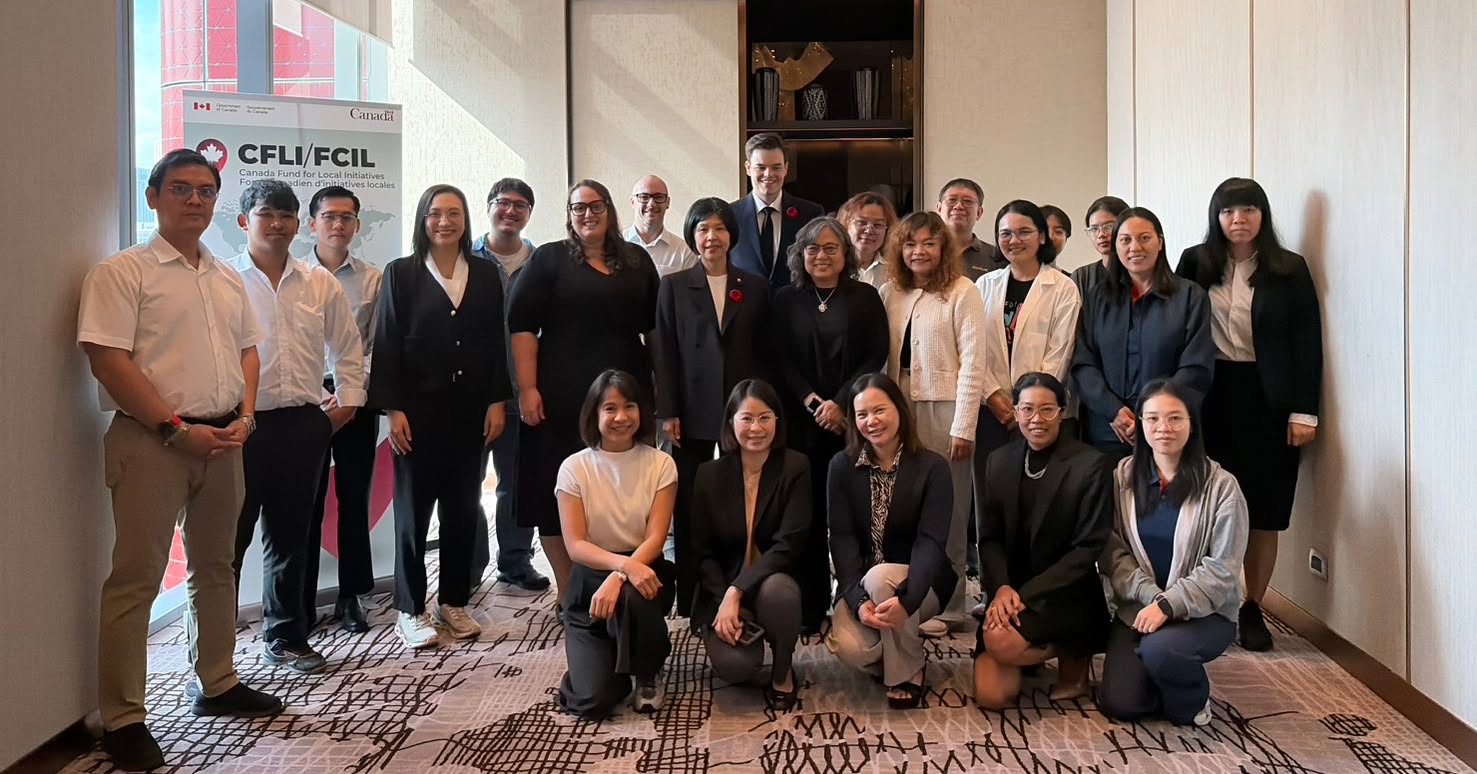
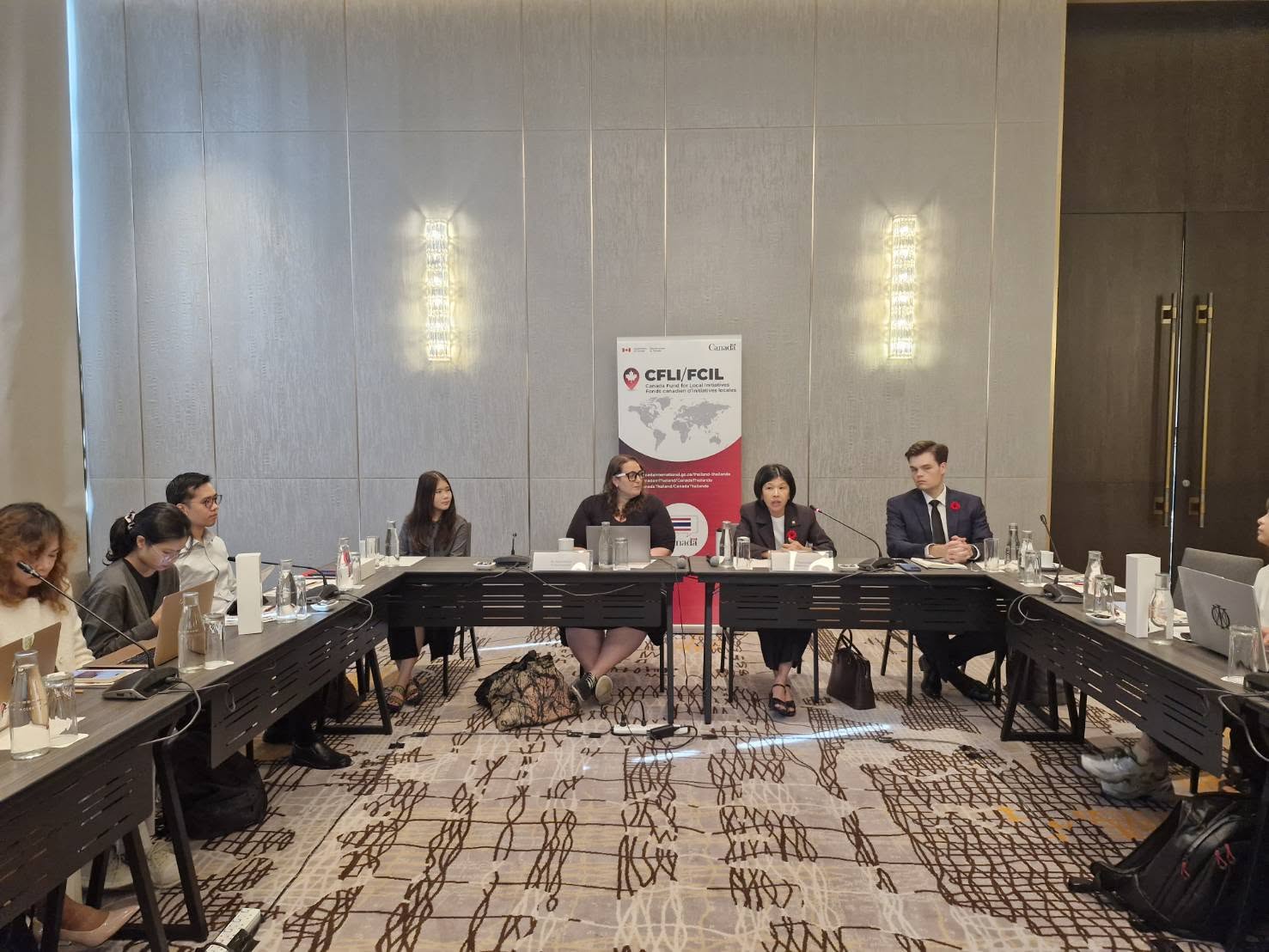
The ongoing insurgency in Southern Thailand continues to affect the three southern border provinces of Pattani, Yala, and Narathiwat, as well as certain districts of Songkhla. Prolonged violence has disrupted community relationships, social structures, and everyday life, with women facing particular challenges related to personal security, psychological well-being, social marginalization, and limited opportunities to participate in peace processes. Understanding these challenges through systematic data gathering and community engagement is essential for developing inclusive, evidence-based approaches to peacebuilding and sustainable social recovery.
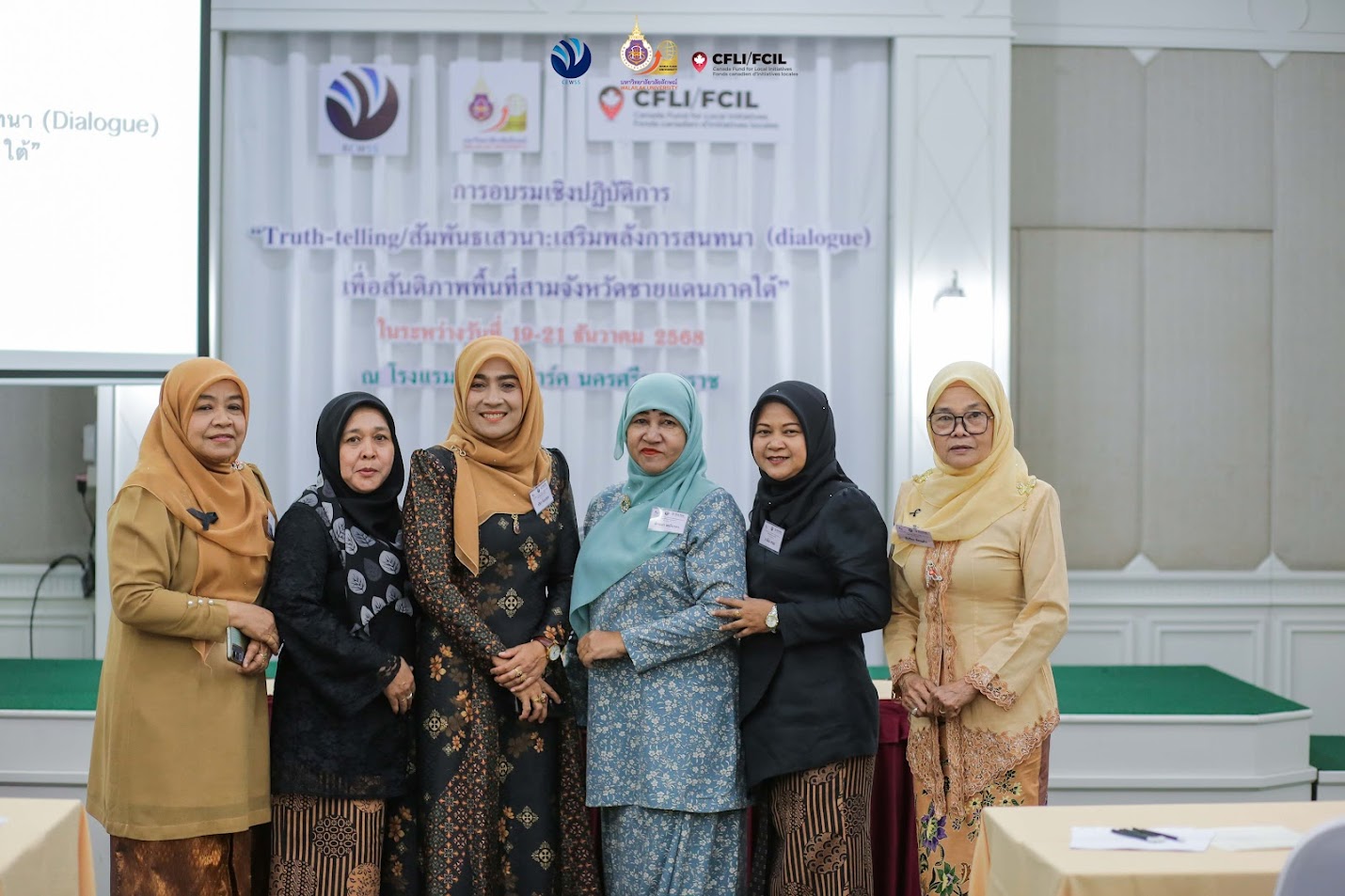
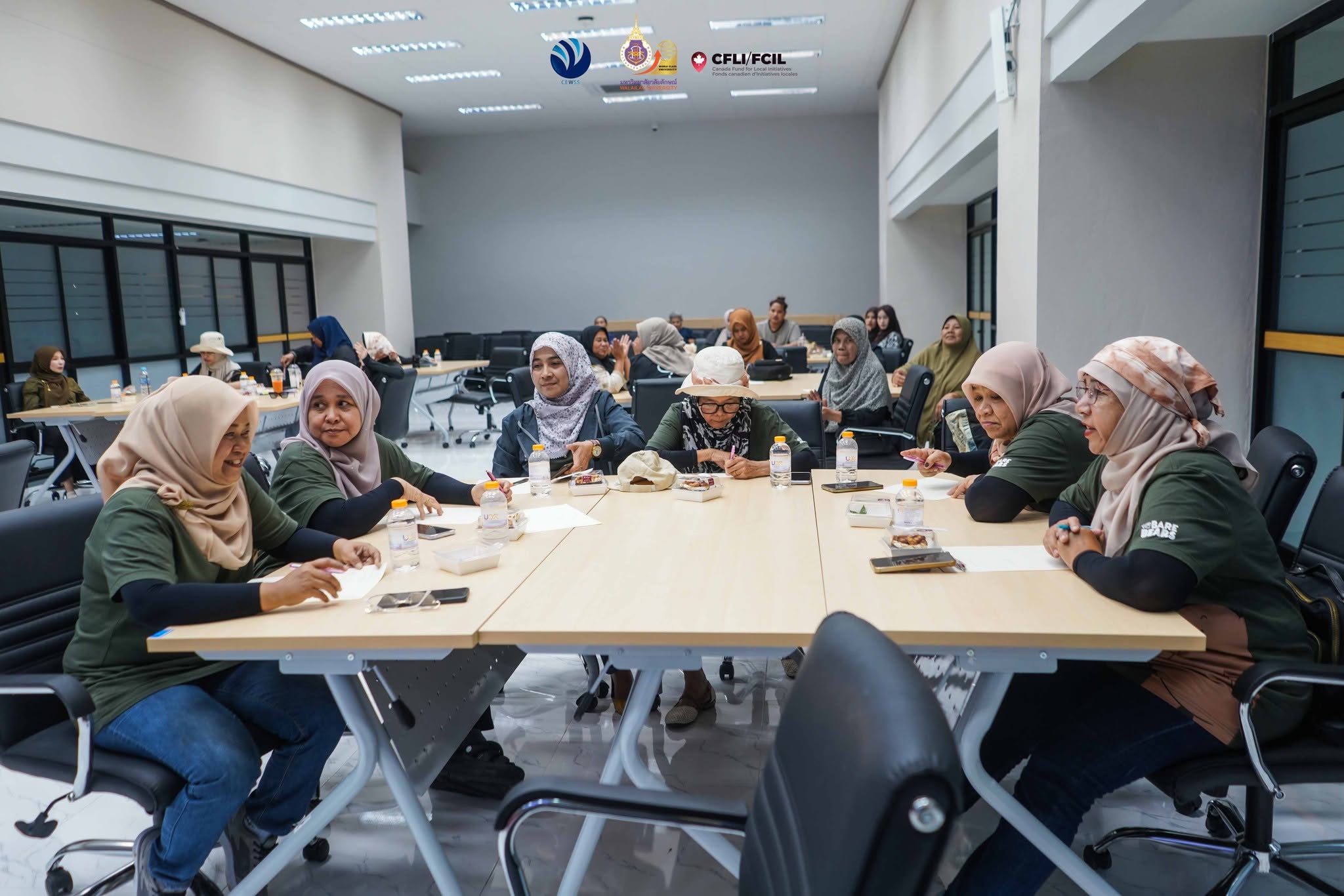
Recognizing the importance of women’s participation in building peaceful and resilient communities, in 2025 Walailak University established international collaboration with Global Affairs Canada (GAC), the Embassy of Canada to Thailand, independent scholars, social researchers, and social activists through the project titled “Truth-telling: Empowering Women’s Voice for Building Peace in 3 Southern Provinces of Thailand.” The initiative focused on gathering information about women’s lived experiences, identifying challenges in conflict-affected communities, and developing community-based best practices to strengthen women’s voices and participation in peacebuilding.
International Collaboration in SDG Data Gathering and Assessment
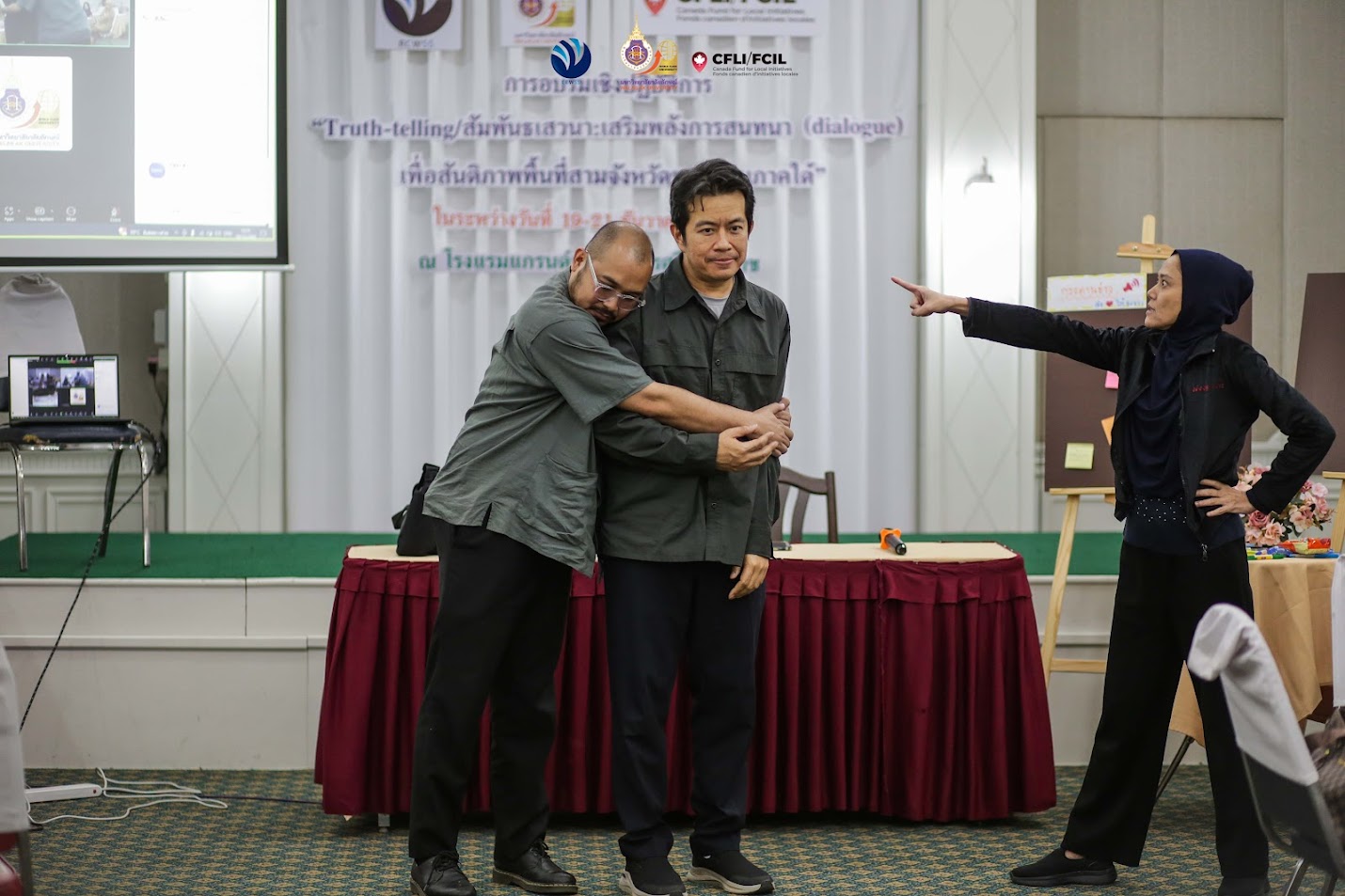
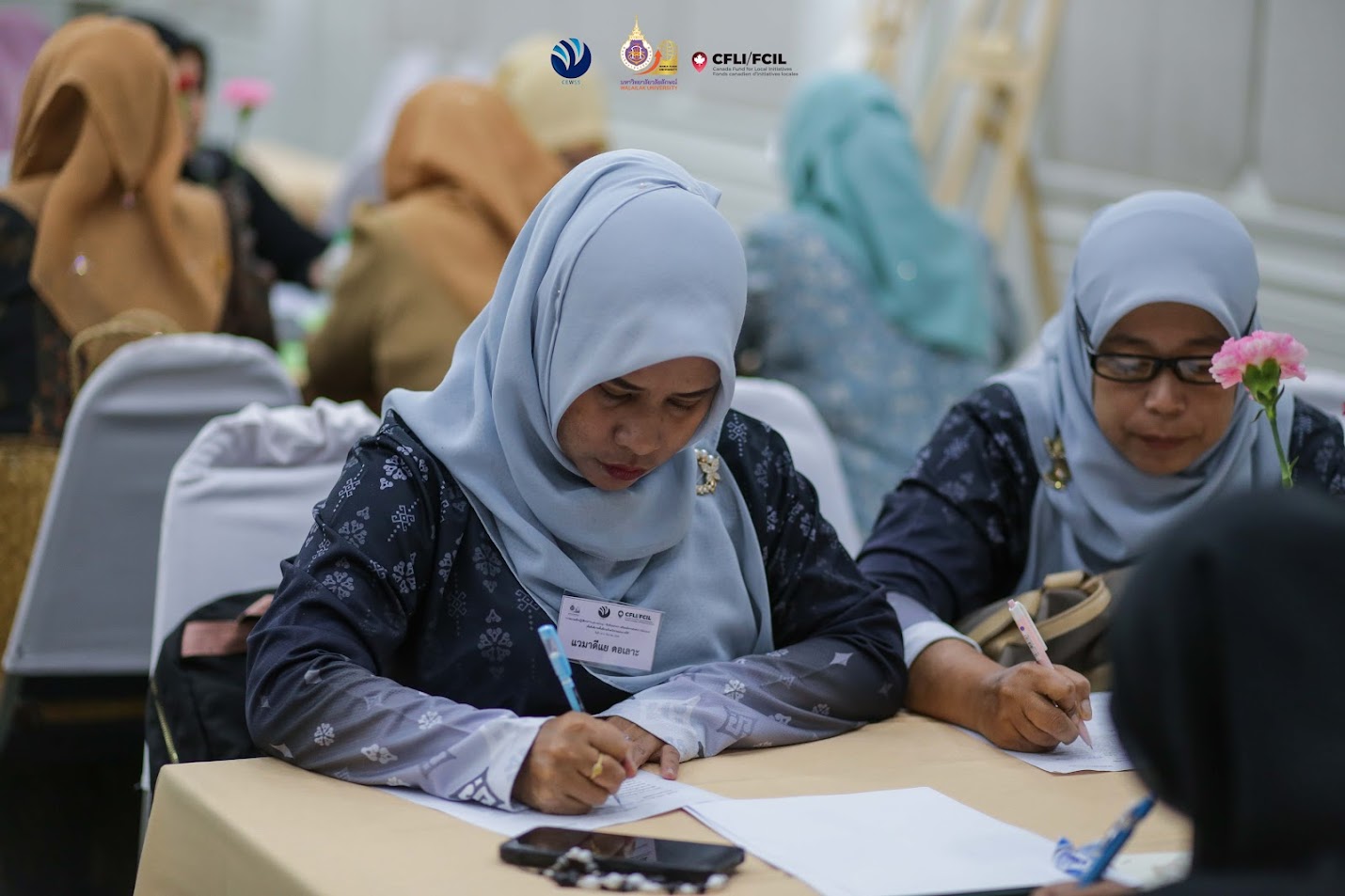
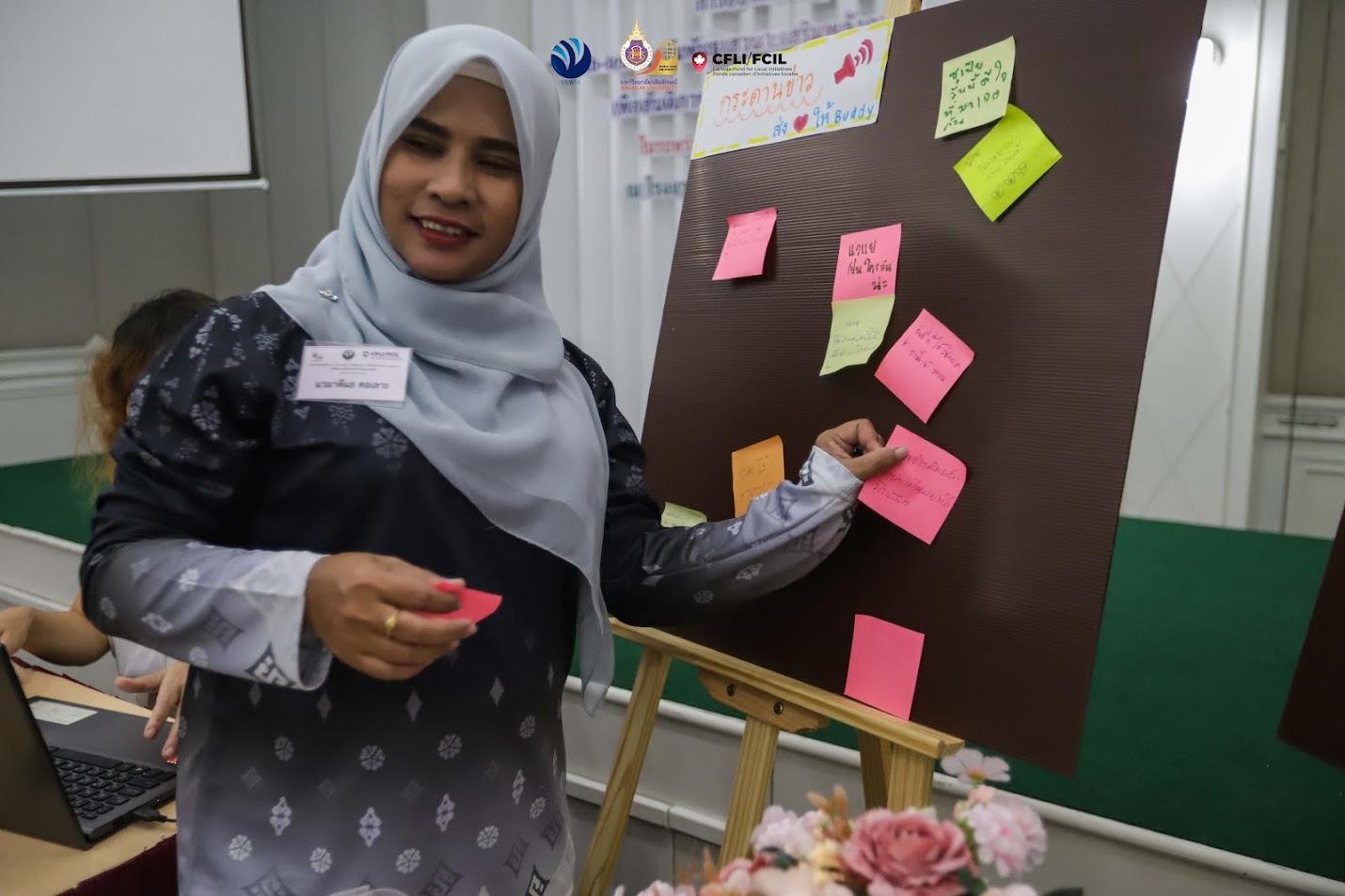
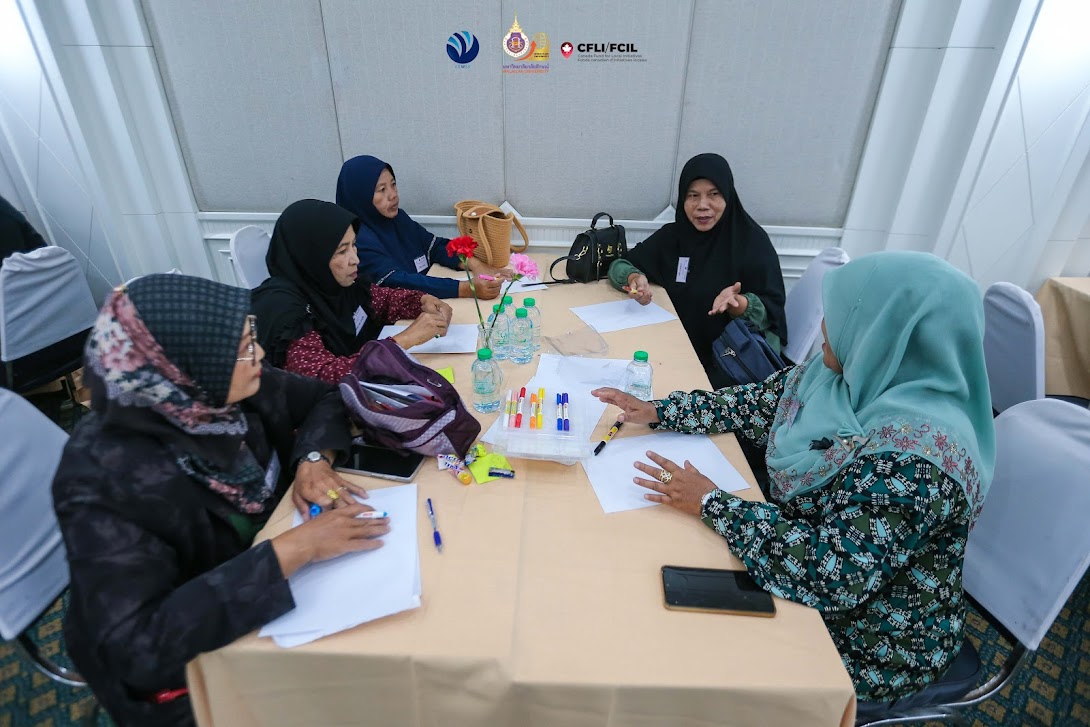
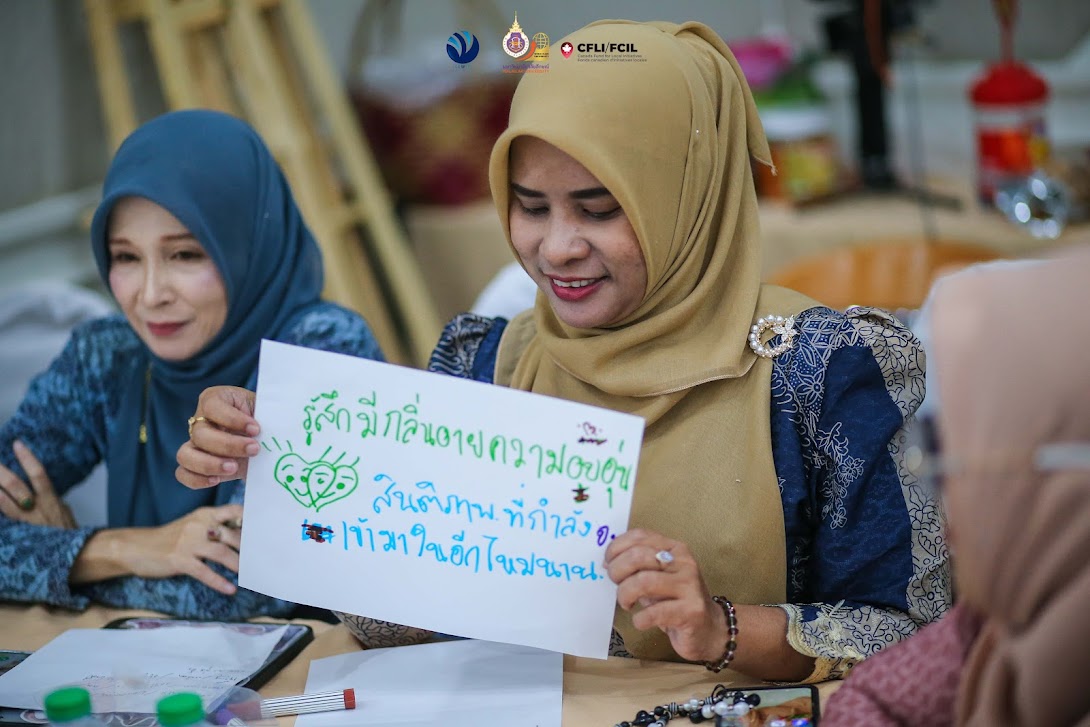
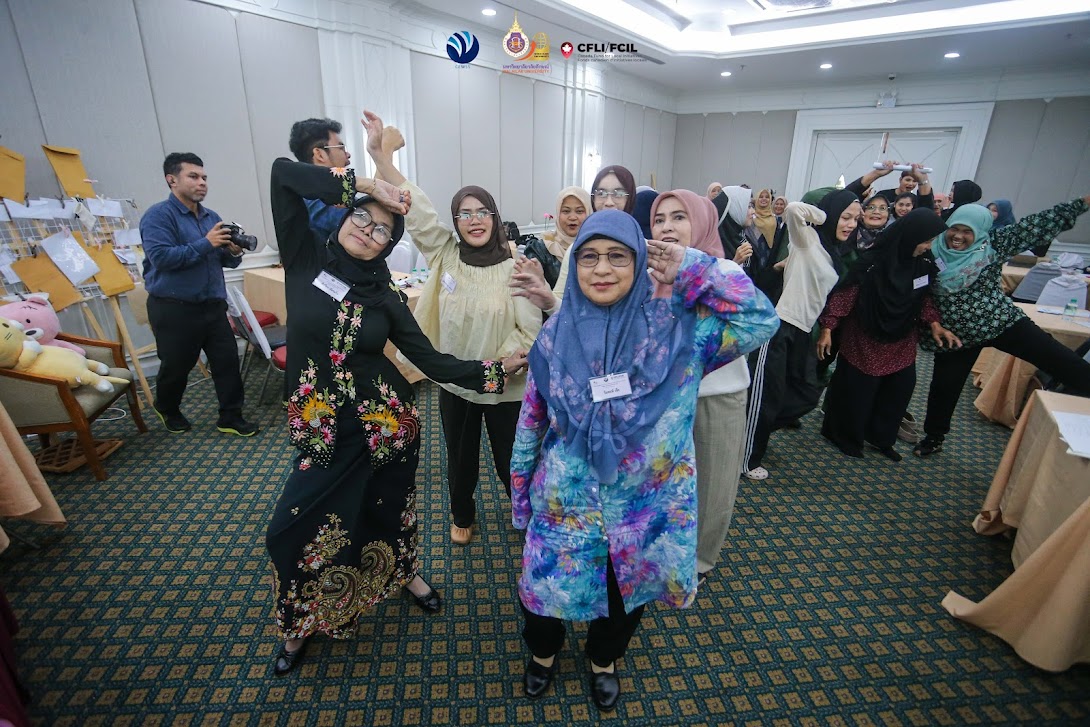
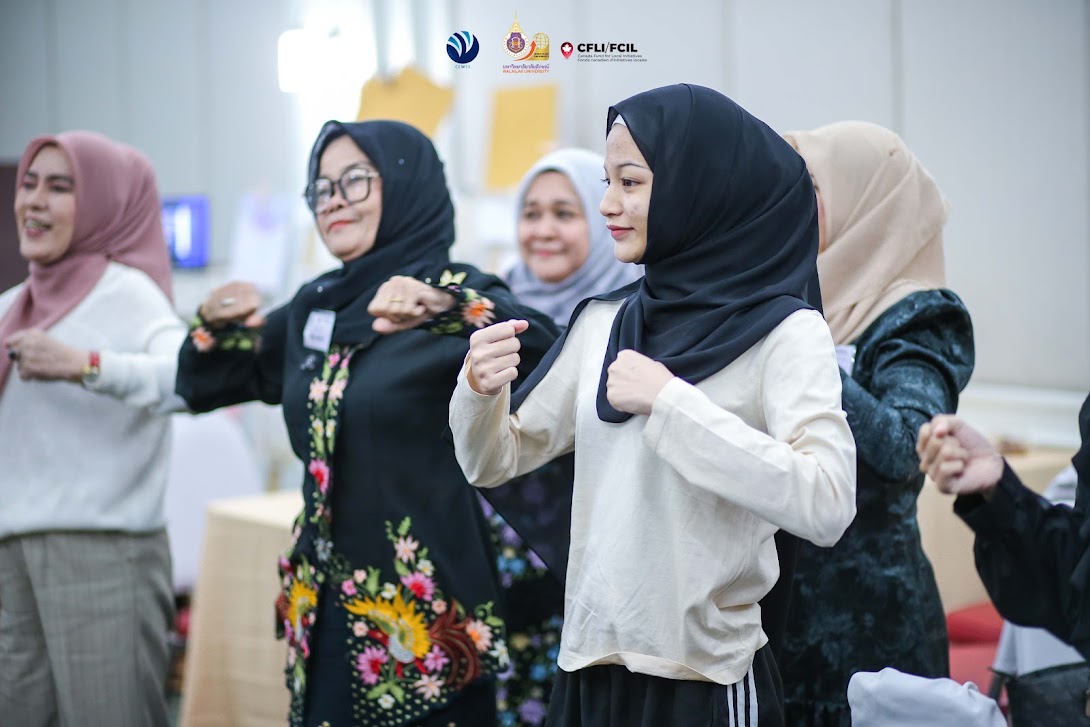
A central component of the project was the collection of qualitative data through structured dialogue sessions, participatory workshops, and community-based reflection activities. These activities provided women directly affected by the insurgency with opportunities to share their experiences, concerns, needs, and aspirations in a supportive environment. The information gathered helped identify challenges that might otherwise remain overlooked, including gender inequality, rights violations, social exclusion, psychological distress, and forms of violence that are not always visible or formally reported.
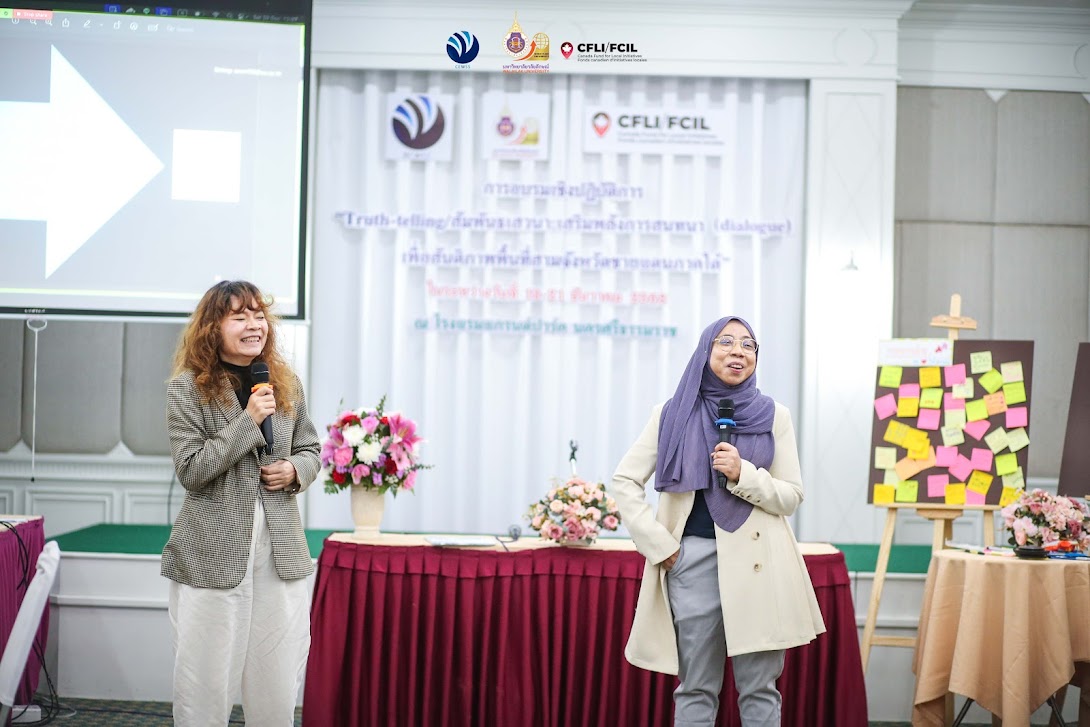
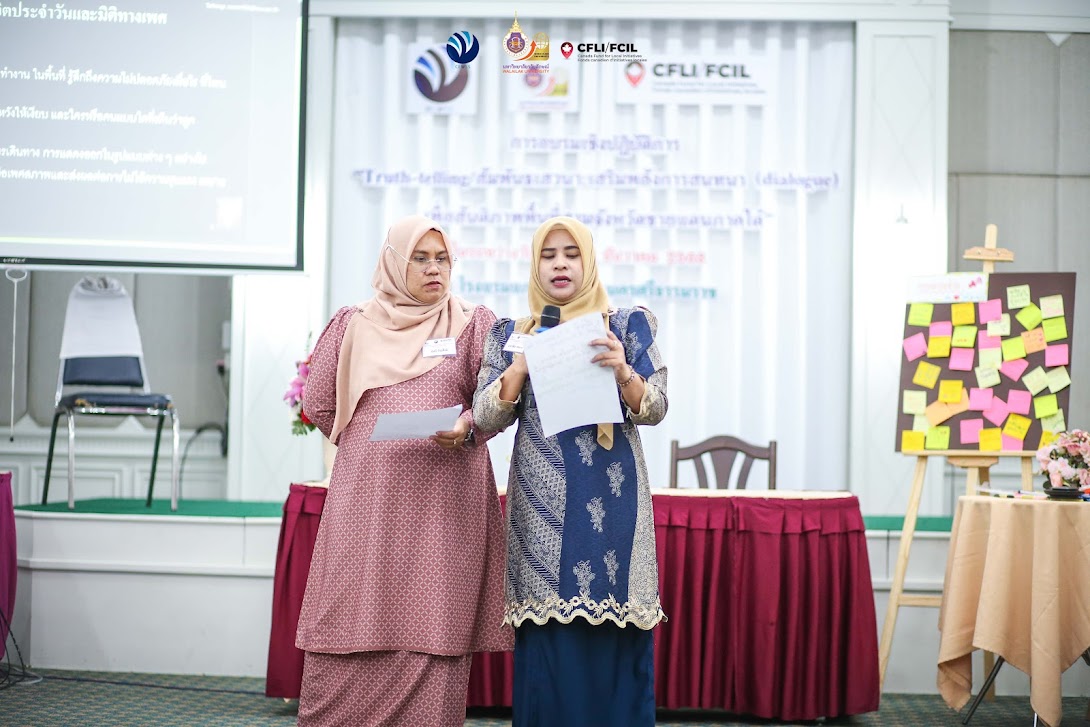
Independent scholars, social researchers, community leaders, and social activists facilitated multiple sessions, encouraging participants to express their experiences and perspectives in ways that respected their dignity and personal circumstances. The project emphasized safe spaces for dialogue, nonviolent communication, and confidence-building to help women communicate their concerns and contribute to discussions about their communities’ futures.
Through international collaboration, the information gathered was submitted to Walailak University to support further research, analysis, and the development of evidence-based recommendations. This process demonstrates how collaboration among a university, international partners, researchers, and local stakeholders can contribute to gathering and interpreting data relevant to sustainable development, particularly gender equality, inclusive institutions, and peaceful societies.
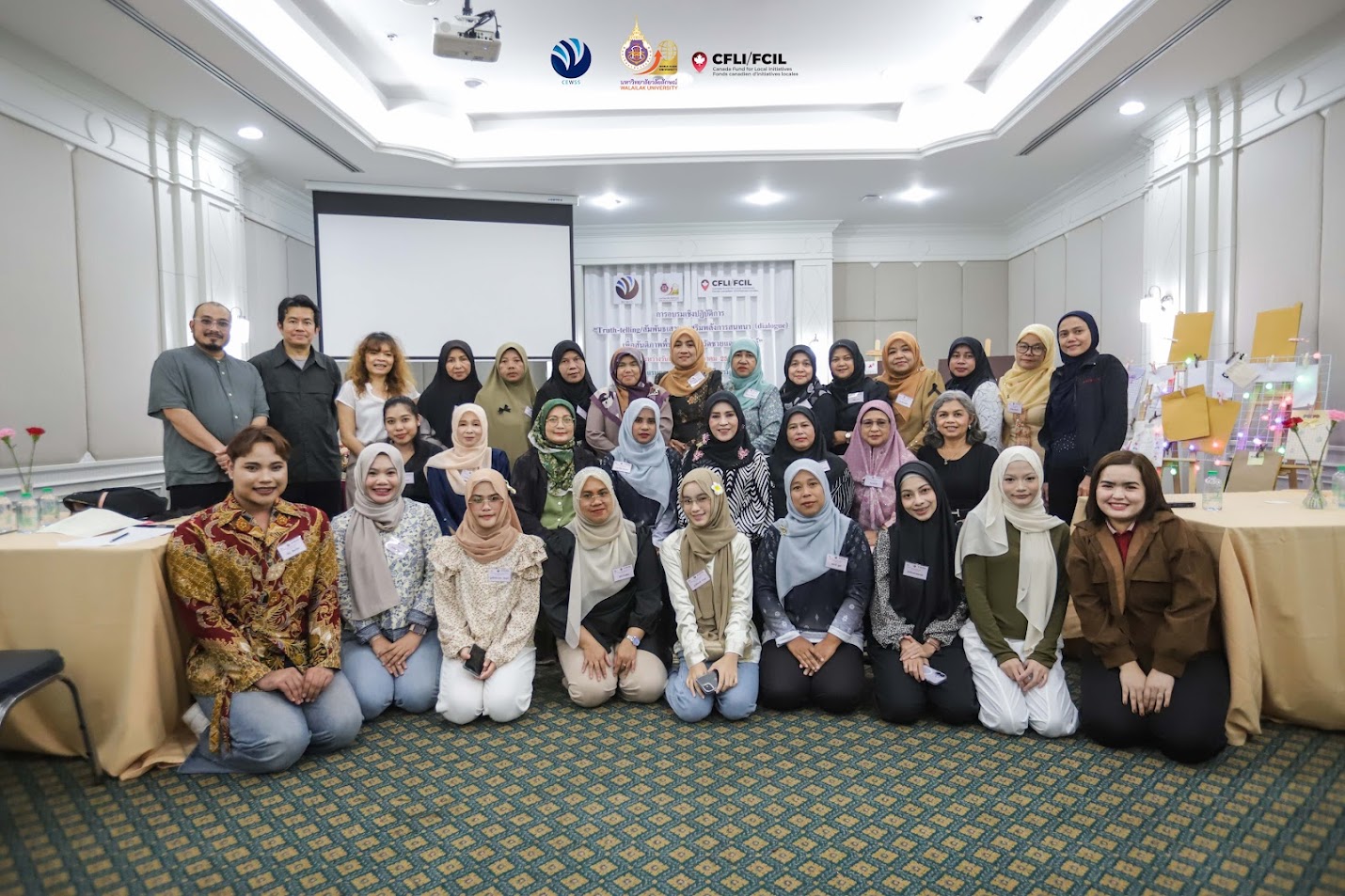
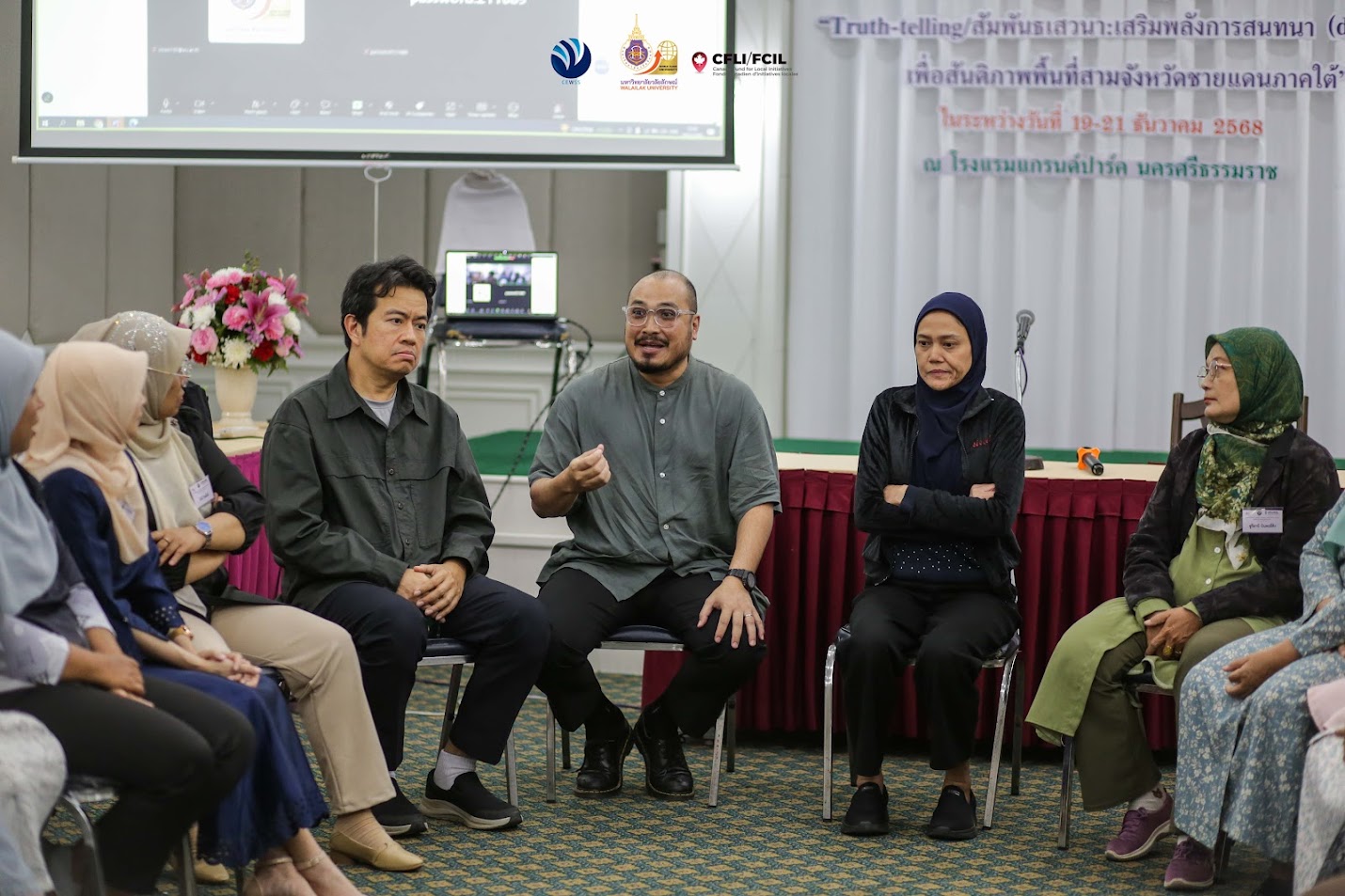
Developing Community-Based Best Practices for Peacebuilding
Beyond data gathering, the project encouraged participants to translate their experiences and shared concerns into practical approaches to community peacebuilding. Drawing on the principles of United Nations Security Council Resolution 1325 on Women, Peace and Security, the initiative highlighted the importance of women’s meaningful participation in conflict prevention, peace negotiations, community recovery, and the promotion of social cohesion.
Participants collaboratively developed community-based best practices intended to reduce violence, promote dignity and equality, strengthen community relationships, and expand opportunities for women to participate in peacebuilding. These discussions connected the evidence gathered from women’s experiences with potential responses tailored to the realities of conflict-affected communities.
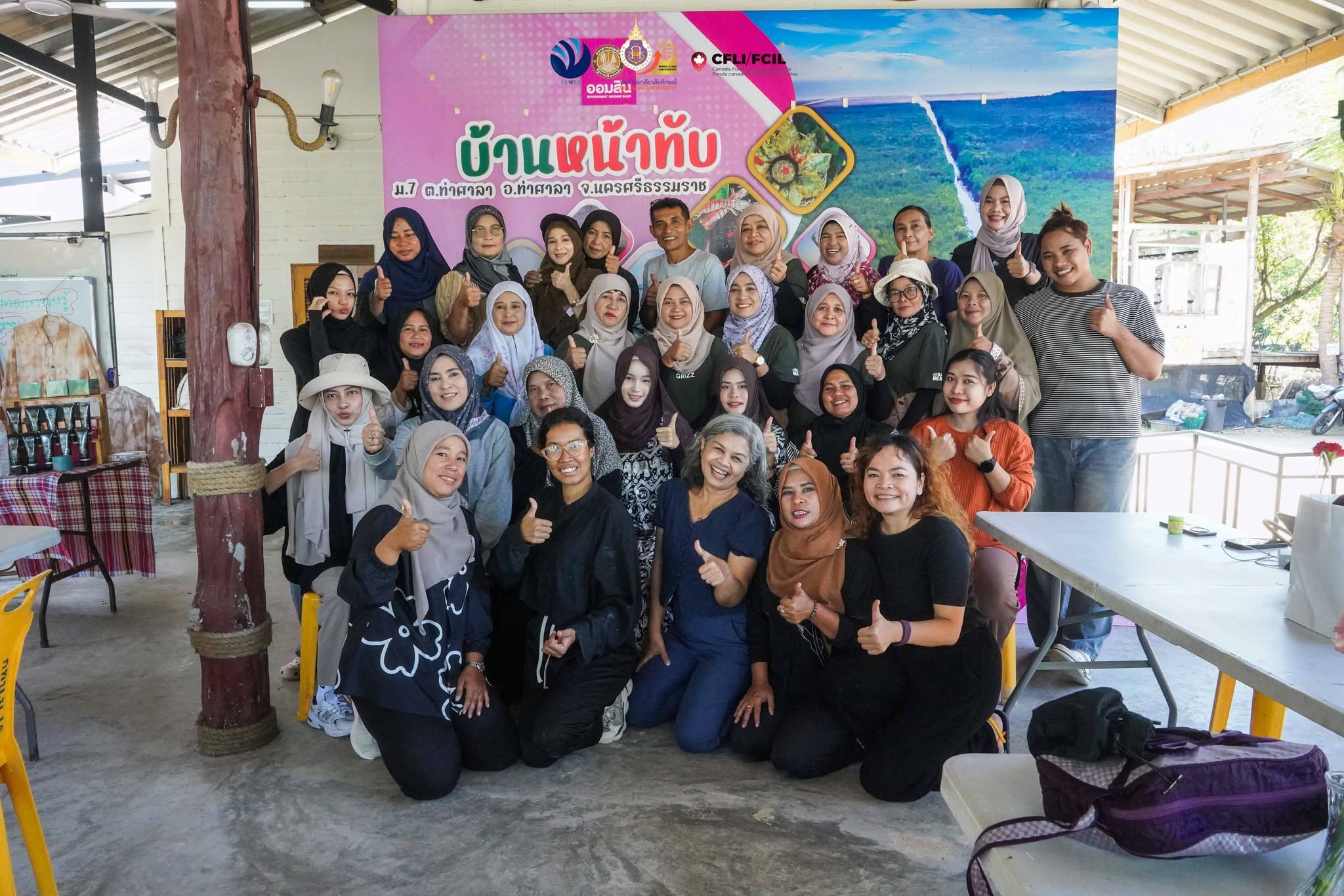
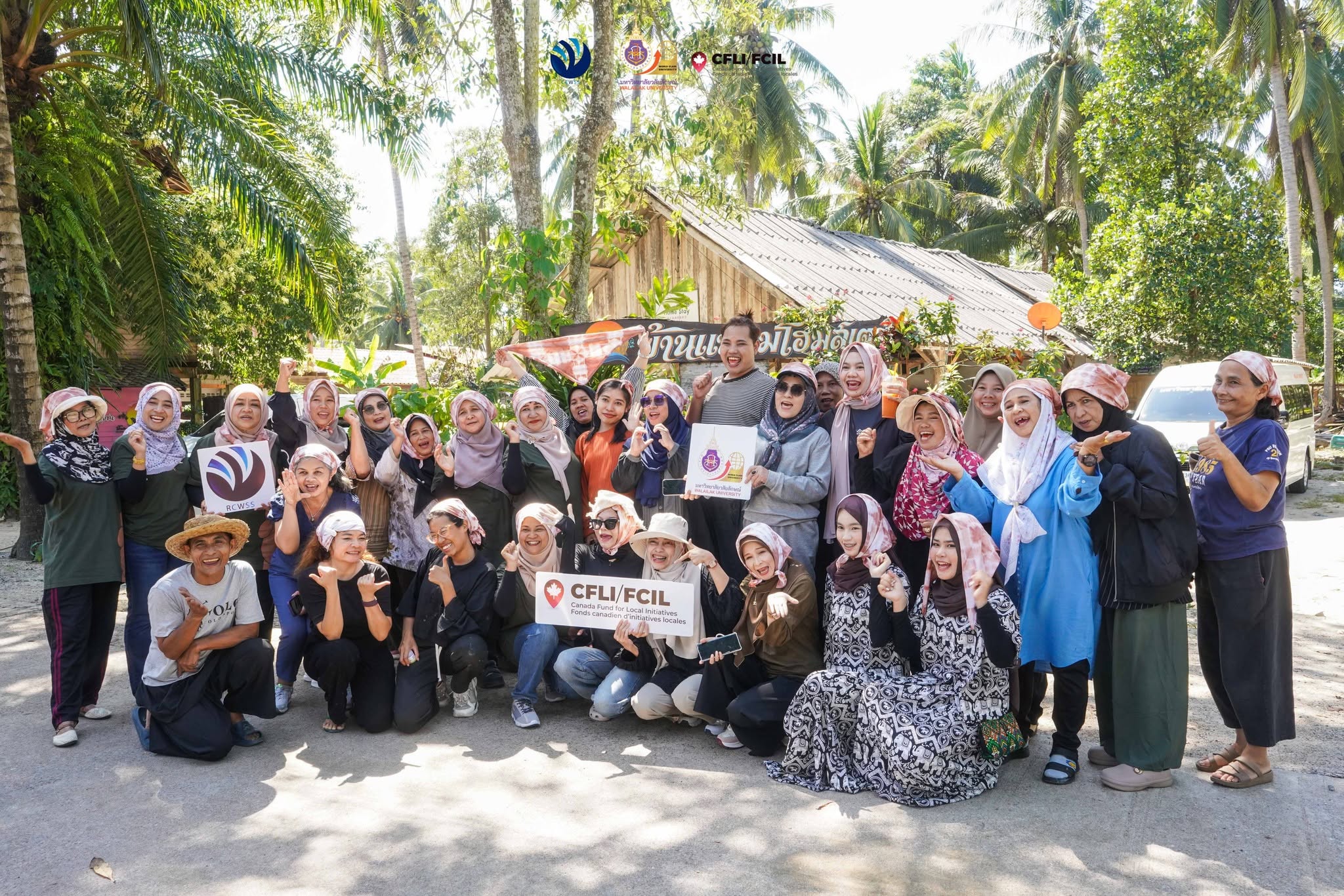
As part of experiential learning, participants also visited the Ban Laem community, which is known for peaceful coexistence among people of diverse religious backgrounds. The visit provided an opportunity to observe community relationships, intercultural understanding, mutual respect, and grassroots approaches to peaceful coexistence. Participants exchanged perspectives and considered how relevant practices might be adapted to their own communities.
Measuring Progress and Strengthening Evidence-Based Peacebuilding
Data gathering and measurement are important foundations for assessing whether peacebuilding initiatives respond to community needs and support meaningful social change. The qualitative information generated through the project provides a basis for examining women’s experiences, identifying barriers to participation, and informing recommendations for future interventions. Continued collaboration among Walailak University, international partners, researchers, and community stakeholders can help strengthen the systematic assessment of women’s participation and the development of appropriate indicators for monitoring progress over time.
The project also sought to strengthen women’s confidence, knowledge of their rights, understanding of nonviolent communication, and capacity to participate in community dialogue. Participants were expected to serve as catalysts within their respective provinces by encouraging constructive discussion, promoting nonviolence, and strengthening networks among women working toward peace.
Through these activities, the initiative supported the objectives of Sustainable Development Goal 5 (Gender Equality) by promoting women’s voices and participation, and SDG 16 (Peace, Justice and Strong Institutions) by contributing to inclusive approaches to conflict prevention and peaceful communities. It also aligned with SDG 17 (Partnerships for the Goals) through international collaboration in data gathering, research, knowledge exchange, and best-practice development.
Advancing Sustainable Peace through International Partnerships
Walailak University’s collaboration with Global Affairs Canada and other international and local stakeholders demonstrates the value of combining community knowledge, qualitative data, research expertise, and international perspectives to address complex social challenges. By creating opportunities for women to share their experiences and contribute to the development of community-based best practices, the project helped strengthen the recognition of women’s roles in peacebuilding in Southern Thailand.
The data and insights generated through the initiative provide a foundation for further analysis, evidence-based recommendations, and future assessment of peacebuilding efforts. Continued measurement of progress, alongside meaningful engagement with women and conflict-affected communities, will be important for determining the longer-term effectiveness and sustainability of these approaches. Ultimately, this international collaboration supports the development of more inclusive, responsive, and resilient communities in which women’s experiences inform decision-making and their participation contributes to lasting peace.
Walailak University Strengthens International Collaboration in Environmental Data Gathering and Measurement through STEM Education and Scientific Research
Environmental challenges such as climate change, ecosystem degradation, biodiversity loss, and marine pollution require reliable scientific data and coordinated international efforts. Gathering and measuring environmental data across different geographical locations enables researchers and communities to diagnose environmental conditions, monitor ecosystem changes, identify emerging risks, and develop evidence-based responses. International collaboration is particularly important because environmental issues cross national boundaries and require shared scientific knowledge, standardized measurement protocols, and comparable observations. Through partnerships among universities, schools, research institutions, government agencies, and international organizations, locally collected environmental data can contribute to wider scientific research and global sustainability monitoring. Walailak University (WU) recognizes the importance of these collaborative efforts and promotes participation in international scientific networks that strengthen environmental data collection, STEM education, and progress toward the Sustainable Development Goals (SDGs).
International Collaboration in Environmental Data Gathering and Measurement
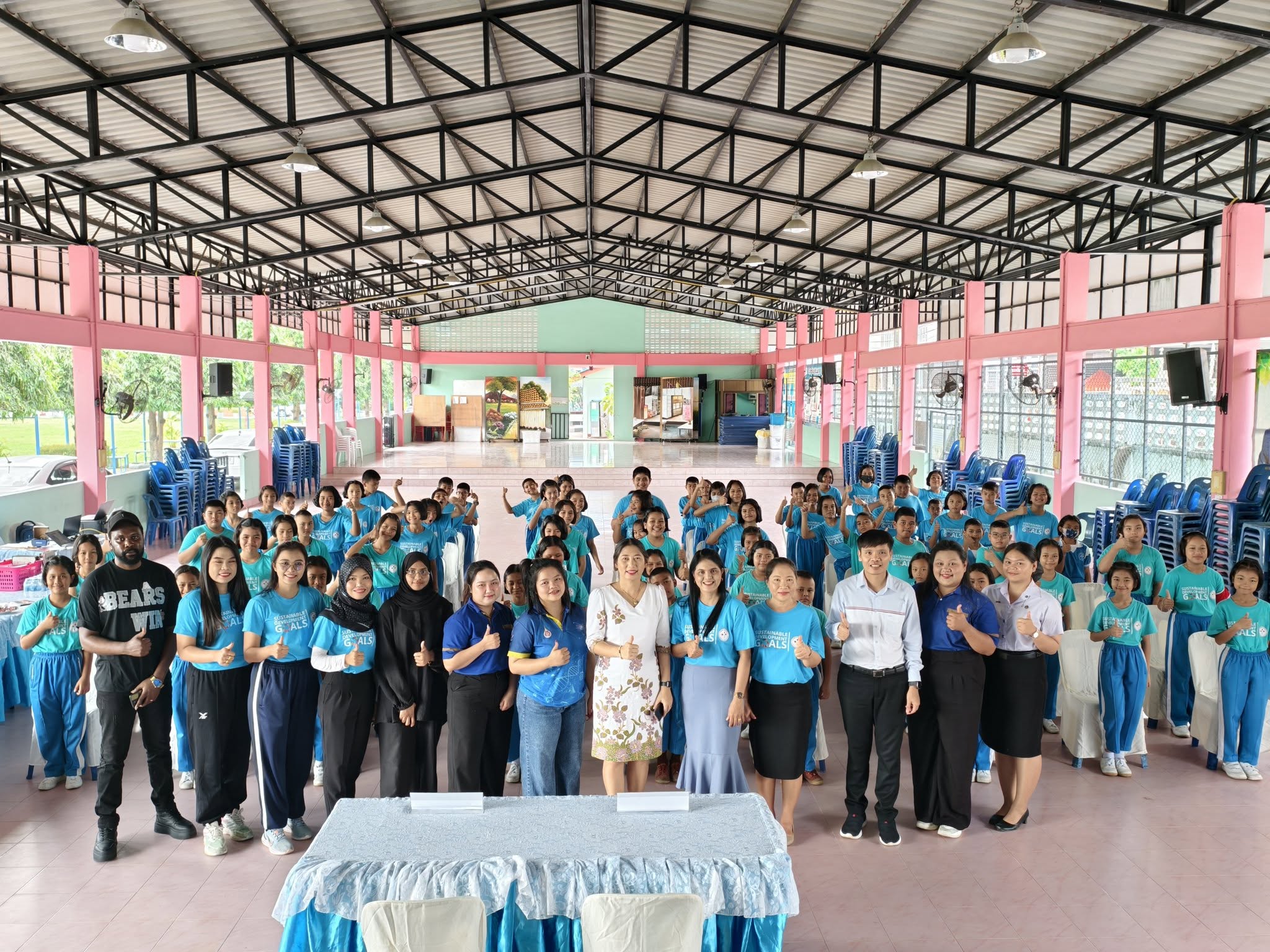
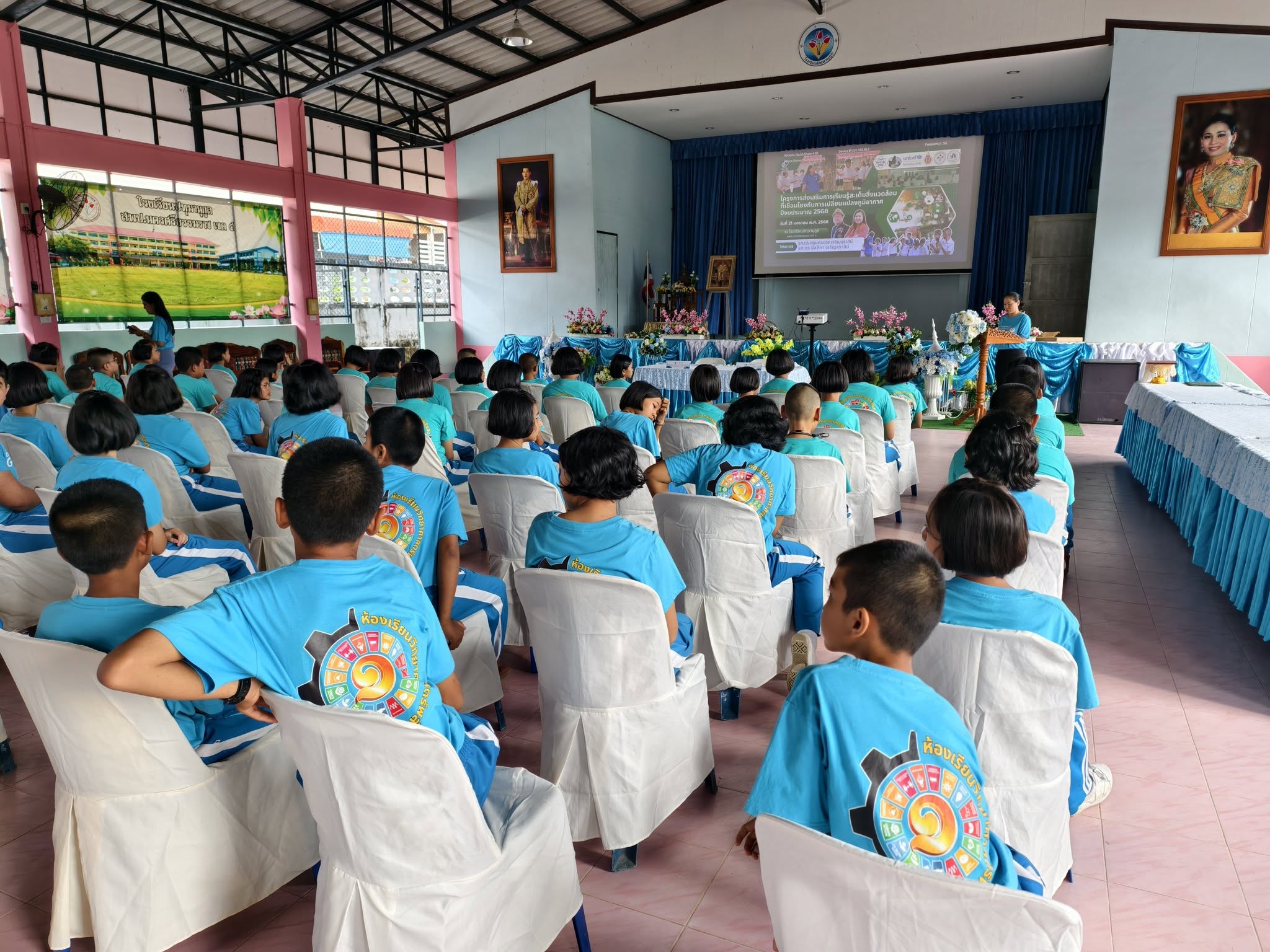
In 2025, Walailak University conducted the project “Promoting STEM Education in Environmental Education and Climate Change” through collaboration involving WU, NASA, UNICEF, GLOBE Thailand, the Institute for the Promotion of Teaching Science and Technology (IPST), and The GLOBE Program – Asia Pacific. The initiative connected educational institutions and international partners to promote scientific research, environmental observation, climate change education, and SDG-related data gathering and measurement.
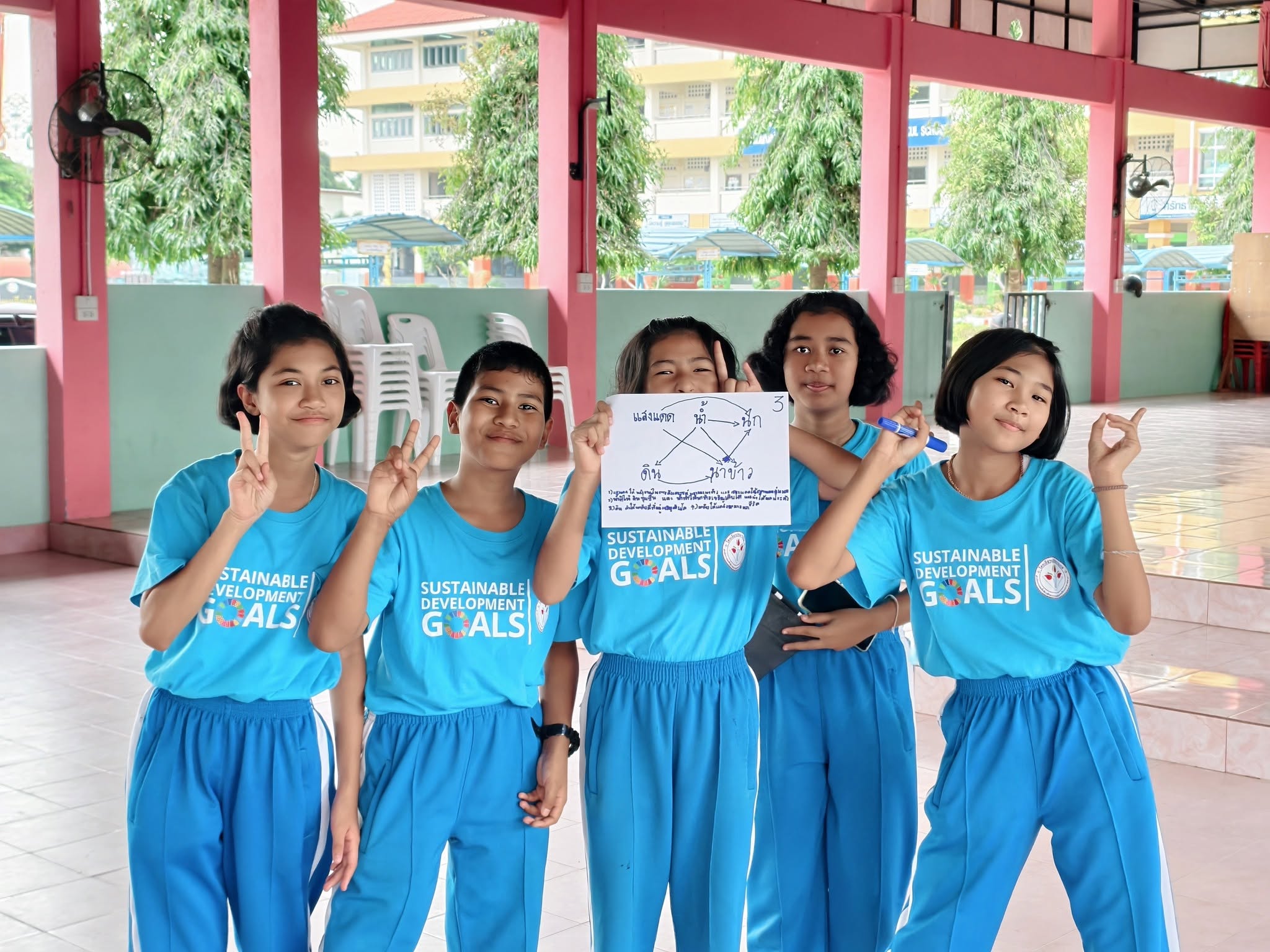
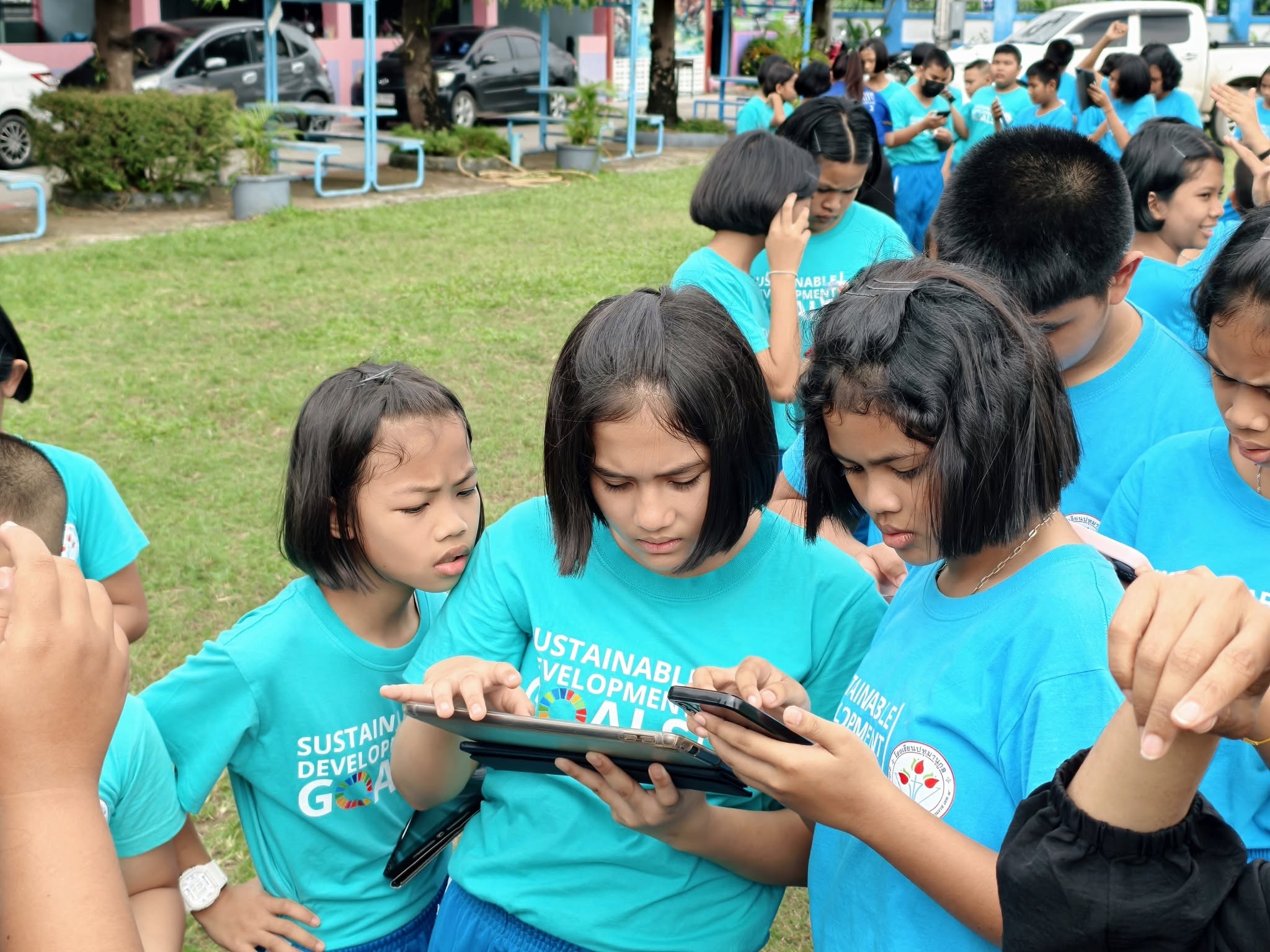
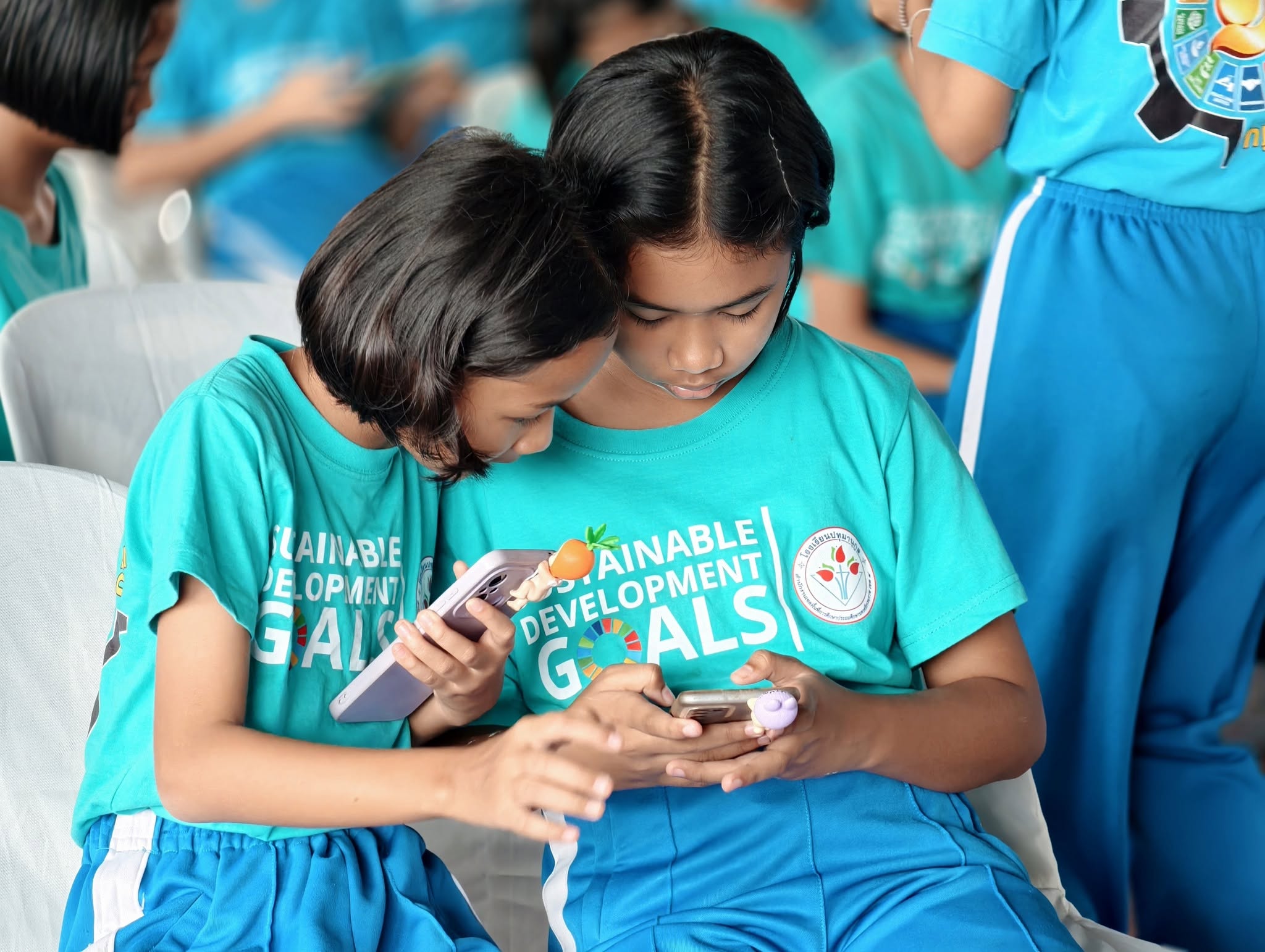
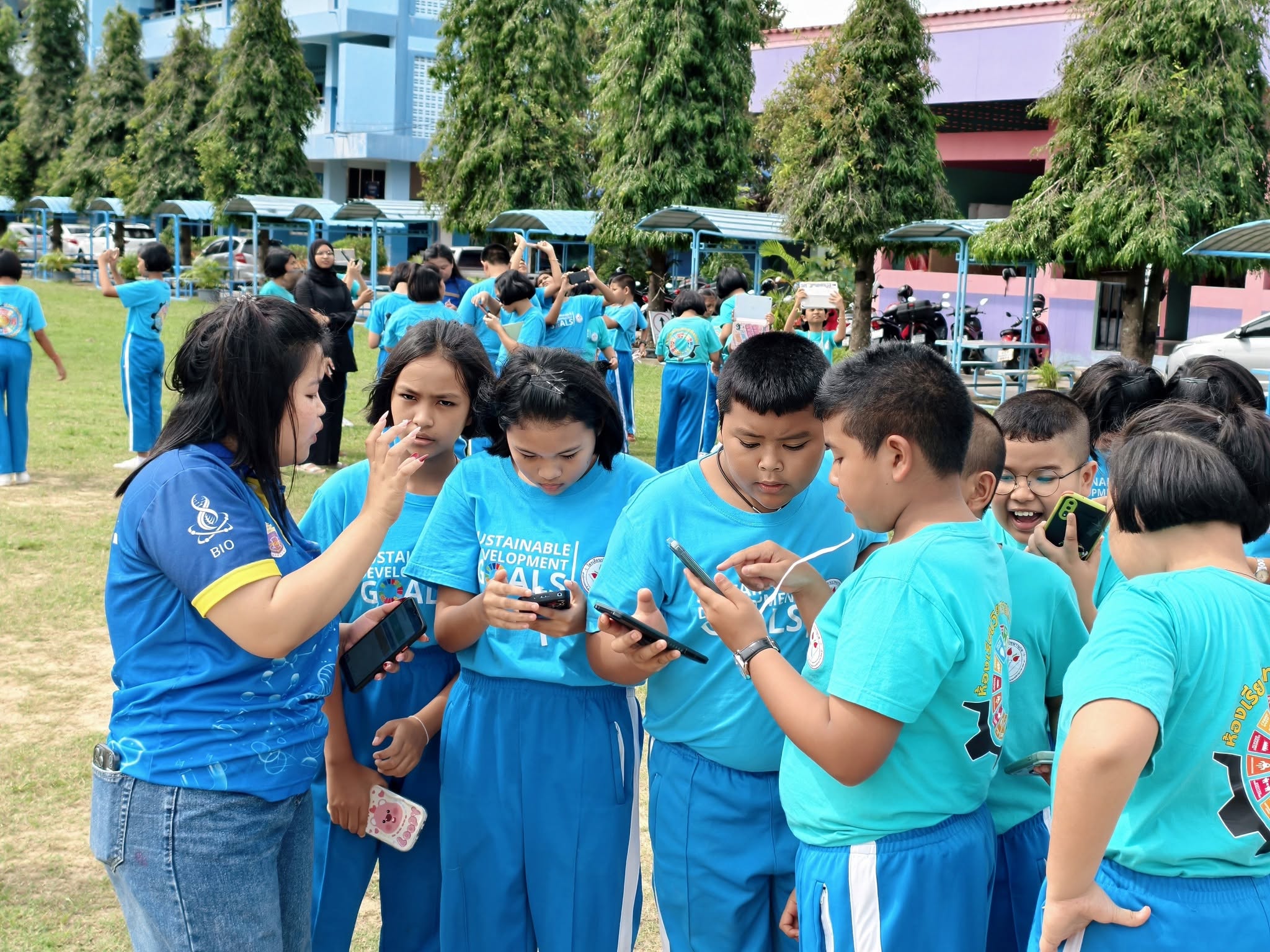
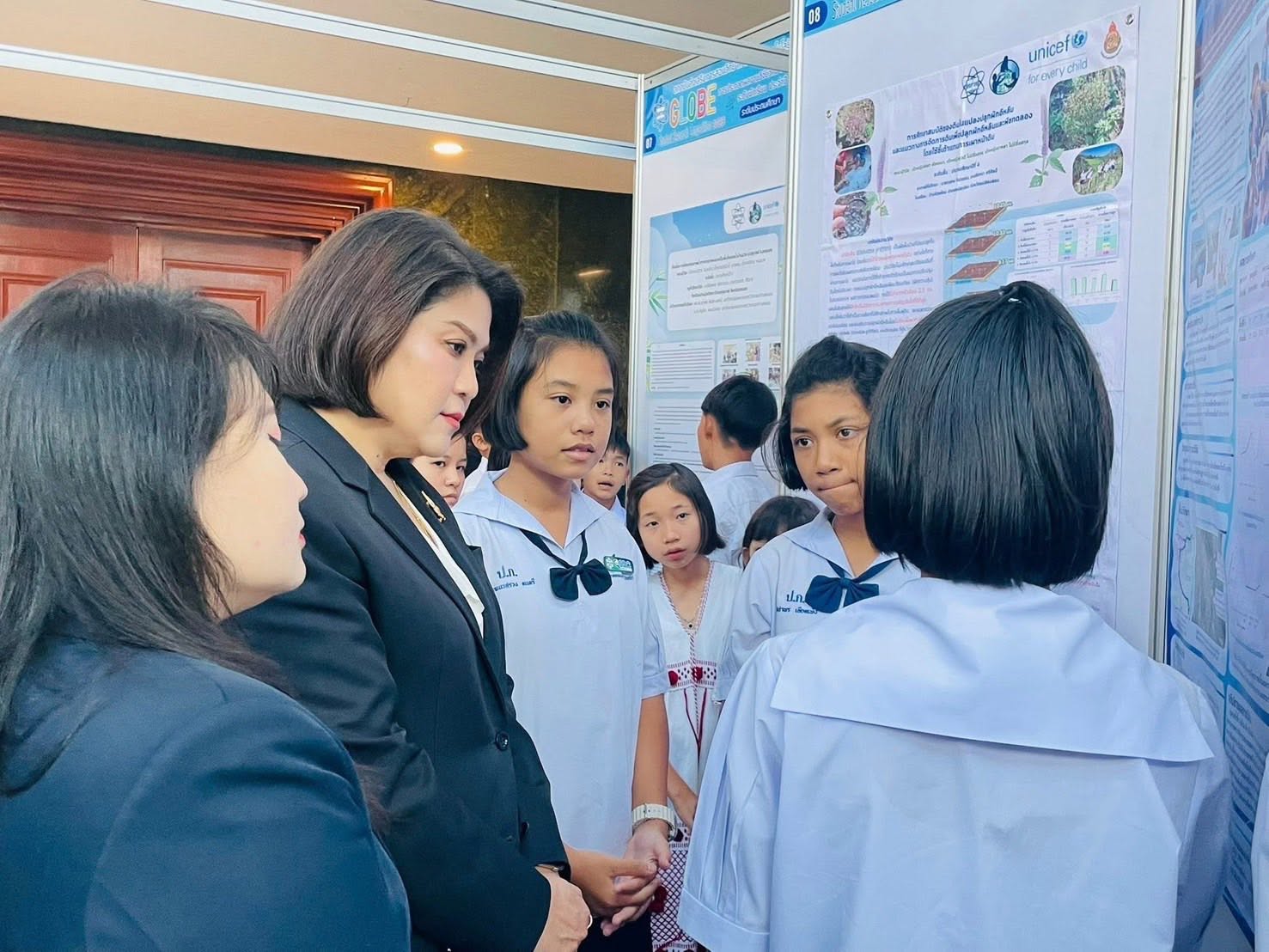
Pathummanukul School was among the participating schools. Through workshops and practical training, students developed scientific knowledge and research skills while learning how to collect, measure, record, and submit environmental observations using established scientific protocols. The activities included training in environmental measurement and GLOBE observation protocols, supporting environmental data entry into relevant data systems, and encouraging students to present their findings through the GLOBE Student Research Competition (GLOBE SRC).
These activities enabled students to participate in the scientific data-gathering process rather than simply learn environmental concepts in the classroom. By engaging directly in observation, measurement, and research, students gained experience in producing environmental information that could contribute to broader scientific understanding.
Contributing Local Environmental Observations to a Global Scientific Network
An important outcome of the project was the submission of environmental observations gathered through the initiative to the GLOBE Program. The program provides an international platform for environmental science education and data sharing, connecting observations collected by participating students, educators, and scientists in different parts of the world. GLOBE observations can support scientific inquiry and, for certain observation types, contribute to the validation and interpretation of NASA satellite data products.
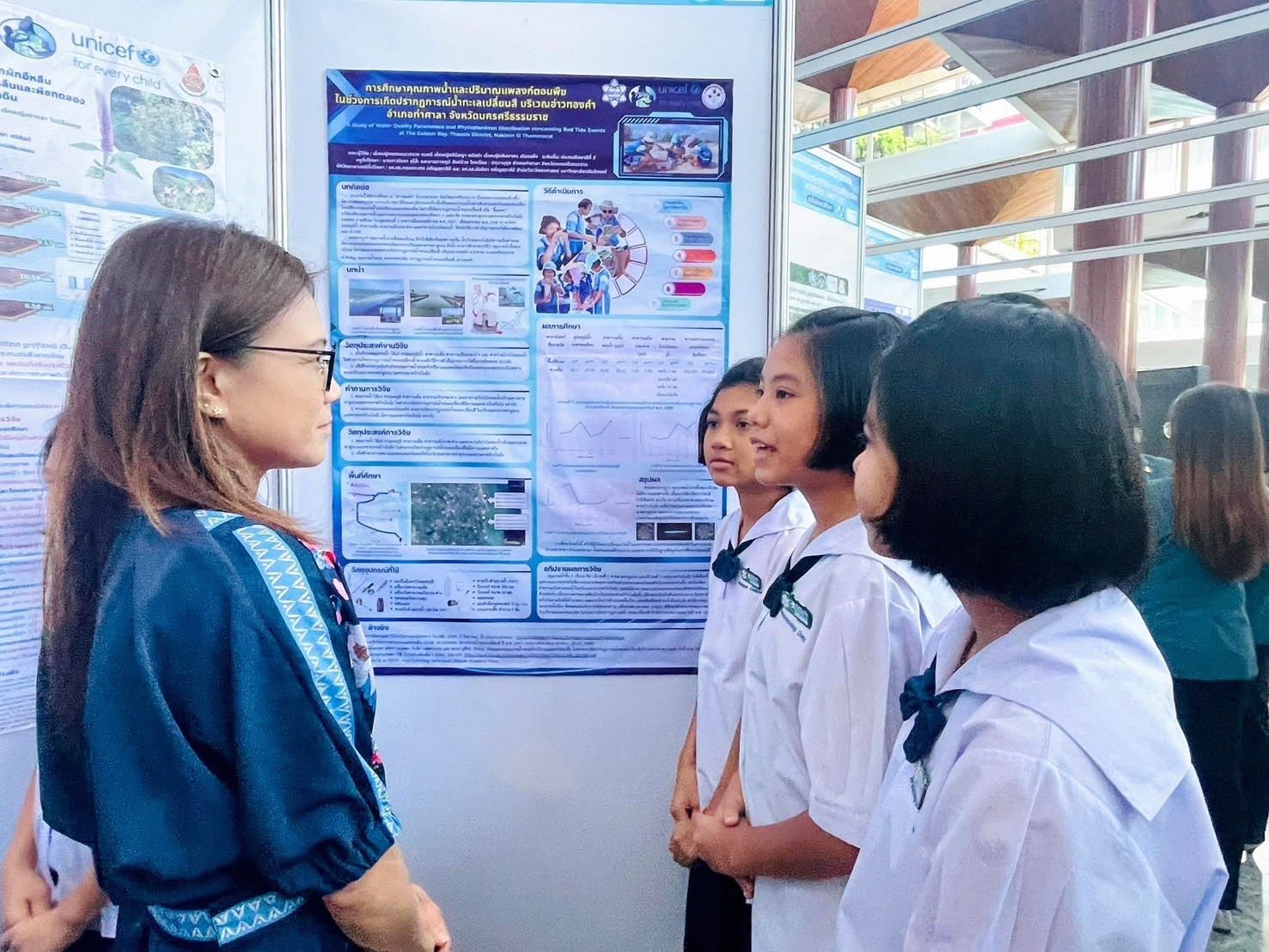
One student research project supported through the initiative was titled “Water Quality and Bioluminescent Plankton Abundance at Golden Bay.” The study examined the marine environment in Tha Sala District, Nakhon Si Thammarat, along the Gulf of Thailand, focusing on water quality and phytoplankton abundance in connection with changes in seawater colour and plankton blooms.
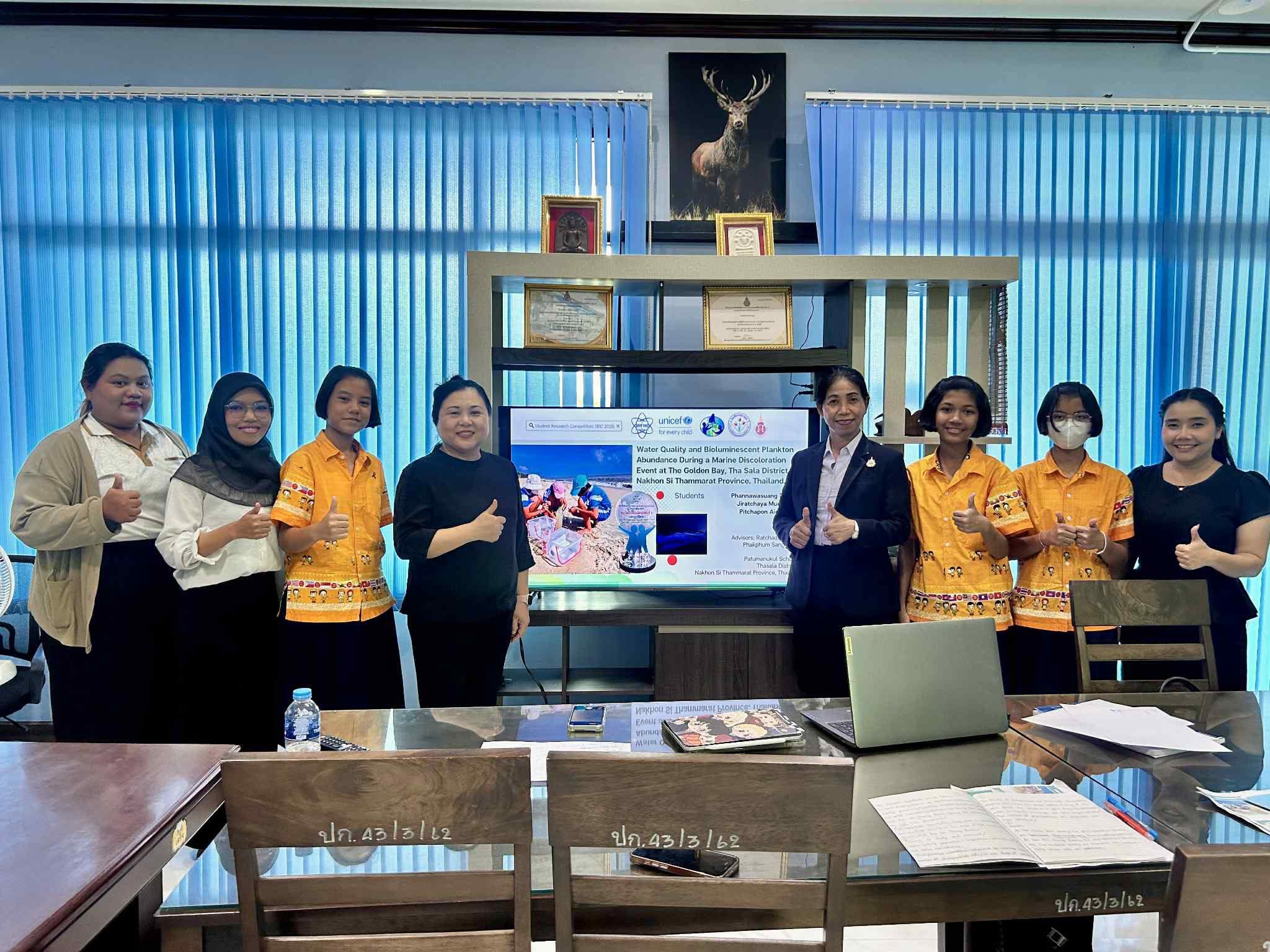
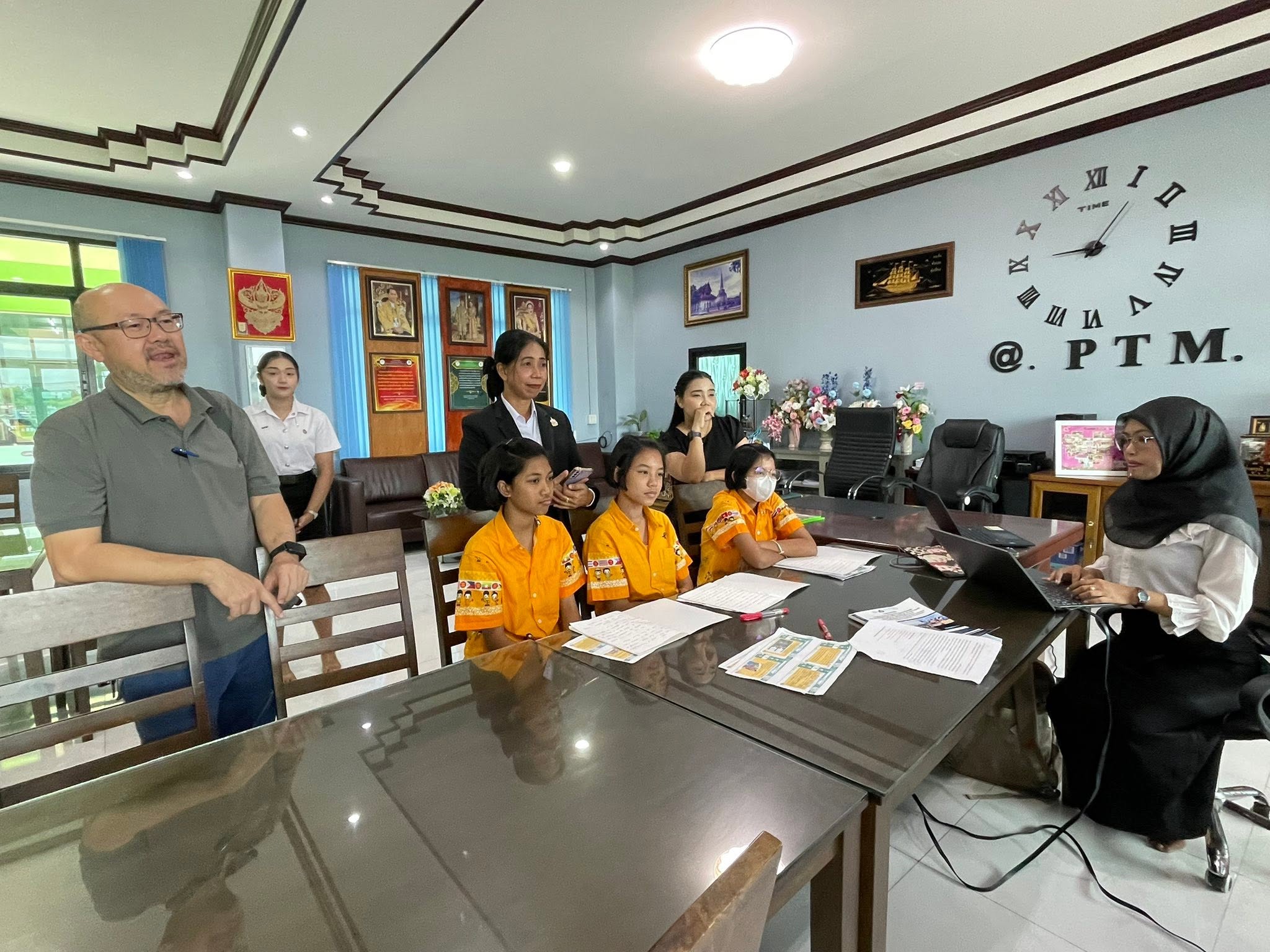
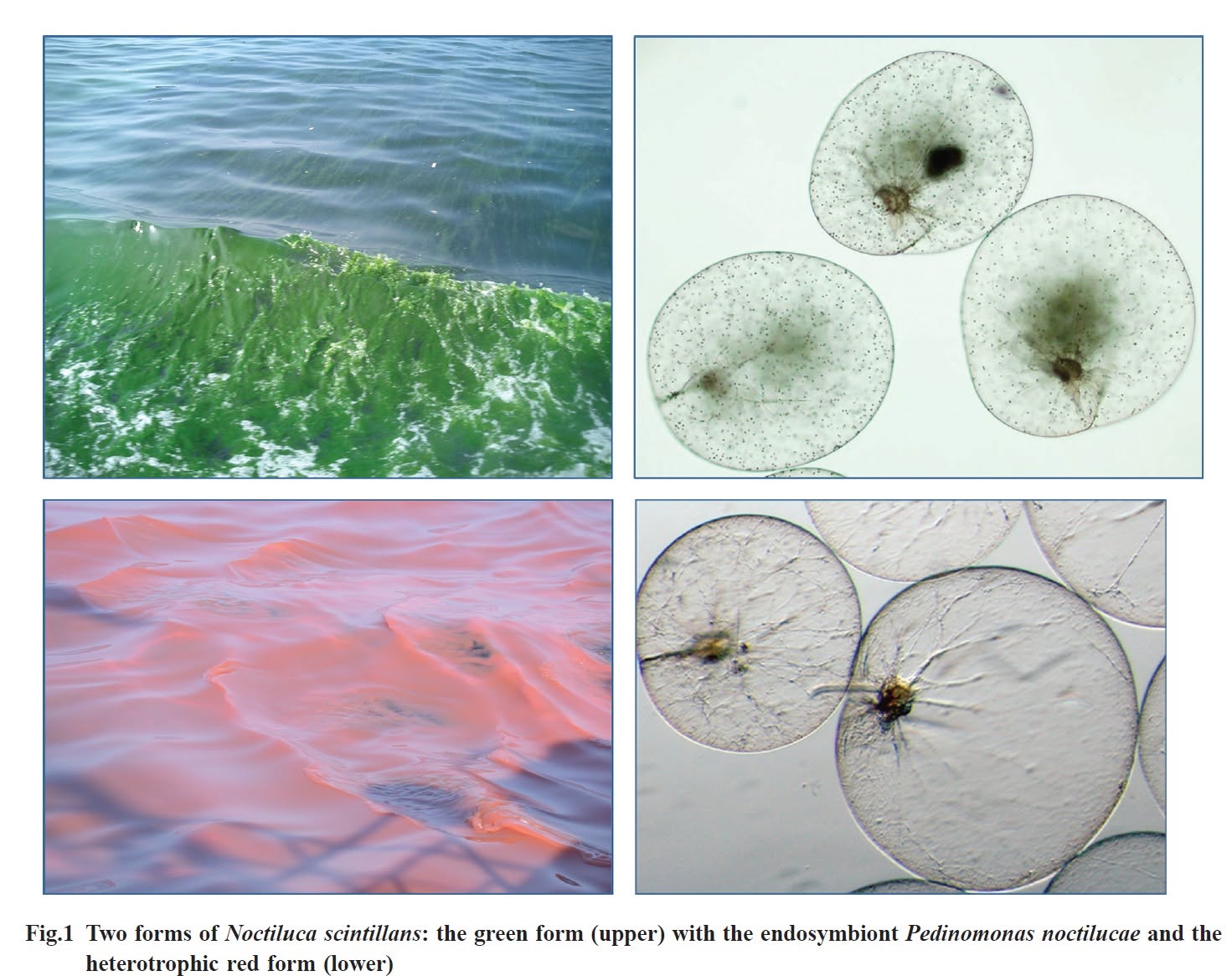
The student researchers compared two coastal study locations, Tha Sung Bon Beach and Ban Nai Kung Beach, with three observation points at each location. Using environmental research and measurement protocols, they collected and analyzed data on water temperature, salinity, pH, and water transparency, alongside observations of phytoplankton density and abundance.
This approach provided a local diagnostic assessment of coastal environmental conditions and enabled students to investigate relationships between water-quality characteristics and plankton abundance. The use of systematic observations and measurements helped students develop an evidence-based understanding of their local marine ecosystem while contributing environmental information to a wider scientific data-sharing initiative.
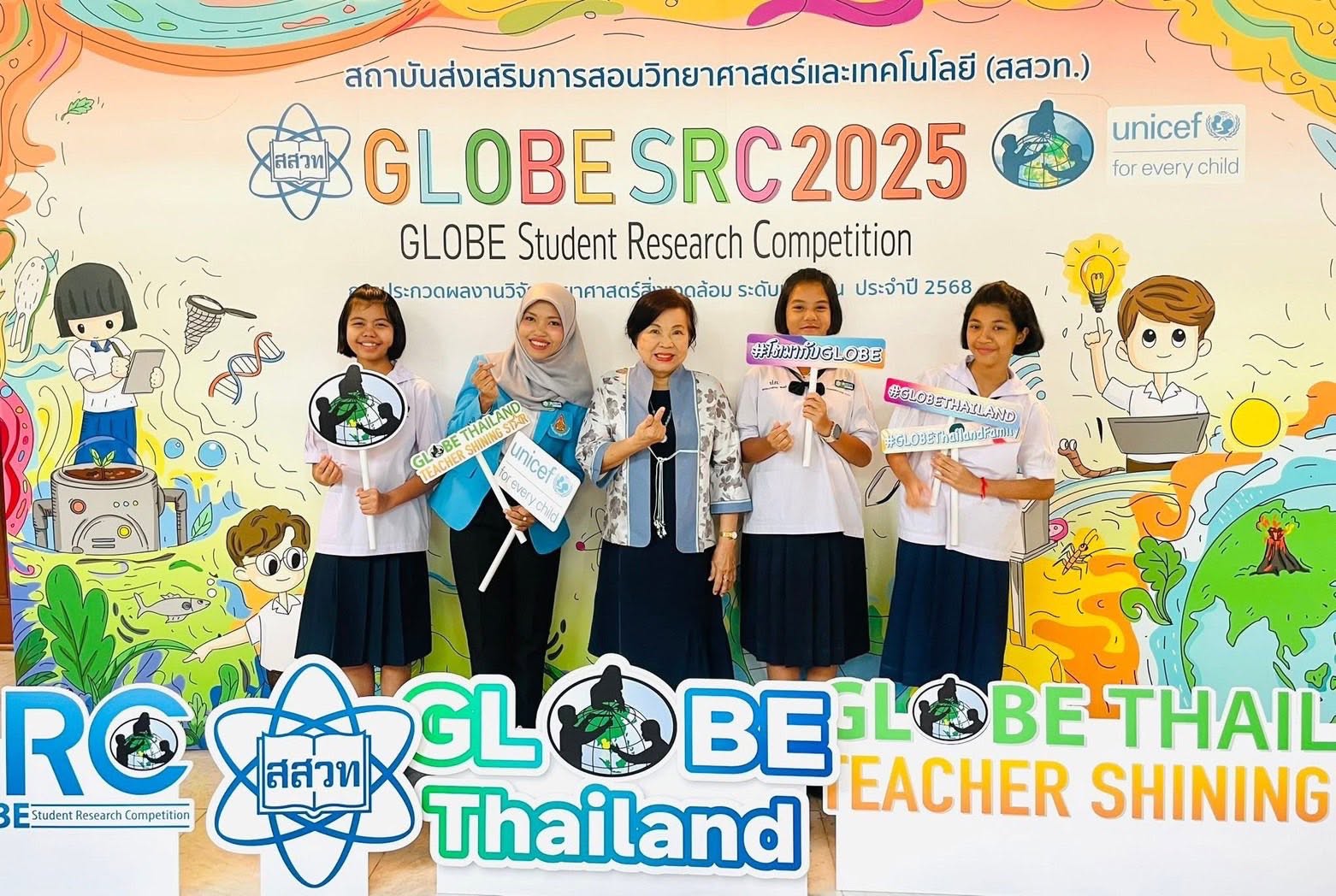
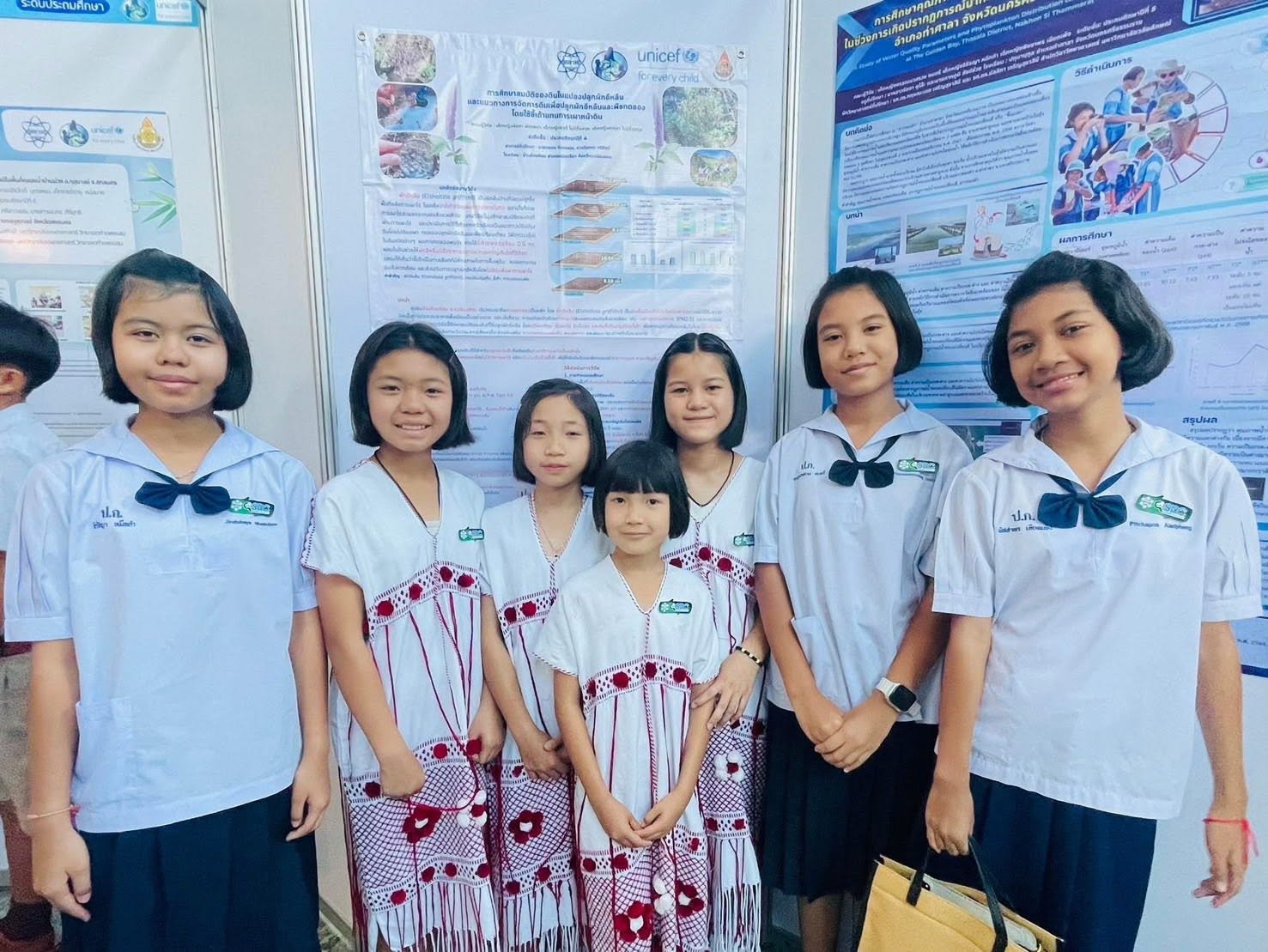
The project also supported student participation in GLOBE SRC 2025, where the research team received the Second Runner-Up Award. This achievement demonstrated the educational value of combining practical environmental research with international scientific collaboration, while encouraging students to communicate research findings and engage with environmental challenges through scientific inquiry.
Coordinating Student Research for the 2026 Virtual Science Symposium
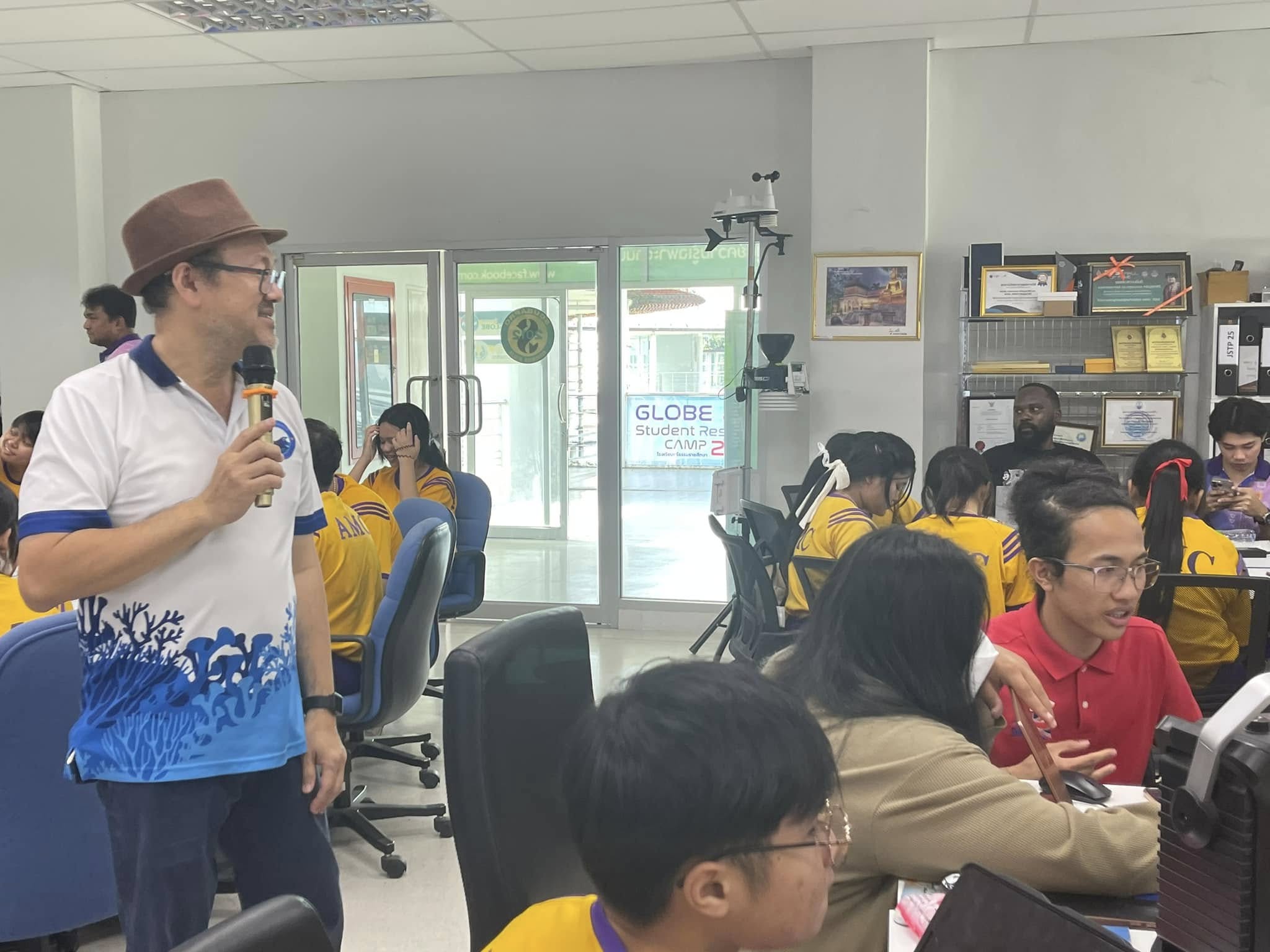
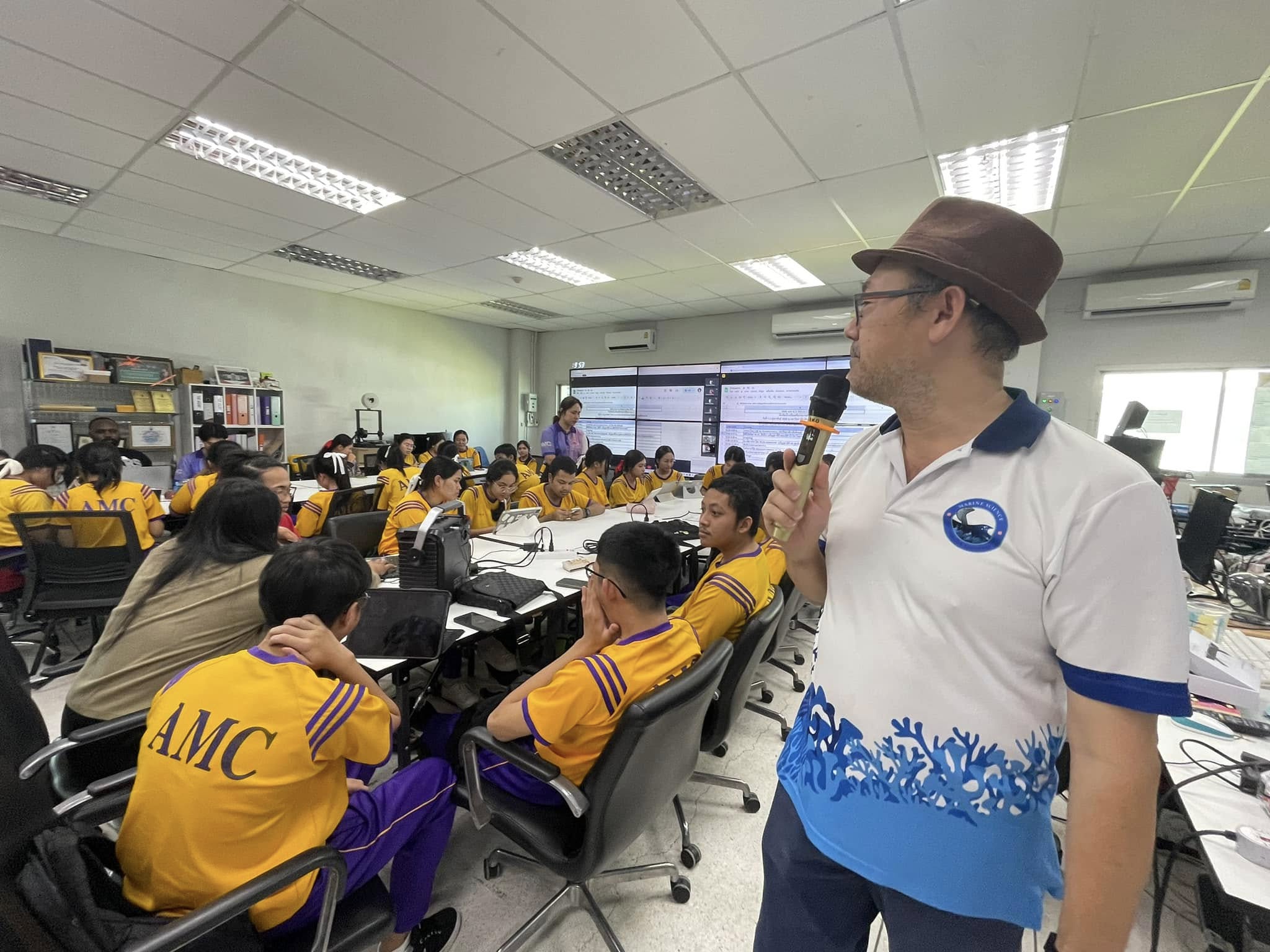
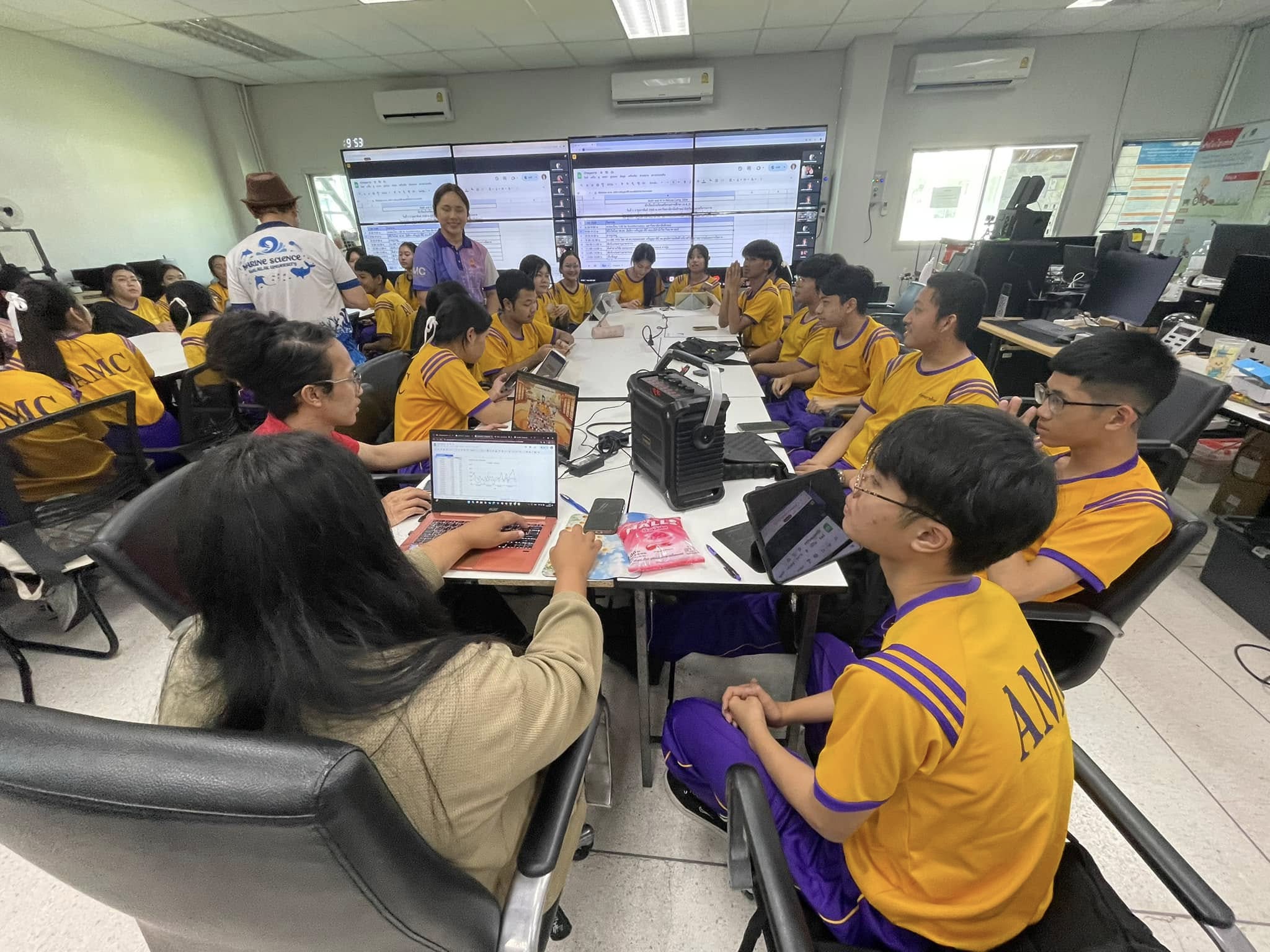
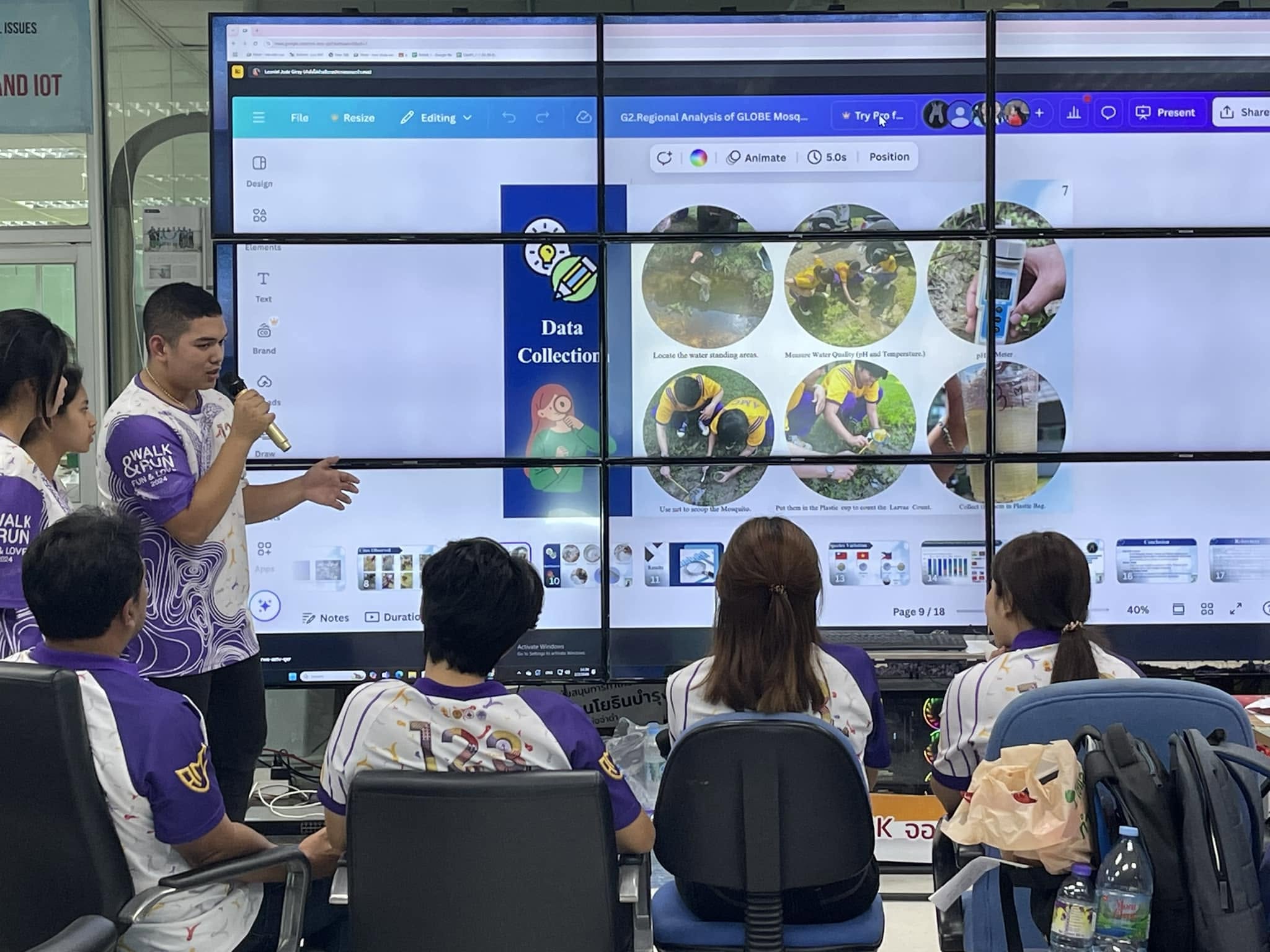
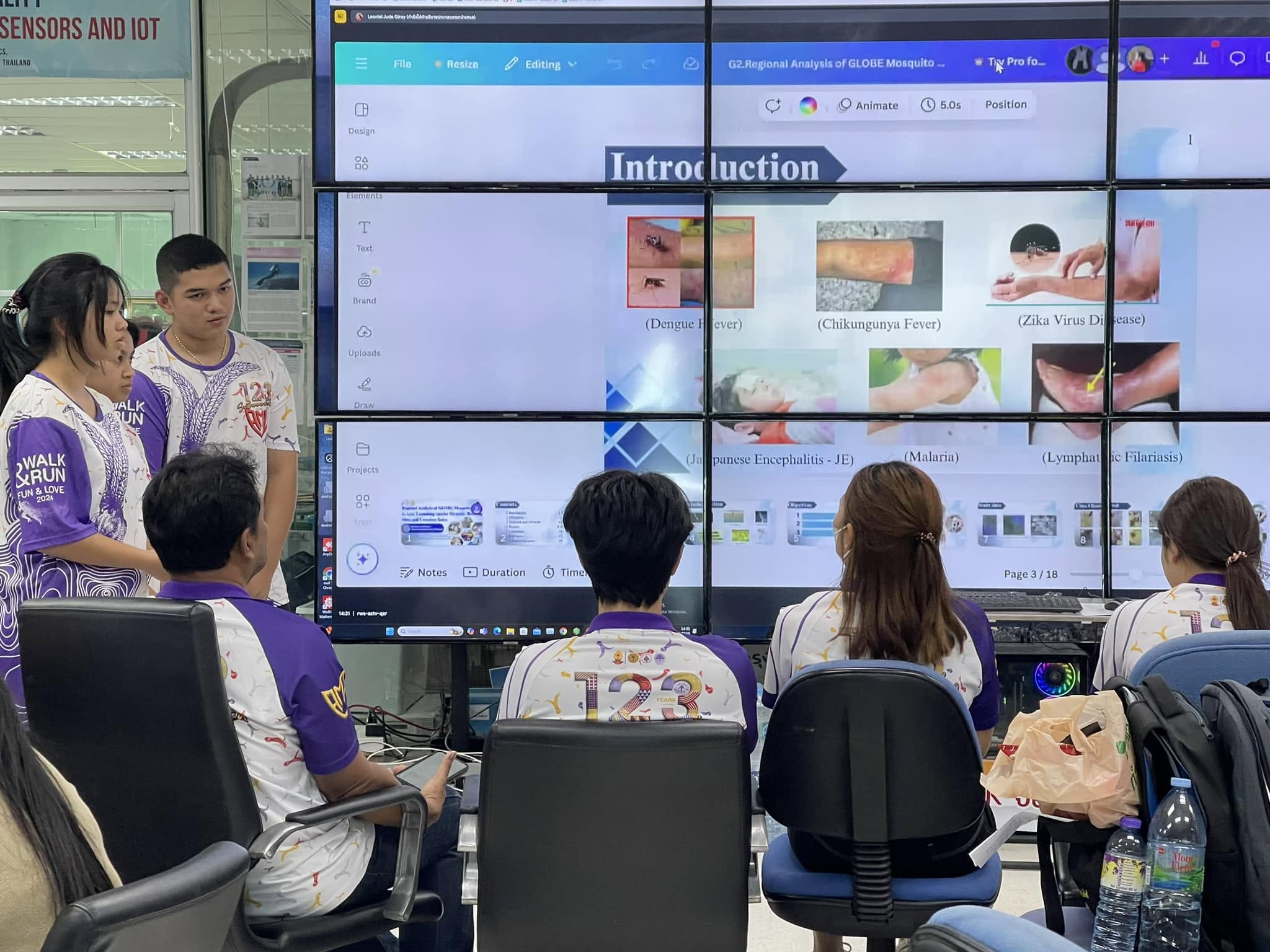
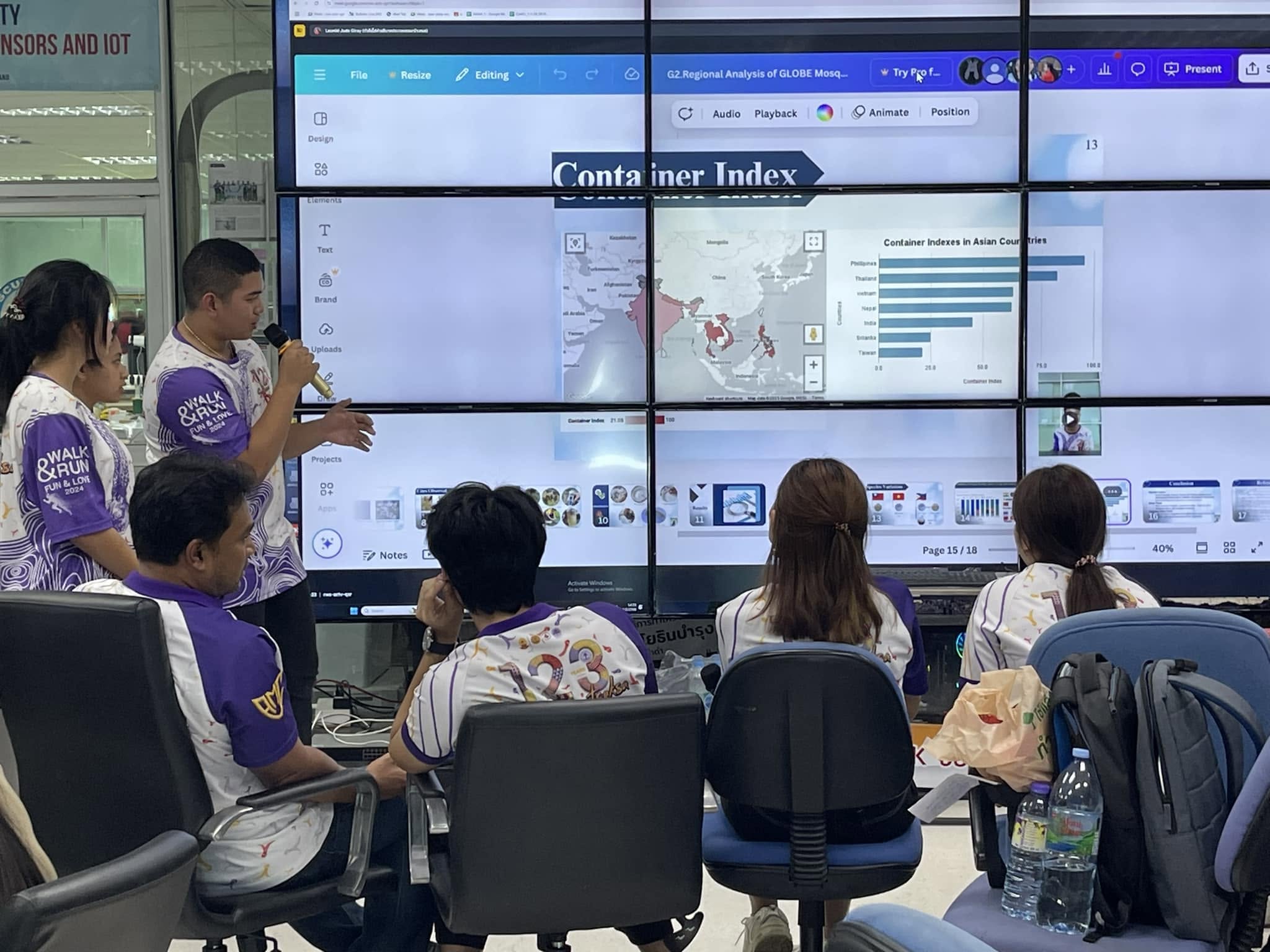
Building on its commitment to collaborative scientific research and environmental data gathering, Walailak University also served as the coordinator of the 2026 Virtual Science Symposium (VSS). In preparation for the symposium, WU supported and advised high school students in conducting research projects, with data-gathering activities implemented during 2025.
Participating schools included:
- Srithammarat Suksa School
- Chonprathanwittaya School
- Samsenwittayalai School
Through this coordination, Walailak University helped create opportunities for students from different educational institutions to undertake research, collect relevant data, and develop scientific investigations for presentation through an international academic platform. The process encouraged students to formulate research questions, gather observations, organize information, and use evidence to support their findings.
The 2026 VSS initiative complemented WU’s environmental STEM education activities by extending its support for student-led scientific inquiry beyond a single school or research project. By advising students and coordinating participation among schools, the University helped strengthen connections between secondary education, scientific research, and wider knowledge exchange.
The distinction between implementation and presentation is important: although the research and data-gathering activities took place in 2025, the projects were connected to the 2026 Virtual Science Symposium. This demonstrates how scientific collaboration can involve multiple stages, from collecting and analyzing data to communicating research findings through broader academic networks.
Measuring Impact and Advancing the Sustainable Development Goals
Walailak University’s environmental STEM education project and coordination of student research demonstrate how collaboration can support both scientific capacity-building and the collection of sustainability-related data. By introducing students to systematic observation, environmental measurement, data entry, and research presentation, these initiatives helped develop practical competencies that are important for long-term environmental monitoring.
The projects contribute to SDG 4 (Quality Education) by strengthening STEM learning and scientific research skills; SDG 13 (Climate Action) by promoting climate change education and environmental awareness; and SDG 14 (Life Below Water) through coastal water-quality investigations and marine ecosystem research. They also support SDG 17 (Partnerships for the Goals) by connecting Walailak University, schools, national organizations, and international partners in collaborative educational and scientific activities.
From a measurement perspective, the submission of environmental observations to the GLOBE Program provides a tangible link between local data collection and an international scientific information network. Student research projects, environmental measurements, data submissions, and participation in research symposiums are also useful indicators for assessing the reach and educational outcomes of these collaborative initiatives. Continued monitoring of participation, data quality, research outputs, and the application of findings can help WU evaluate progress and identify opportunities to strengthen future activities.
Through its collaboration with NASA, UNICEF, GLOBE Thailand, IPST, The GLOBE Program – Asia Pacific, participating schools, and other educational partners, Walailak University has supported opportunities for students to contribute to scientific research while developing the skills needed to understand environmental challenges. The submission of locally gathered environmental observations to the GLOBE Program and the successful recognition of student research through GLOBE SRC 2025 illustrate how local educational activities can connect with broader scientific initiatives.
Complementing these activities, WU’s coordination of the 2026 Virtual Science Symposium, supported by research and data gathering conducted in 2025, extended opportunities for students from multiple schools to investigate research questions and communicate their findings. Together, these initiatives demonstrate the value of international and inter-institutional collaboration in strengthening scientific capacity, gathering and measuring environmental data, and promoting evidence-based approaches to sustainable development.
By connecting local observations with international research networks and supporting students throughout the research process, Walailak University contributes to a culture of scientific inquiry, environmental responsibility, and collaborative learning. These efforts provide a foundation for more informed environmental assessments, stronger educational partnerships, and sustained contributions to the global pursuit of the SDGs.
Related Links
From December… – Center of Excellence on Women and Social Security | Facebook
http://patumanukul.ac.th/news-detail__51124
📣… – โรงเรียนปทุมานุกูล สพป.นศ.4 | Facebook
ขอแสดงความยินดีกับโรงเรียนปทุมานุกูล… – โรงเรียนปทุมานุกูล สพป.นศ.4 | Facebook
SRC 2025 Proceeding Final.pdf – Google ไดรฟ์
Krisanadej Jaroensutasinee, Cream, and… – Mullica Jaroensutasinee | Facebook
Krisanadej Jaroensutasinee led GLOBE… – Mullica Jaroensutasinee | Facebook
GLOBE Group 1 presentation – Mullica Jaroensutasinee | Facebook
GLOBE Group 2 presentation – Mullica Jaroensutasinee | Facebook
GLOBE G3 presentation – Mullica Jaroensutasinee | Facebook
GLOBE camp Group 4 student presentation – Mullica Jaroensutasinee | Facebook