Policy and Implementation to Maximise Water Reuse Across Walailak University
Policy and Implementation to Maximise Water Reuse Across Walailak University
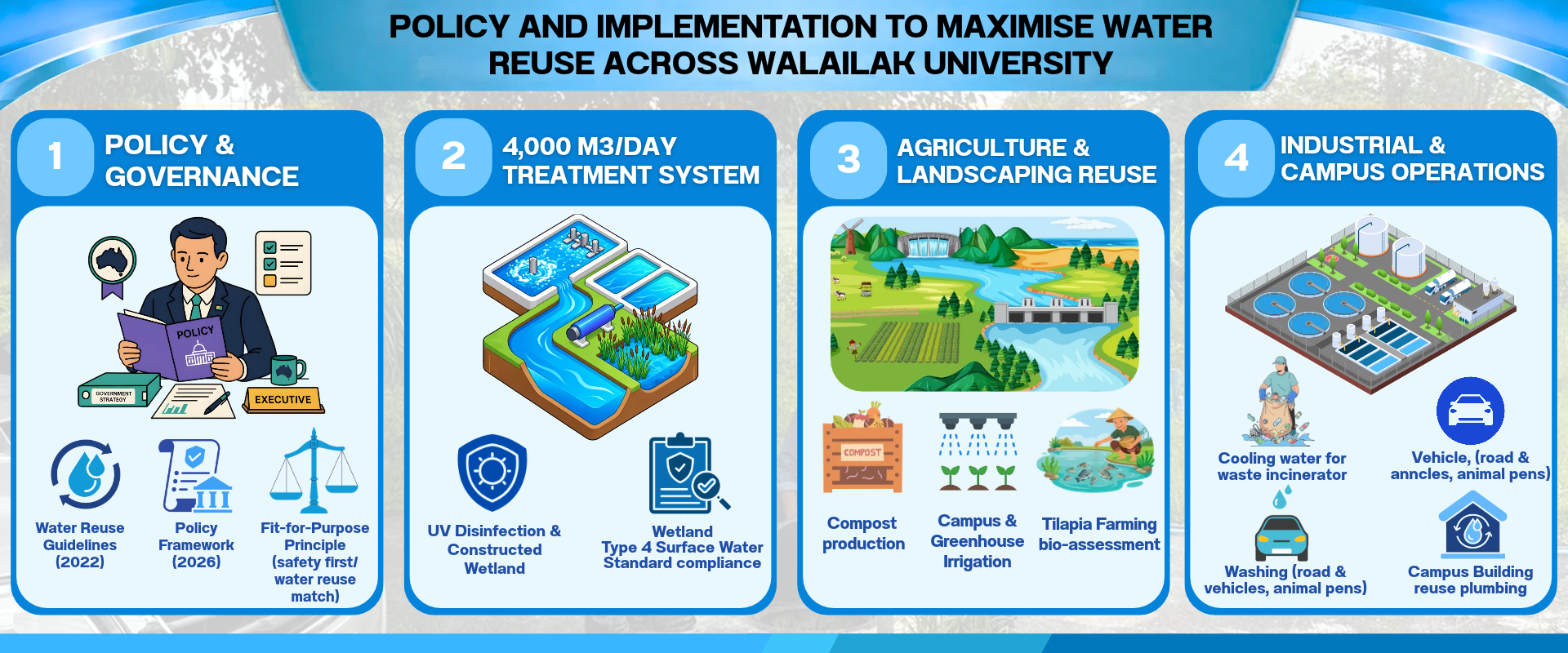
Walailak University (WU) has established a university-wide policy to maximise water reuse across the university, supported by its publicly accessible Water Reuse Guidelines, issued on 8 November 2022 and in place by 2025. These guidelines provide an institutional framework for promoting the reuse of treated wastewater and define the responsibilities of relevant university units in managing wastewater treatment and water reuse systems. The policy prioritises the beneficial reuse of treated wastewater for landscape irrigation, cleaning, agriculture, industrial processes, animal husbandry, compost production, and toilet flushing. Through the implementation of its water reuse policy, the university aims to maximise opportunities for water reuse across campus operations, reduce reliance on freshwater resources, and strengthen sustainable water resource management.
Water Reuse Policy and Guidelines
Water Reuse Guidelines: A Policy Framework Created Within the 2021-2025
The Water Reuse Guidelines issued in 2022 require the university to treat wastewater before discharge, taking into account potential impacts on surrounding communities and the environment. They also encourage university units to reuse treated wastewater for toilet flushing, landscape irrigation, cleaning, agriculture, industrial processes, animal husbandry, and compost production.
The guidelines assign responsibility for wastewater treatment and reuse to the Waste Management Project Office. The Landscape Architecture Division is responsible for designing and installing water reuse systems for irrigating plants across the campus and in greenhouses, as well as for compost production. The guidelines also support campaigns promoting water reuse within the University and surrounding communities.
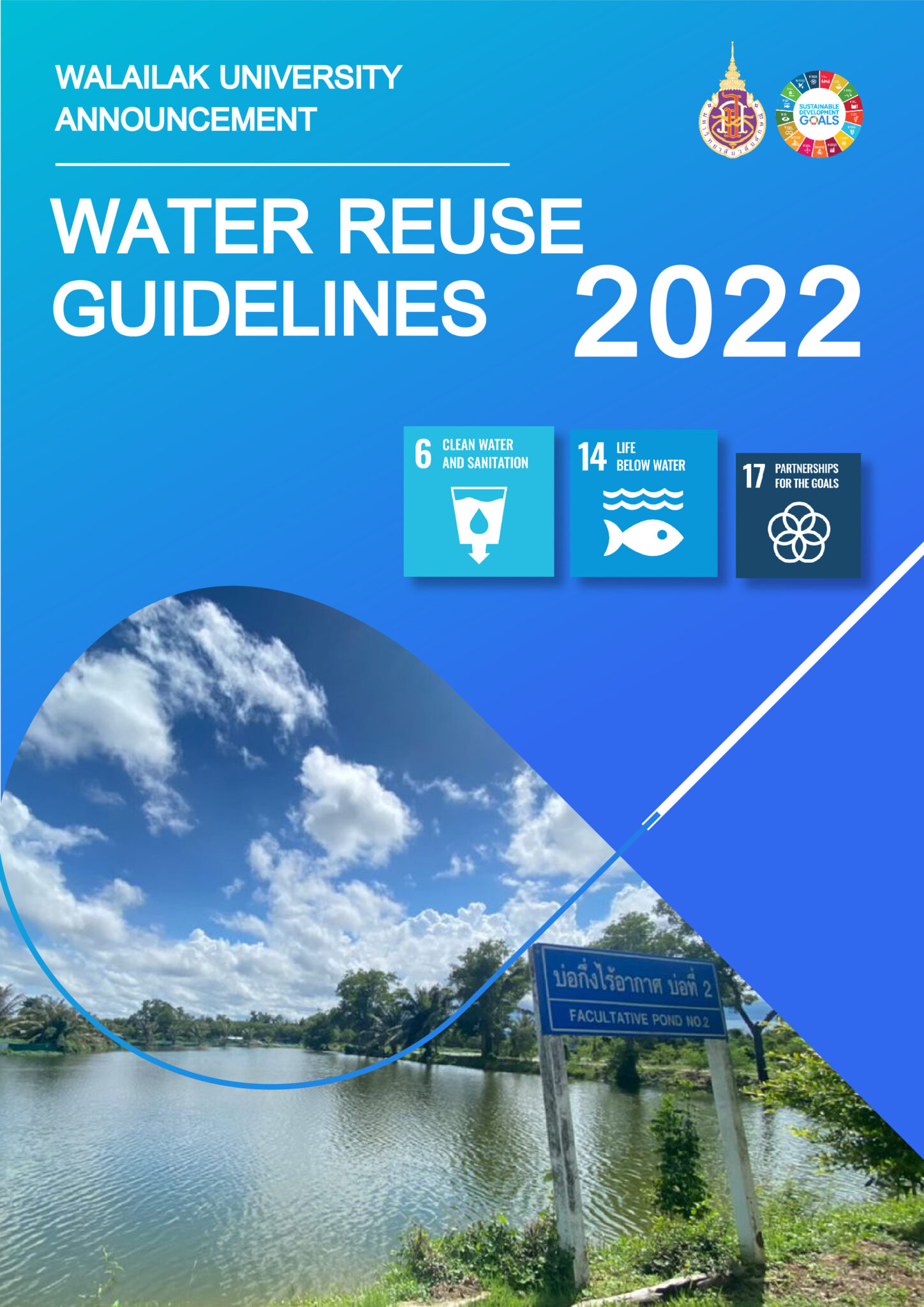
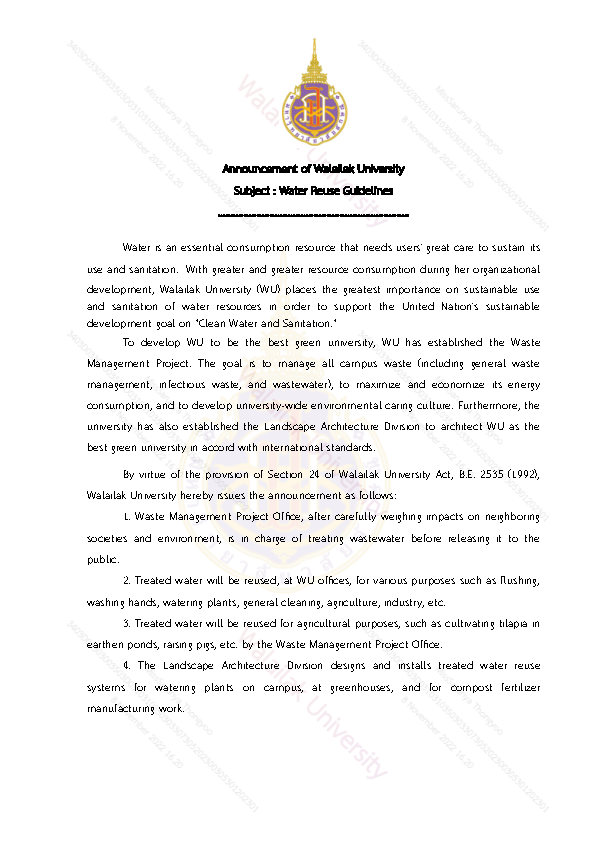
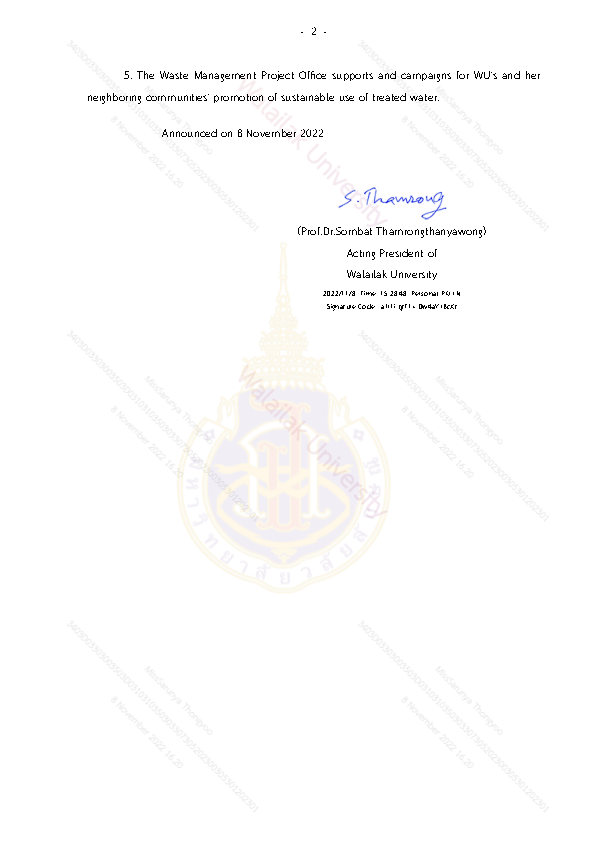
By covering multiple water reuse activities and assigning responsibilities to relevant units, the guidelines establish a university-wide framework to maximise water reuse across the university. The announcement is publicly accessible through the University’s website, alongside published articles documenting its implementation.
Water Reuse Policy: Further Development of the Policy Framework
The text of the Water Recycling and Reuse Policy, B.E. 2569 (2026), expands the framework to cover the development of wastewater treatment, storage, conveyance, and distribution systems. It also addresses the integration of water reuse systems into building construction and renovation, together with research, innovation, and collaboration with external organisations.
The policy emphasises the fit-for-purpose principle, ensuring that treated water quality is appropriate for its intended use and does not pose risks to human health or the environment. However, the supplied policy text leaves the announcement date blank and is dated 2026. It therefore demonstrates the direction of further policy development, while the 2022 announcement remains the evidence of a policy in place by 2025.
Wastewater Treatment to Support Water Reuse
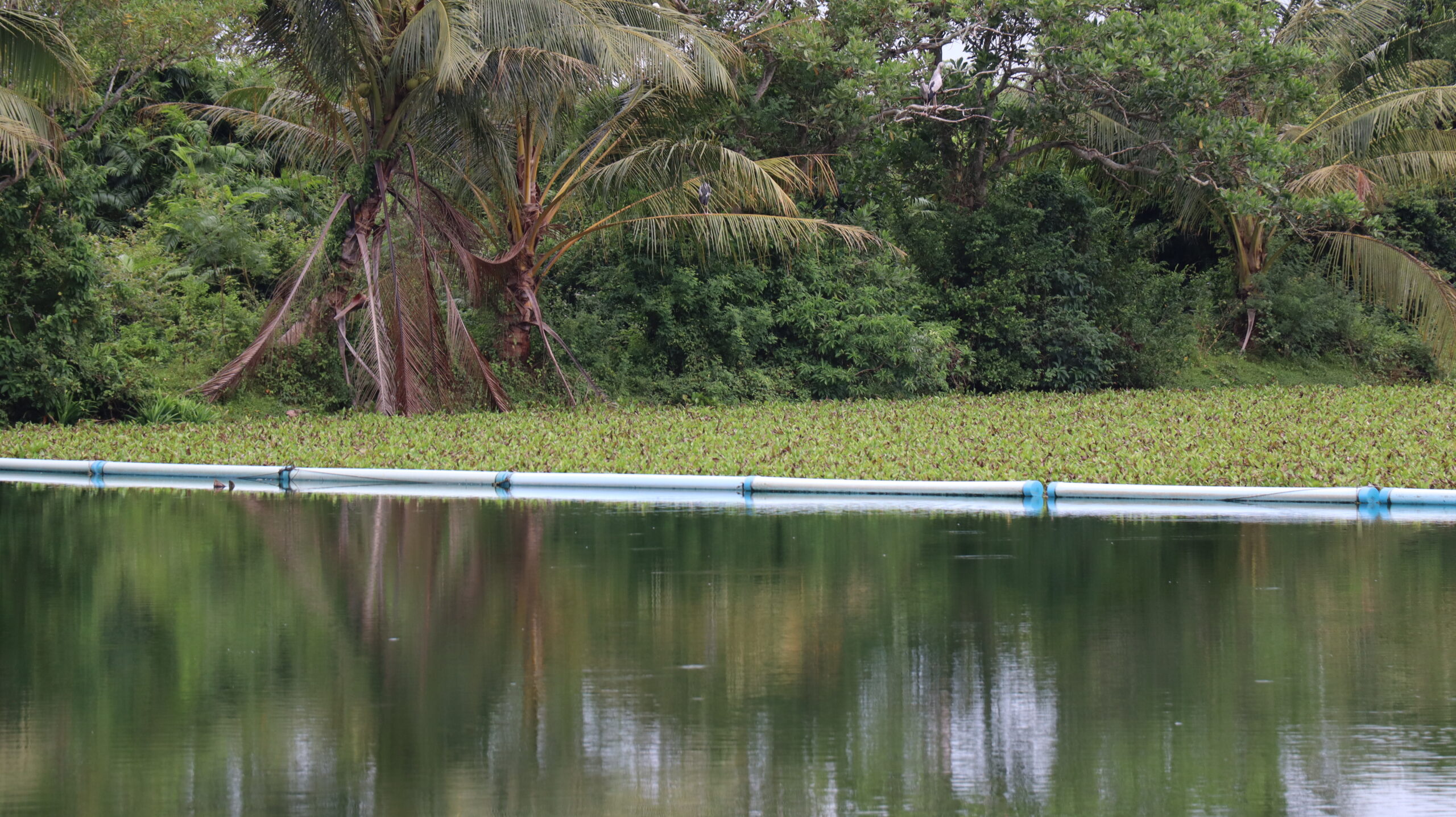
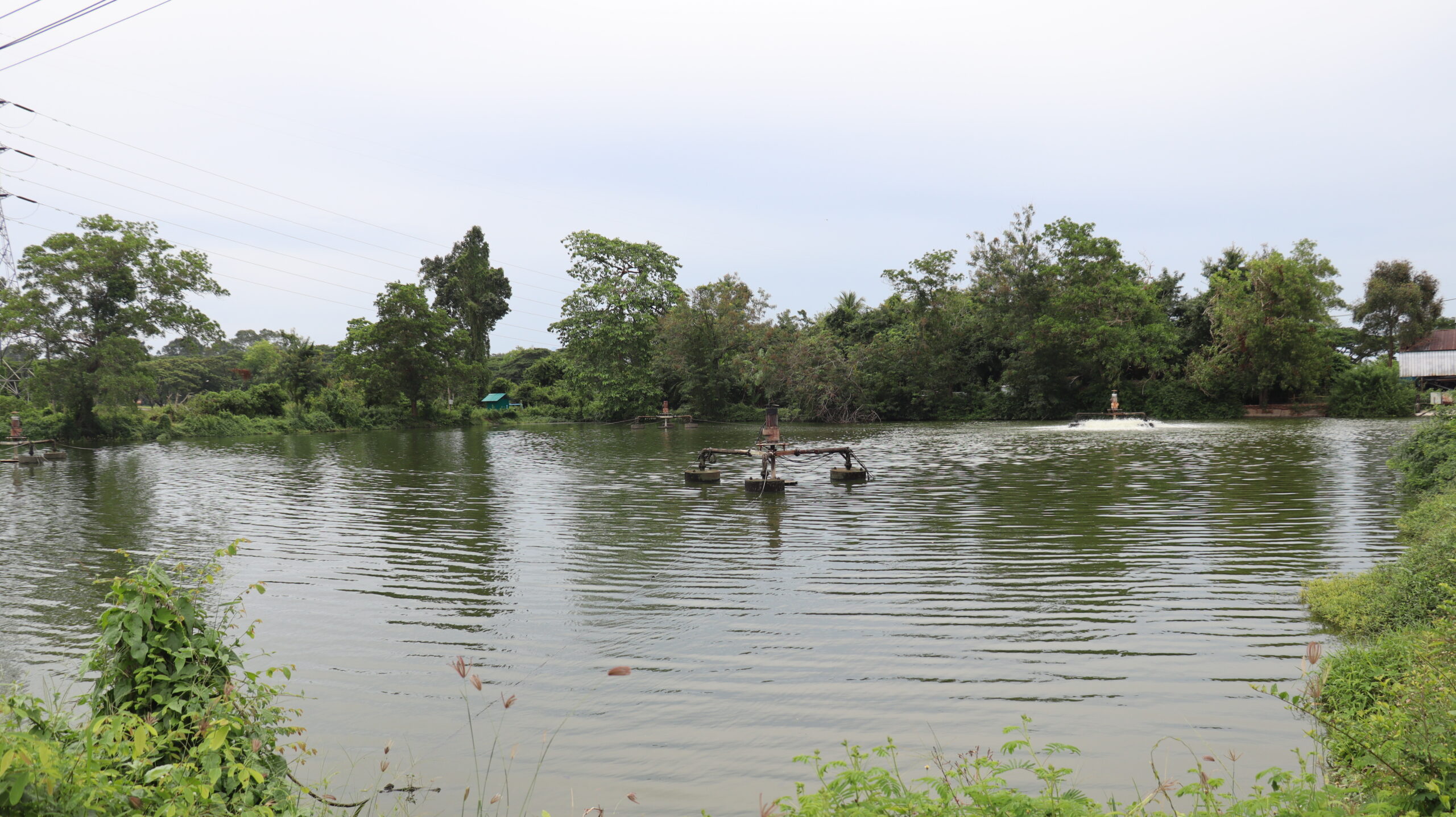
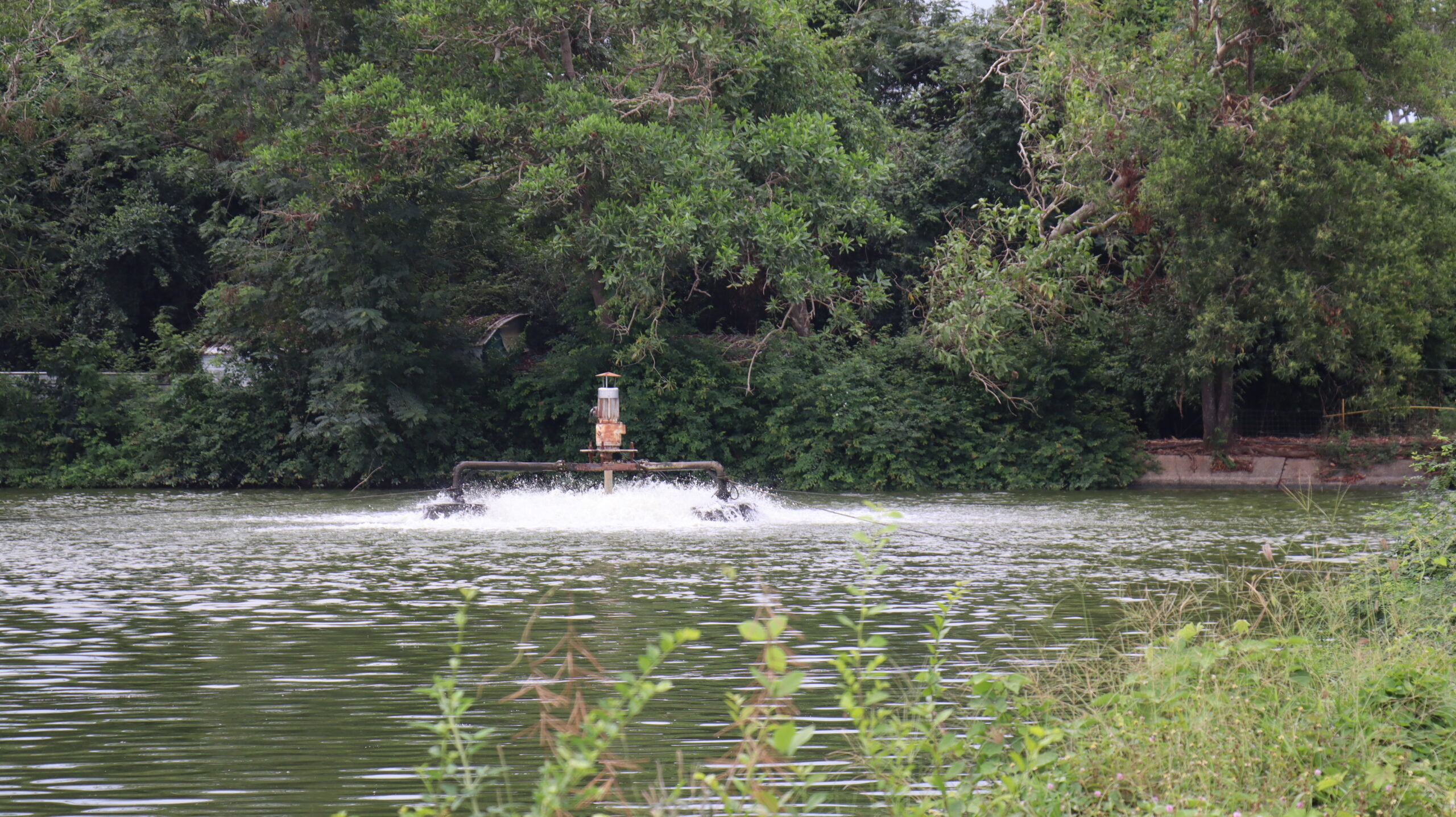
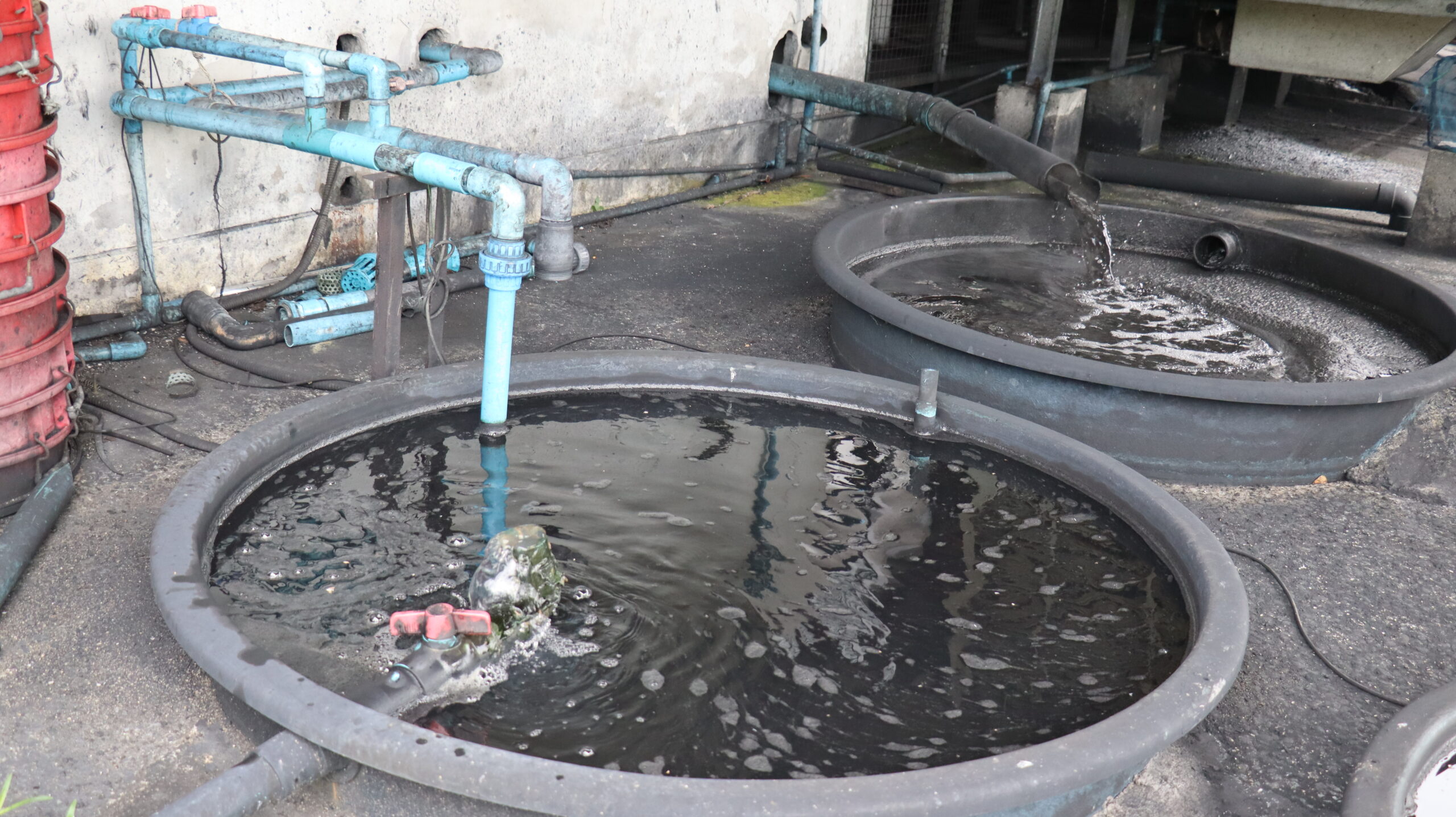
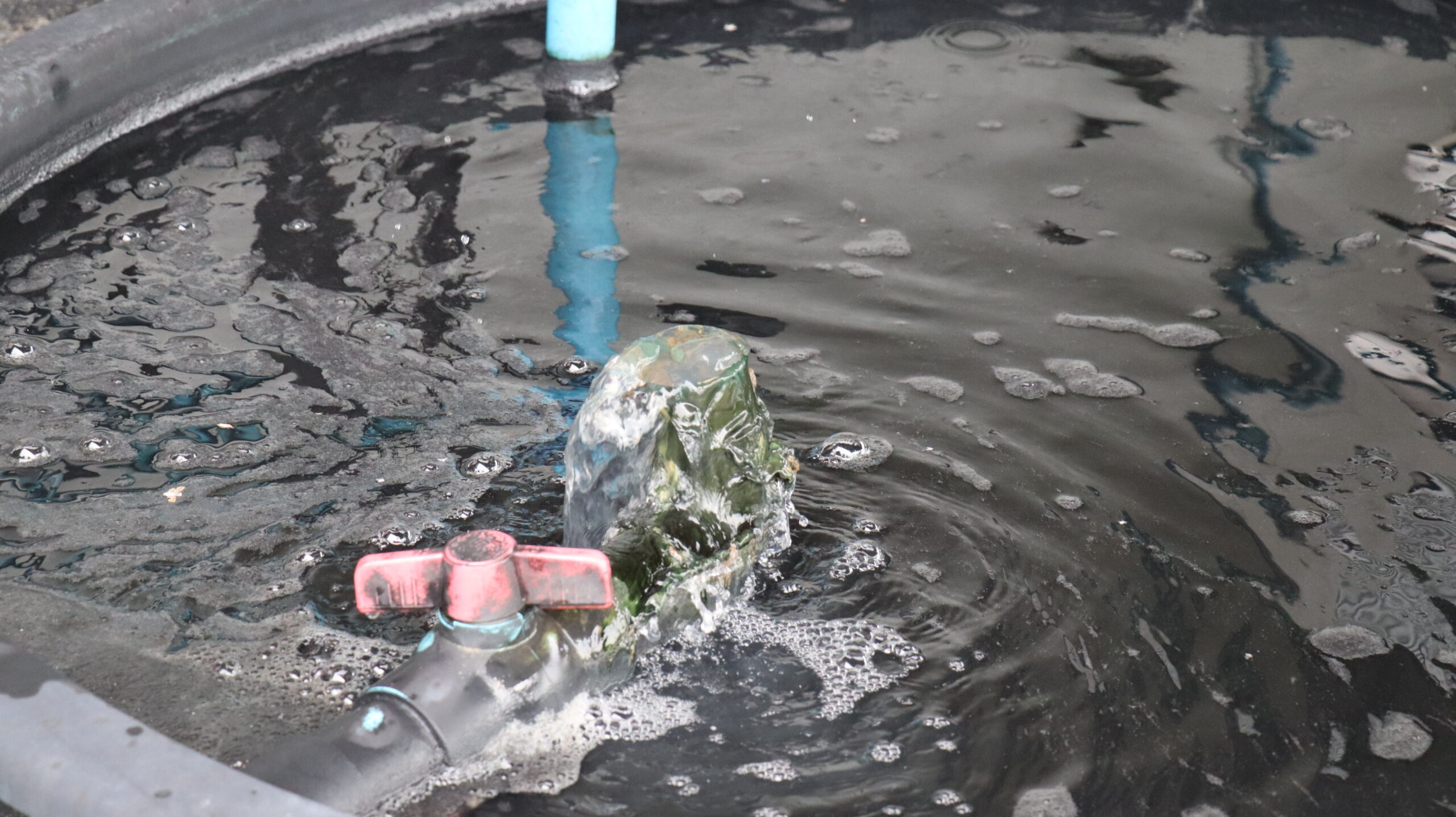
The university implements wastewater treatment in accordance with its policy through a biological treatment system with a capacity of approximately 4,000 cubic metres per day. The system comprises an aerated lagoon that supports microbial decomposition of organic matter, facultative ponds combining aerobic and anaerobic processes, ultraviolet disinfection, and a wetland pond that further improves water quality through natural processes.
In 2025, Walailak University monitored treated wastewater against Thailand’s Type 4 surface water quality standards. pH, dissolved oxygen, and heavy metals met benchmark criteria in every monitoring round, while BOD and ammonia nitrogen met the criteria in specific rounds. Microbial powder was also added to the constructed wetland to improve water clarity and reduce ammonia.
Water Reuse for Agriculture and Landscaping
In accordance with the guidelines promoting treated water use for agriculture and landscaping, the university reuses treated wastewater to irrigate trees, gardens, lawns, and green spaces across the campus. This substitutes for tap water in activities that do not require drinking-water quality and supports the maintenance of green spaces, particularly during the dry season.
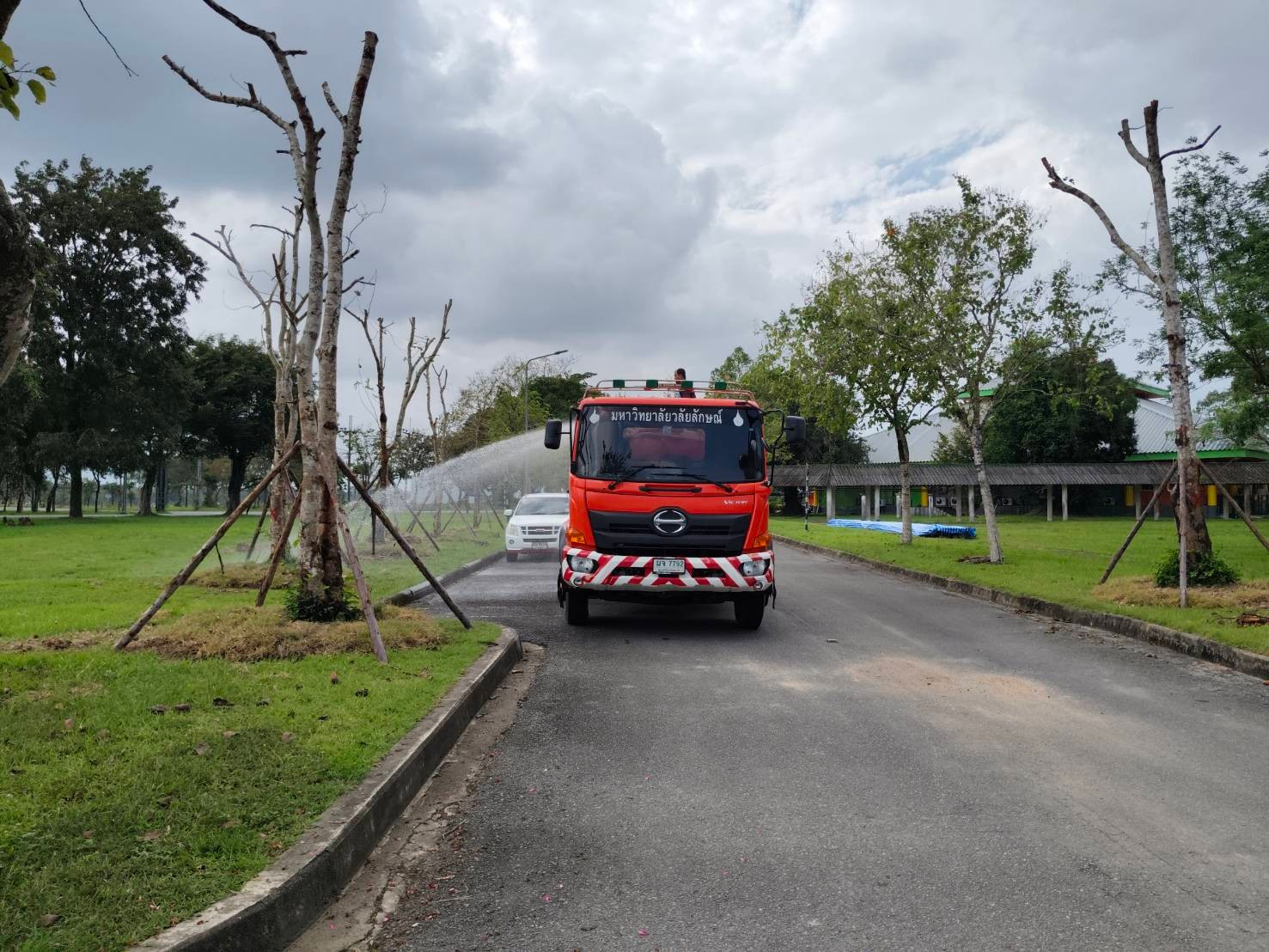
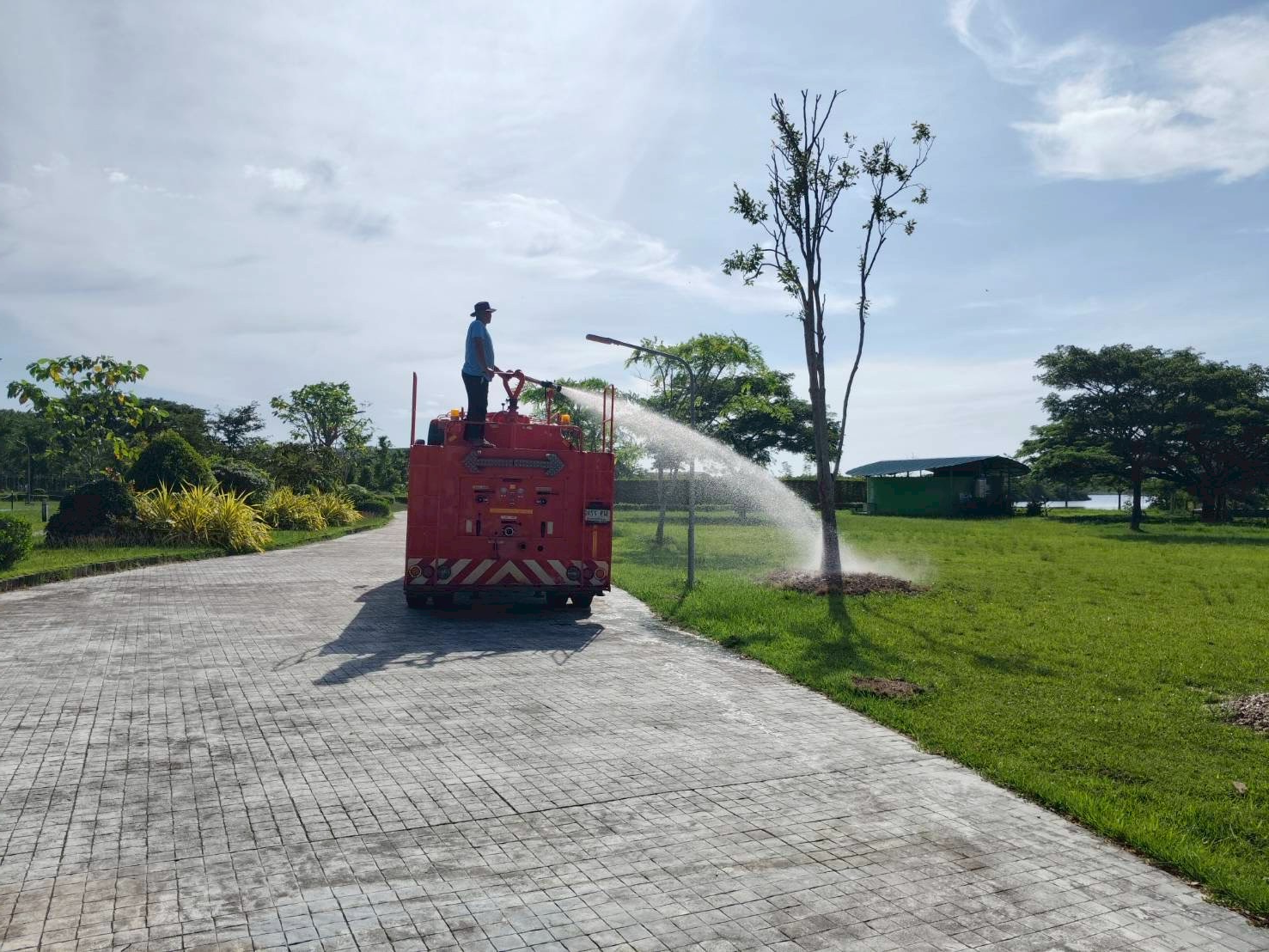
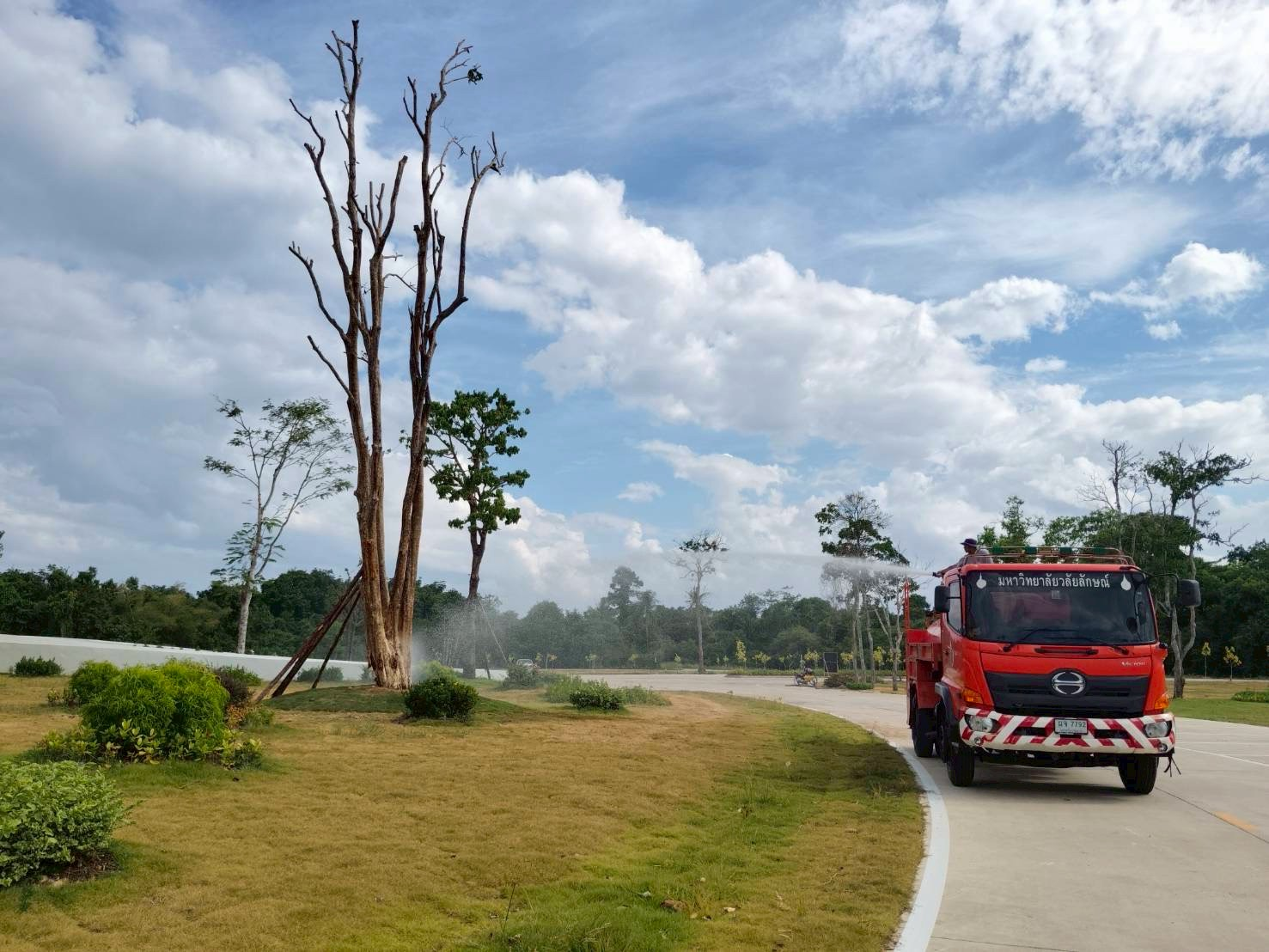
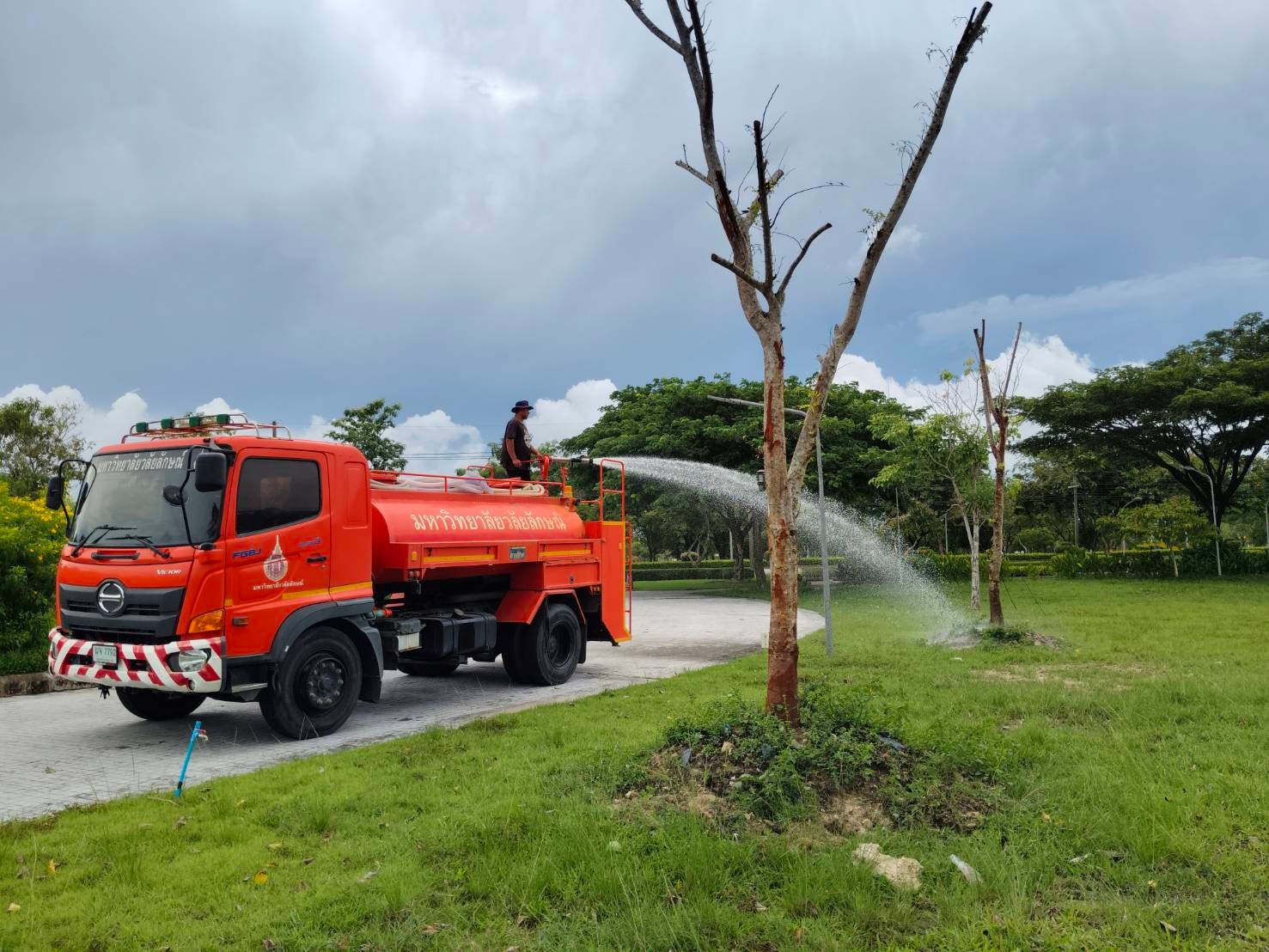
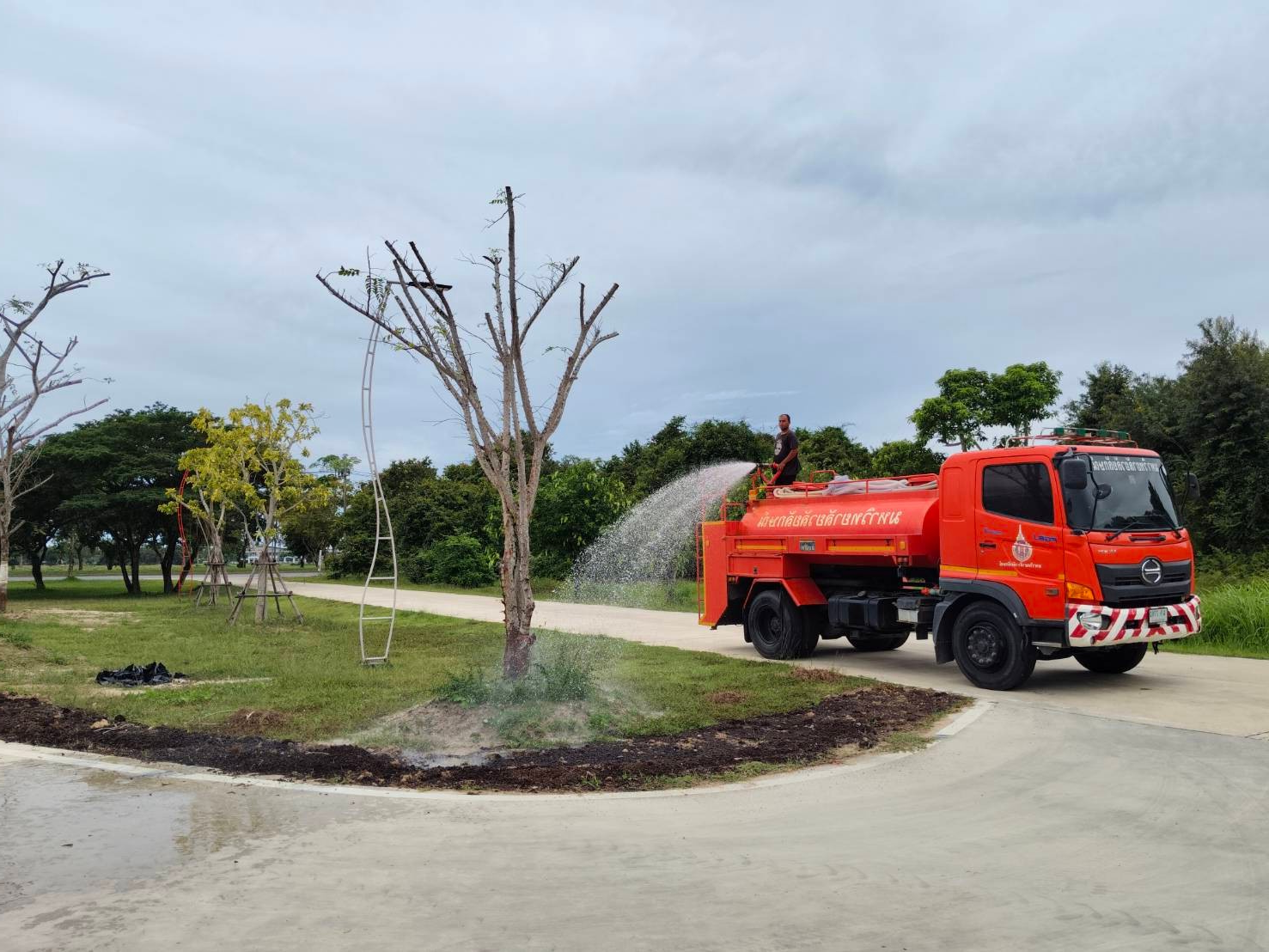
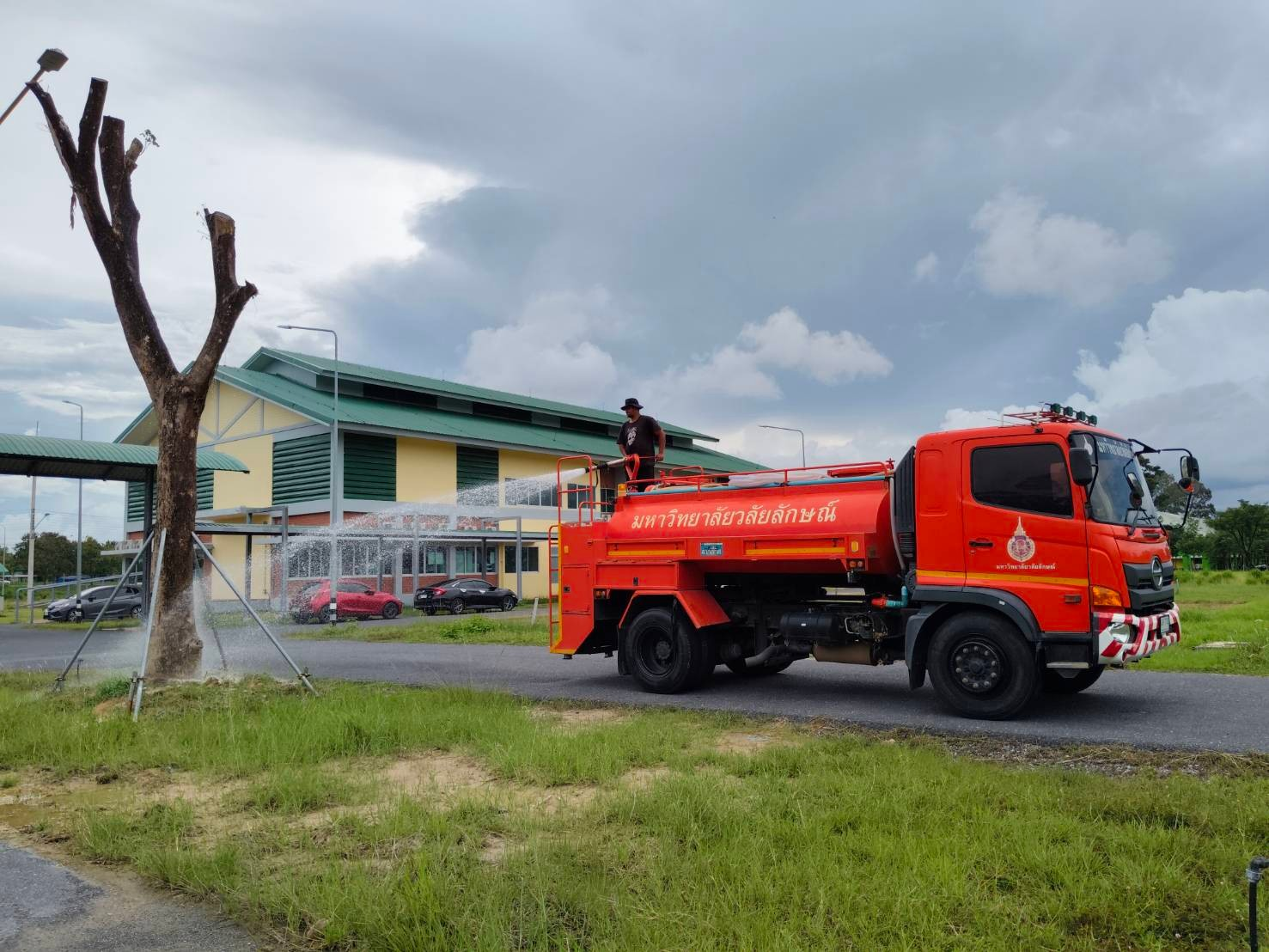
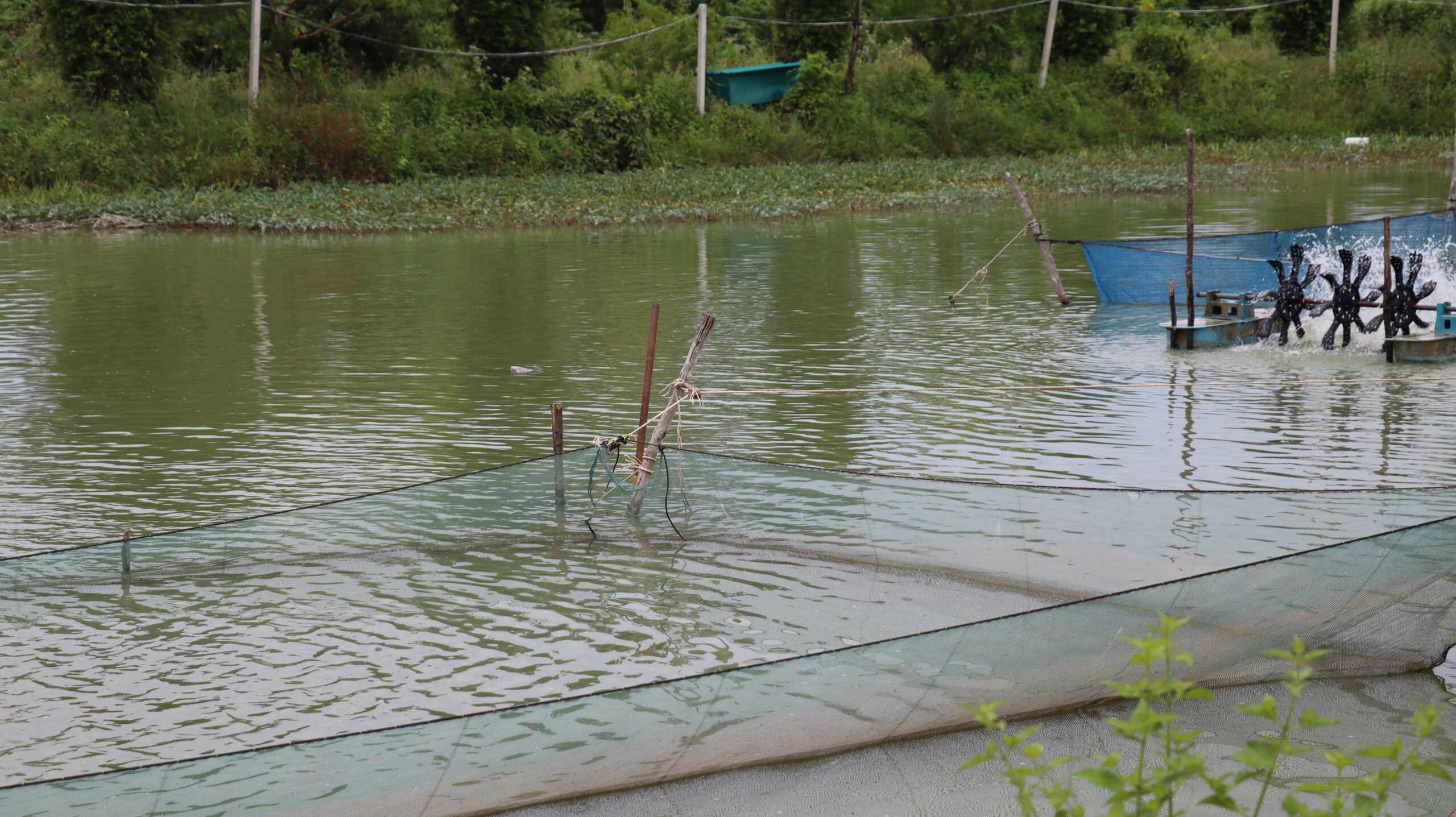
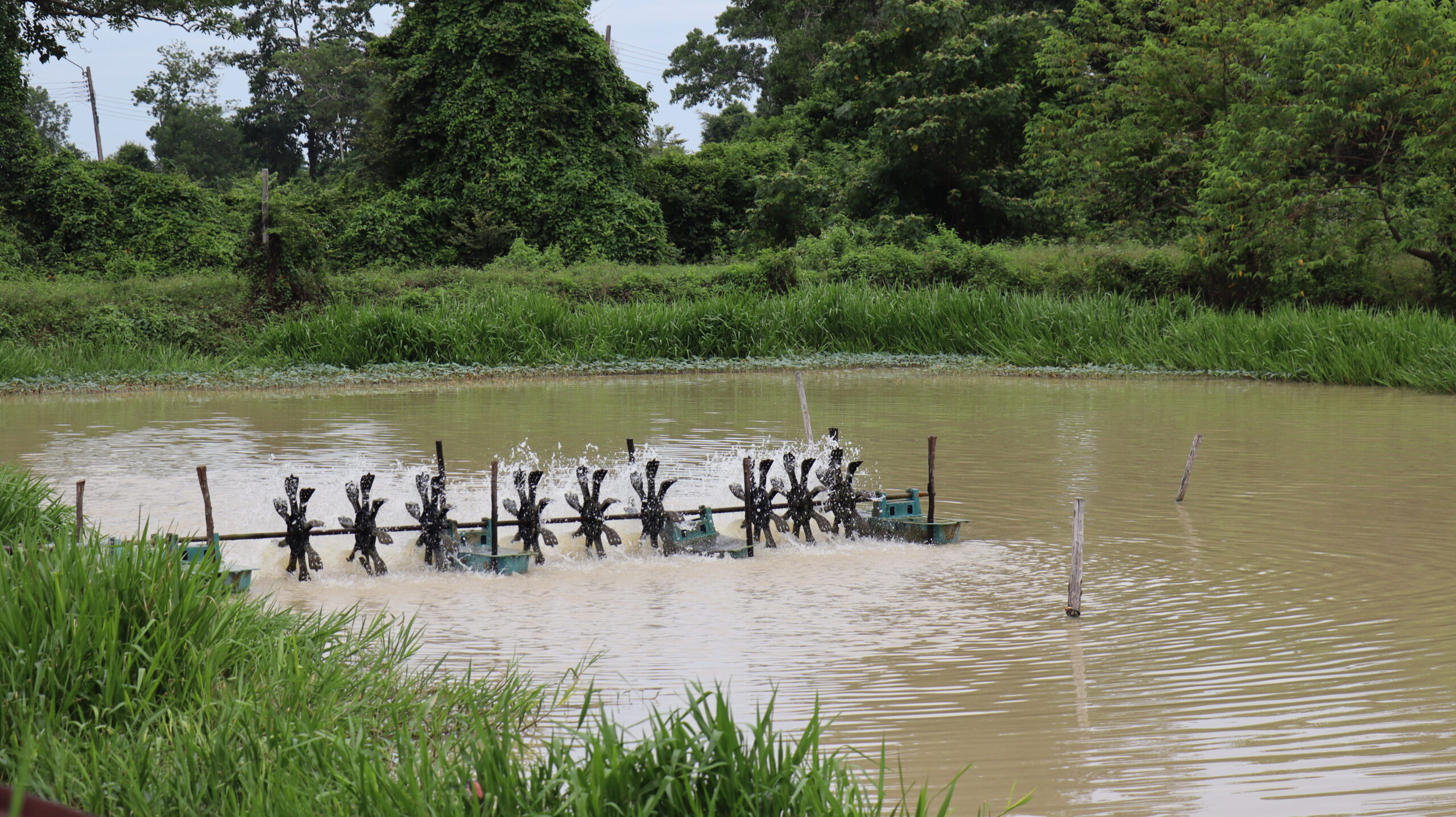
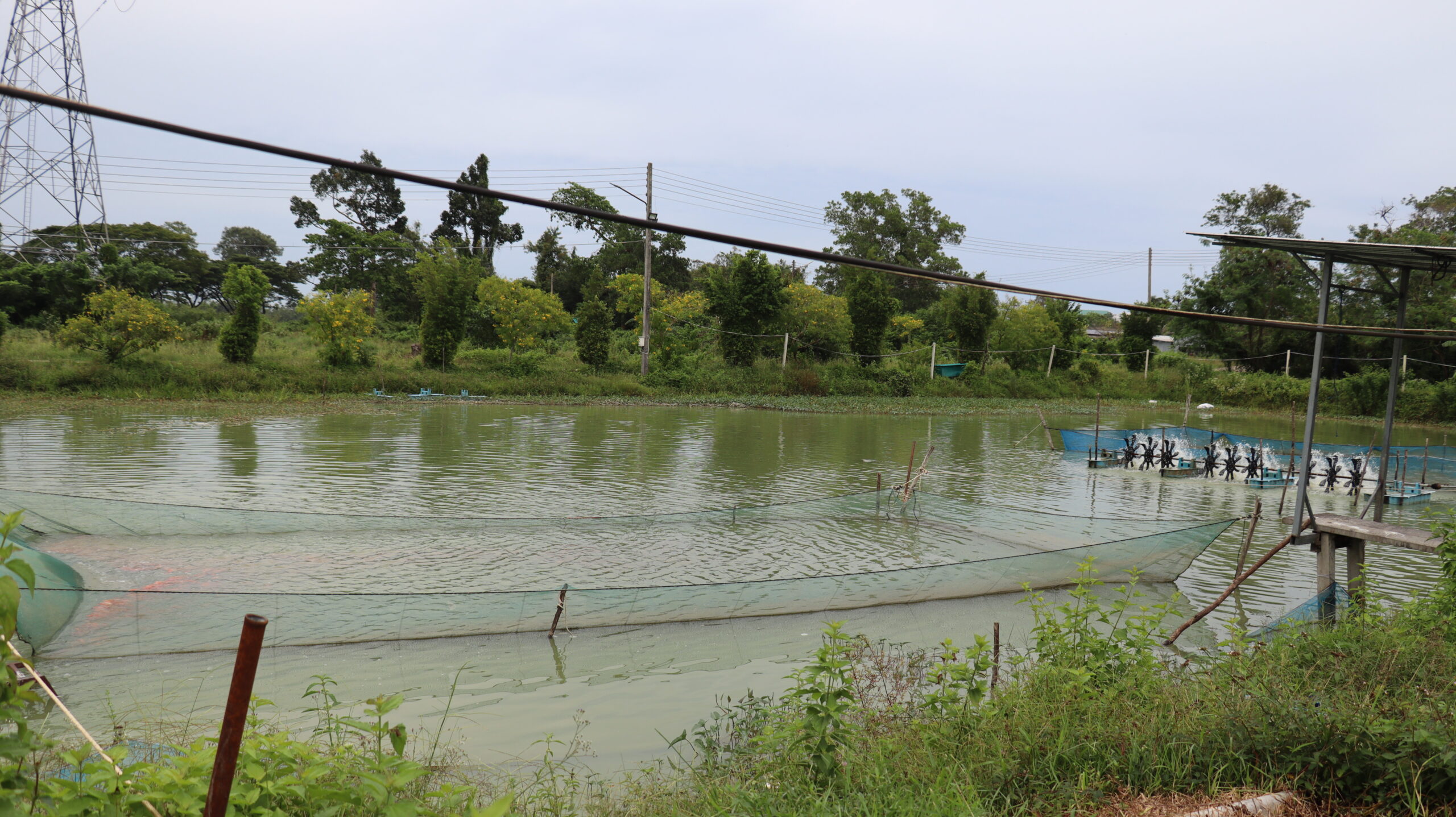
The university also uses treated wastewater for tilapia farming in experimental ponds to support biological water quality assessment alongside water quality testing. This activity connects water reuse with treatment system monitoring and supports learning and research within the university.
These activities increase the beneficial use of treated wastewater, reduce freshwater demand for maintaining green spaces, and provide opportunities for learning about sustainable water management.
Water Reuse in Industrial Processes and Cleaning
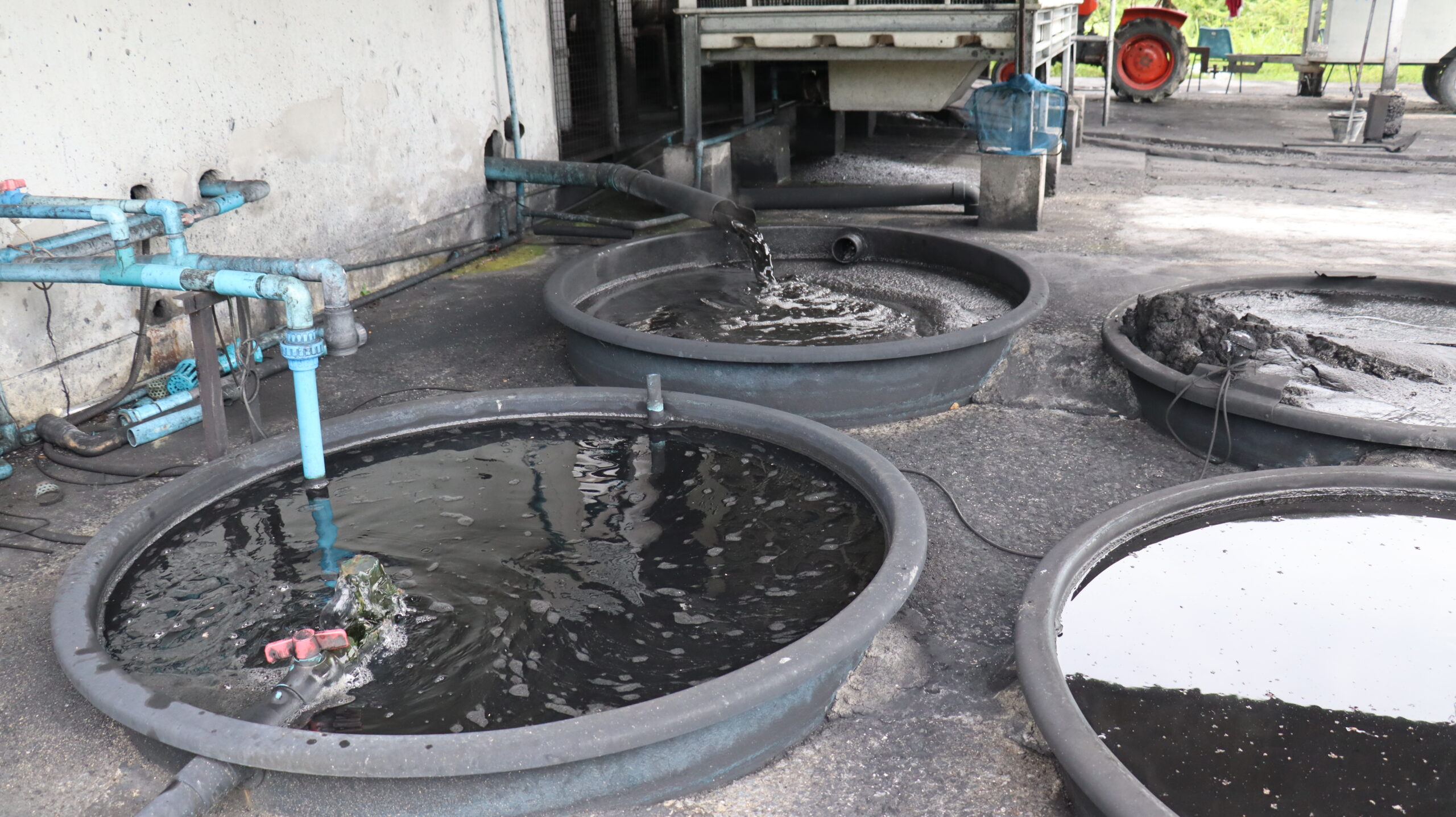
The university implements its guidelines on water reuse in industrial processes by using treated wastewater as cooling water in its waste incinerator system. This helps dissipate heat and reduces freshwater demand in waste management operations.
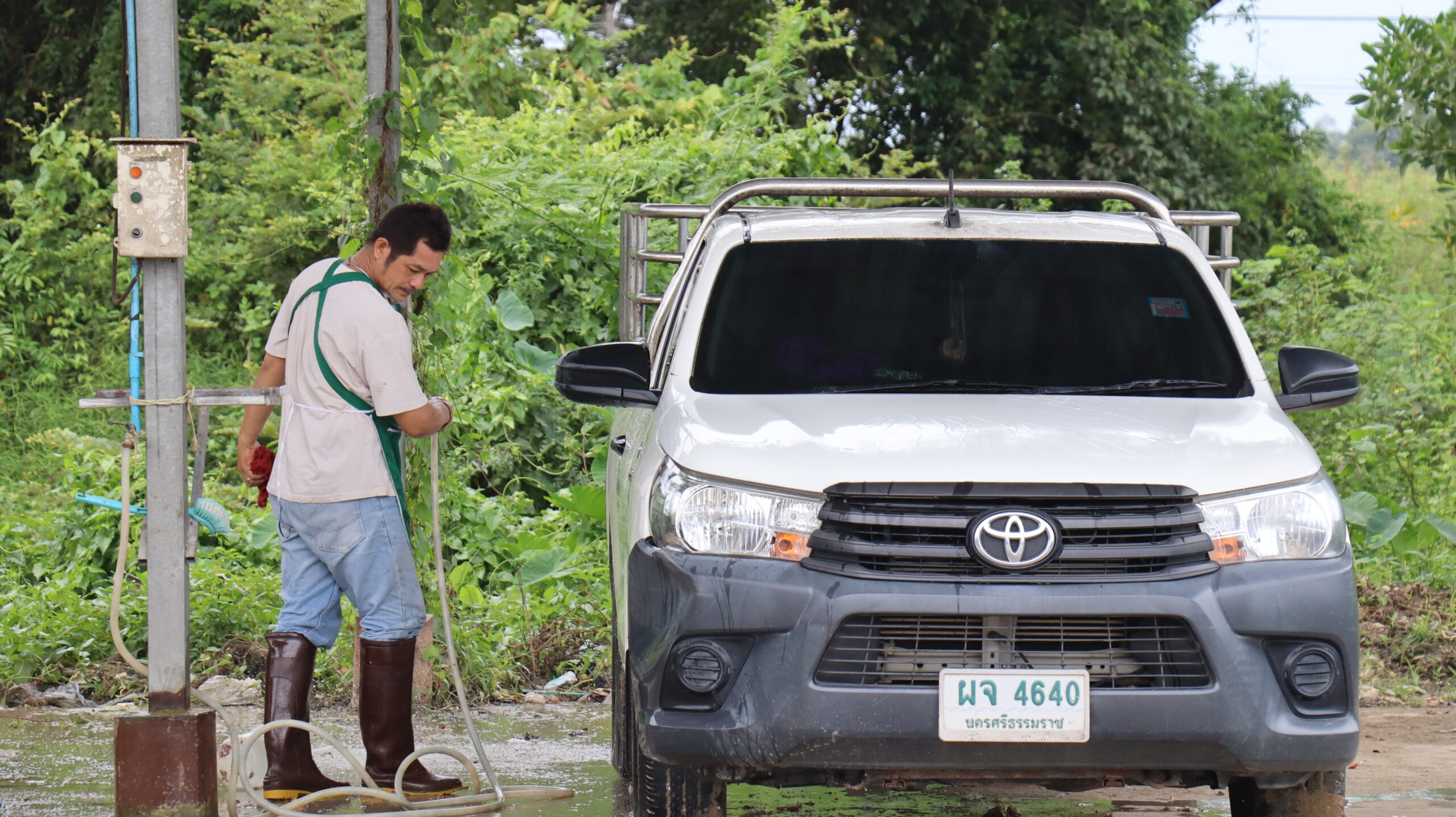
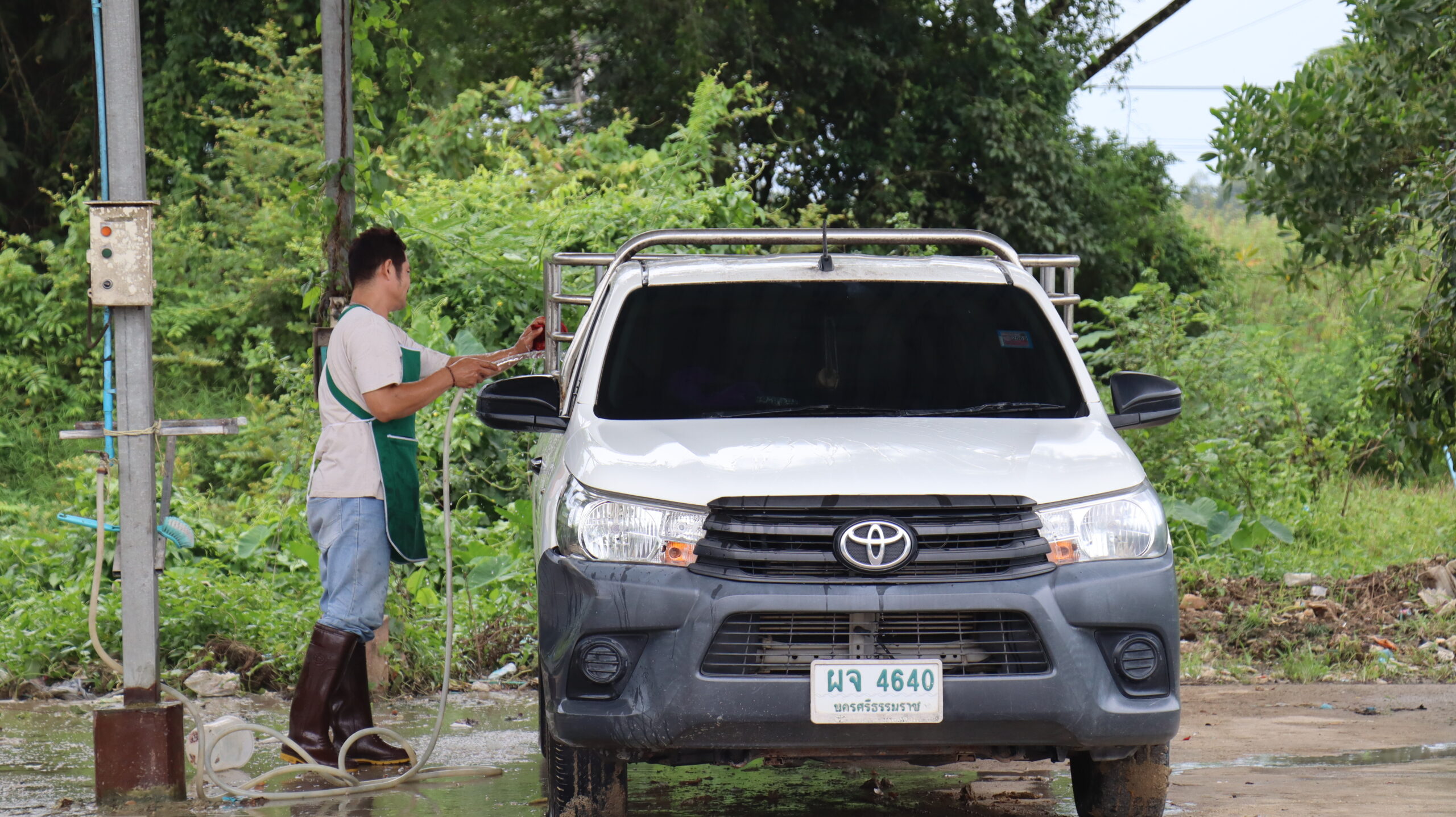
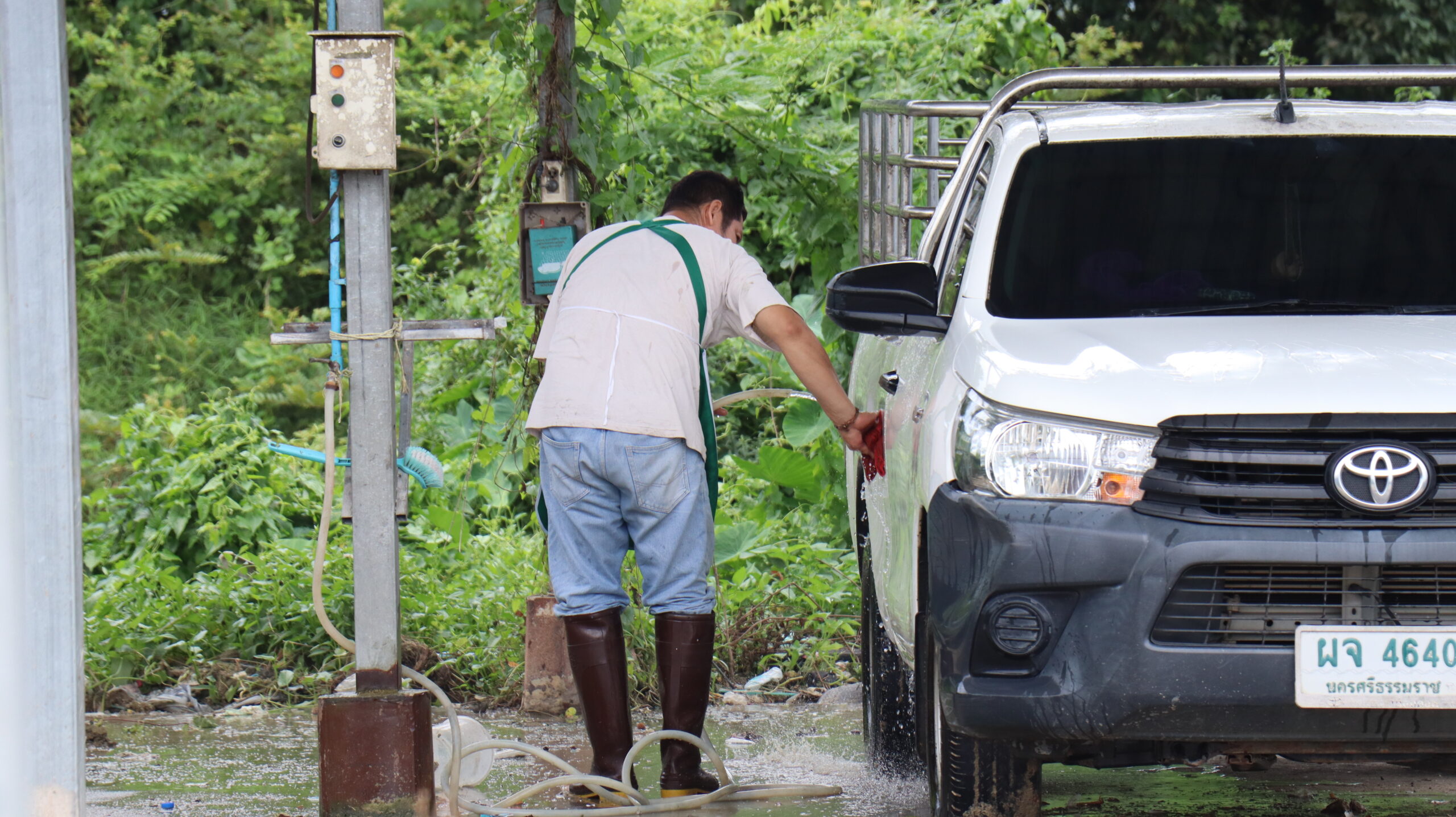
Treated wastewater is also reused for washing vehicles, cleaning animal pens, washing roads, and maintaining public spaces. These activities extend water reuse across campus services, maintenance, and waste management, while reducing reliance on tap water.
Promoting Water Reuse for Toilet Flushing and Supporting Infrastructure
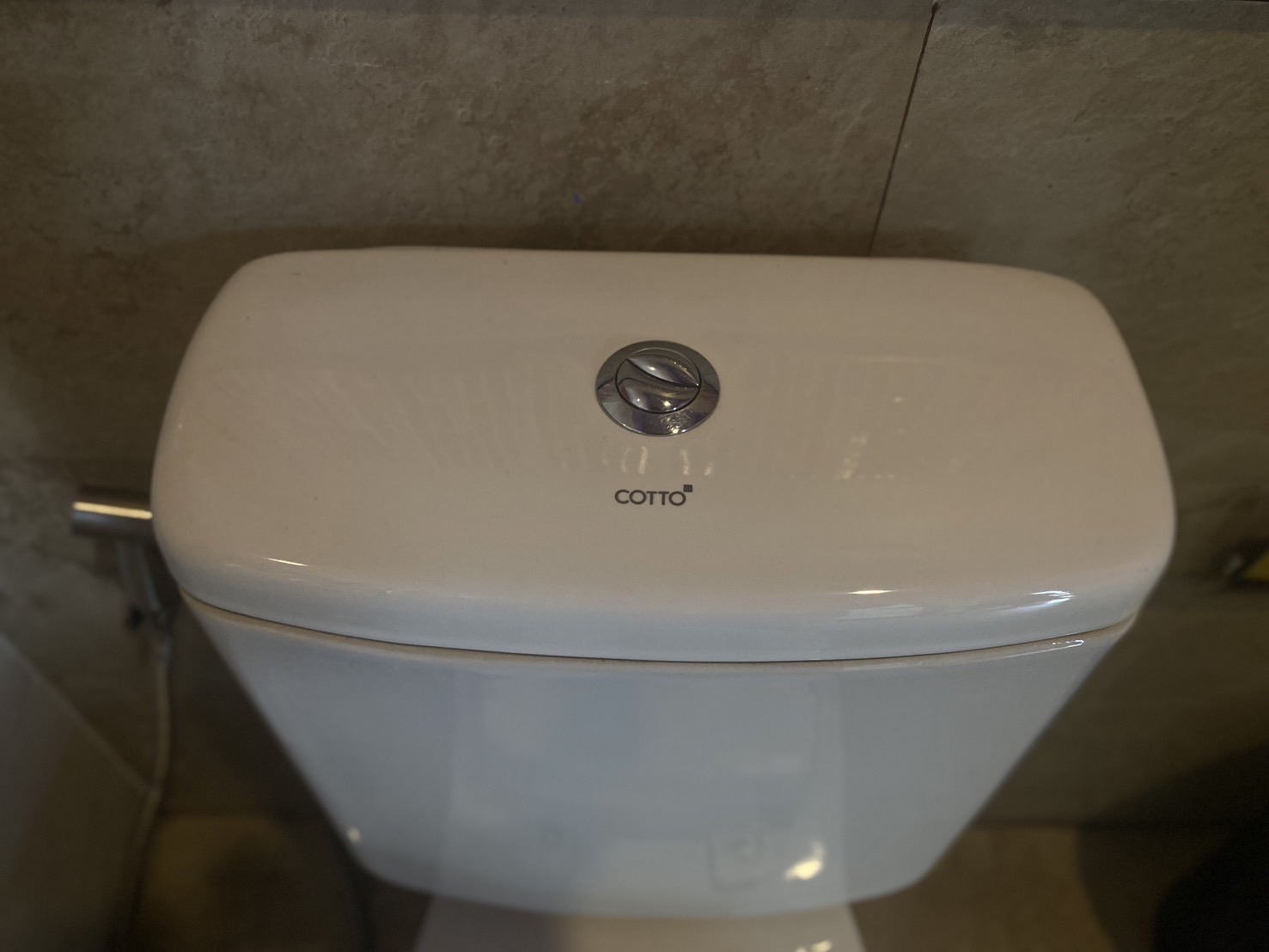
The 2022 guidelines provide for the reuse of treated wastewater for toilet flushing and establish responsibilities for designing and installing water reuse systems. The 2026 policy text adds provisions for storage, distribution, and plumbing systems, including their integration into building construction and renovation.
This framework promotes water reuse across a range of activities. However, the supplied documents do not identify installation locations or the volume of treated wastewater used for toilet flushing. Consequently, this application is not reported here as an achieved implementation outcome.
Water Quality Monitoring and Implementation Outcomes
The university monitors water quality and evaluates water reuse. Implementation records indicate that the University’s Environmental Committee conducts periodic monitoring to assess potential impacts on human health and the environment. Water quality testing, together with the use of tilapia as biological indicators, provides information for evaluating treatment system performance and treated water reuse.
Implementation of the 2022 guidelines has enabled the university to reuse treated wastewater across multiple activities, including landscaping, experimental tilapia farming, cleaning, and cooling in the waste incinerator system. These activities demonstrate how the policy framework has been translated into practice across different university operations.
Related Links
– https://cas.wu.ac.th/sdgs/wp-content/uploads/sites/3/2022/11/Announcement-of-Walailak-University-Subject-Water-Reuse-Guidelines.pdf