Free Educational Opportunities for Local Communities to Learn about Integrated Water Management at Walailak University
Monitoring Water Consumption for Domestic Use at Walailak University in 2025
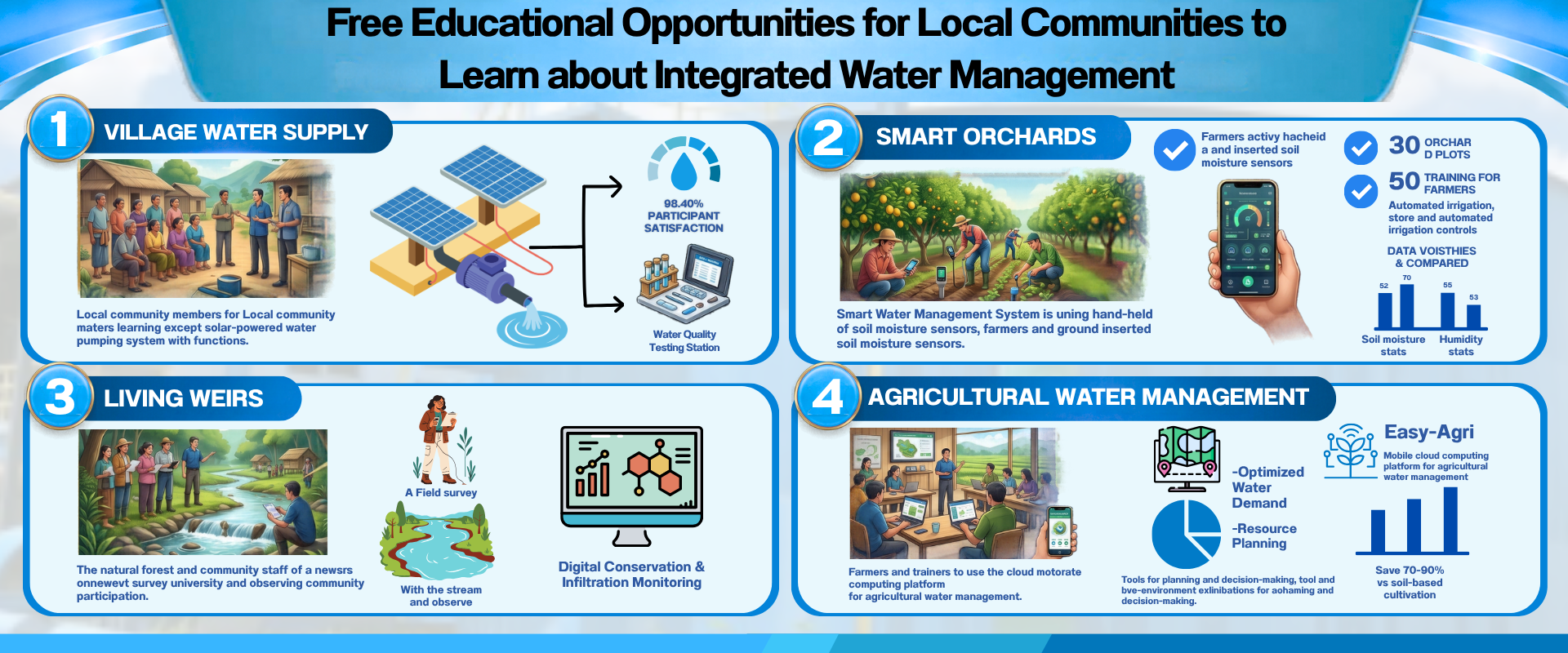
In 2025, Walailak University (WU) provided free educational opportunities for local communities to learn about good water management through knowledge transfer, practical training, and field-based learning activities. These opportunities were offered free of charge and designed to address local water management needs, including village water supply management, efficient irrigation in orchards, and water conservation through community living weirs. Recognising the importance of water for daily life, agricultural livelihoods, and healthy ecosystems, the university facilitated community-based learning opportunities by connecting academic expertise with local participation and accessible water management technologies. Through these educational activities, local community members gained practical knowledge and skills in maintaining water quality, improving water use efficiency, and planning the sustainable management of local water resources.
In 2025, the university implemented new and ongoing projects, connecting academic expertise with community needs in village water supply systems, orchard water management, and water conservation through living weirs. These activities also built on knowledge developed in 2024 through digital tools and educational outreach involving water resources committees.
Educational Opportunities for Sustainable Village Water Supply Management
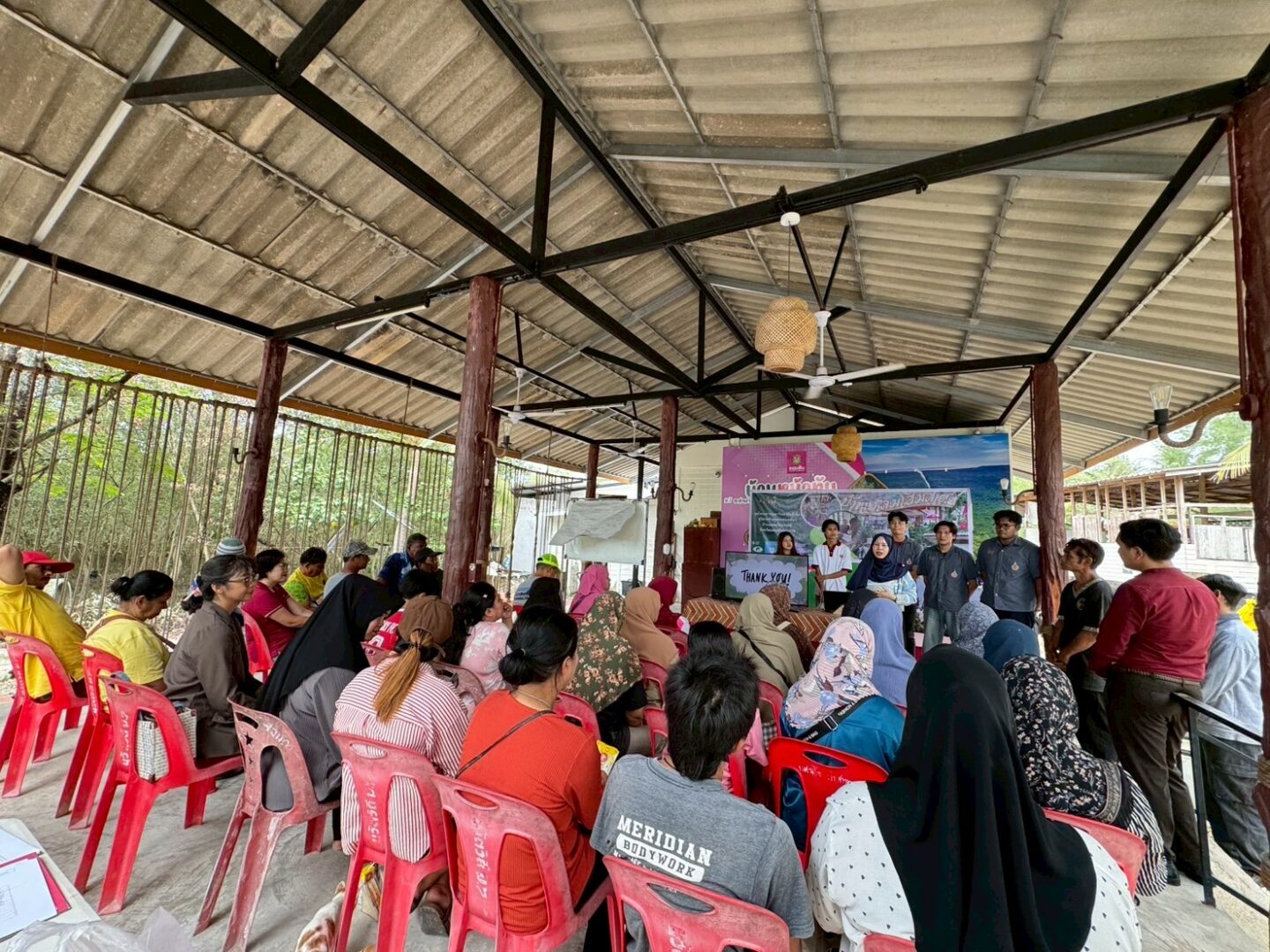
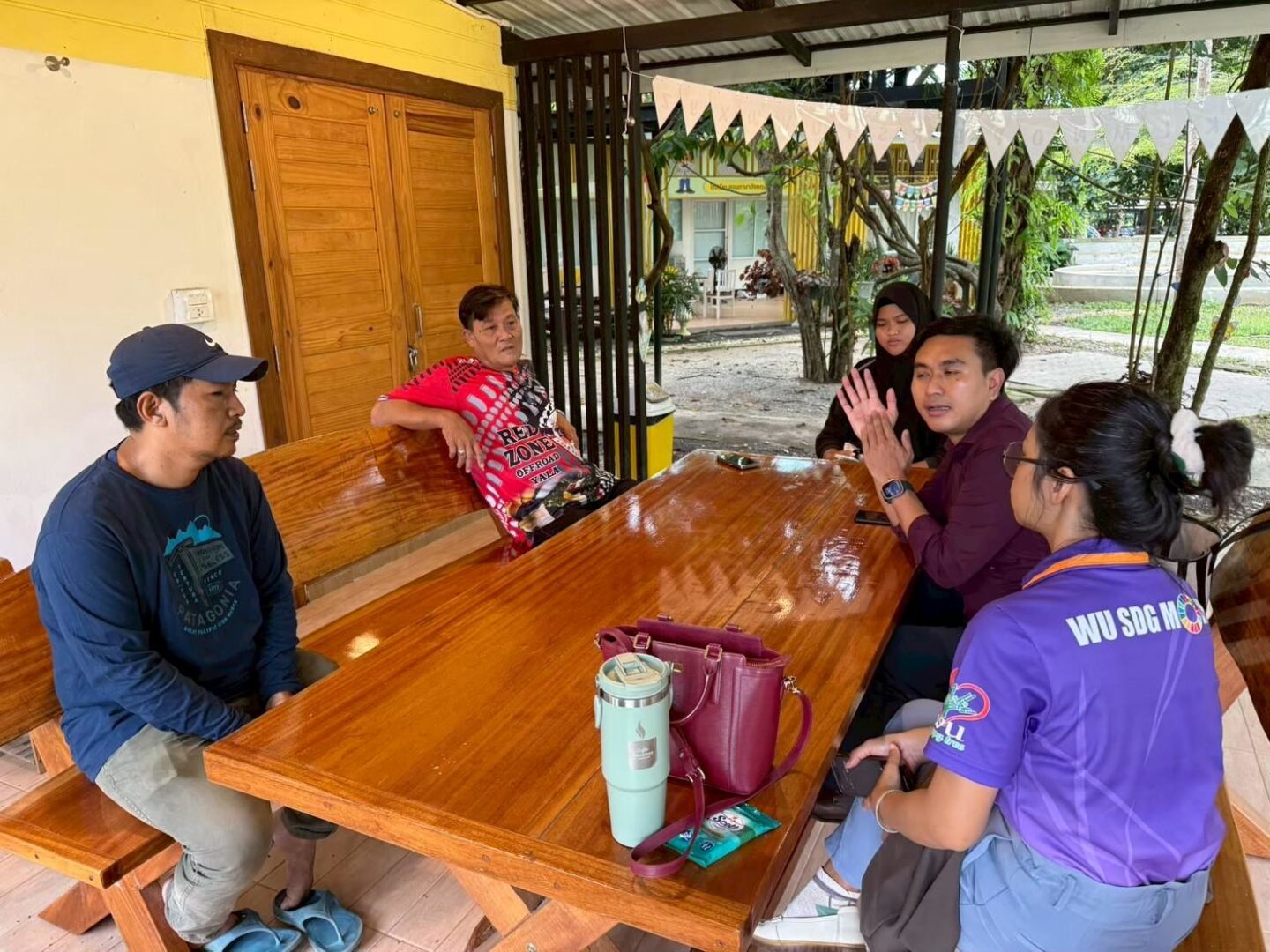
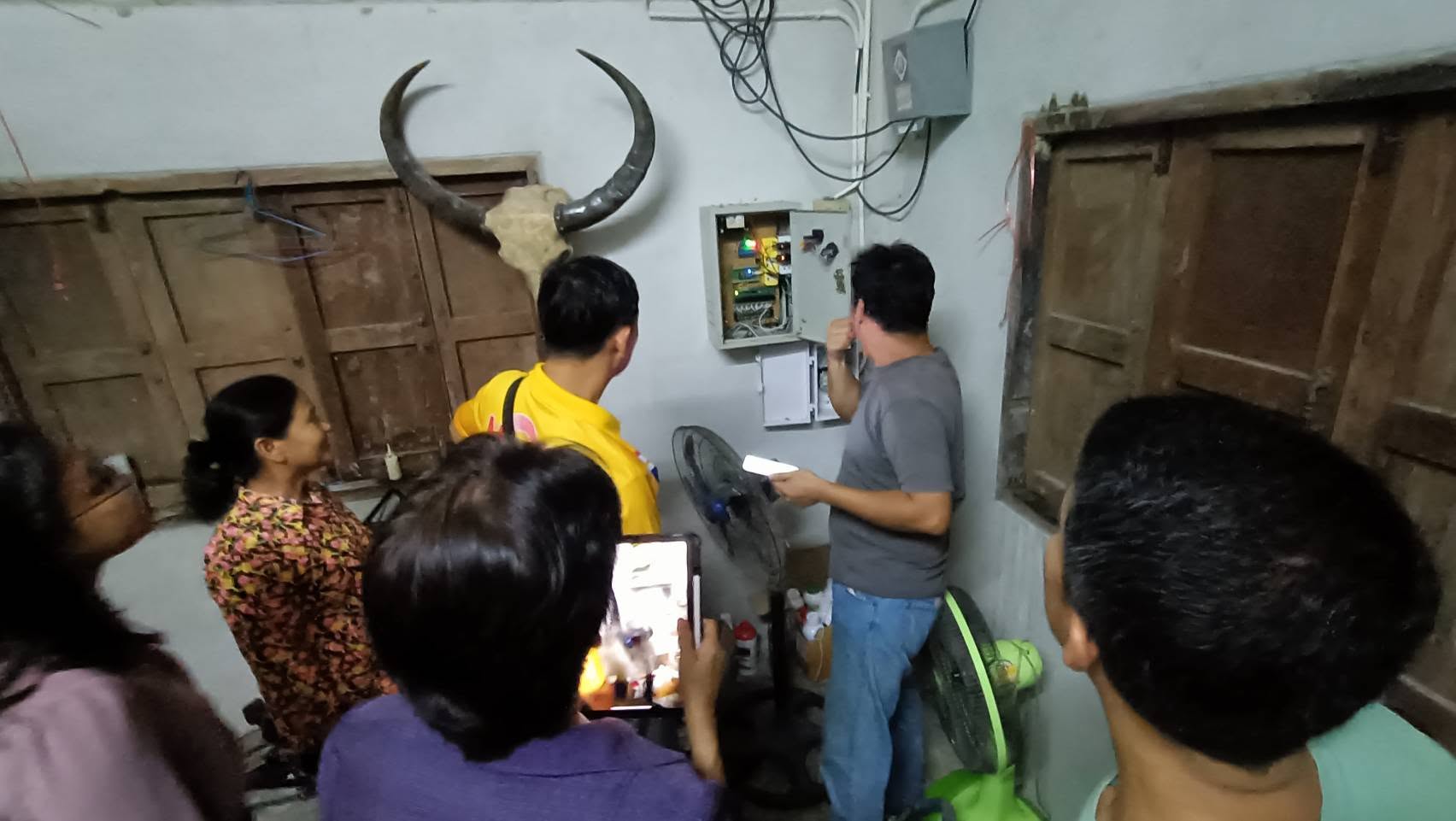
Walailak University provided water management educational opportunities for members of the Ban Laem Homestay Community Tourism Enterprise in Nakhon Si Thammarat Province through a project to develop sustainable water infrastructure, improve safety, and enhance the efficiency of the village water supply system. Participation in all activities was free of charge. The university worked with community leaders and the village water supply committee to assess problems and needs, ensuring that learning activities addressed the community’s water use.
Activities included knowledge transfer on village water supply systems, efficient water use, and water quality management, alongside training in basic water quality observation and testing supported by a practical manual. The university also strengthened the community water management committee’s skills by providing guidance on recordkeeping and transparent accounting. Solar-powered pumping options were introduced to support planning for lower water production costs. These educational opportunities aimed to strengthen the community’s capacity to operate and manage its water supply system appropriately. Participant satisfaction reached 98.40%.
Educational Opportunities for Sustainable Village Water Supply Management
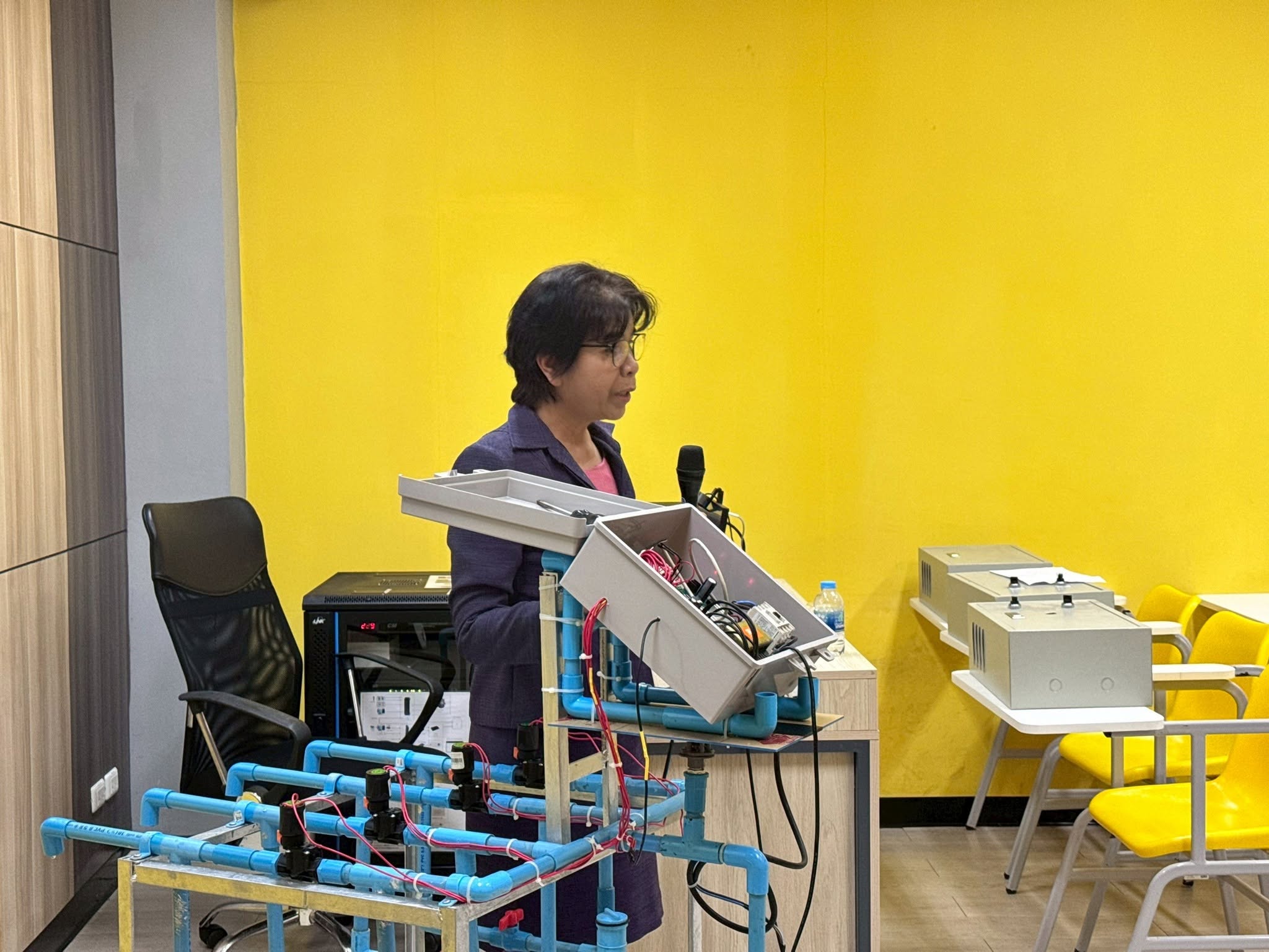
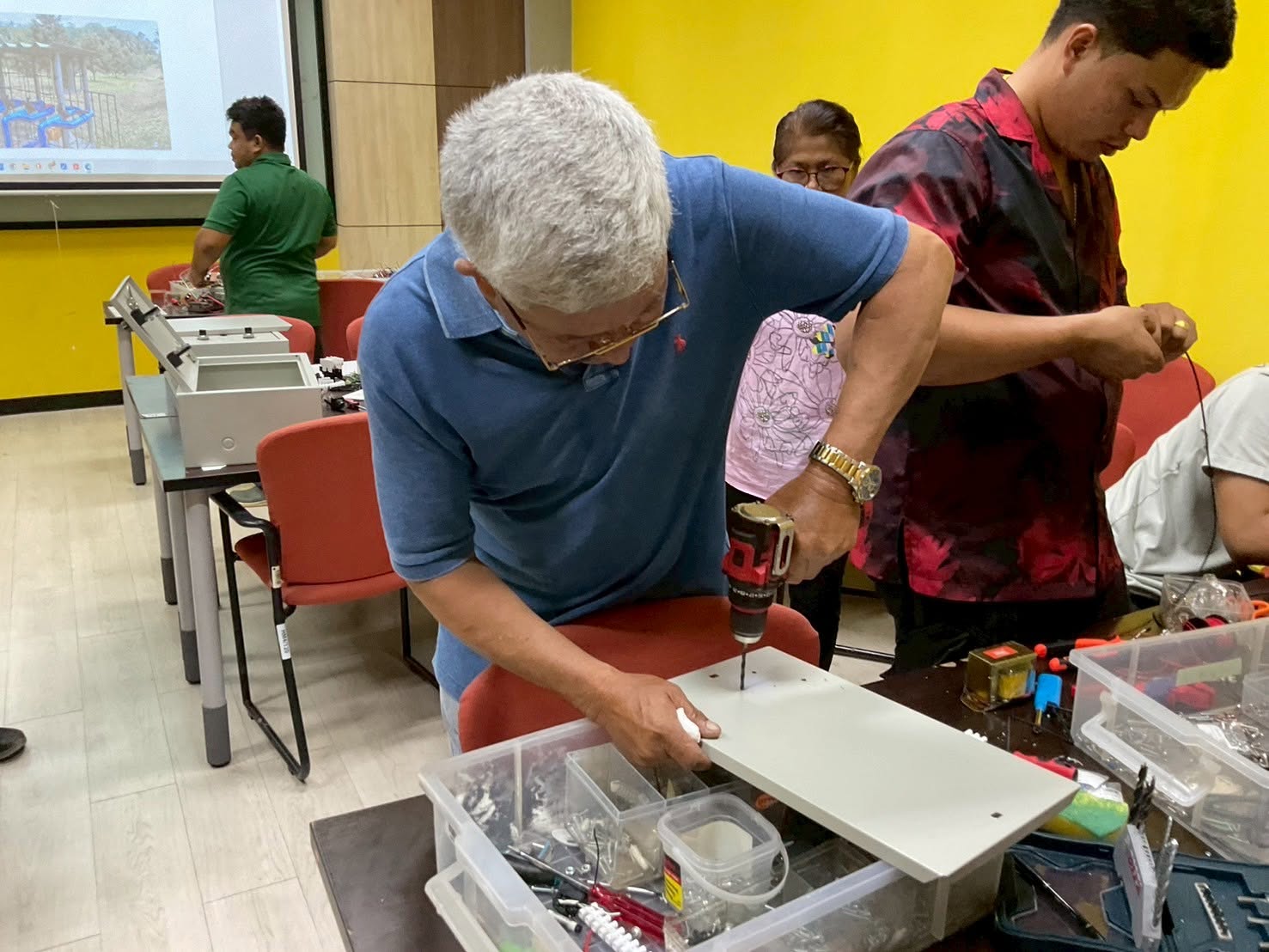
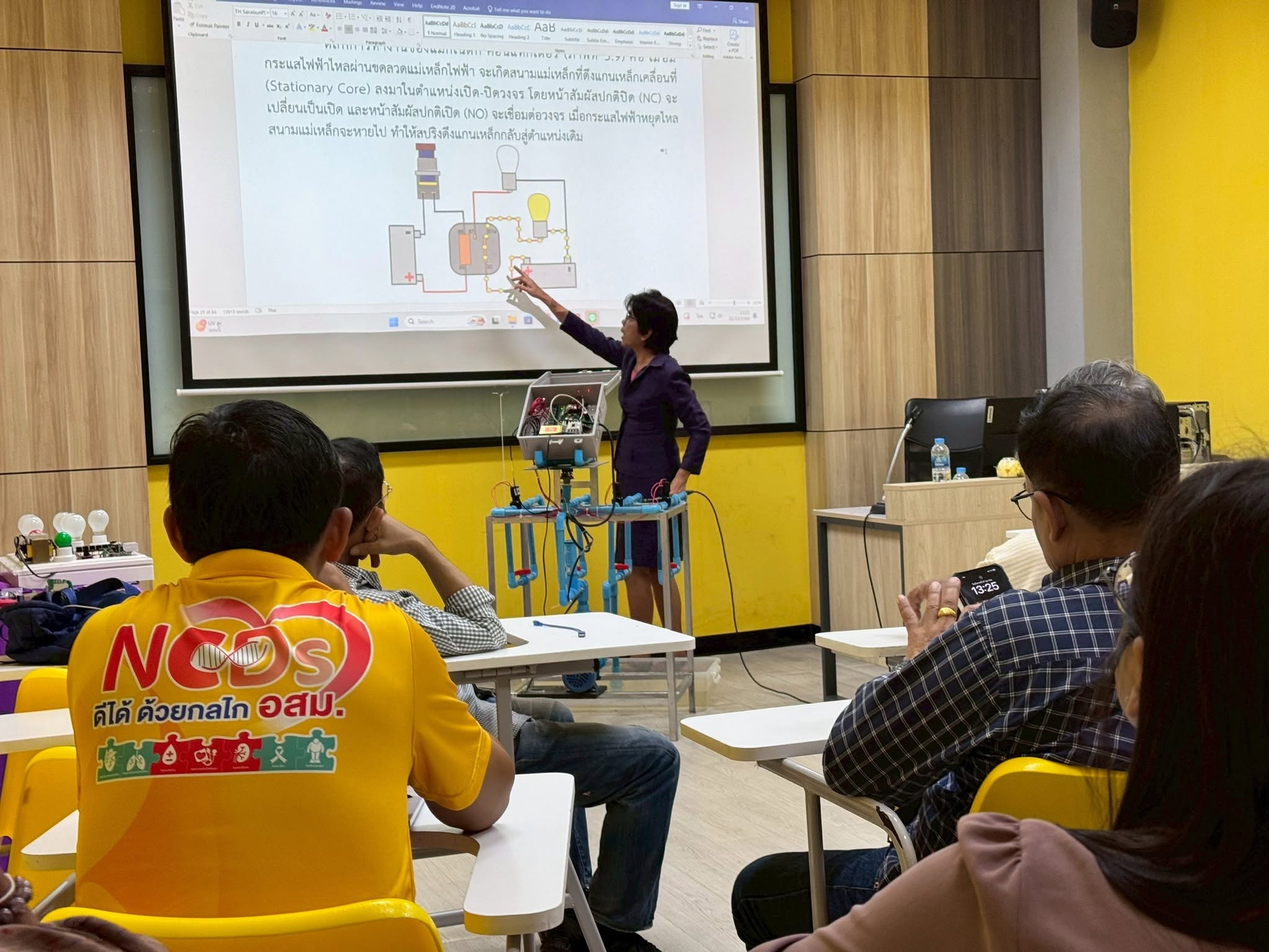
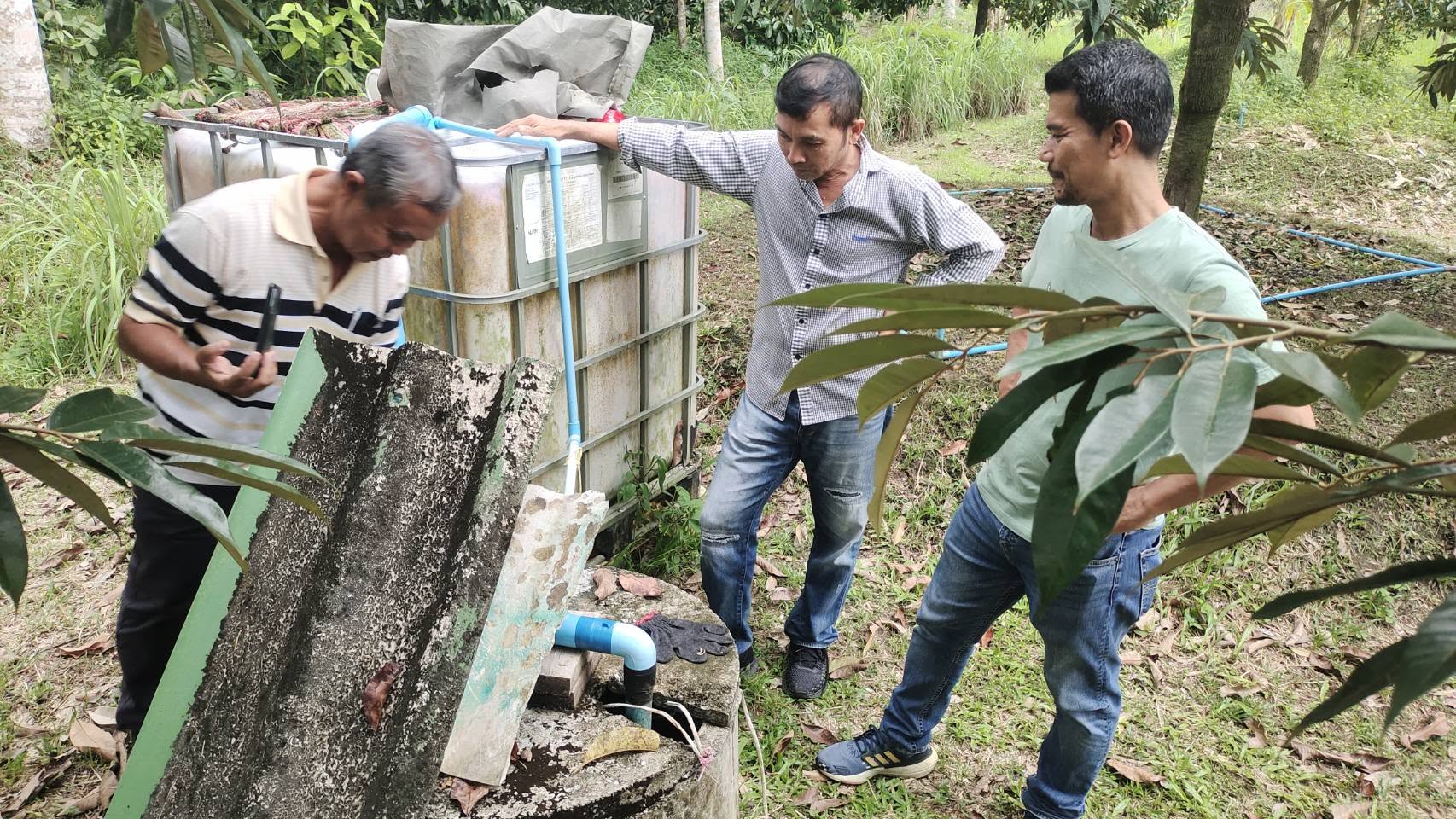
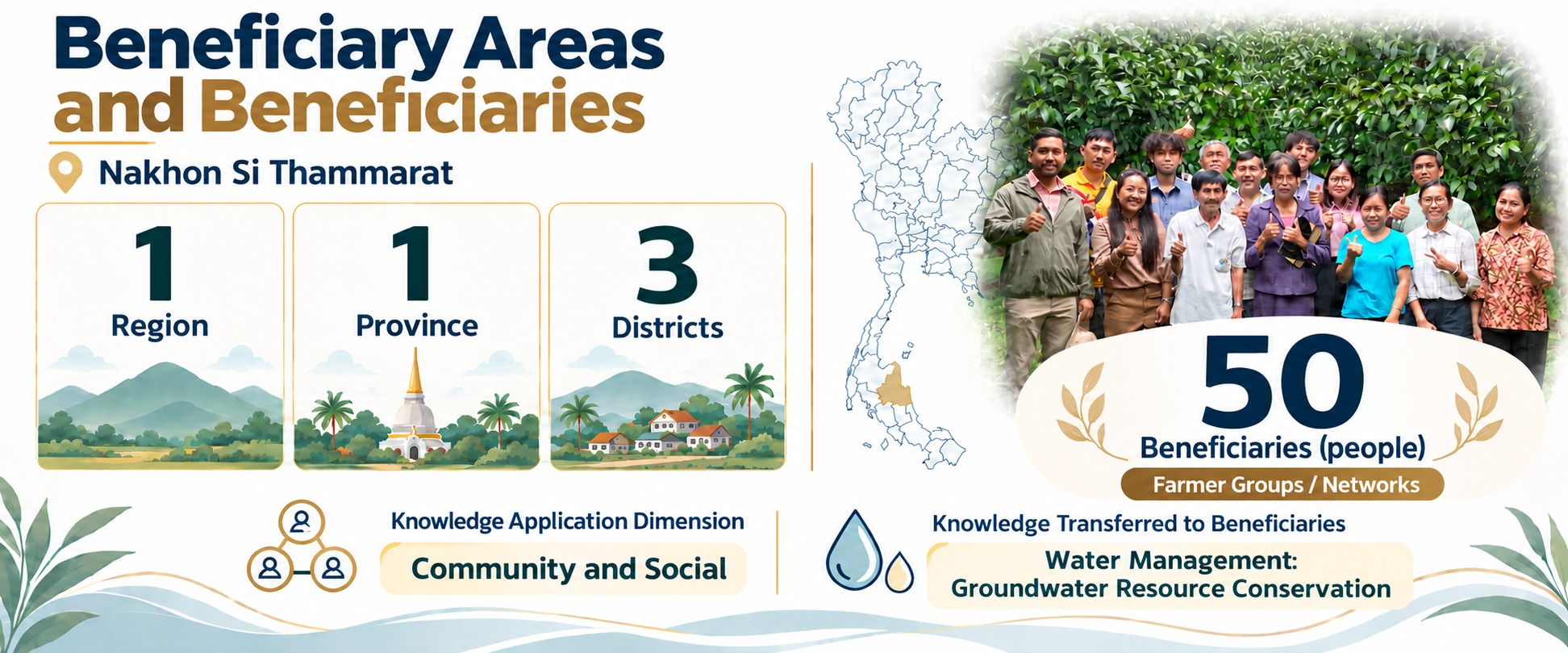
Walailak University, led by Associate Professor Dr. Panjit Musik, implemented the Smart Water Management System for Orchards in Nakhon Si Thammarat Province project in fiscal year 2025. The project provided local farmers with opportunities to acquire knowledge and practical skills in efficient water management. Training for 50 farmers covered soil moisture sensors, air temperature and humidity sensors, automated irrigation systems, smartphone-based monitoring and control, system maintenance, and basic troubleshooting.
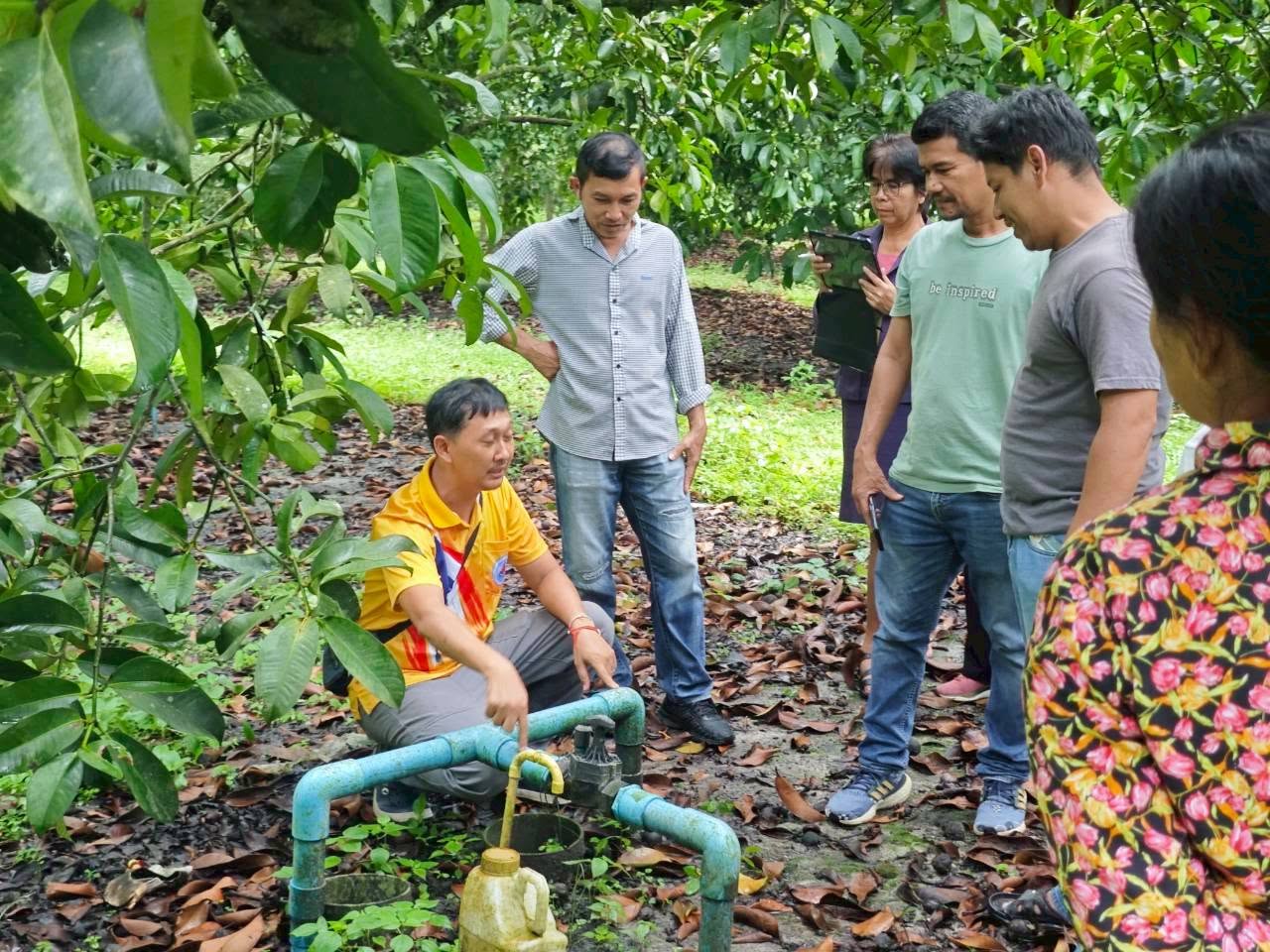
Learning combined classroom training with field-based learning at Uncle Sa-ngop’s Orchard in Phrom Lok Subdistrict, Phrom Khiri District, Nakhon Si Thammarat Province, connecting theoretical knowledge with practical orchard applications. Smart water management systems were installed in 30 orchard plots, followed by monitoring and performance evaluation. Farmers gained knowledge and skills, used the technology correctly, improved water-use efficiency, reduced unnecessary water use, and lowered water management and orchard maintenance costs. Produce quality also improved and better met market requirements.
Educational Opportunities for Water Conservation and Management through Living Weirs
Walailak University implemented the Living Weirs for Sustainable Community Development project in 2025 in Na Mai Phai Subdistrict, Thung Song District, Nakhon Si Thammarat Province. Working with the Na Mai Phai Subdistrict Administrative Organization, community leaders, and local residents, the university provided opportunities to learn about good water management through training, practical activities, and participation in local field surveys.
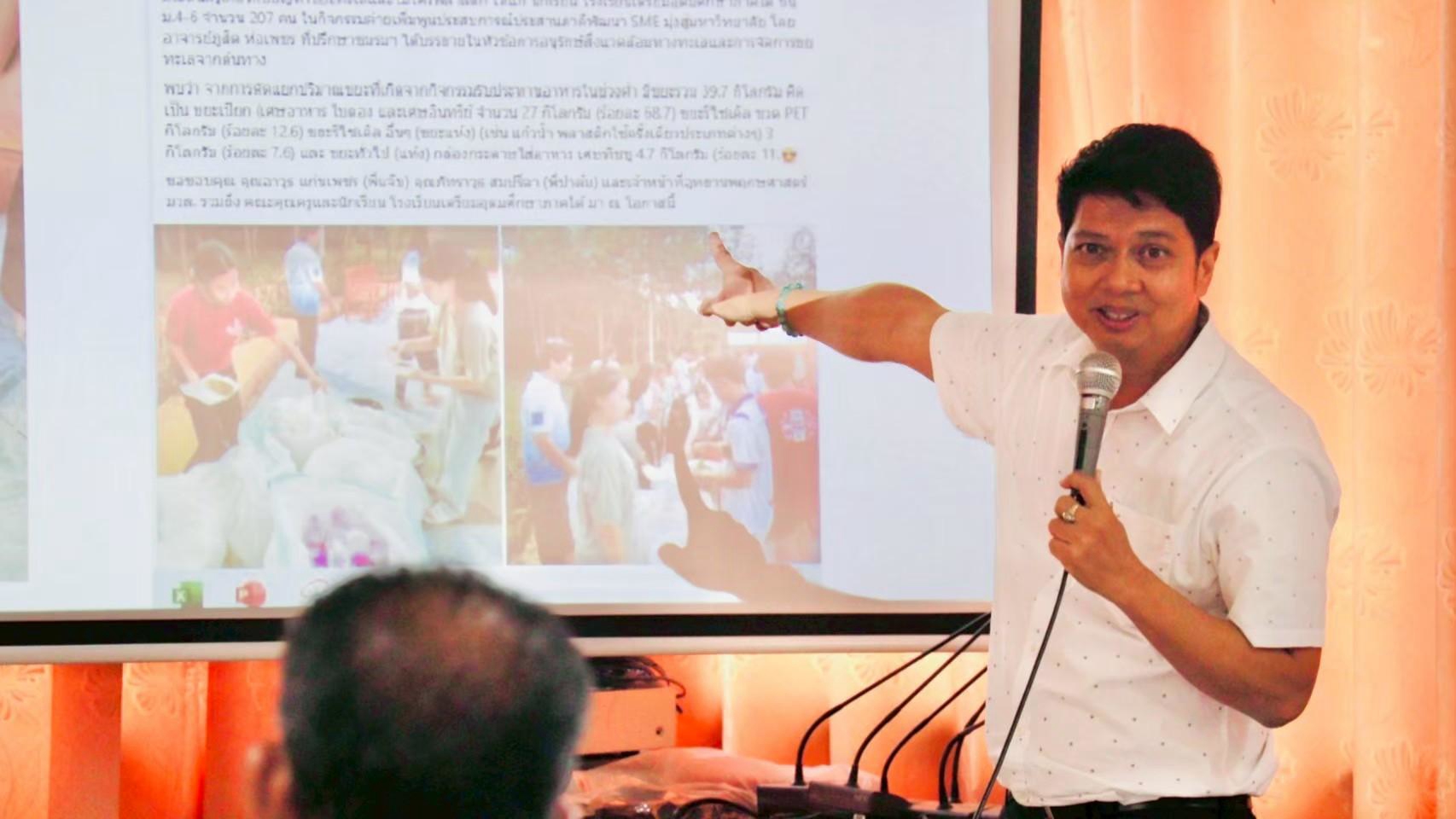
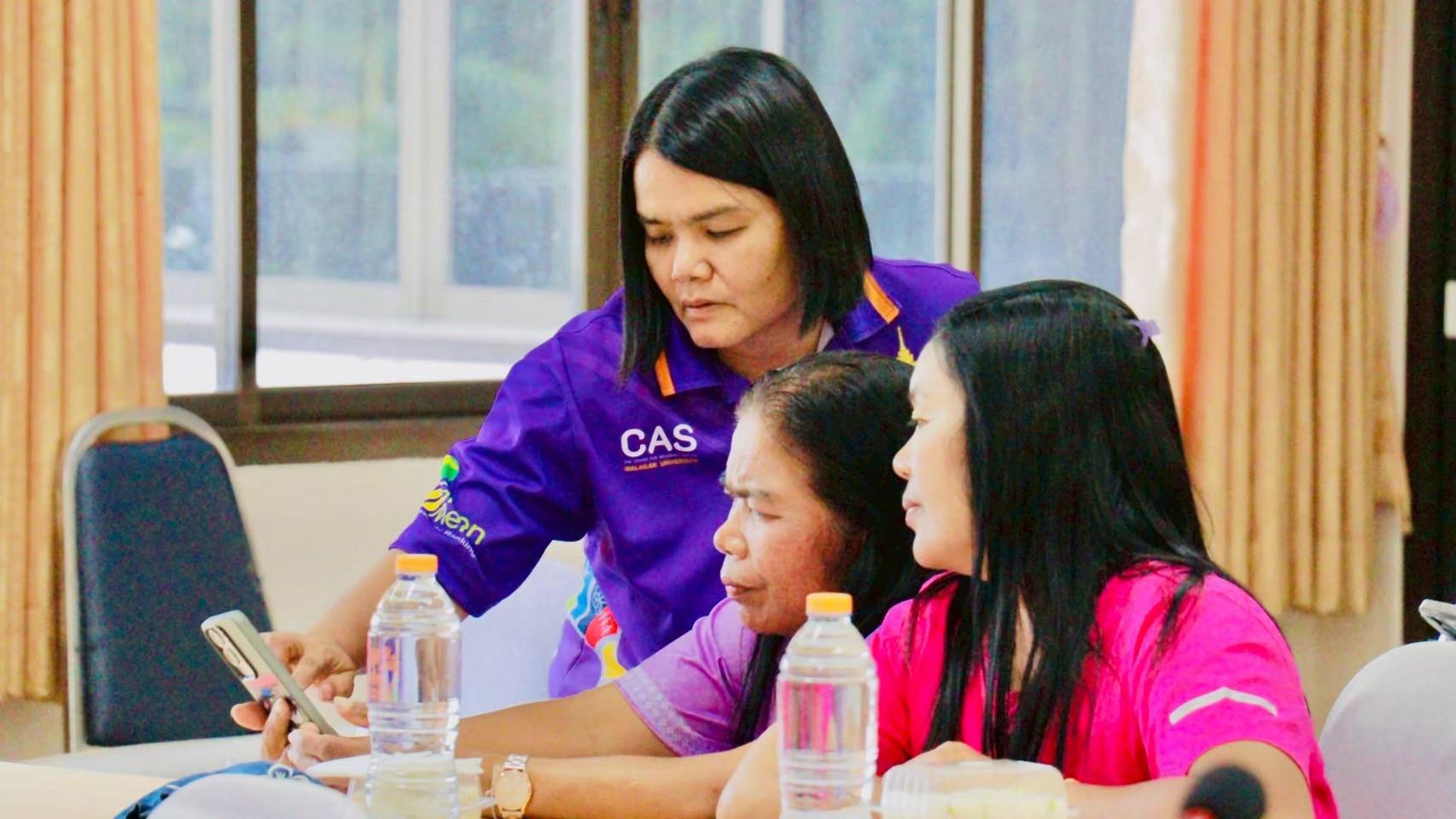
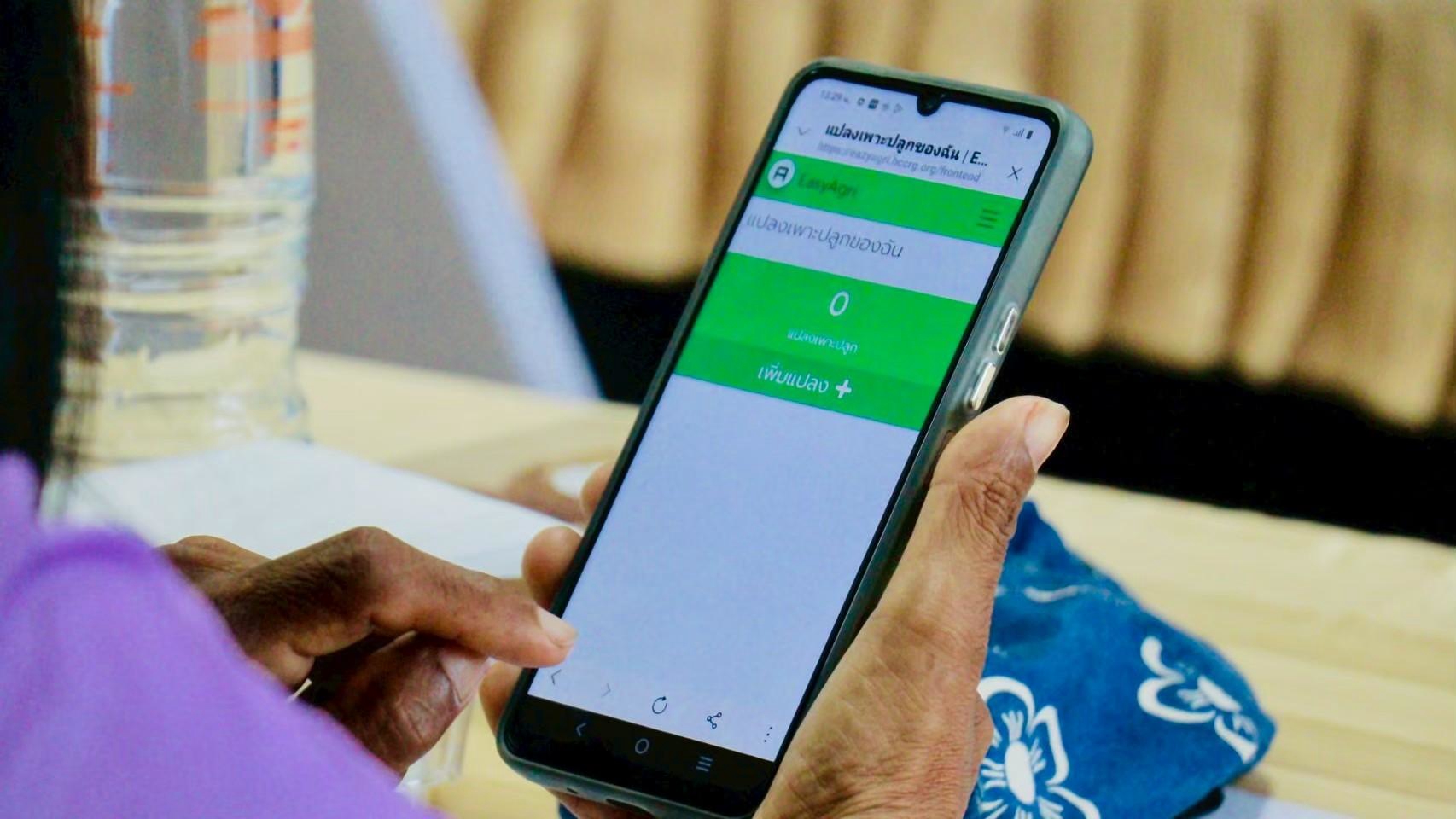
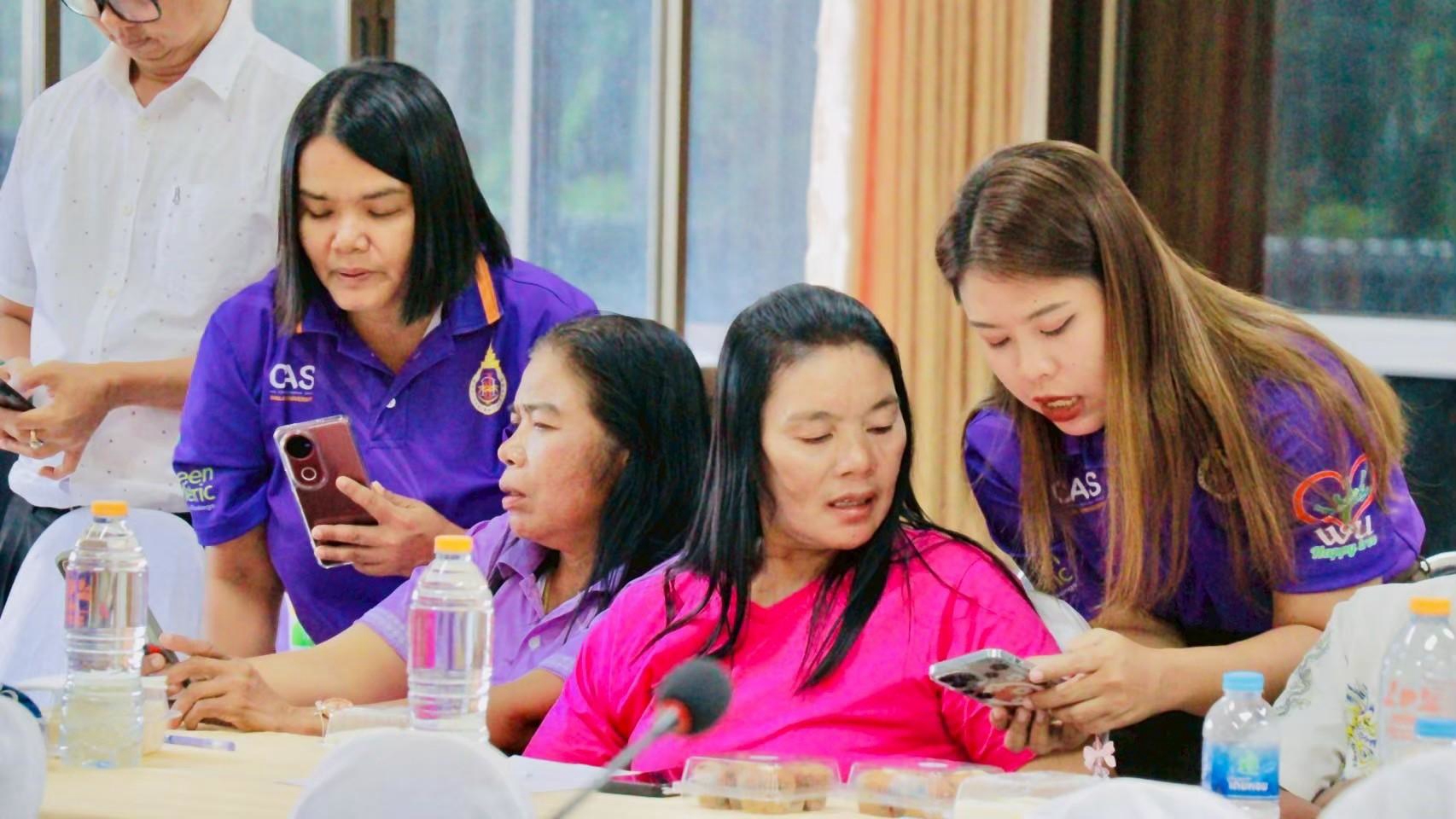
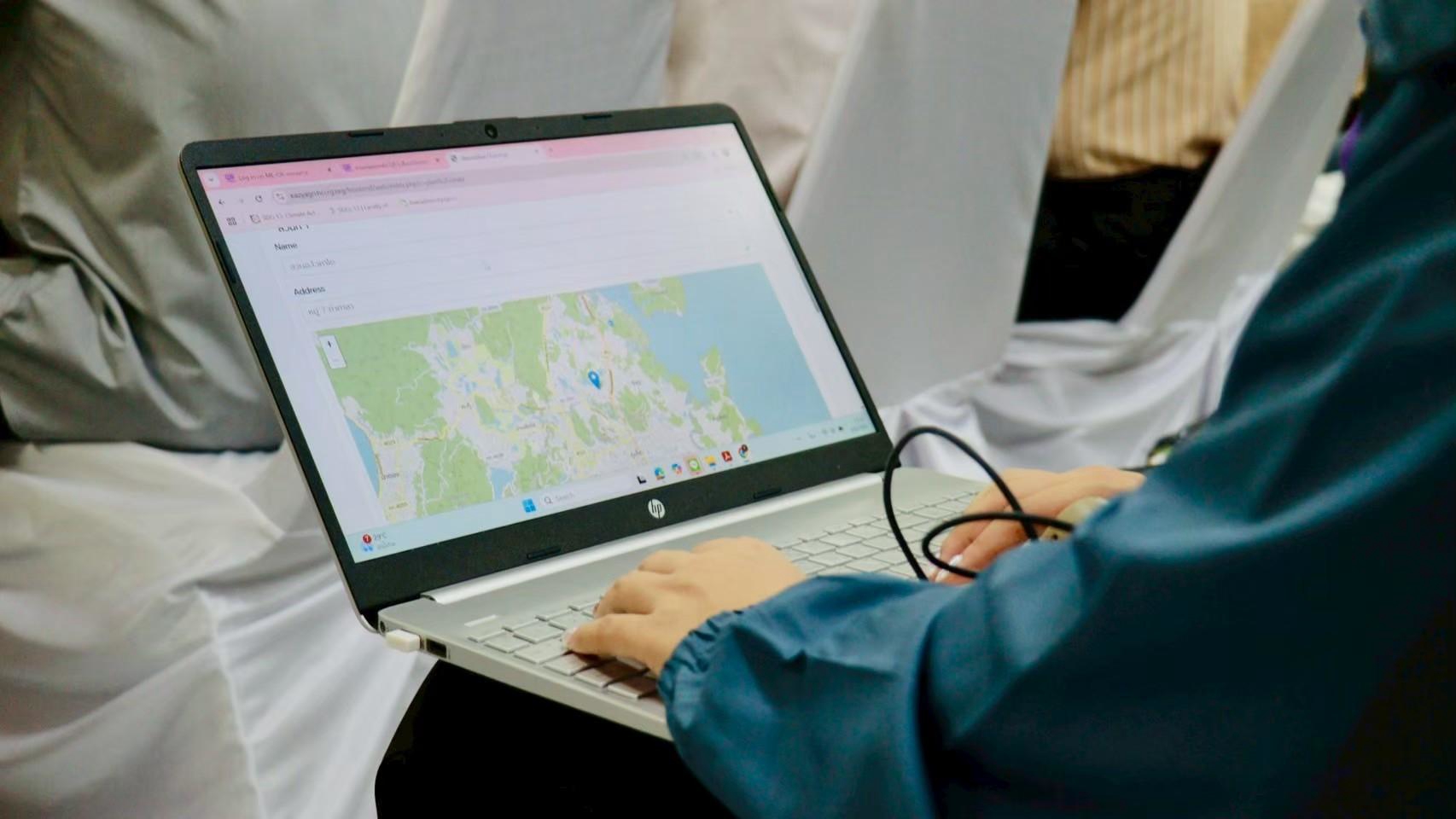
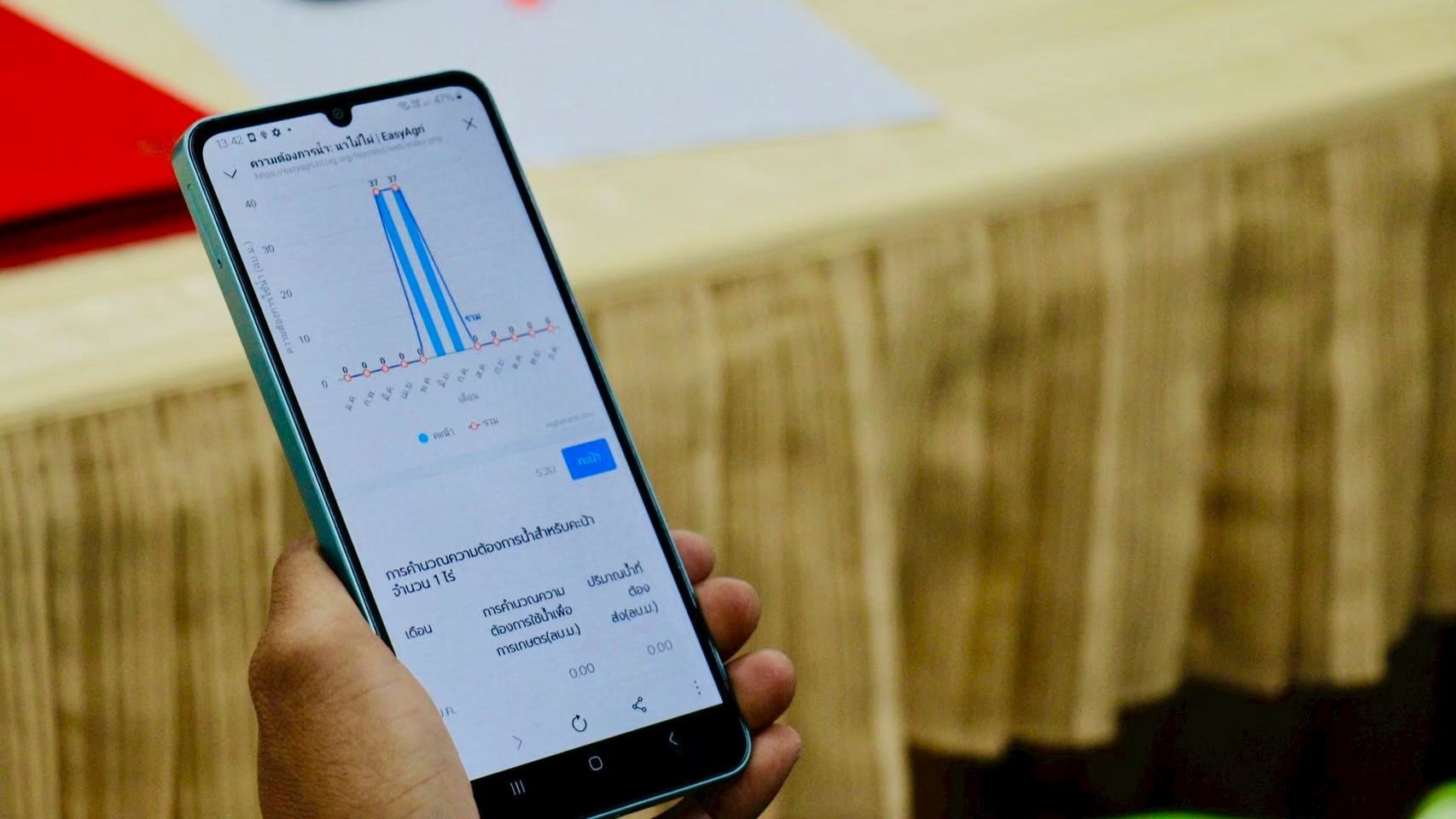
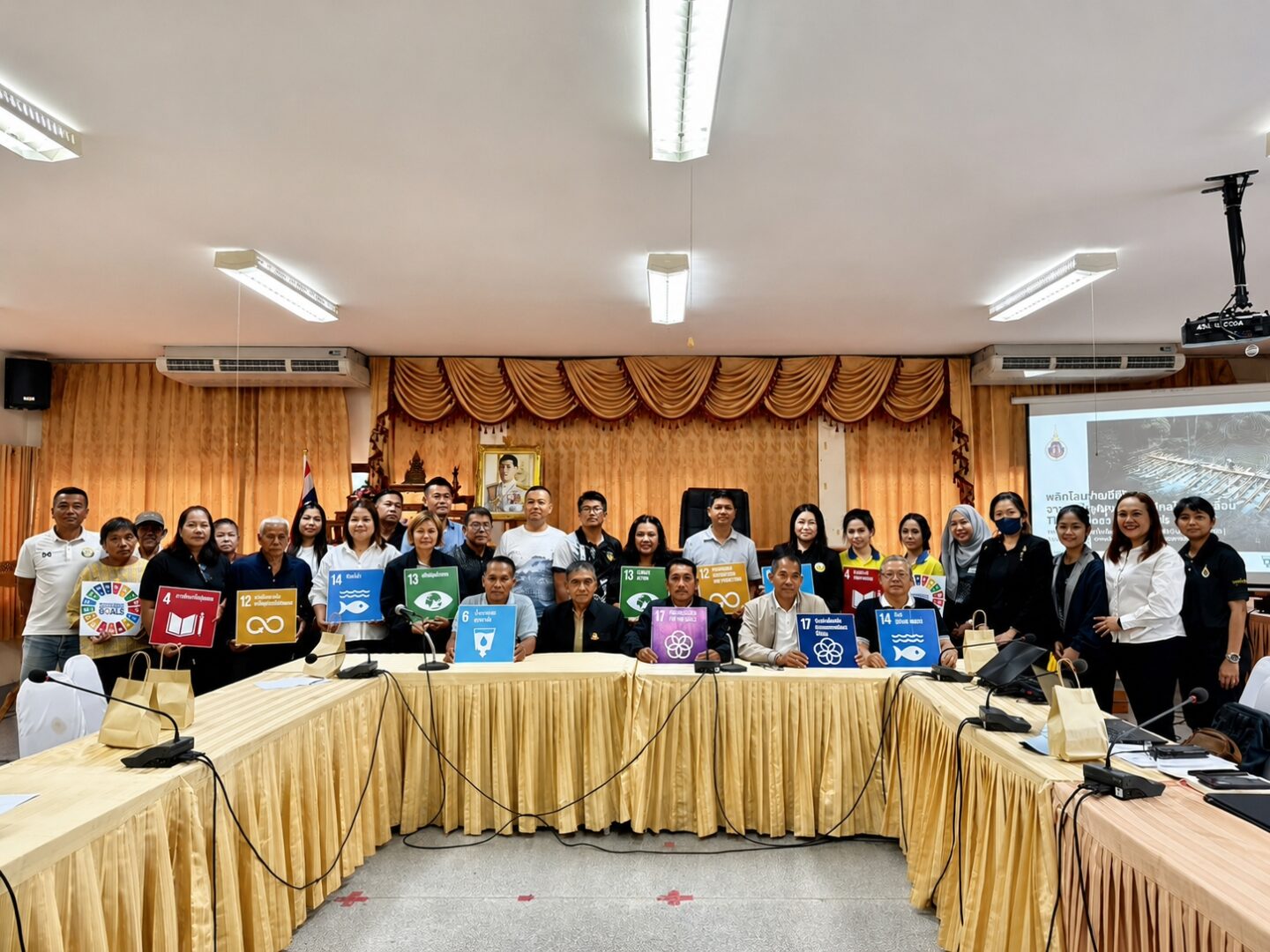
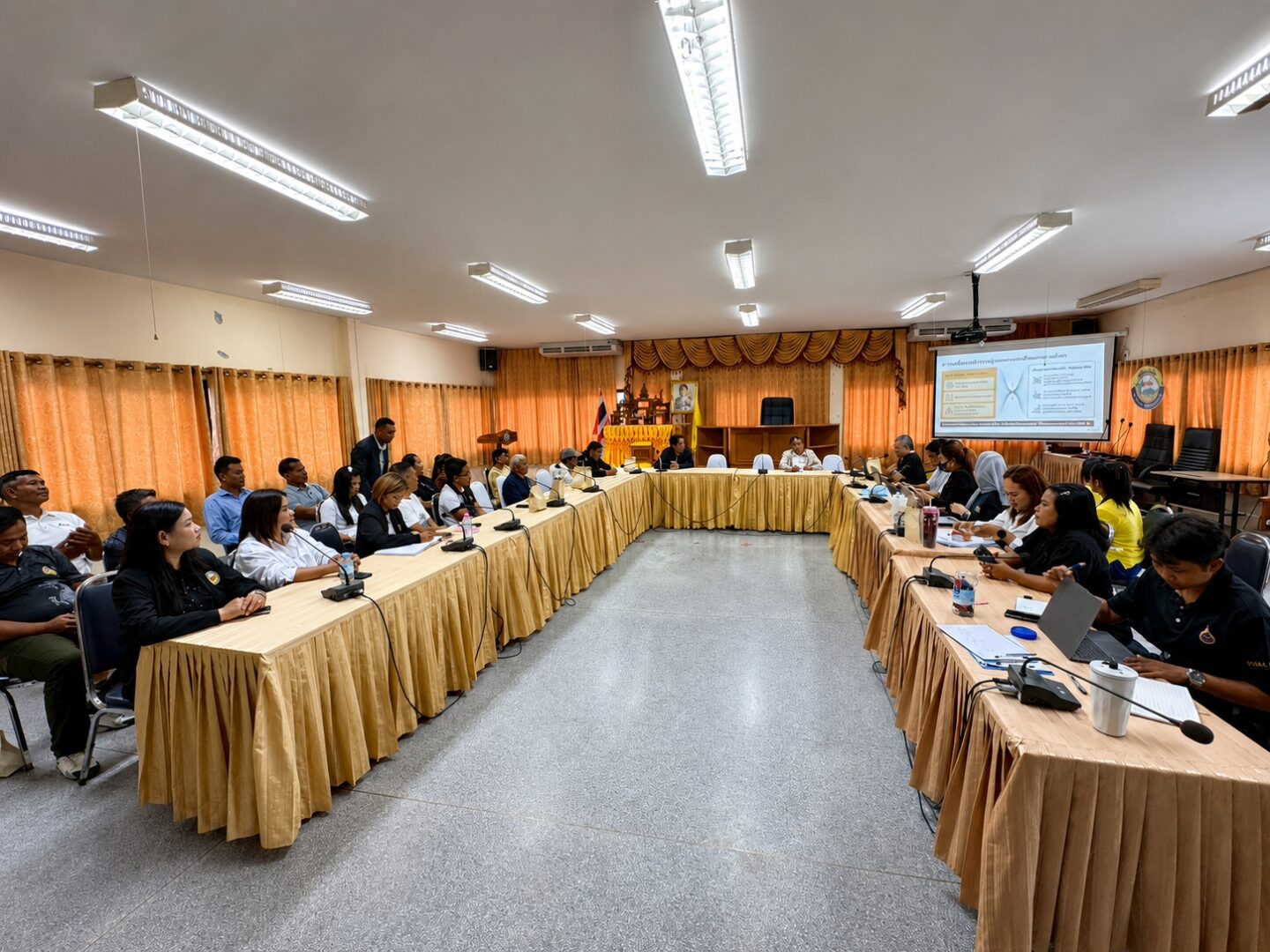
On 4 June 2025, the university organized educational activities on water conservation, sustainable water and irrigation management, and the management of waste in waterways. Participants also received practical training in using a mobile cloud computing platform for community agricultural water management, developing skills in applying technology to local water management. Discussions addressed further development of the living weir project to meet community needs.
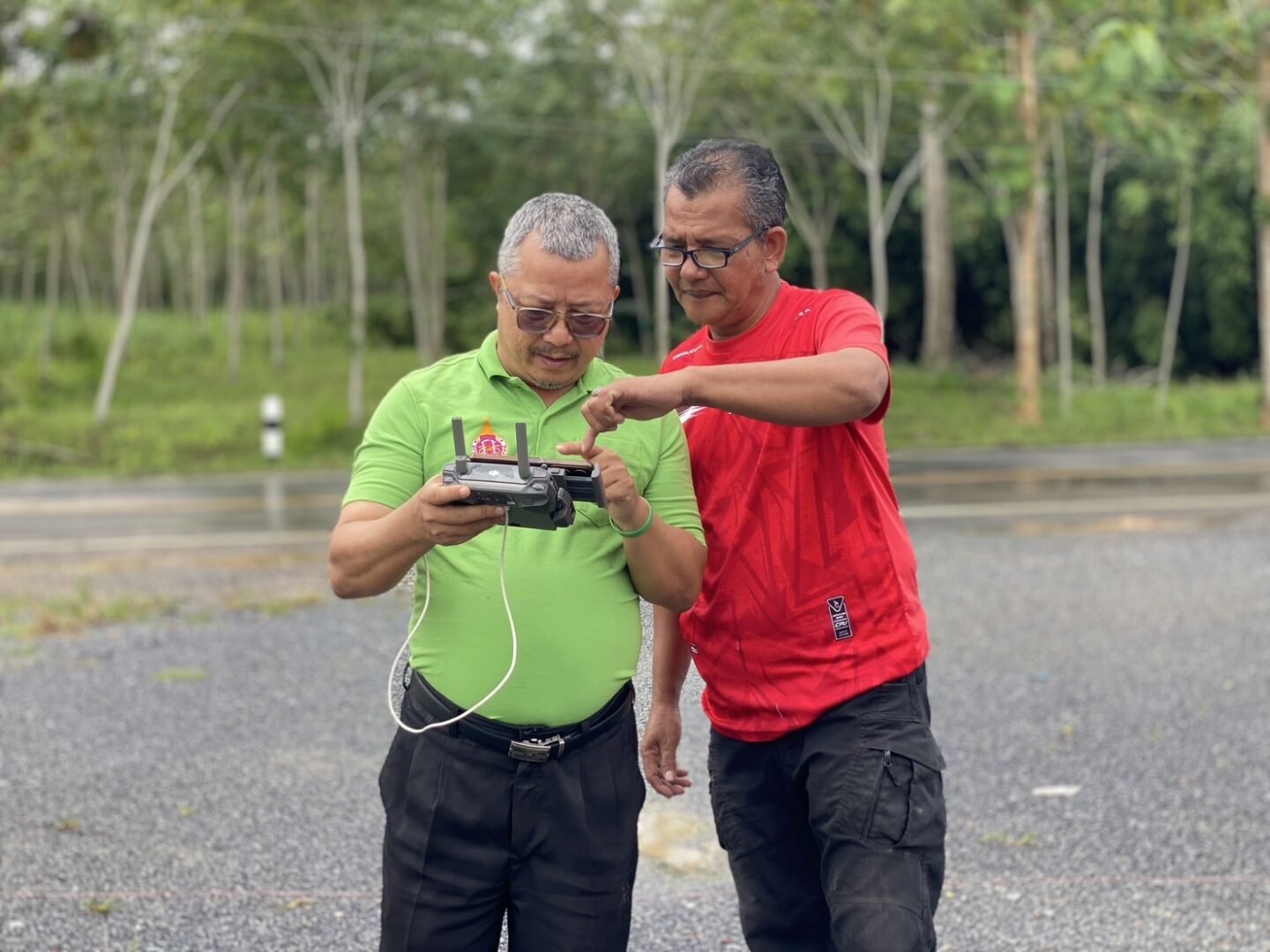
The university continued to support community participation in field-based activities. On 11 July 2025, university staff, the Subdistrict Administrative Organization, and community leaders collected aerial imagery to prepare comparisons between natural forest areas with and without living weirs during the summer season. On 31 August 2025, further surveys around the weirs supported preparations for repairs and improvements in water conservation. The information collected supported analysis and planning for community water management, with attention to freshwater ecosystem conservation and public participation.
Foundational Knowledge from Agricultural Water Management in Don Tako Community
Activities in 2025 drew on knowledge from a project implemented in 2024, through which Walailak University provided farmers in Don Tako Subdistrict, Tha Sala District, Nakhon Si Thammarat Province, with opportunities to learn how to use Easy-Agri, a tool developed under the Platform for Agricultural Water Management in Community with Mobile Cloud Computing project.
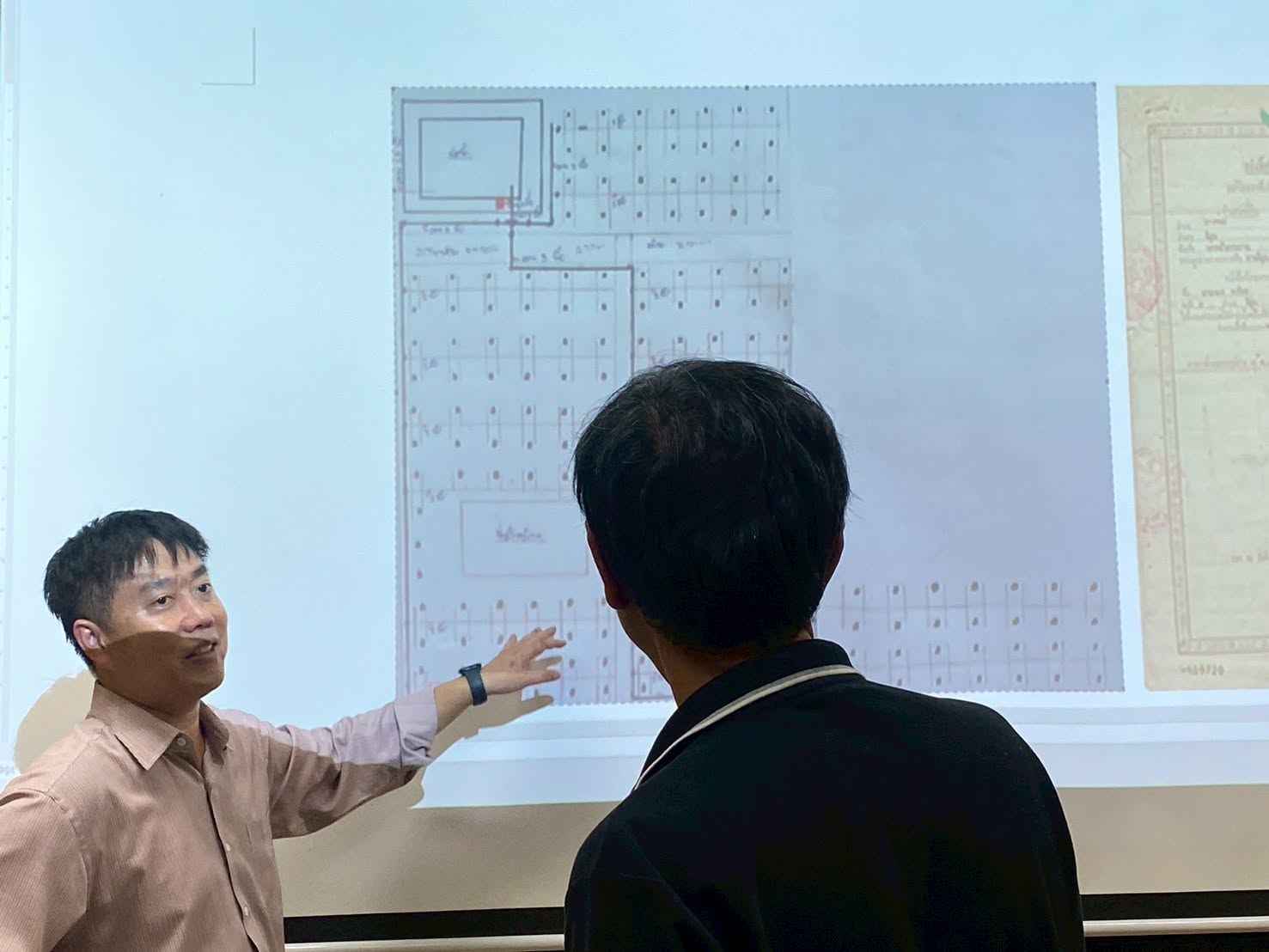
Training covered the analysis of available water resources and catchment areas, appropriate sizing of farm ponds, and the allocation of cultivated areas according to water availability. Farmers learned to use the tools on computers and mobile phones to support independent planning and decision-making. This knowledge addressed the needs of rice and mixed-fruit farmers, particularly durian and mangosteen growers, and promoted planning based on a balance between water demand and available water resources.
Knowledge Transfer through Academic Experts and Water Resources Committees
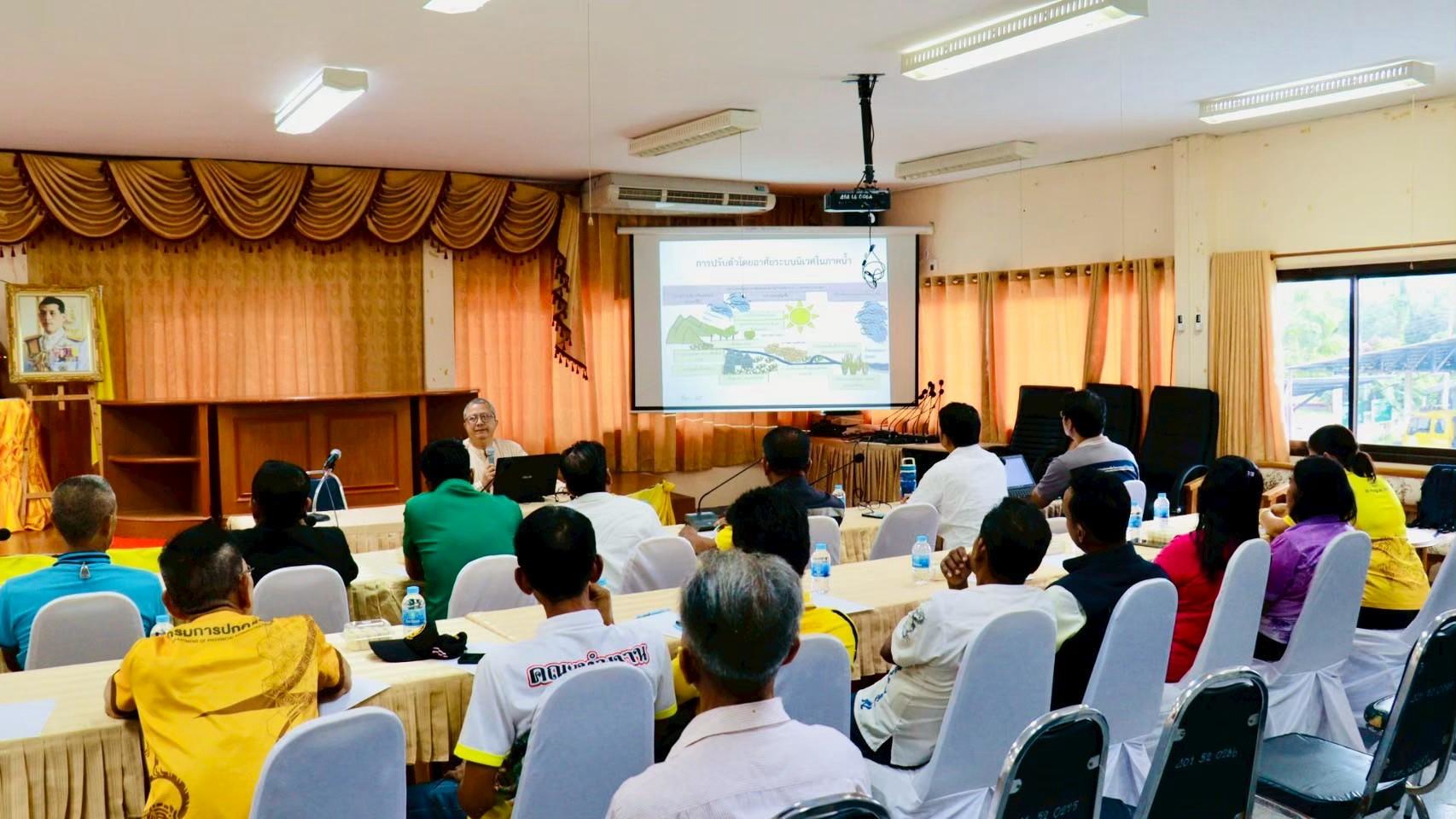
In 2024, Assoc. Prof. Dr. Pakorn Ditthakit of Walailak University contributed to knowledge transfer in his capacity as a water resources management expert and a member of the Southern Regional Water Resources Management Subcommittee, the Upper Eastern Coast of Southern Thailand River Basin Committee, and the Nakhon Si Thammarat Provincial Water Resources Subcommittee.
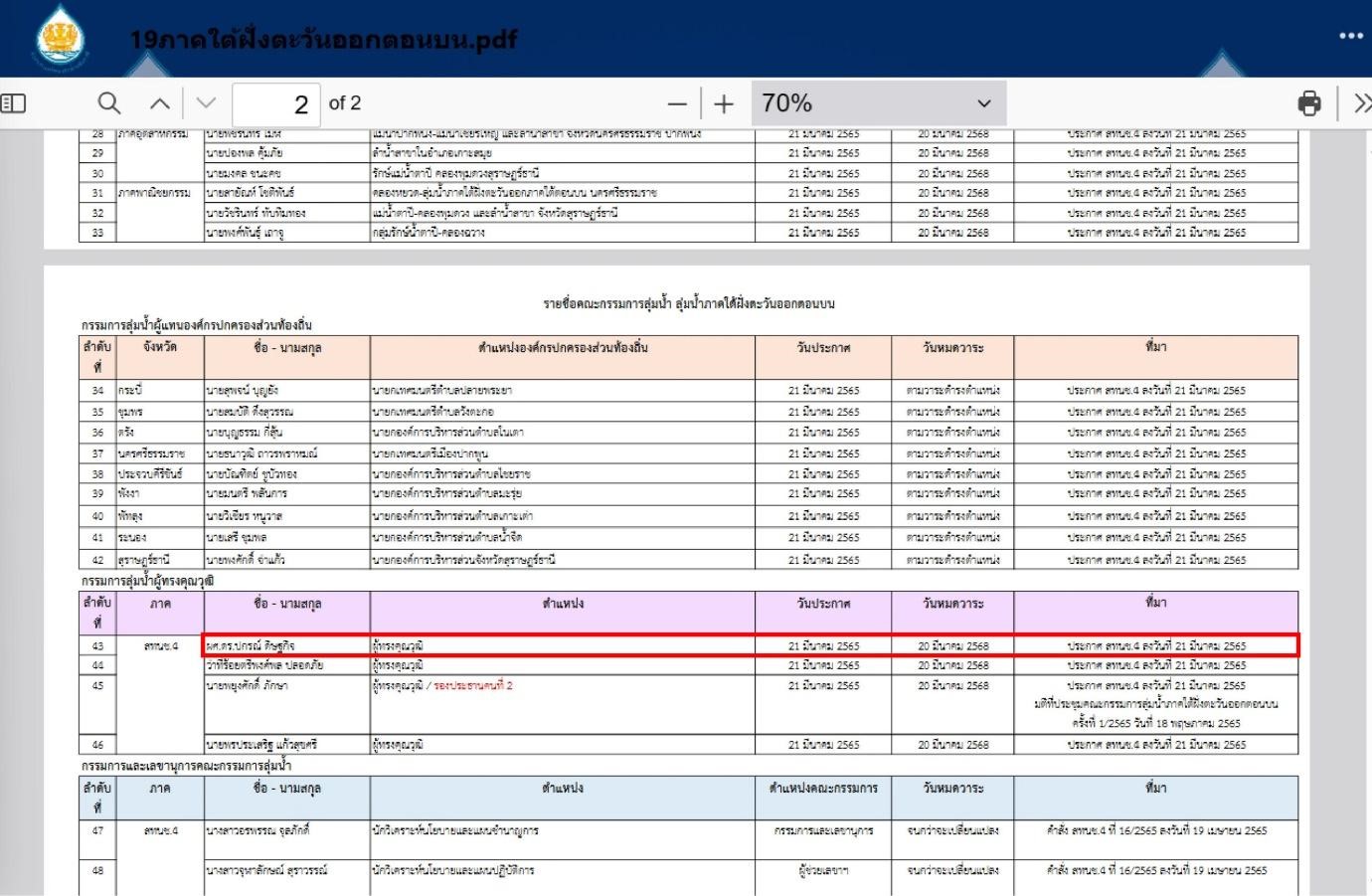
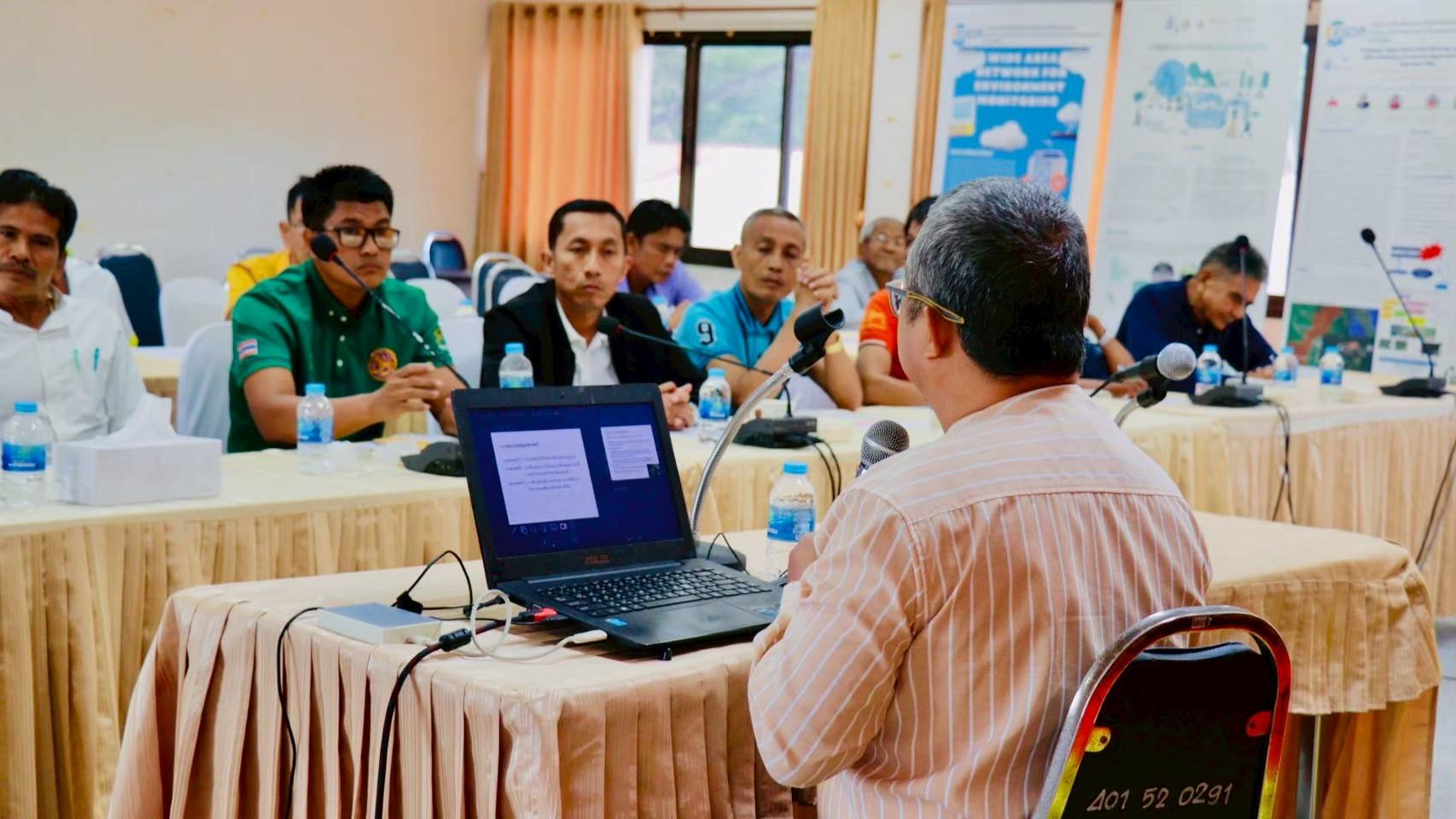
As a speaker for community leaders, local residents, and government officials, he expanded educational opportunities in domestic water supply management, water security for production, flood management, and water resources administration. His contributions connected policy knowledge with local applications and supported cooperation between communities and relevant agencies.
Walailak University’s activities demonstrate its commitment to providing educational opportunities for local communities to learn about good water management. By connecting knowledge transfer with practical skills, technology, and local needs, the university strengthens people’s capacity to maintain water quality, use water efficiently, and participate in the sustainable conservation and management of community water resources.
In 2025, Walailak University provided free educational opportunities for local communities to learn about good water management through knowledge transfer, practical training, and field-based learning. Participants gained knowledge and practical skills suited to their local needs. Village water supply committee members learned about water quality testing, efficient system operation, recordkeeping, and transparent accounting. Farmers developed skills in using sensors, automated irrigation, and smartphone-based monitoring to improve water-use efficiency and reduce water management costs. Community leaders and residents learned about water conservation, living weirs, and digital tools for agricultural water planning. These opportunities strengthened participants’ ability to make informed decisions, manage local water resources, and contribute to sustainable water management within their communities.
Related Links
– https://cas.wu.ac.th/archives/34099
– https://cas.wu.ac.th/archives/35746