
Learn, Create, and Grow: Educational Resources for Learning Equality by WU

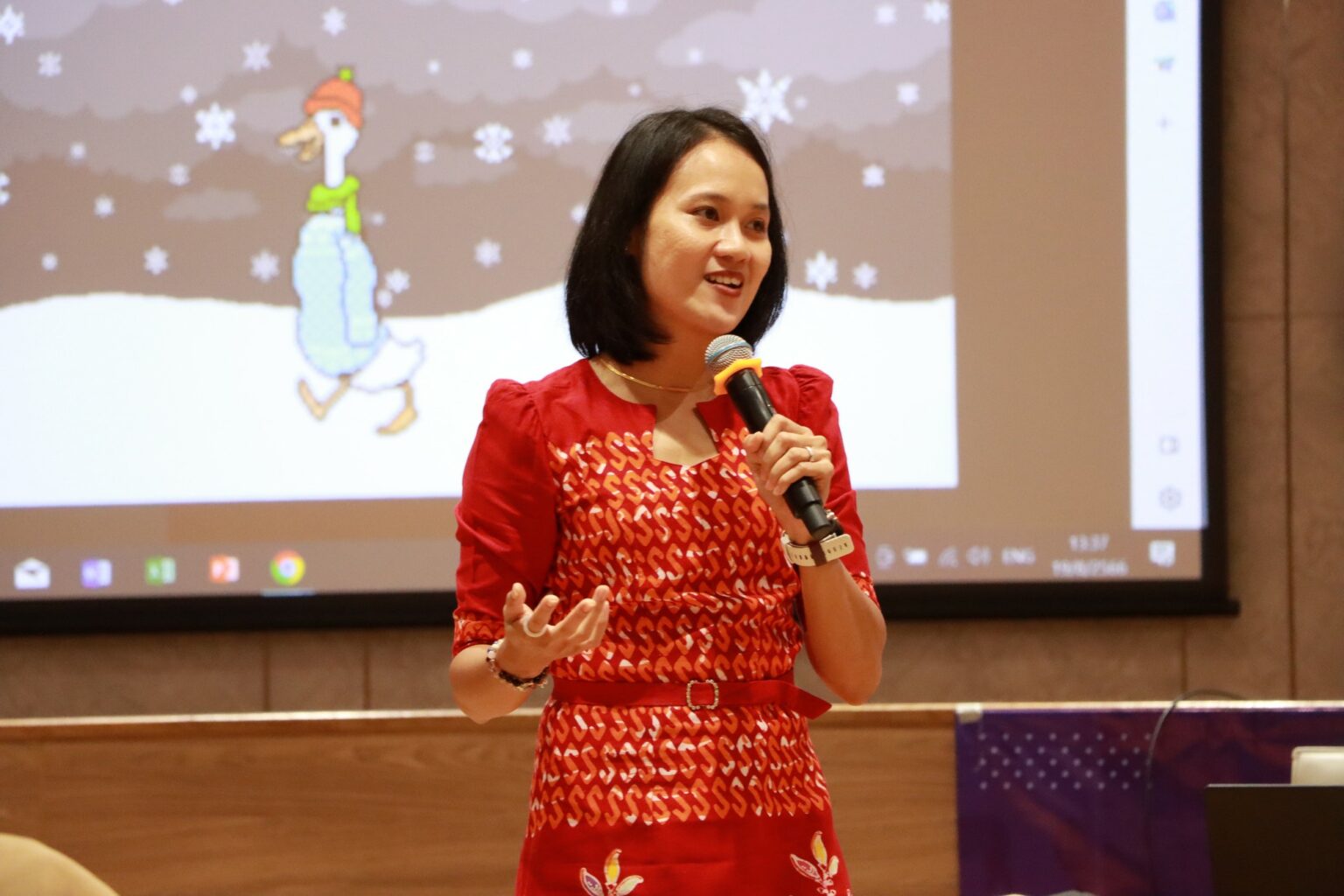
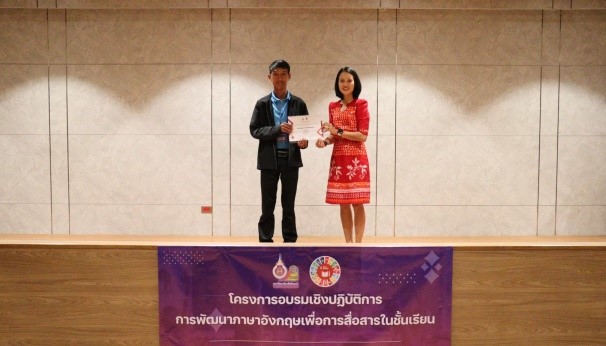
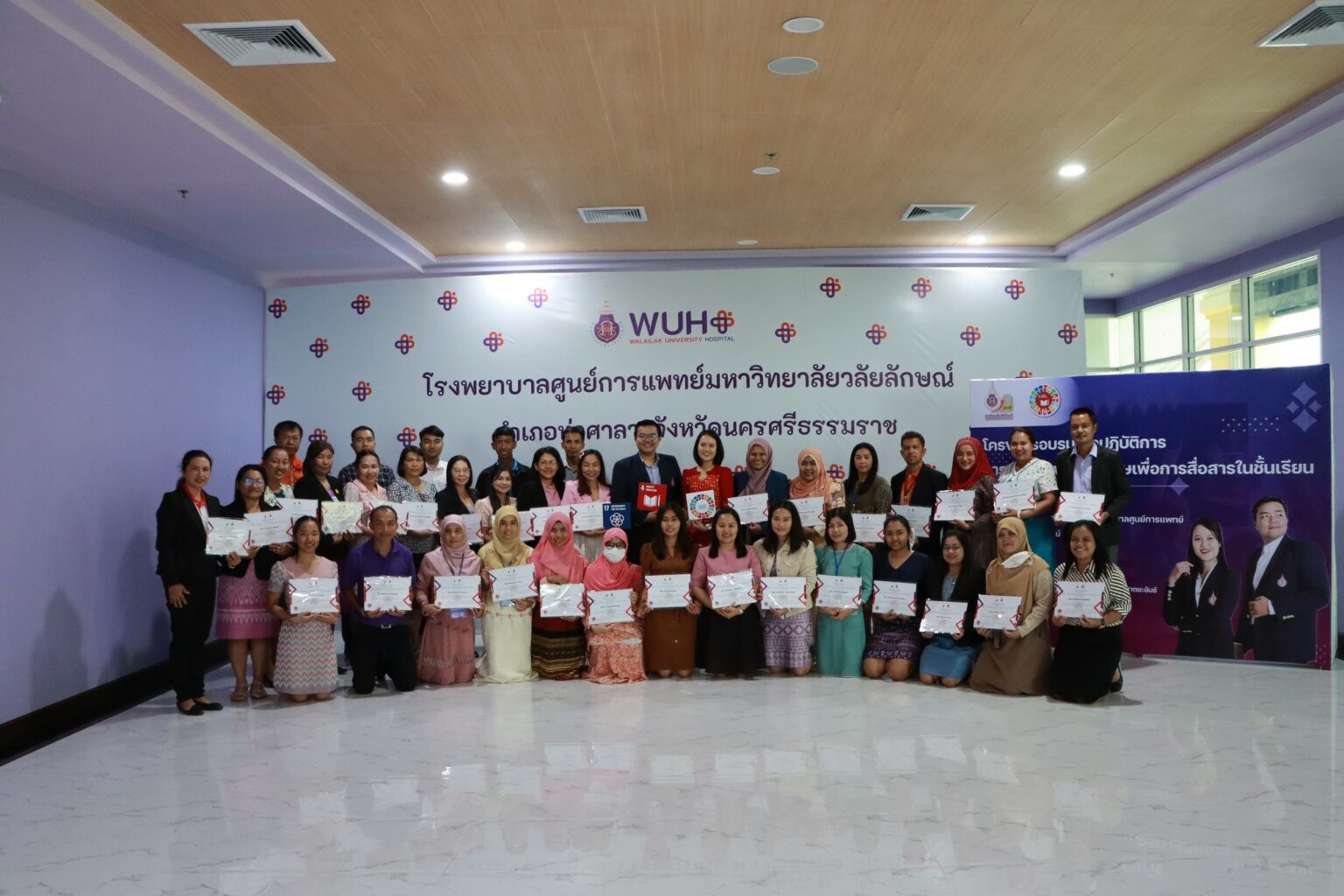
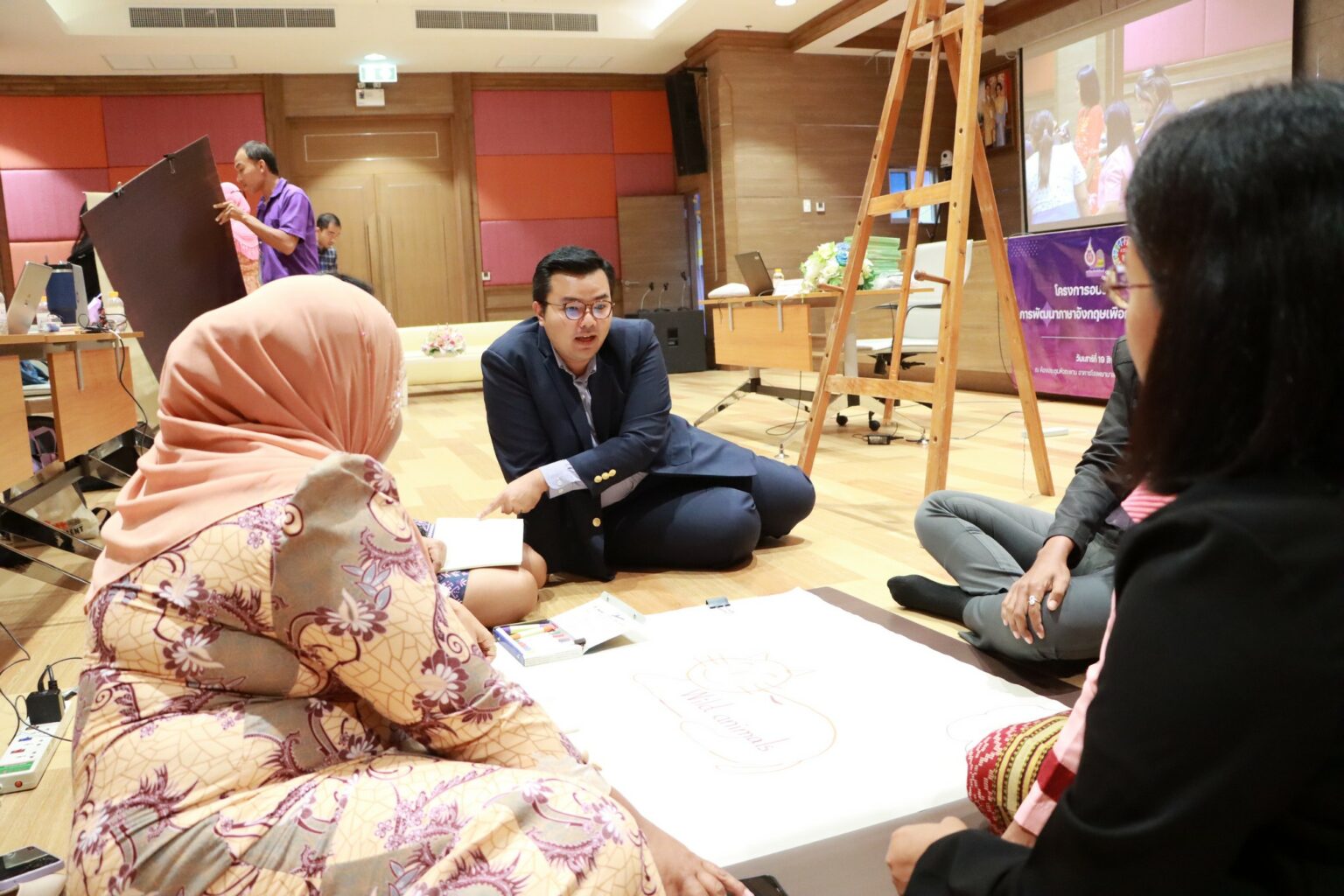
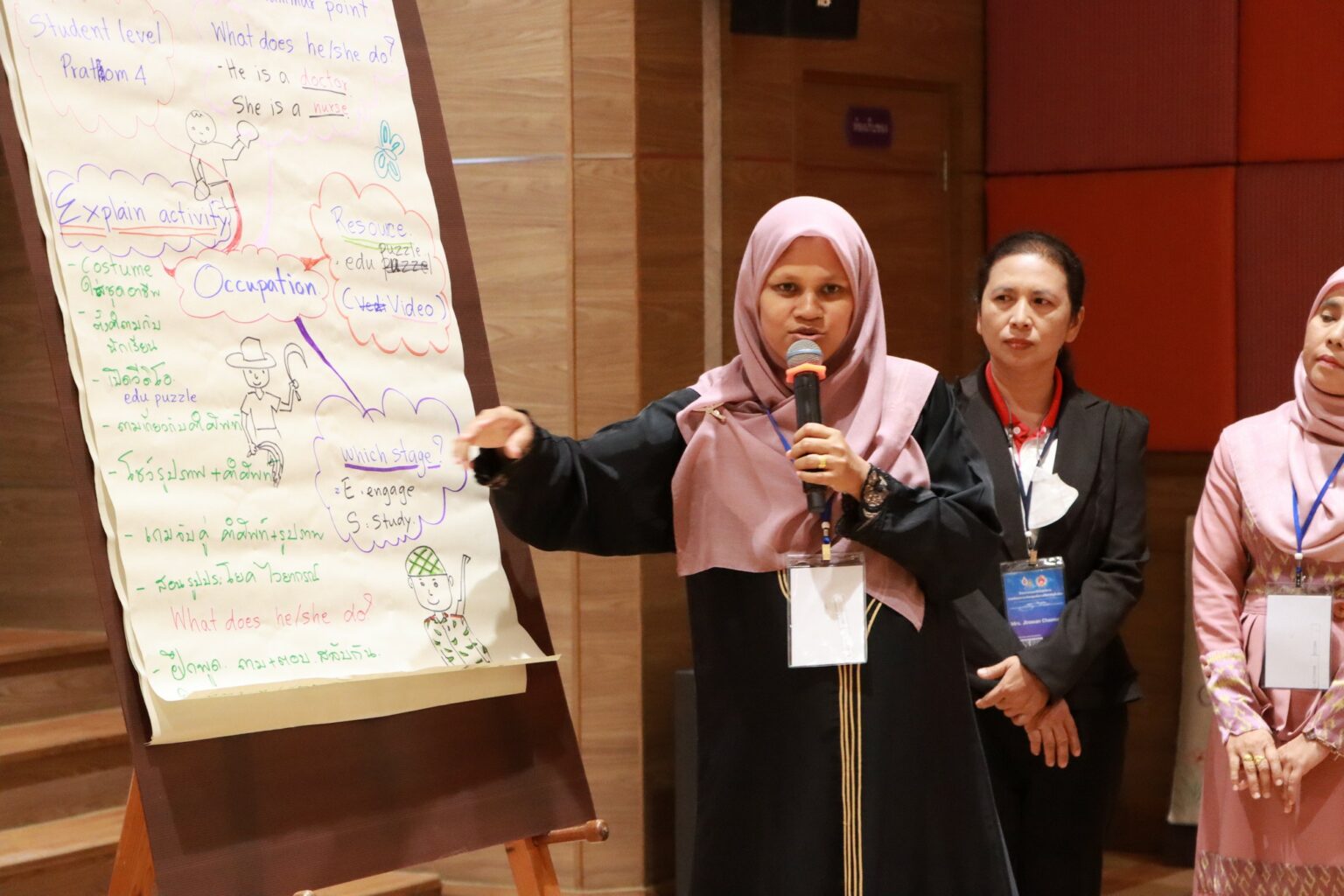
Figures : Free course leading to certificates.
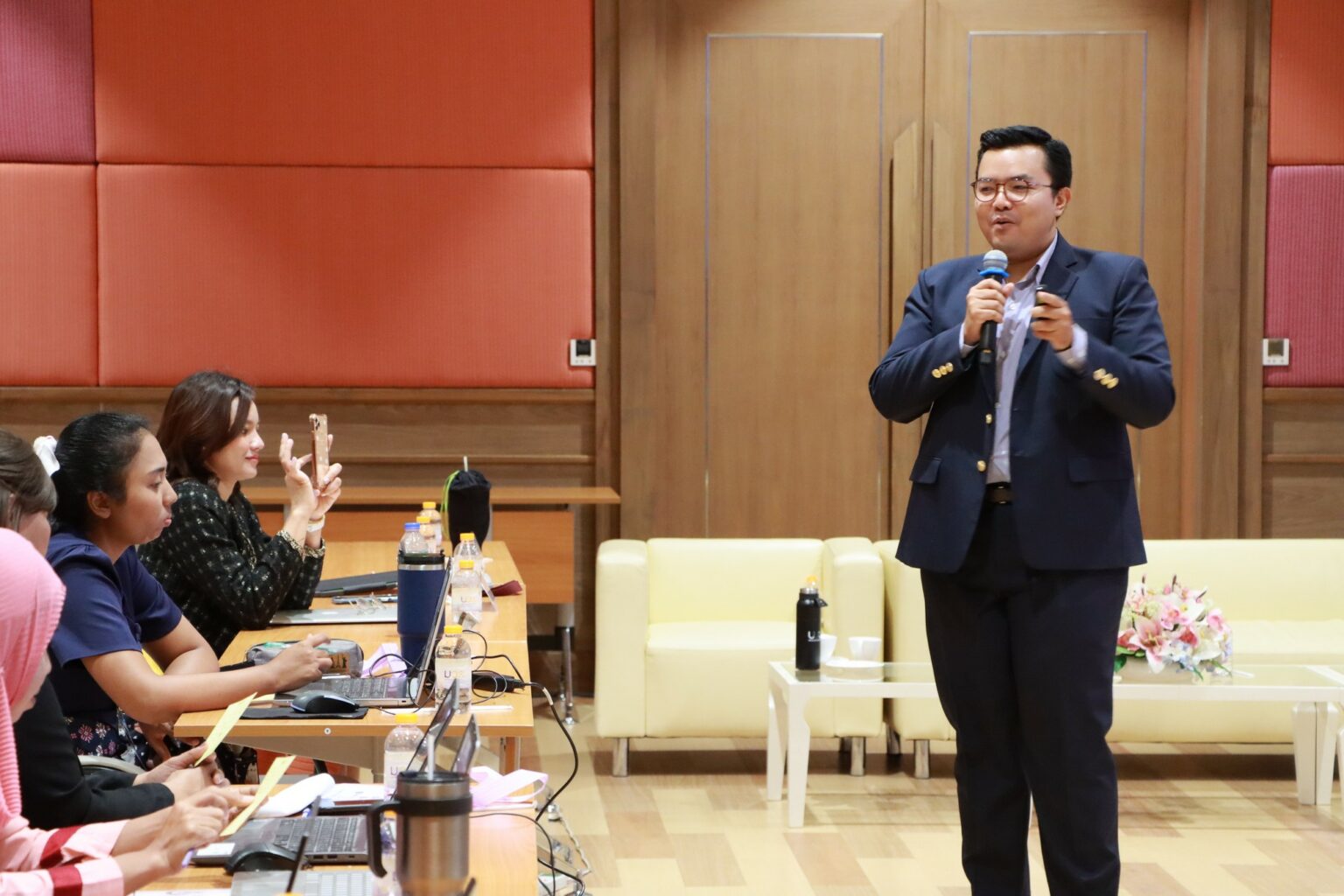
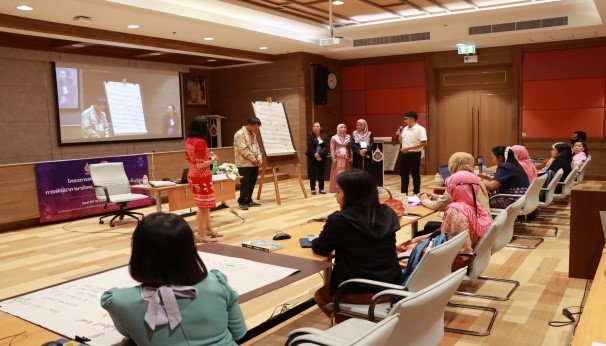
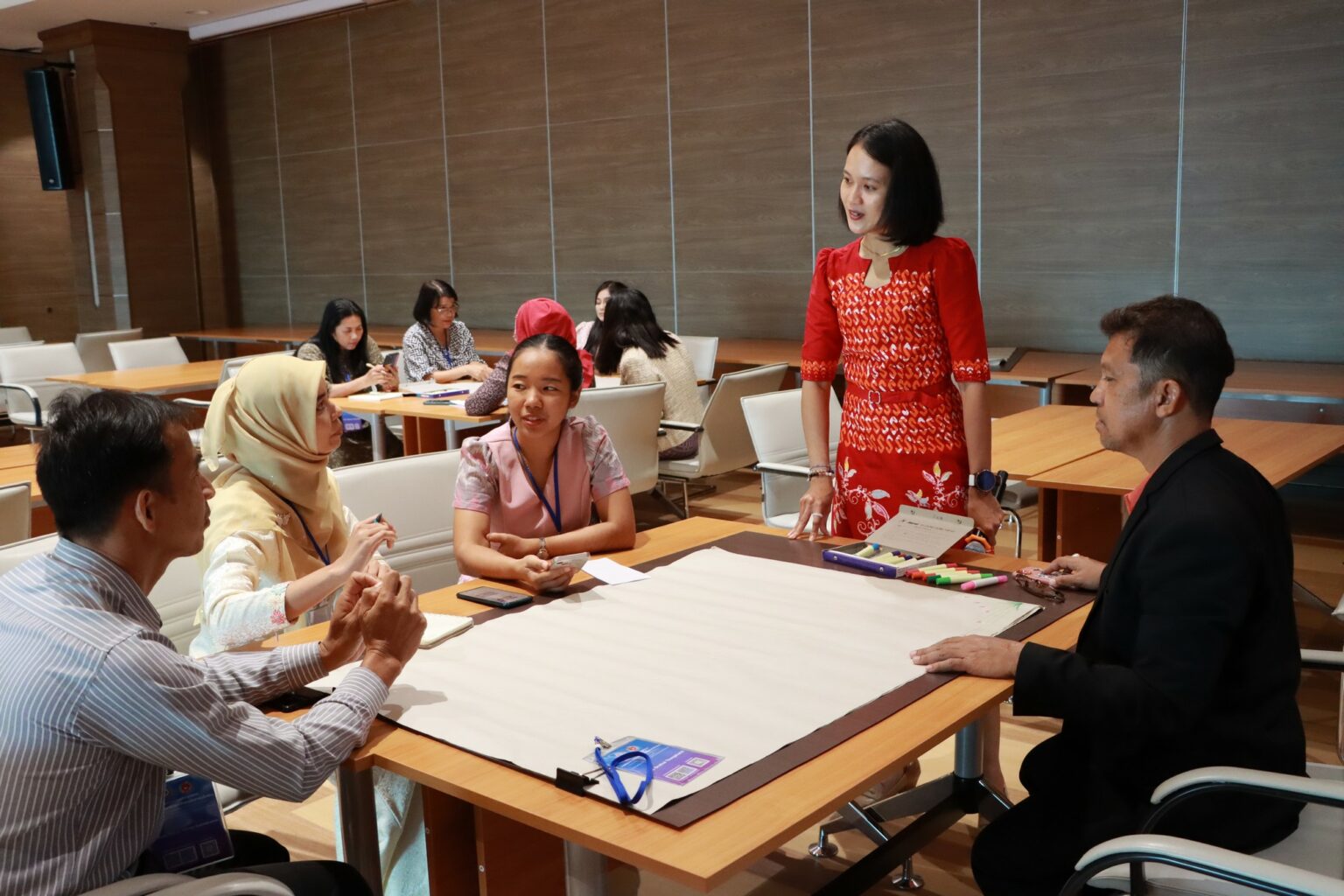
Figures : Free access to campus facilities and equipment, such as modern classrooms, university staff, course equipment and expert instructors from the English Department.
Figures : Free online resources for an extension of the university’s teacher training course
Based on the post-training satisfaction evaluation, Walailak University received positive feedback from the teachers who participated in the program, along with suggestions and requests for additional topics. The university will use this information to improve and plan future training activities accordingly.
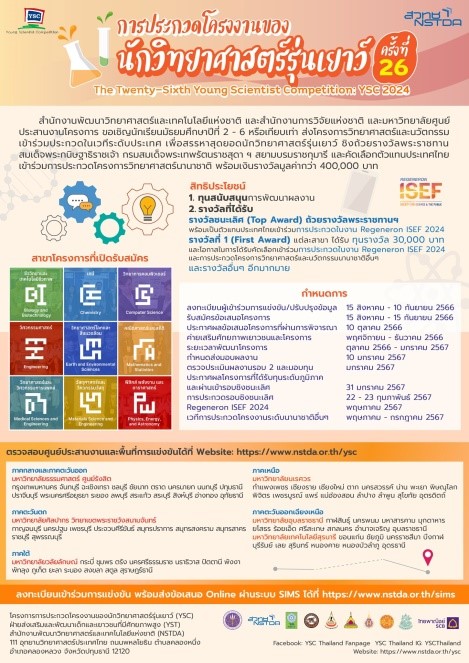
Figures : Free course leading to certificate.
Figures : Free online training course leading to certificate
As these are online courses, after the training is completed, the video recordings will be uploaded to the university’s website. This allows the general public, including those not currently studying at the university, to access the free online learning resources from the course videos.
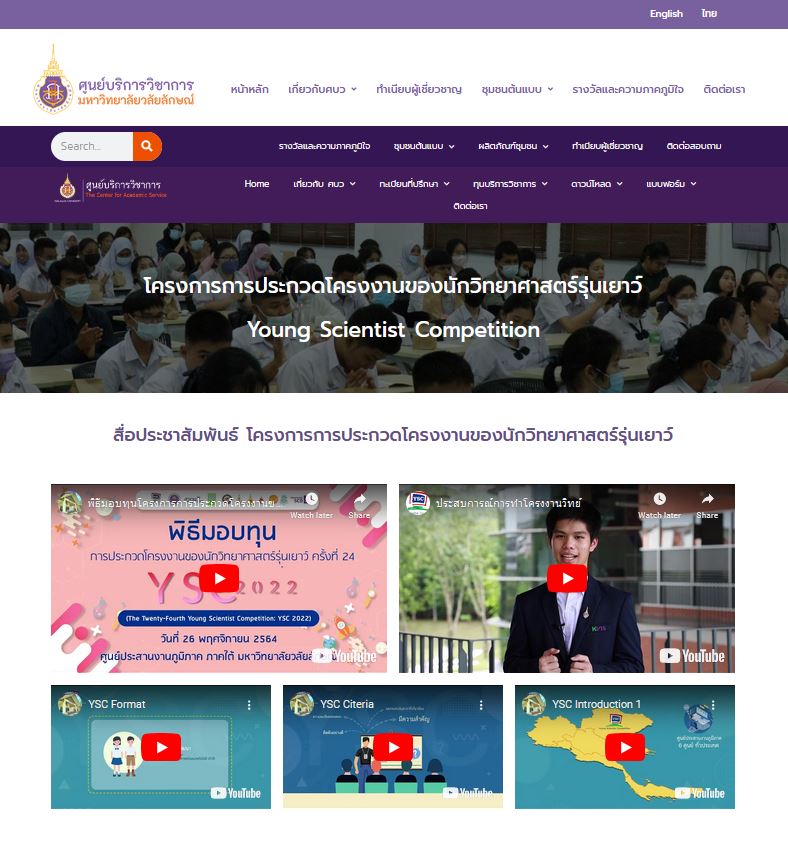
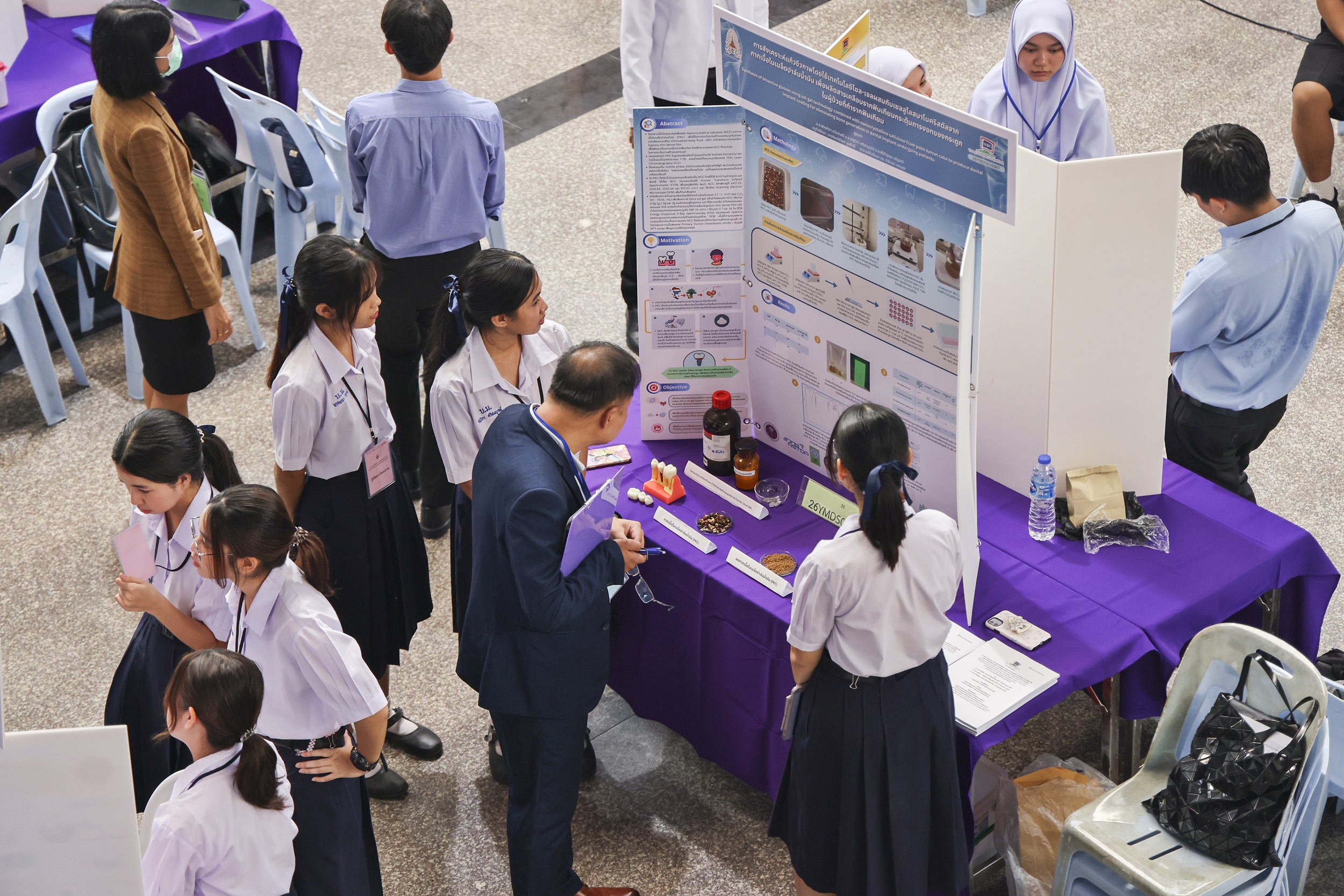
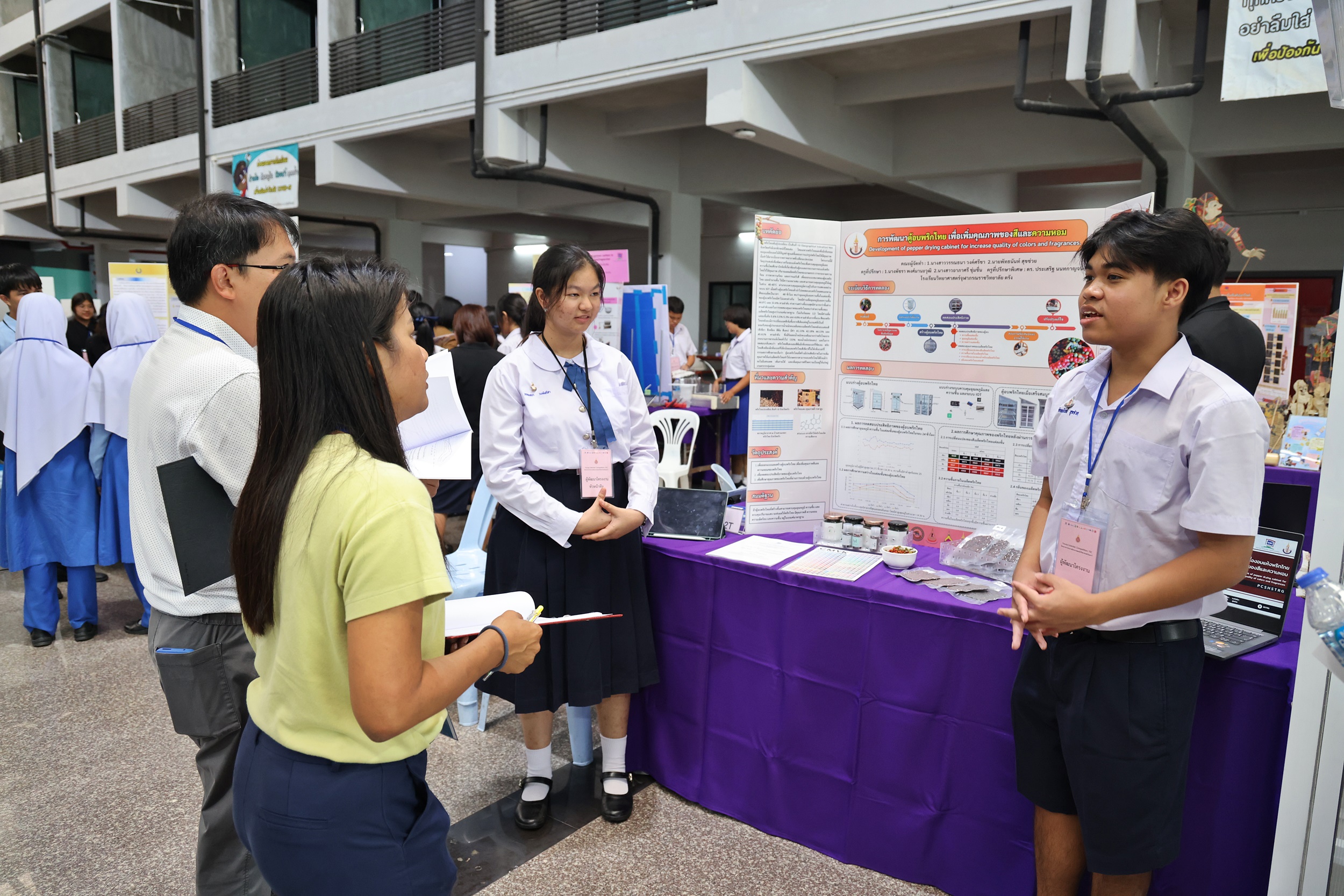
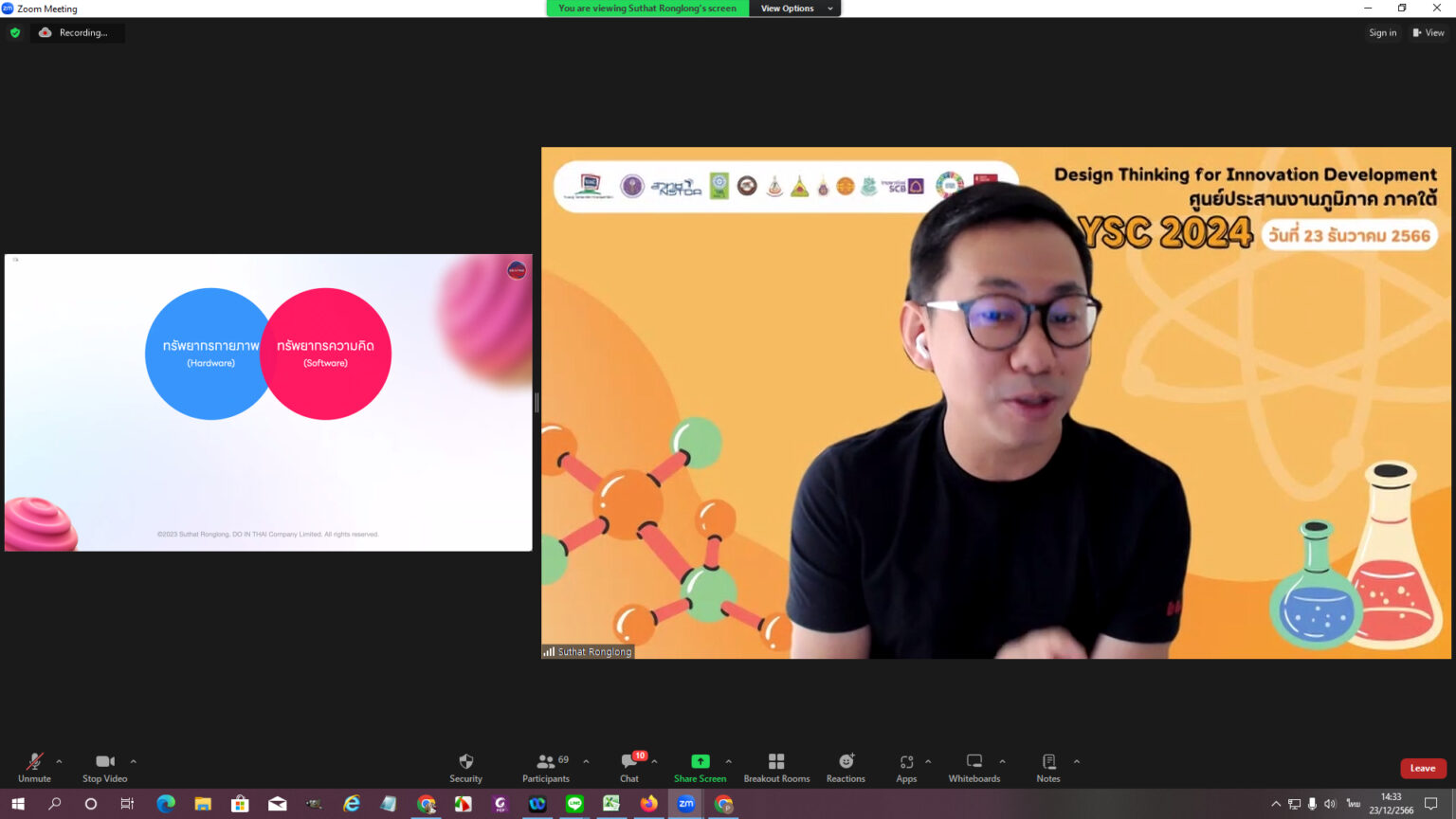
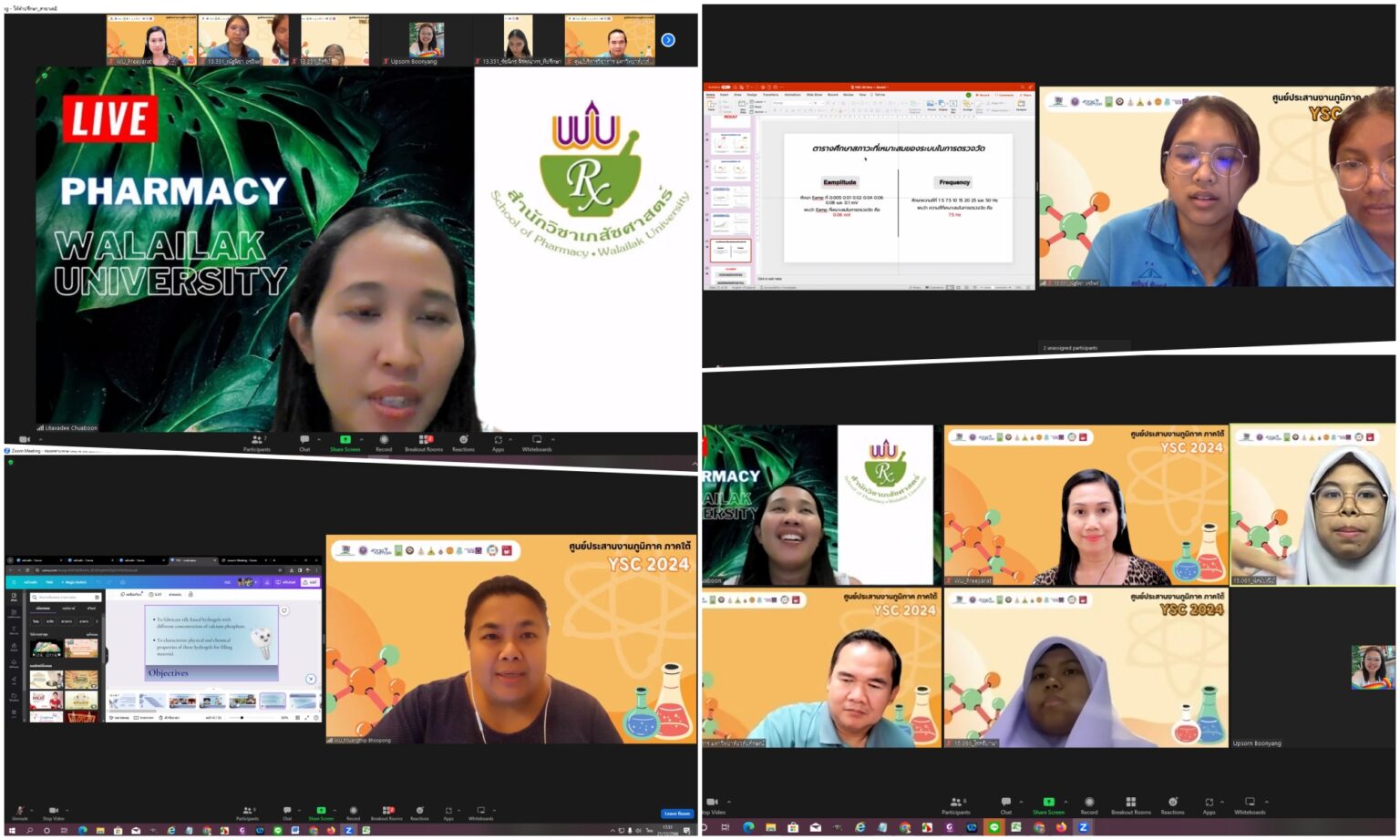
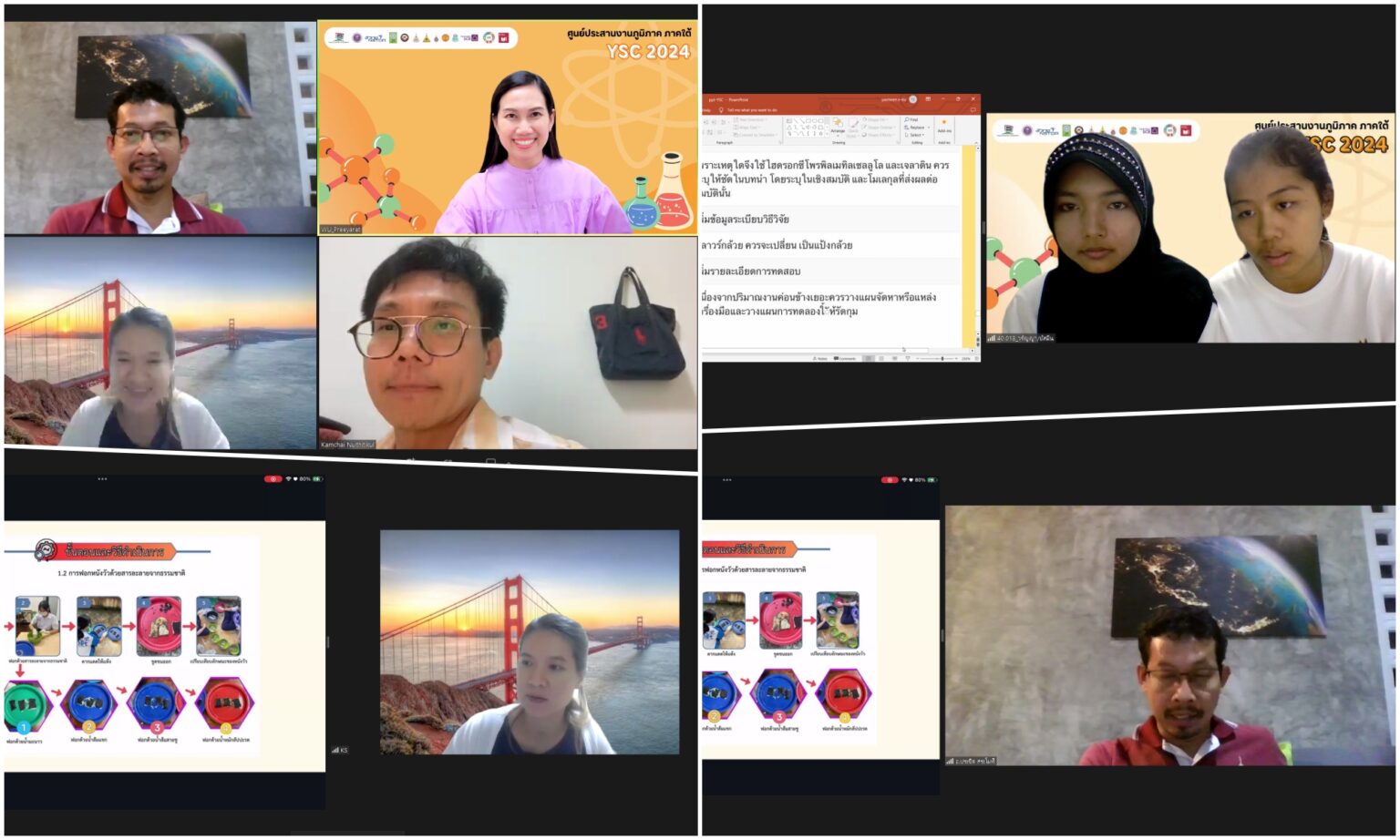
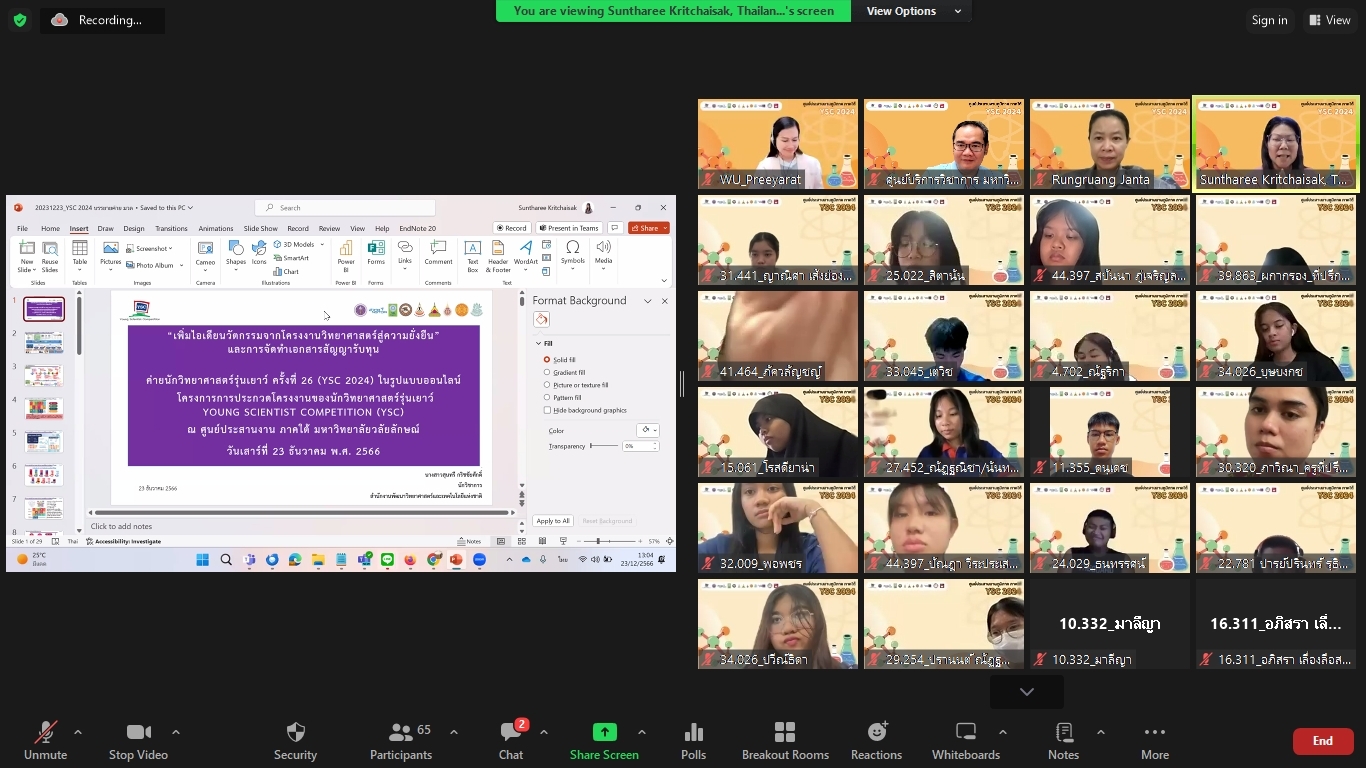
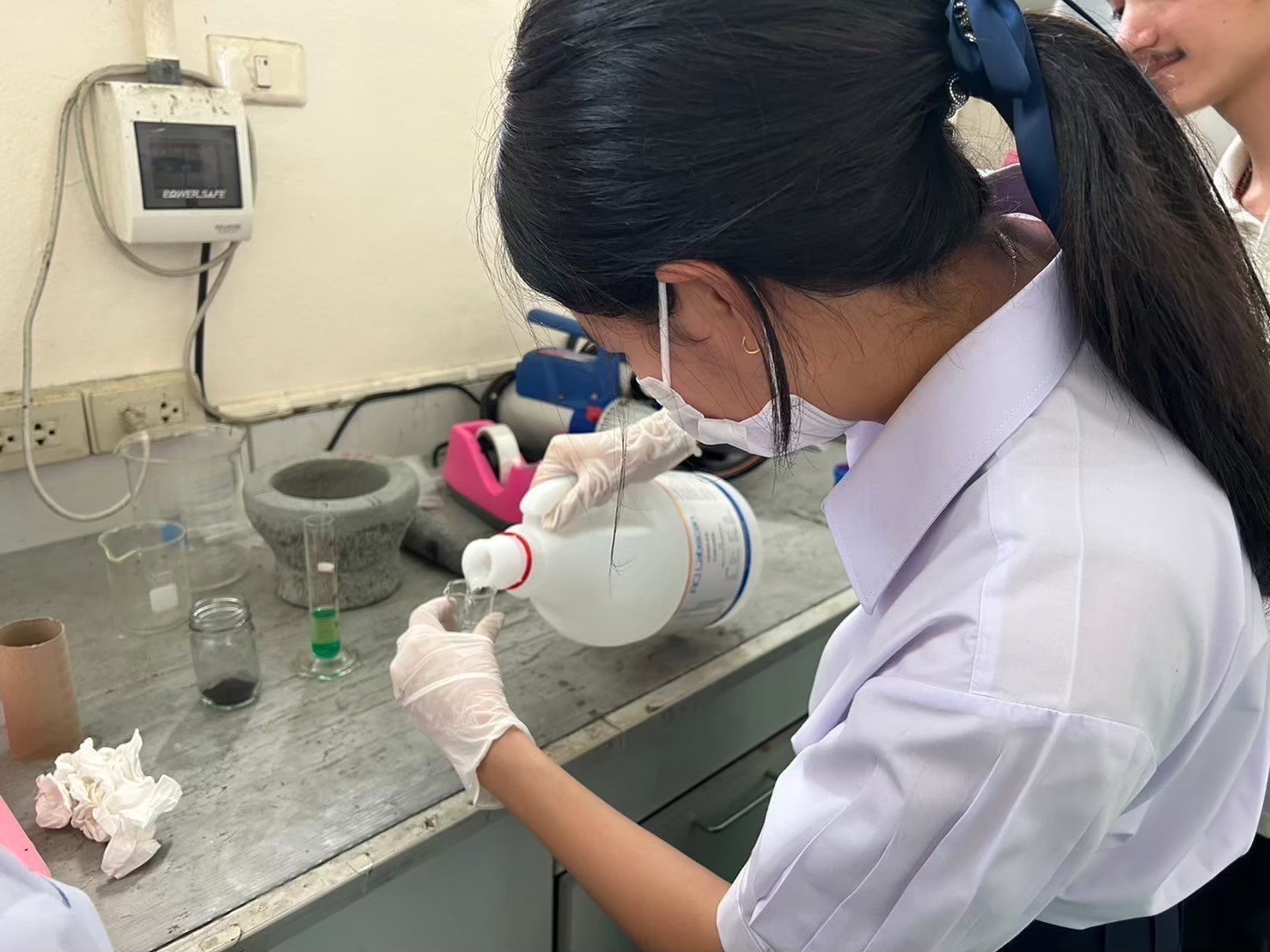
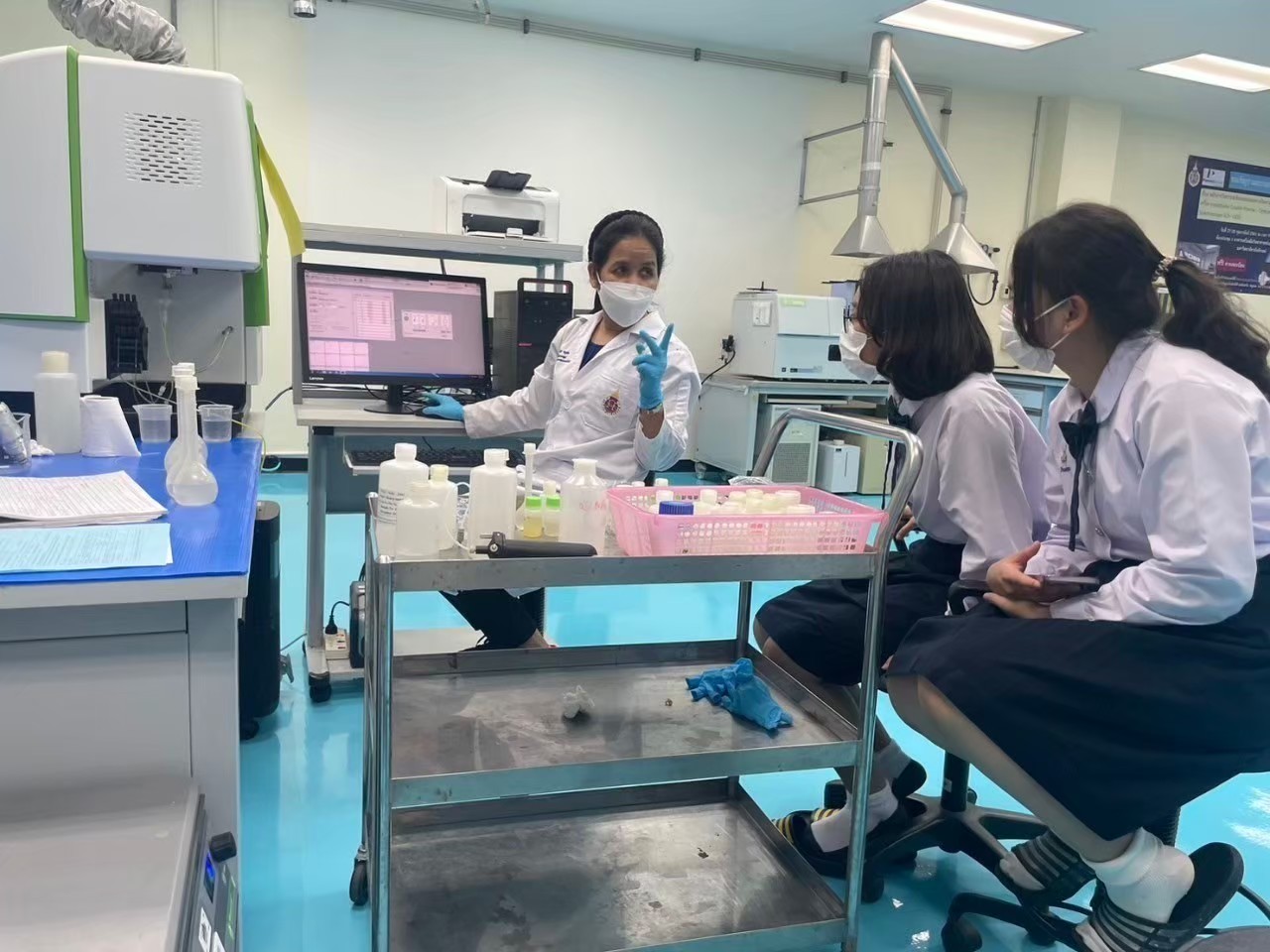
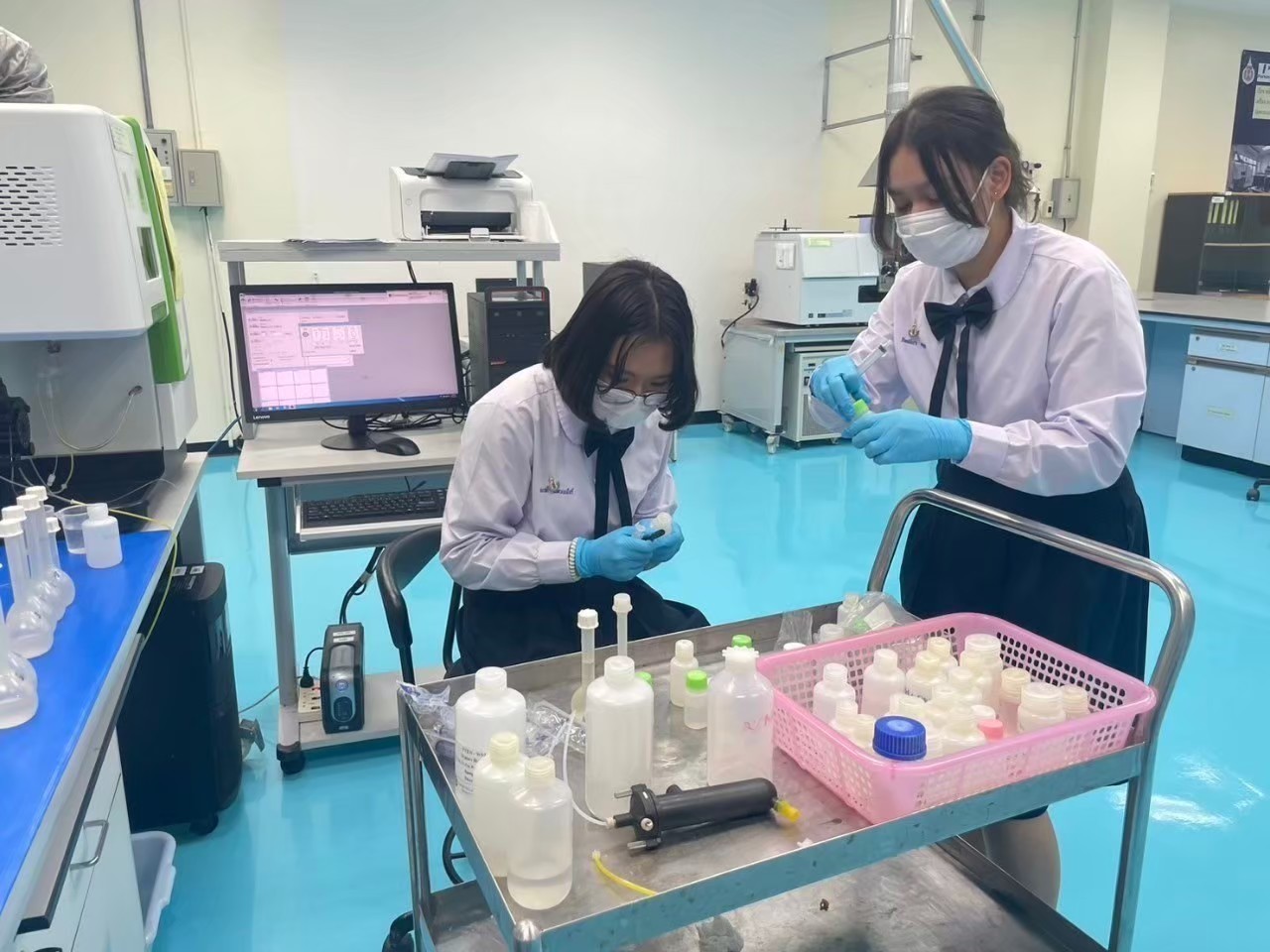
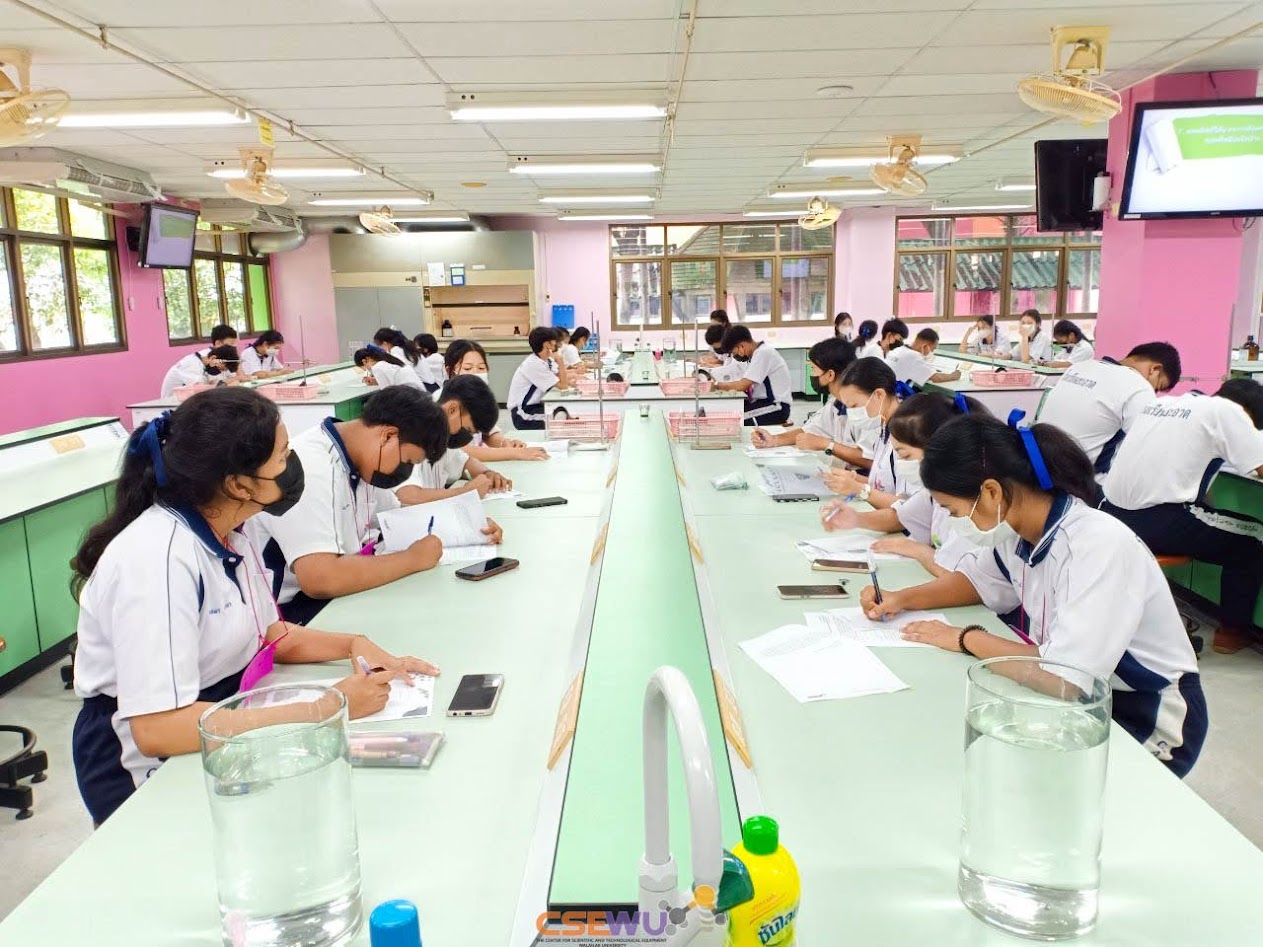
In the project, participants gain valuable knowledge from over 60 faculty members who serve as project competition judges from various schools at the university, including the School of Science, the School of Pharmacy, the School of Agricultural Technology and Food Industry, the School of Languages and General Education, the School of Public Health, the School of Allied Health Sciences, the School of Engineering, and the School of Management. In addition to the providing free access to the support from faculty members, the university is also well-equipped to provide free access to campus technical support and facilities, such as testing and analysis services from the Center for Scientific and Technological Equipment. Project developers can request these services through a coordination center, which facilitates the process for accessing testing and analysis support.
Figures : The free access to universtiy facility and equipment for project developers.
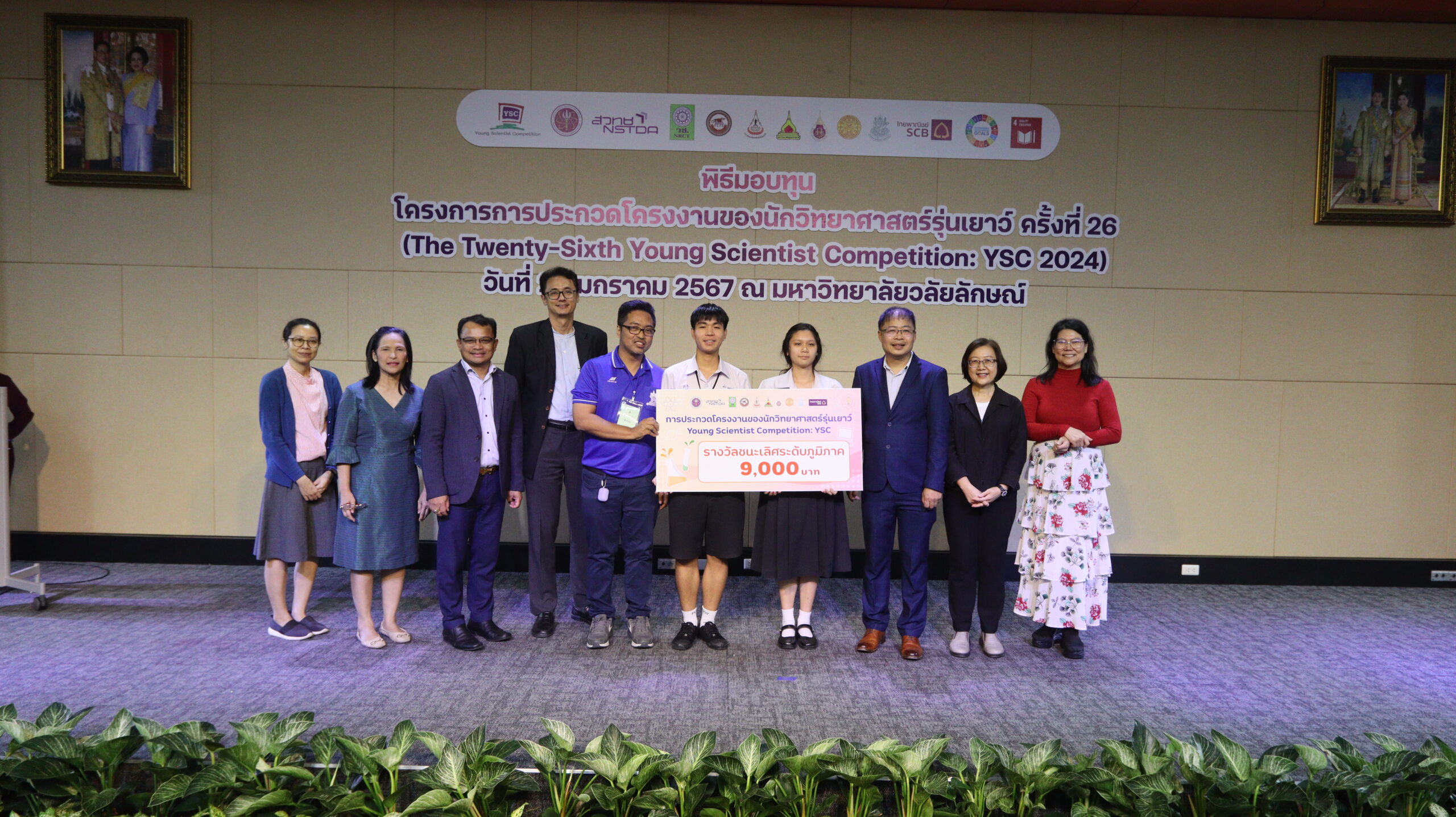
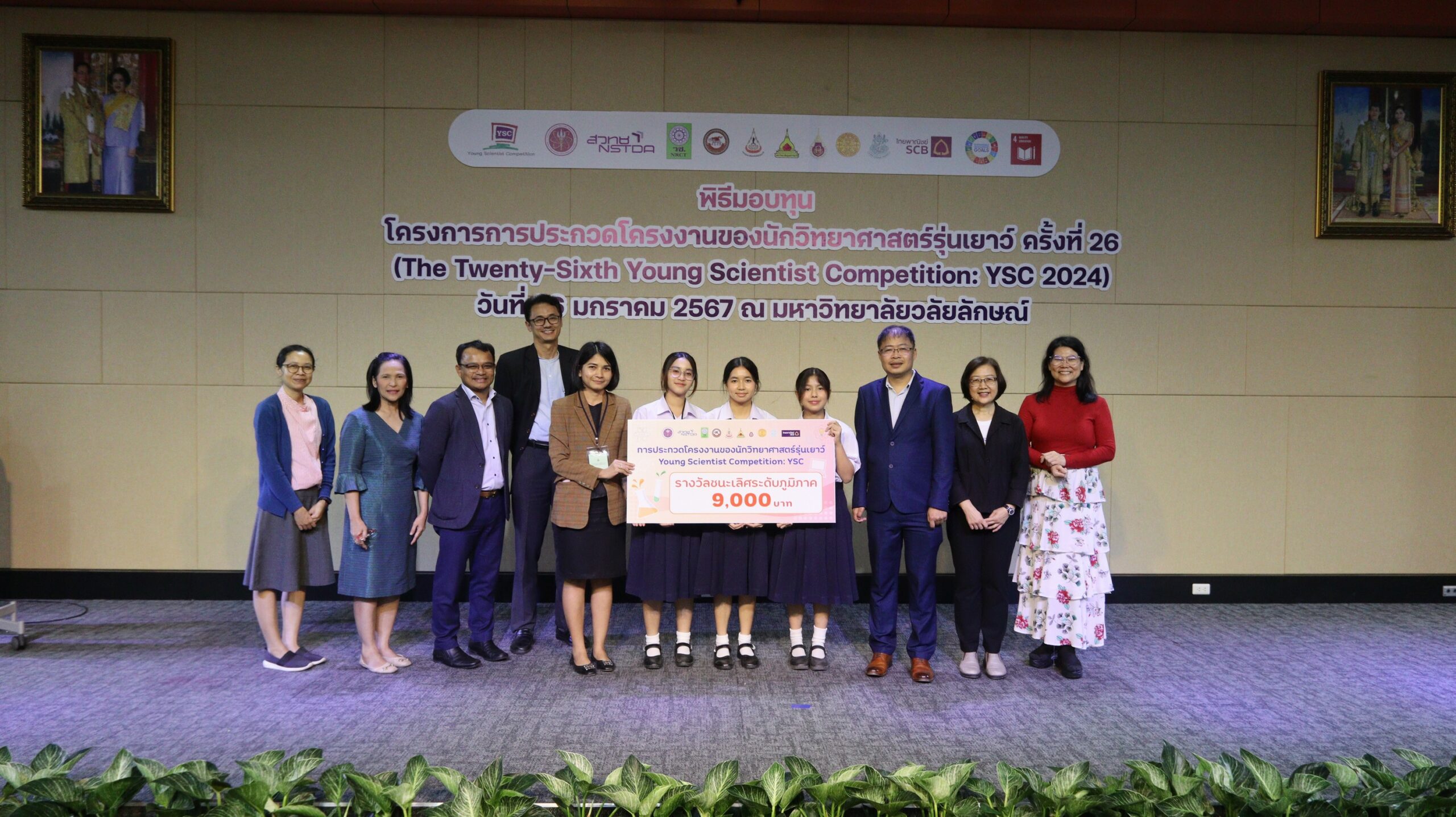
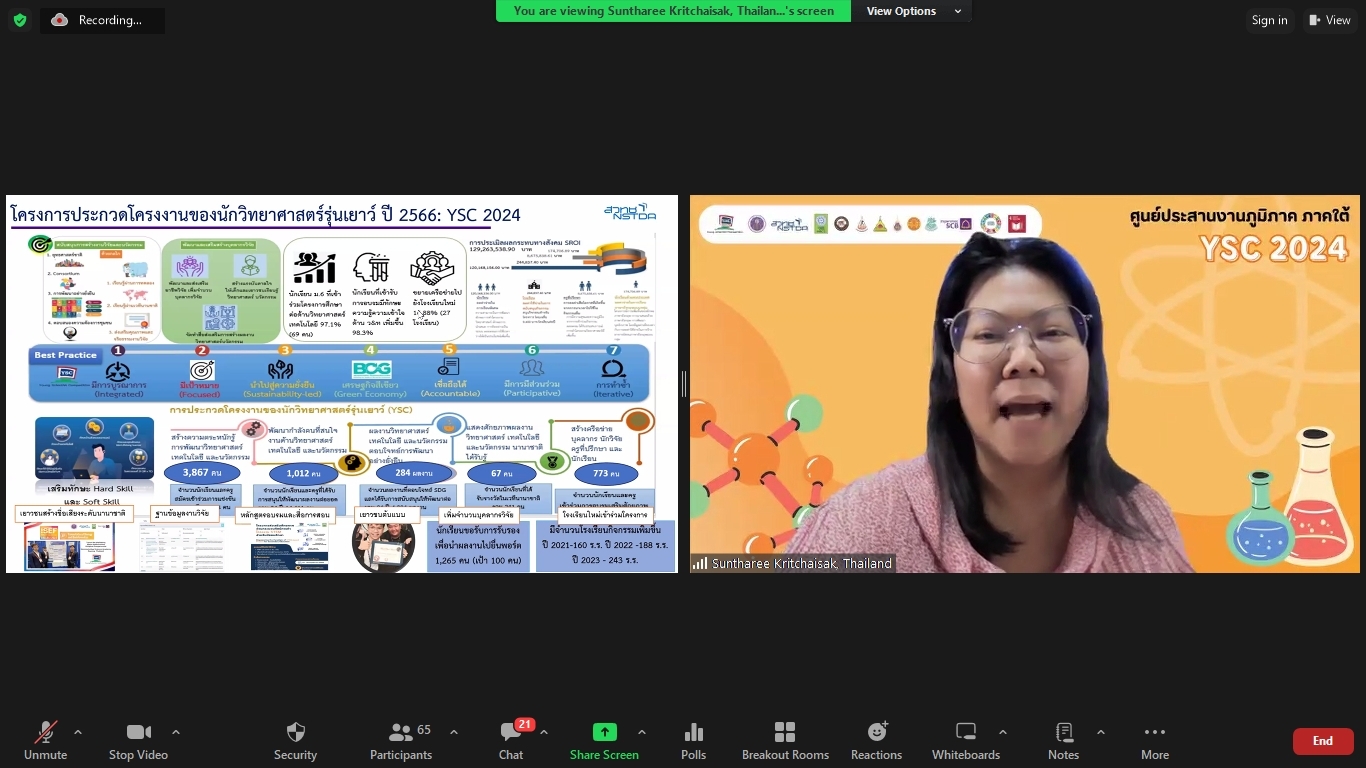
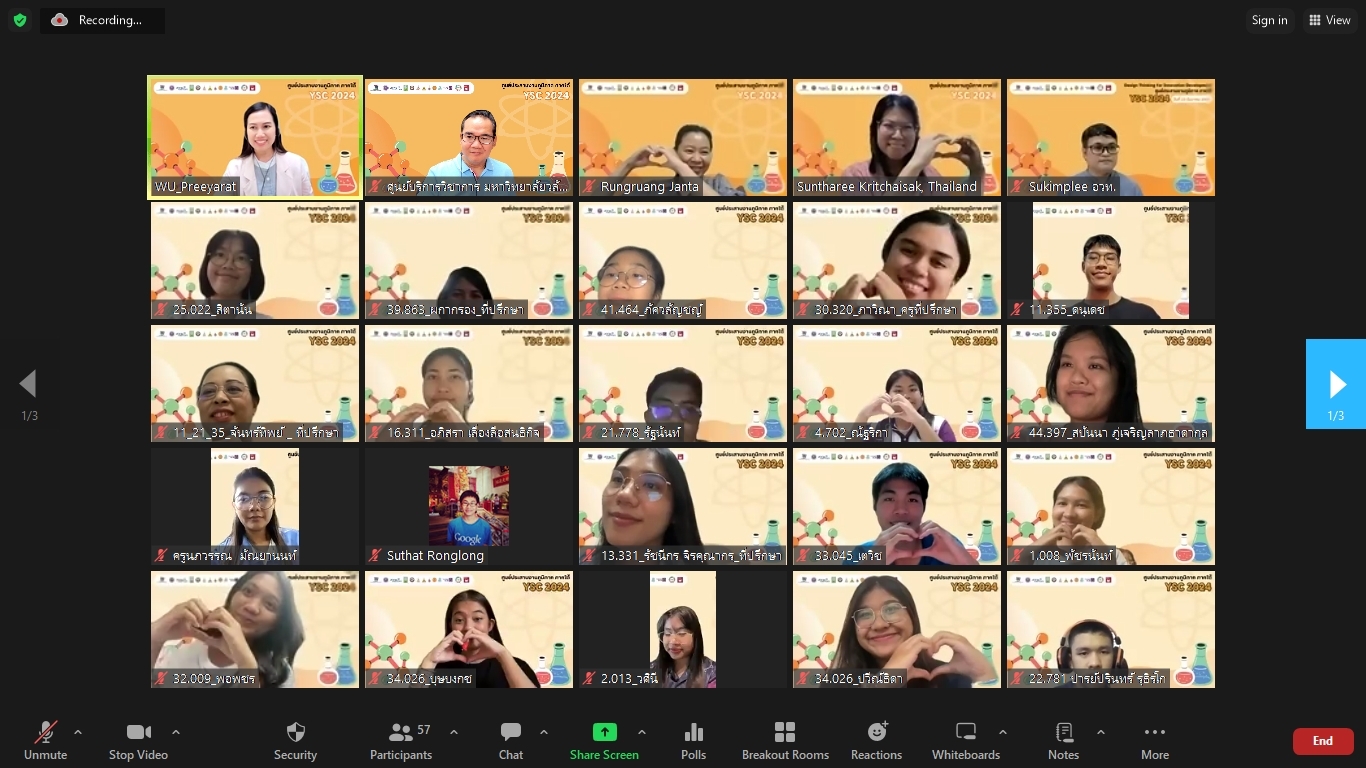
Moreover, the university places great importance on the participation of target schools by promoting equal access to education. All schools, whether they are part of the science school group or non-science school group, are equally eligible for development opportunities. To further extend these opportunities, the university has designed additional channels for public outreach, raising awareness and increasing participation from more schools each year. As a result, the number of schools joining the competition has grown annually, allowing students, even those not enrolled at the university, to develop their skills in science, technology, and innovation according to their interests and abilities through the university’s educational resources.
As these public resources were provided under the social engagement project and academic services, faculty members from various schools within Walailak University have worked with target groups to diagnose issues related to access to public resources through different projects. This collaboration aims to jointly address these issues through development initiatives, integrating cooperation to foster teamwork and stakeholder engagement across all relevant sectors.
At the conclusion of each project, evaluations and measurements of the project’s success are conducted, followed by planning for continued efforts in the following year. The results have shown high levels of acceptance and satisfaction from participants and beneficiaries.
Promoting Free Access to University Educational Resources Through Alternative Channels
Walailak University is committed to being an open center of learning for all, not only providing education within the university but also creating opportunities for the public to access educational resources equally. With a focus on promoting lifelong learning and sustainable skills development, the university has organized various activities and services that cater to both students and the general public. These efforts emphasize educational capacity building, access to university facilities, and free online learning resources. Let’s explore some of these activities and services:
Free Training Course Leading to Certificates for Enhancing Learning Opportunities
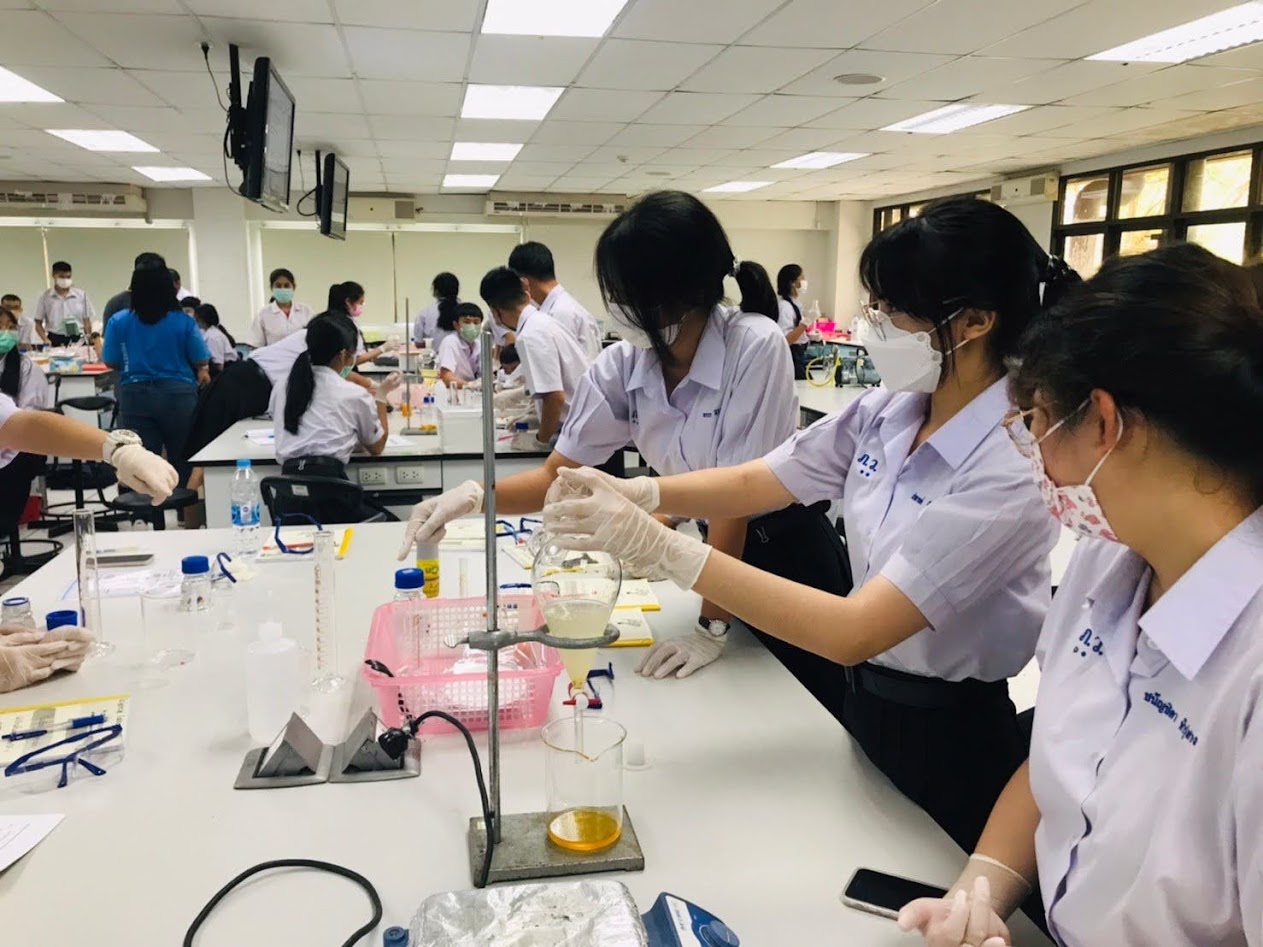
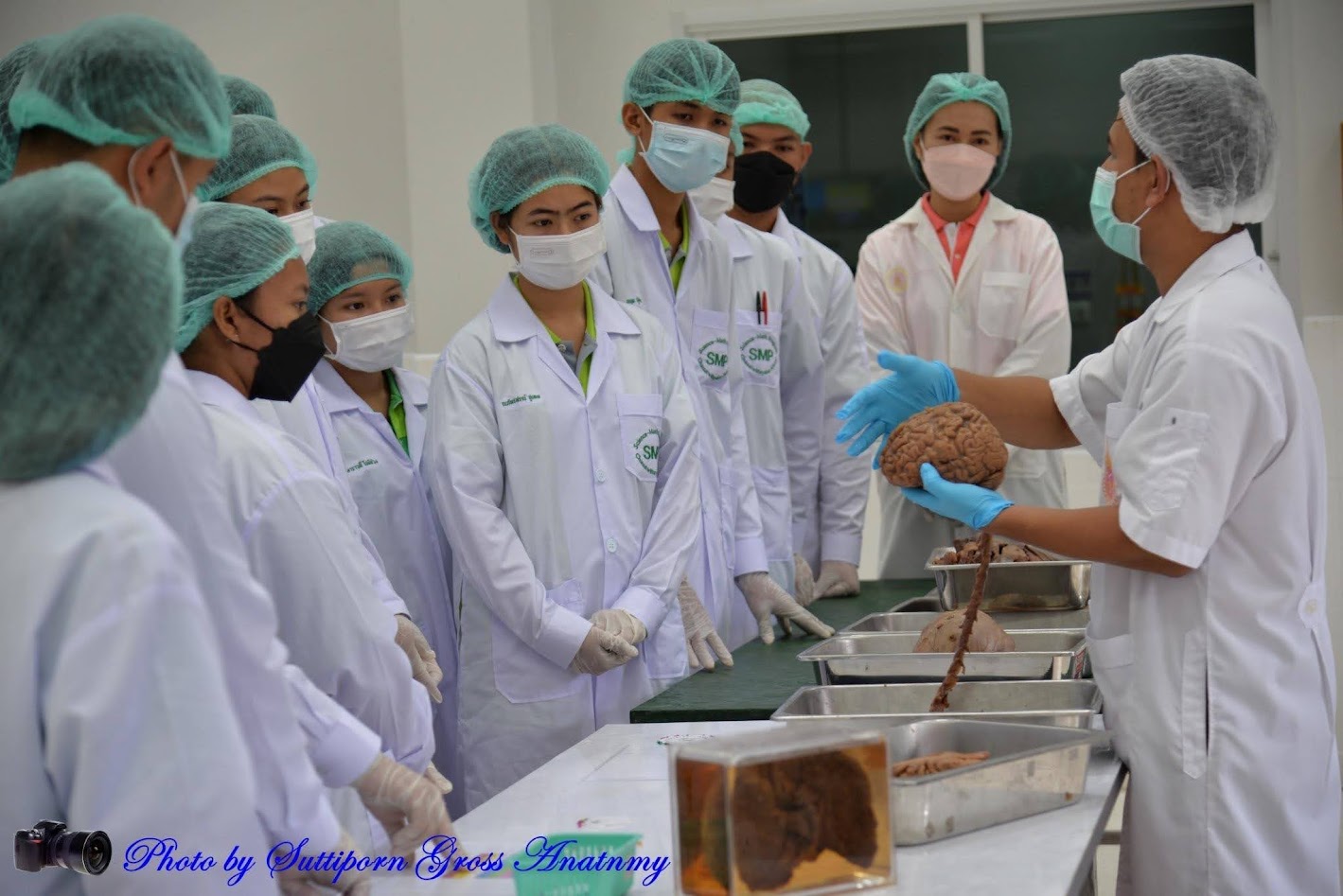
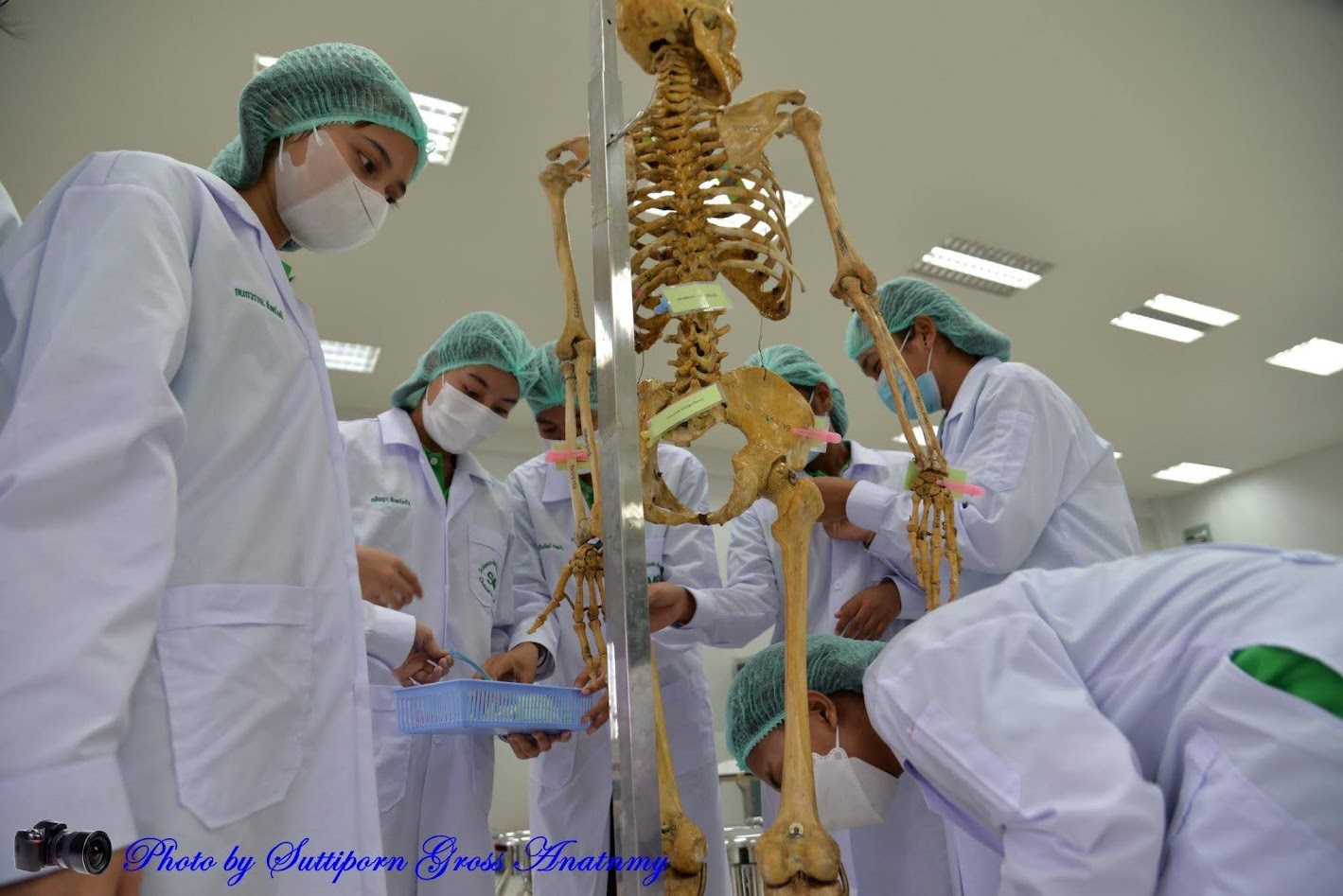
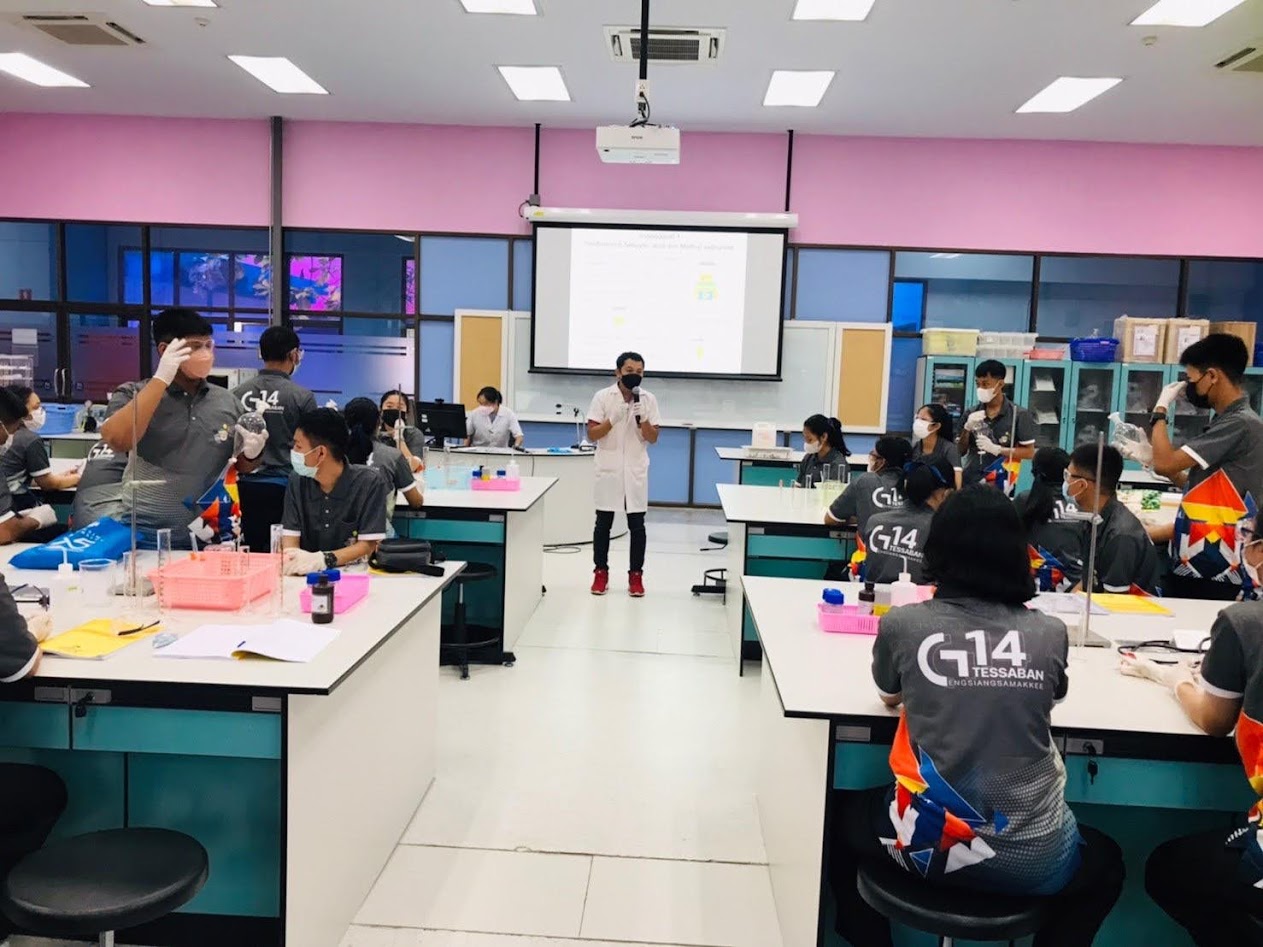
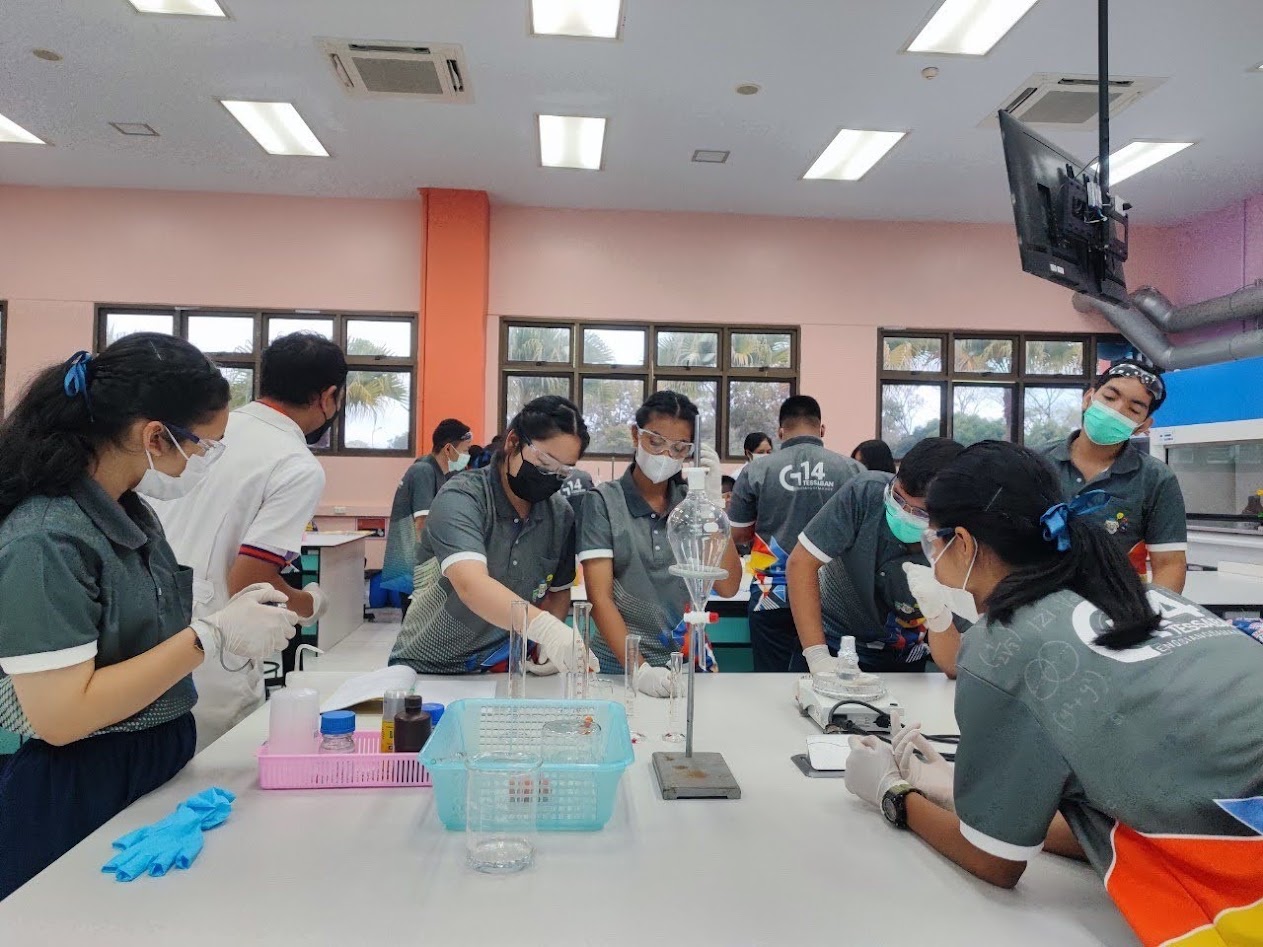
In addition to offering specialized training workshops, such as the “English Language Development for Classroom Communication,” Walailak University also provides free short-term and long-term training courses open to the general public. These programs not only help participants expand their knowledge but also offer certificates that can enhance career opportunities. For instance, the “Science and Technology Skills Training” course, organized by the Scientific and Technological Instrument Center, provides participants with both theoretical and practical laboratory experience.
Figures : The science and technology skills training course leading to certificates.
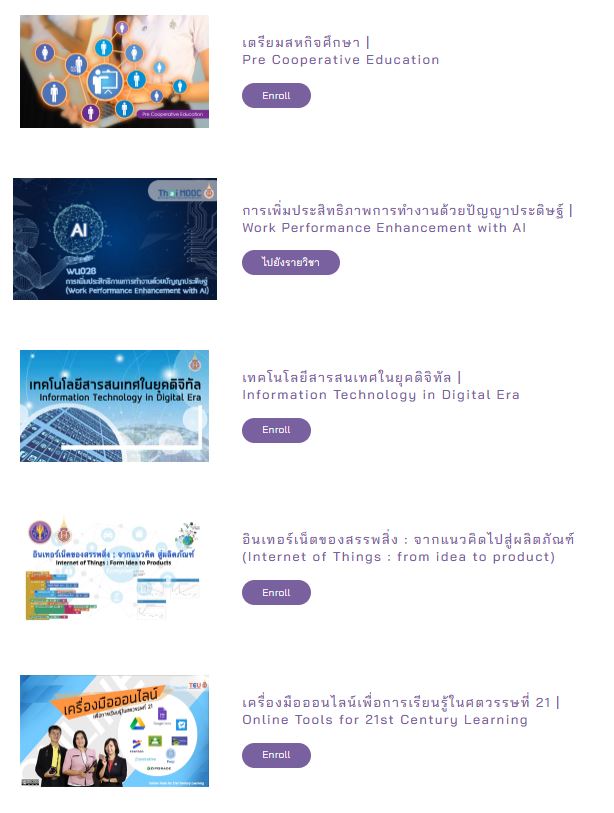
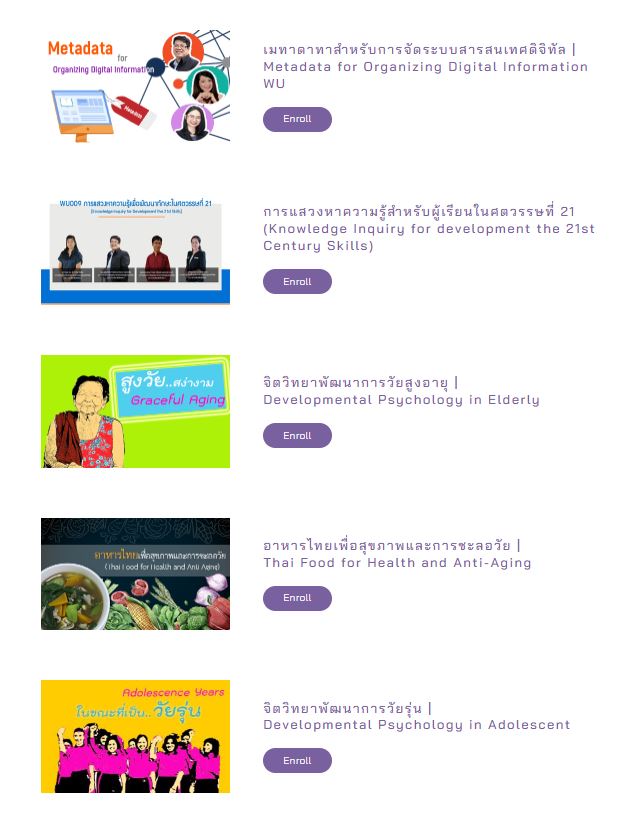
Furthermore, the university has collaborated with the Ministry of Higher Education, Science, Research and Innovation (MHESI) to offer free online courses through the WUMOOC platform. With over 1,319,870 learners enrolled, these courses focus on developing lifelong skills that participants can apply in various aspects of their personal and professional lives.
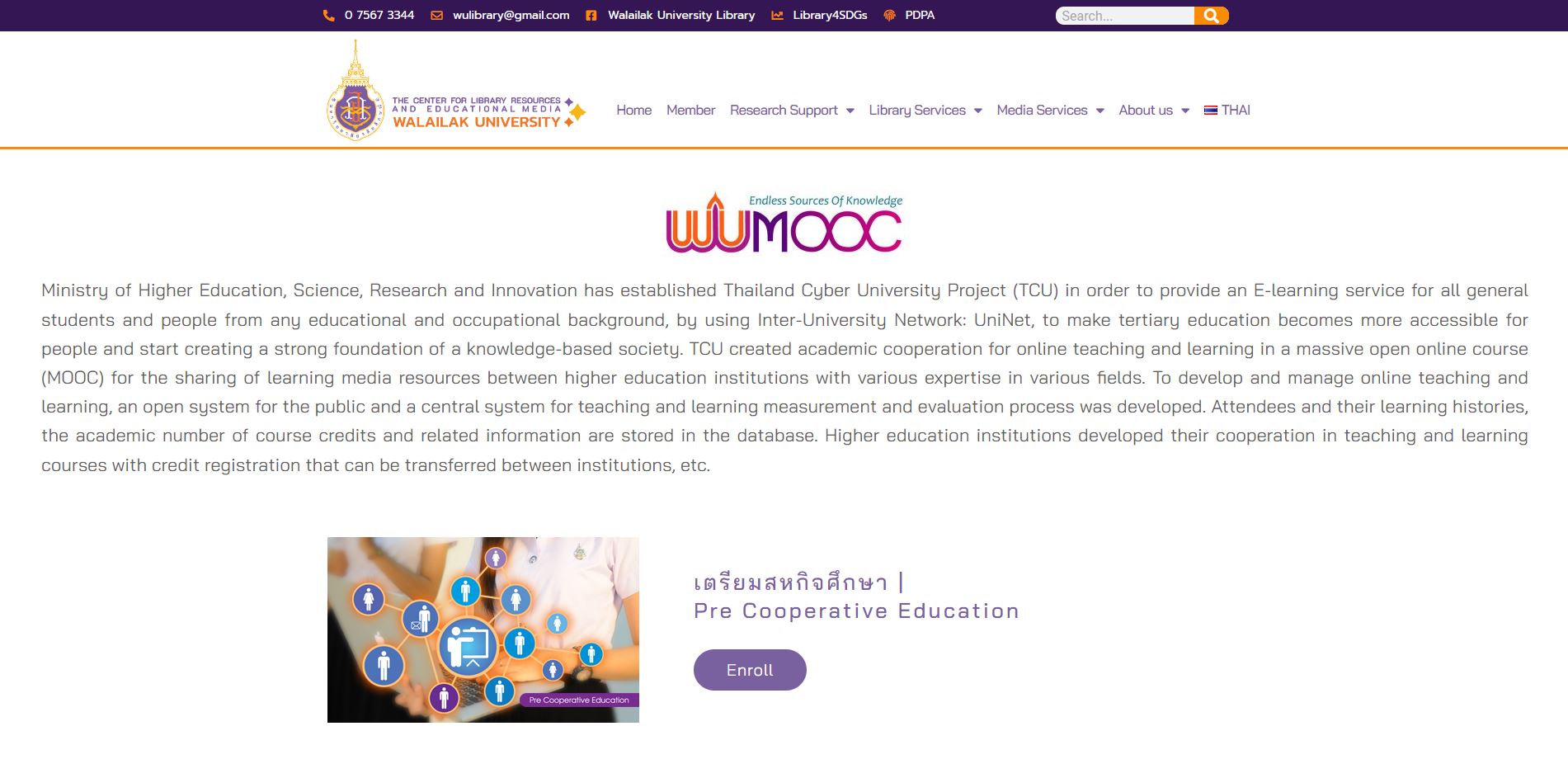
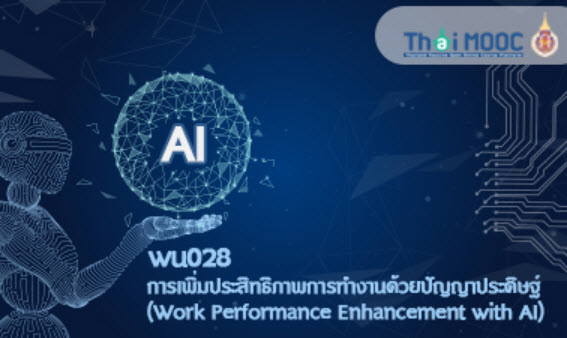


Figures : The exemples of free online course leading to certificates
Access to University Facilities
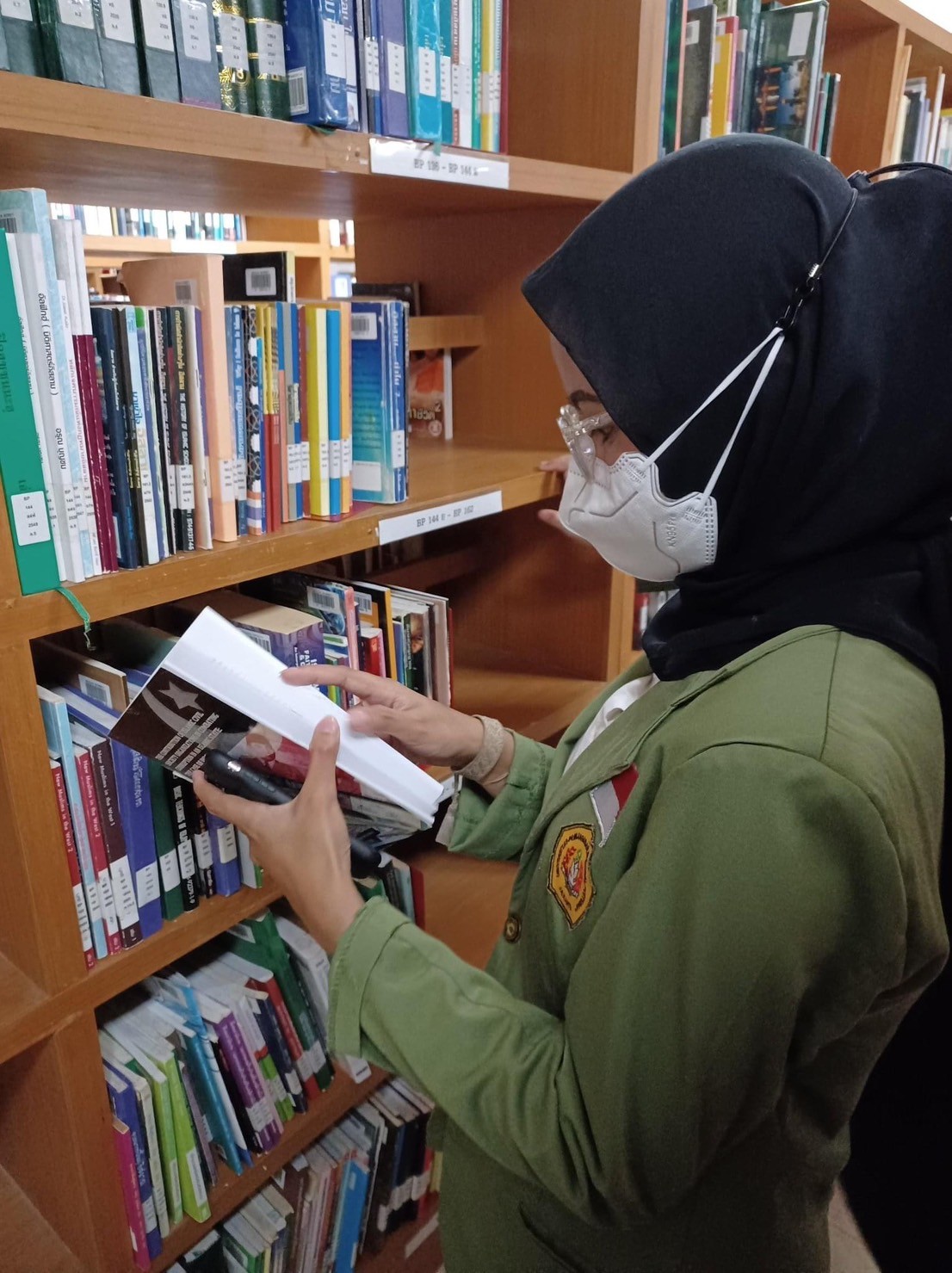
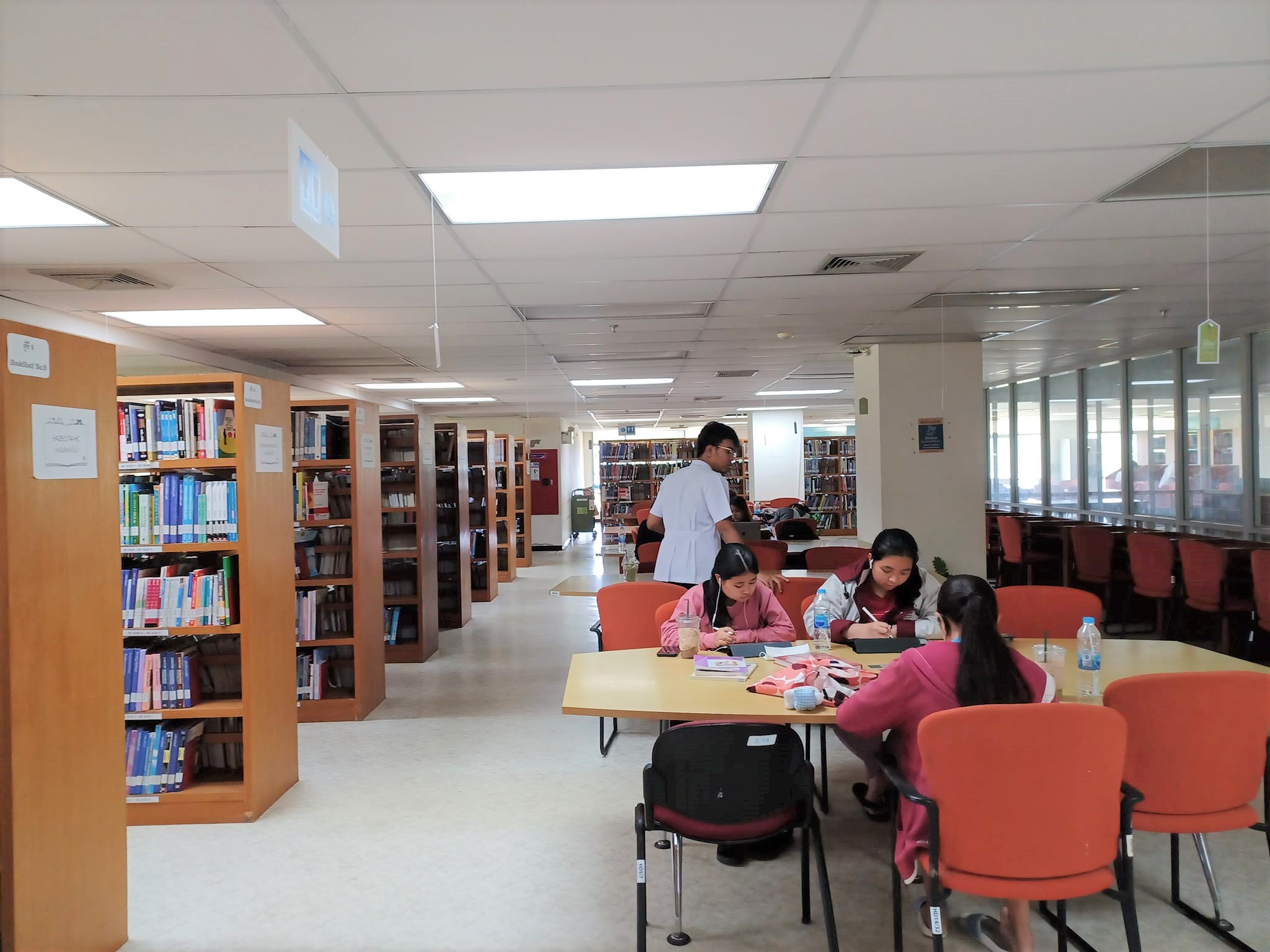
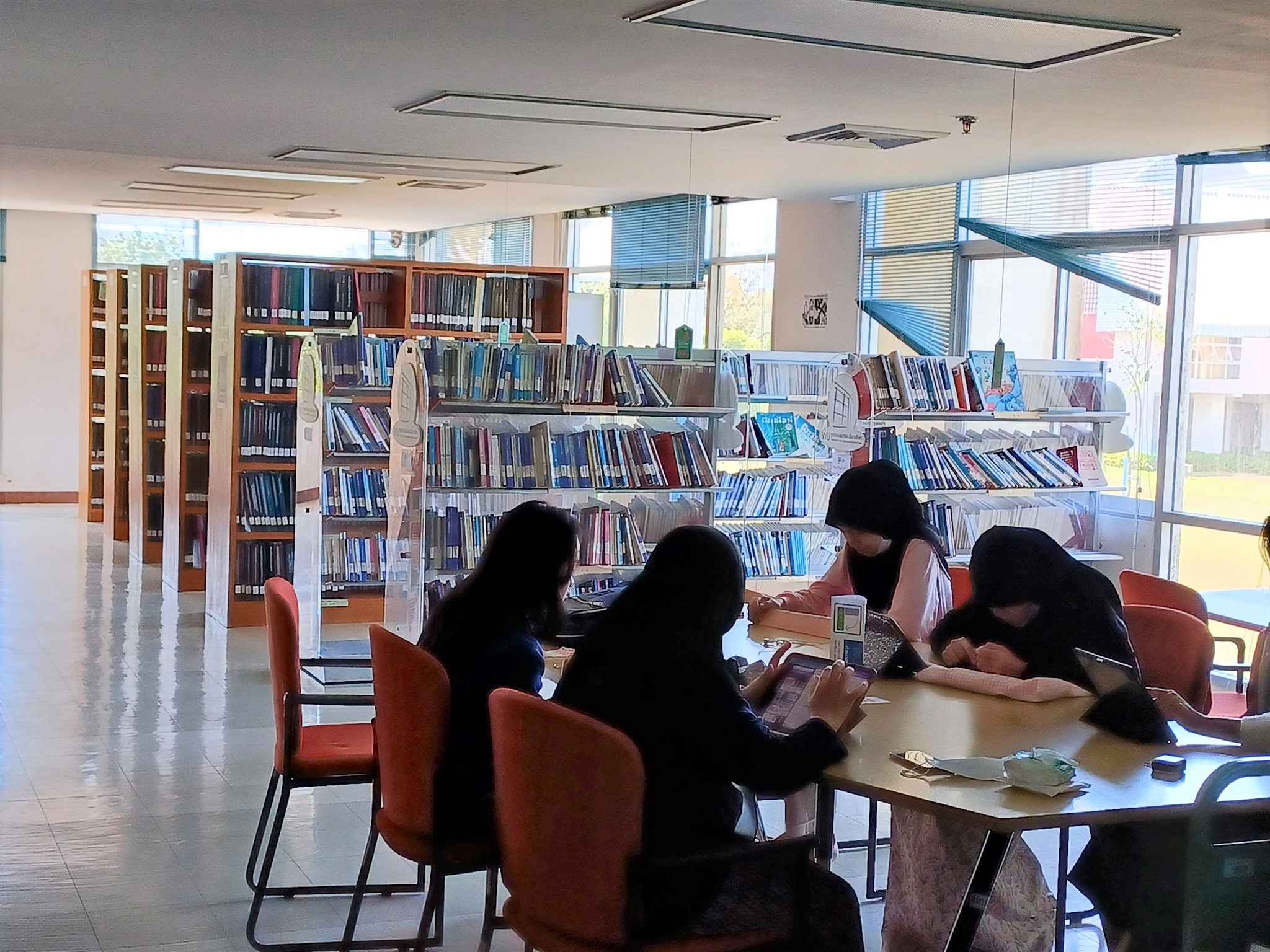
Walailak University provides the public with free access to various university facilities, such as the Center for Library Resources and Educational Media, which offers library services to promote learning for both internal and external users. Additionally, the university ensures accessibility for individuals with disabilities by providing wheelchair-accessible pathways and Braille books, ensuring equal access to educational resources for everyone.
Figures : Free Access to University Facilities at the Center for Library Resources and Educational Media.
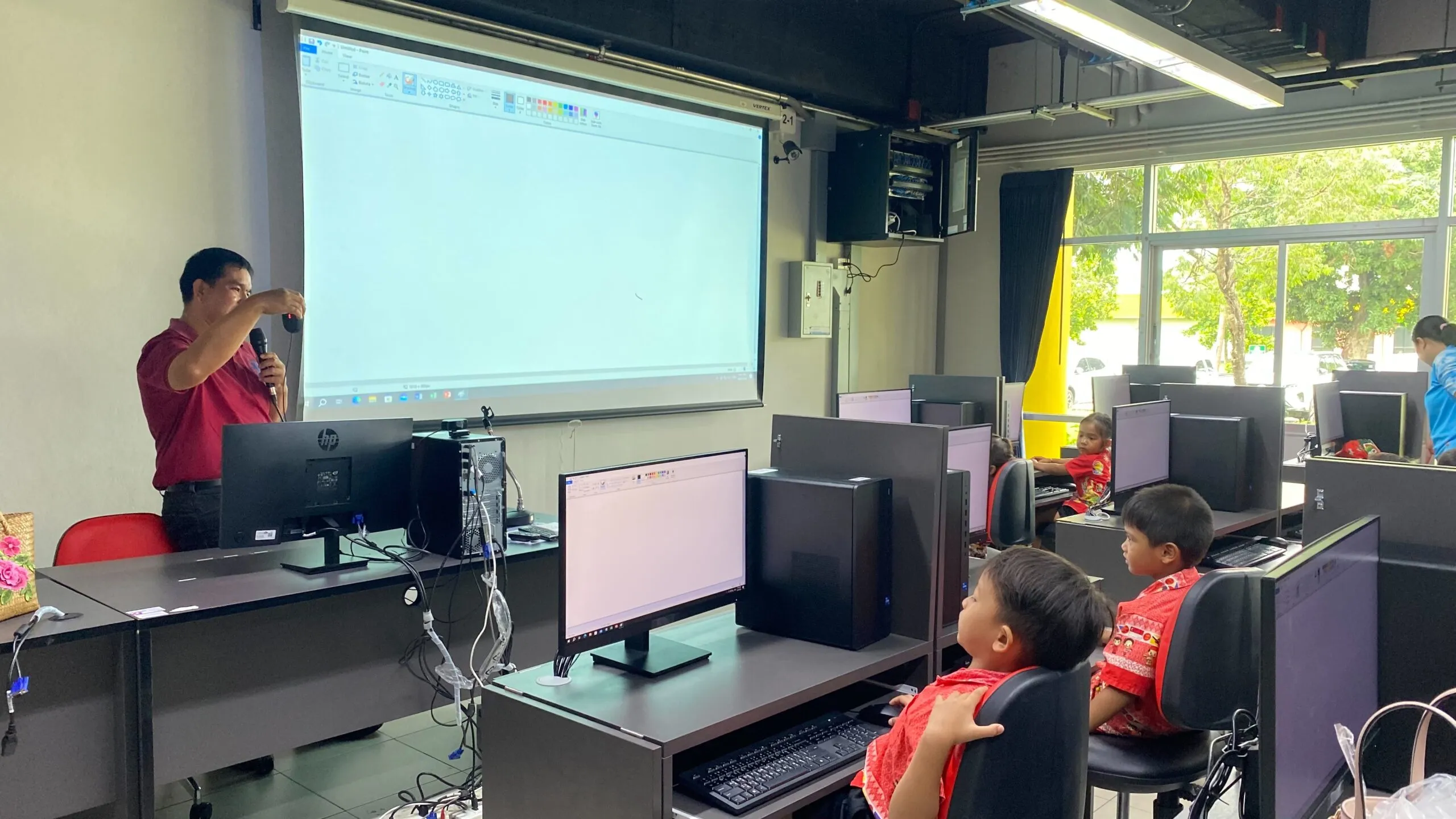
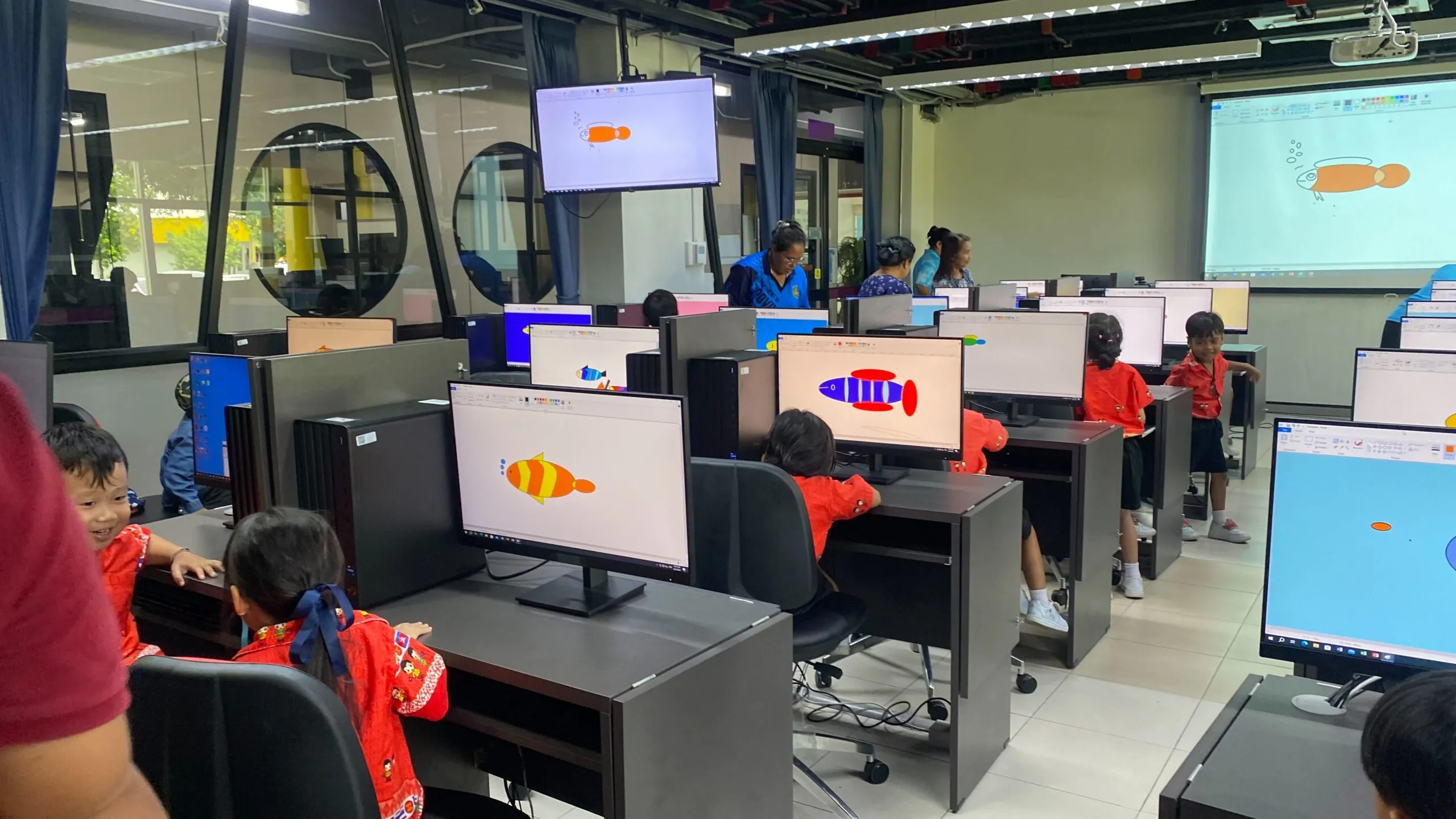
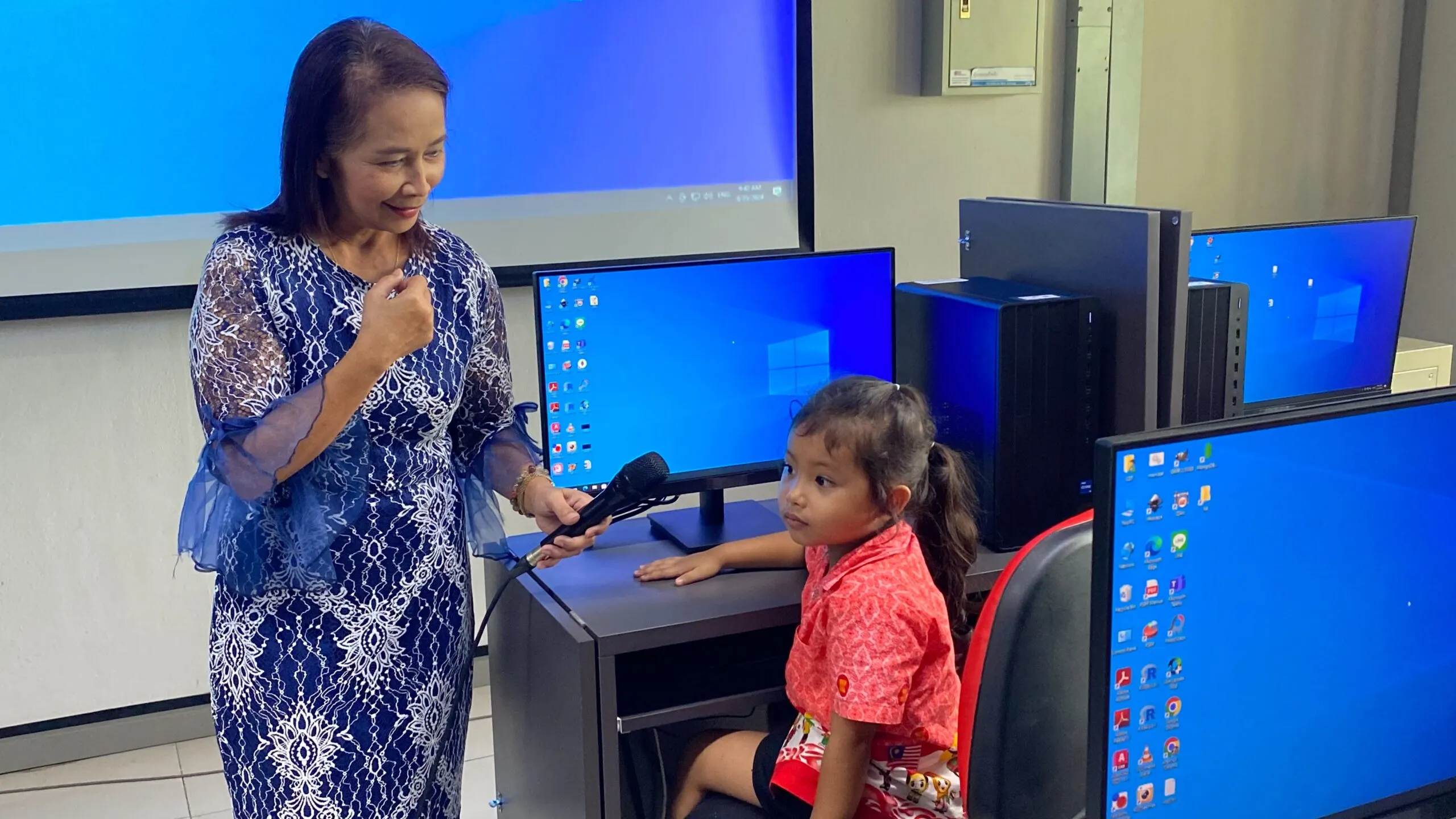
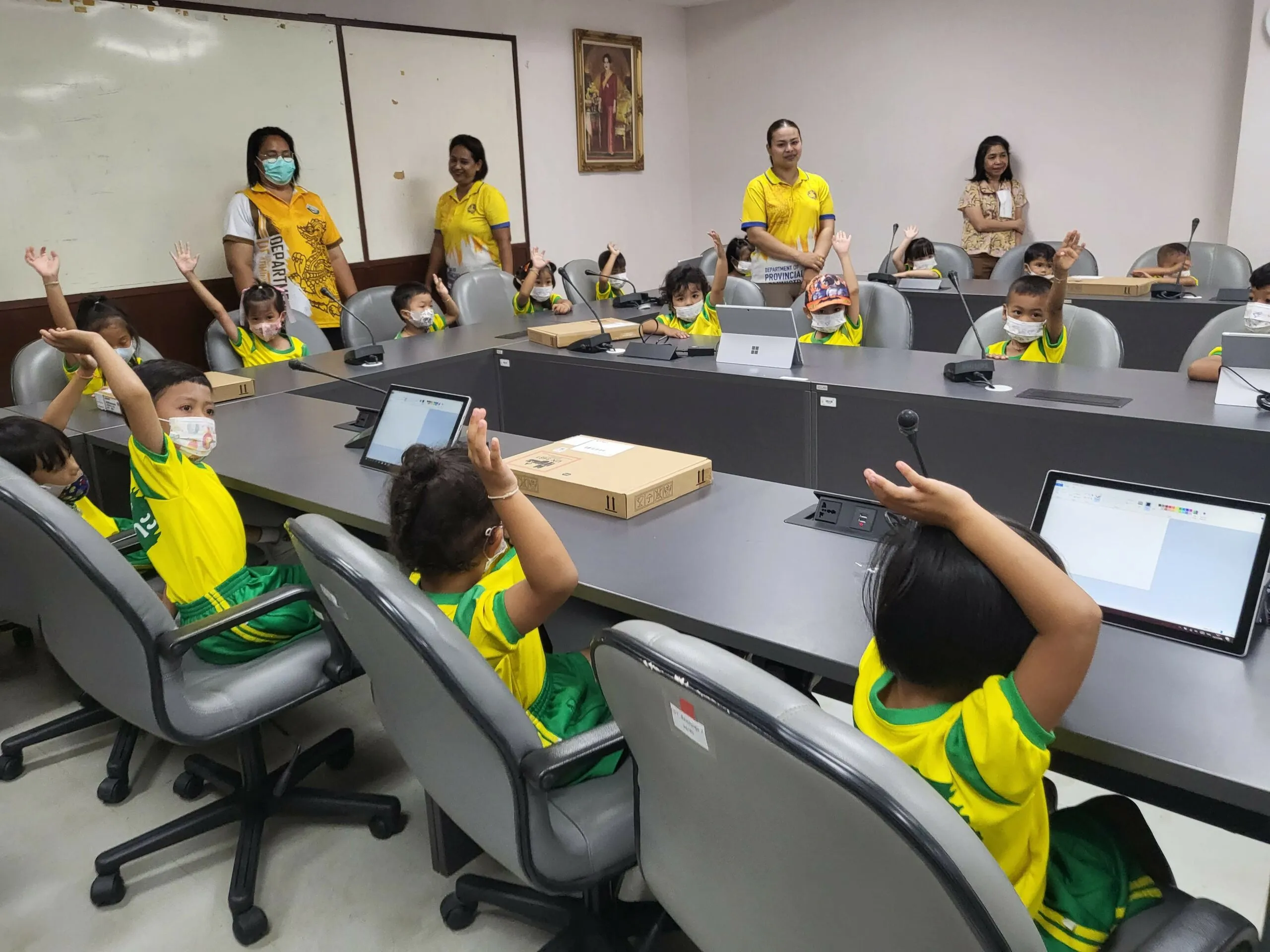
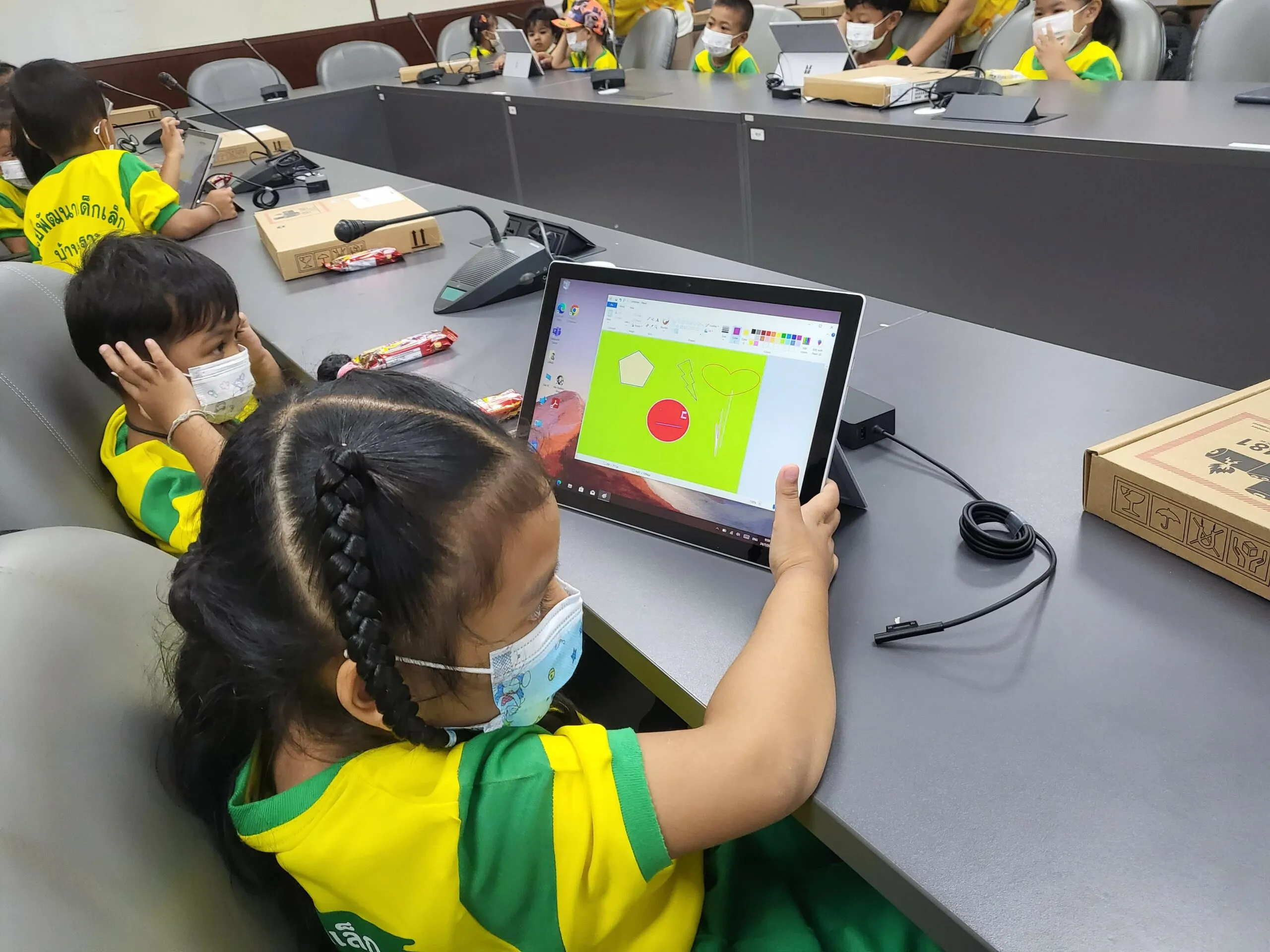
Moreover, the university’s Center for Digital Technology (CDT) offers computer equipment and technological support to local schools facing resource shortages. This initiative helps enhance learning experiences in local schools, improving educational outcomes and bridging the resource gap in underserved areas.
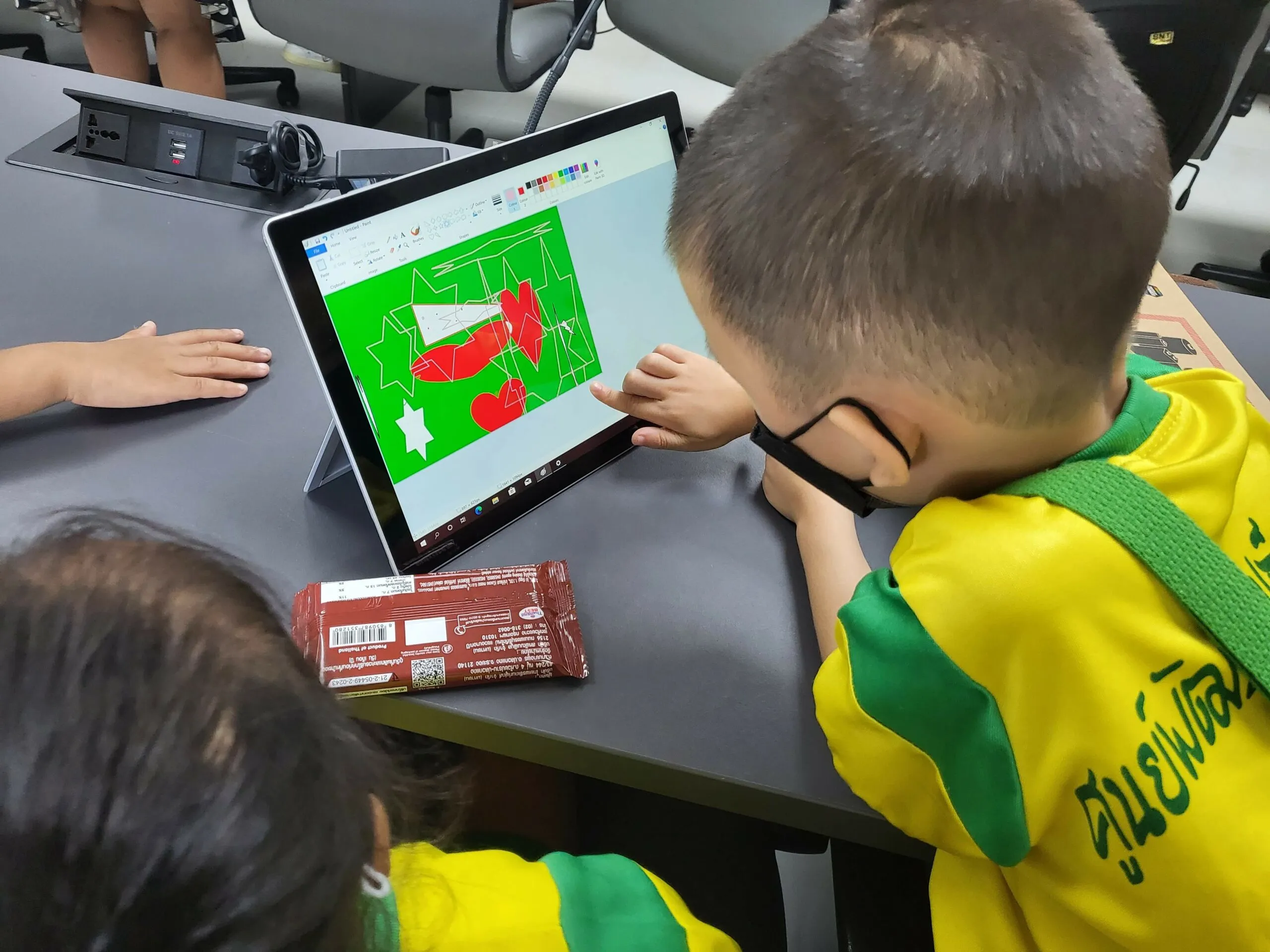
Figures : Free access to university facilities for student.
Free Online Learning Resources
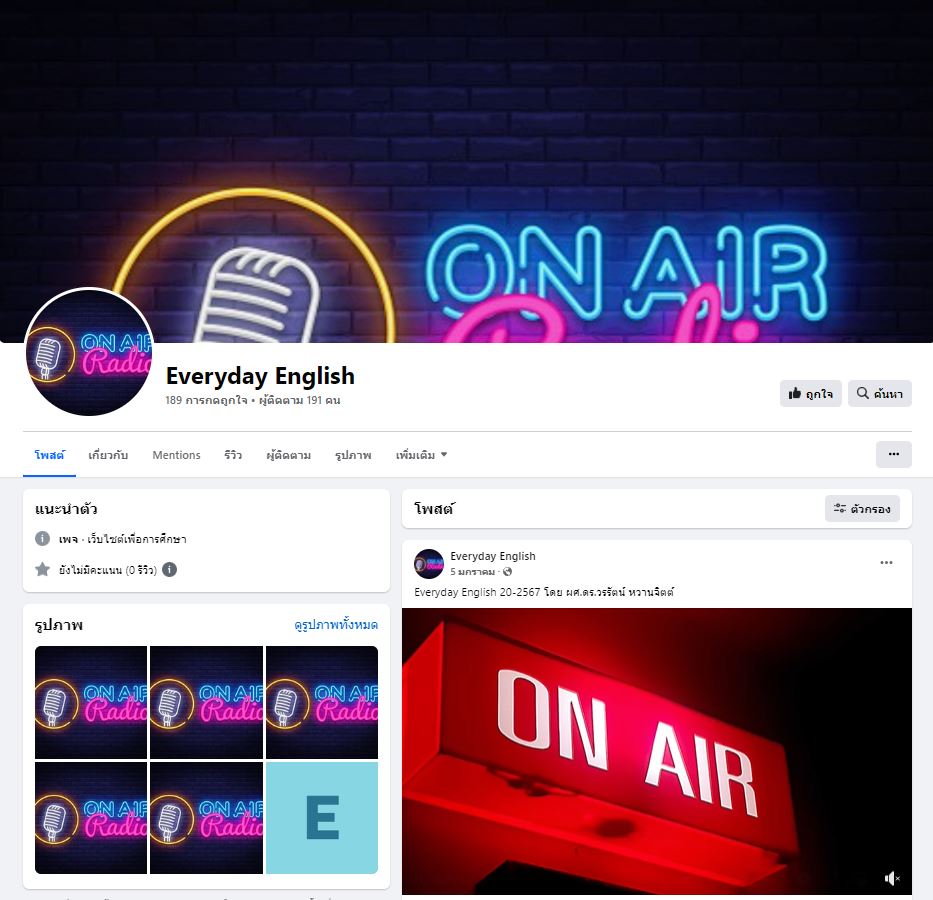
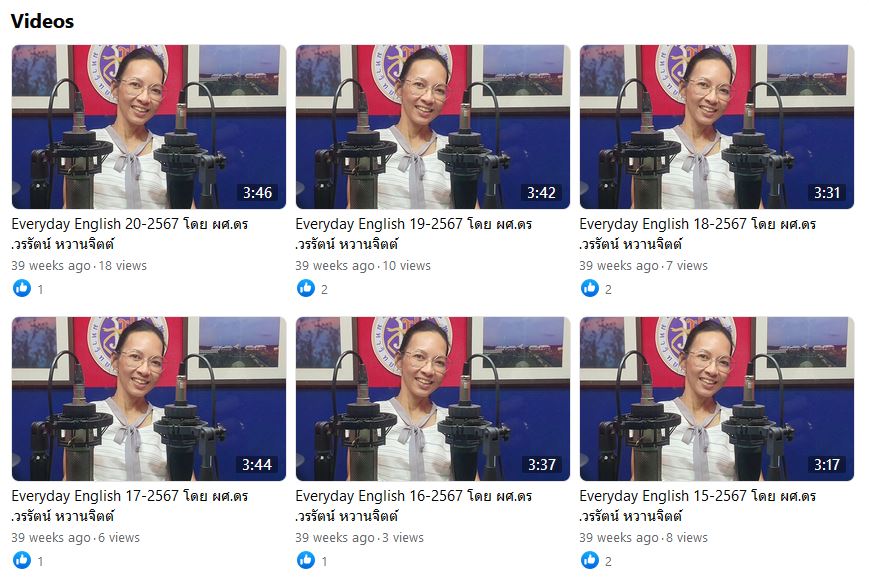
In addition to providing access to on-site educational resources, Walailak University offers free online learning resources accessible to everyone through the university’s website. Key resources include platforms such as “Walailak to Society,” “Good Health Good Life at Walailak,” and “Walailak Moving Forward,” which allow the public to access valuable information without any cost.
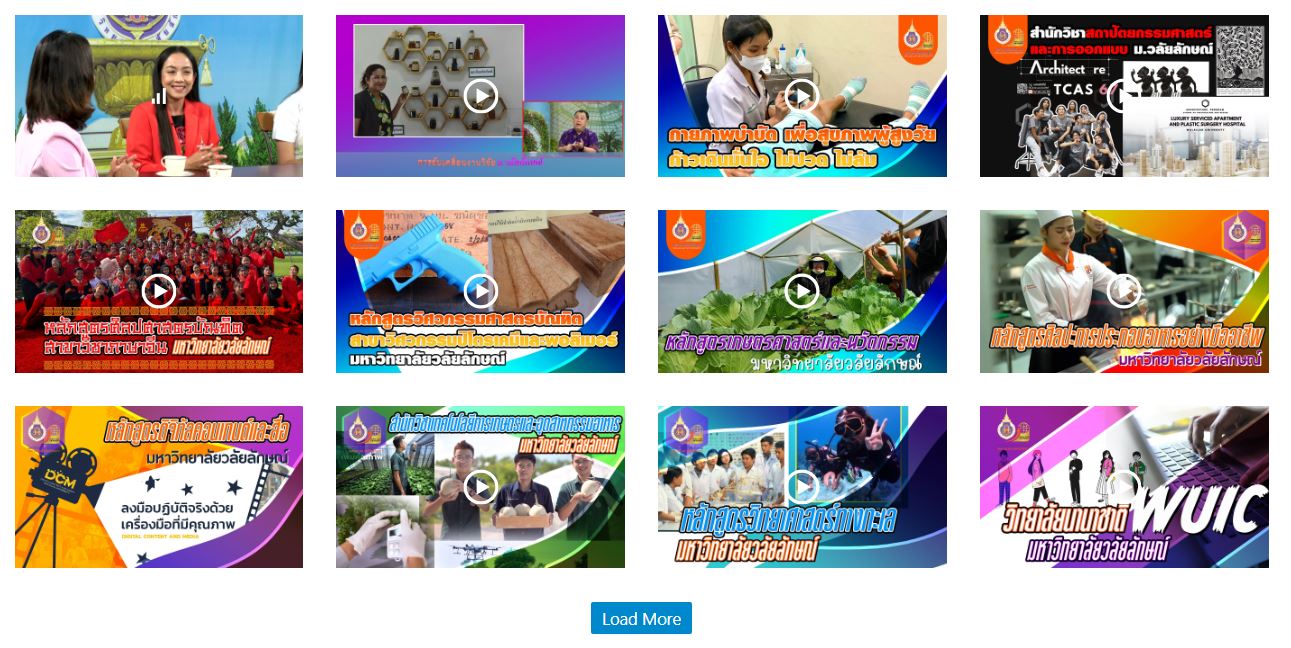
Figure : Good health good life at Walailak https://cas.wu.ac.th/walailak_radio
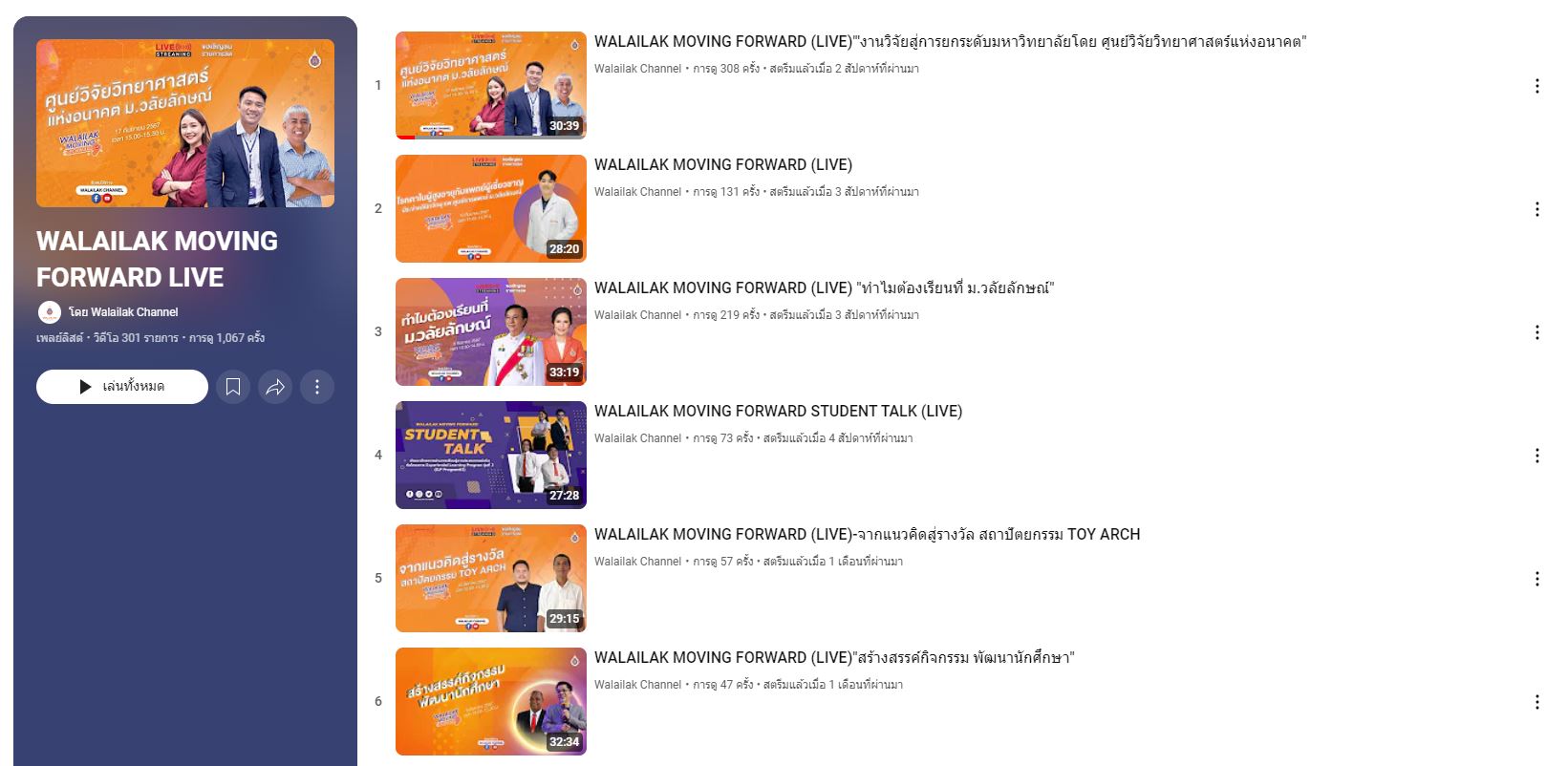
Figure : Walailak moving forward https://www.youtube.com/playlist?list=PLDCPf4m8RLTN2mJGS7p-pU9V_W1Kp6CT2
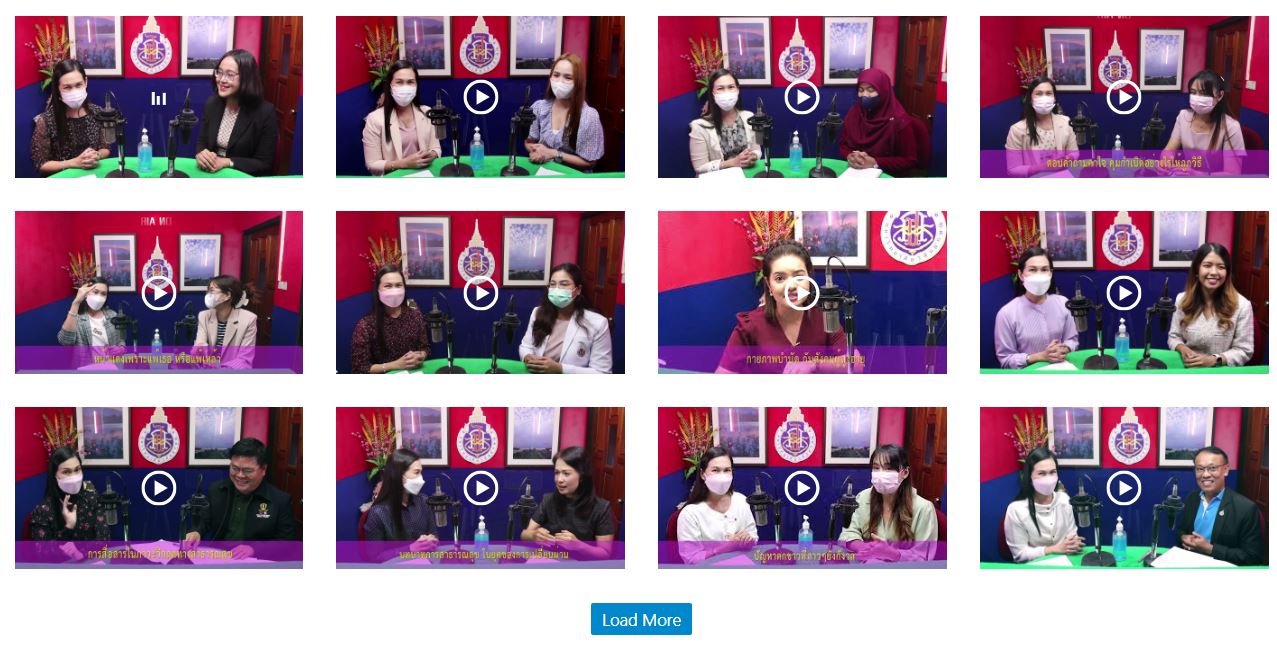
Figure : Walailak to society https://cas.wu.ac.th/walailak-susangkom
Furthermore, the Center for Library Resources and Educational Media provides access to various online resources, including databases, e-books, e-journals, and the Thai Digital Collection (TDC), where users can access theses and dissertations. These resources are available to the public for educational and research purposes, supporting the university’s commitment to fostering accessible and inclusive learning.
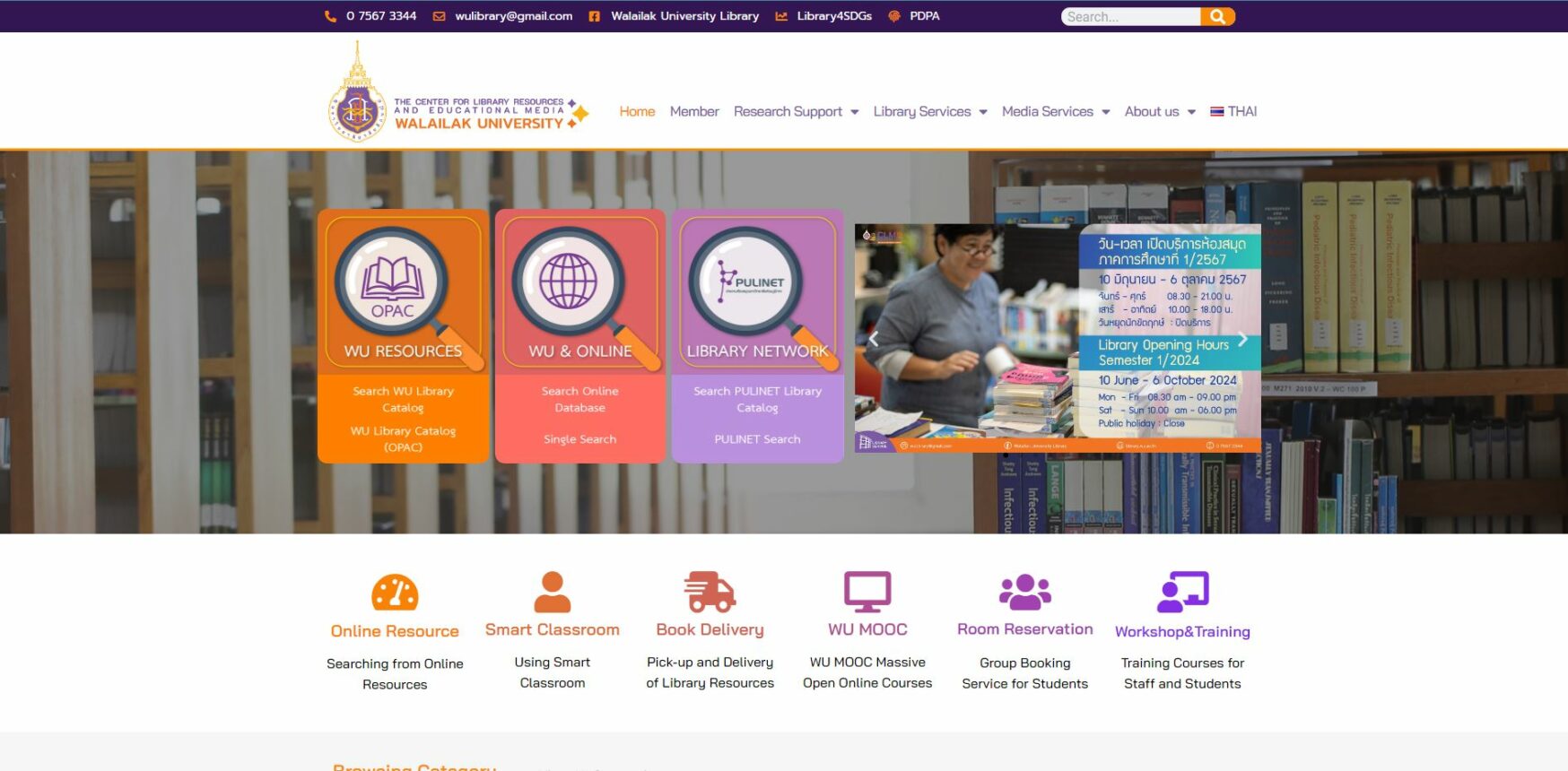
Figure : The free access to online resources by the center for library resources and educational media https://library.wu.ac.th/?page_id=19399
Through these services, Walailak University aims to promote lifelong learning and create opportunities for the general public to develop skills and education in a sustainable manner. The university’s commitment to offering accessible educational resources, both on-site and online, reflects its dedication to fostering continuous personal and professional growth, ensuring that learning is inclusive and available to all.
Goal 4: Quality Education
Goal 5: Gender Equality
Goal 10: Reduced Inequalities
Goal 17: Partnerships for the Goals