Creating Sustainable Well-being for Students: Walailak University’s All-Encompassing Mental Health Care System
“Excellence” and “virtue” are incomplete without “happiness.” That’s why Walailak University goes beyond nurturing knowledgeable and ethical graduates, also genuinely and systematically prioritizing student mental health.
In today’s fast-paced and high-pressure educational environment, promoting mental health within universities has become an essential and ongoing commitment. It is not only about addressing crises when they occur but also about creating a “safe space” where students can develop self-awareness, learn self-care, and access support when facing emotional challenges. Walailak University provides students with free access to mental health support that actively promotes good mental health. In addition, the university has designed a comprehensive mental health support system that encompasses prevention, life skills development, and professional assistance, while also equipping staff at all levels to play a role in sustainable student care.
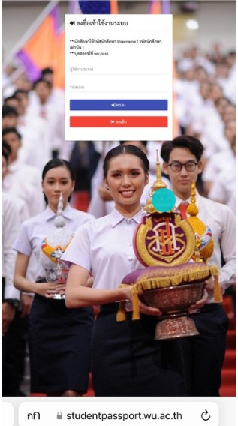
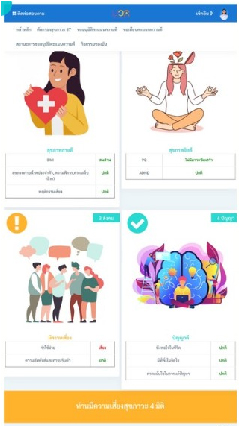
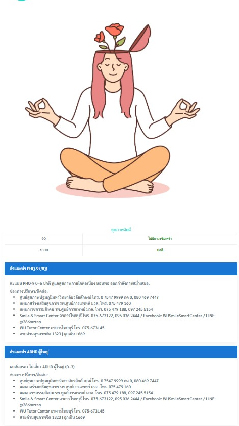
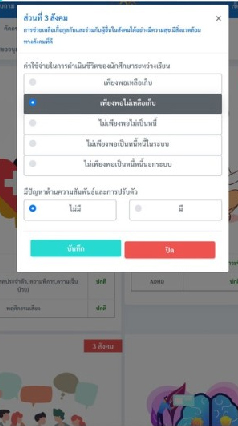
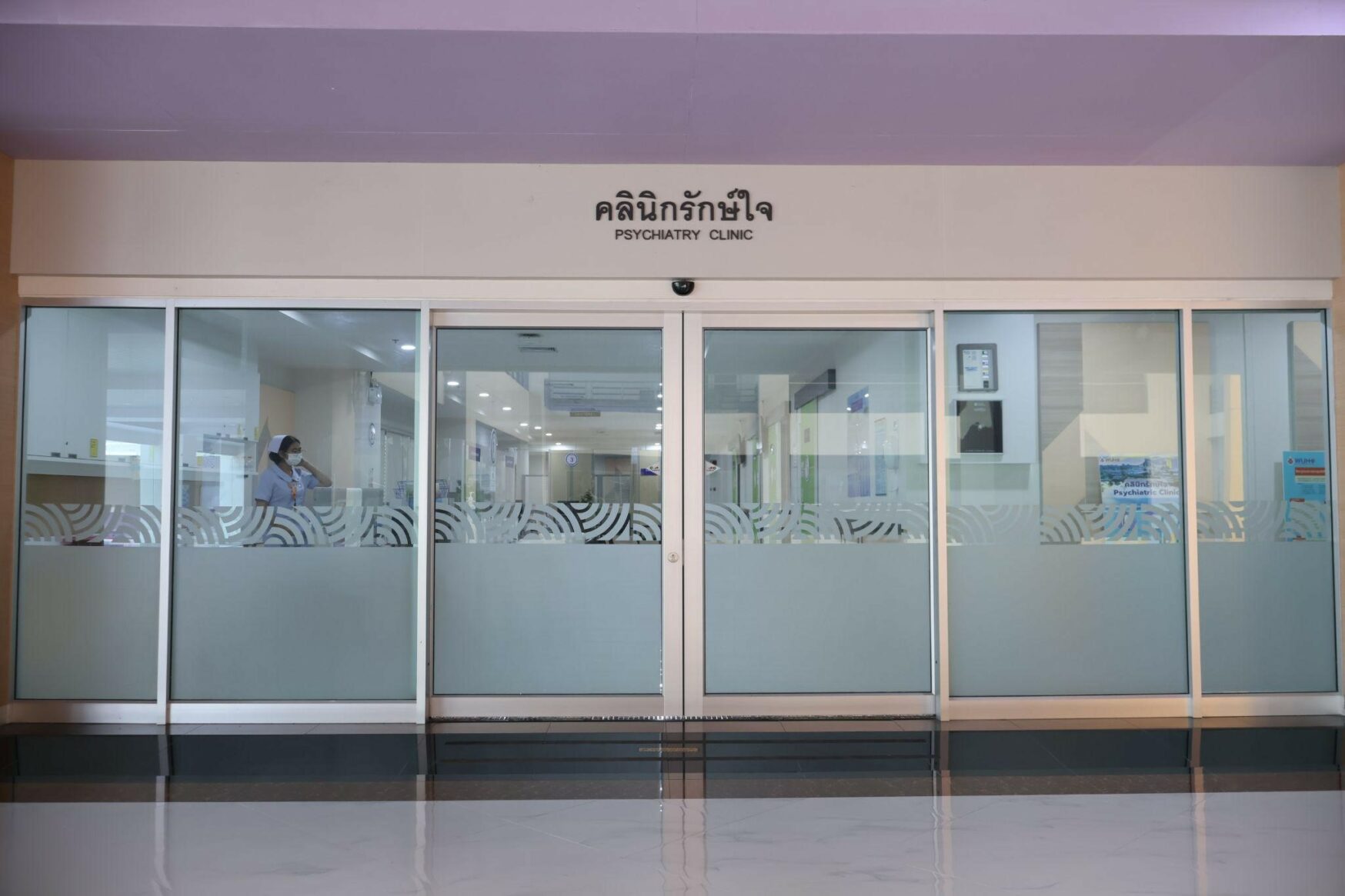
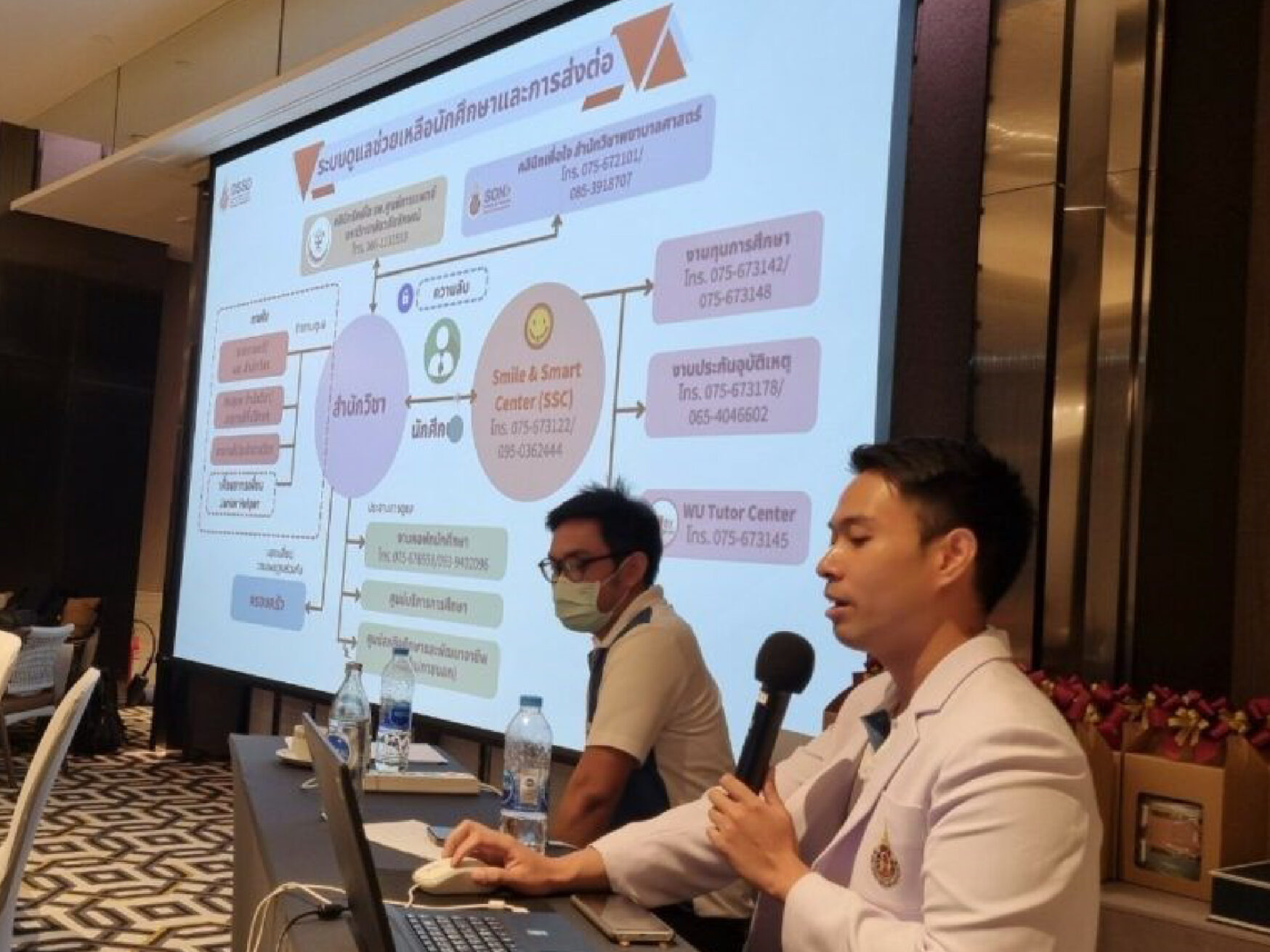
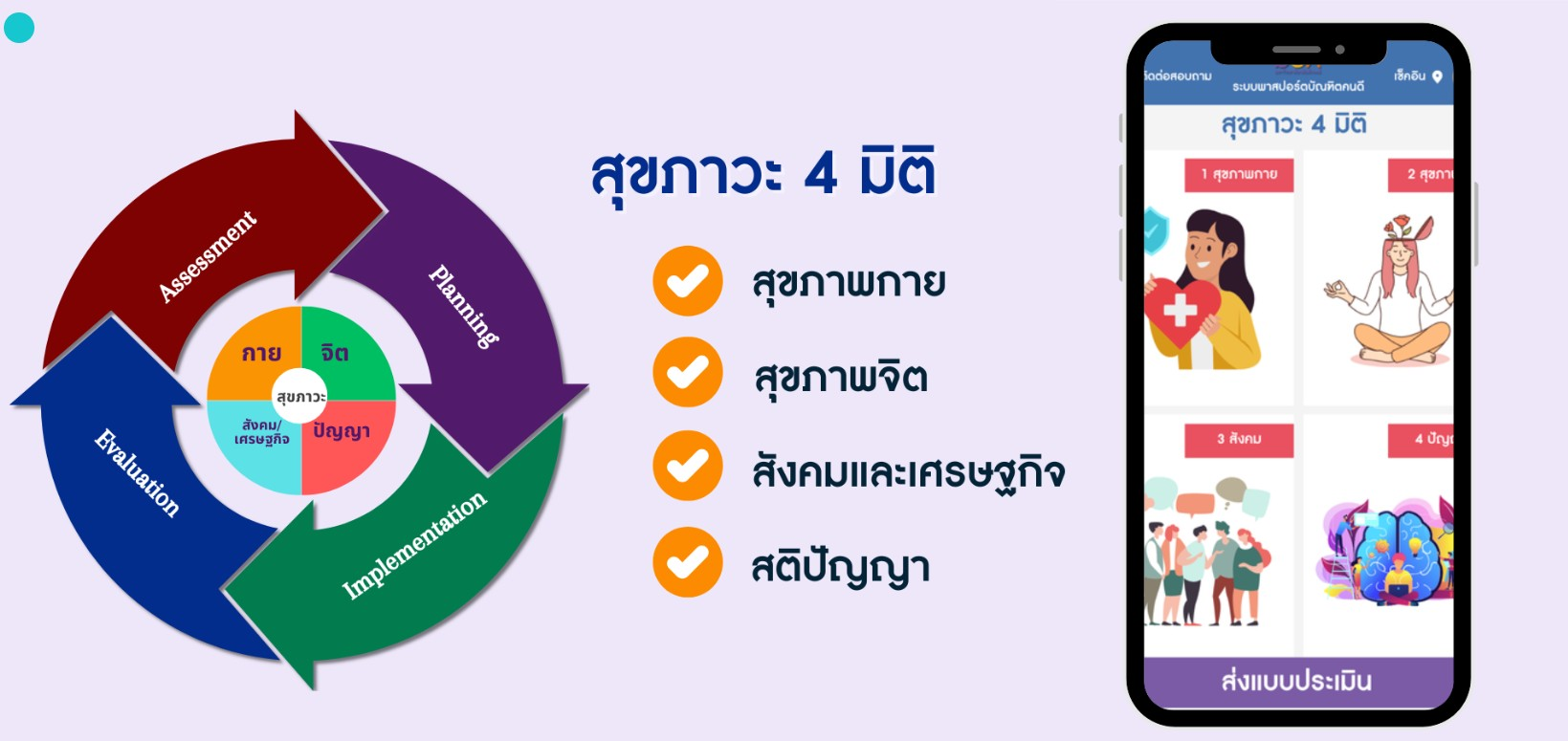
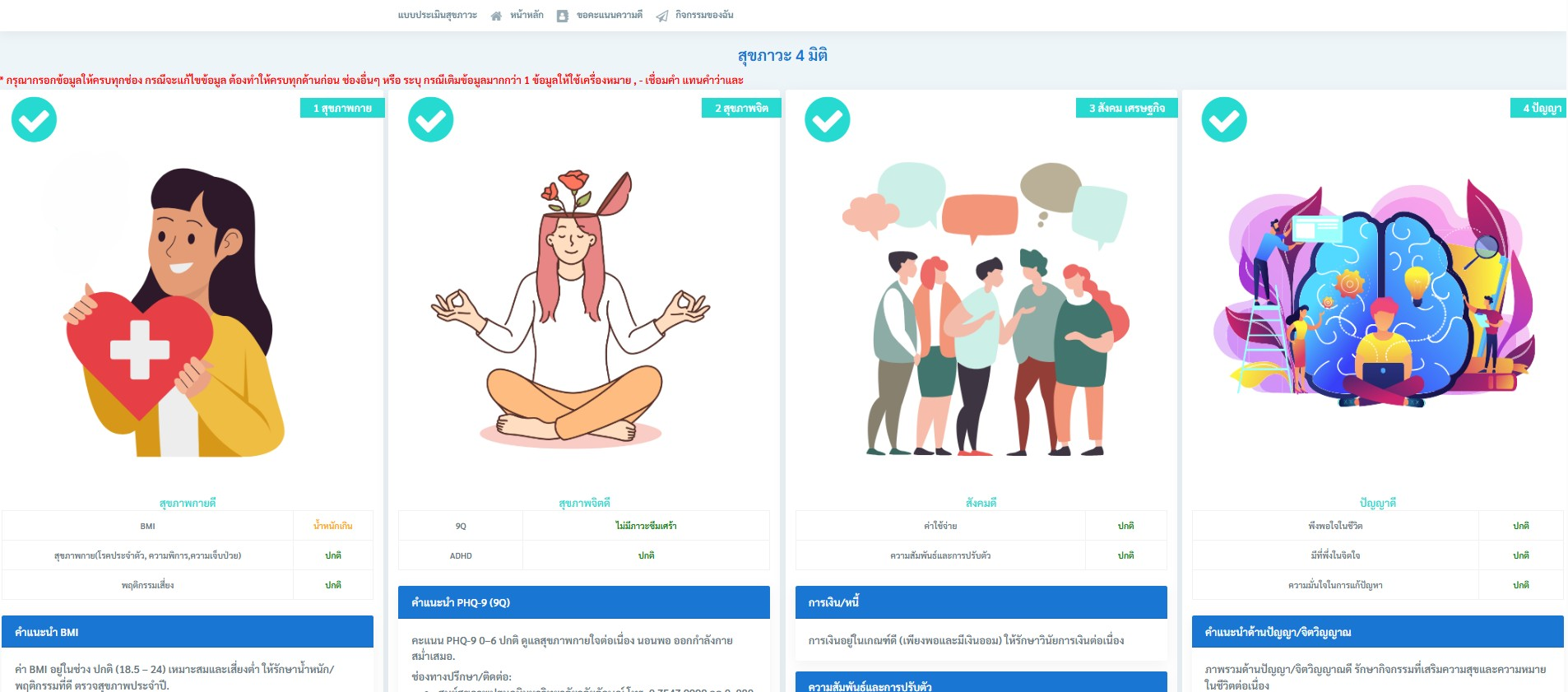
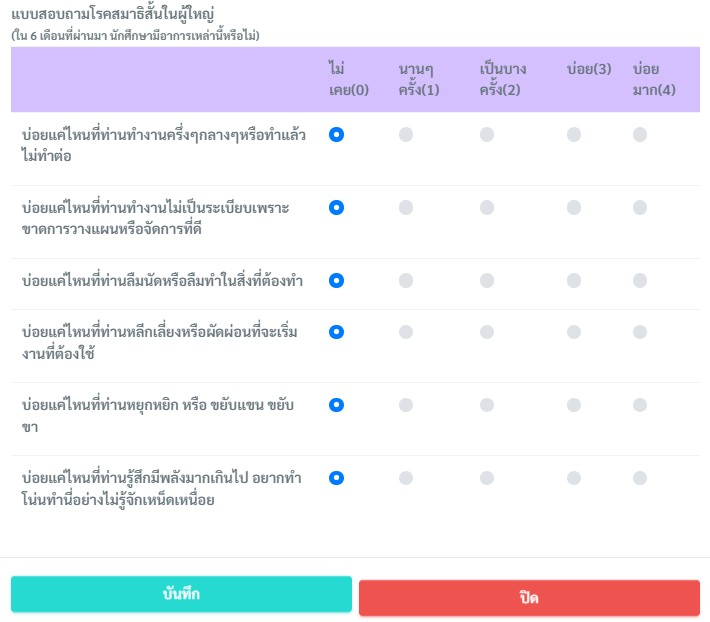
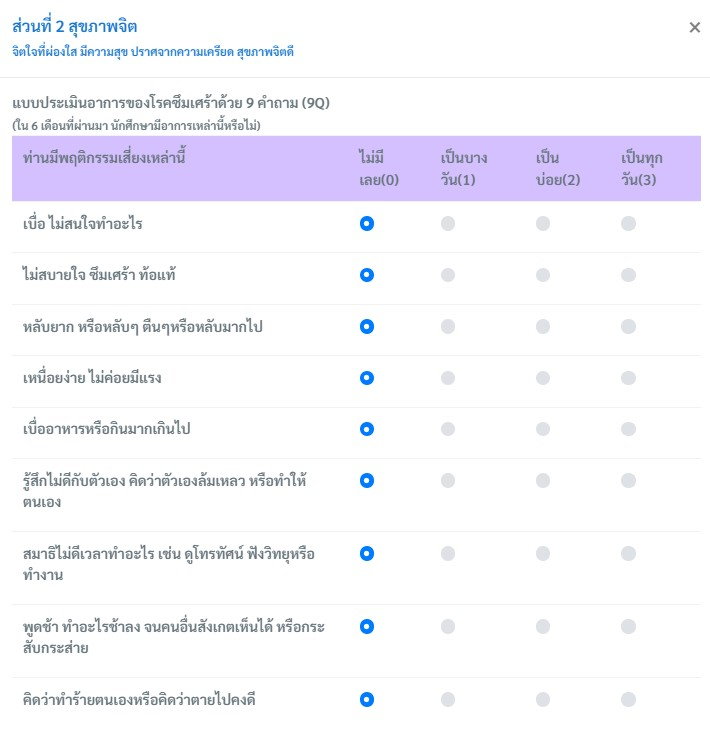
Furthermore, the university has established proactive mechanisms to promote and safeguard students’ mental health, rather than waiting for them to seek help on their own. This includes conducting annual mental health assessments, such as the Patient Health Questionnaire-9 (PHQ-9) for depression, and the Depression, Anxiety, and Stress Scale-21 (DASS-21), to screen and identify students at risk and provide timely support. When signs of mental health issues are detected, students are referred to the Smile & Smart Center, the Psychiatric Clinic, and Walailak University Hospital for integrated care.
In today’s fast-paced and high-pressure educational environment, promoting mental health within universities has become an essential and ongoing commitment. It is not only about addressing crises when they occur but also about creating a “safe space” where students can develop self-awareness, learn self-care, and access support when facing emotional challenges. Walailak University provides students with free access to diagnostic and mental health support services that actively promote good mental health. In addition, the university has designed a comprehensive mental health support system that encompasses prevention, life skills development, stakeholder engagement, and professional assistance, while also equipping staff at all levels to play a role in sustainable student care through ongoing measurement and evaluation.
Furthermore, the university has established proactive mechanisms to promote and safeguard students’ mental health, rather than waiting for them to seek help on their own. This includes conducting annual diagnostic mental health assessments, such as the Patient Health Questionnaire-9 (PHQ-9) for depression, and the Depression, Anxiety, and Stress Scale-21 (DASS-21), to screen and identify students at risk and provide timely support. When signs of mental health issues are detected, students are referred to the Smile & Smart Center, the Psychiatric Clinic, and Walailak University Hospital for integrated care, ensuring that development, engagement, and measurement remain central to the university’s holistic mental health framework.
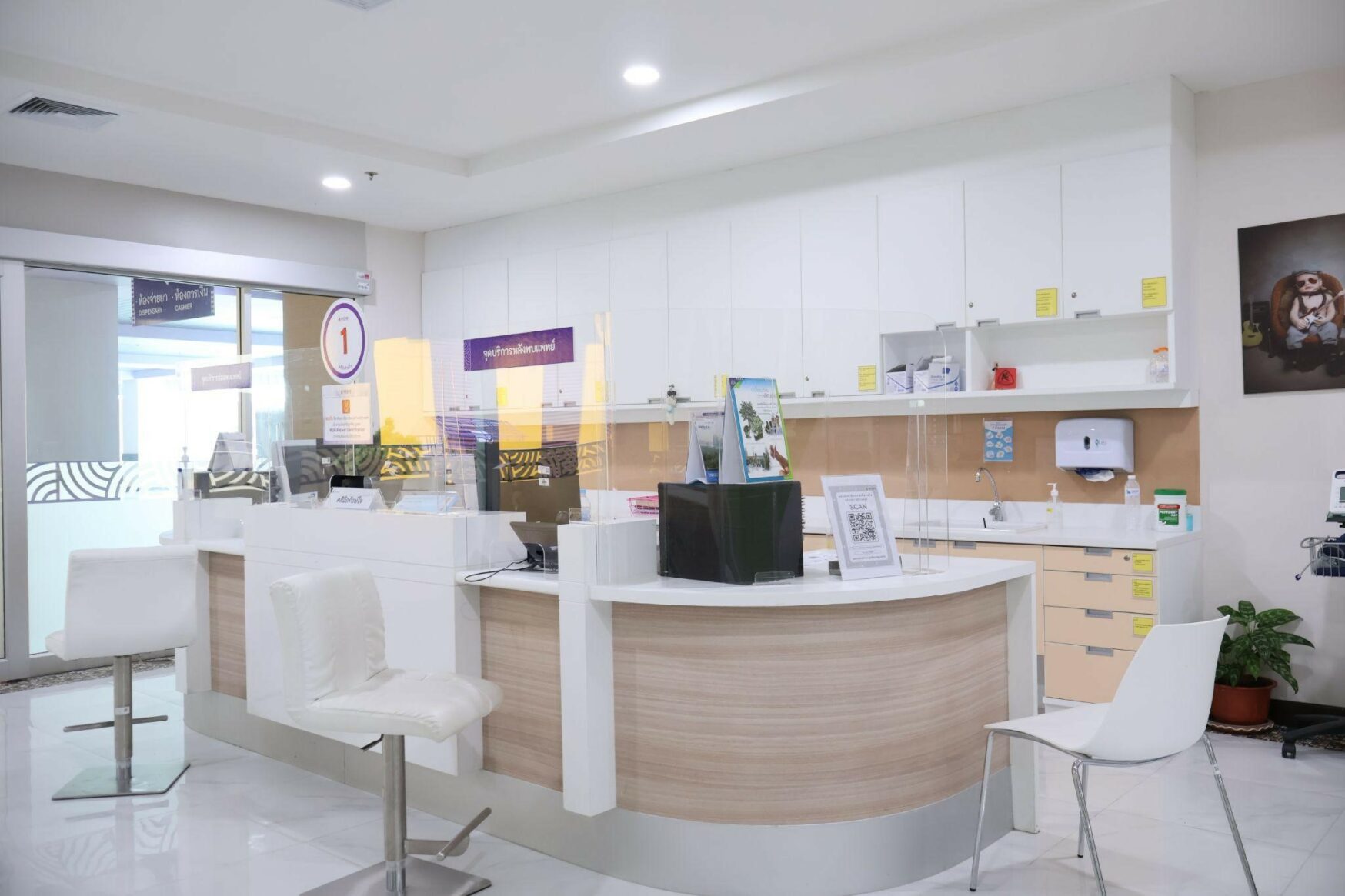
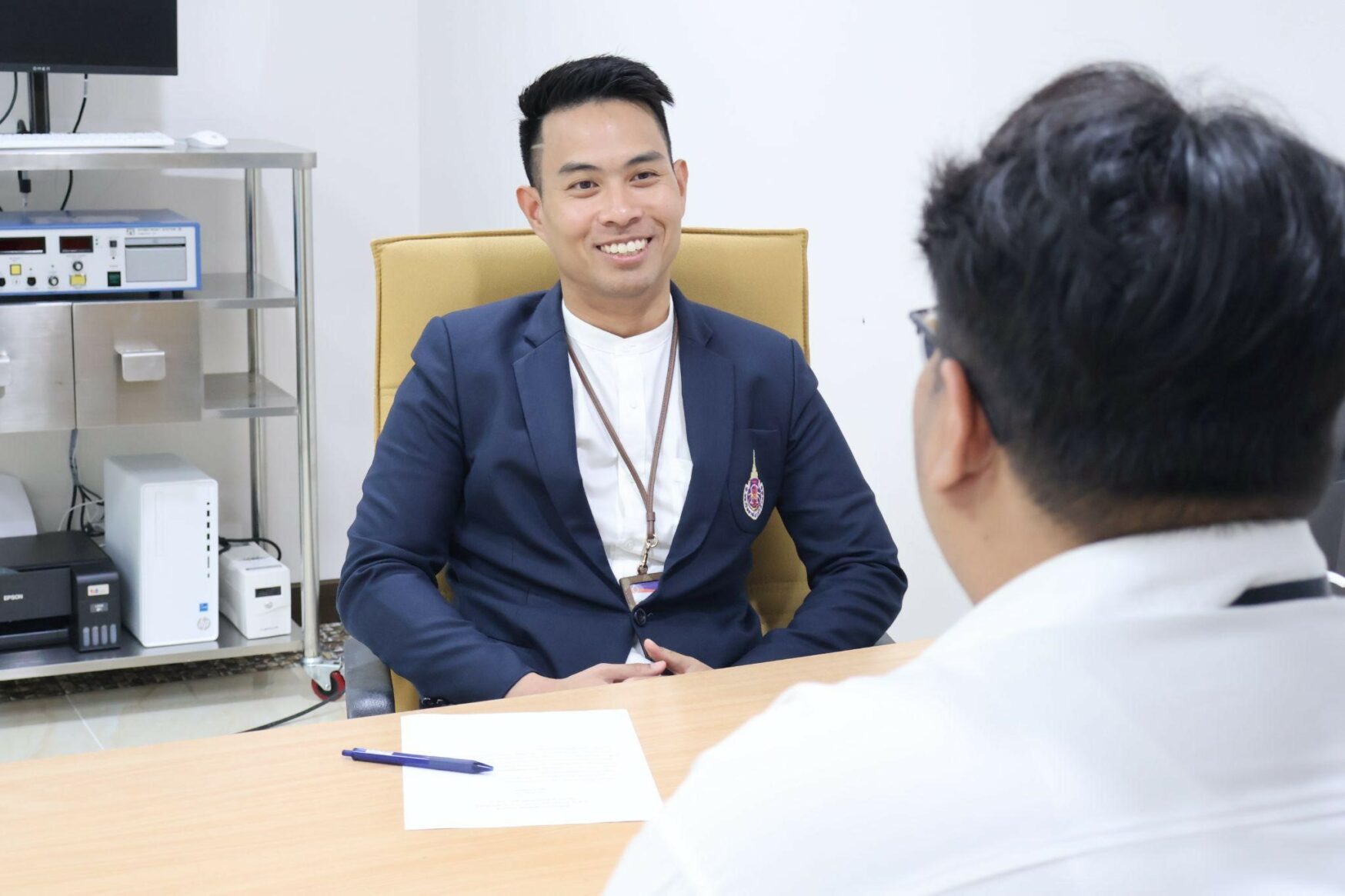
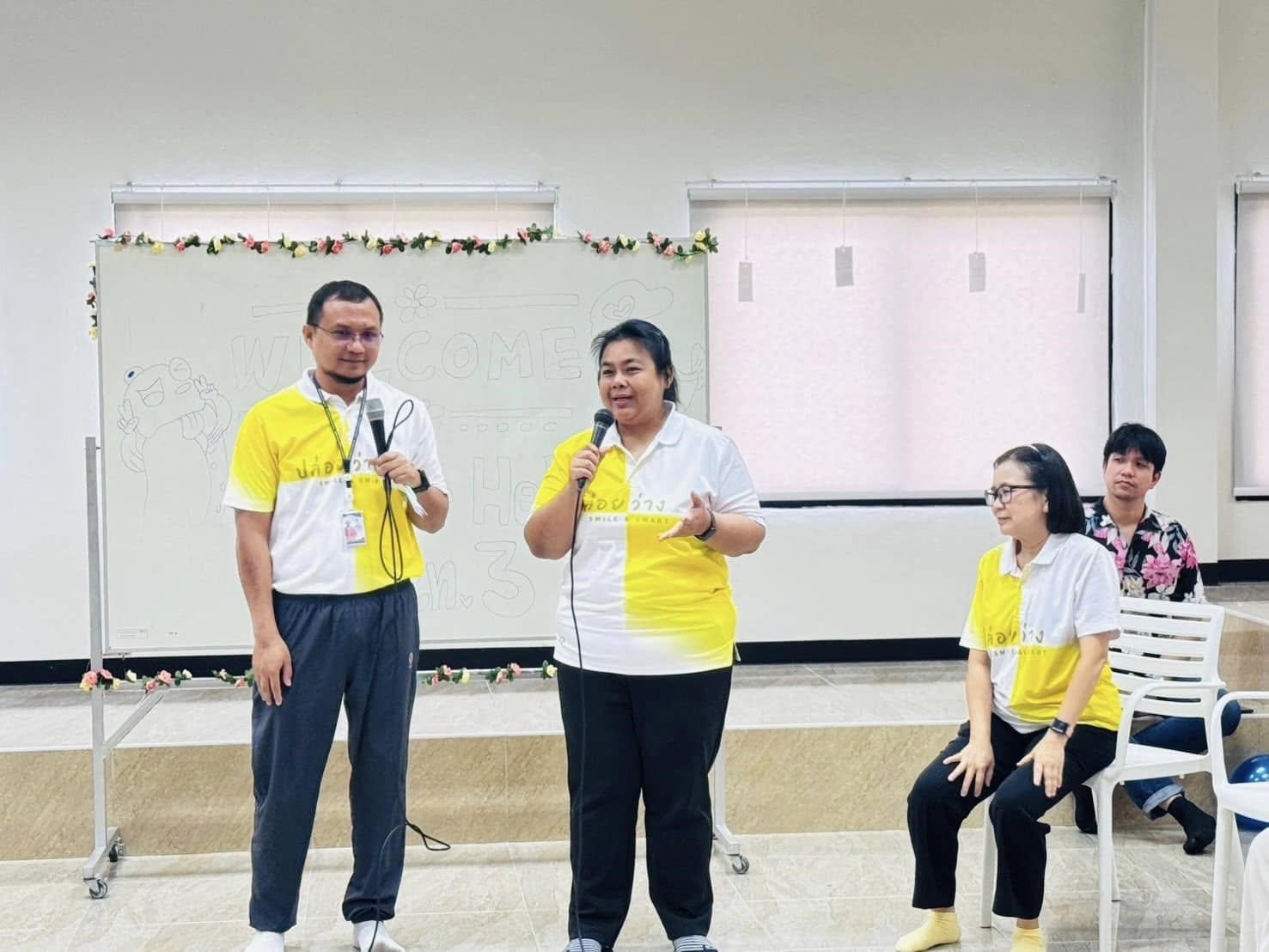
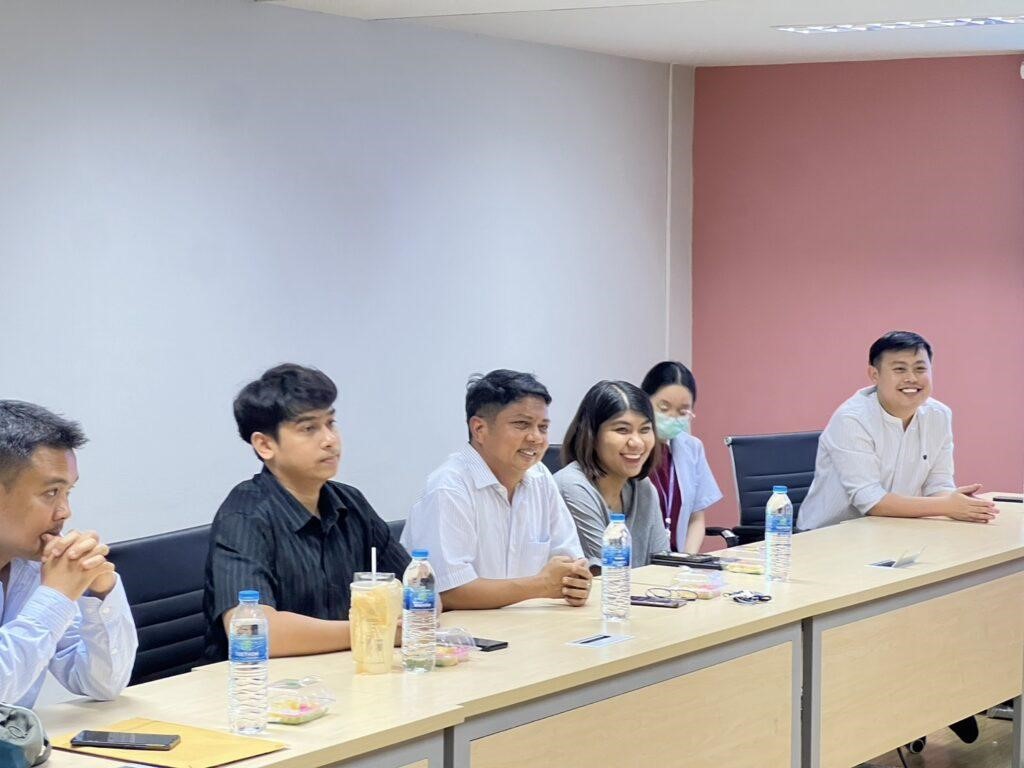
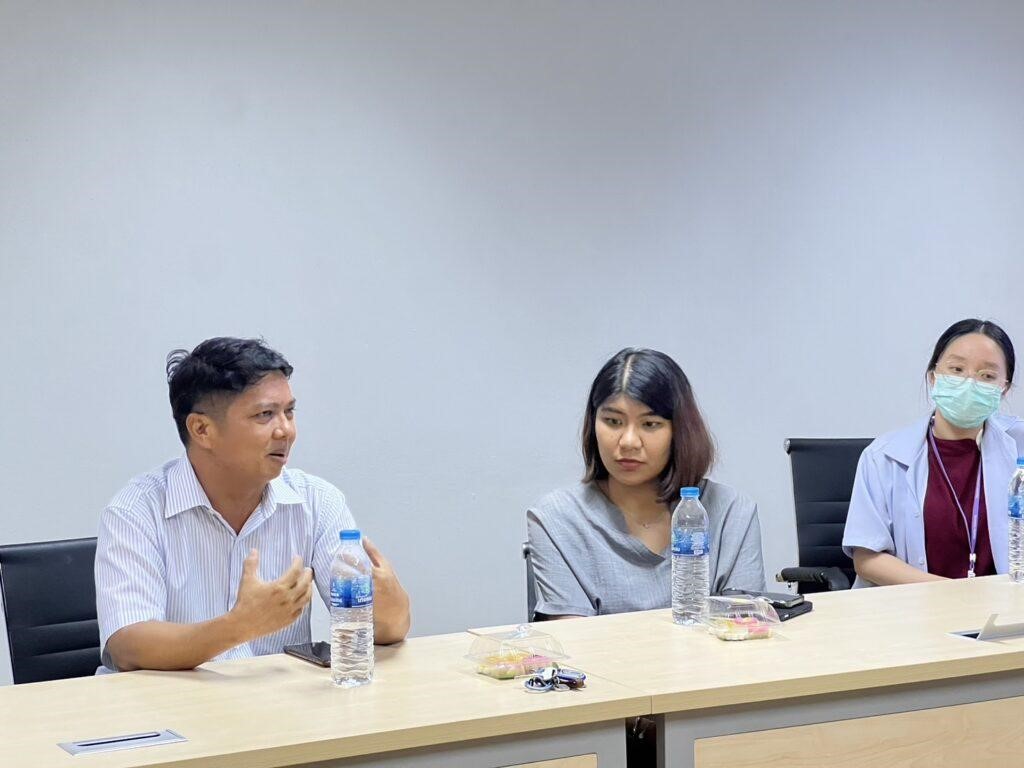
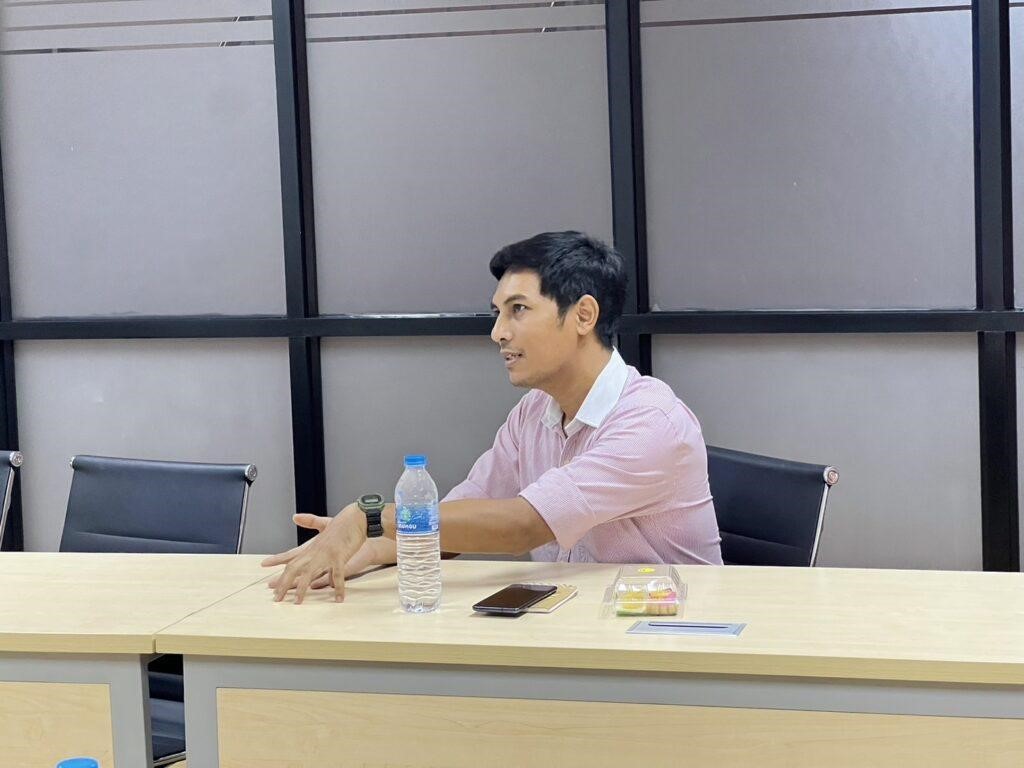
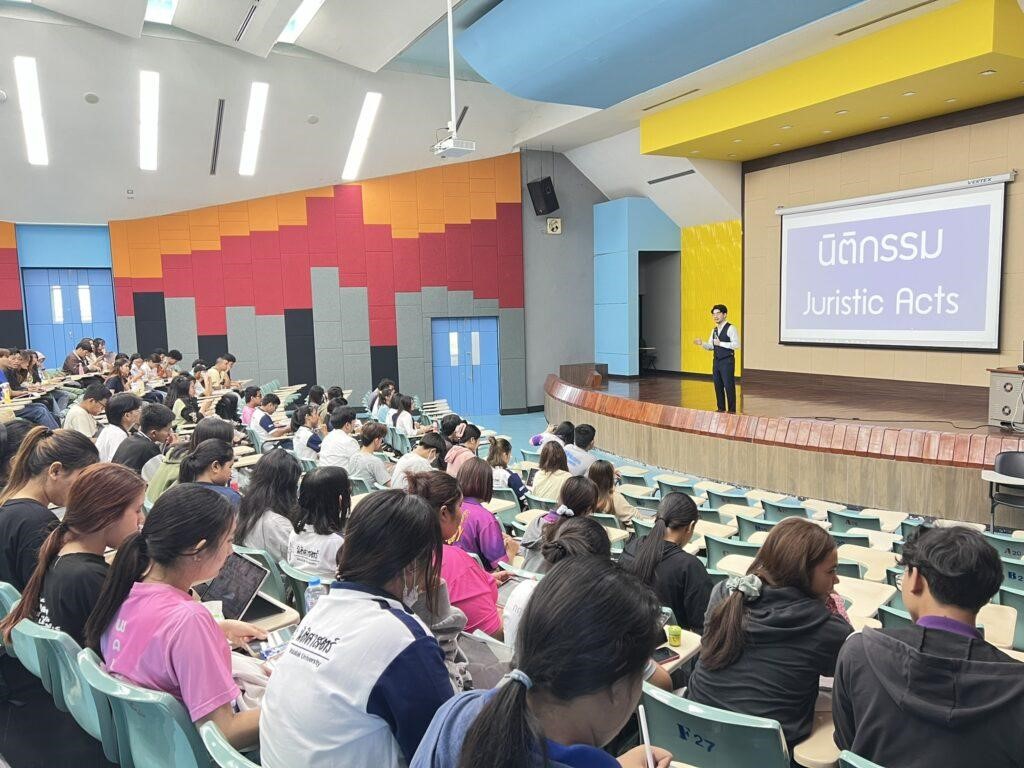
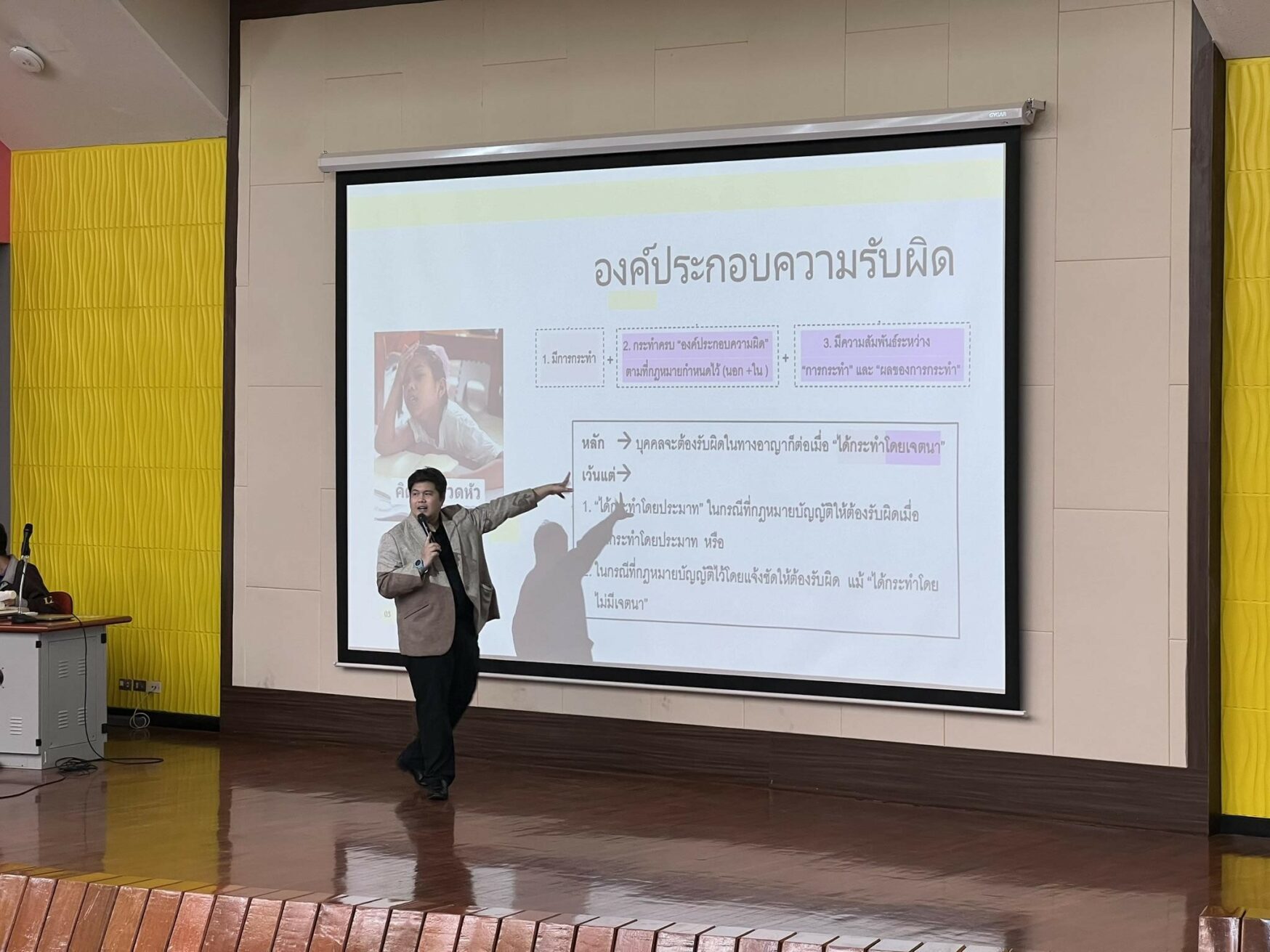
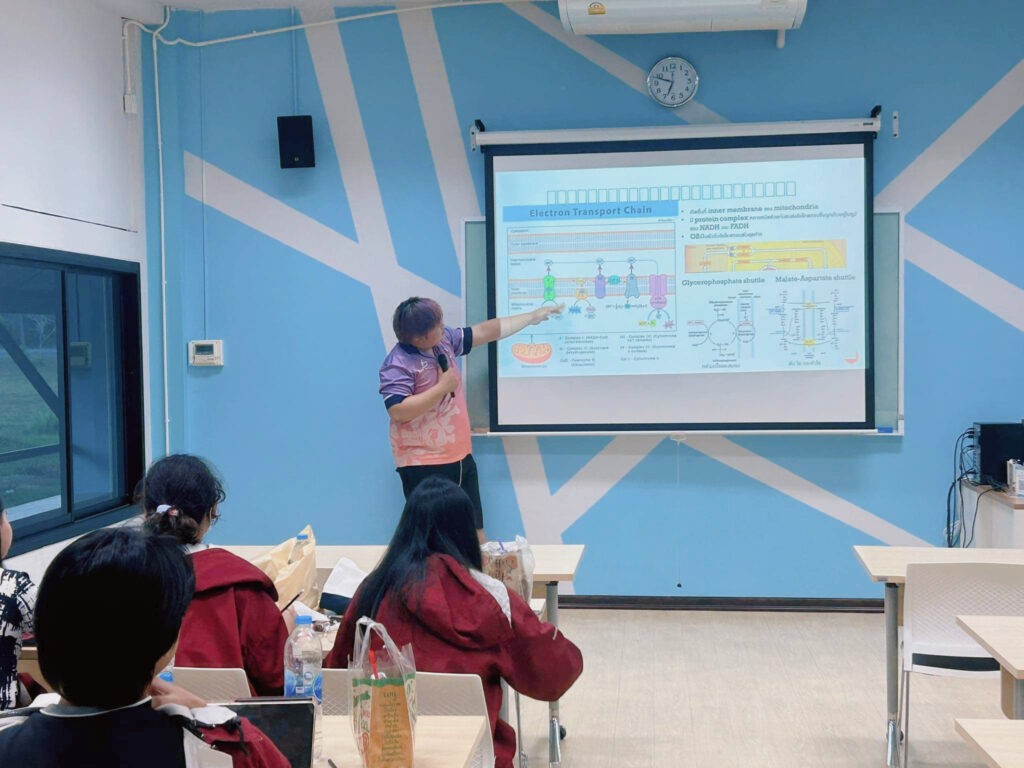
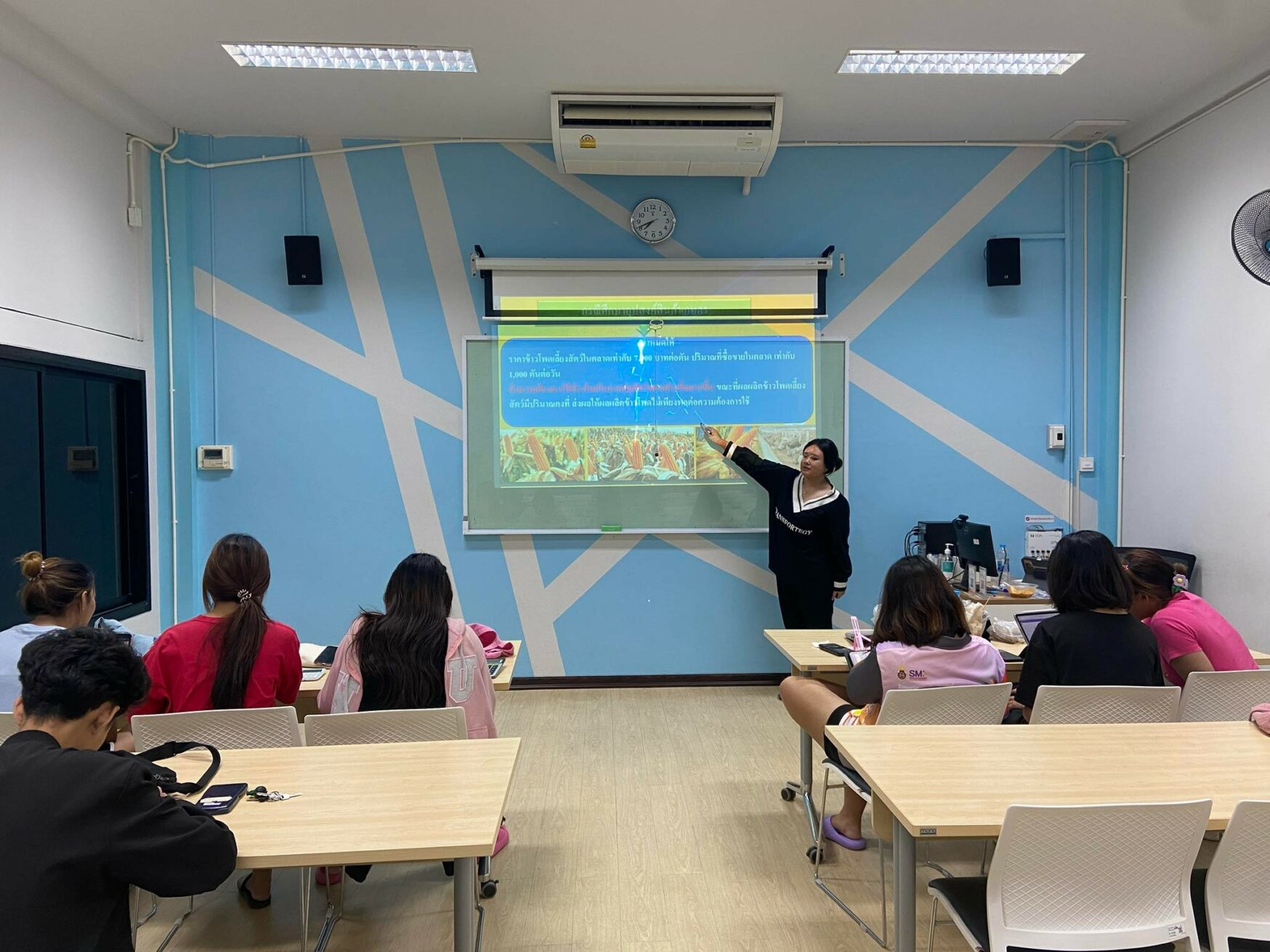
Figures : Walailak University Hospital for Integrated Care
These services not only enhance students’ quality of life and overall satisfaction but also foster greater self-understanding, enabling them to adapt and cope more effectively with the challenges of everyday life.
The Existence of Provision of Active Promotion of Good Mental Health
Walailak University supports students’ access to good mental health promotion through various support units within the university, such as Student Dormitory Department, the Division of Student Promotion and Development, the Smile & Smart Center, the Smile Clinic, the Psychiatric Clinic, and the WU Tutor Center. These units organize a variety of activities aimed at promoting students’ mental well-being, including the following:
Student Dormitory Department Responsibility for Student Mental Health Support
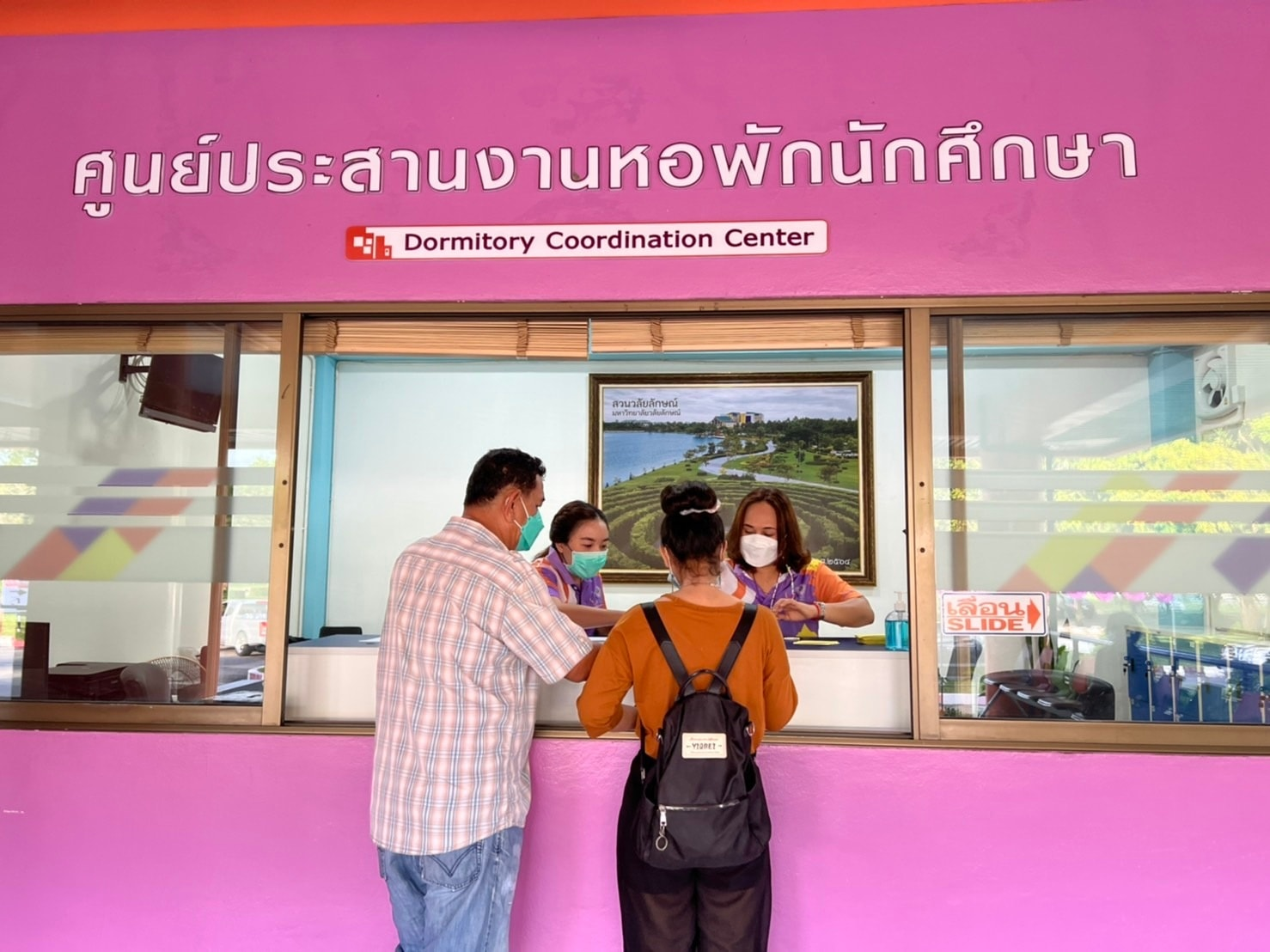
The student dormitories serve as one of the primary living environments for students. Therefore, when any issues arise—particularly those related to mental health—the Student Dormitory Department is often among the first units to reach and support affected students. The department plays a crucial role as a frontline “screening and referral” unit, helping to identify students in need and connect them to specialized services to ensure free access to mental health support that actively promotes well-being.
The operational approach begins with peer observation, where signs of concern noticed among friends are promptly followed up by dormitory staff and referred to Walailak University Hospital (WUH) for professional support. Additionally, before the start of the first semester—when many students enter the dormitories for the first time—all residents are required to complete a mental health screening questionnaire. Findings from these assessments indicate that female students are more frequently identified with mental health concerns than male students.
Division of Student Support and Development Responsibility for Student Mental Health Support
The Division of Student Support and Development is the main unit responsible for student support. It oversees three sub-units that provide services and organize activities to ensure students have free access to mental health support. These sub-units are also responsible for promoting well-being and implementing preventive measures to help students avoid facing mental health problems through various activities.
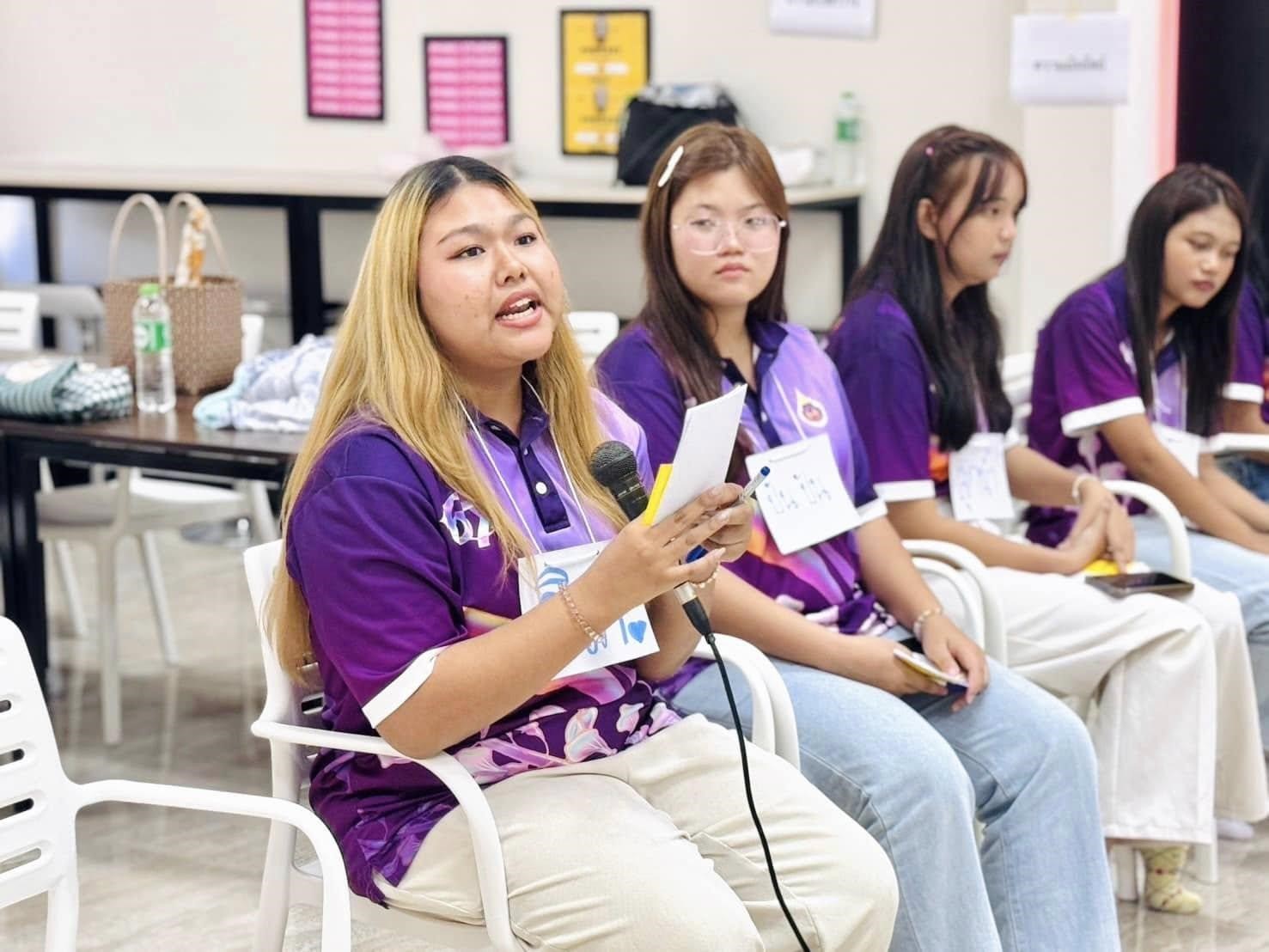
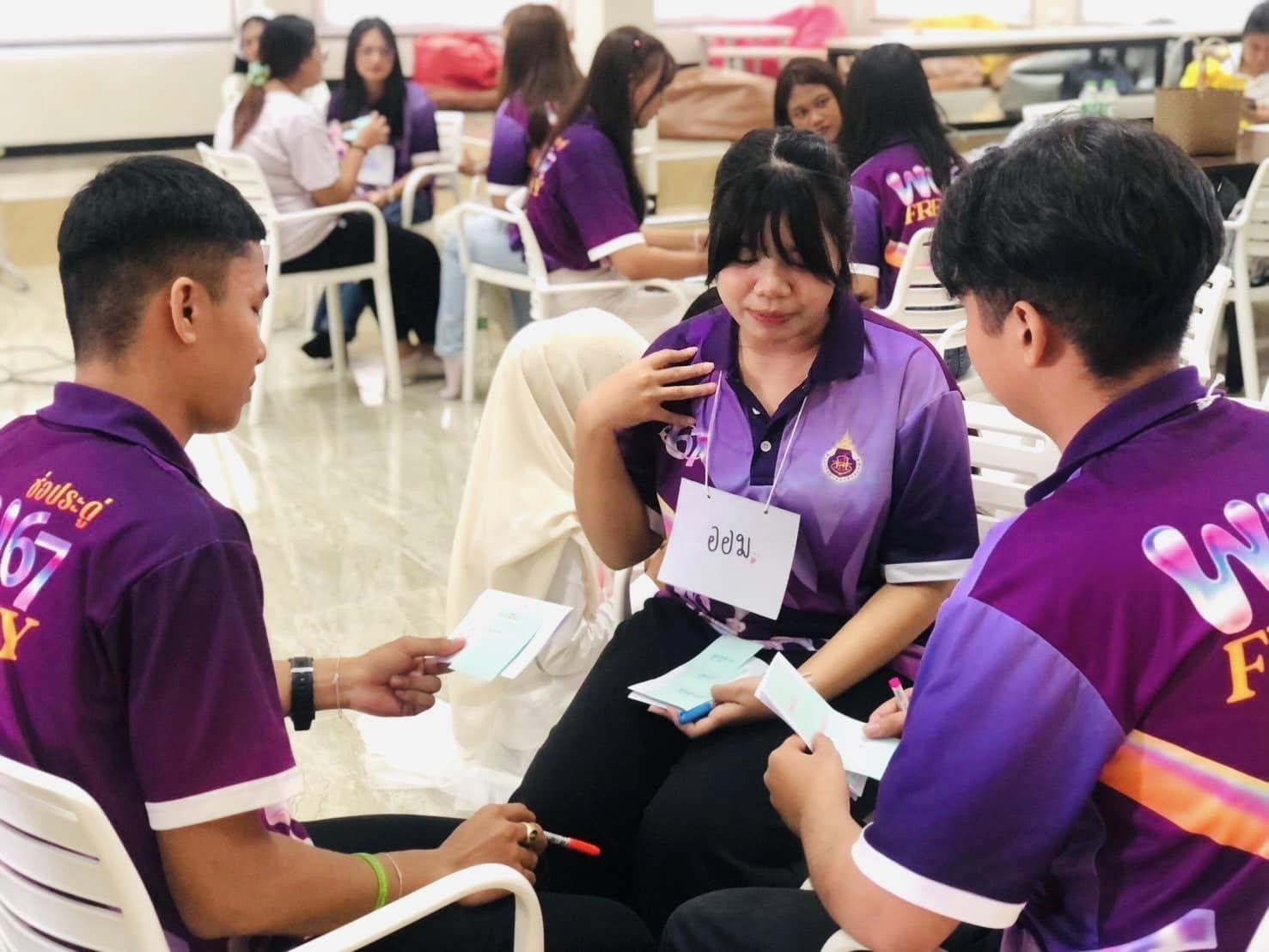
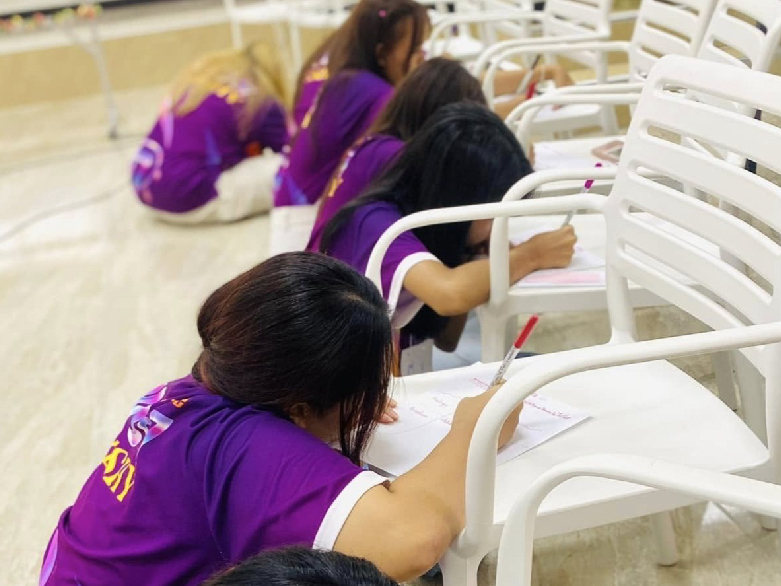
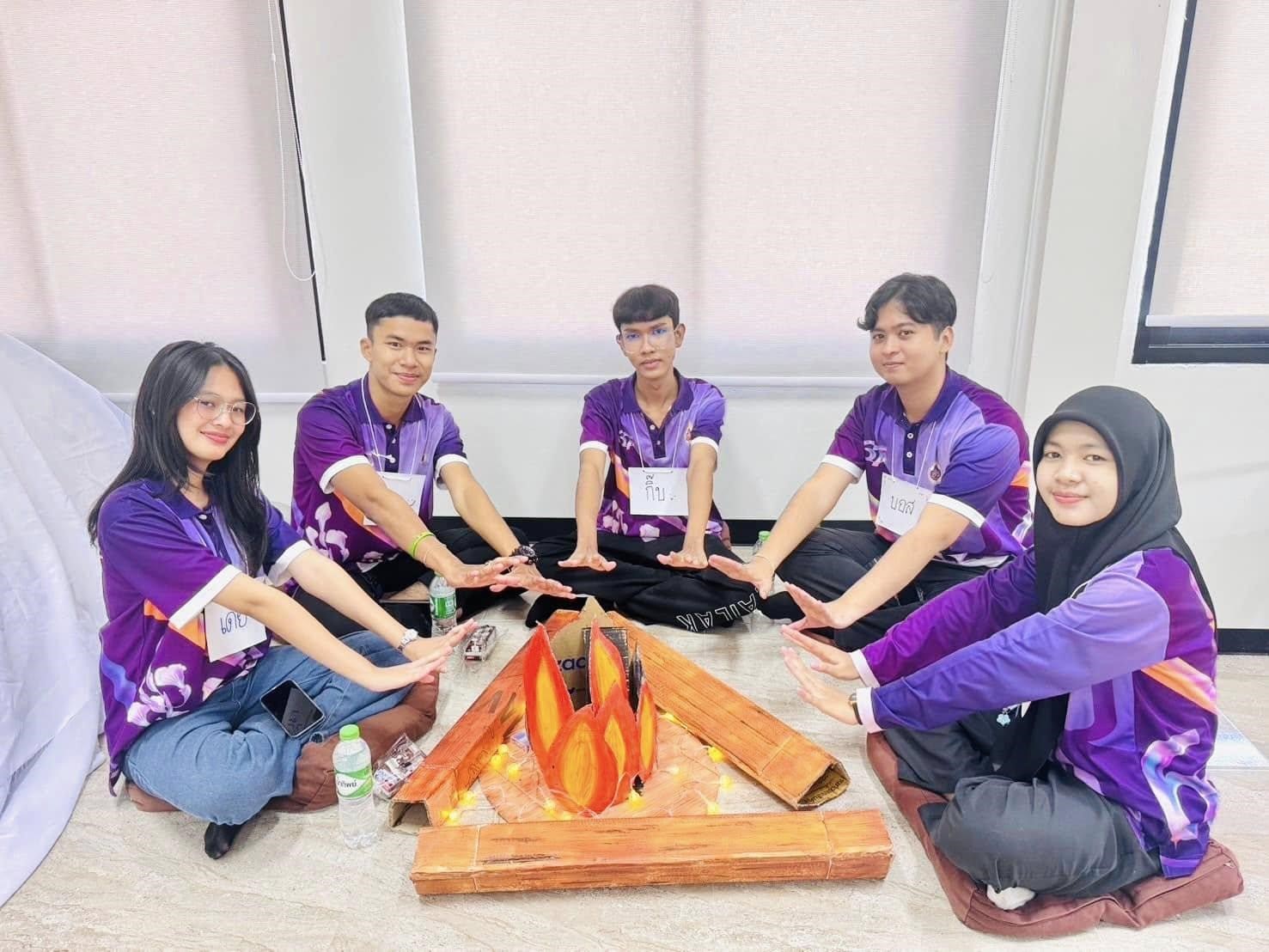
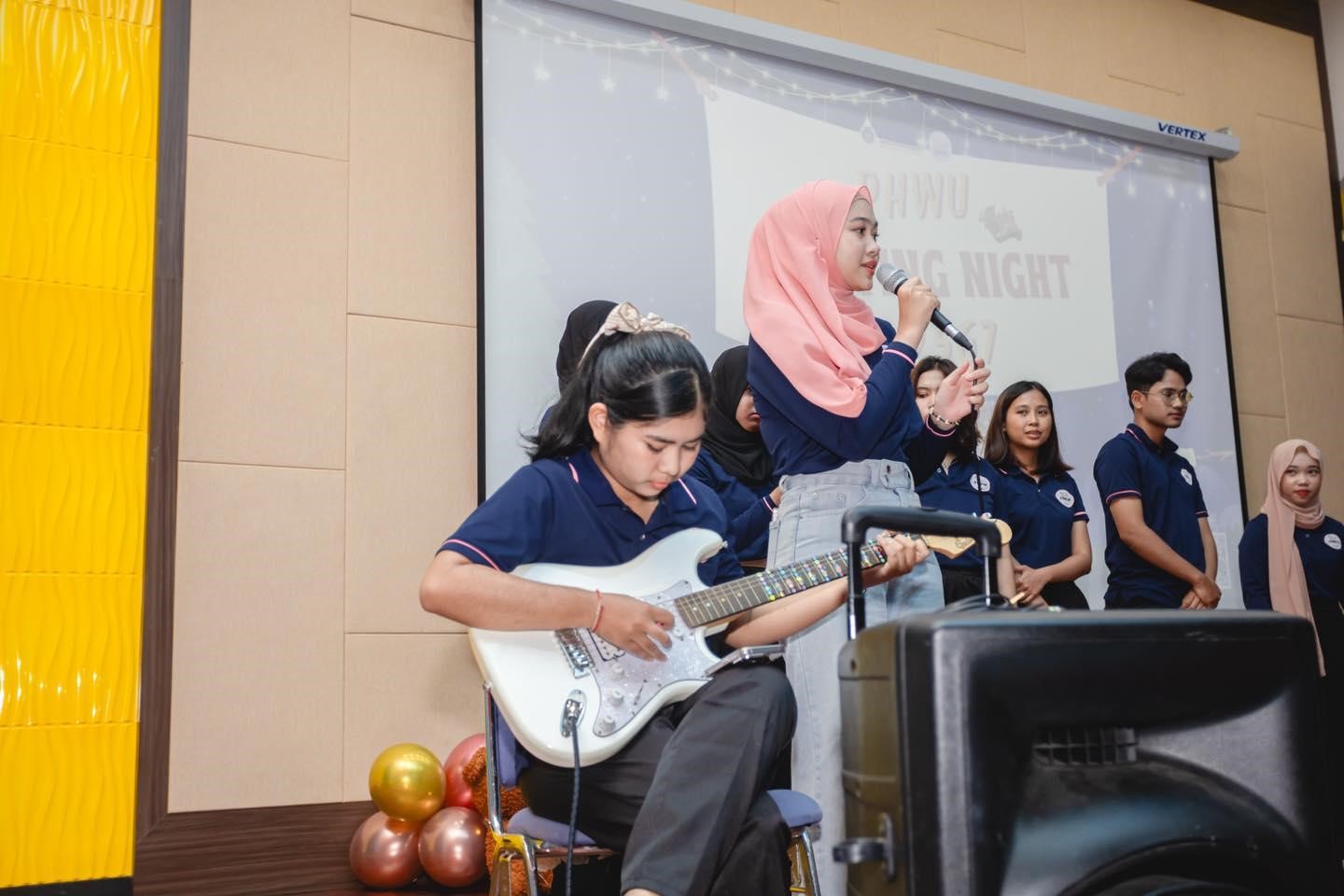
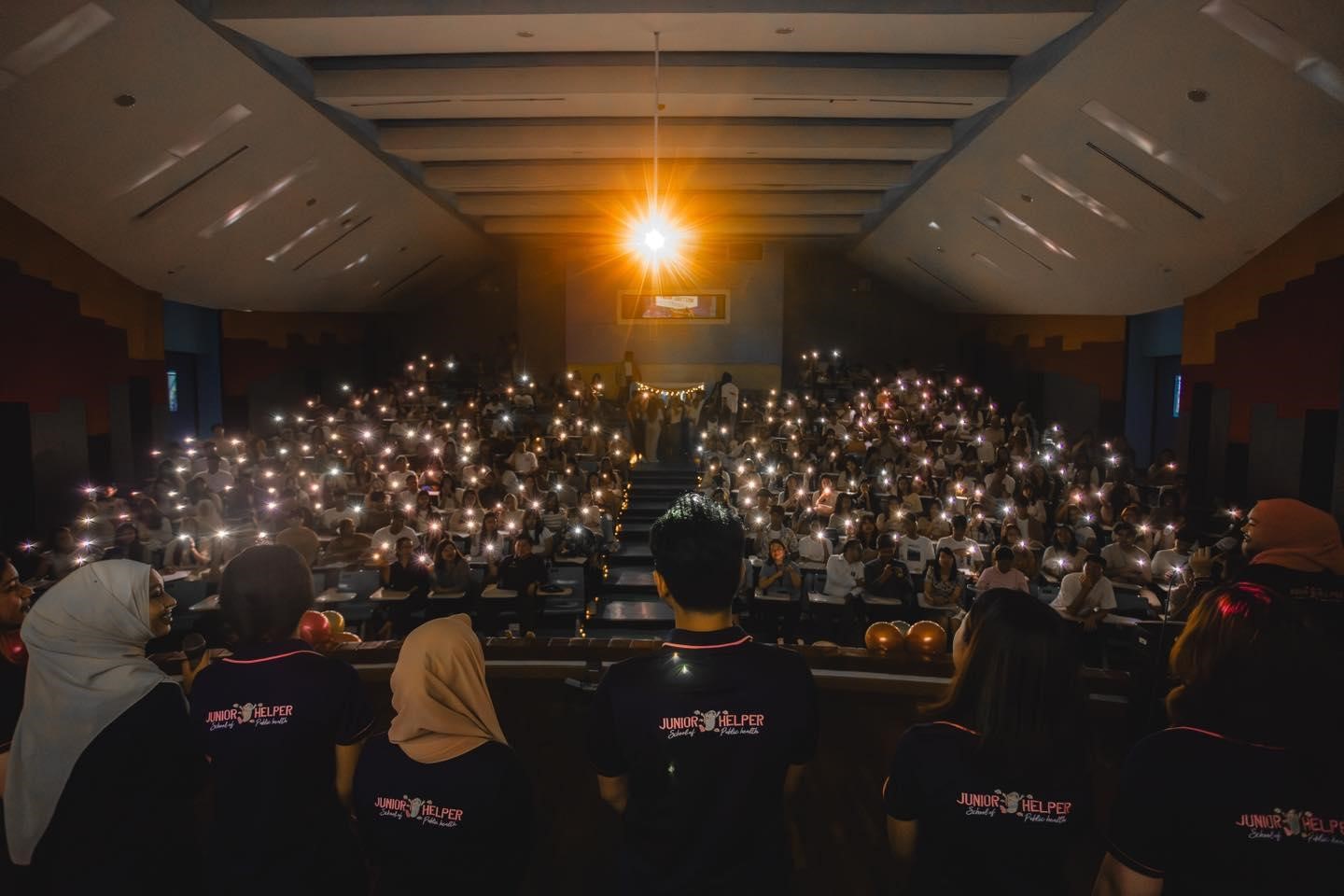
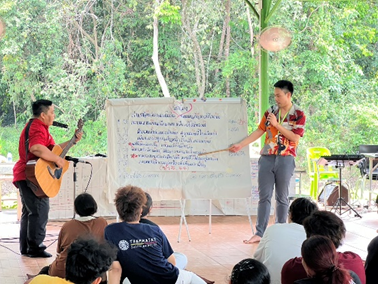
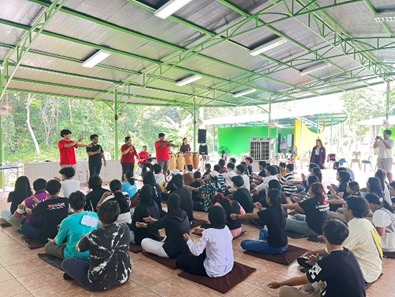
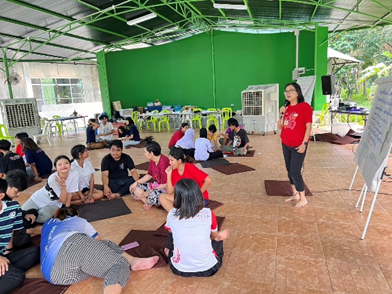
Junior Helper Training Activity
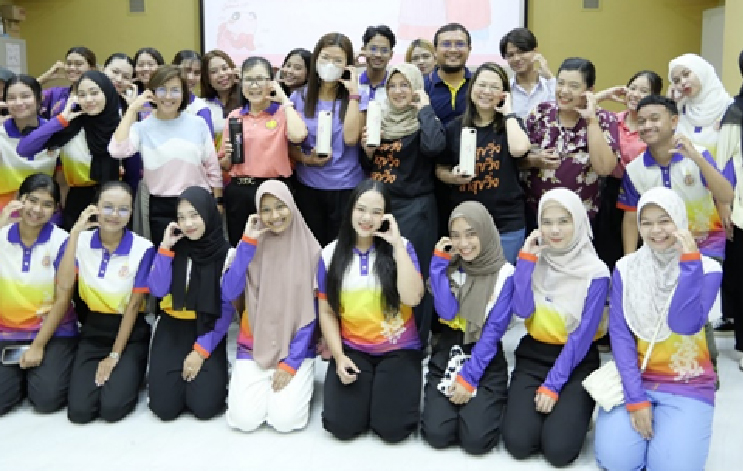
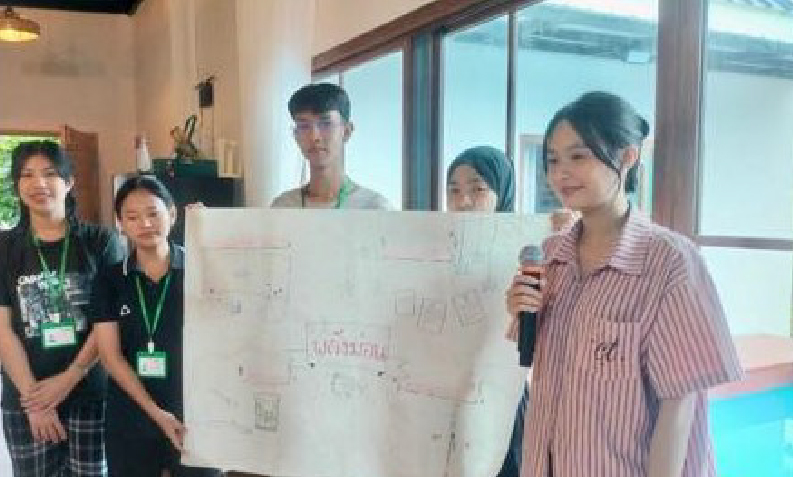
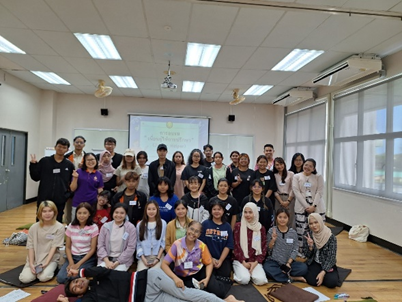
The School of Public Health organized the Junior Helper Training Activity, with a total of 224 participants.
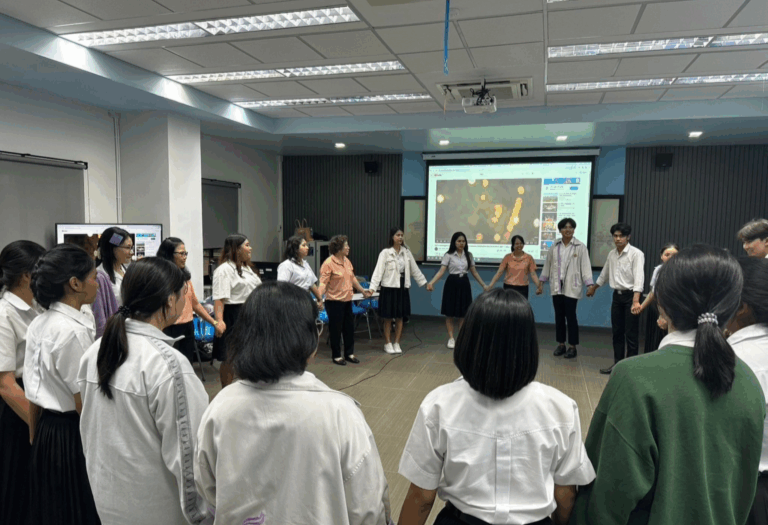
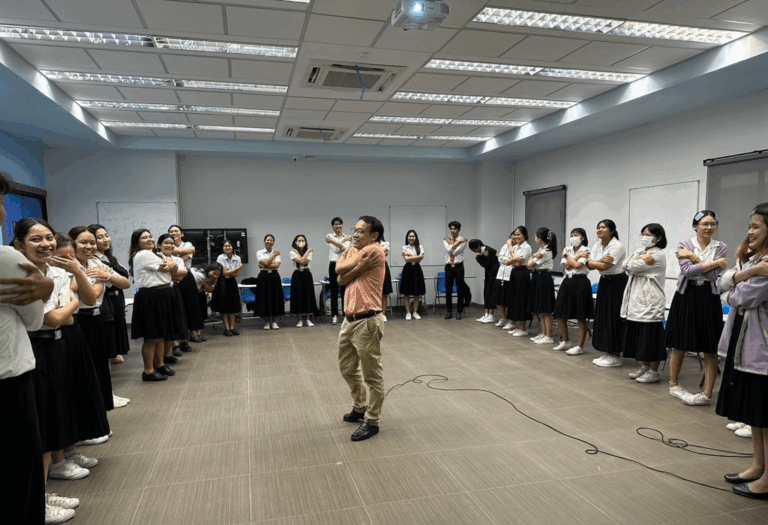
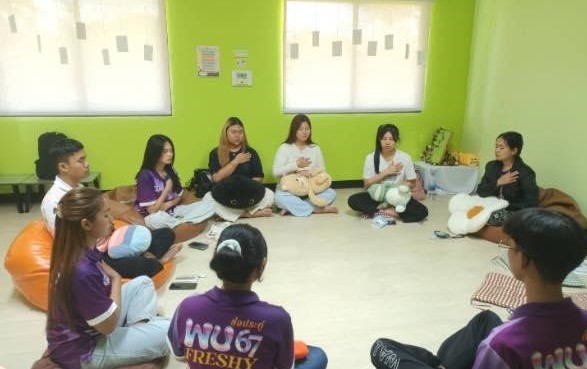
Figures : Junior Helper Training Activity
Capacity Building and Life Skills Development for Junior Helper Seminar
The seminar was organized on December 14-15, 2024 to foster closer connections and warm relationships among participants. Beyond developing skills, the seminar provided opportunities for open conversations, idea exchange, and strong friendship building to create a positive atmosphere filled with energy, mutual understanding, and a memorable sense of belonging.
Junior Helper Boost Energy: Change Your Mindset, Change Your Life
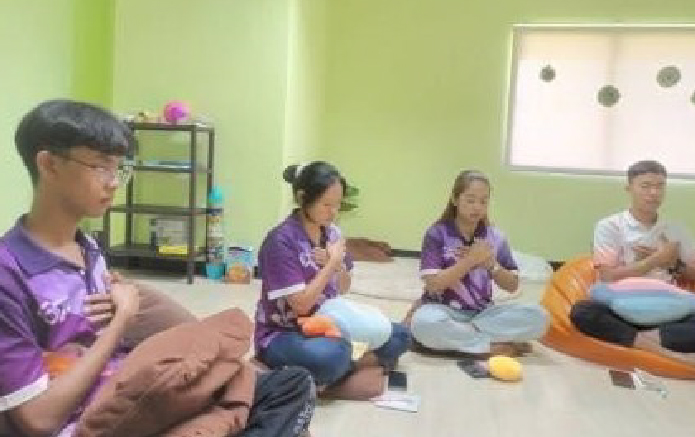
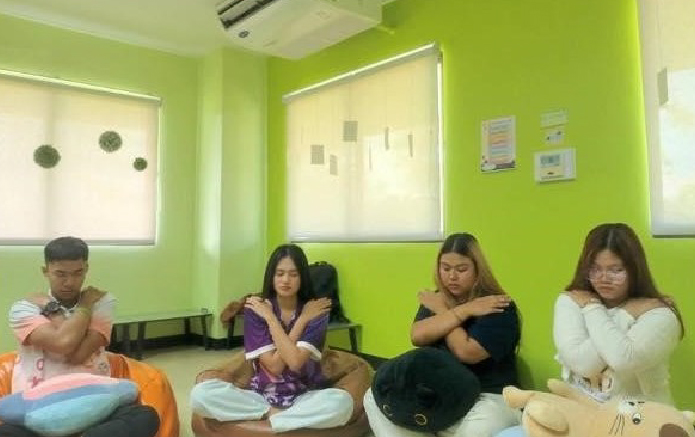
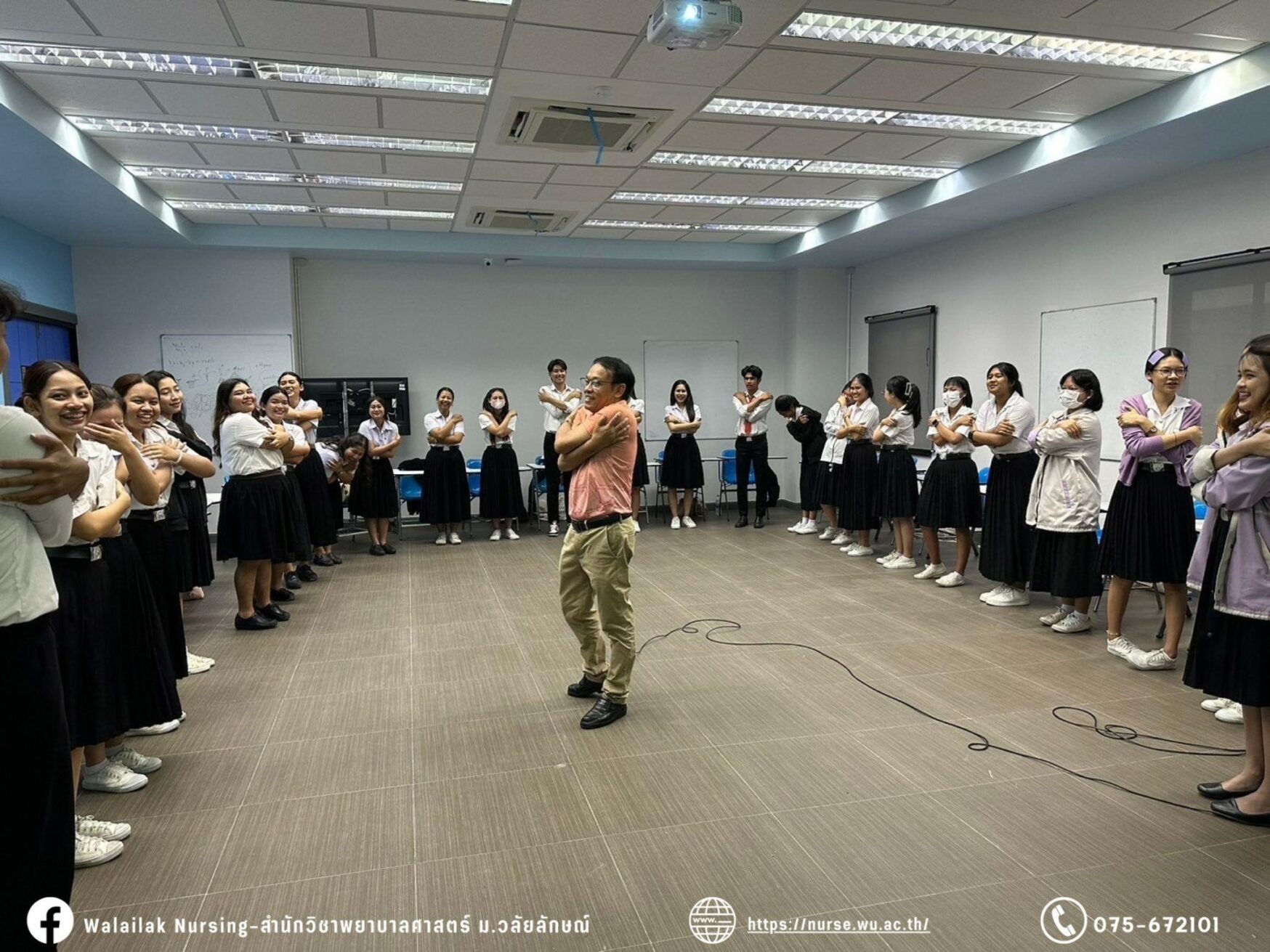
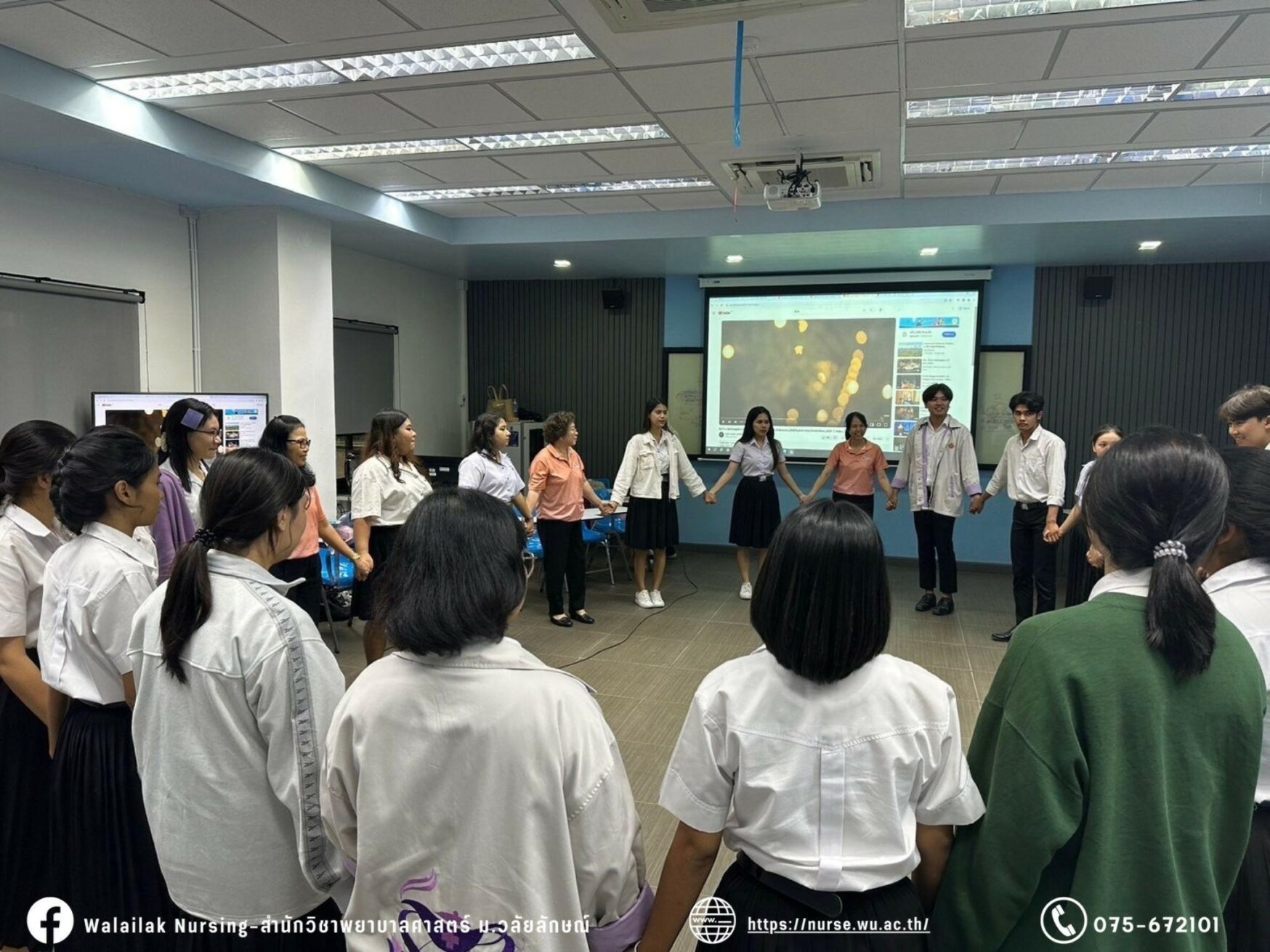
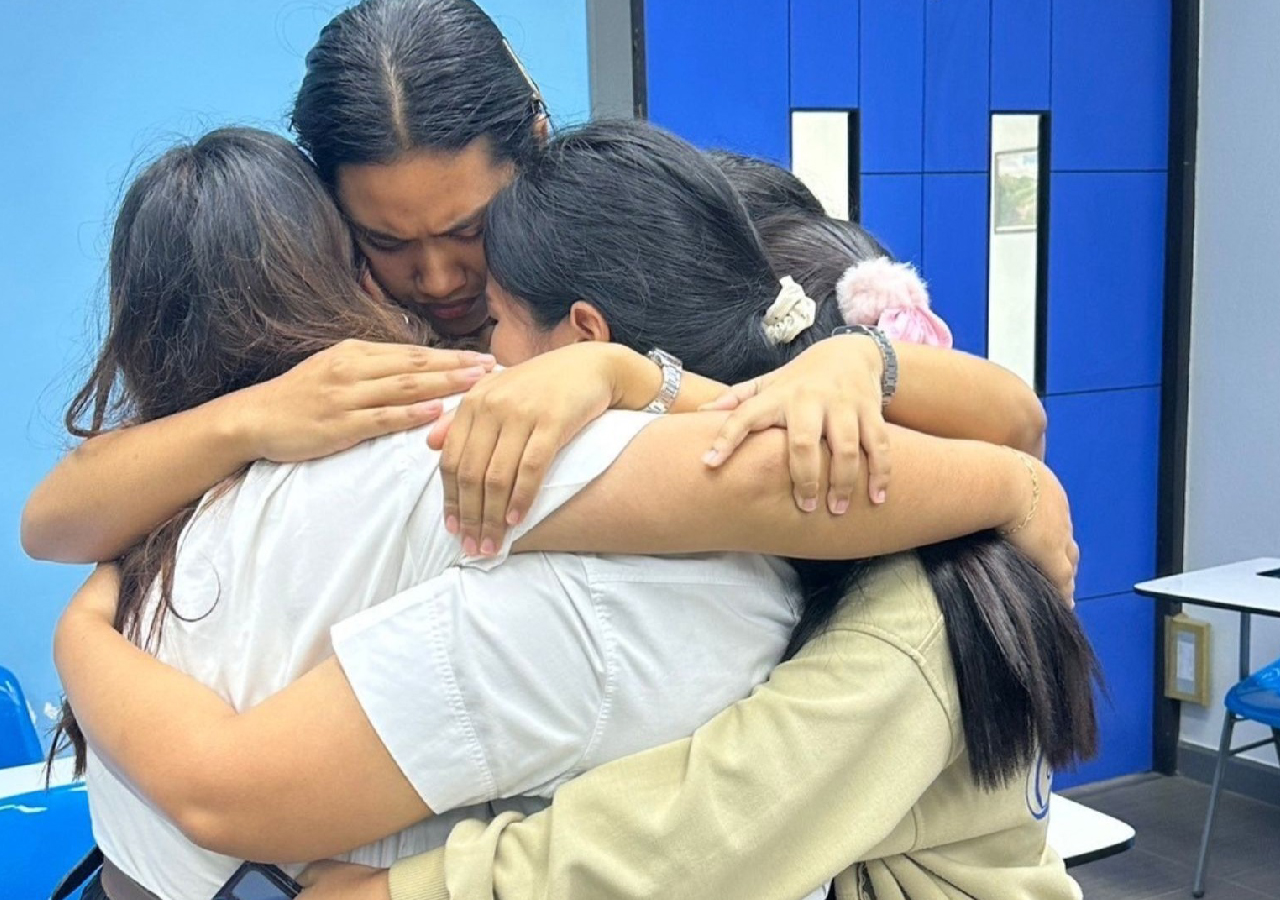
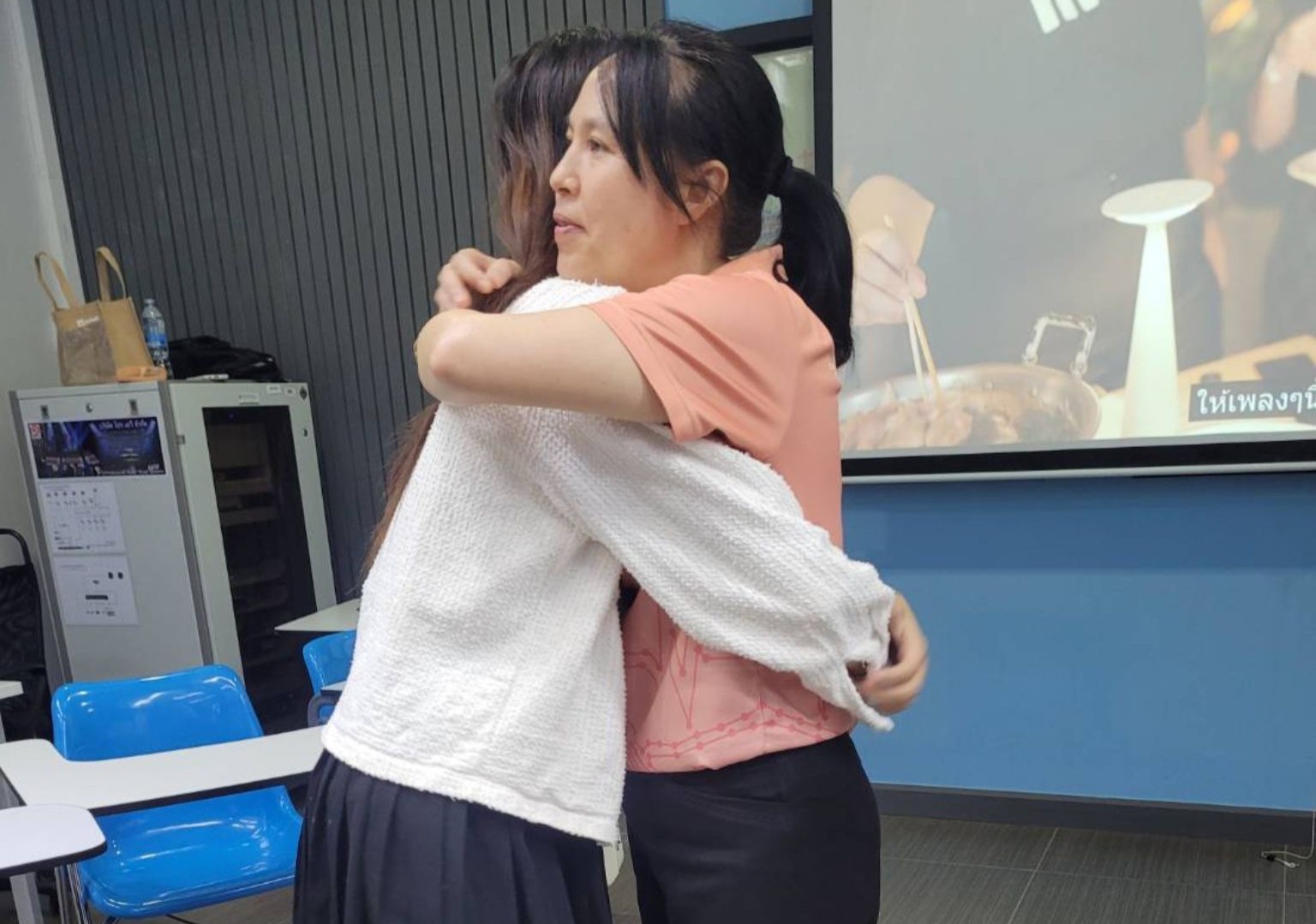
This activity was designed to promote relaxation and peace of mind through techniques such as the 8–4–8 breathing exercise, Butterfly Hug, and peer-to-peer sharing. Participants reported feeling better, more relaxed, and less stressed, as they were able to spend mindful time with themselves, meditate, and listen to others’ perspectives. The activity encouraged calmness, concentration, and self-understanding while relieving accumulated fatigue.
Junior Helper Boost Energy: “Goodness, Beauty, and Truth”
This activity focused on meditation and self-reflection, helping participants relax and reduce stress by disconnecting from external distractions. They practiced mindfulness, improved concentration, and gained deeper self-understanding while learning to let go. The activity aligned with the idea: “Stay with your present breath, and you will find true peace within your heart.”
Capacity Building and Skills Development for Junior Helper Gen 3
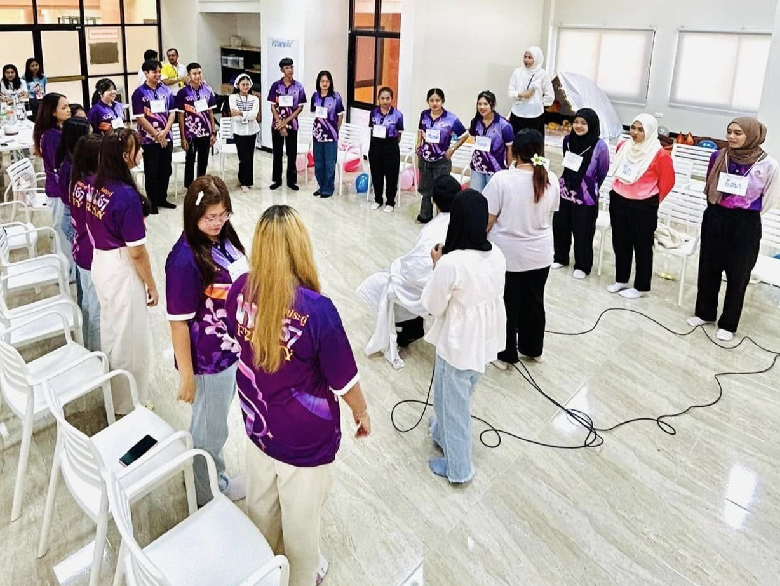
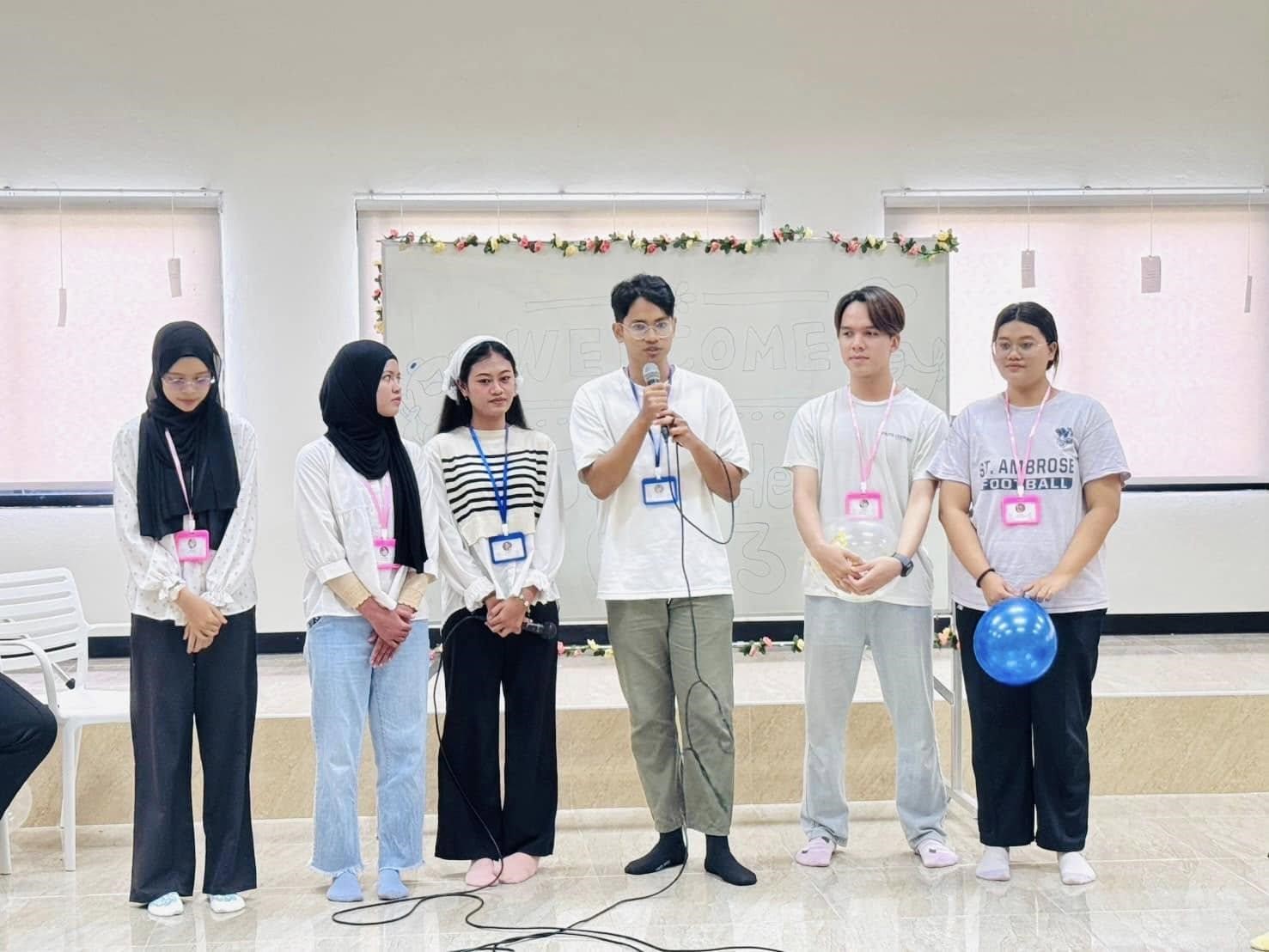
The Junior Helper Gen 3 activity was held to strengthen the readiness of the third cohort of peer supporters in active listening and encouragement. The program was divided into two parts:
Morning session: Ice-breaking activities that helped seniors, juniors, and peers bond, while also encouraging self-awareness and personal reflection.
Afternoon session: Training on the Iceberg Model to understand others’ reasons, emotions, and perspectives. Participants practiced non-judgmental listening, self-reflection, decision-making, and analyzing personal goals and feelings.
“You Will Never Be Alone” with the Junior Helper Team
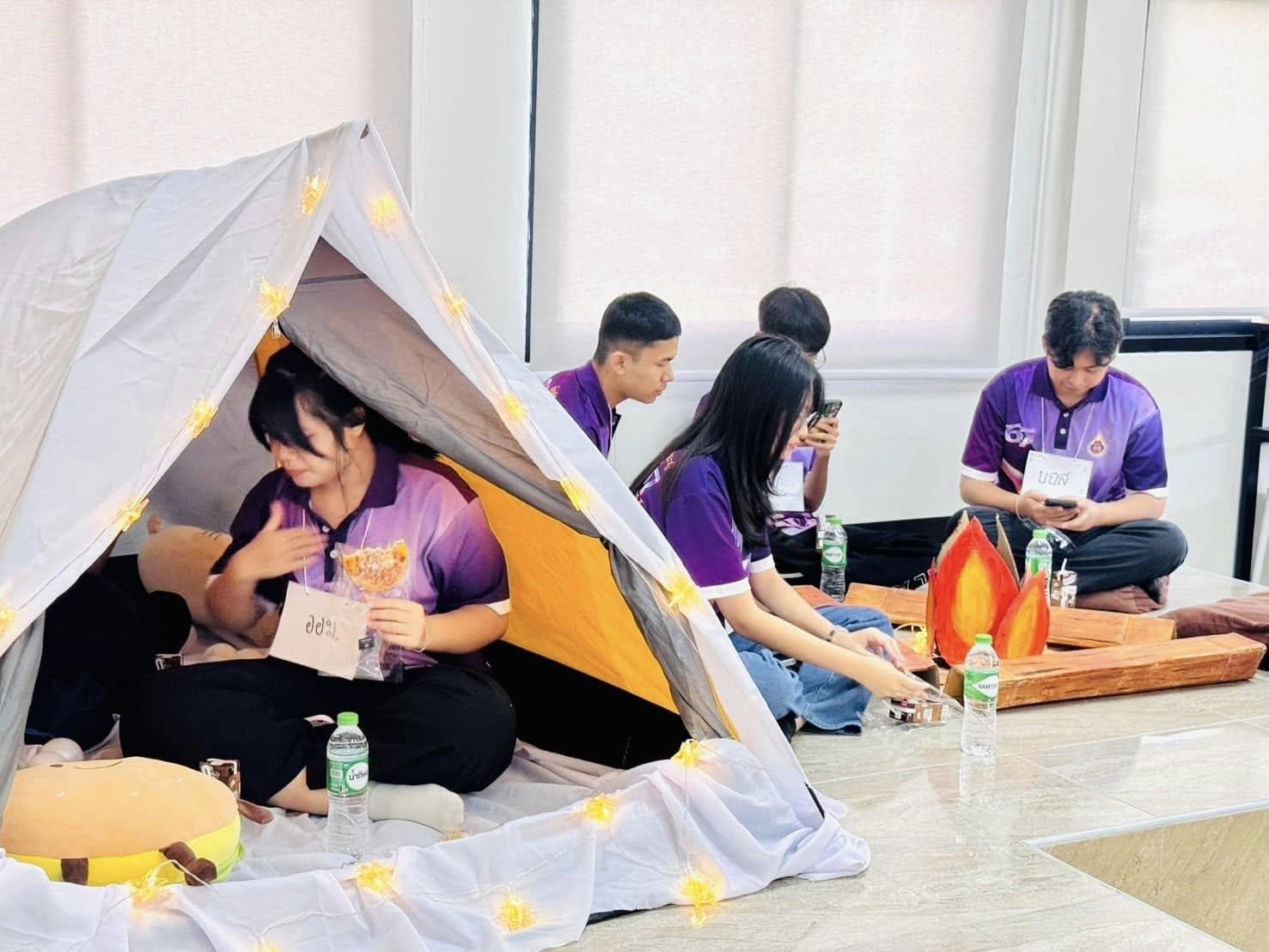
This activity aimed to create a warm and supportive atmosphere, emphasizing that no one should face challenges alone. Through fun, interactive, and uplifting activities, participants built friendships, empathy, and positive energy. The program not only provided comfort and stress relief but also reinforced the importance of listening, sharing, and standing together—reflecting the true spirit of the Junior Helper community.
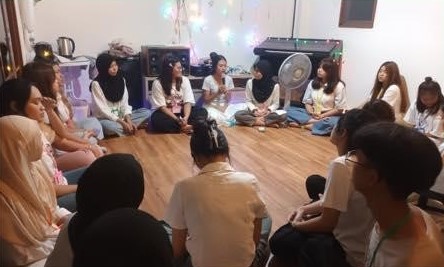
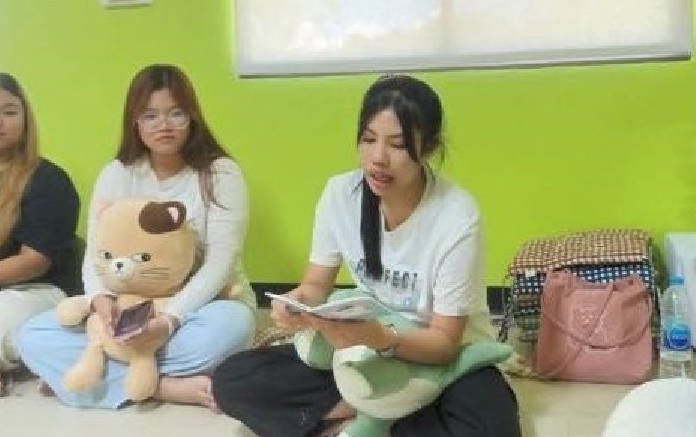
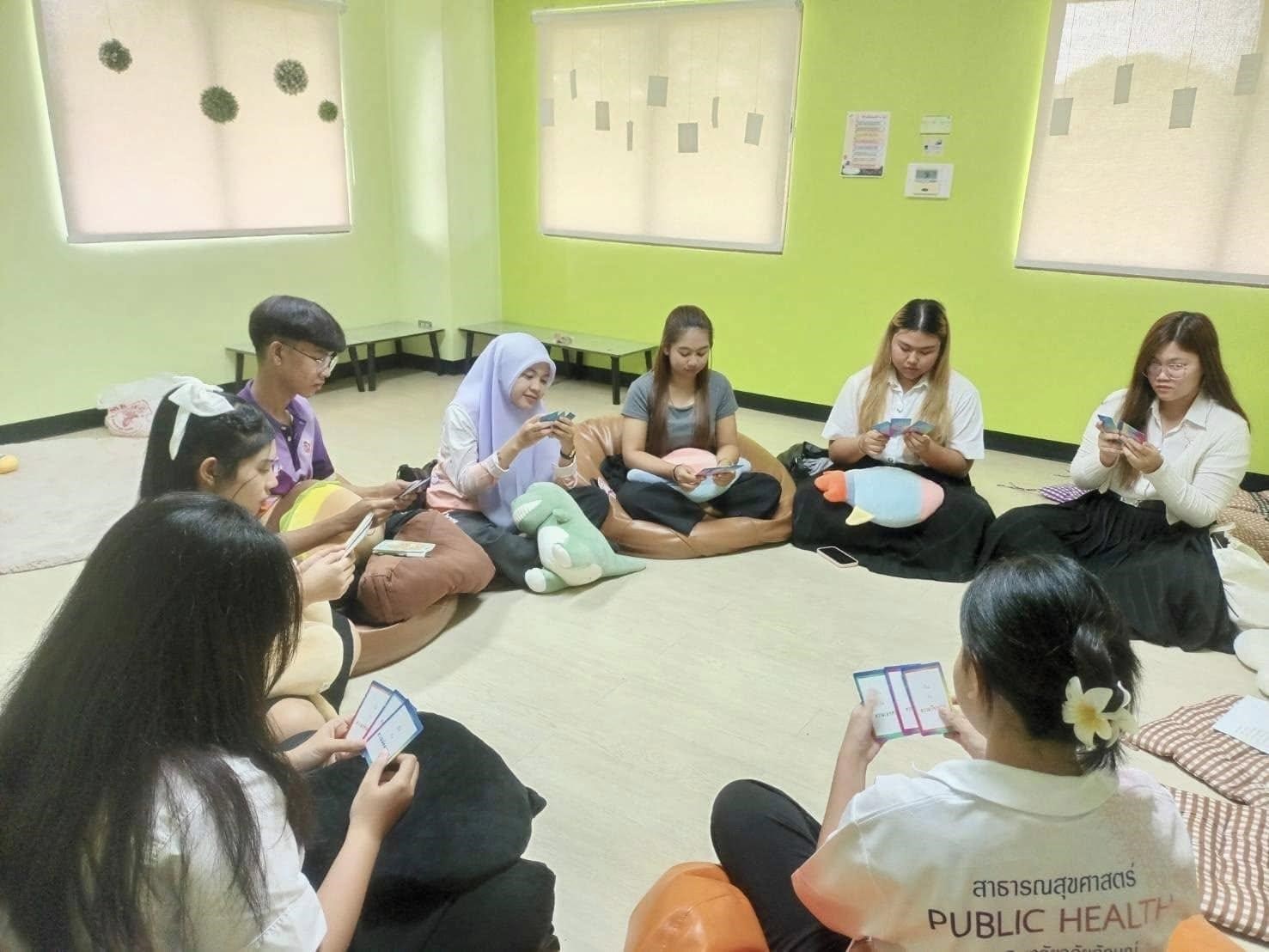
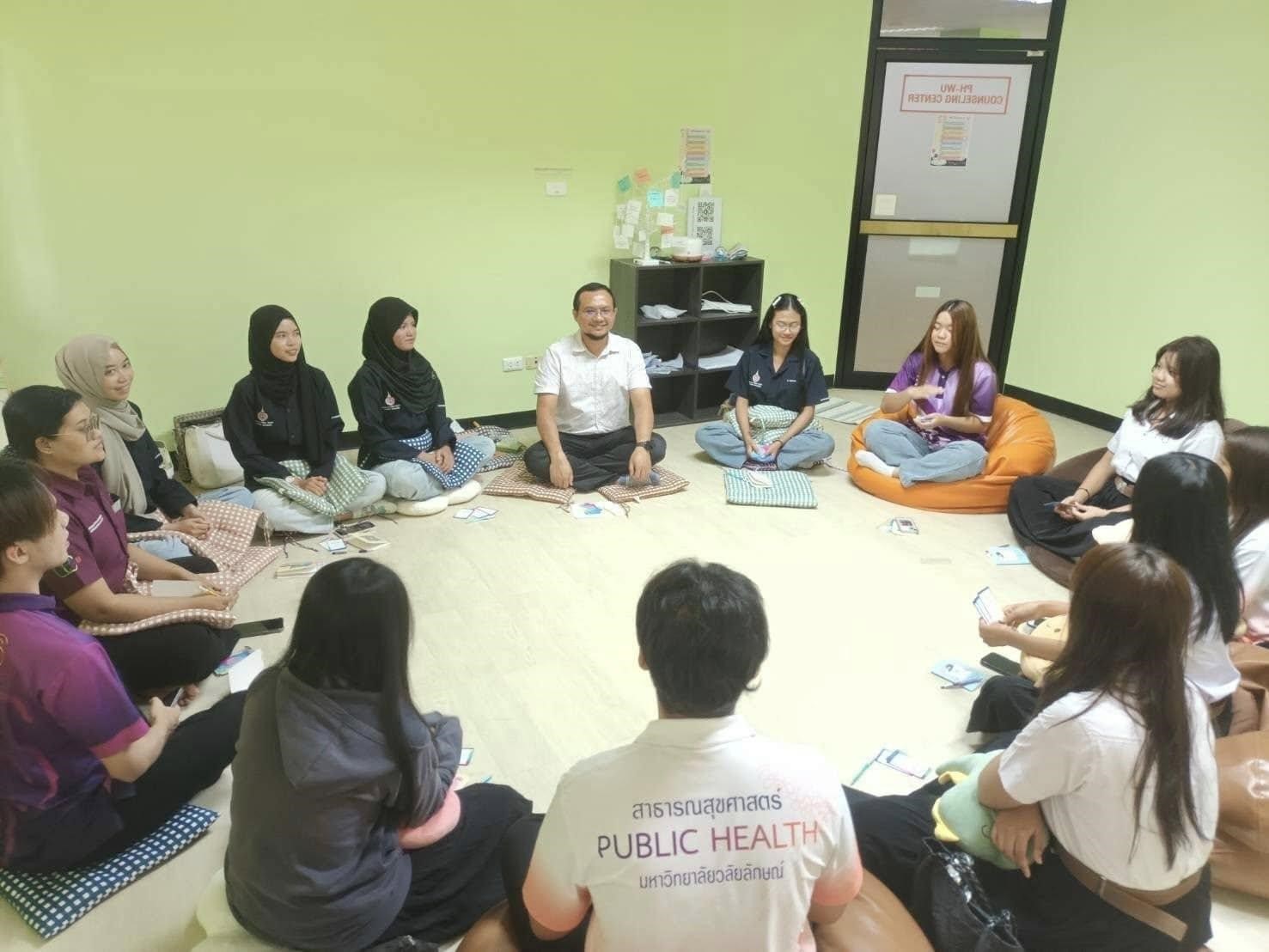
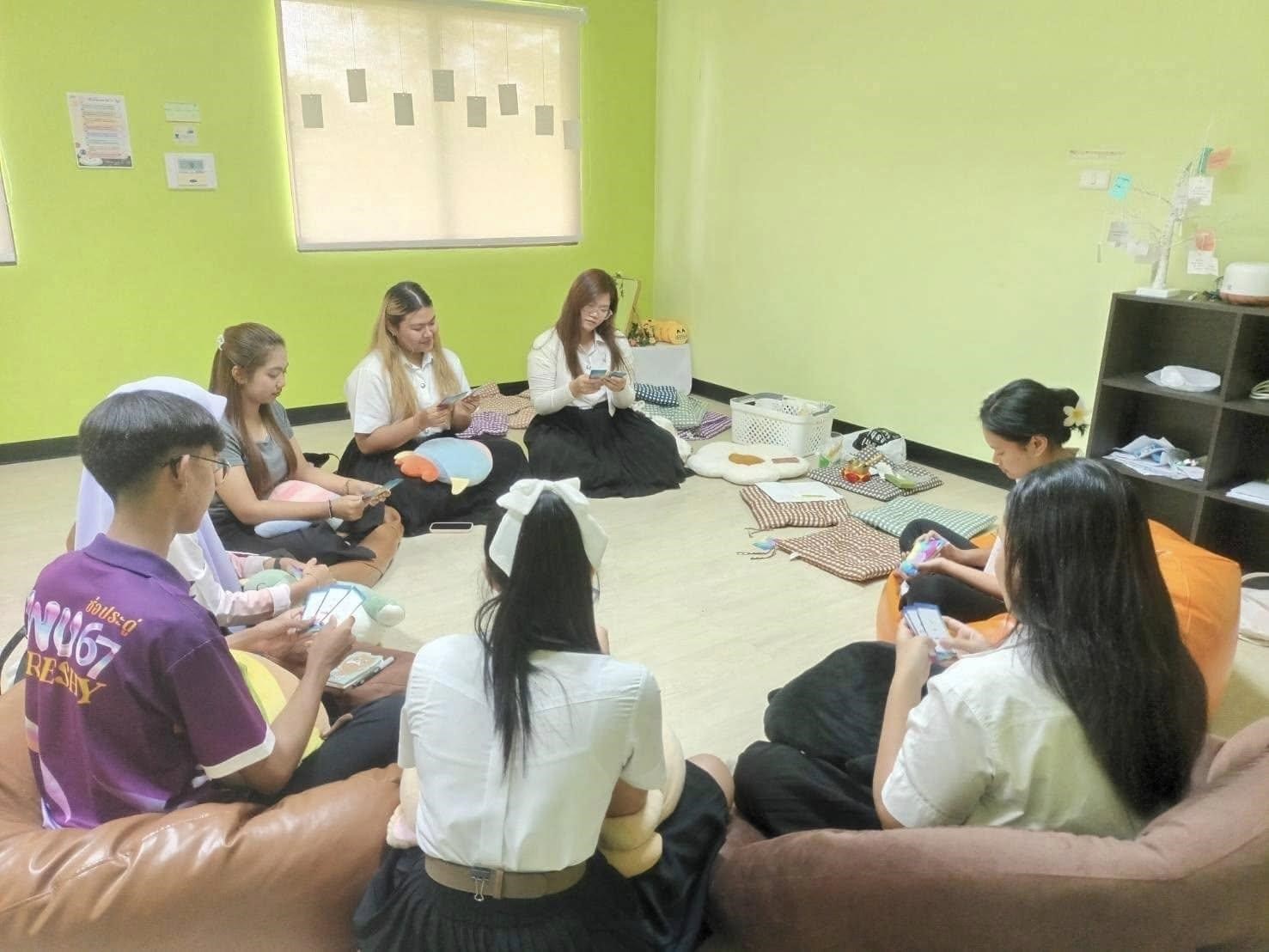
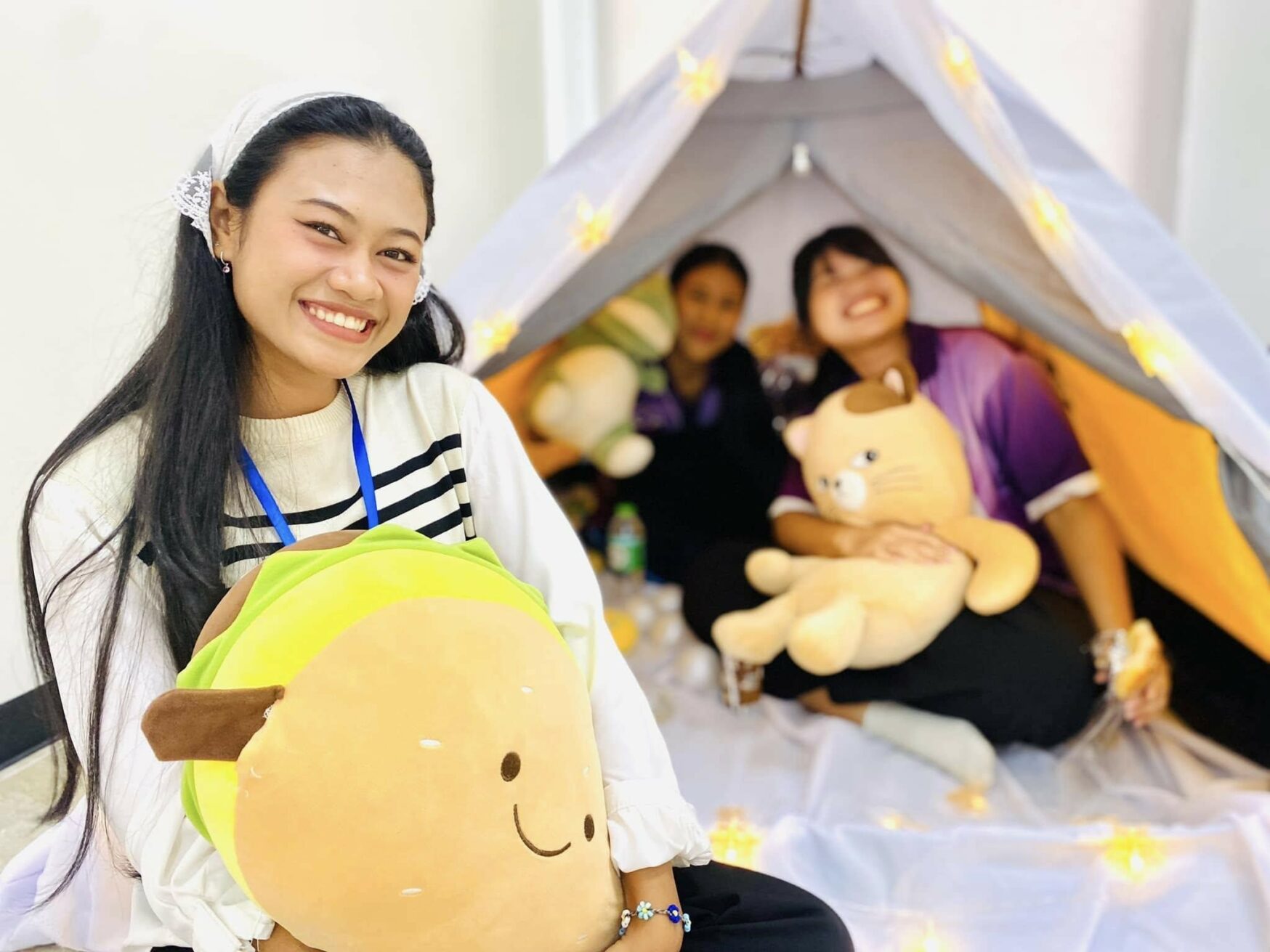
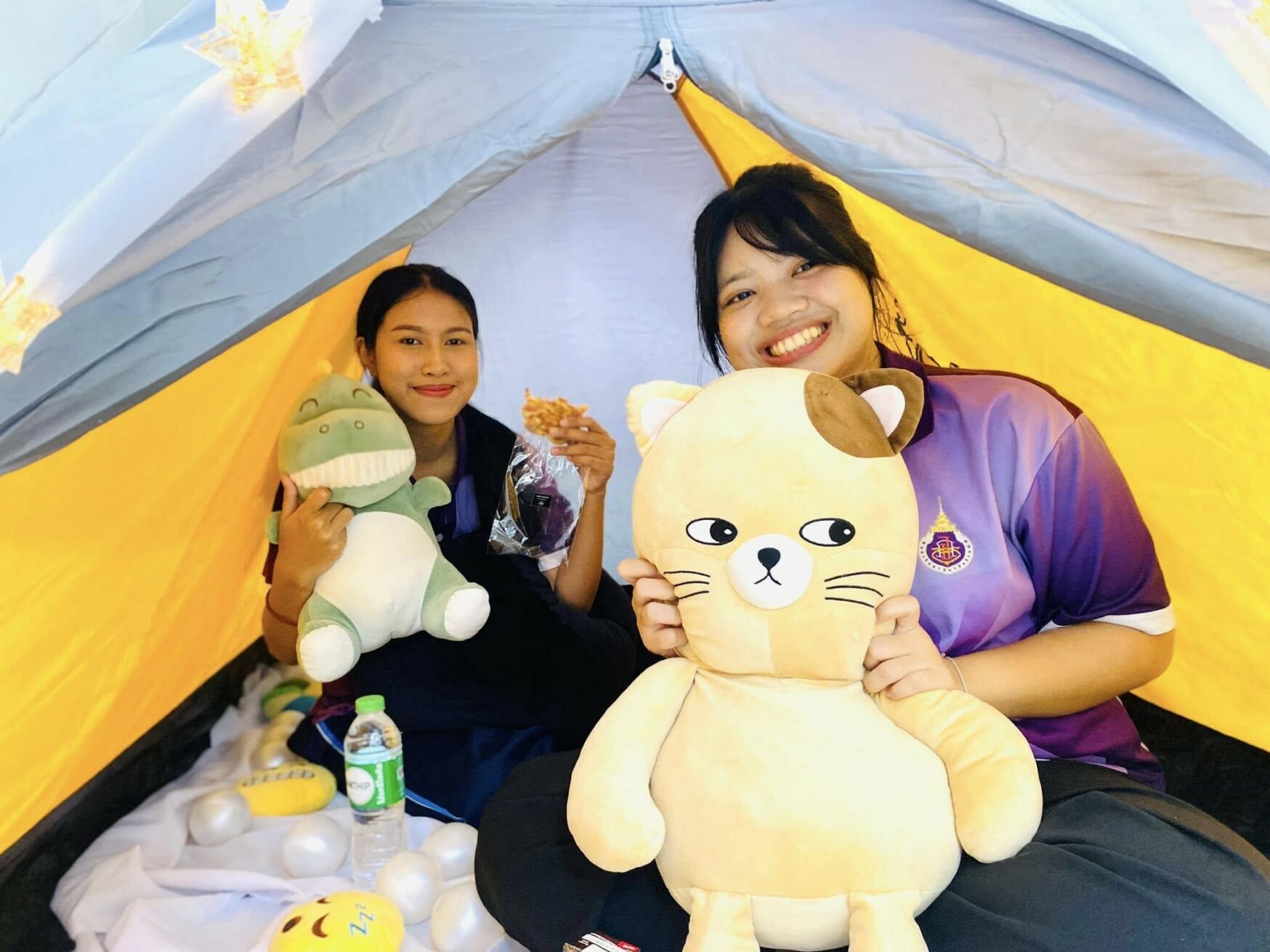
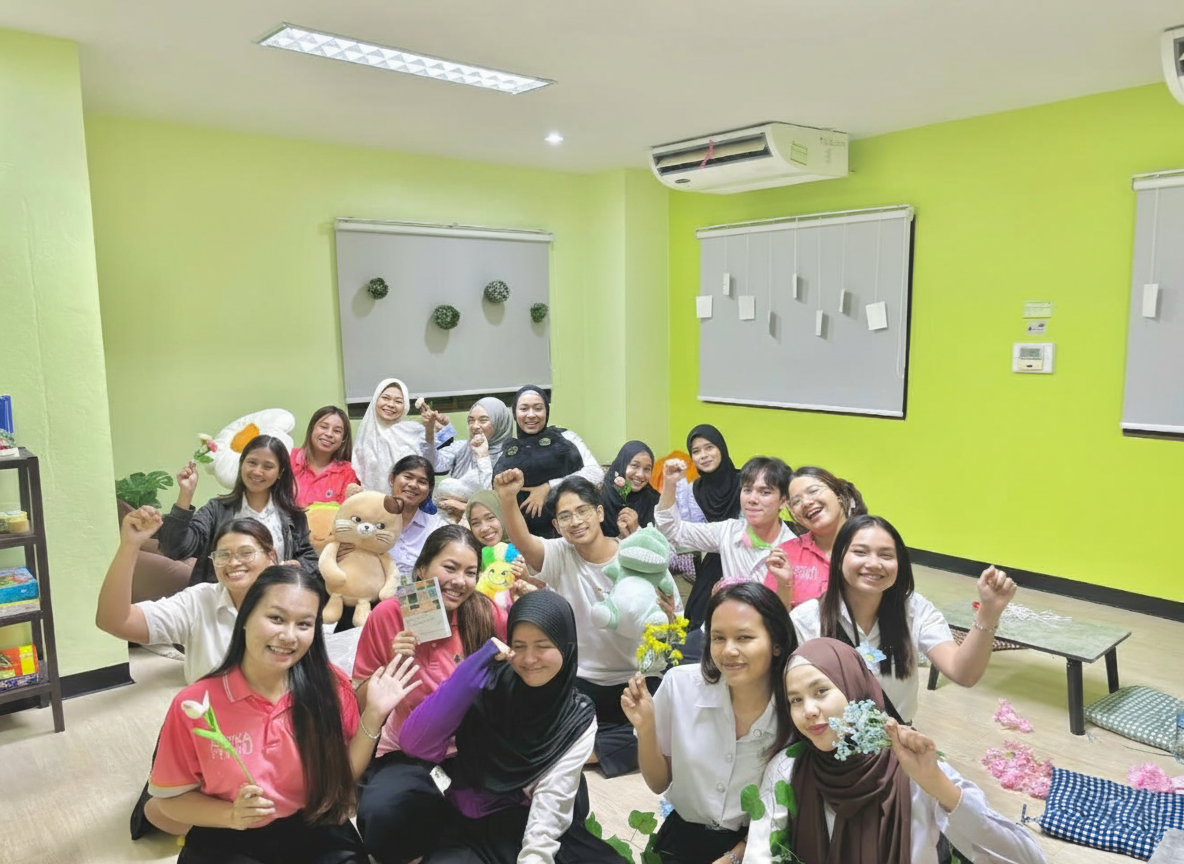
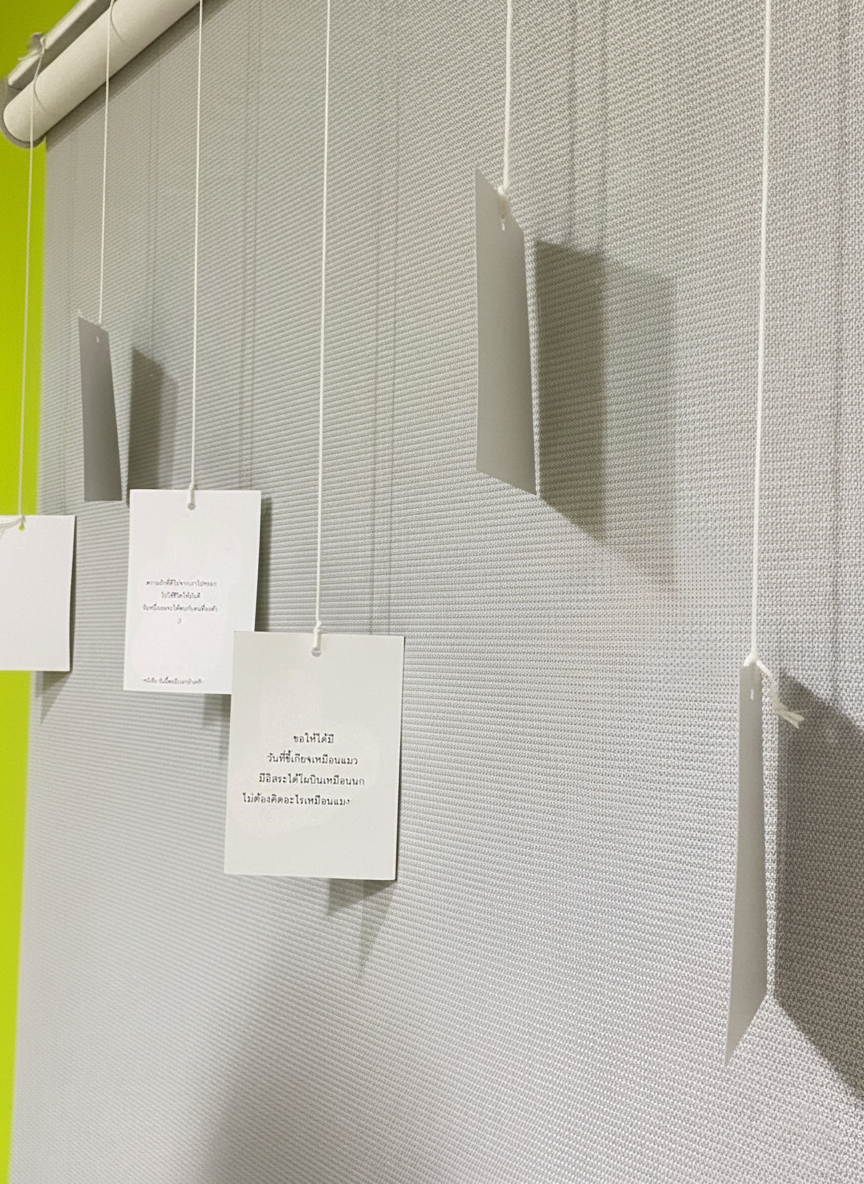
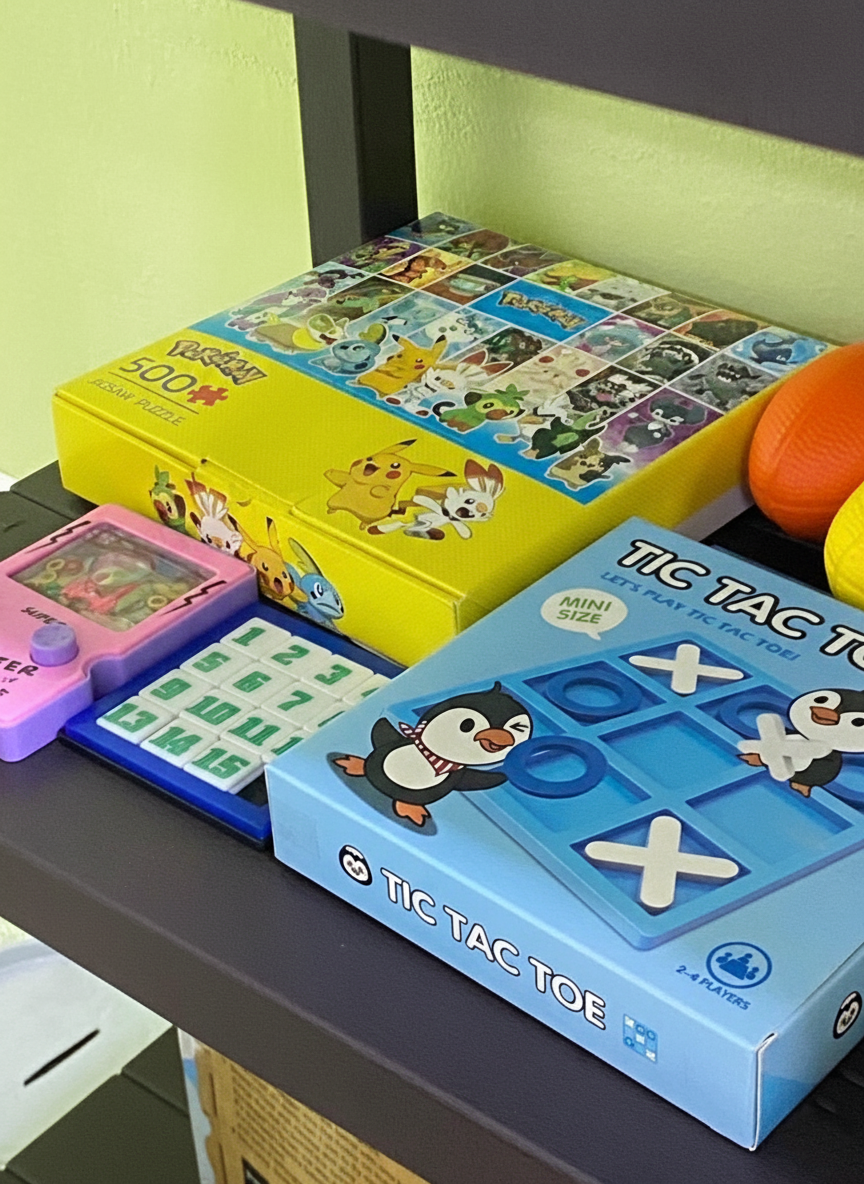
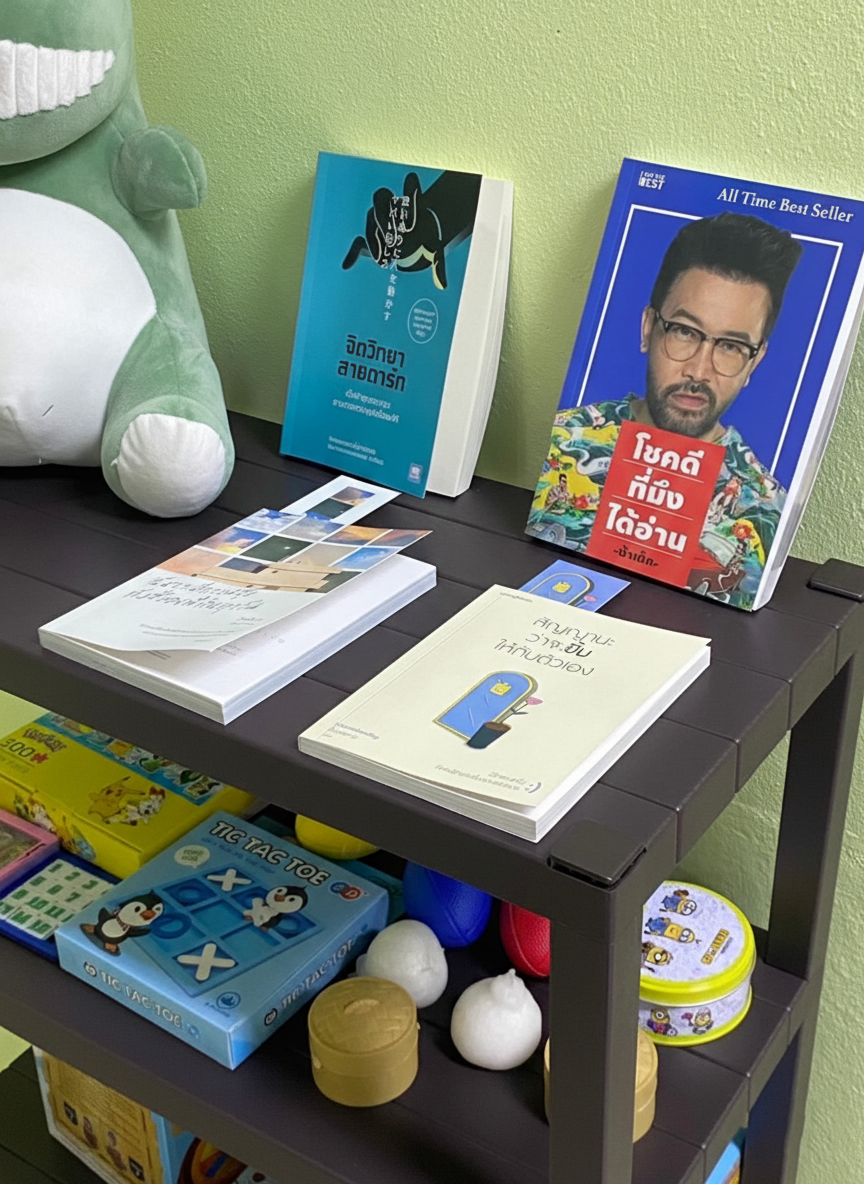
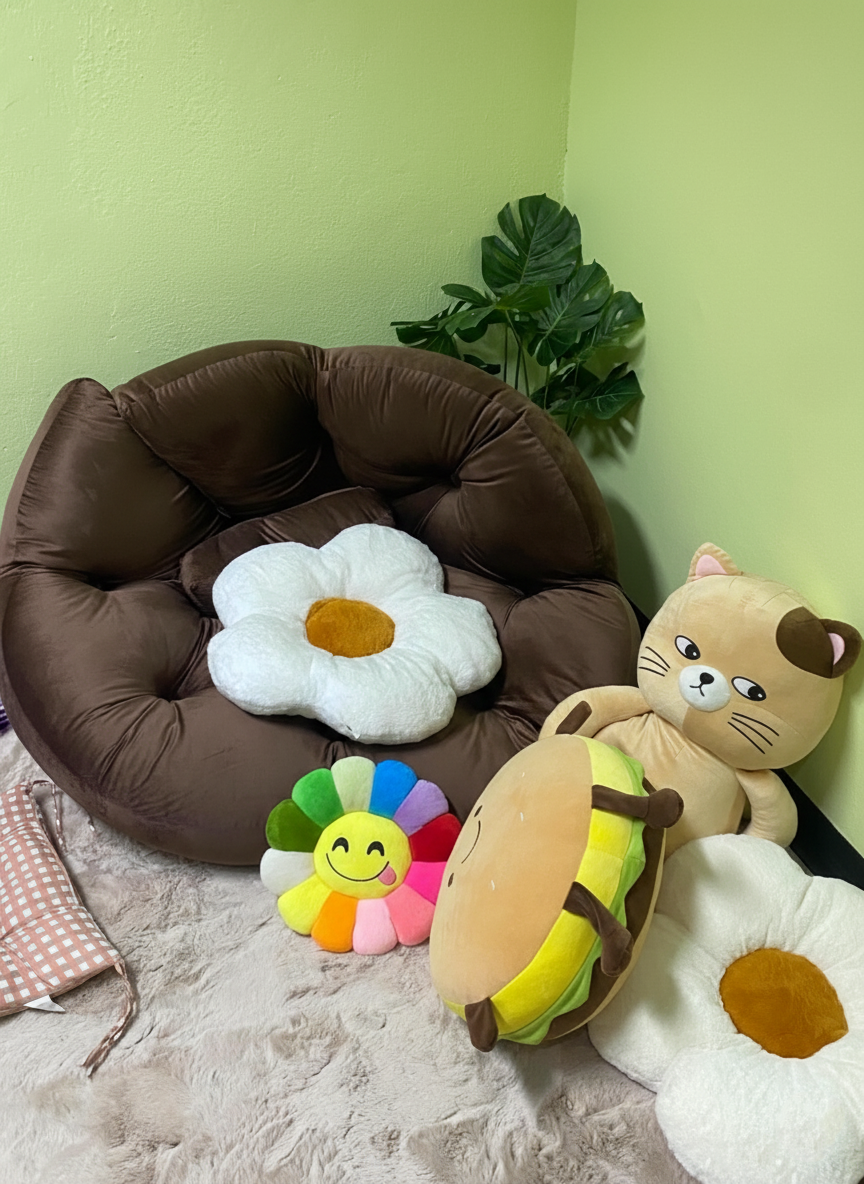
On June 17, 2024, the PHWU Mind Space Power Room was opened on the 2nd floor of Academic Building 8, School of Public Health. The room provides a safe and relaxing space for students to take care of their mental well-being. It includes areas for reading, gaming, photography, inspirational cards, teddy bears for comfort, and art therapy displays—encouraging mindfulness, stress relief, and emotional recovery.
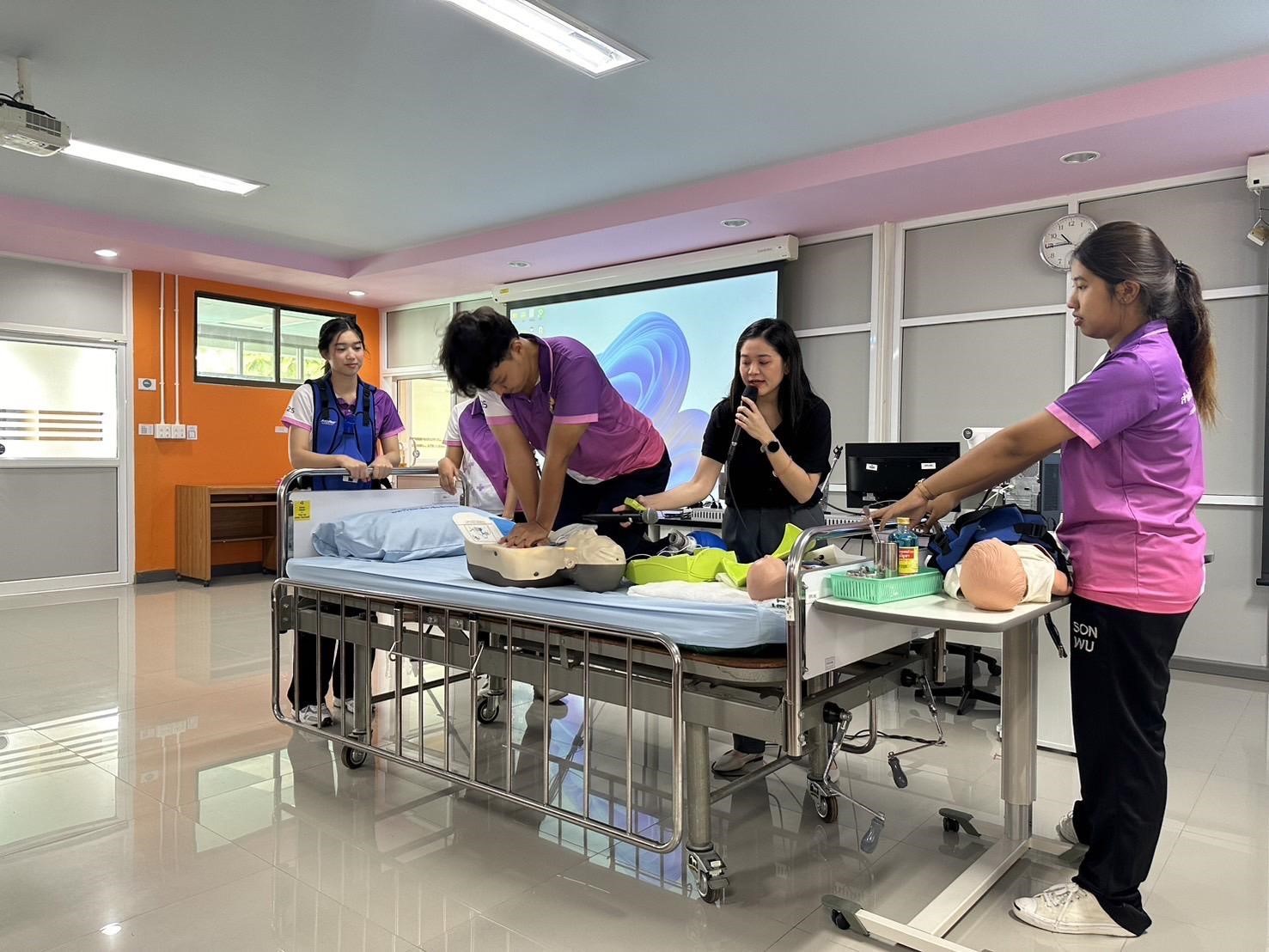
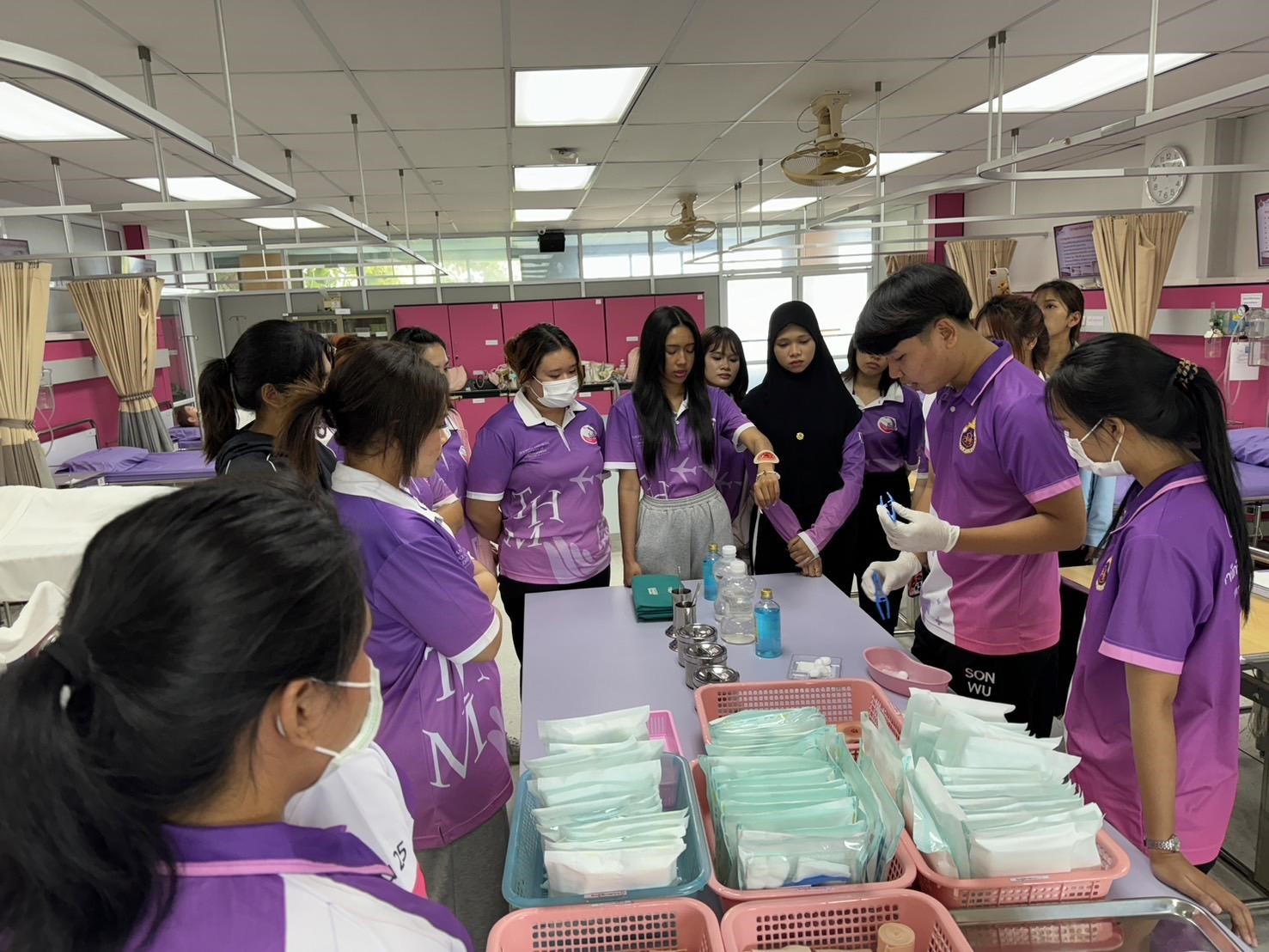
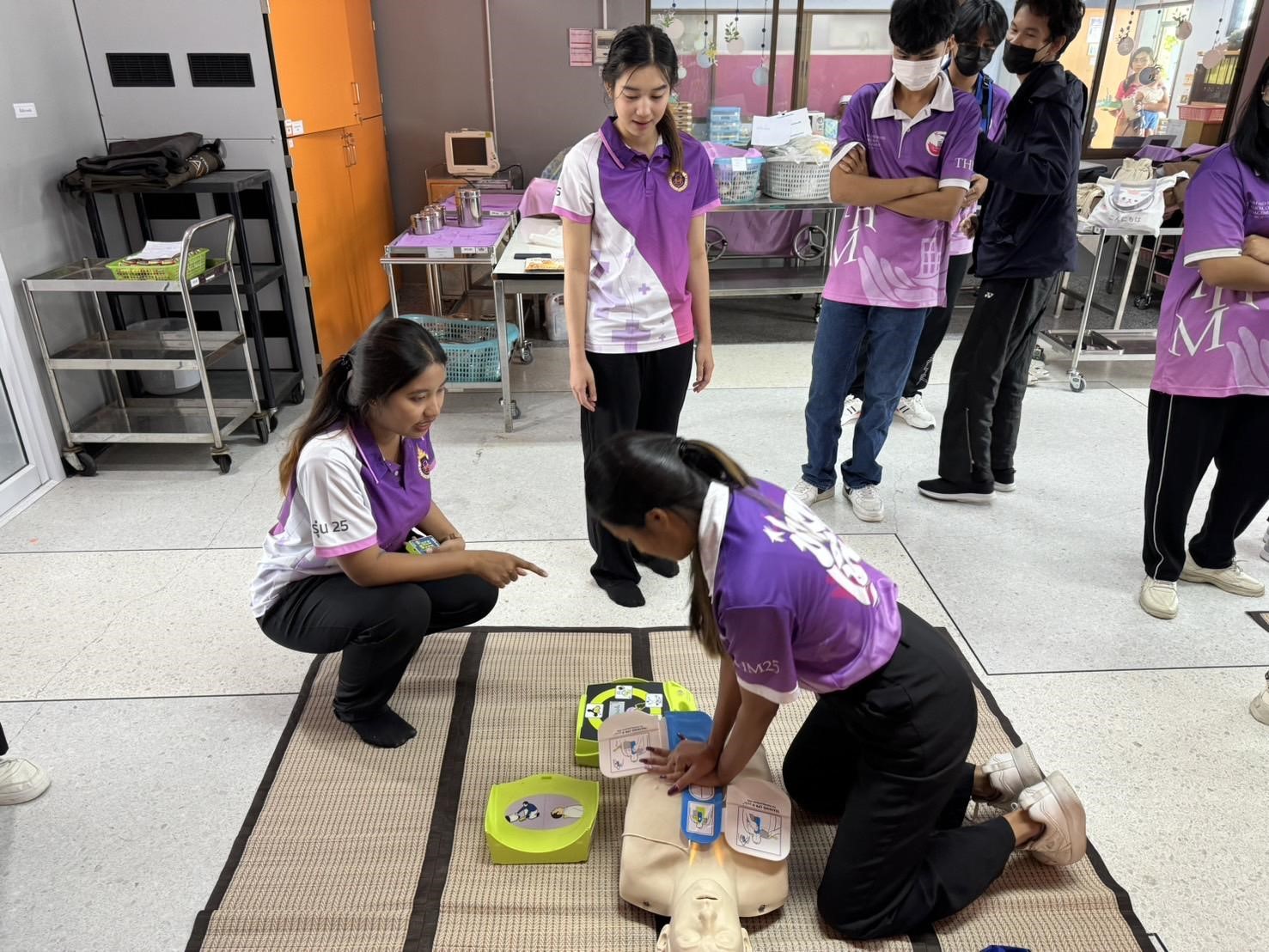
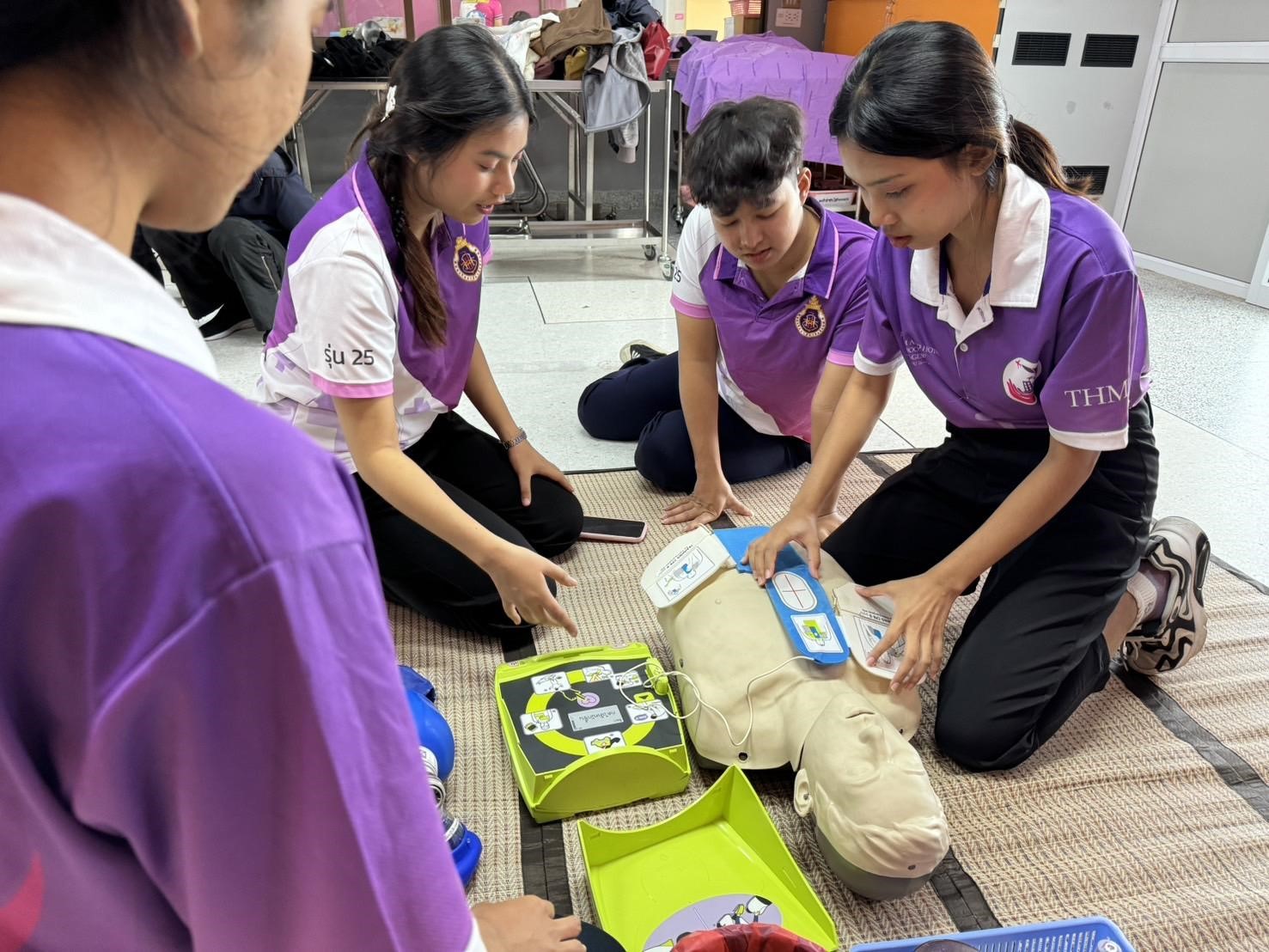
First Aid Training under Junior Master Trainer and Junior Helper Leadership
Volunteer nursing students, led by Junior Master Trainers and Junior Helpers, participated in a first aid training session. The activity not only strengthened bonds among students from different schools but also allowed leaders to systematically transfer knowledge and skills in the spirit of “friends helping friends.”
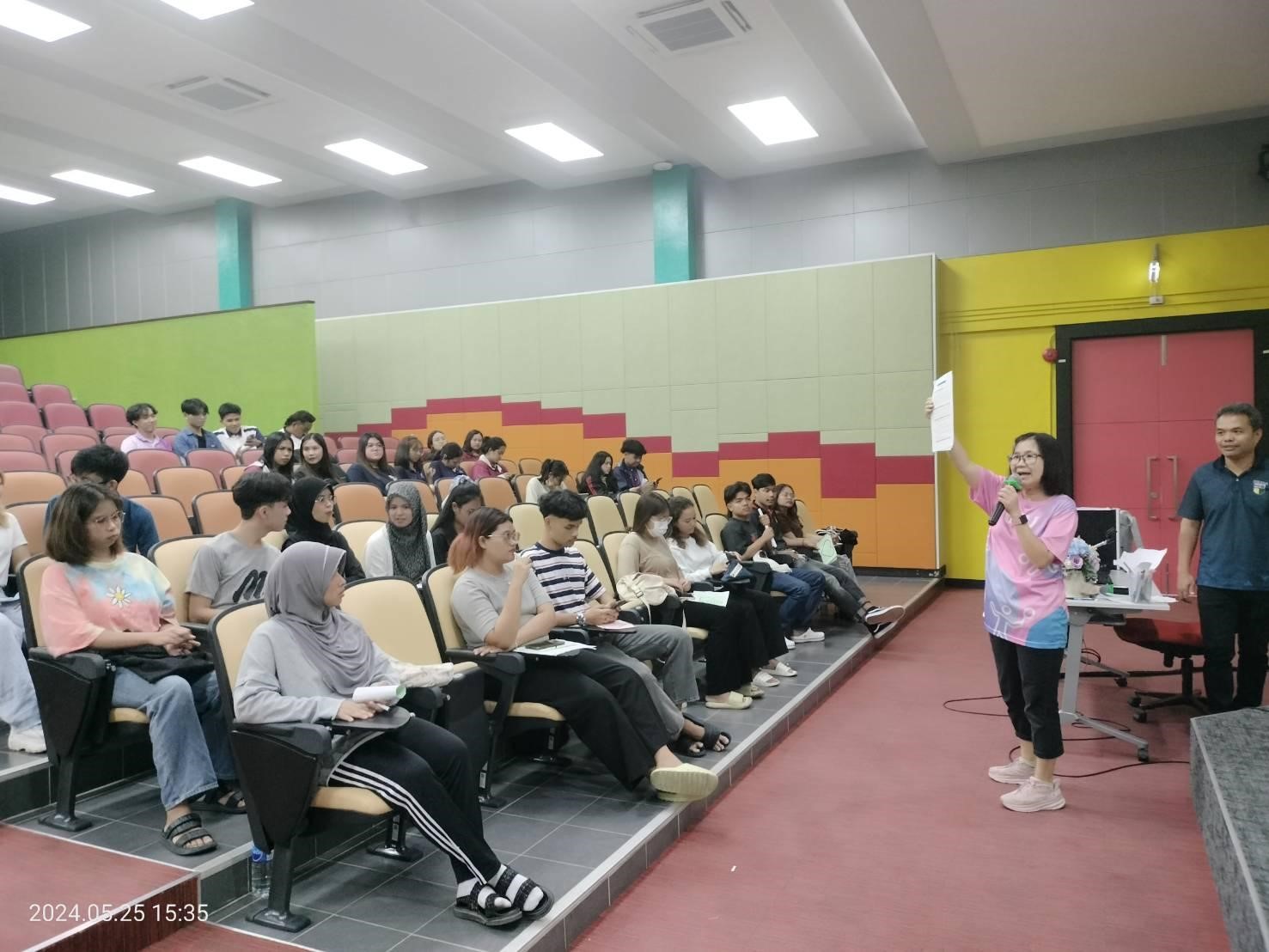
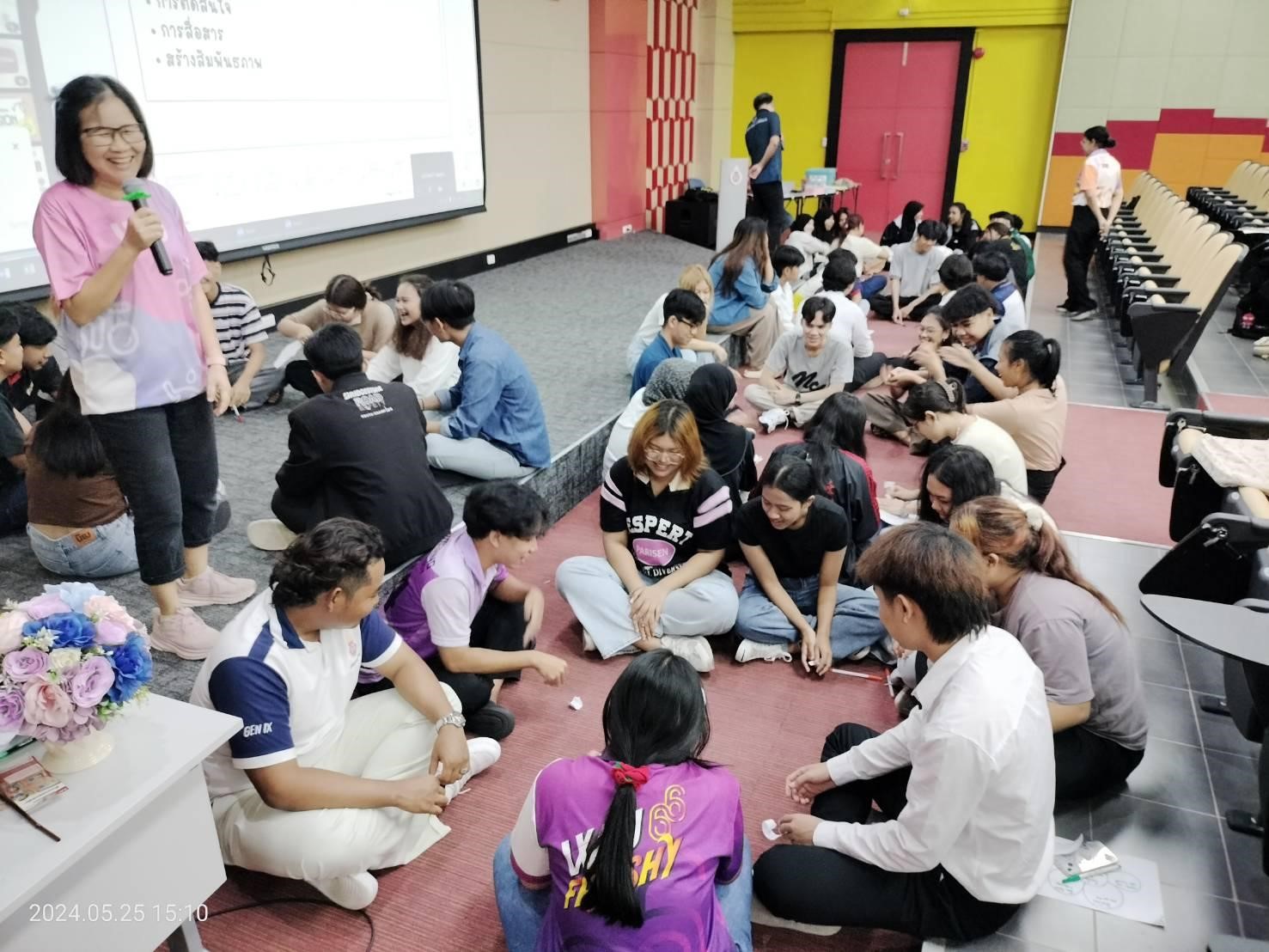
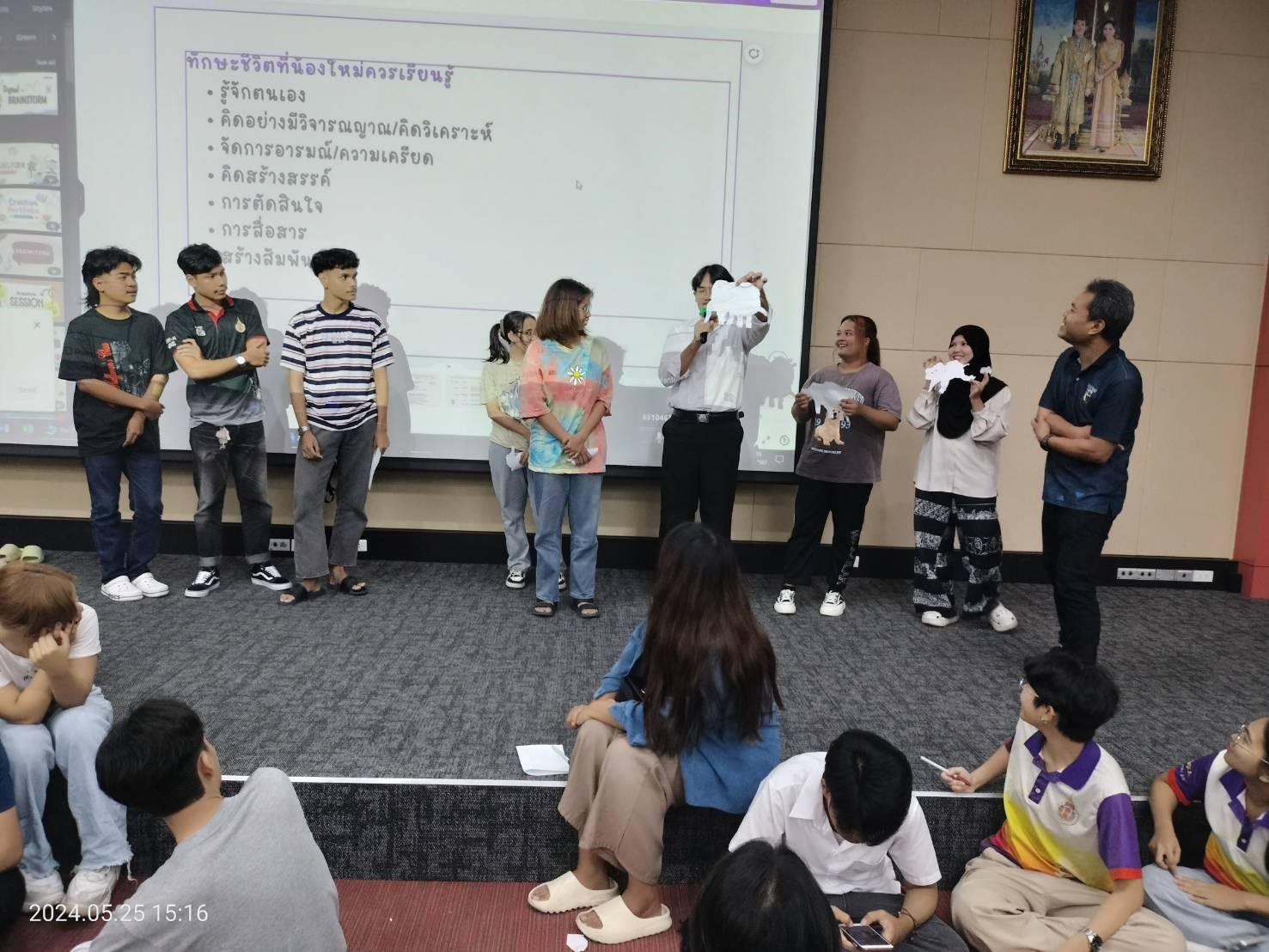
Life Skills and Walk Rally Team: Facilitator Training
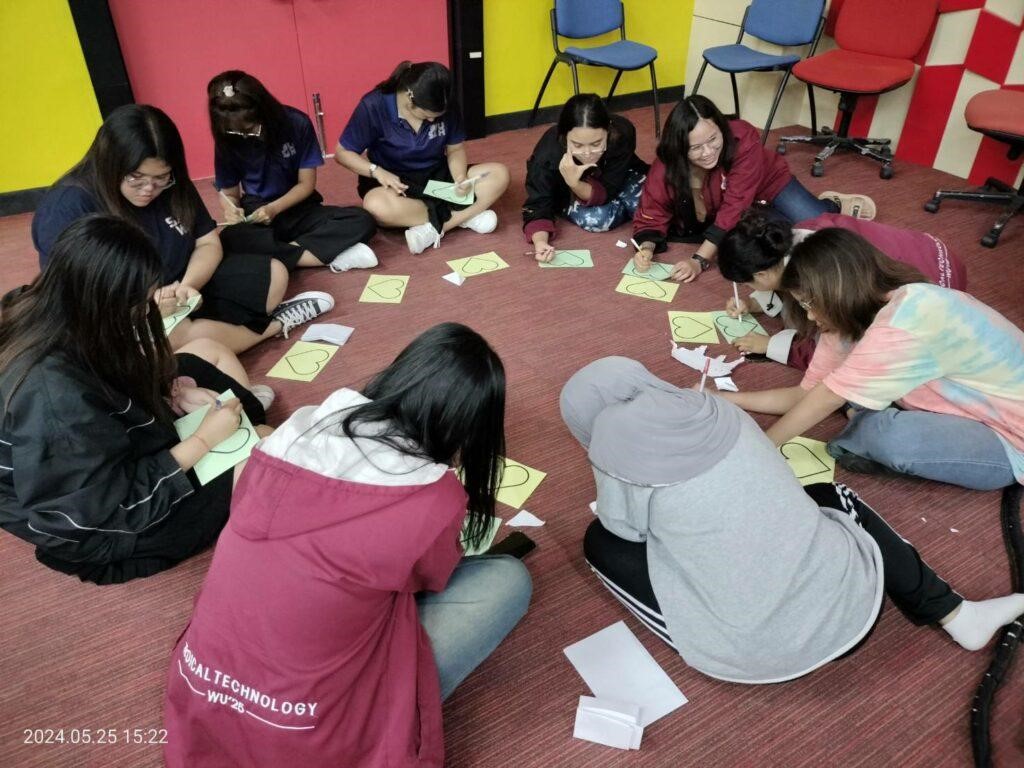
On May 25, 2024, the team organized a training session for Junior Master Trainers, Junior Helpers, and interested students. The session prepared participants to become facilitators for new student orientation programs, including the Life Skills Activity and the Walk Rally & RC Bonding Activity. A total of 56 student leaders joined the training, where they learned facilitation techniques, reviewed program objectives, and planned logistics, materials, and media (including vlogs).
Enhancing Mental Health Care Skills for Junior Helpers
The university organized the activity “Enhancing Mental Health Care Skills for Junior Helpers,” with a total of 140 participants joining the event.
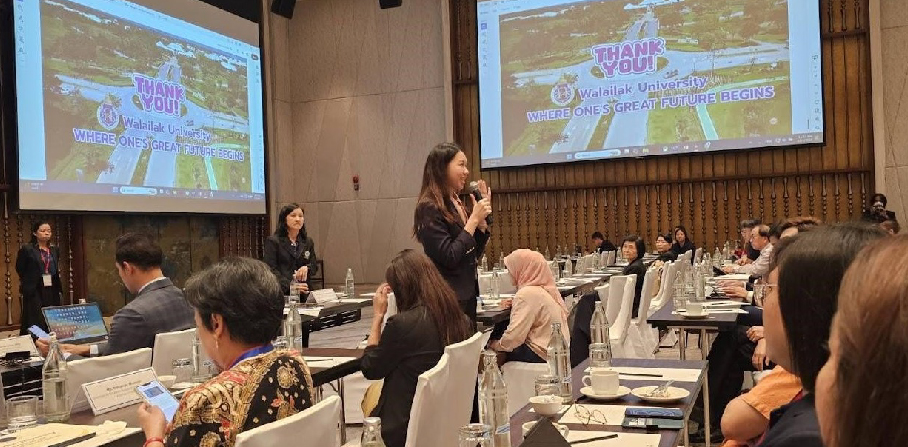
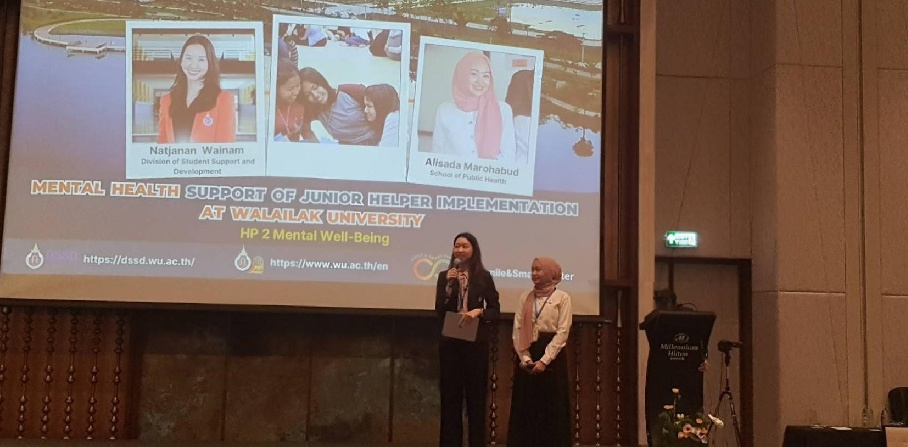
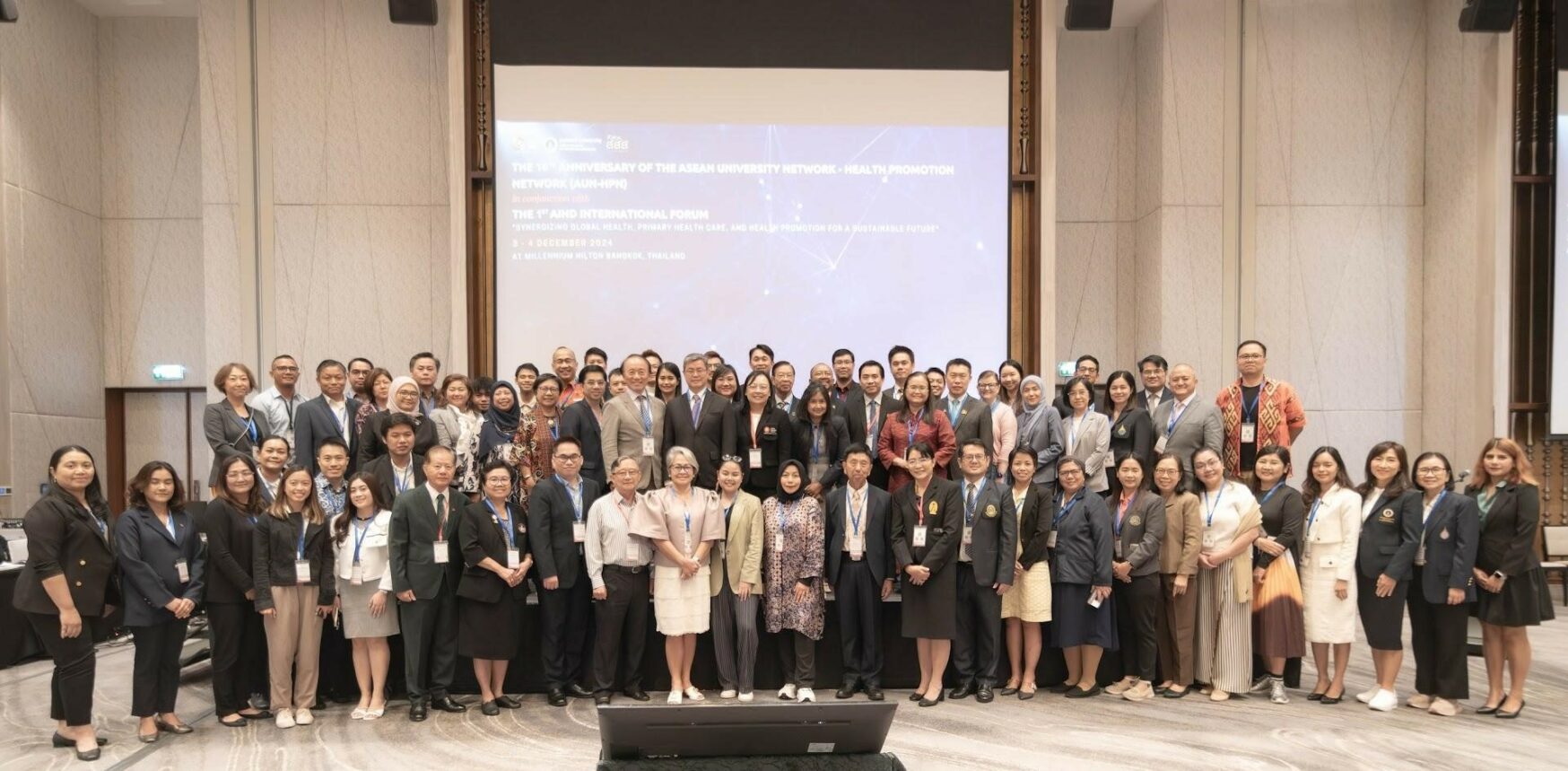
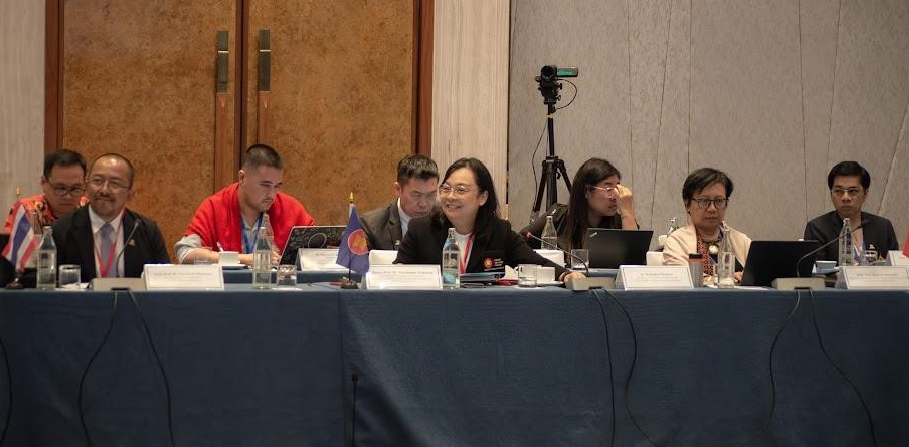
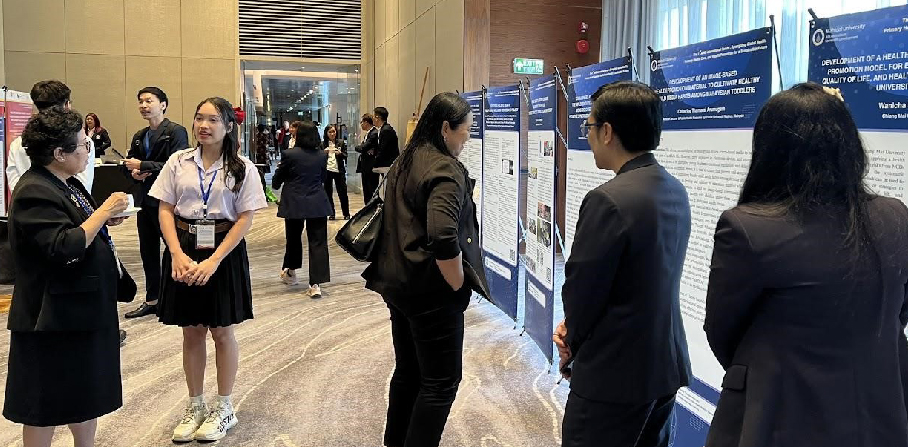
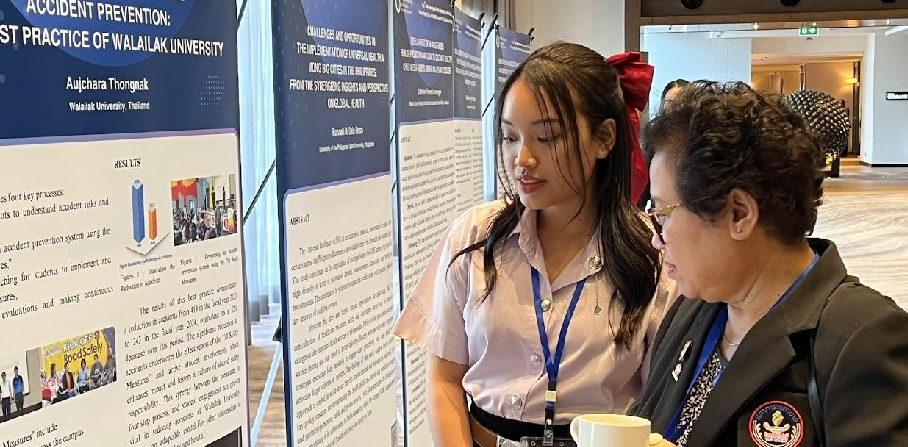
From the intensive Junior Helper operation in 2024, Walailak University’s Junior Helper Program for mental health support gained regional recognition through its presentation at the AUN-HPN Academic Seminar and the 1st AIHD International Forum, drawing interest from domestic and international universities.
A health assessment of 12,639 students revealed that while most were in normal condition, over 30% faced moderate to high mental health risks, prompting the university to implement this peer-support initiative. The program trains volunteer students from 19 schools and colleges in basic mental health care and empathetic listening, with 140 Junior Helpers successfully trained. Activities include curriculum development, training, ongoing support, evaluations, and referral systems. Student satisfaction with mental health support improved from 83.12 in 2023 to 85.64 in 2024, demonstrating the program’s effectiveness in fostering early intervention, resilience, and well-being, while also serving as a model adaptable to other universities.
Smile & Smart Center: 2024 Counseling Overview
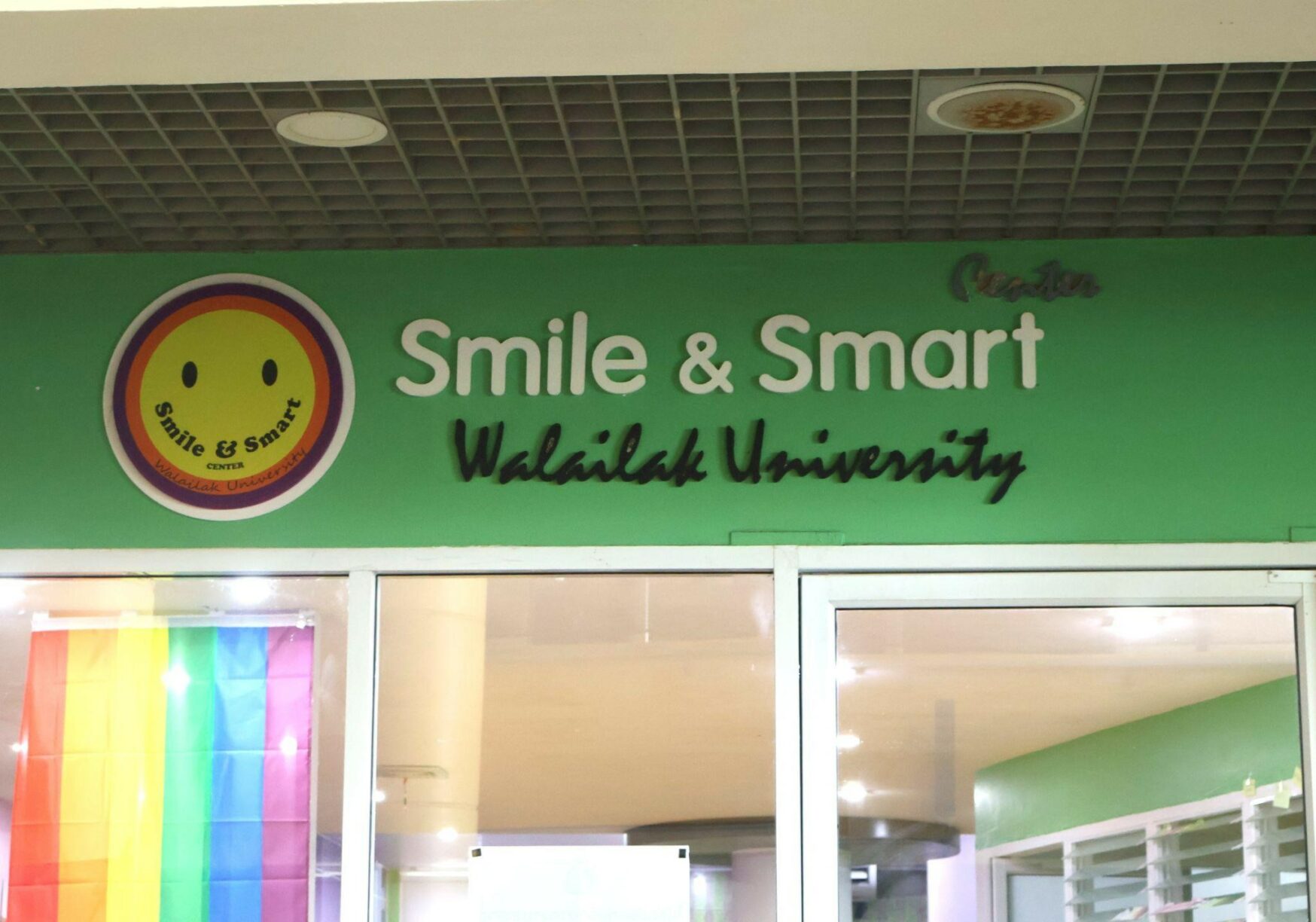
The Smile & Smart Center provides essential counseling services to support students facing challenges that affect their mental well-being. In 2024, a total of 912 students sought guidance across 12 key areas of concern.
The most common issue was relationship challenges, reported by 359 students (39.36%). This was followed by academic concerns with 186 students (20.39%), depression with 99 students (10.86%), anxiety with 93 students (10.20%), and stress with 91 students (9.98%). Other notable issues included sadness (43 students, 4.72%), family matters (15 students, 1.65%), and financial difficulties (11 students, 1.21%). A smaller number of students sought help for academic advisor concerns (5 students, 0.55%), other issues such as smoking cessation or pregnancy (5 students, 0.55%), physical health problems (3 students, 0.33%), and attitudes and thoughts (2 students, 0.22%).
These findings highlight that relationship and academic pressures remain the most significant factors affecting student well-being, while other personal and family-related concerns, though less frequent, still require attention. By addressing this wide spectrum of needs, the Smile & Smart Center continues to foster resilience, promote positive mental health, and ensure that every student has access to the right support through various activities.
Activities under Smile & Smart Center to Access mental health support
In addition, the center also organizes activities to proactively promote mental health support for students, aiming to prevent the occurrence of mental health problems. The key activities include:
Happiness Creation, Smiles Awakening Activity
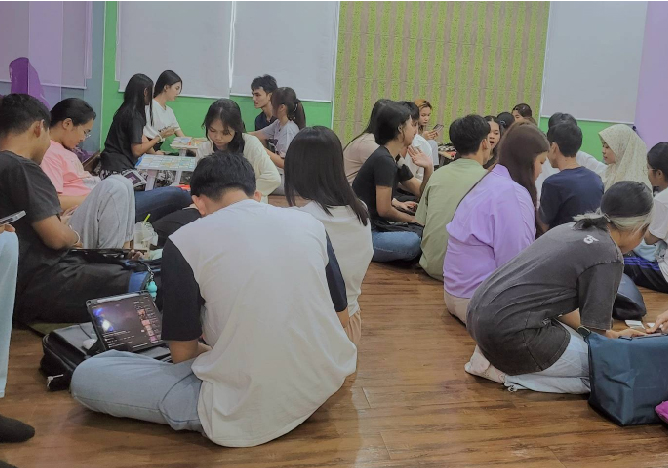
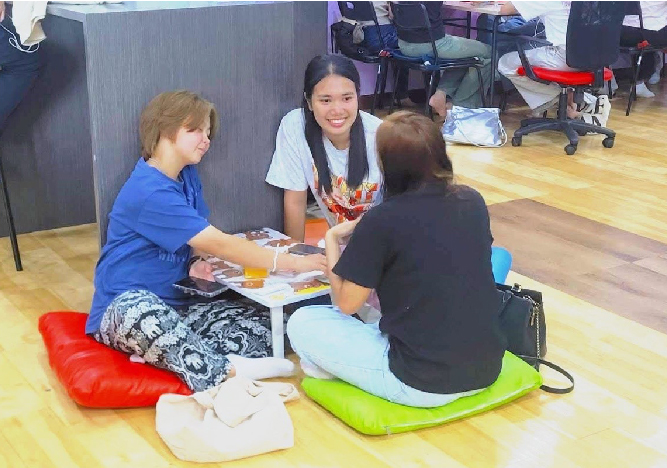
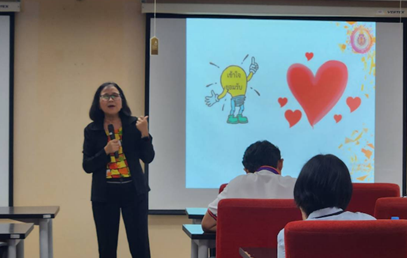
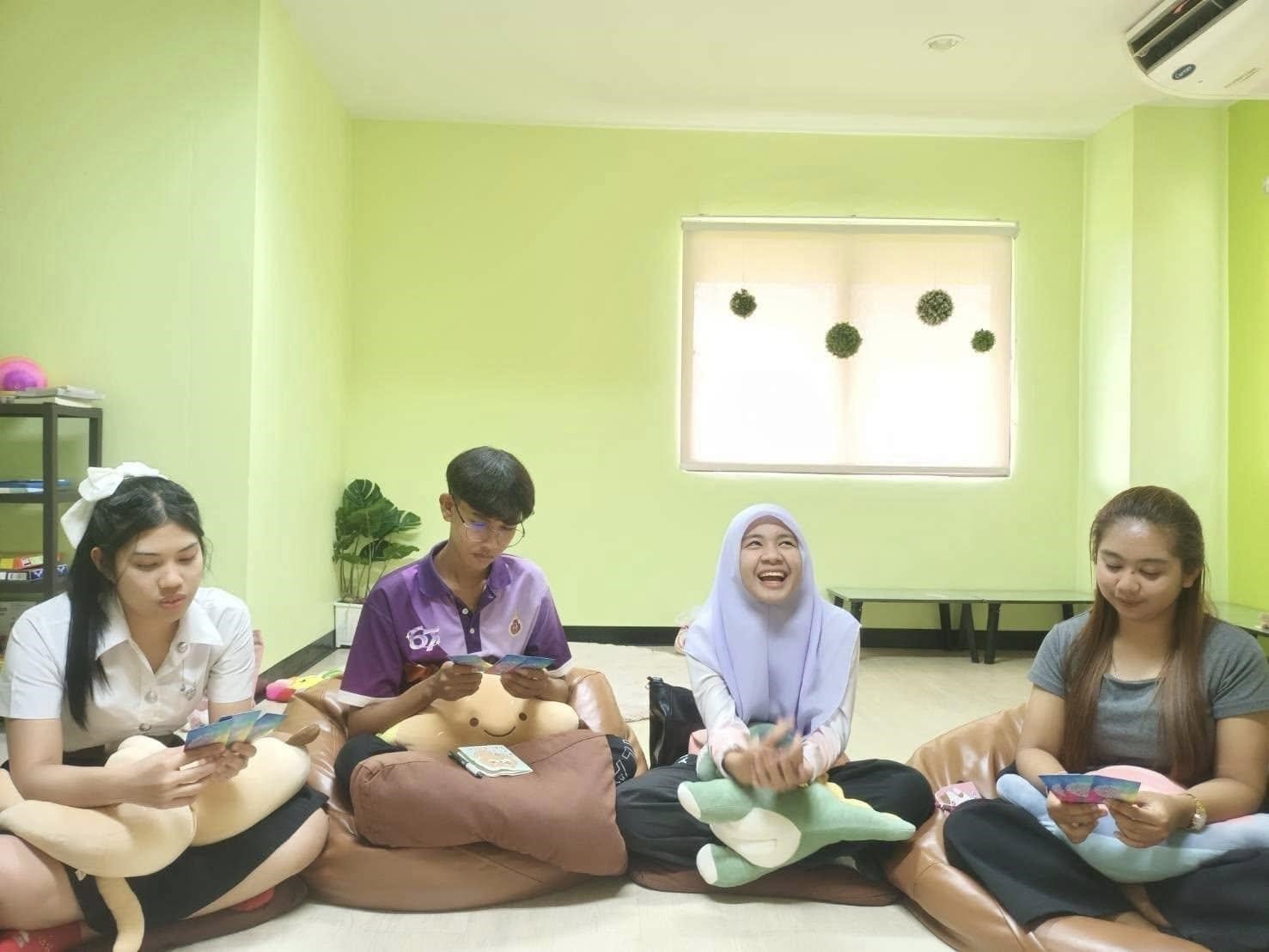
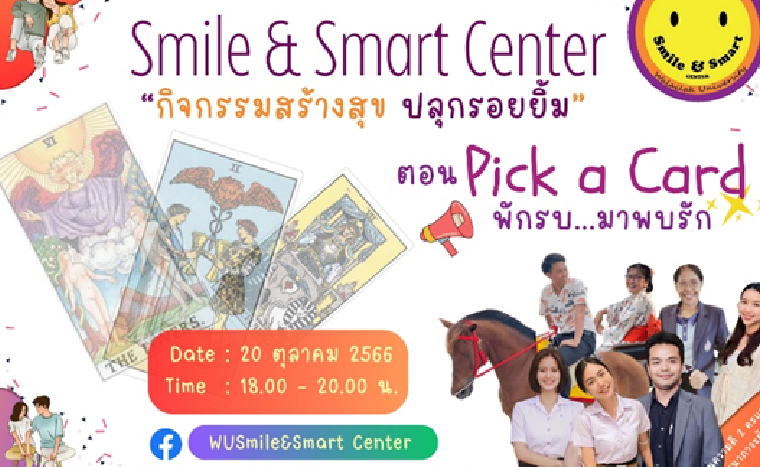
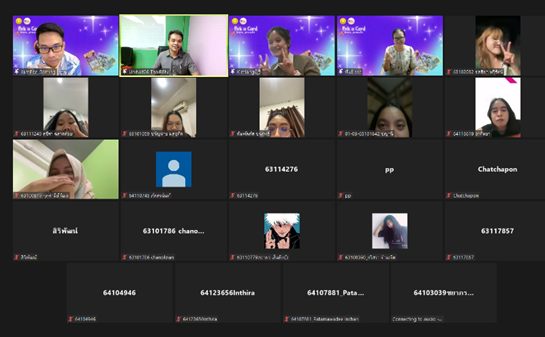
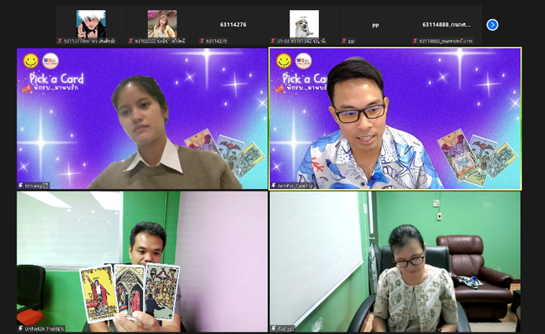
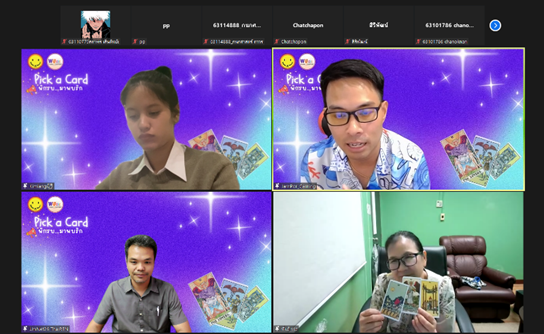
The “Happiness Creation, Smiles Awakening” activity featured the event “Pick a Card: Take a Break and Find Love,” with 65 students participating.
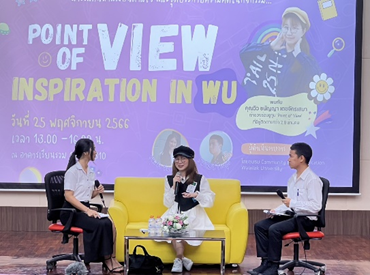
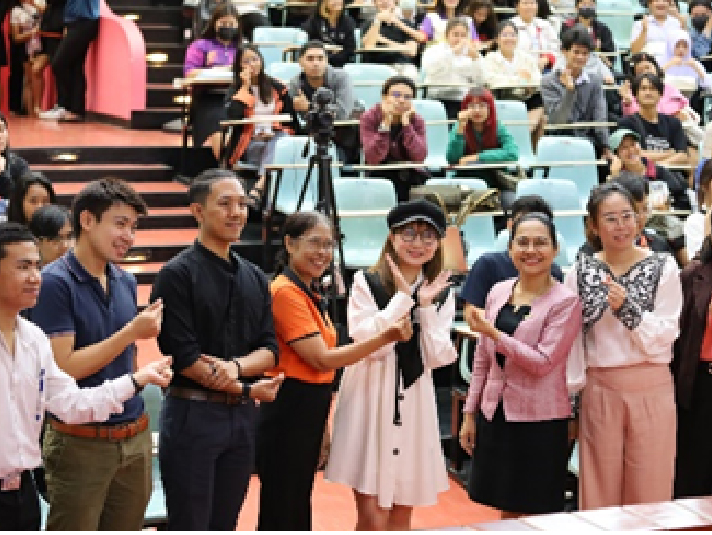
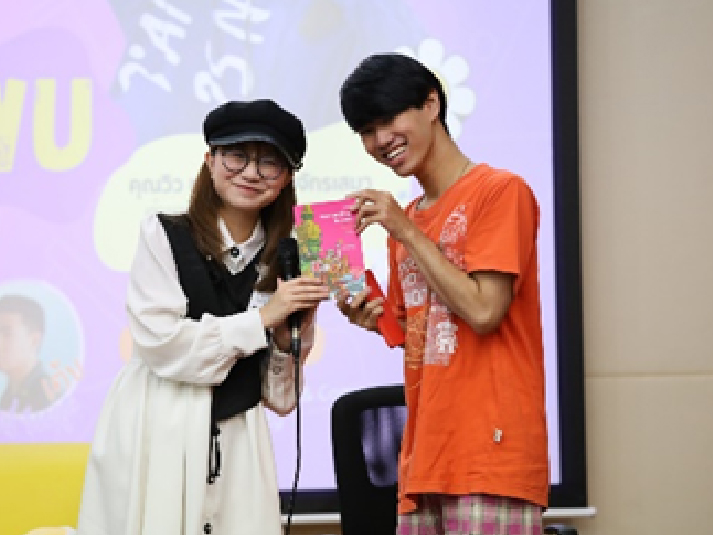
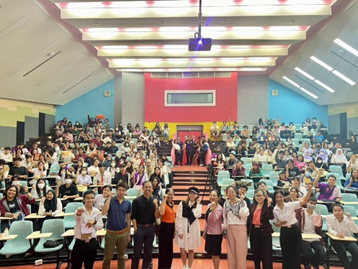
Smile & Smart Center organized a Student Empowerment Activity under the theme “Point of View Inspiration in WU. A total of 224 students participated in the activity.
The Coaching Program: “How to Coach Students to Achieve Their Dreams”
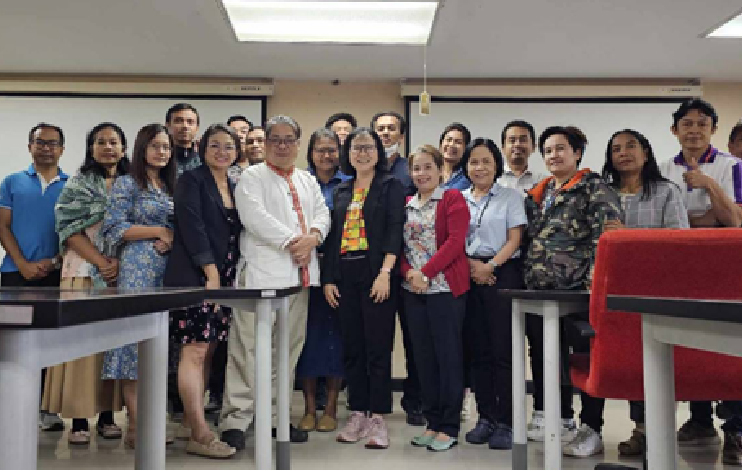
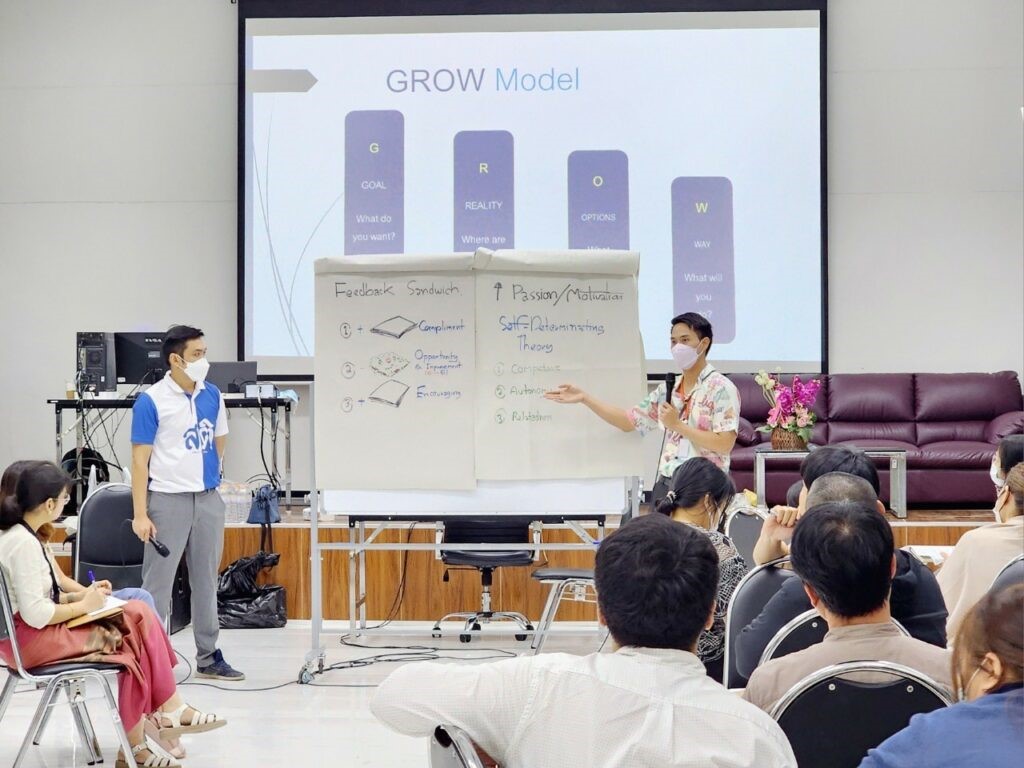
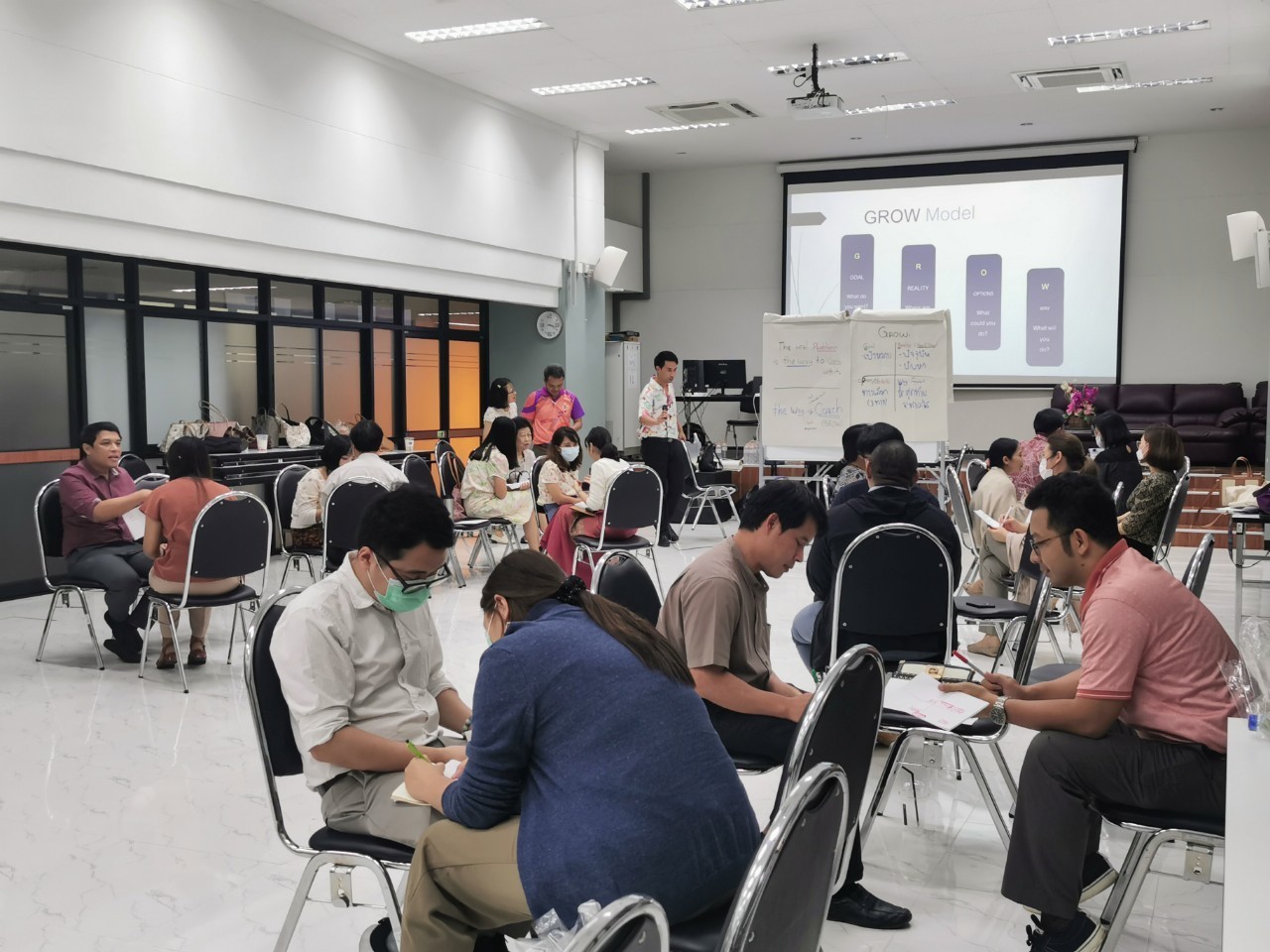
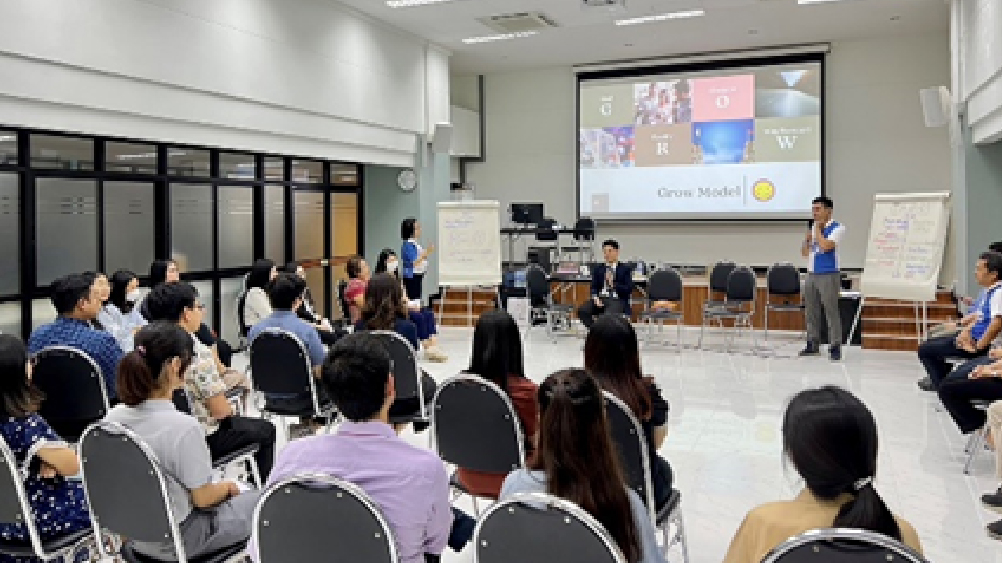
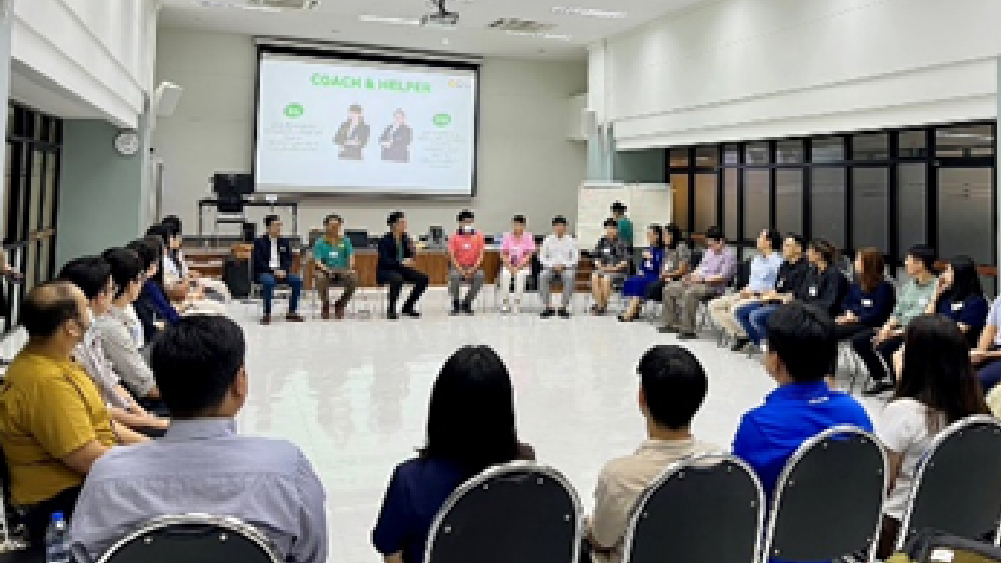
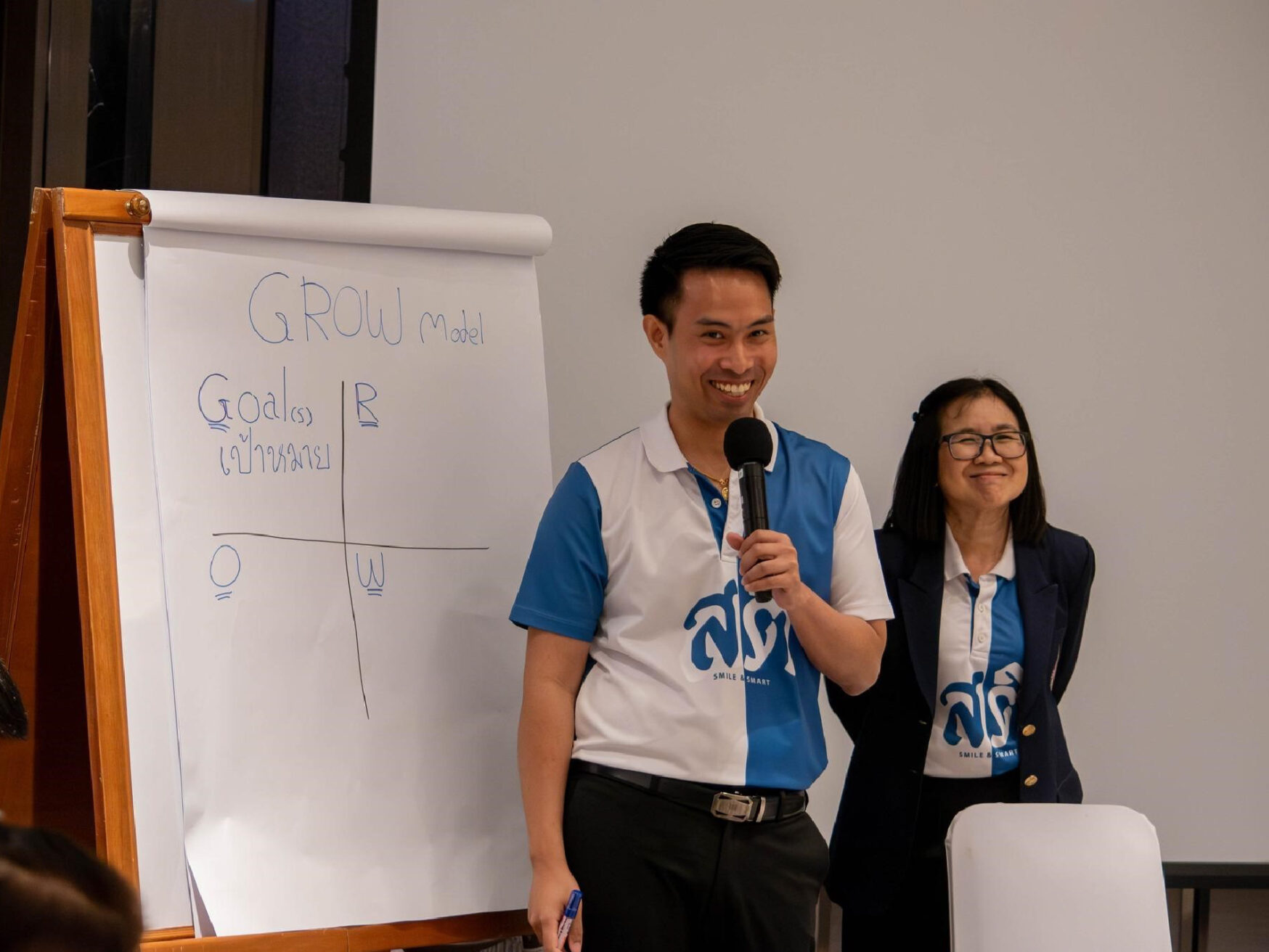
The Smile & Smart Center organized a capacity-building training program for faculty members under the theme “Coaching: How to Coach Students to Achieve Their Dreams” with 36 participants. The training emphasized the application of the GROW Model and positive questioning techniques to enhance student support skills. Evaluation results showed a satisfaction rate of 95.48%, with recommendations for continuous training. The Center plans to implement this program throughout the academic year.
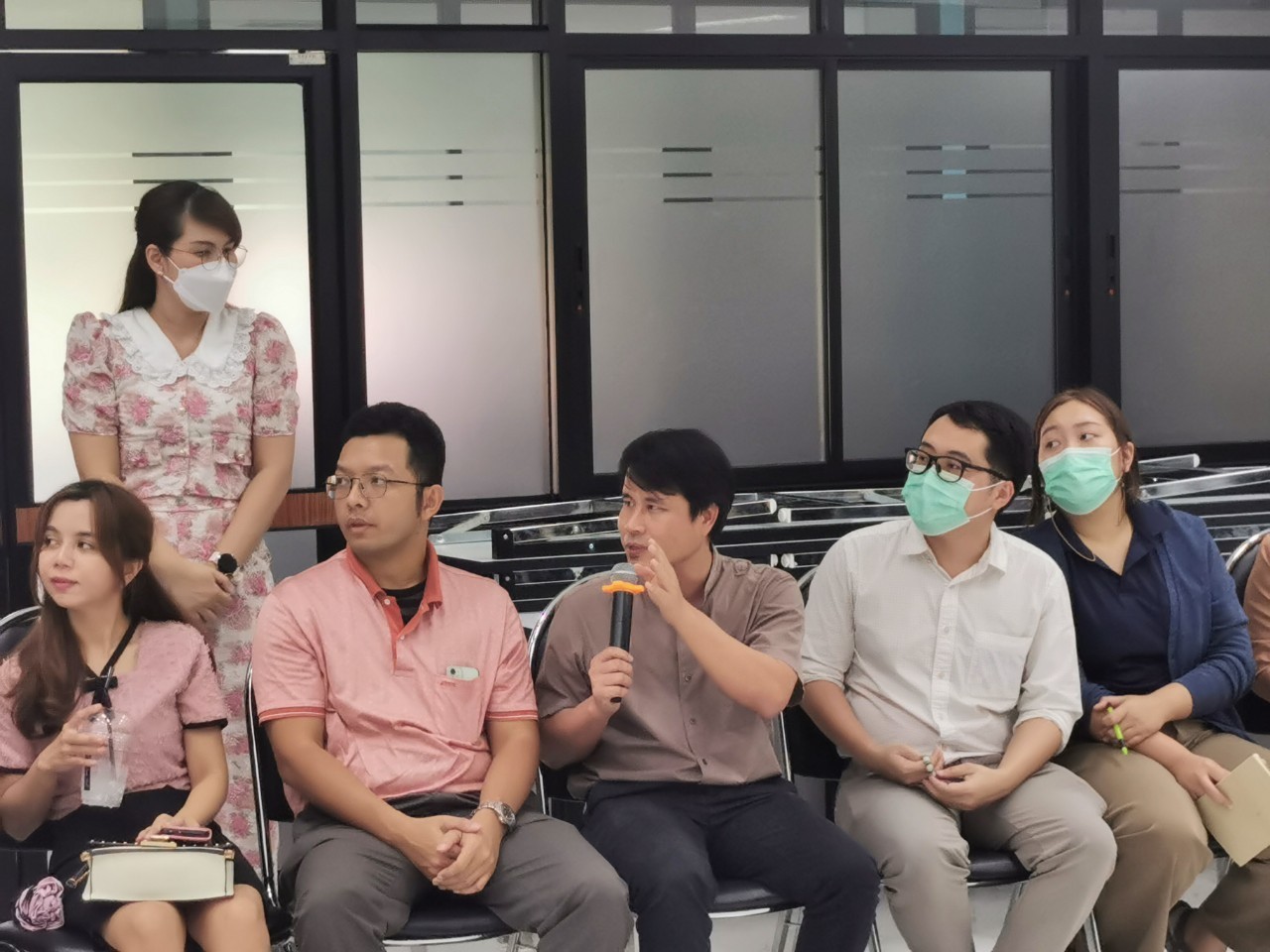
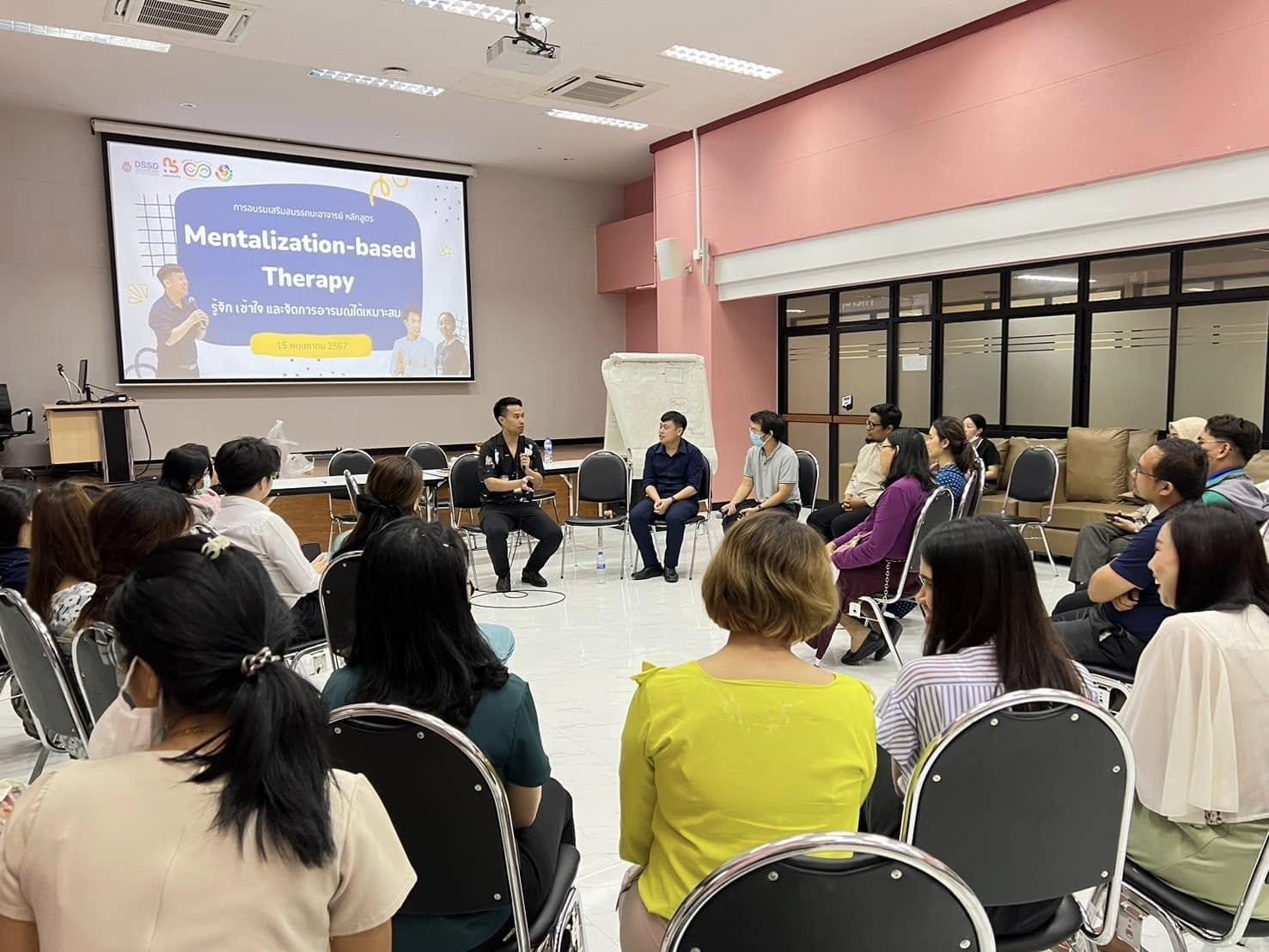
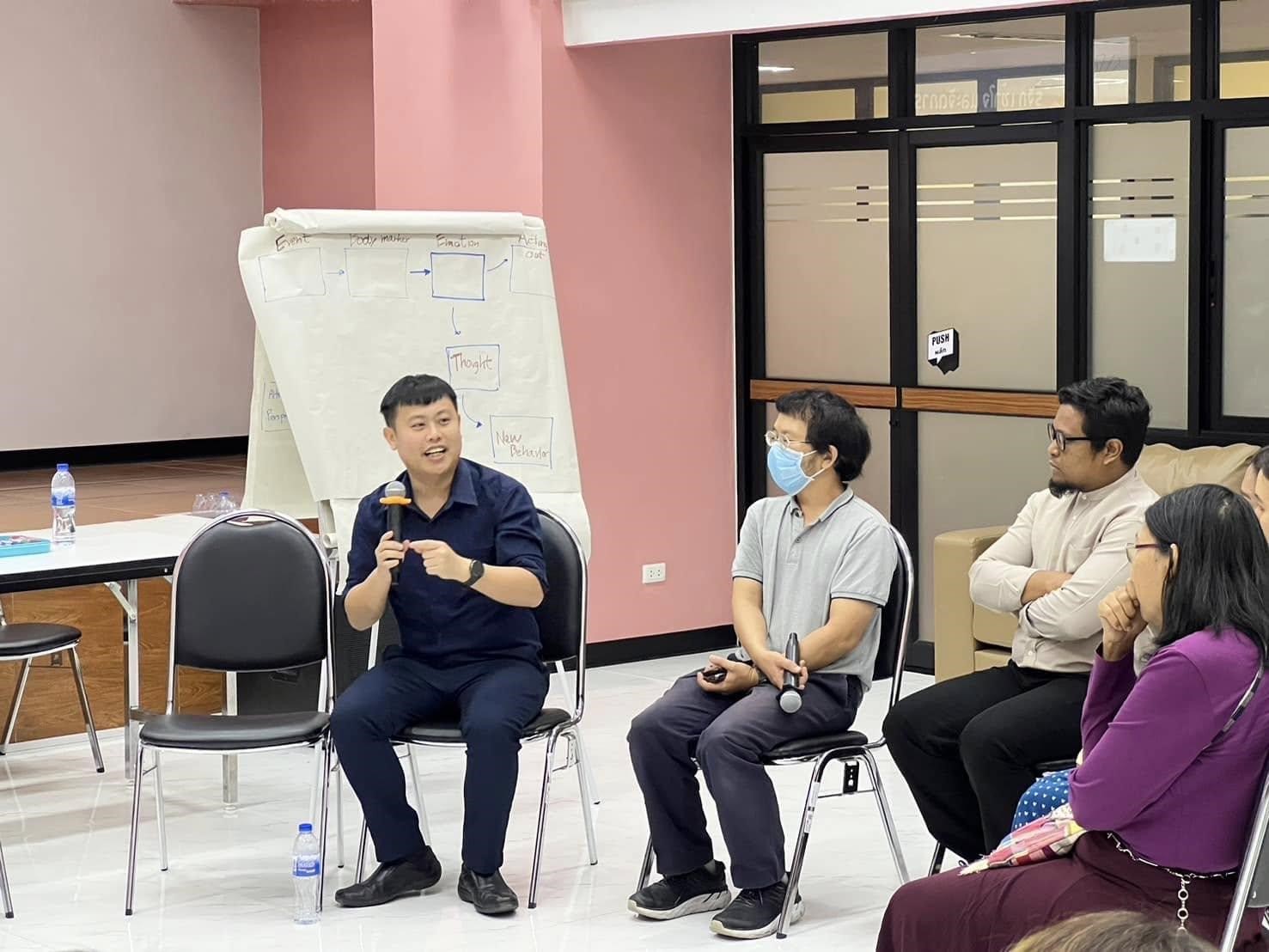
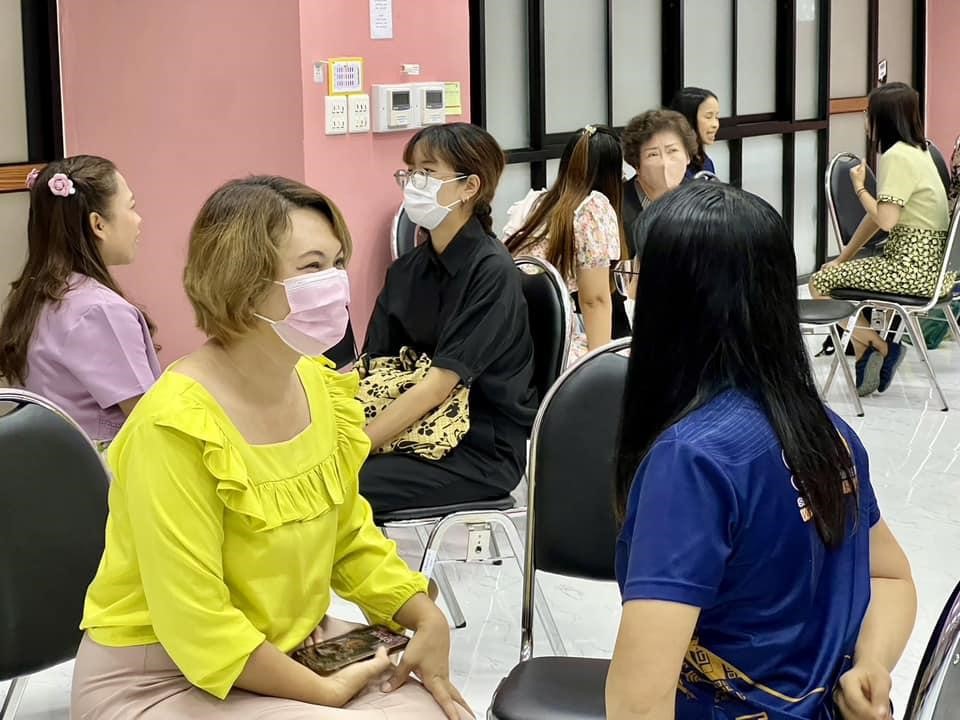
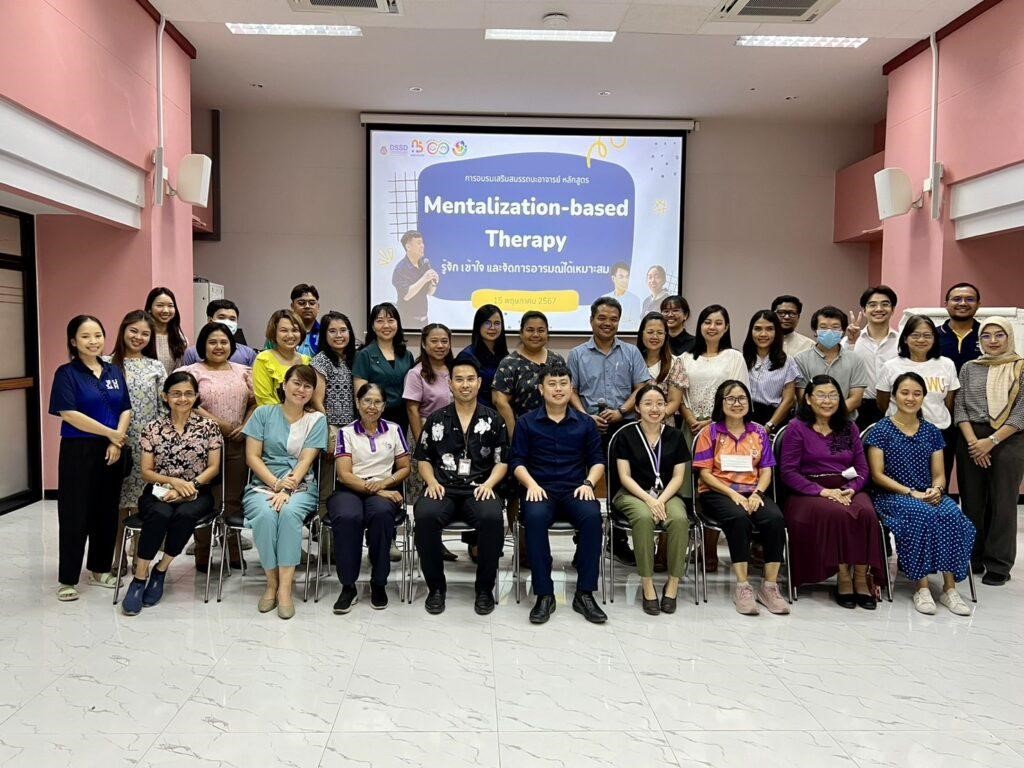
The Smile & Smart Center organized a workshop on Mentalization-Based Therapy (MBT), led by psychiatrists and psychologists from Walailak University Hospital, and faculty from the School of Allied Health Sciences. A total of 33 faculty members participated. The workshop focused on concepts, principles, and communication skills to help students better understand and manage their problems. The workshop trained faculty to help student access to mental health support. Evaluation results showed the highest level of satisfaction, at 90.7%.
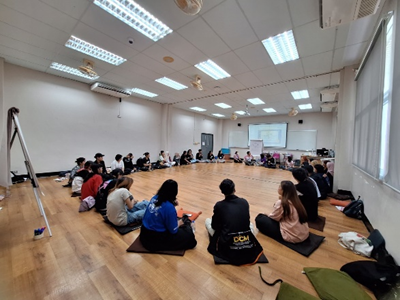
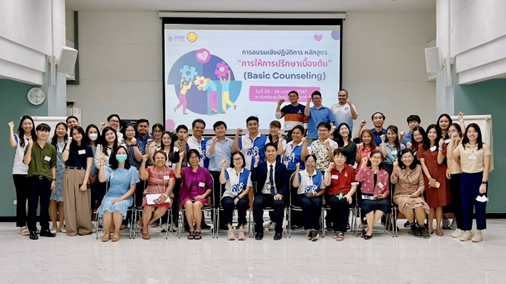
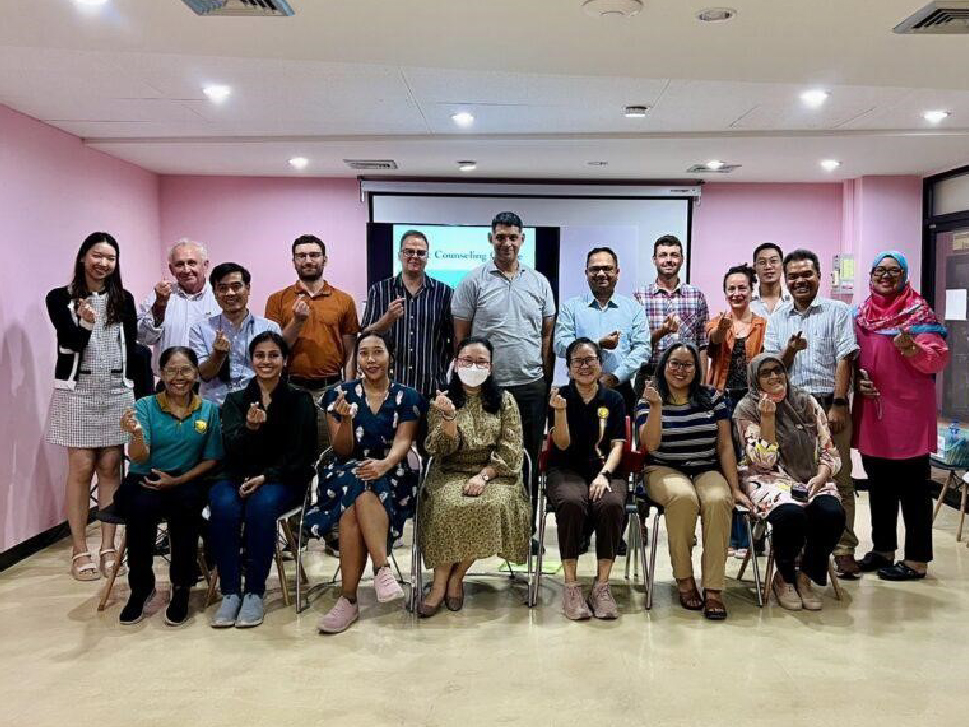
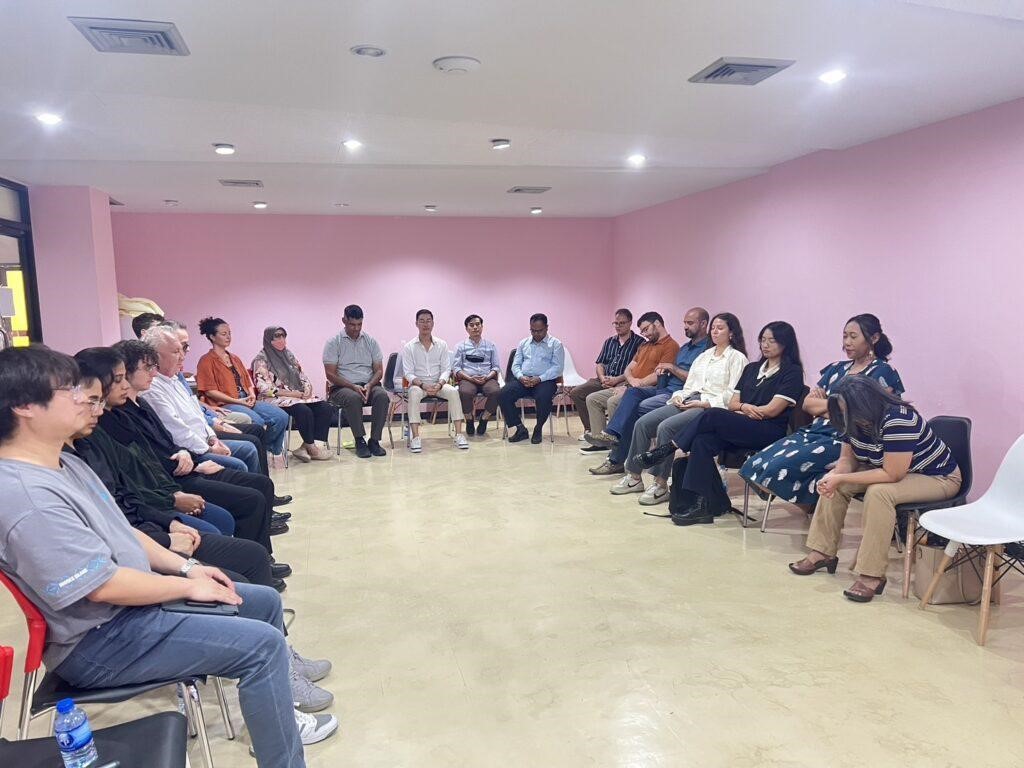
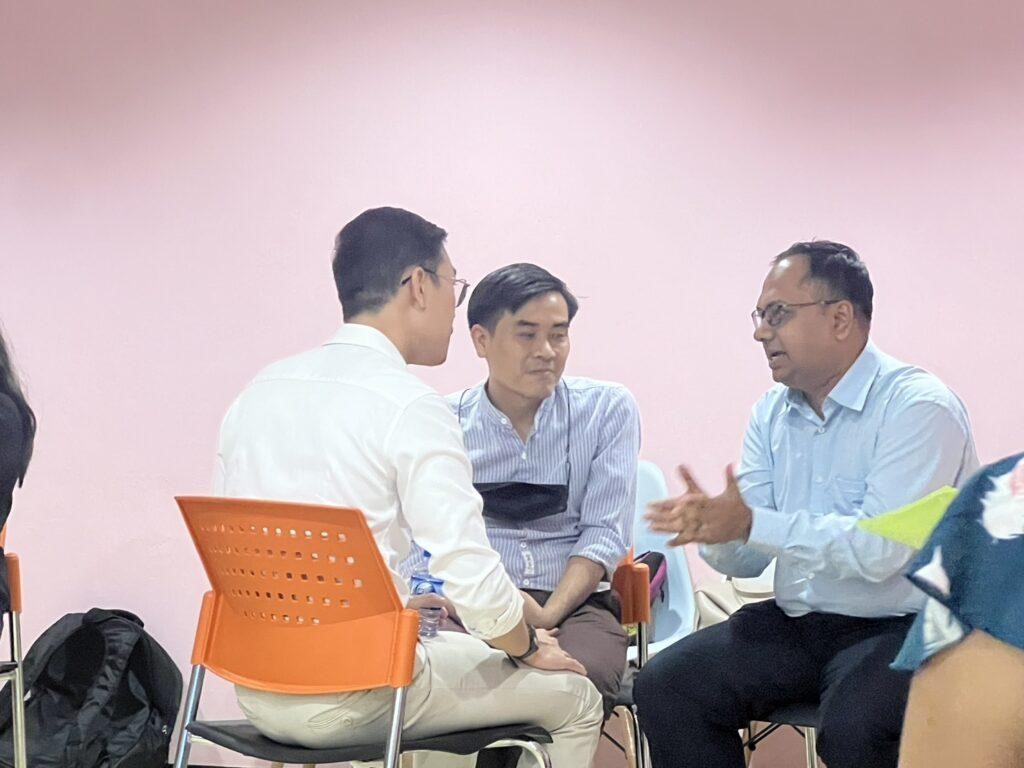
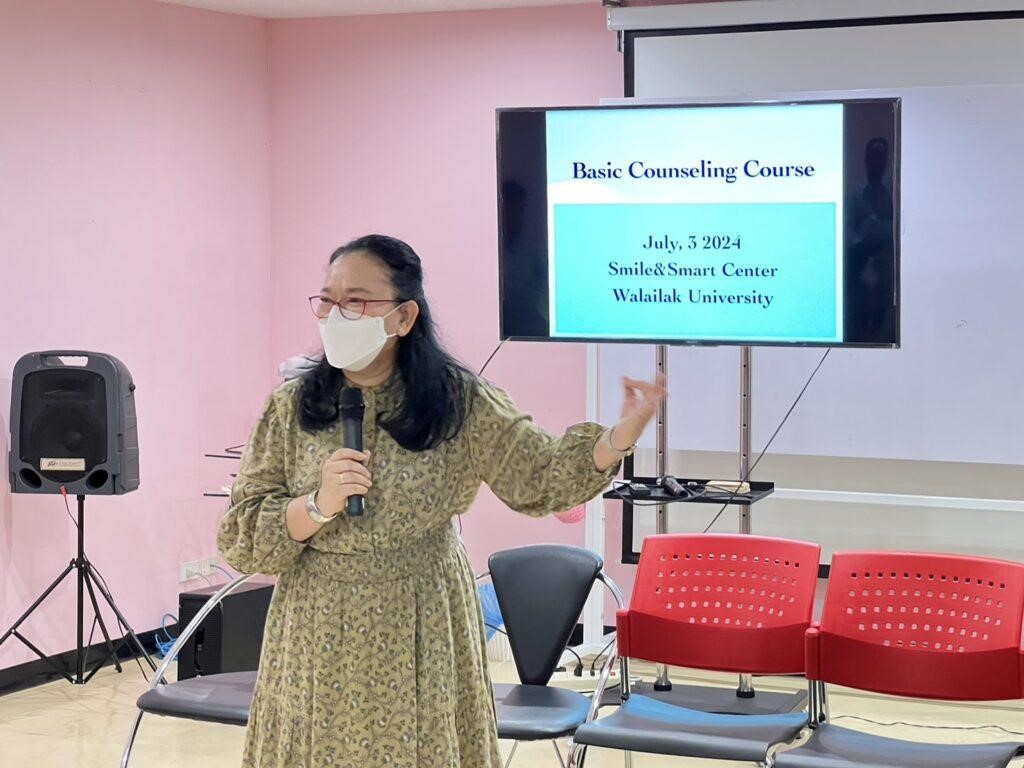
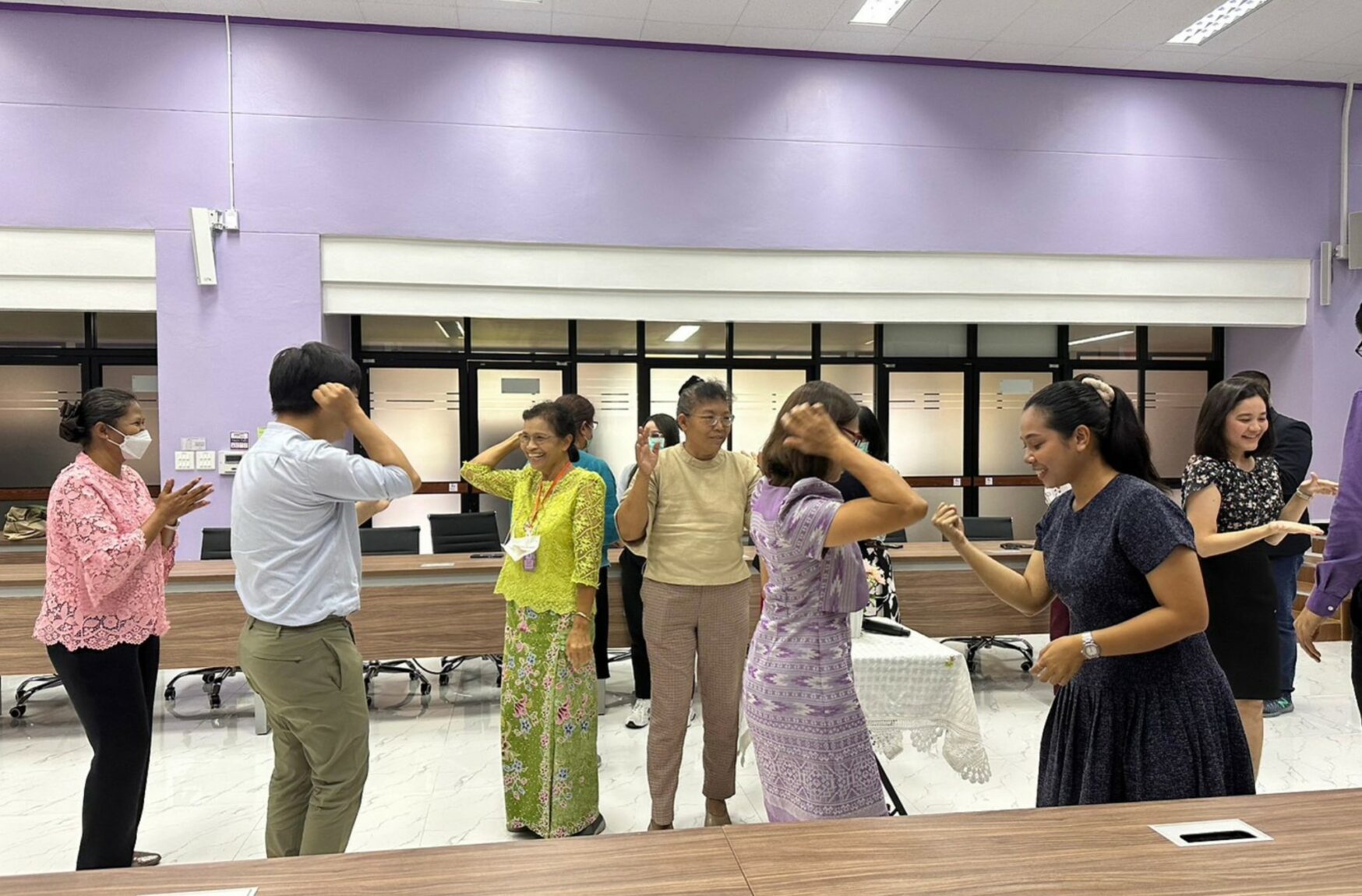
In April, the Smile & Smart Center conducted a workshop on Basic Counseling, facilitated by psychiatrists, psychologists, and expert faculty members, with 39 participants. The workshop trained faculty to help student access to mental health support.
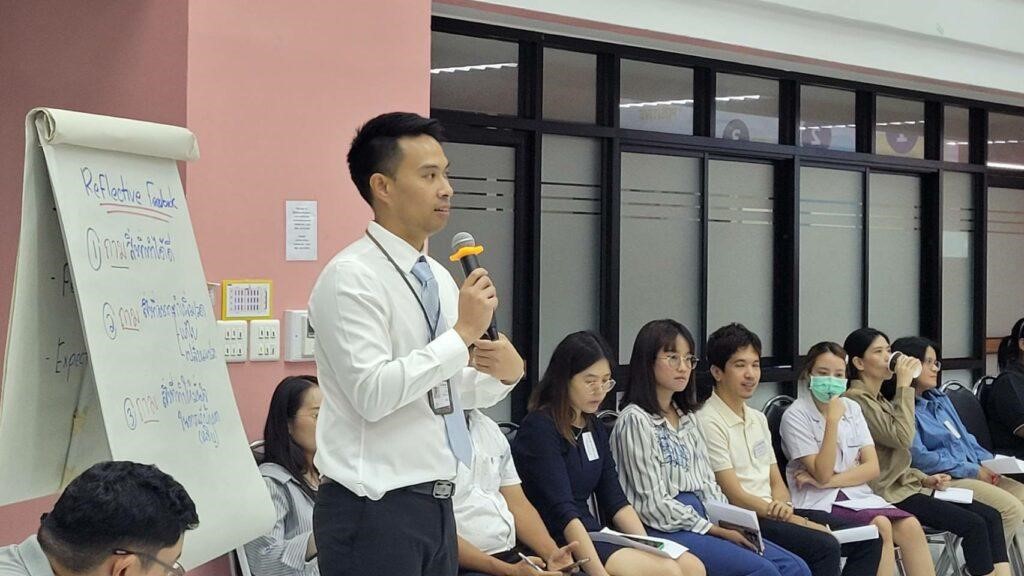
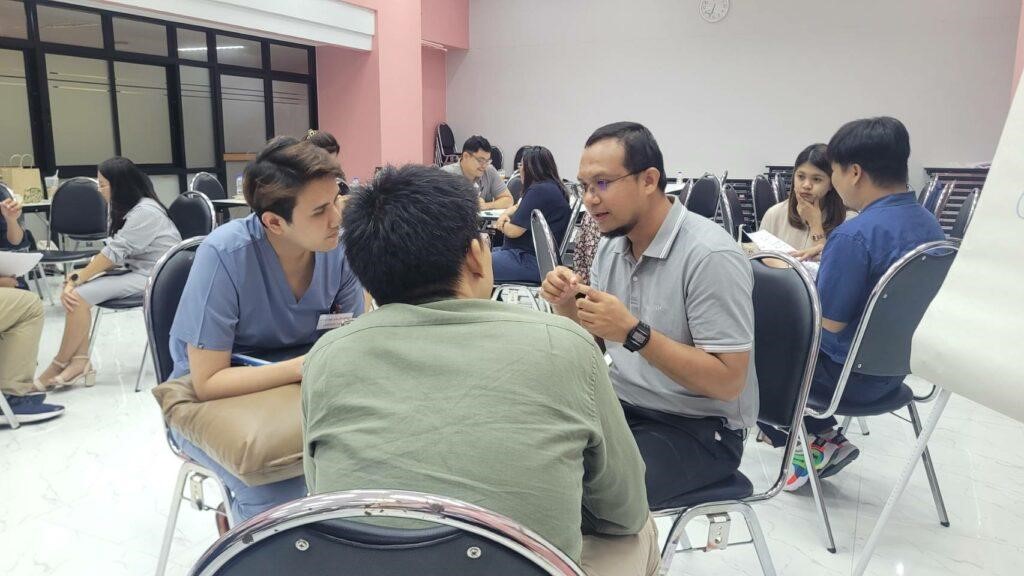
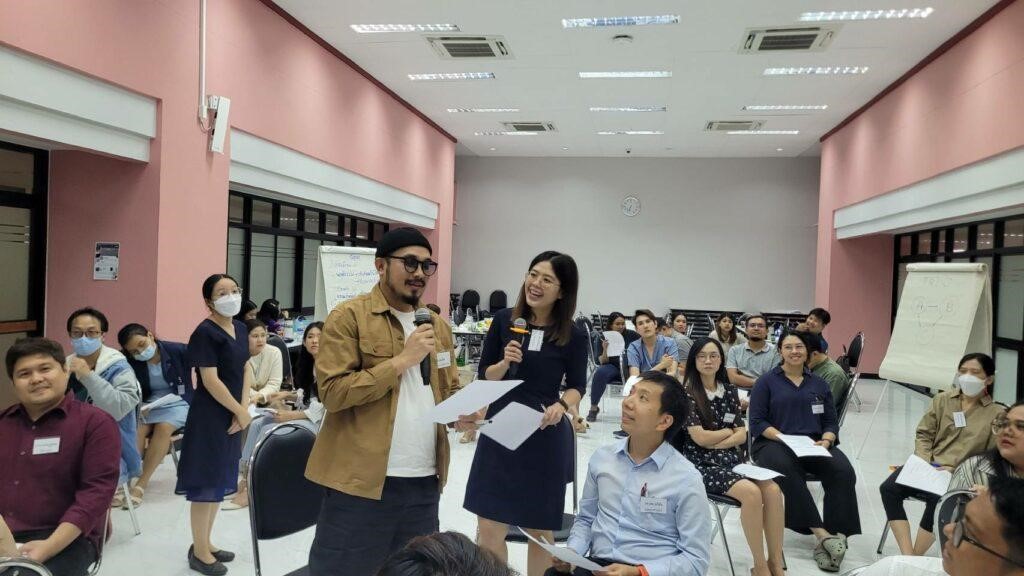
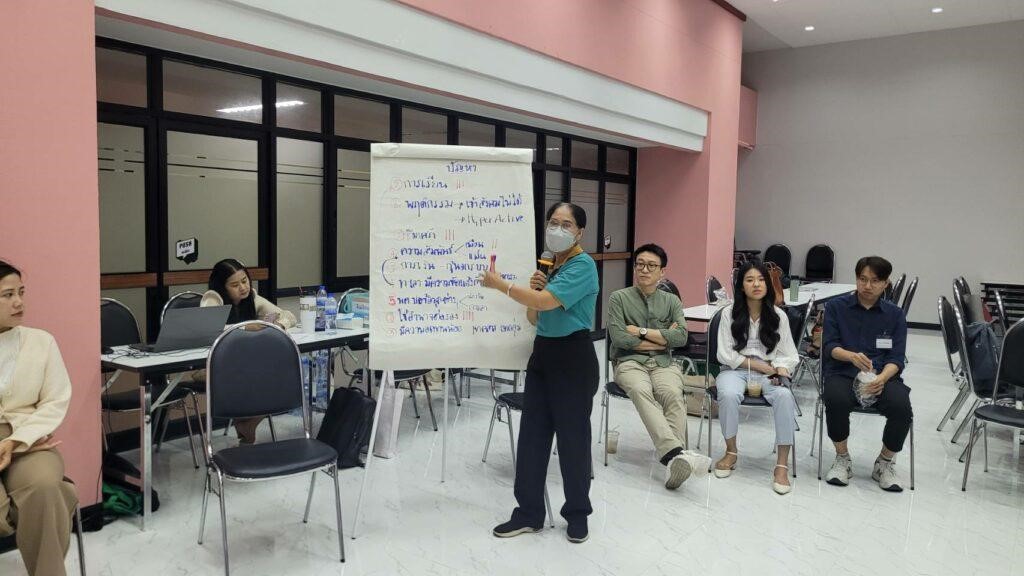
Figures : Basic Counseling Workship
Basic Counseling Workshop
In May, the Smile & Smart Center conducted a workshop on Basic Counseling, facilitated by psychiatrists, psychologists, and expert faculty members, with 33 participants. The program focused on developing positive communication skills, relationship-building, and the application of the GROW Model and Iceberg Model to strengthen counseling and student screening skills. The workshop trained faculty to help student access to mental health support.
The Smile & Smart Center conducted a workshop on Basic Counseling, facilitated by psychiatrists, psychologists, and expert faculty members, with 35 participants. The workshop trained faculty to help student access to mental health support.
Basic Counseling Workshop for International Faculty
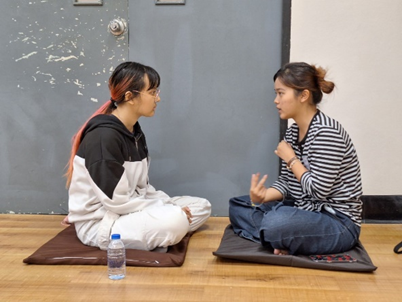
The Smile & Smart Center organized a Basic Counseling workshop tailored for international faculty members from six schools and one college, with a total of 20 participants. The training was about self- and interpersonal understanding through the Iceberg Model, basic counseling skills, and the university’s student support system. The workshop trained faculty to help student access to mental health support.
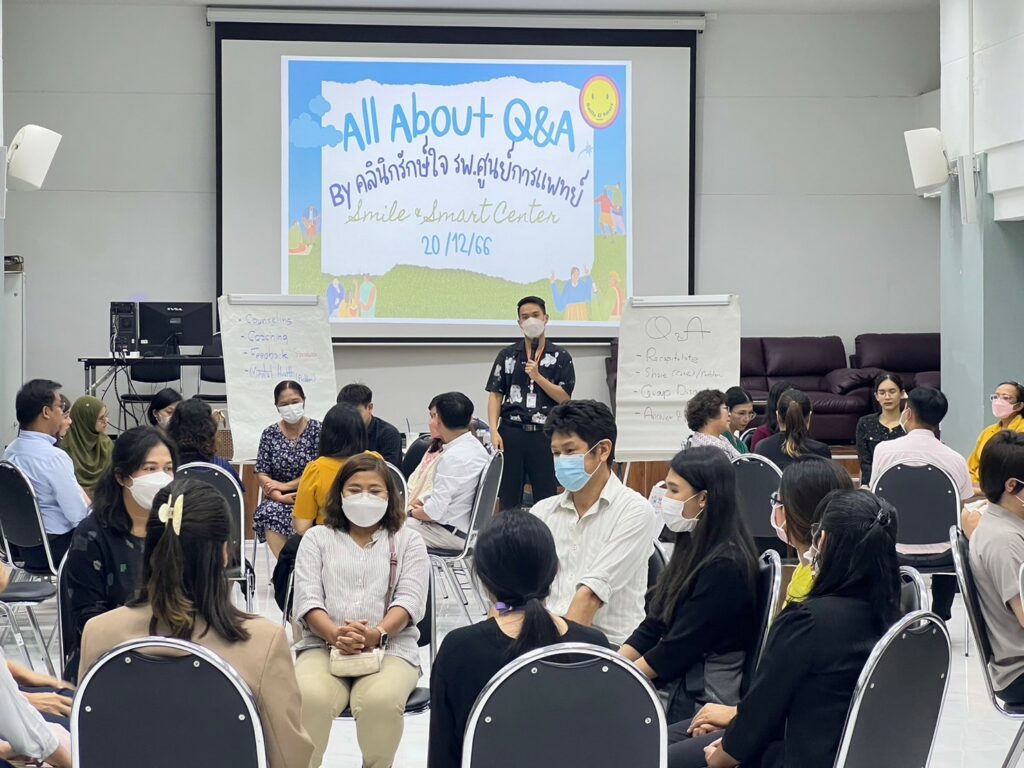
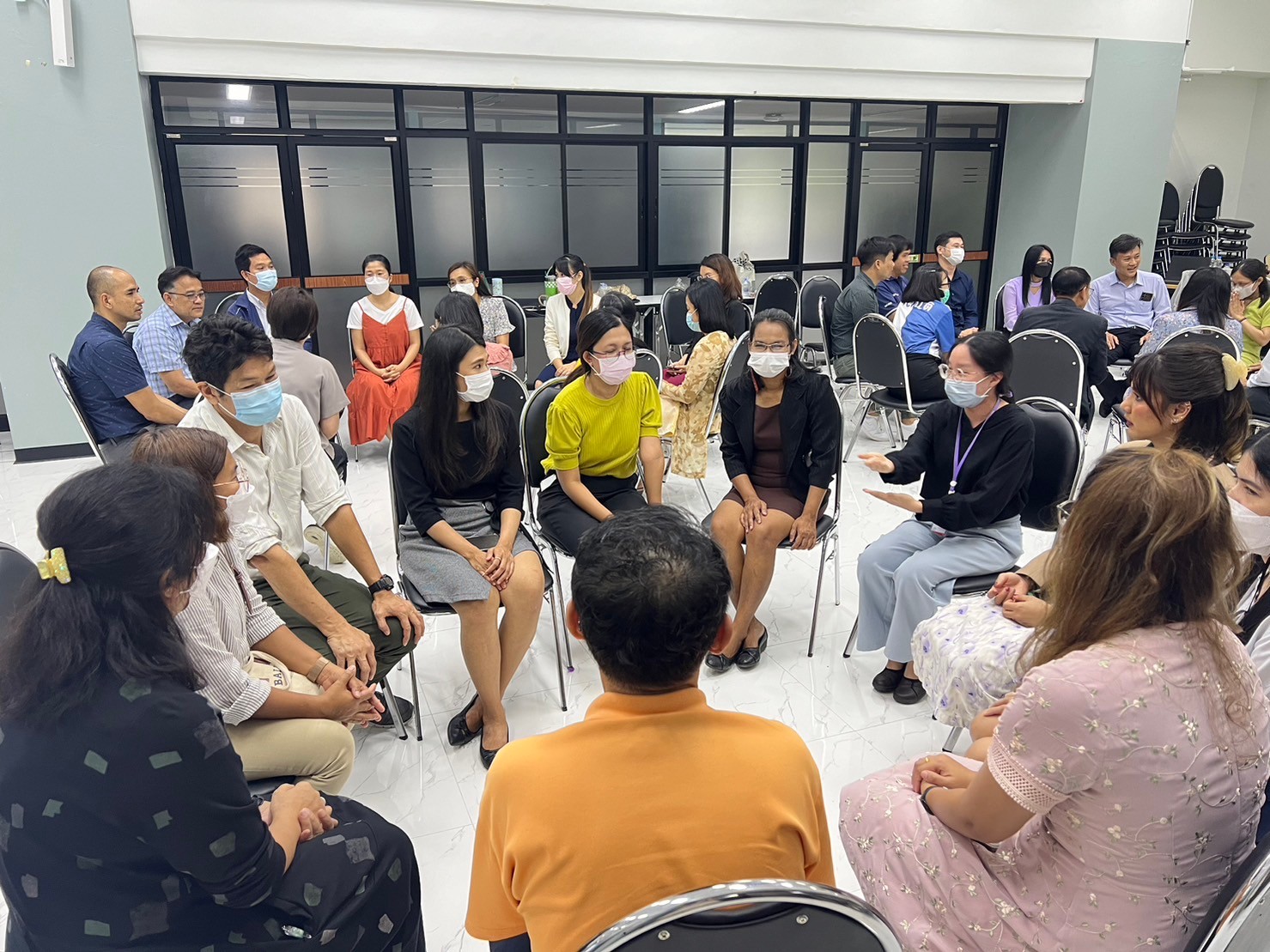
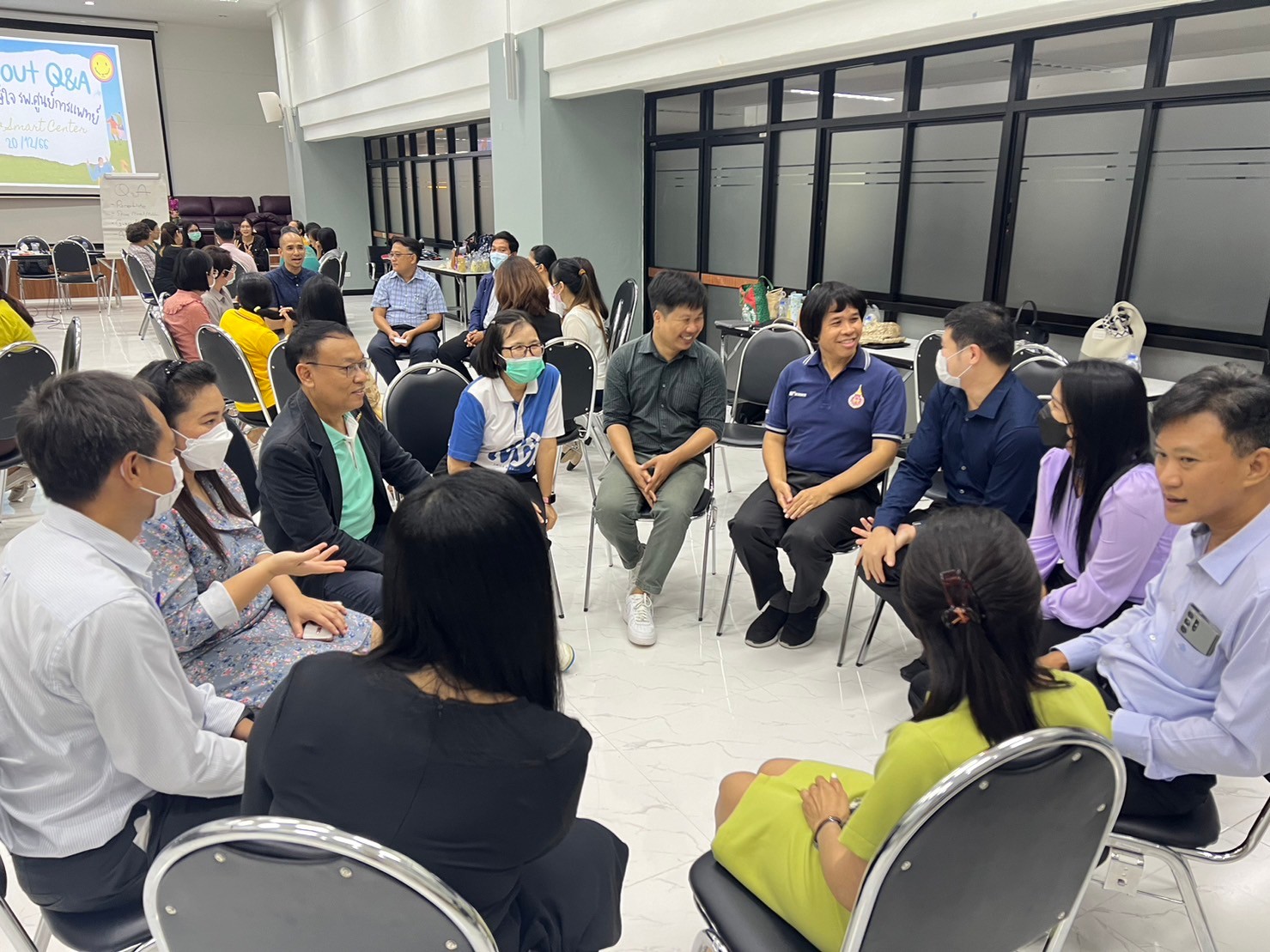
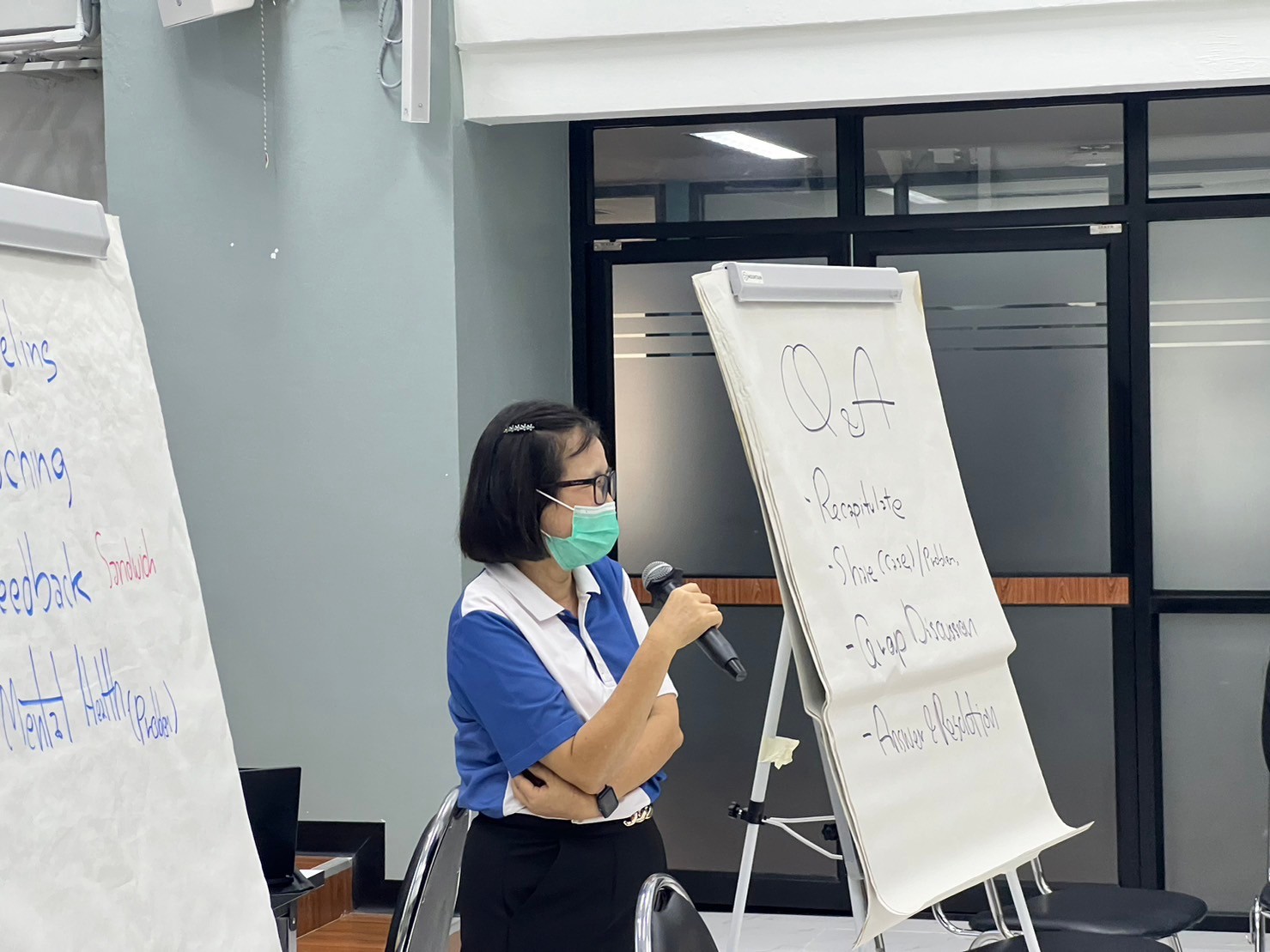
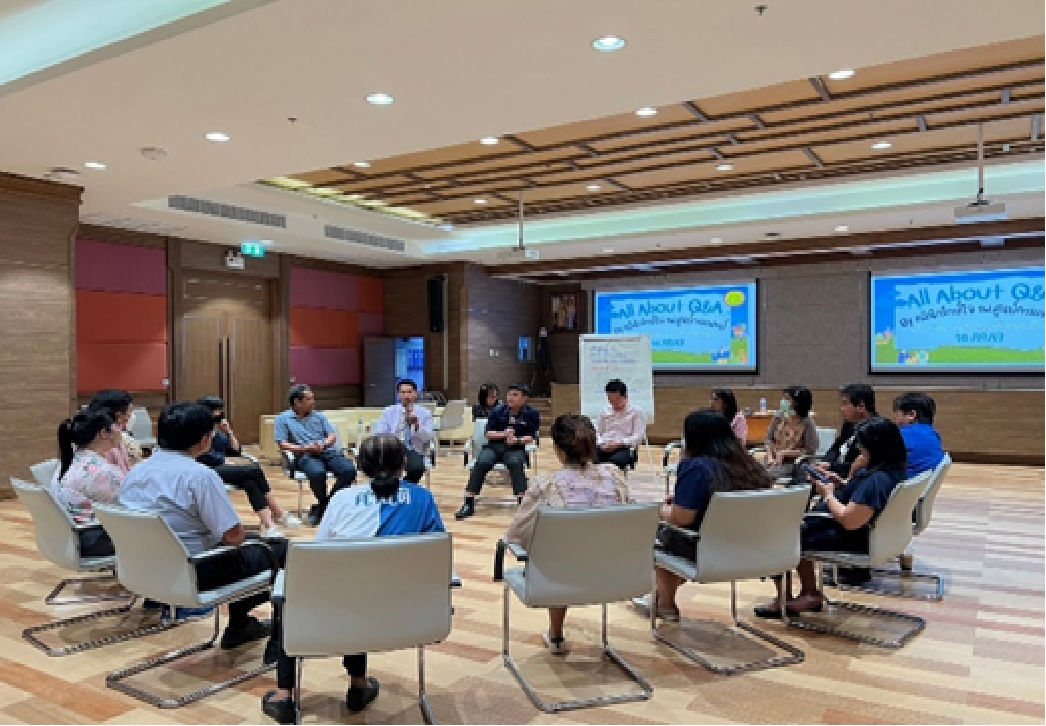
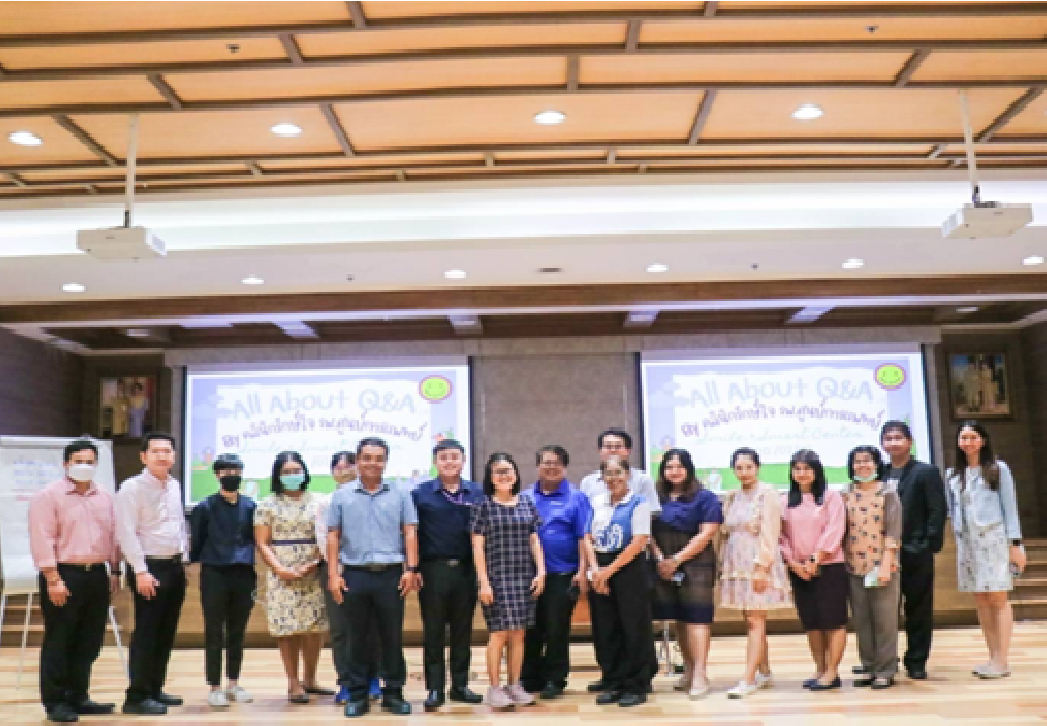
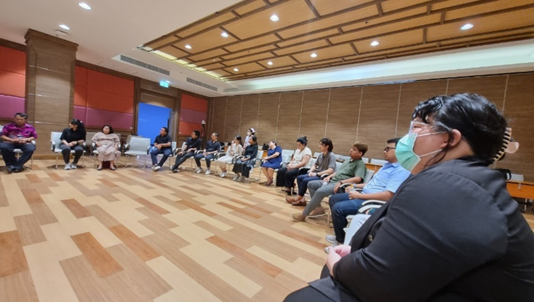
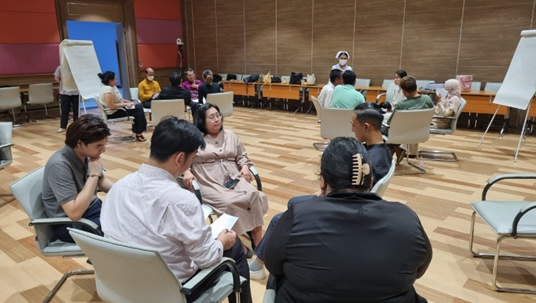
The Smile & Smart Center organized a faculty capacity-building activity on the topic “All About Q&A: Mental Health Care.” A total of 51 faculty members from various schools participated in the event. The workshop trained faculty to help student access to mental health support.
Smile & Smart Clinic Center organized “All About Q&A: Mental Health Care,” with 14 participations. The workshop trained faculty to help student access to mental health support.
Figures : All About Q&A: Mental Health Care
PSYCHOEDUCATION
The Smile & Smart Center organized a faculty training activity to prepare lecturers to support students facing mental health challenges under the course “Psychoeducation: How to Provide Guidance on Popular Topics.” A total of 21 participants joined the activity.
Figures : PSYCHOEDUCATION
“All About Q&A on Mental Health Care” Conference
The Smile & Smart Center held the “All About Q&A on Mental Health Care” conference, with 10 faculty members participating. Psychiatrists and psychologists from Walailak University Hospital served as speakers. The conference provided a platform for exchanging challenges and approaches to student care, emphasizing relationship-building, close communication, and referral systems. The workshop trained faculty to help student access to mental health support.
Training on “Junior Master Trainer: Group Process Leaders”
The Smile & Smart Center organized the training “Junior Master Trainer: Group Process Leaders” for the academic year 2024, with a total of 63 participants joining the activity.
Figures : Training on “Junior Master Trainer: Group Process Leaders”
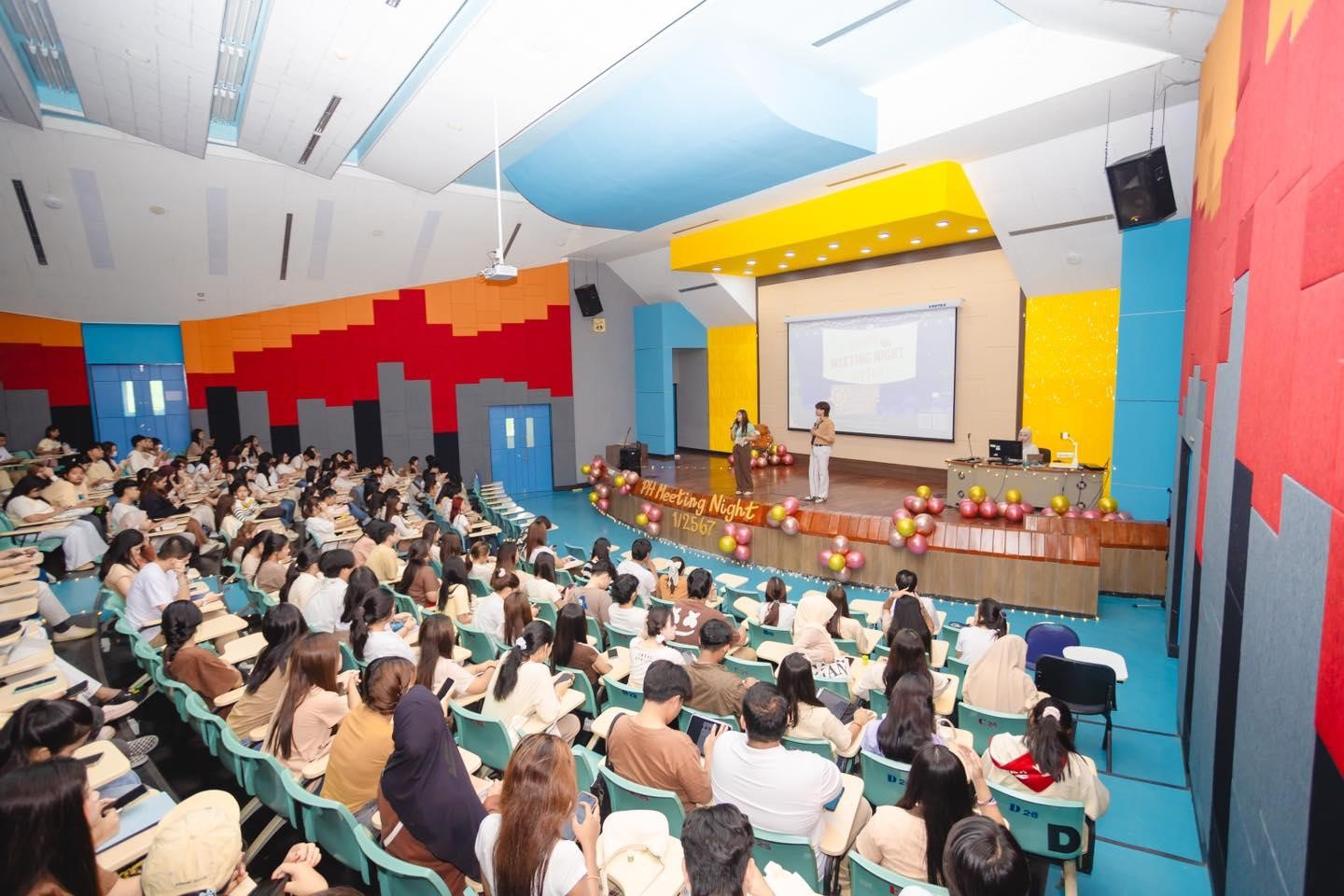
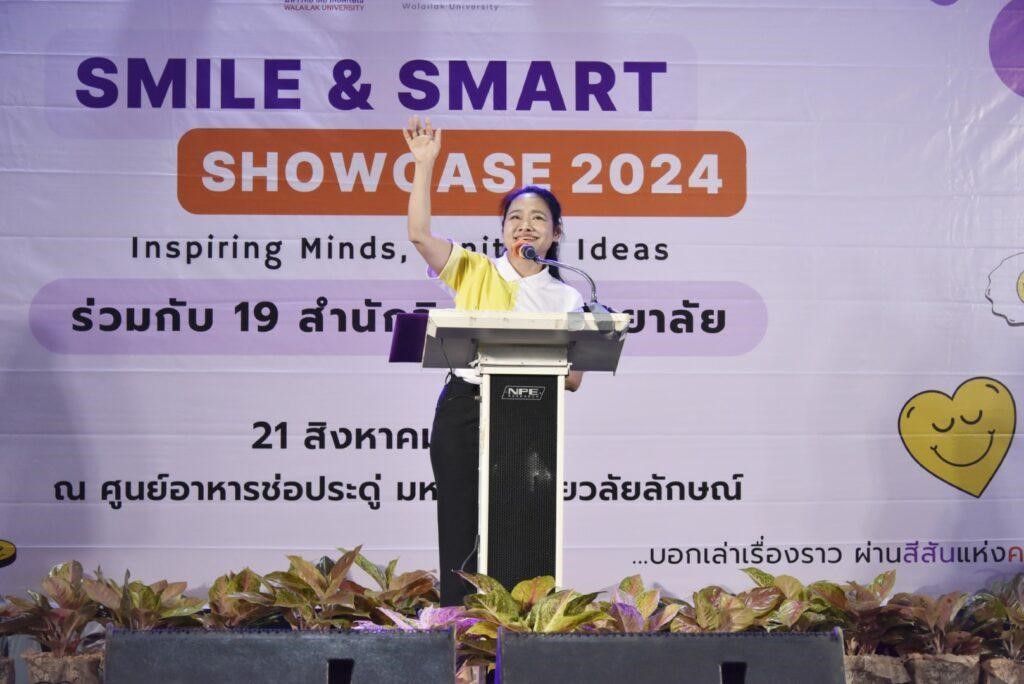
The Smile & Smart Showcase 2024: “Inspiring Minds, Igniting Ideas”
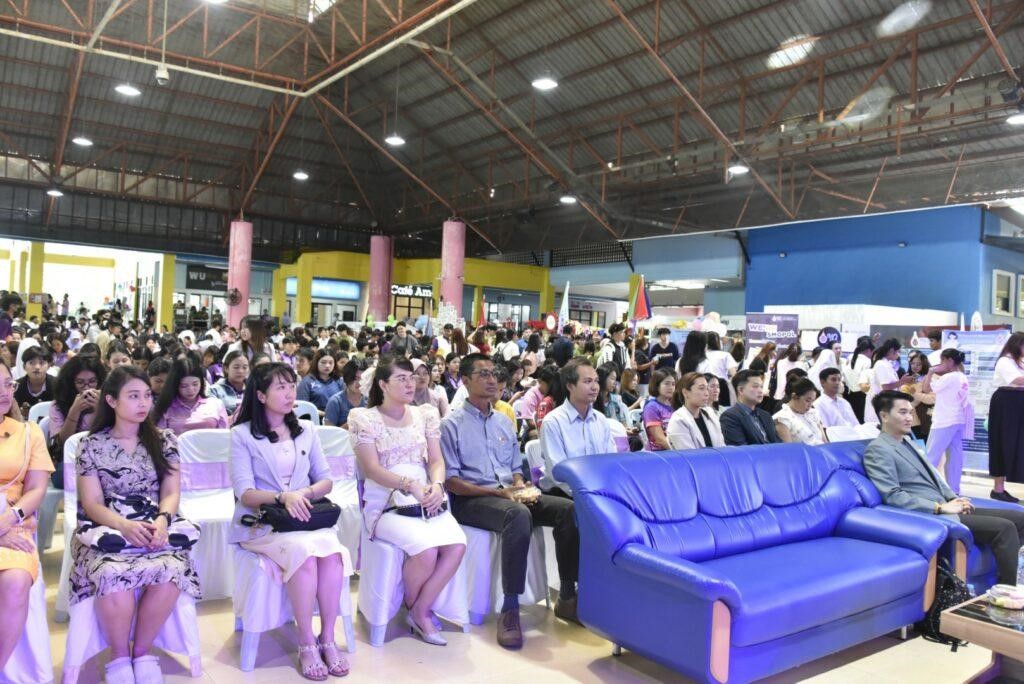
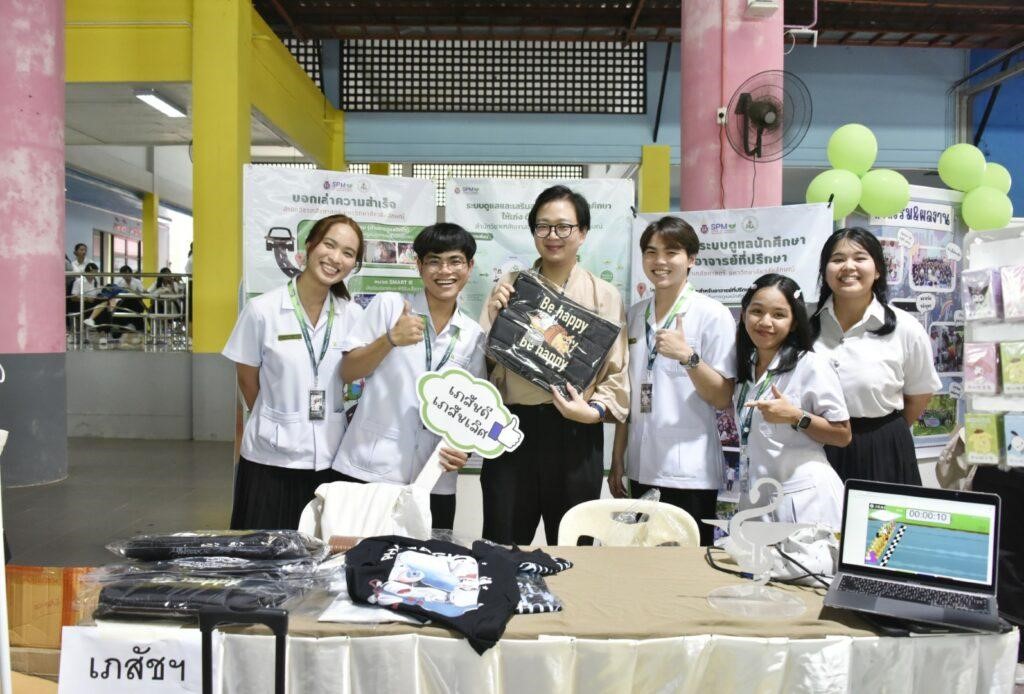
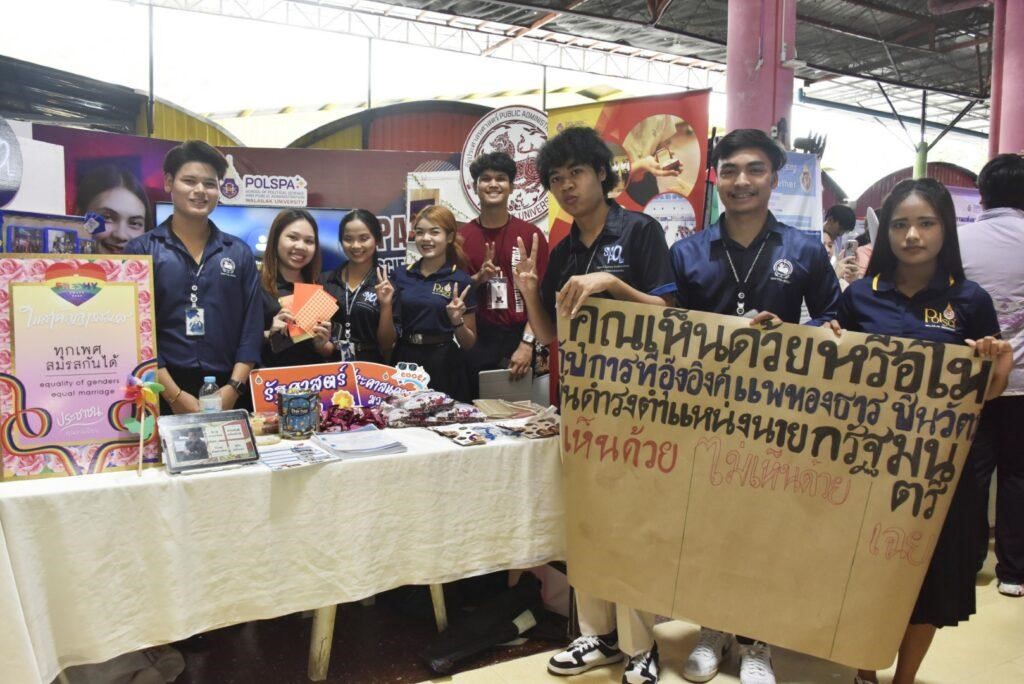
Walailak University, through the Division of Student Promotion and Development and in collaboration with partner networks, organized the Smile & Smart Showcase 2024: Inspiring Minds, Igniting Ideas. The event served as a platform to exchange best practices in student care and capacity development. It highlighted the achievements of the Smile & Smart Center since 2018, with over 85% student satisfaction. The showcase featured panel discussions, exhibitions, and performances, attracting more than 1,500 participants, including students and staff, to foster stronger networks and expand effective student support strategies.
In 2024, the Smile Clinic under the School of Nursing provided free mental health assessments and counseling services for a total 36 students. The clinic addressed a range of mental health concerns, including depression, stress, anxiety, bipolar disorder, and panic disorder. The most frequently diagnosed conditions were major depressive disorder (MDD) (11 cases), stress (7 cases), anxiety and bipolar disorder (6 cases), depression (5 cases), and panic disorder (1 case). In addition, the Smile Clinic also organized activities to promote students’ access to mental health support.
Tea for the Soul
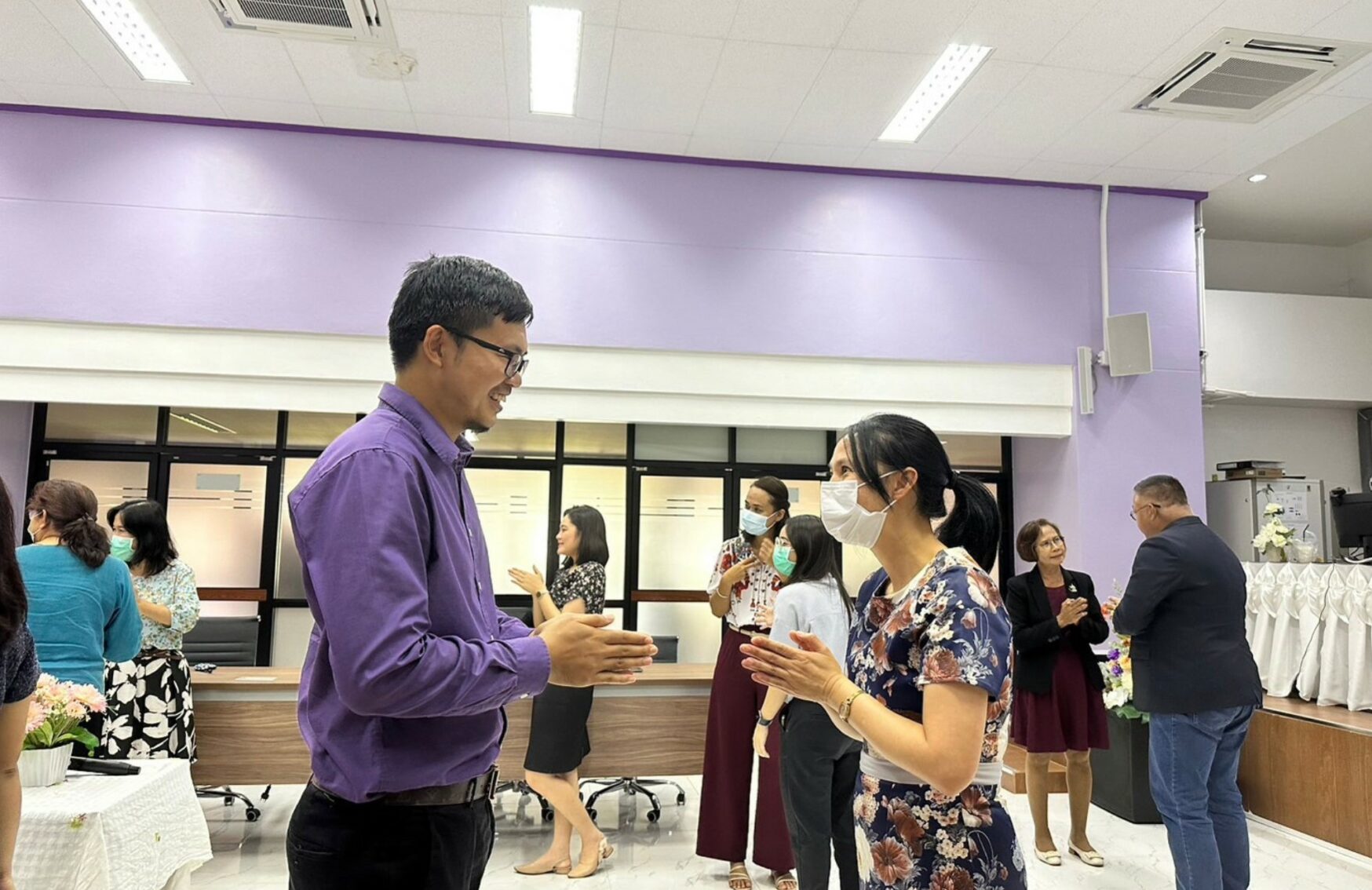
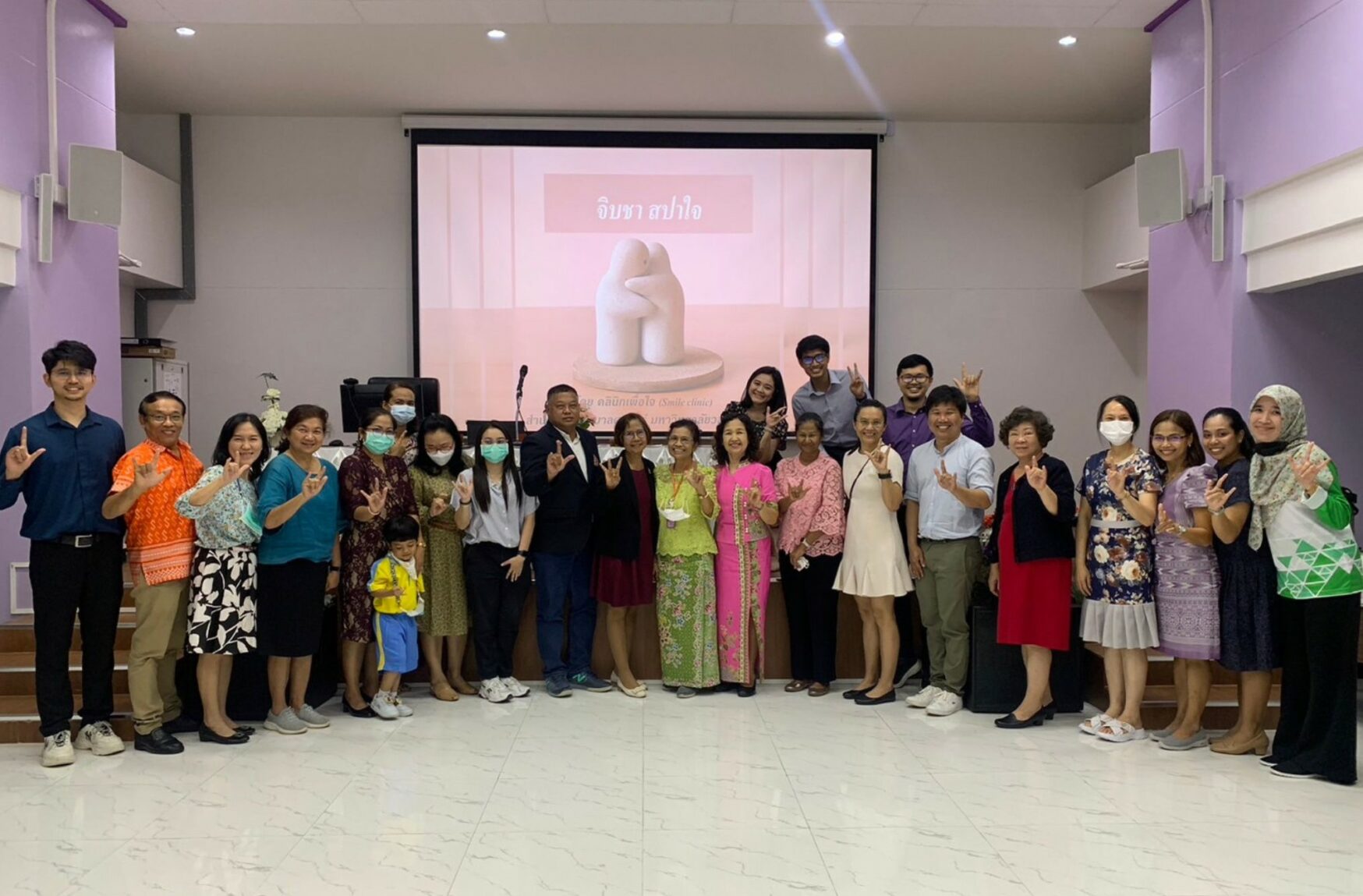
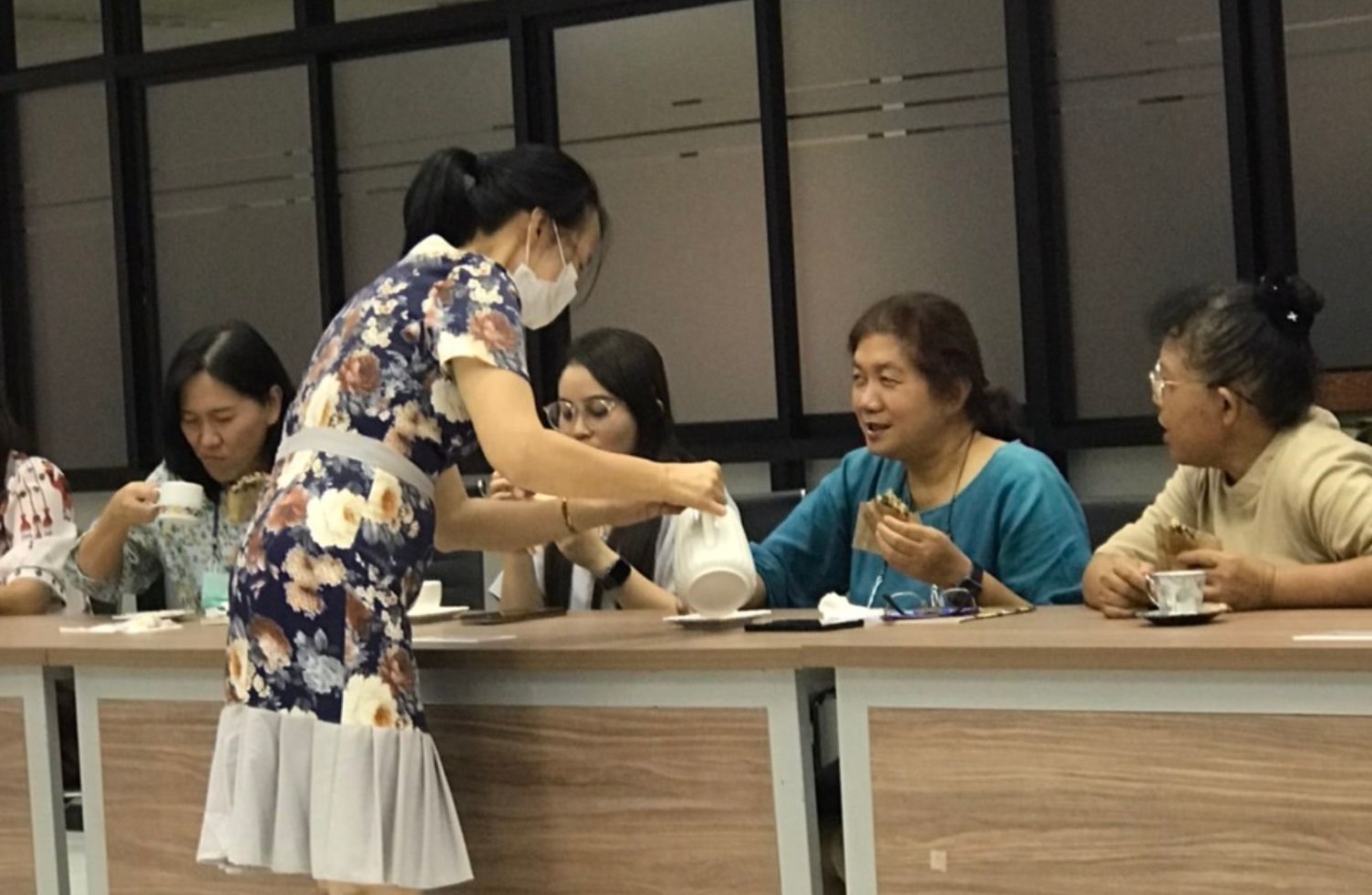
This activity was conducted three times at Academic Building 2, School of Nursing, with participants including students, faculty members, university staff, and interested members of the public, averaging 20-30 people per session. The activity aimed to create a space for sharing happiness, enhancing relaxation, and fostering harmony through diversity. Activities included mindfulness breathing with kindness, the “stream of goodness” through tea sharing, and positive dialogue using appreciative conversation processes. Each session lasted two hours. Overall satisfaction was rated at the highest level, with an average of 4.85 out of 5. Participants reported that the activity was beneficial, relaxing, and empowering, and expressed a desire for it to be held regularly.
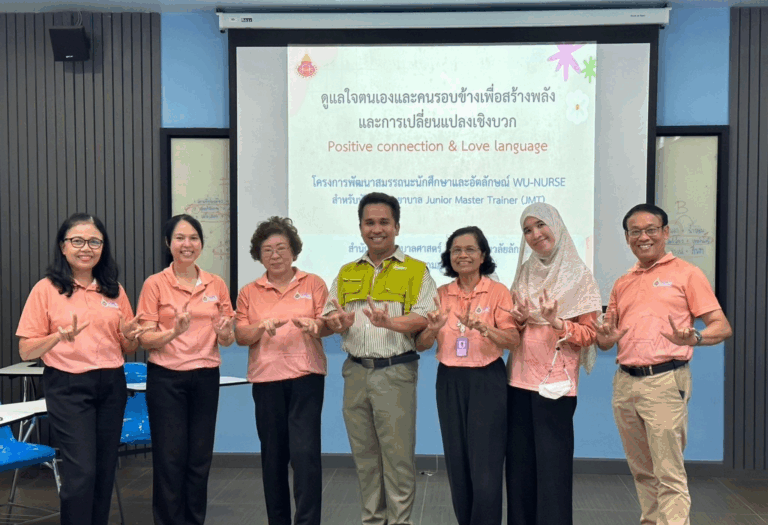
The Smile Clinic, School of Nursing, organized the Youth Activist Capacity Building Project with the theme “Love Language” for first- and second-year nursing students. The program aimed to enhance students’ self-care skills, promote sharing love and care with others, and develop Junior Master Trainers (JMT) to serve as peer mental health advocates.
In 2024, the Psychiatric Clinic provided students with access to mental health support to a total of 390 students, comprising 79 male and 311 female students. Most of them sought assistance due to issues such as stress, anxiety, depression, relationship problems, and academic pressure. According to the service data, students received care for various mental and physical health conditions. Depression was the most common mental health issue, affecting 214 students, followed by anxiety disorders with 196 cases, and bipolar disorder with 47 cases. In addition, there were 23 students diagnosed with attention deficit hyperactivity disorder (ADHD), 17 with other psychiatric disorders, 4 with psychotic disorders, and 2 with autism spectrum disorder. Cases involving substance dependence and schizophrenia were also identified, with approximately 1–2 students in each category. Furthermore, there was one student diagnosed with intellectual disability and one with a learning disability.
This information highlights the importance of providing mental health services with active promotion of good mental health within educational institutions to help students effectively cope with stress and emotional challenges. It also underscores the university’s commitment to fostering a supportive learning environment that promotes long-term psychological well-being.
Group Therapy Sessions (Cohorts 1 & 2)
The Psychiatric Clinic organized Group Therapy Sessions to strengthen students’ mental health through structured group-based interventions. The sessions covered topics such as Relax & Release Anxiety, Emotional Awareness, Self-Regulation (Parts 1 & 2), and Unveiling Strengths. In addition, elective group activities were introduced to foster emotional and cognitive balance, including Art Think Out (art-based expression) and Chaos in My Mind (mind decluttering). These activities helped students relax, creatively explore their thoughts and emotions, and cultivate mindfulness.
WU Tutor Center
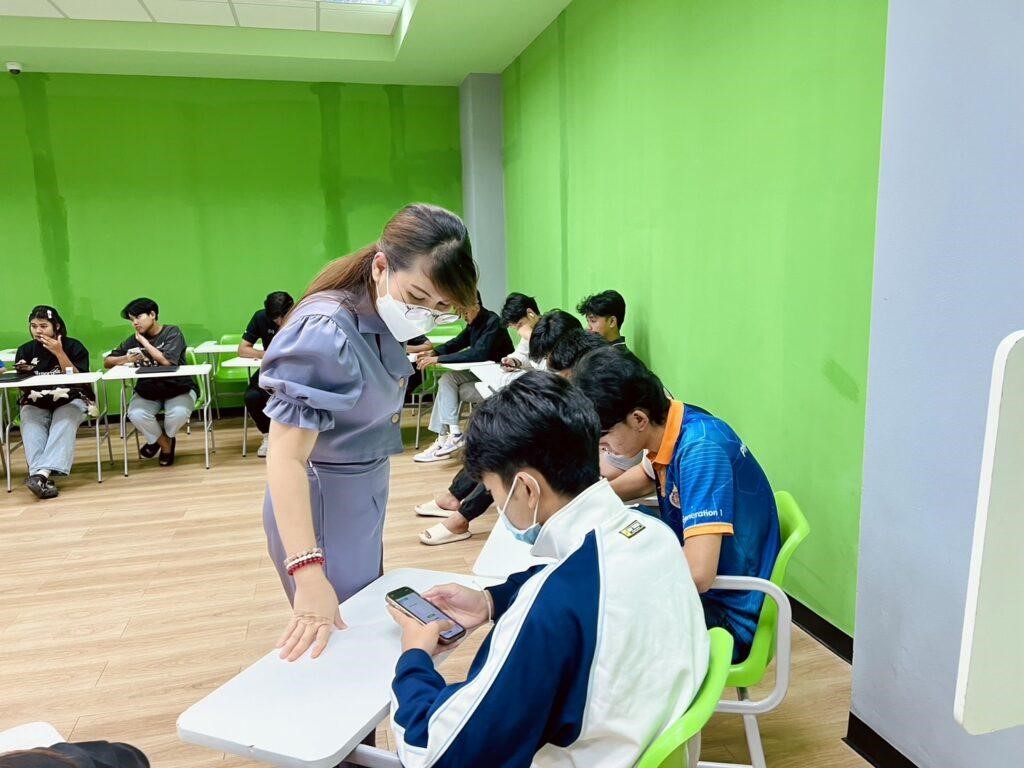
Examinations are an unavoidable part of university life. Each year, many students face difficulties in keeping up with their studies, leading to anxiety about exams, which may result in stress and mental health issues. To help address these challenges and build students’ confidence in taking exams, the university has organized tutoring sessions through the WU Tutor Center.
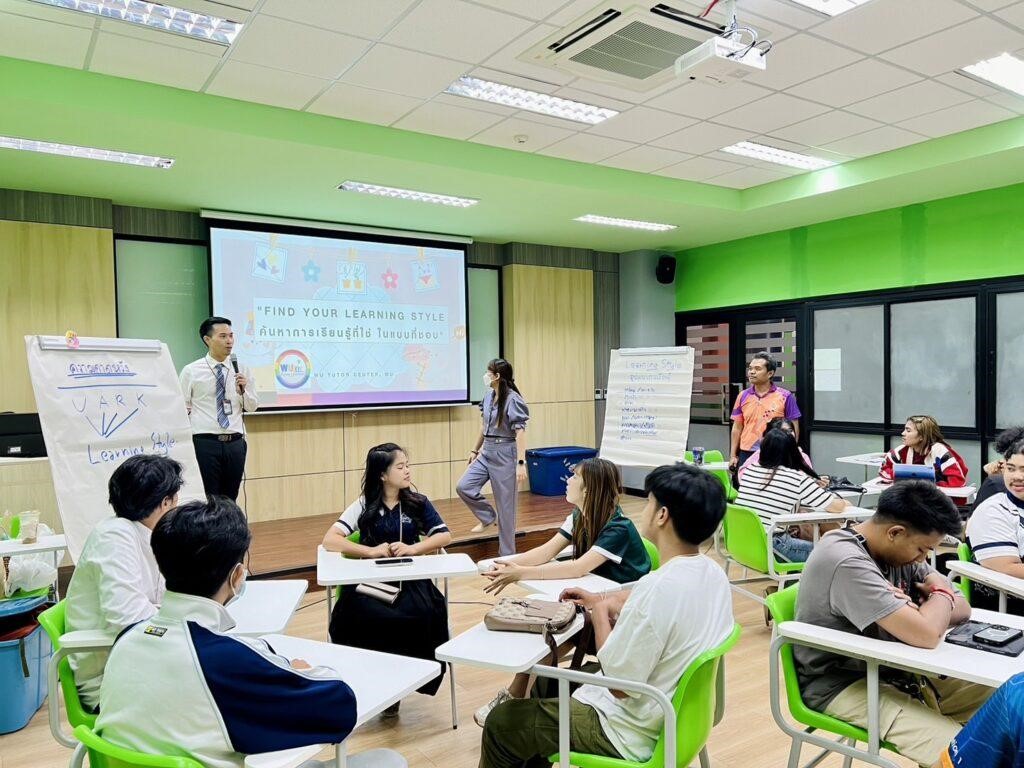
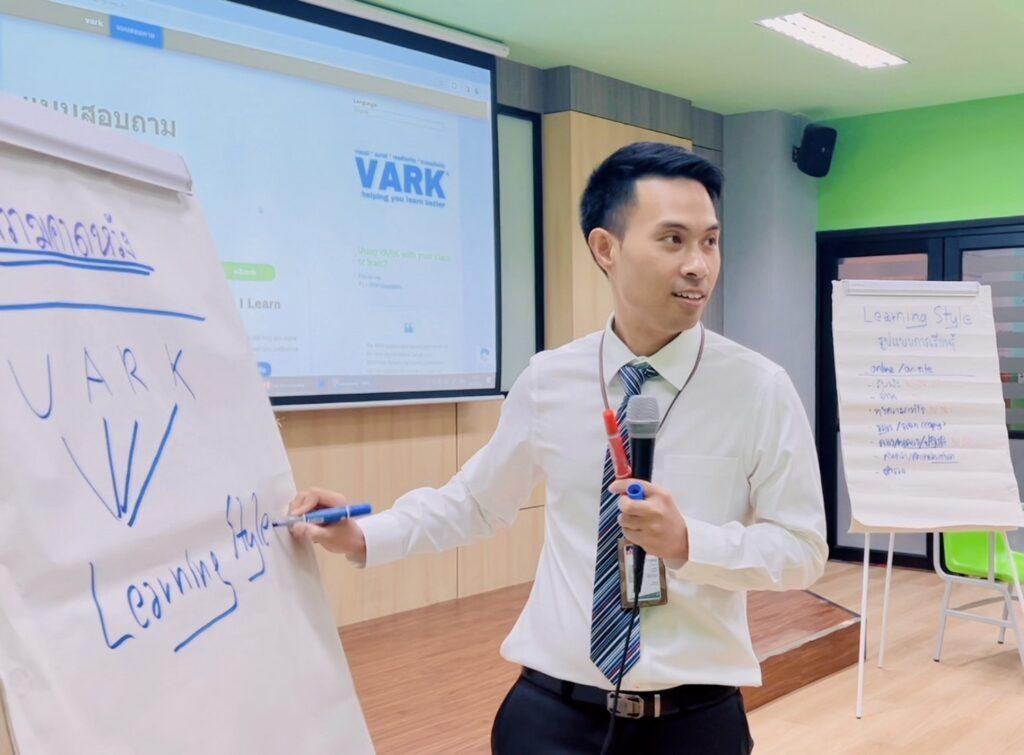
Find Your Learning Style Workshop
The WU Tutor Center organized the workshop “Find Your Learning Style: Discover the Way You Love to Learn” to help students develop self-awareness, set learning goals, and enhance study skills. A total of 28 students participated. Evaluation results showed a high satisfaction rate of 90%, with suggestions for similar future activities.
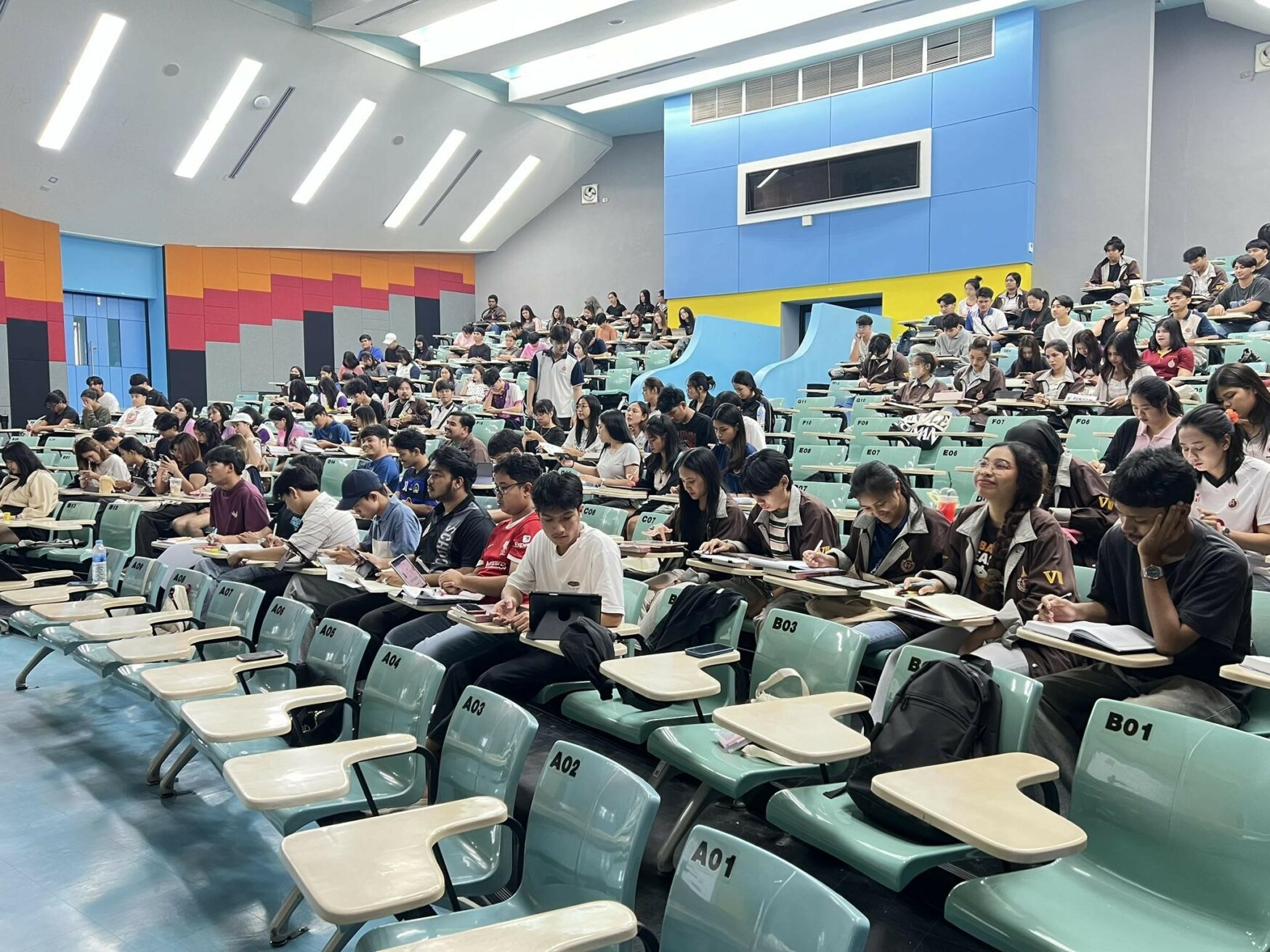
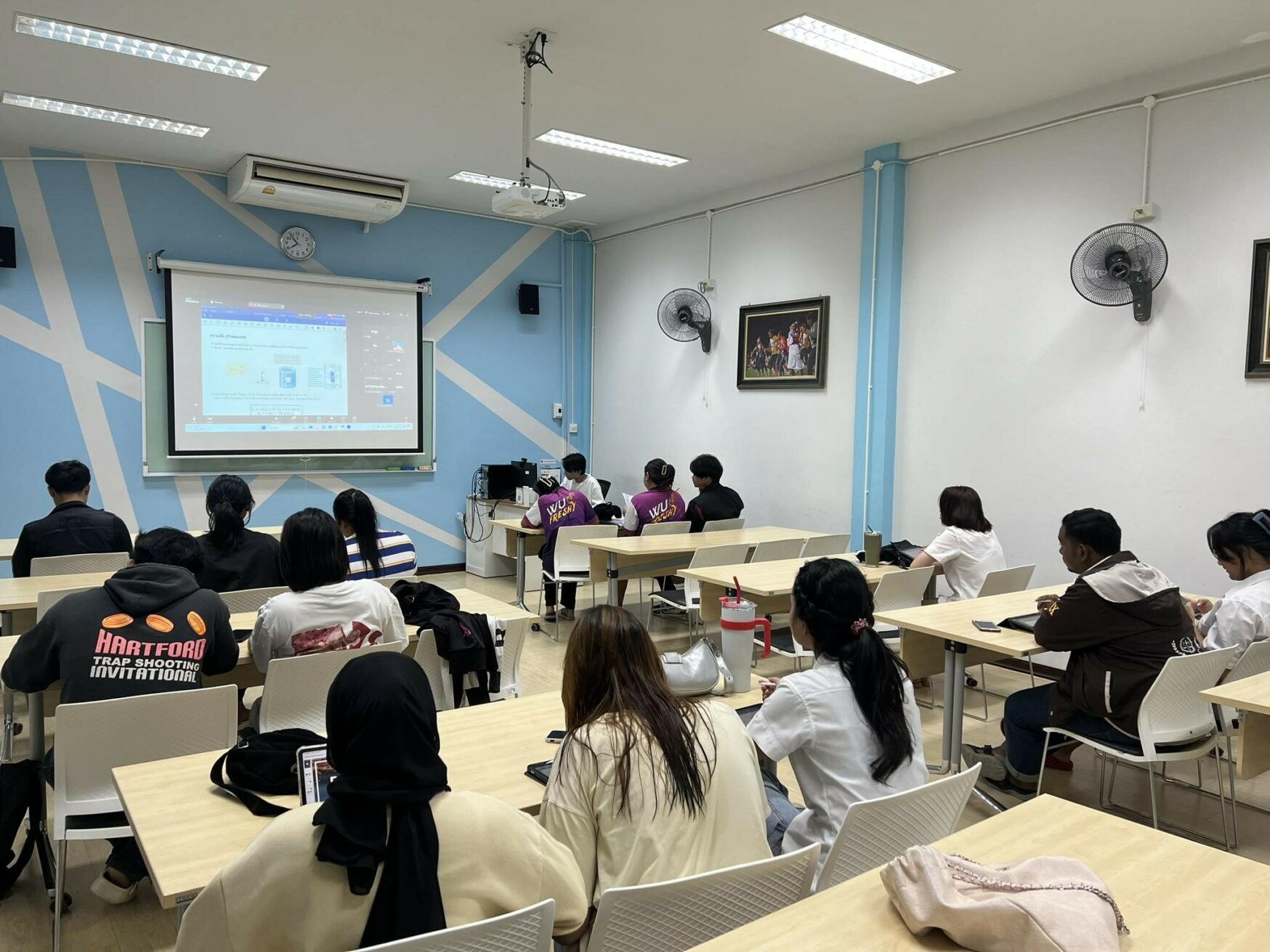
Brain Detox for Final Exams and Subject Review Sessions
Recognizing that examinations are not only academic assessments but also opportunities for growth, Walailak University organized the “Brain Detox for Final Exams” project and various subject review sessions. These activities provided students with mental refreshment, confidence-building, and systematic learning strategies. They also encouraged knowledge review, deeper subject understanding, and critical thinking skills. Beyond academic preparation, the supportive and collaborative environment fostered inspiration and motivation, enabling students to approach exams with both confidence and resilience.
Other Mental Health Support Initiatives for Students
Walailak University and the Division of Student Promotion and Development have implemented a wide range of student mental health promotion initiatives, including:
Capacity-building programs for staff to support students with learning disabilities, behavioral challenges, emotional difficulties, and autism.
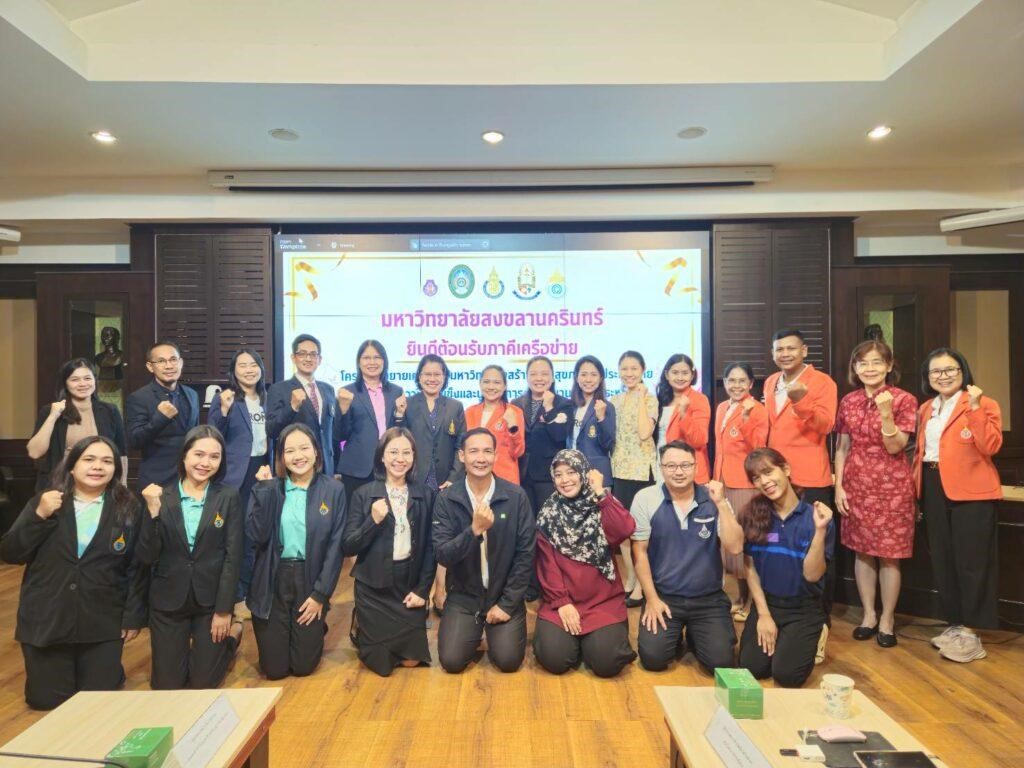
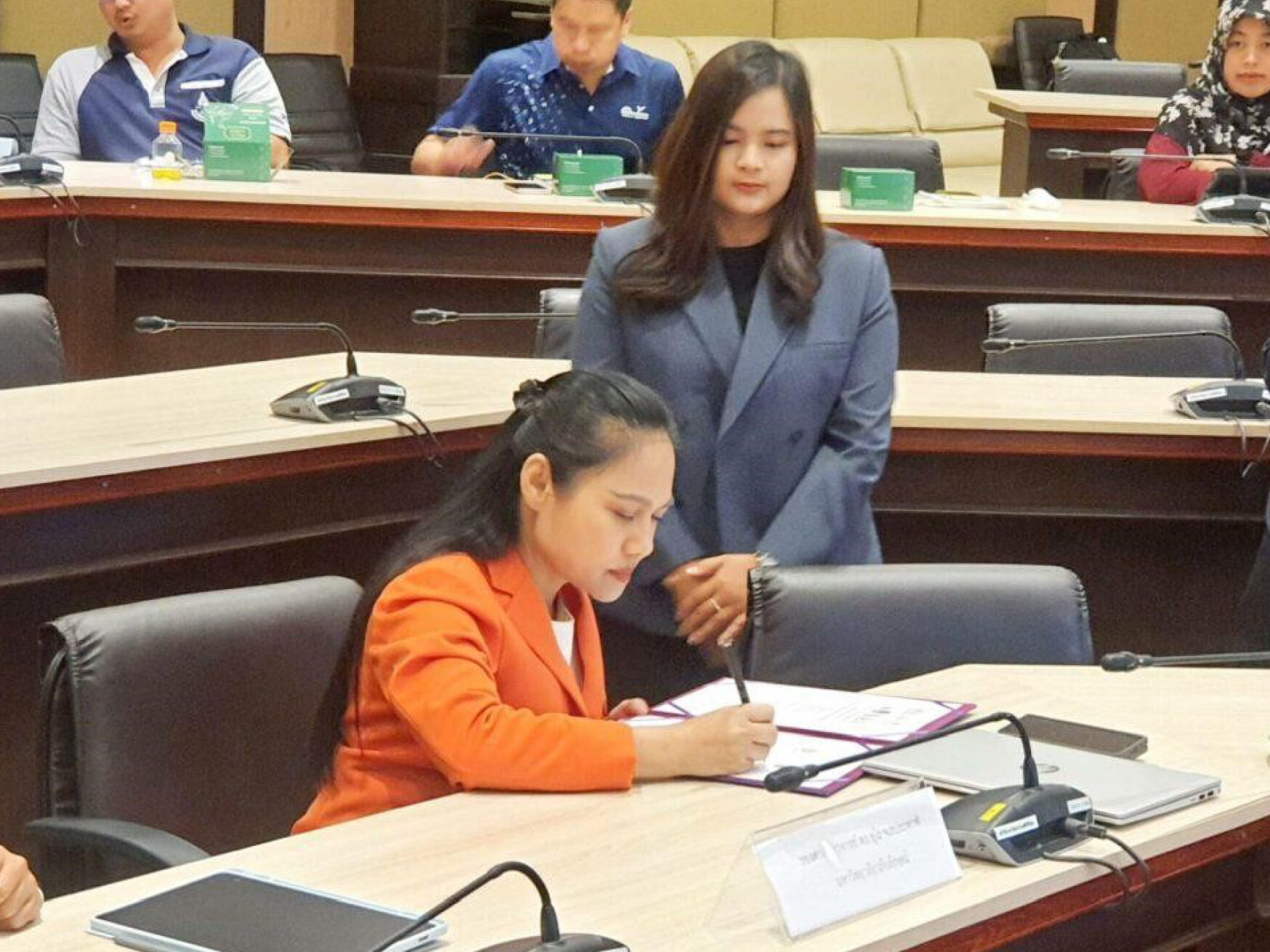
Signing an MOU to expand networks with health-promoting universities in Thailand and preparing to participate in the Health University Rating System (HURS) assessment.
Student leadership development activities across all schools to co-design well-being plans.
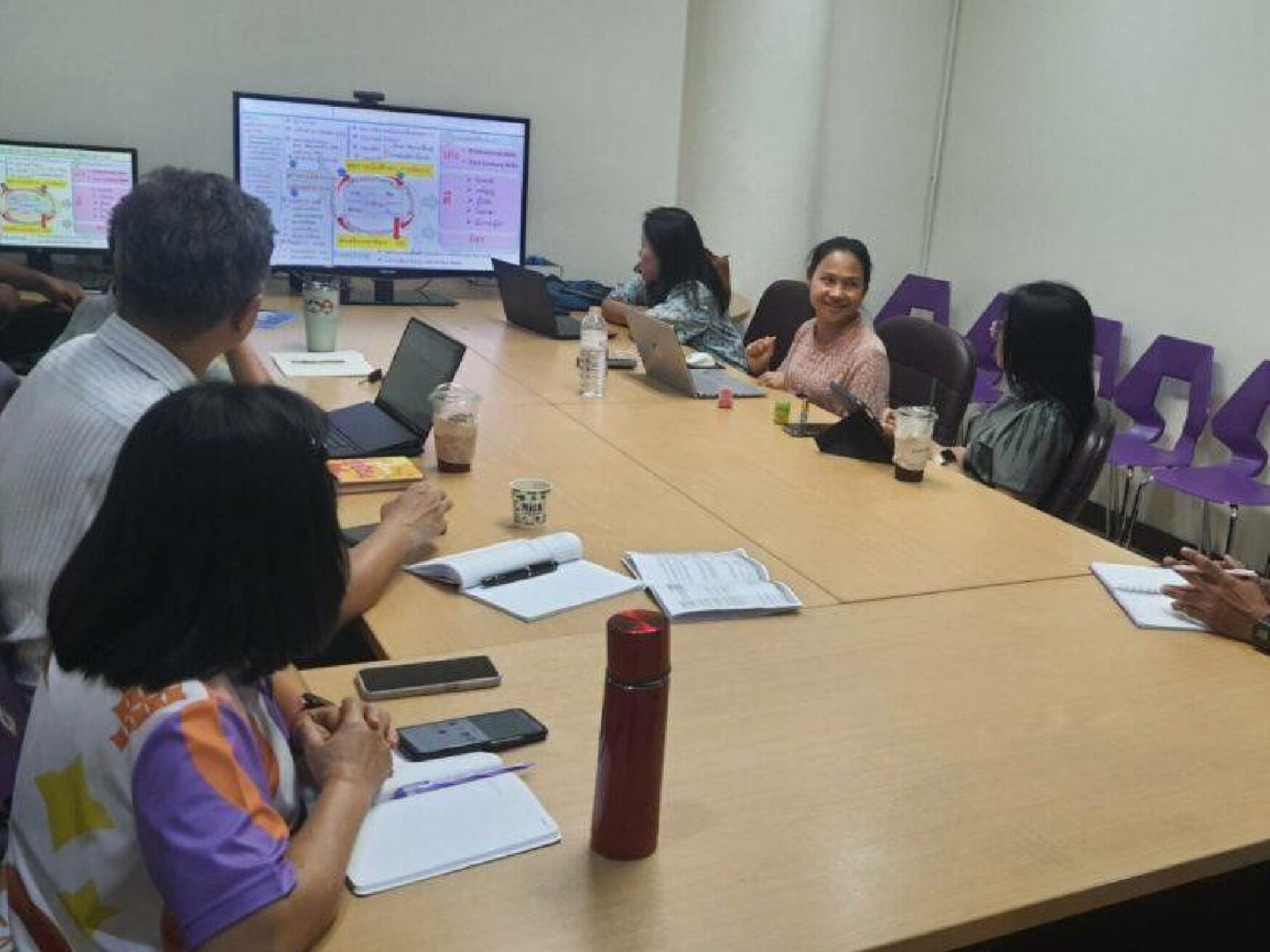
Meetings to improve student well-being assessment tools and databases for preventive and corrective planning.
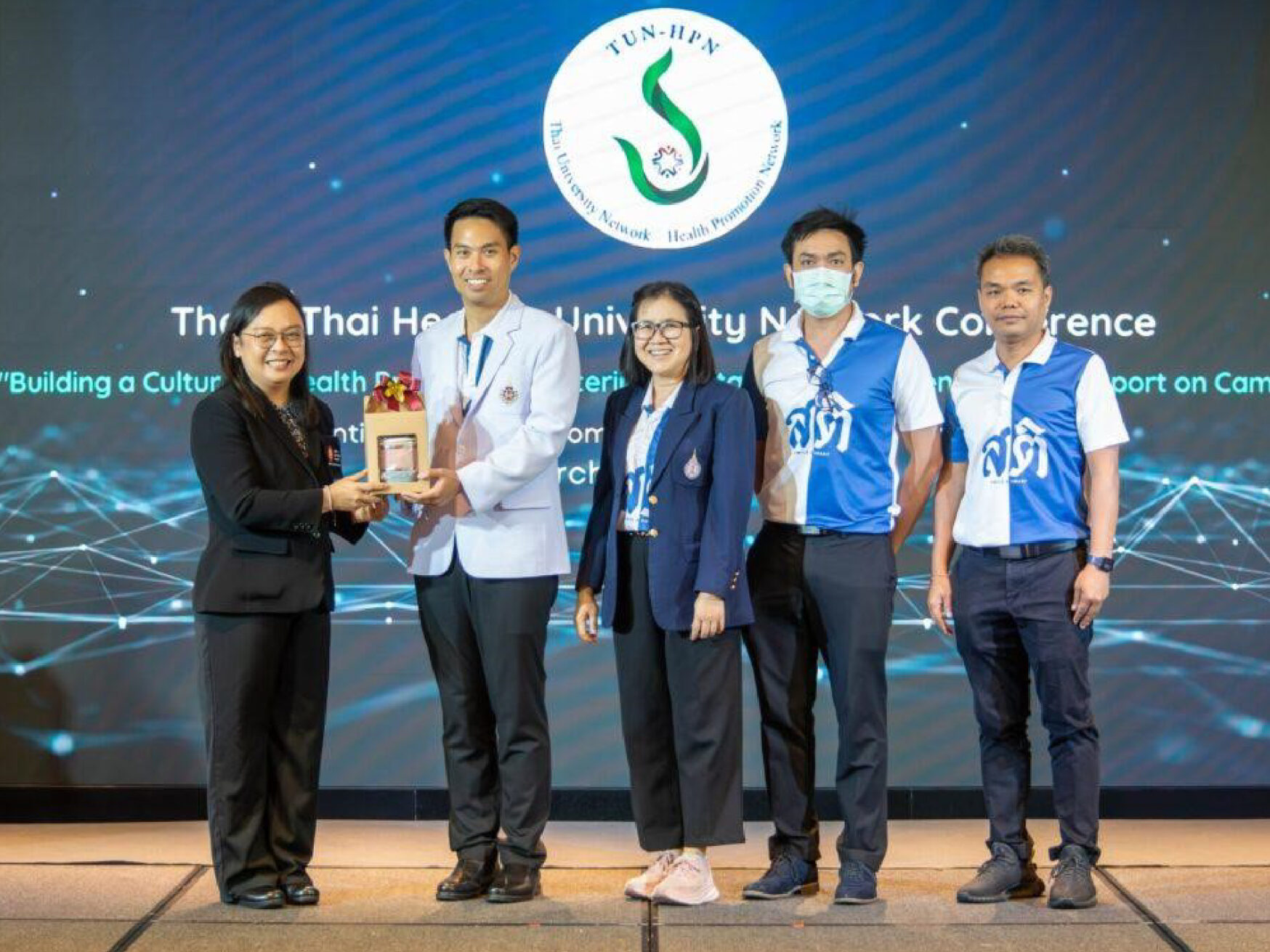
Participation in national academic conferences and workshops to exchange best practices and enhance mental health skills.
These initiatives reflect the university’s commitment to building a comprehensive and sustainable student support system.
Summary of mental health promotion overview of Walailak University
Walailak University’s mental health initiatives highlight a proactive and holistic approach to student care, spanning prevention, monitoring, and recovery. By leveraging peer support, creative healing spaces, and life-balance activities, the university not only strengthens students’ mental well-being but also sets a model for creating a nurturing and sustainable learning community. This framework can serve as a scalable model for other higher education institutions with similar contexts.