Unlocking Potential: Good Mental Health Provision for Staff, the Starting Point of Success in University Life
In today’s fast-moving world, good mental health has become a crucial foundation—not only for personal well-being but also for work performance and happiness. This is especially true for academic personnel who are often burdened with increasing workloads and responsibilities. The university recognizes that supporting the mental well-being of its faculty and staff is a key driver for sustainable institutional progress. Consequently, the university provides staff with access to mental health support through relevant units, actively promoting good mental health.
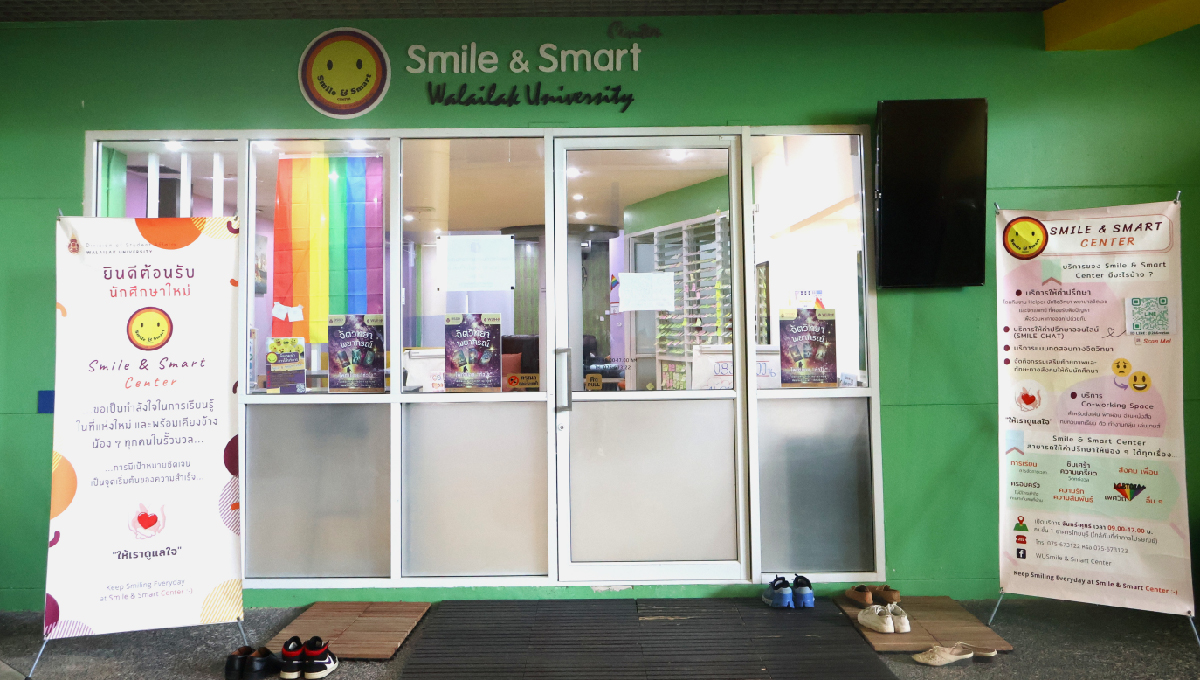
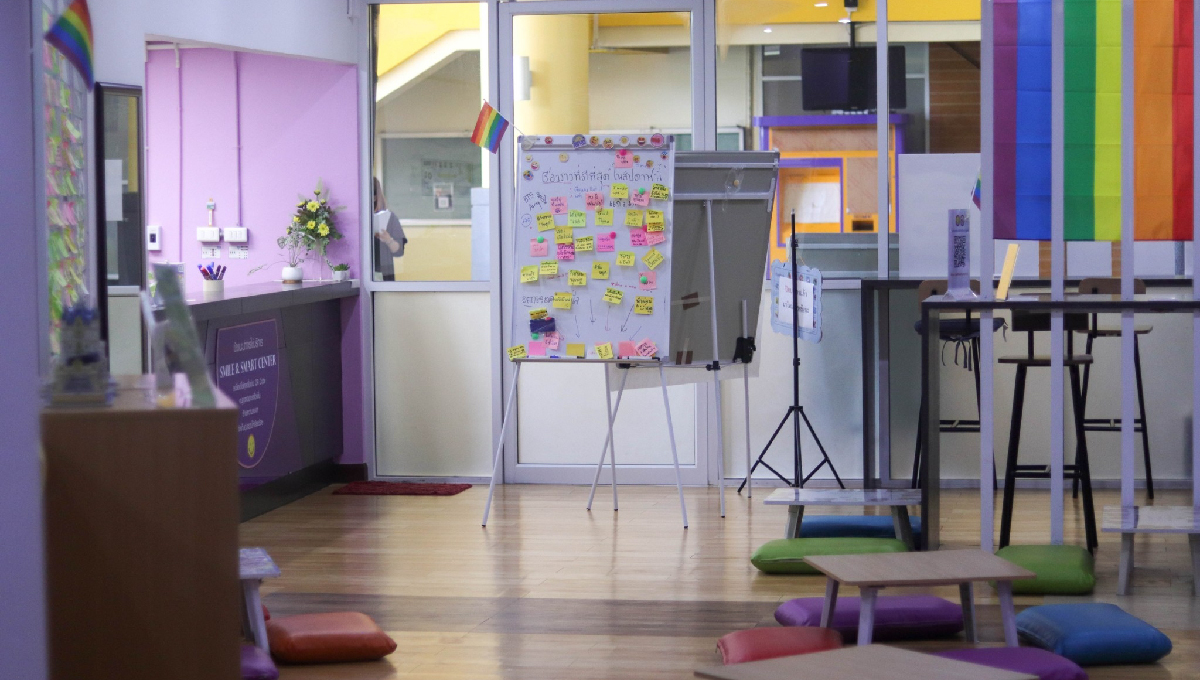
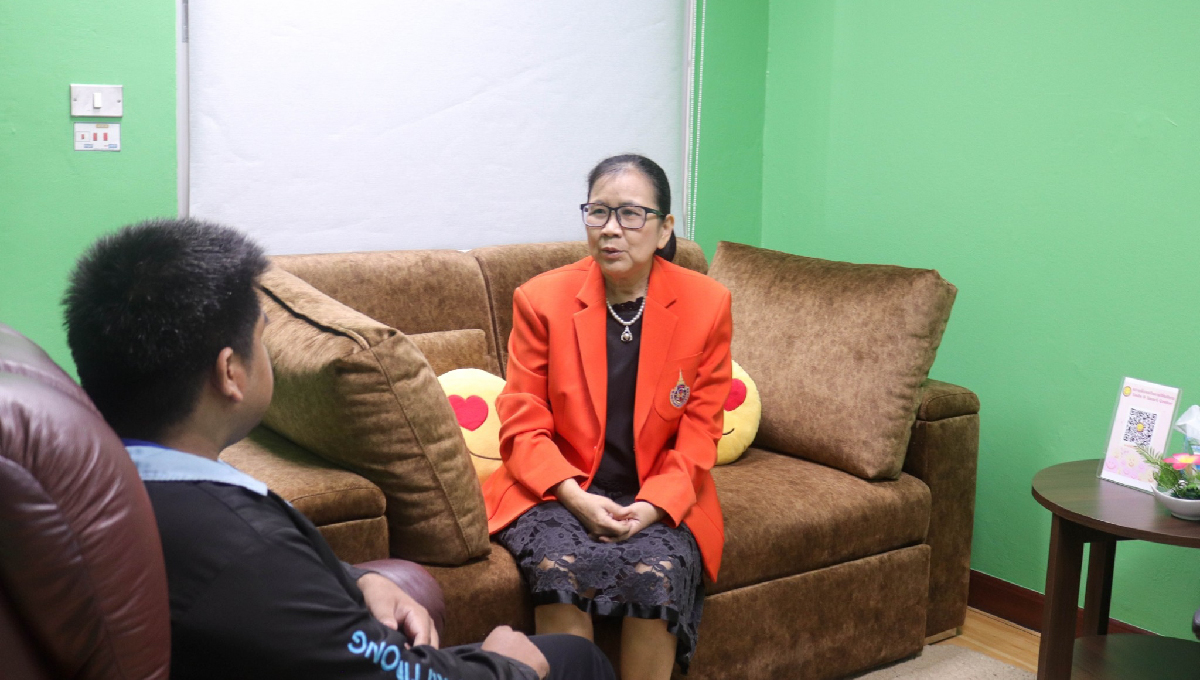
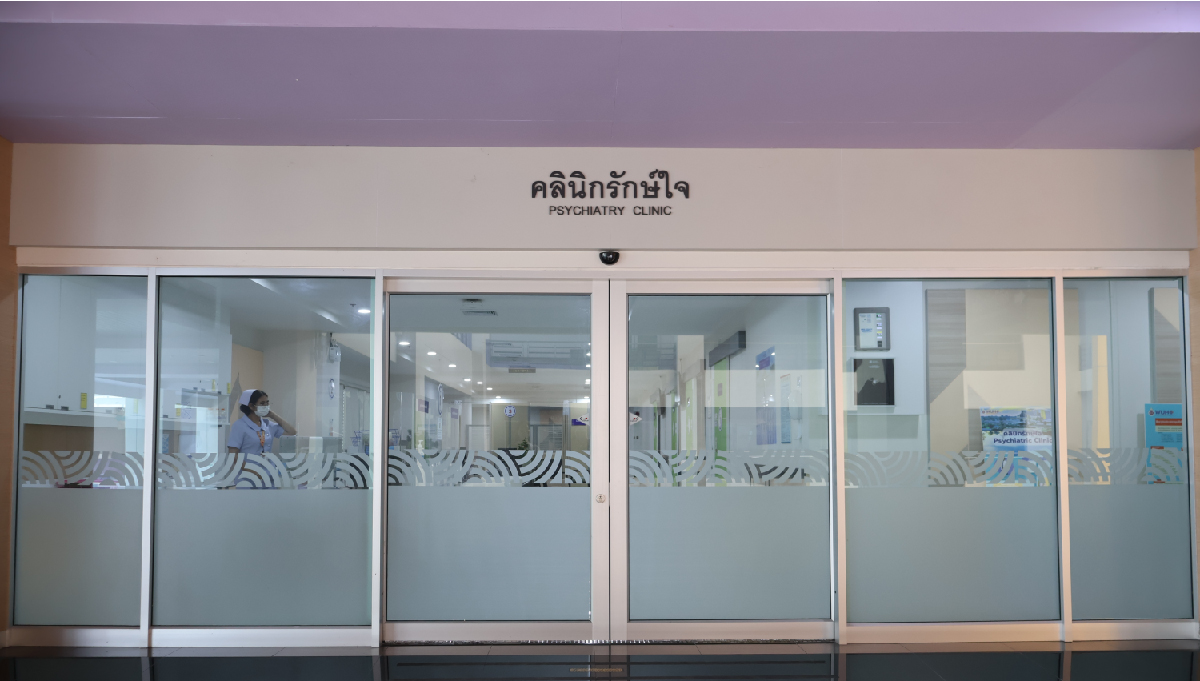
In 2024, Smile & Smart Center, Smile Clinic, and Psychiatric Clinic reaffirmed its commitment to supporting the mental health of university personnel in tangible ways through a variety of activities and programs focused on self-development and stress relief. These efforts reflect a deep understanding of the importance of well-being in the workplace.
In today’s fast-moving world, good mental health has become a crucial foundation—not only for personal well-being but also for work performance and happiness. This is especially true for academic personnel who are often burdened with increasing workloads and responsibilities. The university recognizes that supporting the mental well-being of its faculty and staff is a key driver for sustainable institutional progress. Consequently, the university provides staff with access to mental health support through relevant units, beginning with a diagnostic approach to identify stress factors and mental health risks, followed by continuous development of supportive programs that actively promote good mental health.
In 2024, Smile & Smart Center, Smile Clinic, and Psychiatric Clinic reaffirmed their commitment to supporting the mental health of university personnel in tangible ways through a variety of activities and programs focused on self-development and stress relief. These efforts emphasize active engagement of faculty and staff in mental health initiatives and the ongoing measurement of program effectiveness to ensure lasting impact. Together, these actions reflect a deep understanding of the importance of well-being in the workplace.
Mental Health Promotion Activities
All three units have organized a wide range of comprehensive activities to ensure personnel have genuine access to mental health support. The notable programs stand out for their strong promotion of mental well-being, as detailed below:
Problem-solving Therapy
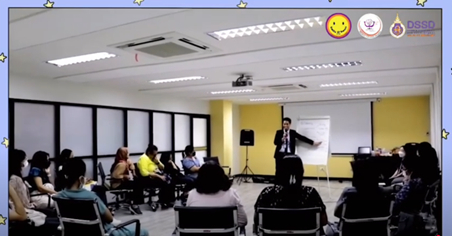
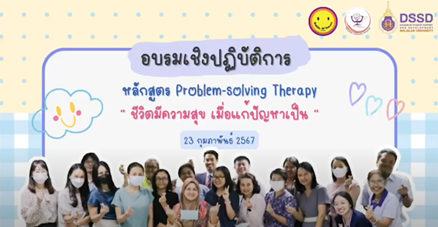
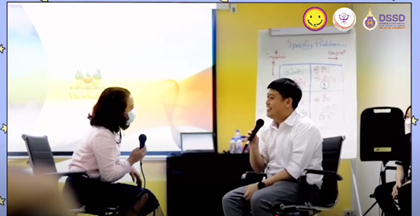
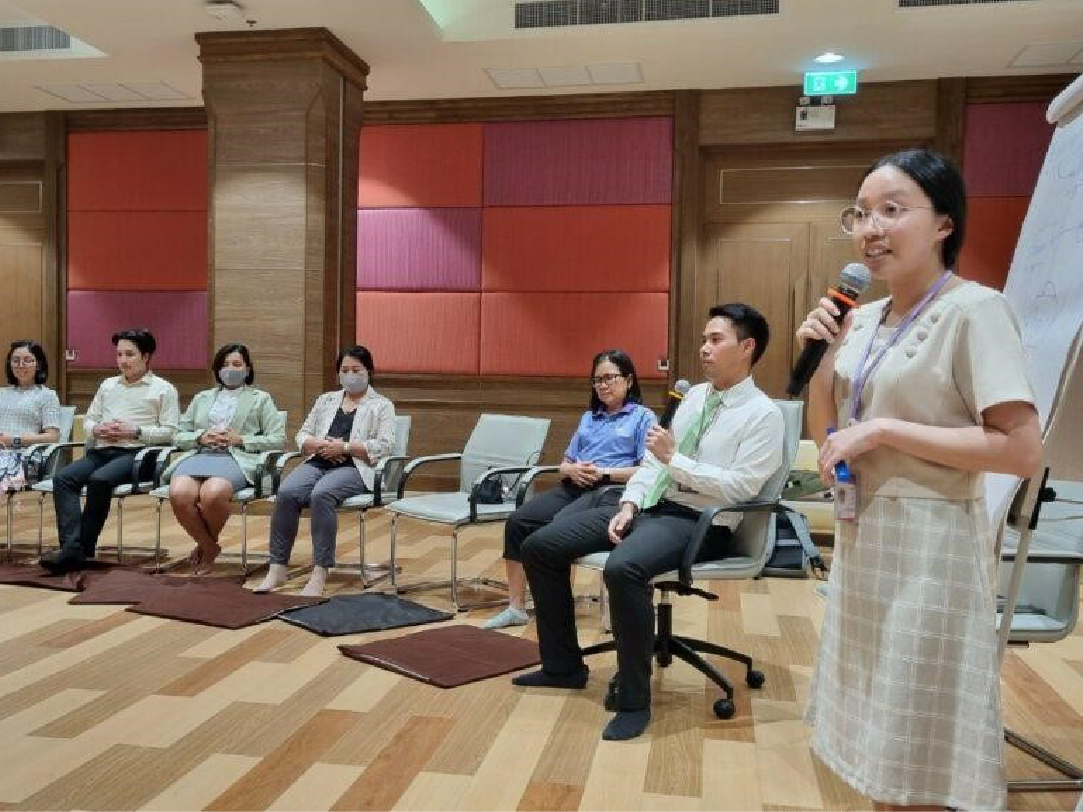
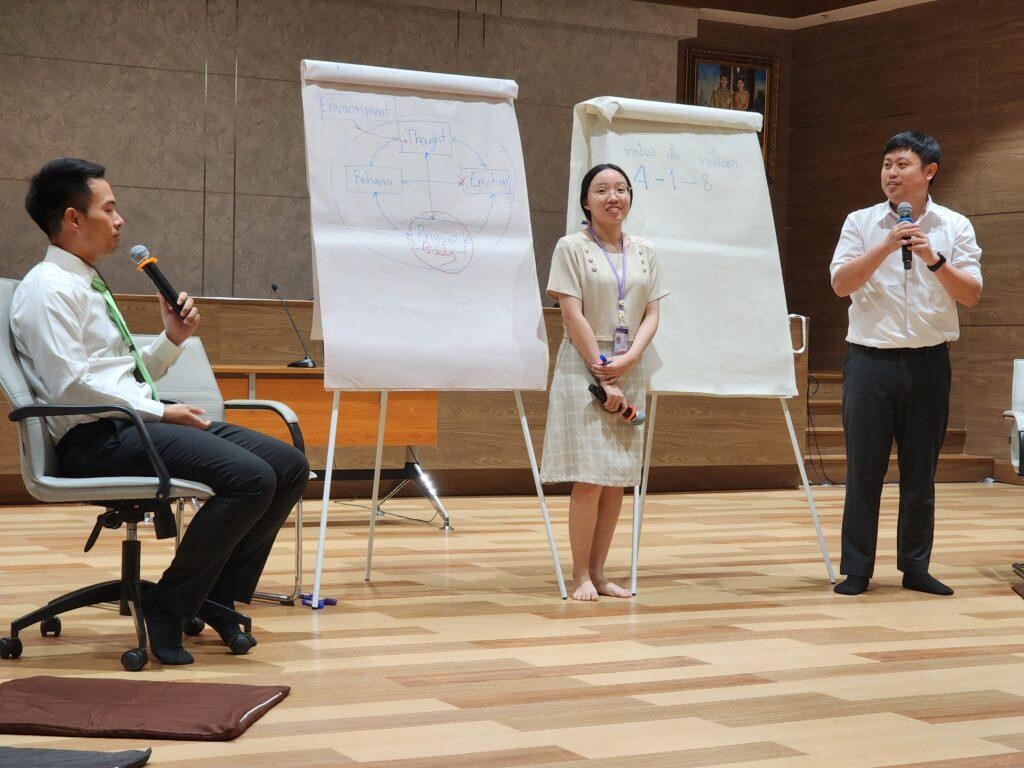
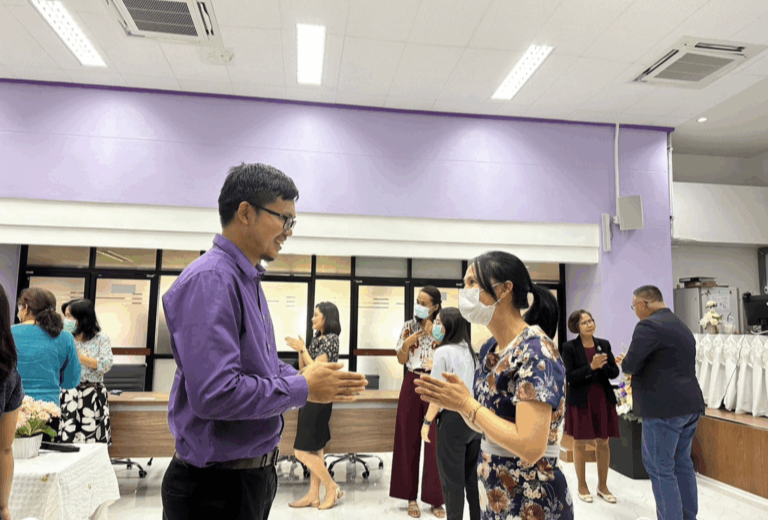
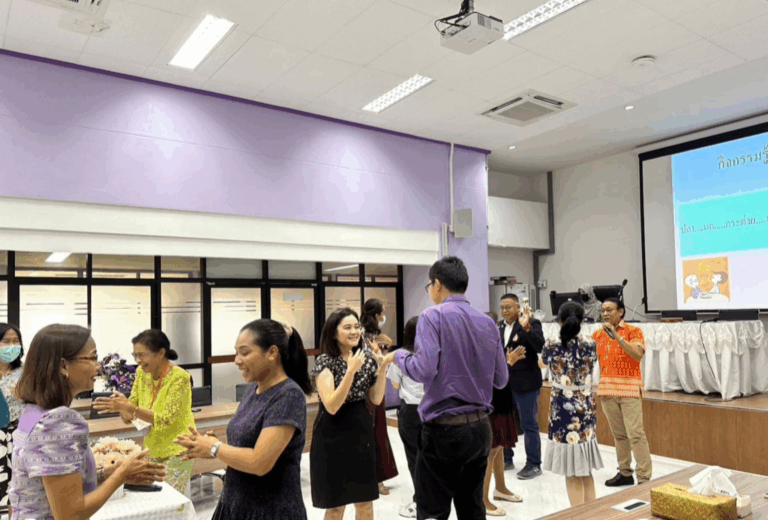
Smile & Smart Center organized an activity under the course “Problem-Solving Therapy: A Happier Life Through Effective Problem-Solving.
Figures : Problem-solving Therapy
Satir Systemic Therapy Course: Psychotherapy and Self-Development
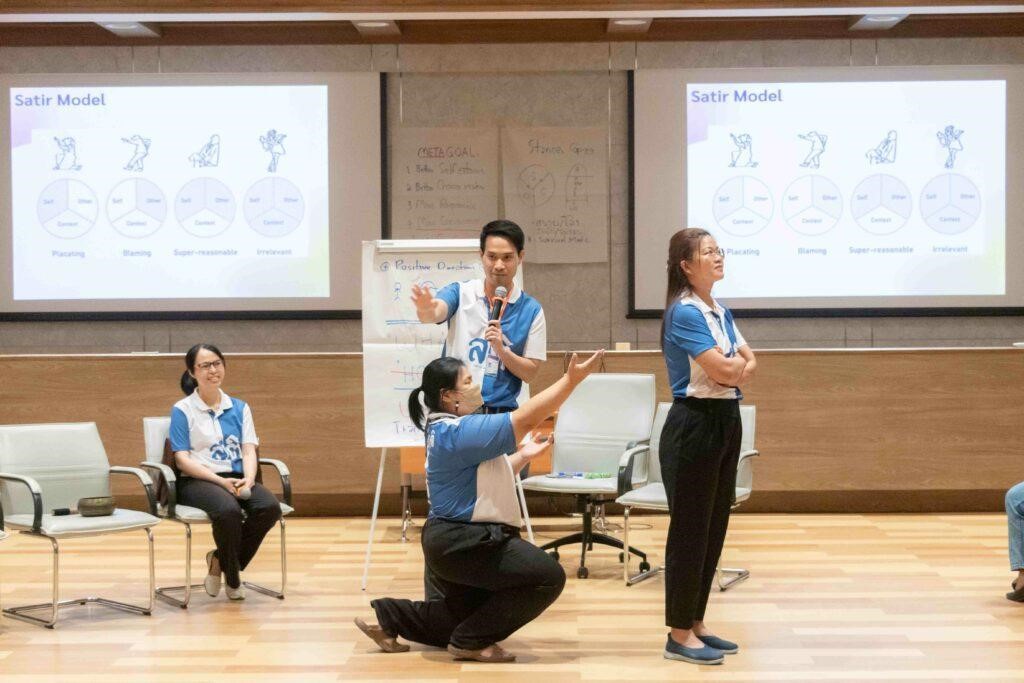
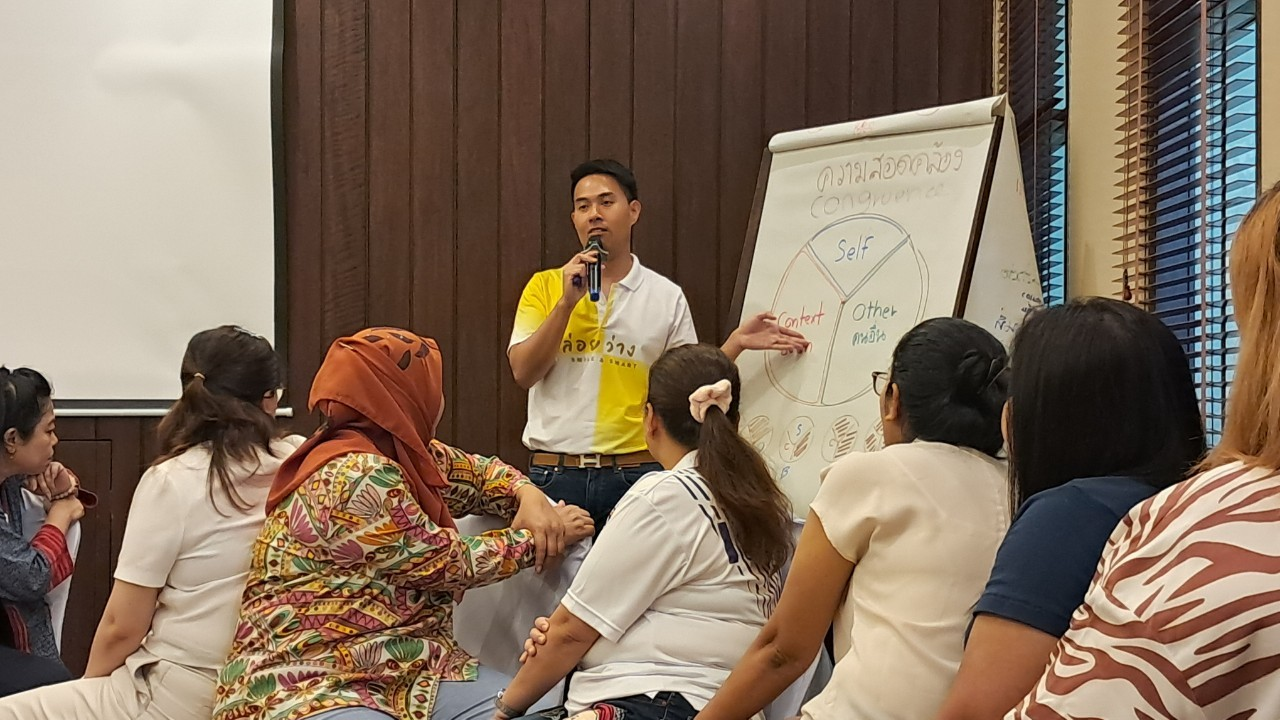
This course focused on enhancing mental health and personal growth, particularly for faculty members from the School of Allied Health Sciences and other interested personnel. A total of 24 participants attended the program. The course emphasized learning the Core Concepts of the Satir Model and the Iceberg Theory within the Satir framework. These concepts help participants understand that individuals always have choices in any situation and that making the right choice (Congruence) involves considering three essential dimensions: the Self, Others involved, and the Context of the event.
Participants also practiced emotional self-care techniques using tools such as Positive Connective, Deep Listening, and Process Questions, as well as counseling based on the Satir Model. The outcomes showed clear benefits, including deeper self-awareness, improved guidance for student counseling, and practical applications for personal emotional care. Satisfaction with the course was notably high at 94.25%, indicating that the program helped participants “reconnect with their humanity” and foster authentic self-discovery grounded in self-acceptance and respect.
Relaxation Technique Course: Learning to Relax, Be Present, and Effectively Reduce Stress
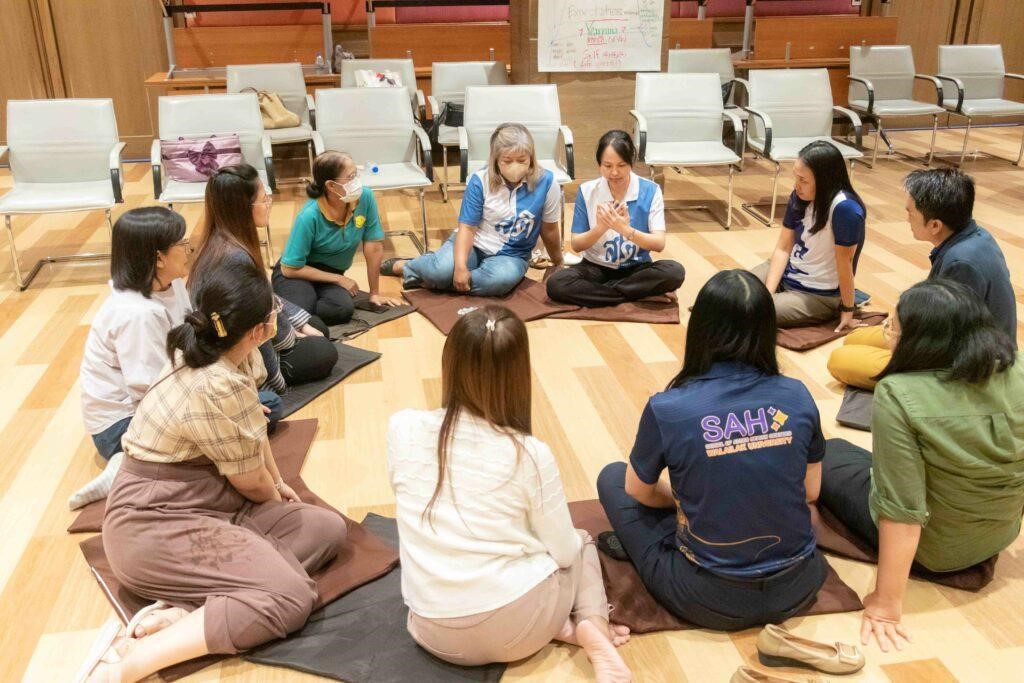
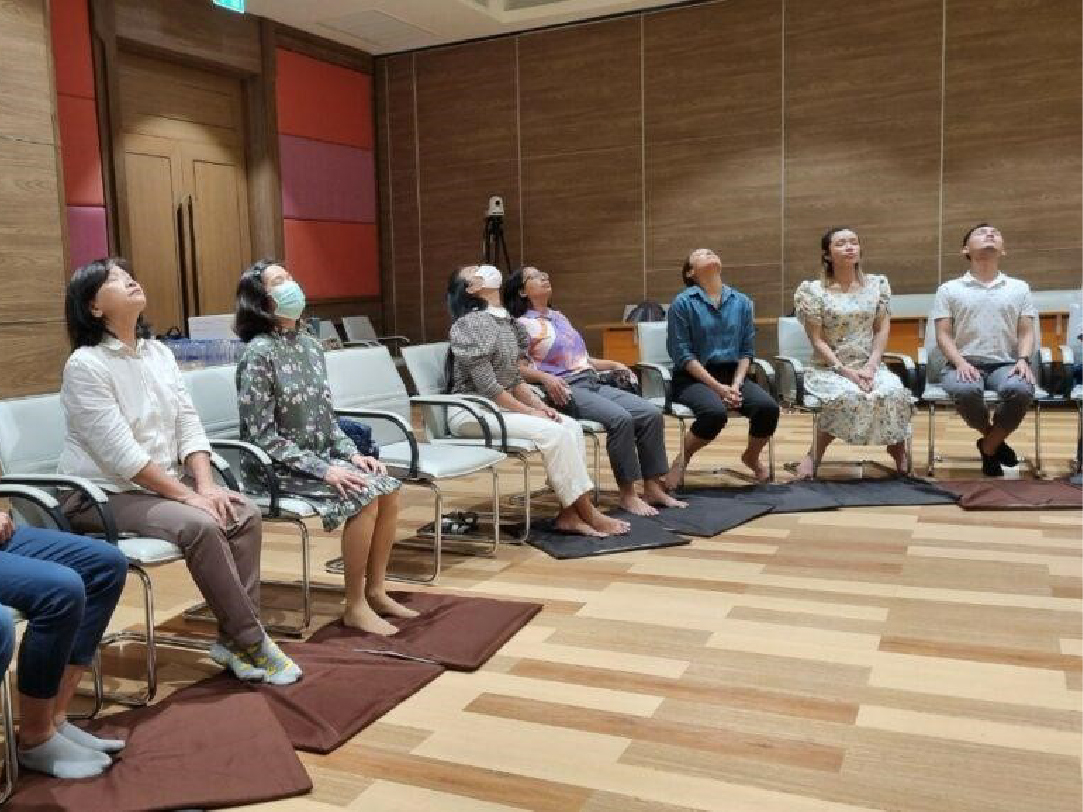
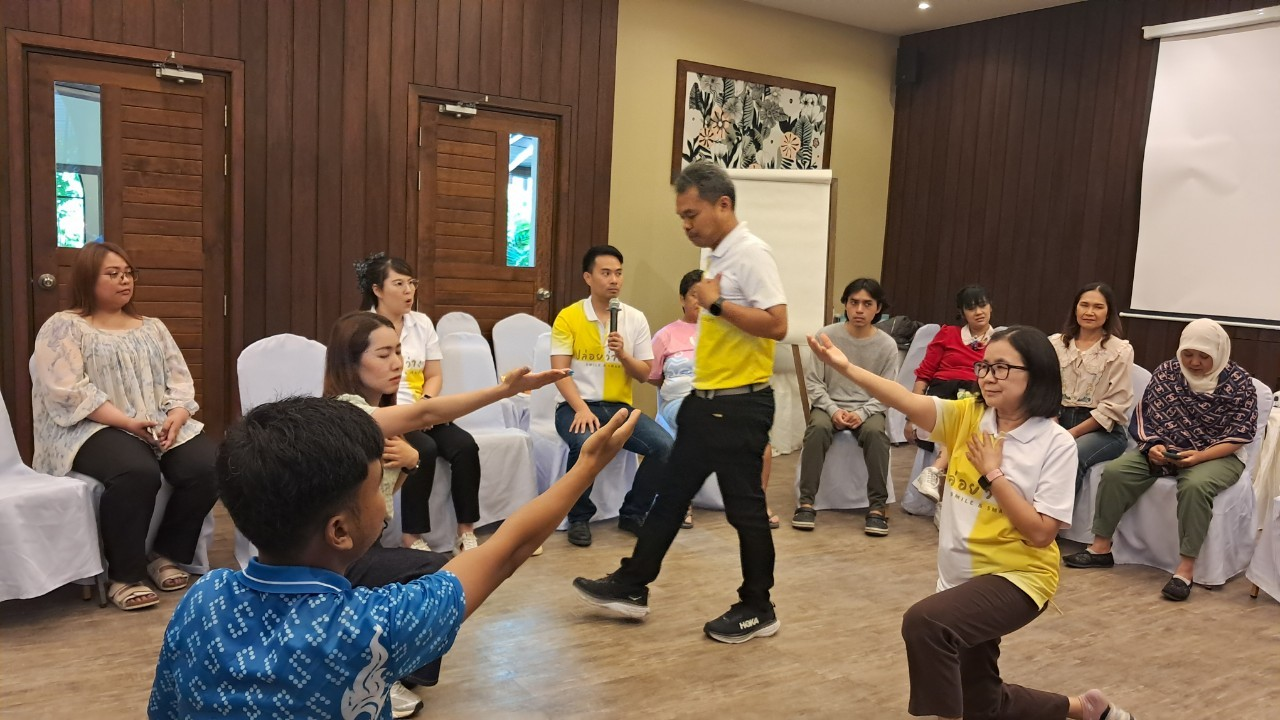
This course was co-organized by the Smile & Smart Center and Rak Jai Clinic of the Medical Center Hospital. It welcomed 25 faculty participants and aimed to build their capacity to manage stress and relax effectively. Led by a team of professional psychiatrists, the course provided various skill-building exercises designed to help participants stay present and manage stress with efficiency.
Participants practiced essential techniques such as correct breathing, regulating thoughts and bodily reactions, and mindfulness exercises to reduce overthinking and anxiety. Feedback revealed that the techniques were easy to integrate into daily life—whether meditating, relaxing, or even providing better counseling to students. The course achieved a very high satisfaction rate of 97%, with suggestions that it should be conducted regularly. This reflects the immense value the course brings to promoting the psychological well-being of university personnel.
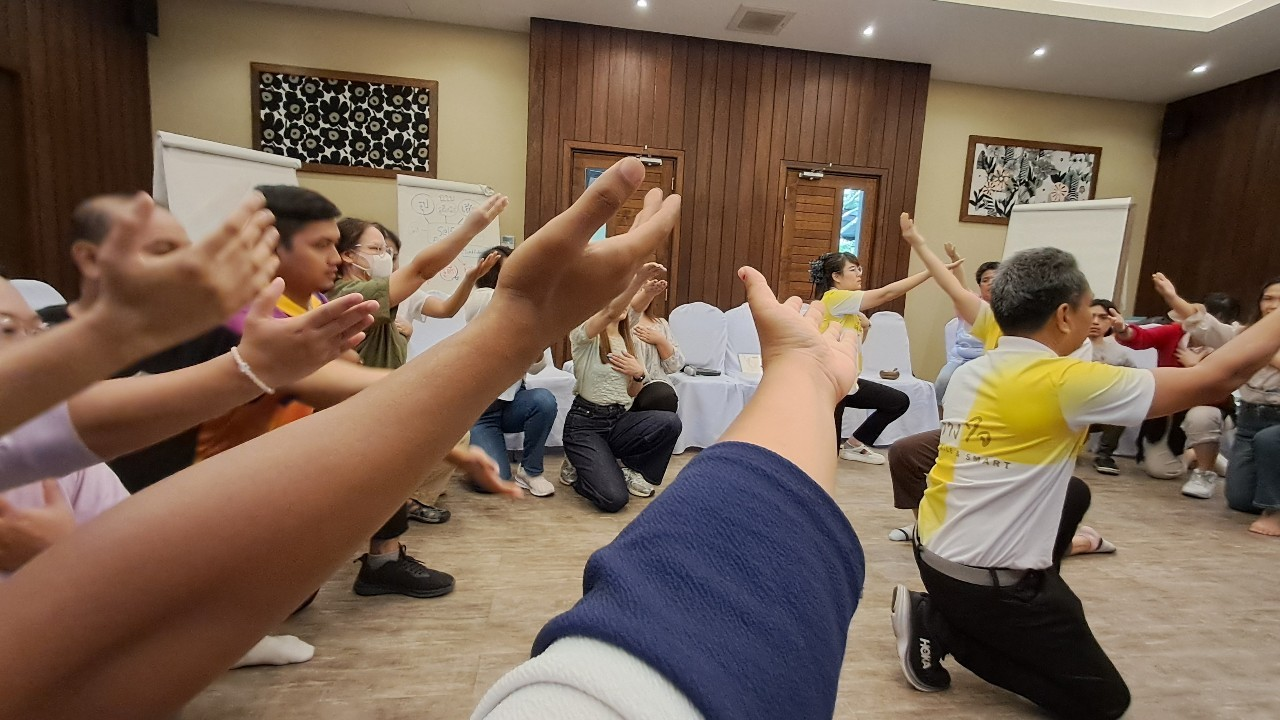
Workshop Program on “Enhancing Emotional Support Skills for Personnel (Helpers), Generation 2
The Division of Human Resources and Organization organized the workshop program on “Enhancing Emotional Support Skills for Personnel (Helpers)” during 16–17 August 2024 at Khanom Beach Resort & Spa Hotel, Khanom District. The training focused on the theme “Into the Human Mind”, covering self-awareness, creating happiness and inner growth, recognizing and choosing the right path for oneself, as well as fostering positive transformation that can be shared with others in the future.
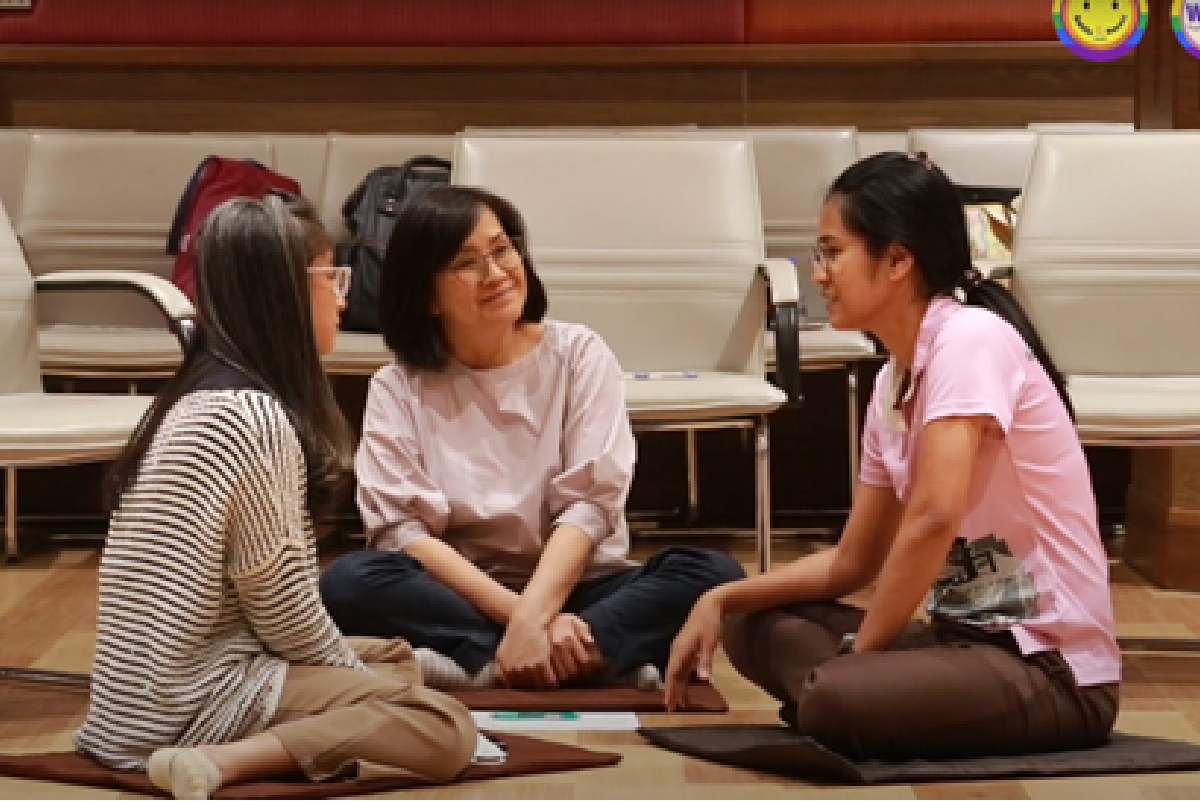
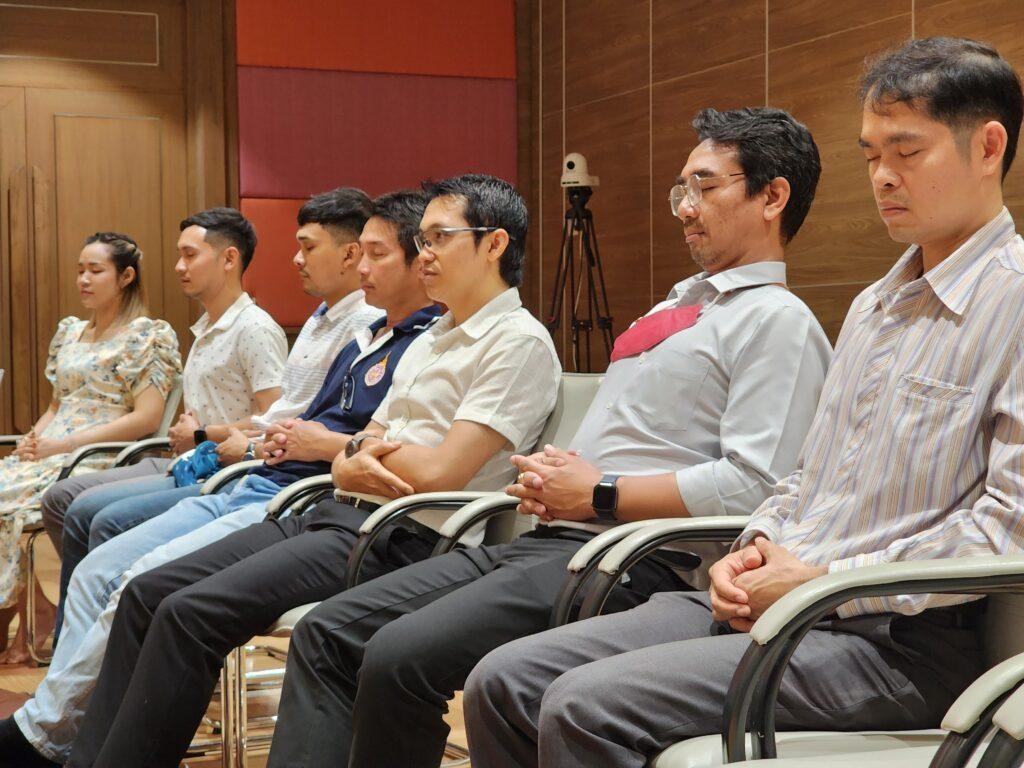
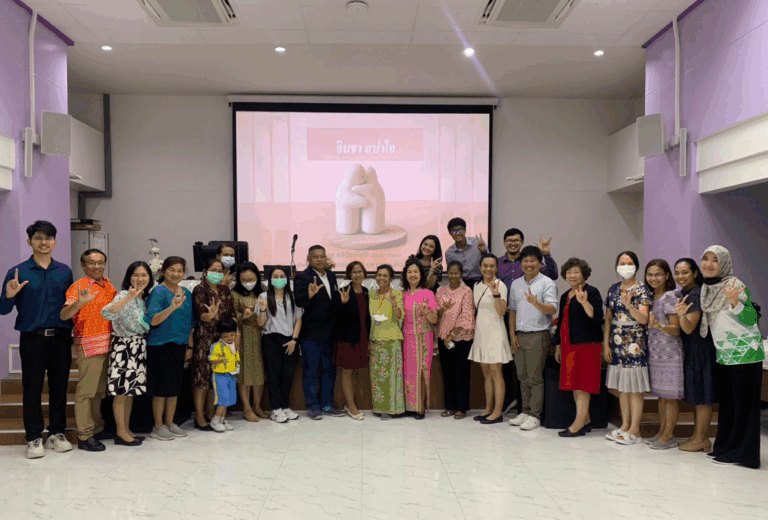
This activity was conducted three times at Academic Building 2, School of Nursing, with participants including students, faculty members, university staff, and interested members of the public, averaging 20-30 people per session. The activity aimed to create a space for sharing happiness, enhancing relaxation, and fostering harmony through diversity. Activities included mindfulness breathing with kindness, the “stream of goodness” through tea sharing, and positive dialogue using appreciative conversation processes. Each session lasted two hours. Overall satisfaction was rated at the highest level, with an average of 4.85 out of 5. Participants reported that the activity was beneficial, relaxing, and empowering, and expressed a desire for it to be held regularly.
In 2024, the university—particularly through the leadership of the Smile & Smart Center—demonstrated its strong commitment and far-sighted vision in enhancing the quality of life for its personnel. By prioritizing genuine support for mental health, the university effectively responded to growing needs and invested in its most valuable resource: its people.
These activities were not merely training sessions—they were opportunities for faculty and staff to explore self-understanding, strengthen their coping strategies, and cultivate psychological resilience. These factors directly influence work performance and life satisfaction. The impressive satisfaction rates exceeding 90% and the transparent availability of public information clearly attest to the university’s success and sincere effort in fostering a supportive environment for well-being.
Investing in the mental health of personnel establishes a solid foundation for the university to sustainably achieve excellence. It cultivates a workforce ready to face any challenge and equipped to drive future innovation and learning.