Free Public Access to All Areas of Cultural Significance
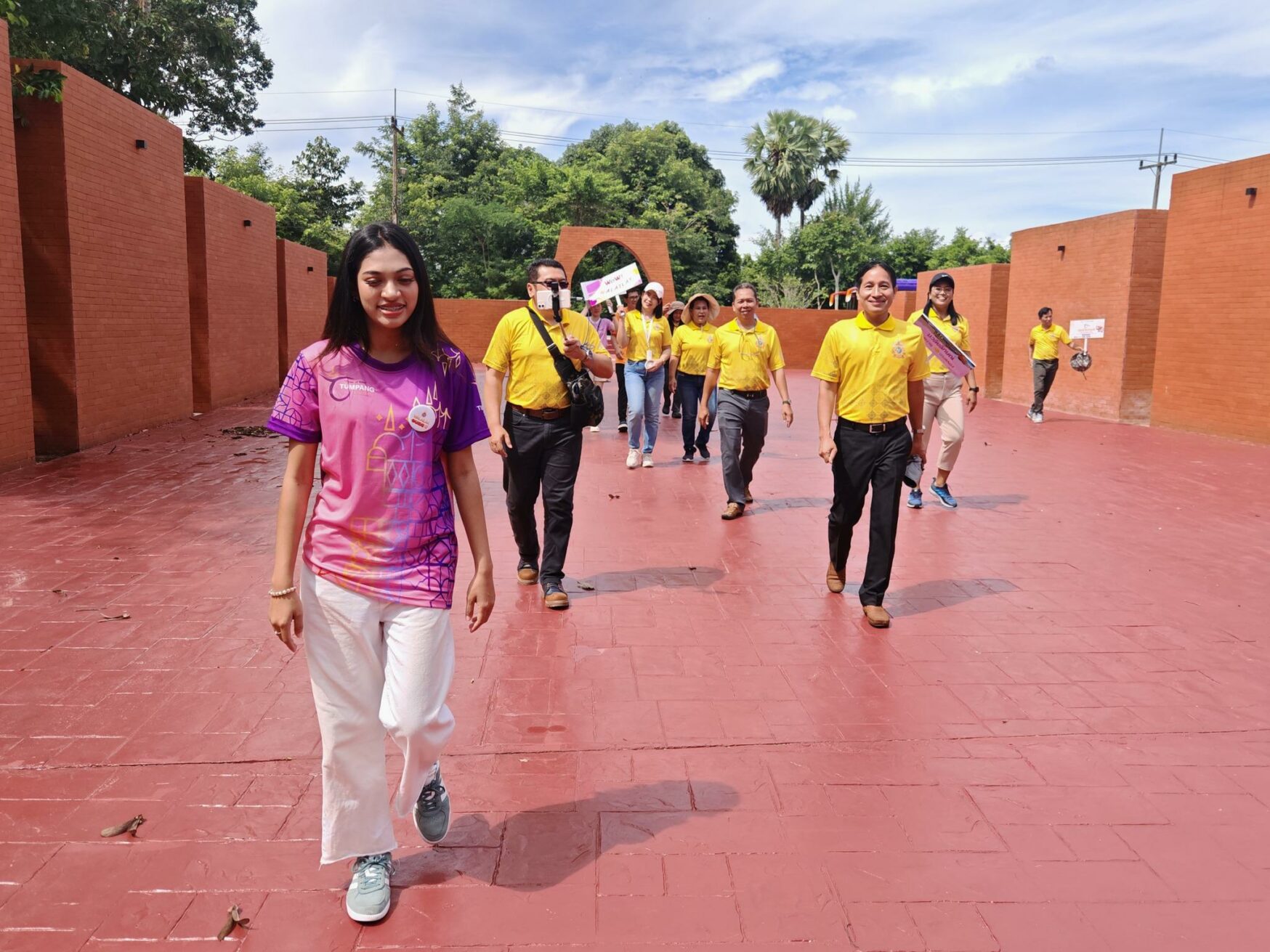
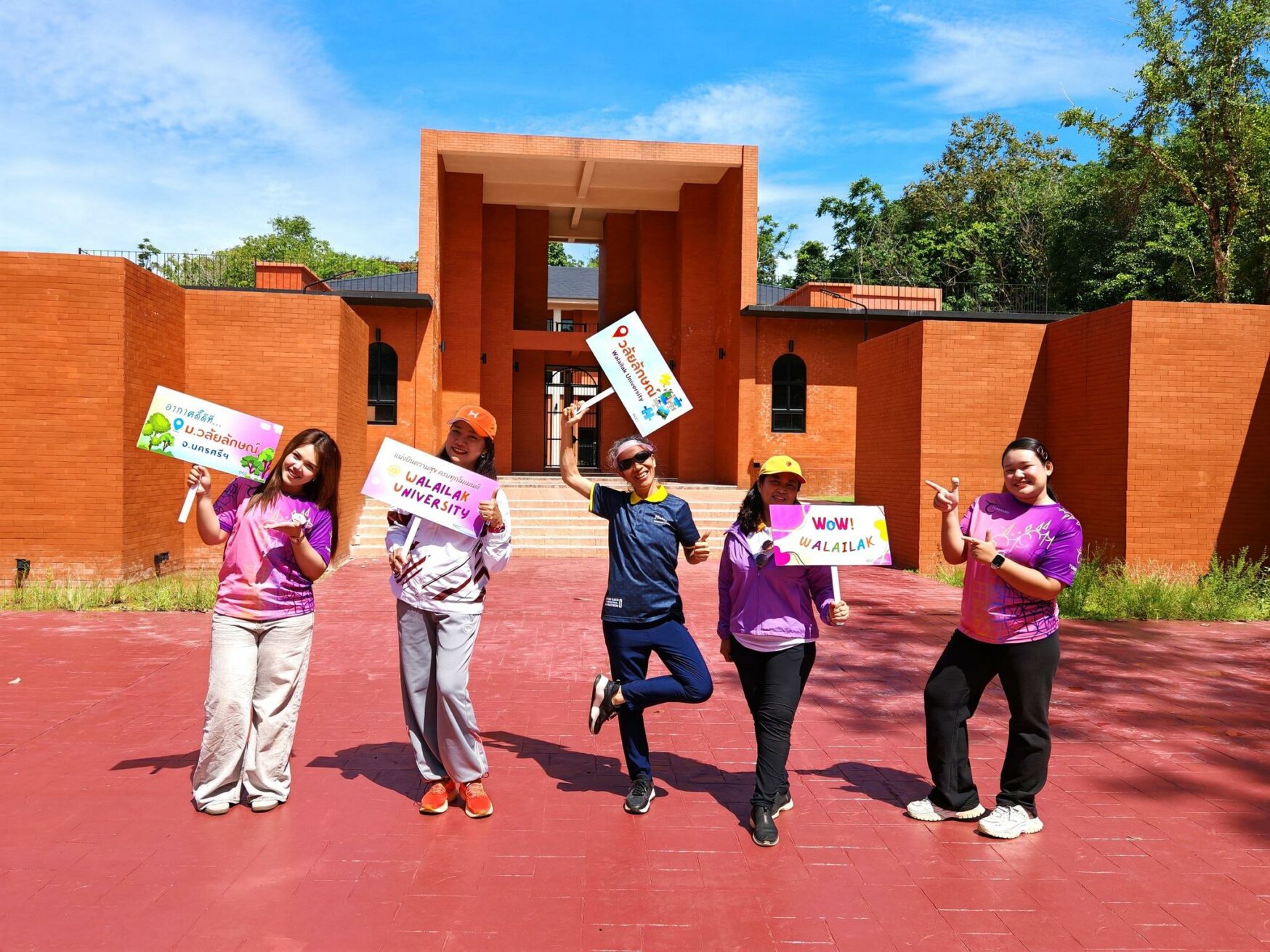
For years, Walailak University has offered free public access to culturally significant areas on campus, serving as spaces for lifelong learning for the general public, international visitors, students, and local communities. These areas include the Tumpang Archaeological Site, Walailak Botanic Park, and the Golden Manorah Yard—each open to all and offering rich, immersive experiences in both natural and cultural heritage.
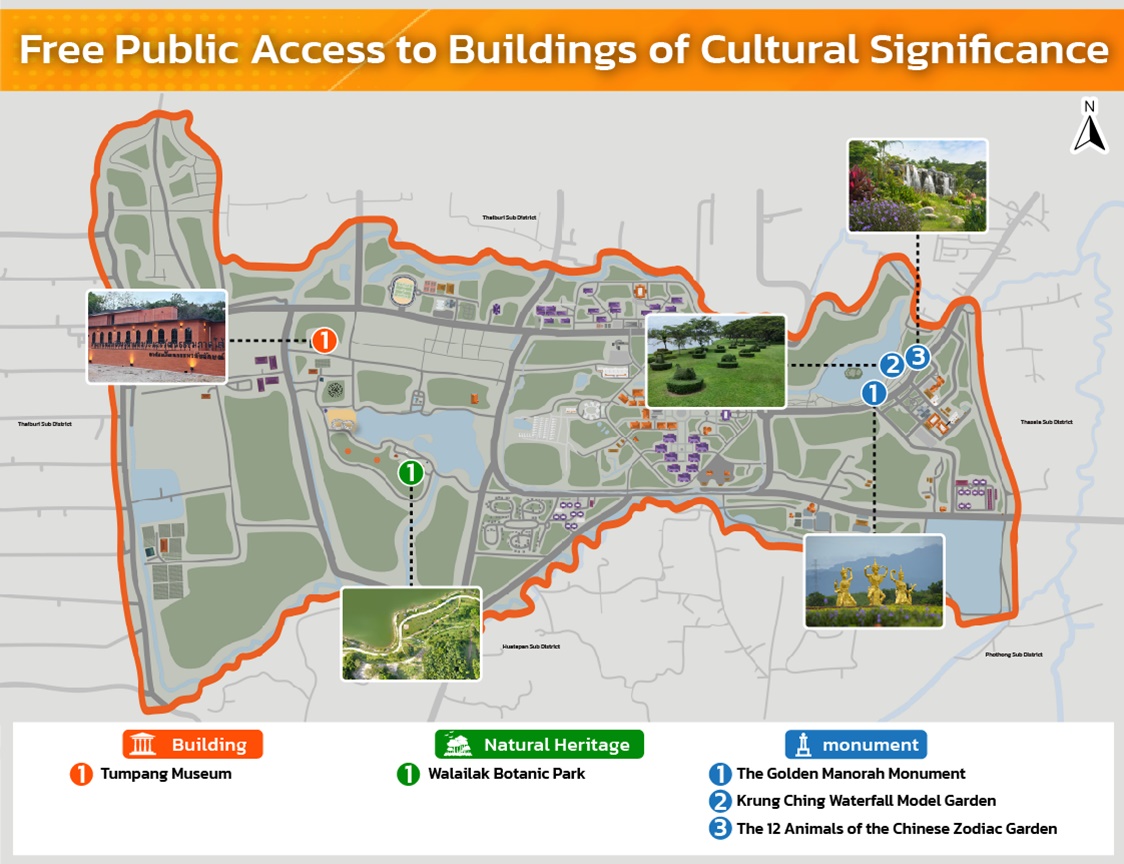
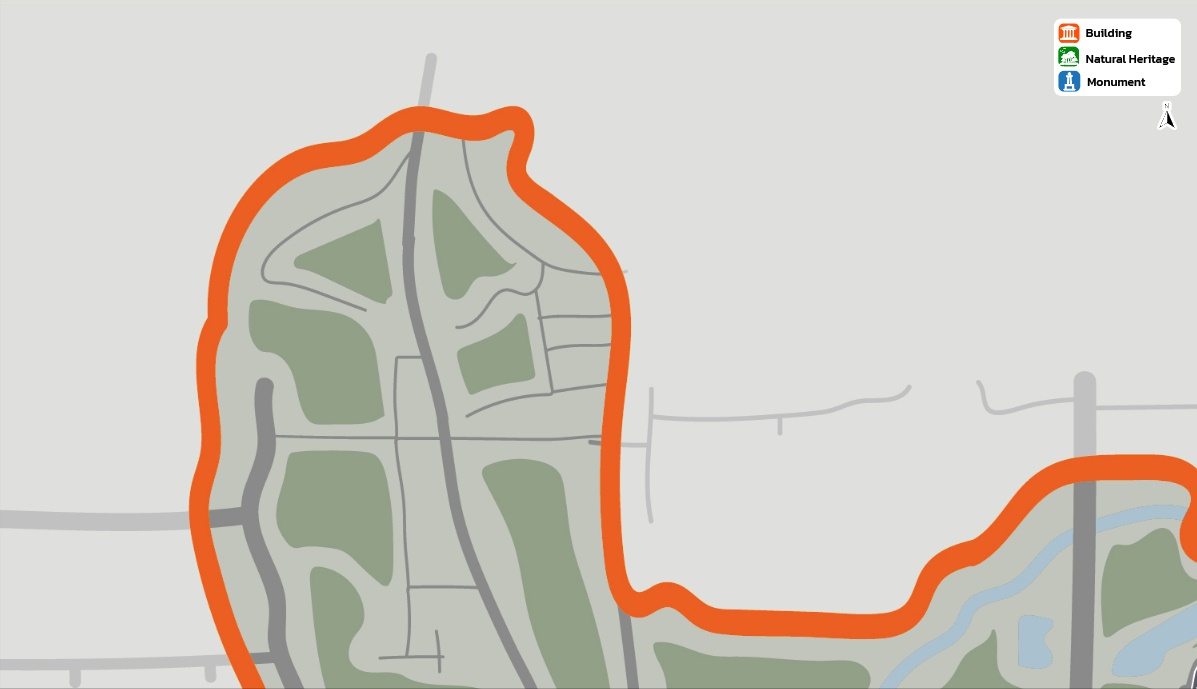
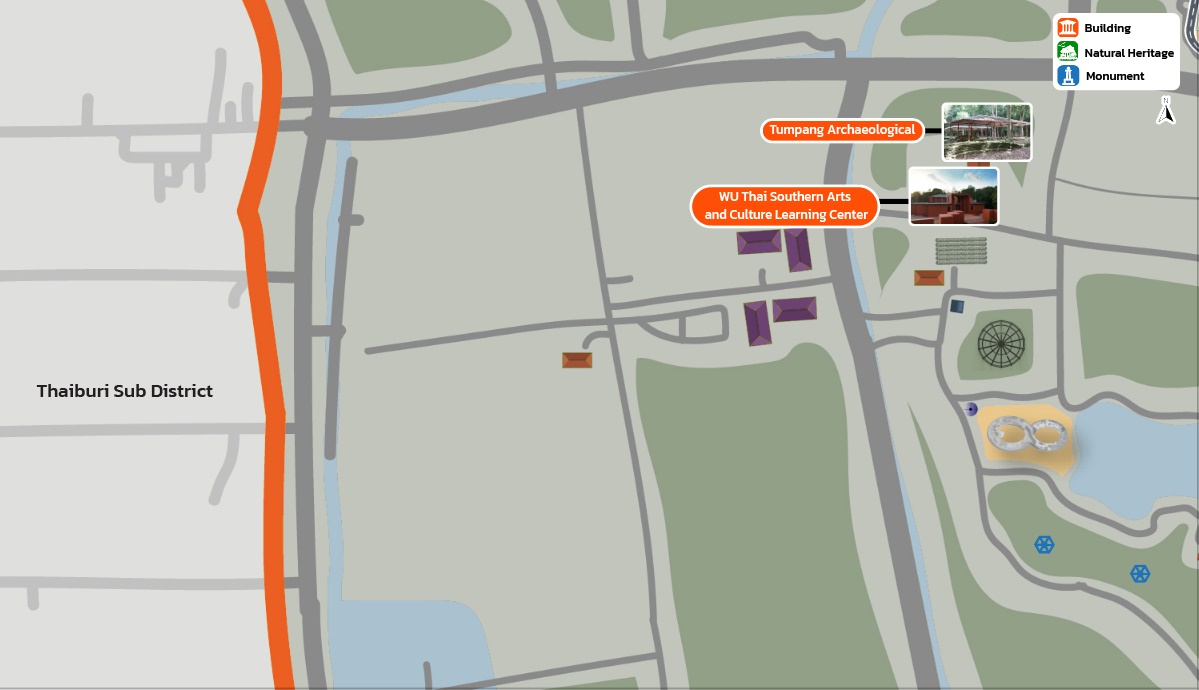
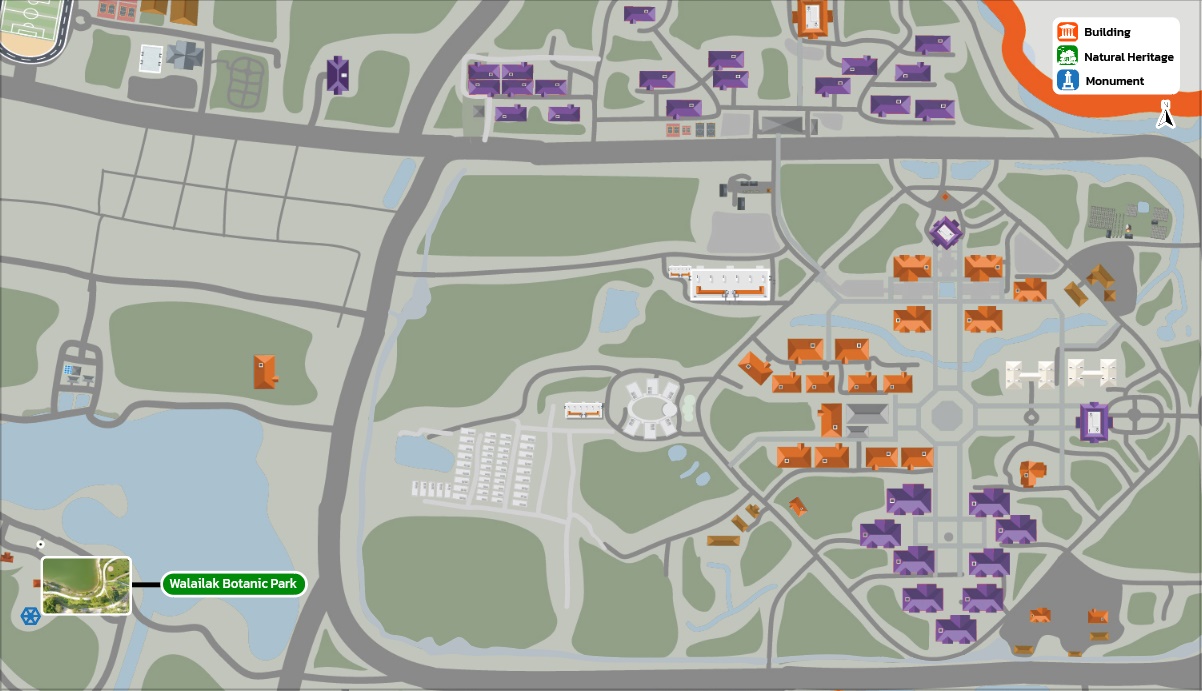
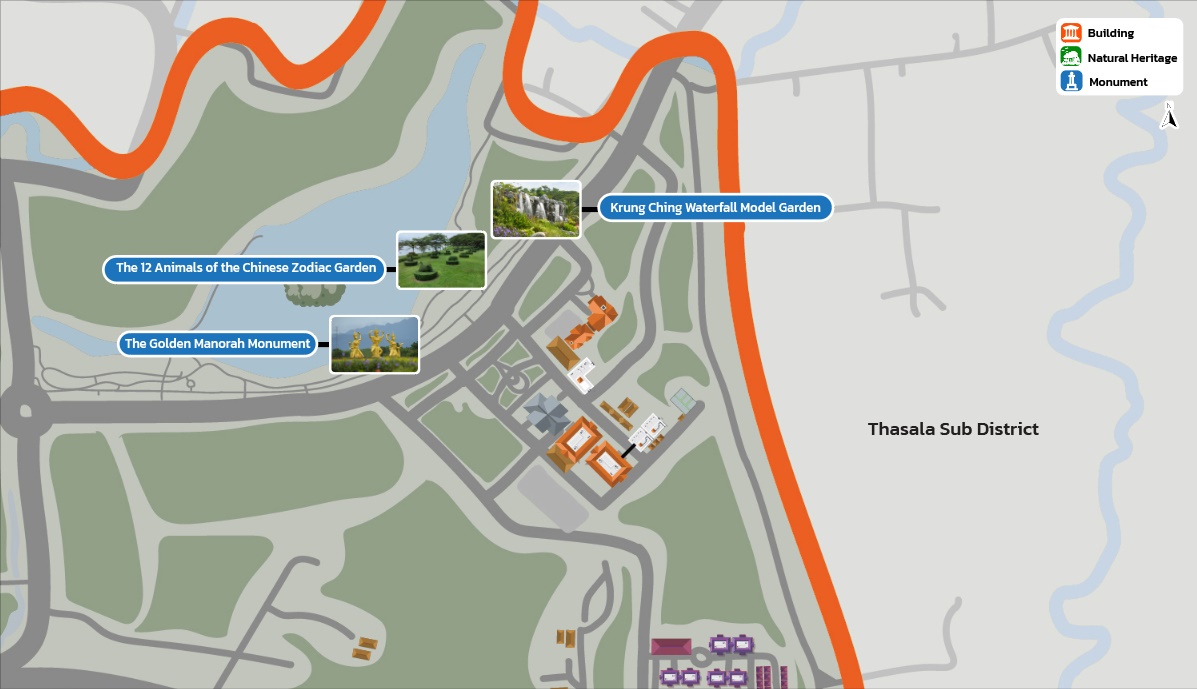
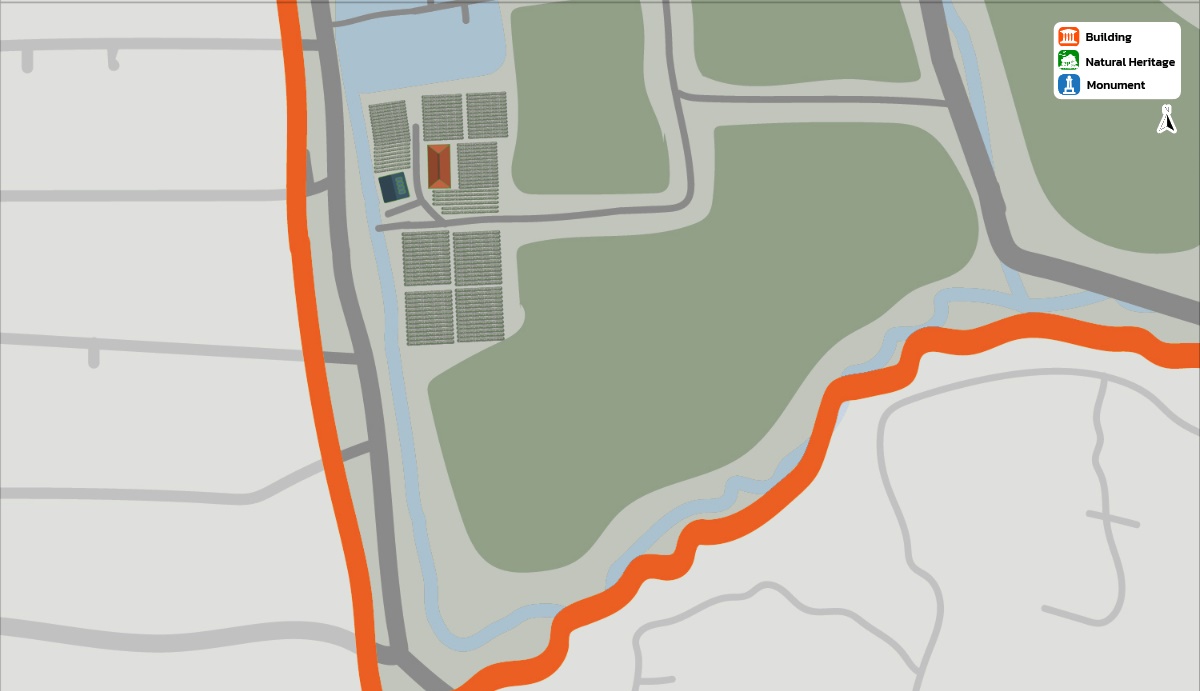
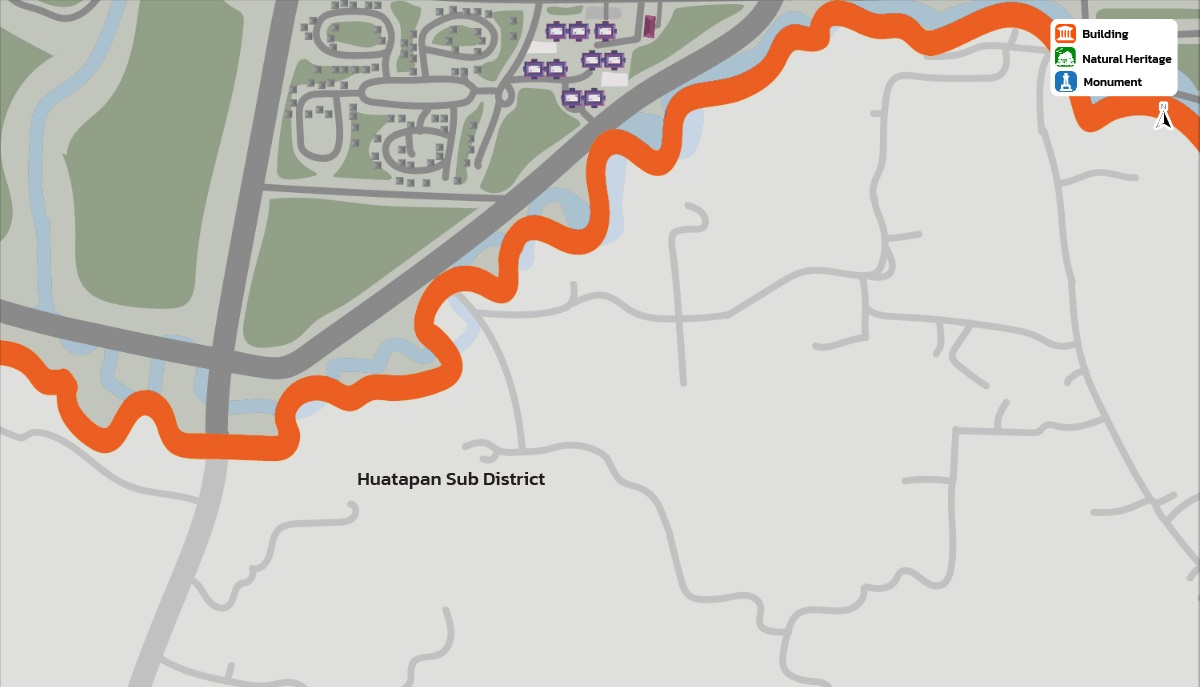
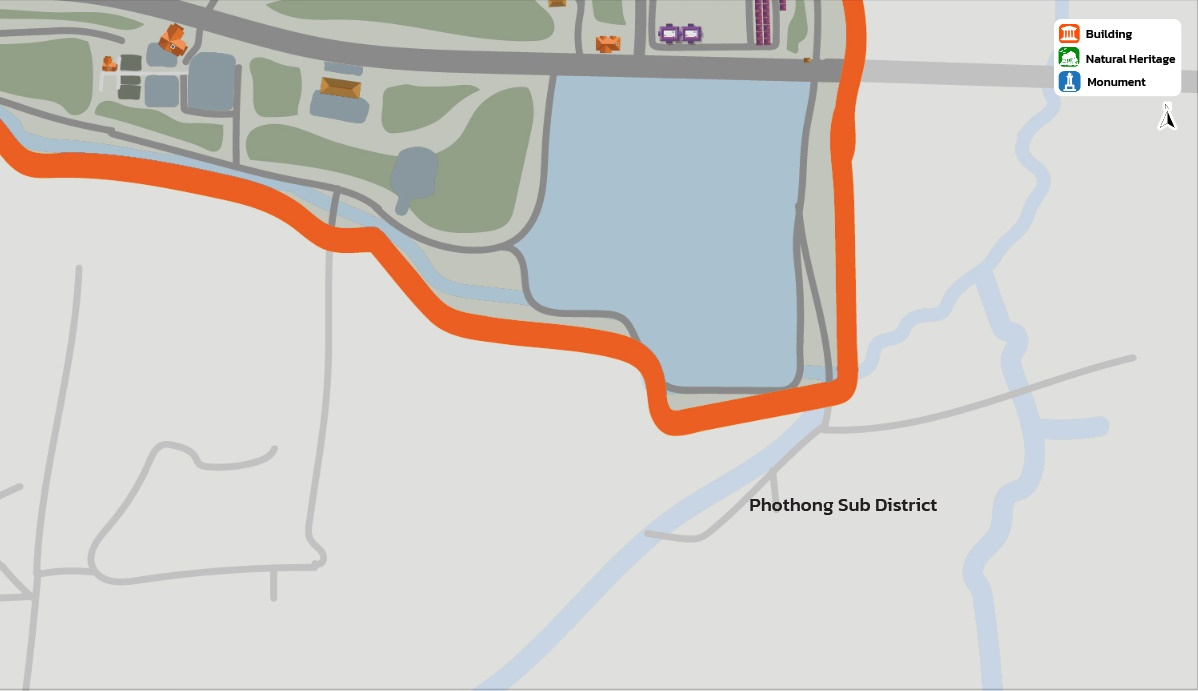
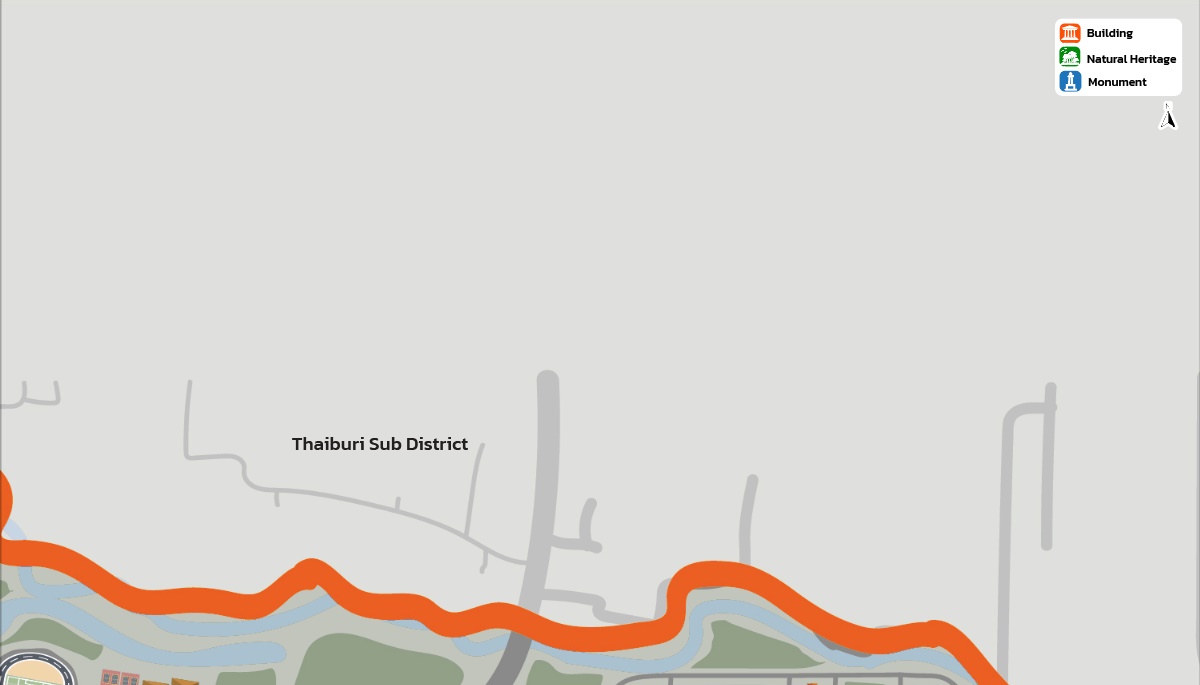
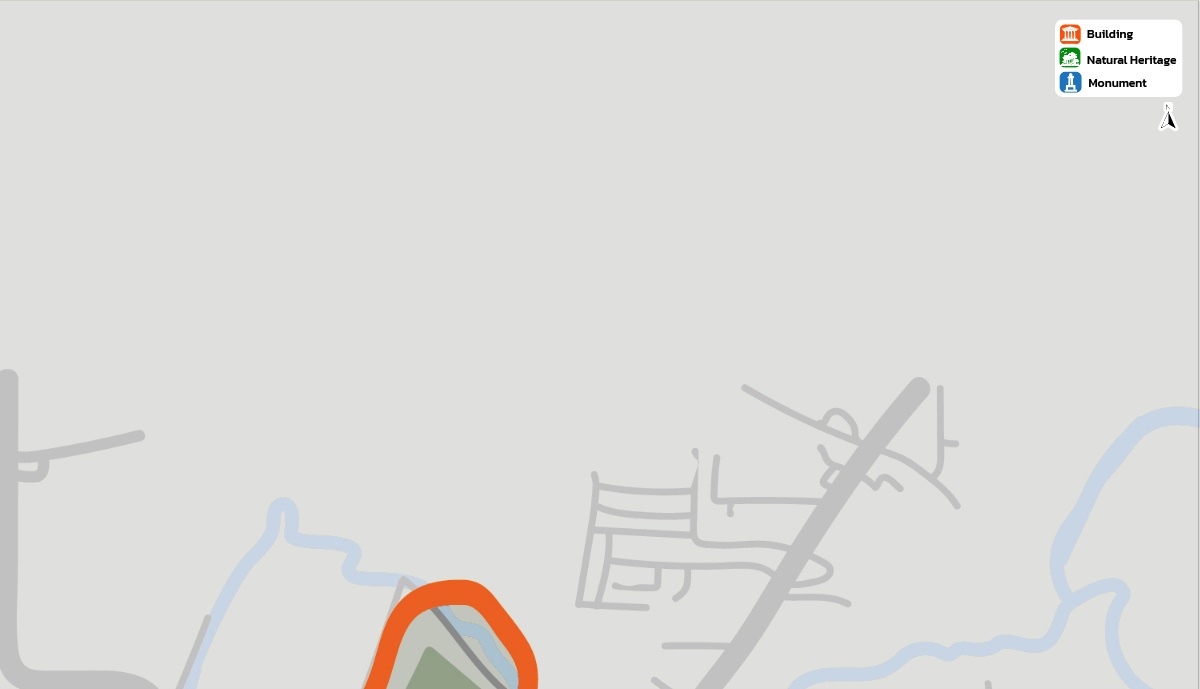
Figures : Free Public Access to Buildings of Cultural Significance
Click on the map for a clearer view with more details.
Free Public Access to Buildings
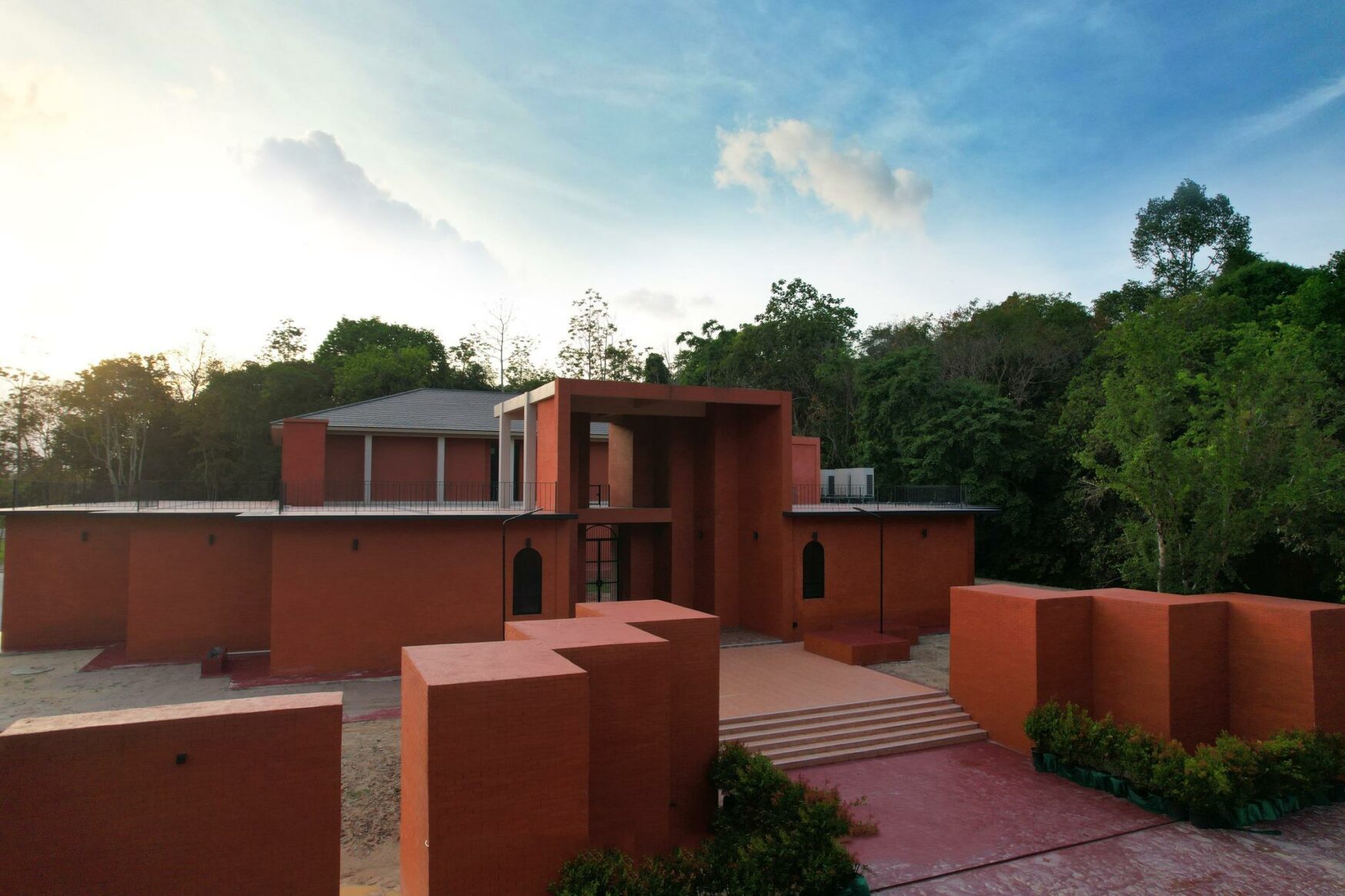
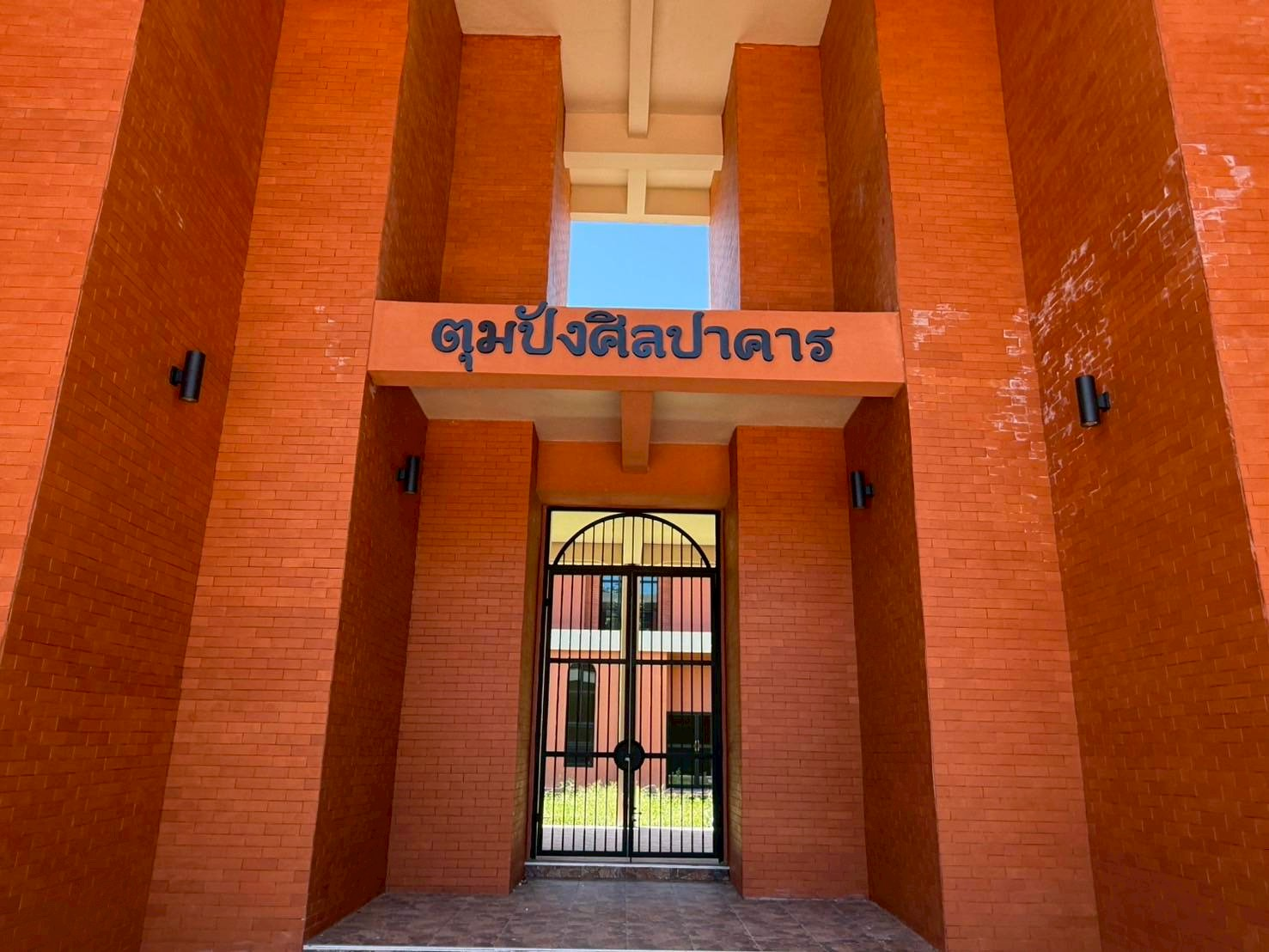
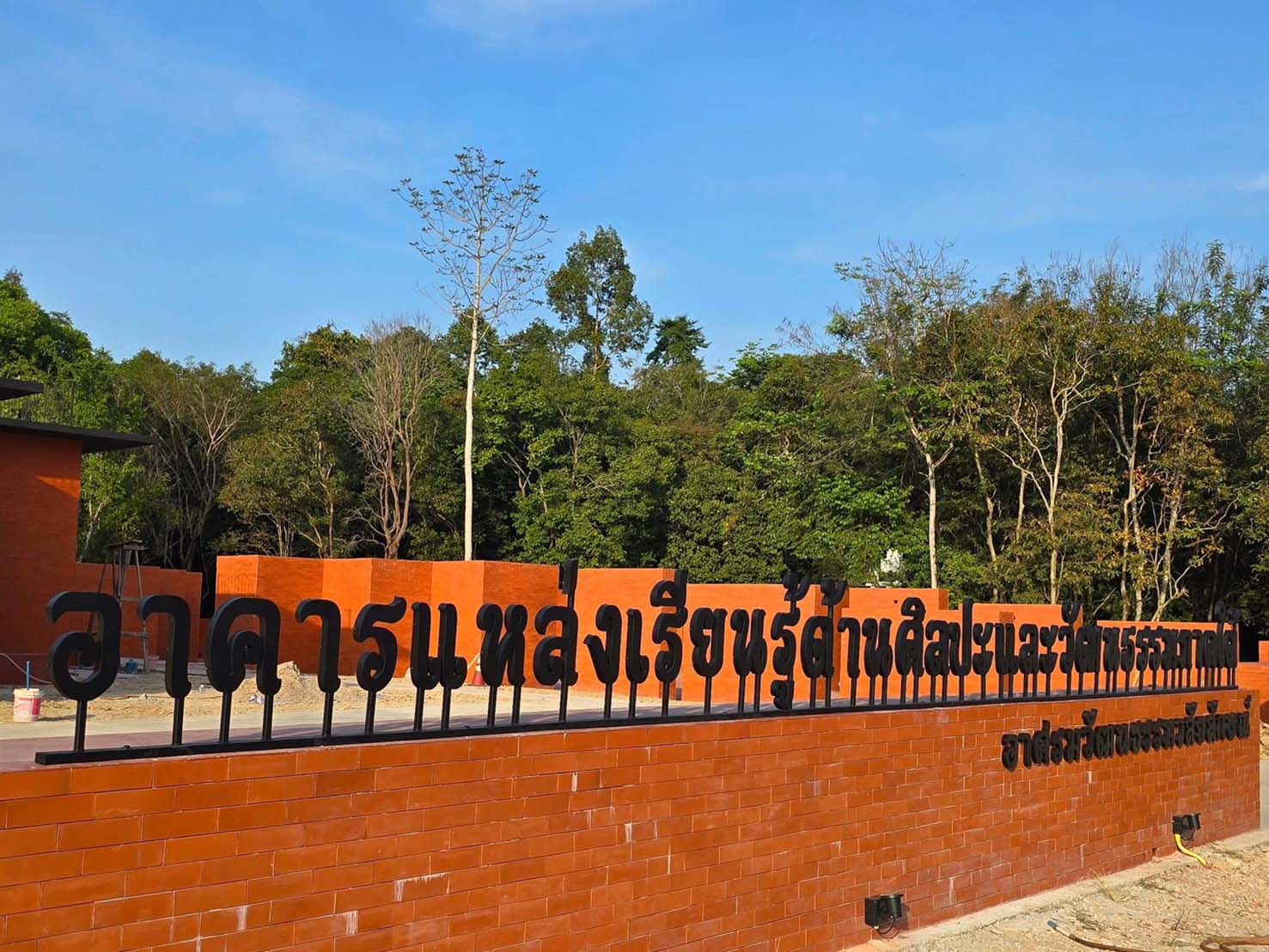
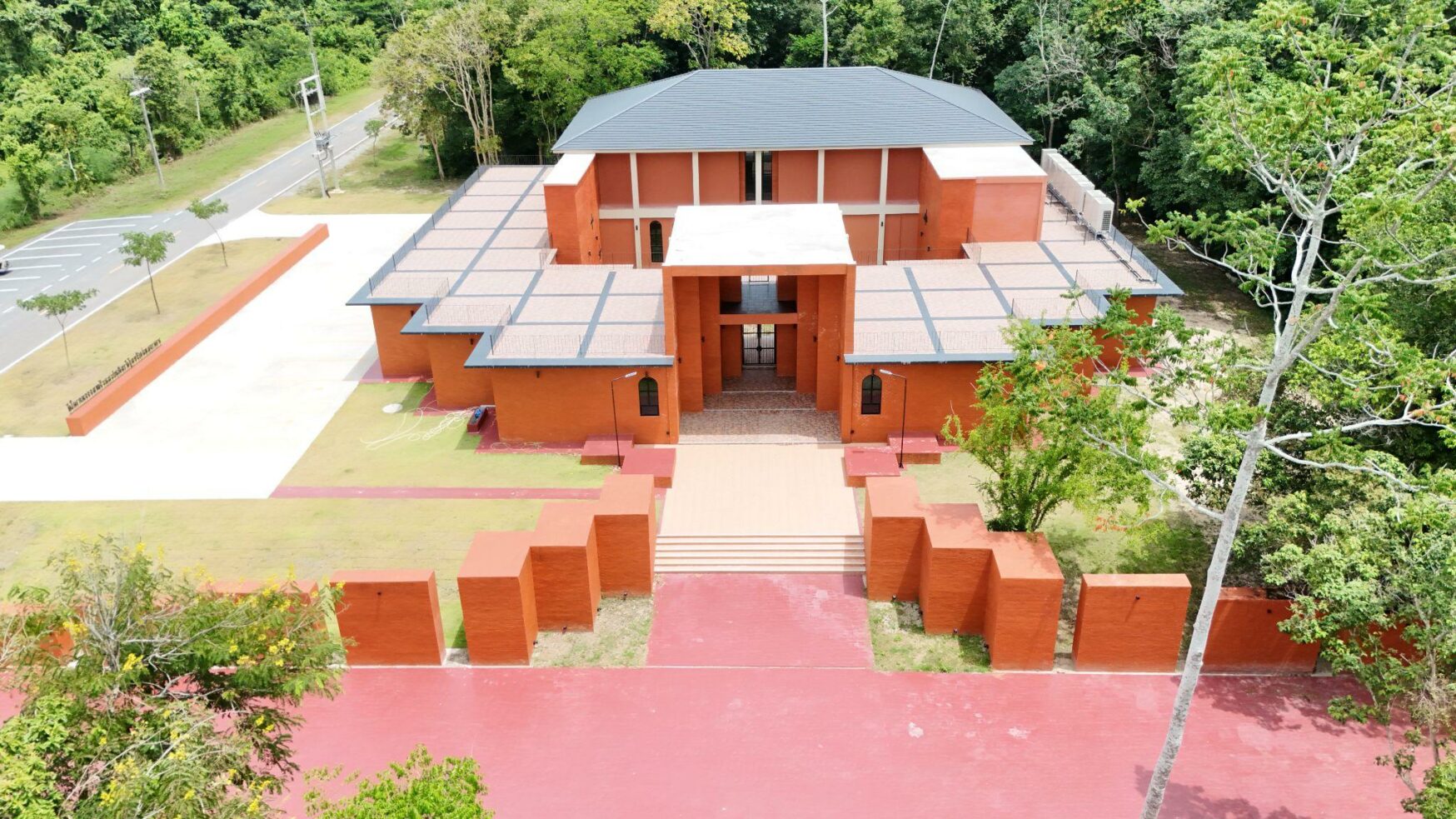
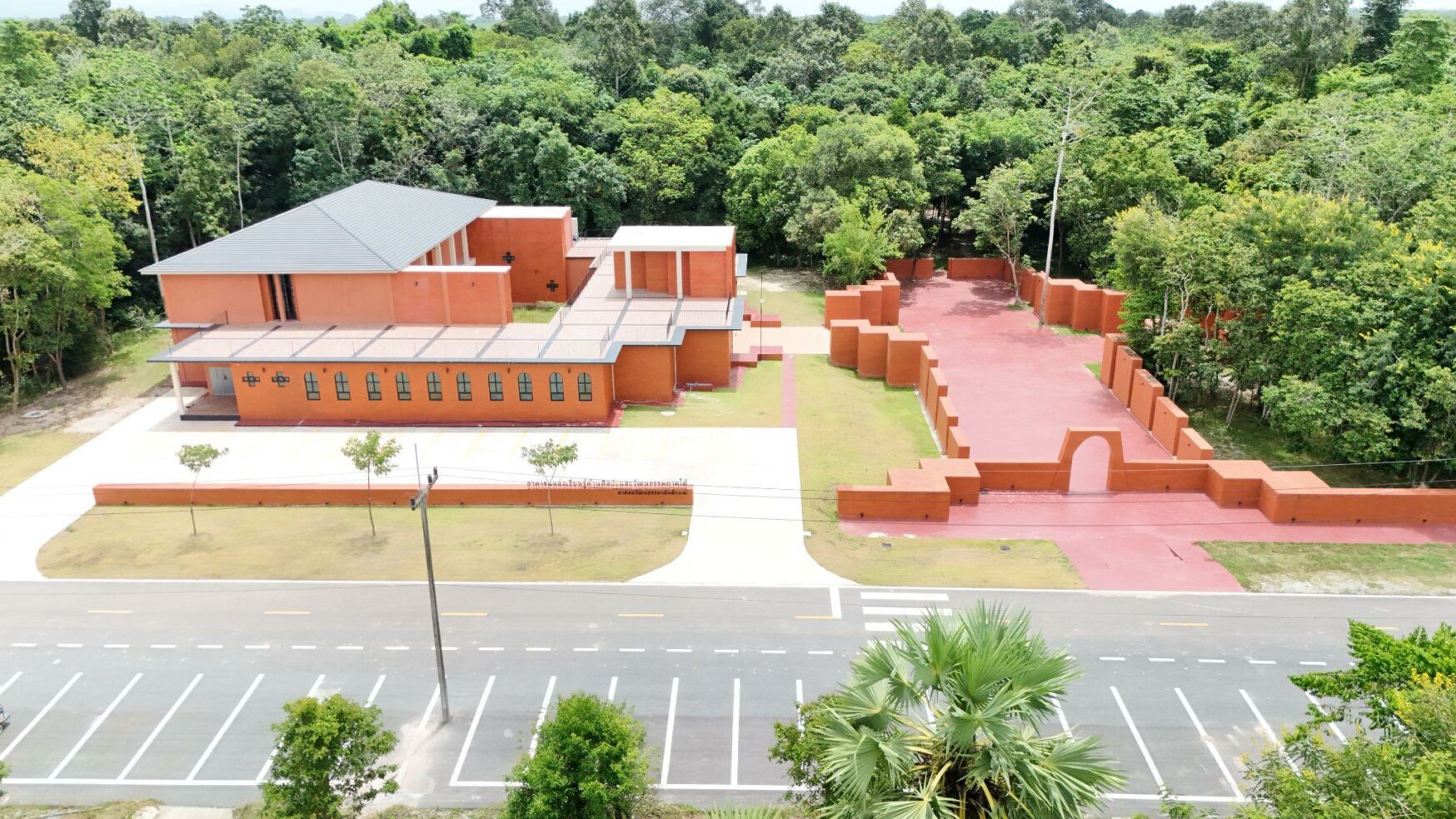
Tumpang Museum
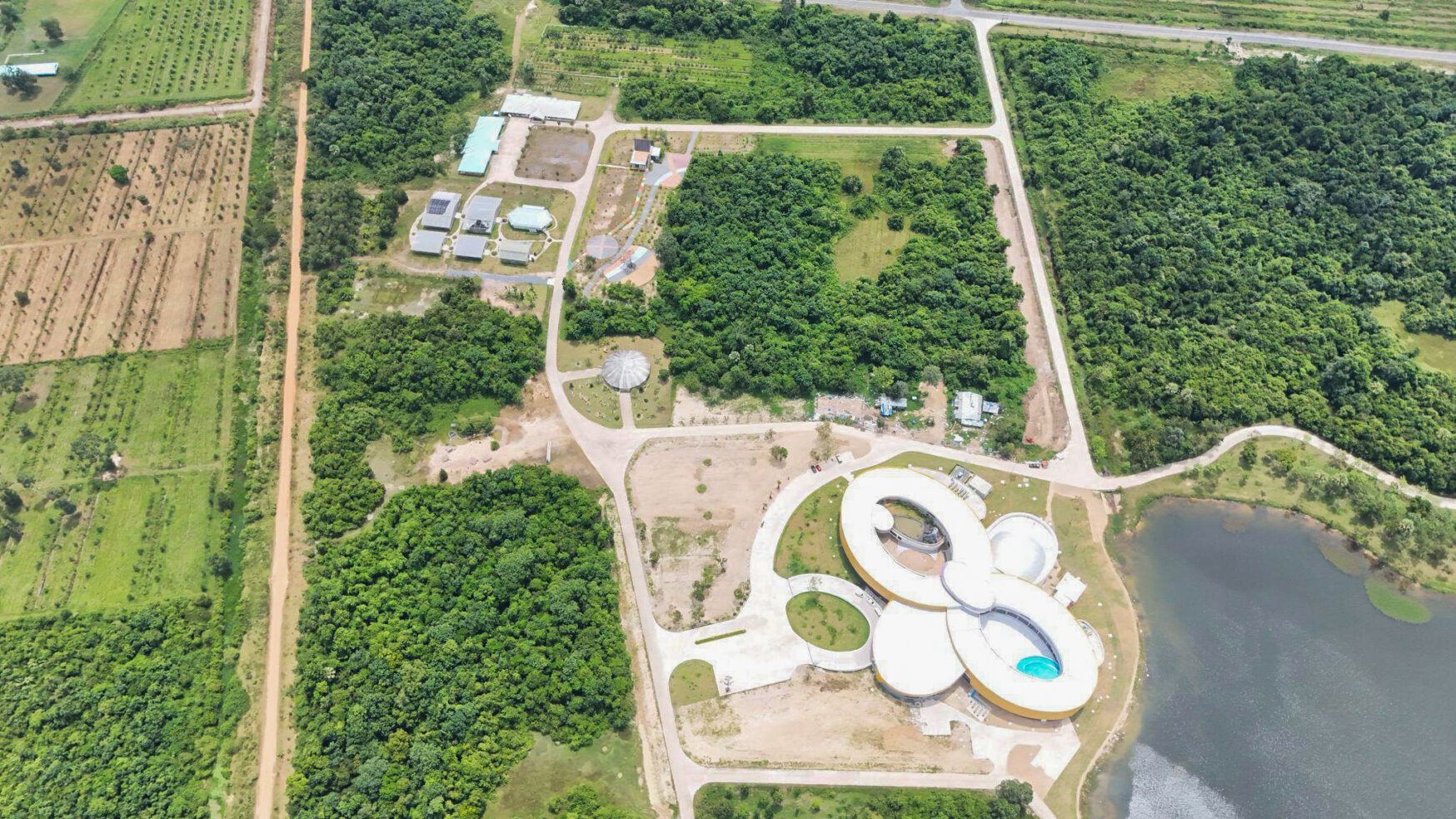
Walailak University recognizes the importance of preserving Thai Southern culture and arts and passing them on to future generations. In response, the university has initiated the construction of the Tumpang Museum, envisioned as both a cultural research hub and a community learning space. The center is designed to provide free access for the public to explore knowledge of Southern arts and culture while safeguarding traditional wisdom and heritage.
Beyond preservation, the center aims to serve as a platform for researchers across Southern Thailand to exchange knowledge, strengthen collaboration, and develop academic services that benefit Thai society as a whole. By bringing together scholarship and community engagement, the center will bridge the gap between research, education, and cultural heritage.
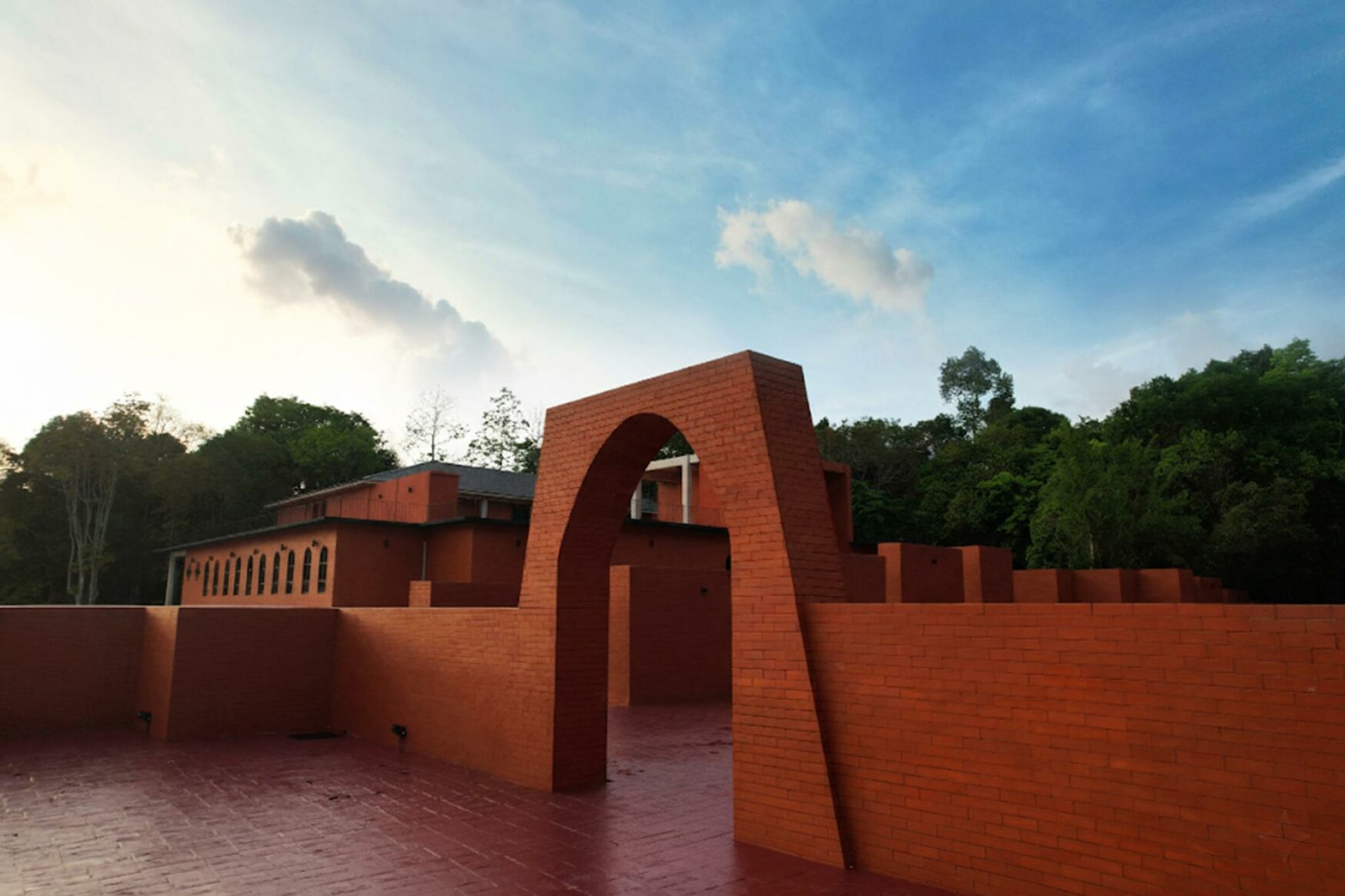
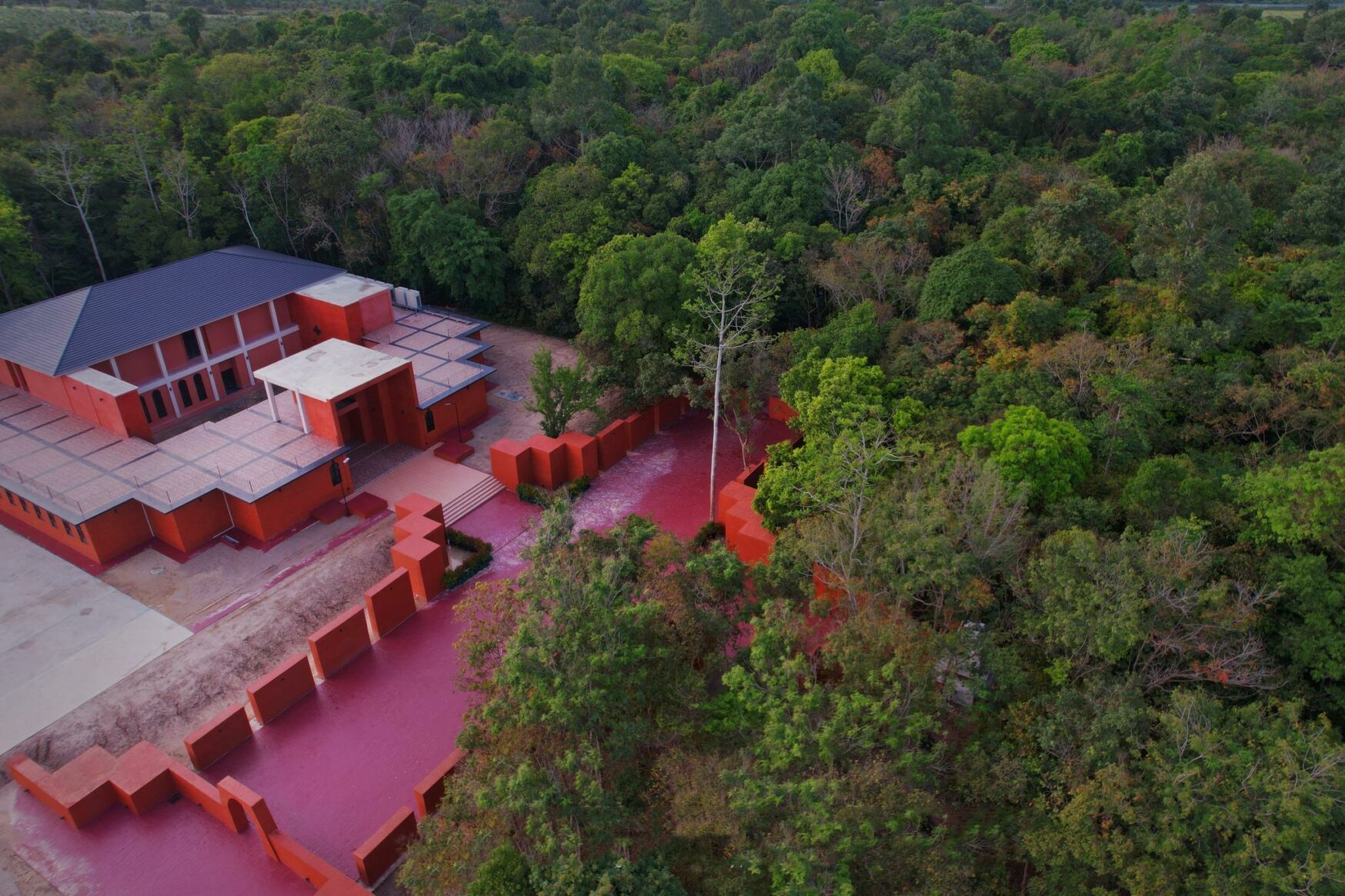
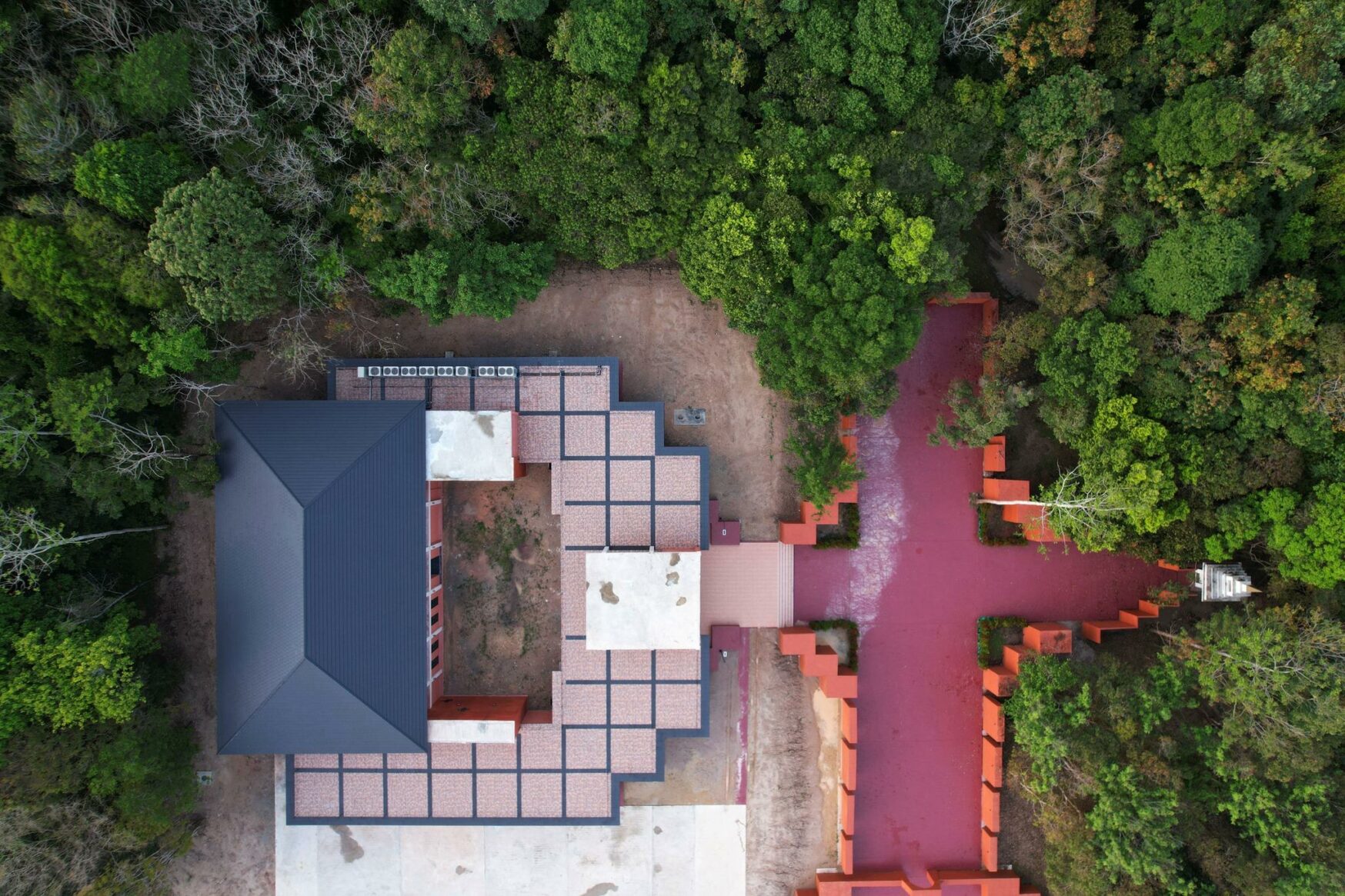
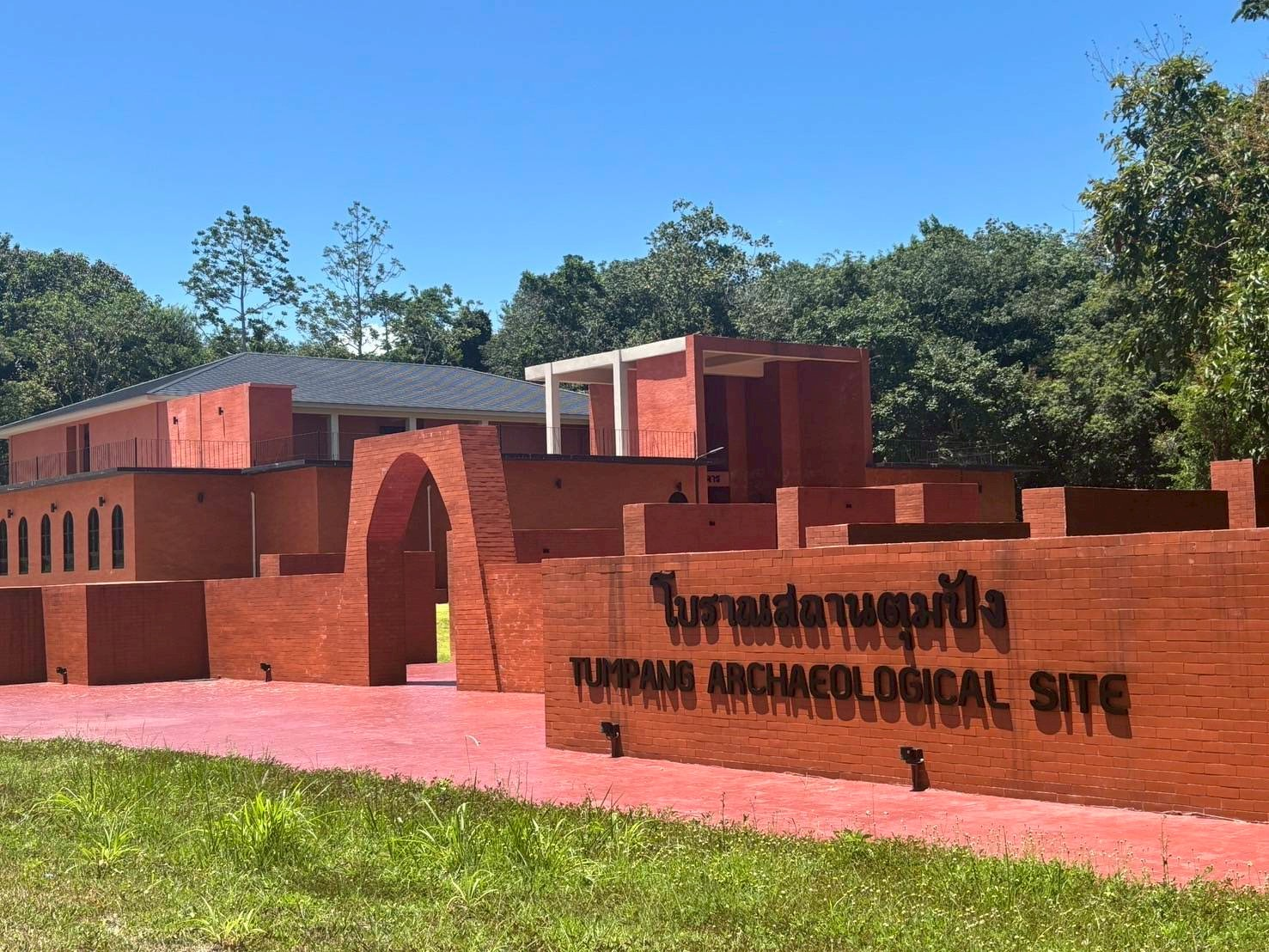
Covering a total area of 7,850 square meters, the building itself reflects a blend of tradition and modernity. Its primary brick structure follows a square layout inspired by the ancient Tumpang archeological site. The roof combines contemporary design with the traditional hip roof (Pran Yha), a hallmark of Southern vernacular architecture, while the wall design draws inspiration from the historic city walls of Nakhon Si Thammarat.
Inside, the center will host the Tumpang Archeological Site Museum, displaying artifacts, cultural treasures, and other objects of historical and artistic value. Exhibitions will cover history, archaeology, traditional Southern lifestyles, and performing arts, creating a vibrant space where heritage comes alive. In doing so, the center aspires to become a leading hub for living arts and cultural learning in Upper Southern Thailand.
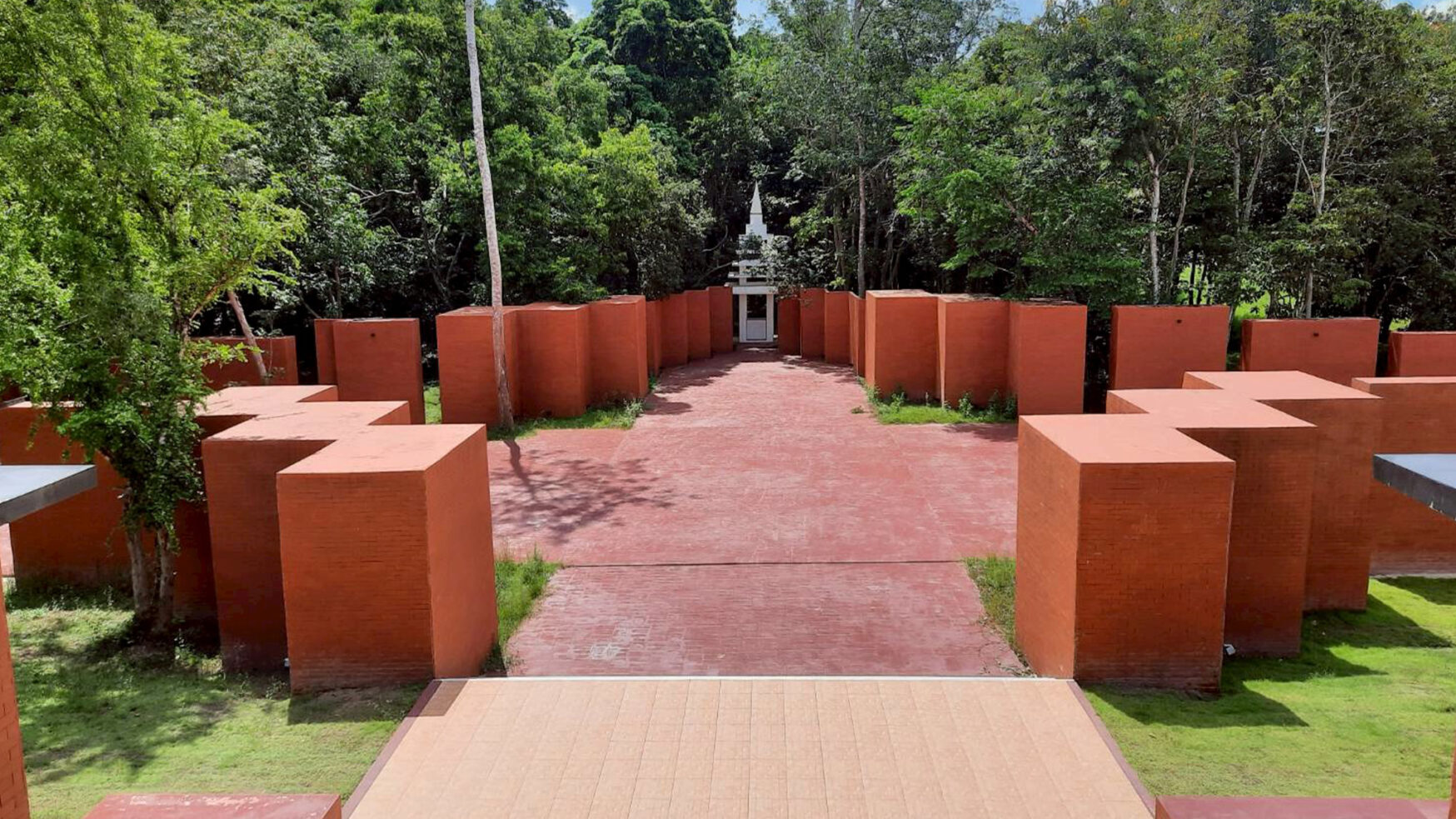
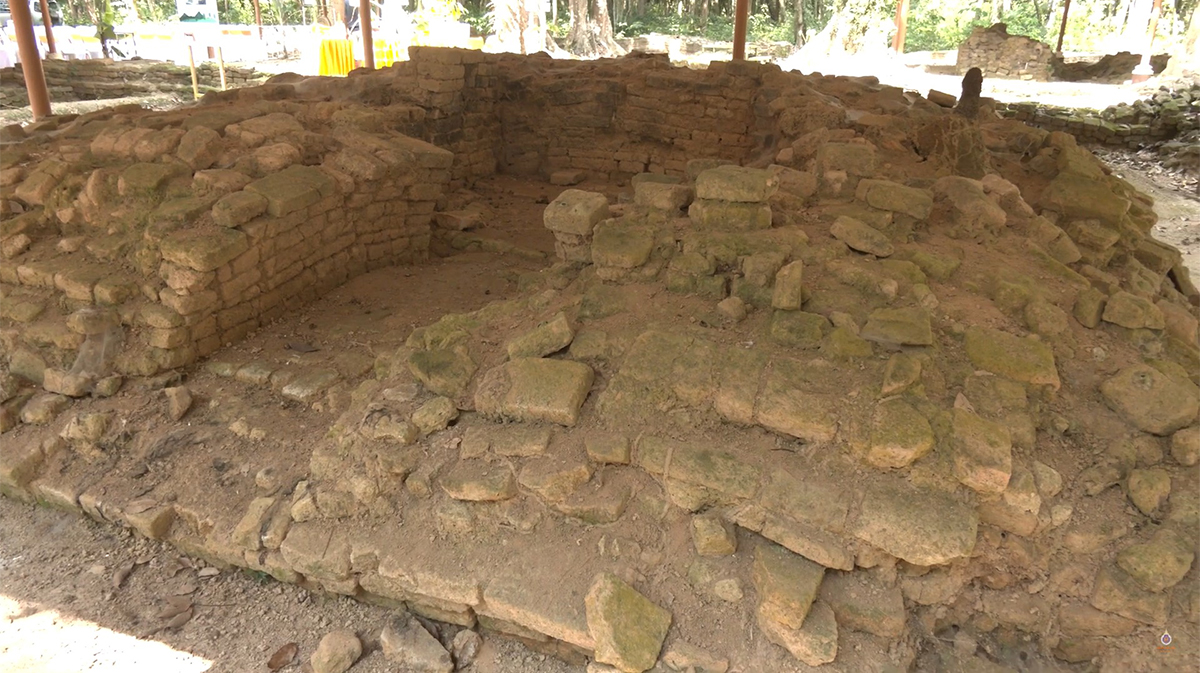
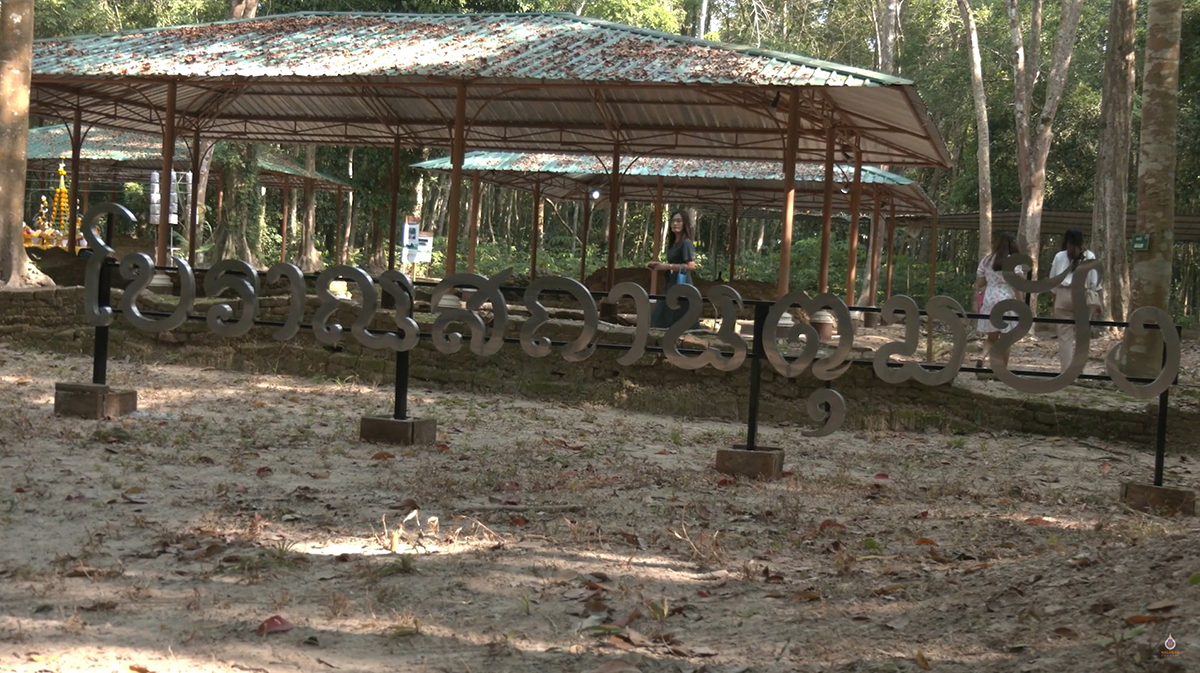
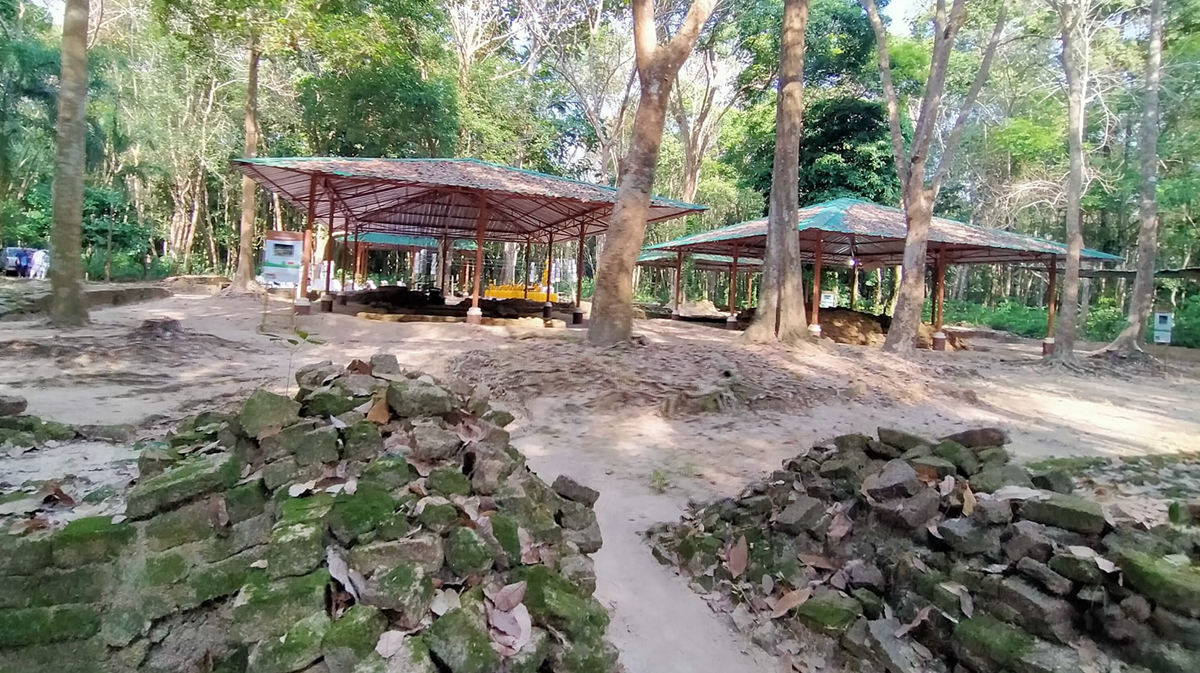
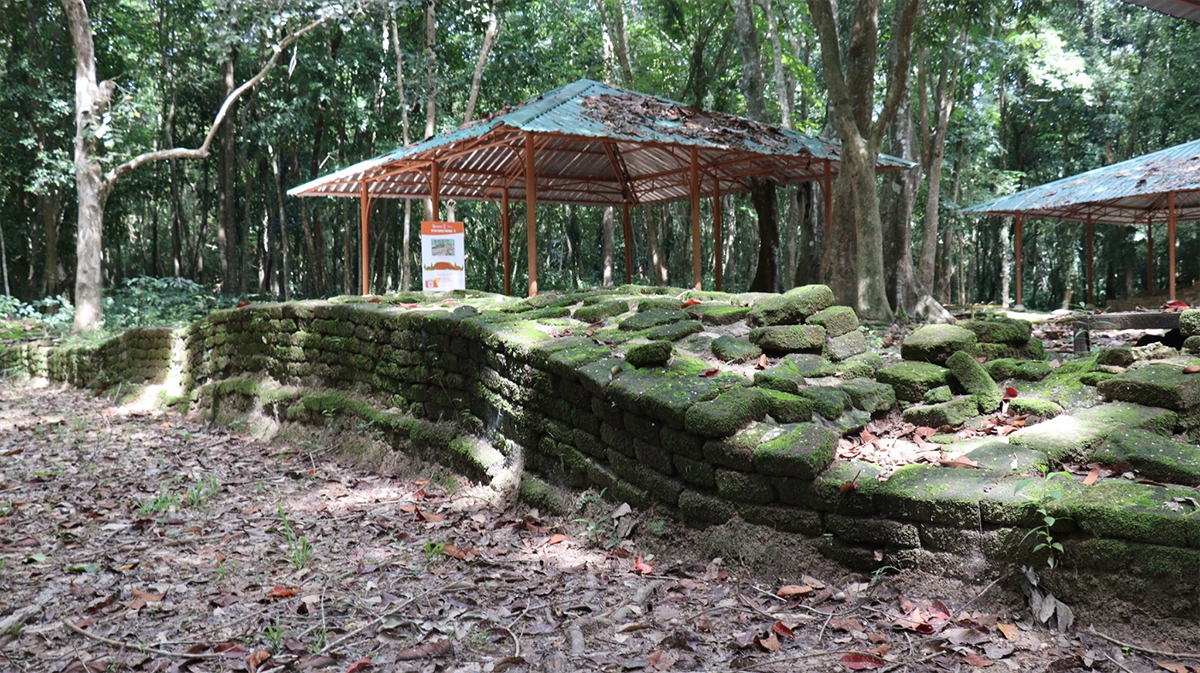
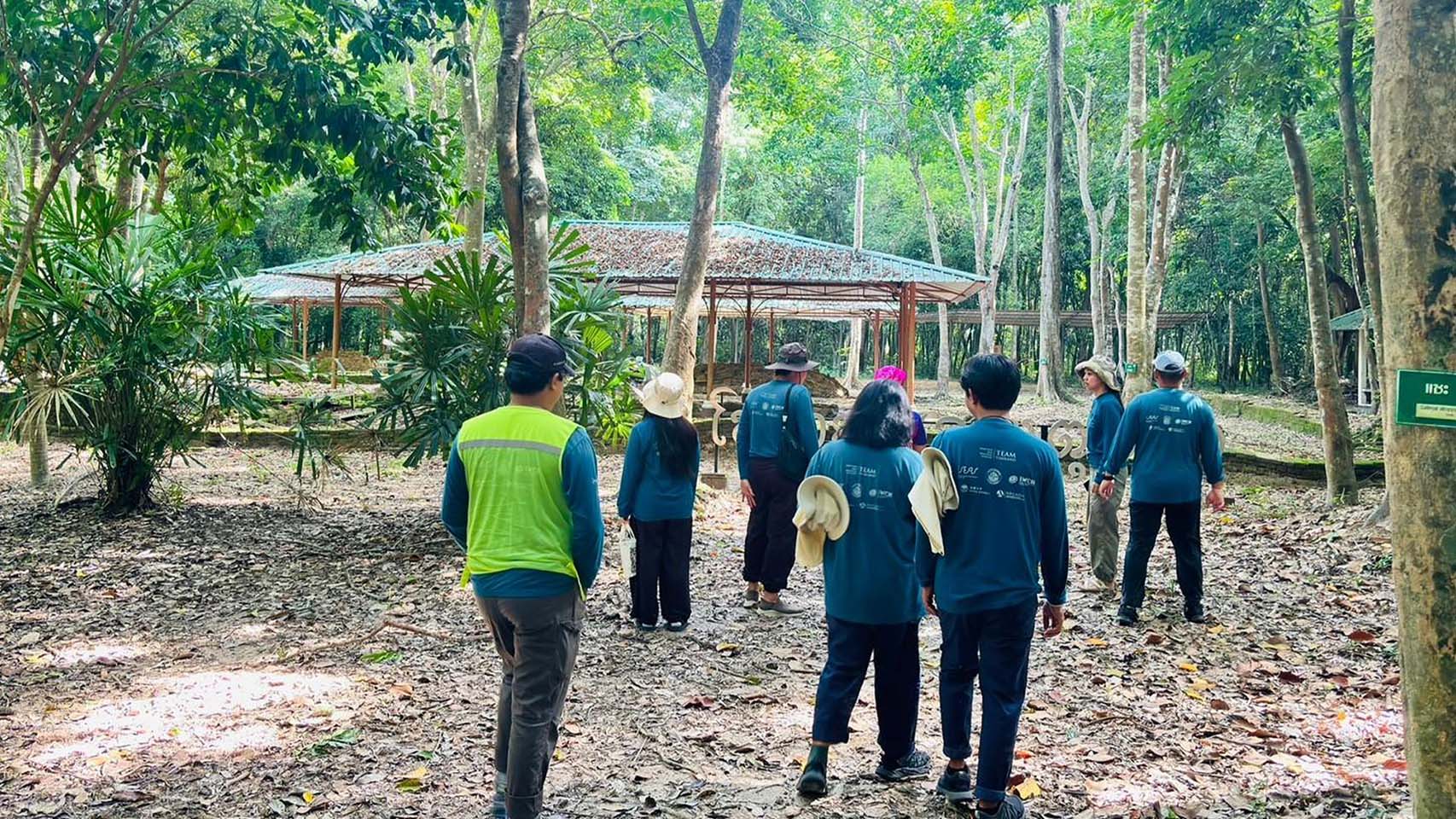
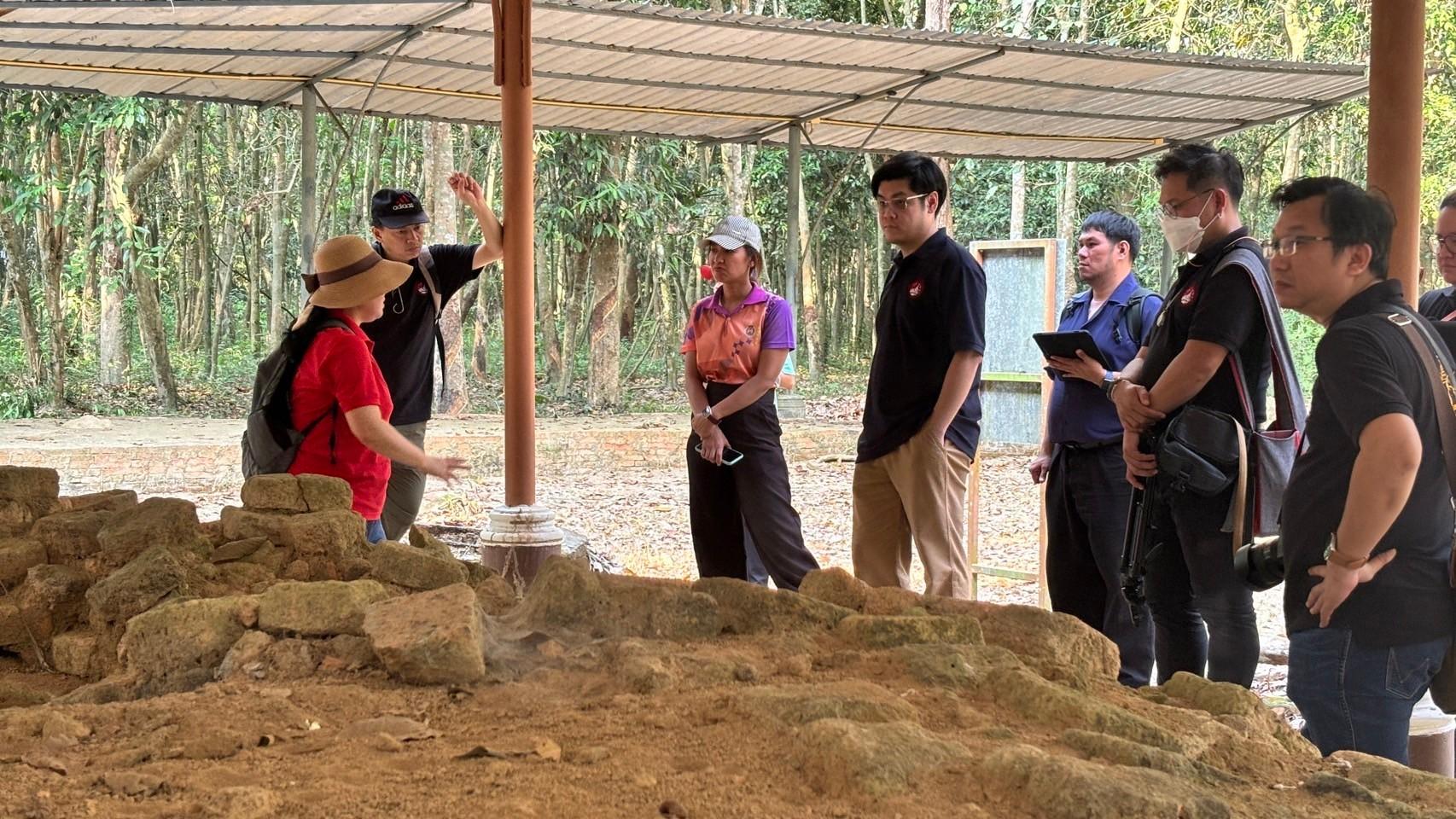
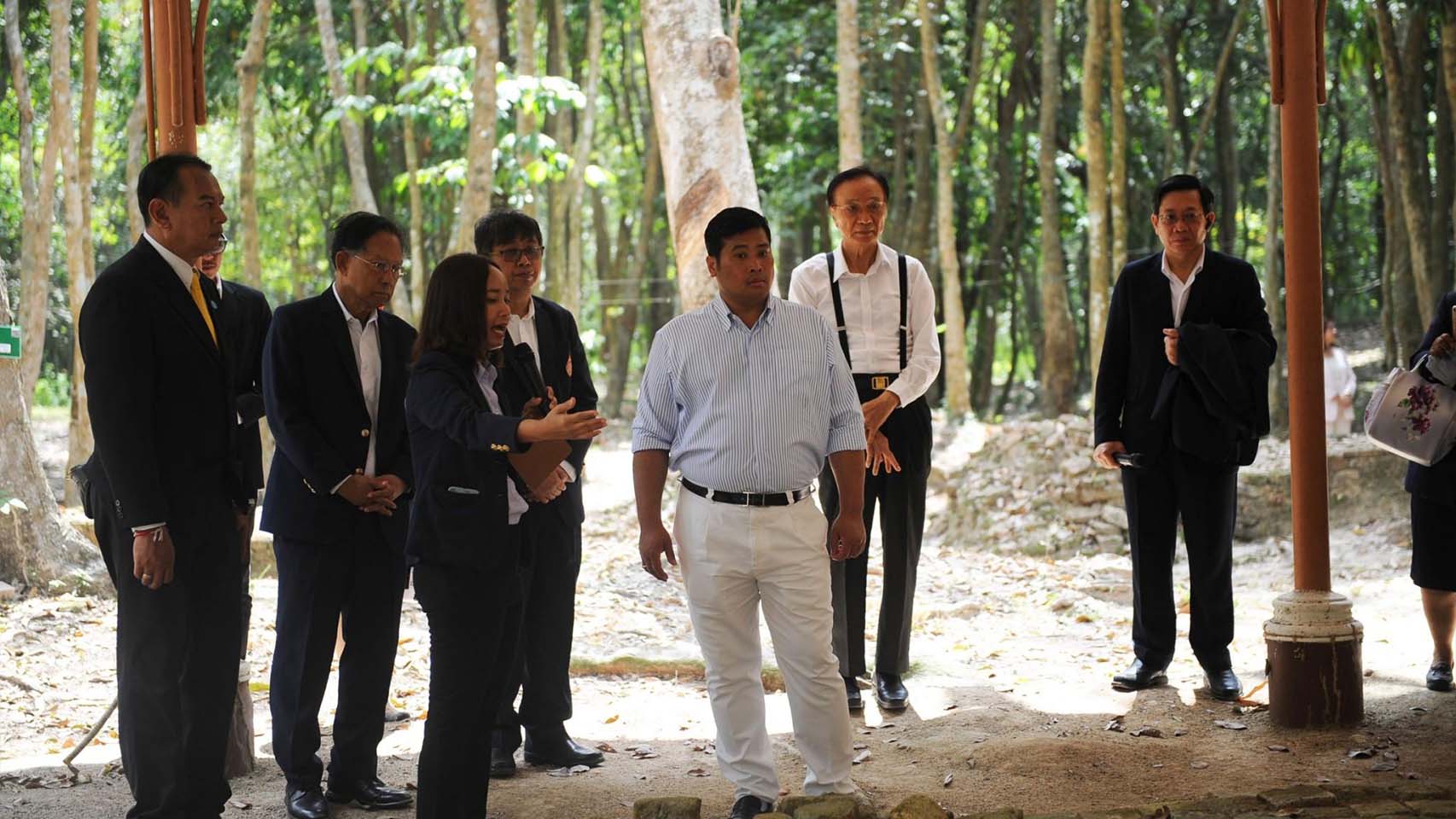
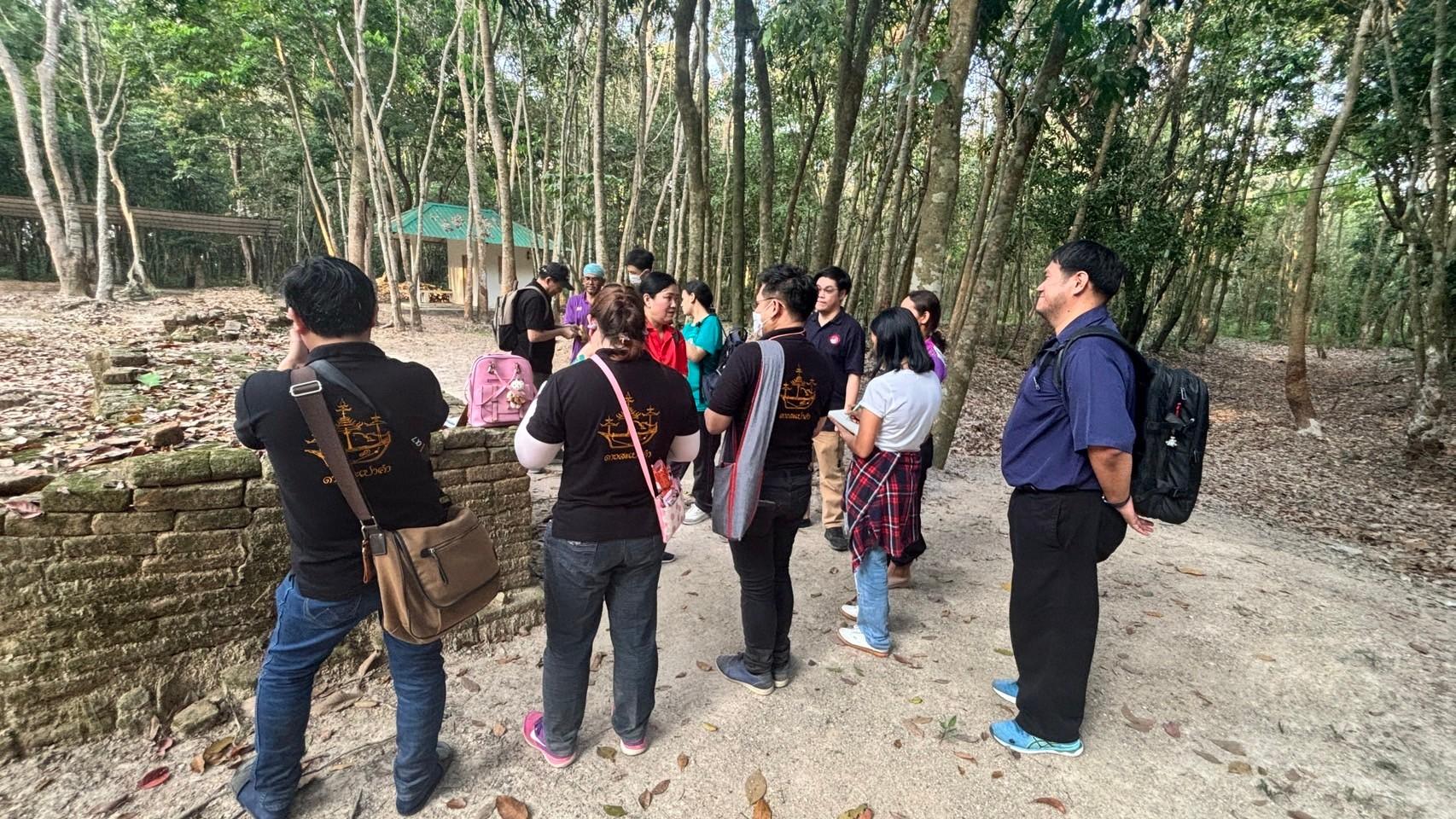
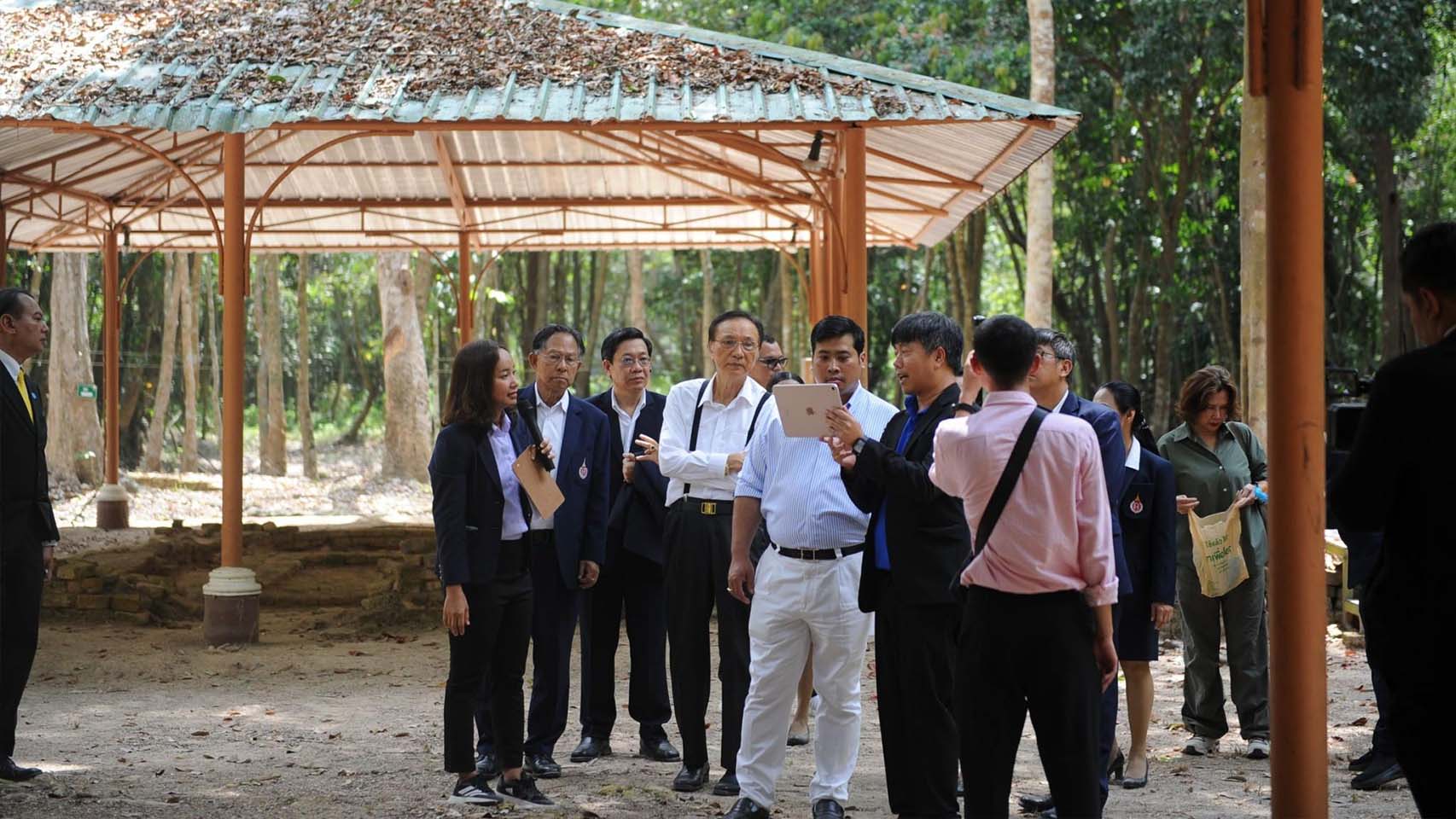
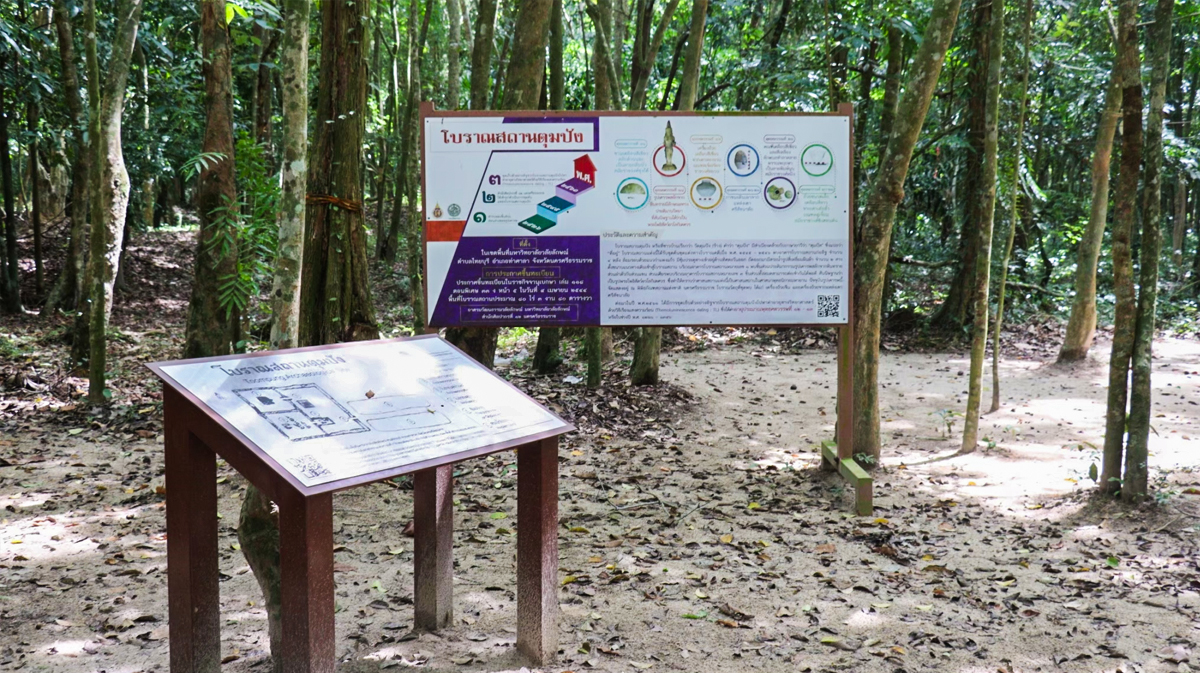
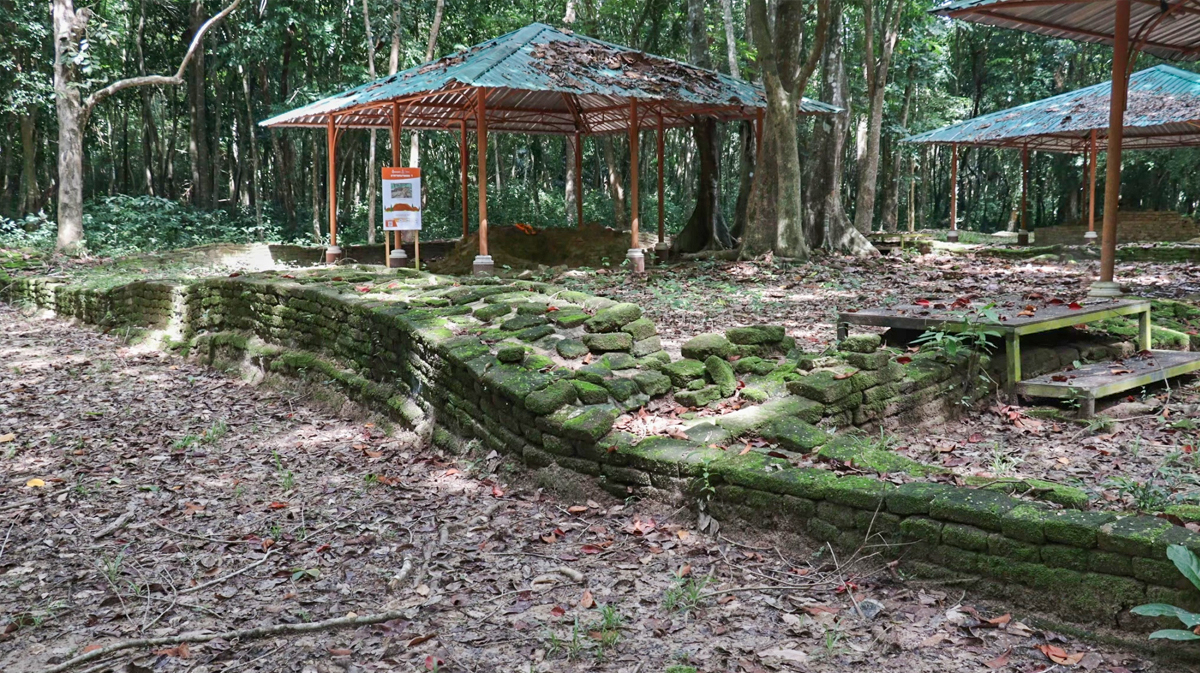
Within the area of Tumpang Museum, there is the Tumpang Archaeological Site, which is a treasured public heritage area with both historical and natural significance. It serves as an important educational and cultural resource. Originally established as a shrine by Brahman-believing communities during the 15th to 19th Buddhist centuries, the site reflects the deep spiritual and cultural roots of the region. The name “Tumpang” is derived from a distortion of “Tumpas,” a word in Yawi—a Malay dialect.
The site was officially recognized and published by the 12th Regional Office of the Arts Department in Nakhon Si Thammarat, appearing in the Government Gazette Vol. 118, Special Issue 33Ngo, dated April 9, B.E. 2544 (2001).
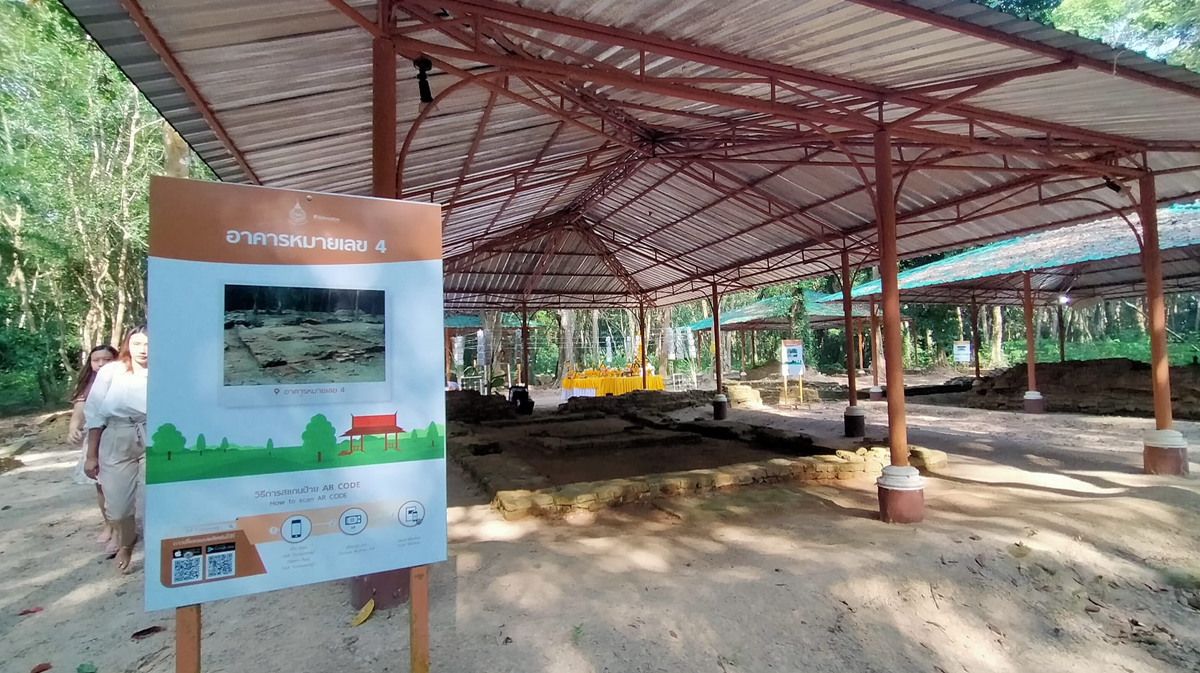
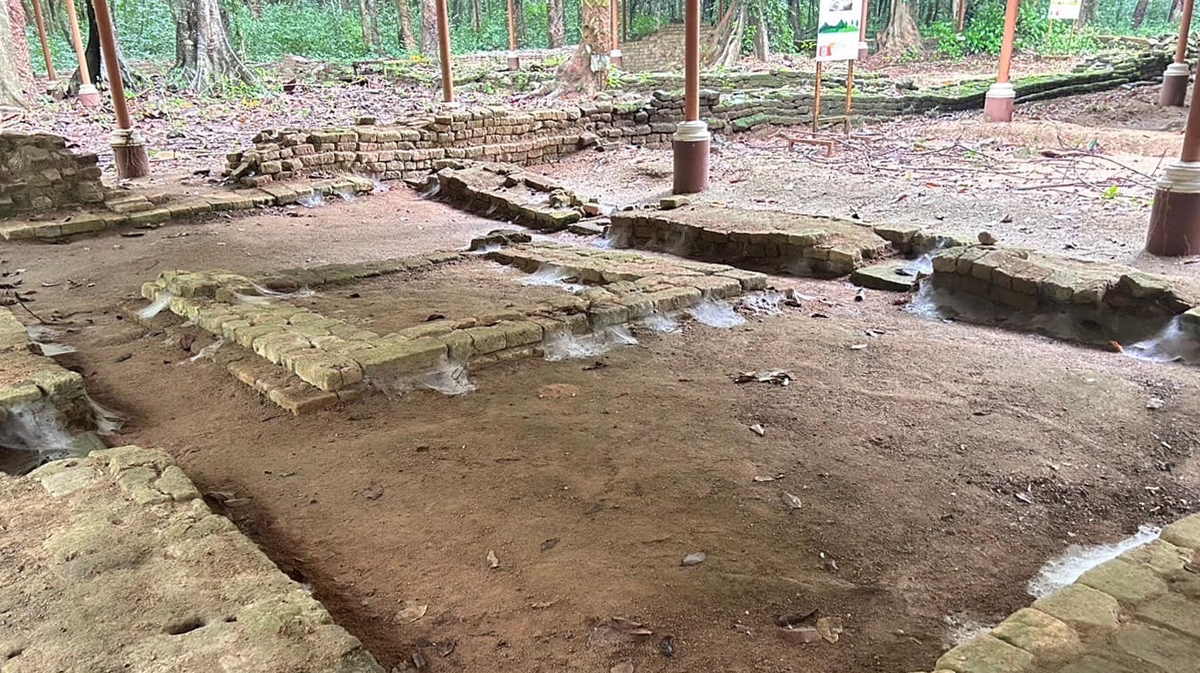
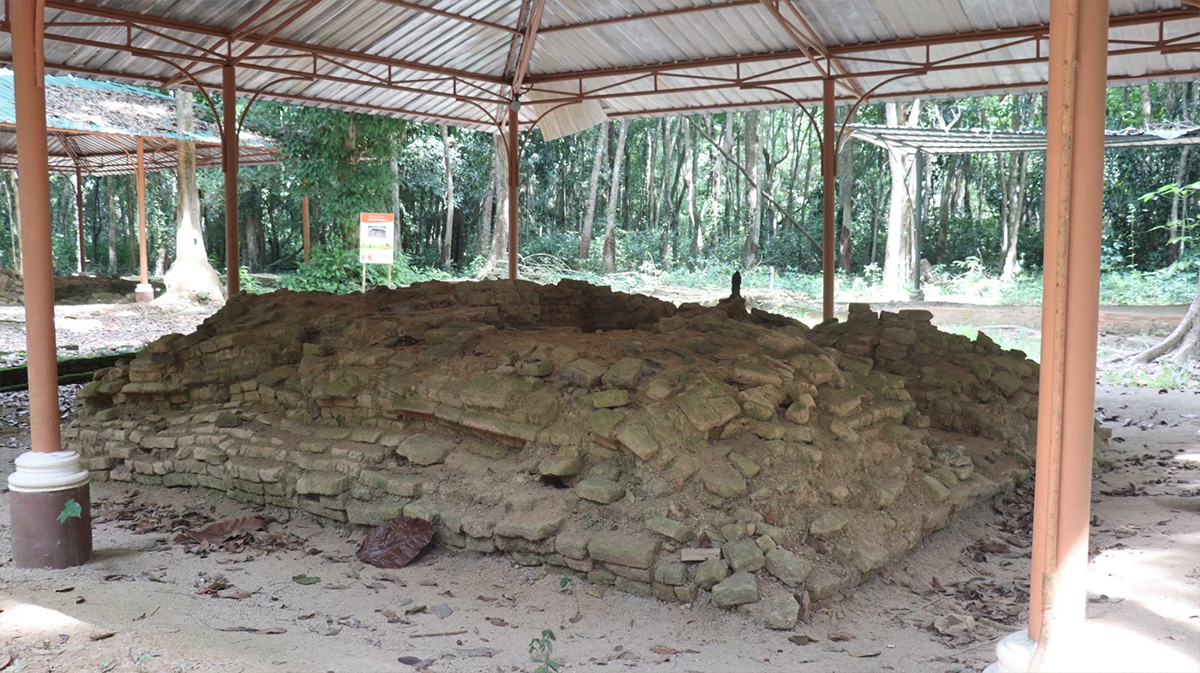
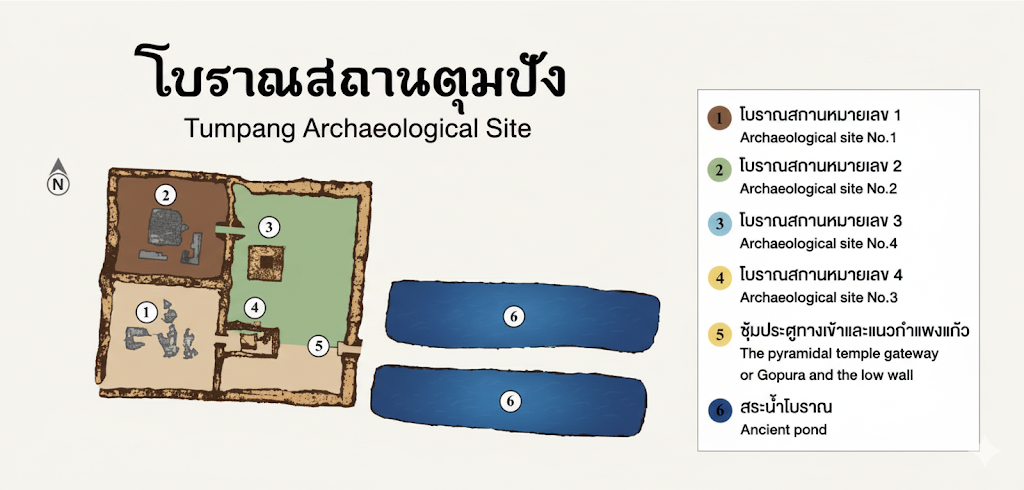
Excavations conducted between 2002 and 2003 uncovered four ancient brick structures enclosed by a perimeter wall, with an eastern-facing entrance gate. Beyond the gate, two rectangular ponds flank the pathway that leads to the shrine, contributing to the site’s serene and historically immersive atmosphere.
The Tumpang Archaeological Site is divided into 5 sub-areas, including:
- Archaeological Site No.1
- Archaeological Site No.2
- Archaeological Site No.3
- Archaeological Site No.4
- The Pyramidal Temple Gateway or Gopura and the Low Wall
- Ancient Pond
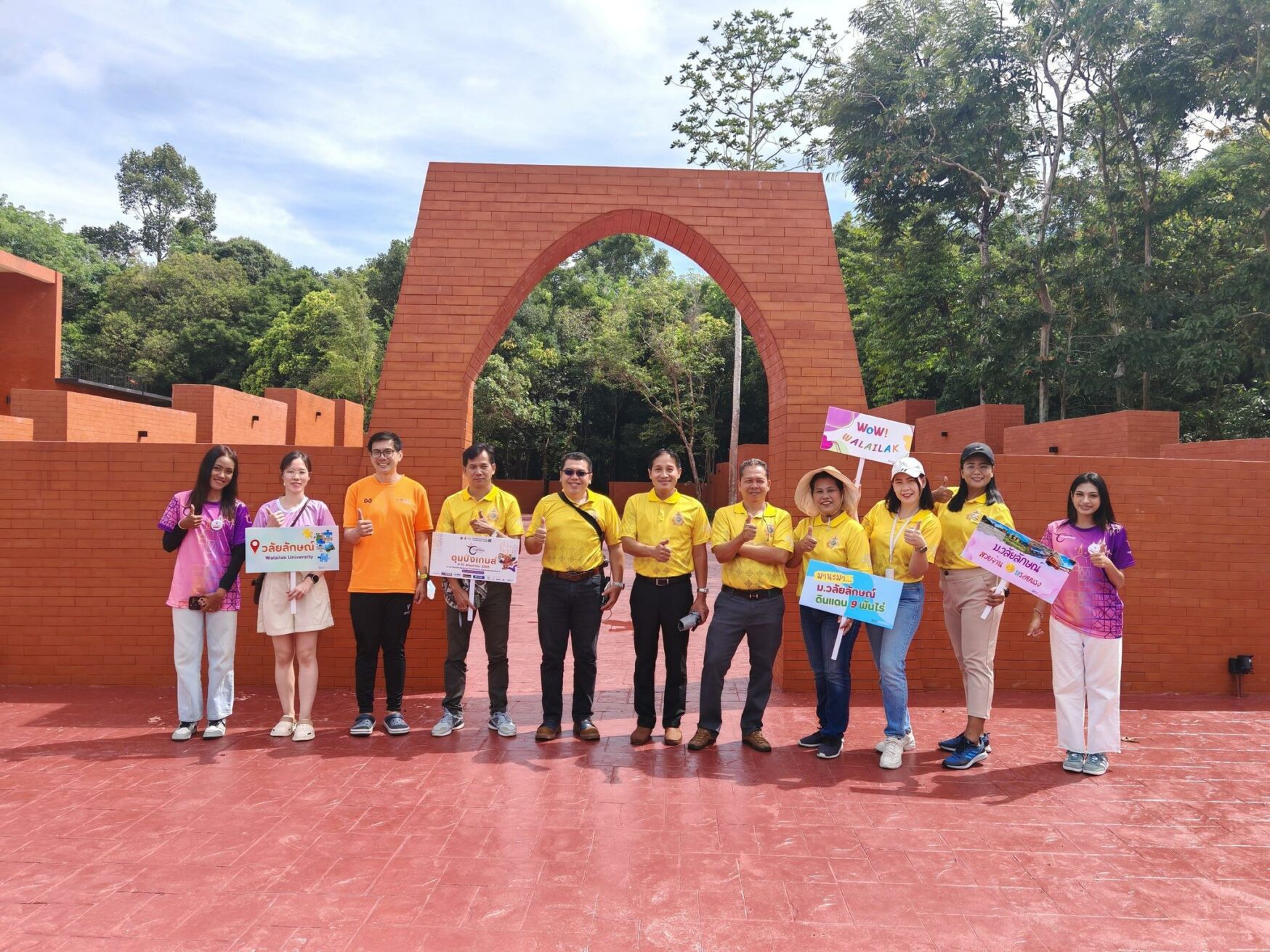
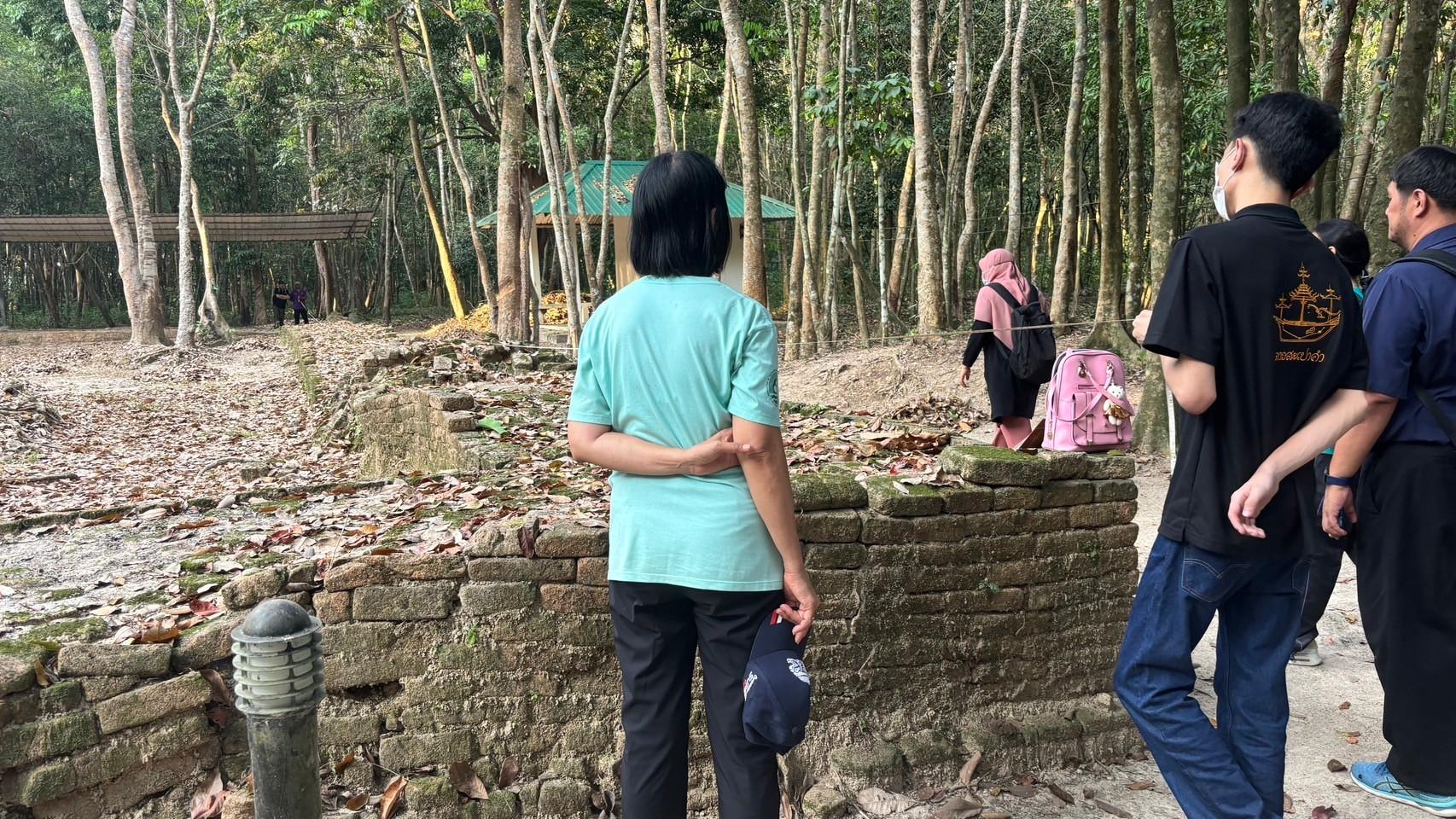
Visitors can visit the Tumpang Archaeological Site both physically and virtually without any cost. On-site visits are open to students, researchers, and the general public—free of charge—across all areas, Monday to Friday, from 8:30 AM to 4:30 PM. Walailak University also offers guided tours led by WU students, available in Thai, English, and Chinese.
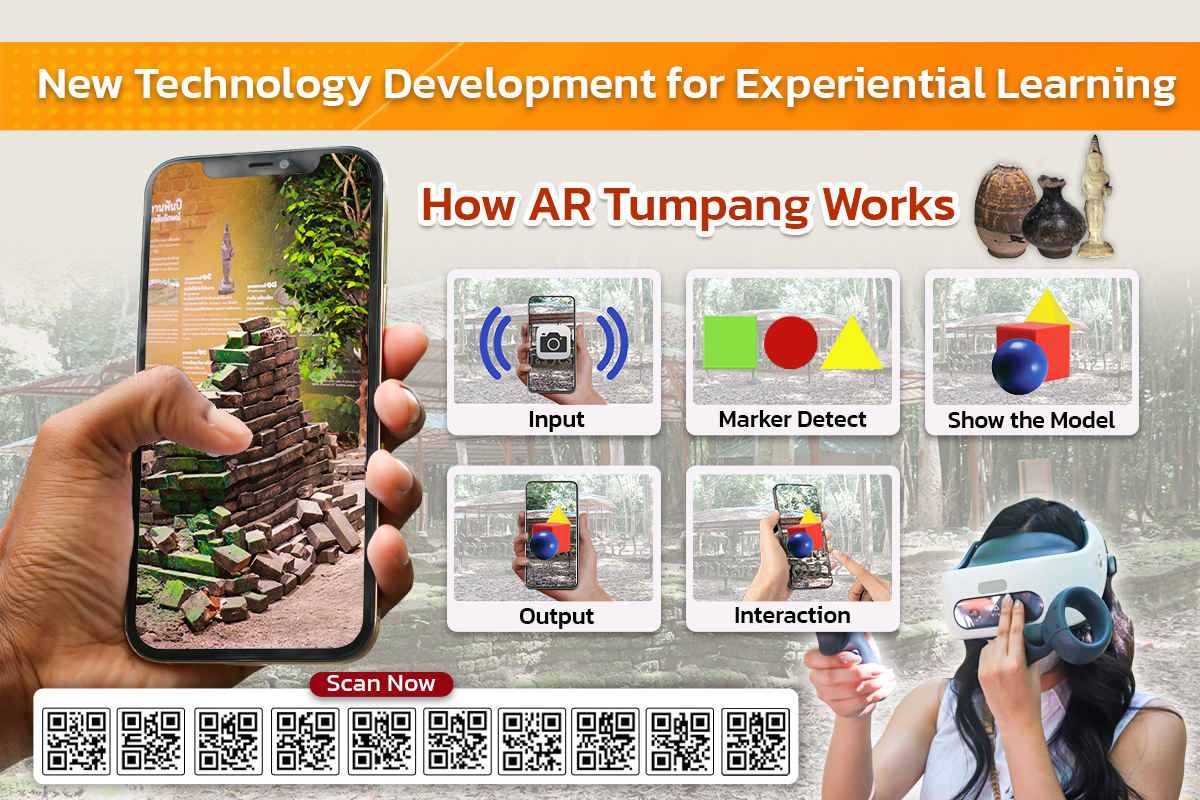
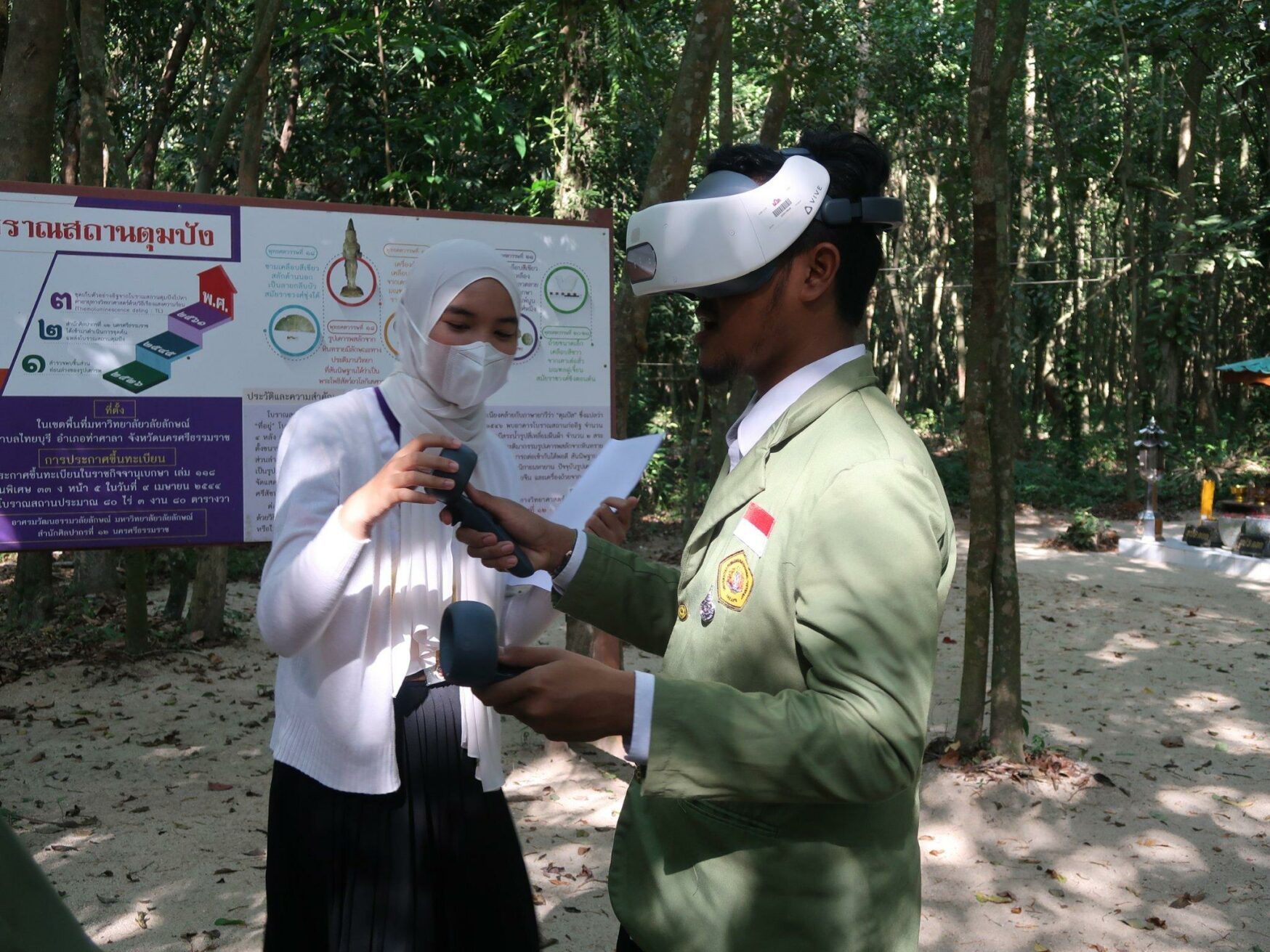
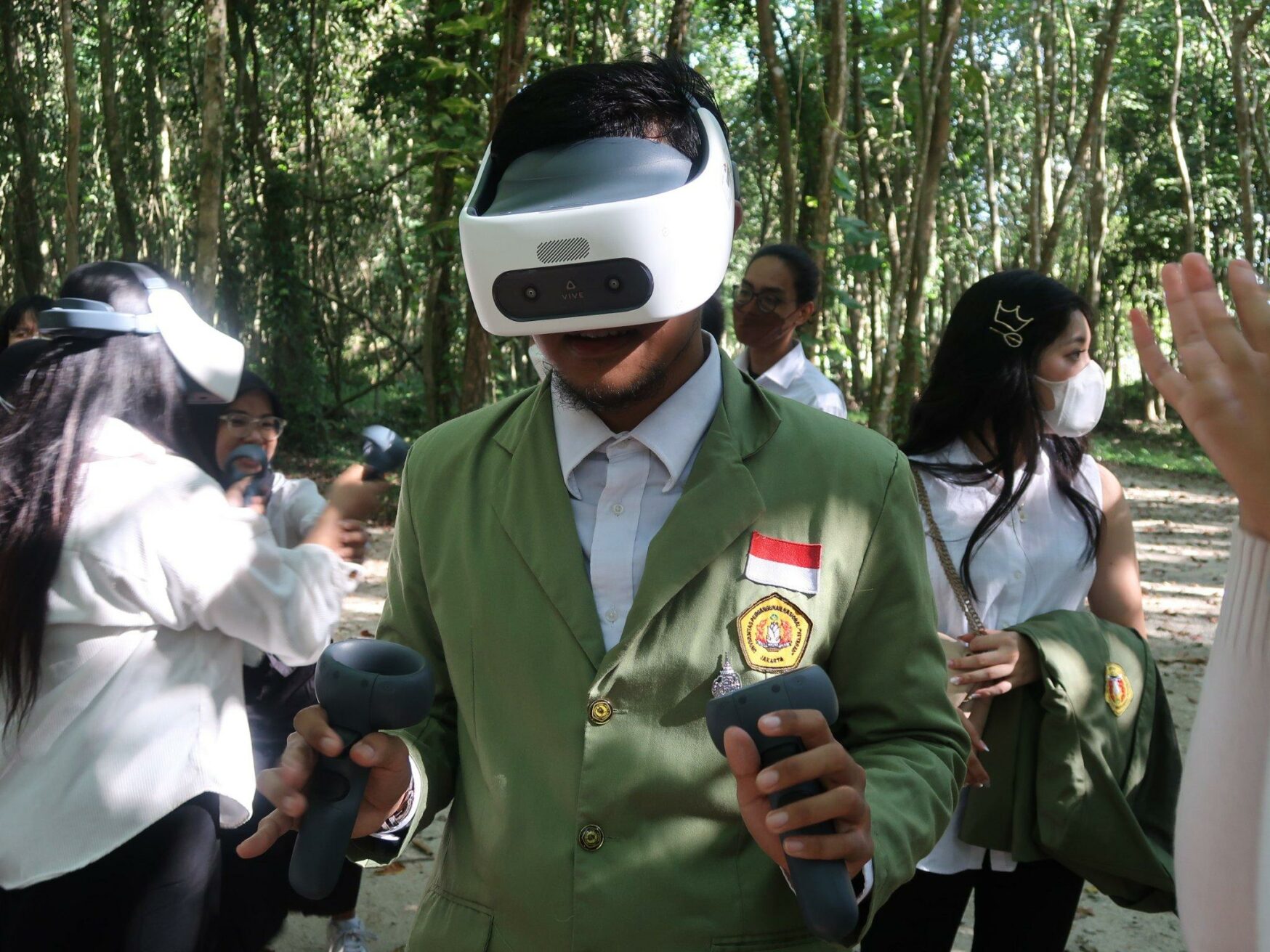
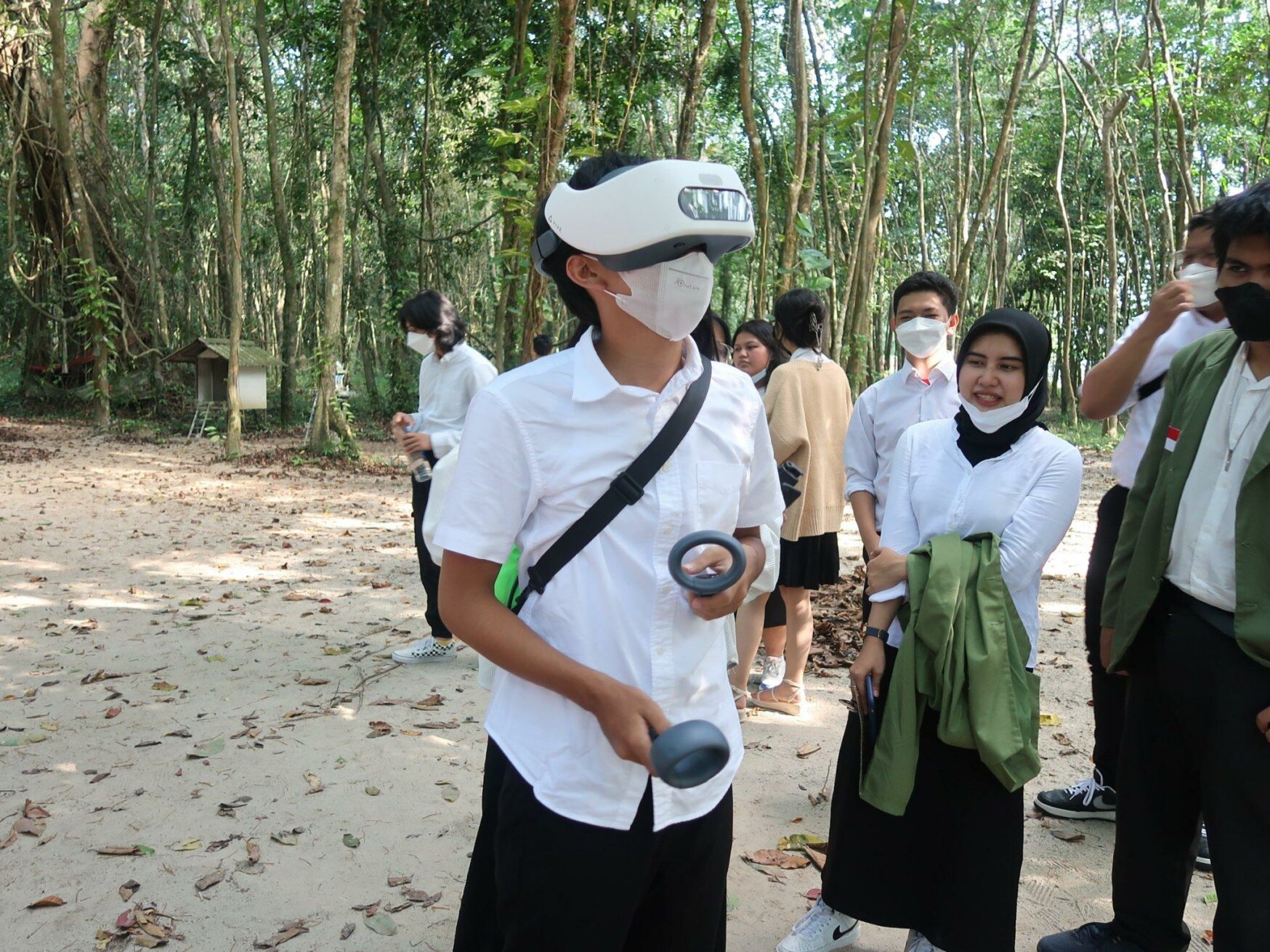
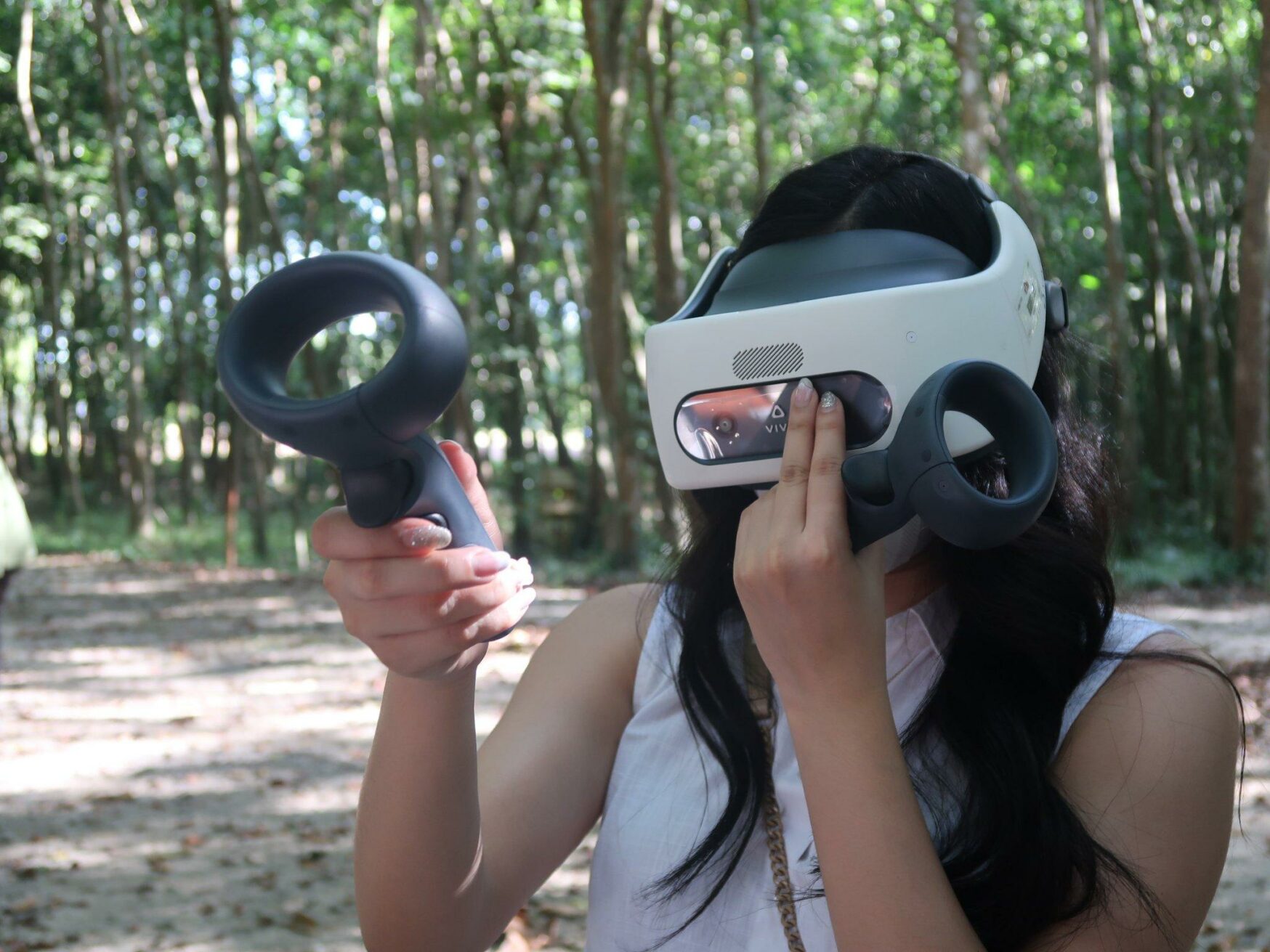
To enrich the experience, visitors can use the AR Tumpang mobile application or VR gear to access immersive, interactive insights into the site’s historical structures and significance.
For those unable to visit in person, Walailak University has employed 3D Laser Scanning technology to collect detailed archaeological data, creating a virtual platform for online exploration. This modern initiative makes the site’s historical richness accessible to a broader audience through the AR Tumpang Archive Application or the dedicated website: https://toompung.wu.ac.th/3d-virtual/
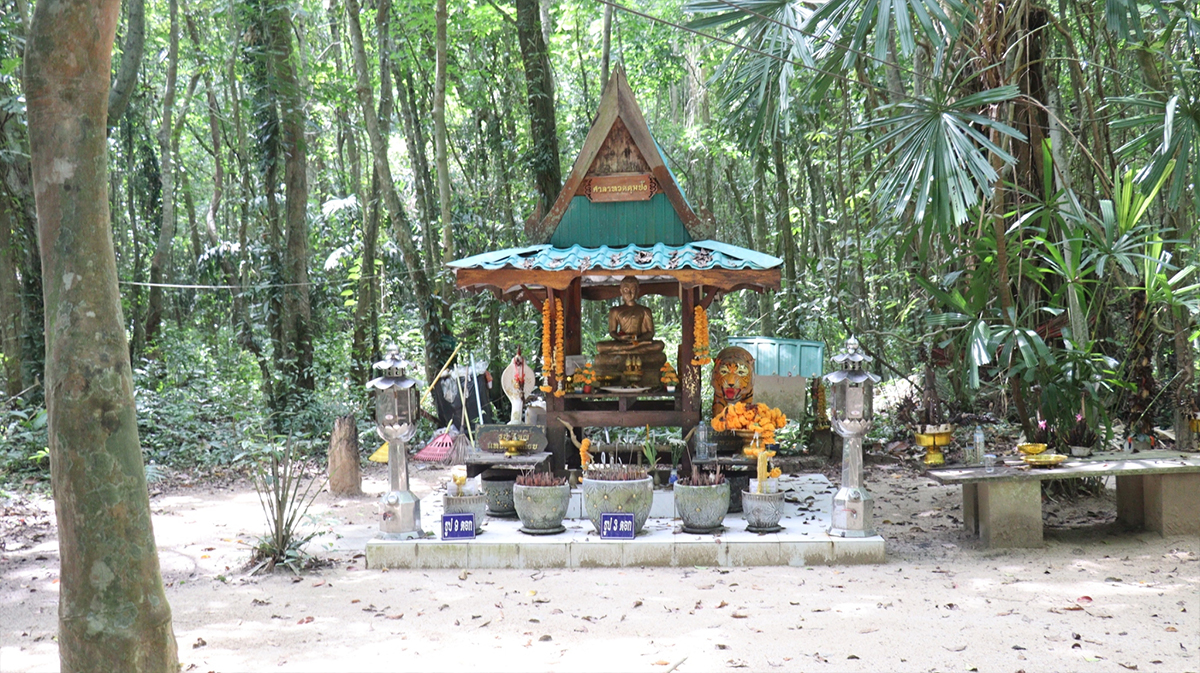
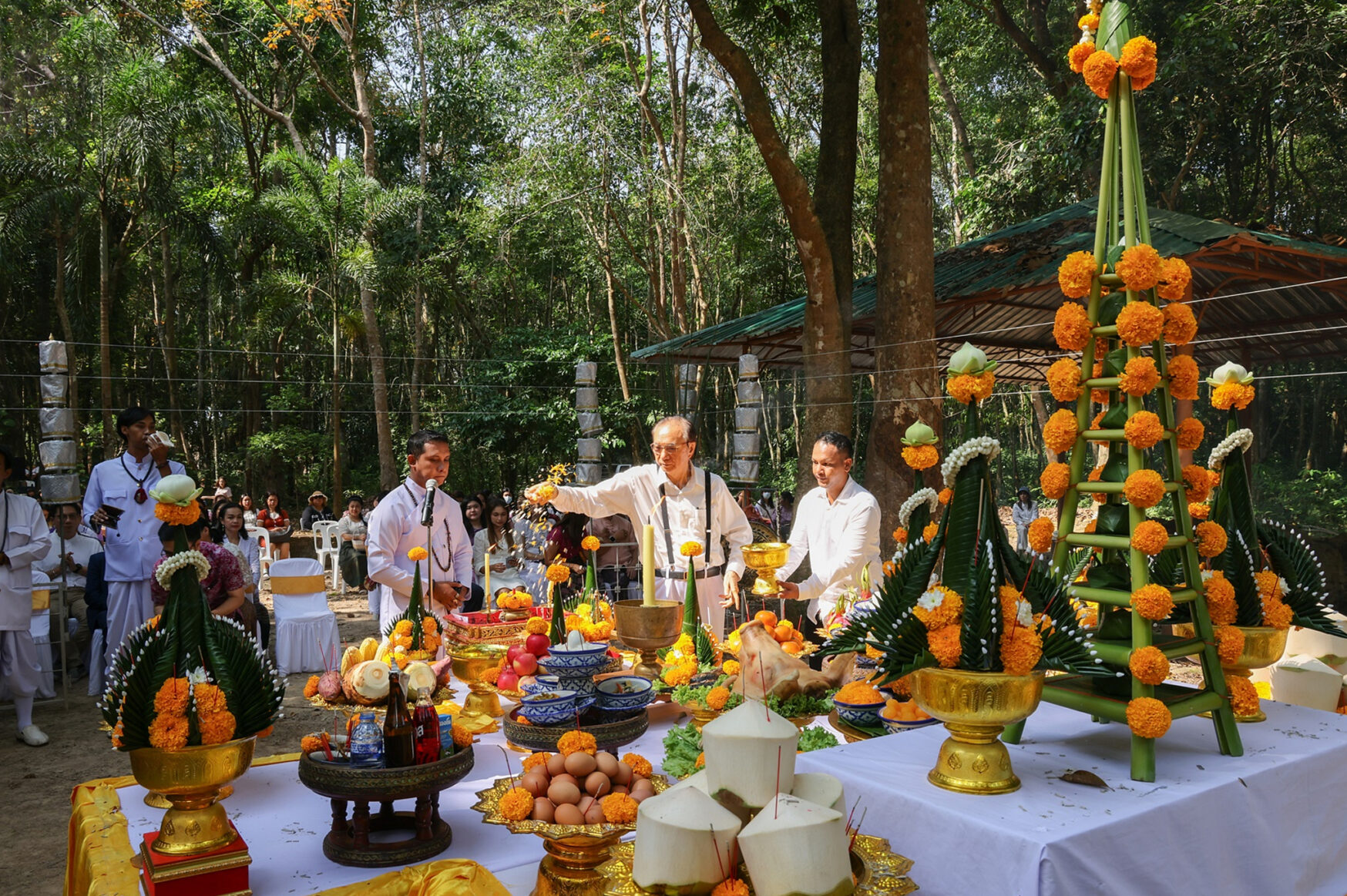
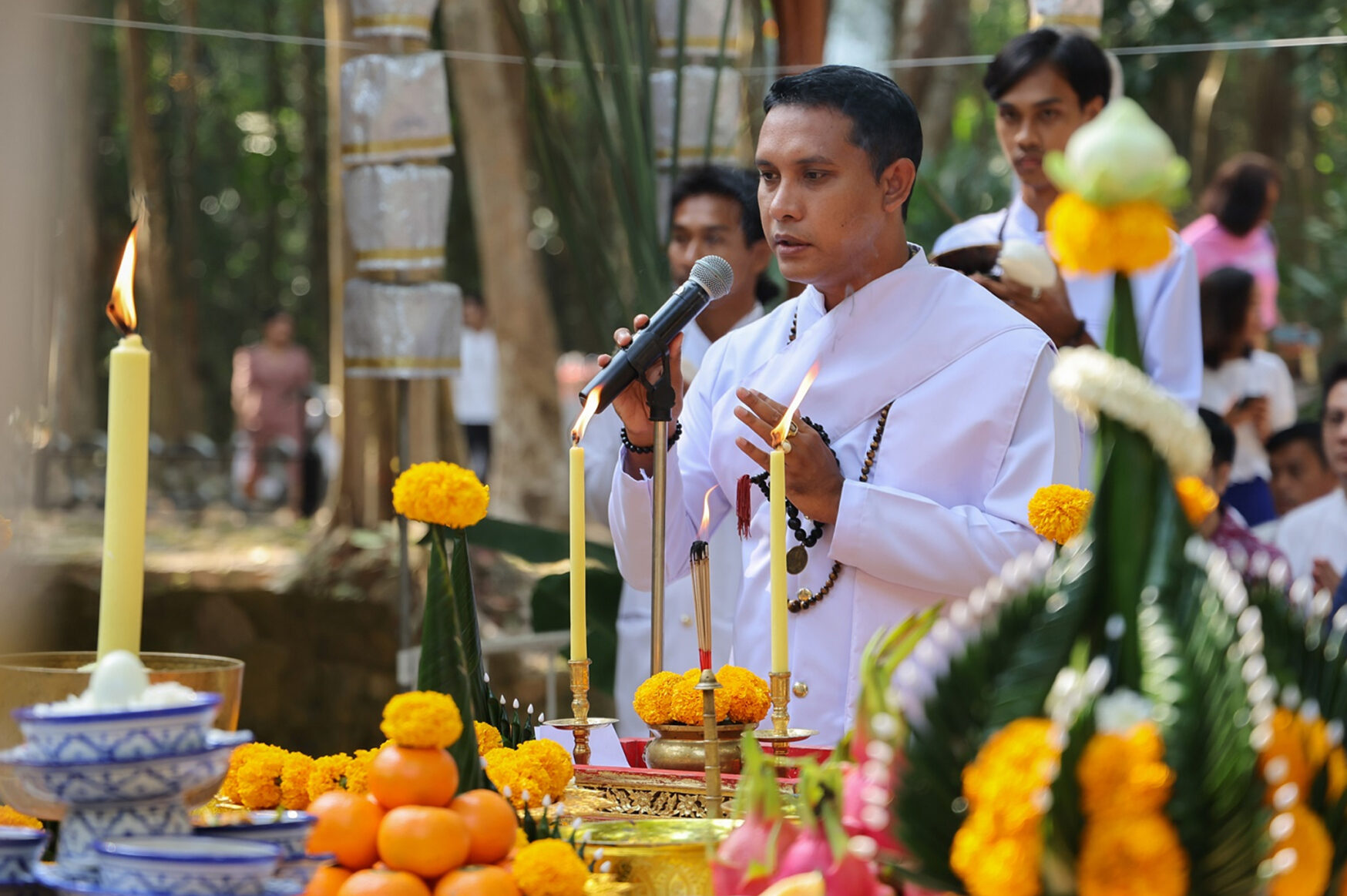
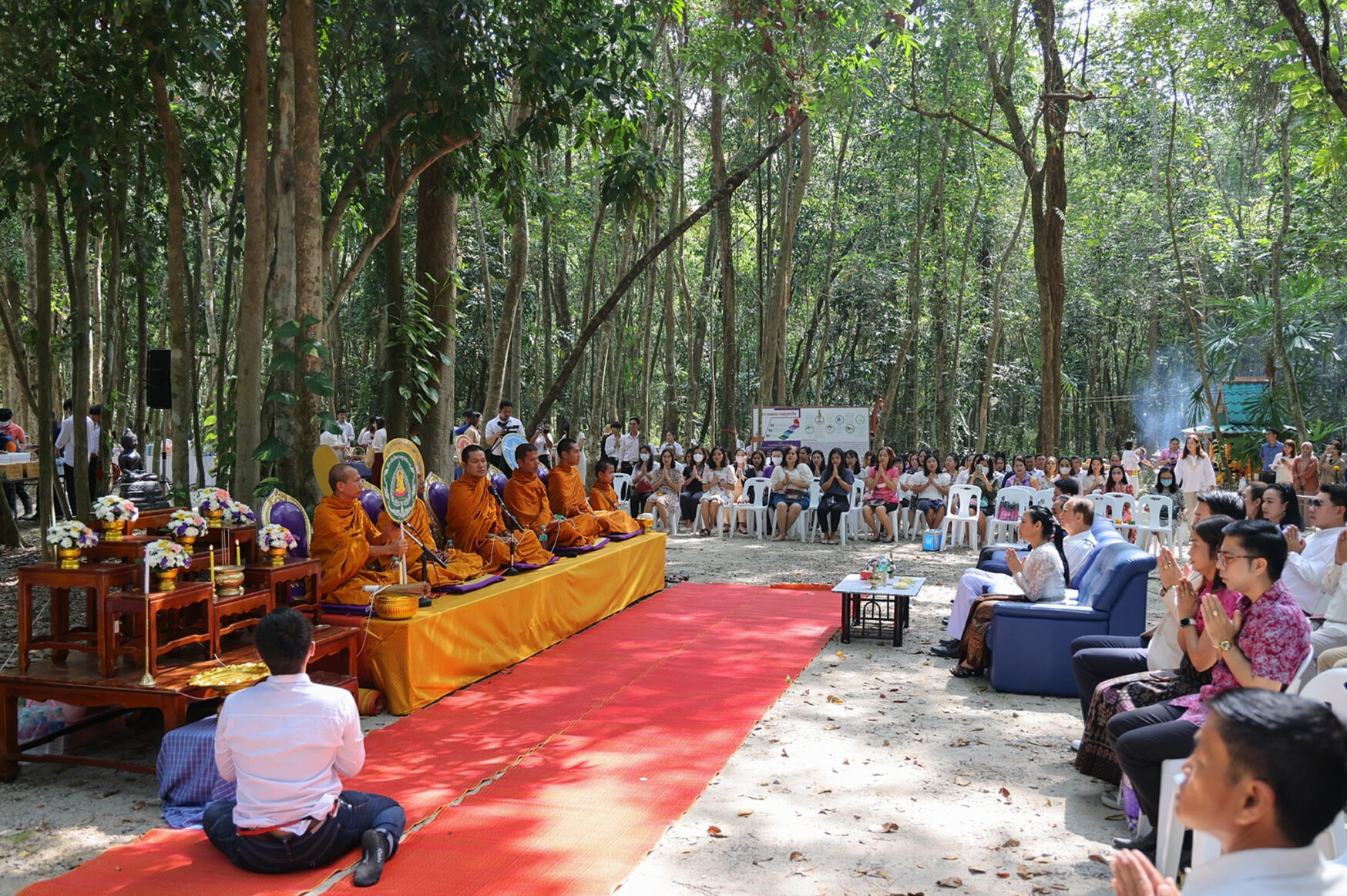
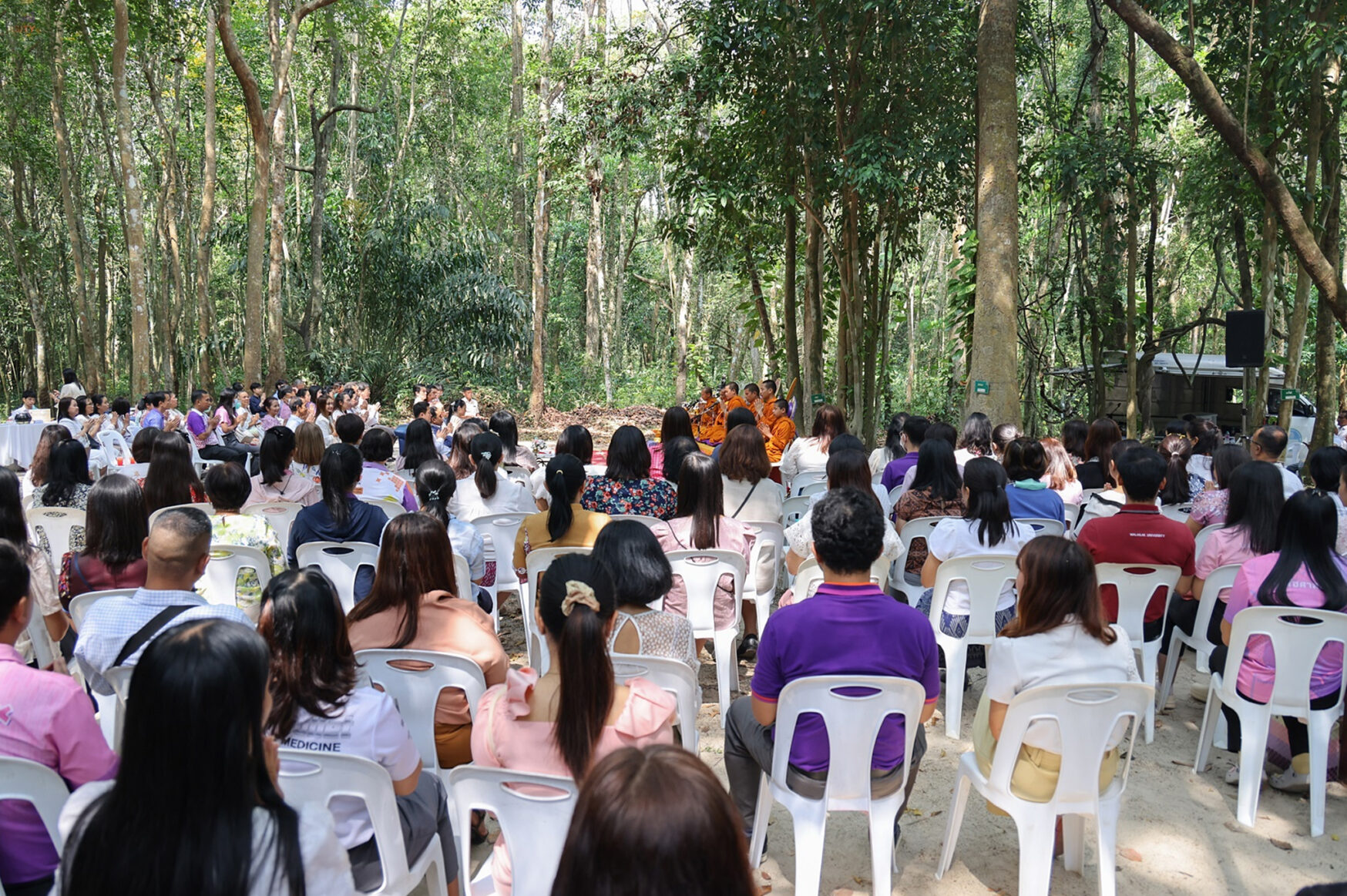
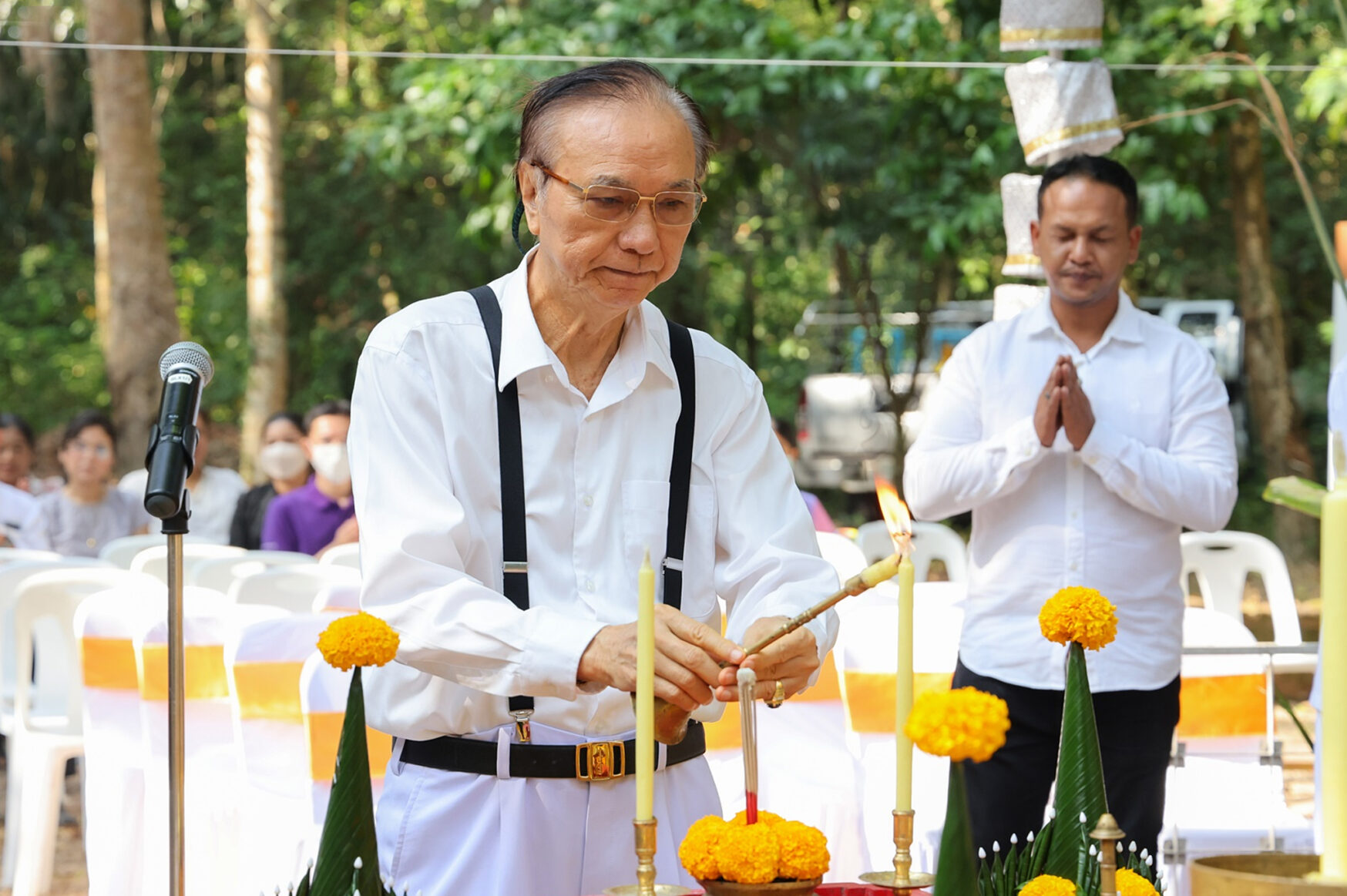
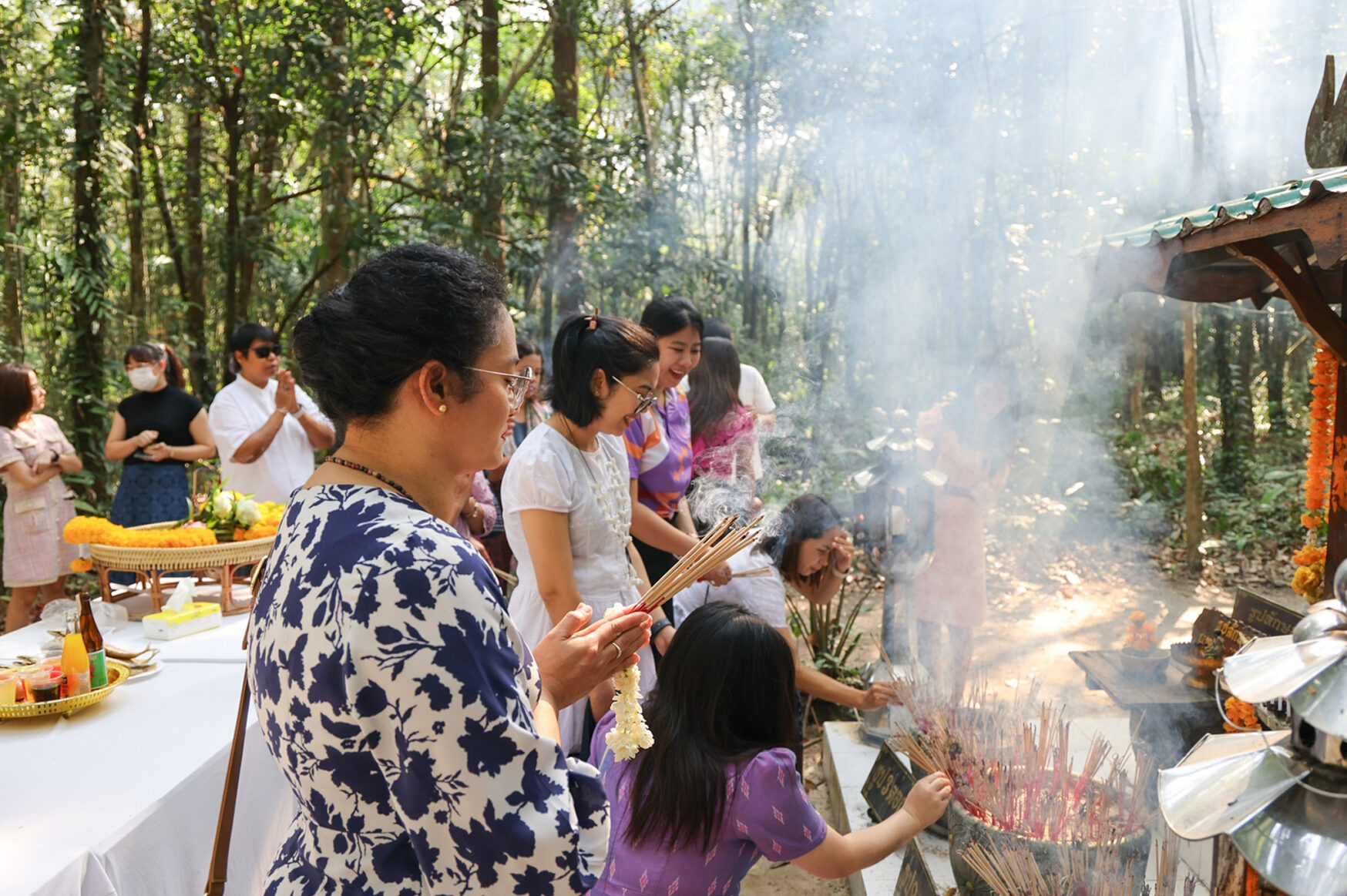
For over a decade, Walailak University has hosted an annual merit-making ceremony for the “Tumpang Ancestors,” rooted in the belief that the site once served as a religious location for both Brahmanism and Buddhism. Open to all—staff, students, and members of the public—the event features traditional rituals from both faiths, offering visitors a rare opportunity to experience the atmosphere of ancient spiritual practices.
Figures : The 2024 annual merit-making ceremony for “Tumpang Ancestors”
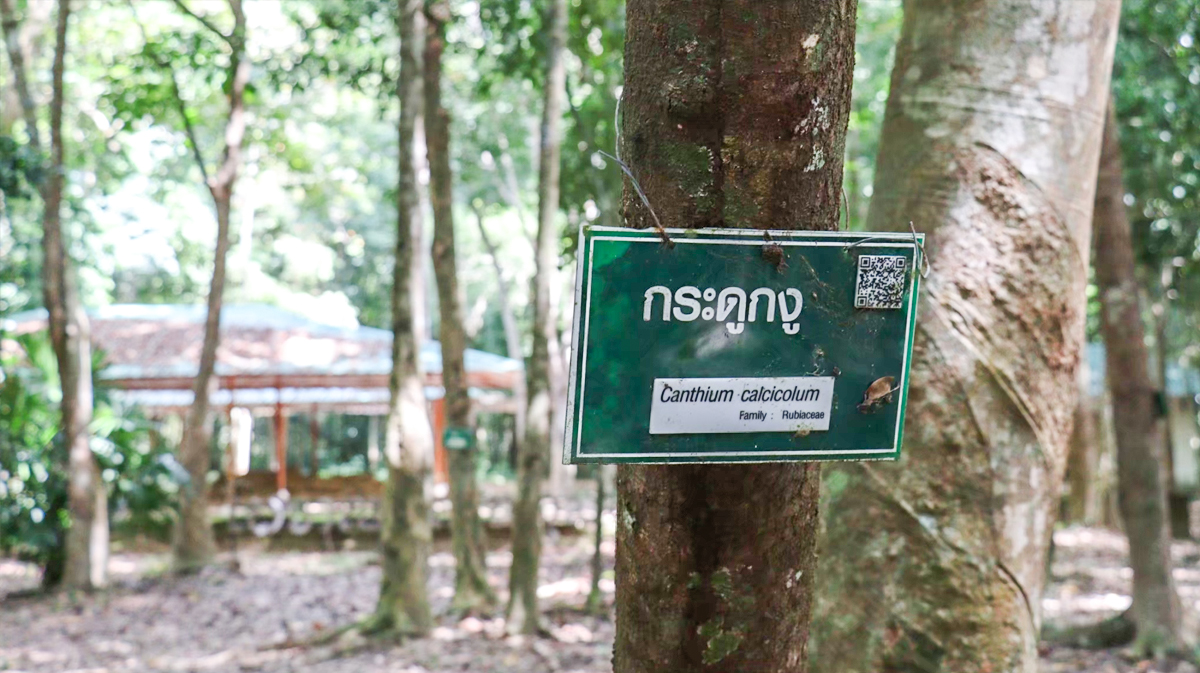
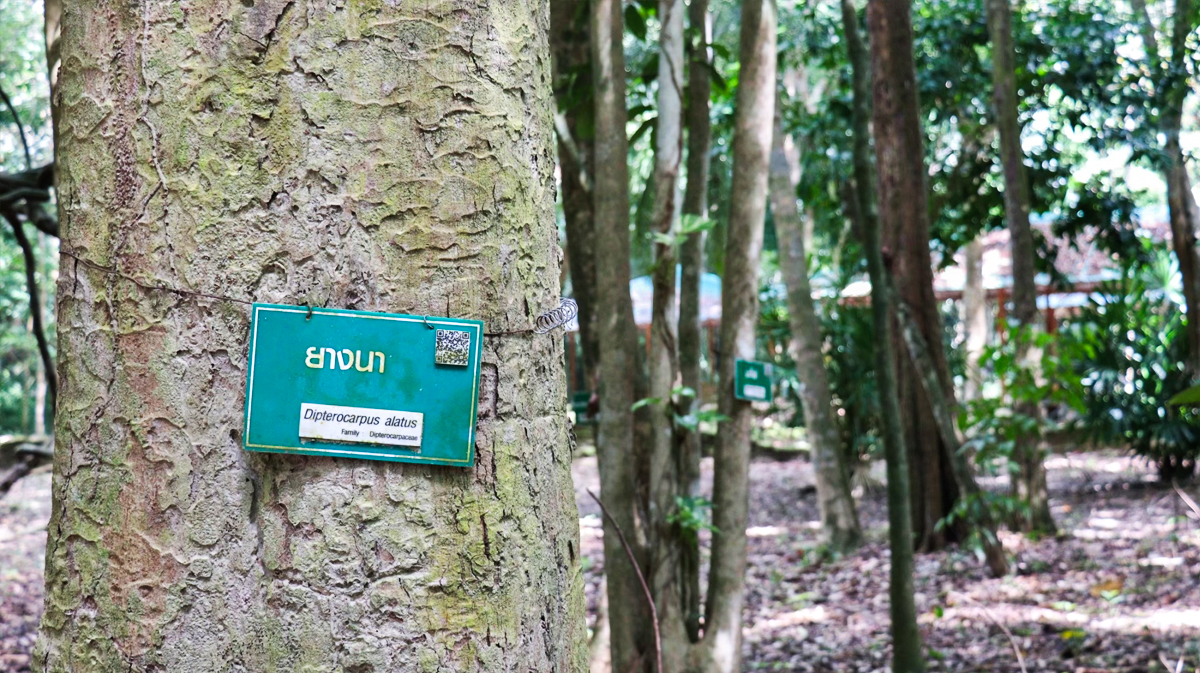
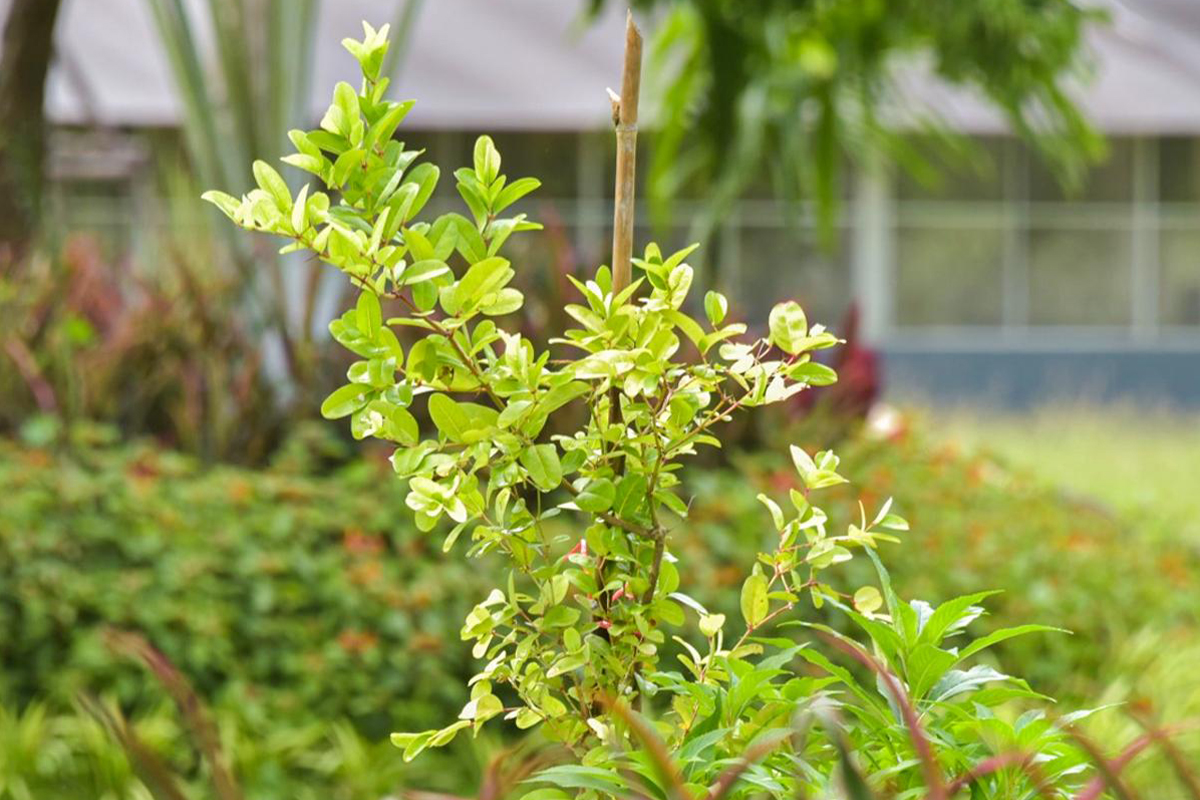
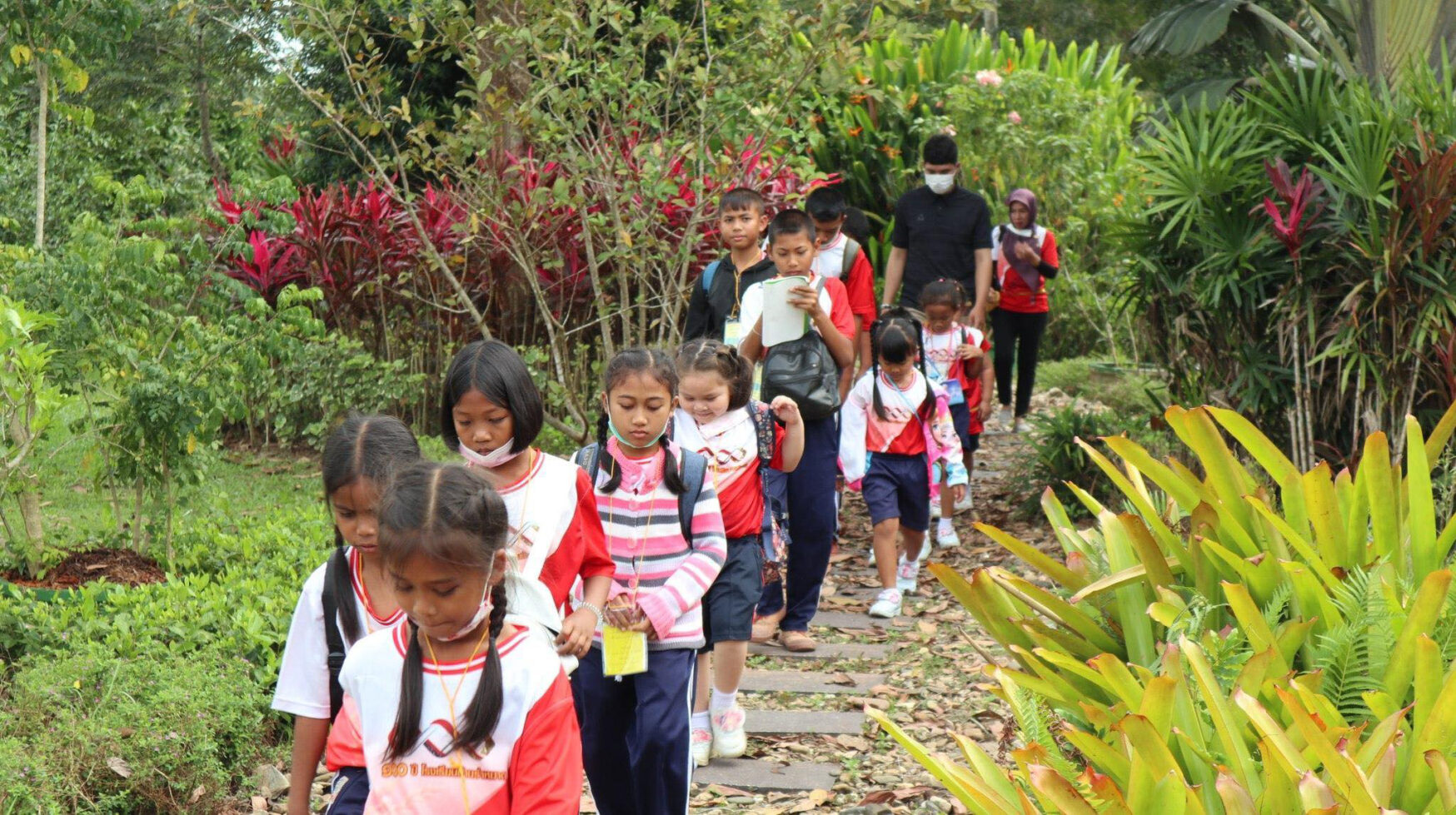
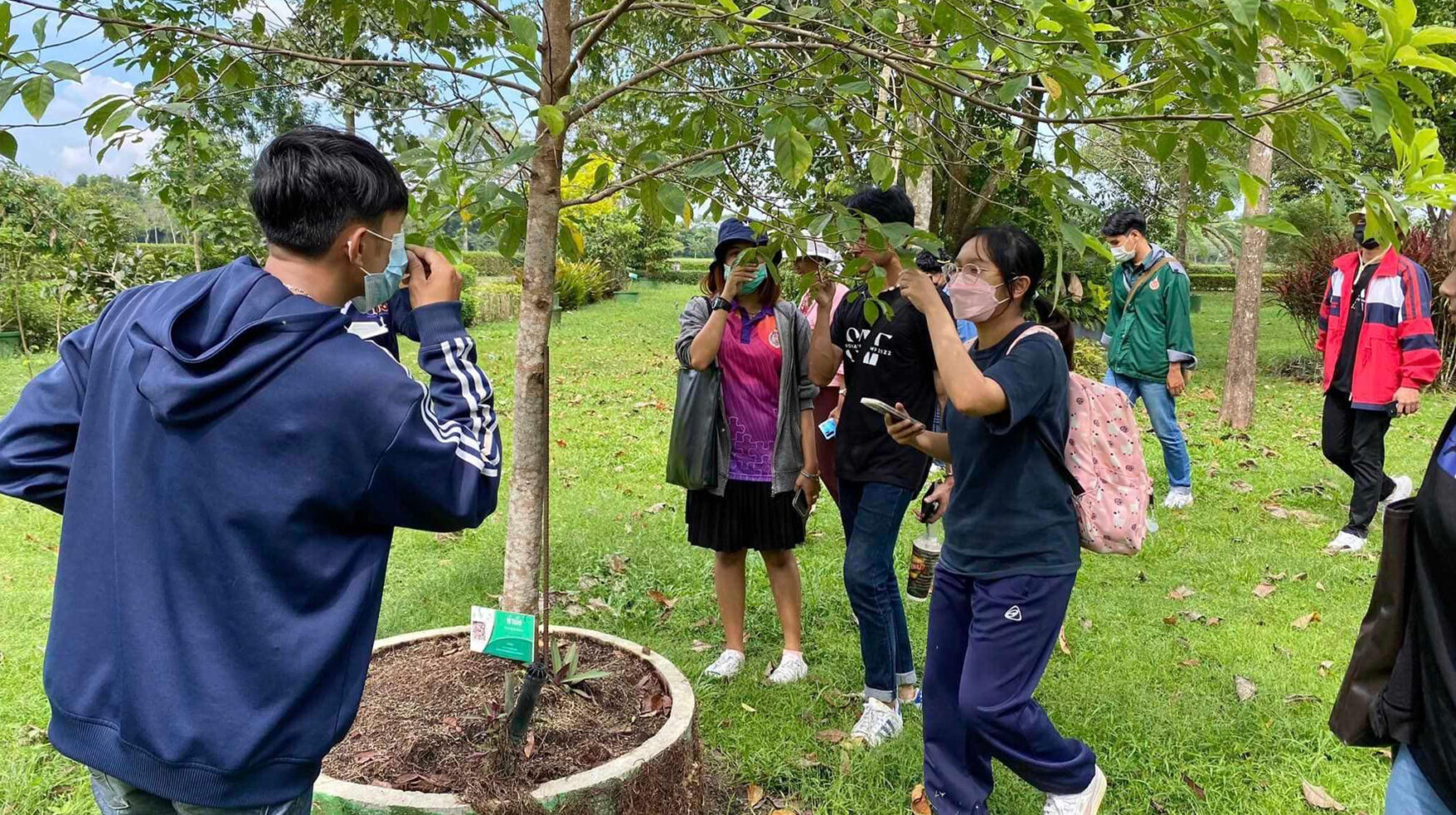
In addition, a comprehensive database of native plant species has been established at the Tumpang Archaeological Site, with each specimen linked to a QR code that provides detailed online information. The surrounding forest has been thoughtfully restored as a nature study trail, inviting visitors to explore and learn about the region’s botanical diversity and traditional plant uses. All plantings have been carefully curated to replicate the site’s original forest ecosystem, deepening visitors’ connection to the natural landscape and enhancing their immersive experience.
Free Public Access to Monuments
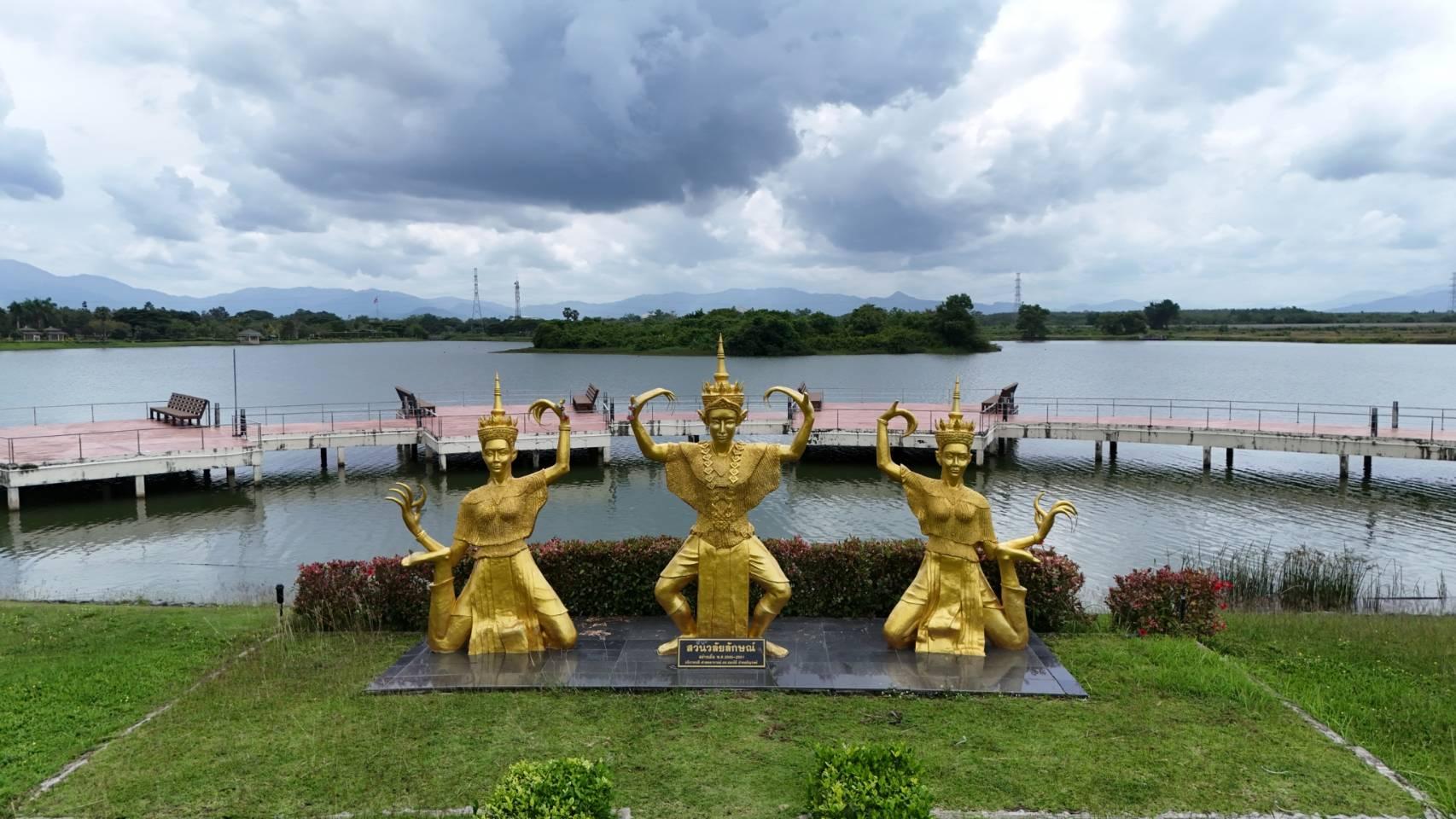
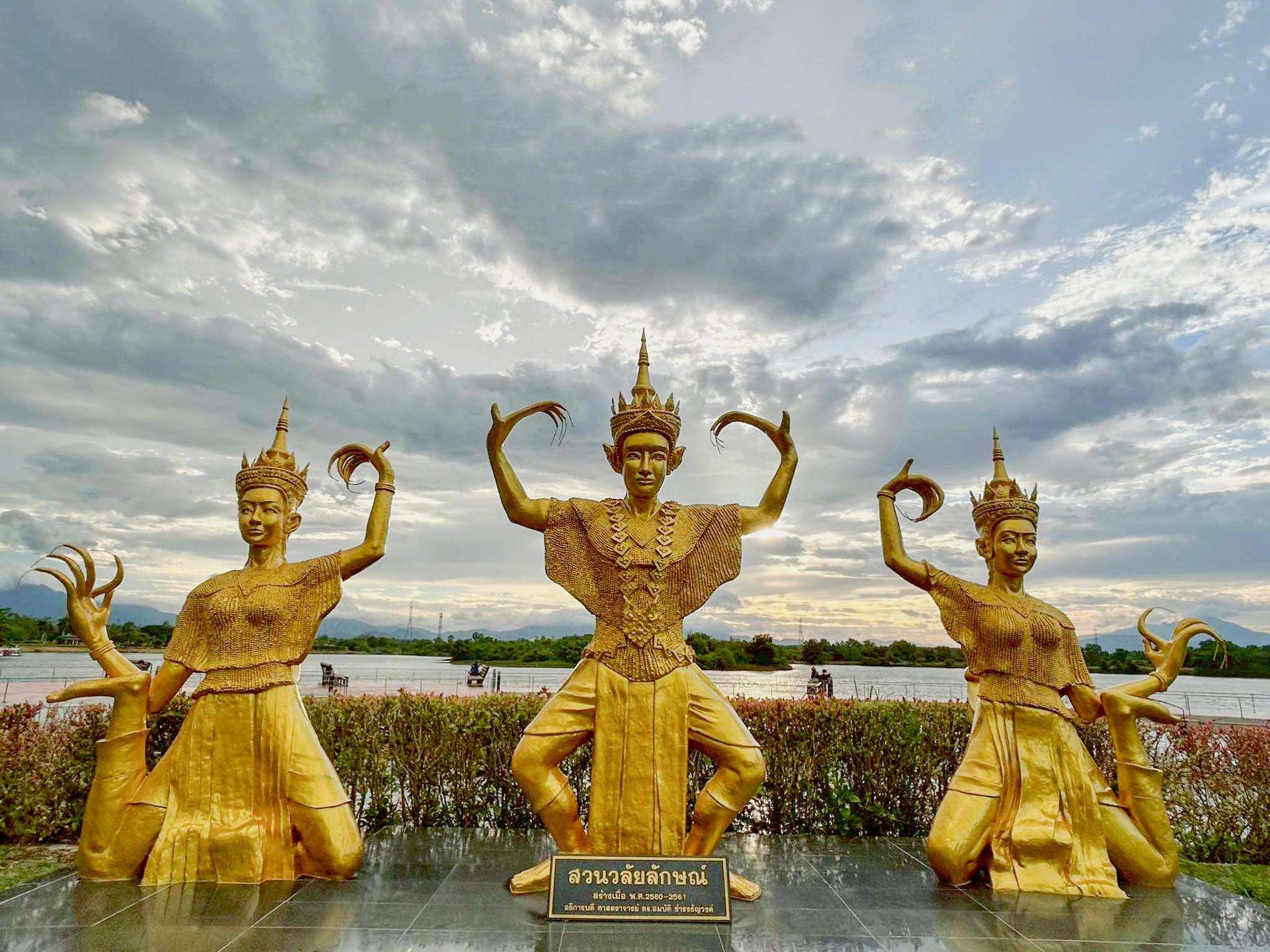
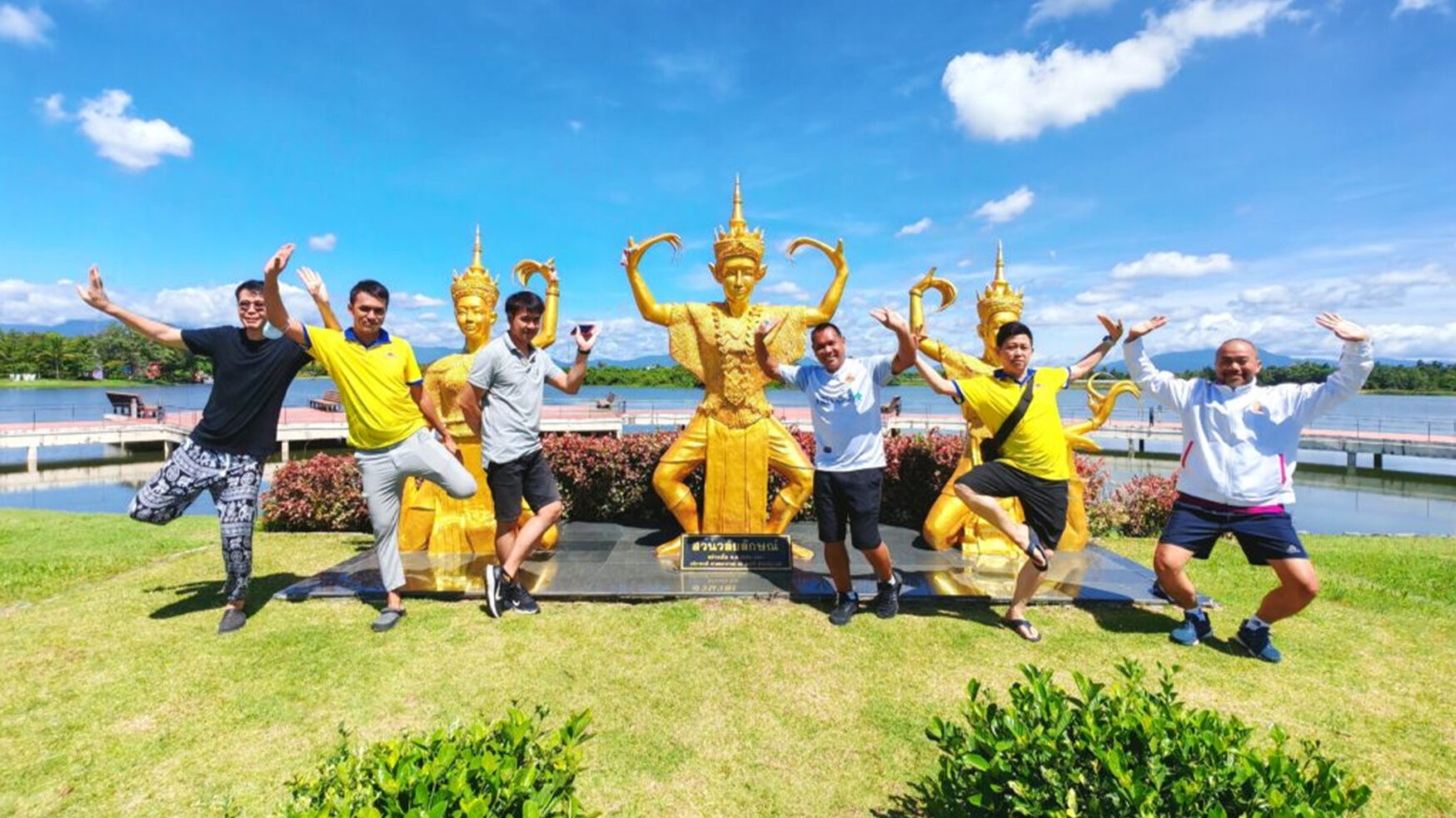
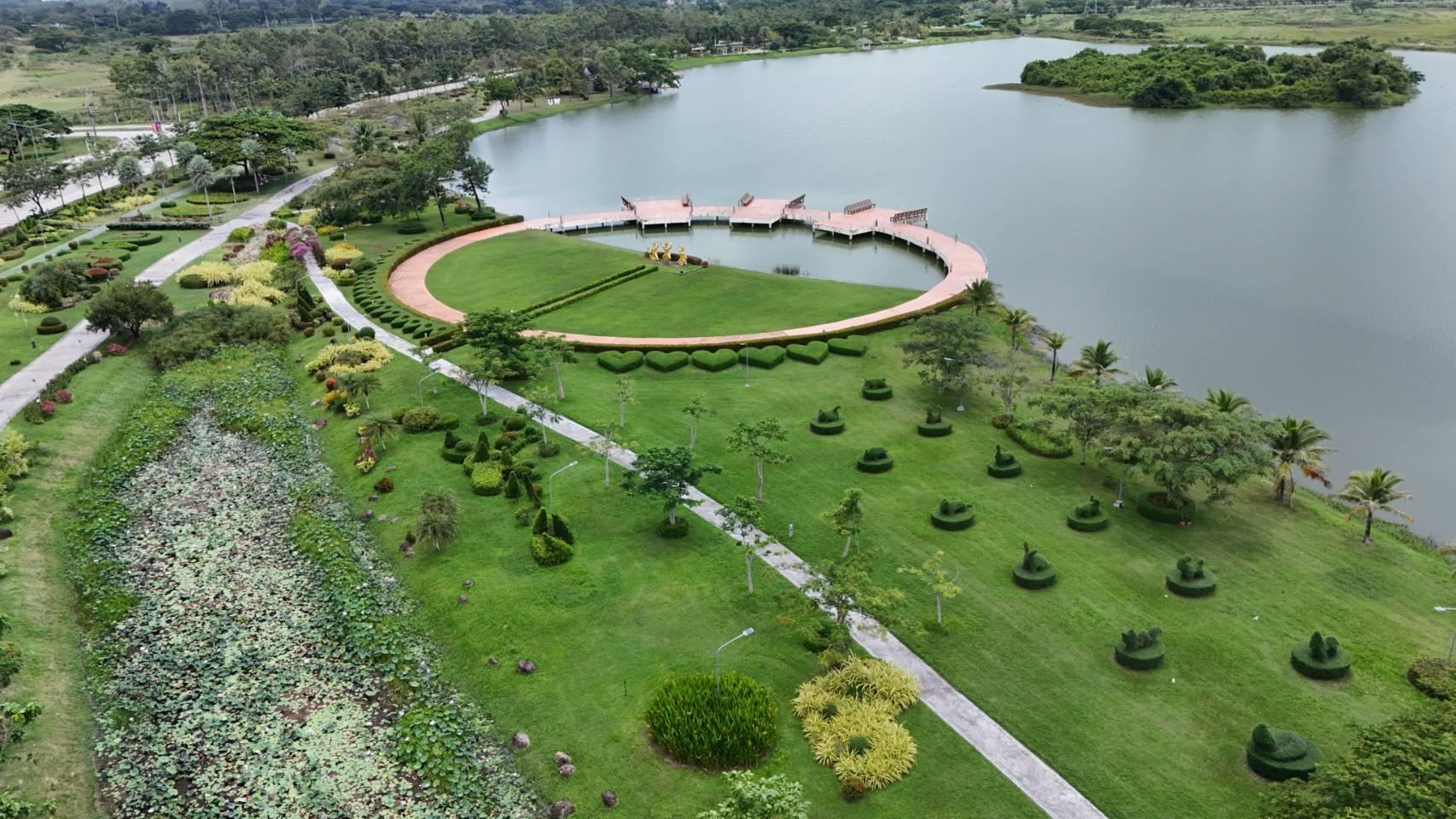
The Golden Manorah Monument
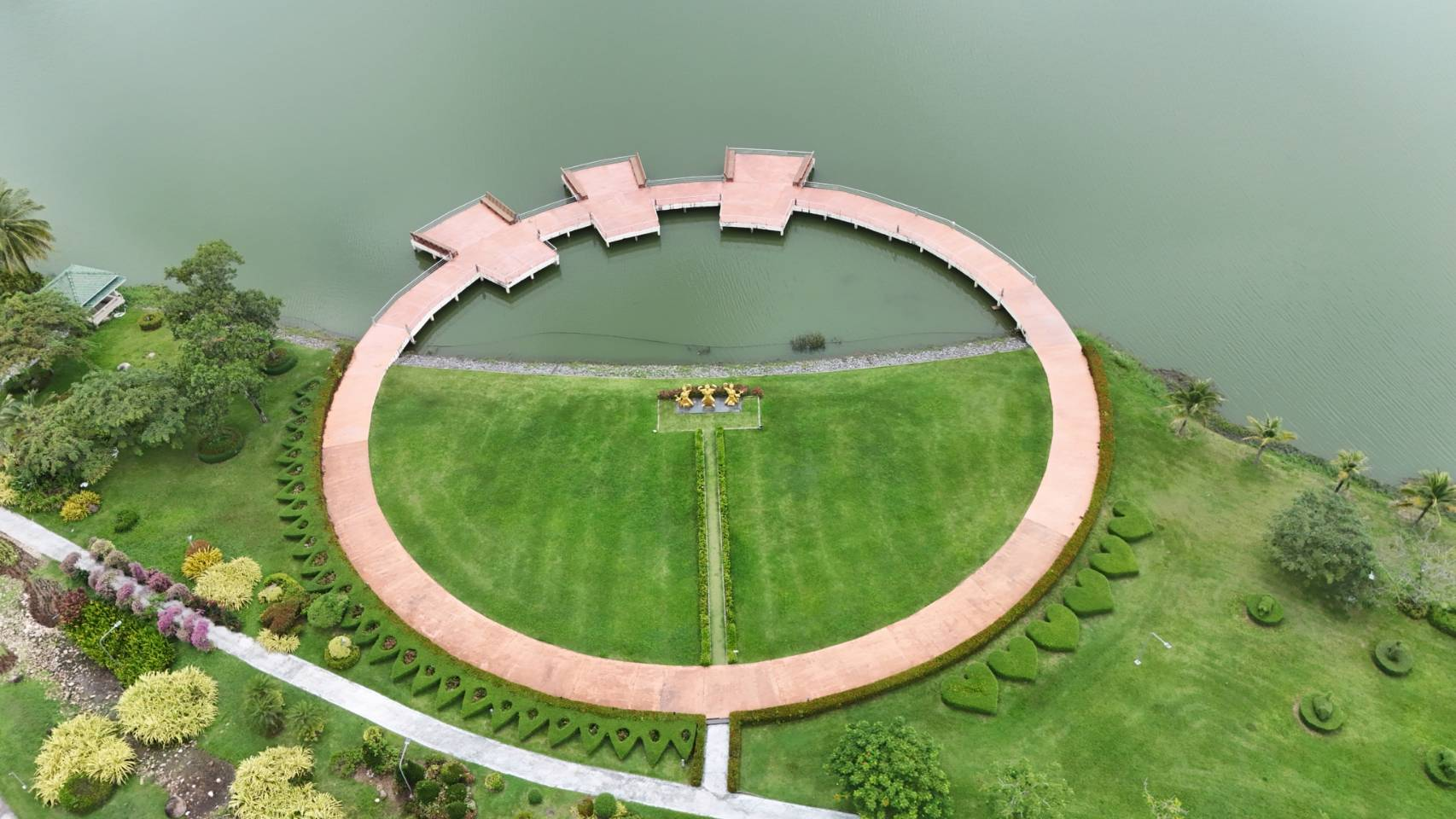
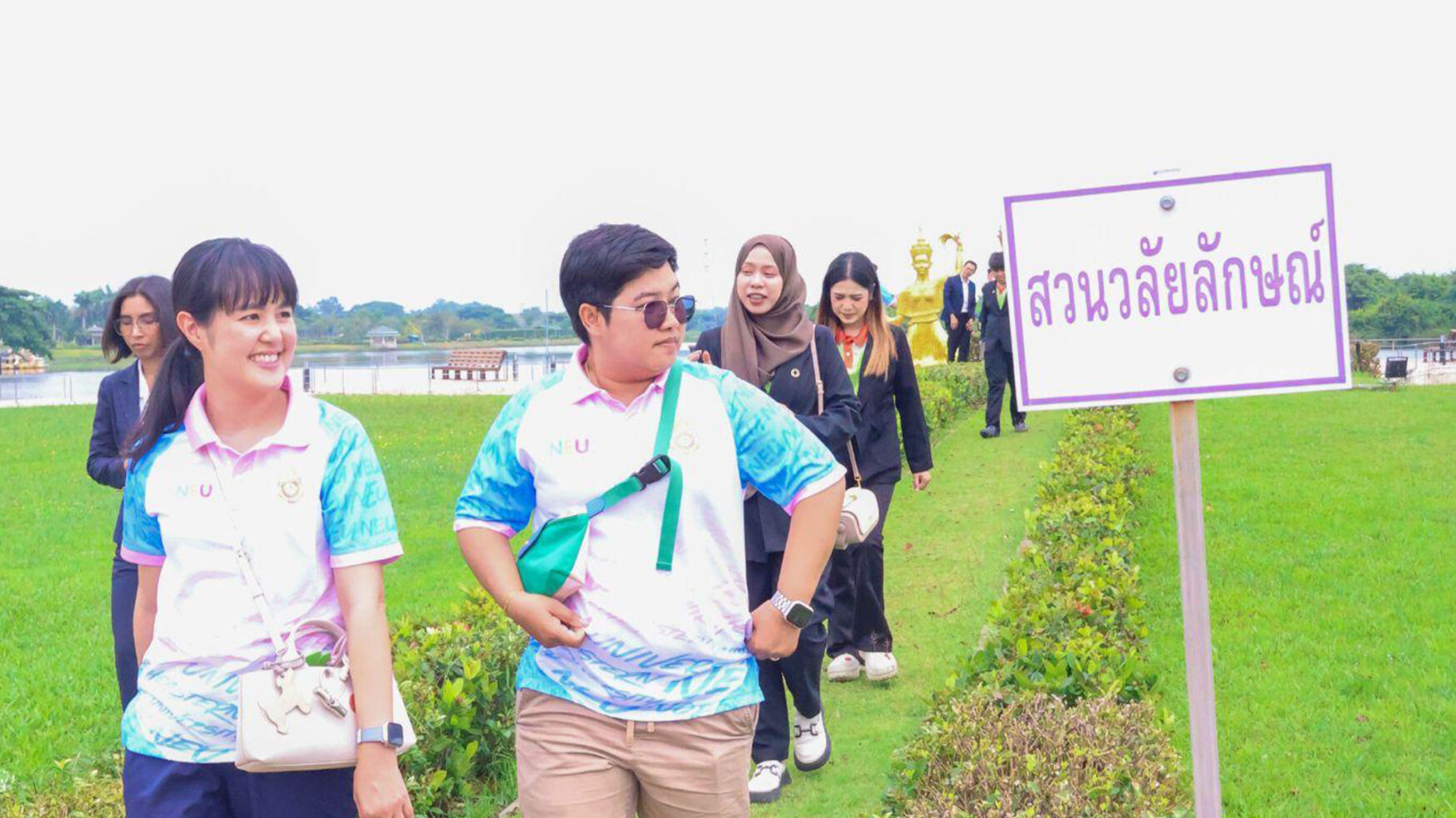
Walailak University has established the Golden Manorah Monument to provide free public access to a space of profound cultural significance. Situated within WU Park, the monument symbolizes unity, prosperity, and the richness of Southern Thai cultural heritage.
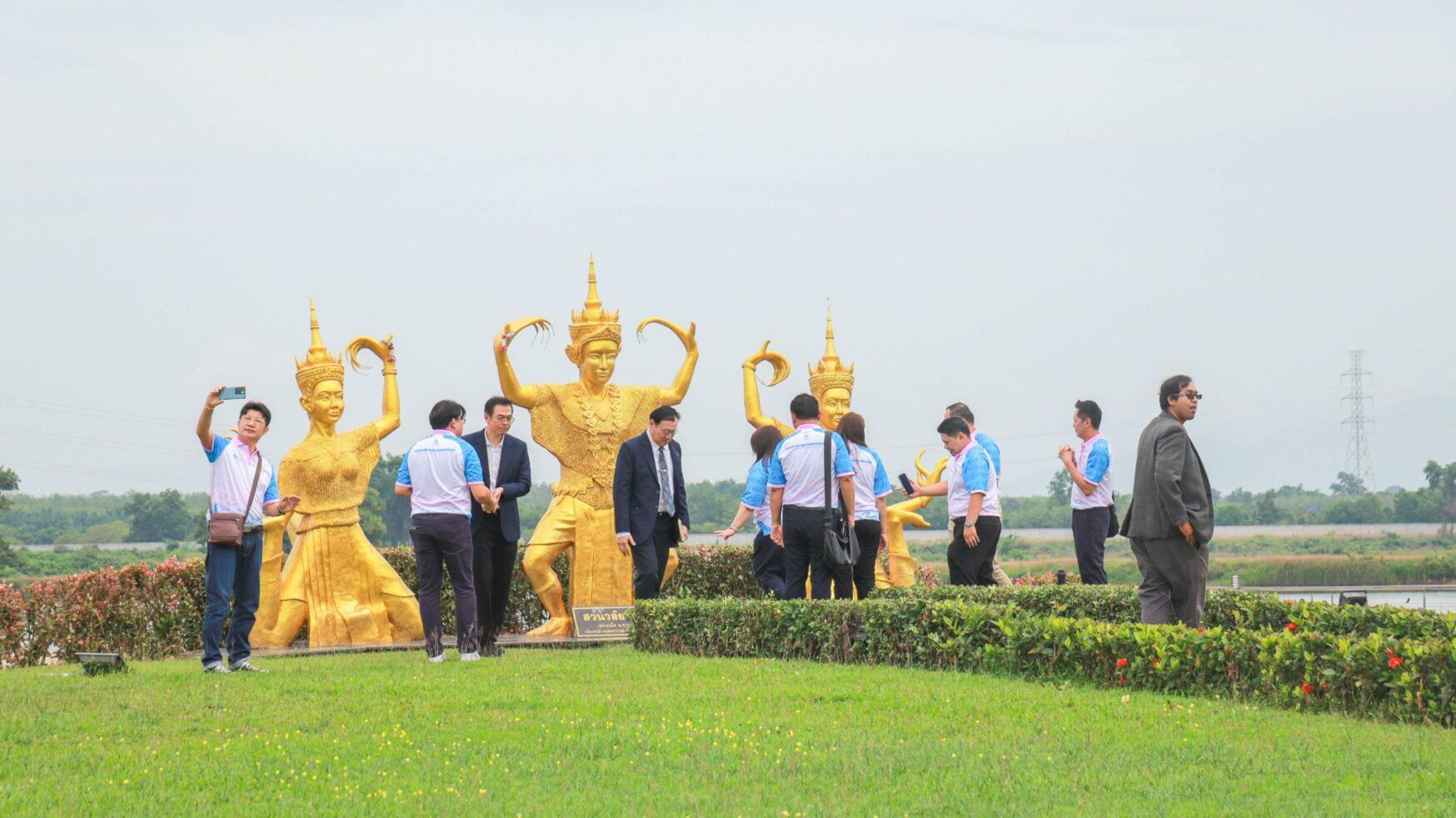
Designed as a safe, inclusive, and accessible public space, the monument welcomes all visitors—including vulnerable groups such as children, the elderly, and persons with disabilities. Wide pathways, ramps, and free entry ensure that everyone can enjoy the site with comfort and ease.
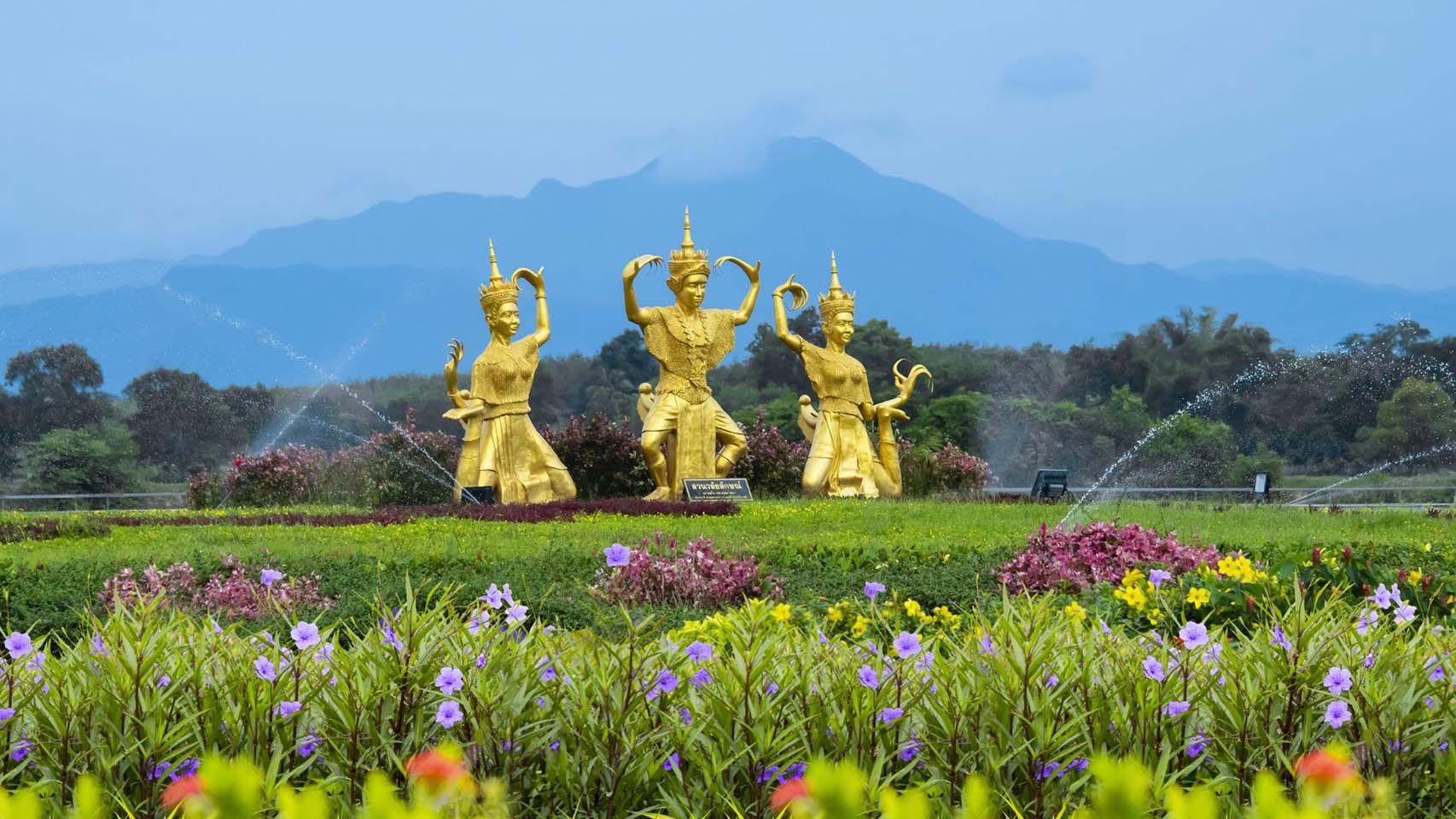
At the heart of the monument stands the striking Golden Manorah sculpture, honoring the traditional dance and artistic expression of Southern Thailand. This centerpiece embodies the university’s commitment to preserving and promoting regional cultural heritage.
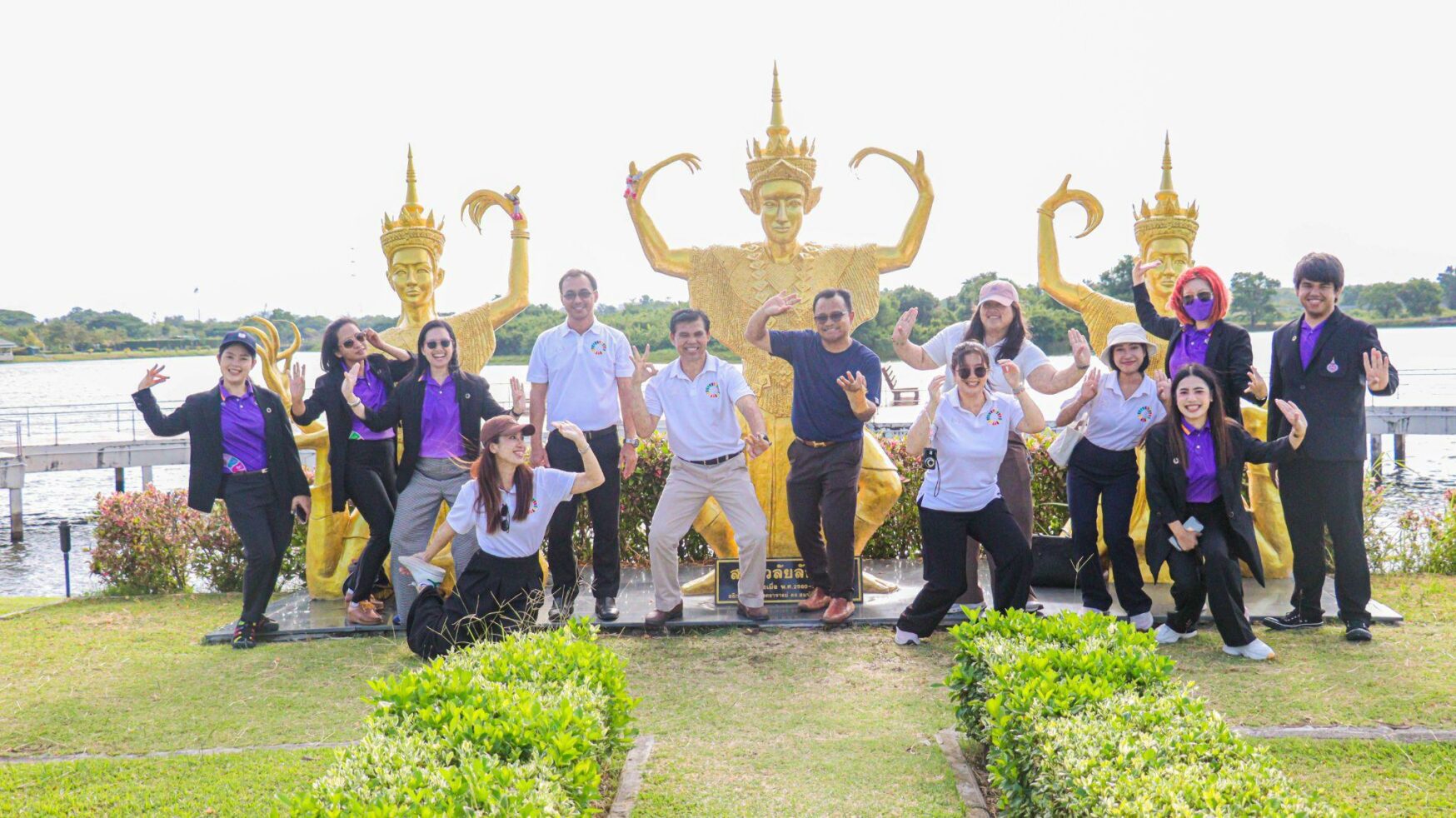
Beyond its symbolic value, the monument serves as a communal space for recreational activities, nurturing a sense of belonging and togetherness. The captivating statue also fosters awareness of this esteemed tradition, encouraging both the Walailak University community and visitors to sustain and celebrate the legacy of the Manorah Dance.
Figures : The Golden Manorah Monument situated at the WU Park with public free access
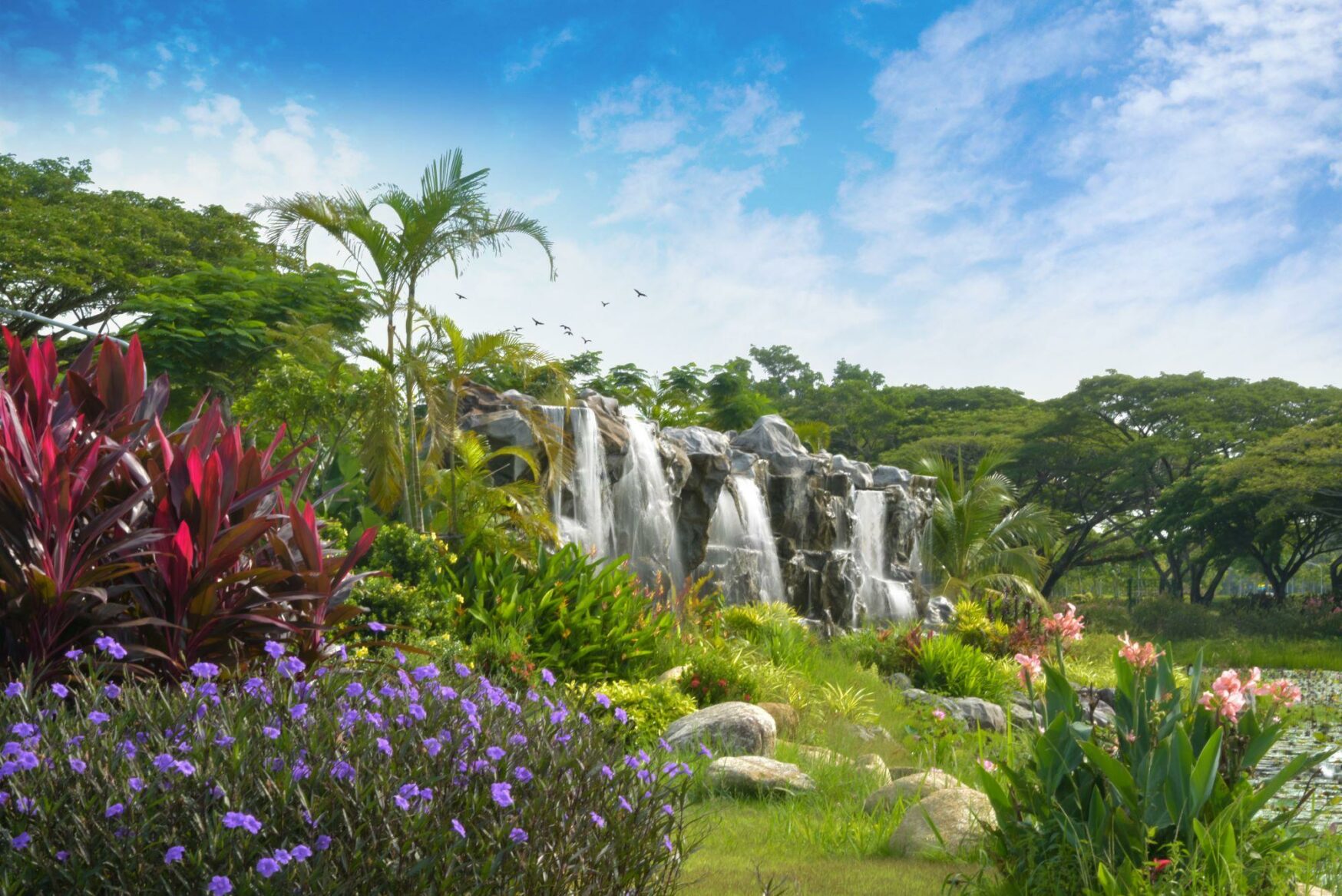
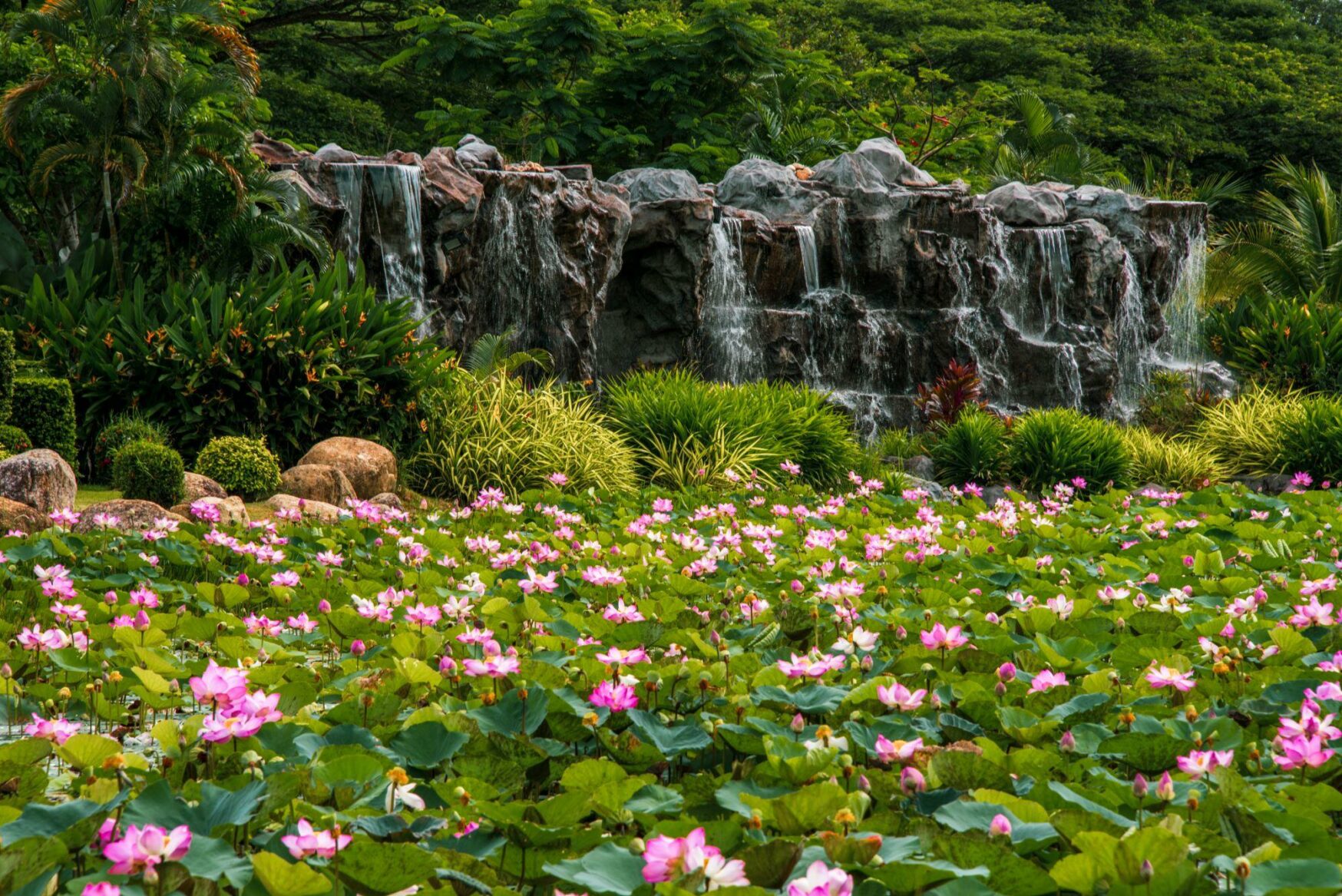
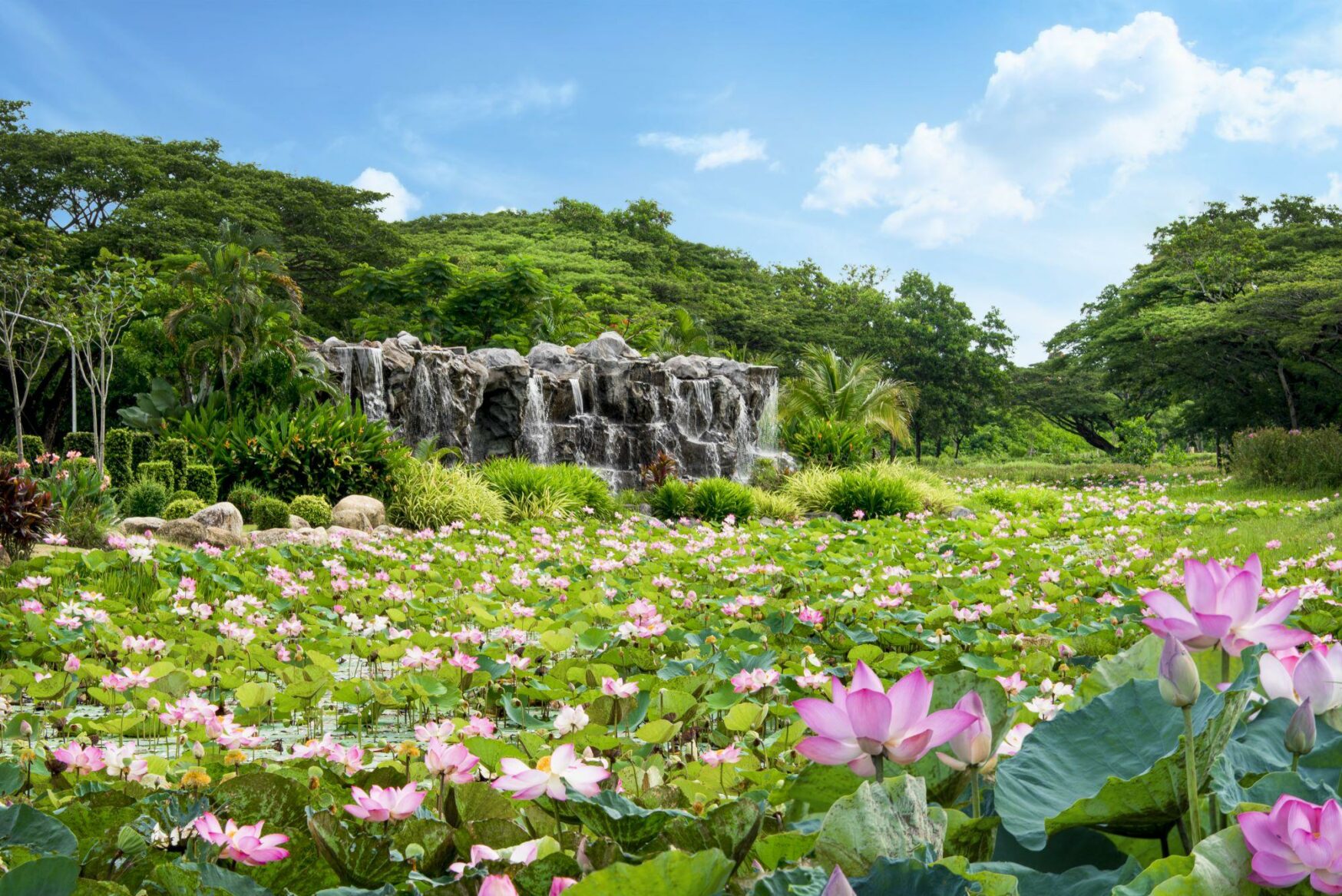
Krung Ching Waterfall Model Garden
The Krung Ching Waterfall Model Garden, located within WU Park, provides the public with free access to experience the scenic beauty of a monument replicating the renowned Krung Ching Waterfall, one of Nakhon Si Thammarat’s most celebrated natural landmarks. Beyond its striking landscape, the garden has been thoughtfully designed as a living classroom.
The garden showcases not only the waterfall model but also a diverse collection of plant species naturally found around the real Krung Ching Waterfall. Informational displays and guided learning activities highlight the ecological significance of these plants, their role within the forest ecosystem, and their importance in conserving biodiversity. Visitors are encouraged to explore how flora and fauna interact, how ecosystems function, and why conservation of such habitats is essential for sustainable living.
By combining recreation with education, the Krung Ching Waterfall Model Garden serves as both a cultural landmark and a knowledge hub—raising public awareness of Southern Thailand’s rich natural heritage while inspiring a sense of responsibility for protecting ecosystems for future generations.
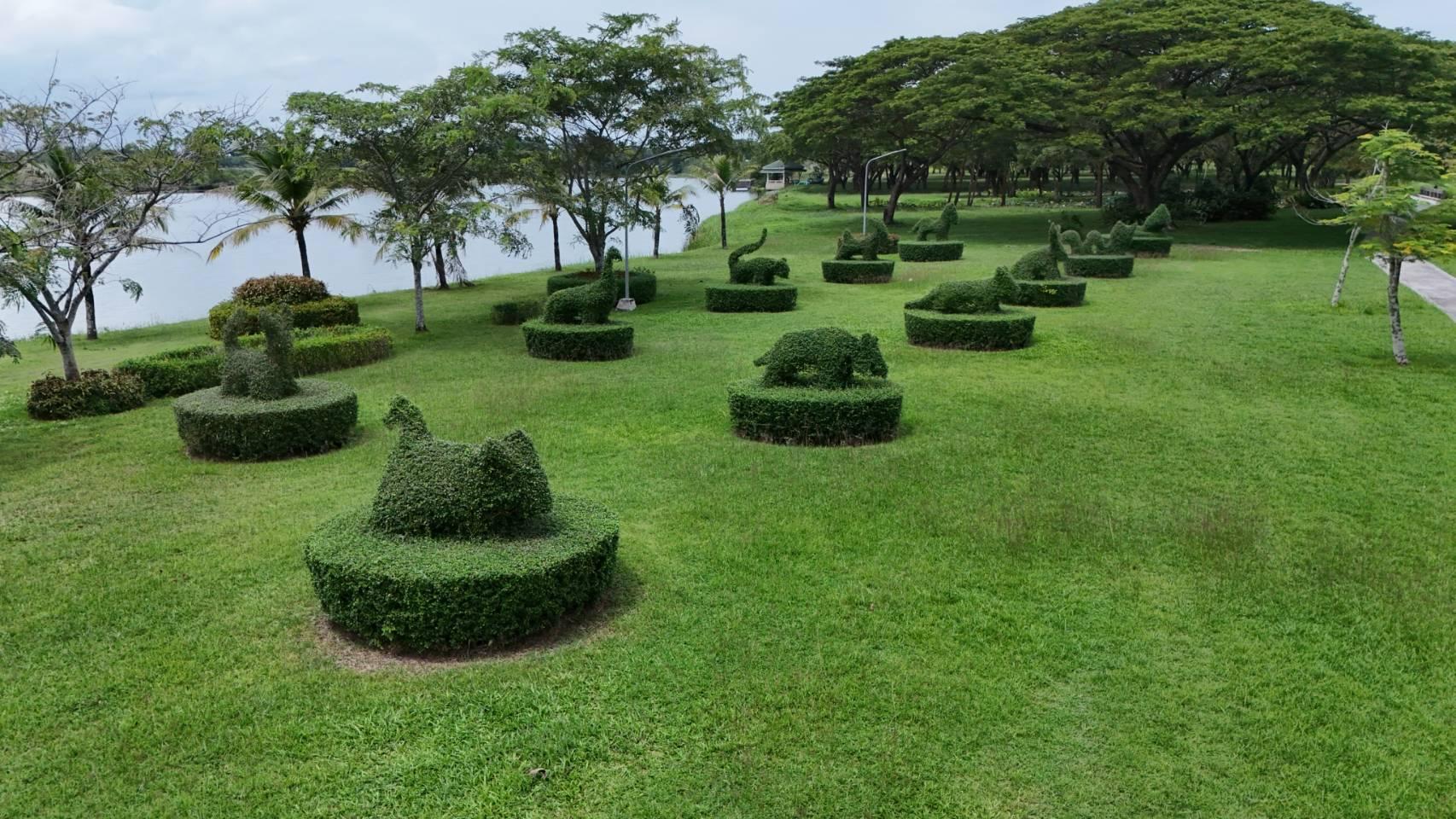
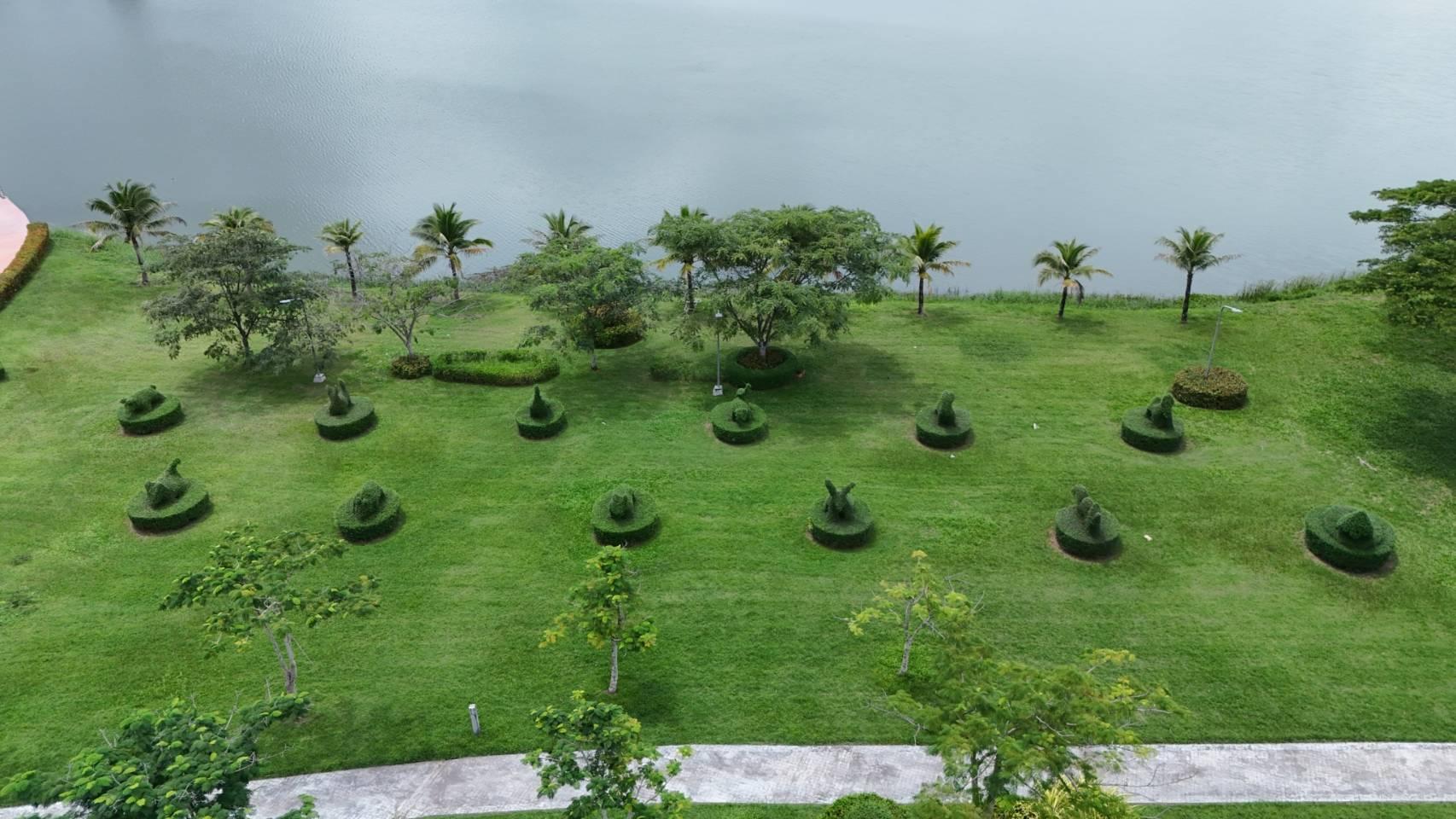
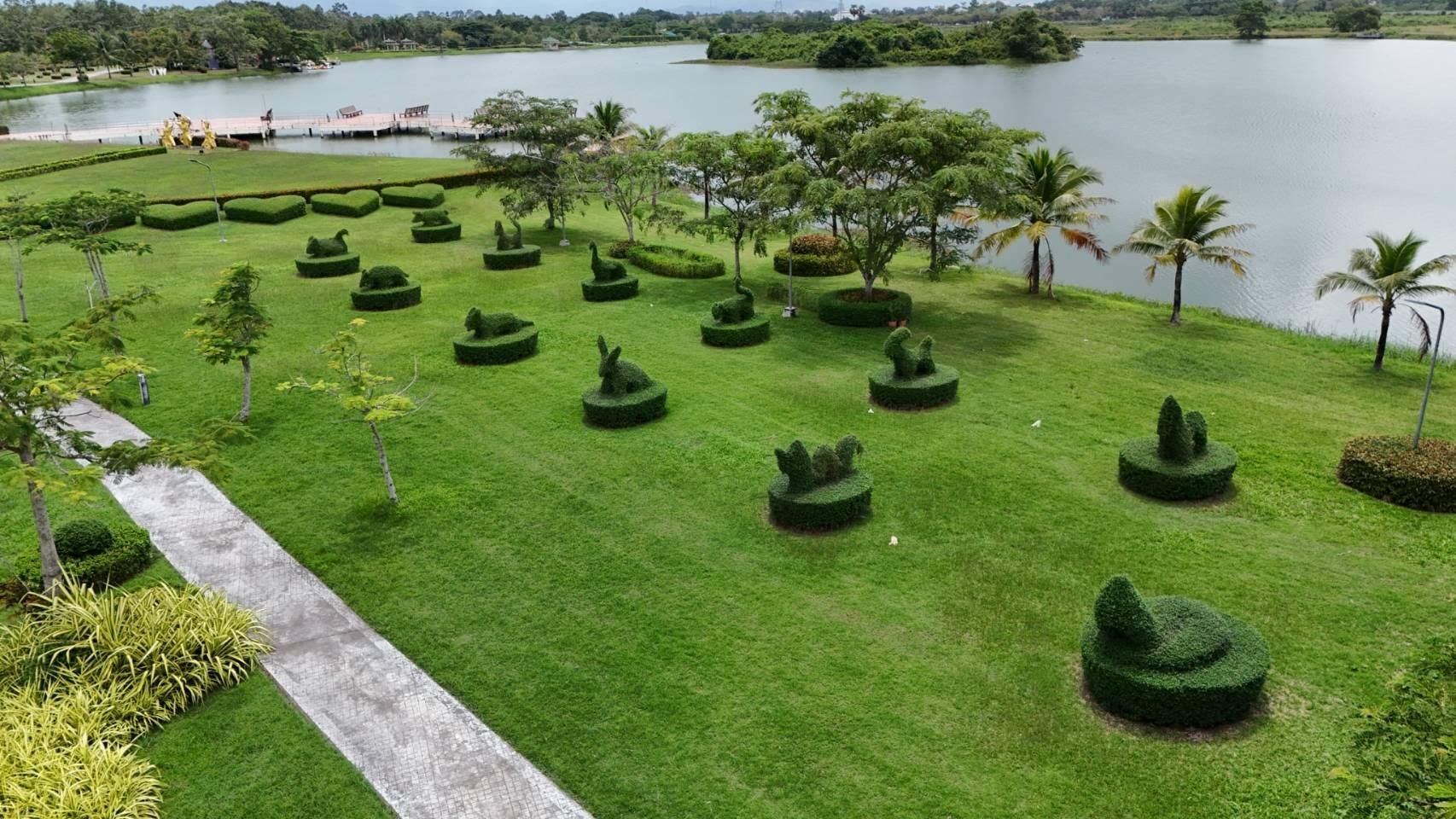
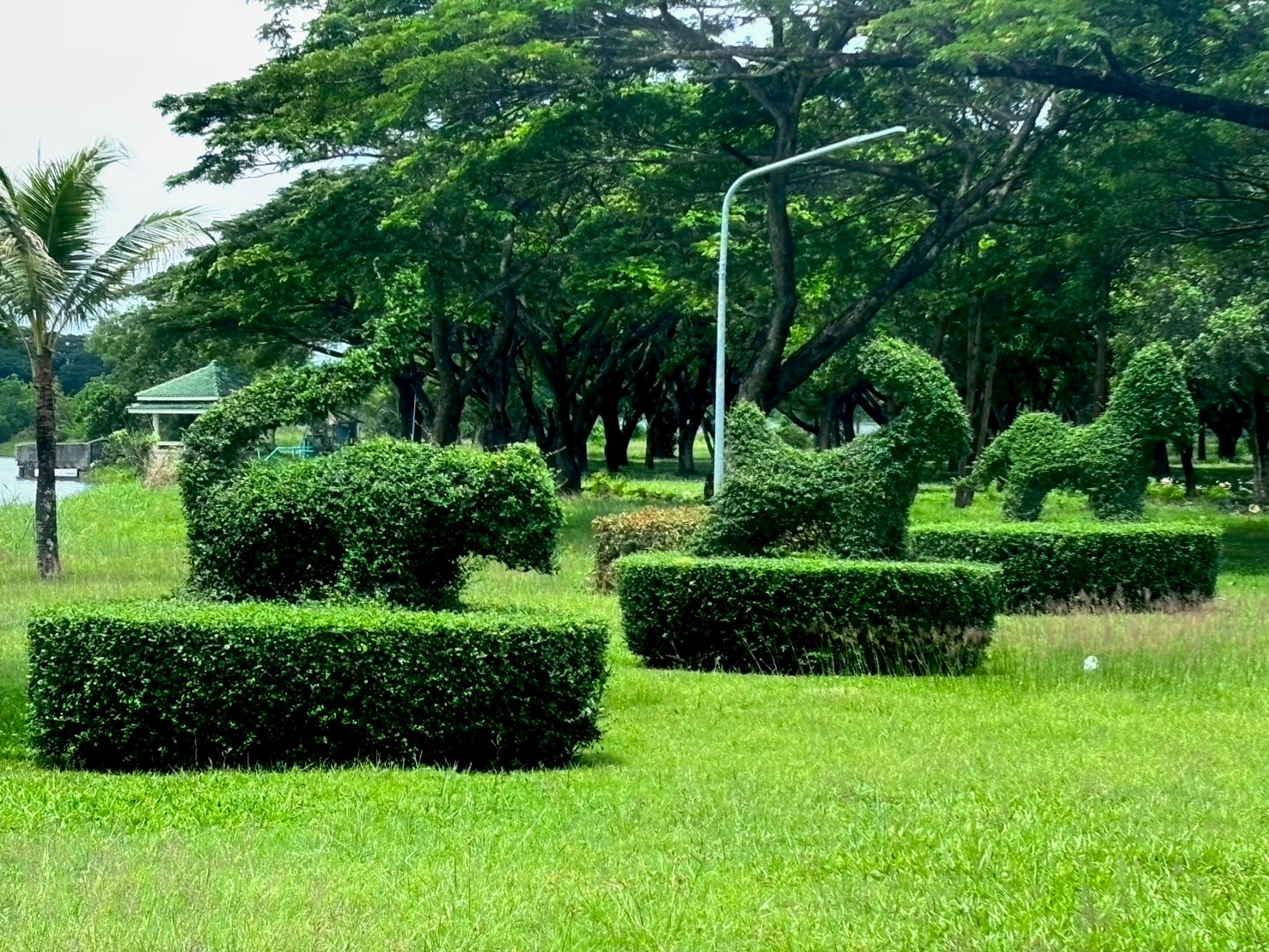
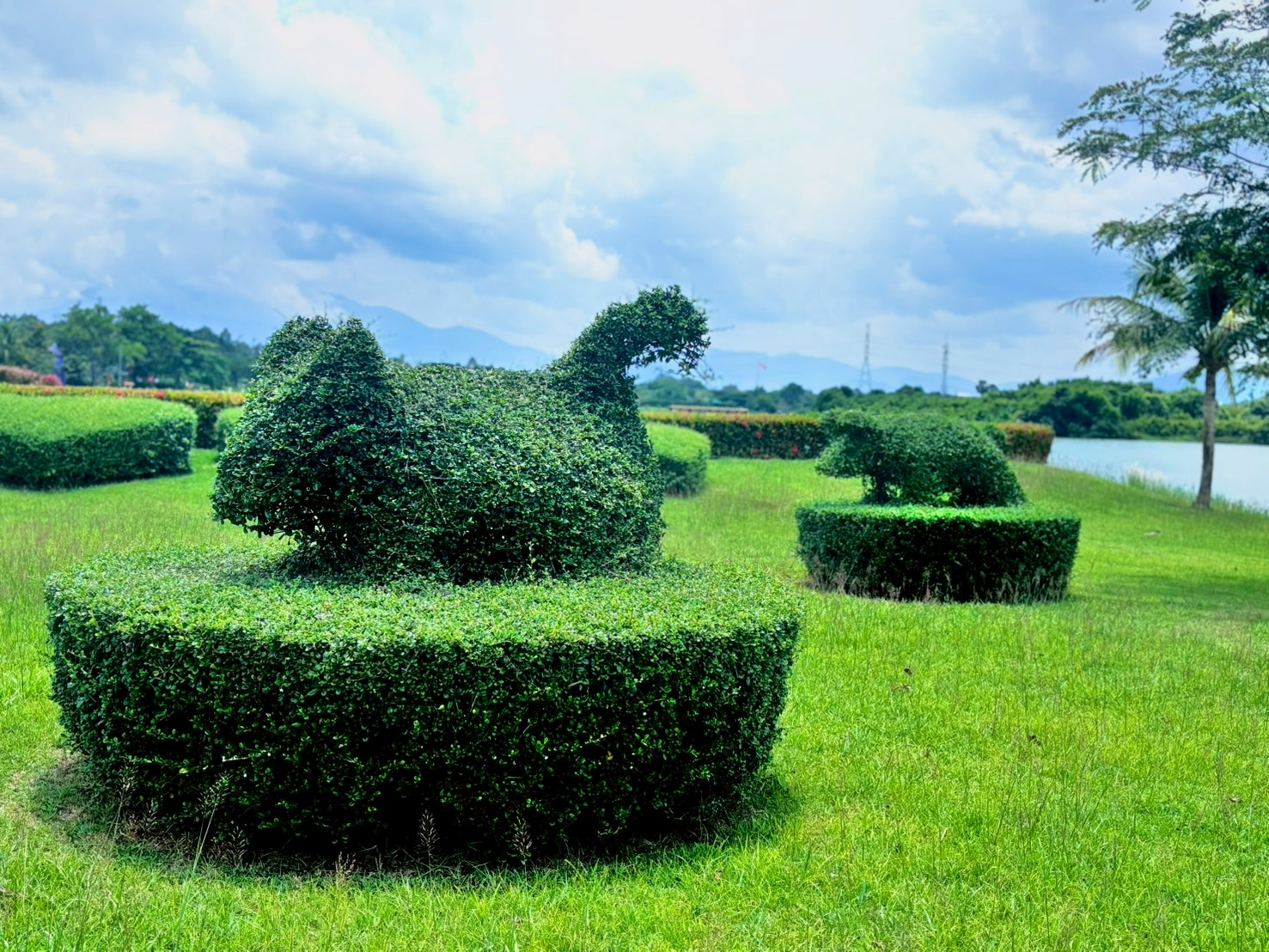
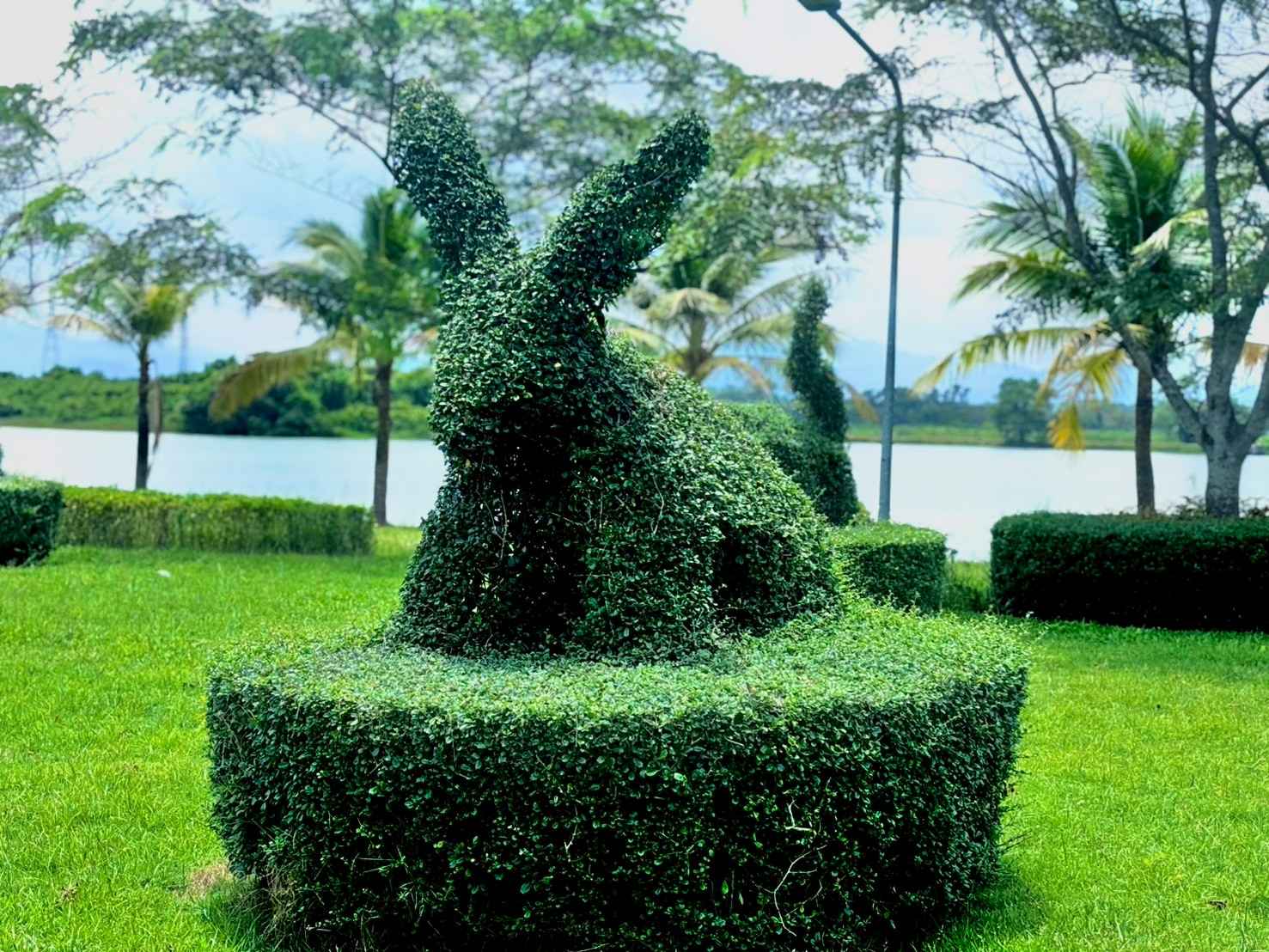
The 12 Animals of the Chinese Zodiac Garden
The 12 Animals of the Chinese Zodiac Garden, located within WU Park, is an open space where the public can freely explore and learn about the twelve zodiac animals. These zodiac signs, deeply rooted in Chinese cultural tradition, once held political and cultural significance in the governance of the ancient Ligor Empire (13th century–1782).
The garden not only introduces visitors to the symbolism of each animal but also highlights their influence on local belief systems, seasonal cycles, and community life. Serving as both a cultural landmark and an educational site, the garden offers opportunities for visitors to connect with the historical ties between Southern Thailand and broader Asian civilizations. By showcasing this heritage in an accessible way, the 12 Animals of the Chinese Zodiac Garden helps foster cross-cultural understanding and appreciation for the region’s diverse cultural identity.
Free Public Access to Natural Heritage
Walailak University Botanic Park
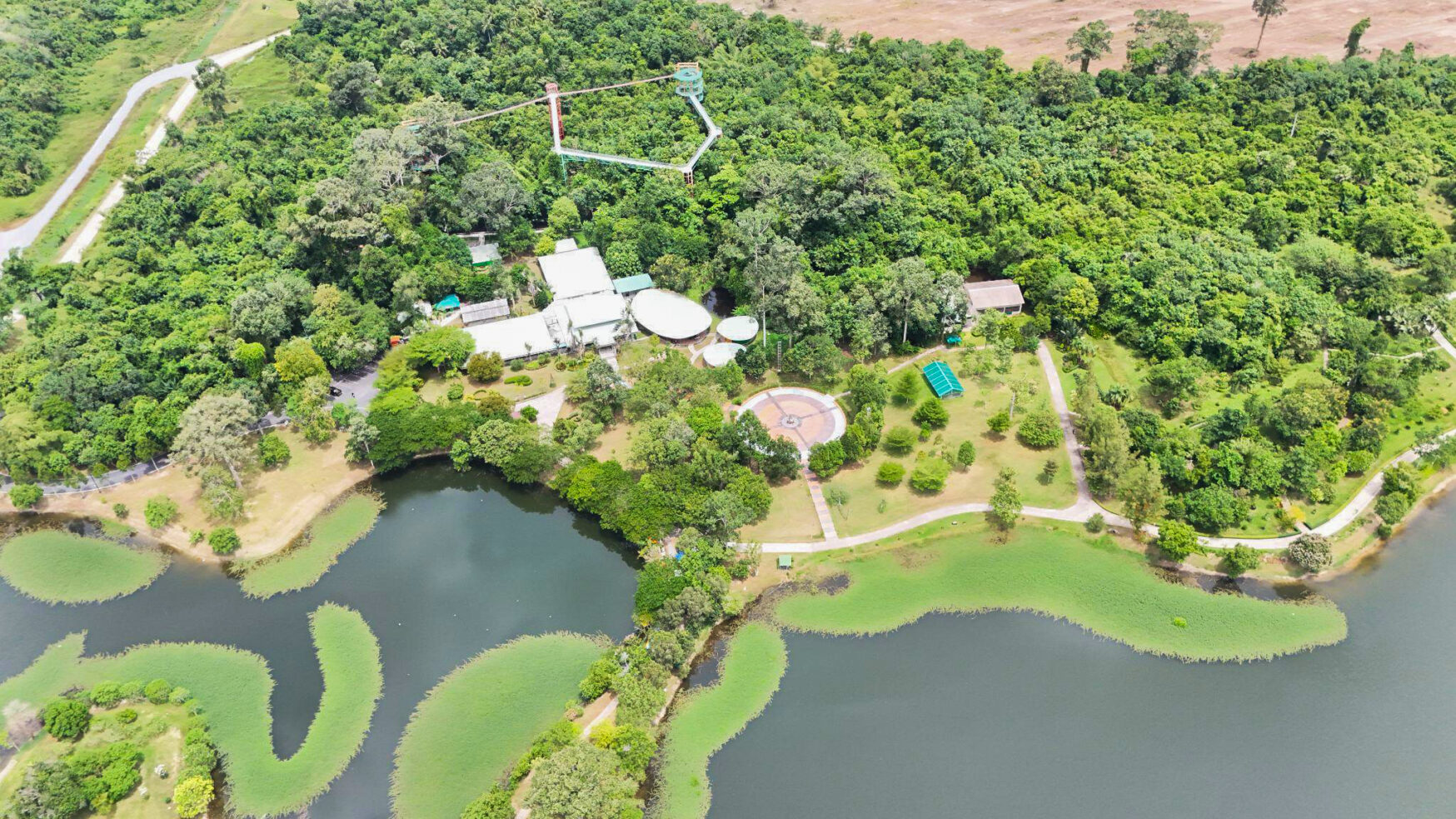
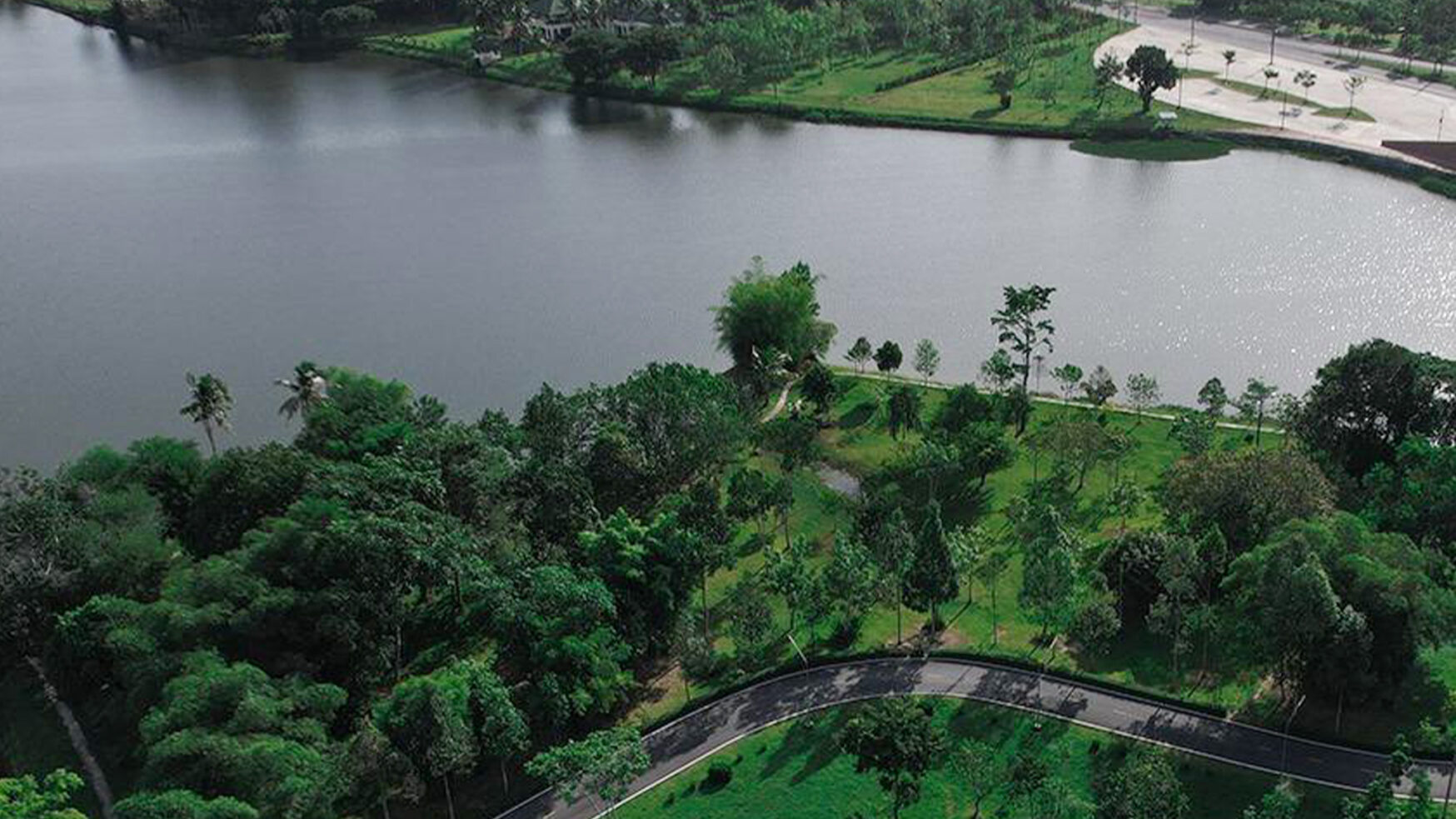
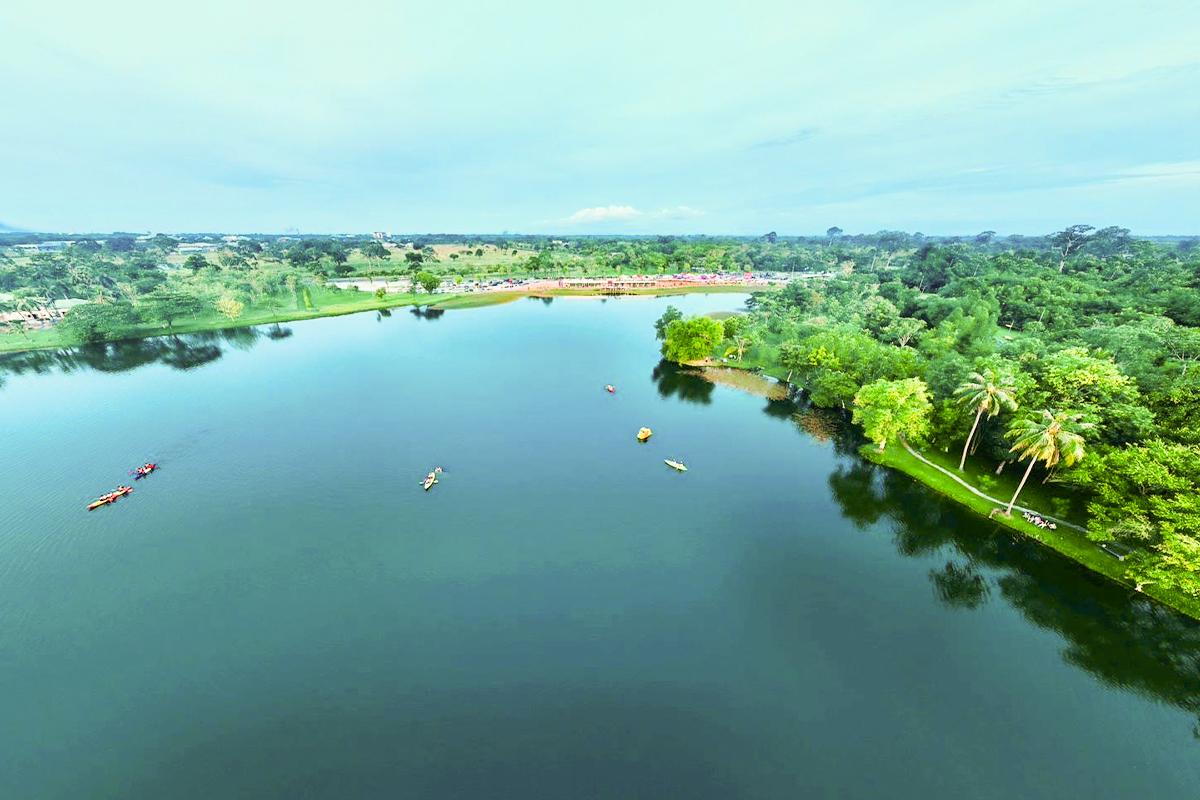
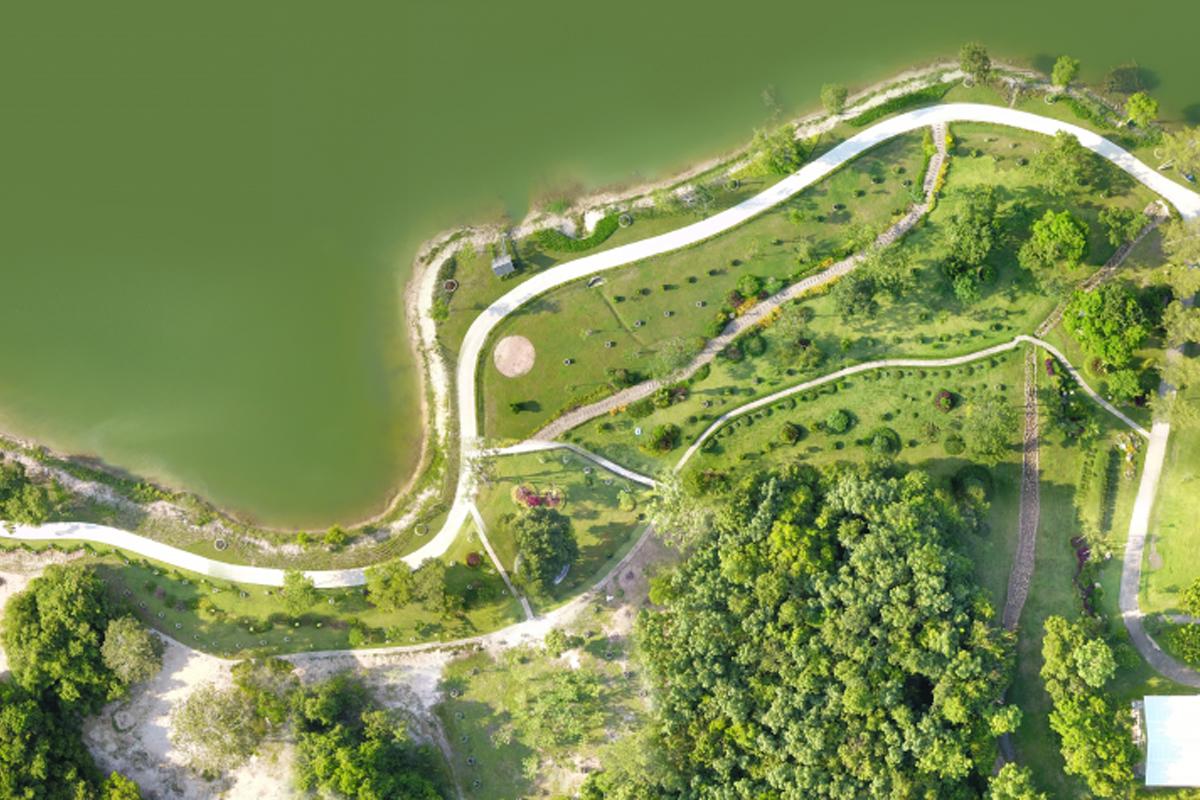
Walailak University offers free public access to the Walailak University Botanic Park located on campus for the general public, with an area of 2,160,000 square meters.
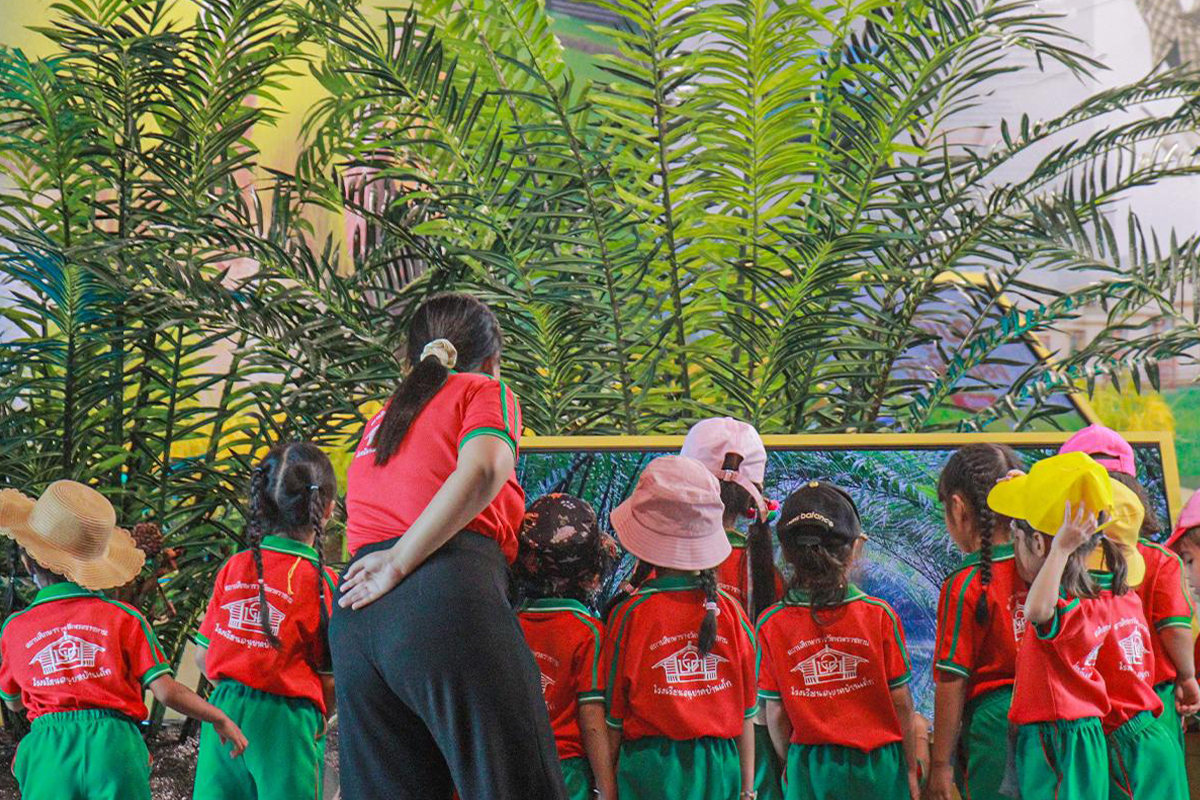
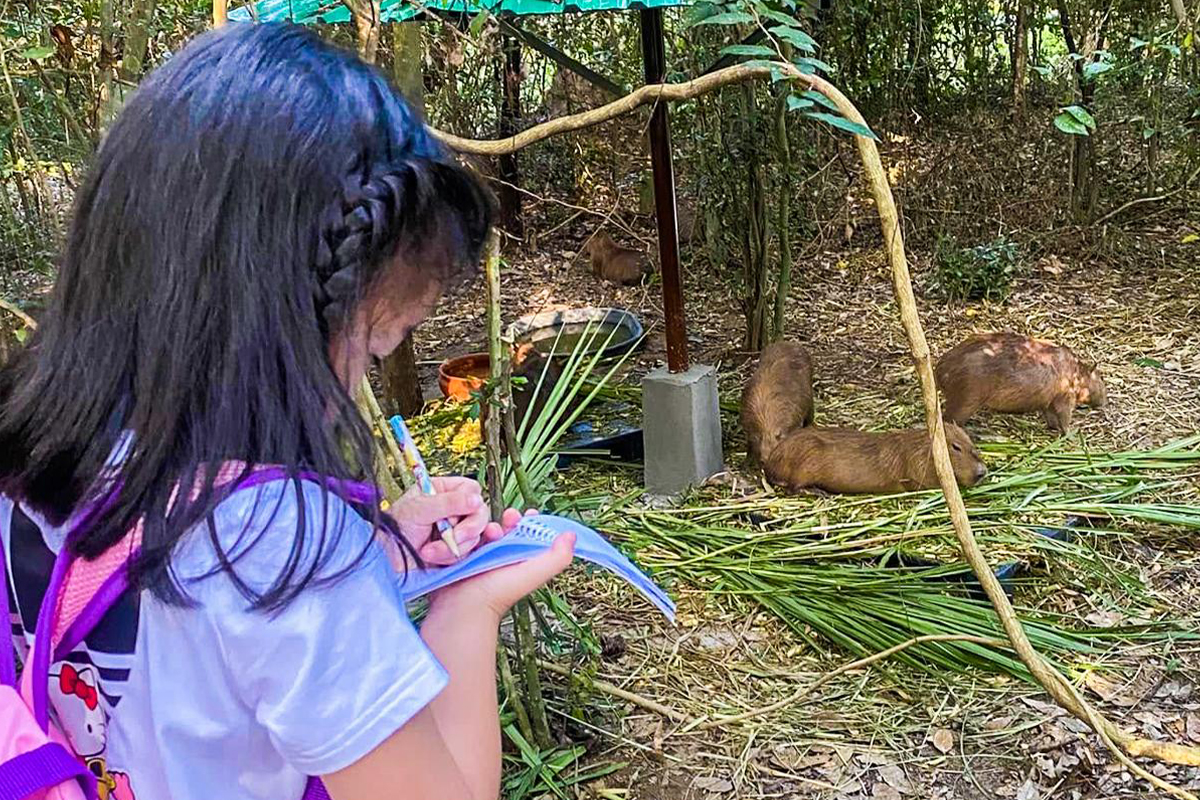
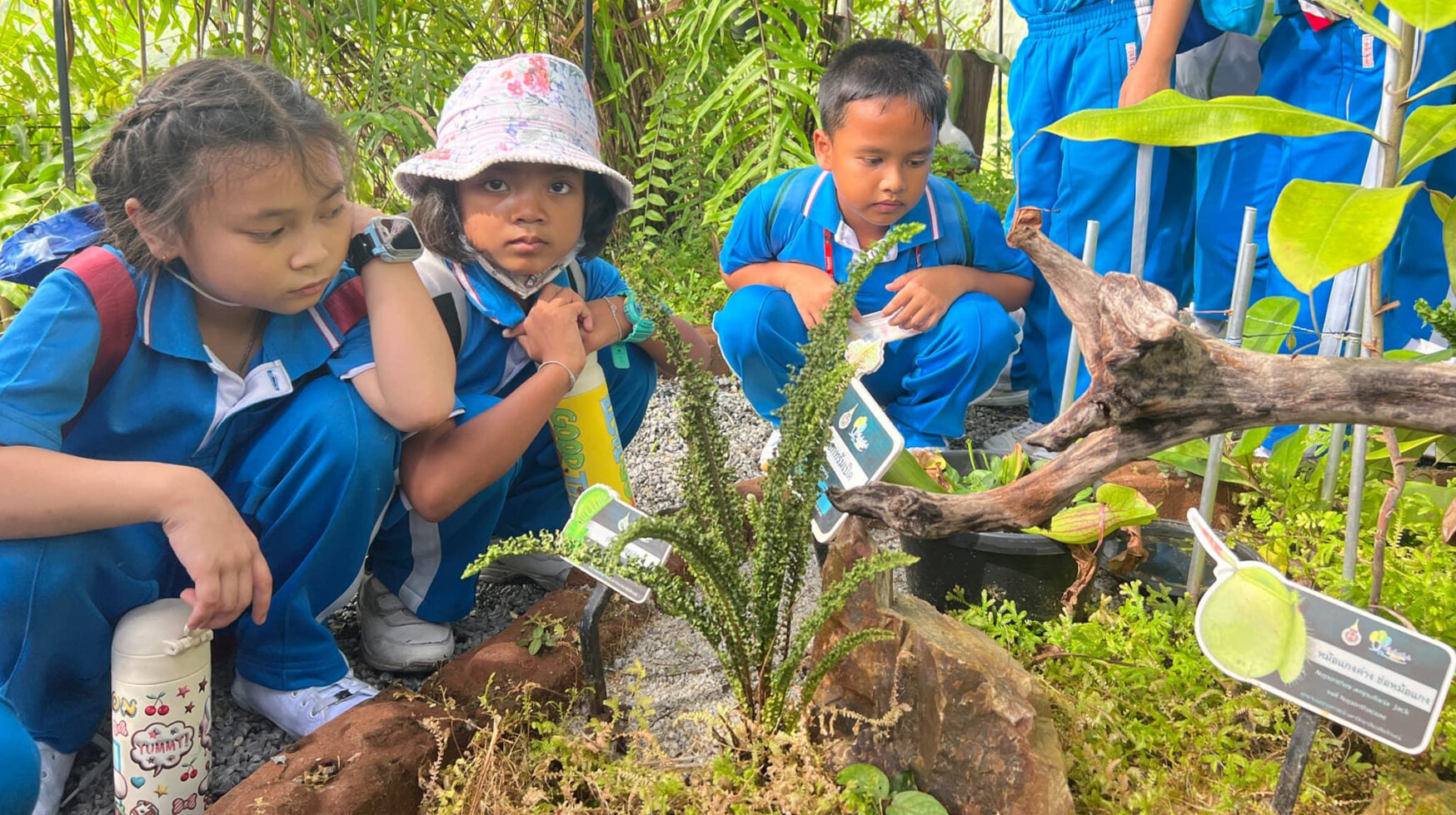
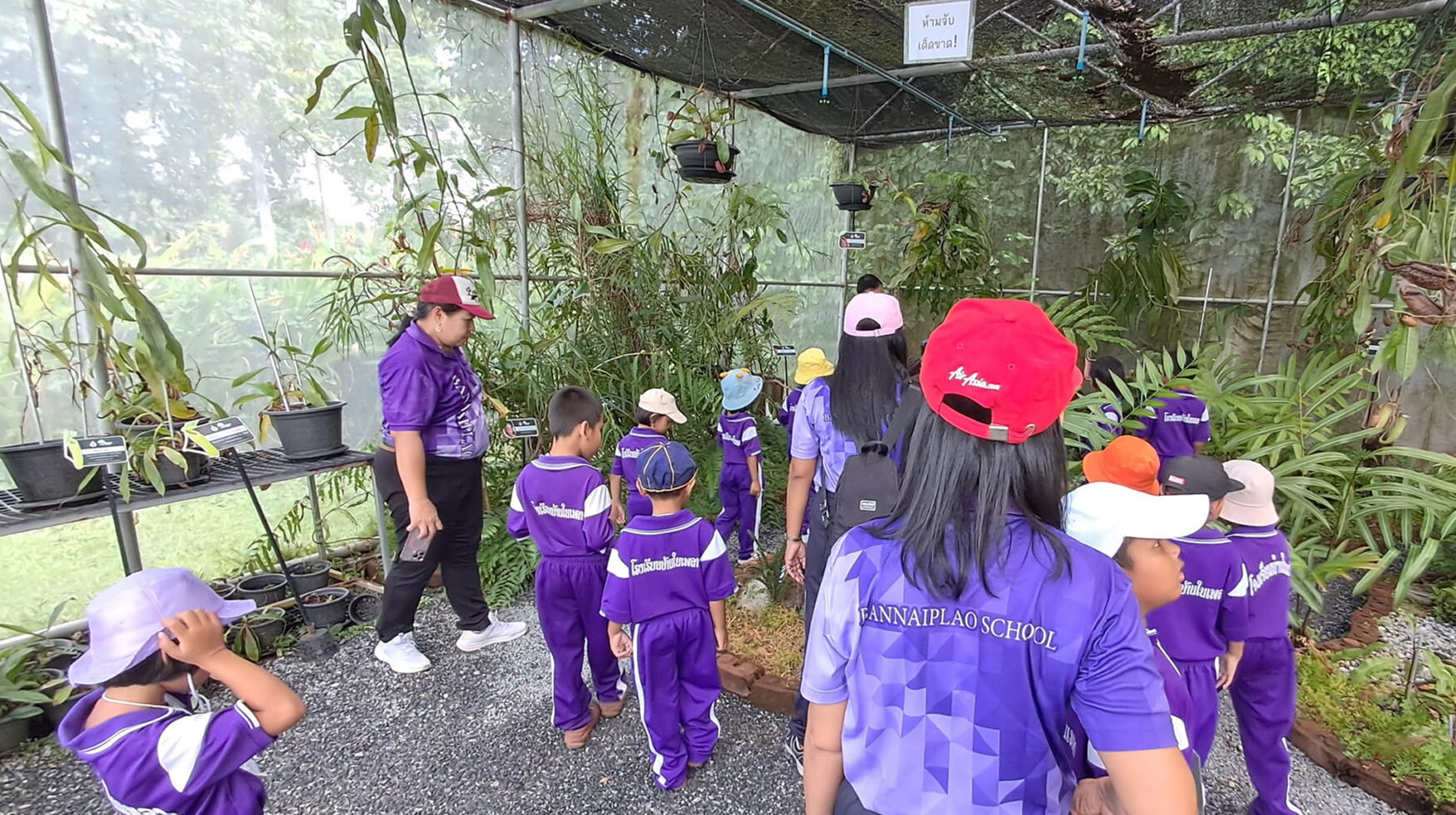
The park serves as a hub for implementing various learning activities for students, researchers, and members of the public. Open from Monday to Friday, between 8:30 AM and 4:30 PM, the park welcomes visitors to all areas without charge.
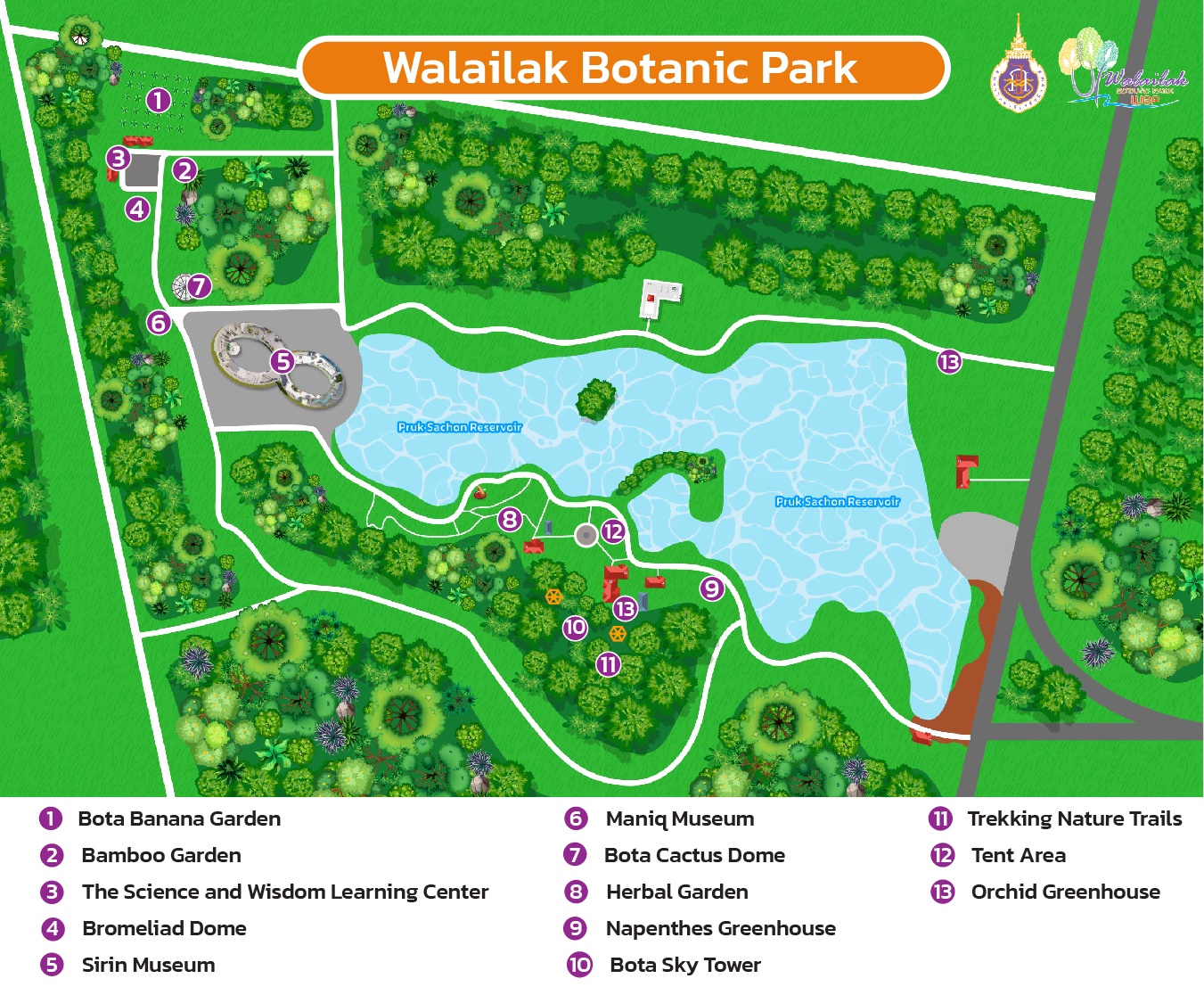
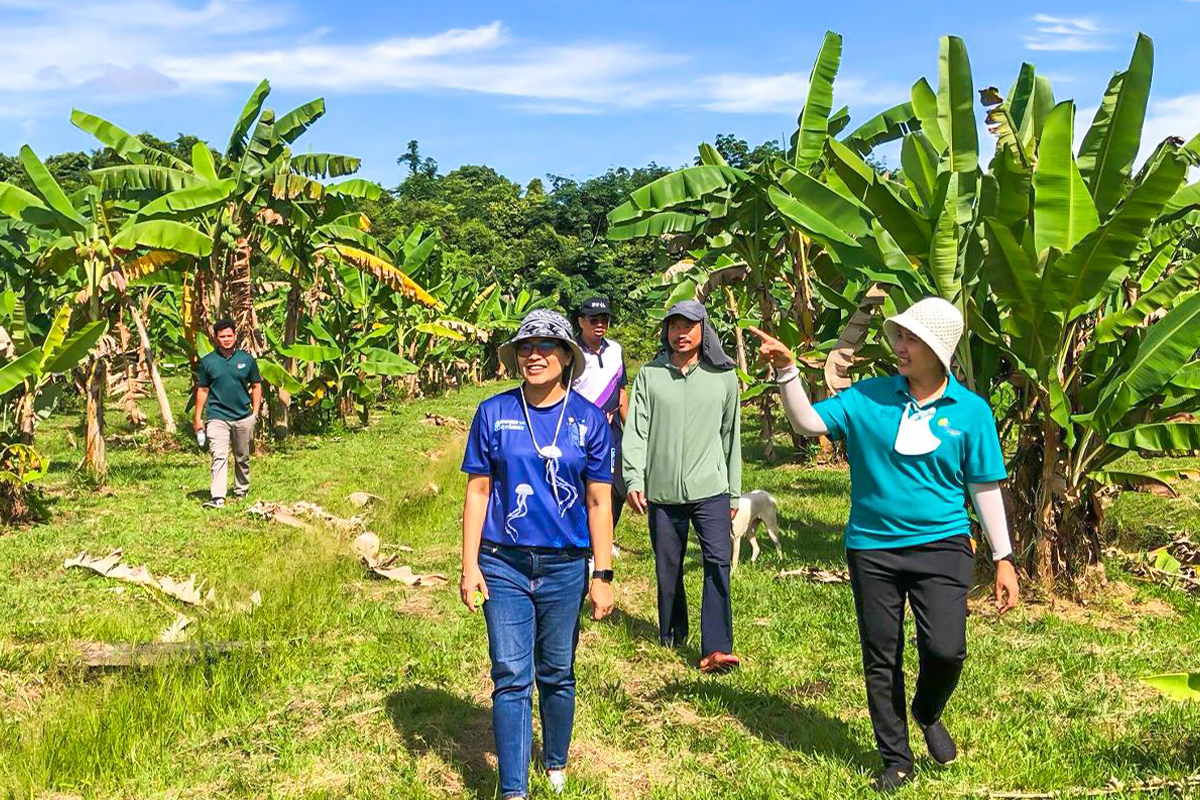
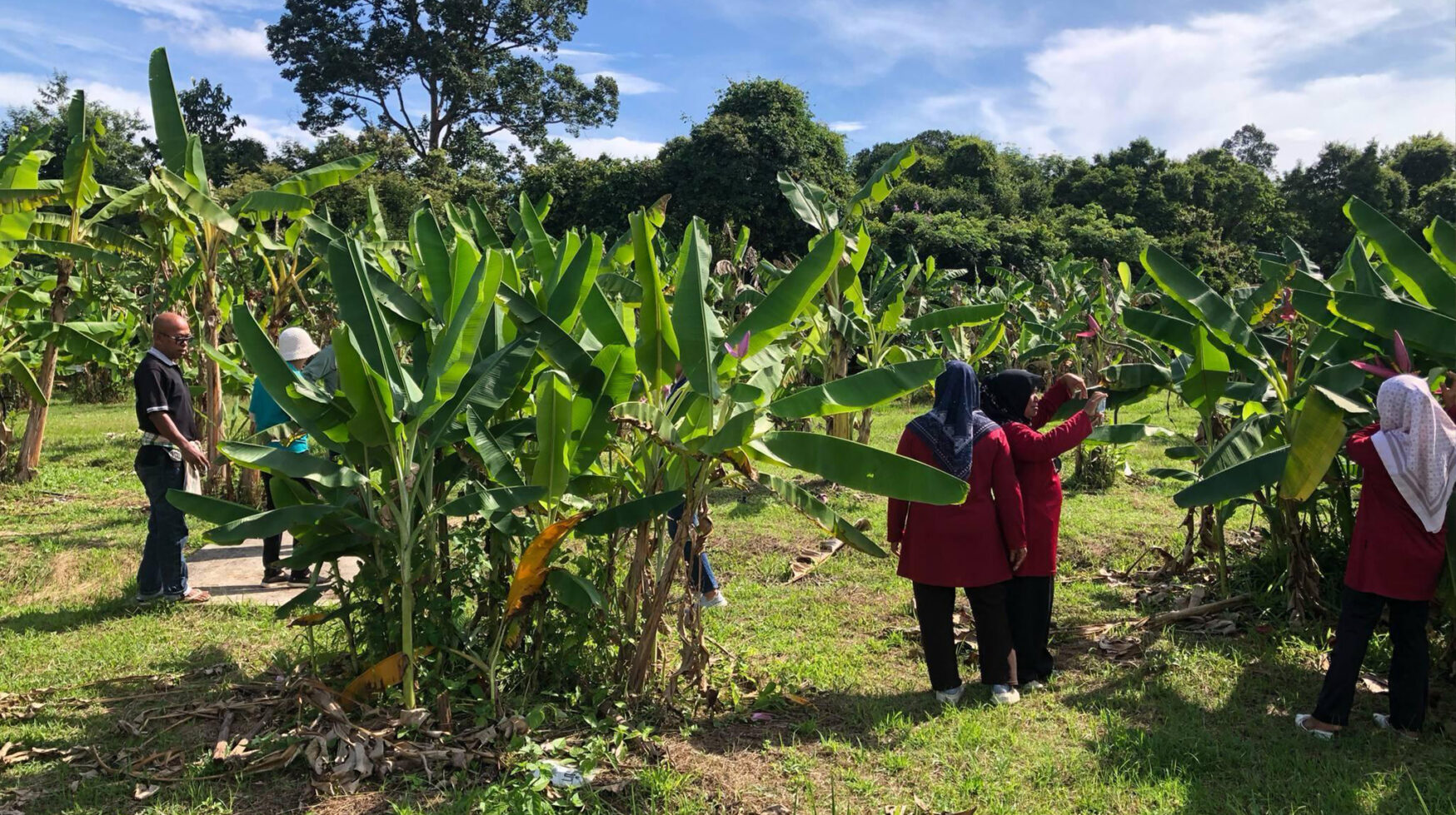
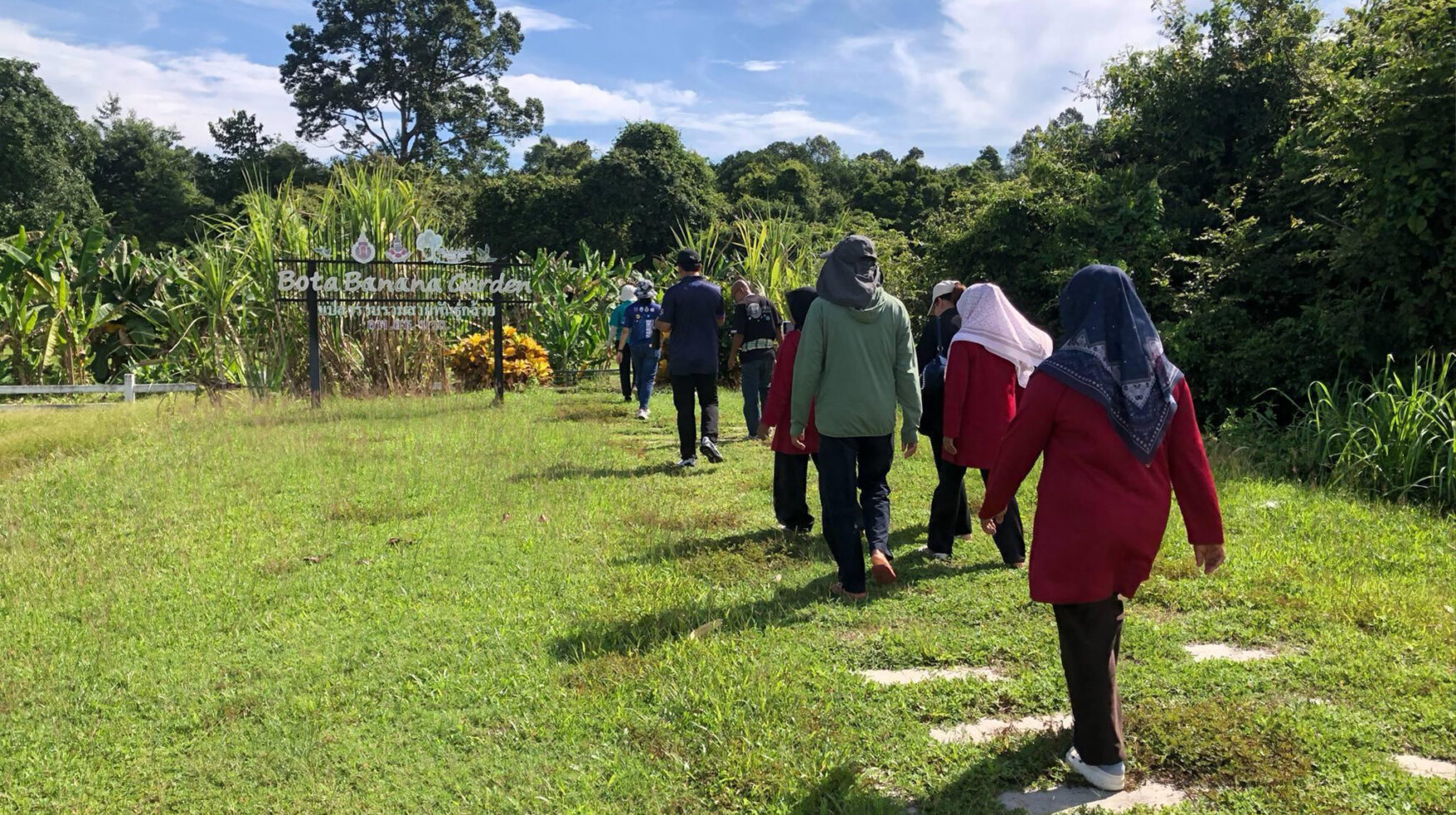
Bota Banana Garden: WU promotes public learning about more than 100 banana species, including both Thai and exotic endangered varieties, such as Young Woman Stomping Tower Banana, Milk Banana, Nag Banana, Hundred-Bunch Banana, Elephant Banana, Divine Flavor Banana, Burma Prison Break Banana, and Young Woman Milk Banana |
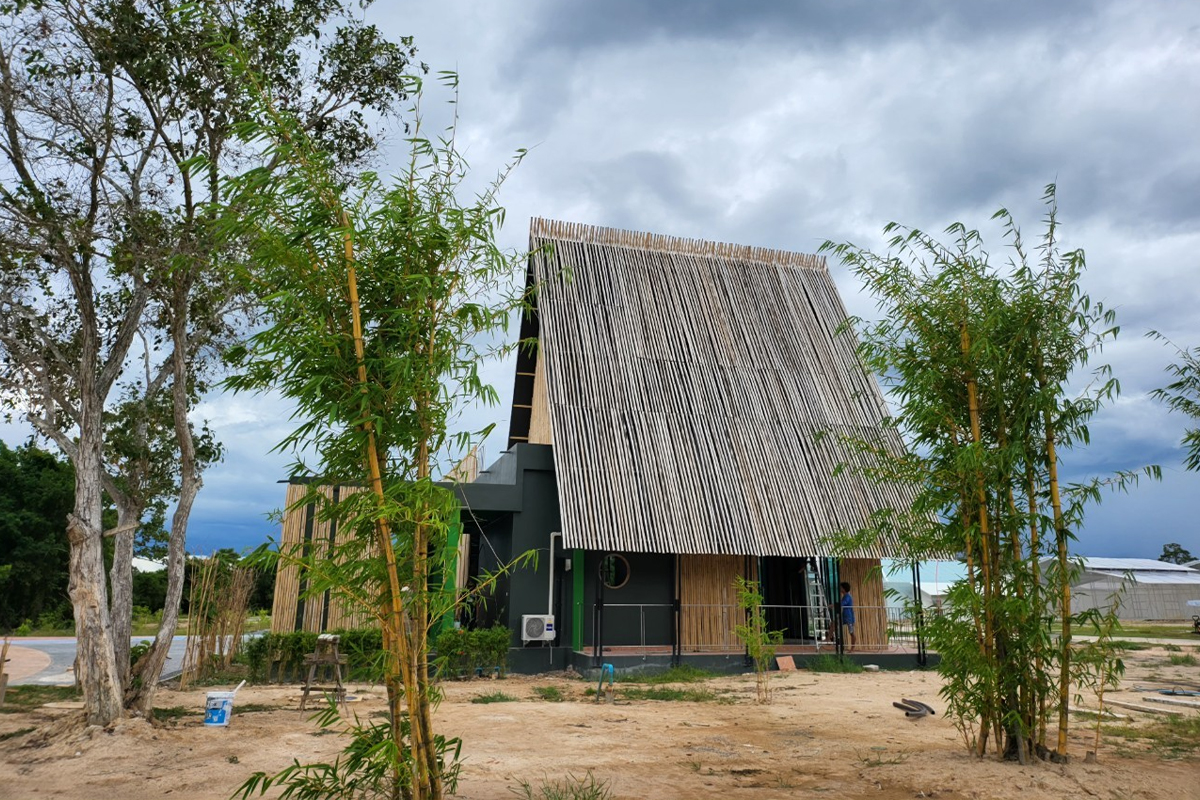
Bamboo Garden: Explore exotic and rare bamboo species, including Bai Sang Mon, Gim Sung Bamboo, Bamboo for Feeding, Ruak Bamboo, and more, while learning about pruning, maintenance, and bamboo garden landscaping. |
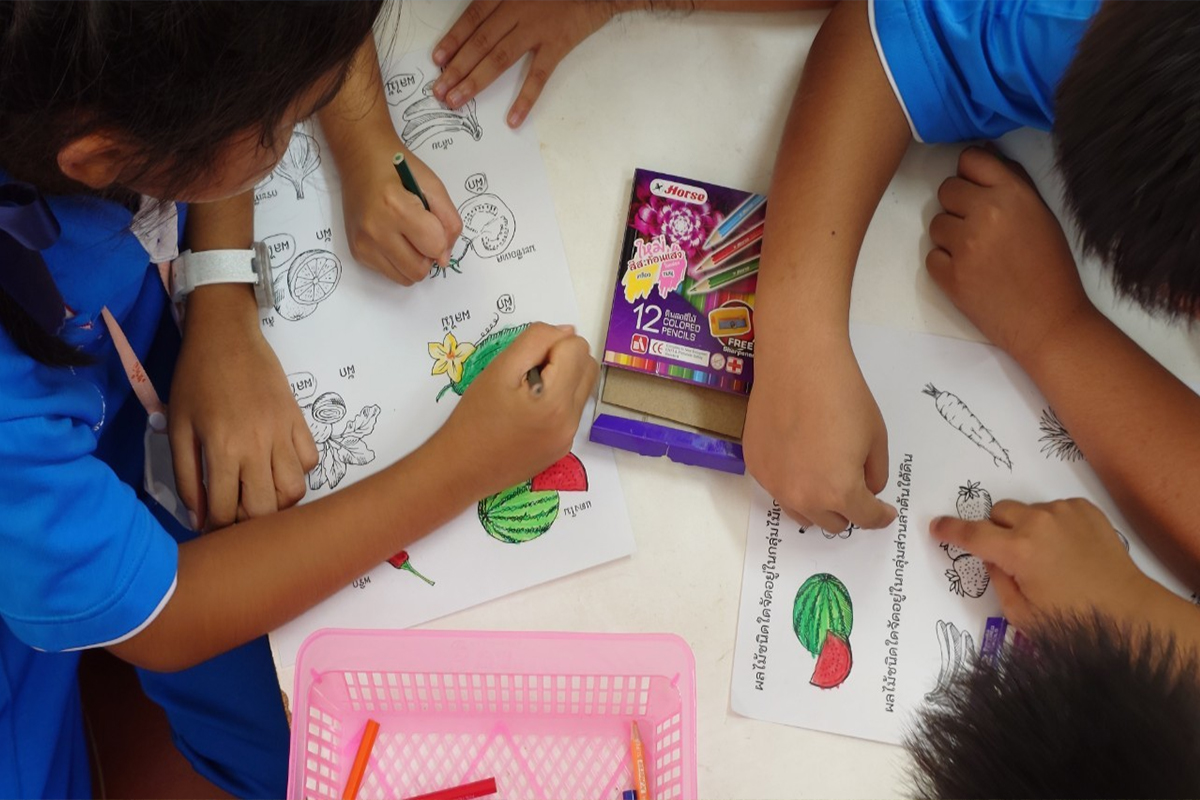
The Science and Wisdom Learning Center is an academic service center that promotes knowledge under the concept of Lifelong Learning.
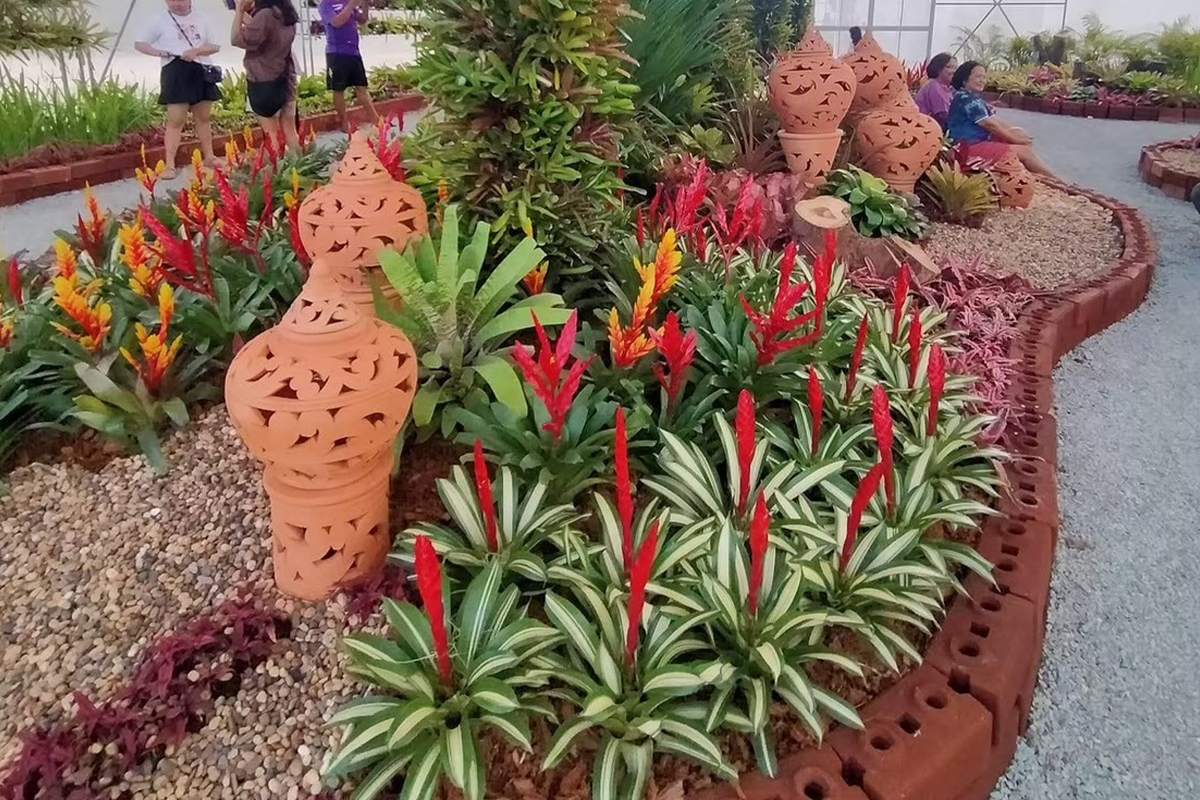
Bromeliad Dome: Explore both Thai and exotic bromeliad species while learning about their care and raising awareness of bromeliad conservation.
Sirin Museum: A museum for everyone, offering a rich learning environment that showcases history, culture, and various exhibits, providing visitors with an engaging and educational experience.
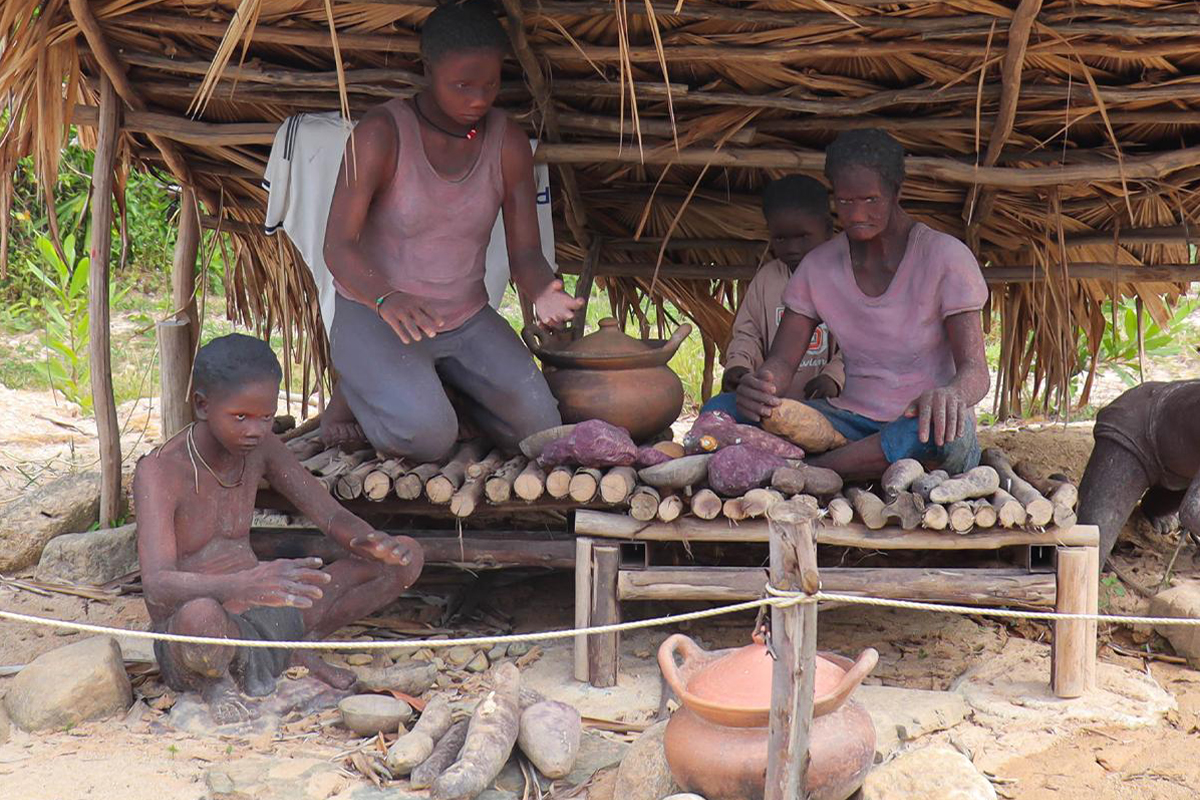
Maniq Museum: Discover the lives and culture of the Maniq ethnic group, giving a voice to a people often forgotten in history.
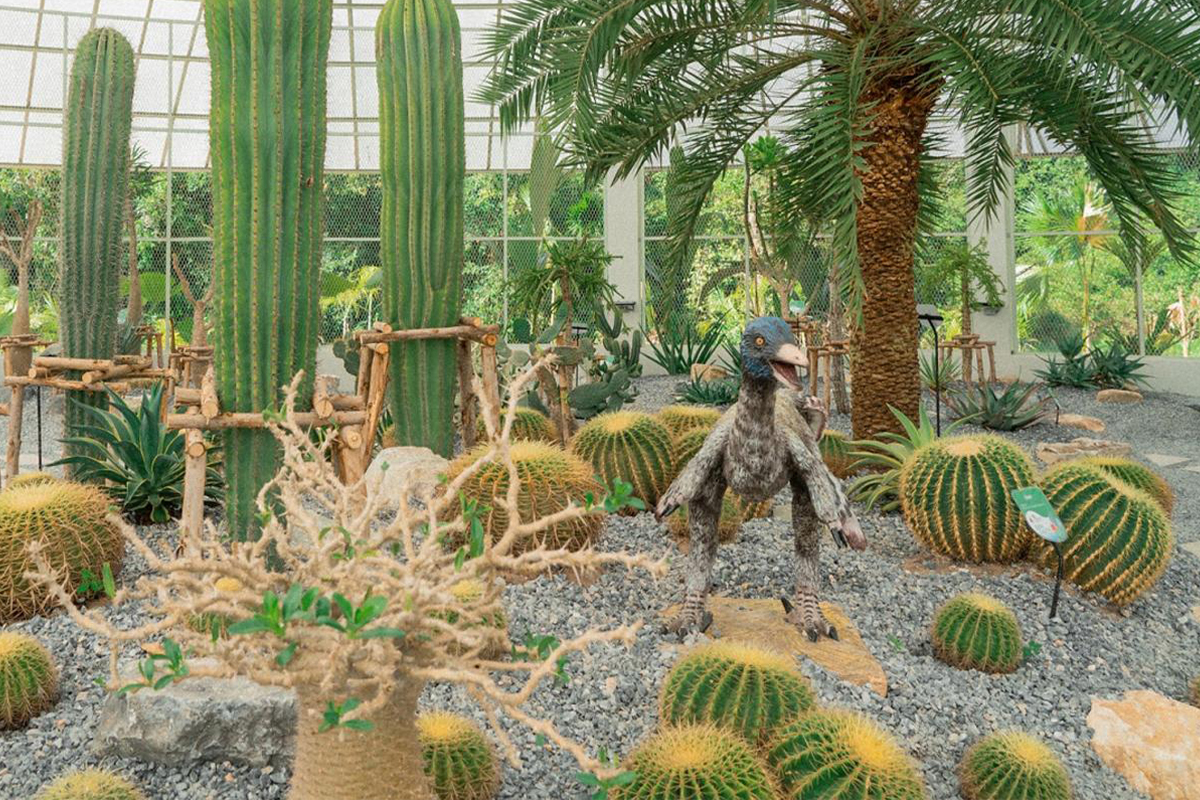
Bota Cactus Dome: Explore rare cactus species and their habitats through an interactive environmental simulation. |
Herbal Garden: Discover traditional Thai medicine and learn how ancient remedies and healing practices have been used for generations with over than 100 species of herbal plants |
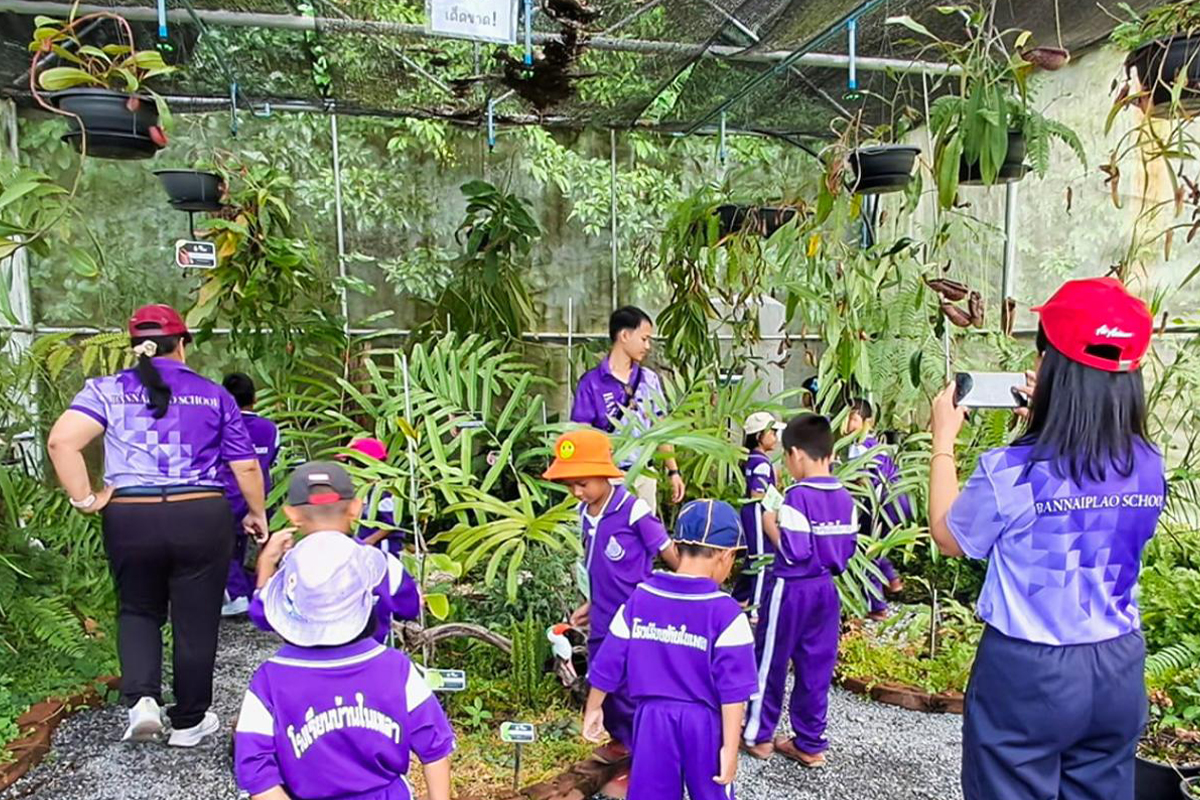
Napenthes Greenhouse: Exploring the nature of napenthes with more than 50 species |
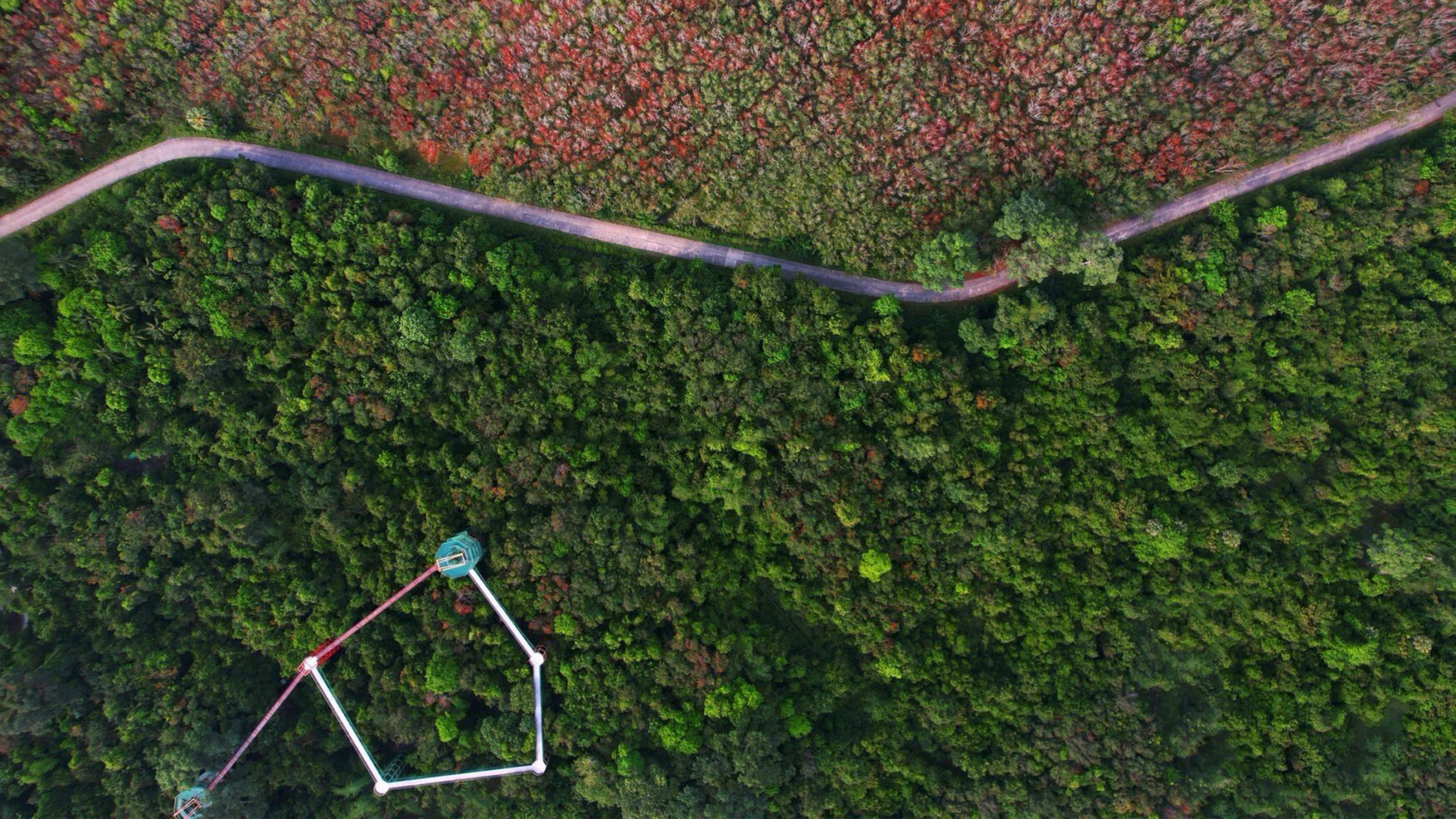
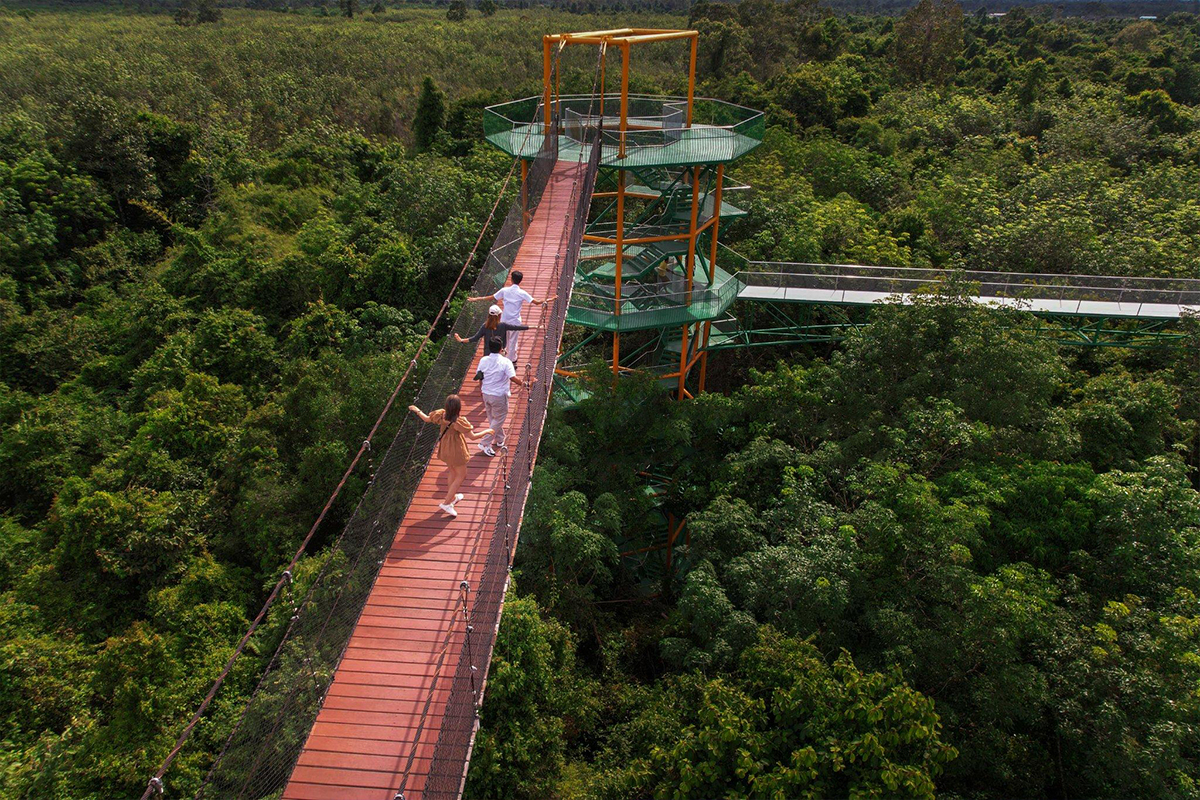
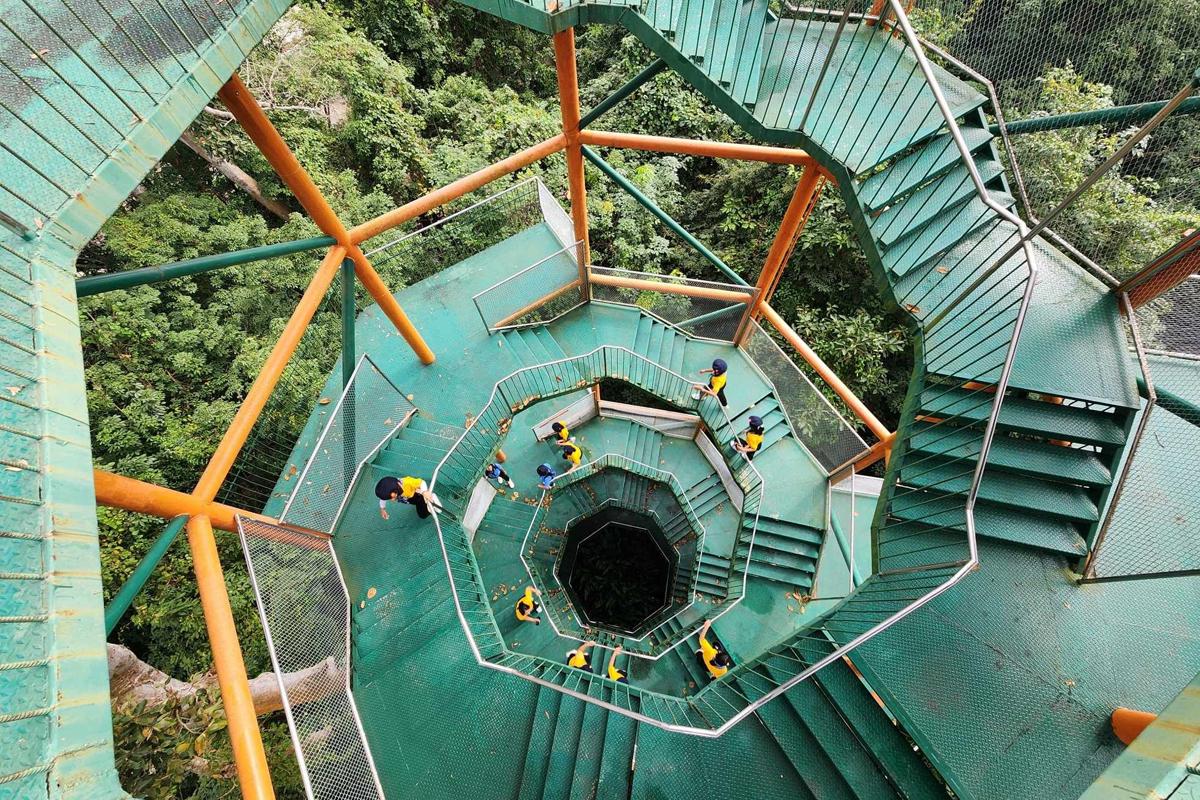
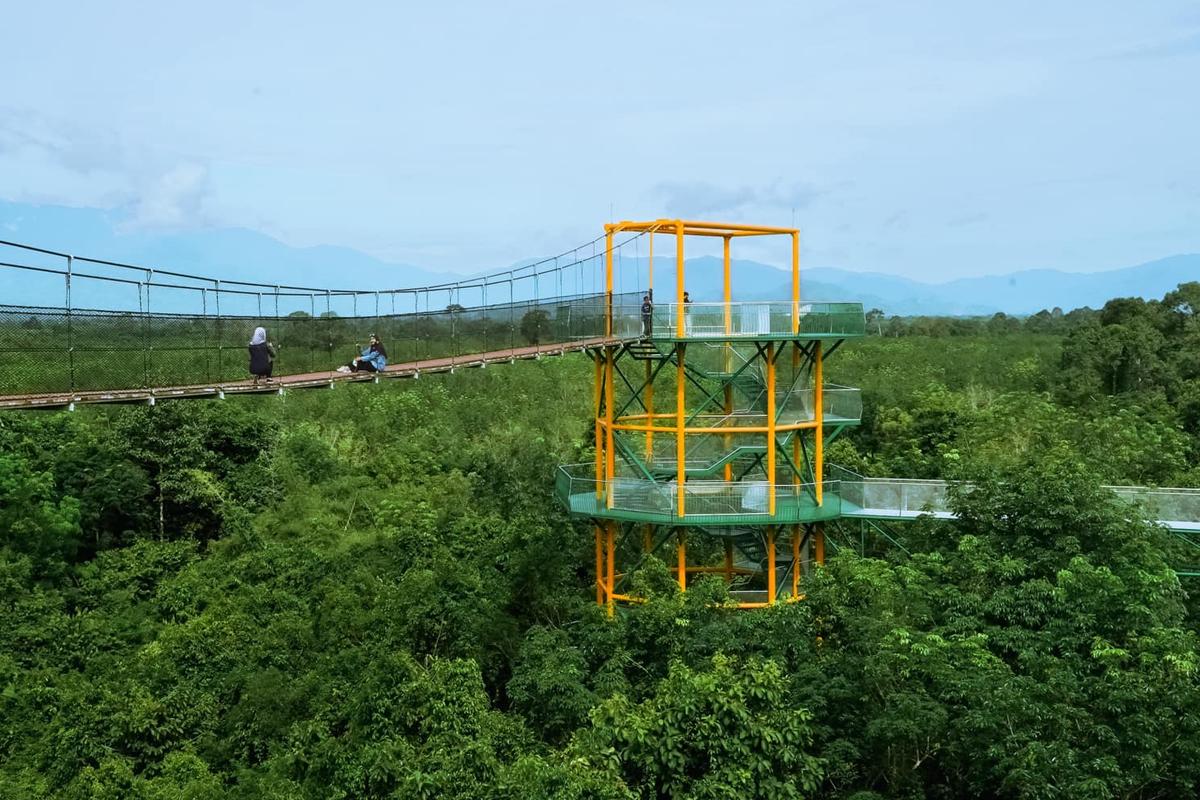
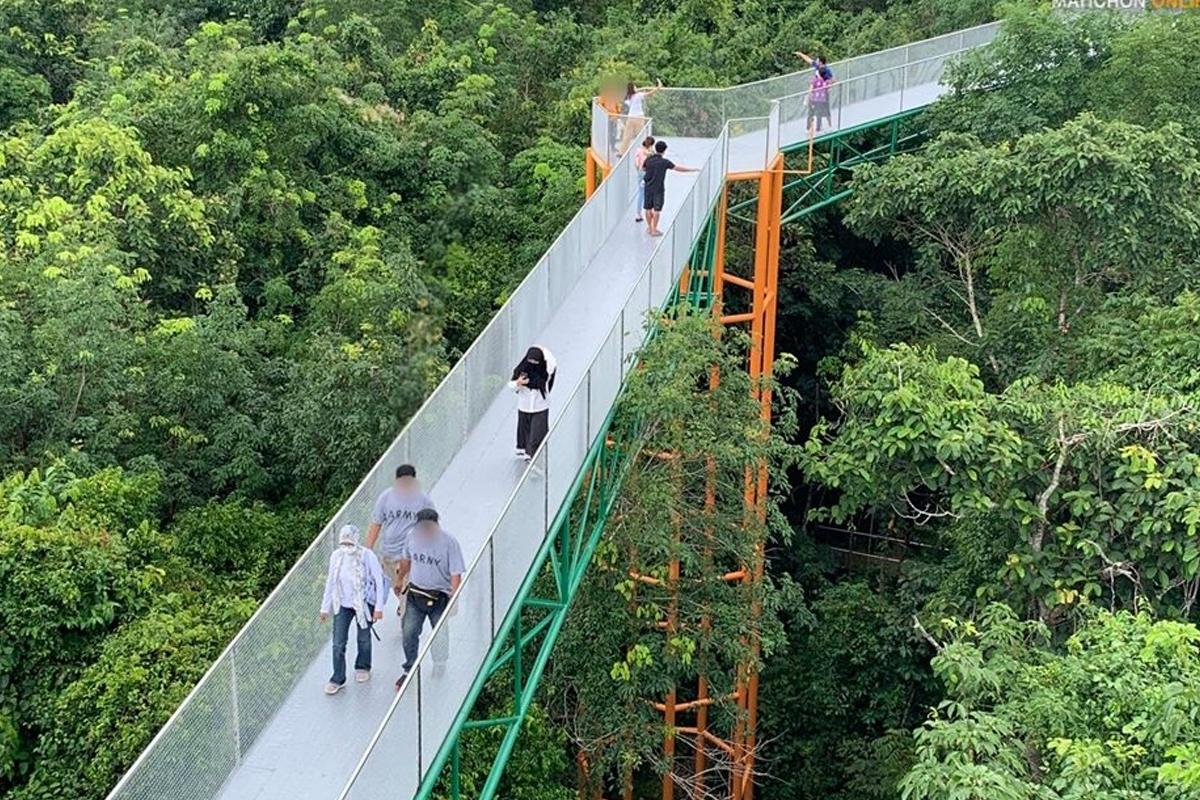
Bota Sky Tower: Watching the sunsets with the scenario of the WU campus |
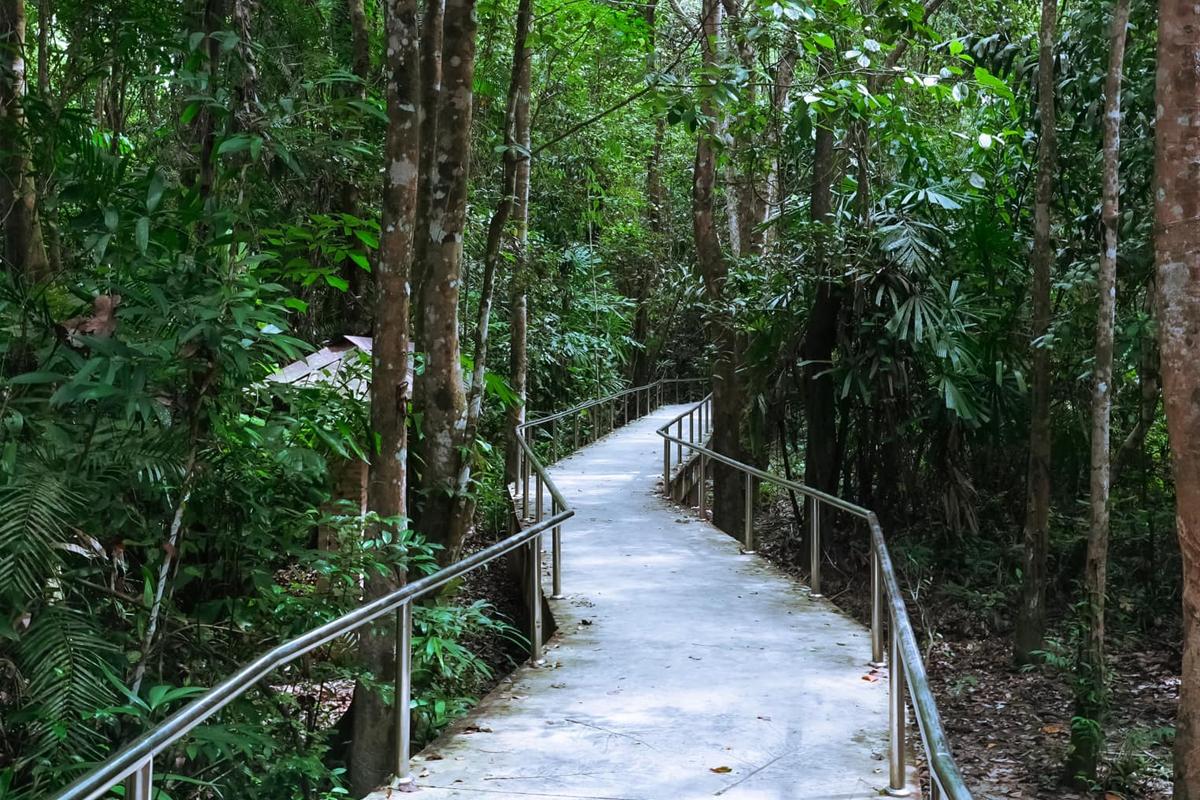
Trekking Nature Trails: Walking for studying the conserved forest at WU with various plants and wildlife |
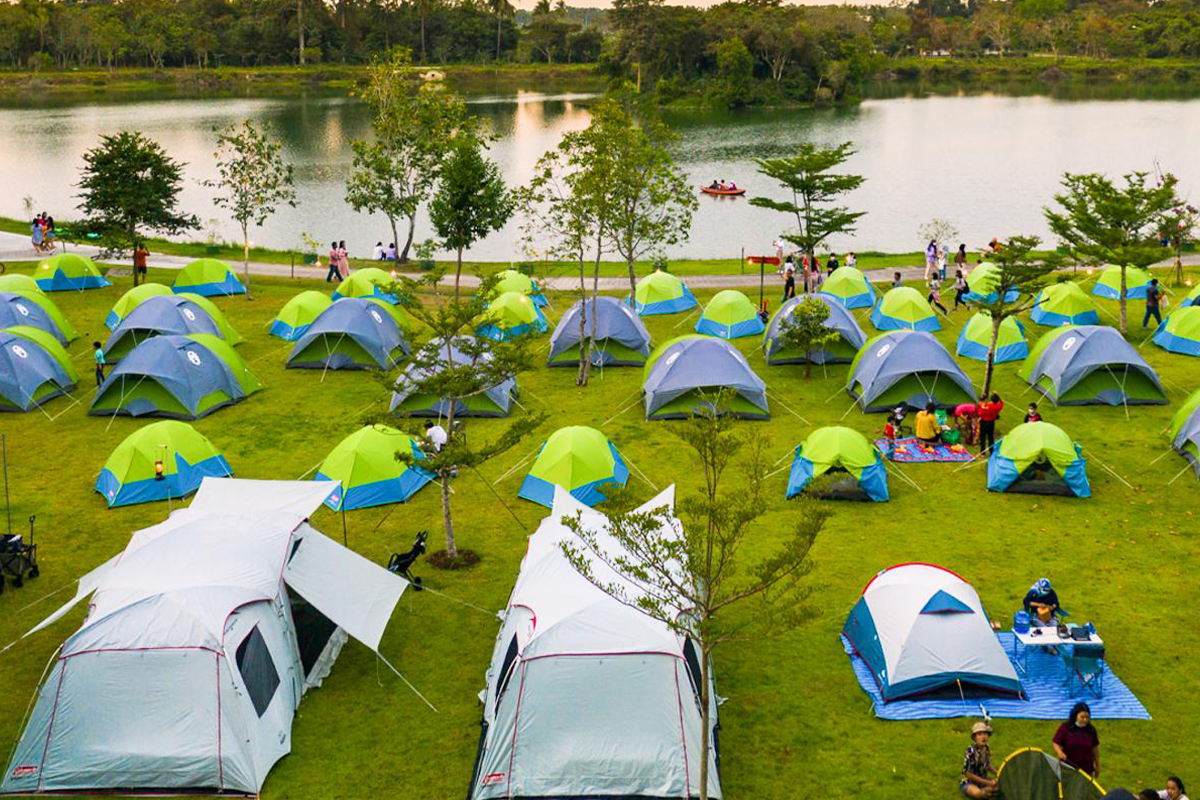
Tent Area: Opeining to the public as a recreational destination, providing an opportunity to learn and relax in the natural forest surroundings by the reservoir, offering a truly romantic atmosphere. |
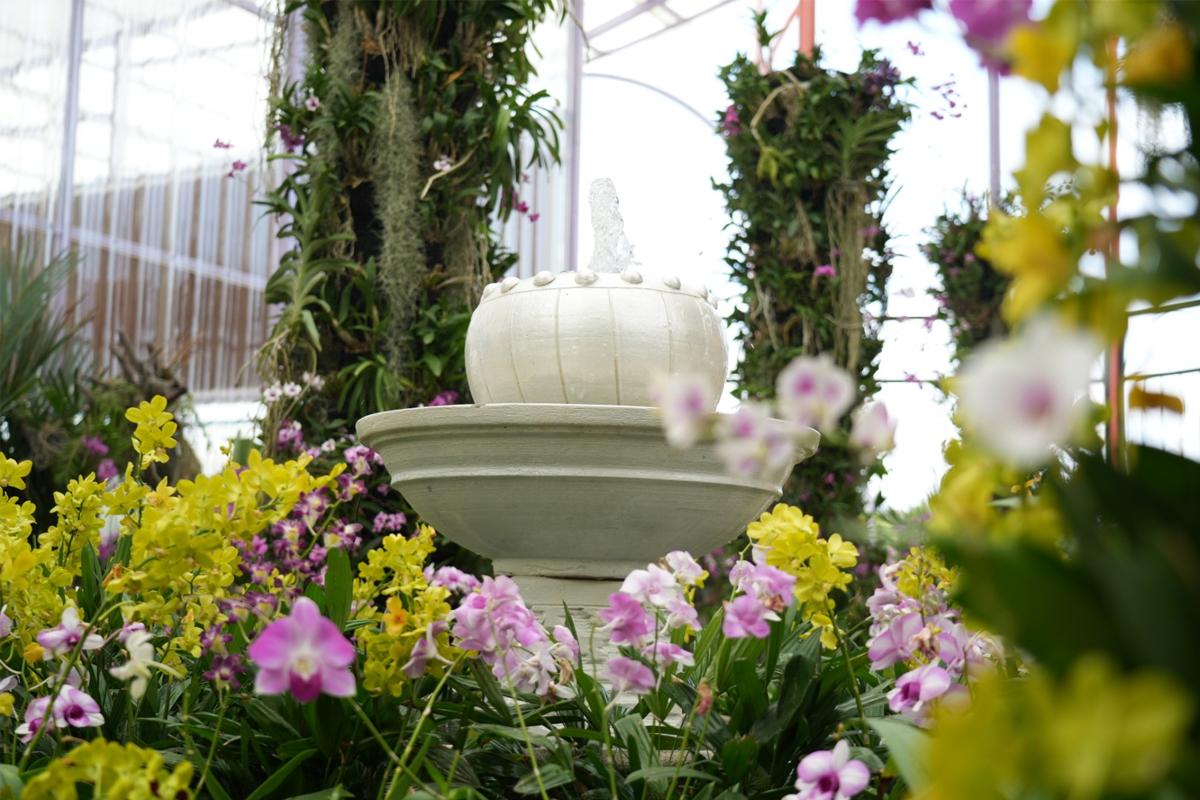
Orchid Greenhouse: Introducing 55 orchid species, including native Southern orchids, rare orchids, and hybrid orchids to the public. |
To enrich the visitor experience, the WU Botanic Park features a diverse range of activities, including guided tours, tent camping, SHA-certified Bota Home & Camp accommodations, academic workshops, and exhibits of drought-resistant plants. The park also provides bus service, allowing visitors to explore key educational zones such as the Nepenthes greenhouse, herb garden, BOTA Banana Garden, and nature trails.
Outdoor enthusiasts can also enjoy a variety of recreational programs, from kayaking and tree climbing to stargazing and basic survival training. Each activity is supervised by experienced staff to ensure a safe and engaging experience for all participants.
The area within the aforementioned botanical garden is an important part of the natural heritage, serving as a cultural and natural learning site that the university has developed into an “Open Learning Space” for the study of cultural heritage, environmental conservation, and sustainable development. The site is open to the general public, educators, students, and educational tourists to visit and learn free of charge.
According to statistical data in 2024, the natural heritage area within the botanical garden welcomed over 66,870 visitors per year, including educators, scholars, students, and the general public. The visitor satisfaction rate exceeded 90%, reflecting the success of the area as a center for cultural and environmental learning that effectively raises awareness and inspires the preservation of national heritage alongside sustainable nature conservation.
Walailak University has conducted a diagnostic assessment of its cultural and natural heritage sites to guide the development of inclusive learning spaces that are freely accessible to the public. Through active community engagement, the university promotes lifelong learning and cultural preservation across areas such as the Tumpang Archaeological Site, Botanic Park, and Golden Manorah Monument. Continuous measurement of visitor participation and learning outcomes ensures that these open-access initiatives effectively enhance public knowledge, cultural appreciation, and sustainable development.
Related links:
https://cas.wu.ac.th/en/archives/37270
https://cas.wu.ac.th/en/archives/37280
https://cas.wu.ac.th/en/archives/37292
https://cas.wu.ac.th/en/archives/37312
https://toompung.wu.ac.th/3d-virtual/
https://toompung.wu.ac.th/%e0%b9%82%e0%b8%9a%e0%b8%a3%e0%b8%b2%e0%b8%93%e0%b8%84%e0%b8%94%e0%b8%b5/
https://toompung.wu.ac.th/%e0%b8%aa%e0%b8%a1%e0%b8%b8%e0%b8%99%e0%b9%84%e0%b8%9e%e0%b8%a3/
https://www.youtube.com/watch?v=XH04cTqXZp8
https://cultural.wu.ac.th/tumbuntoompung#
https://library.wu.ac.th/NST_localinfo/tumpang/
https://botany.wu.ac.th/?page_id=23708
https://botany.wu.ac.th/?page_id=78 Walailak Botanic Park
https://botany.wu.ac.th/?page_id=33868 Activities in the Walailak Botanic Park
https://dcc.wu.ac.th/walailakpark/
https://www.8thwall.com/tumpangarchive/ar-tumpang-11
https://e-bota.wu.ac.th/location/43
https://botany.wu.ac.th/?p=29187
https://e-bota.wu.ac.th/location/39
https://e-bota.wu.ac.th/location/34
https://botany.wu.ac.th/?page_id=49297
https://e-bota.wu.ac.th/location/29
https://botany.wu.ac.th/?page_id=14158
https://e-bota.wu.ac.th/location/37
https://library.wu.ac.th/archives/2025/05/15/bota-sky-tower/
https://botany.wu.ac.th/?page_id=1588
https://www.wu.ac.th/th/news/24670/index.html
Goal 11: Sustainable Cities and Communities
Goal 4: Quality Education
Goal 15: Life on Land