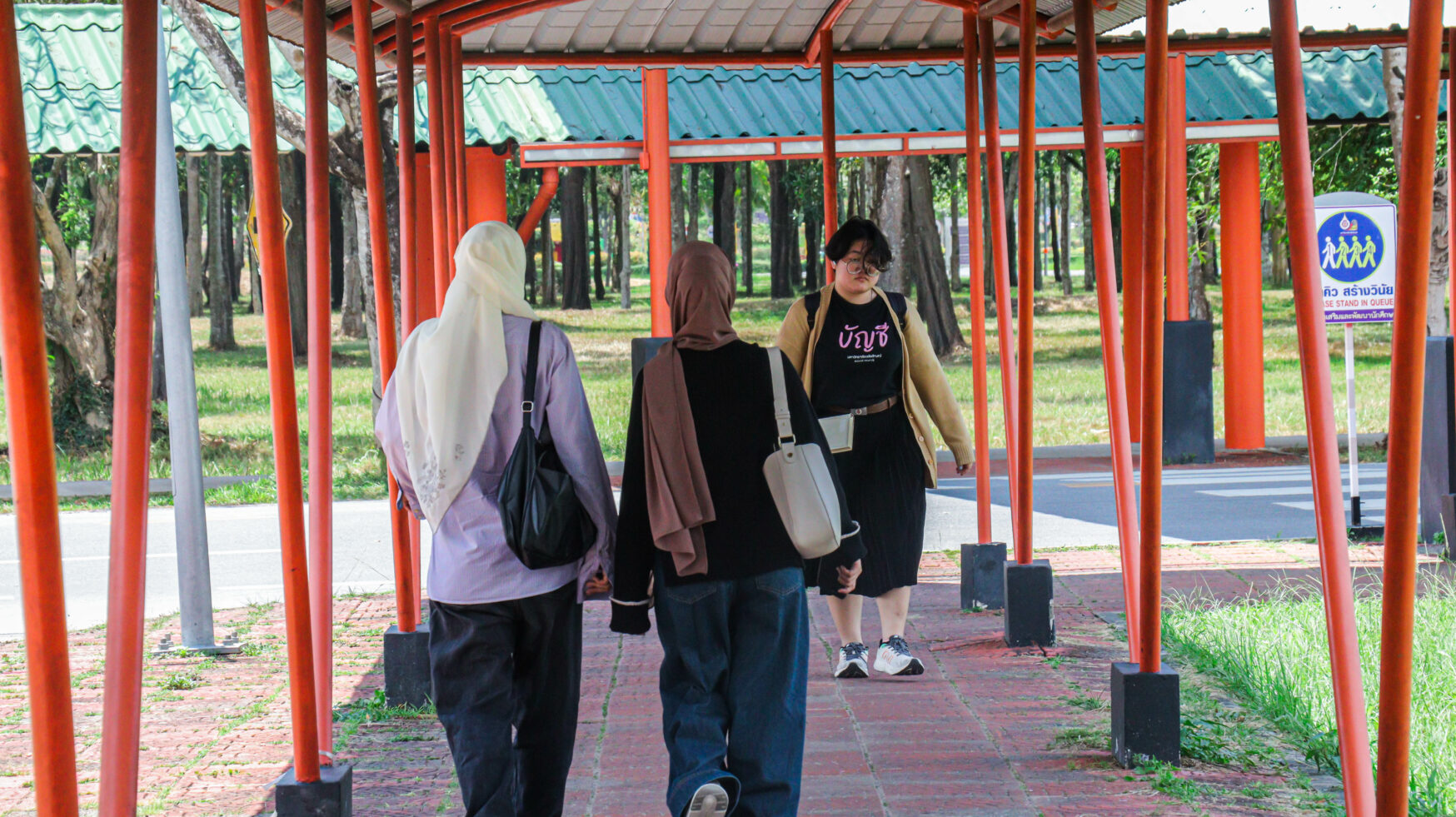
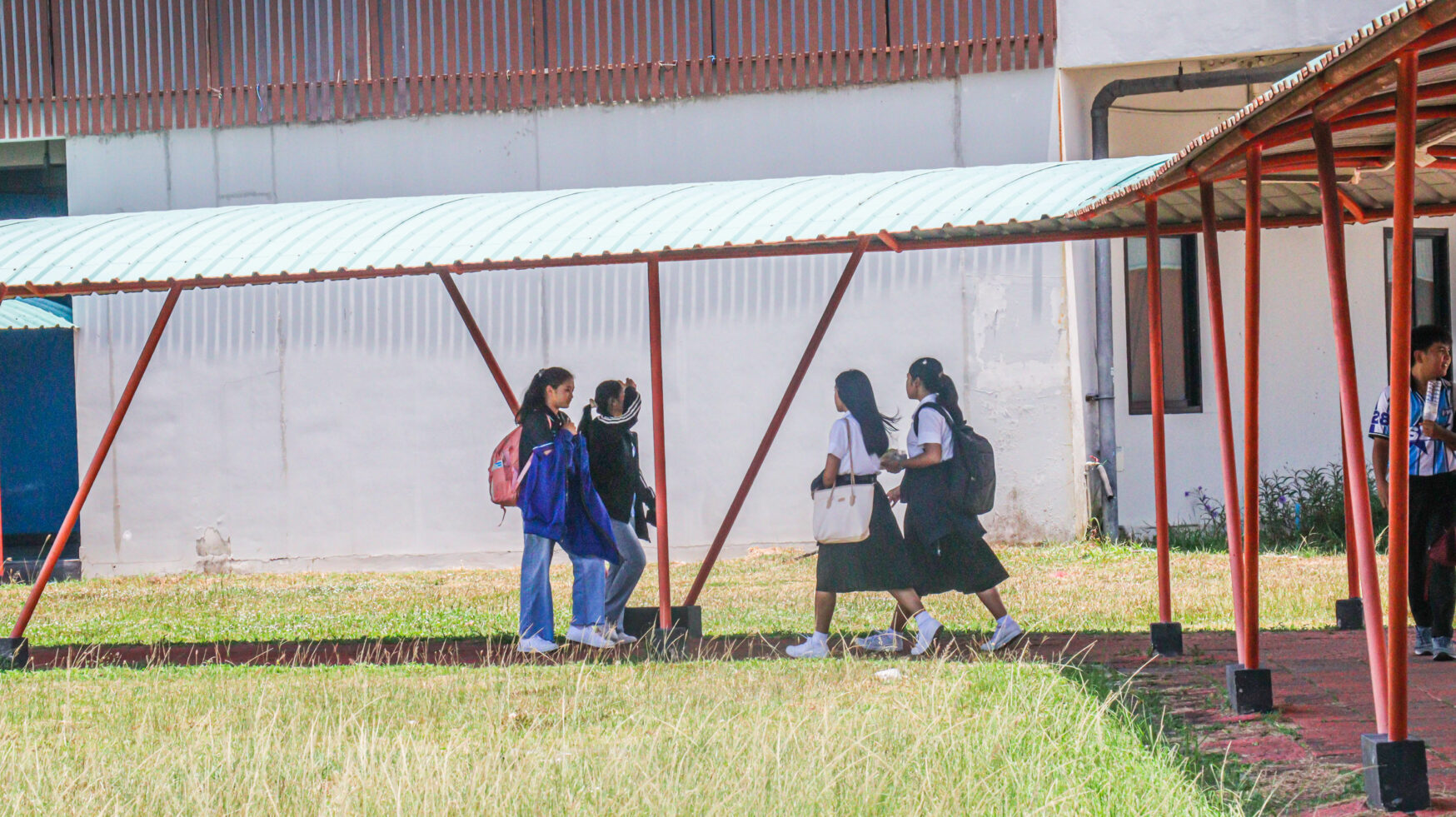
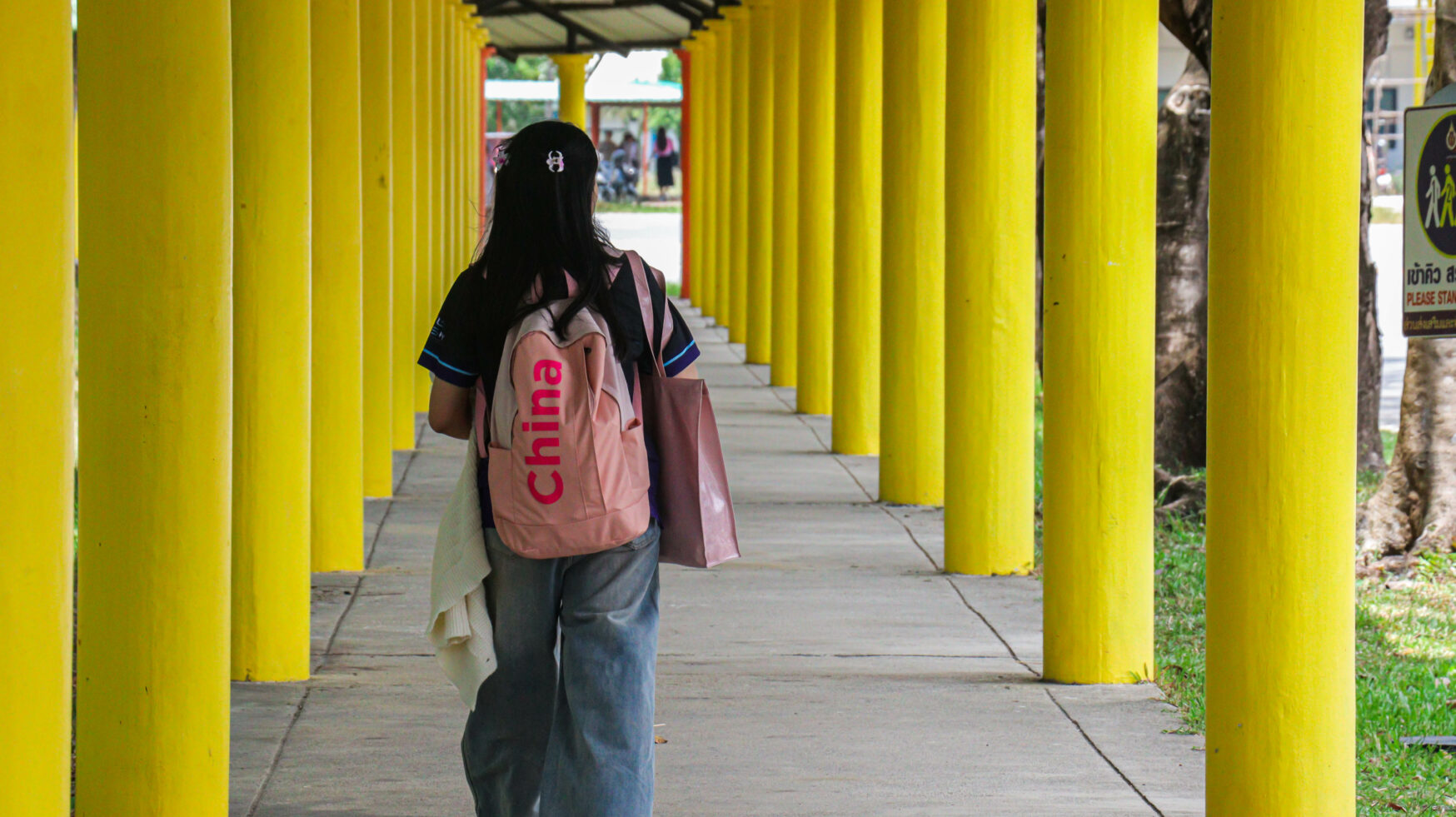
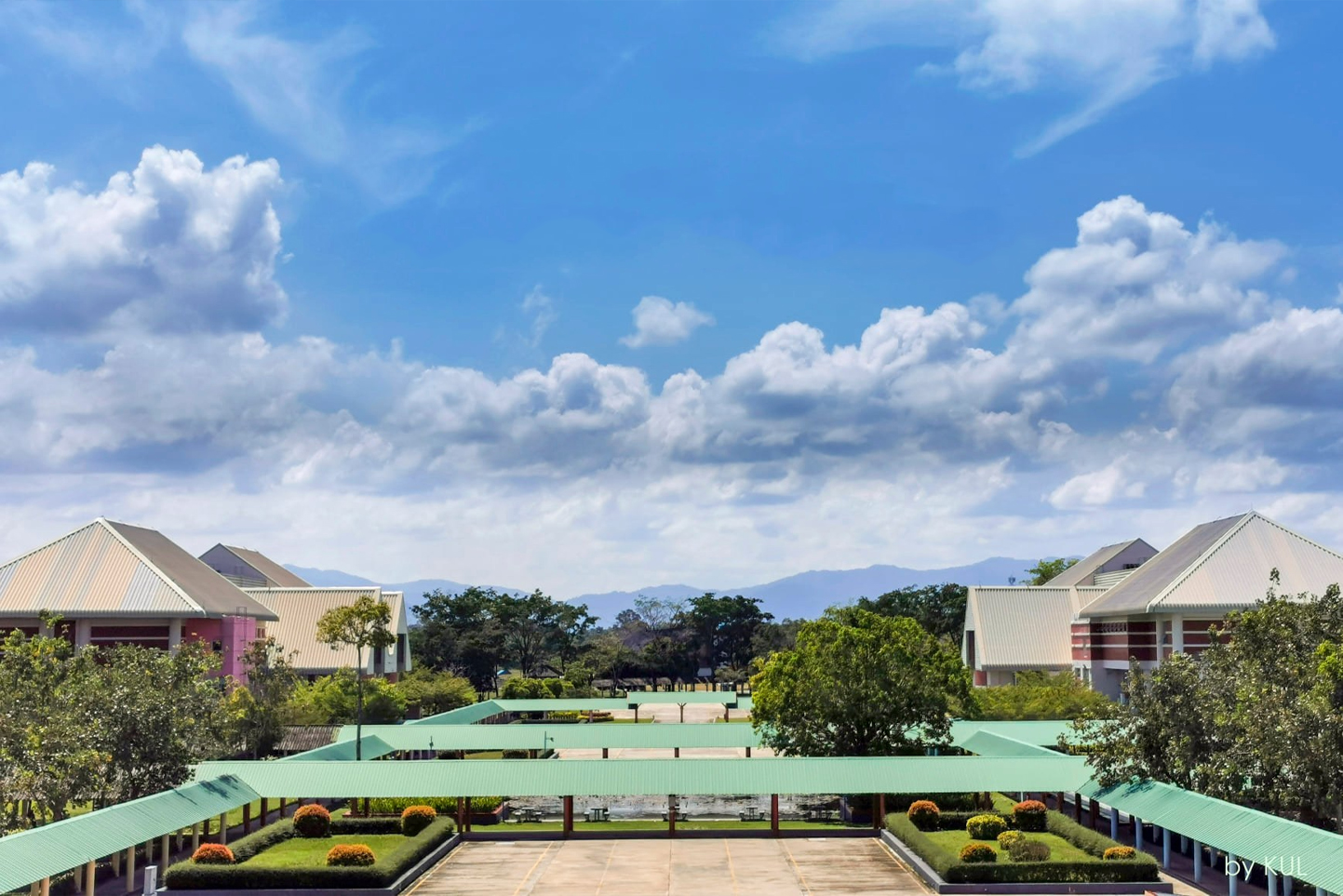
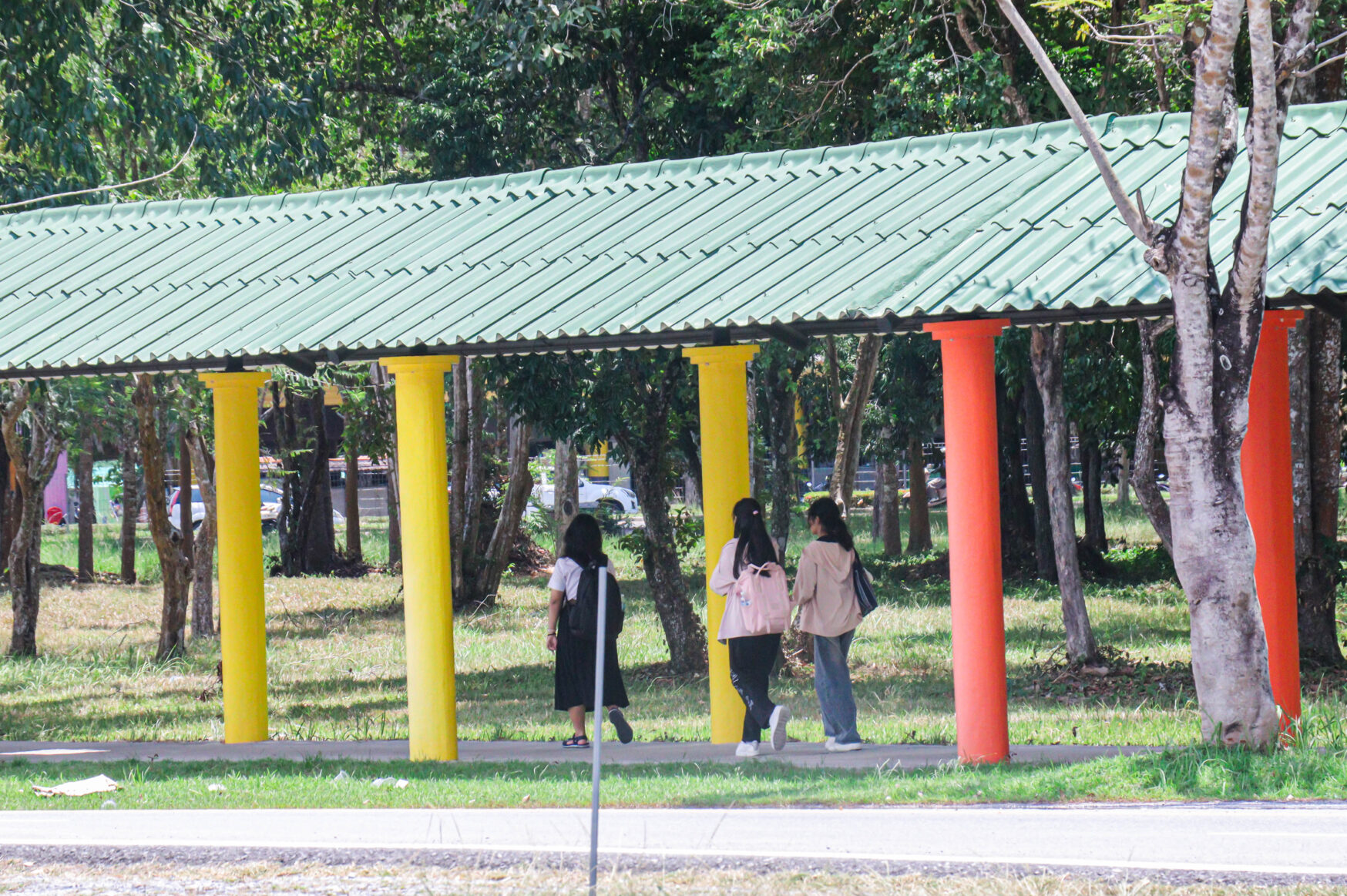
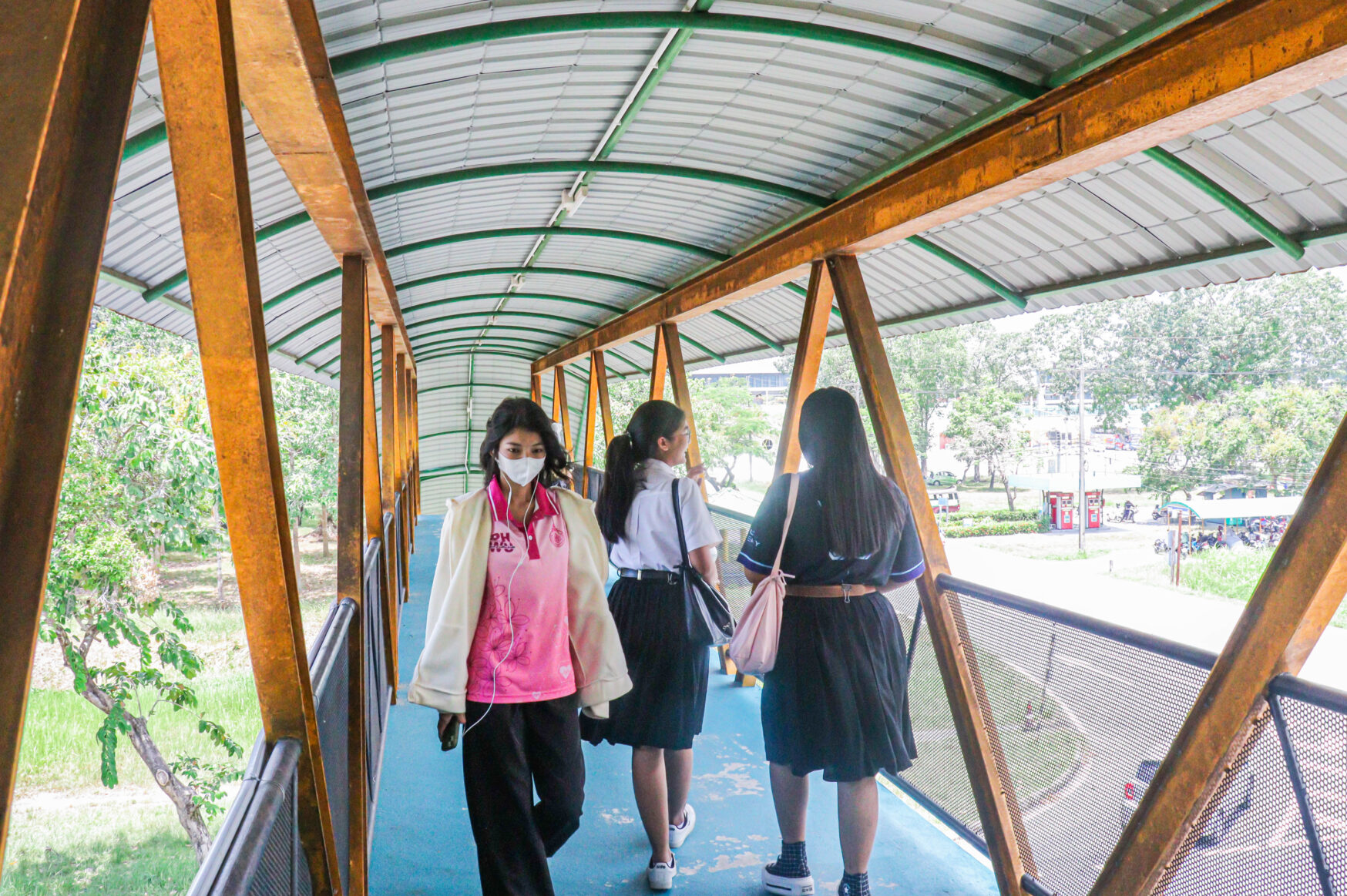
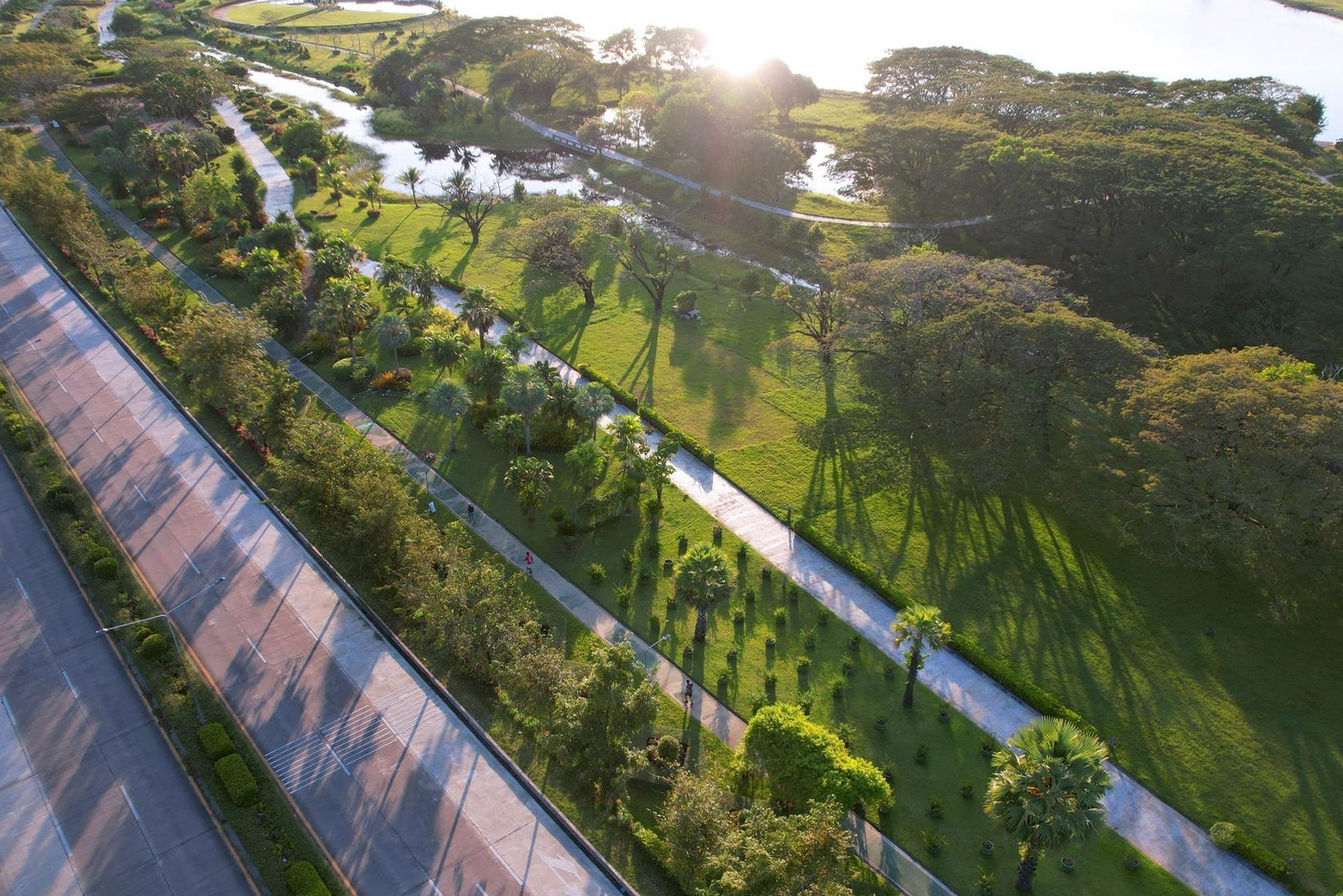
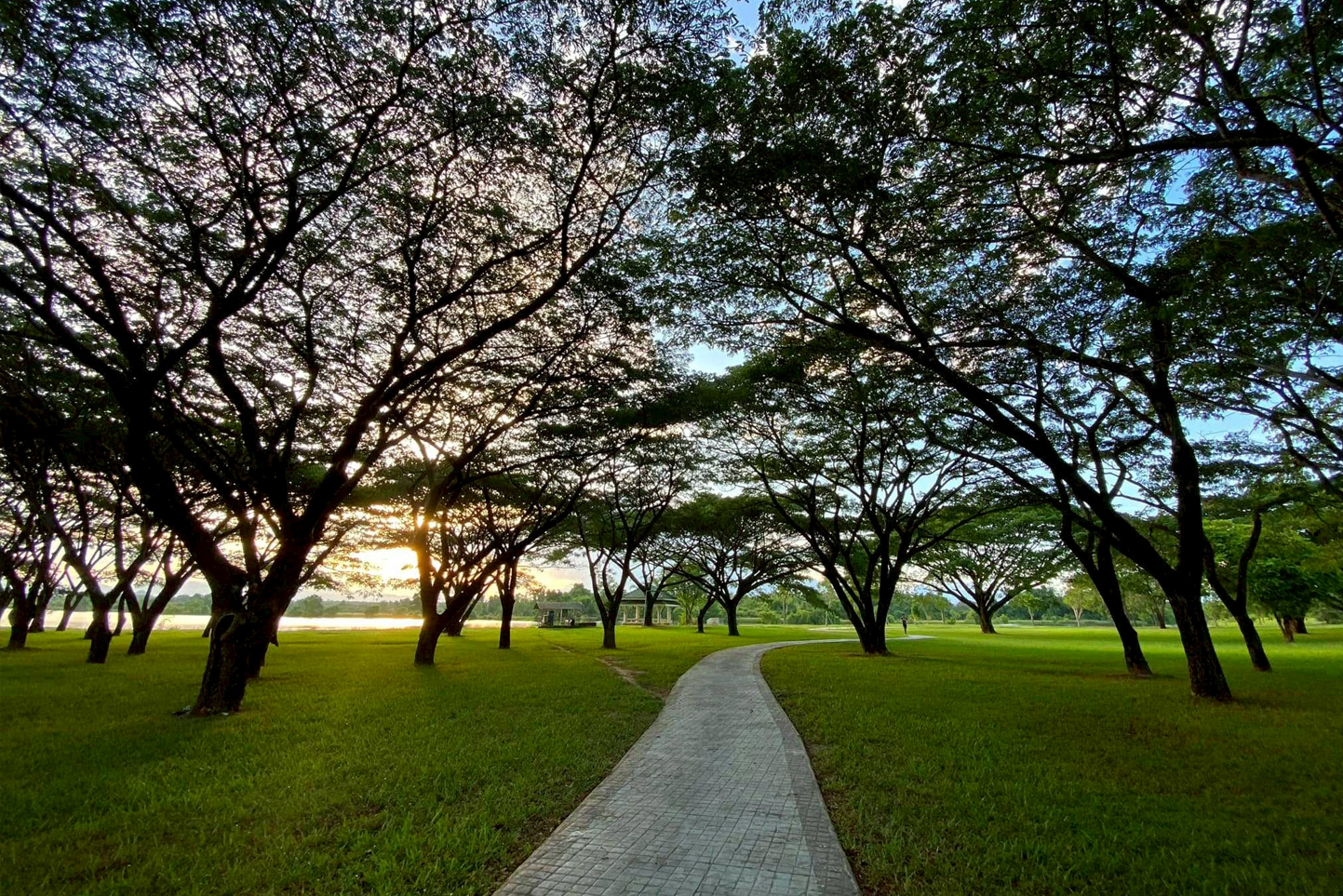
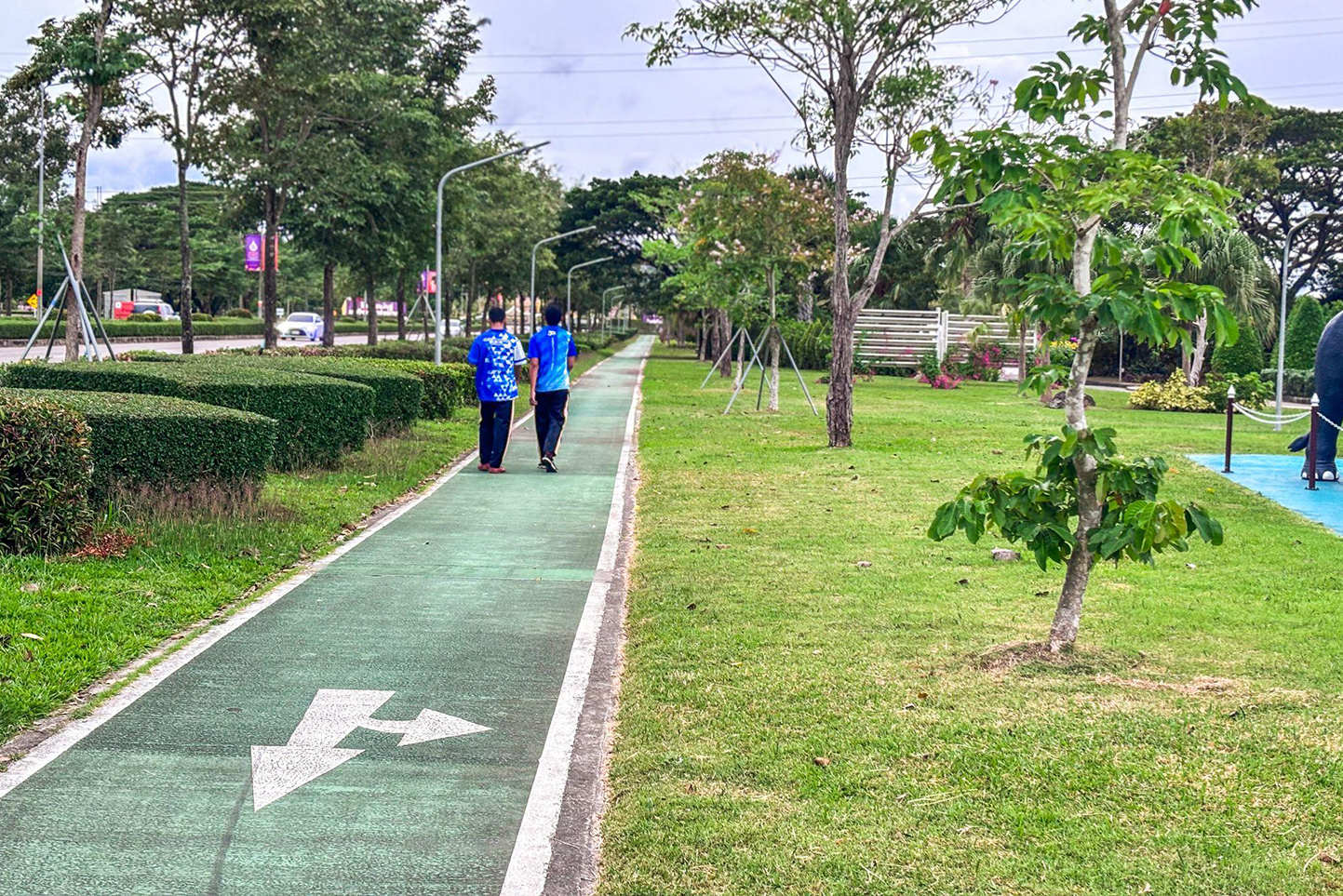
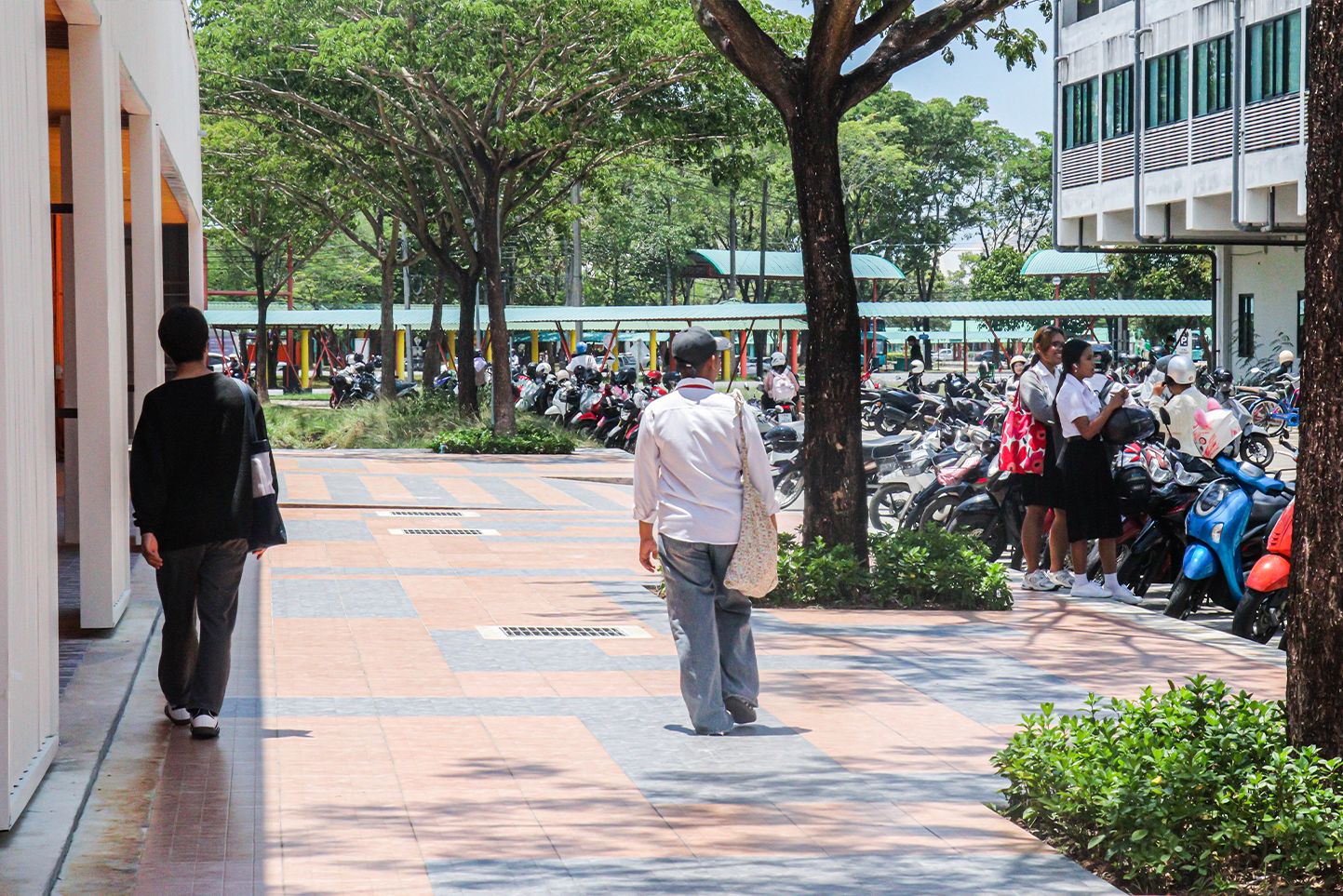
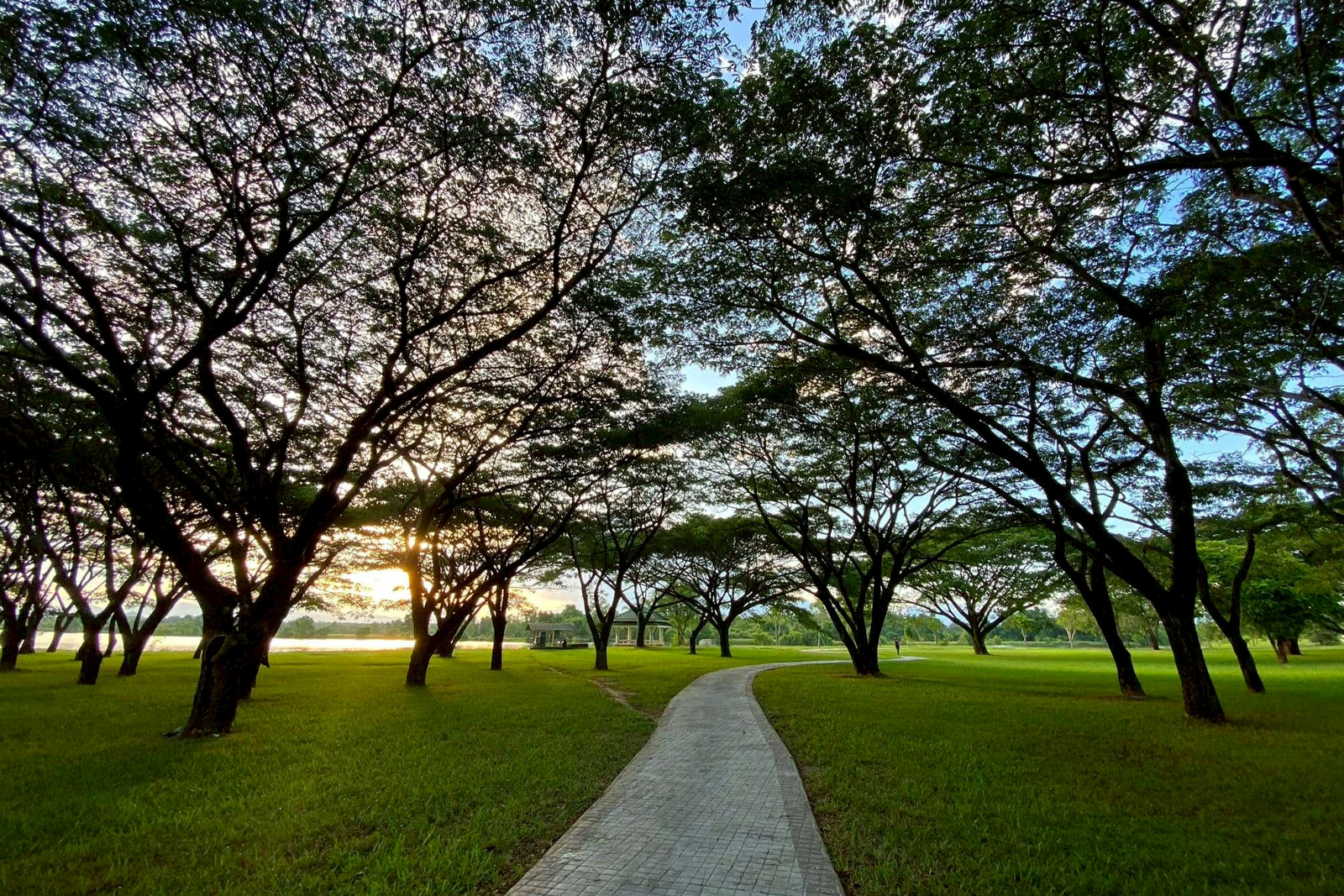
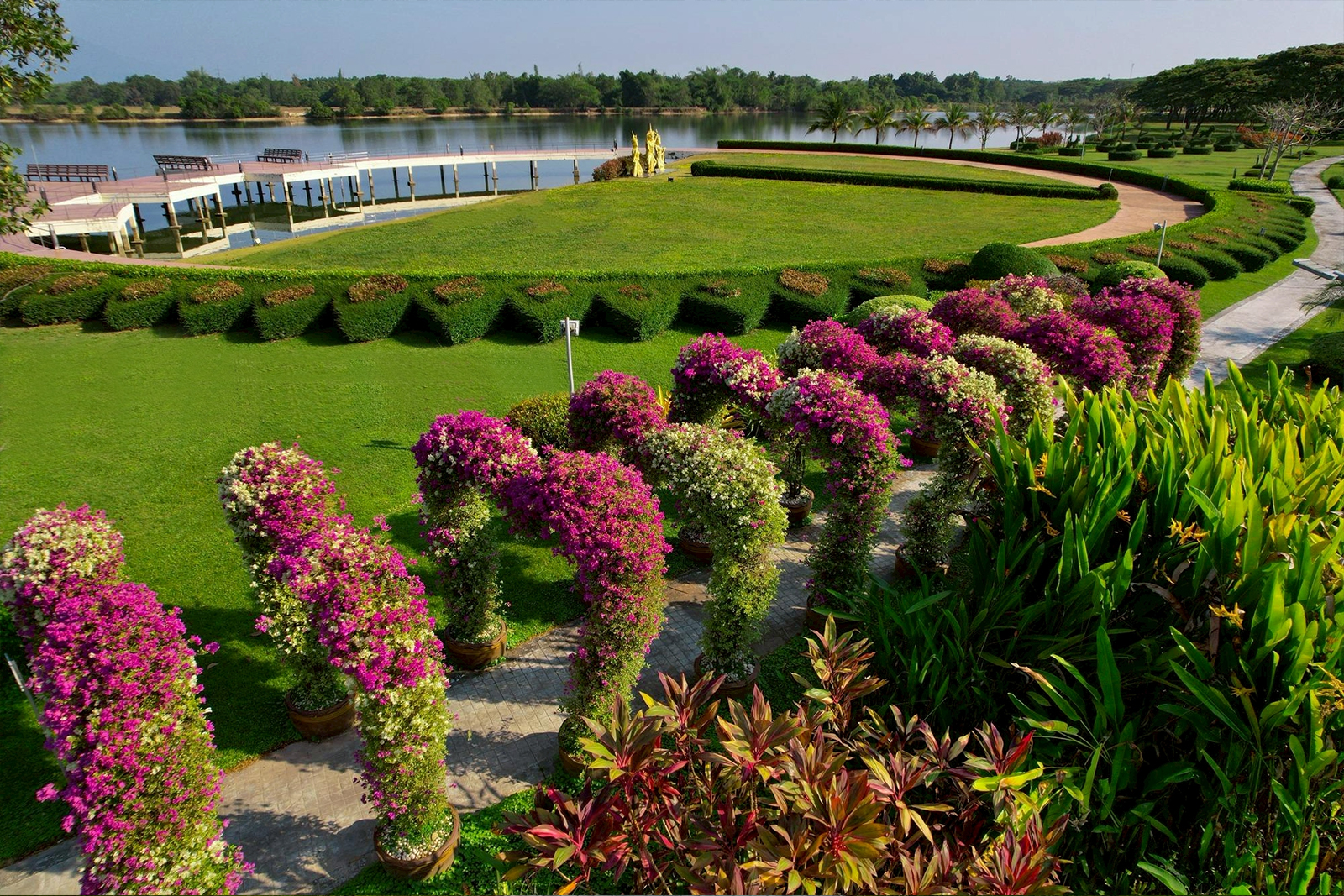
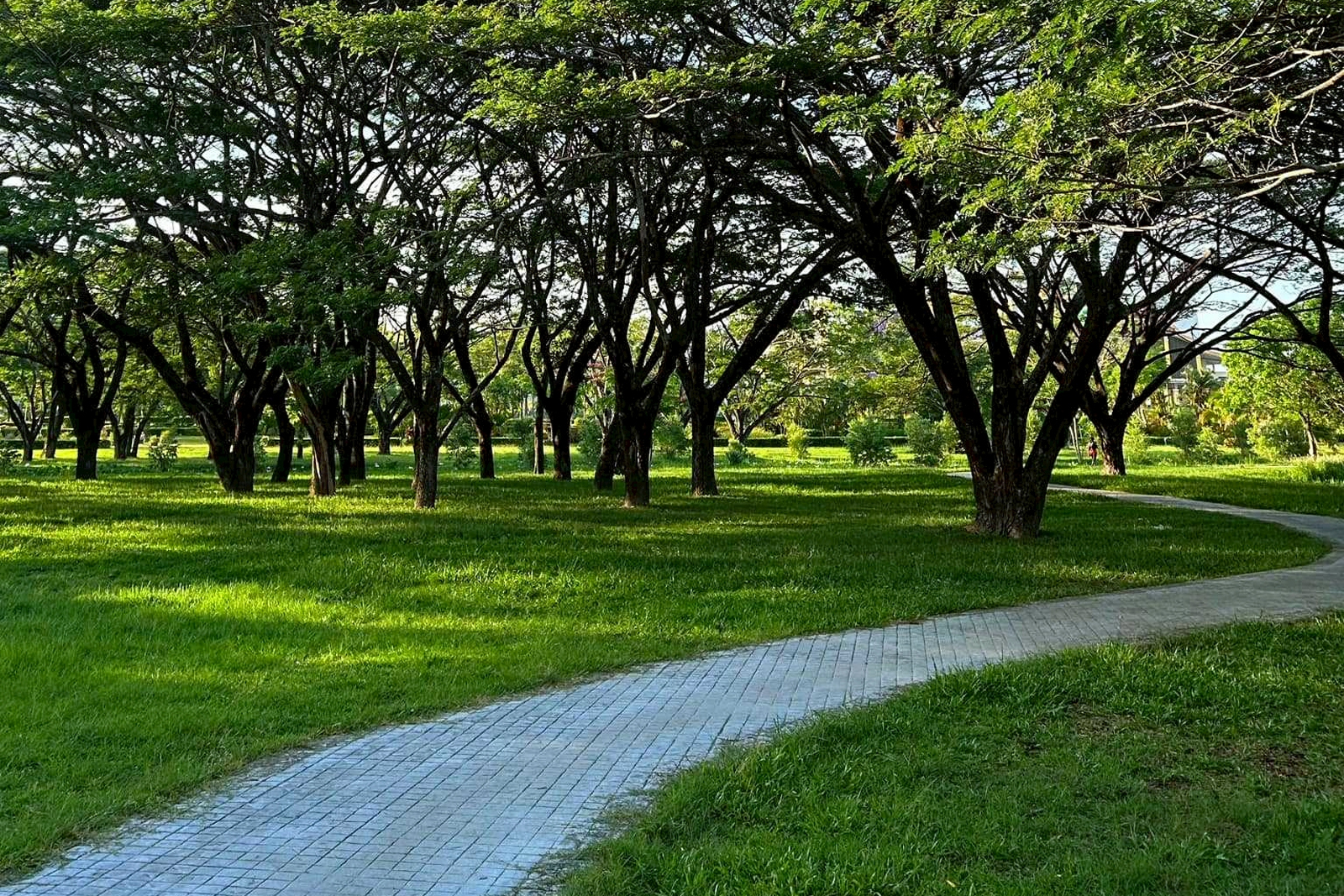
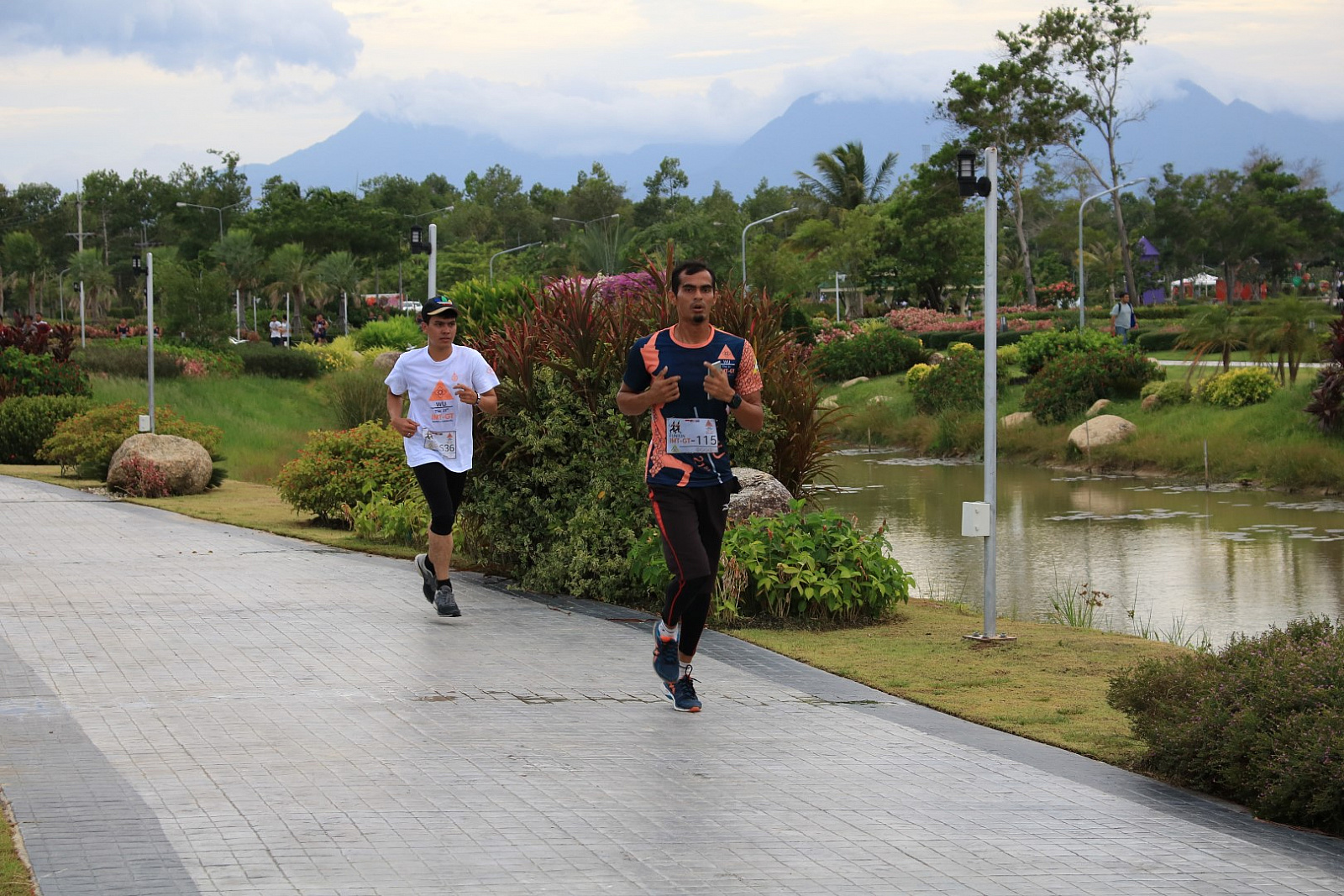
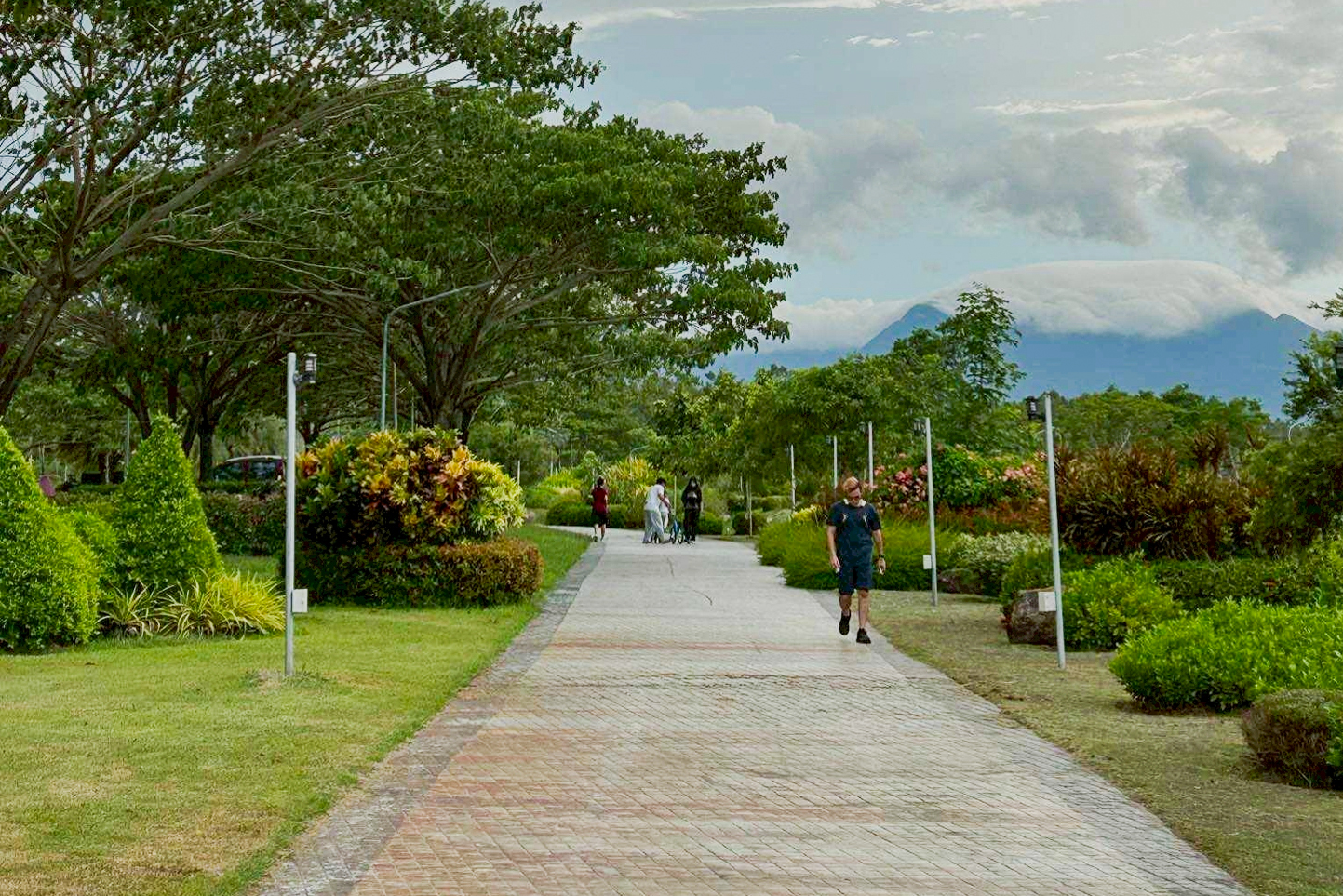
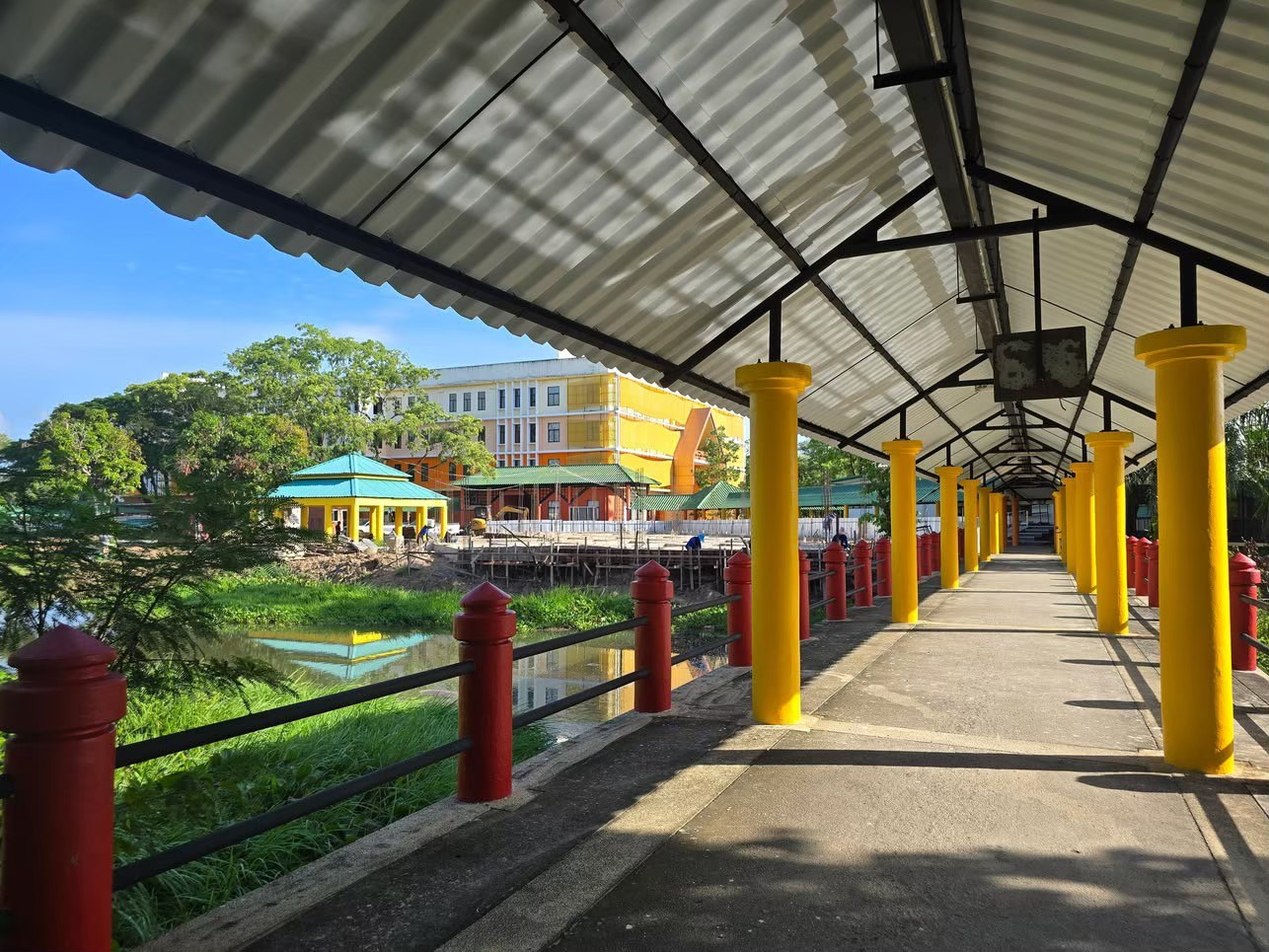
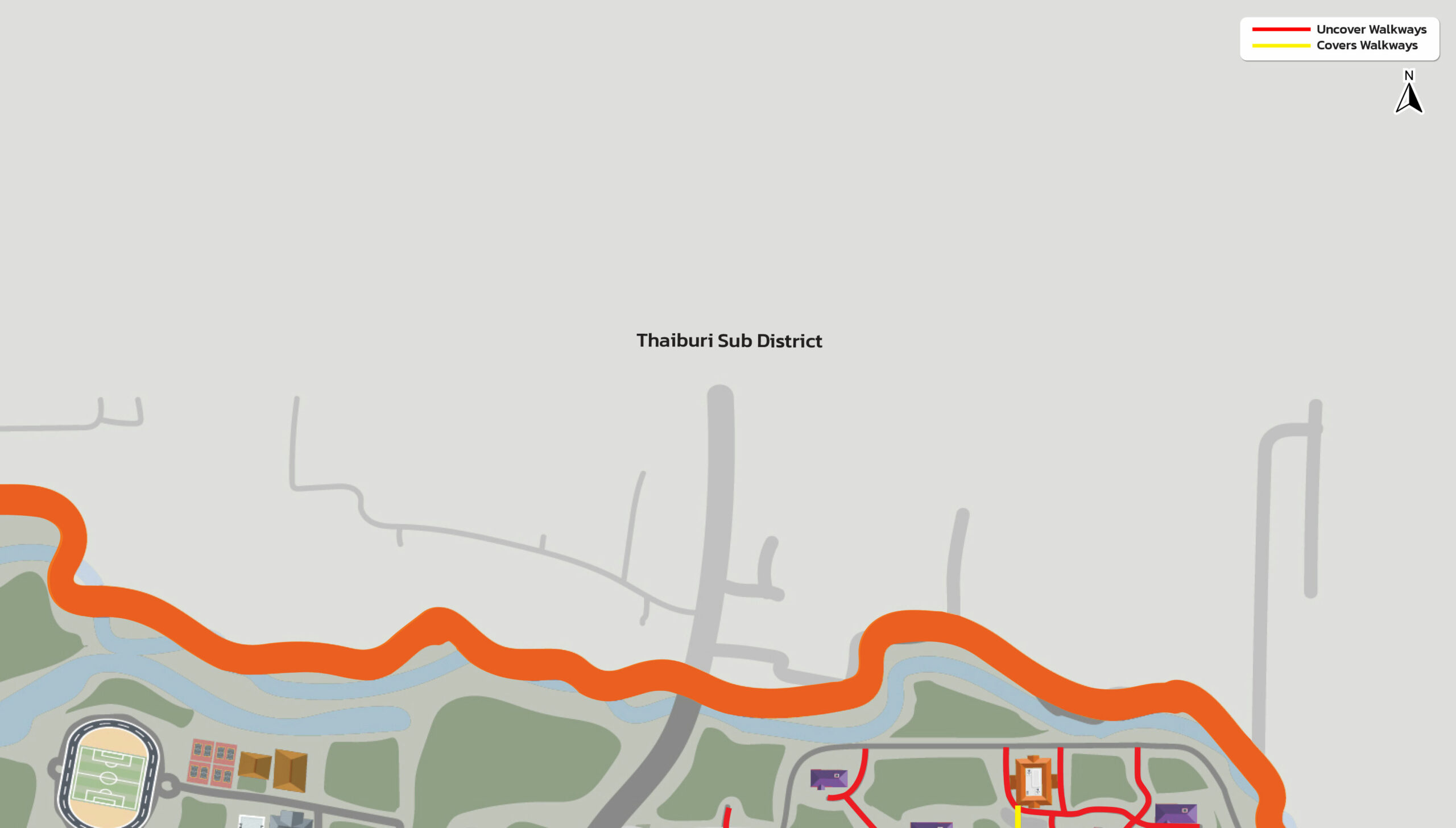
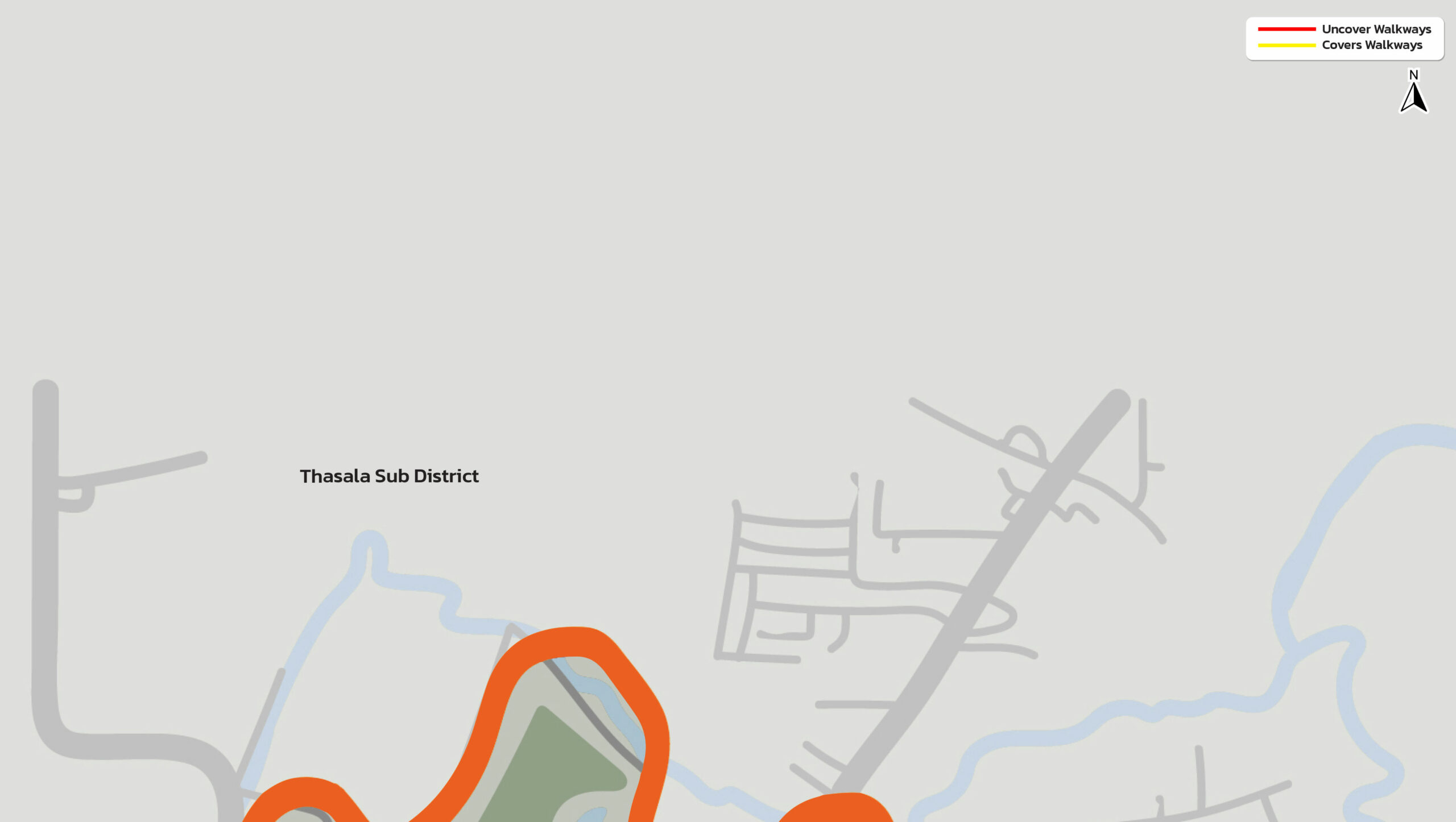
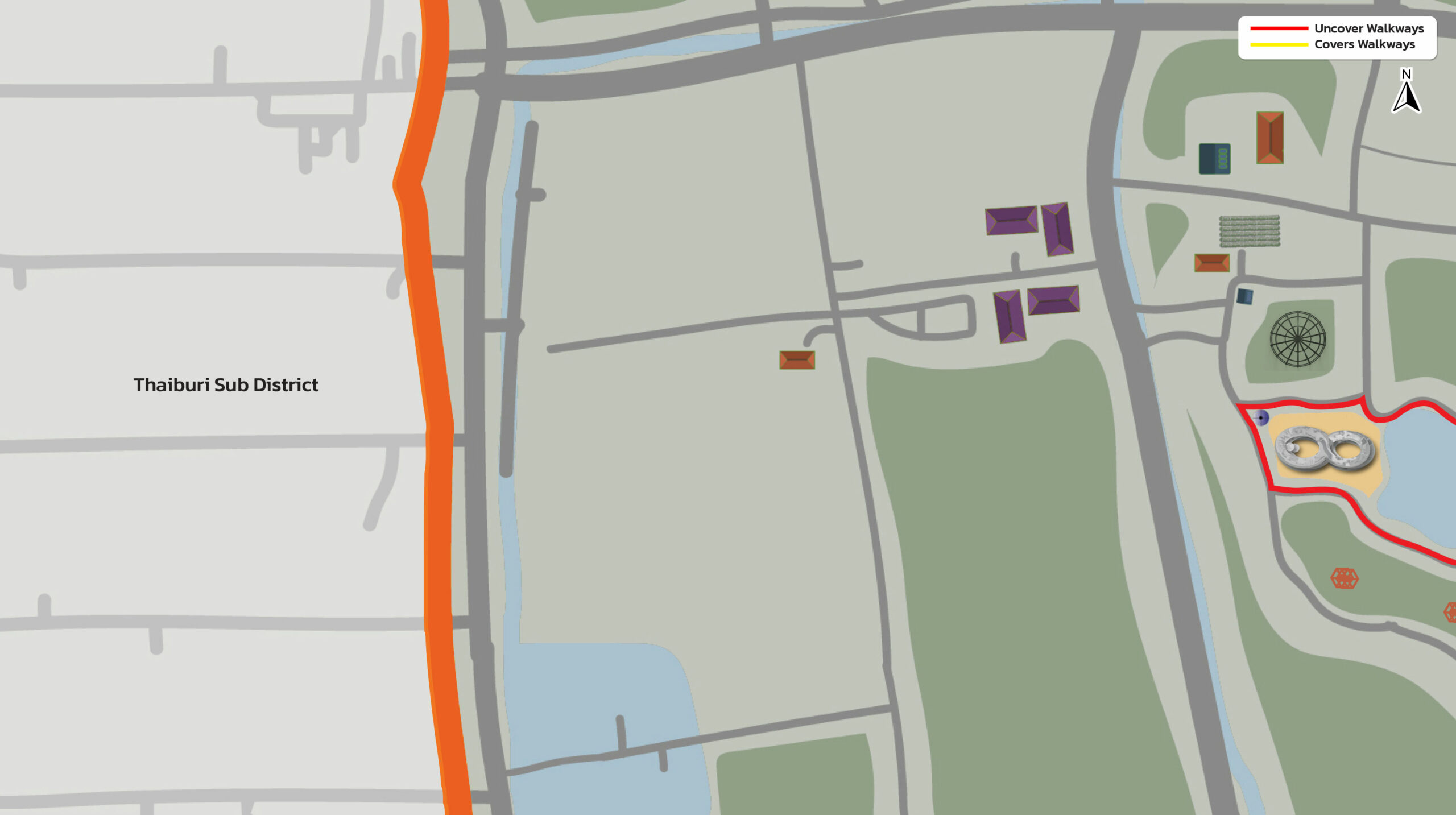
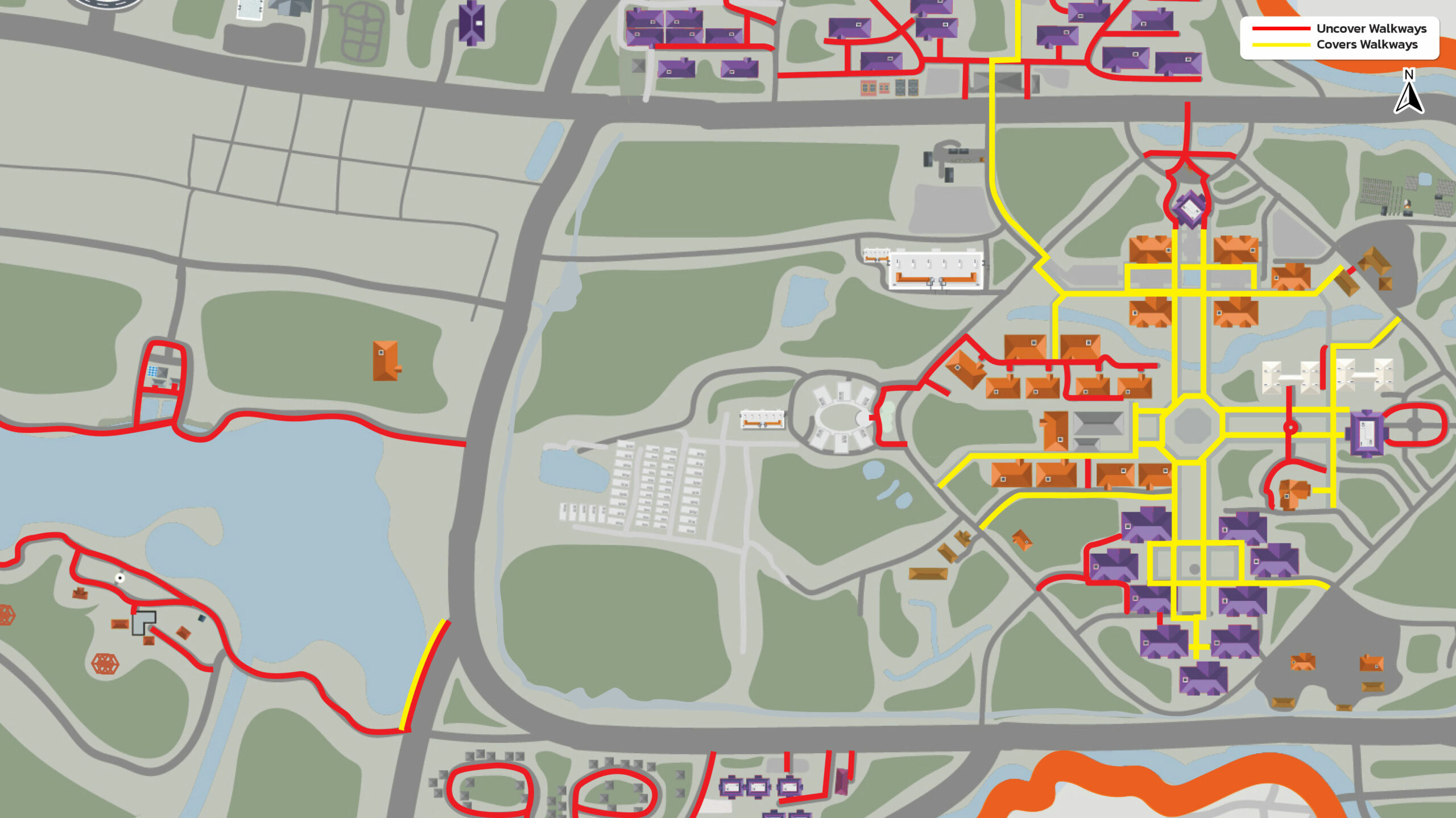
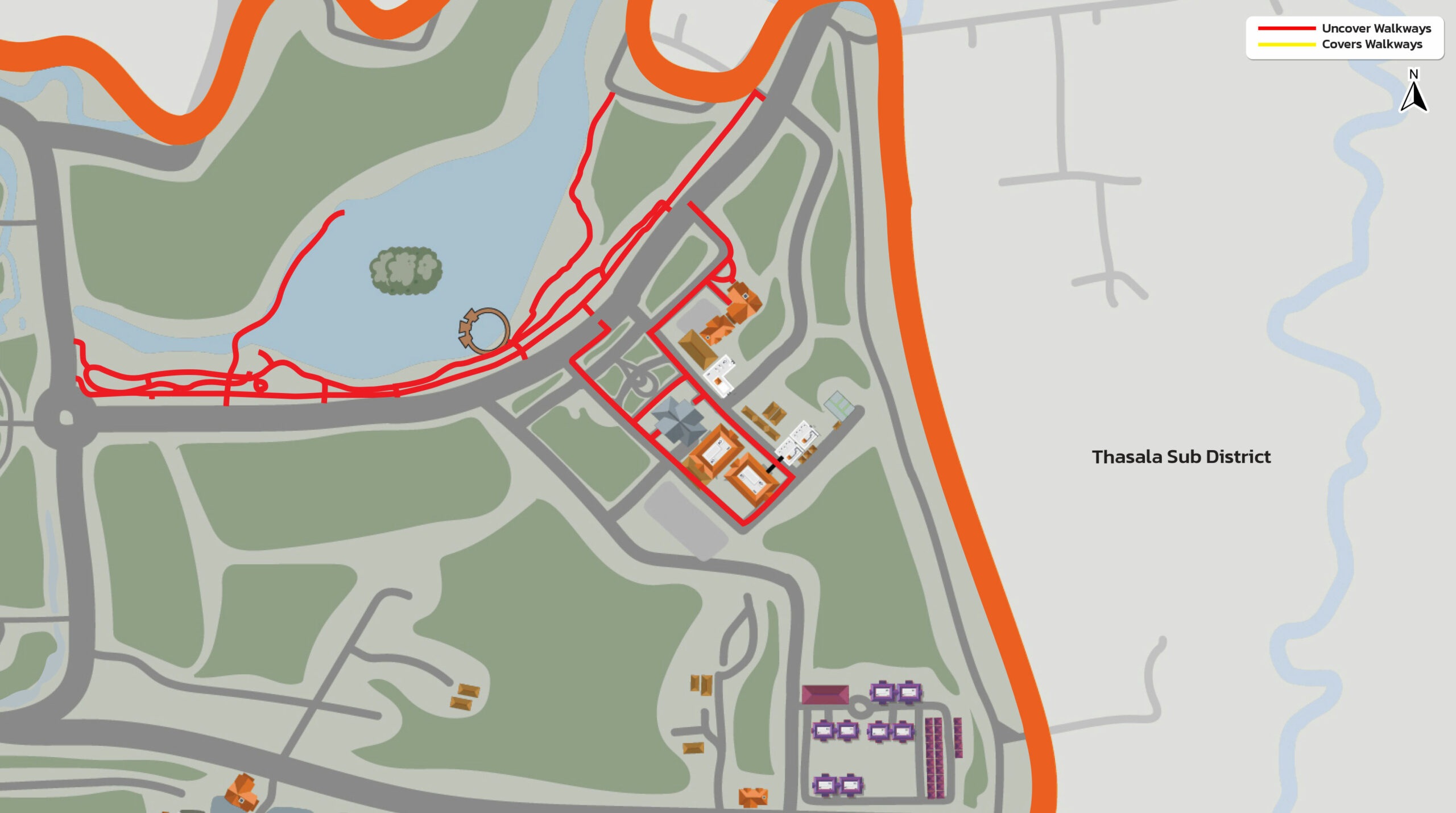
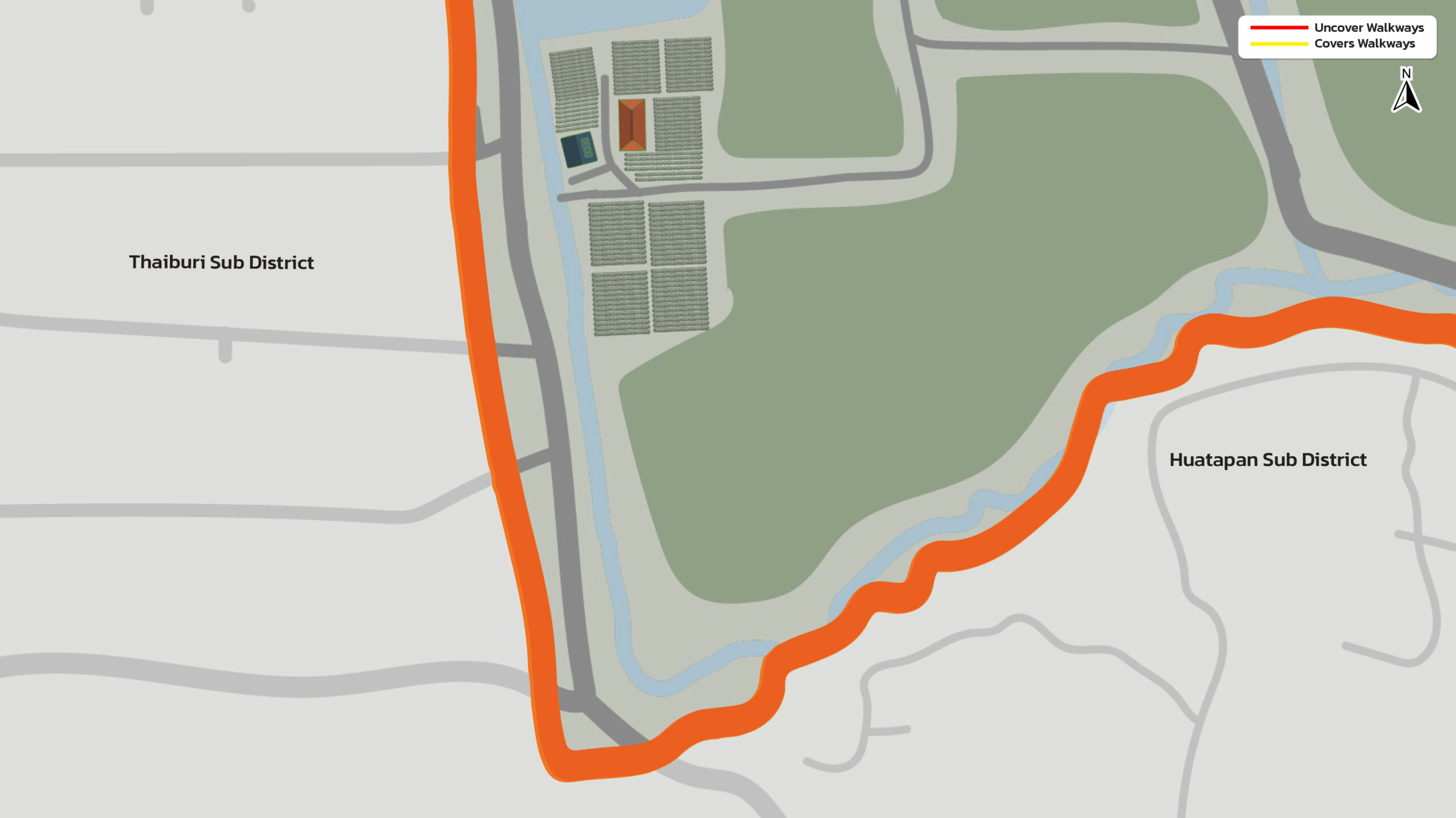
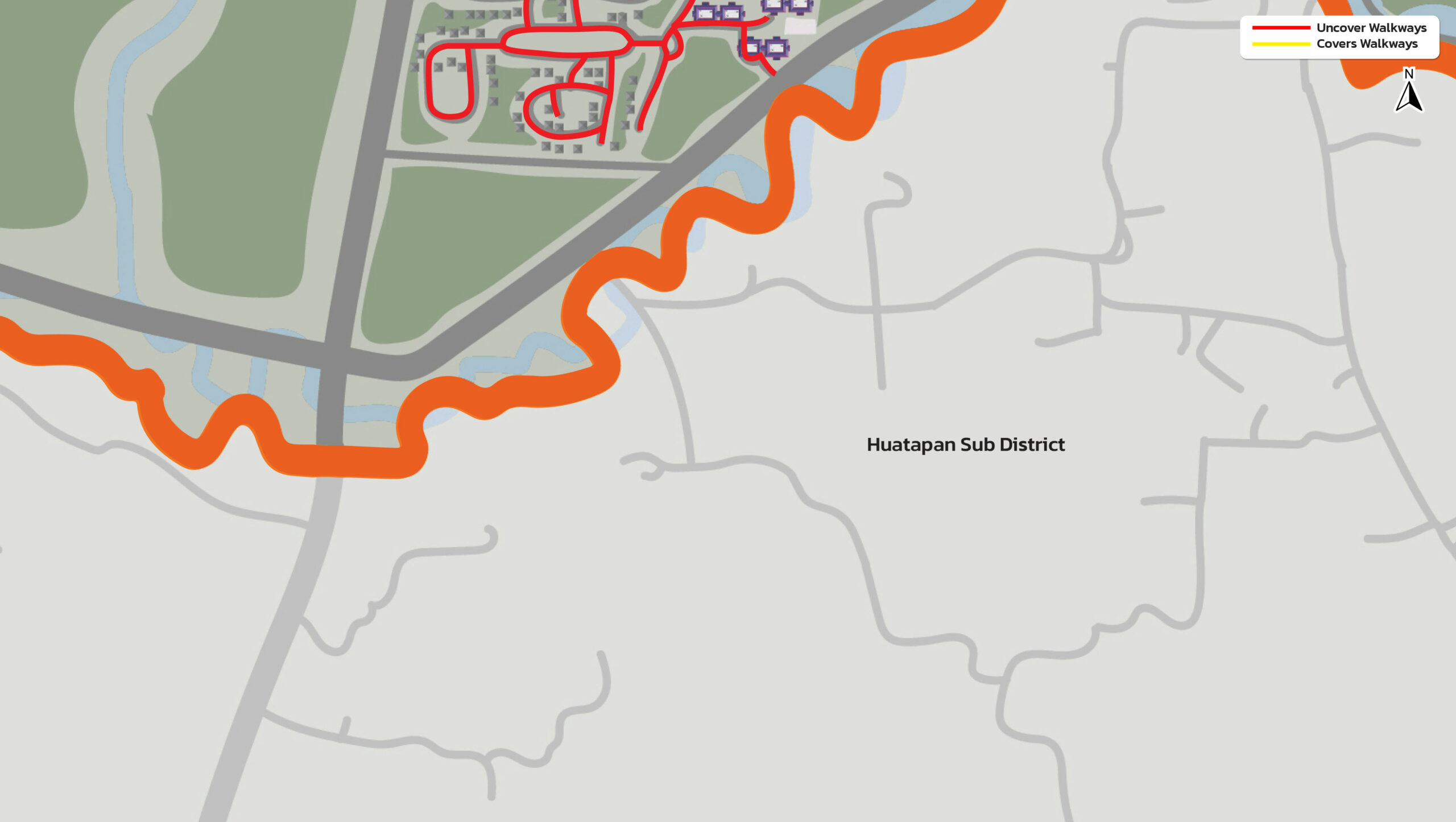
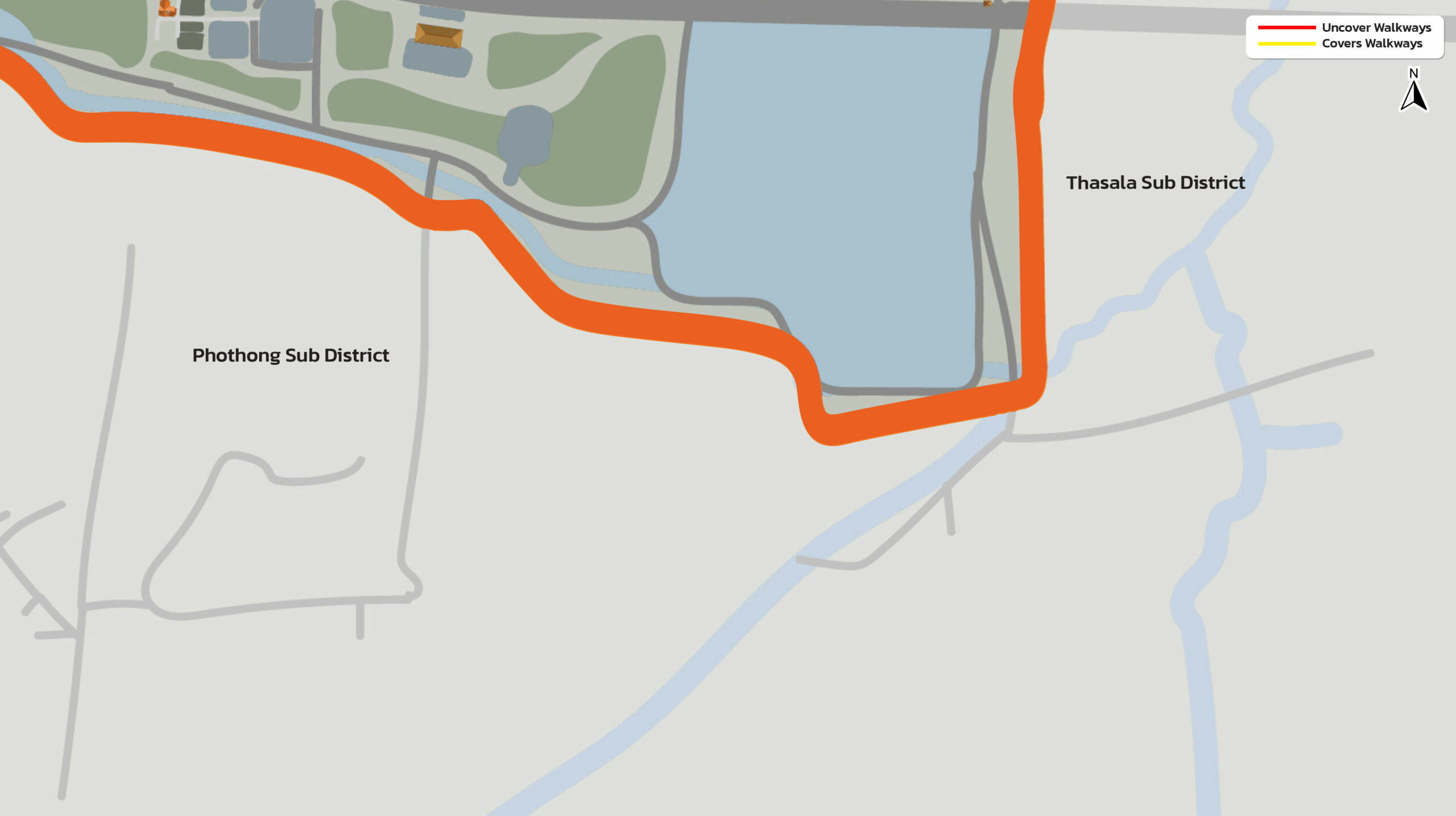
Walailak University places great importance on prioritizing pedestrian access for students, staff, and the general public within the campus. The university has implemented an infrastructure development project to construct pedestrian walkways covering all areas of the campus, aiming to enhance safety, convenience, and overall quality of life for students, personnel, and visitors. This project is part of the university’s Sustainable Campus Policy, which focuses on creating an environment conducive to learning and high-quality living. The construction of walkways spans key areas of the university, including routes connecting academic buildings, dormitories, libraries, cafeterias, and outdoor activity spaces, facilitating safe and convenient movement for students and staff. The design of the walkways also adheres to safety standards, accessibility principles for persons with disabilities (Universal Design), and the use of environmentally friendly materials to minimize ecological impact within the campus.
Moreover, the project encourages the effective use of public spaces and promotes walking as an alternative to vehicle use within the university. This helps reduce carbon dioxide emissions and supports the vision of a “Green University” in alignment with the sustainable development goal on “Sustainable Cities and Communities.” Therefore, the construction of campus-wide pedestrian walkways not only enhances the basic infrastructure system but also serves as a key mechanism in promoting safety, equality, and sustainable environmental development within the institution.
In 2024, Walailak University (WU) maintained a comprehensive network of pedestrian pathways, ensuring safe and convenient access for students, staff, and visitors. The Division of Landscaping and Building regularly monitored these routes to ensure accessibility and safety, promoting walking as a sustainable commuting alternative to vehicles.
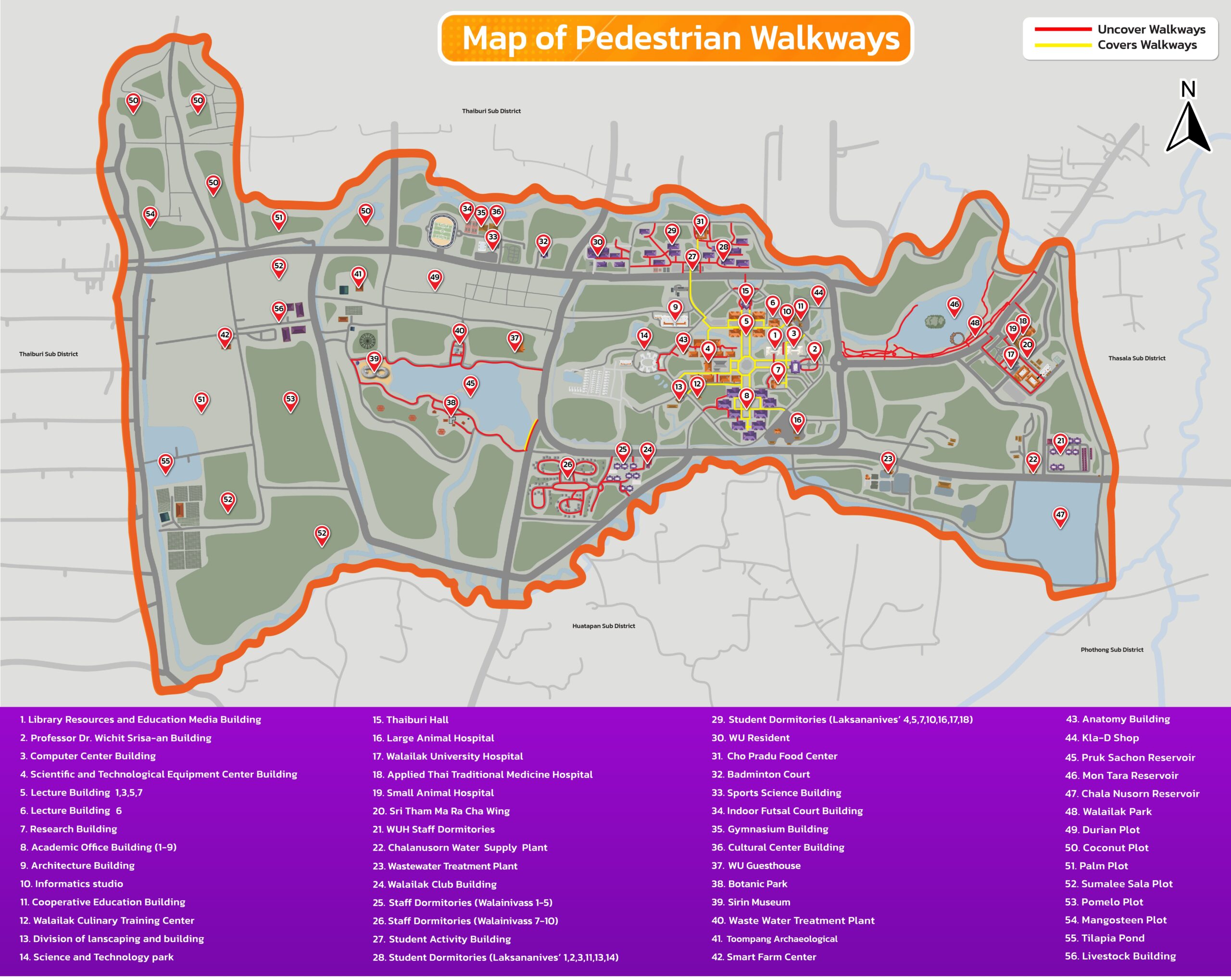
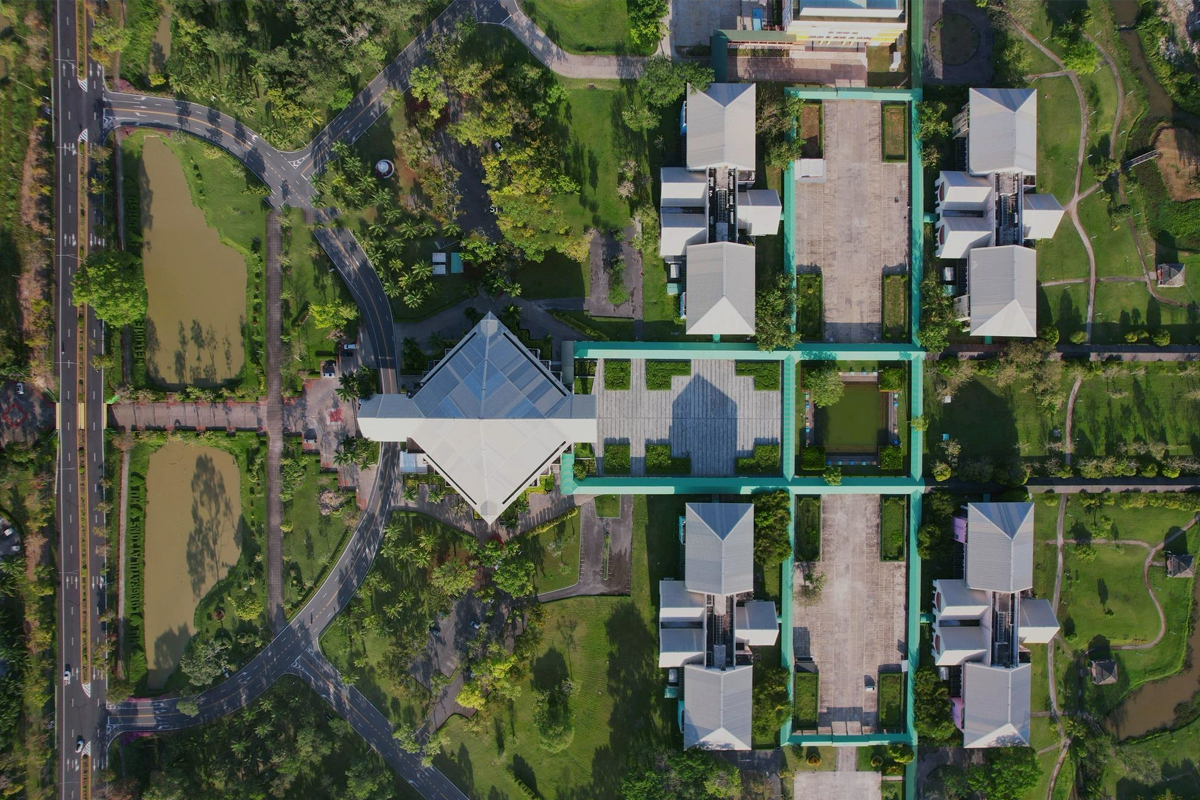
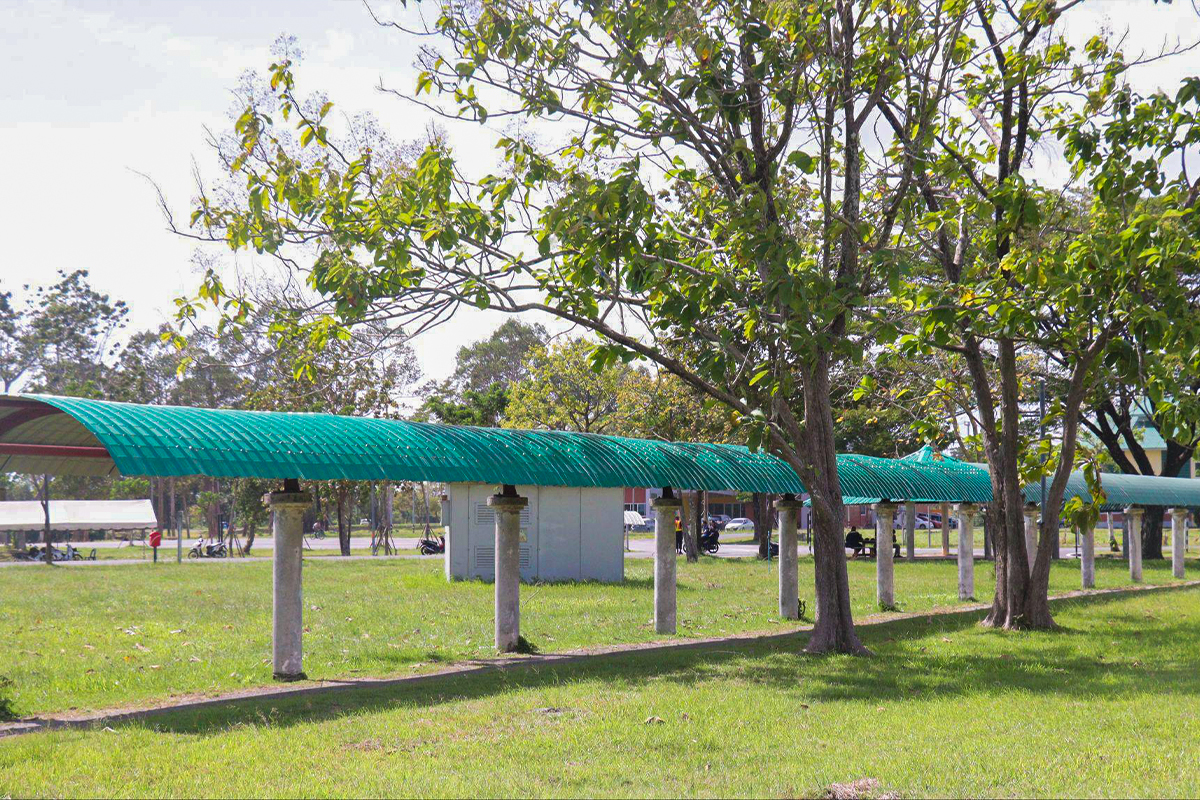
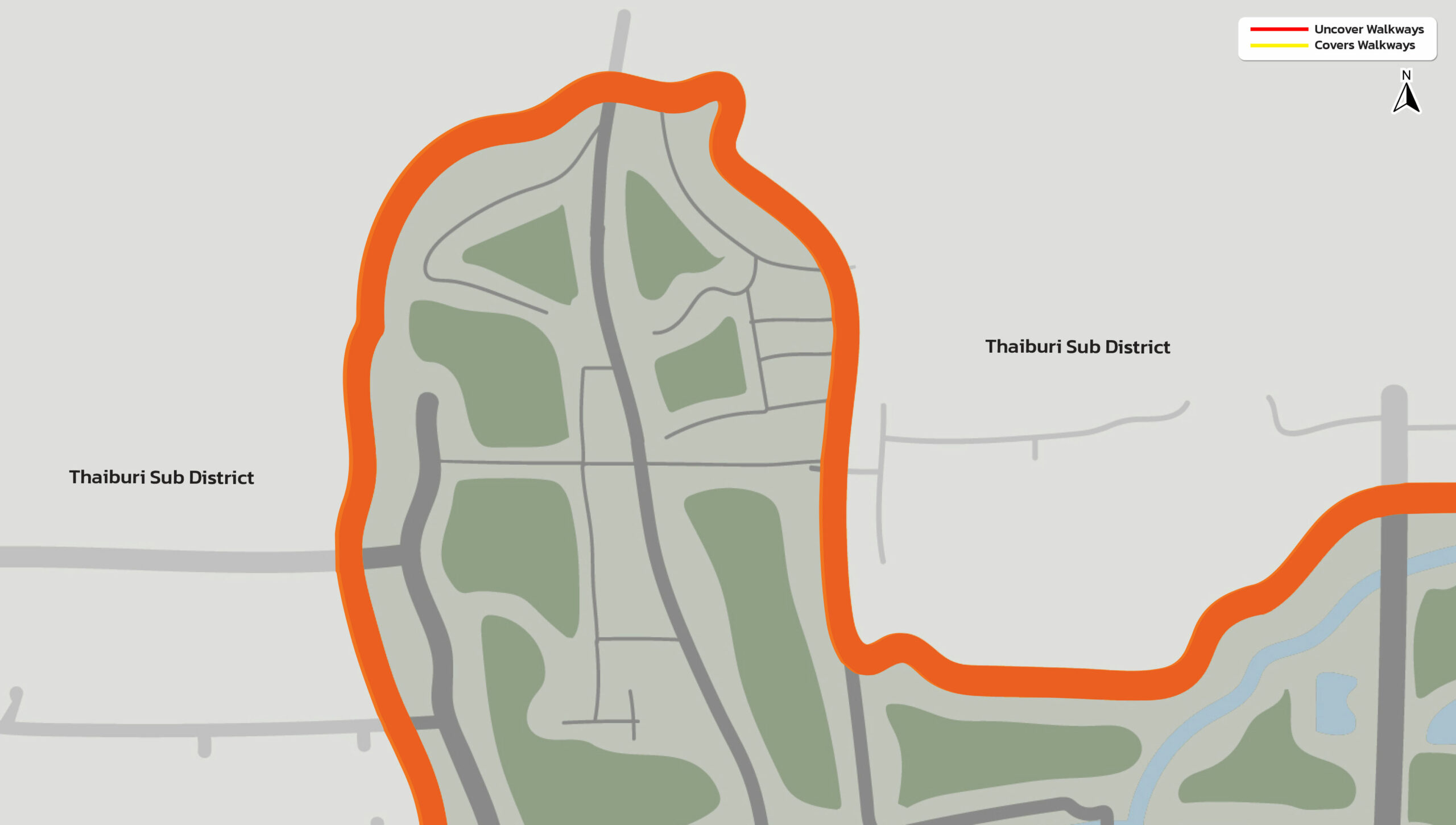
WU’s campus featured 56 pedestrian routes, of which 25% were covered walkways, strategically connecting key areas such as academic buildings, student dormitories, canteens, parks, and the medical center. These pathways not only supported daily mobility but also fostered an eco-friendly campus environment by reducing reliance on motorized transport. The Division of Landscaping and Building was responsible for both constructing and maintaining these pedestrian routes, ensuring they remained functional, safe, and appealing for all users.
Figures : Free Public Access to Buildings of Cultural Significance
Click on the map for a clearer view with more details.
Pedestrian Pathways as a Commitment to Sustainable Mobility
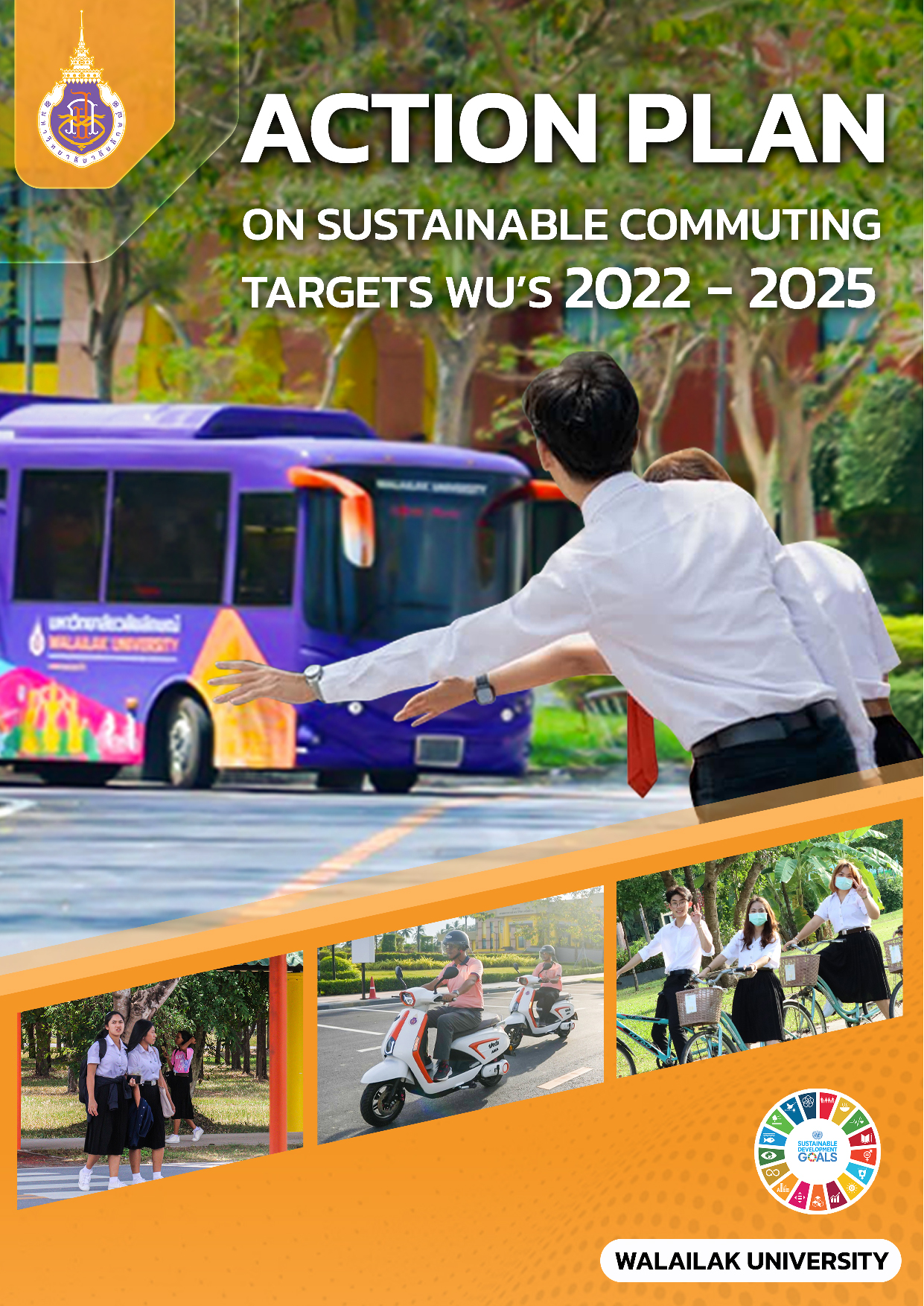
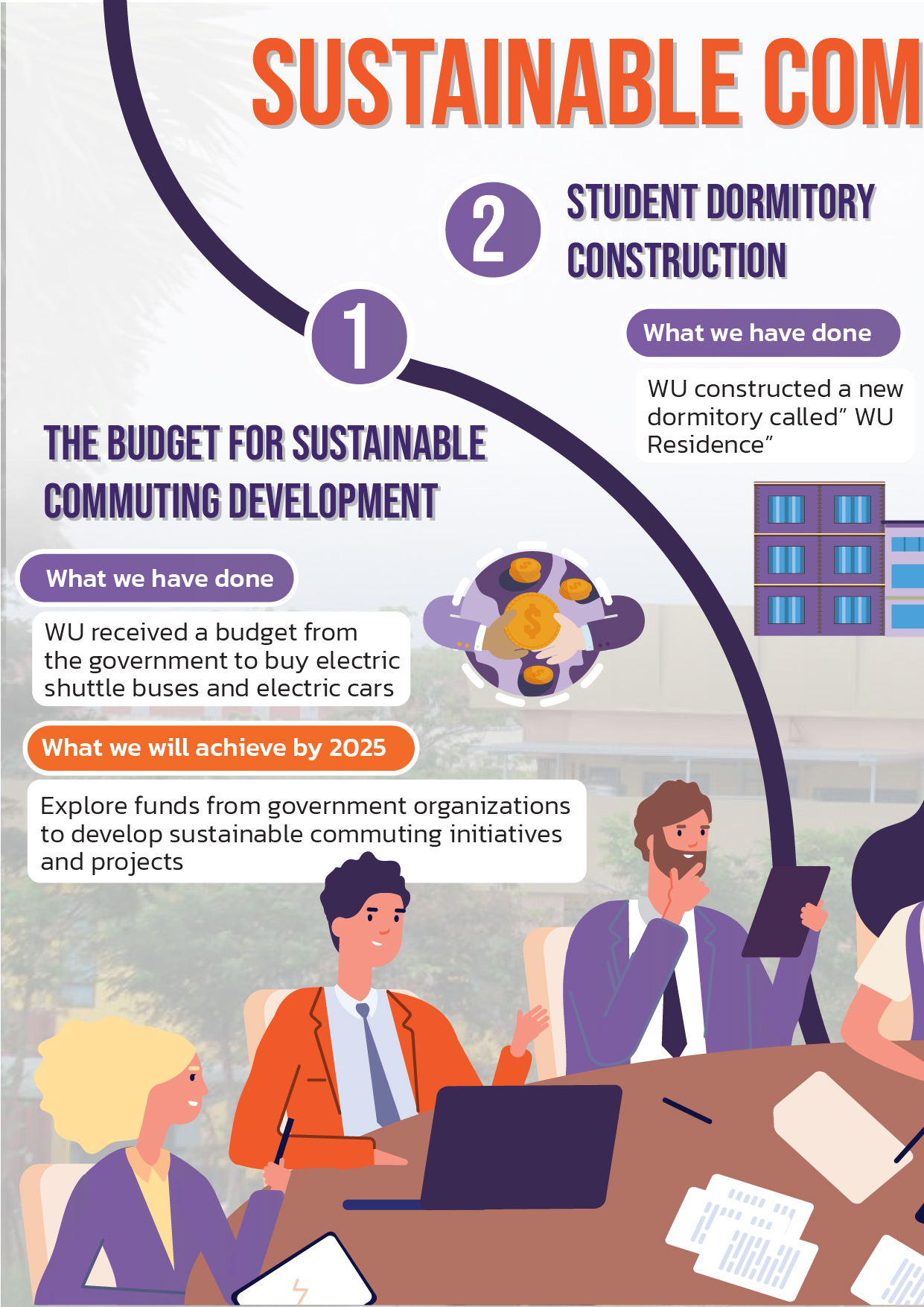
As part of its sustainability strategy, Walailak University had incorporated pedestrian pathways into its Sustainable Commuting Targets Action Plan (2022–2025). This initiative allowed WU to assess and enhance its capacity to encourage sustainable commuting practices. Between 2022 and 2024, the university identified opportunities to expand pedestrian facilities, improve existing walkways, and repair any areas in need of maintenance. These efforts ensured that walking remained a practical, safe, and environmentally responsible option for commuting on campus.
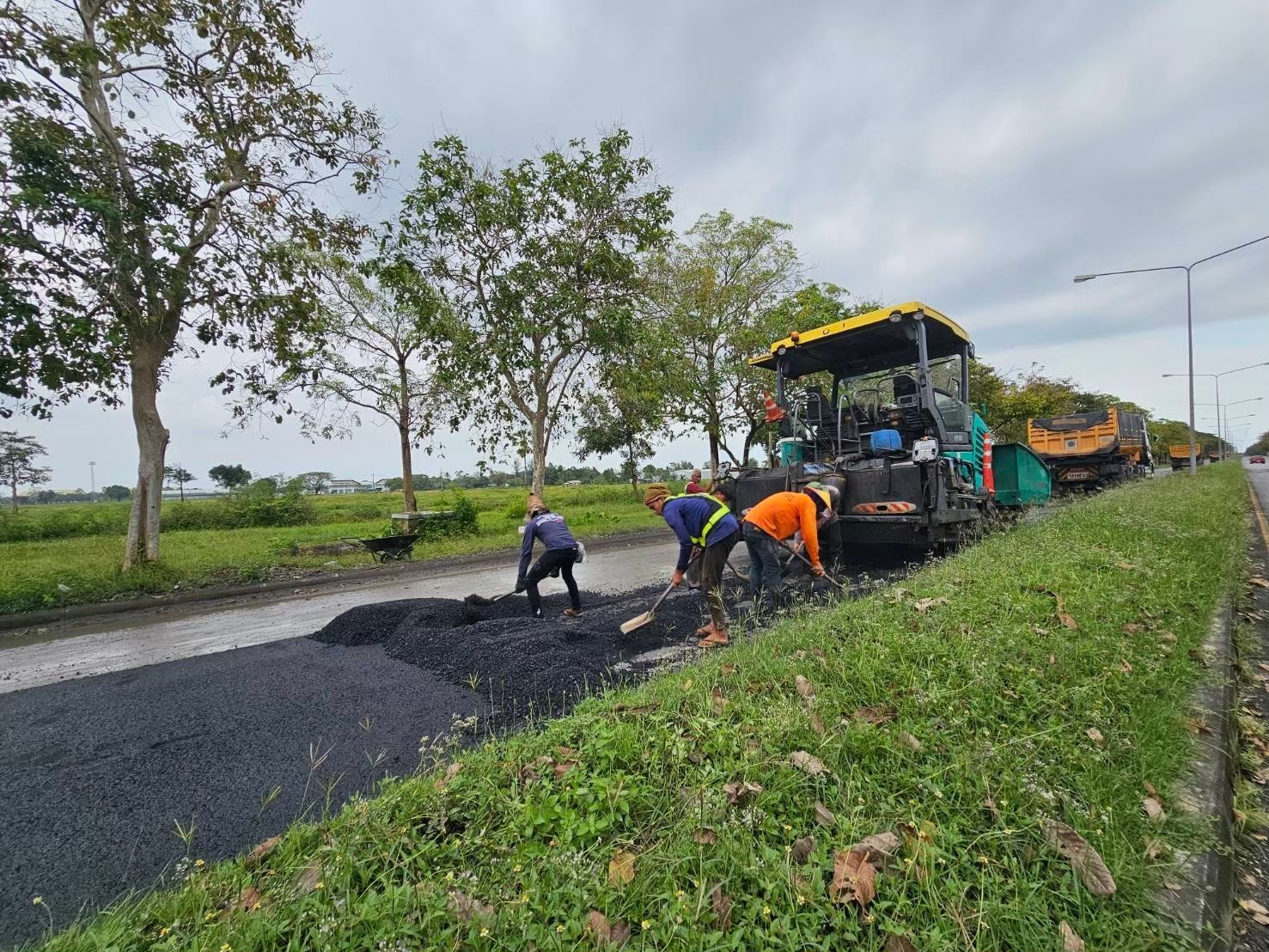
Figures :Routine monitoring and maintenance of pedestrian pathways
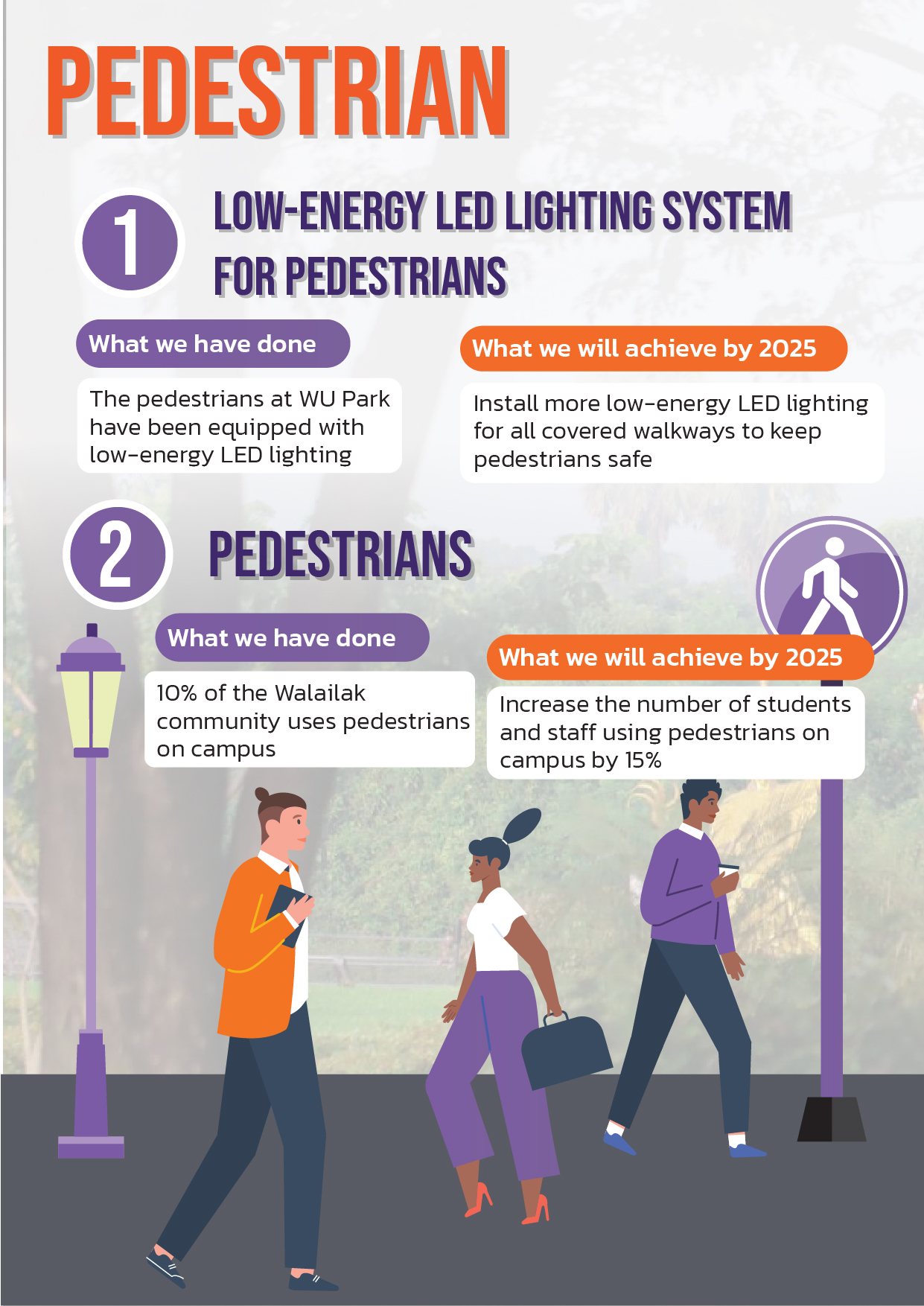
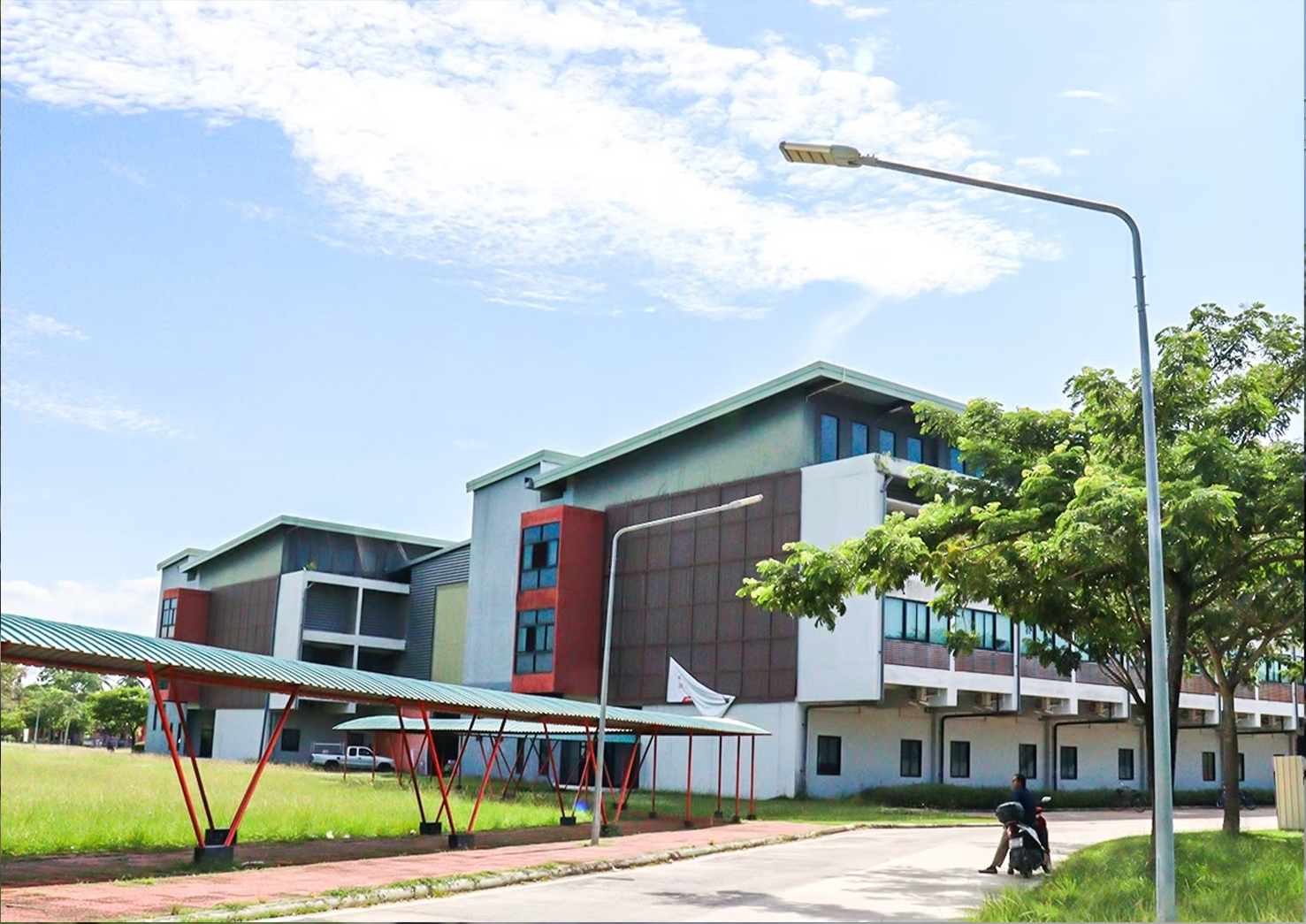
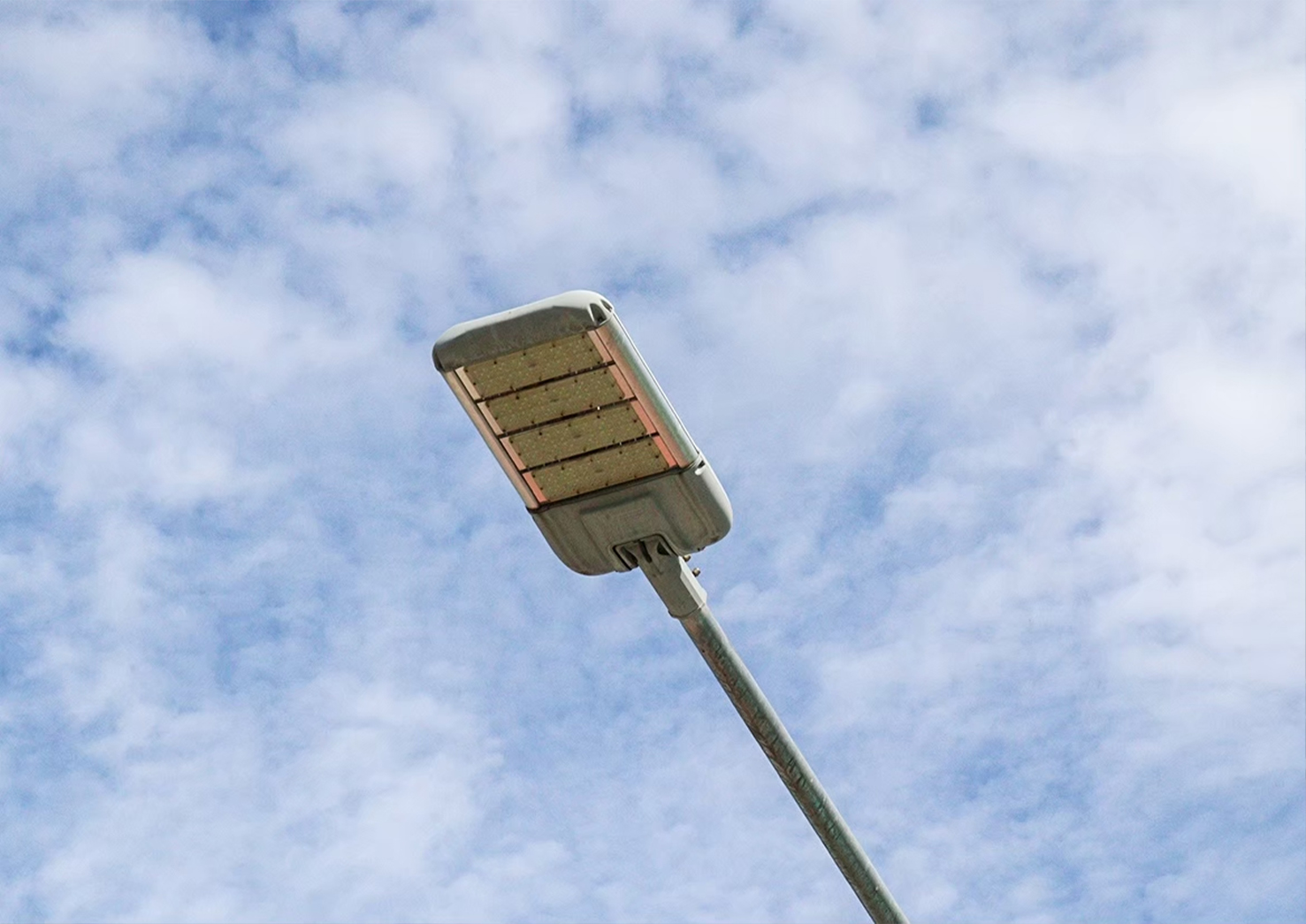
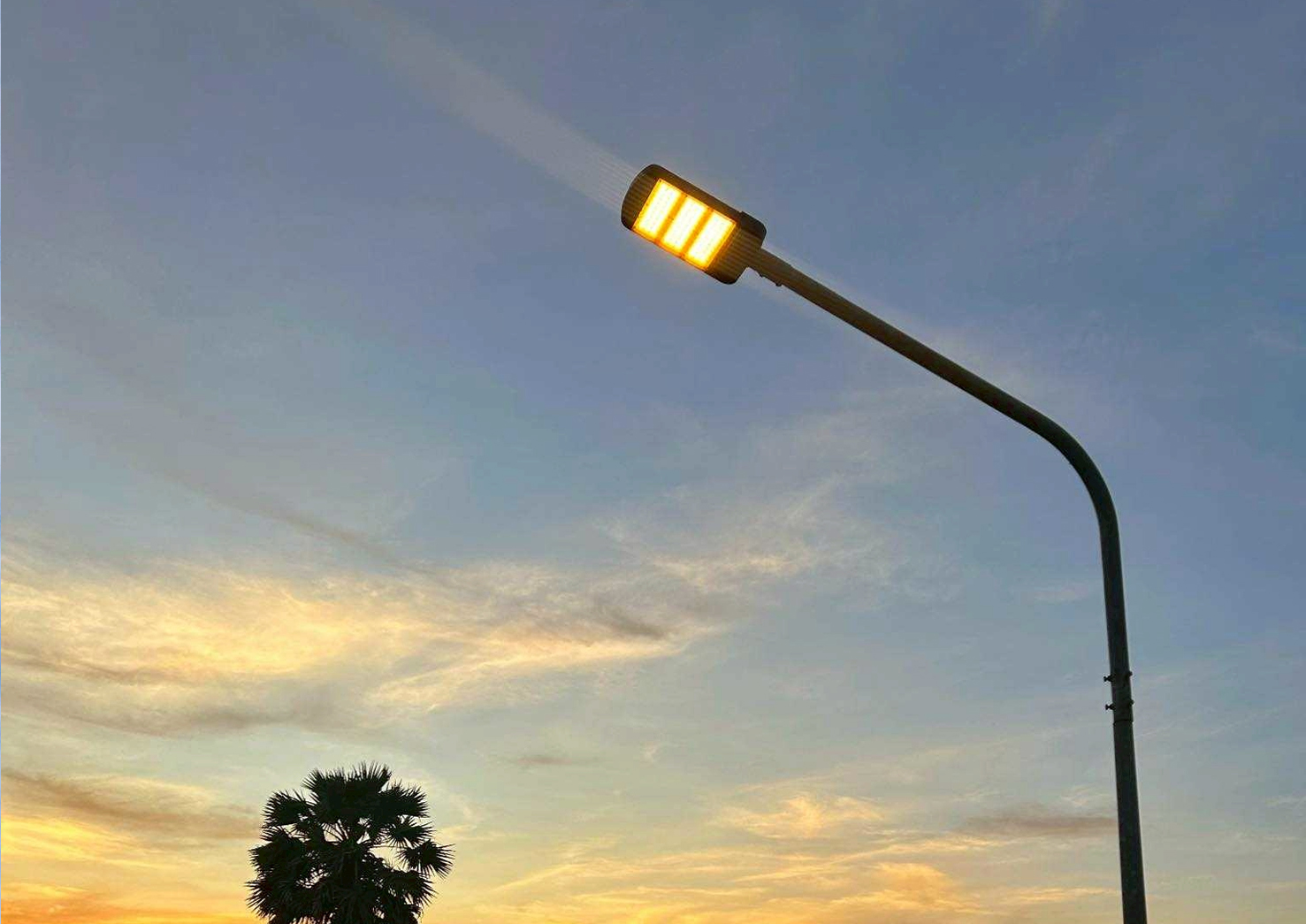
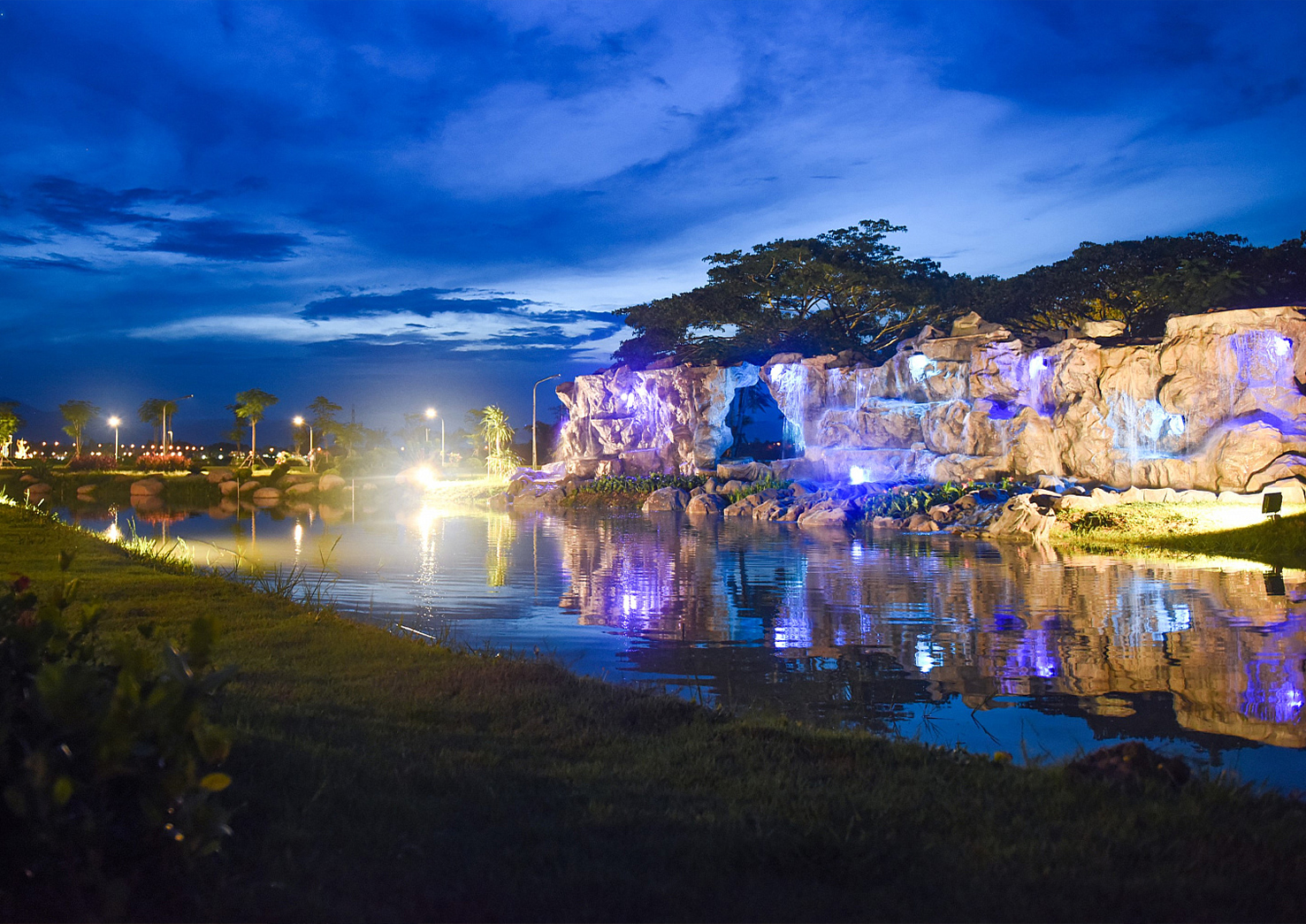
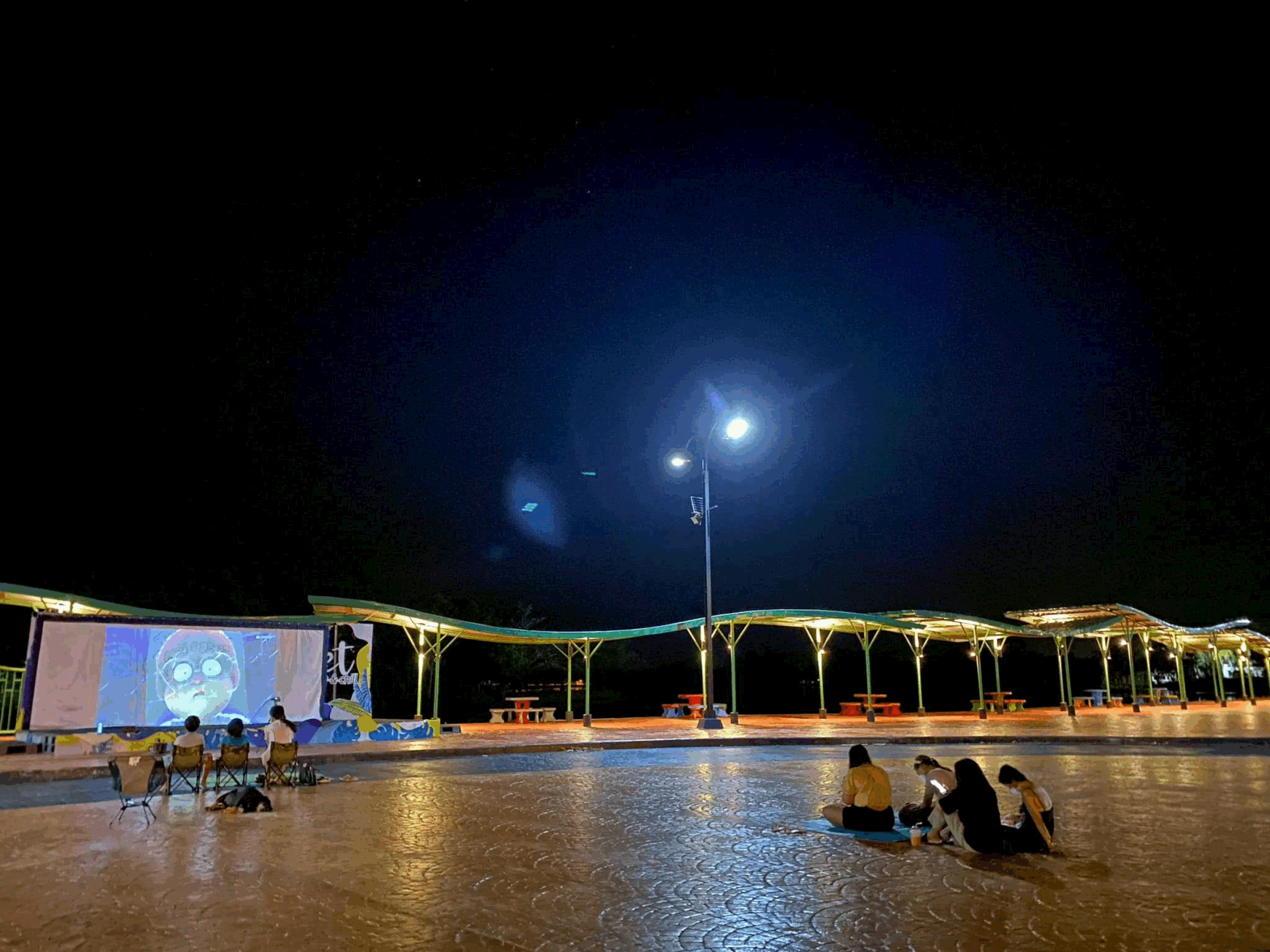
Figures : Installation of energy-efficient LED lighting along walkways
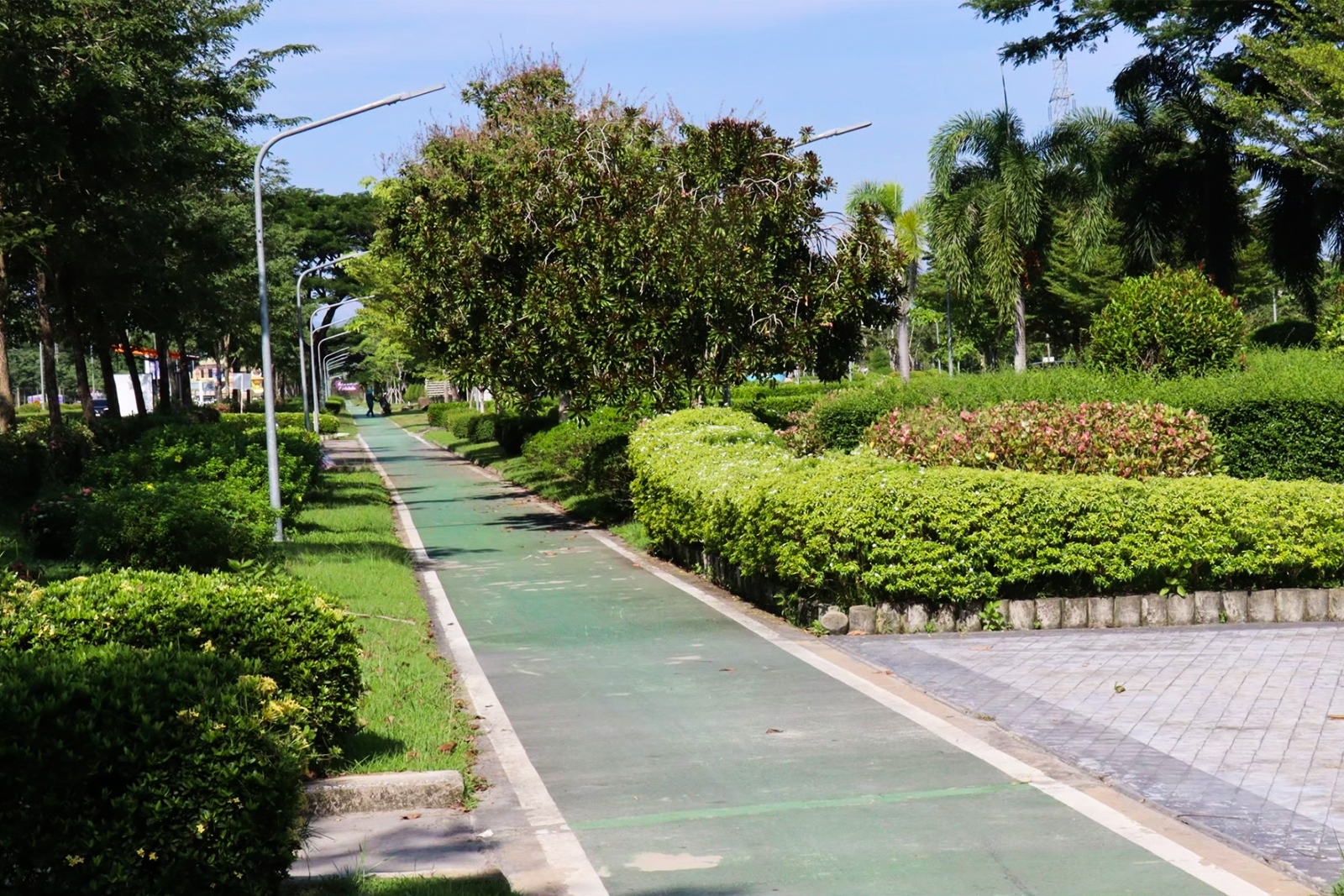
Figures : Enhancement and beautification of walking routes to create a pleasant and inviting environment
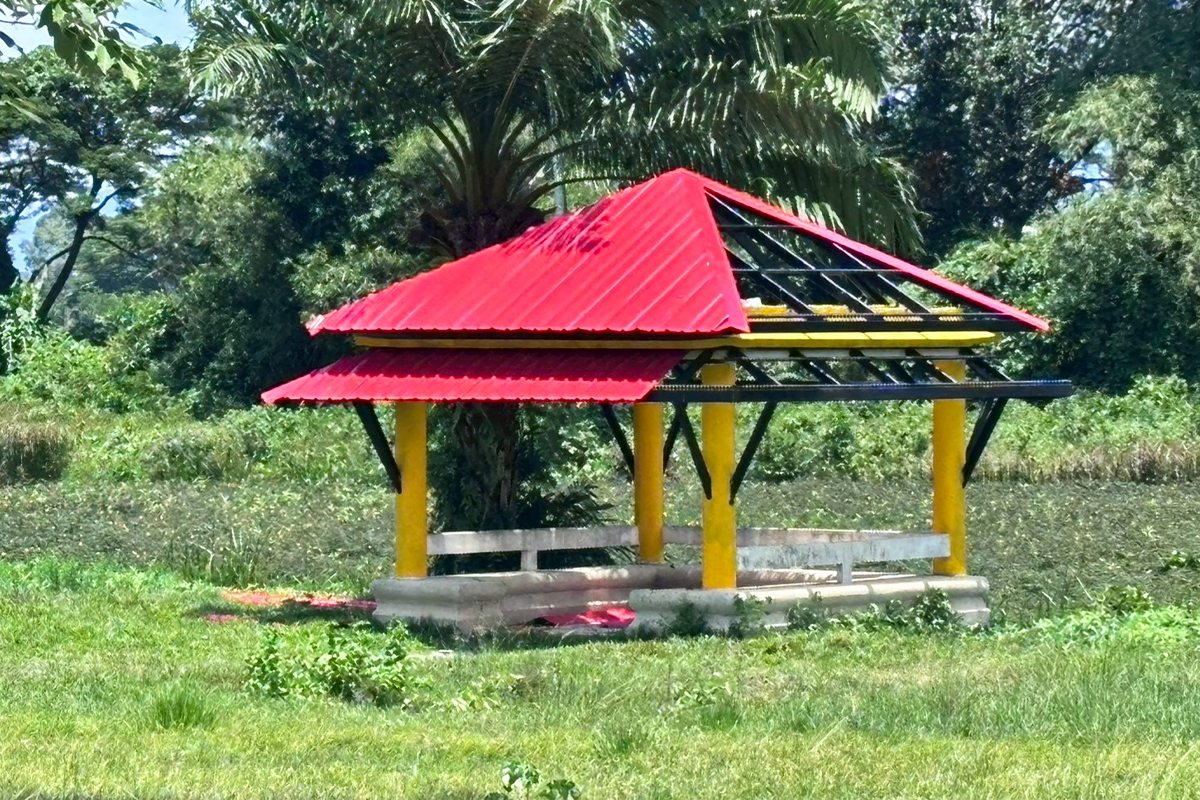
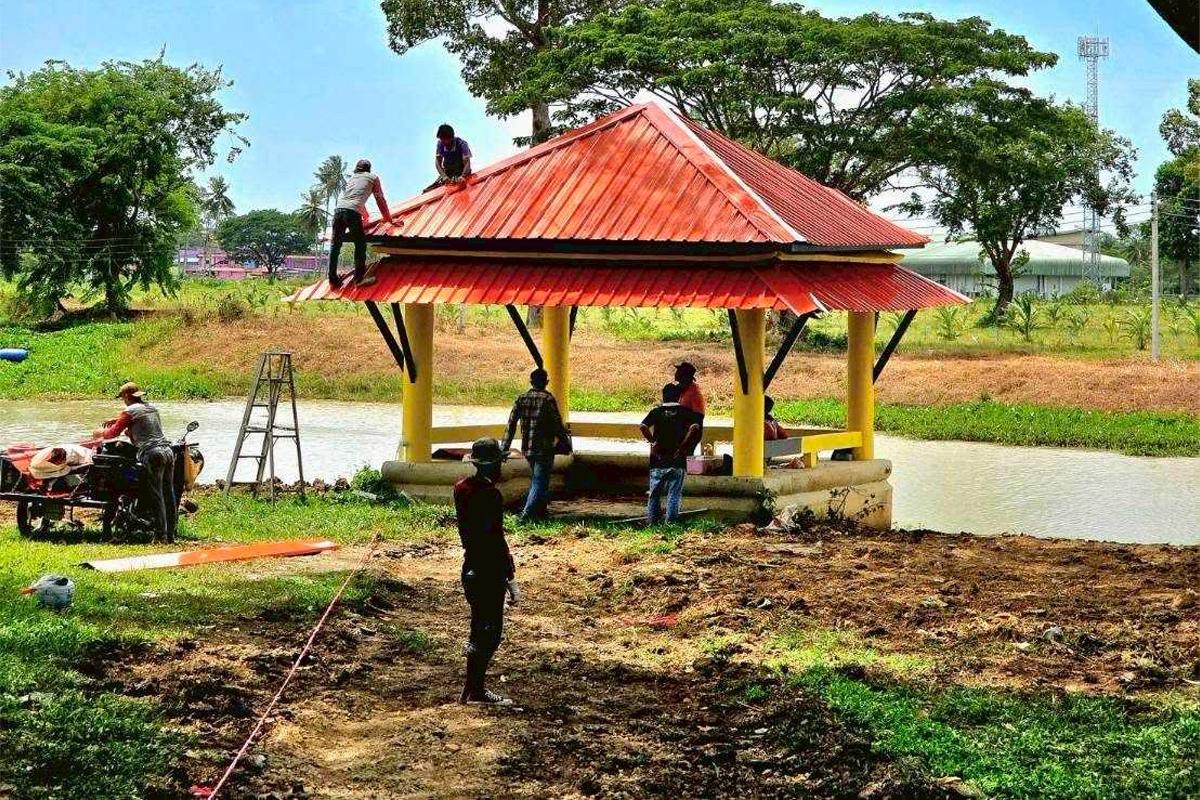
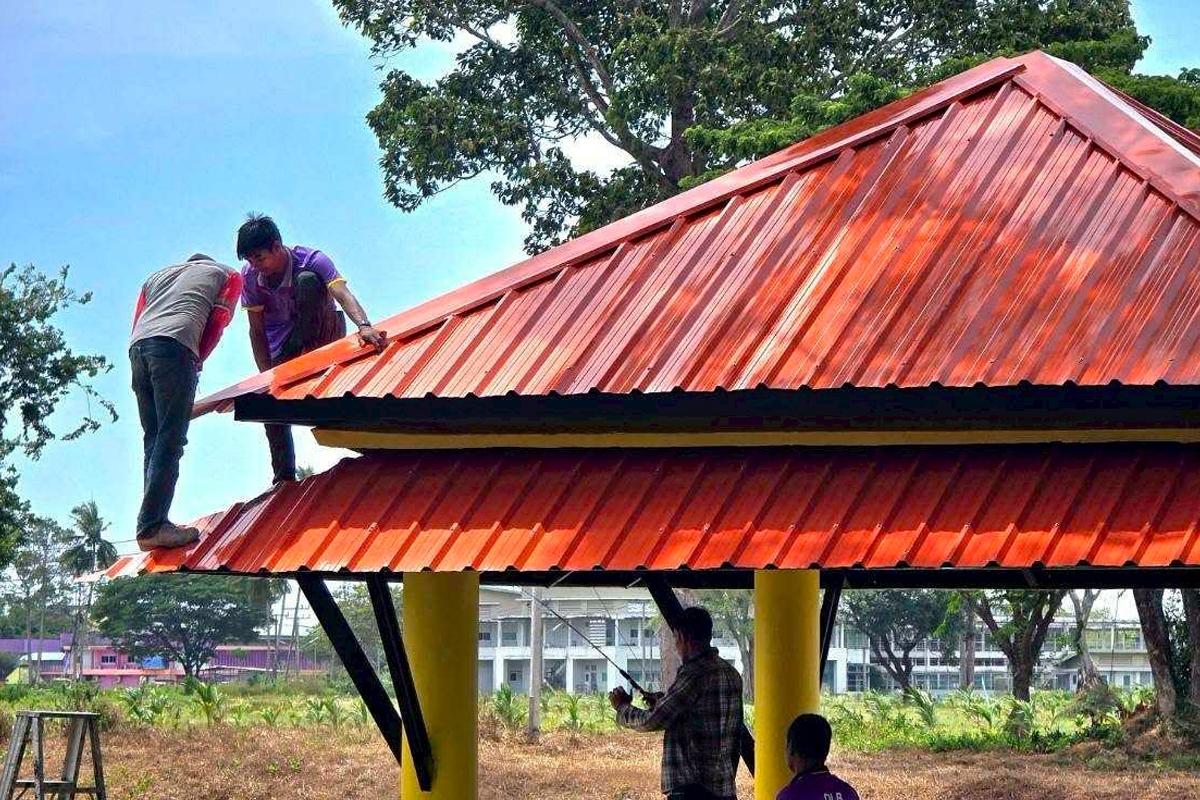
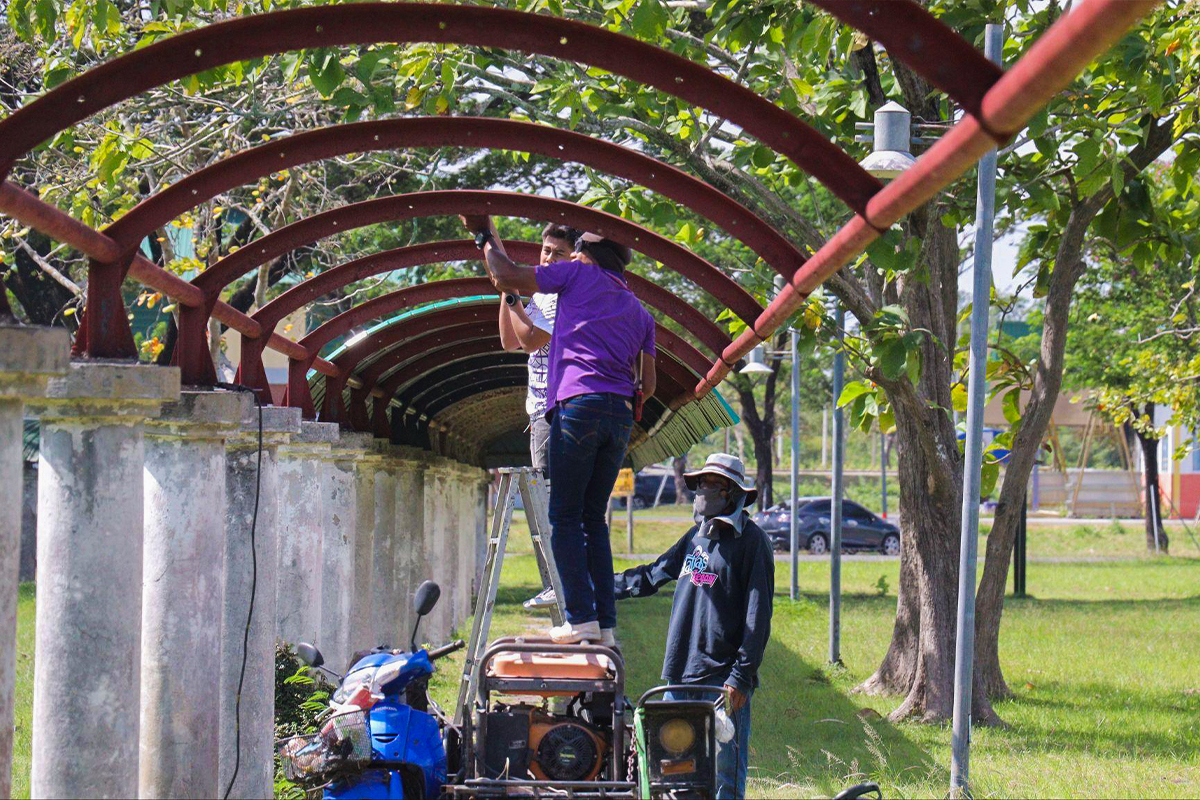
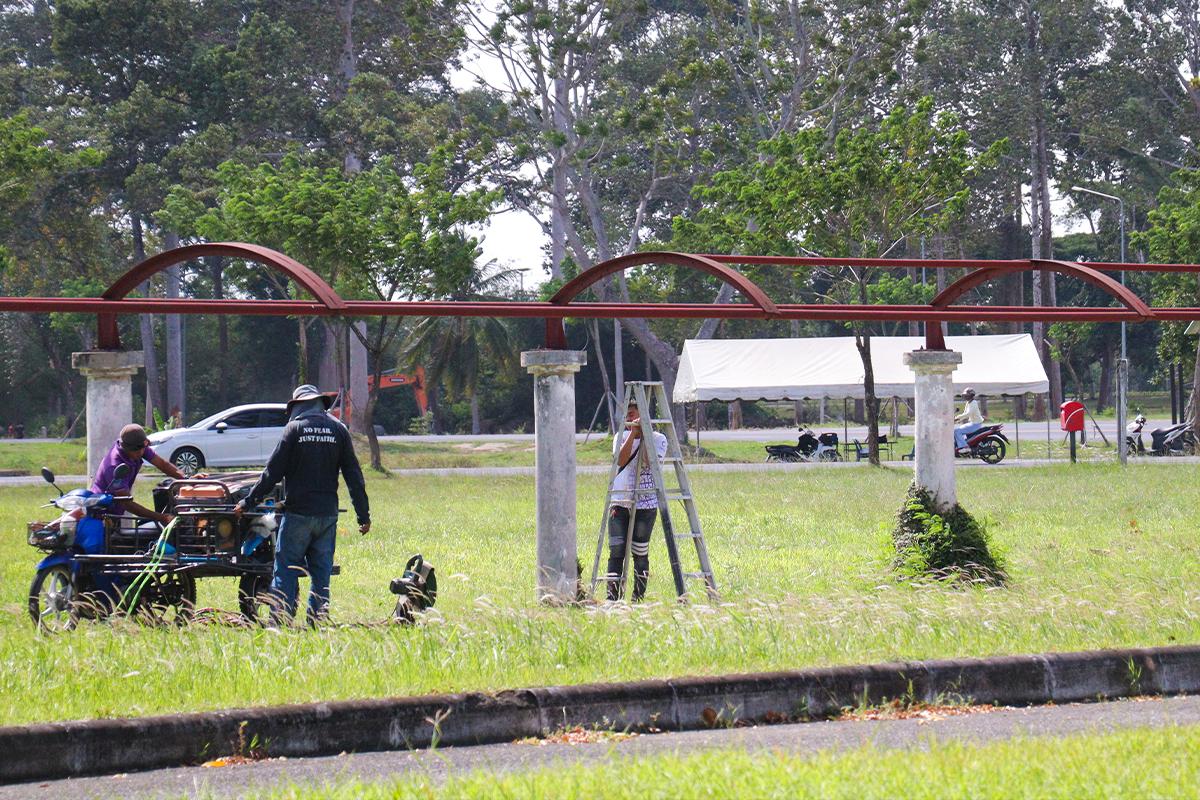
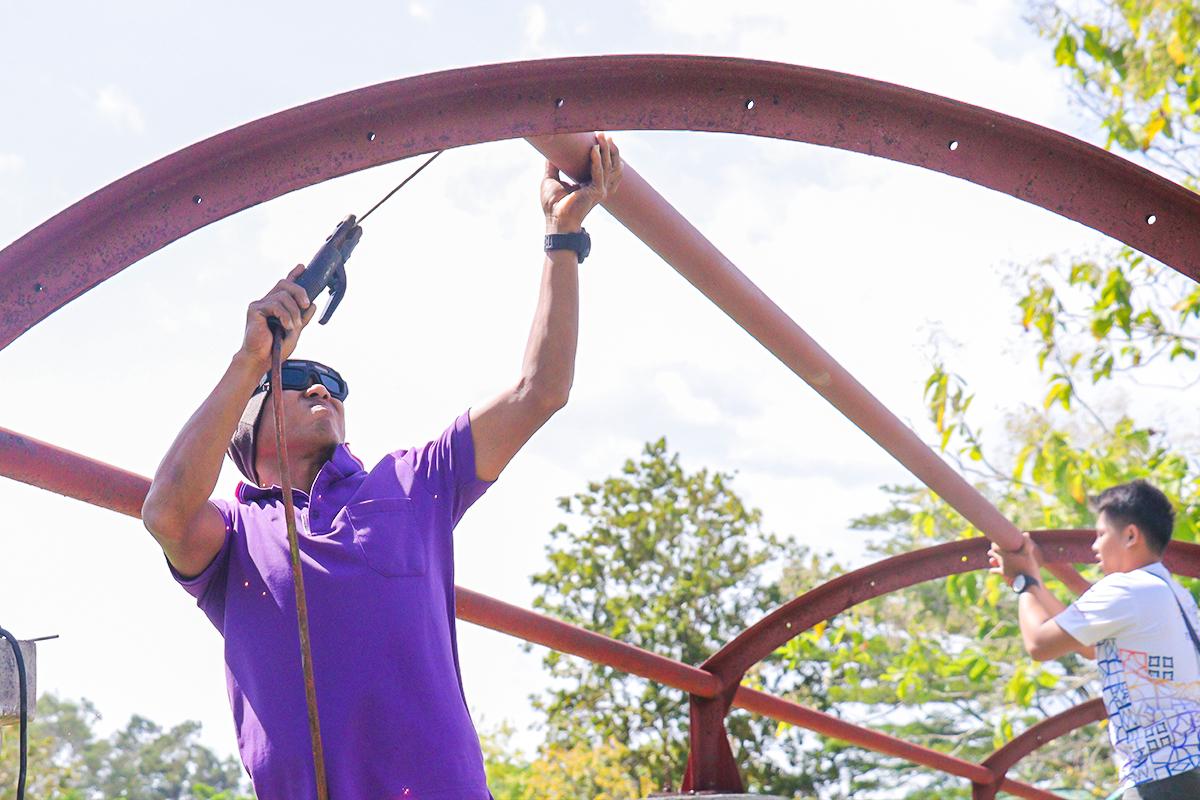
Restoration of Covered Walkways and Rest Pavilions to Promote Sustainable Commuting
In 2024, Walailak University carried out extensive restoration of damaged covered walkways throughout the campus to improve safety, comfort, and accessibility for students, staff, and visitors. These upgrades were part of the university’s broader commitment to supporting pedestrian use as a core element of sustainable commuting. By maintaining and enhancing these walkways, WU reinforced its goal of encouraging walking as a practical, eco-friendly alternative to motorized transport, helping to reduce the campus’s reliance on fossil fuels. Well-maintained walkways not only connect academic, administrative, and residential areas but also contribute to a safer, healthier, and more environmentally conscious campus environment.
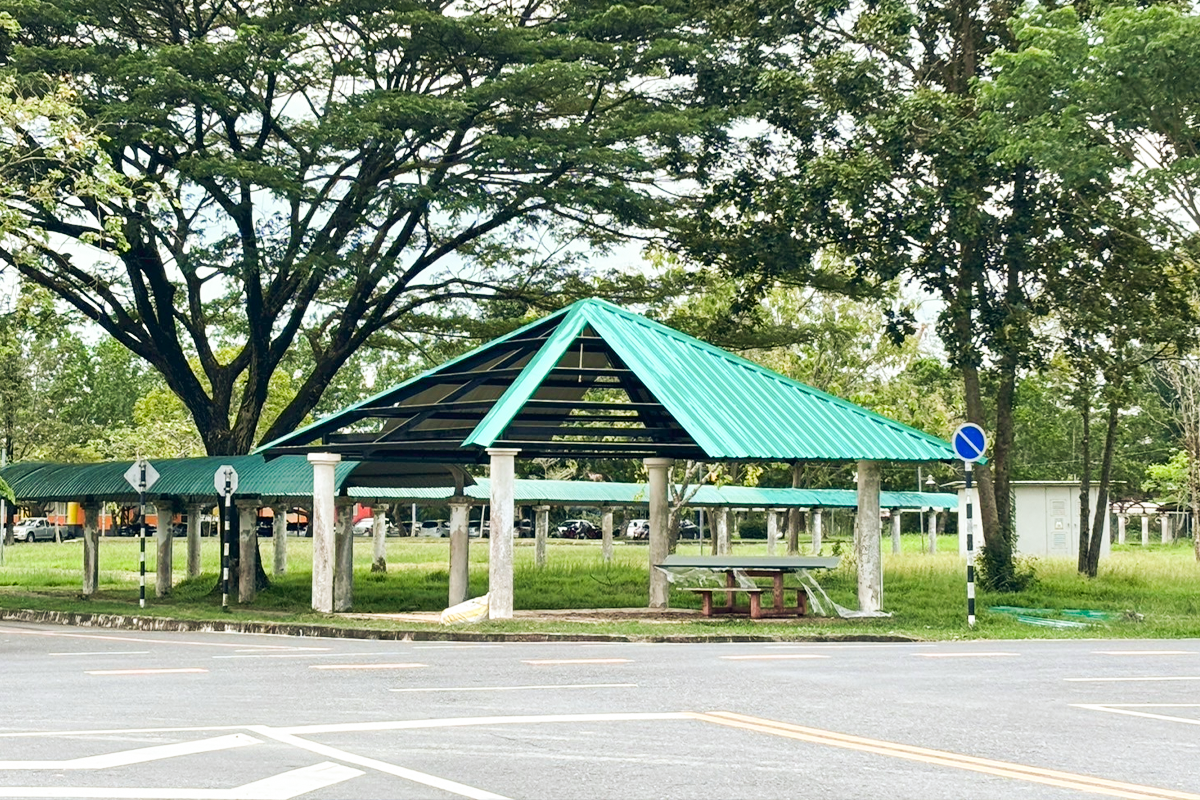
In addition, several rest pavilions along walking and jogging routes were restored to provide shaded, comfortable areas for the campus community to pause, relax, or engage in low-impact exercise such as walking, running, or cycling. Surrounding landscapes were also improved, creating attractive green spaces that enhance campus livability and motivate people to choose walking or other low-carbon transportation modes.
Through these initiatives, Walailak University strengthened its commitment to promoting pedestrian-friendly infrastructure, aligning its development strategy with sustainable commuting objectives, environmental stewardship, and the well-being of the campus community. By prioritizing accessibility, comfort, and safety, these restoration efforts ensure that walking remains a central and supported mode of travel on campus.
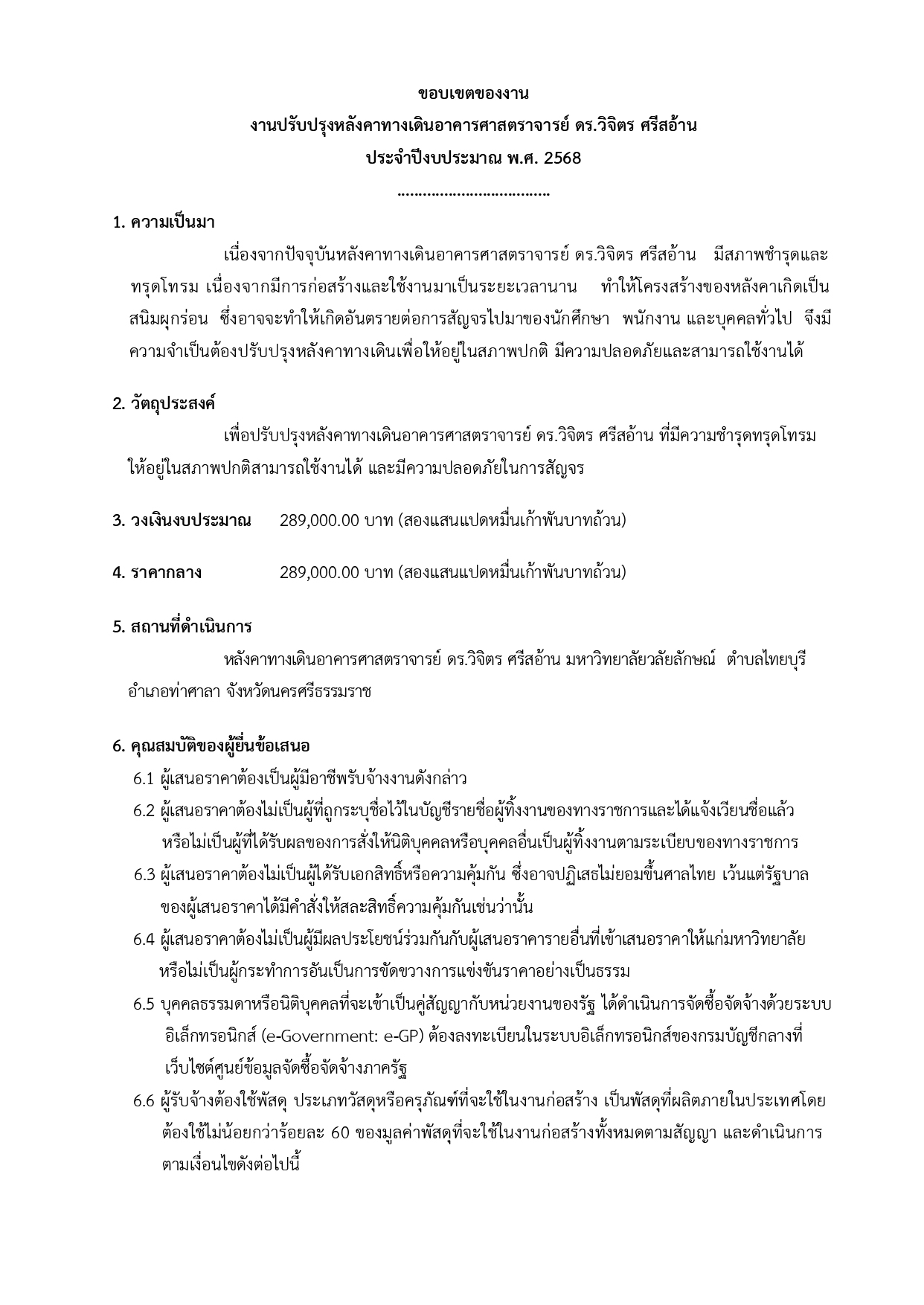
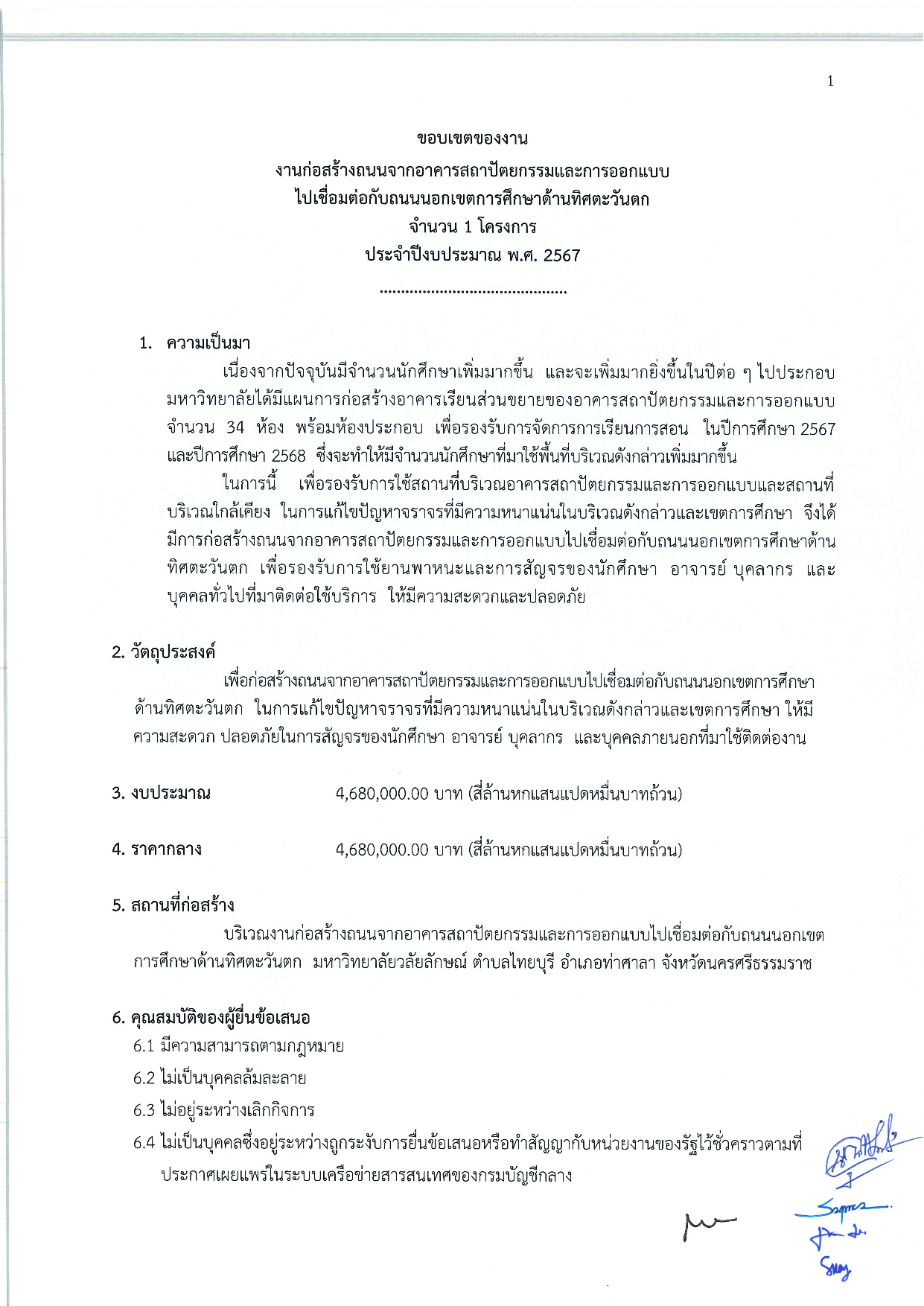
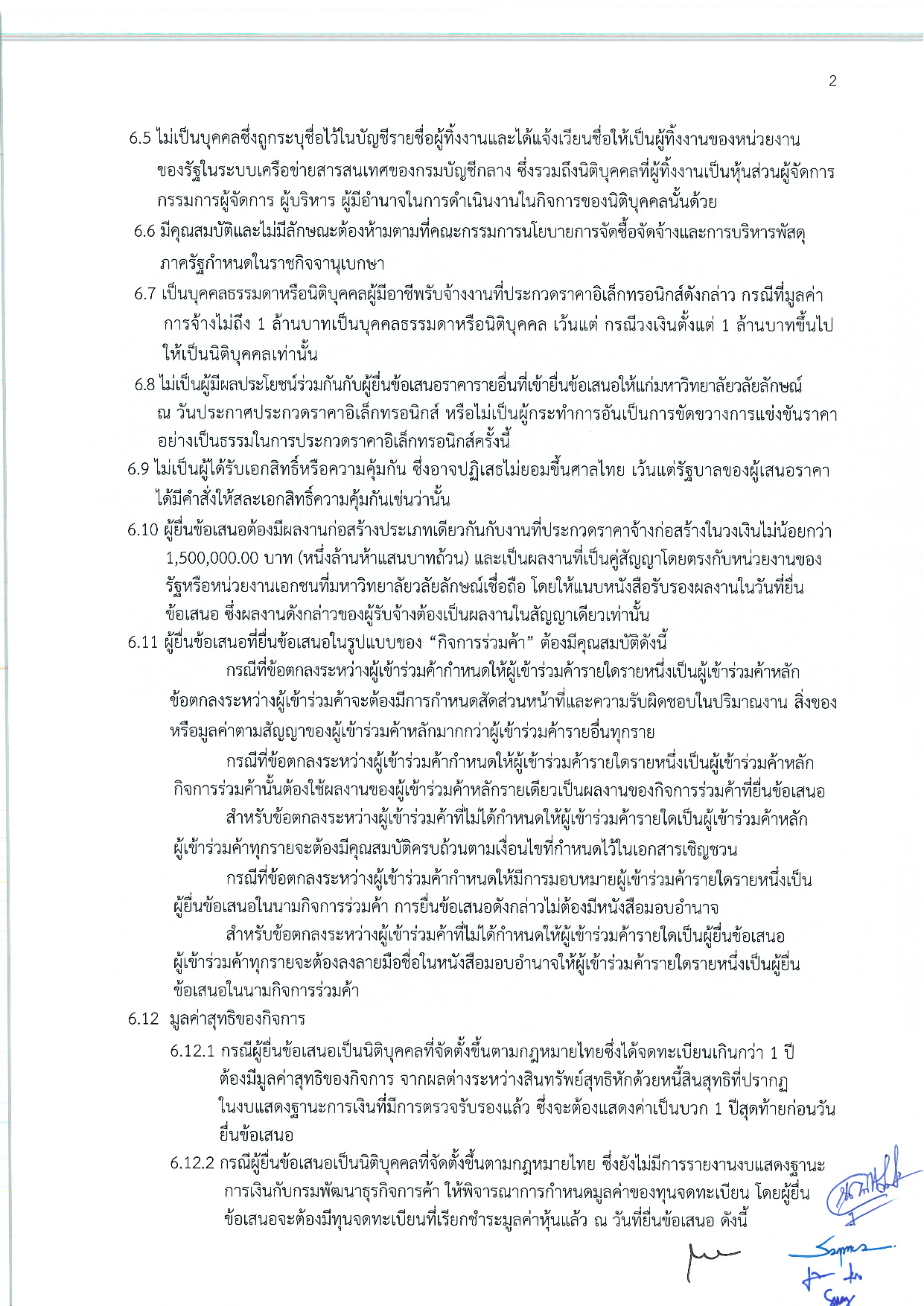
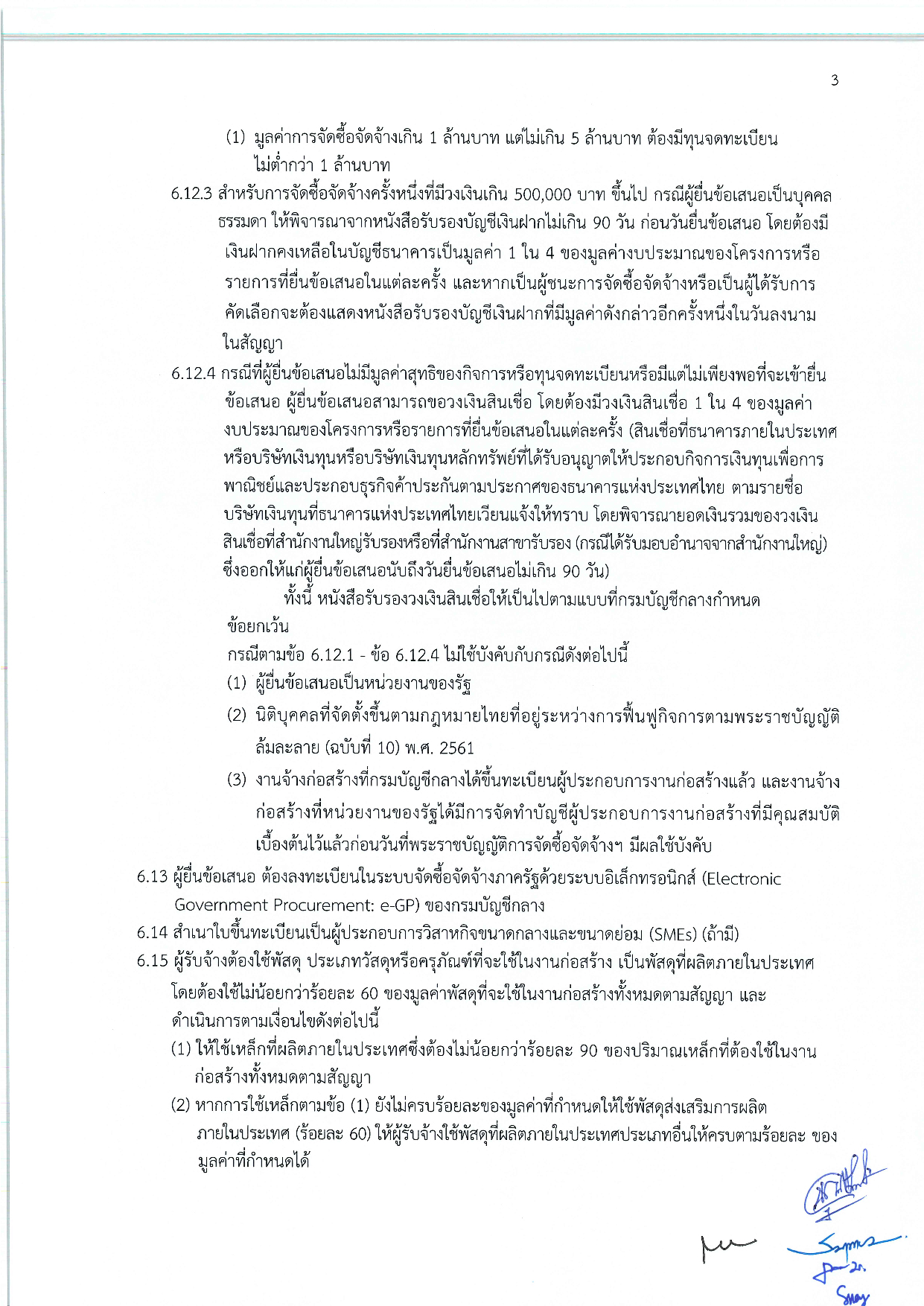
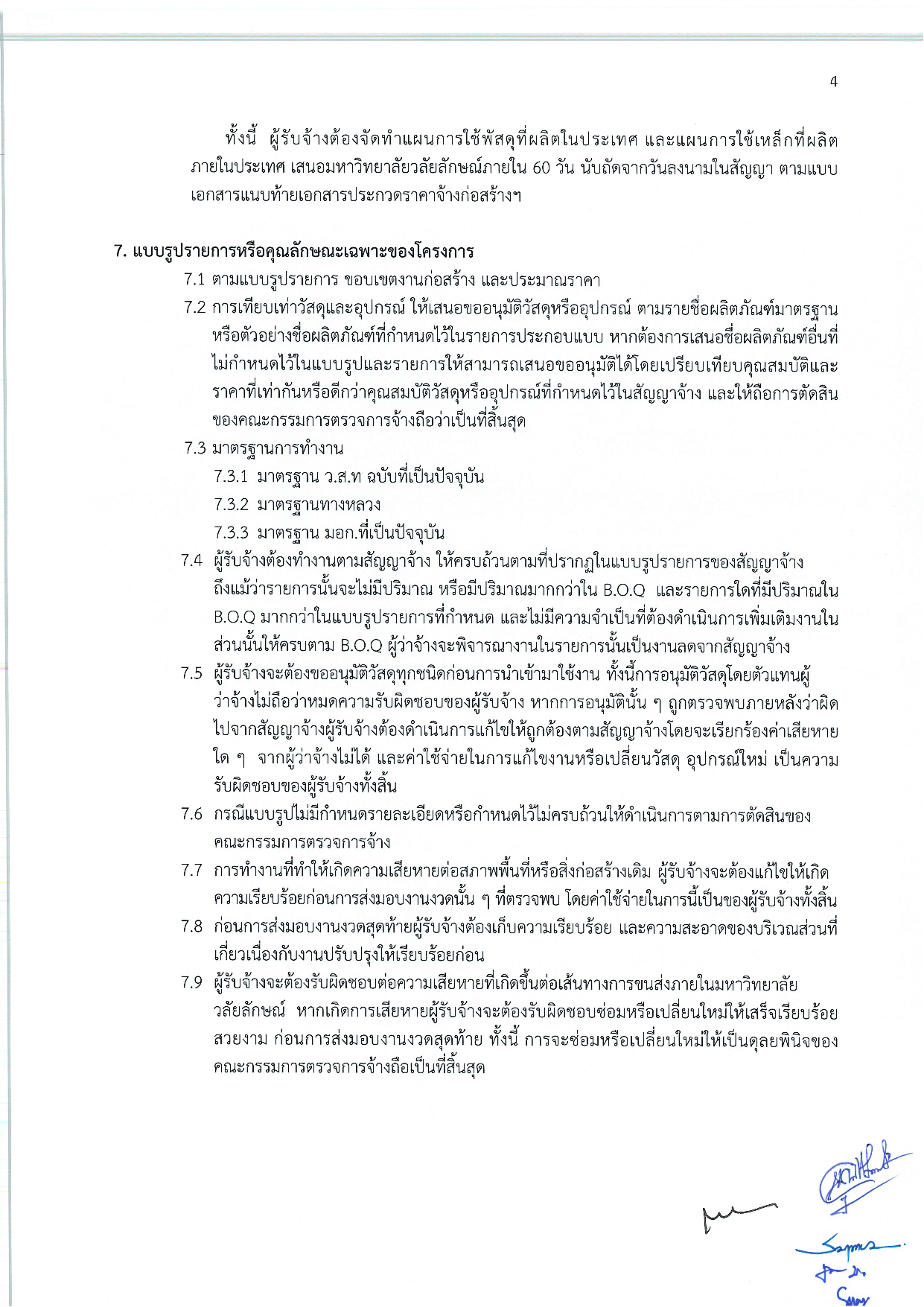
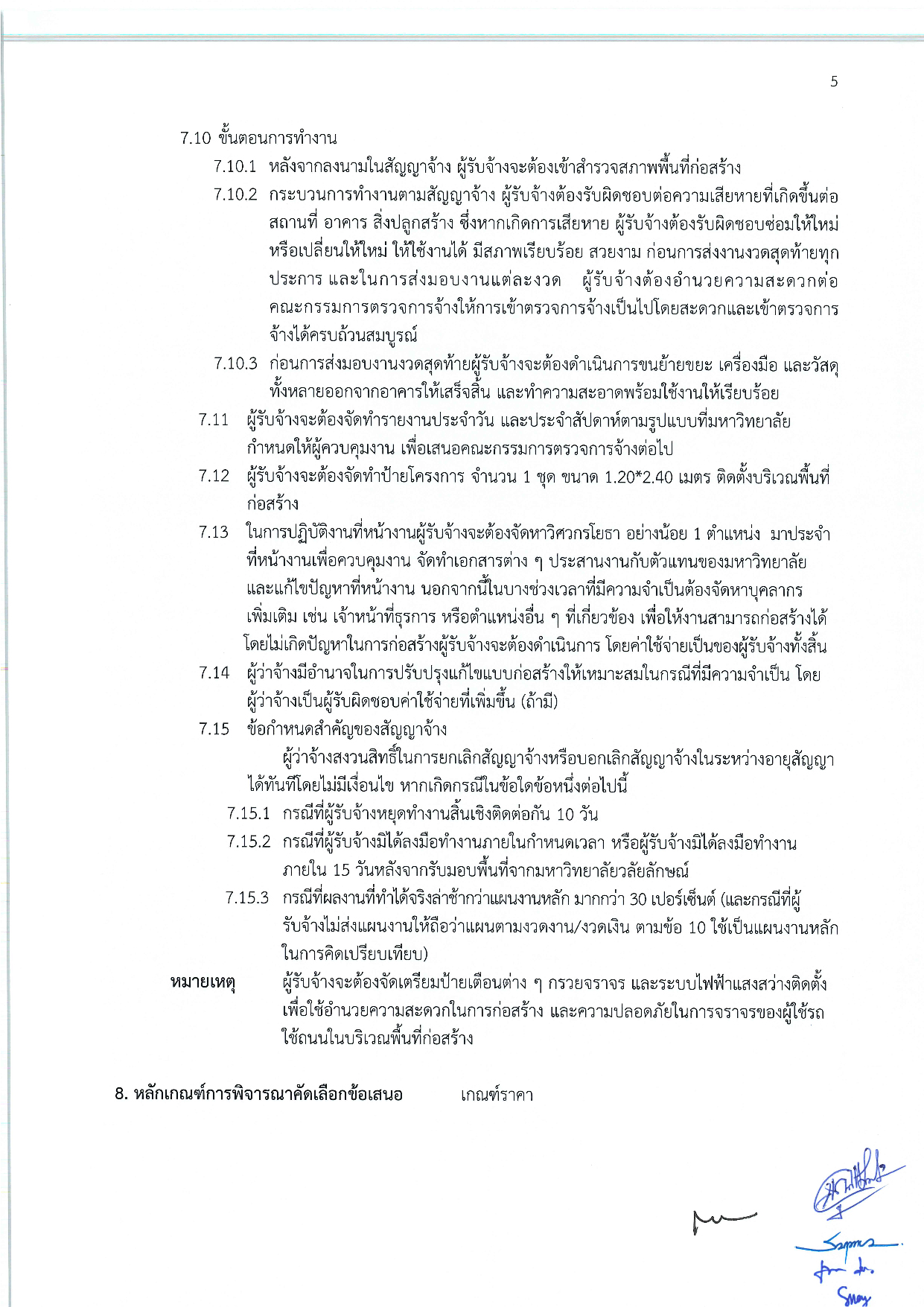
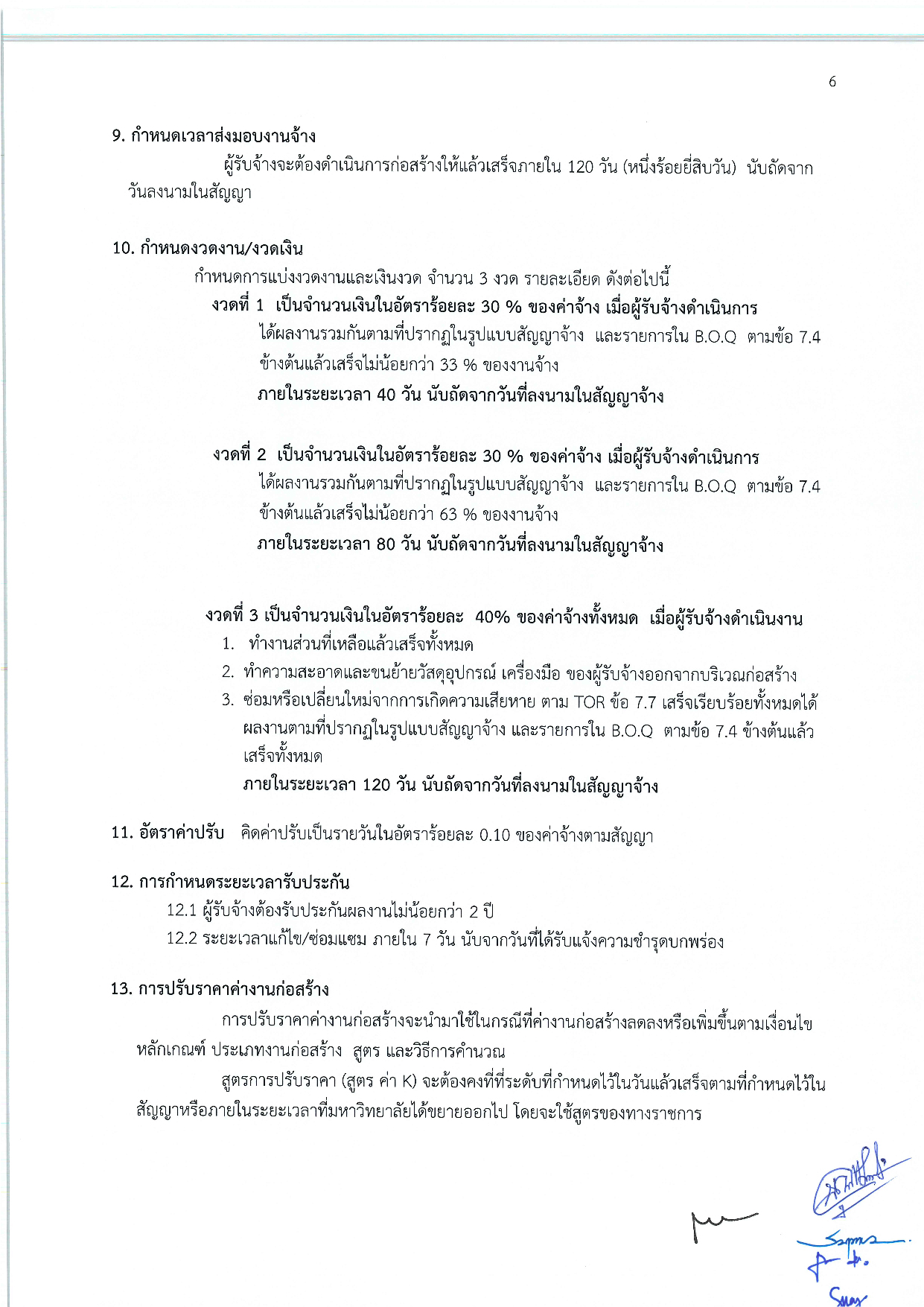
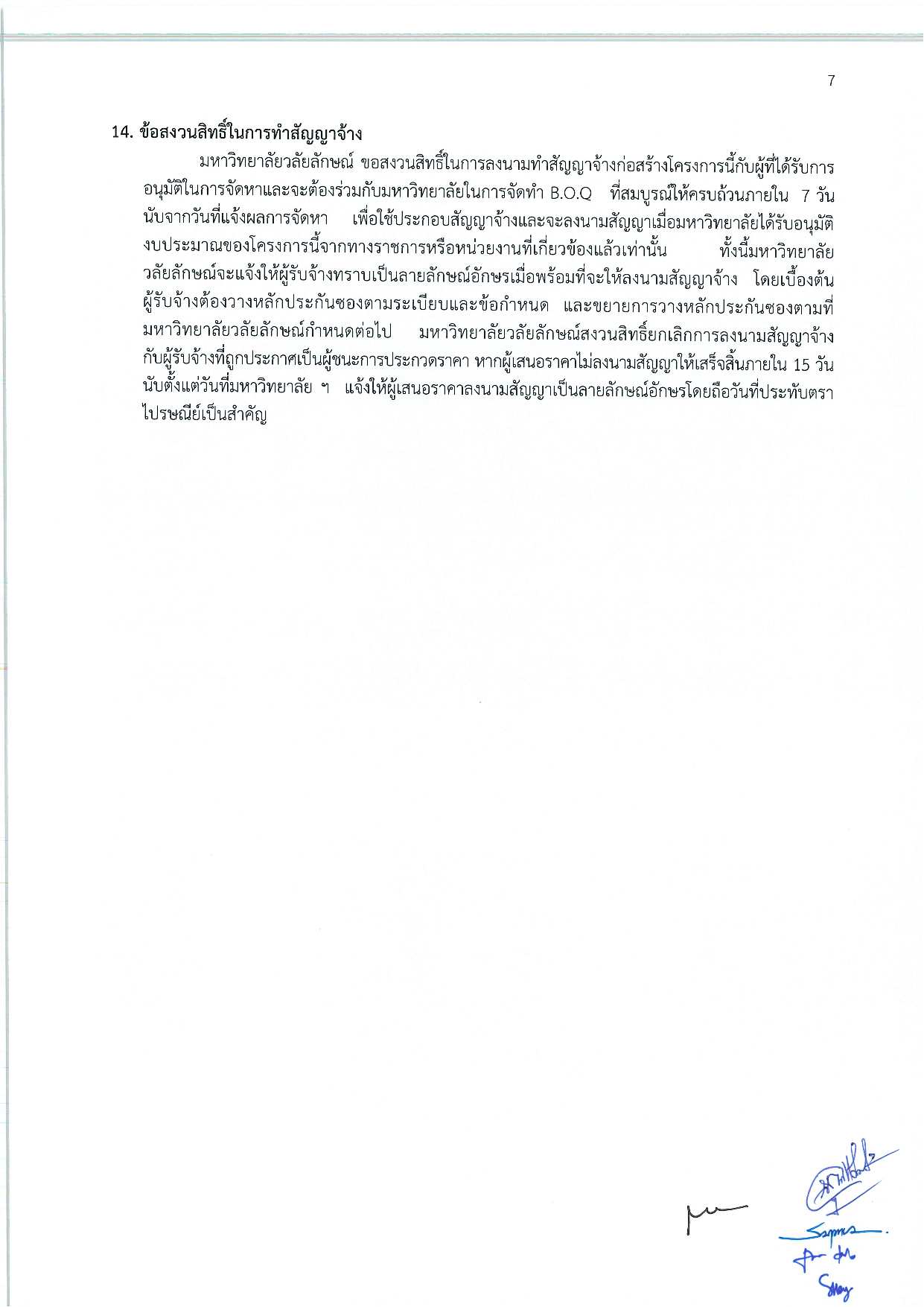
Figures : The official document on the scope of work for the restoration of the covered walkways
Enhancing Pedestrian Safety and Accessibility at Walailak University
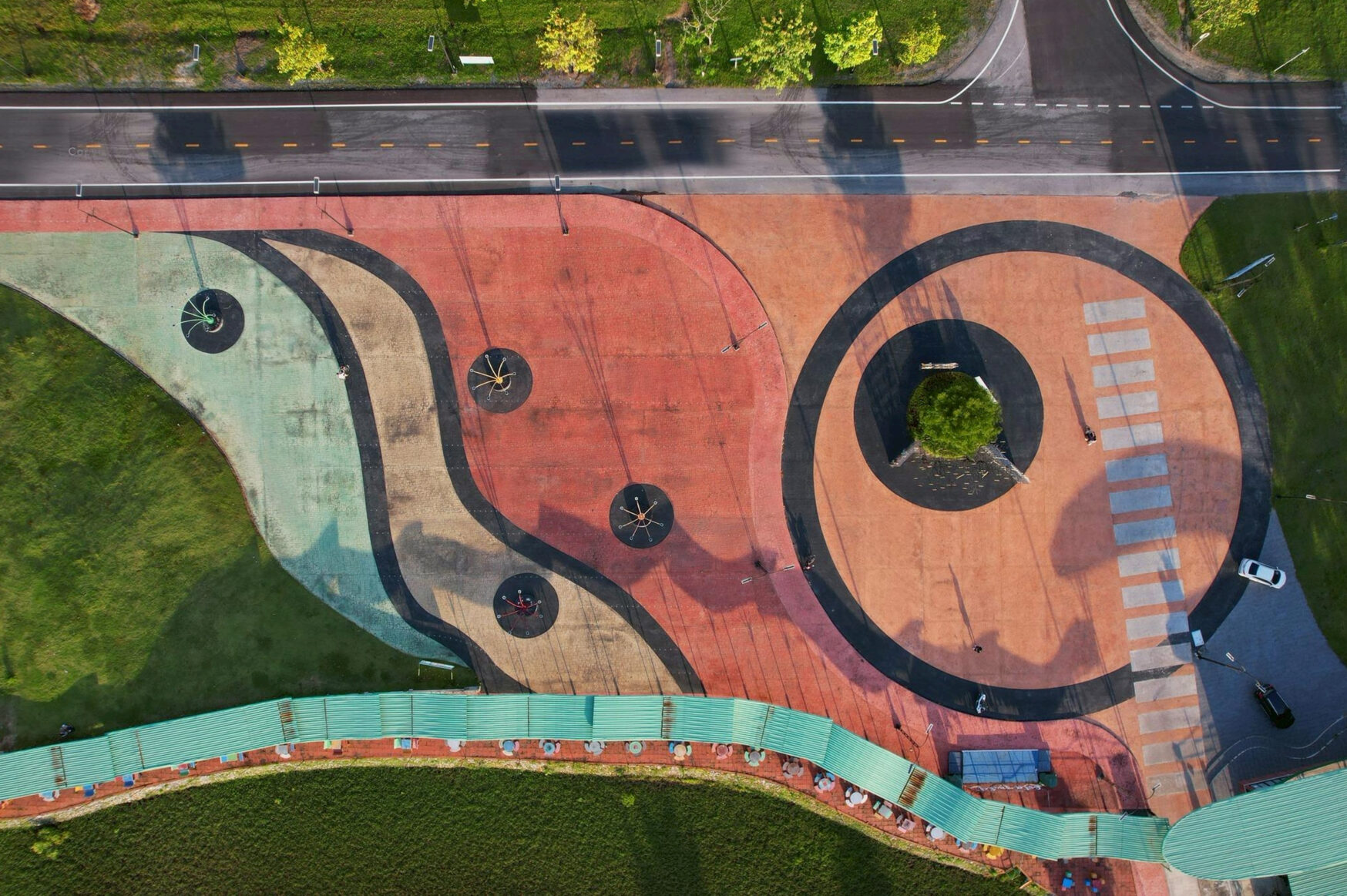
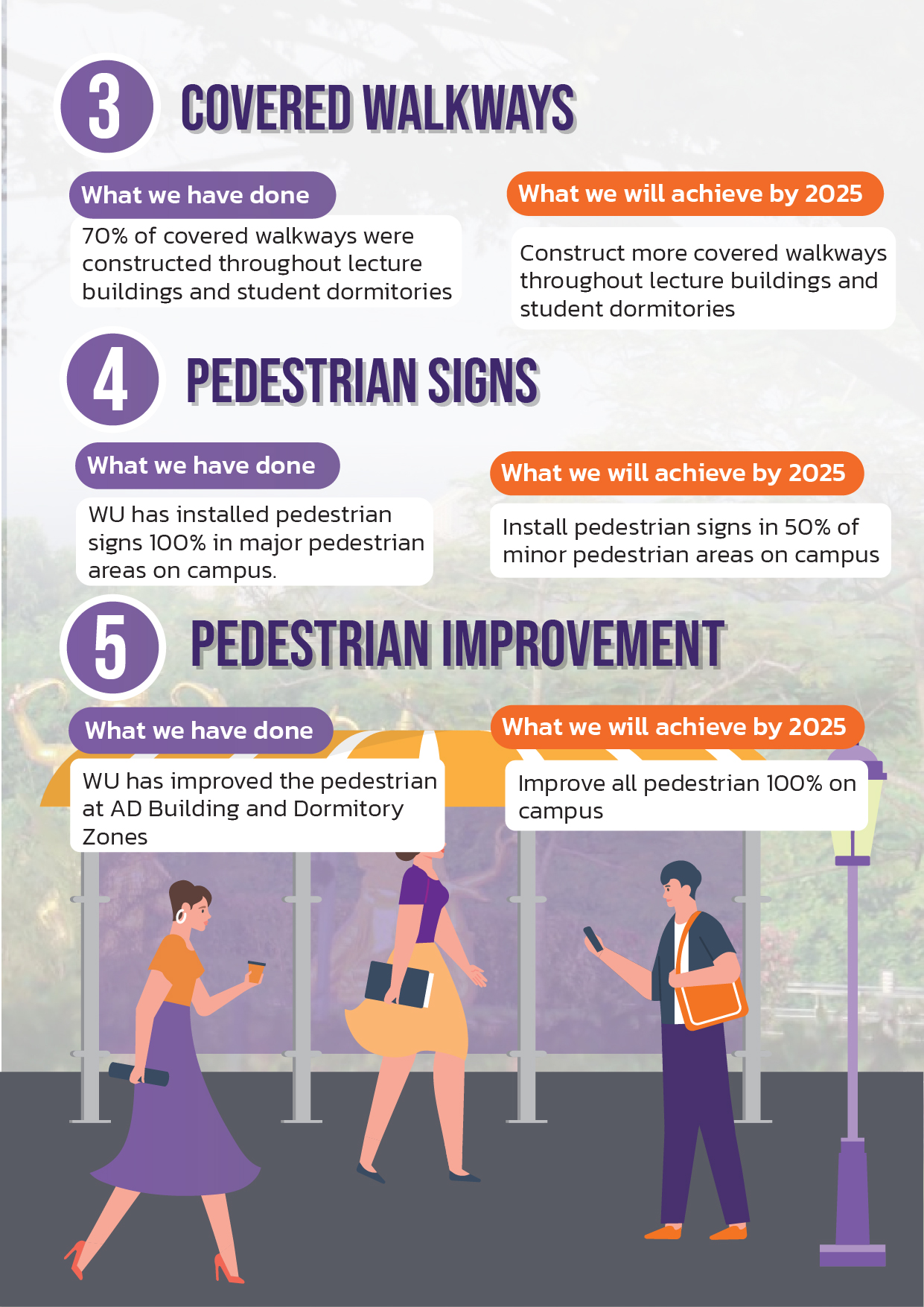
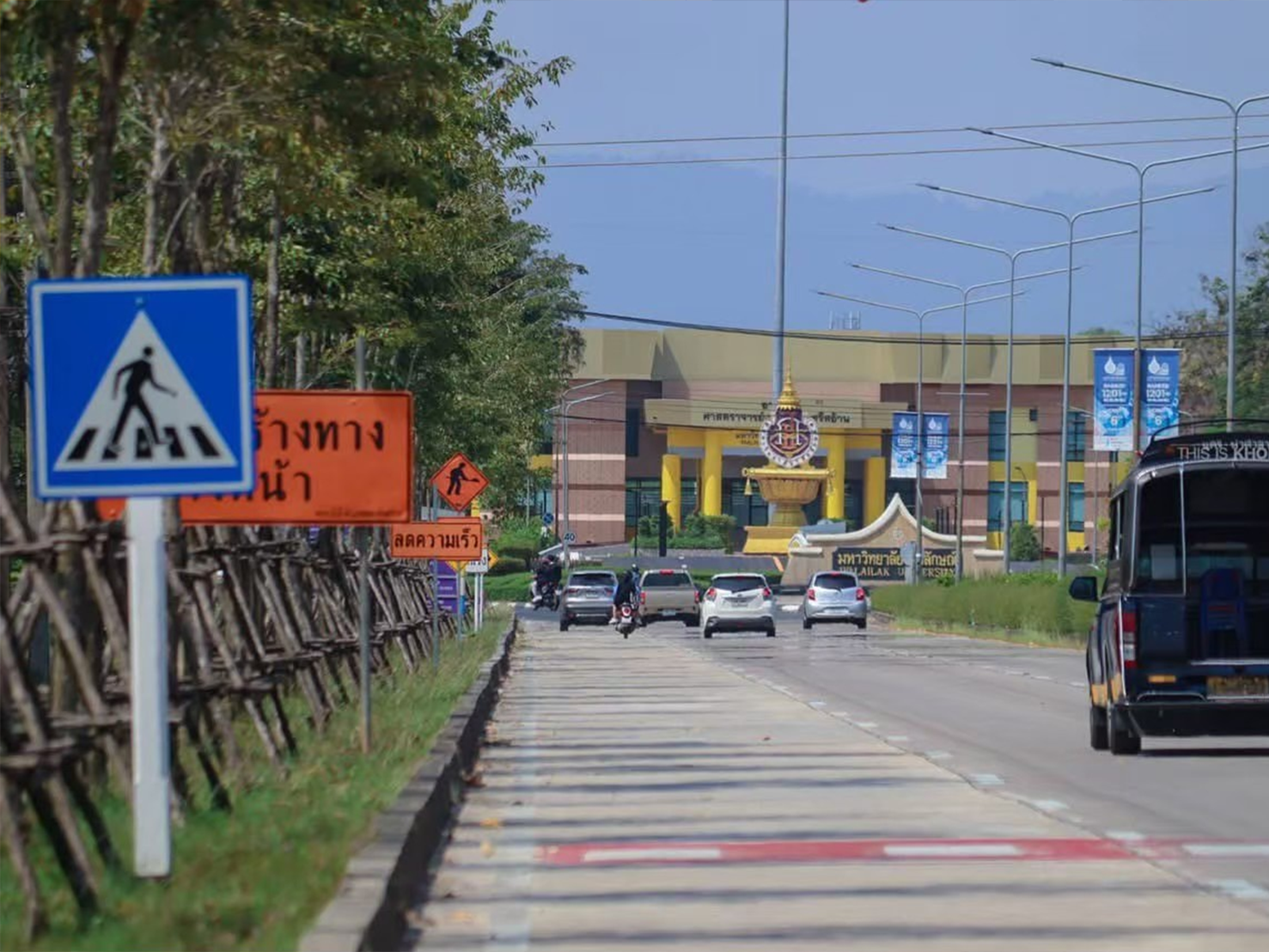
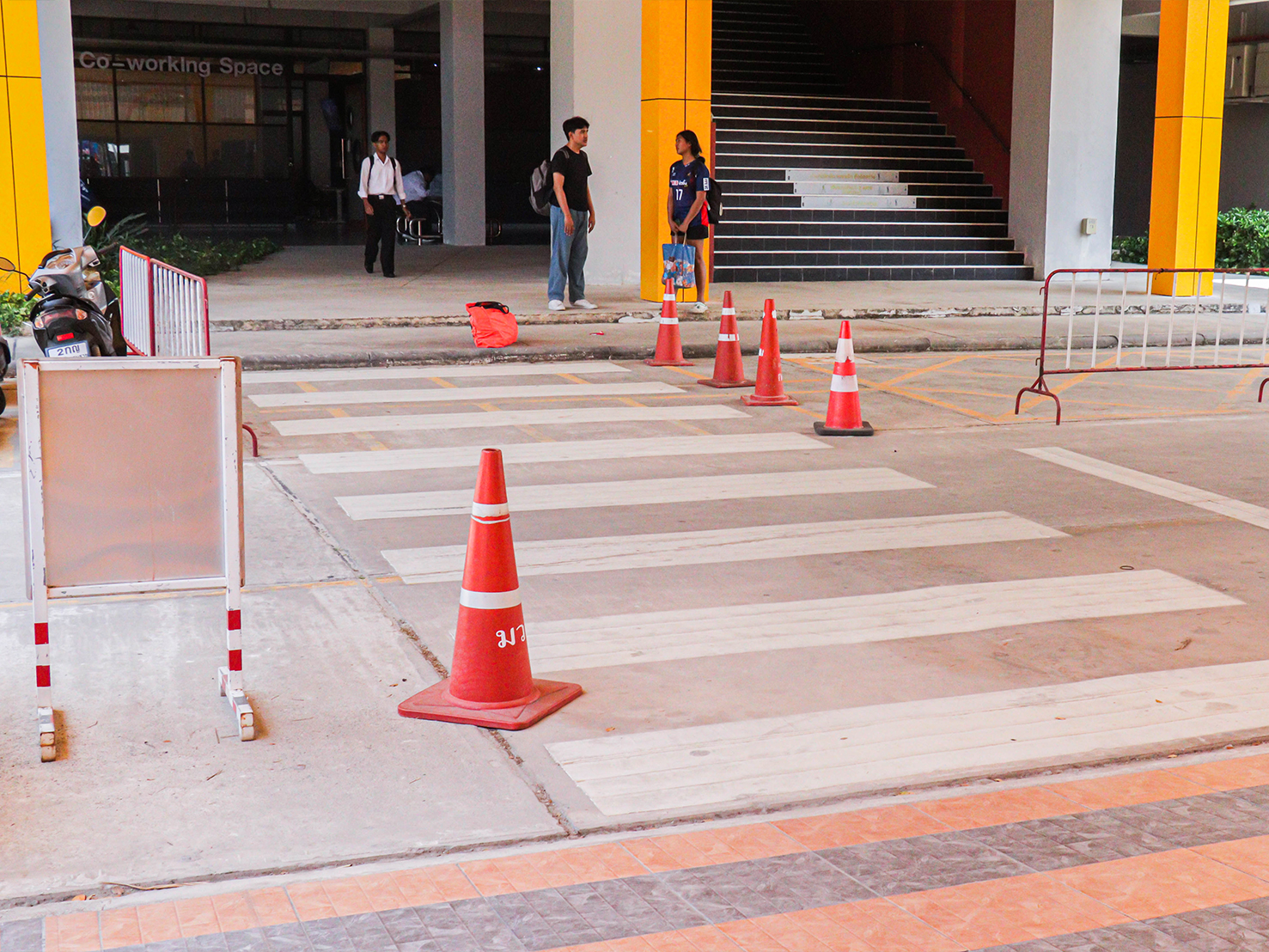
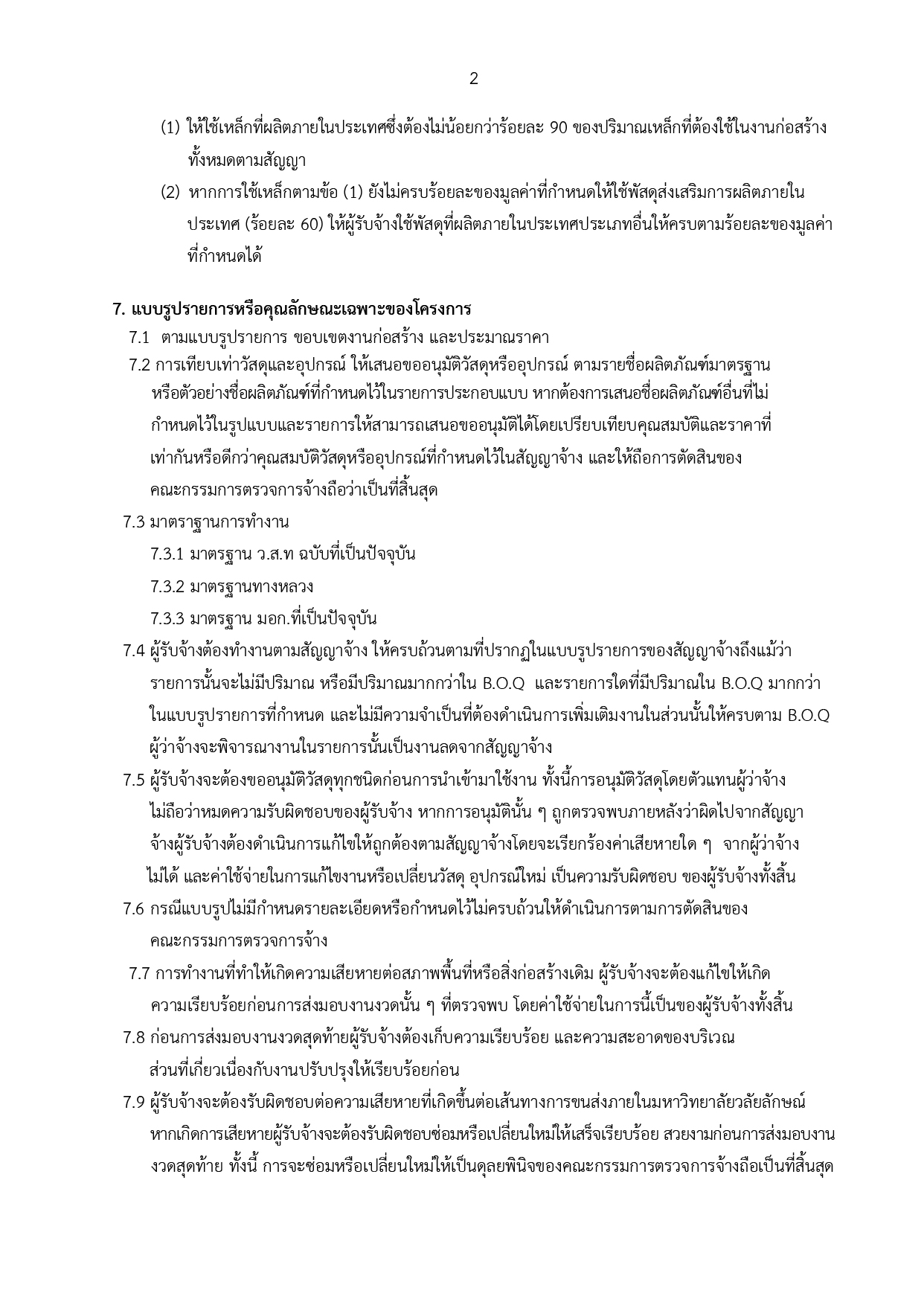
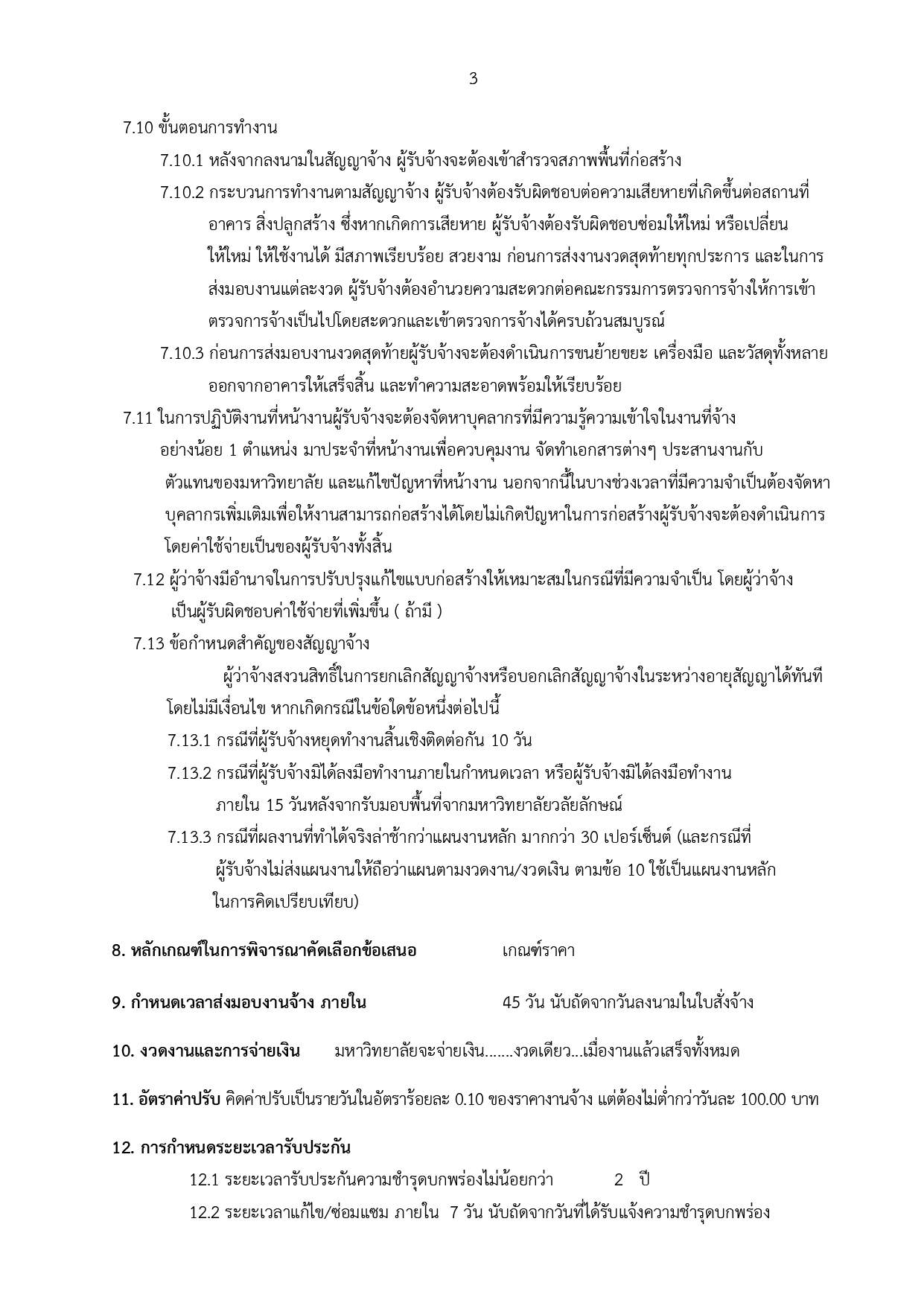
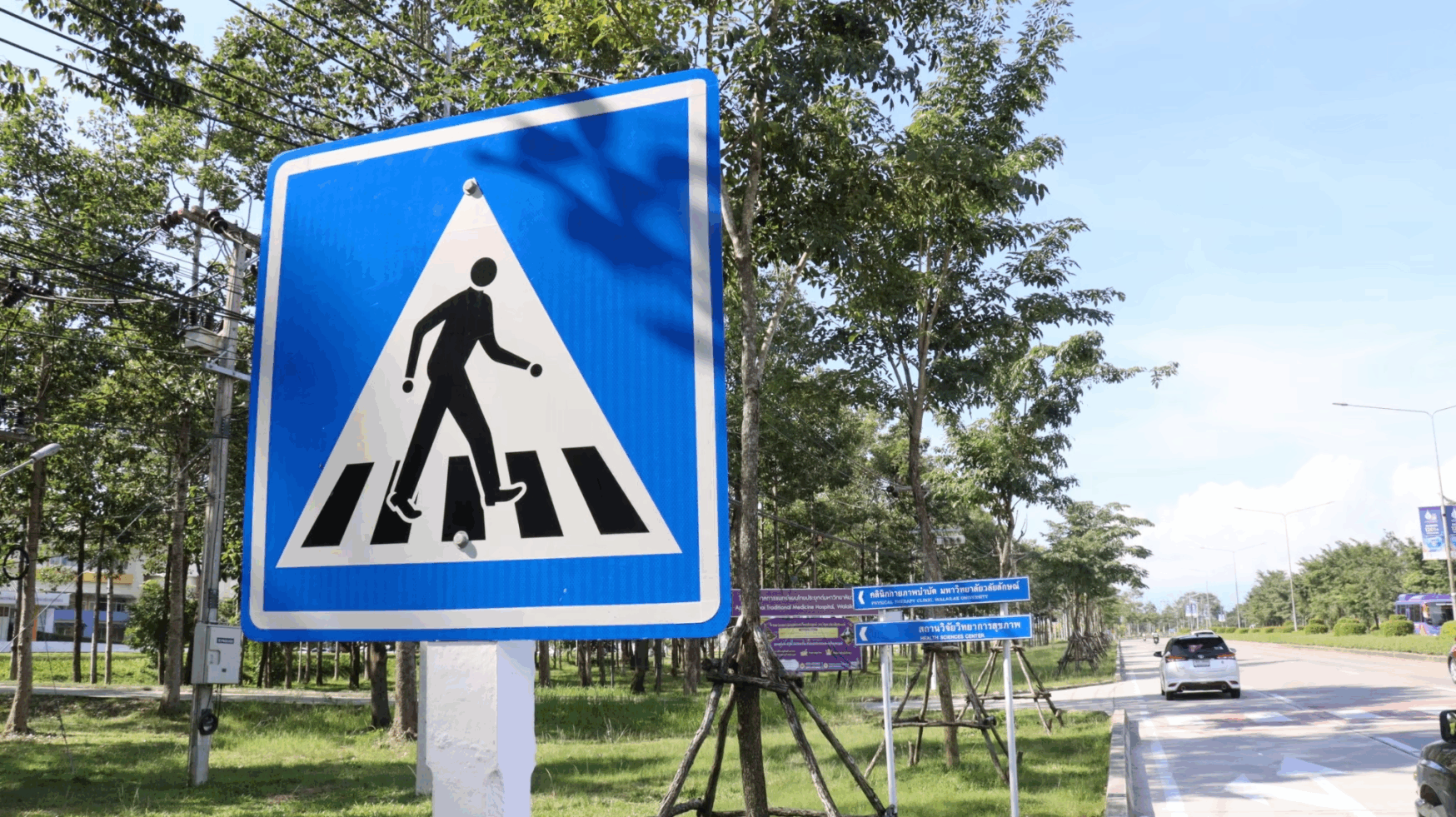
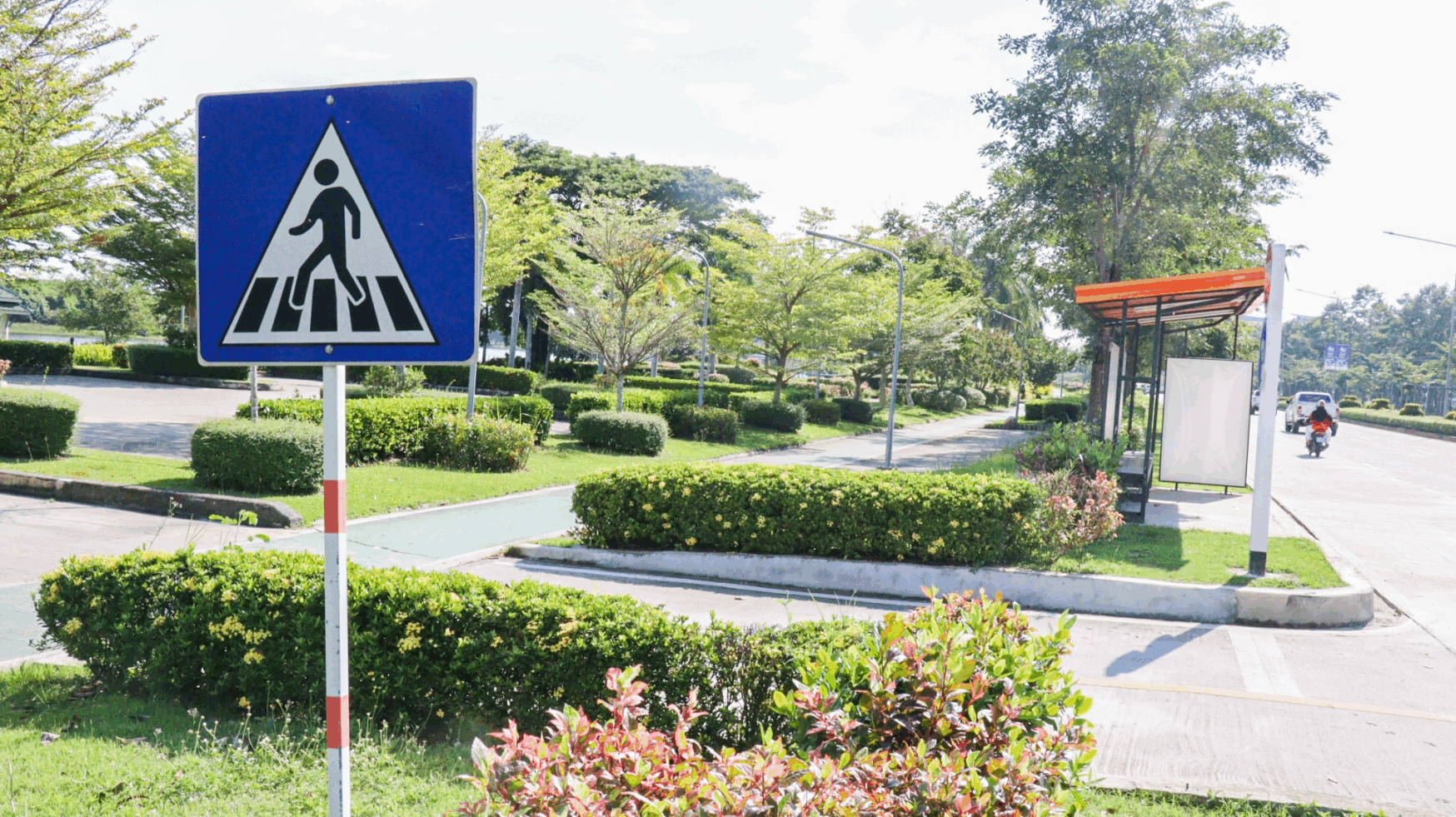
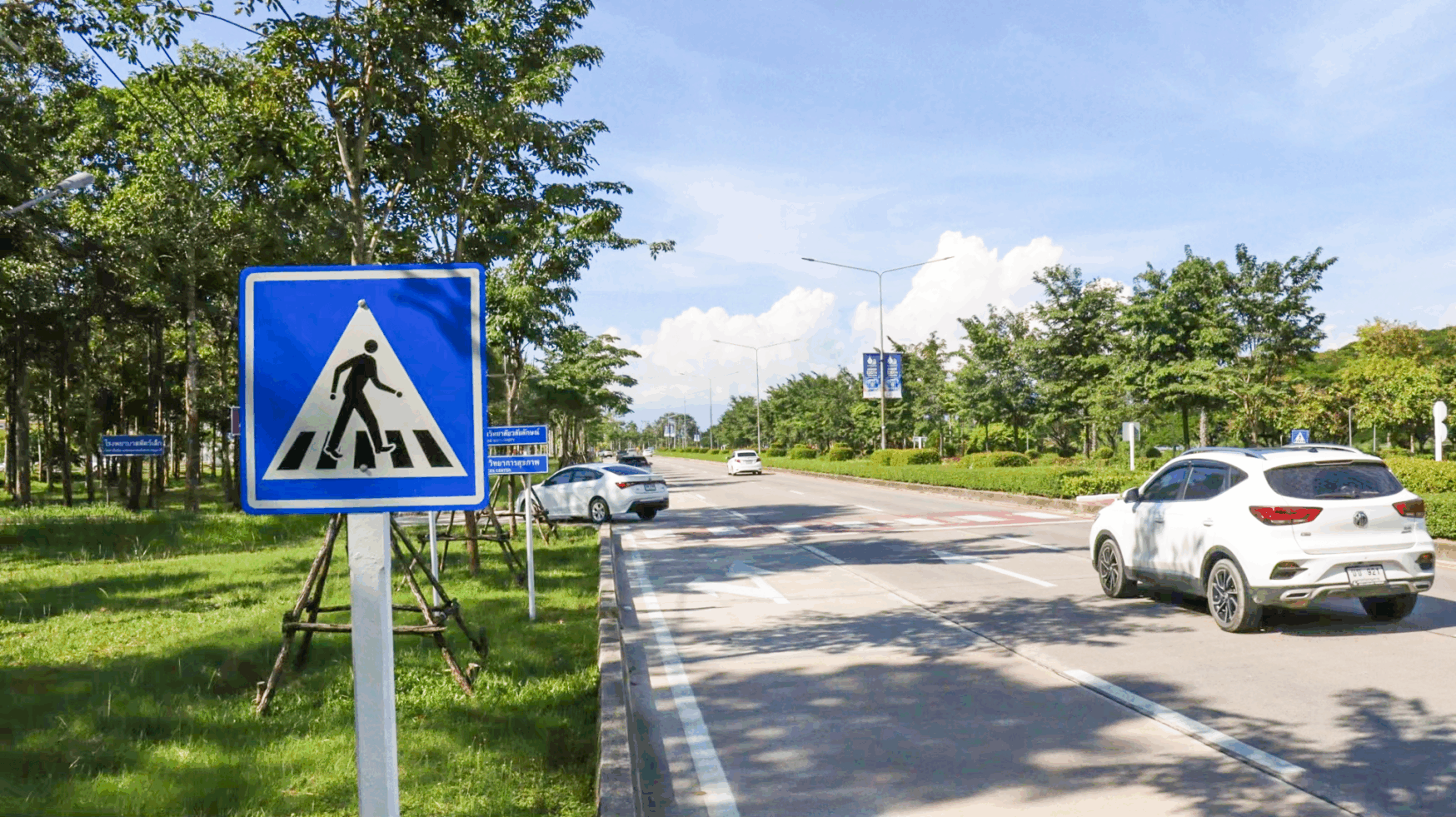
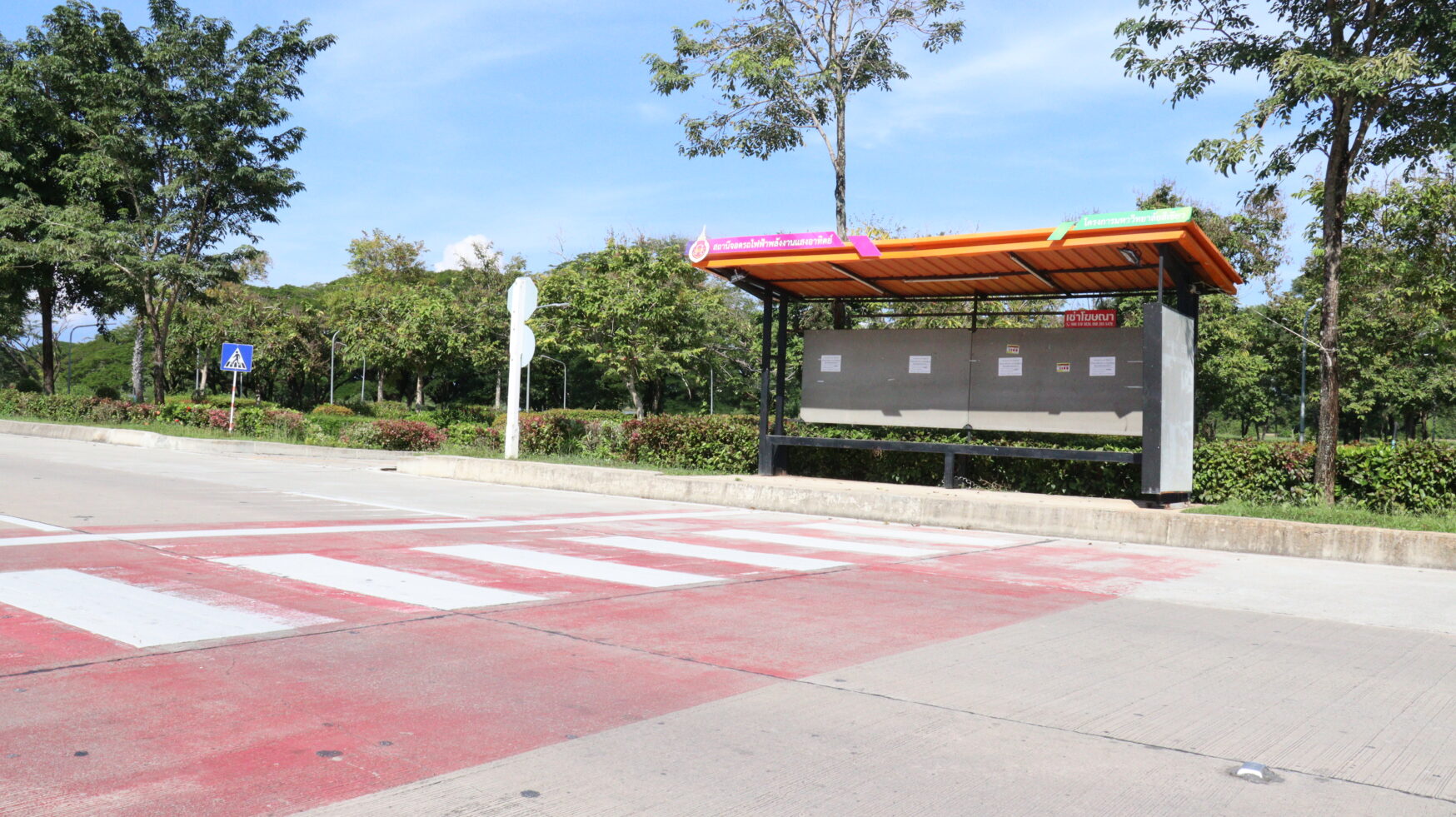
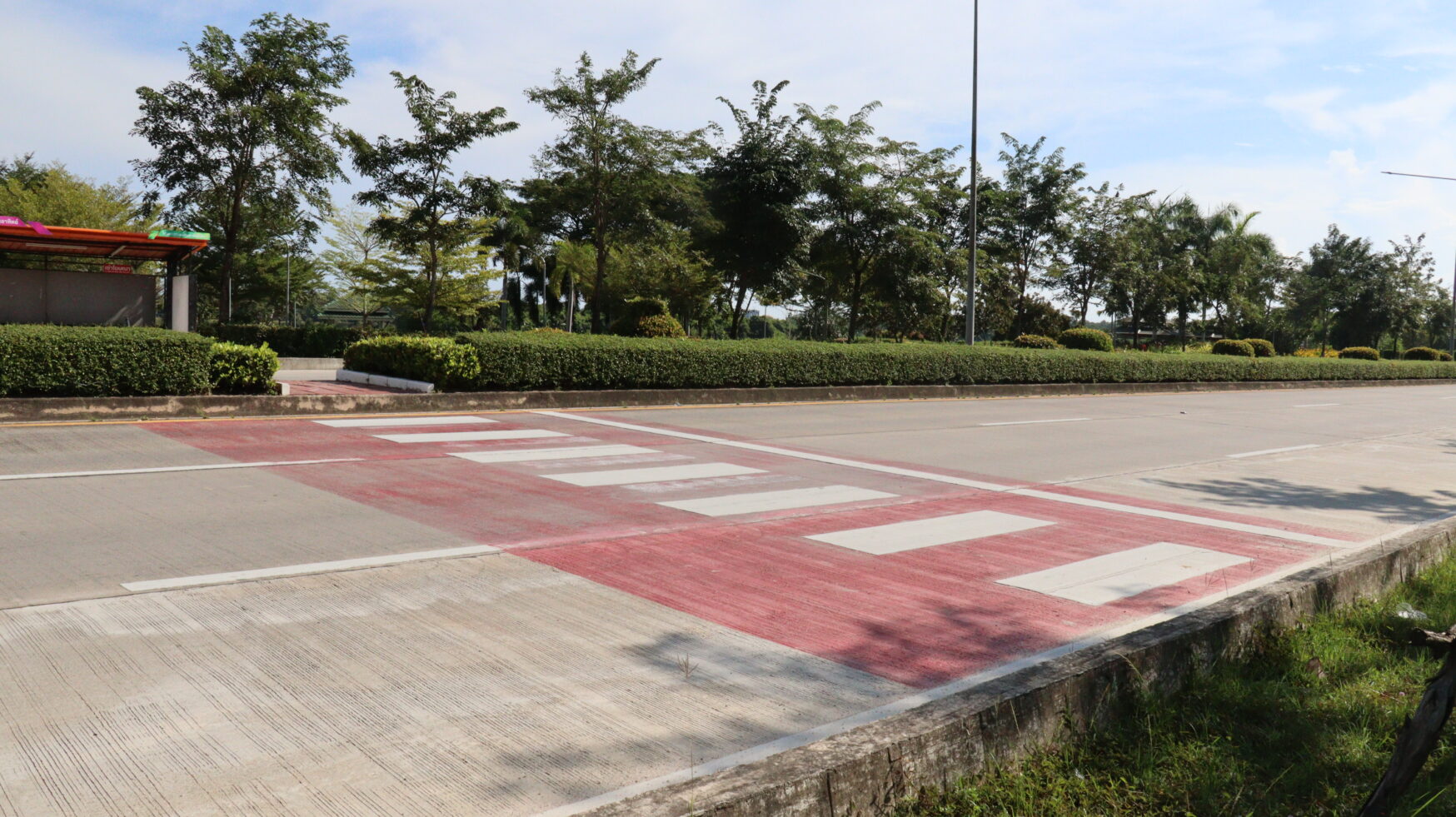
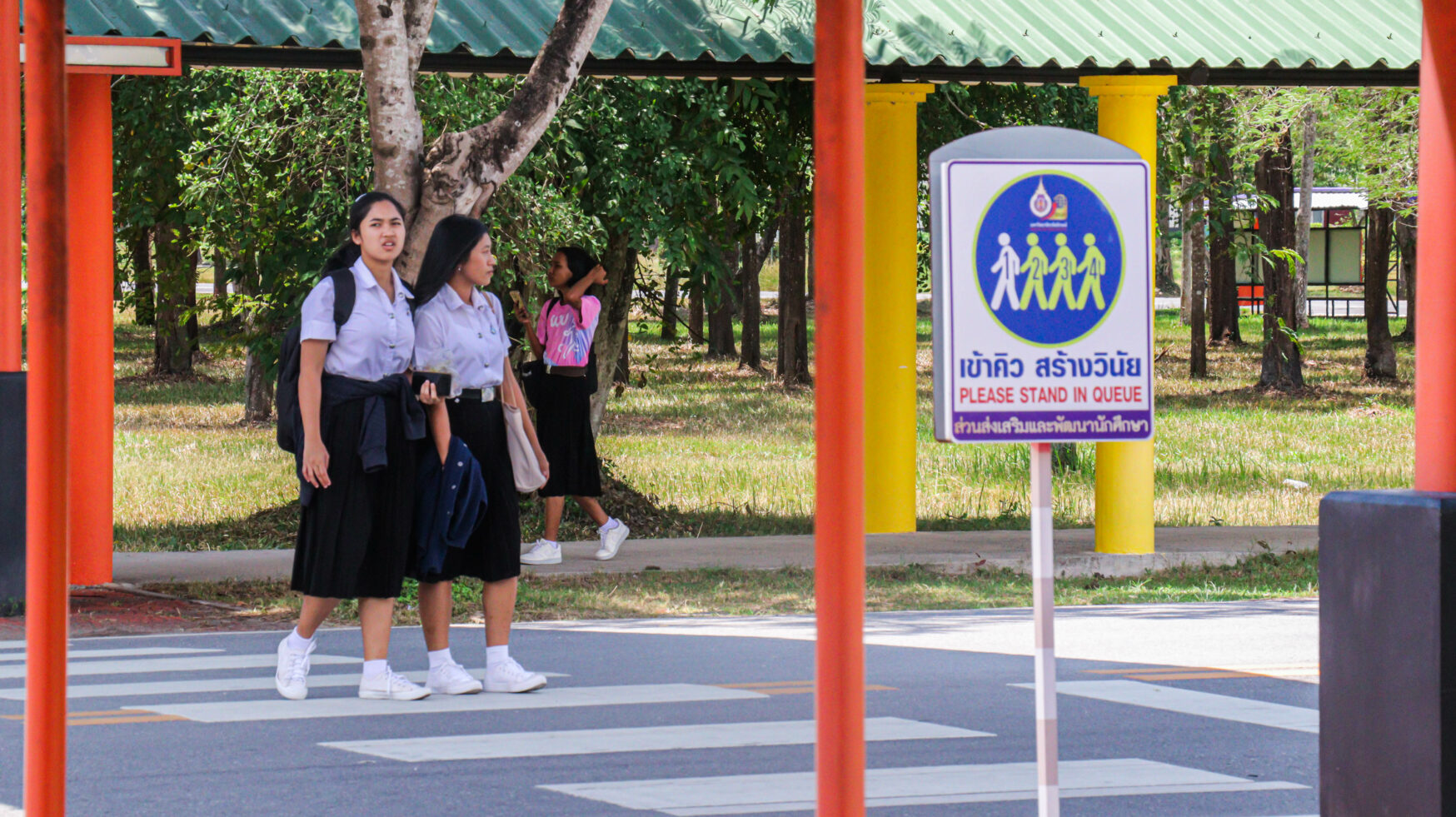
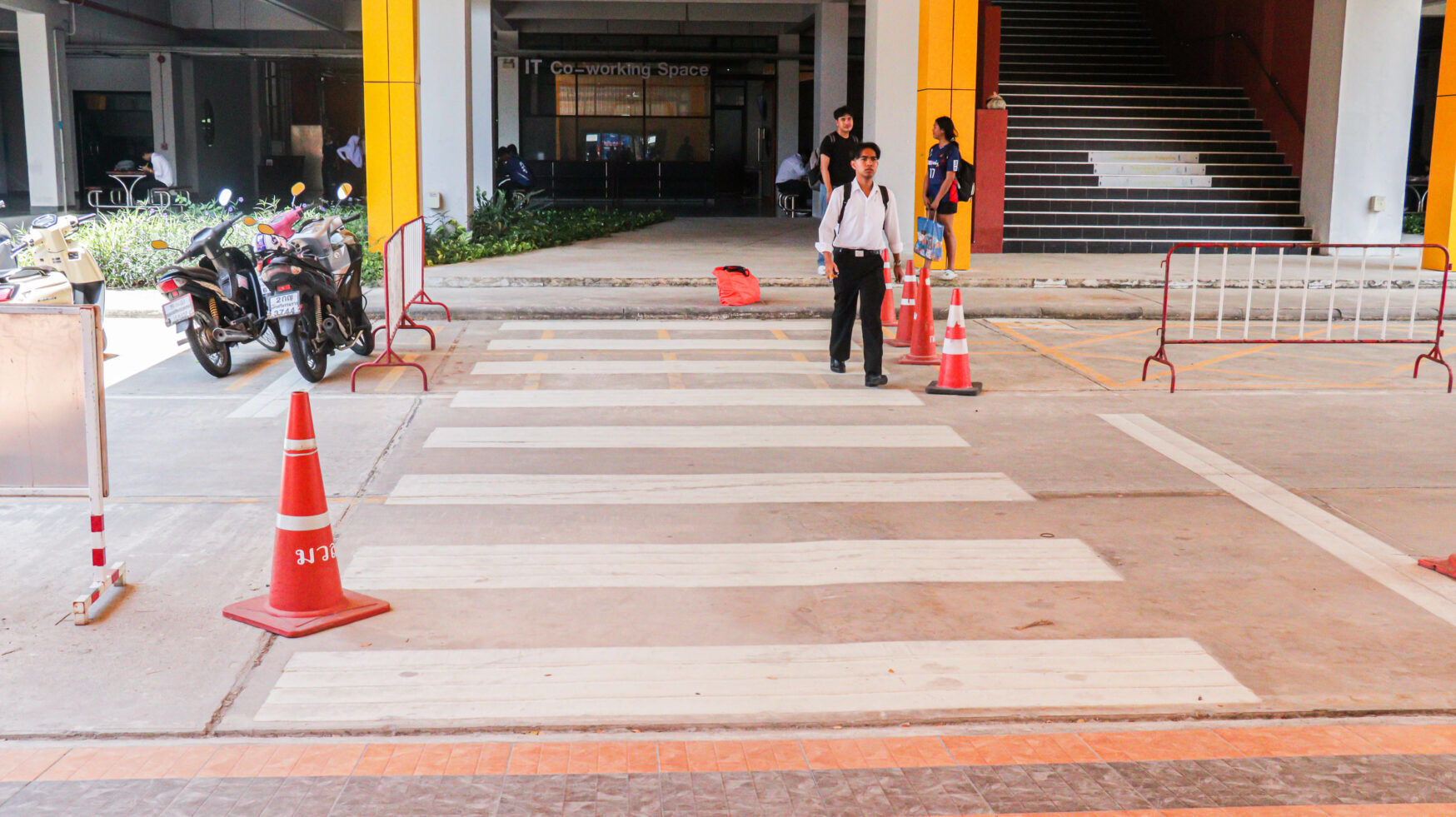
Walailak University has actively enhanced pedestrian infrastructure across campus to ensure safe, accessible, and comfortable walking for all students, staff, and visitors. To improve the quality of pedestrian routes, the university installed a variety of signs and safety features, including zebra crossings, footbridges, speed reduction signs, animal warning signs, and walking zone indicators to alert vehicle drivers to slow down. Ramps and accessible pathways were also implemented to accommodate people with disabilities, ensuring equitable access throughout the campus.
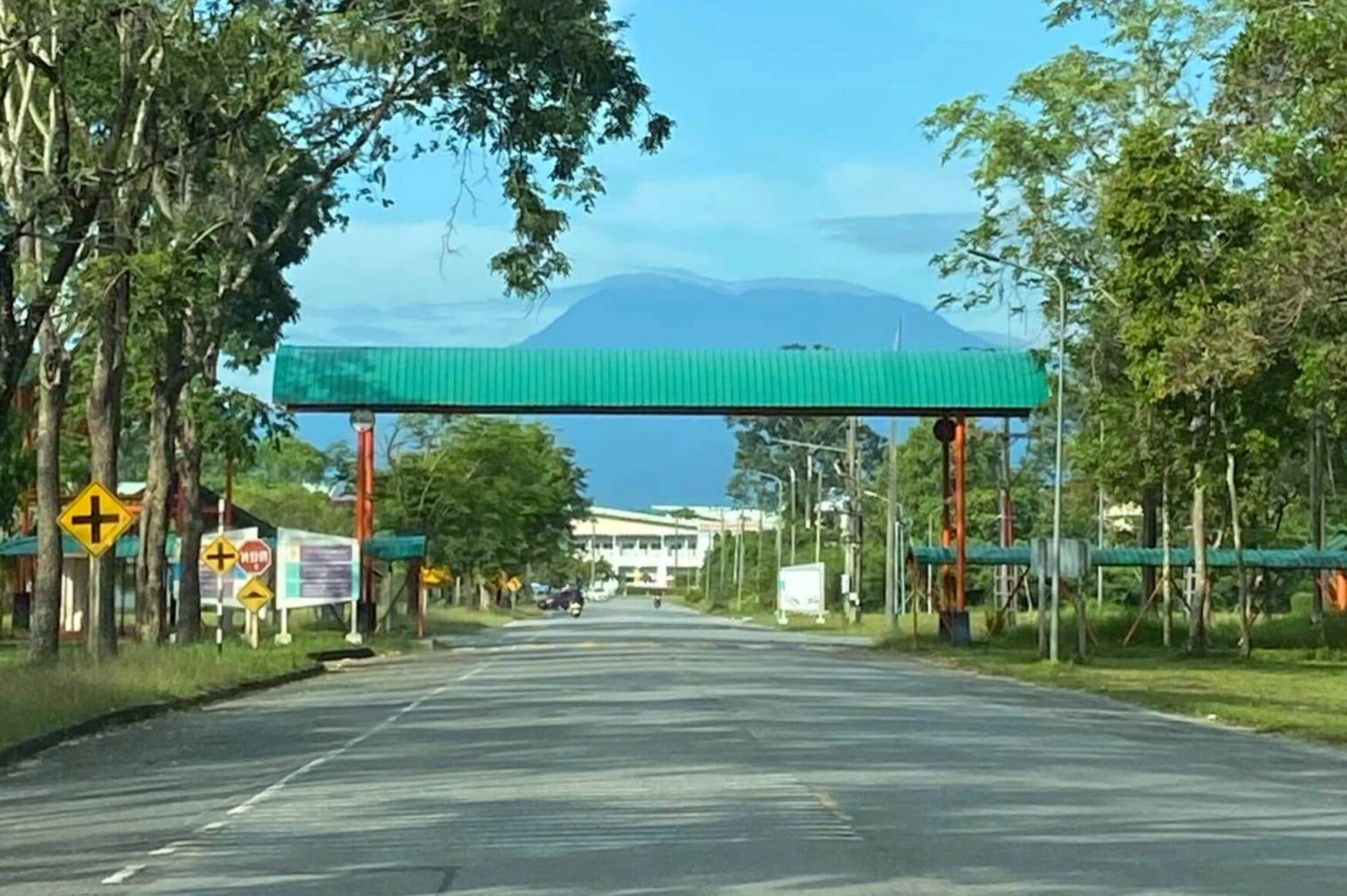
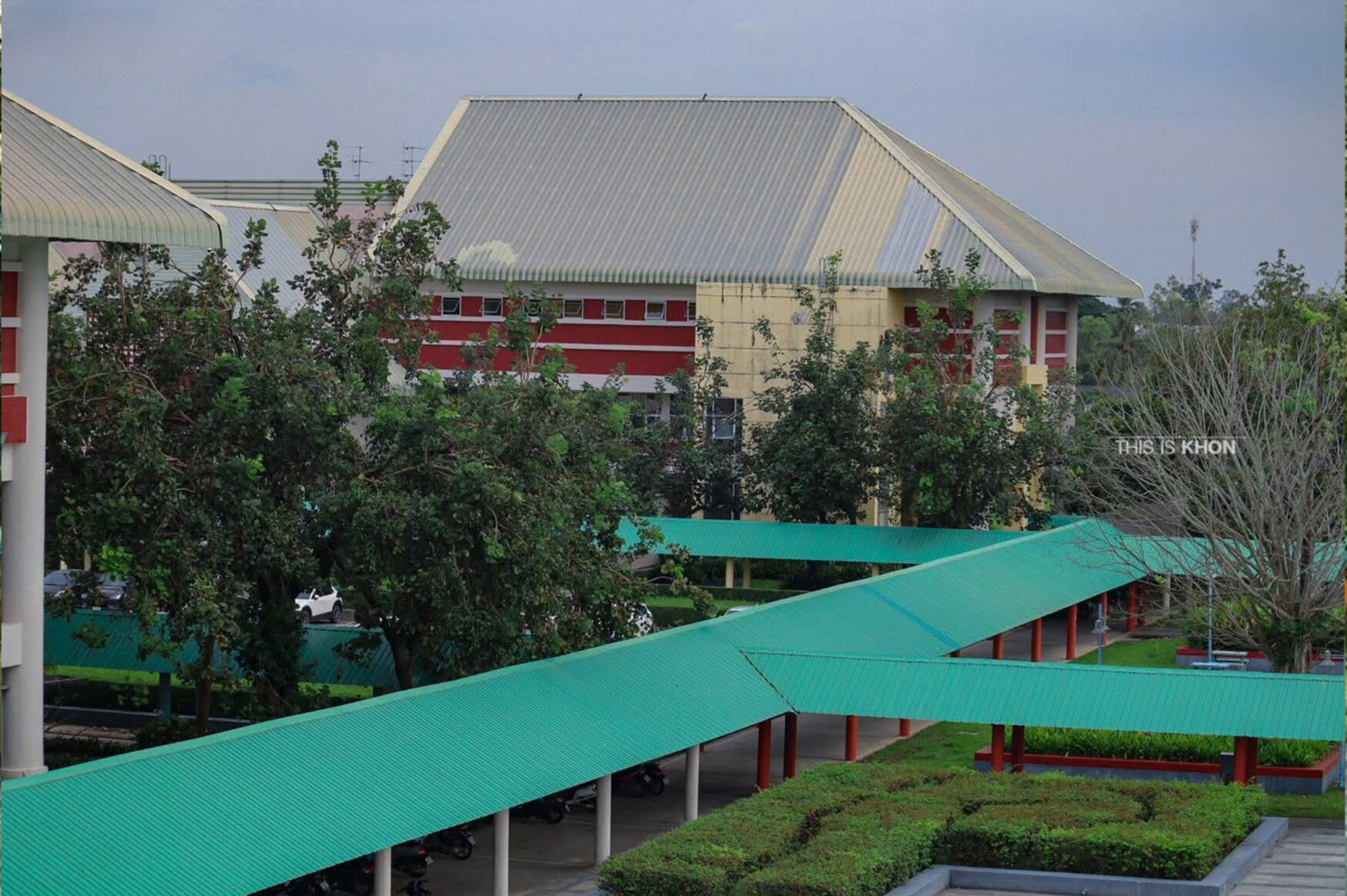
In addition to these safety measures, WU has developed covered walkways to protect pedestrians from harsh weather conditions, providing shelter from rain and sun while promoting a comfortable walking experience year-round. These improvements reflect the university’s commitment to sustainable commuting, encouraging walking as a practical, eco-friendly alternative to motorized transport. By integrating safety, accessibility, and comfort, Walailak University continues to create a pedestrian-friendly campus that supports mobility, well-being, and environmental responsibility.
In 2024, Walailak University actively enhanced pedestrian infrastructure across campus to ensure safe, accessible, and comfortable walking for all students, staff, and visitors. As part of its ongoing action plan to improve the quality of pedestrian routes, the university constructed a new zebra crossing in front of the Architecture and Design Building, reinforcing safe road-crossing points for pedestrians.
Figures : Placement of additional signage to improve pedestrian guidance and safety
New Pedestrian Route to Promote Sustainable Mobility
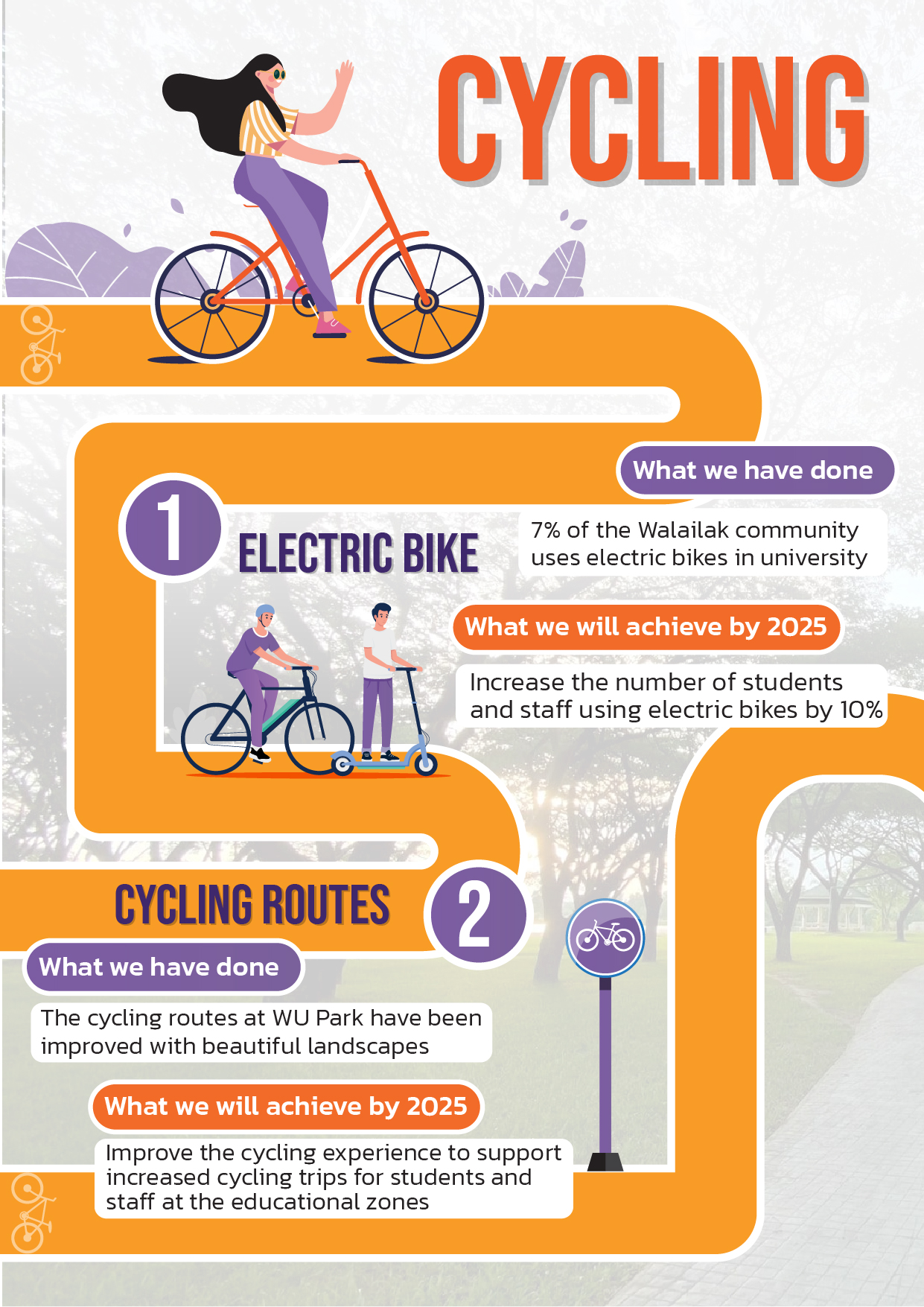
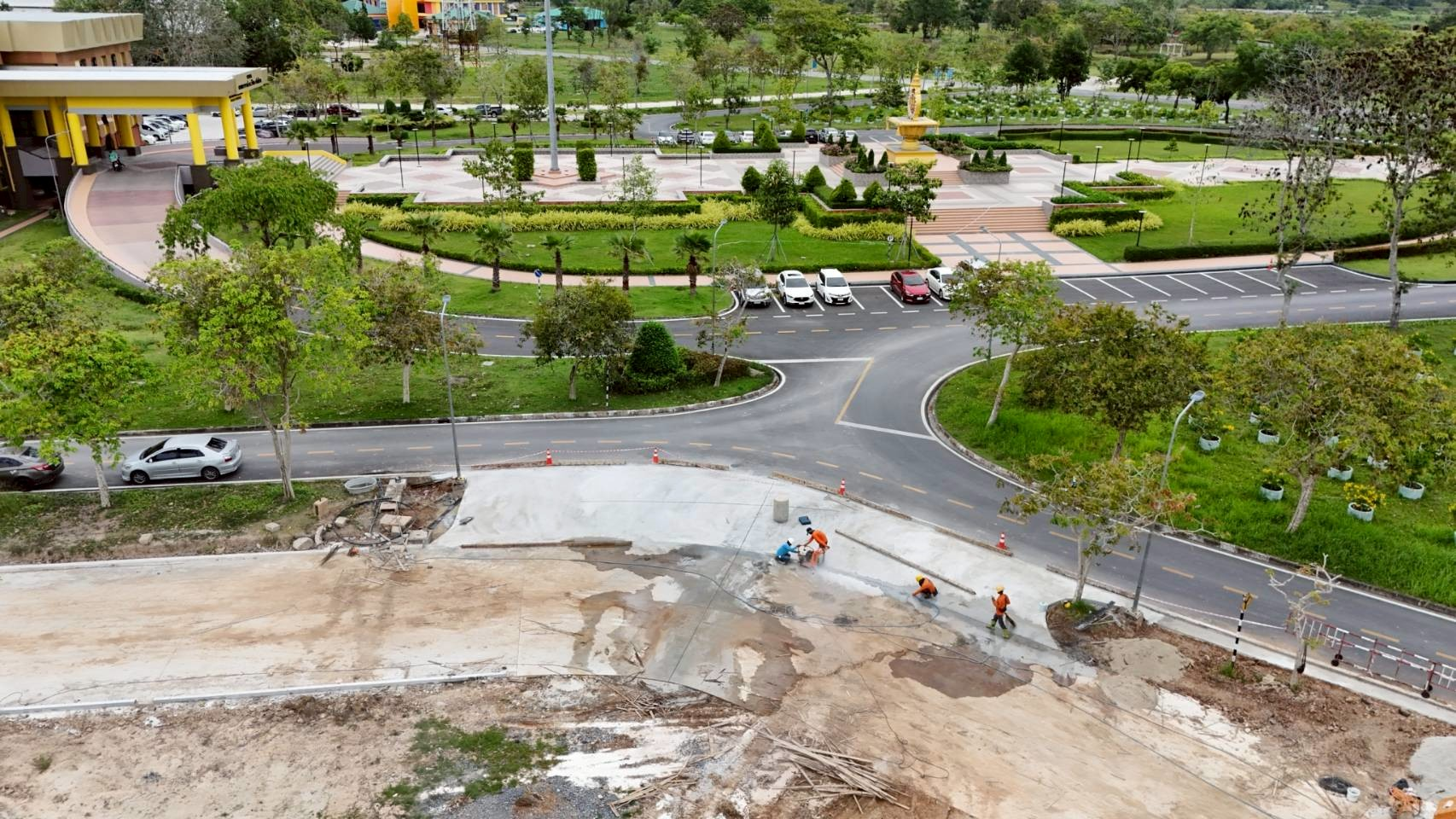
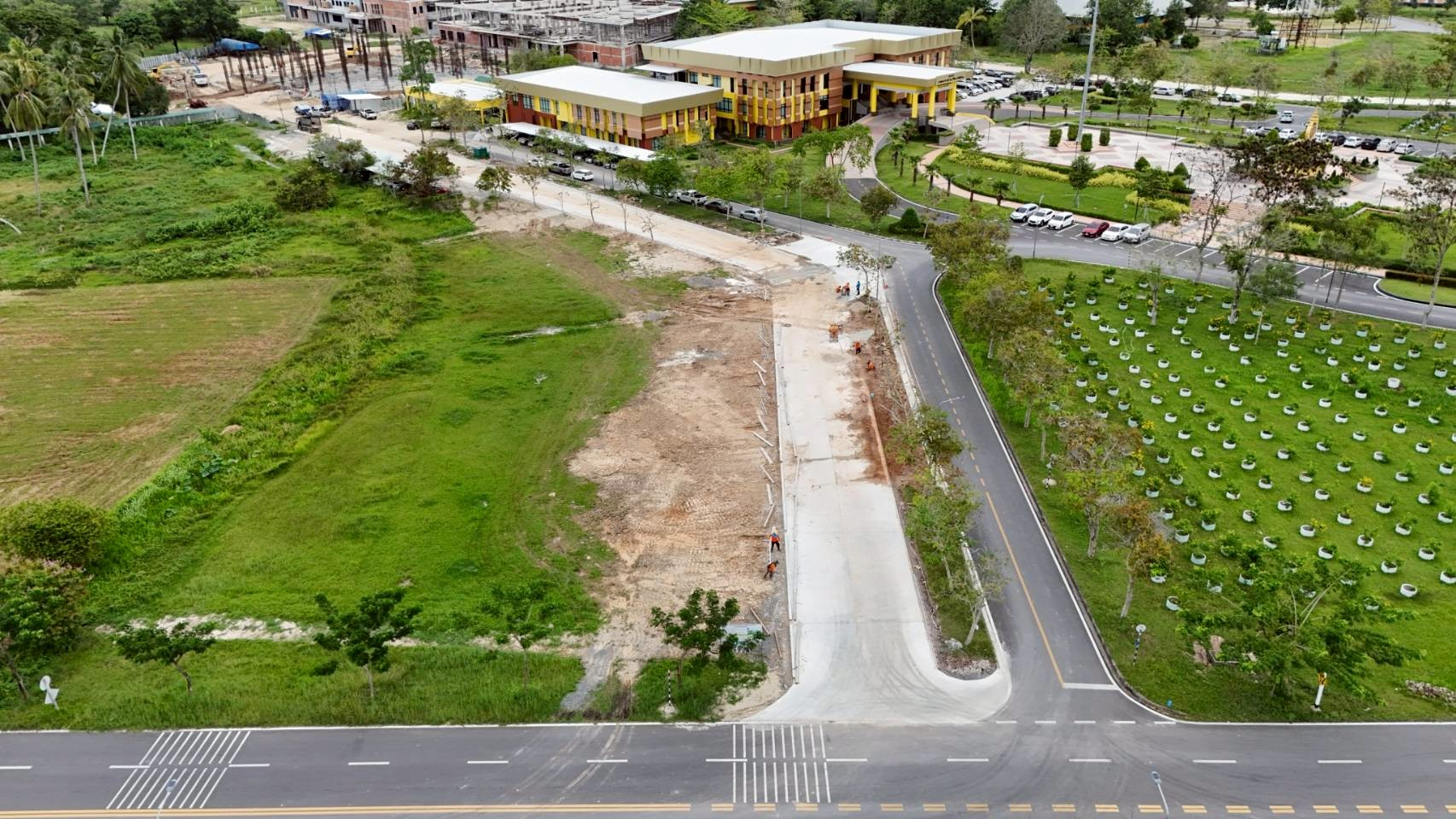
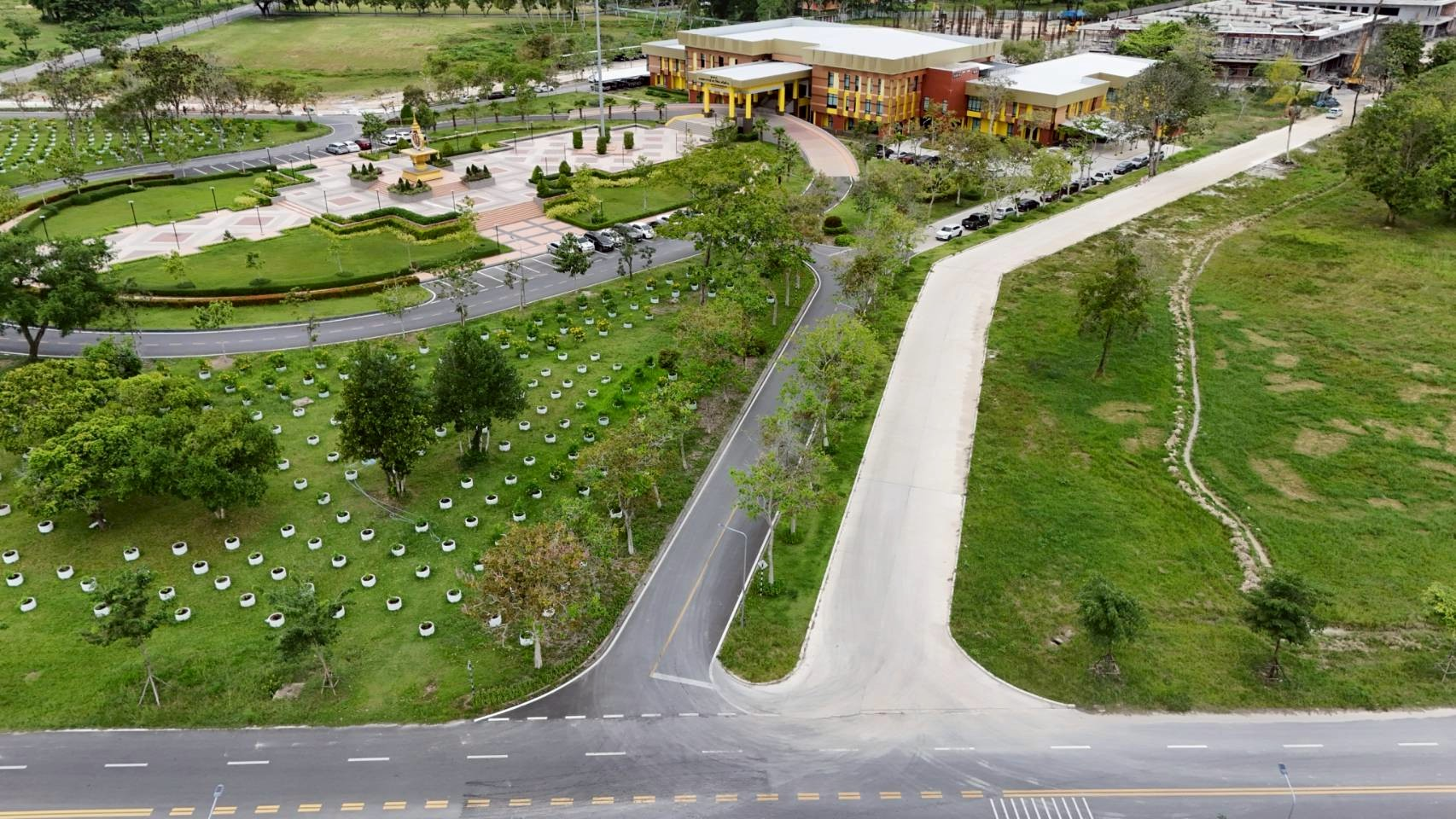
In 2024, Walailak University constructed a new dedicated bicycle route to encourage sustainable transportation and support healthy lifestyles among students, staff, and the wider community. Located at the main entrance between the Administrative Building and the Center for Academic Services, the route provides a safe and accessible pathway for cyclists. At the same time, it was designed to accommodate pedestrians, reflecting WU’s commitment to expanding walkable infrastructure across campus.
With the completion of this project, the total number of pedestrian routes at Walailak University increased to 57. This new pathway is expected to serve as one of the major pedestrian routes, as the Administrative Building is home to more than 100 staff members and is frequently visited by guests who come to meet with WU’s executive members. By providing both staff and visitors with a safe and convenient option for walking instead of using vehicles, the university strengthens its efforts to promote sustainable commuting and reduce carbon emissions.
Figures : The official document on the scope of work for the construction of the new pedestrian route
Walailak University’s pedestrian access initiatives are guided by a systematic process of diagnostic, development, engagement, and measurement. Through diagnostic assessment, the university identifies key areas requiring improved accessibility and safety. Development is reflected in the construction of new pathways, restoration of covered walkways, and installation of safety features and LED lighting. Strong engagement from campus departments and the community promotes active use of pedestrian routes as part of sustainable commuting. Finally, continuous measurement through regular monitoring and maintenance ensures lasting efficiency, safety, and comfort—reinforcing WU’s commitment to a walkable, eco-friendly campus.