Transformation of Brownfield Land for the Construction of the Sirin Museum
Most of the area where Walailak University (WU) is now located was once a vast, dense forest. Over time, much of this land was cleared and used for agricultural purposes. Before the university was established, the area had been utilized for various types of farming, including agriculture, aquaculture, and livestock activities such as dairy, Nile tilapia, goat, and pig farming, as well as mangosteen and rubber tree cultivation. Consequently, some parts of the land had already become brownfield sites due to possible contamination from chemical substances or fertilizers, while other areas were left abandoned.
In later years, Walailak University developed several of its new buildings on these brownfield sites—both on land that had been previously contaminated and on areas affected by the university’s earlier activities. For example, the Landscape Architecture Building, completed in 2022, was constructed on land that was formerly used as shrimp ponds by the School of Agricultural Technology and Food Industry.
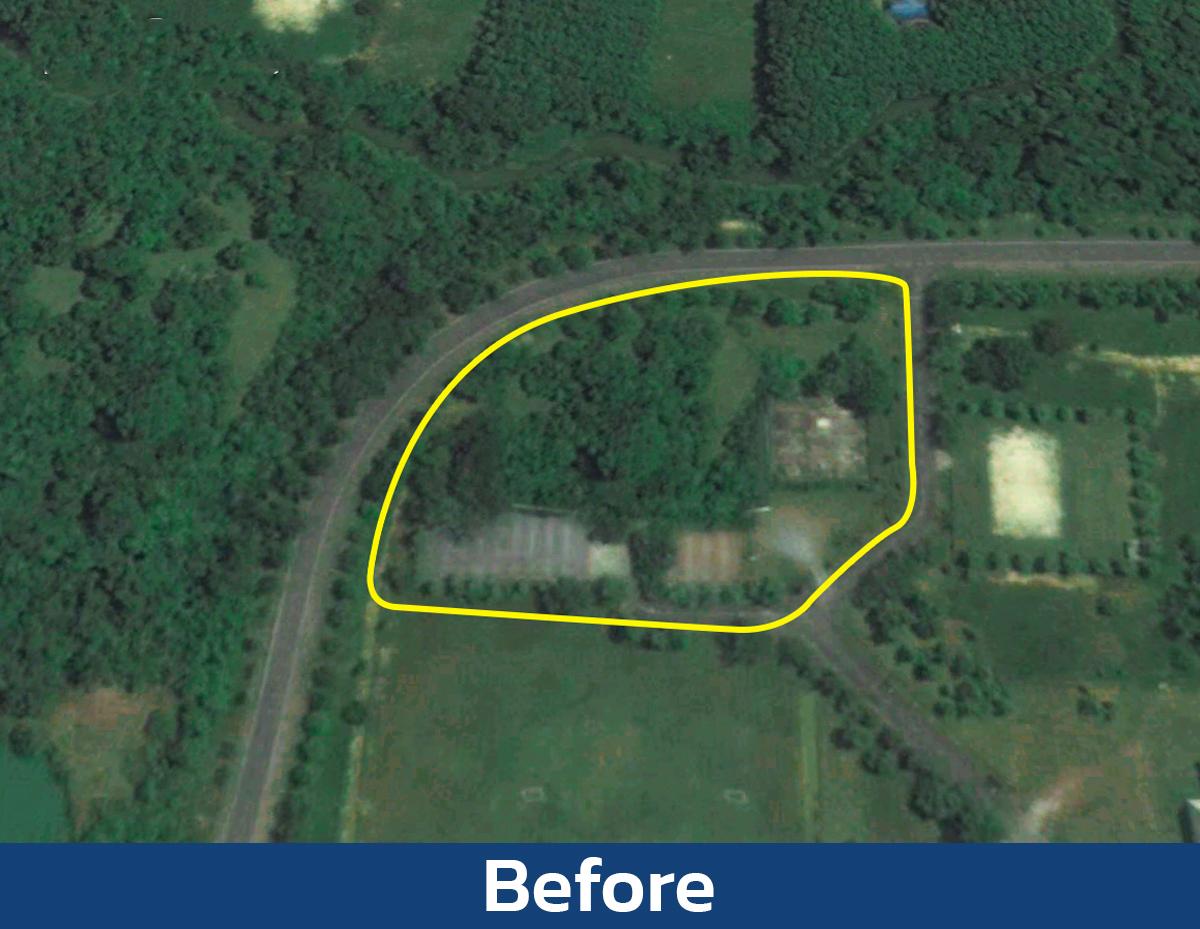
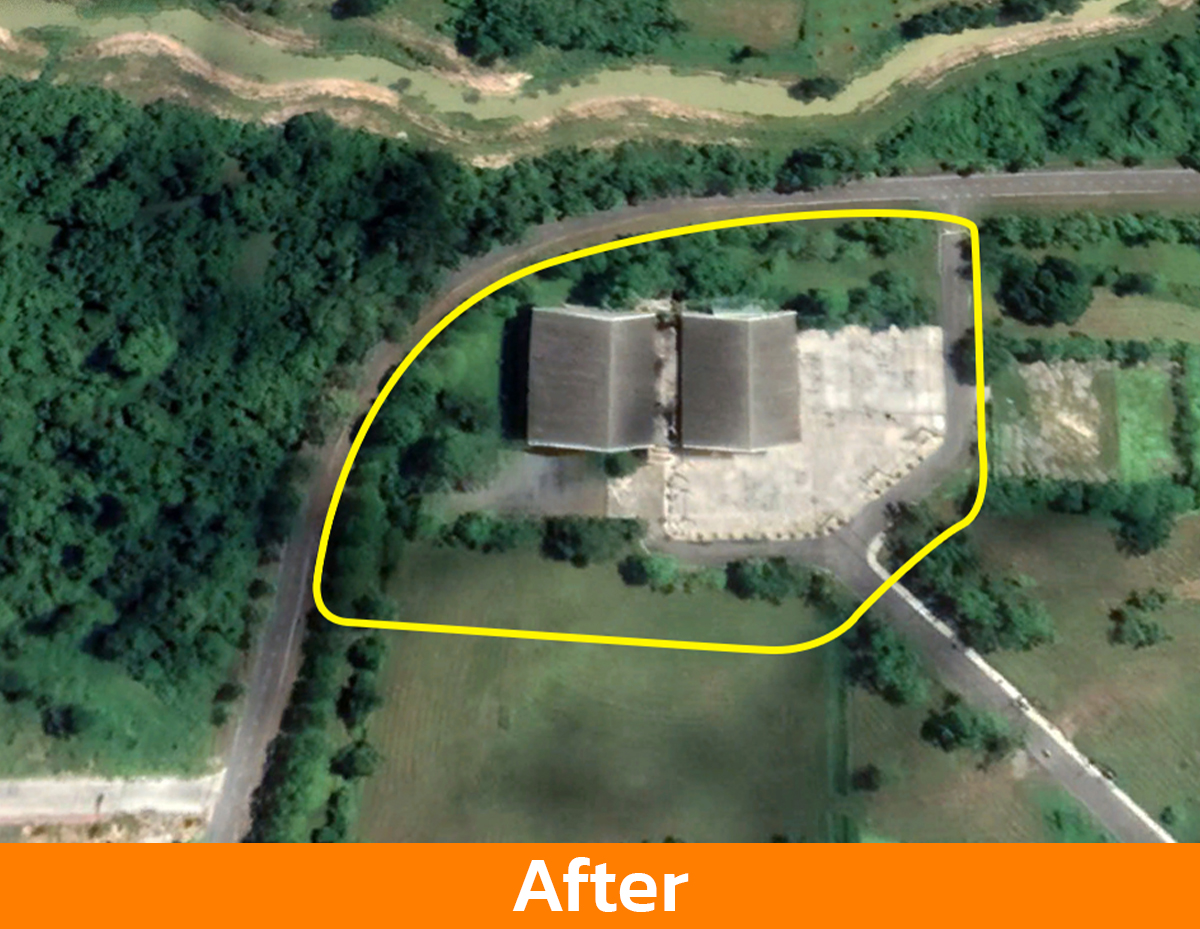
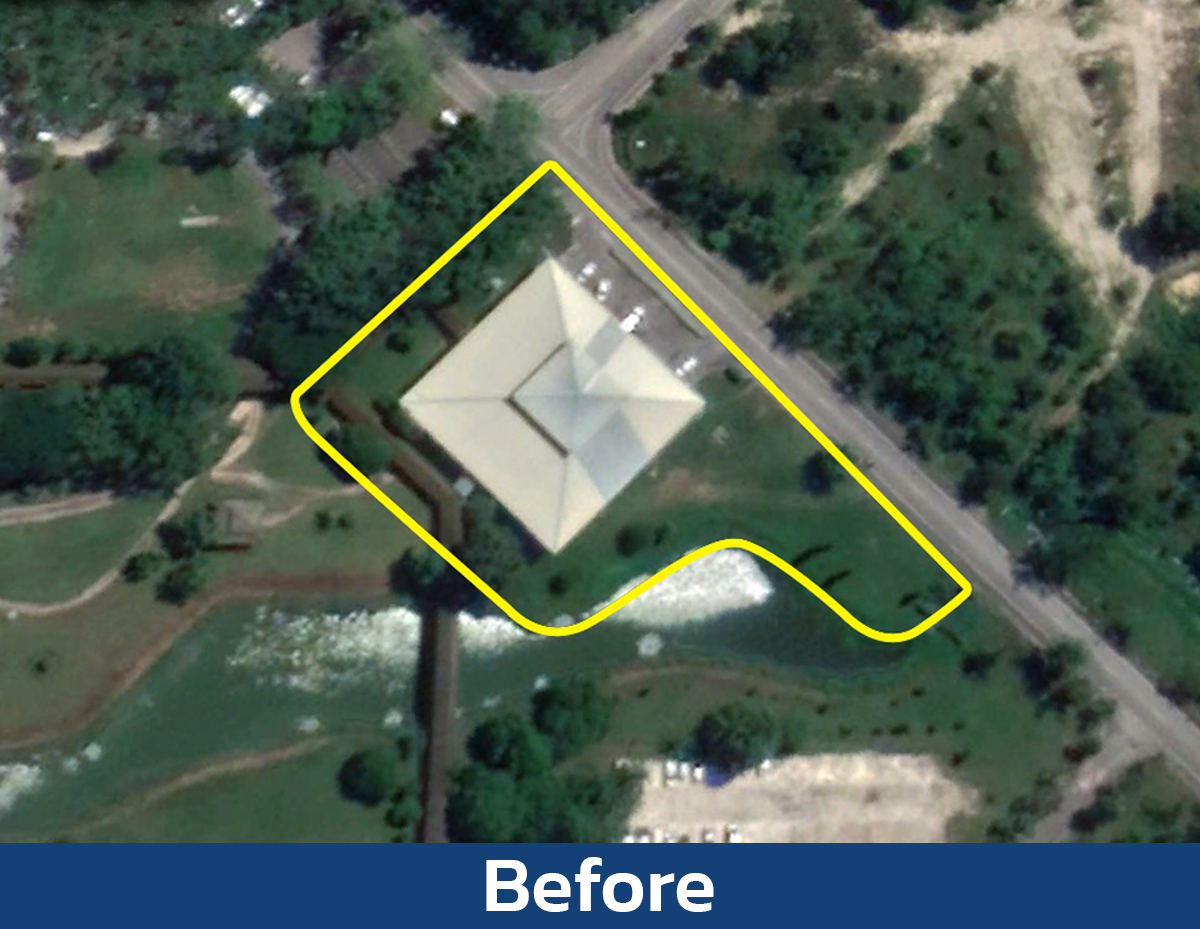
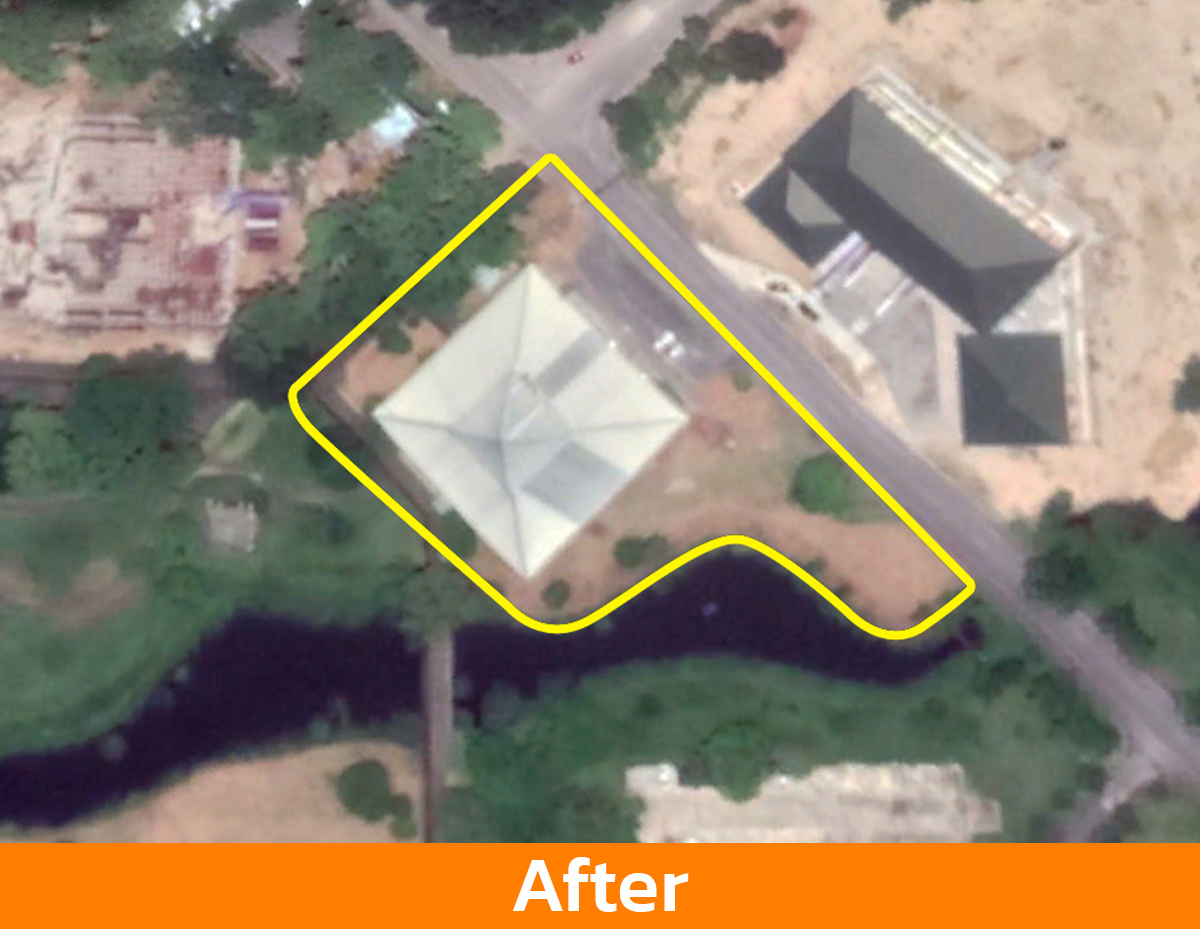
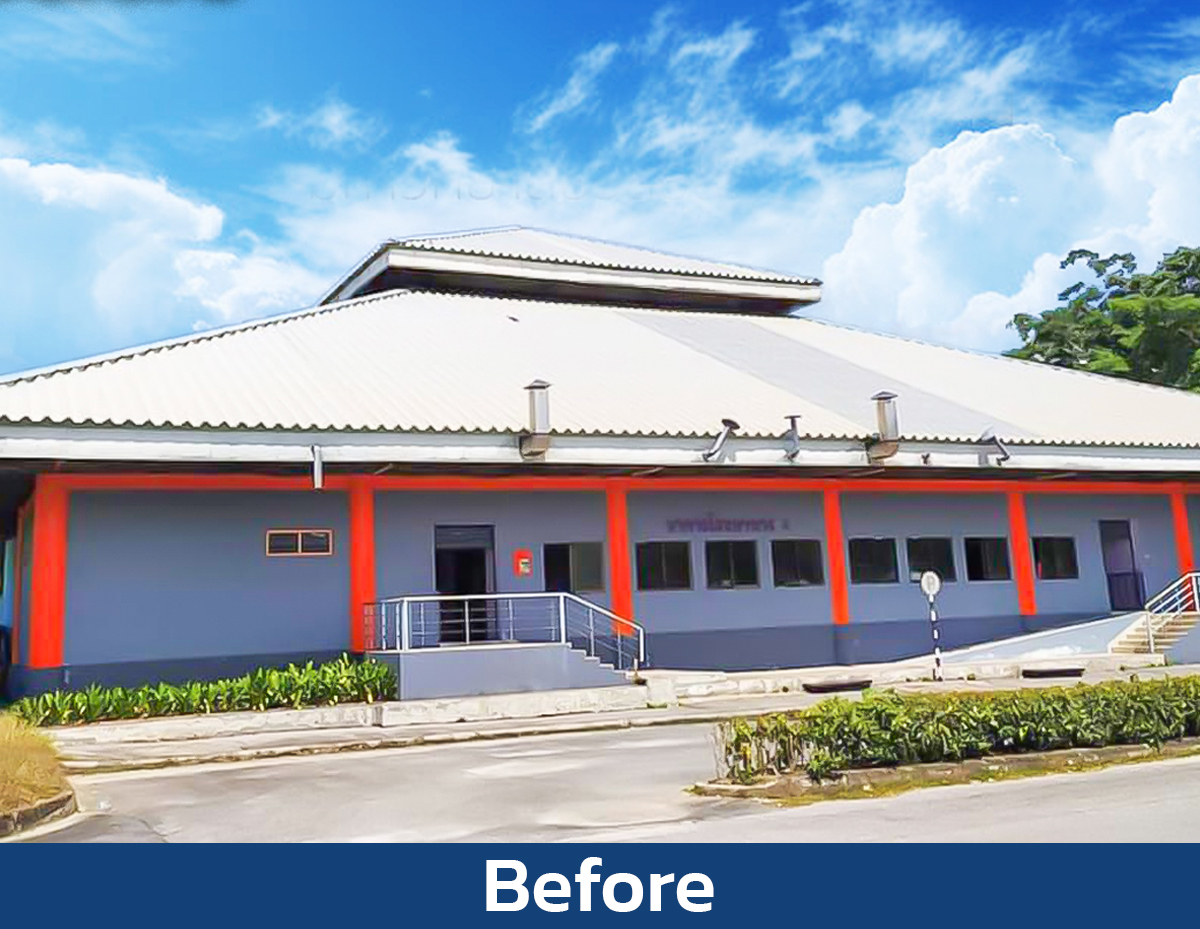
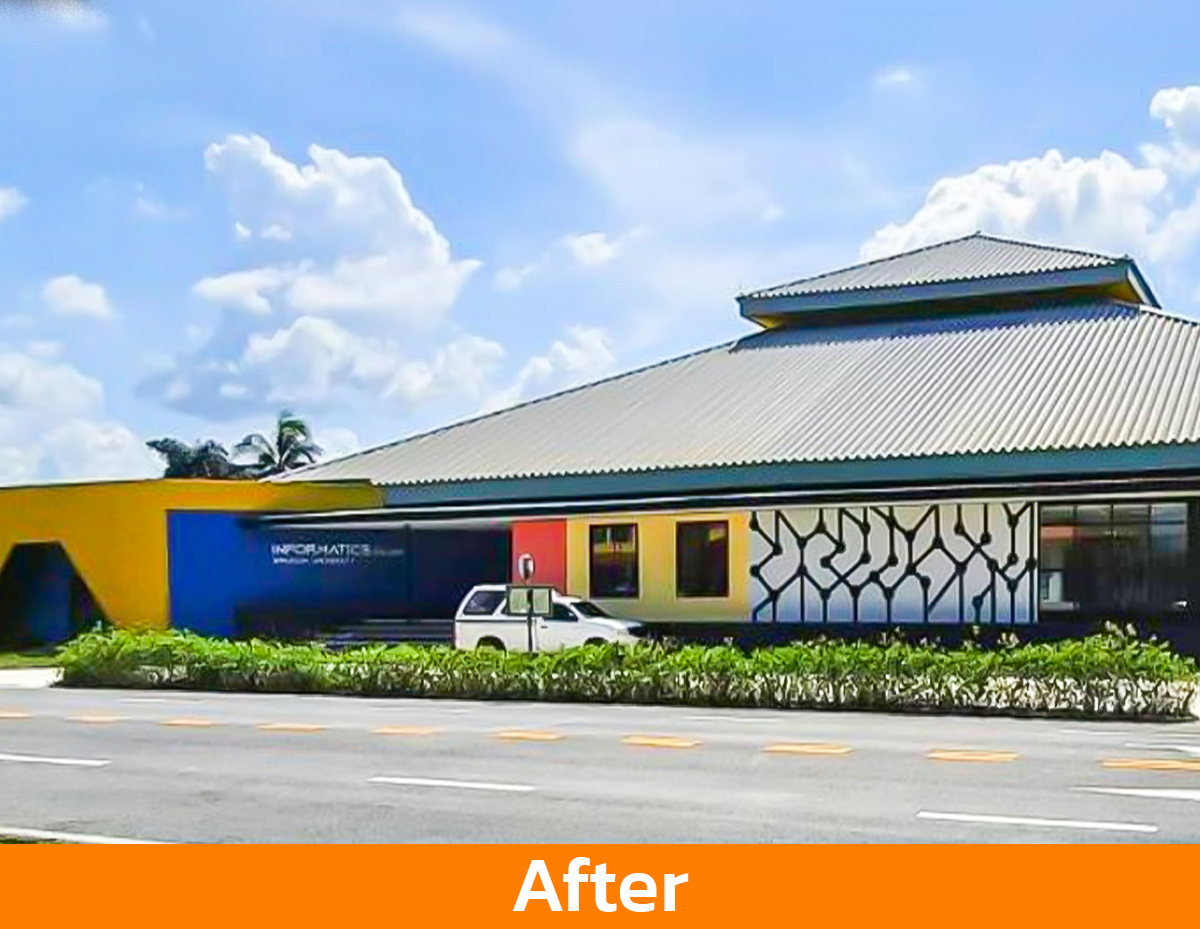
WU also constructed the WU Badminton Court in 2023 on a brownfield site that had previously been used for orchard farming, where the land had been exposed to intensive chemical spraying. Besides, the Bedminton Court, WU also constructed the Informatics Studio for the School of Informatics, where the land was once Food Center 4 in the year.
Figures : Before-and-after photos showing the improvement of the WU Badminton Court
Figures : Before-and-after photos showing the improvement of the Informatics Studio
Transforming a Brownfield Site into the Sirin Museum in 2024
Sirin Museum is a museum at Walailak University established to serve as a lifelong learning center for all, aiming to benefit Thai society. The museum operates as a sub-organization under the WU Botanic Park, which is located on a former brownfield site.
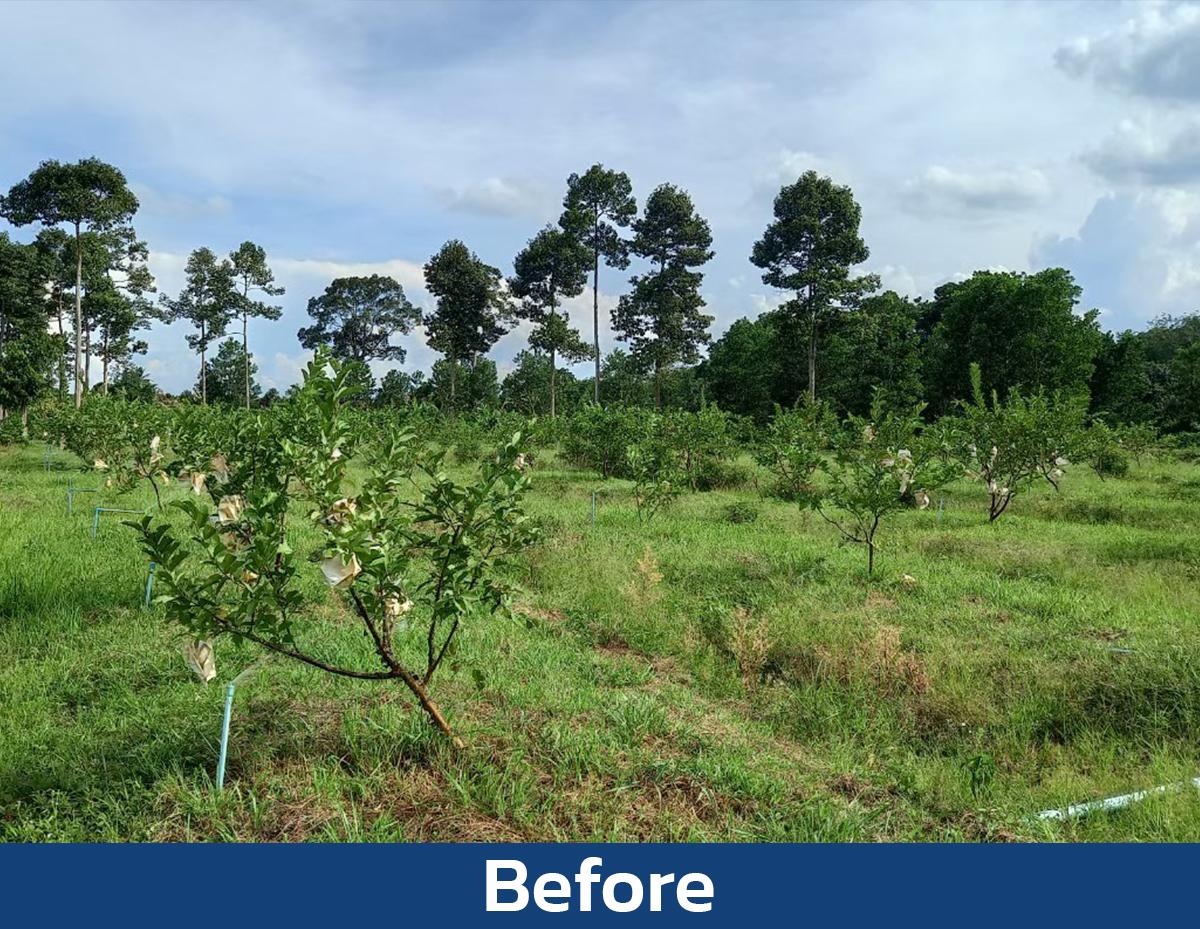
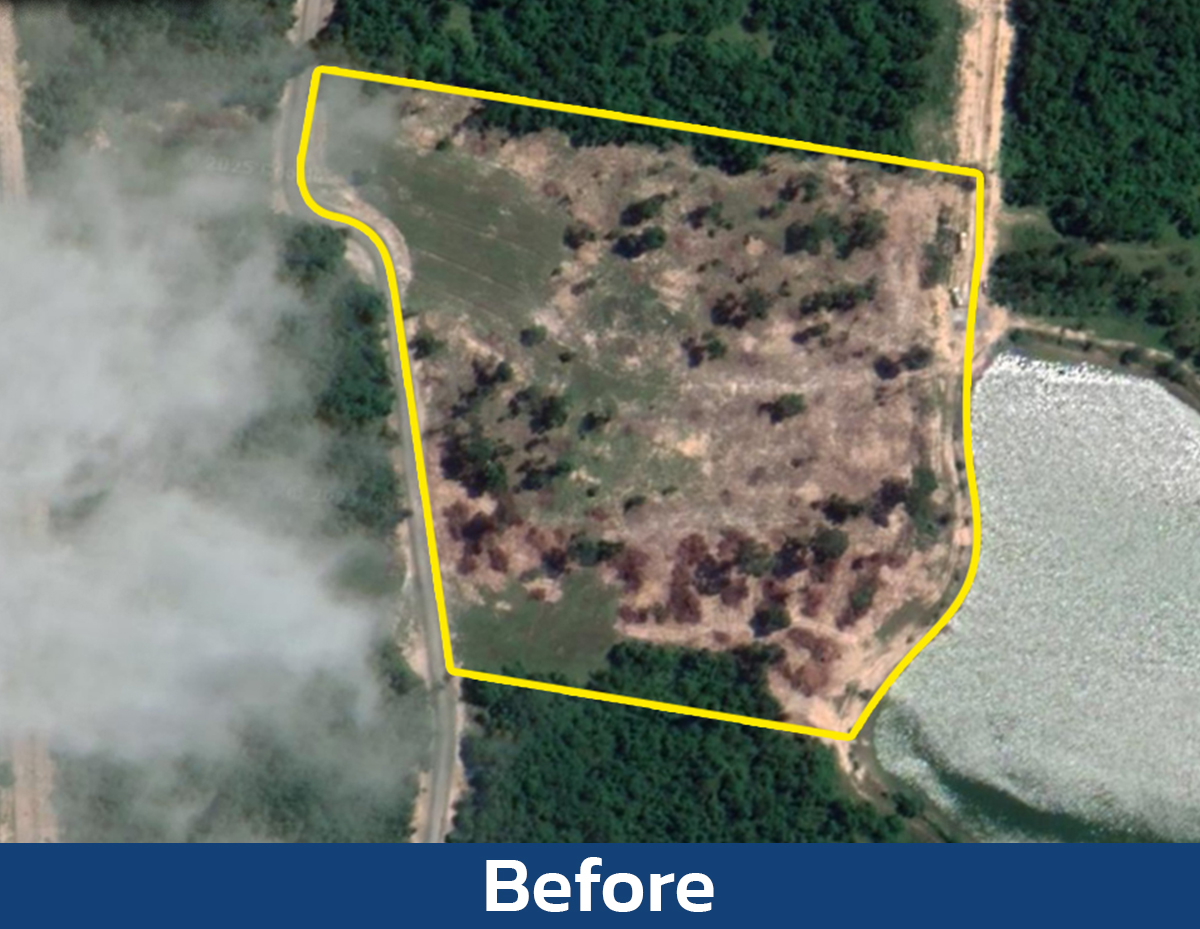
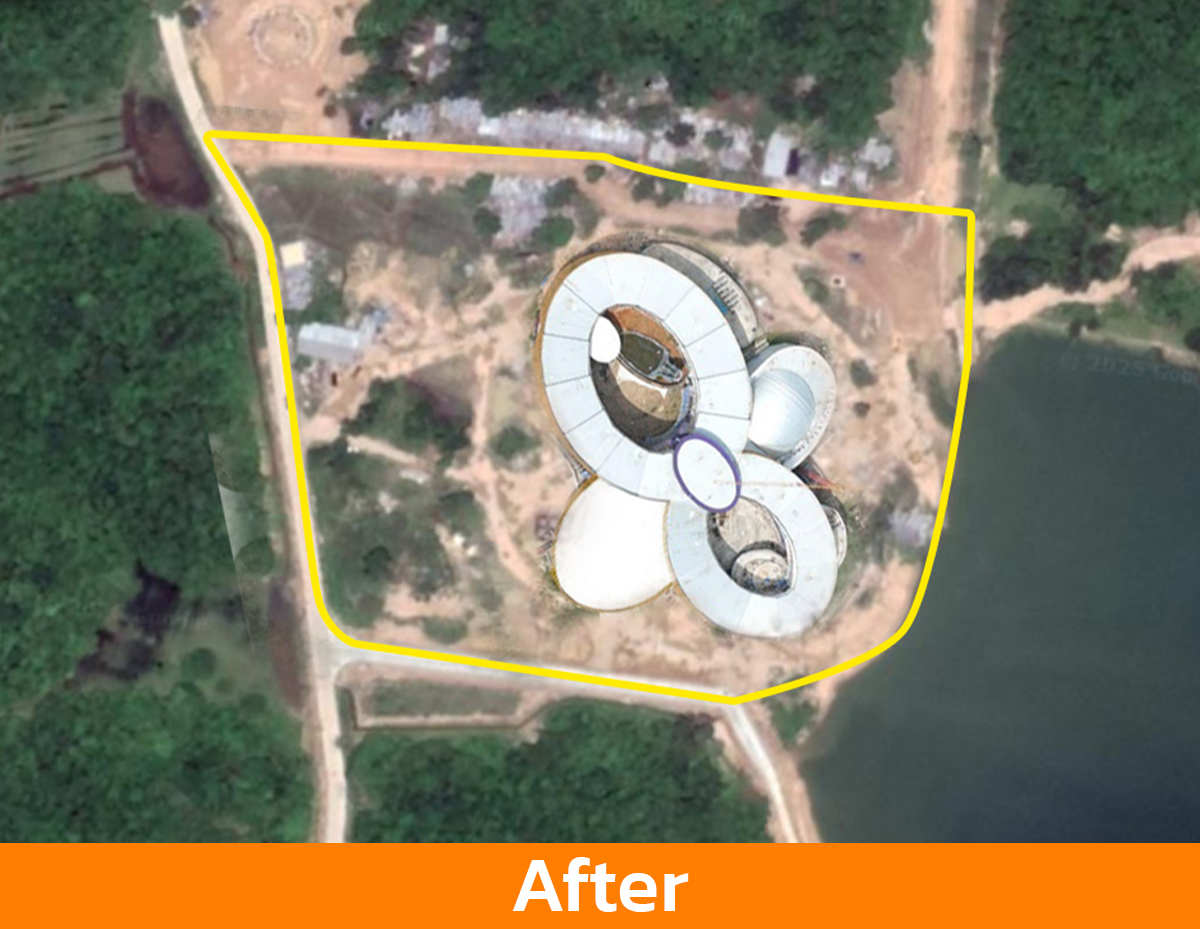
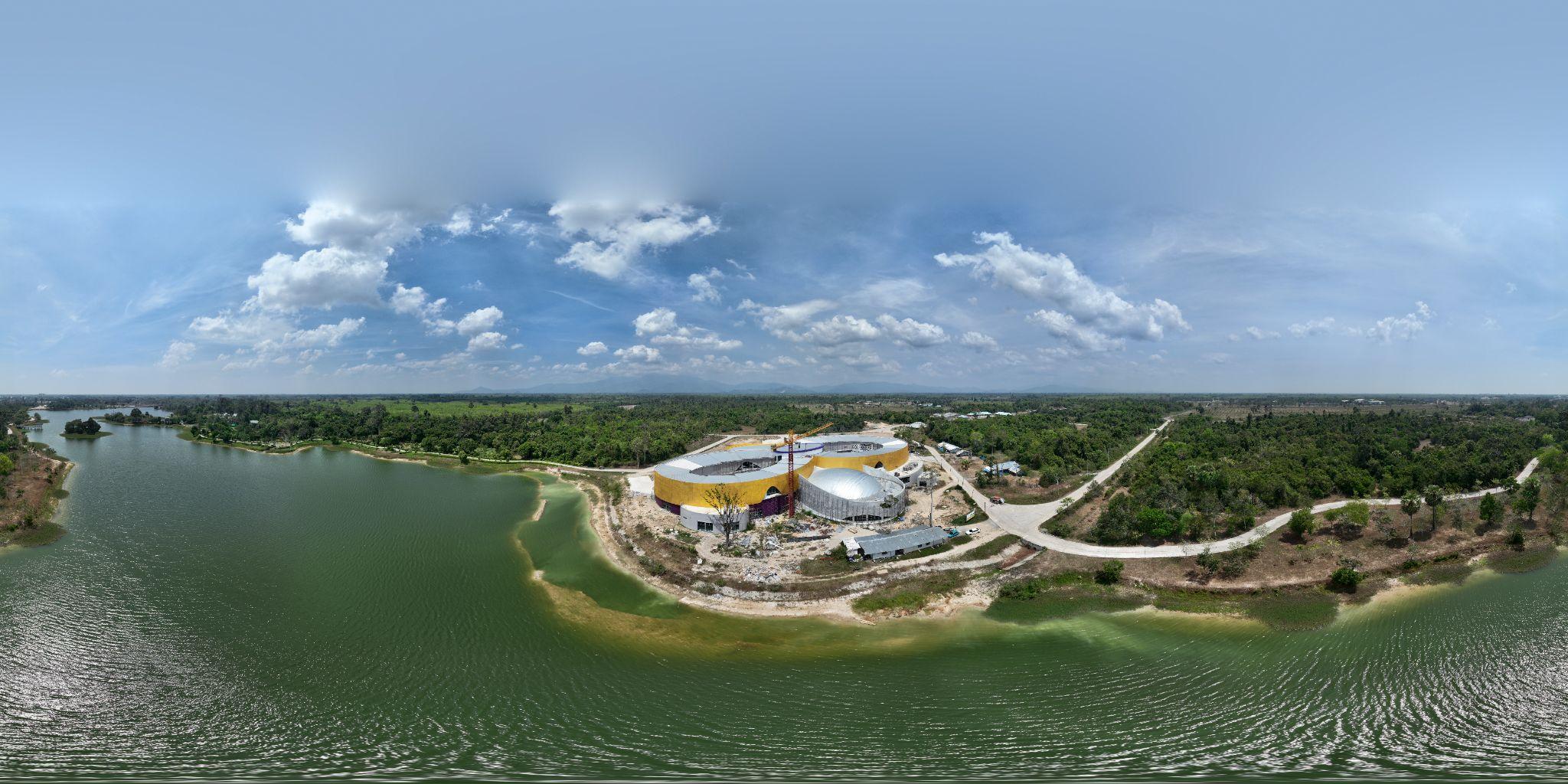
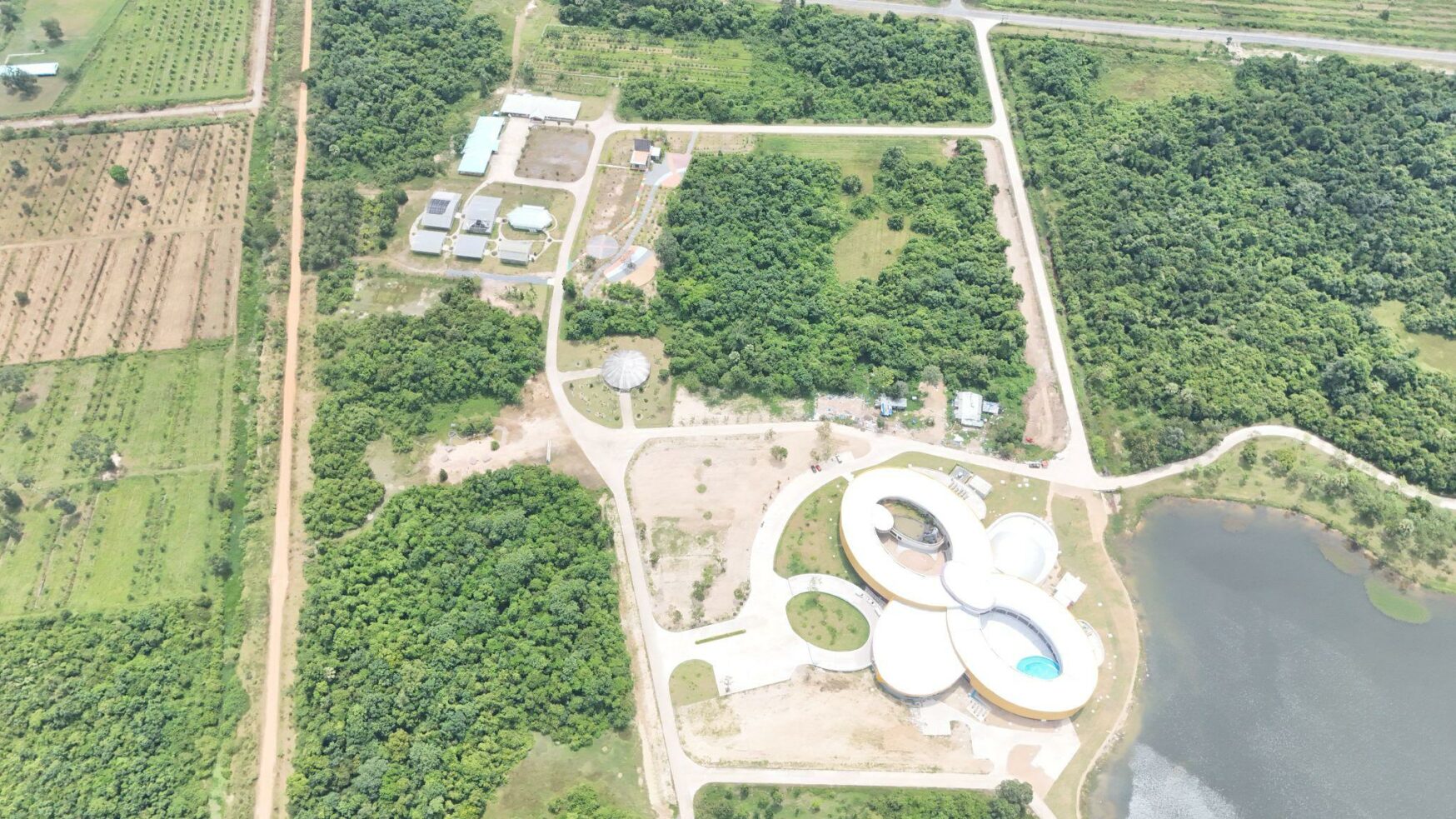
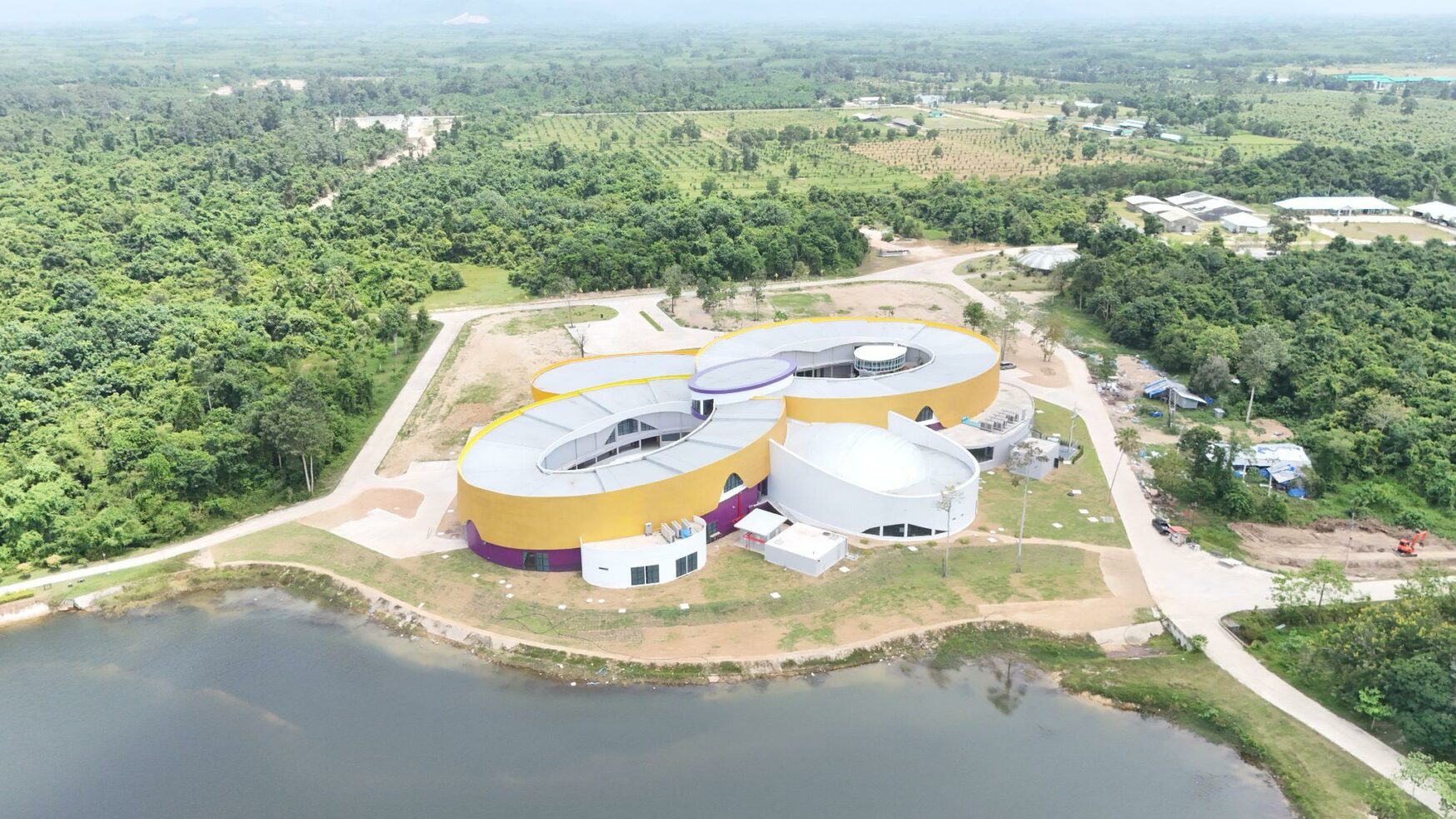
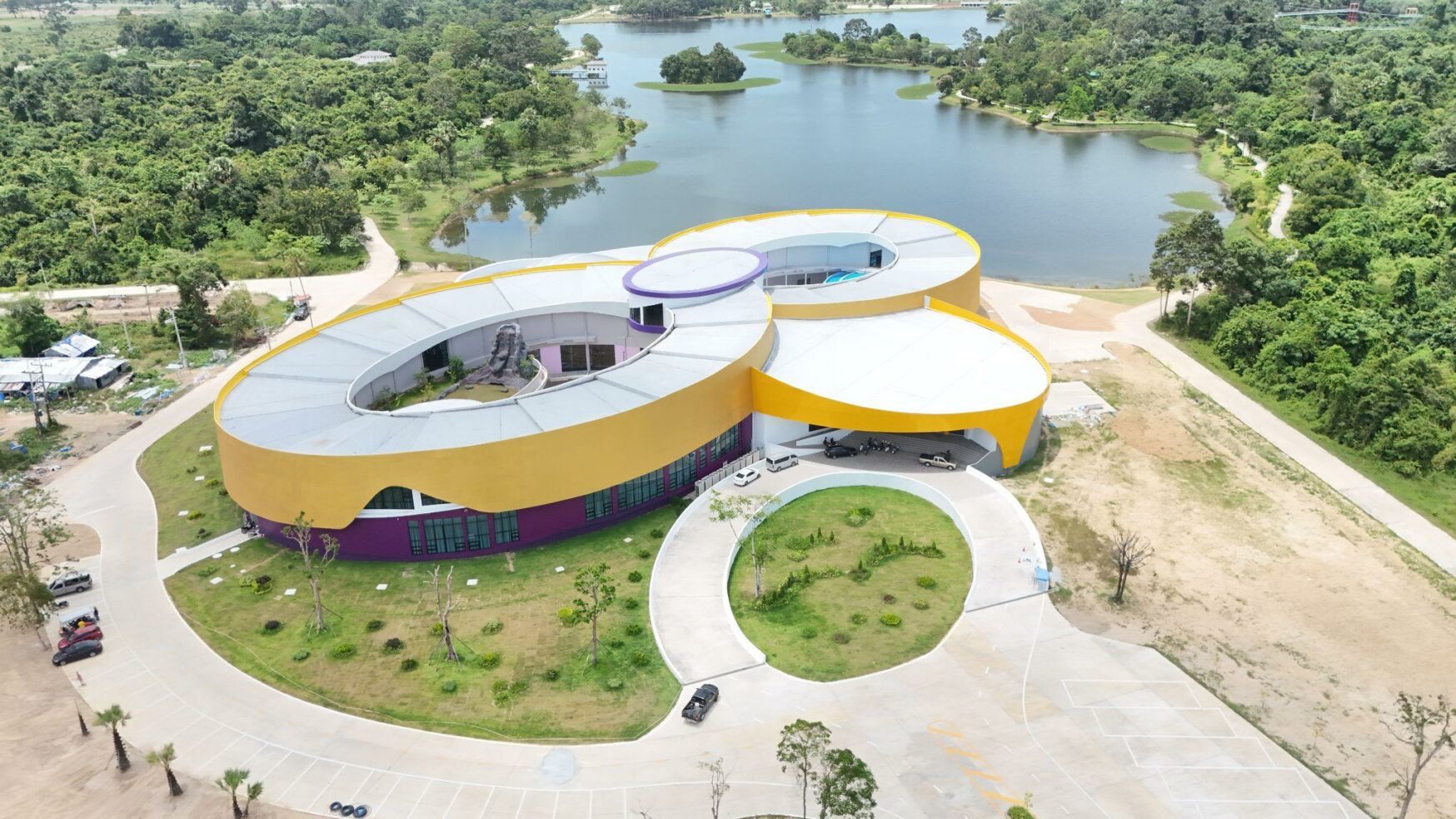
Figures : The area condition of the brownfield site during the construction of the museum in 2024
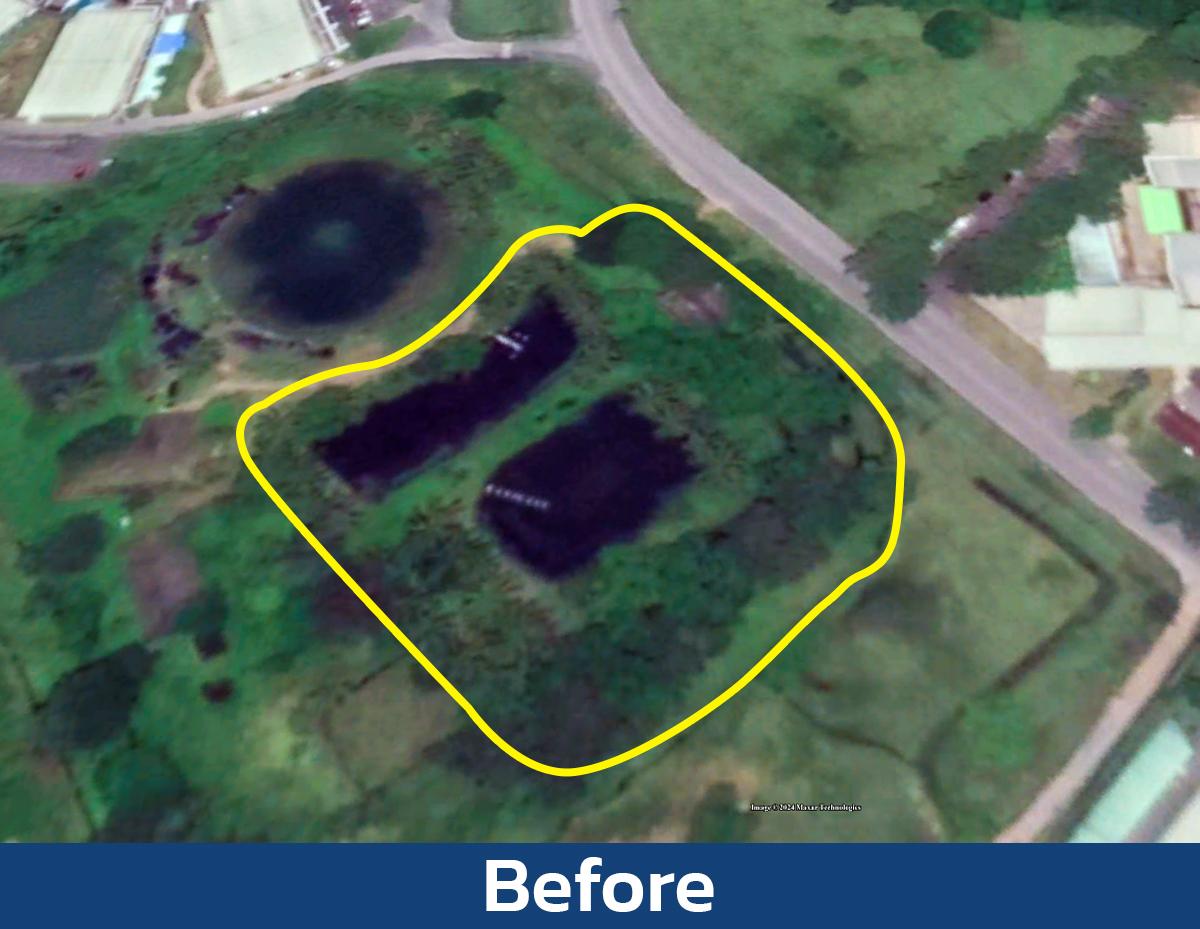
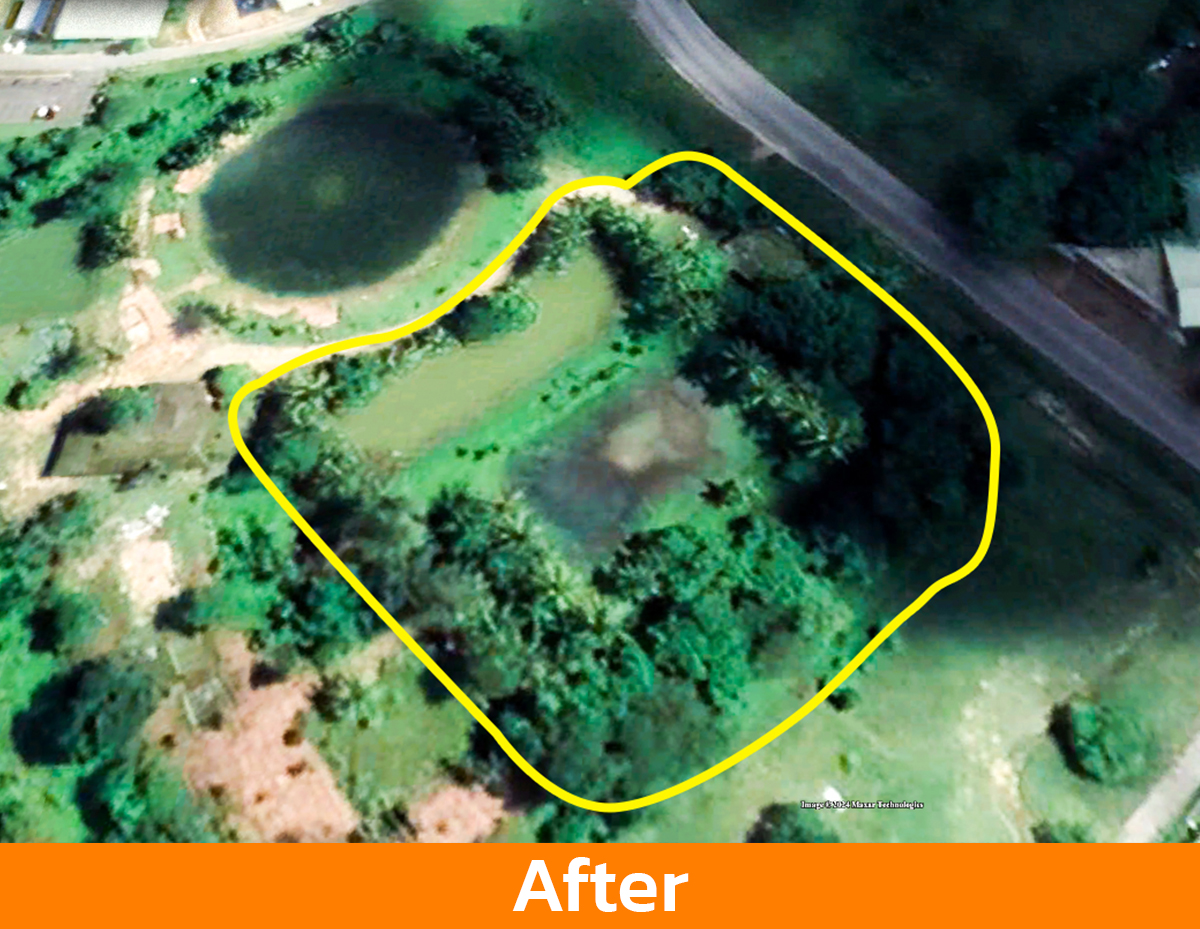
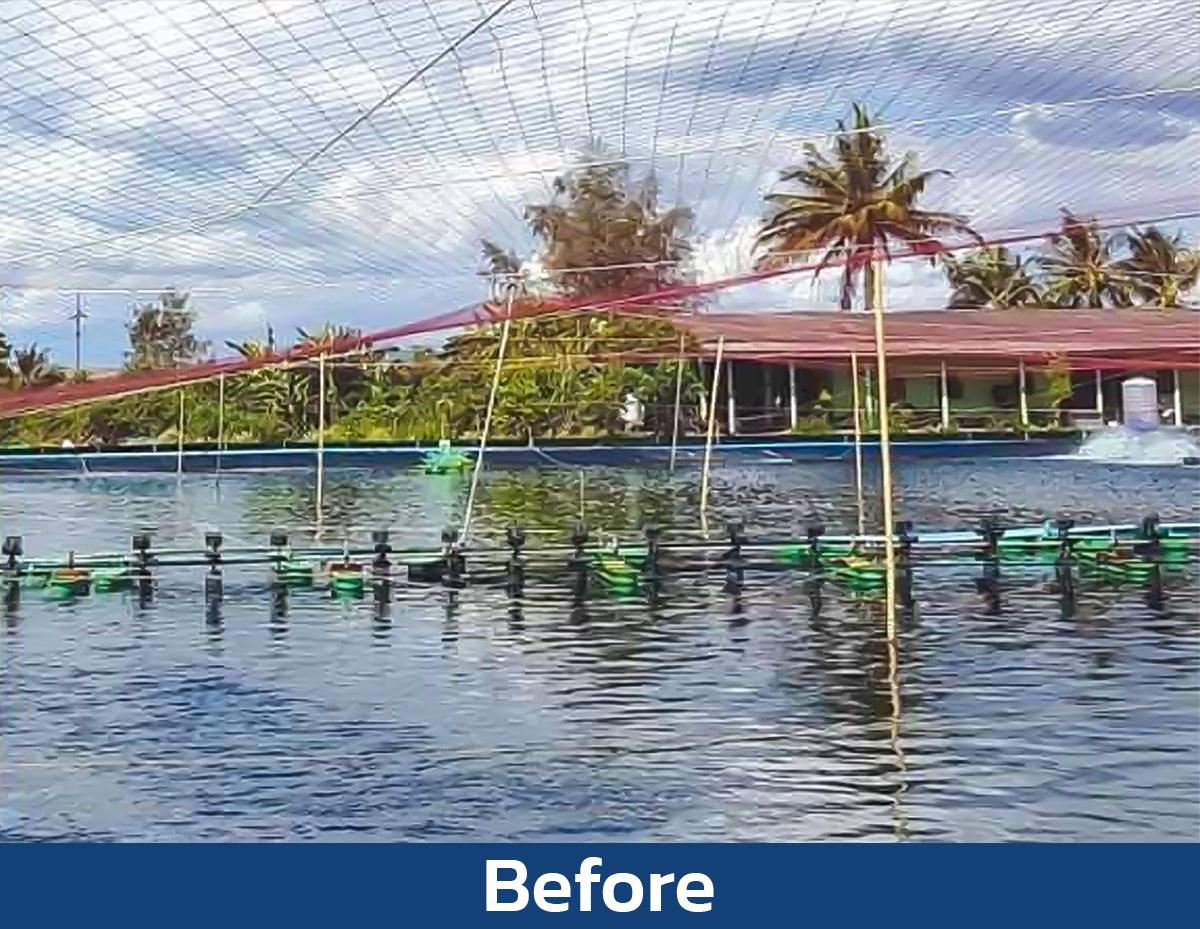
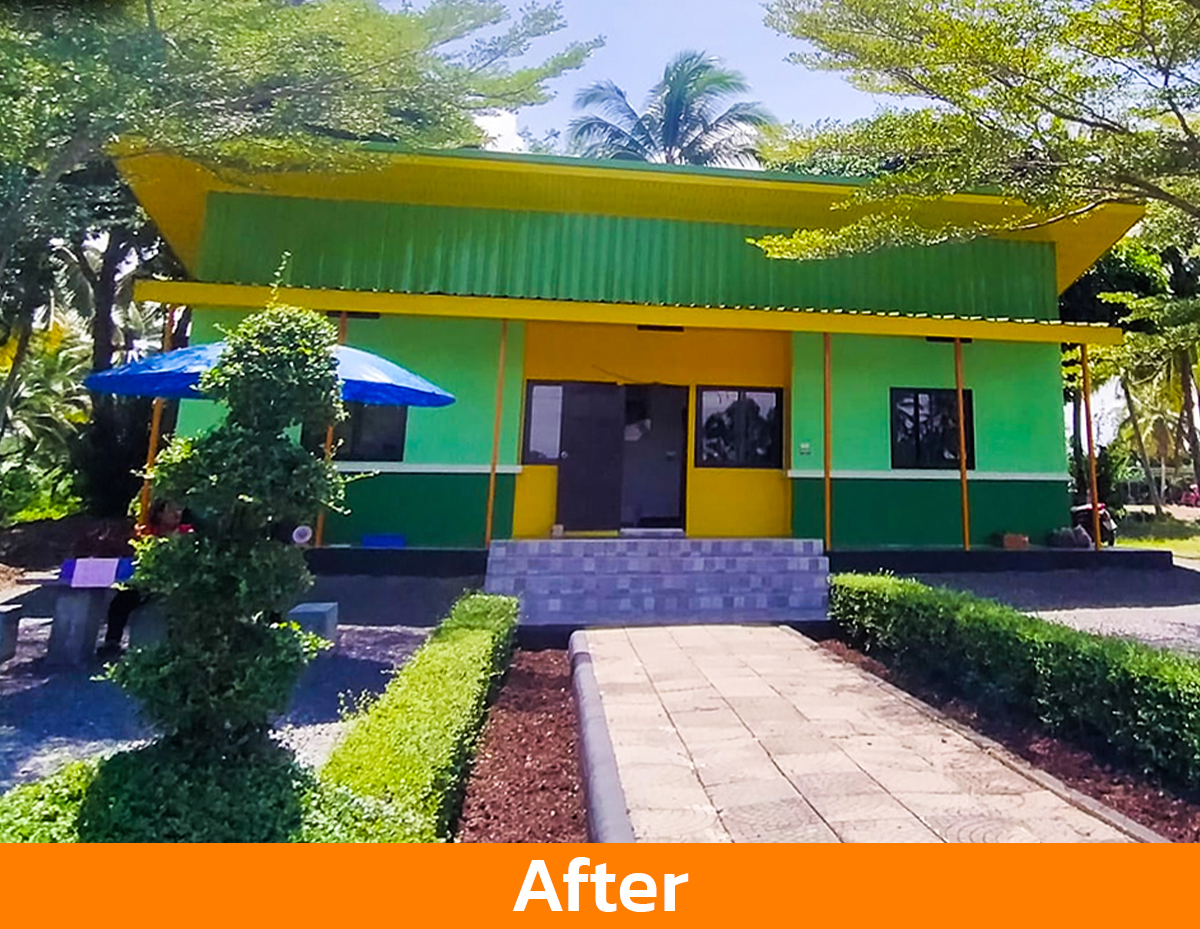
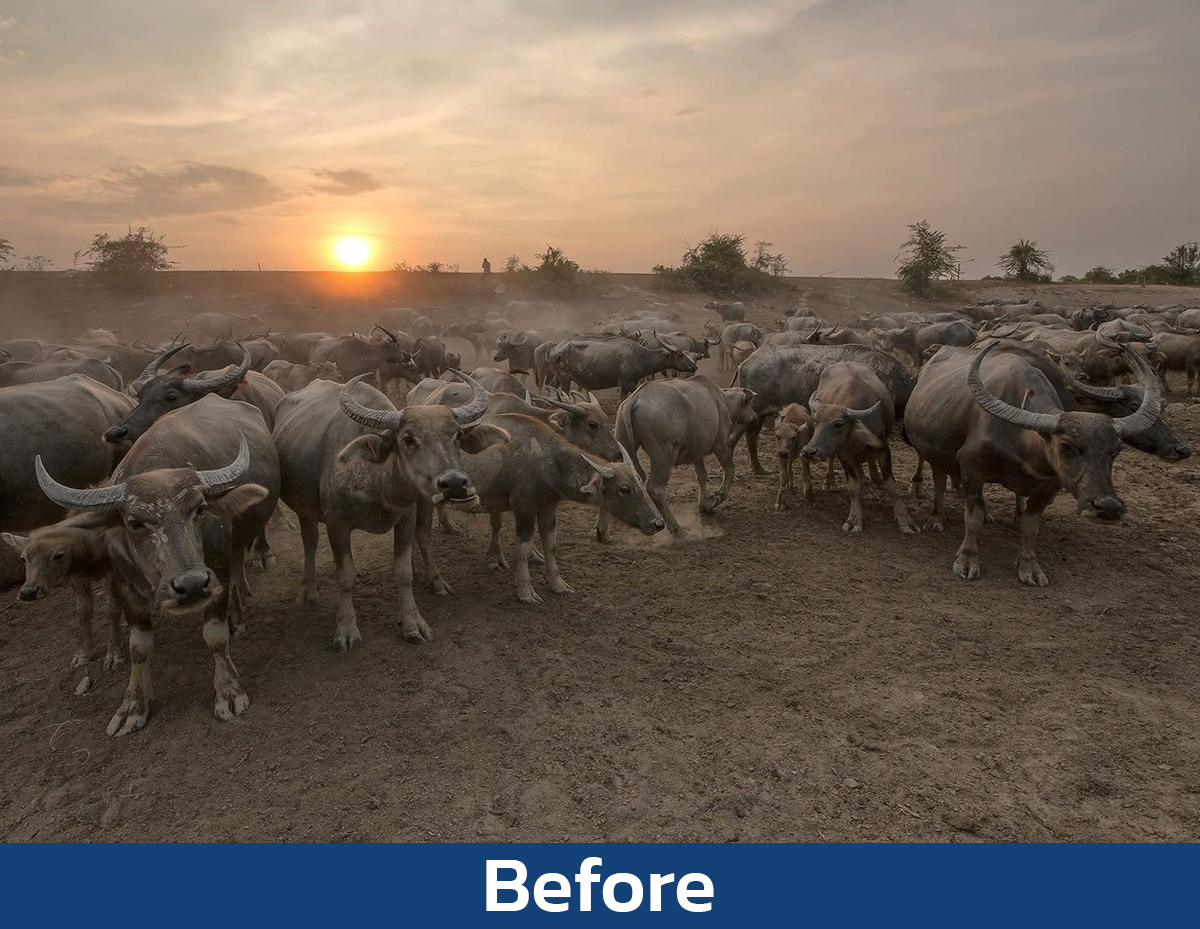
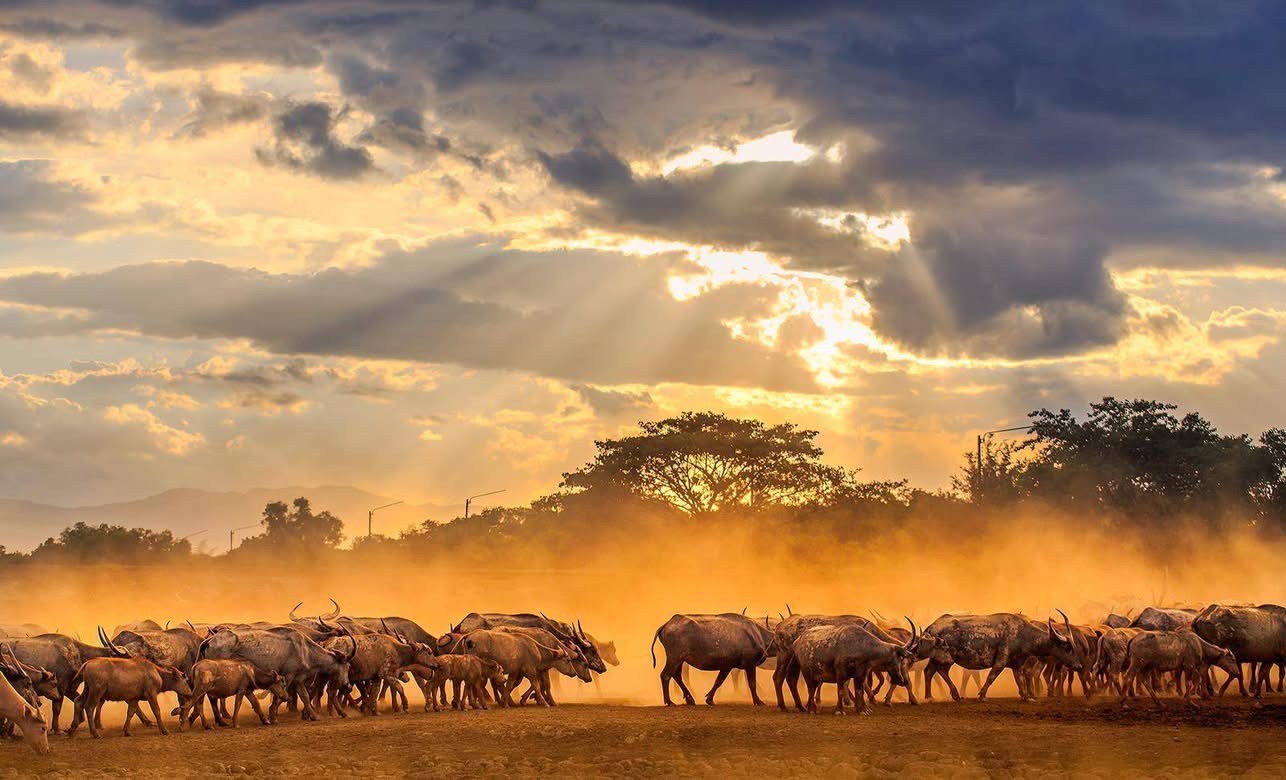
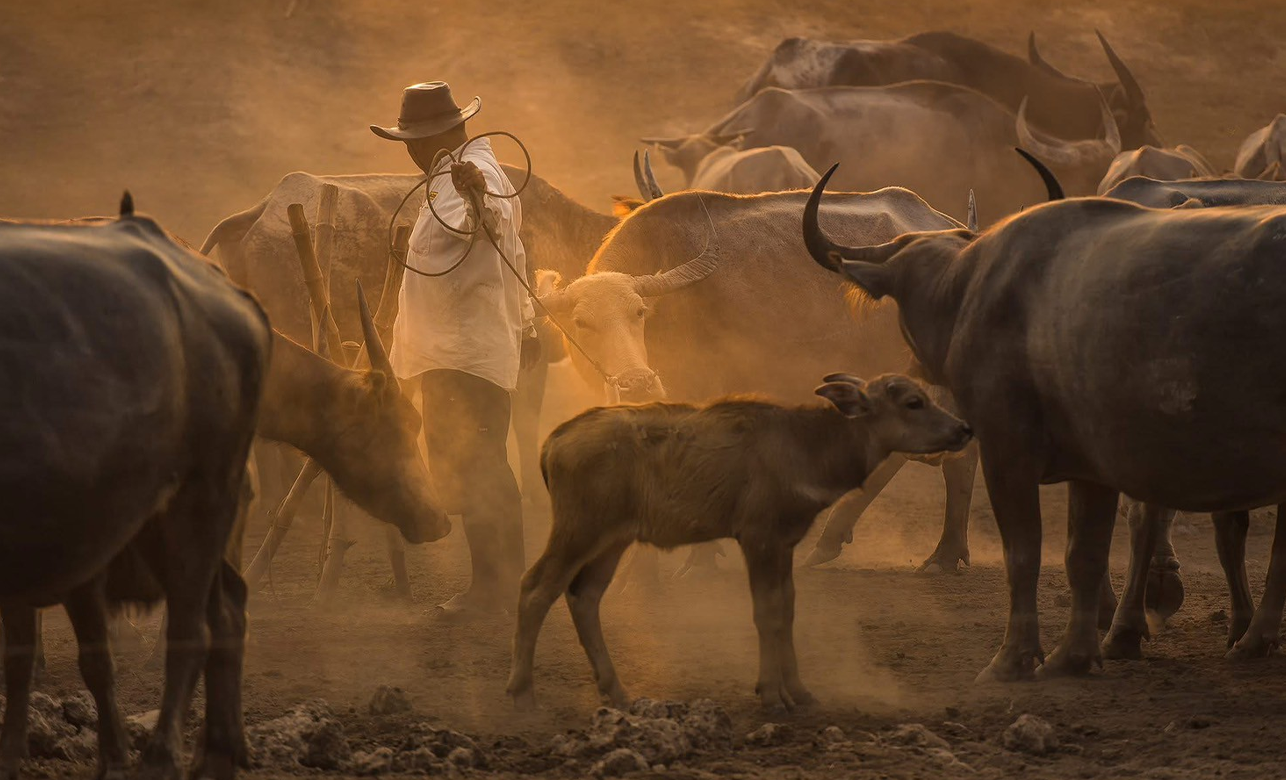
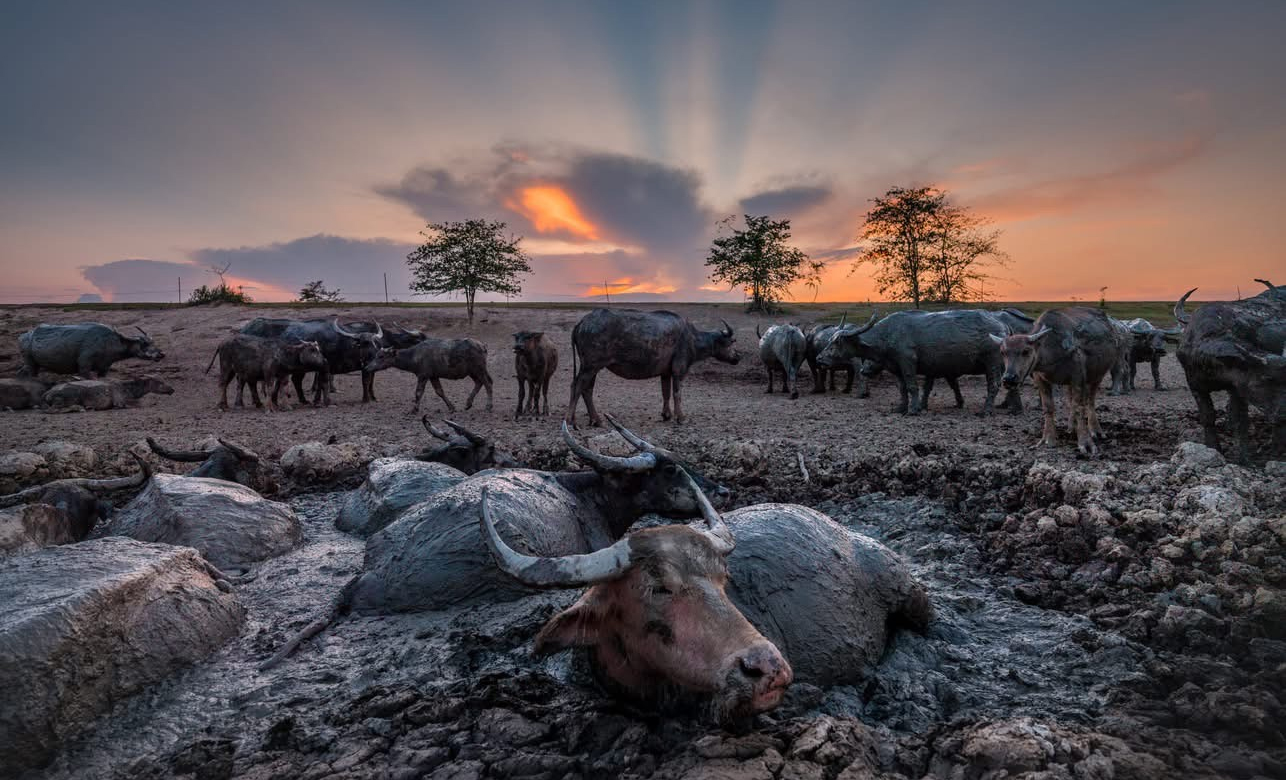
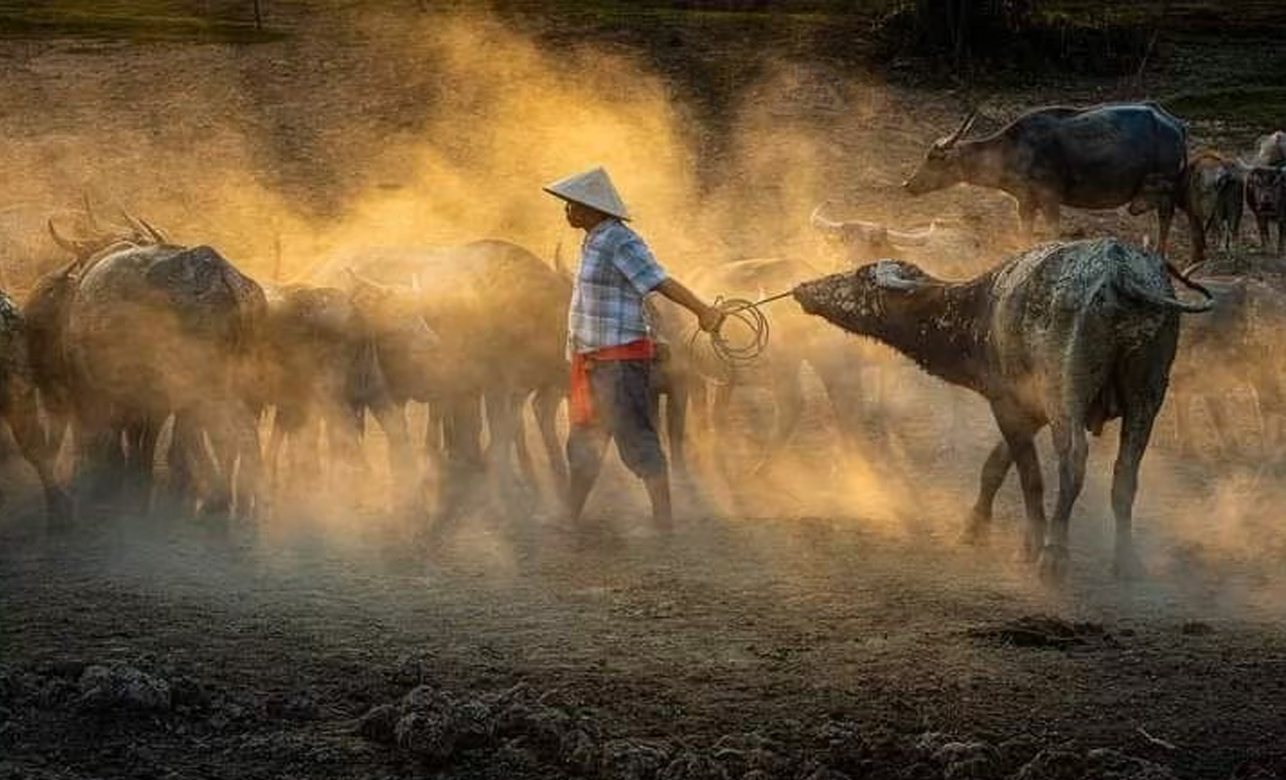
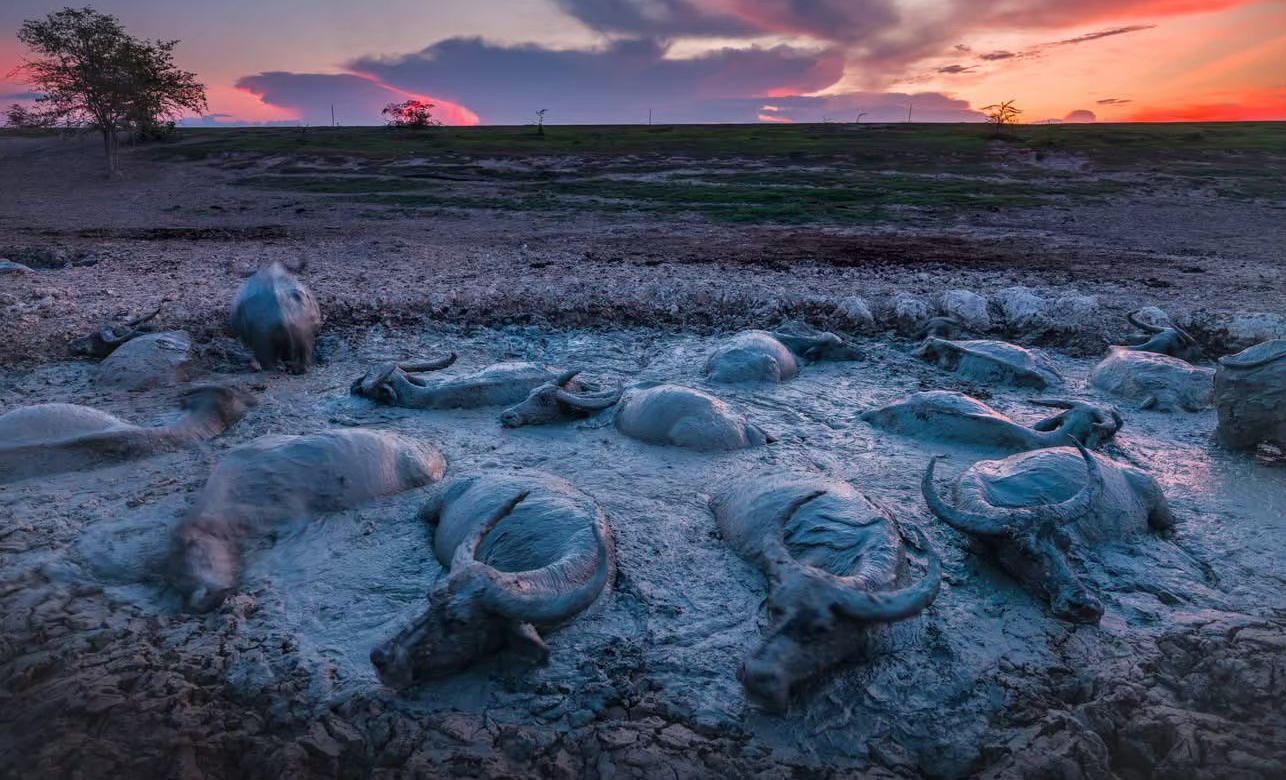
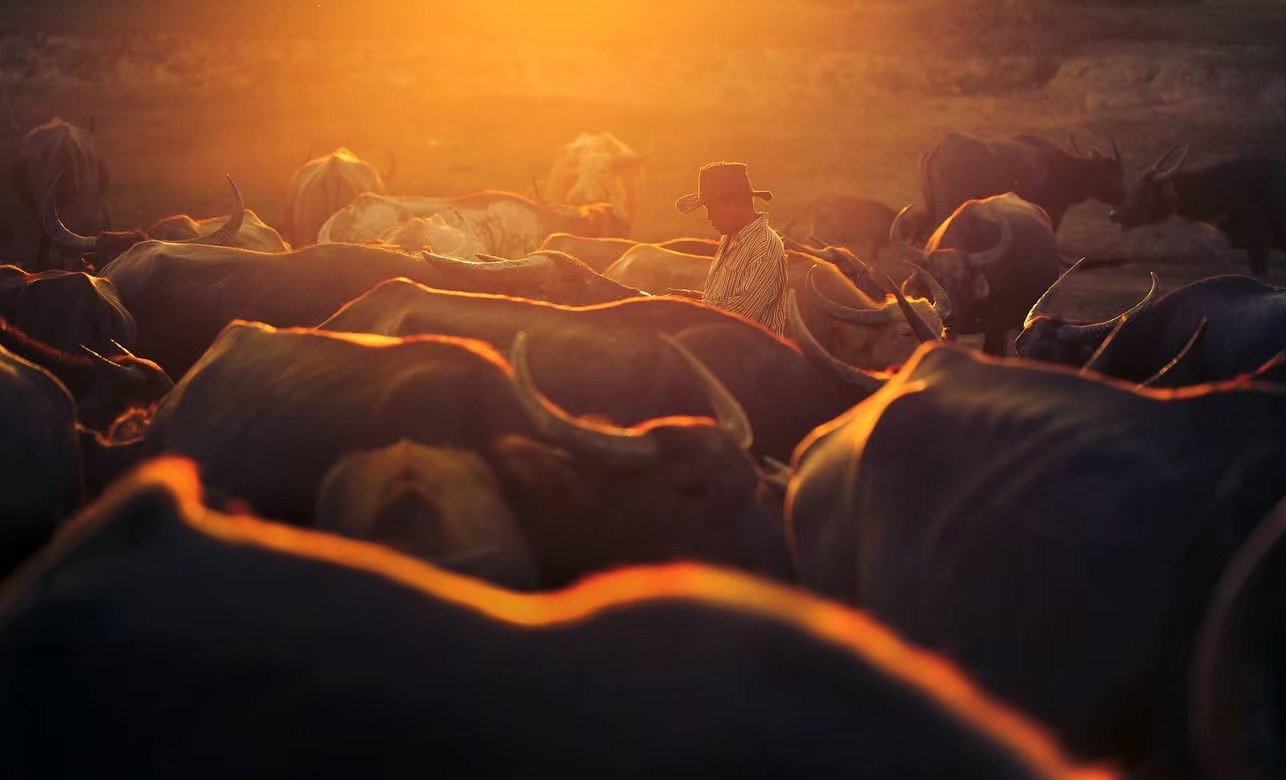
In 2024, Walailak University constructed the Sirin Museum on land that had previously been used for agricultural and aquacultural activities by the Center for Smart Farming and Landscape Architecture. Before the museum’s establishment, the area had served as a buffalo farming site—once regarded as the largest in southern Thailand, with more than 200 buffaloes. The long-term farming activities had led to soil pollution caused by animal waste contamination. Waste from buffalo farming may contain bacteria such as Escherichia coli (E. coli) and Clostridium perfringens, which can cause diarrhea and food poisoning if they contaminate water sources or soil used for cultivation. Moreover, animal manure often carries chemical residues from antibiotics or other substances used in livestock farming, which can leach into the soil and groundwater. The accumulation of nitrates in the manure can further contaminate groundwater, posing potential risks to human health.
Subsequently, the WU Botanic Park—recognized as a leading center for promoting the Royal Initiative Projects of Her Royal Highness Princess Maha Chakri Sirindhorn (RSPG) in the upper southern region—was entrusted with the mission to establish the Sirin Museum on the brownfield site, demonstrating Walailak University’s commitment to transforming an abandoned area into a valuable educational facility. The museum was conceived as a learning space to raise public awareness of Thailand’s natural and cultural heritage, encompassing biological, physical, and cultural resources, as well as traditional knowledge, with the aim of fostering collective efforts in conservation and sustainable development.
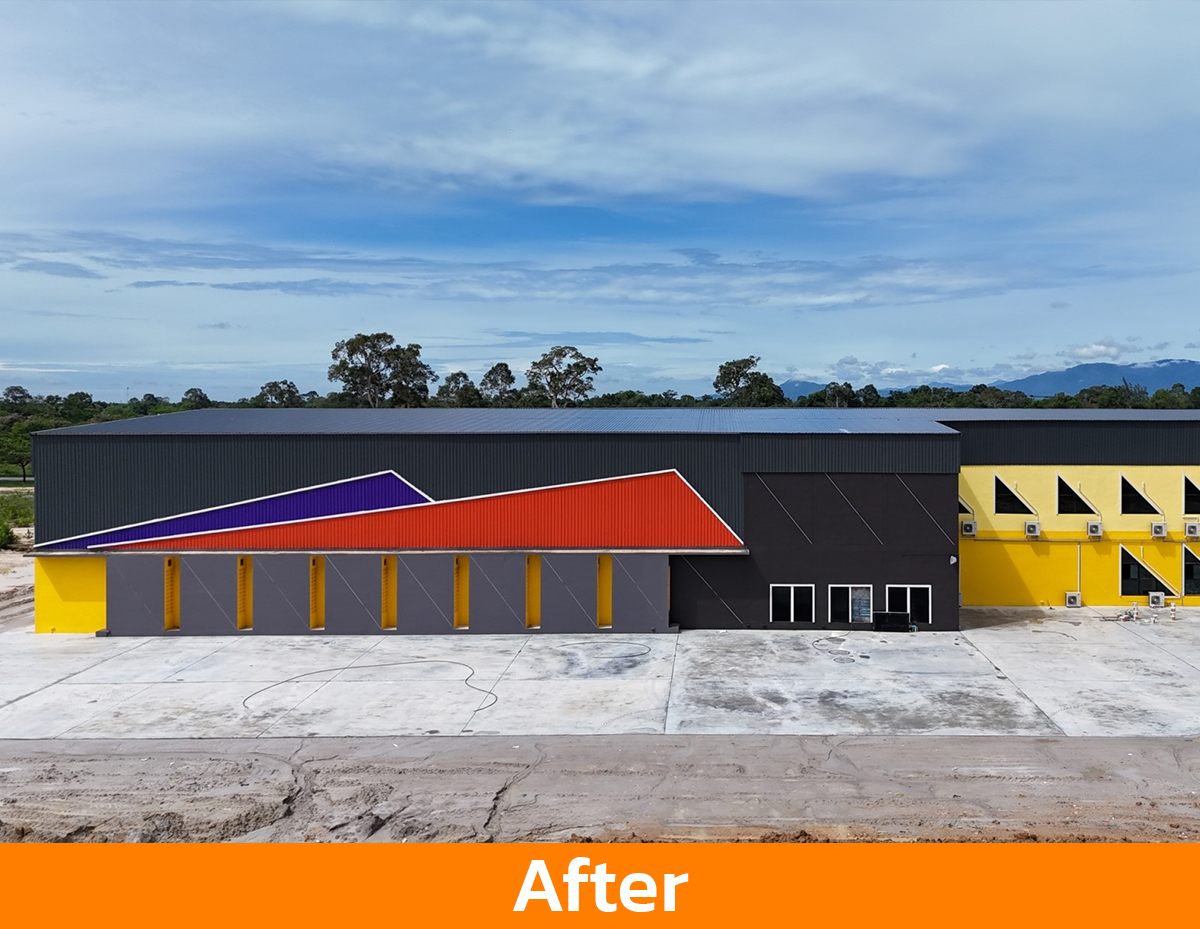
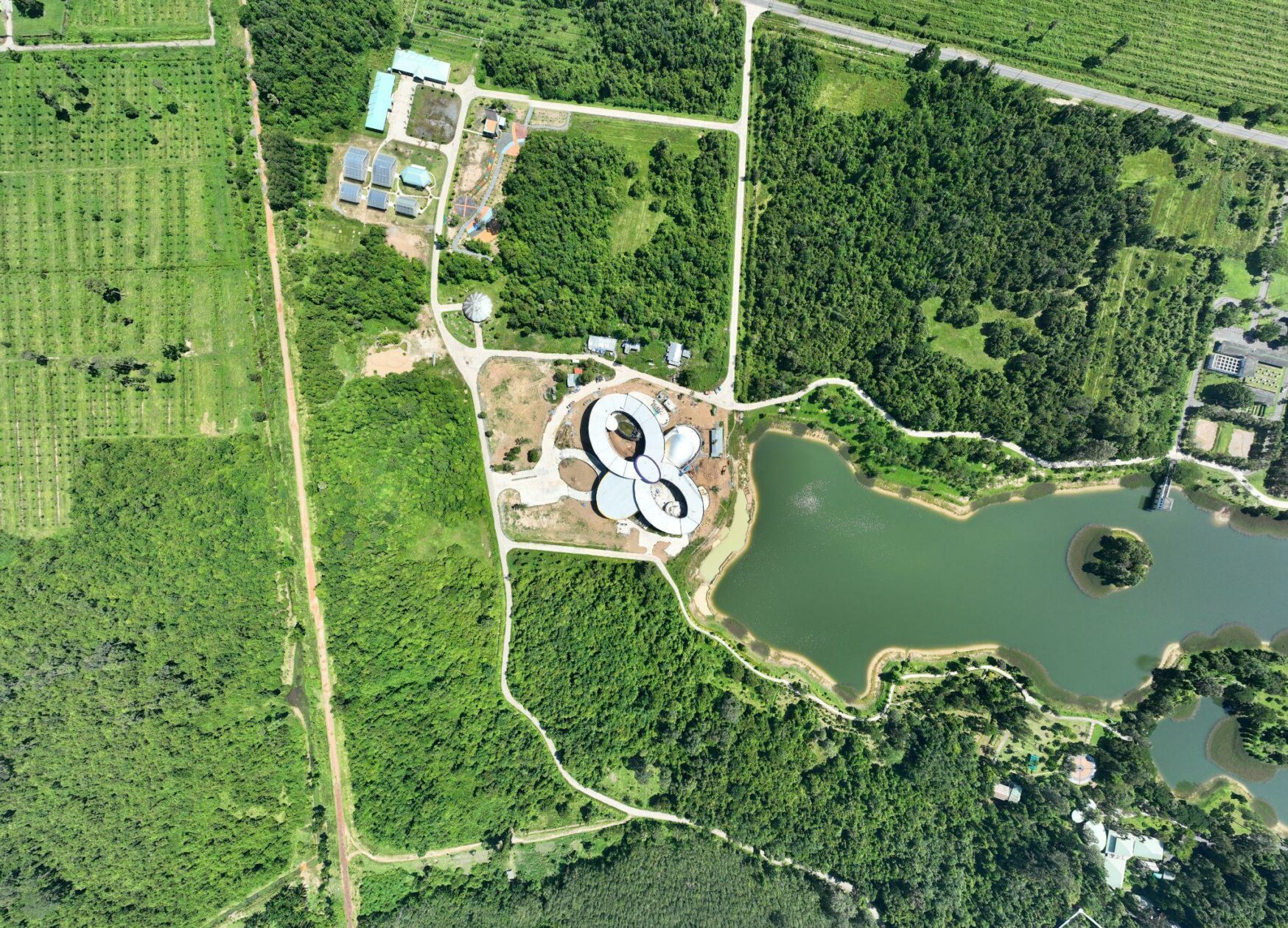
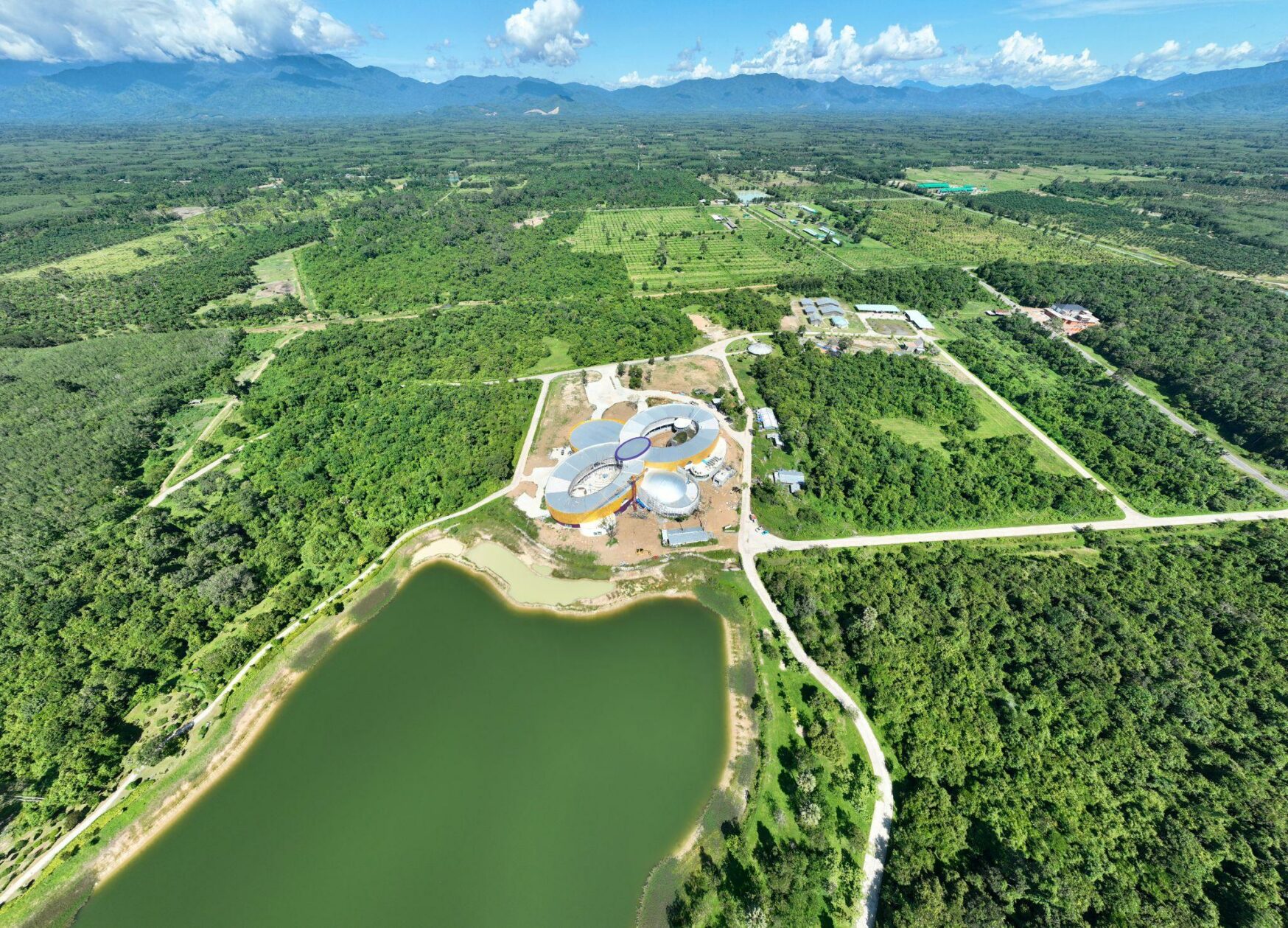
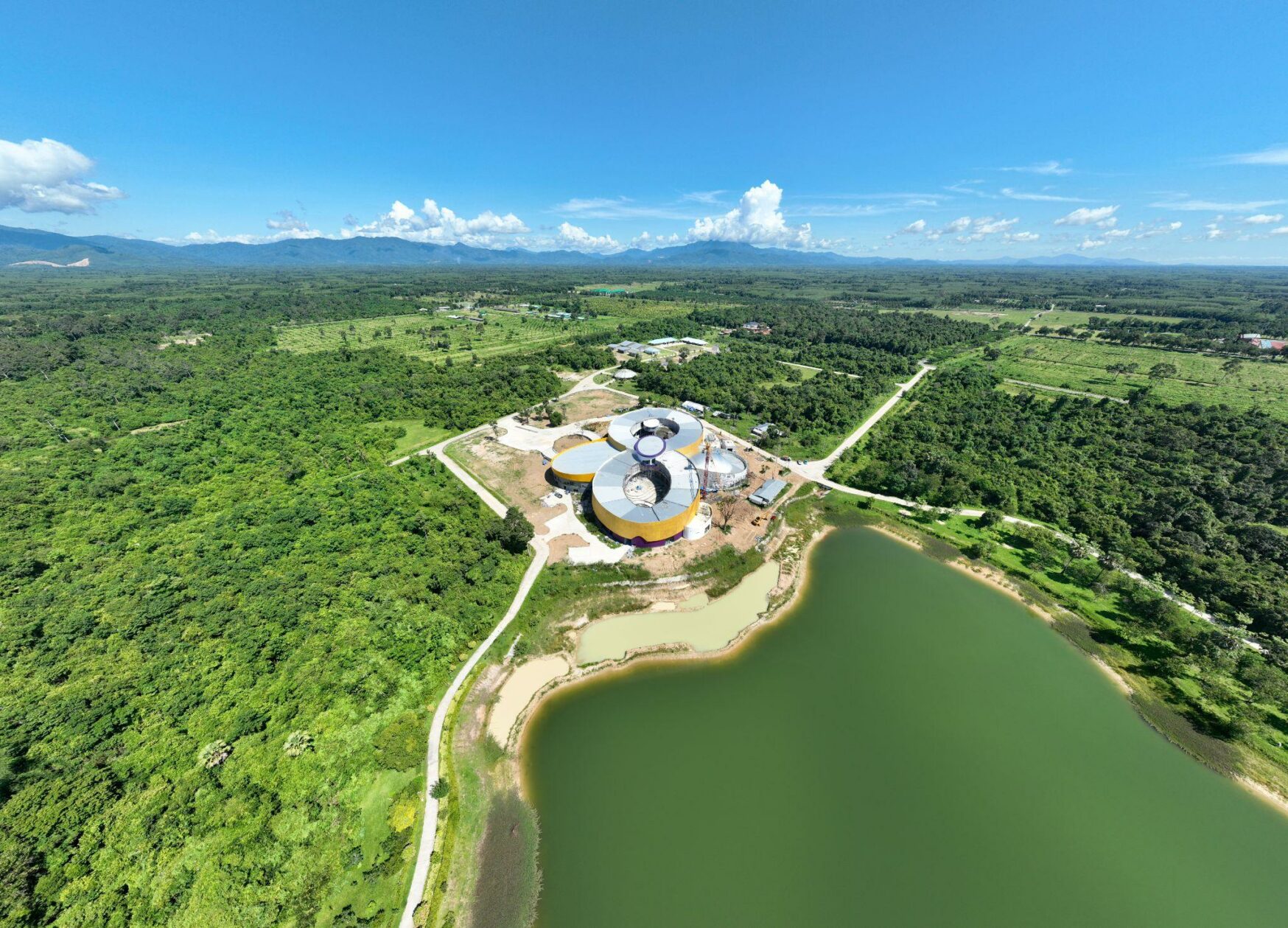
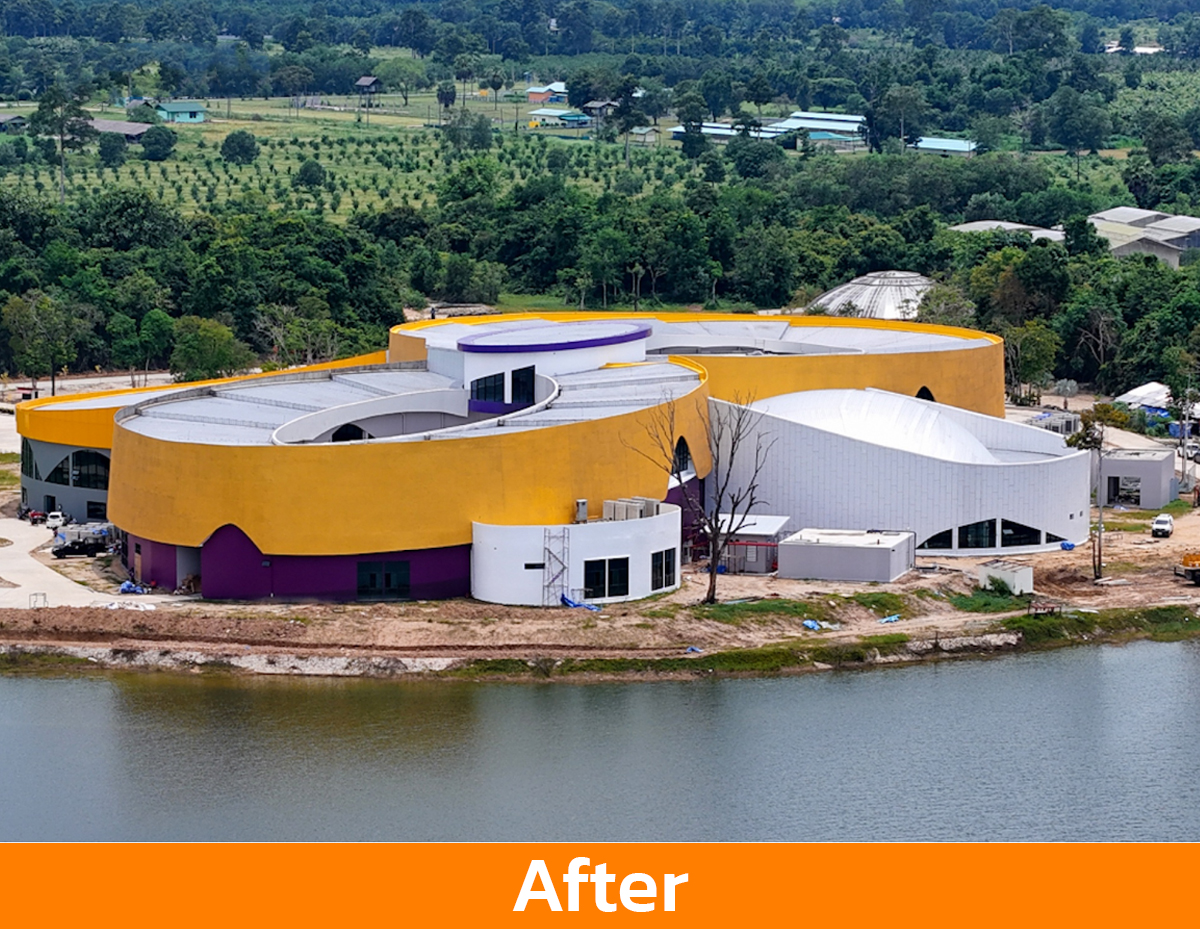
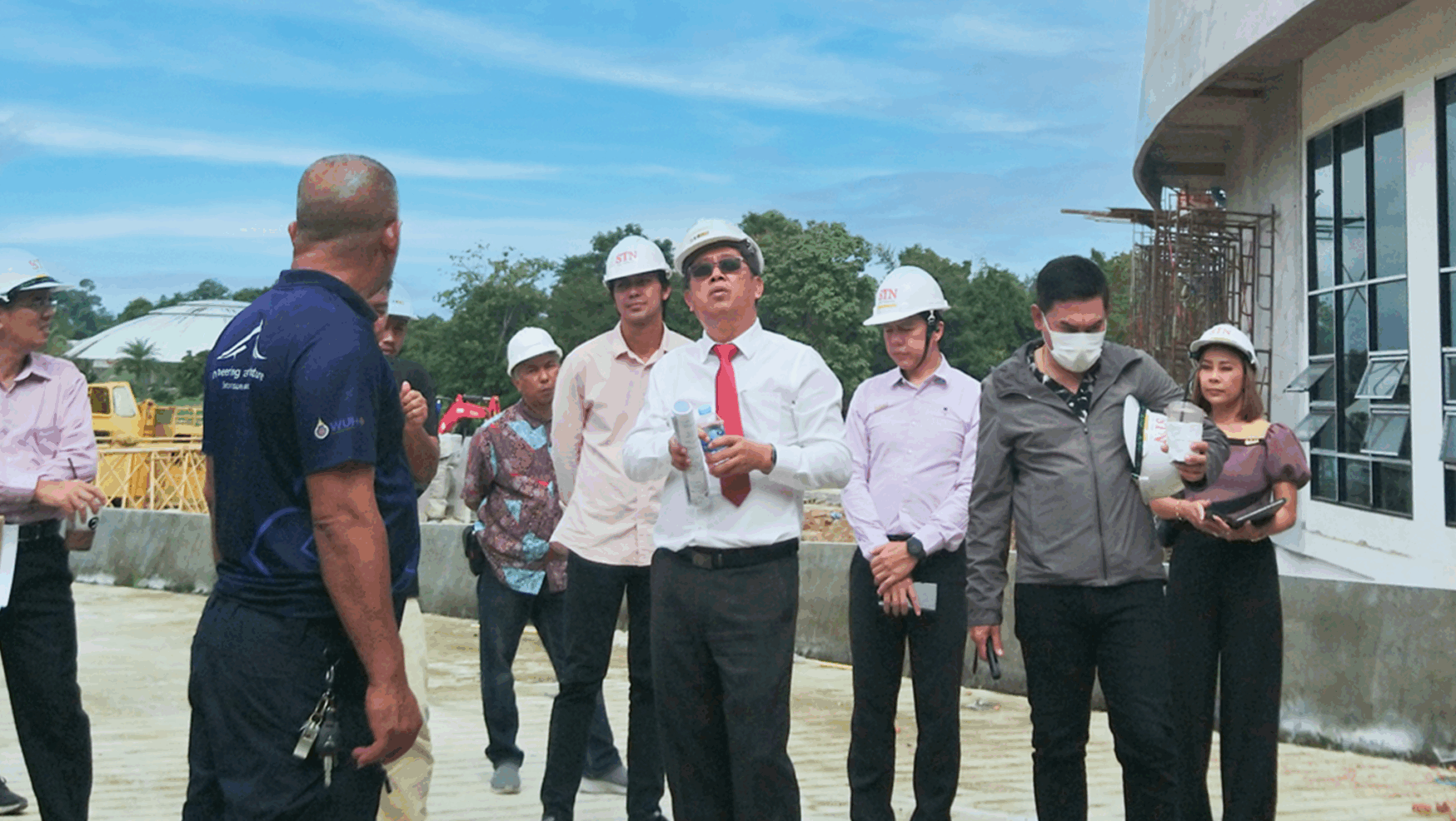
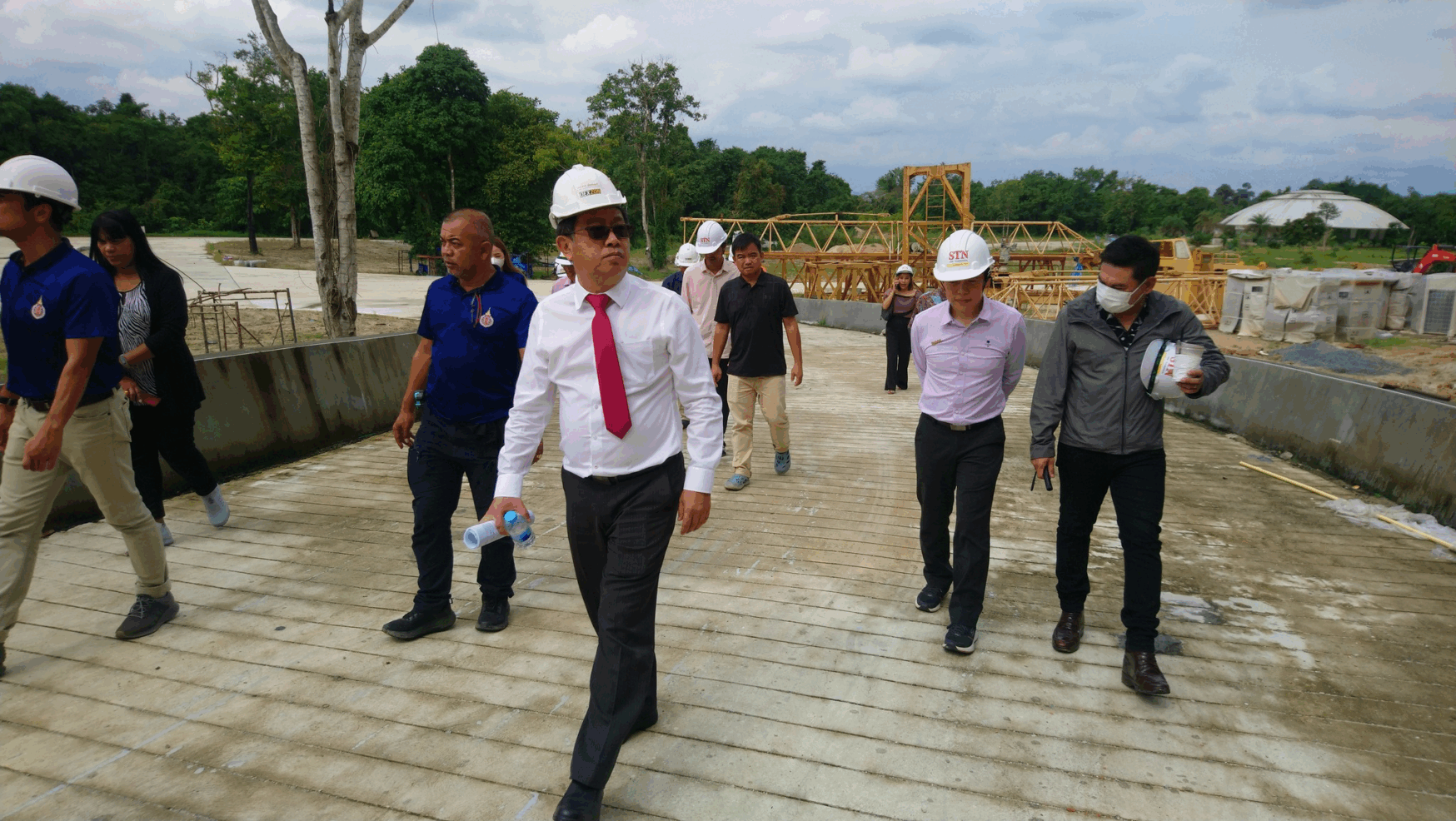
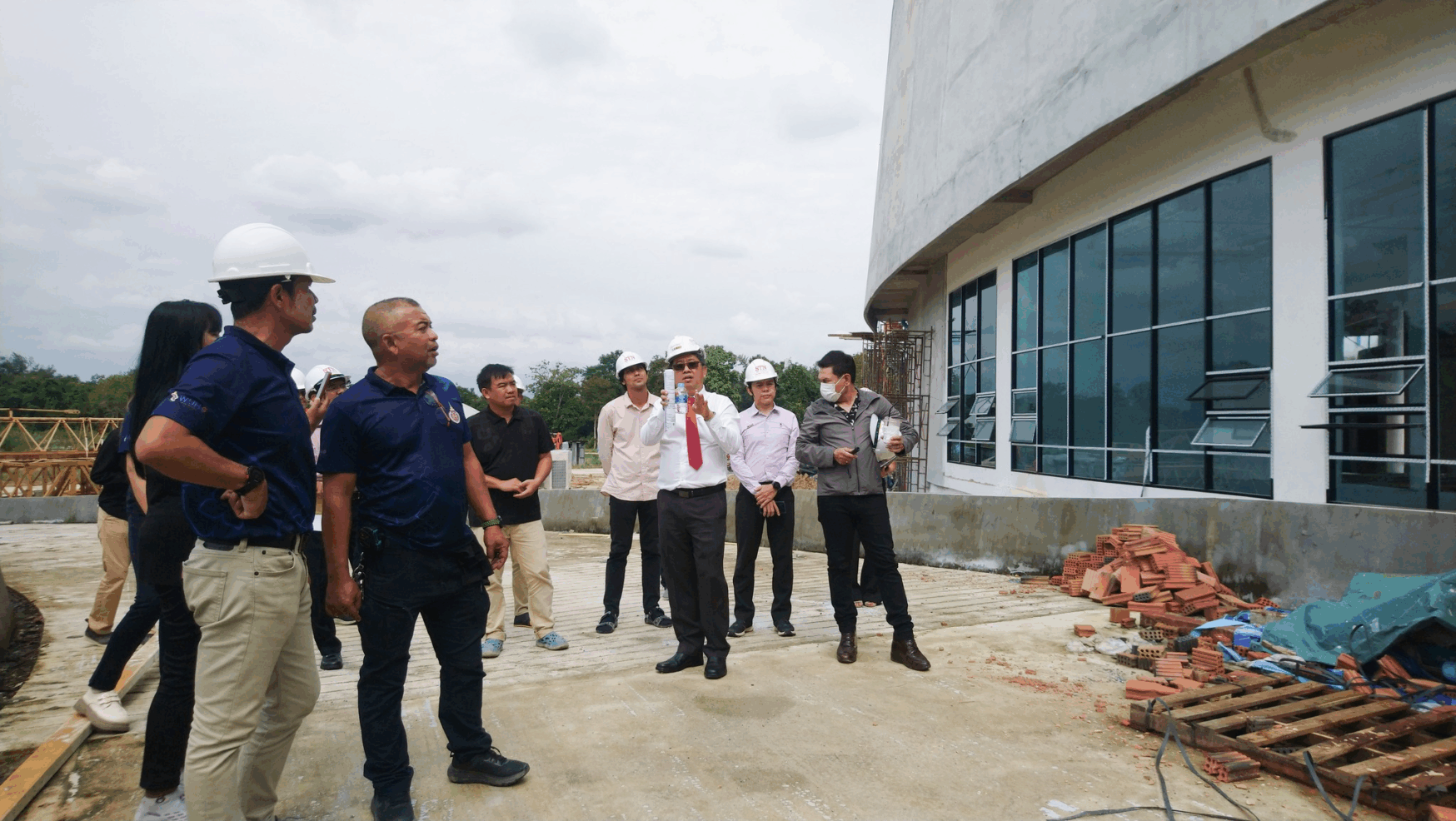
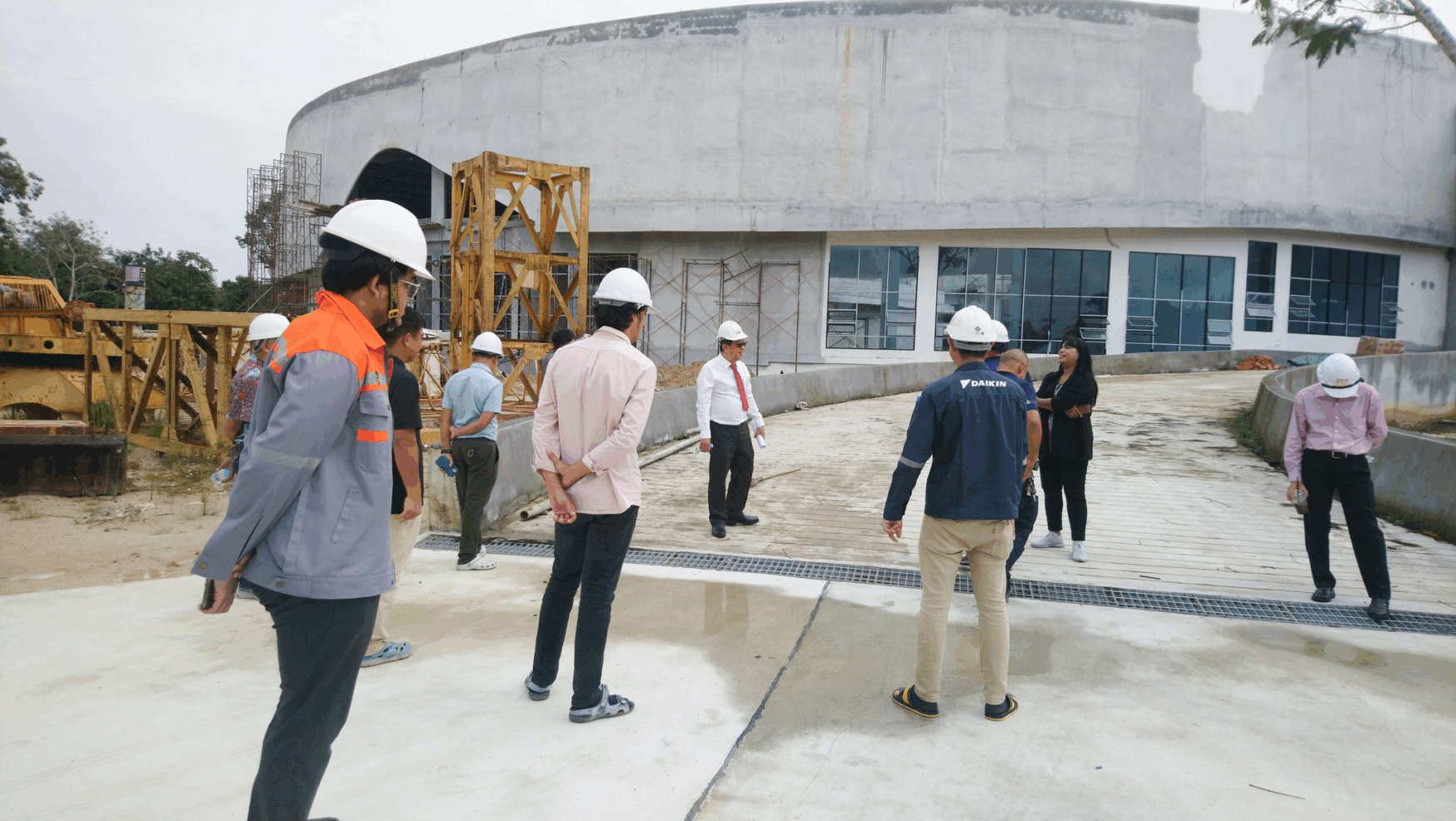
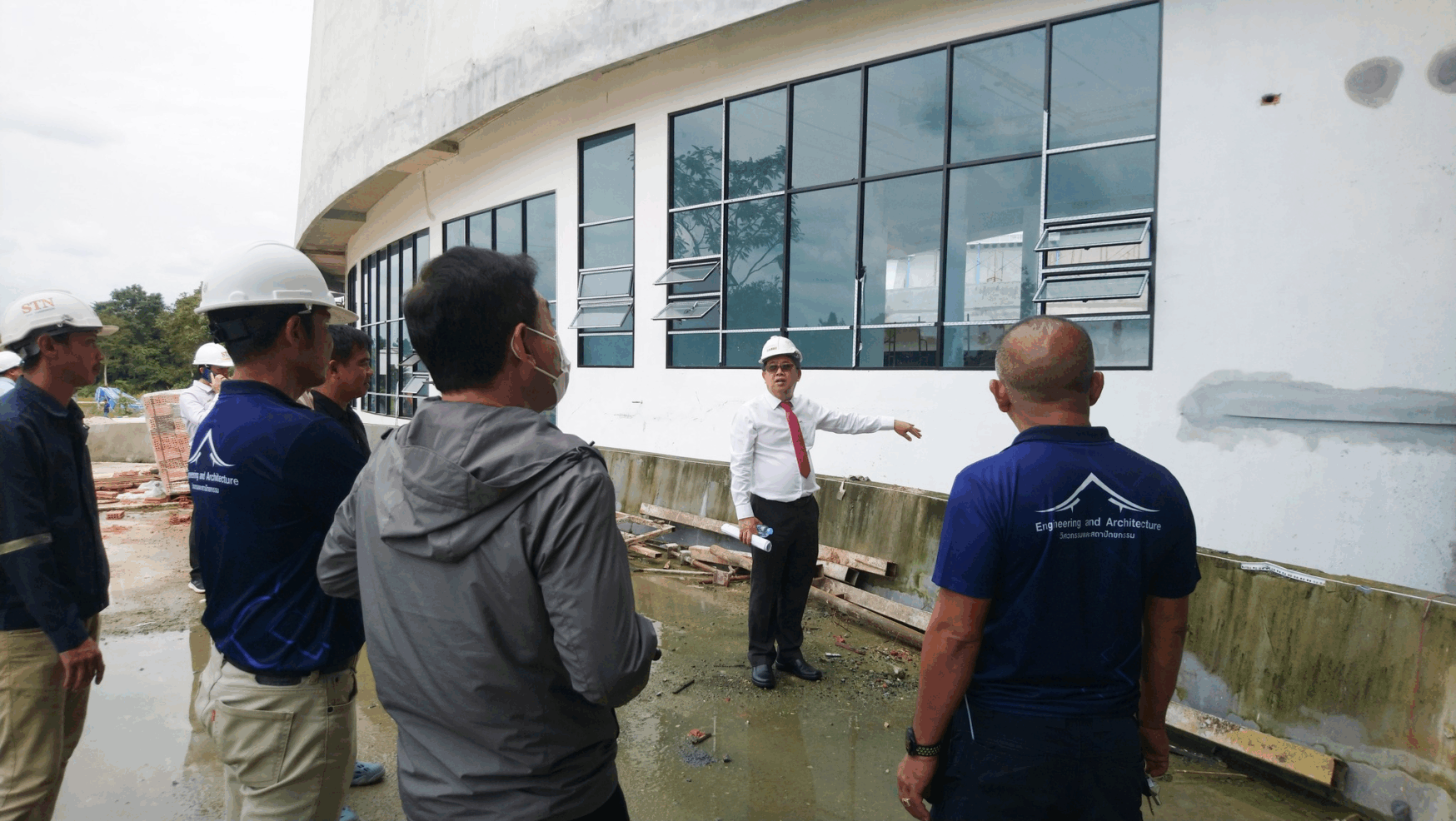
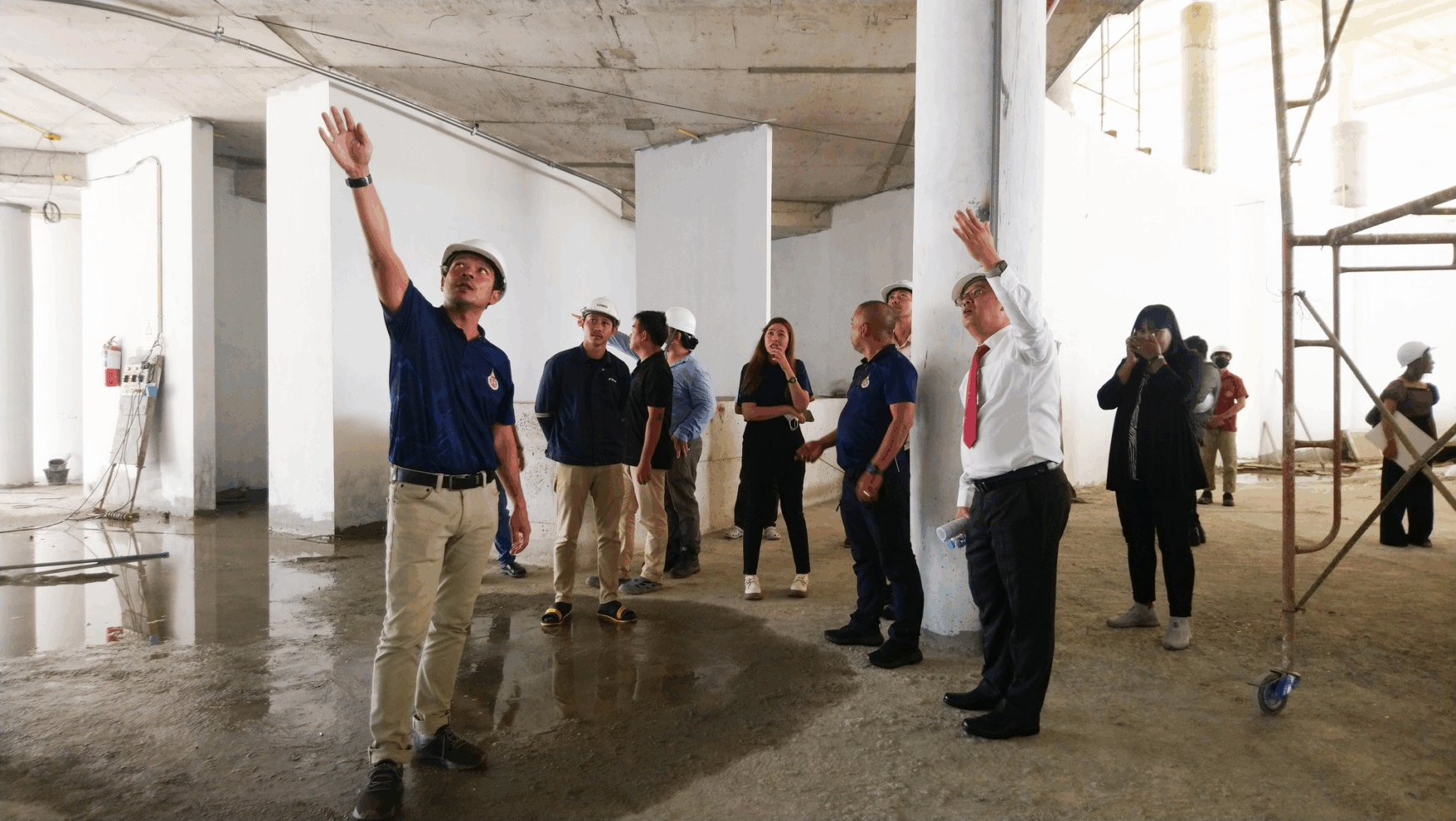
Figures : Walailak University tracking the progress of building the Sirin Museum
In preparation for the museum’s construction, Walailak University conducted a comprehensive site assessment to identify a suitable location on campus. The university decided to utilize the abandoned brownfield site and began a detailed redevelopment process to restore the area to a safe and usable condition. This process included soil and water testing, removal of contaminated topsoil, treatment of residual chemicals, and replacement with clean, fertile soil. Native plant species were reintroduced to stabilize the soil and restore the ecological balance. Drainage systems were improved to prevent future contamination, and sustainable landscaping techniques were applied to rehabilitate the area.
Through these systematic restoration and sustainability-focused efforts, the former brownfield land was successfully transformed into a clean, safe, and ecologically balanced area. The Sirin Museum stands as a symbol of environmental restoration and sustainable development, demonstrating how degraded land can be revitalized to serve educational, cultural, and societal purposes while supporting the broader goals of environmental conservation and lifelong learning.
In conclusion, the transformation of the brownfield site into the Sirin Museum exemplifies Walailak University’s commitment to sustainable development through rigorous environmental diagnostic assessments, community and institutional engagement, and ongoing measurement of restoration outcomes. This initiative showcases how degraded land can be revitalized into a meaningful educational and cultural space that promotes conservation and lifelong learning.