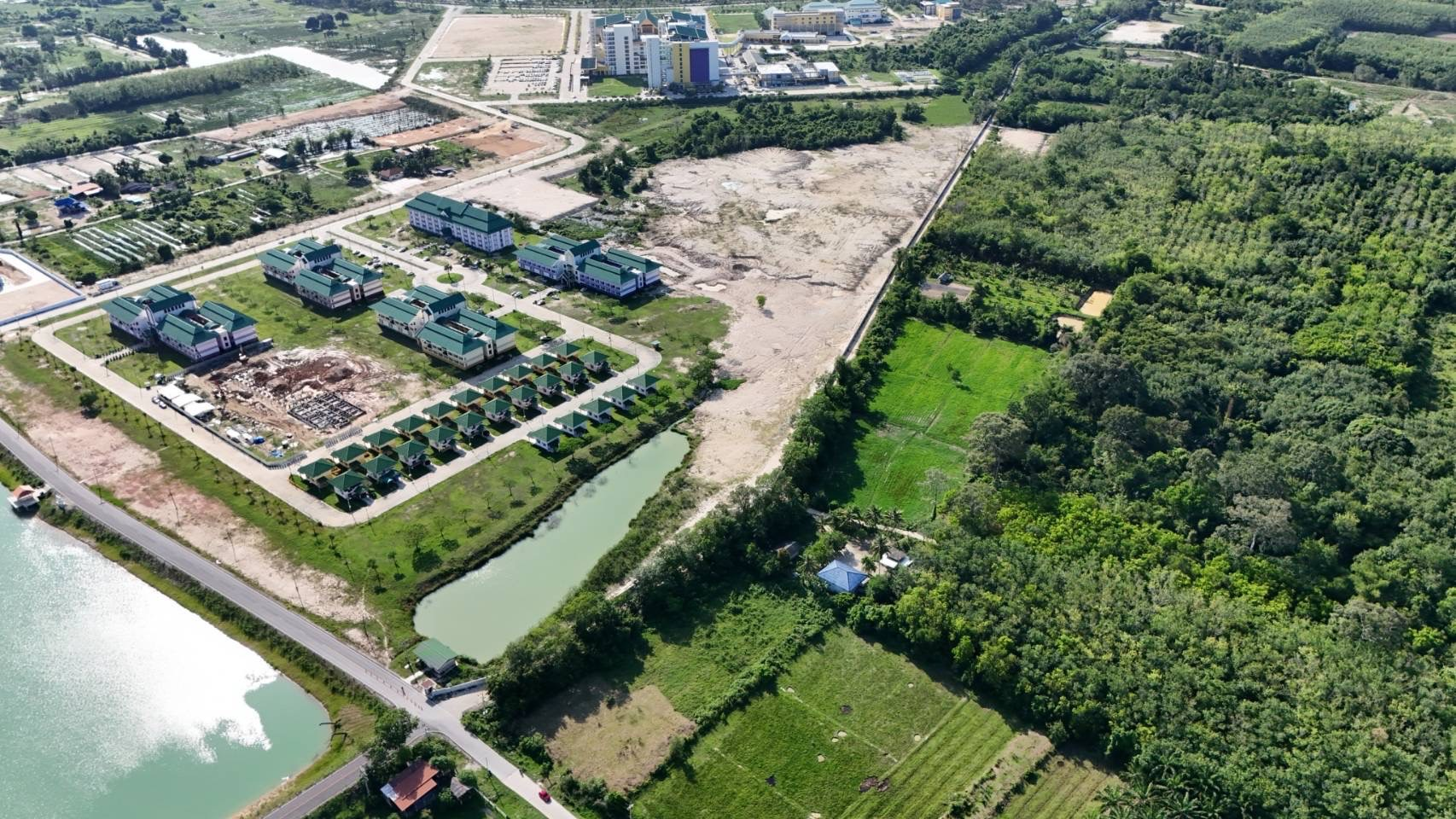
Walailak University, located in the southern region of Thailand, is the largest university campus in the country. With its geographical characteristics of year-round heavy rainfall and high risk of flooding, the university places strong emphasis on comprehensive and integrated water resource management. It has rigorously implemented policies, measures, and processes to prevent polluted water entering the water system, including pollution caused by accidents and incidents at the university. Being situated in the south and recognized as the country’s largest campus, the university is well-prepared to cope with climate change crises while striving to balance water usage, wastewater prevention, and long-term environmental sustainability.
At present, the university carries out a range of activities, projects, and processes in flood management, water supply production, and waste management to prevent wastewater generation and water pollution from entering the university’s water systems, thereby preserving ecosystems and ensuring long-term environmental sustainability.
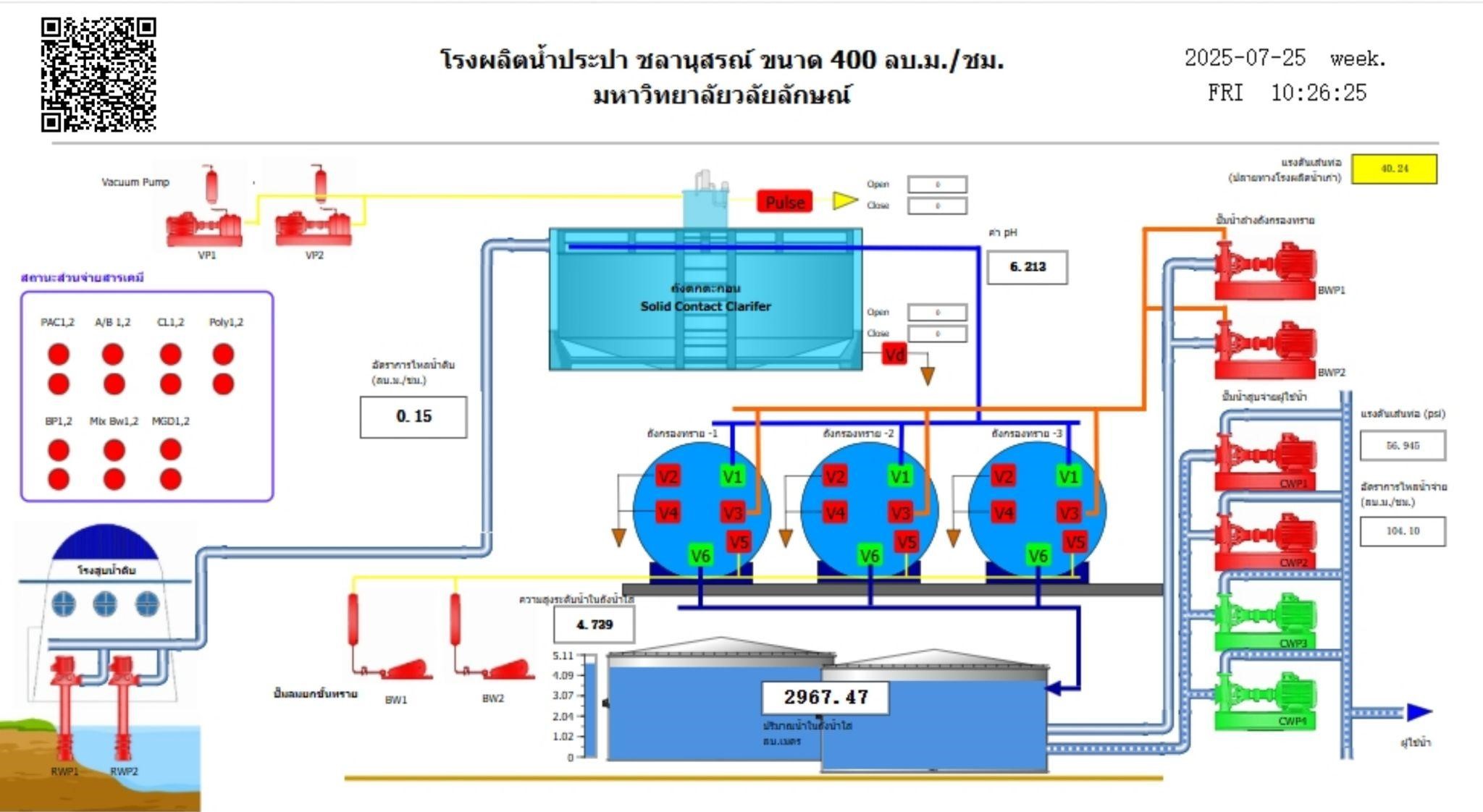
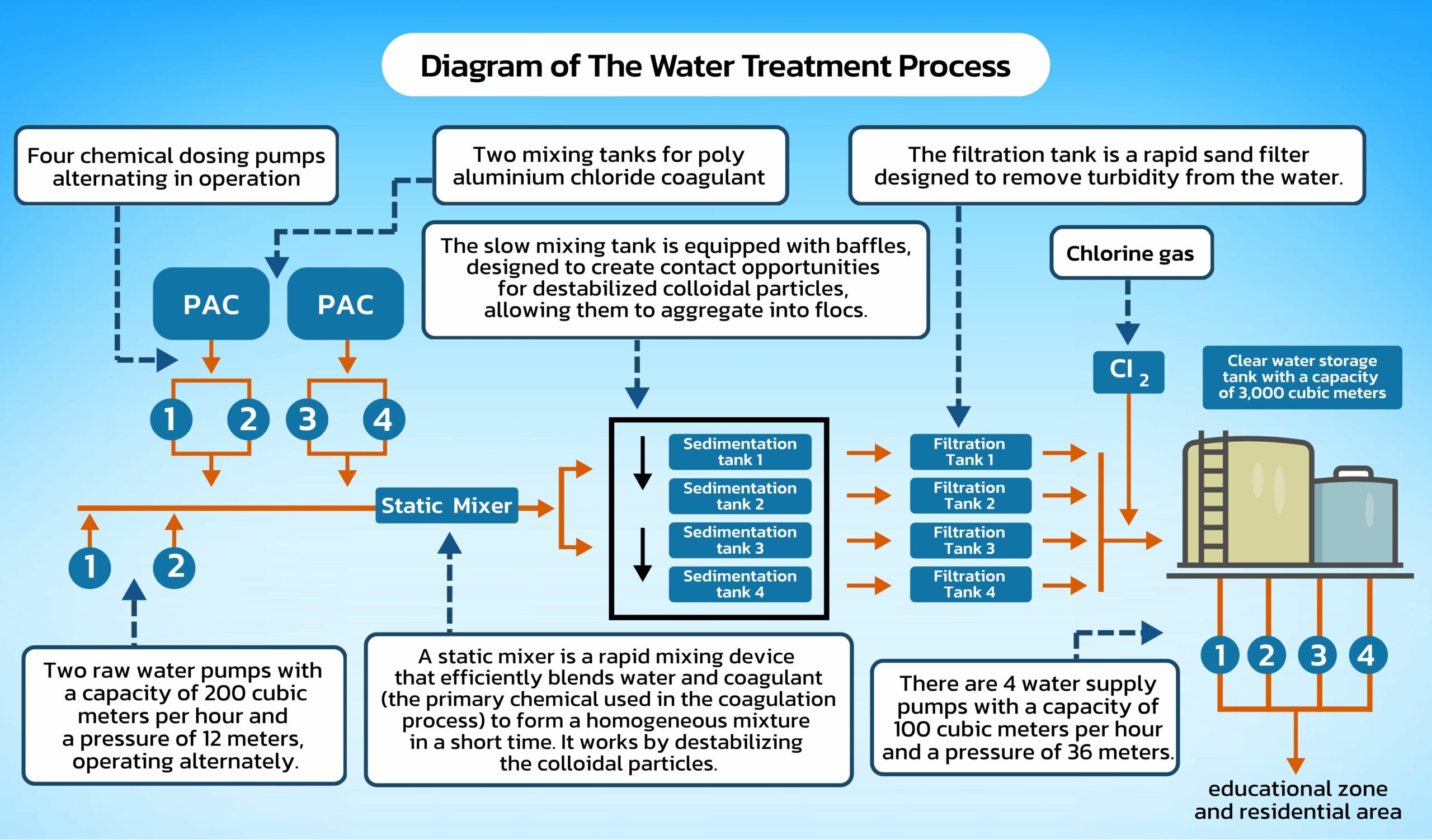
Figure : Water supply system schematic
In terms of flood management, which occurs regularly during the monsoon season, the university has developed infrastructure that includes:
The Monkey Cheek Project (Flood Retention Area)
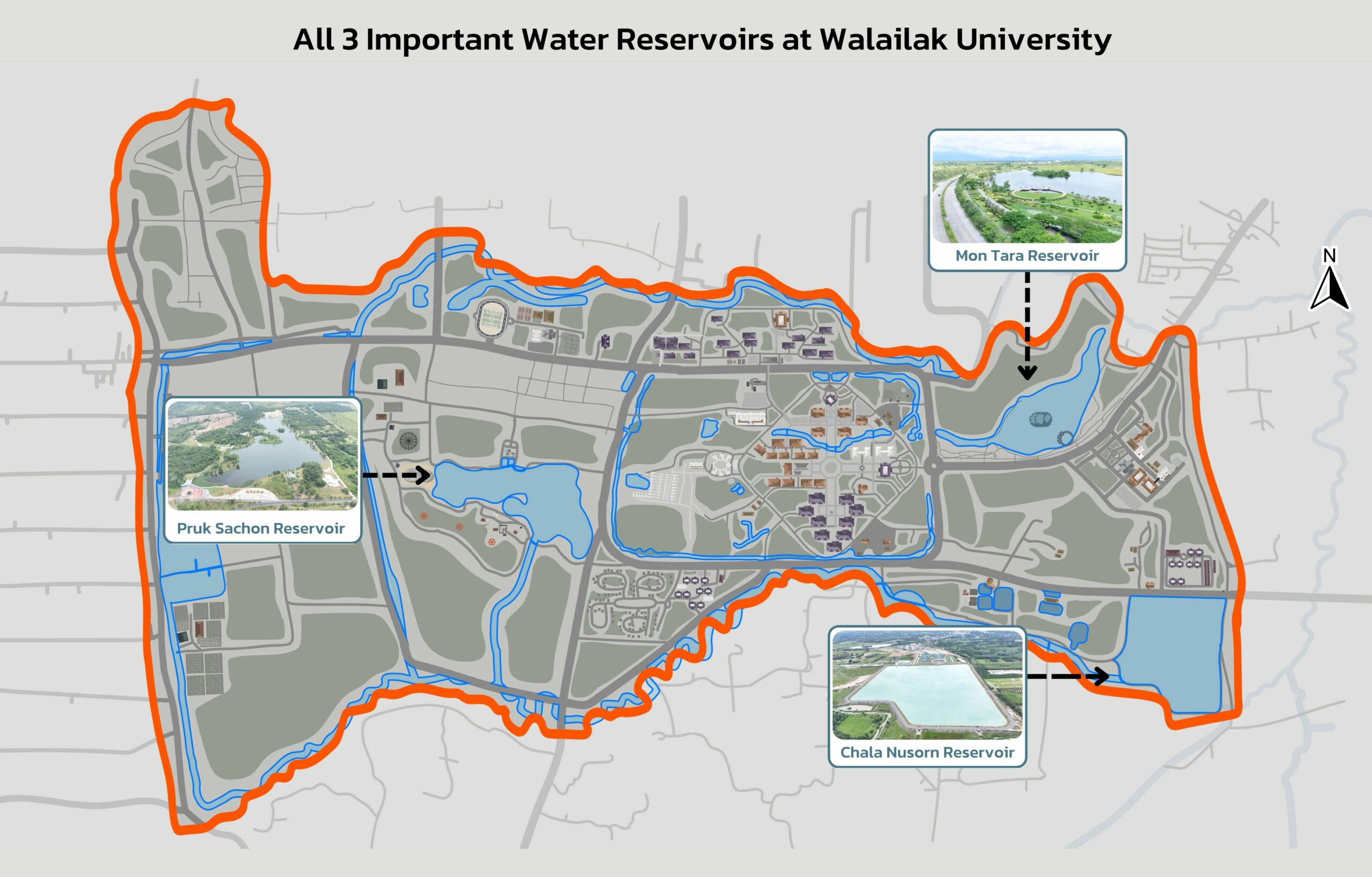
This project is based on an ecohydrological concept of water management, utilizing natural processes to temporarily “retain” or store excess rainwater during the rainy season in large reservoirs, which function like a “monkey’s cheek.” These reservoirs hold water for a short period before gradually releasing it into rivers or natural water bodies once water levels recede. The concept serves not only as a flood prevention measure but also plays a crucial role in reducing water pollution entering the water system.
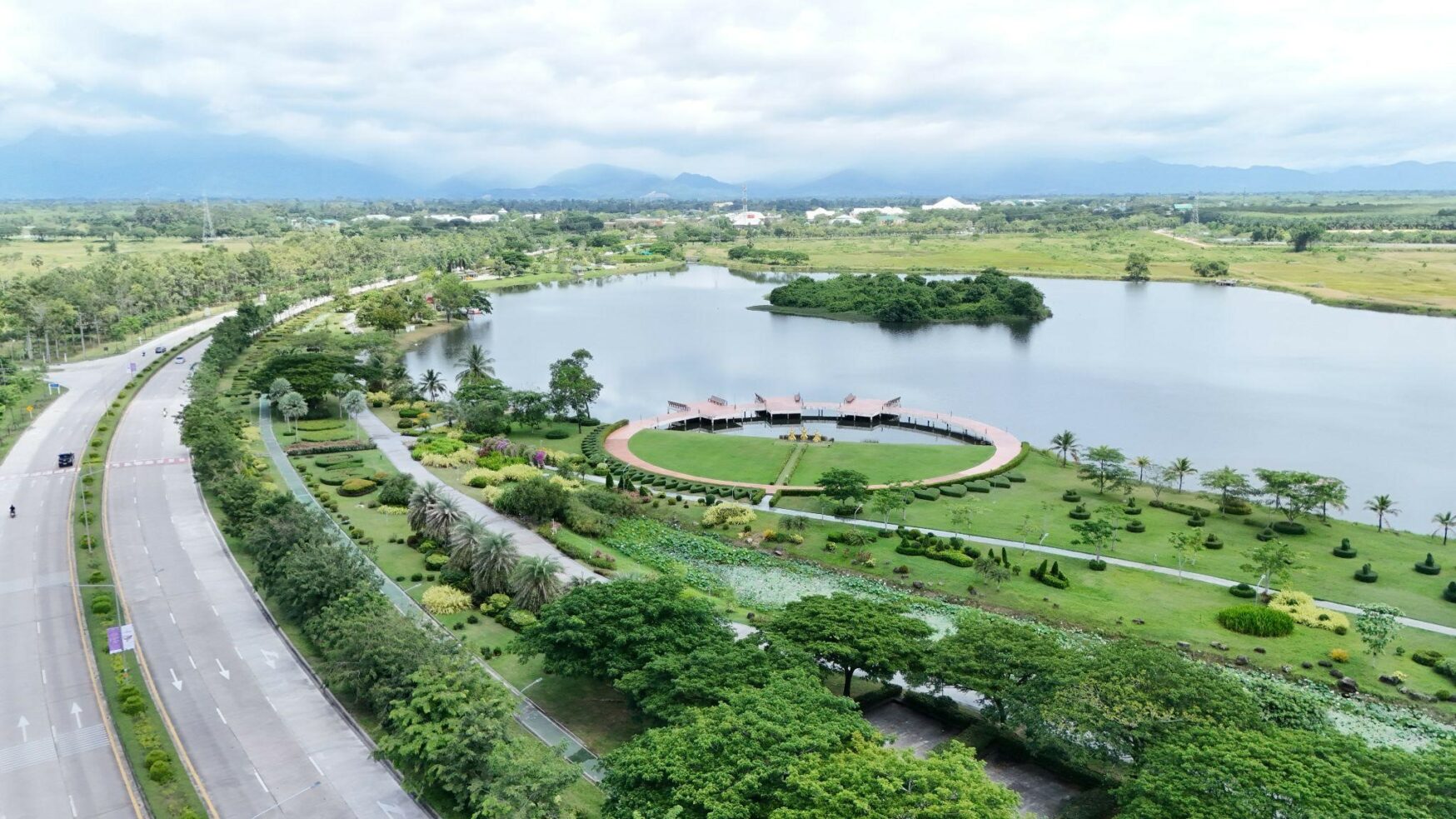
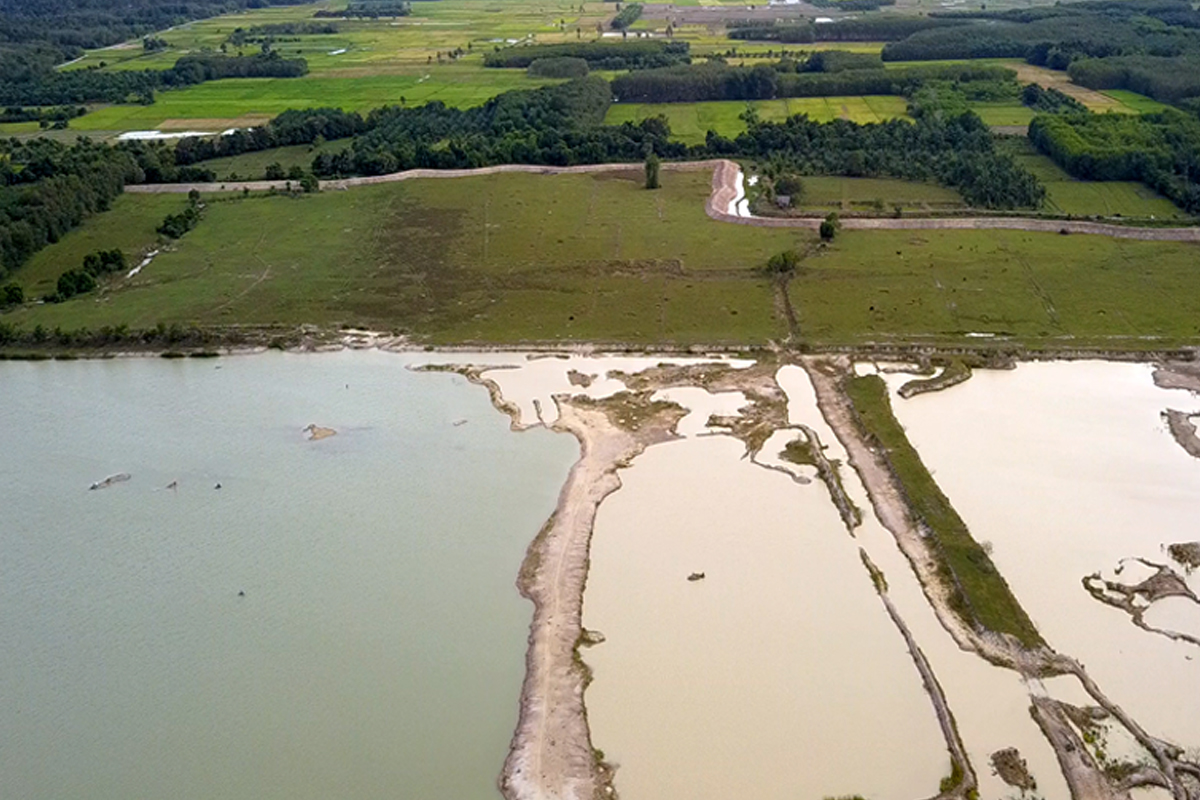
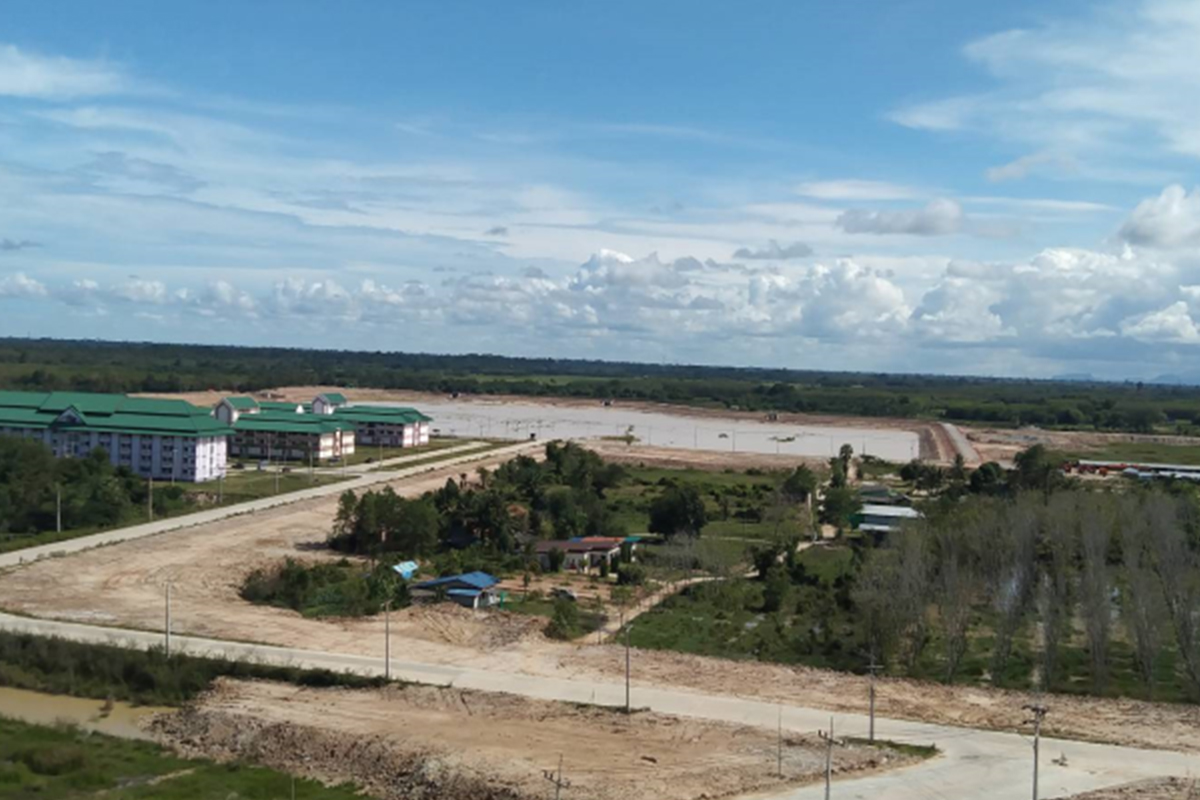
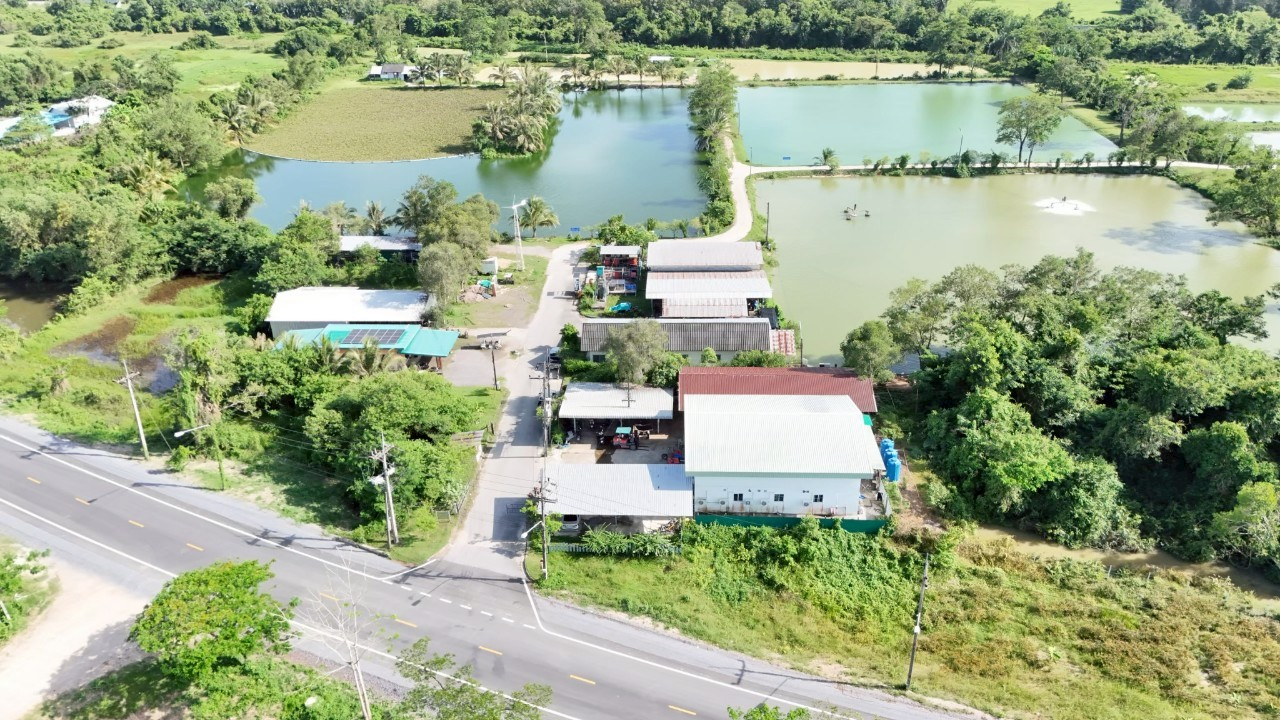
Monkey Cheek Project: Reservoir 1 or Pruk Sachon Reservoir
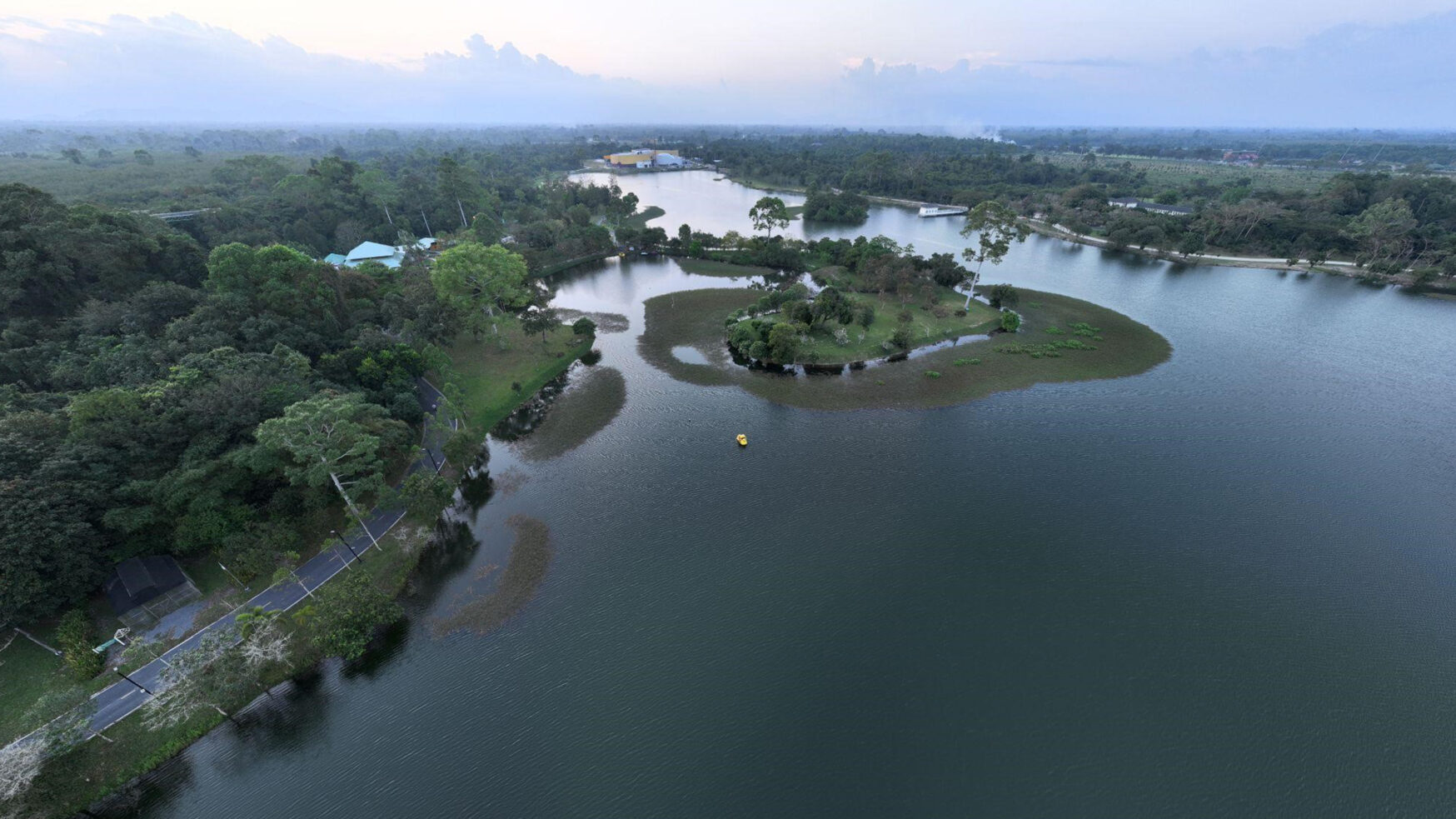
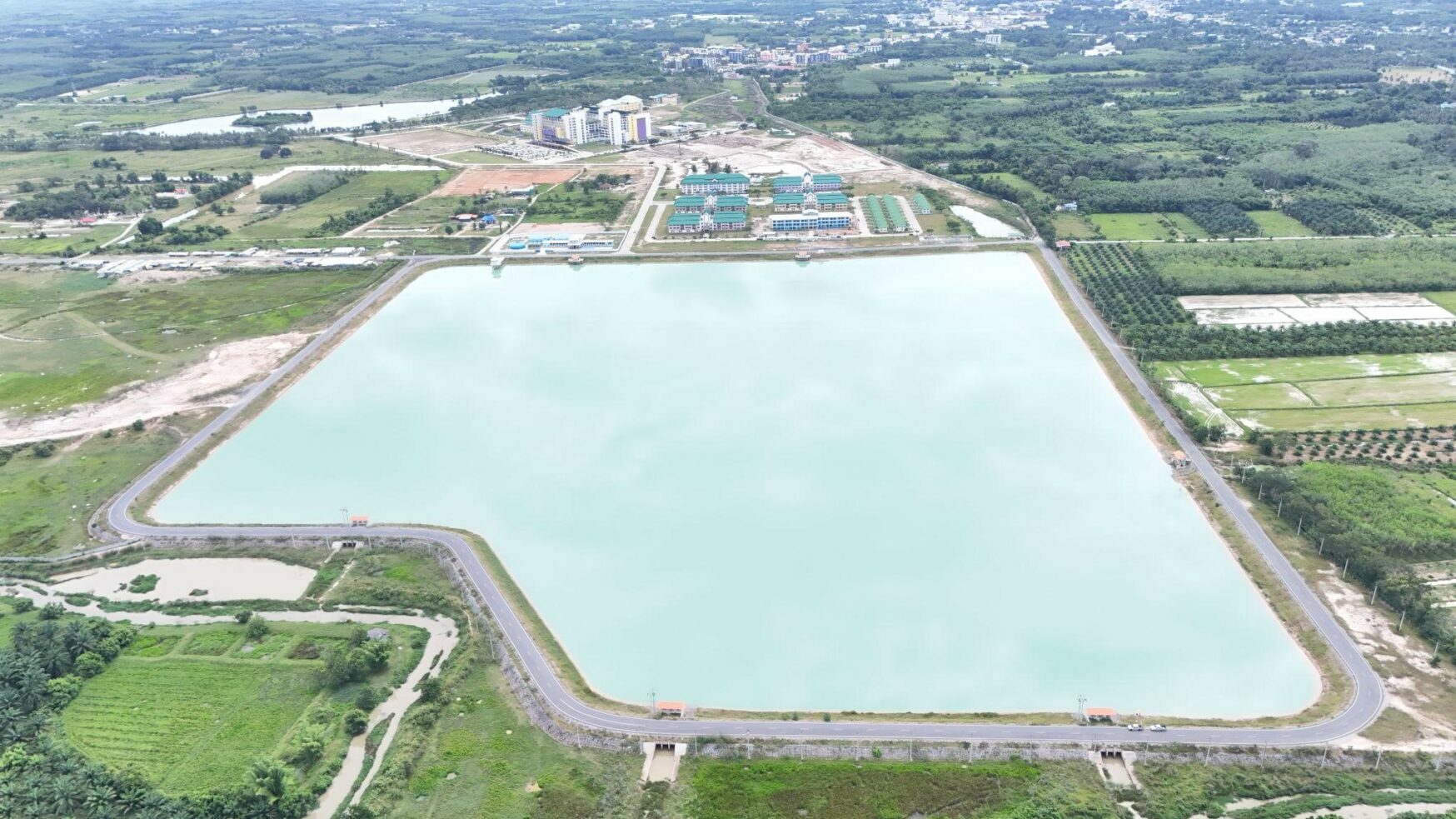
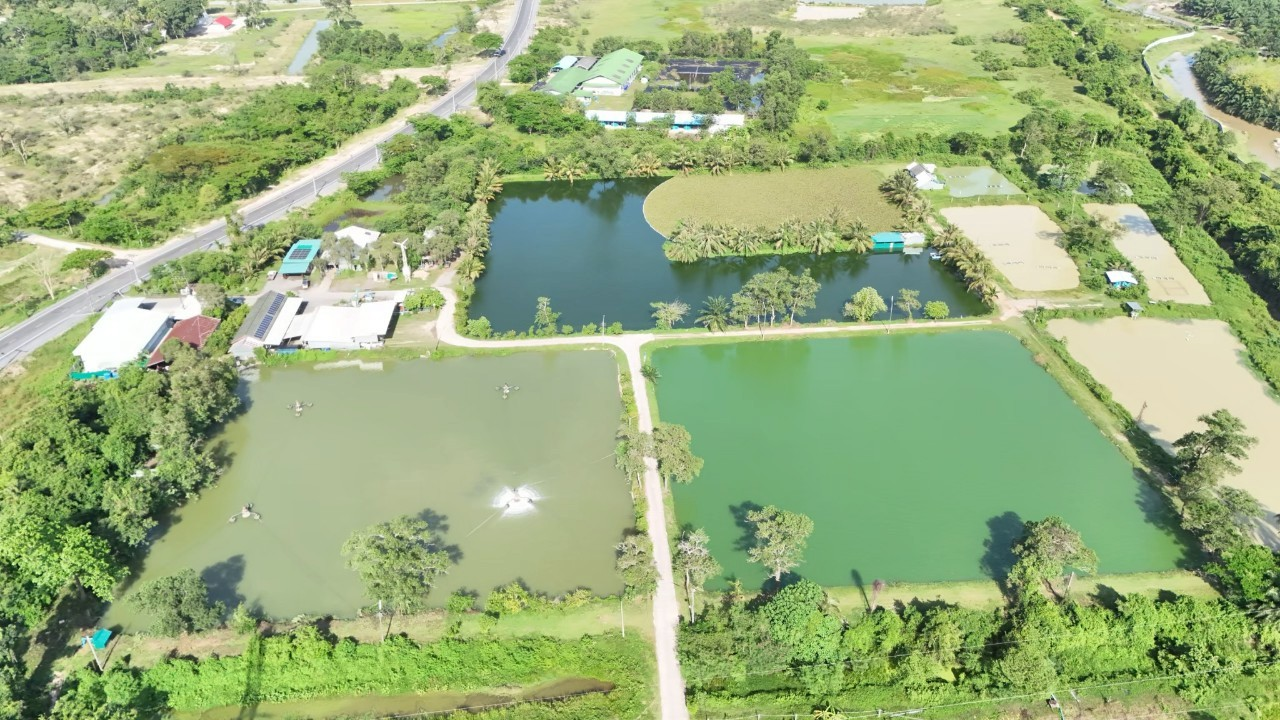
Monkey Cheek Project: Reservoir 2 or Mon Tara Reservoir
Monkey Cheek Project: Reservoir 3 or Chala Nusorn Reservior
Currently, Walailak University operates three reservoirs under this concept: Pruk Sachon, Mon Tara, and Chala Nusorn. These reservoirs function as retention areas to slow down surface runoff from various parts of the campus before discharging water into natural water bodies. Moreover, the “monkey cheek” areas help reduce the volume of wastewater entering the treatment system directly, as they allow the separation of relatively low-pollution rainwater from actual wastewater. This improves the efficiency and overall performance of the university’s main wastewater treatment system.
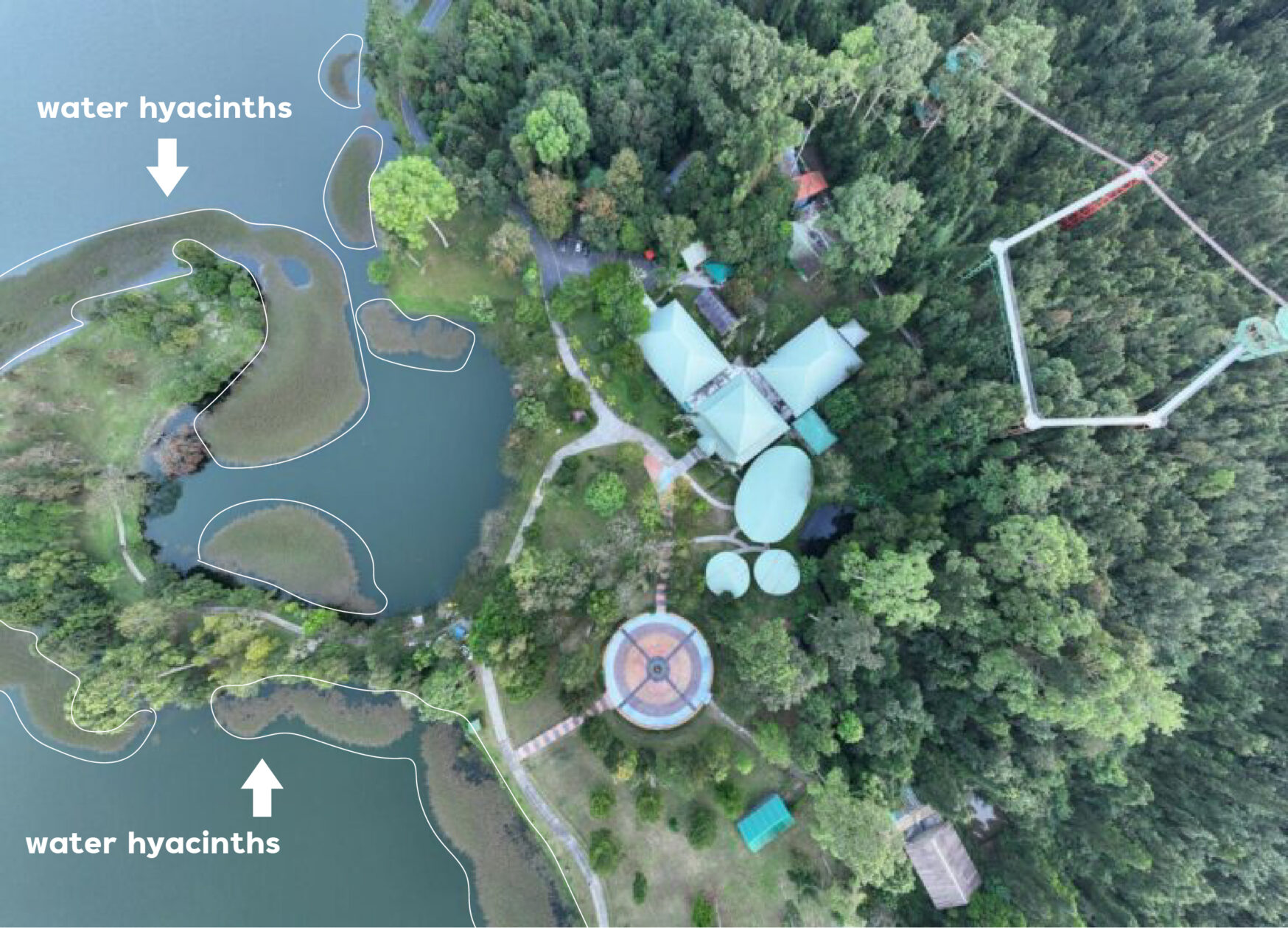
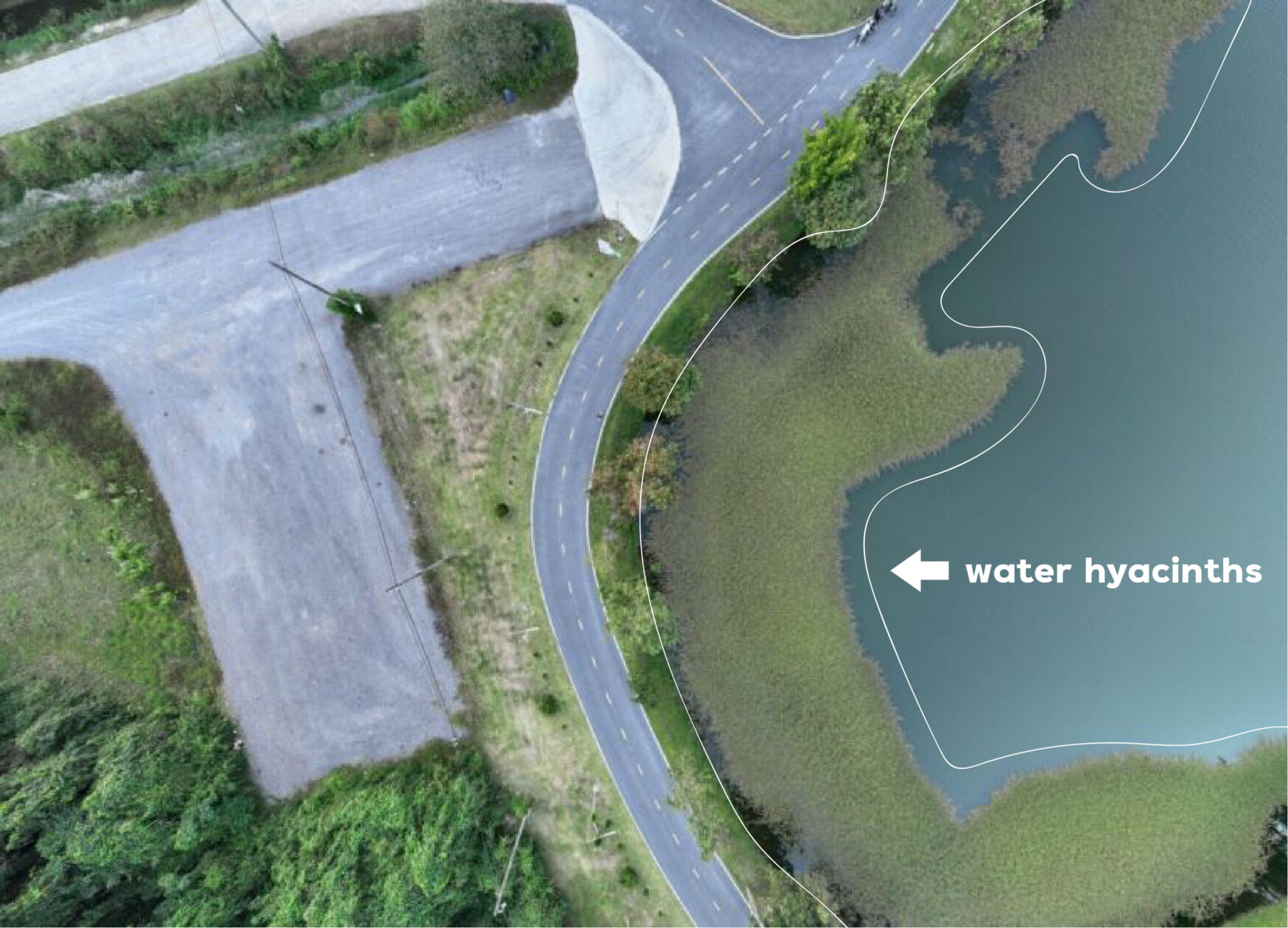
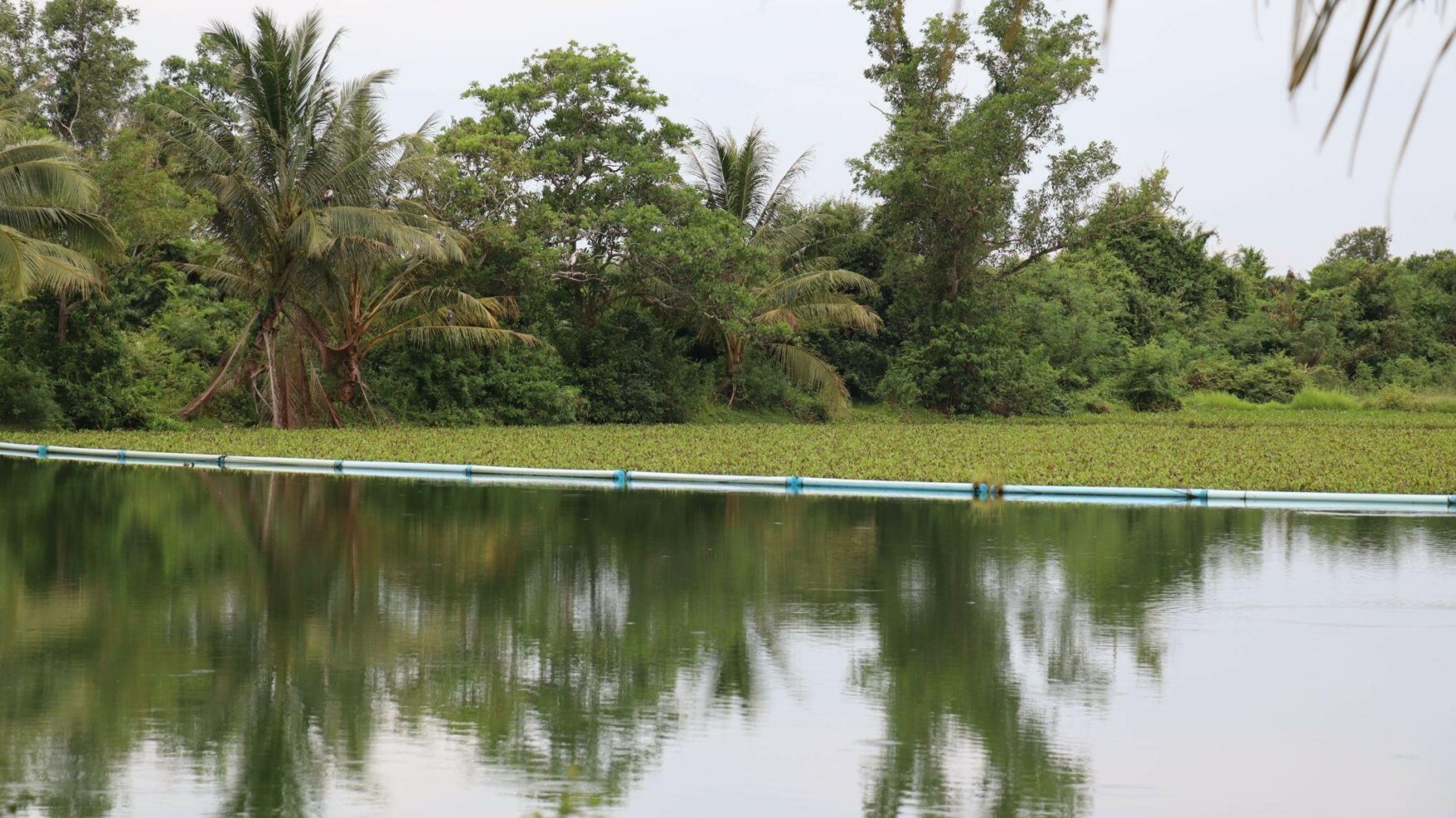
Within the university, the monkey cheek is designed to include wetlands or aquatic plants such as vetiver grass, cattails, and water hyacinths to help absorb excess nutrients (e.g., nitrogen and phosphorus) and certain toxic substances from the water. This natural treatment process reduces the burden on mechanical treatment systems and lowers the risk of pollutants flowing into public water sources. It is a form of natural attenuation that restores water quality through ecological processes.
The monkey cheek system on campus enhances the resilience of local water management, as it represents an infrastructure design that enables water quantity control at the local level without relying on large-scale drainage systems that often carry pollutants directly into rivers. Thus, the monkey cheek serves as a form of green infrastructure that provides significant benefits to the overall environmental system.
The university has recognized the importance of the monkey cheek project, which not only serves as a tool for flood control and rainwater management, but also functions as a crucial mechanism for preventing and reducing polluted water entering the water system or wastewater treatment facilities. This project is therefore regarded as one of the best practices that promote sustainable development by effectively integrating environmental engineering, ecology, and local wisdom.
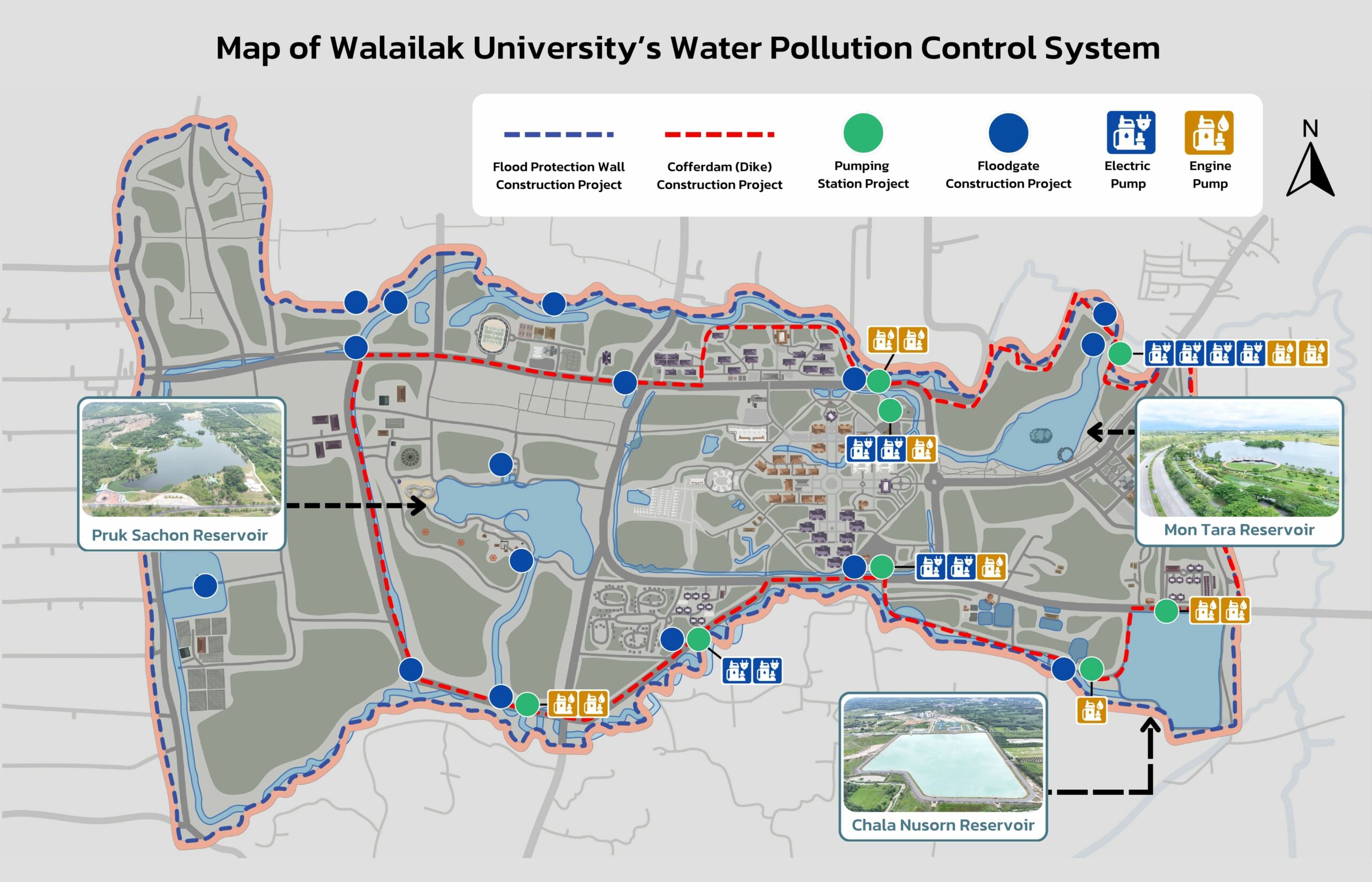
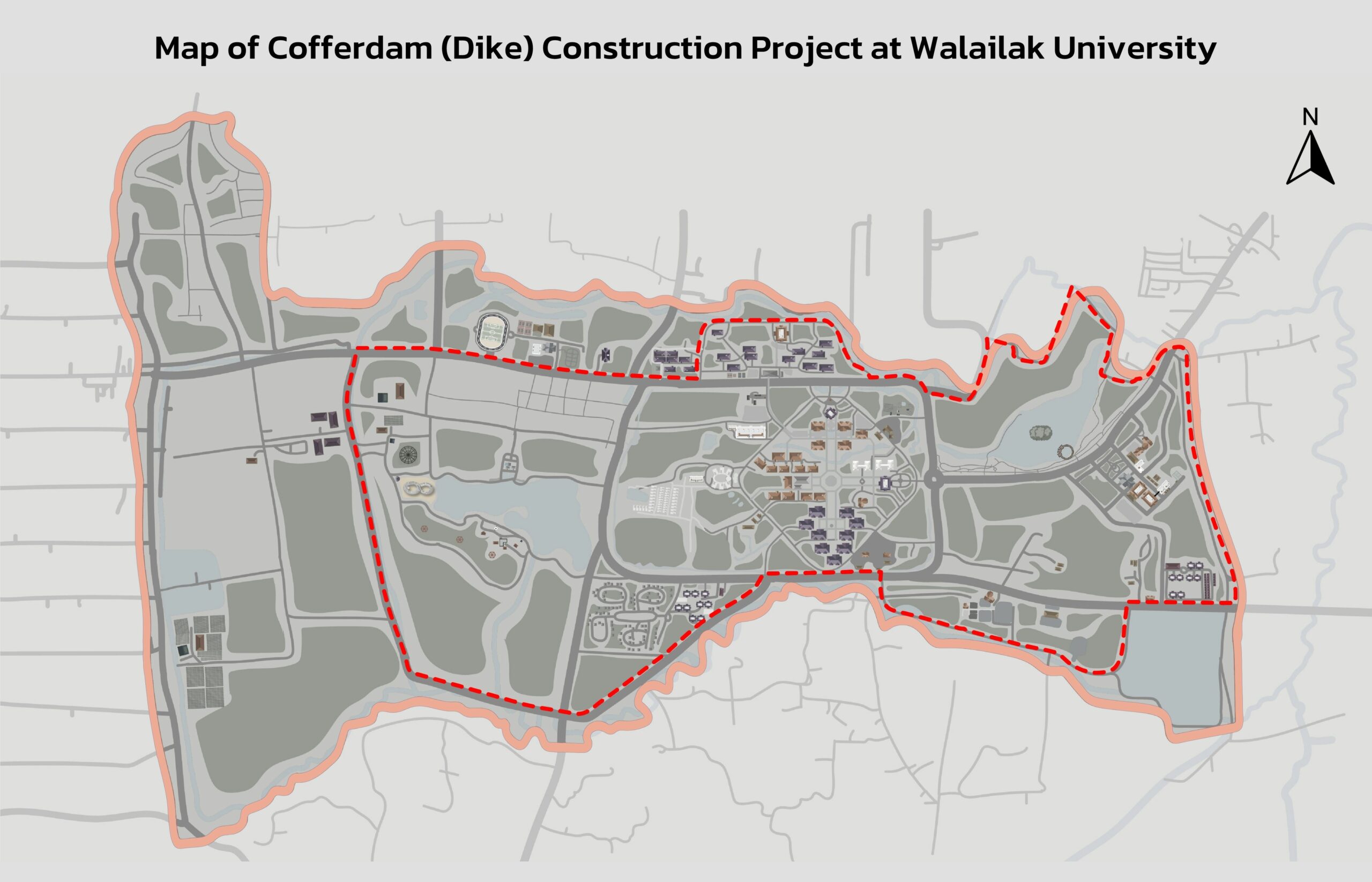
Cofferdam (Dike) Construction Project
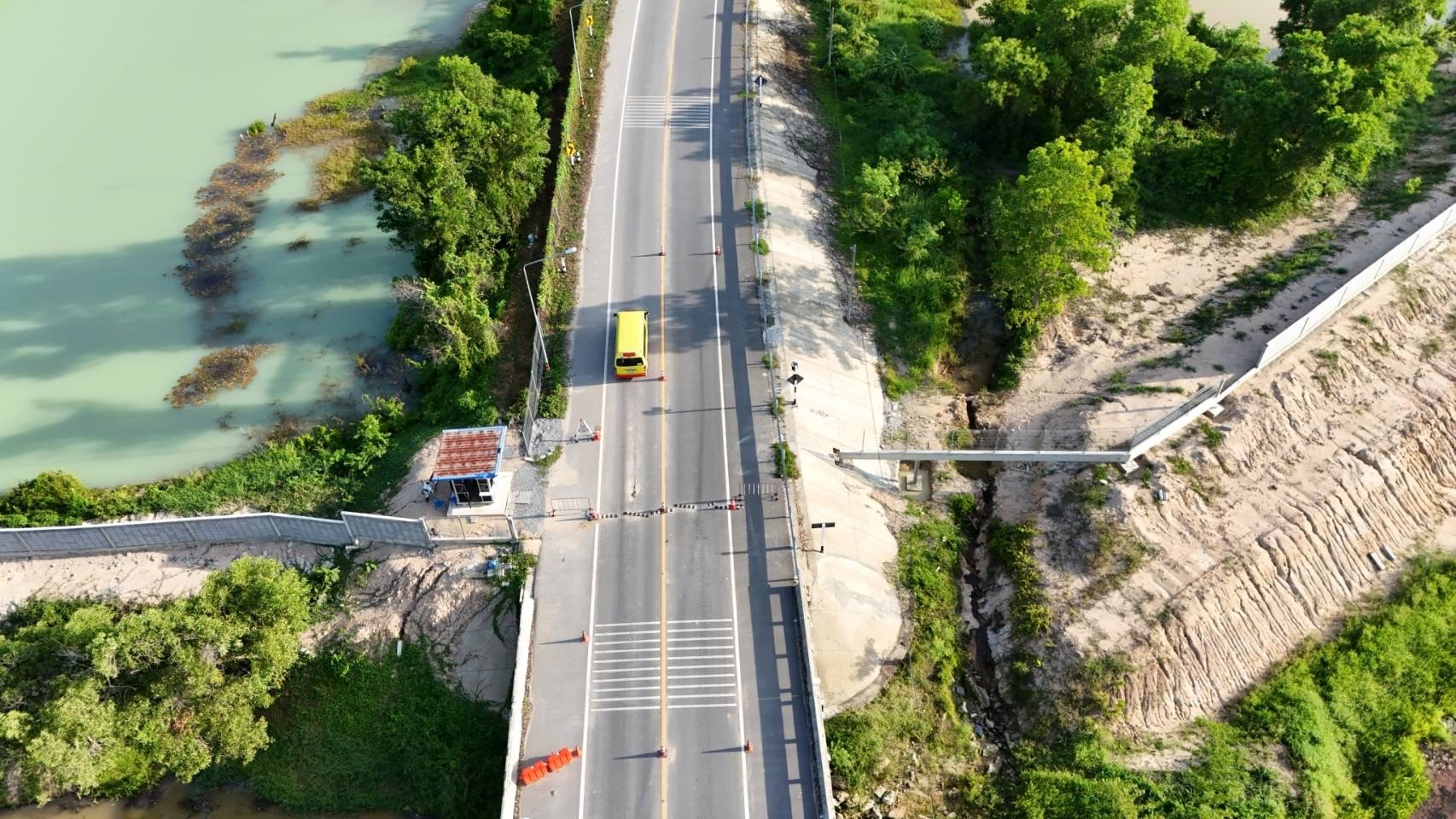
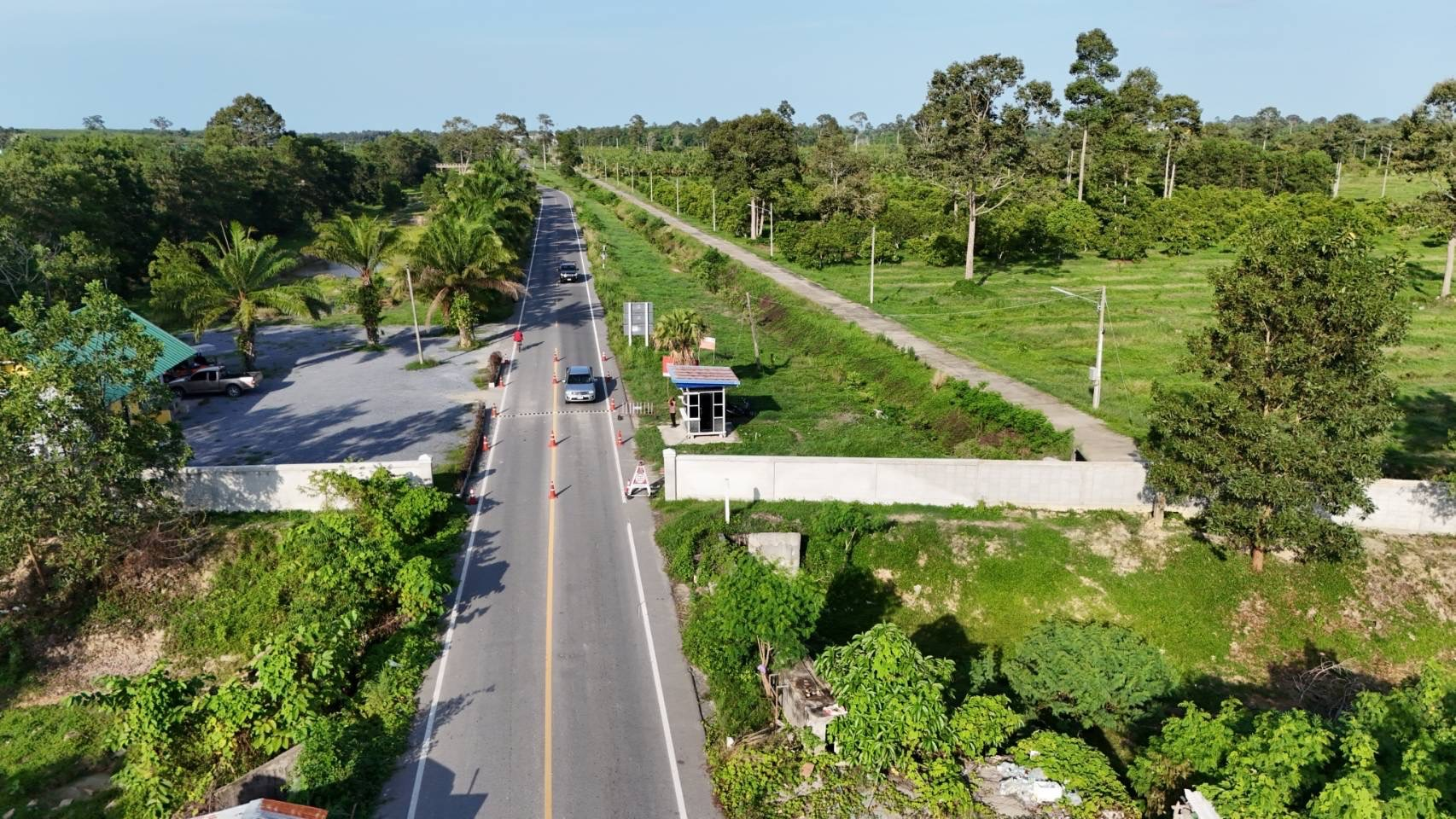
Walailak University has developed this infrastructure project in response to its location near natural water sources. To ensure proper environmental protection, the university constructed a cofferdam system serving as a permanent dike that prevents polluted water entering the surrounding aquatic ecosystem.
From an environmental perspective, the use of cofferdams is considered a highly effective proactive measure, as it restricts the dispersion of toxins, suspended solids, and heavy metals within controllable limits. Although the construction of cofferdams requires significant investment in time, resources, and budget, the environmental benefits far outweigh the costs, particularly in the context of sustainable development. The university emphasizes not only the creation of strong infrastructure but also the balance between humans and nature. Preventing pollutants from entering water bodies directly contributes to the protection of water resources, which are fundamental to life and ecosystems.
The construction of cofferdams surrounding Walailak University represents an engineering approach that goes beyond infrastructure development needs. It is also a key mechanism for water pollution prevention and sustainable natural resource management. When properly implemented, the cofferdam project exemplifies the application of environmental technology that integrates efficiency, safety, and responsibility toward nature.
Pumping Station Project
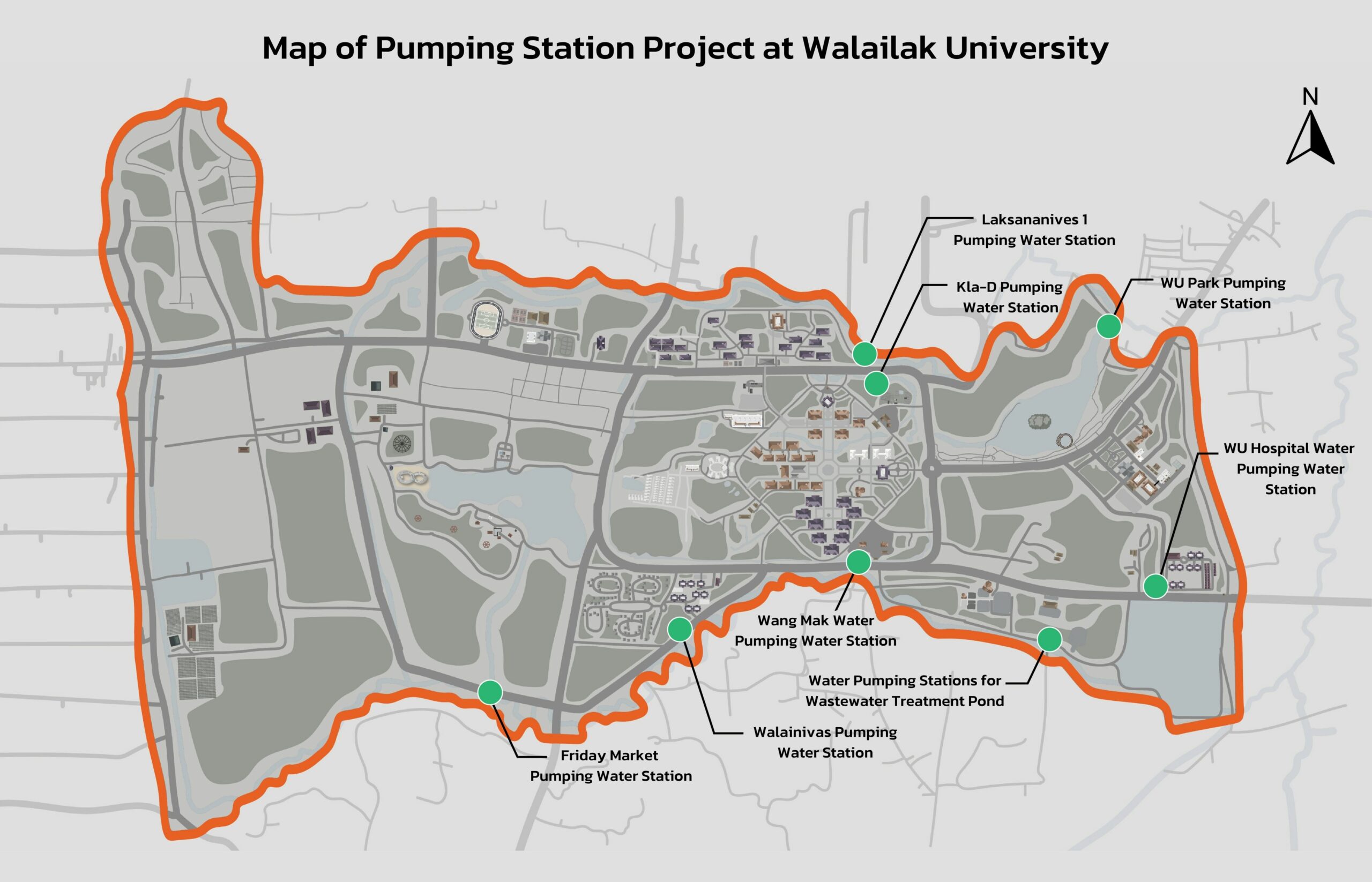
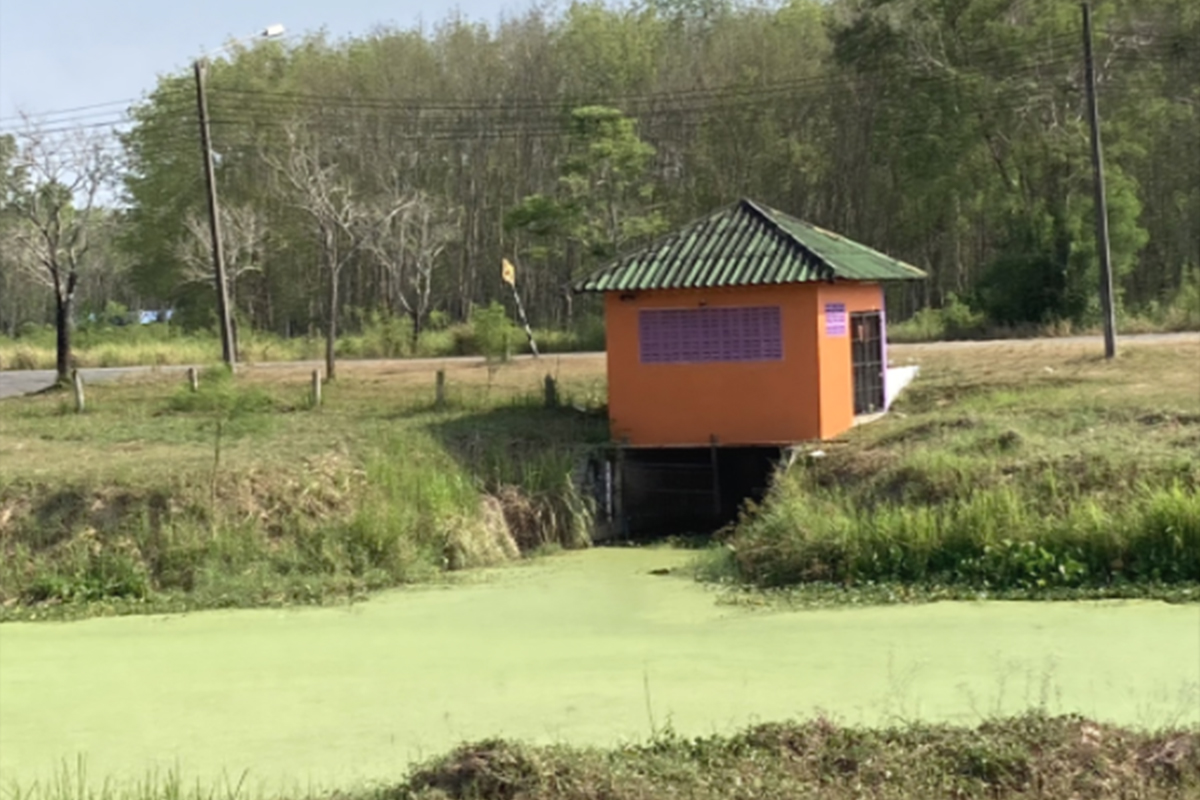
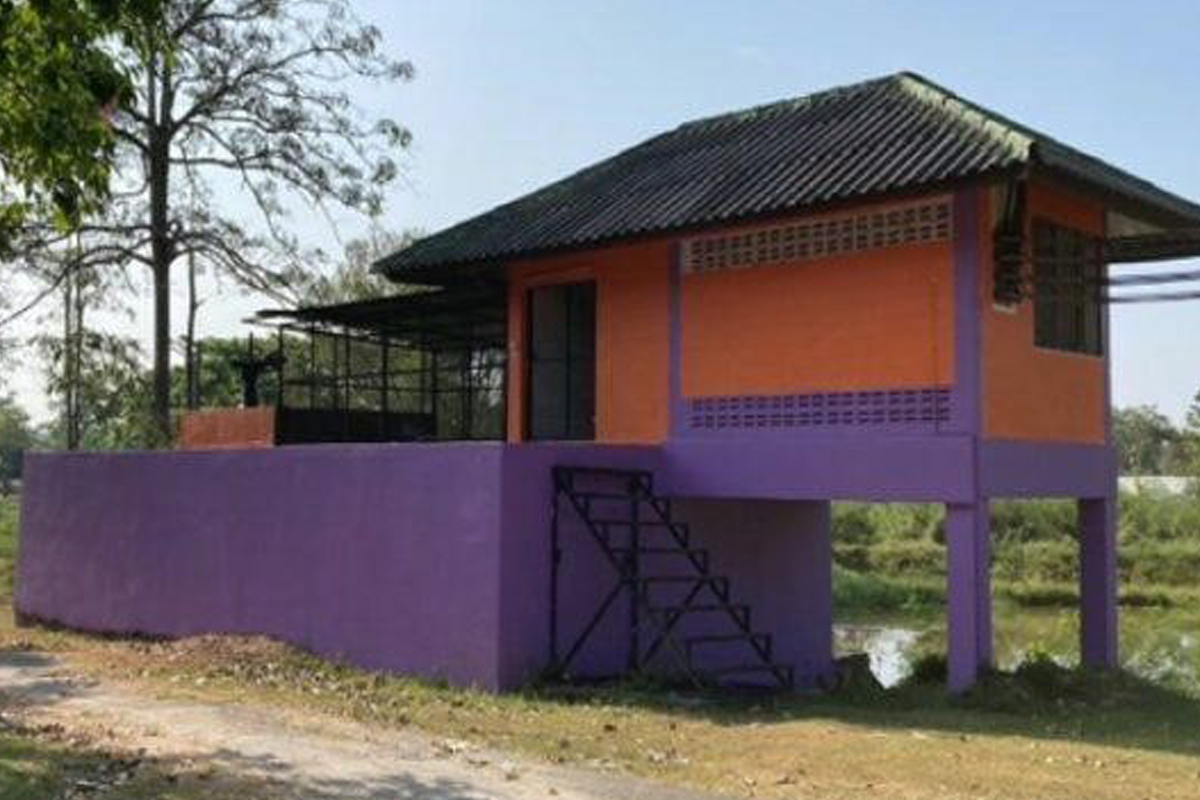
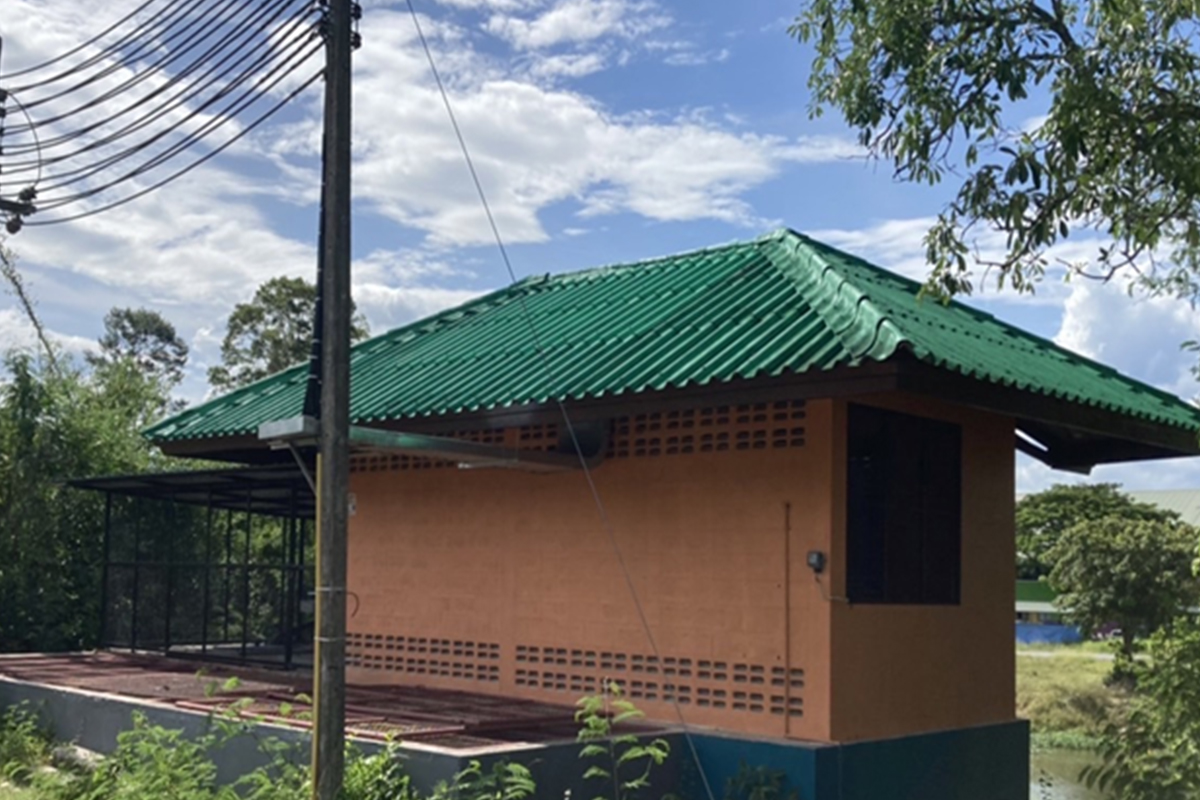
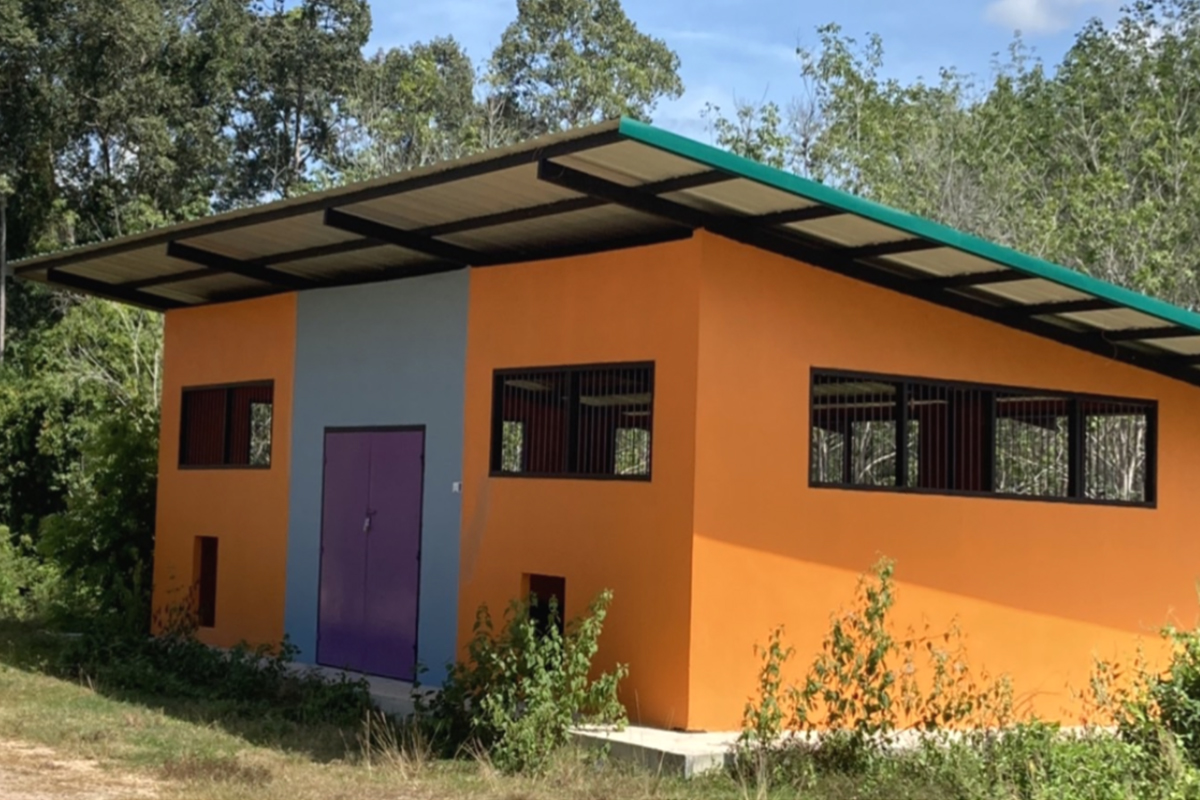
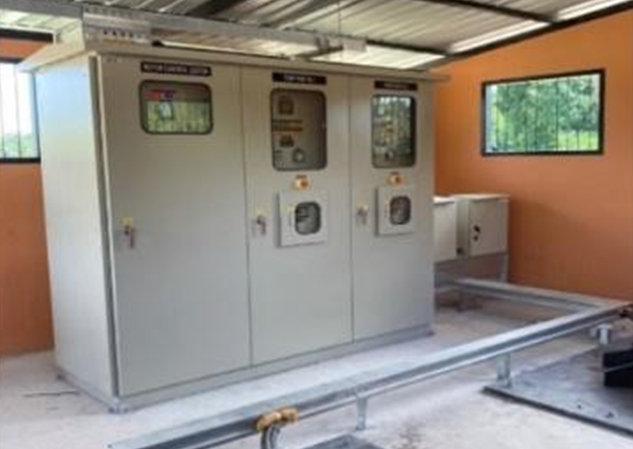
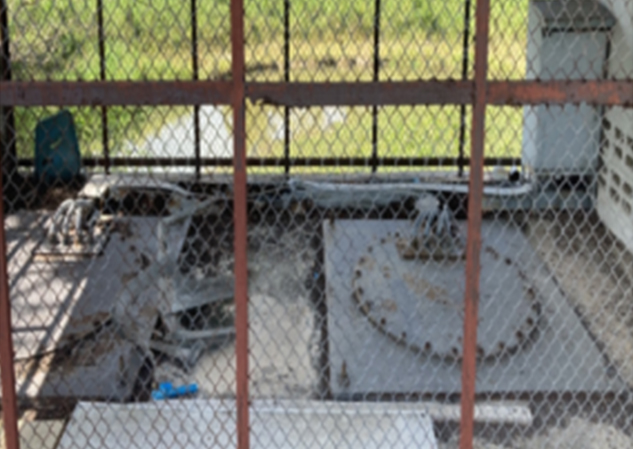
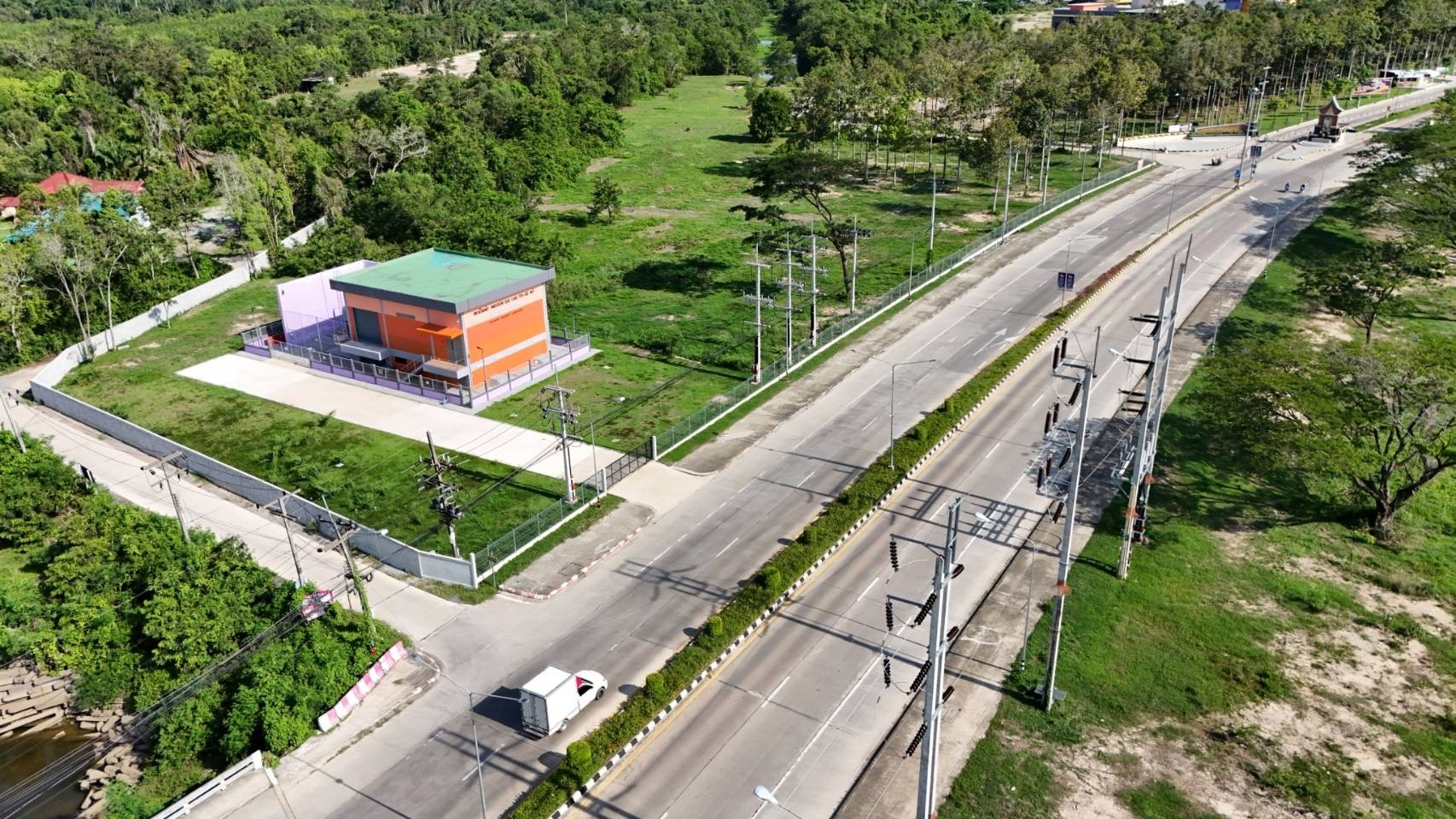
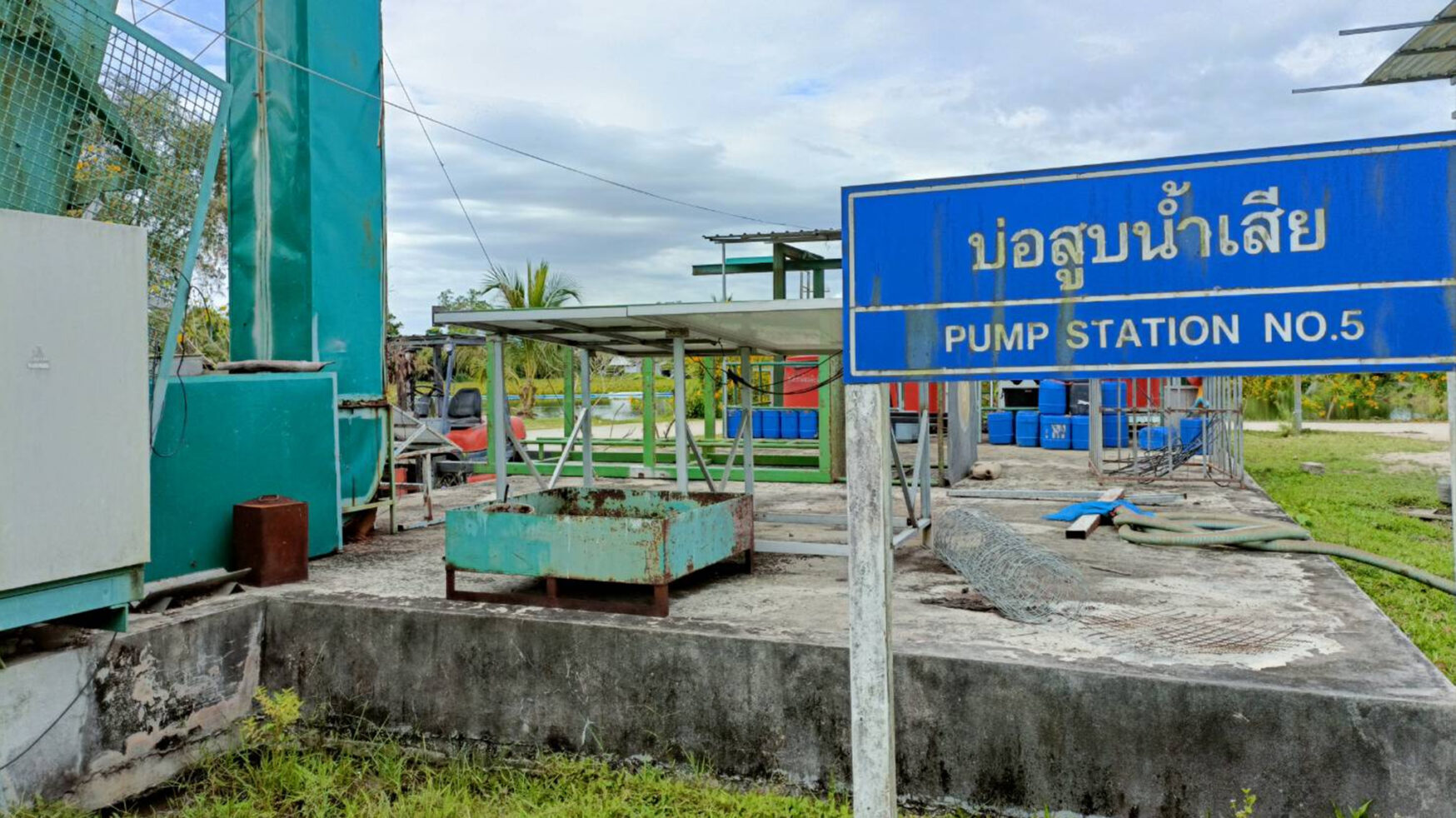
The establishment of pumping station is a key infrastructure component in the university’s water management system, particularly in areas where natural elevation does not allow for gravity-driven flow, or where water levels in catchment and drainage systems need to be regulated. The primary function of these stations is to pump excess water from flood-prone areas or transfer it to designated storage or treatment facilities.
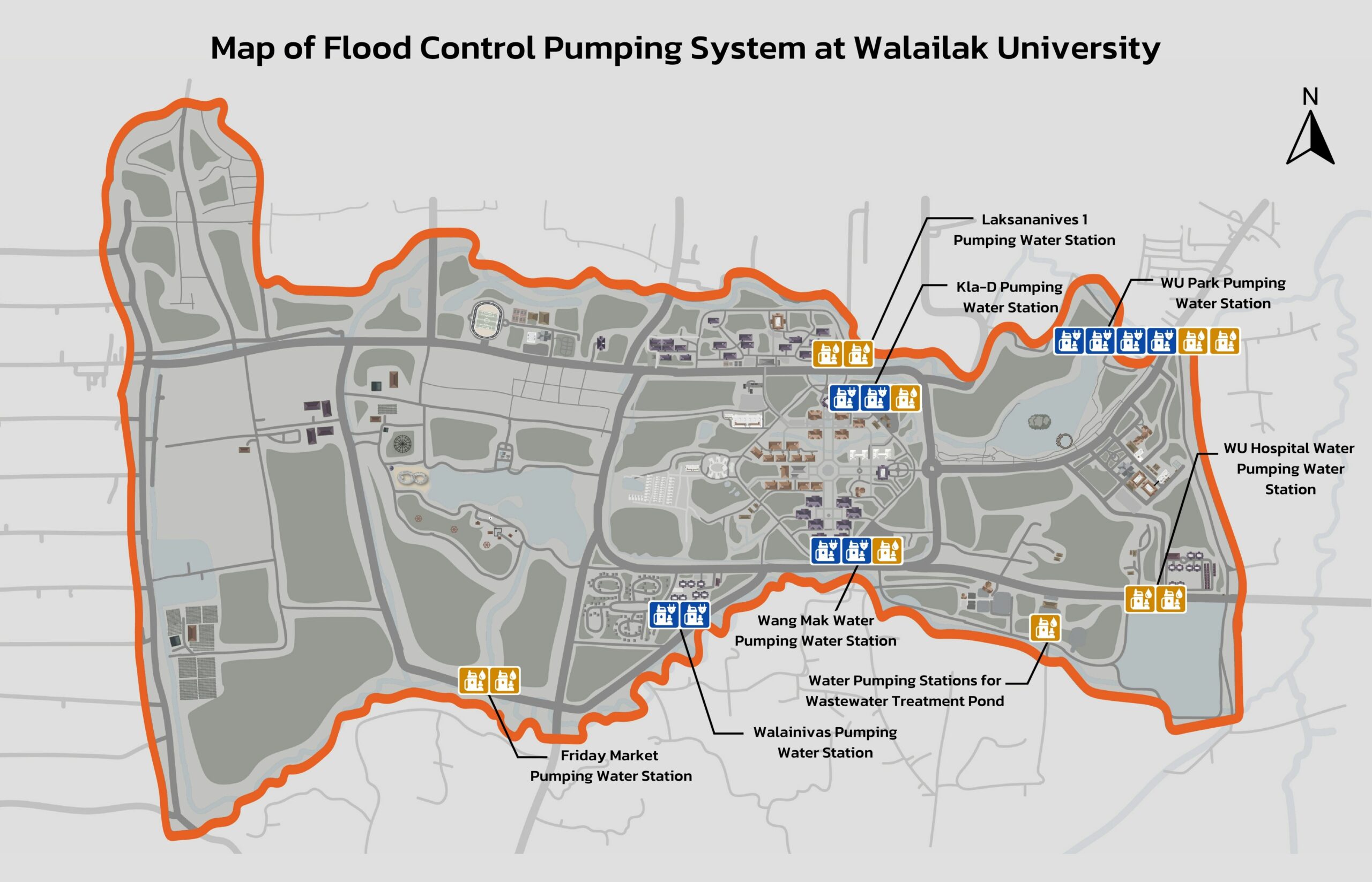
At present, Walailak University operates eight pumping stations, namely: Walailak Park Pumping Station, Wang Mak Pumping Station, Kla-Dee Pumping Station, Walai Niwas Pumping Station, Laksanivet 1 Pumping Station, Wastewater Treatment Pond Pumping Station, Friday Market Pumping Station, and the Walailak University Hospital Pumping Station. These pumping stations play a direct role in preventing water pollution by reducing the risk of untreated wastewater overflowing during flood events, especially in areas with a combined sewer system where stormwater and wastewater are collected together. During heavy rainfall, stormwater enters the same system as wastewater from buildings. Without effective pumping stations, treatment facilities could overflow, discharging untreated wastewater into natural water. Pumping stations therefore act as safeguards, preventing untreated discharges while also regulating water flow direction and velocity to minimize bank erosion and pollutant dispersion. By controlling the flow within canals or drainage pipelines, pumping stations ensure that water does not move too rapidly, which could otherwise transport contaminated sediments or waste materials from upstream areas into critical receiving waters. In this way, pumping stations contribute not only to water quantity control but also to the protection of water quality across the campus.
Flood Control Pumping System
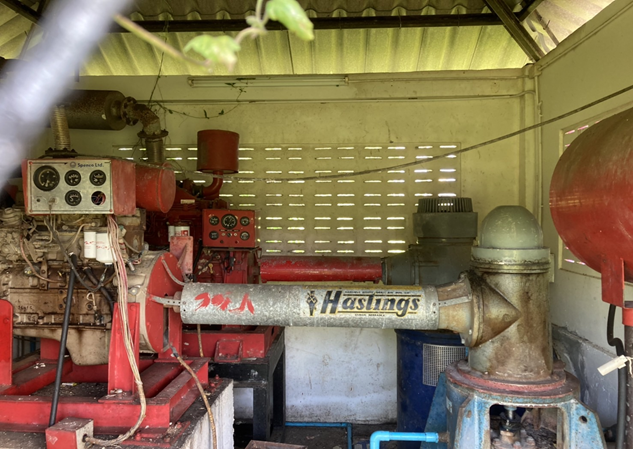
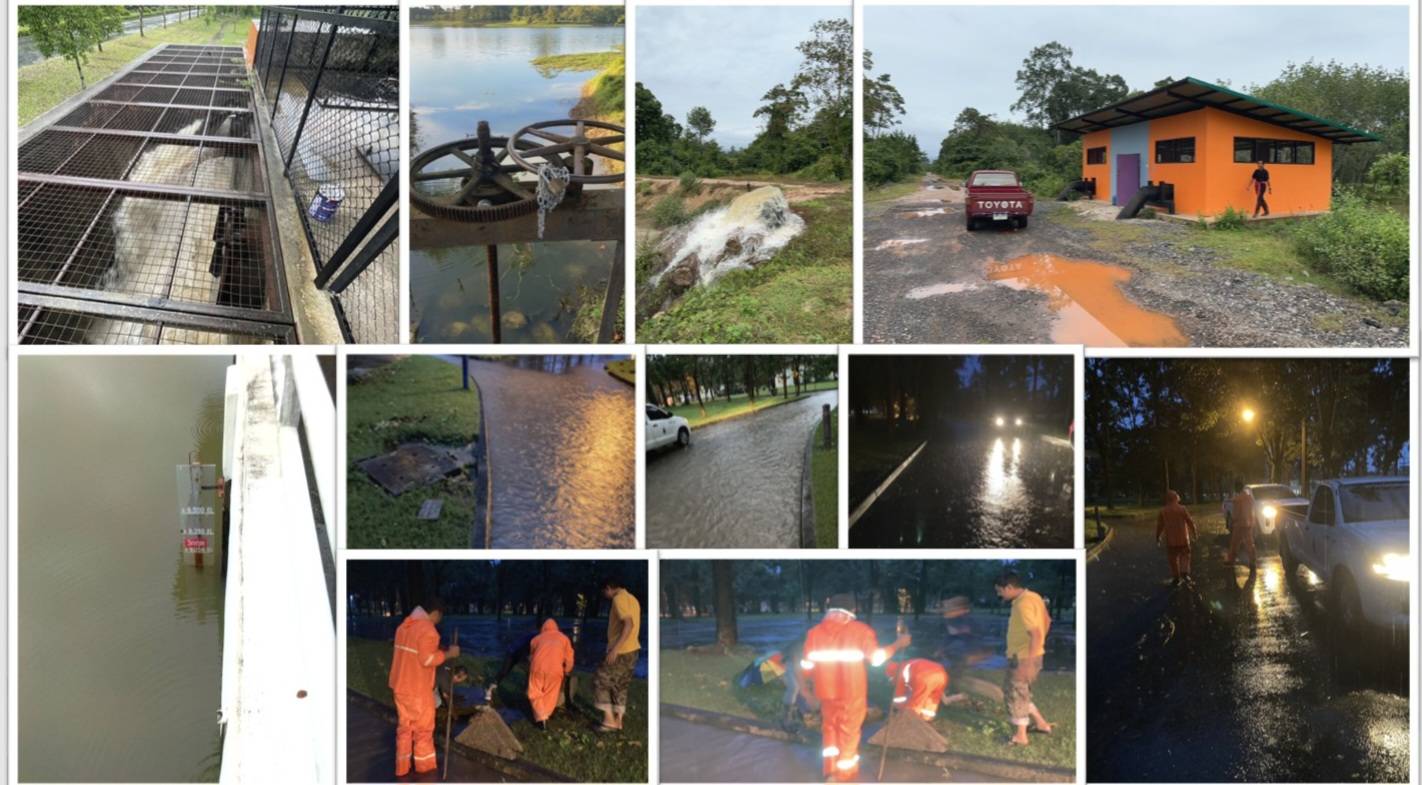
Walailak University has implemented a comprehensive flood prevention program through the installation of flood control pumping systems. These pumps are used to regulate floodwater and transport excess water to designated retention ponds, thereby preventing external water sources from contaminating the university’s internal water system. Currently, the university has installed a total of 21 pumps, both electric and engine-driven, with capacities ranging from 1–2 cubic meters per second, strategically located at various pumping stations across flood-prone areas of the campus:
Walailak Park Pumping Station: 2 electric pumps (2 m³/s), 2 electric pumps (1 m³/s), and 2 engine-driven pumps (1 m³/s).
Wang Mak Pumping Station: 2 electric pumps (2 m³/s) and 1 engine-driven pump (1 m³/s).
Kla-Dee Pumping Station: 2 electric pumps (2 m³/s) and 1 engine-driven pump (1 m³/s).
Walai Niwas Pumping Station: 2 electric pumps (1 m³/s).
Walailak University Hospital Pumping Station: 2 engine-driven pumps (0.25 m³/s).
The university conducts quarterly monitoring of water levels and fuel management to ensure that the system remains fully operational at all times. This proactive measure reduces the risk of untreated wastewater flowing directly into natural canals. By strategically installing pumps at critical points, the system enables rapid drainage of stormwater and mixed water before the sewer system reaches capacity, thereby minimizing the direct discharge of pollutants into the environment.
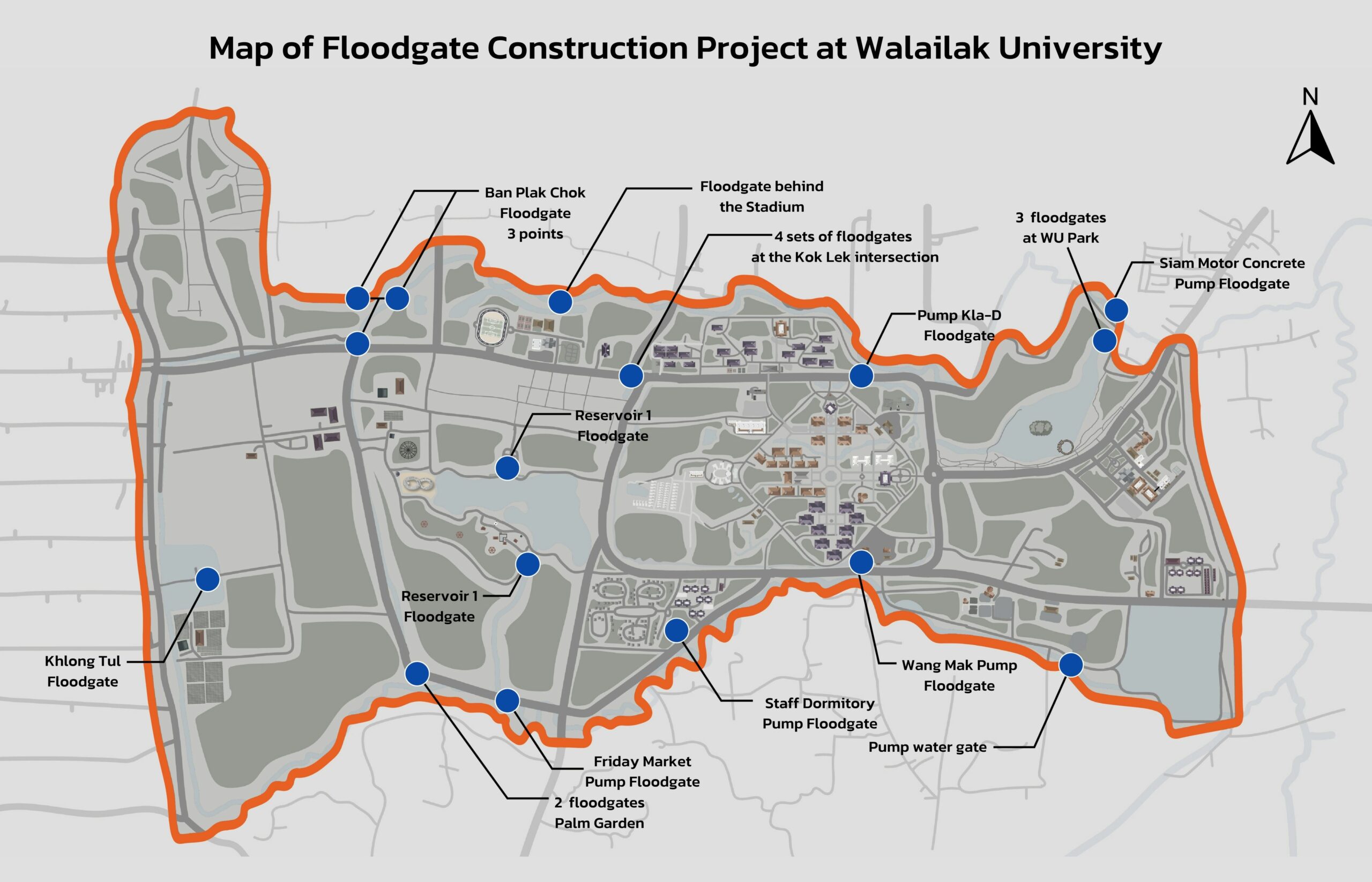
Floodgate Construction Project
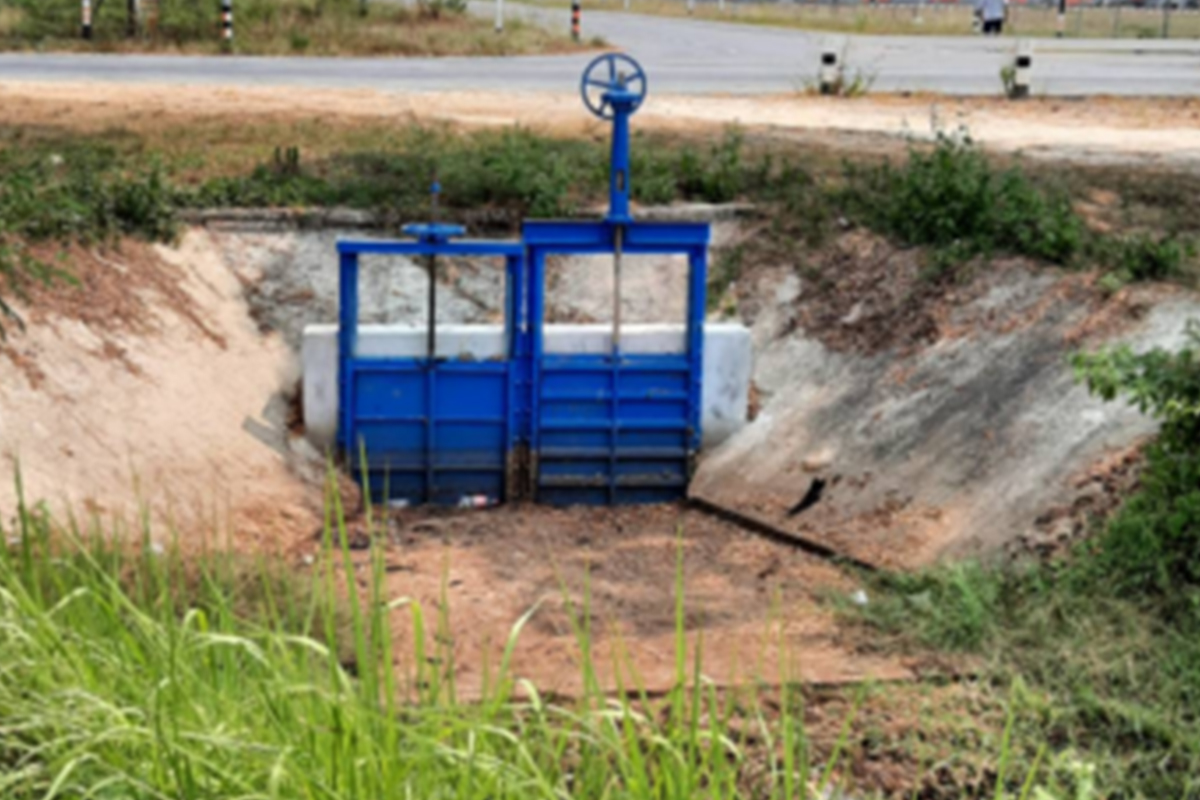
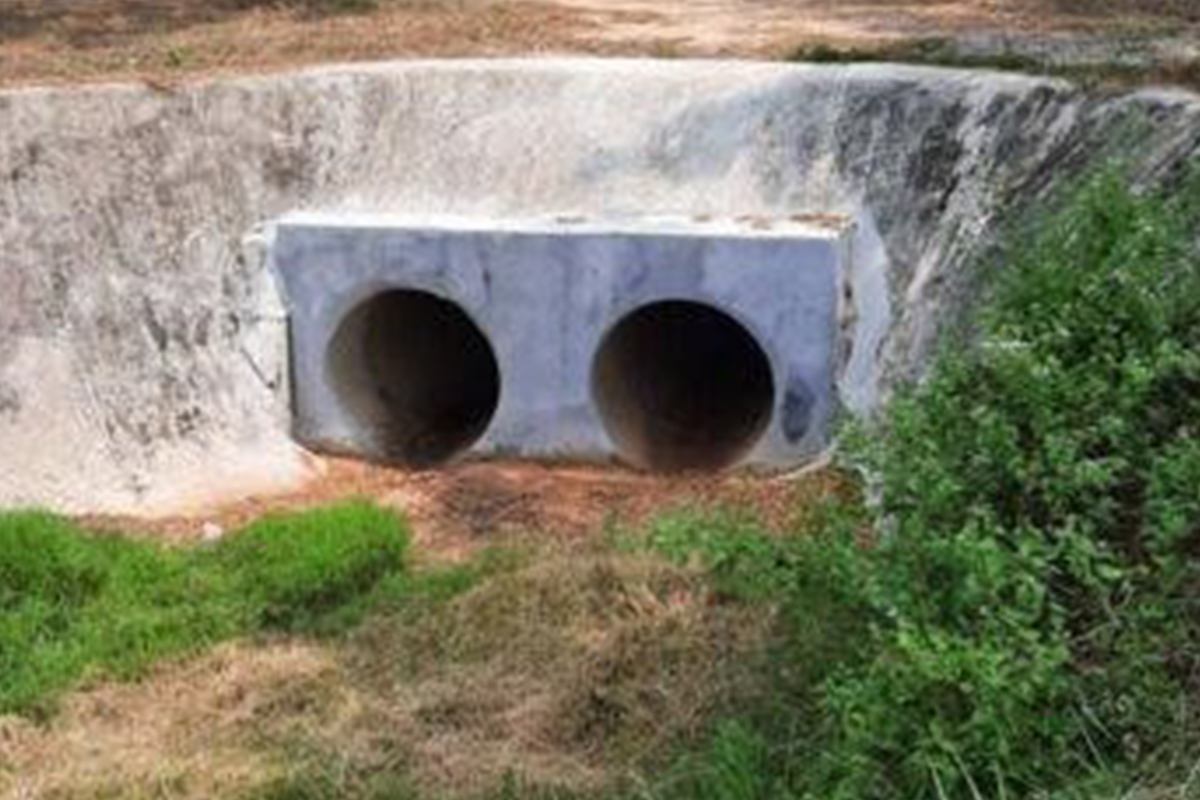
Floodgates (Floodgate / Sluice Gate) are structures designed to regulate the flow of water in canals, drainage ditches, or public waterways. Their primary purposes are water level control, flood prevention, and water storage for various uses. From an environmental management perspective, floodgates also play a crucial role in preventing the spread of pollution in natural water sources.
During high tides or floods from rivers, the phenomenon of “backflow” may occur, allowing water to flow into branch canals and the university’s drainage system. This could result in polluted water from downstream canals flowing back into the university area or raw water sources. Installing floodgates with backflow prevention systems helps block polluted water from entering upstream sources or water supply production areas.
At present, the university has actively implemented flood prevention projects, which are directly linked to pollution control in the water system. In 2024, the university constructed two additional floodgates behind the Walailak University Sports and Health Center to prevent flooding during the rainy season. Moreover, the university conducts monthly inspections of the floodgates to ensure they operate correctly and at maximum efficiency.
Flood Protection Wall Construction Project
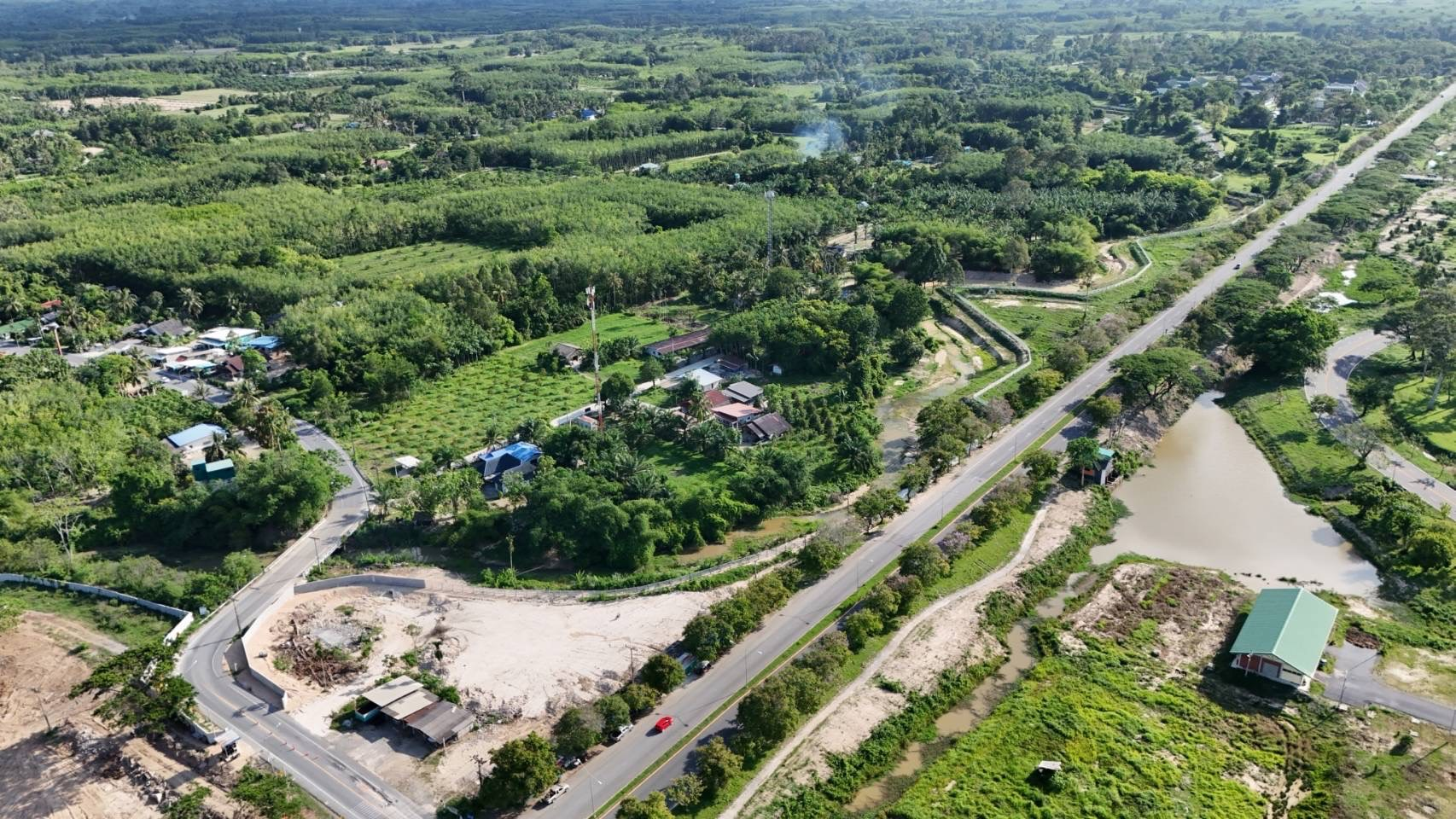
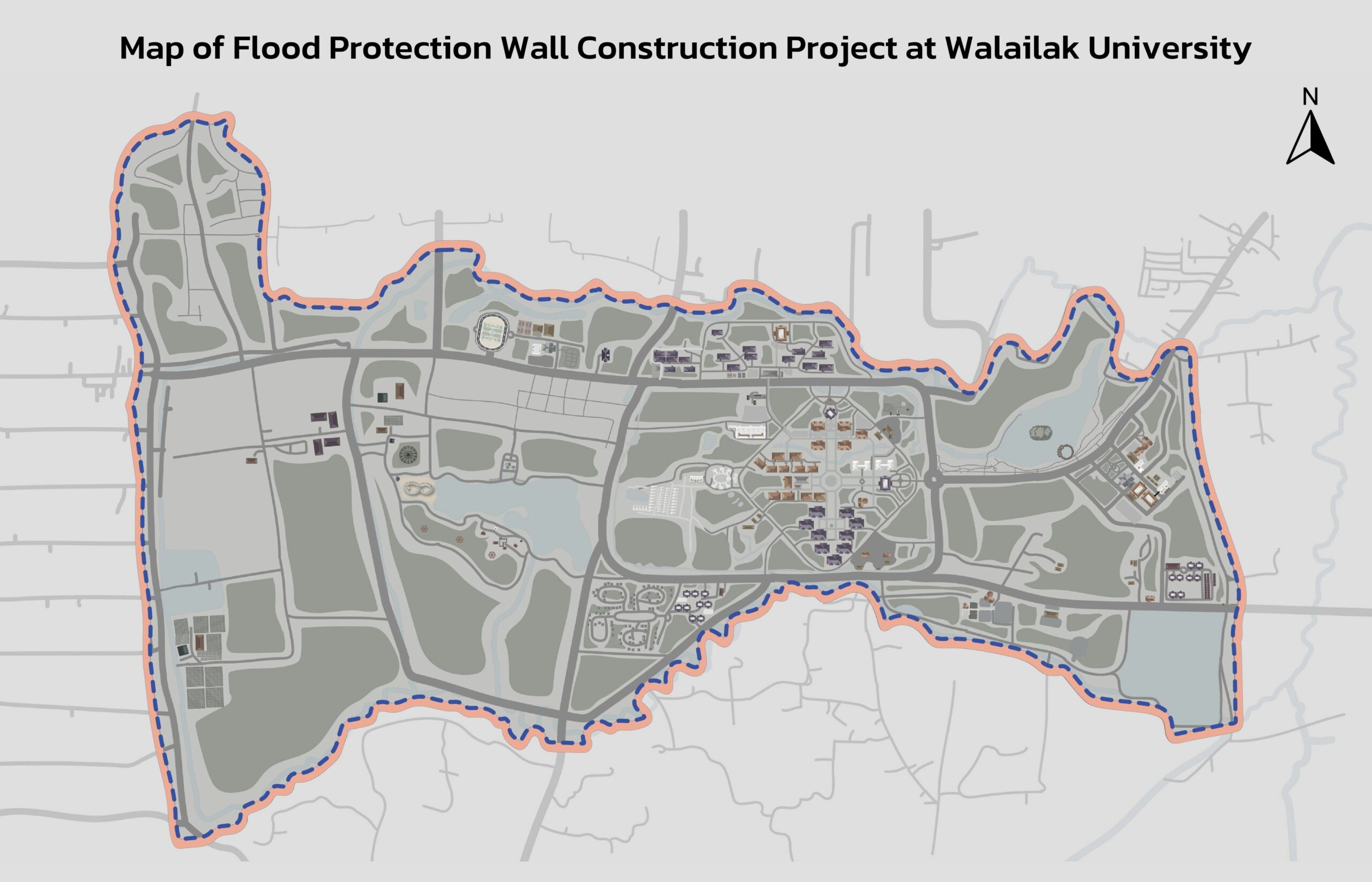
The university has constructed reinforced concrete flood protection walls with water-resistant properties to prevent water seepage and control water pollution. These walls extend along the perimeter of the university for a total distance of 25 kilometers. The design of the walls ensures that they do not impact surface water, groundwater, or nearby ecosystems, and they are equipped with regular monitoring and maintenance systems.
The university’s construction of the wall aims to prevent polluted water from entering the water system—a crucial mechanism for maintaining the balance of natural resources, particularly water, which is vital for both humans and the ecosystem. Preventative measures are always more effective than remedial ones taken after impacts have occurred. With careful planning, proper supervision, and supportive technology, such initiatives can make a meaningful contribution to environmental sustainability.
Bot CDT Mobile Application
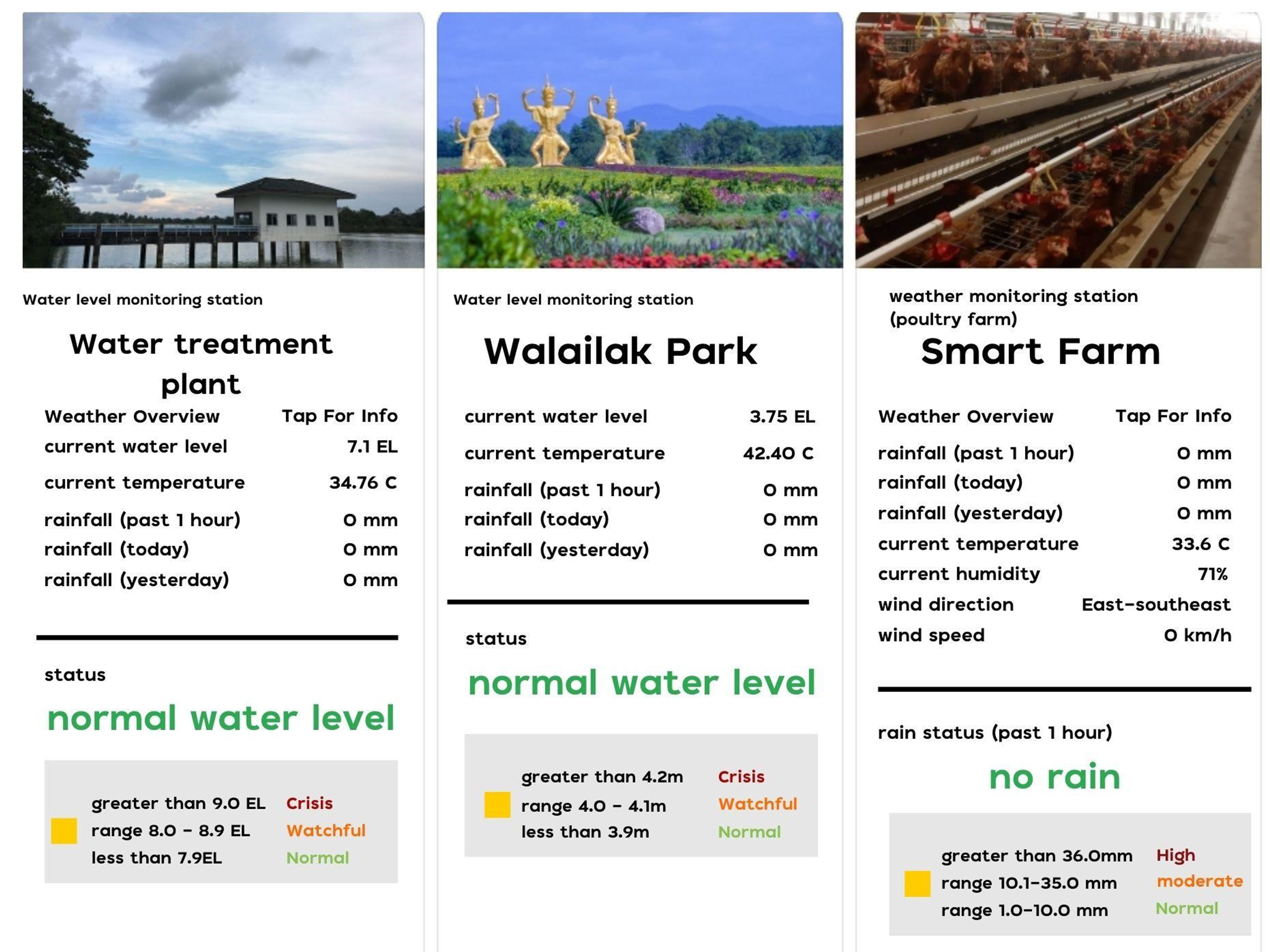
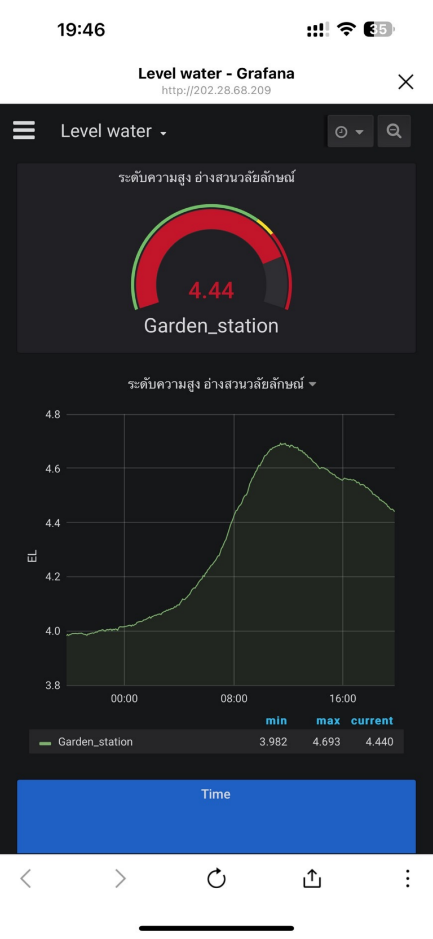
The Bot CDT Mobile Application serves as Walailak University’s flood situation alert system, providing an efficient tool that ensures rapid access to information while fostering engagement across all sectors of society. As a digital and information technology–driven solution, it plays a vital role in monitoring, preventing, and managing water pollution in a sustainable manner.
This application is specifically designed to prevent polluted water entering the water system and is equipped with a variety of functions, such as:
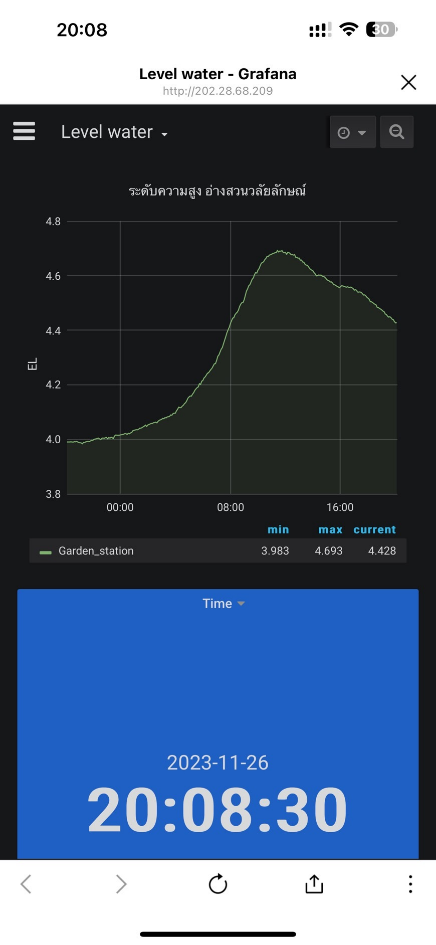
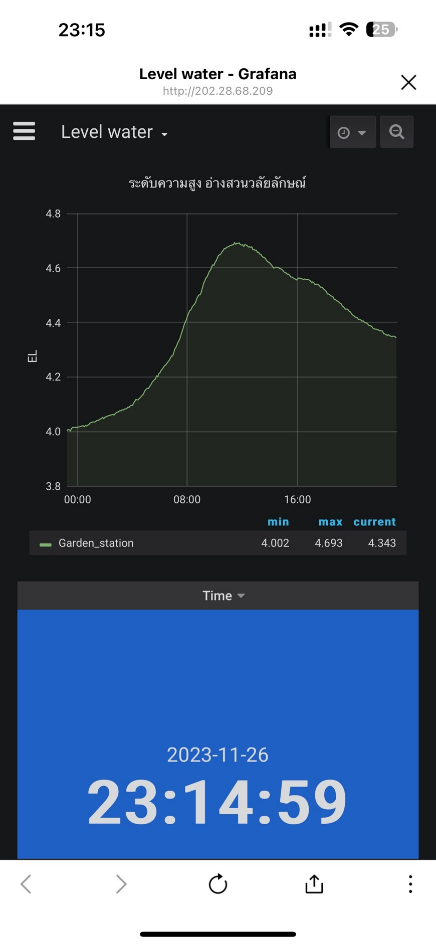
Data analysis from IoT sensors installed in various water sources,
Water level alerts during critical conditions,
Weather overview reports, including real-time temperature and rainfall at high-risk or monitored areas.
These features allow users to systematically access real-time water situation data, thereby enhancing forecasting capabilities and effectively reducing the impacts of flooding.
The development of such an application supports trend analysis of pollution, prediction of potential incidents, and recommendations for preventive measures tailored to specific areas and situations. This leads to more accurate and timely decision-making, lowers the risk of environmental crises, and strengthens water management systems against the impacts of climate change. Ultimately, the Bot CDT Mobile Application will serve as a key tool in creating a safe, clean, and sustainable water ecosystem for the university.
Canal Dredging Process
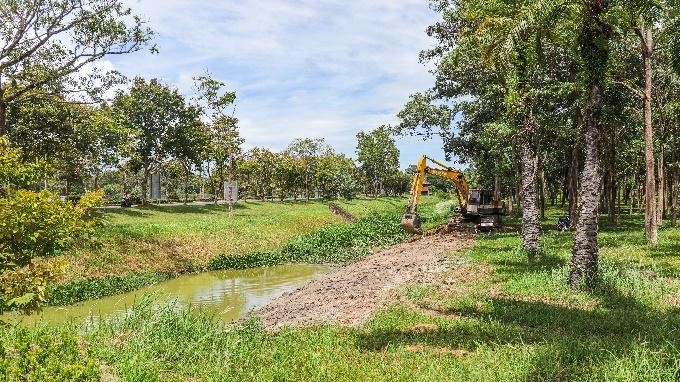
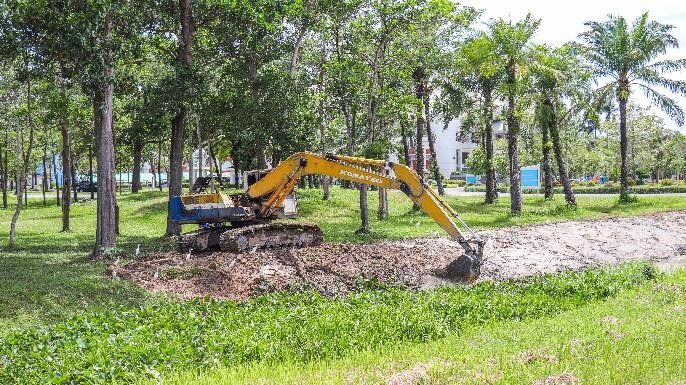
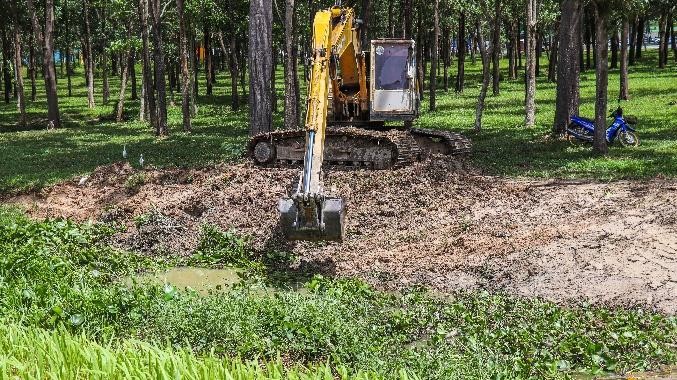
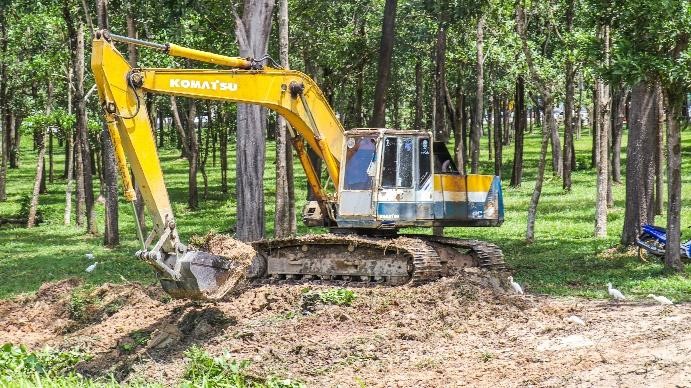
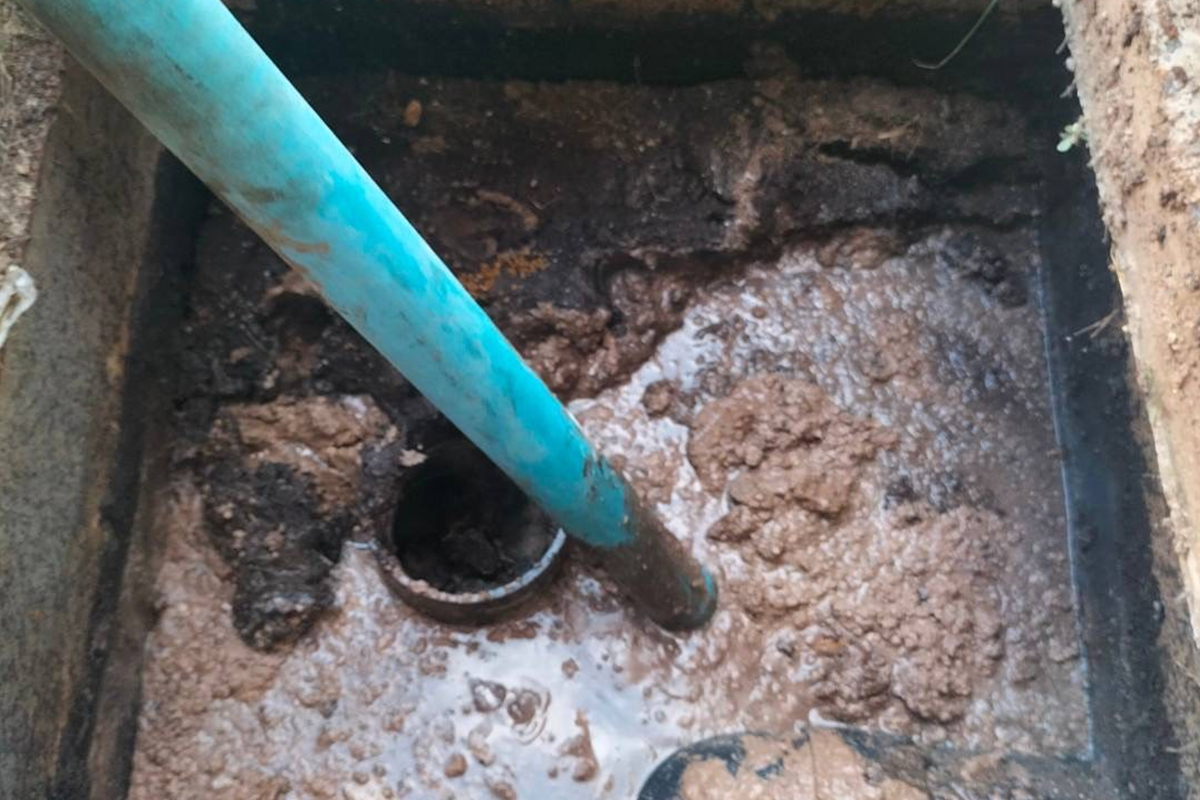
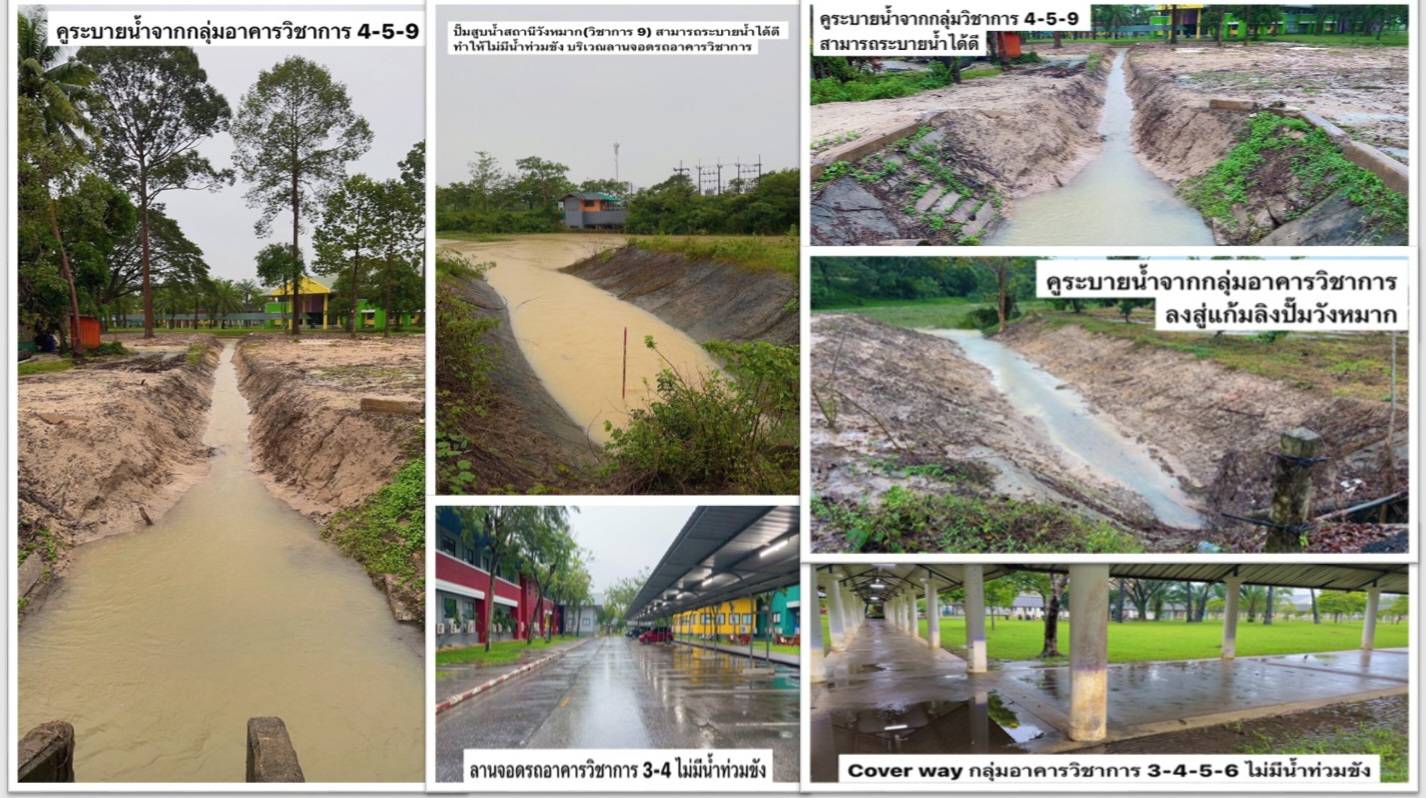
At present, the university’s area contains canals that function as both natural and semi-natural drainage systems, playing an important role in water resource management, particularly for rainwater drainage. The university regularly carries out canal dredging with the primary objectives of removing sediments, waste, and accumulated obstructions in waterways to ensure continuous and more efficient water flow. This reduces the risk of flooding during the rainy season and minimizes the chance of stagnant wastewater, which could otherwise become breeding grounds for pathogens or disease-carrying insects.
Dredging also helps reduce the amount of organic matter in the water, which is a major cause of foul odors and water pollution. In addition, the process provides an opportunity to inspect canal structures, such as the stability of embankments, seepage, or subsidence, which, if left unaddressed, could lead to more severe damage in the future.
Water Supply System Maintenance
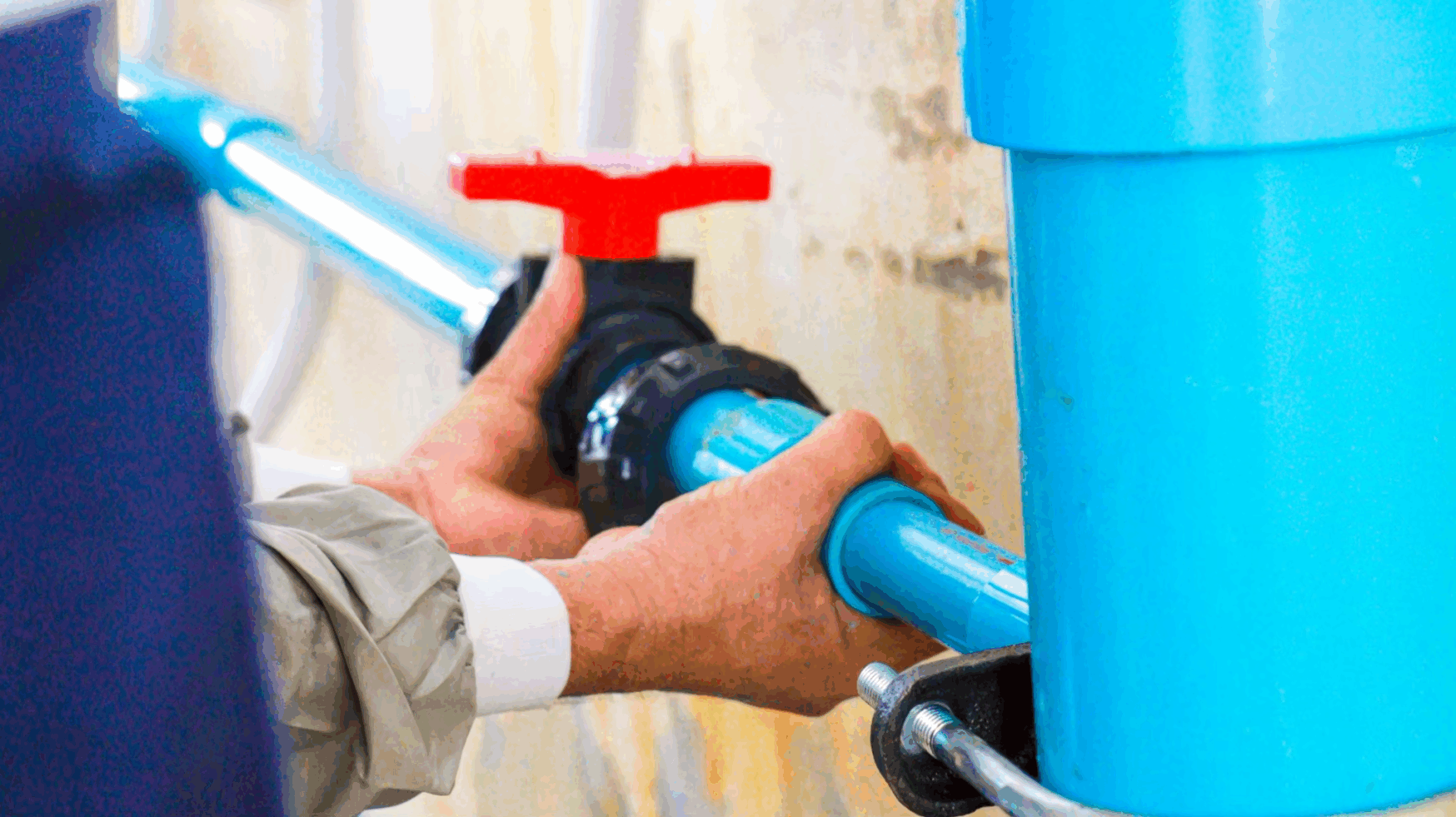
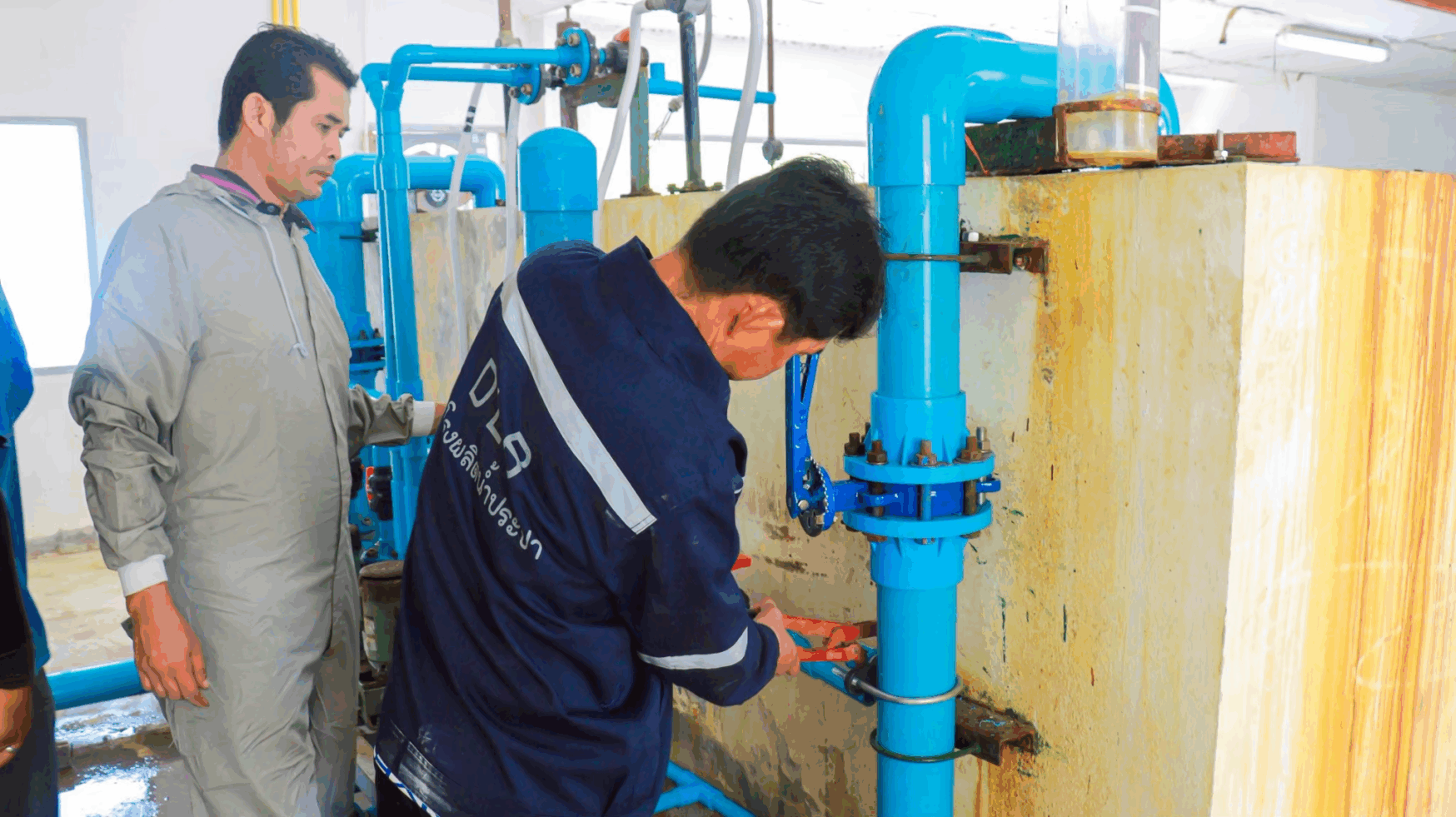
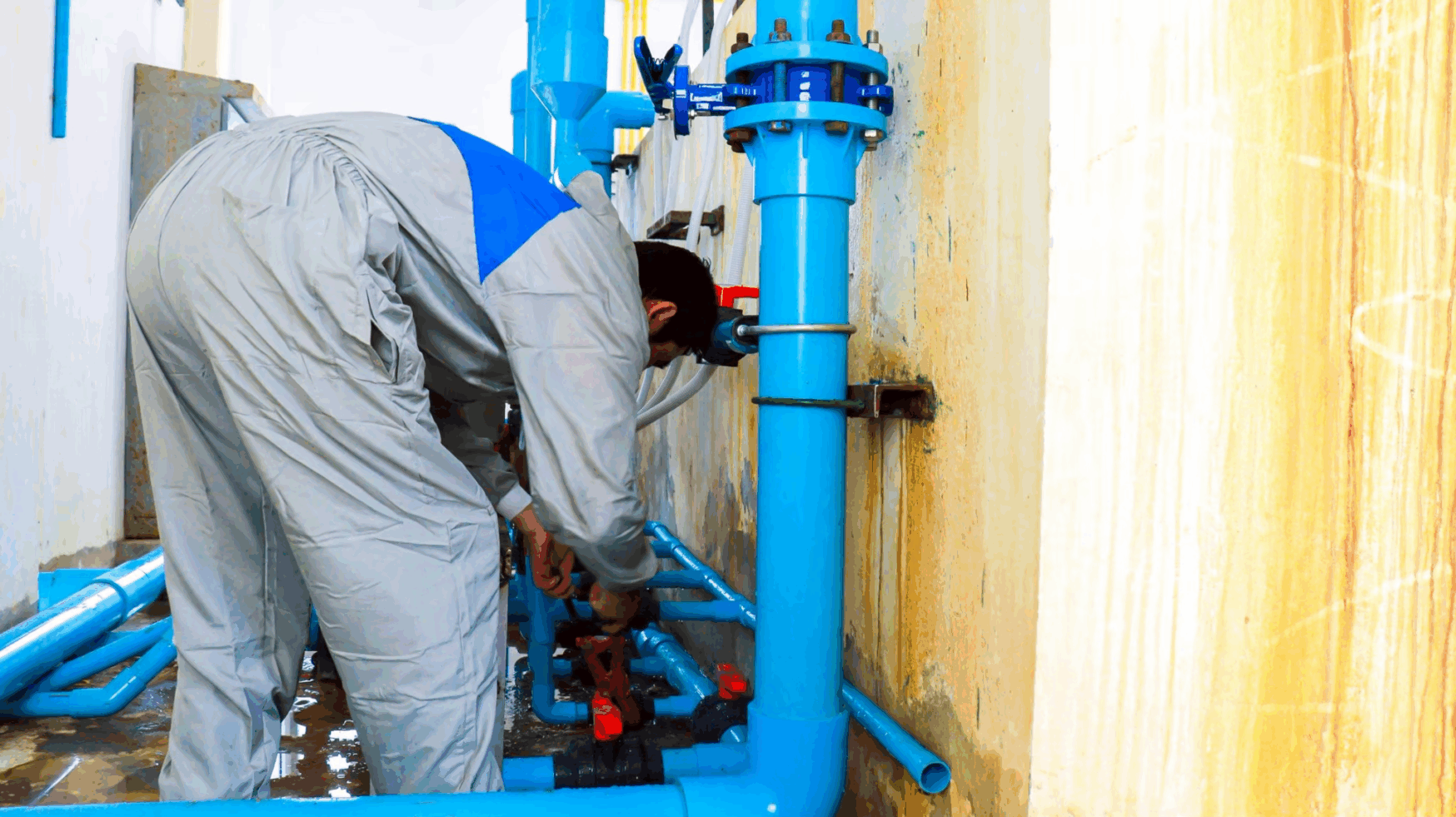
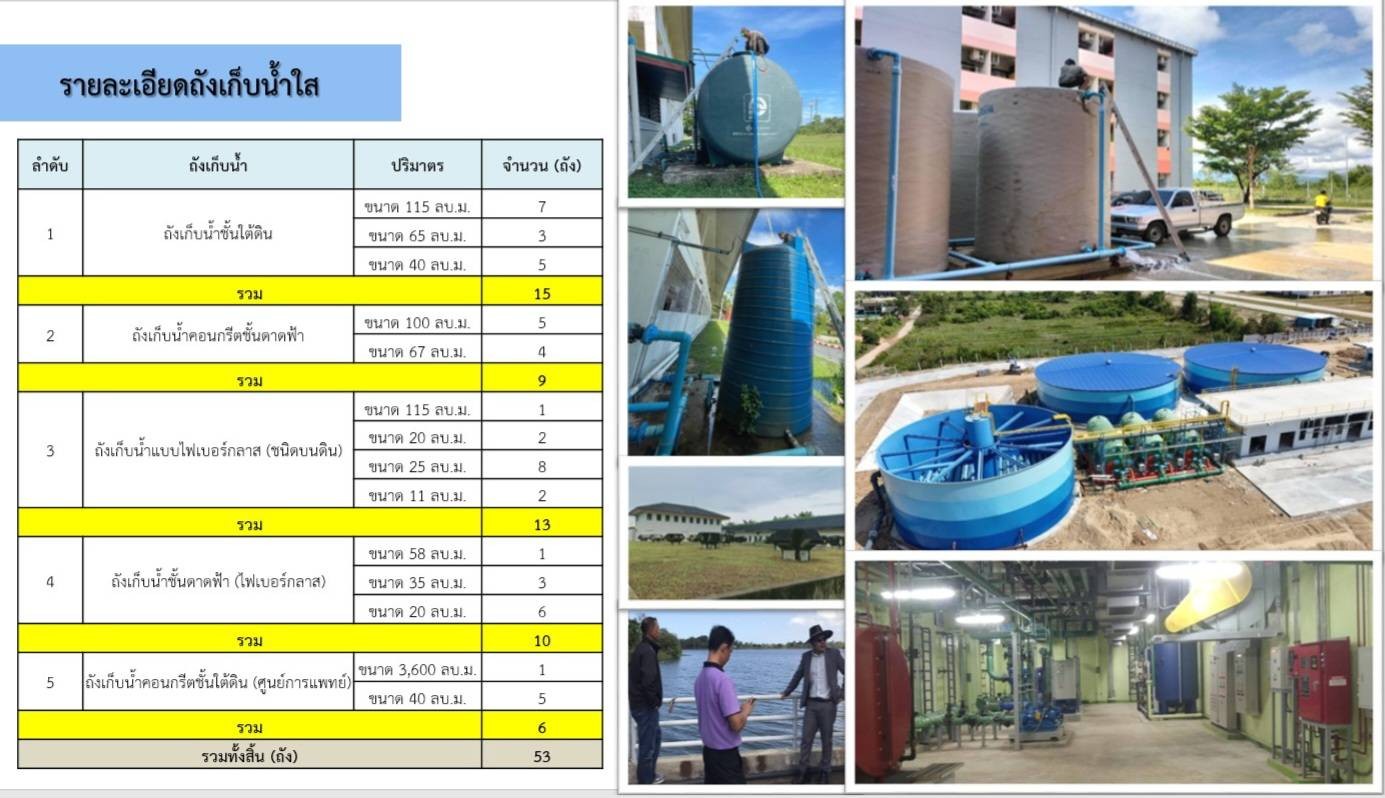
The water supply system is a vital mechanism that processes raw water to improve its quality before safely distributing it to users. Without proper maintenance, not only would the quality of distributed water decline, but the entire water system would also face an increased risk of pollution. The water supply system encompasses water treatment plants, pipelines, storage tanks, and end-user equipment. At Walailak University, water production and maintenance processes are strictly controlled for quality and efficiency through systematic planning in both engineering and management aspects. Examples include scheduled sediment cleaning of storage tanks, pipeline inspections using automated leak detection technology, chemical treatment to maintain water quality standards, maintenance of pumping station machinery, and the installation of pressure control devices to prevent pipeline bursts and leaks.
In addition, great emphasis is placed on training field personnel and raising awareness among the university community to help monitor and report any irregularities in the water supply system.
The university also integrates digital technologies into maintenance practices, such as using GIS systems to monitor pipeline networks, connecting data through smart sensors, and developing automated alert systems. These technologies enhance the speed and accuracy of problem detection and resolution, reducing both pollution risks and the costs associated with repairs or service disruptions.
Ultimately, water supply system maintenance is a crucial process for preventing water pollution and supporting sustainable environmental development. It ensures the continuous and reliable delivery of clean and safe water to the university population.
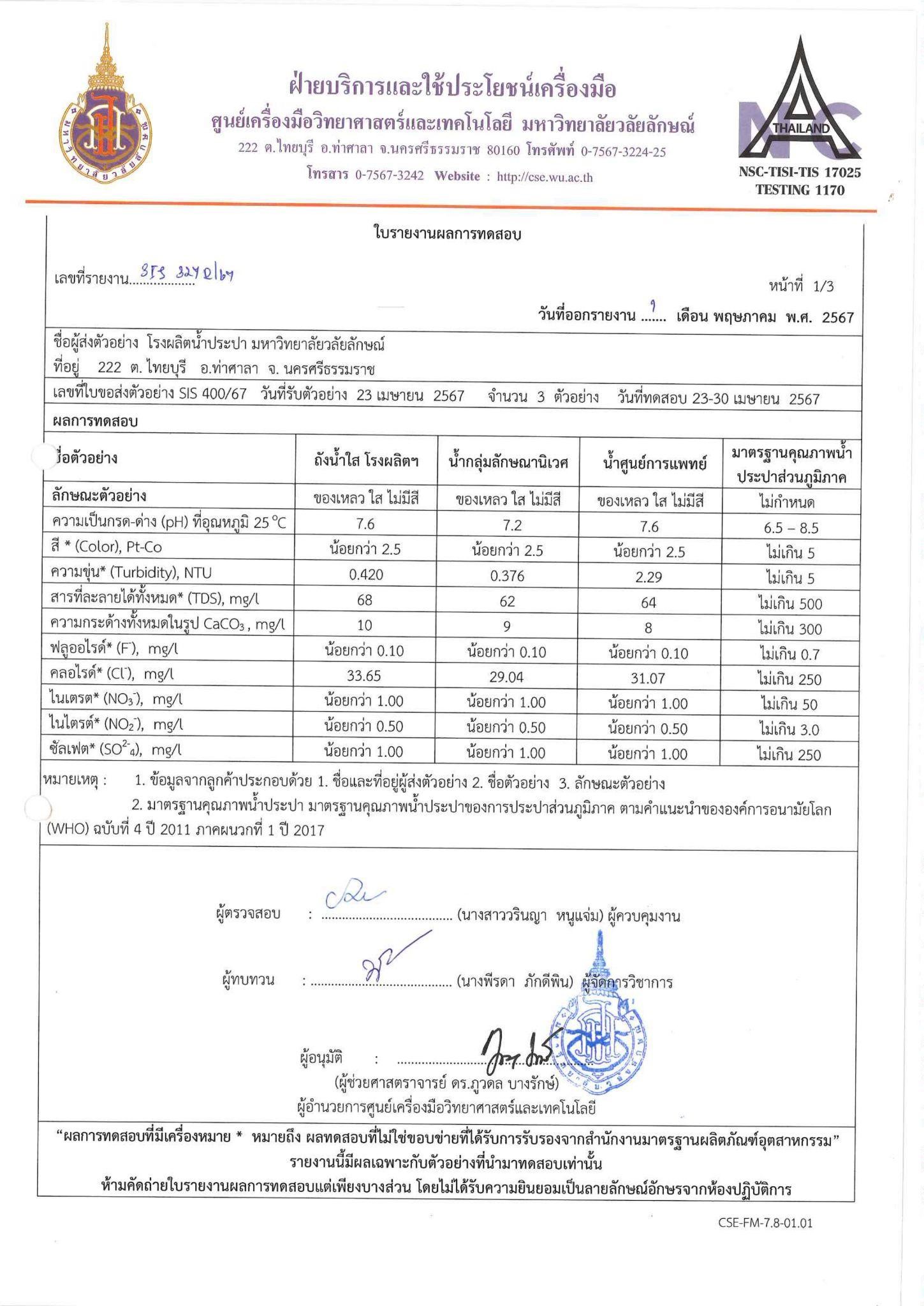
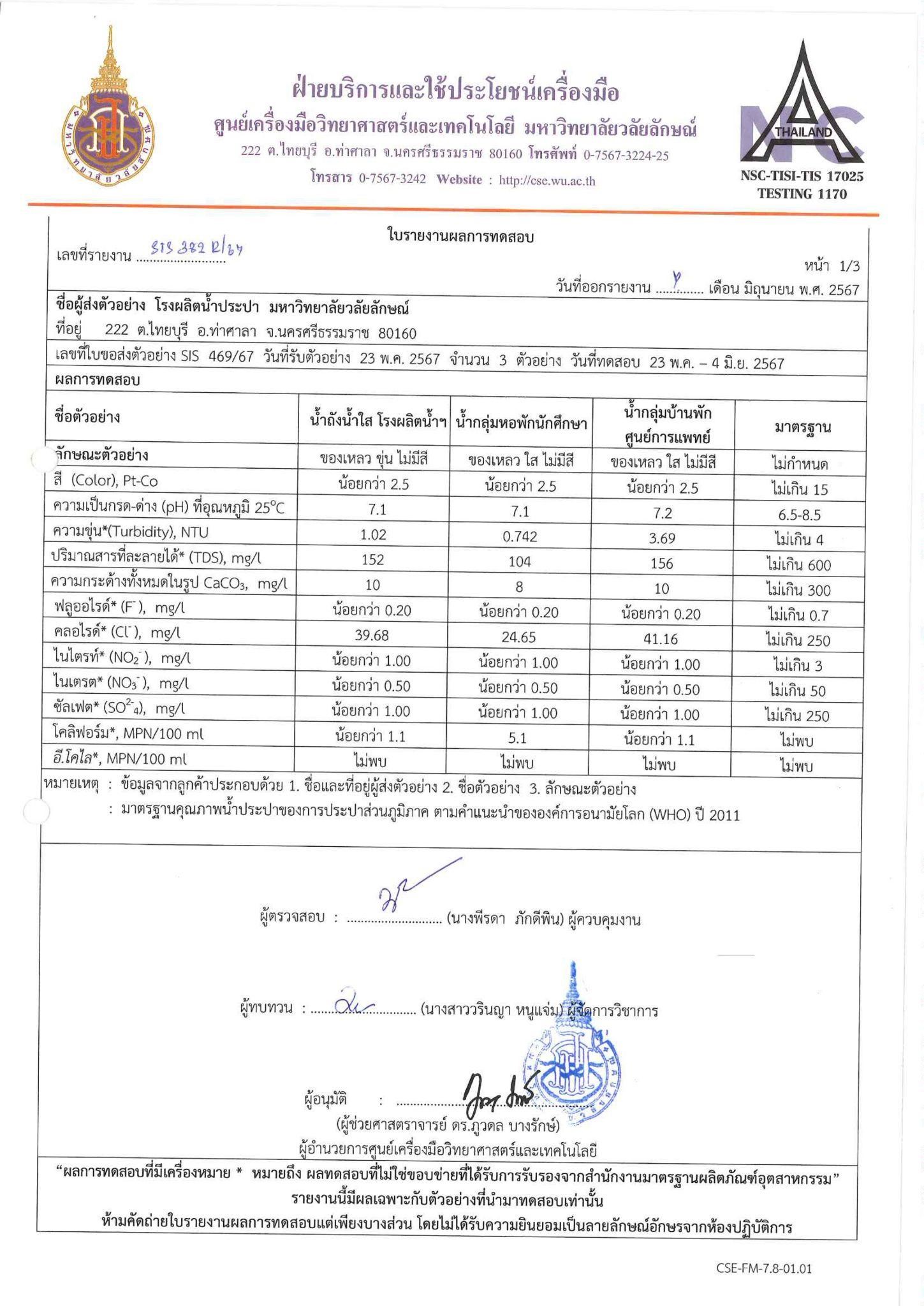
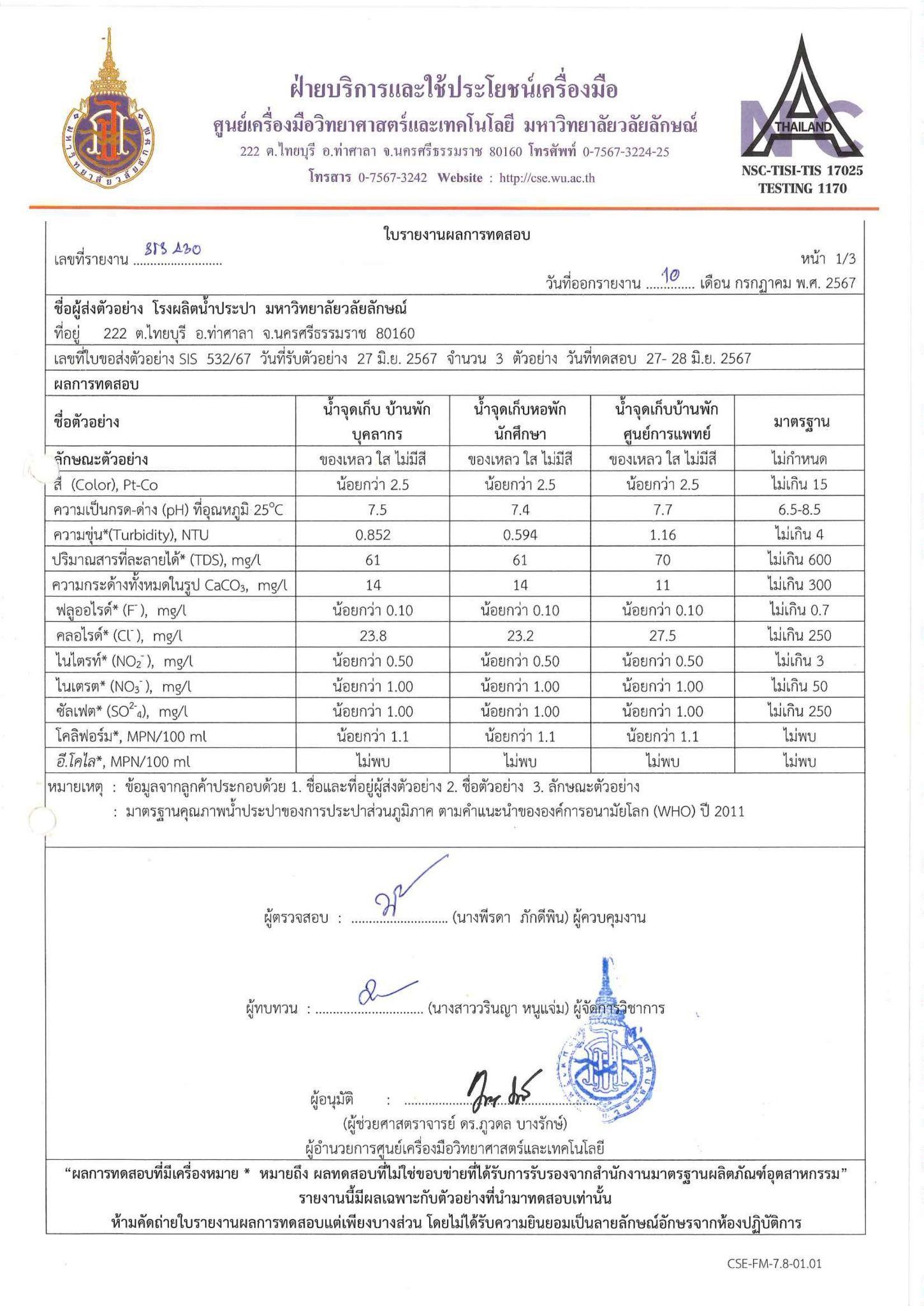
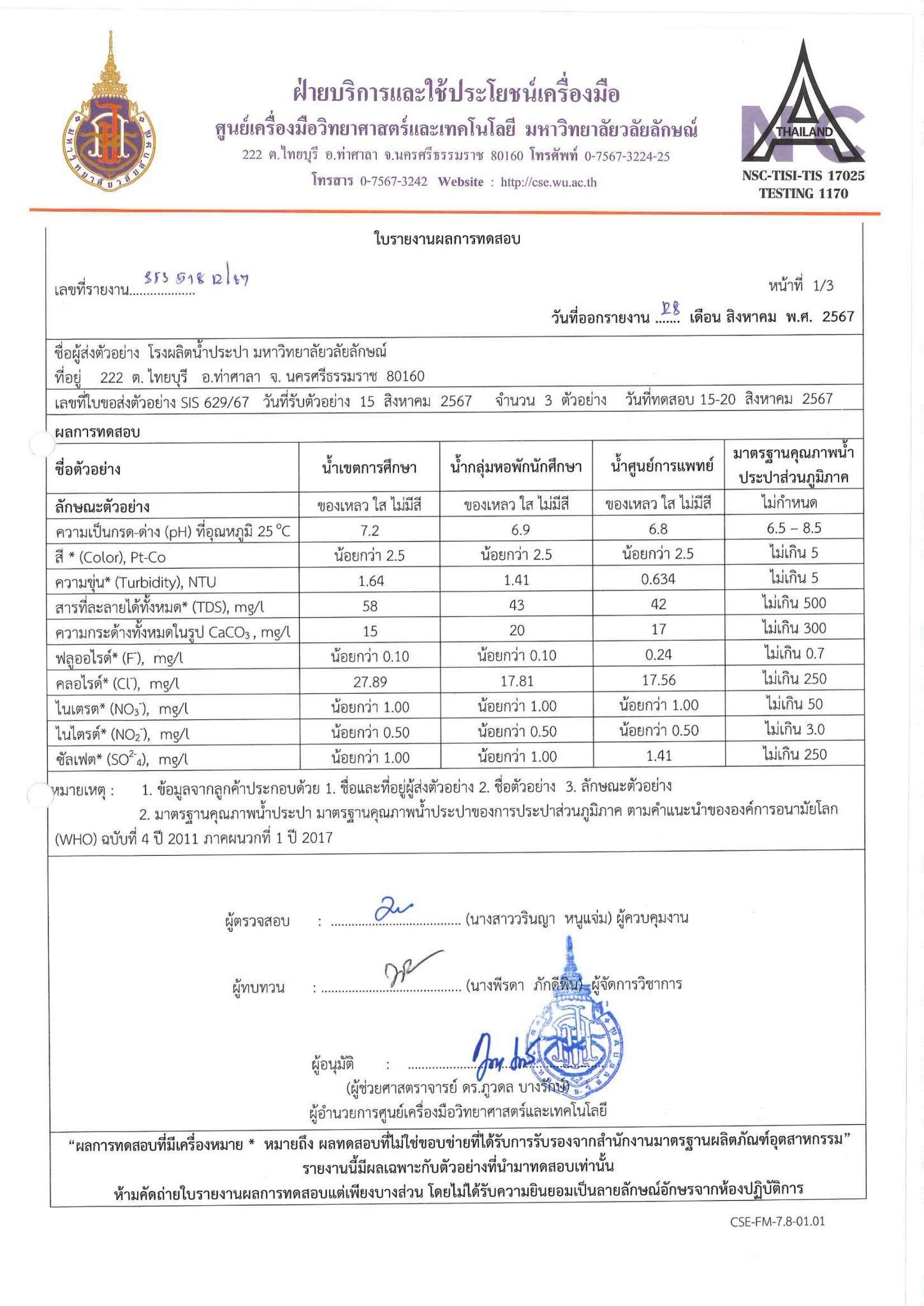
Water Quality Monitoring for consumption within the University
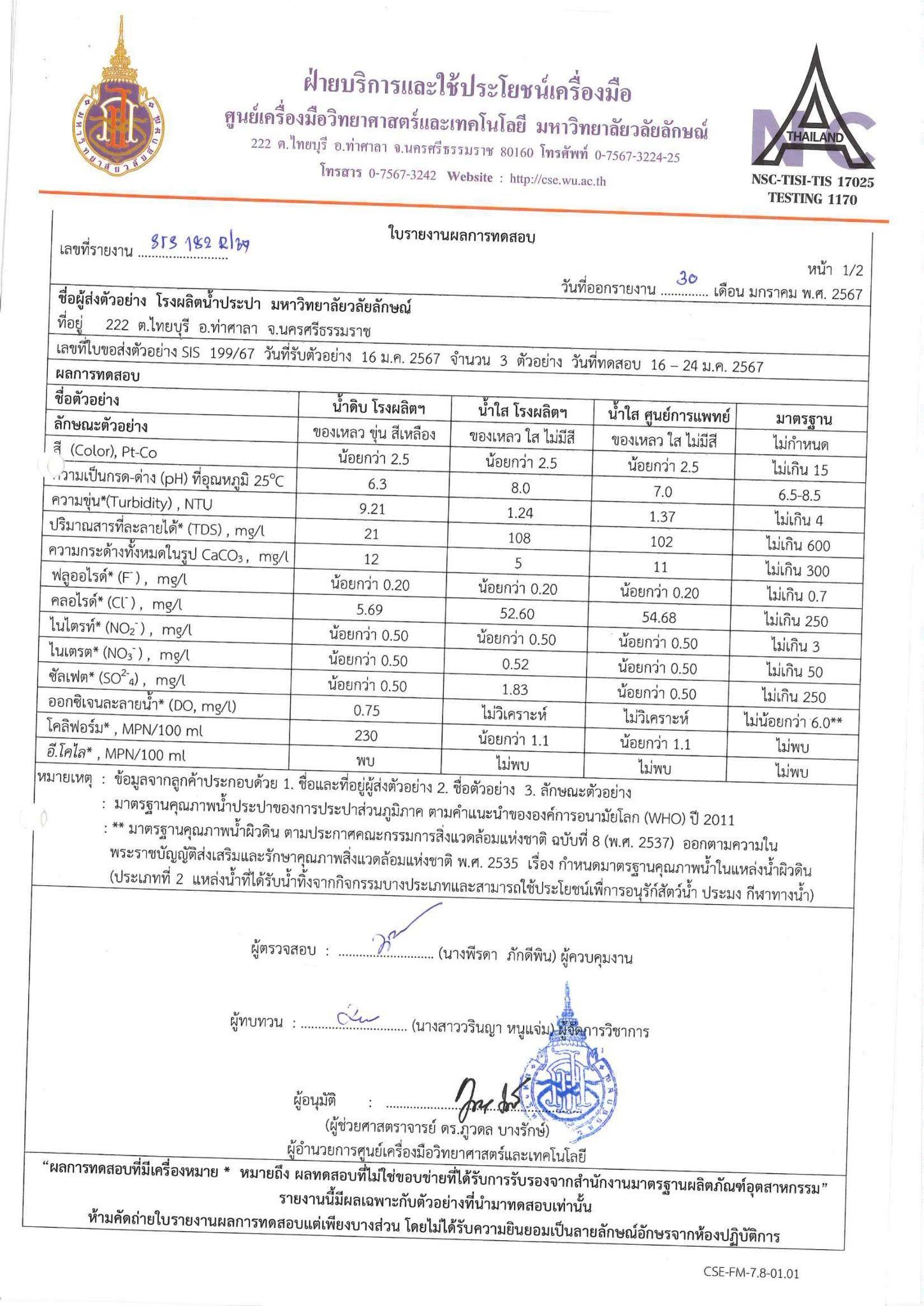
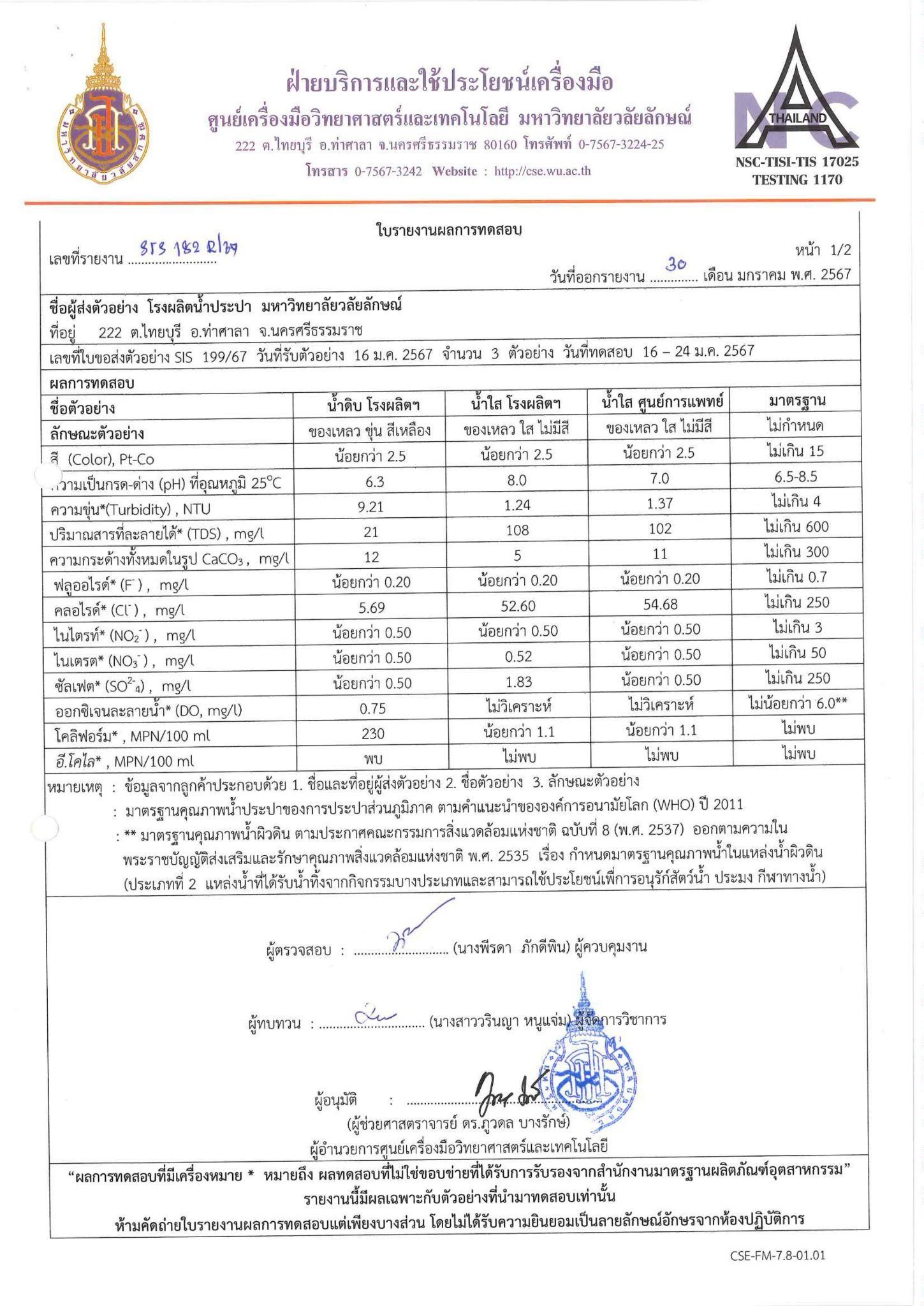
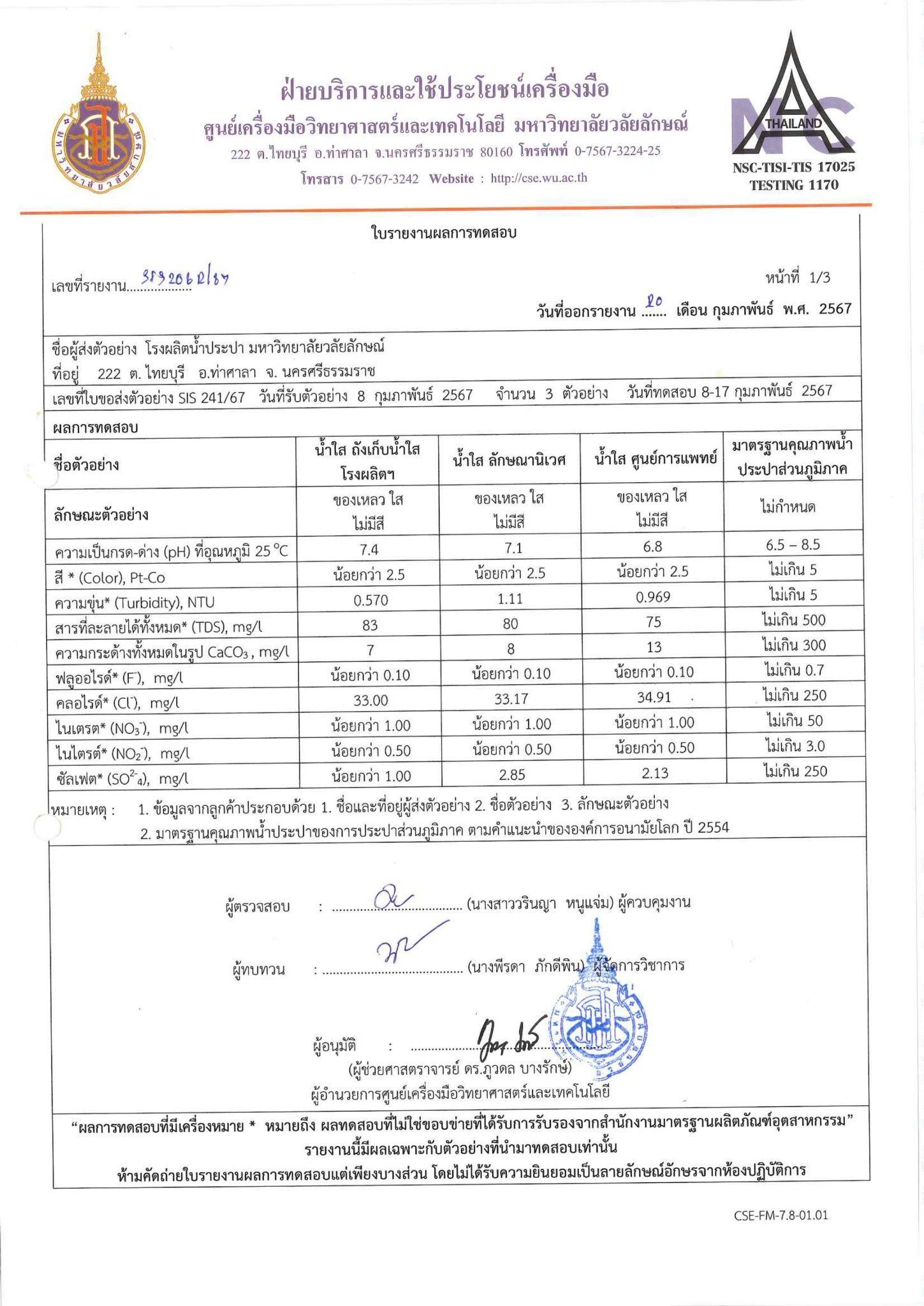
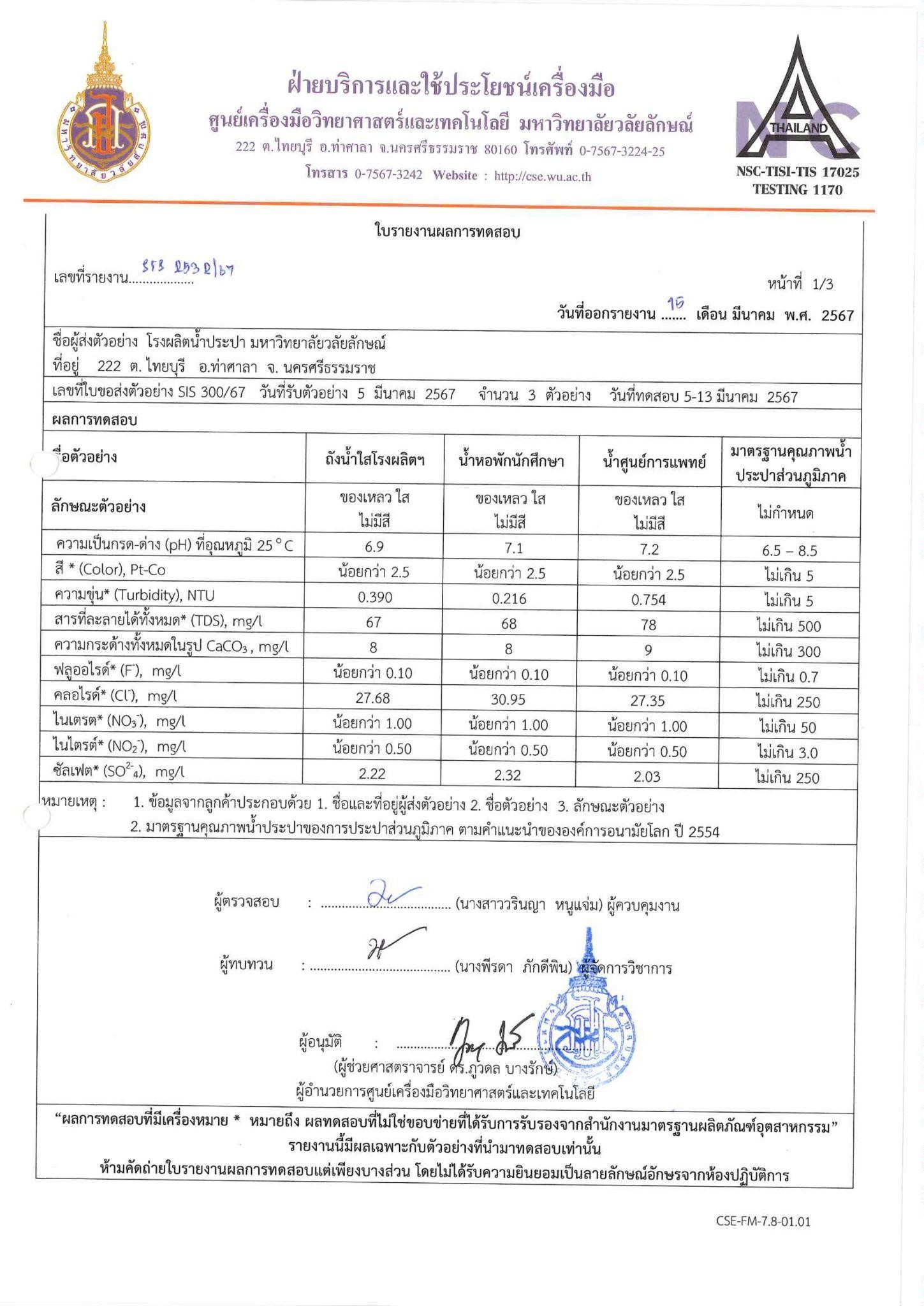
Water quality monitoring is a critical frontline process in pollution control and serves as a safeguard against the entry of harmful substances into the water system, thereby preventing long-term impacts on human health and ecosystems. Systematic water quality monitoring enables the timely detection of changes or pollution trends, allowing for proactive management or preventive measures before problems escalate.
The university places strong emphasis on controlling the quality of water for consumption. This involves assessing the physical, chemical, and biological characteristics of water. Examples of parameters monitored include turbidity, color, odor, pH, electrical conductivity (EC), dissolved oxygen (DO), biochemical oxygen demand (BOD), as well as heavy metal contaminants such as lead, mercury, and cadmium. Monitoring also covers pathogenic microorganisms such as E. coli and coliform bacteria. These indicators are regularly measured at raw water sources, water treatment stations, and distribution endpoints.
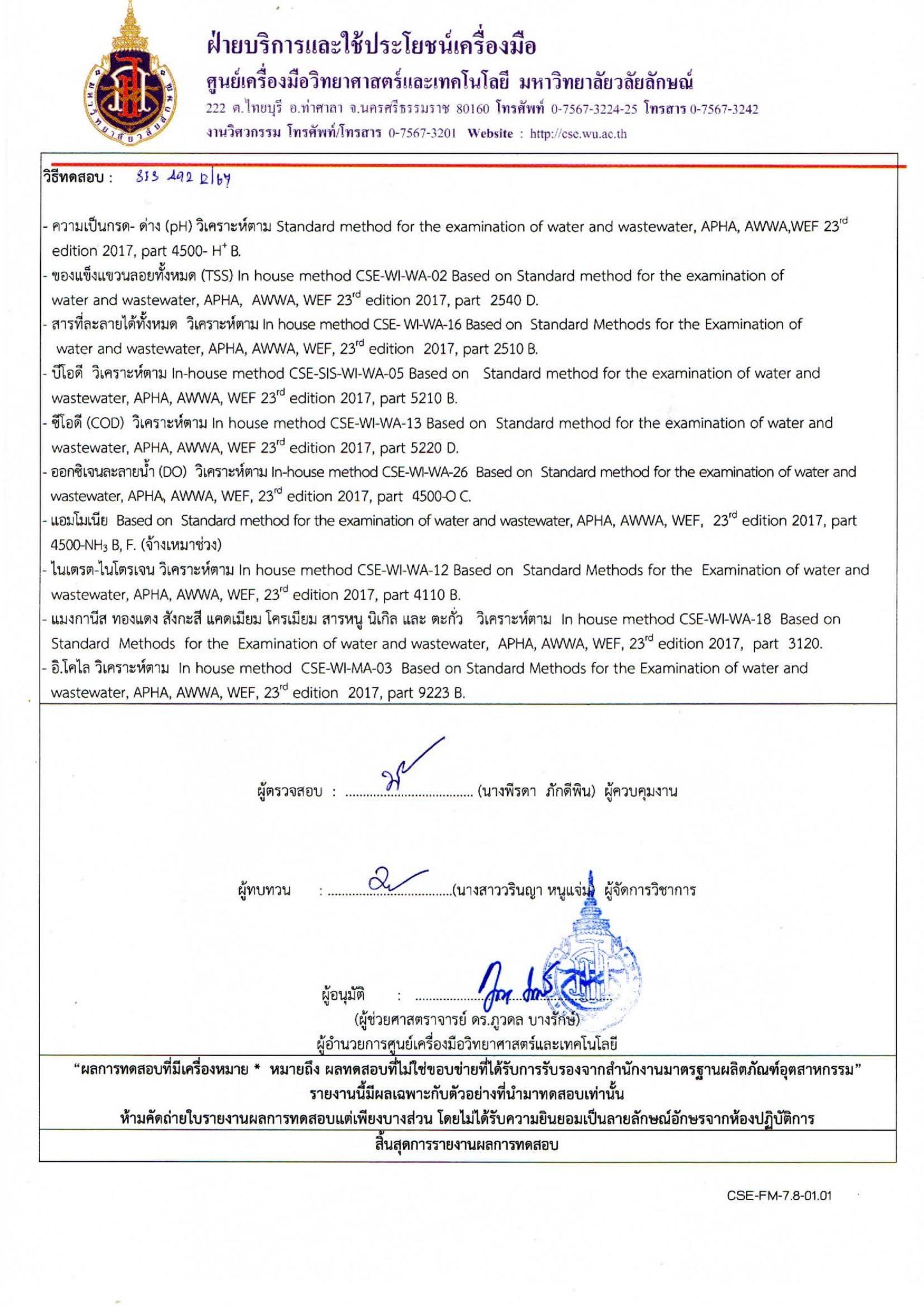
The university also replaces water filter cartridges every six months and conducts monthly water quality testing of free drinking water dispensers across campus. The analysis covers microbiological parameters, such as coliforms and E. coli, in accordance with APHA, AWWA, and WEF standards. These practices ensure that the water supplied is safe and suitable for consumption by all users.
Wastewater Treatment System within the University
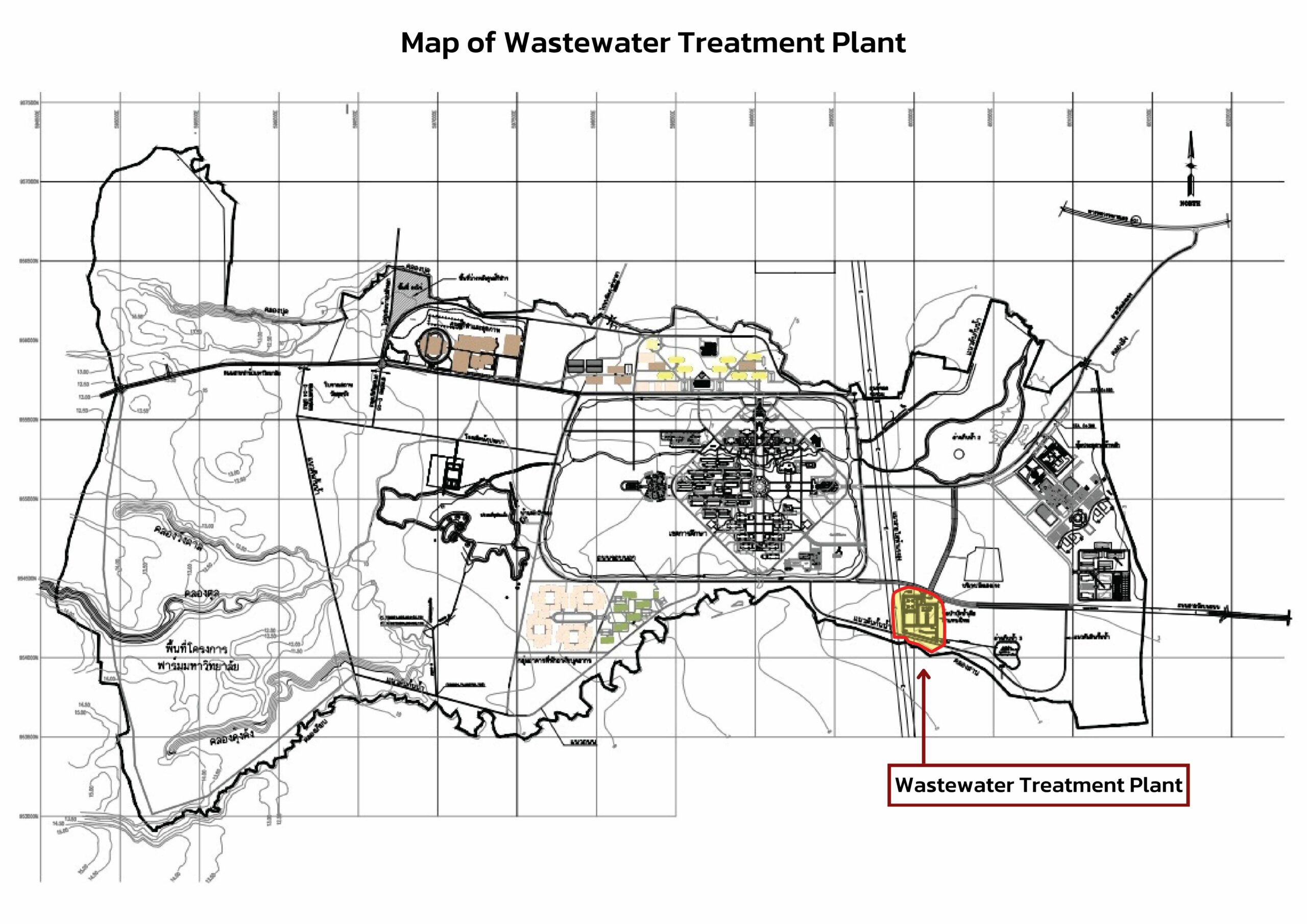
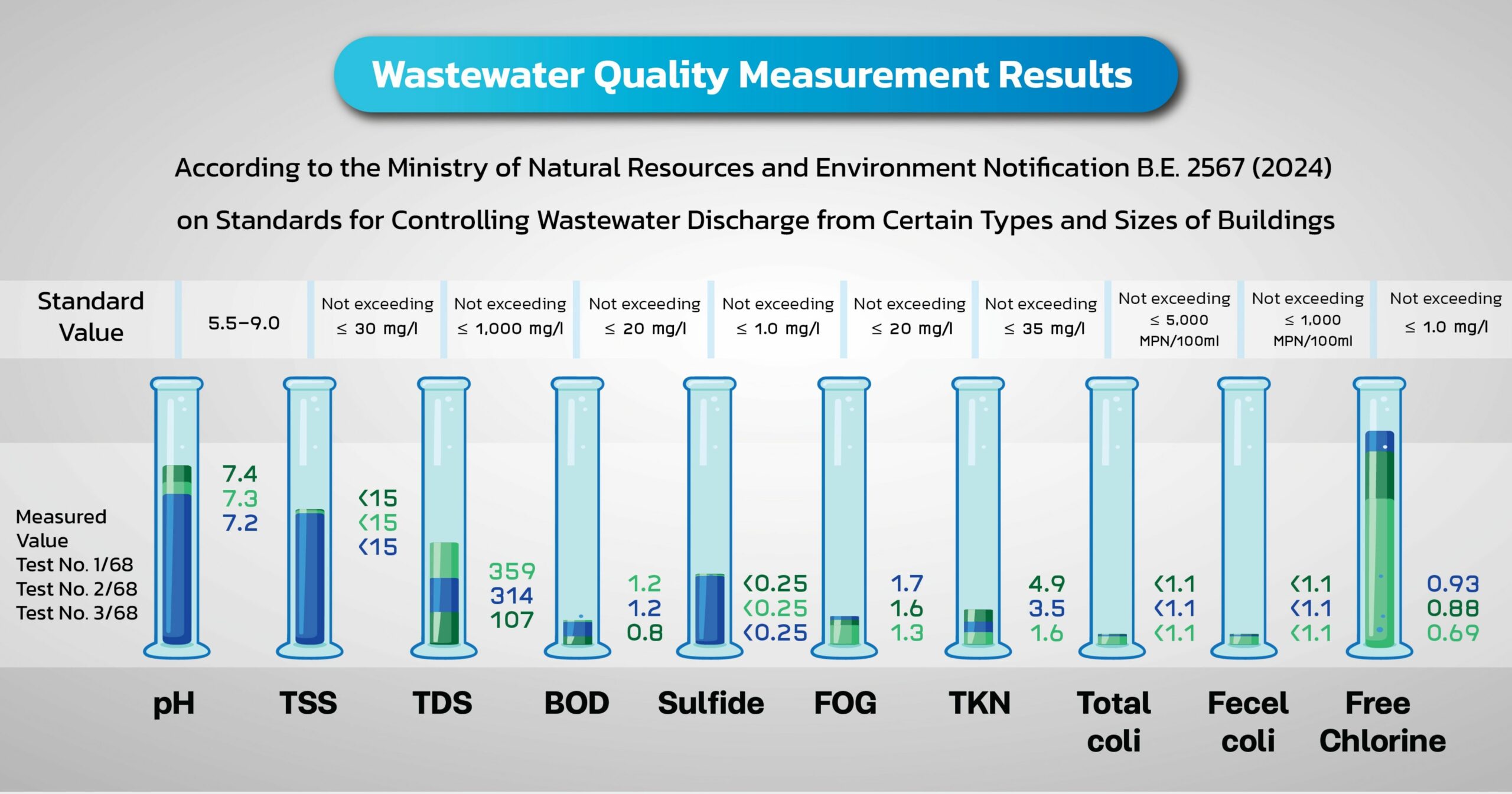
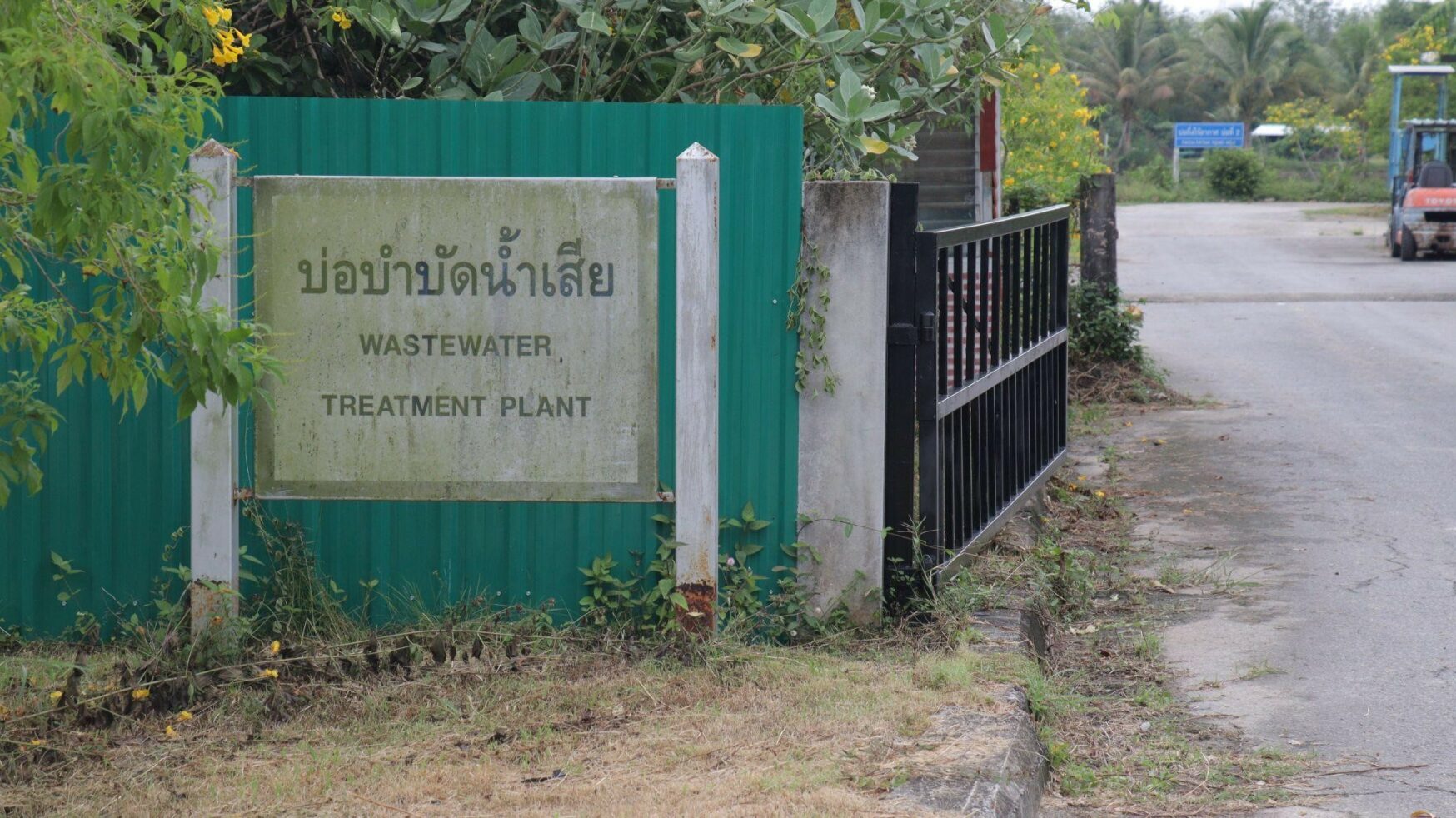
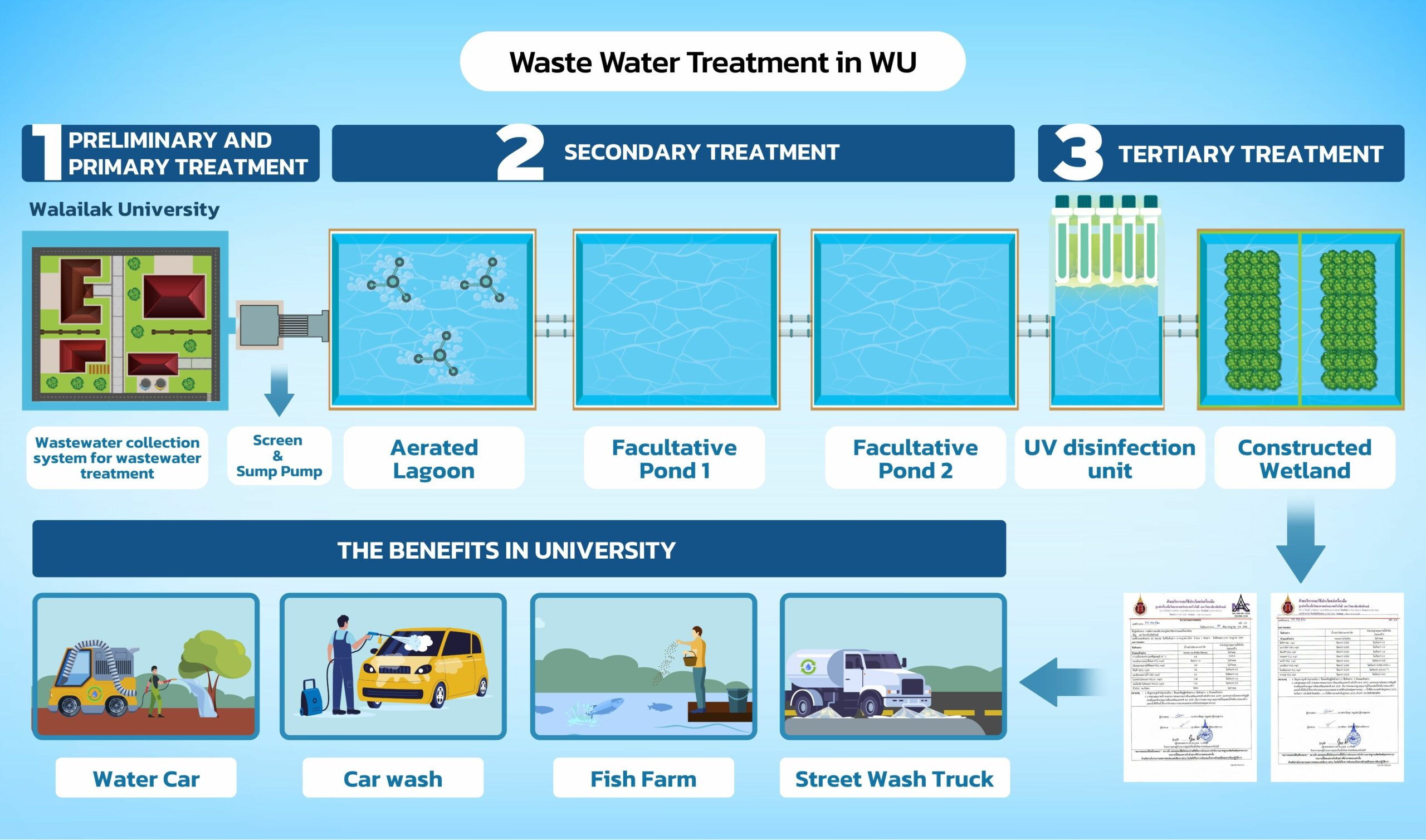
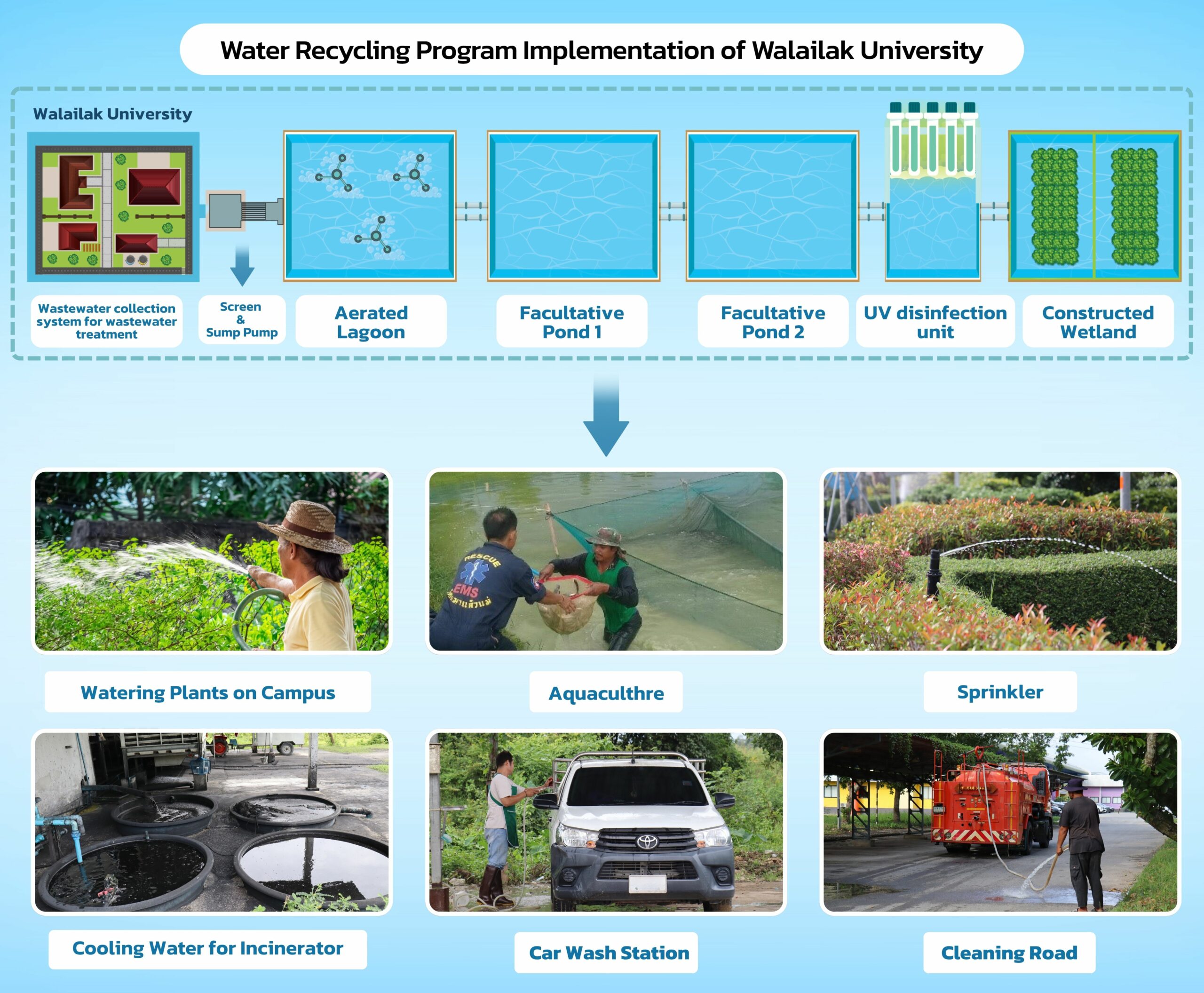
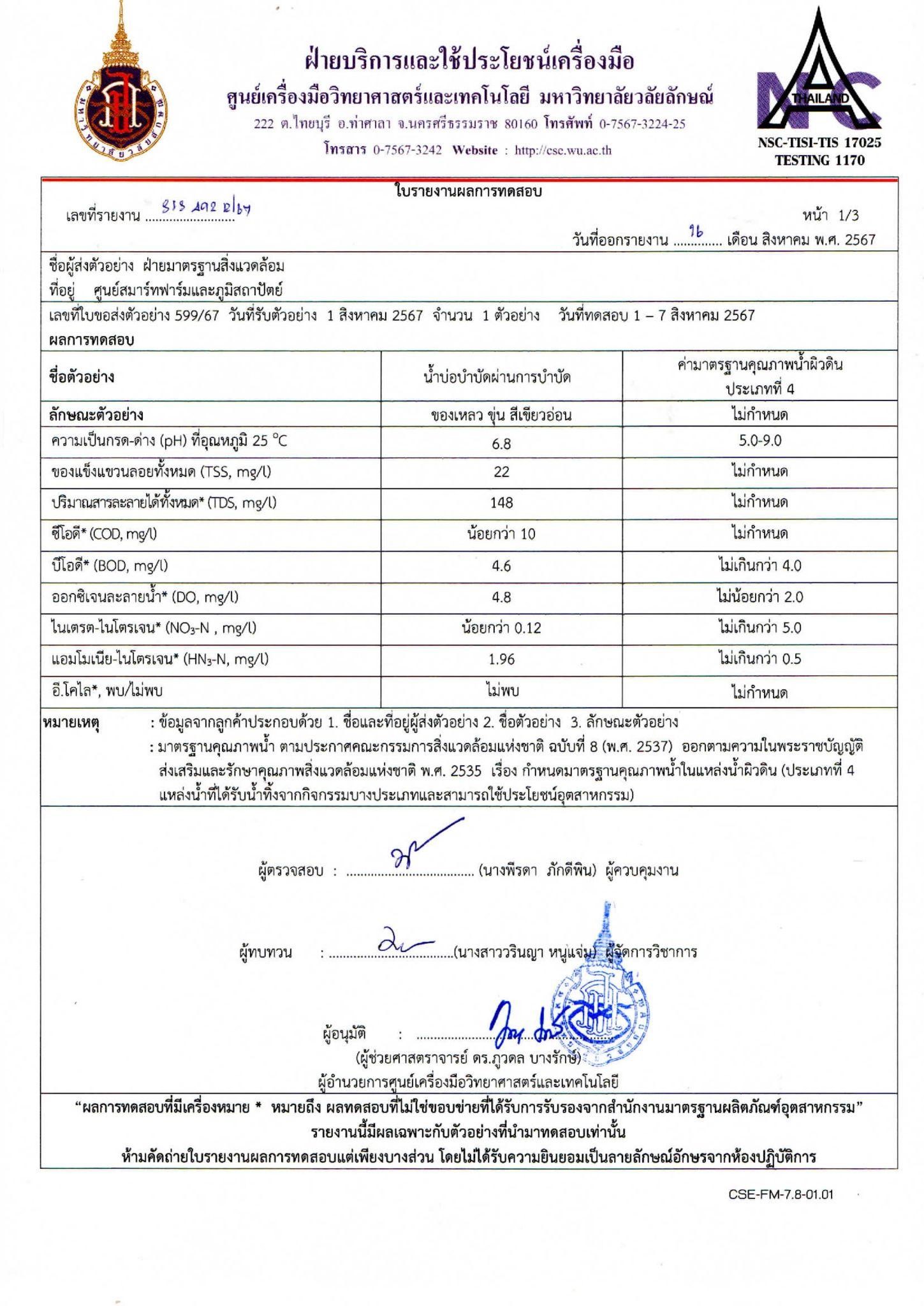
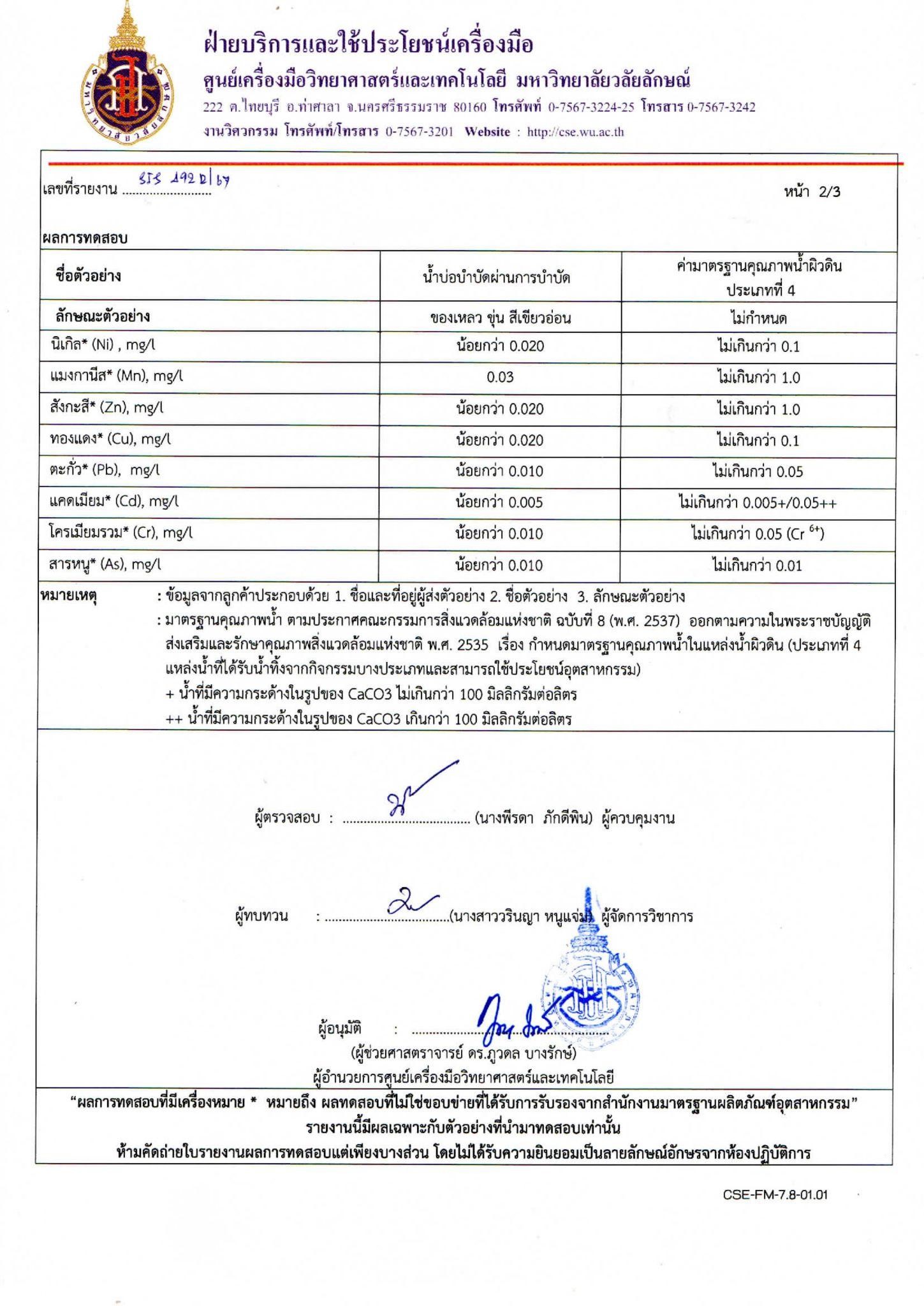
The university has established a wastewater treatment system to manage water generated from domestic use on campus. The wastewater management project was initiated in 2002 and has since been continuously implemented, including in 2024. These systems utilize physical, chemical, and biological processes to separate and decompose pollutants before discharging the treated water back into natural water bodies. A highly efficient system can effectively remove organic matter, toxic substances, heavy metals, and pathogens.
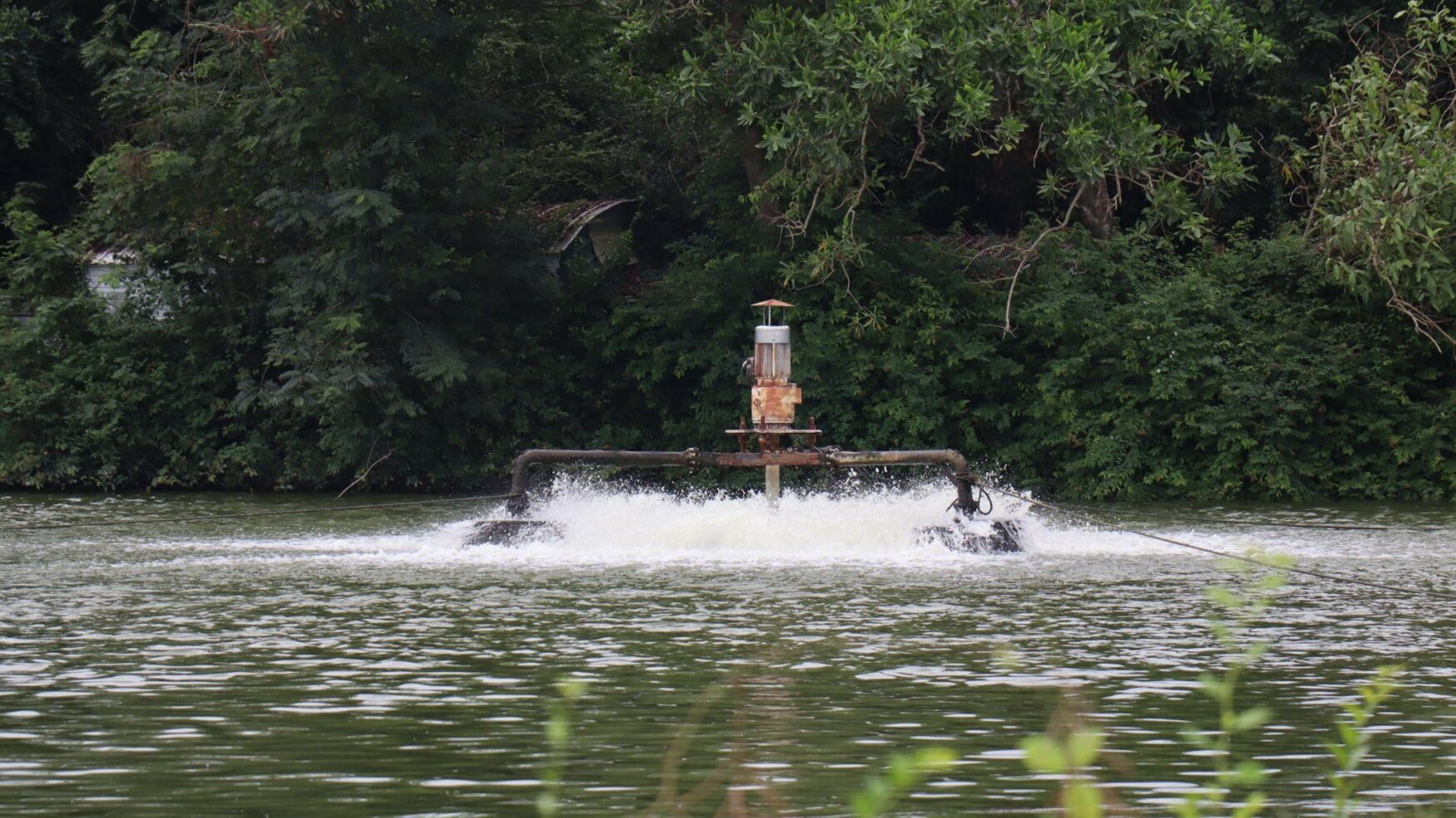
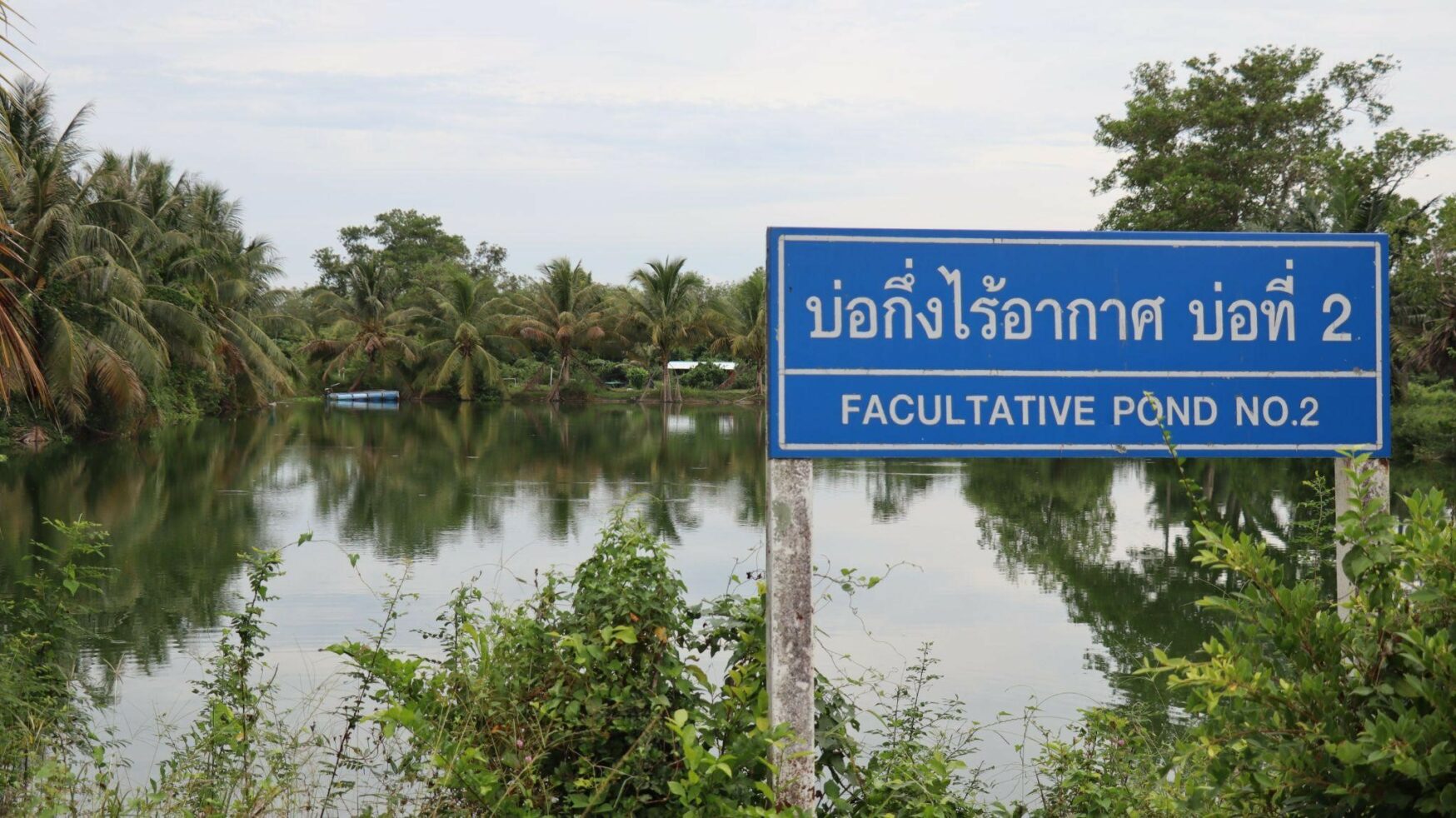
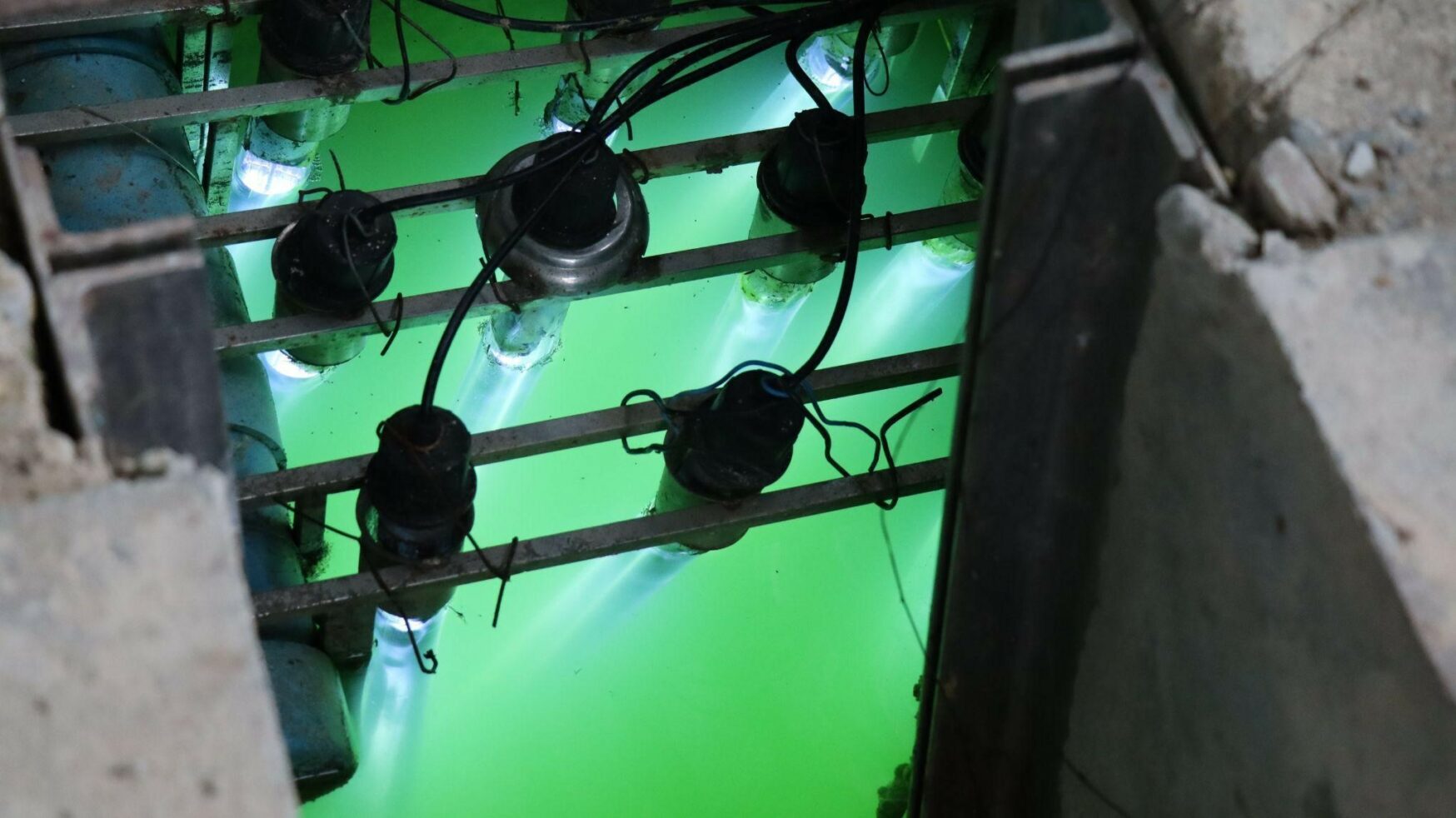
The university’s wastewater treatment facilities have been developed to handle up to 4,000 cubic meters of wastewater per day while maintaining the biochemical oxygen demand (BOD) level at no more than 20 milligrams per liter, in compliance with the standards of the Pollution Control Department. The system includes aeration ponds, facultative ponds, ultraviolet (UV) disinfection systems, and constructed wetlands. The wetland system serves both engineering and ecological functions, designed to mimic natural wetland processes in removing pollutants from water before it is released back into the environment.
The wastewater treatment system plays a crucial role in controlling and reducing pollution from human activities while supporting the long-term balance of water resources.
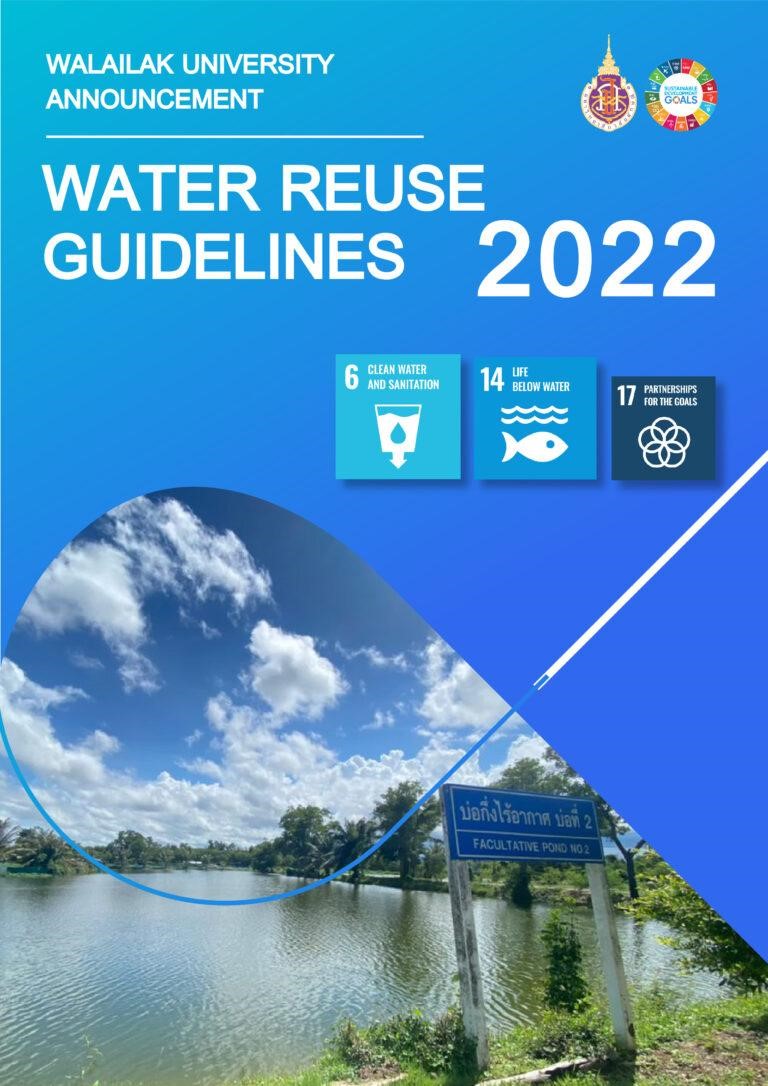
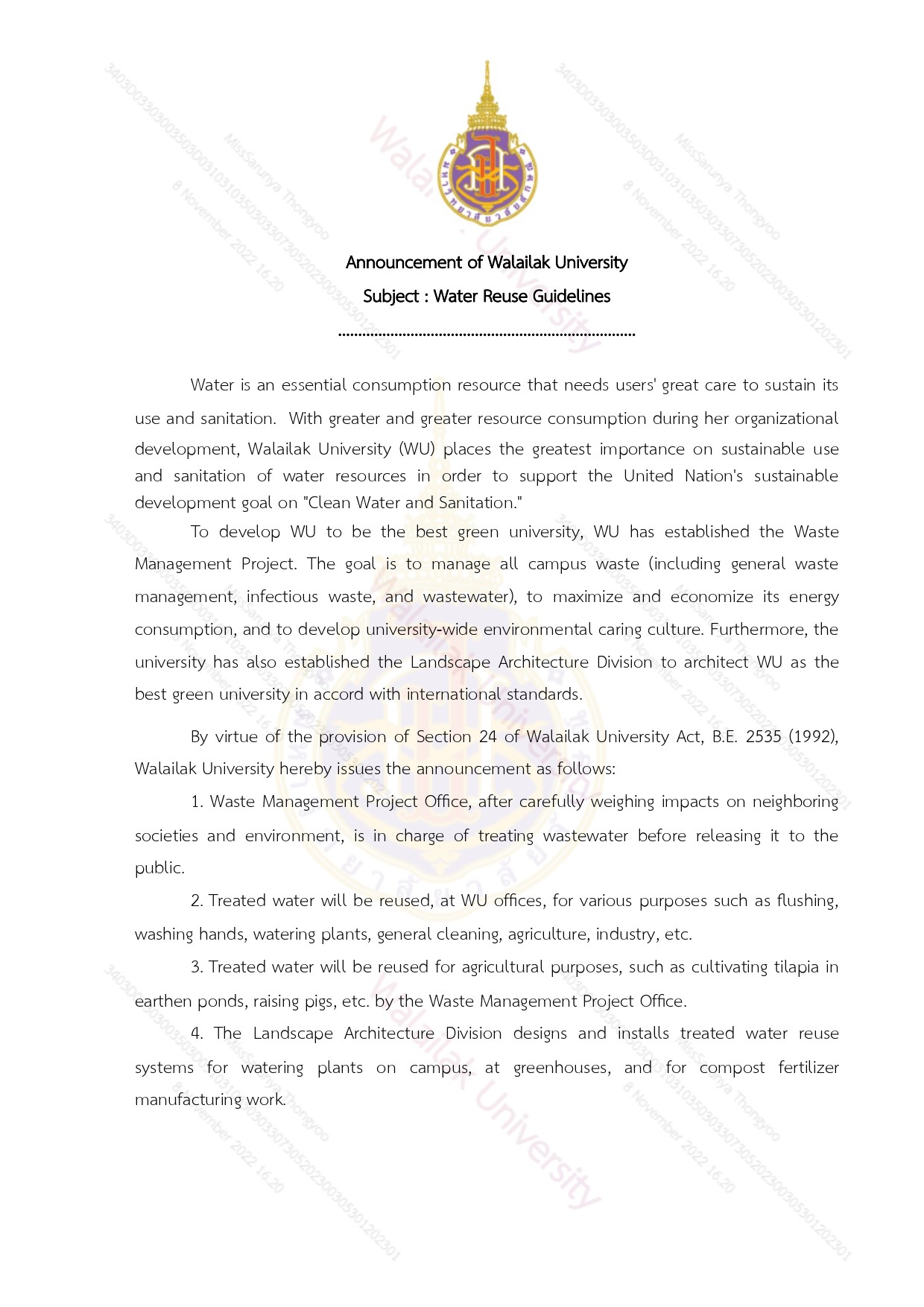
Water reuse is an important approach that not only reduces the demand for new water but also helps prevent polluted water entering water systems and promotes sustainable use of water resources. In 2024, the university implemented various forms of water reuse, such as using treated wastewater from campus buildings for landscape irrigation, street cleaning, and cooling systems for machinery. These practices highlight the benefits of more efficient water utilization. In agriculture, recycled water can also reduce dependence on natural water sources, especially during the dry season when water availability is limited. This reflects an effective and environmentally friendly cycle of water resource use.
Water reuse also contributes to strengthening water security. Beyond reducing the demand for freshwater, it serves as a key mechanism for reducing water pollution, as all reused water must undergo standardized treatment processes before being discharged or redistributed for use. These treatment processes eliminate organic matter, pathogens, heavy metals, and harmful chemicals, thereby improving water quality and reducing contamination in rivers, canals, and other natural sources. Thus, water reuse stands as a core strategy of the university in managing water resources in today’s context, where the world continues to face challenges of drought and pollution.
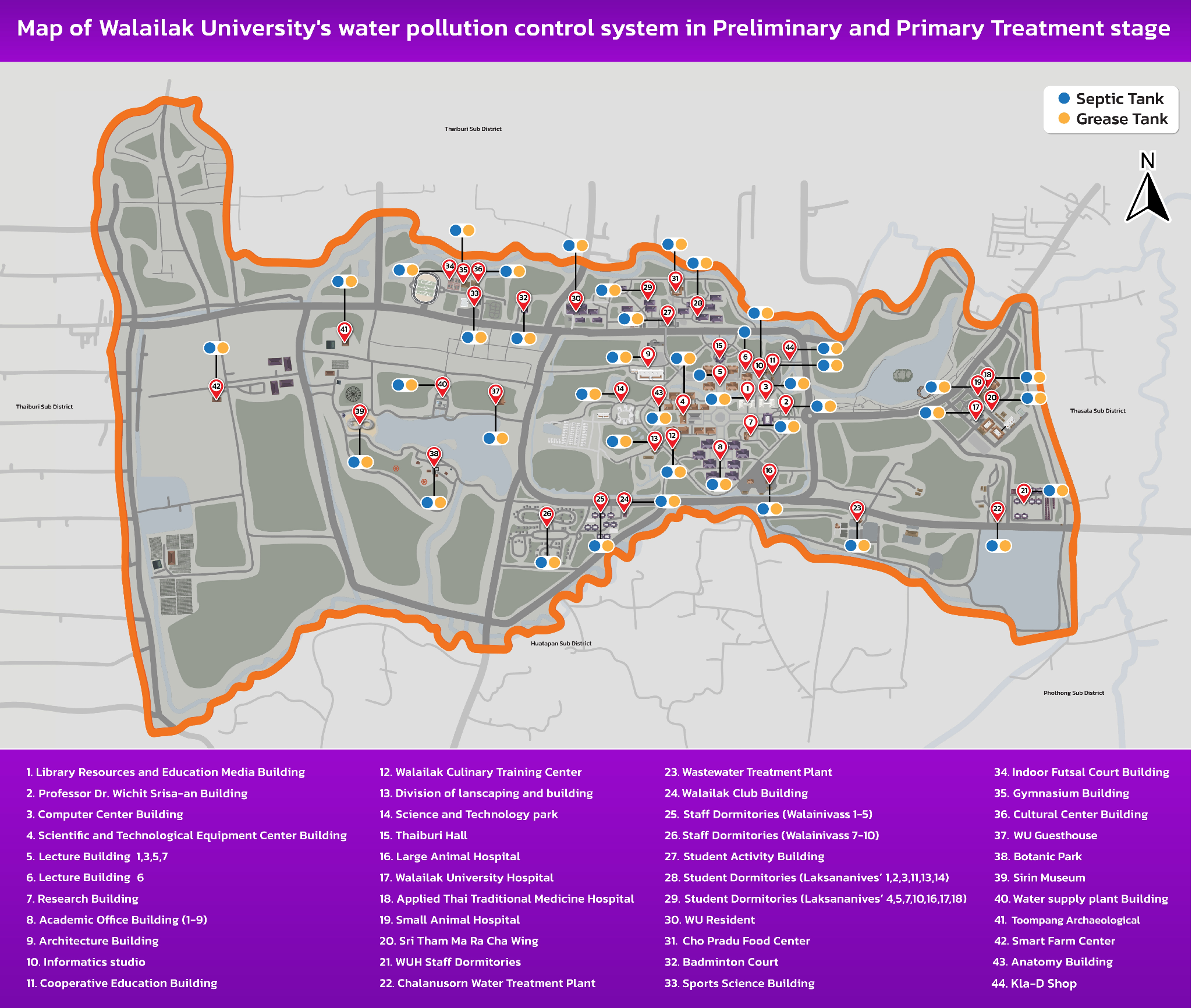
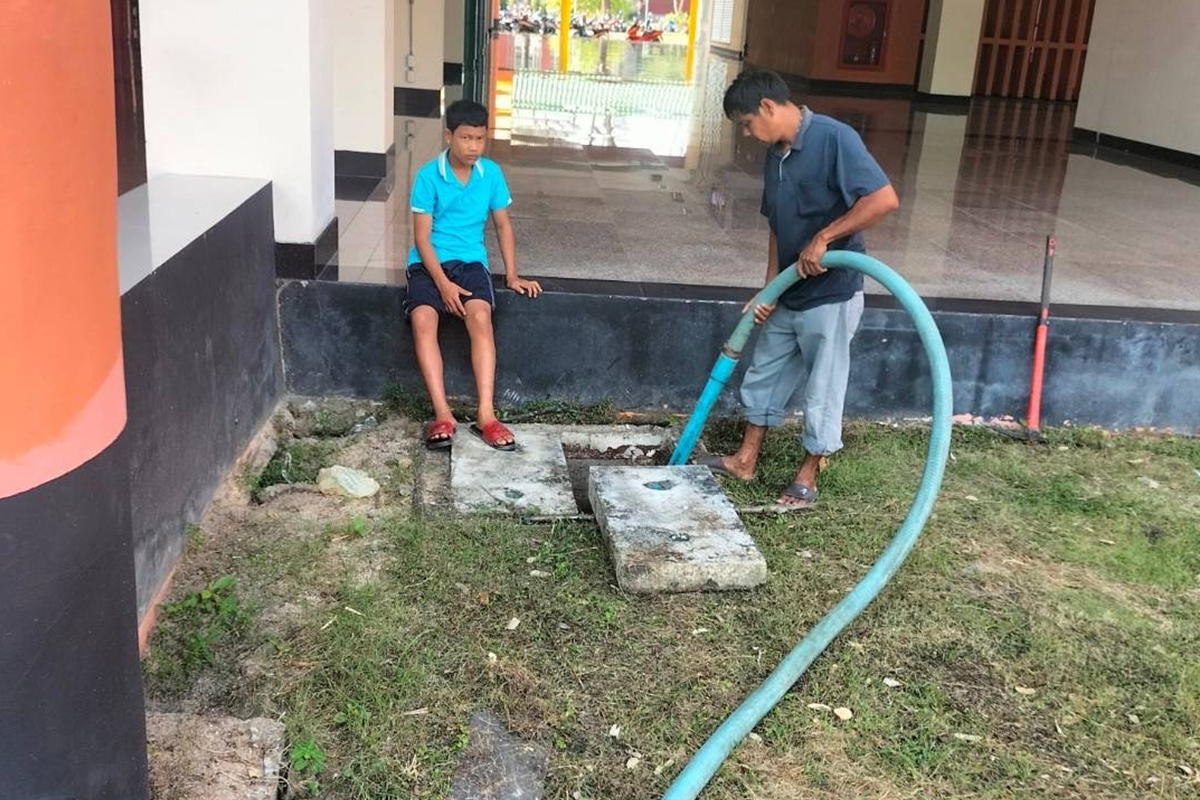
In addition, the university has reinforced its measures for preventing water pollution through source control strategies, such as installing grease traps in cafeteria areas, maintaining water pipelines, regulating wastewater discharge from buildings, and raising awareness among staff and students about water conservation and preventing pollutants from entering water sources. Water pollution prevention processes, therefore, is not limited to technology and infrastructure alone, but also encompasses user behavior, the engagement of the university community, and an integrated policy management system that brings together all stakeholders.
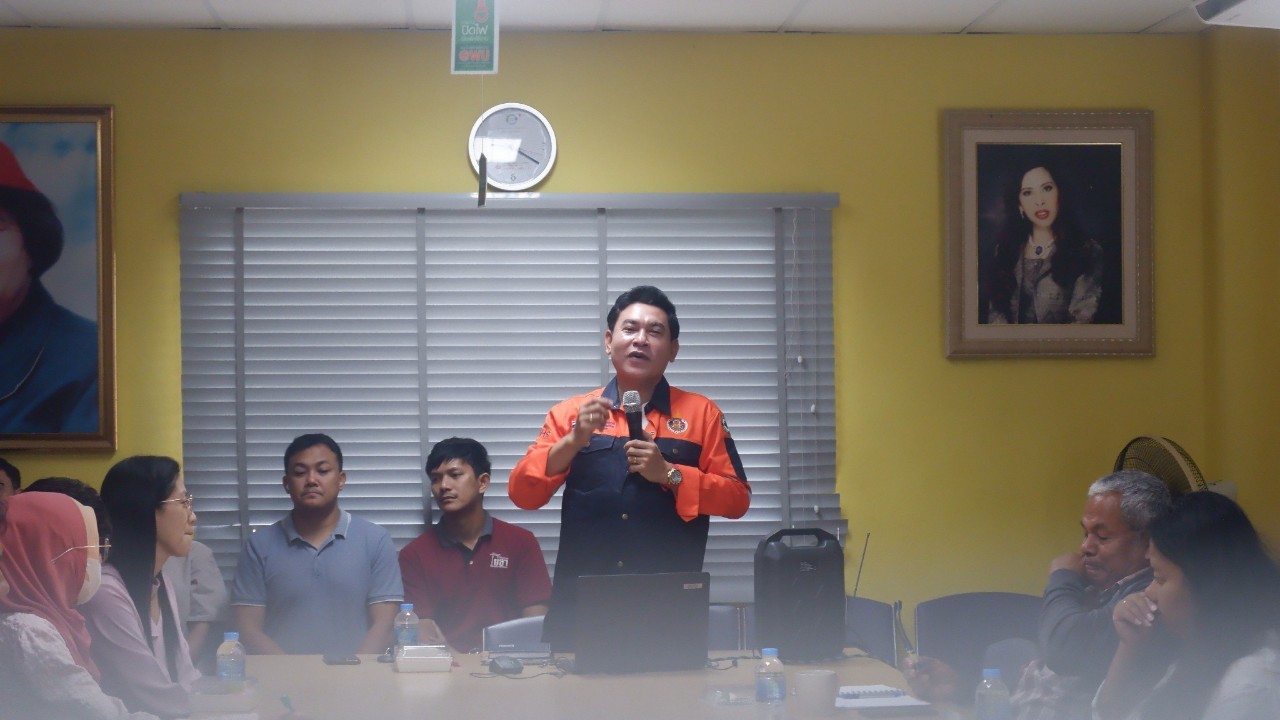
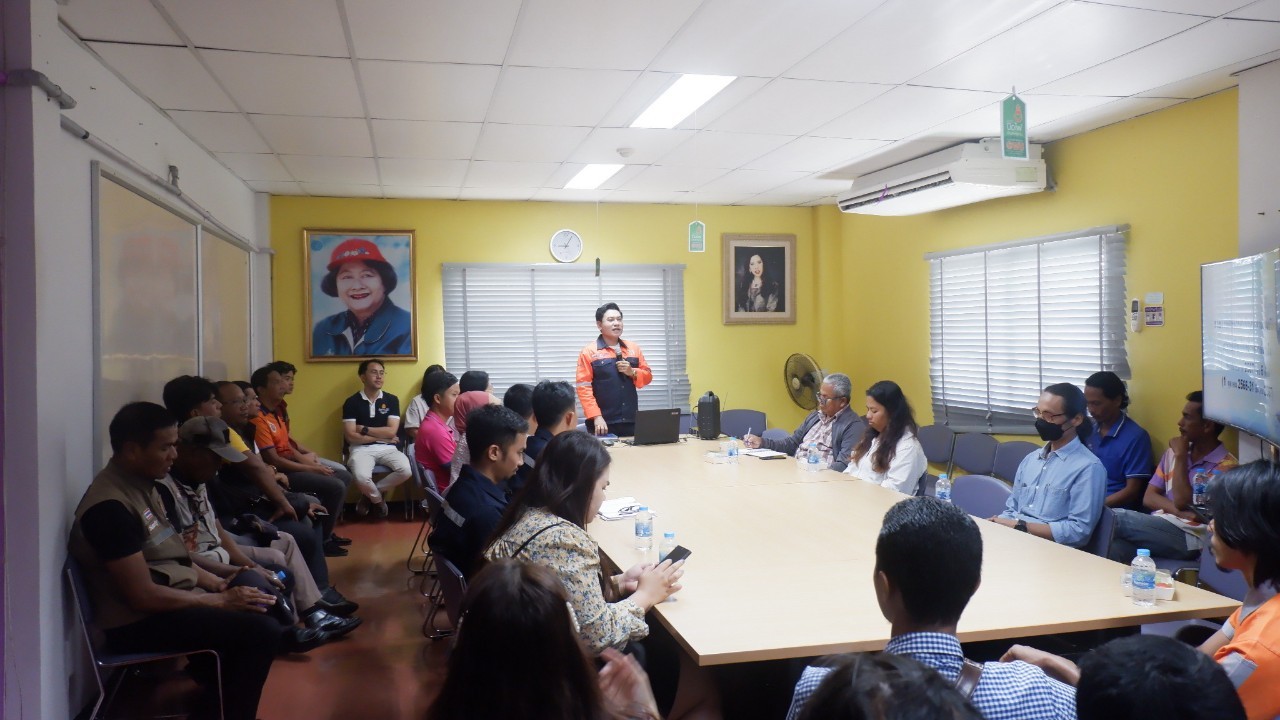
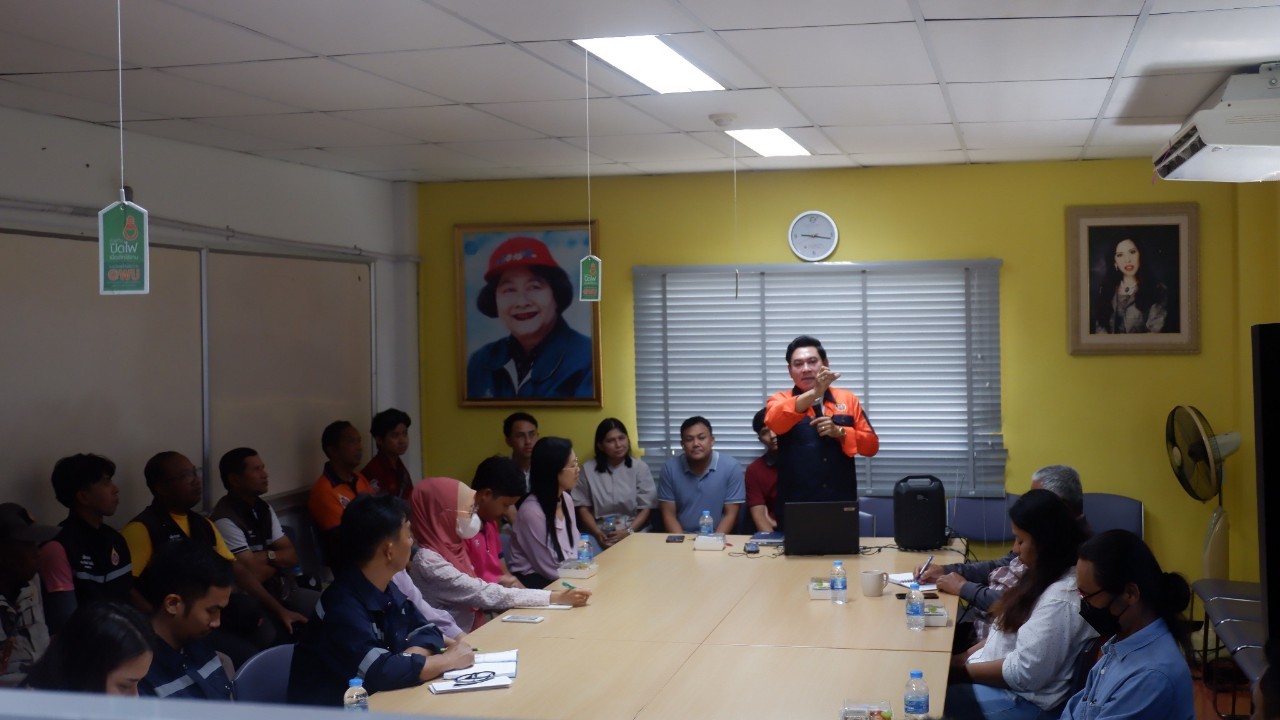
In addition, the Division of Landscaping and Building, , in collaboration with the University Disaster and Emergency Coordination and Response Committee, organized a training session under the project “Flood Prevention and Drainage System Plan: Preparedness for Floods, Storms, and Fires” for the fiscal year 2024. The activity aimed to enhance disaster preparedness and review the implementation of the Emergency Risk Management Plan for the first half of the fiscal year 2024 (October 1, 2023 – March 31, 2024).
The session was honored by Asst. Prof. Dr. Nukul Suksuwan, Assistant to the President, who served as the guest speaker. His lecture focused on guidelines for preventing floods, storms, and fires to minimize the loss of life and property, as well as to ensure the efficient management of available resources for effective situation control.
To strengthen disaster prevention and response, Walailak University has appointed an advisory board and a working committee under the Disaster and Emergency Coordination and Response Unit to supervise and monitor potential natural disasters, such as floods and storm damage. The university has implemented several preventive measures, including the construction of surrounding embankments (dyke lines), installation of water drainage and pumping systems, dredging of canals and retention ponds, and removal of aquatic weeds to improve water flow and mitigate flood risks.
The university’s approach to water pollution prevention thus serves as a model for sustainable development. It not only safeguards current environmental quality but also considers long-term impacts on ecosystems, rainfall, groundwater, and public health in the surrounding area. Moreover, this approach can be shared and adapted at the community, organizational, or institutional level, guided by principles of integration, responsibility, and mindful use of resources. Altogether, these elements are key drivers in advancing Thai society toward the true goals of sustainable development.
Walailak University has established a comprehensive and sustainable water resource management system that integrates prevention, treatment, and reuse processes to protect the environment and maintain ecosystem balance. Through continuous diagnostic assessment, the university identifies potential risks and areas for improvement in flood control, wastewater management, and water reuse efficiency. This proactive approach supports ongoing development of infrastructure, technology, and operational systems—such as the Monkey Cheek reservoirs, cofferdams, pumping stations, and digital monitoring applications—to enhance resilience against climate change impacts.
Strong community and institutional engagement plays a vital role in this system, fostering awareness, participation, and shared responsibility among students, staff, and surrounding communities. Regular measurement of water quality and system performance ensures compliance with environmental standards and demonstrates transparency and accountability in sustainable water governance. Together, these practices position Walailak University as a model of integrated, science-based, and community-driven environmental management committed to achieving long-term sustainability.