Water-Conscious Planting Landscapes to Minimize Water Usage
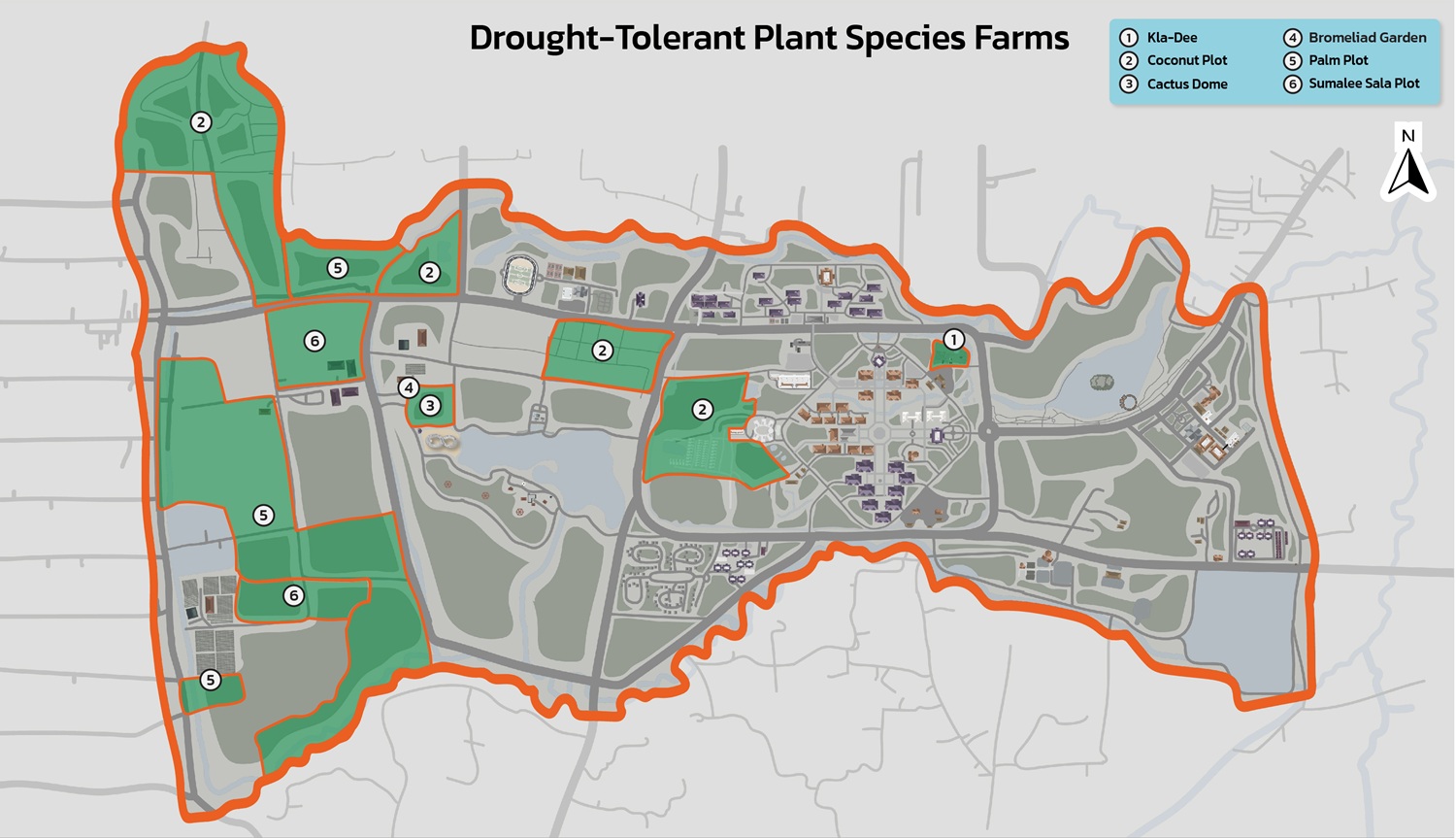
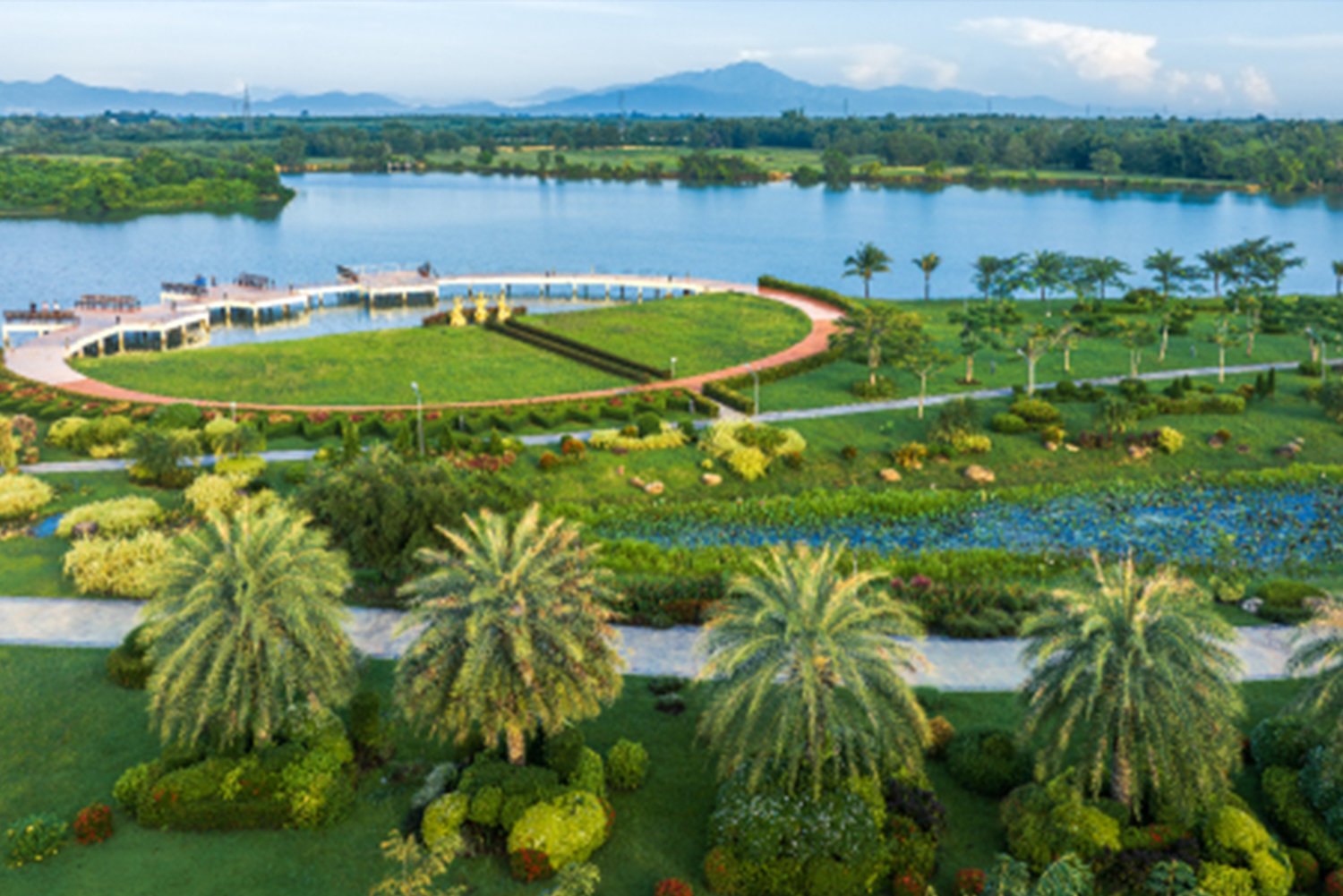
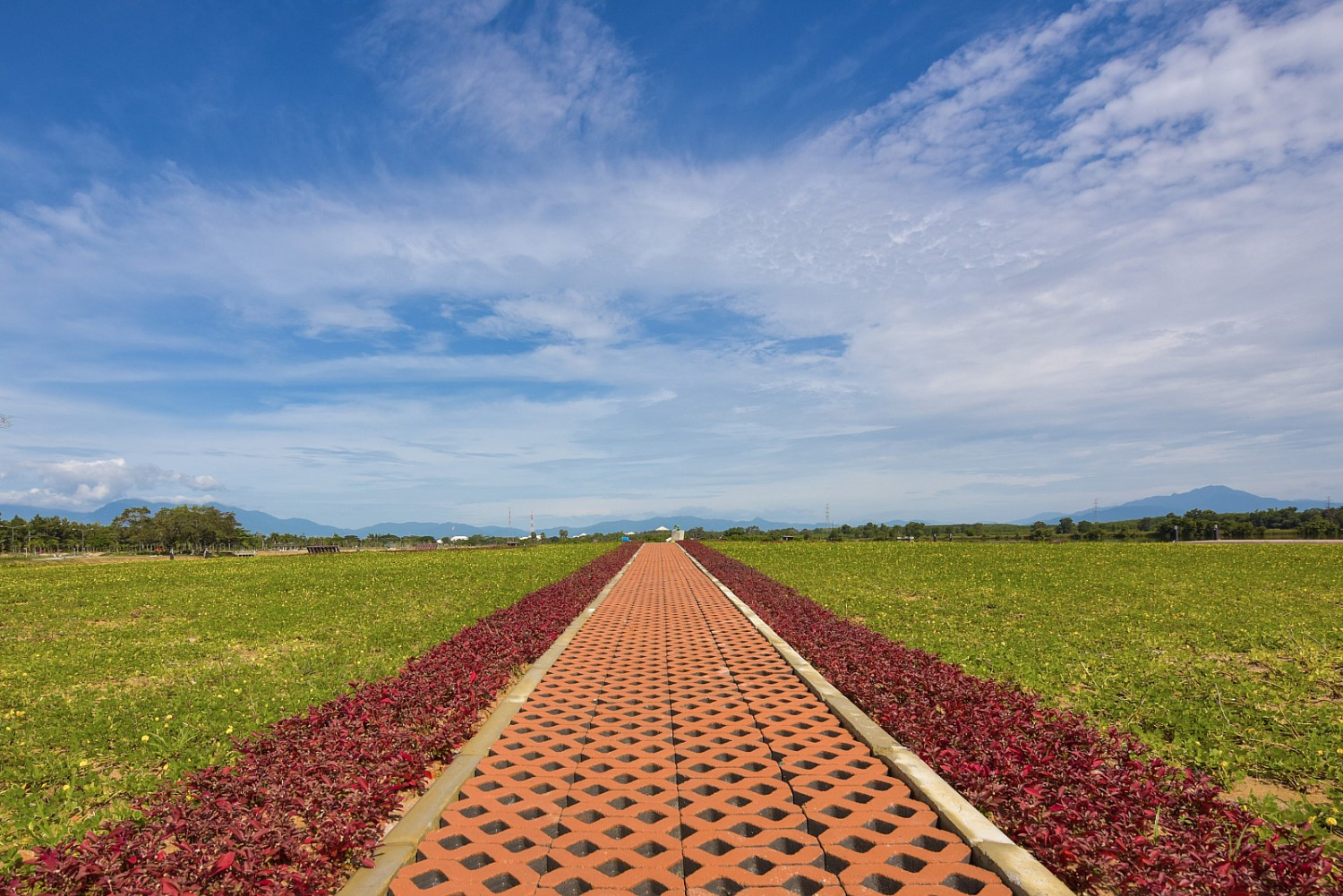
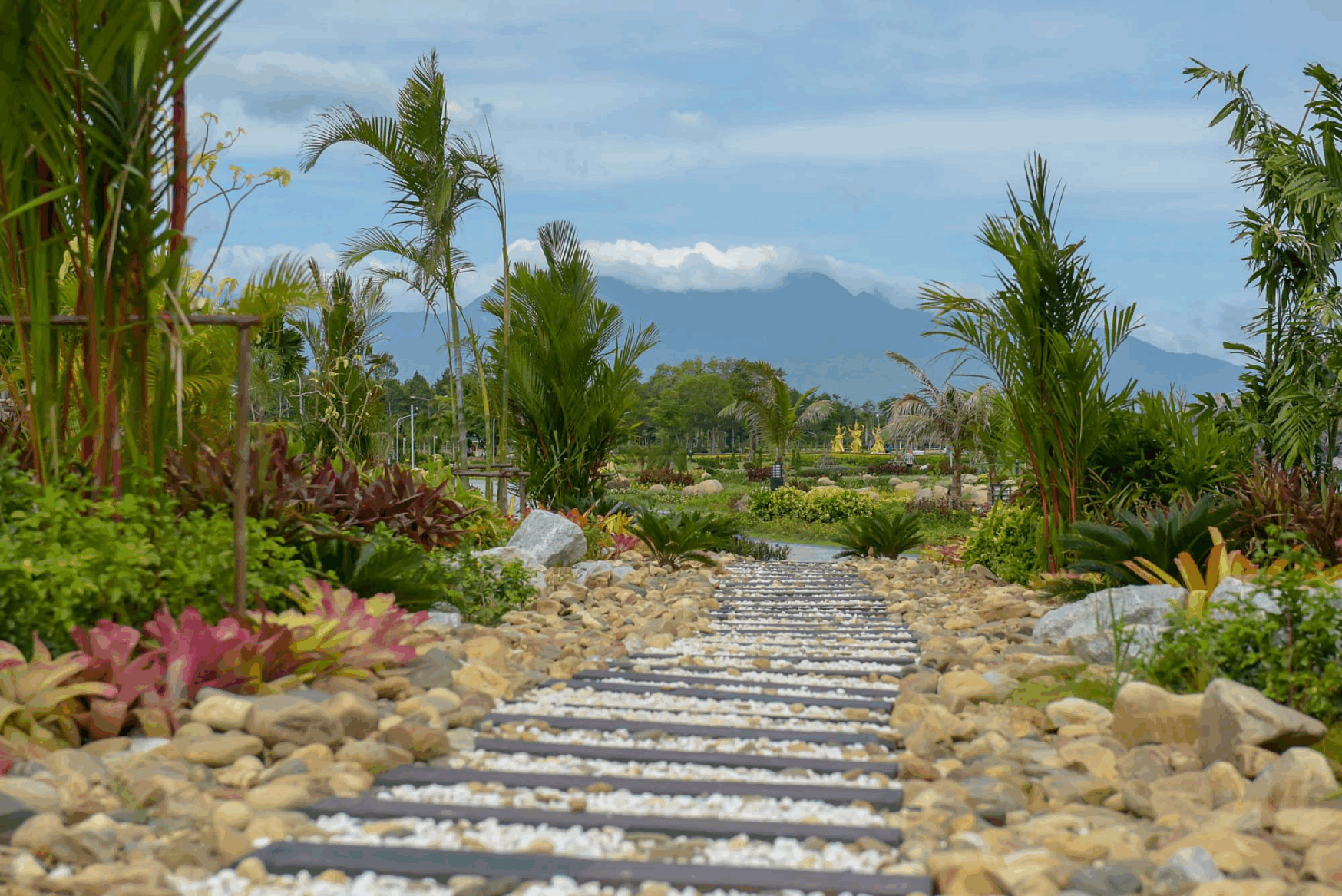
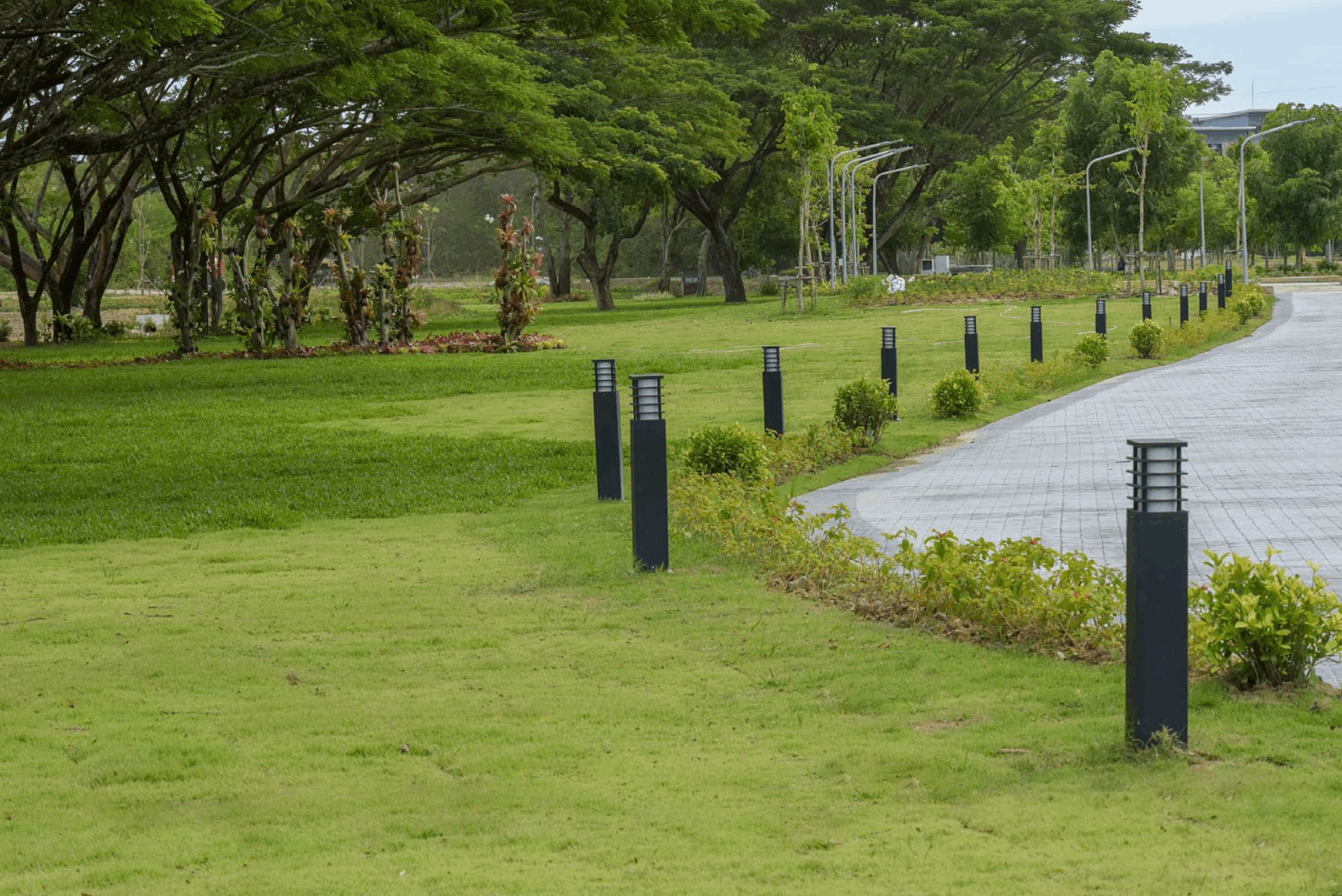
Walailak University, as a large higher education institution with an area of over 21,000,000 square meters, recognizes the importance of efficient water resource utilization, particularly in the context of being a university that actively promotes environmental sustainability in tangible ways. One of the key strategies implemented by the university is to align its space utilization with water conservation goals through the allocation and development of land, landscape design, and the selection to minimize water usage in the plants such as drought-tolerant plants, as well as the adoption of efficient water management systems to sustainably reduce overall water consumption.
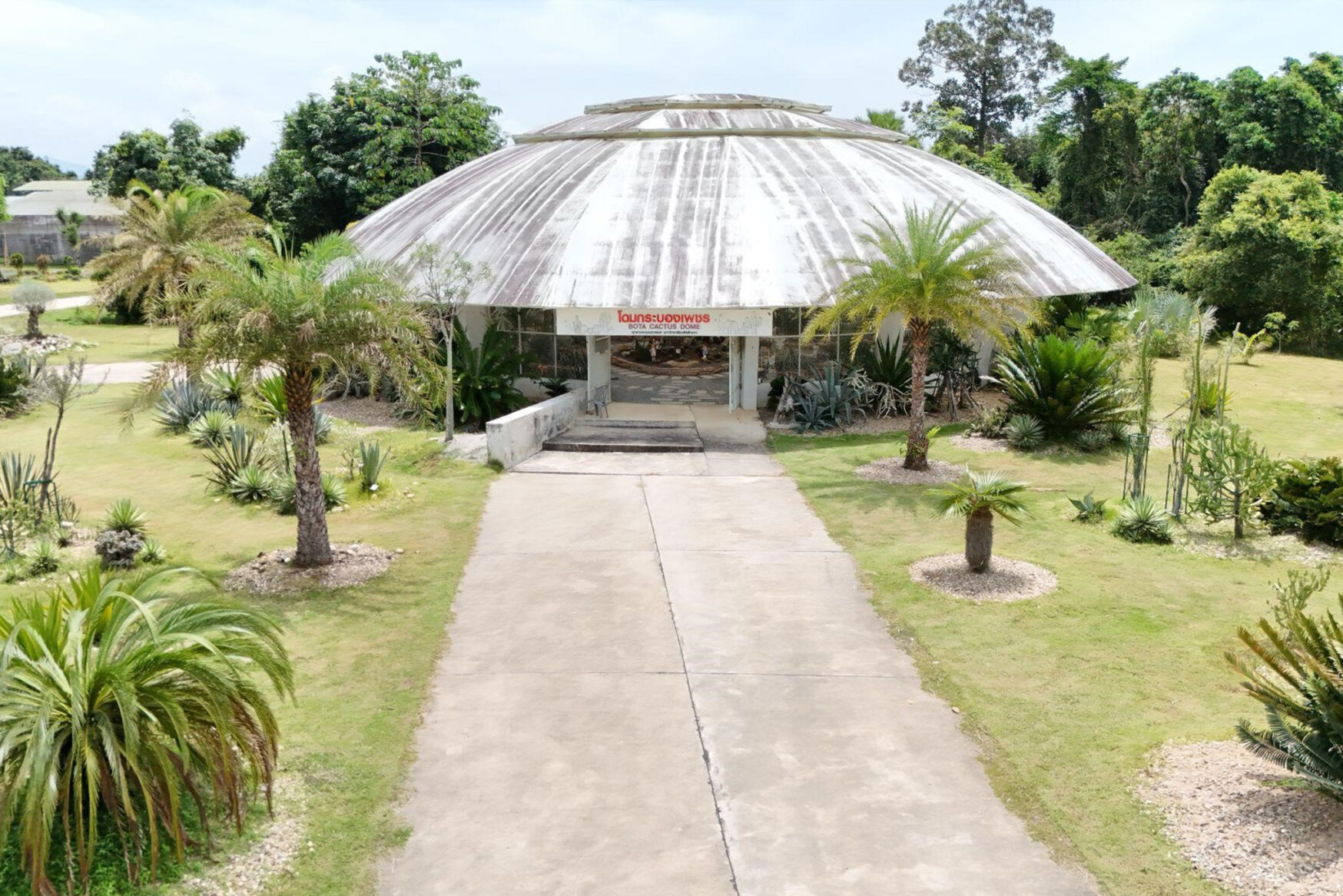
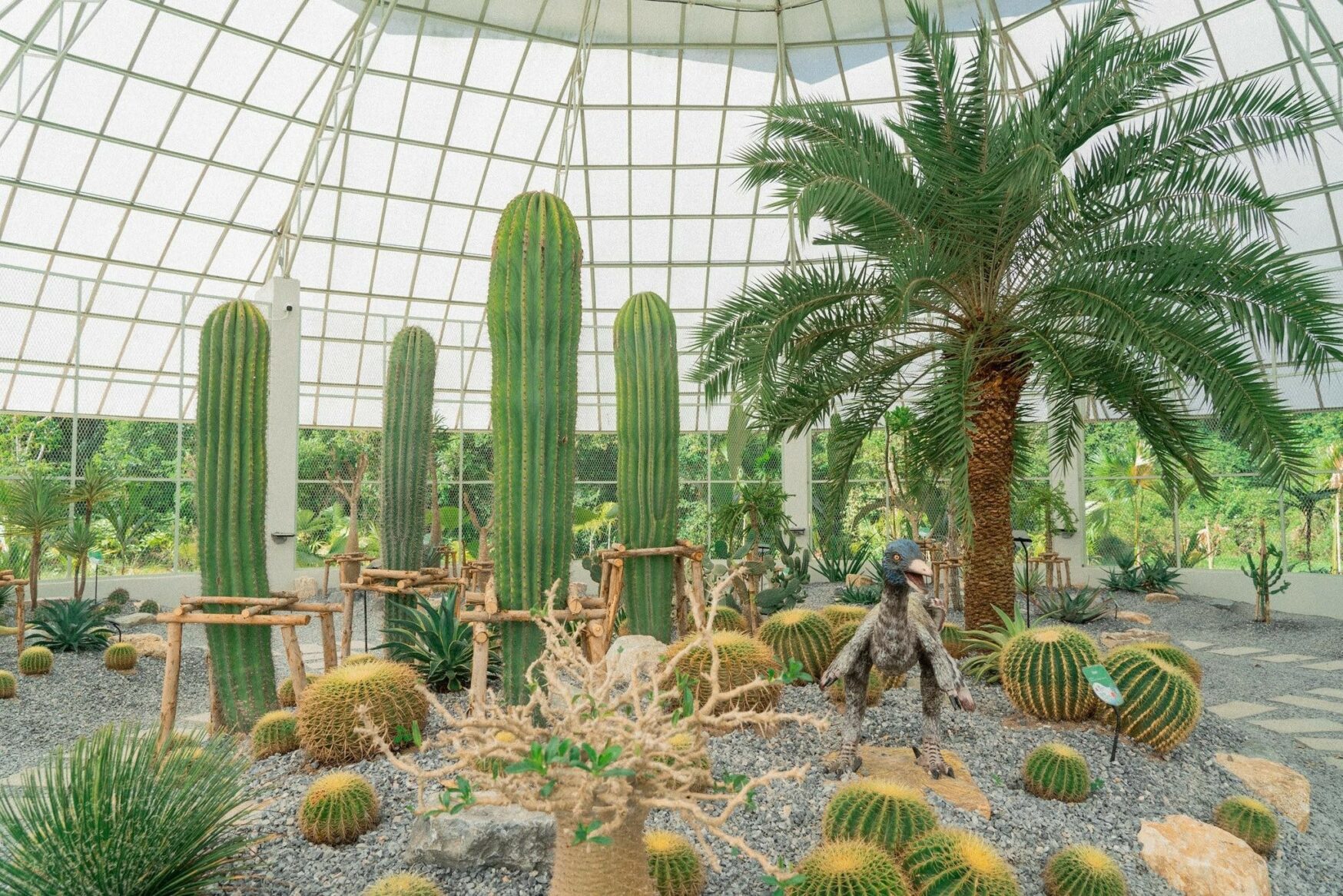
BOTA Cactus Dome: A Model of Water-Efficient Landscape and Learning Space
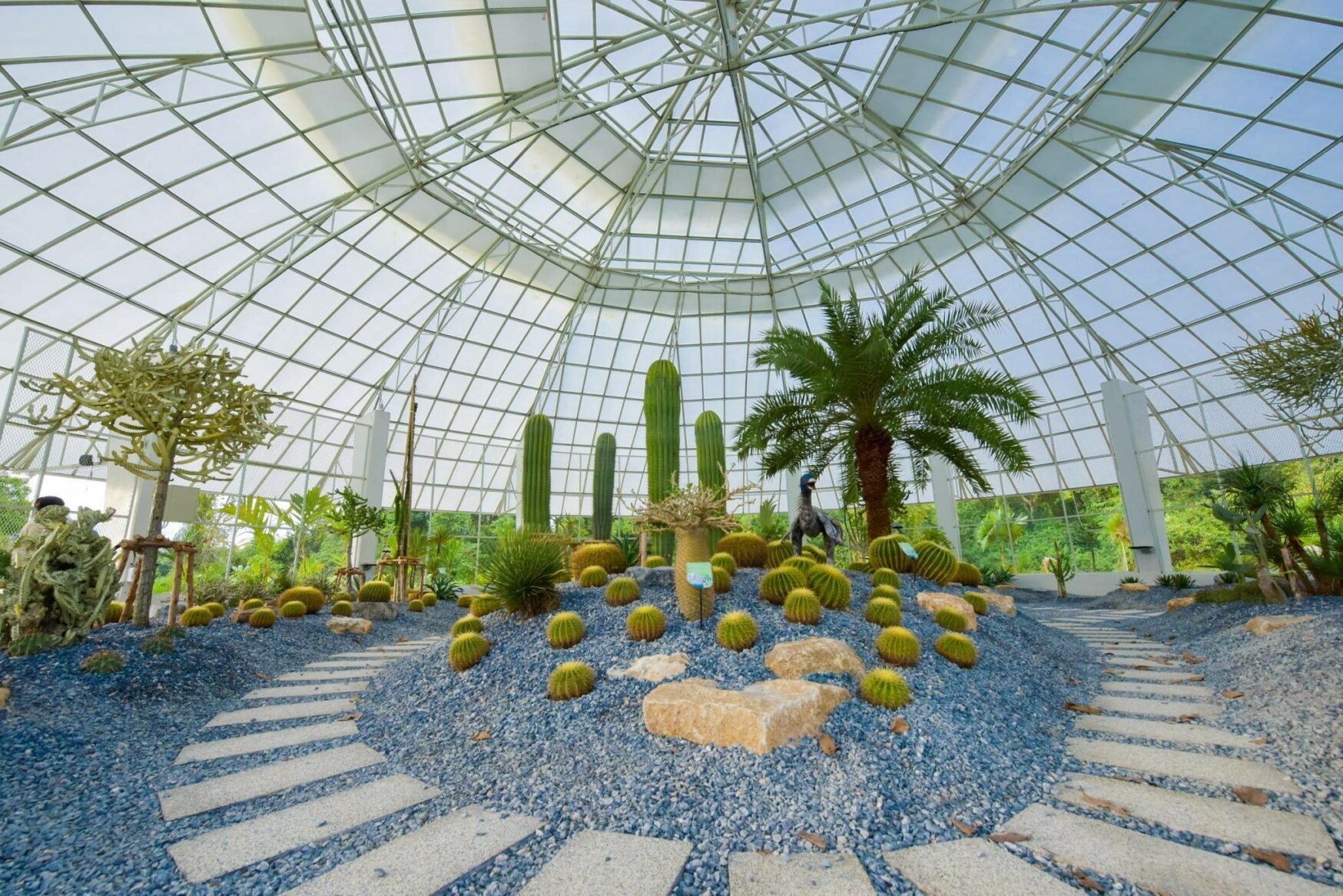
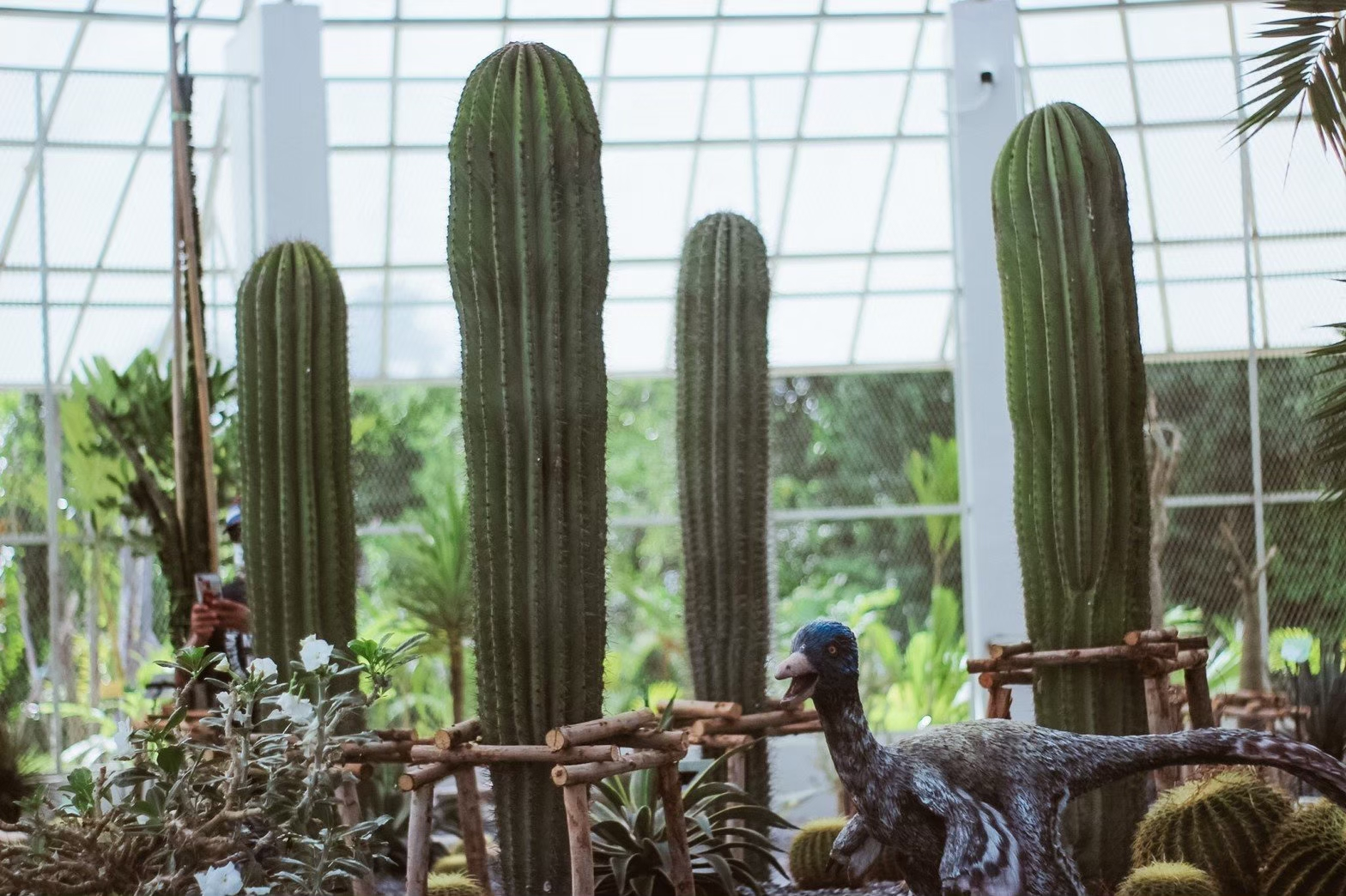
Currently, the university has planted landscapes that serve as ecological and learning hubs, promoting the sustainable use of natural resources. These areas not only act as conservation sites for plant and animal genetics but also serve as models of landscape management that emphasize efficient water use. A prime example is the “BOTA Cactus Dome,” one of the largest cactus domes in Southern Thailand.
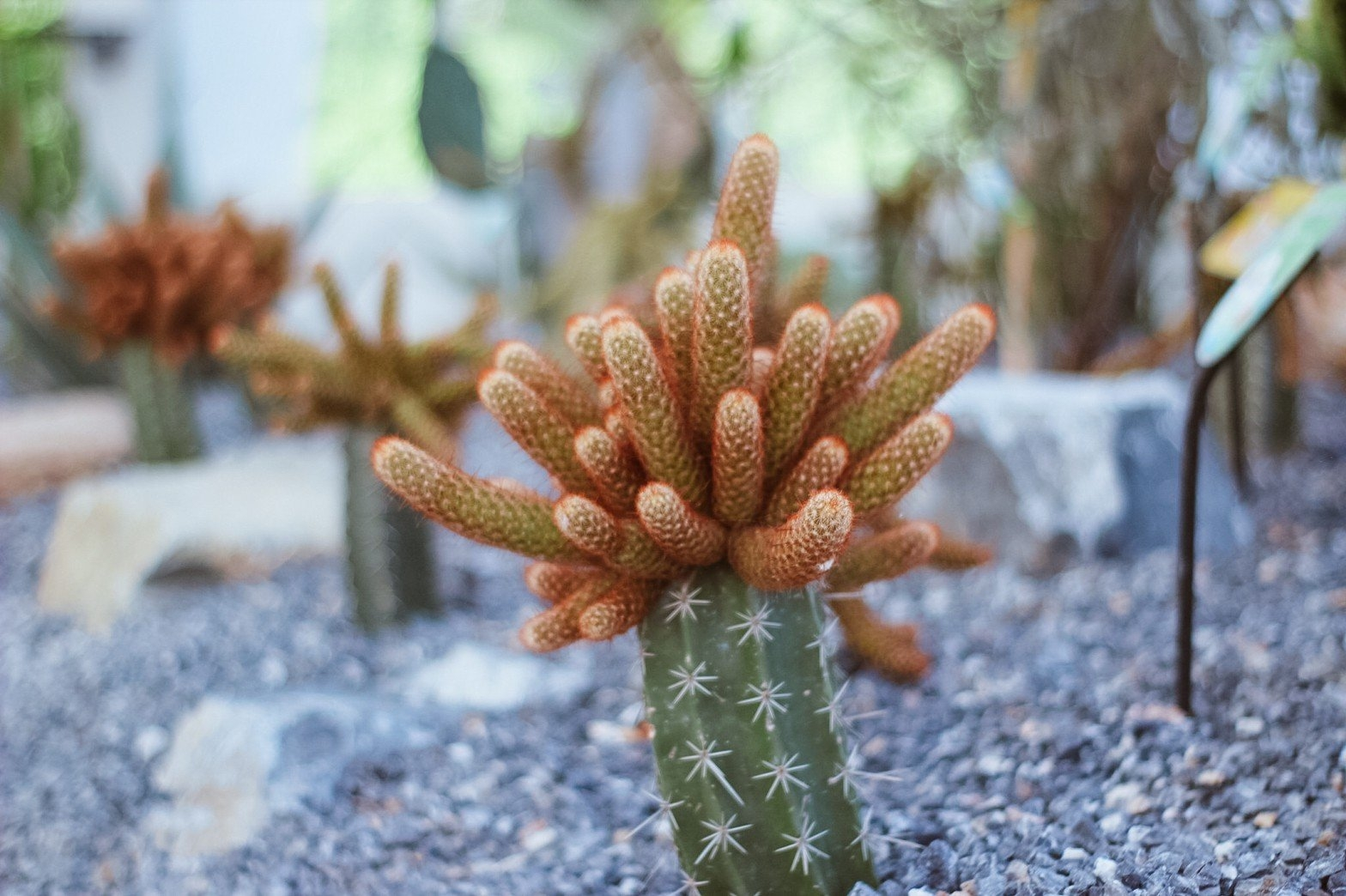
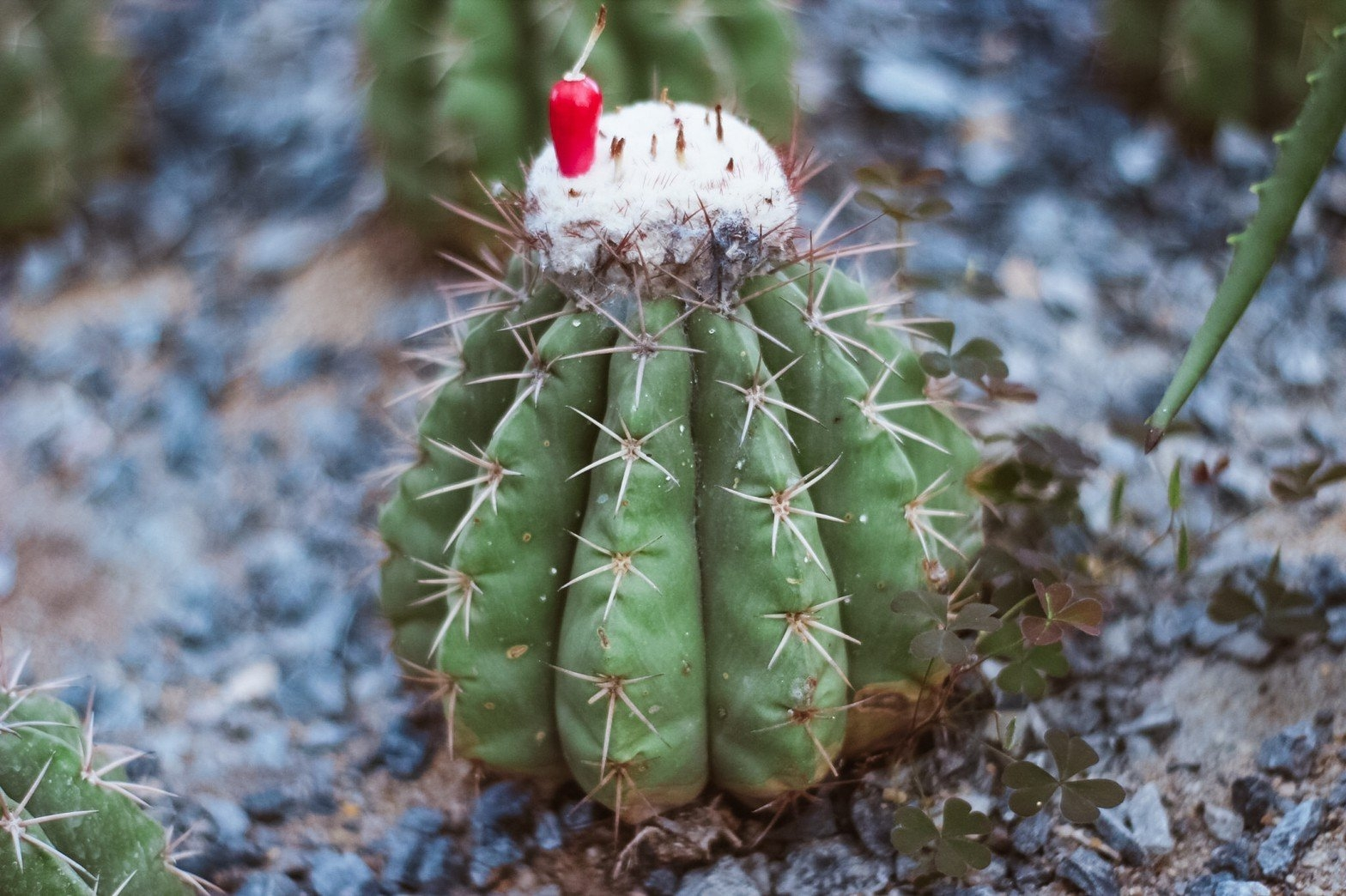
Inside the dome, more than 220 drought-tolerant and succulent plants are cultivated, including species from the cactus family, succulents, palms, and other rare plants that thrive under limited water conditions. The dome clearly demonstrates water conservation through the selection of climate-appropriate plant species and the application of water-efficient management systems, while also serving as an educational resource that promotes effective environmental conservation.
The Prnamental Plants
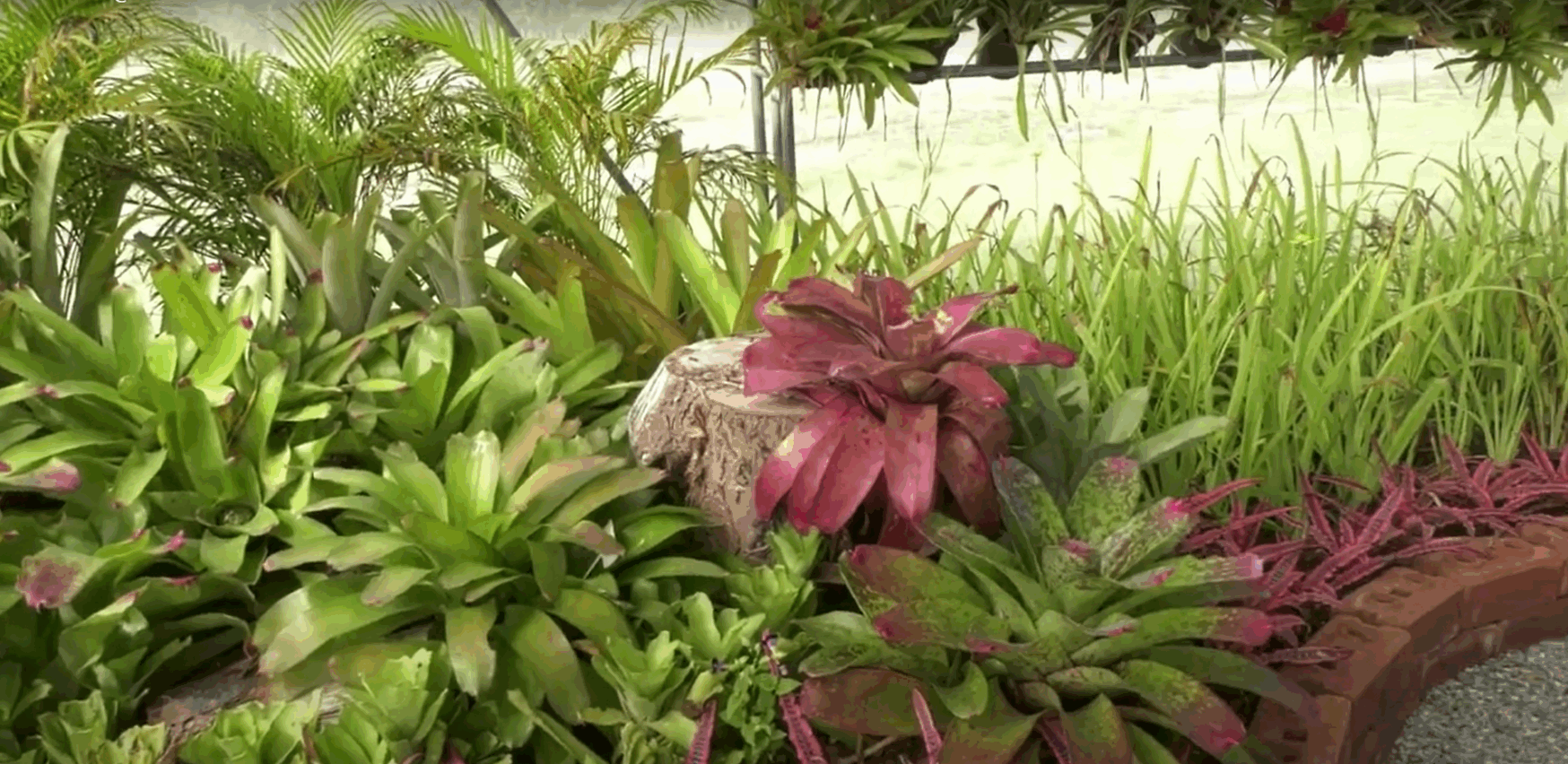
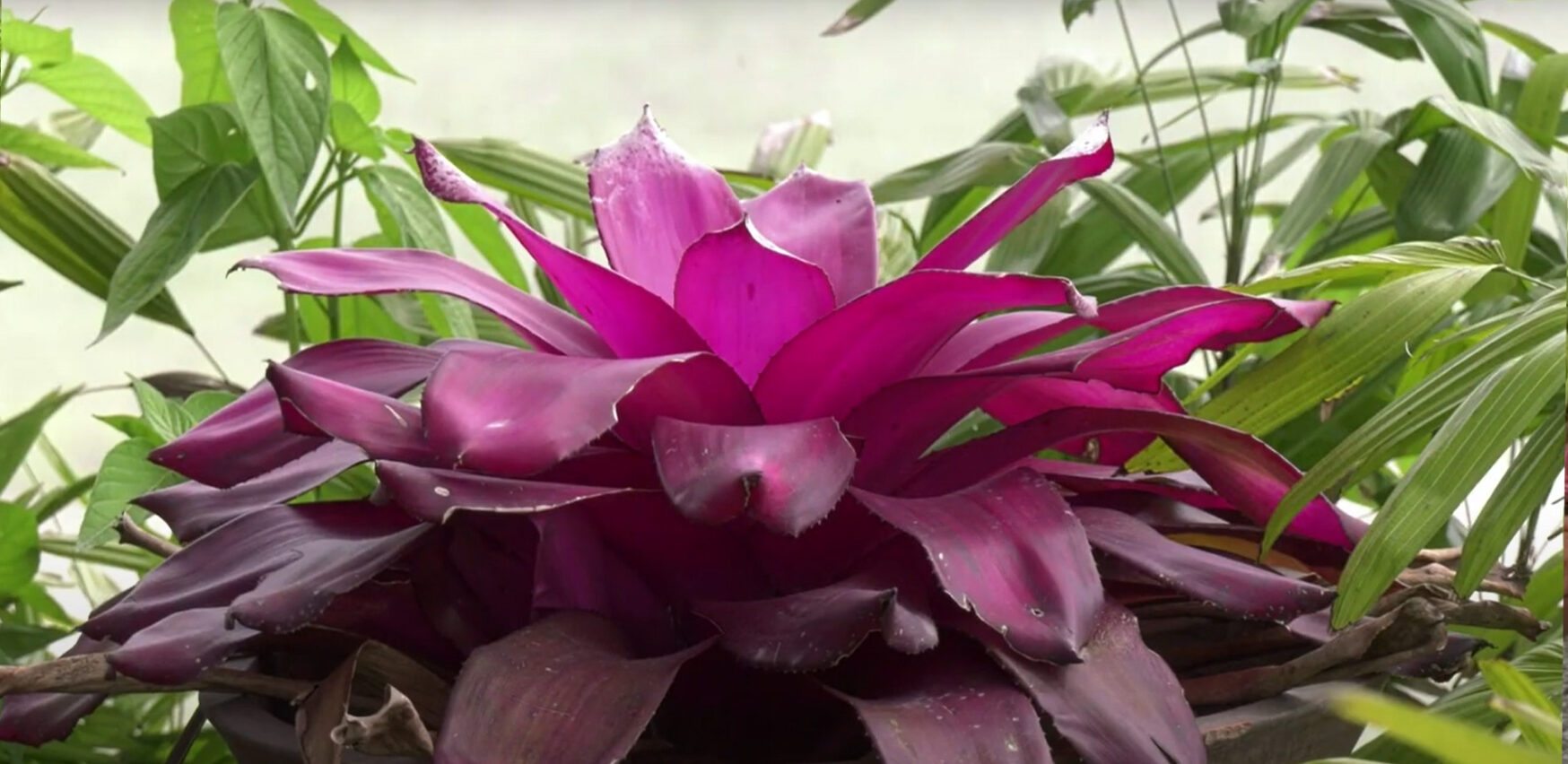
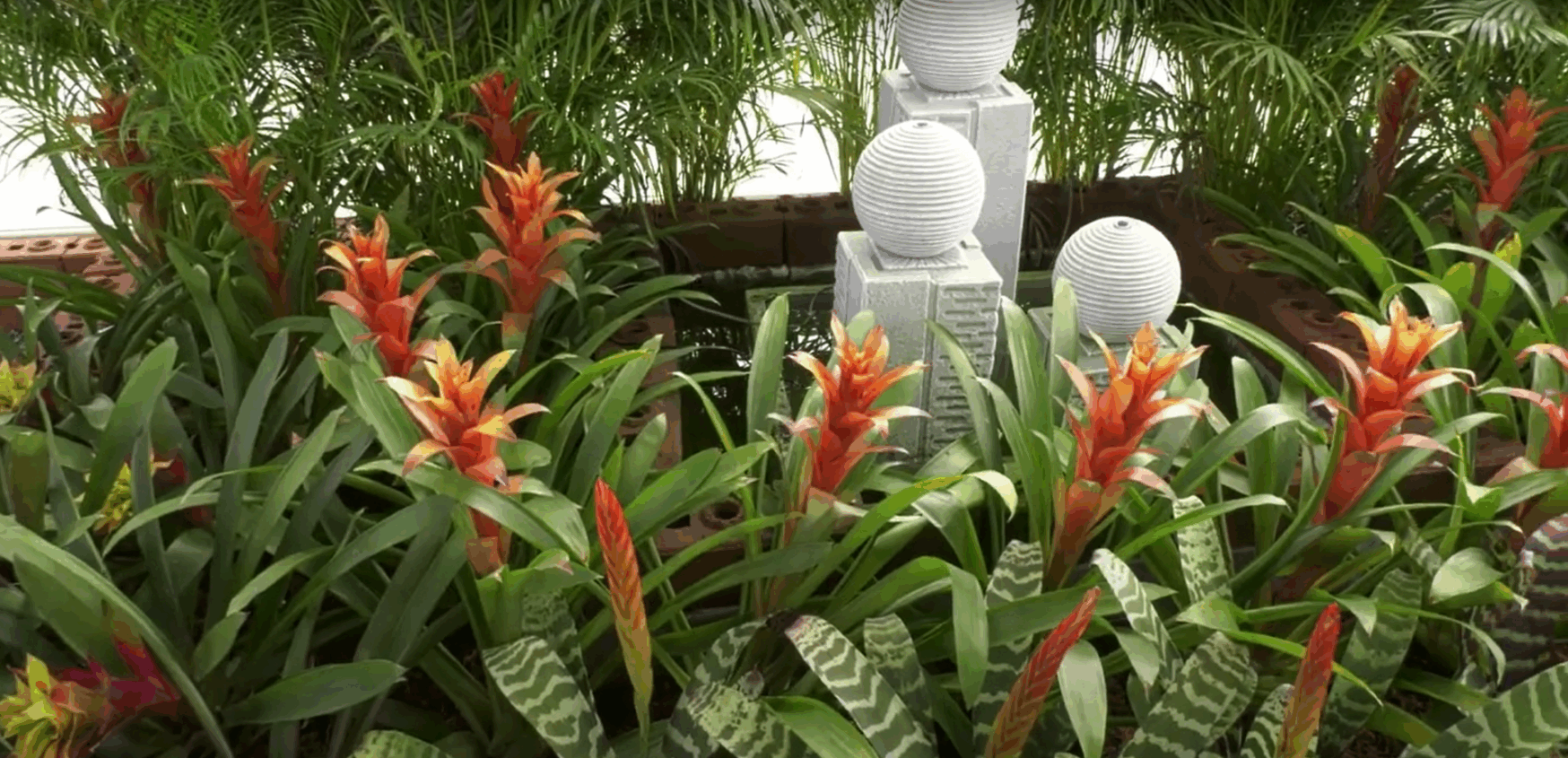
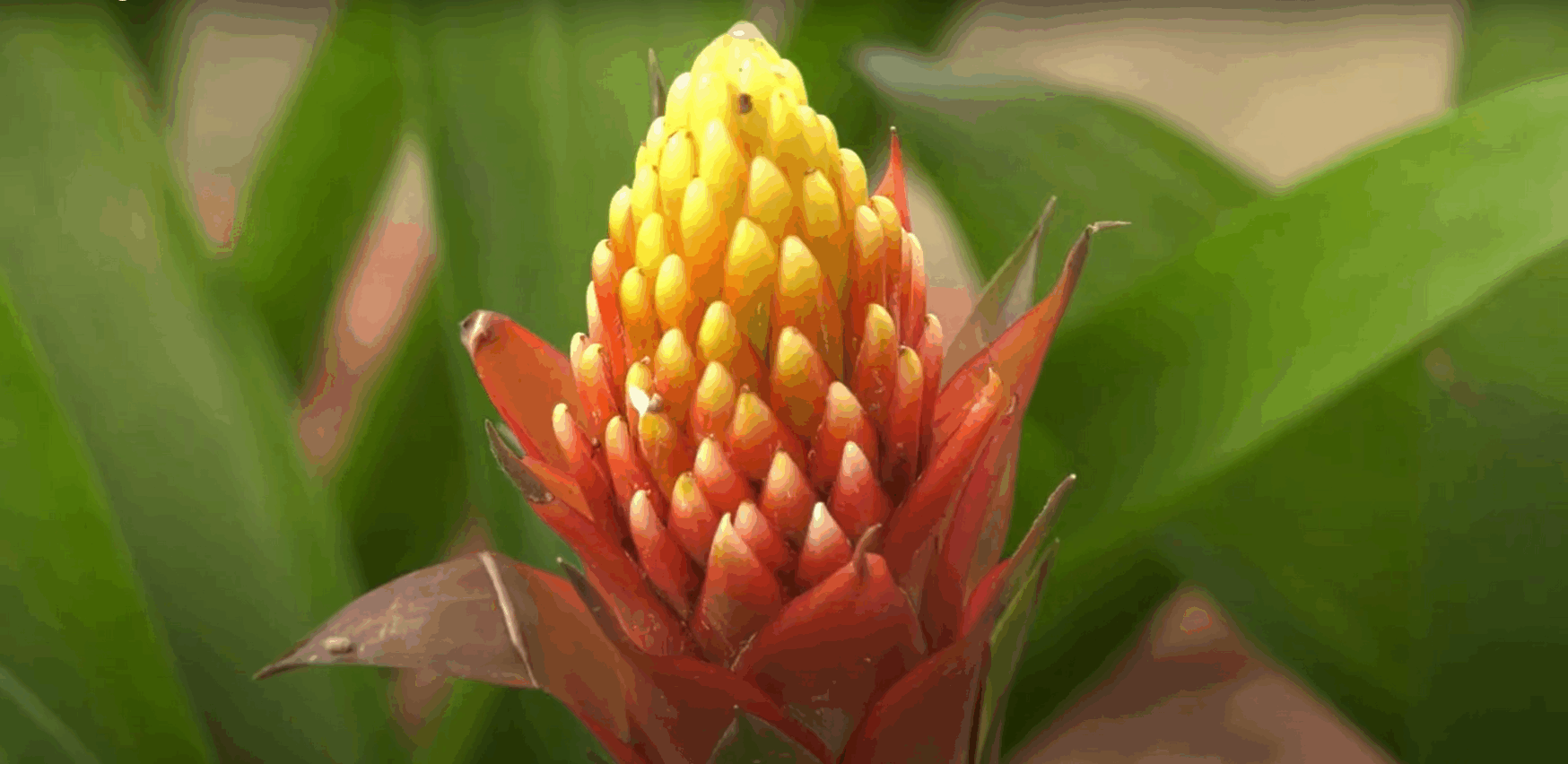
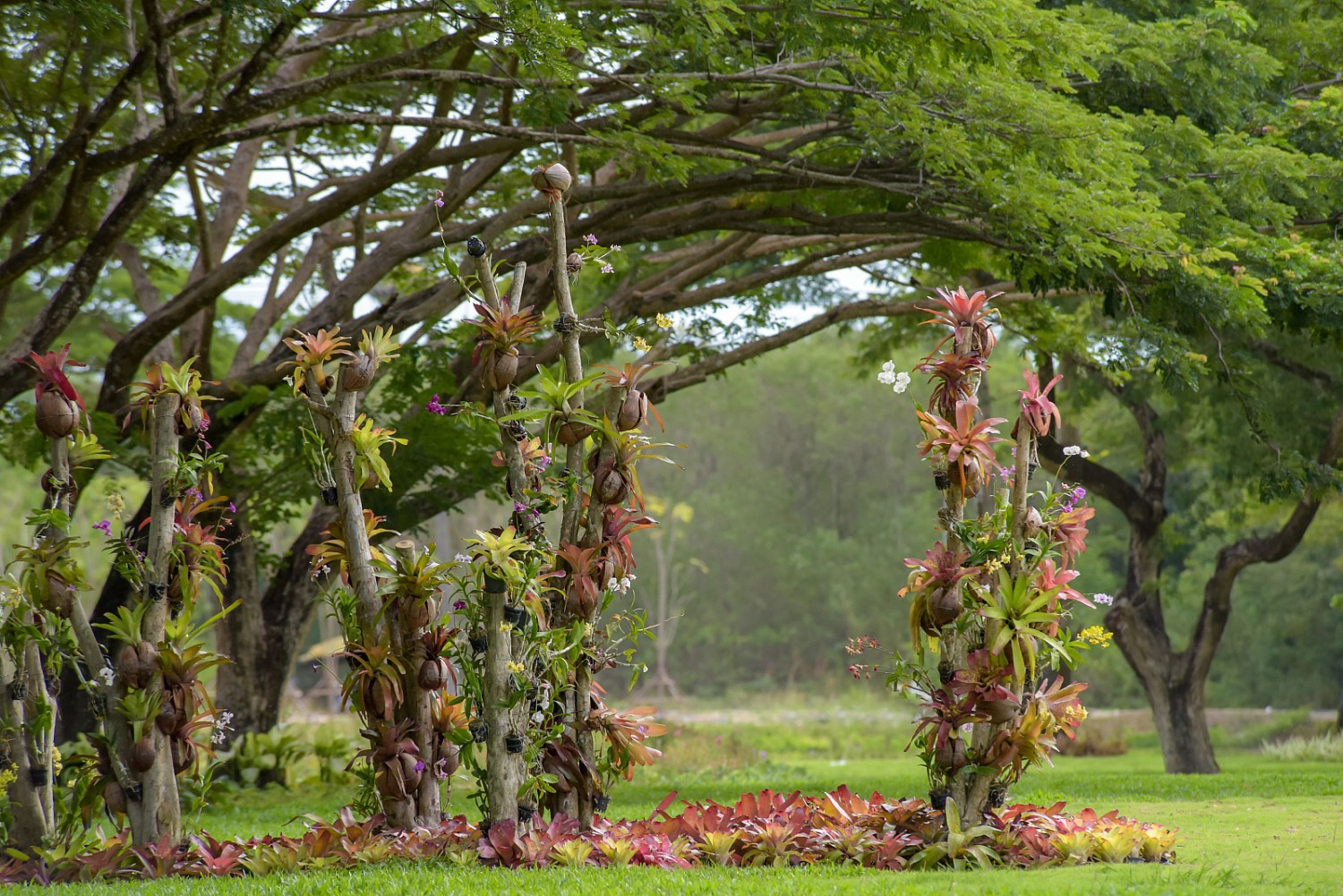
Also, the university has planted landscapes for cultivating bromeliadsto minimize water usage because it is a popular ornamental plant requiring little water and highly suitable for Thailand’s climate. A total of 22 species have been planted, including Cryptanthus ‘Elaine’ hybrid, Vriesea ‘Christiane Variegated’ hybrid, Neoregelia ‘Fireball’ hybrid, Neoregelia cruenta, Cryptanthus ‘Arlety’ hybrid, Cryptanthus zonatus (Vis.) Beer, Neoregelia ‘Green Ninja’ hybrid, Tillandsia usneoides (L.) L., Dypsis lutescens, Neomarica longifolia (Link & Otto) Sprague, Neoregelia carolinae f. tricolor (M.B.Foster) M.B.Foster ex L.B.Sm., Nidularium ‘Rutilans’ hybrid, Nidularium ‘Leprosa’ hybrid, Ananus lucidus, Neoregelia marmorata hybrid, Neoregelia ‘Orange Glow’ hybrid, Aechmea blanchetiana, Vriesea ‘Fenestralis’ hybrid, Neoregelia ‘Purple Star’ hybrid, Vriesea ‘Tiffany’ hybrid, Neoregelia ‘Grove’s Red Tiger’ hybrid, and Bromelia aechmea.
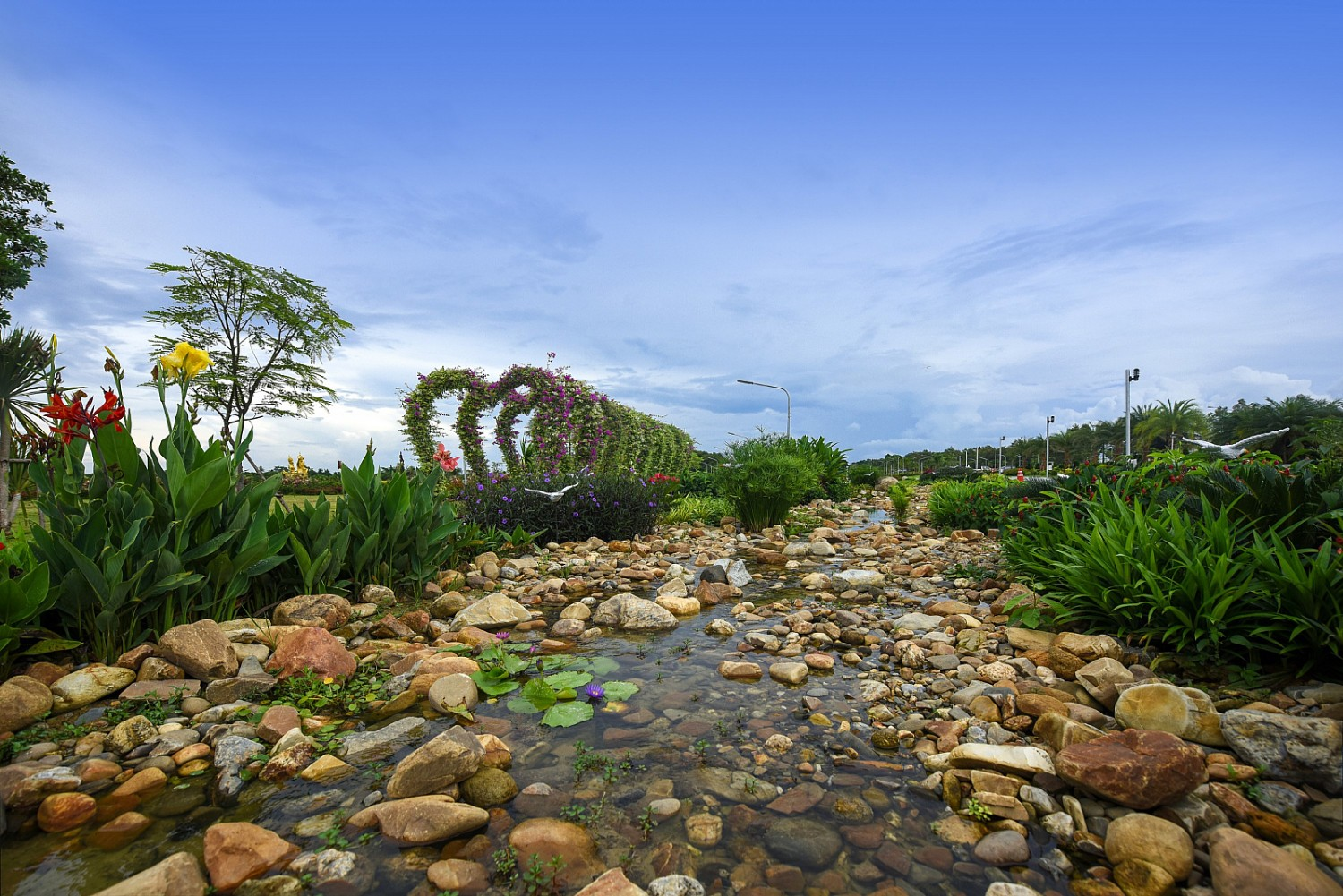
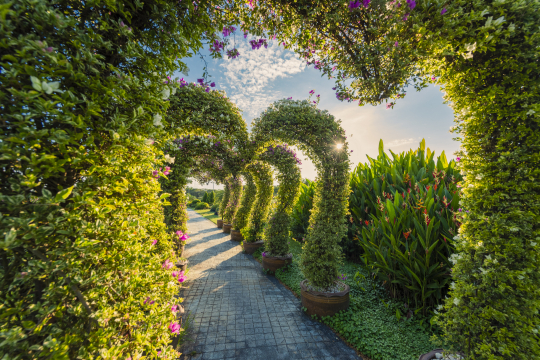
These succulents require very little water, can withstand drought conditions, and do not need frequent watering. They have a natural mechanism that allows them to retain moisture within their leaf sheaths and central cups for several days. In addition, the university has planted other ornamental and native low-water plants that are suitable for Thailand’s climate in gardens and surrounding areas of university buildings. These include Bougainvillea,Bambusa multiplex(Chinese Clumping Bamboo), Dypsis lutescens (Yellow Palm or Madagascar Palm), Cyrtostachys renda (Sealing Wax Palm), Sporobolus virginicus (Beach Wiregrass), and Zoysia matrella (Manila Grass), among others.
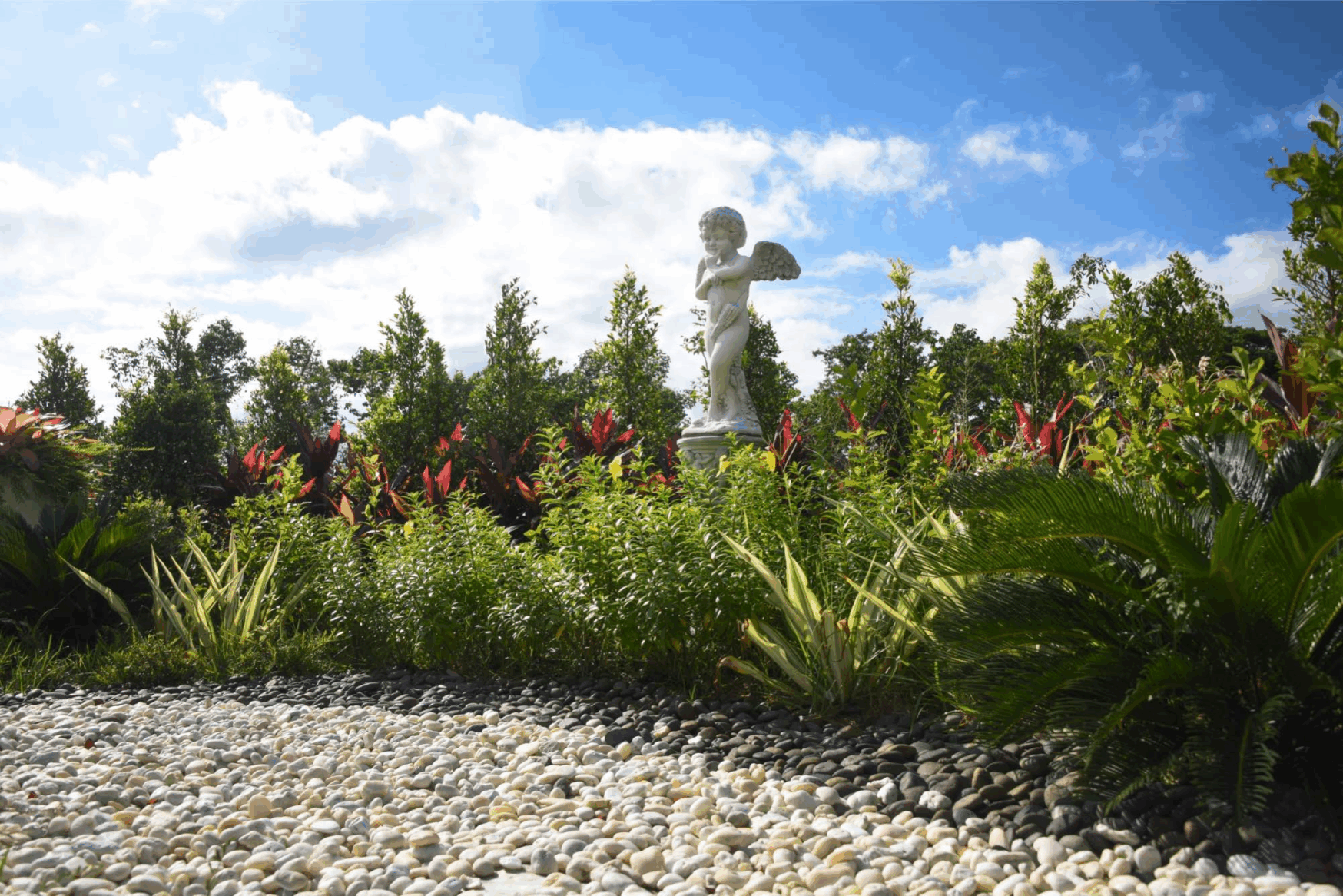
More than 80% of all ornamental plants on campus are low-water species that can thrive through dry seasons with minimal watering or rainfall. They are easy to maintain, requiring only periodic trimming, and help reduce outdoor water use and reliance on the main water supply. These plants also align with green building principles, adding aesthetic value and diverse colors to the university’s landscape and ornamental gardens.
Smart Farm Fruit Plantations with Water-Efficient Irrigation
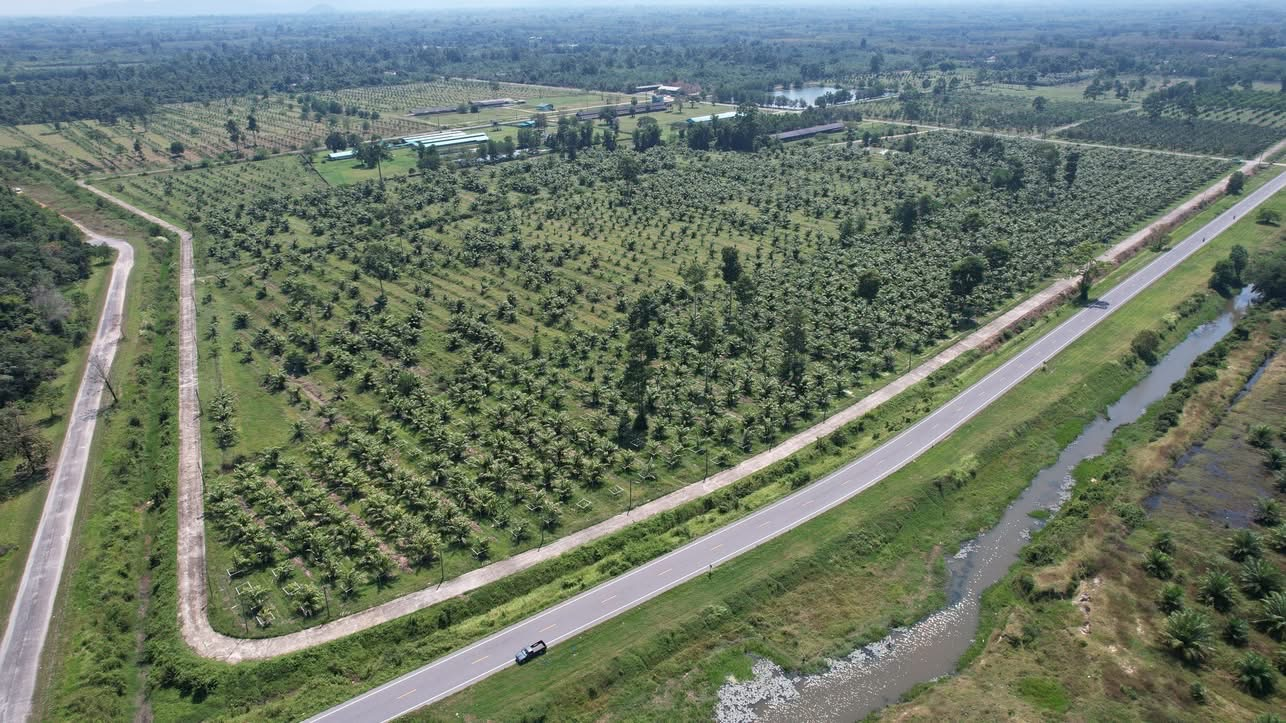
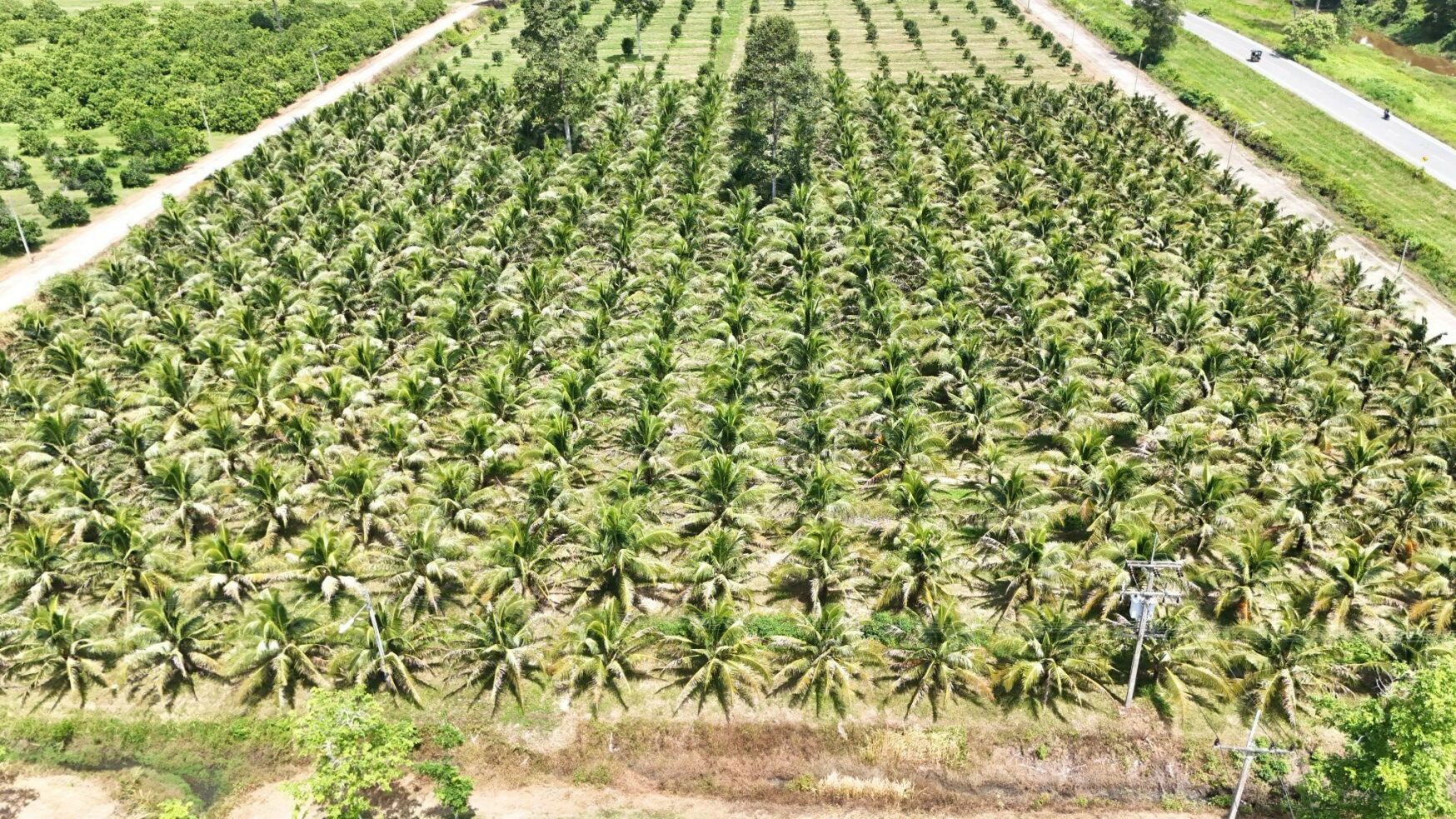
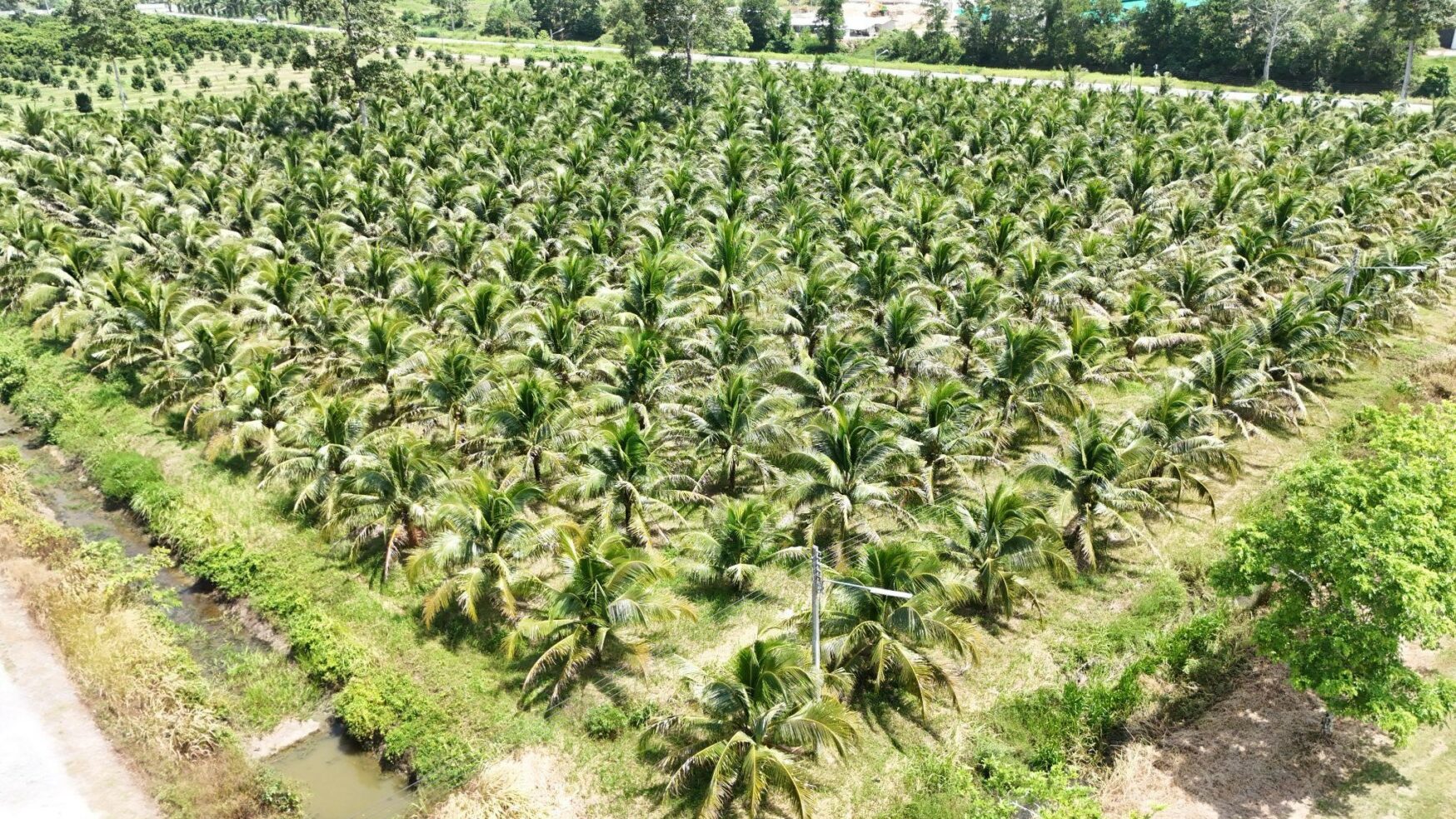
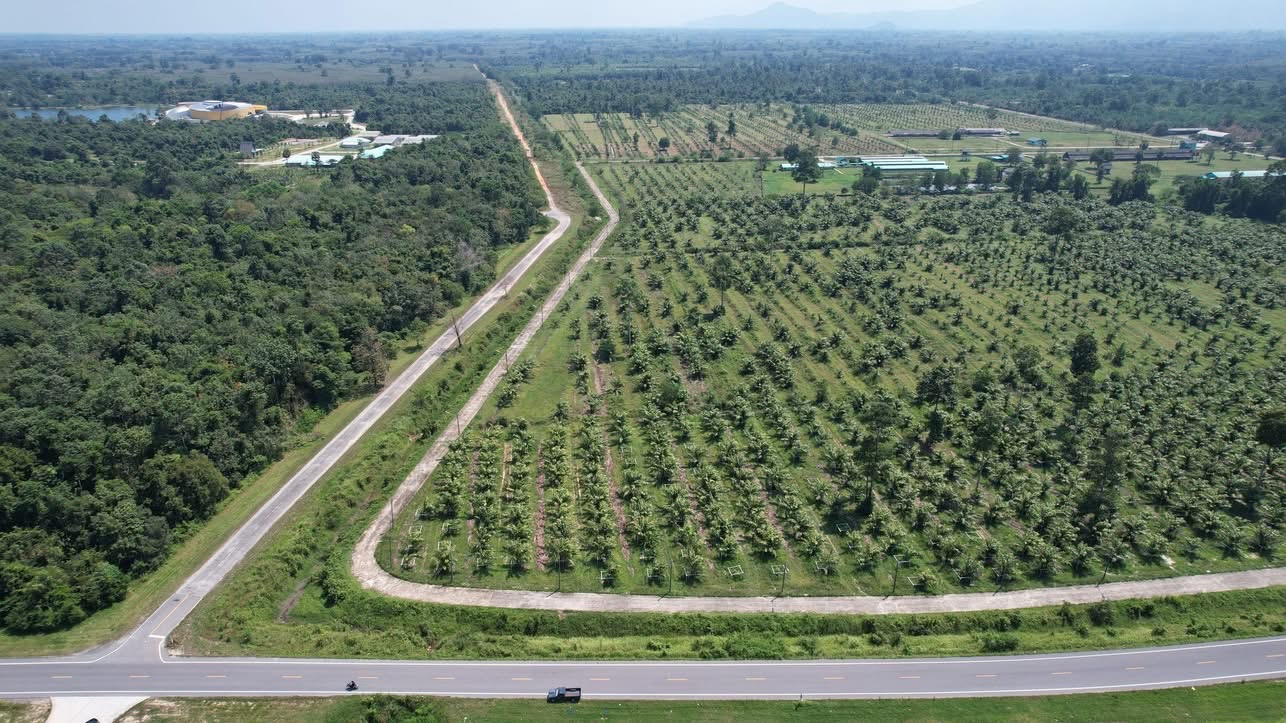
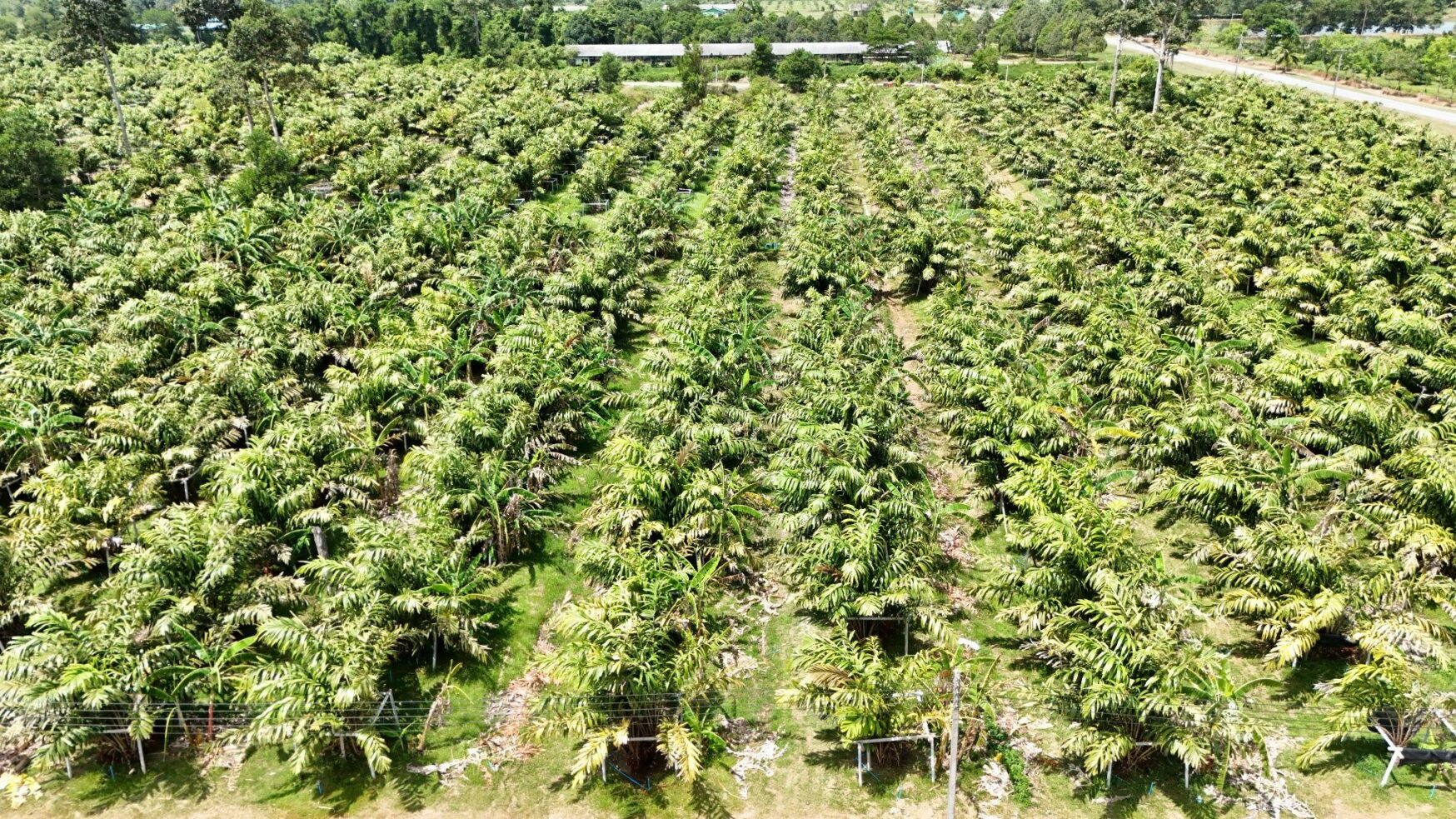
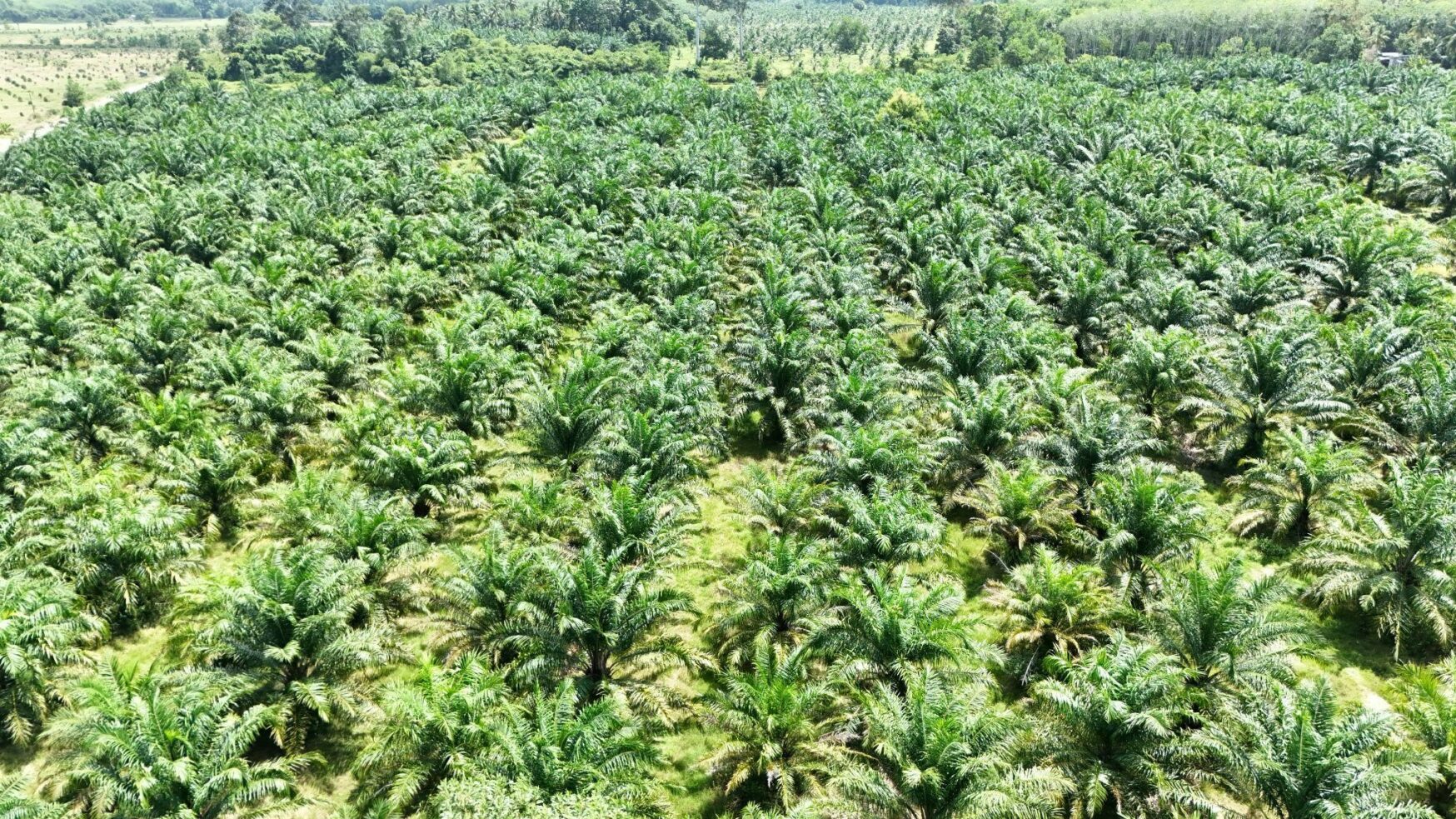
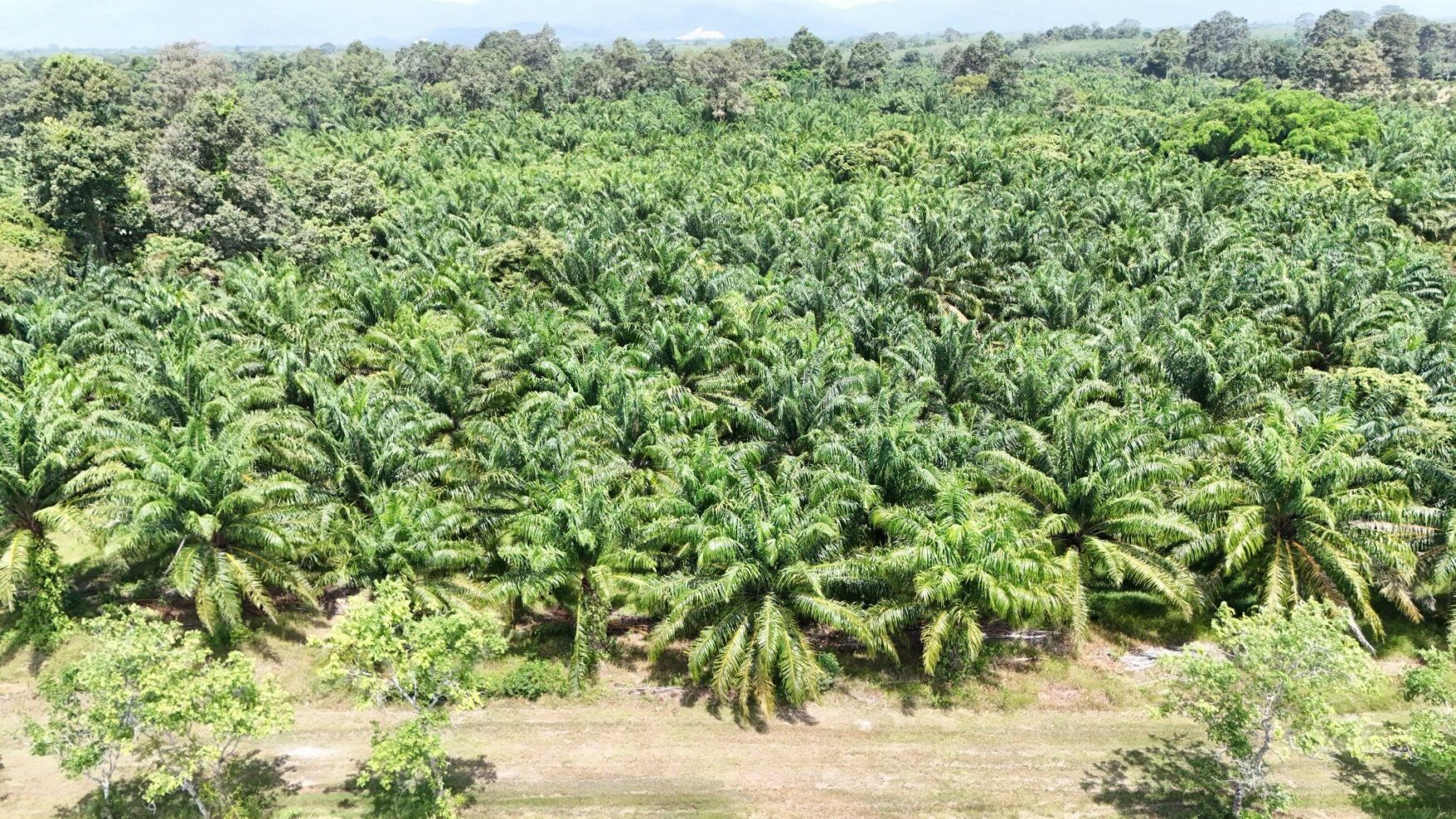
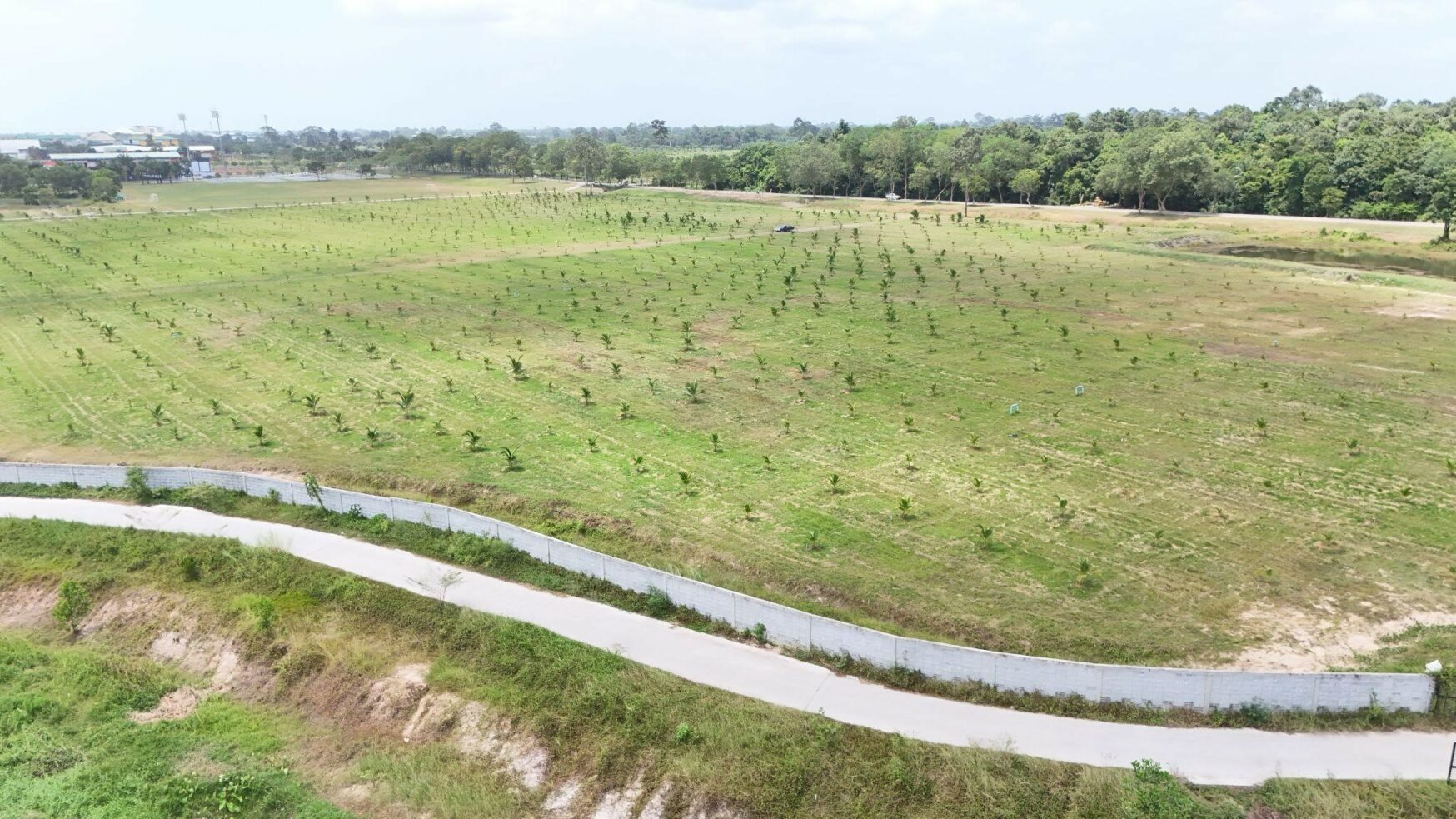
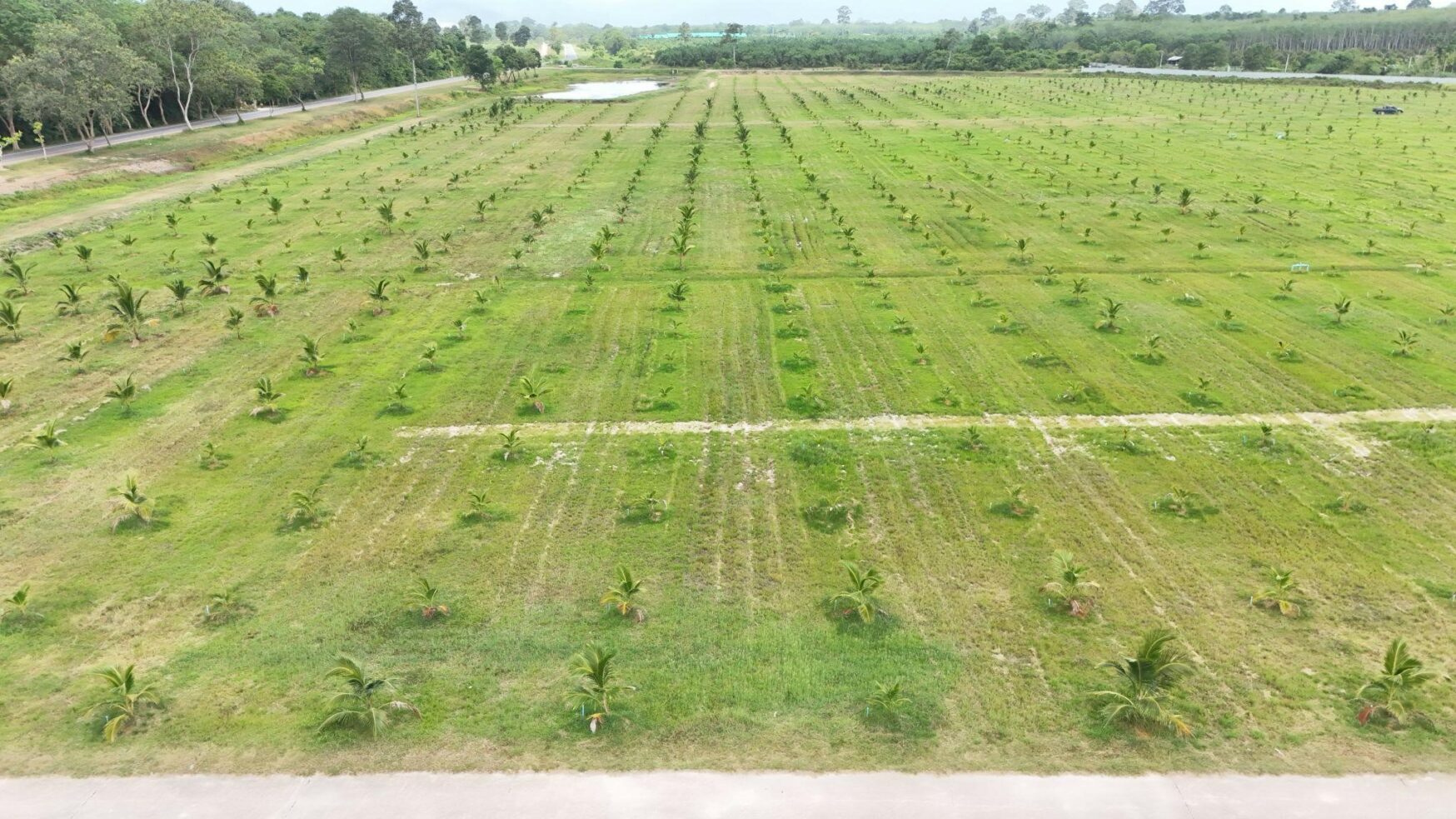
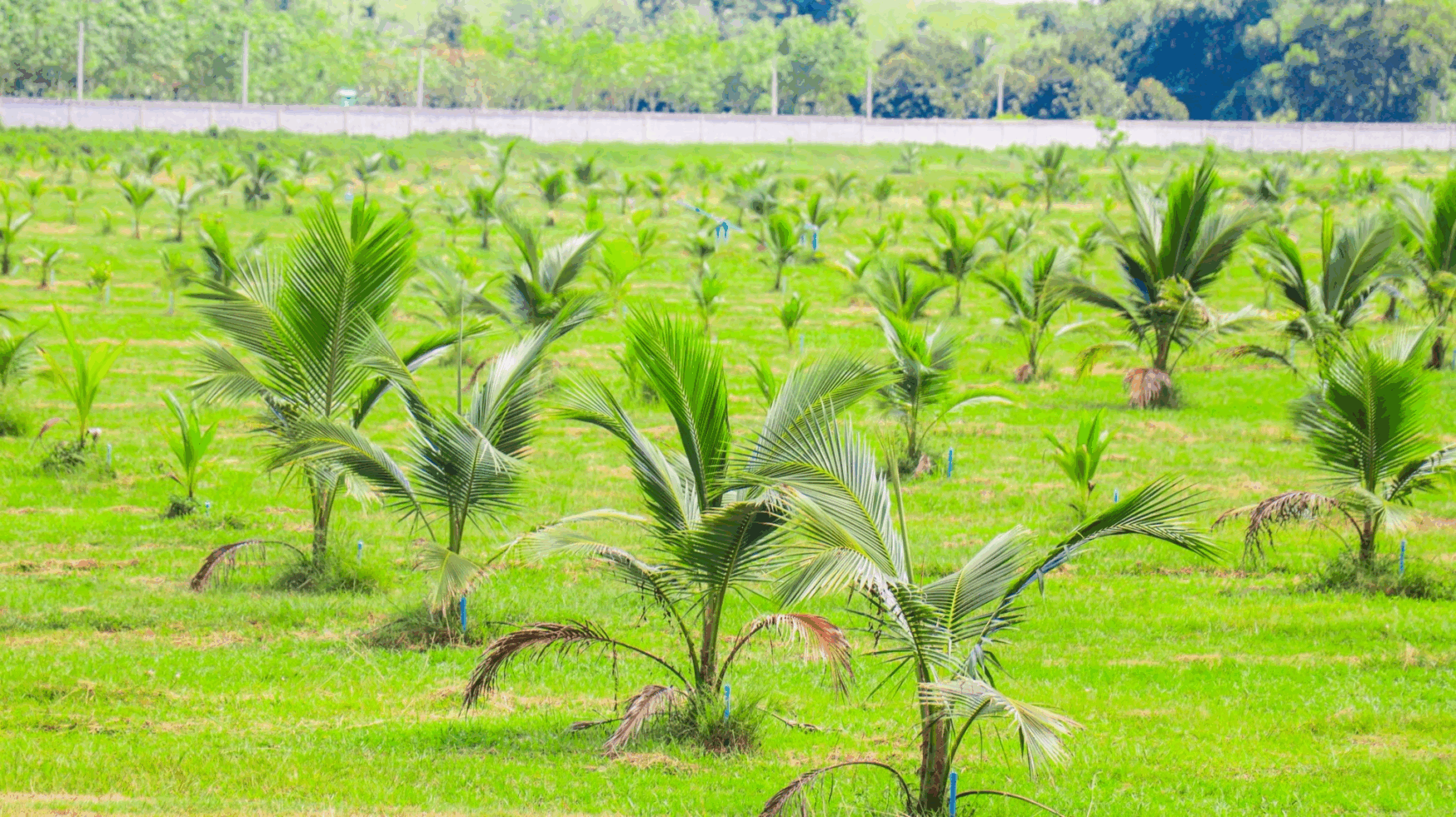
In addition, the university has planted landscapes for fruit tree cultivation under the Smart Farm Center, focusing on crops such as coconut, salak (snake fruit), and oil palm—drought-tolerant fruit trees that require minimal water and maintenance.
Figures : coconut
Figures : salak (snake fruit)
Figures : oil palm
In 2024, the total coconut plantation area was expanded to over 448,000 square meters. The university adopted a mini-sprinkler irrigation system suitable for the growth characteristics of these plants. This innovation reduces water loss from evaporation and soil infiltration by up to four times compared with conventional sprinkler systems. It stands as another example of efficient land use planning that emphasizes water conservation without compromising crop quality or biodiversity.
Soilless Farming Innovation for Water-Smart Agriculture
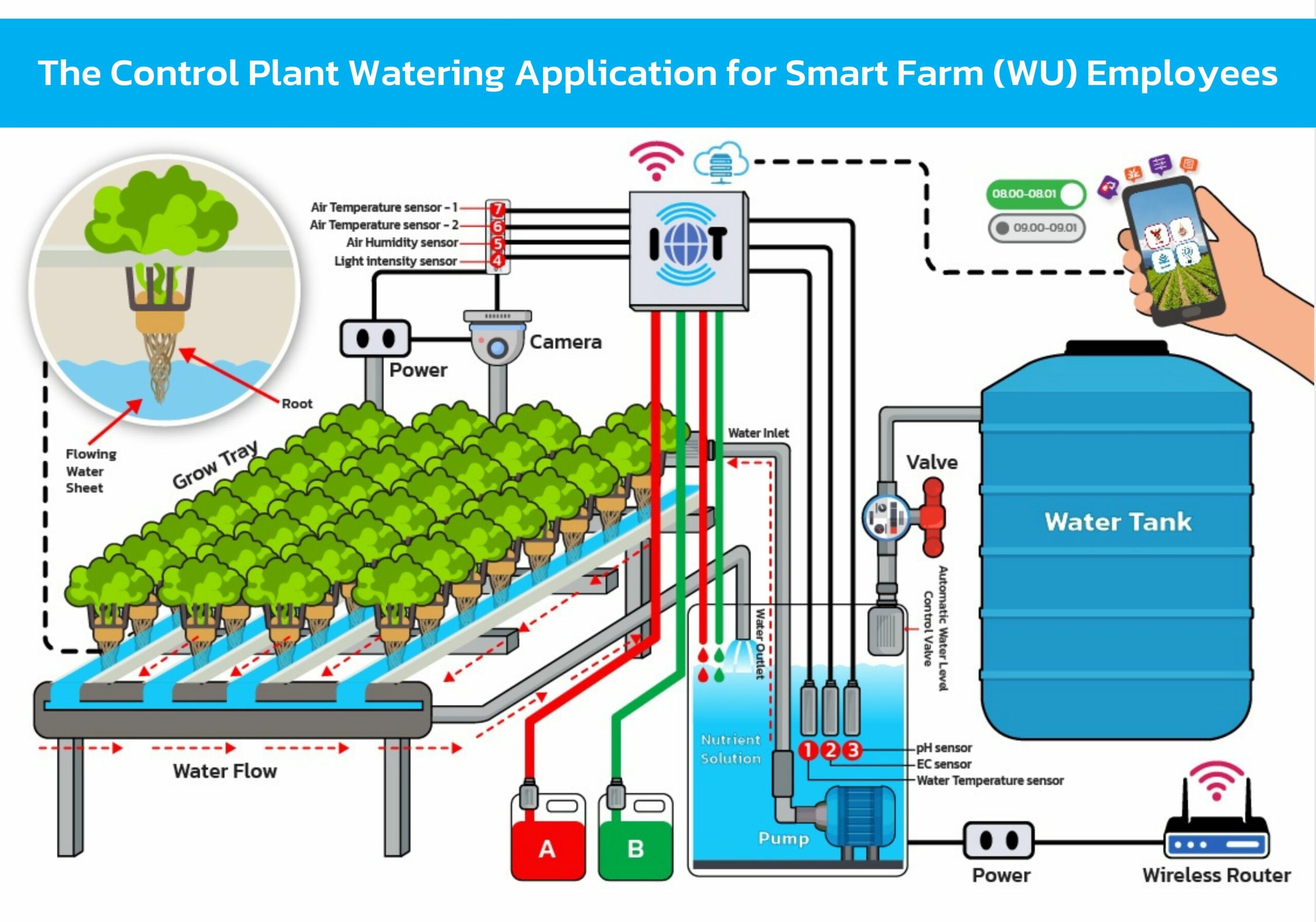
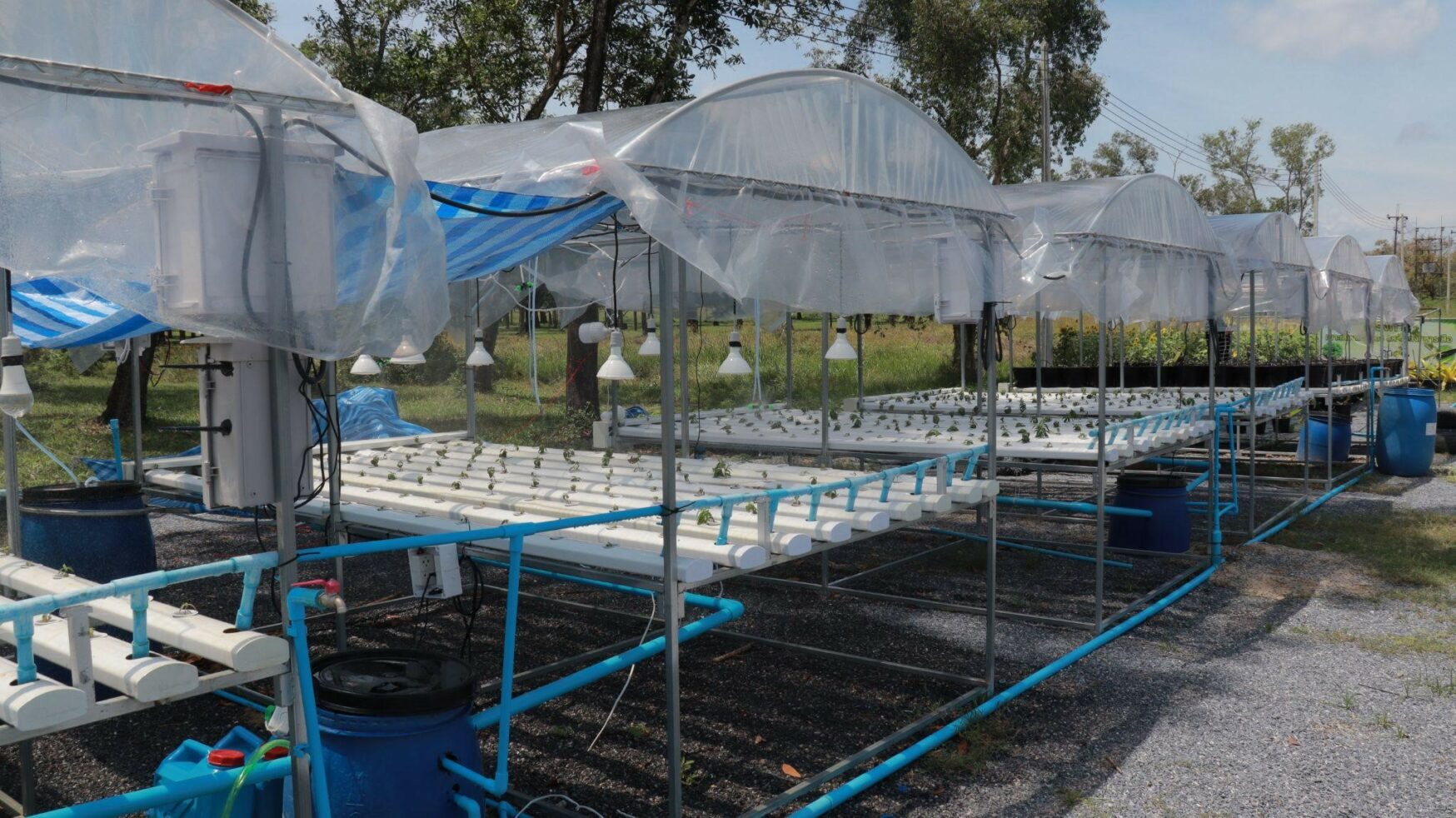
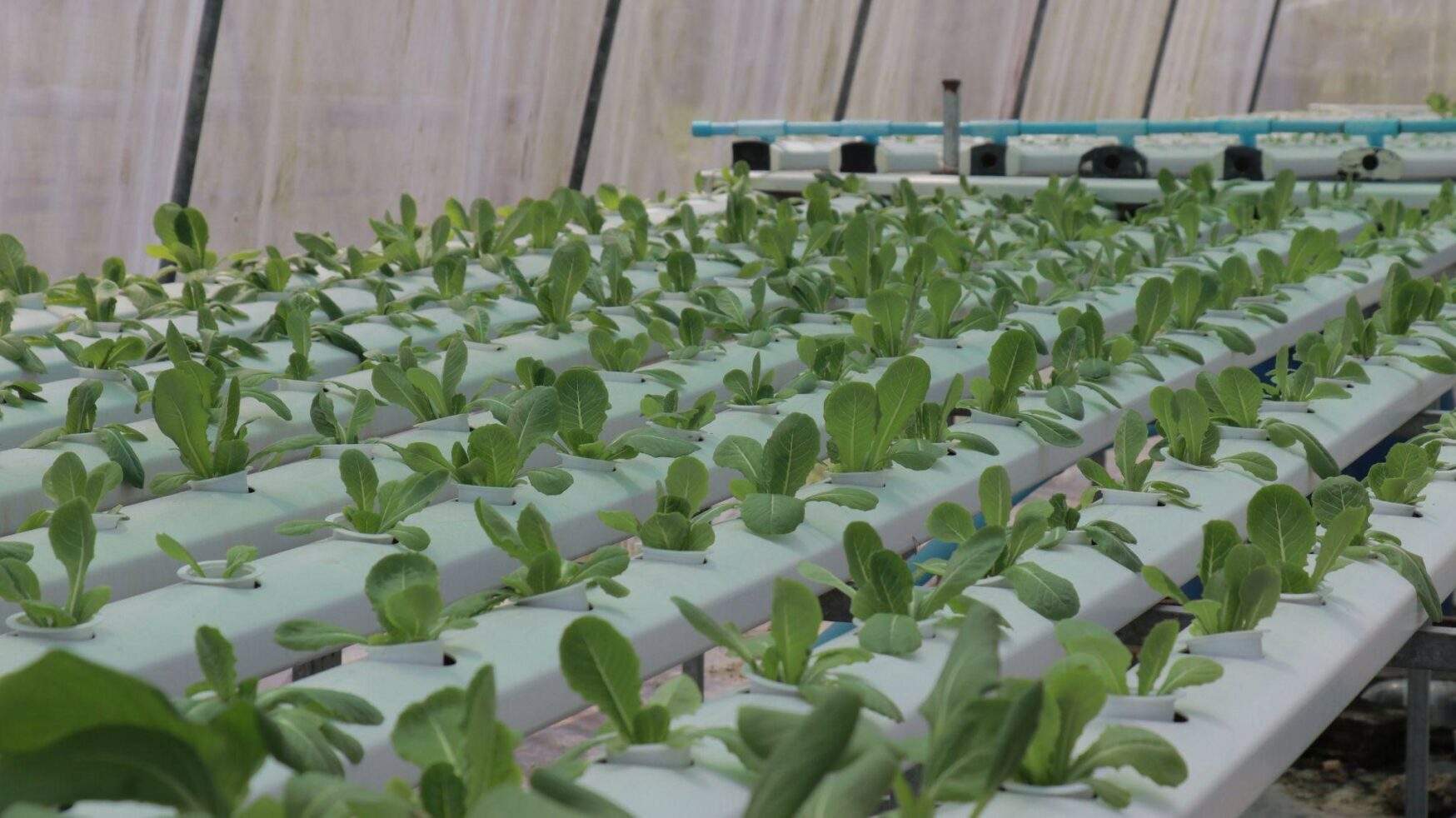
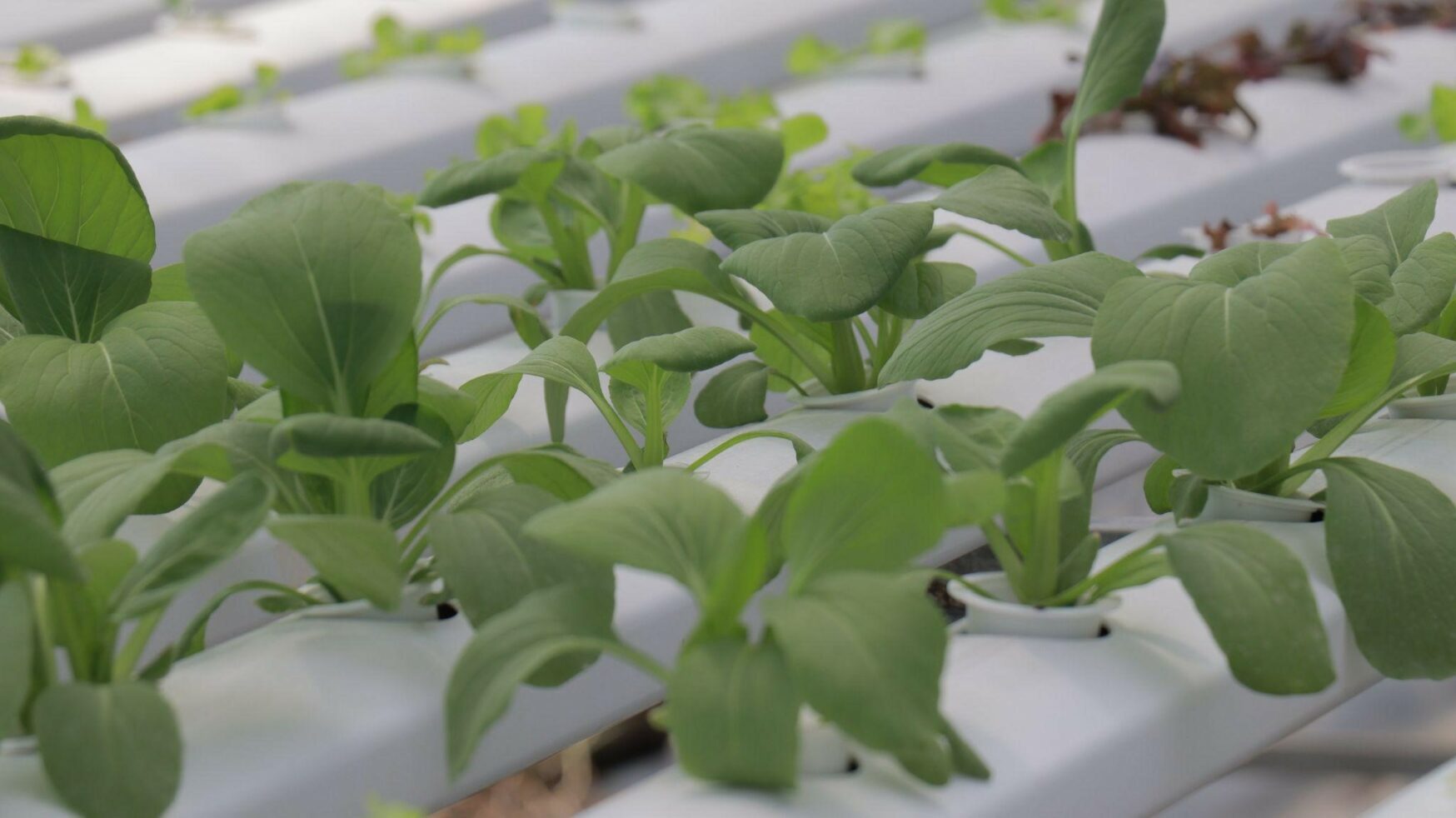
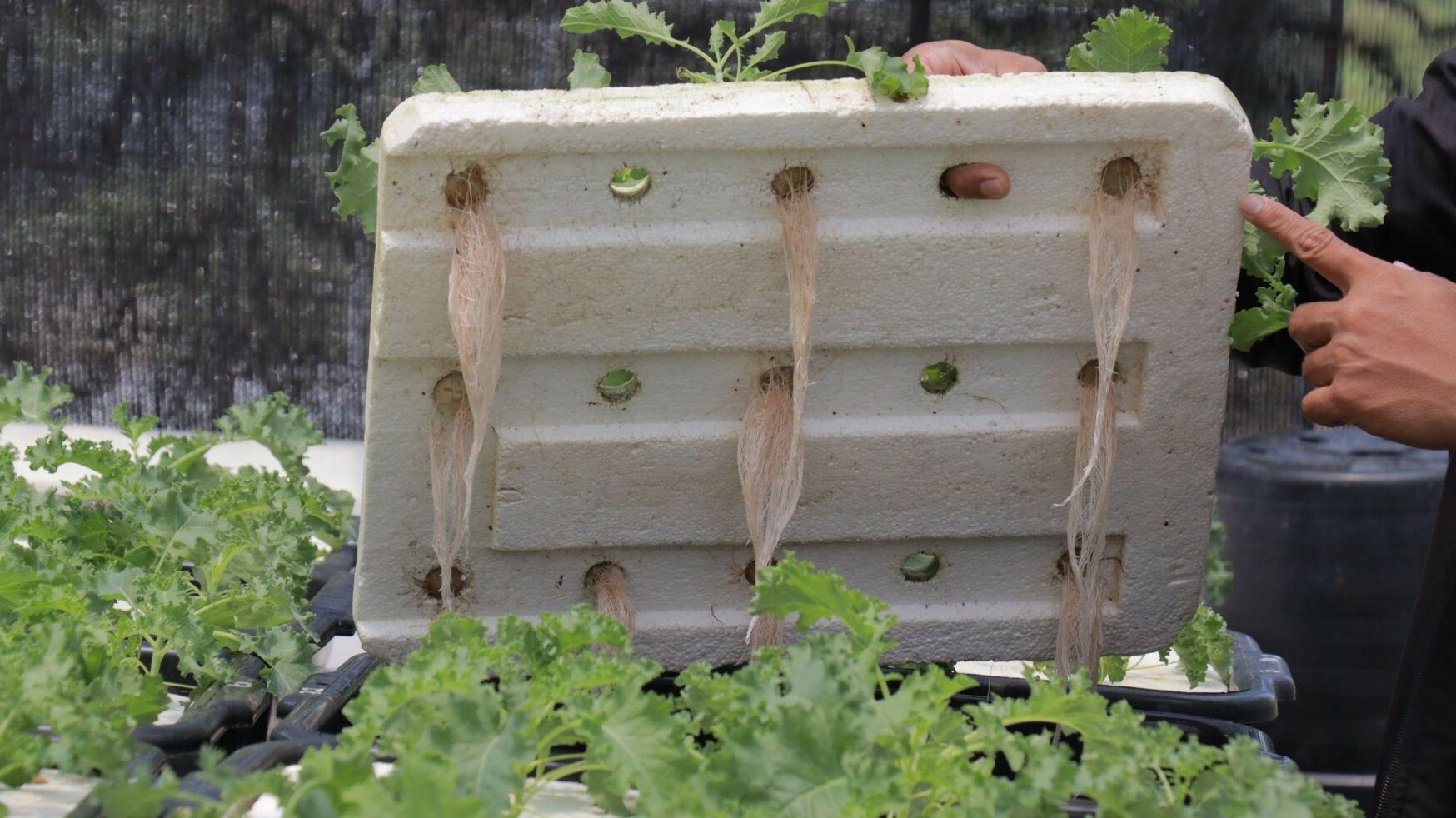
Furthermore, the university has adopted soilless cultivation technology, particularly hydroponic systems, as another key approach to minimizing water use in agriculture. Hydroponics can save up to 70–90% of water compared to traditional soil-based cultivation because the water used in the system can be filtered, supplemented with nutrients, and recirculated. This system allows precise control over both the amount of water and the nutrient composition delivered to plant roots, ensuring efficient plant growth with minimal water consumption. Such technology is particularly suitable for the university’s context, which emphasizes modern agricultural development focused on efficient resource utilization.
The existence of those landscapes to minimise water usage thus serves as a clear model of integration between natural resource management, spatial design, agricultural technology, and conservation-oriented learning spaces. This initiative not only reduces water consumption and operational costs but also fosters environmental awareness among staff, students, and visitors, encouraging collective participation in sustainable environmental stewardship. Ultimately, it strengthens the ecological sustainability of the university campus in a tangible and meaningful way.
Walailak University promotes sustainable landscape management through diagnostic, measurement, and continuous development of water-efficient planting systems. By engaging (engagement) staff, students, and researchers in designing drought-tolerant landscapes, smart irrigation, and soilless farming innovations, the university effectively minimizes water use while enhancing ecological resilience. These initiatives reflect a strong commitment to integrating natural resource management with education and development, creating a sustainable and water-conscious campus environment.